Waterfalls, glaciers, black sand beaches, the Golden Circle, and Iceland’s most dramatic landscapes. 40 curated spots.
The sights that define South Iceland, waterfalls, geysers, and geological drama.

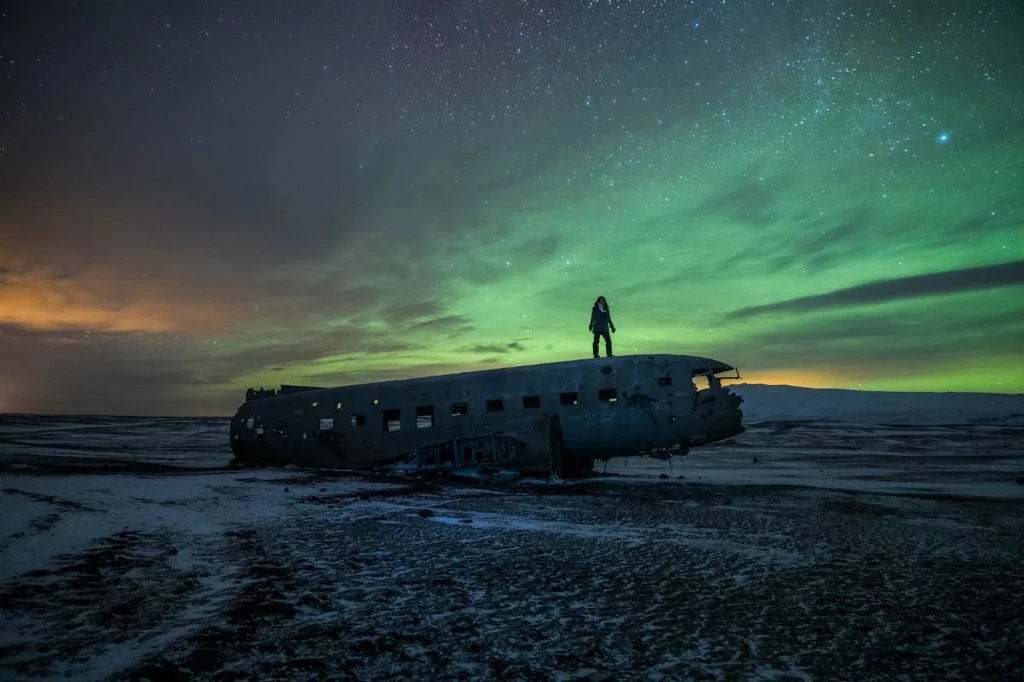
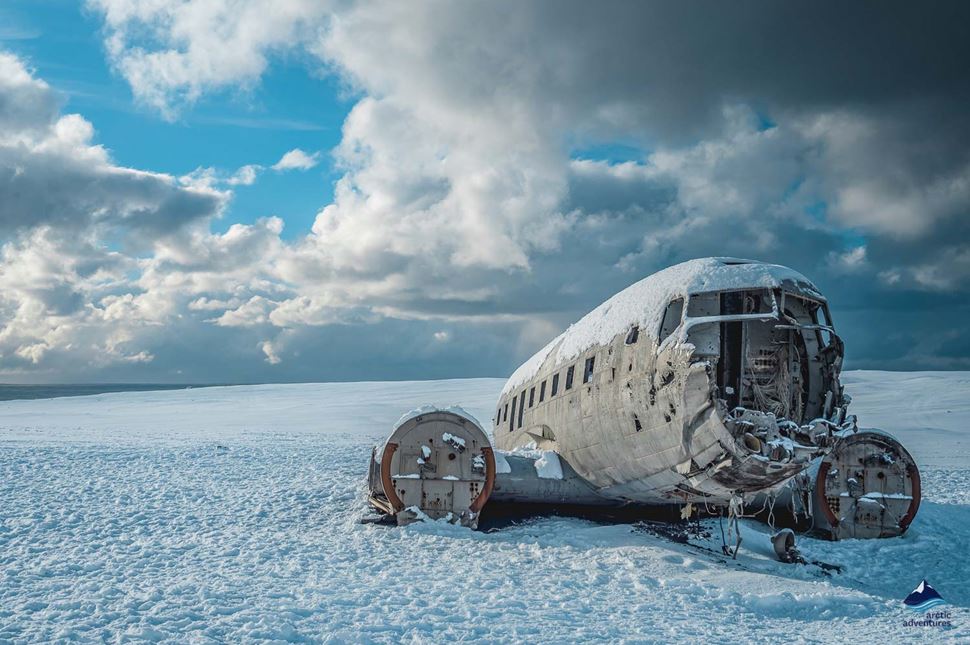
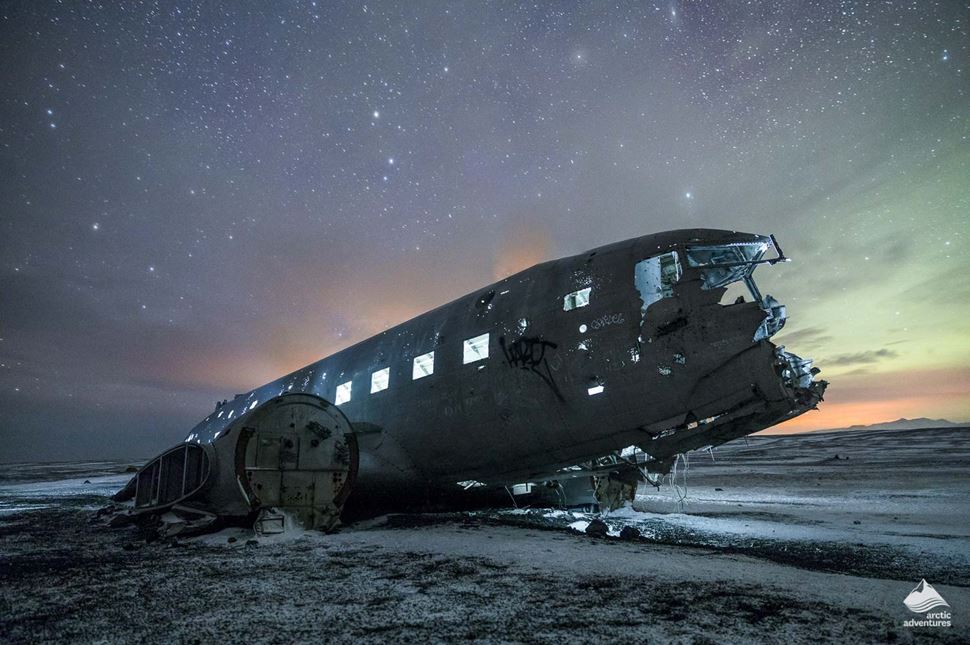
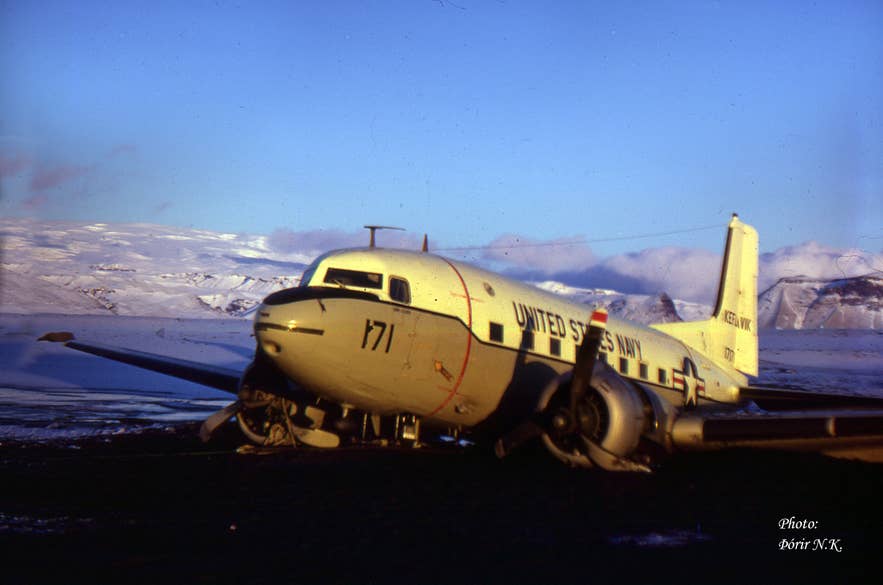
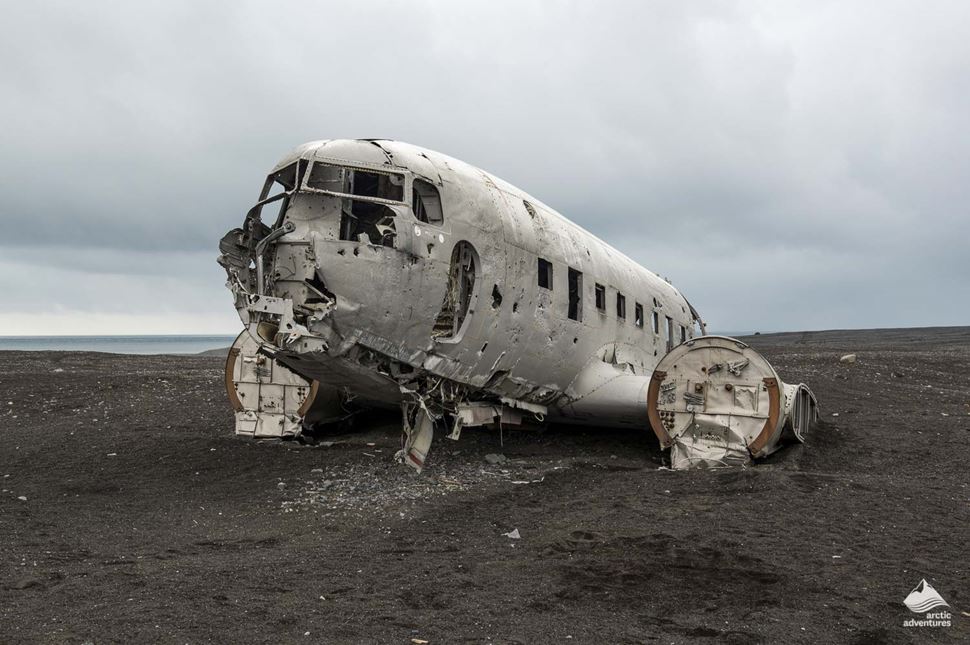
1973 US Navy DC-3 plane wreck on a black sand beach. The skeletal fuselage against the vast black desert is hauntingly photogenic. 4km walk each way from the parking lot. No shuttle buses.

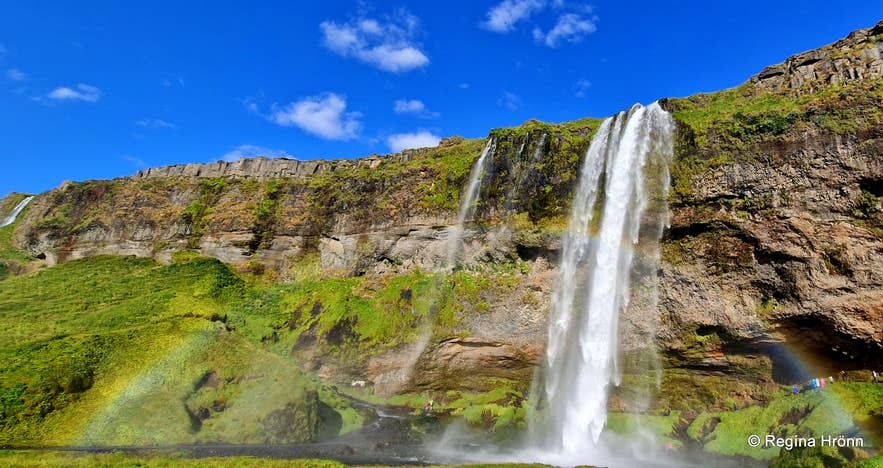
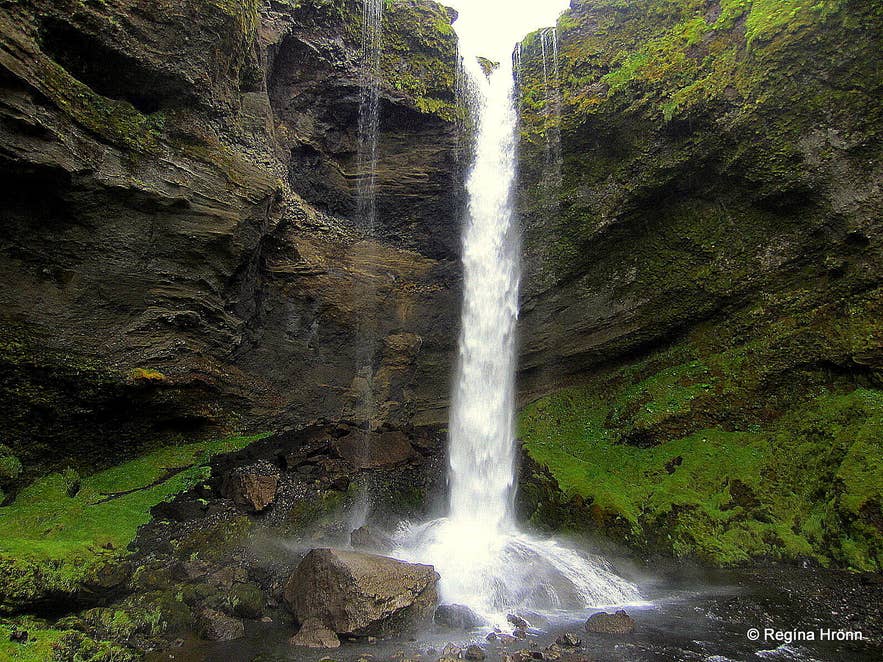
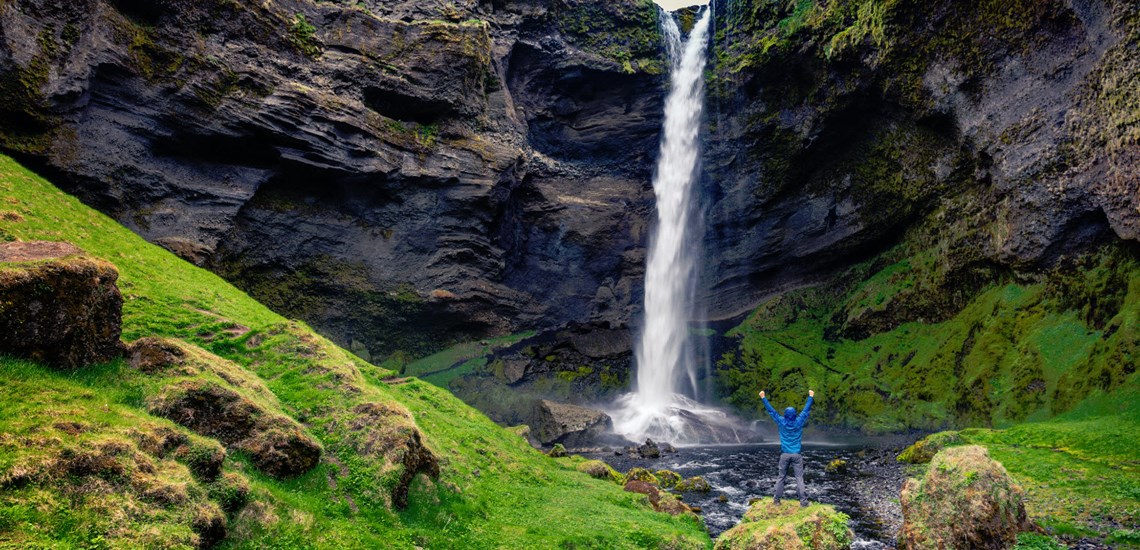
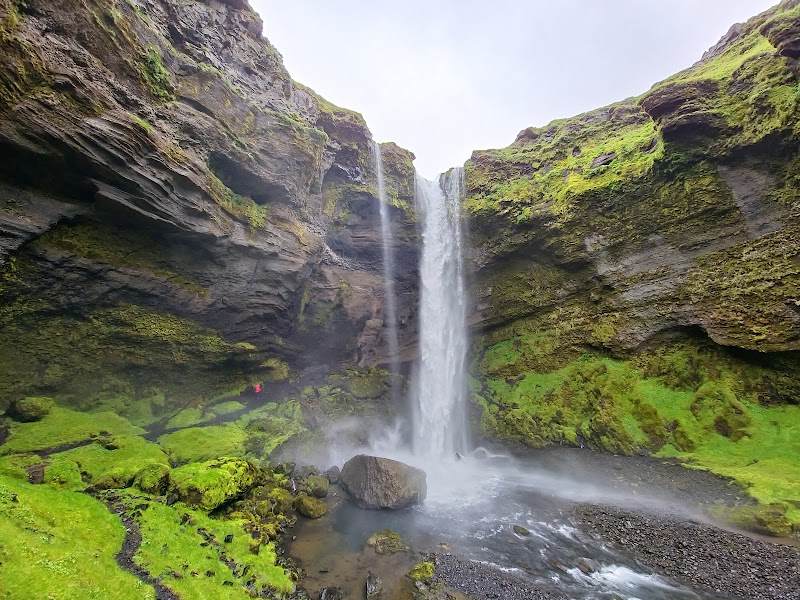
More waterfalls per kilometer than anywhere on Earth. Each one uniquely stunning.

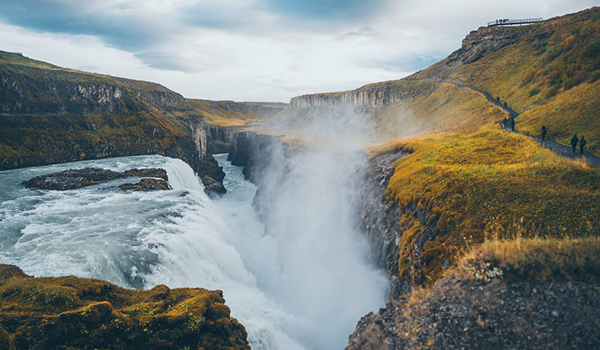
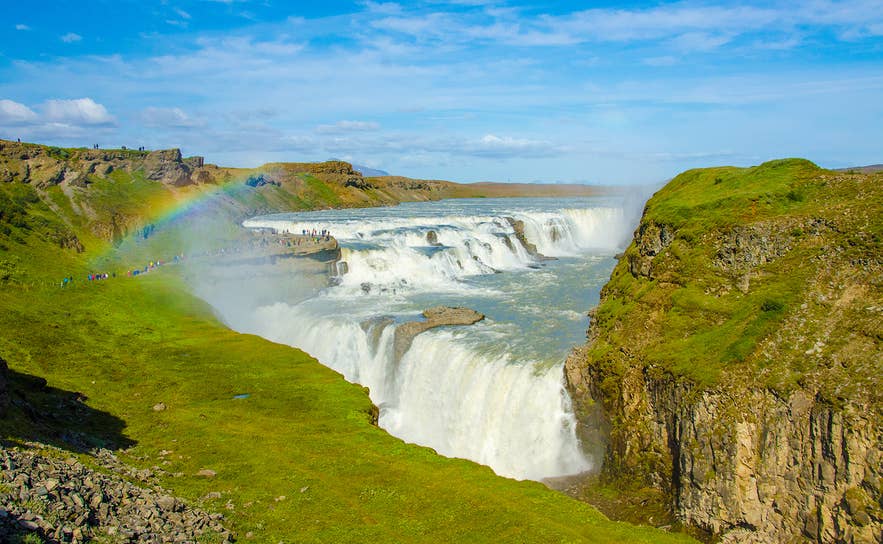
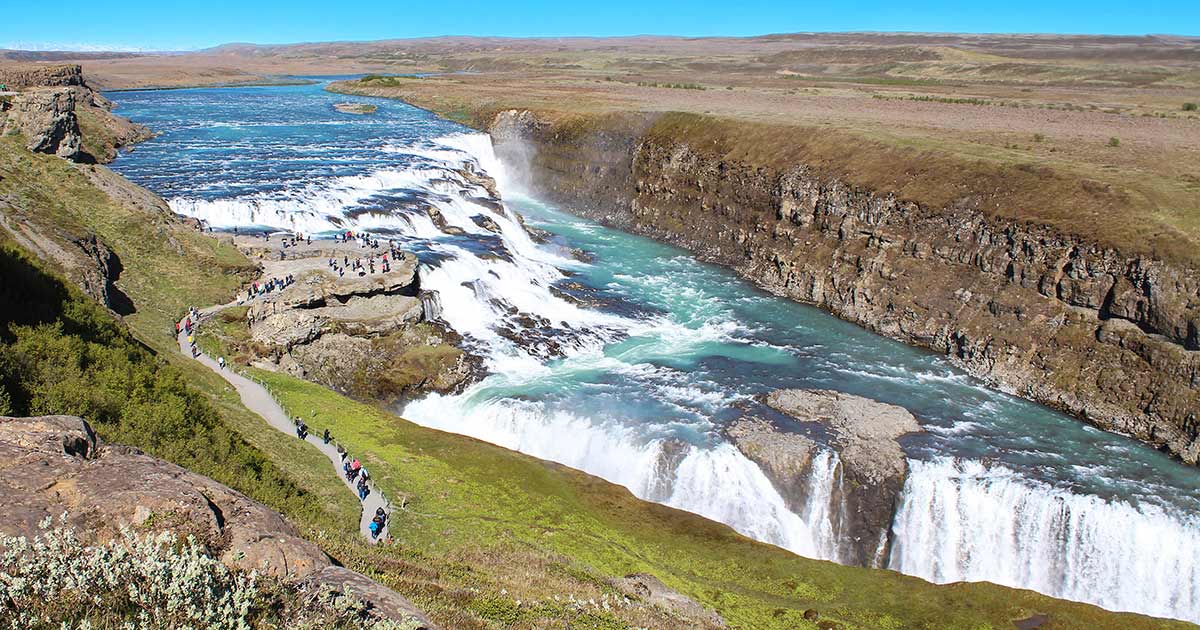
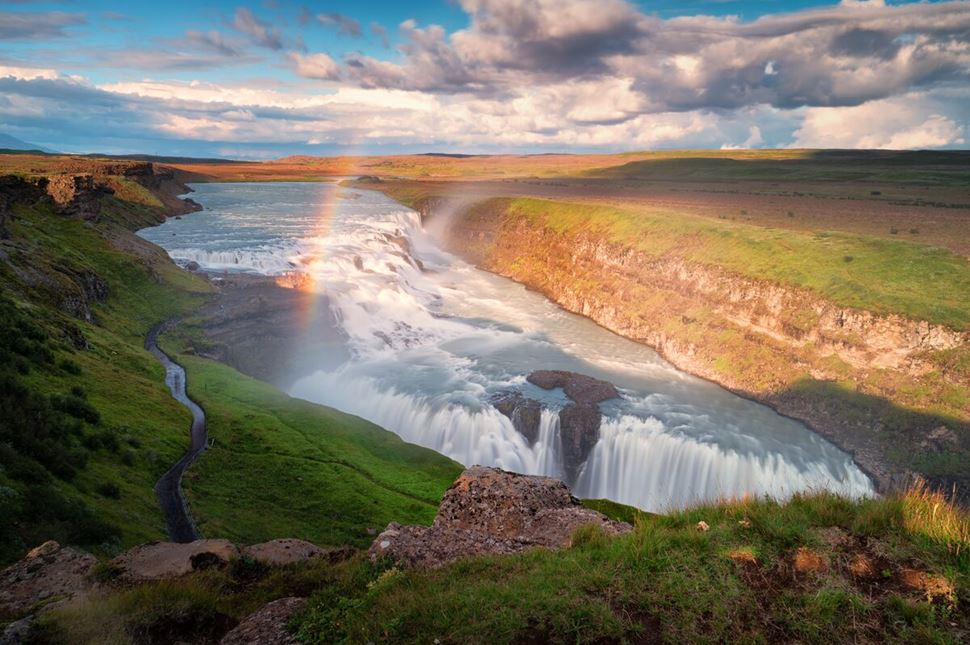
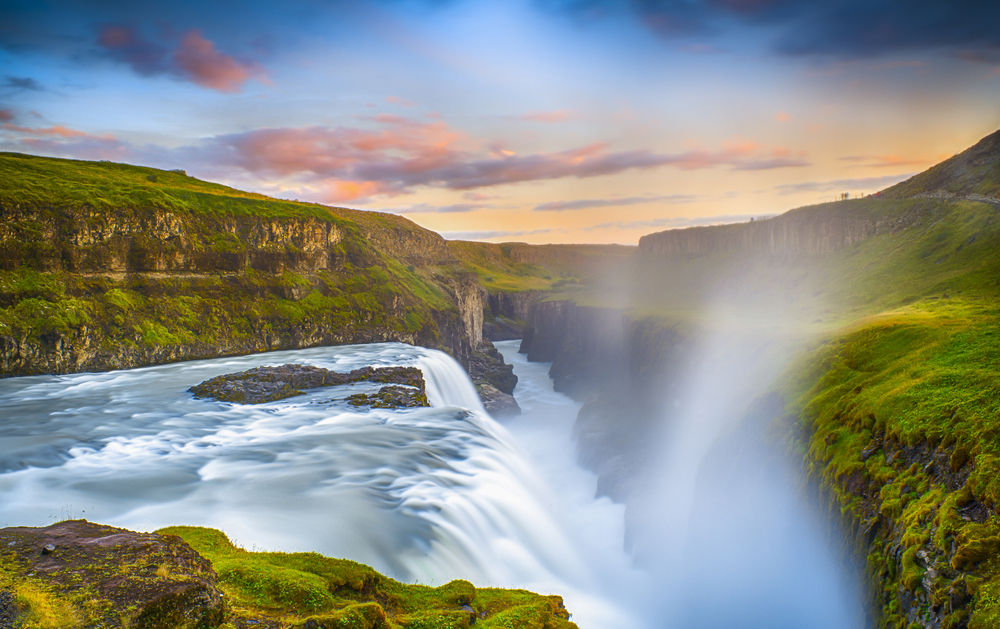
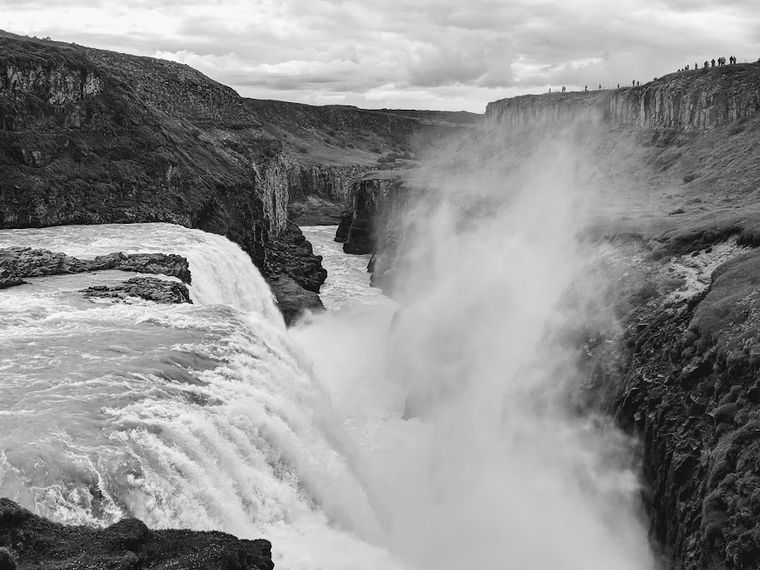
The Golden Waterfall, Iceland's most famous. Two-tiered plunge into a deep canyon. The spray creates constant rainbows in sunlight. In winter, the ice formations are otherworldly. Free entry.

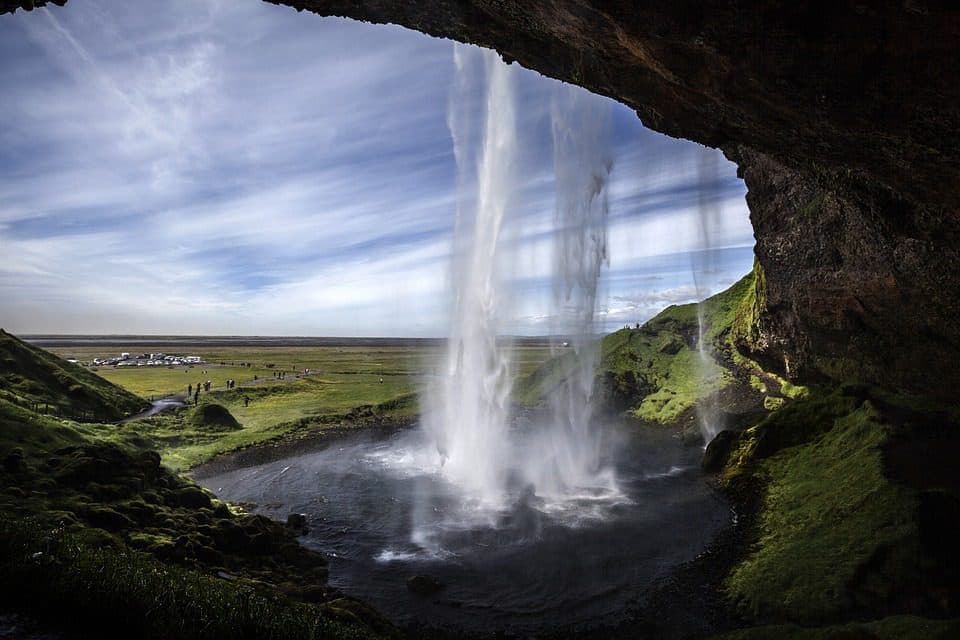
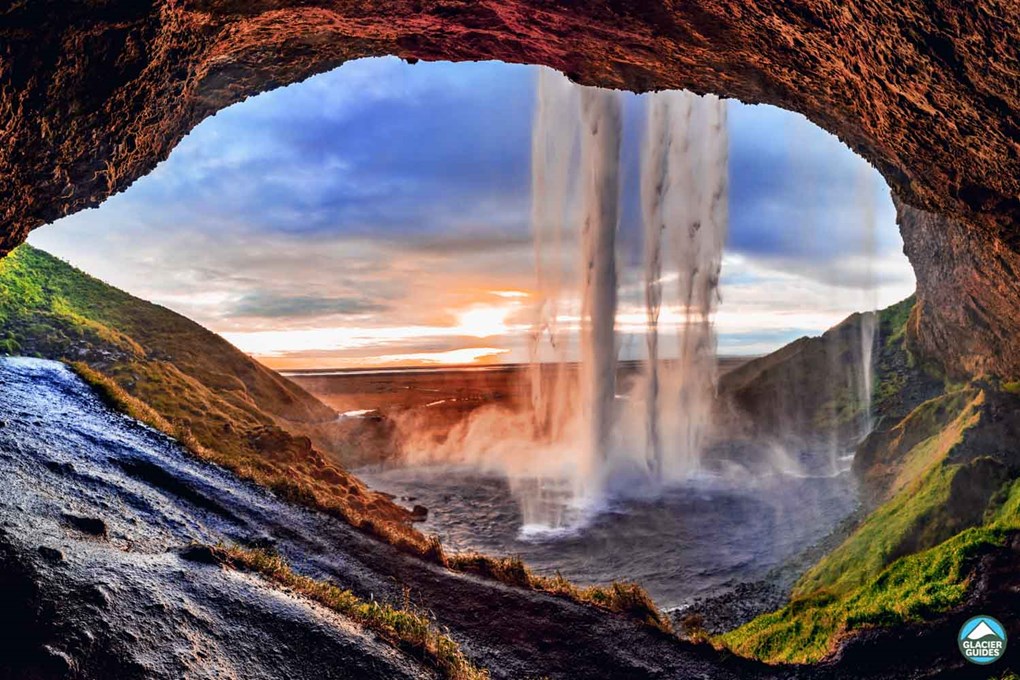
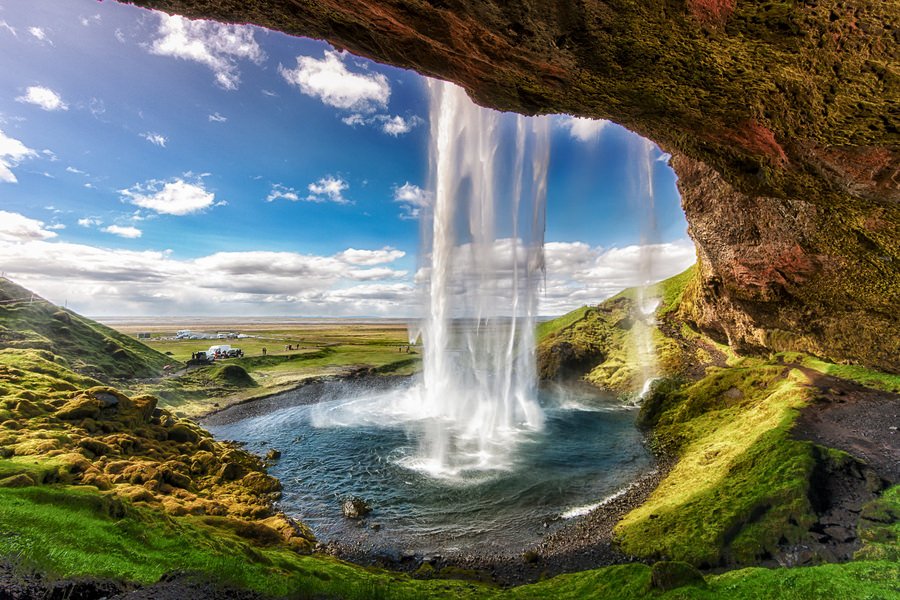
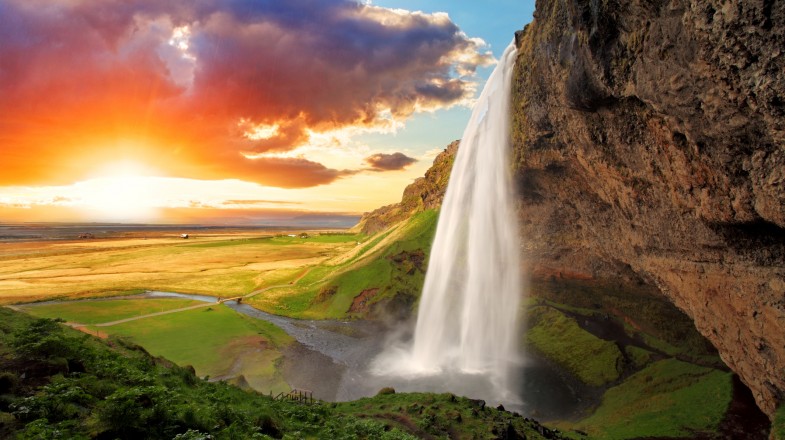
The waterfall you can walk behind. 60m drop with a path that goes behind the curtain of water (bring waterproof everything). At sunset, light streams through the water. Magical in every season.

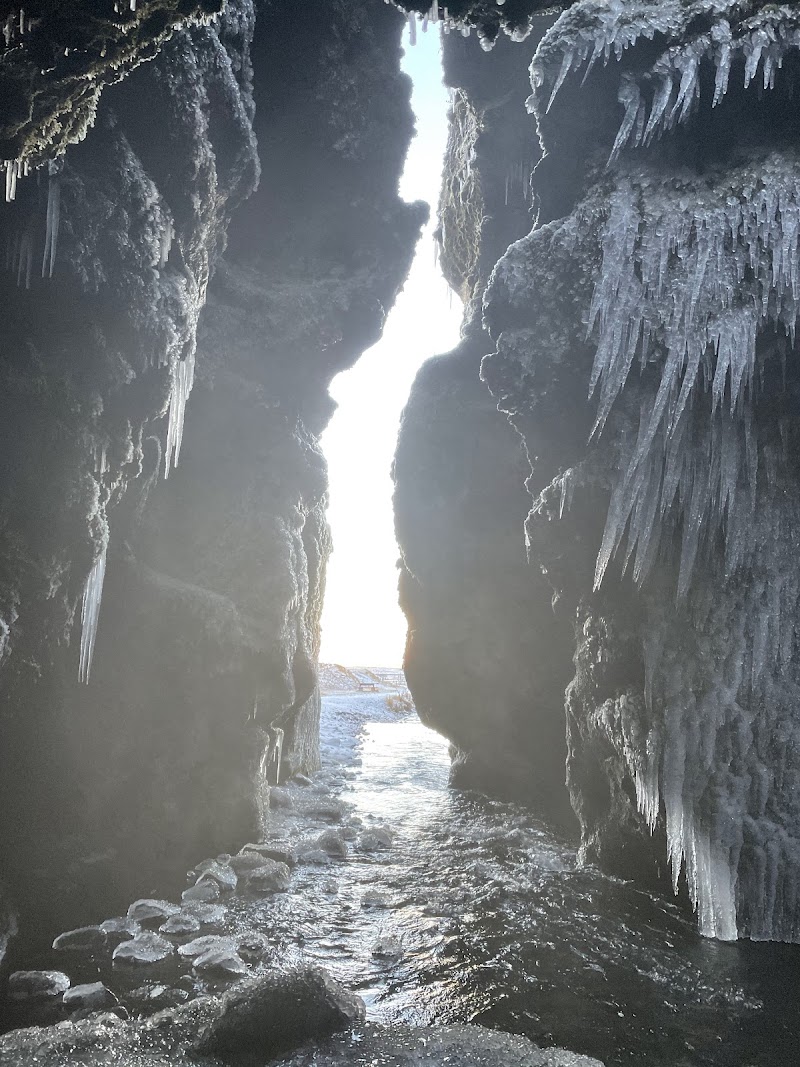
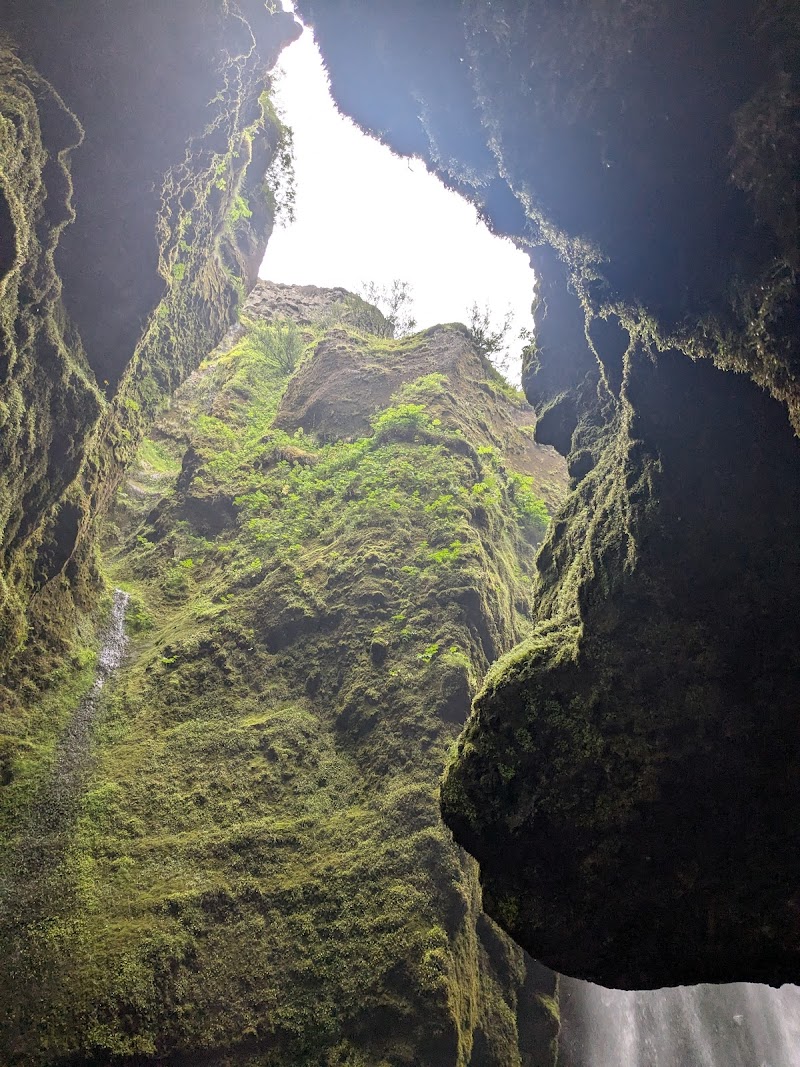
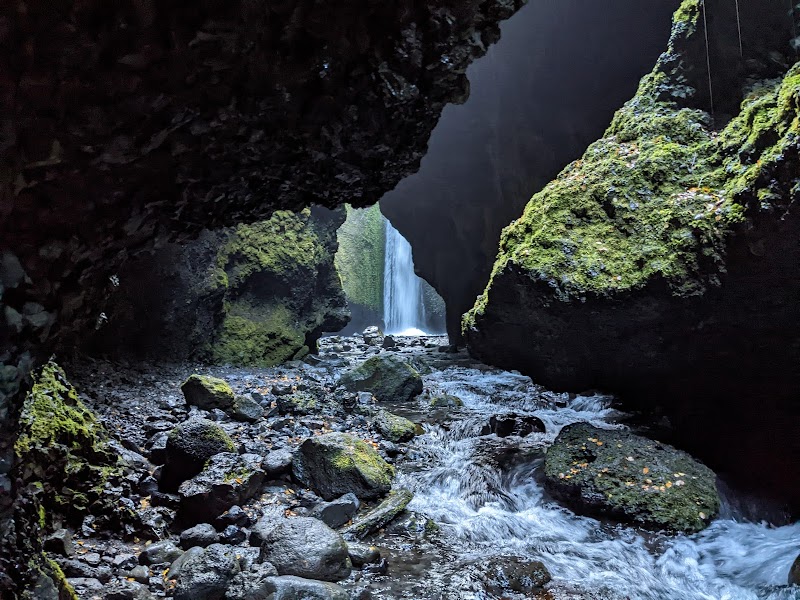
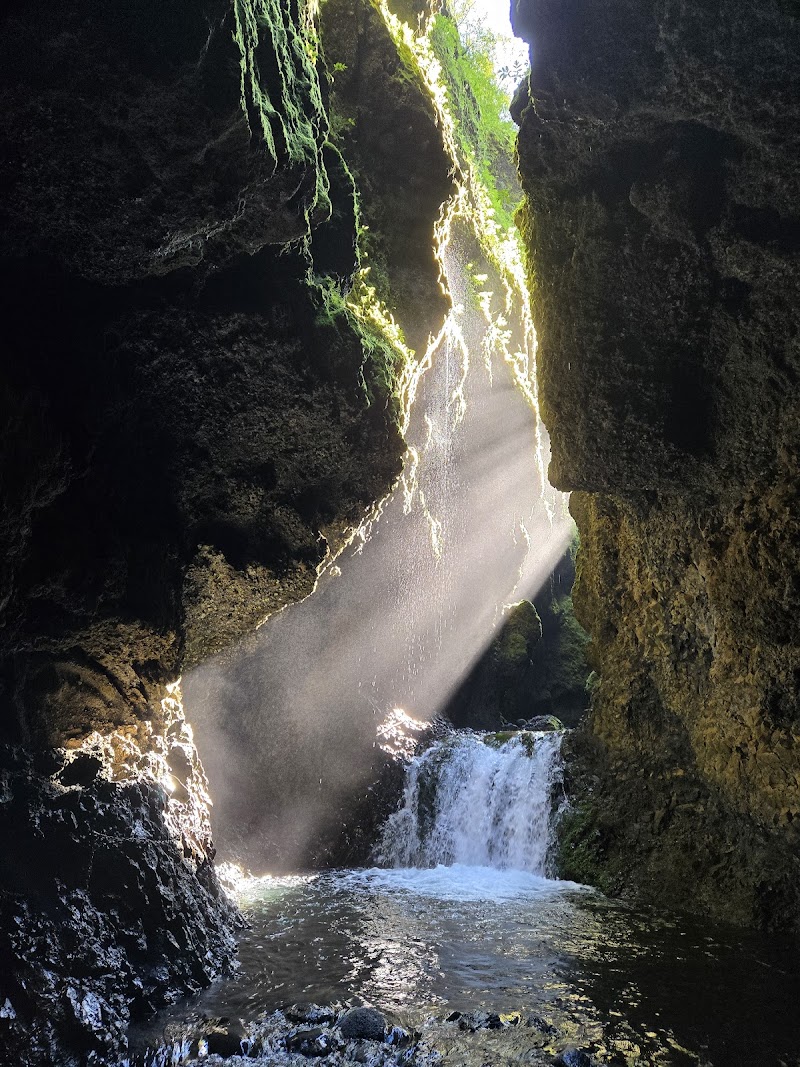
Hidden waterfall in a cave just 500m from Seljalandsfoss. Wade through a stream into a canyon to find a secret waterfall pouring into a hidden chamber. Most tourists miss this. Bring waterproof shoes.
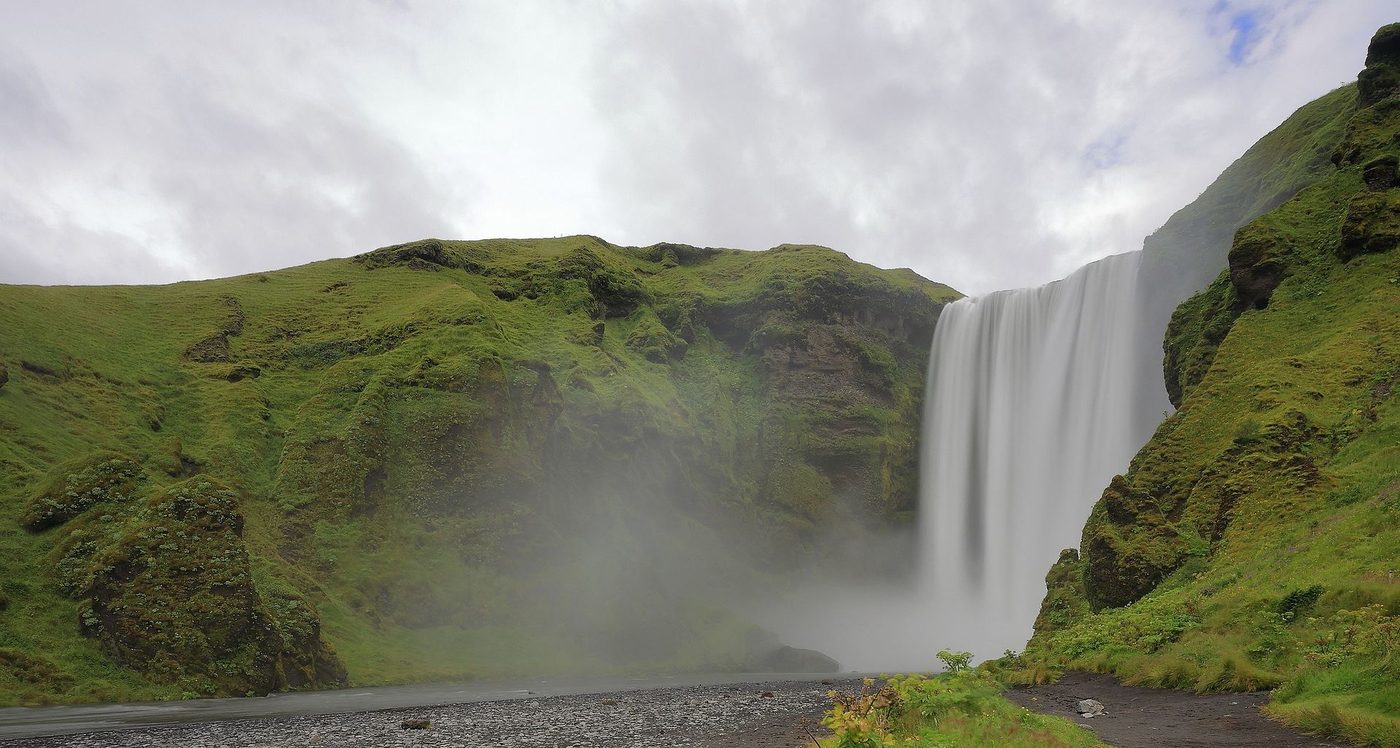
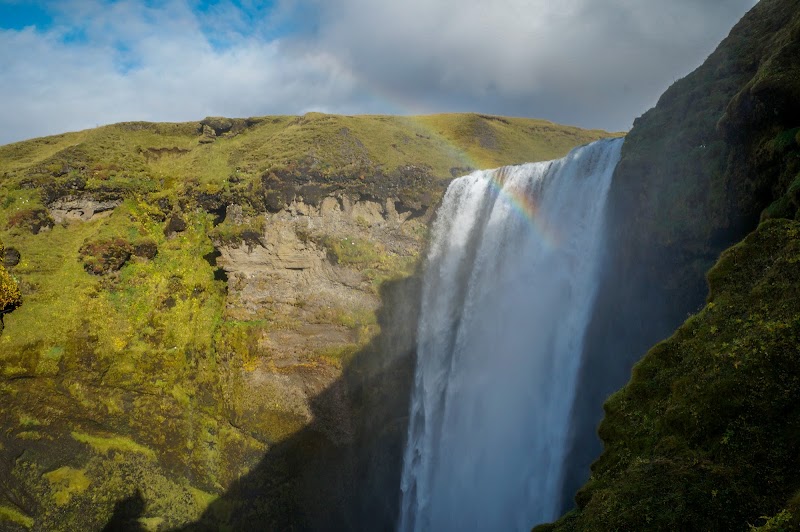
Massive 60m wide, 25m high waterfall. The sheer volume of water creates constant mist and rainbows. Climb 527 steps to the top for views along the river canyon. One of Iceland's most powerful waterfalls.
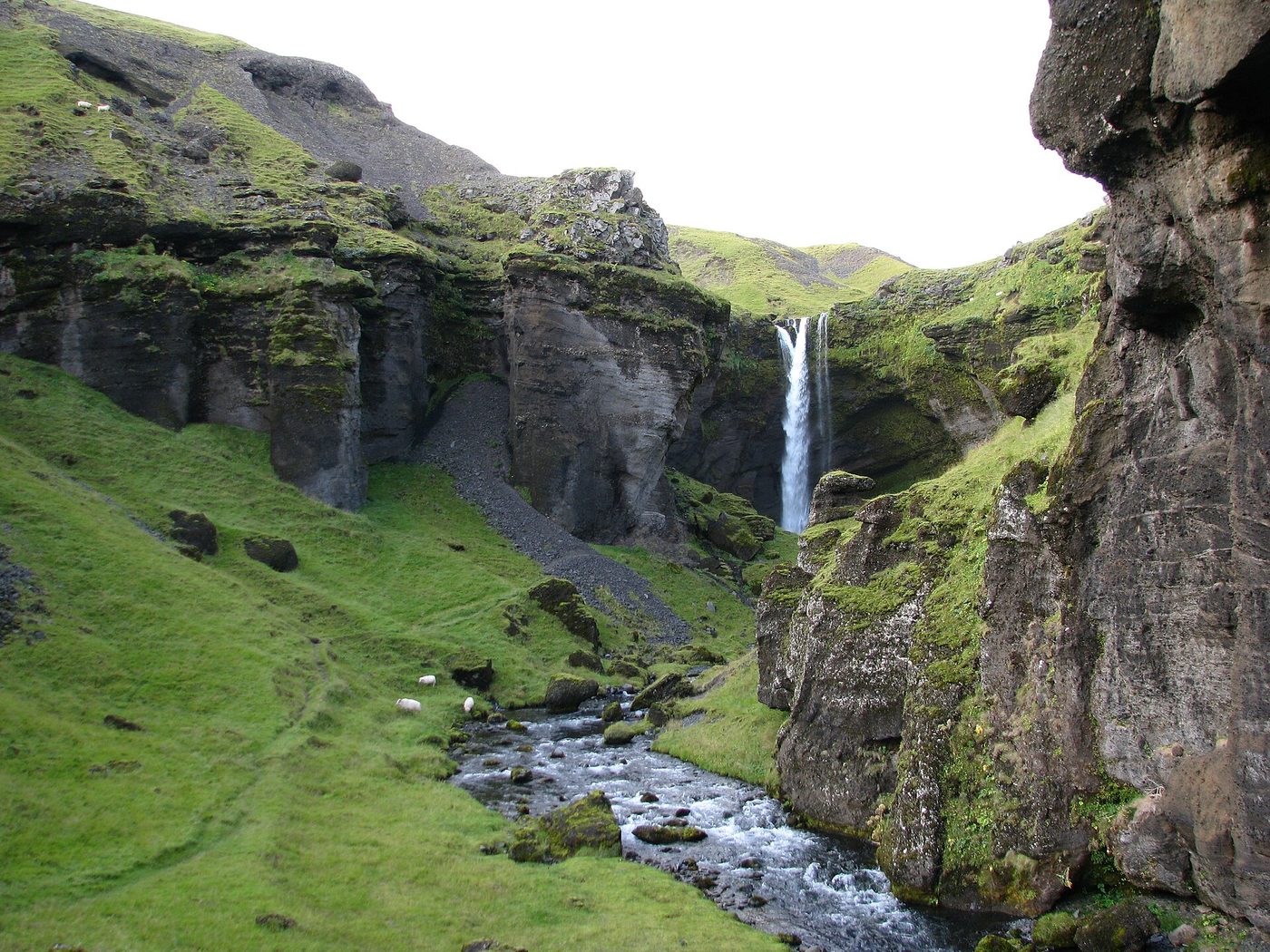
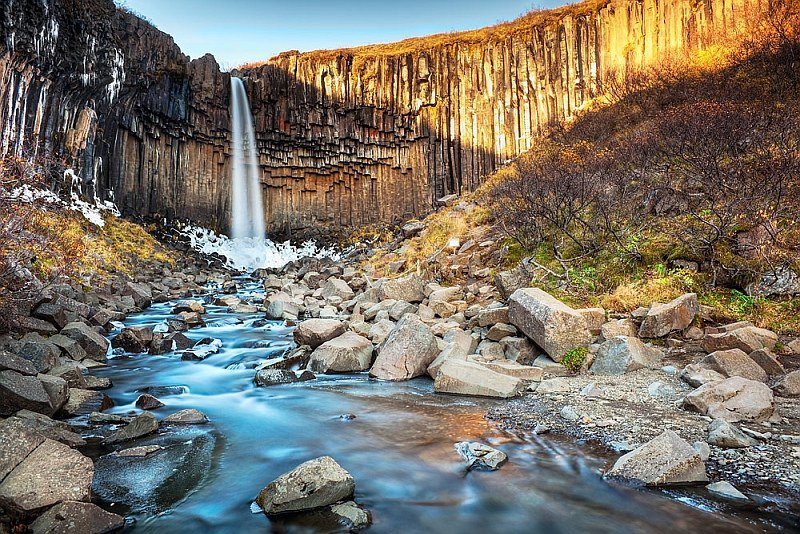
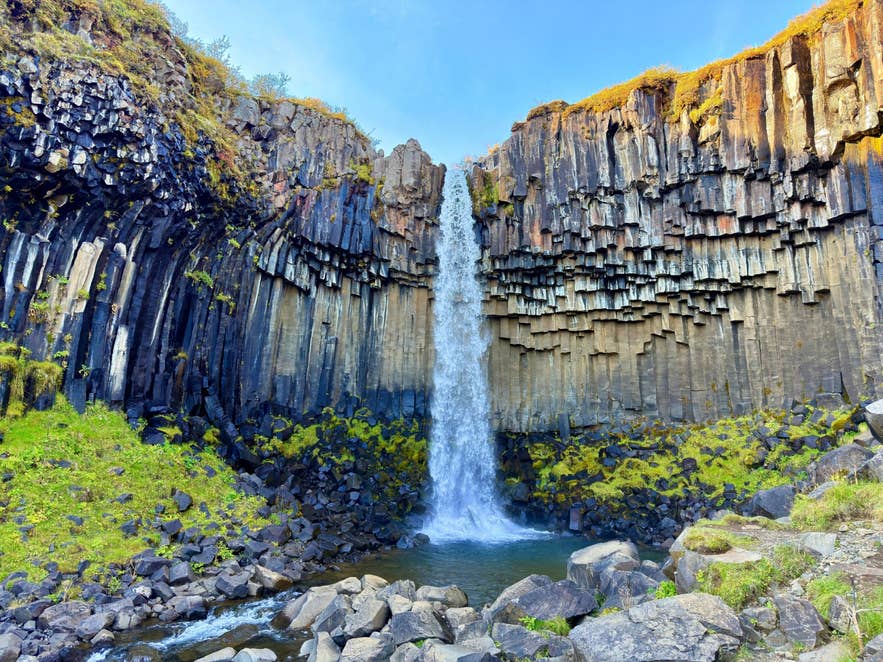
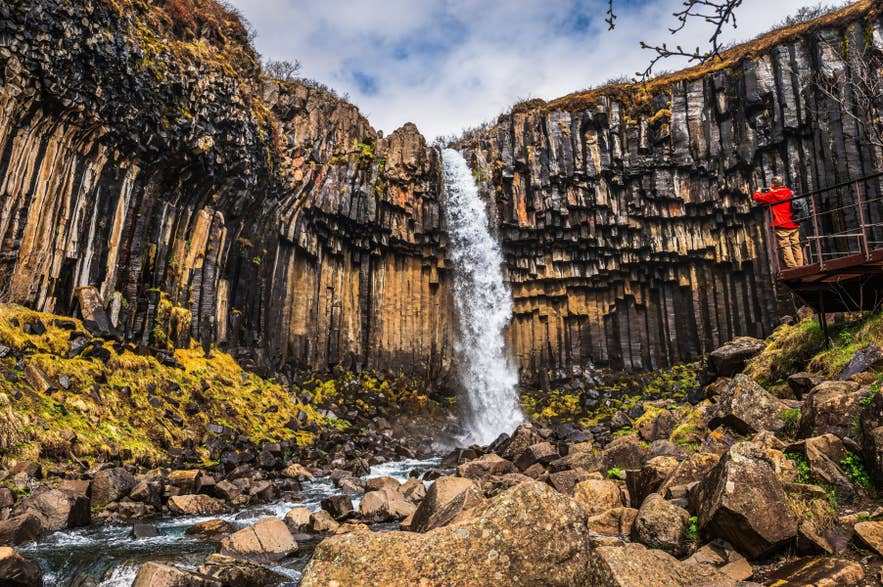
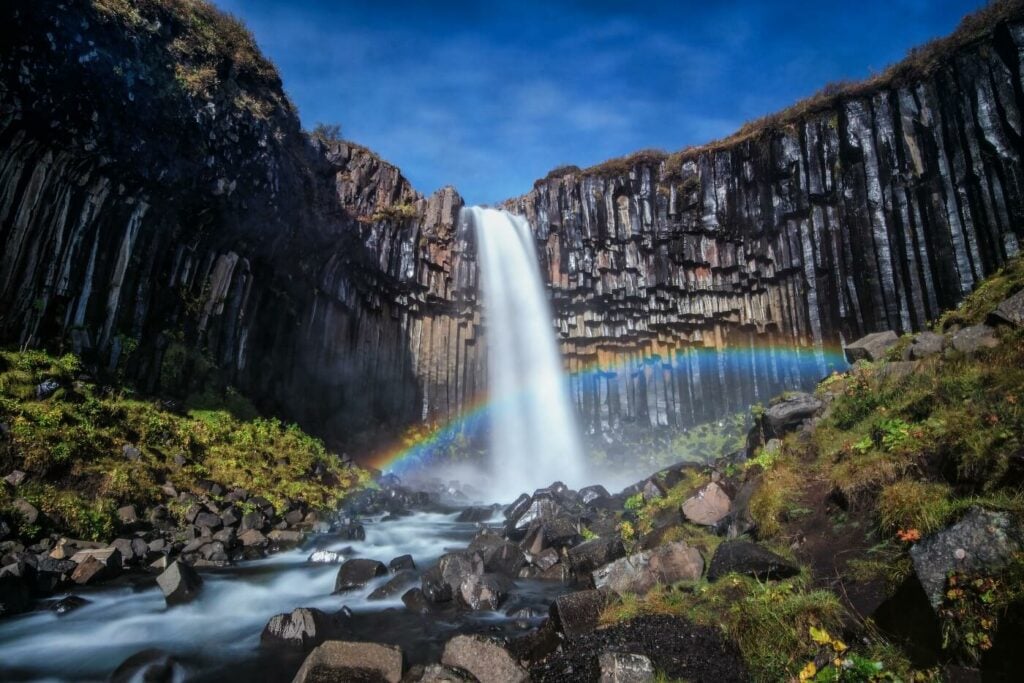
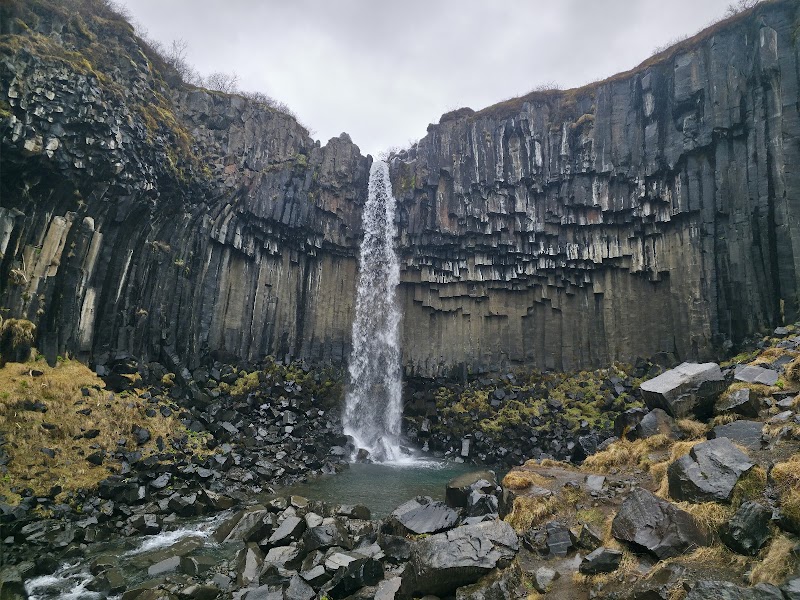
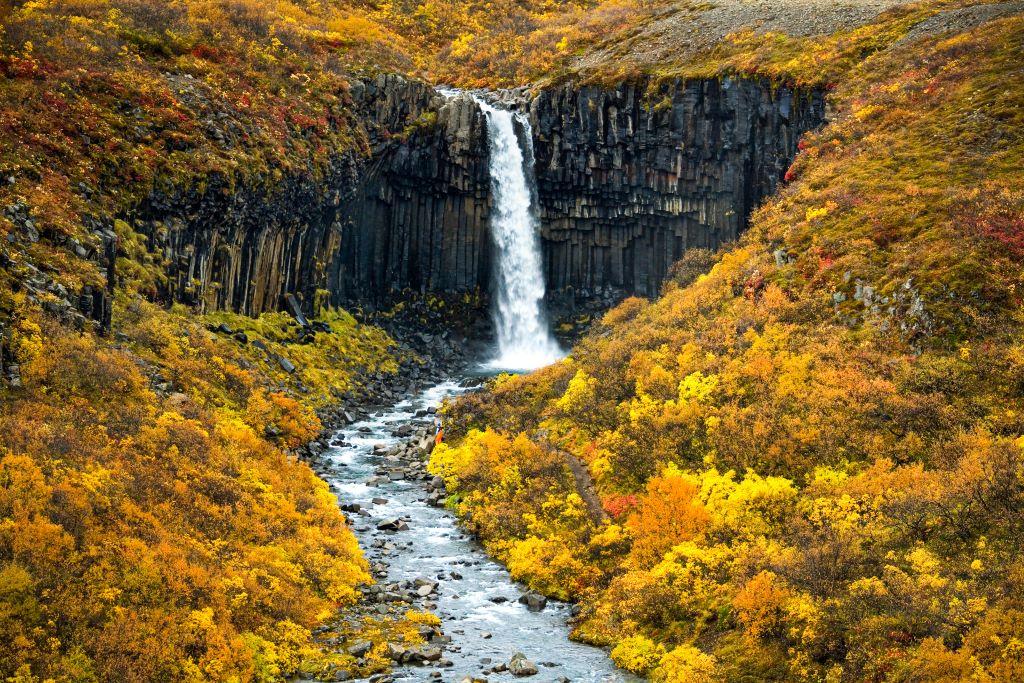
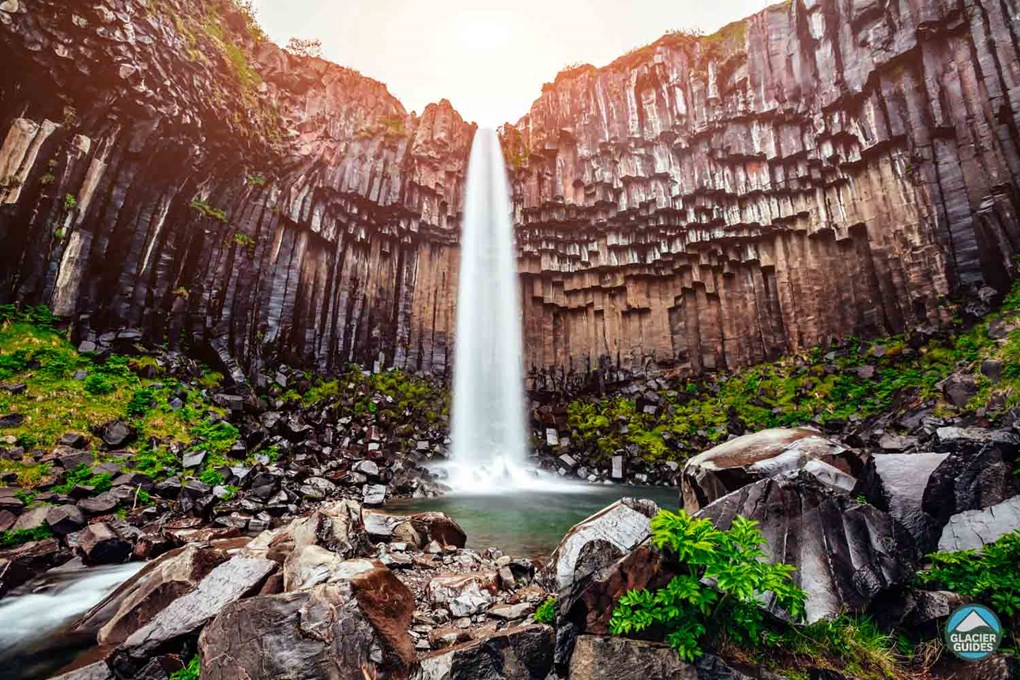
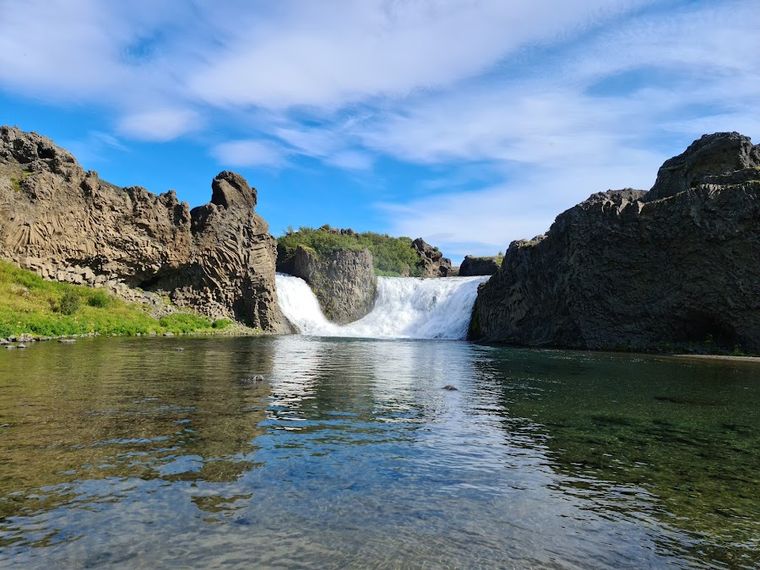
Waterfall surrounded by dramatic hexagonal basalt columns. The columns inspired the design of Hallgrímskirkja. 1.5-hour round trip hike from Skaftafell visitor center. Less crowded than coastal waterfalls.

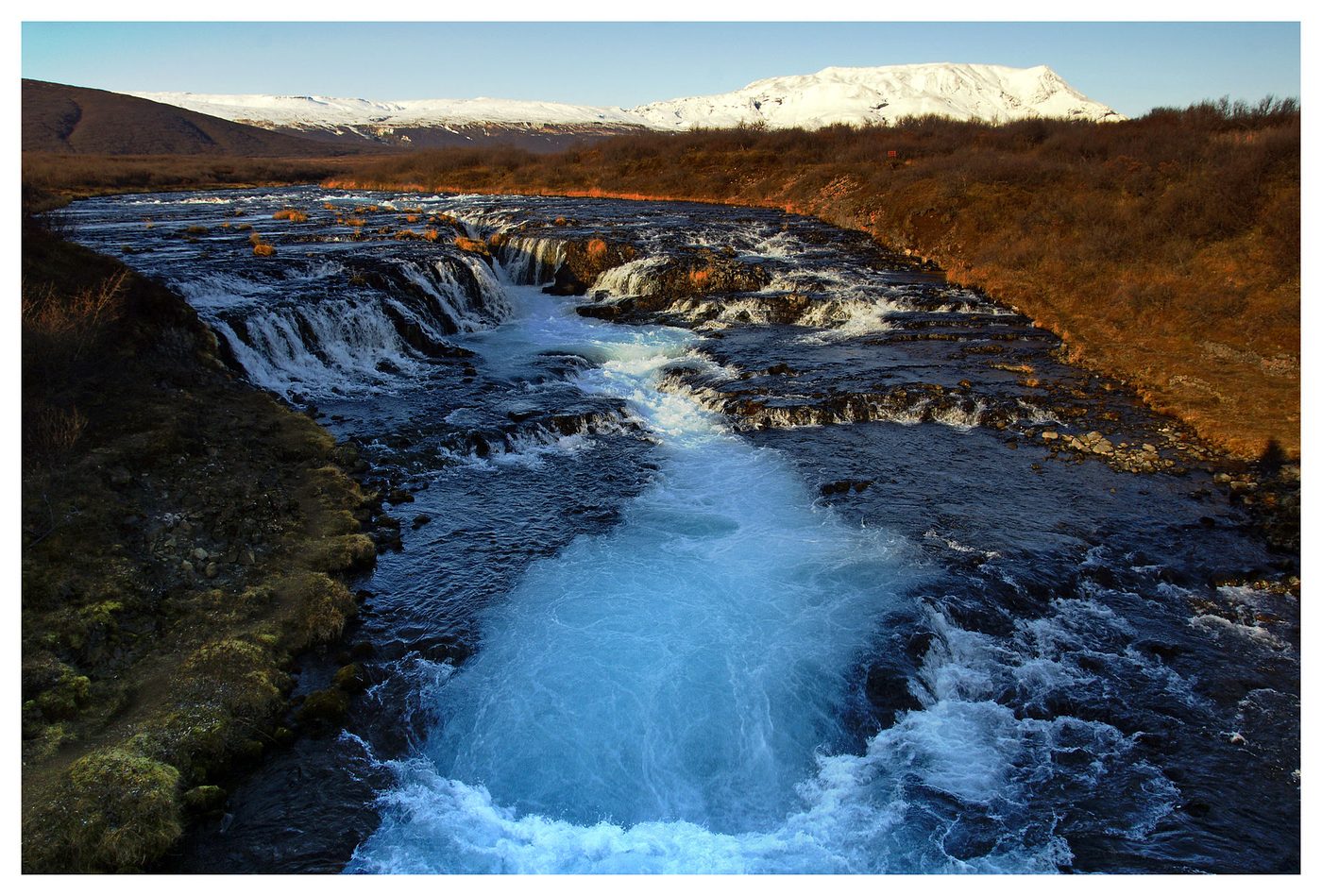
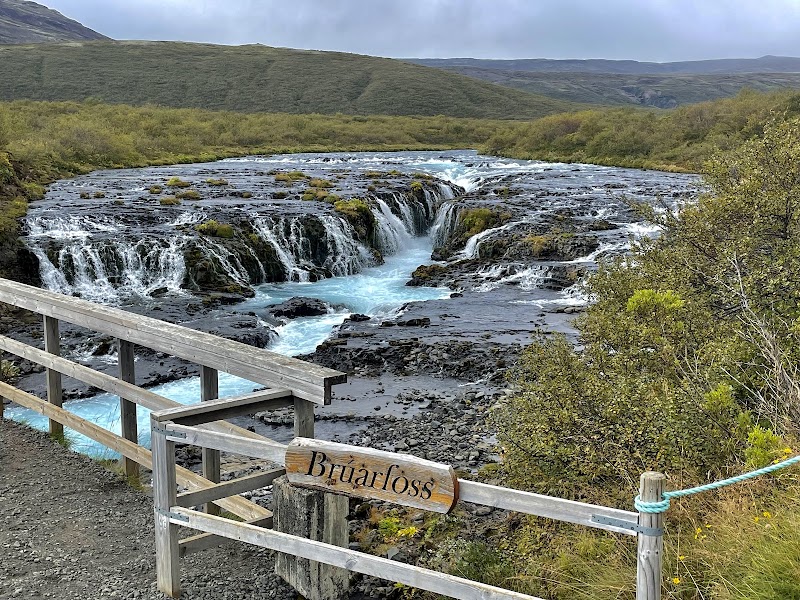
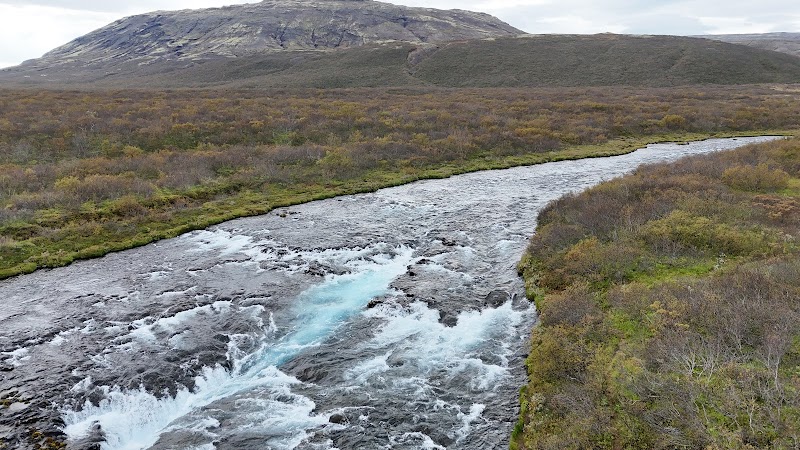
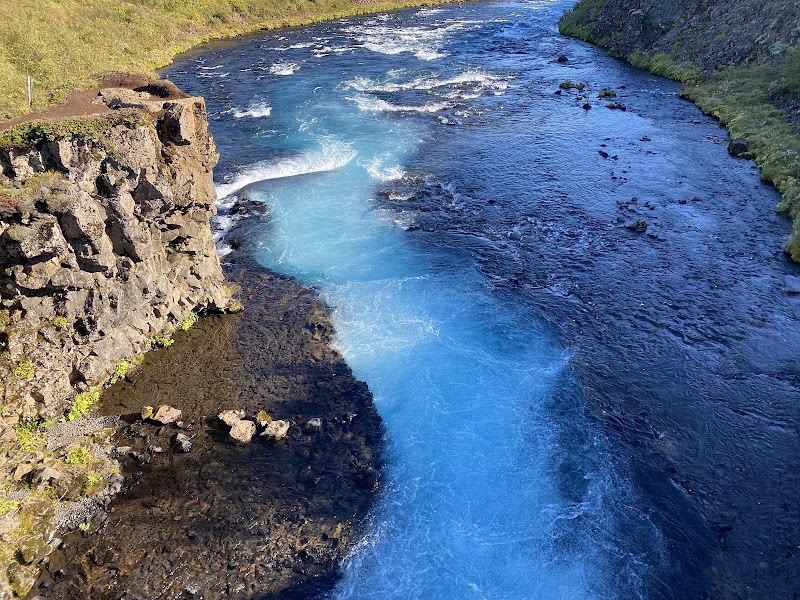
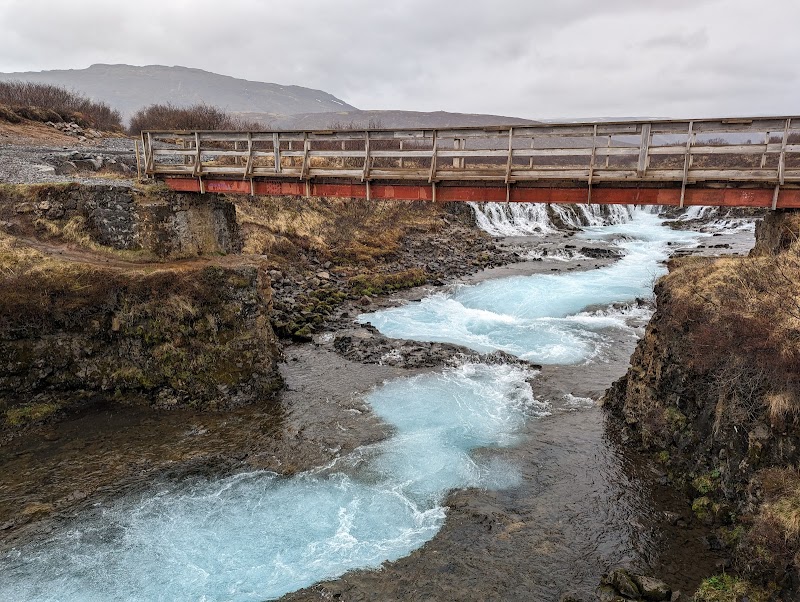
Brilliant turquoise waterfall hidden in the forest. The vivid blue color comes from glacial sediment. Short hike to reach it. Less visited than the Golden Circle giants. The color is almost unreal.

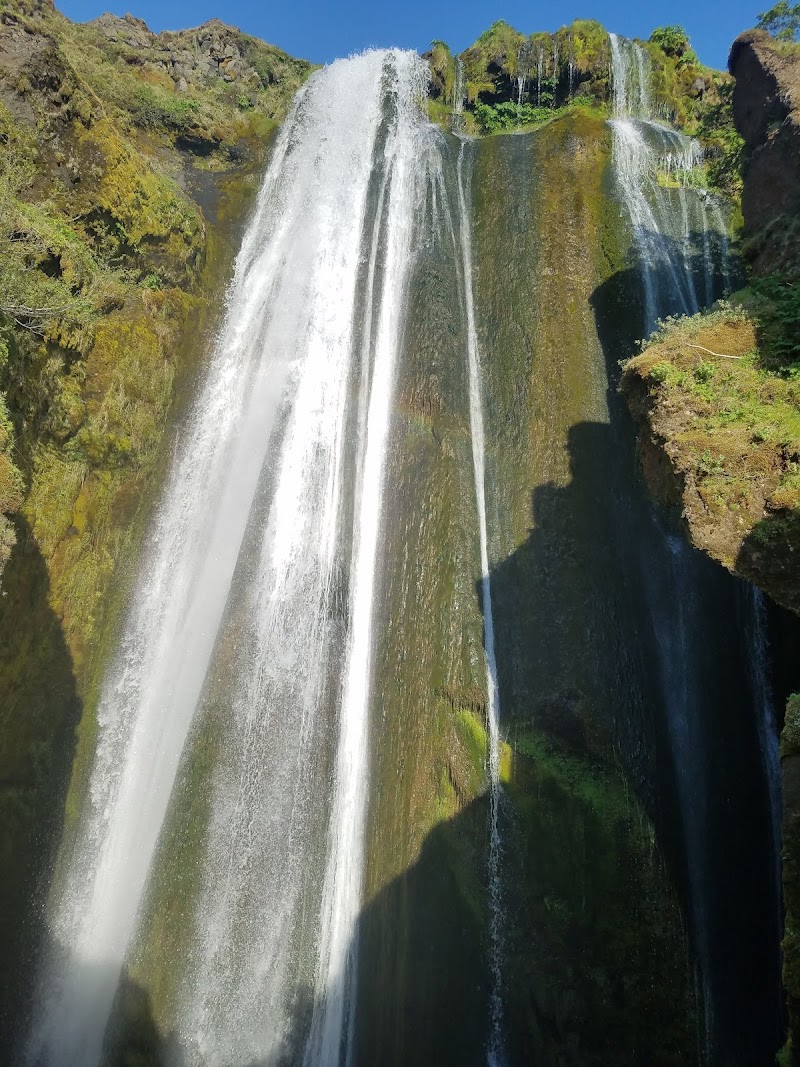
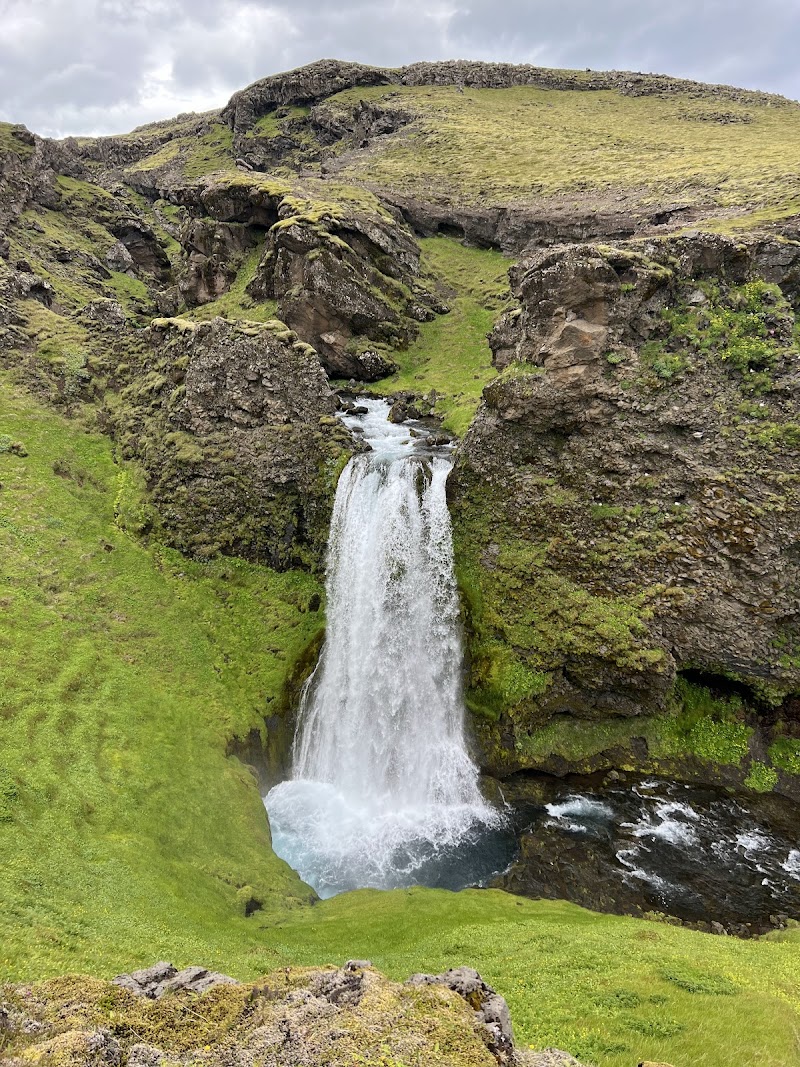
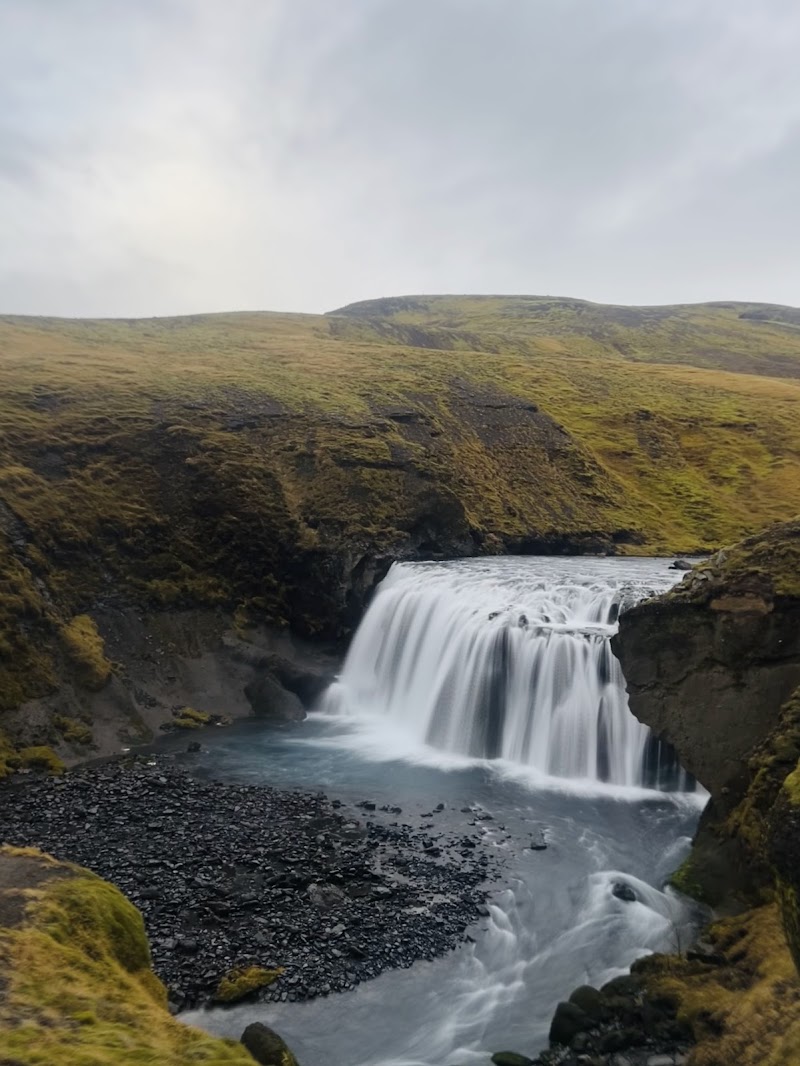
Hidden waterfall just 15 minutes walk from Skógafoss but almost unknown. Walk behind the waterfall via a rocky path. Fraction of the crowds at Skógafoss. The secret sibling of Iceland's most famous falls.
Black sand beaches, volcanic canyons, moss-covered lava fields, and untouched wilderness.

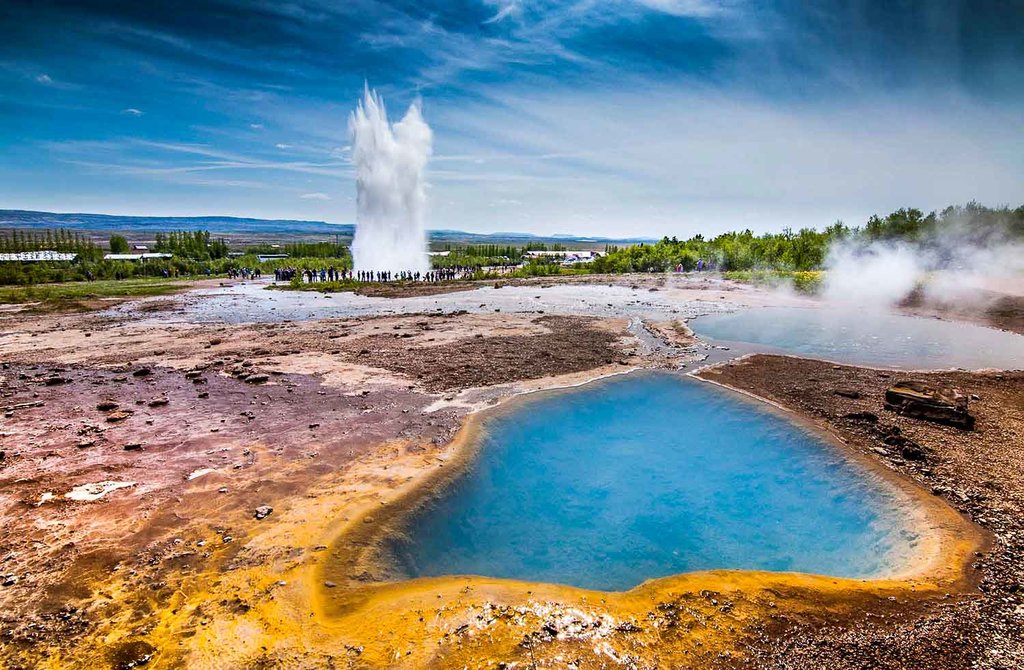
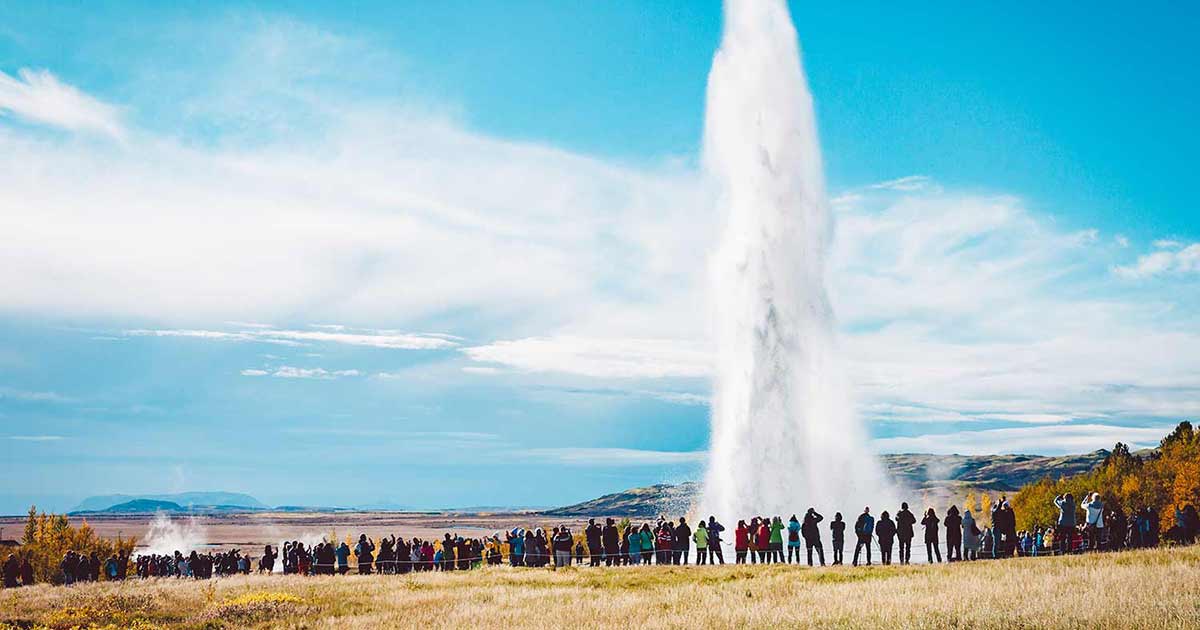
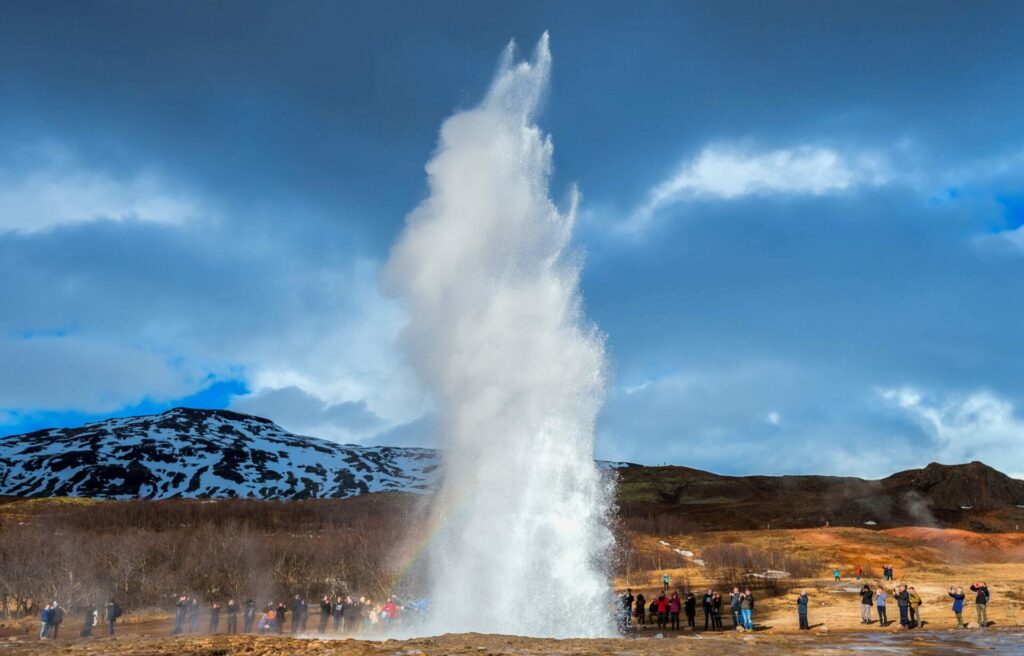
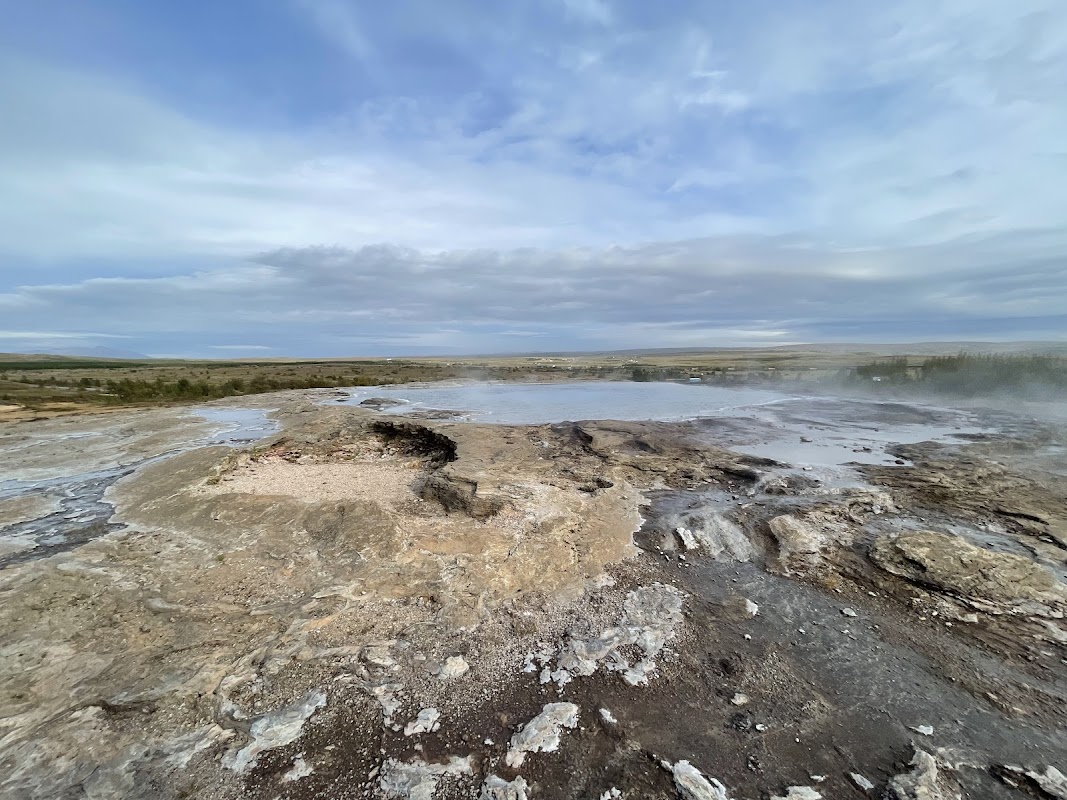
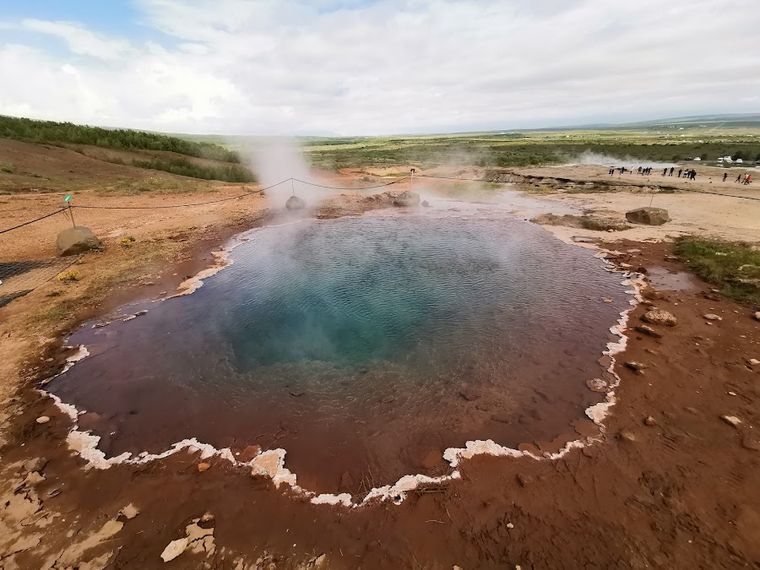
The original geyser that gave all geysers their name. While Geysir itself rarely erupts now, Strokkur erupts every 5-10 minutes, shooting water 15-30m high. The surrounding hot springs steam dramatically.

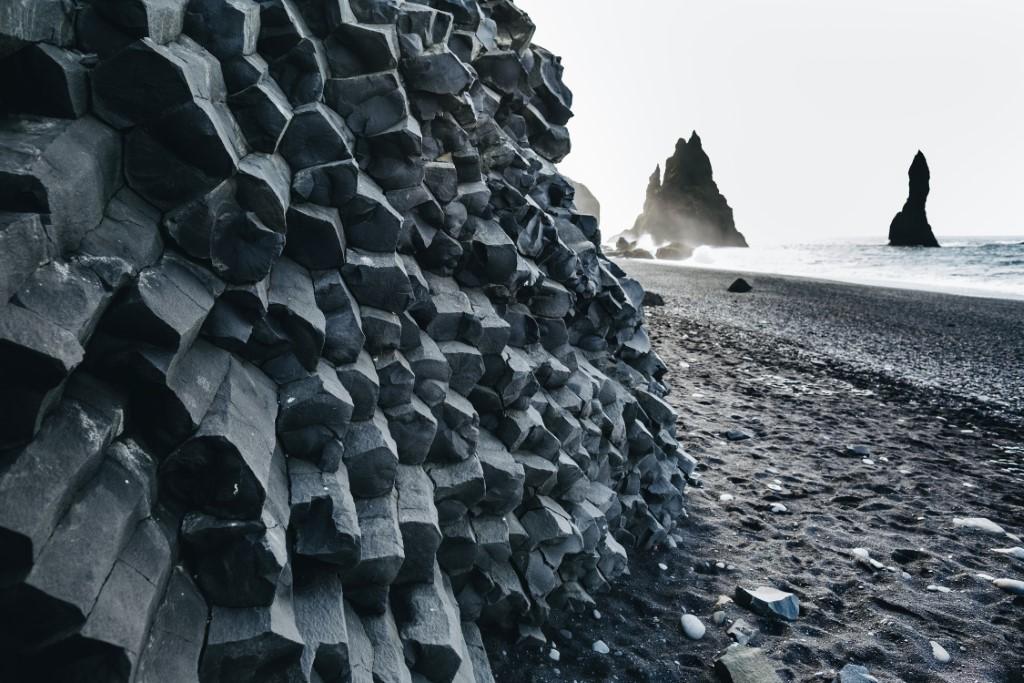
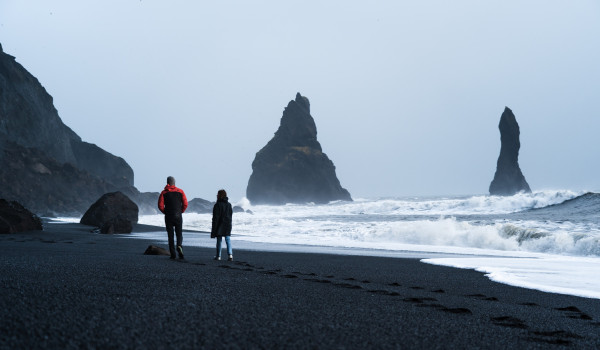
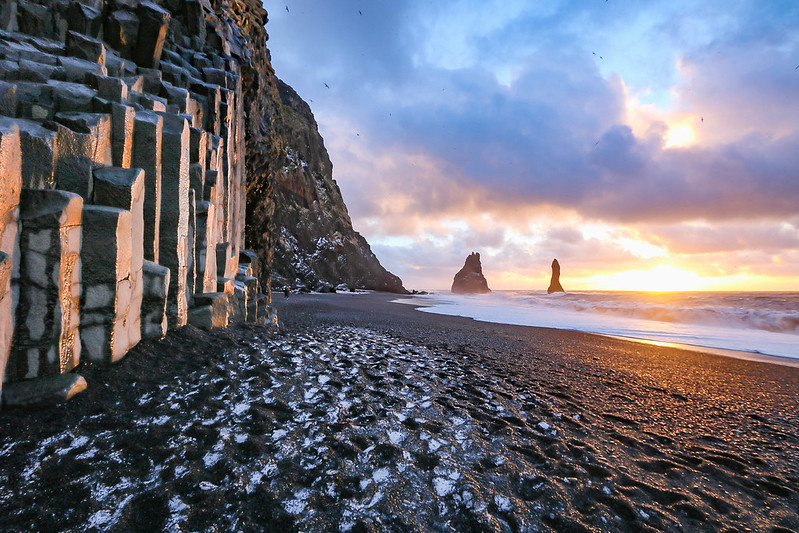
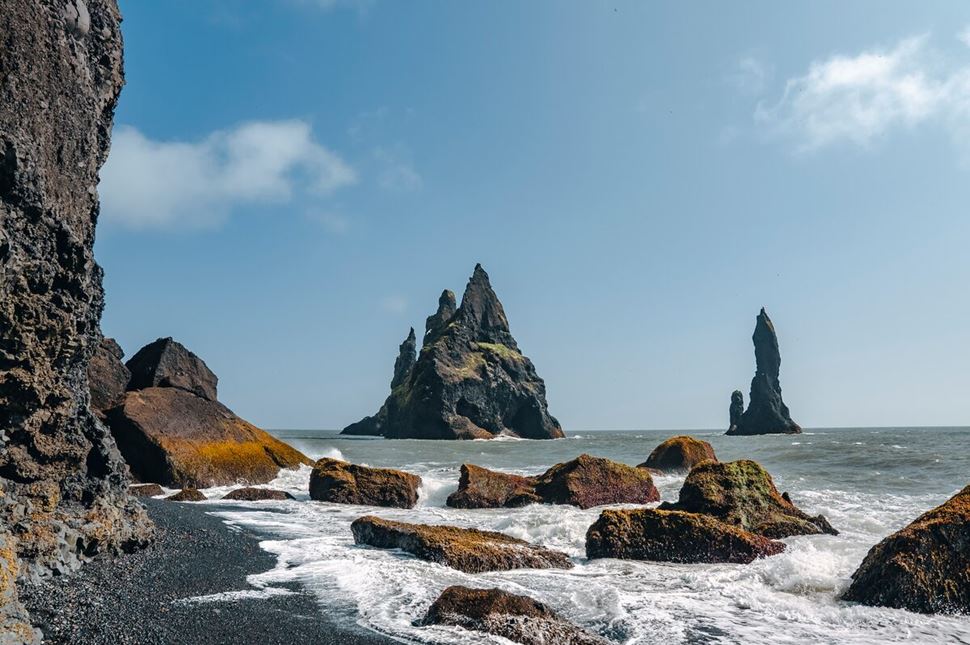
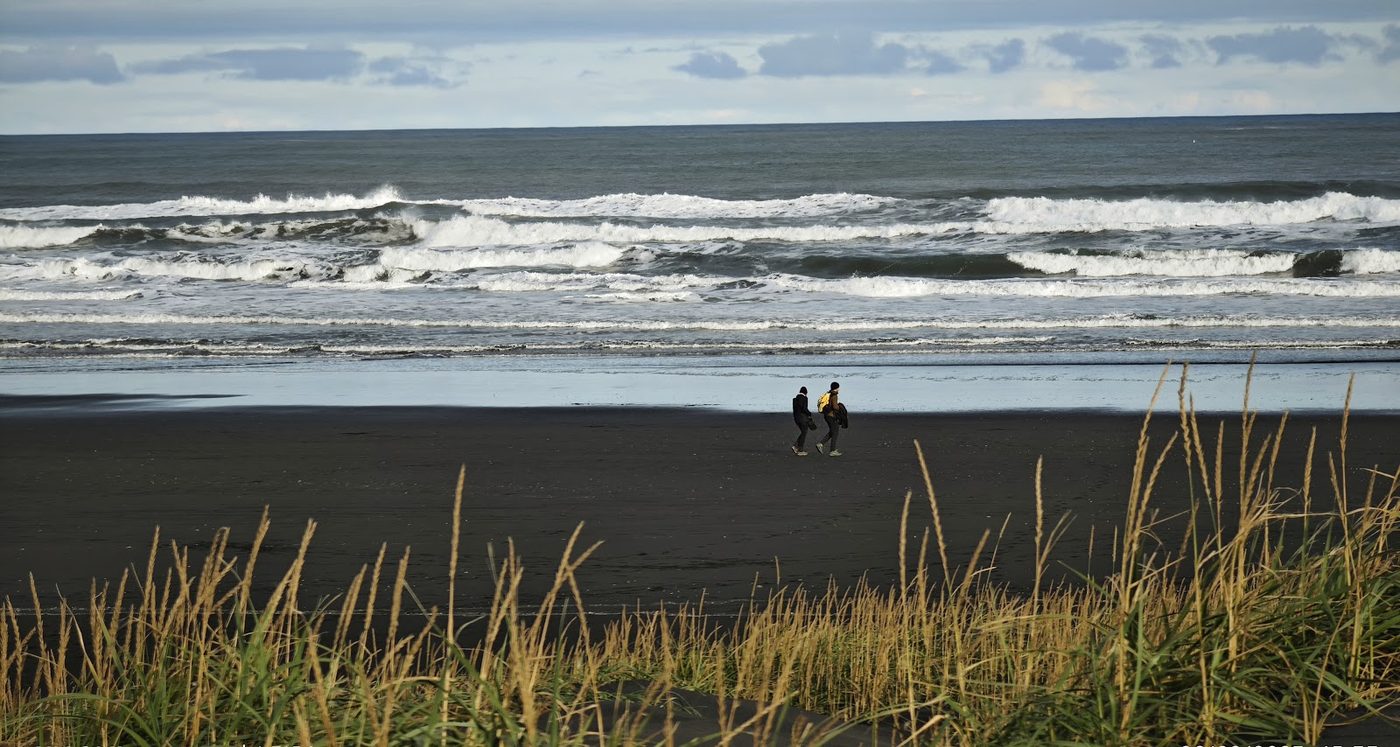
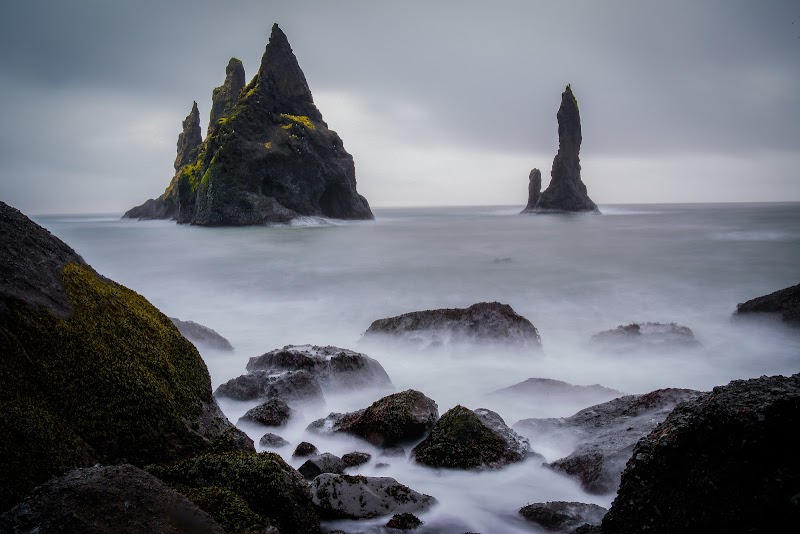
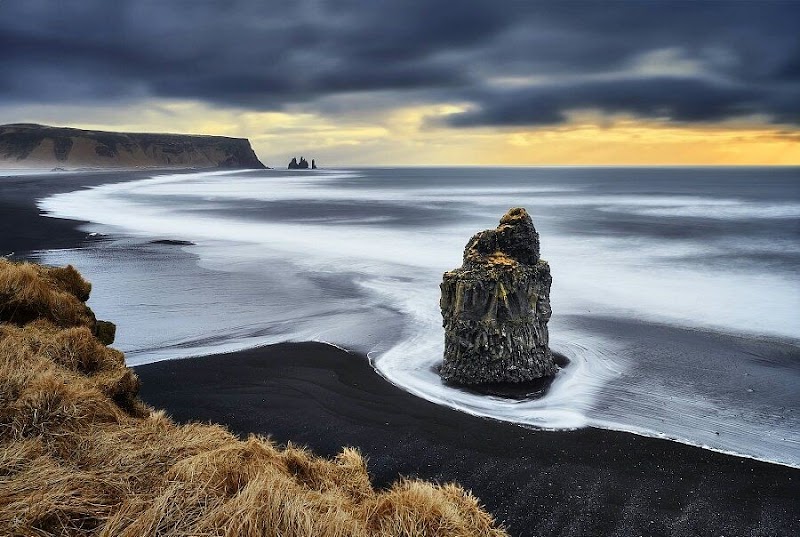
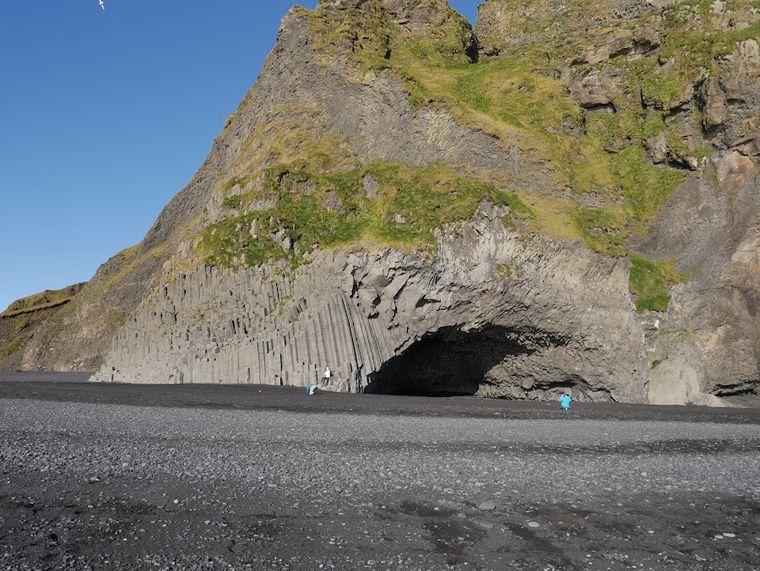
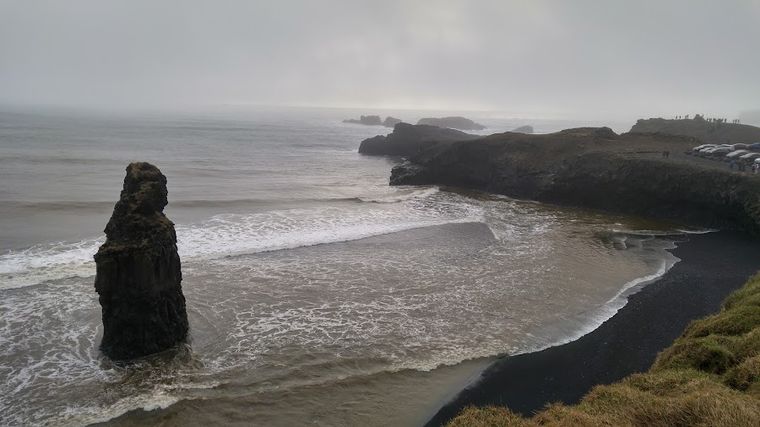
World-famous black volcanic sand beach with hexagonal basalt columns and sea stacks (Reynisdrangar). Powerful Atlantic waves, never turn your back on the ocean. The otherworldly landscape appears in countless films.

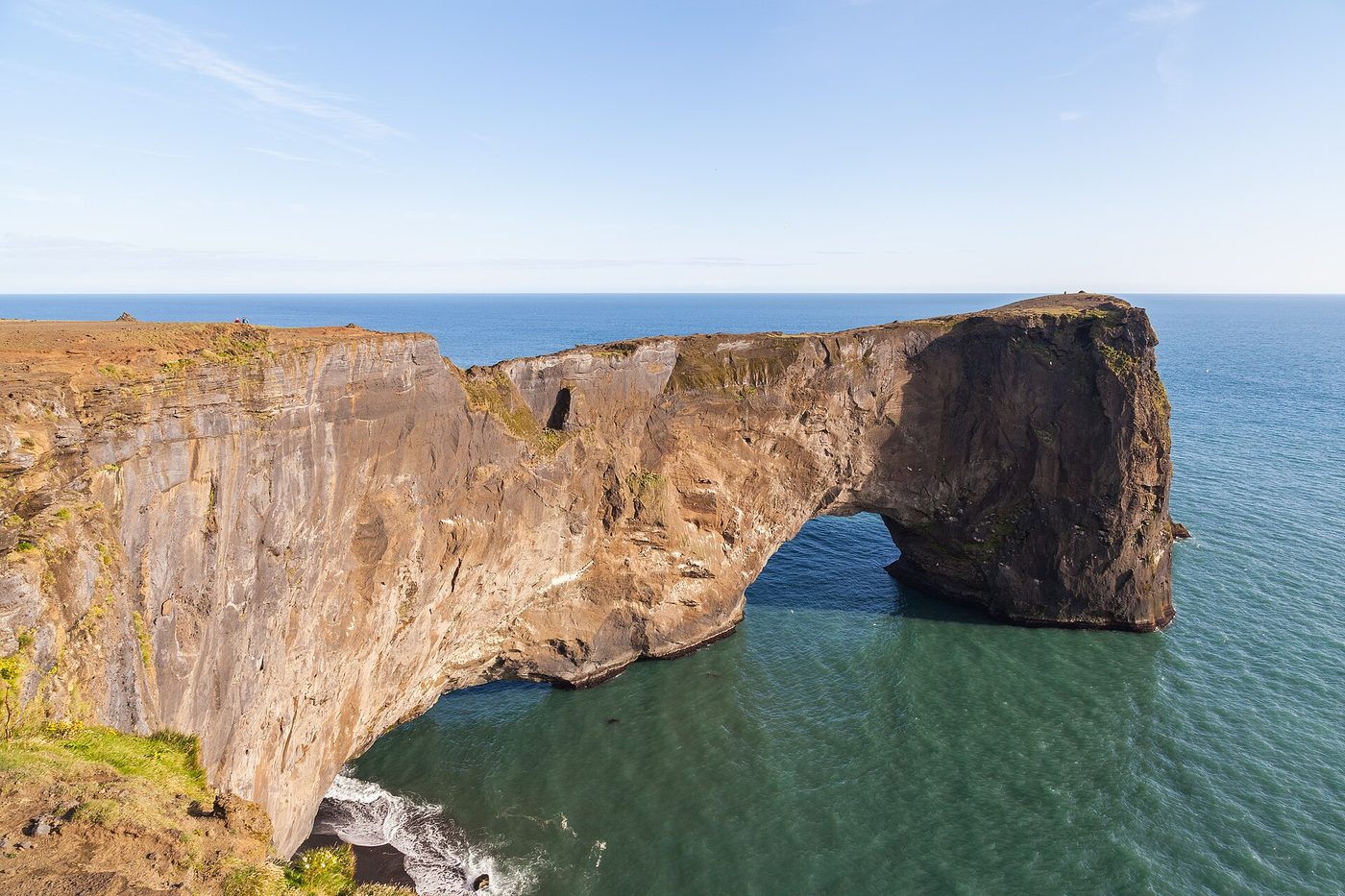
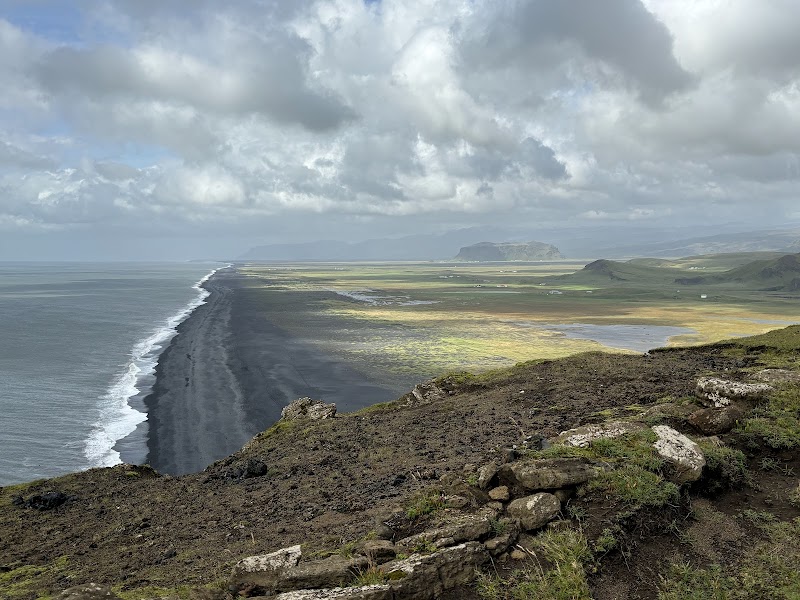
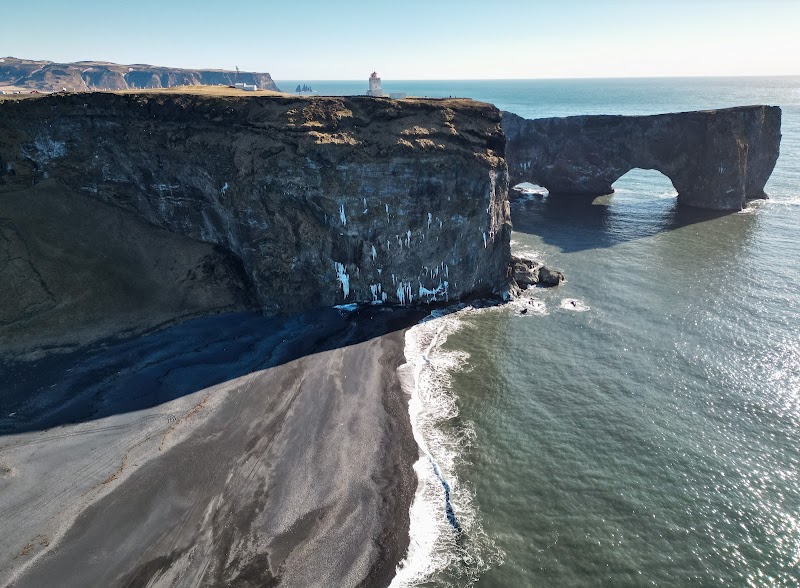
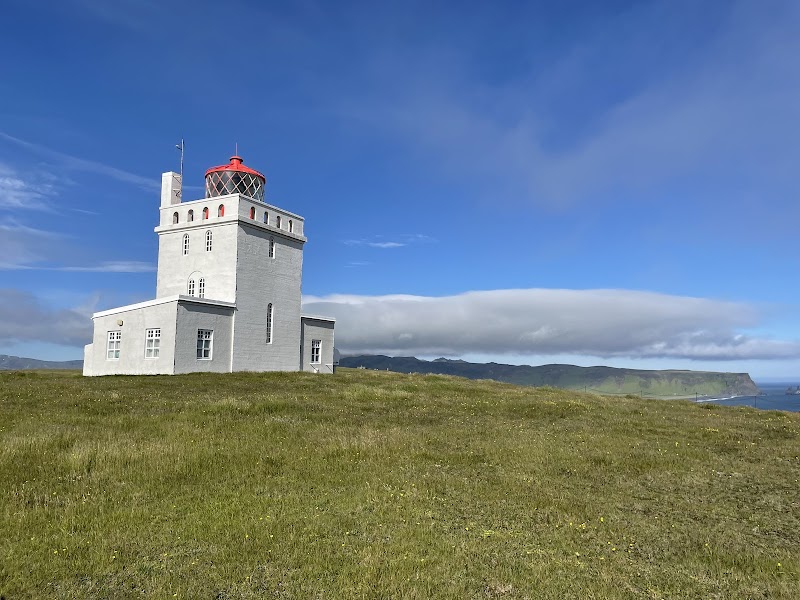
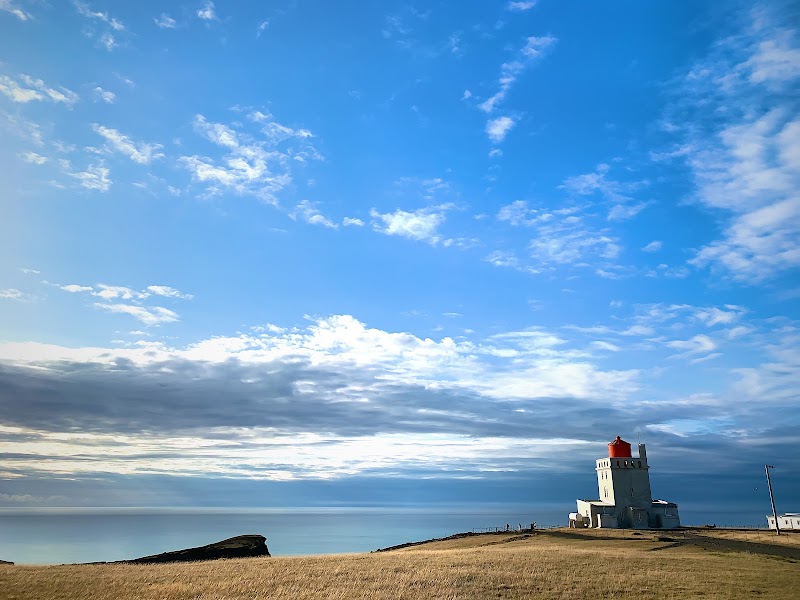
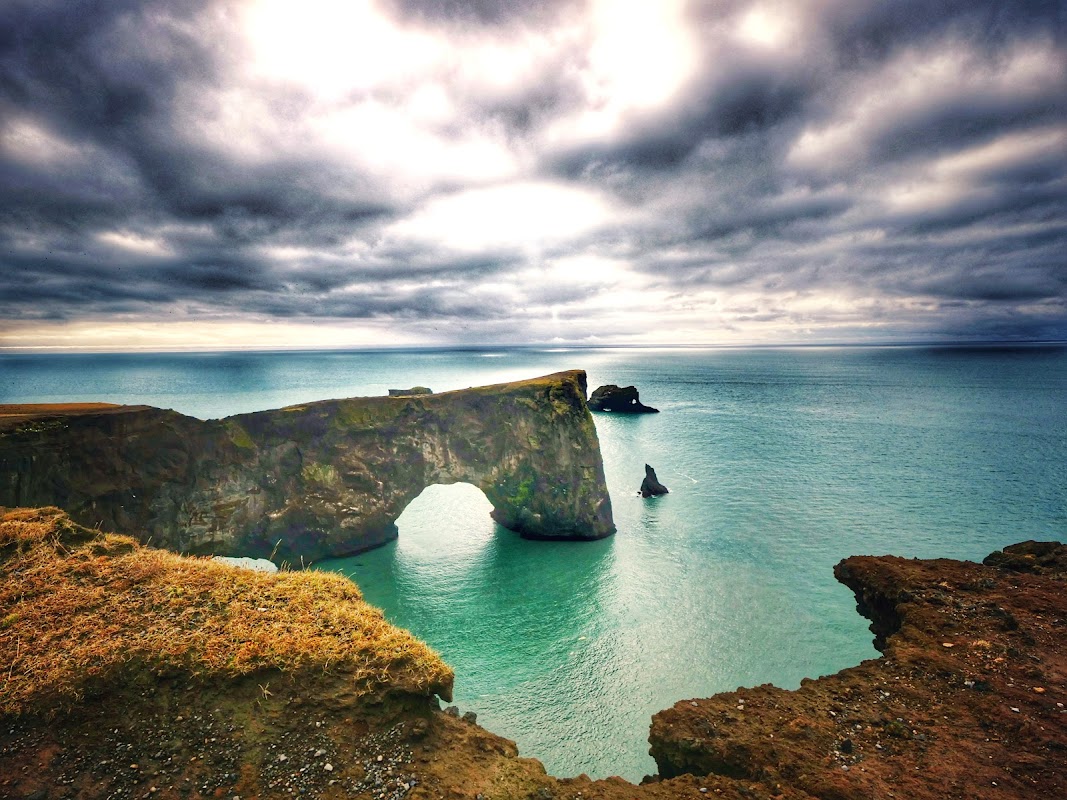
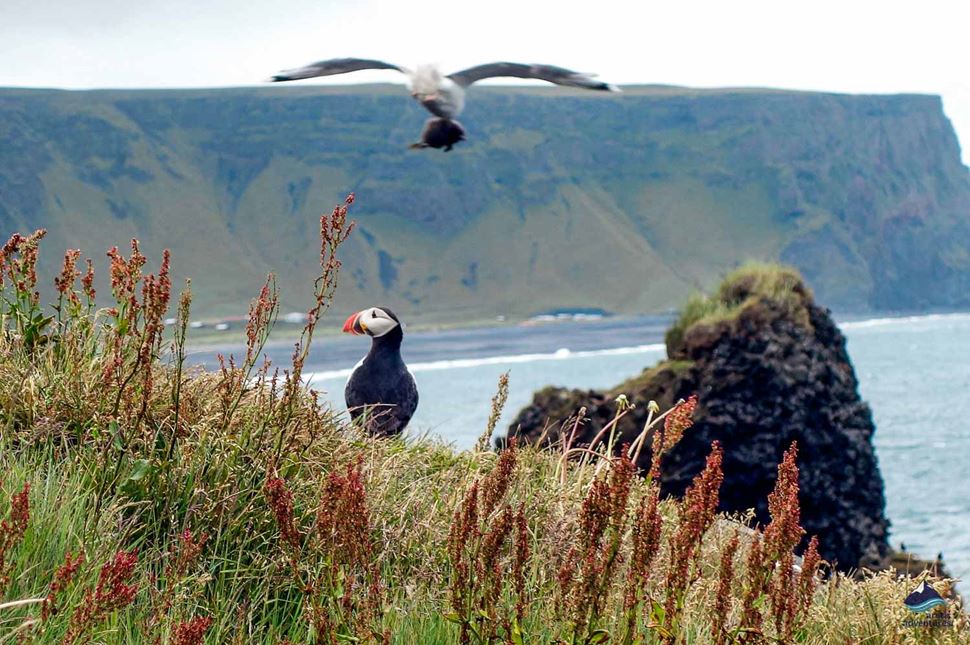
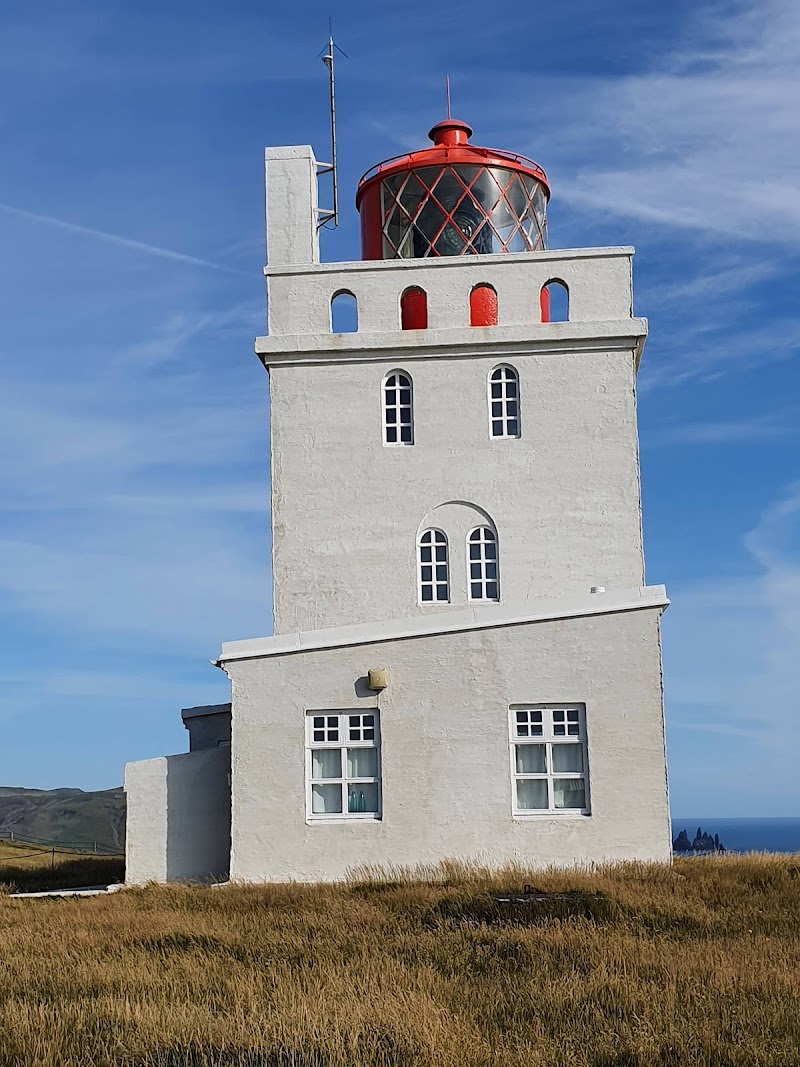
Massive natural rock arch jutting into the Atlantic. Panoramic views of Reynisfjara beach and the surrounding coastline. Puffin nesting site in summer (May-August). The arch at sunset is spectacular.

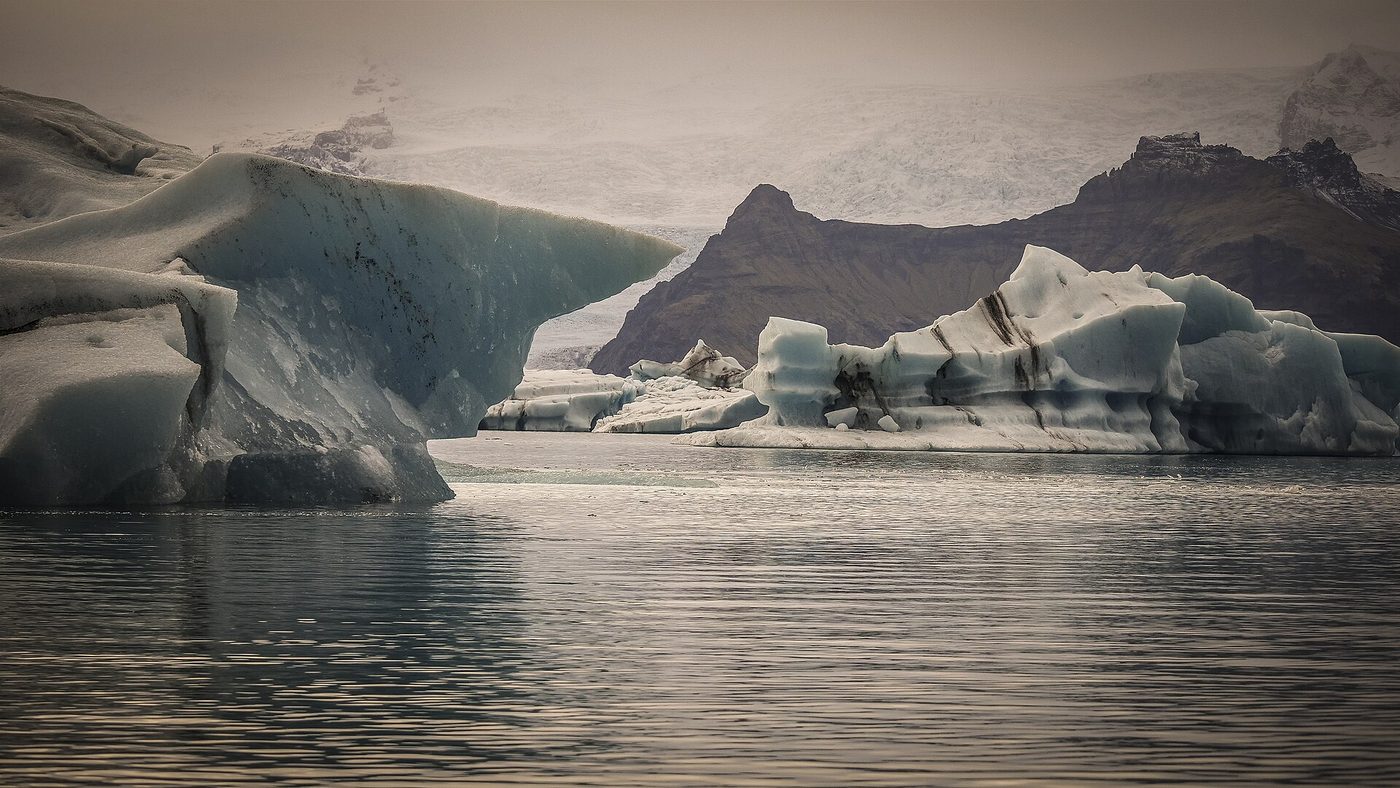
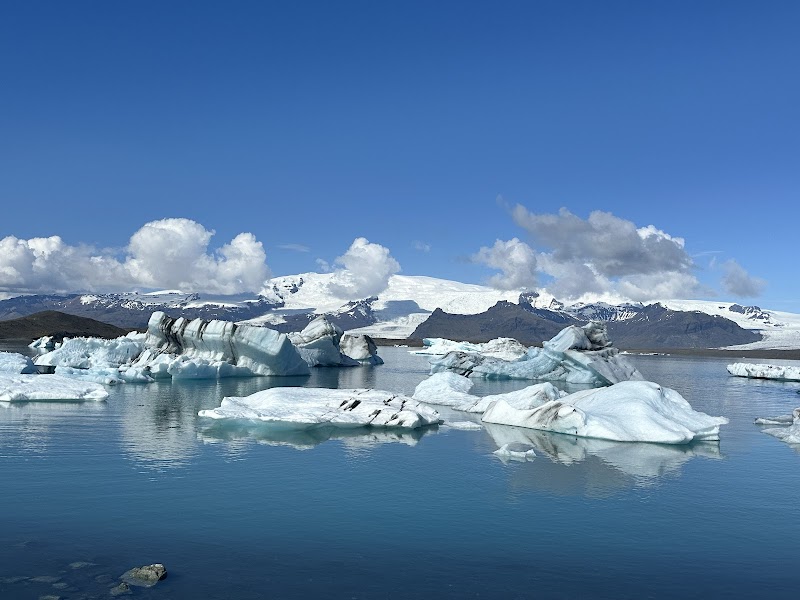
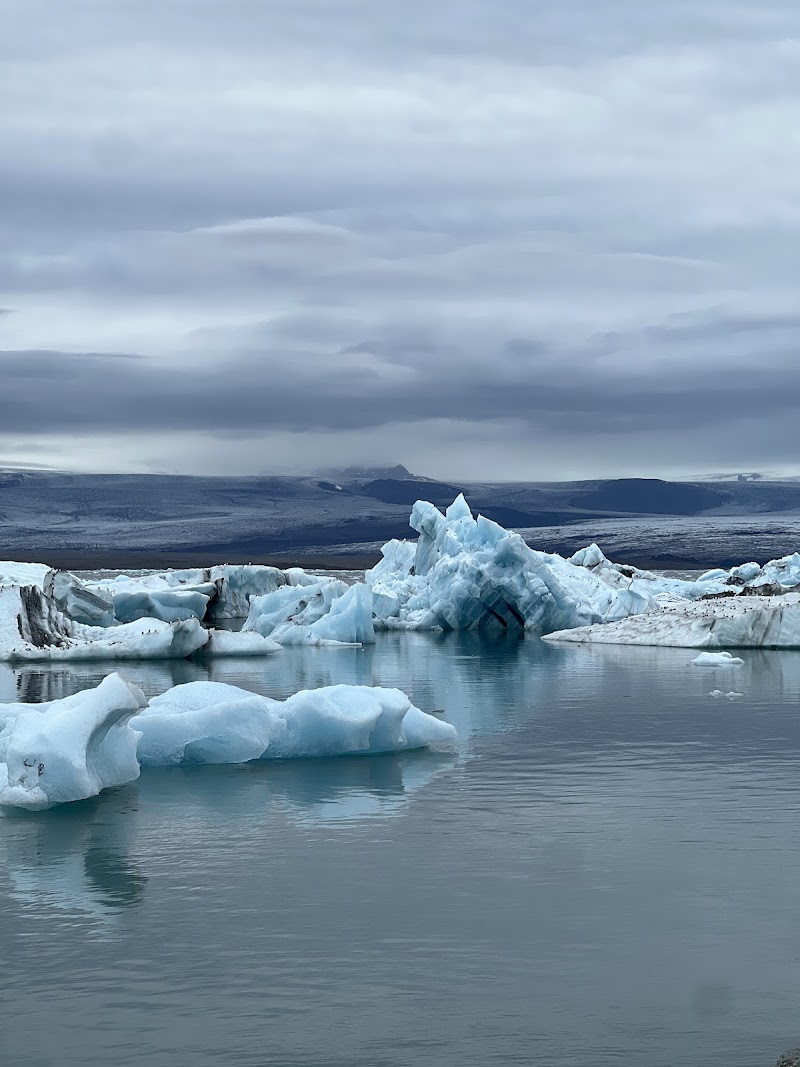
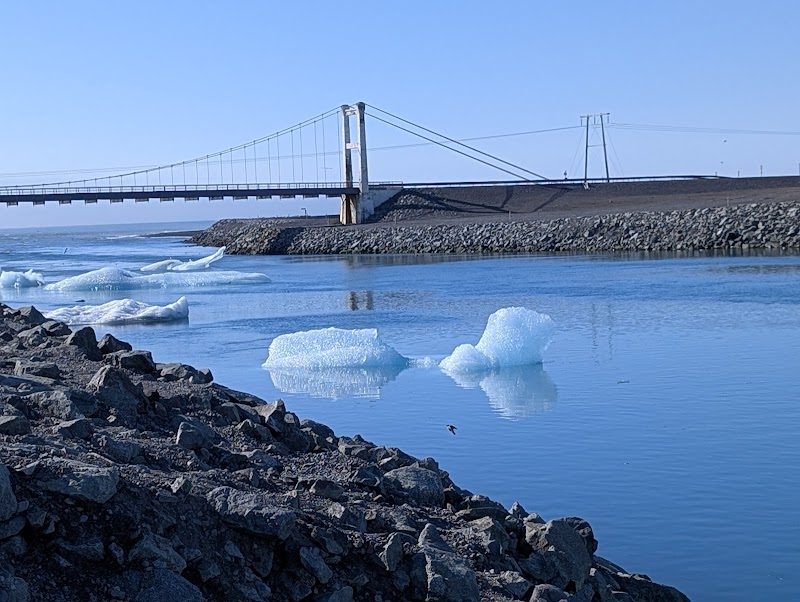
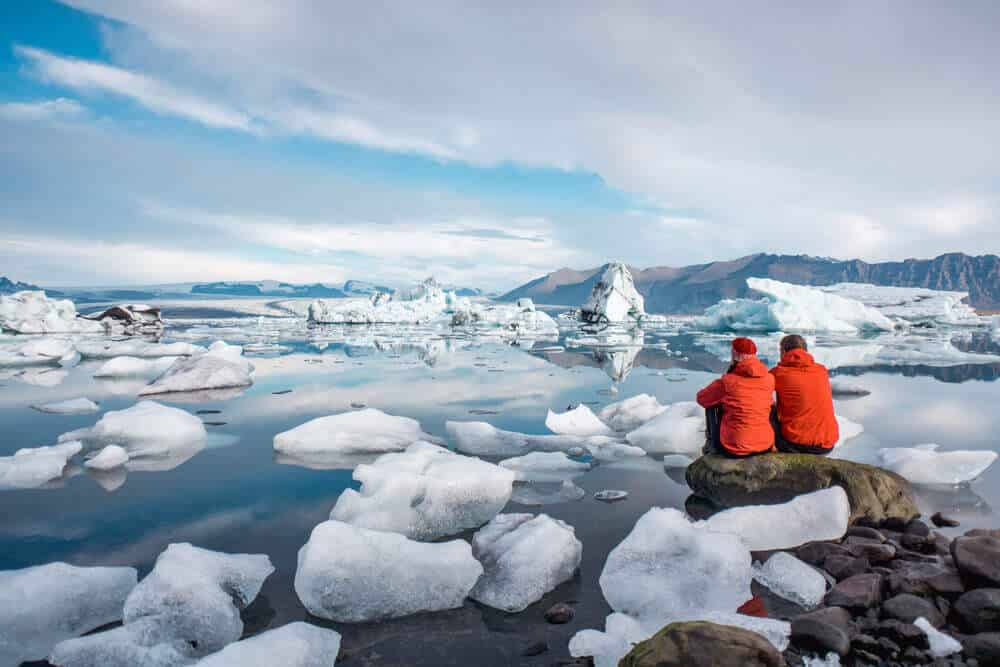
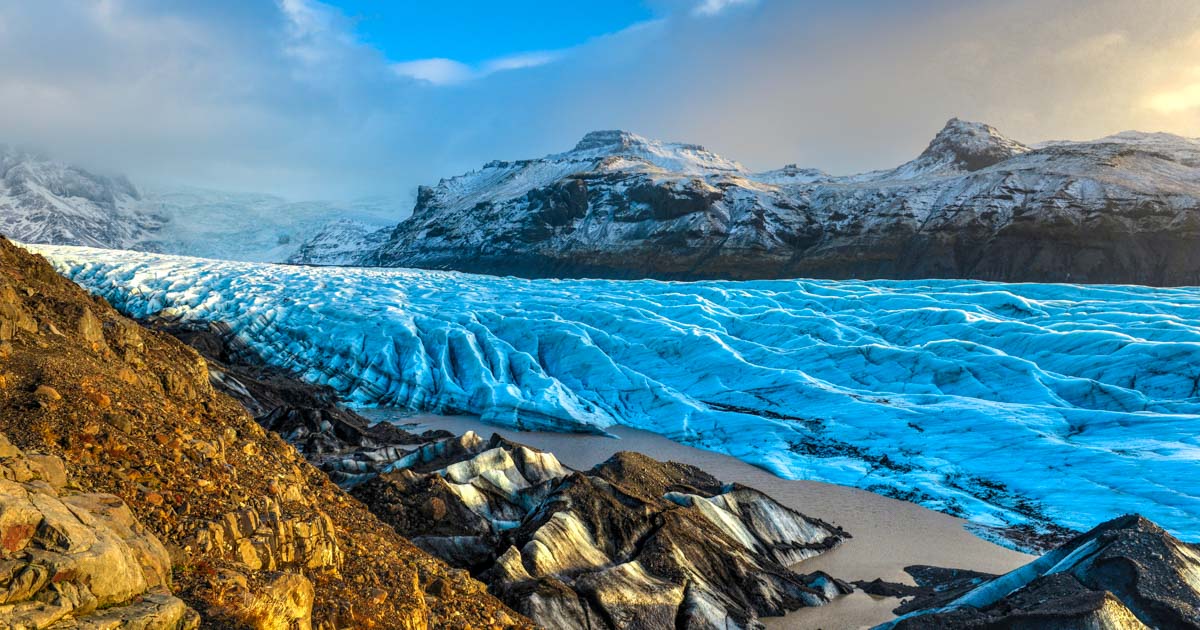
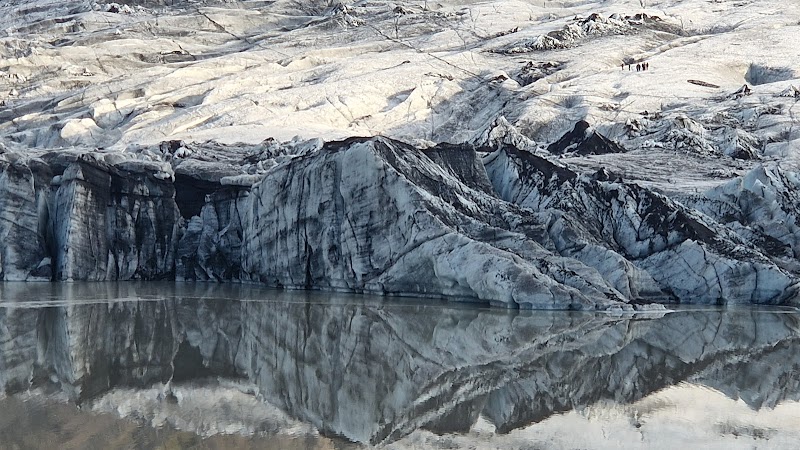
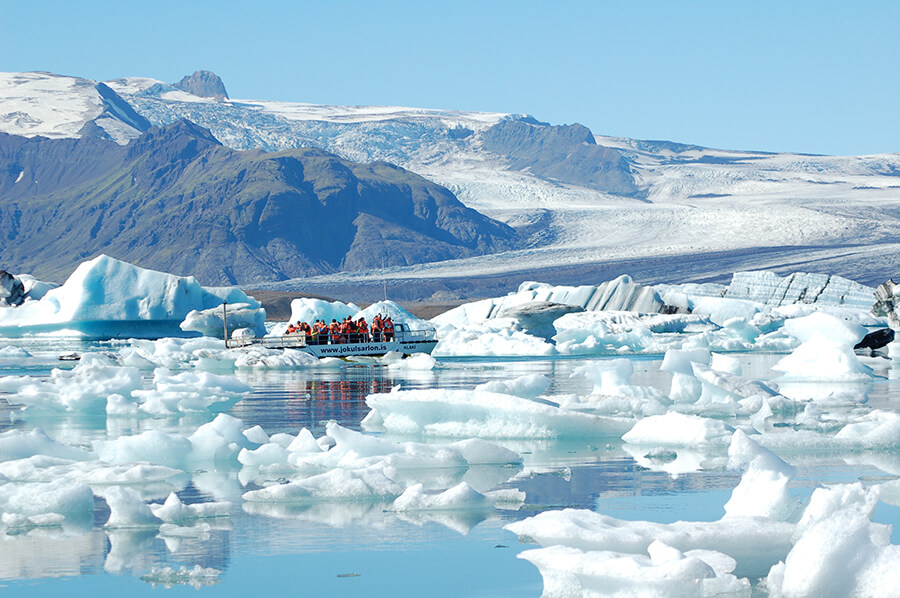
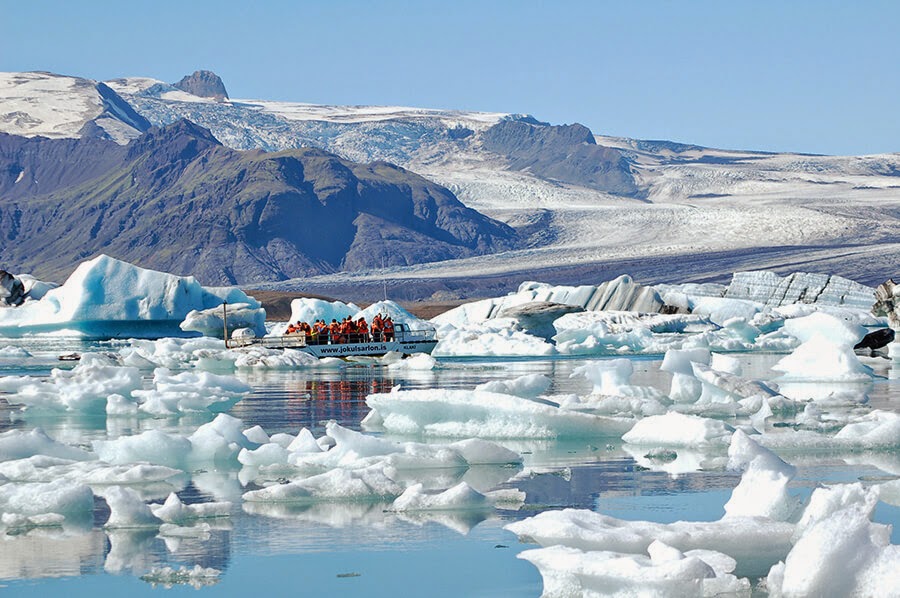
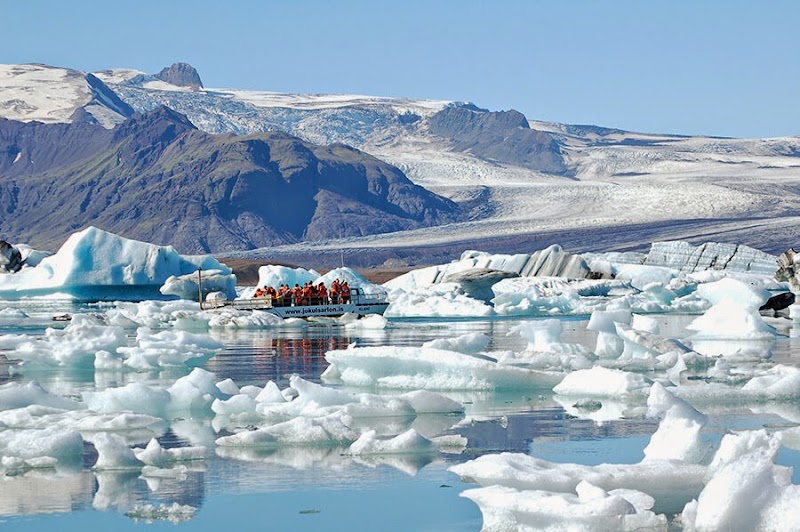
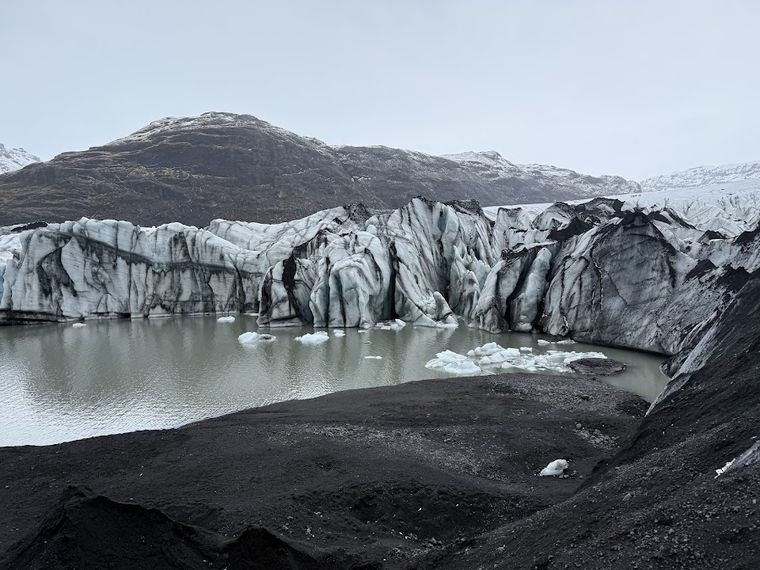
Ethereal glacier lagoon where icebergs calve from Breiðamerkurjökull glacier and float to the sea. Boat tours weave between bright blue and white icebergs. Seals rest on the ice. Iceland's crown jewel.

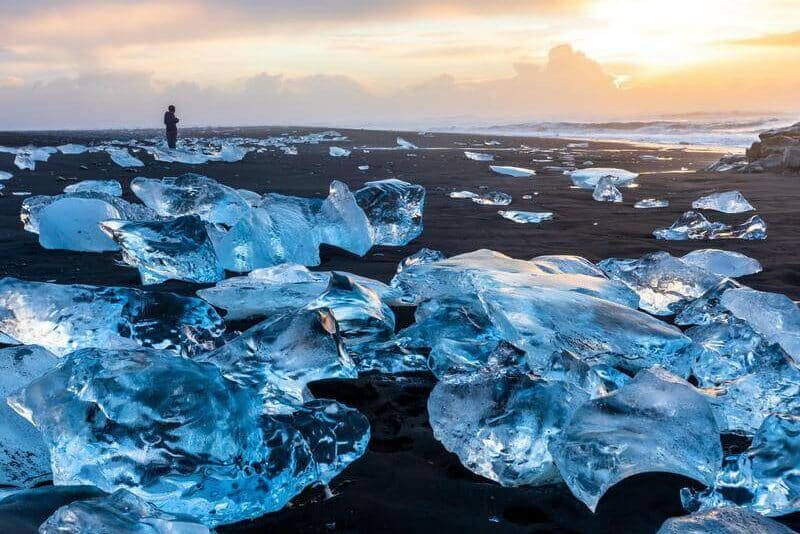
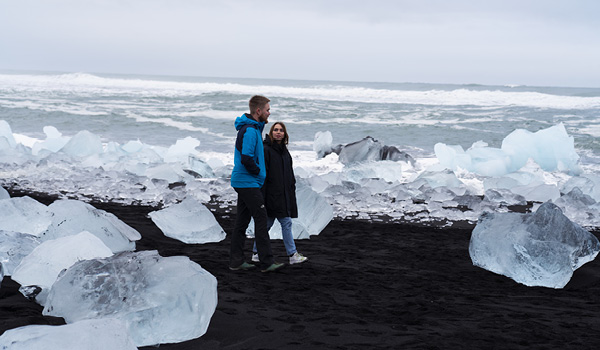
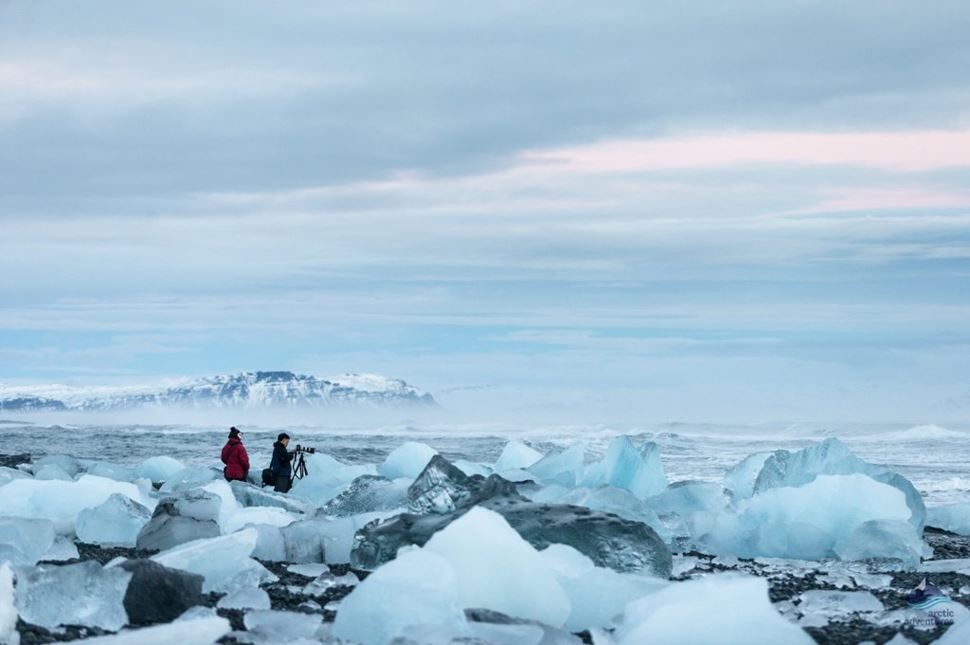
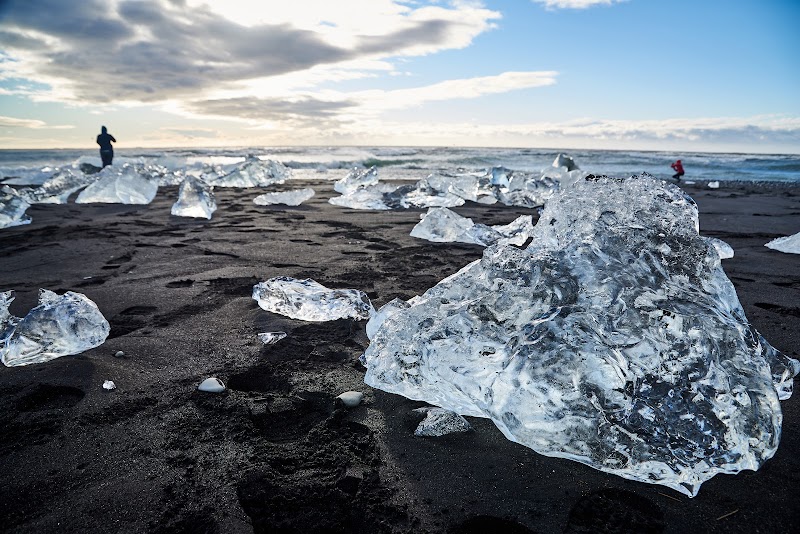
Black sand beach where icebergs from Jökulsárlón wash ashore. Crystal-clear ice chunks on jet-black sand look like scattered diamonds. The contrast is surreal. Best in morning light.

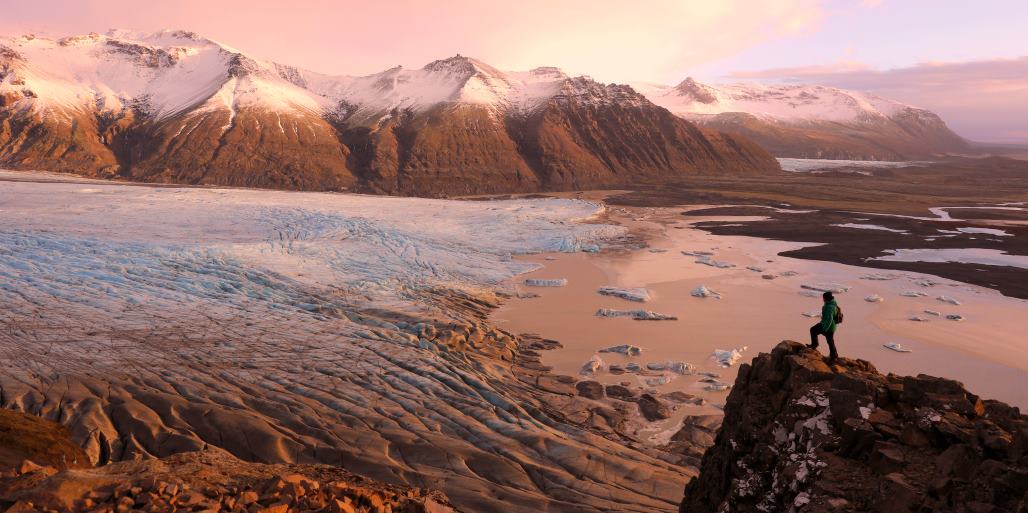
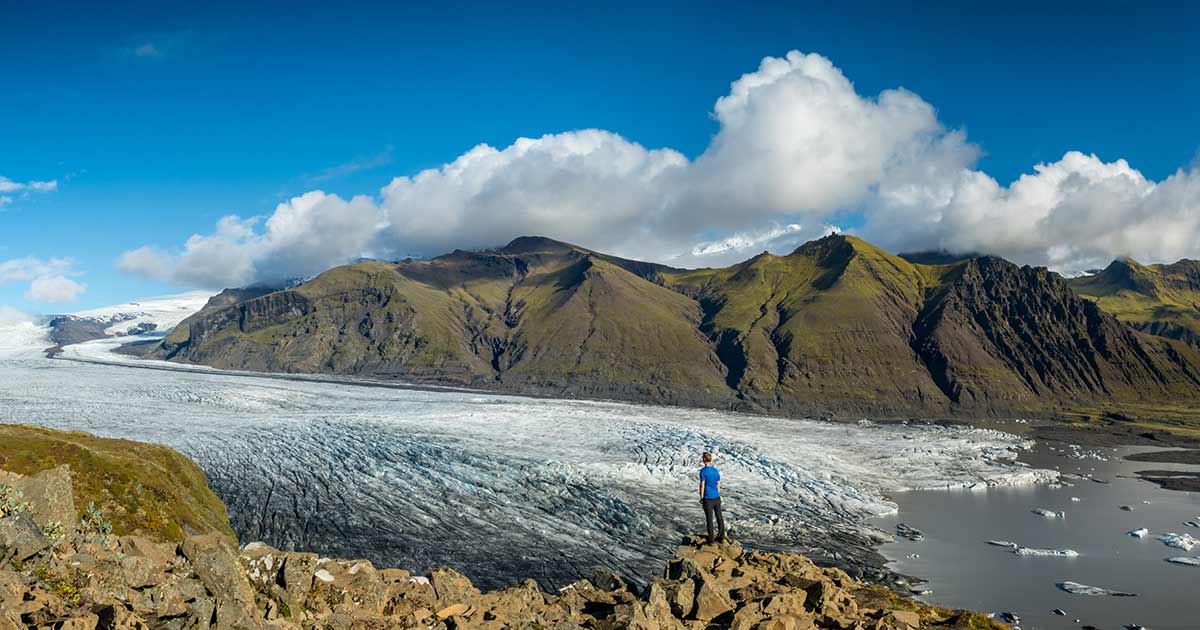
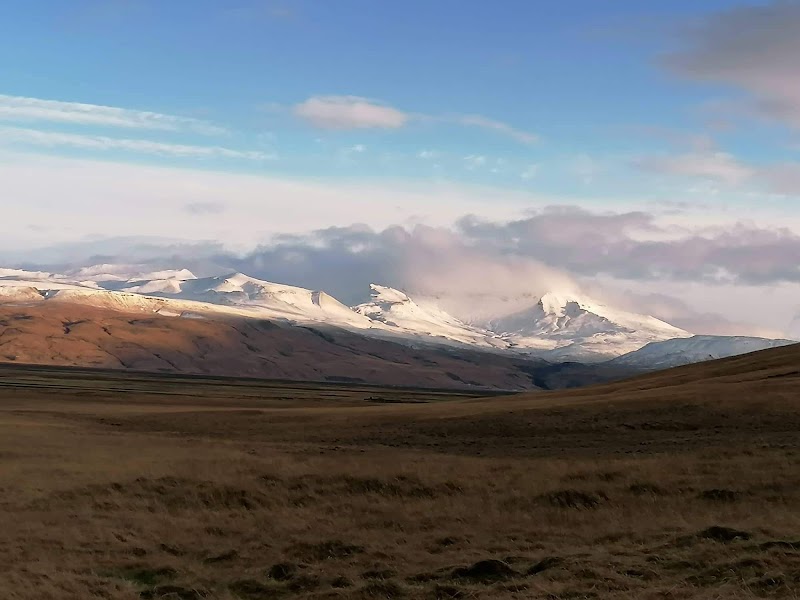
Gateway to Europe's largest glacier. Hiking trails from easy (Svartifoss waterfall, 1.5hrs) to multi-day treks. The glacier views are humbling. Ranger station has maps and conditions.

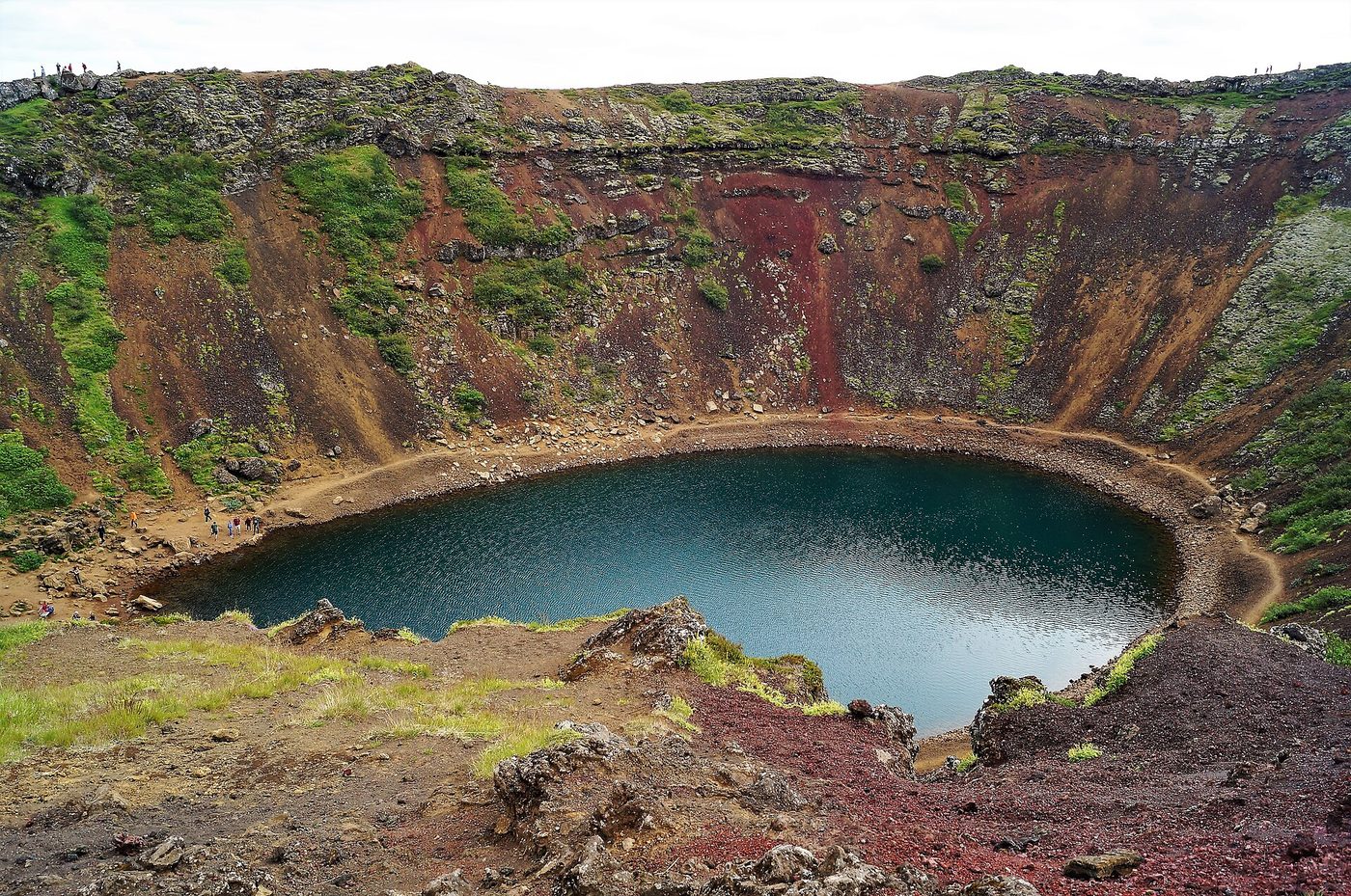
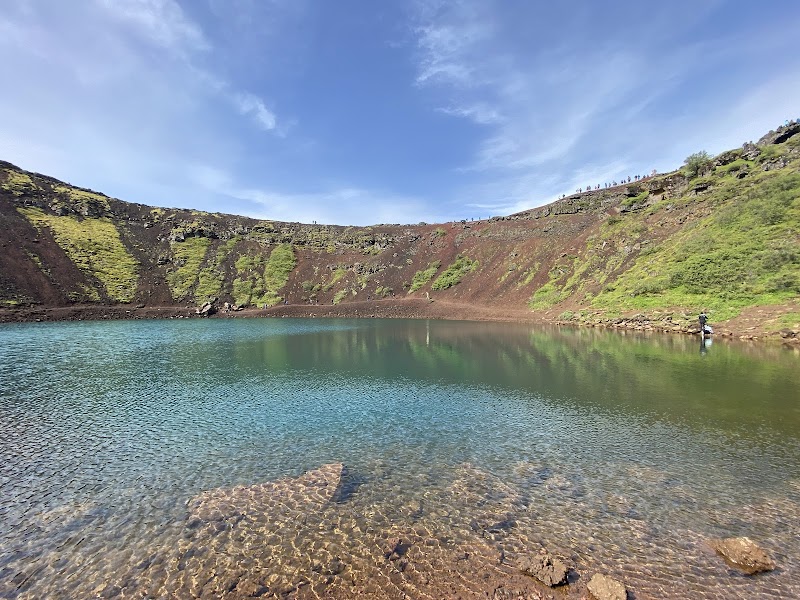
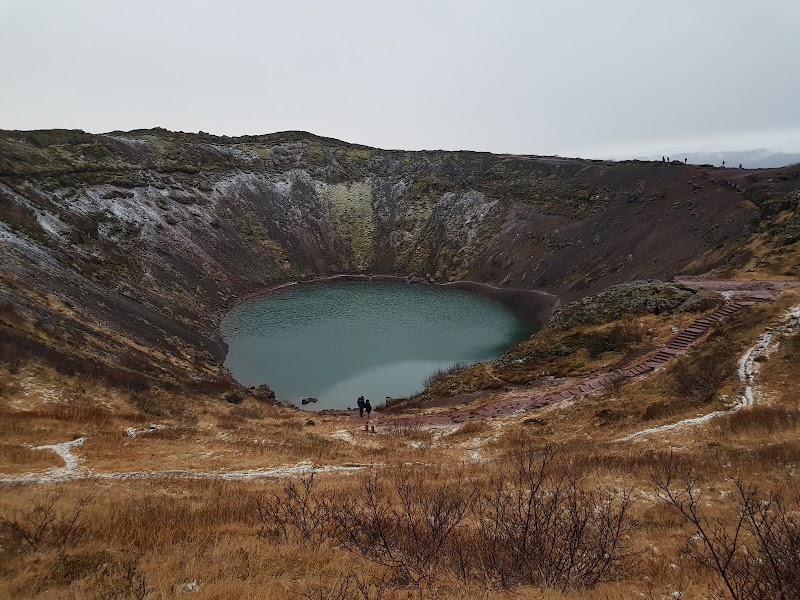
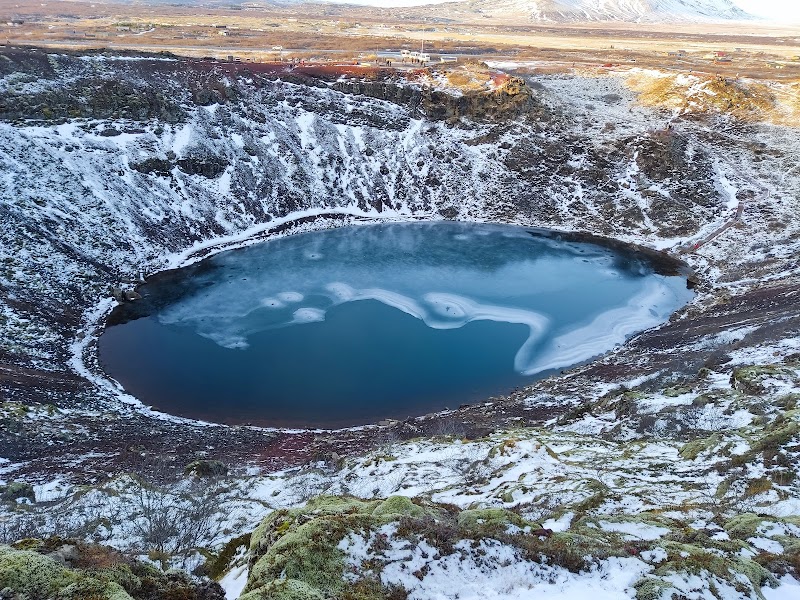
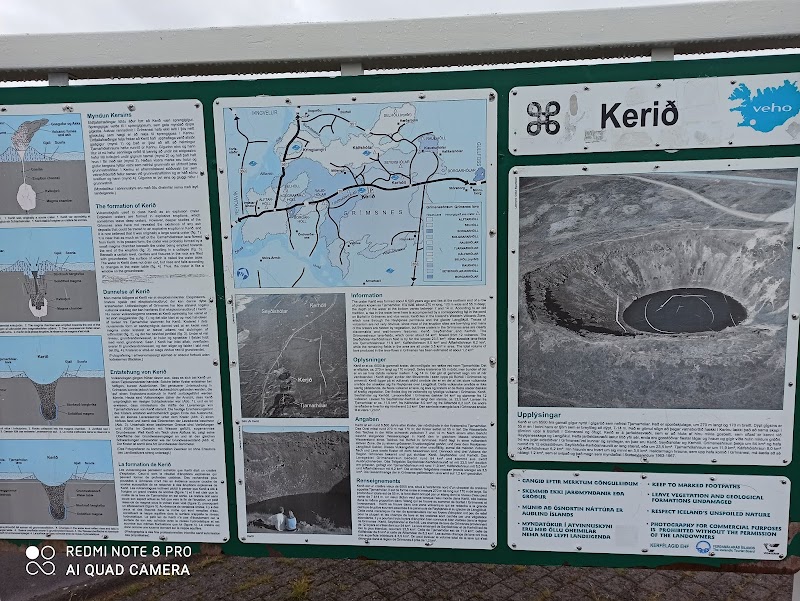
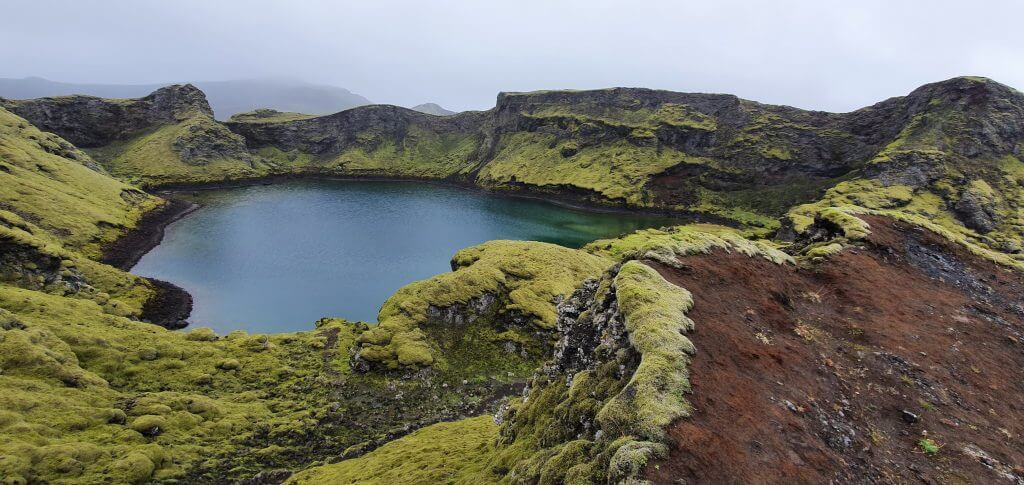
Vivid volcanic crater with a striking blue-green lake at the bottom. The red volcanic rock walls contrast dramatically with the water. 3000-year-old crater. Easy walk around the rim and down to water level.

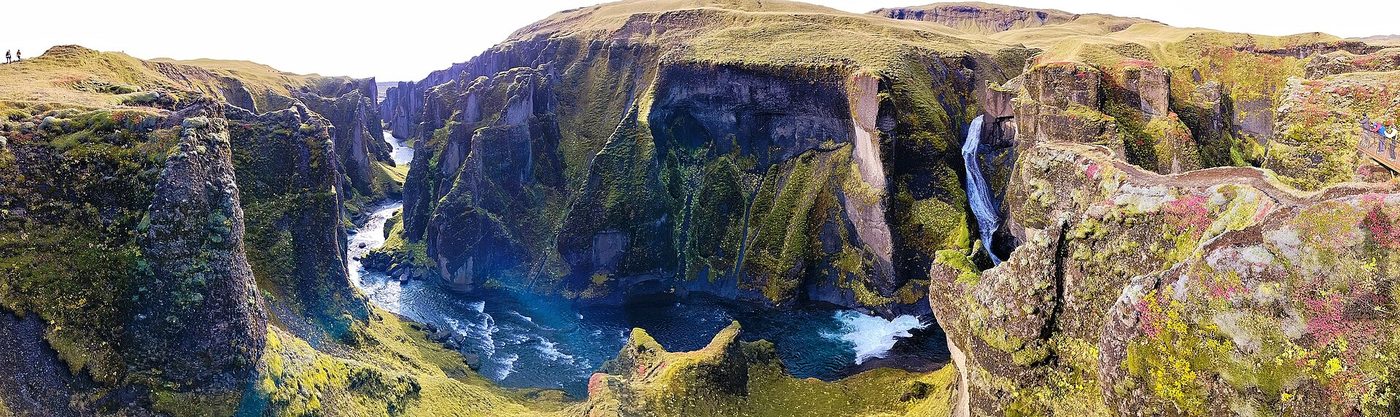
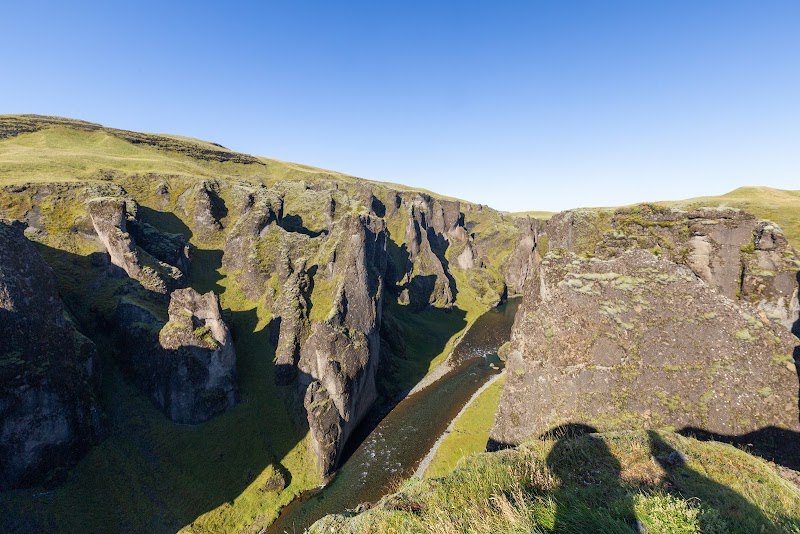
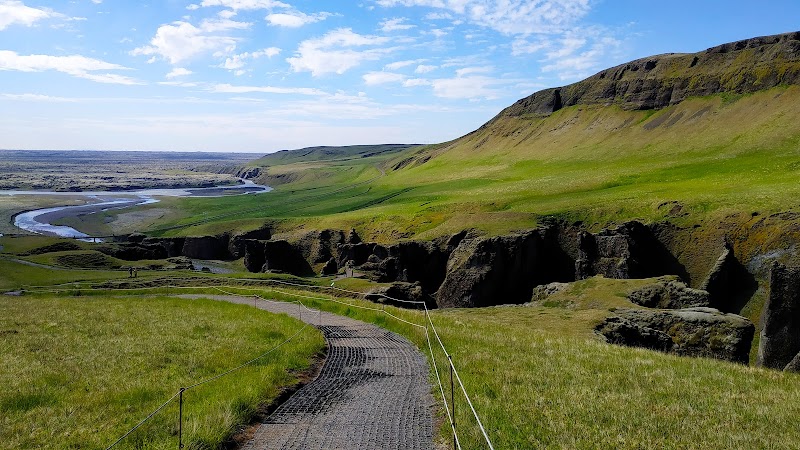
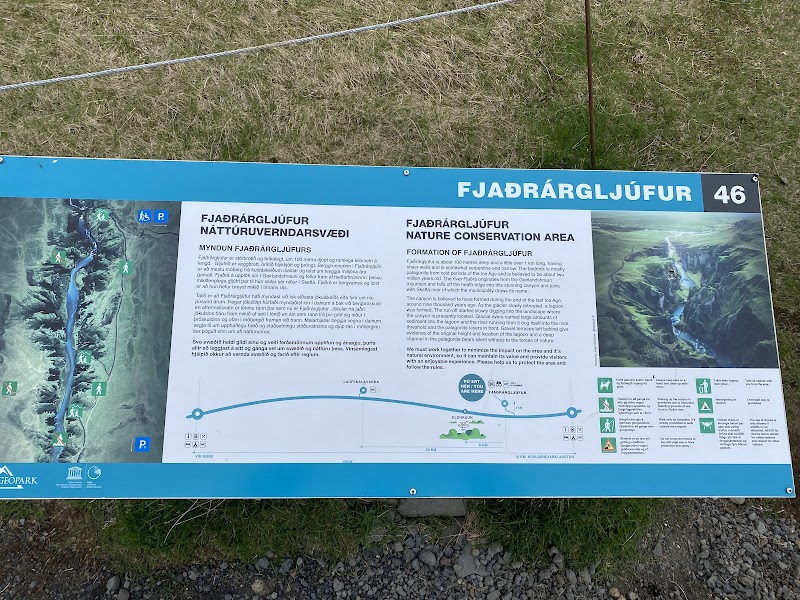
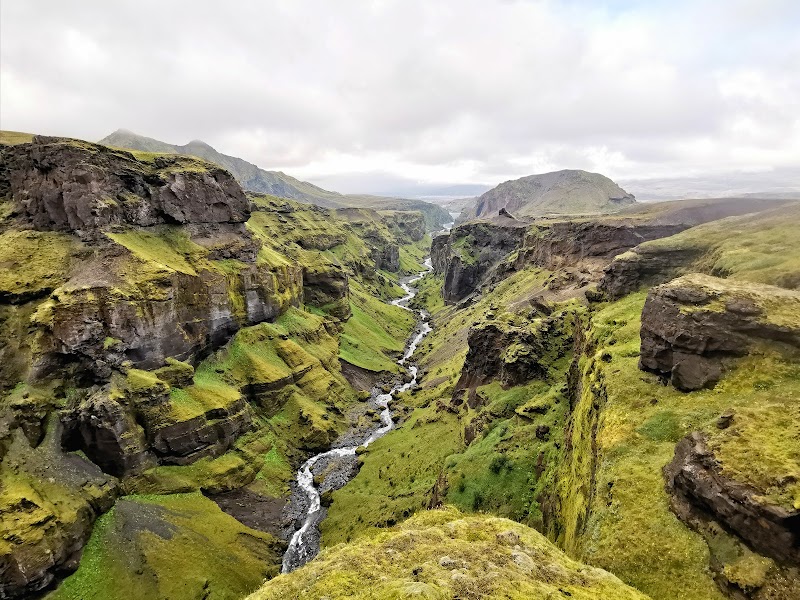
Epic 100m deep, 2km long moss-covered canyon carved by glacial rivers. A walking path along the rim offers vertigo-inducing views. Featured in a Justin Bieber music video (then briefly closed due to overcrowding).

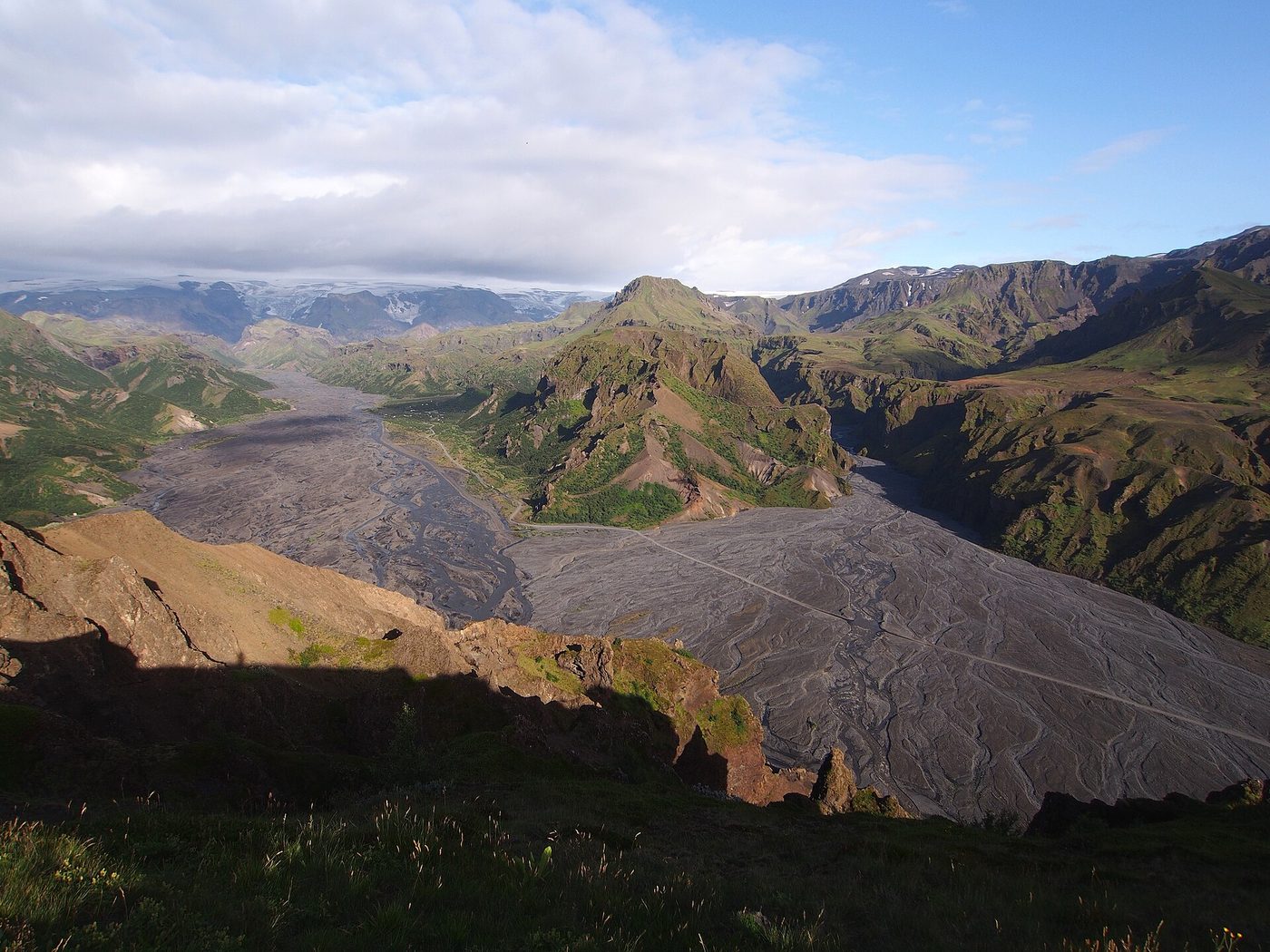
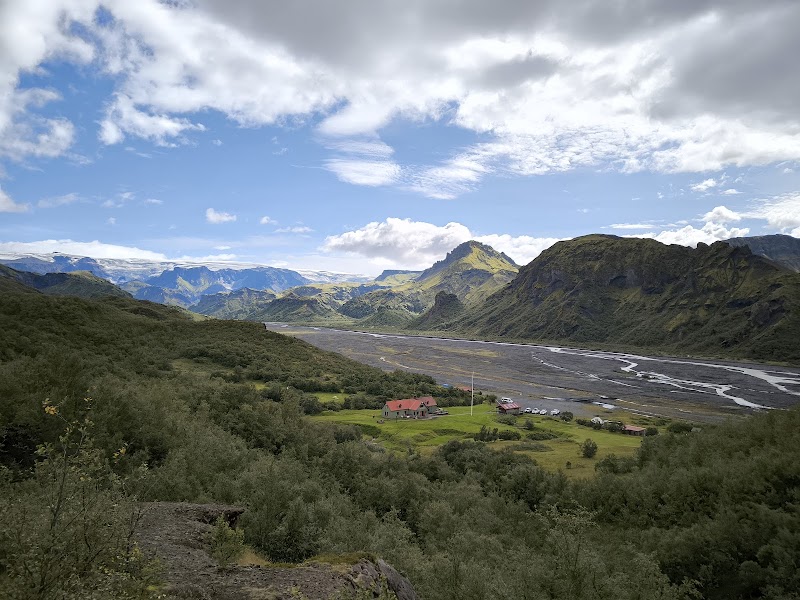
Paradise valley between three glaciers. Only accessible by 4x4 or super jeep. Hiking trails through birch forests and volcanic landscapes. The Fimmvörðuháls trail connects to Skógafoss. True wilderness.
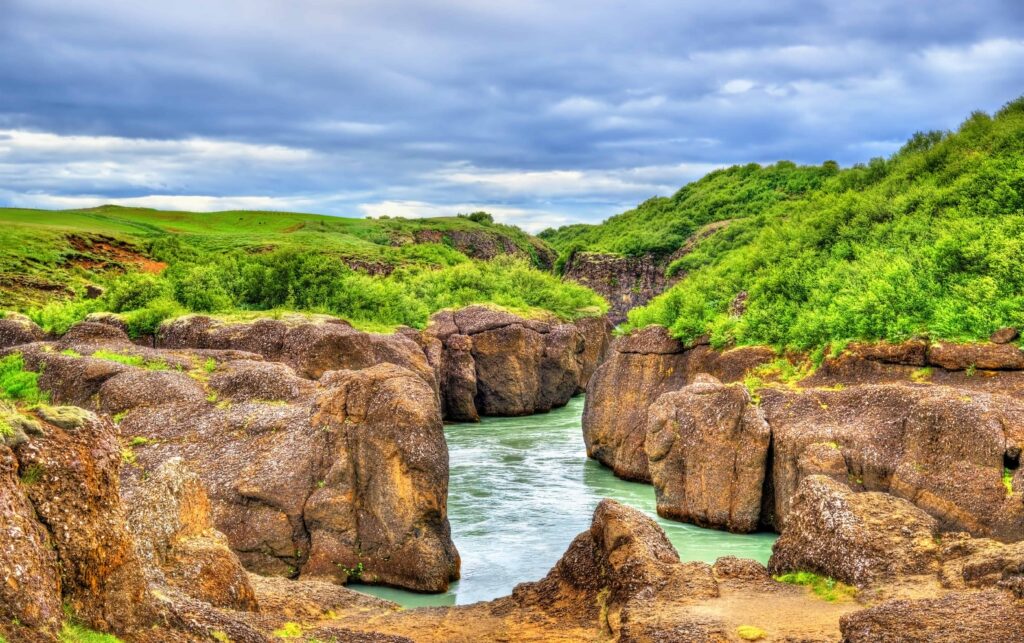
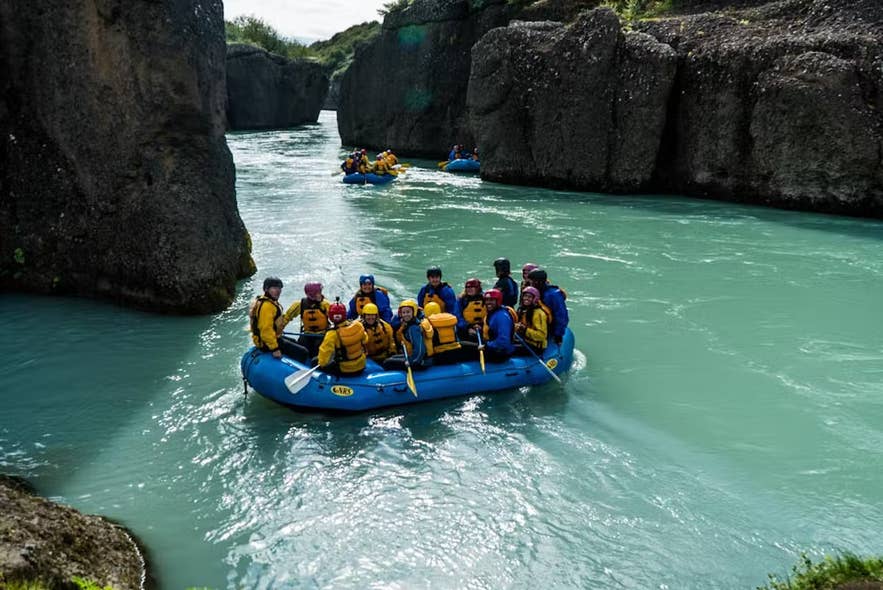
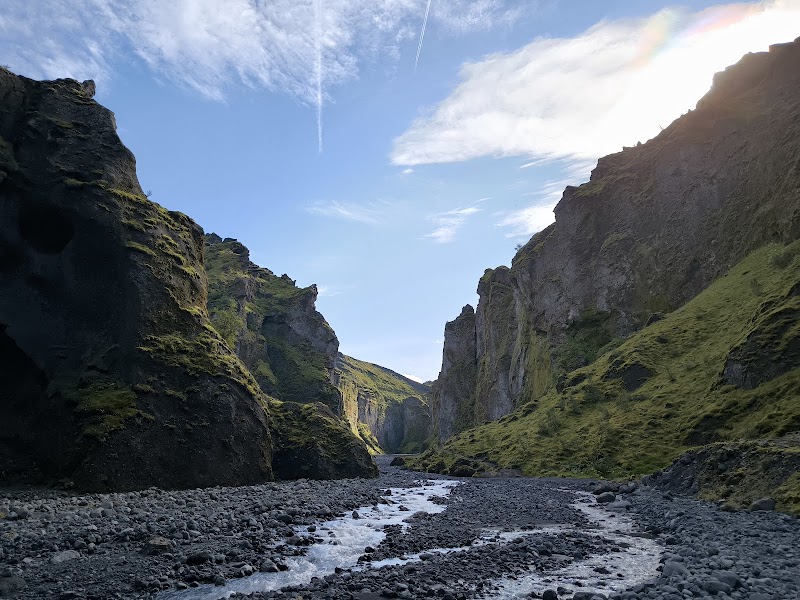
Secret moss-covered canyon with a hidden waterfall deep inside. Wade through ankle-deep water, use chains to climb into the narrowing canyon. Most tourists don't know about it. Magical and intimate.

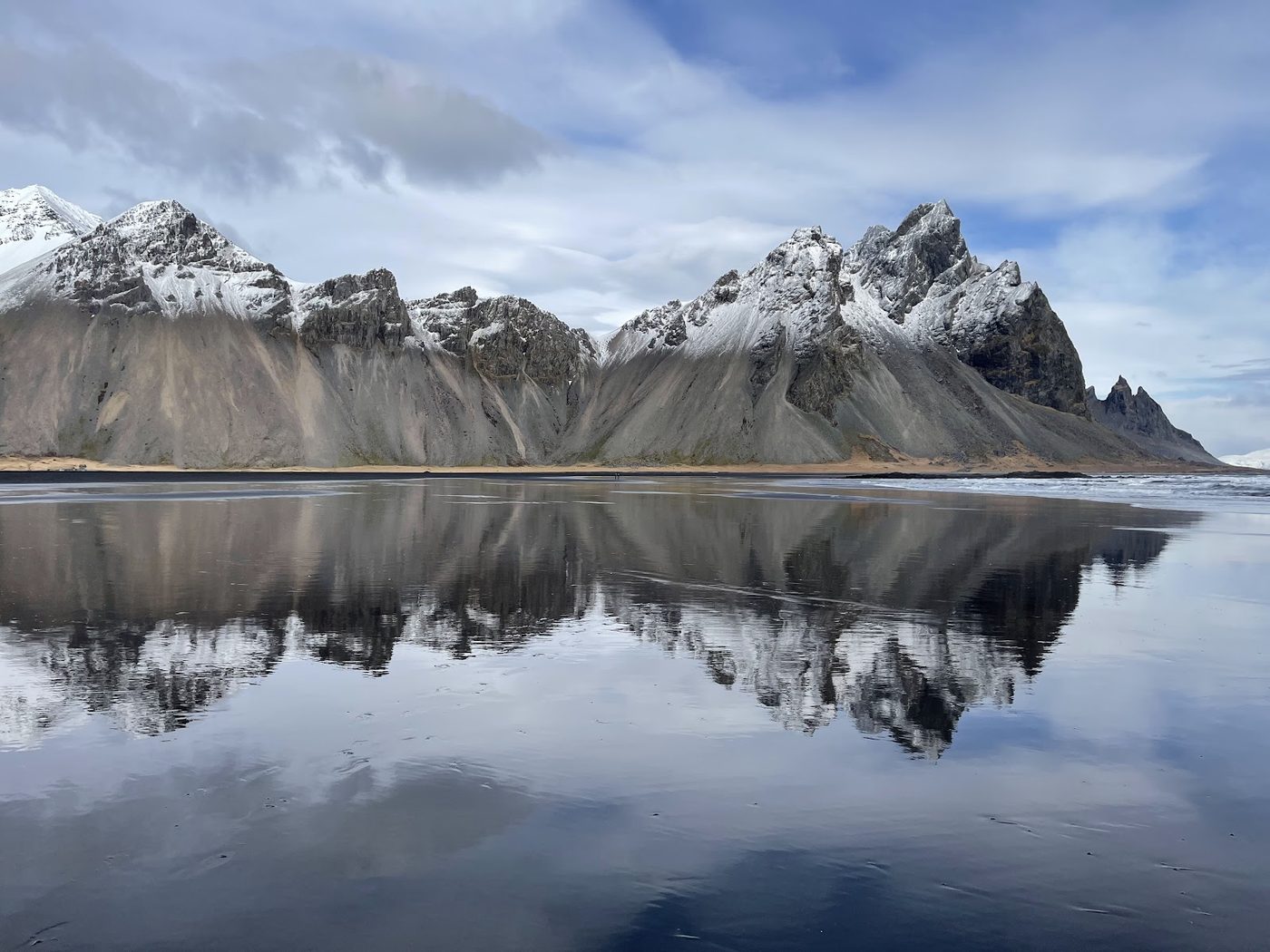
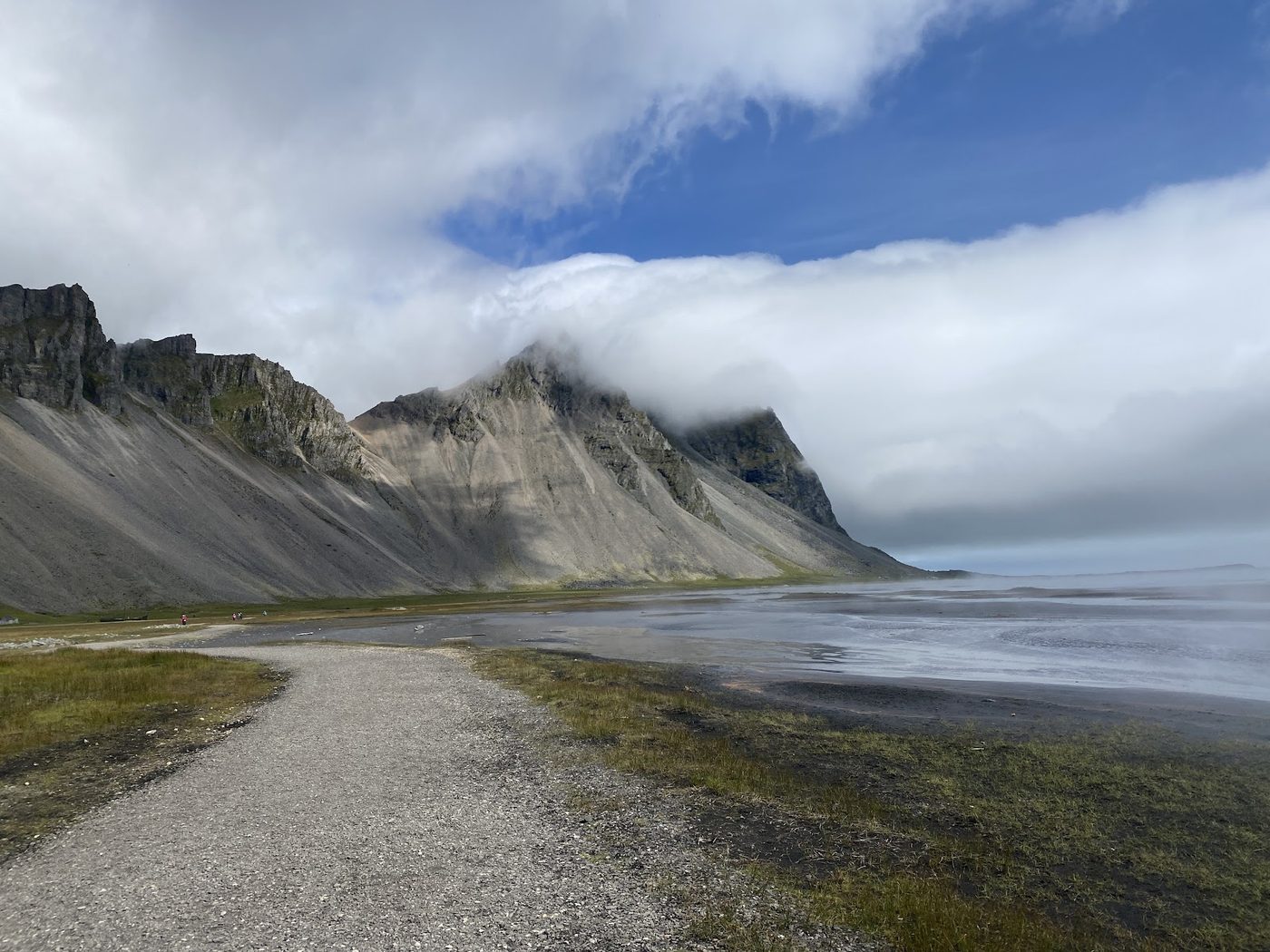
Dramatic Viking-horned mountain reflected in black sand tidal flats. The most photogenic mountain in Iceland. Small entrance fee at the local farm. Best at low tide for mirror reflections.

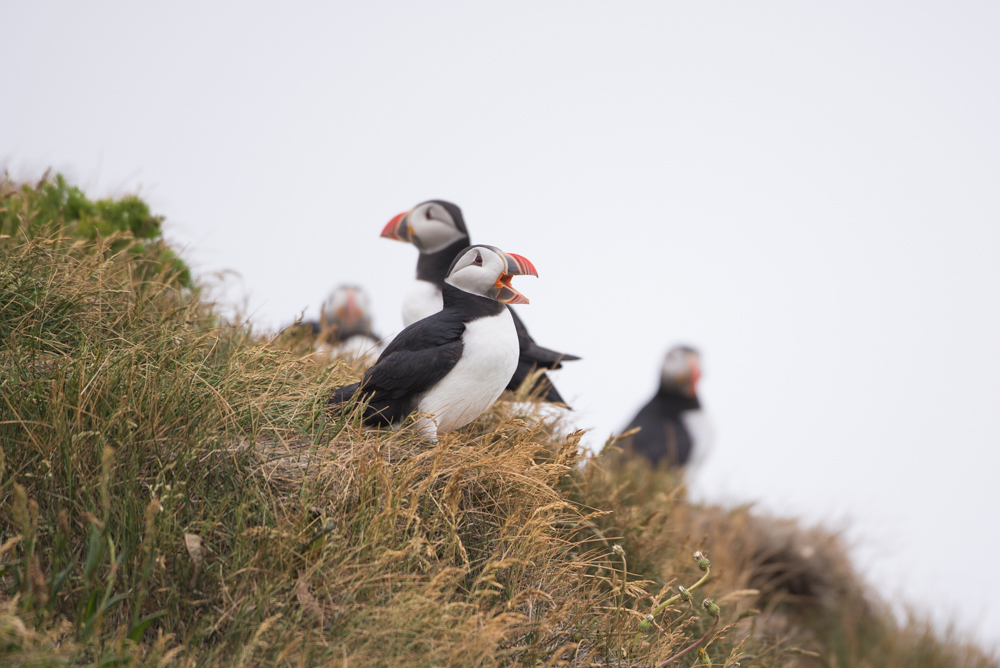
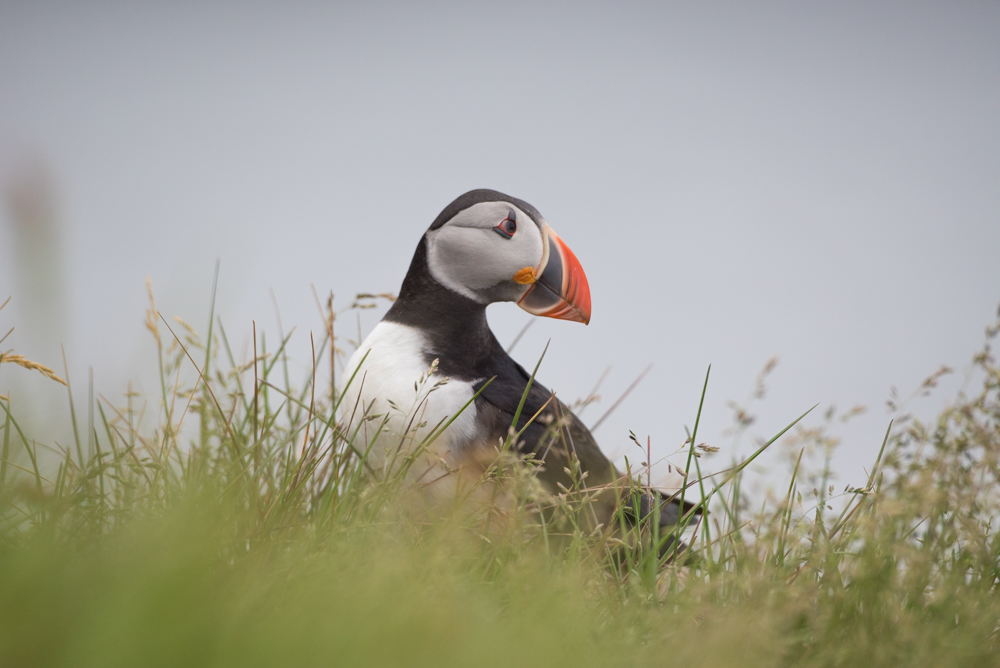
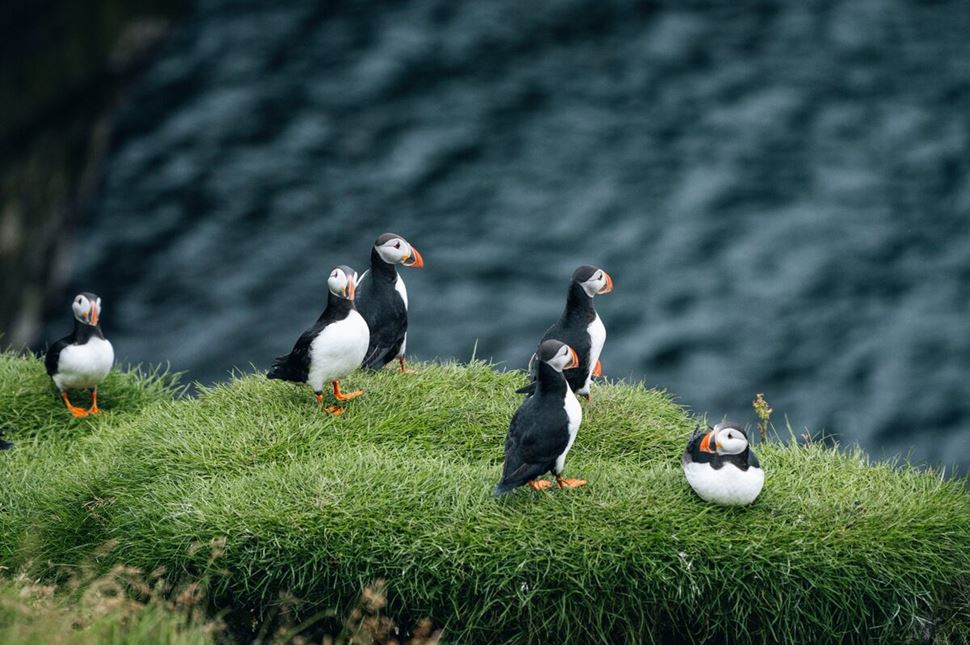
Atlantic puffins nest on cliffs from May to mid-August. Dyrhólaey and the Westman Islands are the best spots. Watch them waddle, fly, and carry fish in their colorful beaks. Iceland has 60% of the world's puffins.

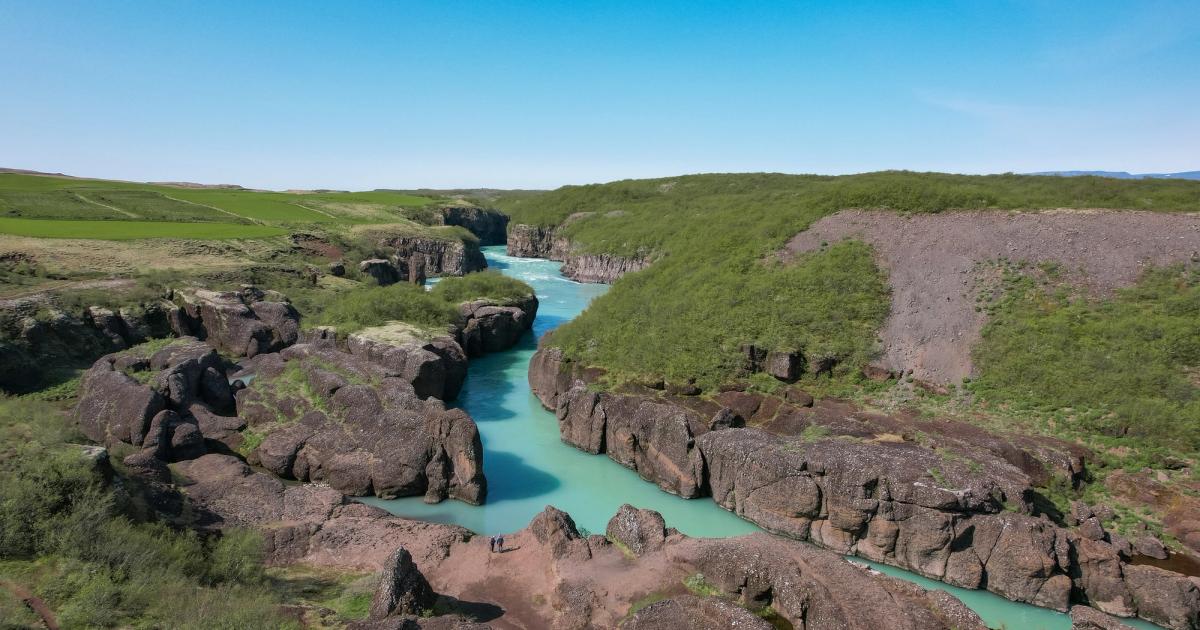
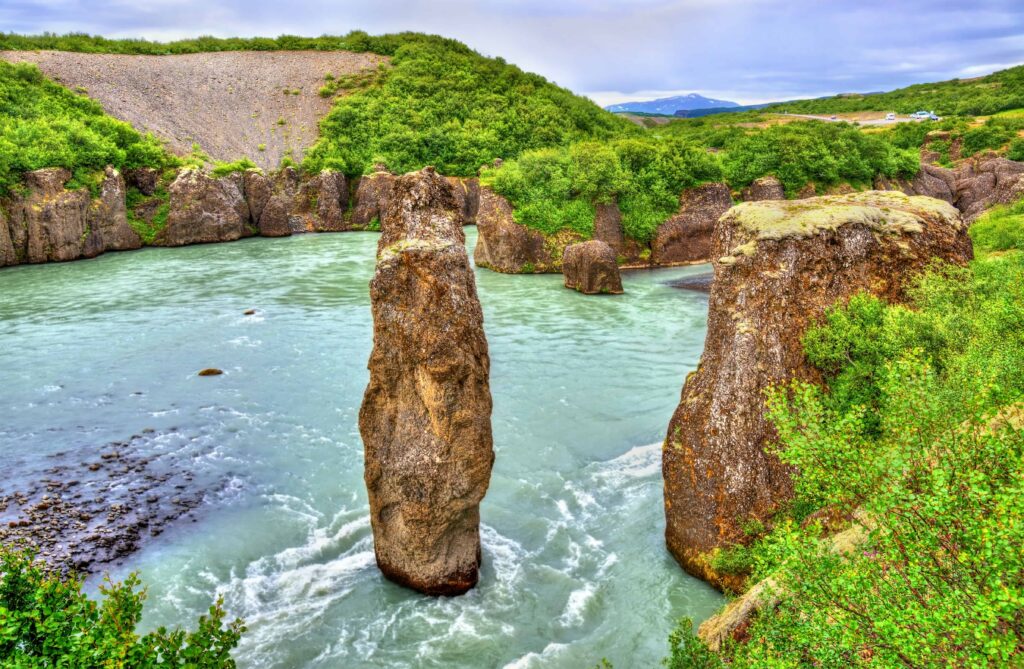
Secret turquoise canyon on the Golden Circle route, lesser-known alternative to crowded sites. The water color is electric blue. Short walk from parking. Rarely in guidebooks.

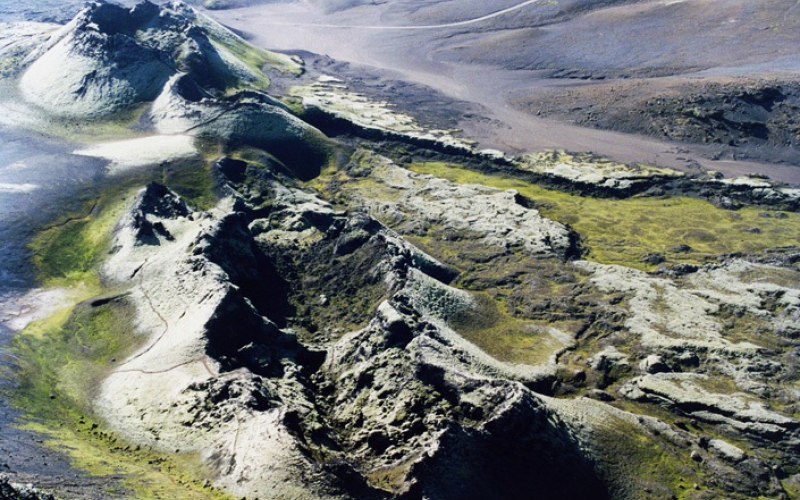
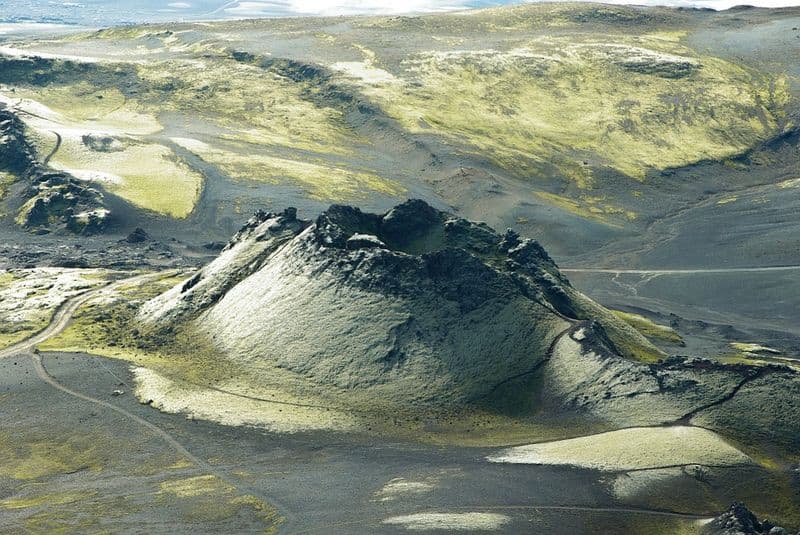
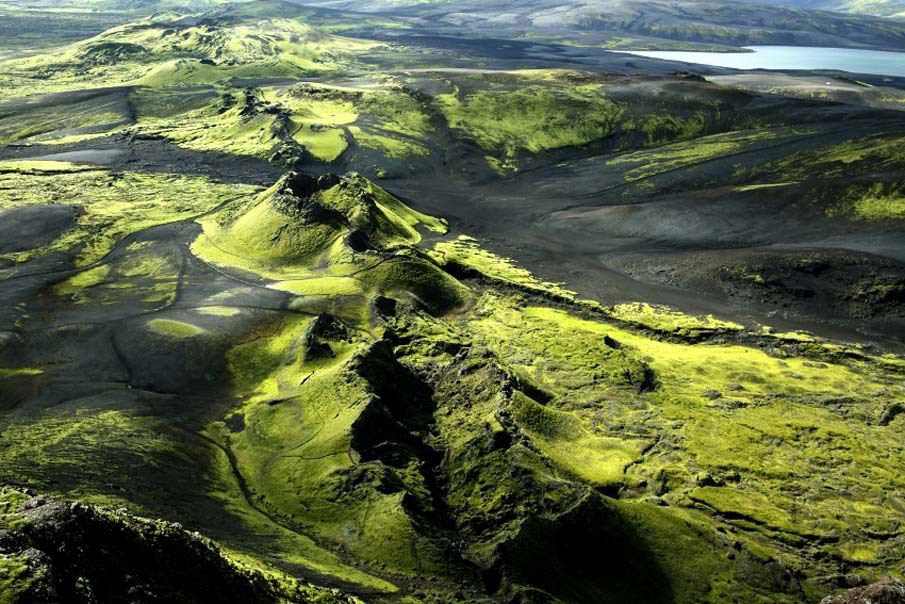
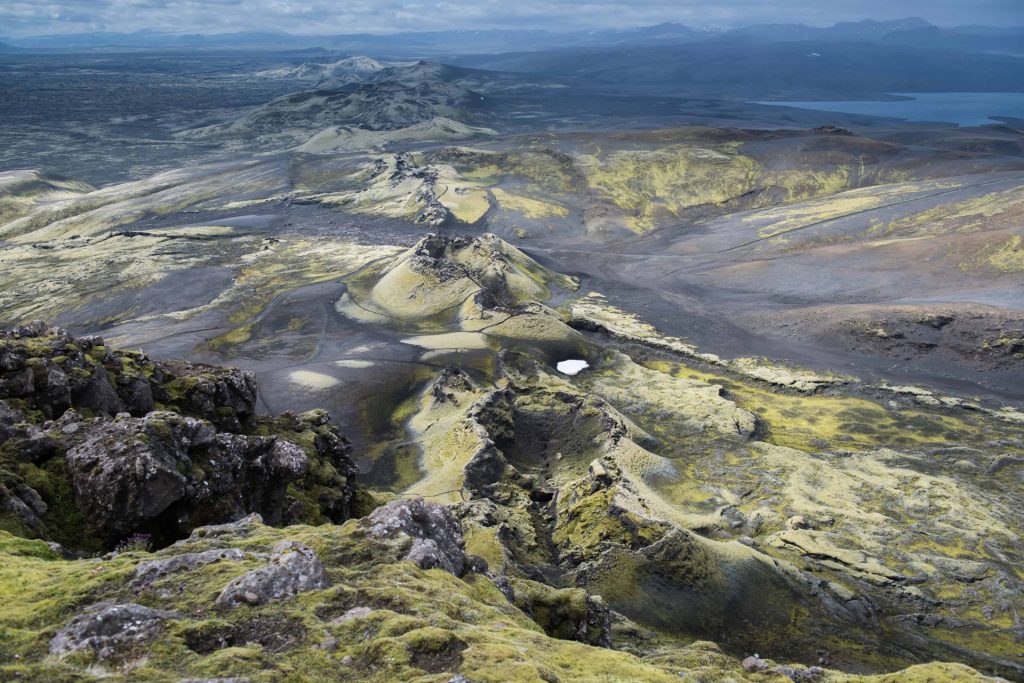
Row of 130 volcanic craters from the devastating 1783 eruption. Moss-covered lava fields stretch to the horizon. Only accessible by 4x4 in summer. One of the most profound volcanic landscapes on Earth.

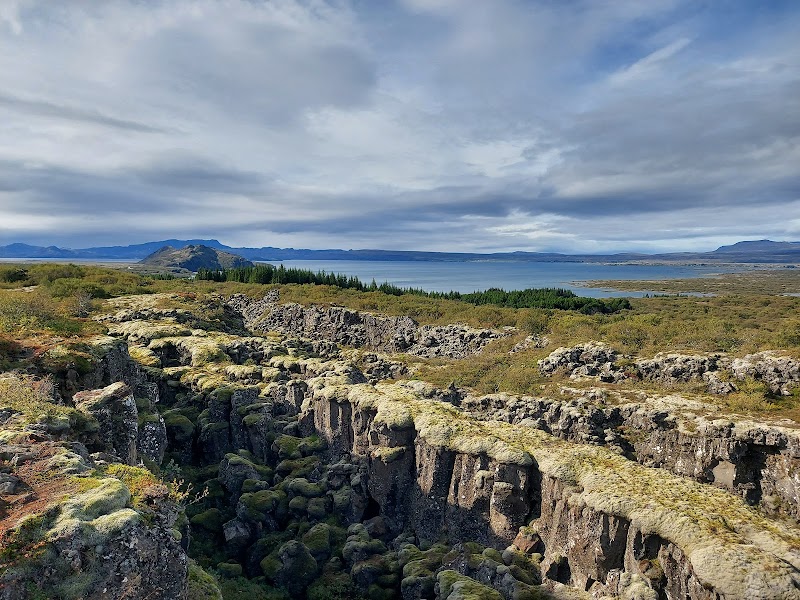
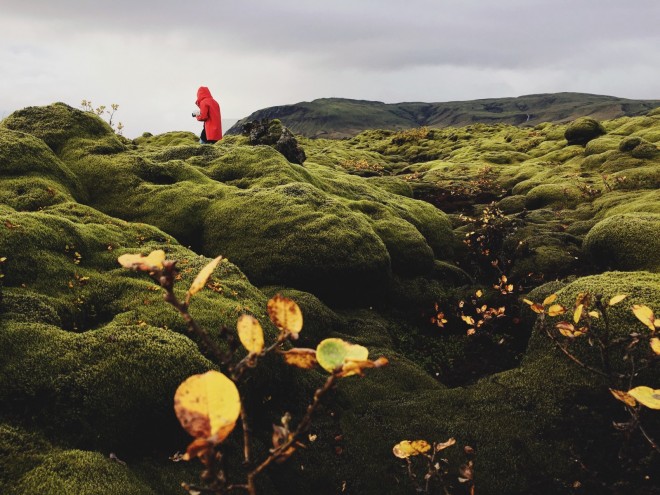
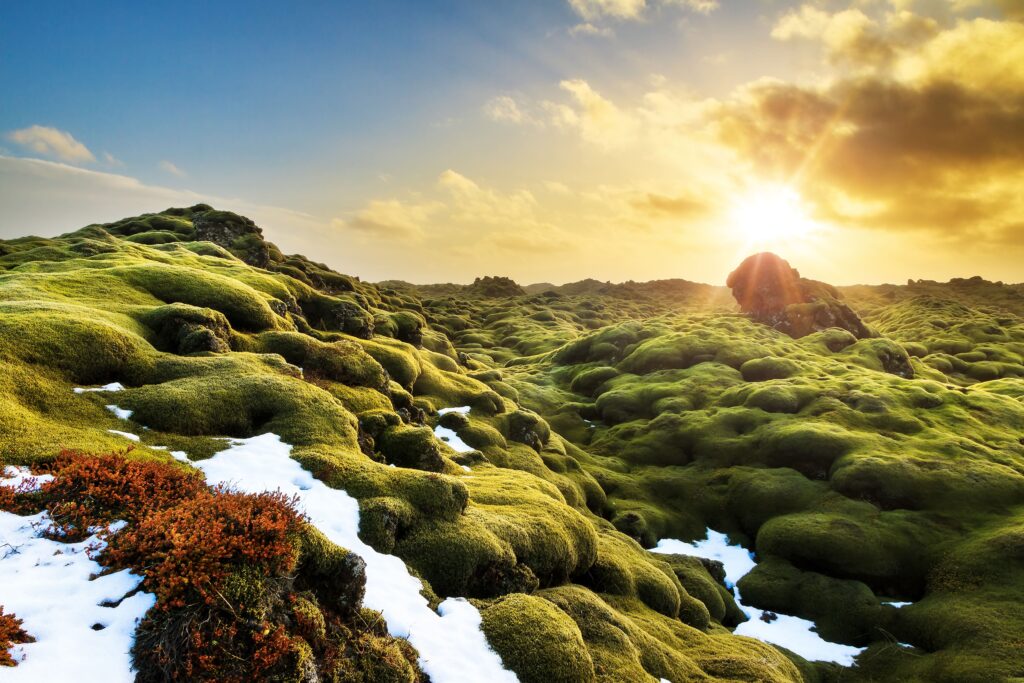
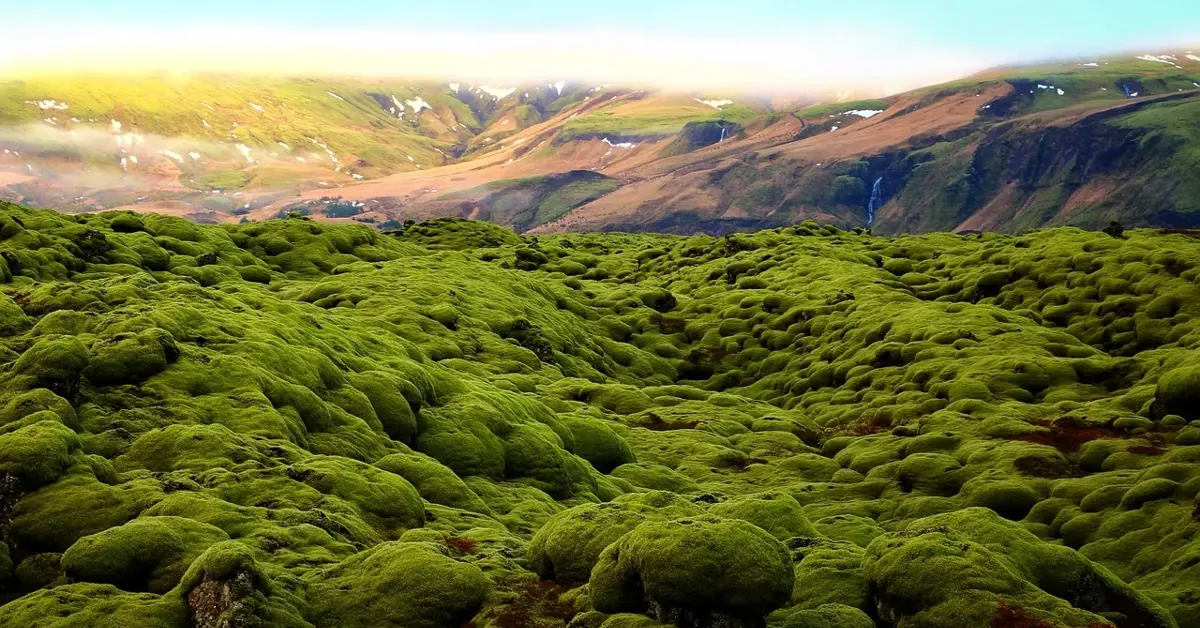
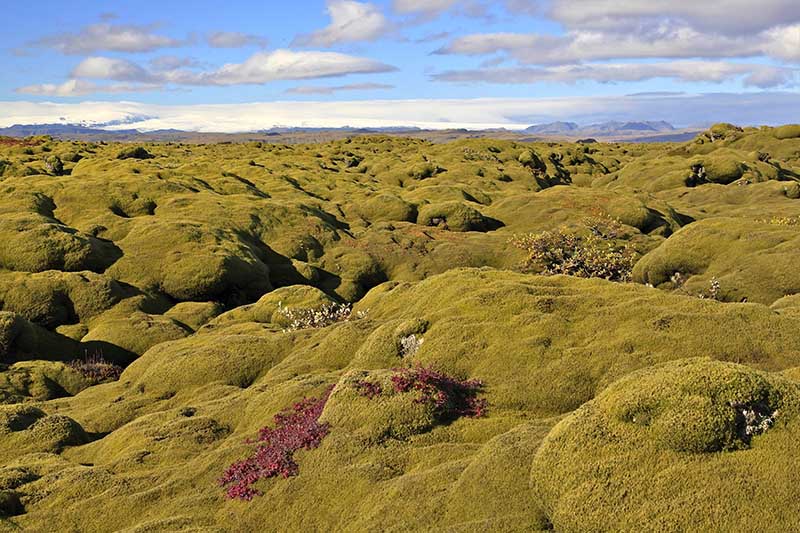
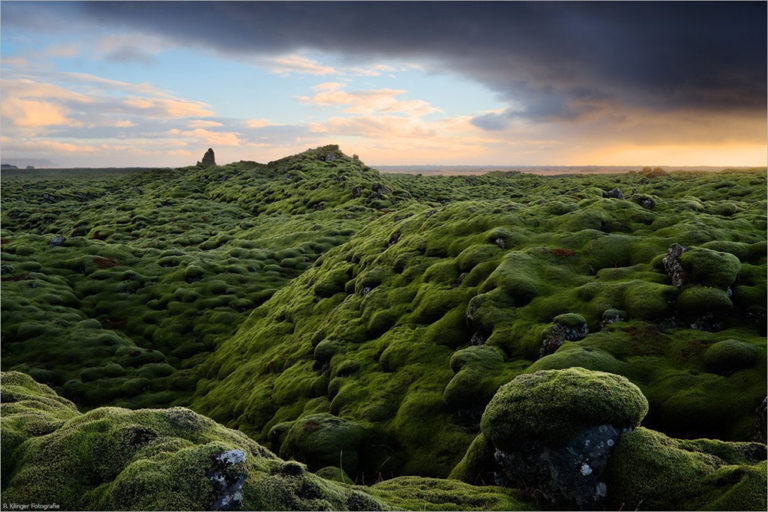
Vast moss-covered lava field from the 1783 Laki eruption. The thick green moss carpet over black lava creates an alien landscape. Walk carefully, the moss takes decades to regrow. Visible from Ring Road.
Natural hot rivers, hidden lagoons, and geothermal baths across the south.

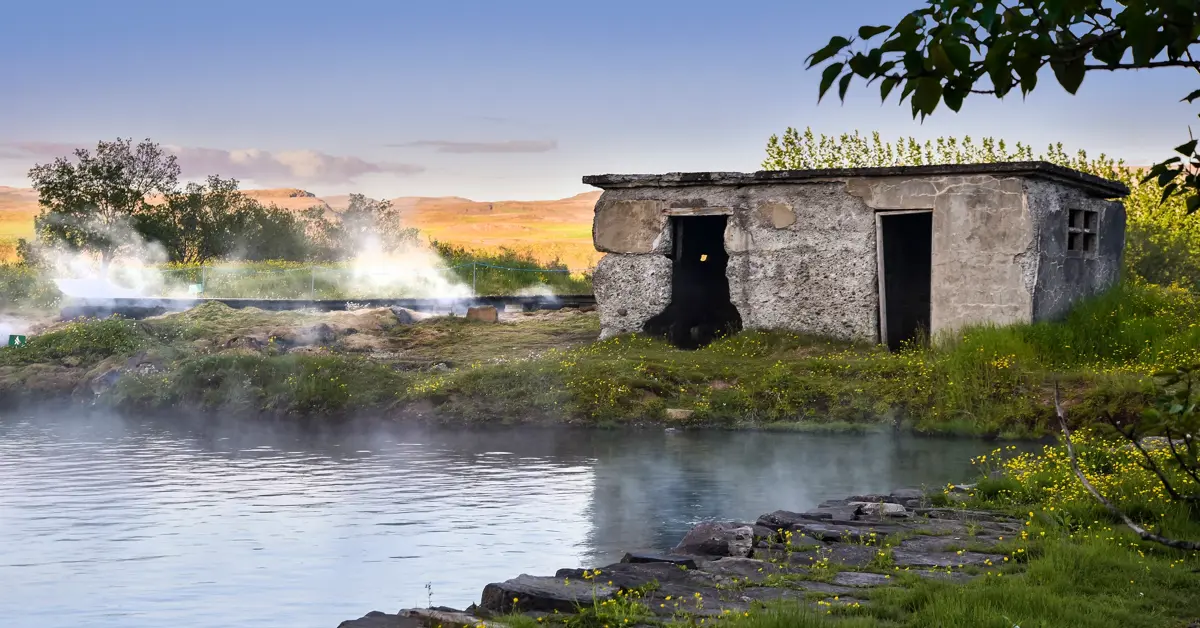
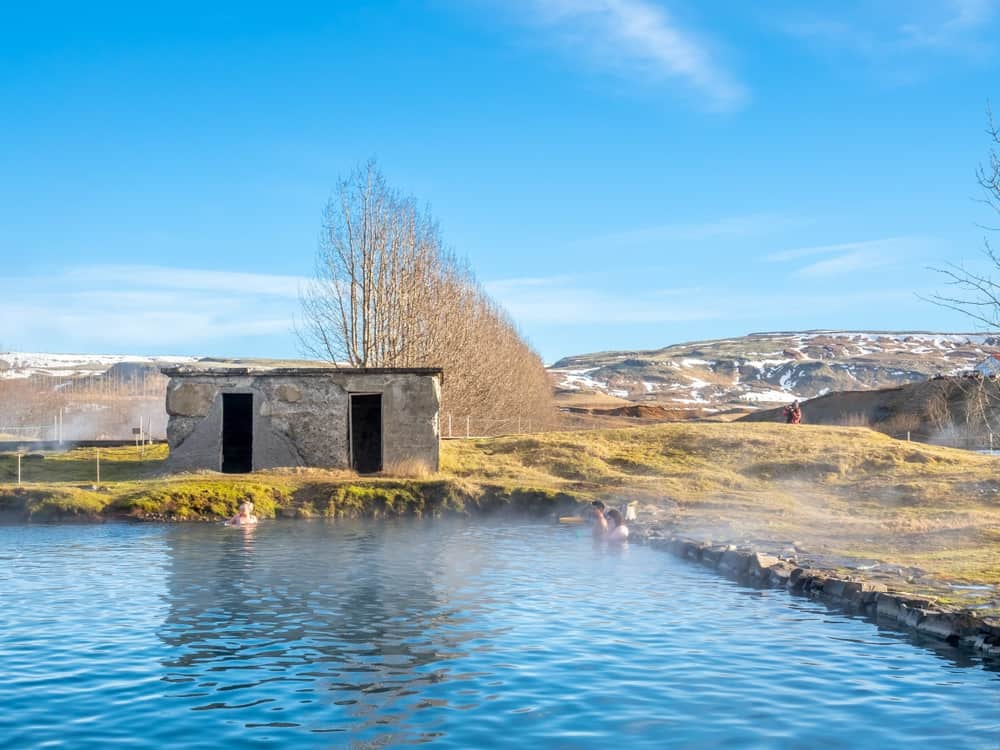
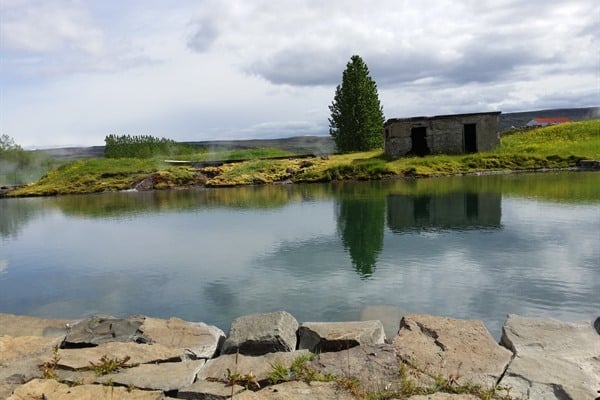
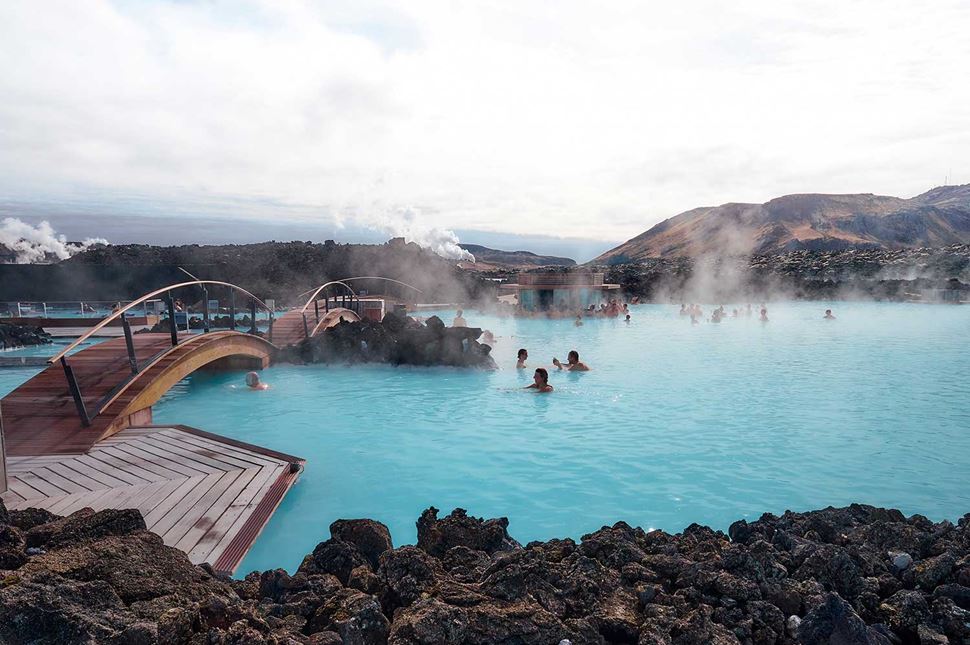
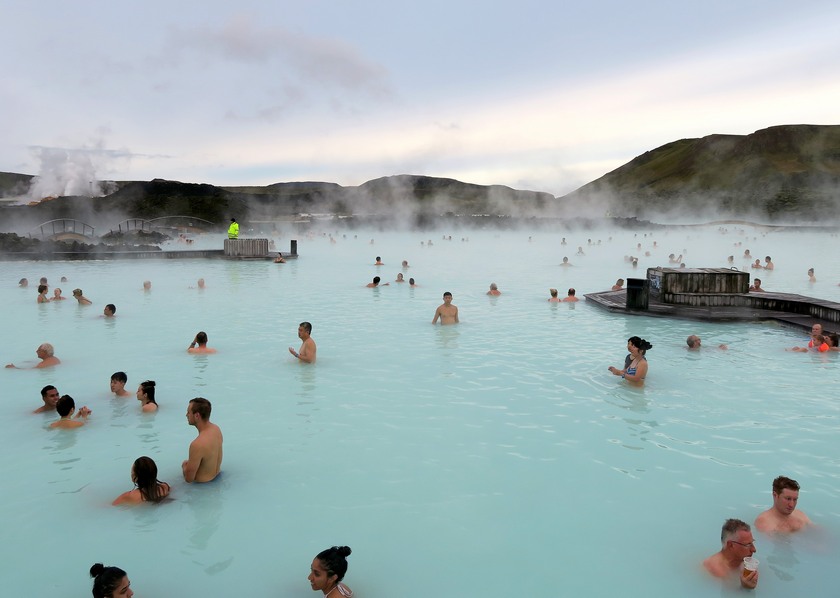
Iceland's oldest swimming pool (1891). Natural hot spring pool at 38-40°C. Watch a small geyser erupt nearby while you soak. Much more affordable and authentic than Blue Lagoon. On the Golden Circle route.

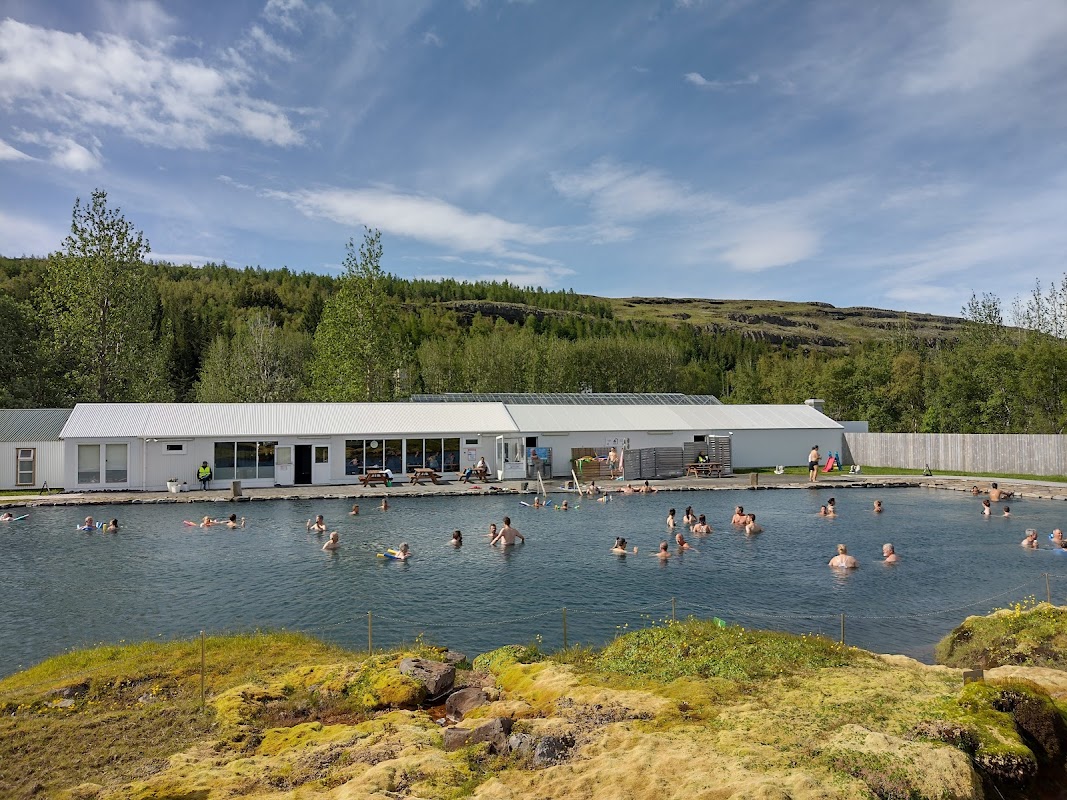
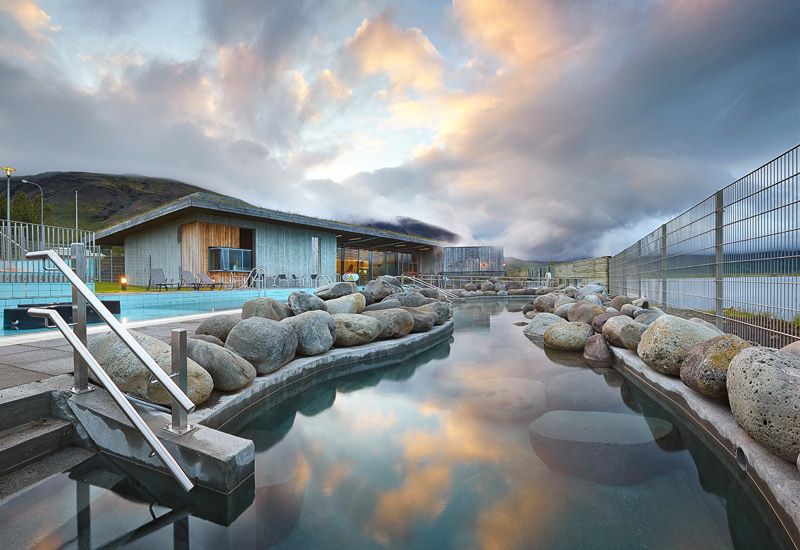
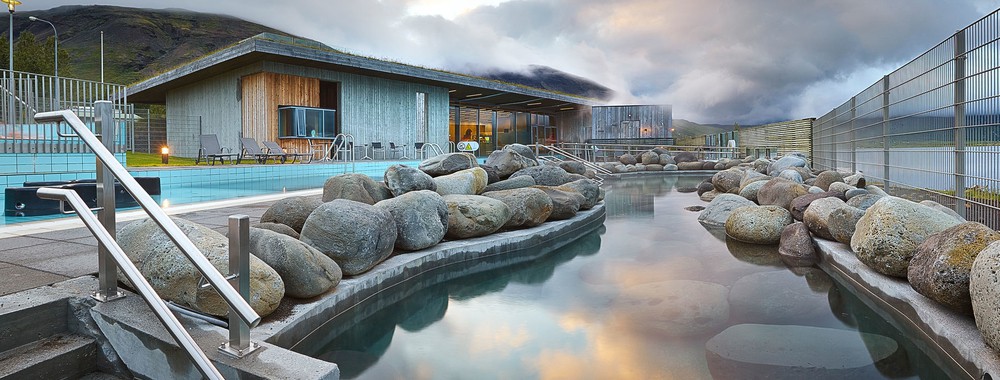
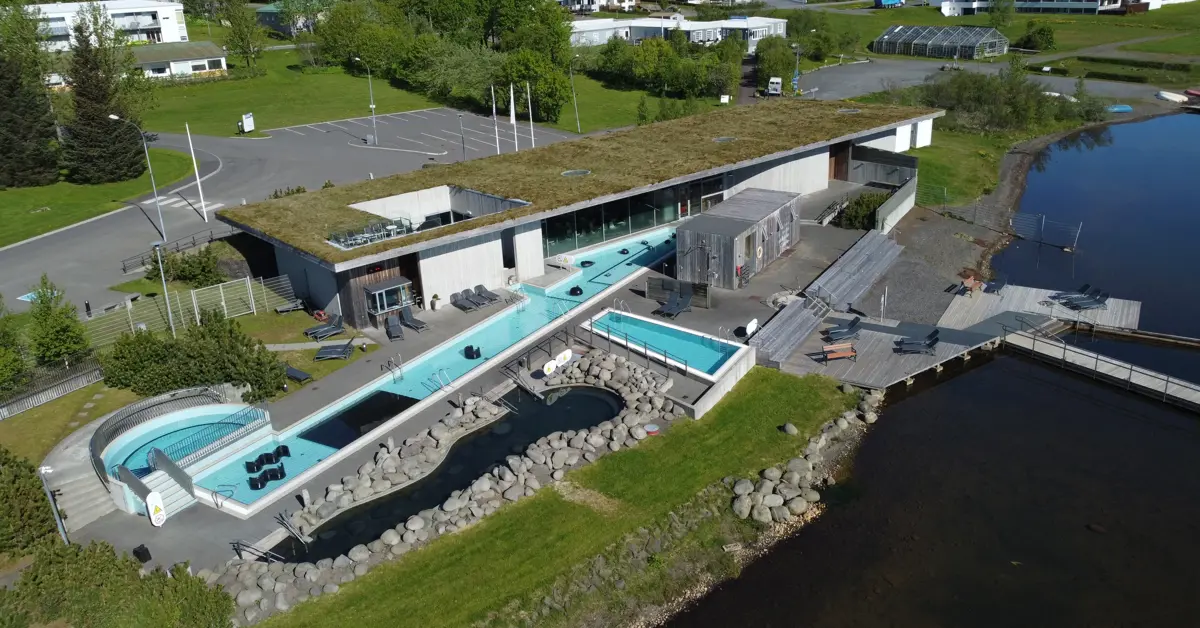
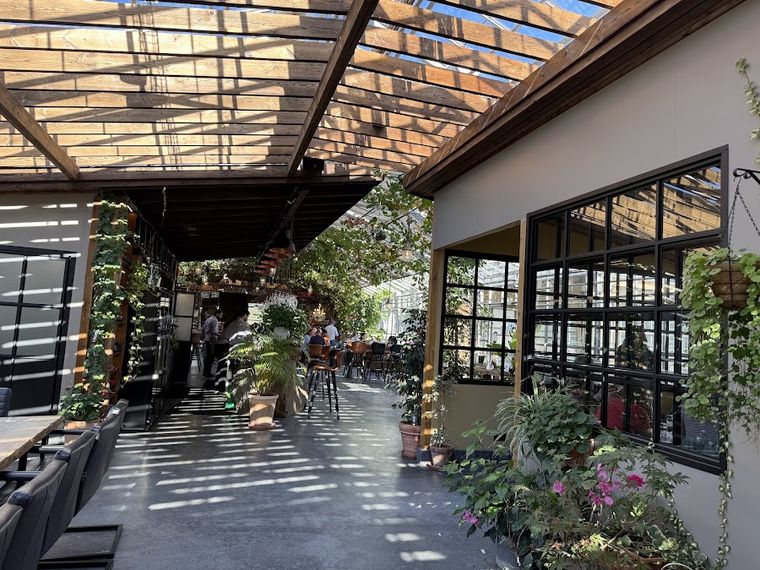
Lakeside geothermal baths on the Golden Circle. Steam rooms built over natural hot springs. Swim in the warm lake. They bake rye bread underground using geothermal heat (tasting available). Less touristed.

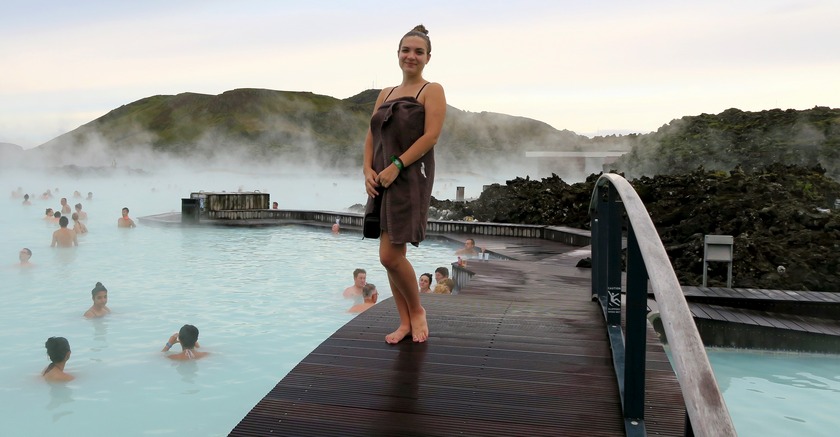
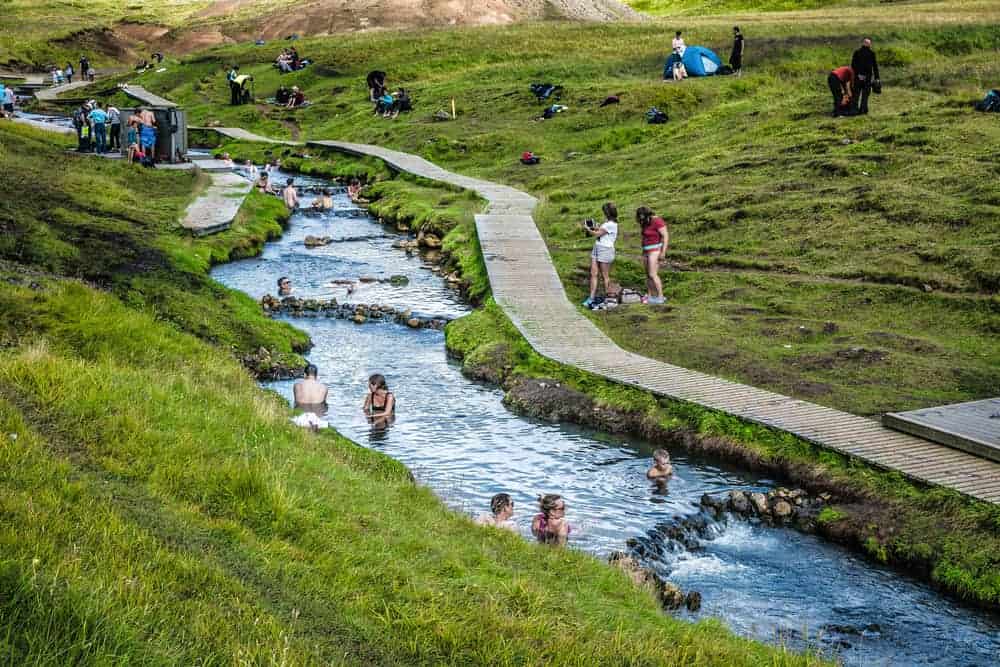
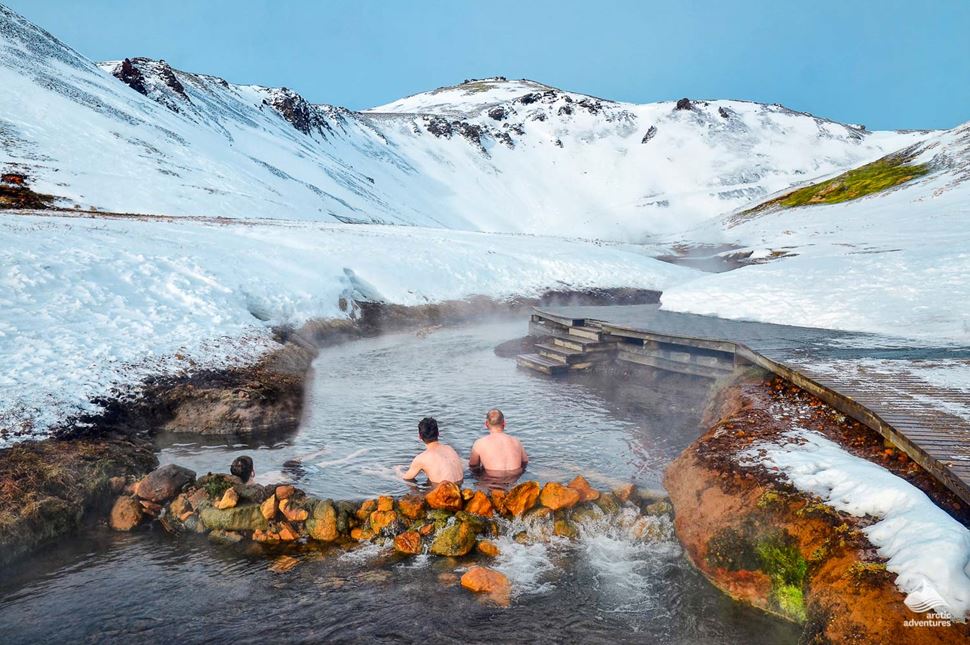
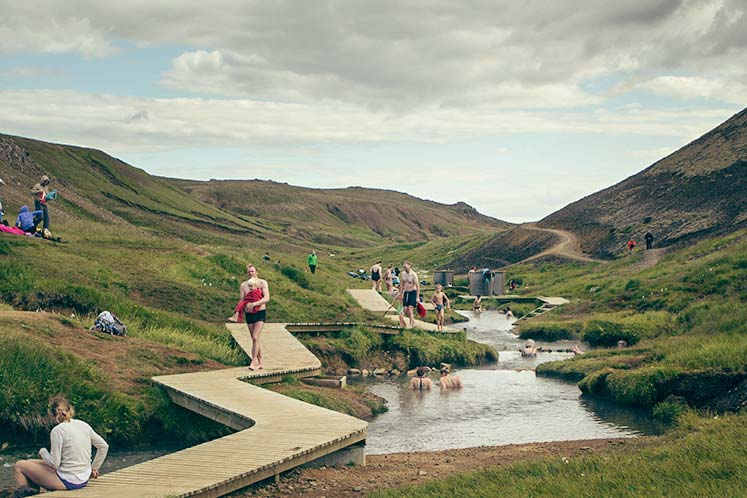
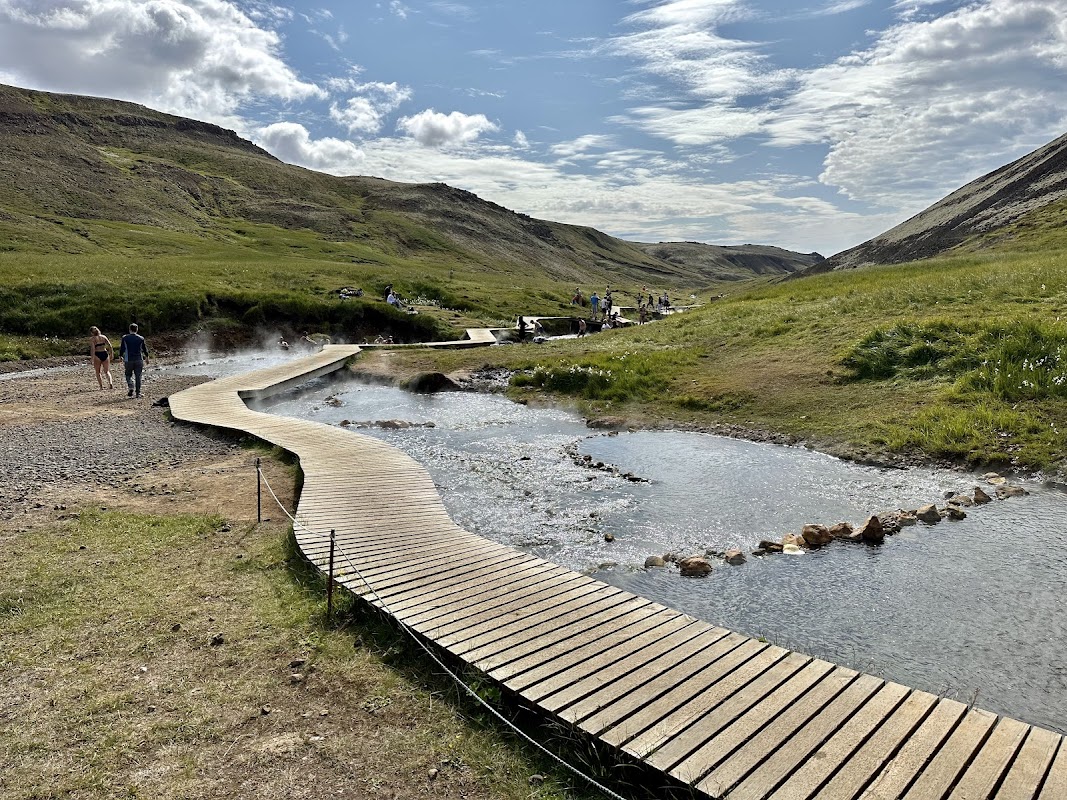
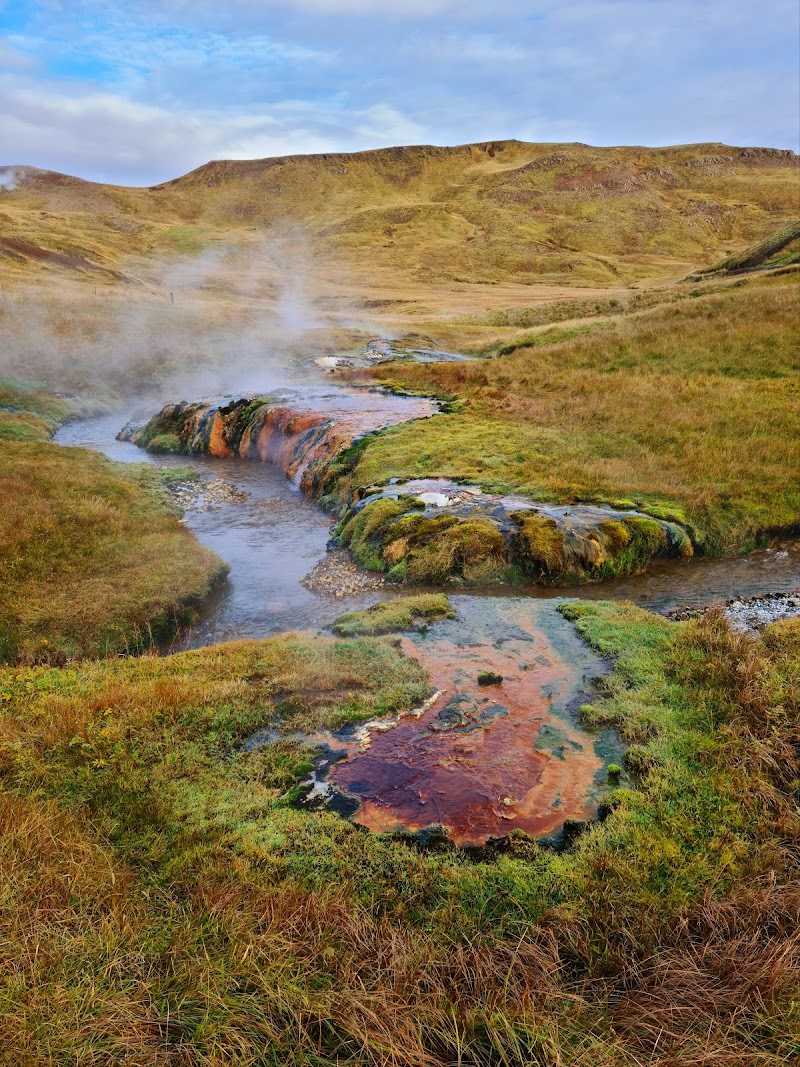
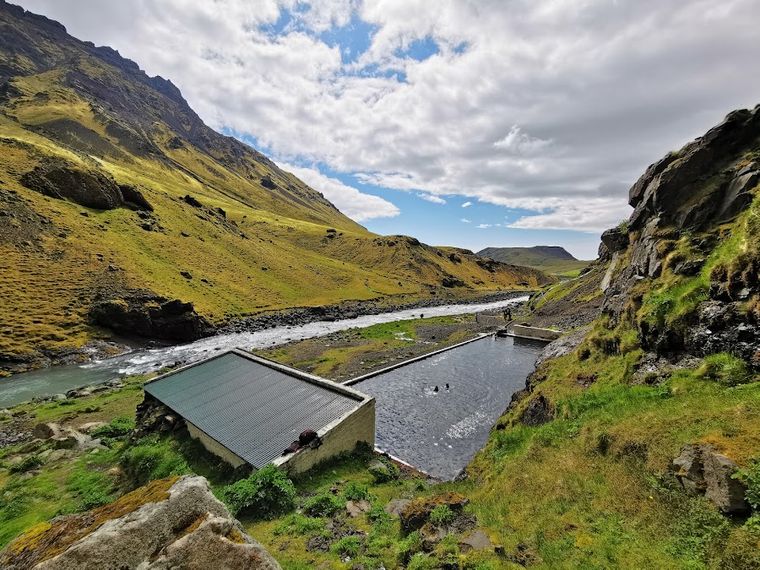
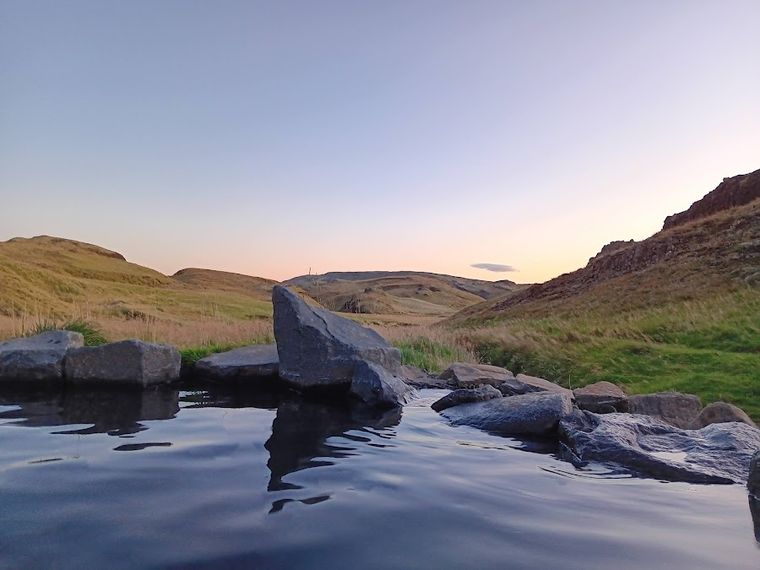
Hike to a geothermally heated river in Reykjadalur valley. 3km trail (1hr each way) leads to a warm river where you can sit and soak surrounded by steaming hillsides. Free and natural. Bring a towel.

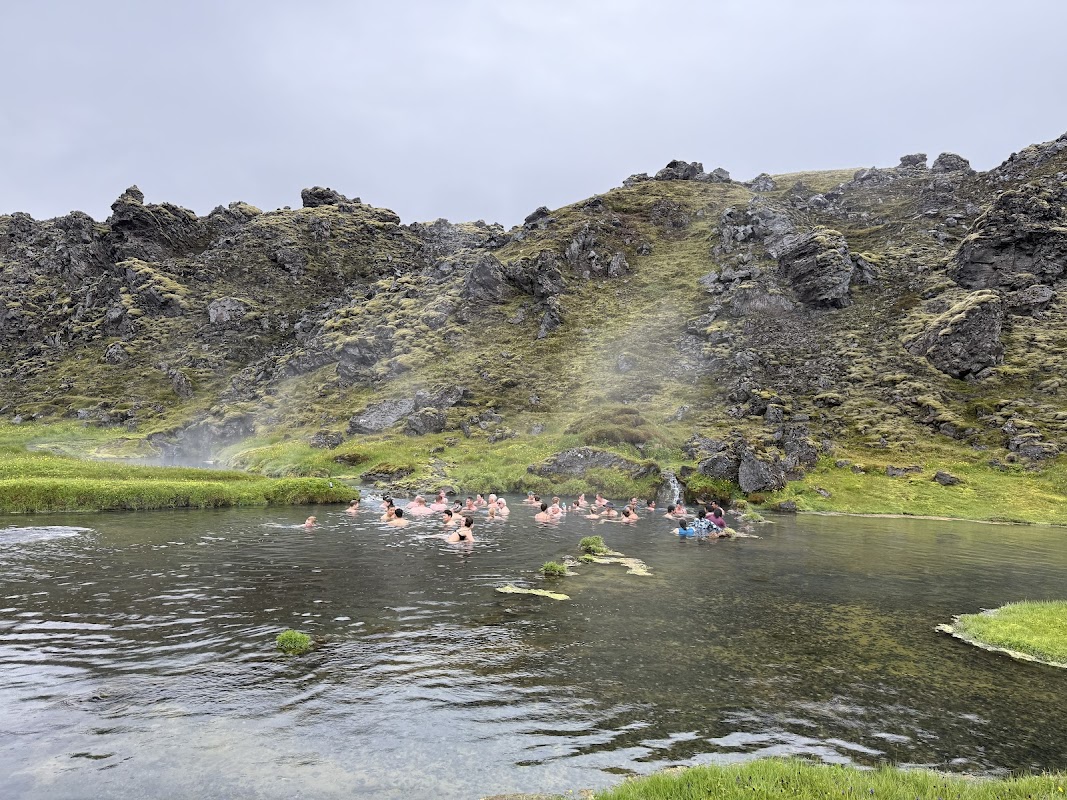
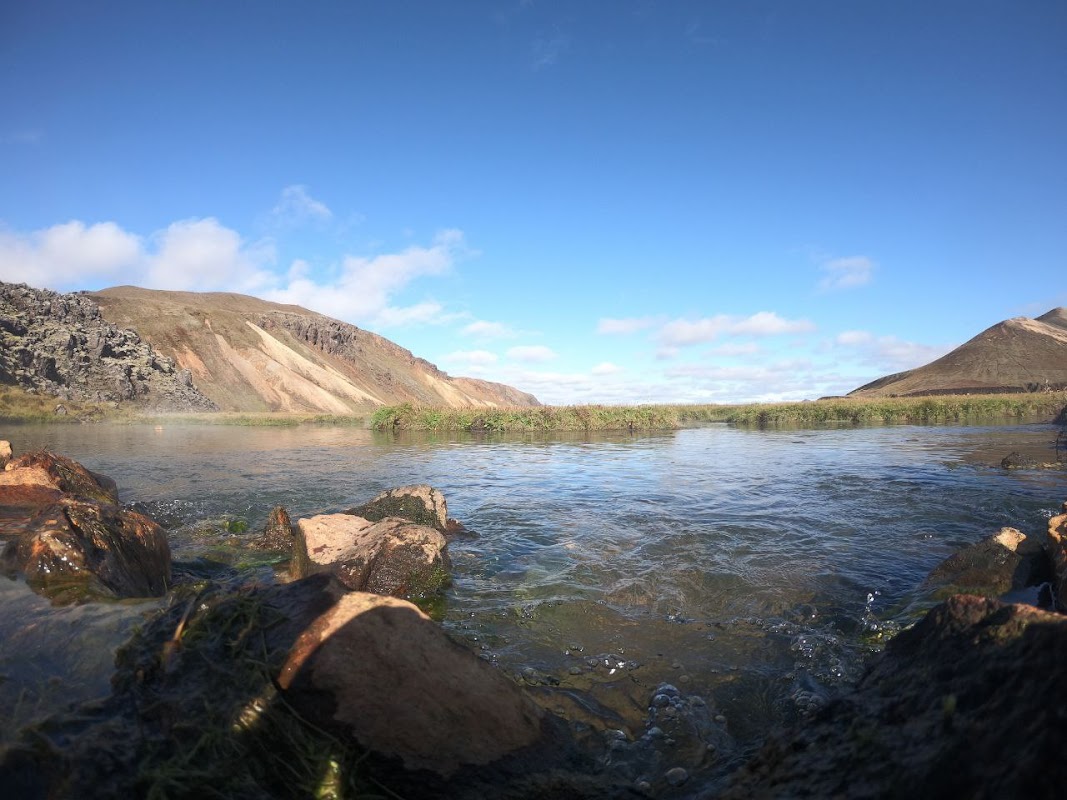
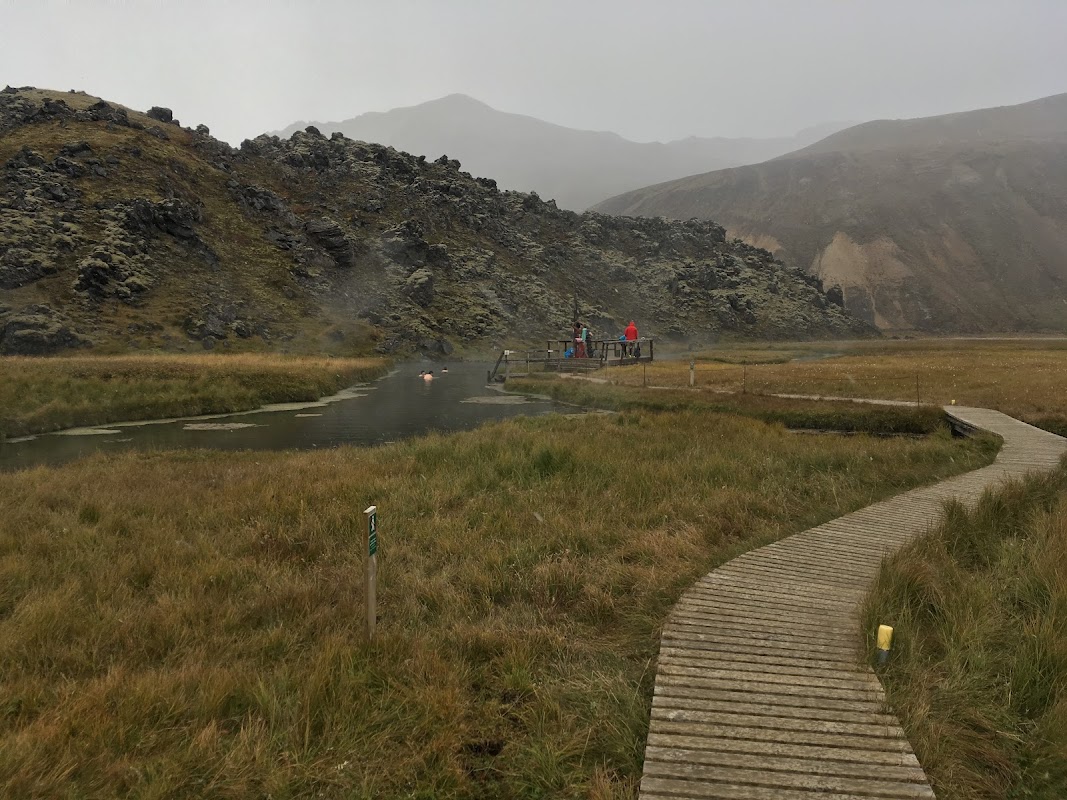
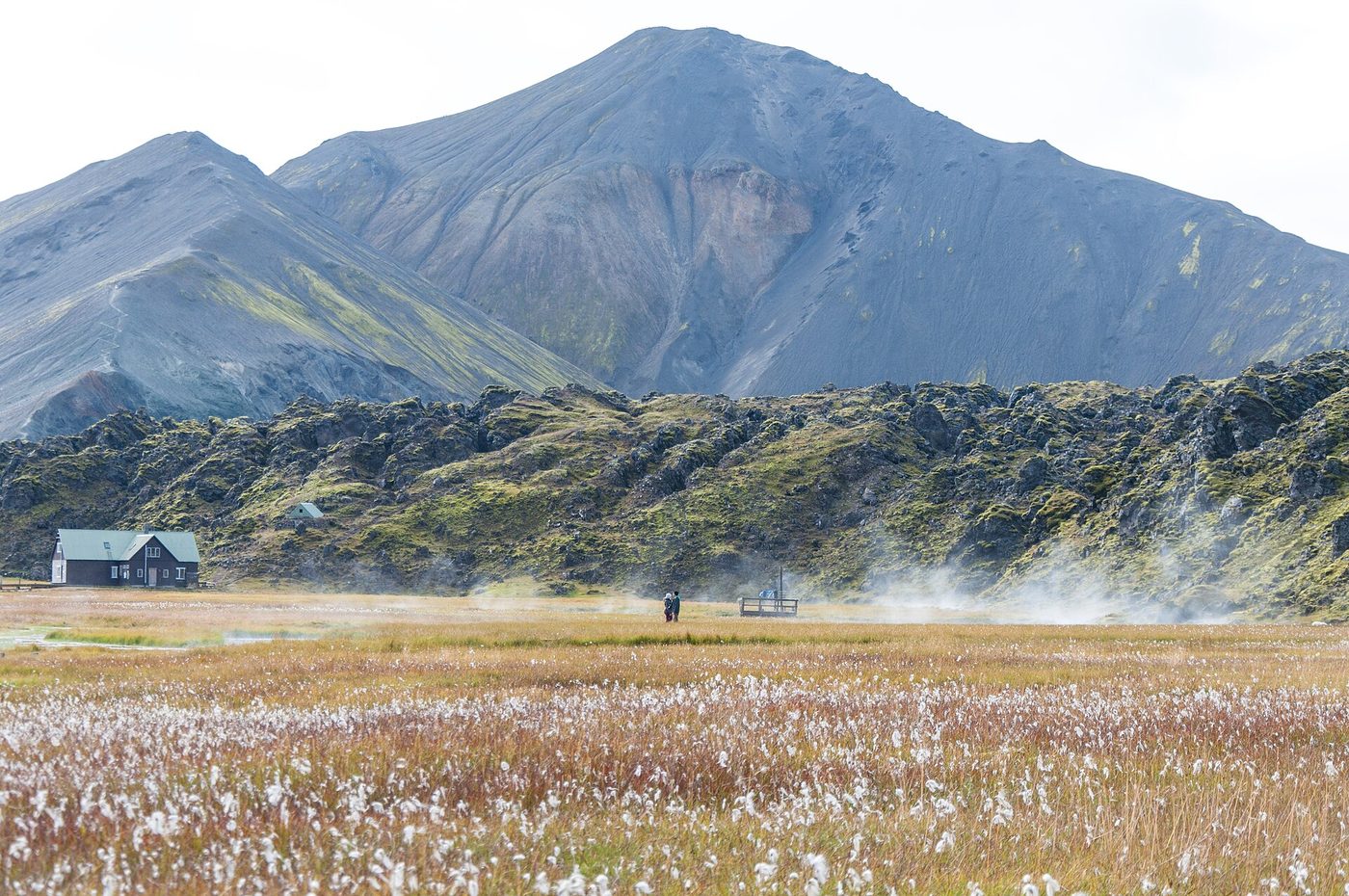
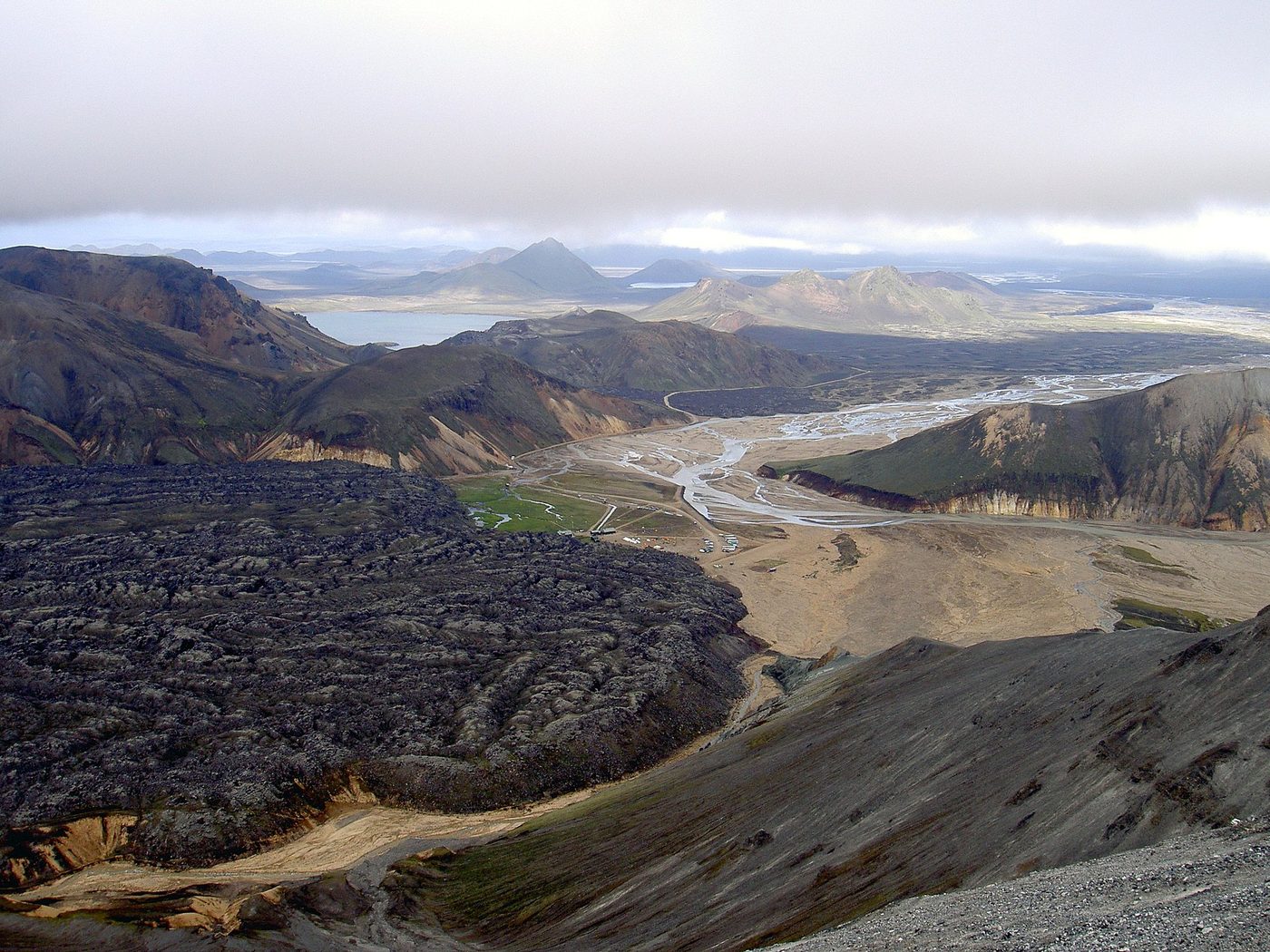
Rainbow-colored rhyolite mountains surrounding a natural hot spring pool. The most beautiful hot spring setting in Iceland. Only accessible June-September by 4x4 or highland bus. The landscape is Mars meets Earth.
Glacier hiking, snorkeling between tectonic plates, and volcanic encounters.

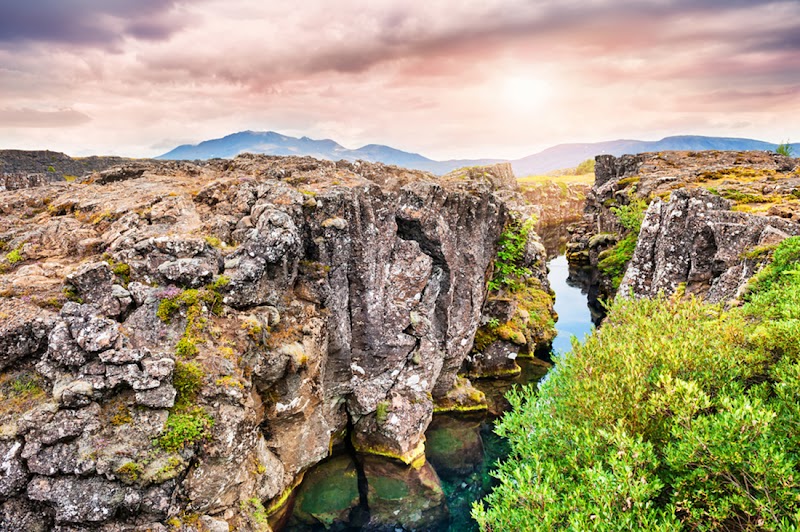
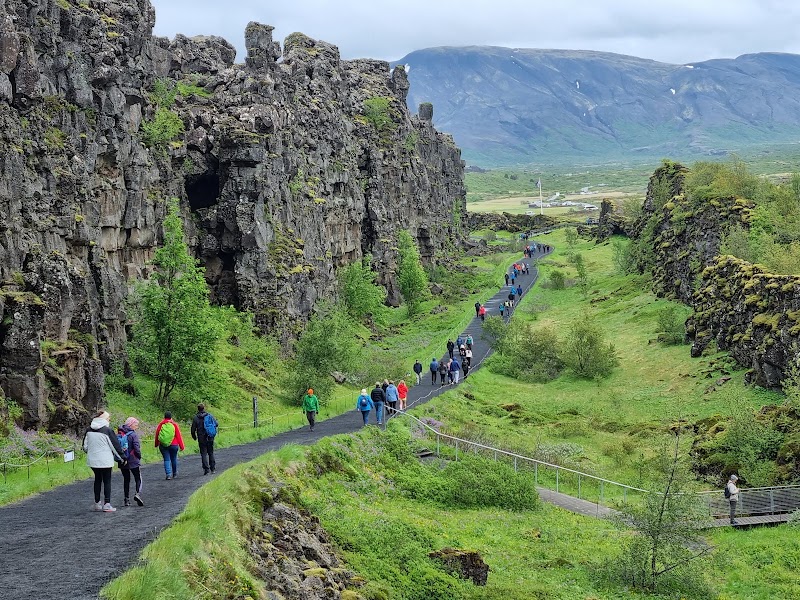
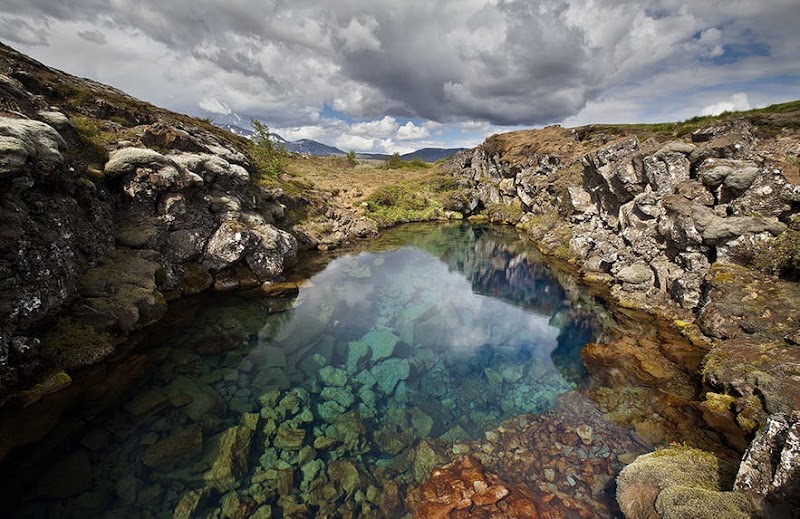
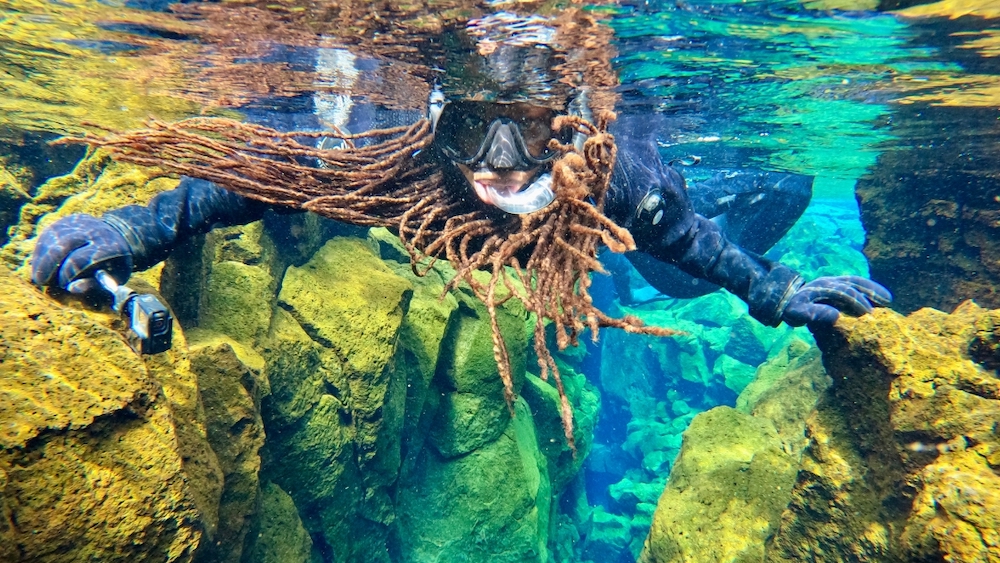
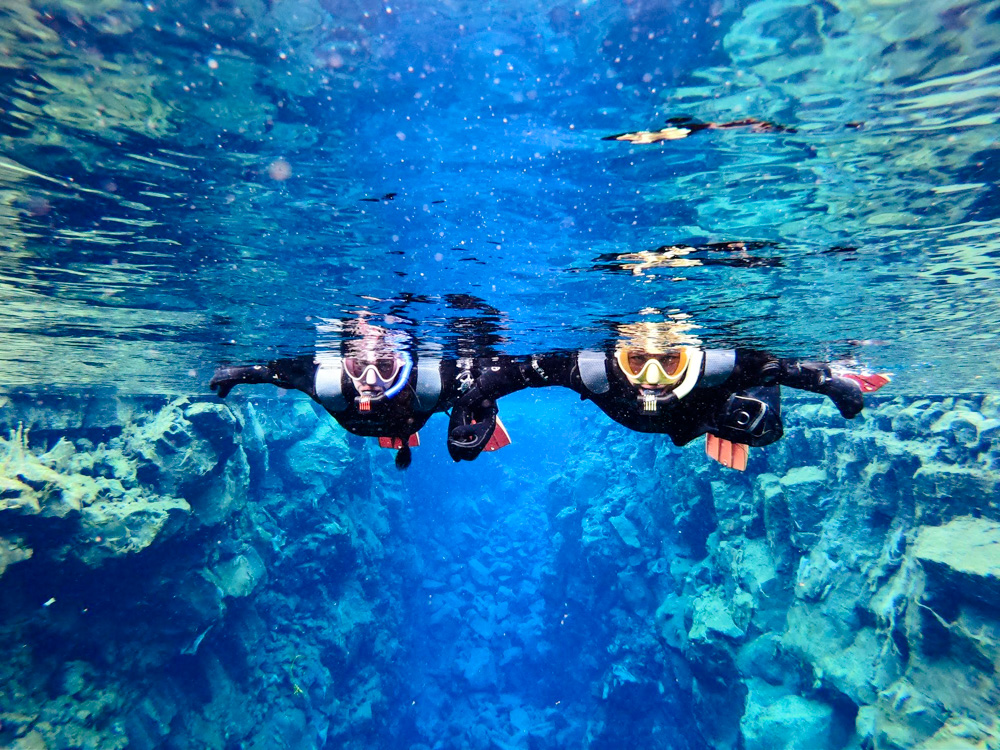
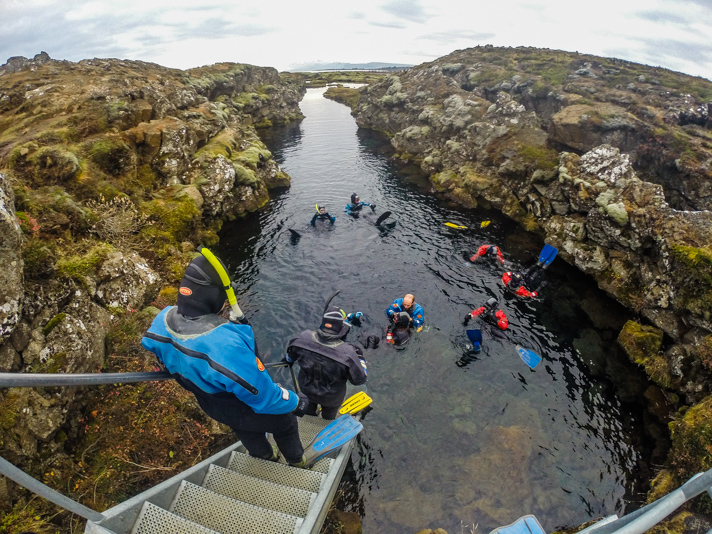
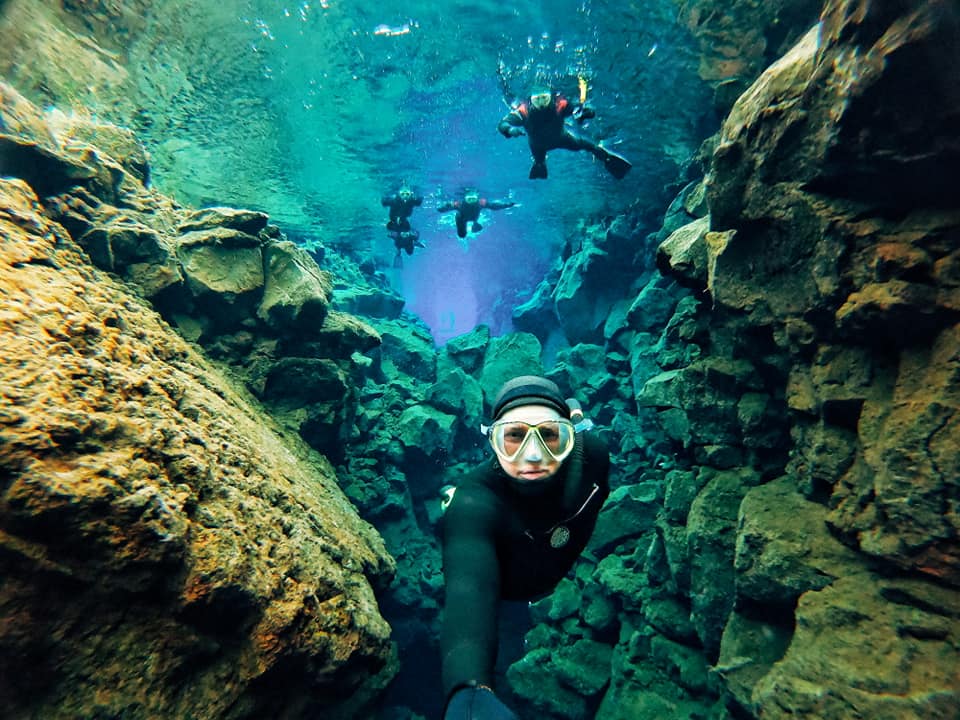
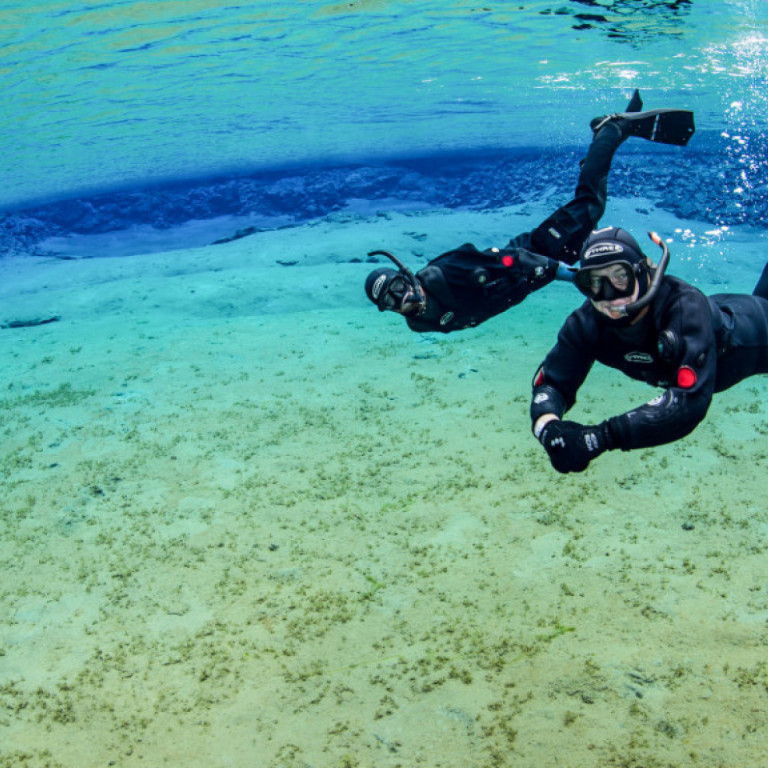
Snorkel or dive between two tectonic plates in crystal-clear glacial water. Visibility exceeds 100 meters. The water is 2-4°C but you wear a drysuit. One of the world's top dive sites.

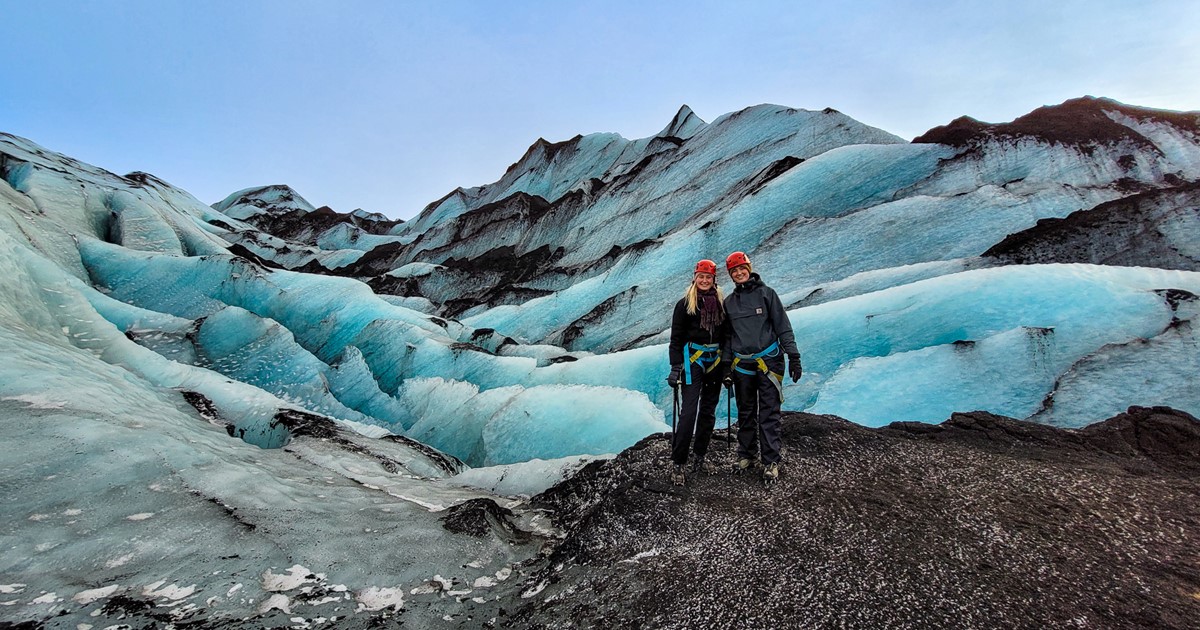
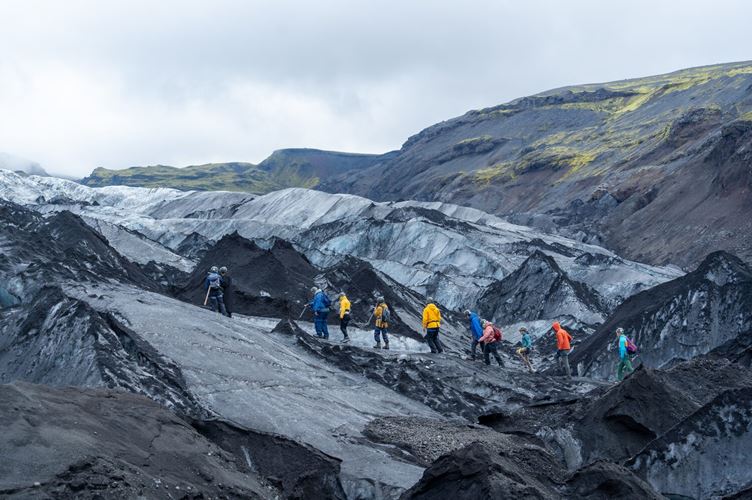
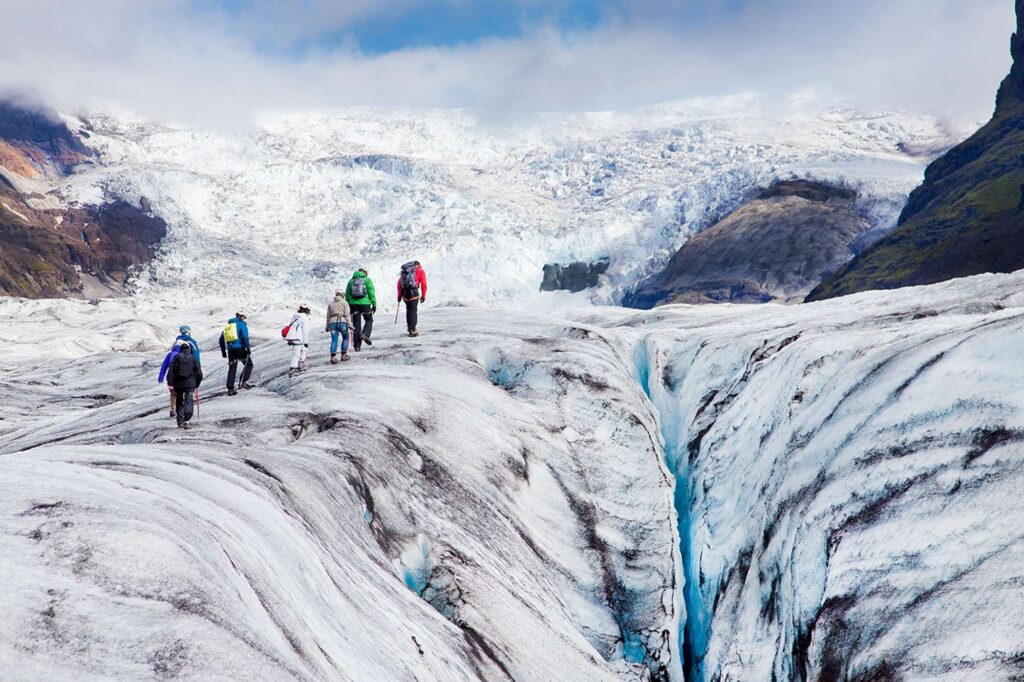
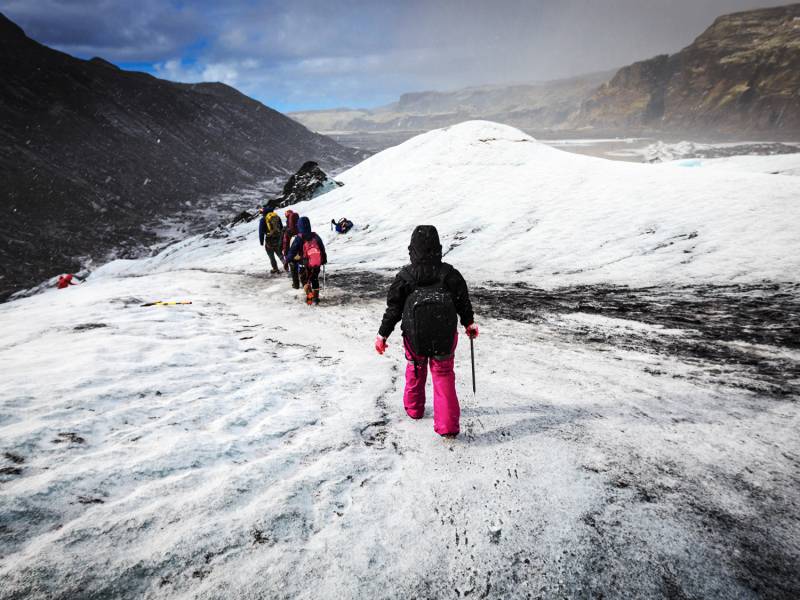
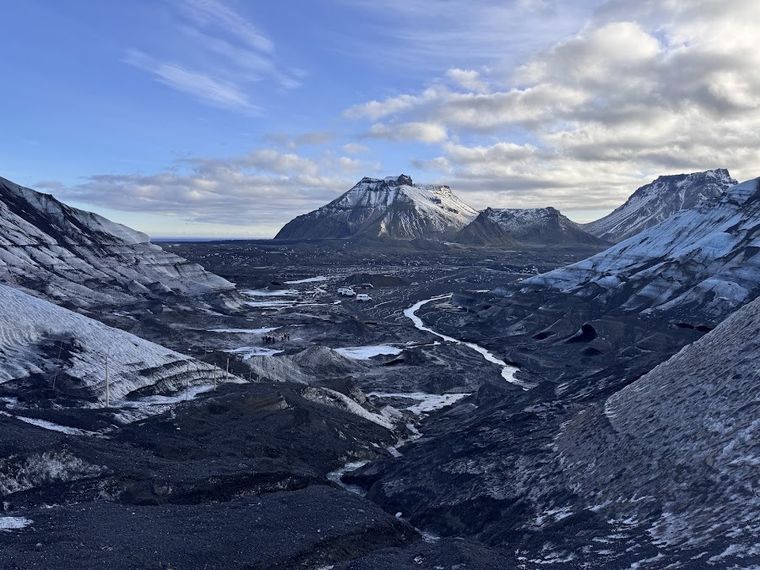
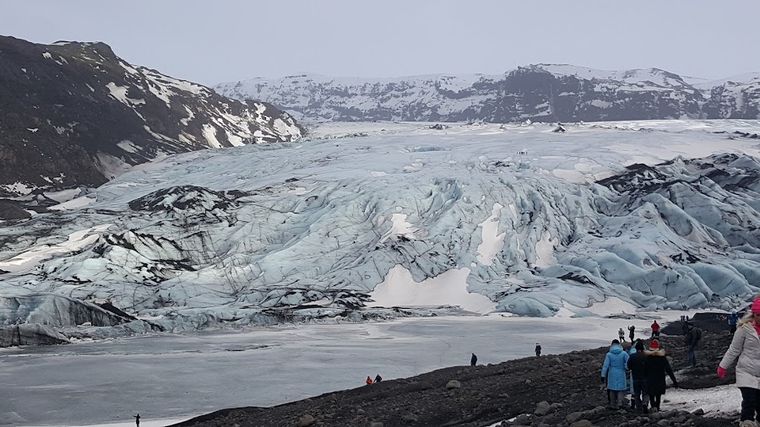
Guided glacier walk on a dramatic outlet glacier. Crampons, ice axes, and all equipment provided. Walk on blue ice, cross crevasses, and learn about glacial geology. 3-5 hour tours available.

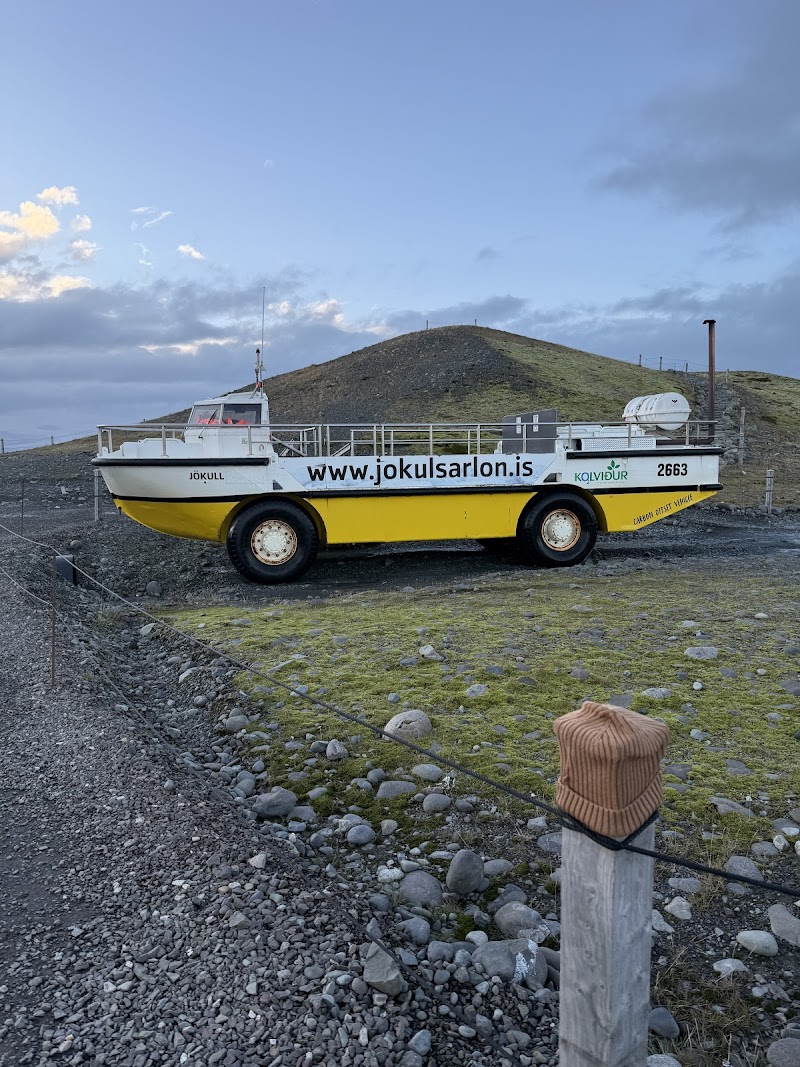
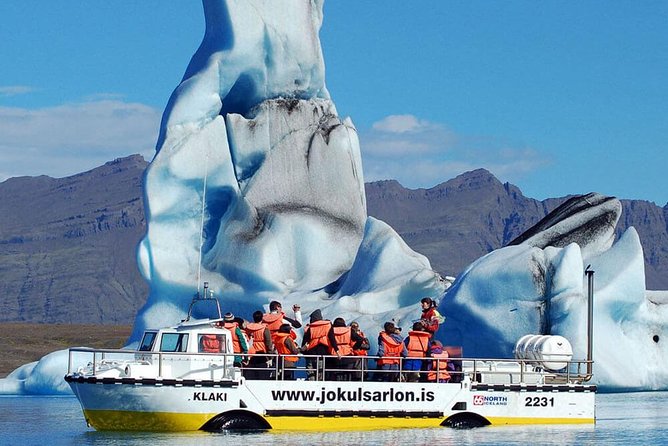
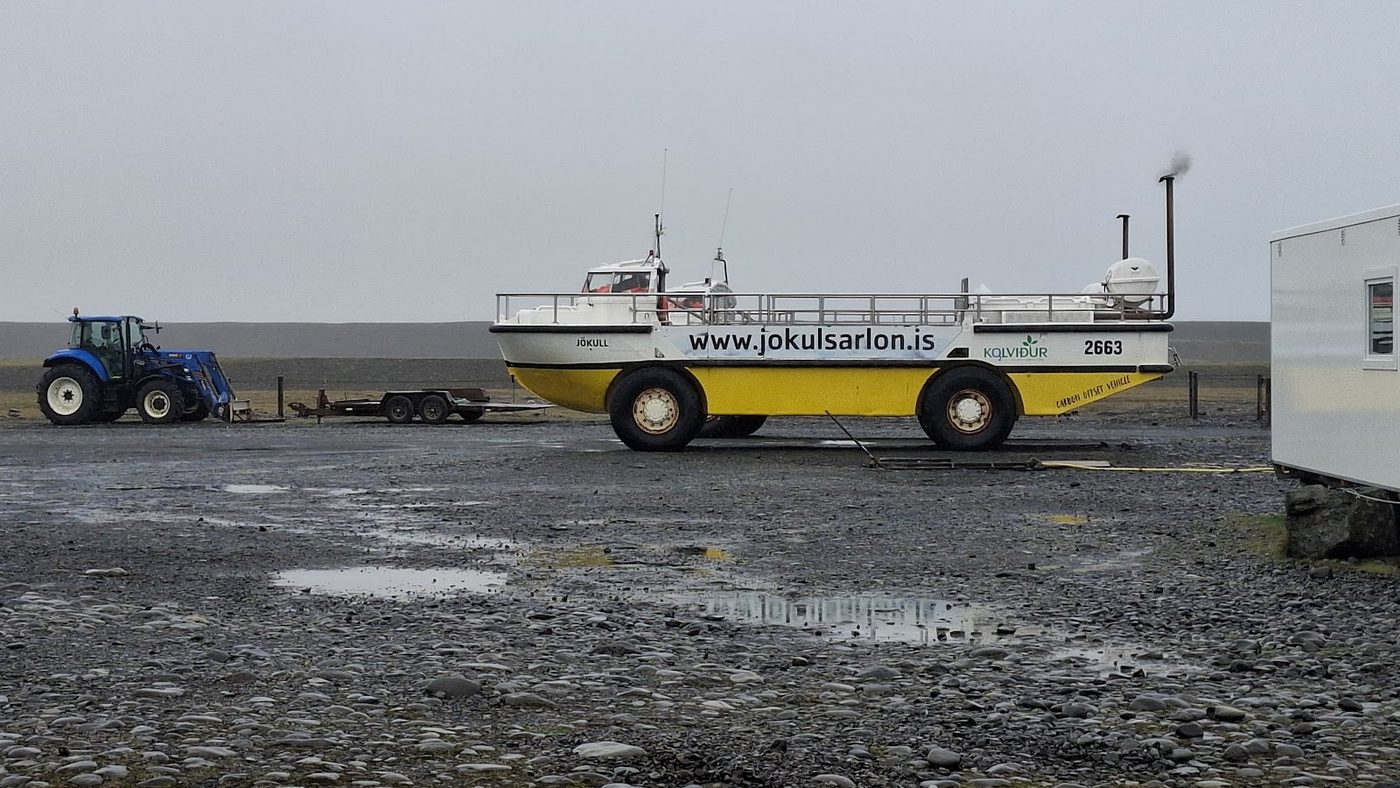
Zodiac or amphibian boat tour among the icebergs. Get close enough to touch 1000-year-old ice. The guide explains glaciology and you might see seals. Book in advance for summer visits.

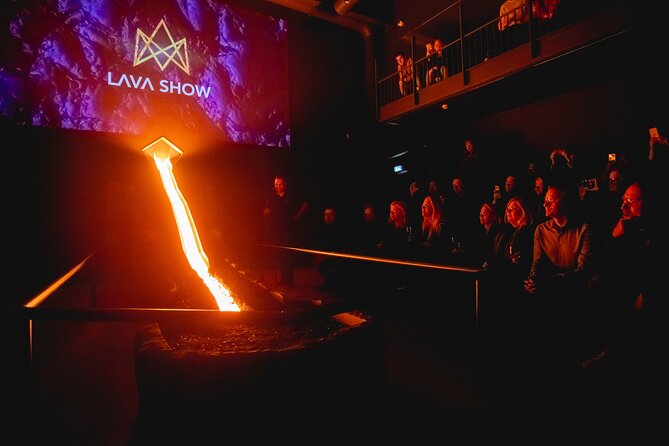
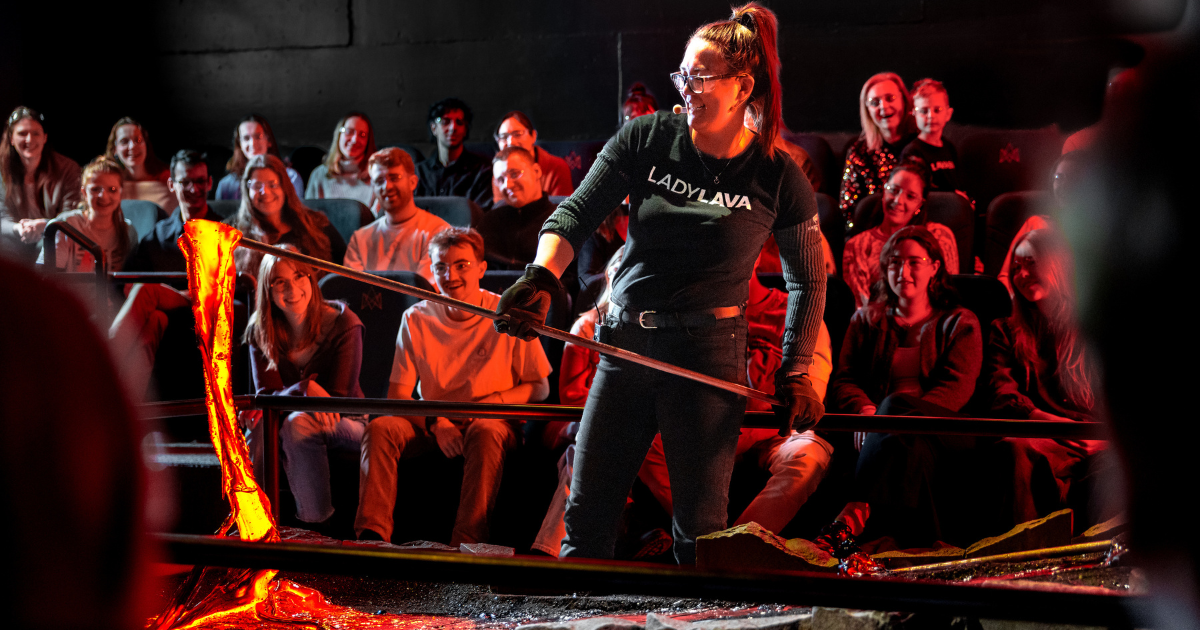
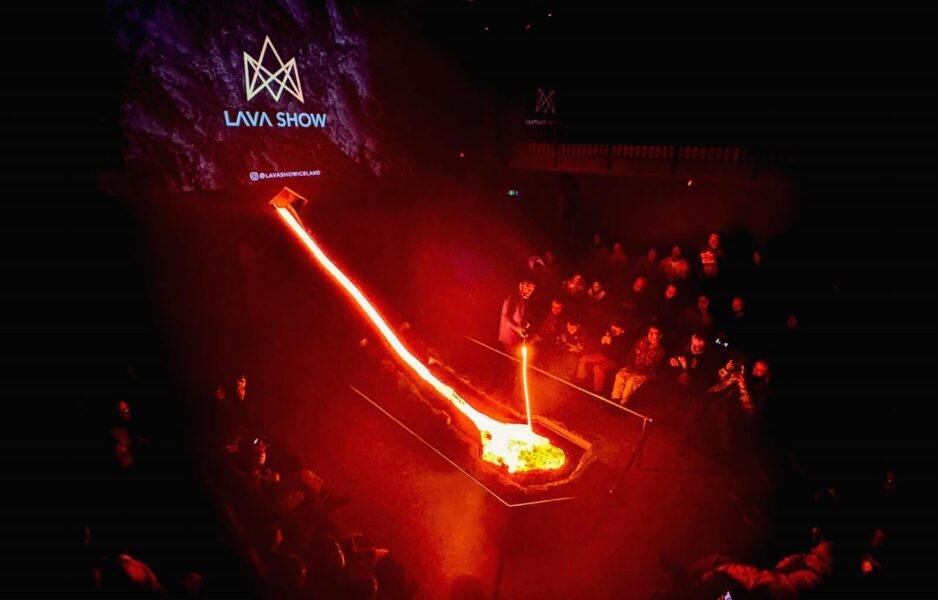
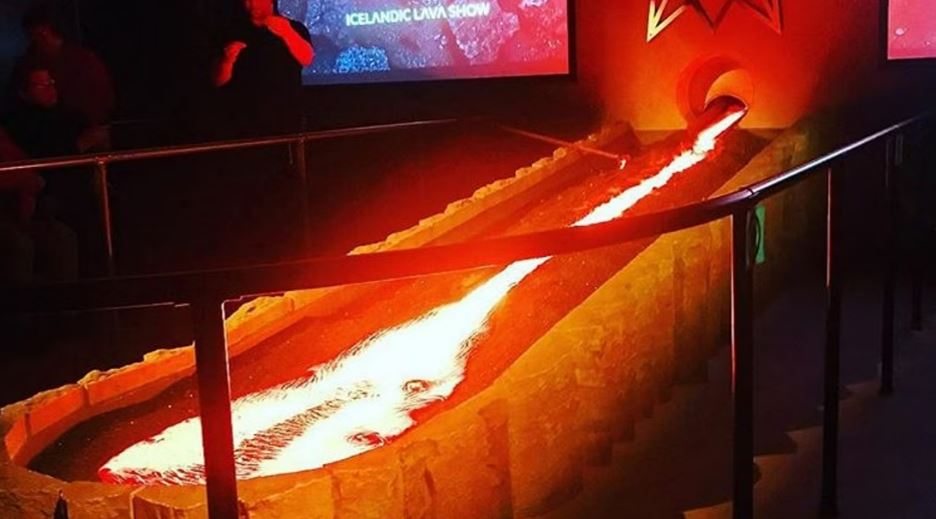
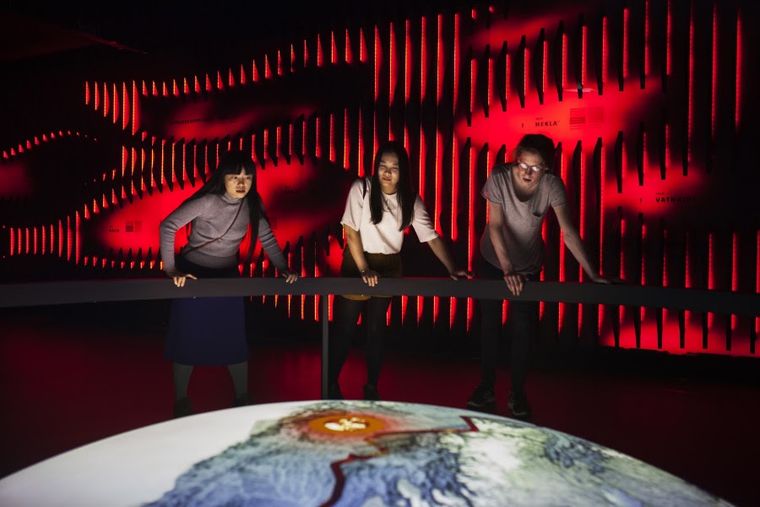
Watch real lava flow in a controlled indoor setting. Superheated lava poured over ice while the guide explains volcanism. Feel the heat from 1100°C molten rock. Utterly unique experience anywhere in the world.

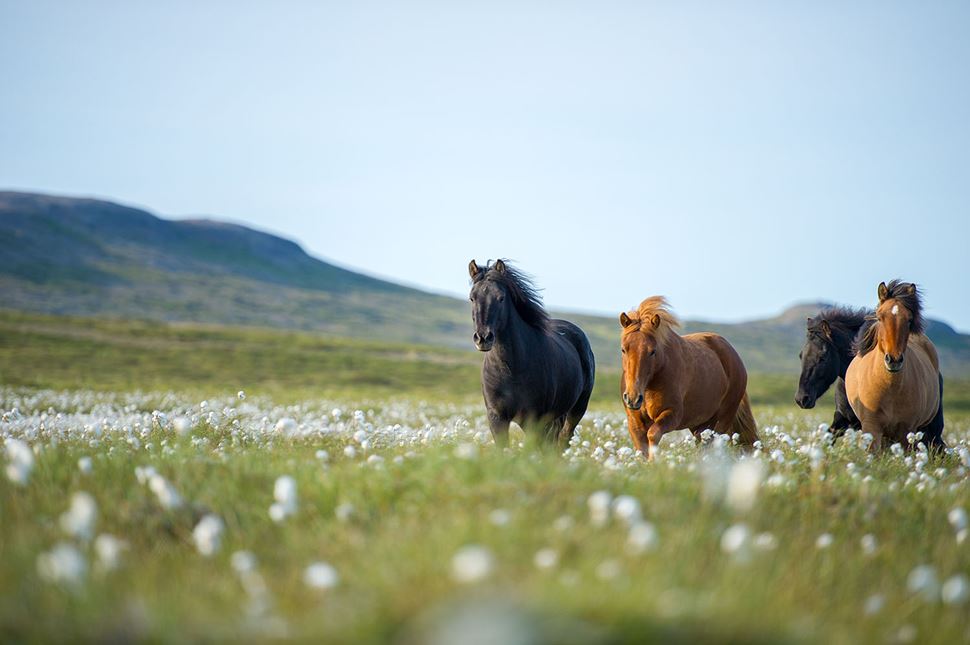
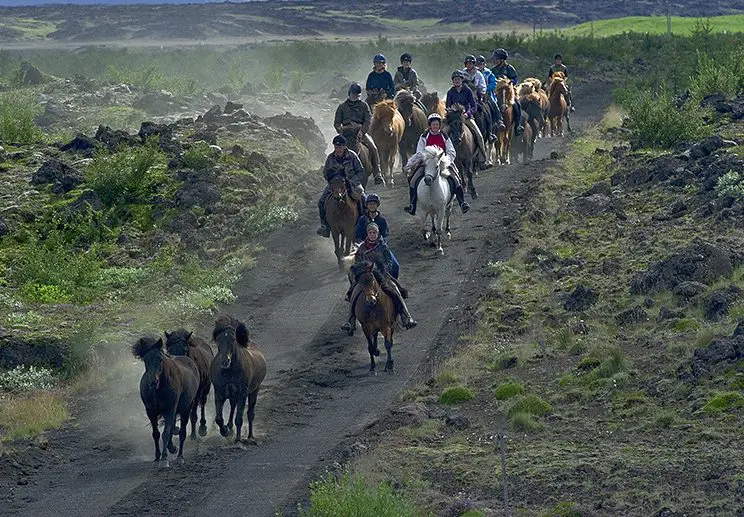
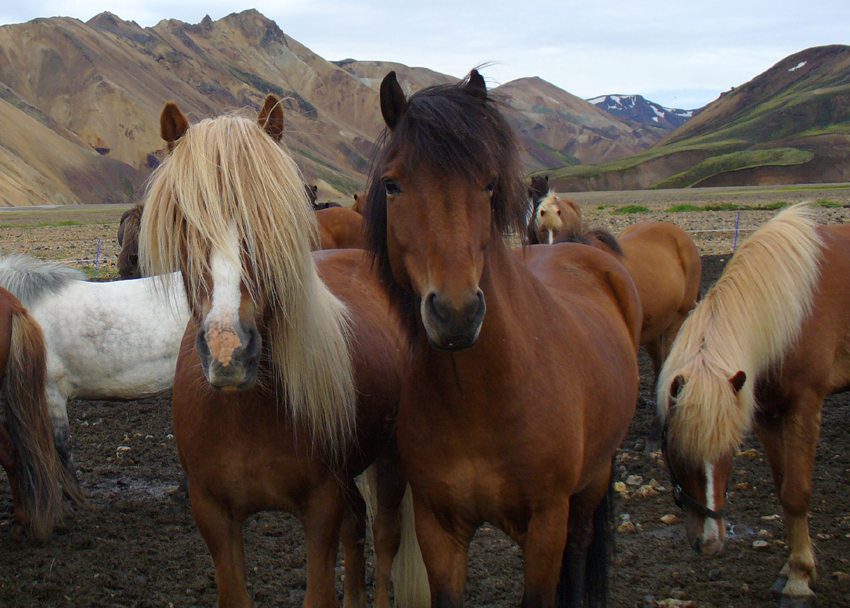
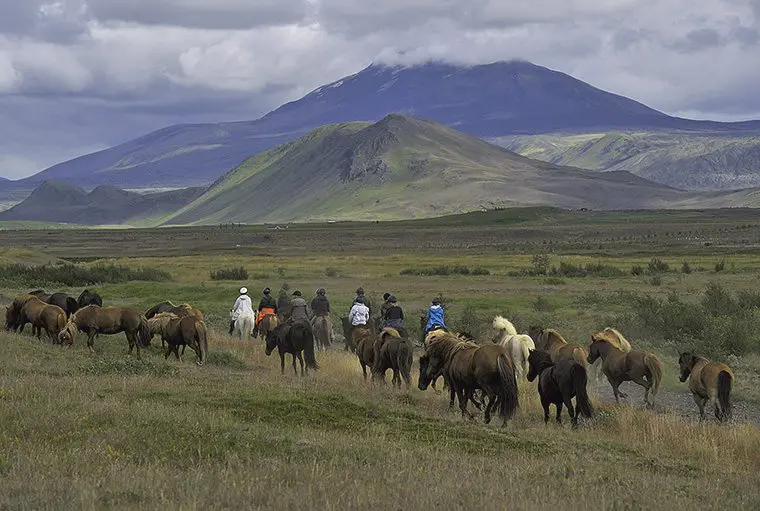
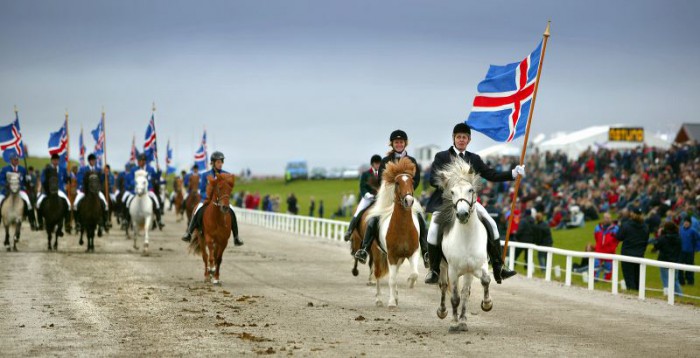
The Hella area is prime Icelandic horse territory. Multiple farms offer riding tours through volcanic landscapes, river crossings, and mountain trails. The tölt gait is incredibly smooth. Half-day and full-day options.

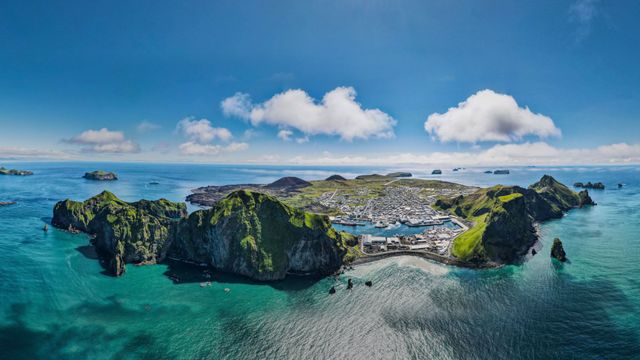
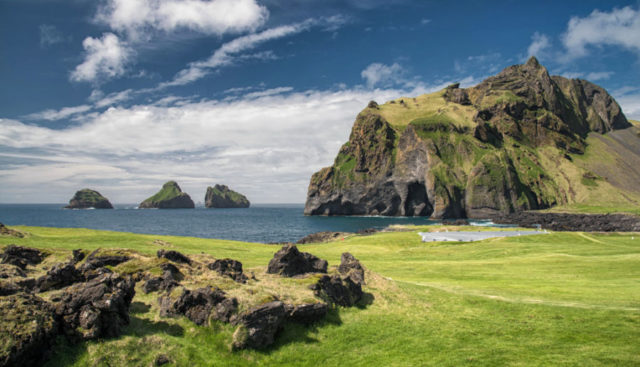
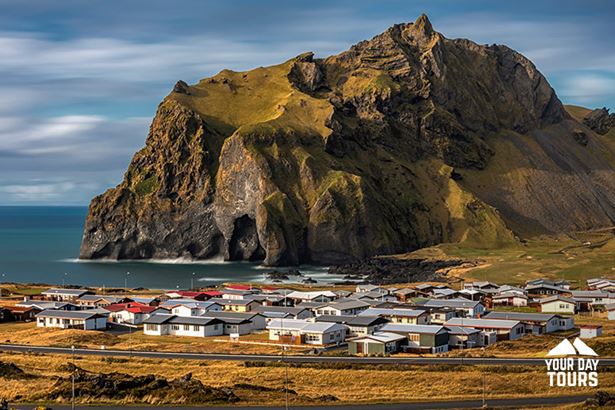
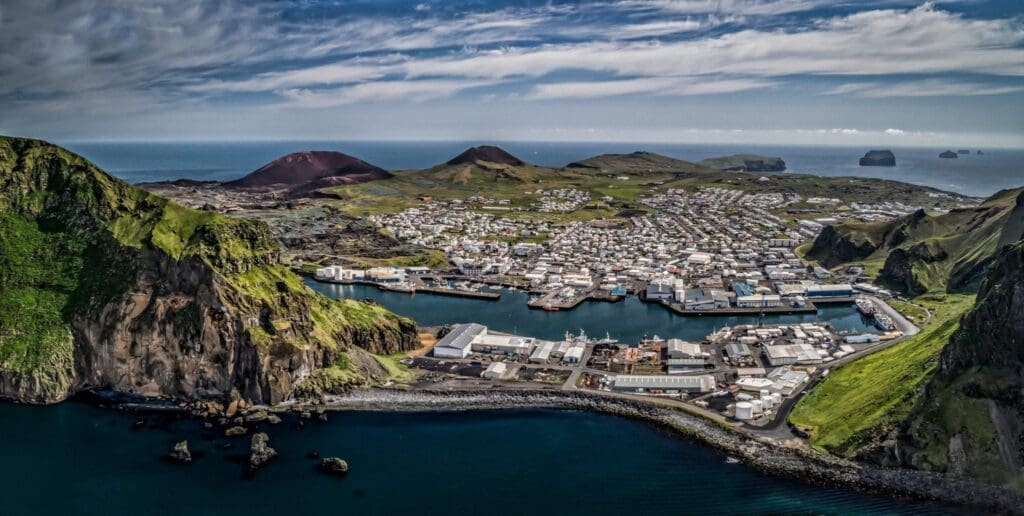
Volcanic island archipelago off the south coast. Heimaey island has a 1973 lava field that buried half the town, the world's largest puffin colony, and dramatic sea cliffs. 30-min ferry ride.

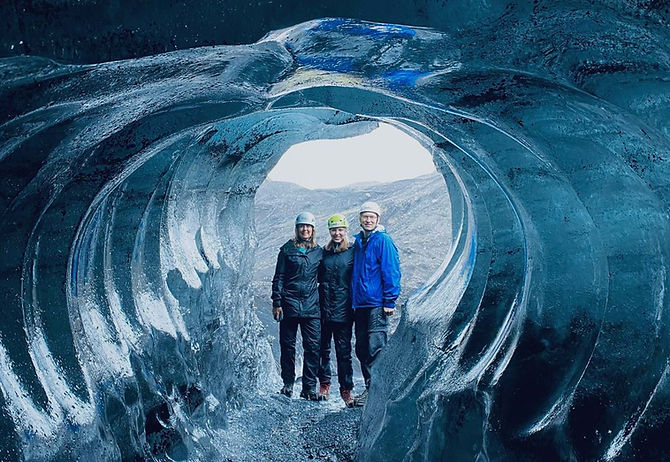
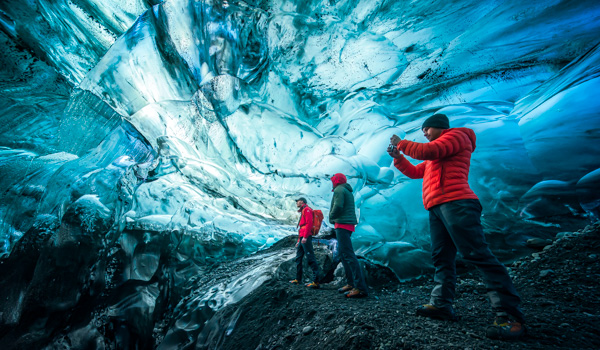
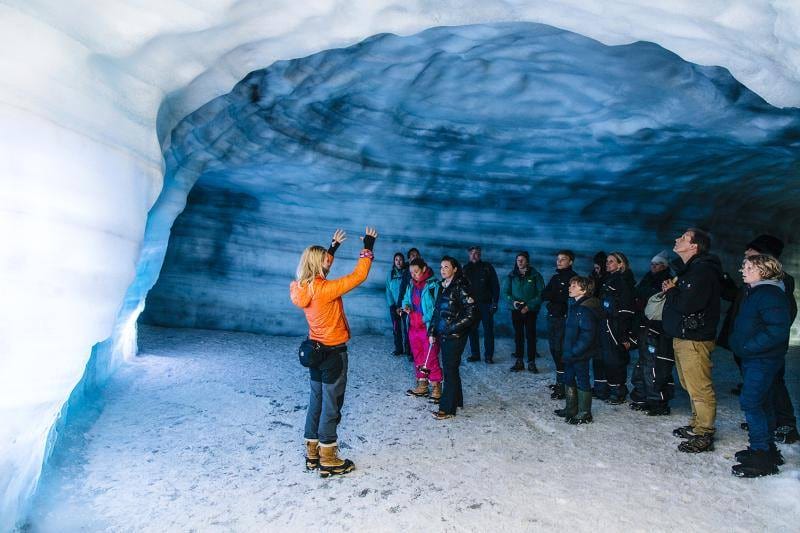
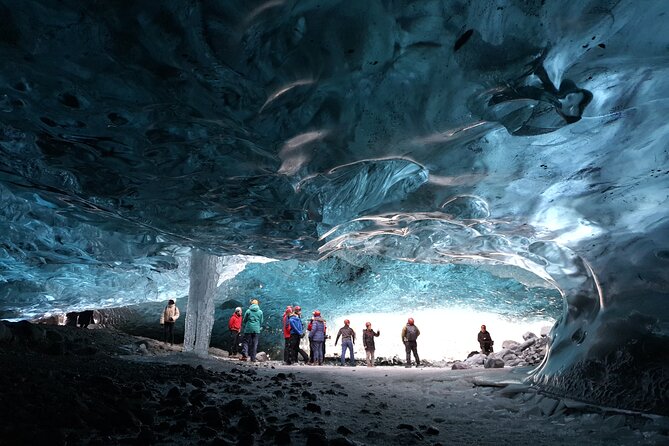
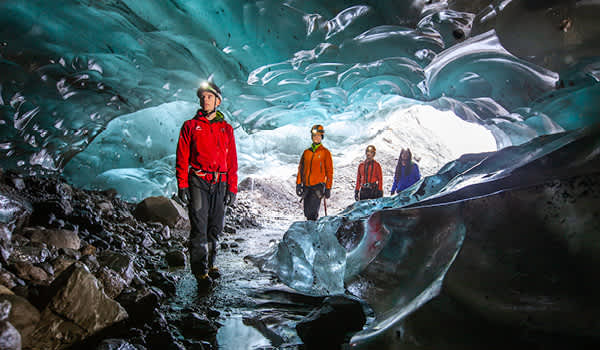
Enter crystal-blue ice caves beneath Europe's largest glacier. Only accessible November-March. Guided tours with crampons and helmets. The blue ice formations are cathedral-like. Book in advance, caves change yearly.

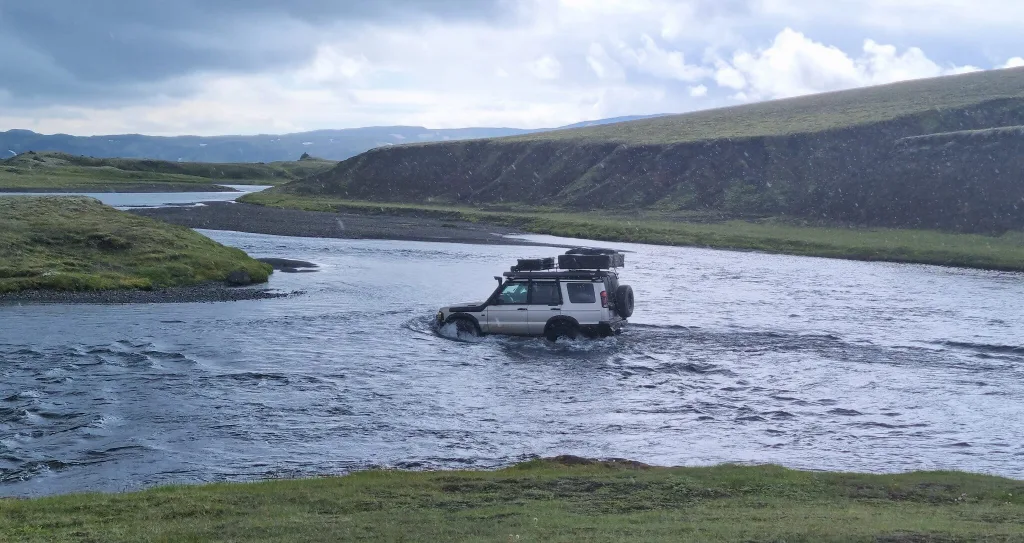
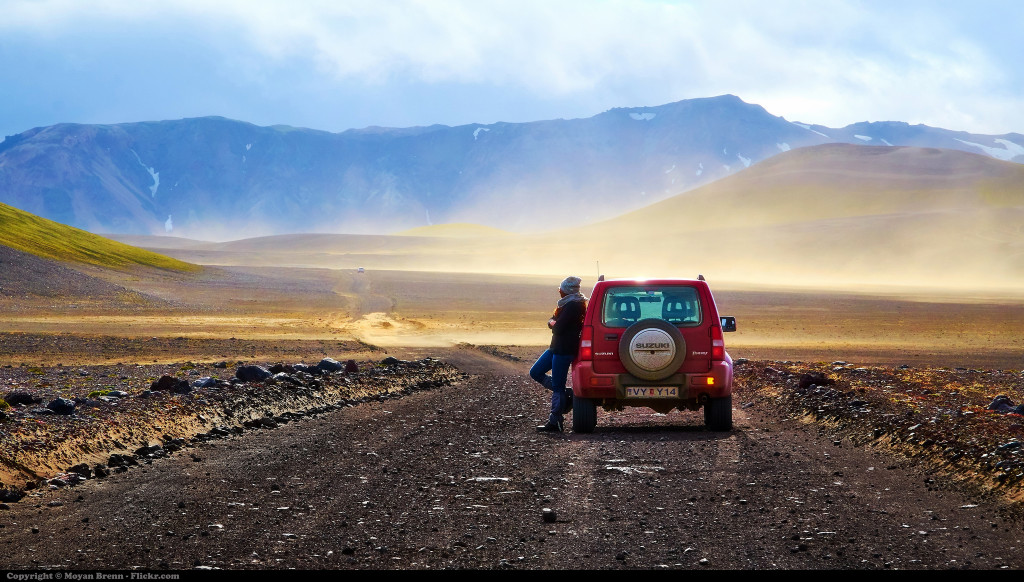
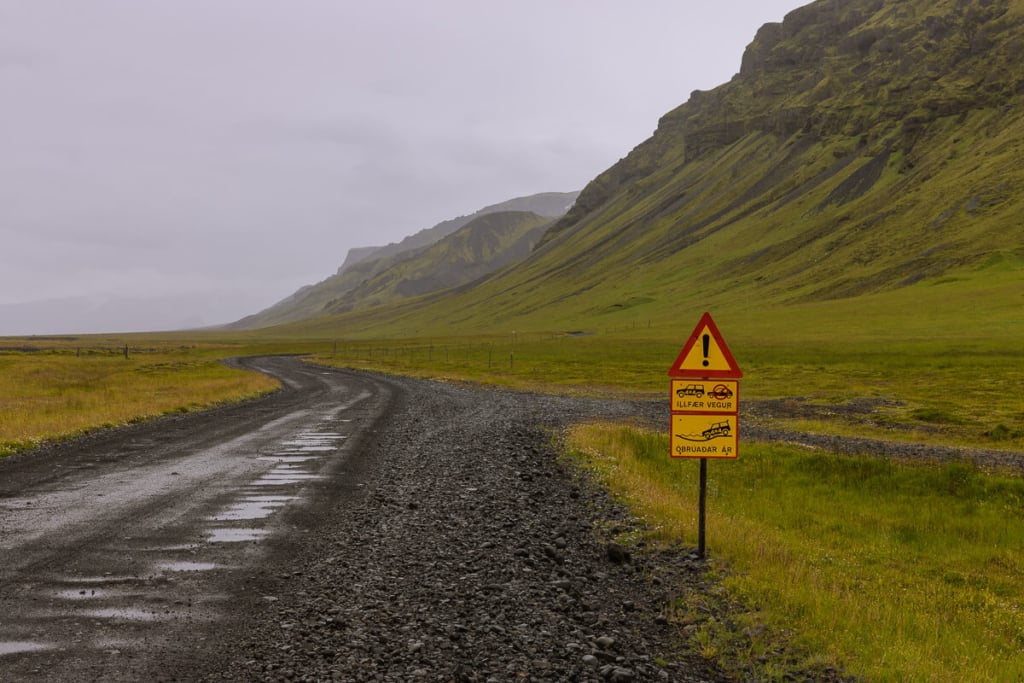
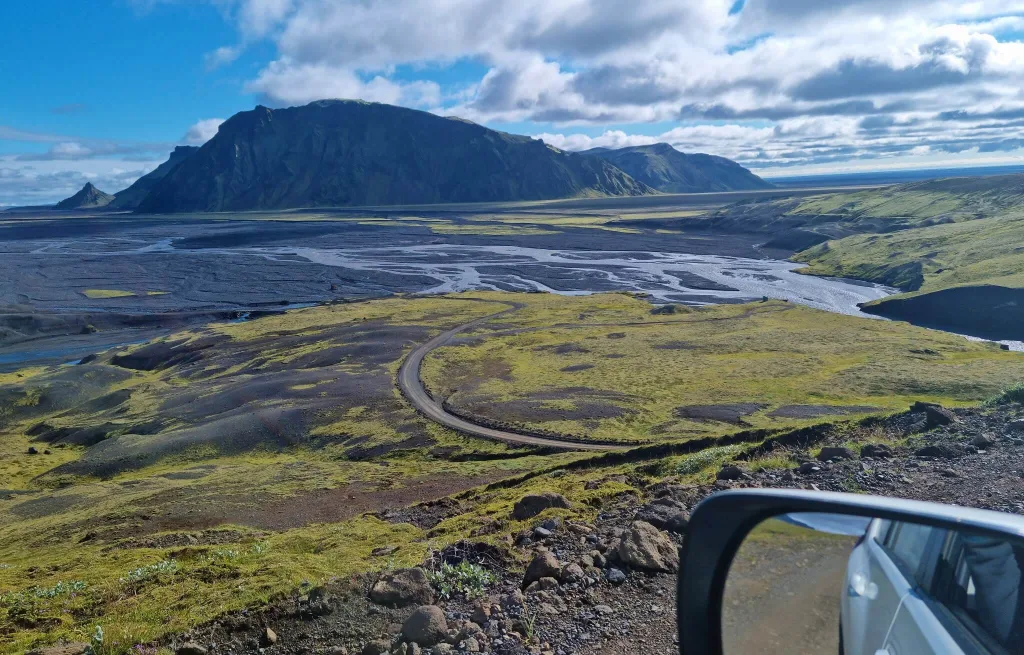
Drive through the uninhabited interior highlands on gravel F-roads (4x4 required). River crossings, volcanic desert, and absolute isolation. Kjölur (F35) is the easier highland route. Pack everything you need.
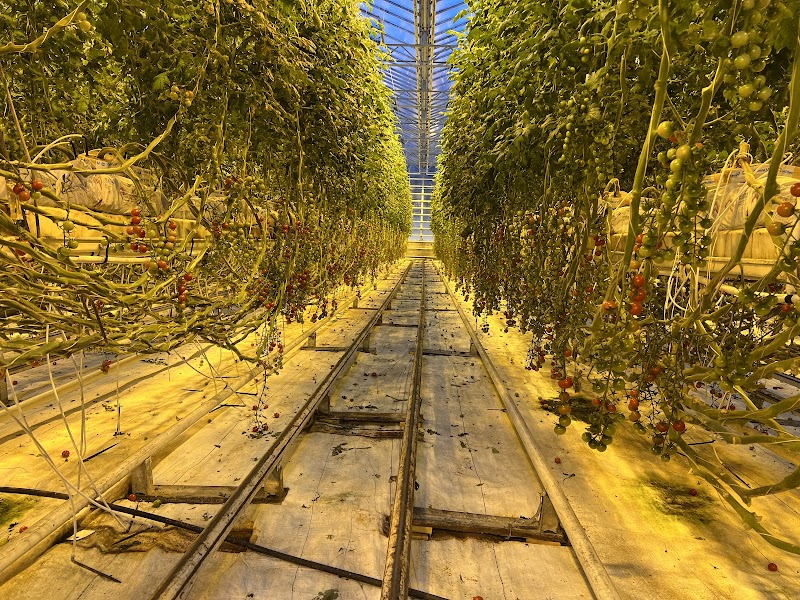
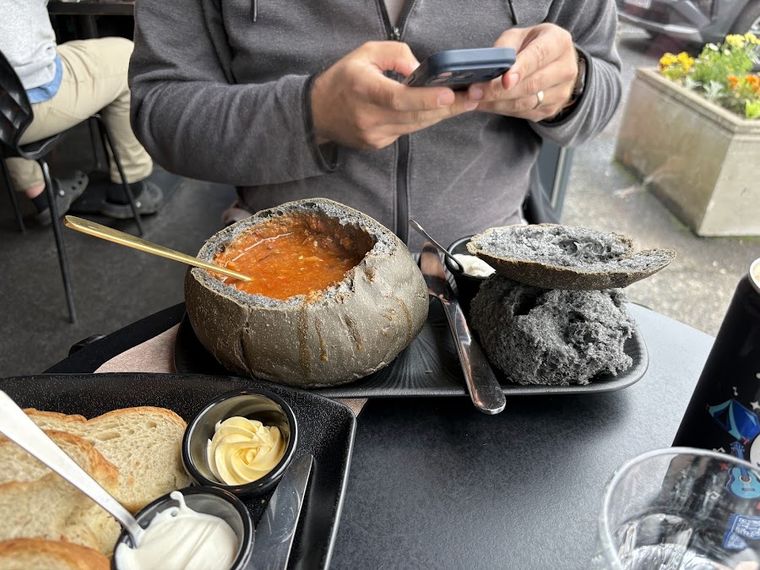
Tomato farms, fishing villages, and the best places to eat and rest on the road.

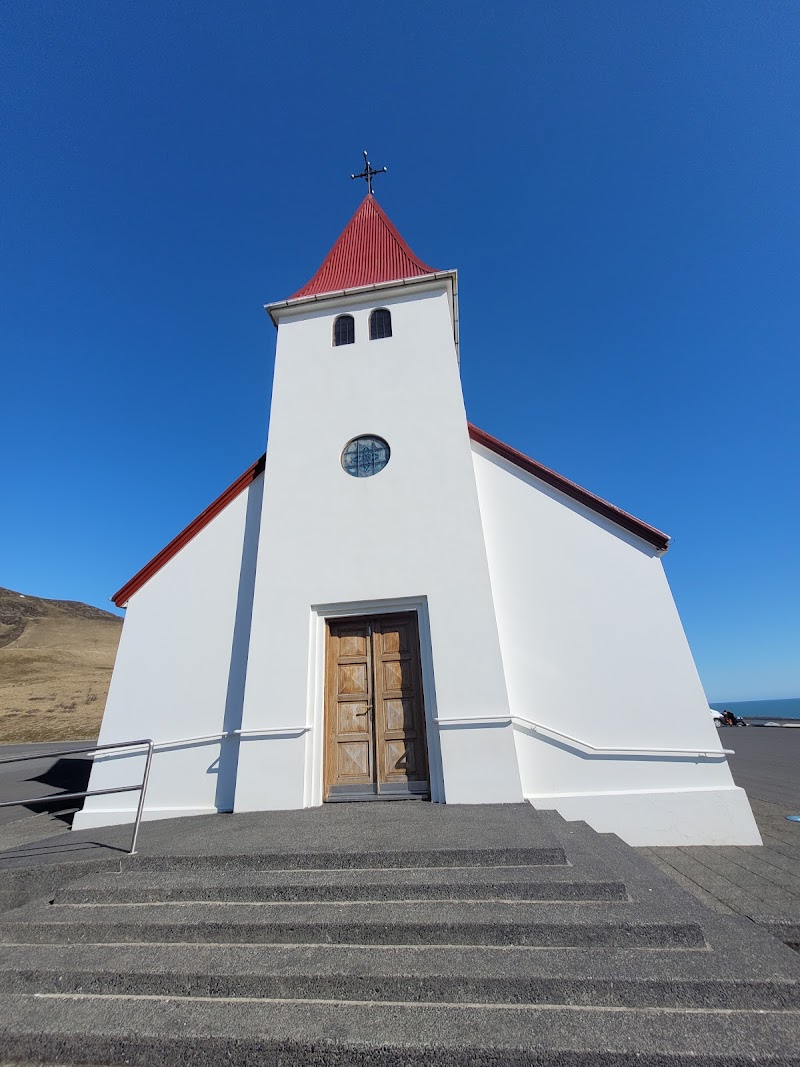
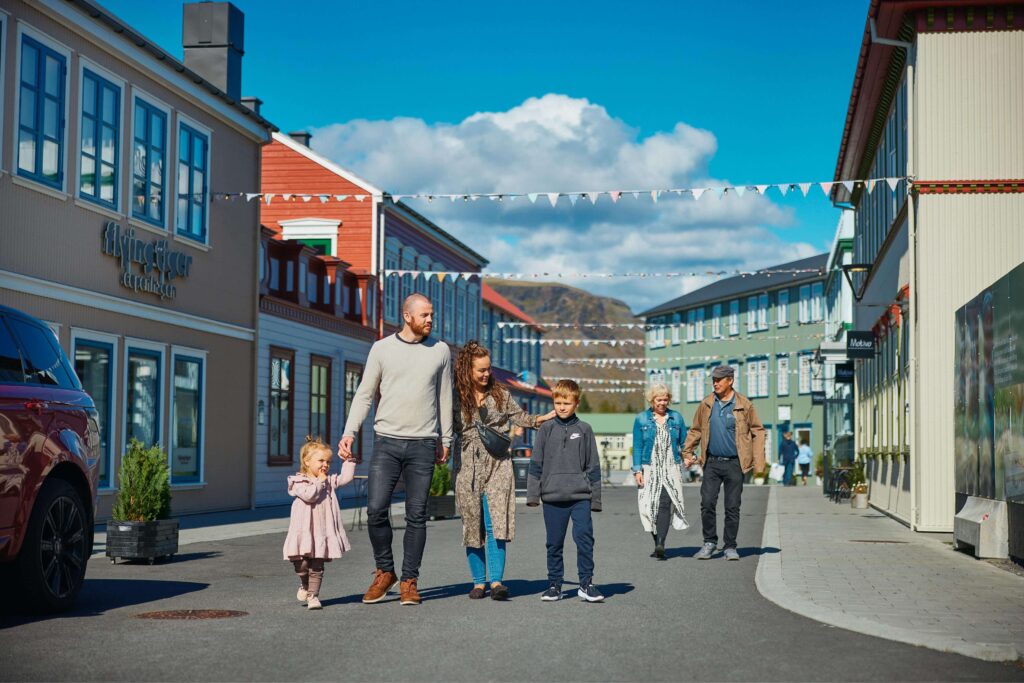
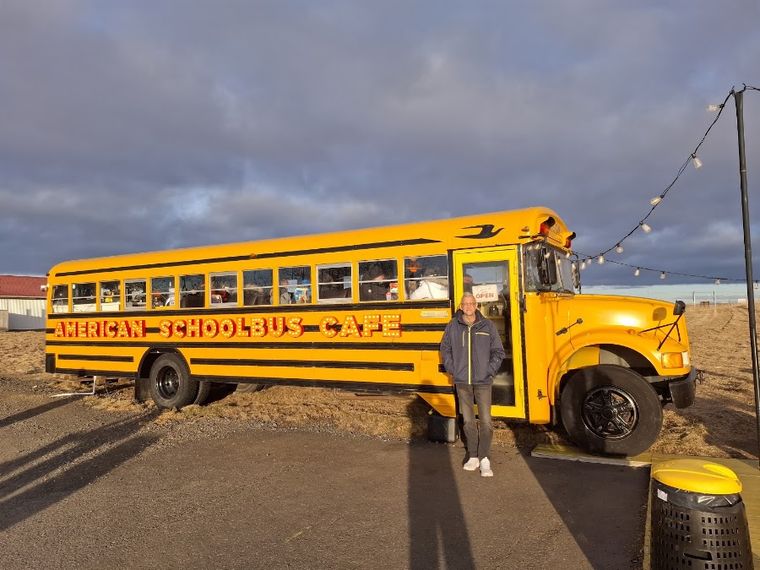
Iceland's southernmost village. Charming church on a hill, wool shops, and restaurants. Gateway to Reynisfjara and Dyrhólaey. The Icelandic Lava Show (man-made lava flow) is here. Good base for South Coast exploration.


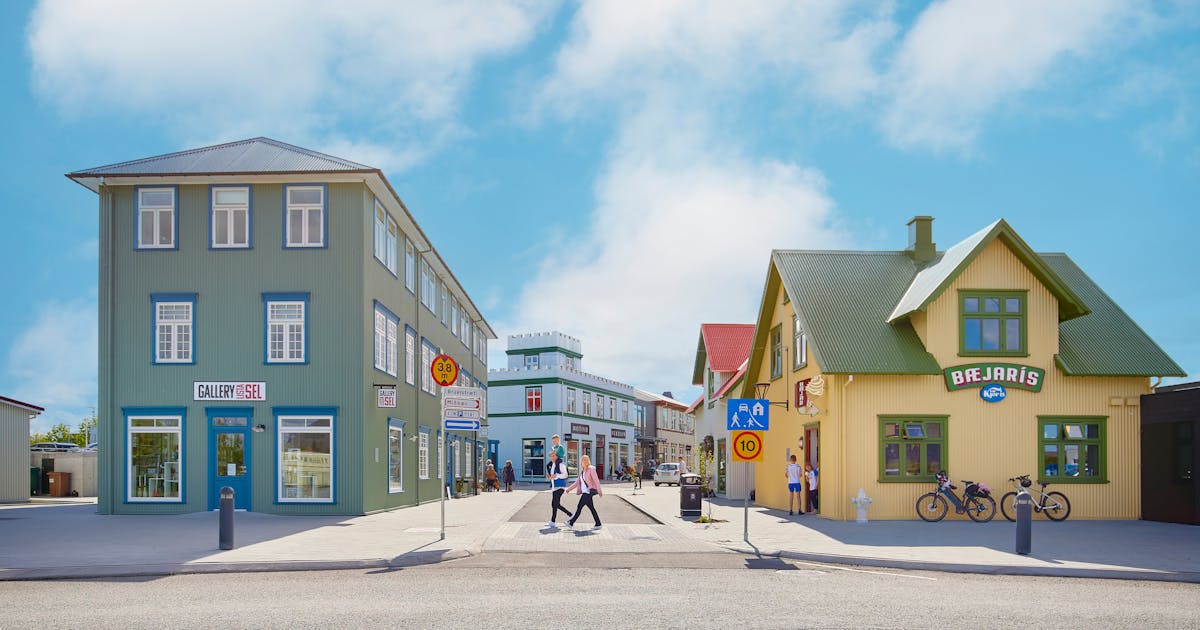
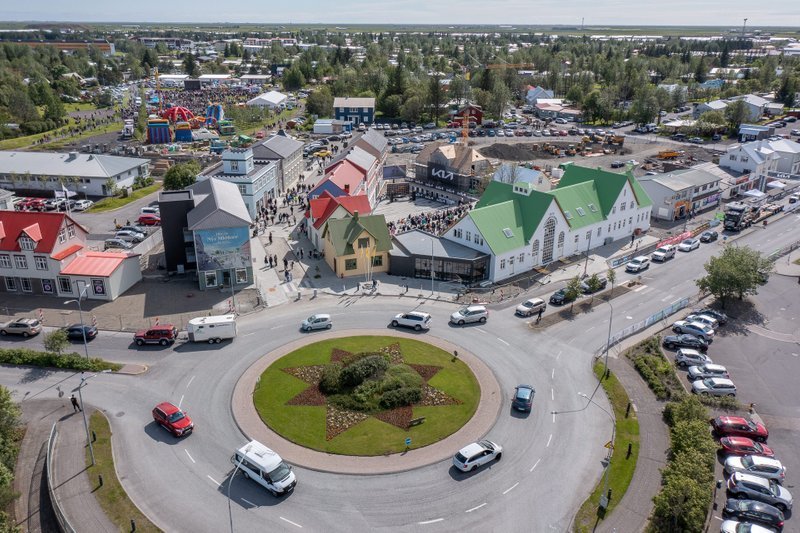
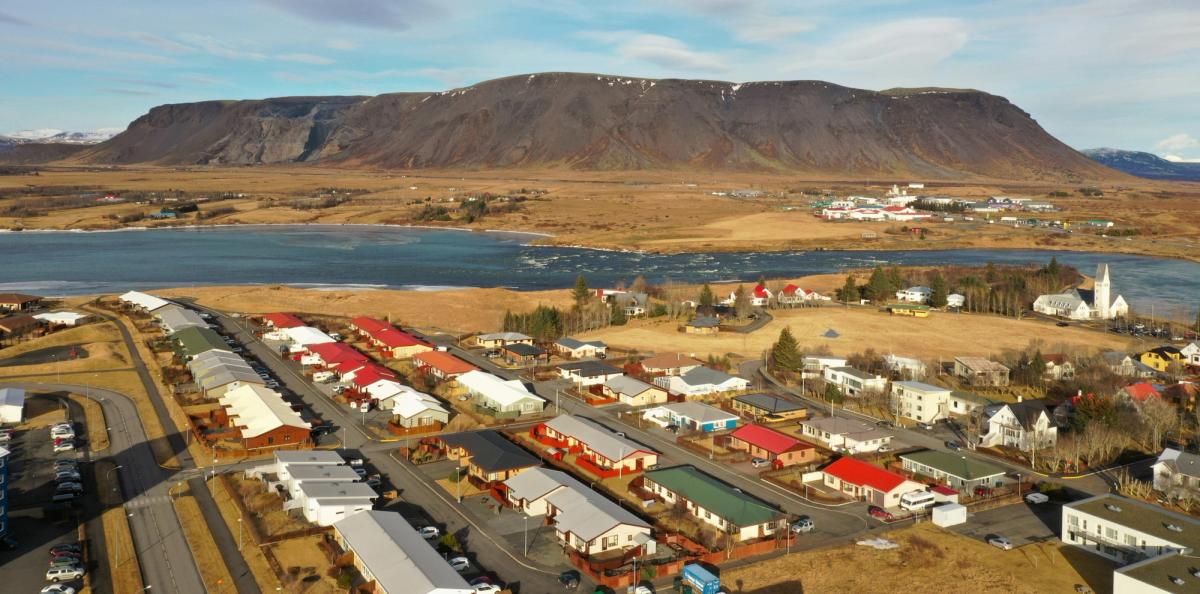
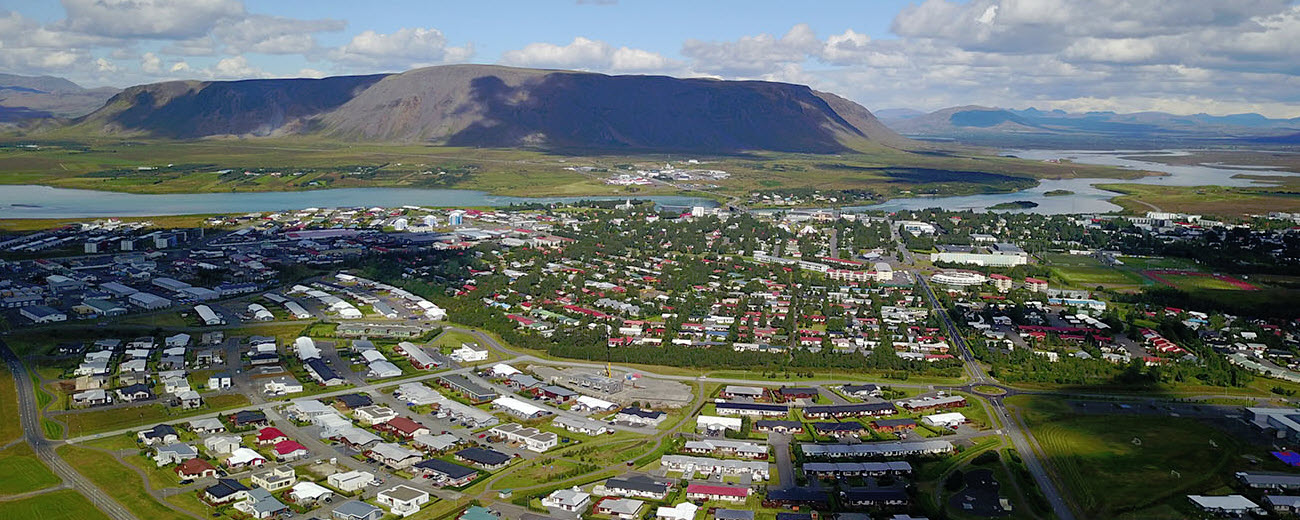
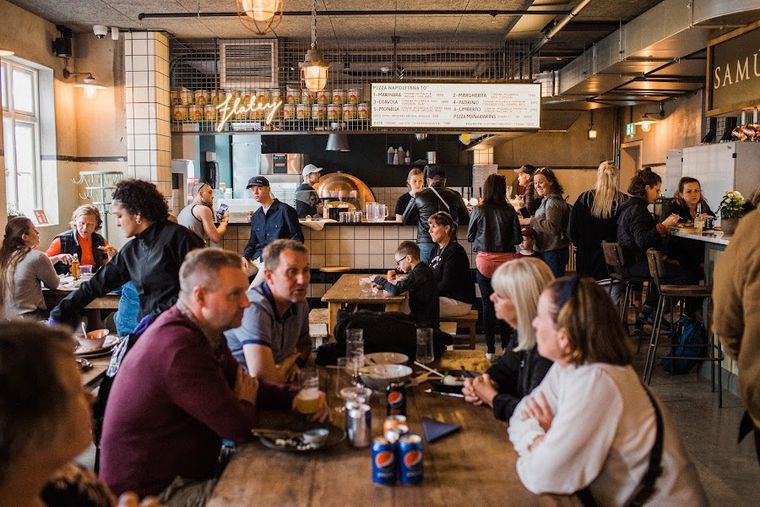
Largest town in South Iceland. Good base for Golden Circle exploration. Tryggvaskáli restaurant serves excellent Icelandic lamb. Bobby Fischer (chess grandmaster) is buried in the local cemetery.