Roppongi 7
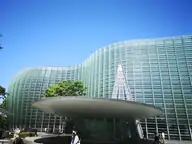
National Art Center Tokyo
★ 4.4 (21,581 reviews)
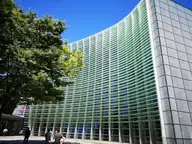
Japan's largest art exhibition space in Roppongi, designed by Kisho Kurokawa with an undulating glass curtain wall facade. The museum has no permanent collection, instead hosting large-scale rotating exhibitions and art society shows. Admission varies by exhibition. The building itself is the attraction: the wavy glass facade, the inverted cone cafe, and the vast open interior are architectural landmarks. A short walk from Roppongi Station.
Roppongi Art Triangle
★ 4.4 (21,581 reviews)
The conceptual triangle formed by the Mori Art Museum, the National Art Center Tokyo, and the Suntory Museum of Art, all within a 10-minute walk of each other. A combined ticket discount is sometimes available. Walking the triangle takes 2-3 hours and covers the full spectrum from contemporary installations to classical Japanese art to rotating international exhibitions. The highest concentration of world-class art in Tokyo.

Mori Art Museum
★ 4.3 (7,080 reviews)
A contemporary art museum on the 53rd floor of Roppongi Hills, combining rotating world-class exhibitions with panoramic city views from the Sky Deck observation area. Admission to the museum typically includes access to the indoor observation deck. The outdoor Sky Deck charges extra but offers unobstructed 360-degree views. Open until 10pm most nights. The exhibition program leans toward large-scale installations and socially engaged contemporary art.
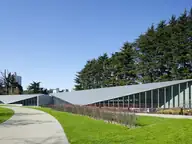
21_21 Design Sight
★ 4.4 (3,029 reviews)
A design museum in Tokyo Midtown conceived by Issey Miyake and designed by Tadao Ando, focused on the intersection of design and everyday life. Exhibitions rotate every few months and consistently feature world-class curation. The building itself is half-submerged underground with a geometric glass-and-concrete roof. Admission is about 1,200 yen. A must for anyone interested in industrial design, product design, or architecture.
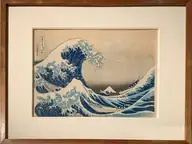
Suntory Museum of Art
Museums & Art · ★ 4.3 (2,632 reviews)
People say this museum offers unique and thought-provoking exhibitions, often featuring Japanese art with detailed and easy-to-understand explanations. Visitors also highlight the convenient direct access from the station, making it comfortable to visit regardless of the weather. They also appreciate the calm atmosphere, allowing for a relaxed viewing experience.
Nogi Shrine
★ 4.1 (1,200 reviews)
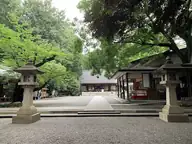
Shrine dedicated to General Nogi Maresuke - sits in peaceful gardens that feel miles from Roppongi's nightlife. Monthly flea market on the 2nd Sunday with antiques and ceramics. The garden is one of Roppongi's only green spaces. Hours: 6:00-17:00.
Tokyo Midtown Design Hub
★ 4.2 (255 reviews)
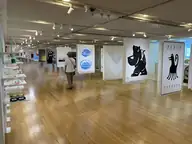
A free design gallery on the 5th floor of the Midtown Tower in Tokyo Midtown. Rotating exhibitions curated by the Japan Institute of Design Promotion and partner institutions cover industrial design, graphic design, architecture, and visual communication. The exhibitions are consistently thoughtful and almost always free. A calm cultural spot in the heart of Roppongi.
Ueno 6

Tokyo National Museum
★ 4.5 (29,813 reviews)
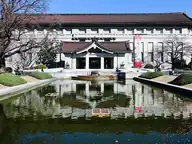
Japan's oldest and largest museum, housing over 110,000 objects spanning Japanese, Chinese, Korean, and Southeast Asian art and antiquities. The Honkan (Japanese Gallery) covers samurai armor, ukiyo-e prints, lacquerware, and Buddhist sculpture across two floors. The Toyokan covers broader Asian art. The Gallery of Horyuji Treasures displays 7th-century Buddhist art. Admission is 1,000 yen. Allow at least 2-3 hours. The garden opens seasonally for cherry blossoms.

National Science Museum
★ 4.5 (28,629 reviews)
Japan's largest natural history and science museum in Ueno Park. Covers human evolution, dinosaur fossils, Japanese natural history, the cosmos, and Japanese scientific achievements across 16 permanent galleries. Admission is 630 yen, free on select designated days. The outdoor steam locomotive in the garden is free to see any time and a hit with kids.
Ueno Park Museum District
★ 4.5 (28,344 reviews)
A cluster of seven major museums within Ueno Park including the Tokyo National Museum, National Museum of Western Art (a Le Corbusier UNESCO site), National Museum of Nature and Science, and Tokyo Metropolitan Art Museum. A full museum day is possible without leaving the park. Individual admission ranges from free to 1,000 yen. The park itself is one of Tokyo's premier cherry blossom locations in late March.
National Museum of Western Art
★ 4.5 (11,680 reviews)
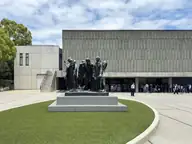
A Le Corbusier-designed UNESCO World Heritage building in Ueno Park housing an impressive collection of Impressionist and Post-Impressionist paintings including works by Monet, Renoir, and Cezanne. The Matsukata Collection of European art is the foundation. Admission is 500 yen for the permanent collection, more for special exhibitions. The building's pilotis design and modular proportions are architecture-school textbook material.
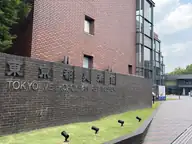
Tokyo Metropolitan Art Museum
★ 4.3 (15,695 reviews)
Ueno Park's primary art museum, hosting major rotating exhibitions from blockbuster shows (Vermeer, Munch, ancient civilizations) to Tokyo Art University graduate shows and contemporary Japanese art. The building by Maekawa Kunio is architecturally significant. Entry varies by exhibition, some are free. One of the busiest museums in Japan for major shows.
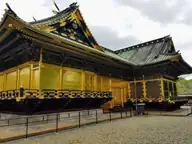
Ueno Toshogu Shrine
★ 4.3 (4,587 reviews)
A gilded Shinto shrine within Ueno Park dedicated to Tokugawa Ieyasu, featuring gold leaf decoration and stone lanterns donated by feudal lords. The elaborate karamon gate is particularly ornate. The peony garden adjacent to the shrine blooms spectacularly in January and April. Shrine grounds are free; the inner peony garden charges 700 yen seasonally. Less crowded than nearby Senso-ji. A hidden highlight within Ueno Park.
Asakusa 5
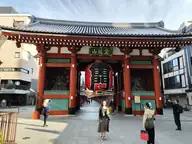
Senso-ji Temple
★ 4.5 (92,690 reviews)
Tokyo's oldest Buddhist temple, founded in 628 AD, anchors the Asakusa district. The approach begins through the massive Kaminarimon thunder gate with its iconic red lantern, then continues along Nakamise-dori, a 250-meter shopping street of traditional snack and souvenir stalls. The main hall is most dramatic at night when the crowds thin and the buildings glow under floodlights. Free to enter. Fortune papers (omikuji) cost 100 yen. Cherry blossoms frame the five-story pagoda in spring.
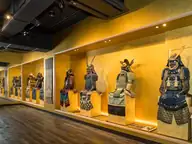
Samurai Ninja Museum
Museum · ★ 4.9 (18,474 reviews)
Try armor, swordsmanship Hanakawado Taito-ku Tokyo
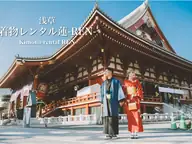
Kimono Rental. Asakusa
★ 4.9 (7,452 reviews)
Multiple kimono rental shops operate along Kaminarimon-dori near Senso-ji Temple, offering full-day rentals for 3,000-5,000 yen. The price includes dressing assistance, hairstyling, and accessories. You walk out in full traditional dress and explore the temple grounds, Nakamise-dori, and surrounding streets. Return is typically by 5-6pm. Some shops offer premium furisode and hakama upgrades. The Asakusa backdrop is the most photogenic setting for kimono photos in Tokyo.
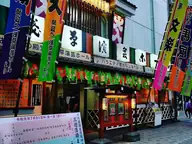
Asakusa Engei Hall
★ 4.3 (3,490 reviews)
A traditional rakugo comedy theater in Asakusa that has been operating since 1964. Rakugo is a solo storytelling art form where a seated performer plays multiple characters using only a fan and towel as props. Shows run throughout the day. Admission is about 3,000 yen for a full day of performances. The comedy is in Japanese but the physical storytelling transcends language barriers for some routines.
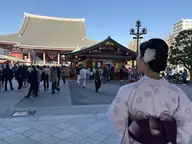
Kimono Walk Around Senso-ji
★ 4.8 (212 reviews)
The single most photogenic activity in Asakusa: rent a kimono from one of a dozen shops near Kaminarimon and spend the afternoon walking through the temple grounds, Nakamise-dori, and along the Sumida River in traditional dress. Most rental packages include dressing, obi, hairstyling, and accessories for 3,000-5,000 yen for the full day. Return is typically by 5-6pm. Professional photo sessions are available as an upgrade.
Ryogoku 5
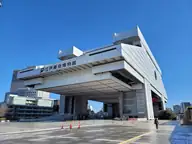
Edo-Tokyo Museum
★ 4.4 (13,209 reviews)
A massive museum in Ryogoku dedicated to the history of Tokyo from the Edo period through the 20th century. Full-scale reproductions of Nihonbashi bridge, Edo-era townhouses, and Meiji-era buildings create an immersive walk through time. Interactive exhibits let you carry water buckets and sit in rickshaws. Currently undergoing long-term renovation. Check reopening status before visiting. When open, admission is 600 yen.
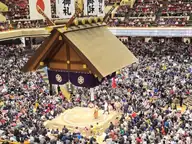
Ryogoku Sumo District
Cultural · ★ 4.4 (8,715 reviews)
Sumo wrestling area. Ryogoku Kokugikan arena (tournaments in Jan/May/Sep). Sumo museums. Address: 1-3-28 Yokoami Sumida-ku Tokyo 130-0015
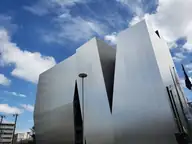
Sumida Hokusai Museum
★ 4.1 (6,709 reviews)
A modern museum in Sumida ward dedicated to ukiyo-e master Katsushika Hokusai, who was born and lived his entire life in the neighborhood. The museum displays reproductions and original prints including The Great Wave series. The striking aluminum-clad building was designed by Kazuyo Sejima. Admission is 400 yen. Allow 60 minutes. A short walk from the Skytree. The combination of traditional art and contemporary architecture is compelling.
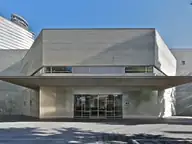
Japanese Sword Museum
Museum · ★ 4 (2,171 reviews)
Exquisite craftsmanship. Ryogoku 1-12-9 Yokoami Sumida-ku Tokyo
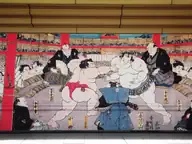
Sumo Museum Ryogoku
★ 4.1 (1,200 reviews)
Free museum inside the Kokugikan (sumo arena) with portraits of past yokozuna, ceremonial aprons, and sumo history exhibits. Only open during tournaments and some weekdays. Free entry but check schedule. Best combined with a tournament visit. Hours: 10:00-16:30.
Ginza 4
Kabukiza Theatre
★ 4.3 (10,342 reviews)
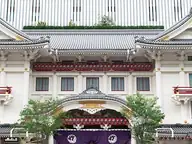
Tokyo's premier kabuki theater, operating in Ginza since 1889 in a building that blends traditional Japanese design with modern engineering. Full performances run 4-5 hours and are divided into acts that can be purchased individually at the single-act ticket window starting around 1,000 yen. English-language audio guides are available. Even the exterior and adjacent gallery are worth visiting. The theater shop sells kabuki-themed souvenirs.
Art Aquarium Museum
★ 4.1 (5,102 reviews)
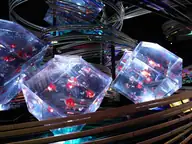
An immersive art installation fusing goldfish with light, sound, and projection mapping in elaborately designed tanks. The permanent Ginza location replaced the traveling exhibition. Thousands of goldfish swim through illuminated glass vessels, some designed as Japanese screens or Edo-era lanterns. The effect is mesmerizing and photogenic. Admission is around 2,300 yen. Timed entry keeps the space from overcrowding. Popular for evening visits.

Ginza Sony Park
★ 4.1 (2,428 reviews)
Sony's underground park and gallery in central Ginza, built on the site of the former Sony Building. Rotating art installations, live music events, pop-up food and retail, and Sony product showcases in a surprisingly open, park-like subterranean space. Many events and exhibitions are free. An unexpected slice of creative culture in Japan's most commercial district.
Ad Museum Tokyo
Museums & Art · ★ 4.4 (910 reviews)
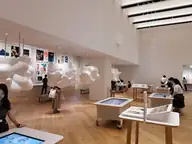
Visitors say this museum offers a fascinating journey through the history of Japanese advertising, featuring engaging displays of old posters, classic commercials, and interactive exhibits. Others also like the helpful staff and the well-stocked library with advertising-related books.
Outer Tokyo 4
Edo-Tokyo Open Air Museum
★ 4.5 (5,722 reviews)
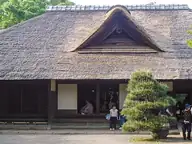
Over 30 historic buildings relocated from across Tokyo and painstakingly restored in a park in Koganei, about 25 minutes west of Shinjuku. The collection includes Edo-era merchant shops, Meiji-era bathhouses, Taisho-era farmhouses, and a period police box. Hayao Miyazaki reportedly used this museum as visual reference for Spirited Away. Admission is 400 yen. Closed Mondays. Allow 2-3 hours for a full visit. Less crowded on weekday mornings. The attached cafe sells traditional sweets.
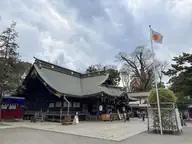
Okunitama Shrine
Shrine · ★ 4.4 (6,659 reviews)
1900 years old. One of Tokyo's largest festivals May 3-1 Miyamachicho Fuchu-shi Tokyo
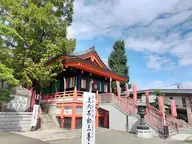
Takahatafudo Temple
Temple · ★ 4.3 (6,028 reviews)
Over 1100 years. Five-story pagoda. Hydrangeas June 733 Takahata Hino-shi Tokyo
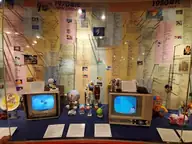
Suginami Animation Museum
Museum · ★ 4.2 (1,080 reviews)
Free anime museum. Animation history 3-29-5 Kamiogi Suginami-ku Tokyo
Shinjuku 4
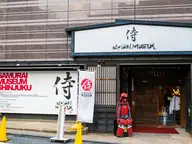
Samurai Museum
★ 4.9 (17,859 reviews)
An interactive museum in Shinjuku dedicated to samurai history and martial culture. Visitors can try on replica samurai armor for photos, watch a live sword-drawing demonstration, and view Edo-period swords and helmets. English-speaking guides walk you through each exhibit. Relocated to a new Shinjuku location for a winter 2025 reopening. Sessions run about 90 minutes. Advance booking recommended on weekends.
Hanazono Shrine
★ 4.3 (8,831 reviews)
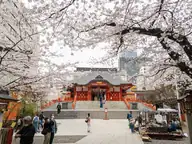
The guardian shrine of Kabukicho and Shinjuku's business district, wedged between the red-light district and office towers. Despite the chaotic surroundings, the shrine grounds are surprisingly tranquil. Hosts the famous Tori no Ichi festival in November, one of Tokyo's most atmospheric night festivals. Considered a power spot for business success and new beginnings.
Nishi-Shinjuku Juniso Kumano Shrine
Shrine · ★ 4.3 (1,687 reviews)
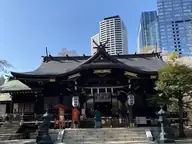
Shinjuku's ancient shrine. Peaceful in skyscraper area 2-11-2 Nishishinjuku Shinjuku-ku Tokyo
Tokyo Opera City Art Gallery
Museums & Art · ★ 4.3 (895 reviews)
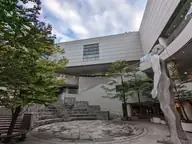
Visitors say this art gallery offers a wide variety of modern art exhibitions, including paintings, photography, and installations, with many unique and intriguing pieces. Guests mention the convenient operating hours, with admission available until 6:30 PM on weekdays.
Ebisu 3
Yebisu Beer Museum
★ 4.3 (4,628 reviews)
A free museum in the Yebisu Garden Place complex tracing the history of beer in Japan from Meiji-era German brewing imports to modern craft. The tasting lounge at the end serves four Yebisu varieties for about 800 yen. The guided tour runs 40 minutes and costs 500 yen including two tastings. The surrounding Garden Place complex has restaurants and the Tokyo Metropolitan Museum of Photography. A pleasant afternoon stop in Ebisu.

Yamatane Museum of Art
Museums & Art · ★ 4.3 (2,682 reviews)
People say this museum offers a beautifully curated collection of traditional Japanese paintings, including important cultural properties, and features engaging, well-planned exhibitions. Visitors also highlight the calm, intimate atmosphere, allowing for a relaxed viewing experience. They also like the on-site cafe, which serves exquisite Japanese sweets inspired by the current exhibitions.
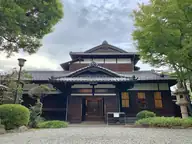
Kyu Asakura House
Cultural · ★ 4.4 (1,235 reviews)
Preserved Taisho-era mansion. Japanese garden 29-20 Sarugakucho Shibuya-ku Tokyo
Harajuku 3
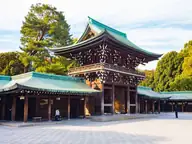
Meiji Shrine
★ 4.6 (48,972 reviews)
A Shinto shrine set within 170 acres of old-growth forest in the heart of Harajuku, dedicated to Emperor Meiji and Empress Shoken. The 12-meter torii gate at the entrance marks the transition from Harajuku's commercial chaos to absolute tranquility. The gravel paths through the forest take about 10 minutes to reach the main shrine. Free to enter. Witness traditional Shinto weddings on weekends. The adjacent Meiji Jingu Gaien has ginkgo-lined avenues that turn golden in November.
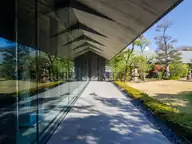
Nezu Museum
★ 4.5 (6,211 reviews)
A museum in Omotesando housing a private collection of pre-modern Japanese and East Asian art, including nationally designated treasures. The building was designed by Kengo Kuma with a dramatic bamboo-lined approach. The Japanese garden behind the museum is one of the finest private gardens in Tokyo, with moss paths, tea pavilions, and a pond. Admission is 1,300 yen. The garden alone is worth the entry fee, especially in spring and autumn. Closed Mondays.
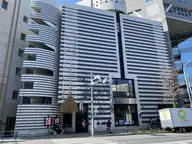
Watarium Art Museum
Museums & Art · ★ 4.2 (841 reviews)
People say this museum features unique contemporary art exhibitions and a stylish building with distinctive staircases and open spaces. Visitors also highlight the well-curated gift shop with postcards and stationery, and the underground cafe and bookstore with a great selection of art books.
Tokyo Tower 3
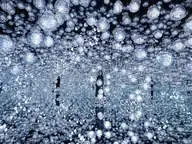
teamLab Borderless
★ 4.6 (27,245 reviews)
An immersive digital art museum that relocated to Azabudai Hills in 2024 after closing its Odaiba location. Projection-mapped rooms of flowing water, blooming flowers, and cascading waterfalls respond to your presence and movement. The experience is deliberately disorienting with no fixed route. Allow at least 2 hours. Tickets are timed and sell out weeks in advance. Wear white clothing for the best visual effect. One of the most popular art experiences in the world.
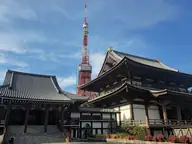
Zojoji Temple
★ 4.5 (12,264 reviews)
A grand Buddhist temple in Shiba Park that serves as the backdrop to one of the most iconic Tokyo photographs: the traditional temple gate framing Tokyo Tower behind it. The temple grounds include rows of small jizo statues dressed in red knitted caps, a memorial for unborn children that is both moving and visually striking. Free to enter. The annual Setsubun bean-throwing festival in February draws crowds. A 5-minute walk from Hamamatsucho Station.
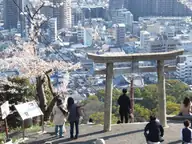
Atago Shrine
★ 4.4 (4,051 reviews)
A small hilltop shrine in Minato ward at the top of the steepest stone staircase in Tokyo, called the Success Steps (Shutseseki no Kaidan). Climbing the 86 steps is said to bring career success. The shrine grounds are tiny but peaceful, with a pond and greenery that feel disconnected from the surrounding office towers. Free to visit. The climb is steep but short. Best combined with a walk to nearby Tokyo Tower.
Yotsuya 3
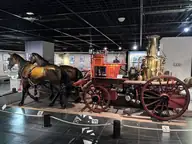
Fire Museum
Museums & Art · ★ 4.4 (2,487 reviews)
Visitors say this museum offers a fascinating look into the history of firefighting, featuring real fire engines, helicopters, and interactive exhibits. Guests mention the museum is free to enter and conveniently located with direct access from the train station.

Tokyo Toy Museum
Museums & Art · ★ 4.3 (2,224 reviews)
Visitors say this museum, housed in a renovated old school, offers a wide variety of engaging wooden and traditional toys, with dedicated play areas for different age groups, including babies. Many mention the reasonable admission fees and the option to purchase tickets online for a discount.
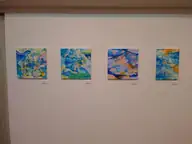
The Artcomplex Center of Tokyo
Museums & Art · ★ 4.2 (238 reviews)
A charming, chilled art gallery in Shinjuku showing and selling Japanese art in a cute, welcoming space.
Other areas 29
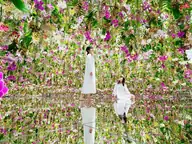
teamLab Planets
Odaiba · ★ 4.5 (49,906 reviews)
An immersive digital art installation in Toyosu where you wade barefoot through knee-deep water, walk through fields of projected flowers, and lie on surfaces that mirror infinite space. Unlike the maze-like Borderless, Planets follows a linear path through a sequence of rooms. The physical interaction with water and textured floors adds a tactile dimension. Tickets are timed and should be booked in advance. Wear shorts or rolled-up pants. Extended until 2027.
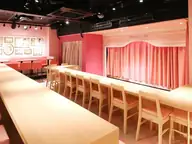
Maid Cafes
Akihabara · ★ 4.9 (12,622 reviews)
A distinctly Japanese cafe concept where waitresses in maid costumes address customers as Master or Princess, perform songs, draw hearts on omurice with ketchup, and cast magical spells over your food. @Home Cafe is the original and most established chain with multiple Akihabara floors. Cover charges apply plus food and drink minimums. Go once for the cultural experience even if the concept seems strange. English menus available at major chains.
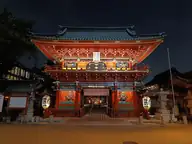
Kanda Myojin
Akihabara · ★ 4.4 (25,369 reviews)
A 1,300-year-old Shinto shrine that has adapted perfectly to its Akihabara neighborhood by selling IT amulets designed to protect electronics from viruses and crashes. The shrine also offers traditional amulets for business success and safe travel. The main hall is striking with vermillion columns and gold detailing. Free to visit. The annual Kanda Matsuri in May is one of Tokyo's three great festivals. A fascinating juxtaposition of ancient spiritual tradition and modern nerd culture.
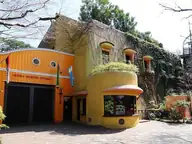
Ghibli Museum
Kichijoji · ★ 4.5 (18,791 reviews)
Hayao Miyazaki's personal museum in Mitaka, designed as an immersive journey through the Studio Ghibli creative process. Hand-drawn exhibition rooms, a life-size cat bus for children, a rooftop robot soldier from Laputa, and exclusive short films screened only here. Tickets sell out within minutes when released on the 10th of each month for visits two months later. Admission is 1,000 yen. No photography inside. Plan your booking at least 2 months in advance.
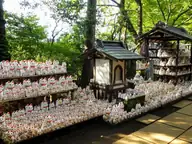
Gotokuji Temple
Sangenjaya · ★ 4.6 (9,704 reviews)
A Zen Buddhist temple in Setagaya covered with thousands of white maneki-neko (lucky cat) figurines offered by visitors whose wishes were granted. Believed to be the original birthplace of the beckoning cat tradition. The grounds are peaceful and photogenic, with cats ranging from palm-sized to over a foot tall filling every shelf and altar. Free admission. A 5-minute walk from Miyanosaka Station on the Tokyu Setagaya Line. Best visited on weekday mornings for emptier grounds.
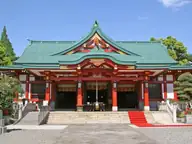
Hie Shrine
Akasaka · ★ 4.4 (12,589 reviews)
A Shinto shrine in Akasaka whose 90 miniature vermillion torii gates form a tunnel staircase up the hillside, reminiscent of Kyoto's Fushimi Inari at a smaller scale. Free to visit and rarely crowded despite being one of the most photogenic shrine structures in Tokyo. The Sanno Matsuri festival held here in mid-June is one of Tokyo's three great festivals. Located a short walk from Akasaka or Tameike-Sanno stations.
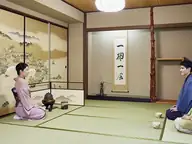
Tea Ceremony Experience
★ 5 (3,264 reviews)
Many studios across Tokyo offer tourist-friendly tea ceremony sessions lasting 45-90 minutes. You learn to whisk matcha, eat seasonal wagashi sweets, and observe proper tatami etiquette. The Urasenke Foundation near Kagurazaka is one of the most respected options. Prices run 3,000-5,000 yen per person. English instruction is available at most tourist-oriented venues. A meditative counterpoint to the sensory overload of Tokyo. Book a day ahead.
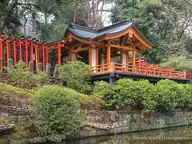
Nezu Shrine
Yanaka · ★ 4.4 (8,868 reviews)
A beautifully preserved Shinto shrine in the Yanaka-Nezu-Sendagi area, dating to 1706 and featuring elaborate Gongen-style architecture rarely seen outside Nikko. The shrine grounds include a tunnel of approximately 100 miniature vermillion torii gates and an azalea garden with 3,000 bushes that bloom spectacularly in April. The annual Tsutsuji Matsuri azalea festival draws crowds but the rest of the year is peaceful. Free admission except during the festival. A 5-minute walk from Nezu Station.
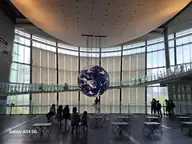
Miraikan National Museum
Odaiba · ★ 4.1 (16,218 reviews)
Japan's National Museum of Emerging Science and Innovation in Odaiba, housing interactive exhibitions on robotics, AI, space exploration, and environmental science. ASIMO robot demonstrations run at scheduled times. The Geo-Cosmos, a massive globe displaying real-time satellite imagery, hangs in the central atrium. Admission is 630 yen. Family-friendly with English signage. Allow 2-3 hours. Best combined with other Odaiba attractions.
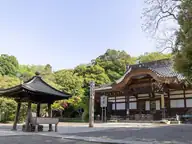
Jindaiji Temple
Jindaiji · Temple · ★ 4.3 (8,388 reviews)
Tokyo's 2nd oldest. Soba shops nearby 5-15-1 Jindaiji Chofu-shi Tokyo
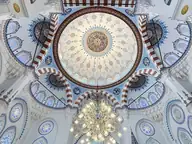
Tokyo Camii Mosque
Shimokitazawa · Cultural · ★ 4.7 (3,764 reviews)
Japan's largest mosque. Ottoman 1-19 Oyamacho Shibuya-ku Tokyo
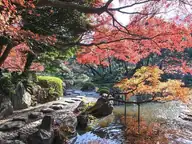
Koishikawa Korakuen
Tokyo Dome · ★ 4.4 (6,530 reviews)
One of Tokyo's oldest and finest Japanese gardens, dating to 1629 and designated a Special Place of Scenic Beauty. The garden incorporates miniature landscapes representing famous scenes from China and Japan, including a lake, rice paddies, and a stone bridge modeled after one in Hangzhou. Admission is 300 yen. Adjacent to Tokyo Dome but worlds apart in atmosphere. Particularly beautiful during autumn foliage in late November. Allow 60-90 minutes.
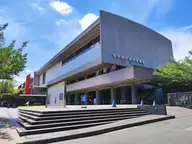
The National Museum of Modern Art, Tokyo
Imperial Palace · Museums & Art · ★ 4.3 (7,461 reviews)
People say this museum offers a wide variety of Japanese modern art, including paintings, sculptures, and photographs, with regularly rotating permanent exhibitions. Visitors appreciate the clean, quiet environment and the helpful, attentive staff.
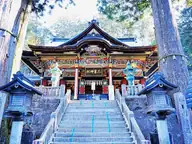
Chichibu Mitsumine Shrine
★ 4.5 (4,200 reviews)
Mountain shrine with rare triple torii gates and wolf guardian statues instead of the usual fox or lion-dogs. The misty forest setting feels primordial. A spiritual power spot. 90 min from Ikebukuro via Seibu Line. The triple torii is unique in Japan. Go on a misty day for atmosphere. Hours: 9:00-17:00.
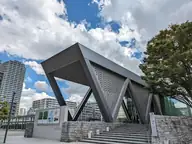
Museum of Contemporary Art Tokyo (MOT)
Kiyosumi · Museums & Art · ★ 4.4 (4,122 reviews)
People say this museum features a wide variety of contemporary art, including large-scale installations and diverse works from Japanese artists, with many exhibitions offering English descriptions. Visitors also highlight the beautiful, spacious, and modern architecture, which provides a calm and engaging atmosphere. They also like the well-curated gift shop, excellent library, and the delicious food at the cafe and restaurant.
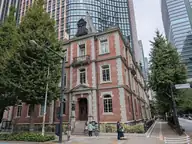
Mitsubishi Ichigokan Museum
Tokyo Station · Museums & Art · ★ 4.4 (3,743 reviews)
Visitors say this museum features a beautiful, historic red-brick building with a charming interior and a lovely courtyard garden. Guests mention the convenient location near Tokyo Station and the comfortable, uncrowded atmosphere, especially during weekdays.
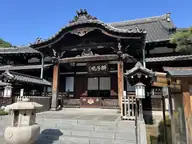
Sengakuji Temple
Shinagawa · ★ 4.3 (3,988 reviews)
The resting place of the 47 Ronin, Japan's most famous tale of samurai loyalty. The graves of the 47 warriors who avenged their lord's death in 1703 are maintained with burning incense year-round. A small museum displays armor and weapons. The temple is modest but historically significant. Free to enter, museum is 500 yen. A short walk from Sengakuji Station. Best visited on December 14th, the anniversary of the raid.
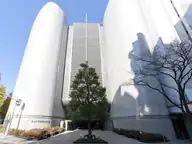
Bunkamura
Shibuya · ★ 4.1 (5,426 reviews)
Tokyo's premier cultural complex in Shibuya, housing the Orchard Hall concert venue, Theatre Cocoon for drama and performance, the Museum of Arts Crafts, a cinema complex, and the largest arts bookshop in Shibuya. Tokyo's answer to Lincoln Center. Under partial renovation as of 2023 but remains a cultural cornerstone of the city.
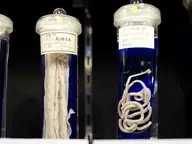
Meguro Parasitological Museum
Meguro · ★ 4.4 (2,679 reviews)
The world's only museum dedicated entirely to parasites, located near Meguro Station. Two floors of preserved specimens include an 8.8-meter tapeworm extracted from a human host, displayed in its full length along an entire wall. Scientifically rigorous with detailed English signage explaining each parasite's lifecycle. Free admission. Closed Mondays and Tuesdays. The gift shop sells parasite-themed t-shirts and keychains. A genuinely fascinating visit that takes about 30-45 minutes.
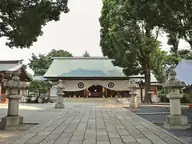
Shoin Shrine
Sangenjaya · Shrine · ★ 4.3 (2,702 reviews)
Yoshida Shoin memorial. Near Shoin-jinja-mae station 4-35-1 Wakabayashi Setagaya-ku Tokyo
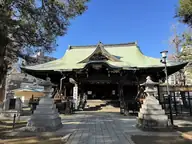
Kishimojin Temple
Ikebukuro · Temple · ★ 4.2 (3,070 reviews)
Mother goddess temple. Beautiful ginkgo trees autumn 3-15-20 Minami-Ikebukuro Toshima-ku Tokyo
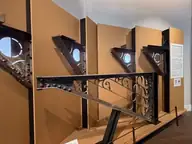
Tokyo Station Gallery
Tokyo Station · Museums & Art · ★ 4.3 (2,429 reviews)
People say this art museum offers engaging exhibitions and a manageable size. They highlight the calm atmosphere and the informative display about the history of Tokyo Station near the exit. They also like the variety of ticket options.

Tobacco and Salt Museum
Shibuya · ★ 4.3 (2,091 reviews)
A surprisingly fascinating museum in Shibuya exploring the cultural history of tobacco and salt in Japan and worldwide. The collection spans centuries of tobacco paraphernalia, salt production techniques, and cultural artifacts. The building itself is modern and well-designed. Admission is just 100 yen, making it one of the best-value museum experiences in Tokyo. Allow 60-90 minutes. Closed Mondays. Few tourists visit.
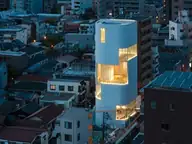
Yayoi Kusama Museum
Kagurazaka · ★ 4 (2,559 reviews)
A small but intense museum in Shinjuku dedicated to Tokyo's most famous living artist and her signature infinity mirror rooms. Tickets sell out months in advance, released on the 1st of each month for visits two months later. Entry is by timed 90-minute slots only. Admission is 1,100 yen. The museum spans five floors with rotating exhibitions. No photography inside the infinity rooms. Worth the planning effort for fans of contemporary art.
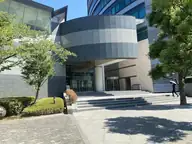
Printing Museum Tokyo
Kagurazaka · ★ 4.3 (1,355 reviews)
A niche museum in Iidabashi covering the history of printing from Gutenberg to digital, with particular depth in Japanese woodblock printing, movable type, and graphic design. Interactive workshops let you try letterpress printing. The permanent collection includes rare early printed texts. Admission is 400 yen. Rarely crowded. A hidden gem for typography and design enthusiasts.
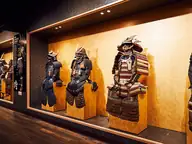
Sword Fighting Experience
★ 5 (125 reviews)
Dress in samurai costume and learn basic katana techniques from trained instructors at studios in Asakusa or Shinjuku. Sessions typically include an introduction to bushido philosophy, sword-drawing drills, and a photo session in full armor. Suitable for beginners with no martial arts background. Sessions run 60-90 minutes. English instruction available. Multiple operators compete on price, so compare offerings. A popular activity for groups and families.
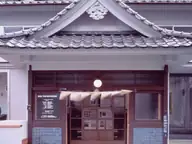
SCAI The Bathhouse
Yanaka · ★ 4.2 (299 reviews)
A contemporary art gallery operating inside a 200-year-old public bathhouse in the Yanaka neighborhood. The contrast between the traditional tile-and-wood bathhouse architecture and cutting-edge contemporary art installations is striking. Exhibitions rotate every 2-3 months featuring Japanese and international artists. Free admission. A 5-minute walk from Nippori Station. One of the most unique gallery spaces in Tokyo.
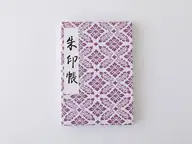
Goshuincho Stamp Collecting
★ 5 (50 reviews)
A traditional practice of collecting hand-calligraphed stamps at temples and shrines across Japan. Purchase a goshuincho (stamp book) at any major shrine or temple for 1,000-2,000 yen, then present it at each subsequent temple's stamp office. Monks brush-write the temple name, date, and a blessing in ink. Each stamp costs 300-500 yen and is unique to that location. A beautiful, meaningful souvenir that grows as you travel across the country.
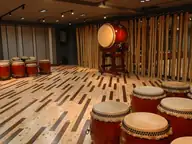
Taiko Drumming
★ 4.6 (39 reviews)
Learn the thunderous art of Japanese taiko drumming at the Taiko Center, with locations in Asakusa and Aoyama. Beginner classes require no experience and run about 60 minutes. Instructors teach basic rhythms and striking technique. The drums are enormous and the physical exertion is real, making it a full-body workout. English instruction available. Classes accommodate small groups. Book a day or two ahead. A powerful, hands-on cultural experience.