Hakone
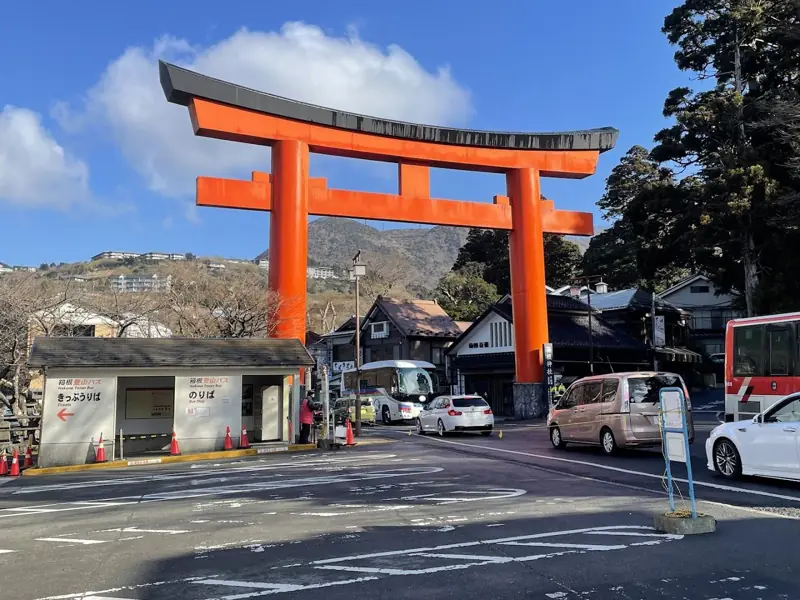
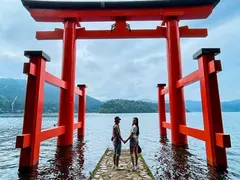
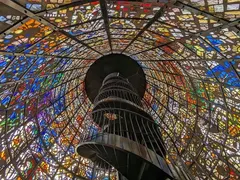
A mountain resort town 90 minutes from Shinjuku by Romance Car express train, offering hot spring ryokan, the Hakone Open Air Museum, Lake Ashi pirate boat cruises, and views of Mount Fuji from Owakudani volcanic valley. The Hakone Free Pass covers all local transport for 2 days at 6,100 yen. An overnight ryokan stay with kaiseki dinner and onsen is the ideal way to experience it.
Culture & History · ★ 4.4
Culture & History · ★ 4.5
Culture & History · ★ 4.2
Kawaguchiko and Mount Fuji
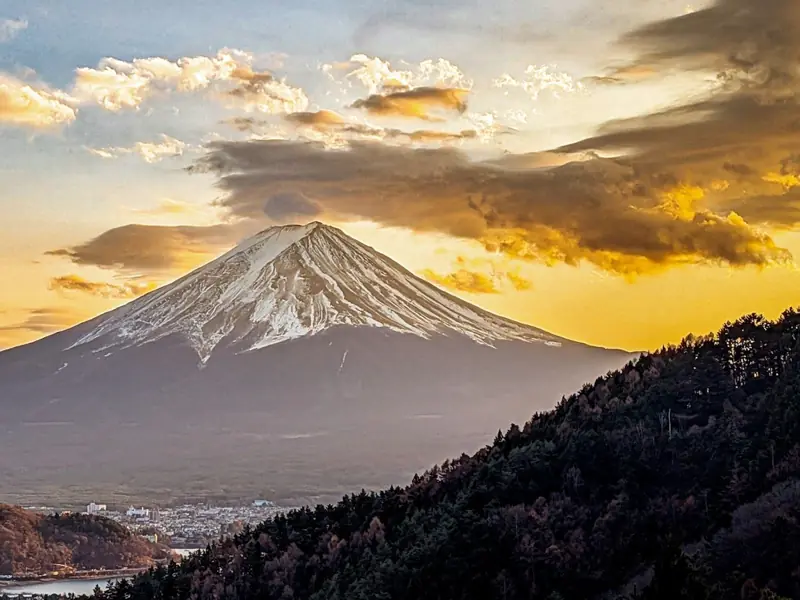
One of the Fuji Five Lakes and the most popular base for viewing Mount Fuji from ground level, about 2 hours from Shinjuku by direct bus. The lake's north shore offers classic postcard Fuji reflections on calm mornings. The Chureito Pagoda viewpoint is a 400-step climb that produces one of Japan's most iconic photographs. Retro Bus Loop connects major viewpoints.
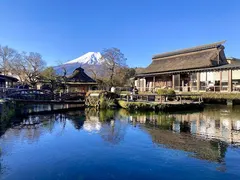
Landmarks · ★ 4.2
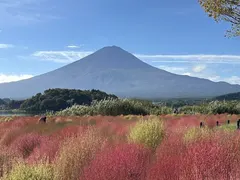
Nature & Outdoors · ★ 4.4
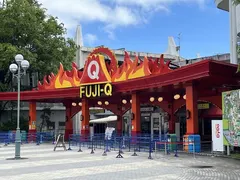
Experiences · ★ 4.3
Kamakura
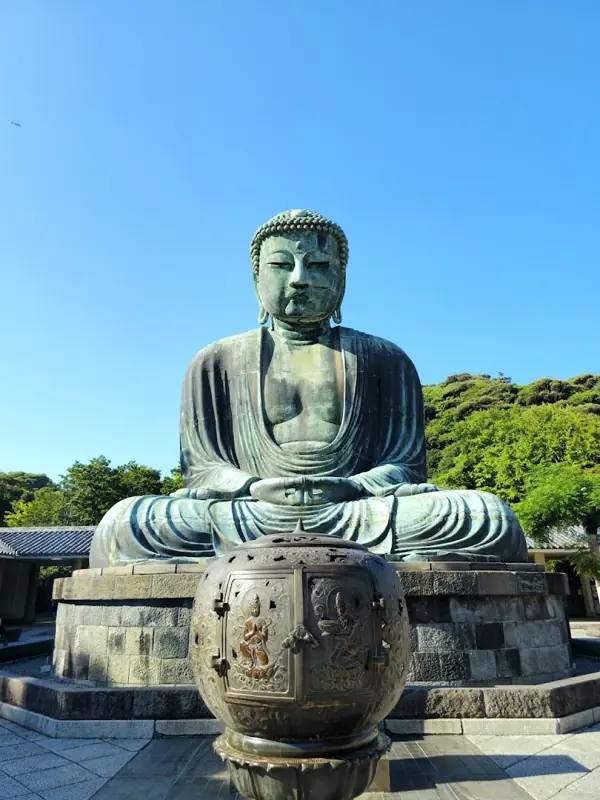
A coastal temple town one hour south of Tokyo, often called the Kyoto of eastern Japan. The 13-meter Great Buddha at Kotoku-in and the bamboo groves at Hokokuji Temple are the main draws. The Enoden tram connects the temples to Enoshima Island beach. Komachi-dori shopping street sells crafts, dango, and purple sweet potato soft serve. An easy day trip that combines temples, beach, and small-town atmosphere.
Culture & History · ★ 4.4
Culture & History · ★ 4.4
Culture & History · ★ 4.5
Nikko
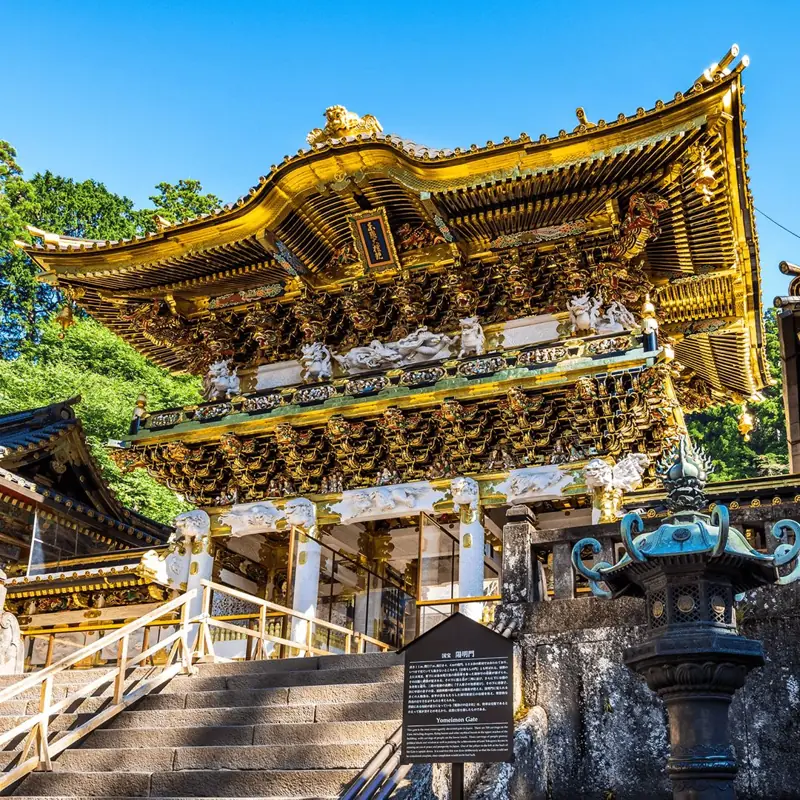
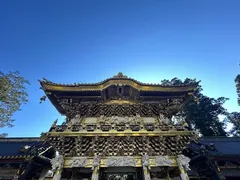
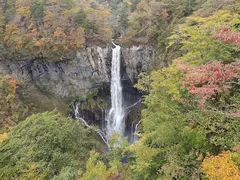
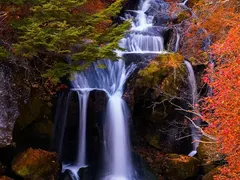
A UNESCO World Heritage temple complex set in mountainous forest 2 hours north of Tokyo by Shinkansen or Tobu Railway. Toshogu Shrine is the lavishly decorated mausoleum of shogun Tokugawa Ieyasu, featuring the famous See No Evil, Hear No Evil, Speak No Evil monkey carving. The surrounding forest contains additional temples, waterfalls, and the serene Lake Chuzenji.
Culture & History · ★ 4.5
Landmarks · ★ 4.4
Landmarks · ★ 4.3
Yokohama
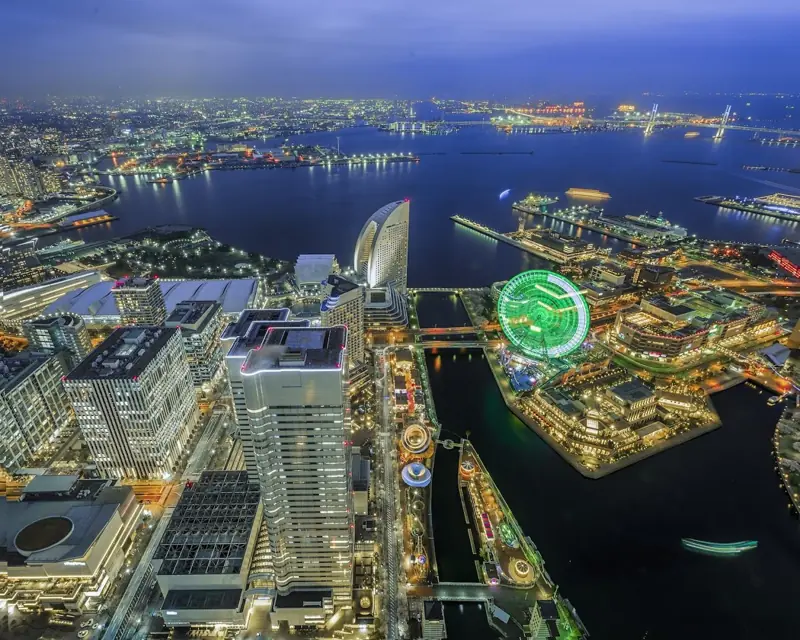
Japan's second-largest city, 30 minutes south of Tokyo by train, with a distinct international port atmosphere. The Chinatown is the largest in Japan with over 500 restaurants. The Cup Noodles Museum lets you design a custom instant ramen cup. Minato Mirai waterfront has the Red Brick Warehouse shopping complex, the Landmark Tower observation deck, and the Cosmo World ferris wheel.
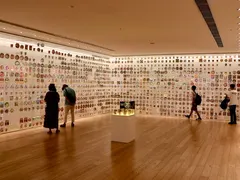
An interactive museum in Yokohama dedicated to instant ramen, where you design a custom Cup Noodles container, choose your own soup base and toppings, and have it sealed and shrink-wrapped as a one-of-a-kind souvenir.
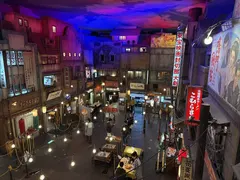
An underground food theme park in Shin-Yokohama that recreates a 1958 Japanese streetscape and houses eight regional ramen shops from across Japan, each serving their hometown style.
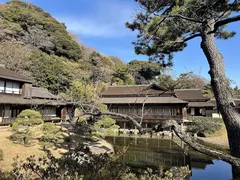
A traditional Japanese garden in Yokohama containing 17 historic buildings relocated from Kyoto, Kamakura, and elsewhere, arranged around a central pond.
Enoshima
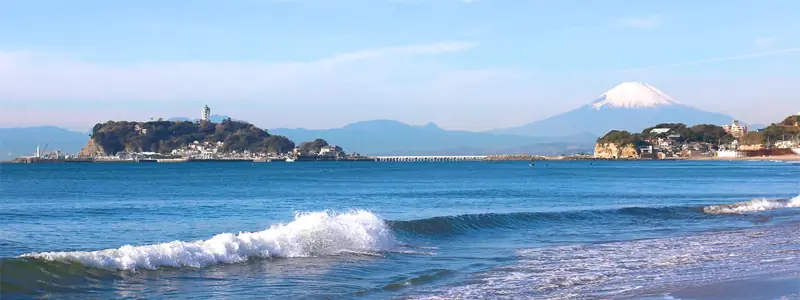
A small island connected to the mainland by a bridge, about 70 minutes south of Shinjuku by train. The island has three shrines connected by steep paths, sea caves, a lighthouse with Pacific Ocean views, and restaurants serving fresh shirasu (whitebait) caught that morning. On clear days, Mount Fuji is visible from the observation tower. Combine with nearby Kamakura for a full day.
Kawagoe
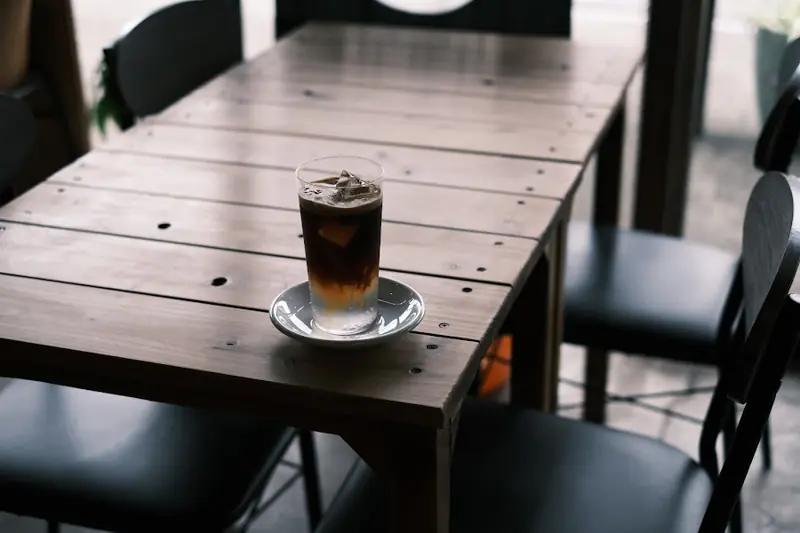
A preserved merchant town about 30 minutes from Ikebukuro by Tobu Railway, nicknamed Little Edo for its kurazukuri (clay-walled warehouse) buildings dating to the Meiji era. The main street is lined with traditional sweet shops, craft stores, and the iconic Toki no Kane bell tower. The candy alley (Kashiya Yokocho) sells traditional Japanese sweets. An easy half-day trip that feels like stepping back two centuries.
Mount Takao
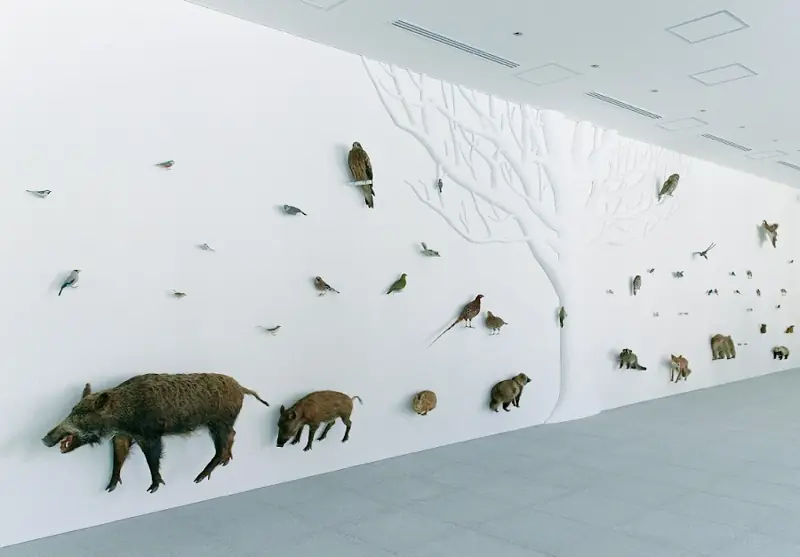
A forested mountain on the western edge of Tokyo, about an hour from Shinjuku on the Keio Line, with hiking trails, a cable car and Yakuoin Temple near the top. The Takao 599 Museum at the foot of the trails covers its plants, wildlife and routes.
Mount Mitake
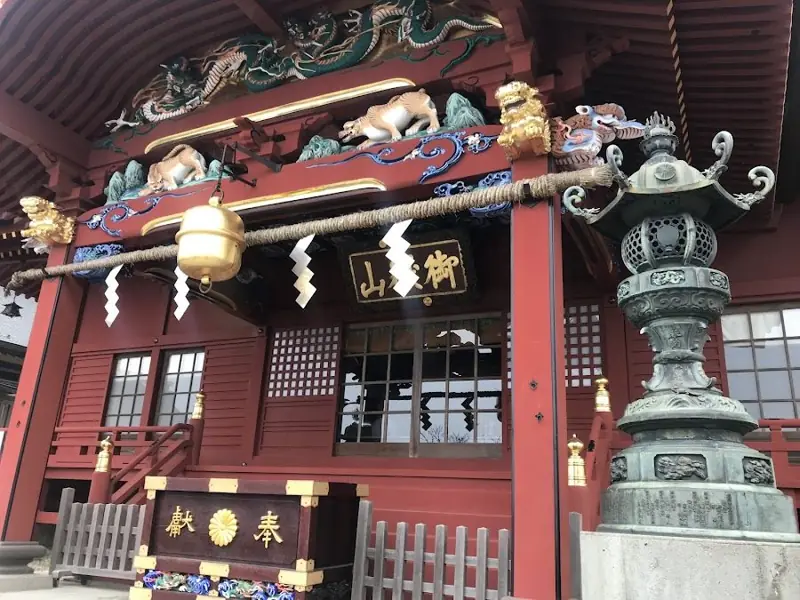
A sacred mountain about 90 minutes from Shinjuku by train and cable car, offering shrine walks, rock gardens, and seasonal wildflower trails. The Musashi-Mitake Shrine at the summit has operated for over 2,000 years. The surrounding trails lead to waterfalls and the Rock Garden valley. The cable car covers the steepest section. Difficulty is moderate. Combine with the Tama River gorge below.
Atami
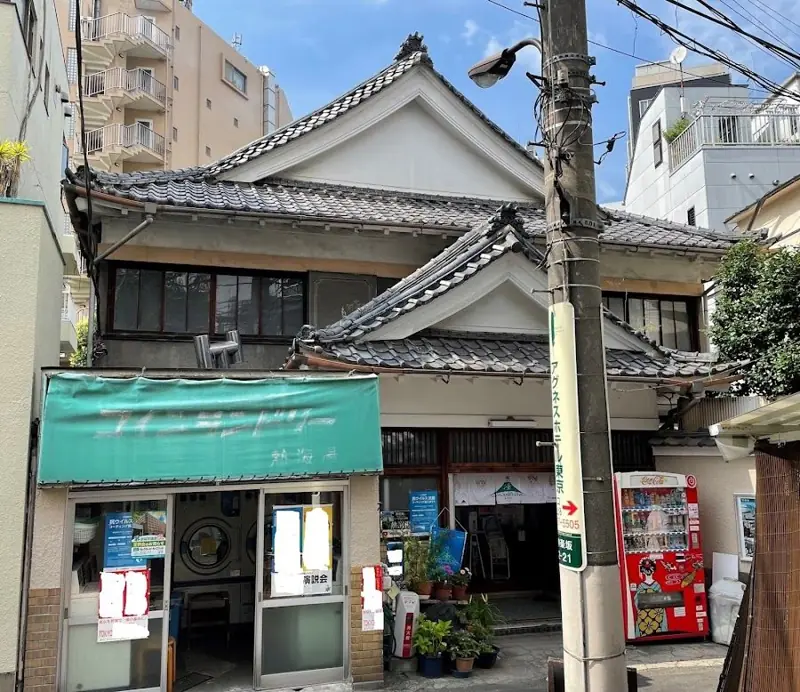
A classic coastal hot spring resort about 45 minutes from Tokyo Station by Shinkansen. The town offers ocean-view onsen ryokan, the MOA Museum of Art, a hilltop castle, and fresh seafood. The Shinkansen access makes it the fastest onsen getaway from central Tokyo. Day-trip bathing at public facilities costs 500-1,000 yen. The town has a retro, Showa-era charm. Best as an overnight but functional as a day trip.
Odawara
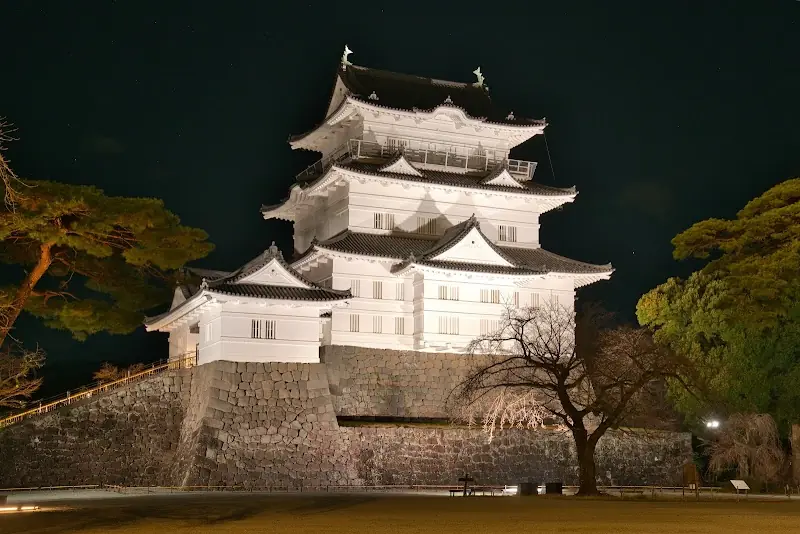
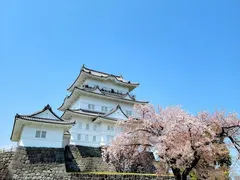
Reconstructed Warring States era castle 75 minutes from Tokyo on the Tokaido Line. A beautiful, photogenic castle with a samurai museum inside and cherry tree gardens surrounding it in spring. Functions as an excellent base or first stop for a Hakone day trip. The town of Odawara itself has a pleasant shopping street and fresh kamaboko fish cake shops.
Chichibu
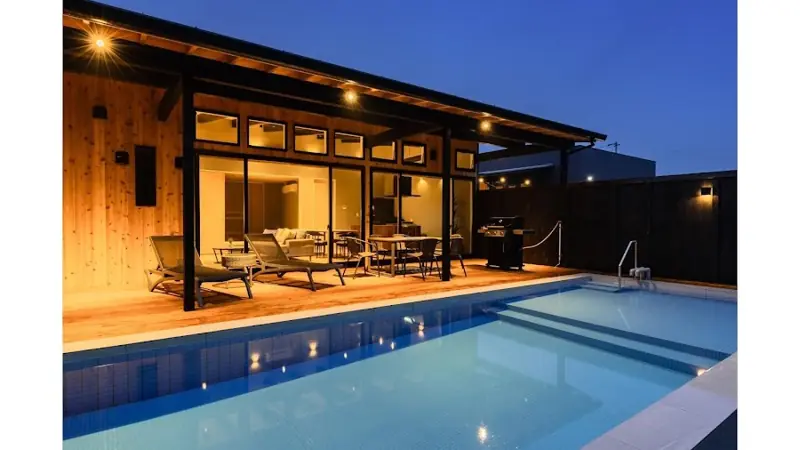
A mountain town about 90 minutes northwest of Ikebukuro by Seibu Railway, offering hiking, hot springs, and sake breweries. The Chichibu 34 Temple Pilgrimage is a walking route through the surrounding valleys. Nagatoro gorge offers river rafting in summer. The area produces excellent sake and whisky, with Chichibu Distillery gaining cult status among whisky collectors. Less touristy than Hakone or Nikko.
Ashikaga Flower Park
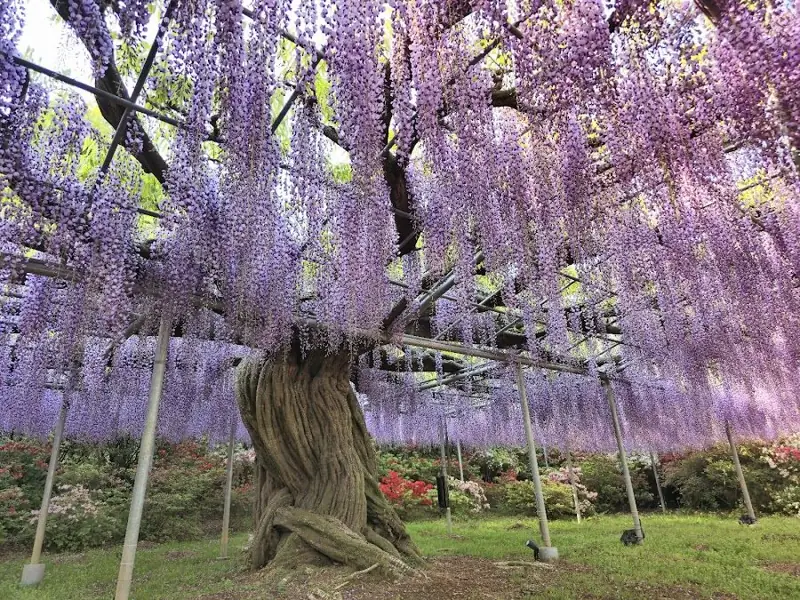
Ancient wisteria trees over 100 years old drape an entire park in cascades of purple, white, and yellow blossoms. The blue and white wisteria tunnels in late April and early May are surreal, literally from a fairy tale. Entry varies by season (1,800-2,200 yen during peak bloom). About 2 hours by train from Shinjuku. Evening illumination extends the experience after dark.
Miura Peninsula
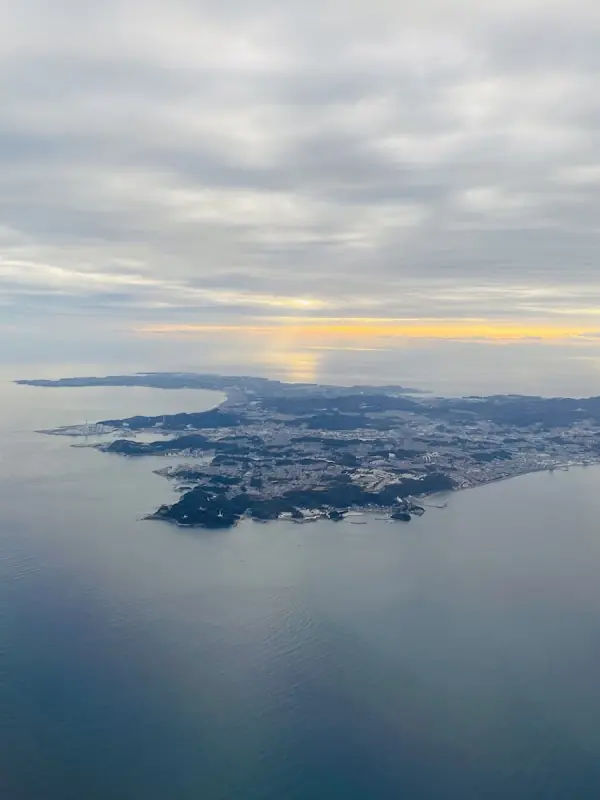
Seafood peninsula just 80 minutes from Tokyo. Misaki Port is famous across Japan for fresh tuna, local restaurants serve tuna bowls (maguro-don) from around 500 yen. Jogashima Island has dramatic Pacific cliffs, a lighthouse walk, and wild sea views. The beach towns of Zushi and Hayama are popular with Tokyo's wealthy as summer retreats. Combines easily with Kamakura.
Ome
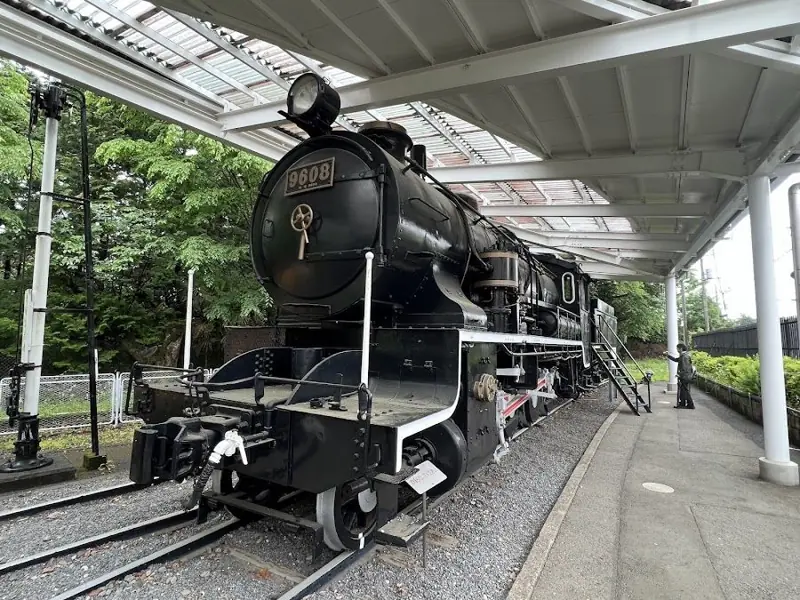
A scenic half-day trip combining the Ome Railway Park museum with a riverside walking trail in the Tama Hills, about 75 minutes from Shinjuku. The museum displays vintage Japanese trains and locomotives. The Tama River gorge nearby offers hiking trails, riverside picnic spots, and autumn foliage. The Ome area has craft sake breweries and traditional soba restaurants. A nature escape that few tourists discover.
Tochigi
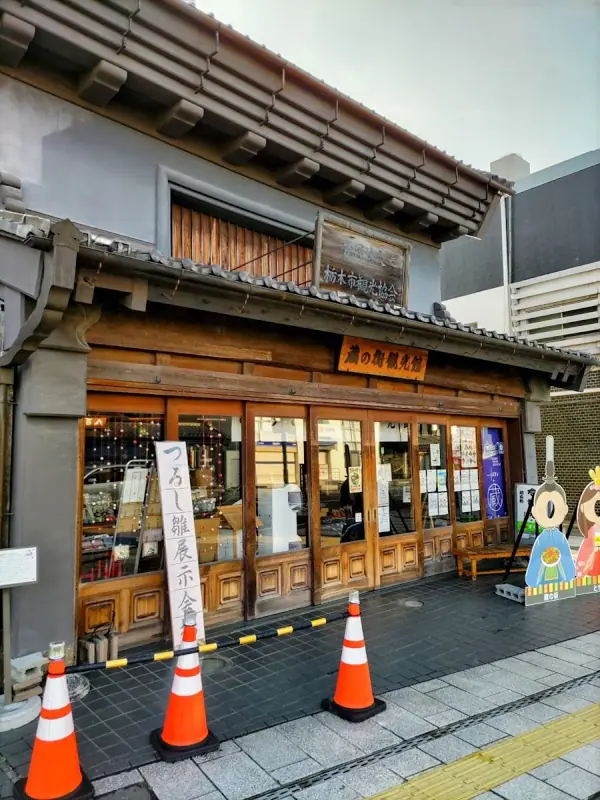
Exceptionally well-preserved Edo-period merchant town with clay warehouse districts, museums, and rivers you can explore by rented rowboat. Often called the 'Little Kyoto of Kanto.' Significantly less crowded than Kawagoe on weekends. About 2 hours from Shinjuku via the Tobu Line. The canal area is especially atmospheric in early morning.
Numazu
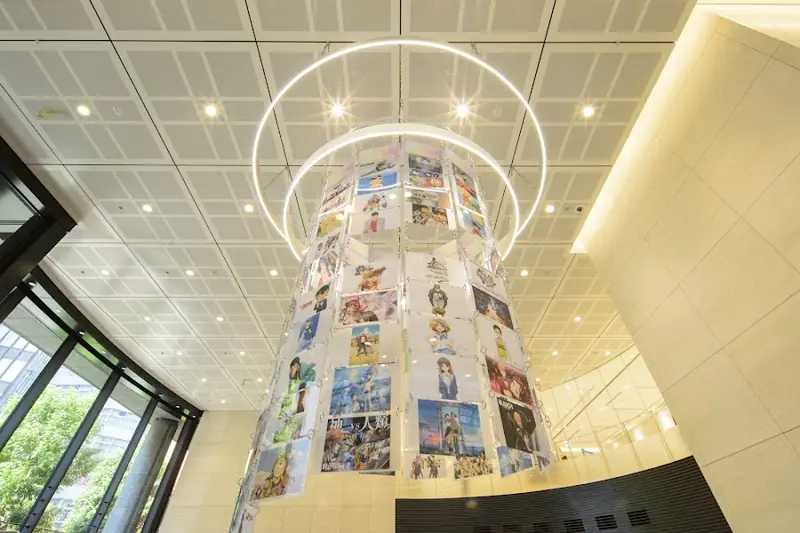
The real-world setting for Love Live! Sunshine!! anime, where dedicated fans make pilgrimages to recreate scenes from the show. Every significant location exists in Numazu: Awashima Marine Park, the harbor, local schools, and shrines. Numazu itself is a charming coastal city with excellent seafood. About 2 hours from Tokyo Shinjuku by the Odakyu Romancecar or Shinkansen.