Ancient temples, coastal trails, and the Great Buddha. Japan's original samurai capital.
Zen temples, bamboo groves, and the iconic Great Buddha.
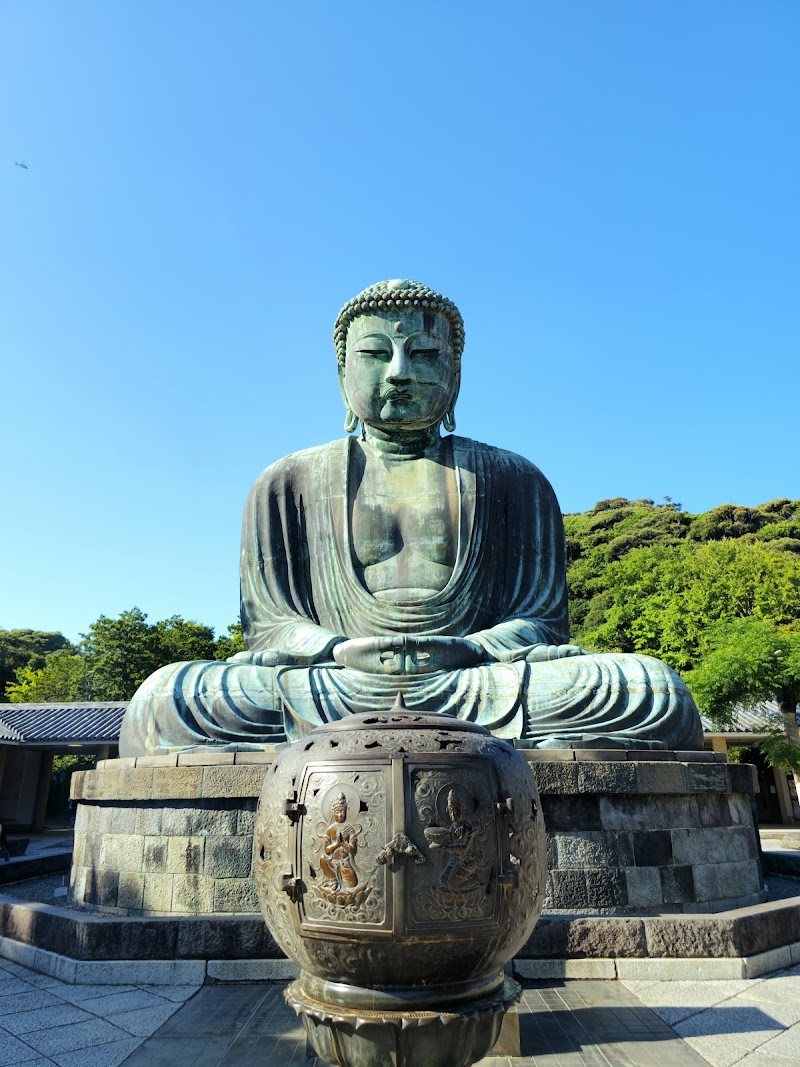
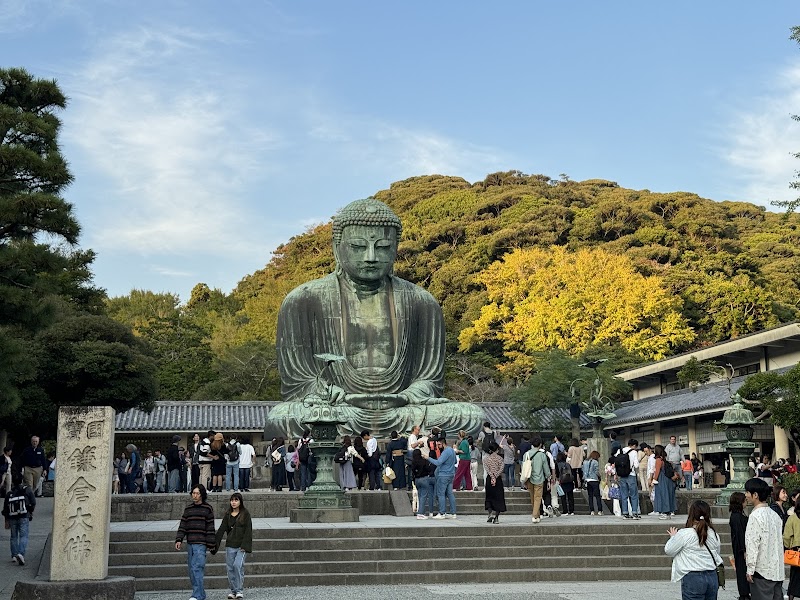
Iconic 11.4-meter bronze Buddha sitting outdoors since 1495 after a tsunami destroyed its temple hall. You can enter the hollow statue for a small fee. One of Japan's most recognizable landmarks.
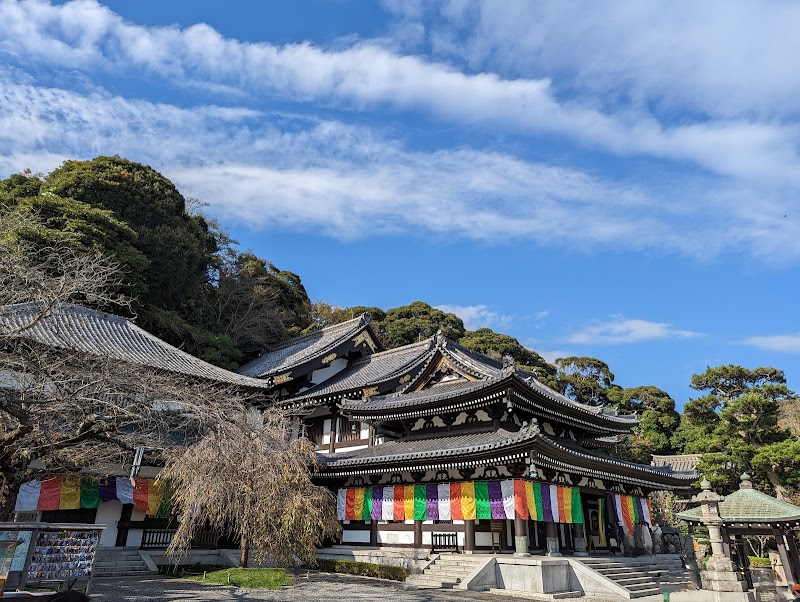
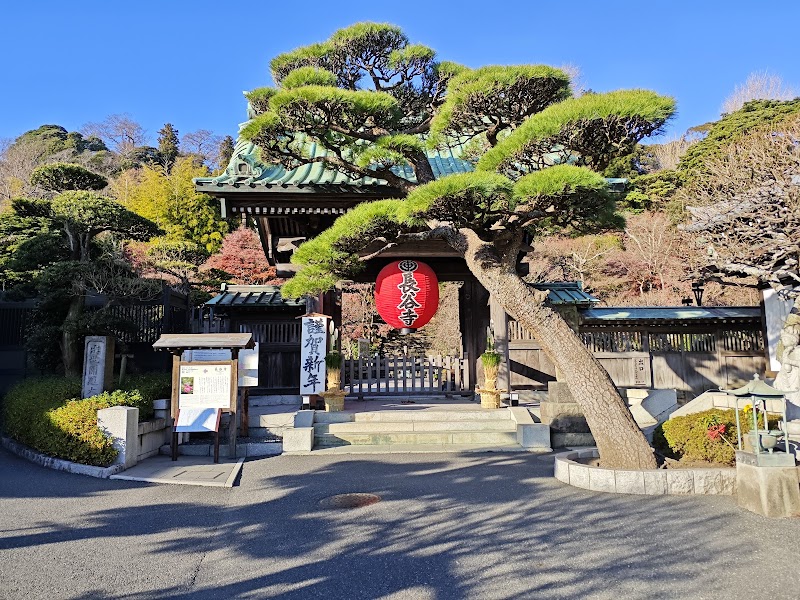
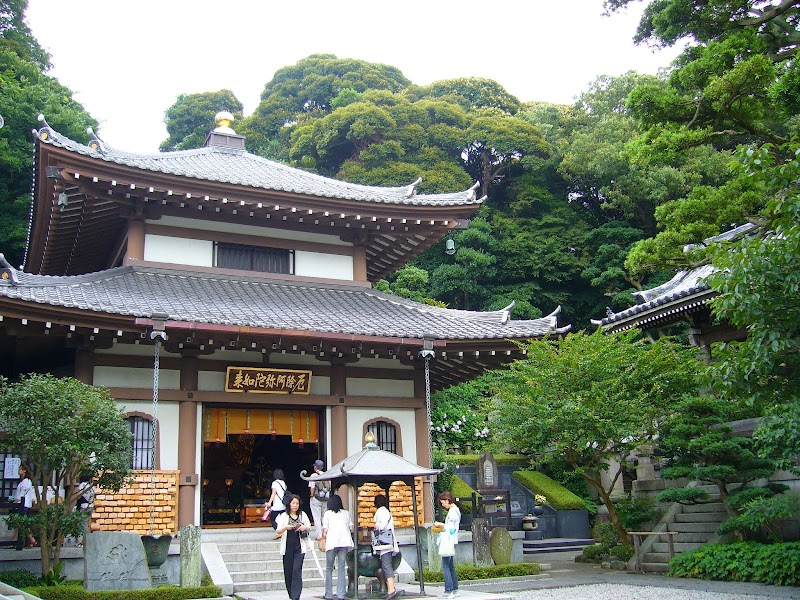
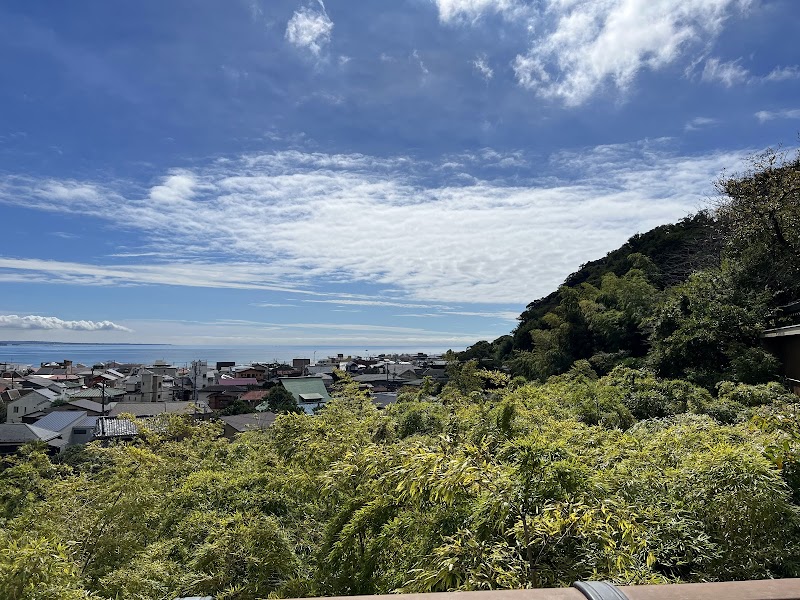
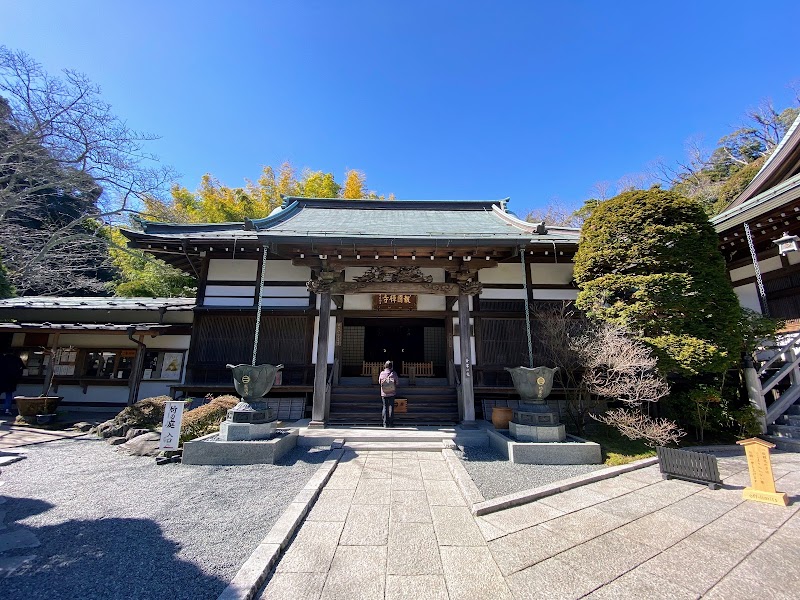
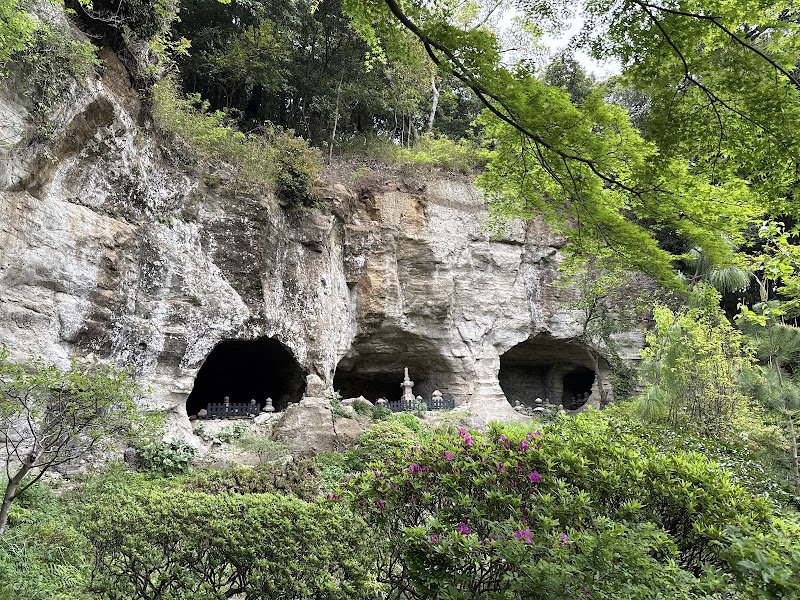
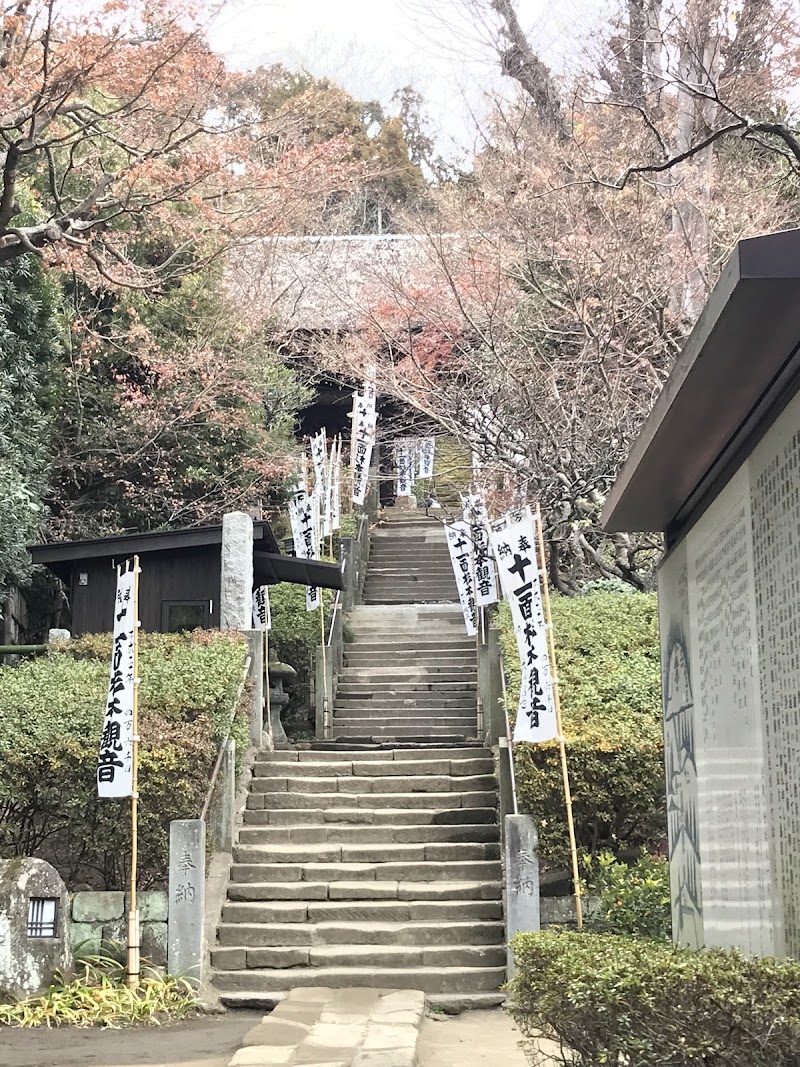
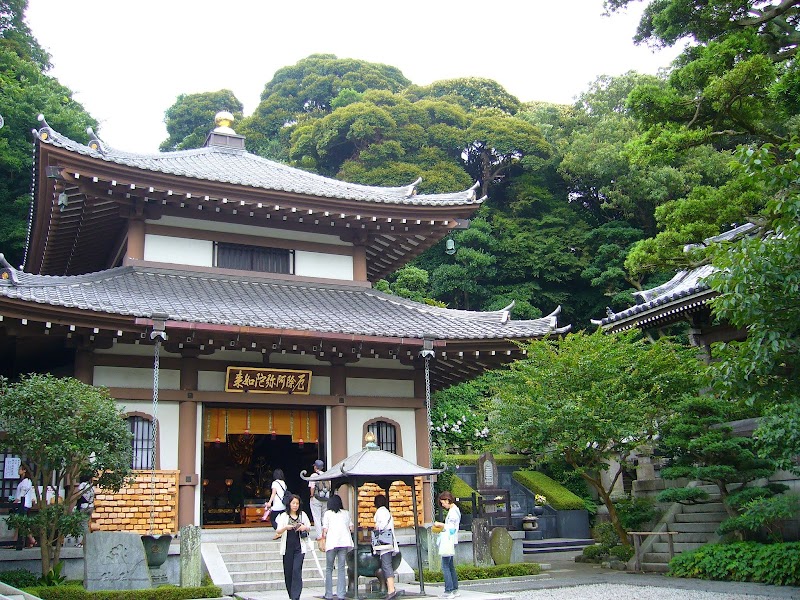
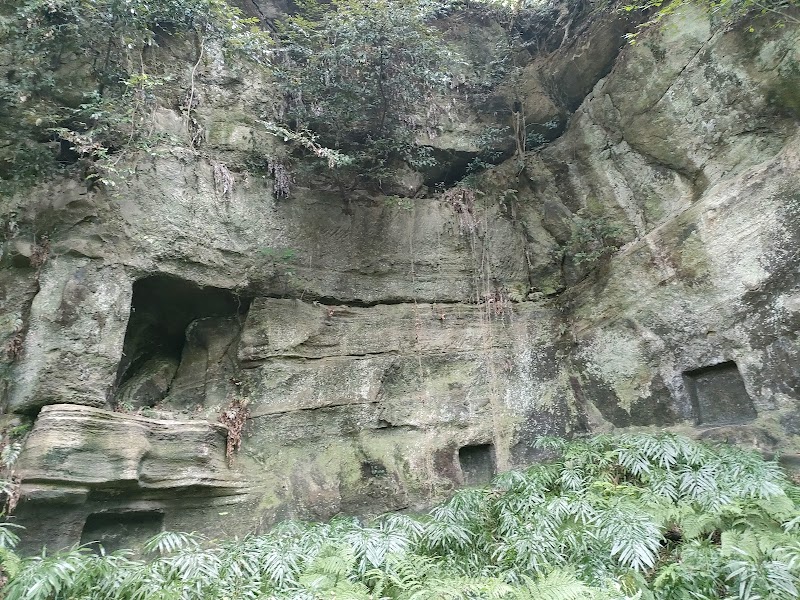
Known as the temple of flowers. Eleven-headed Kannon statue, beautiful gardens, a cave with carved deities, and panoramic views of the coast. Famous for hydrangeas in June.
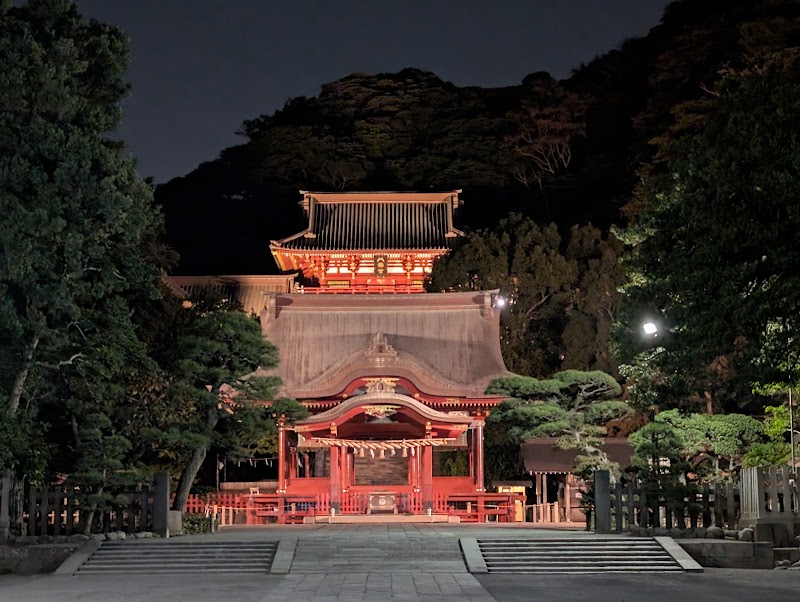
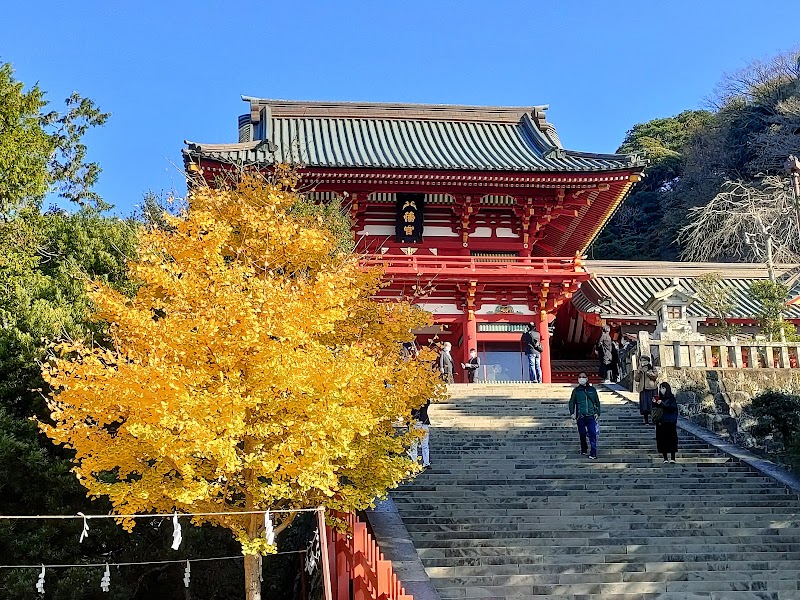
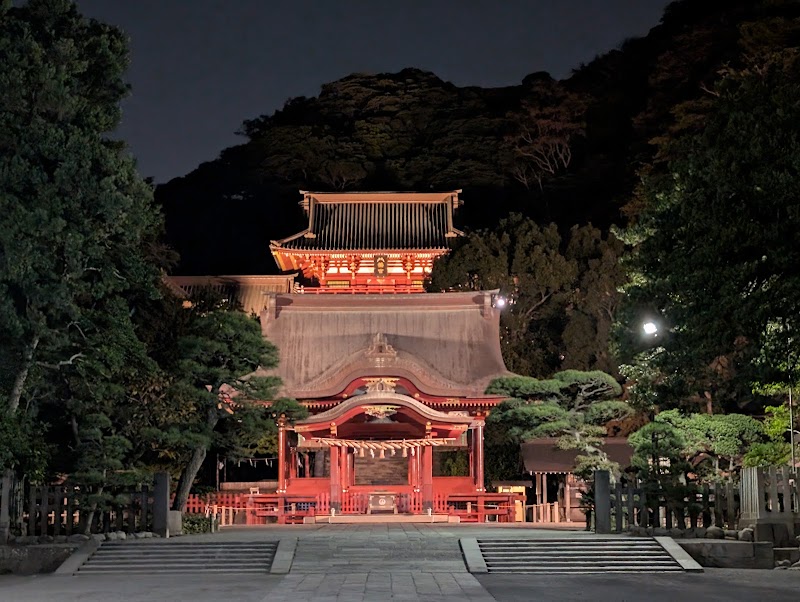
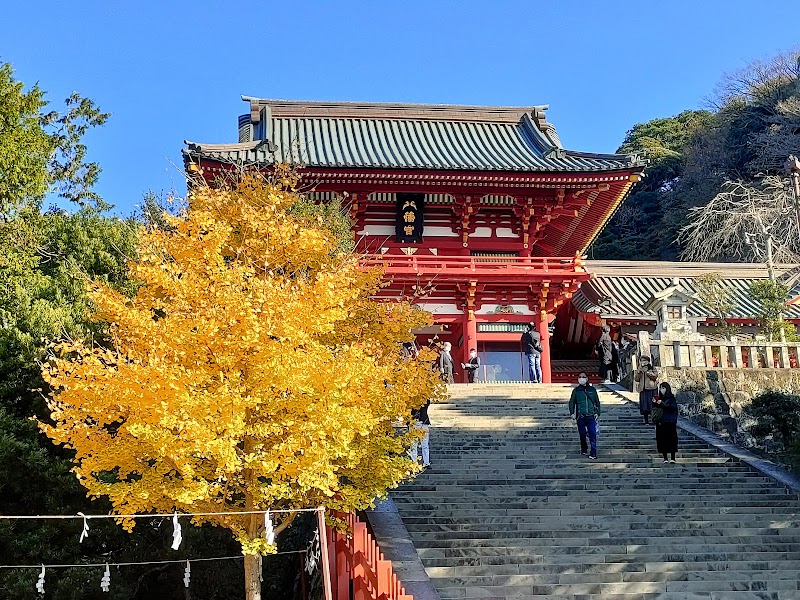
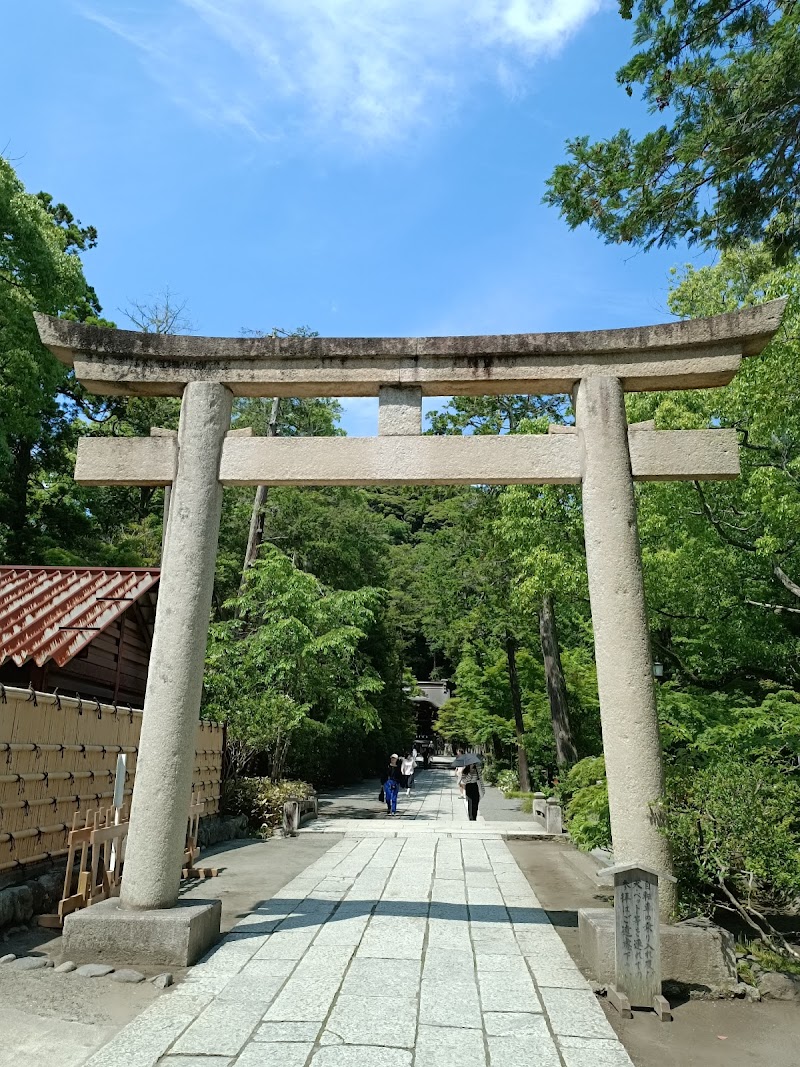
Kamakura's most important shrine, founded in 1063. Grand vermilion buildings at the top of a hill. Walk the tree-lined Dankazura approach from the station. Cherry blossoms in spring.
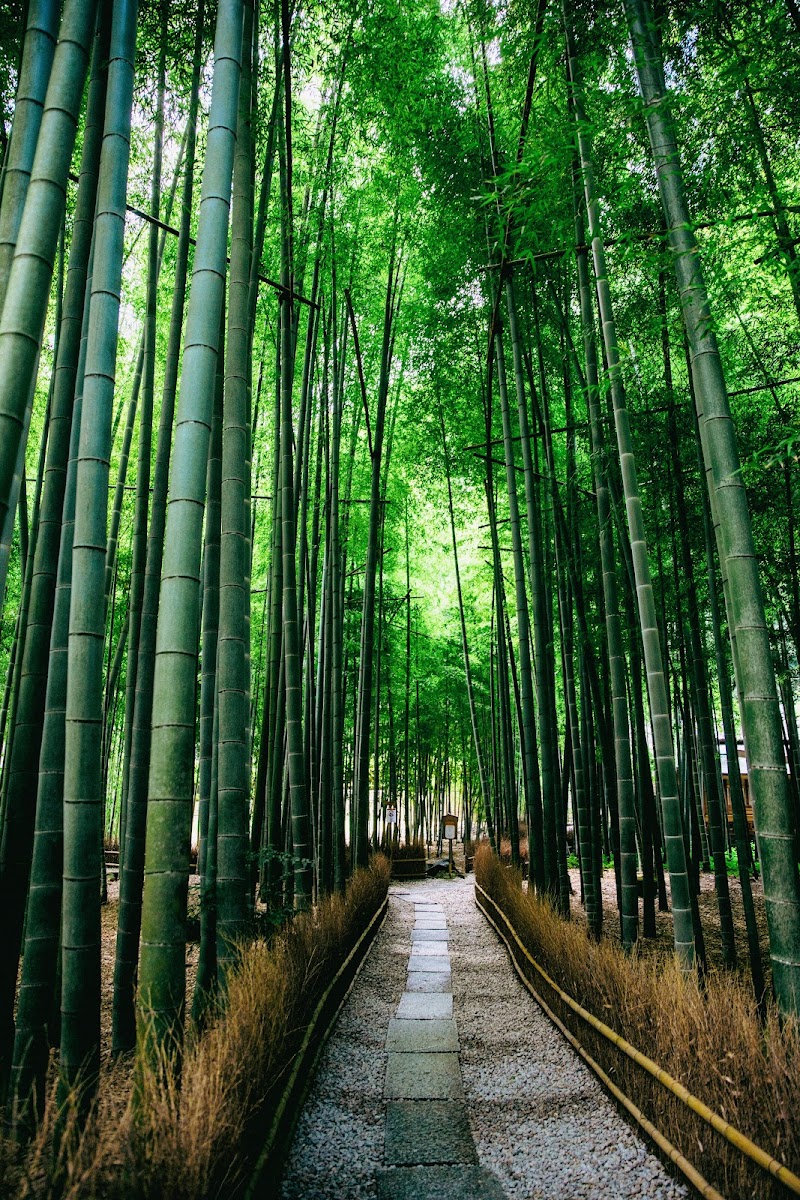
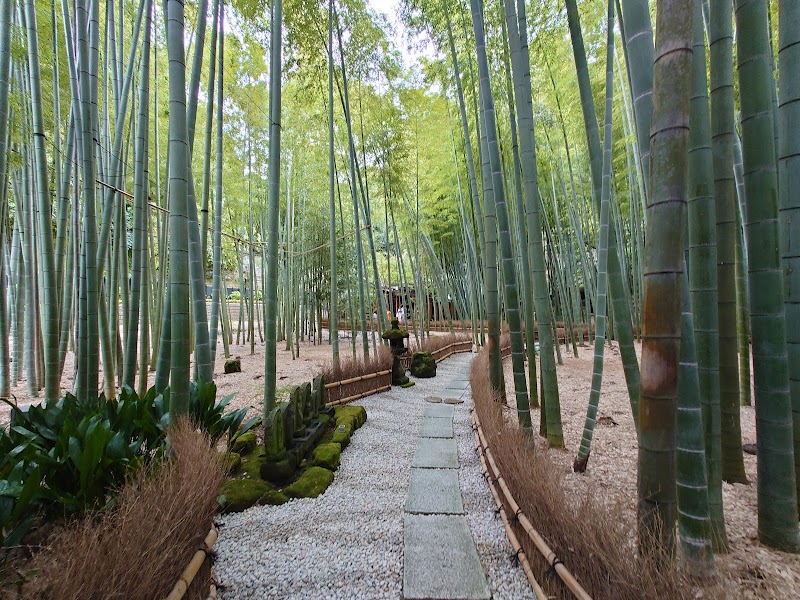
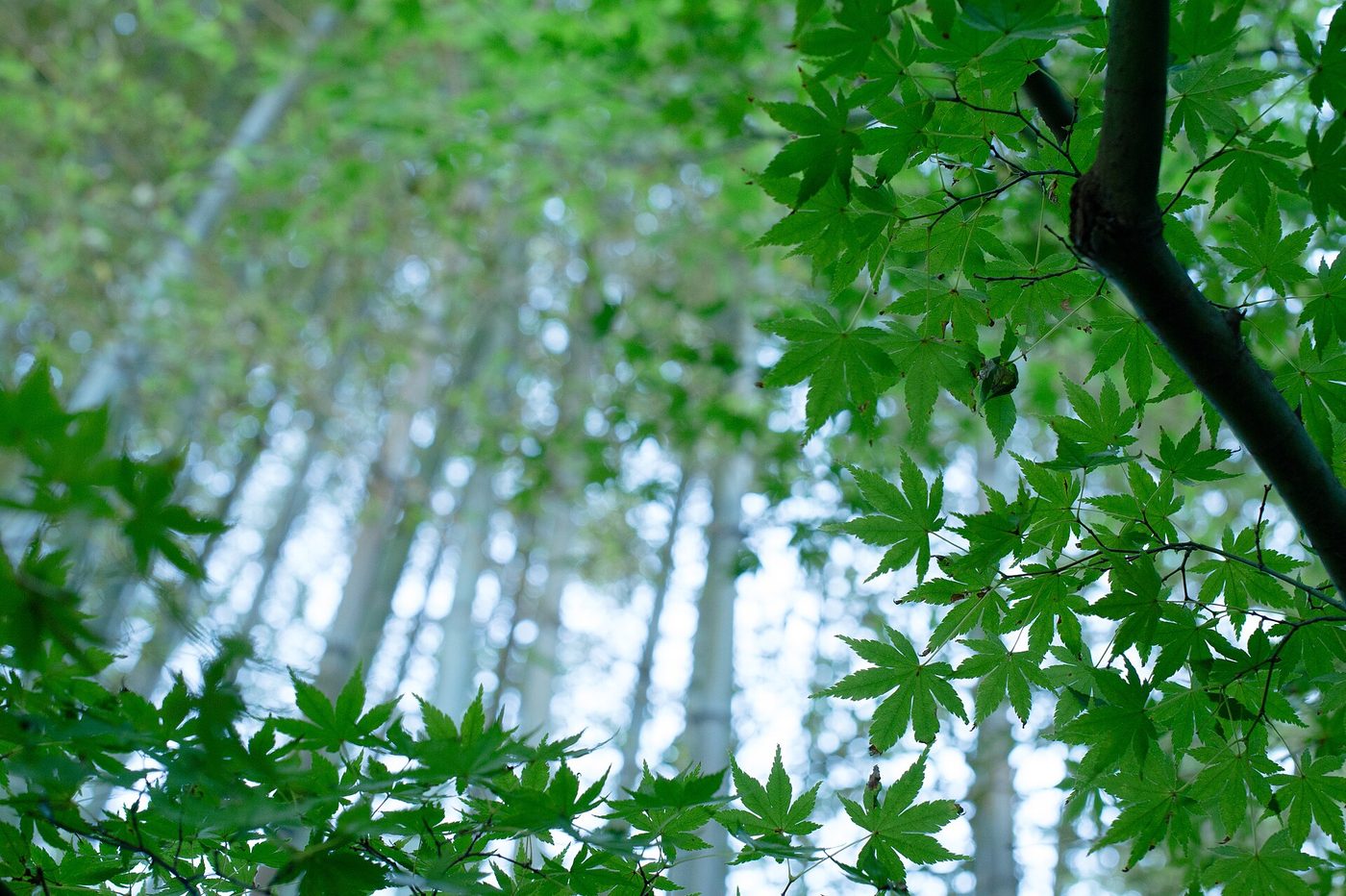
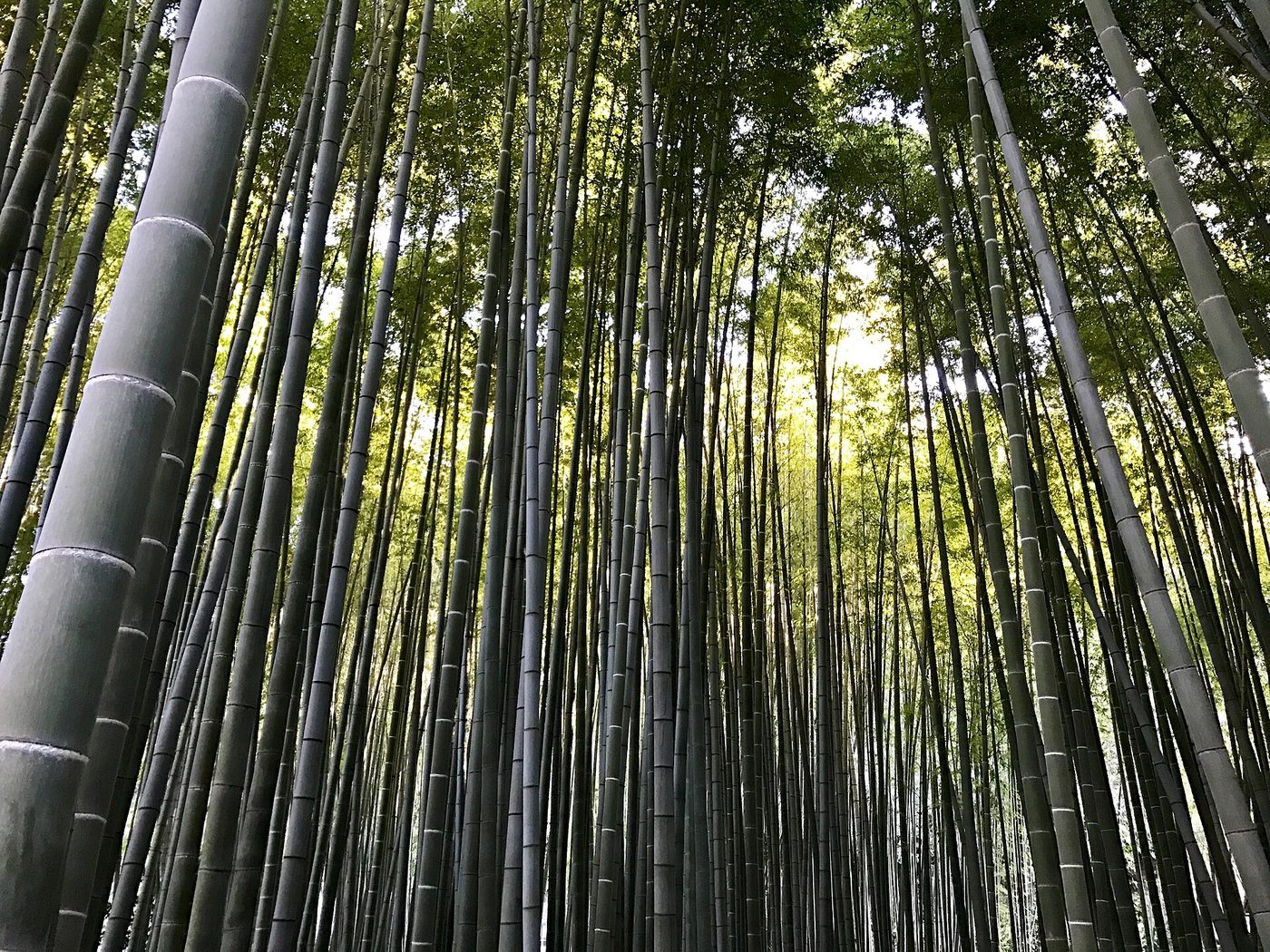
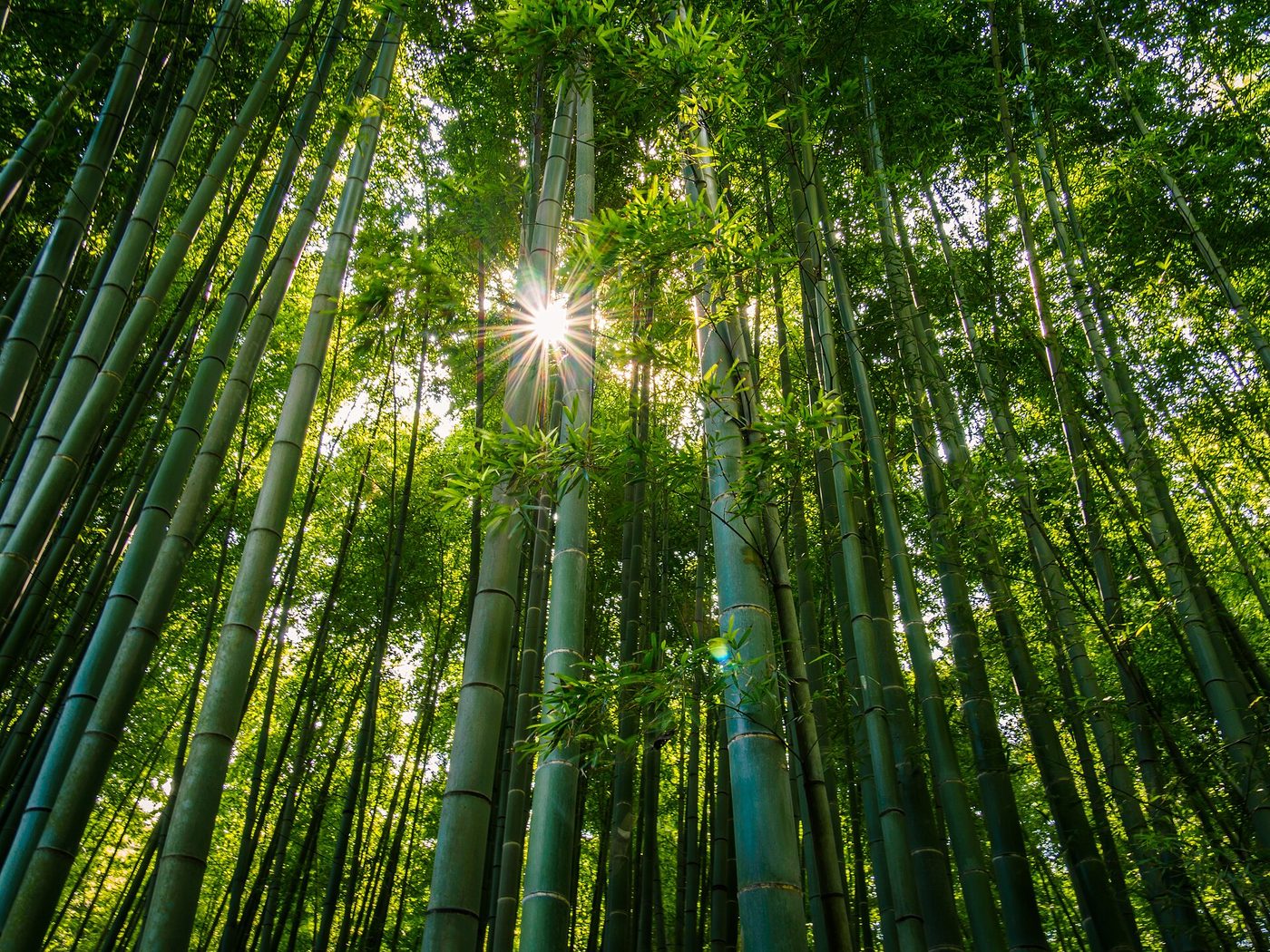
The Bamboo Temple. A tranquil grove of 2,000 bamboo stalks with dappled sunlight. Enjoy matcha tea in the traditional teahouse overlooking the bamboo garden. Deeply peaceful.
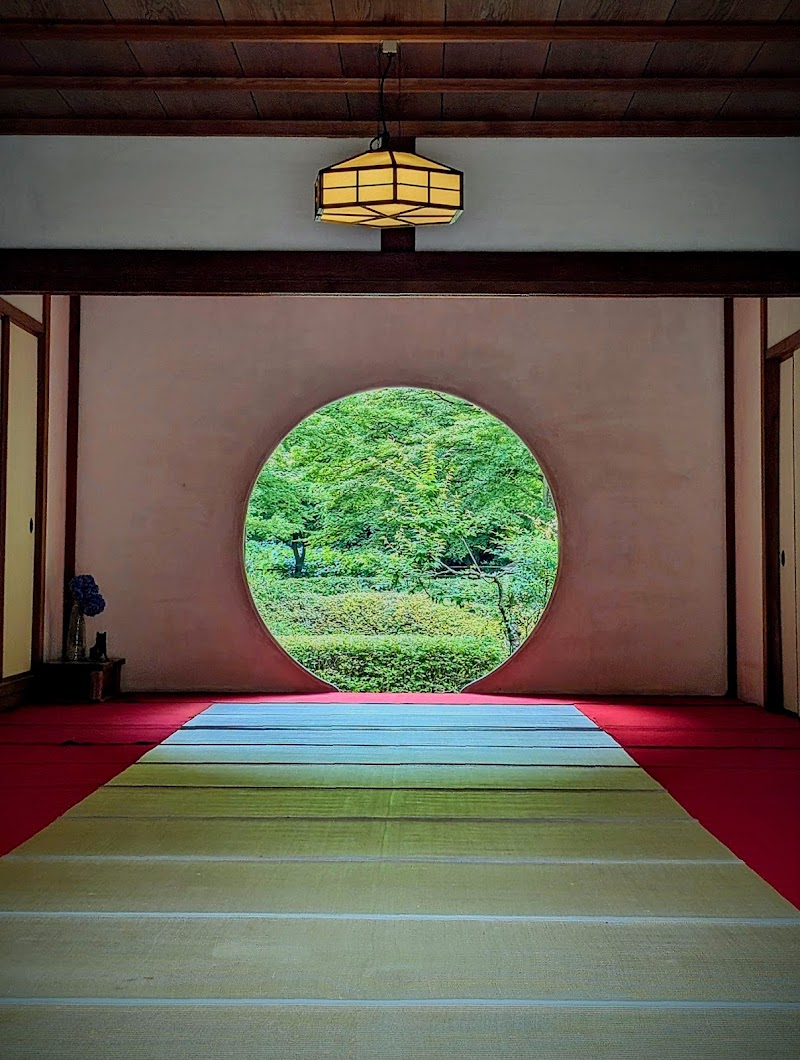
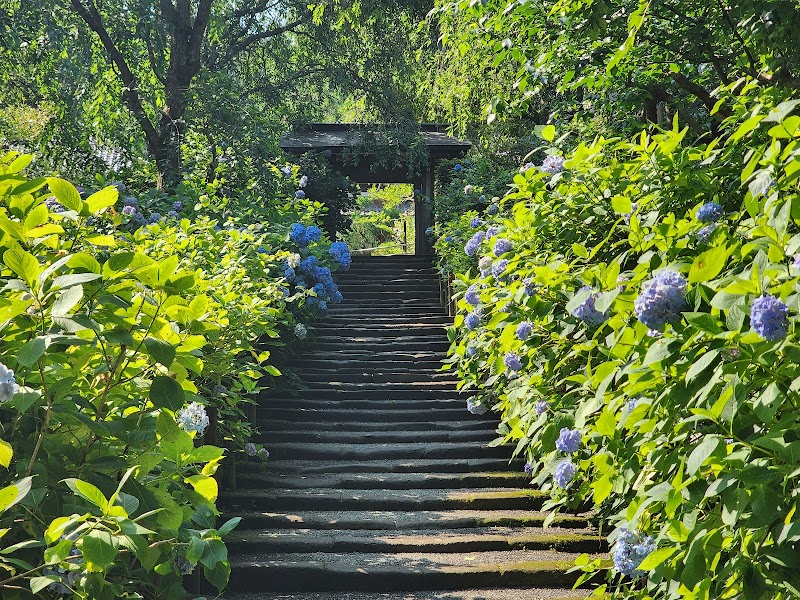
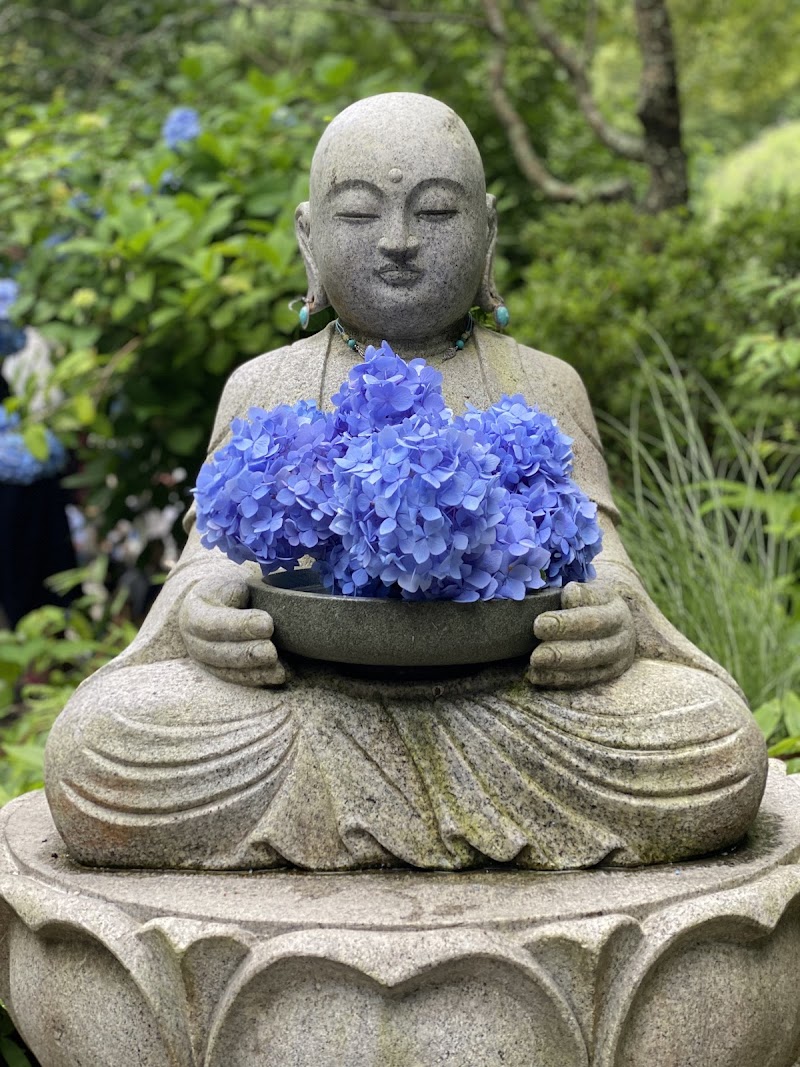
The Hydrangea Temple. Famous for its circular window framing a perfect garden view. In June, hundreds of blue hydrangeas line the approach. One of Kamakura's most photographed spots.
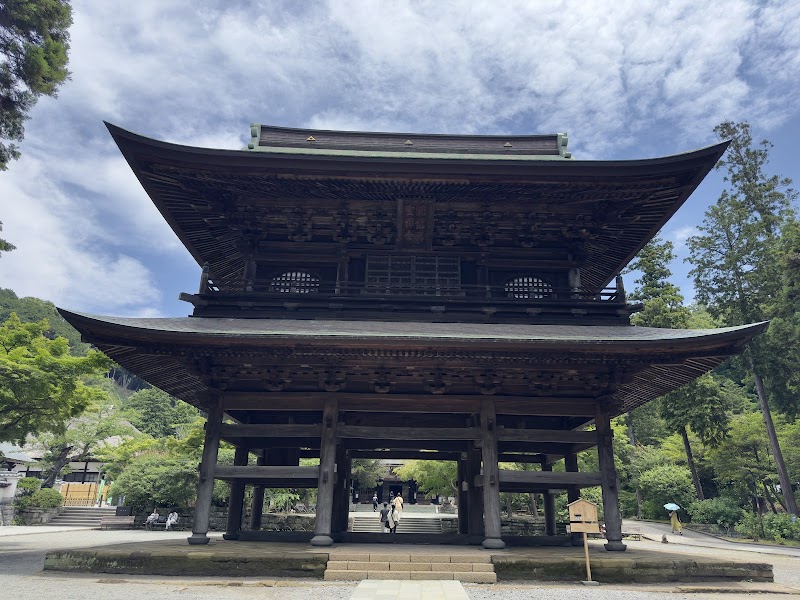
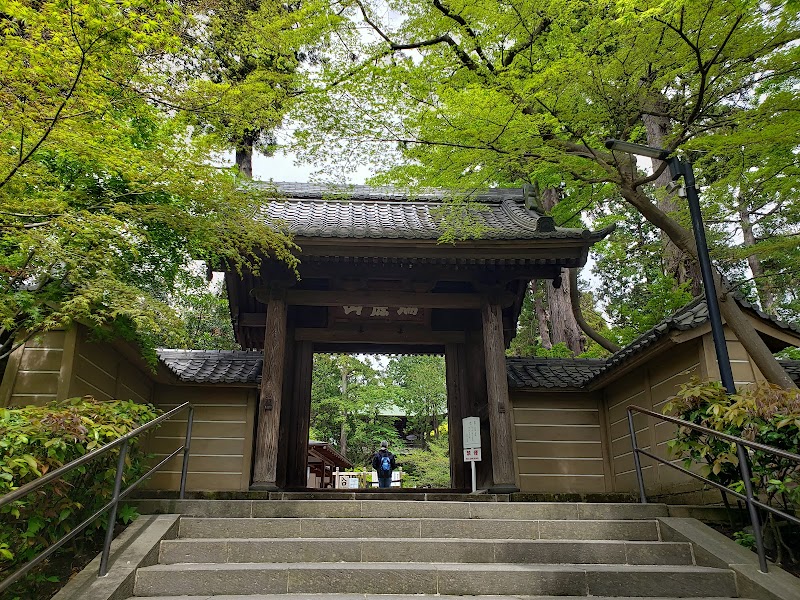
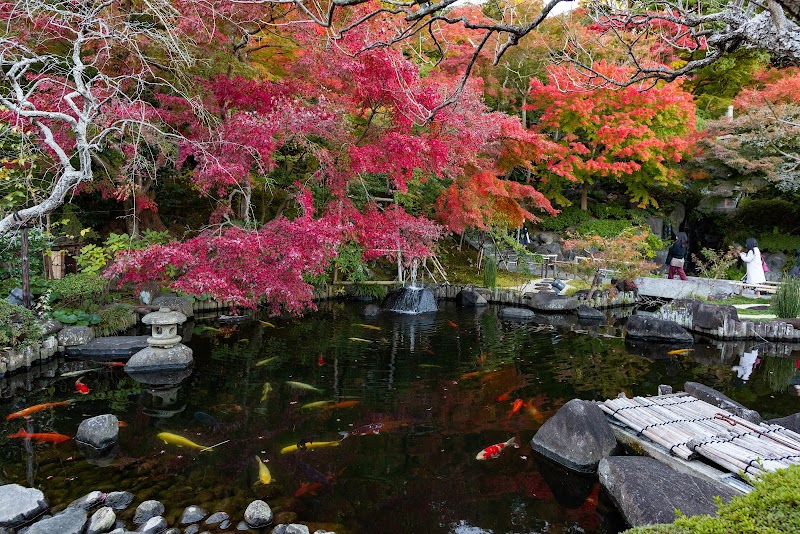
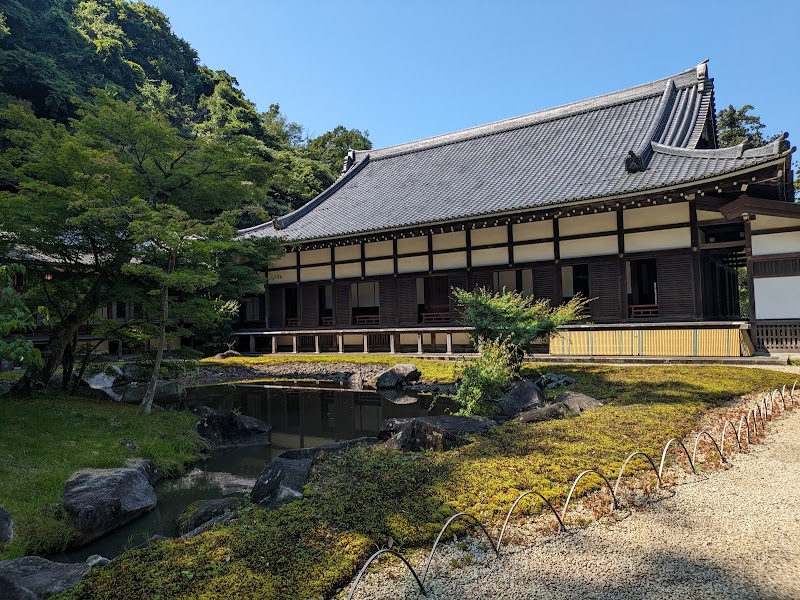
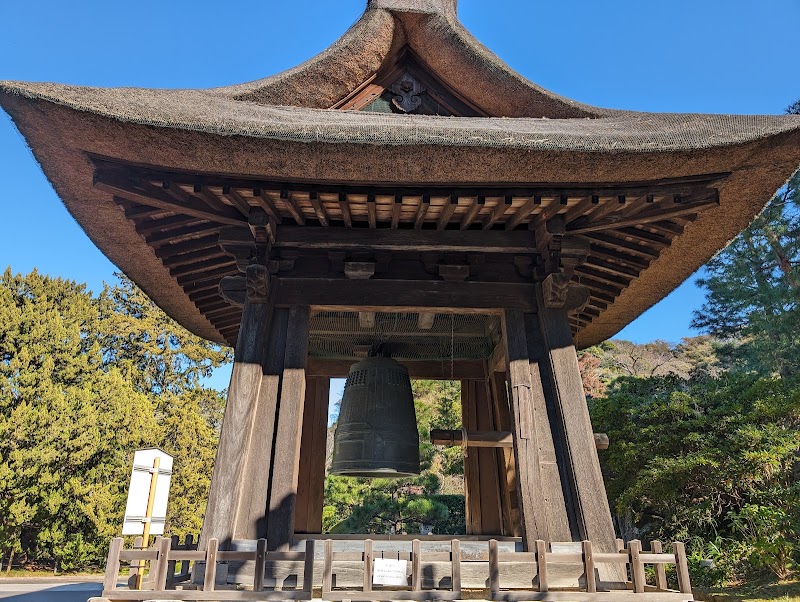
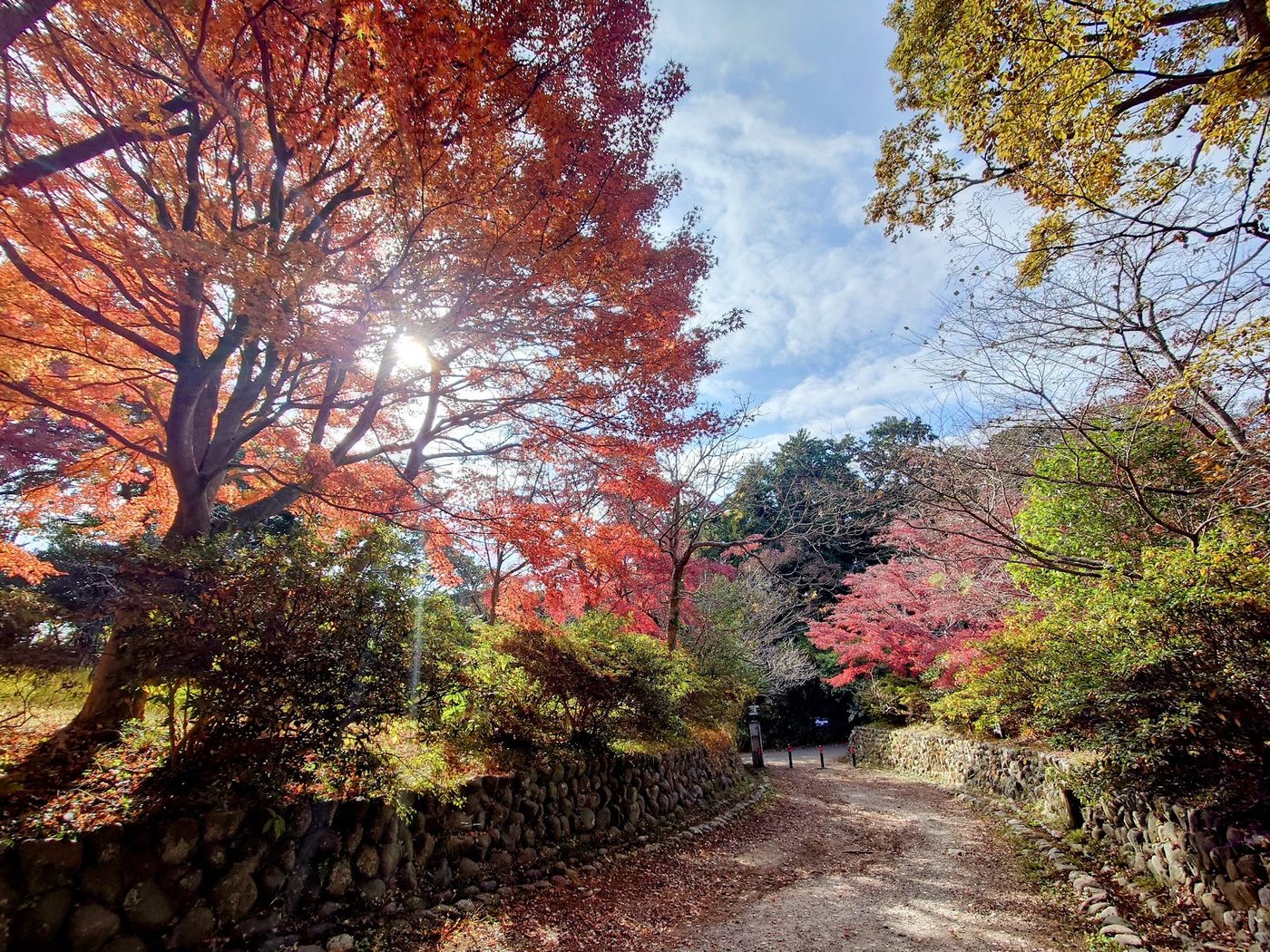
Major Zen temple complex right beside Kita-Kamakura station. Beautiful in autumn with brilliant red maples. Has a large Shariden hall (National Treasure) and a massive cast-iron bell.
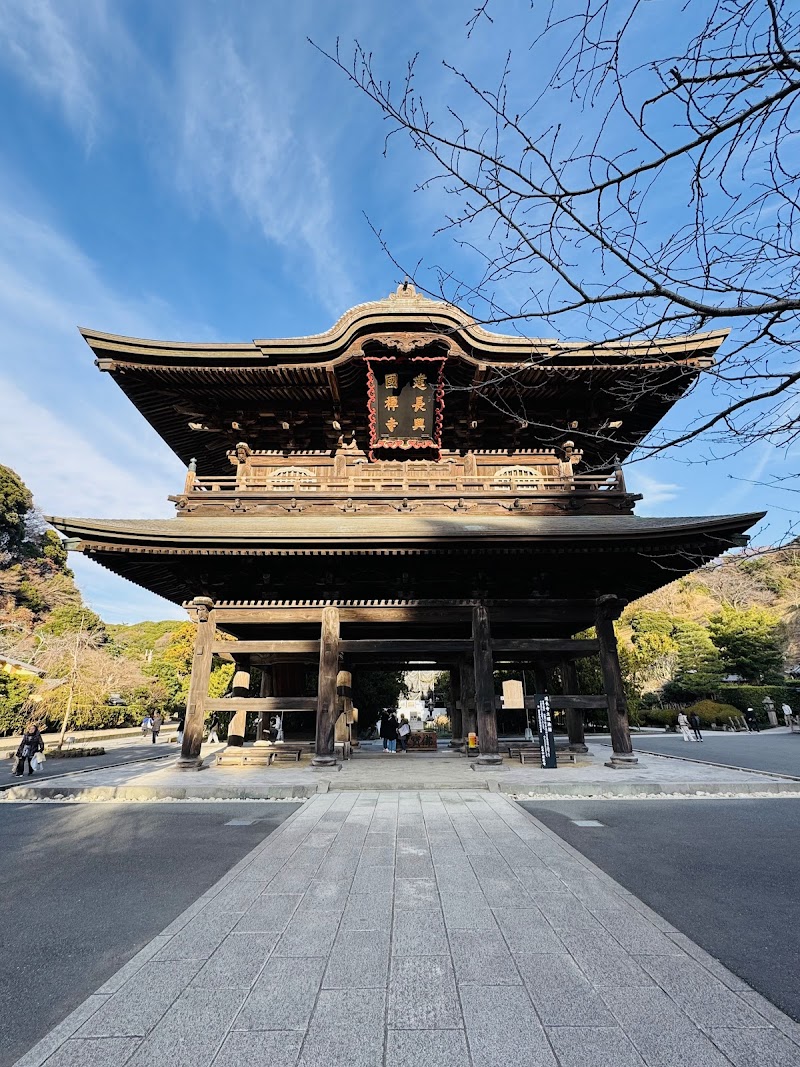
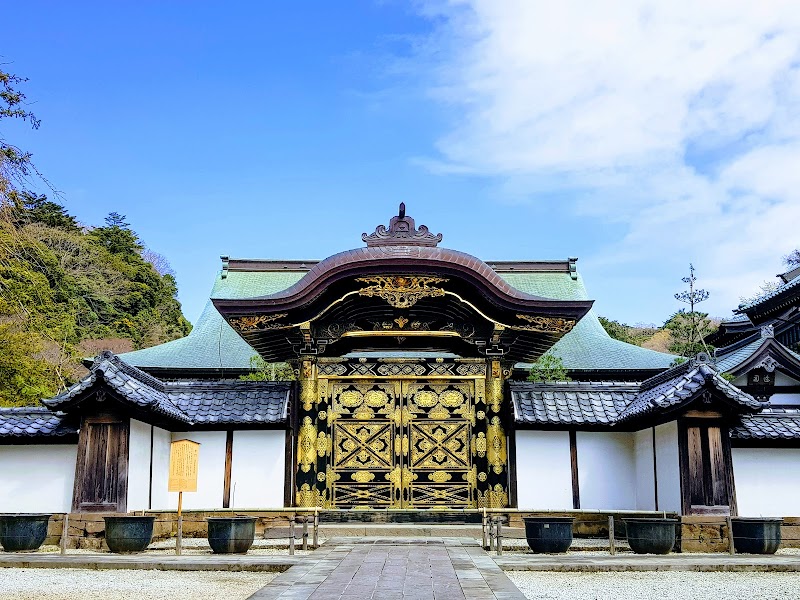
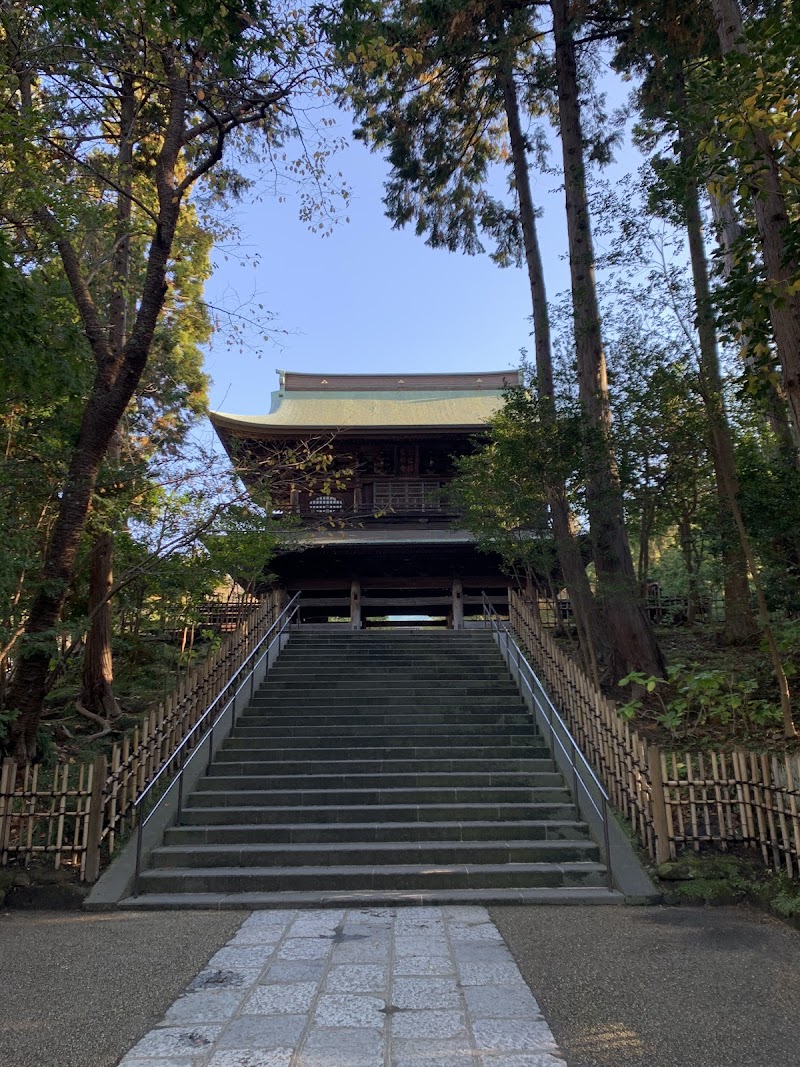
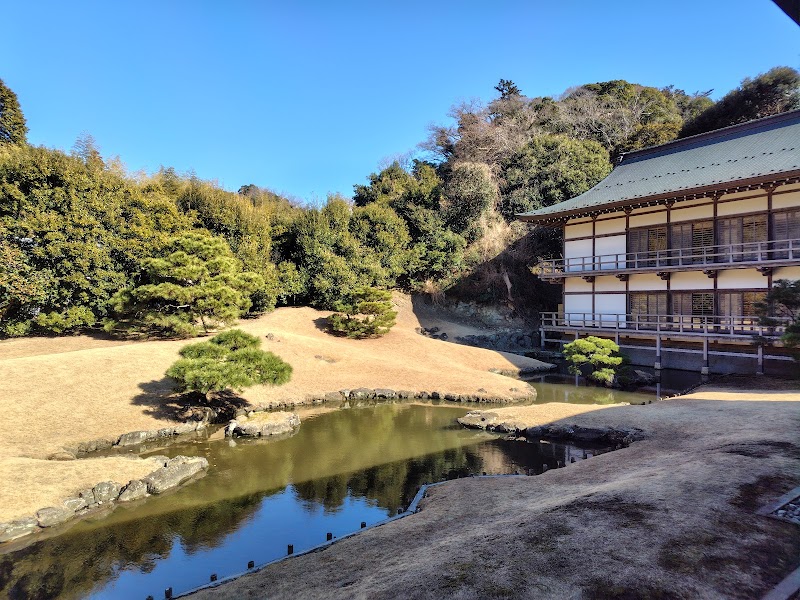
Japan's oldest Zen training monastery, founded in 1253. The juniper trees by the gate were planted by the founder. Walk to the hilltop behind the temple for sweeping views including Mount Fuji.
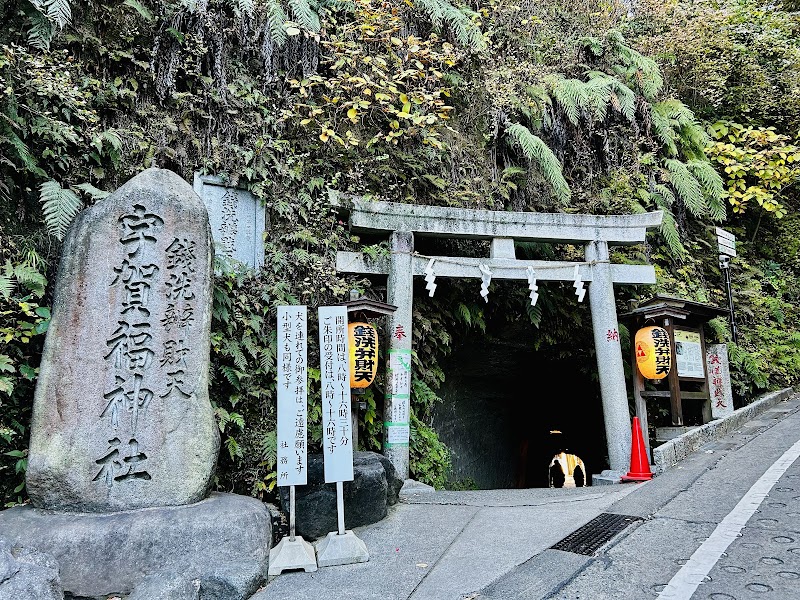
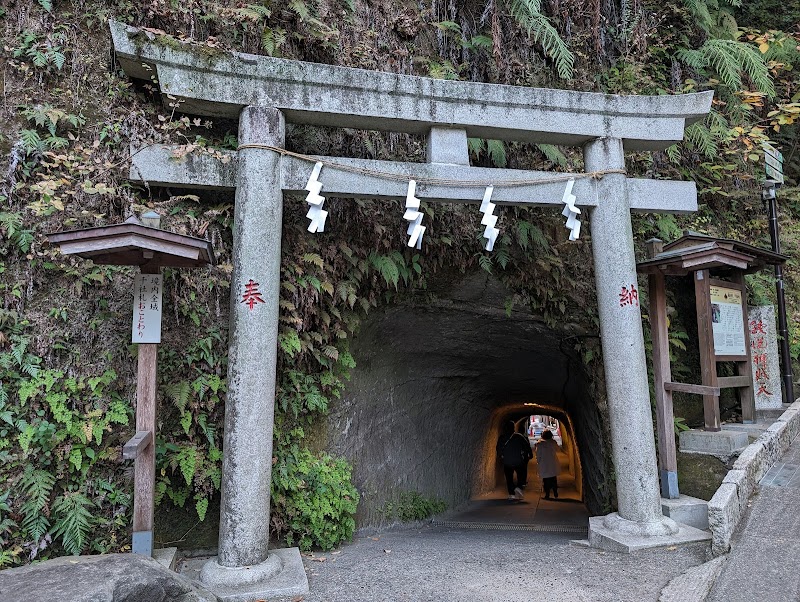
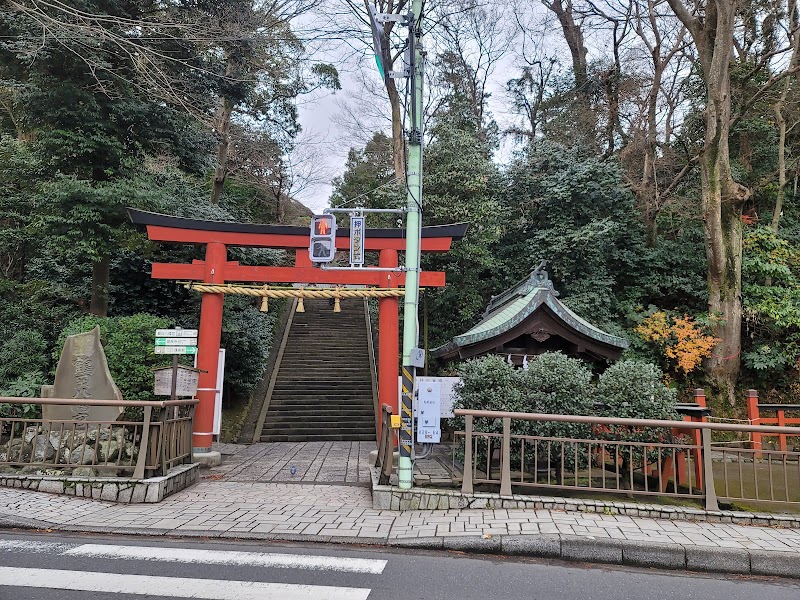
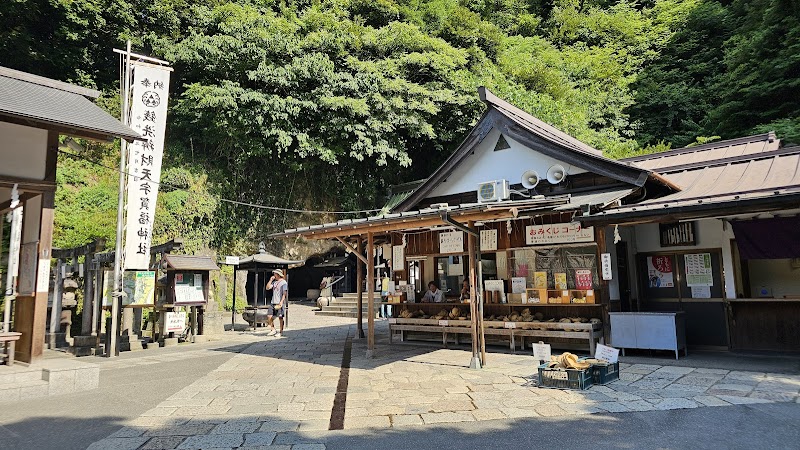
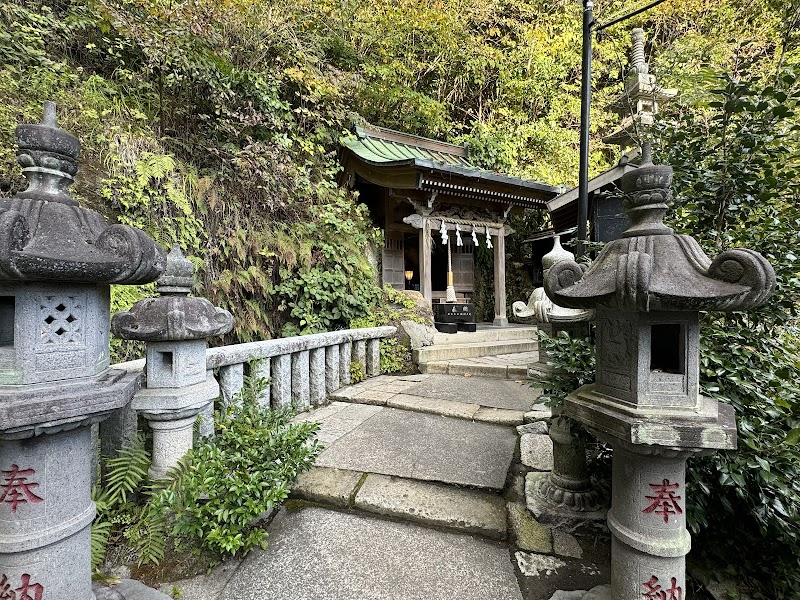
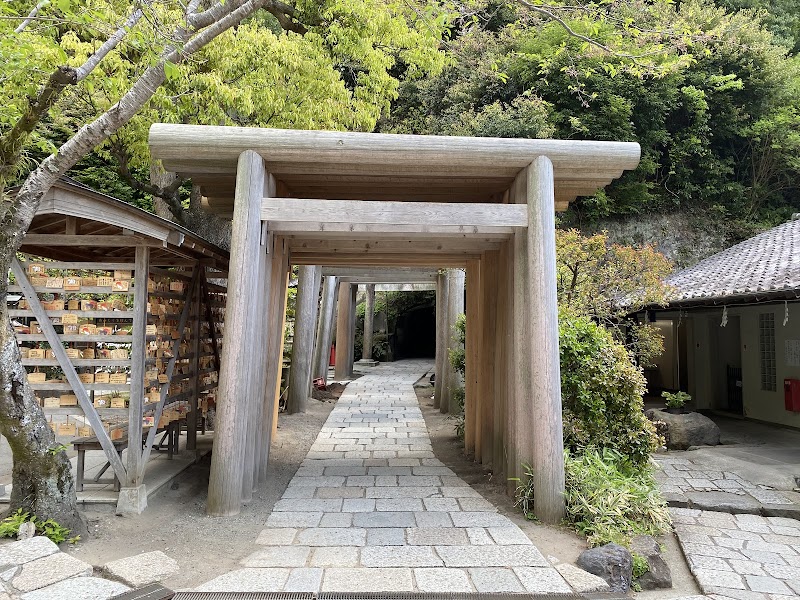
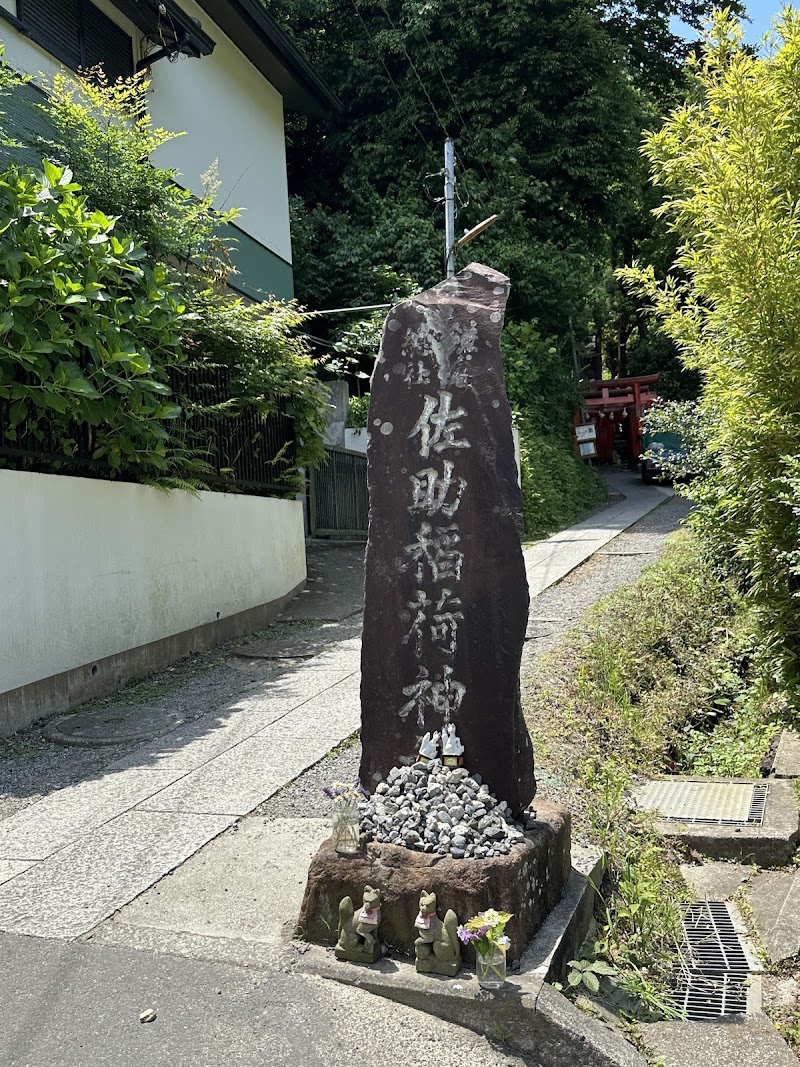
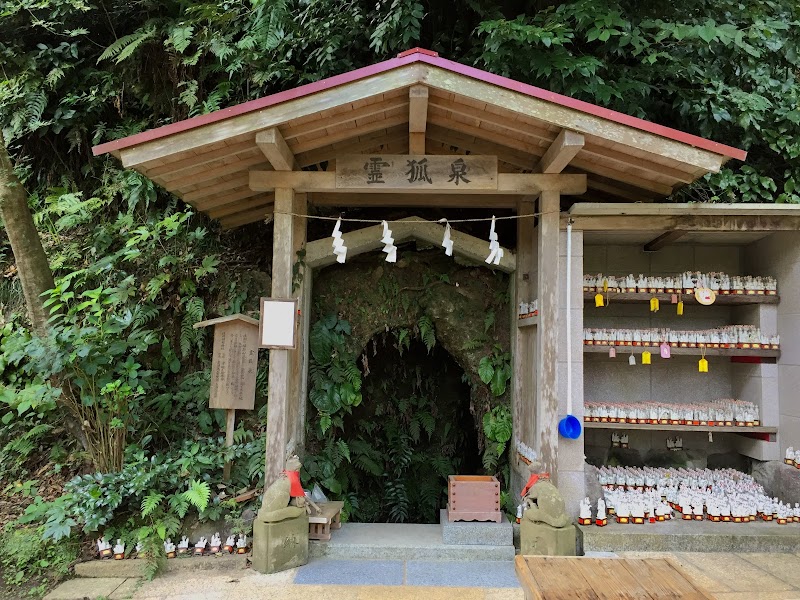
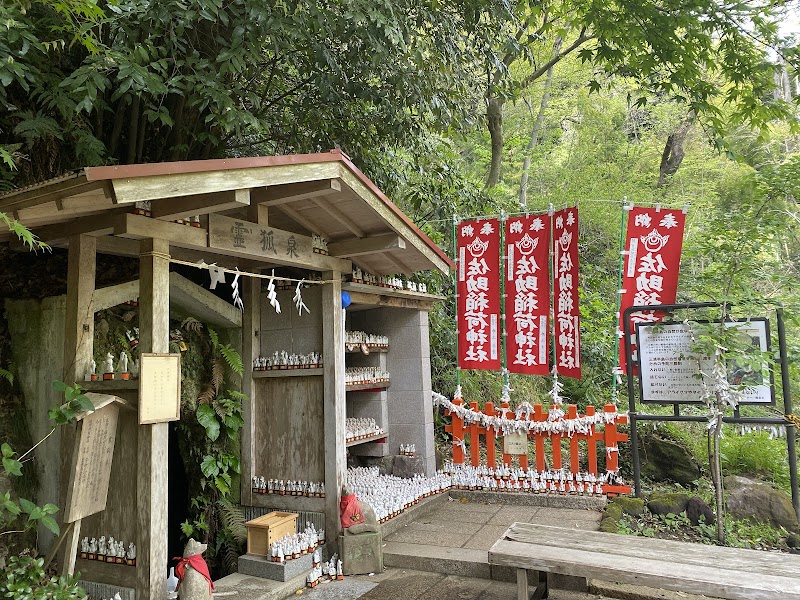
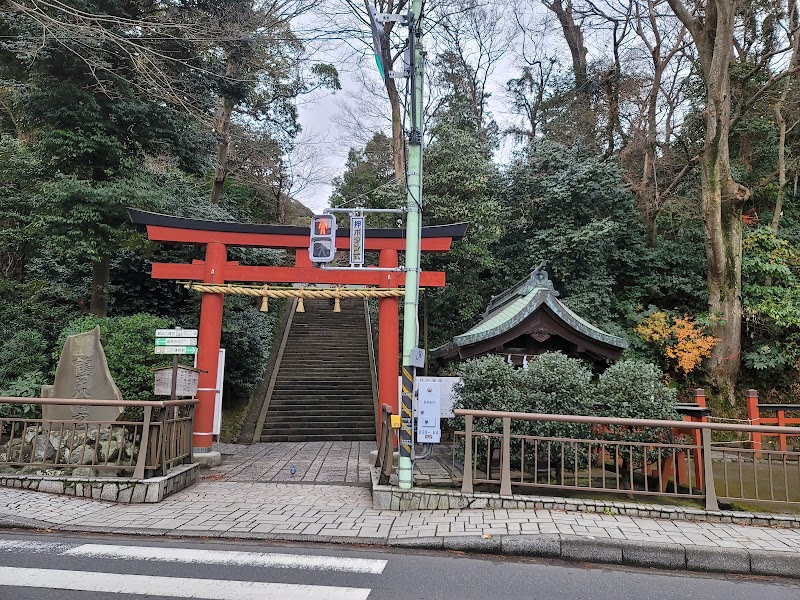
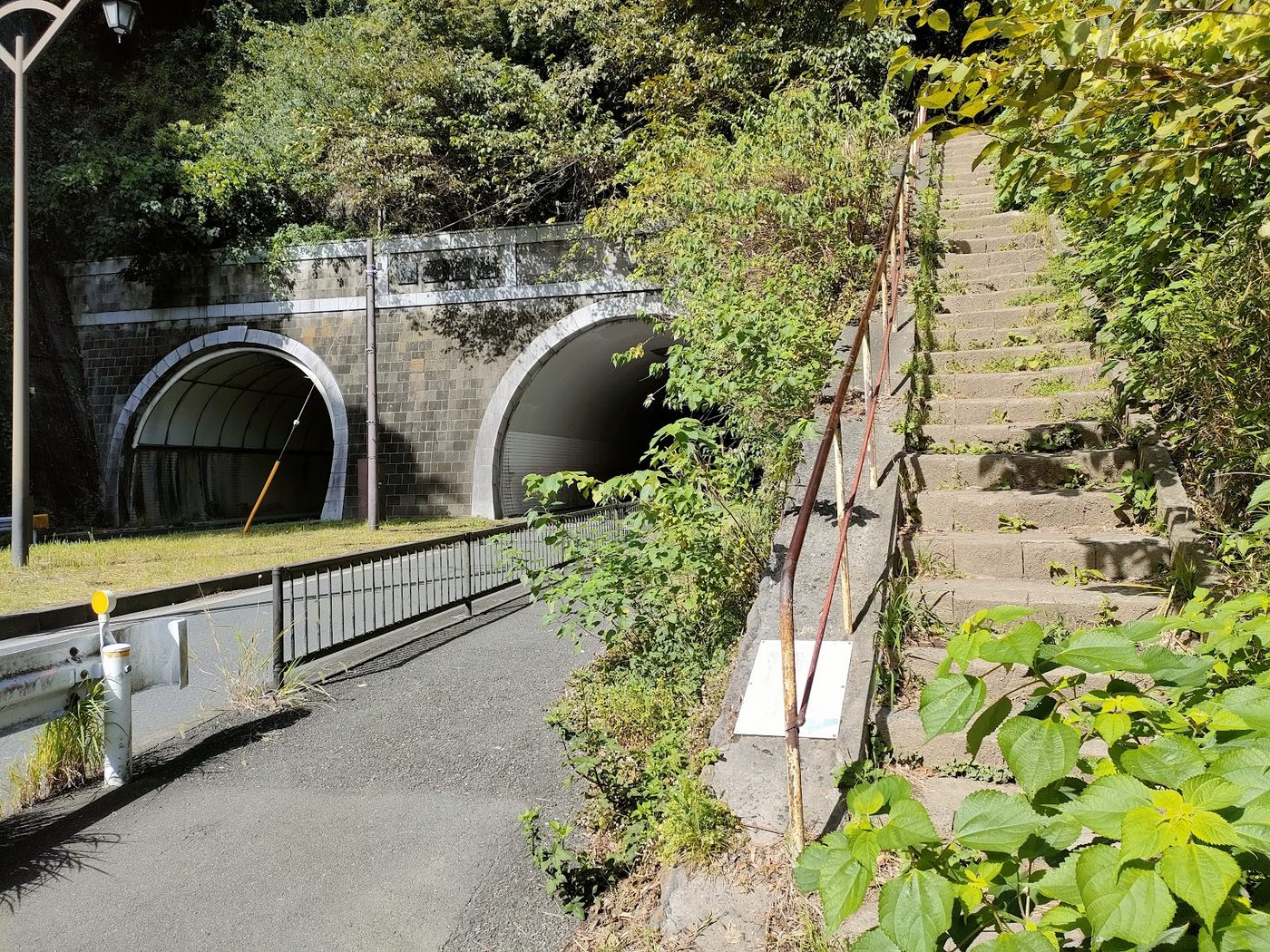
Enter through a tunnel into a cave shrine where people wash money in the sacred spring, believing it will multiply. Atmospheric and unique. Hidden in the hills above Kamakura.
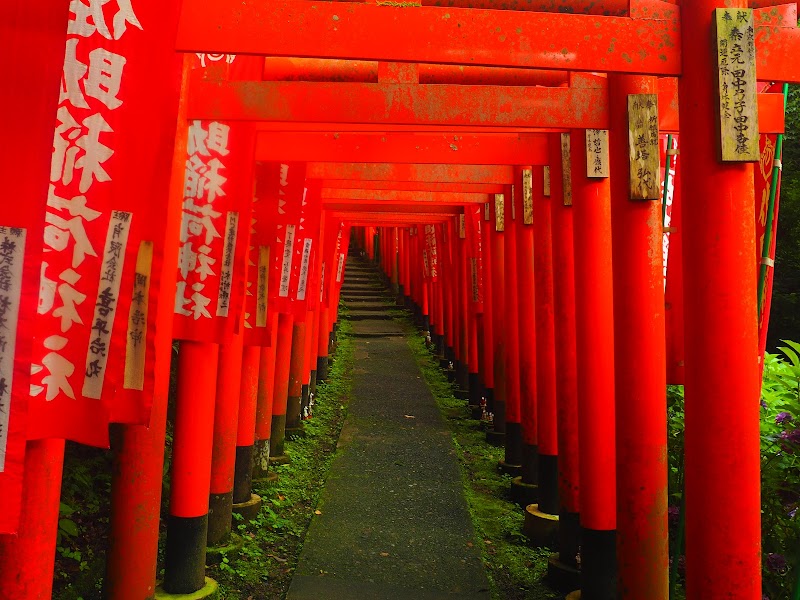
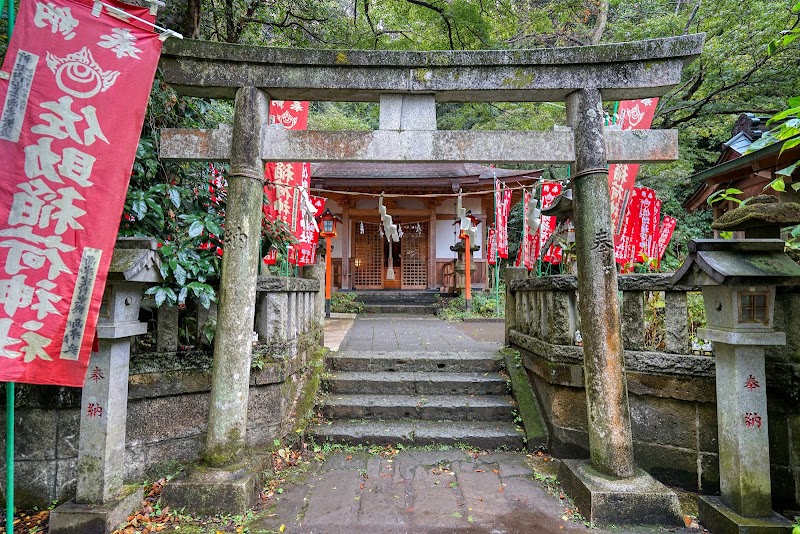
Rows of red torii gates winding up a forested hillside, covered in moss and fox statues. Similar to Kyoto's Fushimi Inari but much quieter. Atmospheric and uncrowded.
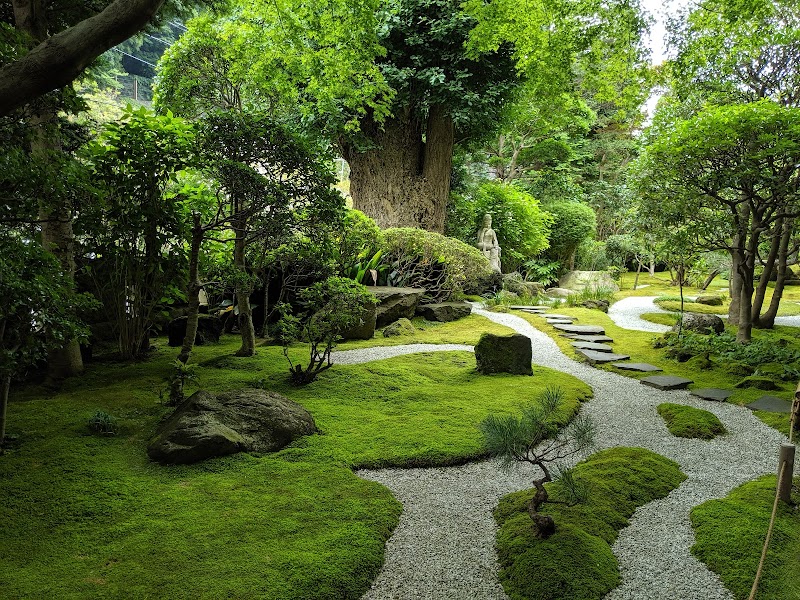
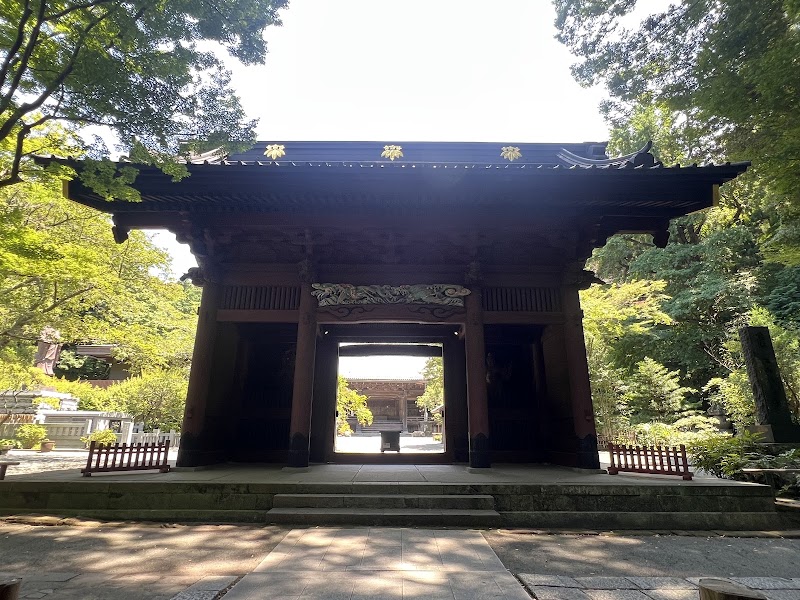
One of Kamakura's oldest Zen temples. Most of the grounds are closed to the public, but the moss-covered approach through ancient cedars is incredibly atmospheric. A quiet escape.
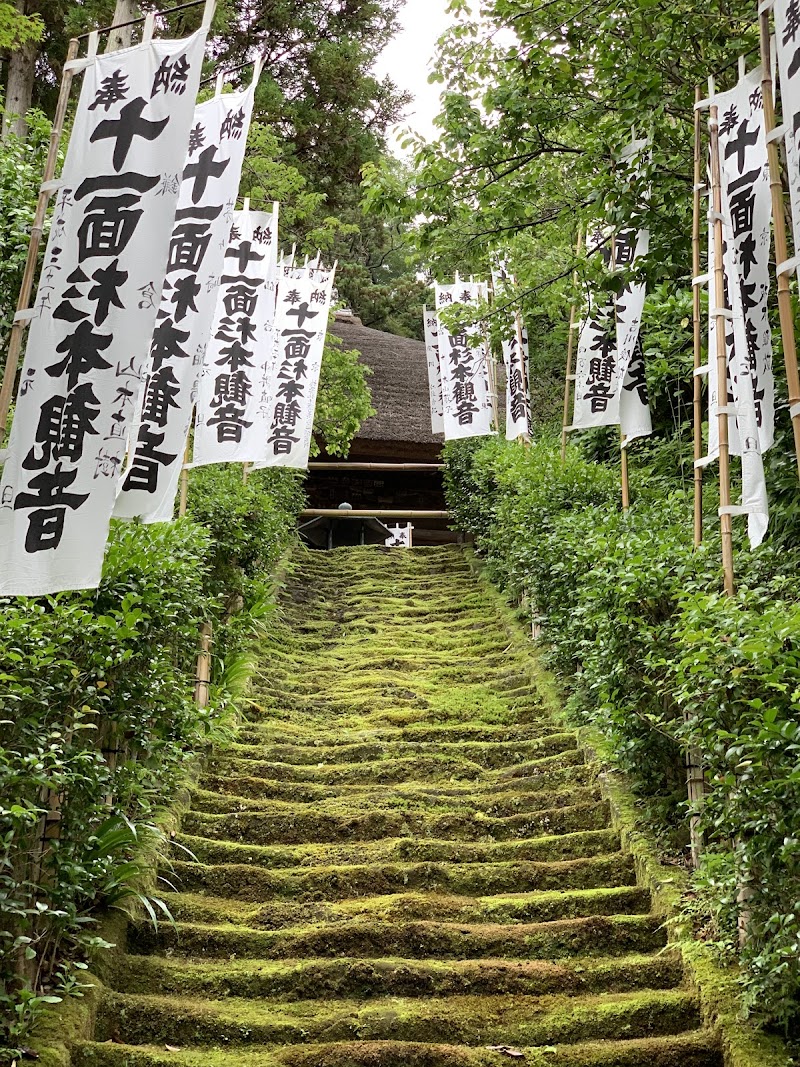
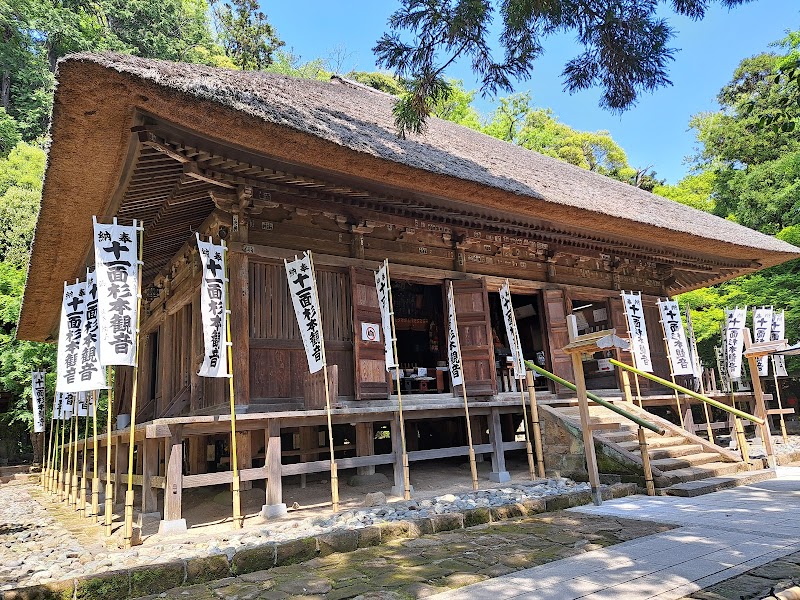
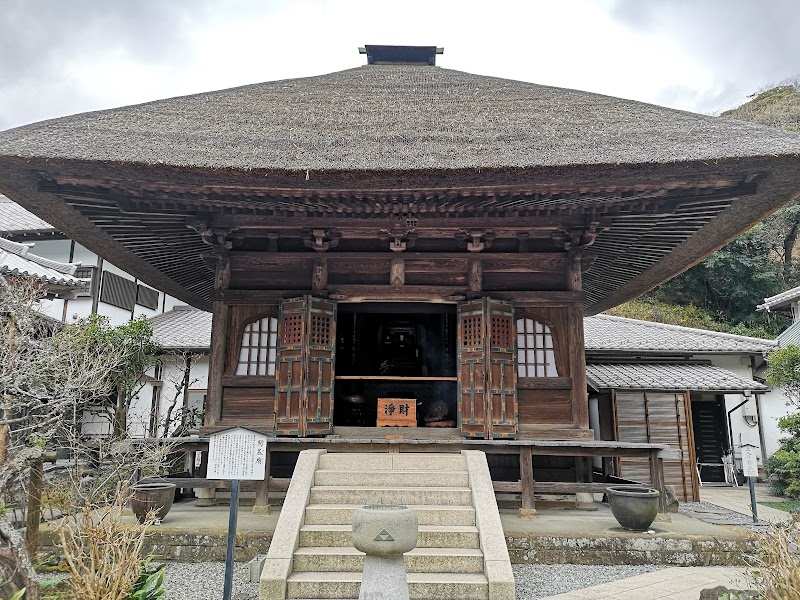
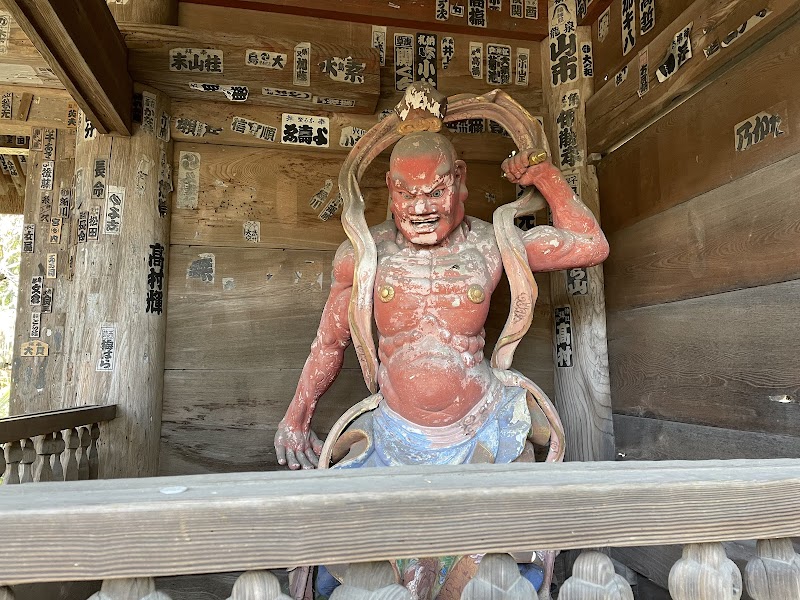
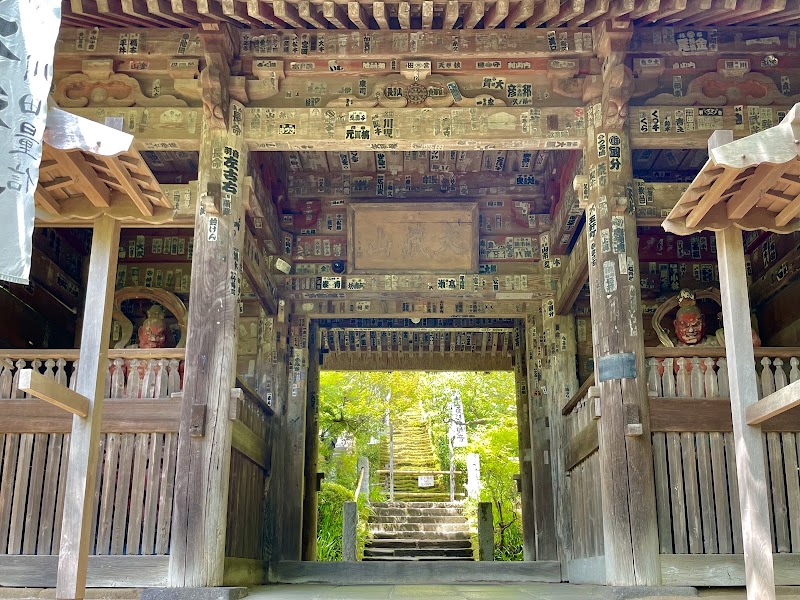
Kamakura's oldest temple, founded in 734. Moss-covered stone stairs, thatched roof hall, and powerful guardian statues. Small but deeply atmospheric. Off the beaten path.
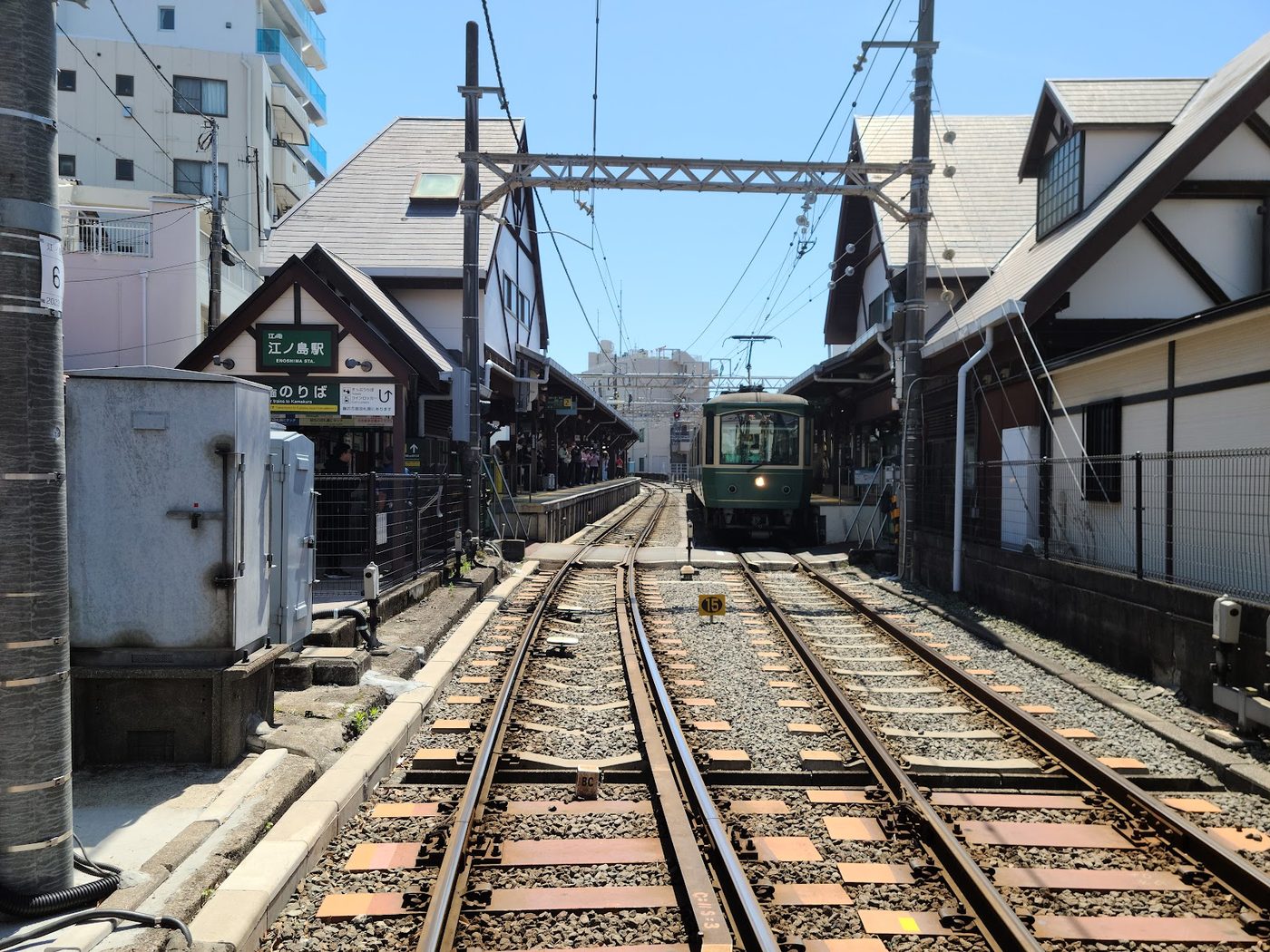
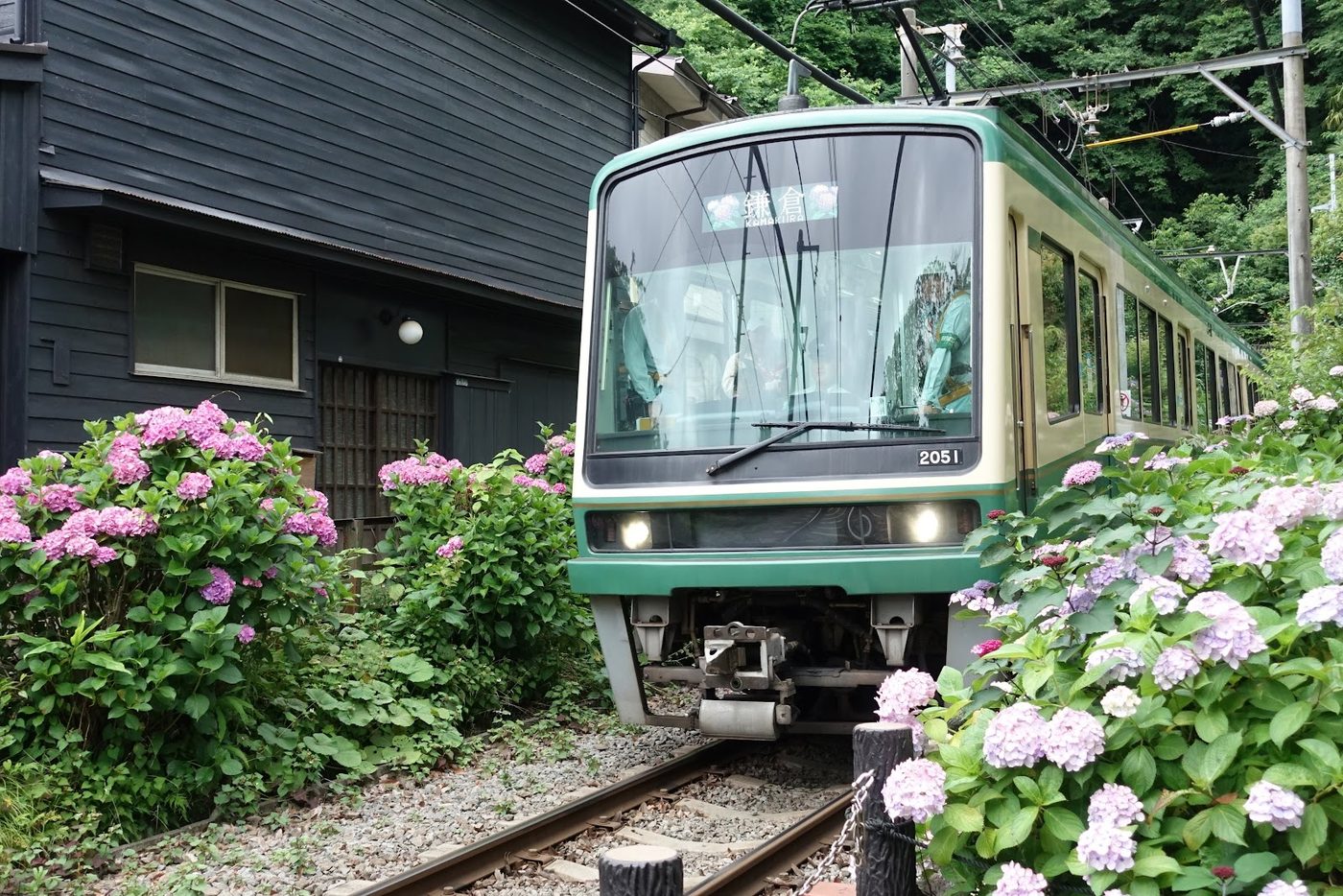
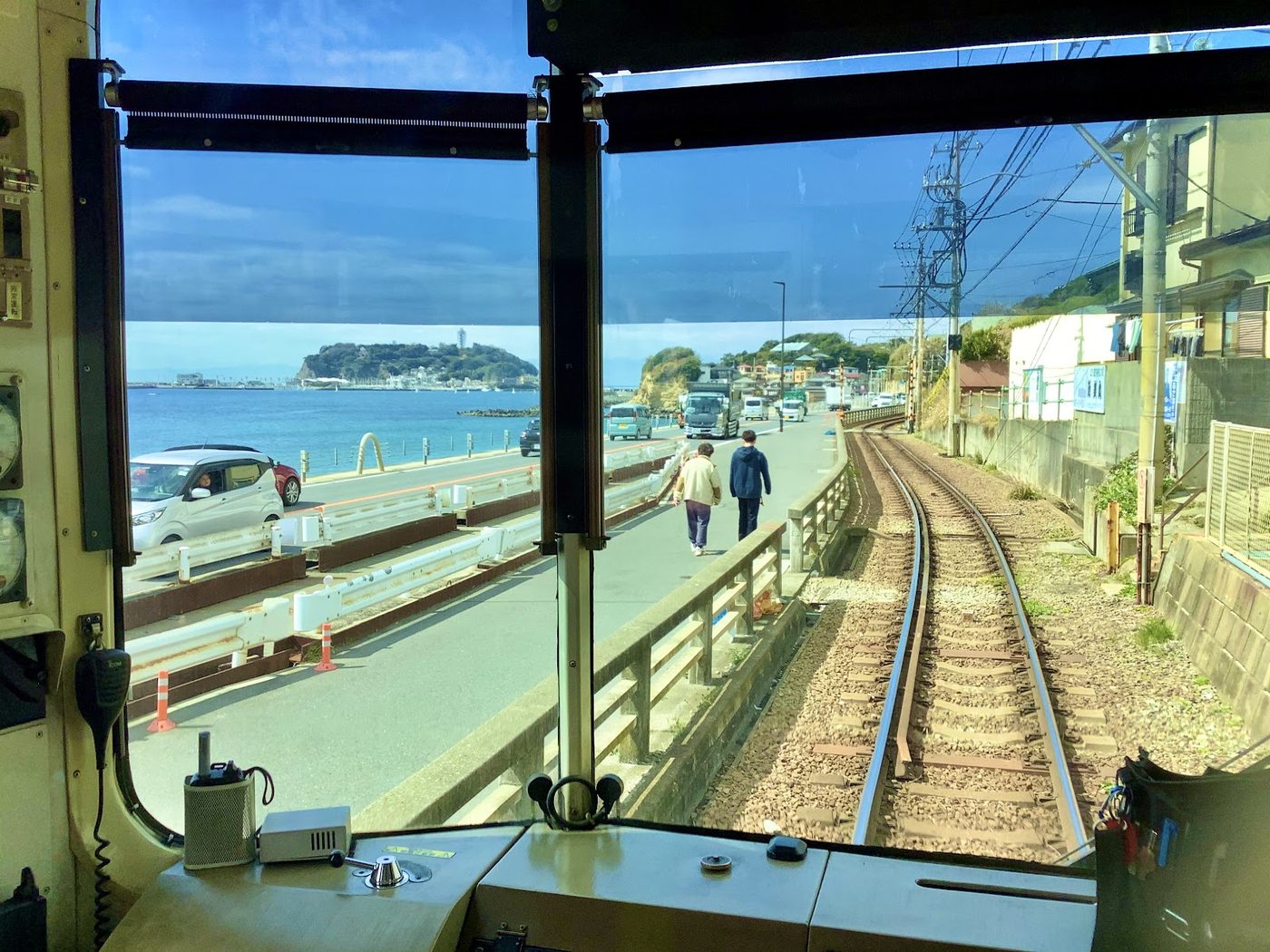
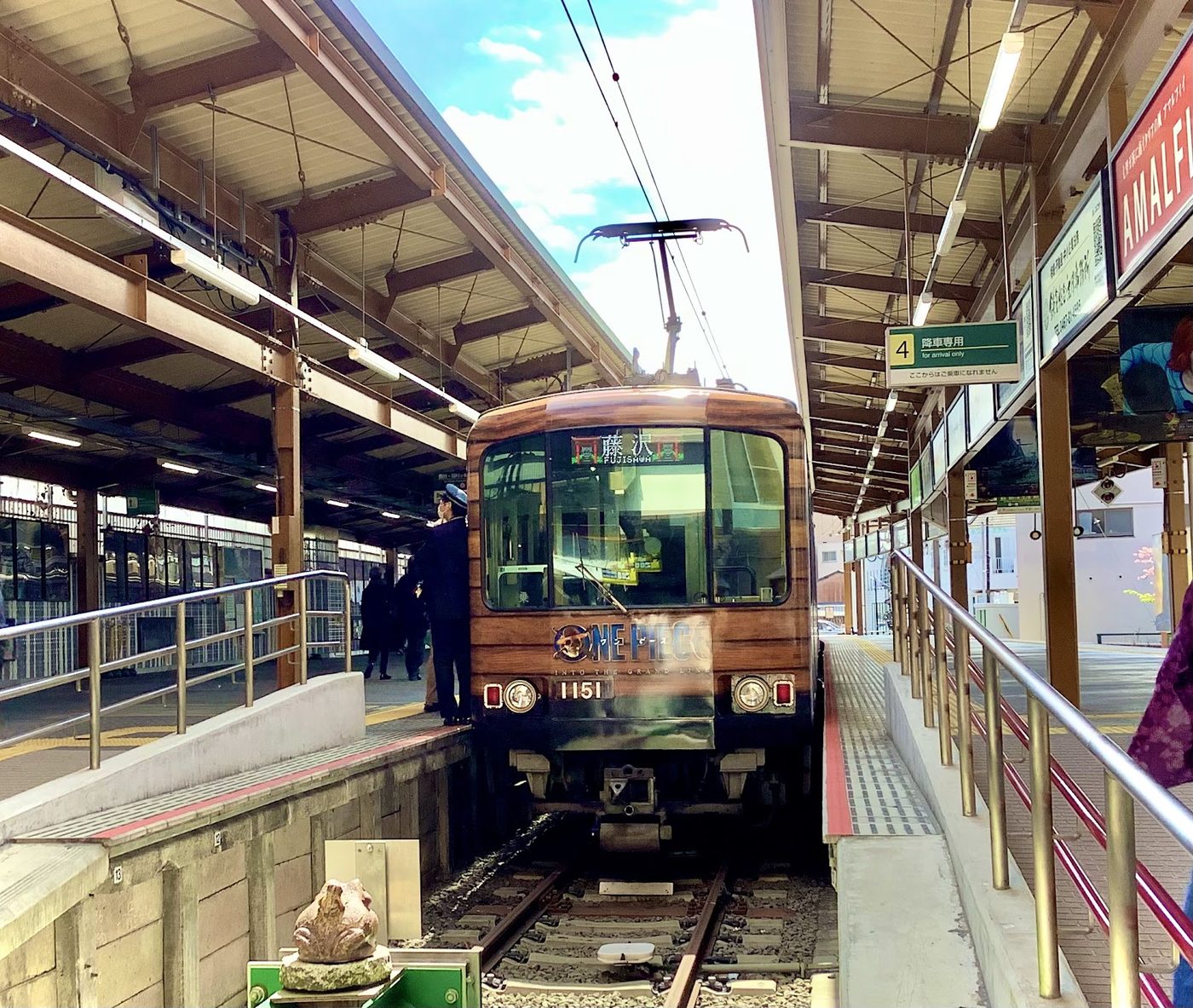
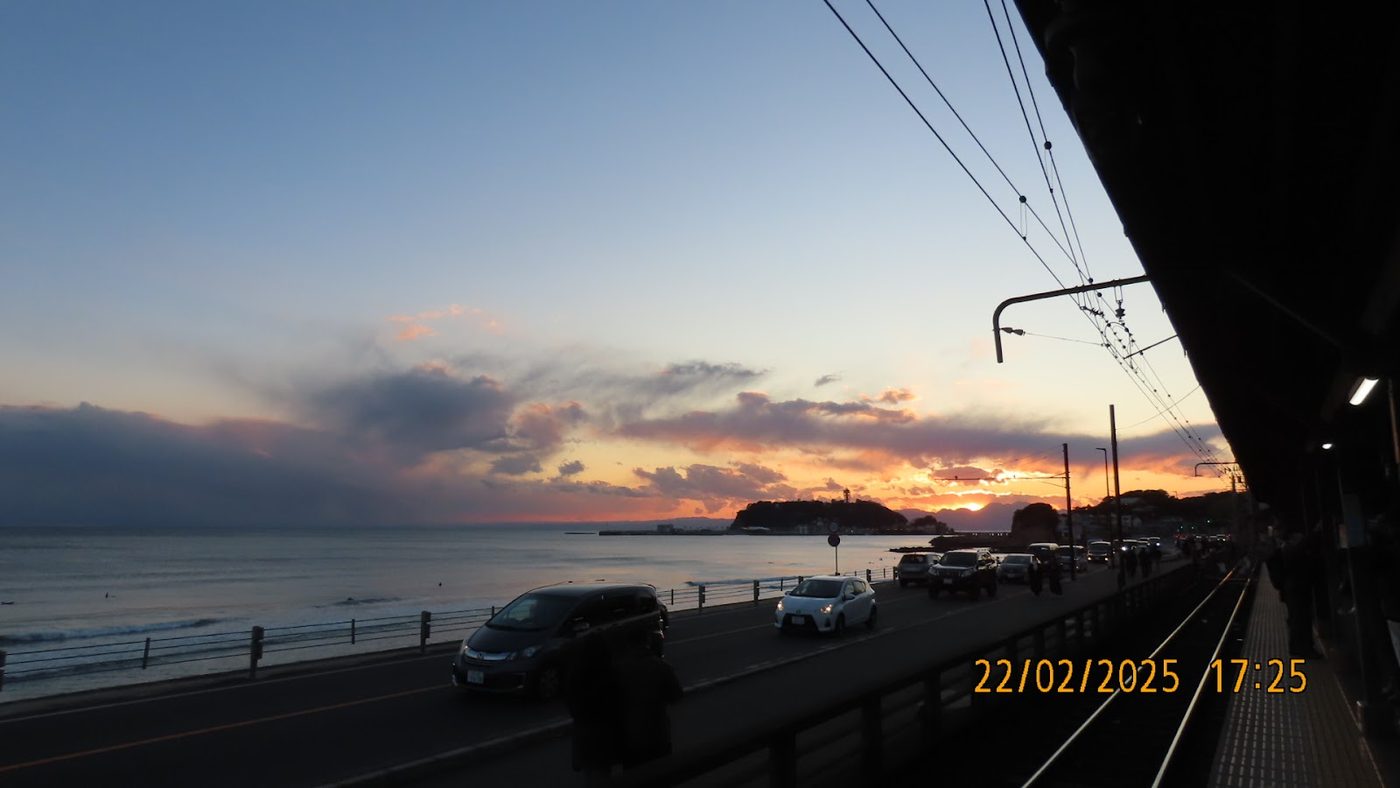
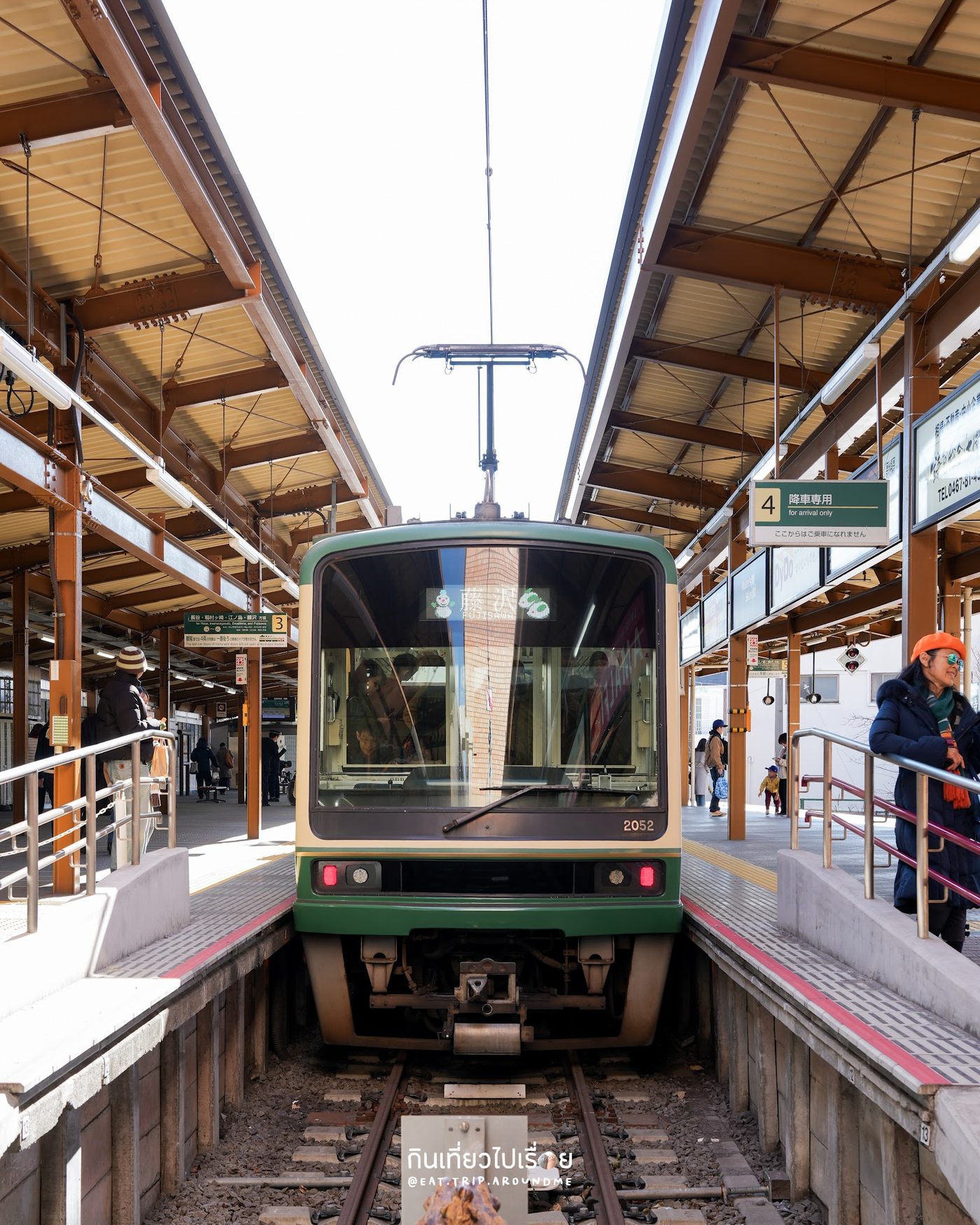
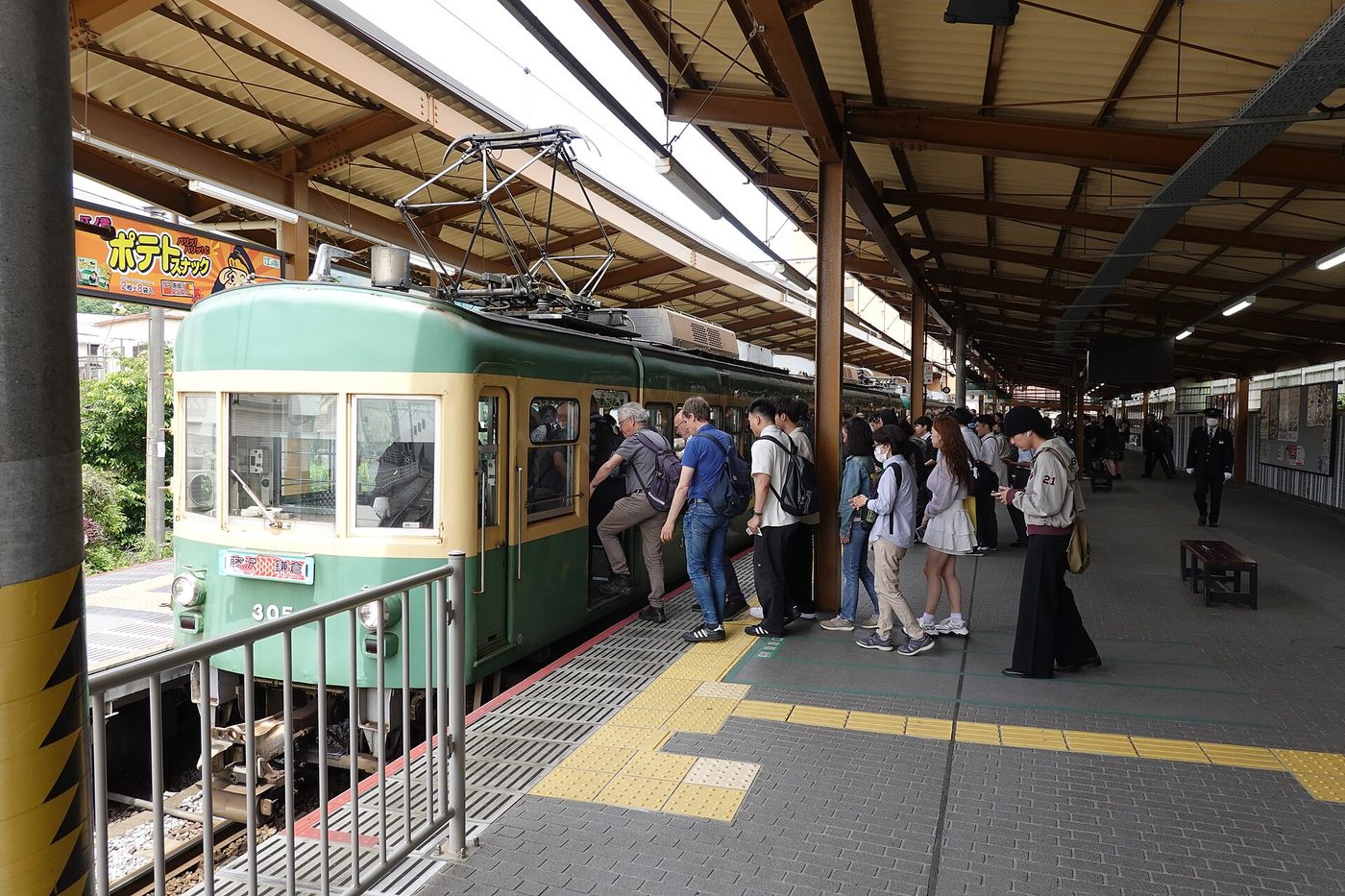
Vintage tram running along the Shonan coast, the famous crossing where the tram passes in front of the ocean (Kamakurakoko-mae) is one...
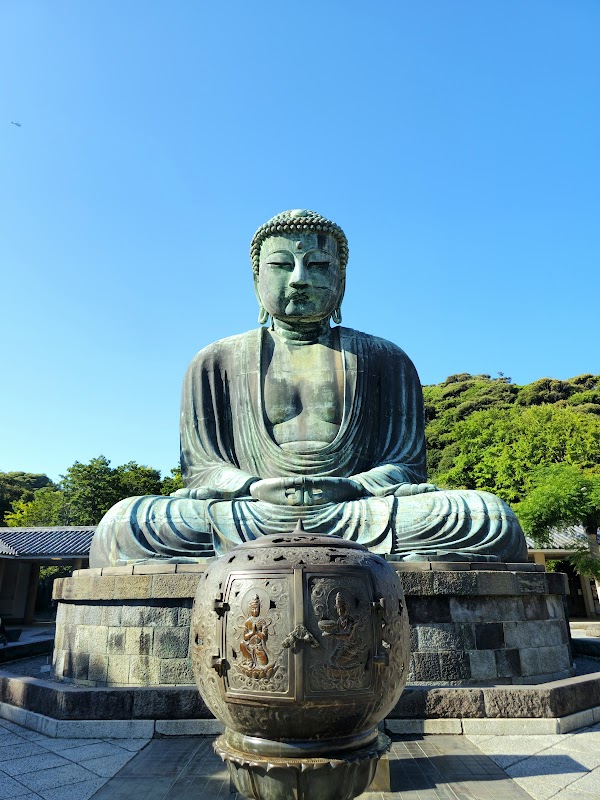
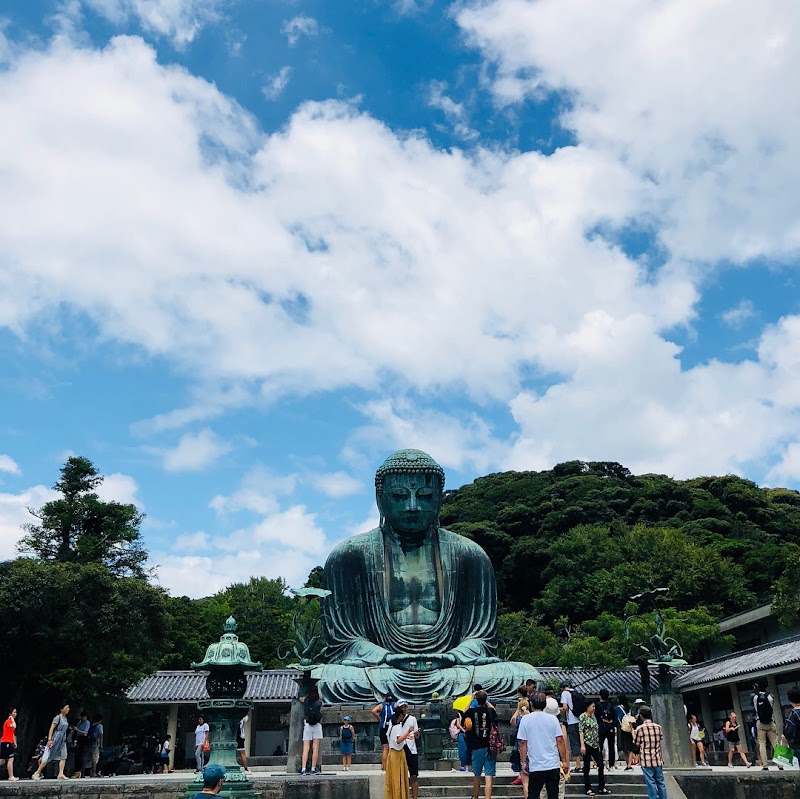
13.35m bronze Buddha sitting outdoors since a tsunami destroyed its temple in 1498, you can go INSIDE the hollow statue for ¥50 extra....
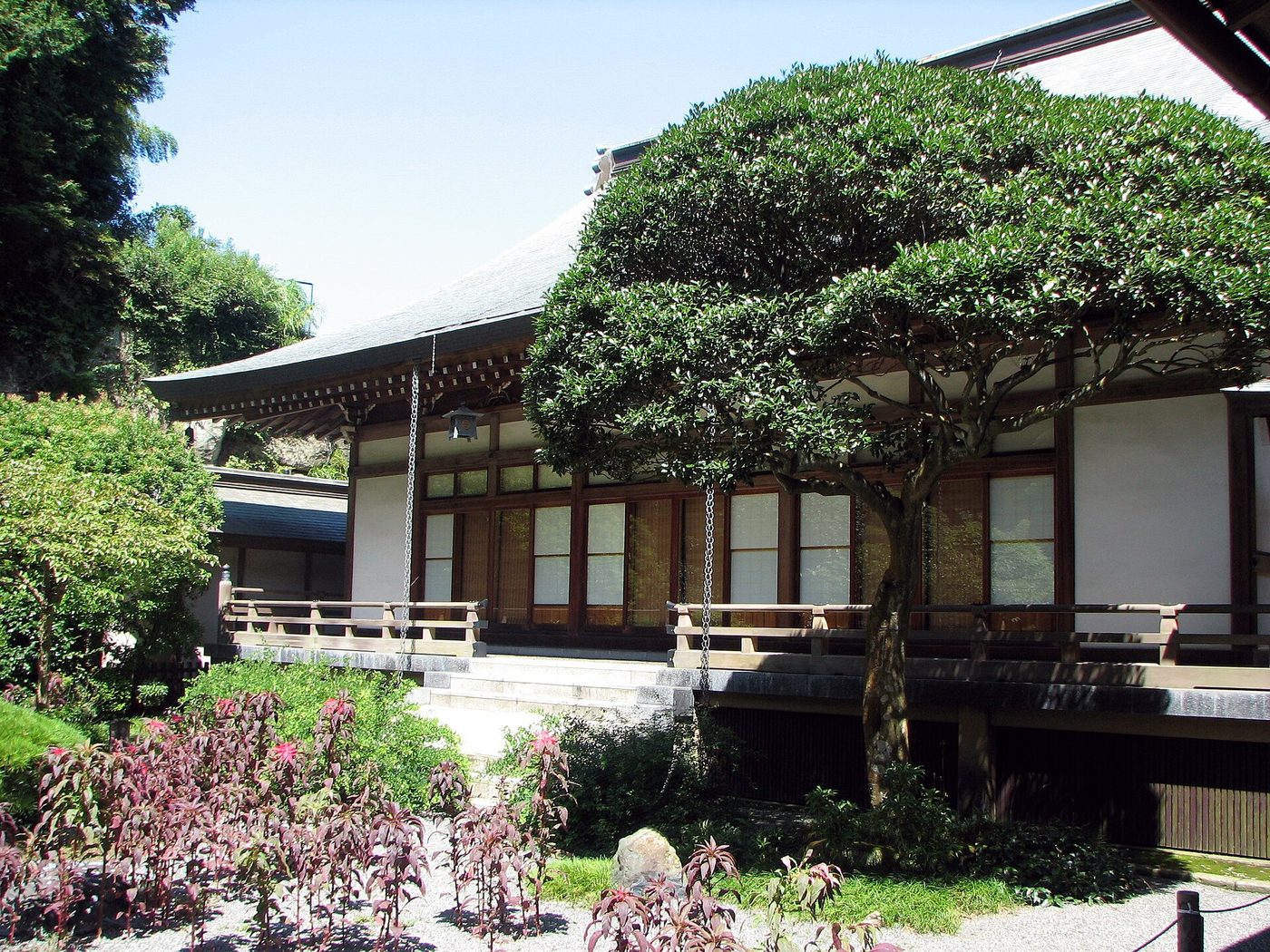
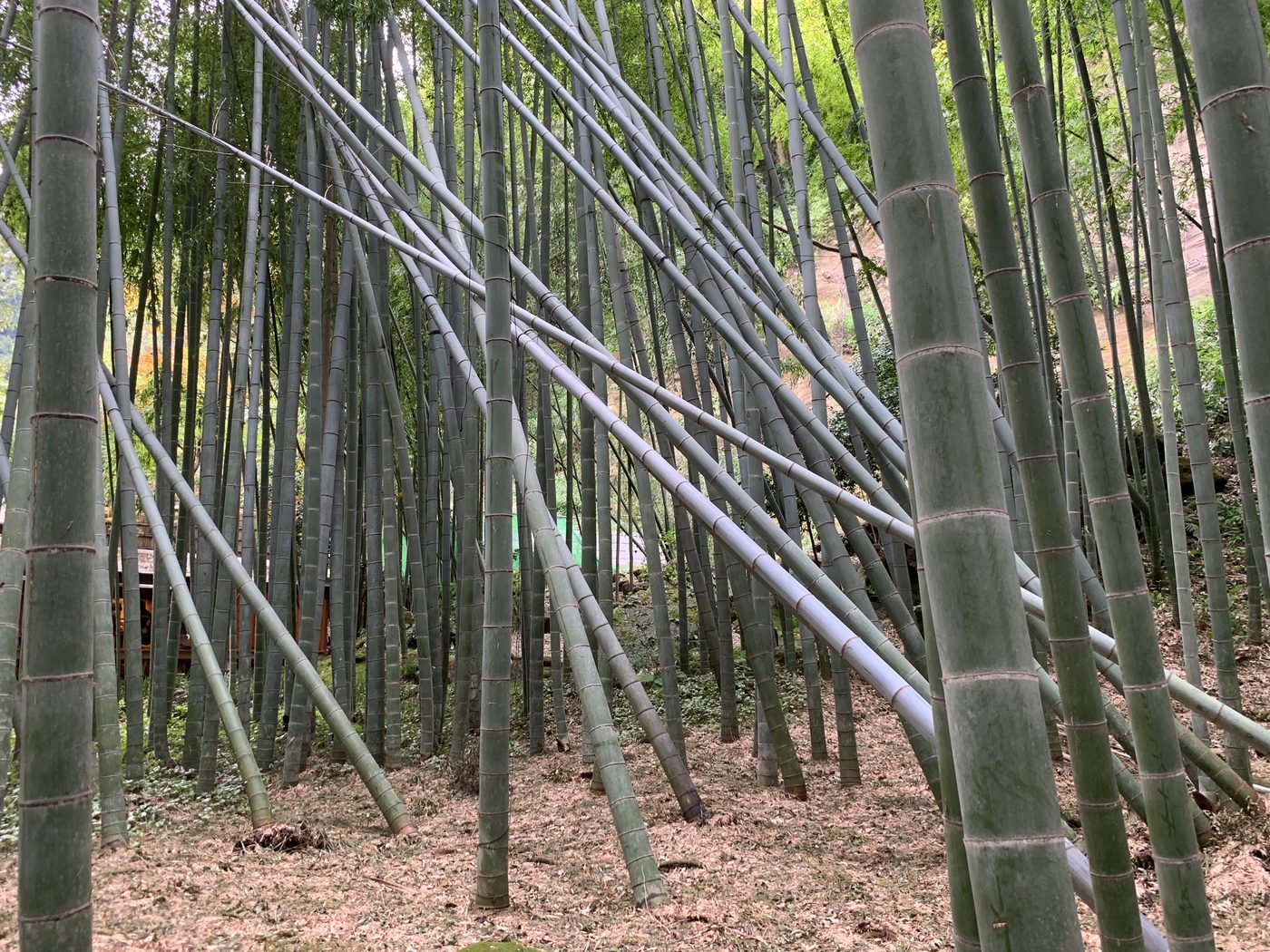
Serene bamboo grove. Matcha tea available. Less crowded than Arashiyama.
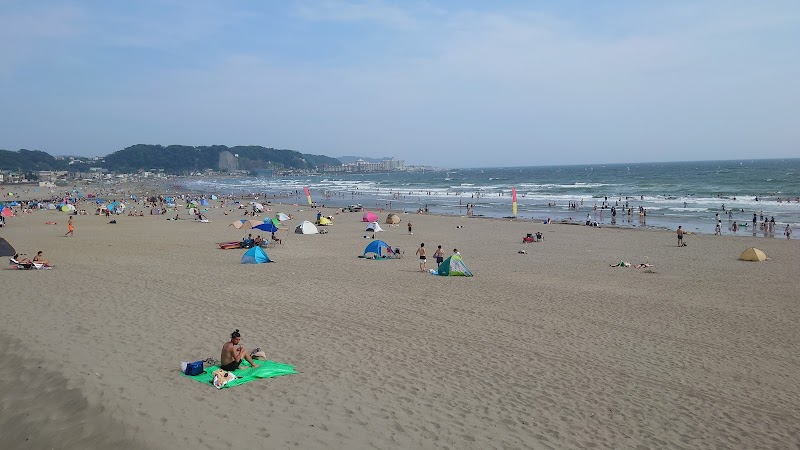
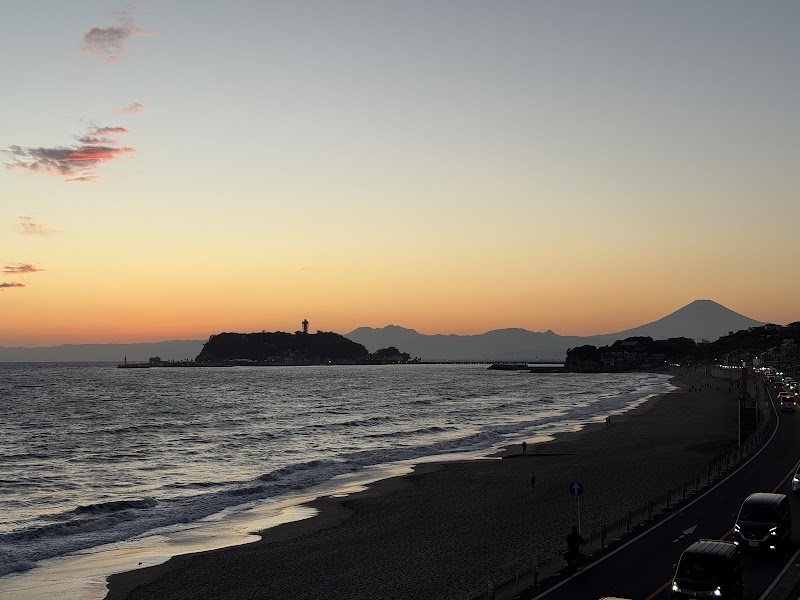
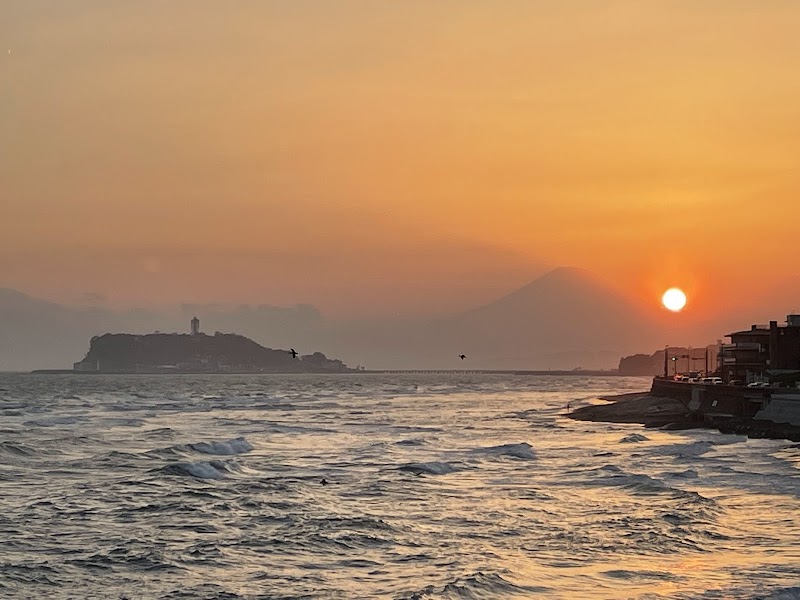
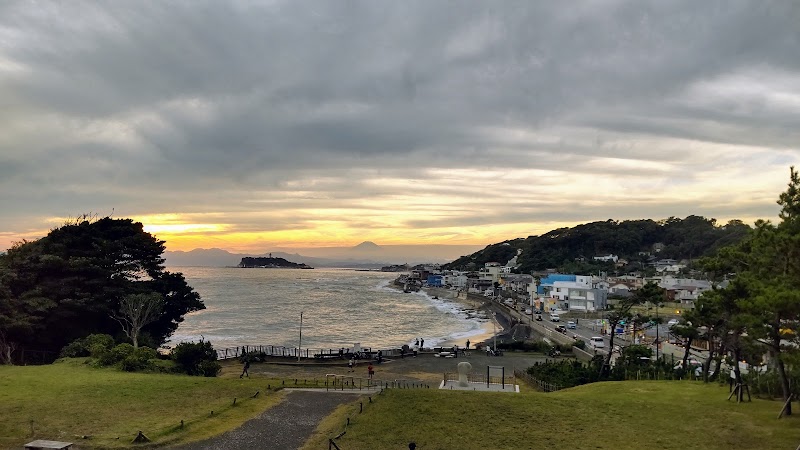
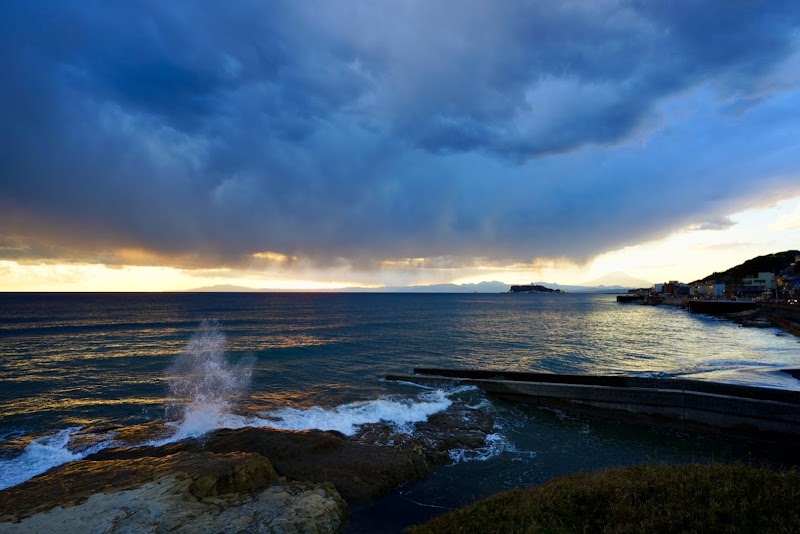
Sandy shores, surfing spots, and sunset views with Mount Fuji.

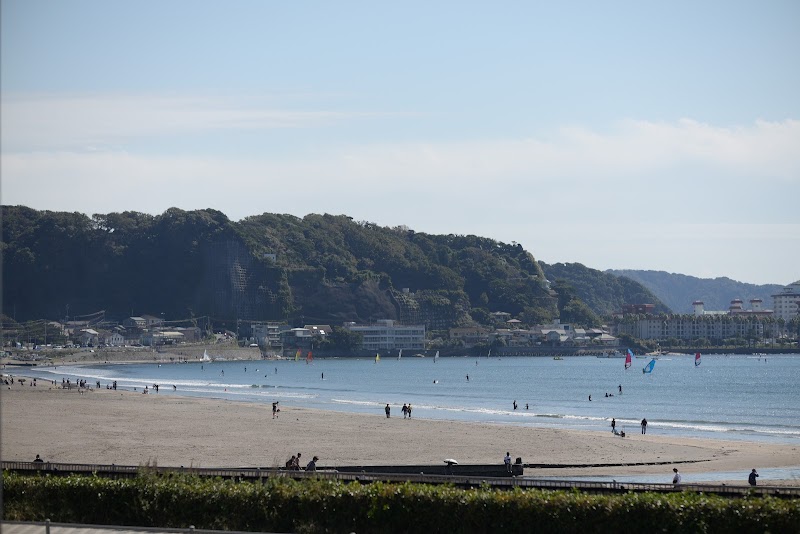
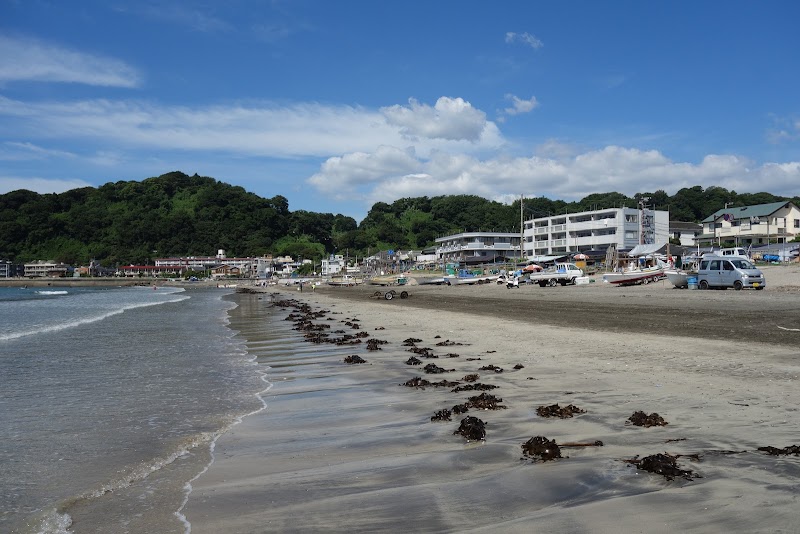
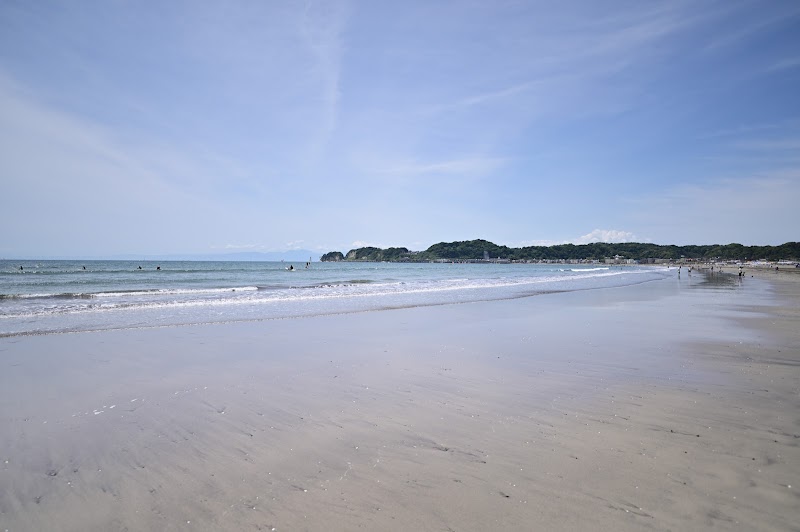
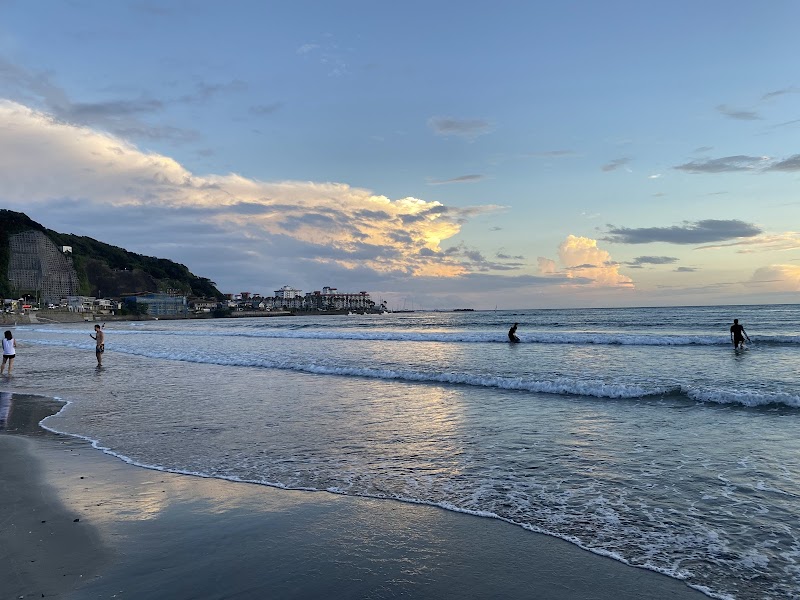
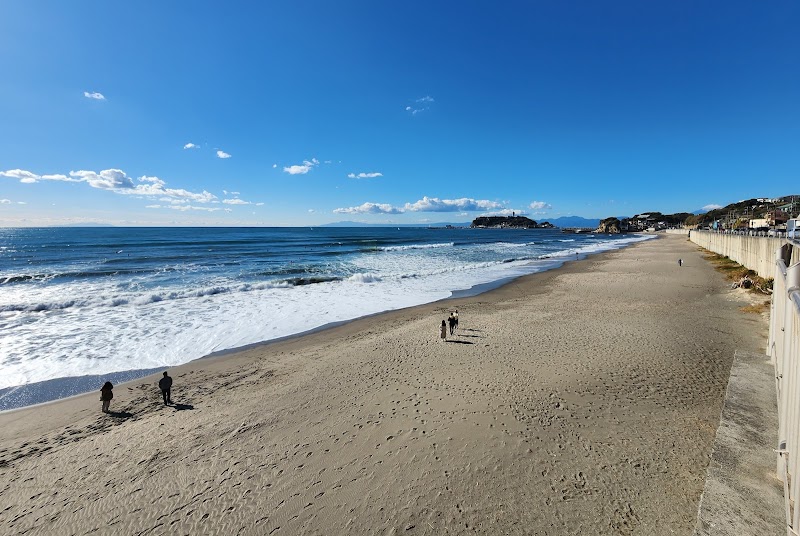
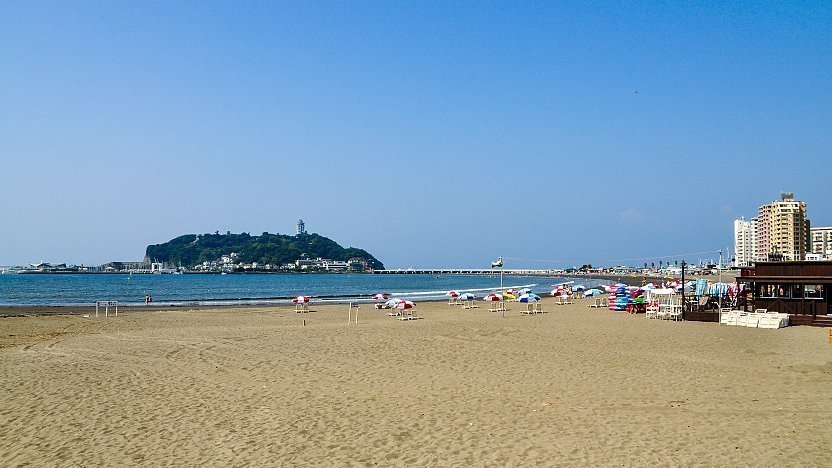
Kamakura's main beach. Wide sandy shoreline popular for swimming in summer (July-August). Beach houses with food and drinks appear seasonally. Beautiful sunset spot year-round.

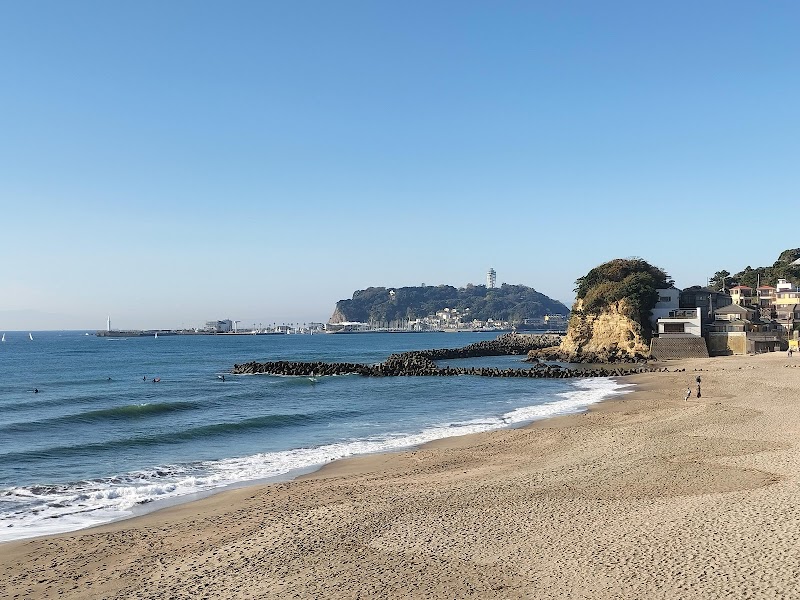
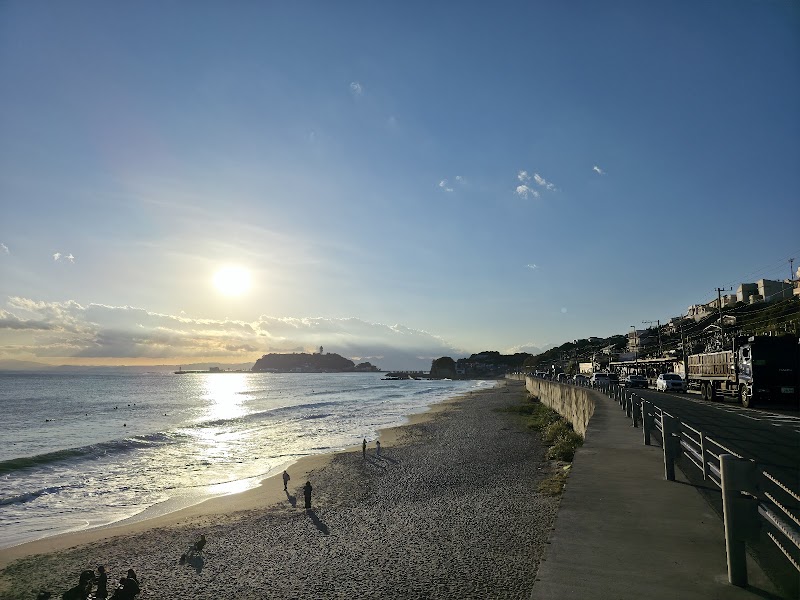
Quieter than Yuigahama. Popular for windsurfing, SUP, and kayaking. Less crowded and more local. Nice for a walk along the shore with views of Enoshima island.
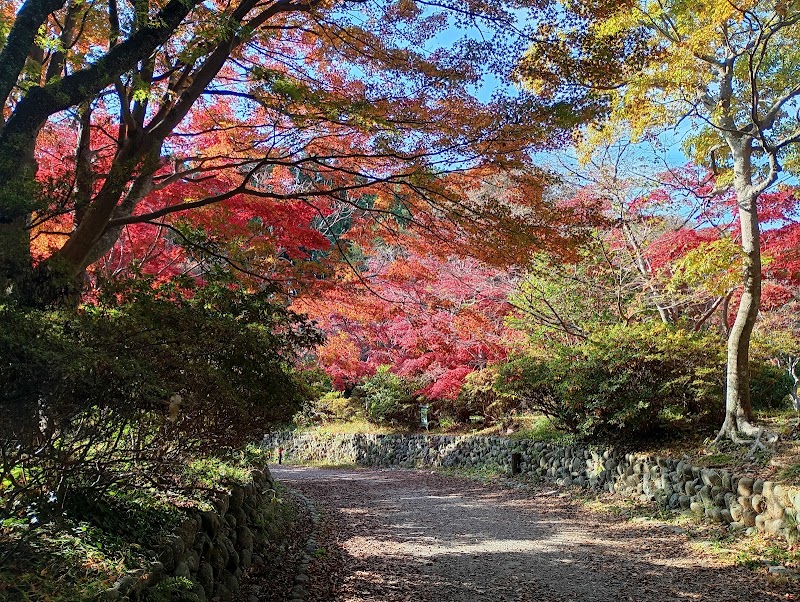
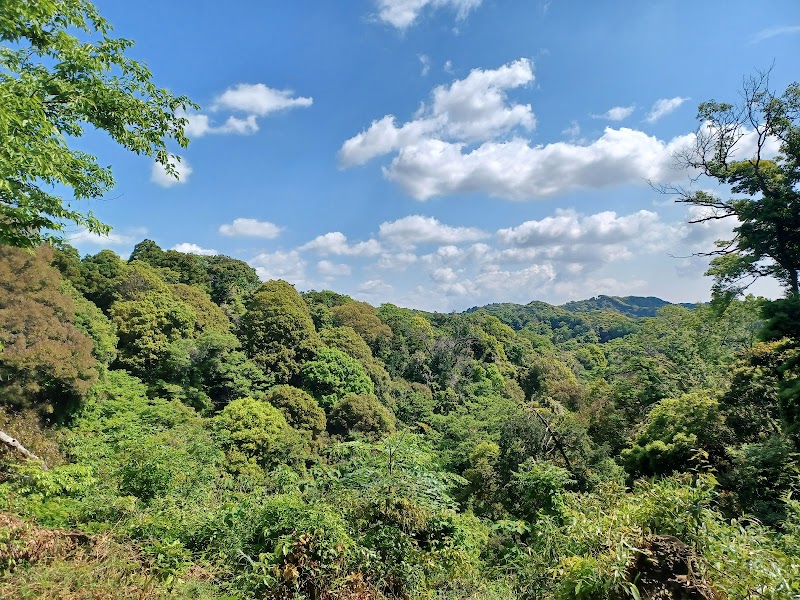
Forest trails connecting temples, hilltop parks, and scenic viewpoints.

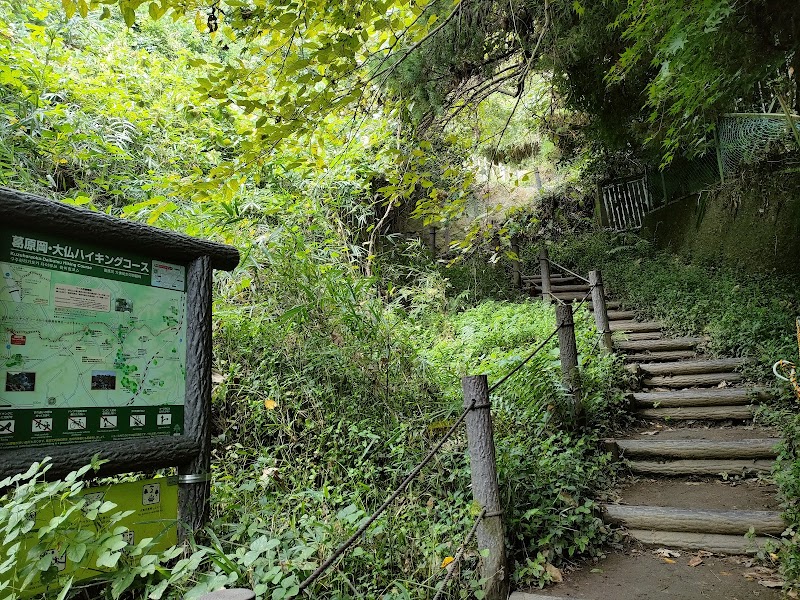
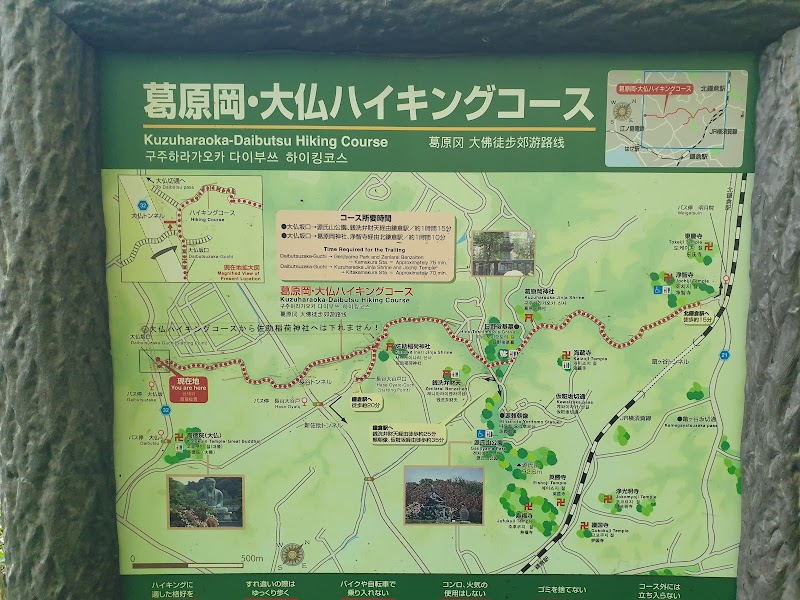
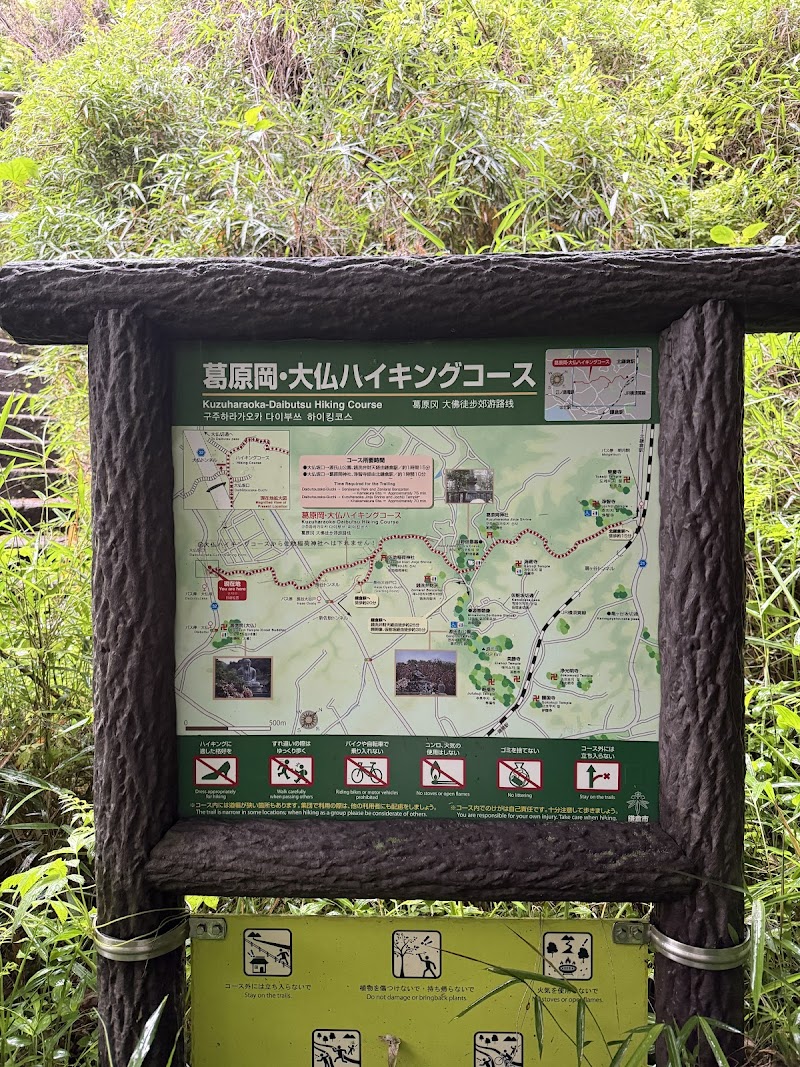
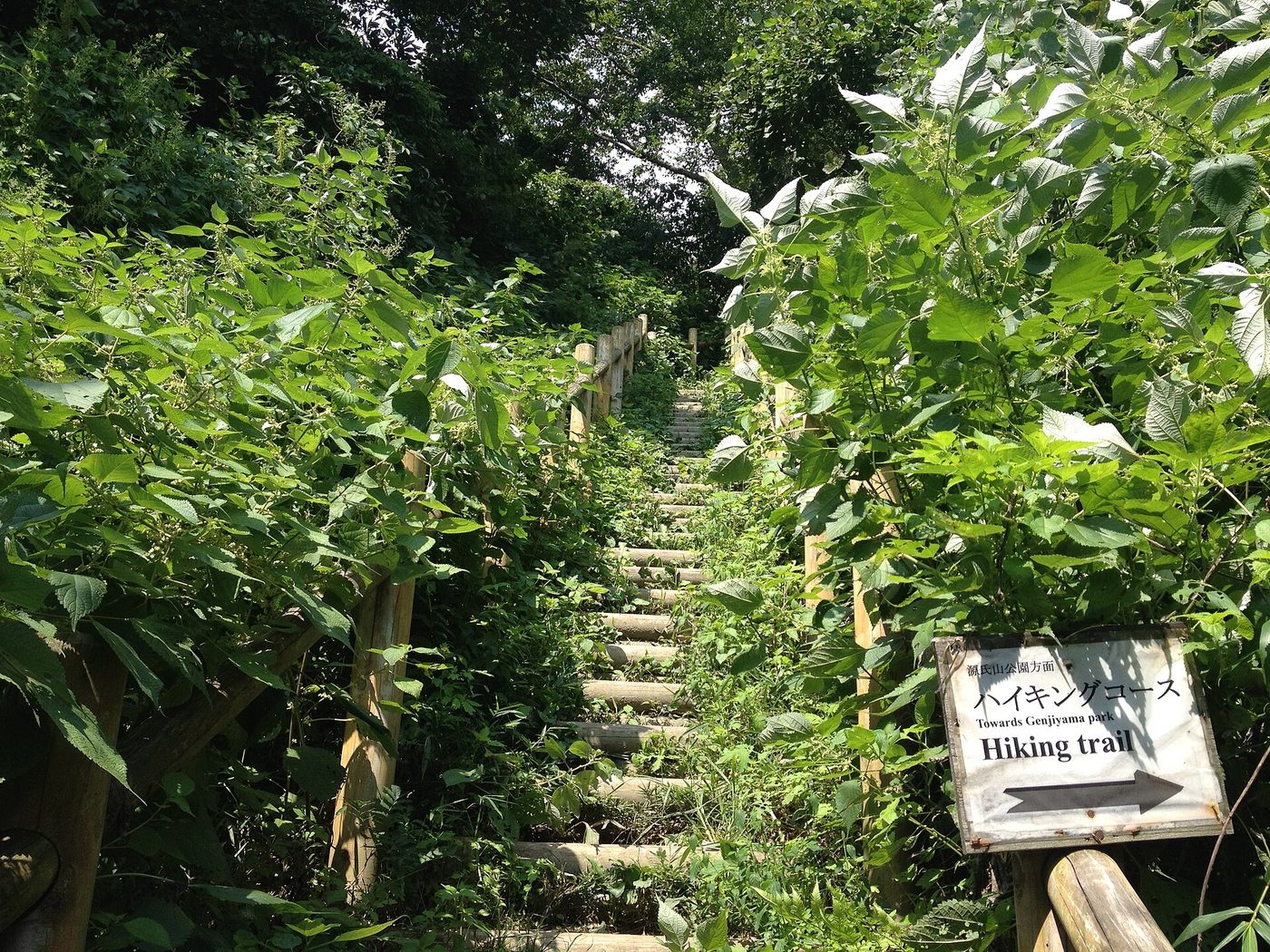
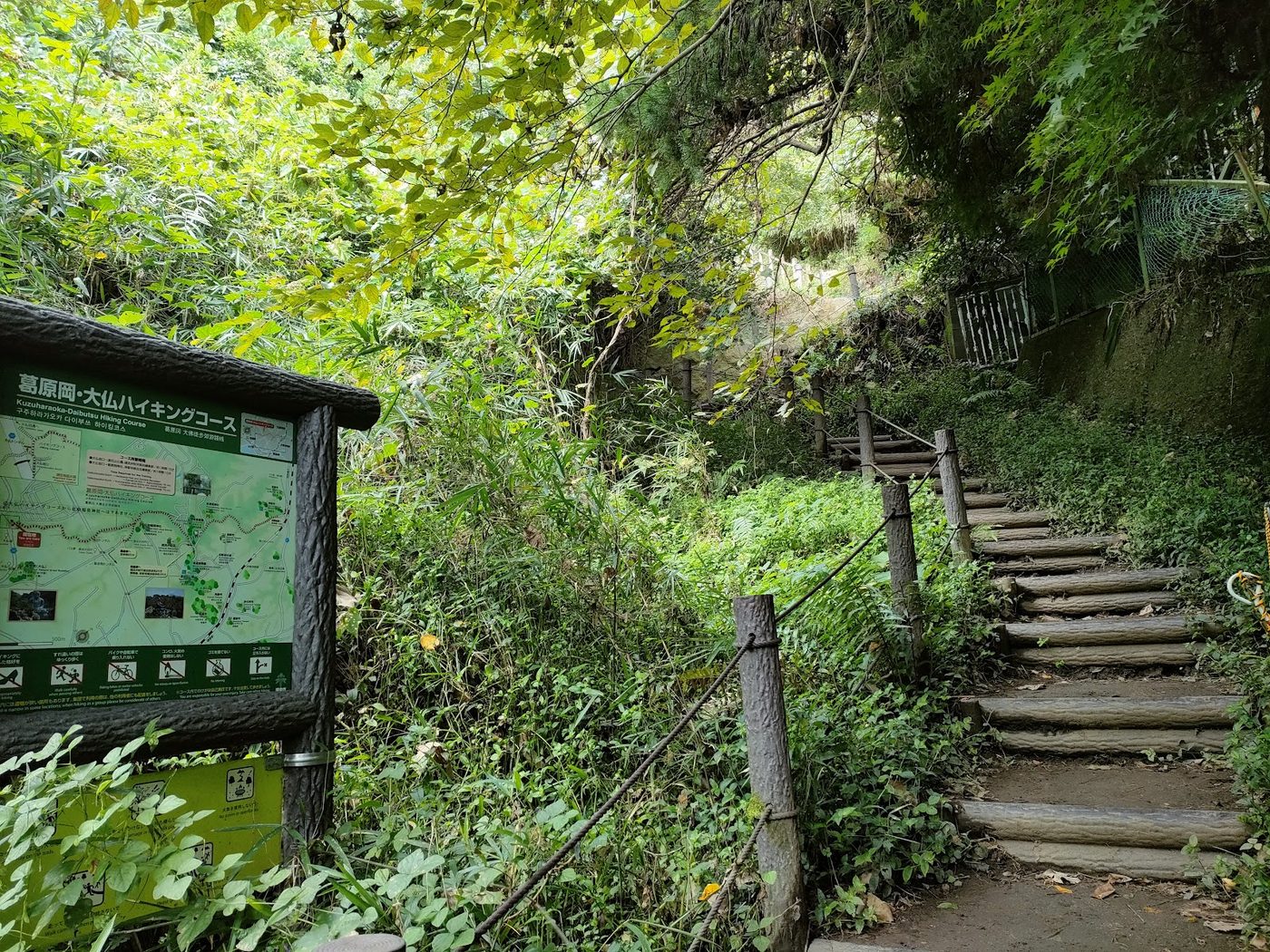
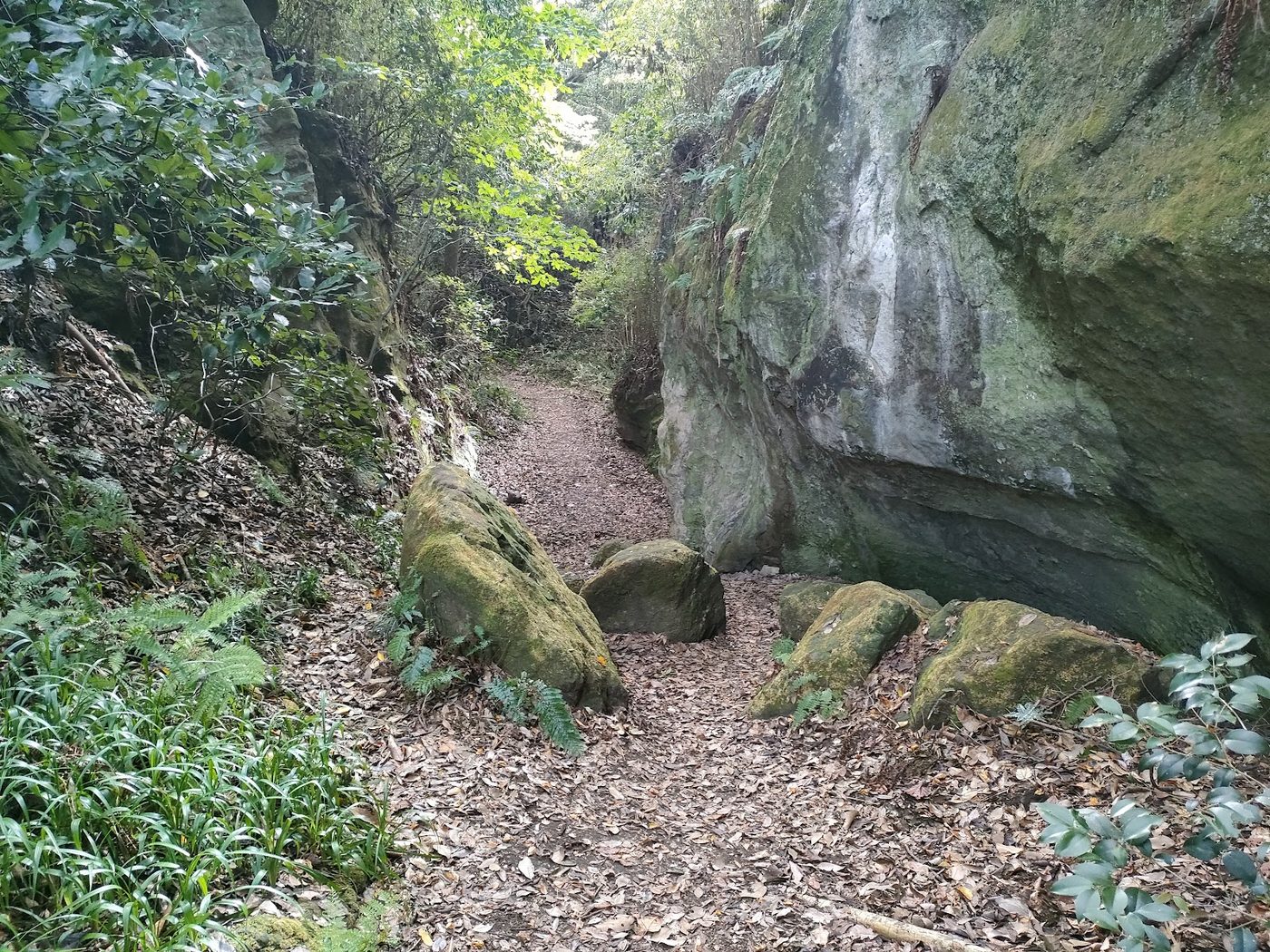
6 km trail connecting the Great Buddha to Kita-Kamakura. Passes through forests and past Zeniarai Benten Shrine. Moderate difficulty with some steep sections. Takes about 1.5 hours.
7.5 km trail through the hills east of Kamakura. More challenging than Daibutsu course. Passes secluded temples and offers elevated views of the city and ocean. Takes 2-3 hours.

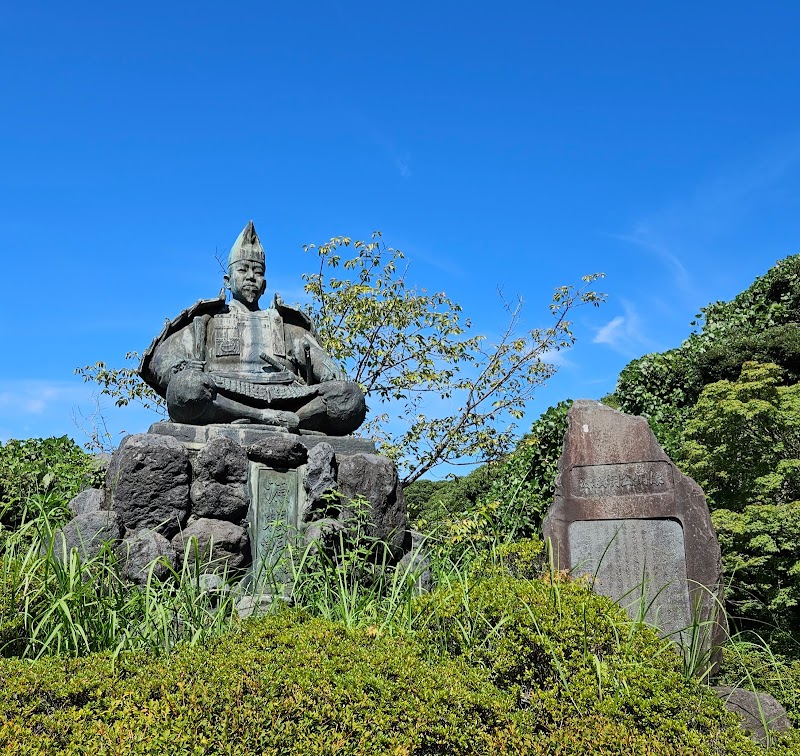
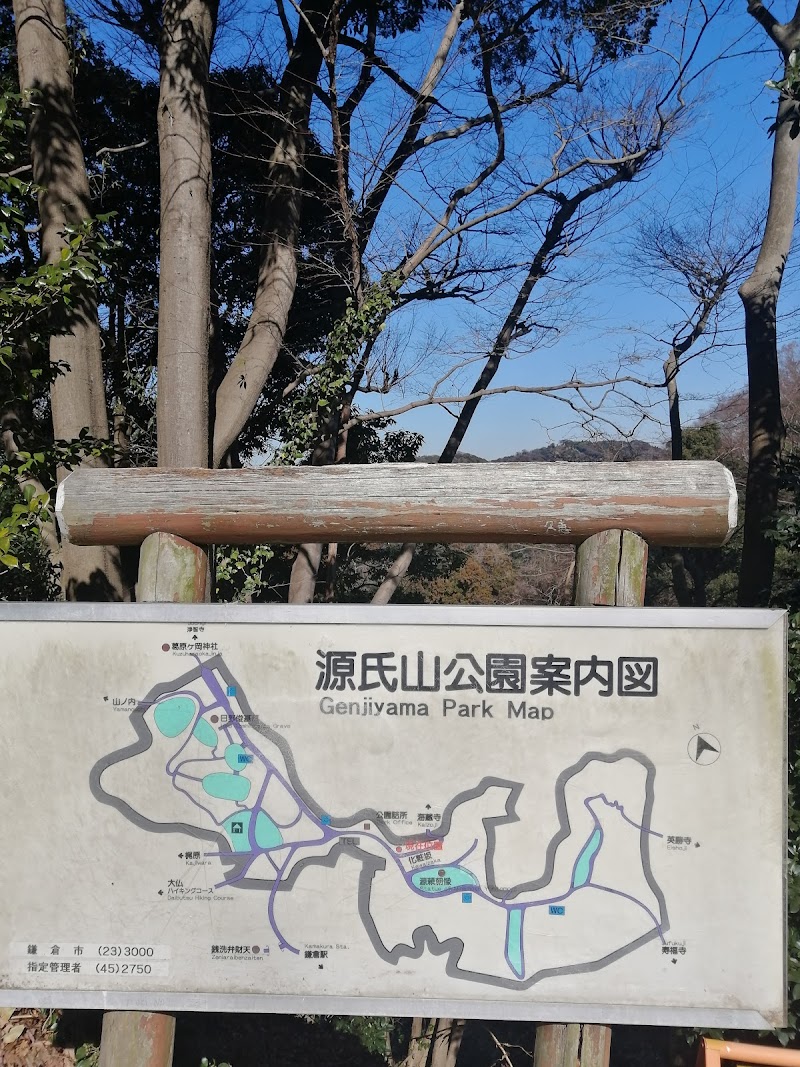
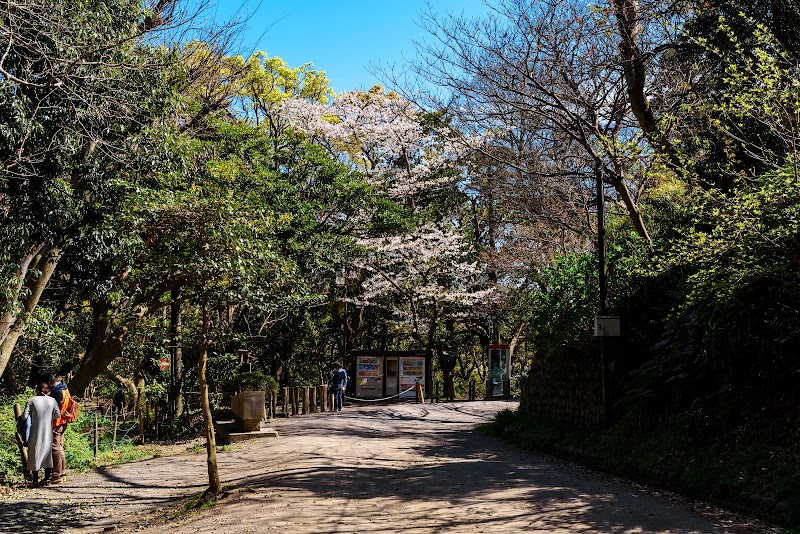
Hilltop park along the Daibutsu hiking course. Cherry blossoms in spring. Statue of Minamoto no Yoritomo (founder of the Kamakura shogunate). Good rest stop during the hike.

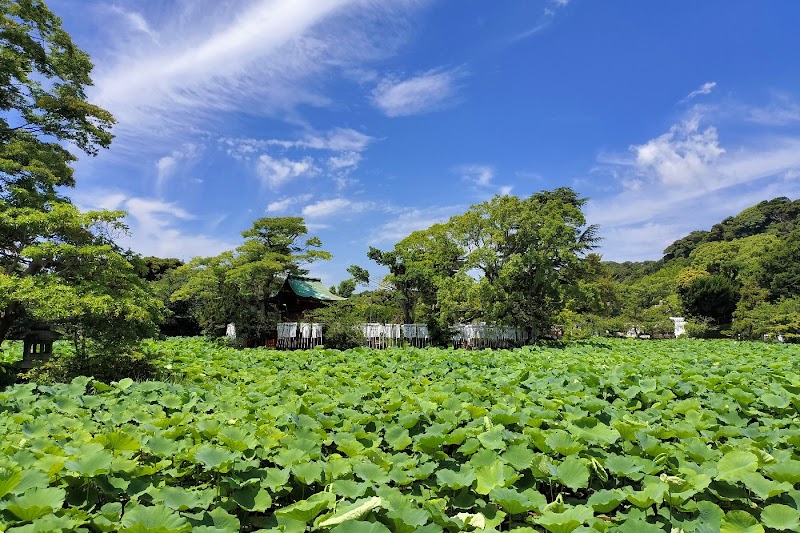
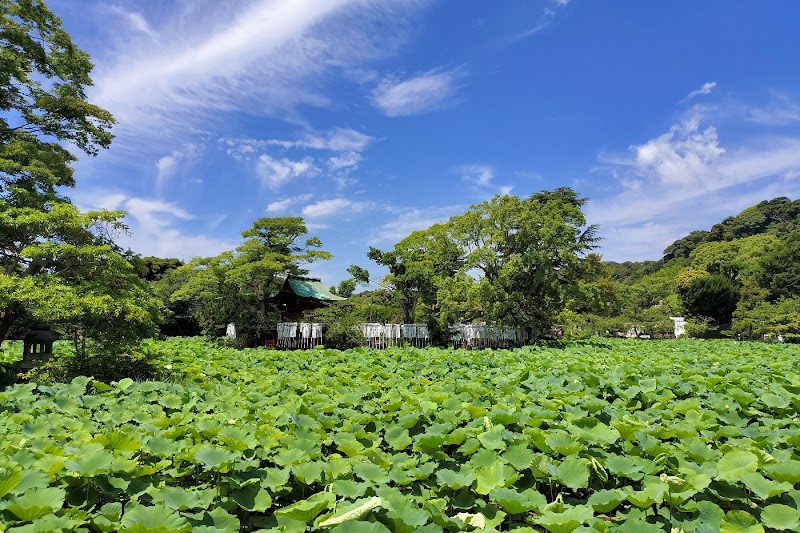
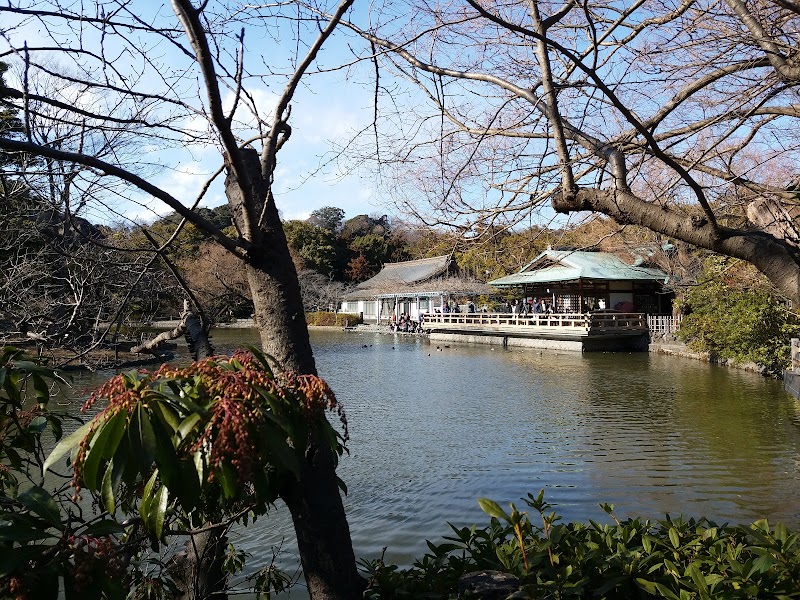
The two ponds flanking the approach to the shrine burst with lotus flowers in summer (July-August). The pink blooms against the vermilion shrine buildings are stunning. Free to see.

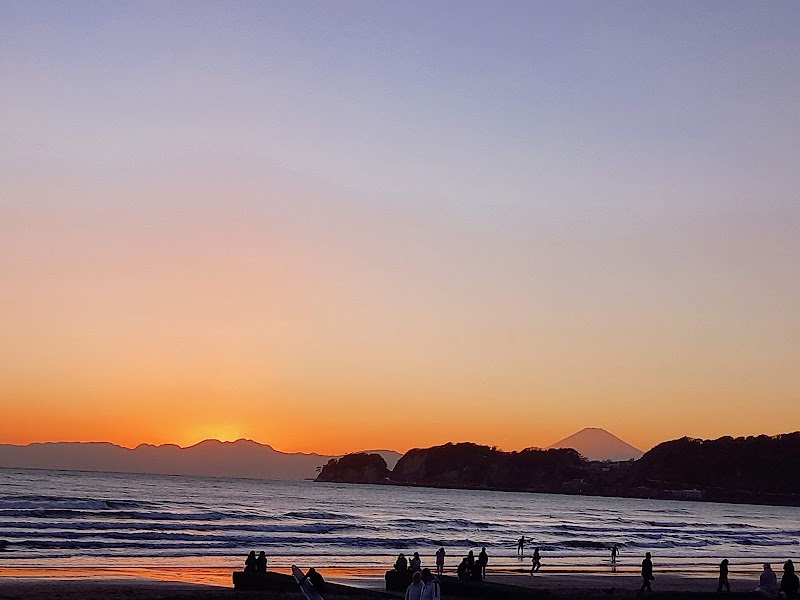
The beach between Kamakura and Enoshima. Famous for sunsets with Mount Fuji silhouetted behind Enoshima Island. One of the most photographed sunset spots in Kanagawa prefecture.
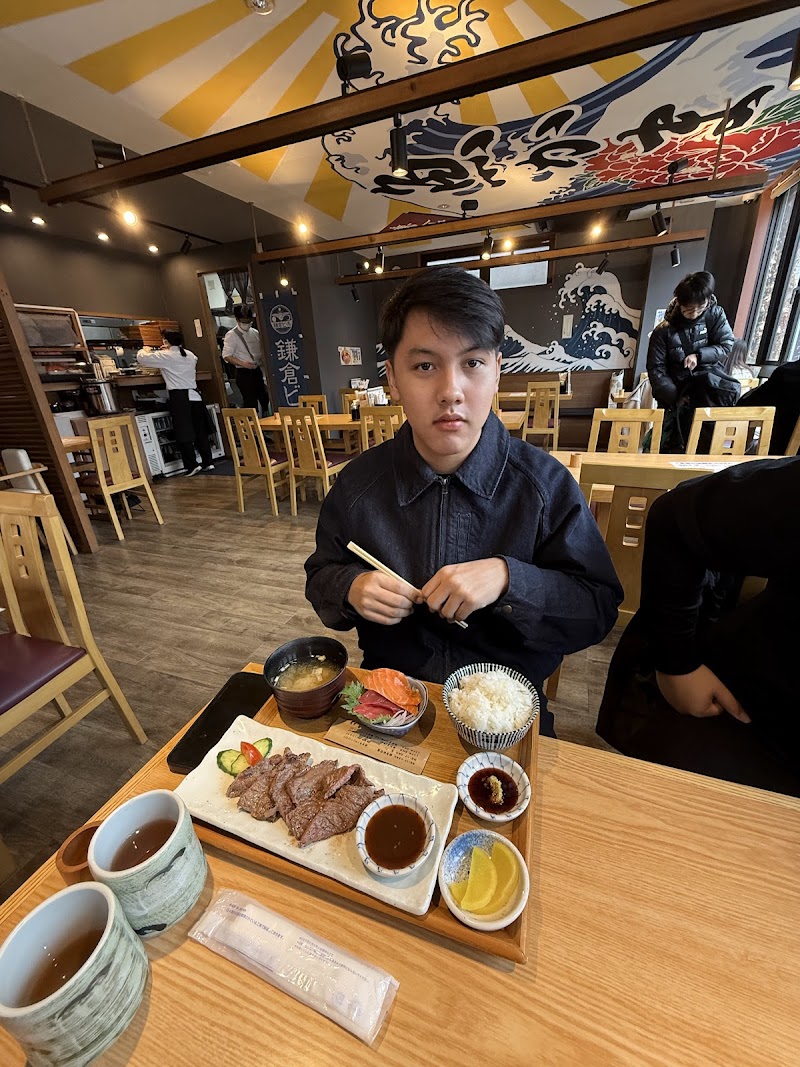
Octopus crackers, fresh soba, craft beer, and Komachi-dori shopping.

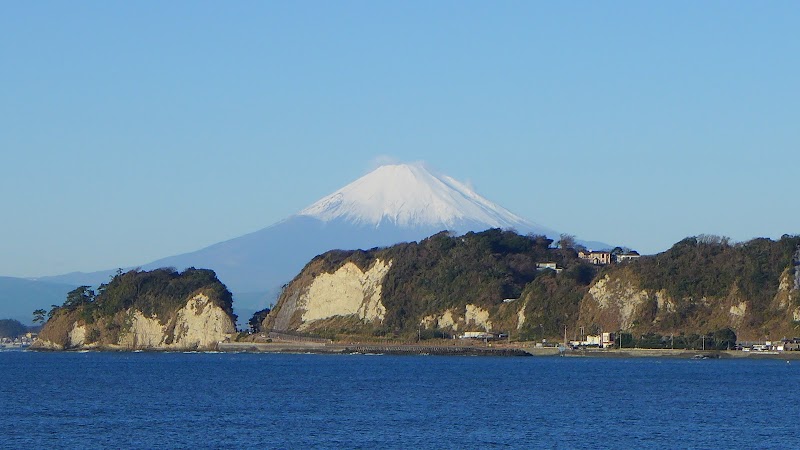
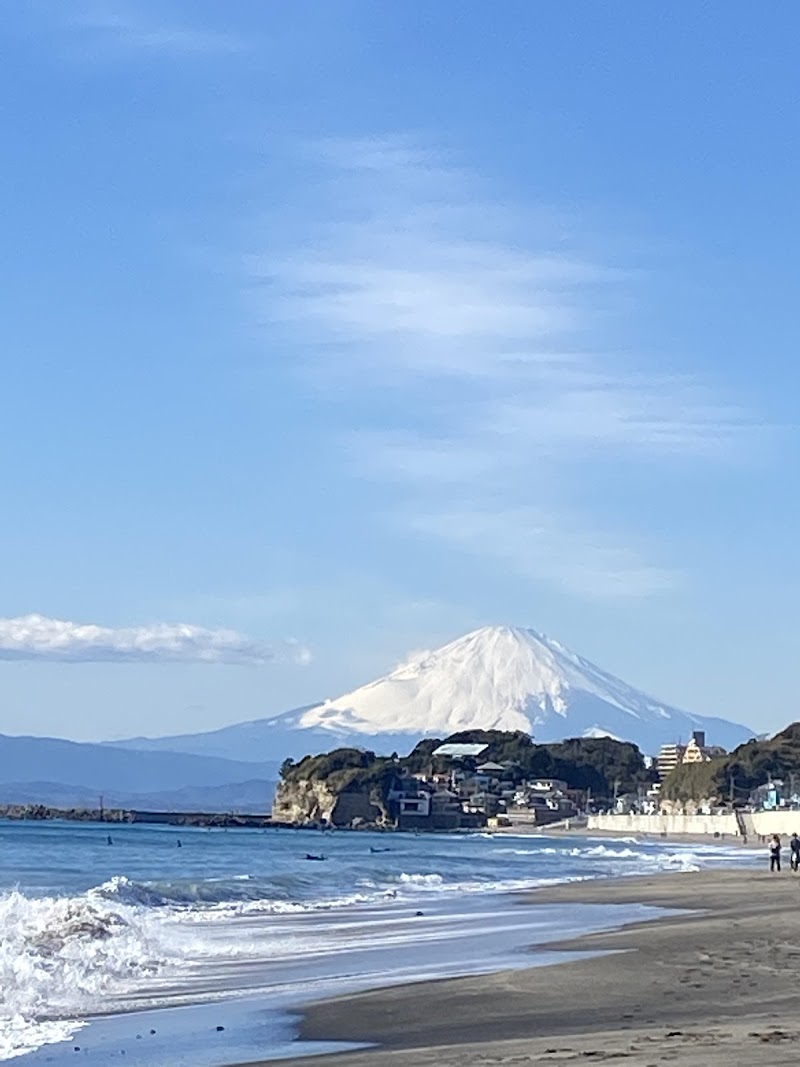
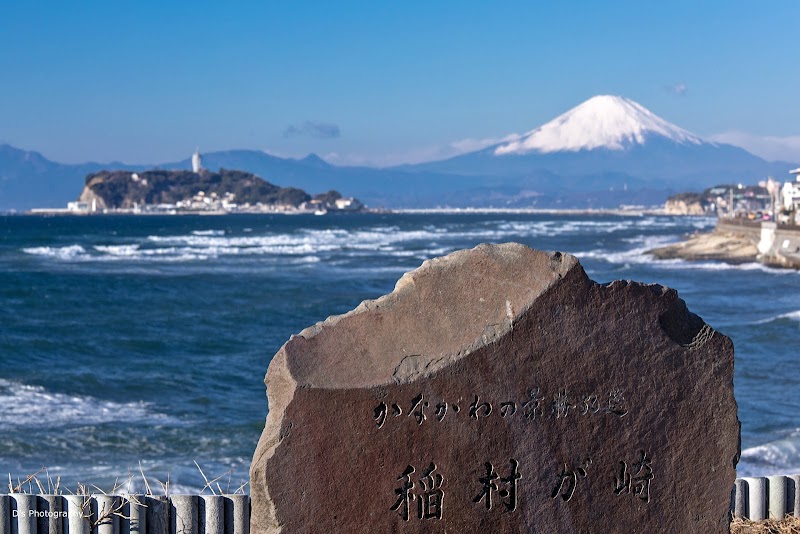
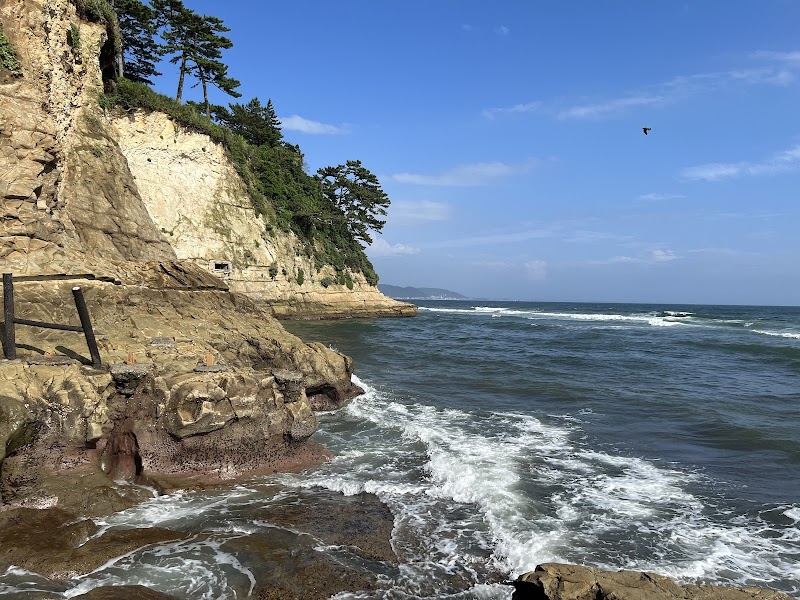
Dramatic headland between Kamakura and Enoshima. On clear days, Mount Fuji rises behind Enoshima across the water. One of the best sunset spots in the entire region.
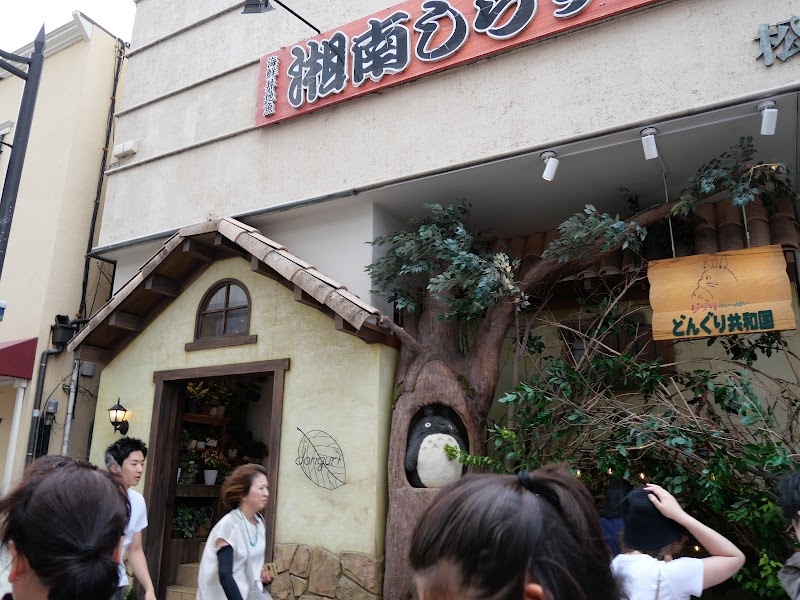
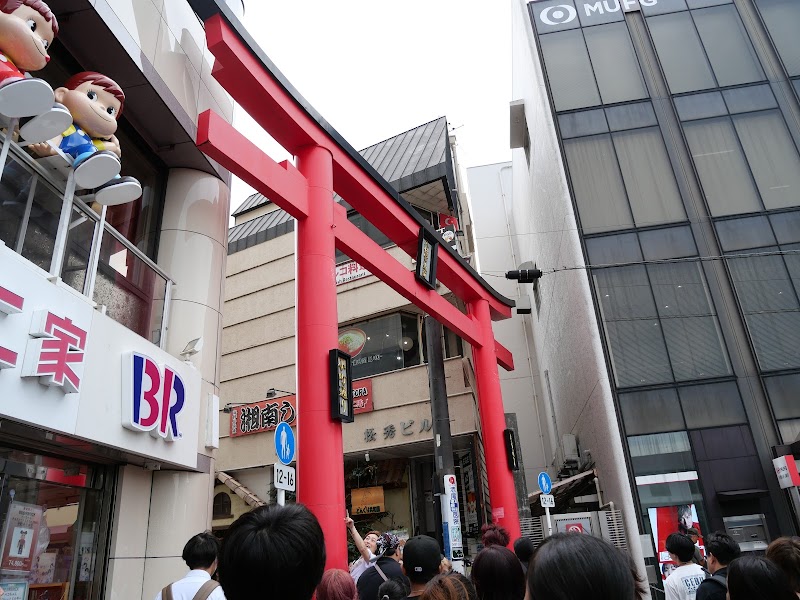
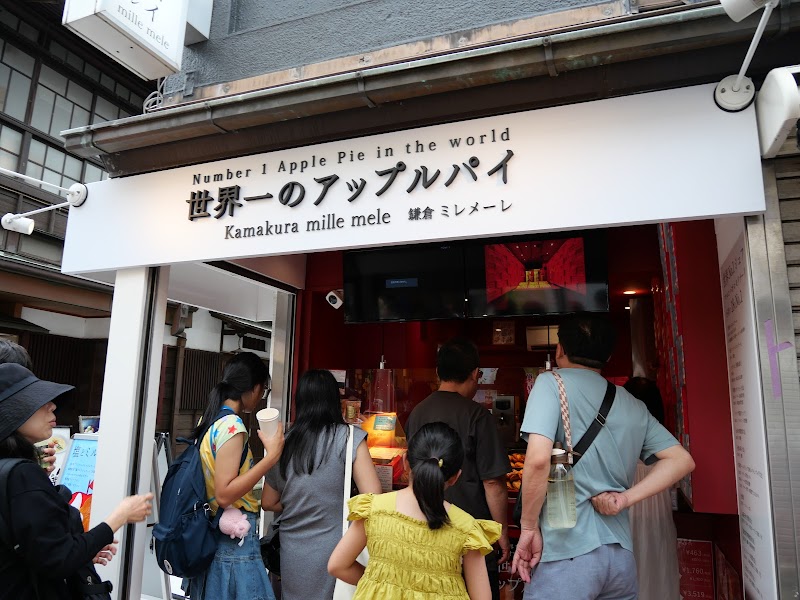
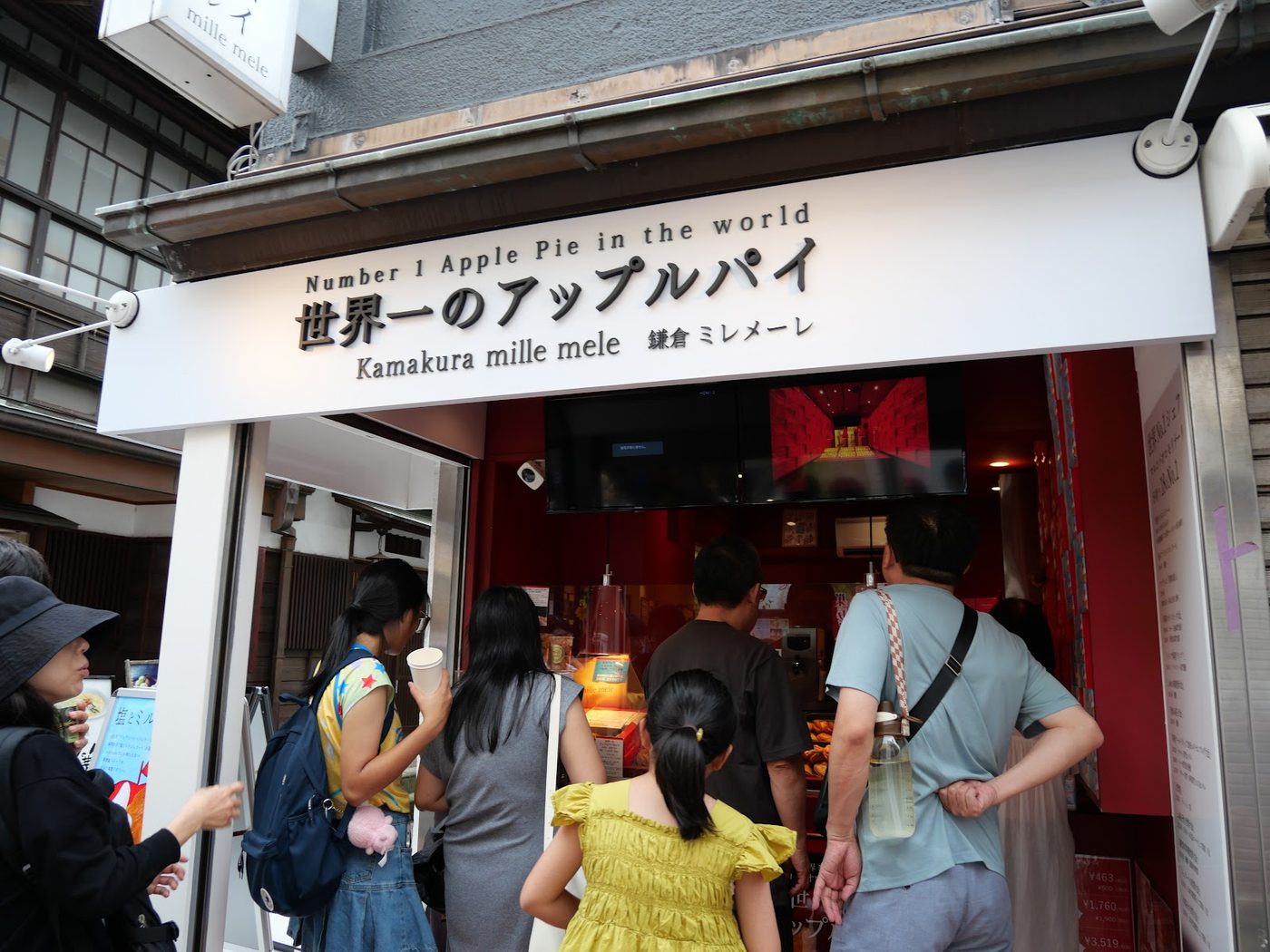
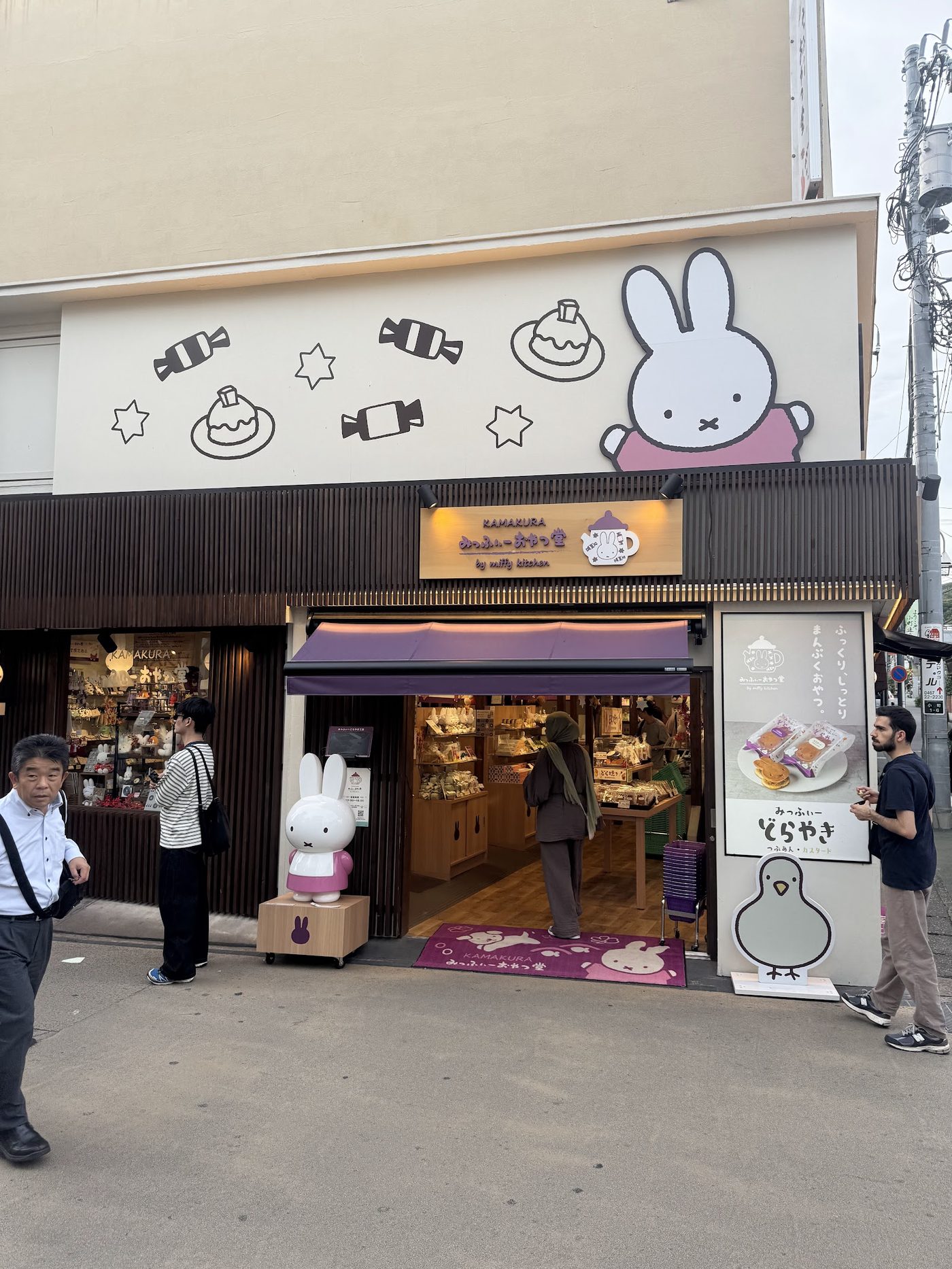
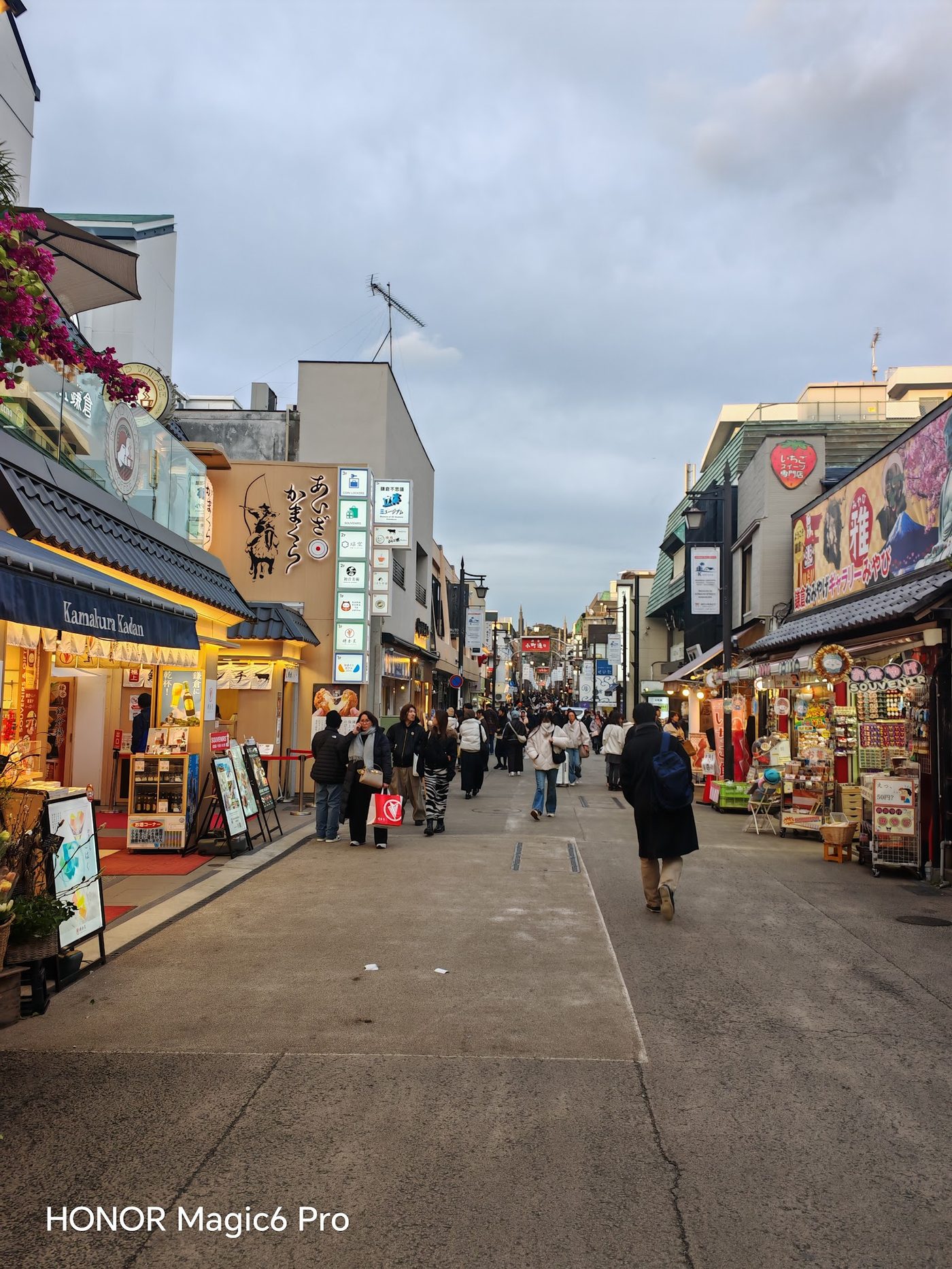
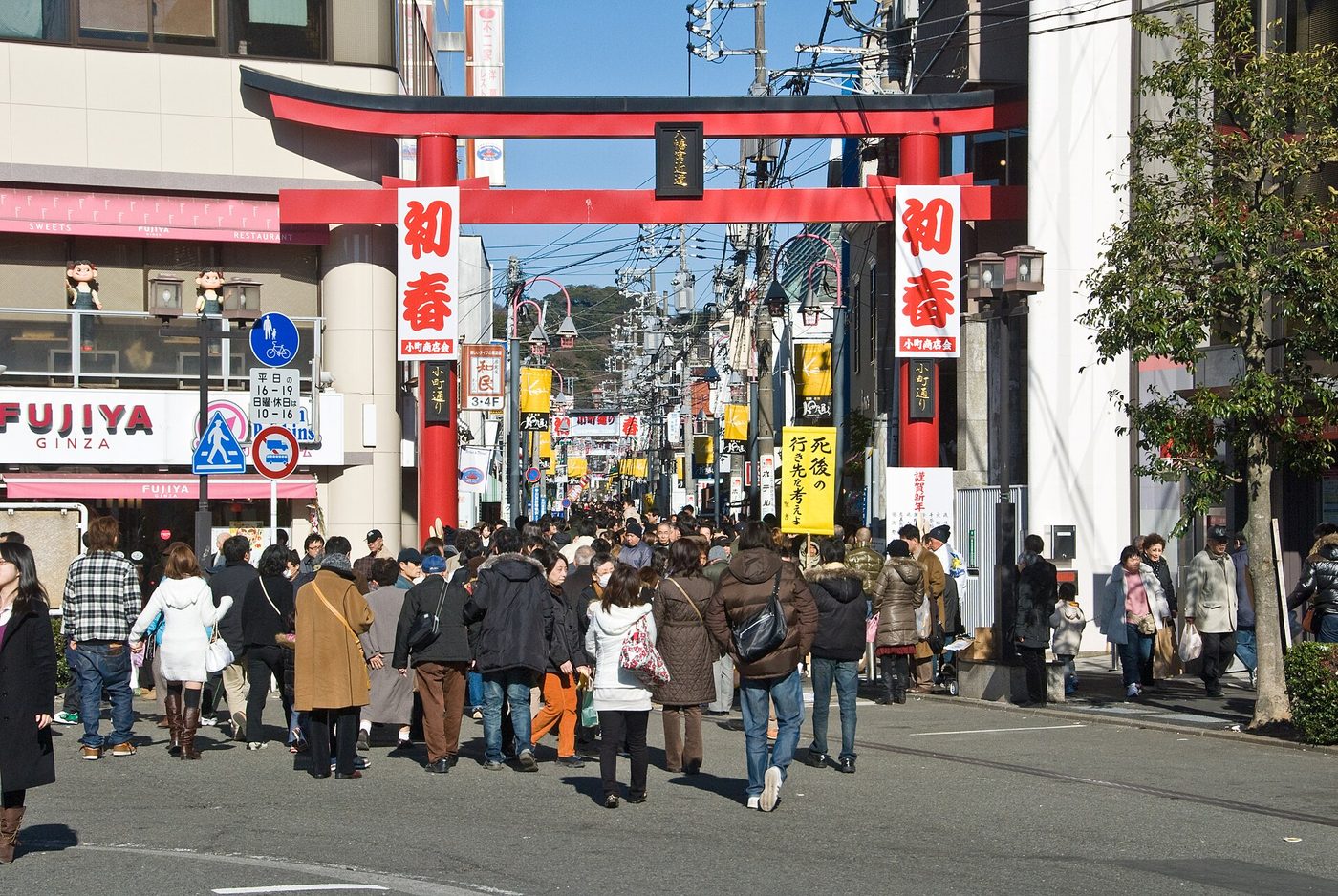
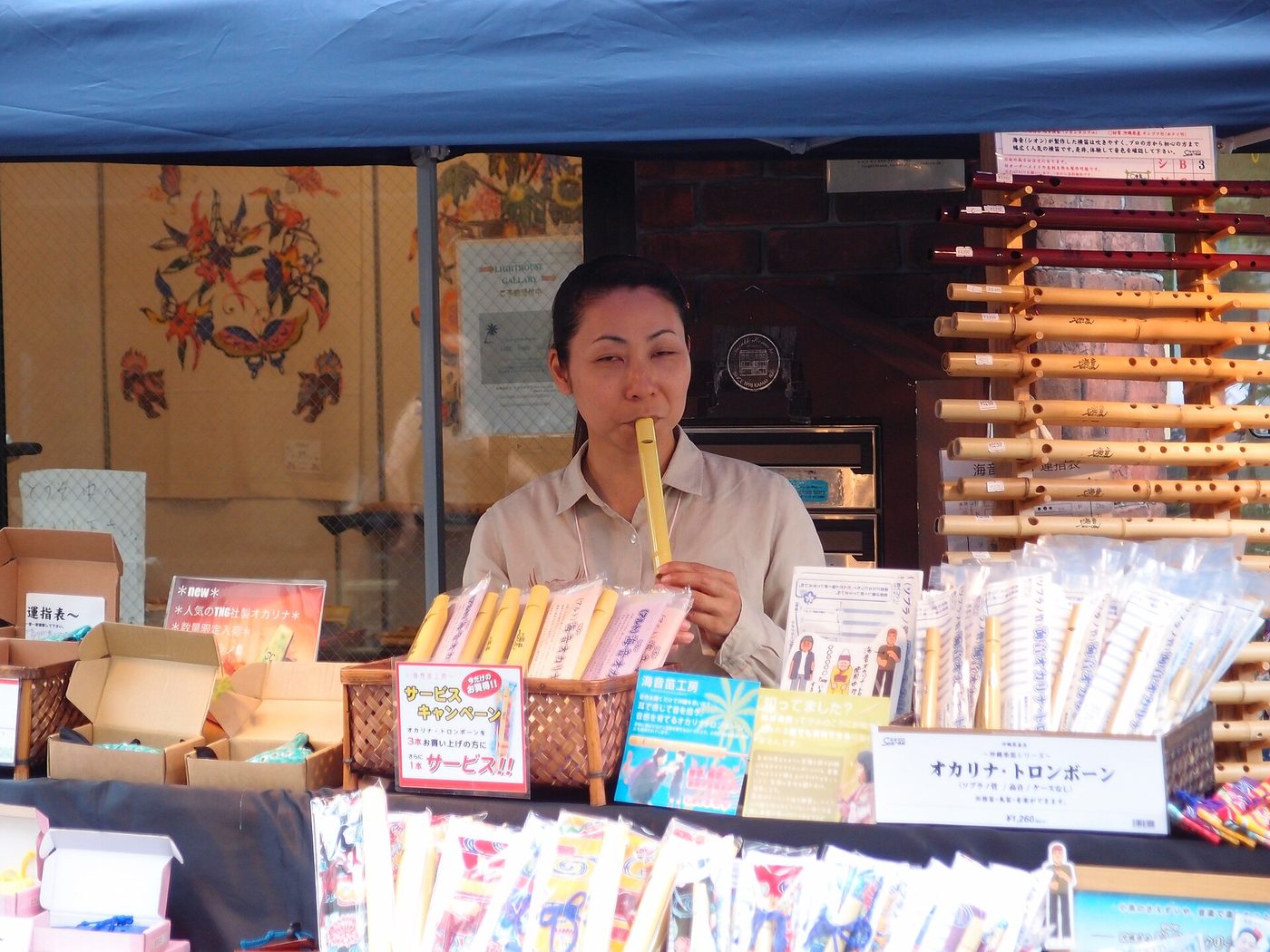
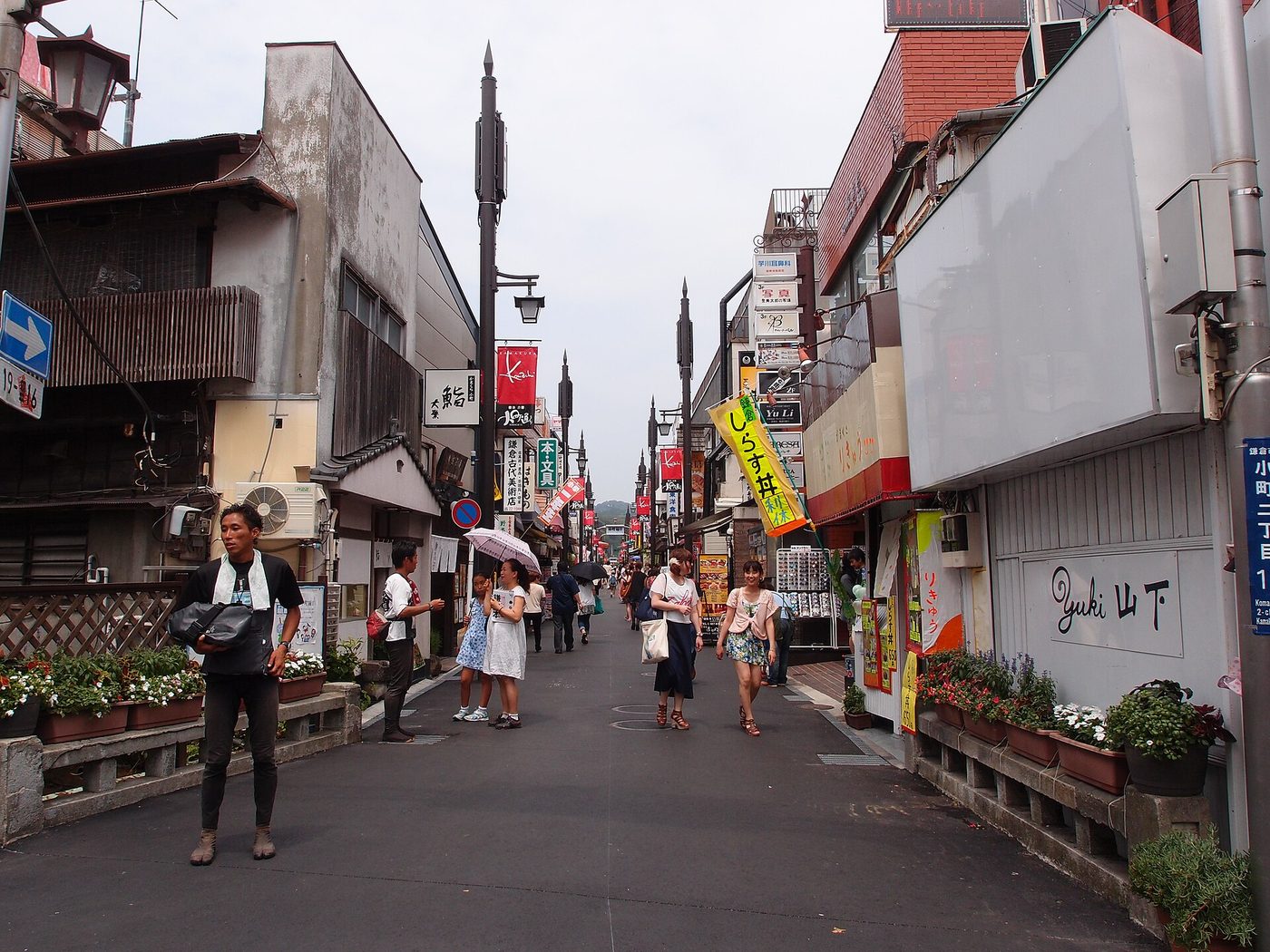
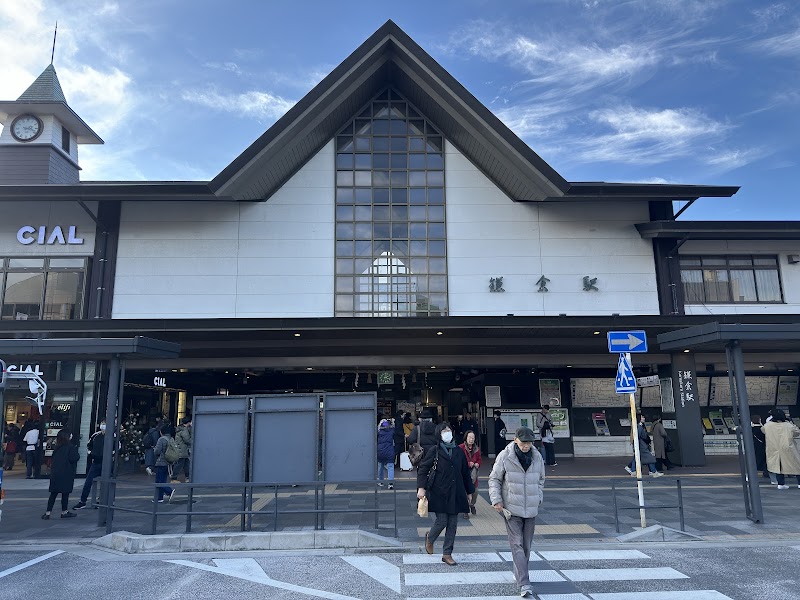
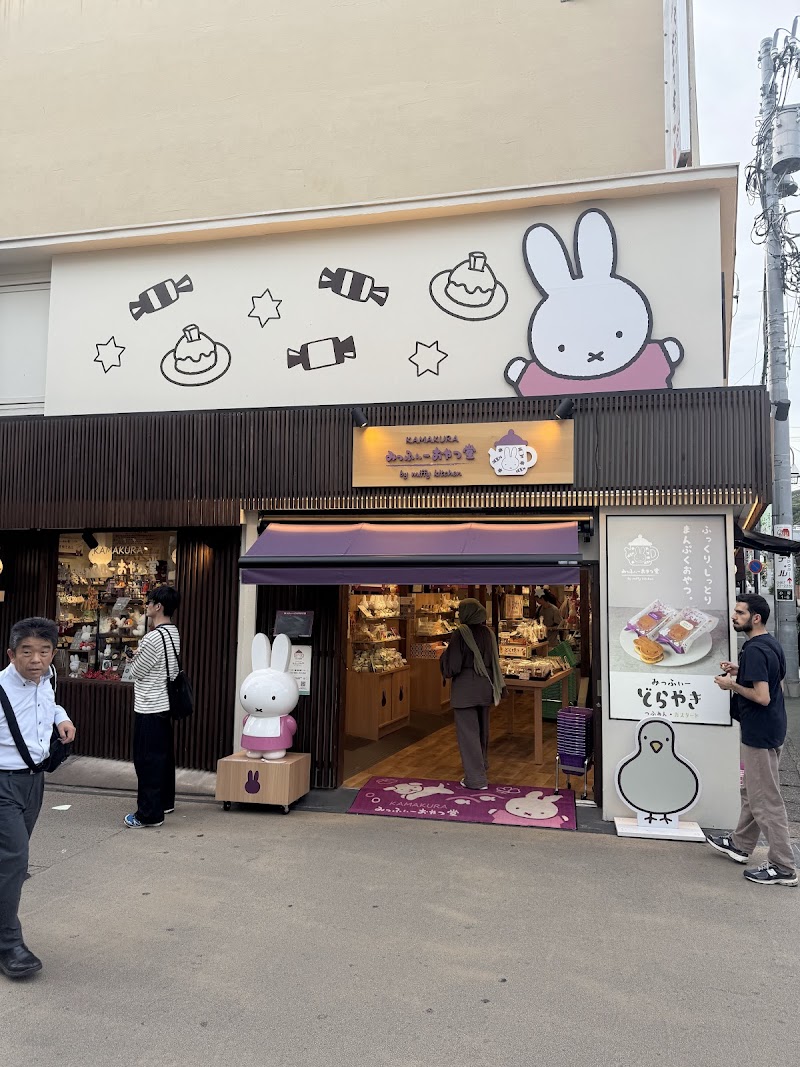
The main shopping and eating street from Kamakura Station to Tsurugaoka Hachimangu. Packed with cafes, snack shops, souvenir stores. Try the purple sweet potato soft serve and fresh senbei.

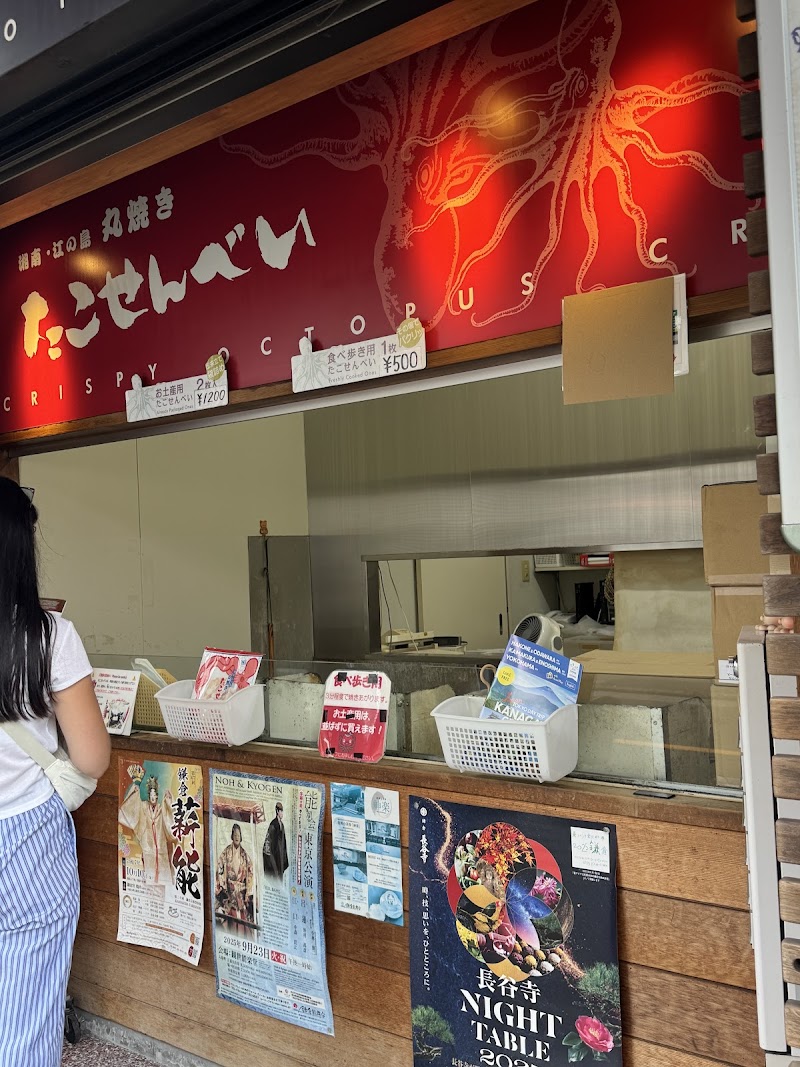
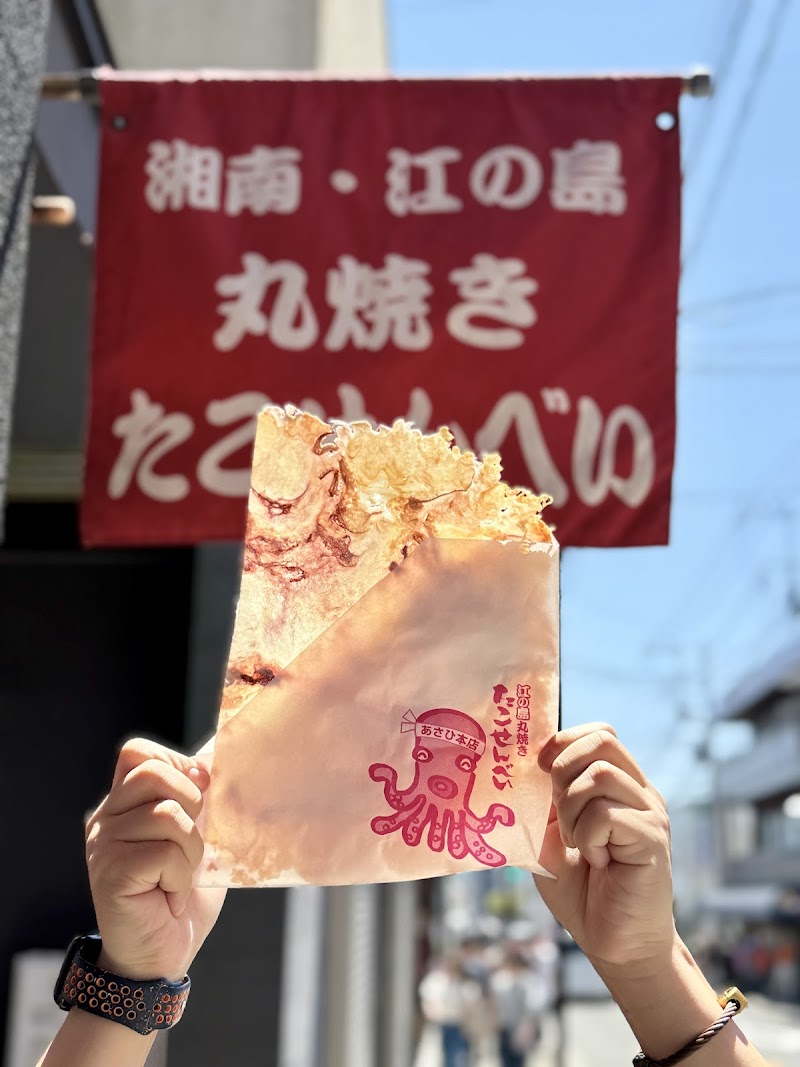
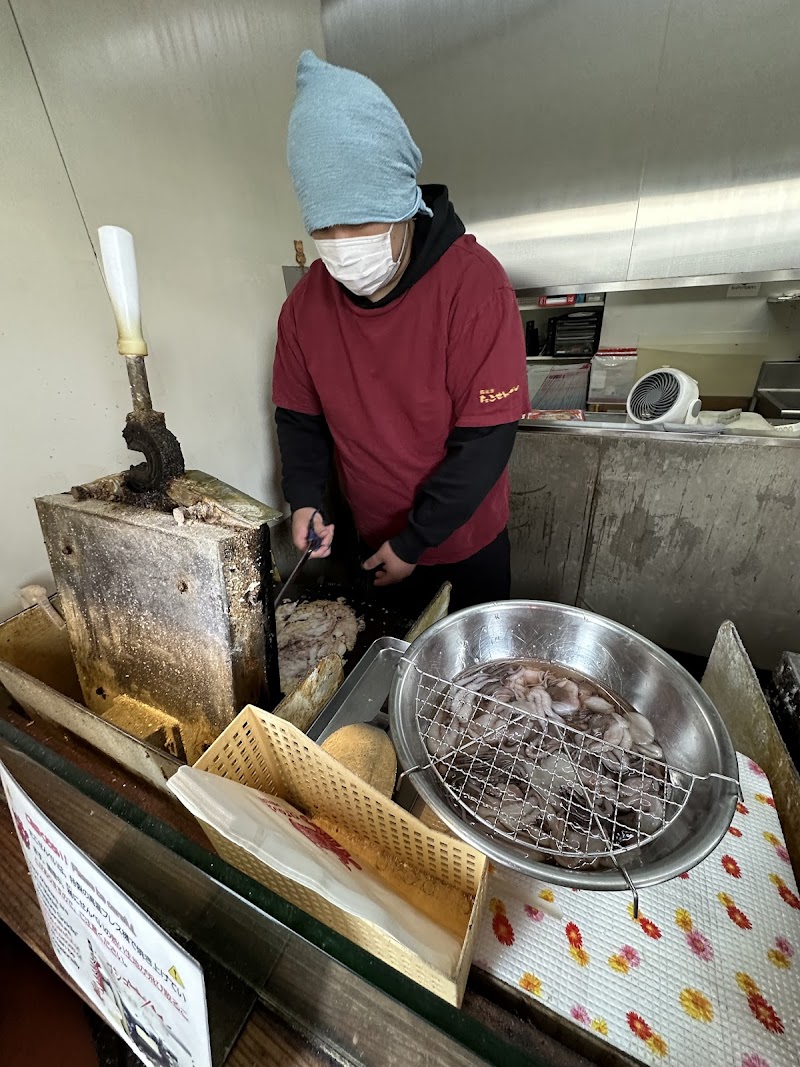
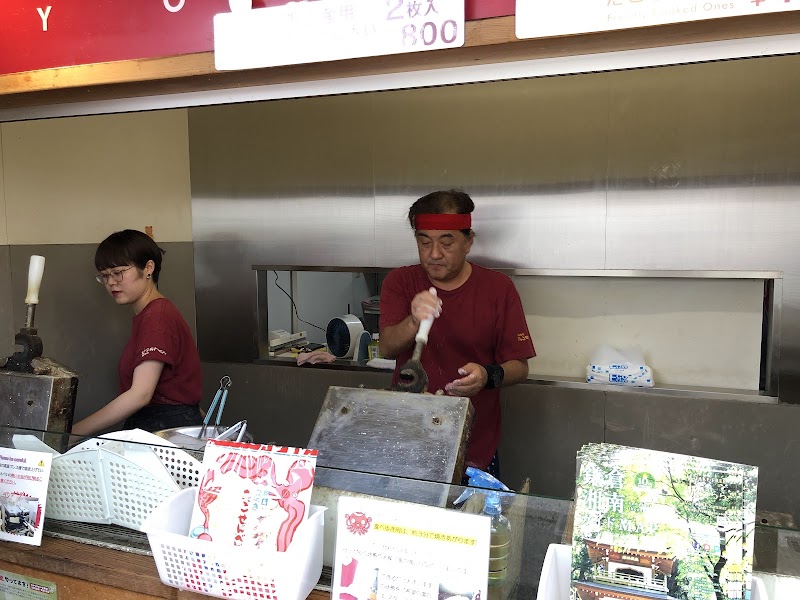
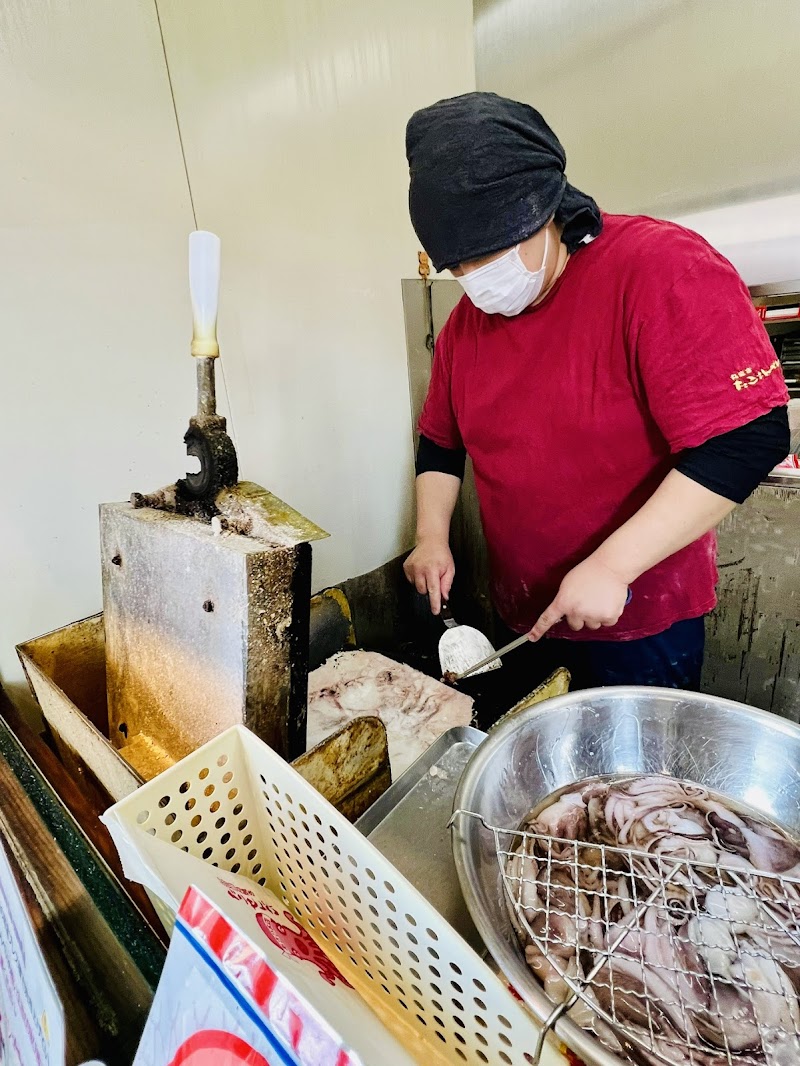
Near the Great Buddha, watch whole octopuses get pressed into giant rice crackers in a hydraulic press. Crispy, savory, and unique to Kamakura. One of Japan's quirkiest snacks.

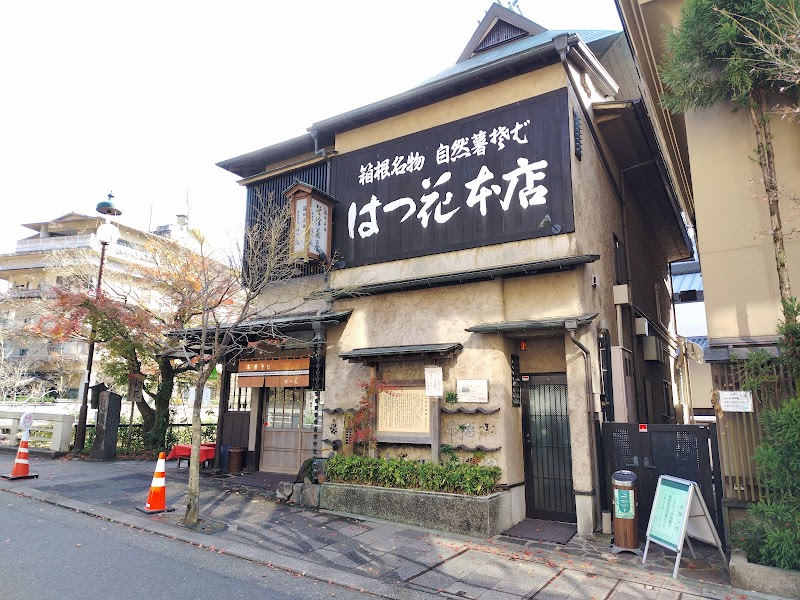
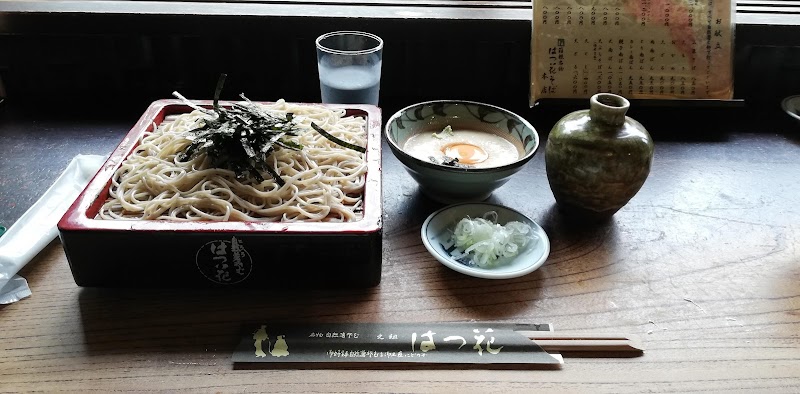
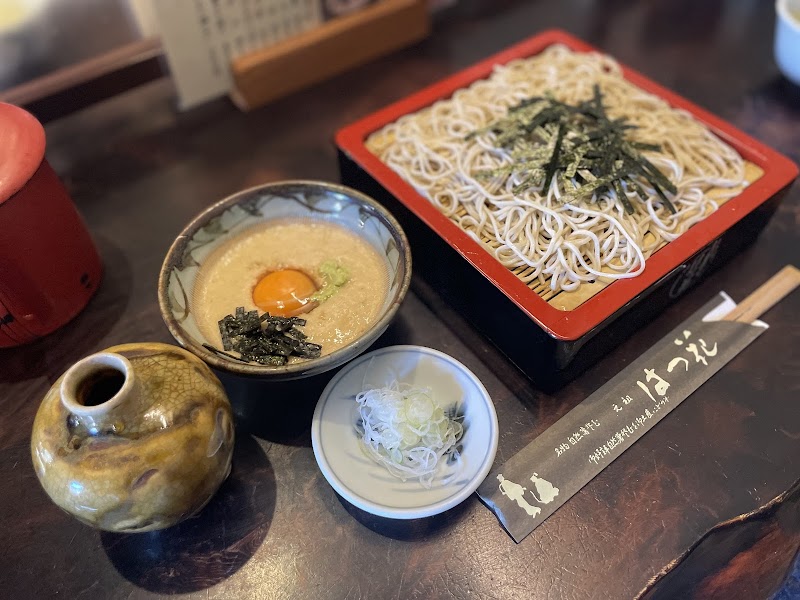
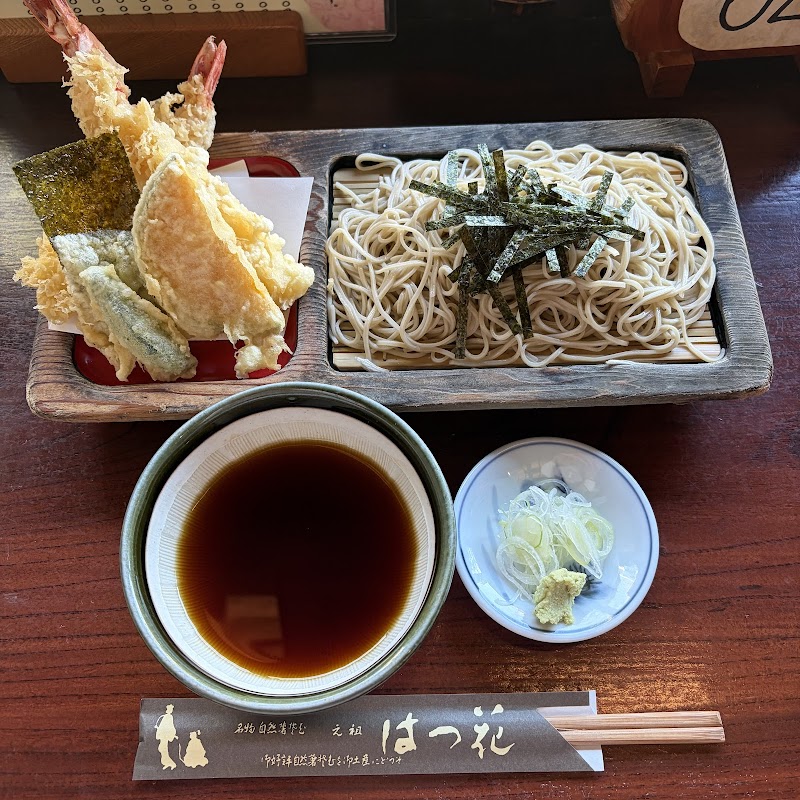
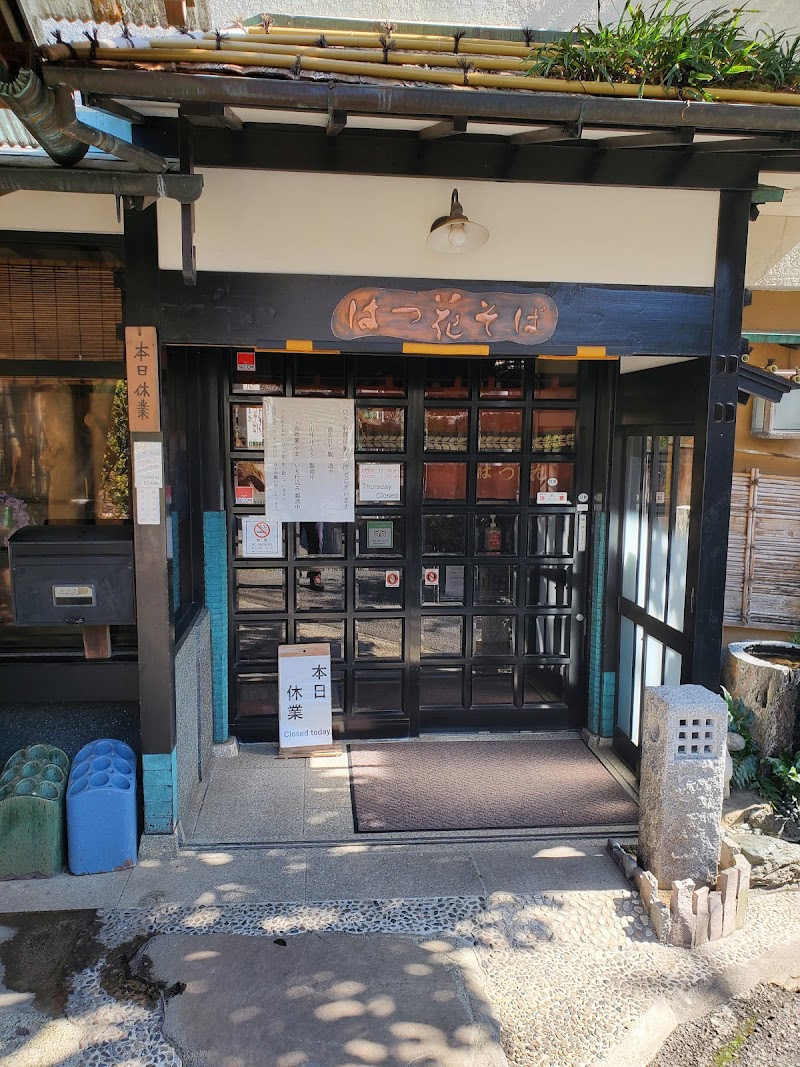
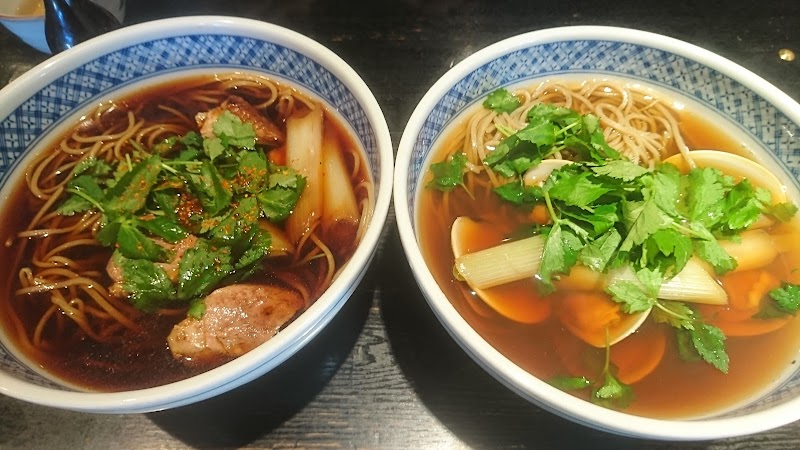
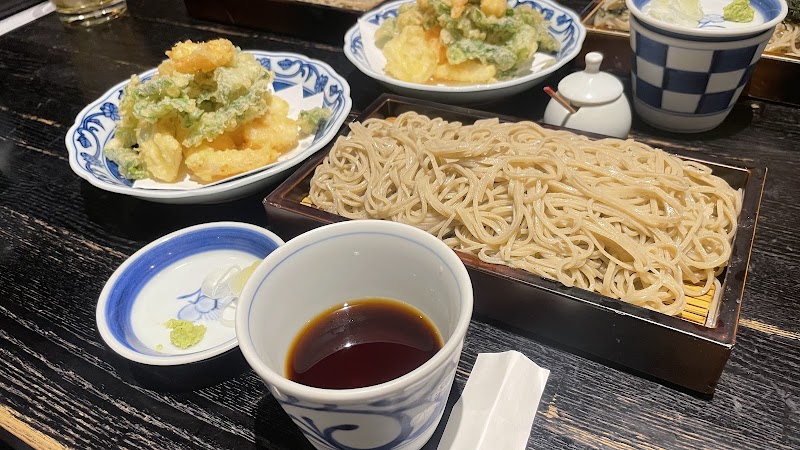
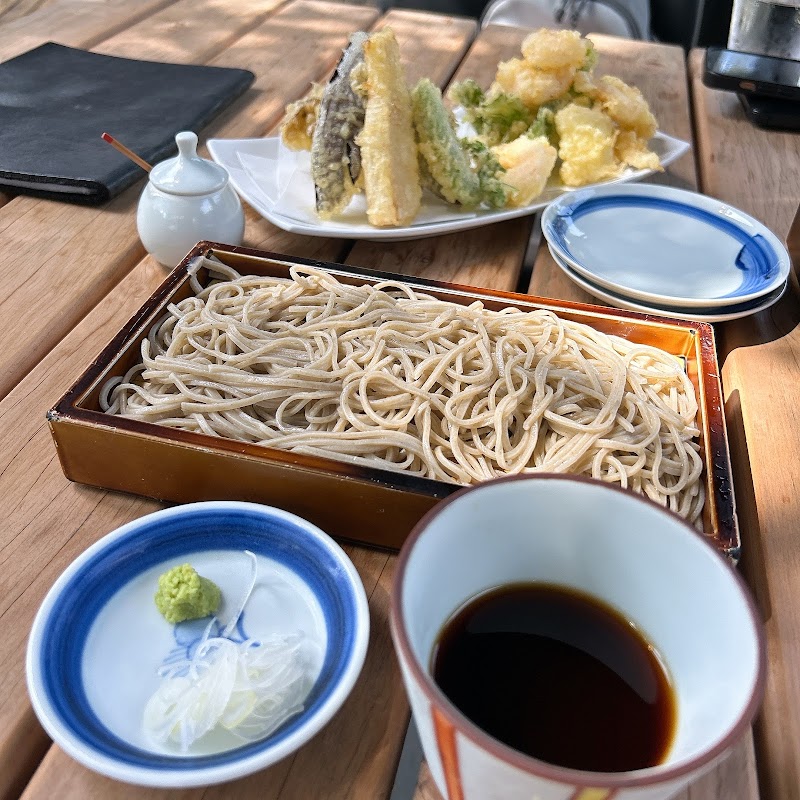
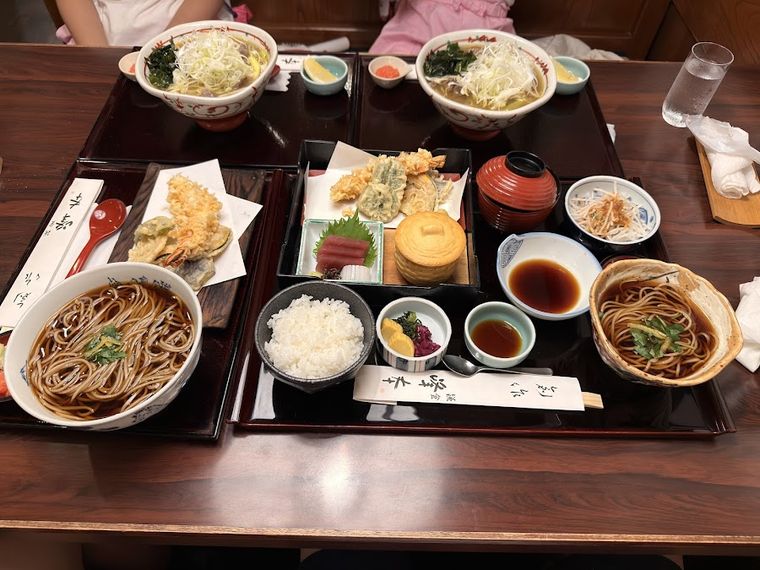
Handmade soba noodles served on wooden trays. The buckwheat is ground fresh daily. Always has a line at lunch but moves quickly. Some of the best soba you will find near Tokyo.

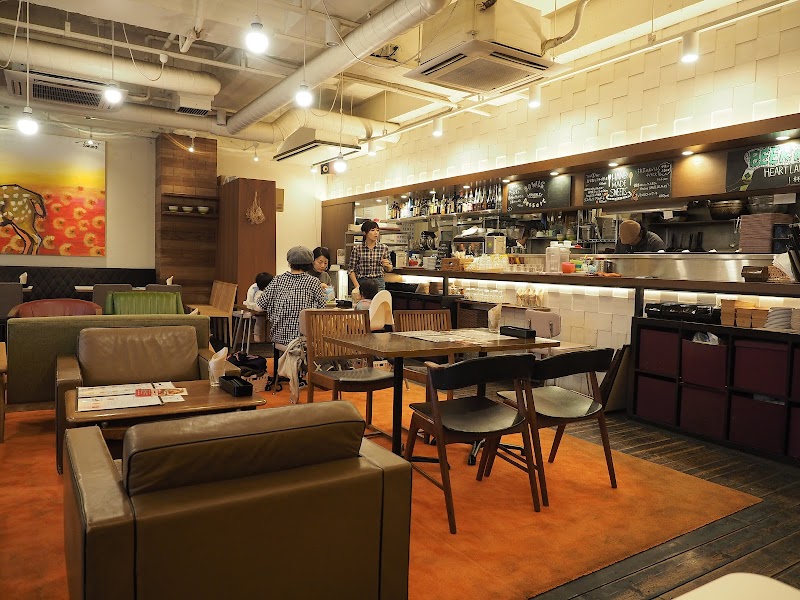
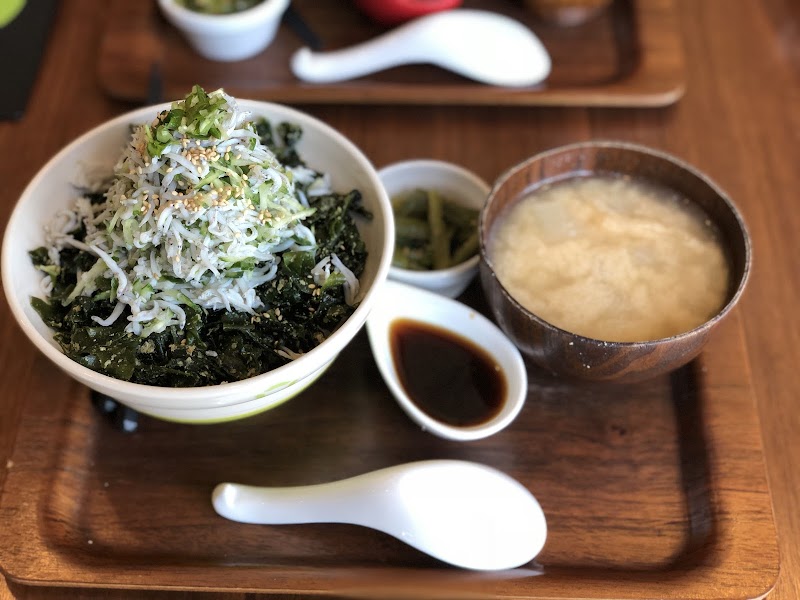
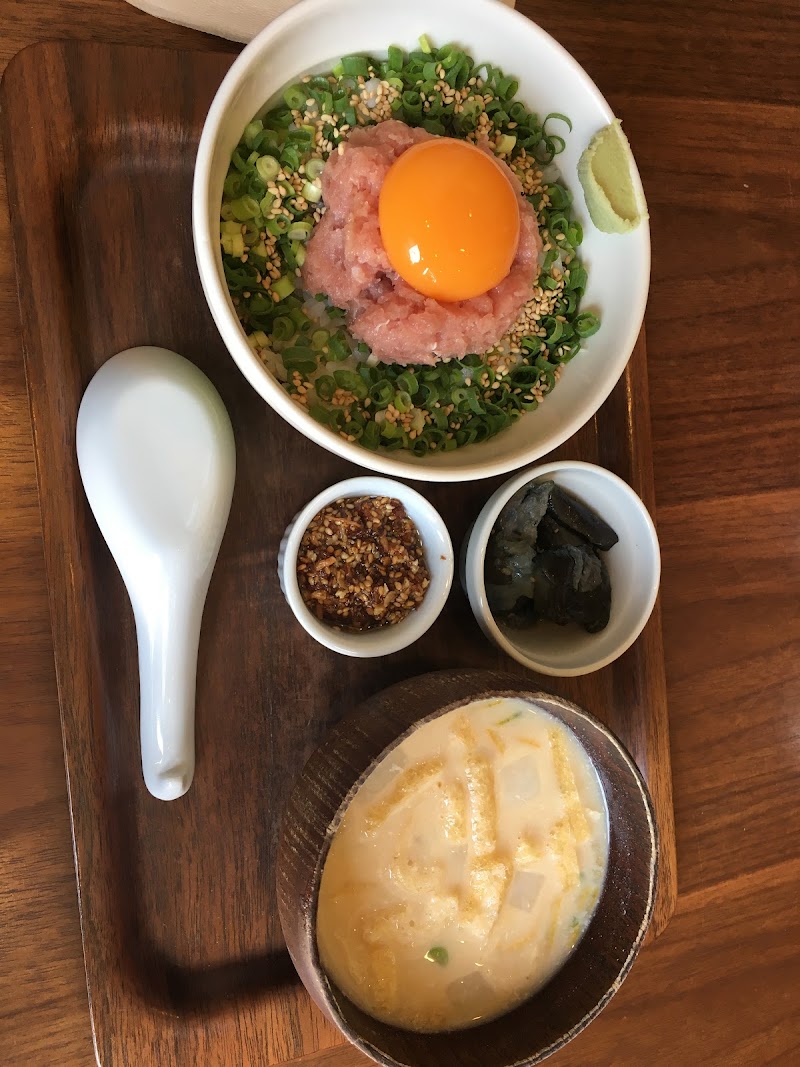
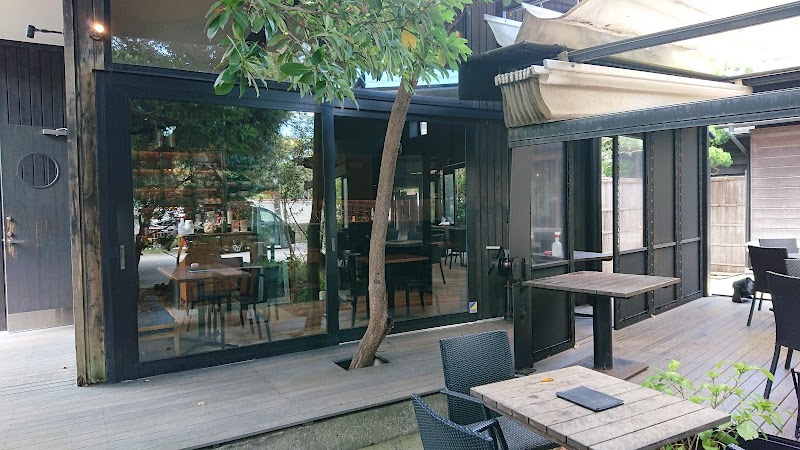
Popular cafe serving rice bowls with fresh shirasu (whitebait) and seafood. Terrace seating with ocean glimpses. The shirasu-don is Kamakura's signature dish. Seasonal spring-autumn only.

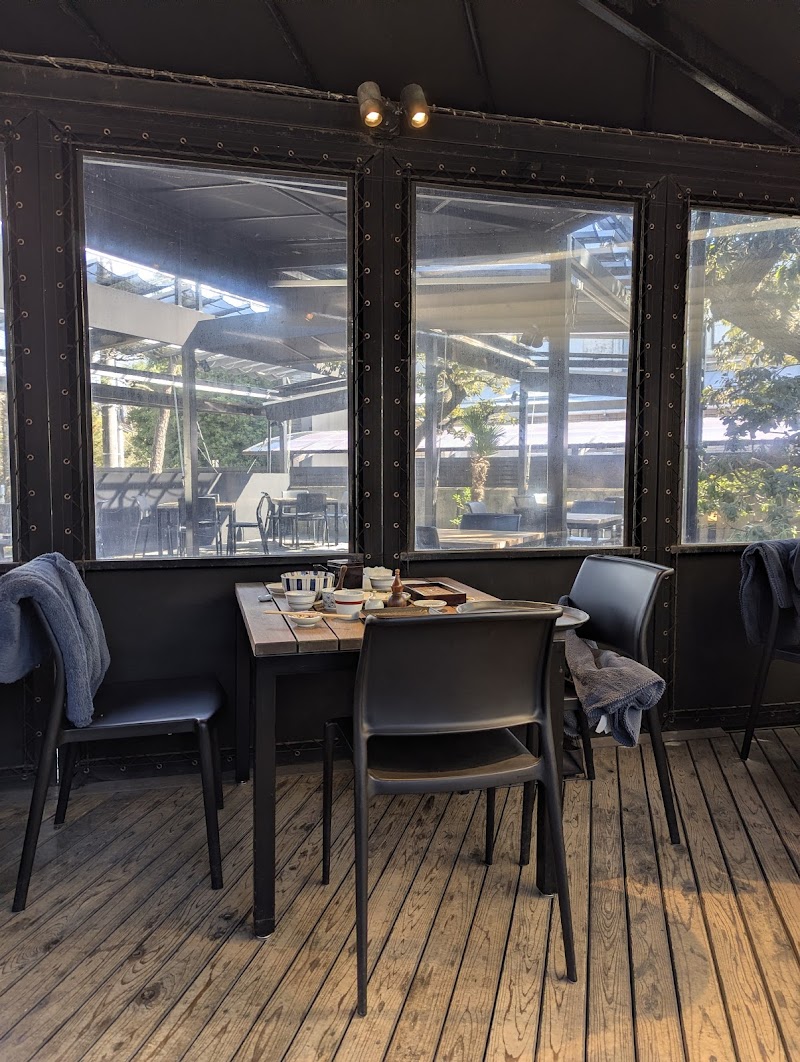
Traditional soba restaurant in a converted old house near Tsurugaoka Hachimangu. Beautiful interior. Try the tempura soba set with local vegetables. Quieter alternative to Hatsuhana.

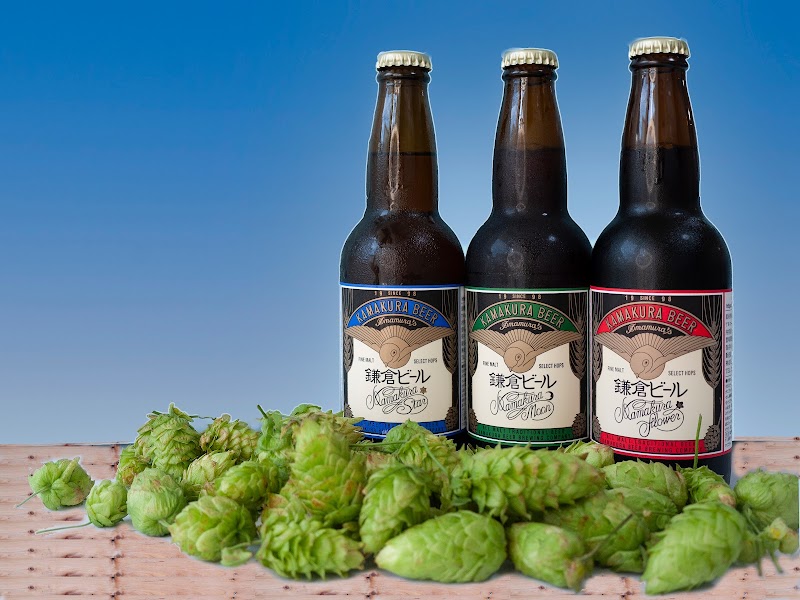
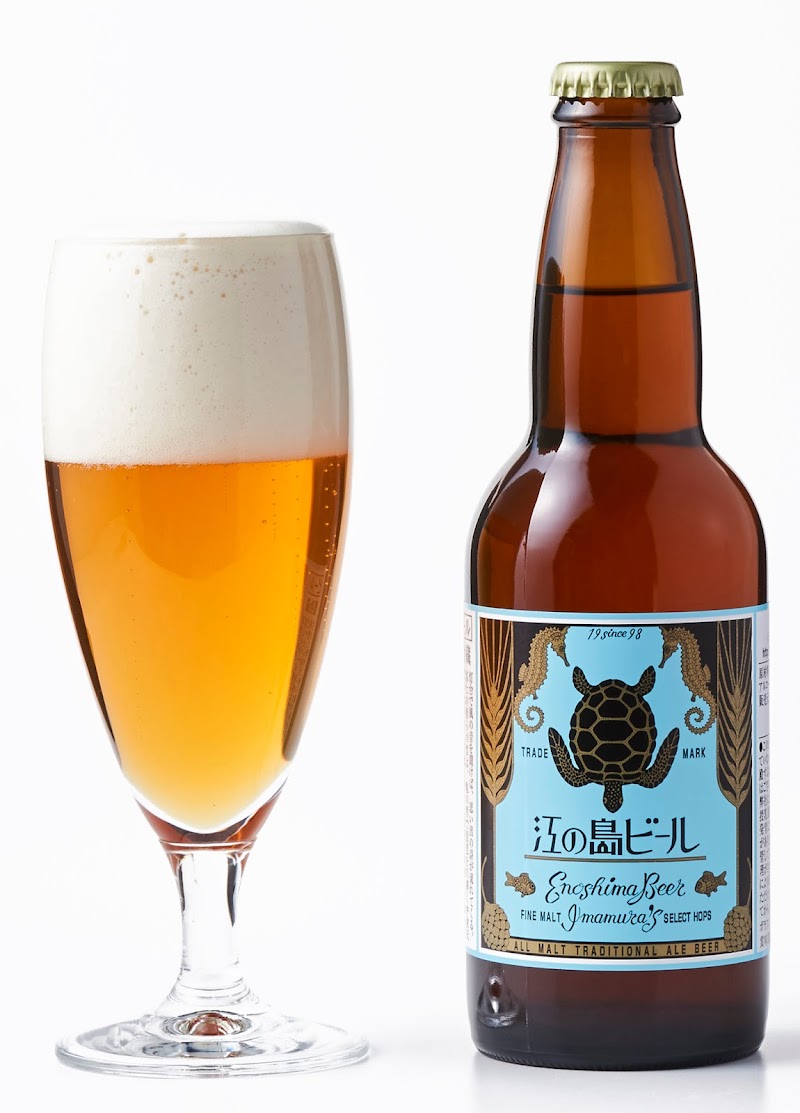
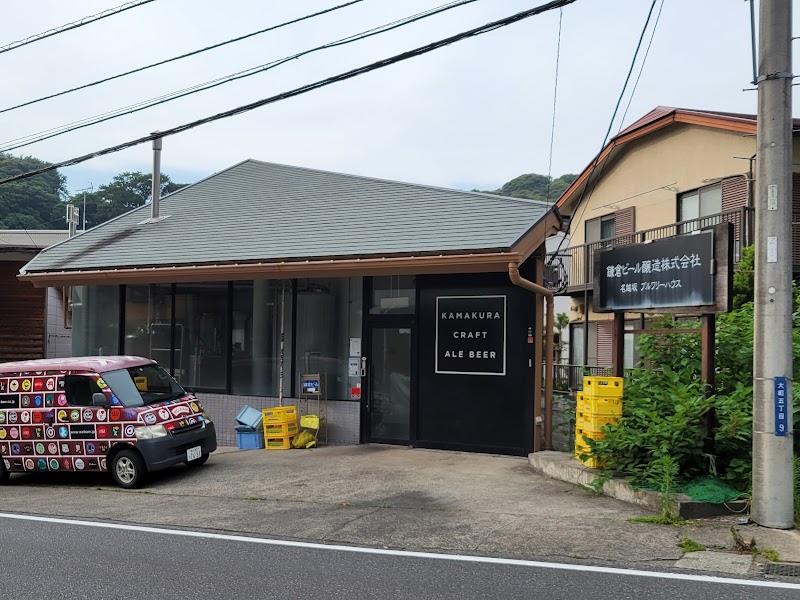
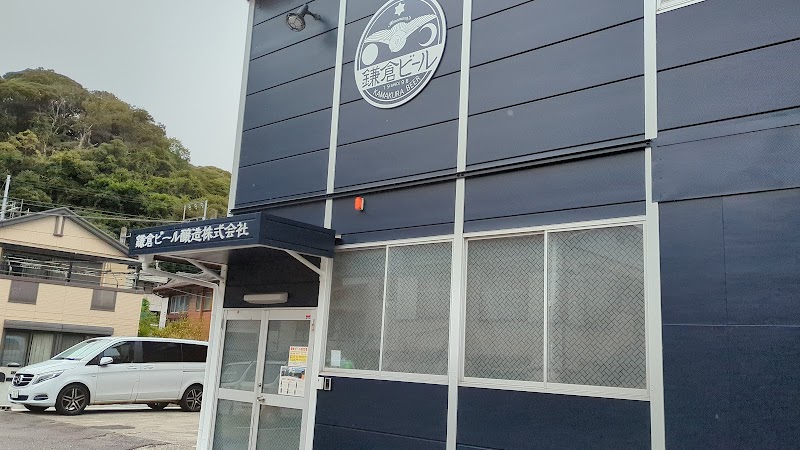
Local craft brewery with a taproom near the station. Several original brews including a yuzu wheat ale. Good selection of local craft beers to try after a day of temple-hopping.

An iconic local brand selling colorful Hawaiian-style shirts with Kamakura motifs. The original shop on Komachi-dori is a must-visit for a unique souvenir. Great quality fabrics.

The shopping street from Kamakura Station to Tsurugaoka Hachimangu Shrine, souvenir shops, ice cream stands, and the famous Hato Sabure...

Main shopping hub. Handcrafts, local sweets, souvenirs, cafes. From station to shrine.

Multiple trails connecting temples. Daibutsu trail connects landmarks through forest.

Scenic seaside tram. Slam Dunk crossing at Kamakura-Koko-Mae Station
The island, sea caves, the Enoden train, and cultural highlights.

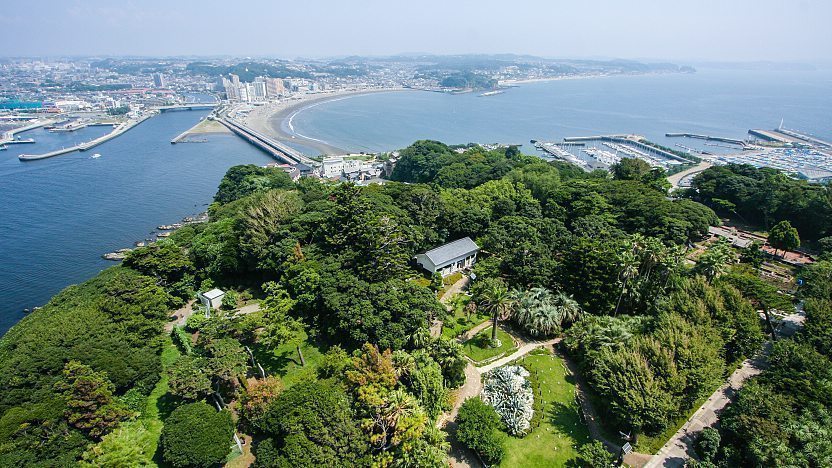
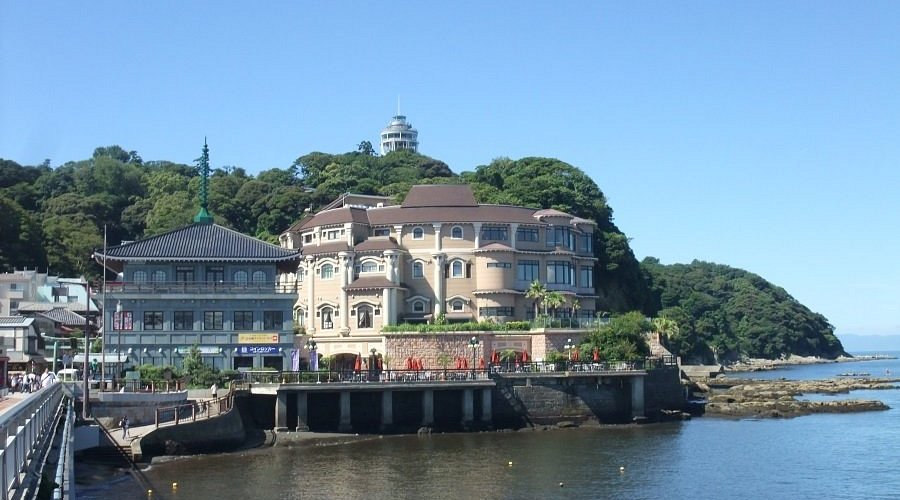
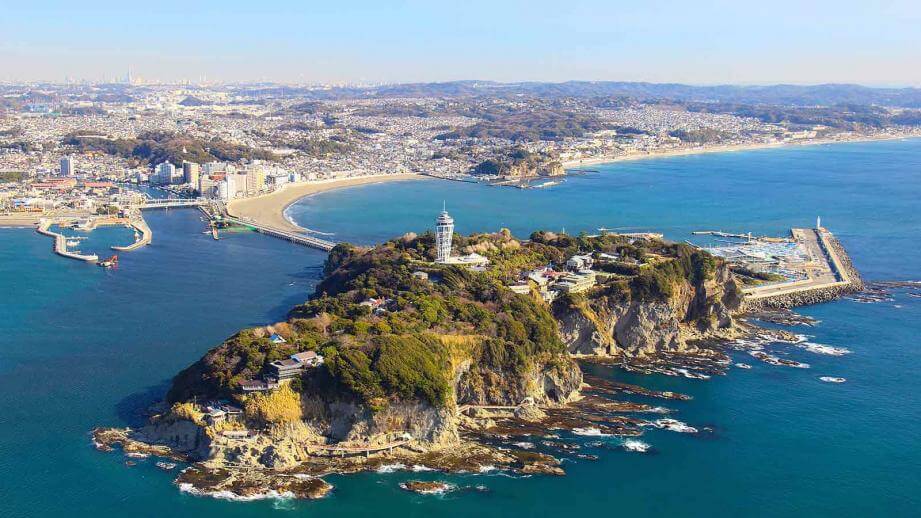
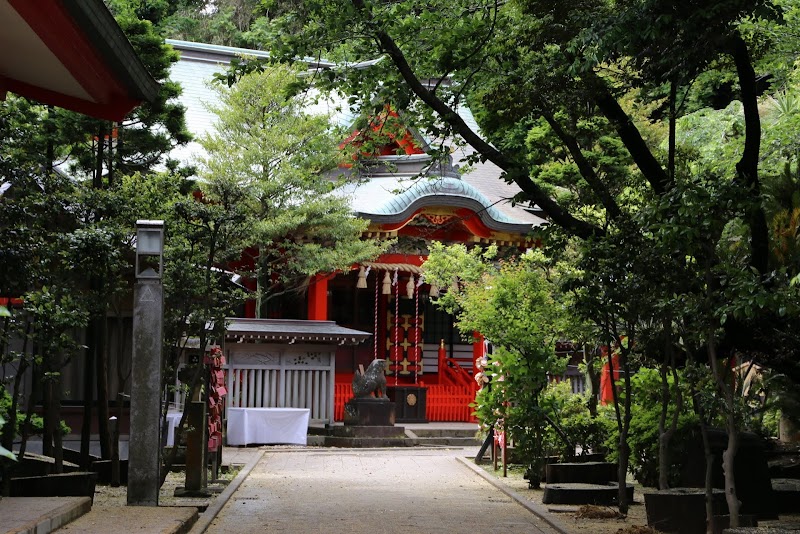
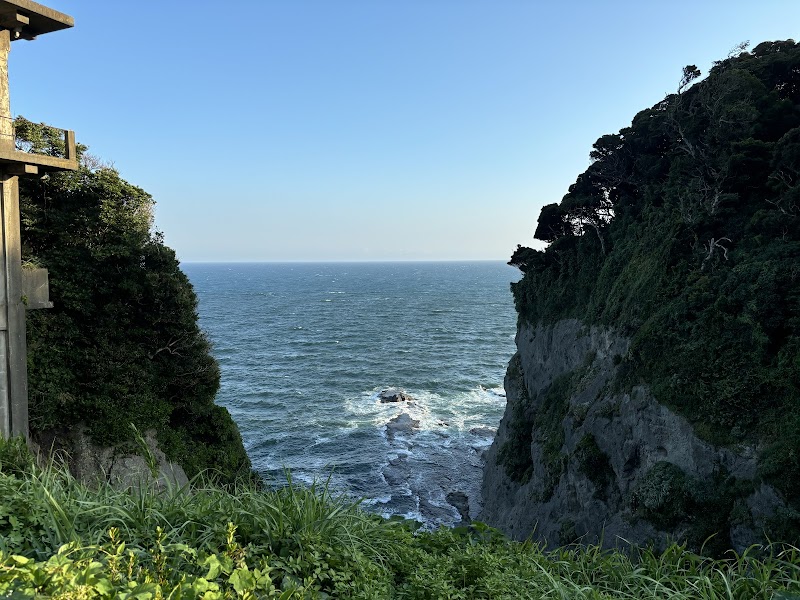
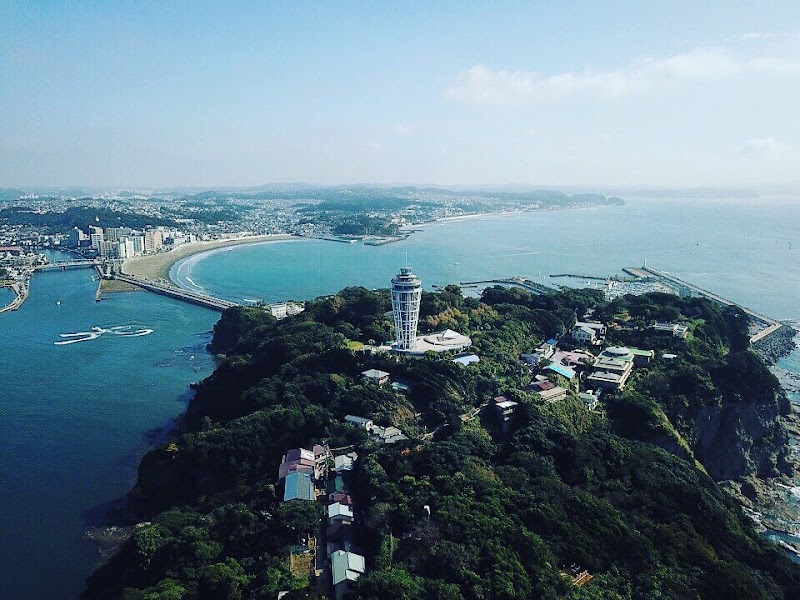
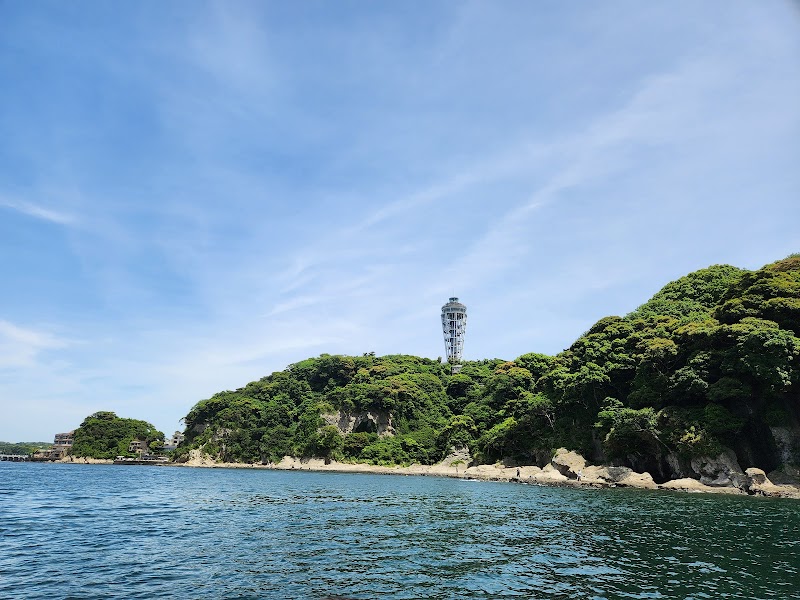
Small island connected by bridge. Three shrines, sea caves, observation tower. Walk to the top for Pacific Ocean views. On clear days Mount Fuji appears across the water. Combine with Kamakura.

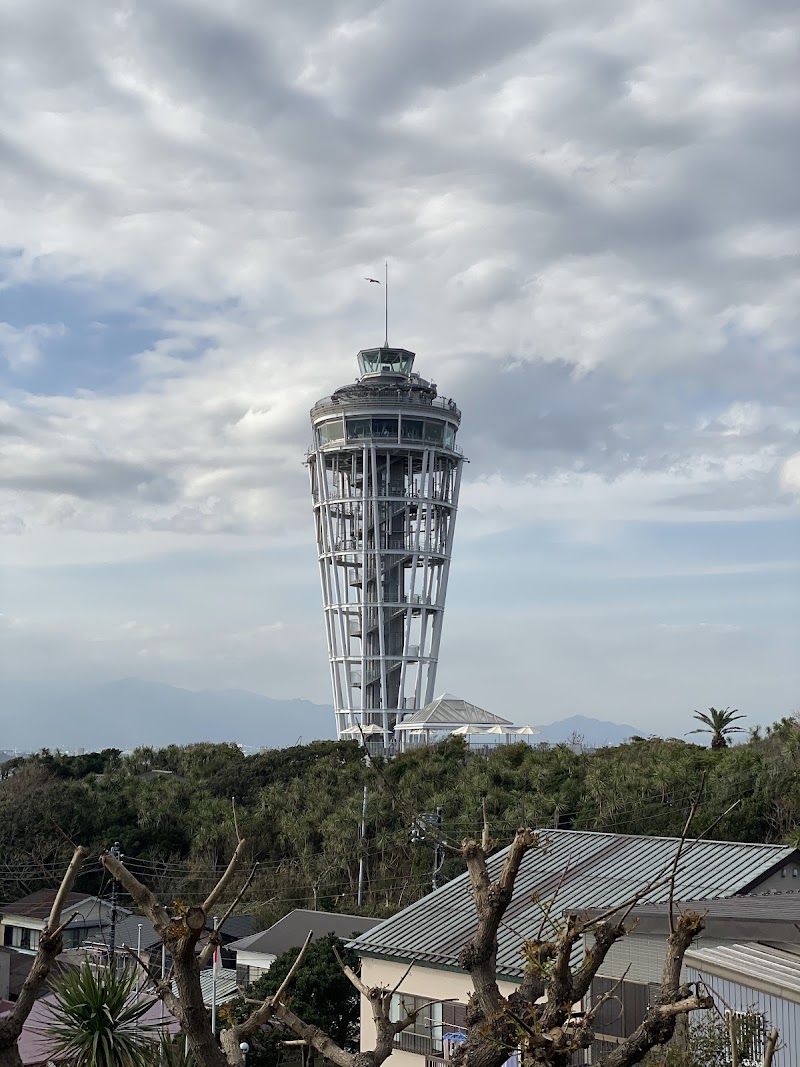
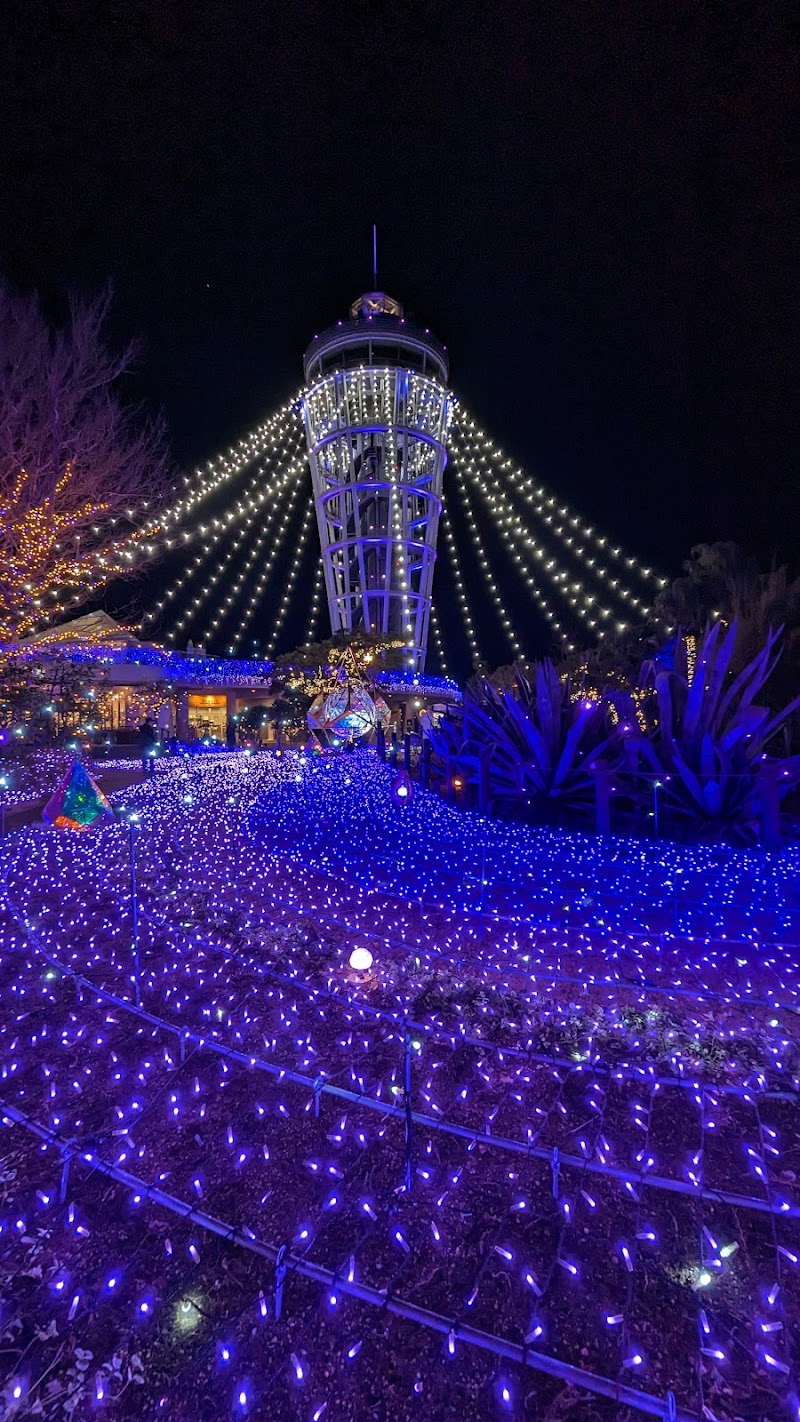
Observation lighthouse tower on top of Enoshima Island. 360-degree views of the coast, Kamakura, and Mount Fuji on clear days. Beautiful illuminated at night. Samuel Cocking Garden below.

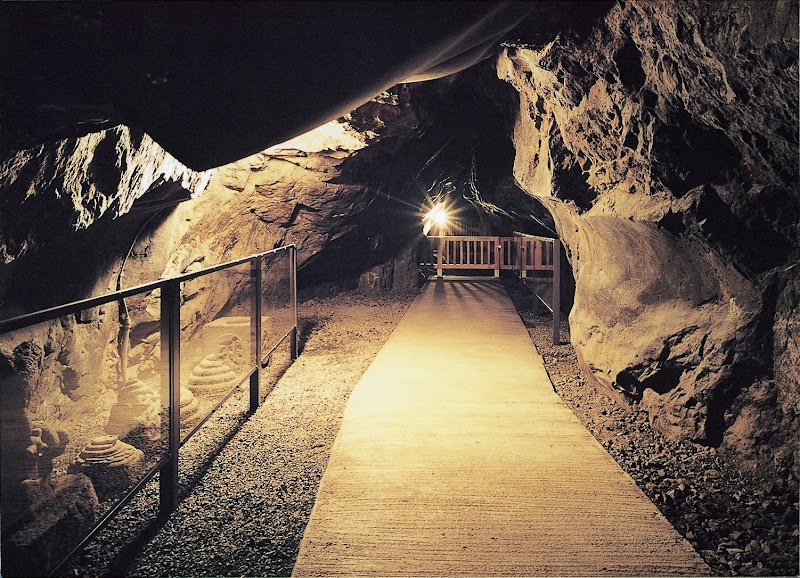
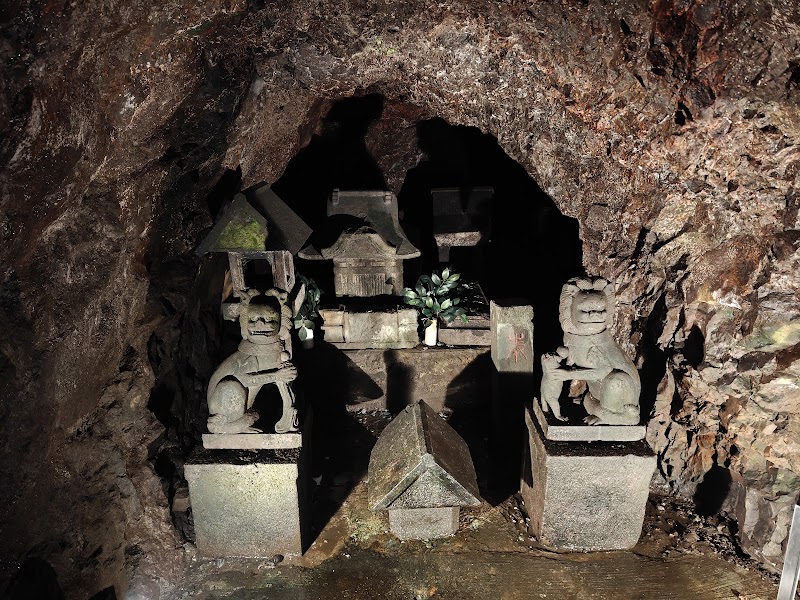
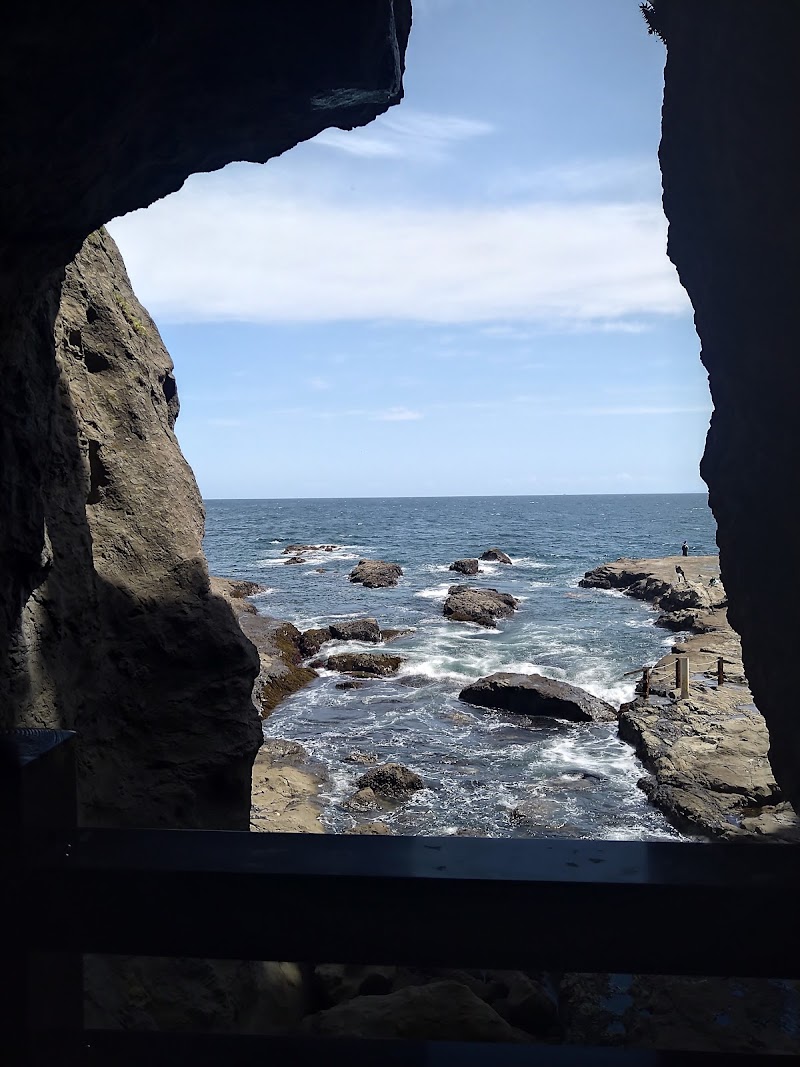
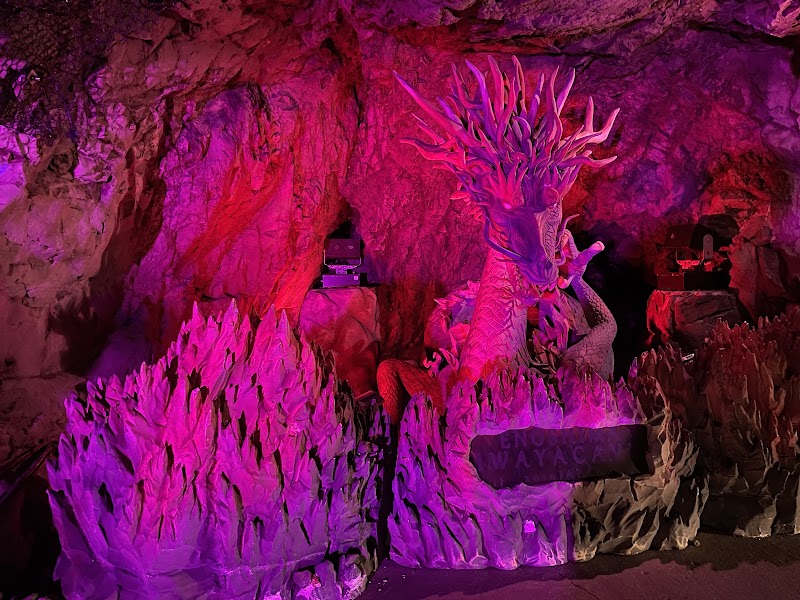
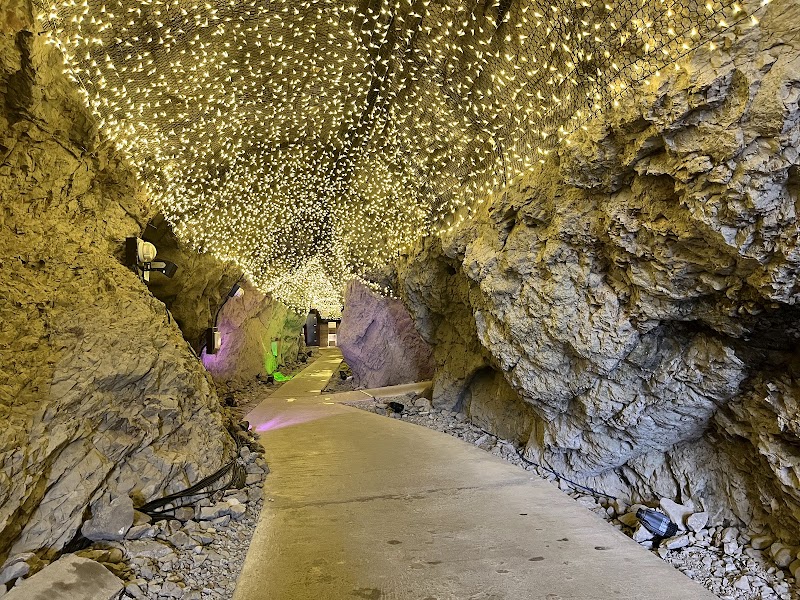
Natural sea caves at the far end of Enoshima Island. Walk through candlelit tunnels with carved Buddhist statues. The caves were formed by wave erosion over thousands of years.

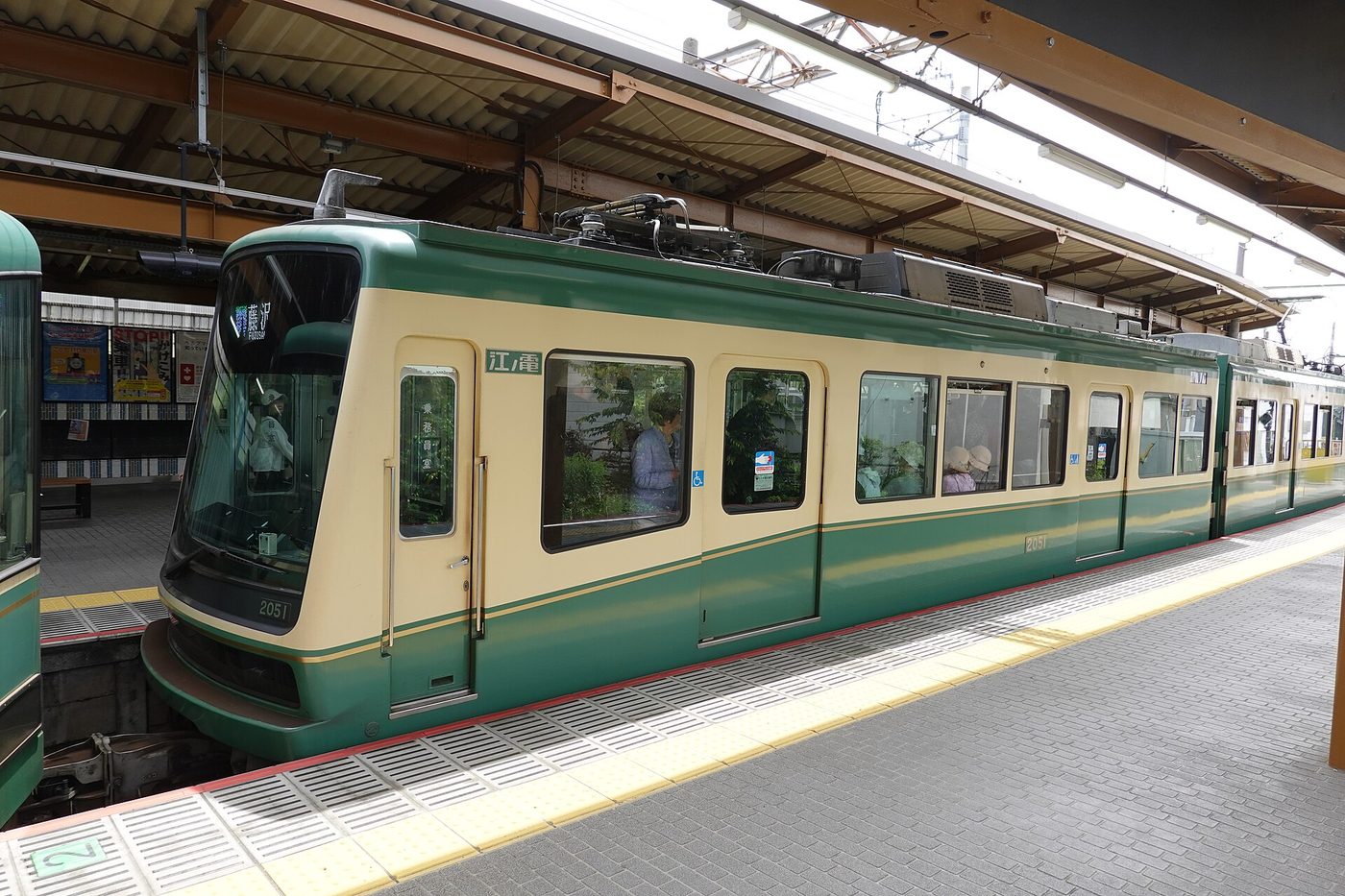
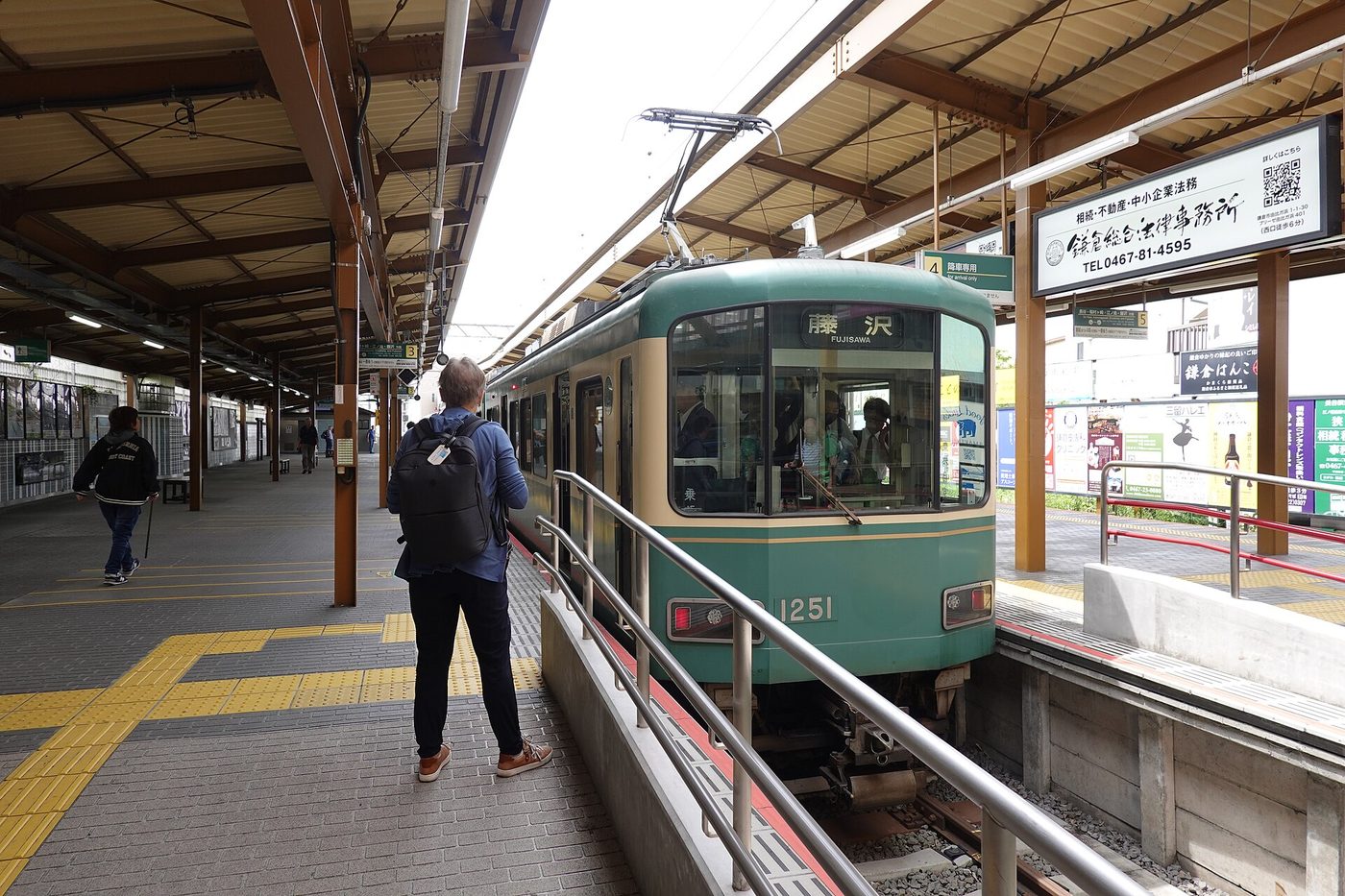
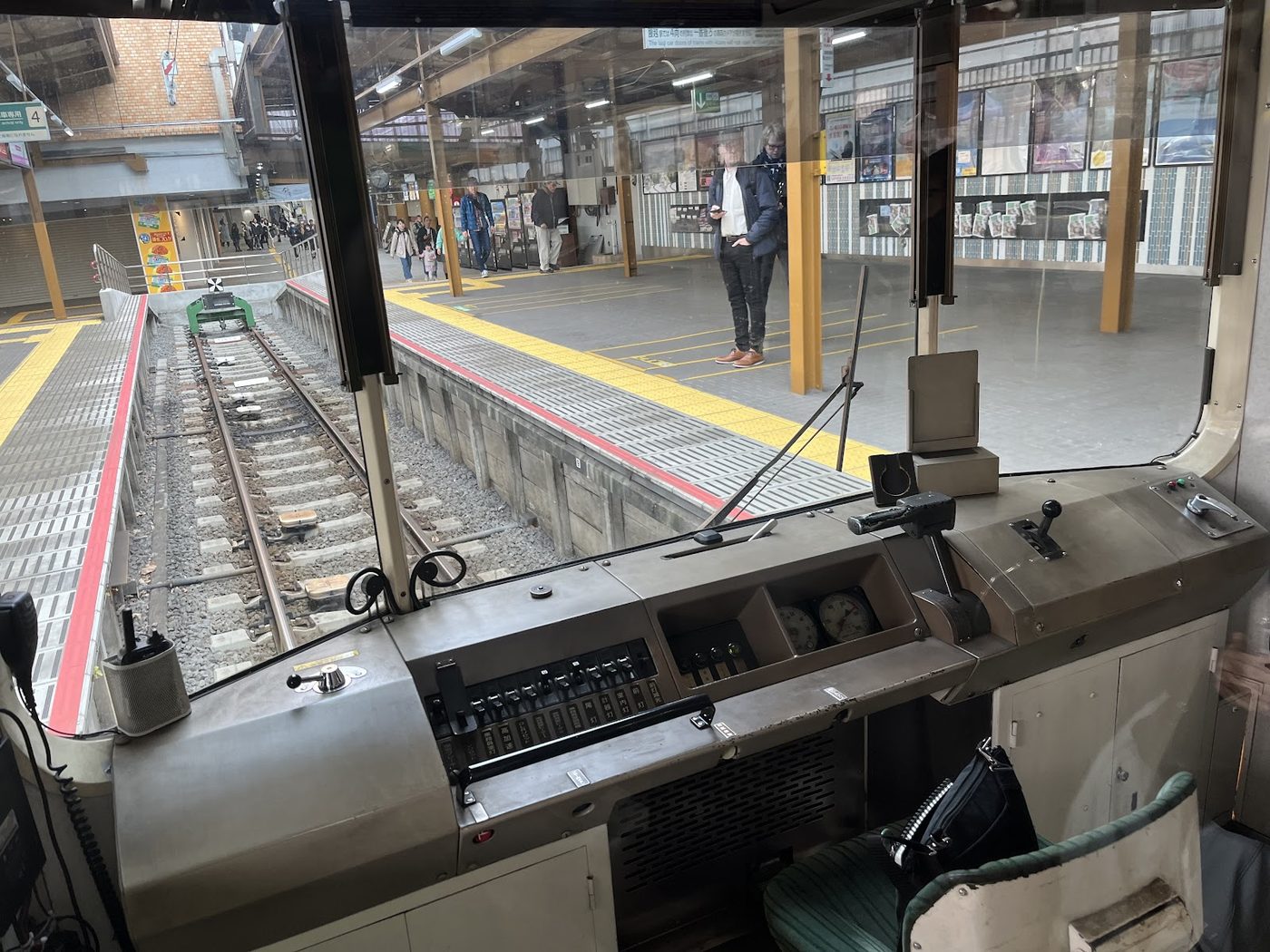
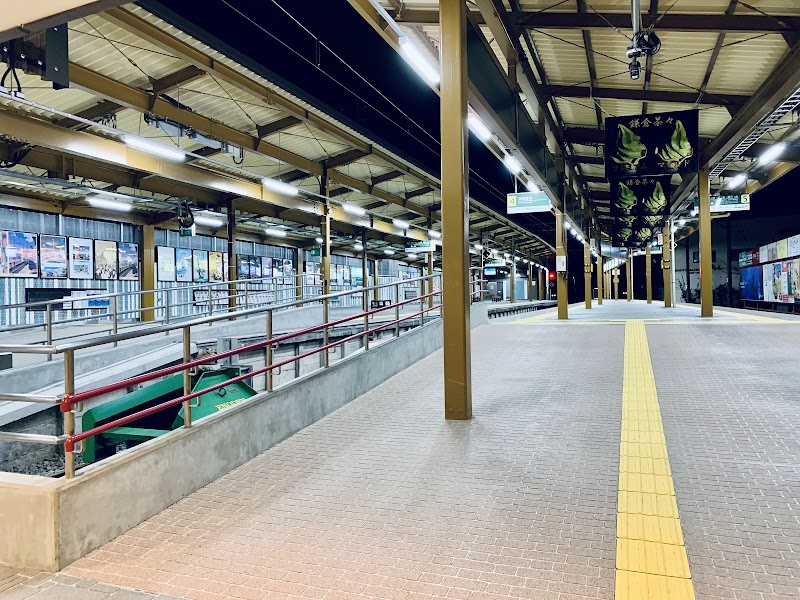
The Enoshima Electric Railway. A charming single-track tram that runs along the coast between Kamakura and Enoshima. The section where it runs through residential streets is iconic. 700 yen day pass.
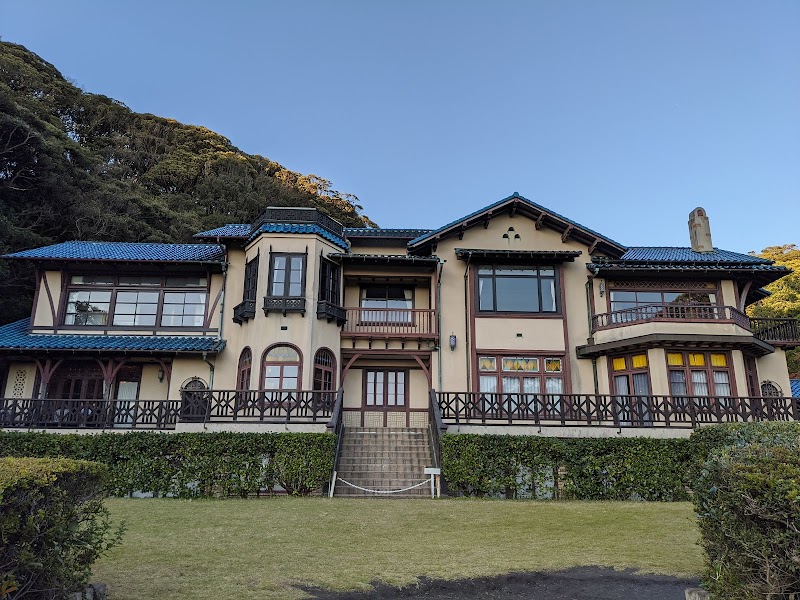
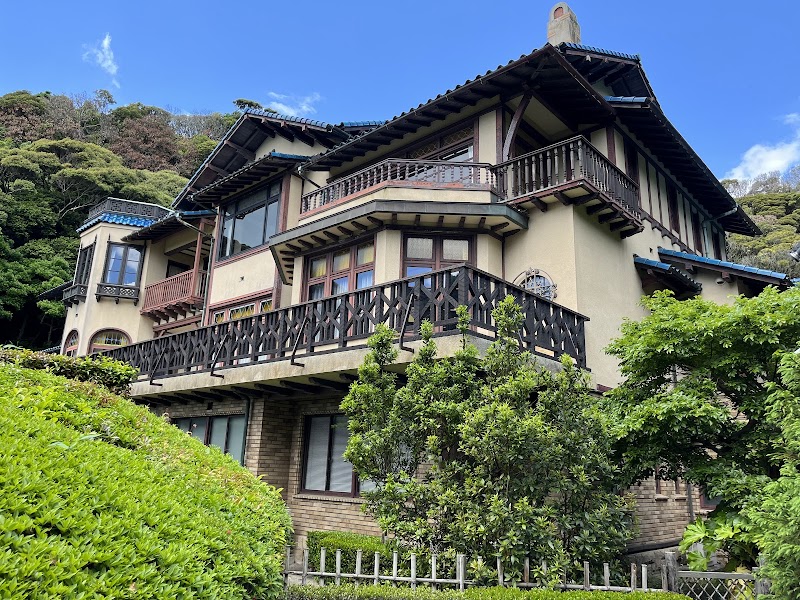
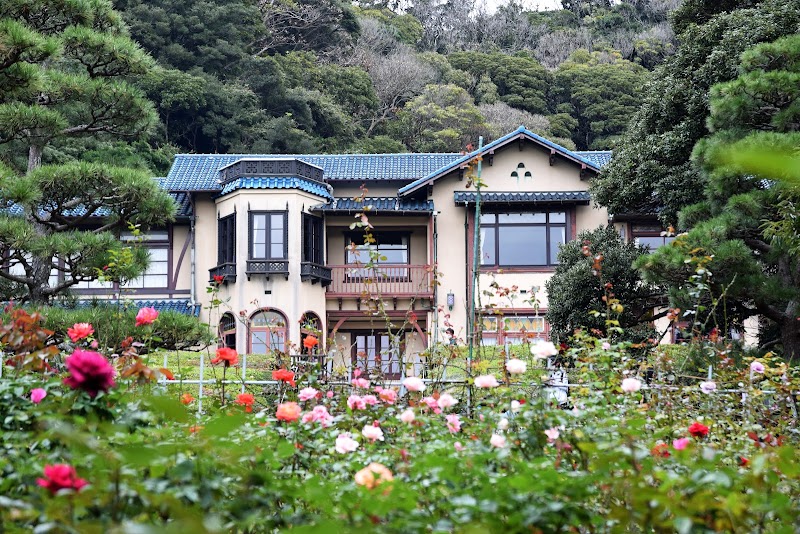
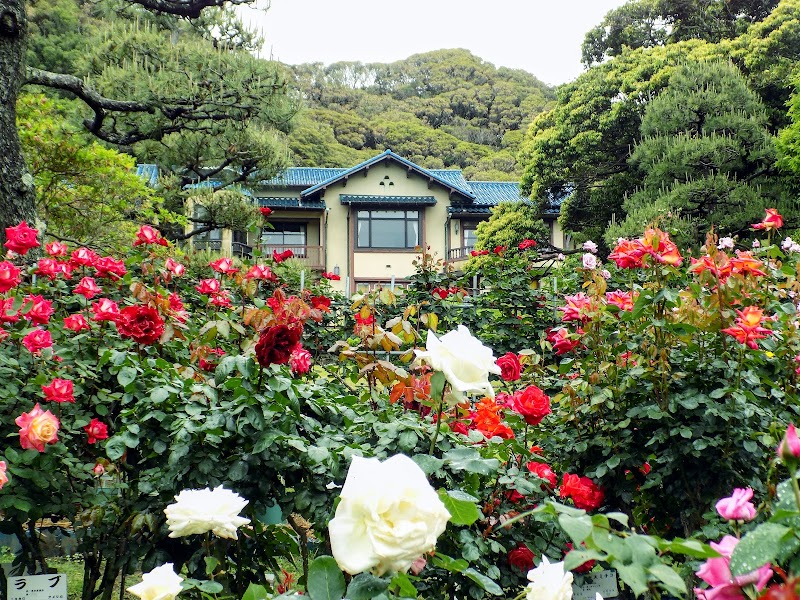
Beautiful old Western-style mansion on a hilltop near Hasedera. Exhibits on writers connected to Kamakura. The rose garden and ocean view terrace are worth the visit alone.
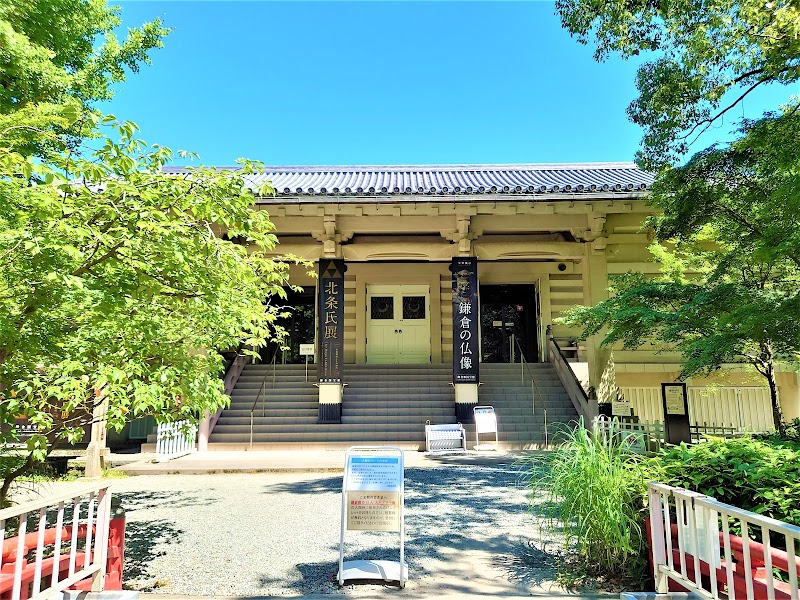
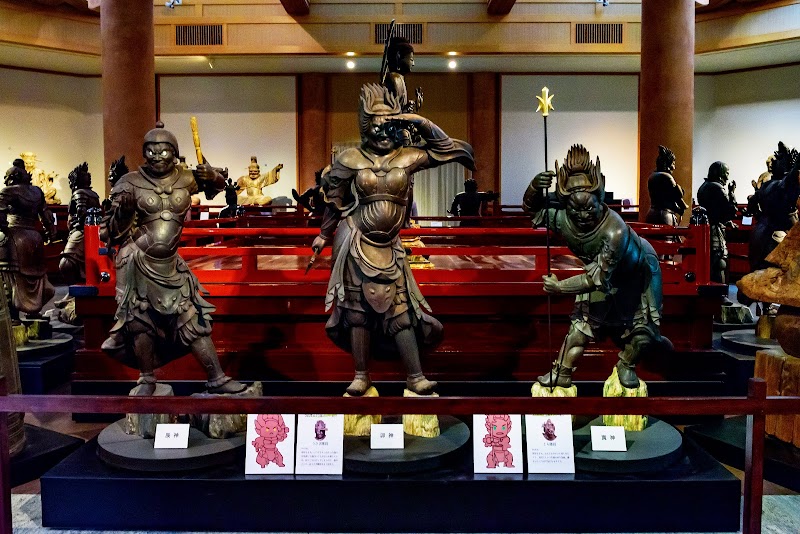
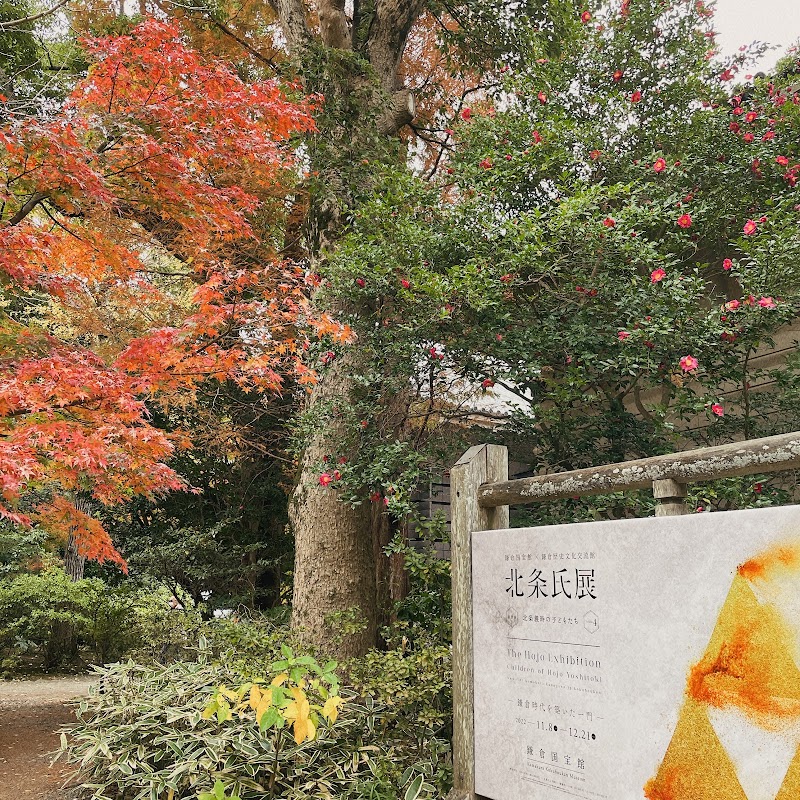
Collection of Buddhist sculptures and artifacts from Kamakura's temples. Rotating exhibitions. Small but excellent. Located in the grounds of Tsurugaoka Hachimangu shrine.

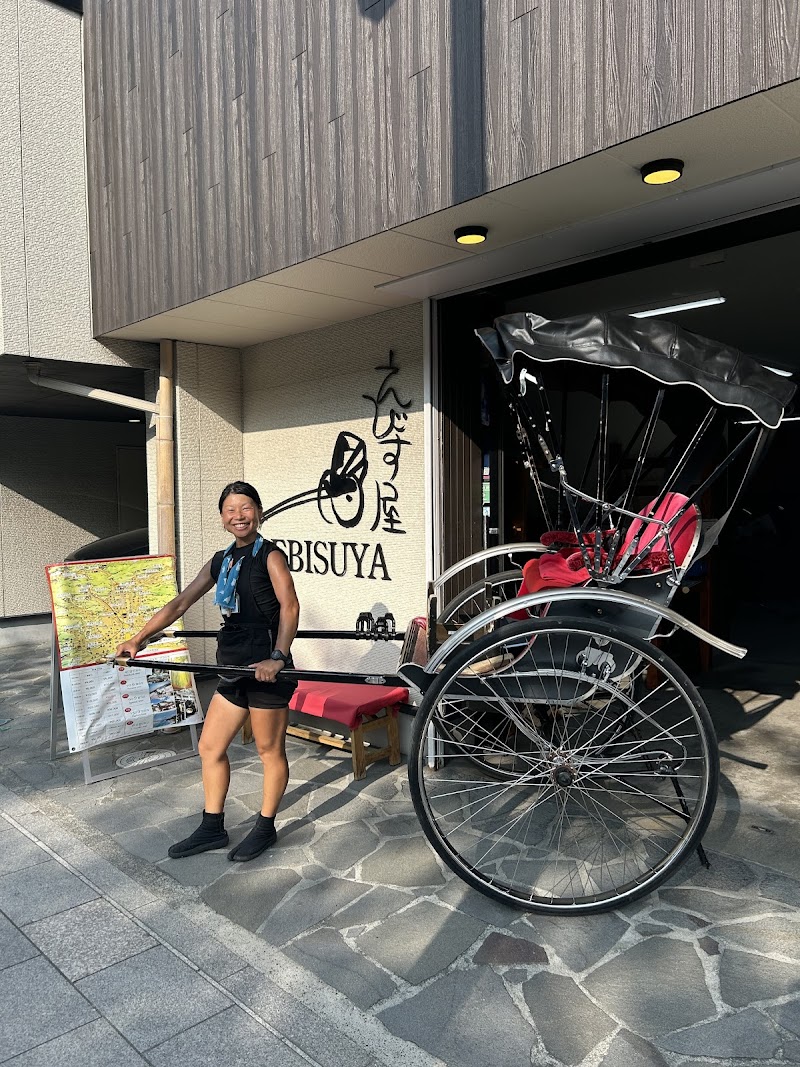
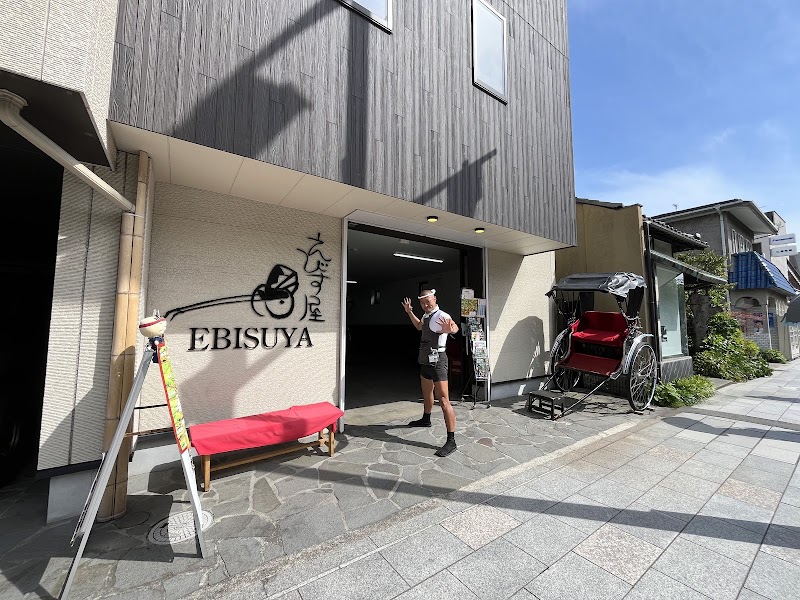
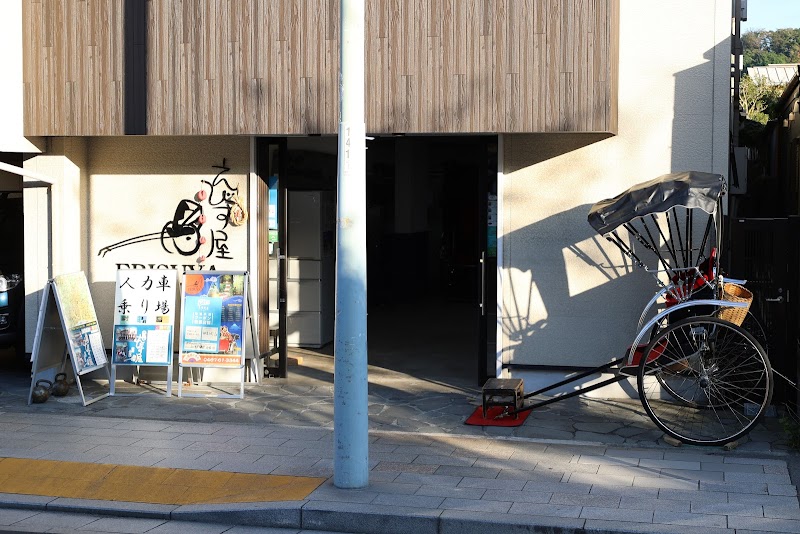
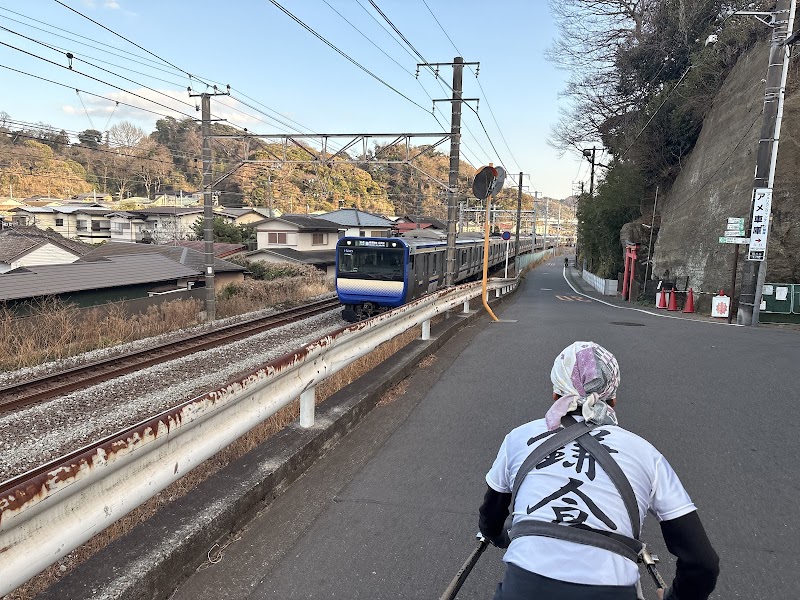
Jinrikisha (human-pulled rickshaw) tours start near the station. English-speaking guides share local history while pulling you through scenic streets. 15-60 minute options available.