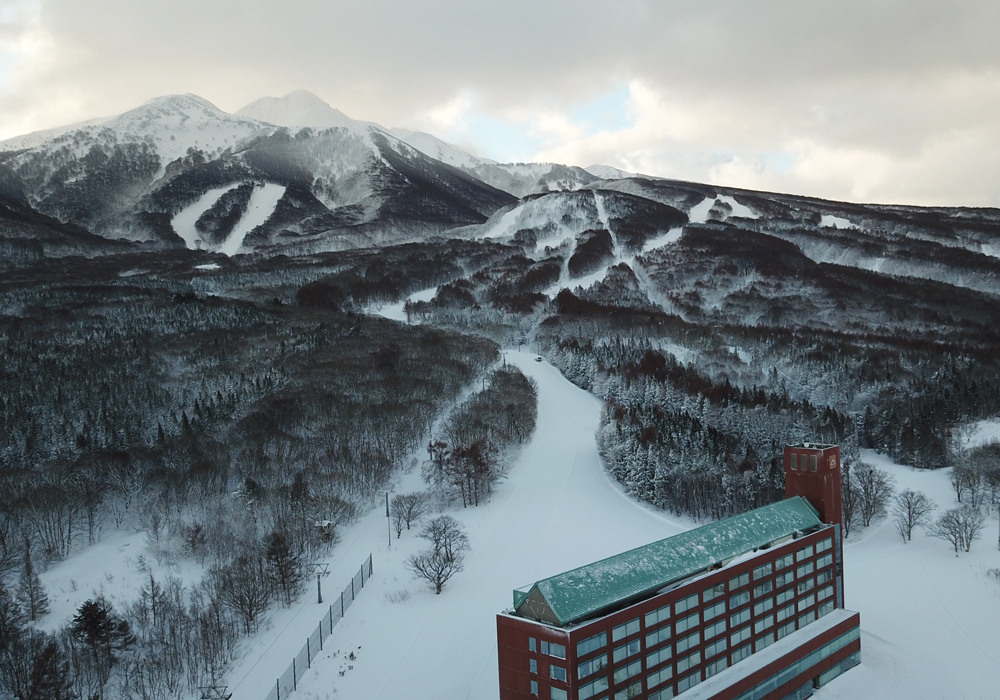
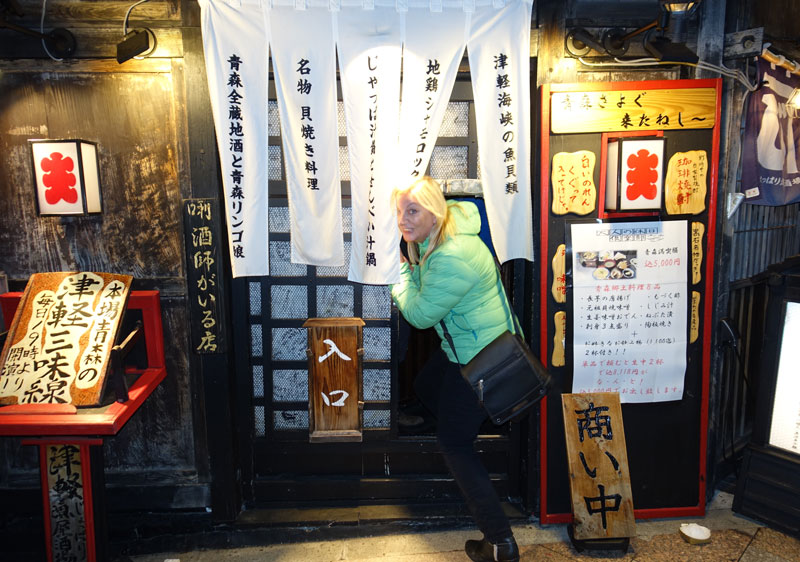
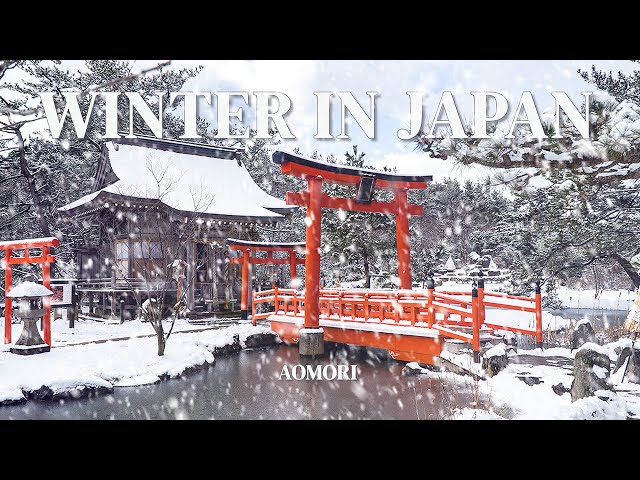
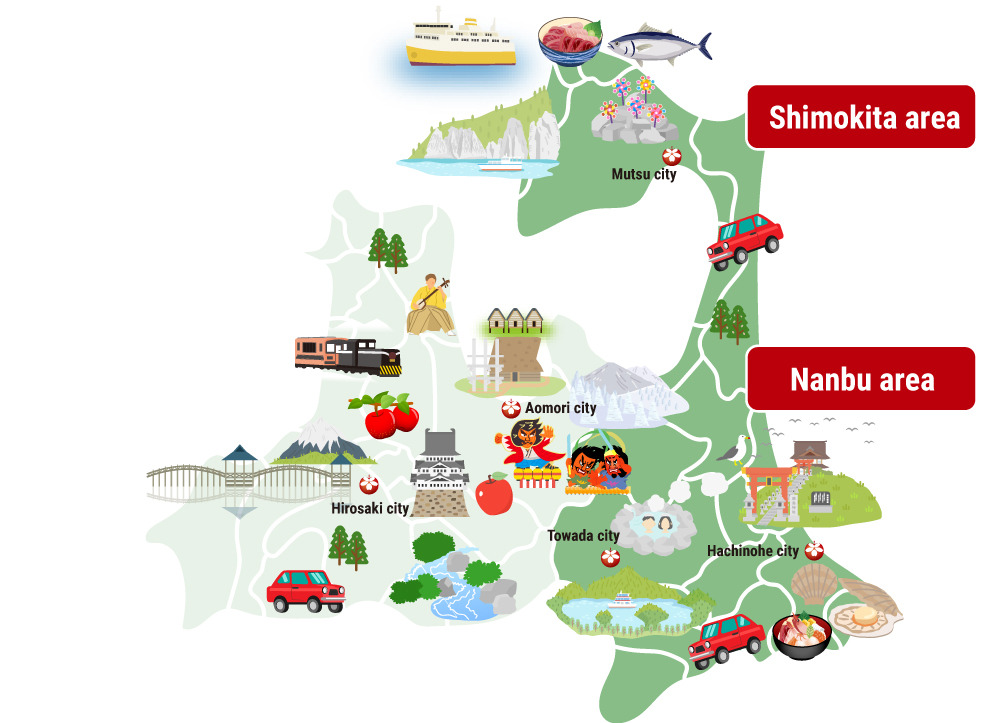
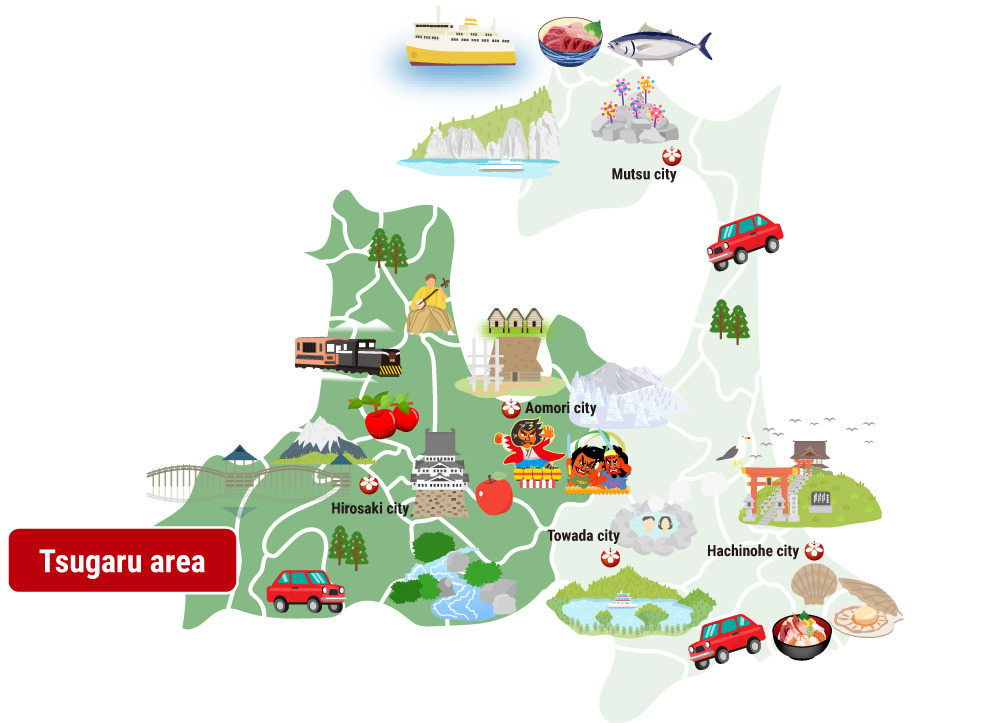
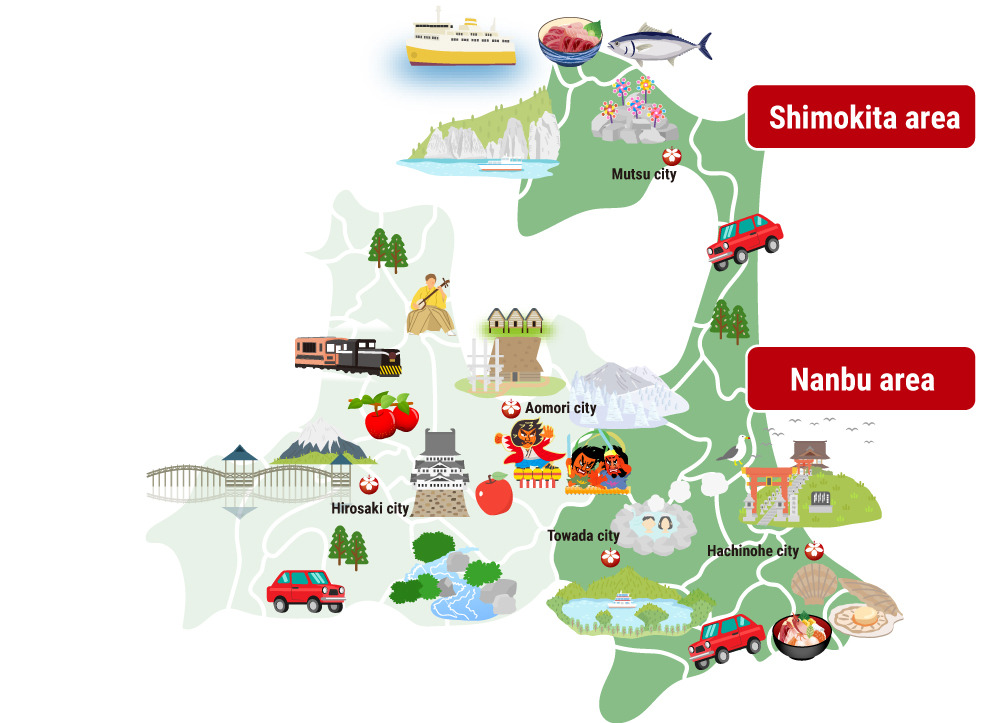
Apple country at Honshu's wild northern tip, thunderous Nebuta floats, the Hakkoda mountains, and some of Japan's freshest scallops and seafood. 63 curated spots.
Castle ruins, architectural wonders, and centuries of local heritage.
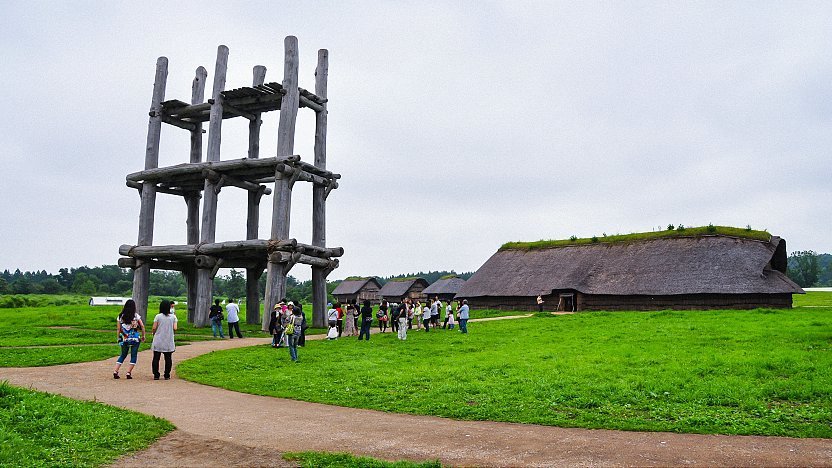
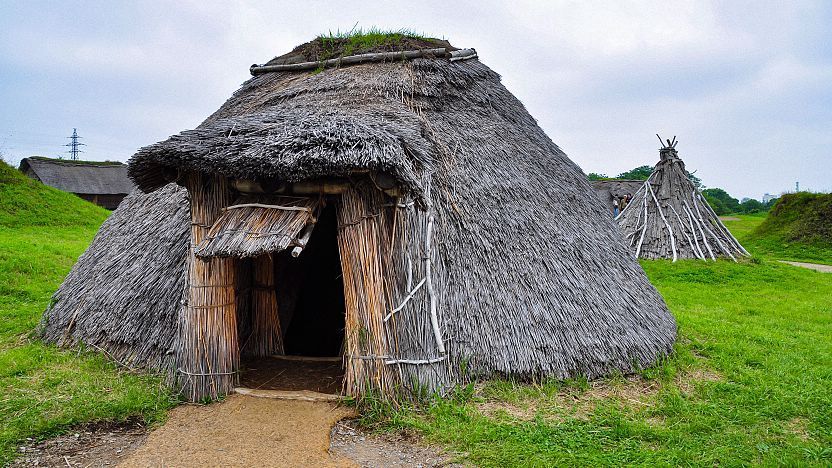
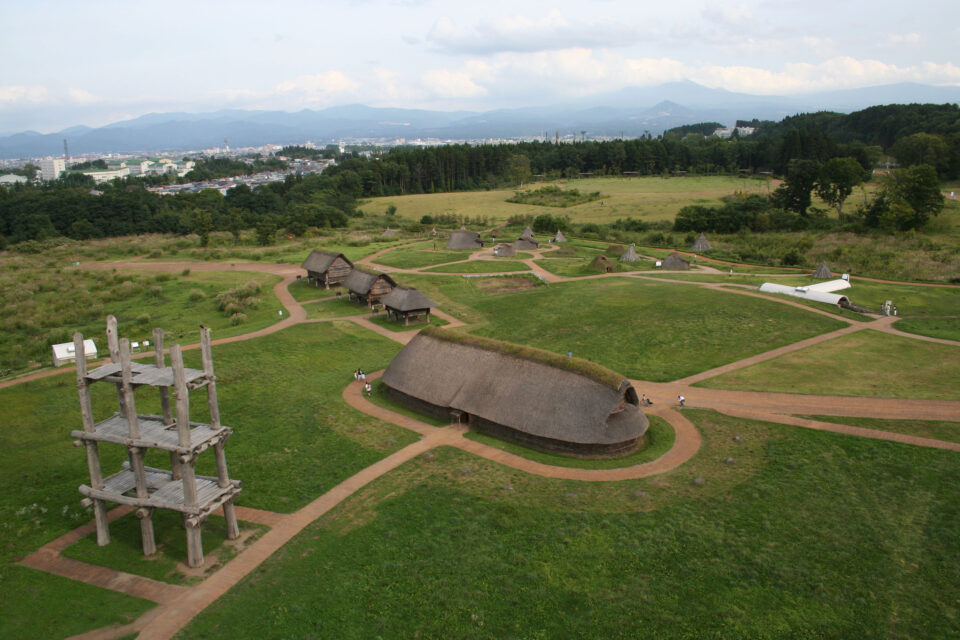
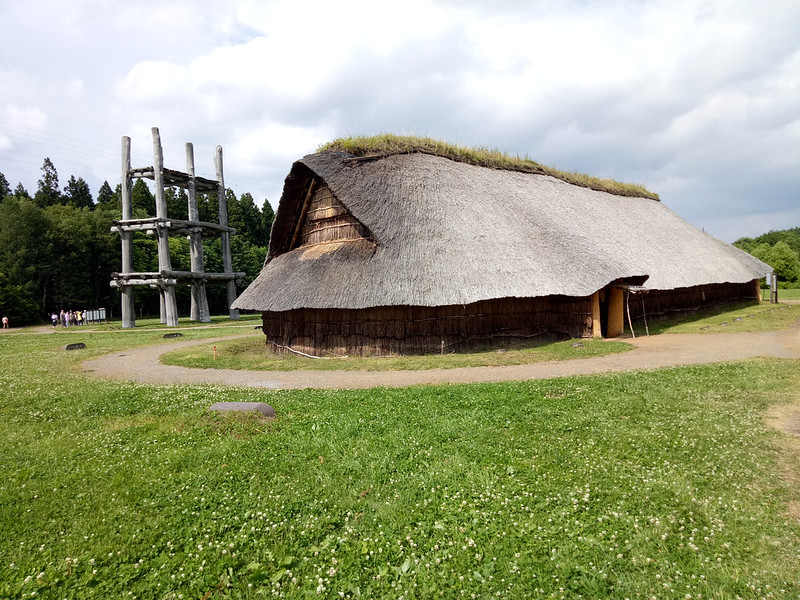
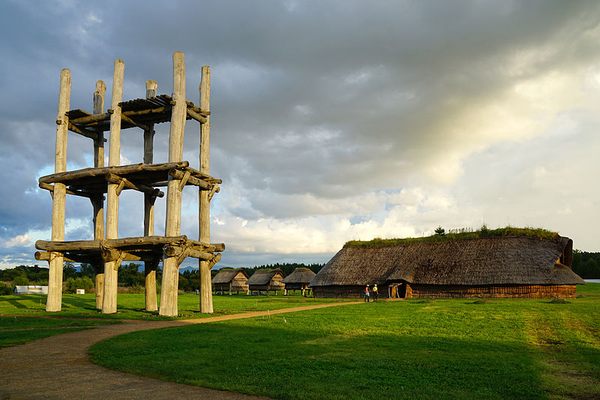
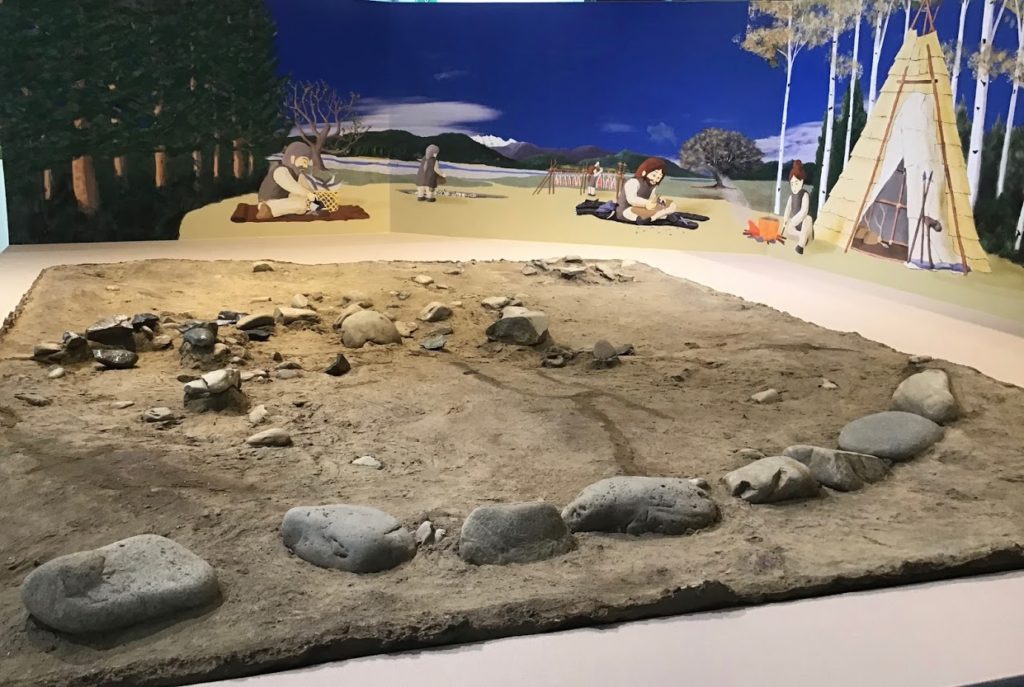
Japan's largest Jomon-period settlement (5500 years old). Reconstructed pit dwellings and a massive six-pillar structure. UNESCO World Heritage. Gives a vivid picture of prehistoric Japan.
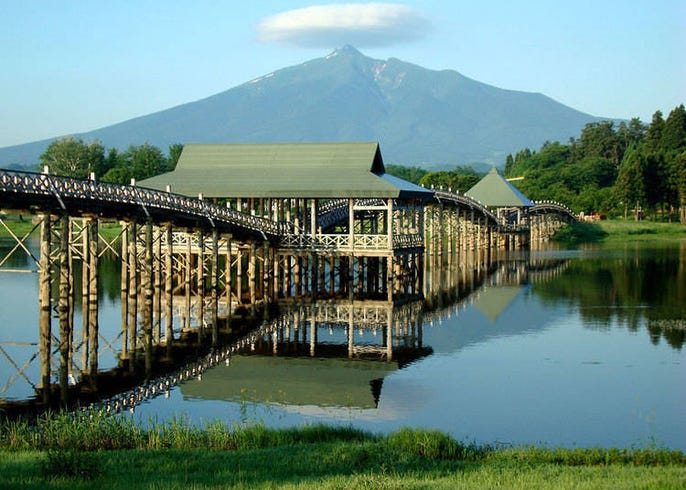
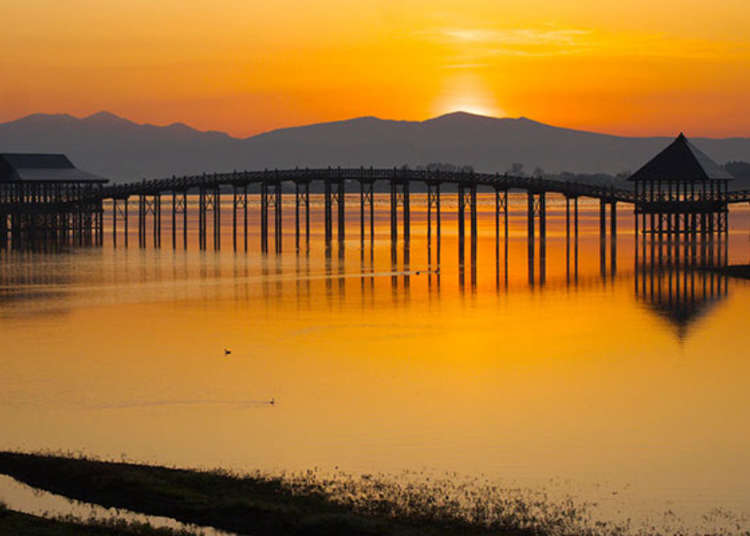
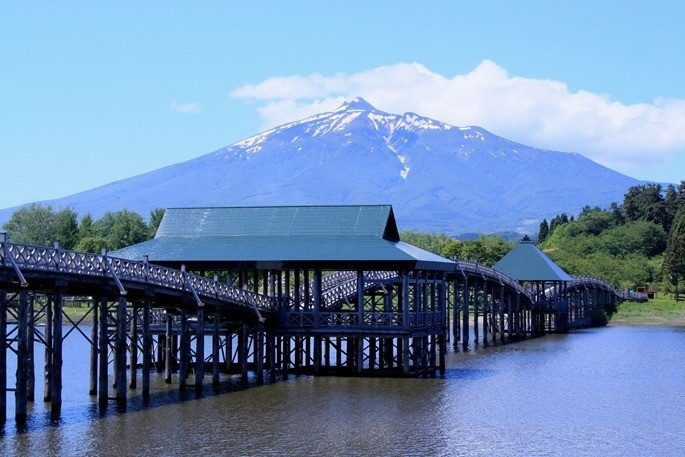
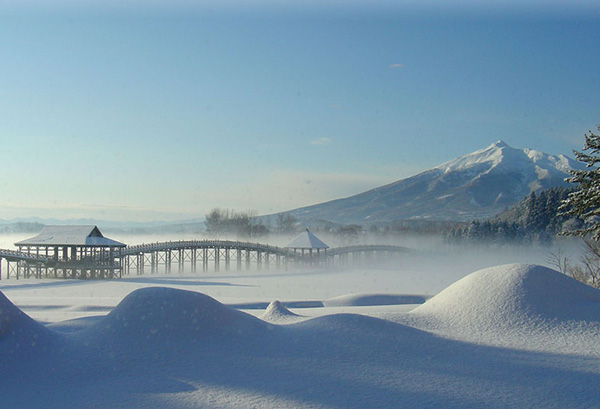
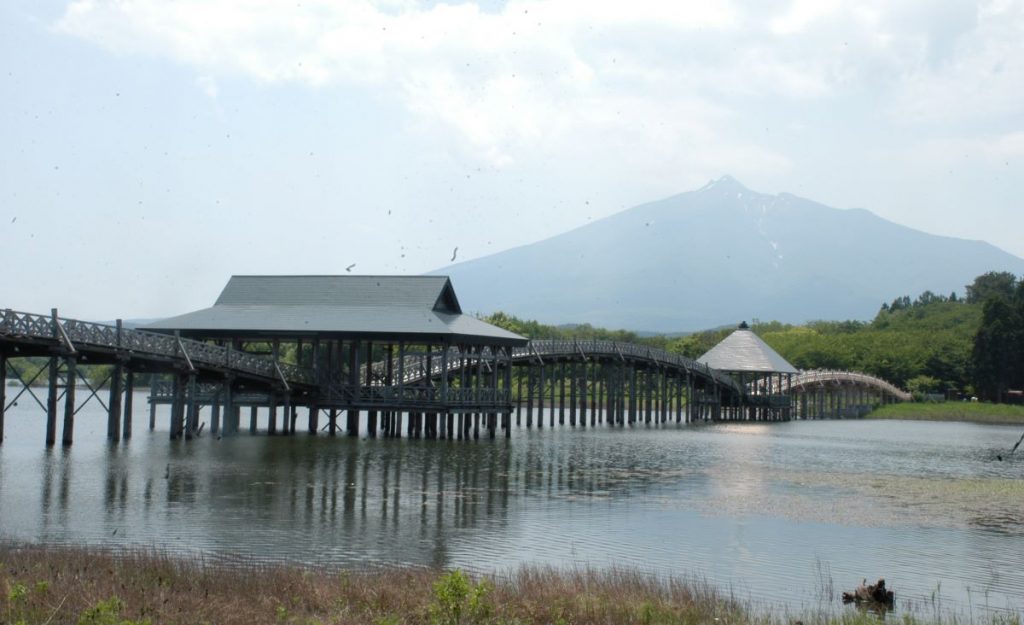
Longest triple-arched wooden bridge in Japan, spanning Lake Towada. The reflection in the lake creates a perfect circle. Cherry blossoms in spring, autumn foliage in October. 2 hours from Aomori.
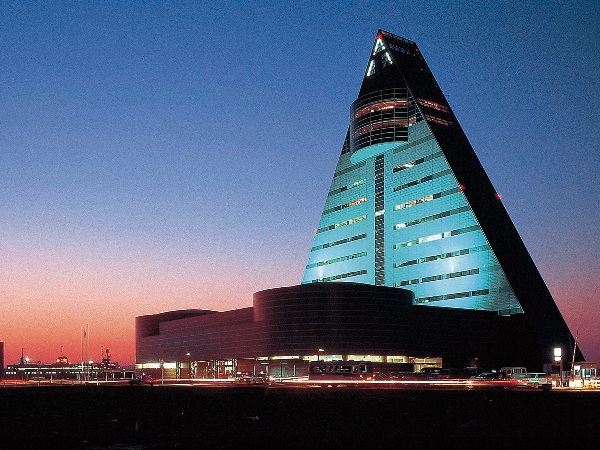
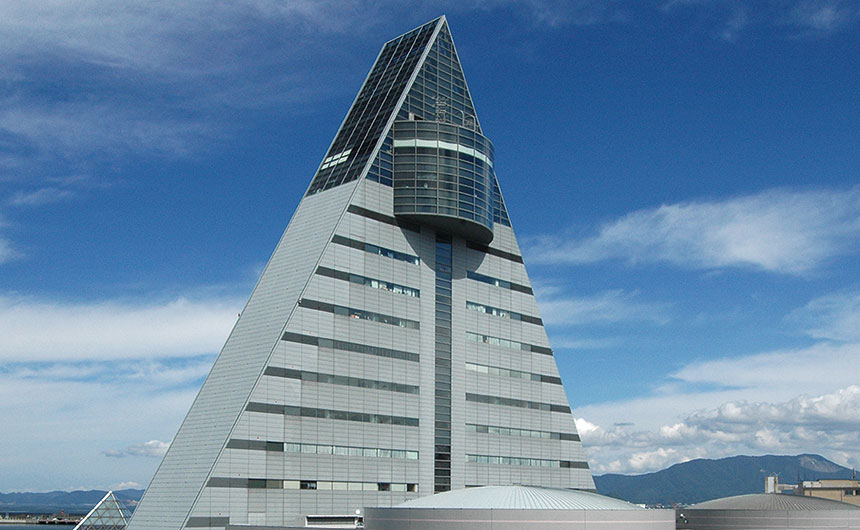
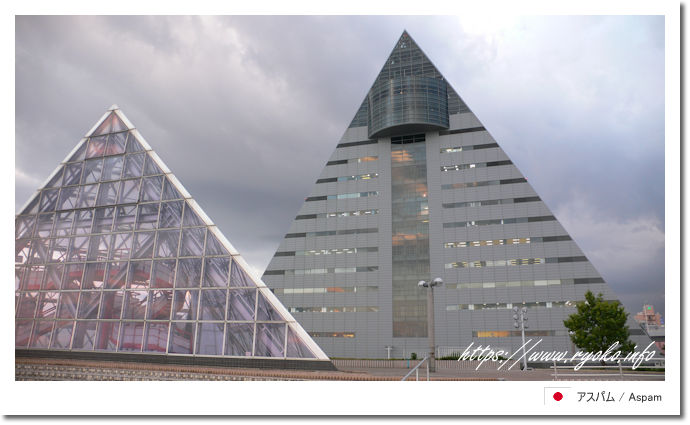
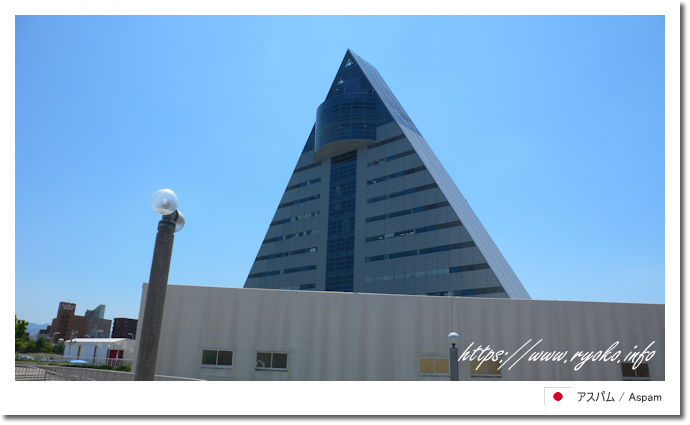
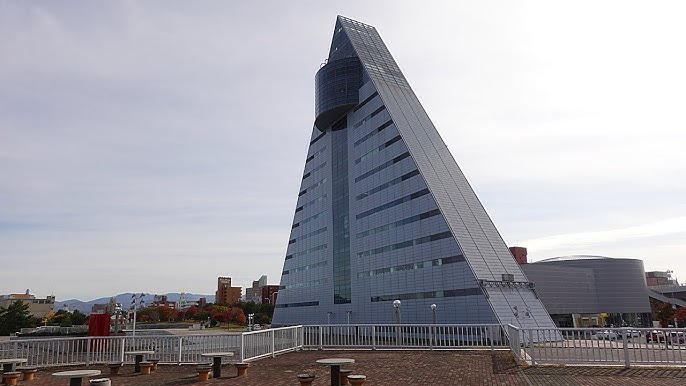
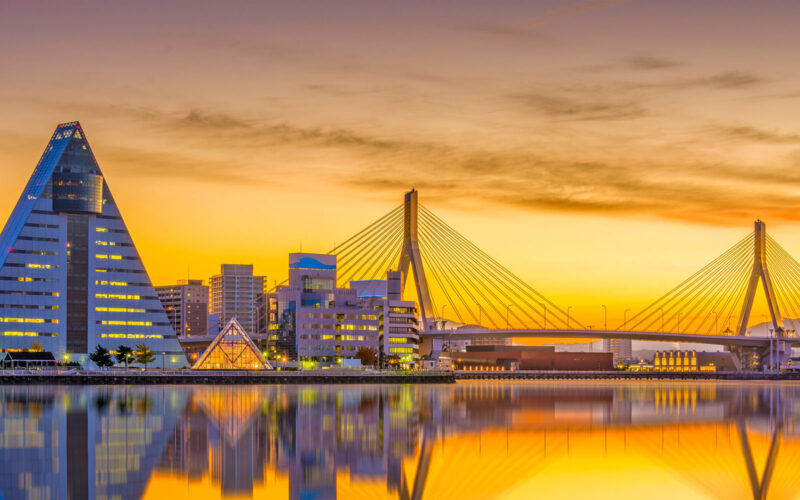
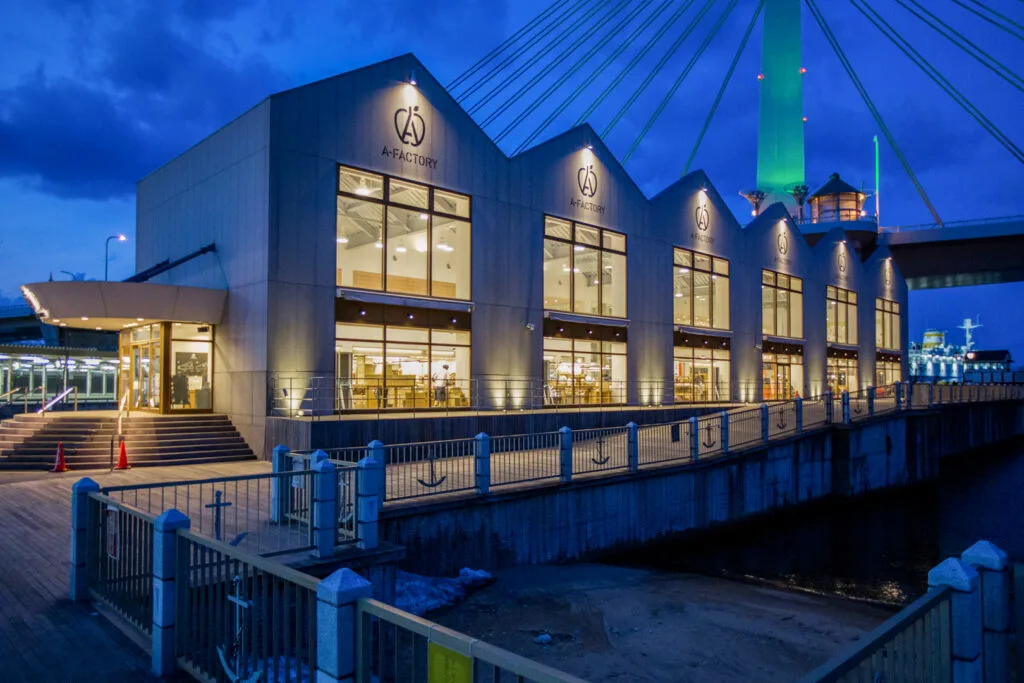
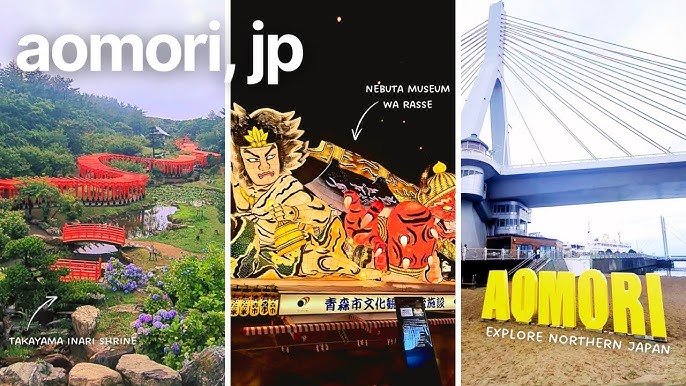
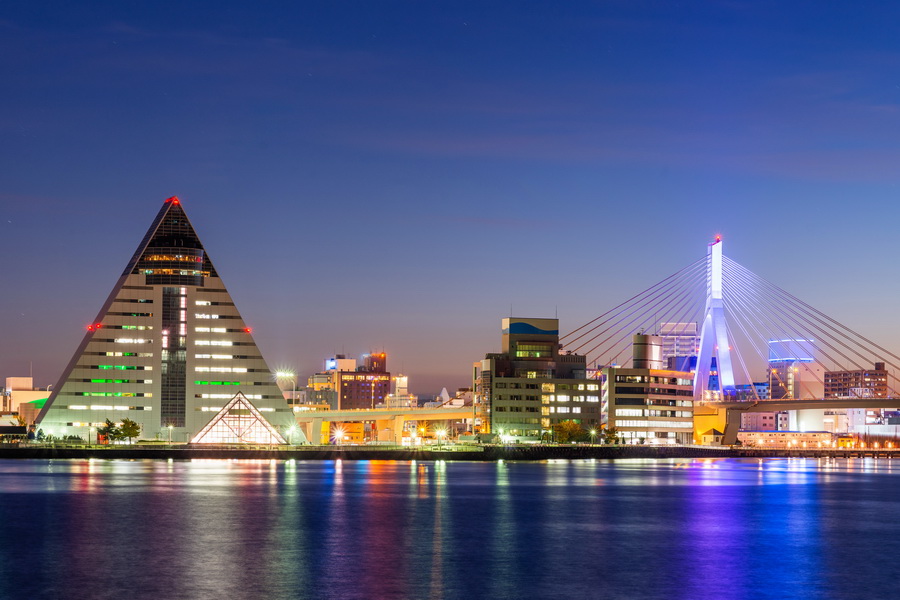
Triangular building near the waterfront shaped like the letter A for Aomori. Observation deck with views of Mutsu Bay and the Hakkoda Mountains. Tourist information center and souvenir shops.
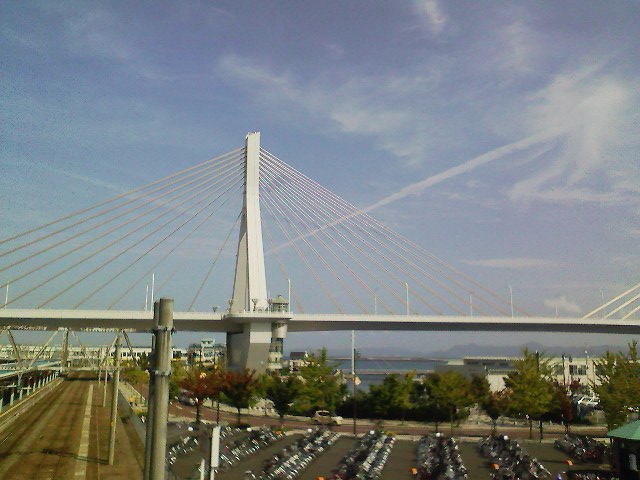
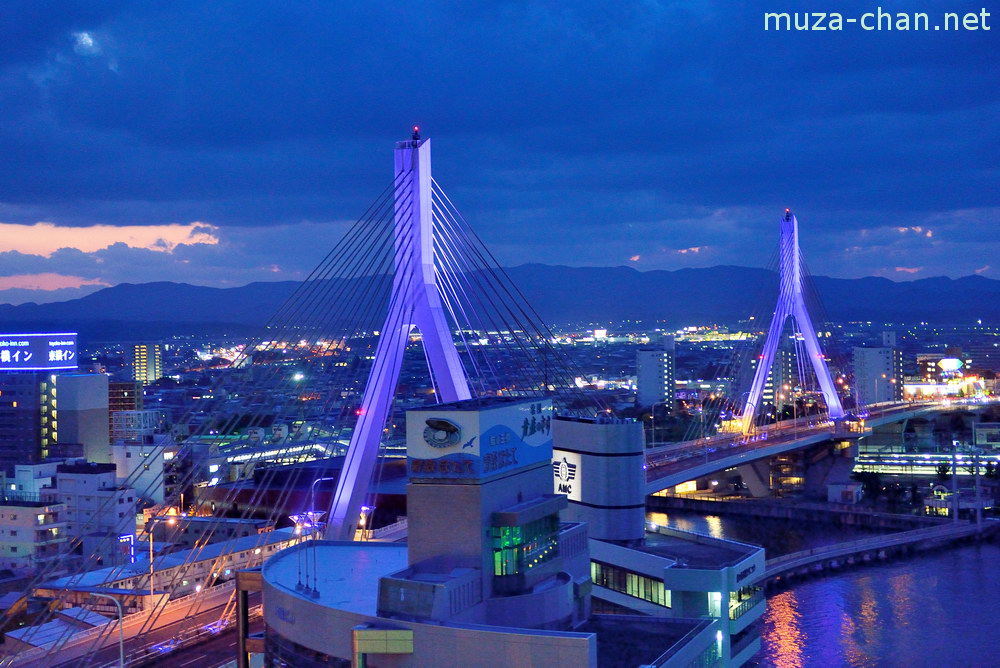
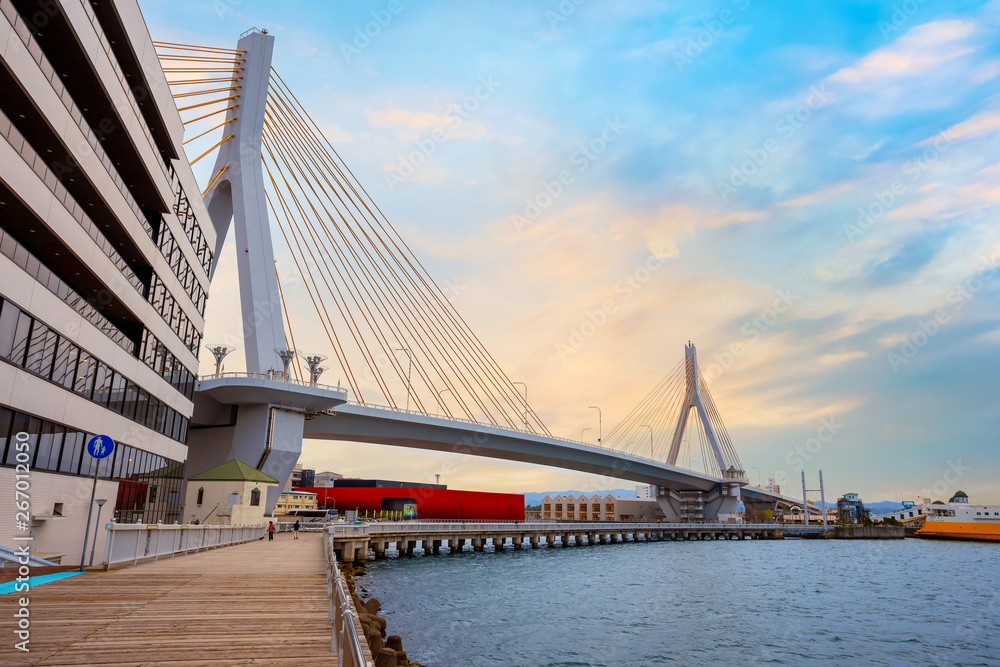
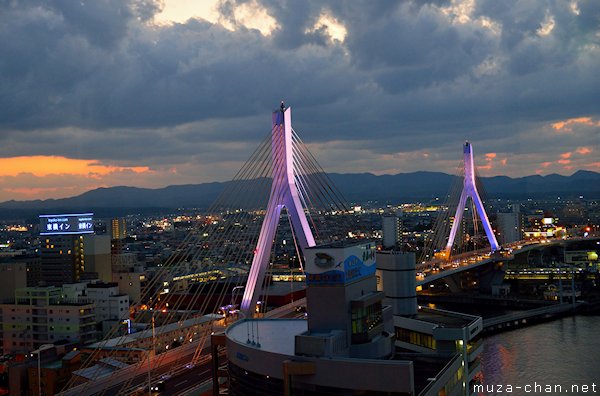
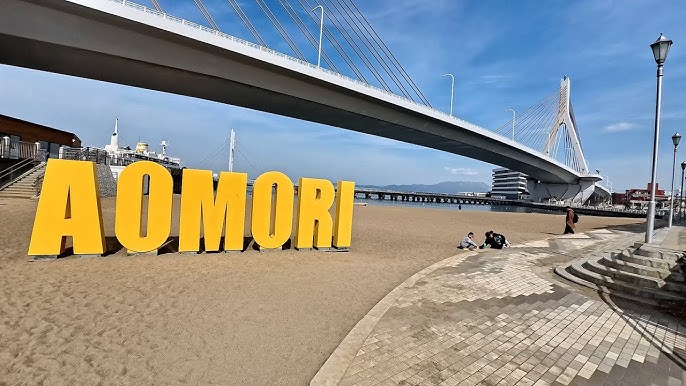
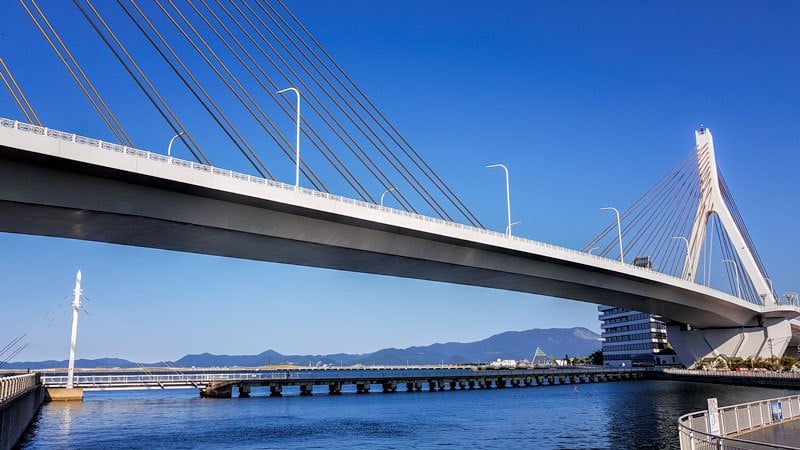
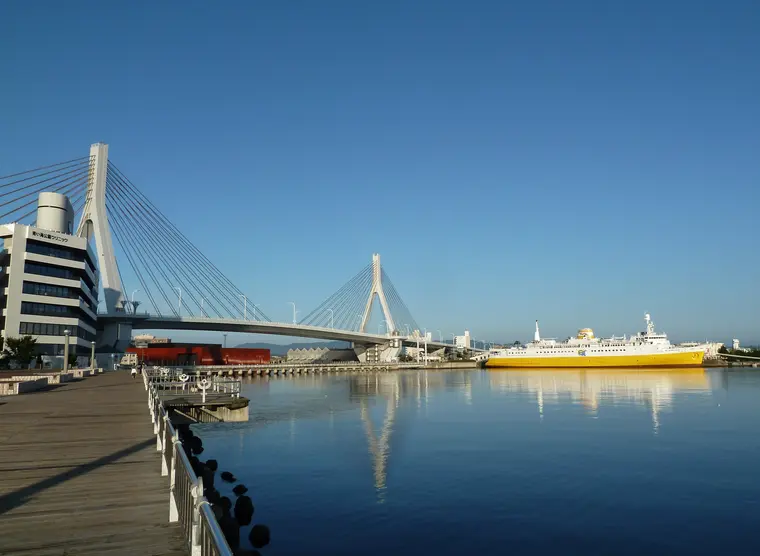
Modern cable-stayed bridge spanning Aomori Bay. The night illumination changes colors. Walking the bridge at sunset with the bay reflecting the sky is peaceful. Connects to the bay promenade.
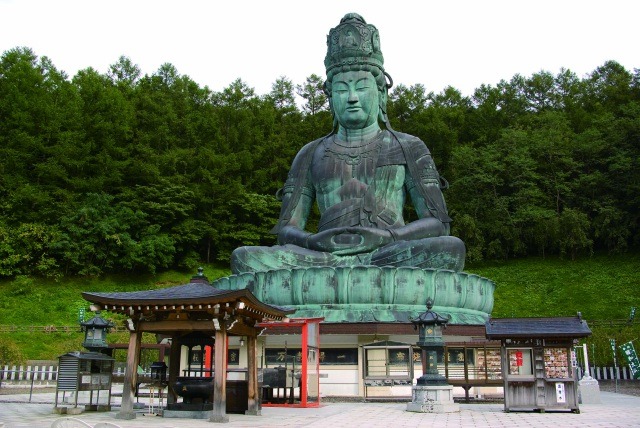
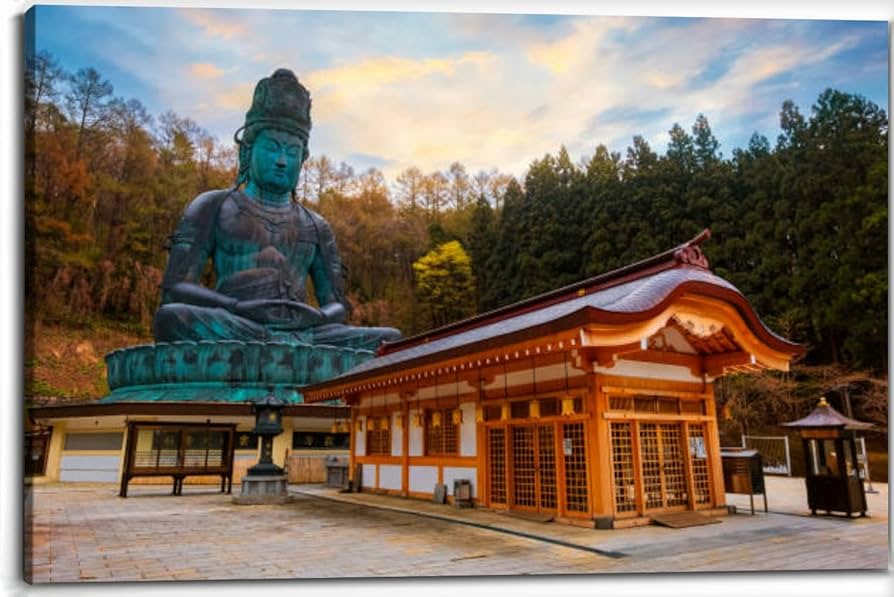
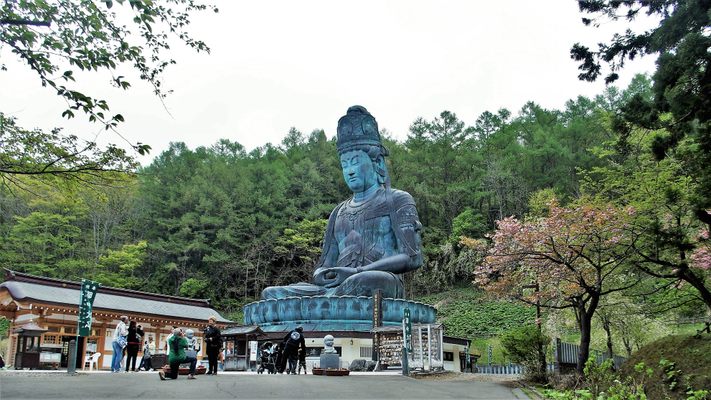
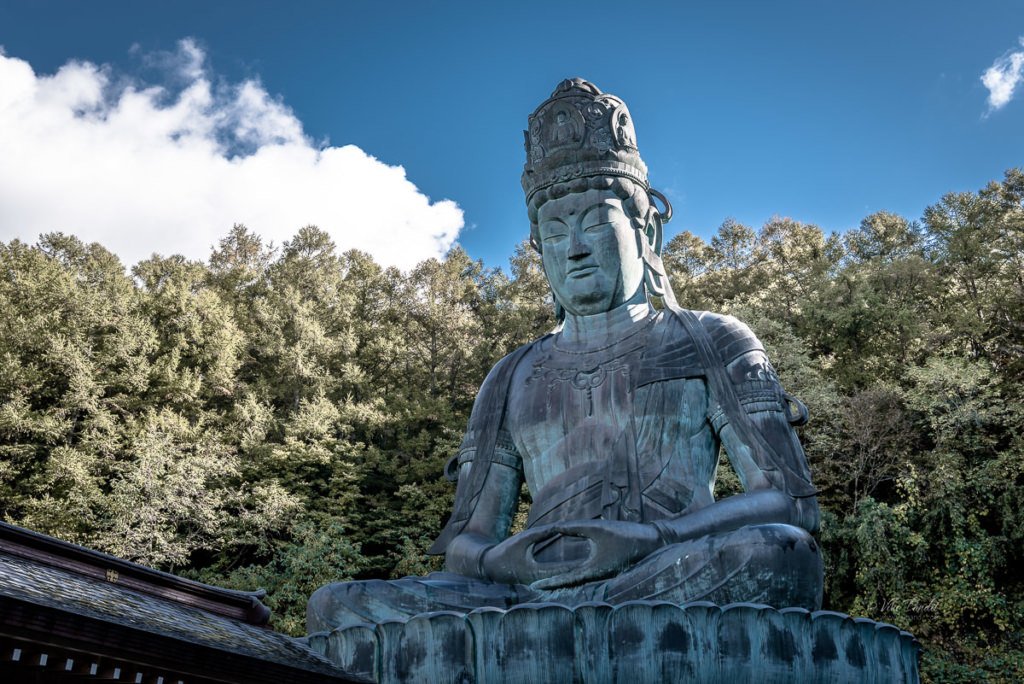
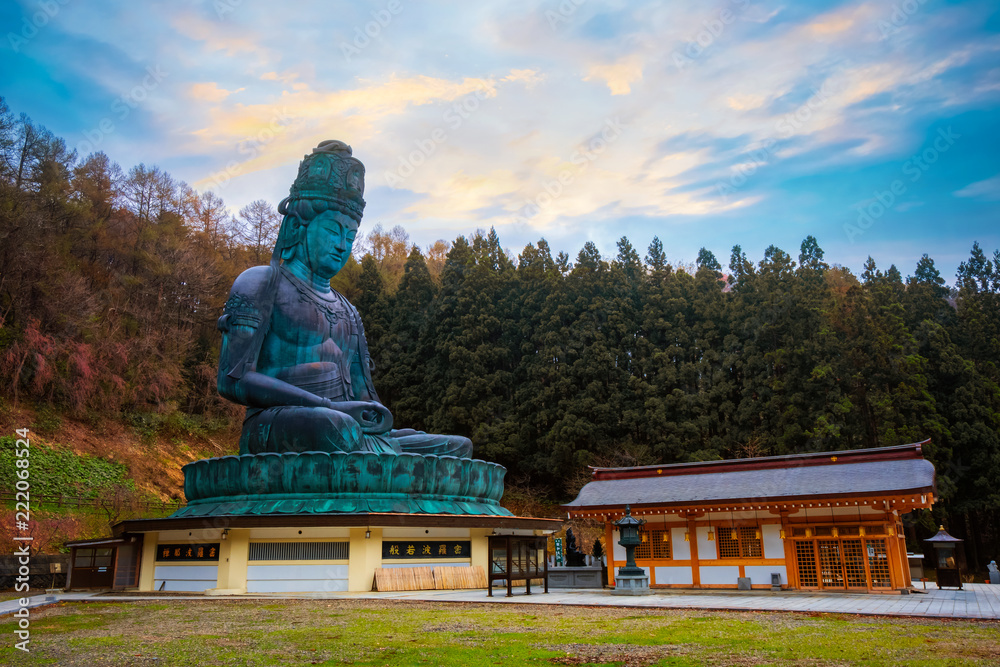
Japan's tallest seated outdoor bronze Buddha at 21.35 meters. Surrounded by a large park. Less famous than Kamakura's but more impressive in scale. Surprisingly peaceful and uncrowded.
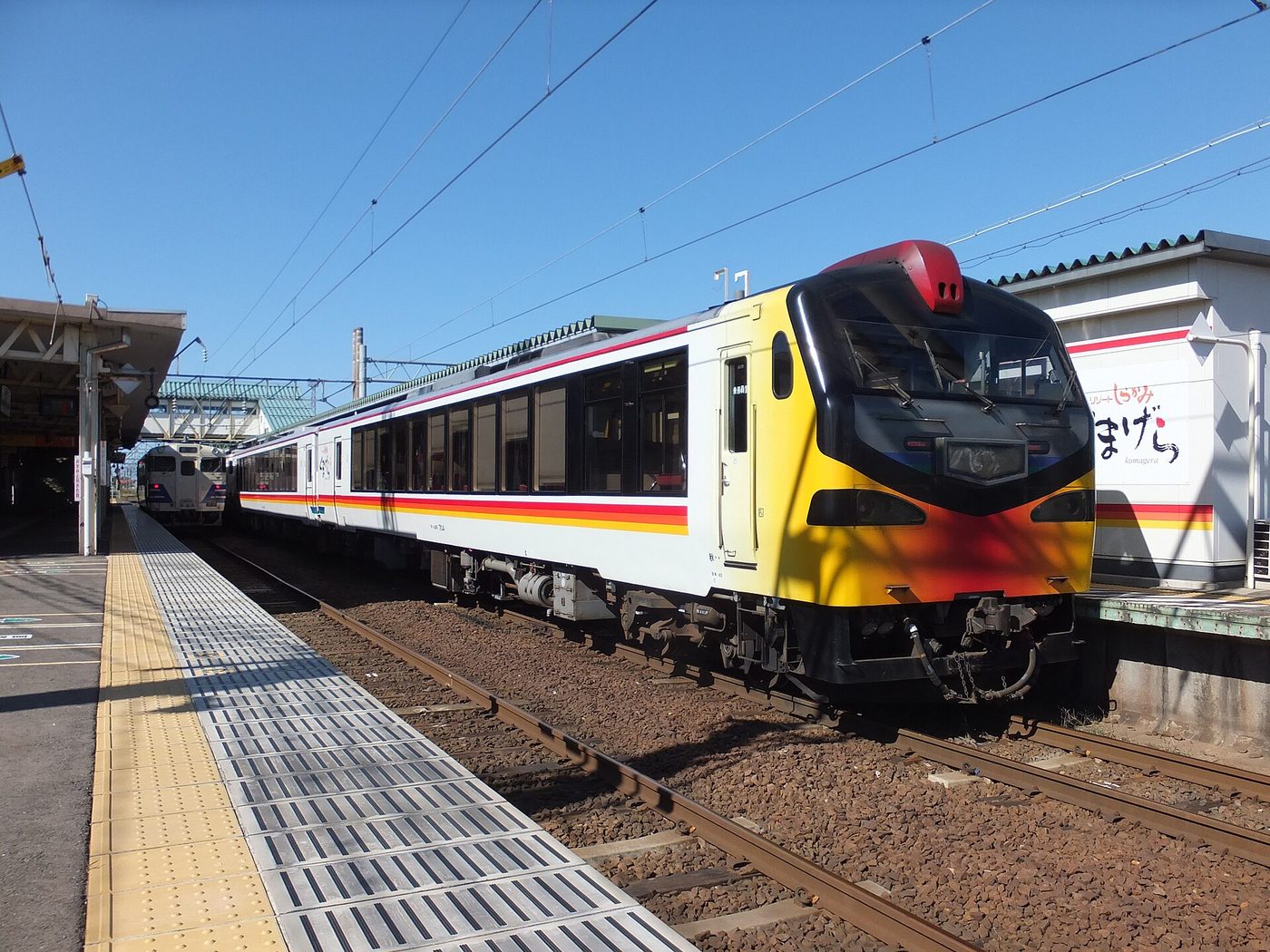
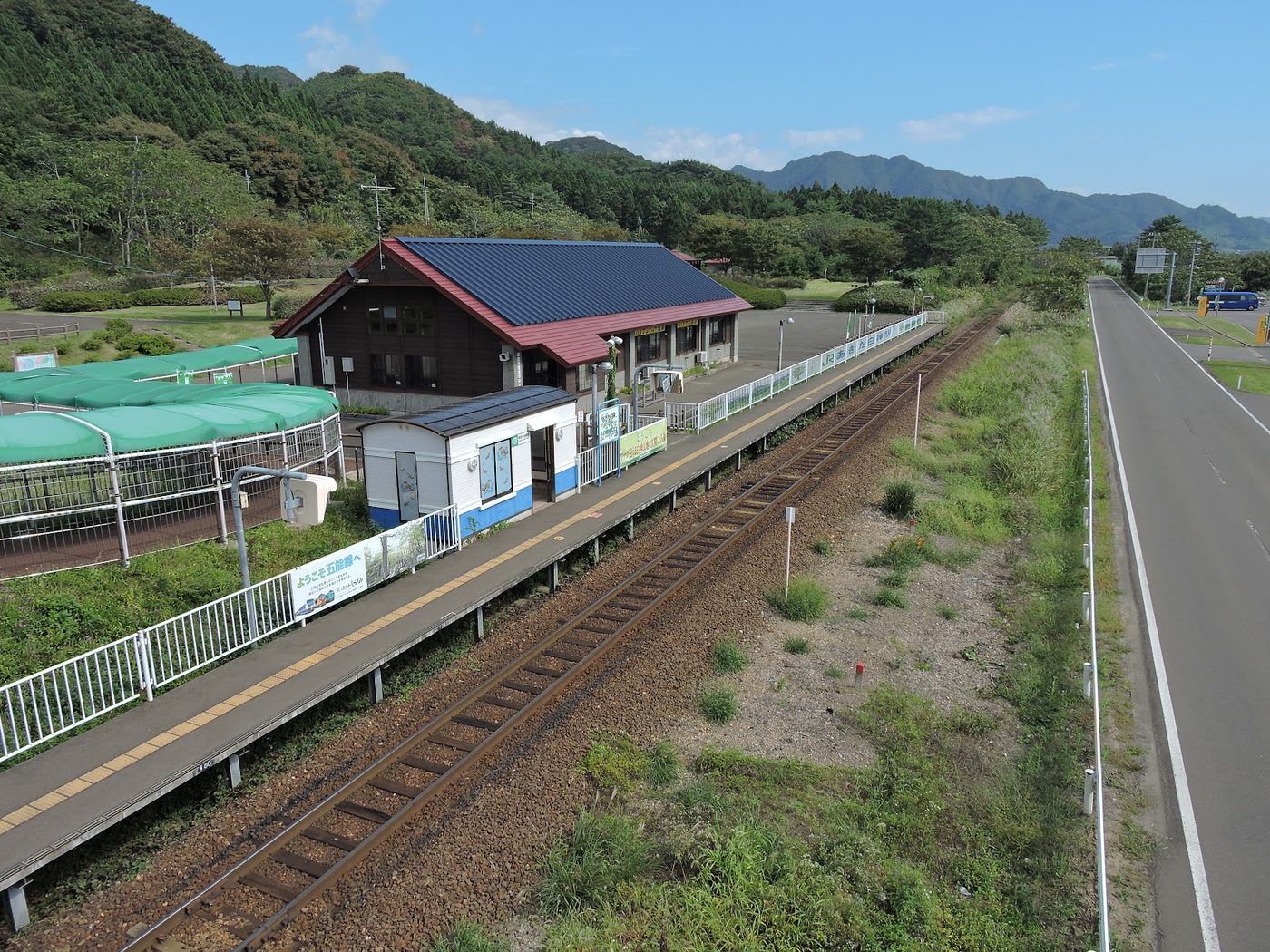
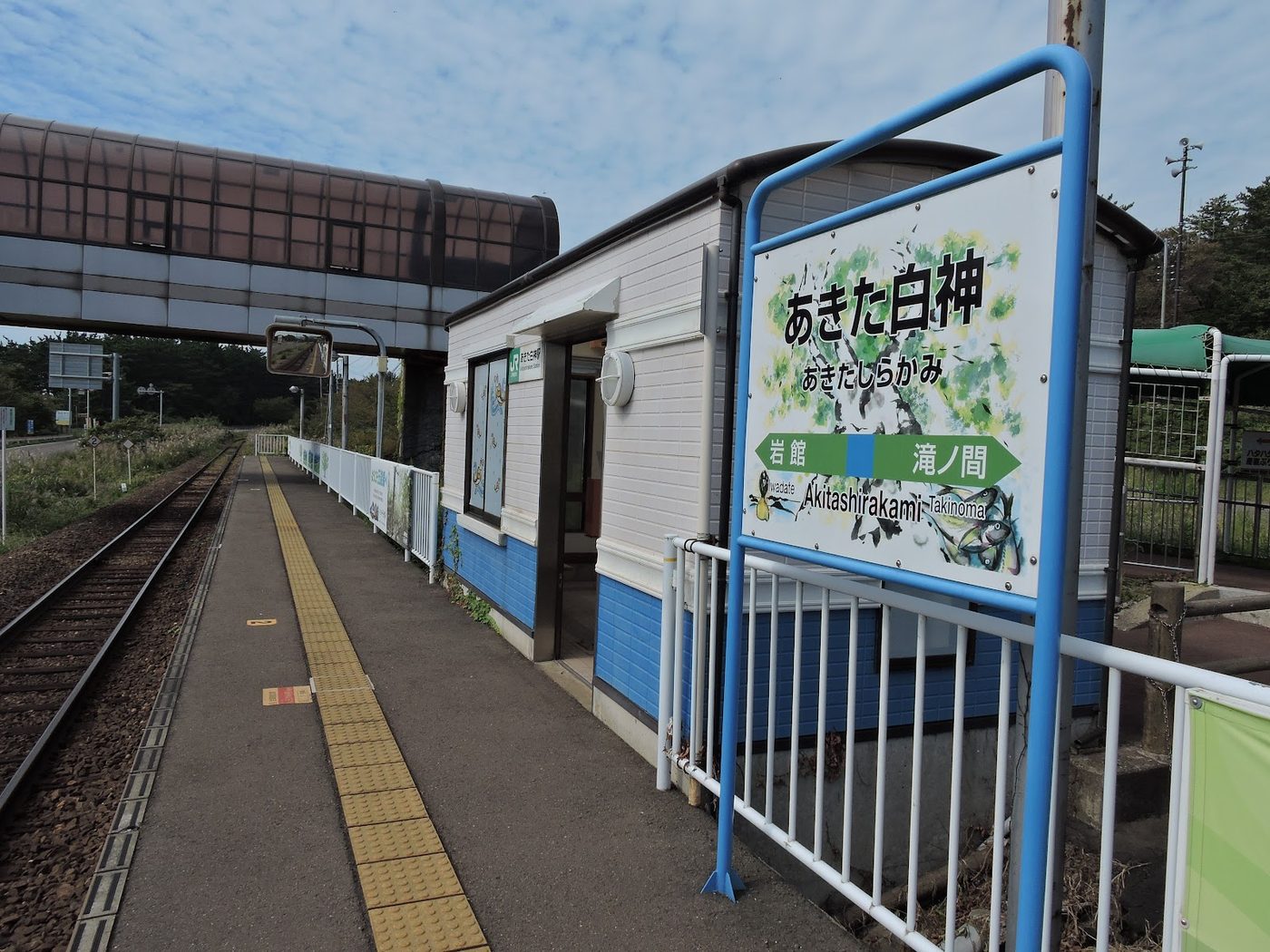
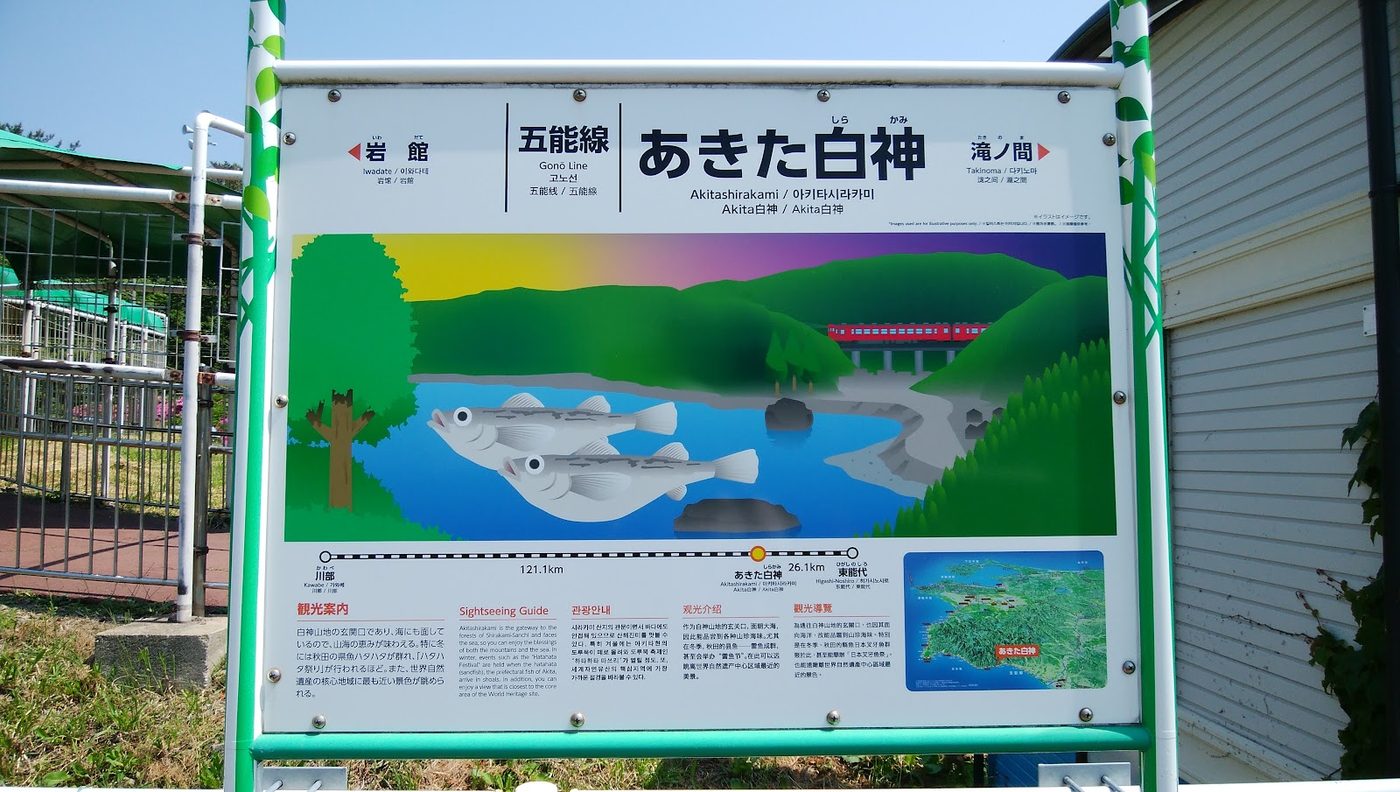
Panoramic train along the Shirakami Mountains coast, the train STOPS at scenic viewpoints so you can get off and photograph the Sea of...
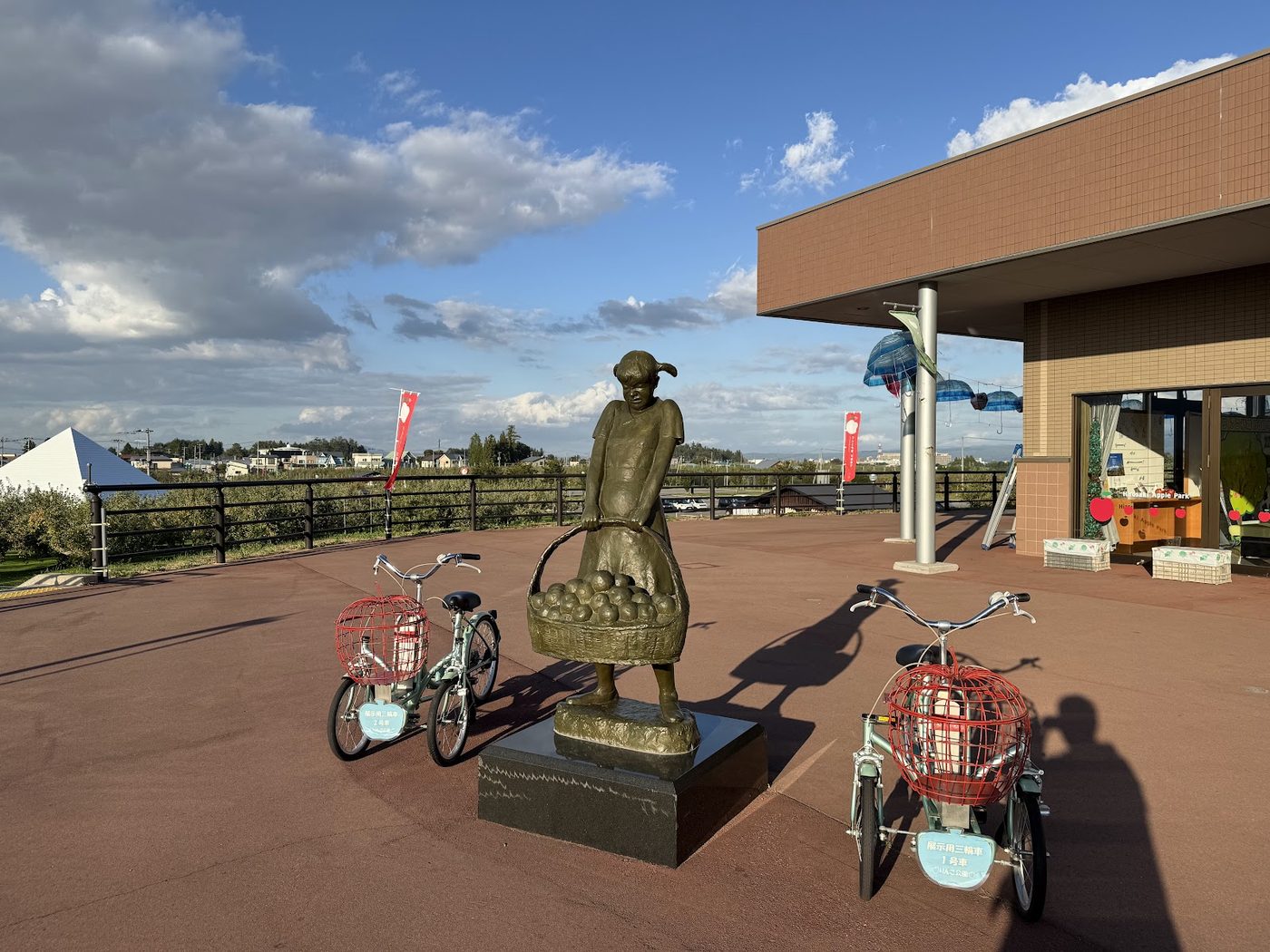
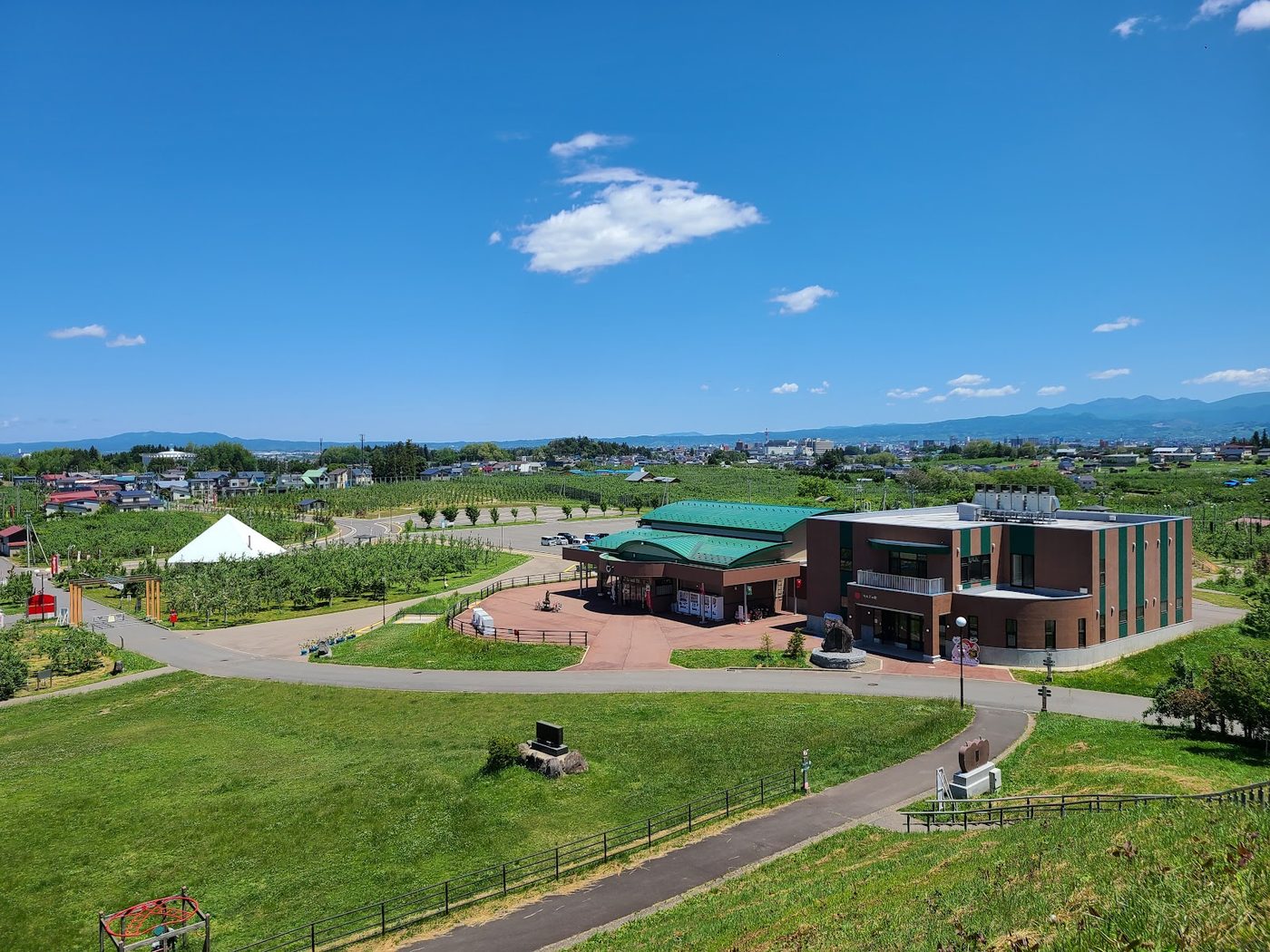
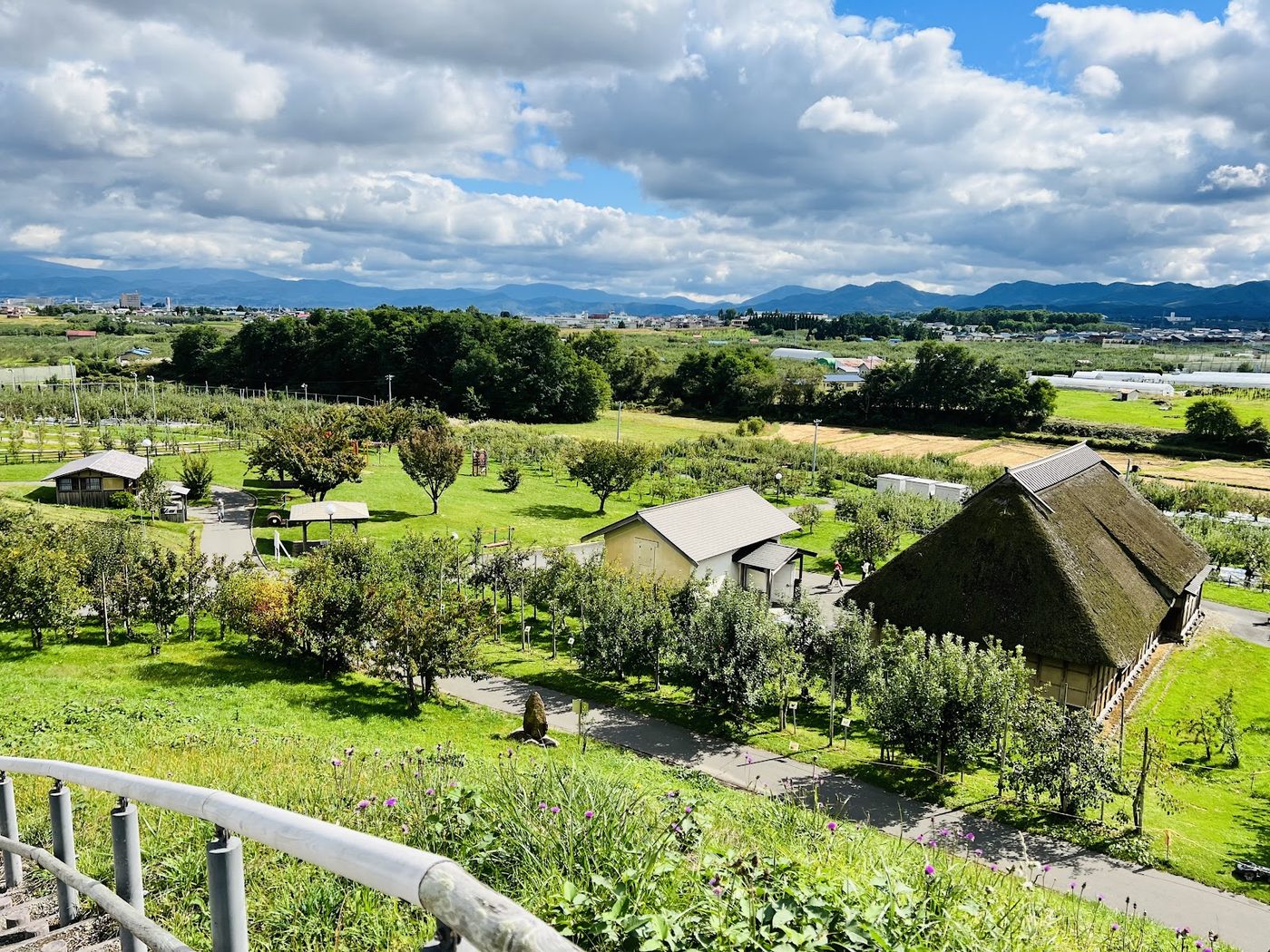
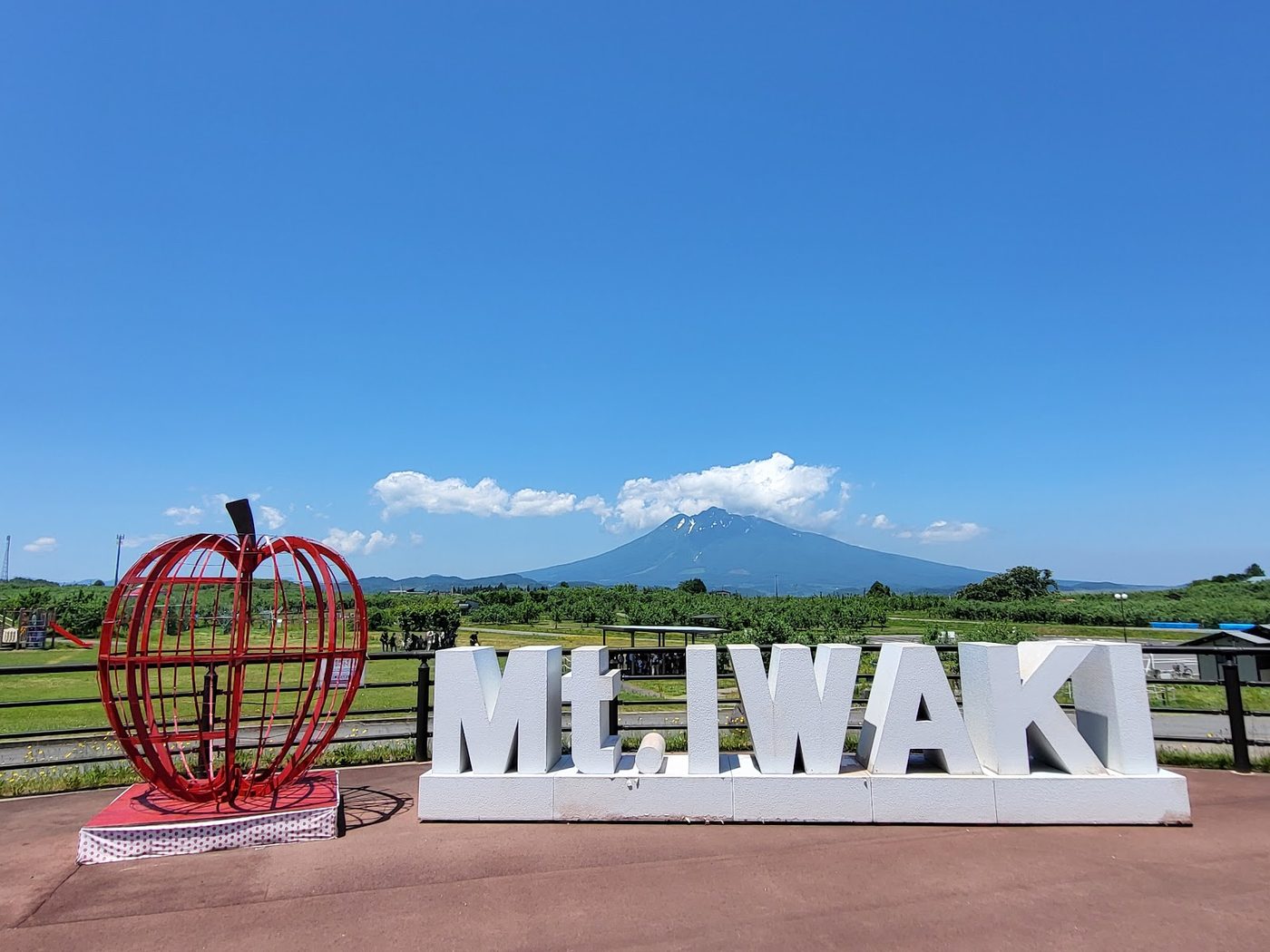
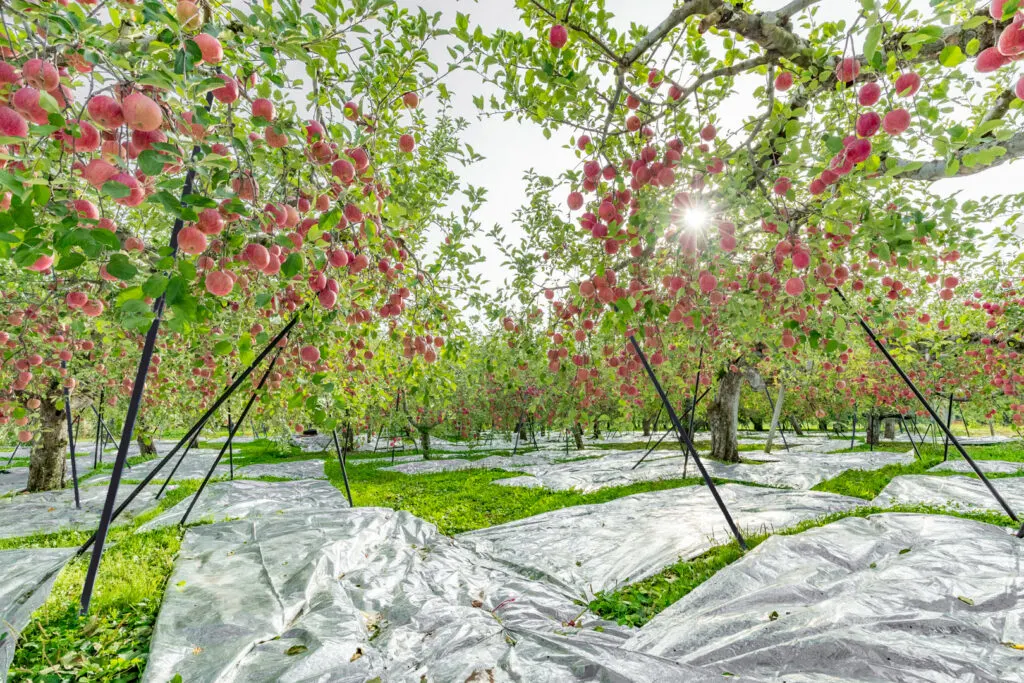
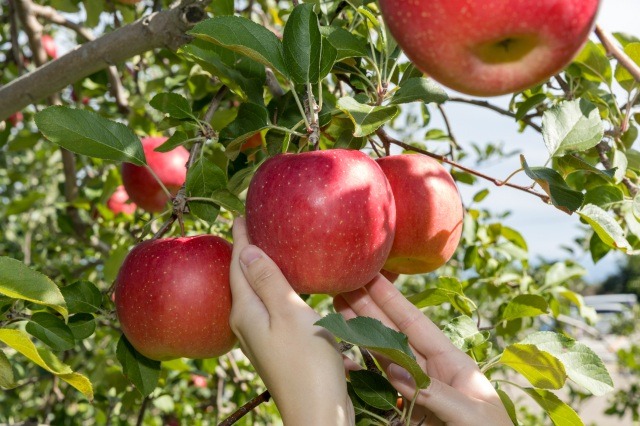
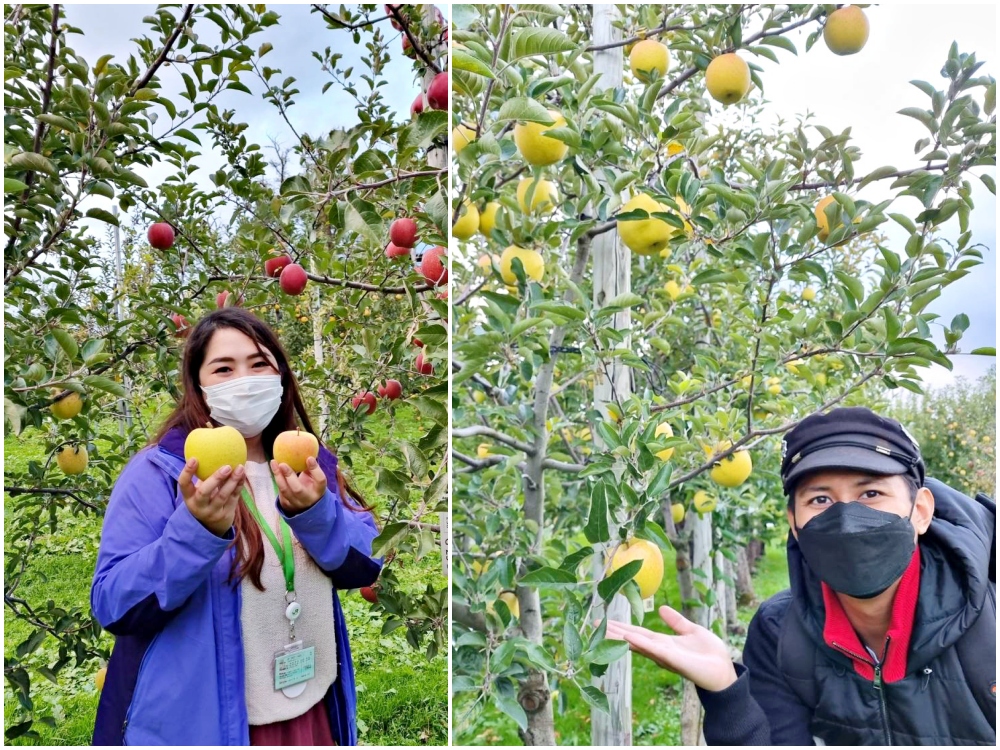
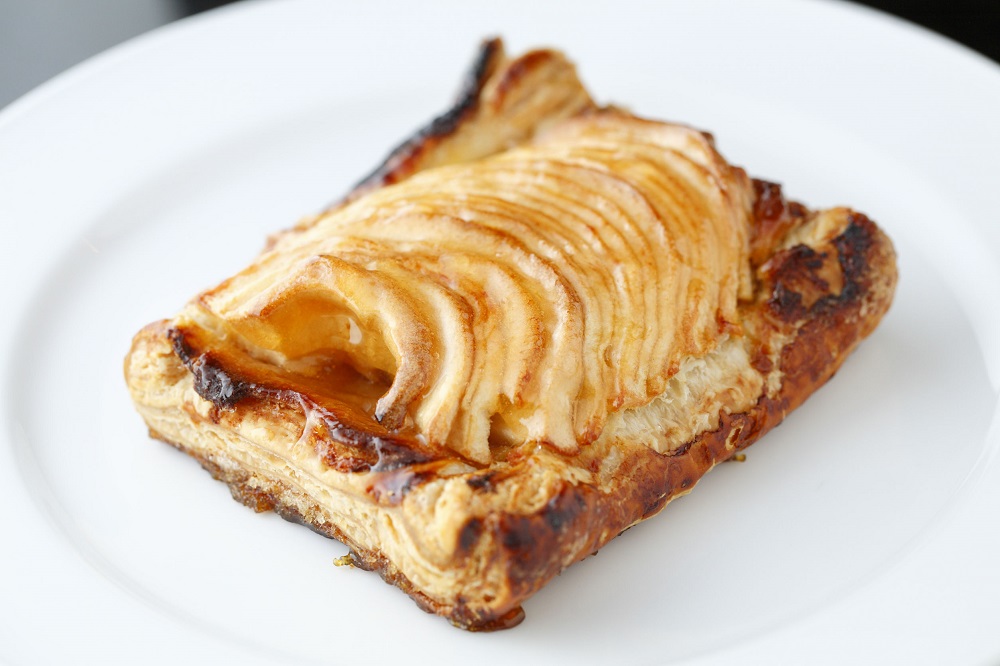
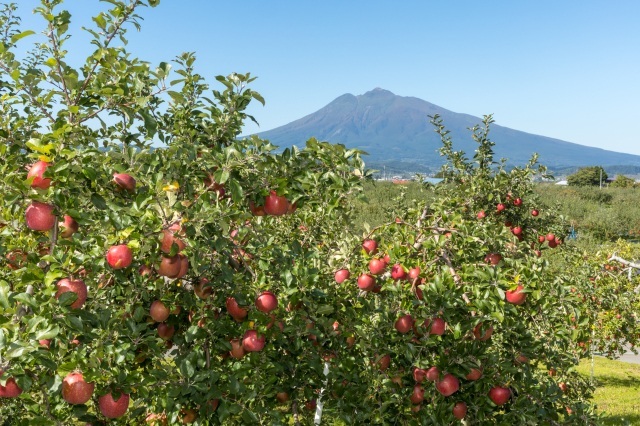
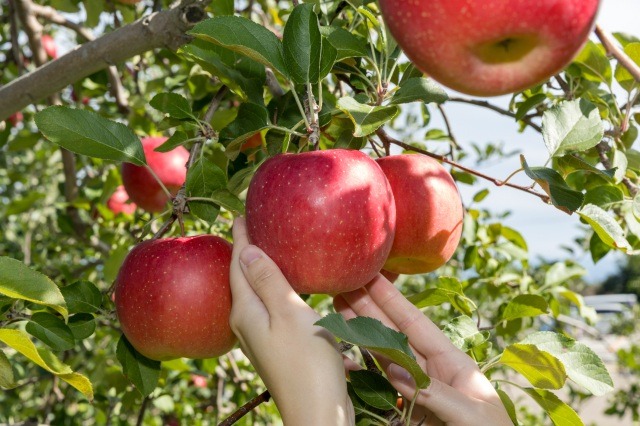
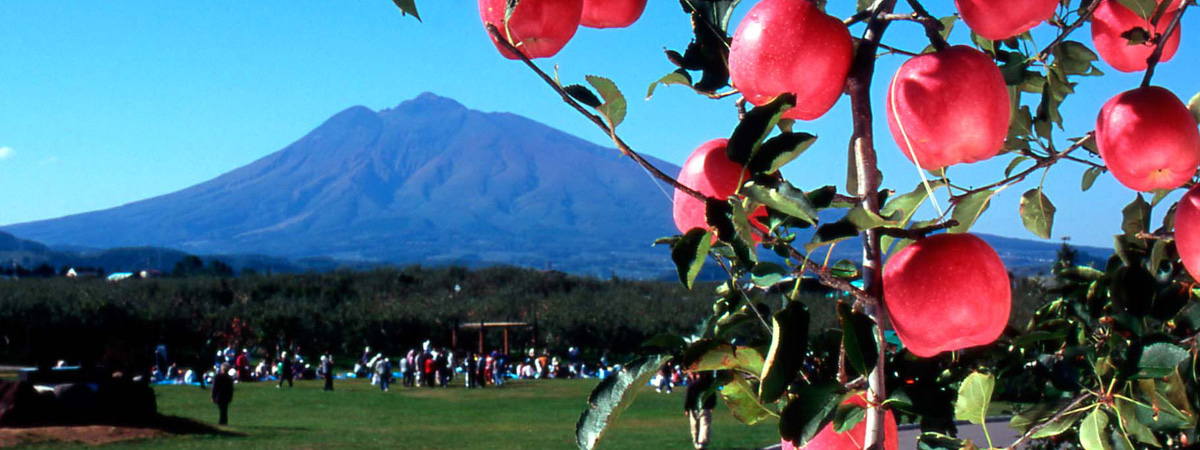
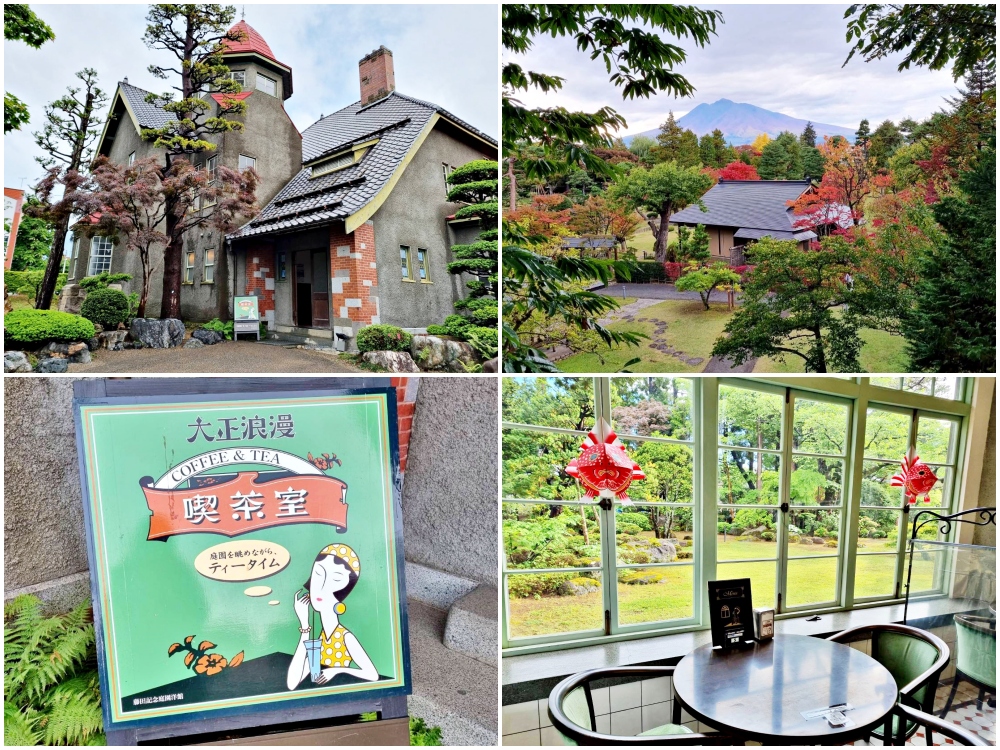
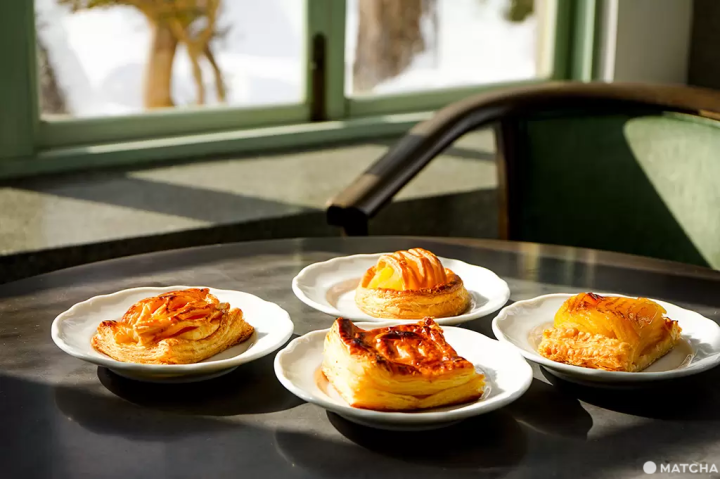
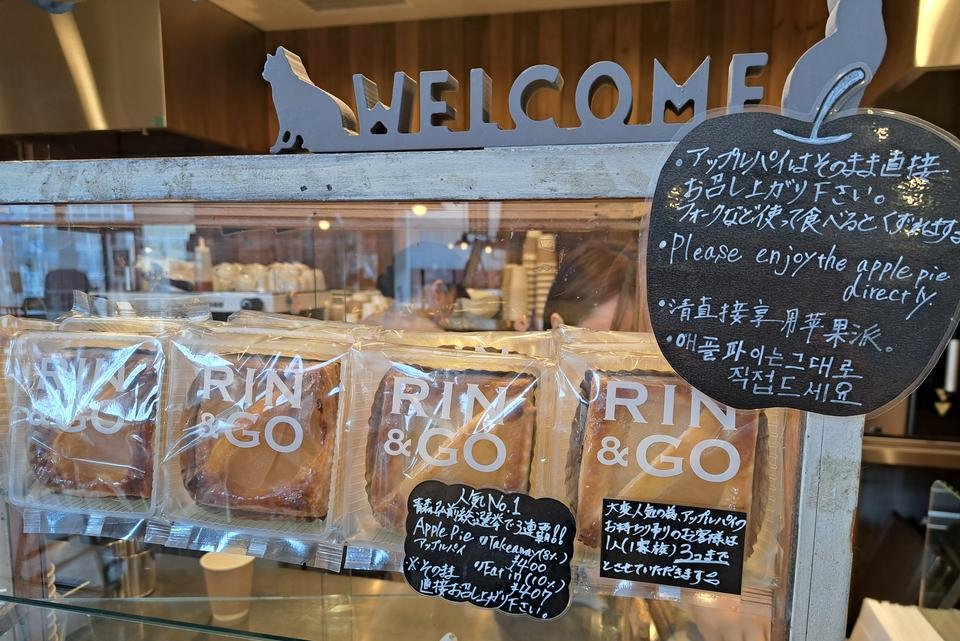
Hirosaki is Japan's apple capital, the park lets you pick apples (Aug-Nov) and the apple pie is legendary. The park backs onto views of...
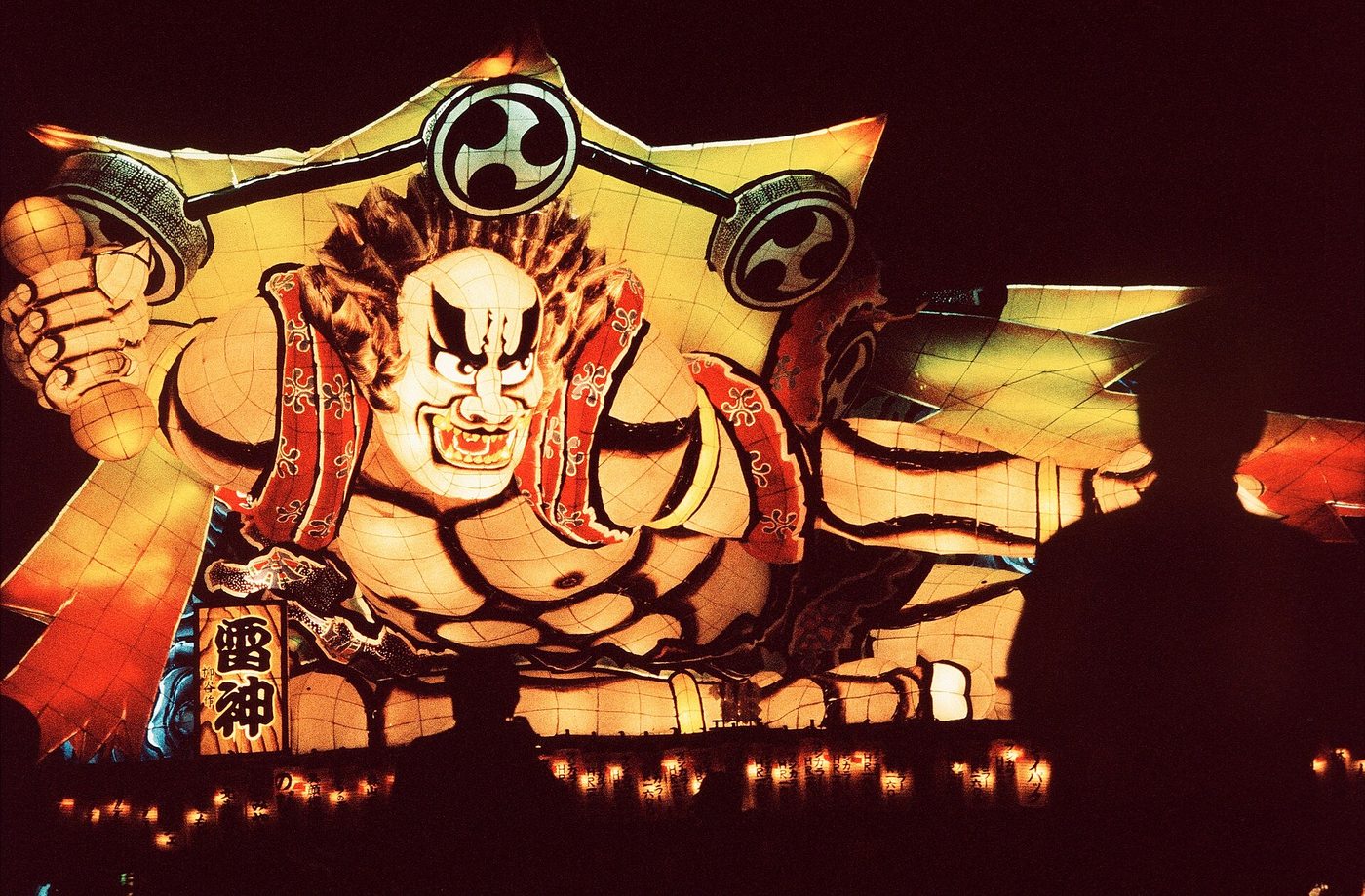
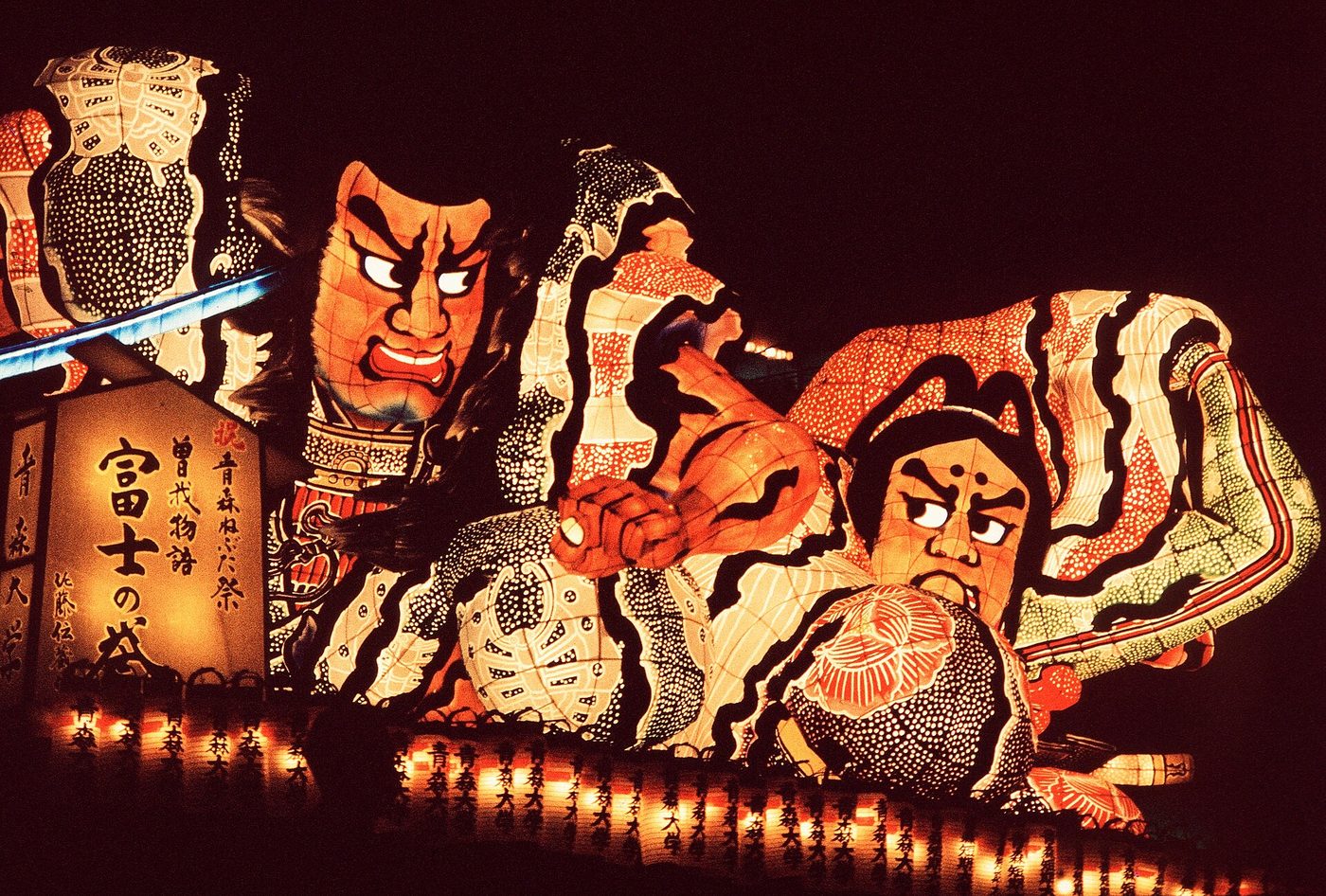
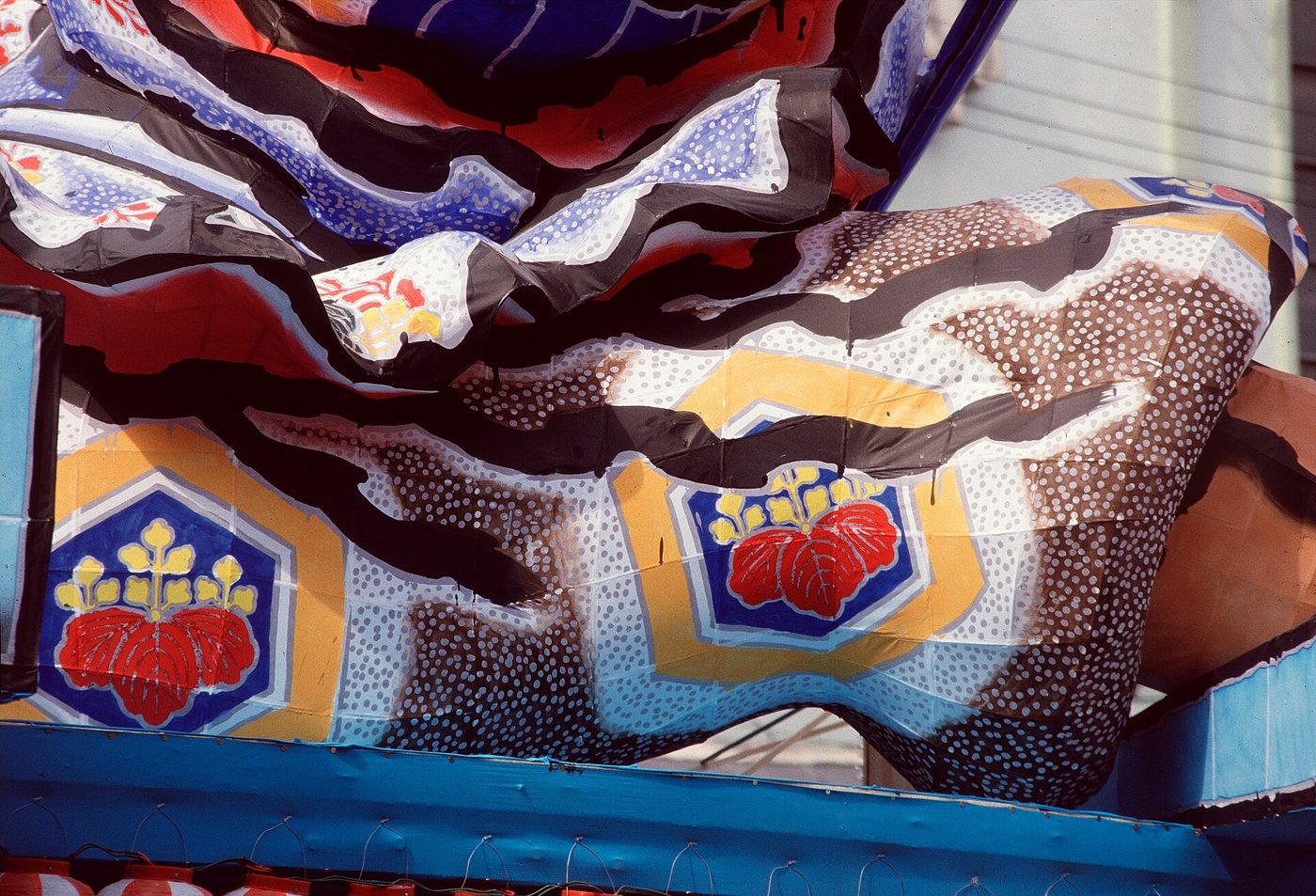
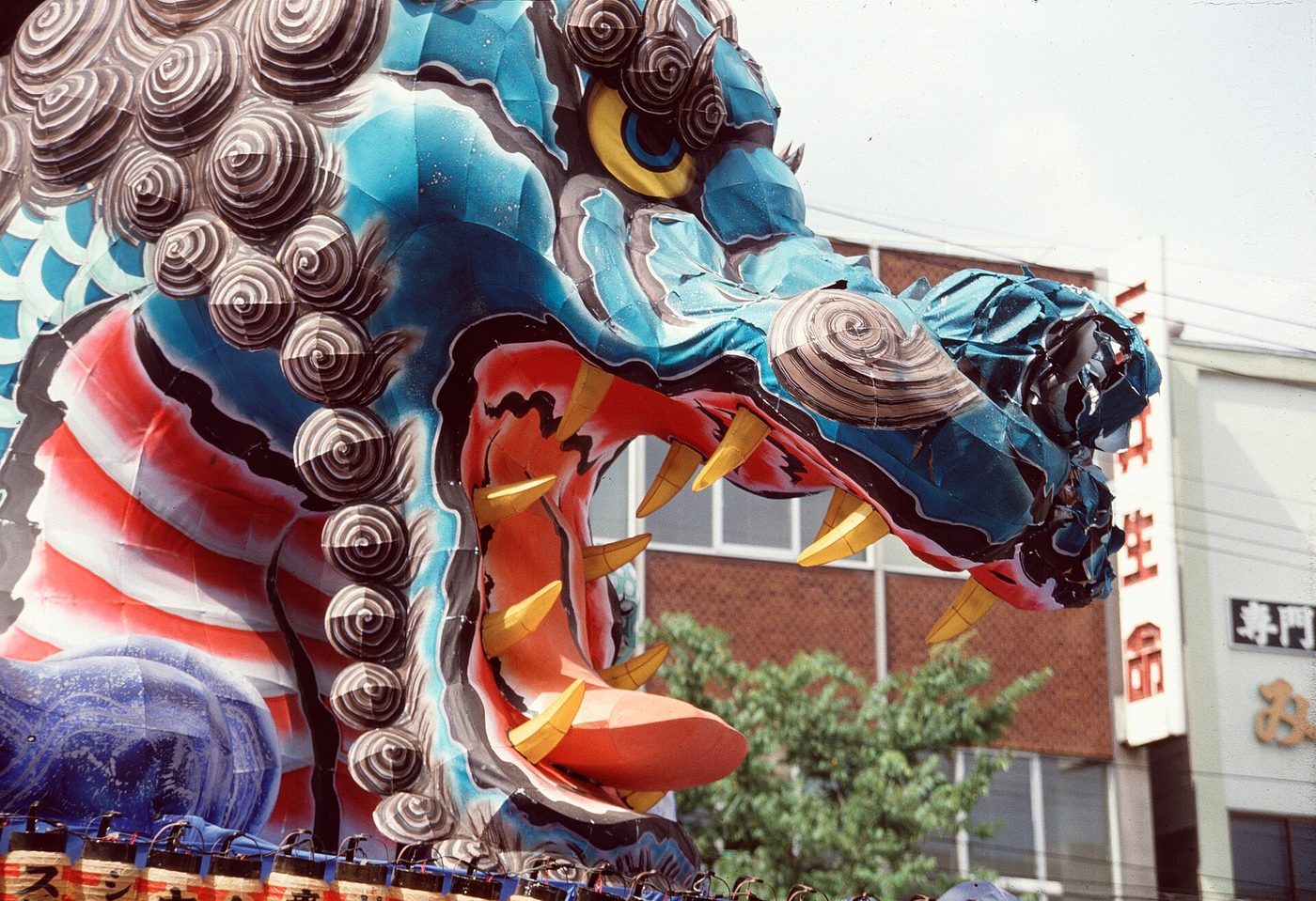
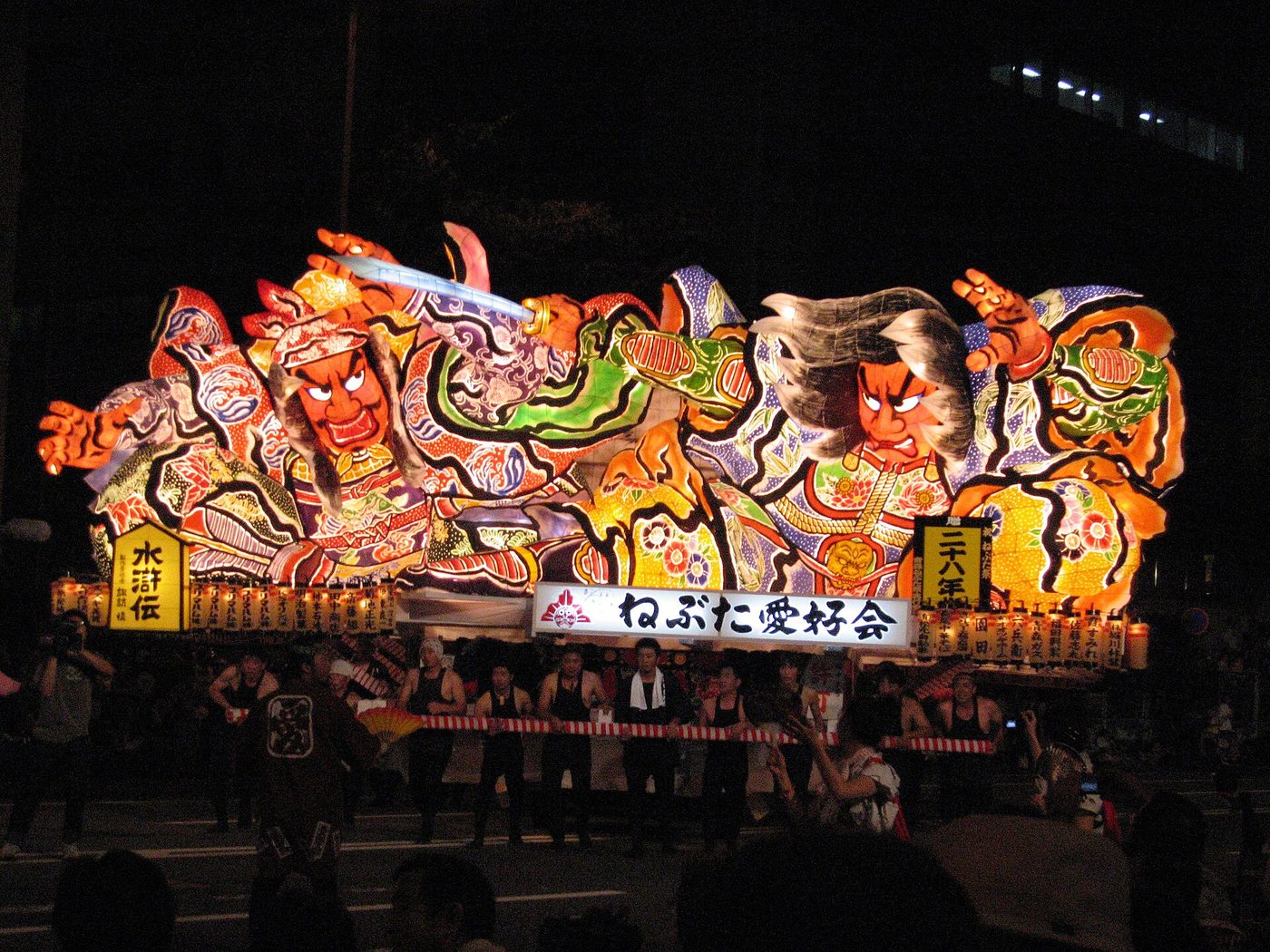
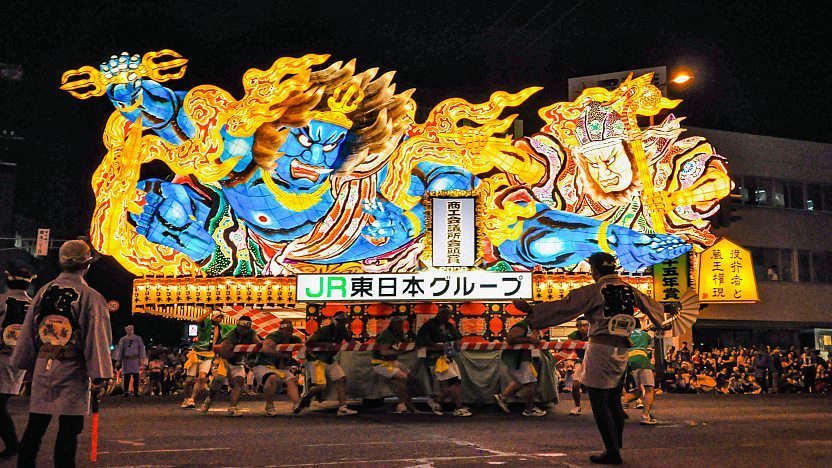
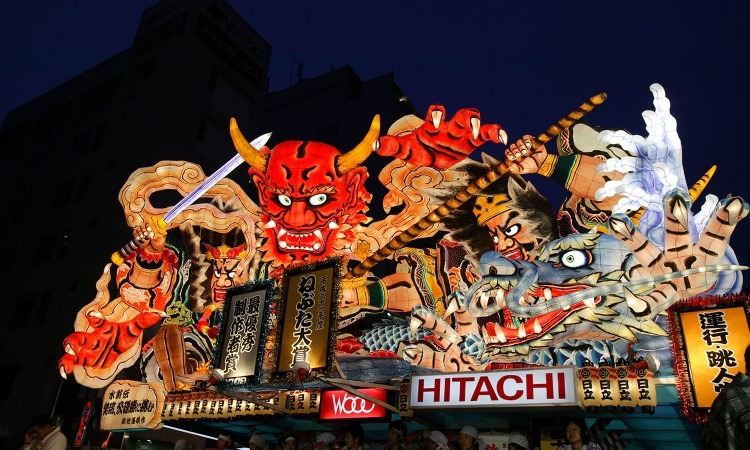
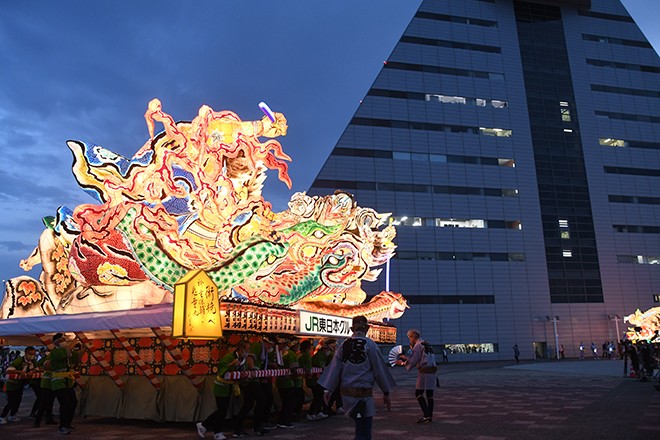
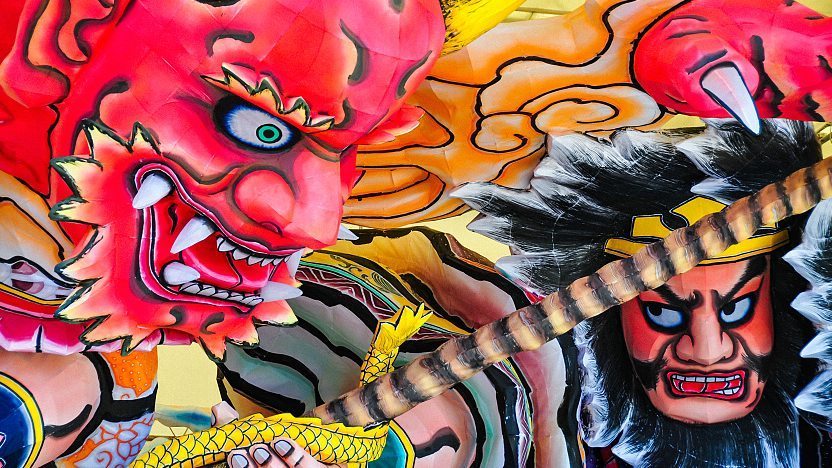
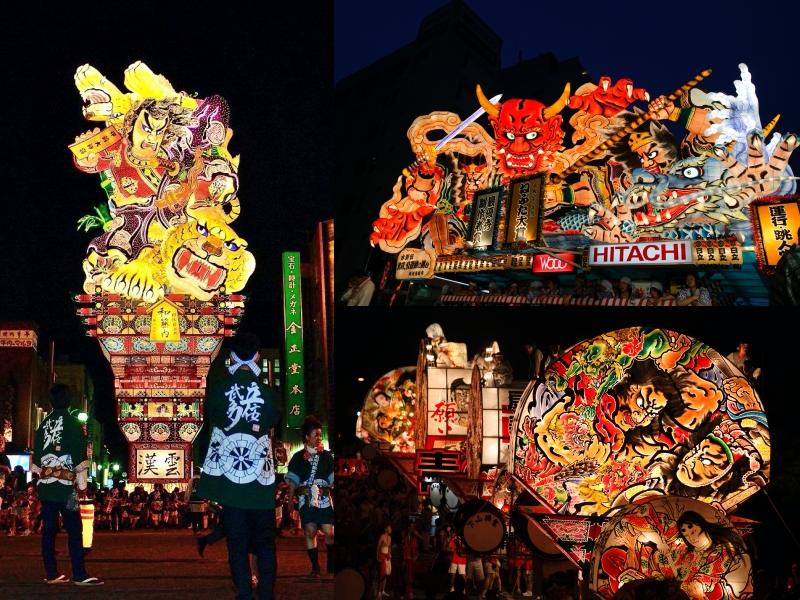
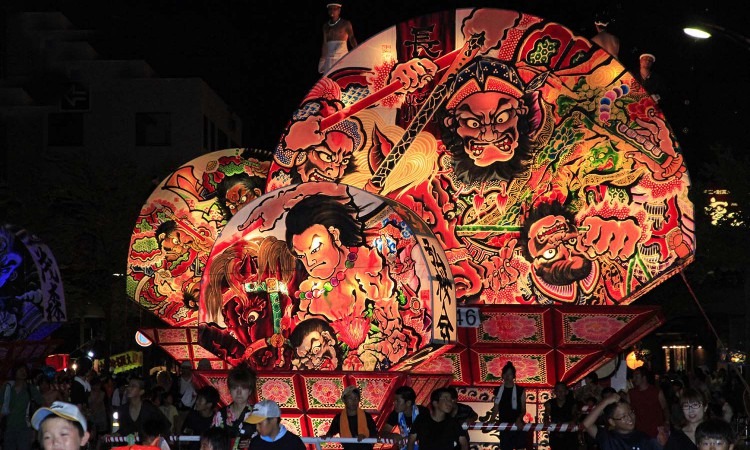
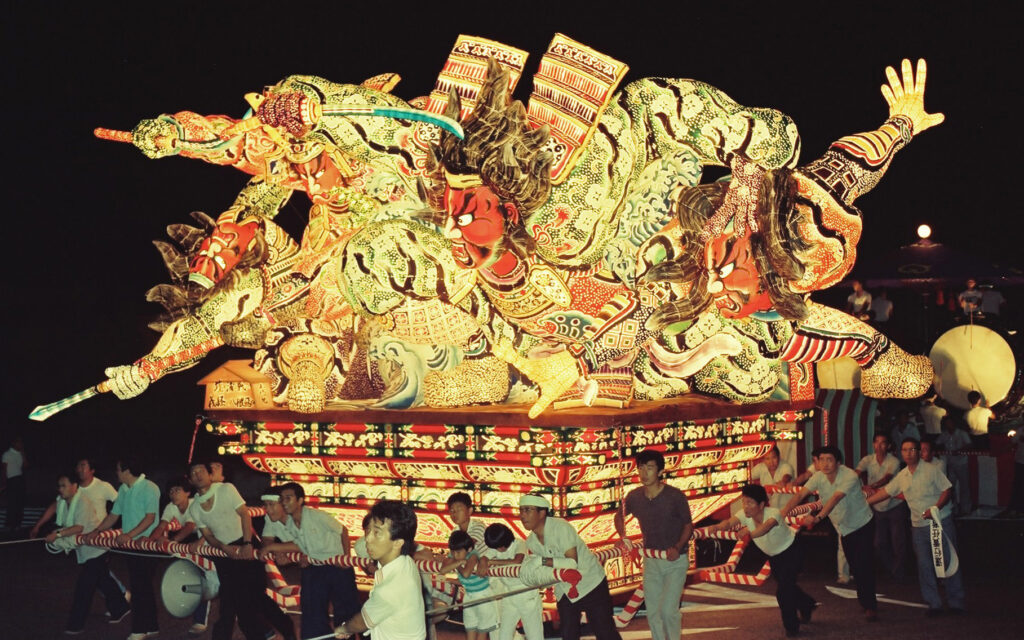
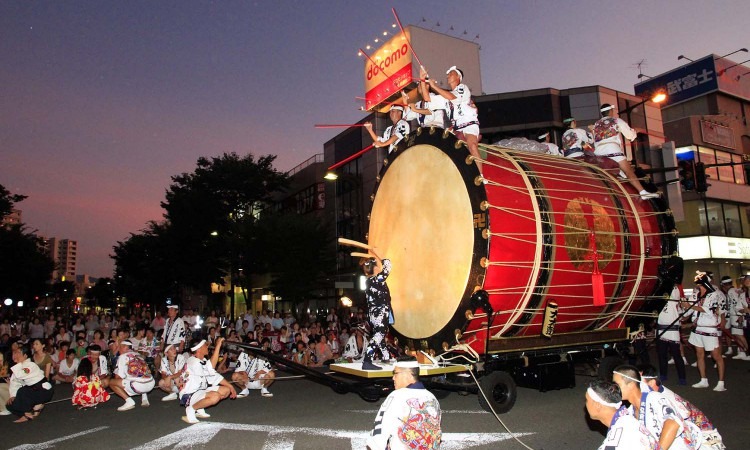
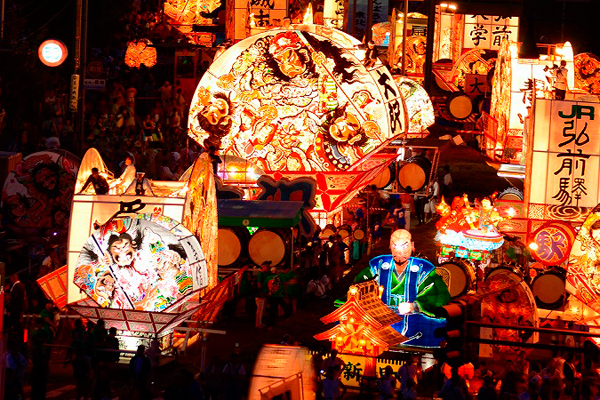
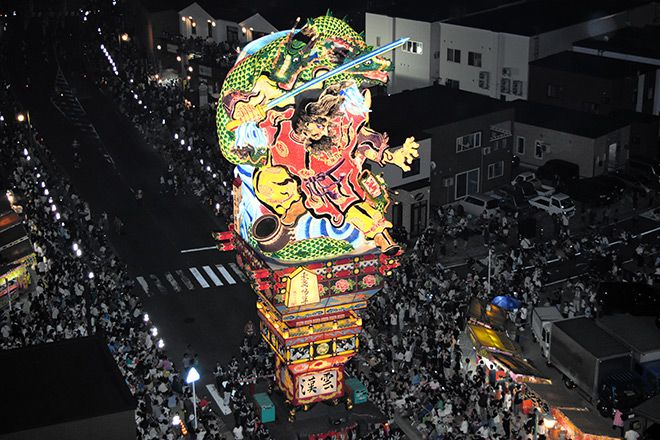
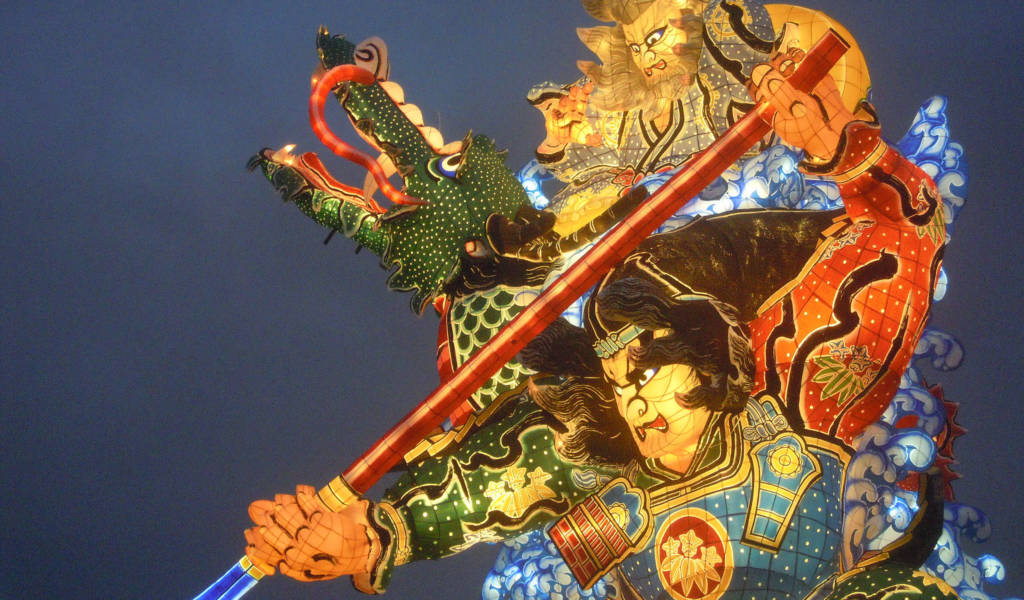
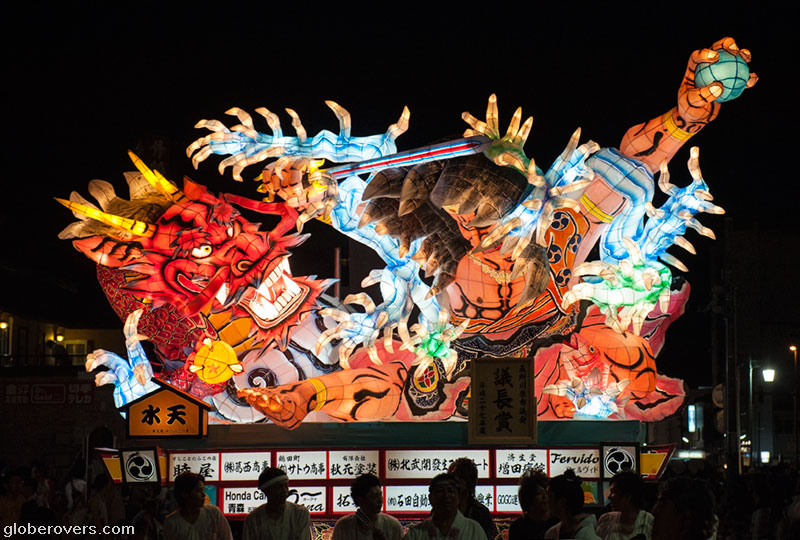
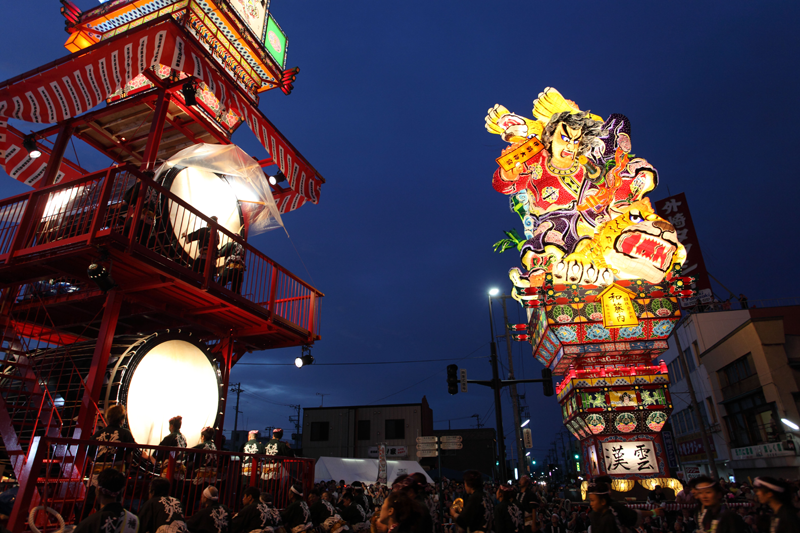
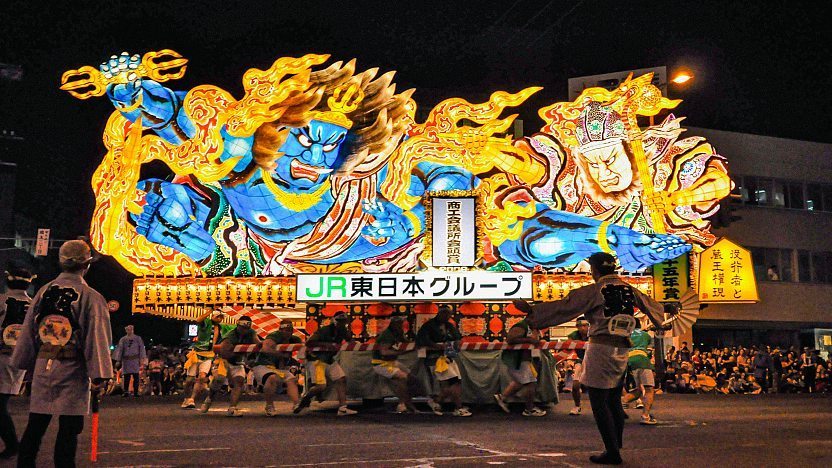
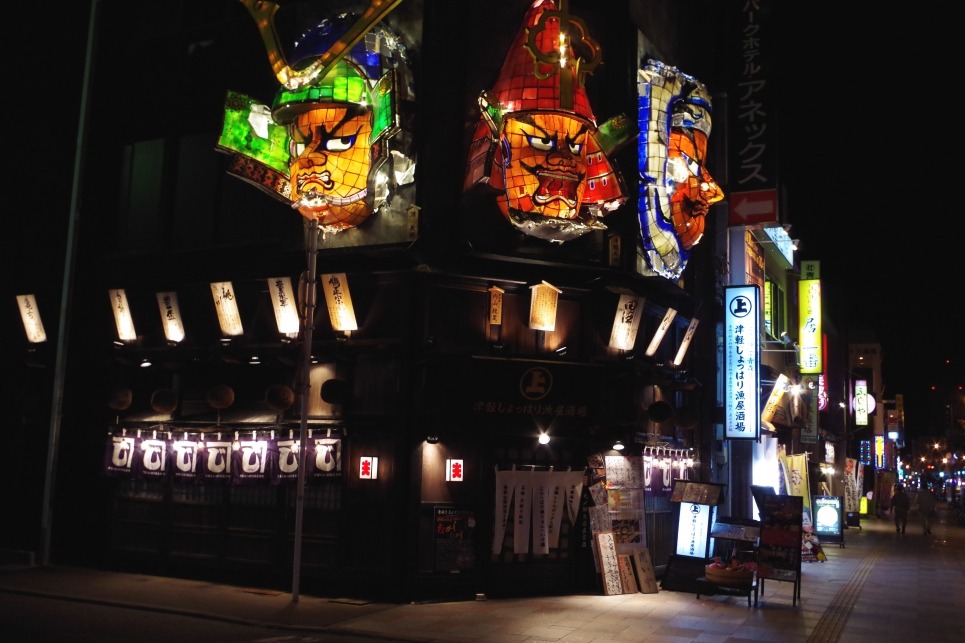
Japan's most spectacular summer festival, massive illuminated warrior floats parade through the streets while dancers chant 'rassera.'...
Zelkova-lined avenues, lively arcades, and a lively local nightlife scene.
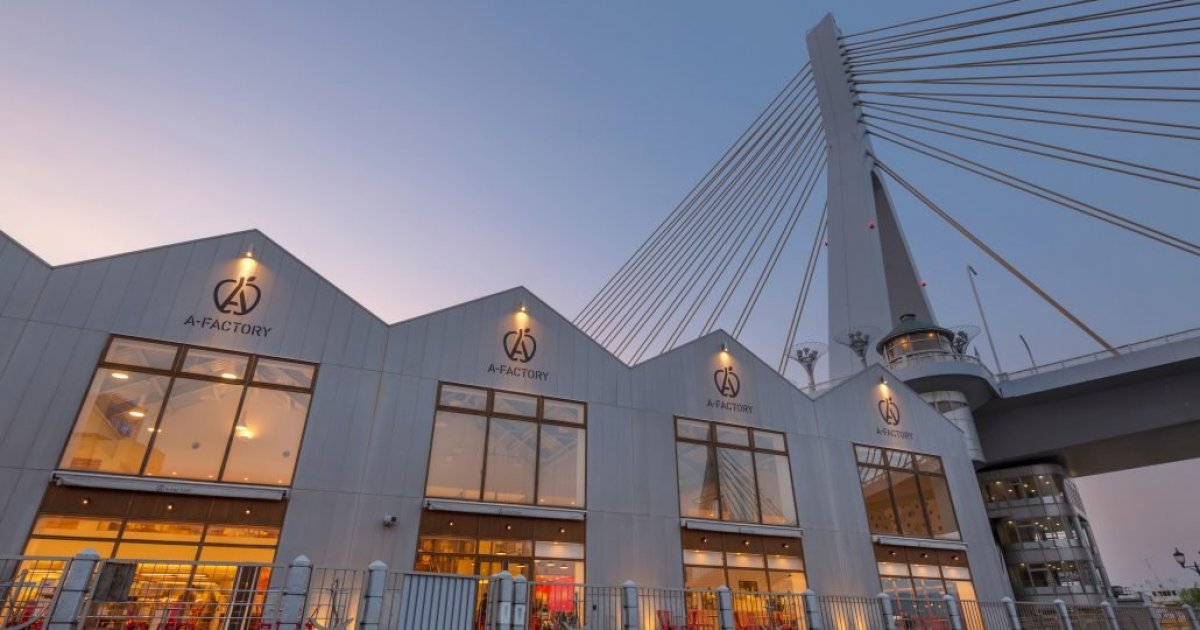
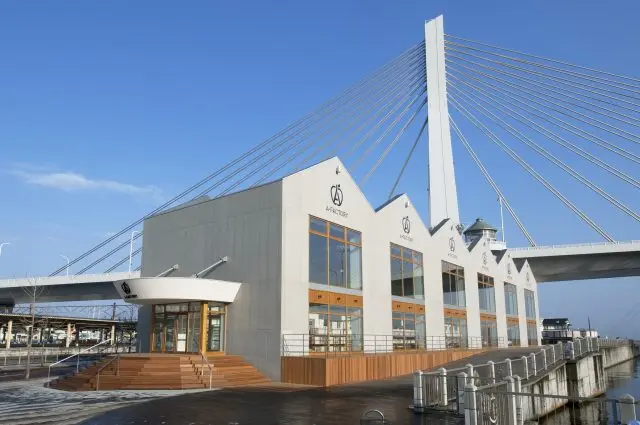
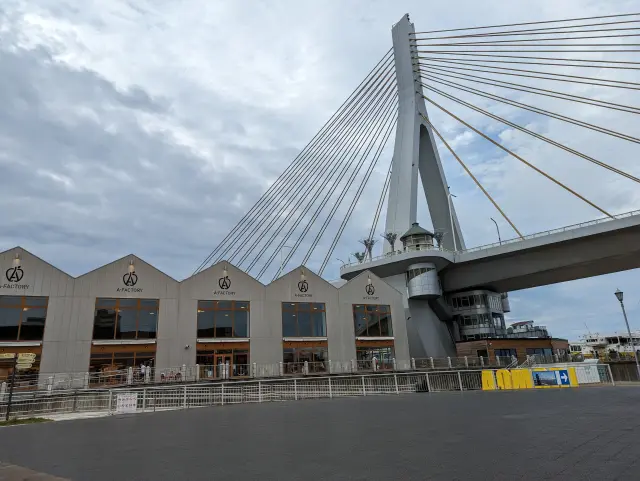
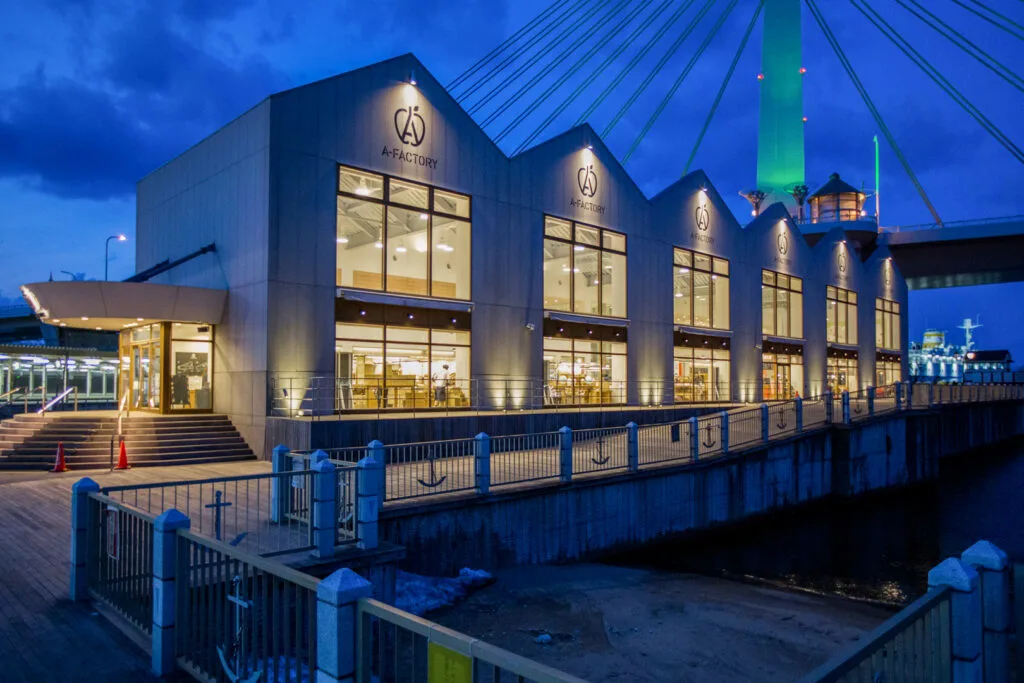
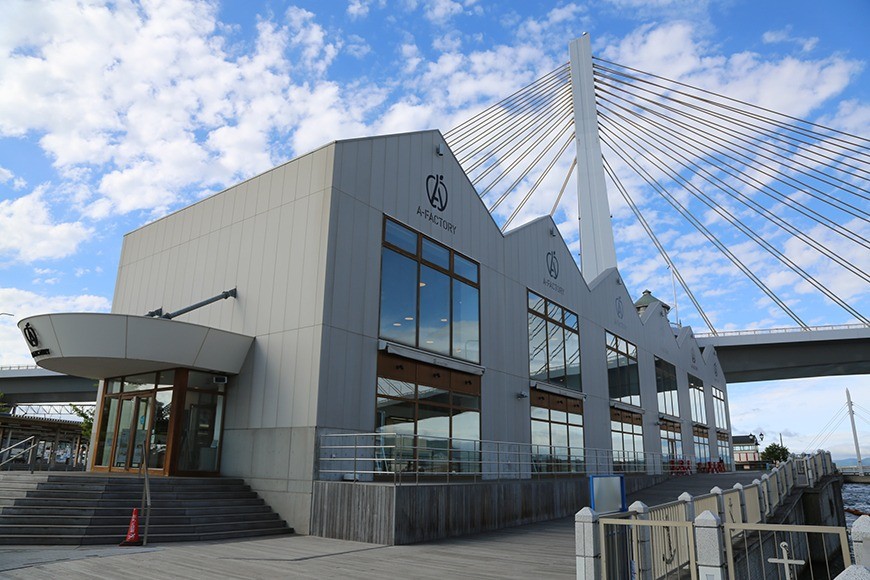
Trendy waterfront market and cider bar. Local apple juice, craft cider, and Aomori specialty foods. The interior design is modern and inviting. Tasting bar lets you try multiple cider varieties.
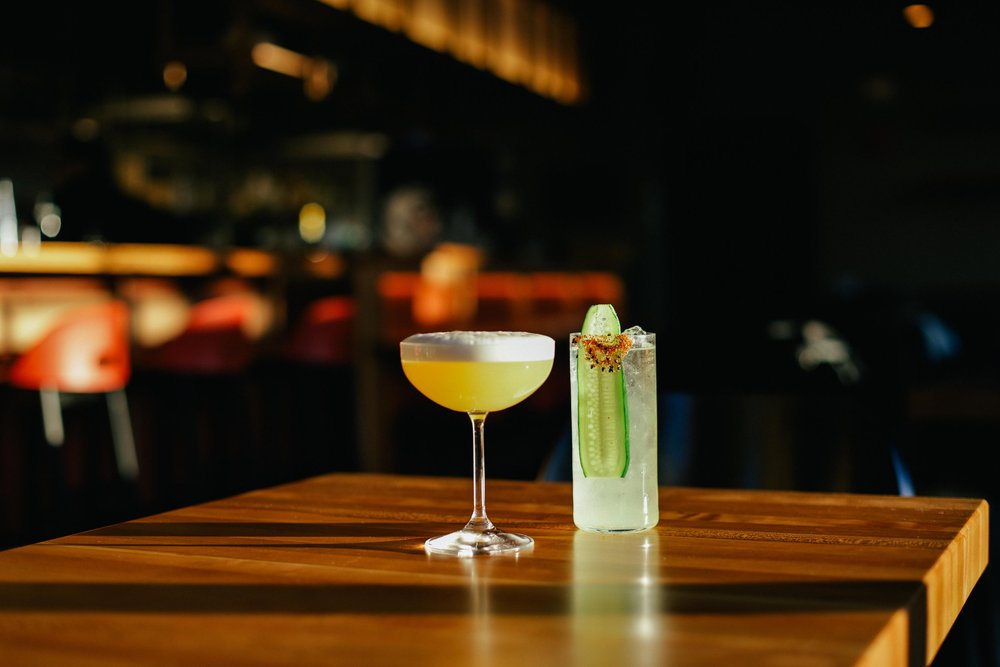
Intimate cocktail bar with apple-based drinks and local spirits. The apple martini uses fresh Aomori Fuji apples. Knowledgeable bartender who mixes Japanese whisky cocktails as well.

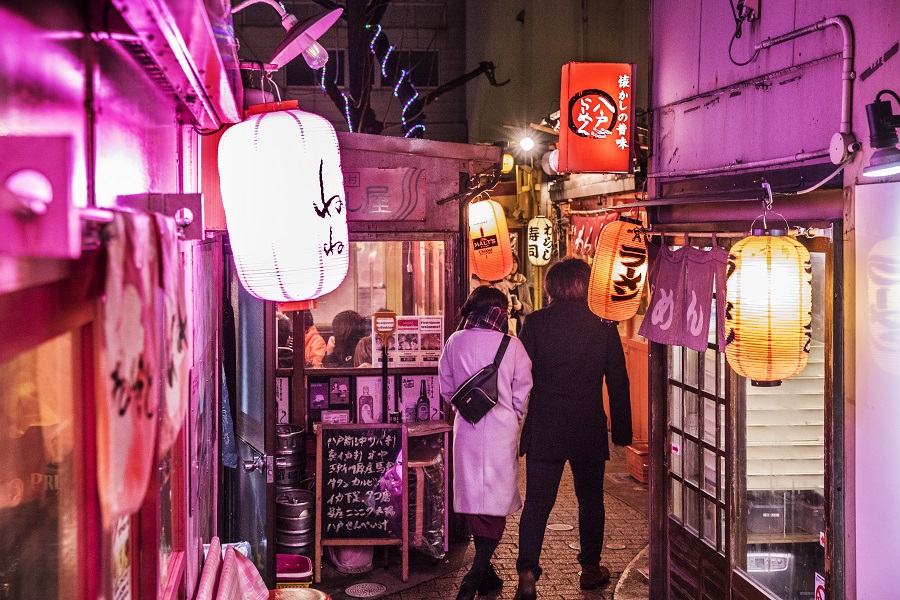
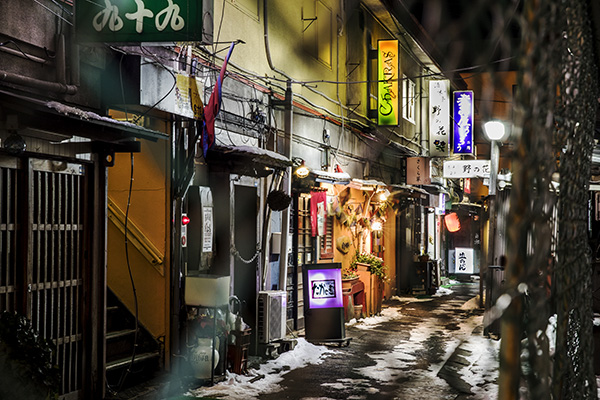
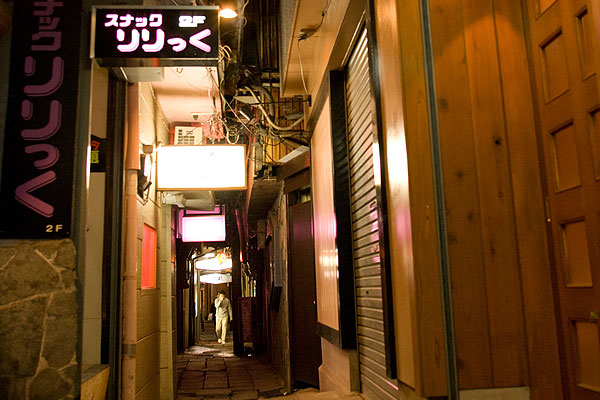
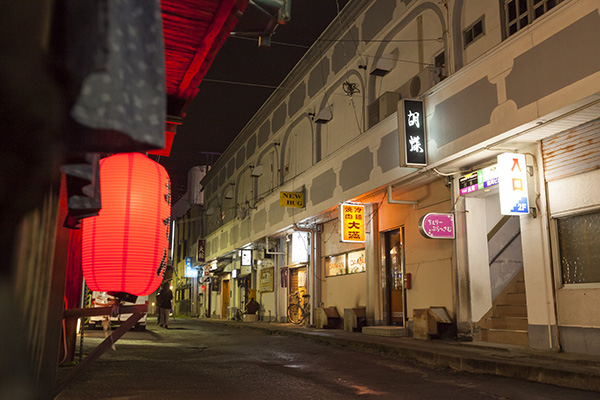
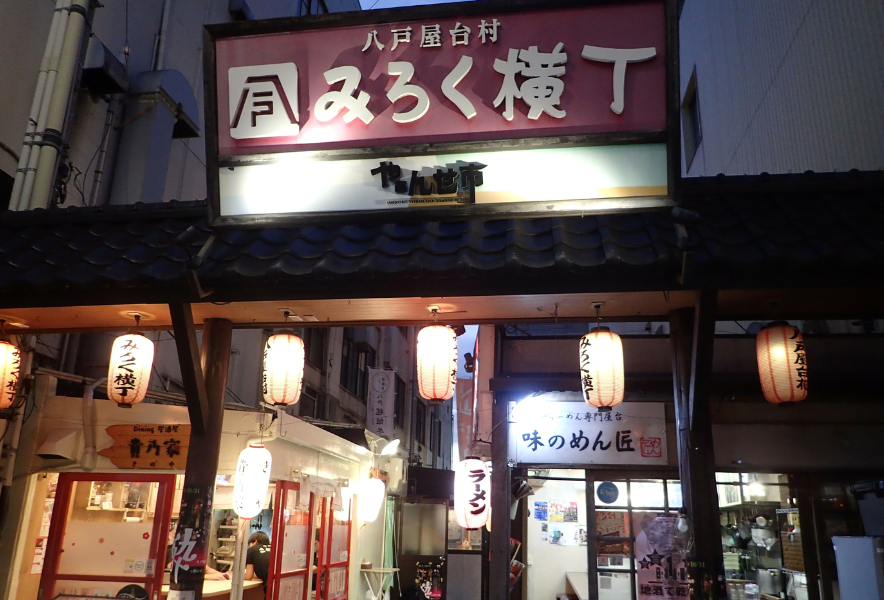
Eight narrow drinking alleys packed with tiny bars, each seating 5-10 people. Miroku Yokocho is the most famous. Counter-only joints serving local sake, seafood, and regional dishes. Raw, authentic atmosphere.

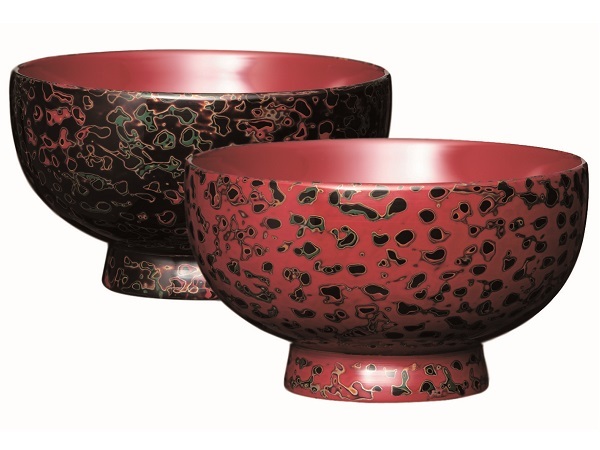
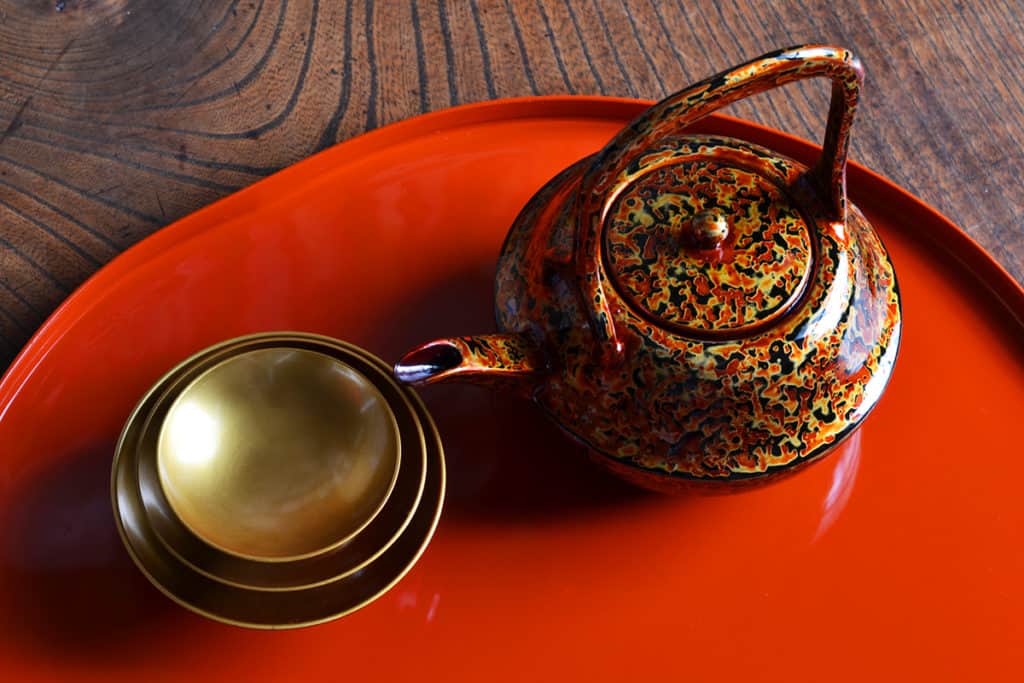
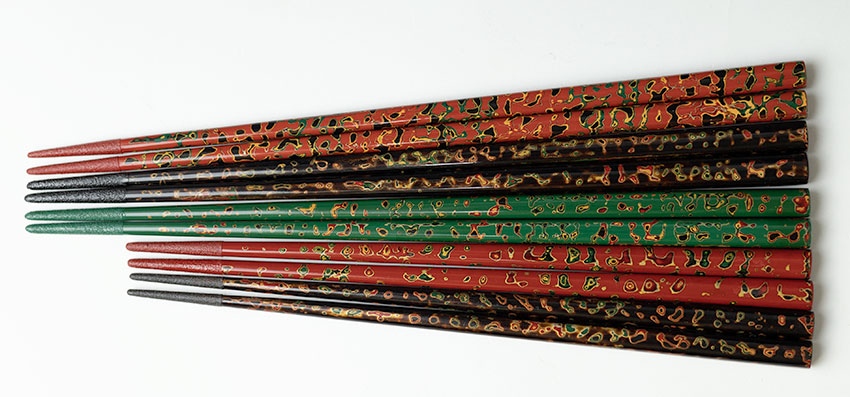
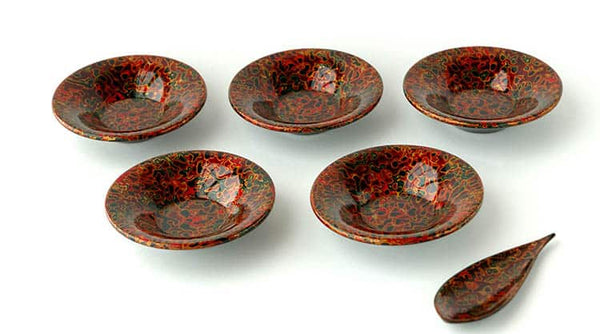
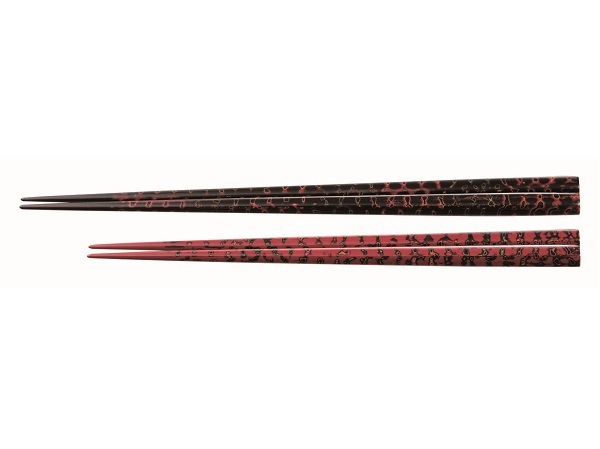
Distinctive lacquerware with a mottled color pattern created by layering dozens of colors then sanding to reveal them. Chopsticks, bowls, and accessories. Workshops in Hirosaki. 45 min from Aomori.

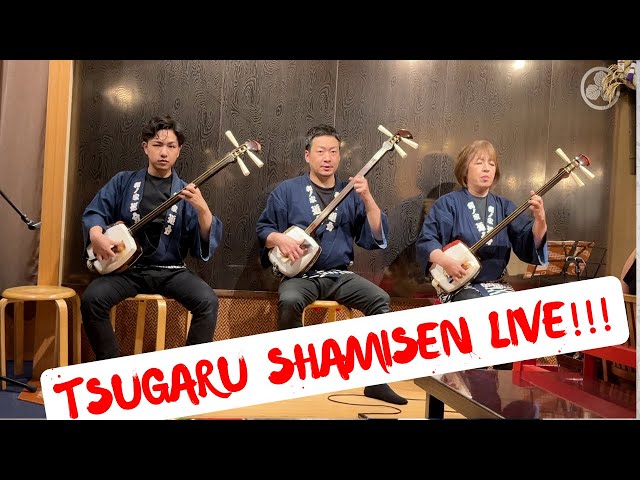
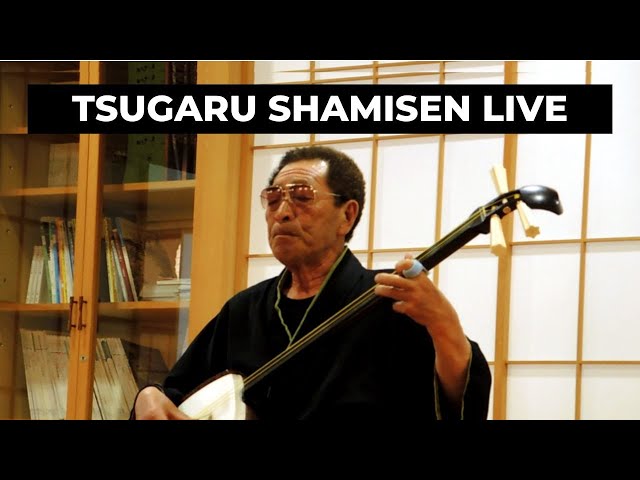
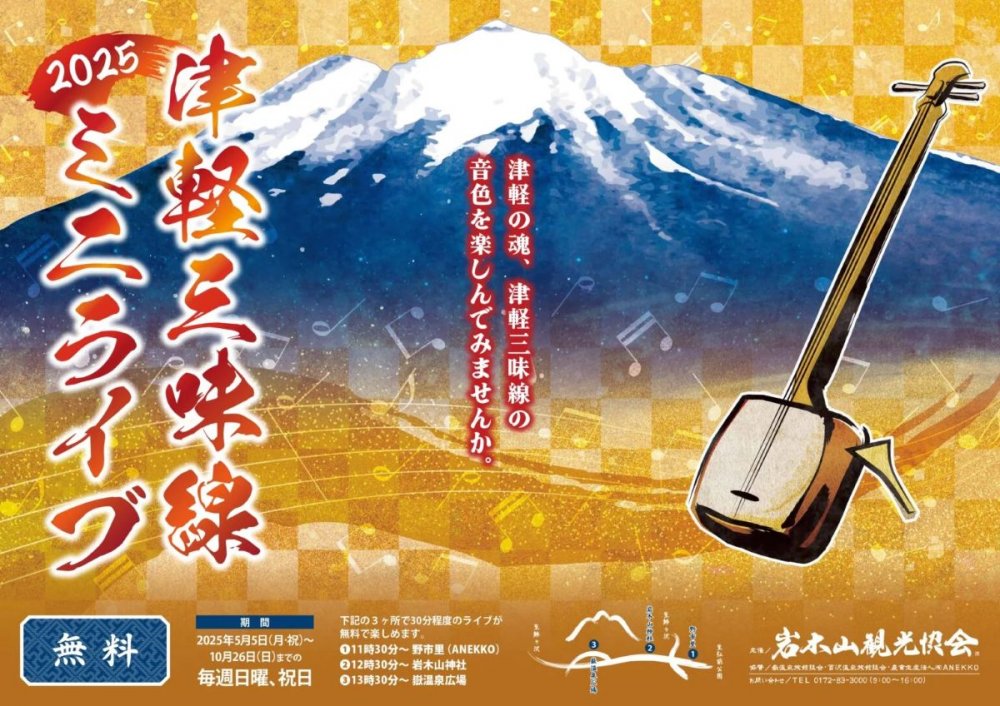
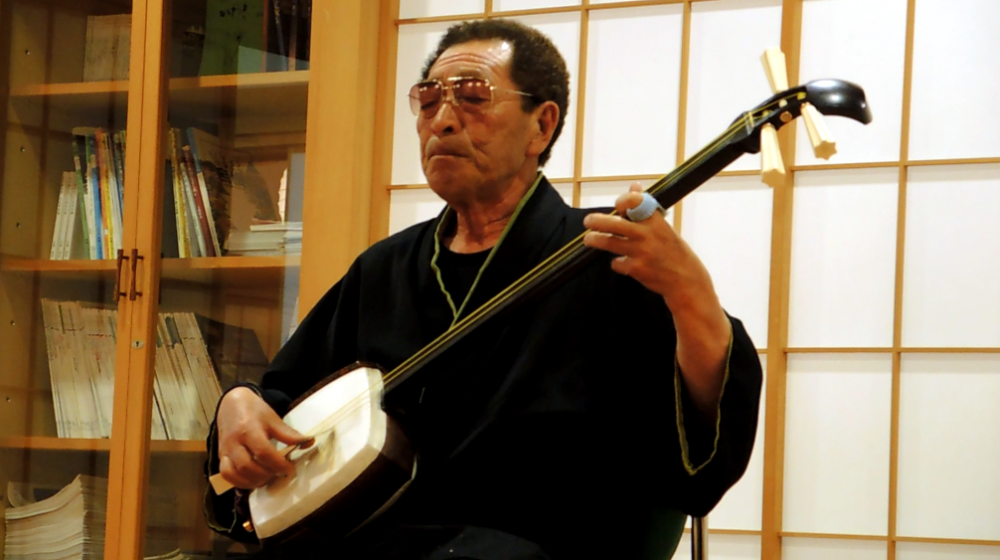
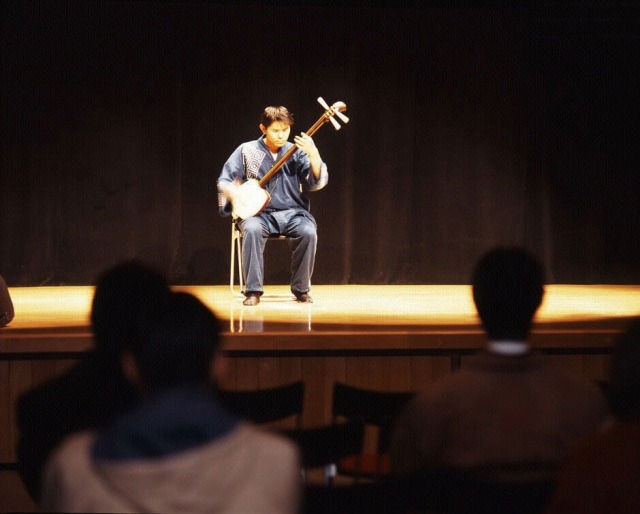
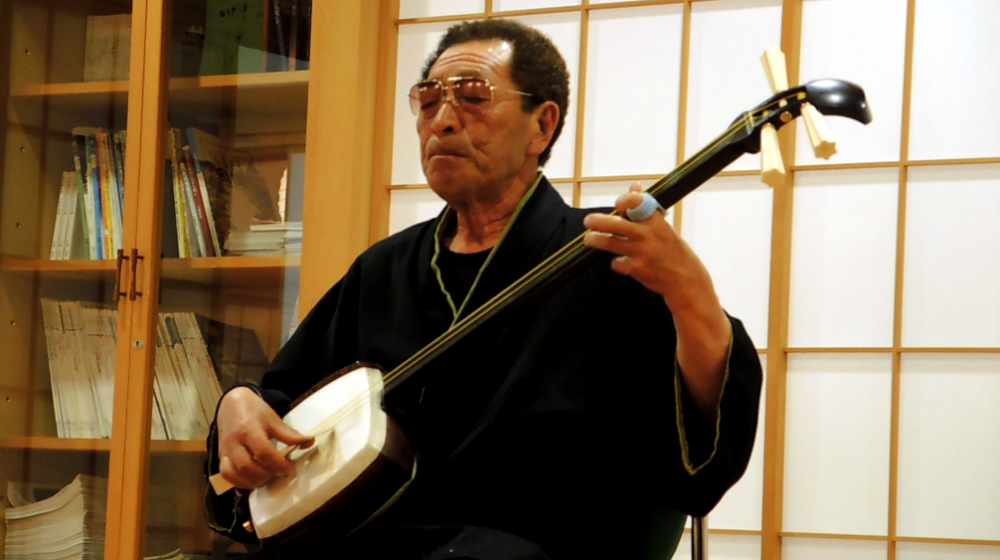
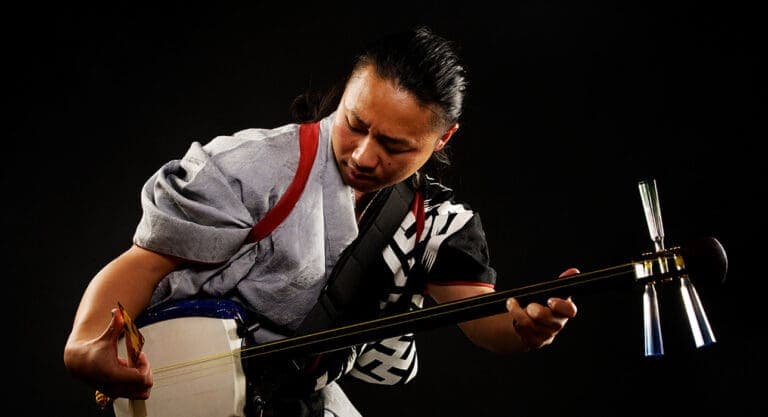
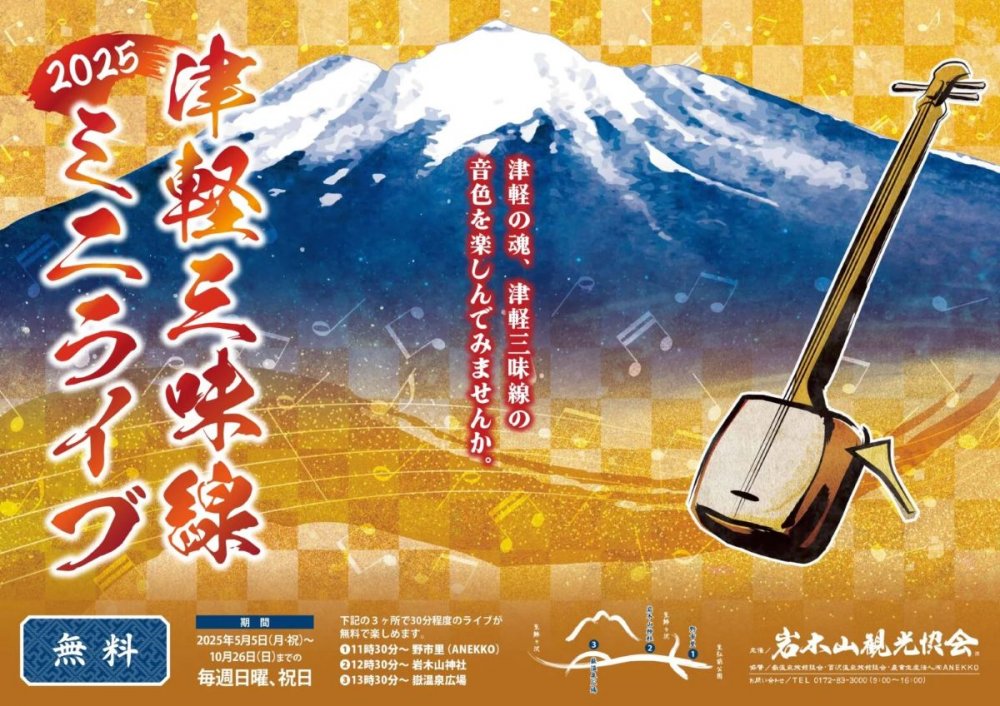
Small live music venues featuring Tsugaru shamisen performances. The percussive, virtuosic style is uniquely powerful. Some venues pair performances with local food and sake.

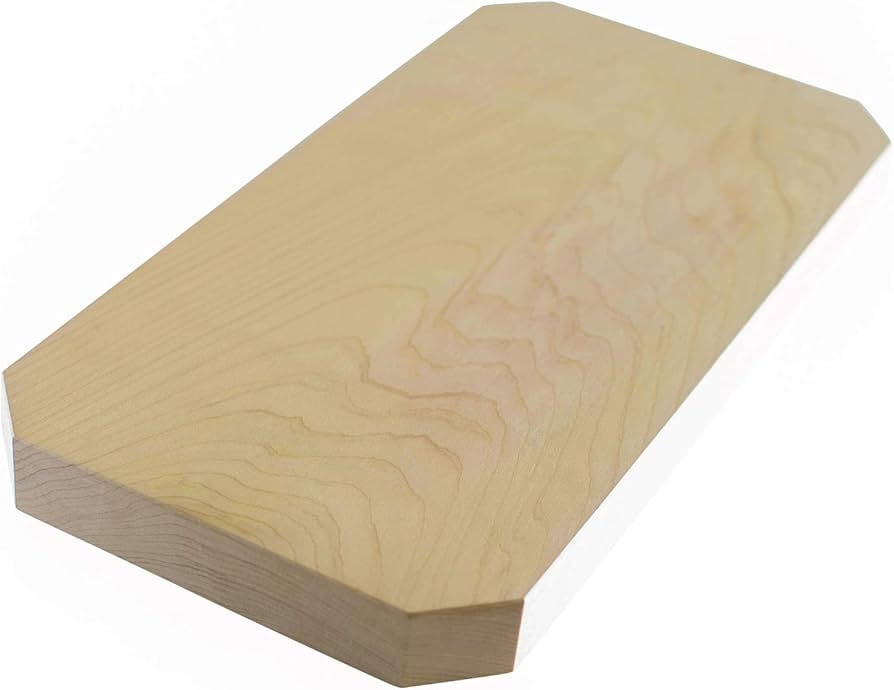
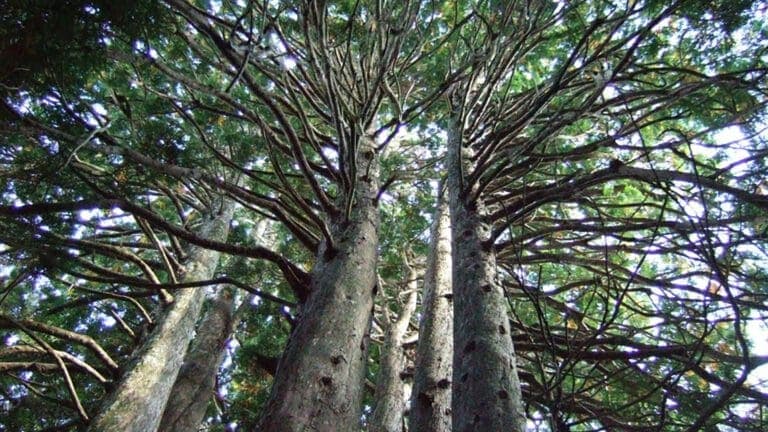
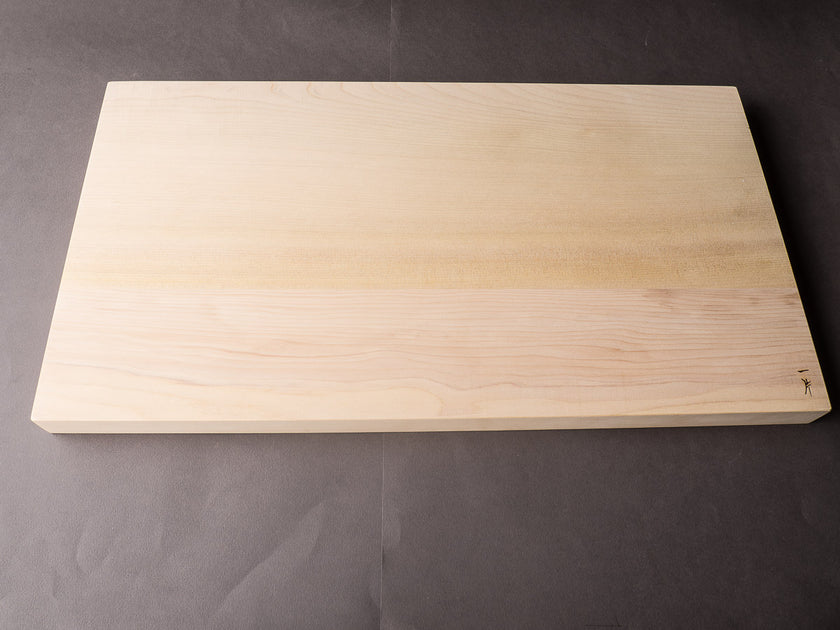
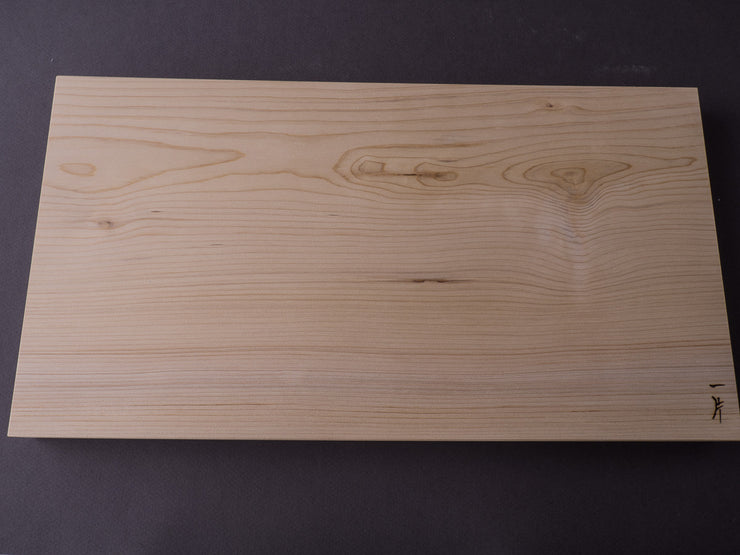
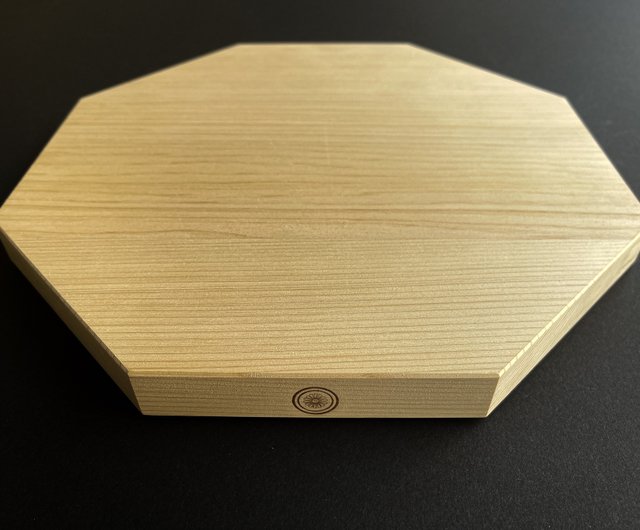
Crafts made from Aomori hiba cypress, prized for its natural antibacterial properties and beautiful grain. Cutting boards, bento boxes, and bath items. The wood aroma is incredibly calming.
Aomori is packed with standout local eats. Come hungry.

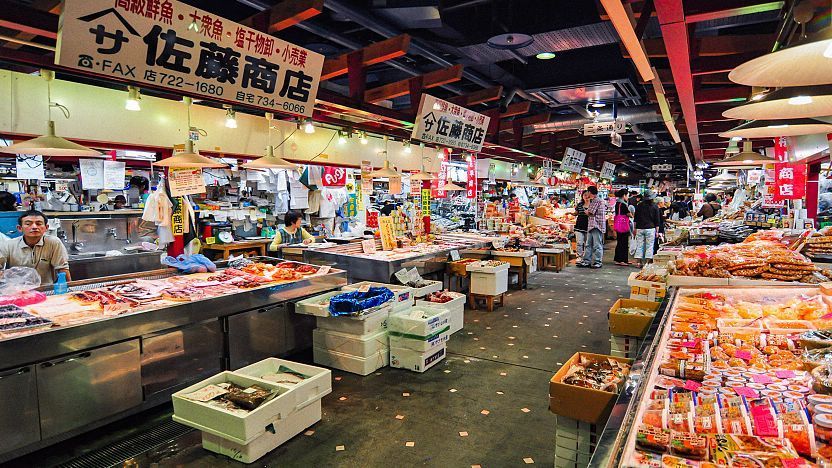
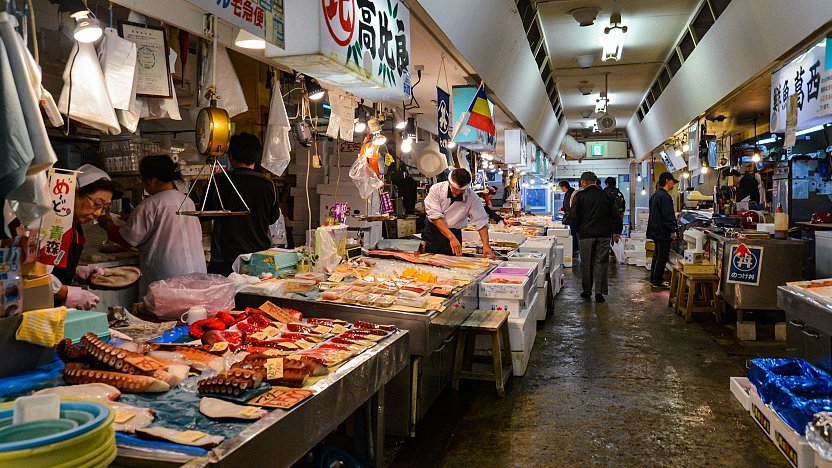
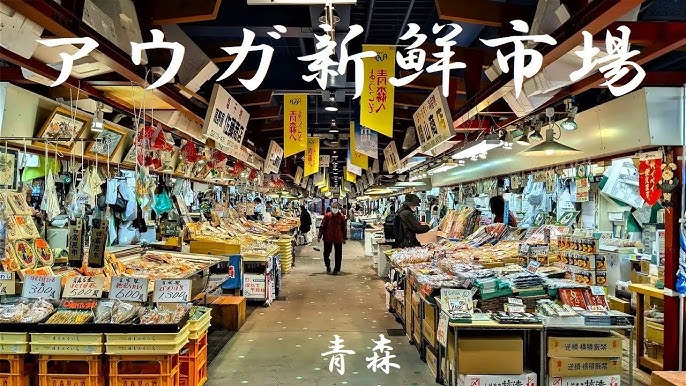
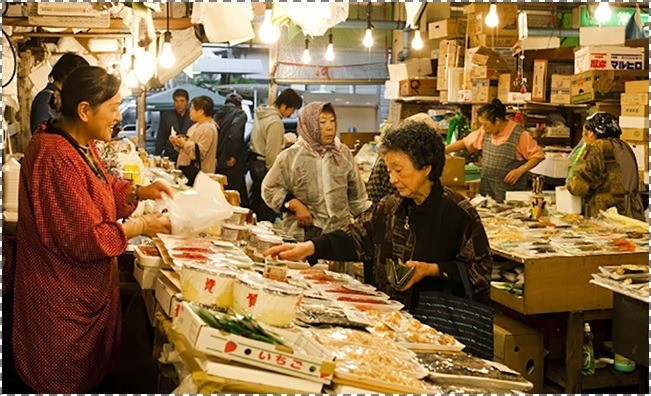
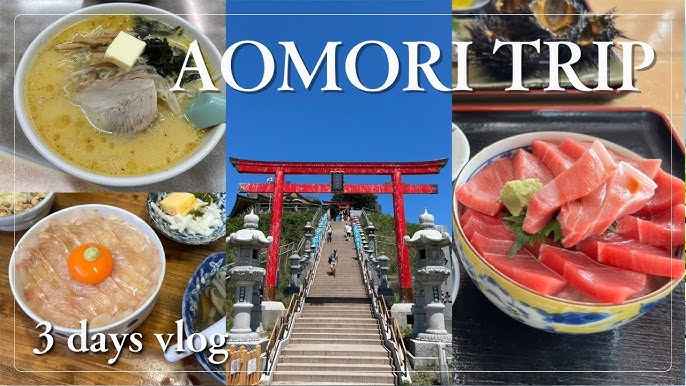
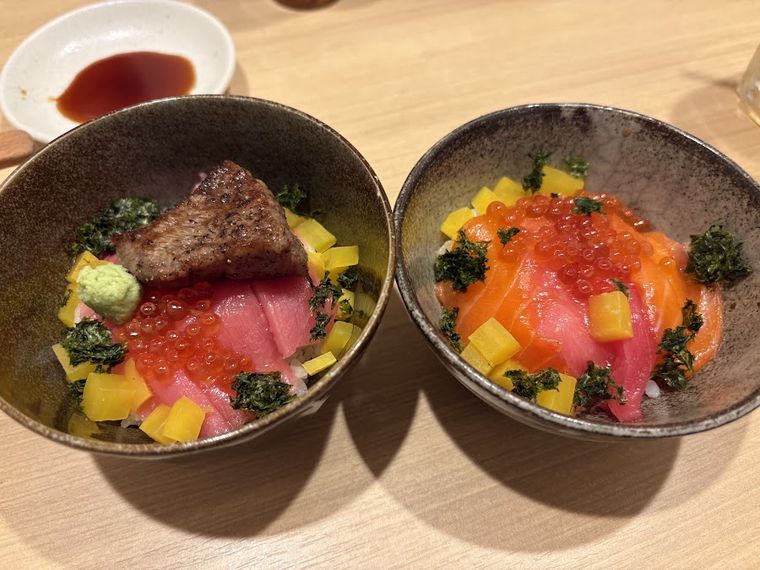
Underground seafood market near the station. Fresh tuna, scallops, sea urchin, and squid. The nokke-don experience lets you build your own seafood bowl by buying toppings from different vendors.

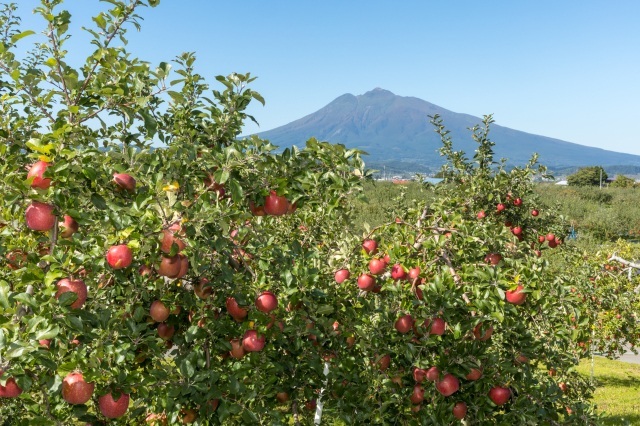
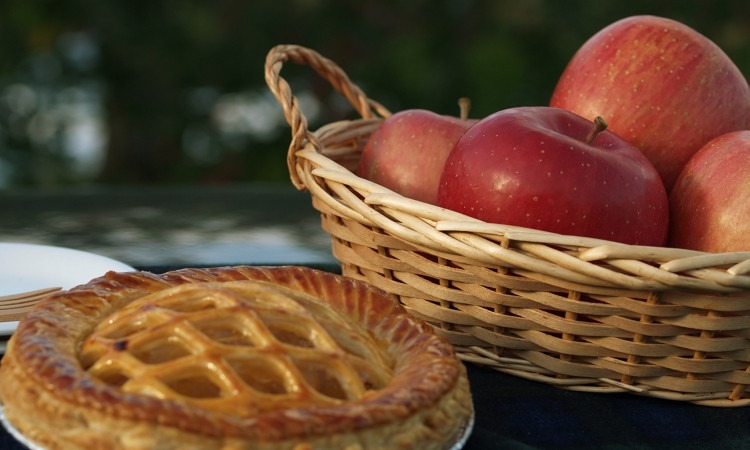
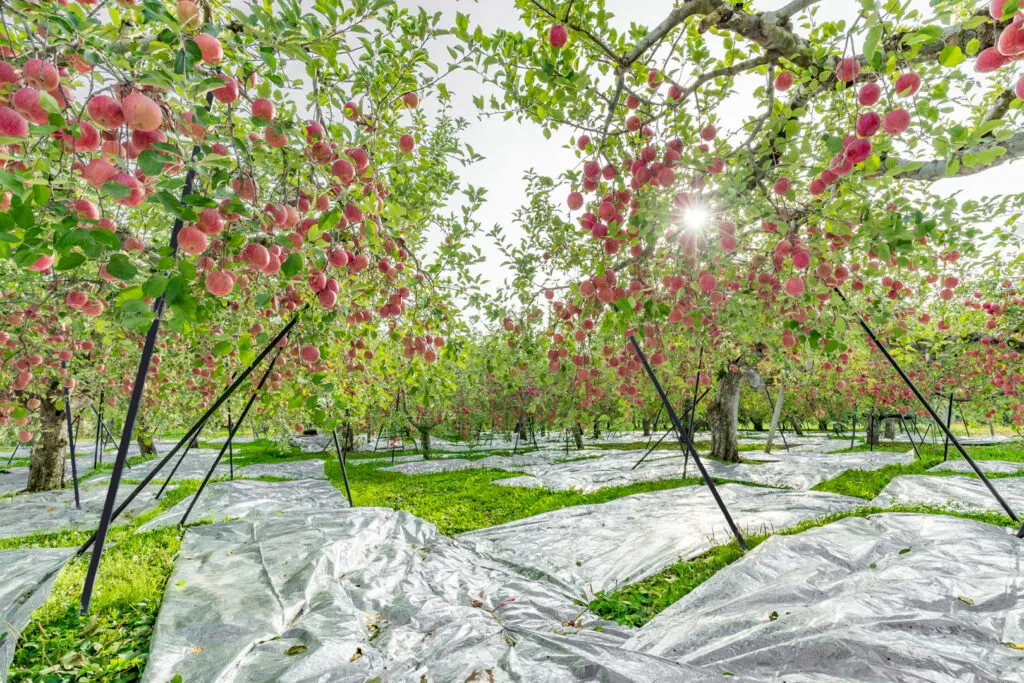
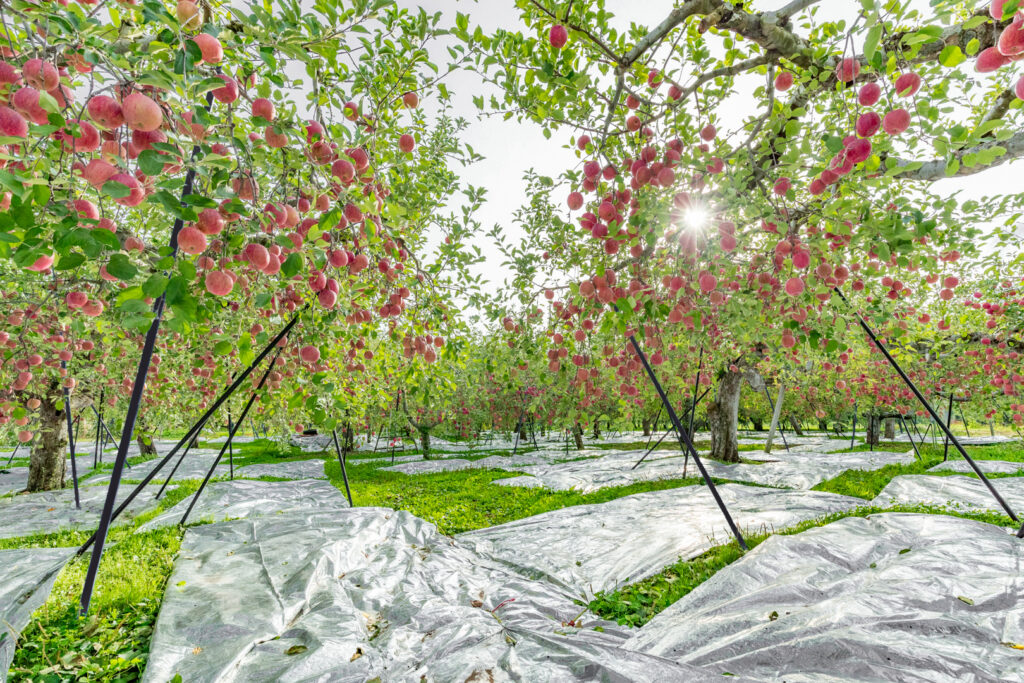
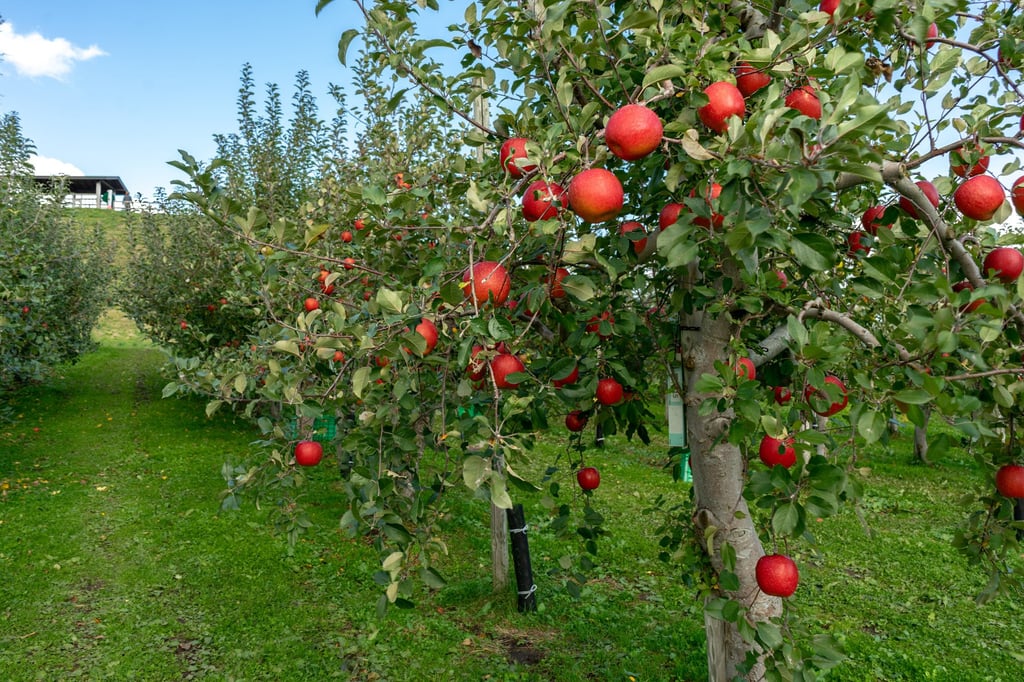
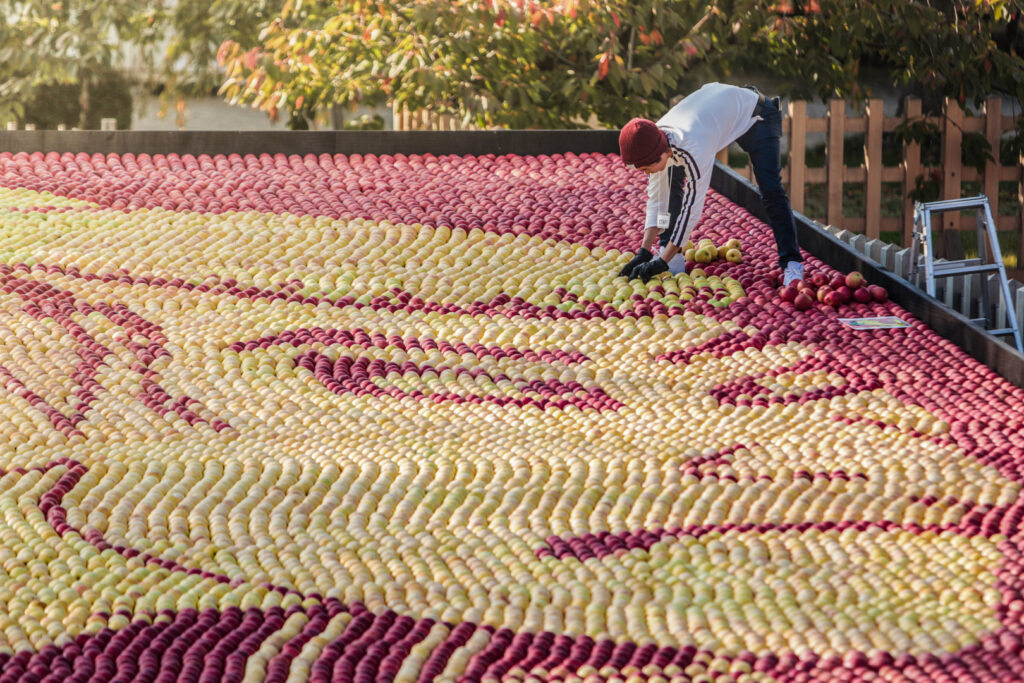
Aomori produces 60% of Japan's apples. Apple pie competitions, apple parks with tastings, apple juice from vending machines, and apple picking tours (September-November). Fuji apples originated here.

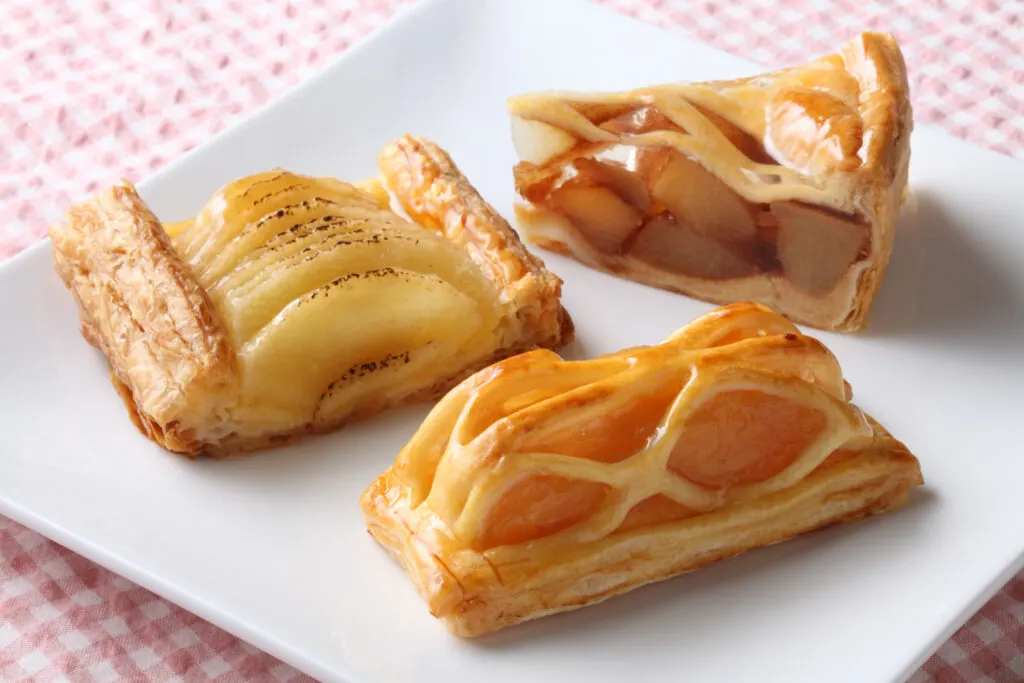
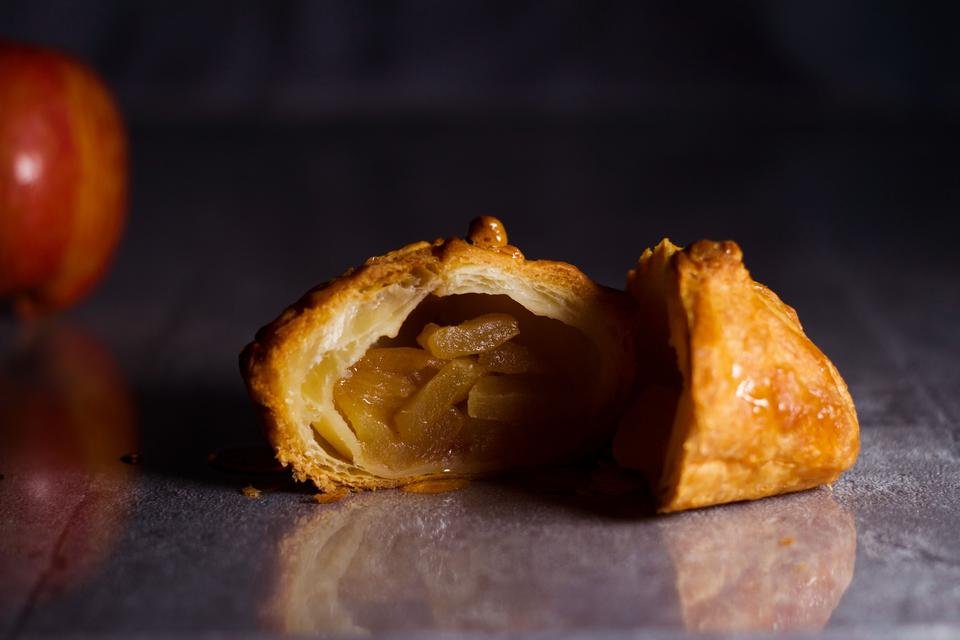
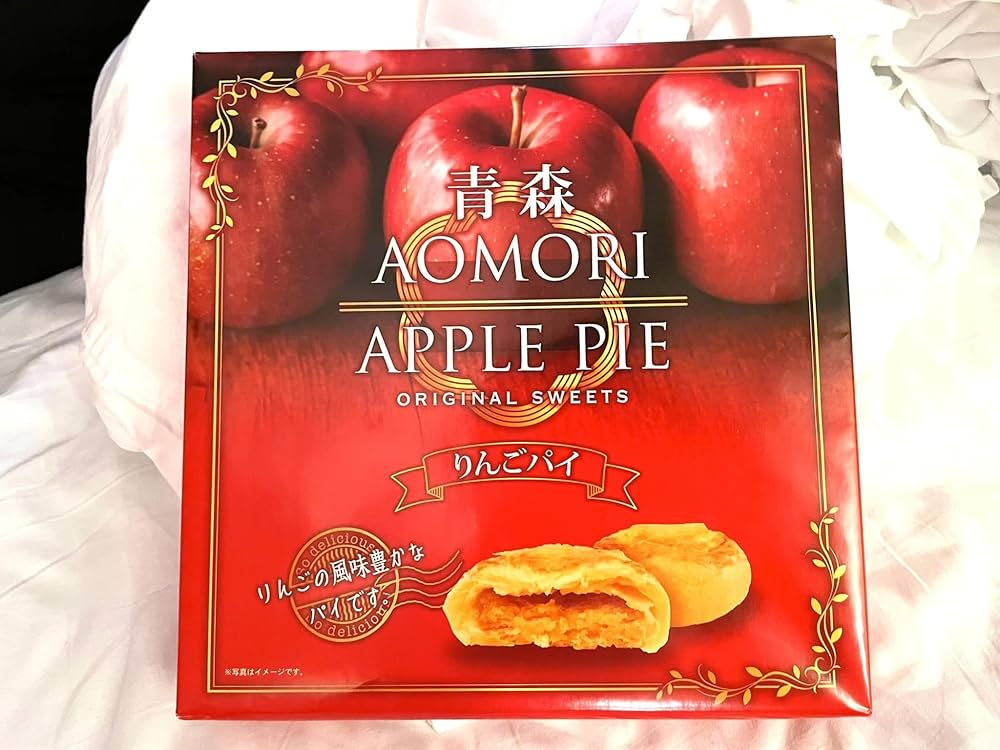
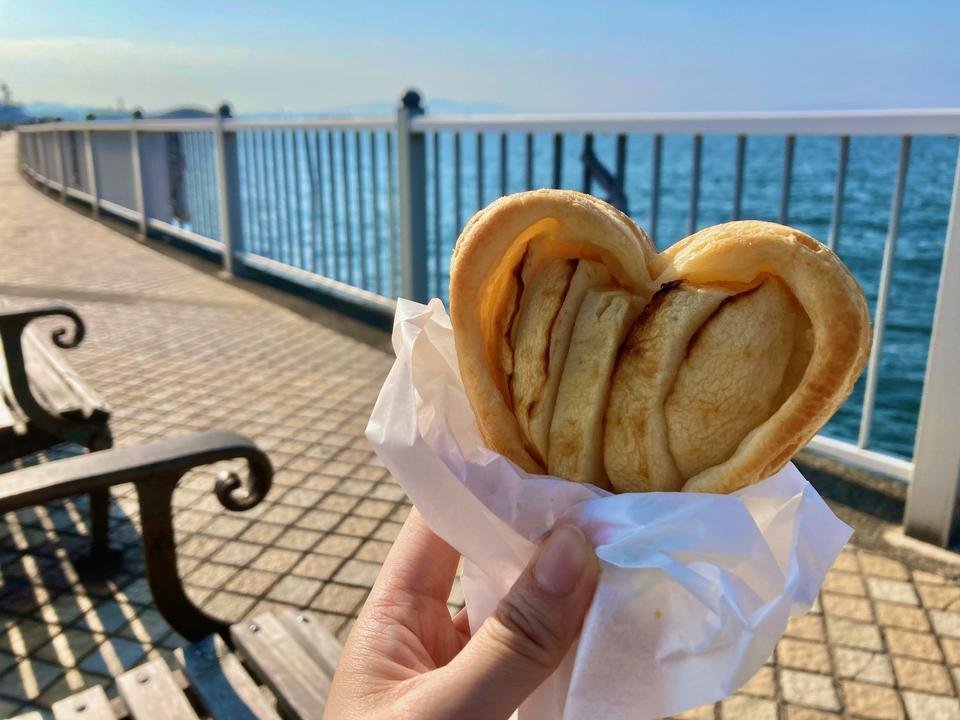
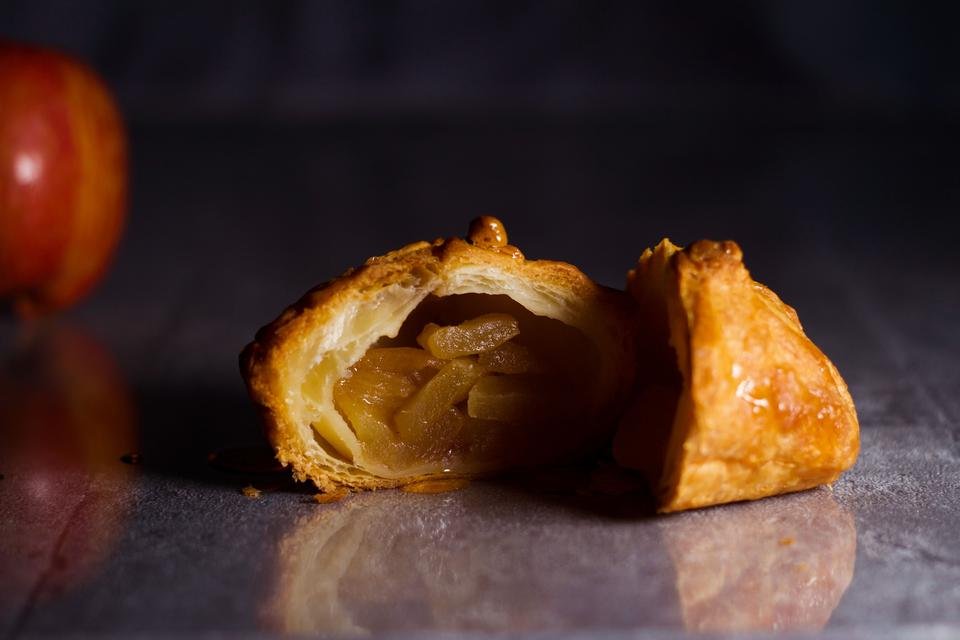
Nearly every bakery and cafe has its own apple pie recipe. A city-wide apple pie guide map lists over 40 shops. From rustic to elegant, finding your favorite is a delicious quest.

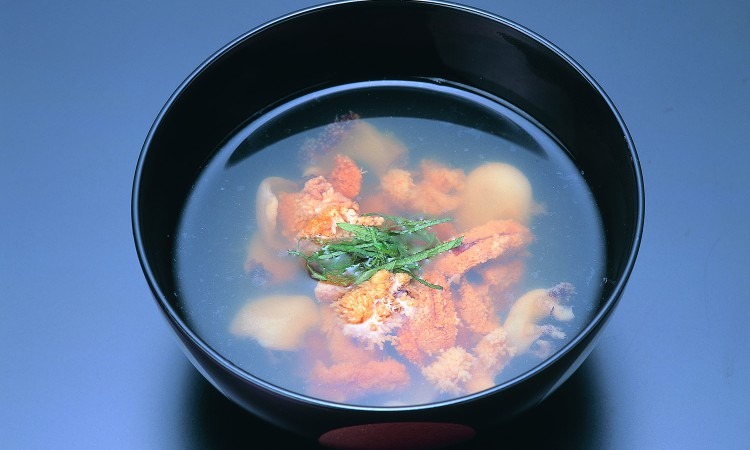
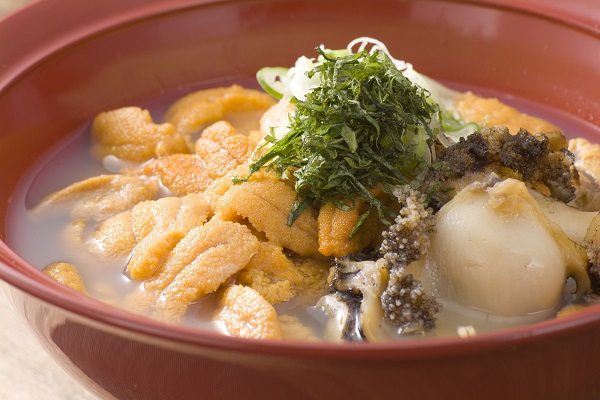
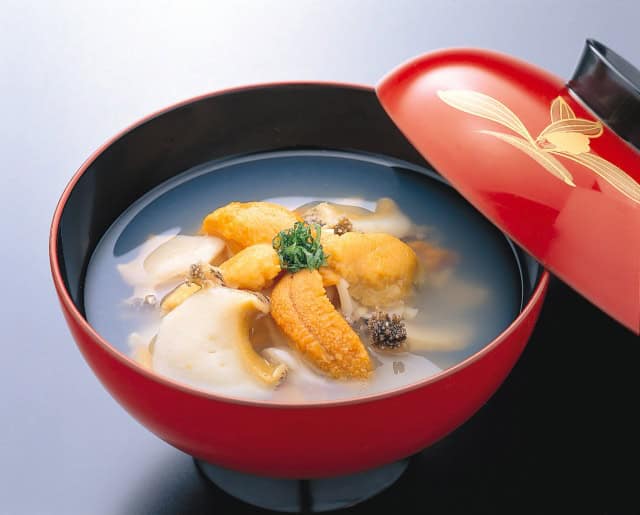
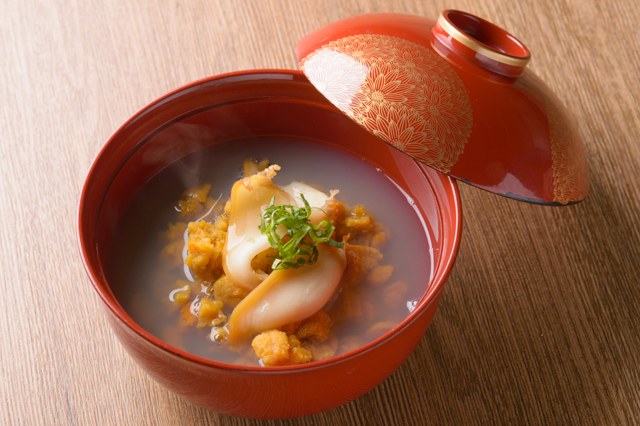
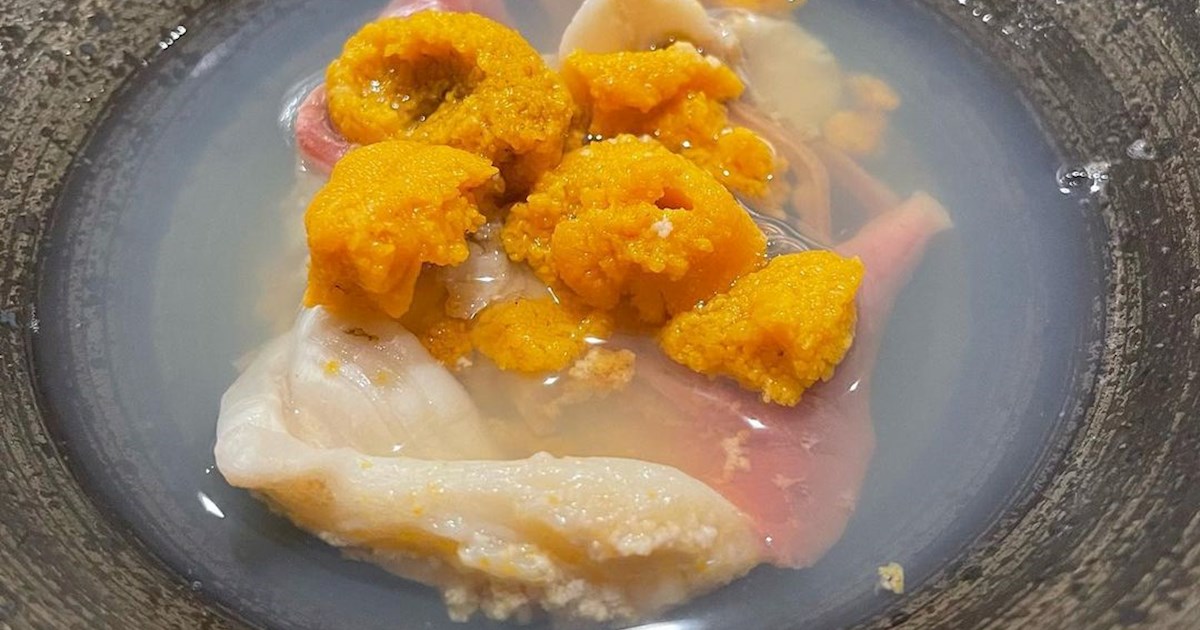
Traditional soup from Hachinohe made with sea urchin and abalone in a light dashi broth. The name means 'like strawberries' because the sea urchin resembles wild strawberries in the clear soup.

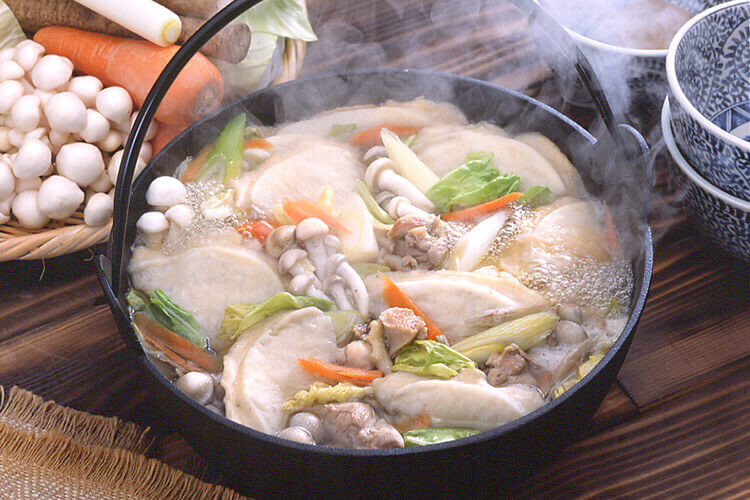
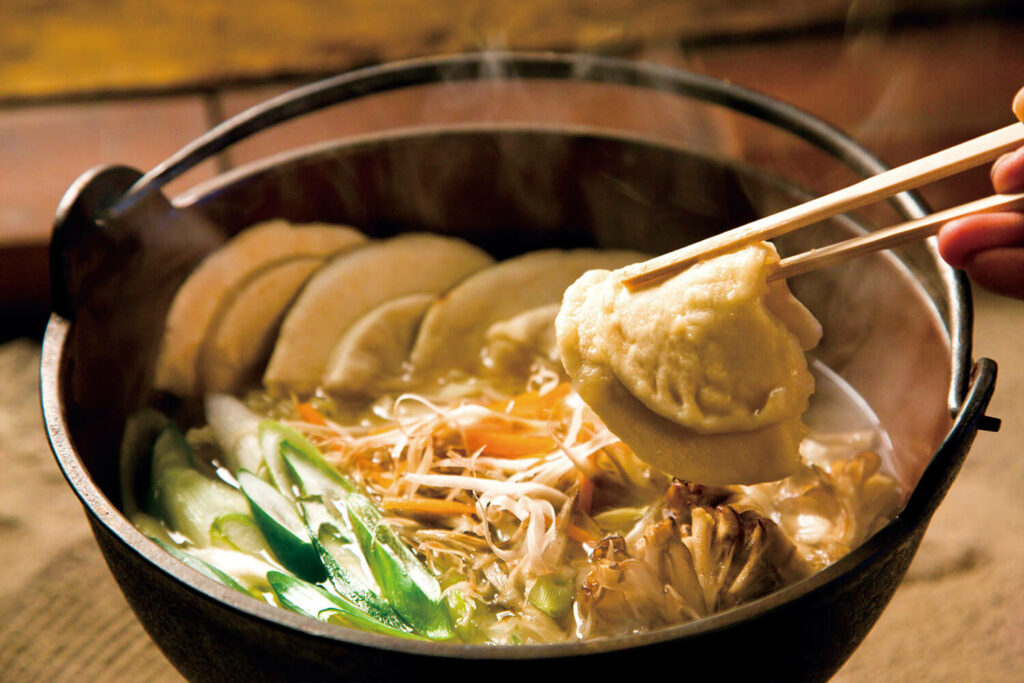
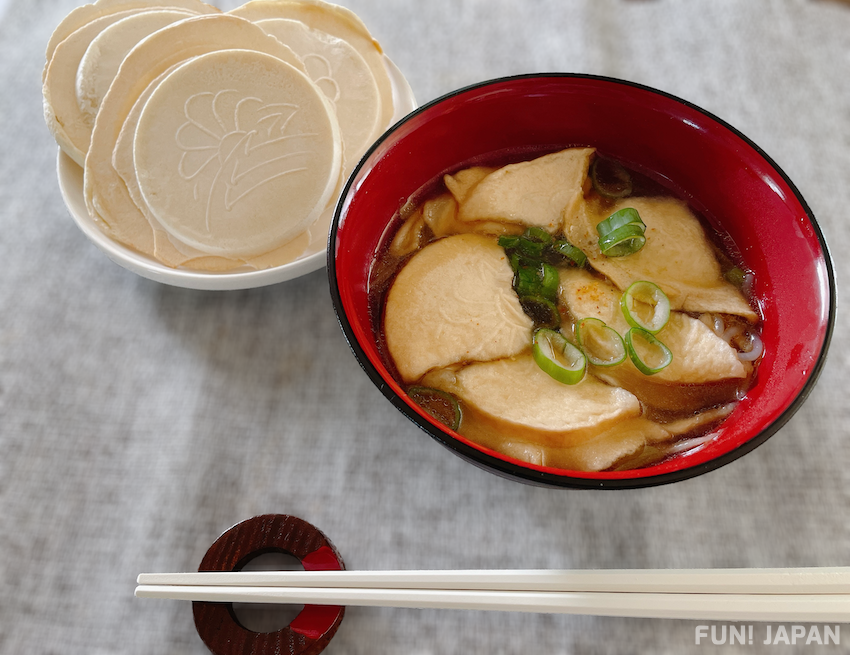
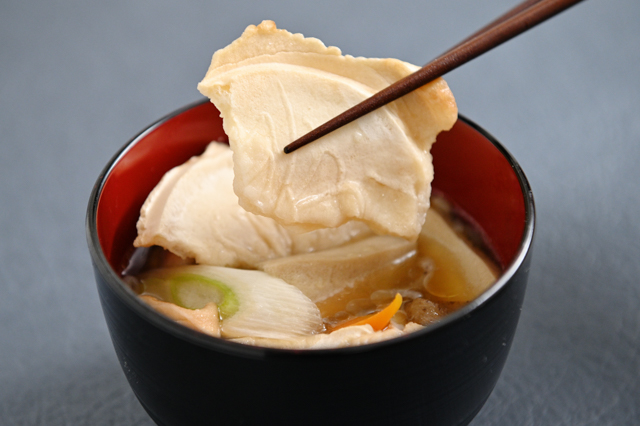
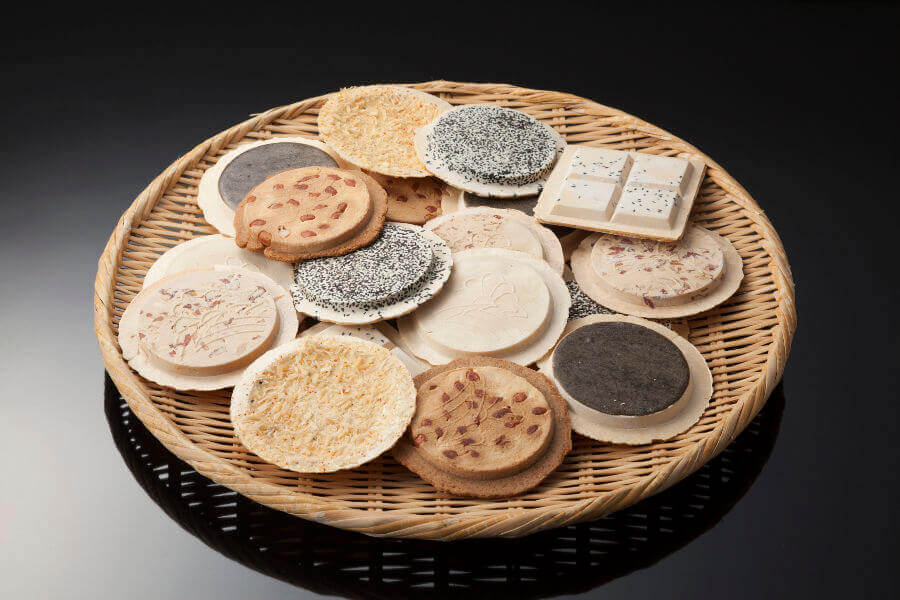
Traditional Hachinohe soup where thick wheat crackers (senbei) are simmered in a hearty chicken and vegetable broth. The crackers absorb the broth and become chewy. Comfort food of the north.

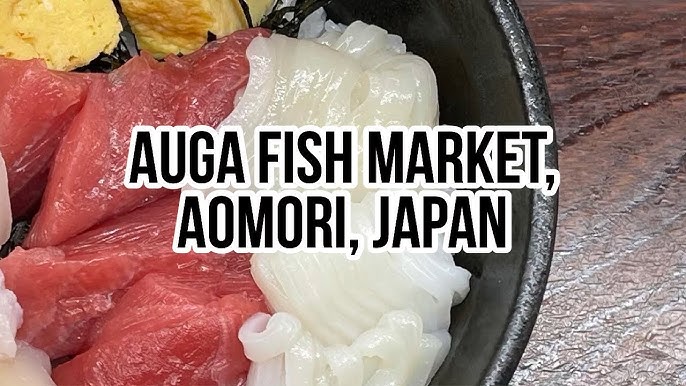
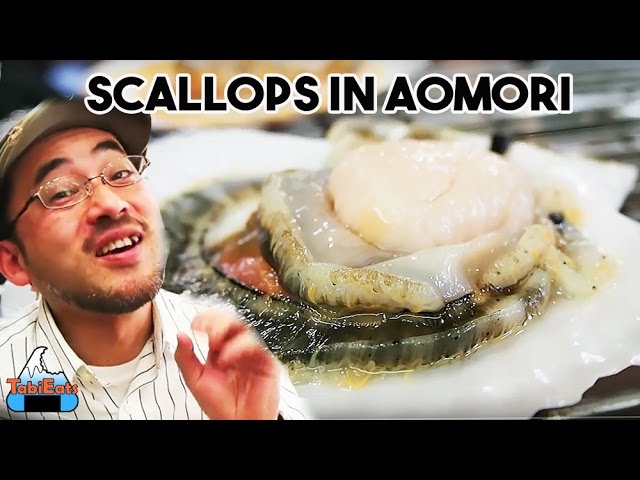
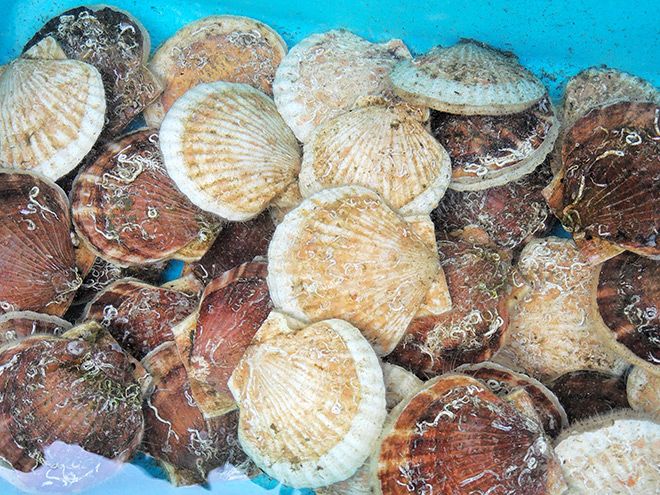
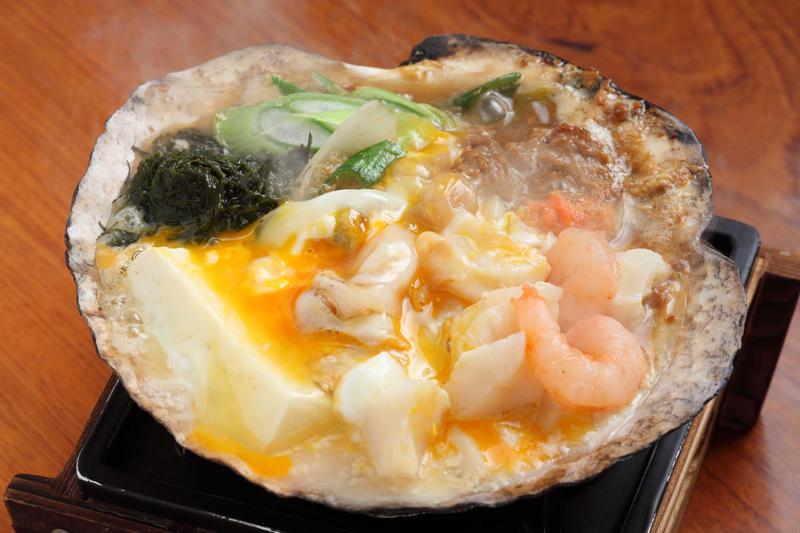
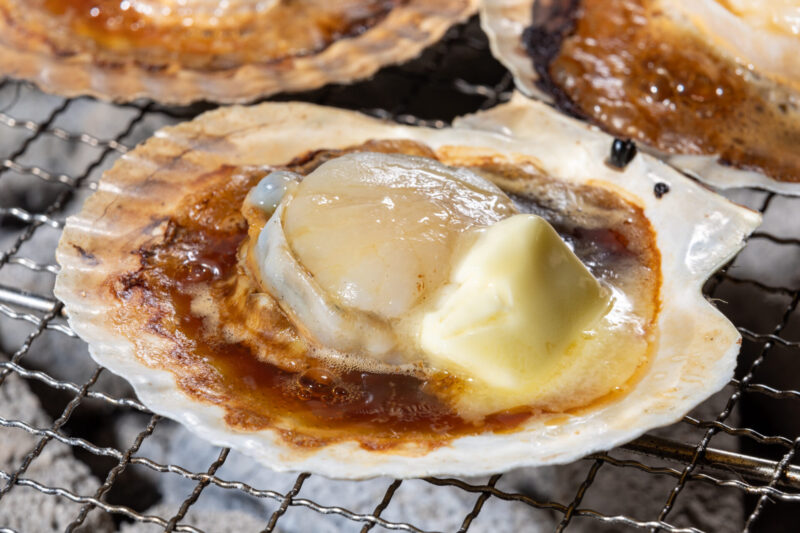
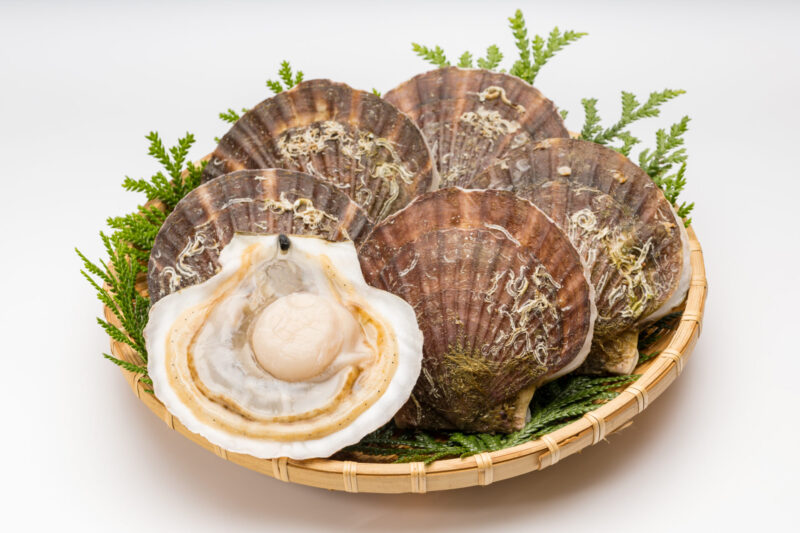
Mutsu Bay scallops are some of Japan's finest. Grilled whole in the shell, served as sashimi, or dried as snacks. The sweetness is remarkable. Available at restaurants and the Auga fish market.

Traditional restaurants serving Tsugaru cuisine: kenoshiru (protein-rich vegetable soup), dried tofu dishes, and mountain vegetables (sansai). Hearty peasant cooking refined over centuries for northern winters.

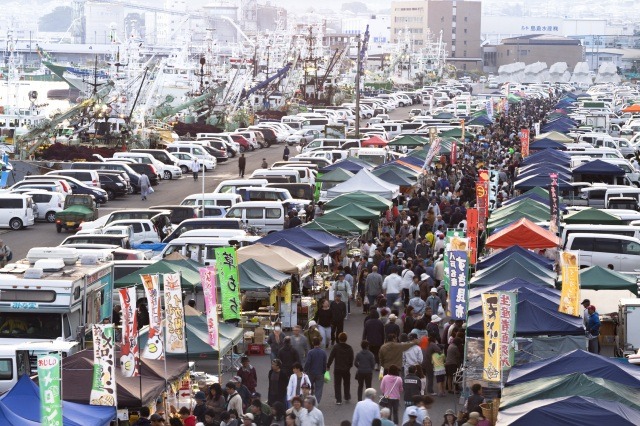
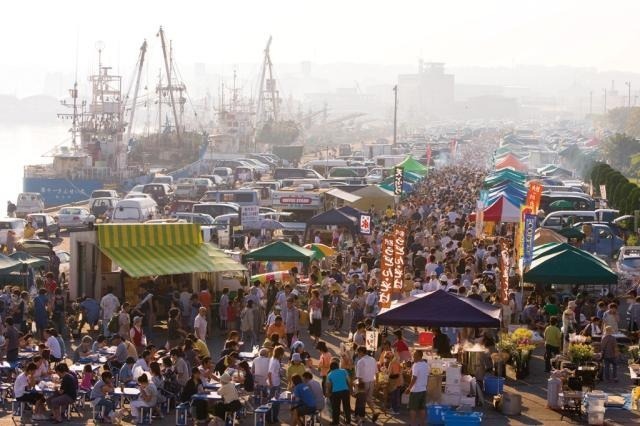
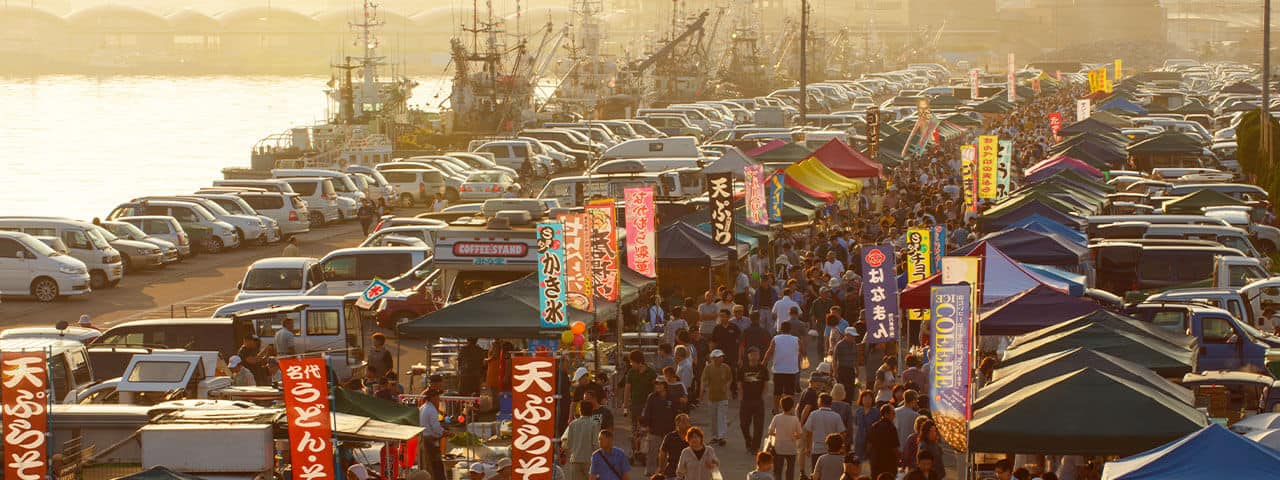
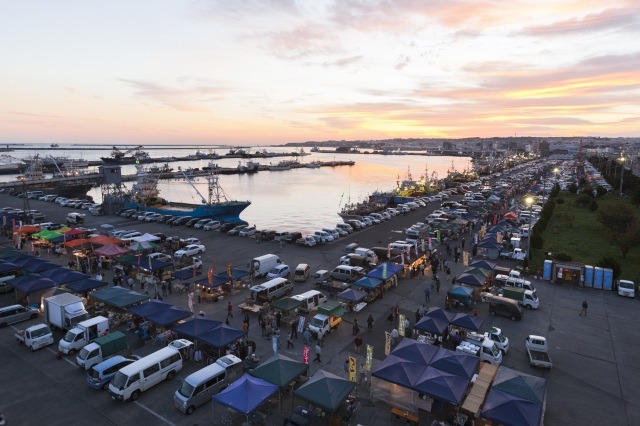
One of Japan's largest morning markets. Over 300 stalls operate from before dawn, primarily on Sundays. Fresh fish, grilled seafood, and local produce. Raw energy and incredible variety. 1 hour from Aomori.

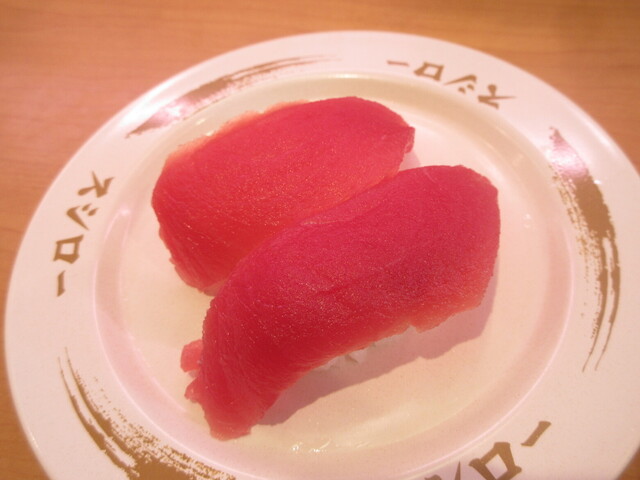
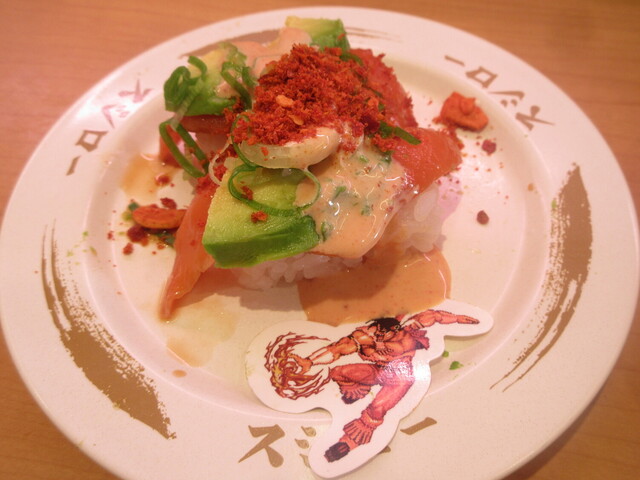
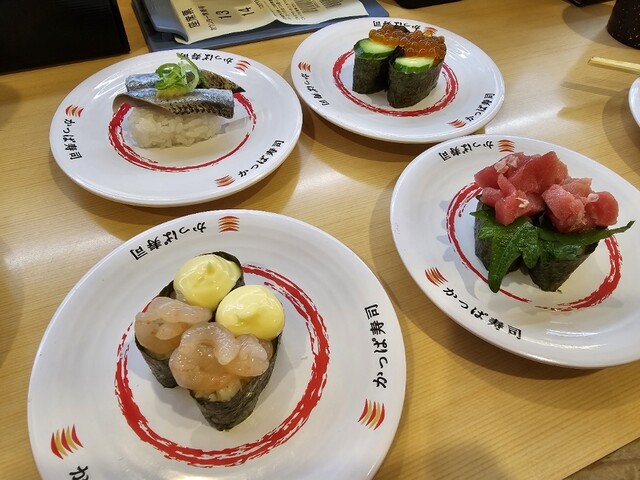
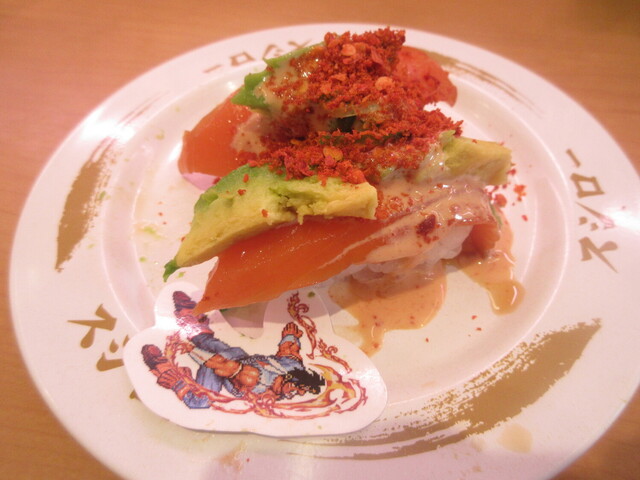
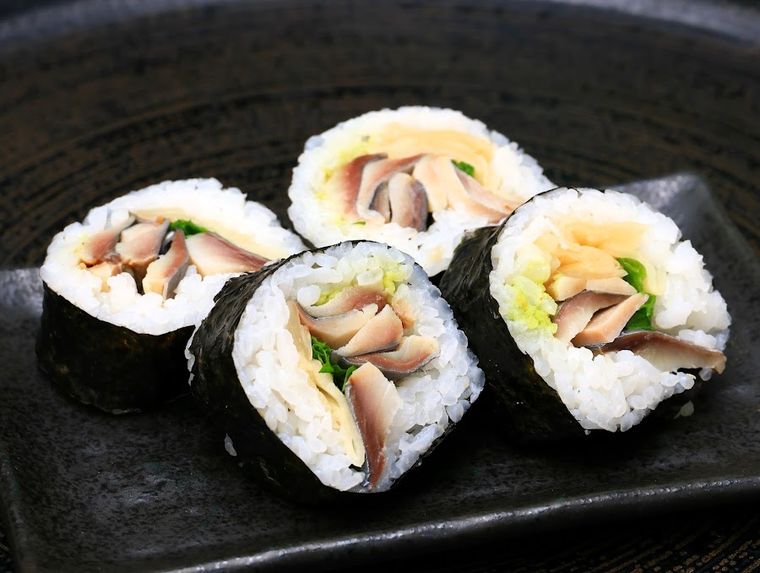
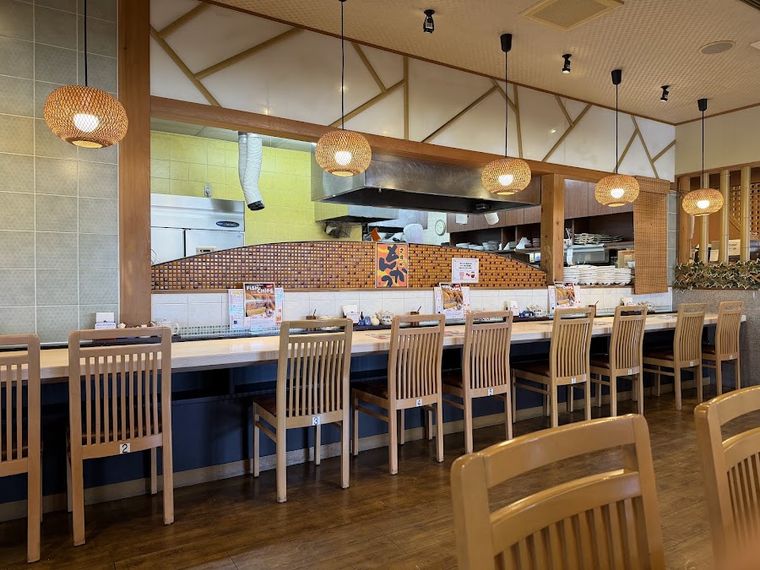
Conveyor belt sushi restaurants near Hachinohe port serving ultra-fresh local fish. The tuna, squid, and scallops come straight from the fishing boats. Quality rivals high-end Tokyo sushi at a fraction of the price.

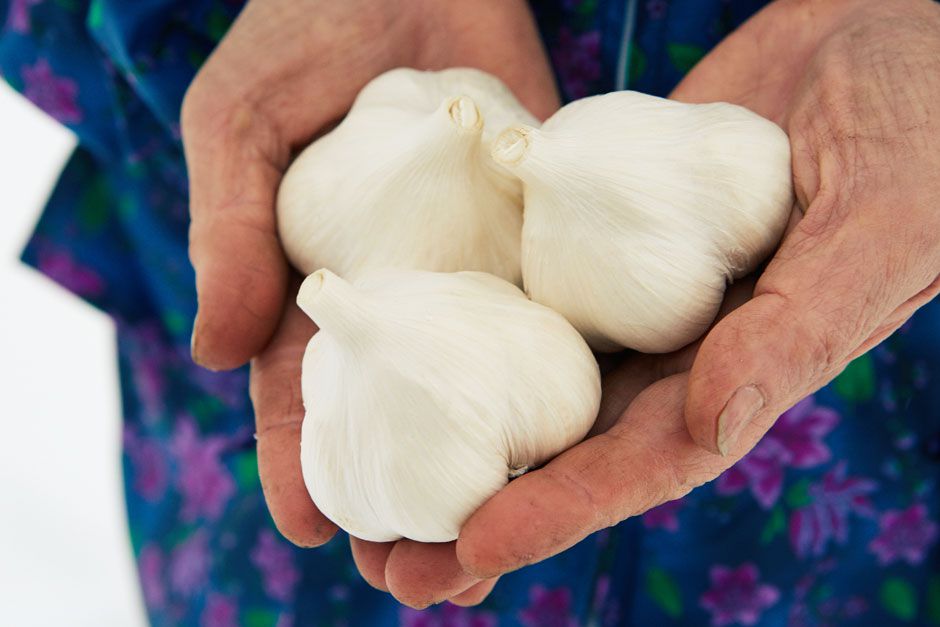
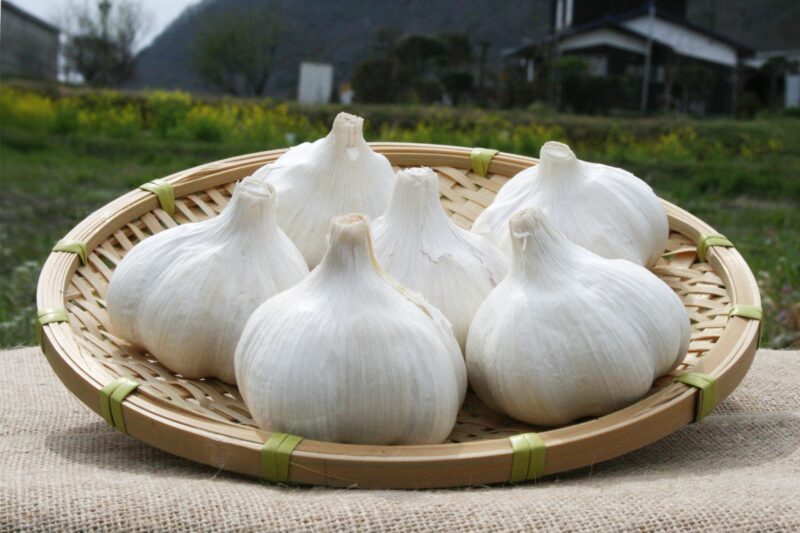
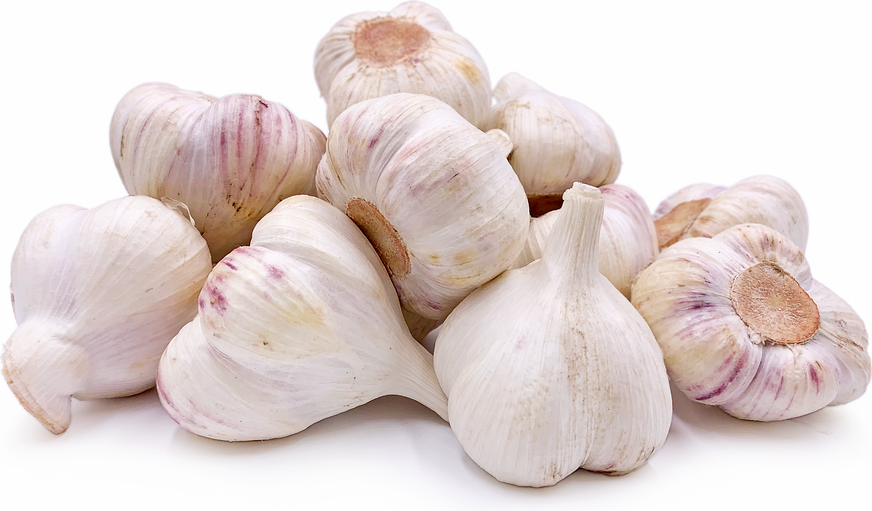
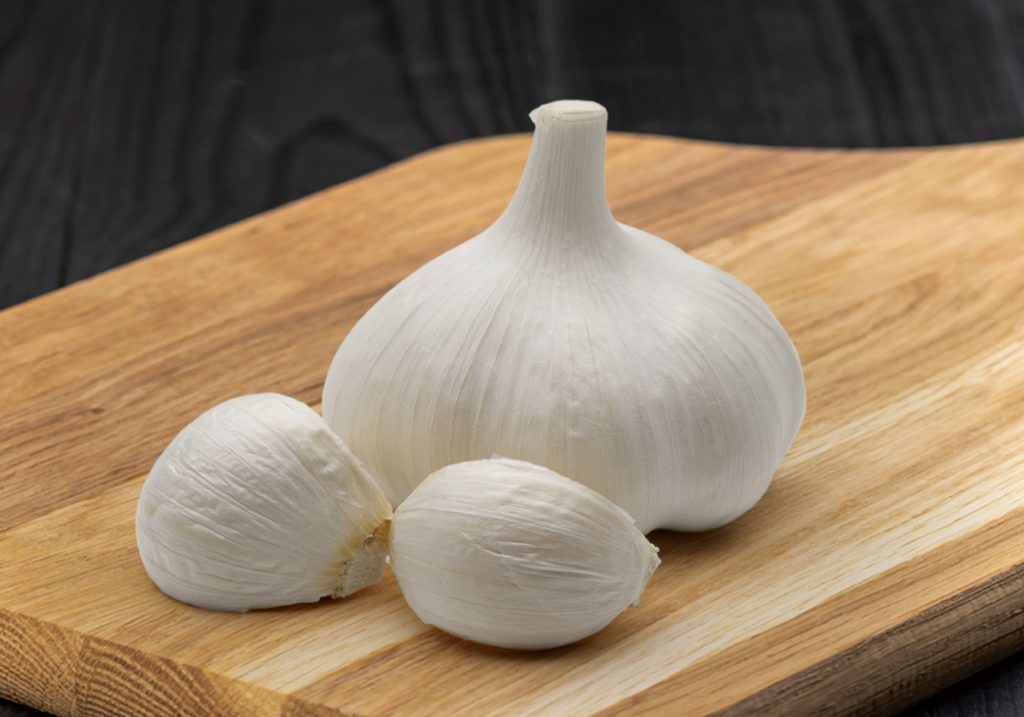
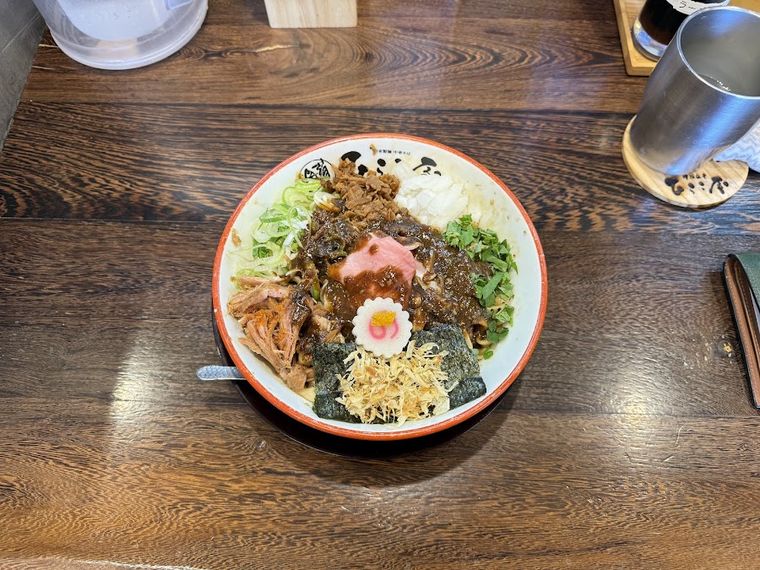
Aomori produces 80% of Japan's garlic. Black garlic (aged and fermented) is a specialty. Sweet, chewy, and complex. Available at markets and specialty shops. Also excellent garlic rice and garlic ramen.

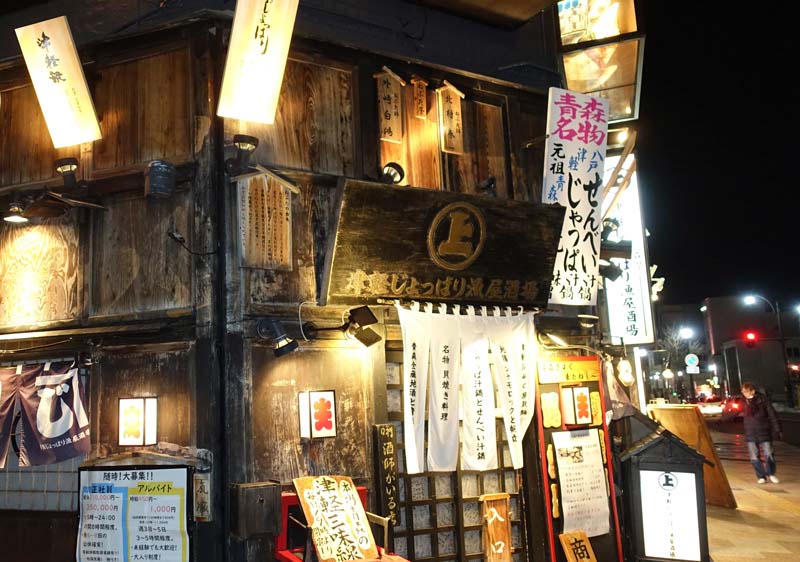
Try the unique foods that define Aomori identity: igamenchi (squid and vegetable fritters), senbei jiru (cracker soup), and jappa-jiru (cod innards hot pot). Available at local izakayas.
Matsushima Bay, volcanic crater lakes, and fox-filled mountains.

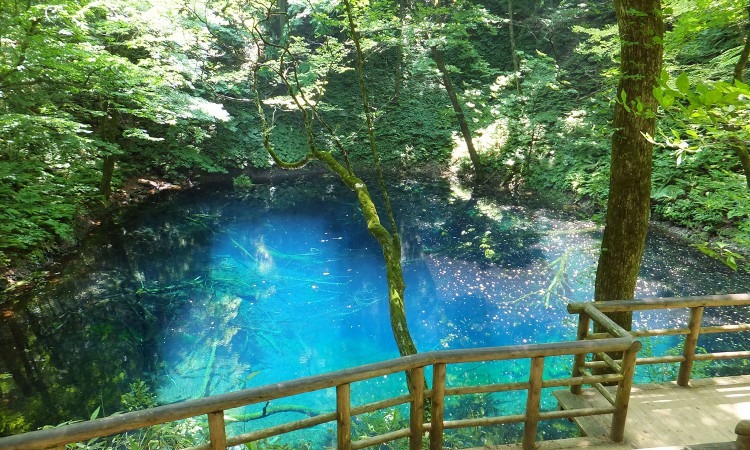
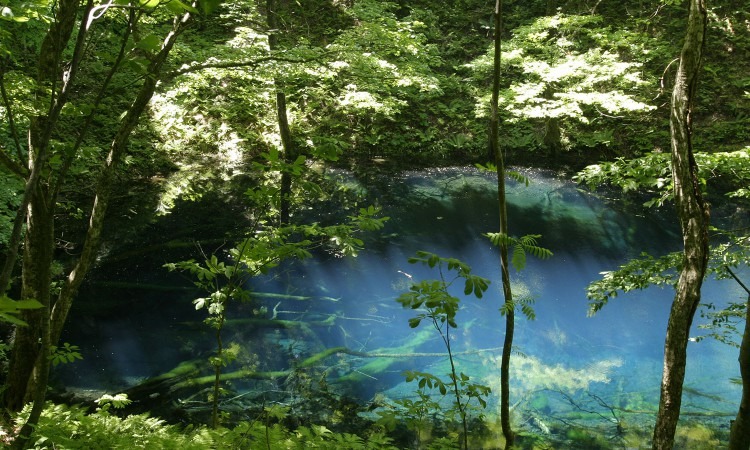
UNESCO World Heritage beech forest. The largest virgin beech forest in East Asia. Multiple hiking trails from easy to challenging. Juniko (12 Lakes) area has stunning cobalt blue ponds.

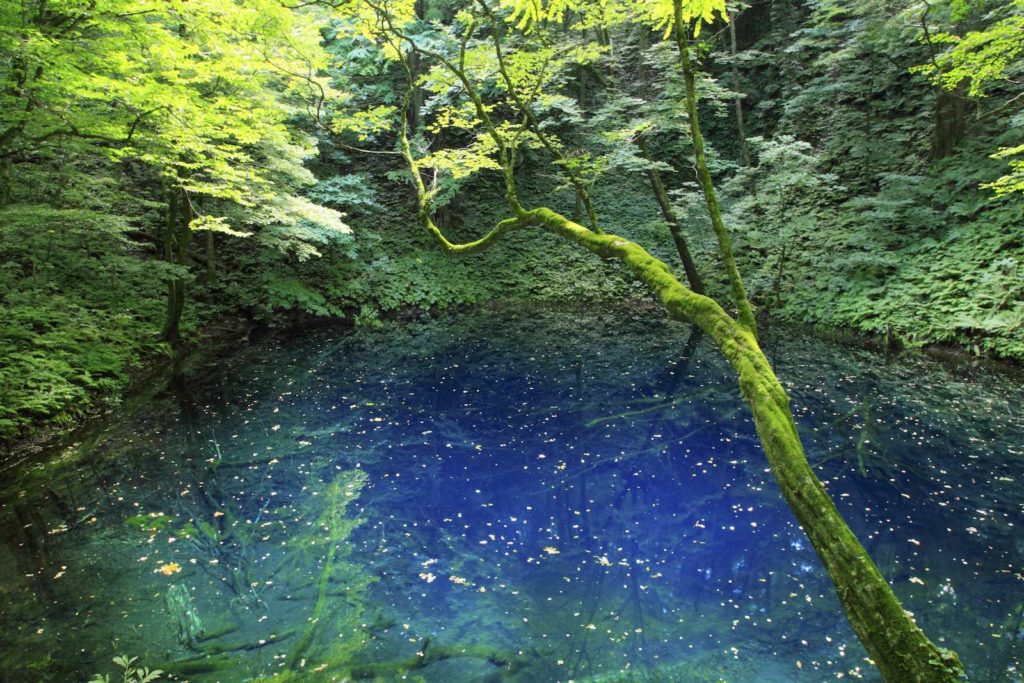
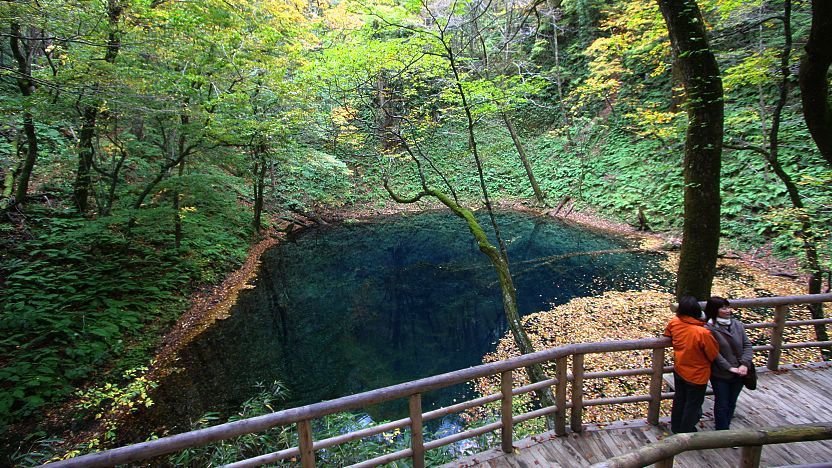
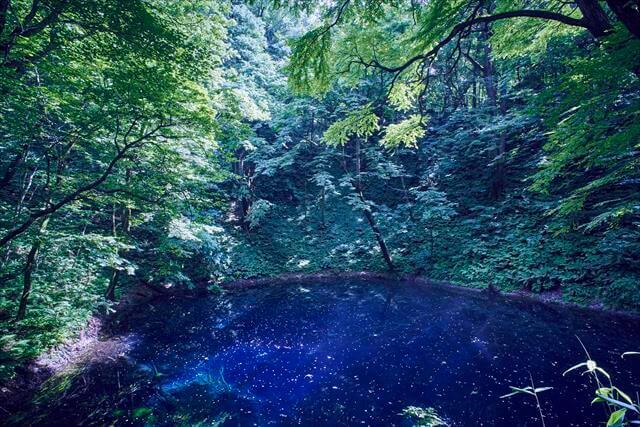
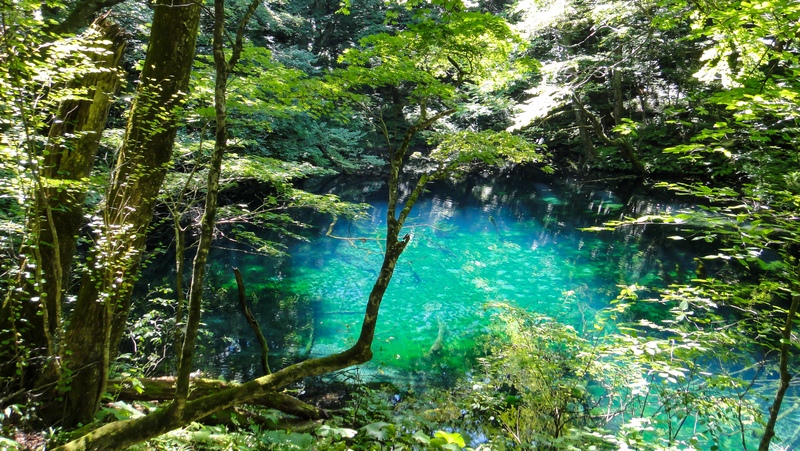
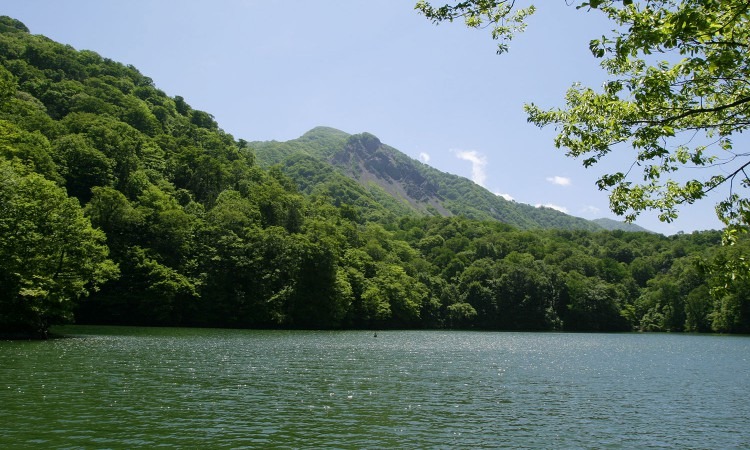
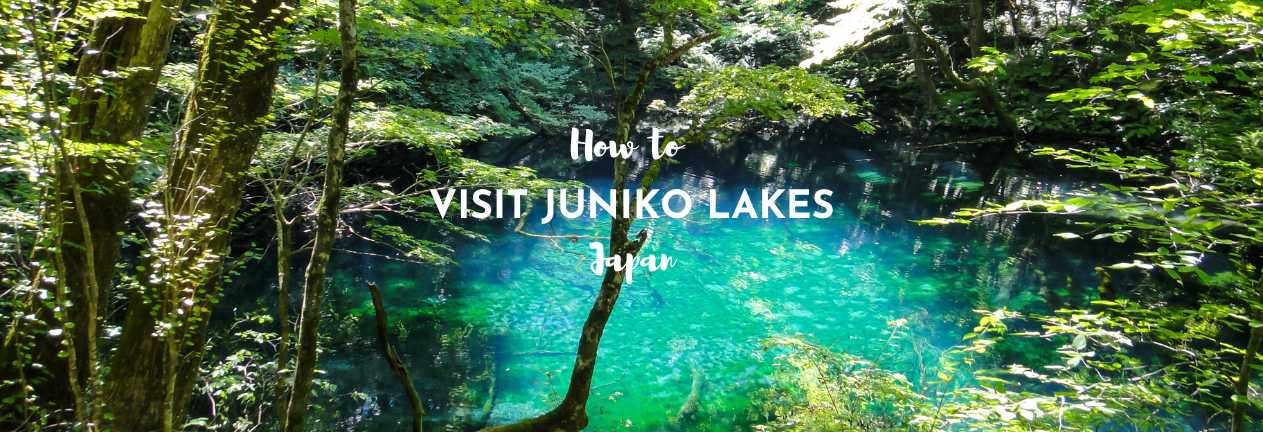
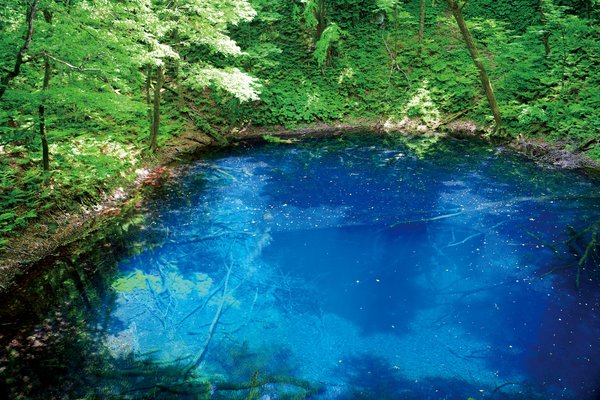
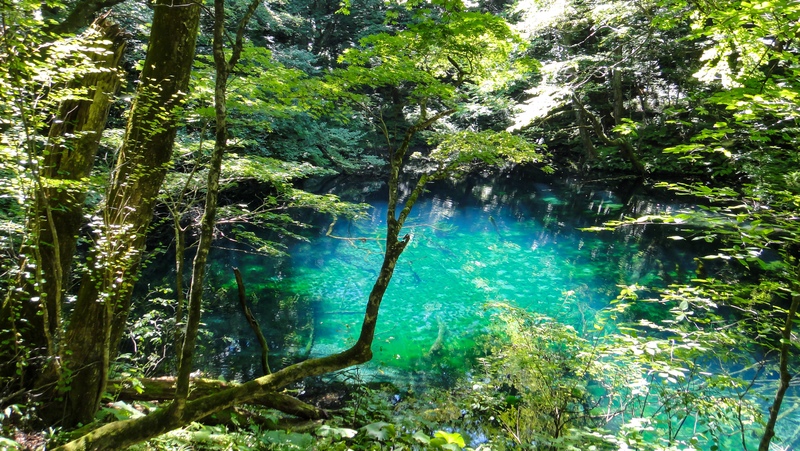
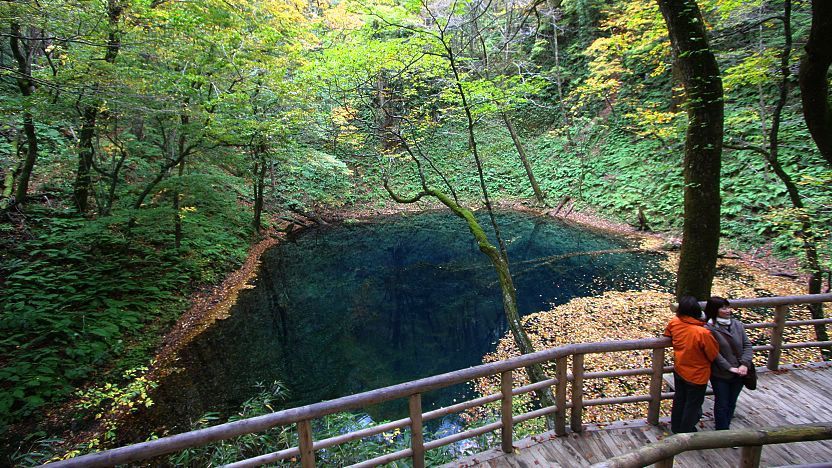
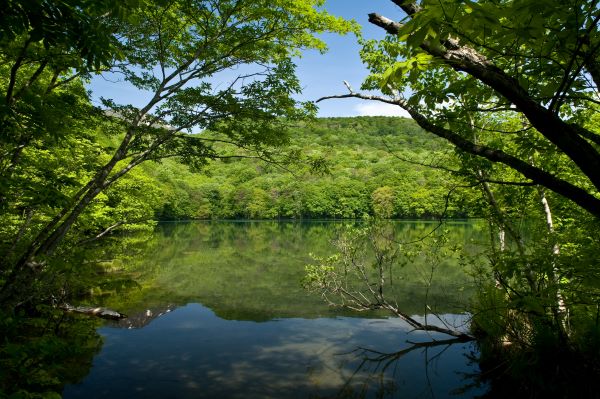
Cluster of 33 mountain lakes (called Twelve Lakes). Aoike (Blue Pond) has water of impossibly vivid cobalt blue. The surrounding beech forest is pristine. Part of the Shirakami Mountains UNESCO site.

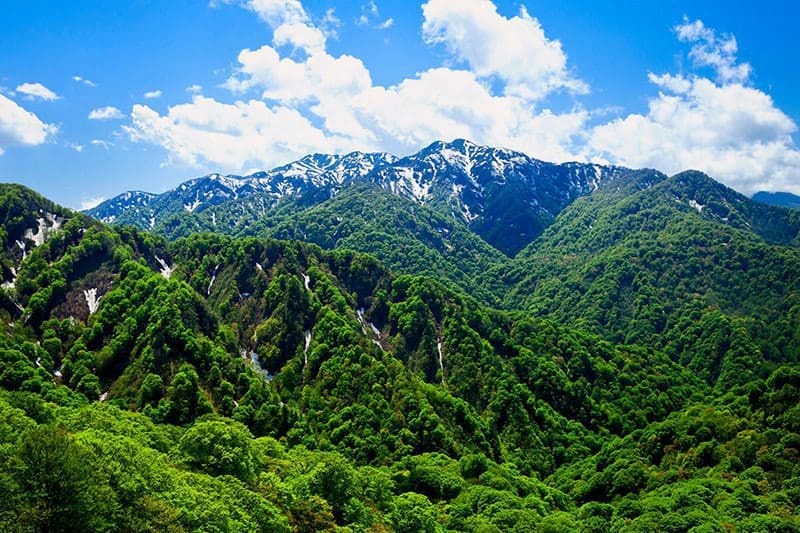
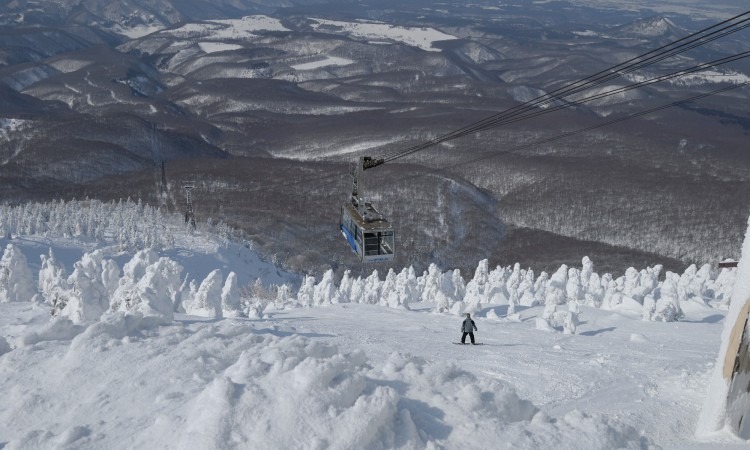
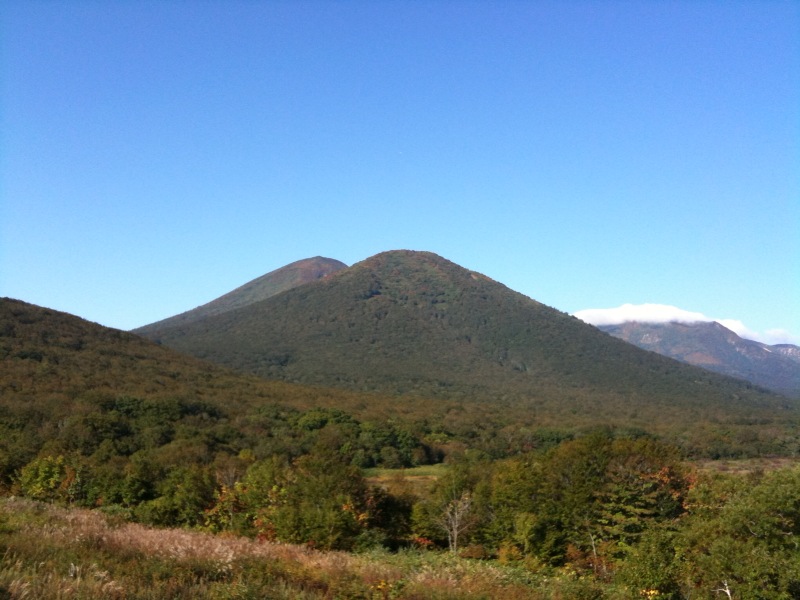
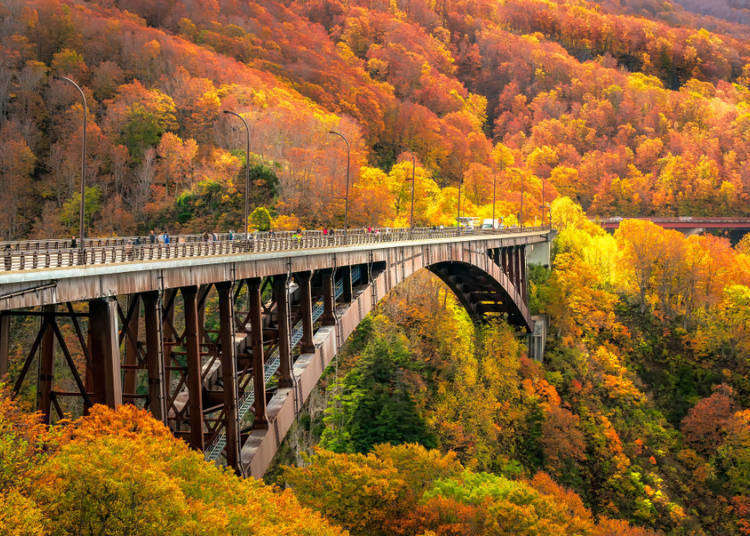
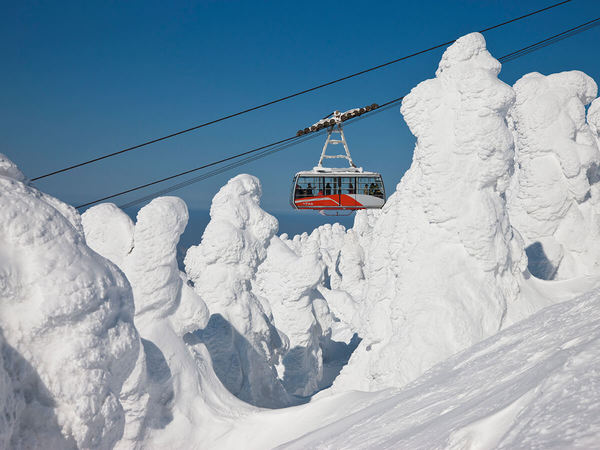
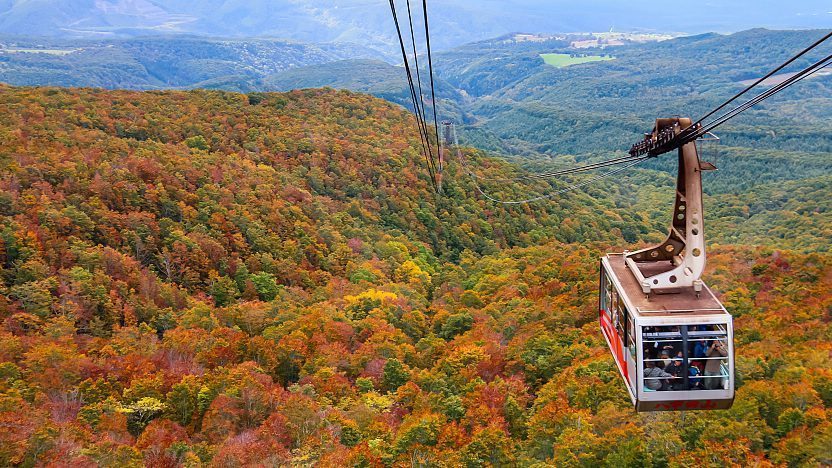
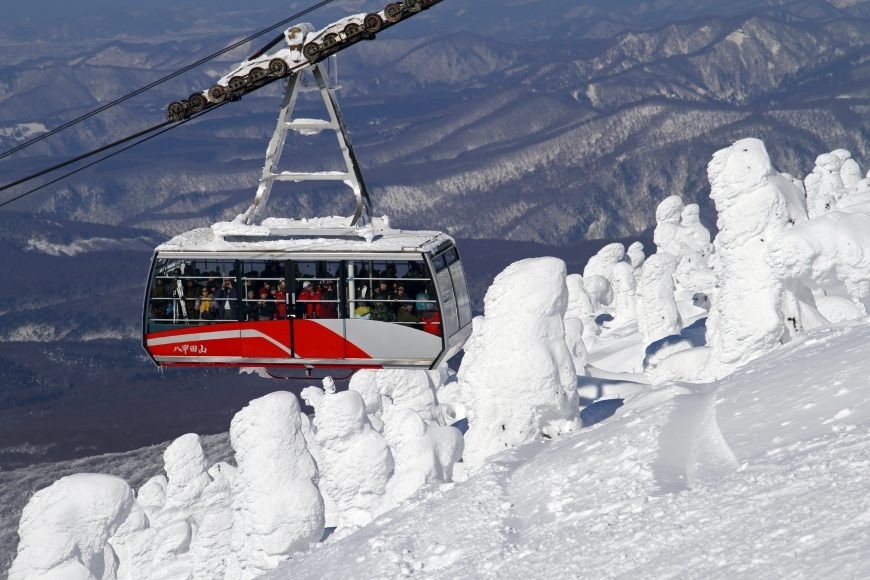
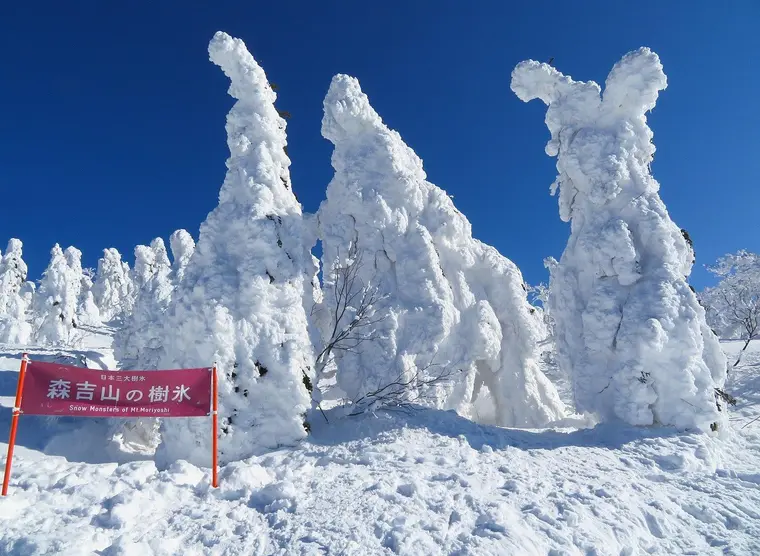
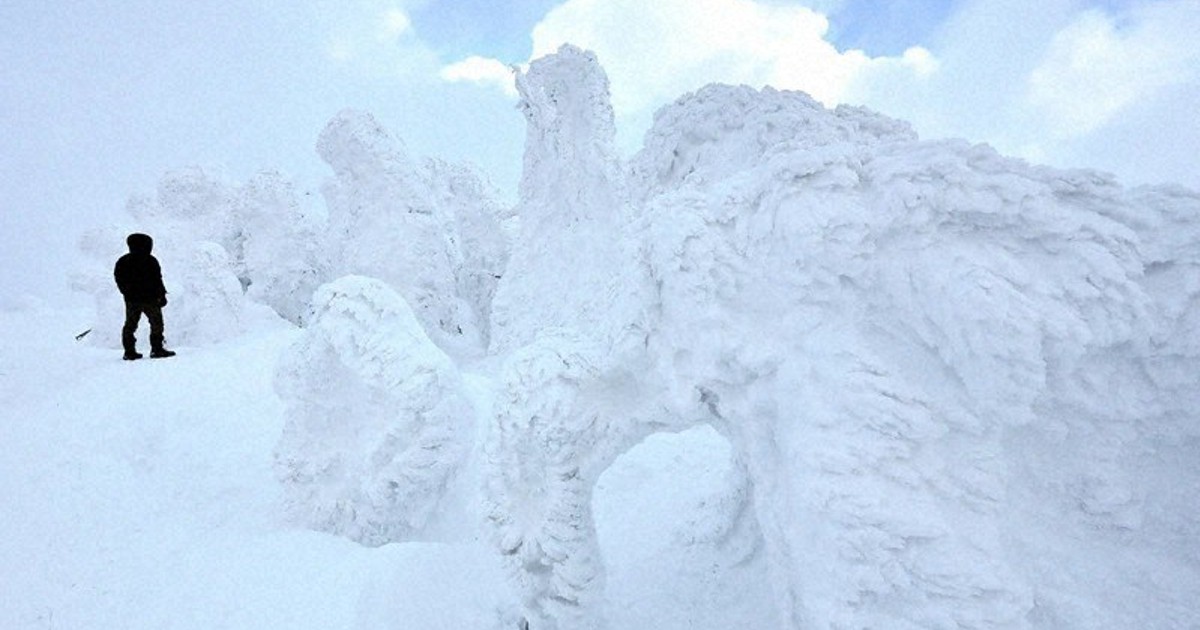
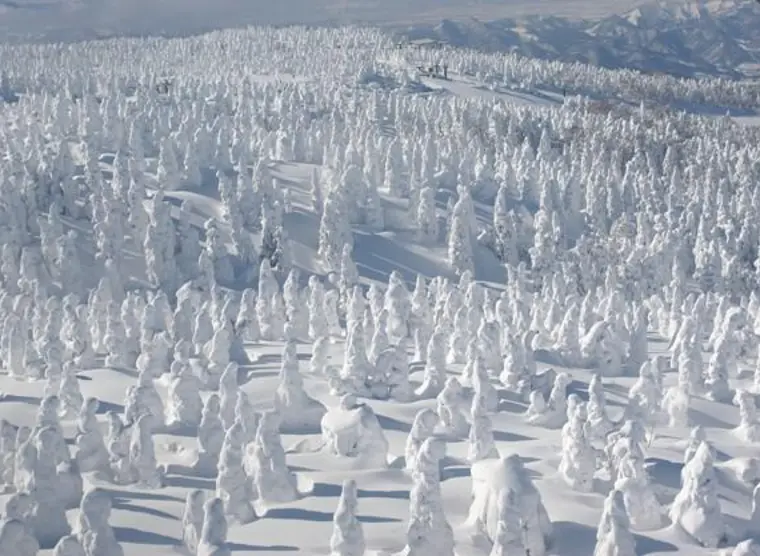
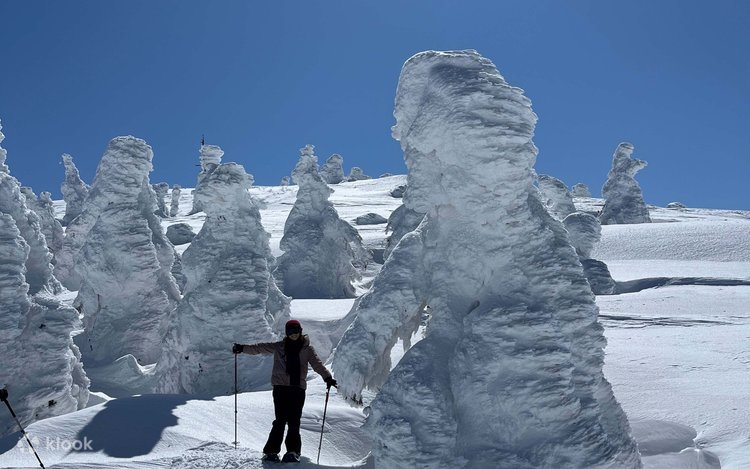
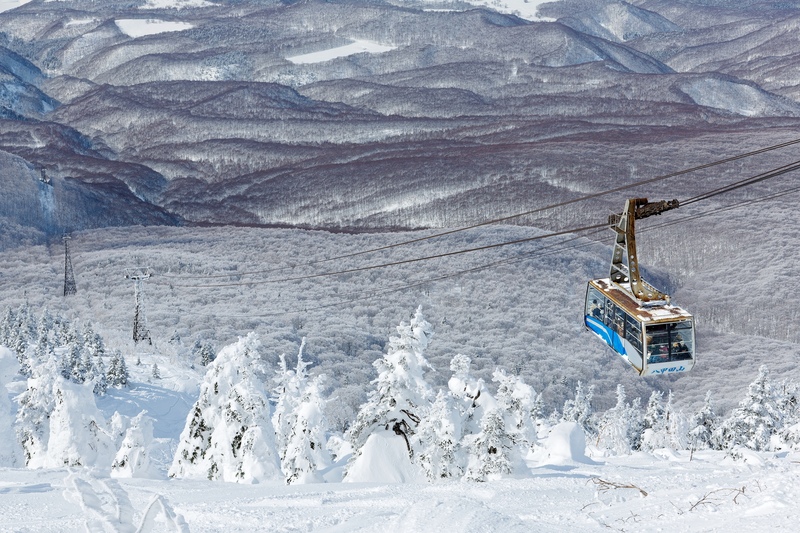
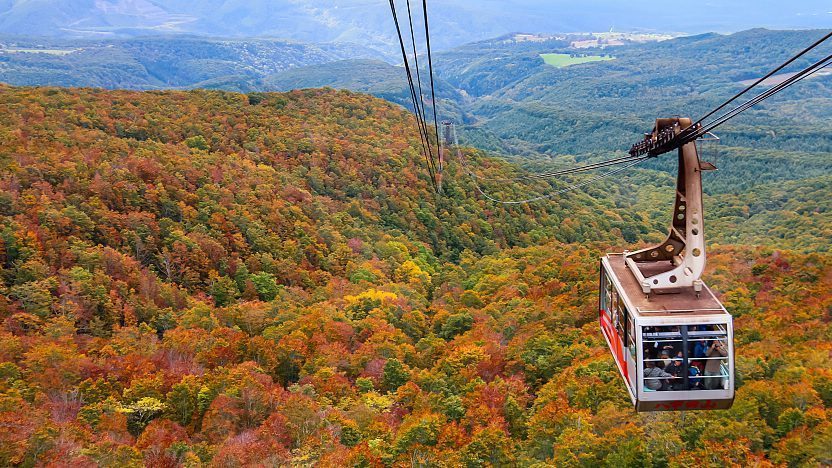
Mountain range famous for snow monsters (juhyo) in winter. Trees encased in ice creating surreal white formations. Ropeway to the summit. Excellent autumn foliage. The 1902 military disaster is memorialized.

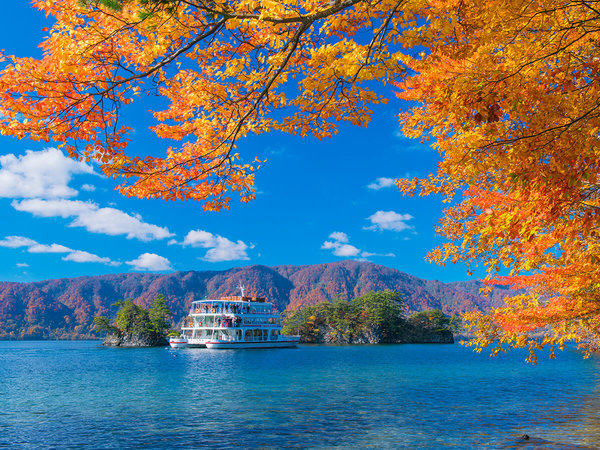
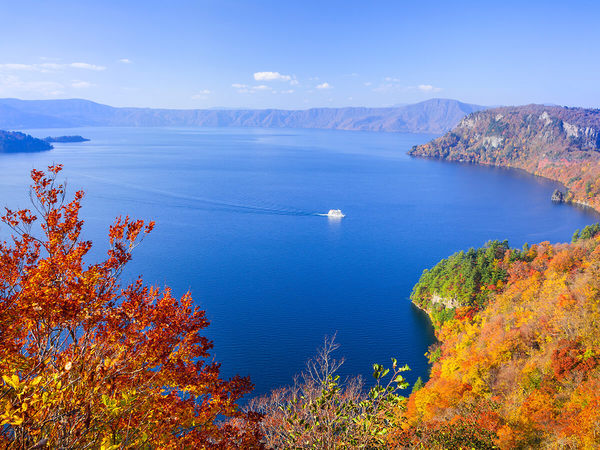
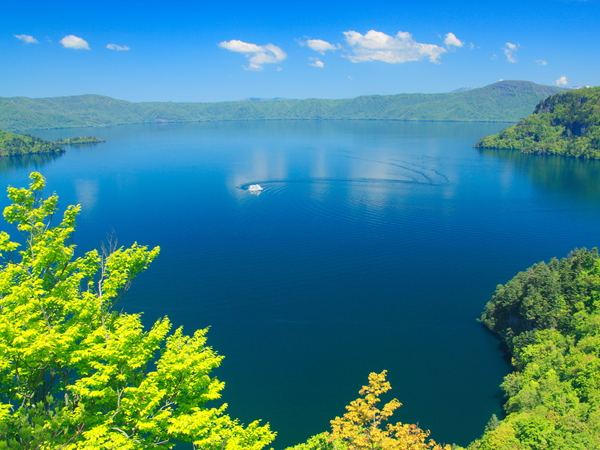
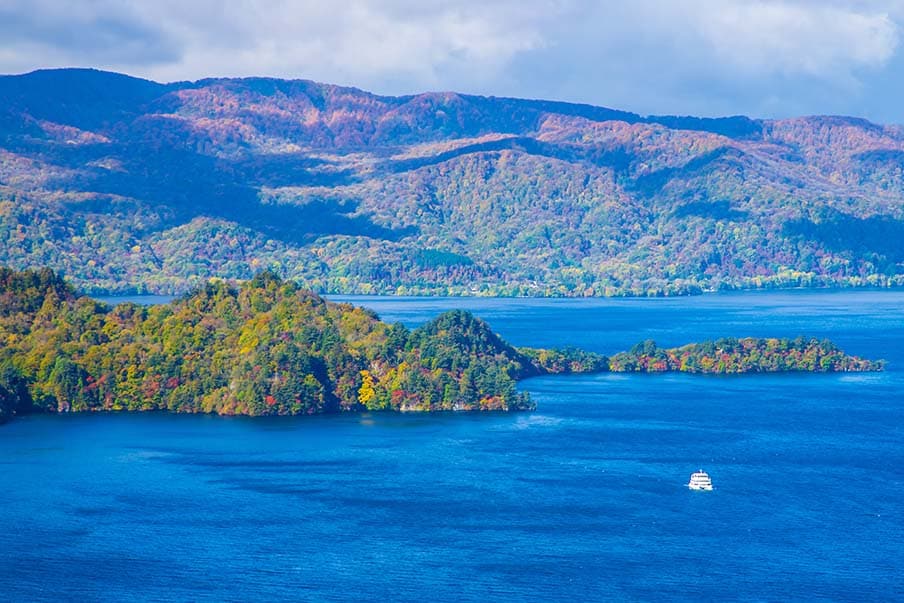
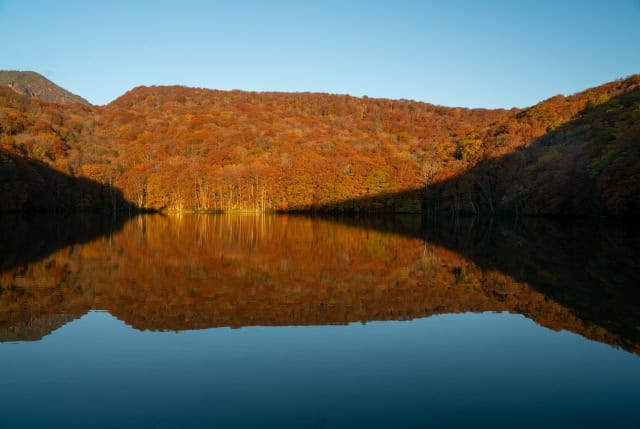
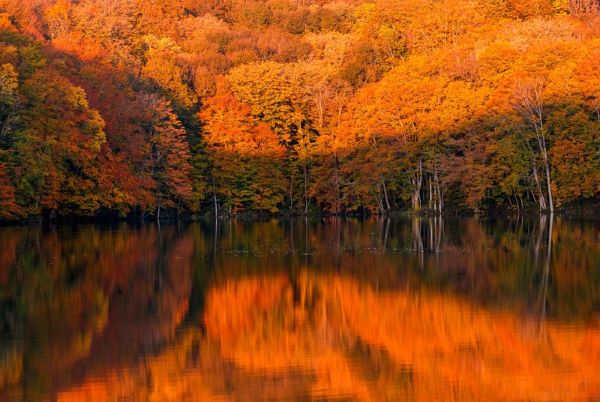
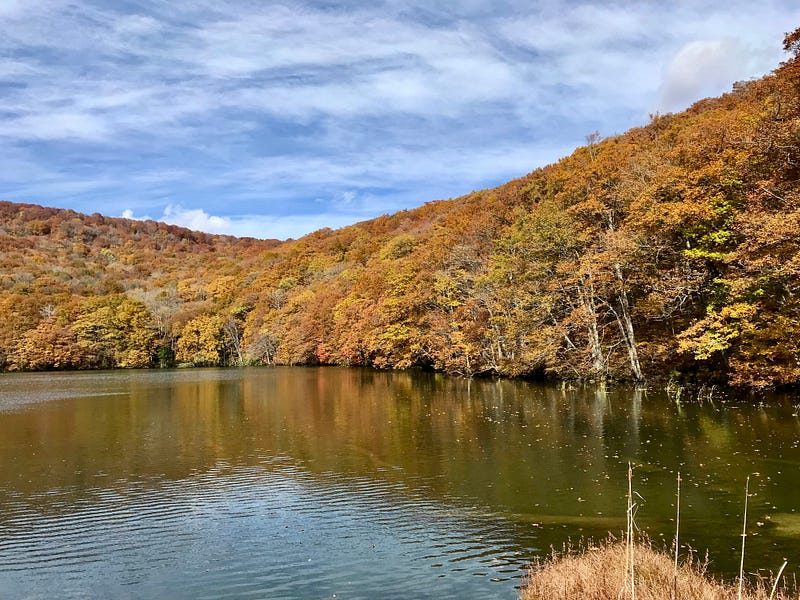
Large caldera lake straddling Aomori and Akita prefectures. Deep blue water surrounded by mountains. The Oirase Gorge trail starts here. Boat cruises on the lake. Most spectacular in autumn.

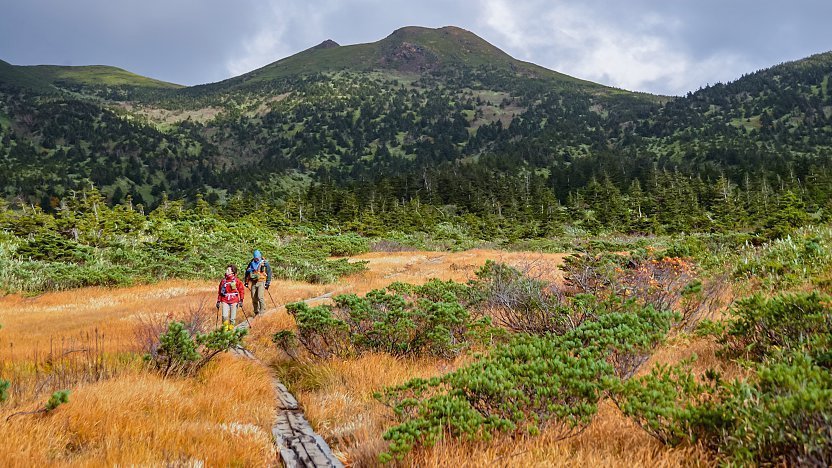
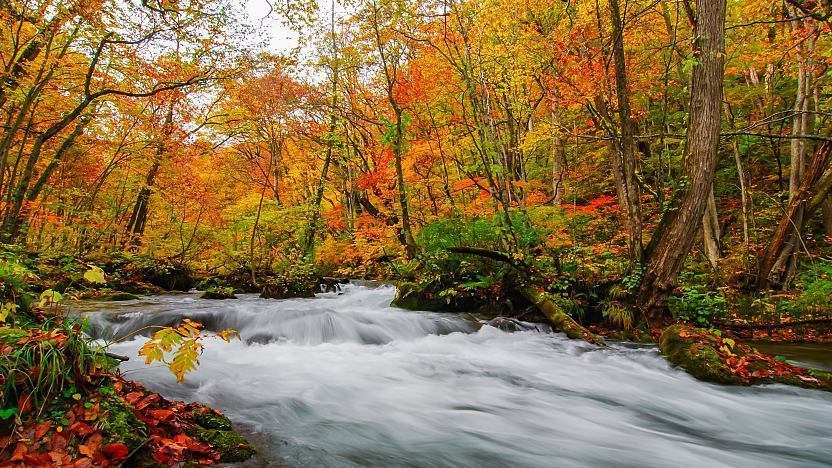
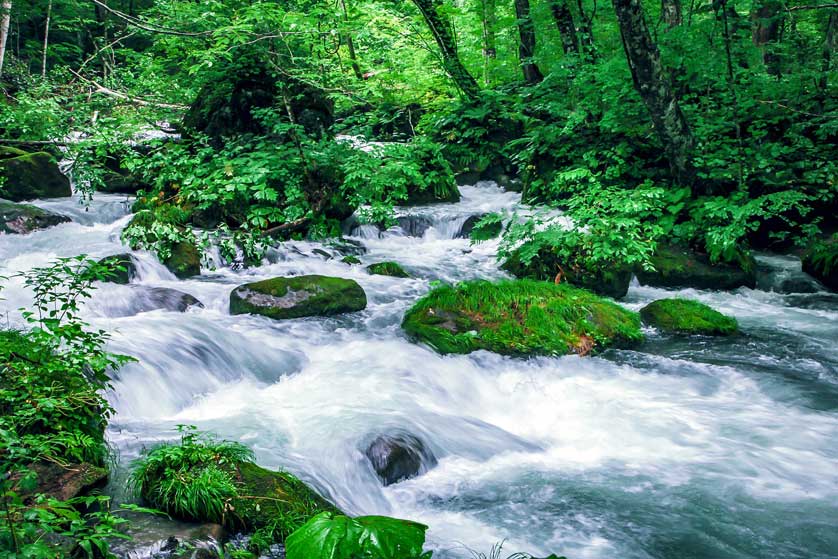
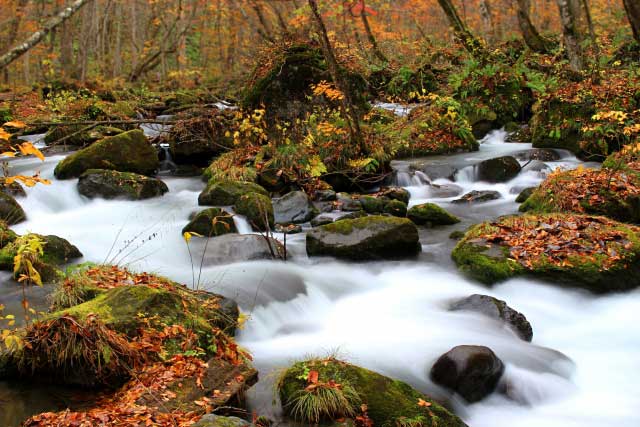
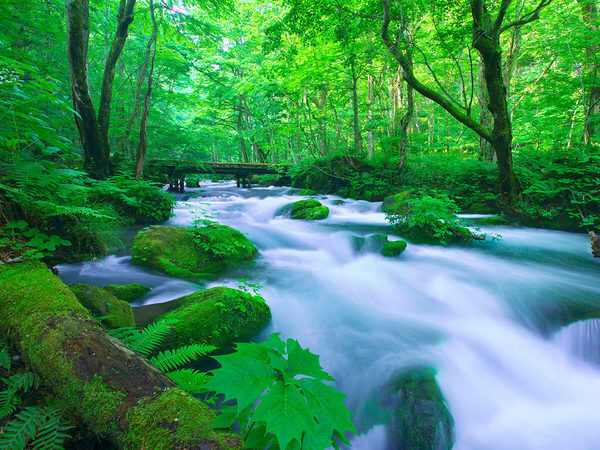
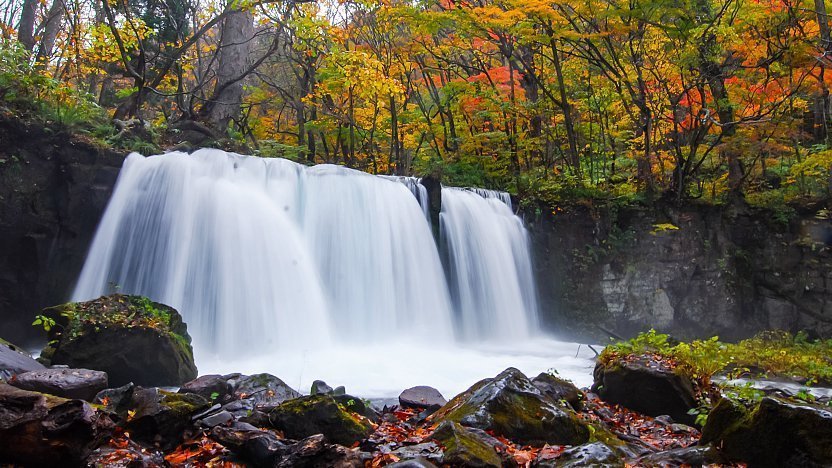
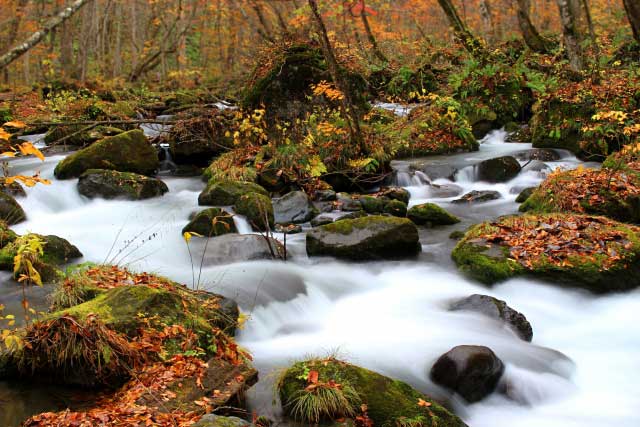
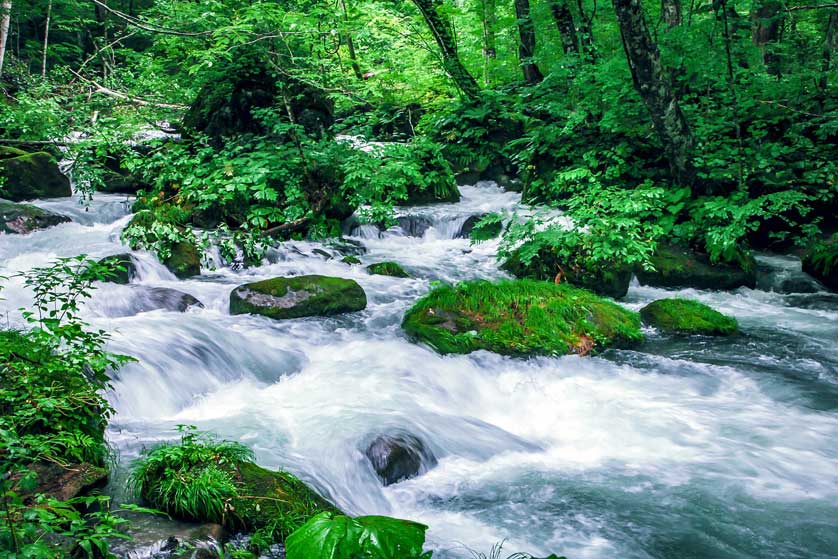
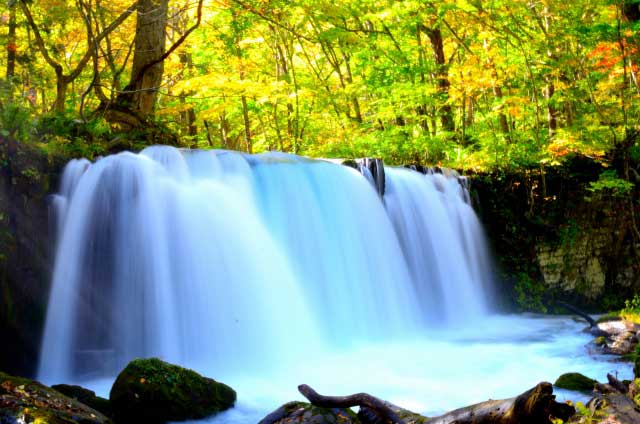
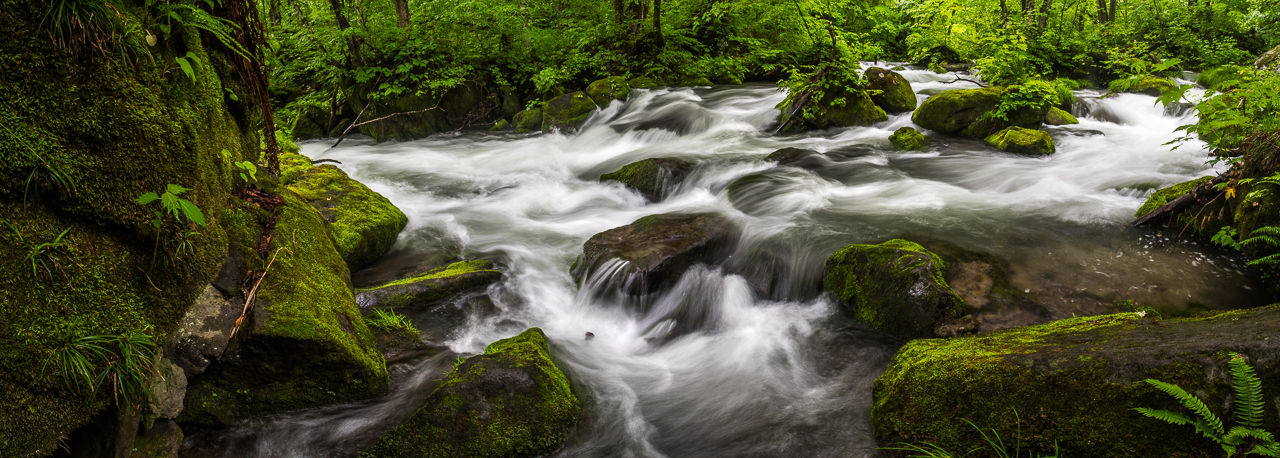
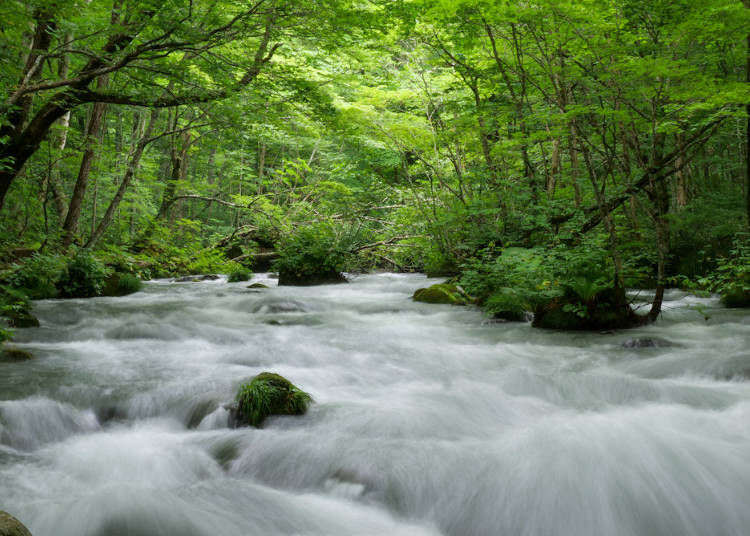
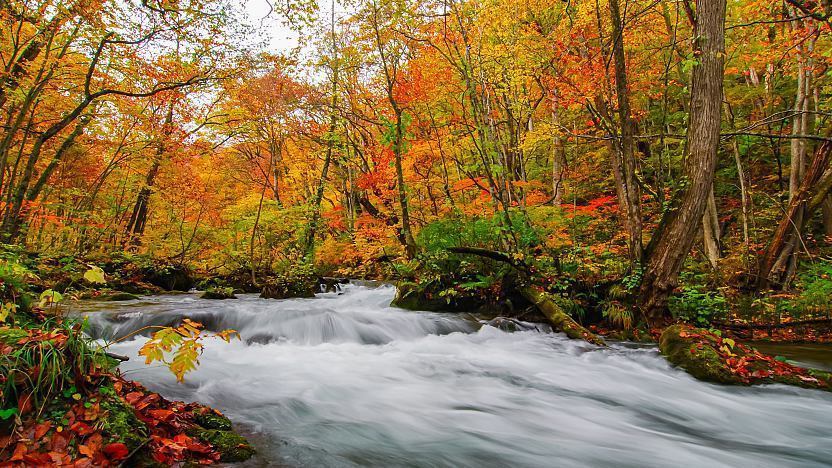
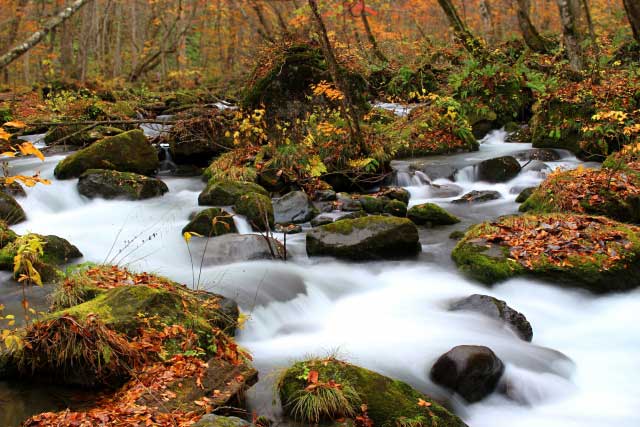
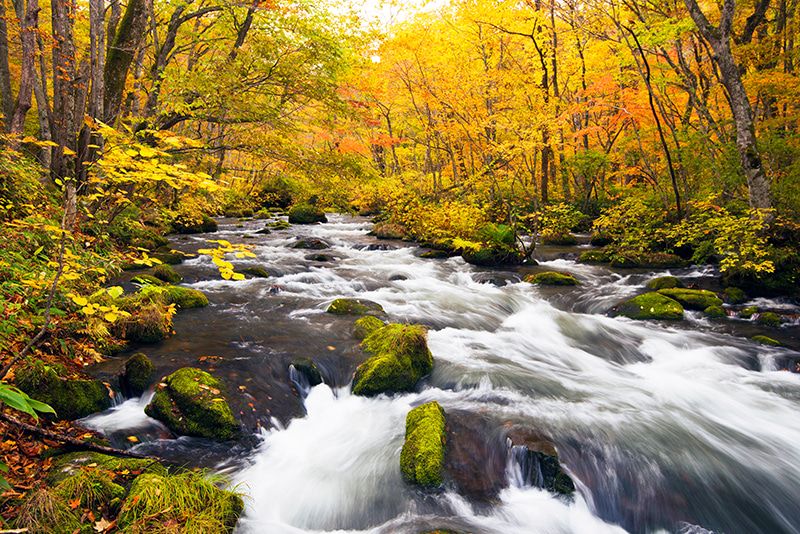
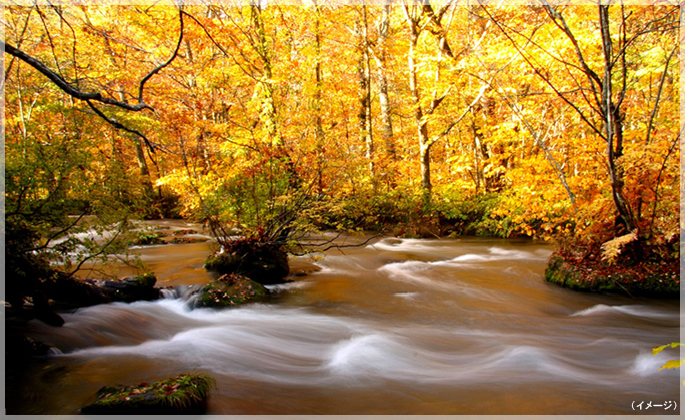
14km riverside trail along the Oirase Stream. Waterfalls, rapids, moss-covered rocks, and dense forest. One of Japan's most beloved nature walks. The autumn foliage (October) is legendary. Bus access from Aomori.

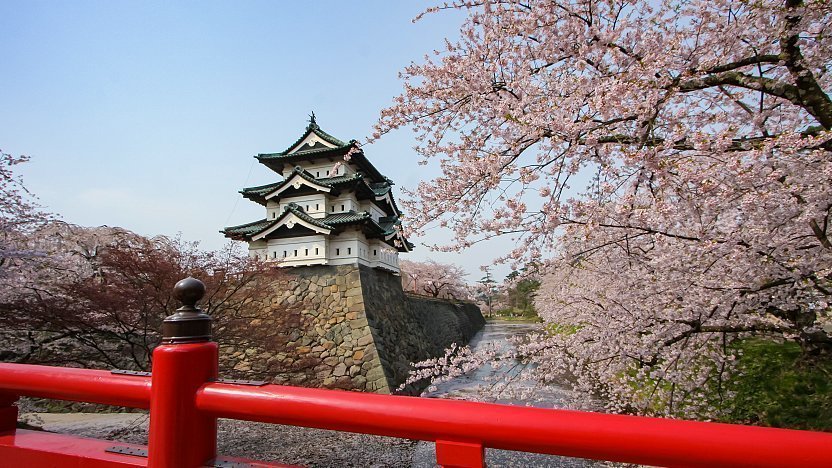
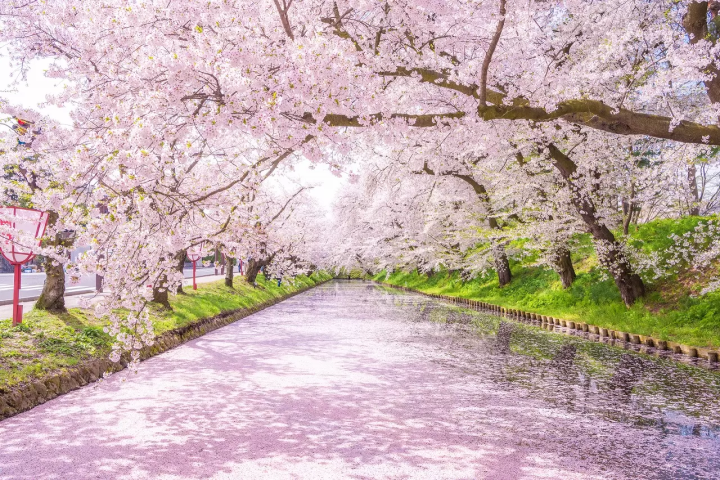
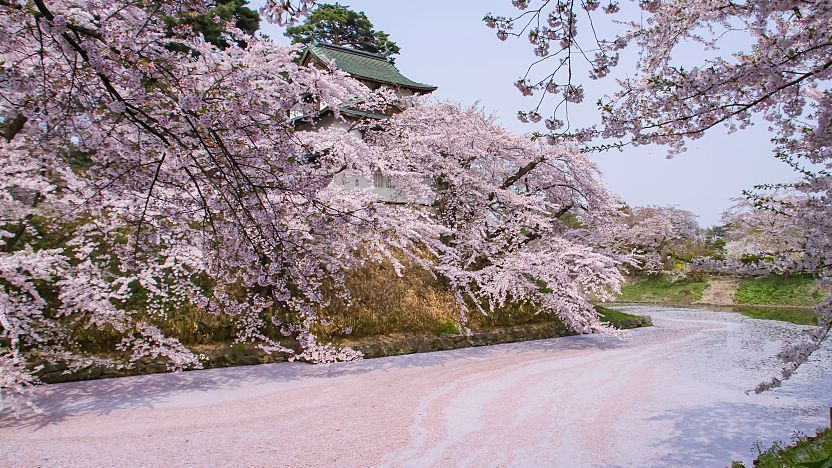
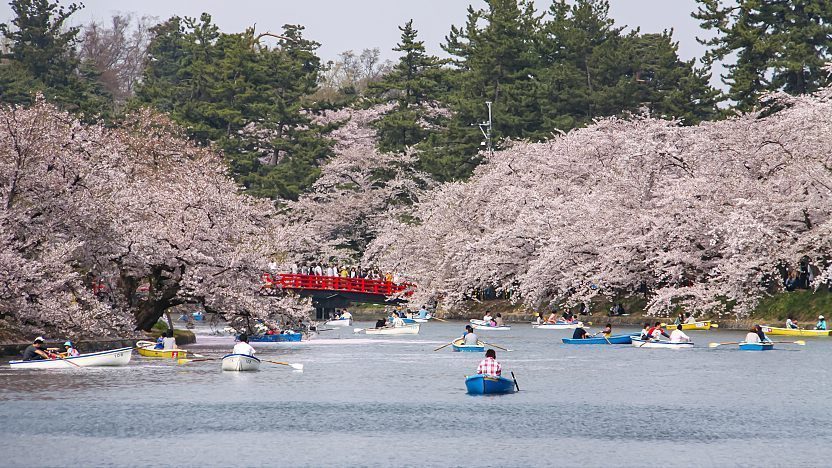
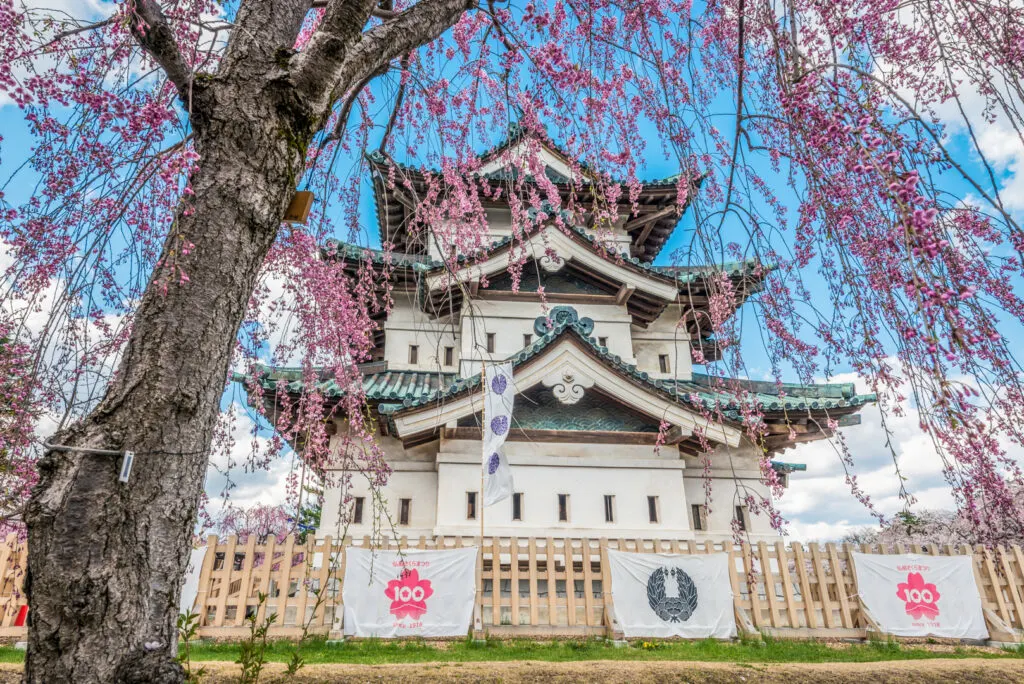
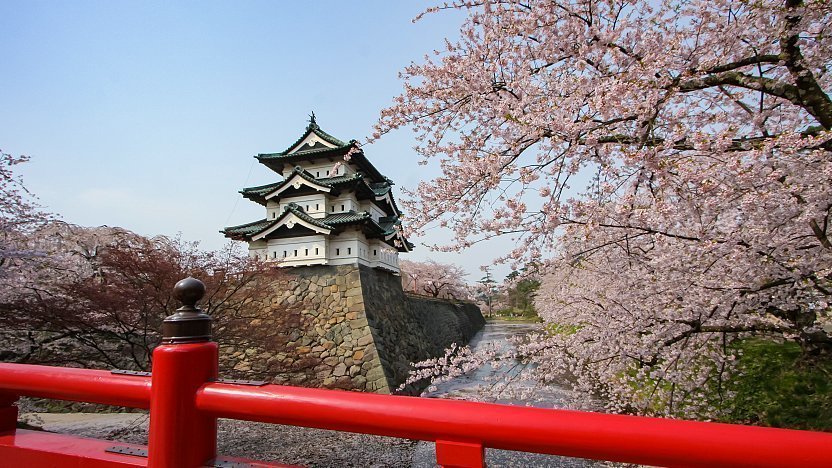
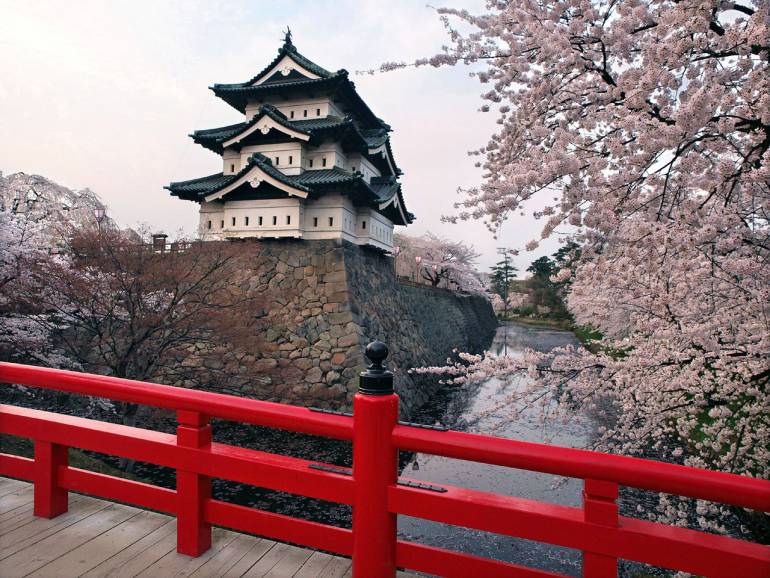
When the cherry petals fall, they carpet the moat creating a solid pink 'flower raft' (hanaikada). This phenomenon only happens for a few days and is considered one of Japan's most beautiful scenes.

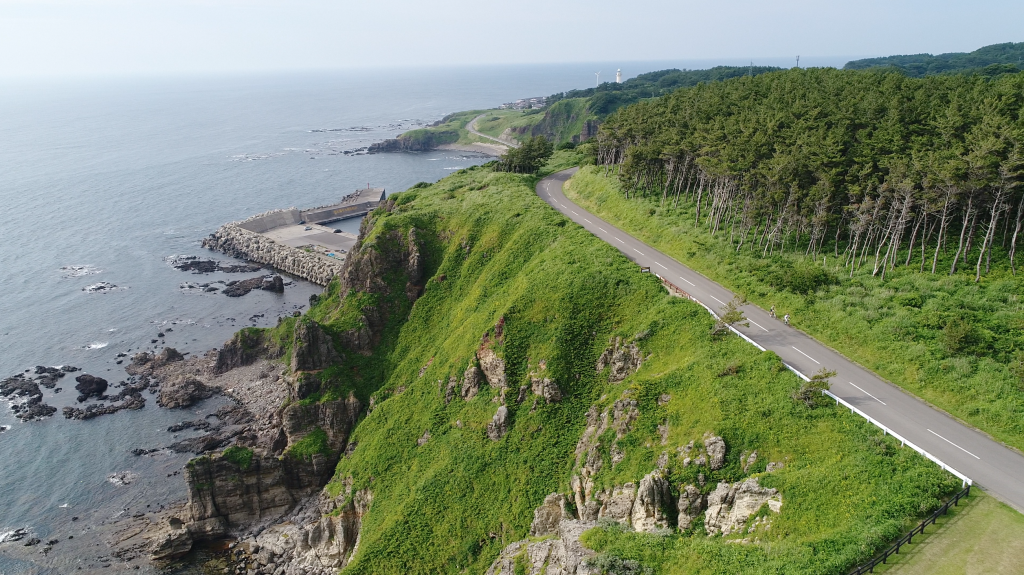
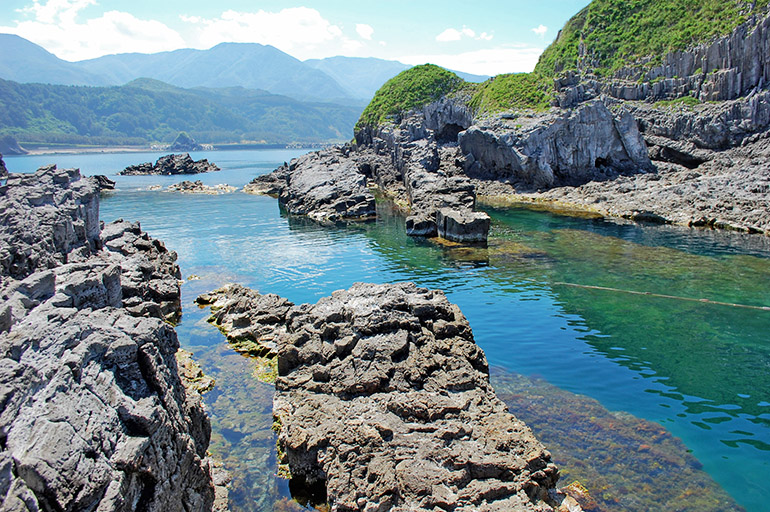
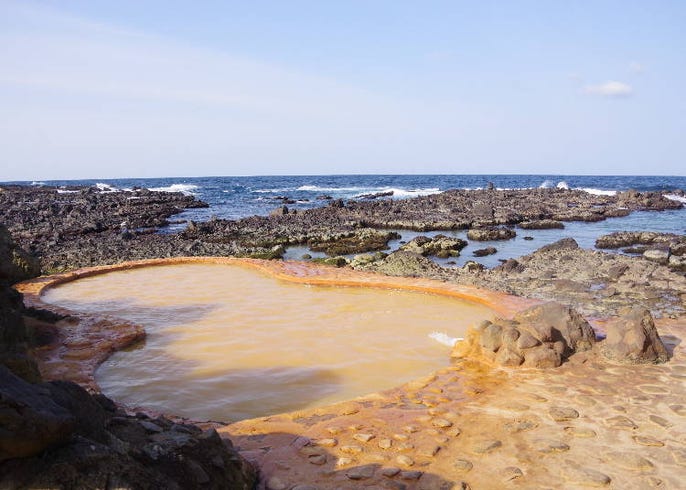
Coastal ride along the Sea of Japan coast. Dramatic rock formations, fishing villages, and sunset views. The Senjojiki rock shelf at Fukaura is a natural terrace over the sea.

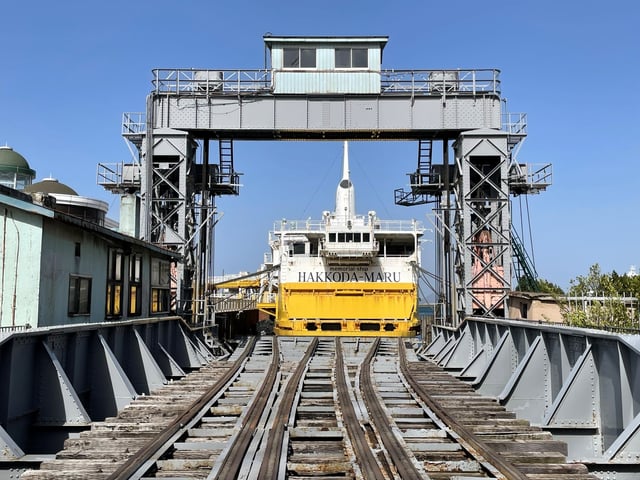
Waterfront walking path with views across Mutsu Bay. The old memorial ship Hakkoda-maru is moored here. On clear days Mount Hakkoda is visible. Pleasant evening walk with illumination.

Beyond the main trail, smaller side paths lead to moss-covered rocks and hidden pools. The moss is incredibly thick and varied, with over 300 species. After rain, the green is electric.

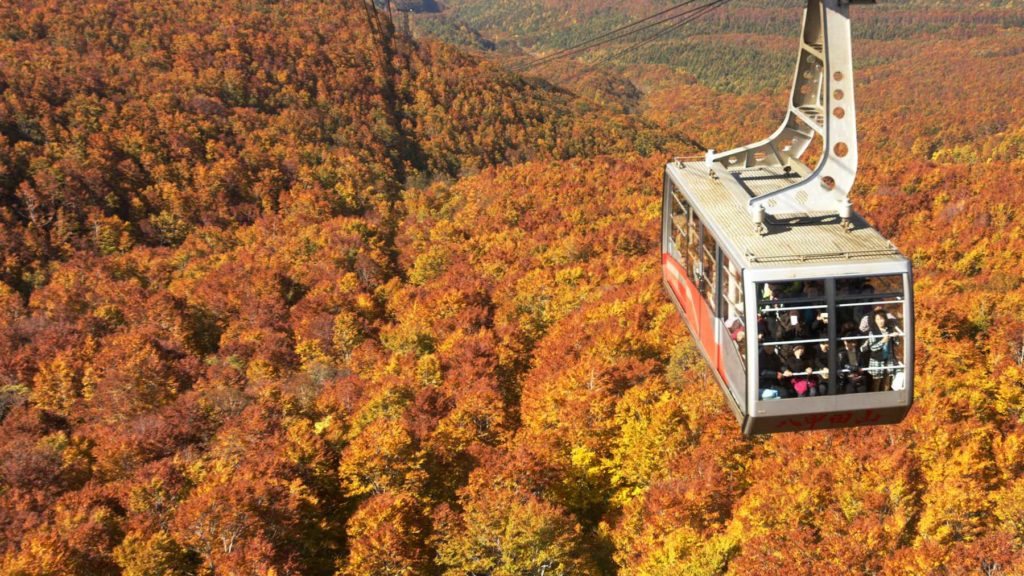
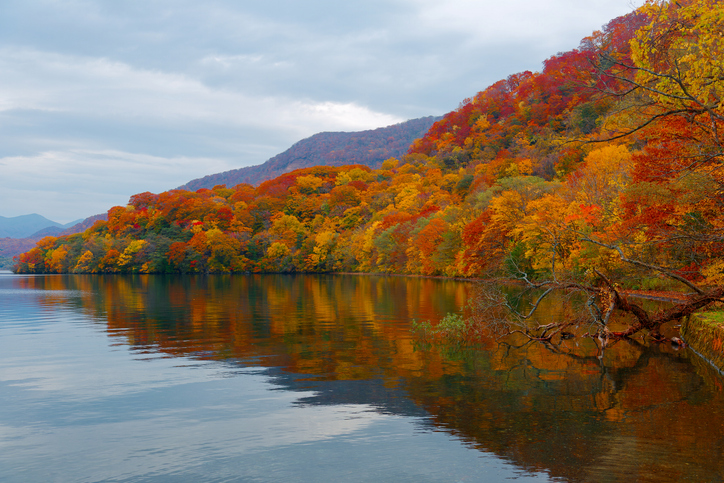
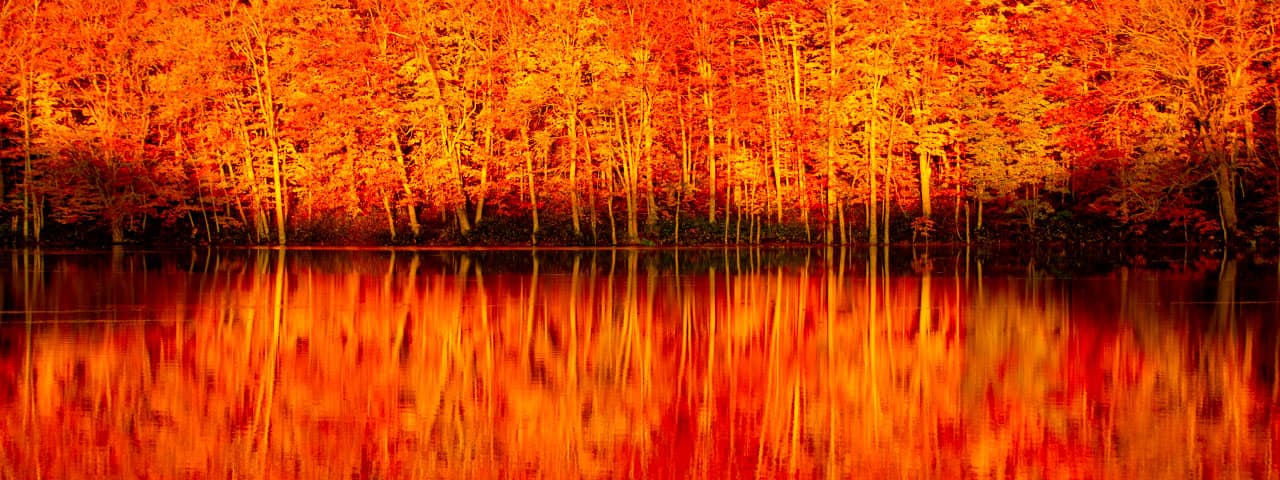
Late October brings peak autumn foliage along the gorge. Maples, beeches, and oaks turn every shade of red, orange, and gold. The colors reflected in the stream create double the impact.

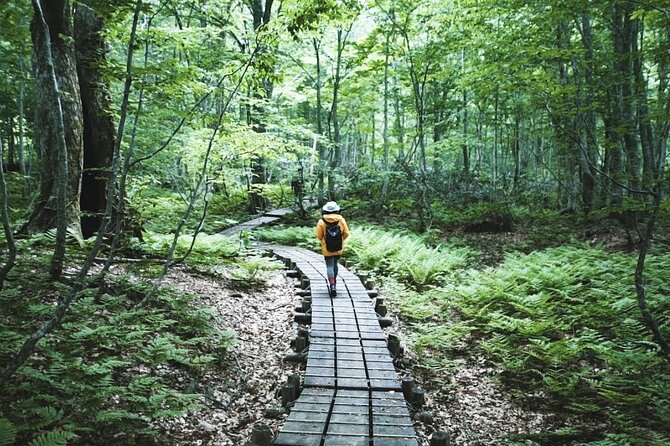
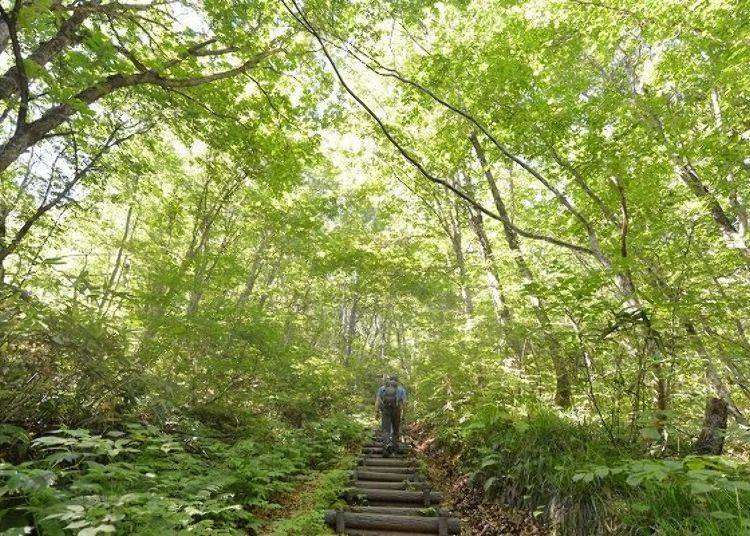
Multiple hiking routes through the UNESCO beech forest. The short Aoike trail (Blue Pond) takes 1 hour. The deeper Anmon Falls trail takes half a day. All have pristine virgin forest.

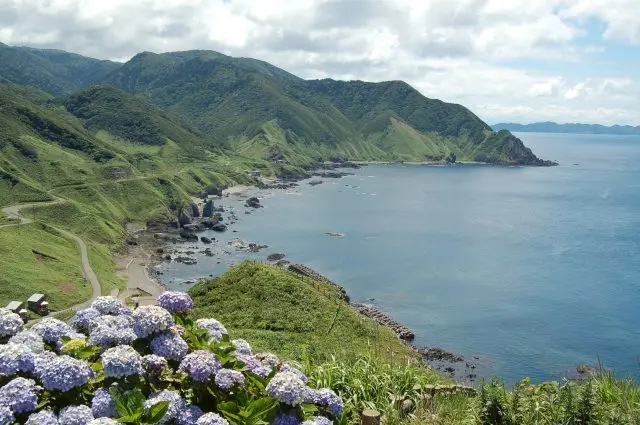
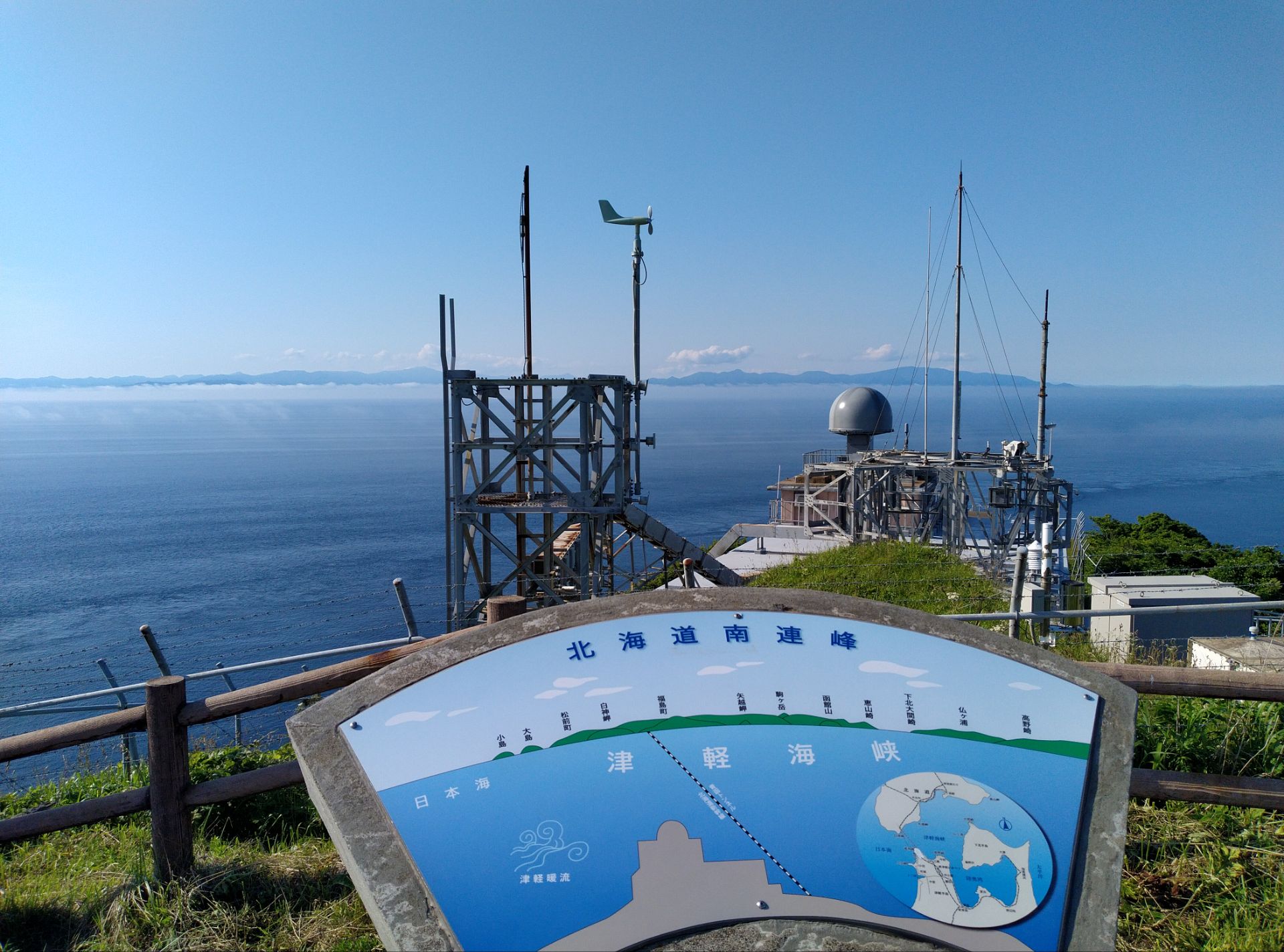
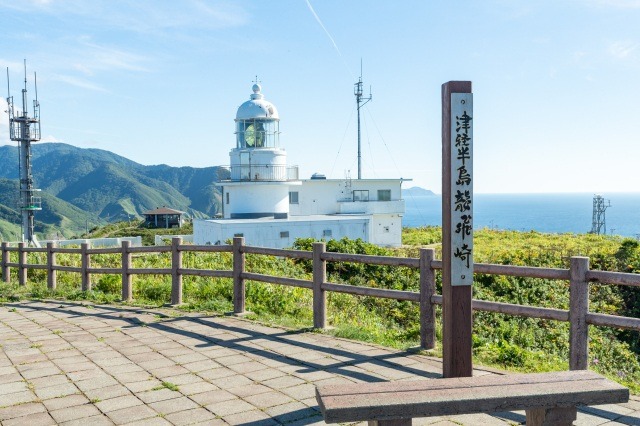
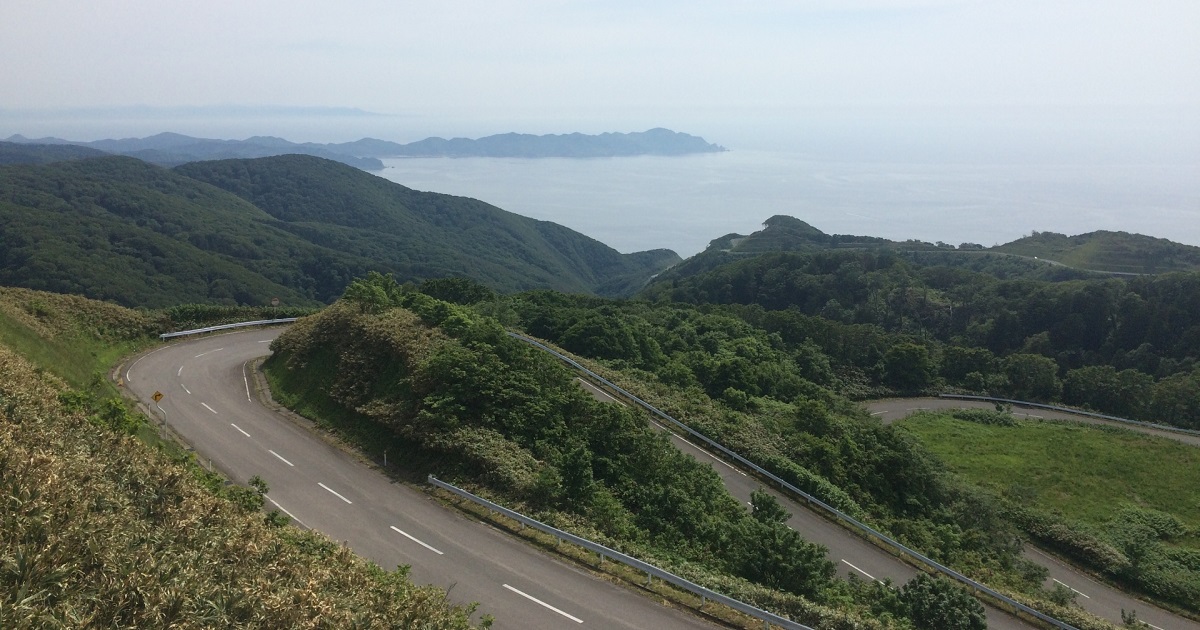
Dramatic rocky coastline at the northern tip of Honshu. Strong winds, crashing waves, and views to Hokkaido across the strait. The wildflower meadows in summer contrast with the rugged coast.

Loop trail connecting six small forest lakes near Lake Towada. The beech forest reflects in the mirror-still lake surfaces. Particularly stunning in autumn. Easy 3km walk. Less crowded than Oirase.
Hot springs, whisky distilleries, festivals, and one-of-a-kind encounters.

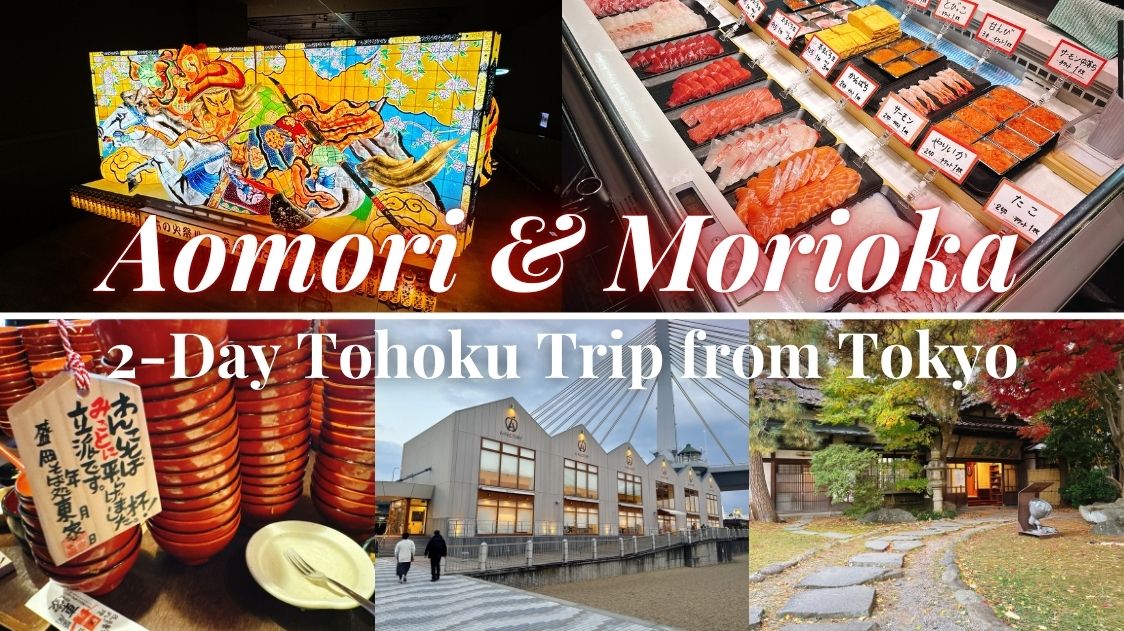
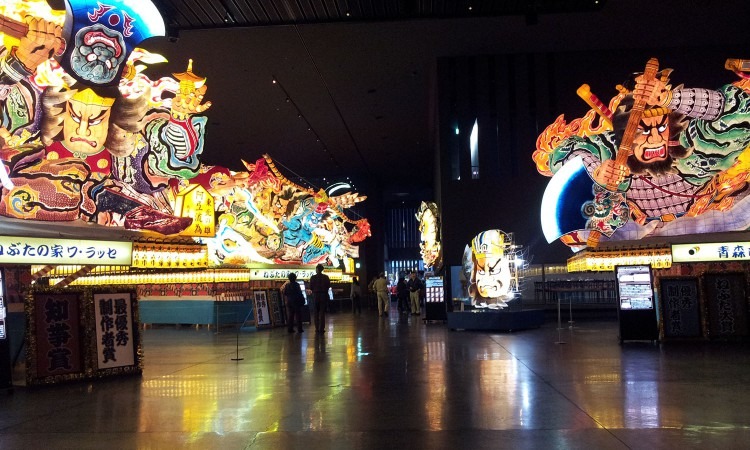
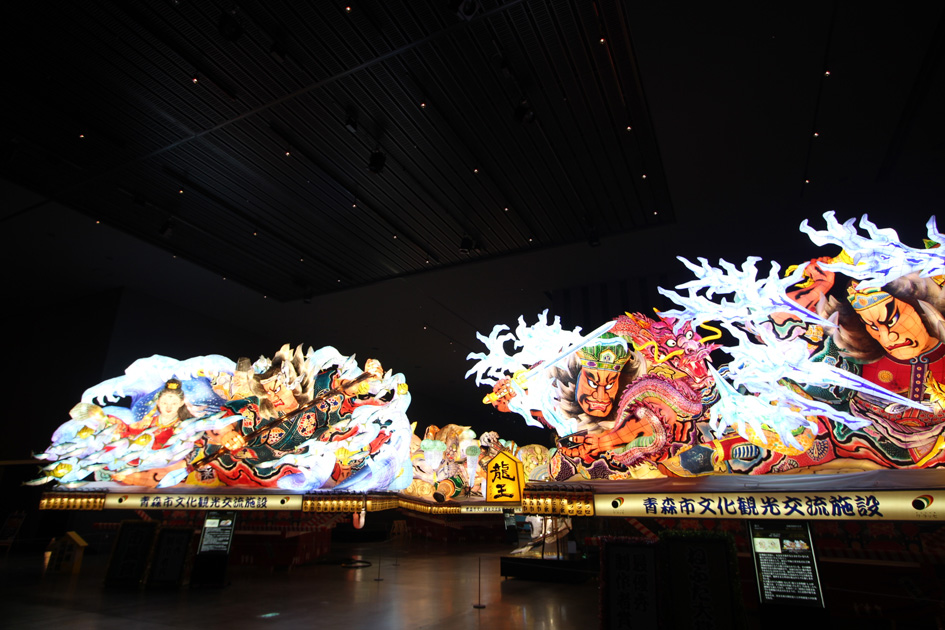
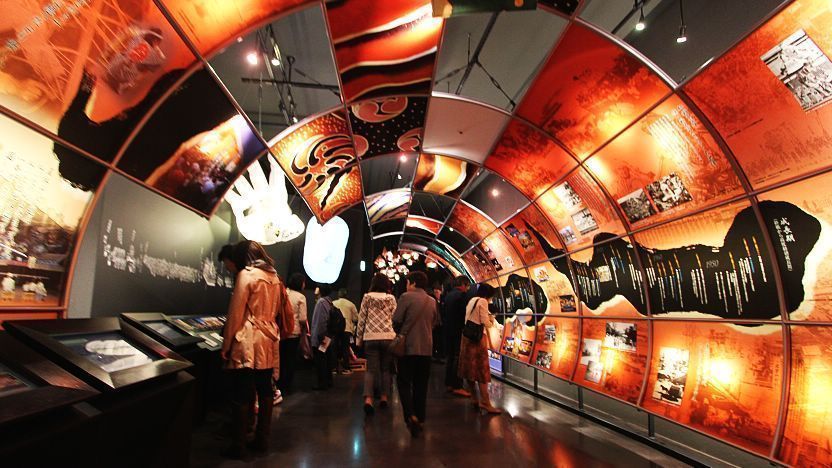
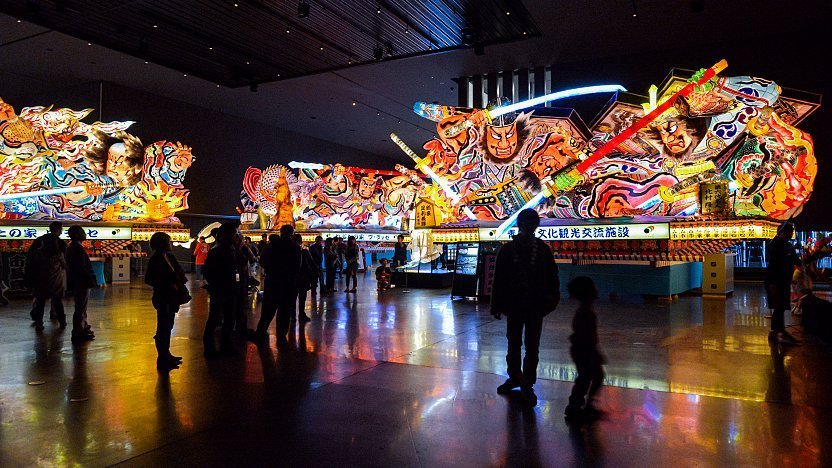
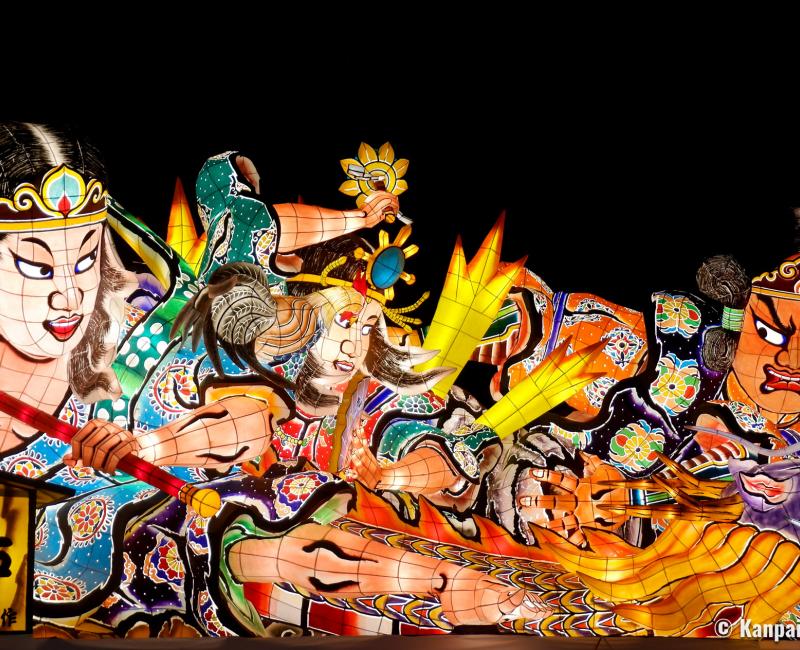
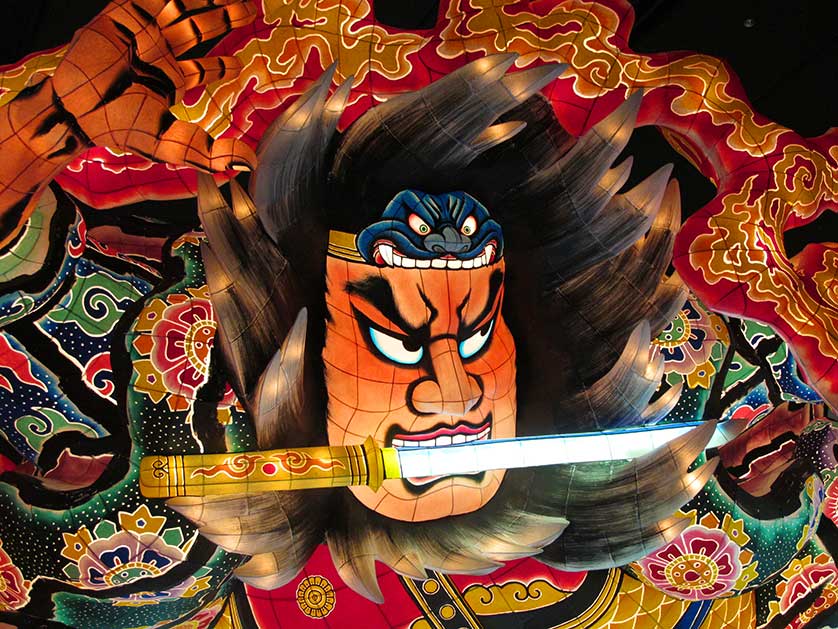
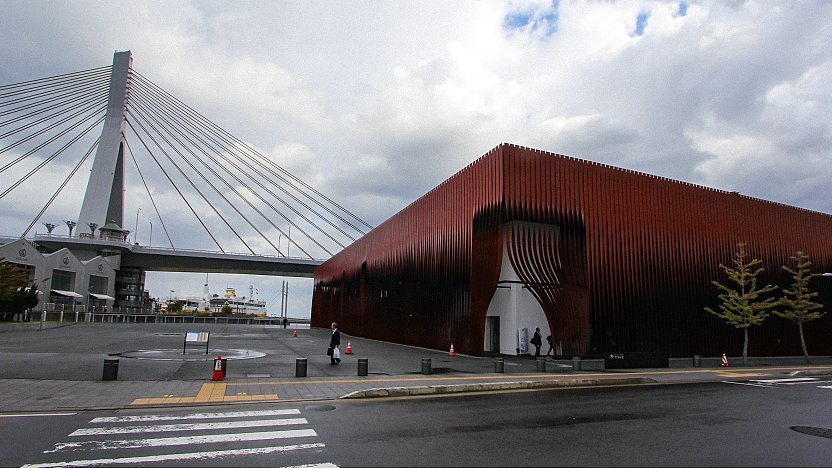
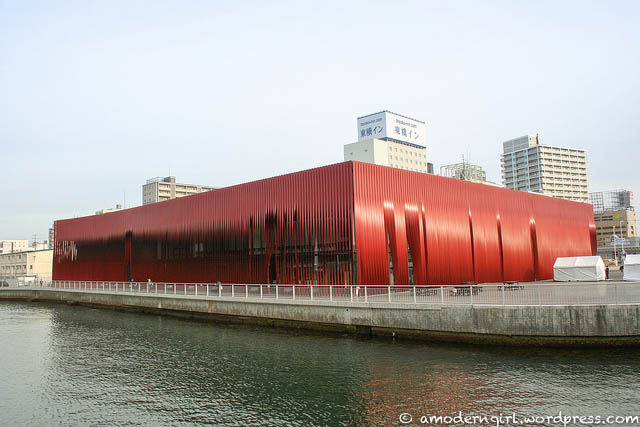
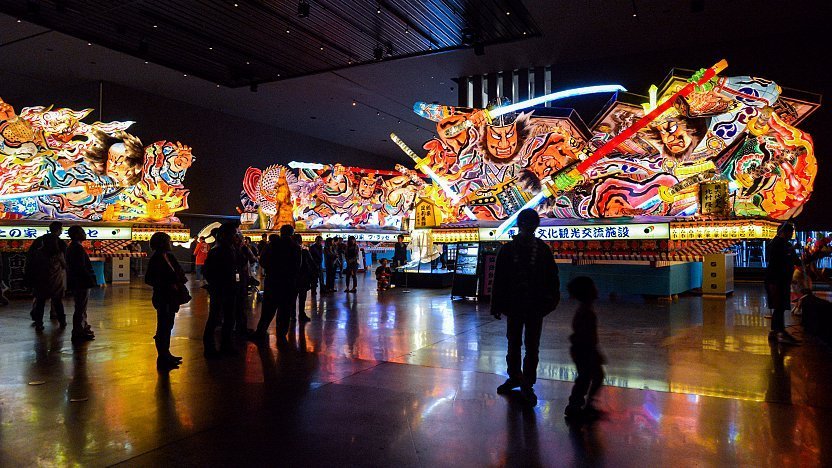
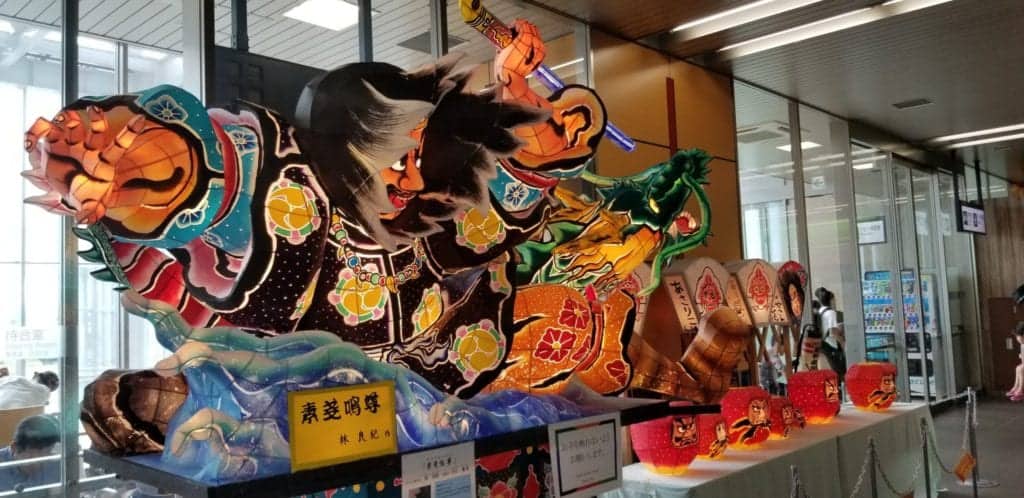
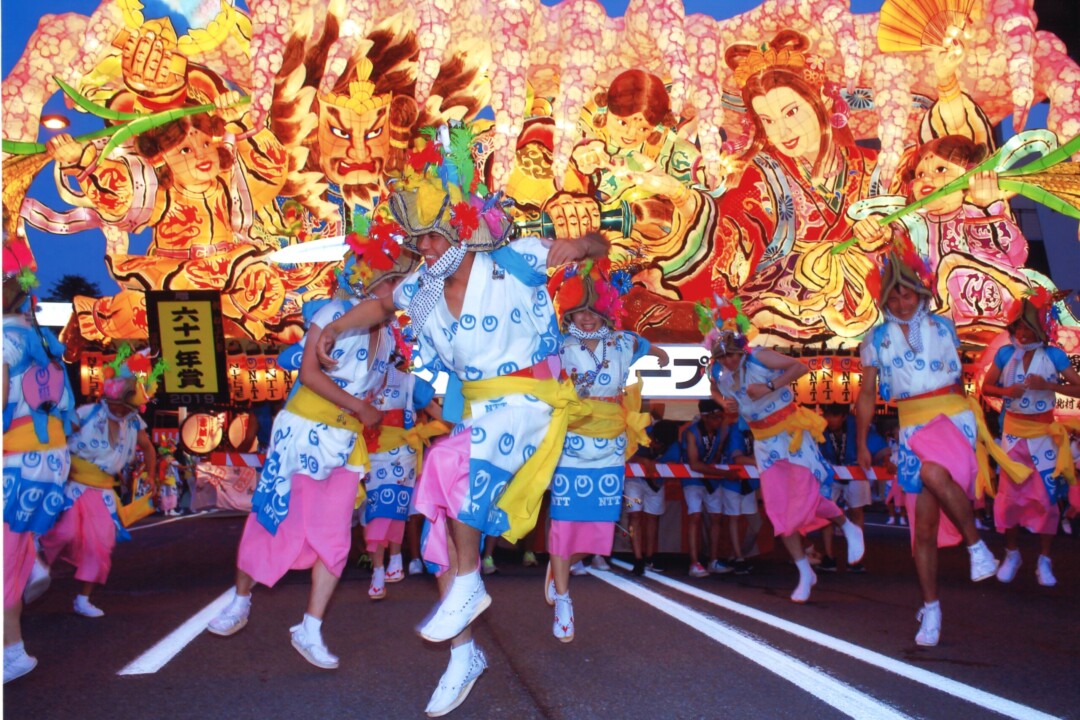
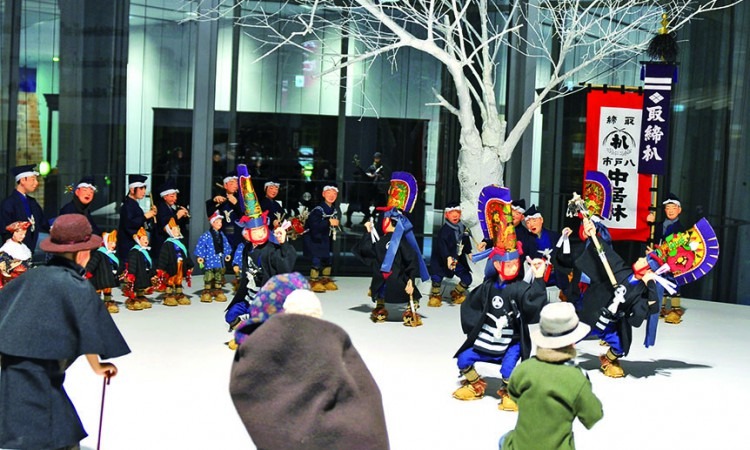
Massive museum displaying actual Nebuta festival floats year-round. The illuminated paper figures are enormous and incredibly detailed. Multi-story space. If you cannot visit during the festival, this is the next best thing.

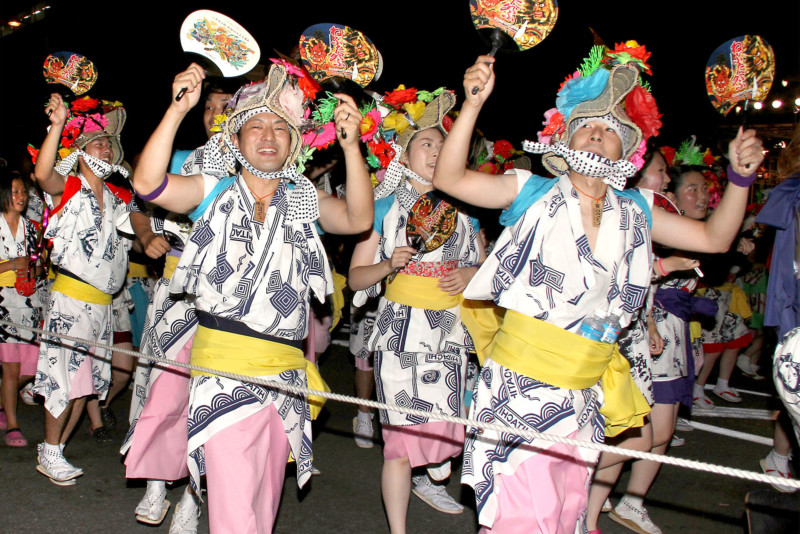
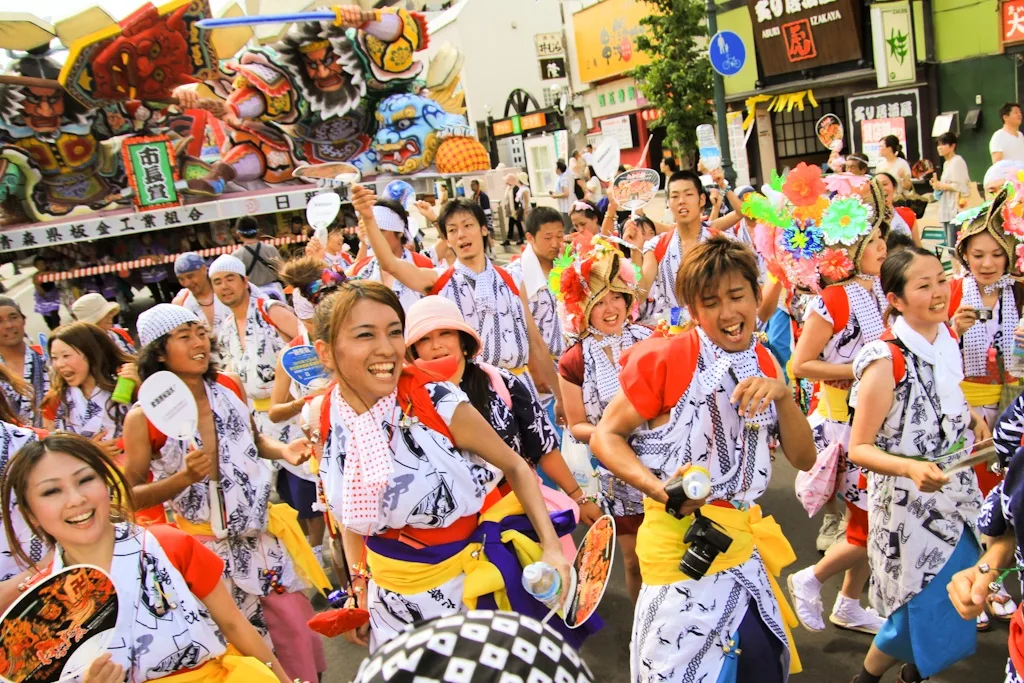
One of Japan's most spectacular festivals (August 2-7). Giant illuminated paper warrior floats (nebuta) are pulled through the streets while dancers (haneto) leap and chant. The energy is explosive. Book accommodation months ahead.

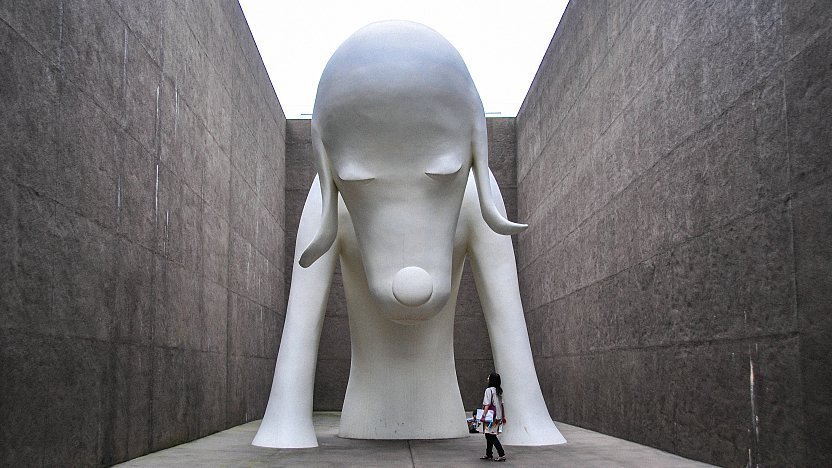
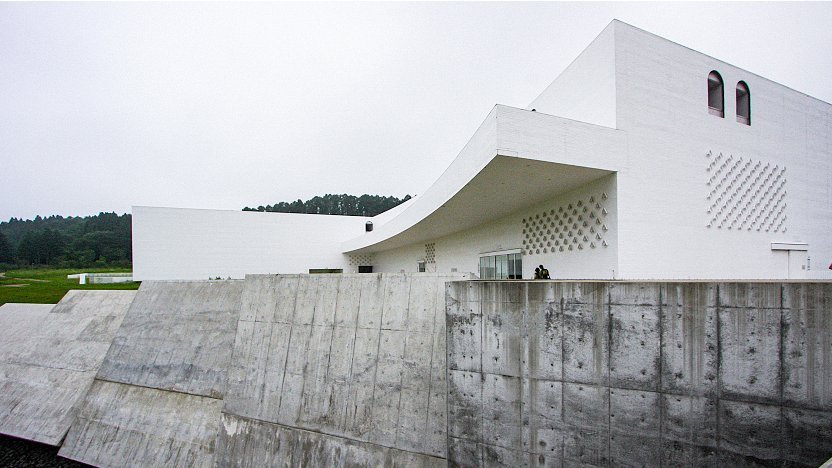
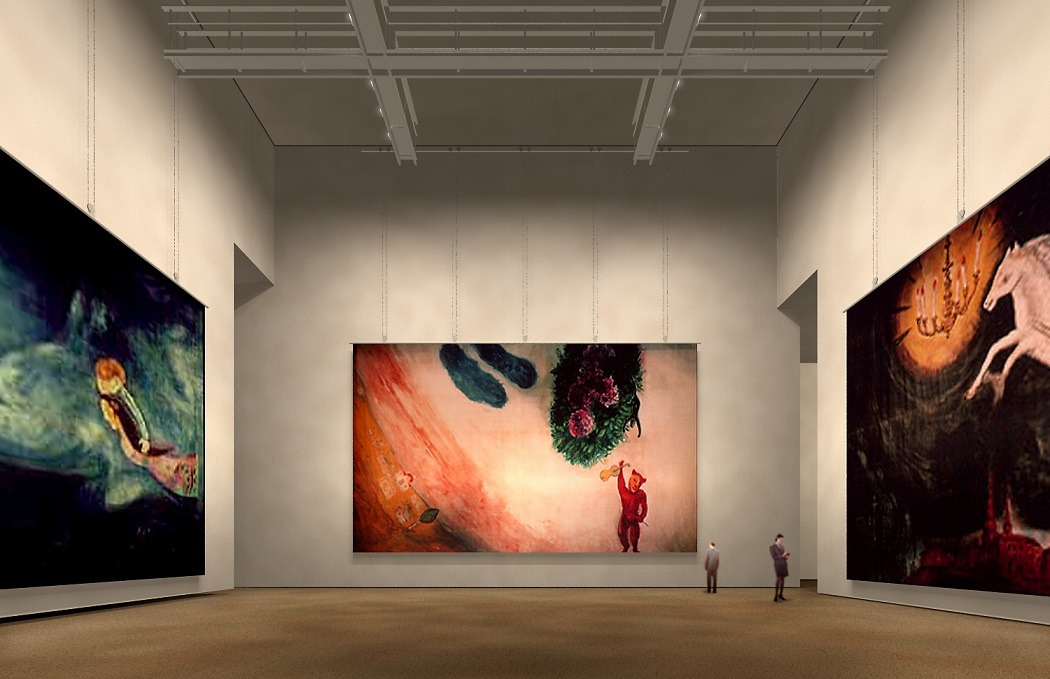
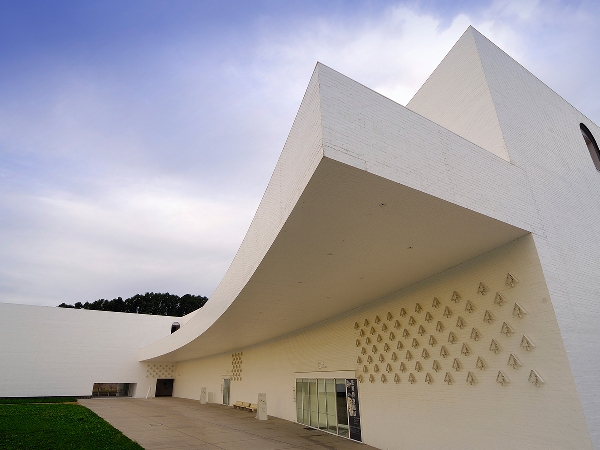
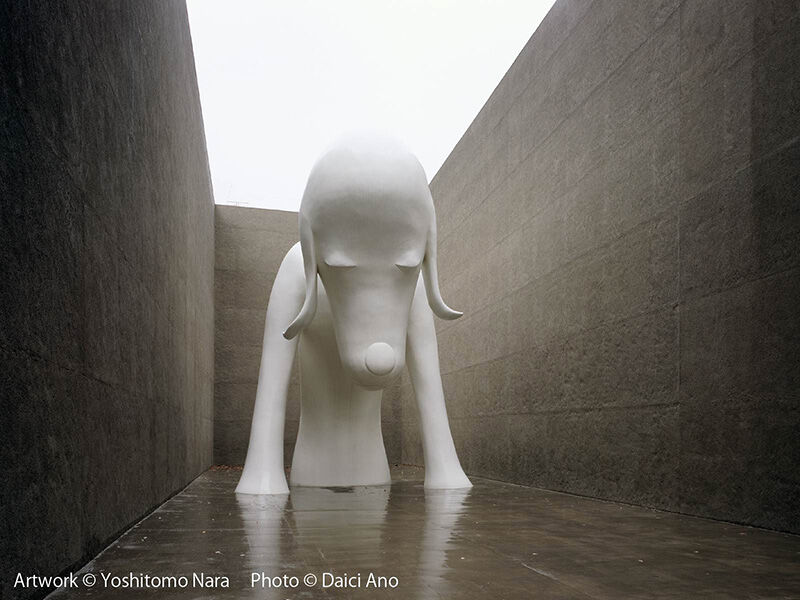
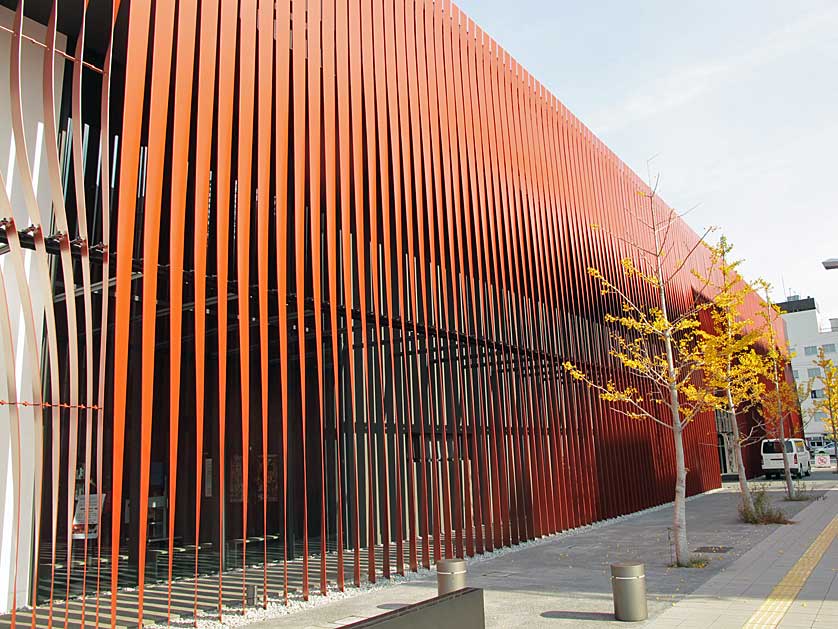
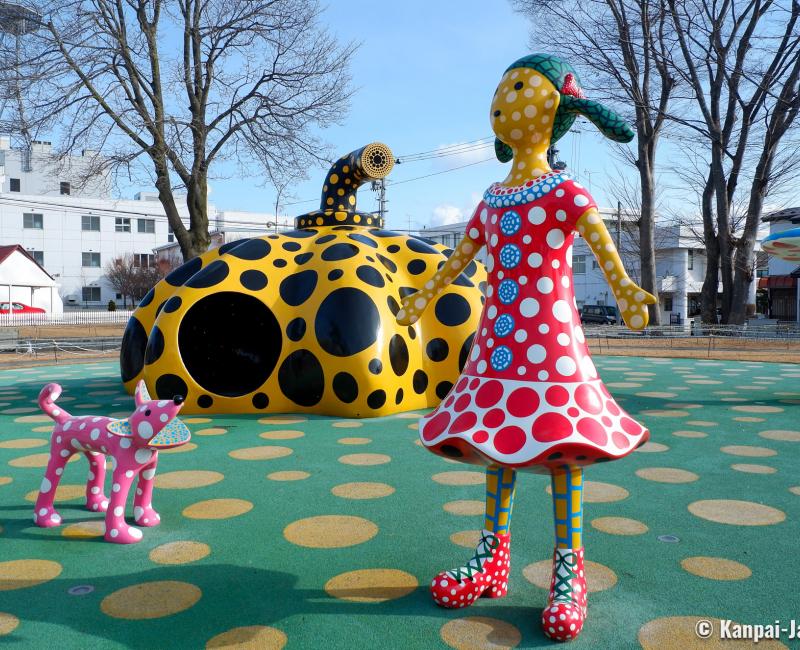
Designed by Jun Aoki. Houses Marc Chagall's enormous ballet backdrop paintings. The 'Aomori Dog' by Yoshitomo Nara is an 8.5m tall outdoor sculpture. The white minimalist architecture is stunning.

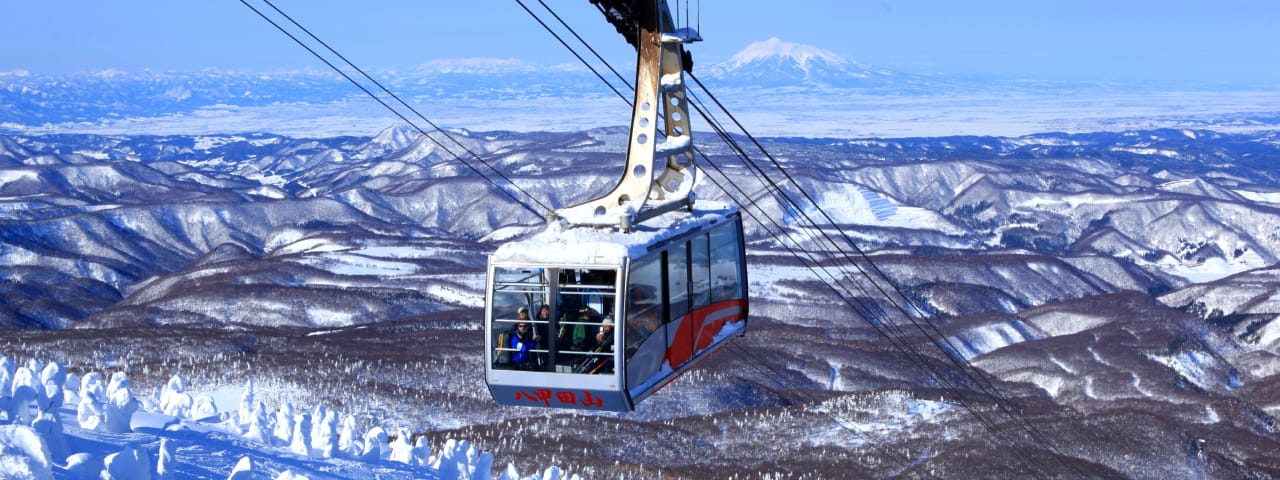
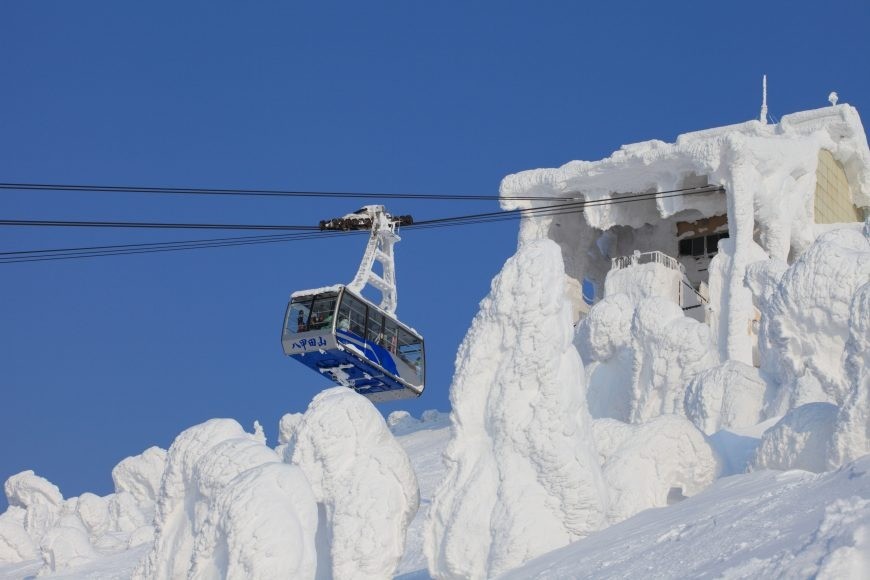
Ropeway to the 1324m summit of Hakkoda. Panoramic views of Mutsu Bay and the Tsugaru Peninsula. In winter, the snow-monster ice formations are visible from the gondola. 45 min from Aomori.

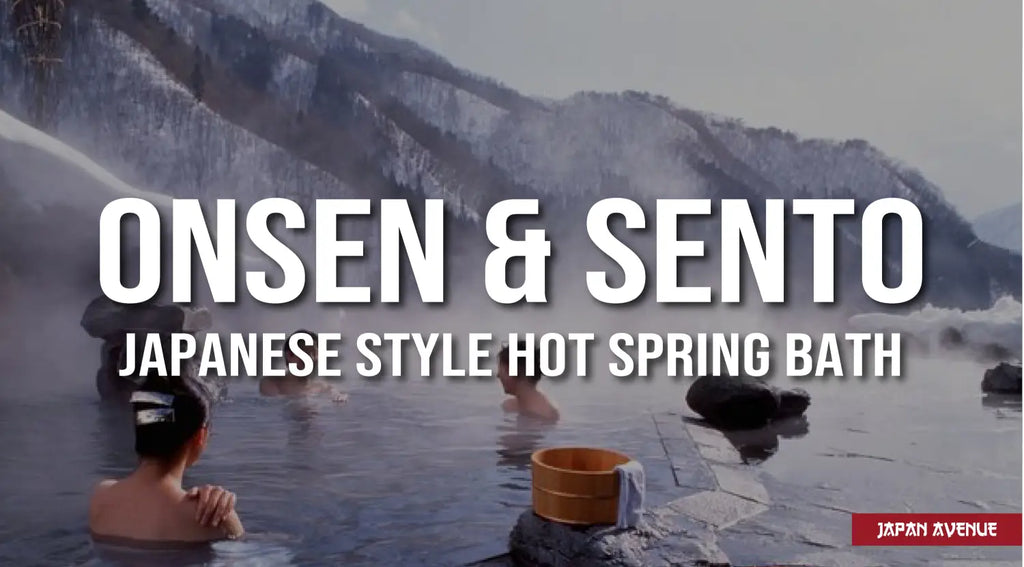
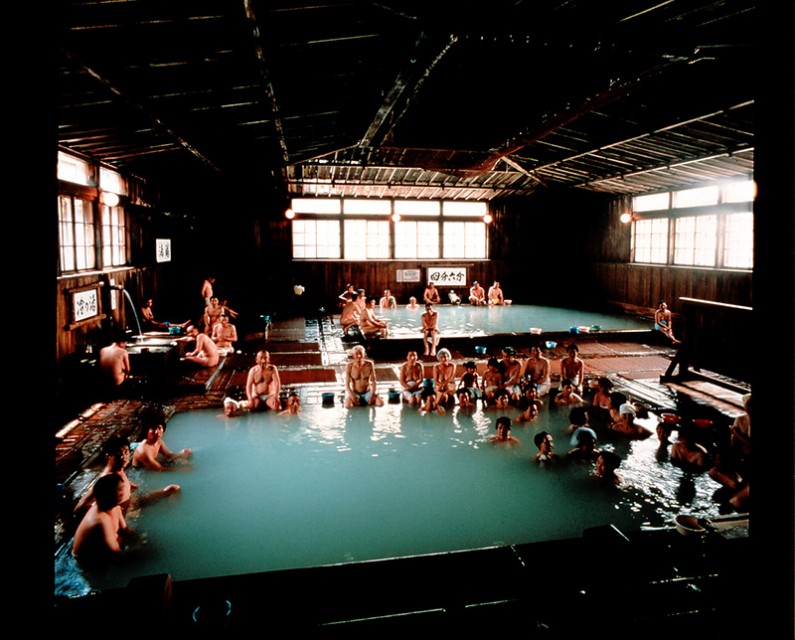
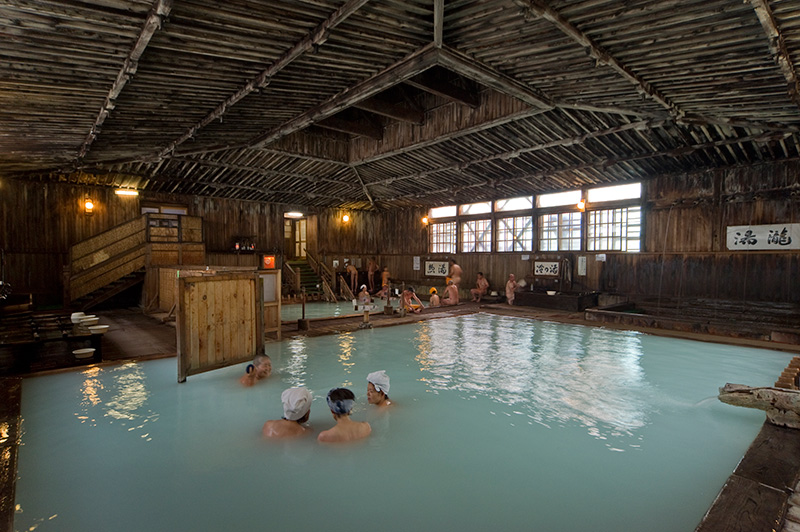
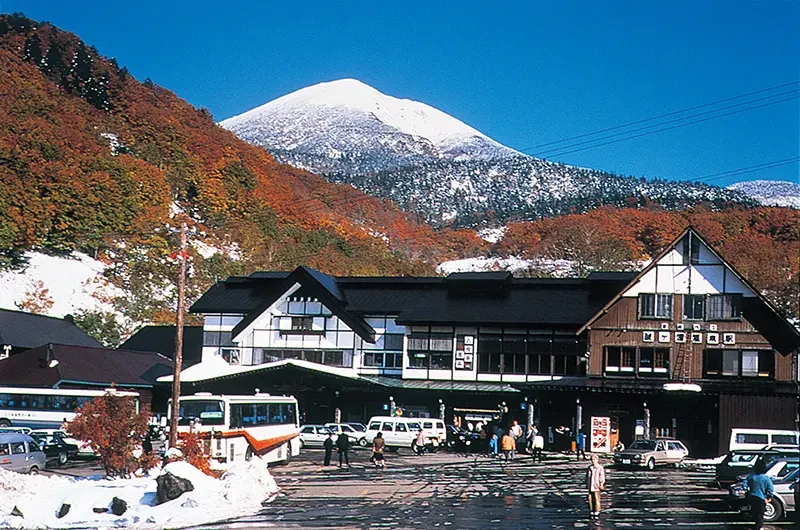
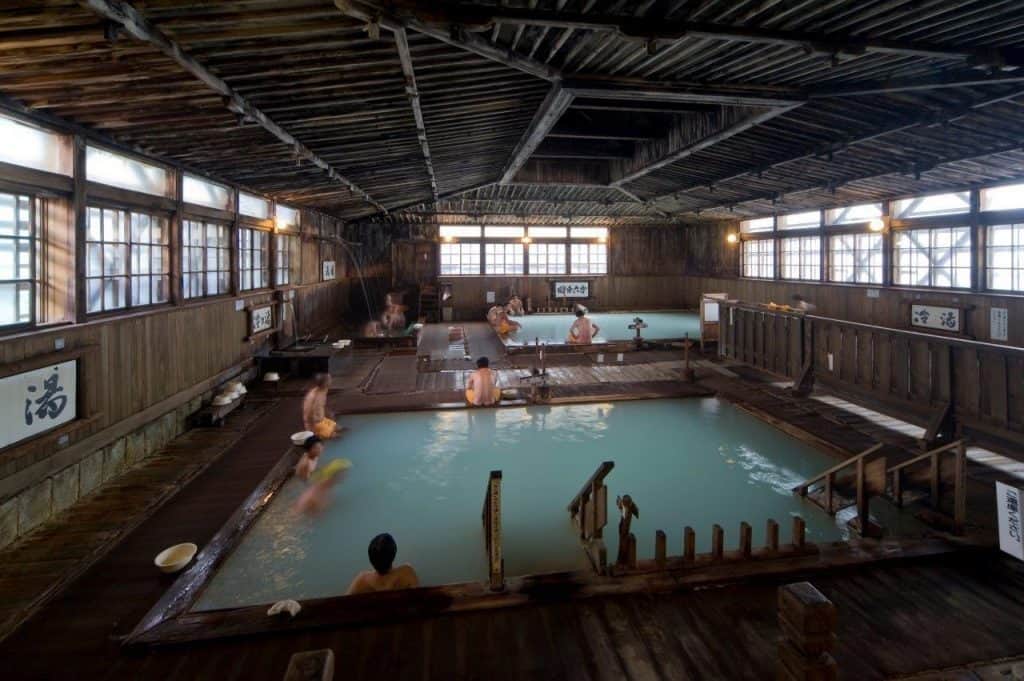
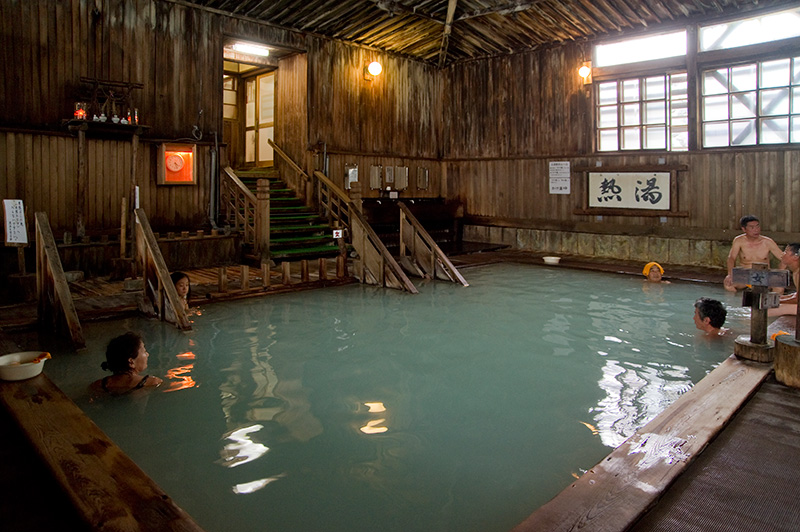
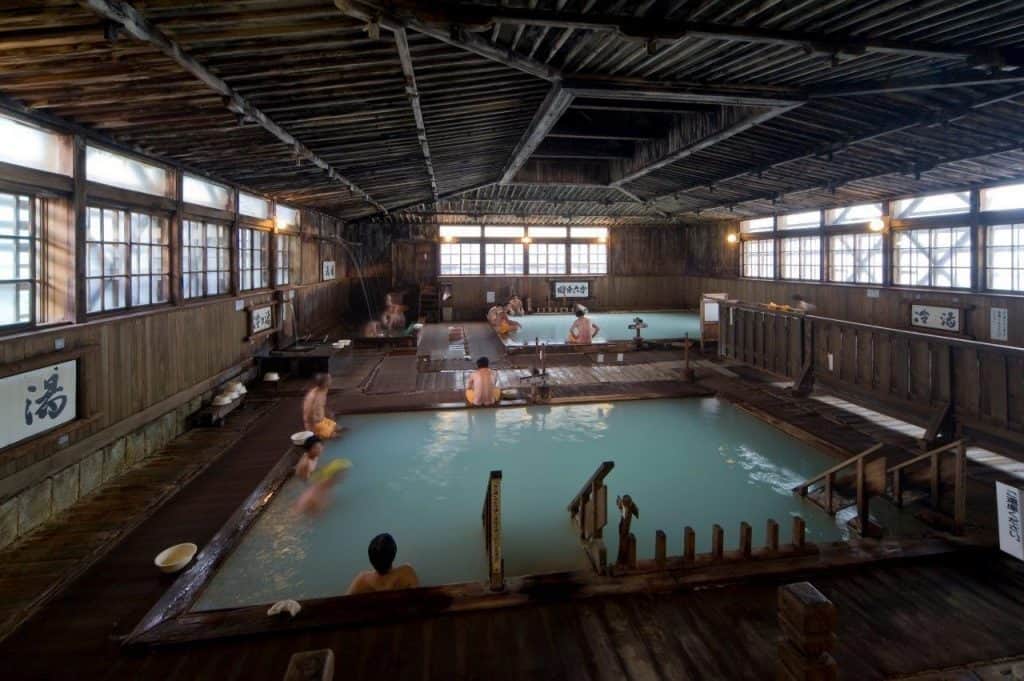
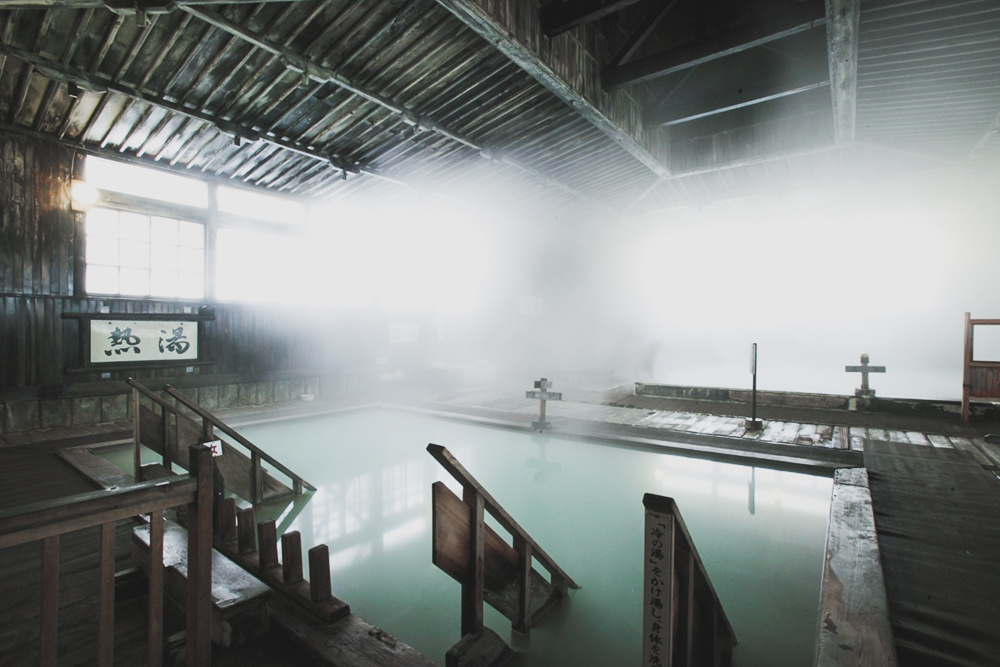
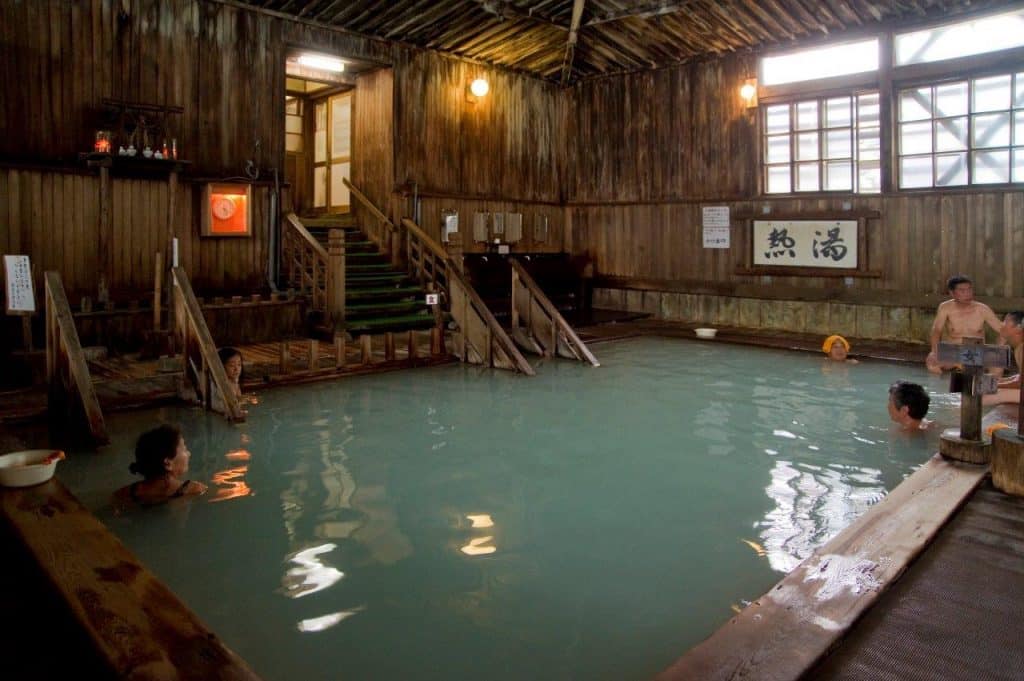
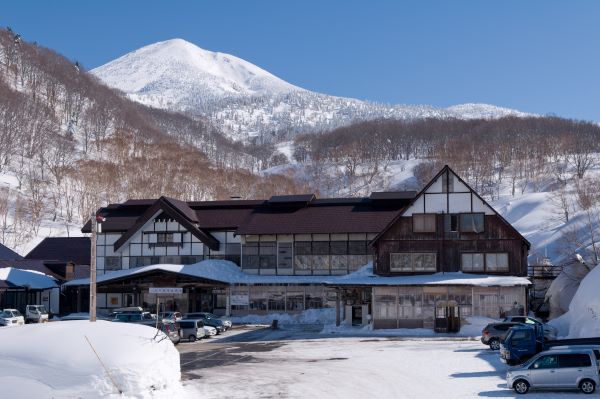
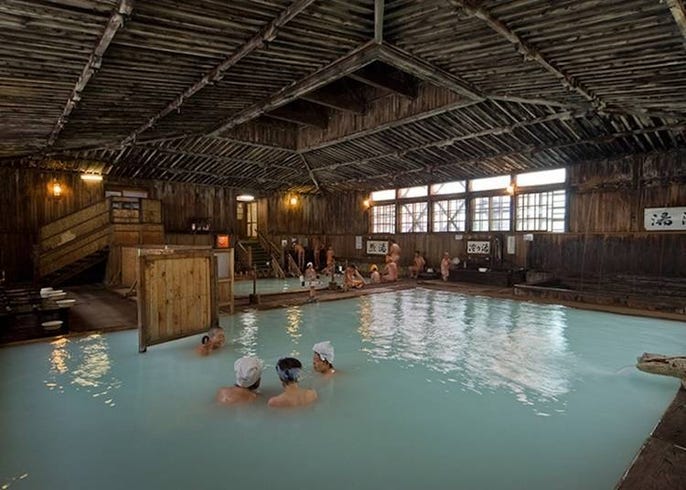
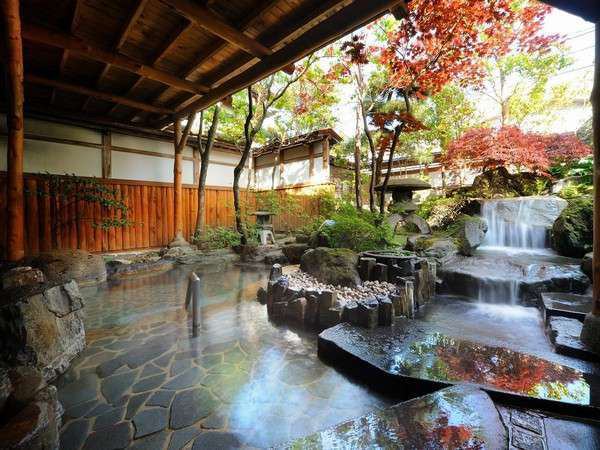
Famous 300-year-old mountain onsen with a huge mixed-gender bath (Senjinburo or Thousand Person Bath). The vast wooden bath hall is Japan's most impressive onsen interior. Strong sulfur water.

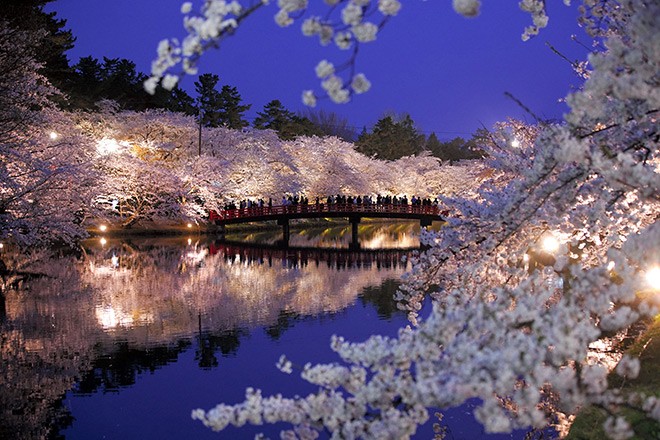
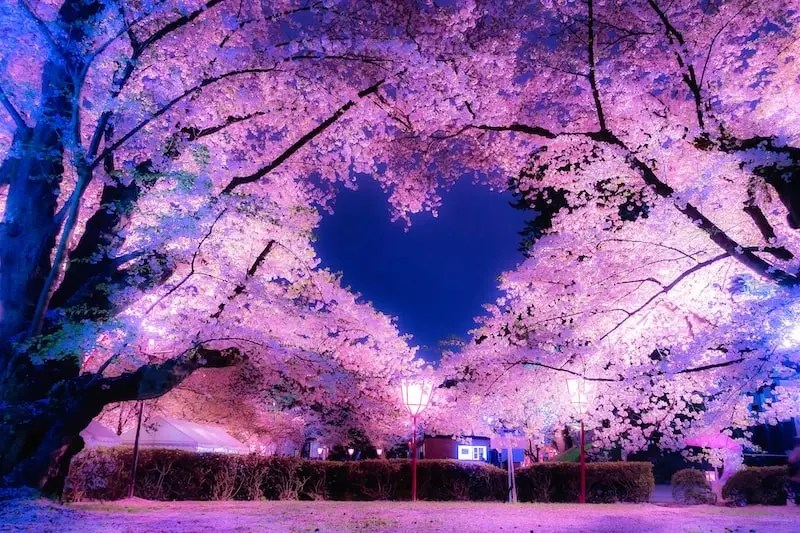
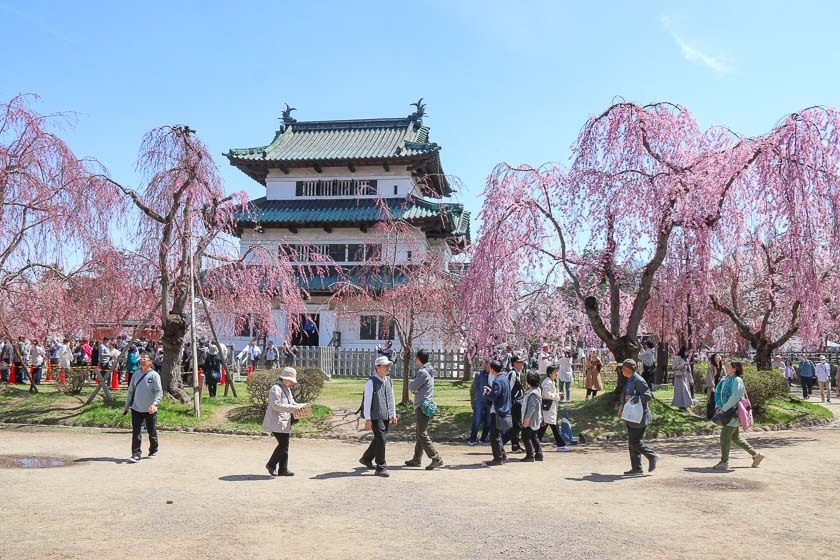
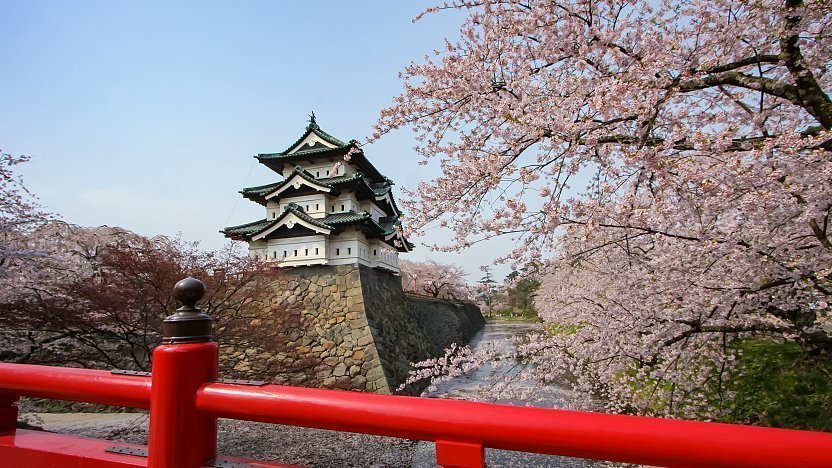
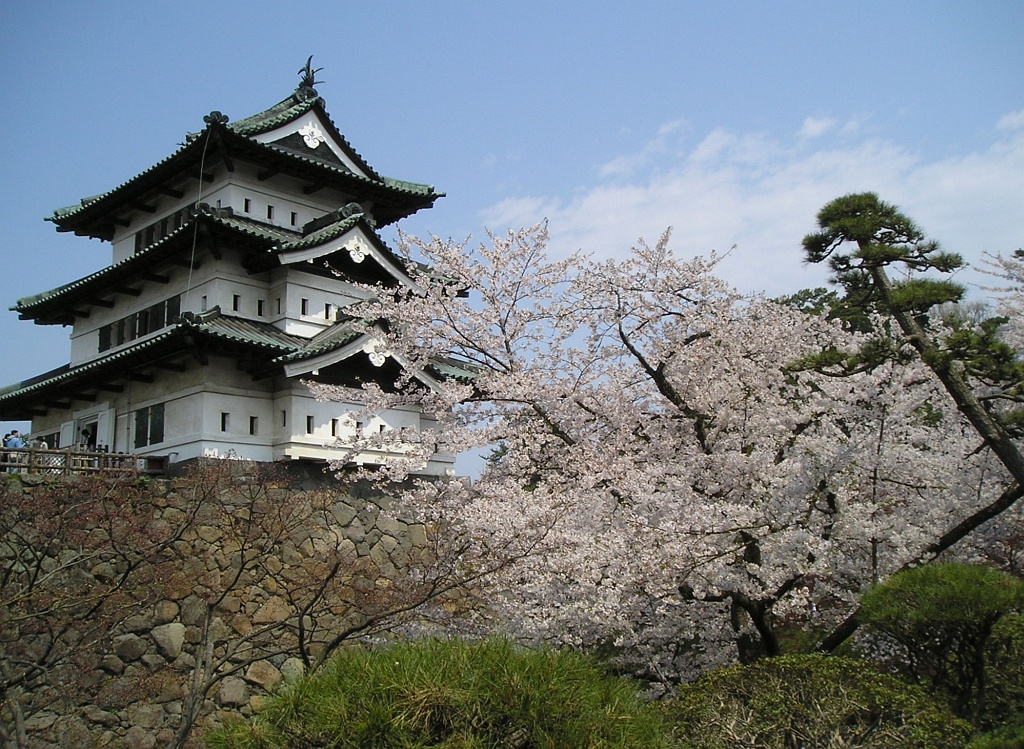
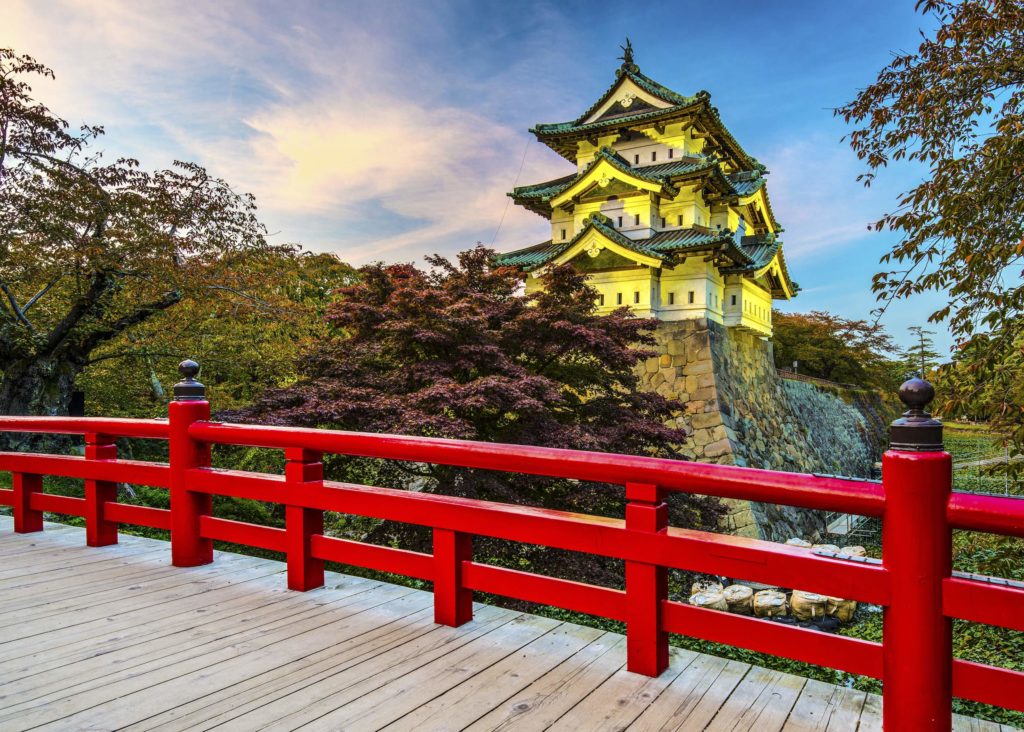
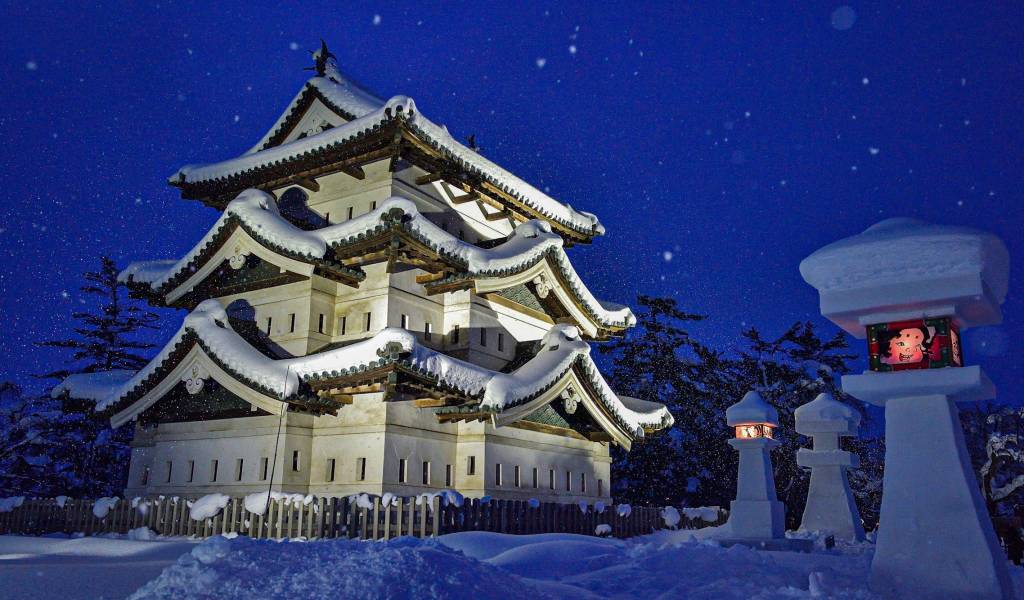
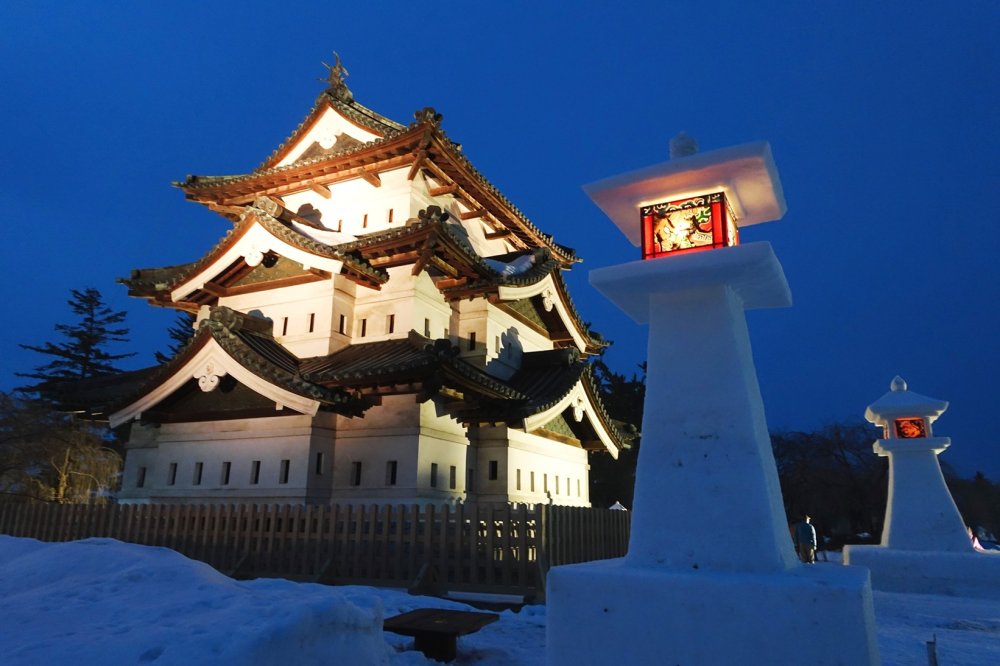
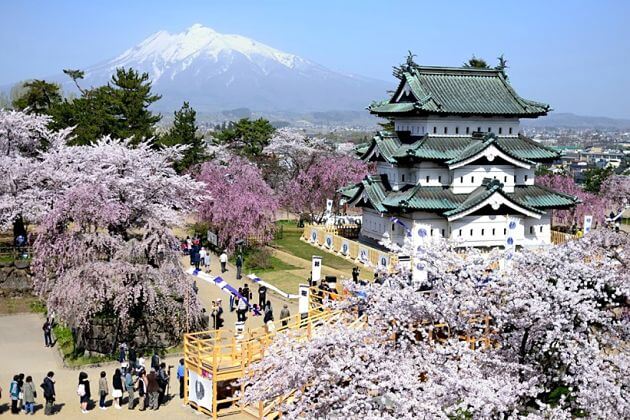
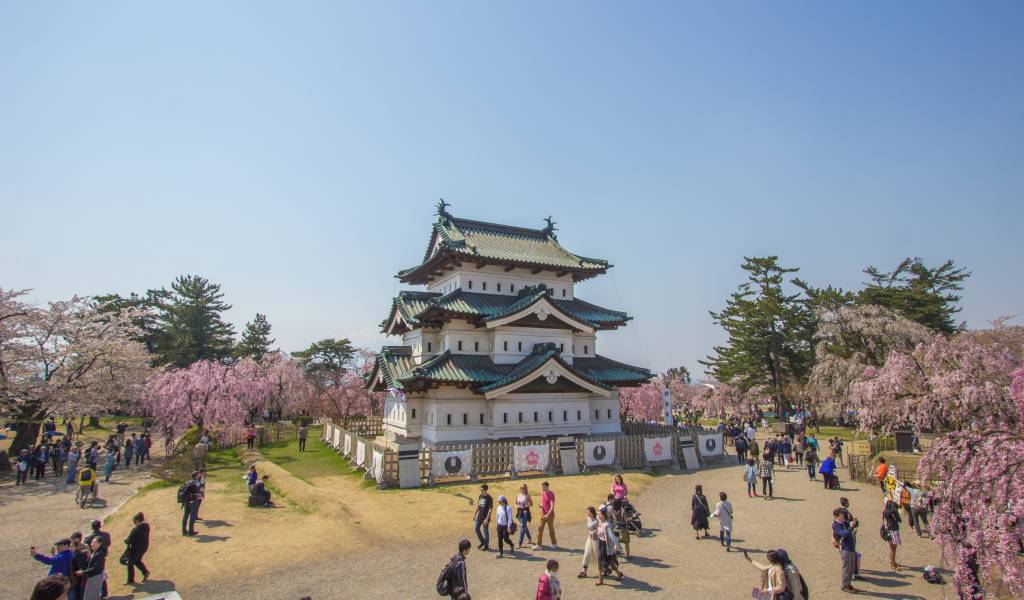
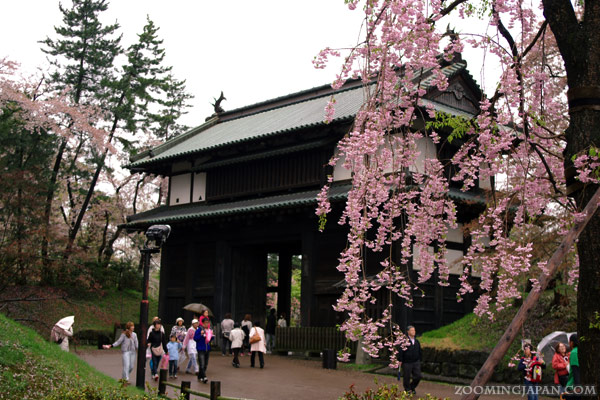
Original castle keep surrounded by 2600 cherry trees. Japan's most famous cherry blossom destination. A pink tunnel of petals reflects in the moat water. Also spectacular for autumn foliage and winter illumination. 45 min from Aomori.

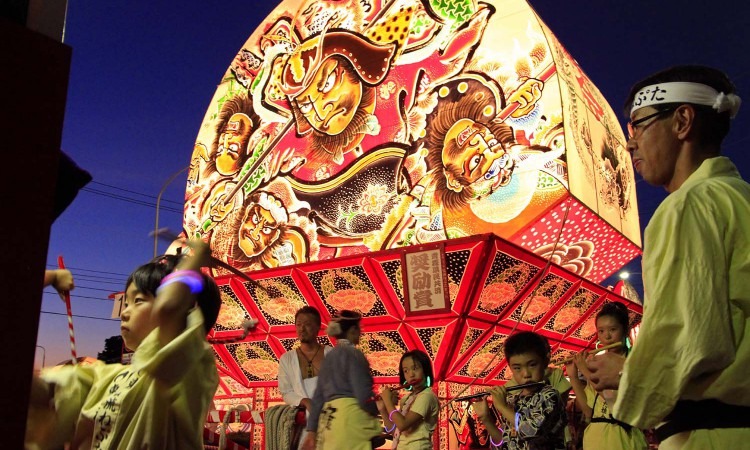
Hirosaki's version of the Nebuta festival (August 1-7). Fan-shaped illuminated floats (neputa, not nebuta) are paraded through the streets. More elegant and subtle than Aomori's version. Both are worth seeing.

The Tsugaru region developed a powerful, fast-paced shamisen style. Live performances feature incredible virtuosity. The driving rhythms are more rock-and-roll than traditional. Several venues in Aomori and Hirosaki offer shows.

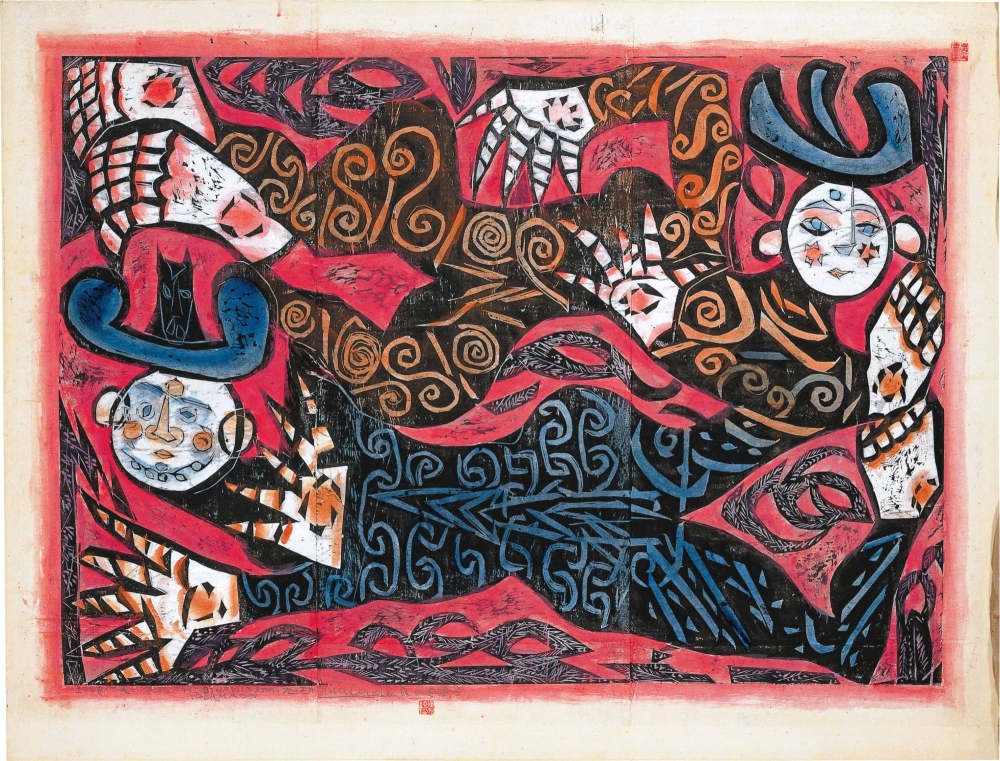
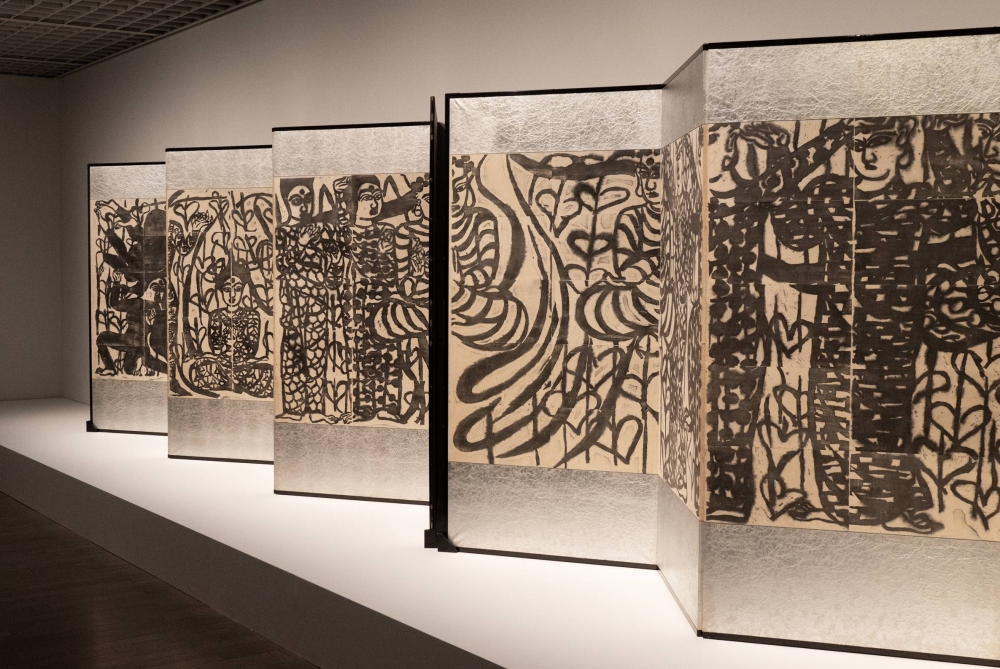
Museum dedicated to Munakata Shiko, Aomori-born woodblock print master. His powerful, expressive prints are unlike any other Japanese printmaker. The museum is intimate and moving.

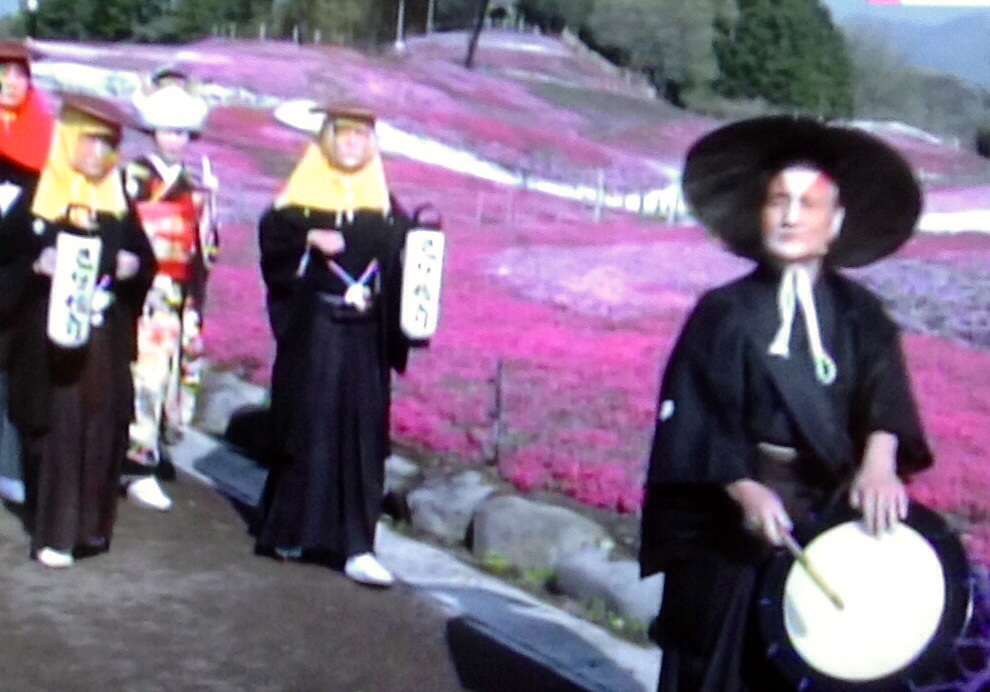
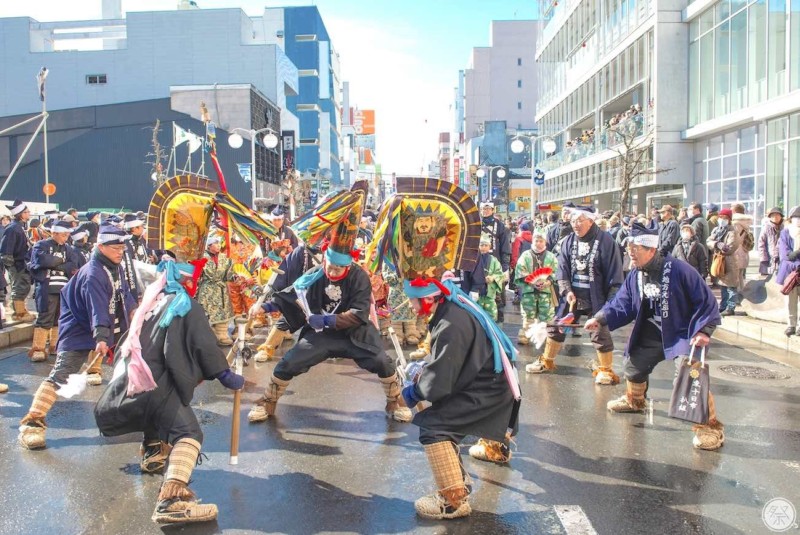
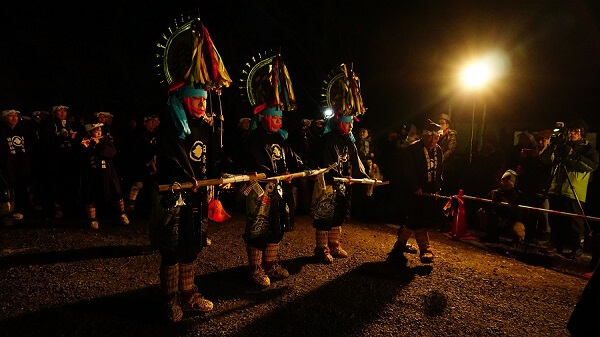
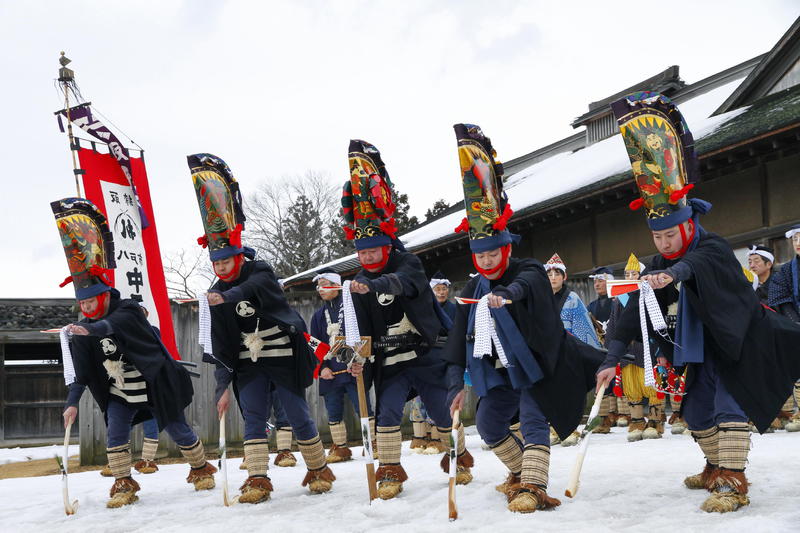
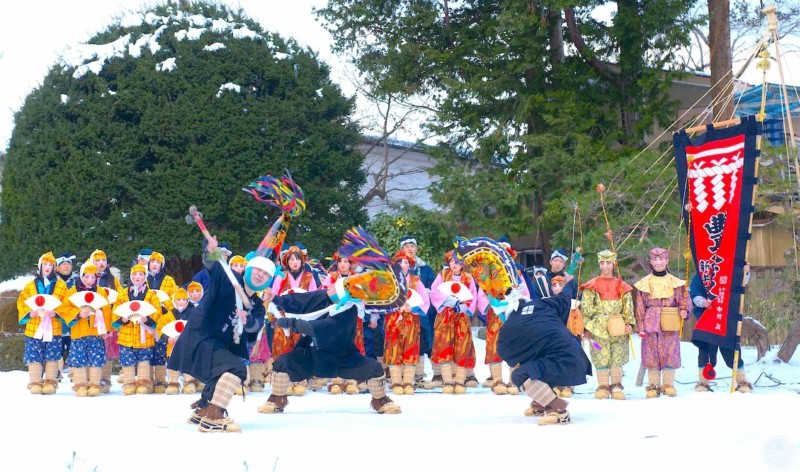
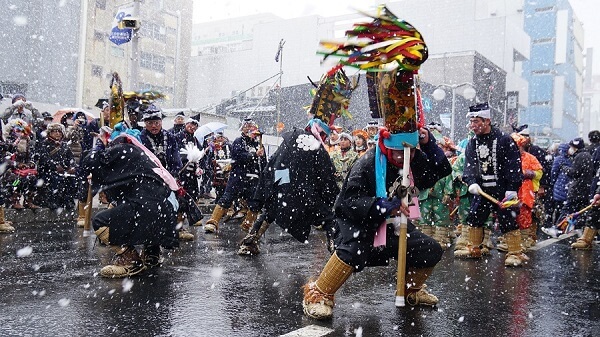
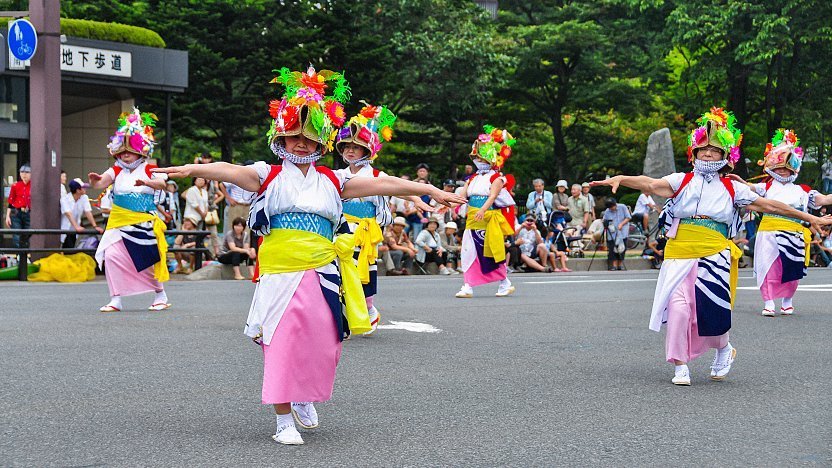
February festival featuring farmers performing ritual dances with long-maned horse head hats. Praying for a good harvest. The energetic movements are mesmerizing. One of Tohoku's great winter festivals. 1 hour from Aomori.

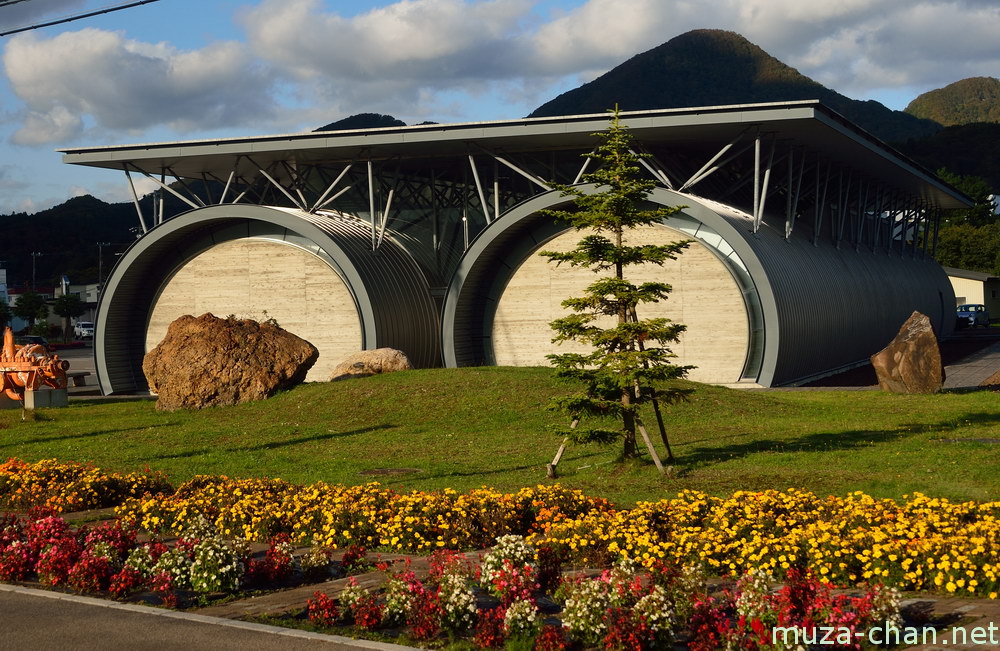
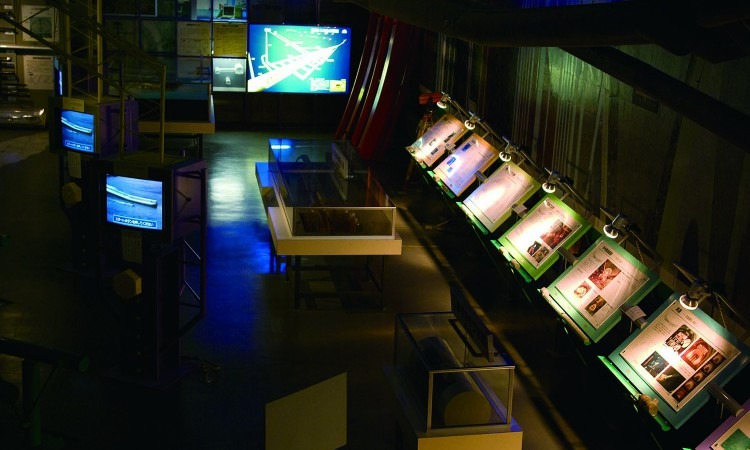
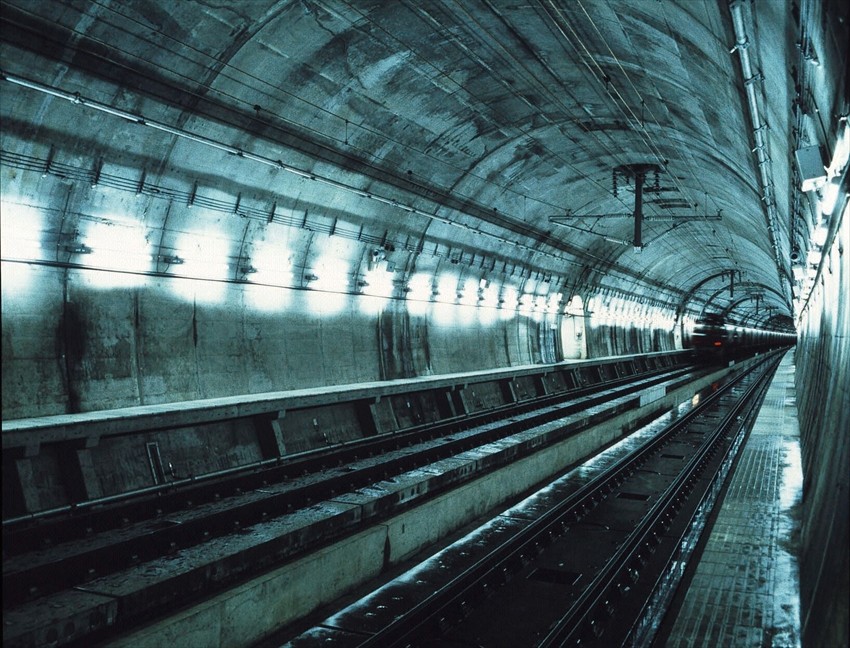
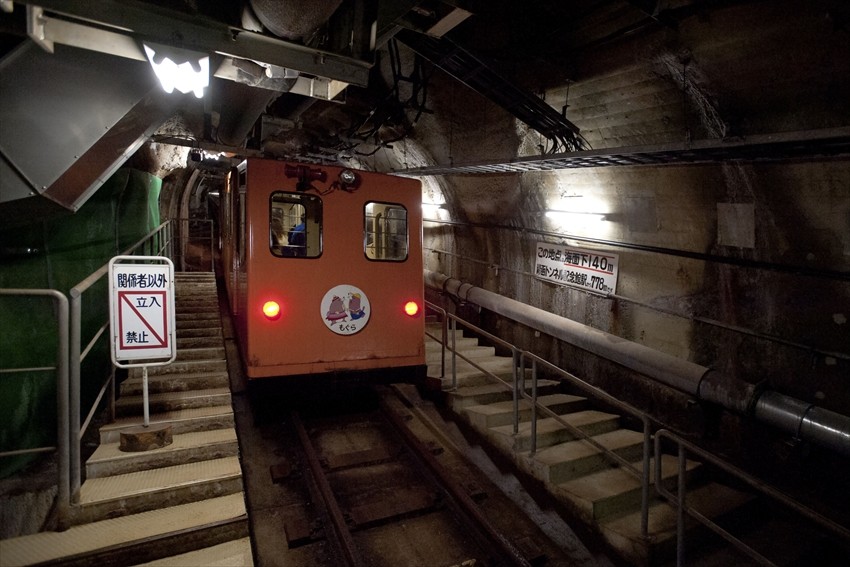
Museum about the 53.85km Seikan Tunnel connecting Honshu to Hokkaido. At the time of construction it was the world's longest tunnel. The engineering story is fascinating. 1 hour from Aomori.

During the Nebuta Festival, visitors can rent haneto costumes and join the dancers behind the floats. No reservation needed. Just buy the costume, join in, and dance. The most immersive festival participation.

Even larger standing Nebuta figures reaching 23 meters tall. Held August 4-8 in Goshogawara city. The enormous floats towering above the buildings are breathtaking. A museum displays them year-round. 45 min from Aomori.

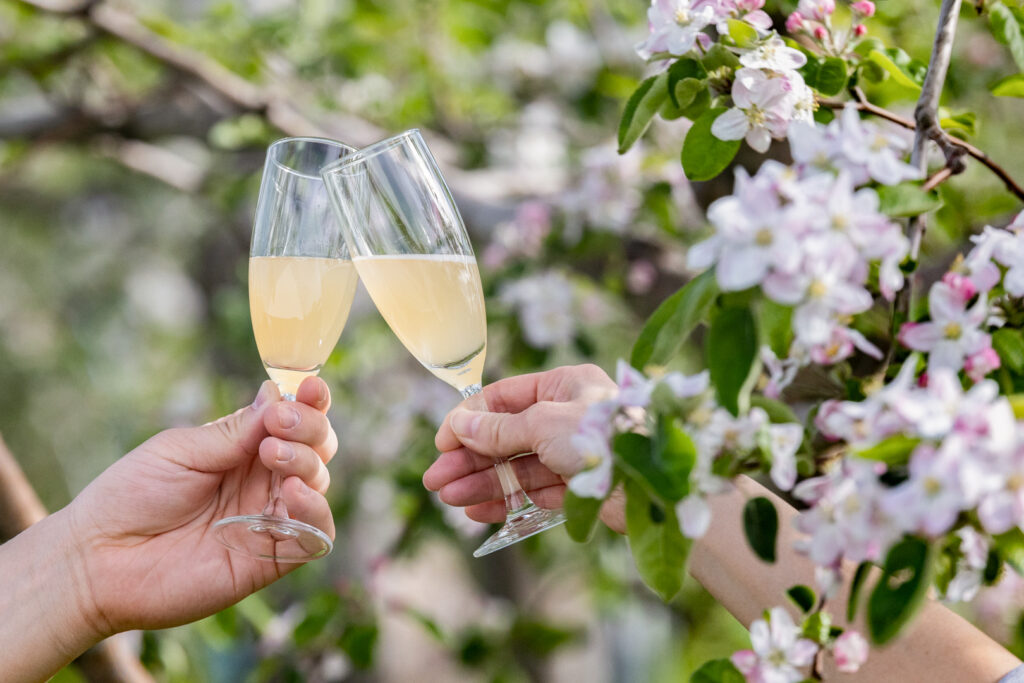
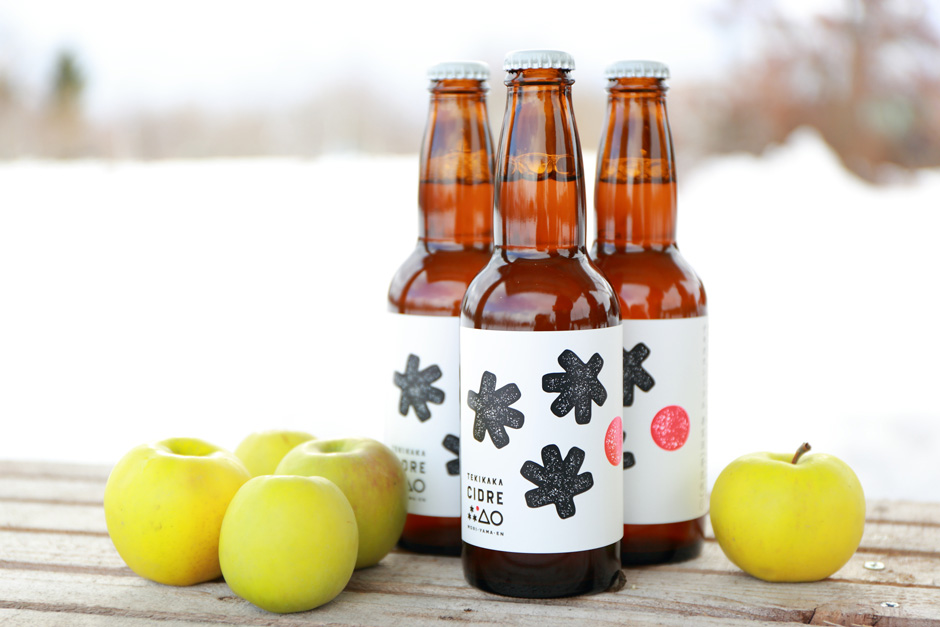
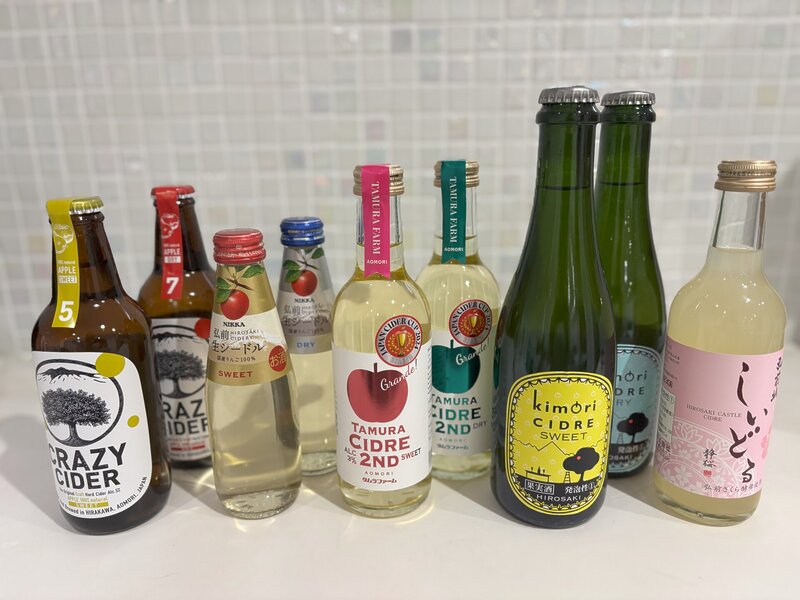
Growing number of craft cideries using Aomori's incredible apple varieties. Dry, semi-sweet, and sparkling options. Some cideries blend different apple varieties for complex flavors. Tasting flights available.

Anyone can join the Nebuta parade as a haneto dancer. Rent the traditional costume (2000-3000 yen), learn the call-and-response chant 'rassera rassera, ' and dance alongside the giant illuminated floats. No reservation needed.

Guided snowshoe trek among the juhyo (snow monsters). Trees encased in dense ice form surreal white figures. The landscape looks like another planet. Available January-March. Equipment rental included.

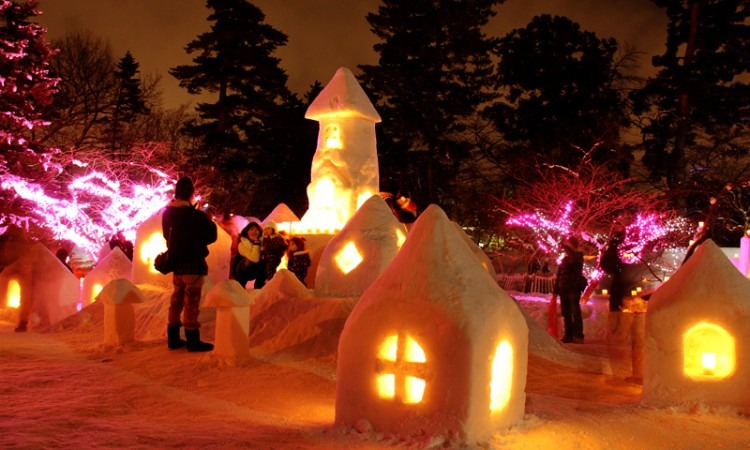
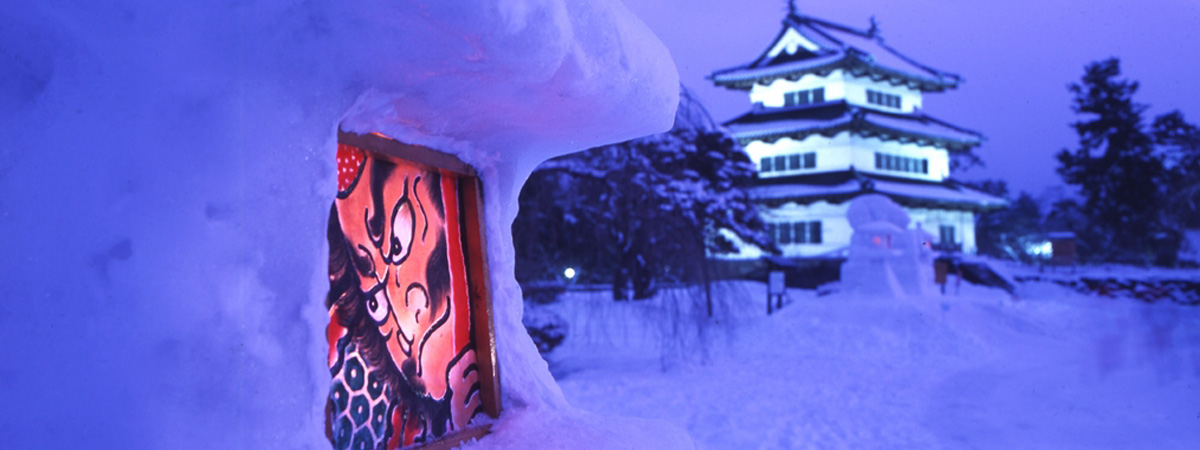
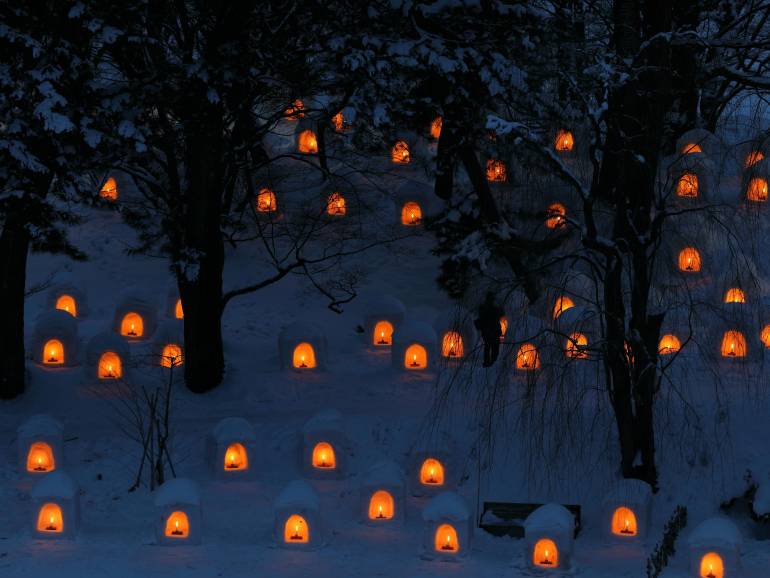
February festival with hundreds of snow lanterns and miniature kamakura (snow huts) illuminated from within. The castle covered in snow with golden lantern glow is fairy-tale like.

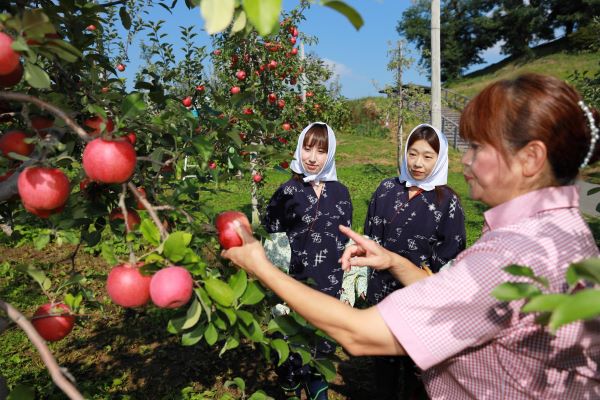
Theme park dedicated to Aomori's apple culture. Apple picking, apple cider pressing, apple cooking classes, and an apple museum. Every conceivable apple product. Peak season September-November.

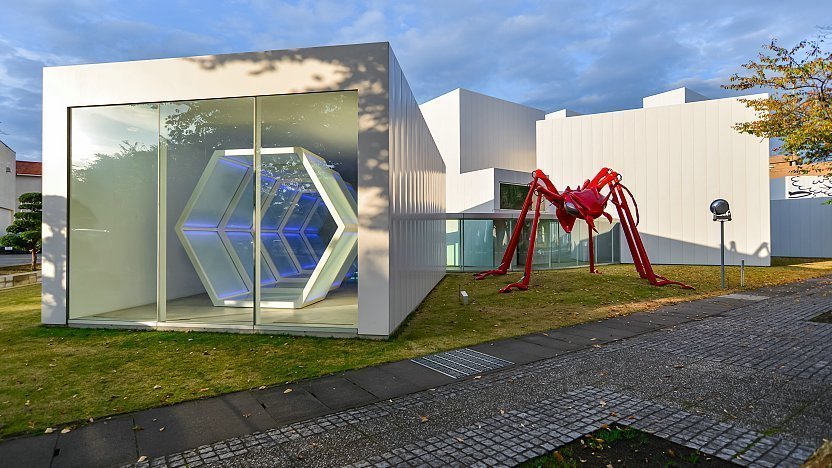
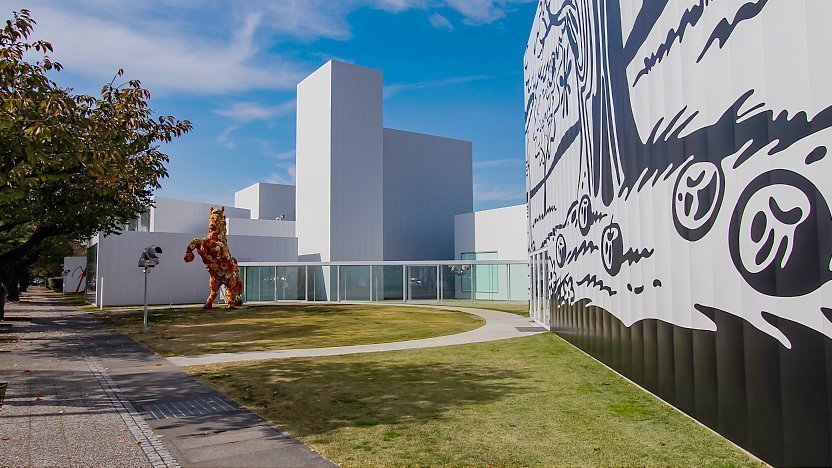
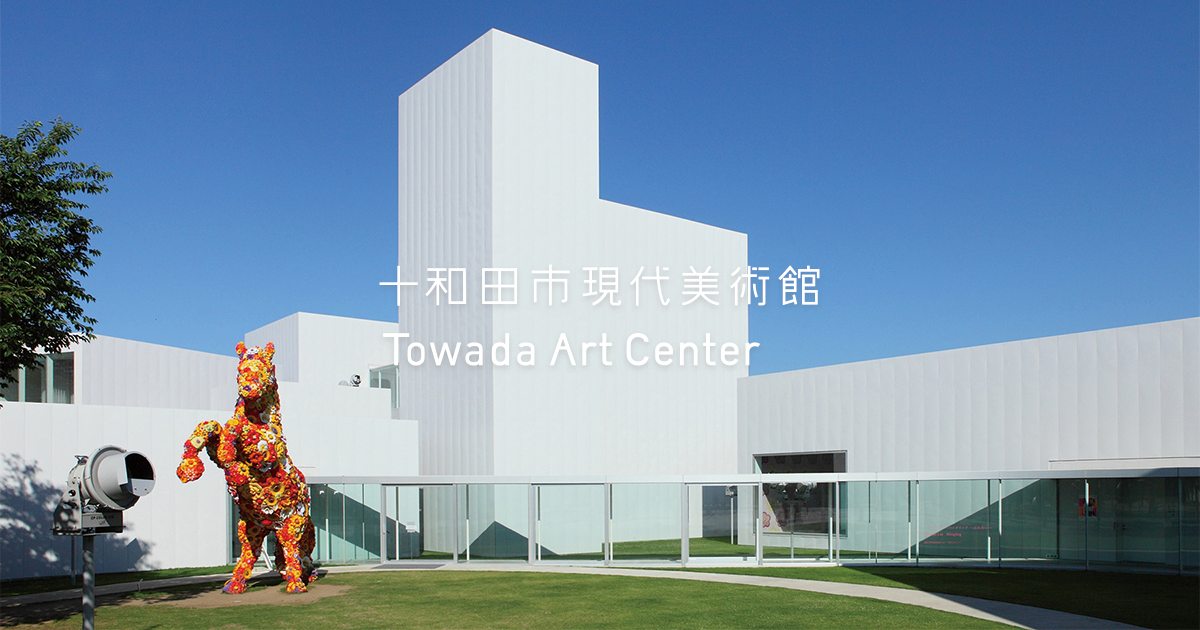
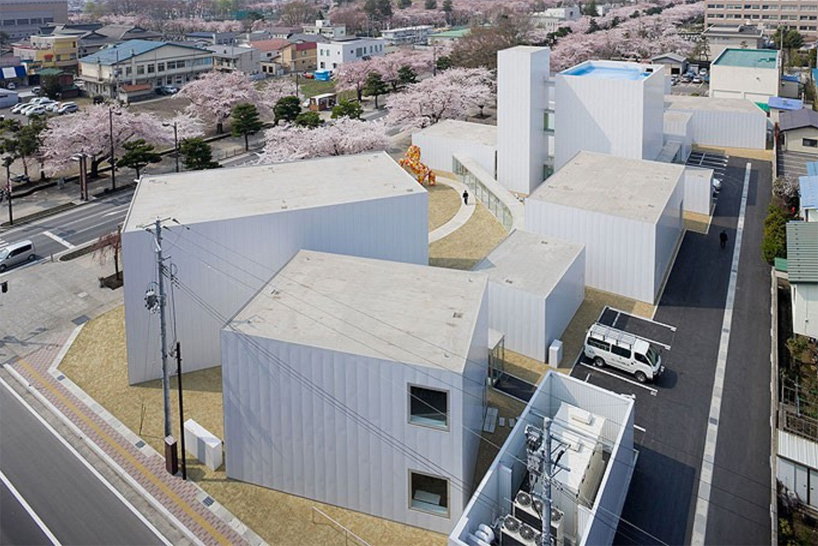
Contemporary art museum by Ryue Nishizawa. Individual glass-box galleries each house a single large-scale artwork. Ron Mueck's giant standing woman is striking. Art extends into the street outside.

Self-guided walking tour of bakeries using the city's apple pie guide map. Over 40 shops each with unique recipes. Compare buttercrust, puff pastry, and rustic styles. The ultimate dessert crawl.

Walk through the former castle town. French-influenced architecture (Hirosaki had early Western contact), samurai residences, and temple district with 33 temples. Apple-themed desserts at every stop.

The enormous Senjinburo (Thousand Person Bath) is carved from hiba cypress. The milky white sulfurous water. Men and women share the main bath (separate bathing times also available). The wooden hall is cathedral-like.

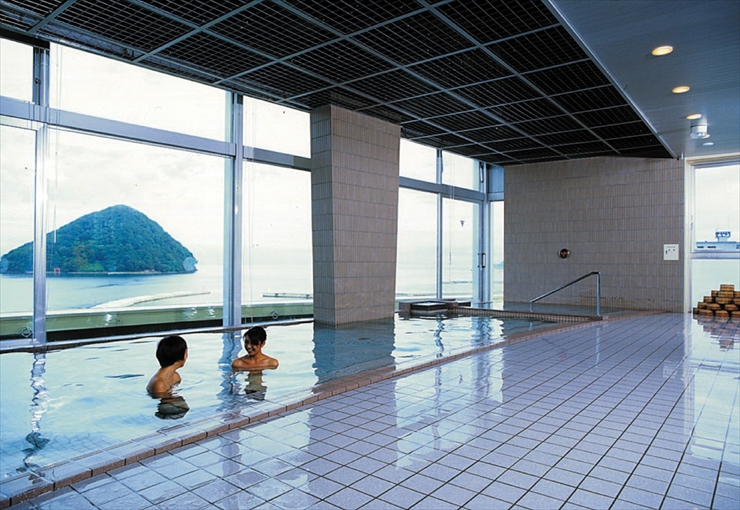
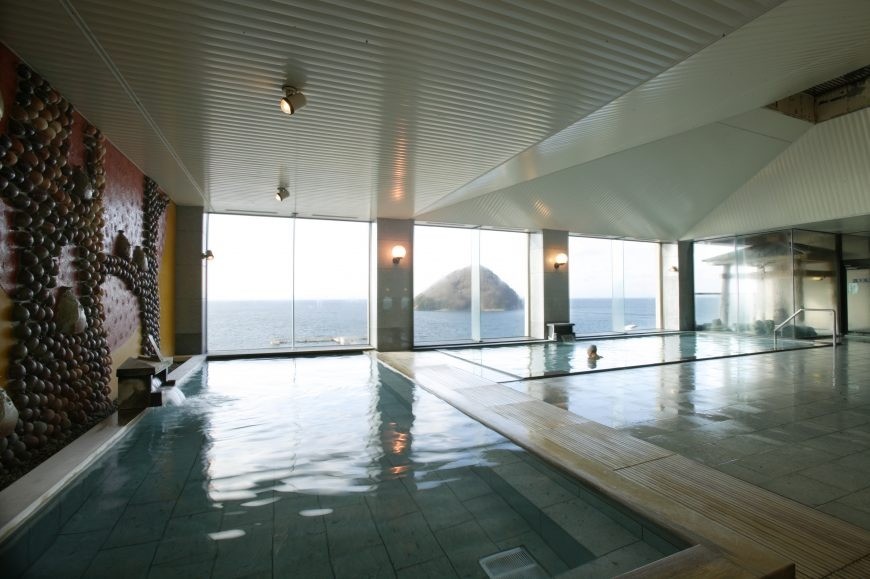
Coastal hot spring town 30 minutes from Aomori. Ocean-view baths where you soak while watching Mutsu Bay. The Asamushi Aquarium has performing dolphins. Less touristed than famous onsen towns.

Museum about the Enburi winter harvest dance. Costumes, instruments, and video of the performances. Complements attending the live festival. Understanding the symbolism deepens the experience.

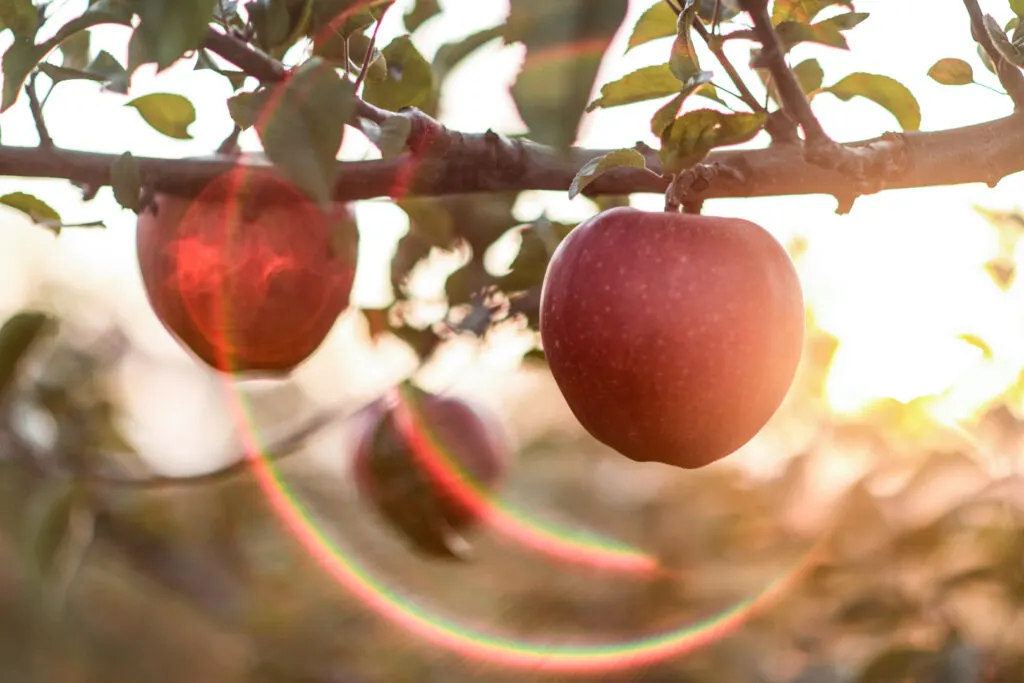
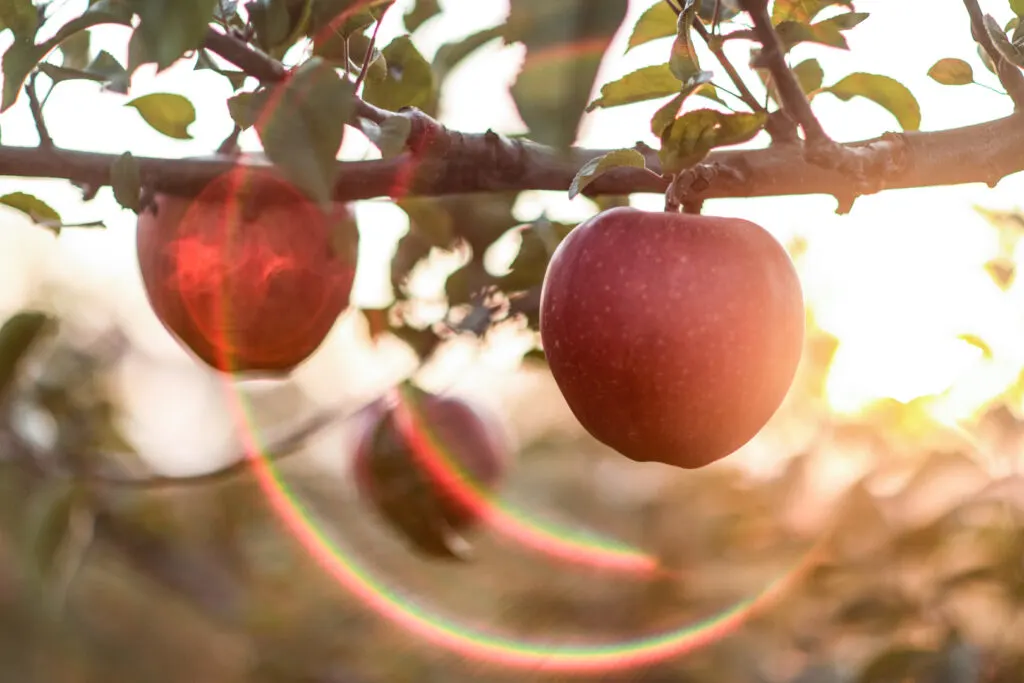
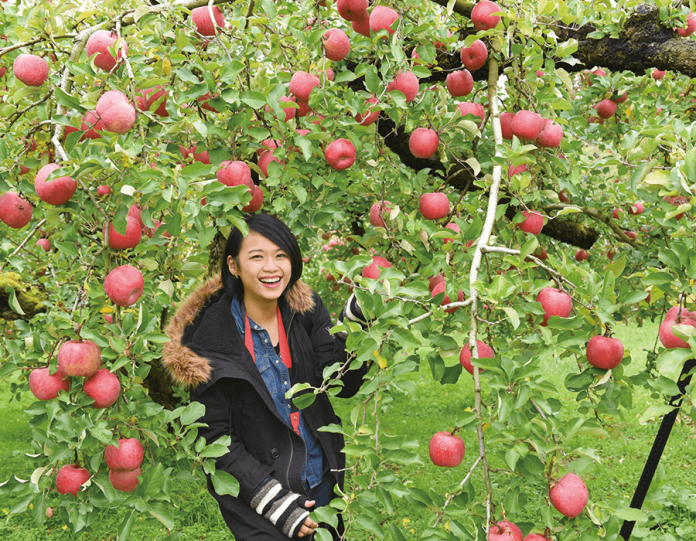
September through November apple harvest season. Orchards open for picking. Fuji, Jonagold, and Mutsu varieties. The trees heavy with red fruit against autumn foliage is beautiful. Fresh-picked apples taste completely different.

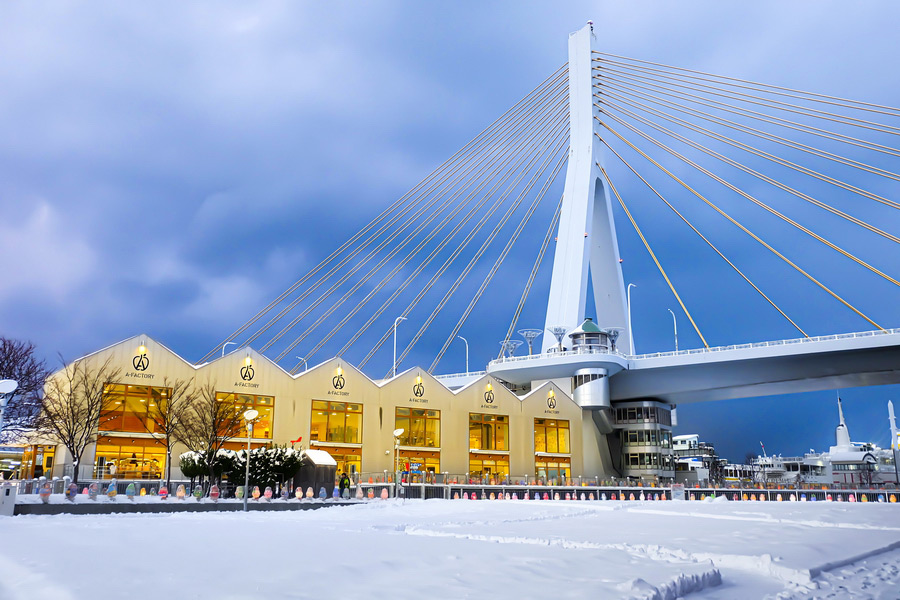
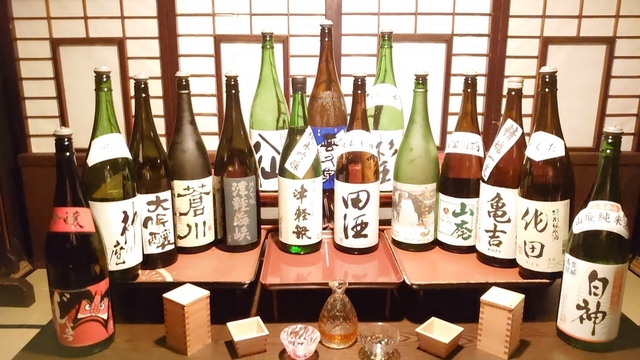
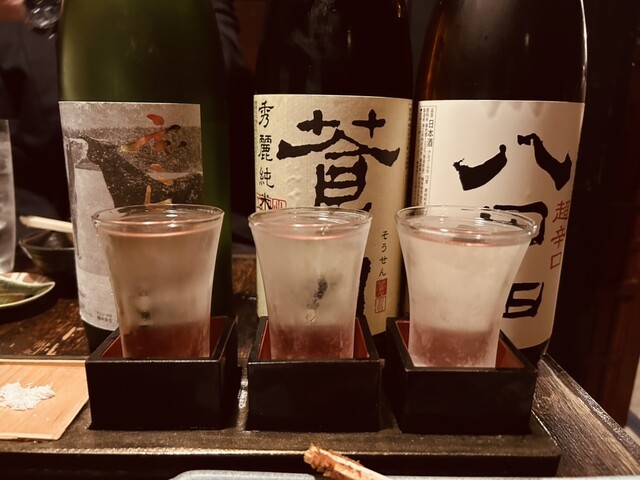
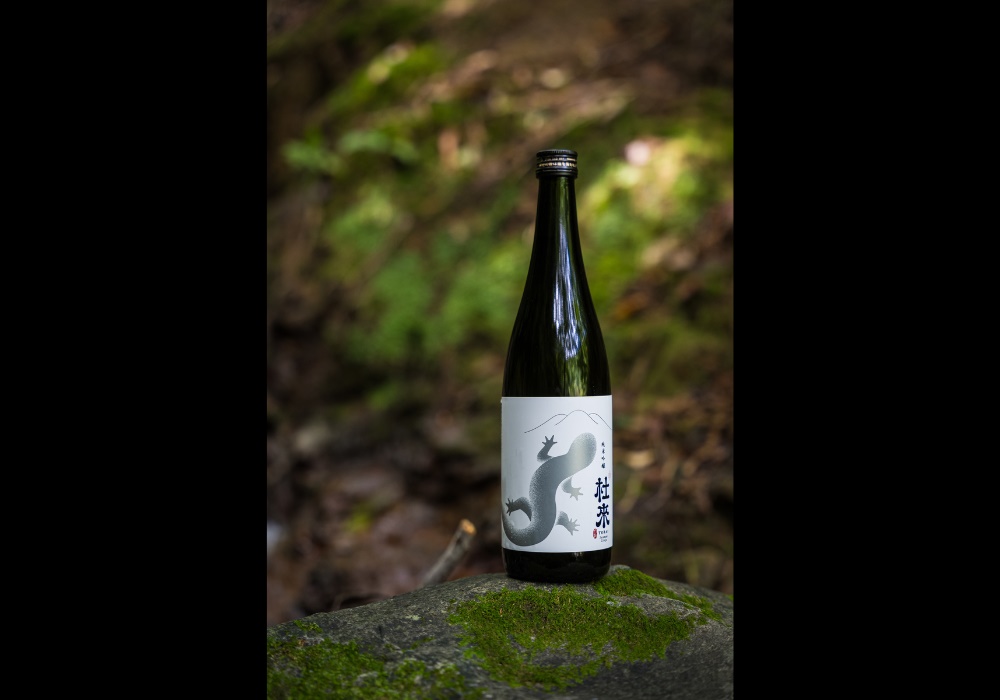
Aomori sake uses pure mountain snowmelt water. Joppari and Hakkoda are respected local brands. The cold climate produces clean, crisp sakes. Tasting bars in the A-FACTORY waterfront complex.
UNESCO temples, cliffside shrines, and some of Japan's best onsen towns.

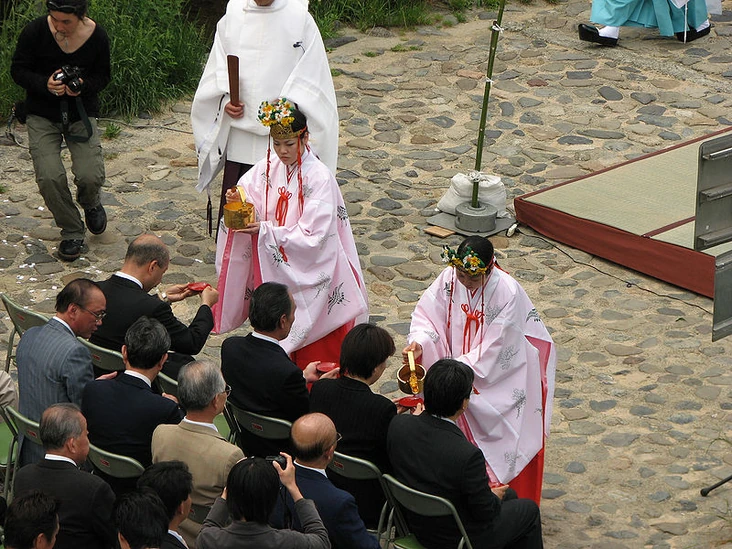
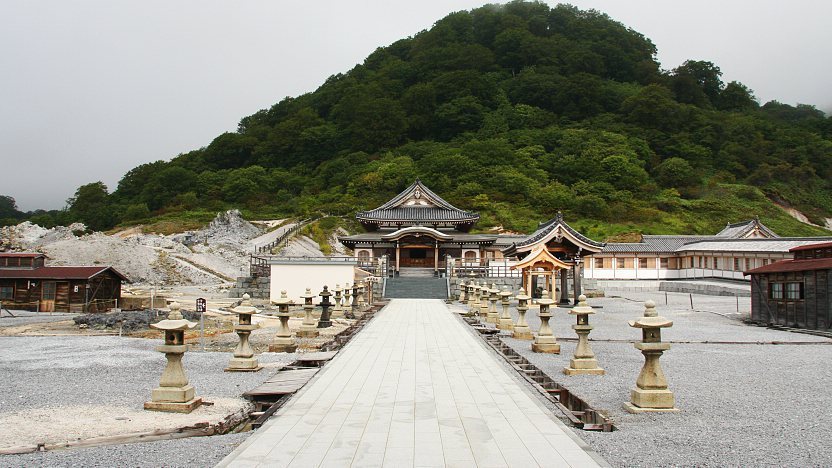
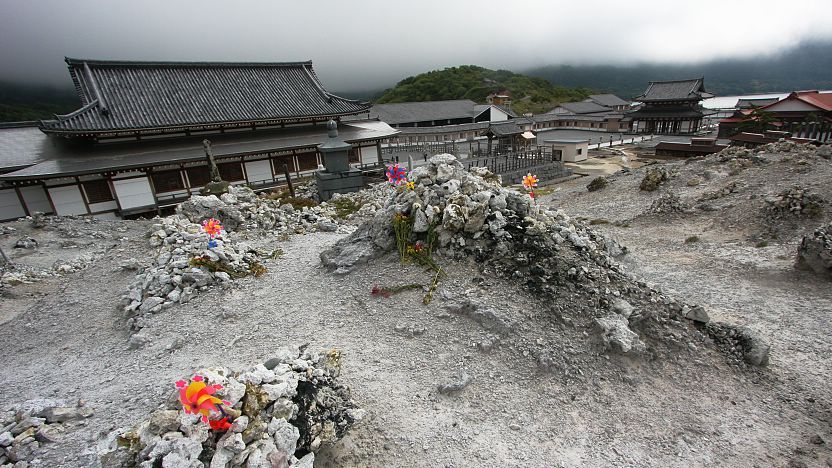
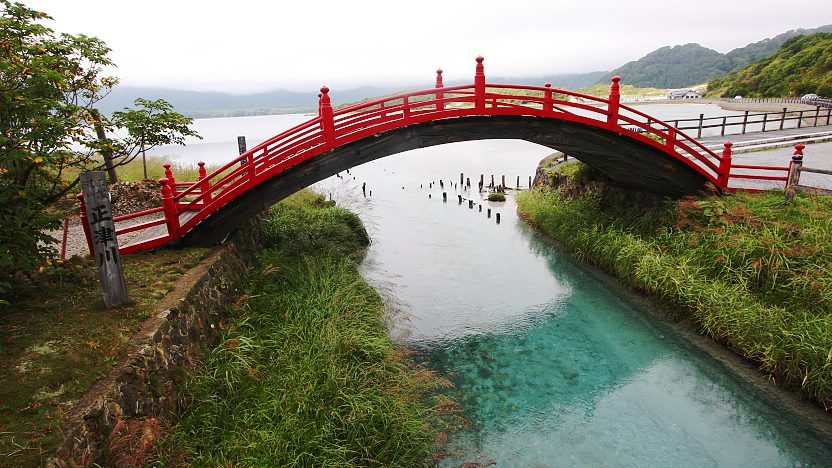
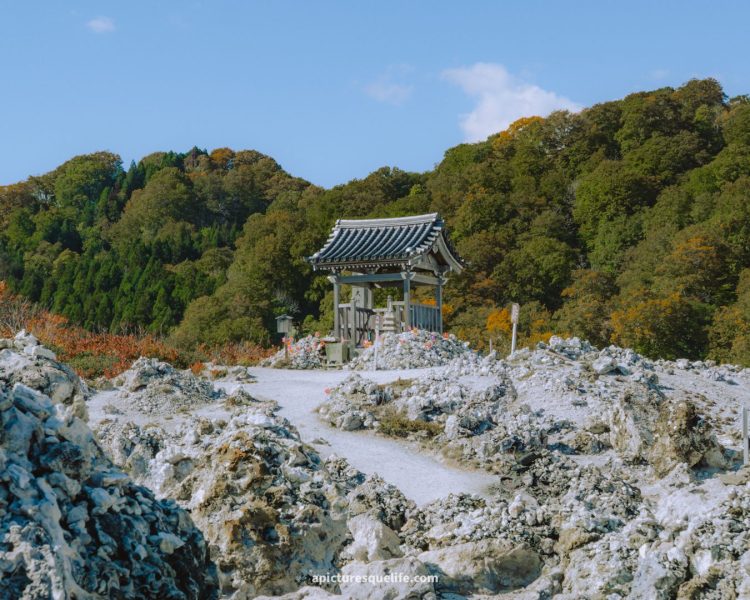
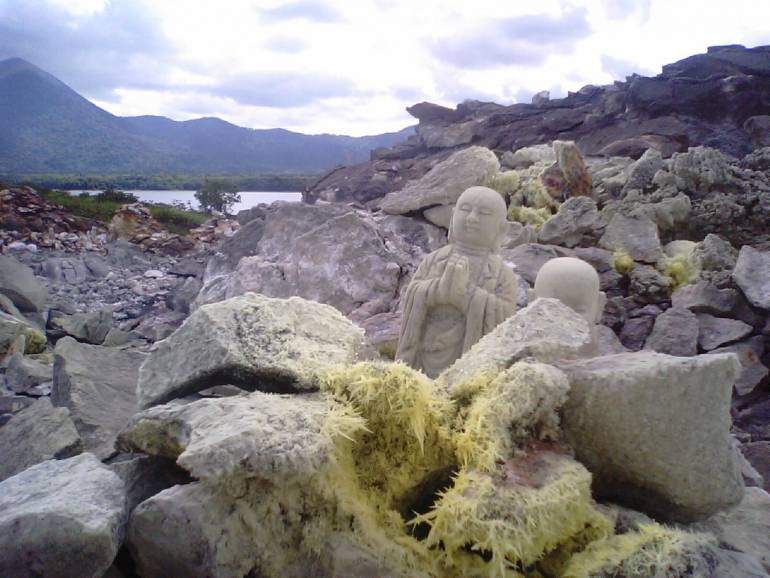
One of Japan's three most sacred places. Volcanic landscape with sulfurous pools, barren rocks, and a beautiful white sand beach on a crater lake. Itako spirit mediums during festivals. Eerie and powerful. 3 hours from Aomori.

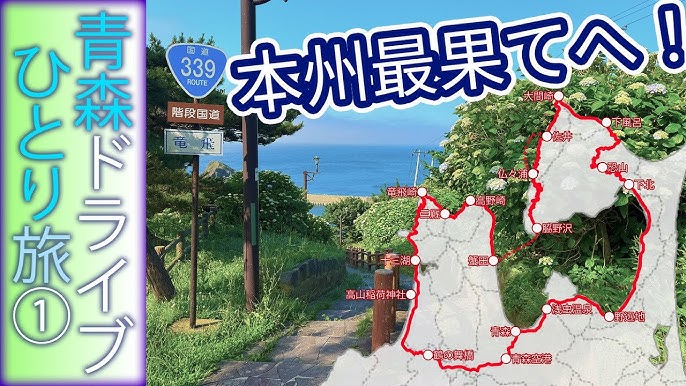
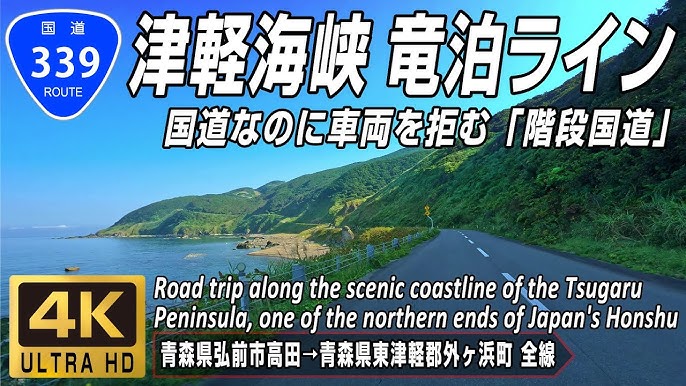
Drive to the northern tip of Honshu. Cape Tappi looks across the Tsugaru Strait to Hokkaido. The Tsugaru-Kaikyo Winter Scenery monument plays the famous enka song. Remote and windswept.