The best Mount Fuji views in Japan. Five lakes, pagodas, hot springs, and mountain air.
Pagodas, torii gates, lakeshores, and ropeways framing Japan's sacred peak.
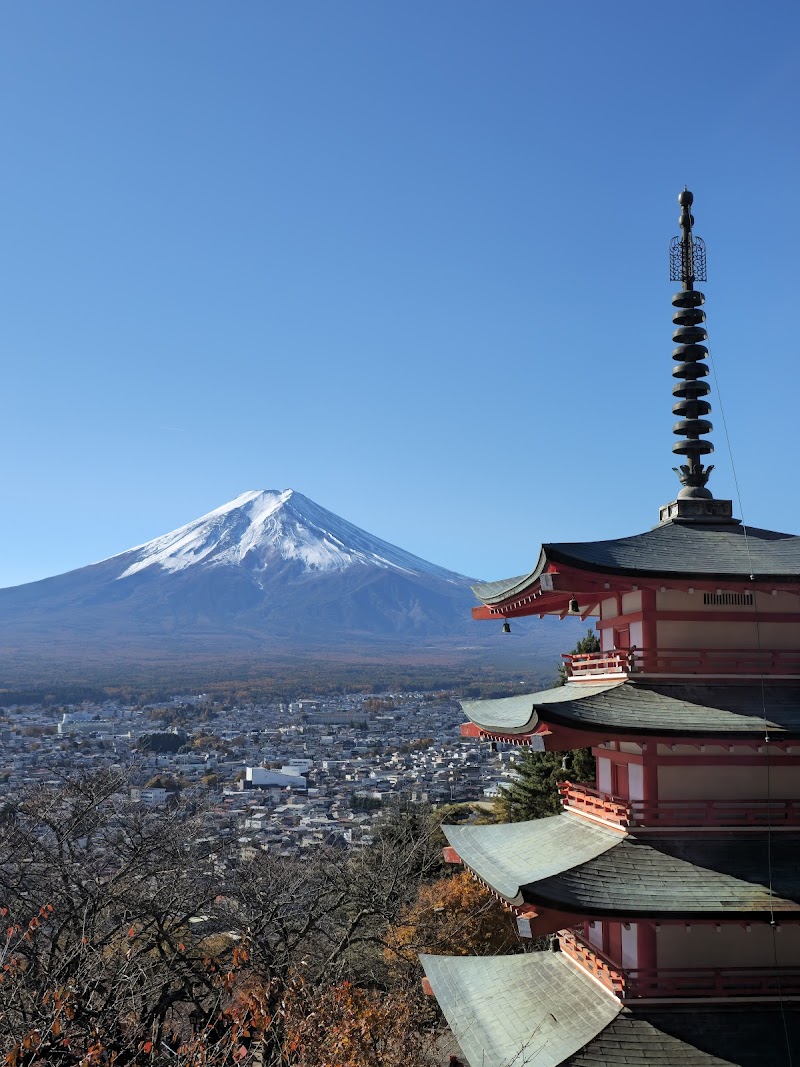
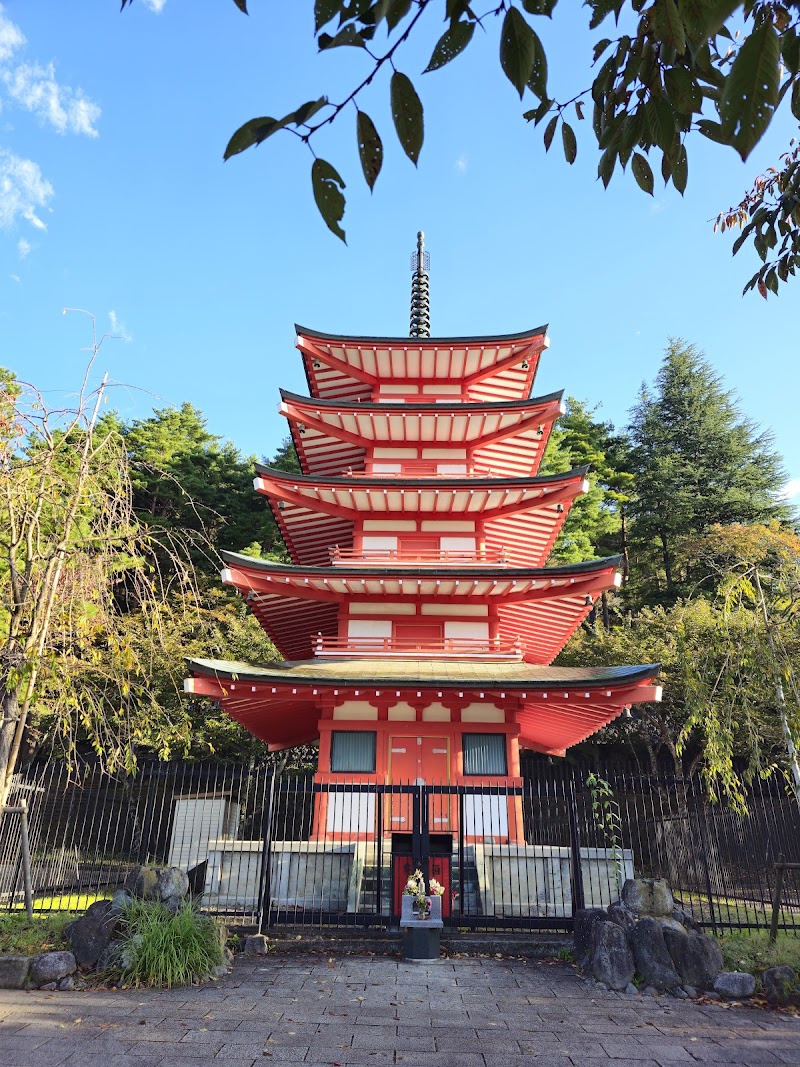
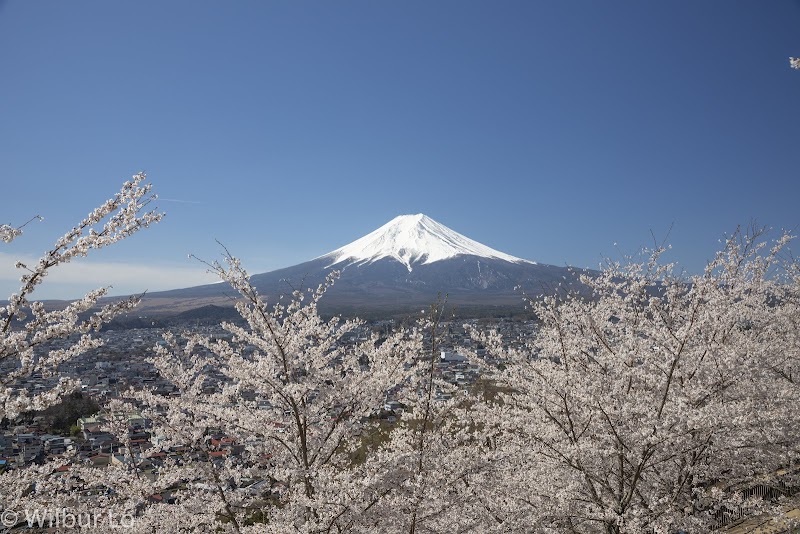
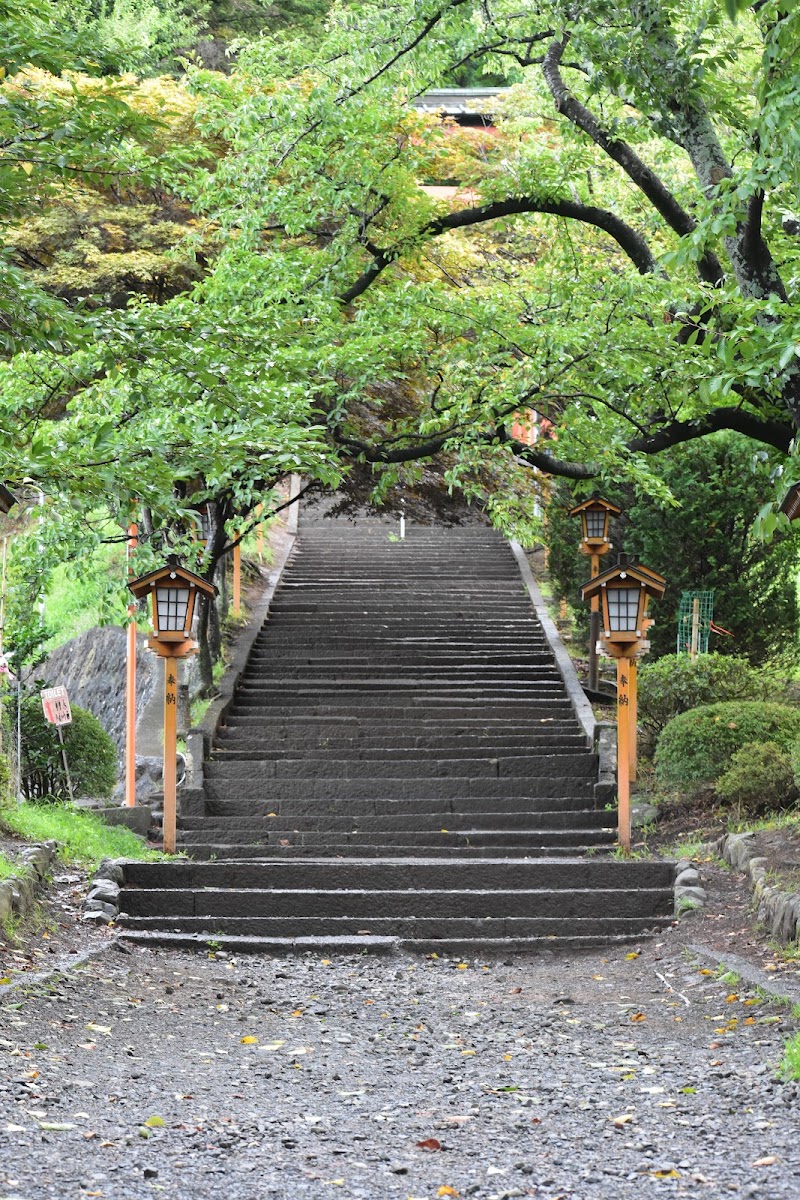
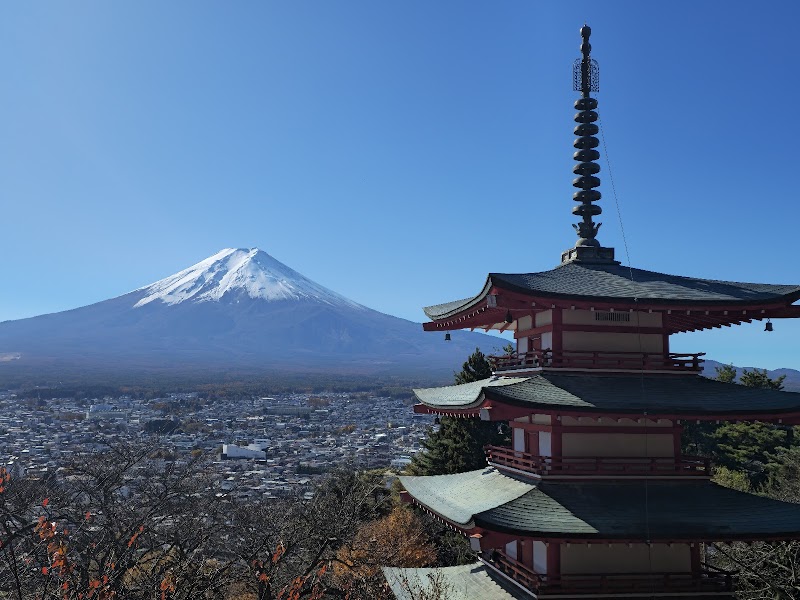
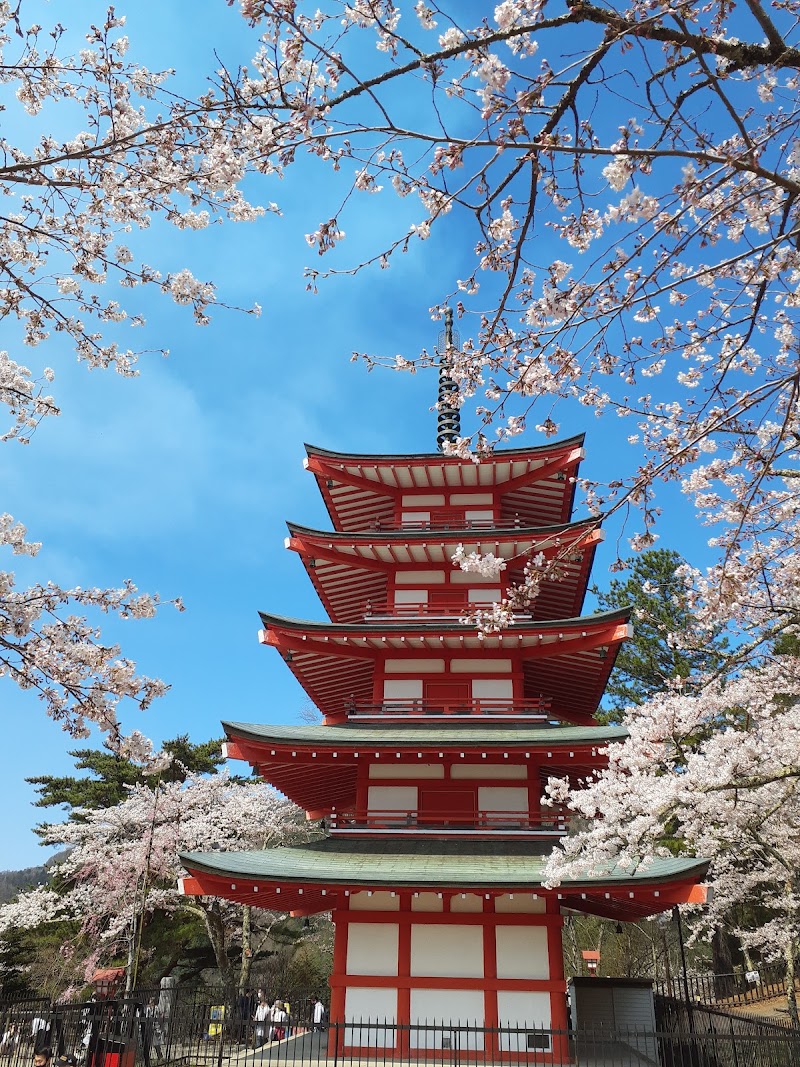
Five-story pagoda framing Mount Fuji in the most iconic photo in Japan. 398 steps to the viewpoint. Best with cherry blossoms (April) or autumn leaves (November). Go early morning for clear skies.
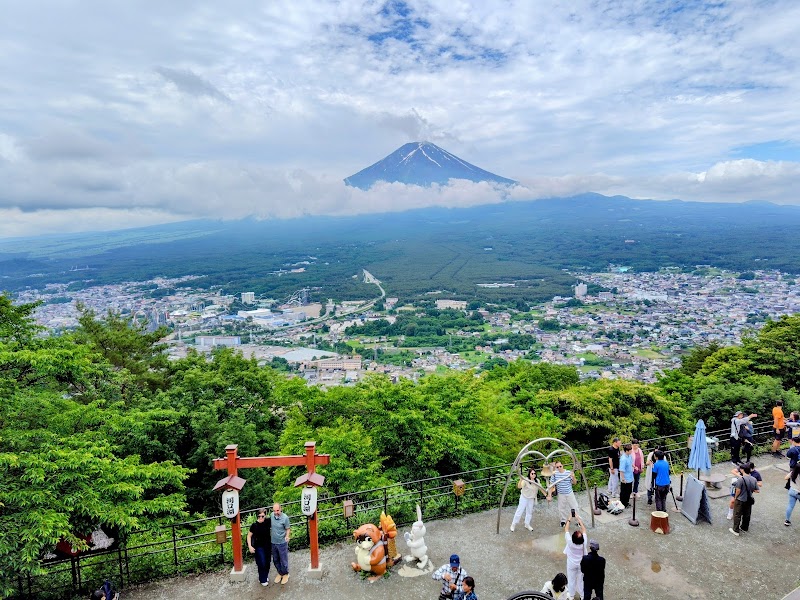
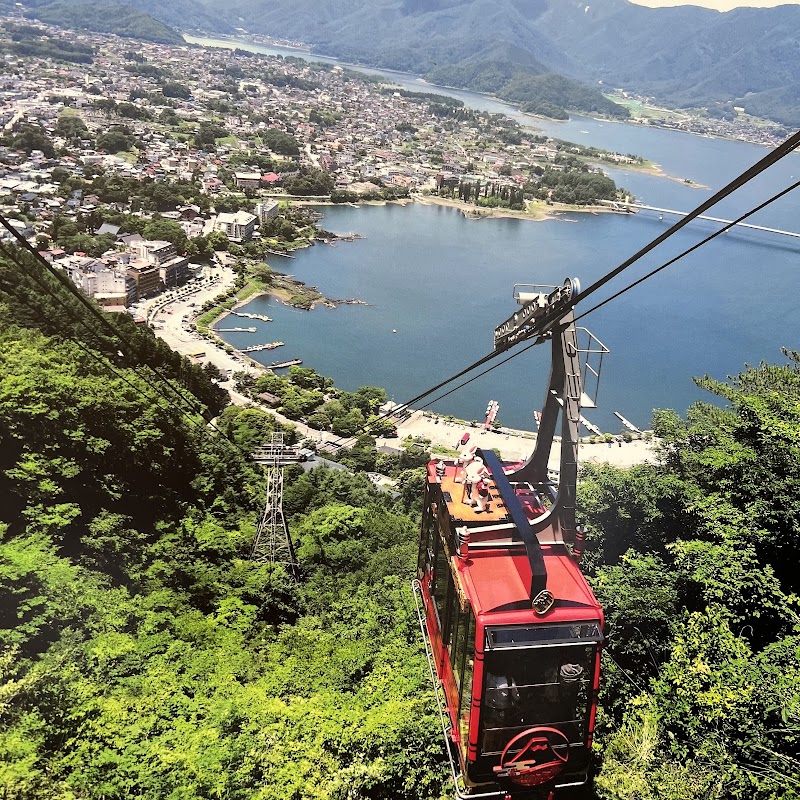
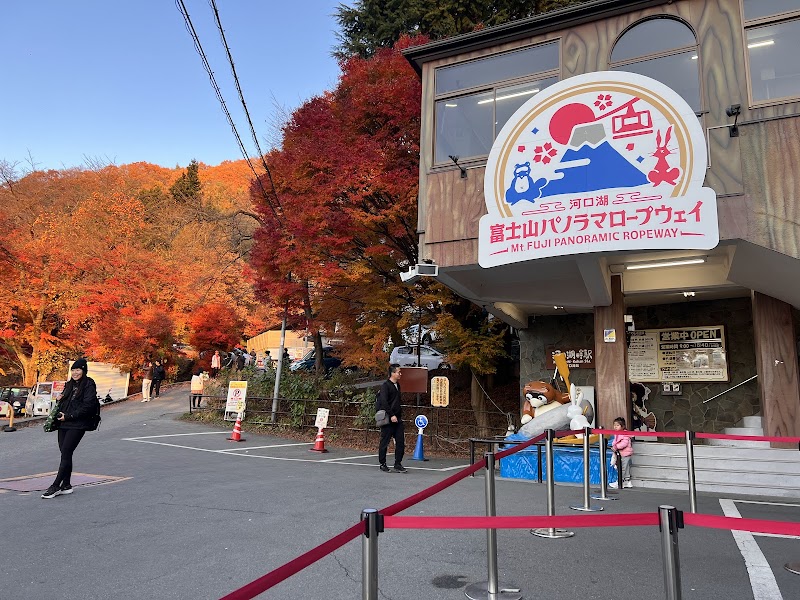
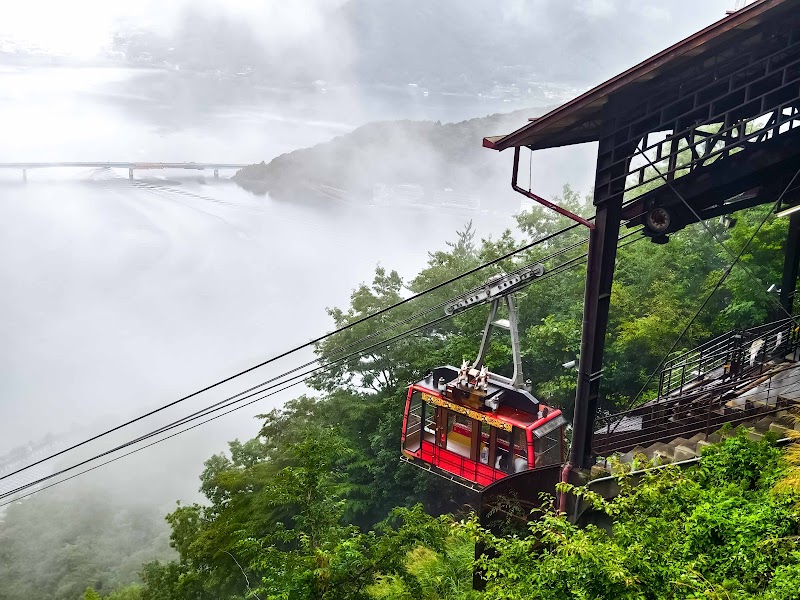
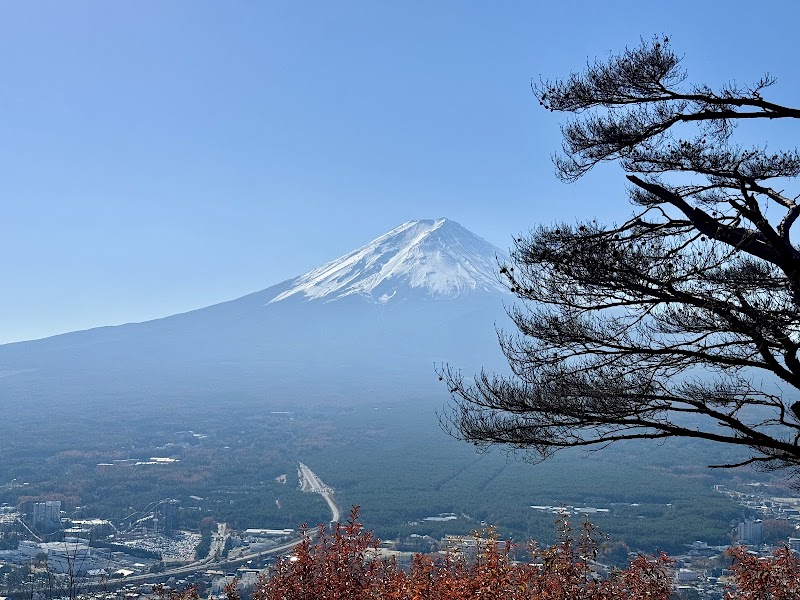
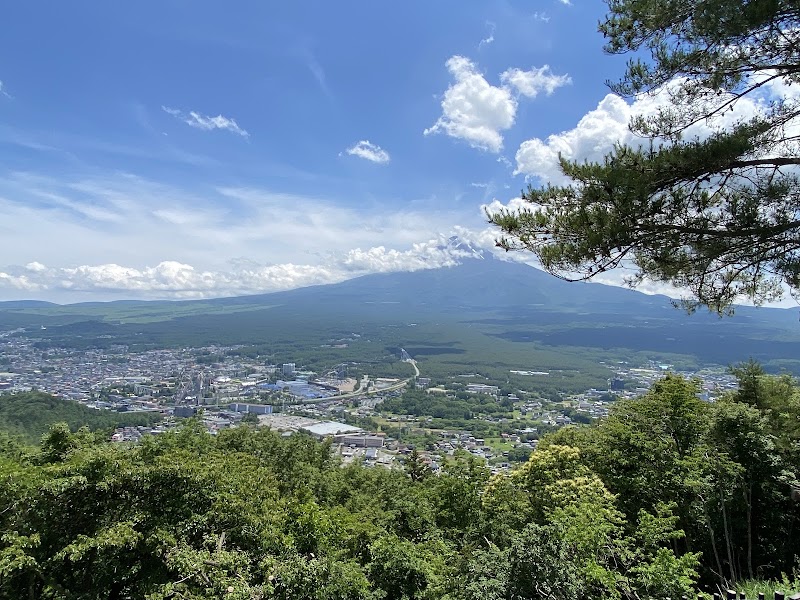
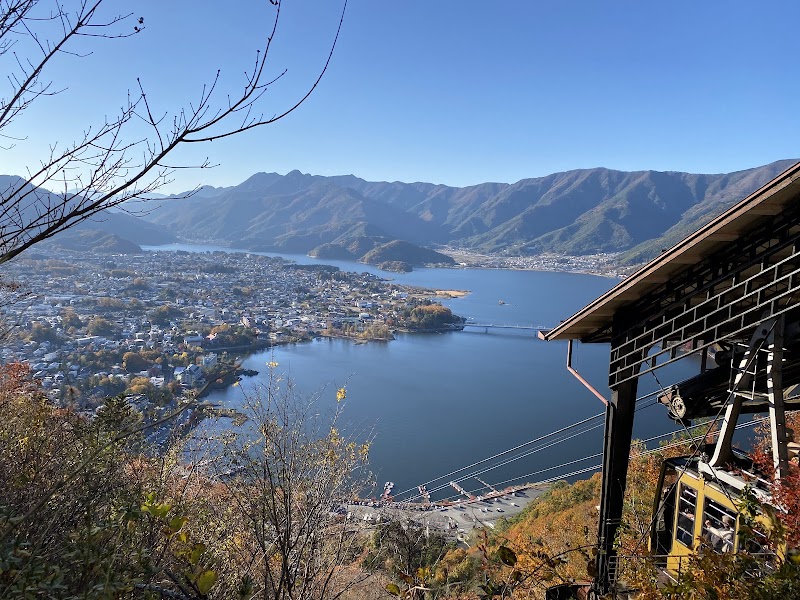
Cable car ascending Mount Tenjo for 360-degree views of Lake Kawaguchiko and Mount Fuji. Observation deck with a scenic swing. The views on clear mornings are unbeatable. 900 yen round trip.
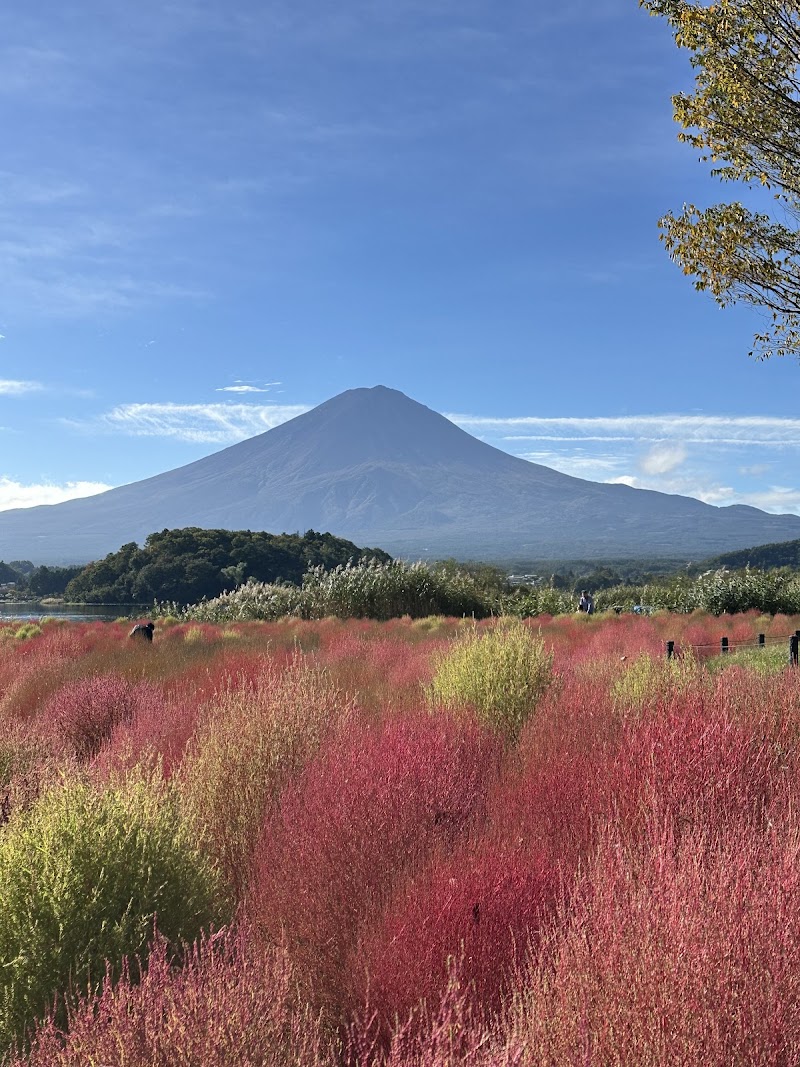
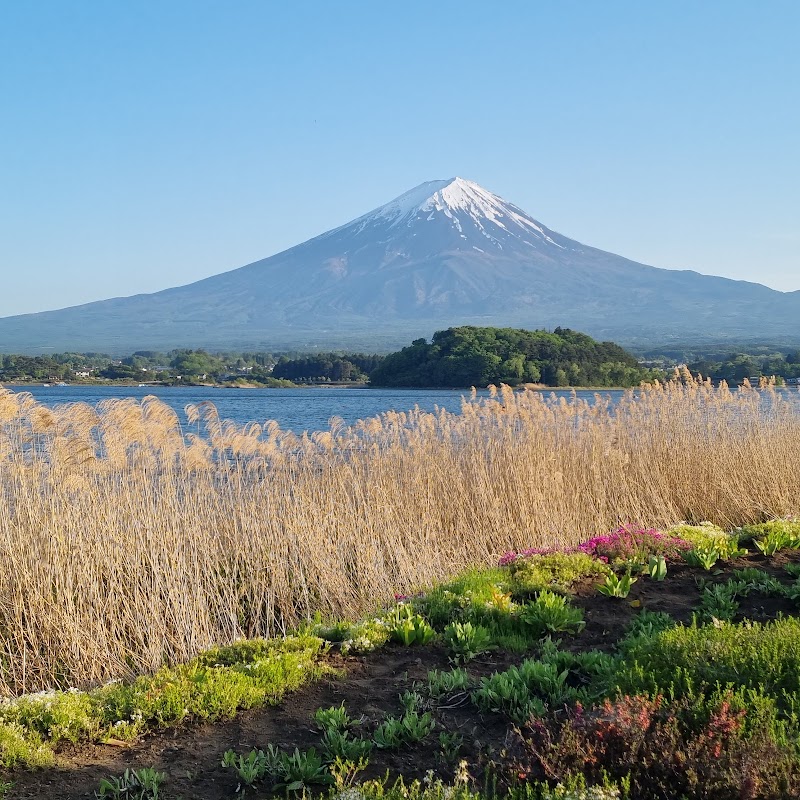
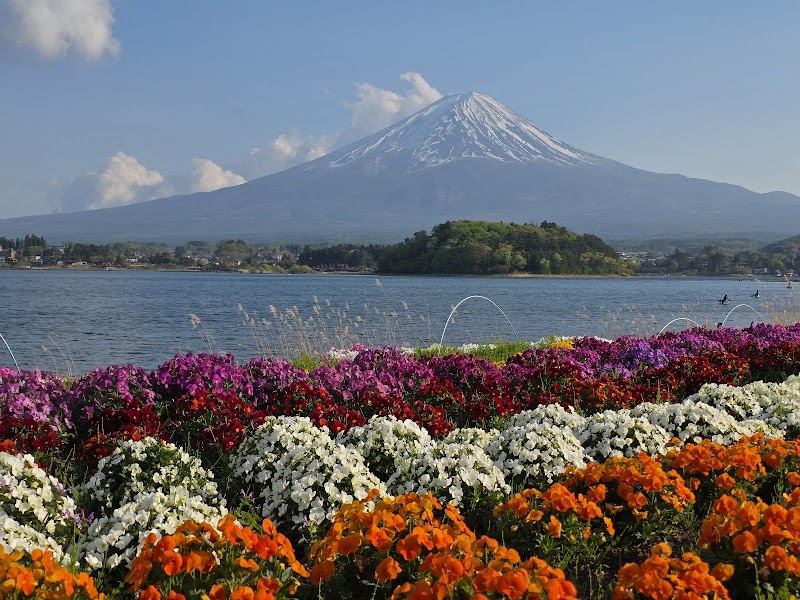
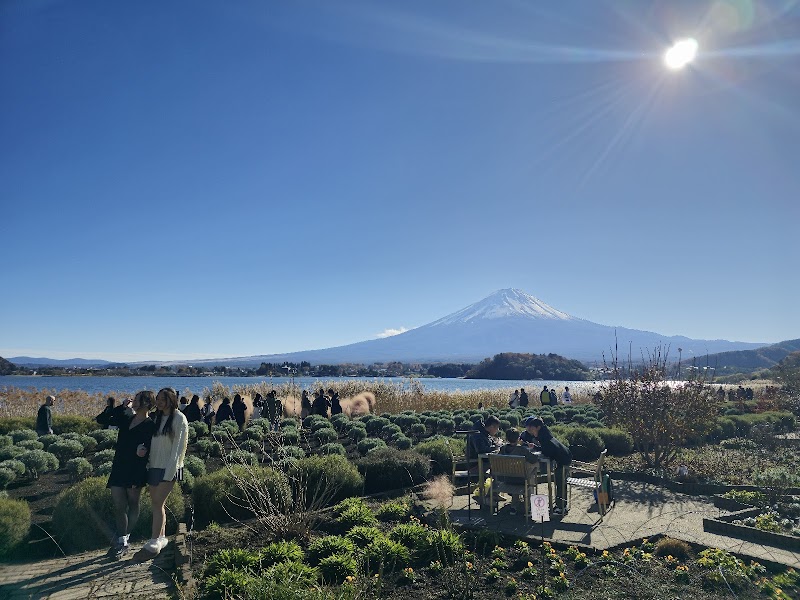
North shore park with seasonal flowers and Fuji views. Lavender in June-July, autumn flowers in October. The Natural Living Center next door has a Fuji-view cafe. Perfect photo spot.
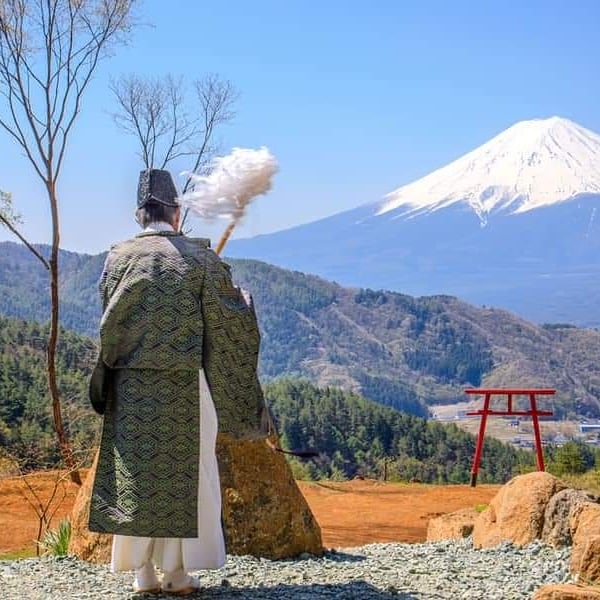
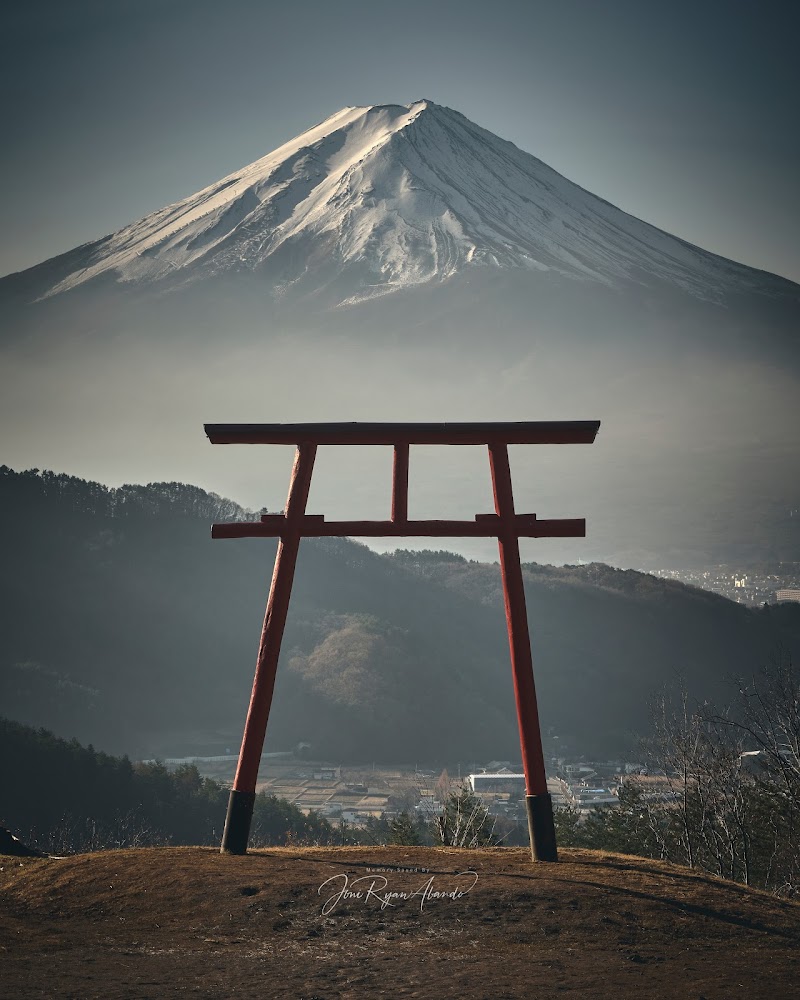
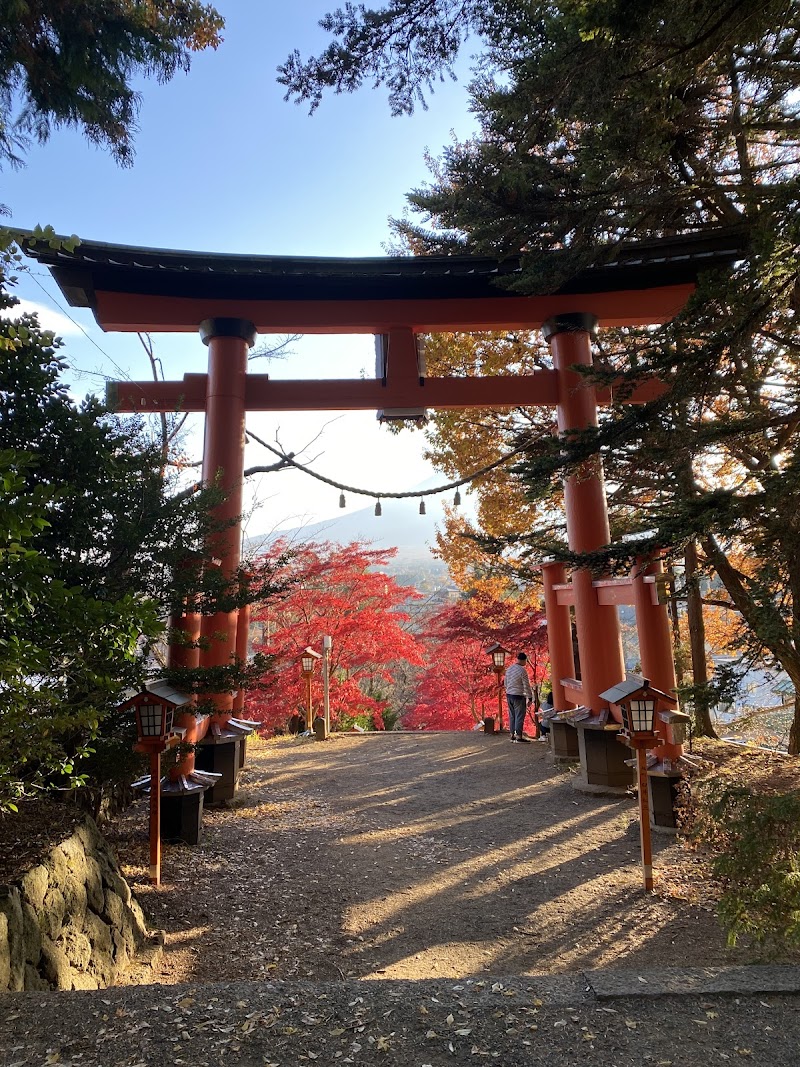
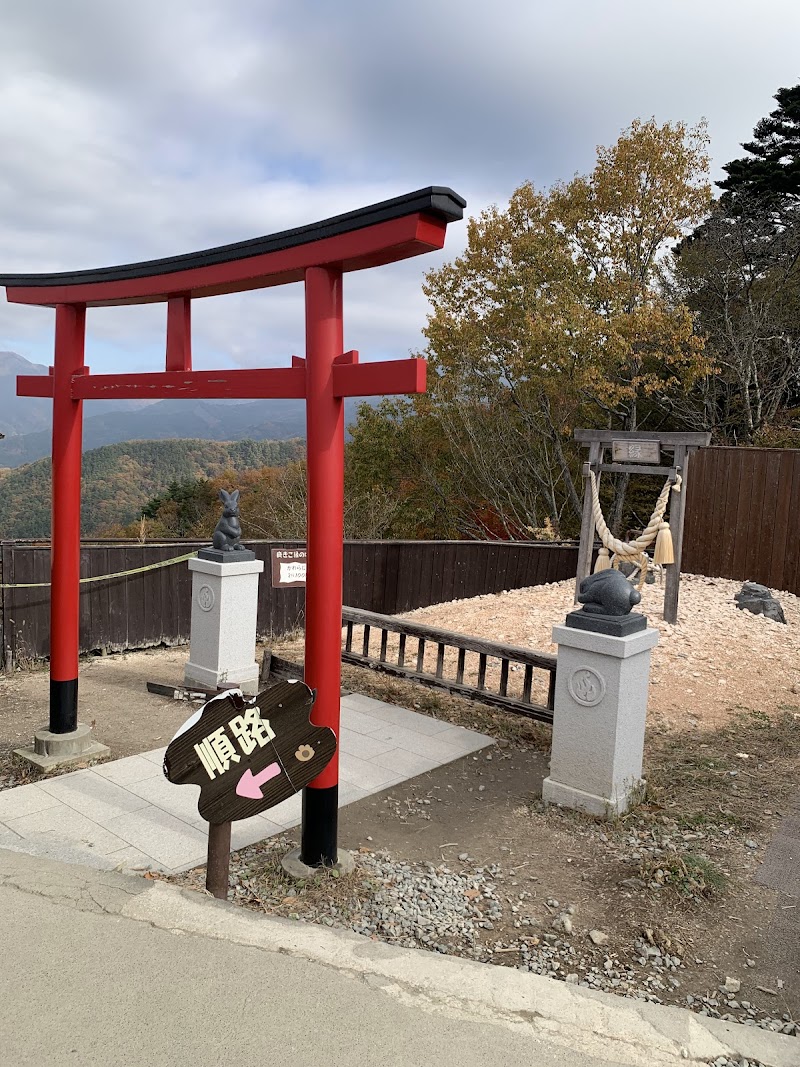
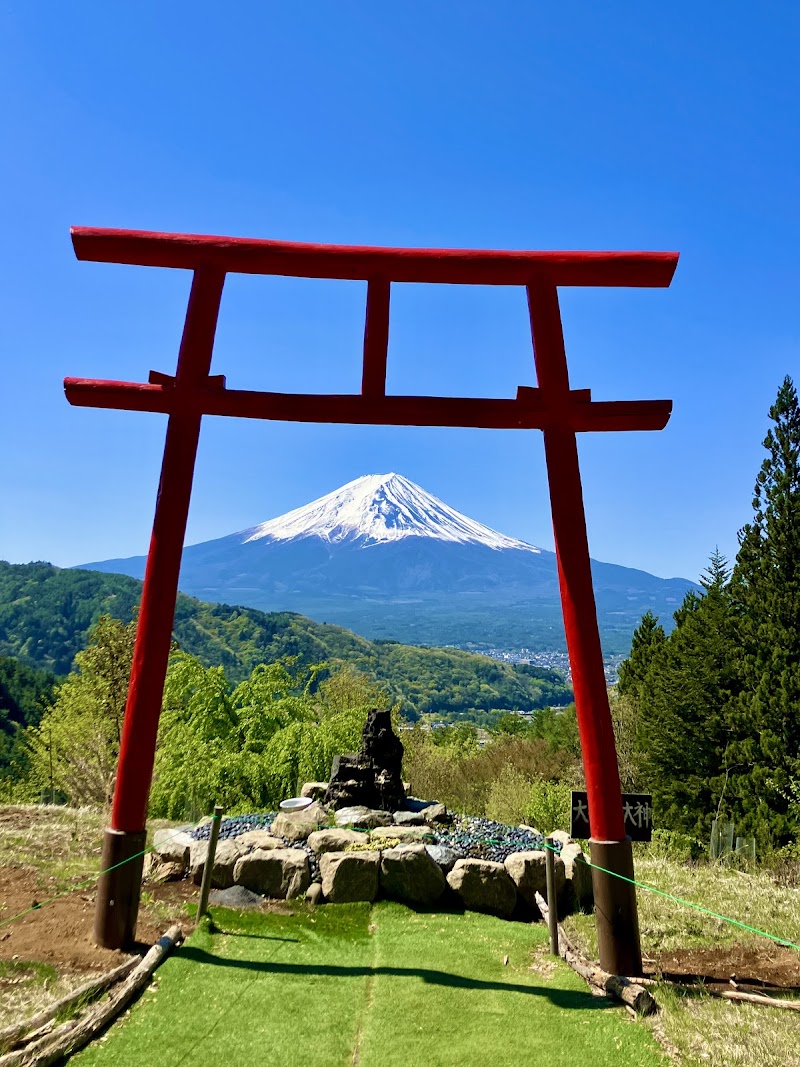
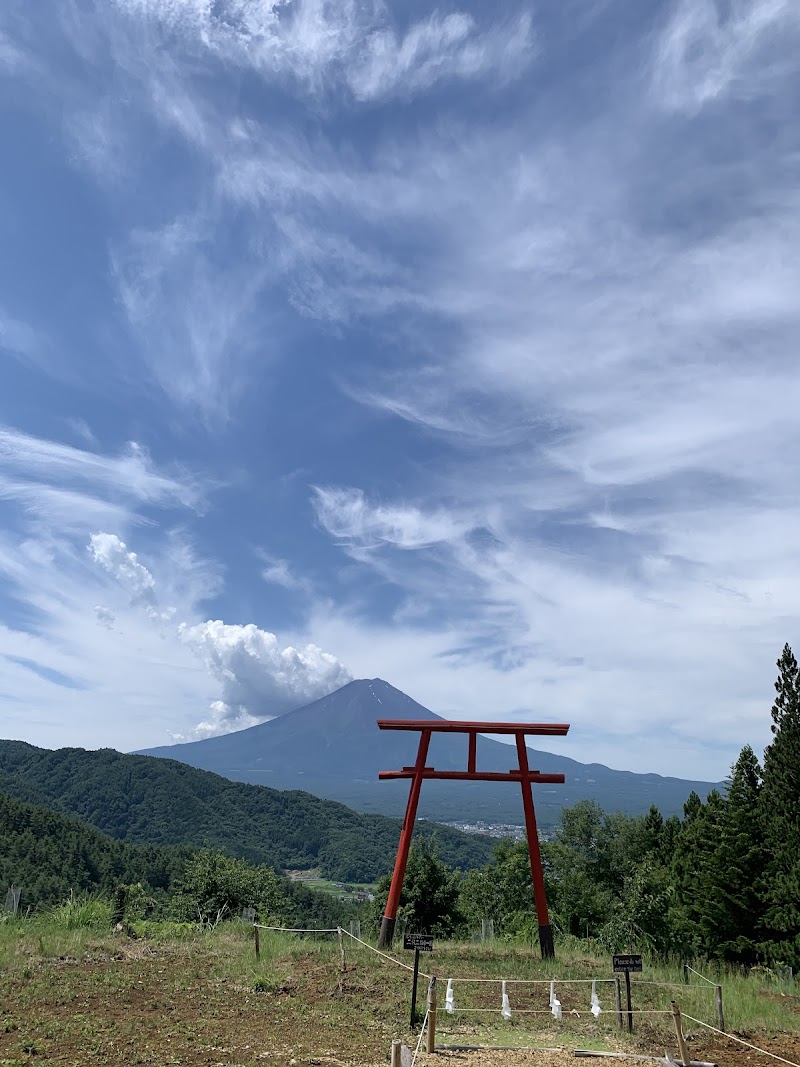
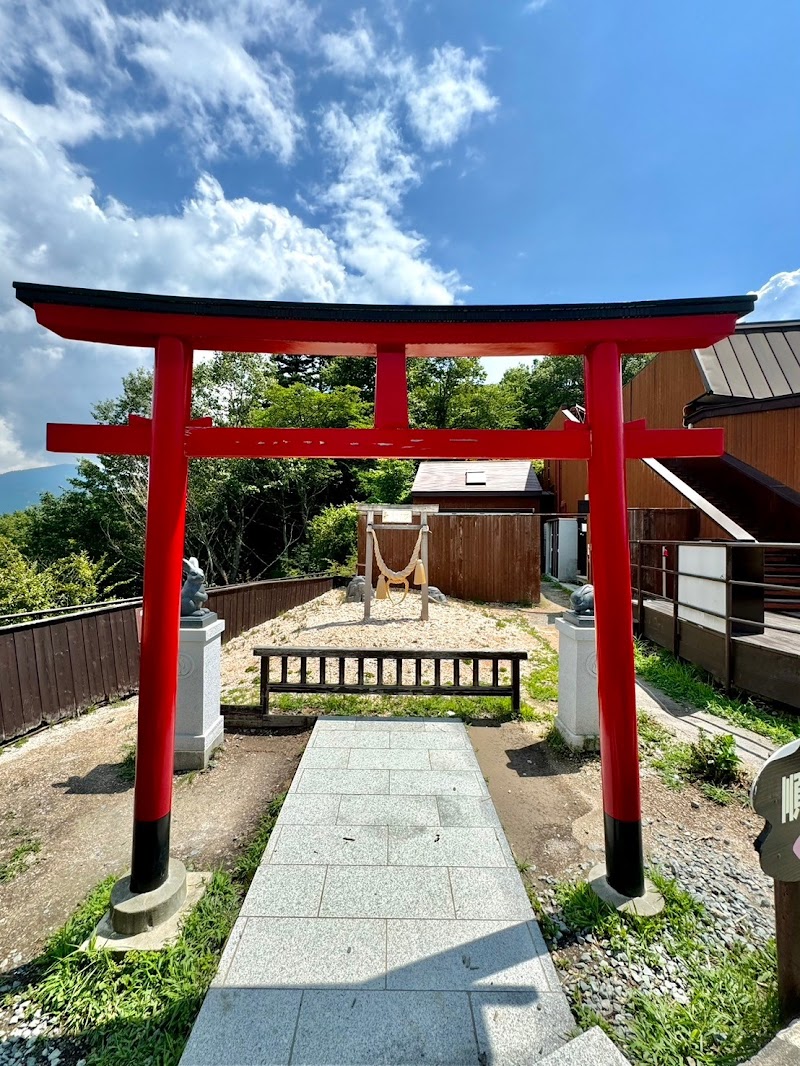
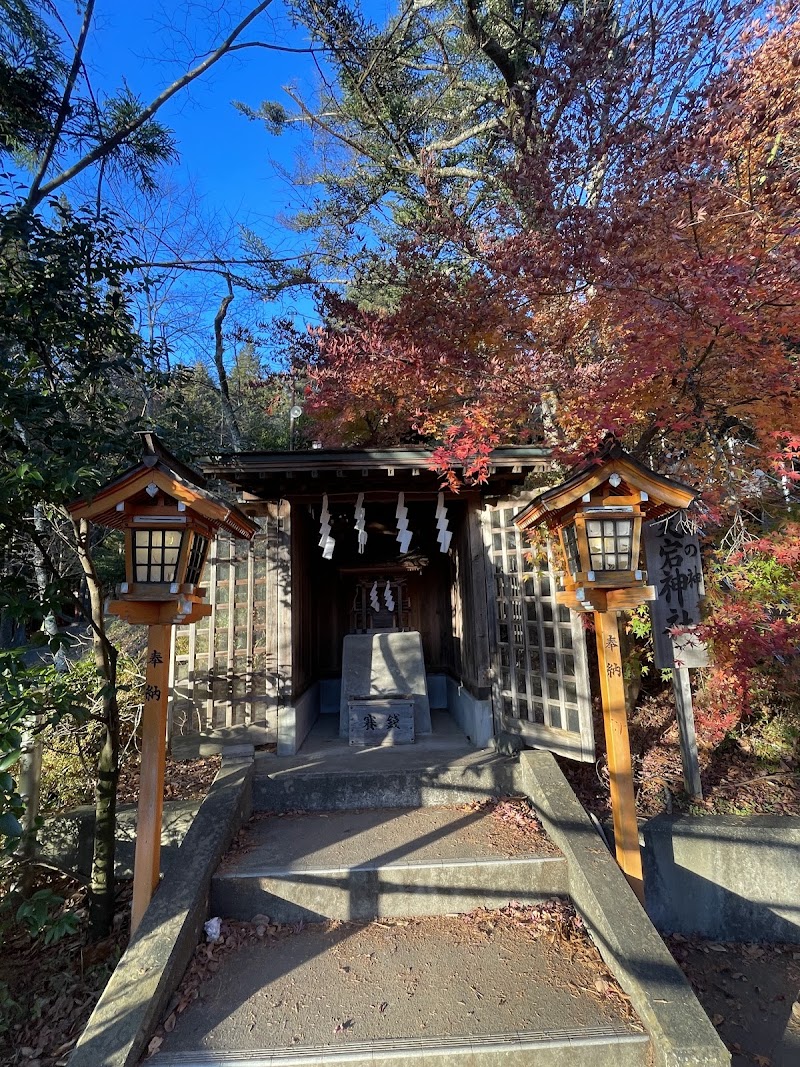
An iconic torii gate perched on a hilltop that perfectly frames Mount Fuji. Located at Kawaguchi Asama Shrine. Requires a hike up but the view is worth it. Free.
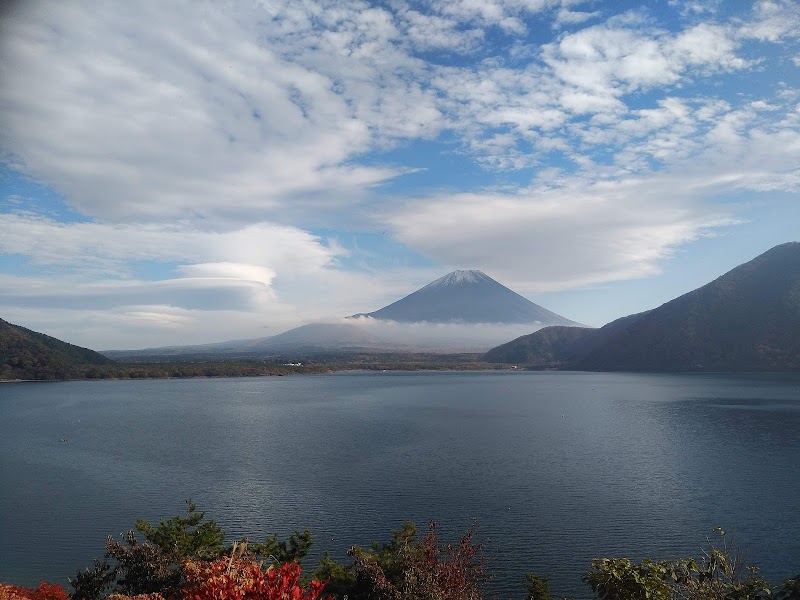
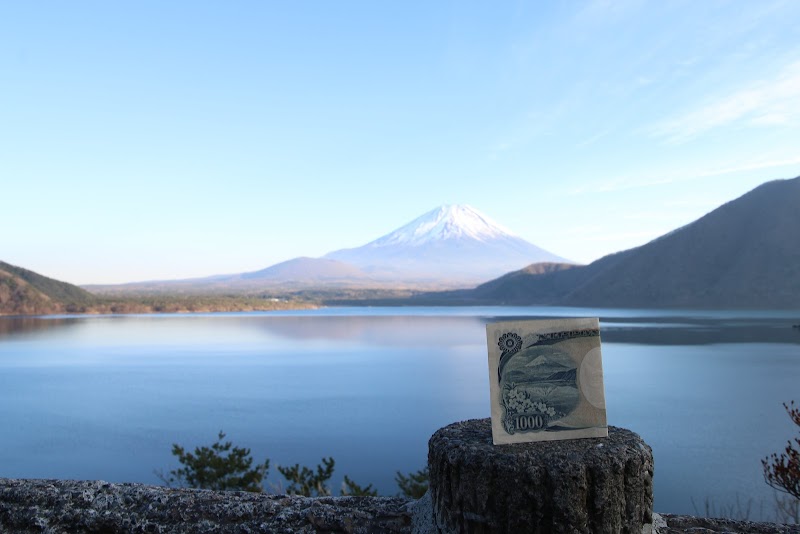
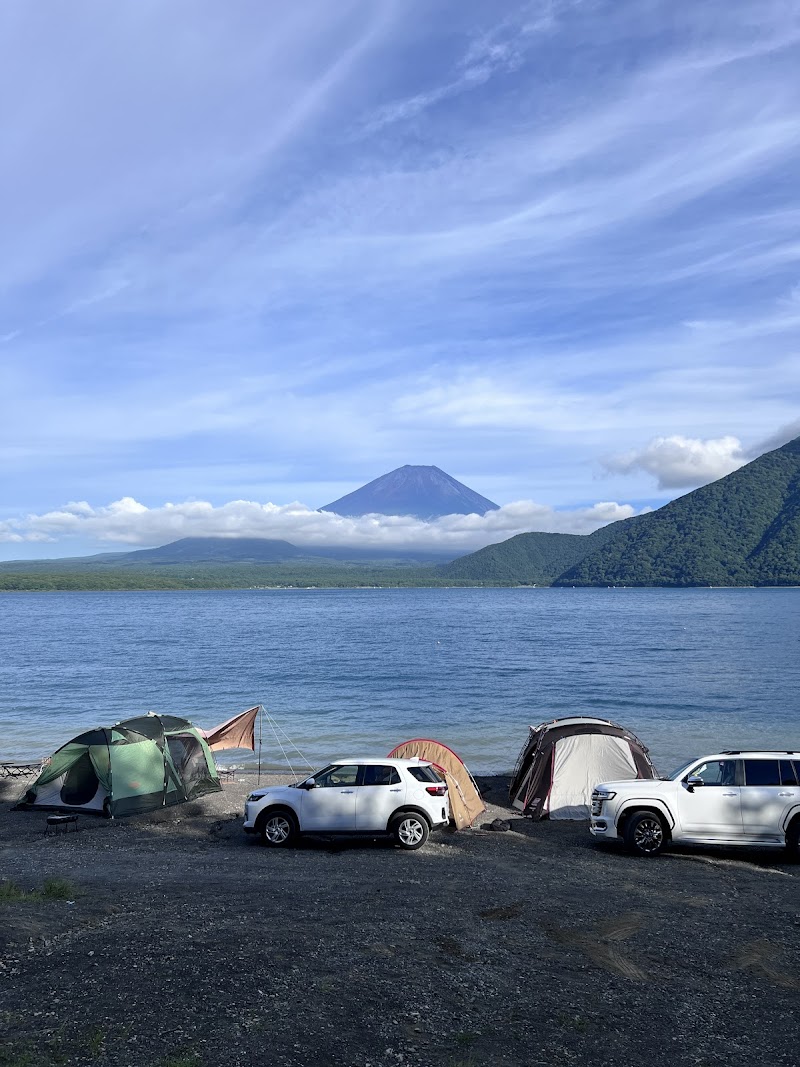
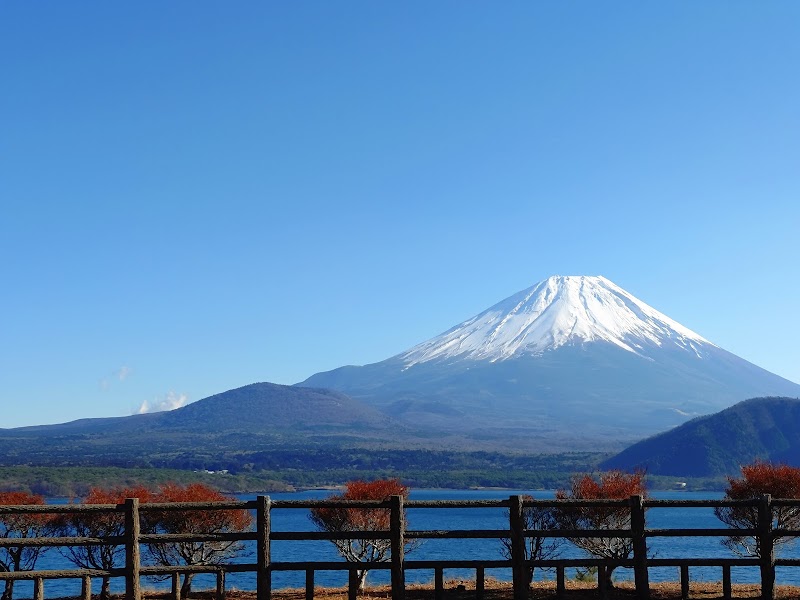
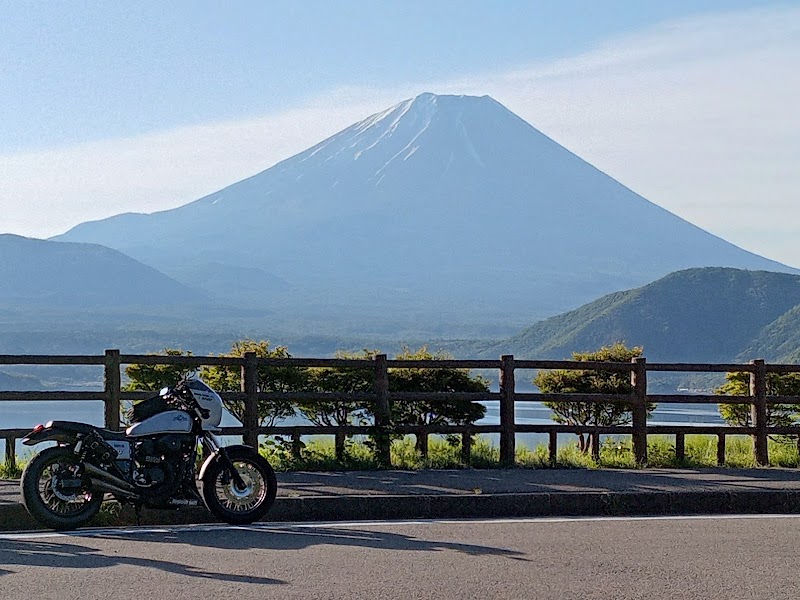
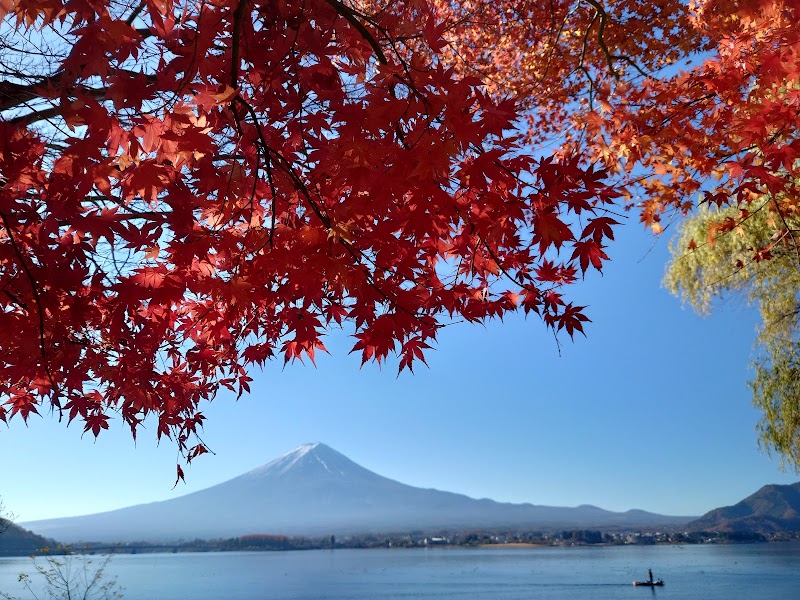
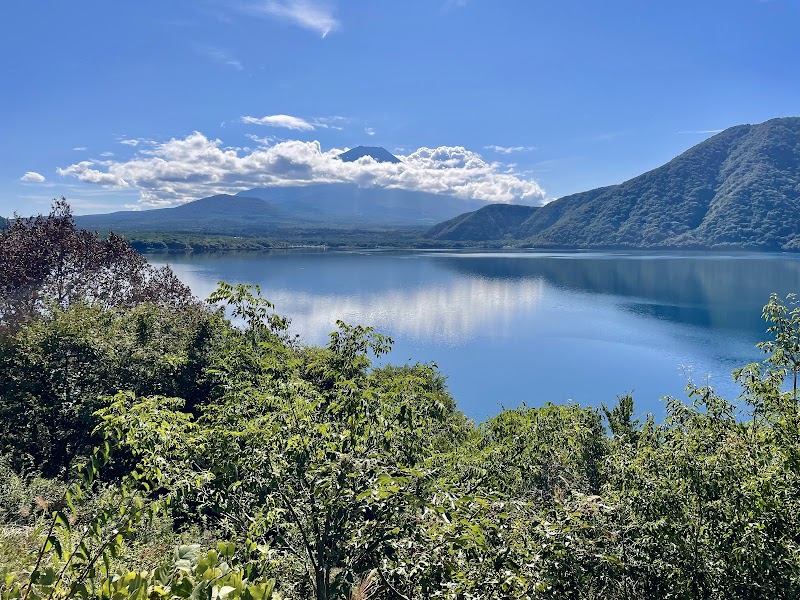
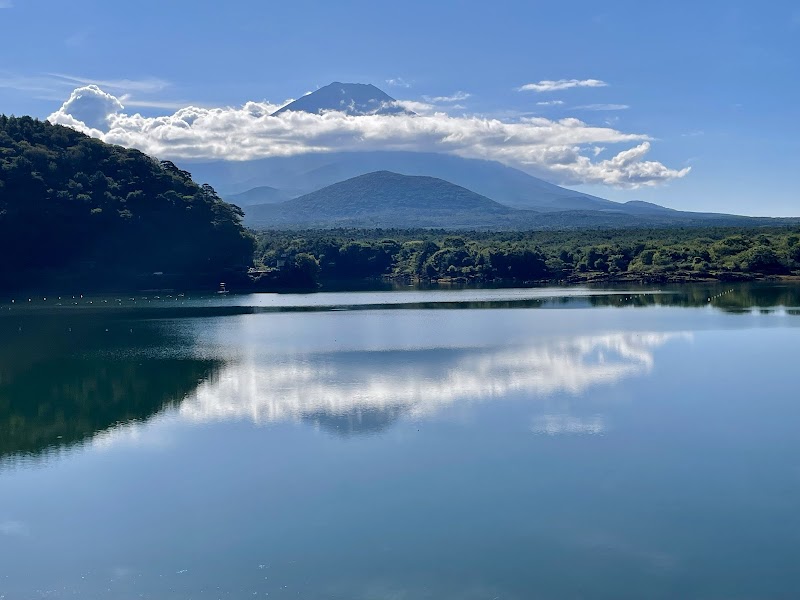
The viewpoint that inspired the Mount Fuji image on the 1,000 yen bill. Lake Motosu reflects Fuji perfectly on calm mornings. The deepest of the Five Lakes. Bring your yen note for comparison.
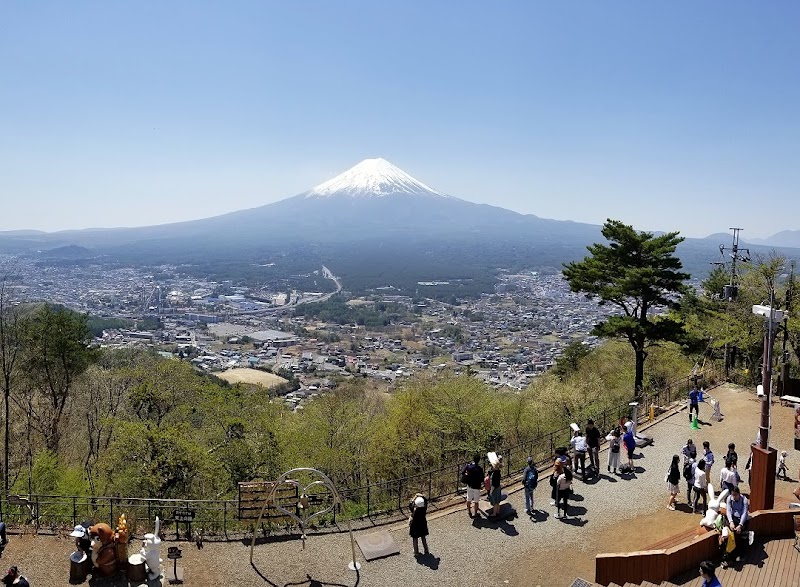
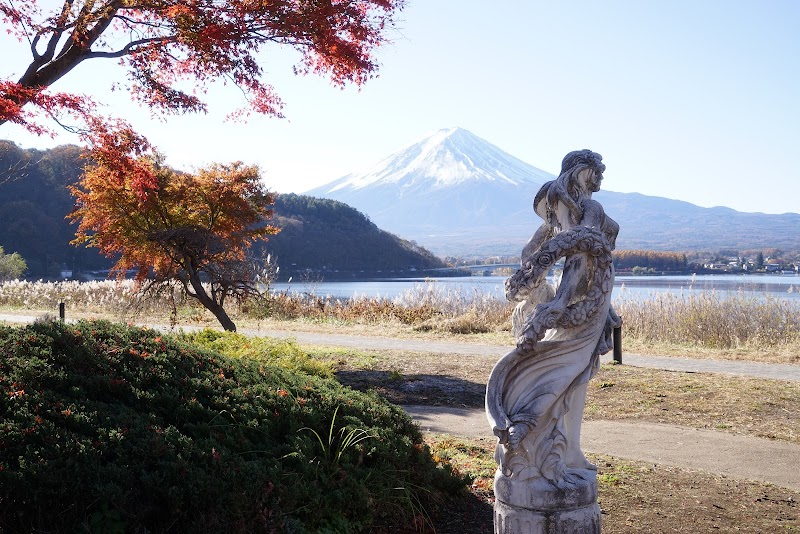
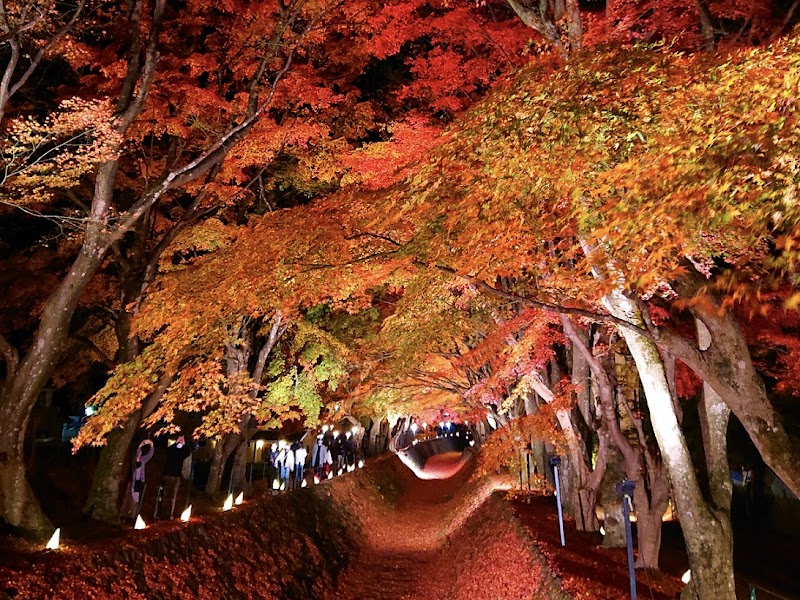
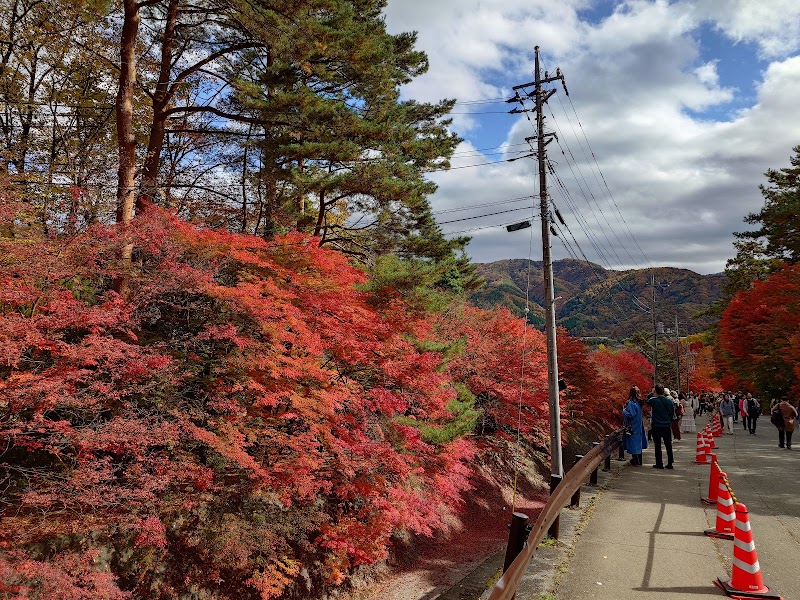
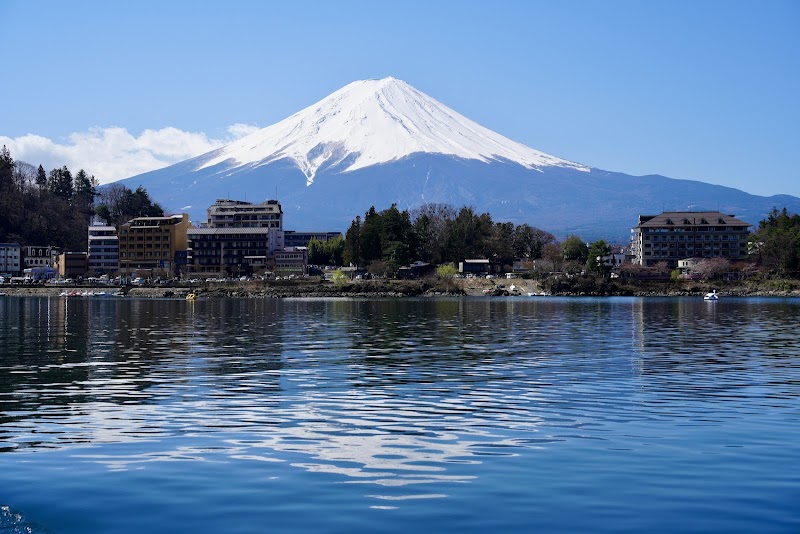
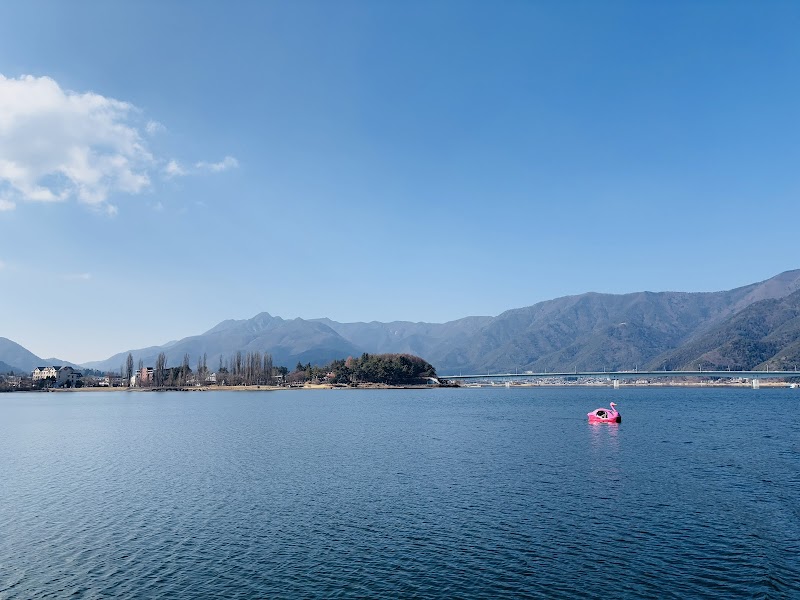
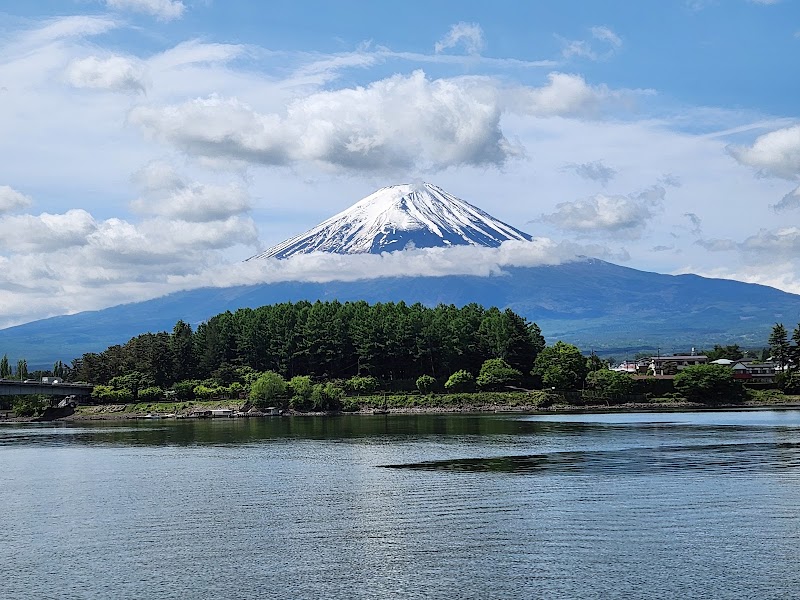
A lakeside walking and cycling path along the north shore of Lake Kawaguchiko. Beautiful reflections of Mount Fuji in the lake on still mornings. Maple trees create a red tunnel in autumn.
Music boxes, kimono art, traditional villages, and Fuji heritage.

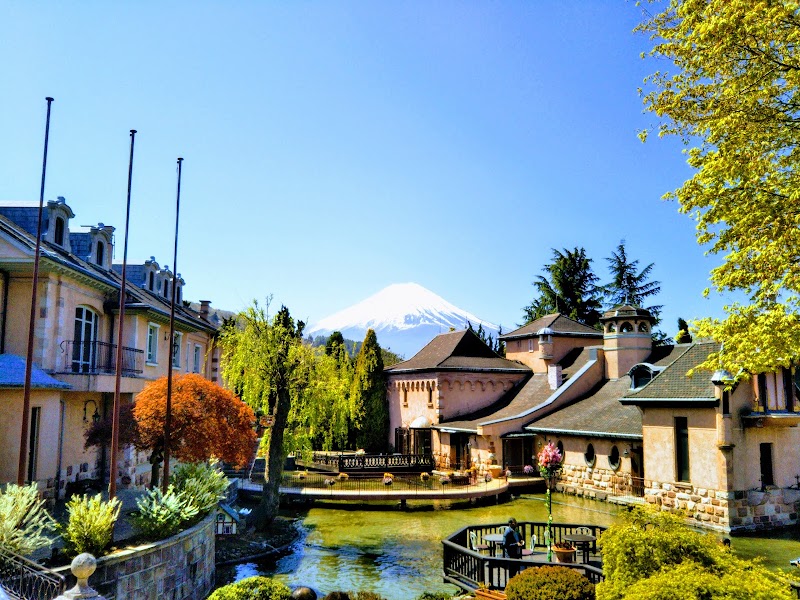
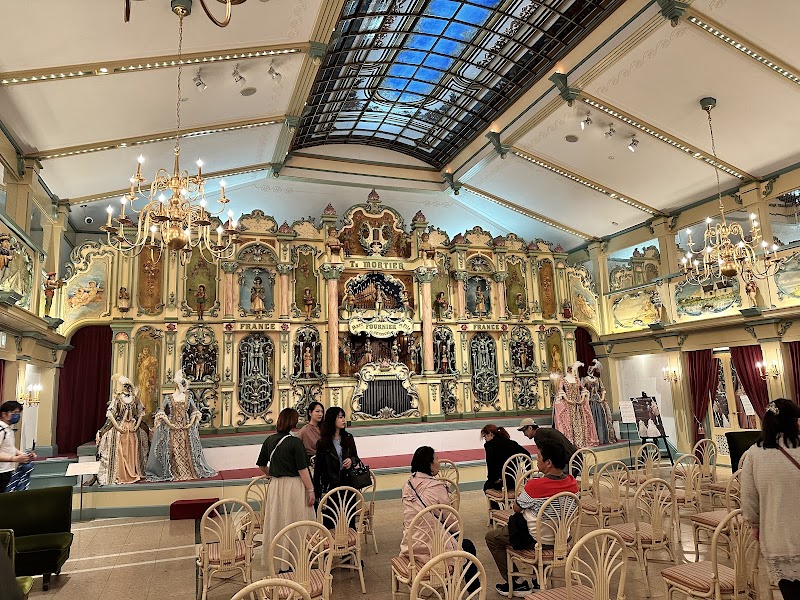
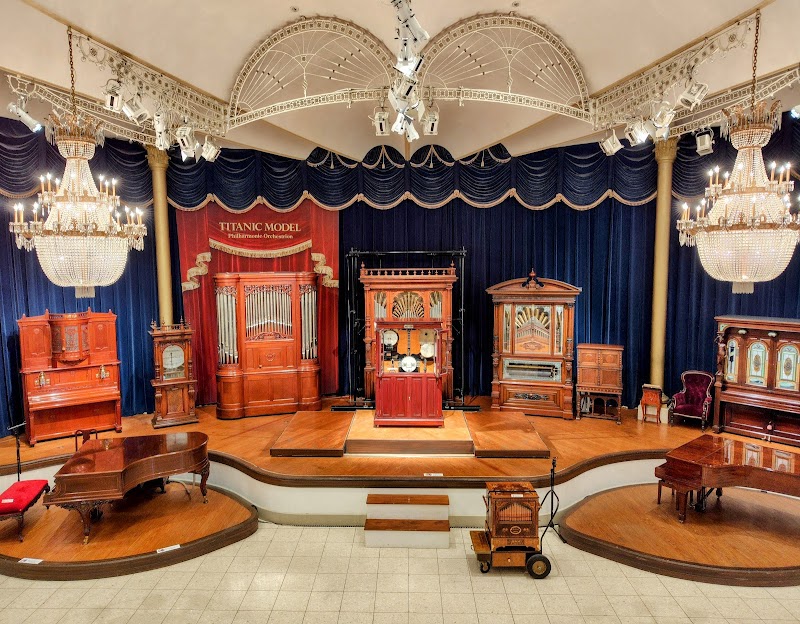
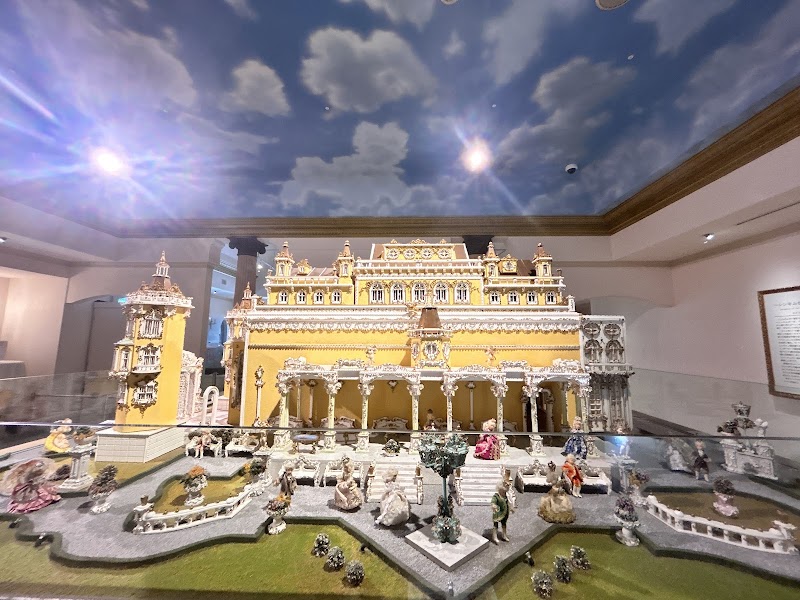
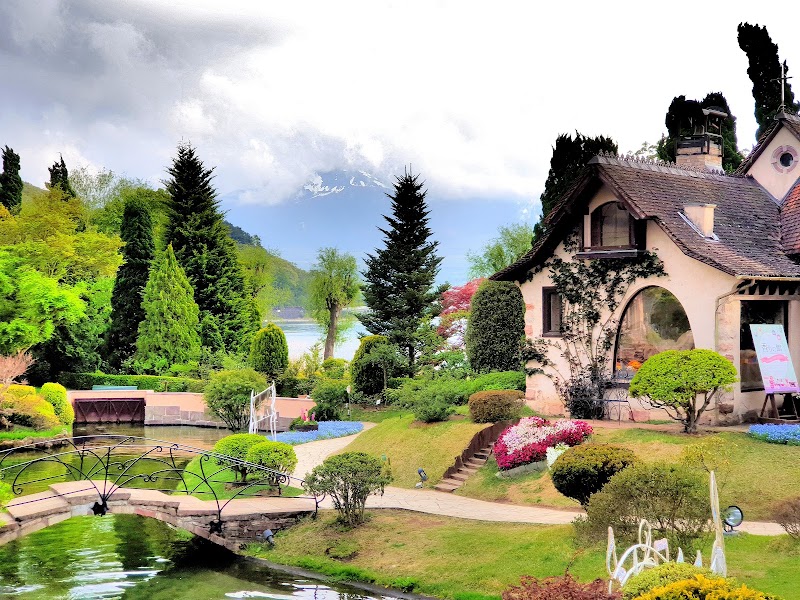
European-themed park with antique music boxes, mechanical organs, and automated musical instruments. Beautiful gardens with Fuji views. Rose garden in summer. Concerts throughout the day.

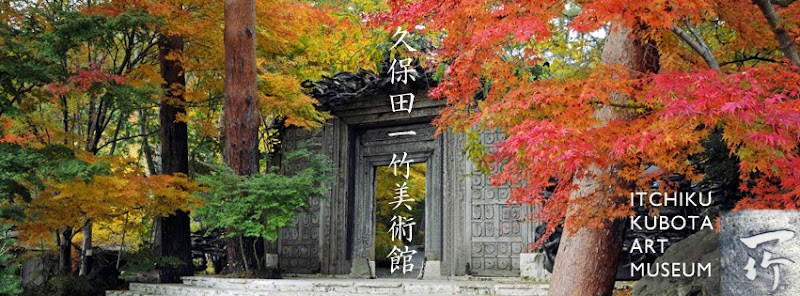
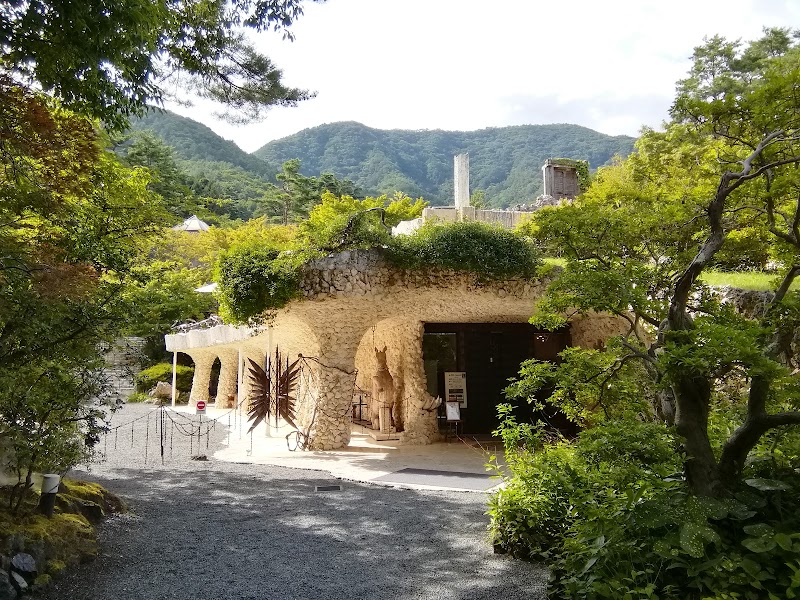
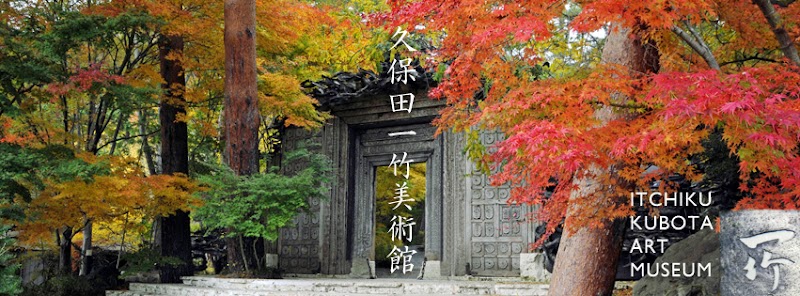
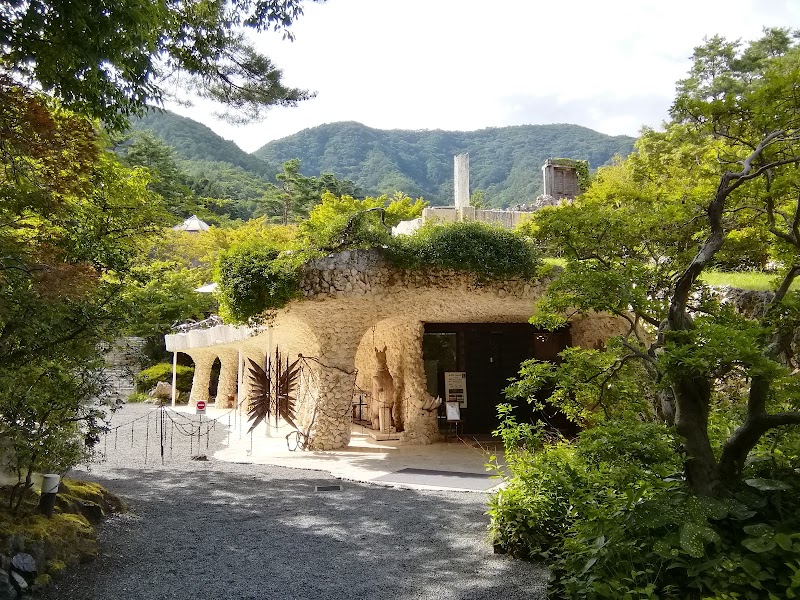
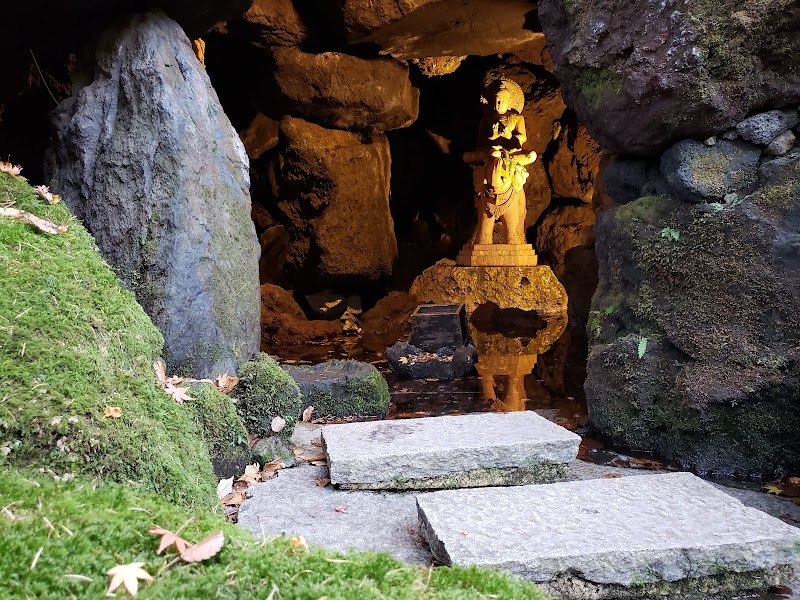
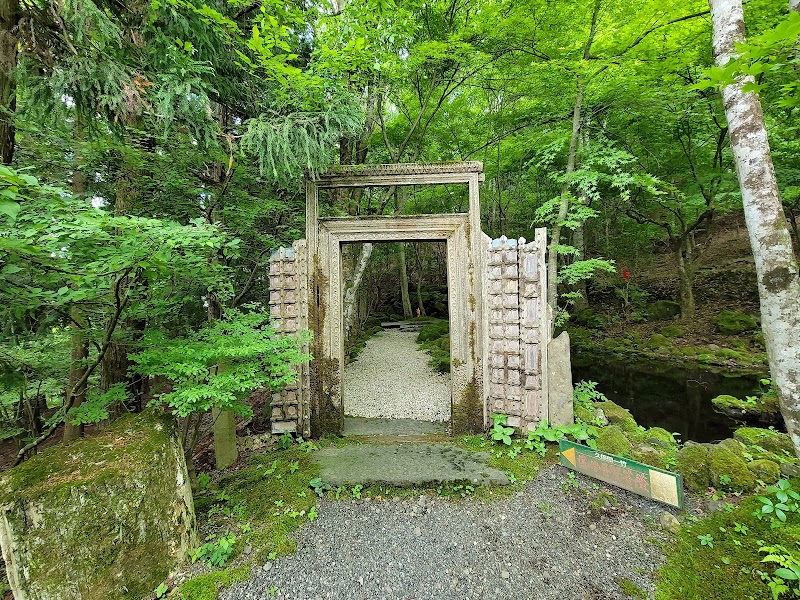
Stunning collection of intricate kimonos by textile artist Itchiku Kubota. The building itself is a work of art with stone walls and traditional Japanese garden. Lakeside setting with Fuji views.
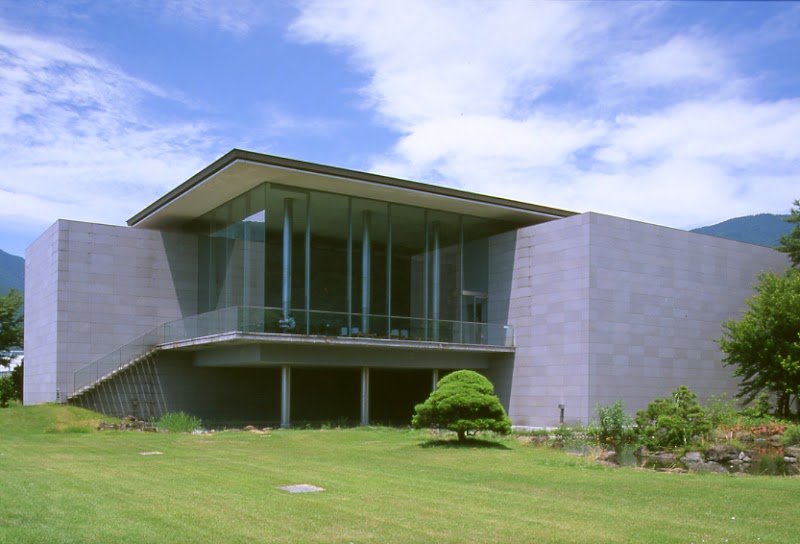
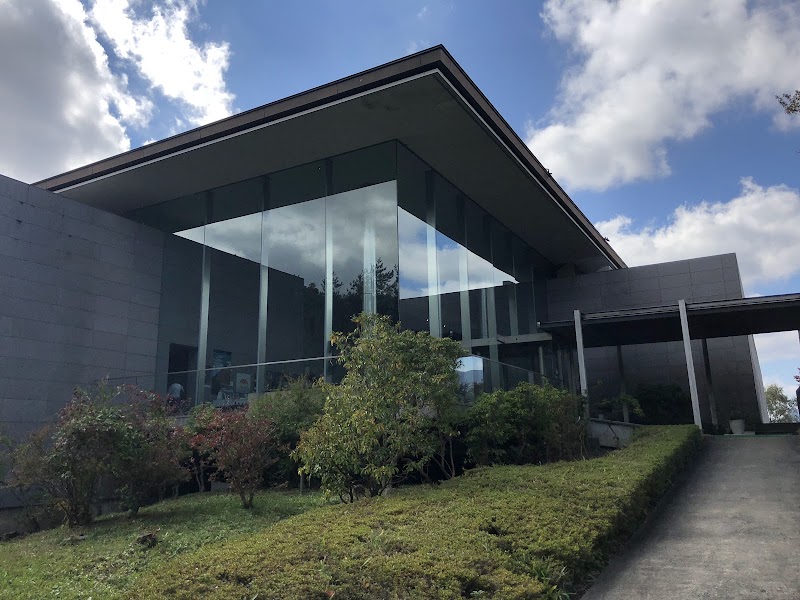
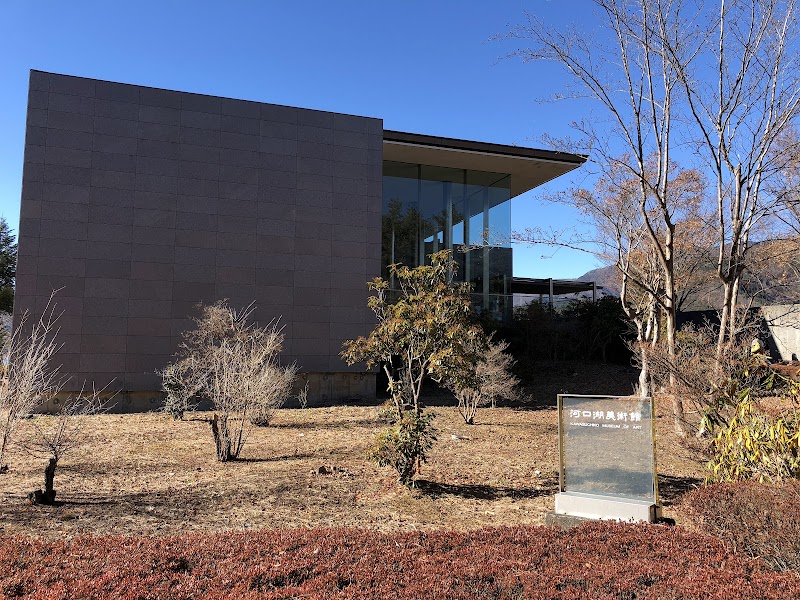
Gallery focused on paintings, photographs, and sculptures depicting Mount Fuji. Rotating exhibitions by Japanese and international artists. Beautiful lakeside location.
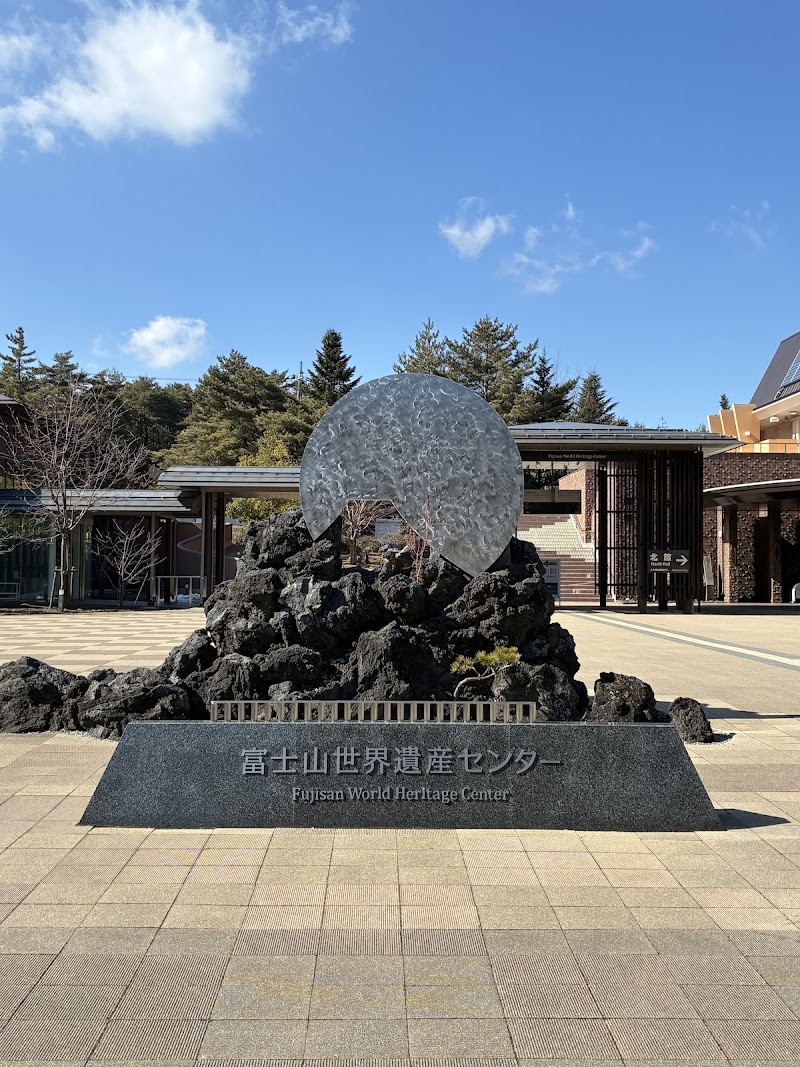
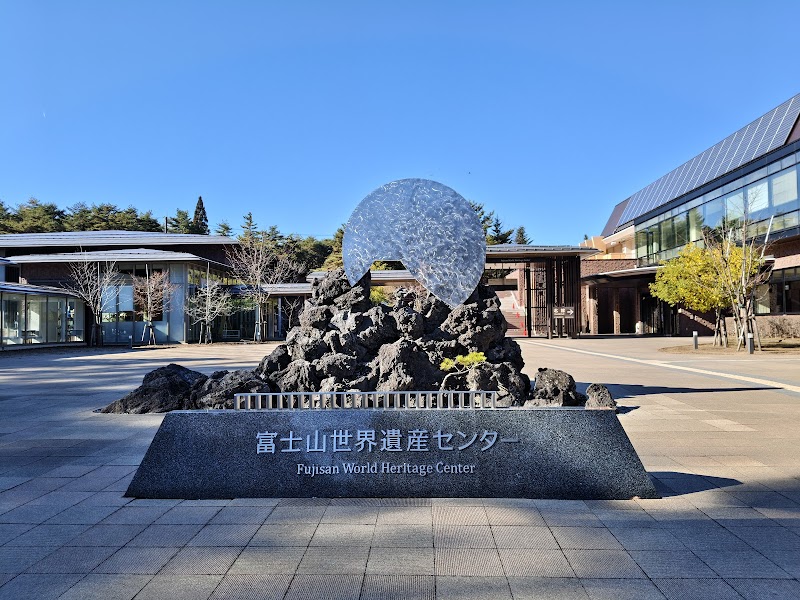
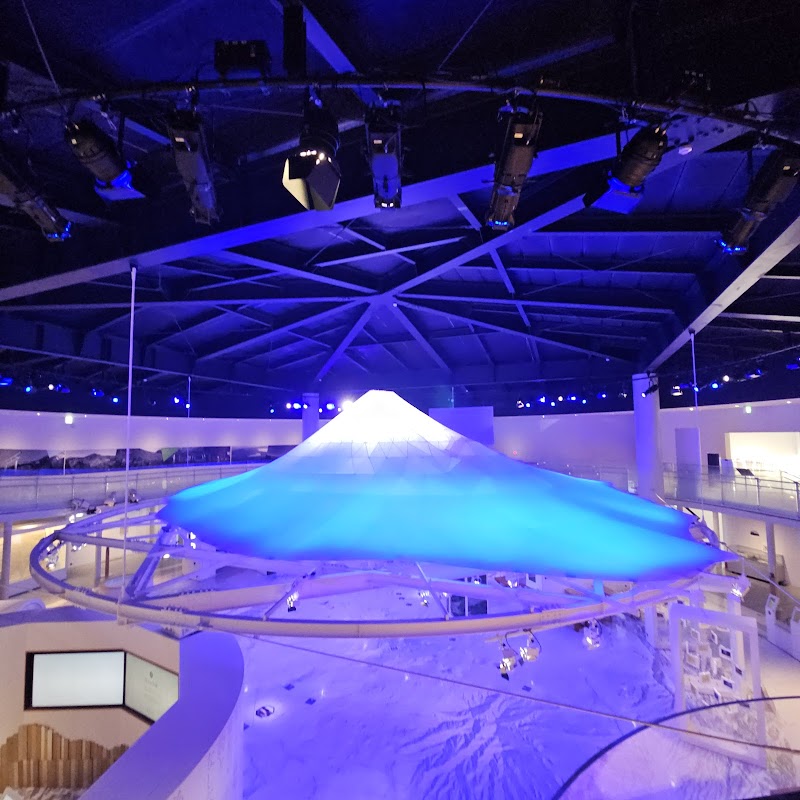
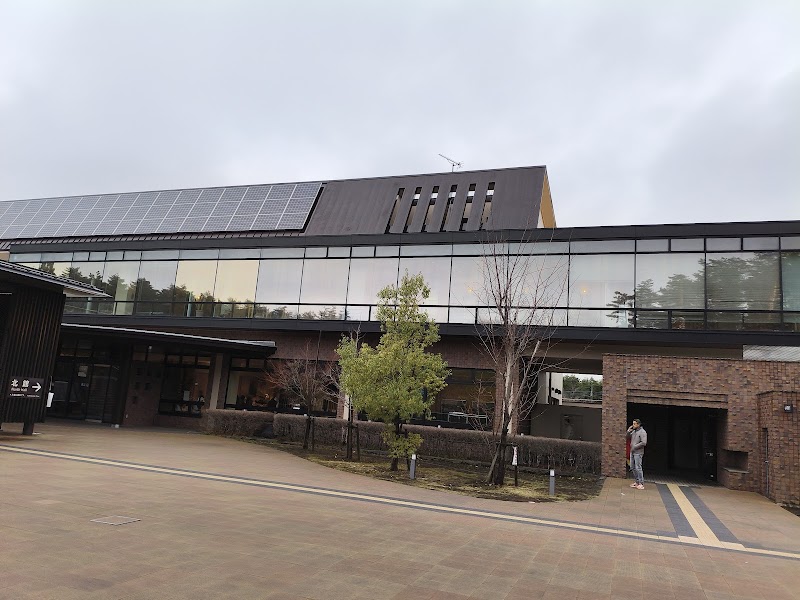
Modern interactive museum about Mount Fuji's geology, history, and cultural significance as a World Heritage Site. The inverted cone architecture reflects Fuji in a water pool. Free entry.
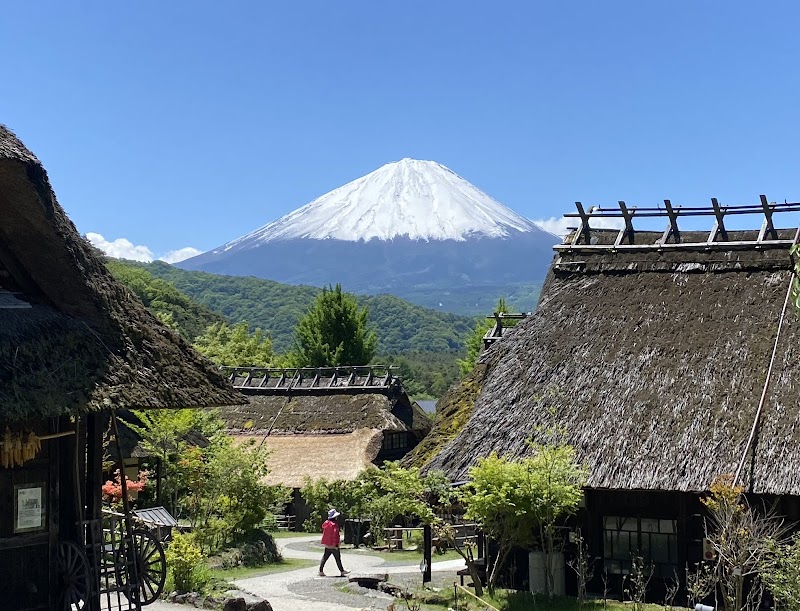
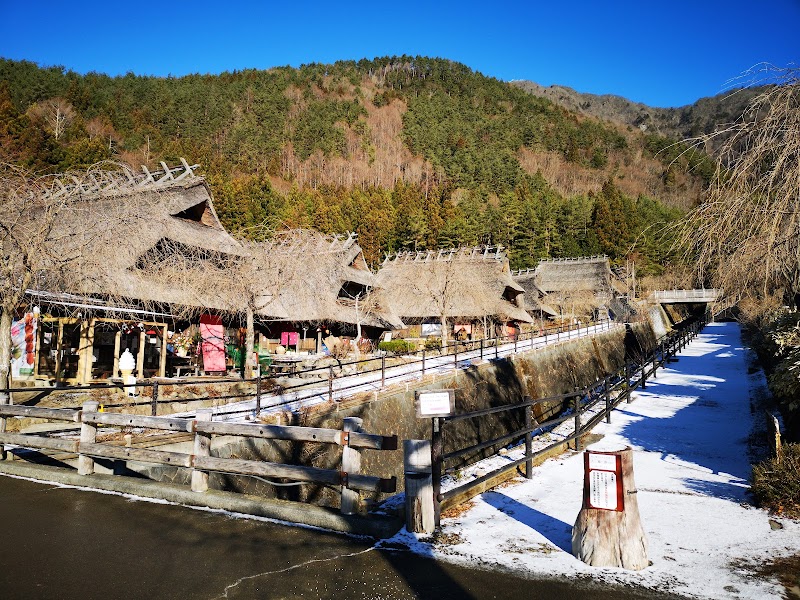
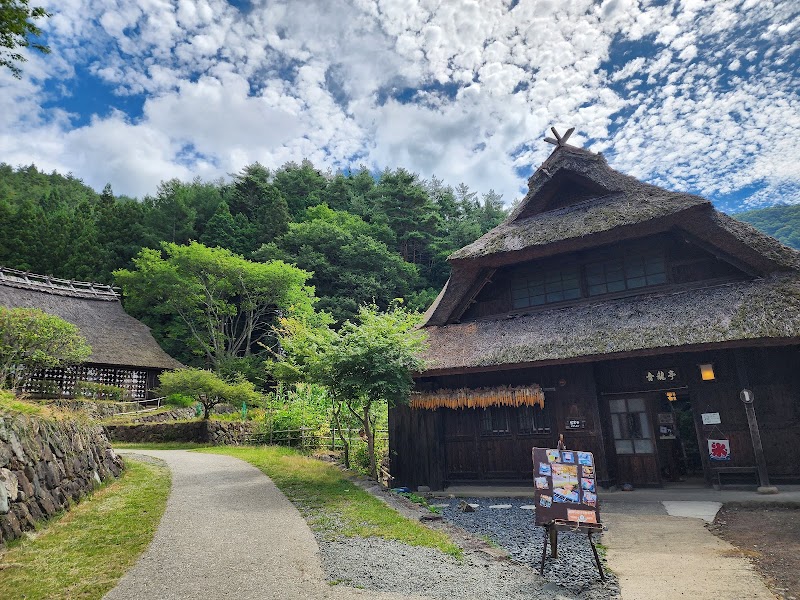
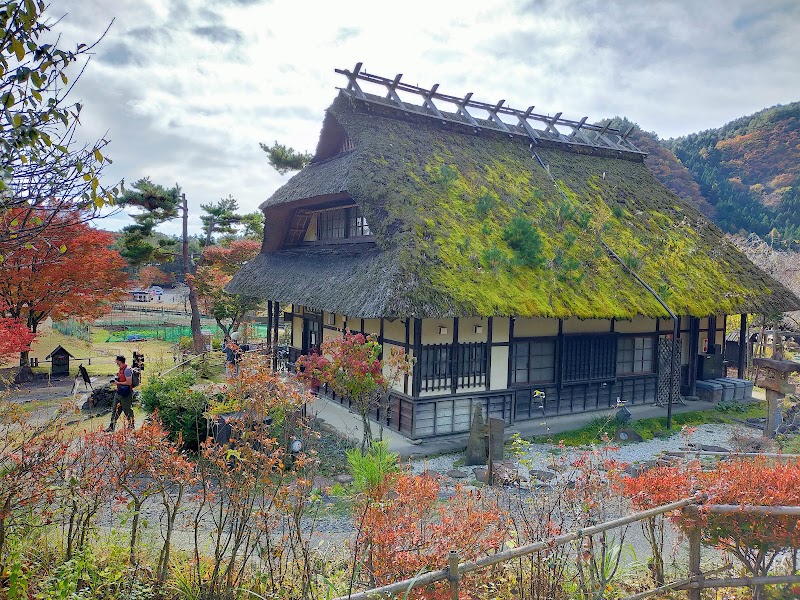
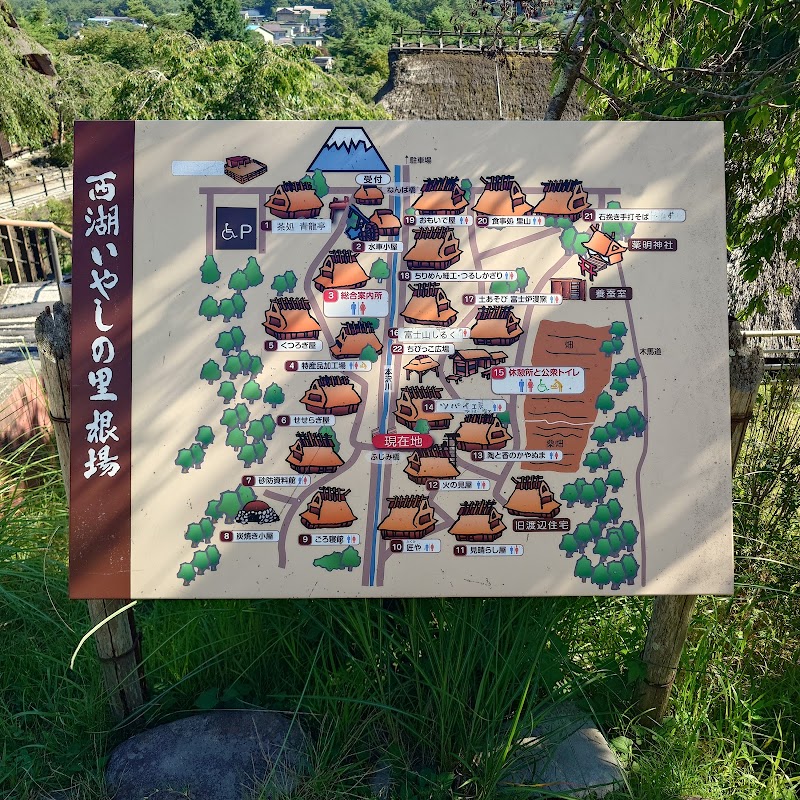
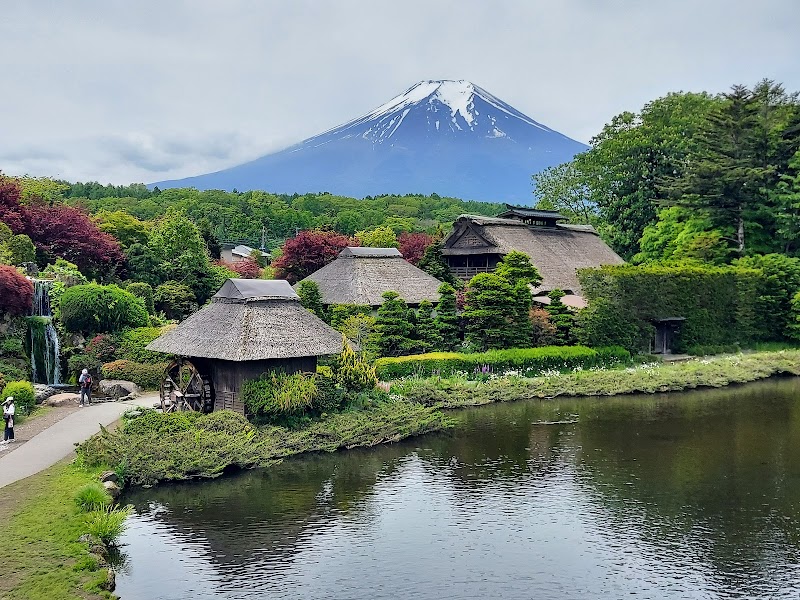
Reconstructed traditional Japanese thatched-roof village on the shore of Lake Sai. Craft workshops, local food, and photo ops with Fuji behind the old farmhouses. A living open-air museum.
Maple corridors, ice caves, wind caves, and the quietest of the Five Lakes.

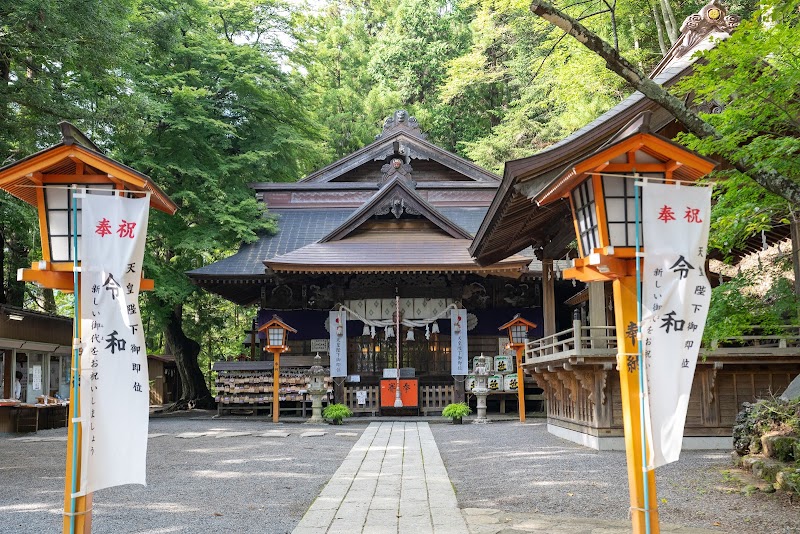
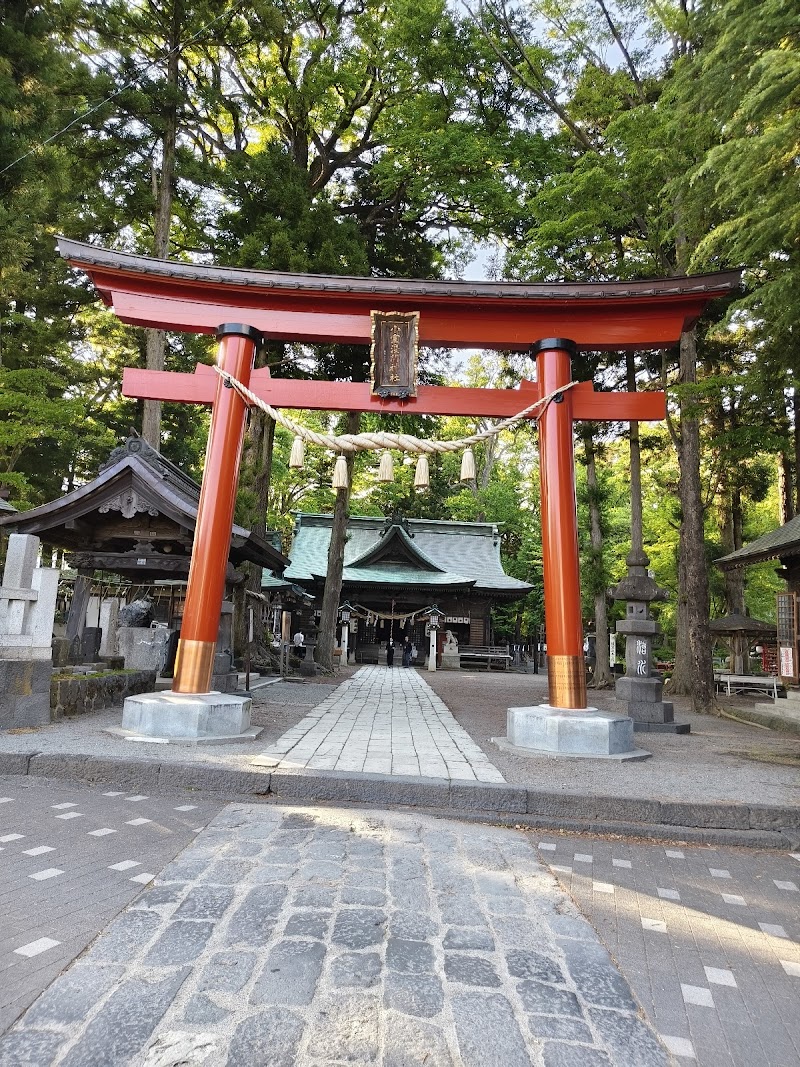
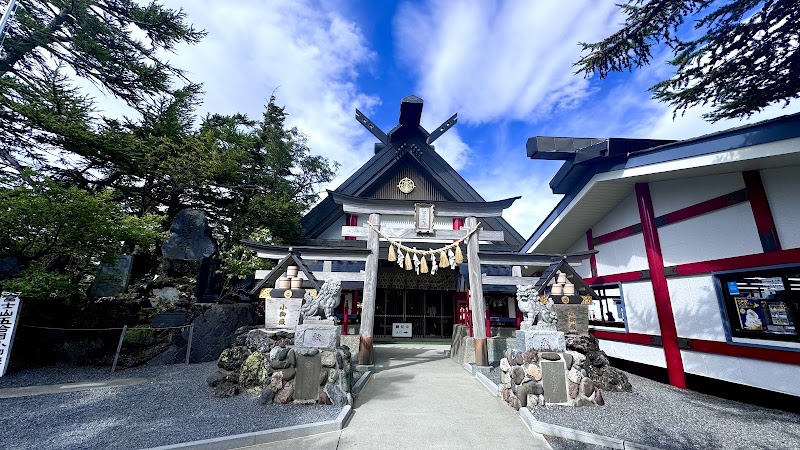
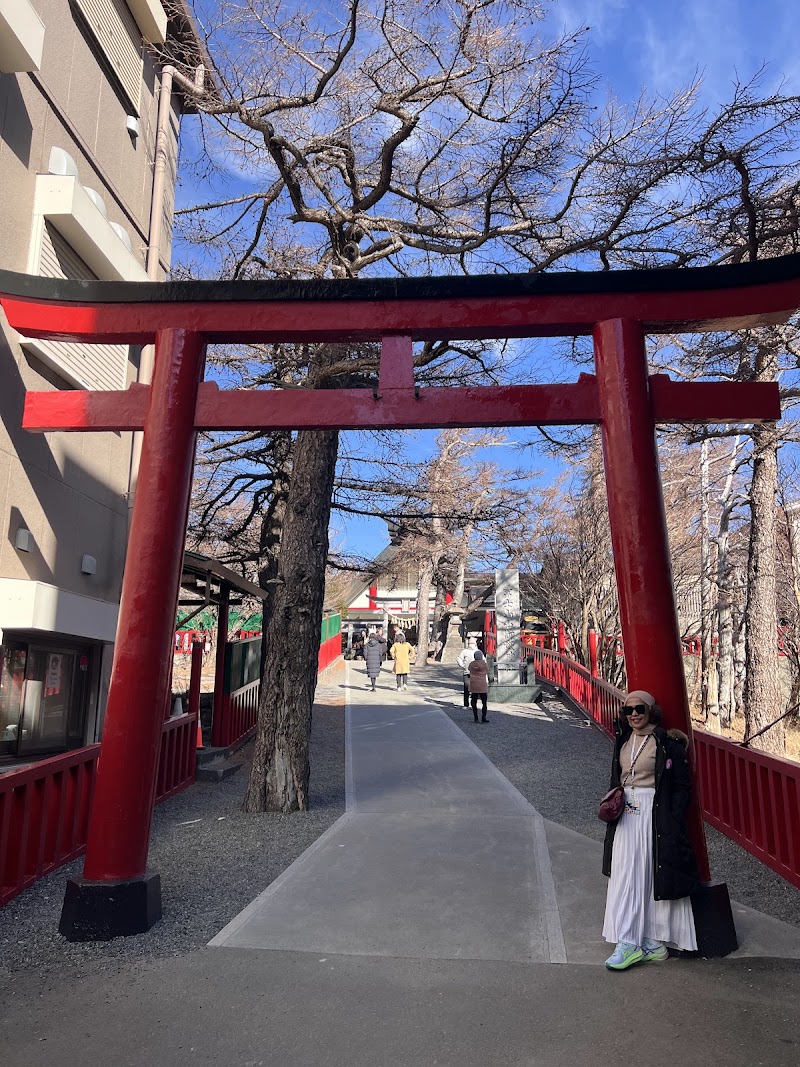
The shrine at the base of the Chureito Pagoda. Beautiful stone torii gate and cedar-lined approach. The shrine itself is worth exploring before or after climbing to the pagoda.

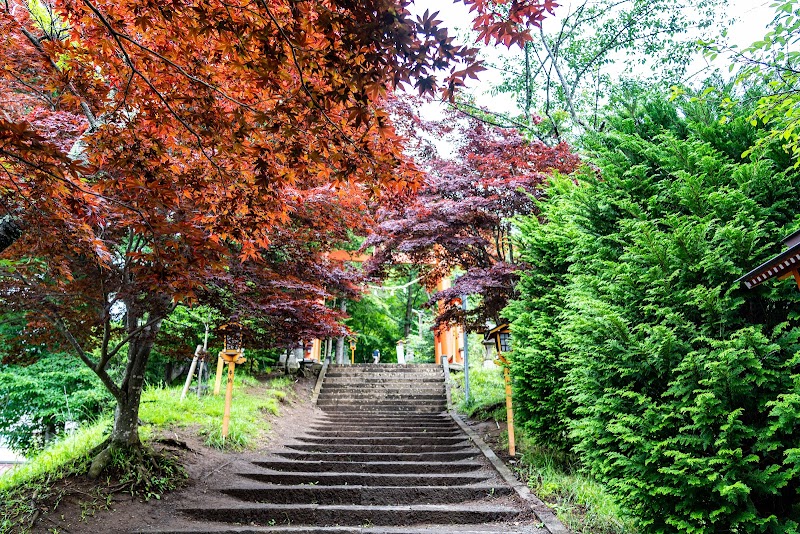
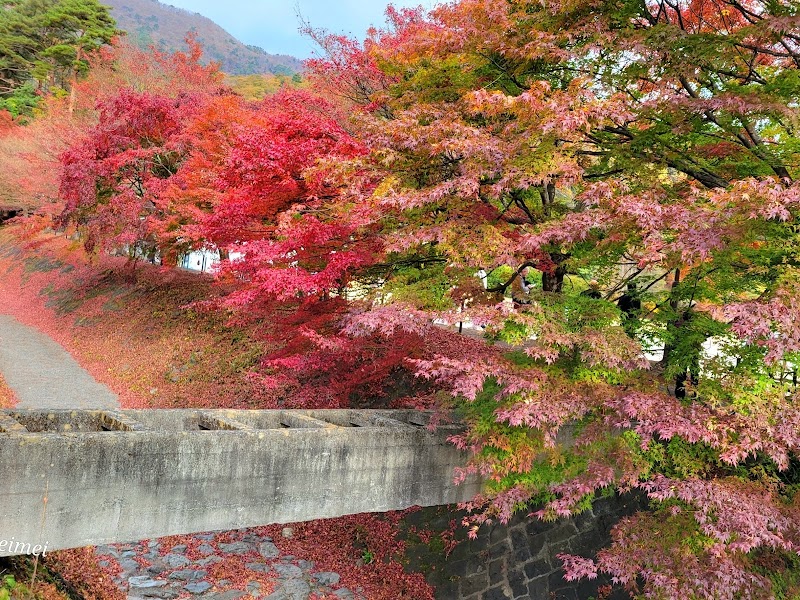
A tunnel of maple trees along the north shore of Lake Kawaguchiko. Mid to late November the leaves turn brilliant red. Illuminated at night during autumn festival. Free.

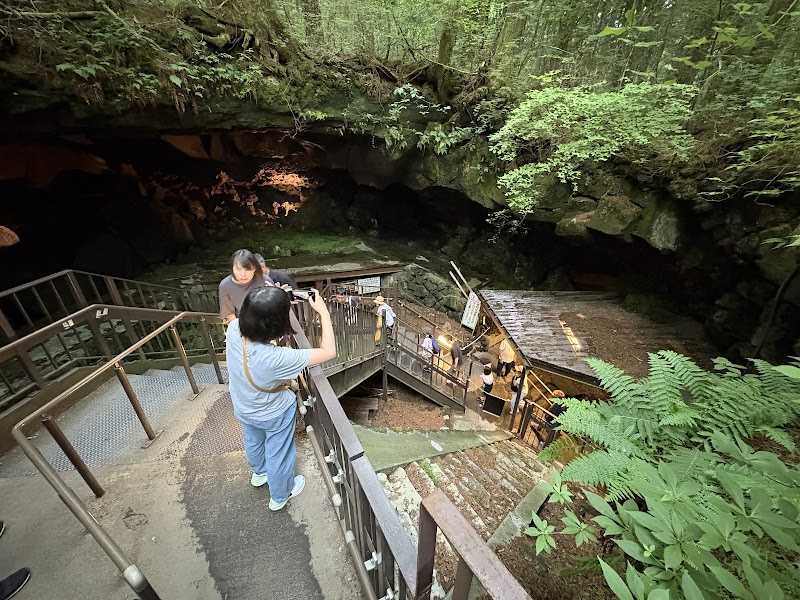
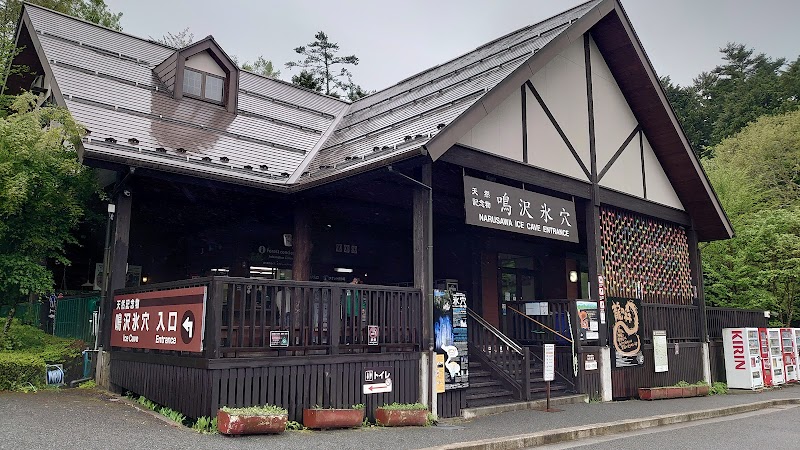
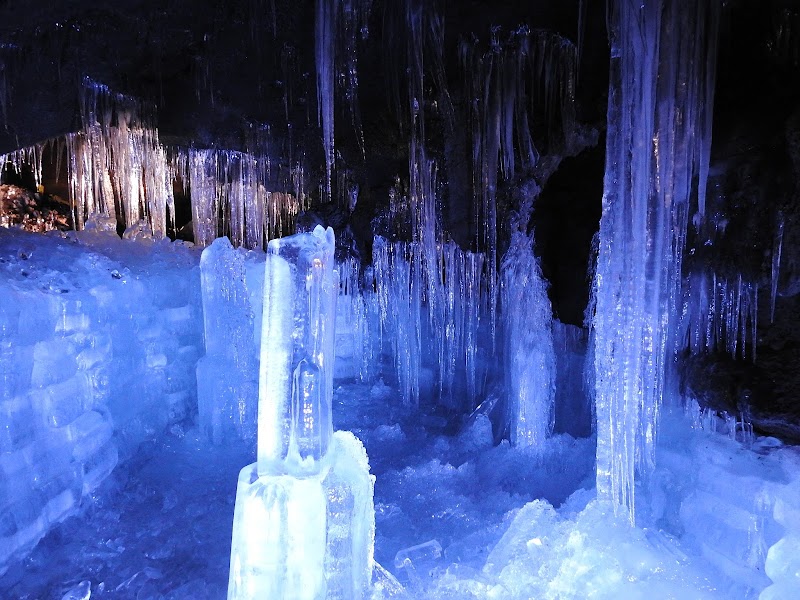
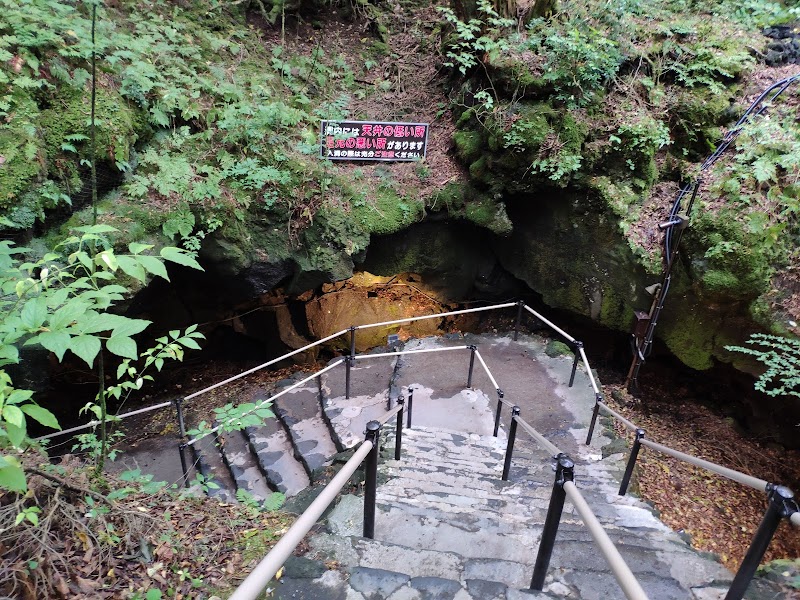
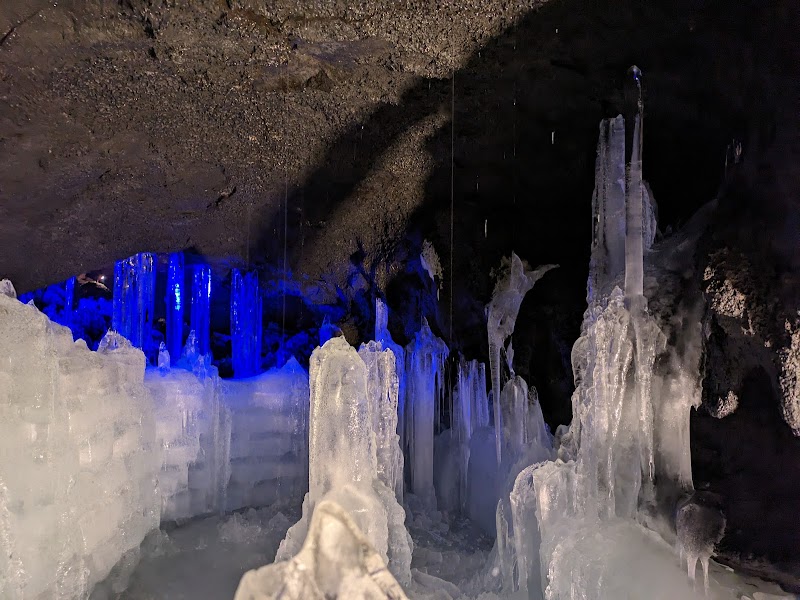
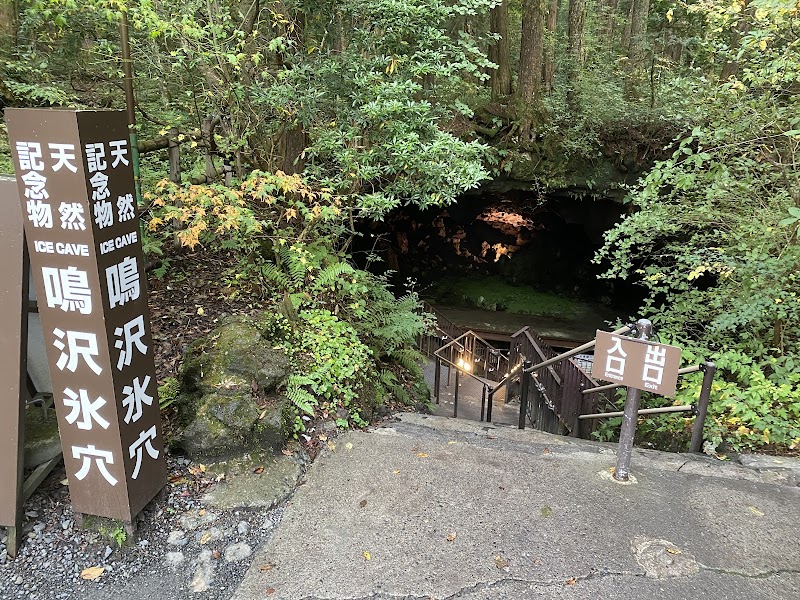
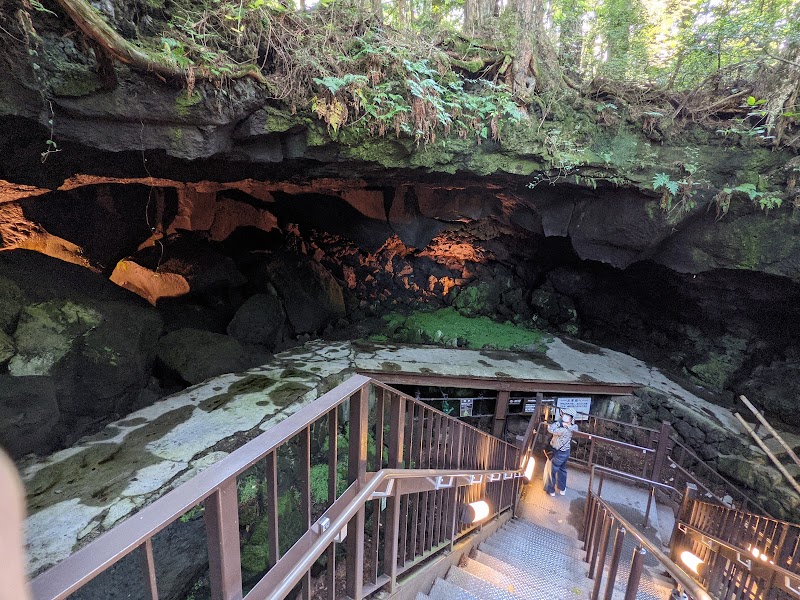
Lava tube cave formed by a Mount Fuji eruption. Ice pillars inside year-round, even in summer. The temperature inside stays near 0C. A unique geological experience. 350 yen entry.

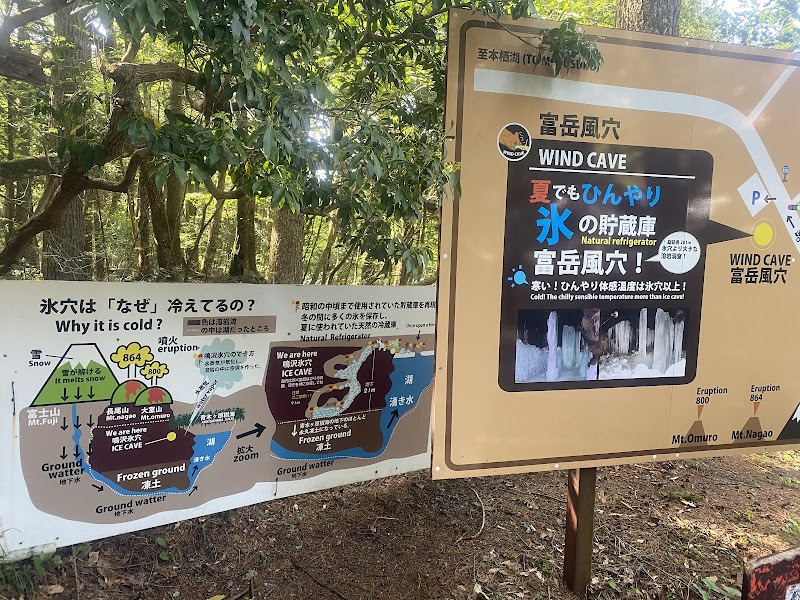
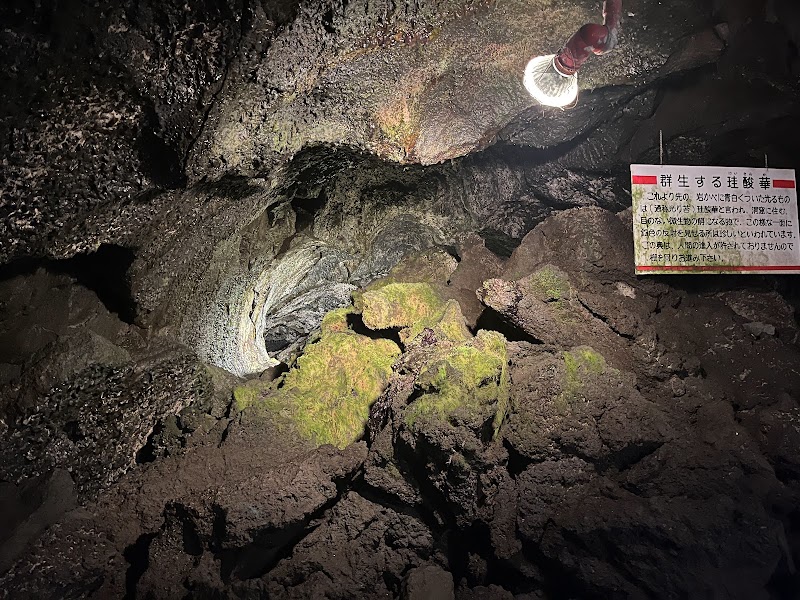
Another lava tube cave near the Ice Cave. Known for its unique acoustic properties and lava formations. Historically used as a natural refrigerator. 350 yen entry.

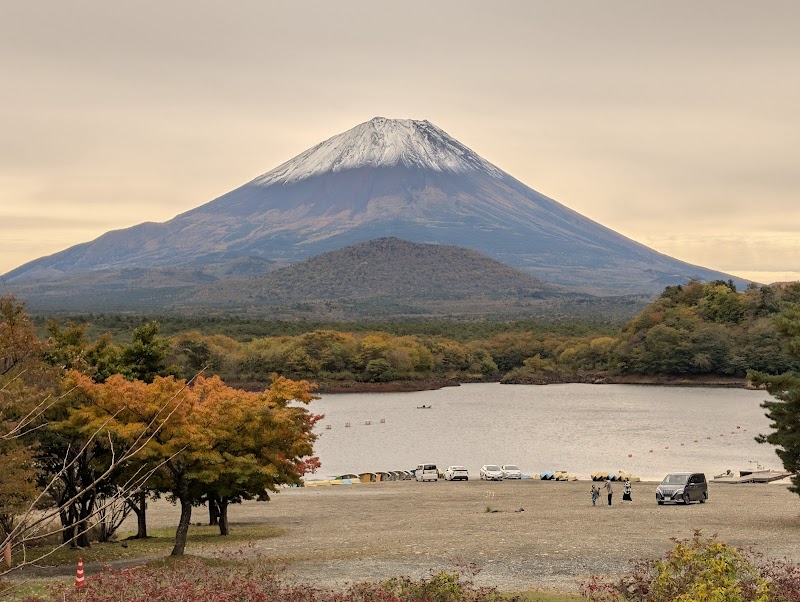
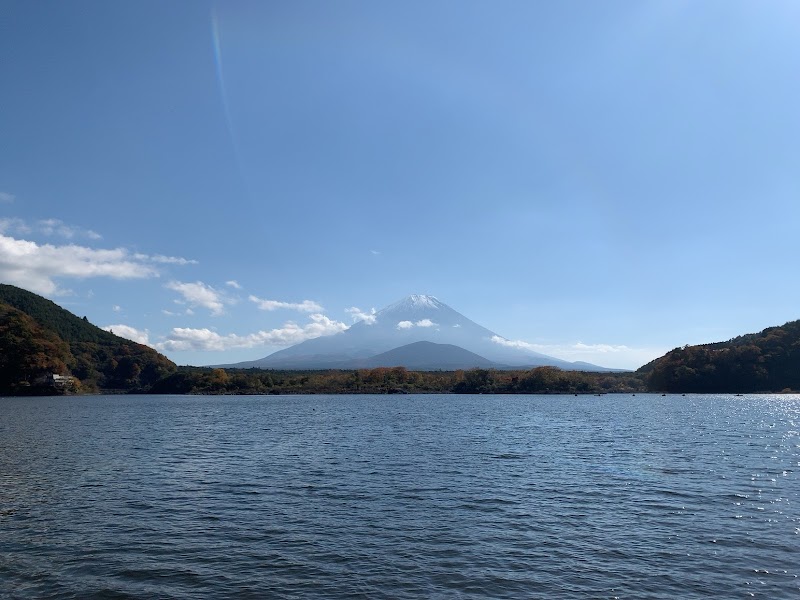
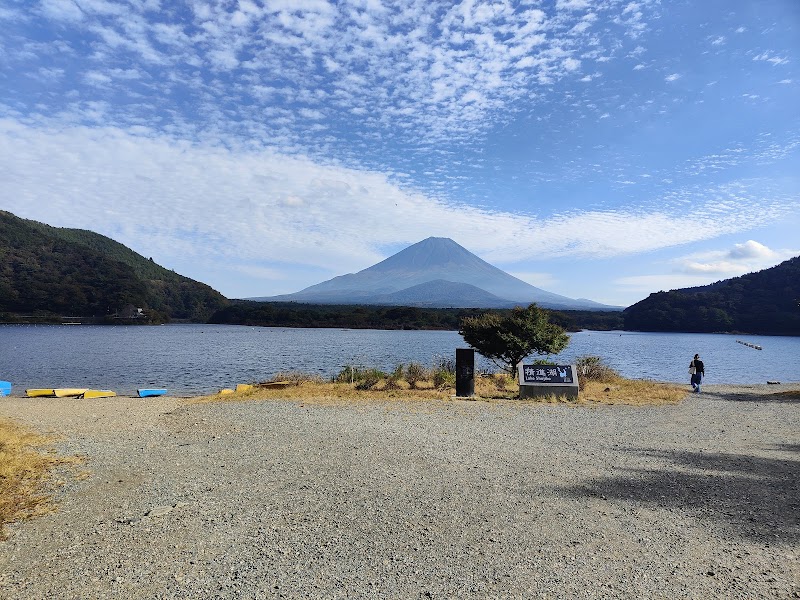
The smallest and most tranquil of the Five Lakes. Almost no development. Mirror-like reflections of Mount Fuji on calm mornings. A hidden gem for photographers seeking solitude.
Thick hoto noodles, Fuji-view hot springs, and mountain treats.

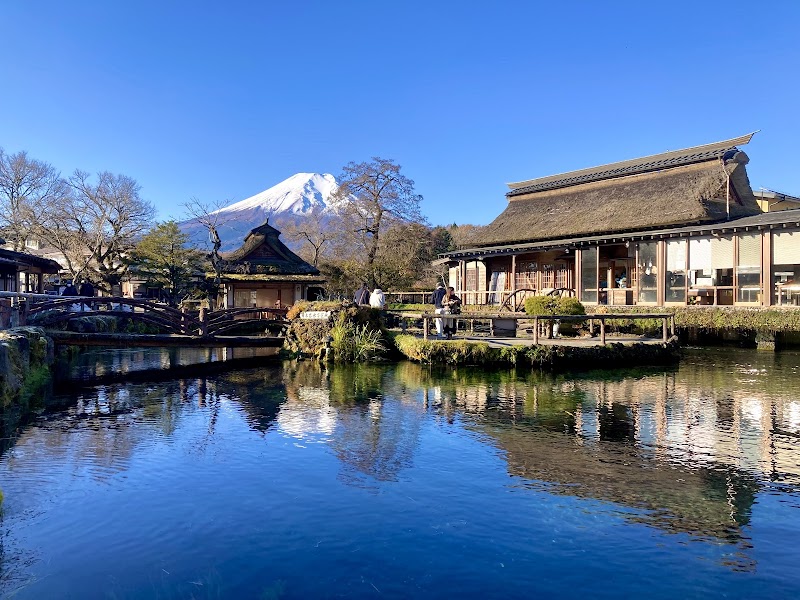
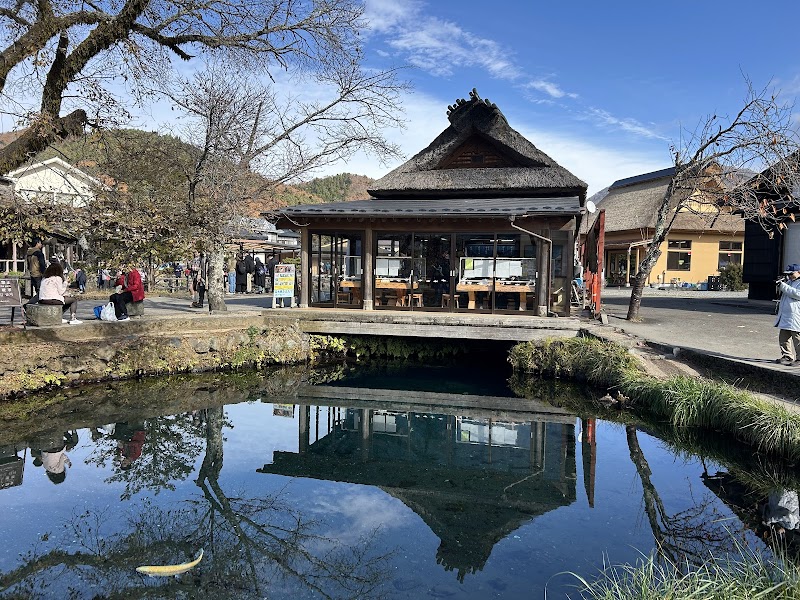
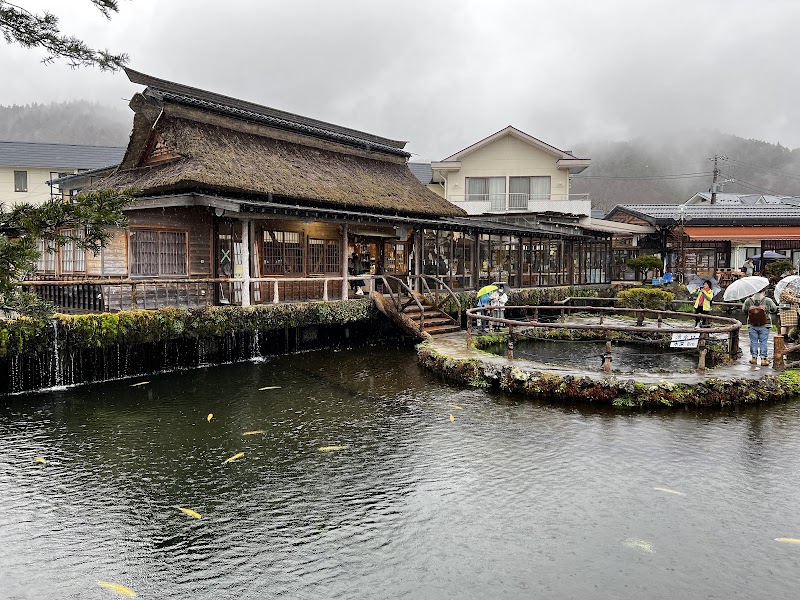
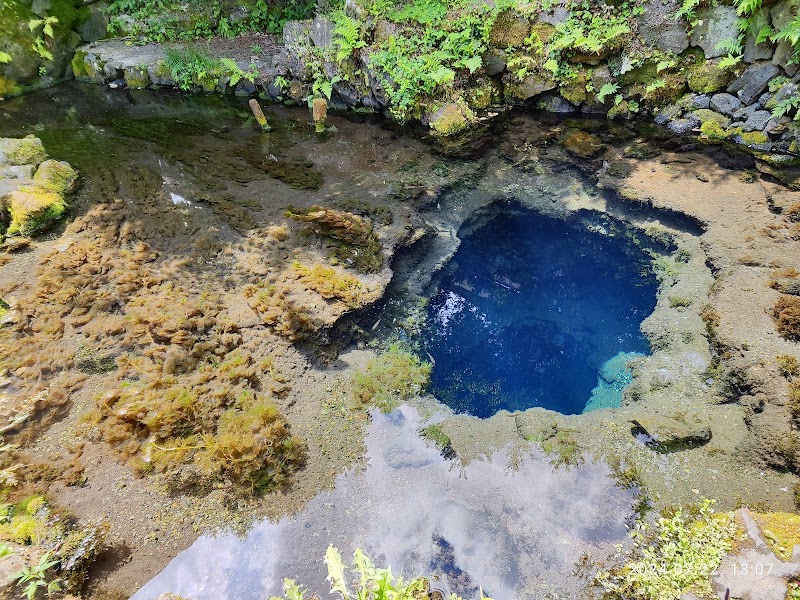
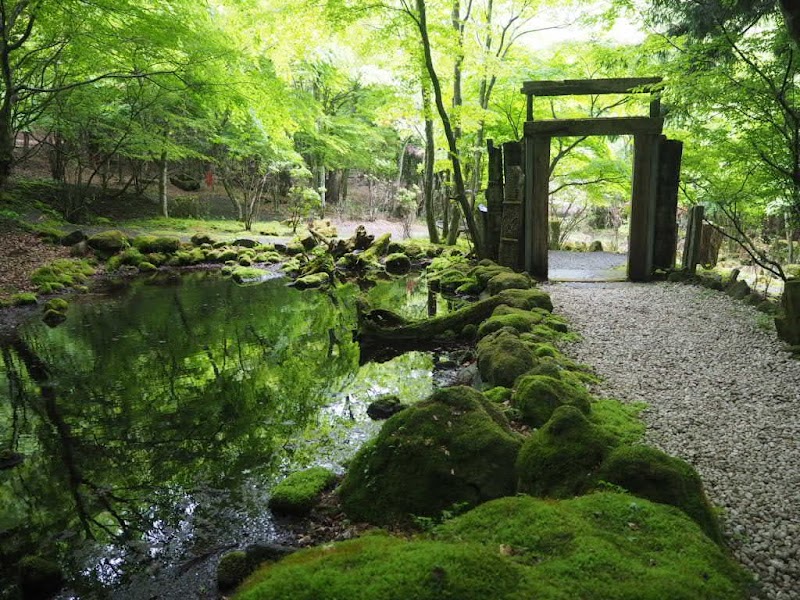
Eight crystal-clear spring ponds fed by snowmelt filtered through volcanic rock for 80+ years. Traditional thatched-roof farmhouses, food stalls, and souvenir shops. The water is drinkable.

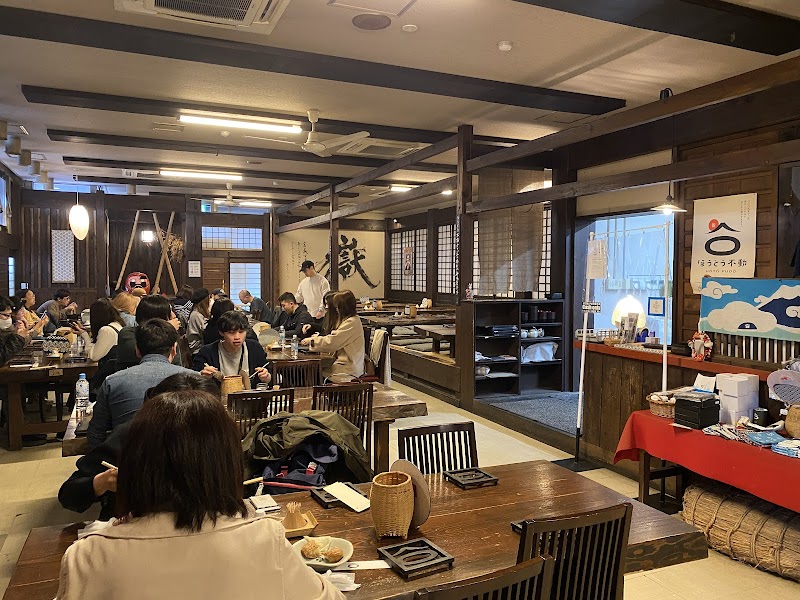
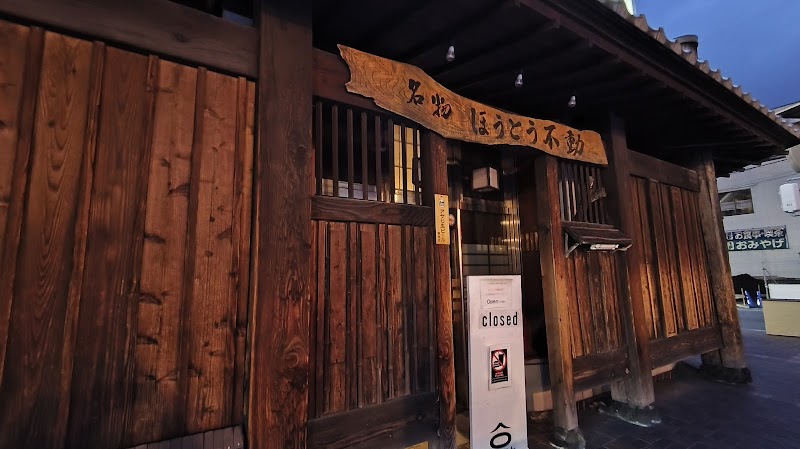
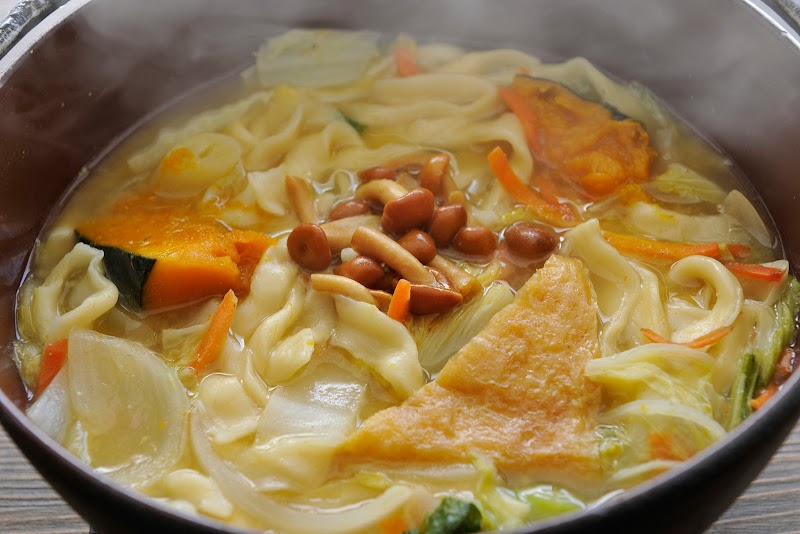
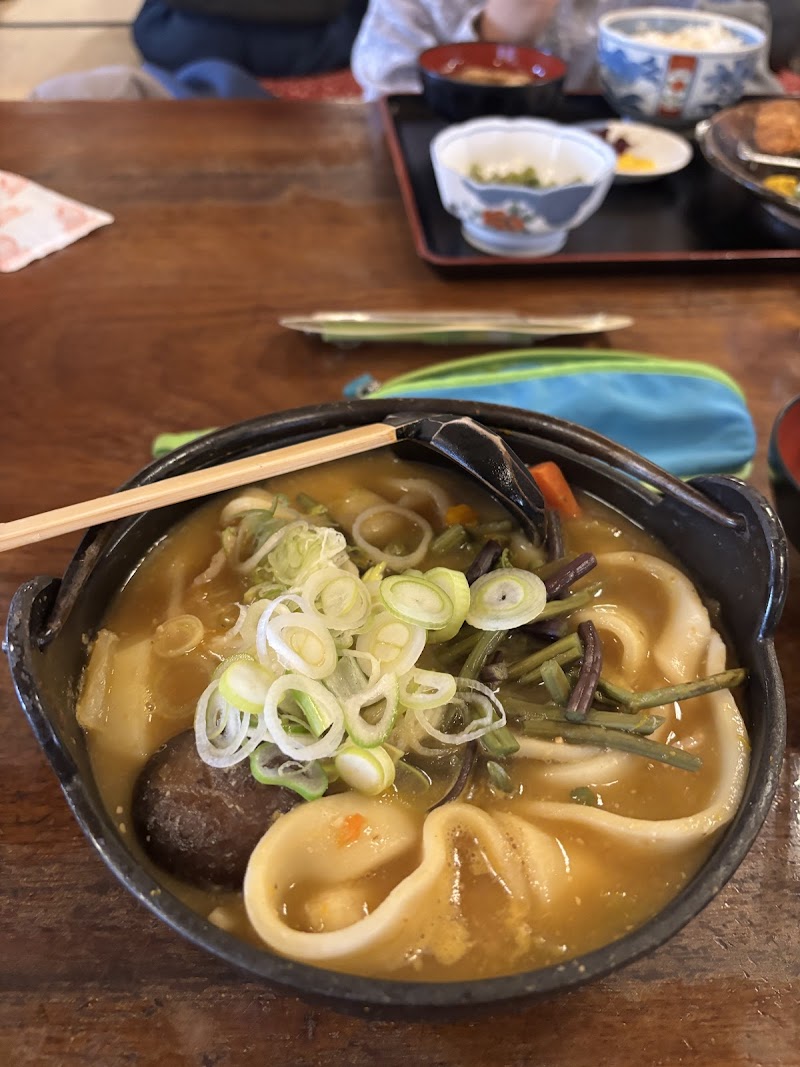
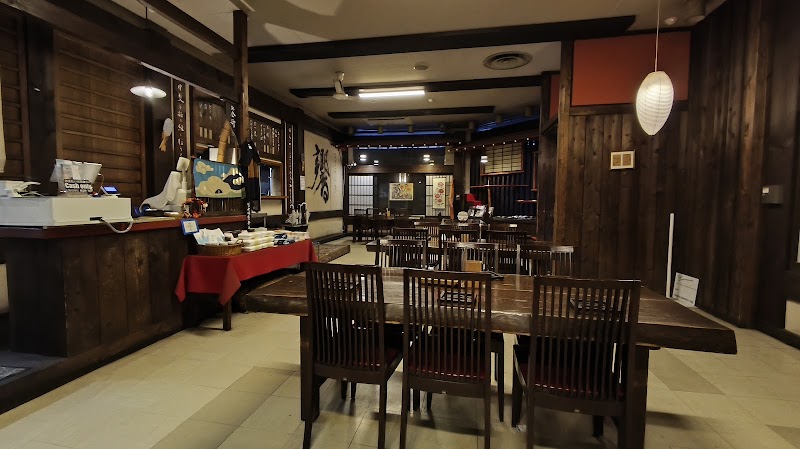
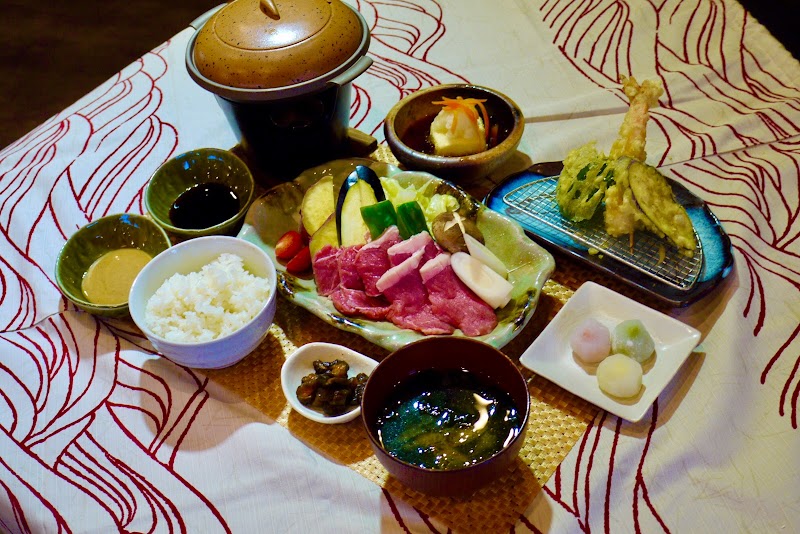
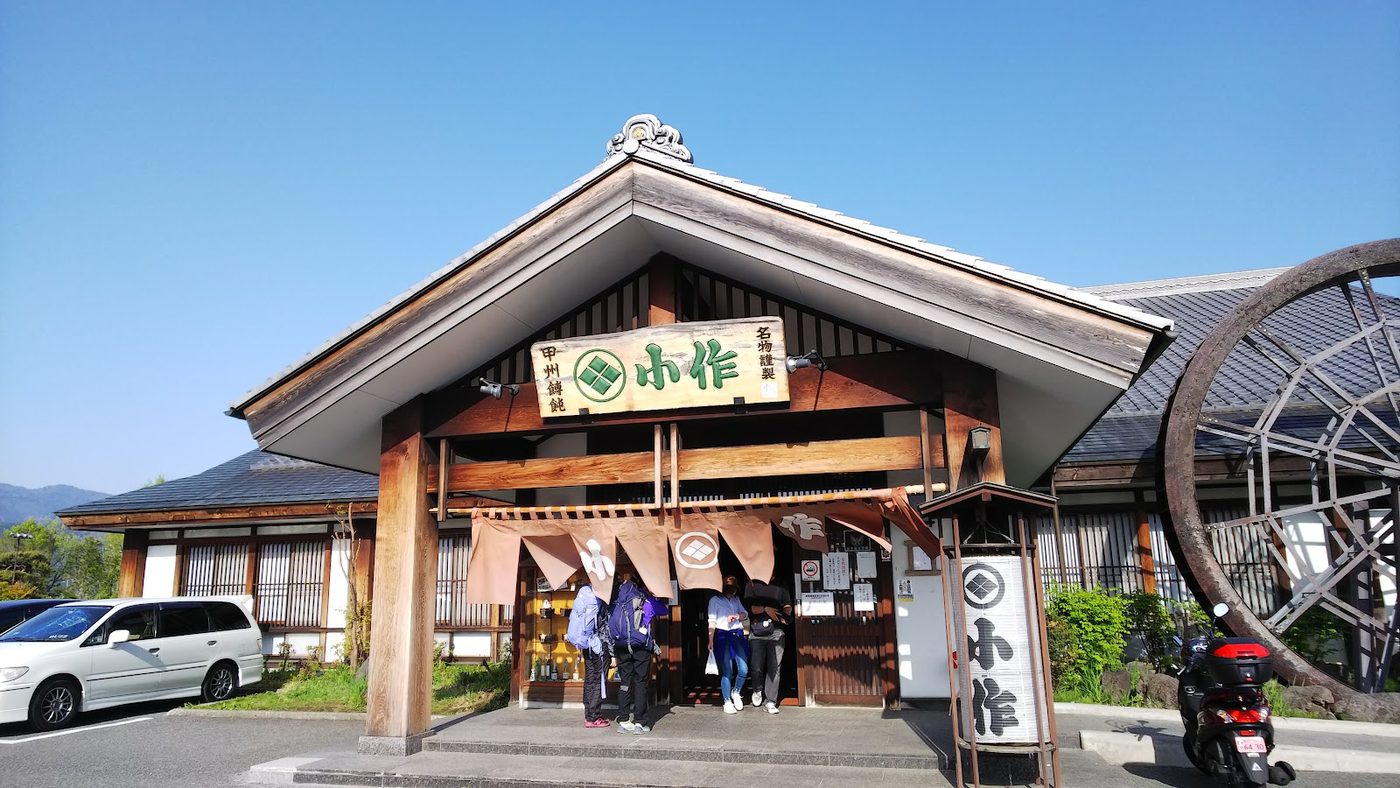
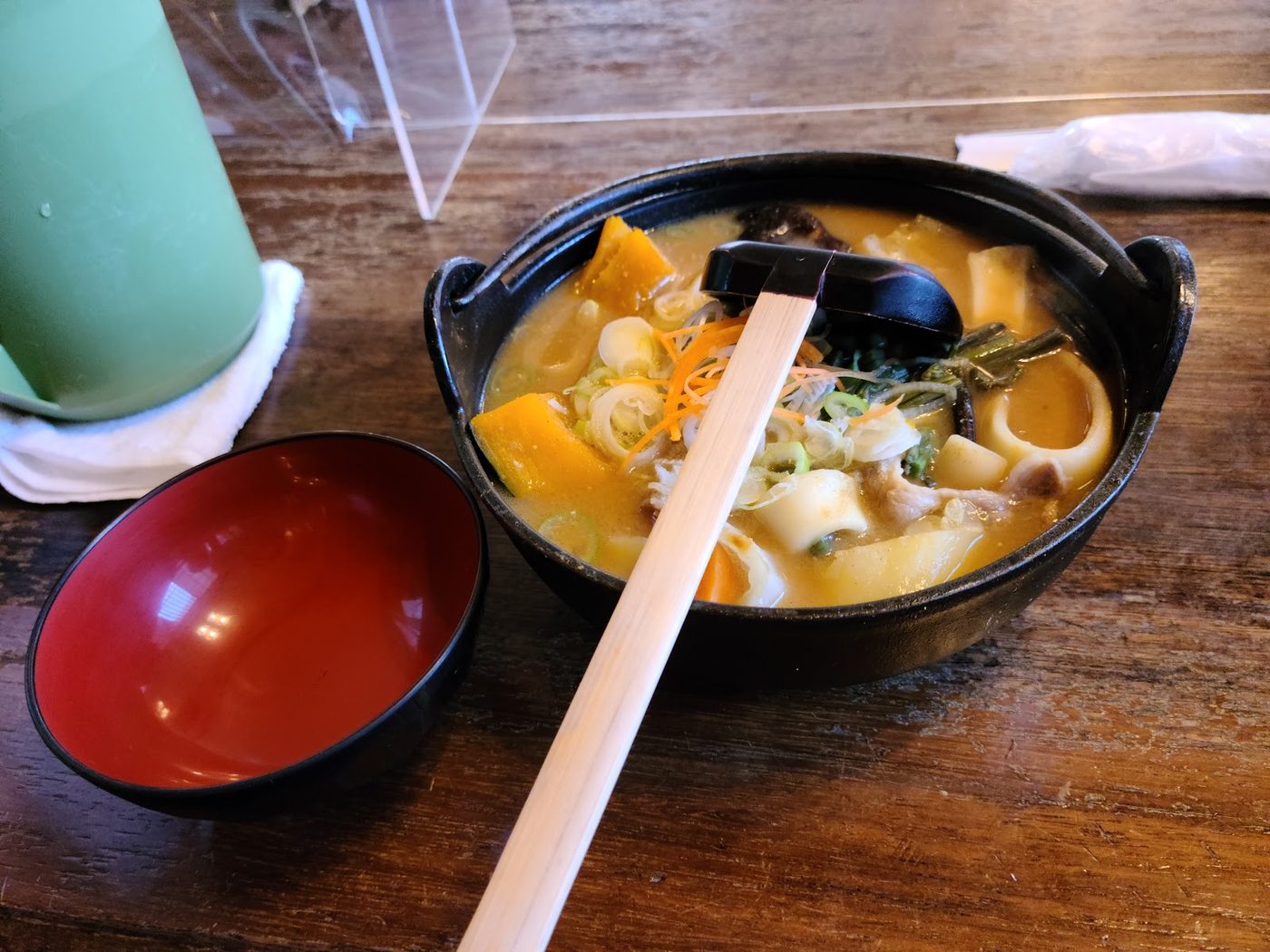
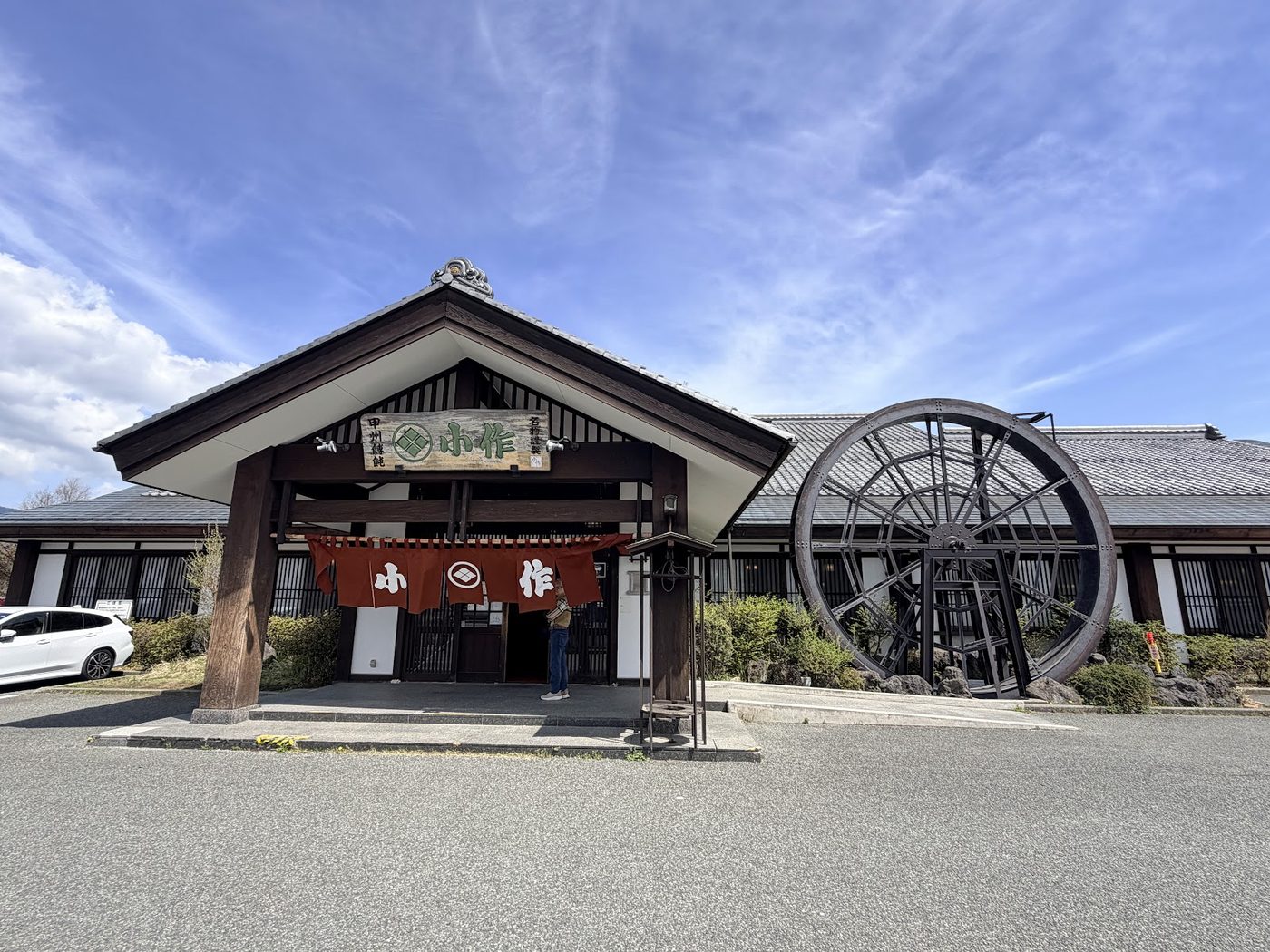
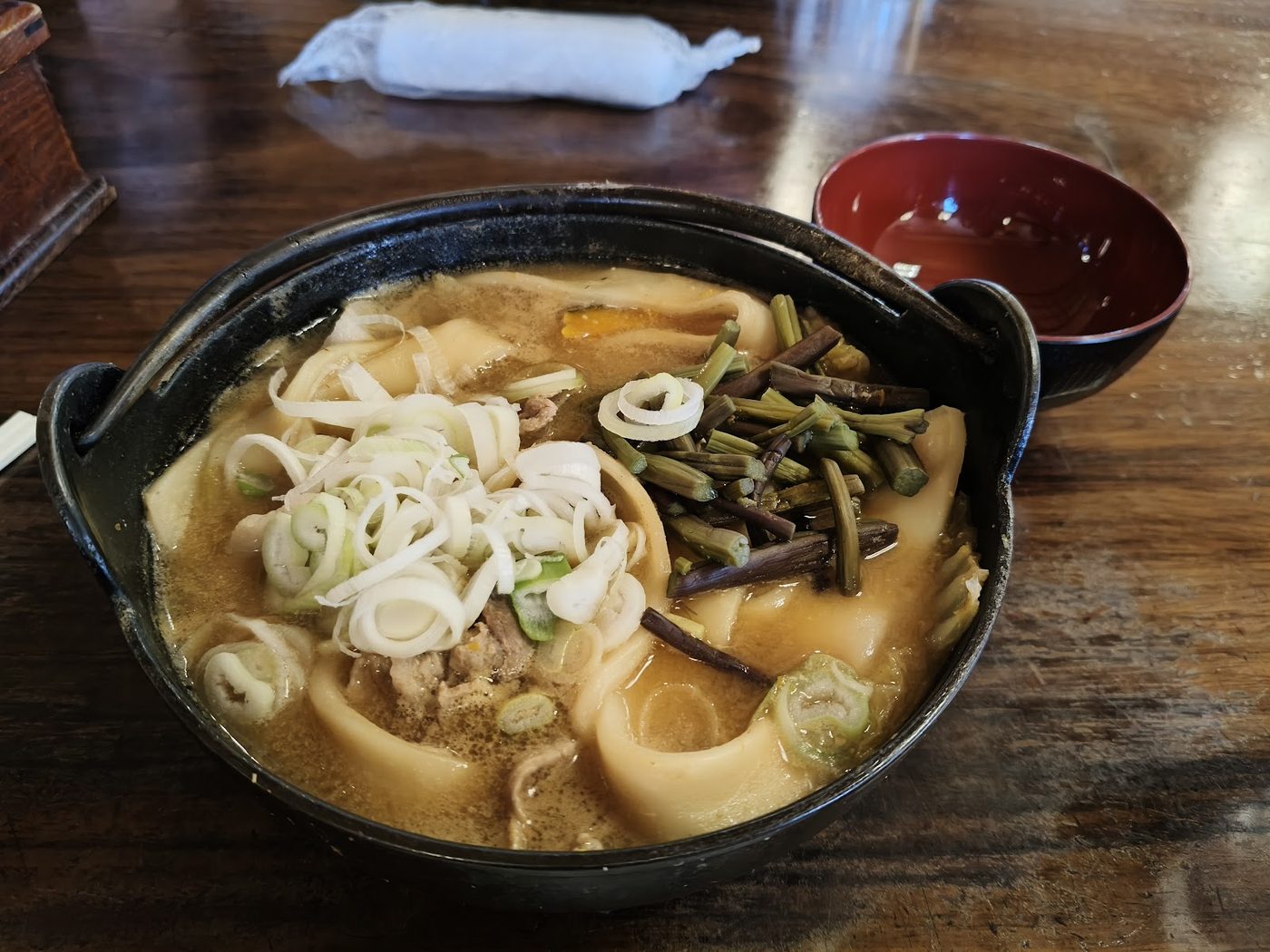
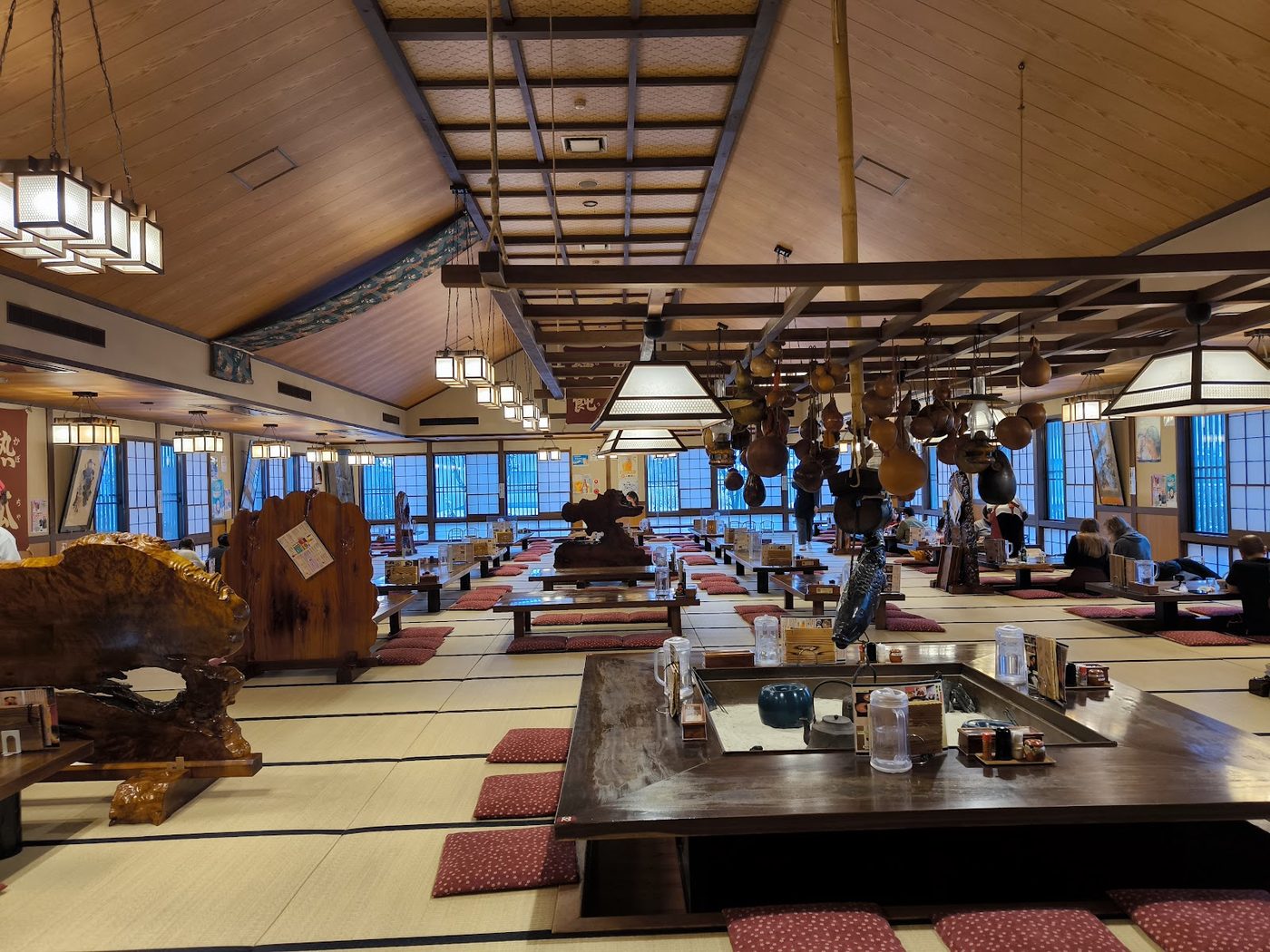
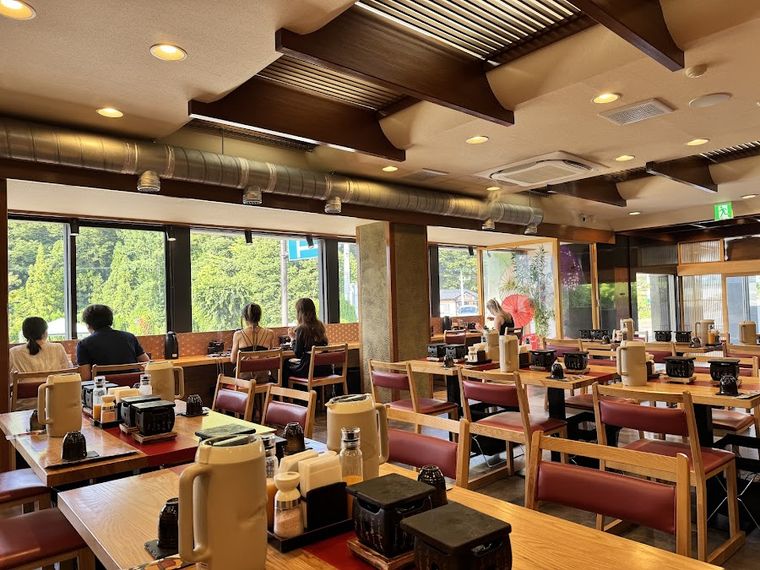
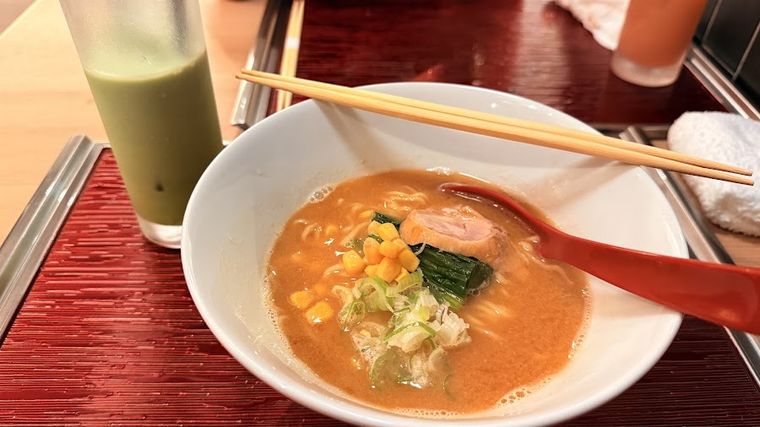
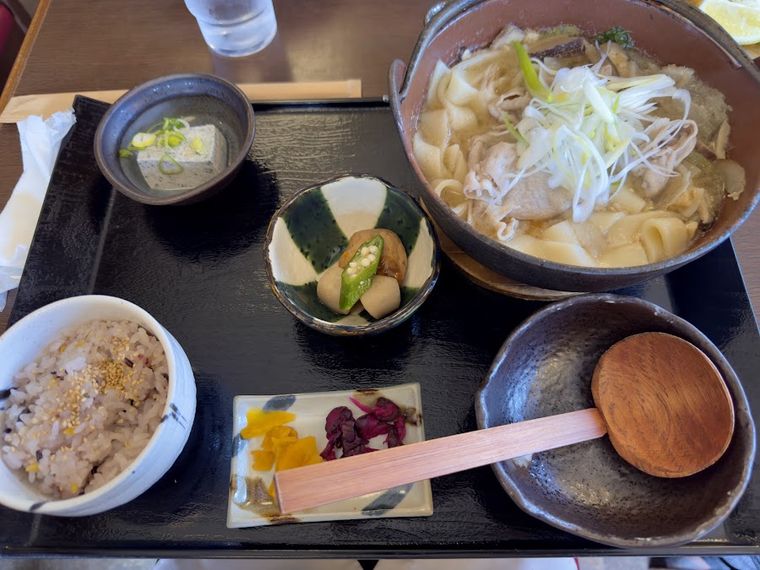
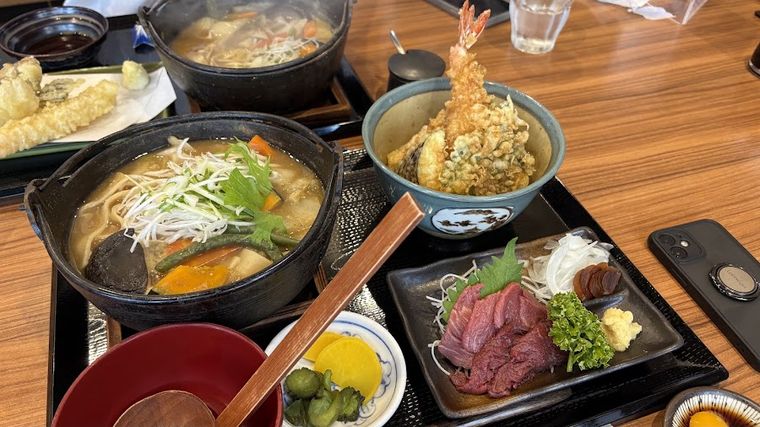
Kawaguchiko's signature dish. Thick flat udon noodles in rich miso soup with pumpkin, mushrooms, and seasonal vegetables. Heartwarming and filling. Hoto Fudo is the most famous restaurant.

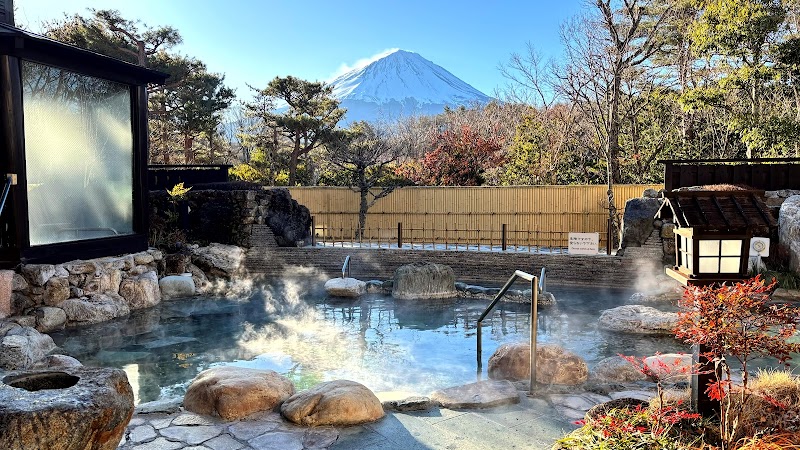
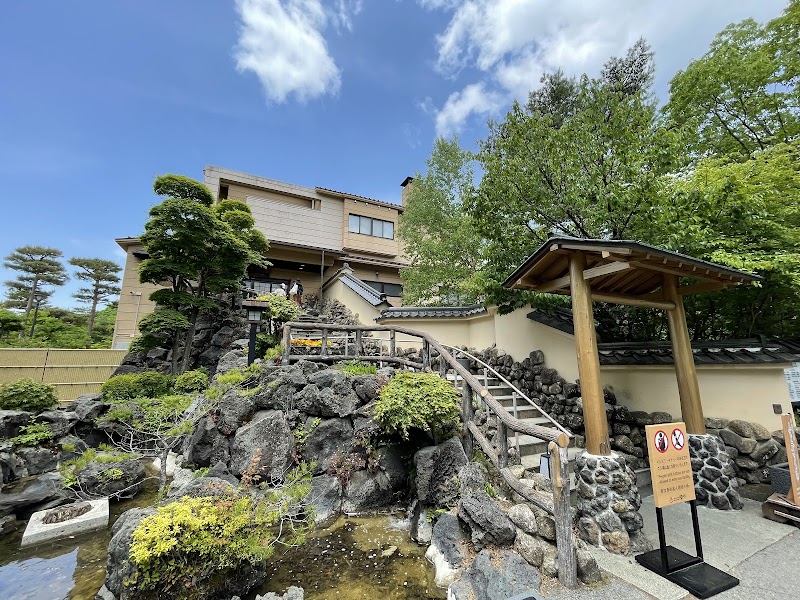
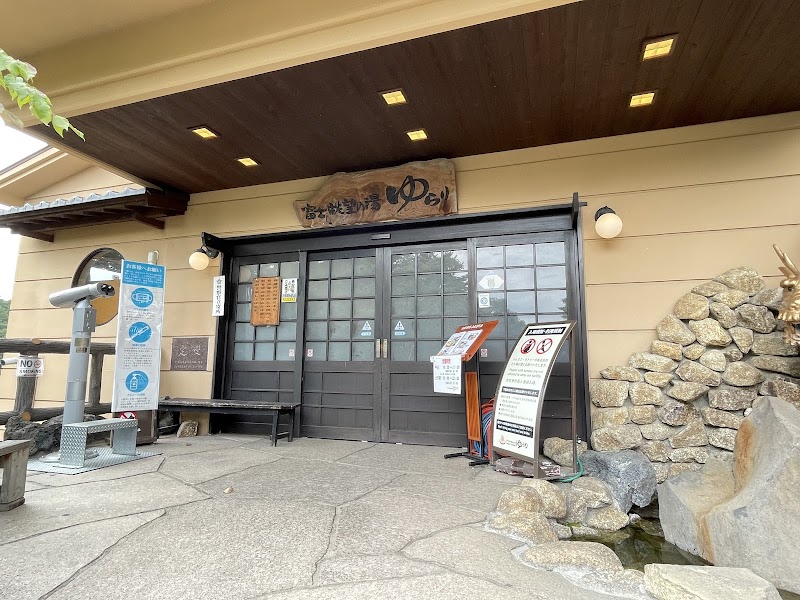
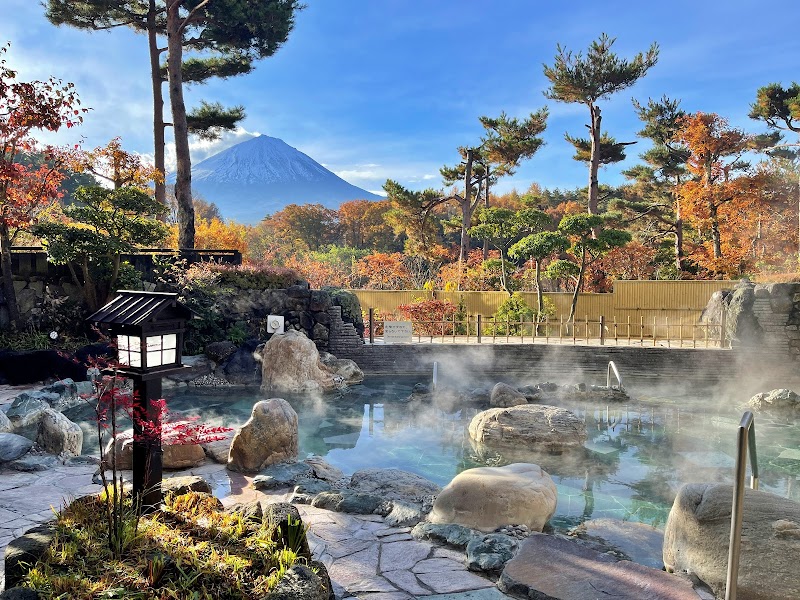
Day-use onsen with indoor and outdoor baths directly facing Mount Fuji. Multiple pool types. Restaurant on site. One of the best Fuji views you can get while soaking in hot water.

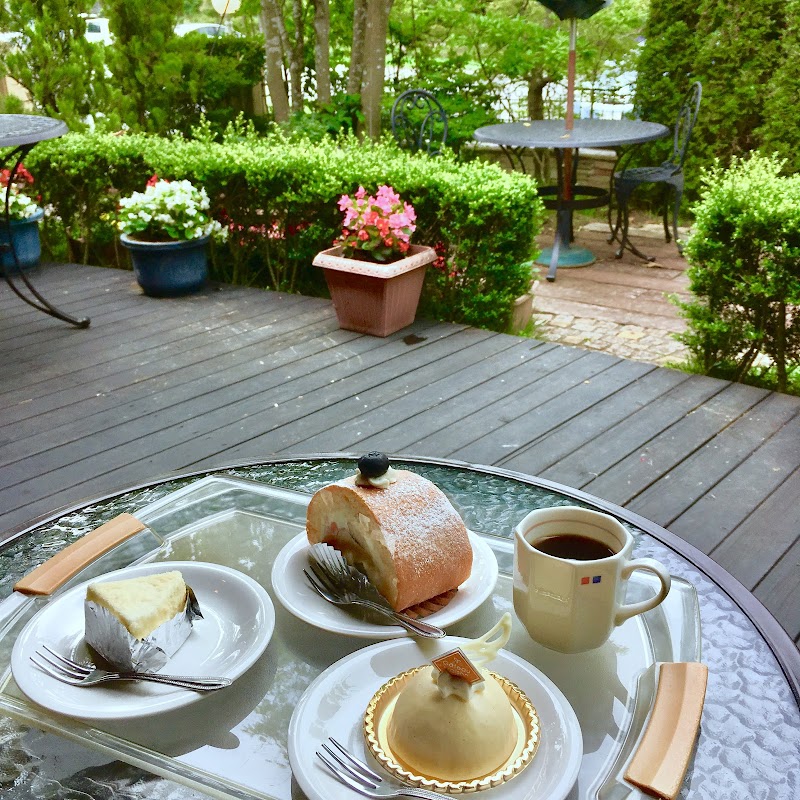
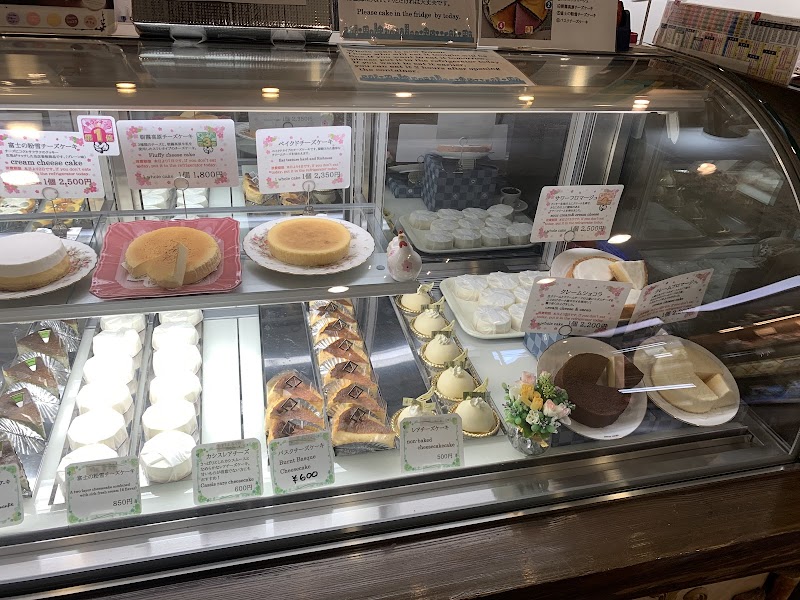
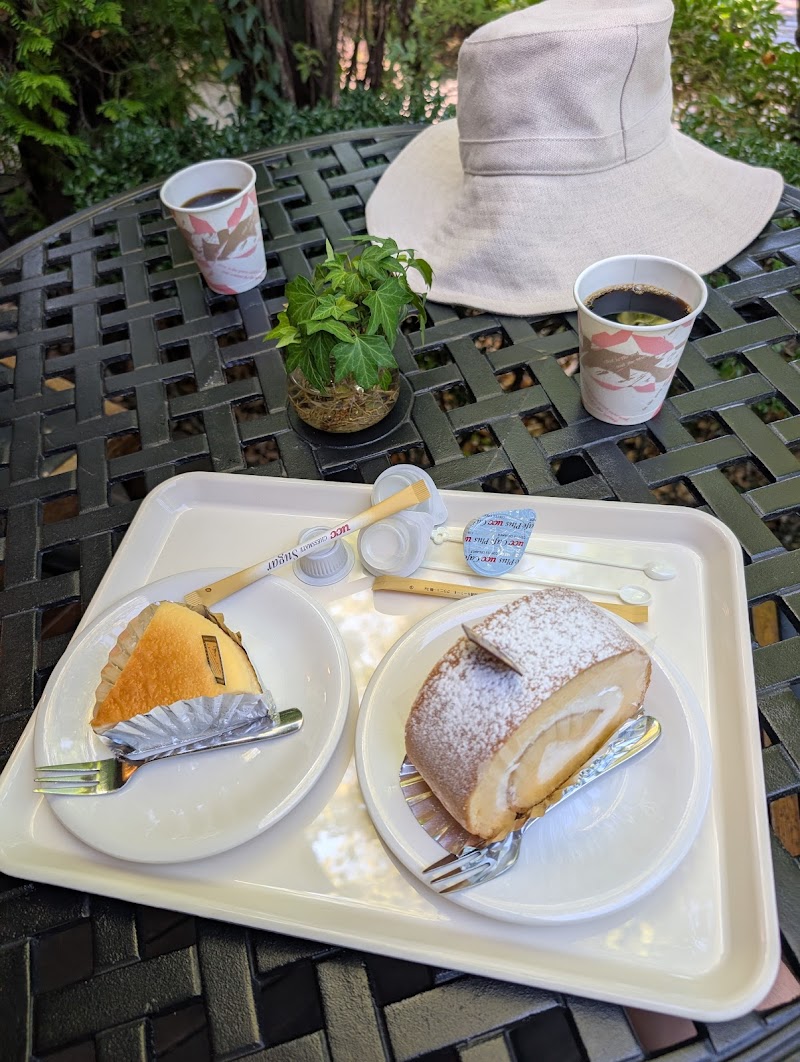
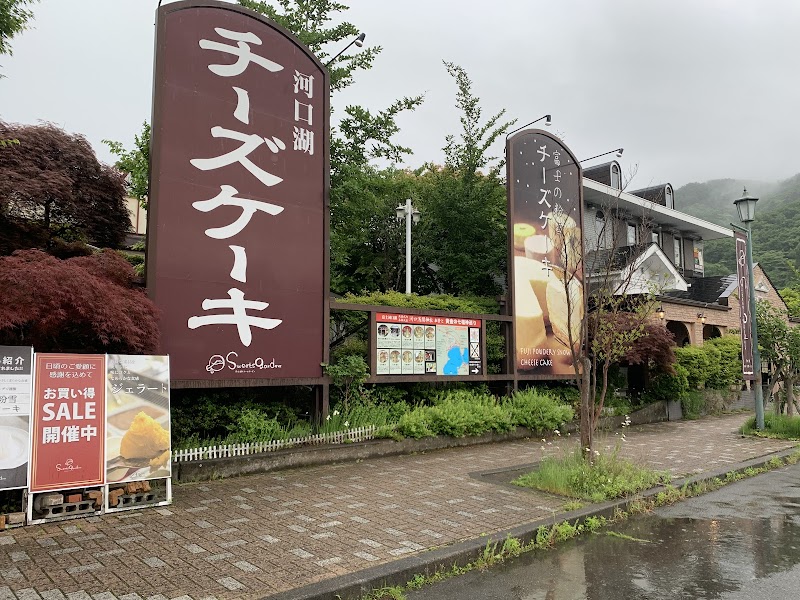
Local bakery famous for their Mount Fuji-shaped cheesecakes. Several flavors including blueberry and strawberry. The cafe has lake views. A sweet Kawaguchiko souvenir.

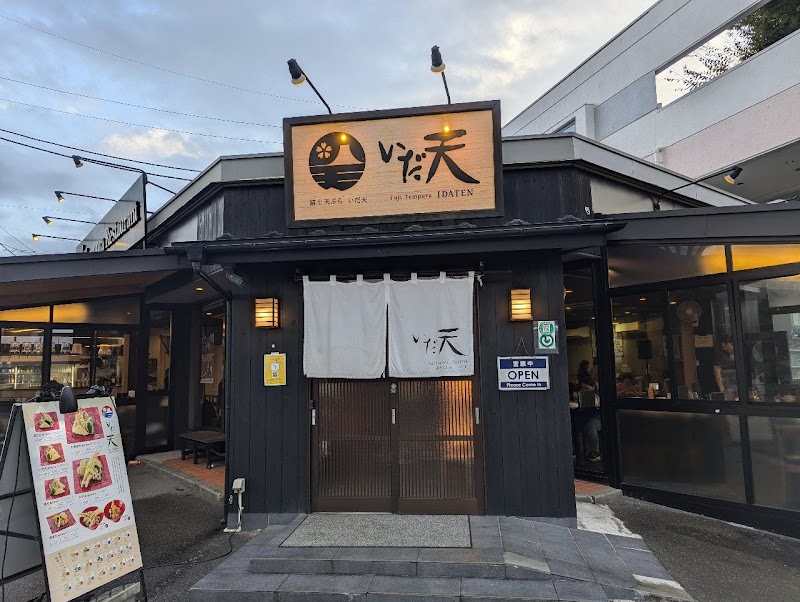
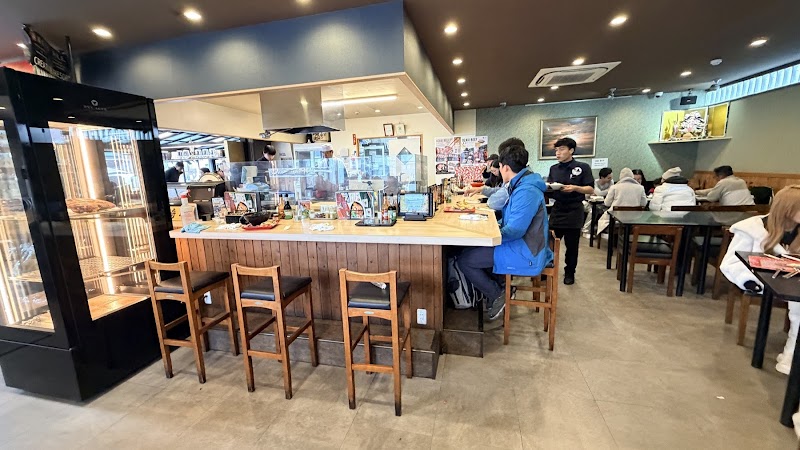
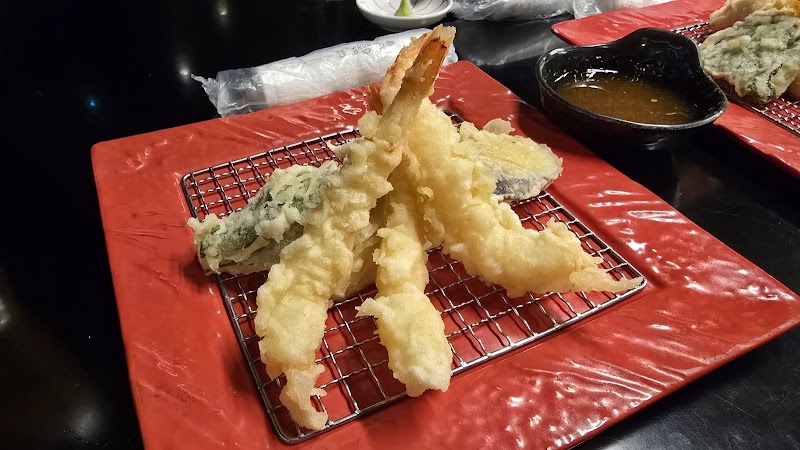
Popular restaurant near the station serving crispy tempura sets. Known for using fresh local vegetables. Good hearty meal before or after sightseeing. Reasonable prices.

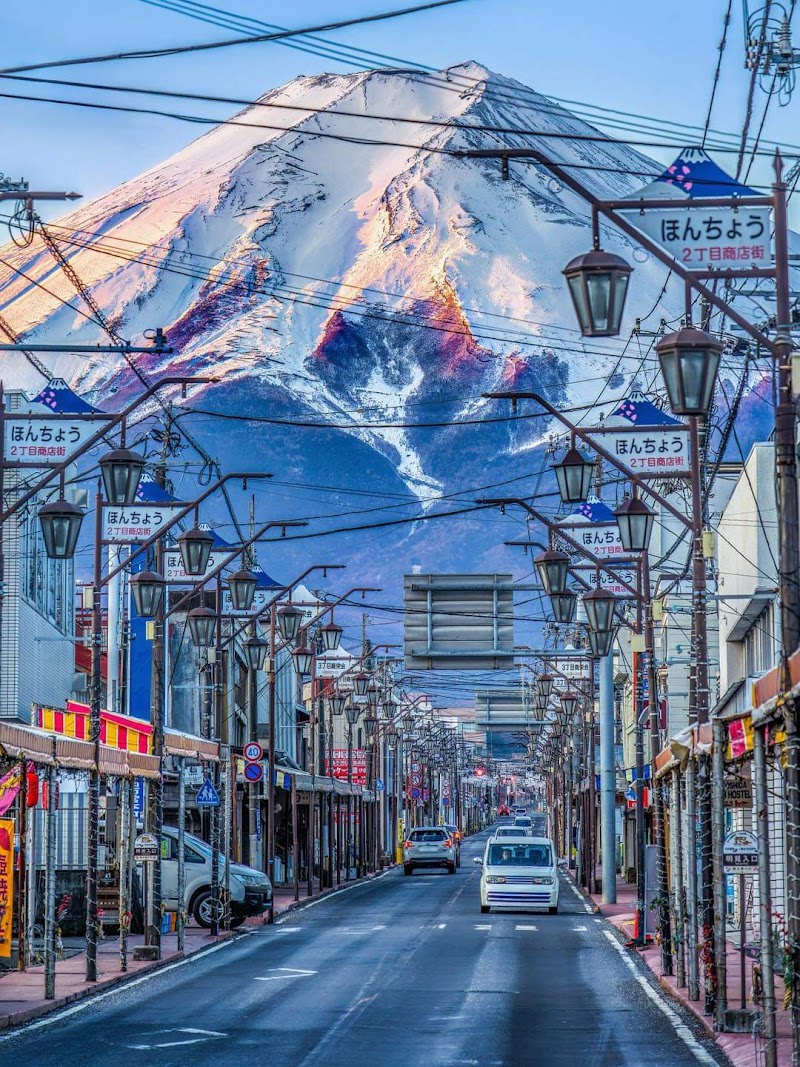
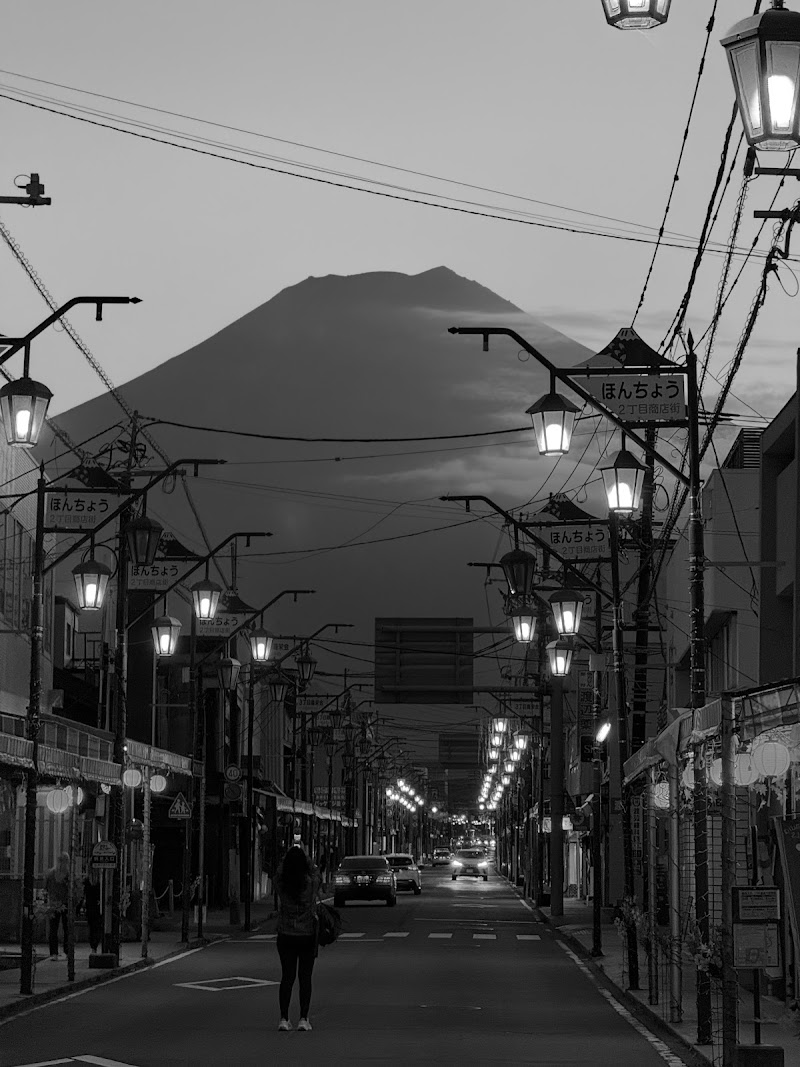
Retro shopping street leading to Chureito Pagoda. The view down the street with Mount Fuji towering at the end is iconic. Old-fashioned shops, textile mills, and a nostalgic atmosphere.

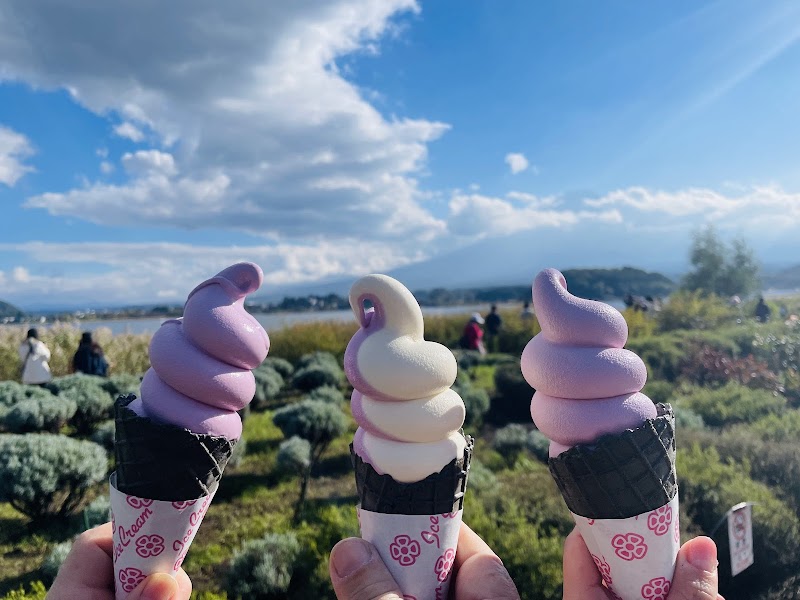
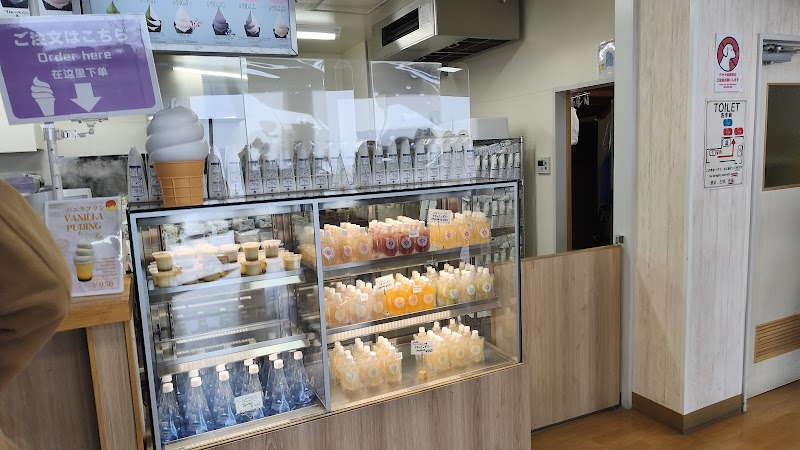
Several shops around the lakes serve soft-serve ice cream in unique local flavors: lavender, grape, peach, and Mount Fuji blue (ramune flavor). Cheap and refreshing.

Retro buses, roller coasters, boat cruises, and the Fifth Station.

Cute retro-styled sightseeing buses circling the lake. Red line covers the east side, Green line the west. Unlimited ride passes available. The easiest way to get around without a car.

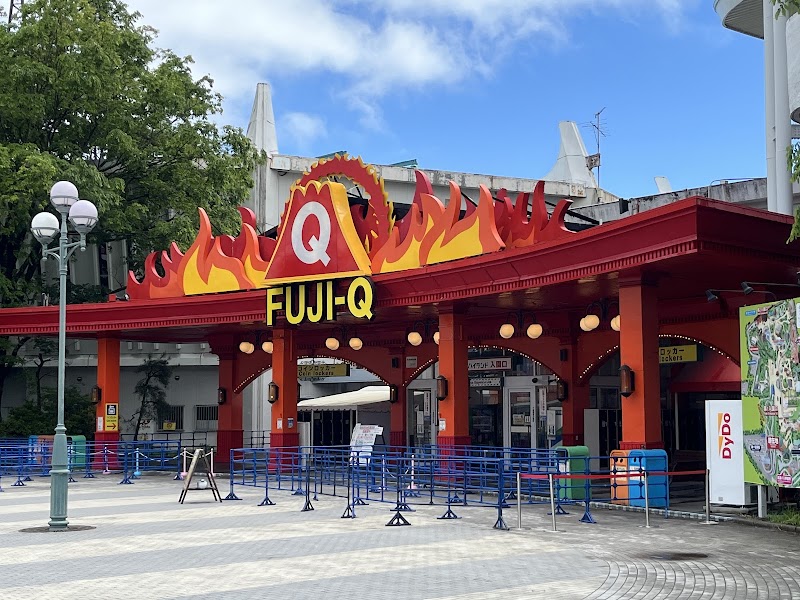
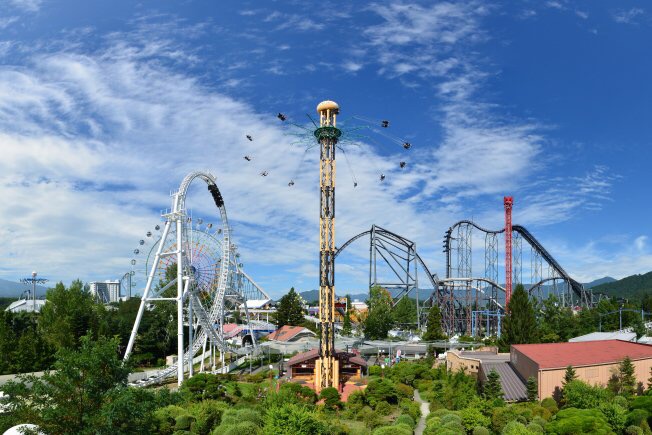
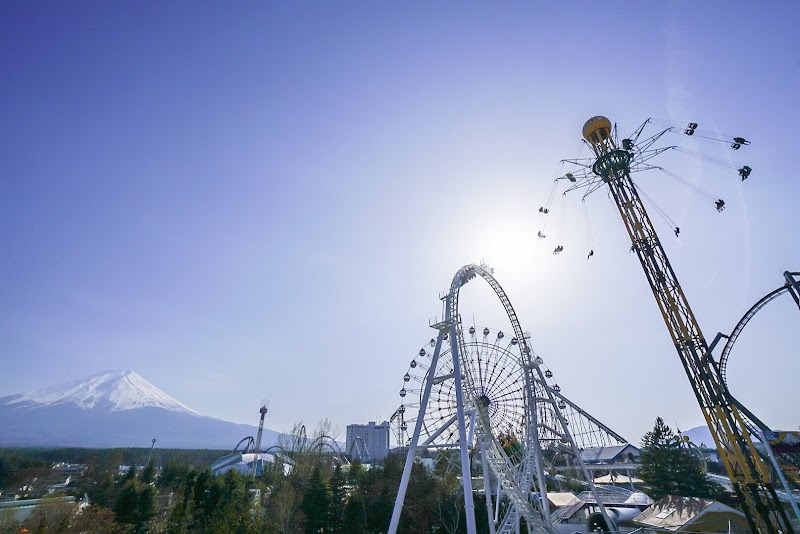
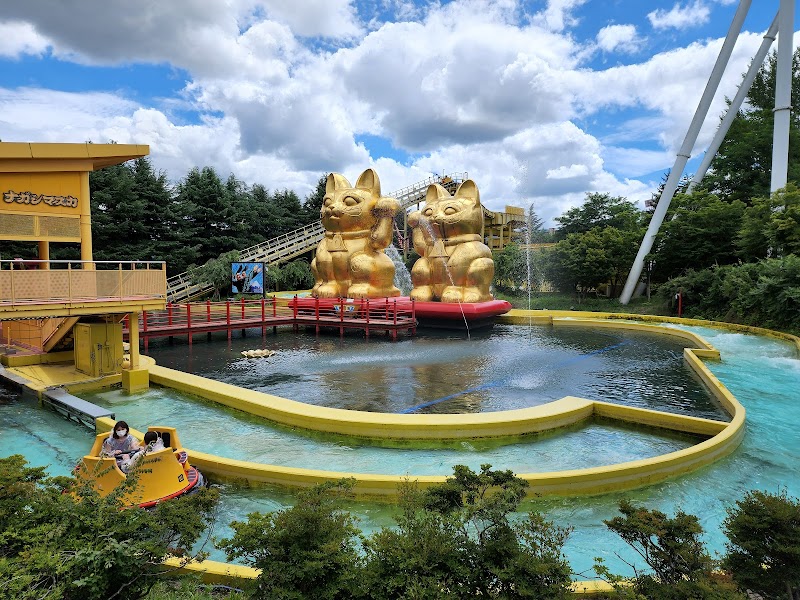
Legendary amusement park at the base of Mount Fuji. Several world-record roller coasters including Eejanaika and Takabisha (steepest drop). The Fuji backdrop makes every ride more dramatic.

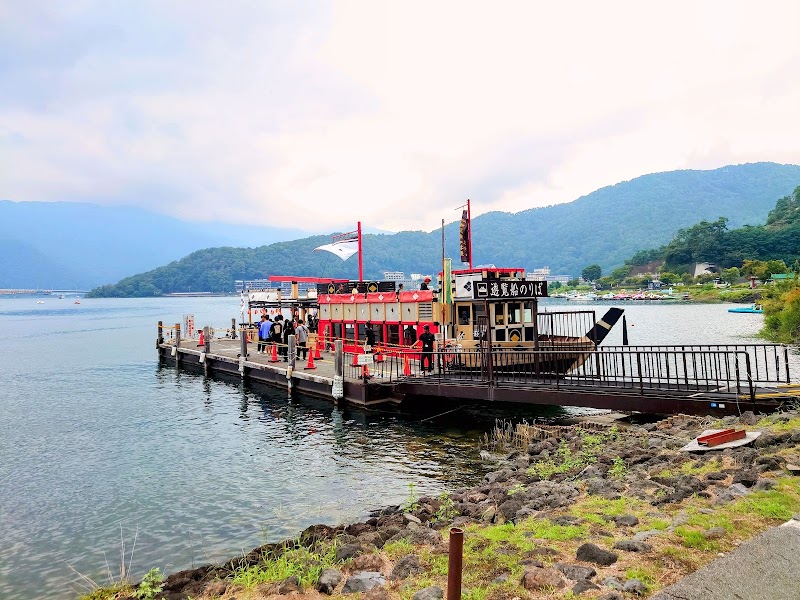
Cruise on a European-style pleasure boat called En Soleil. 20-minute circuit of the lake. Views of Mount Fuji from the water. Multiple departures daily. Relaxing and scenic.

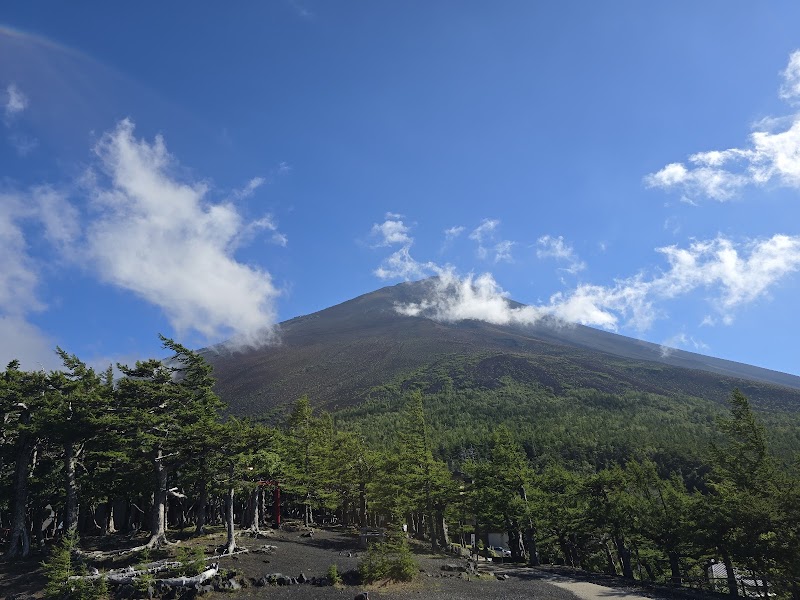
Drive or take a bus up to the 5th station (2, 300m) on Mount Fuji's north slope. Above the clouds on clear days. Souvenir shops and restaurants. Open roughly May to November.

Workshops near the Kubota museum where you can try traditional dyeing techniques. Create your own fabric art. A hands-on cultural experience in a beautiful lakeside setting.

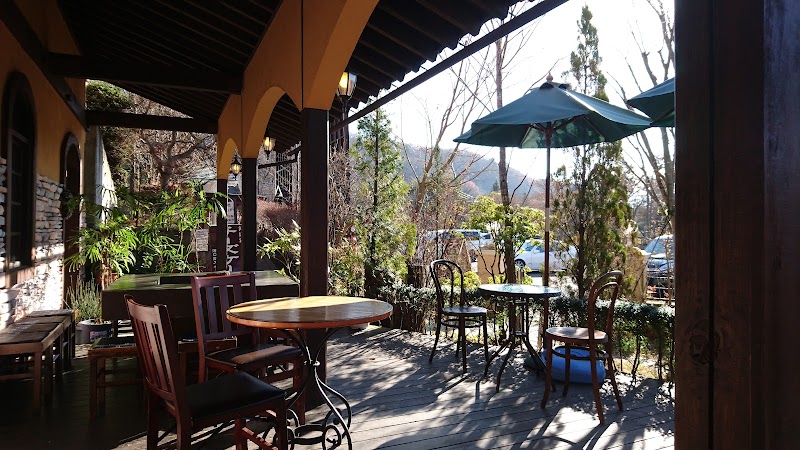
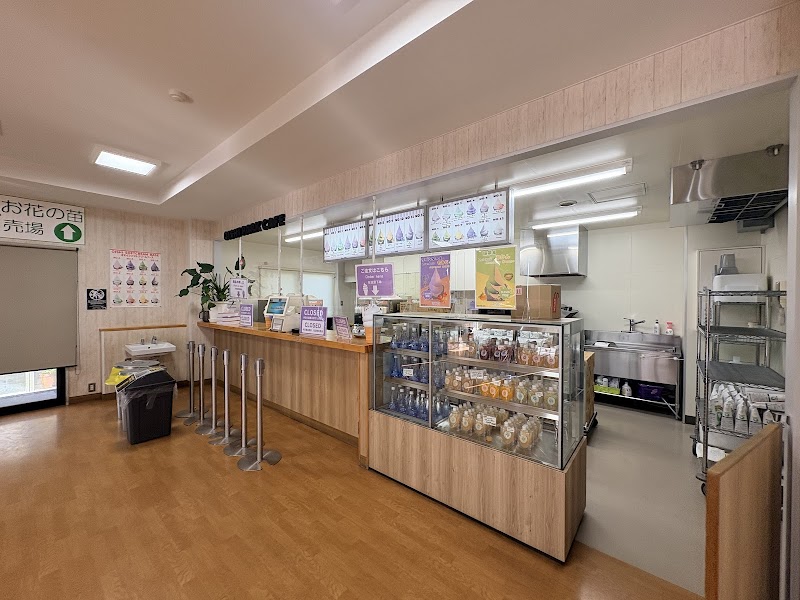
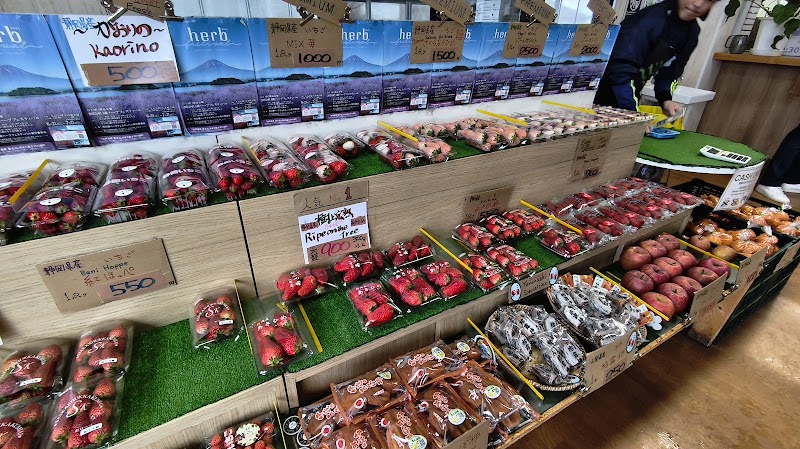
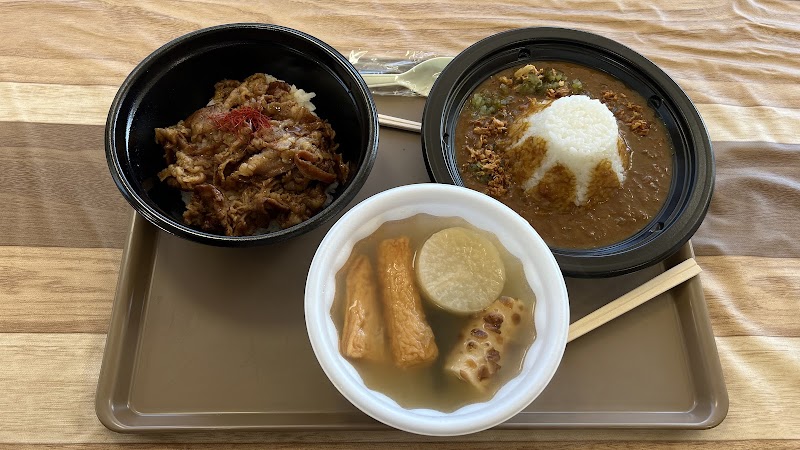
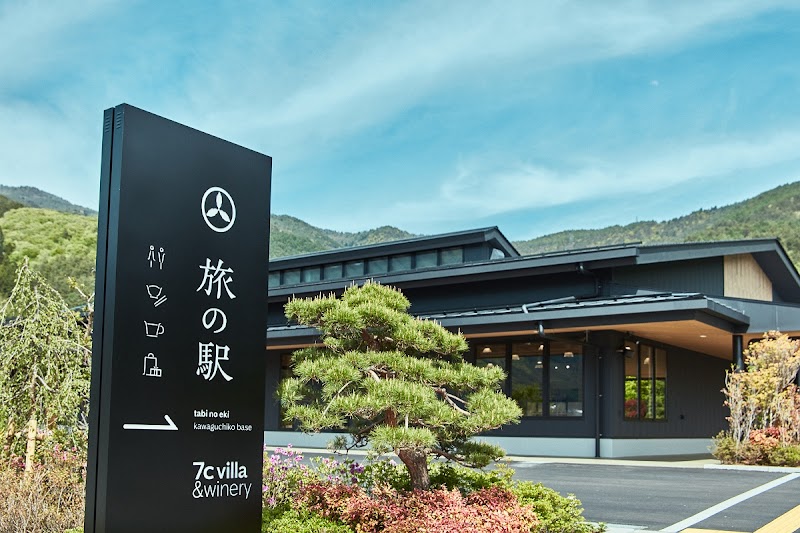
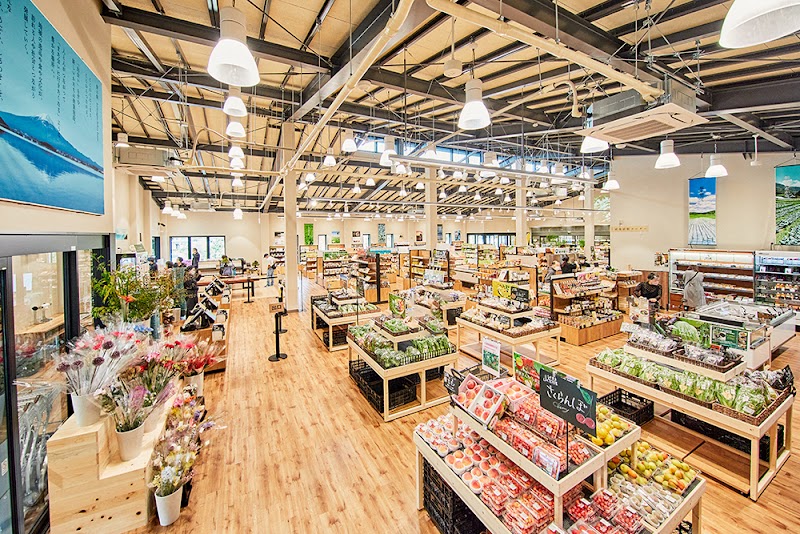
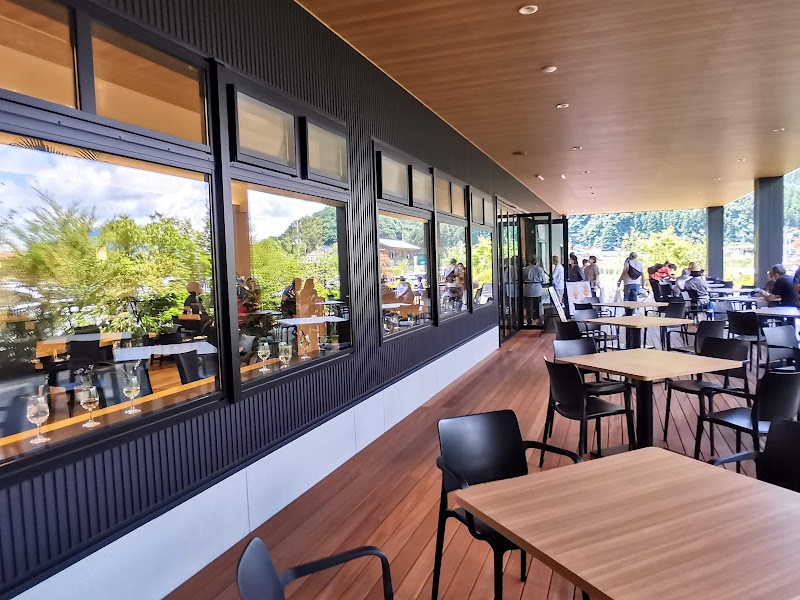
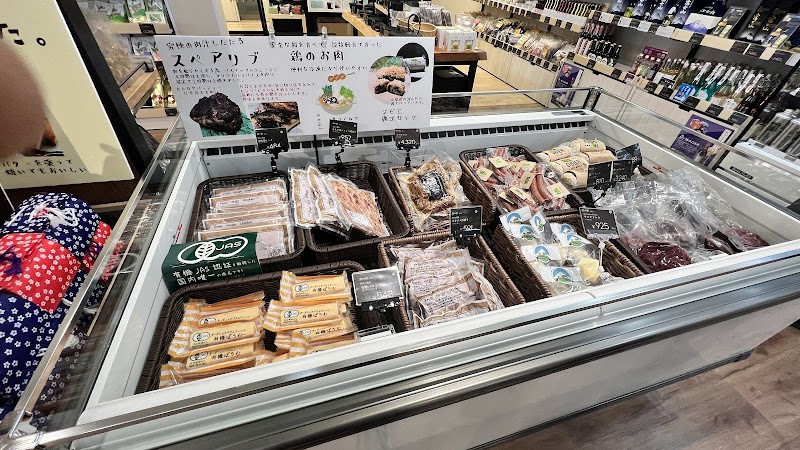
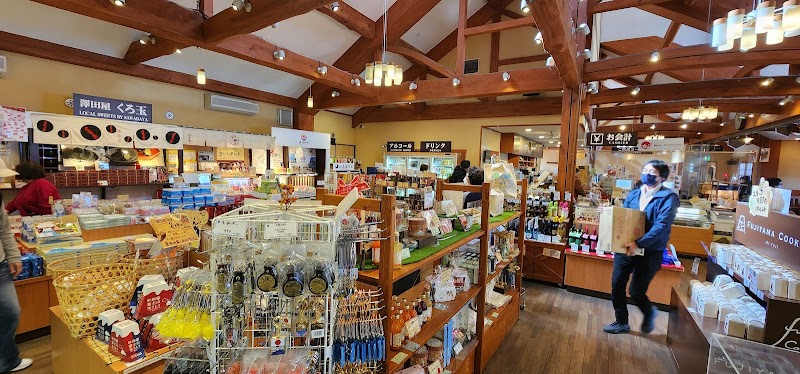
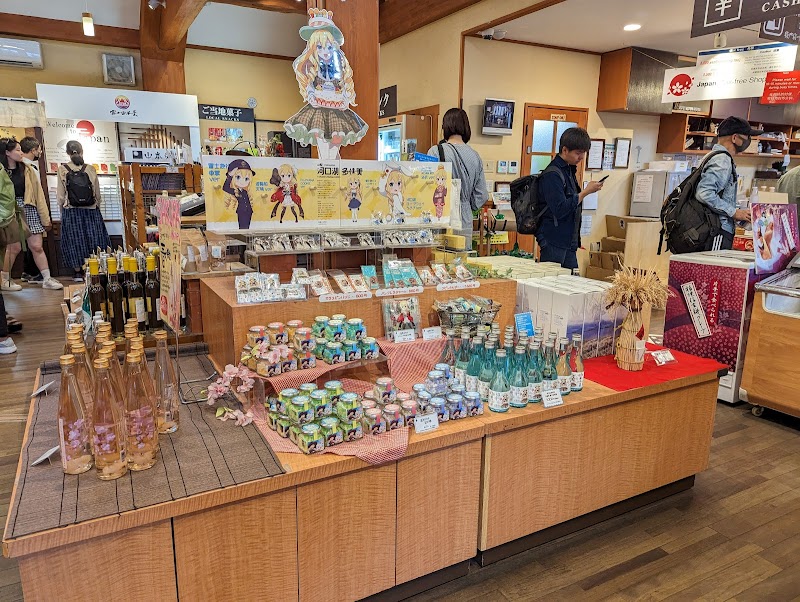
Rest stop complex with a local produce market, restaurant with outdoor terrace seating, and winery. All with Mount Fuji views. Try the local wine and seasonal fruits. Good lunch stop.

Large glamping and outdoor activity facility at the base of Mount Fuji. Zipline, canopy walk, bouldering wall, and camping. Opened recently. Great for active travelers.