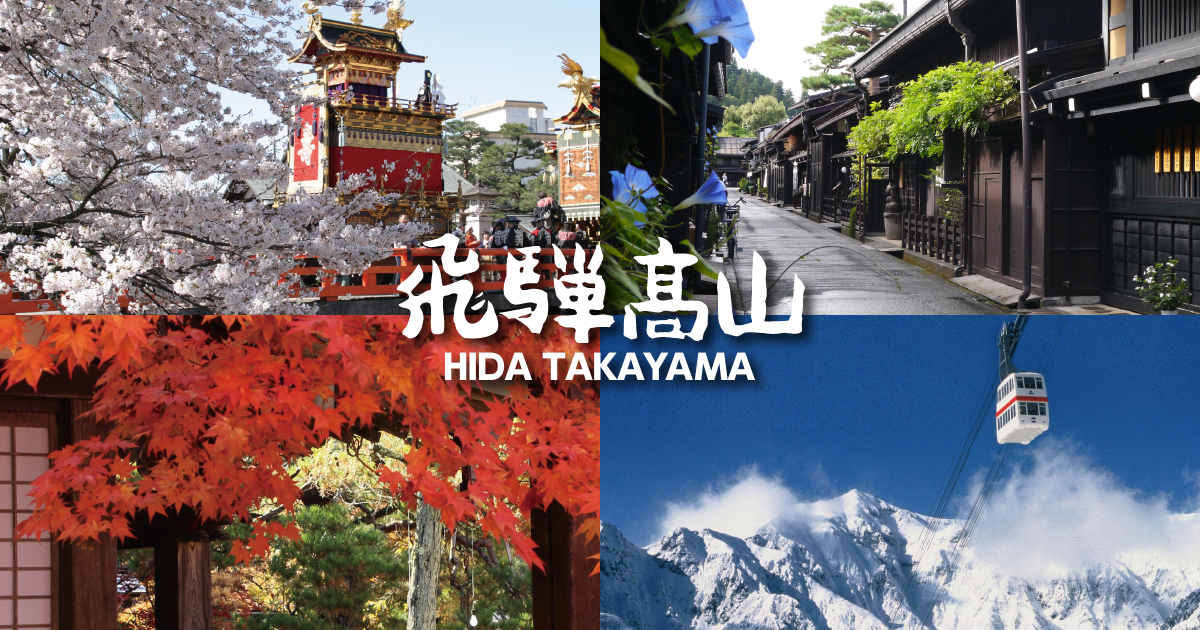
A beautifully preserved Edo town in the Japanese Alps, atmospheric old streets, riverside morning markets, Hida beef, and sake breweries. 69 curated spots.
Castle ruins, architectural wonders, and centuries of local heritage.
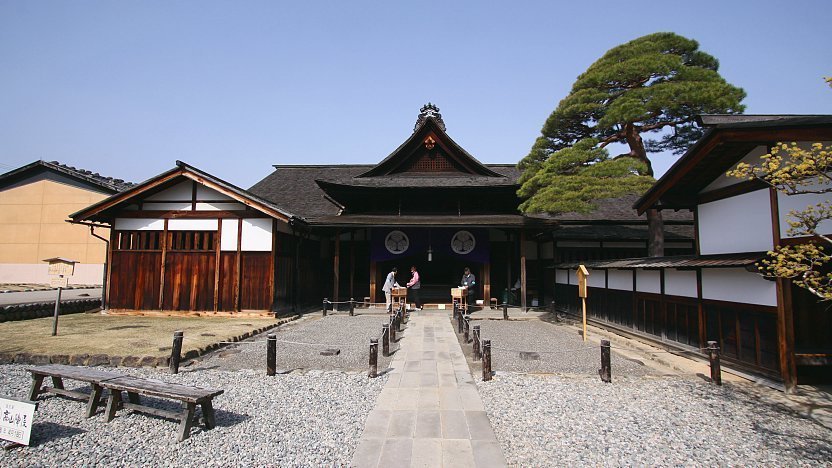
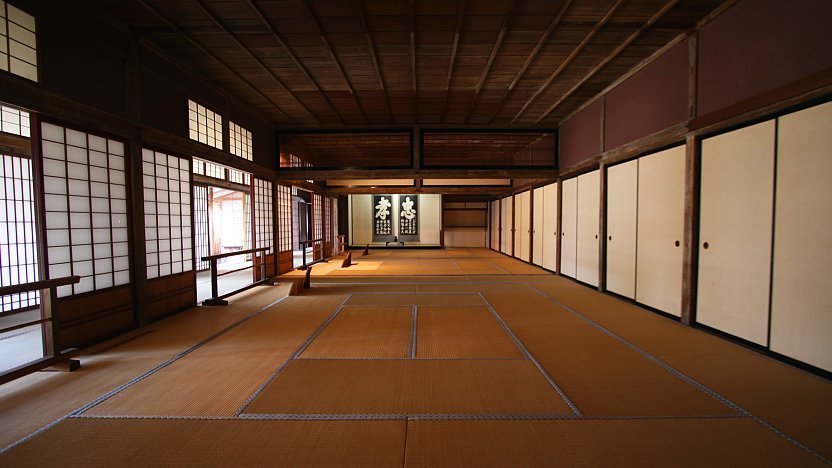
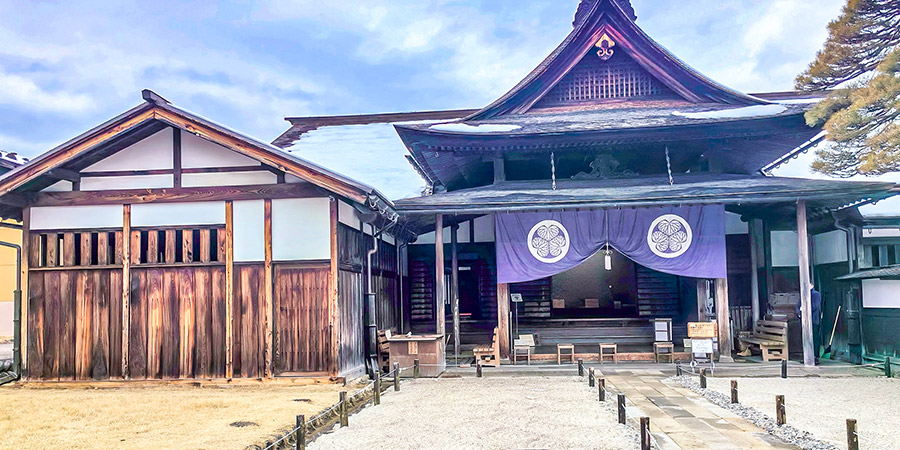
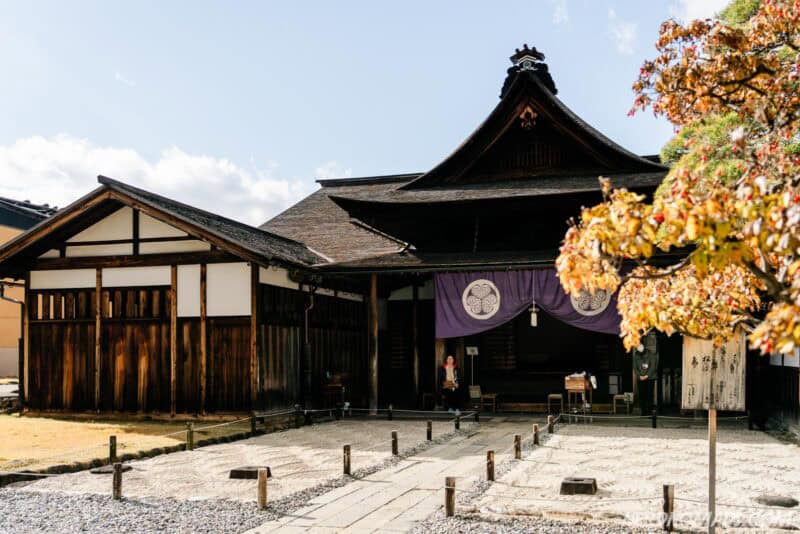
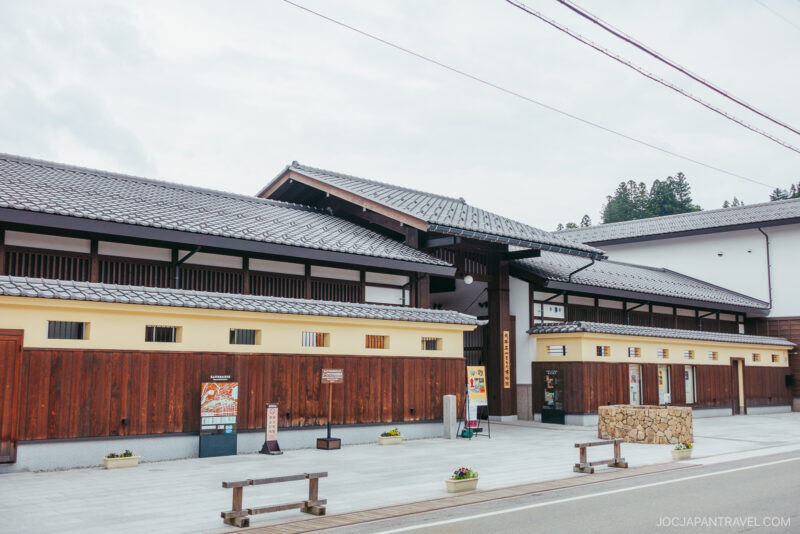
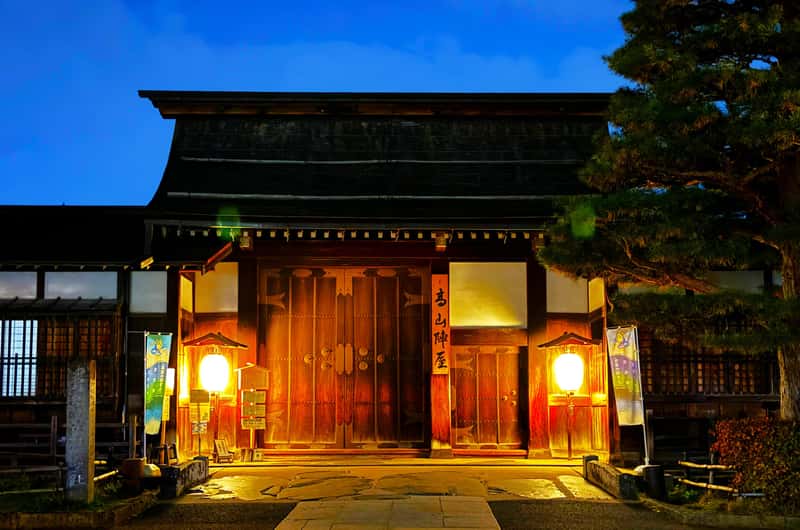
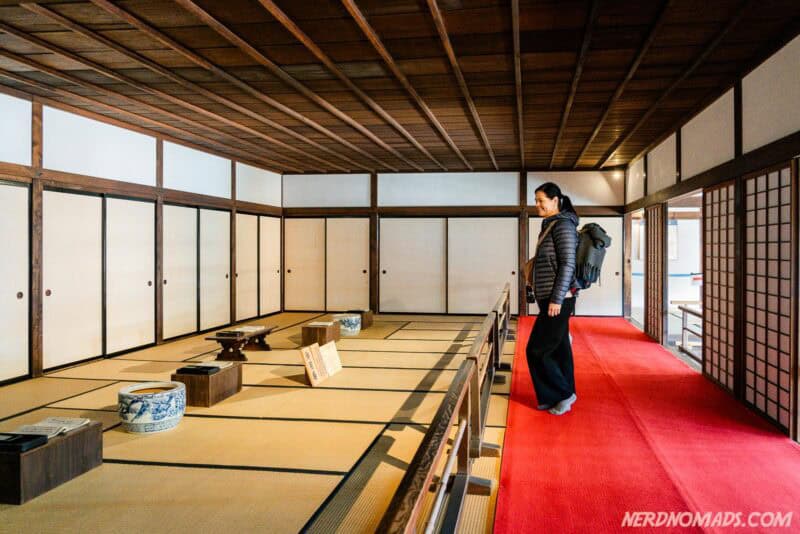
Japan's only remaining Edo-period provincial government building. Rooms furnished as they were 300 years ago. A massive rice storehouse. Fascinating peek into feudal administration.
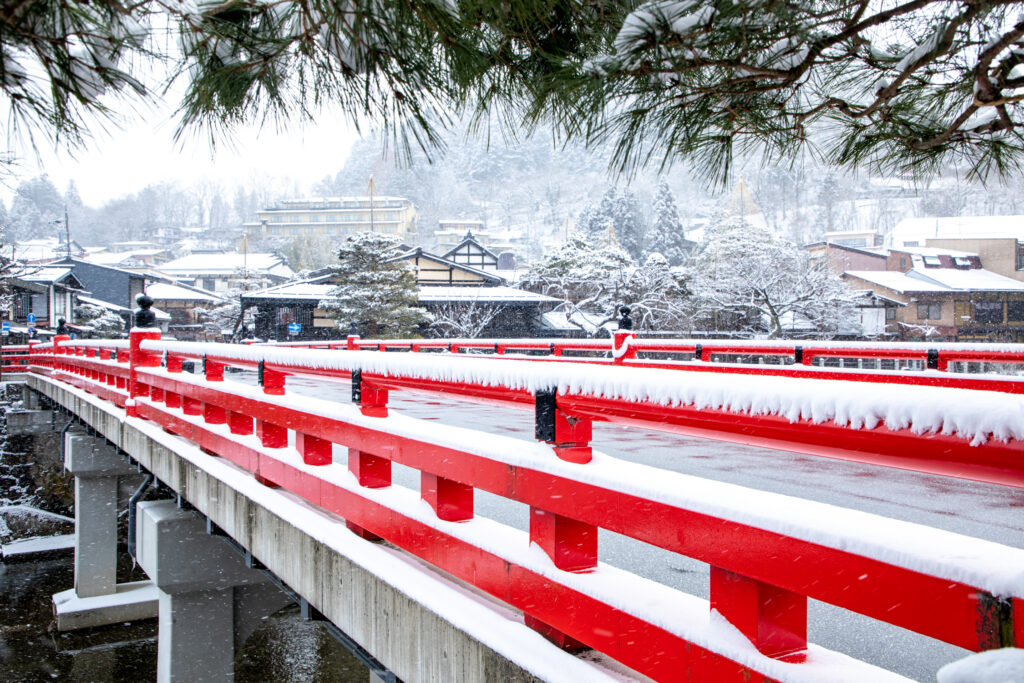
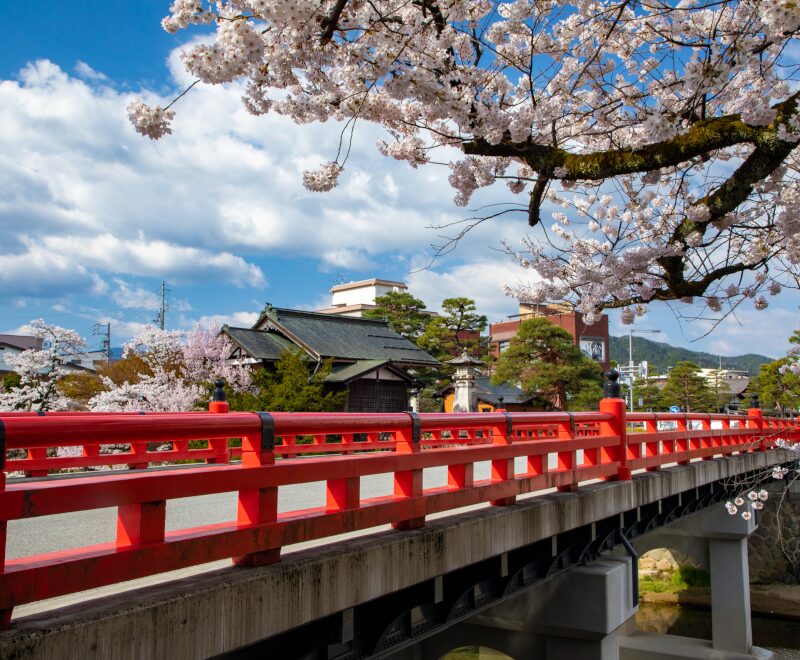
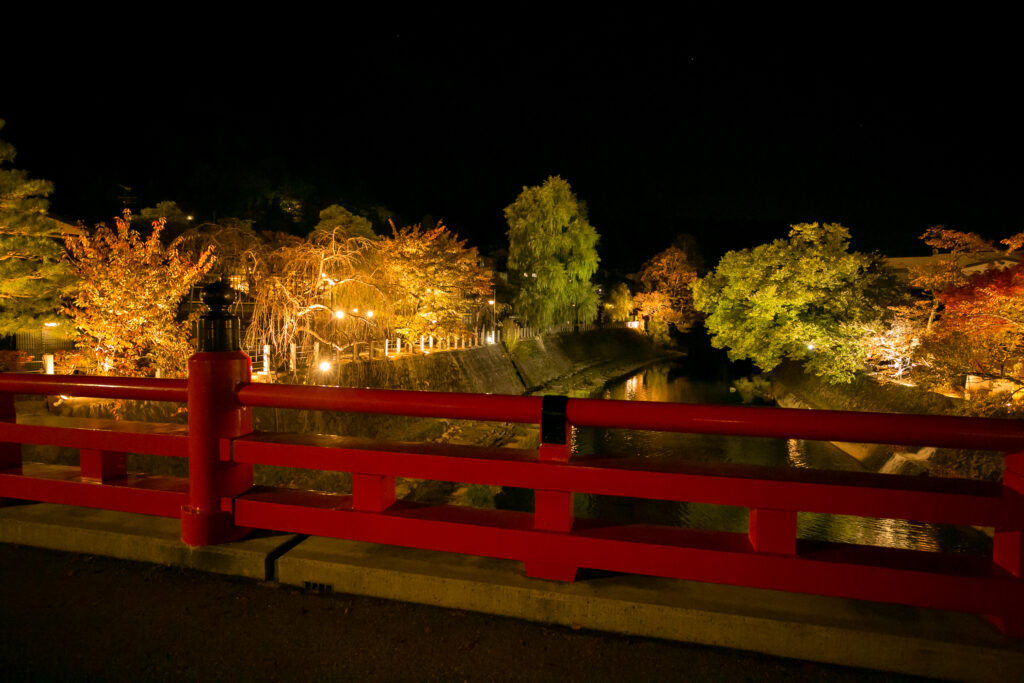
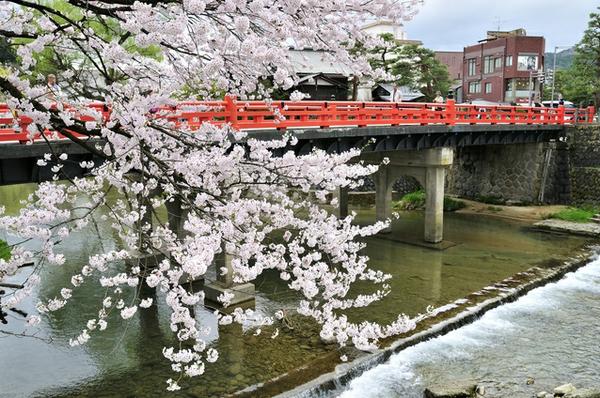
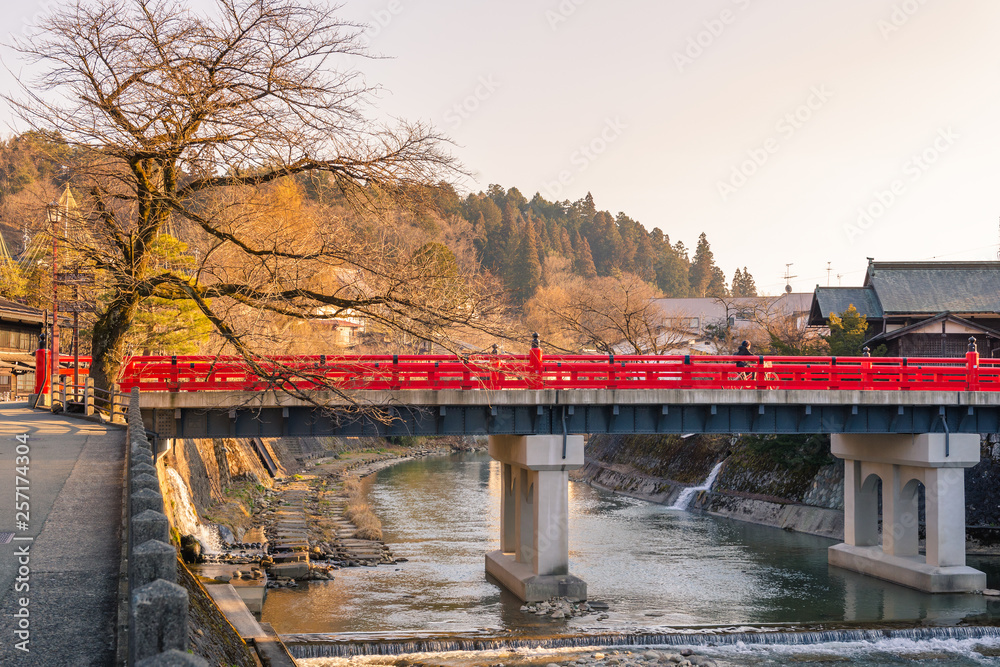
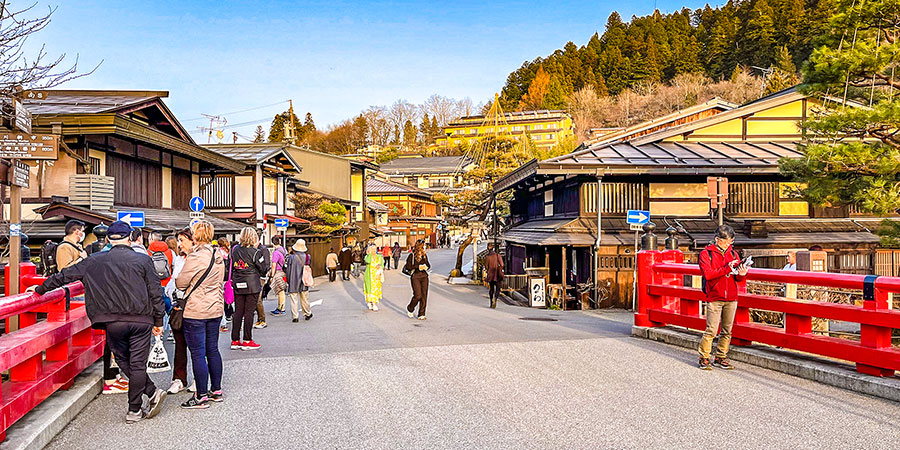
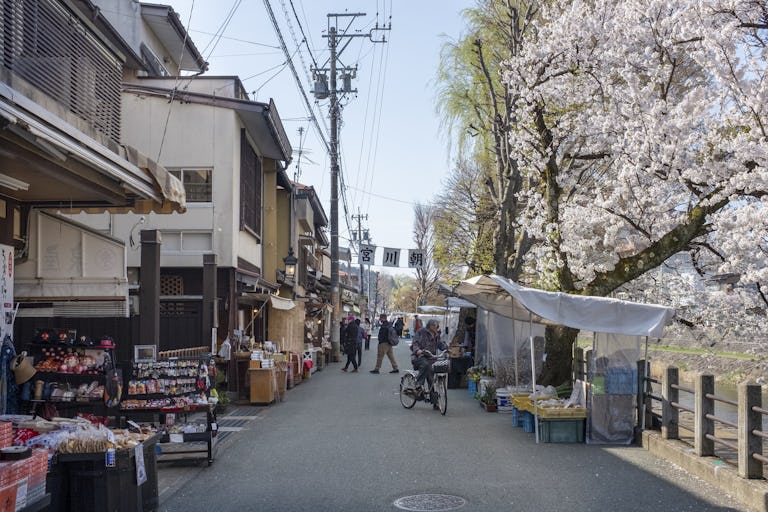
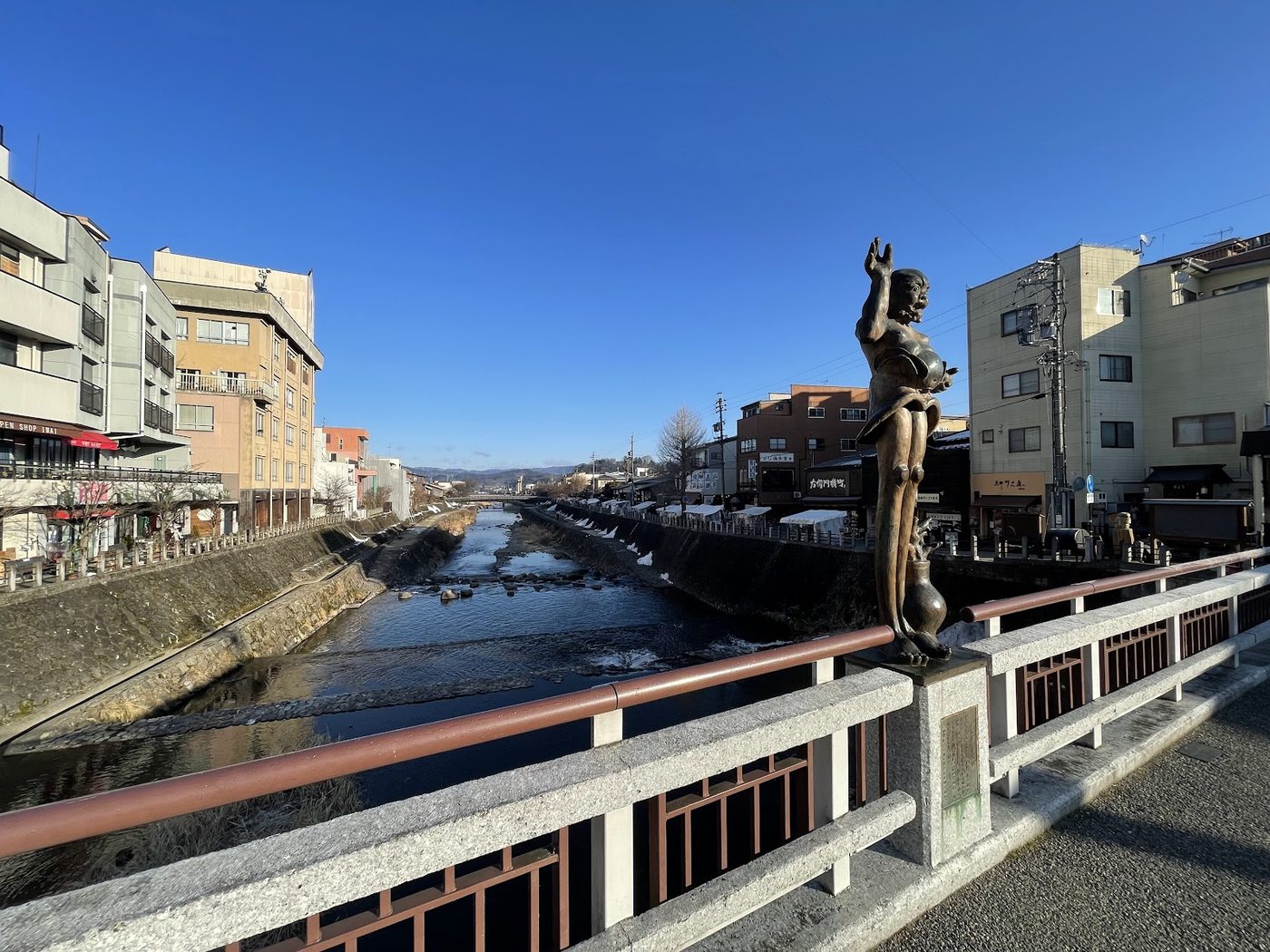
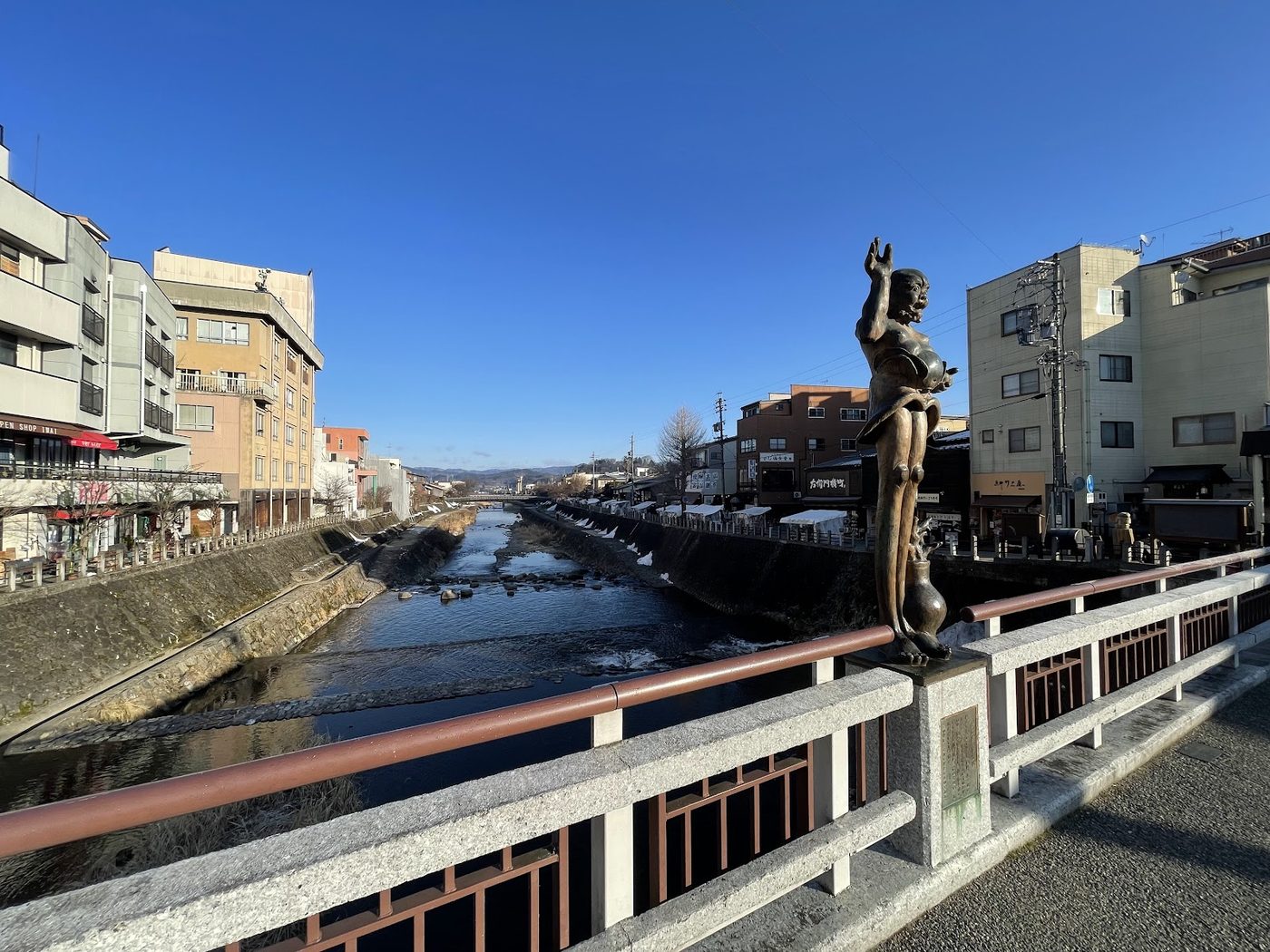
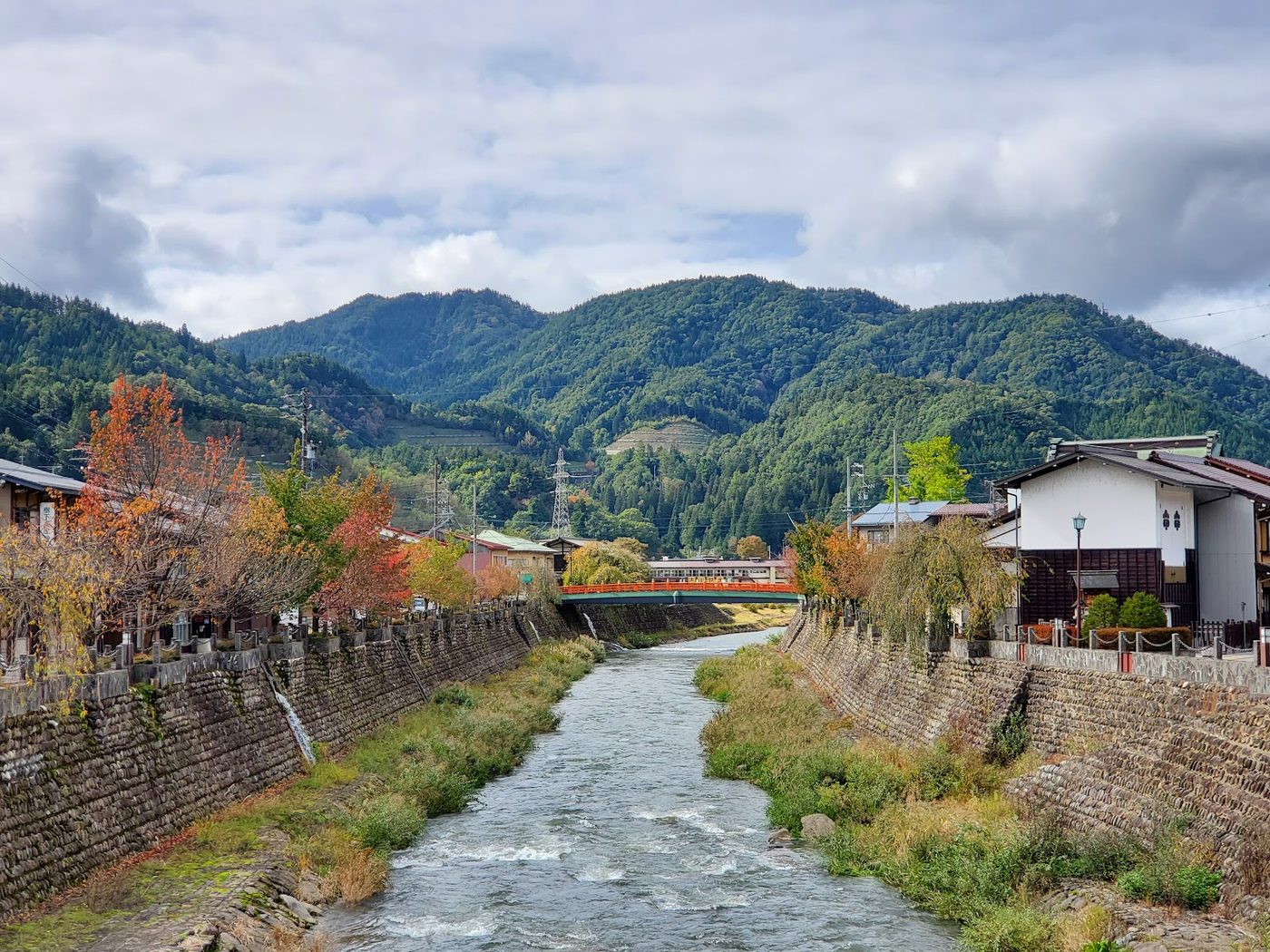
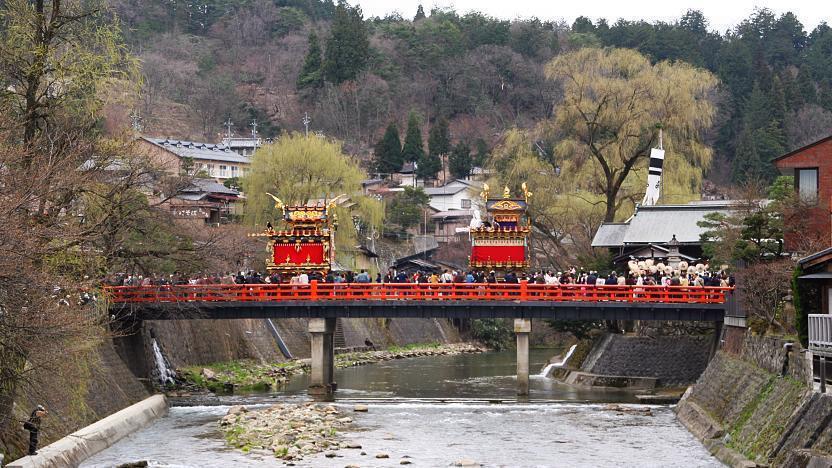
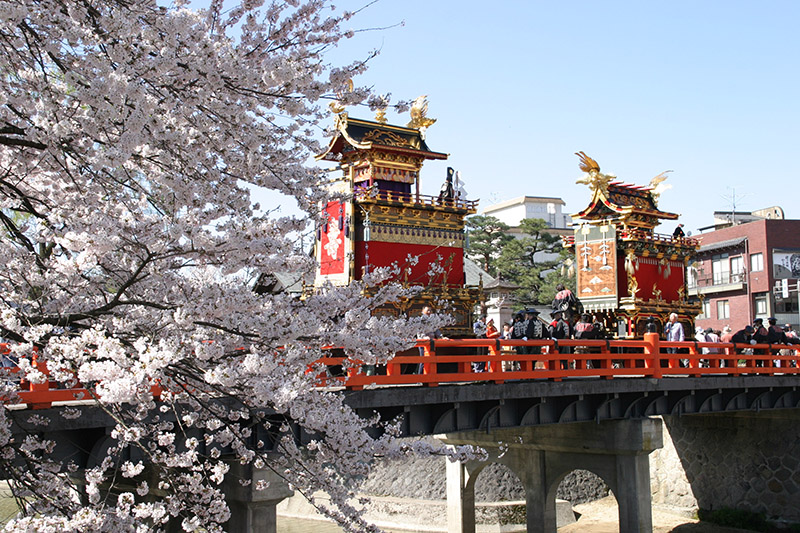
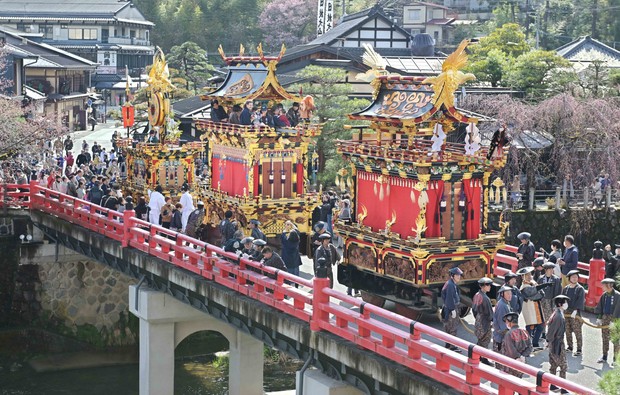
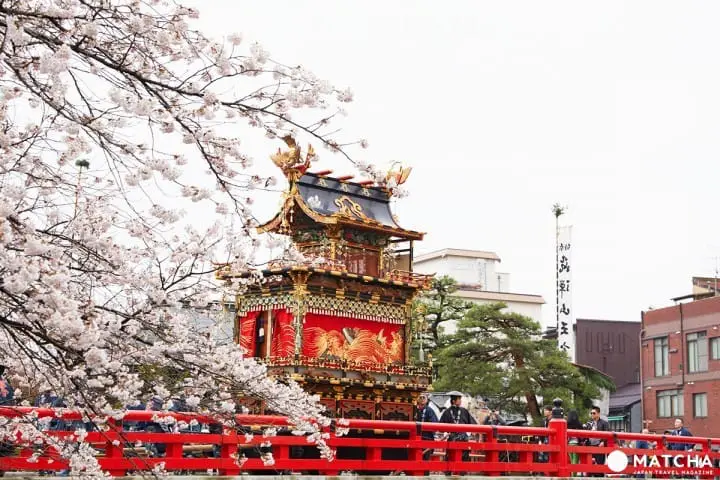
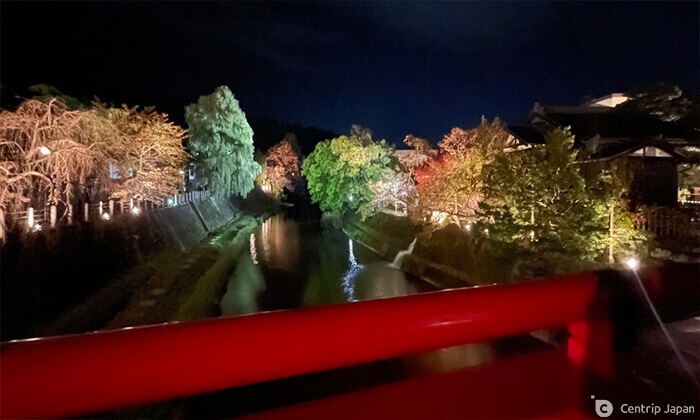
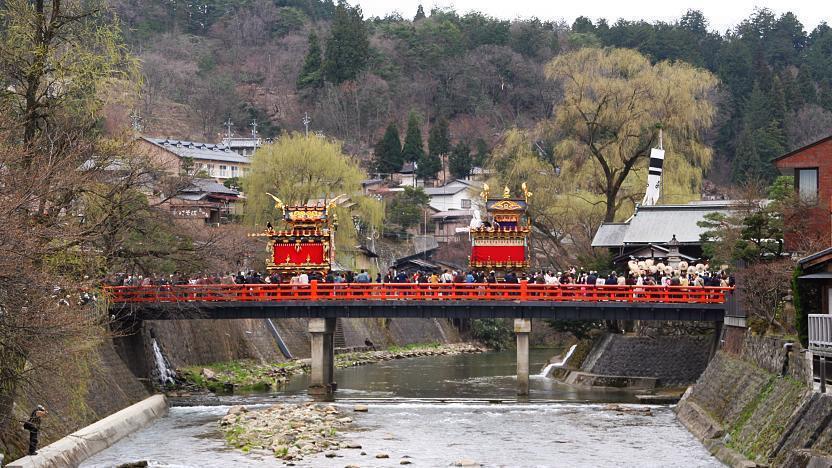
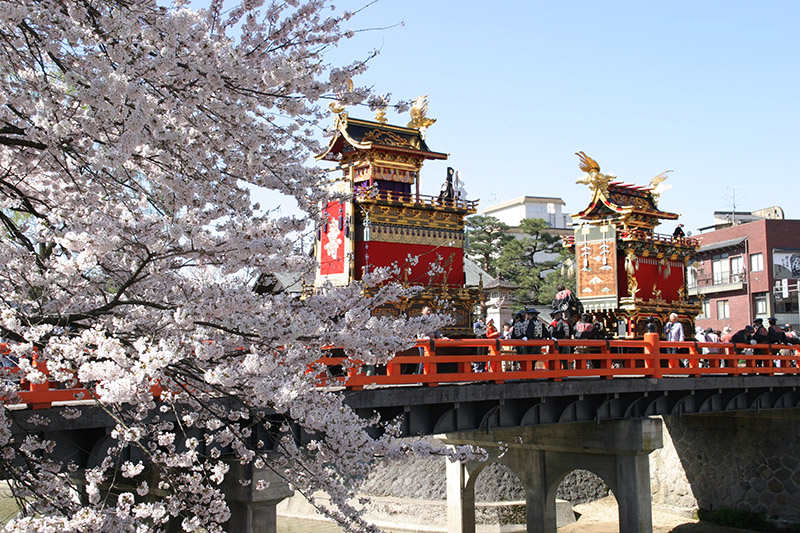
Red lacquered bridge over the Miyagawa River. The most photographed spot in Takayama. Cherry blossom trees line the riverbanks. Beautiful reflections in the water at any time of year.
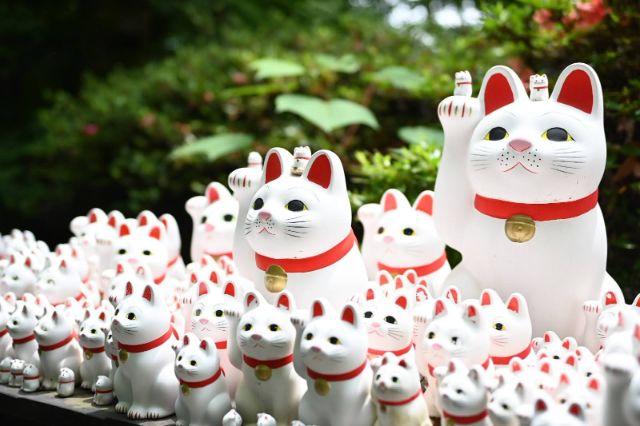
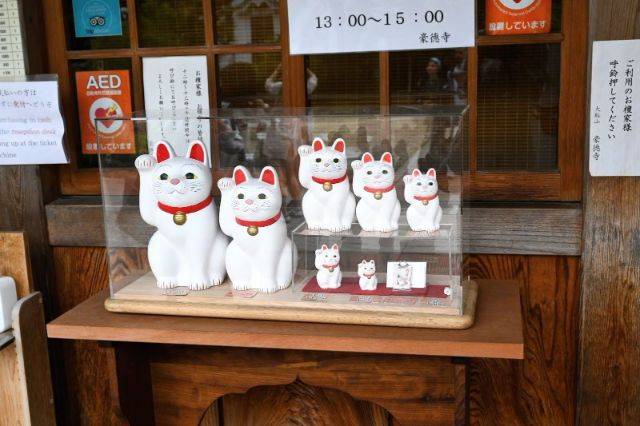
The station has a notable collection of maneki-neko (beckoning cats) donated by visitors. Hundreds of lucky cat statues of every size. A quirky photo opportunity.
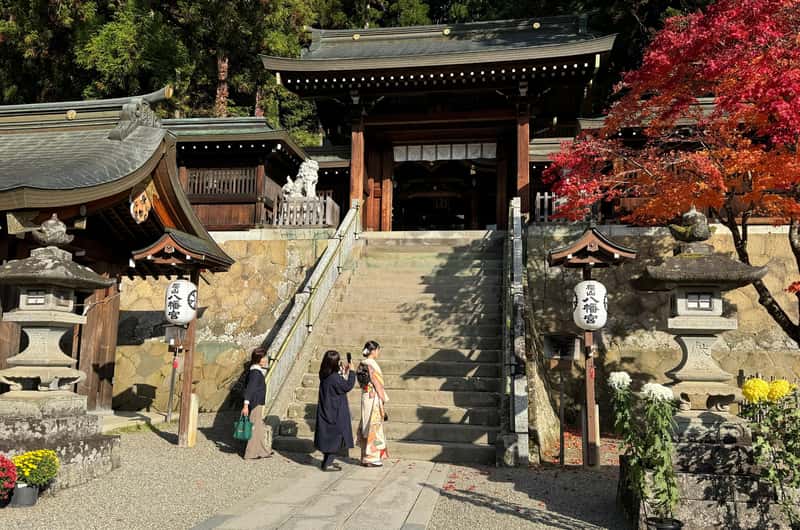
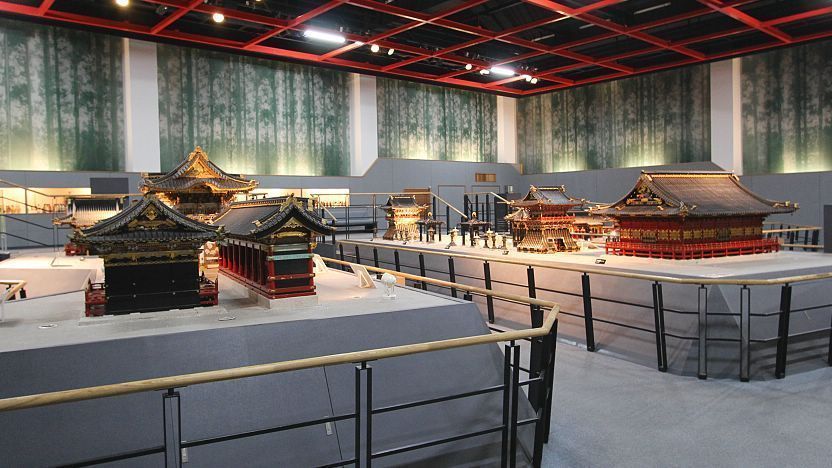
Gold-leafed mausoleums, national treasure shrines, and mountain temples.

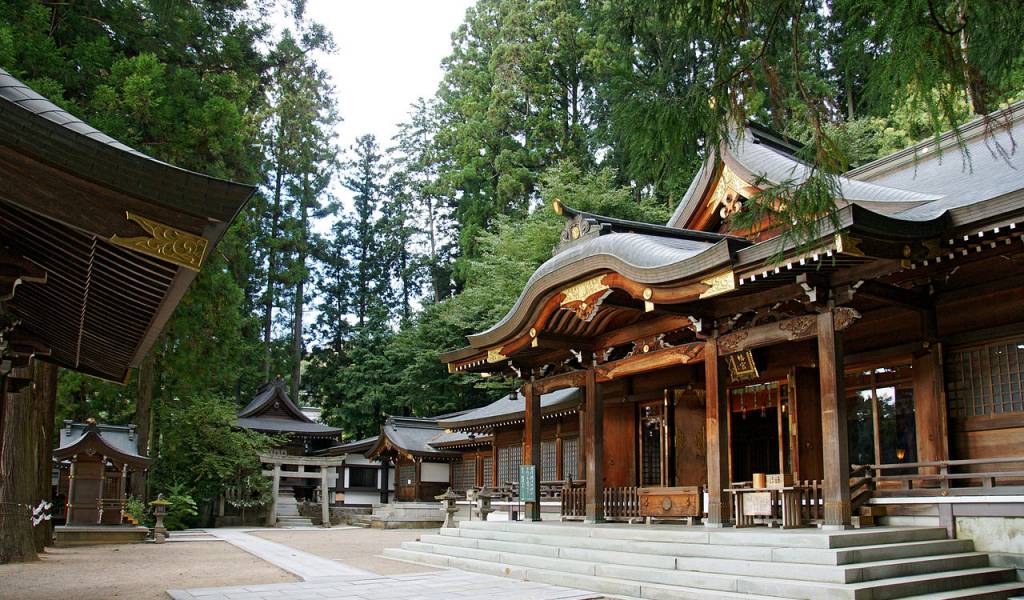
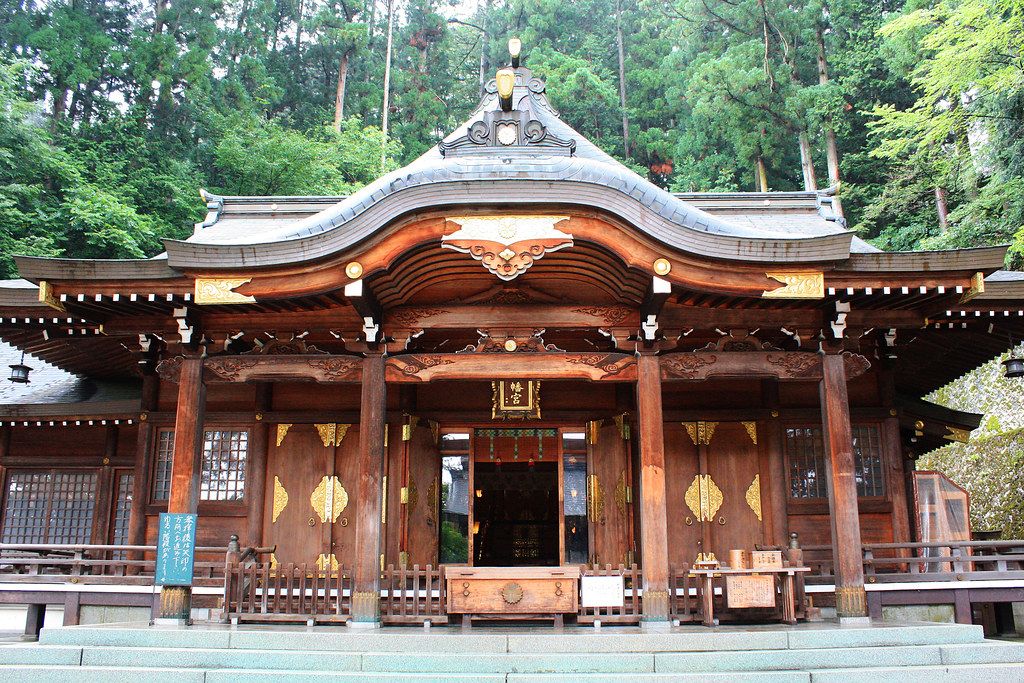
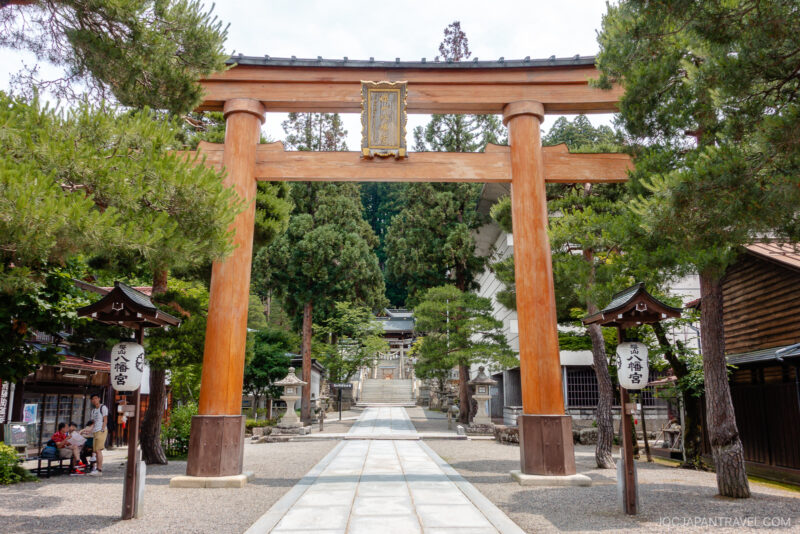
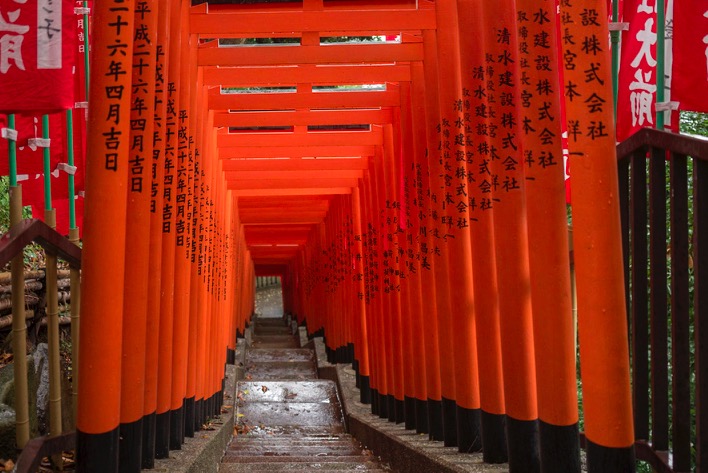
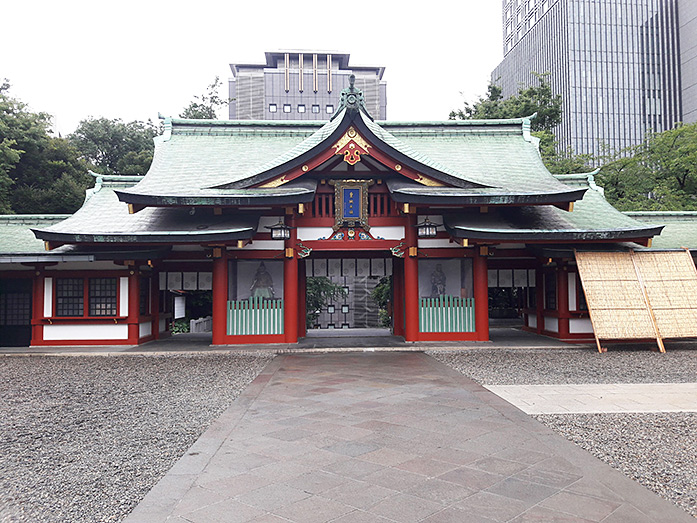
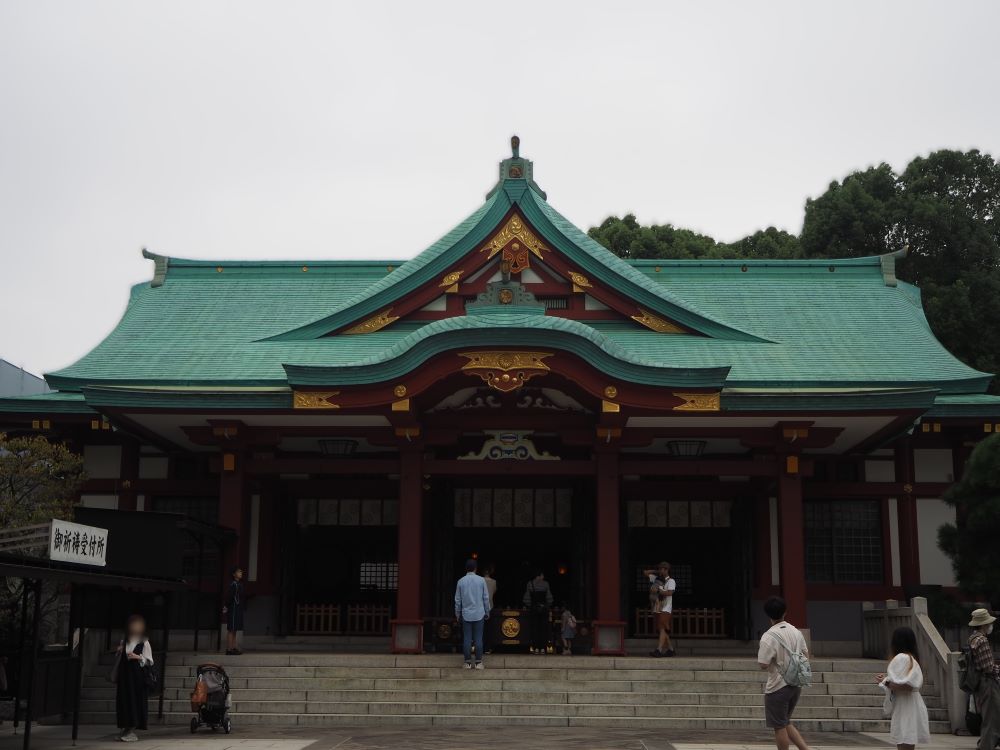
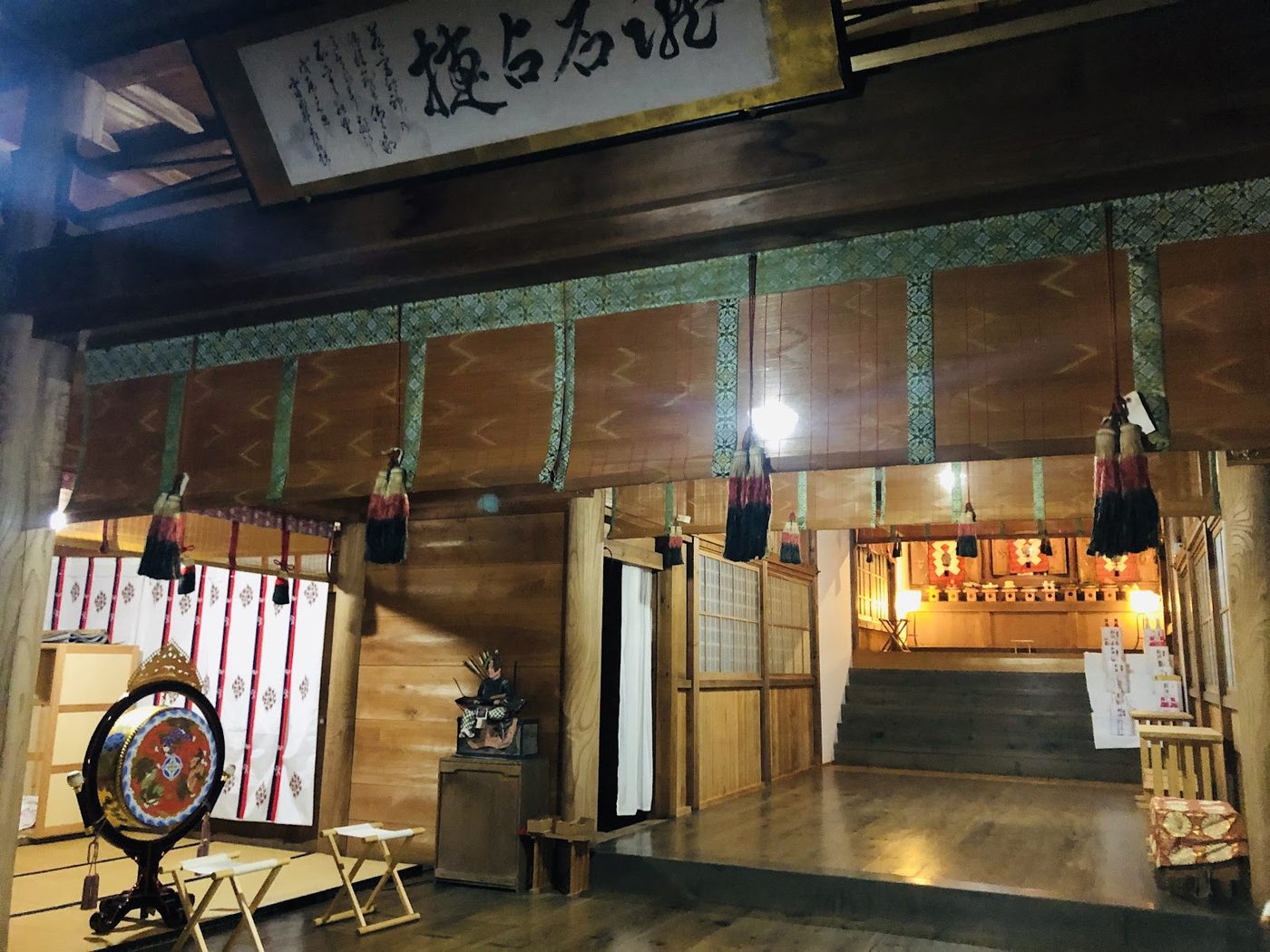
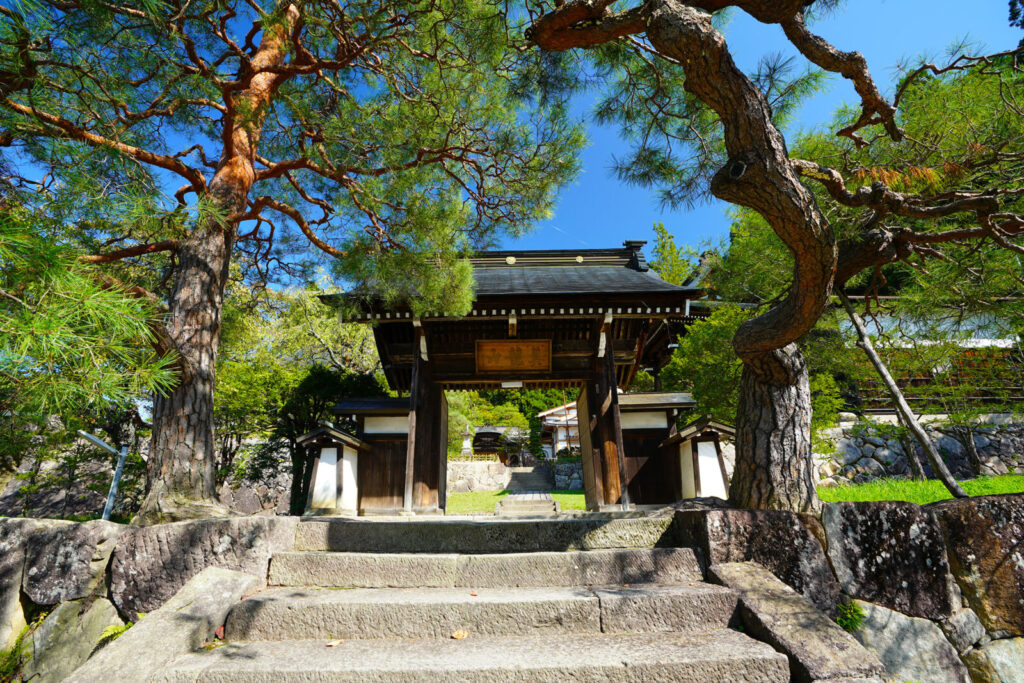
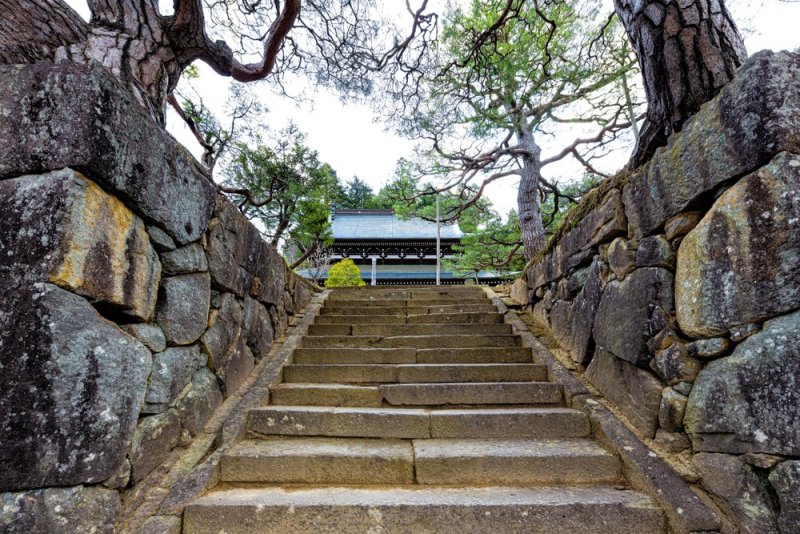
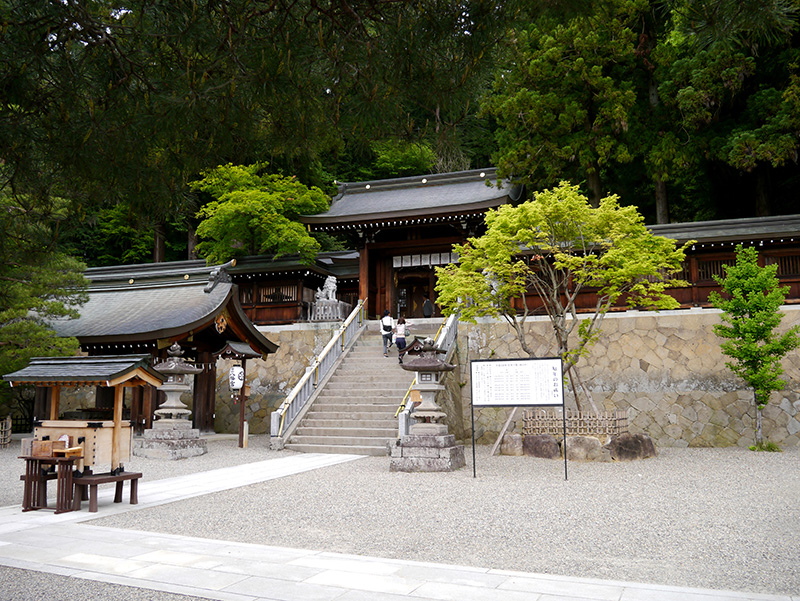
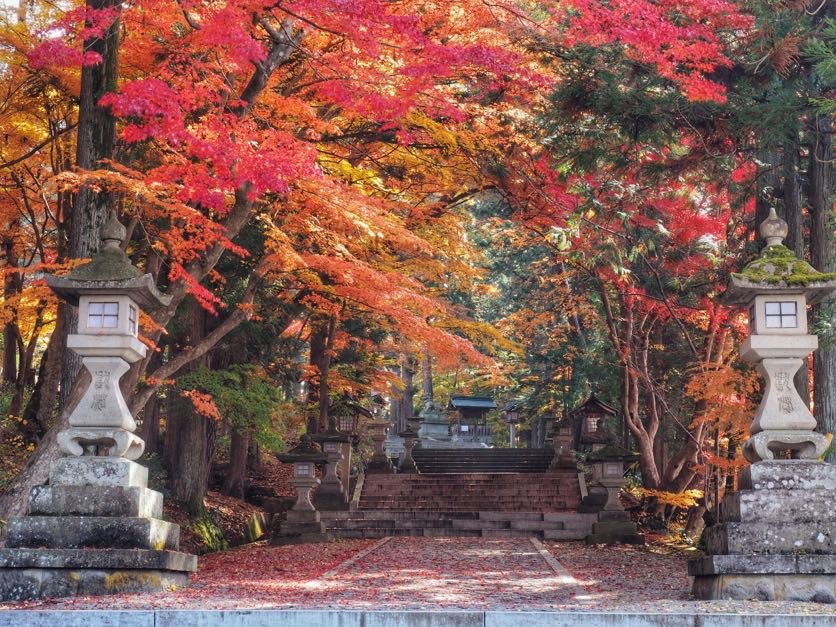
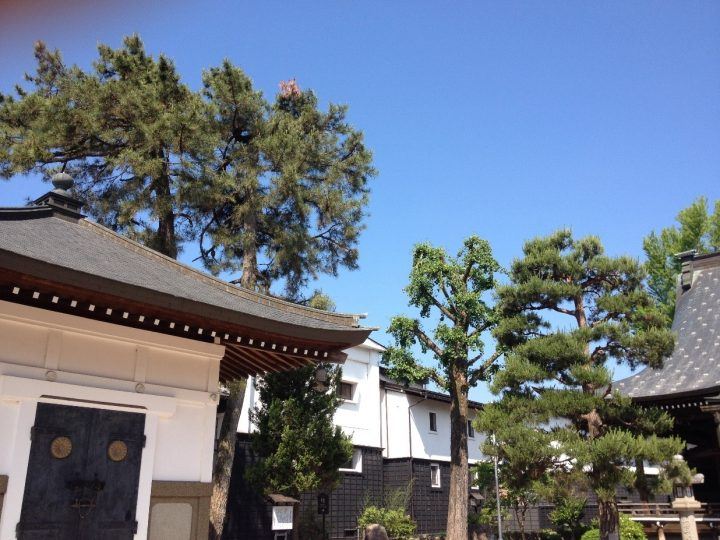
Ancient shrine hosting the famous Autumn Takayama Festival (Oct 9-10). Giant cryptomeria trees surround the grounds. Peaceful atmosphere. The festival floats are stored nearby.

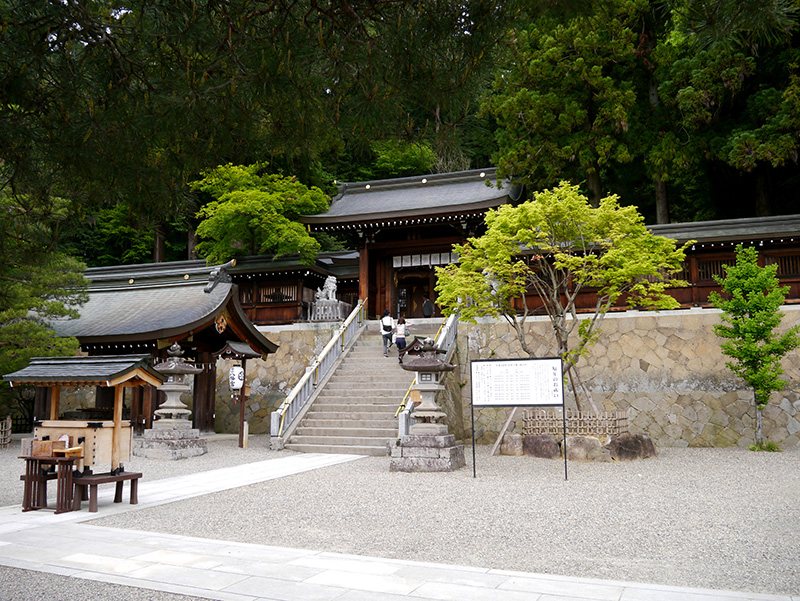
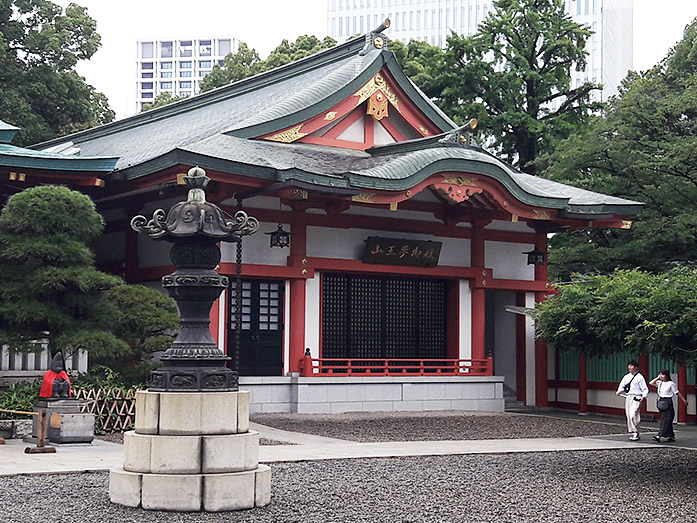
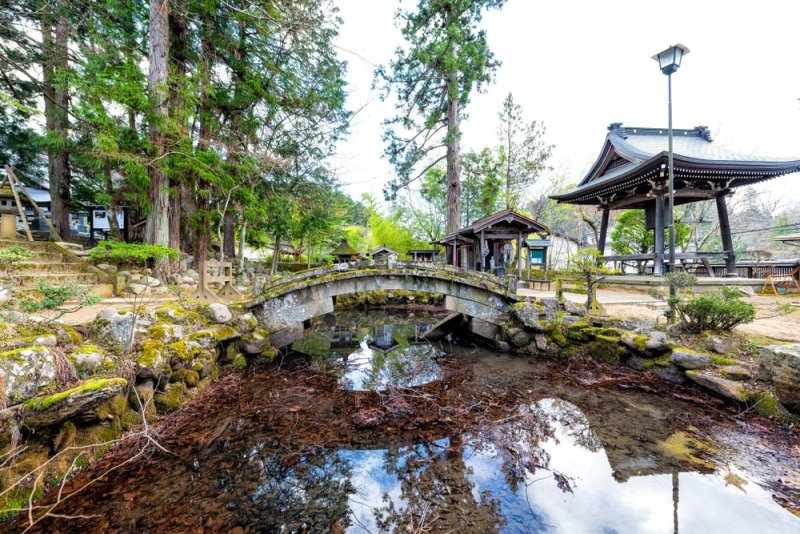
Hosts the equally famous Spring Takayama Festival (Apr 14-15). Located at the foot of Shiroyama Park. Ancient cedar trees and stone lanterns create a mystical atmosphere.

Collection of Hida region crafts, ichii-ittobori (one-knife wood carving), shunkei lacquerware, and Hida furniture. The craftsmanship...
Zelkova-lined avenues, lively arcades, and a lively local nightlife scene.

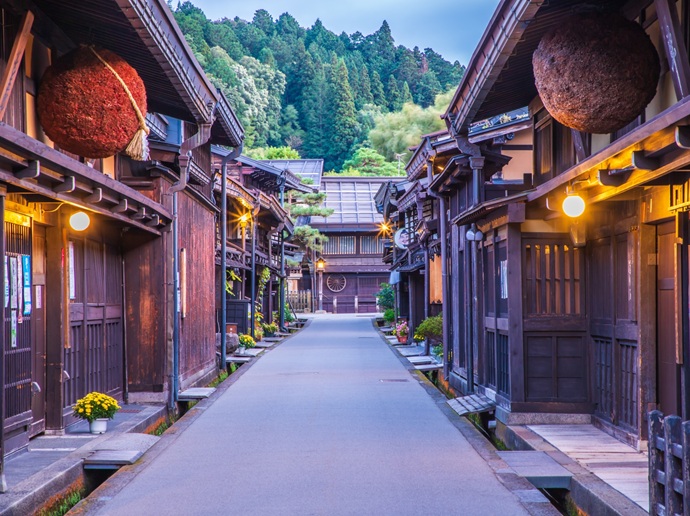
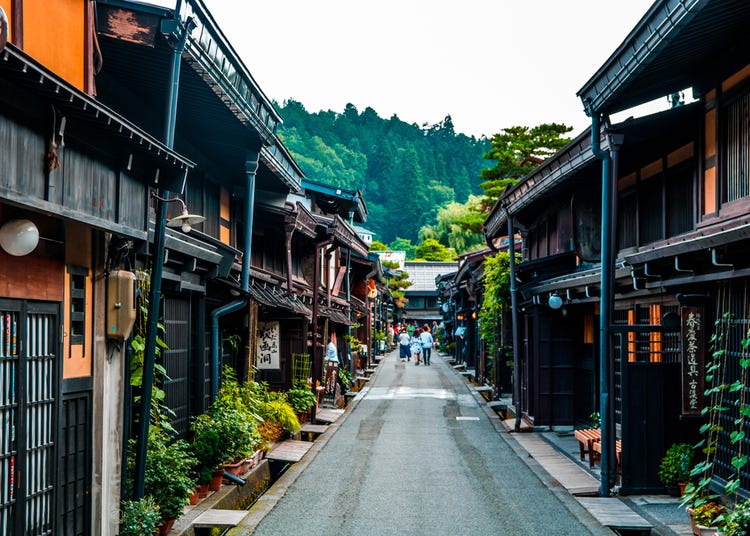
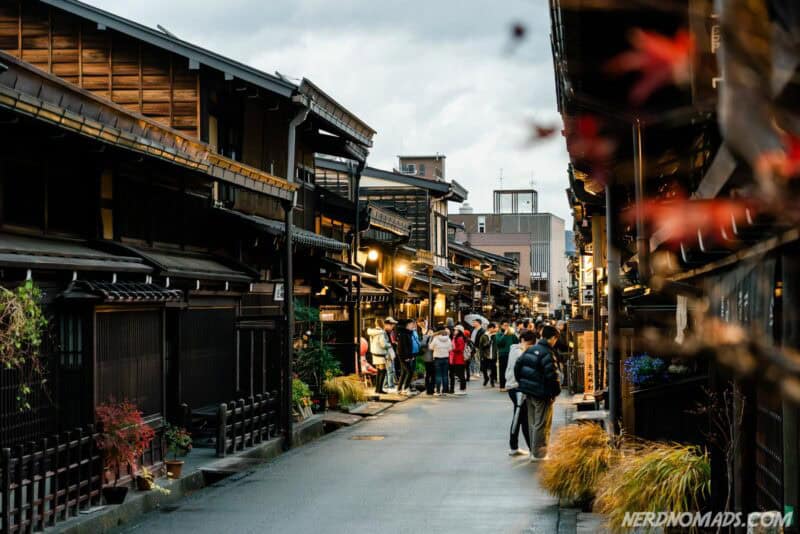
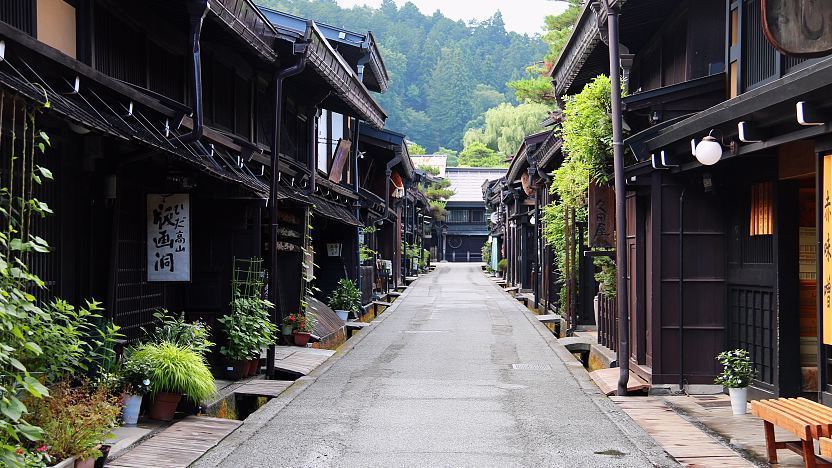
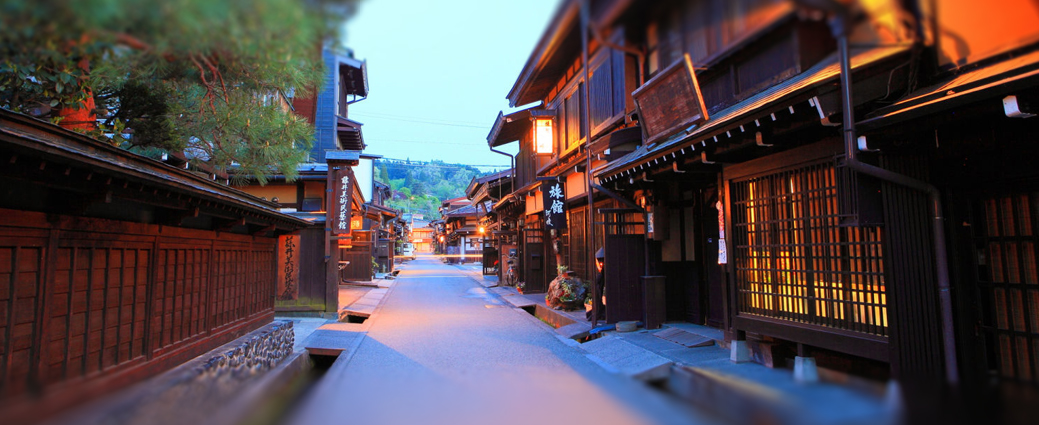
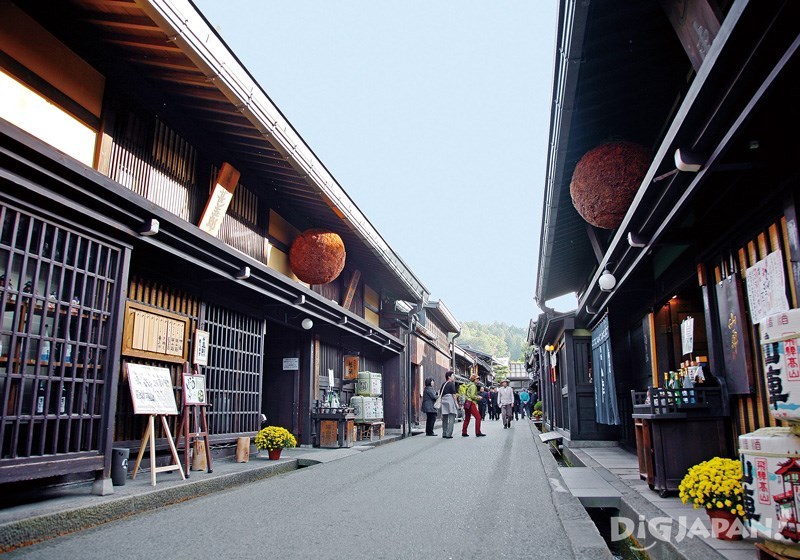
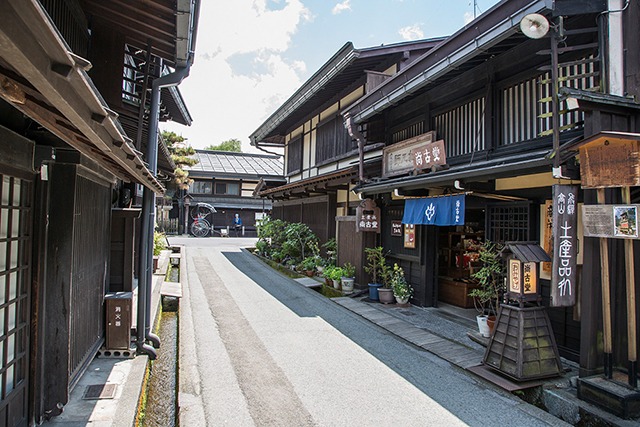
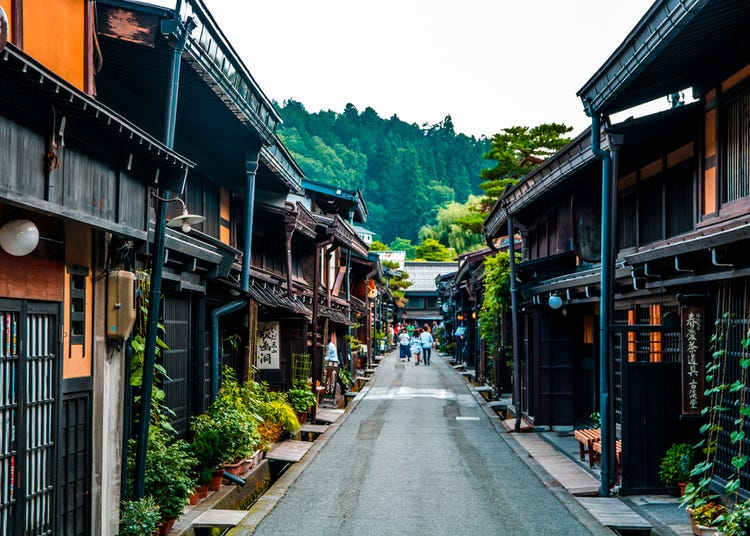
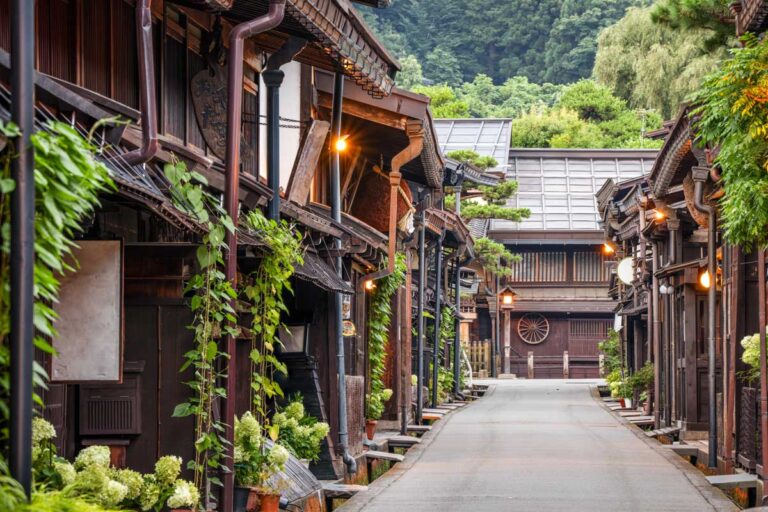
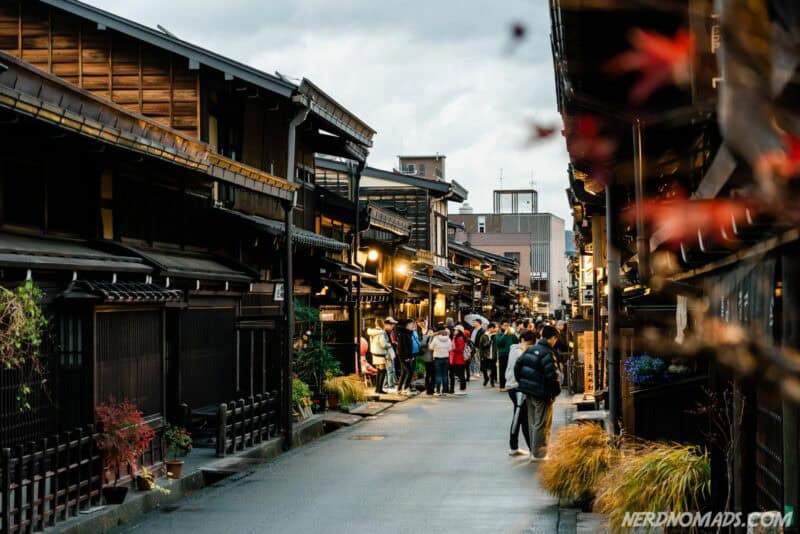
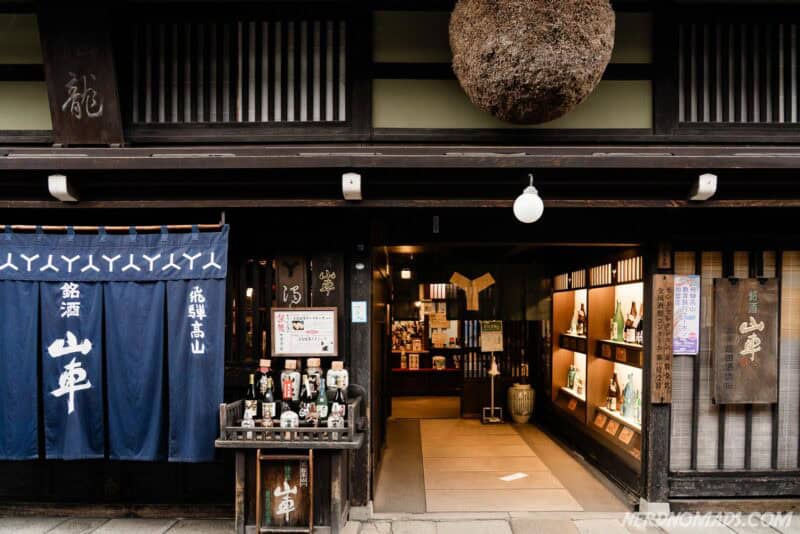
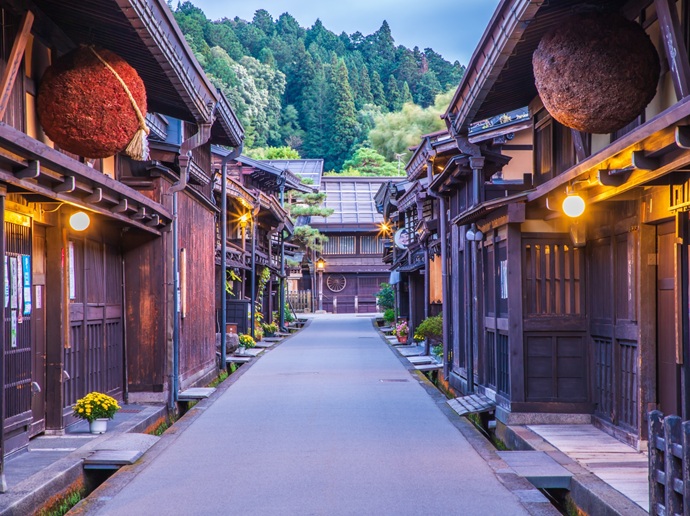
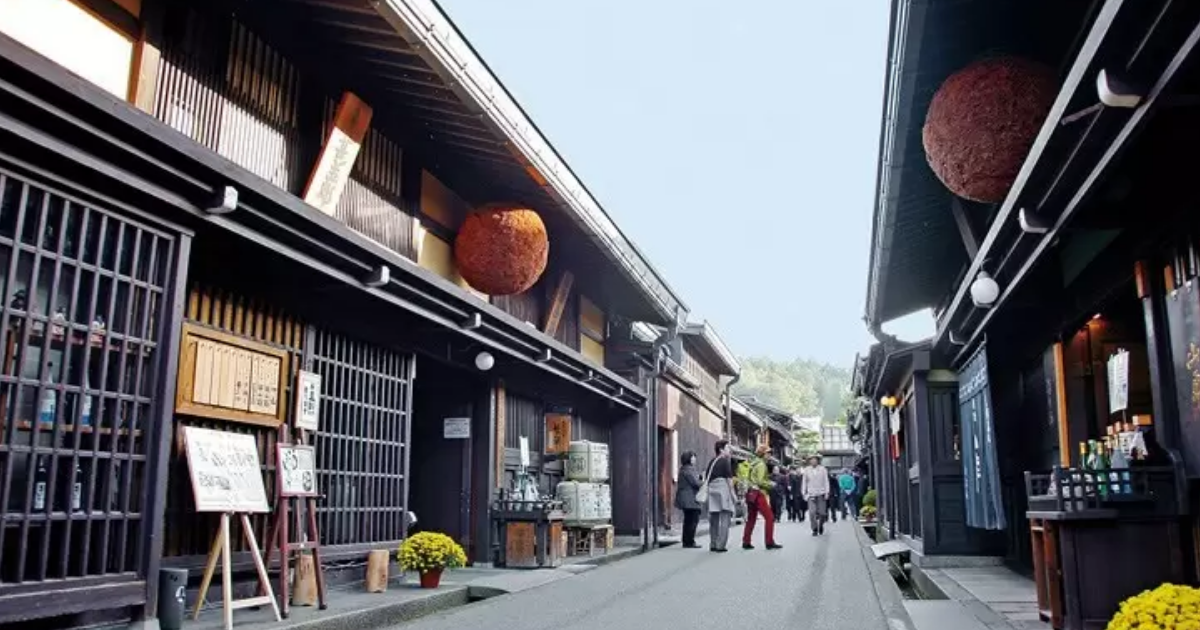
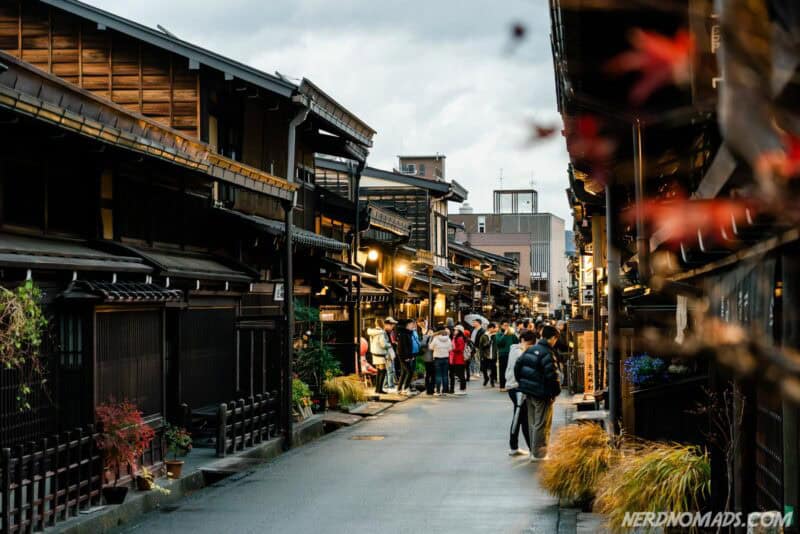
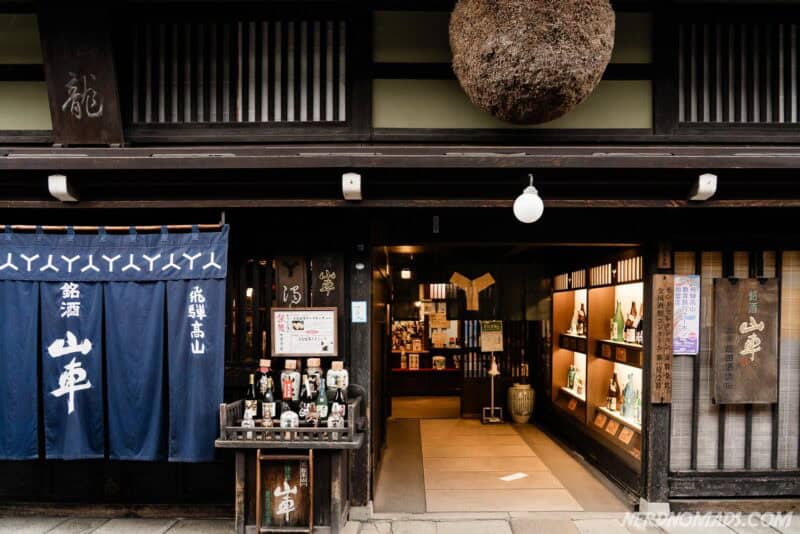
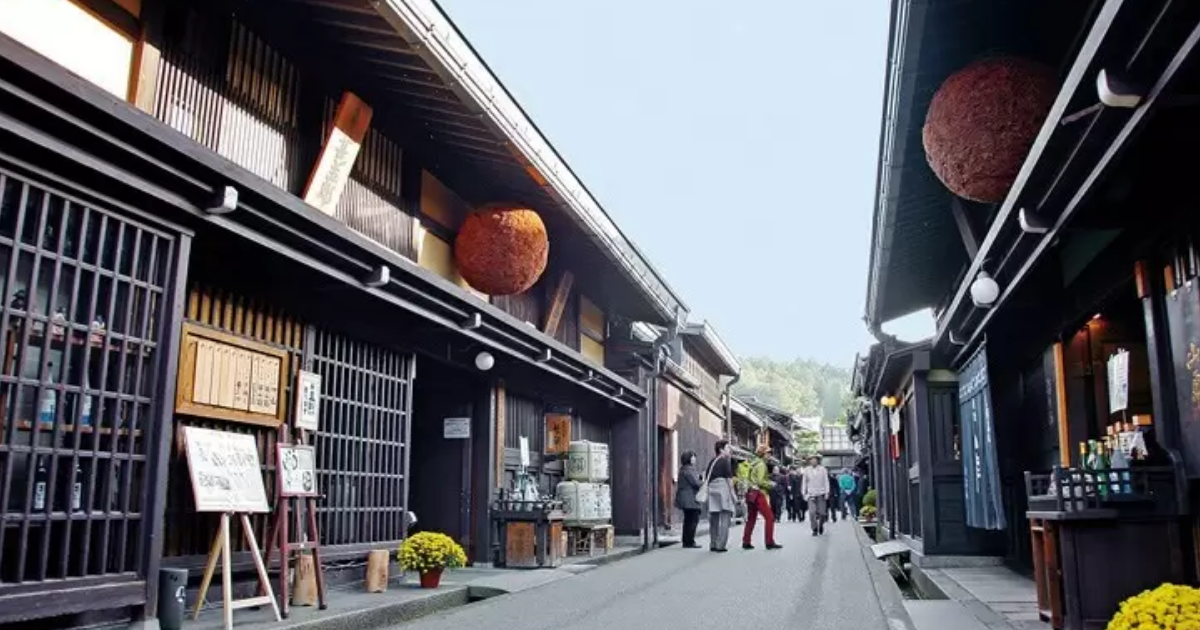
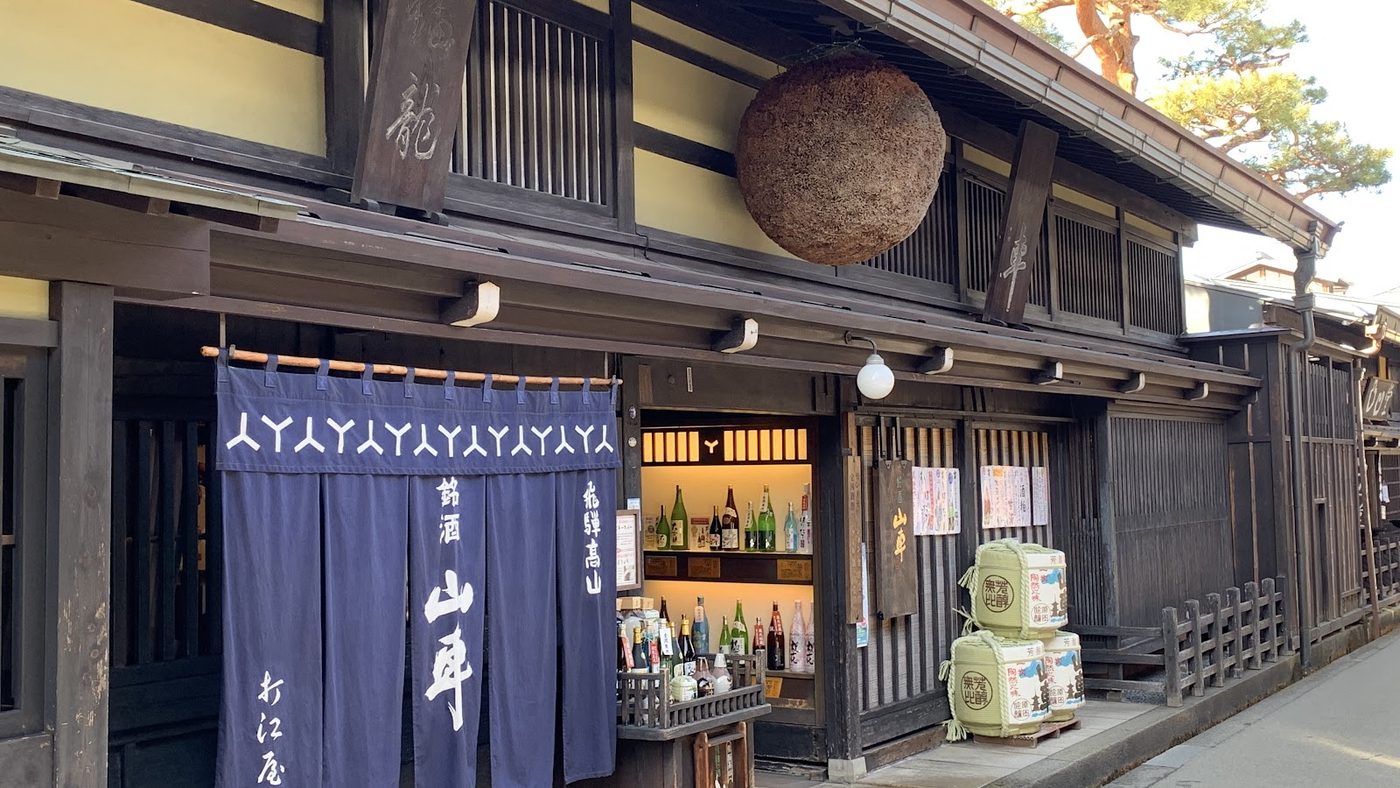
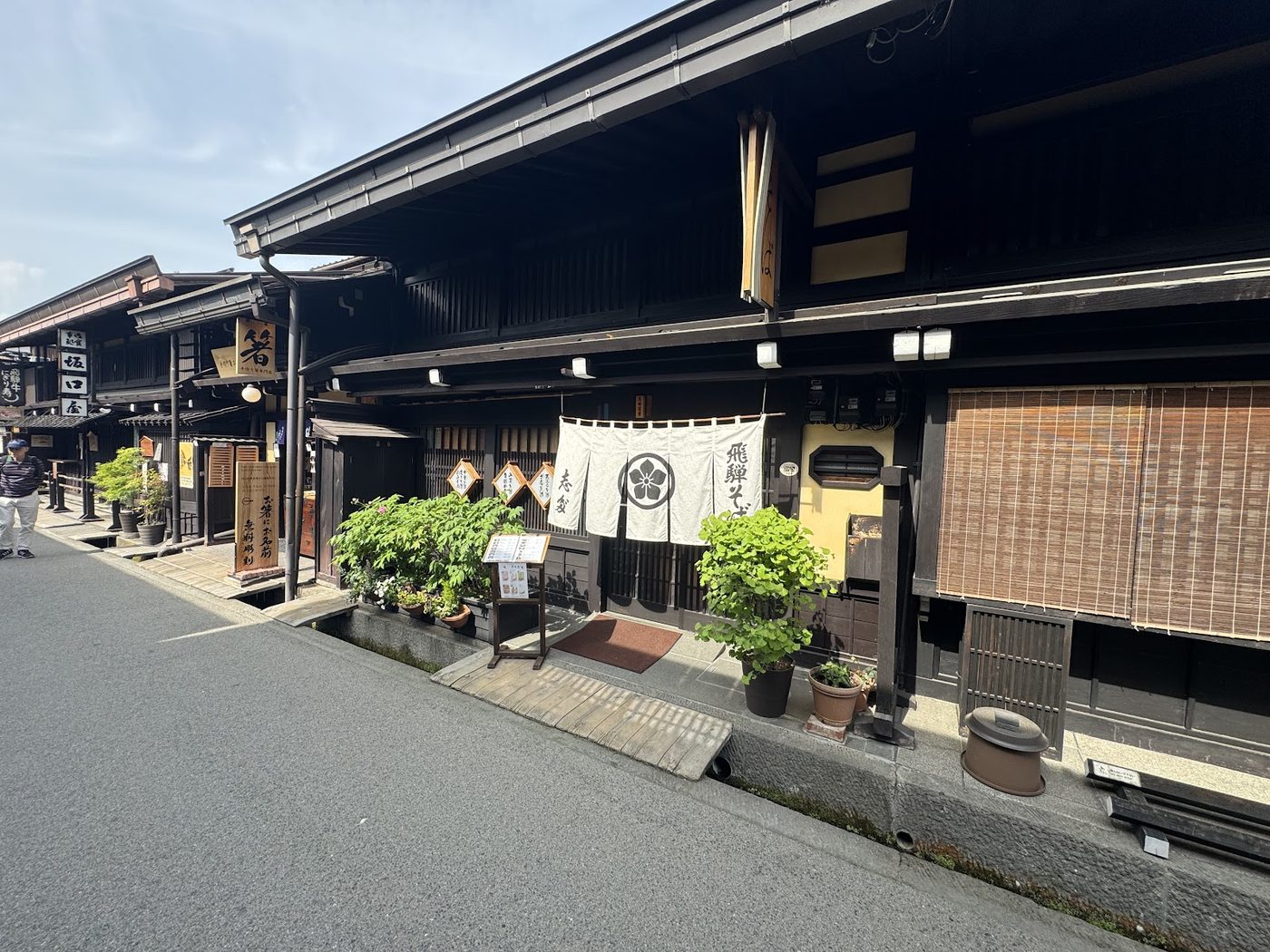
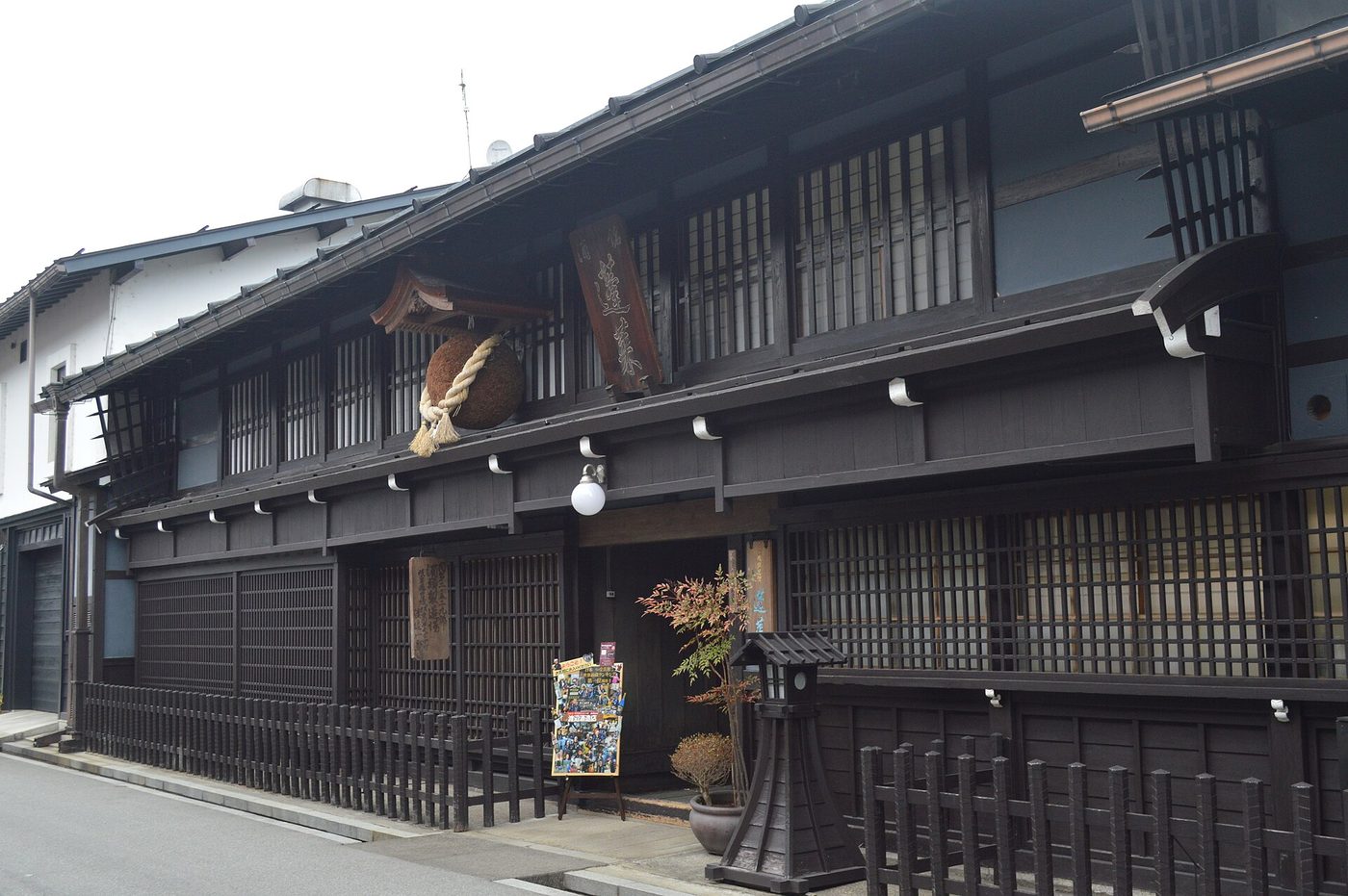
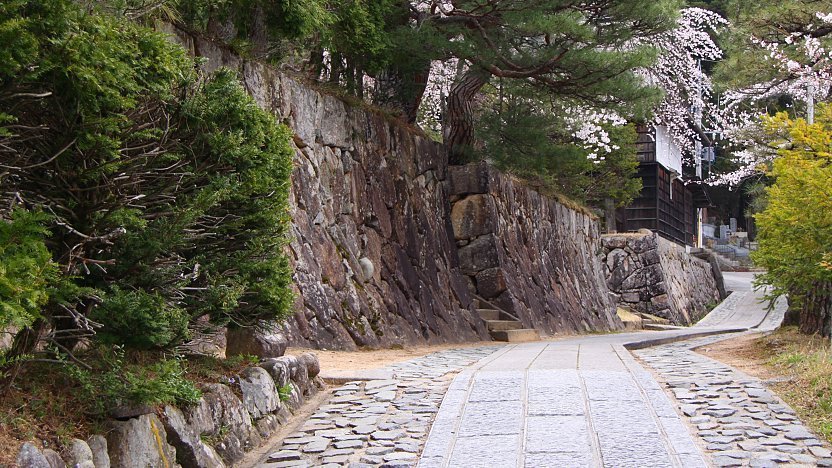
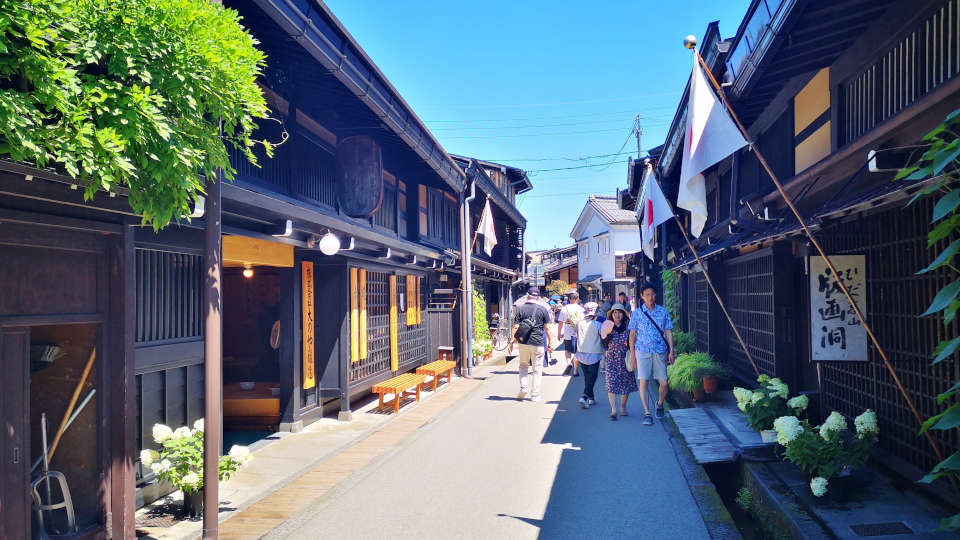
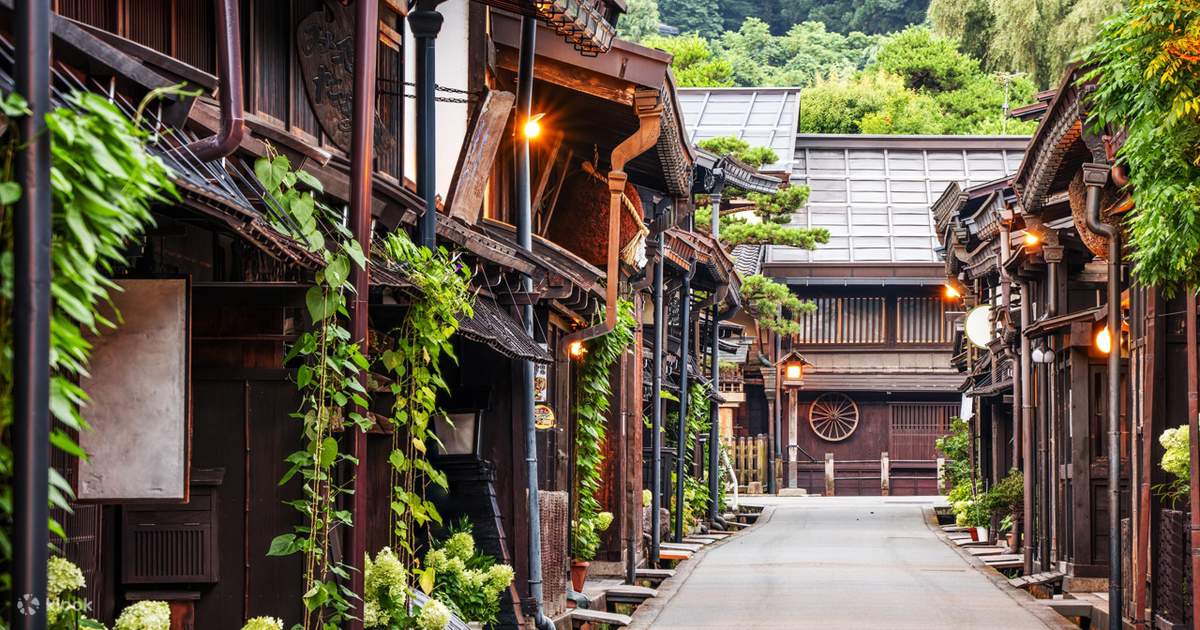
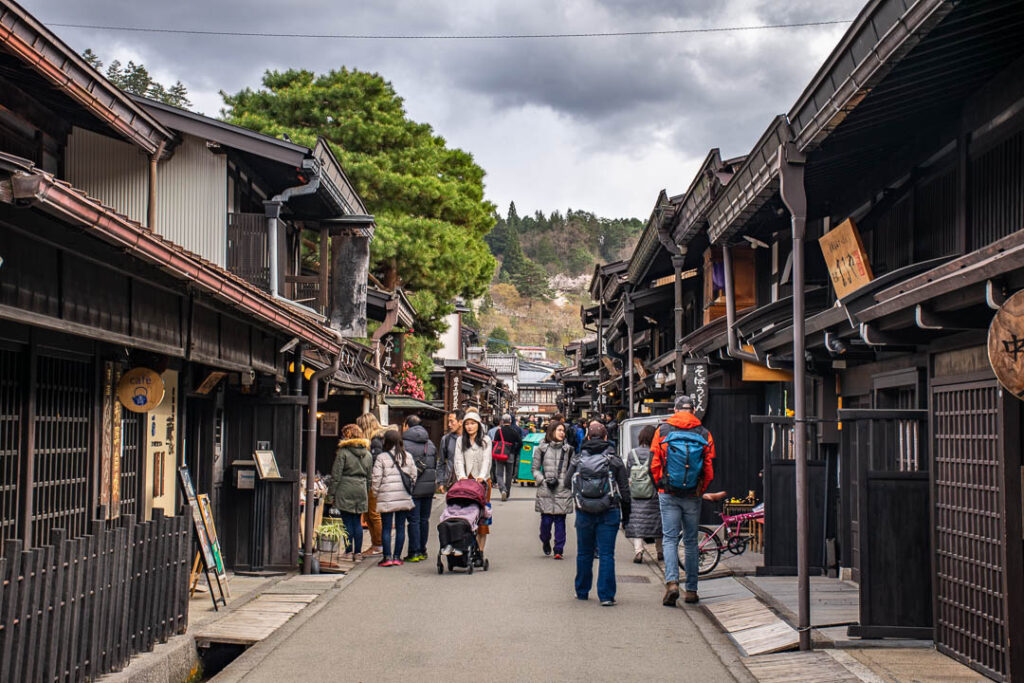
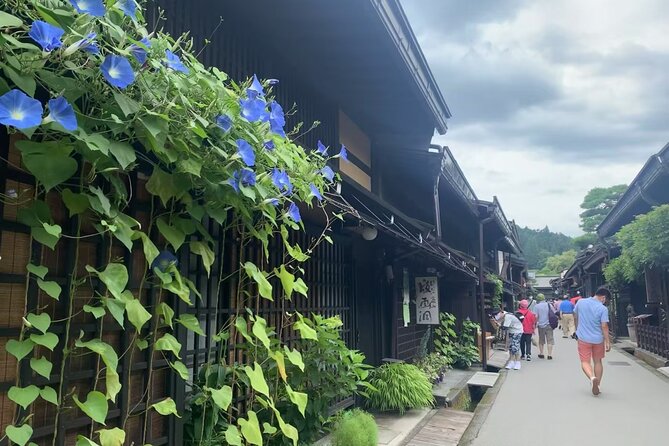
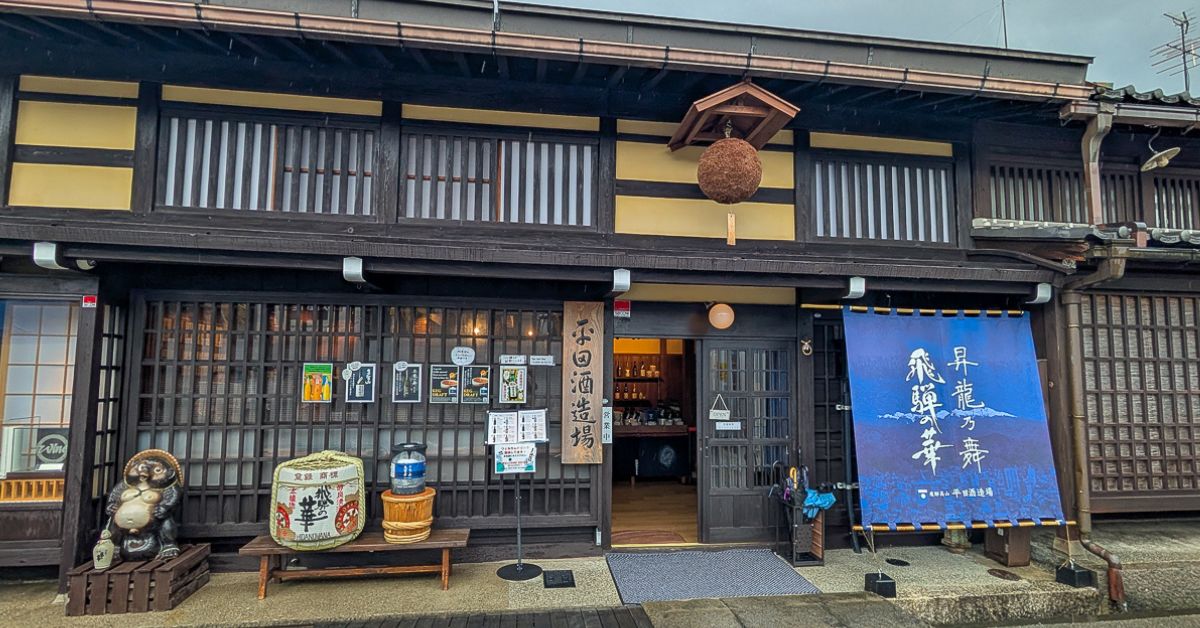
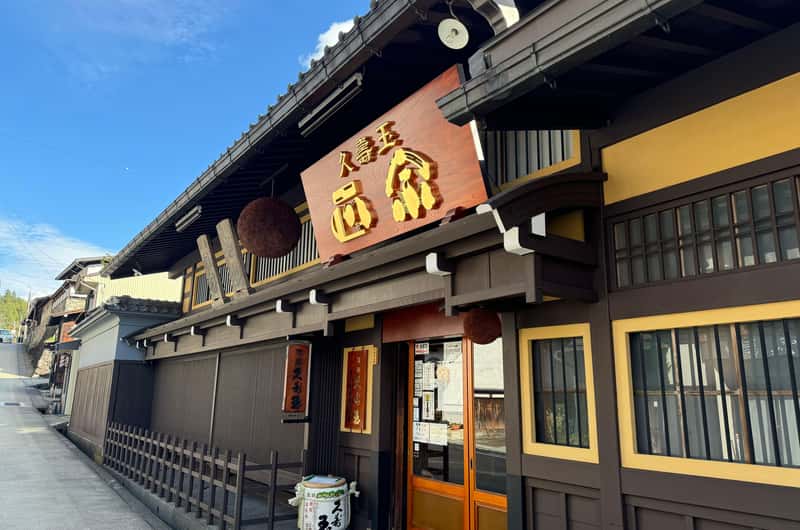
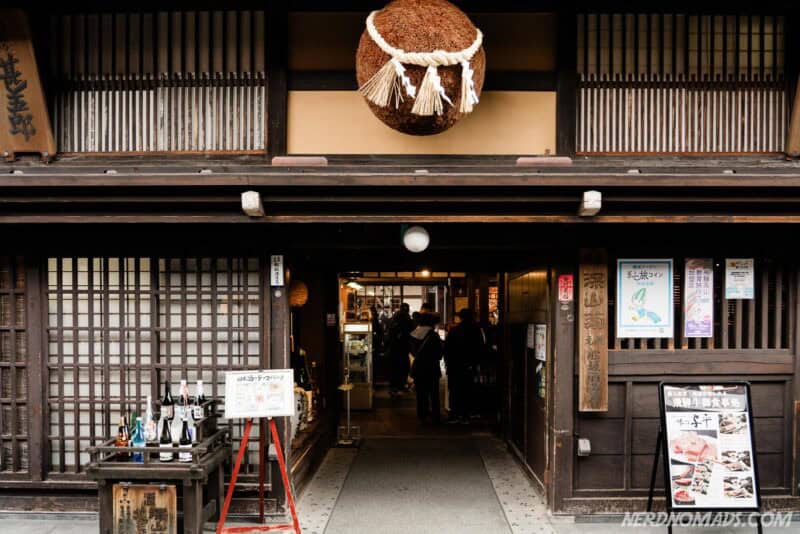
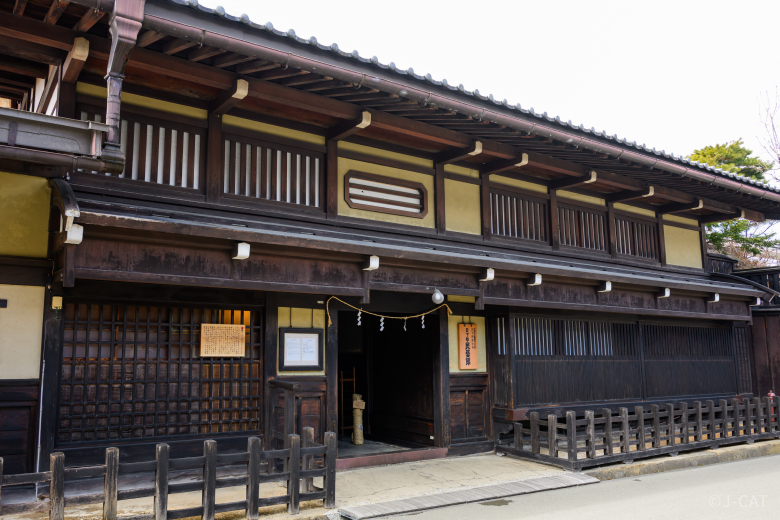
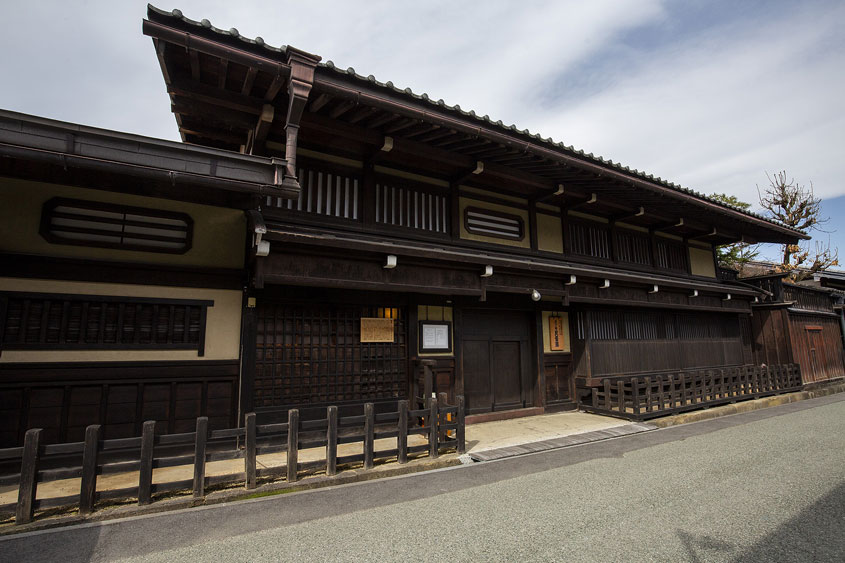
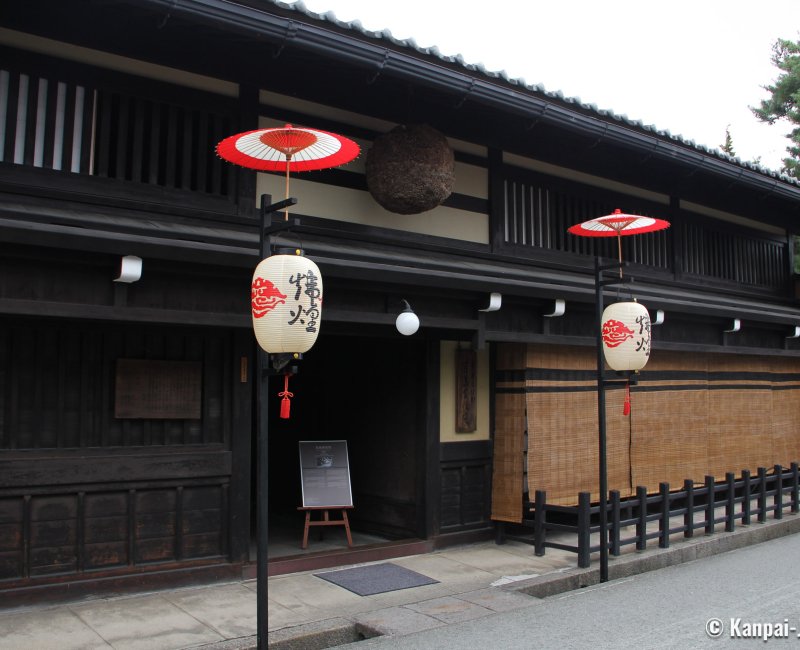
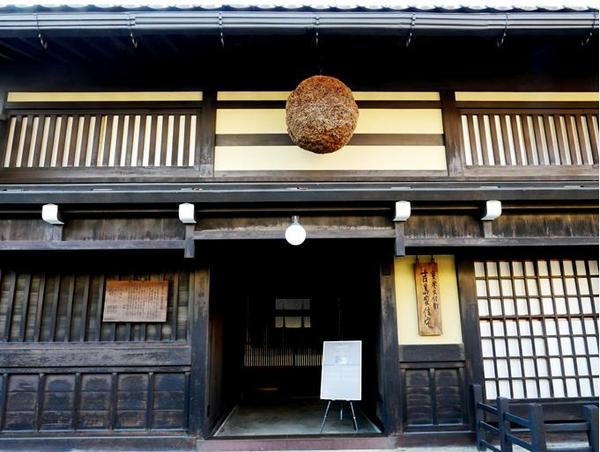
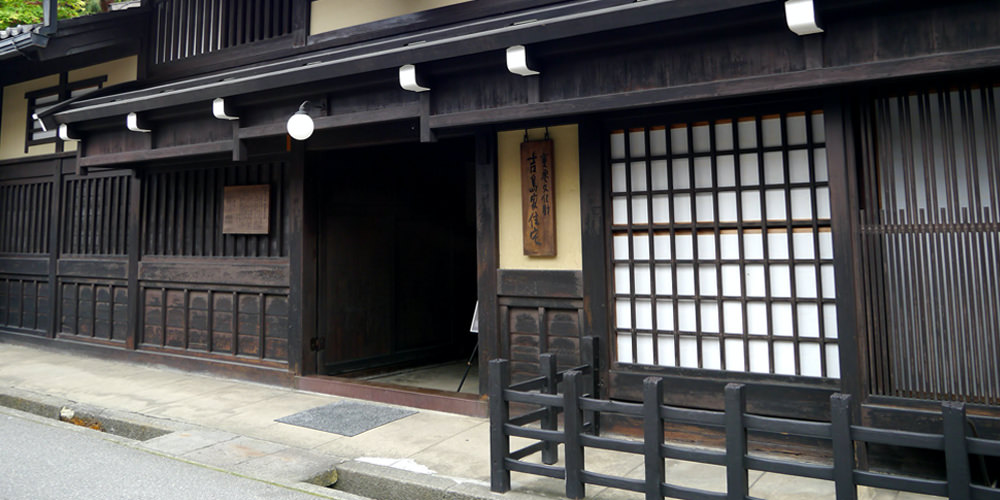
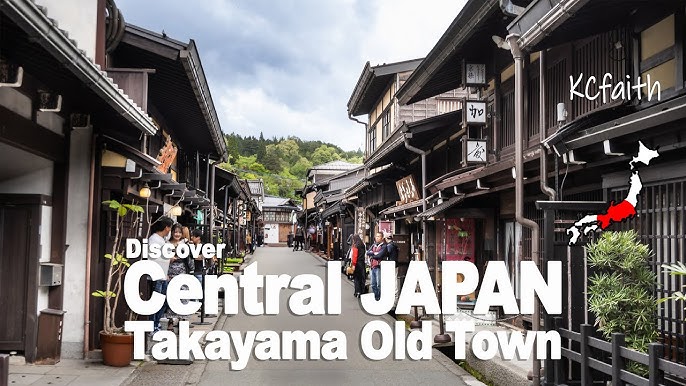
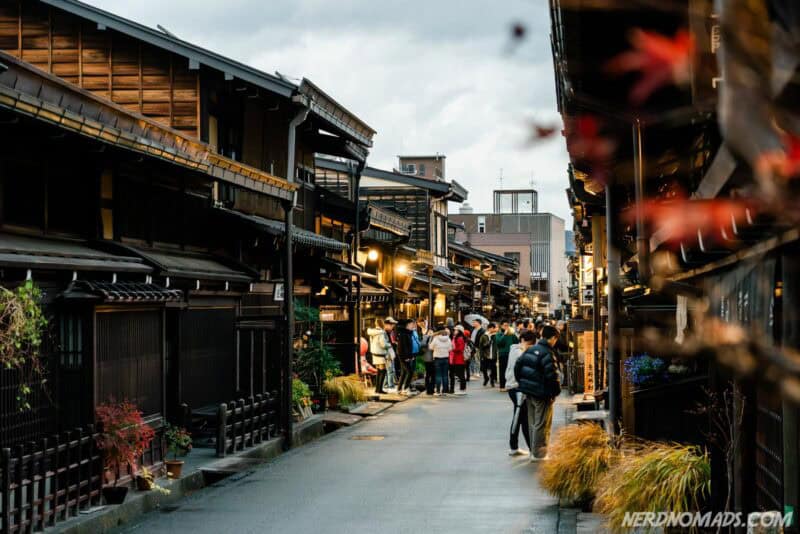
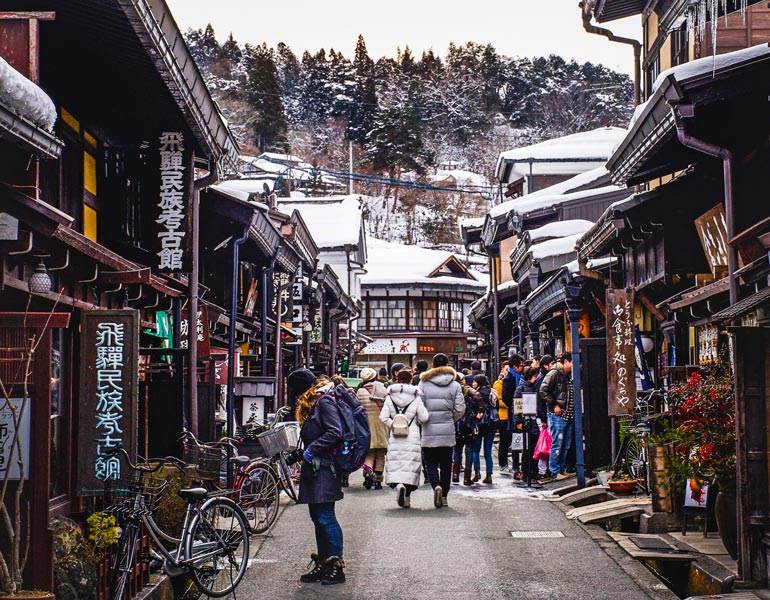
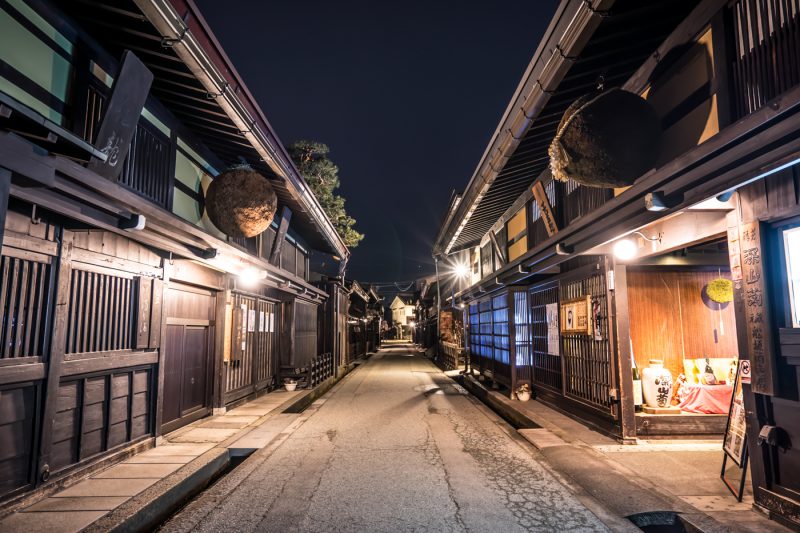
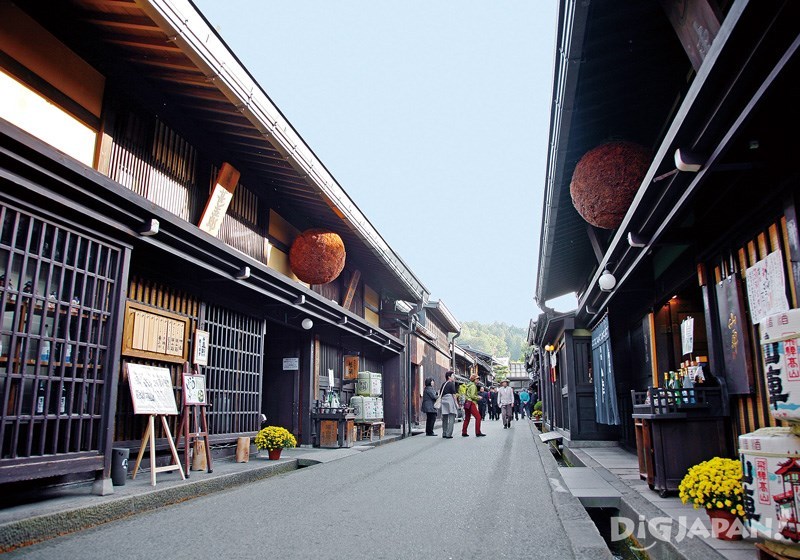
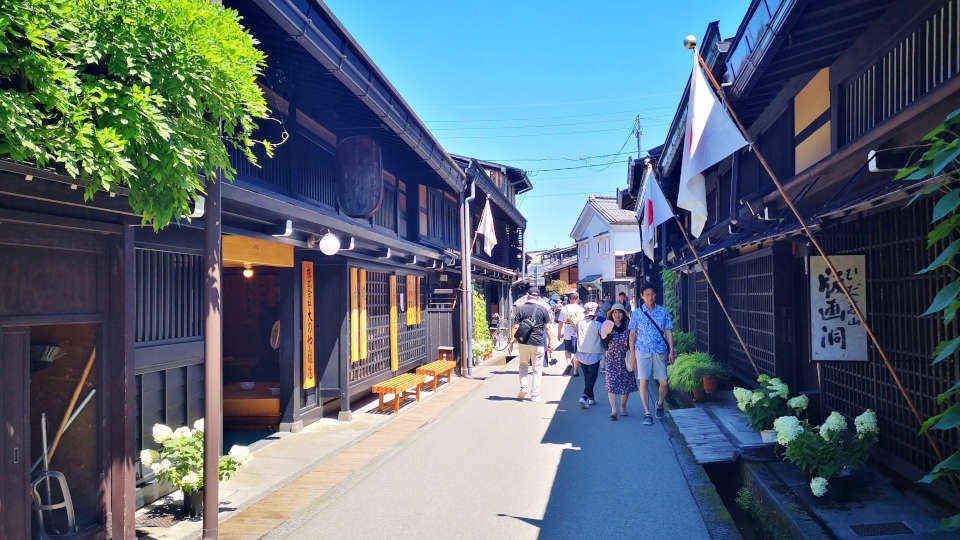
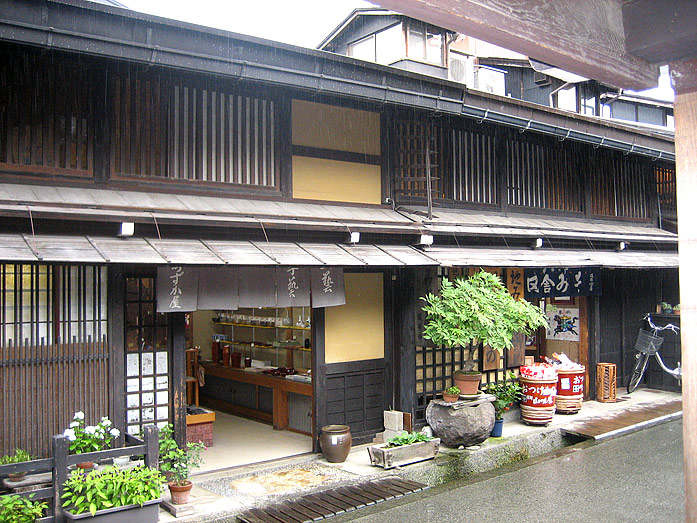
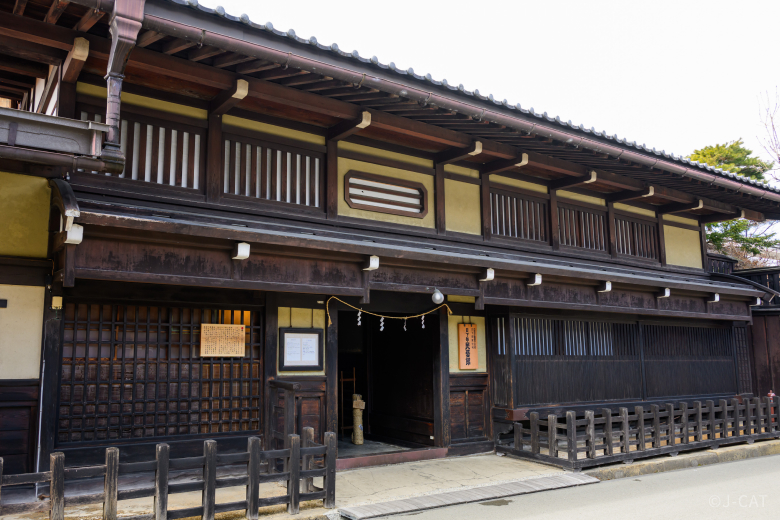
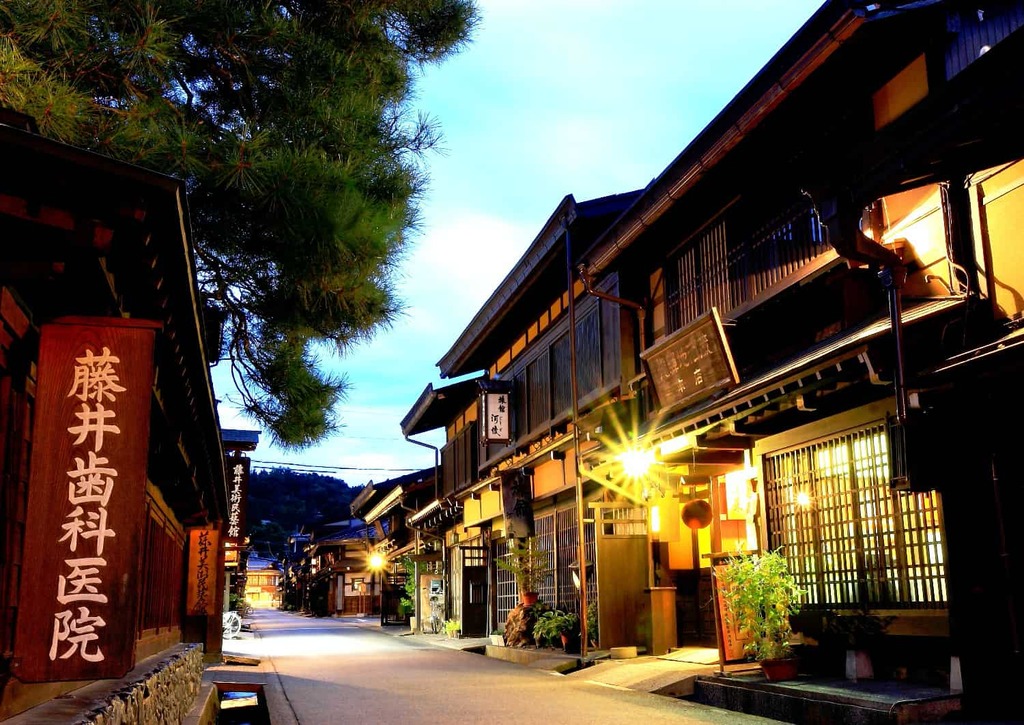
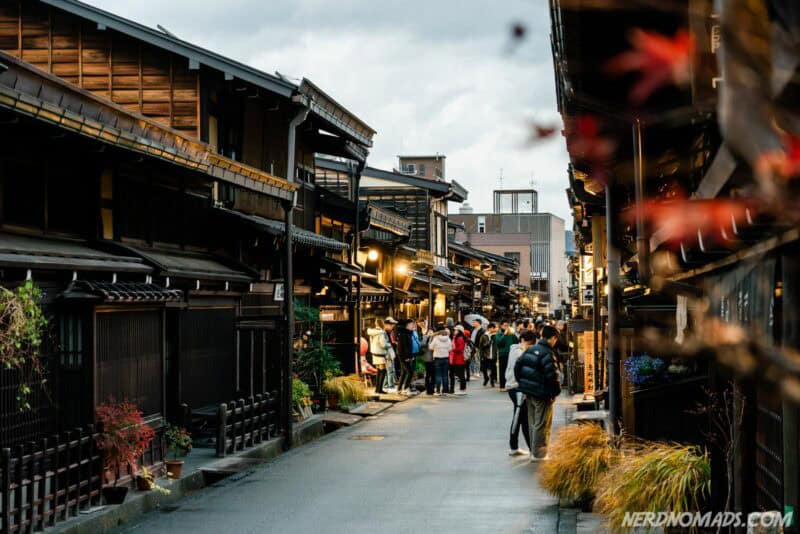
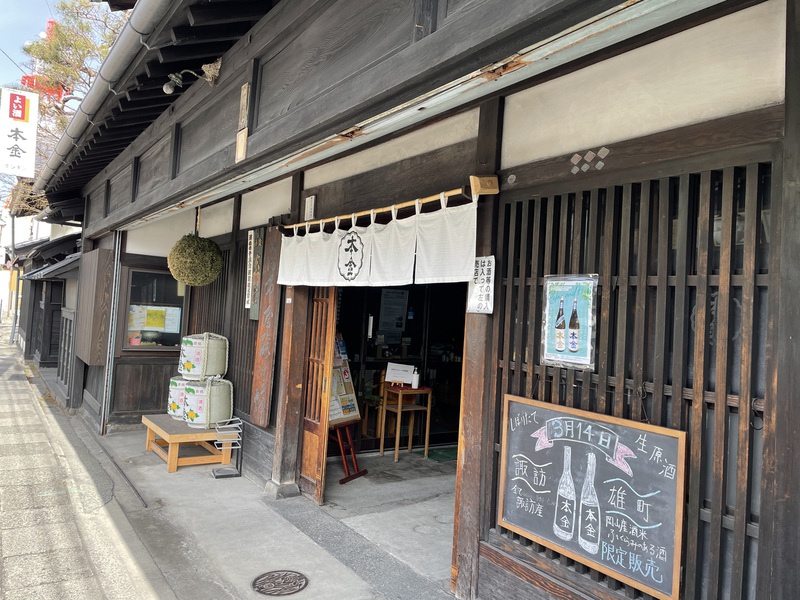
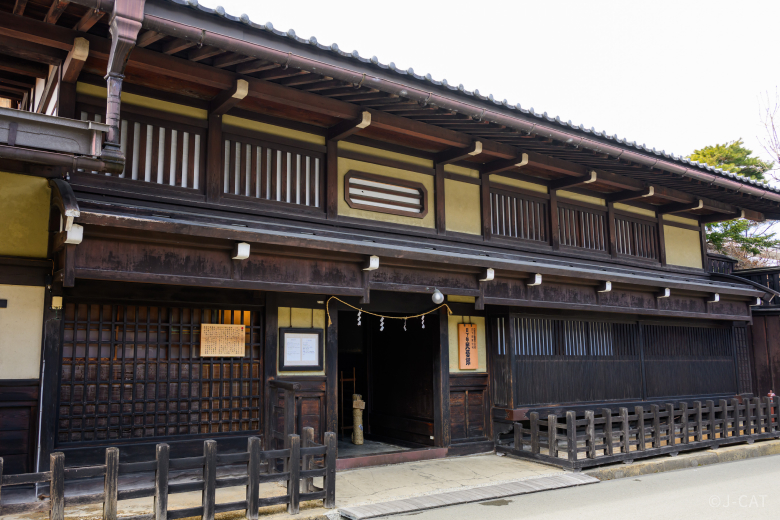
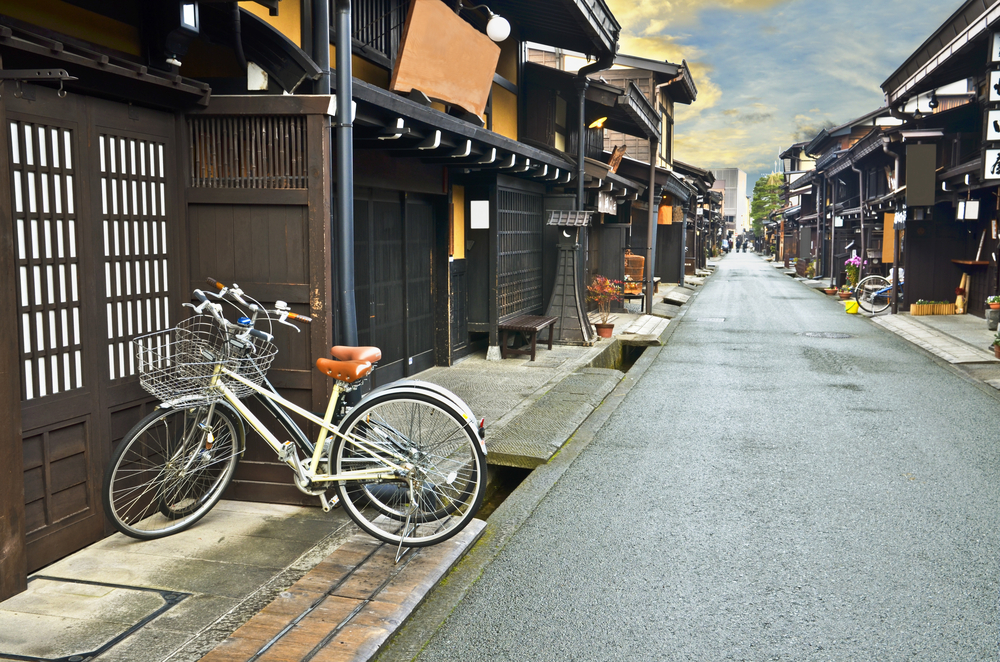
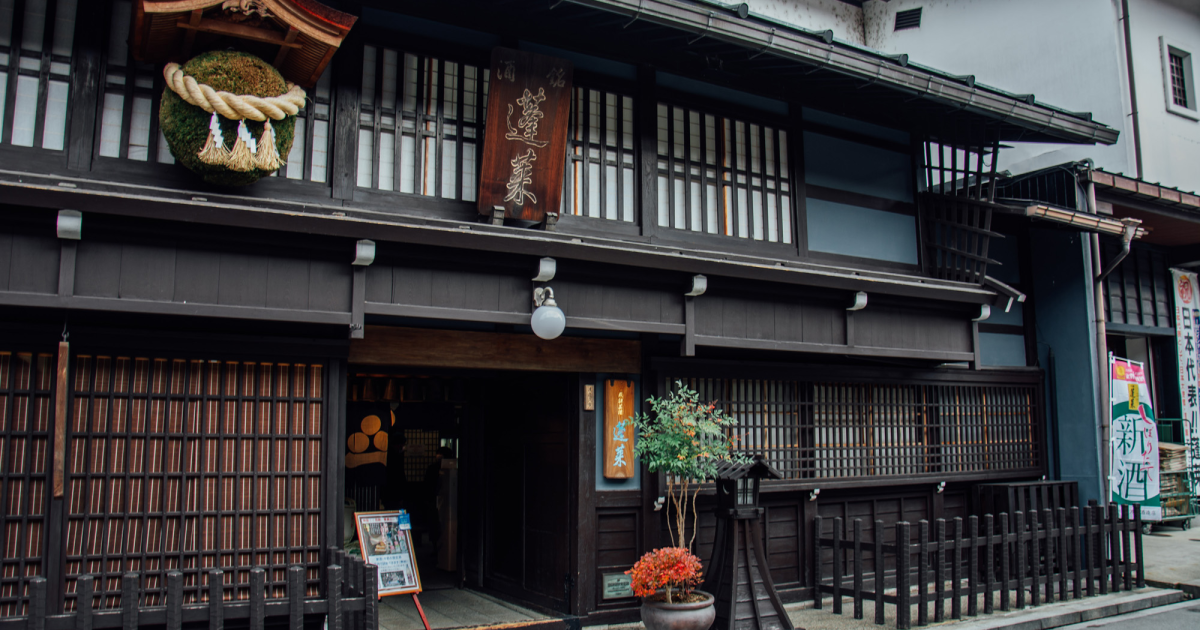
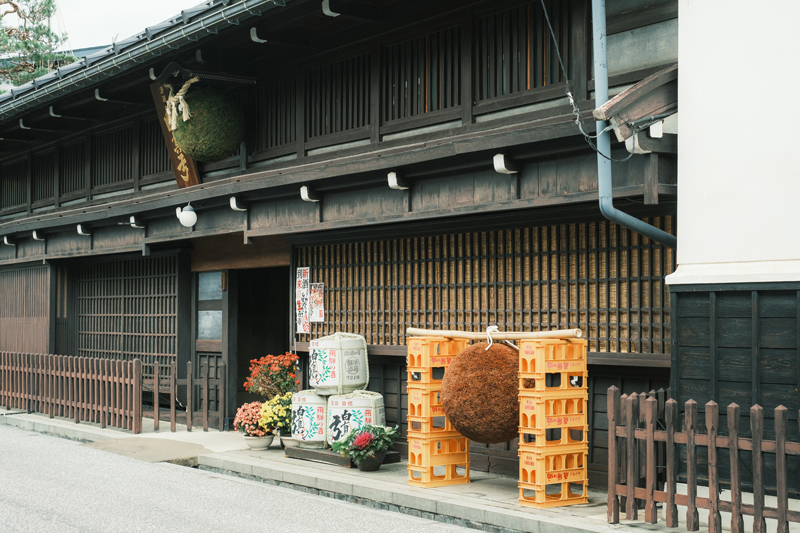
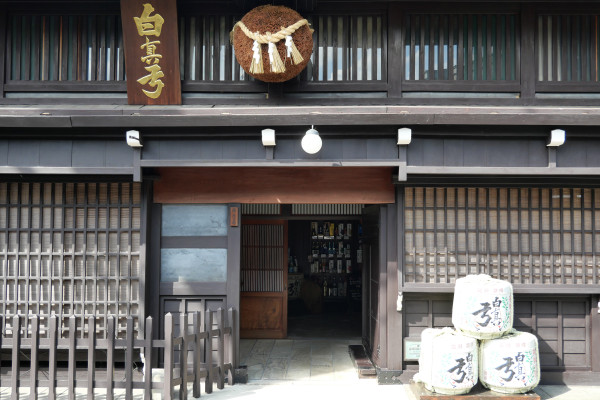
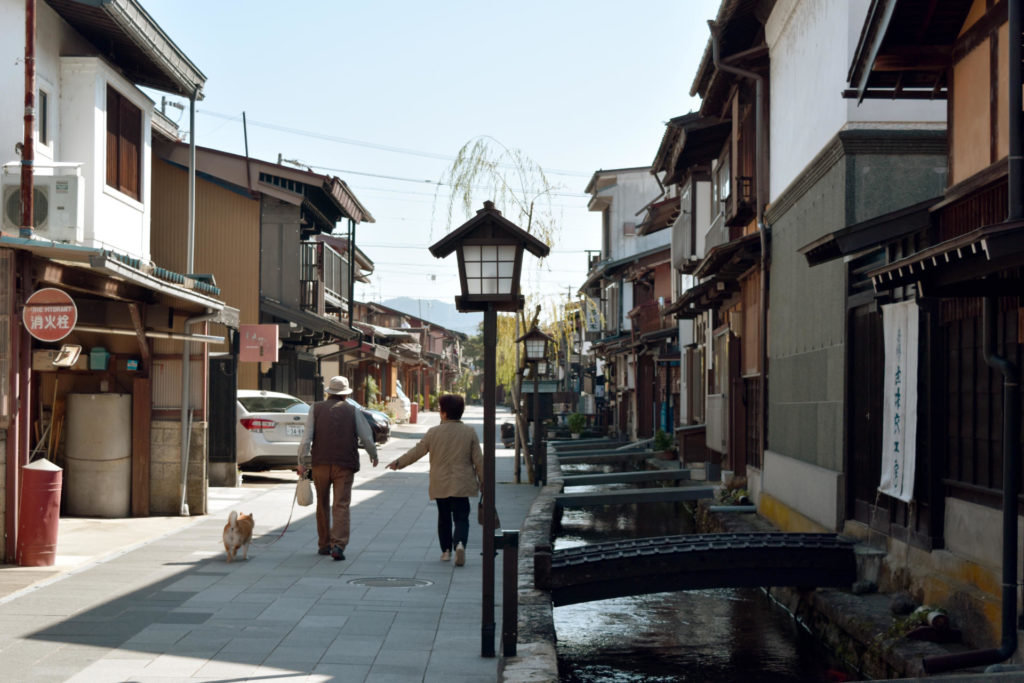
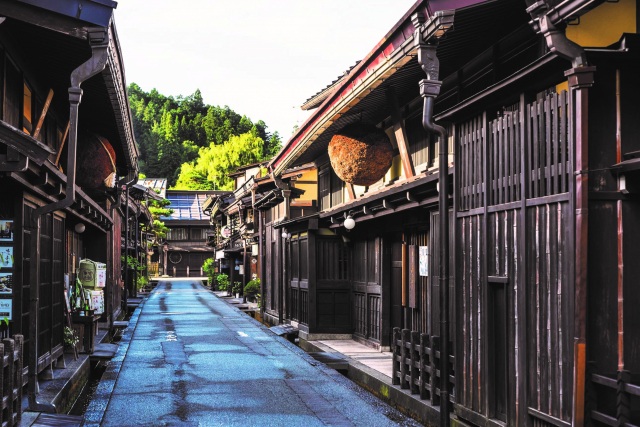
Three streets of beautifully preserved Edo-period merchant houses with dark wooden lattice facades. Sake breweries marked by sugidama (cedar balls), craft shops, and traditional cafes.

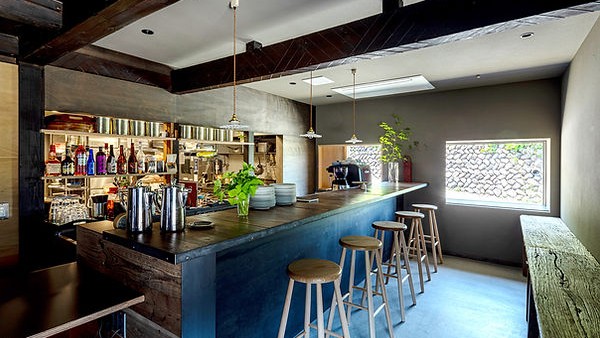
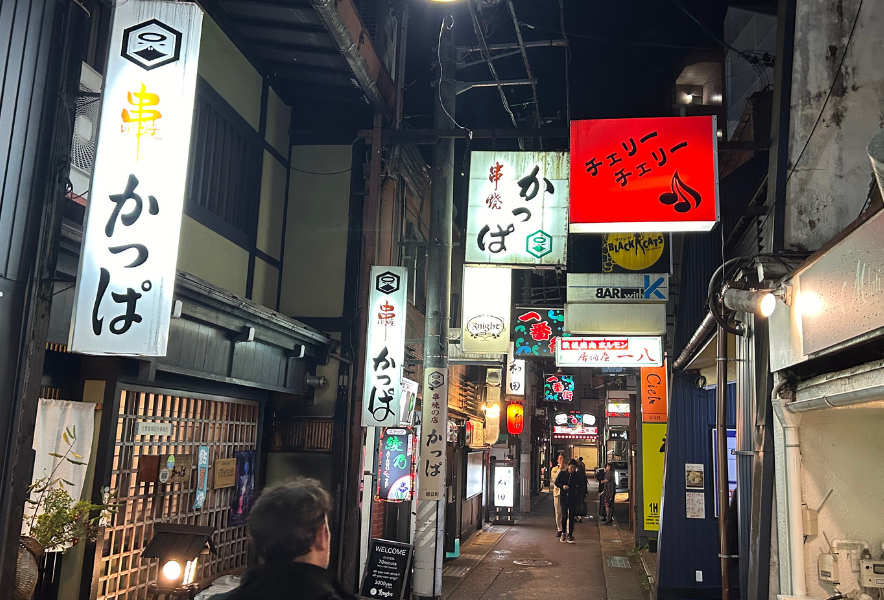
Intimate cocktail bar in the old town area. The bartender creates drinks using local ingredients. Hida plum and mountain herb cocktails. Warm atmosphere in a wooden interior.

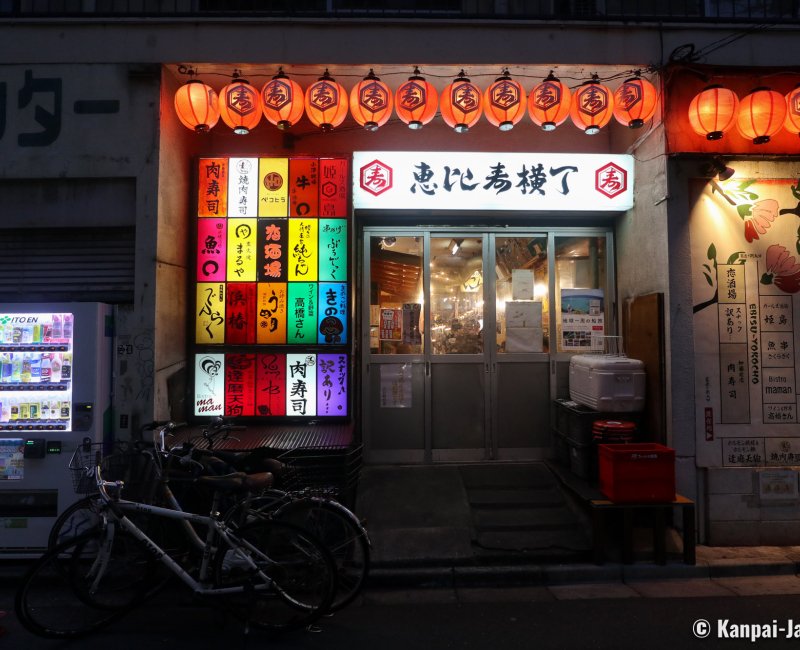
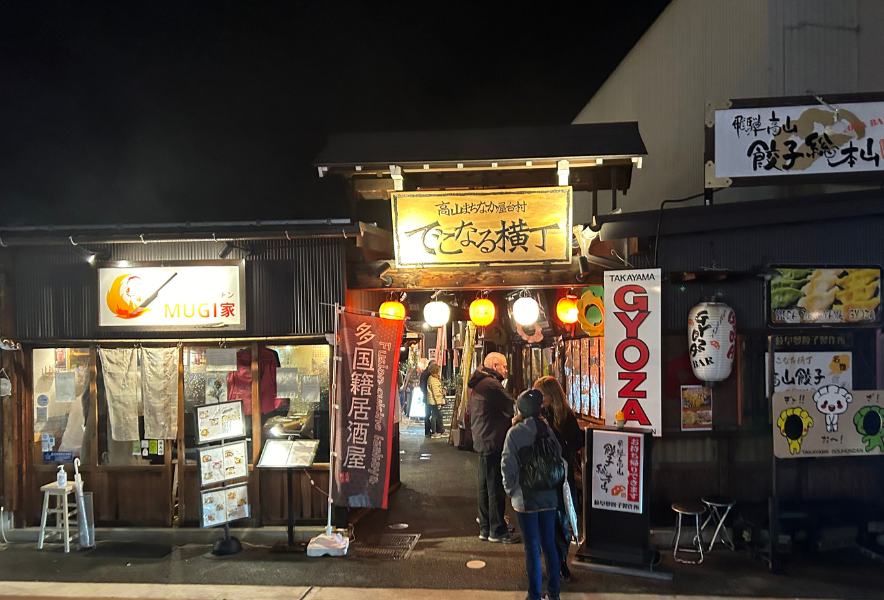
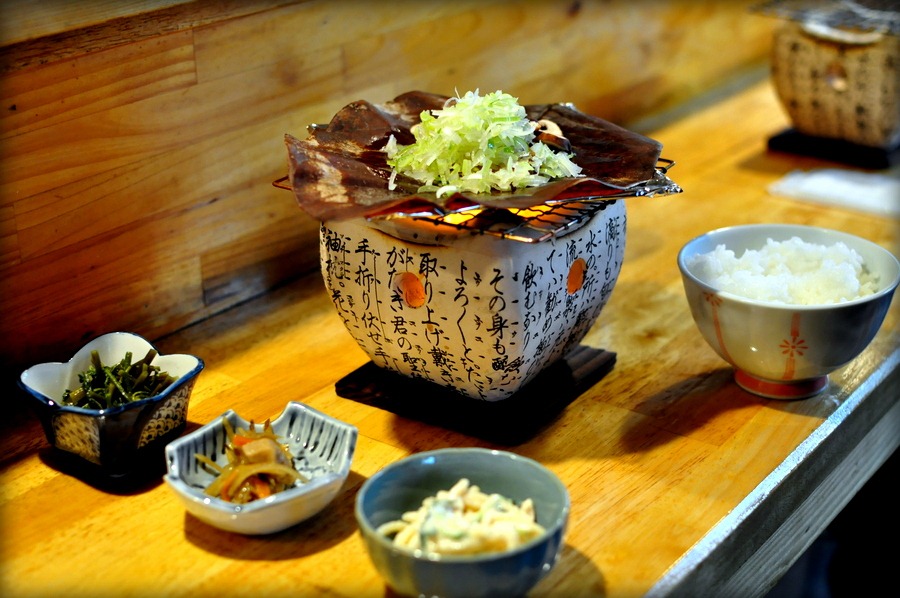
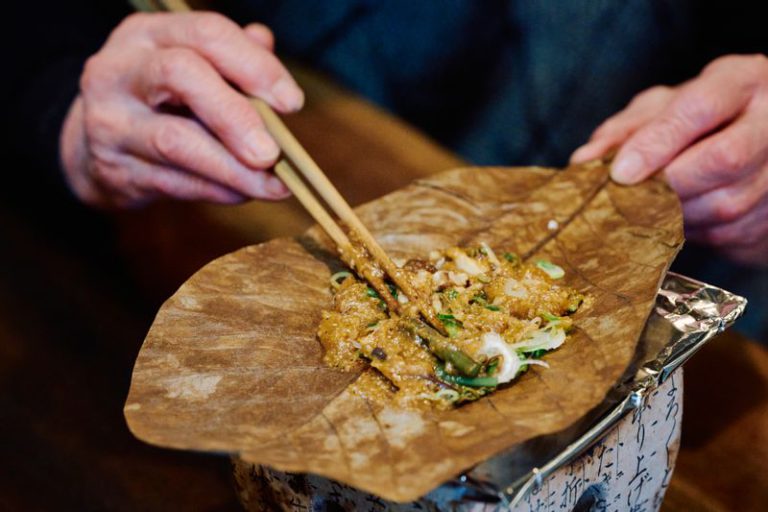
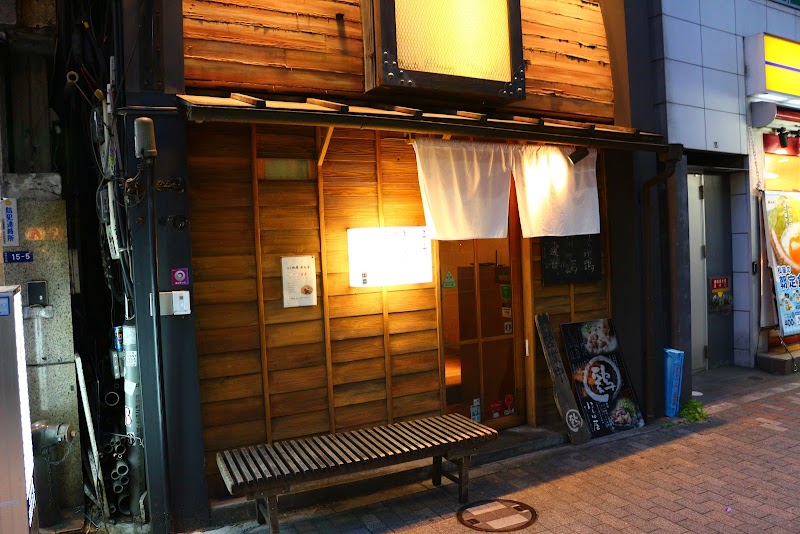
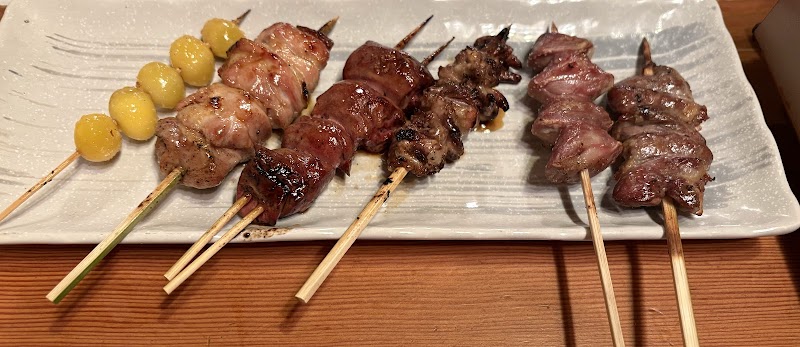
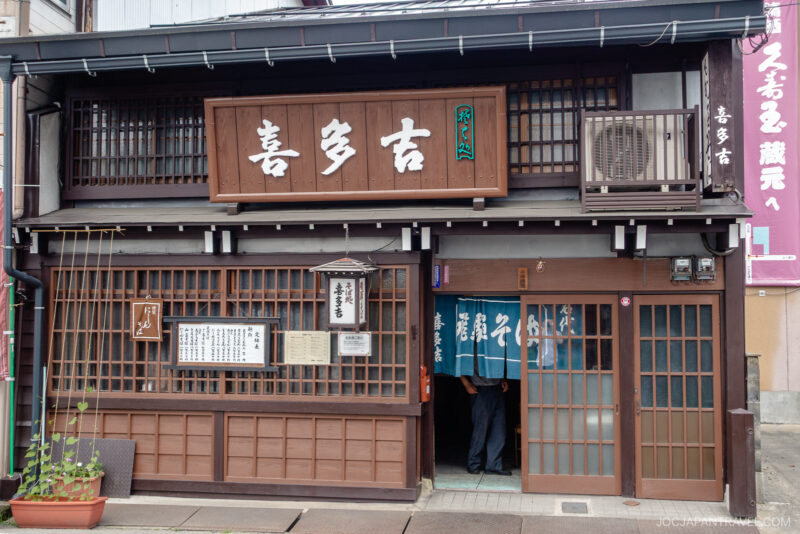
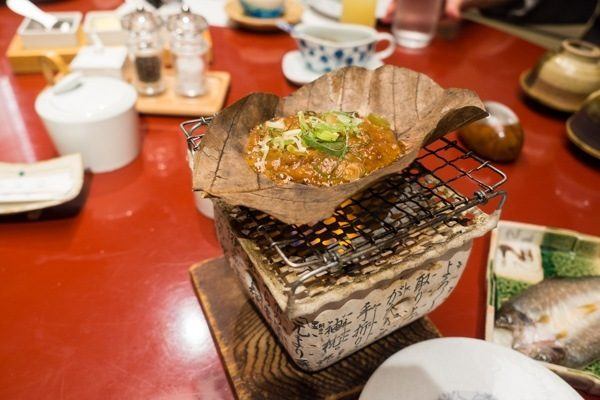
Lively local izakaya near the station. Excellent hoba miso (miso grilled on magnolia leaf), Hida beef skewers, and local sake. Where the locals gather after work.

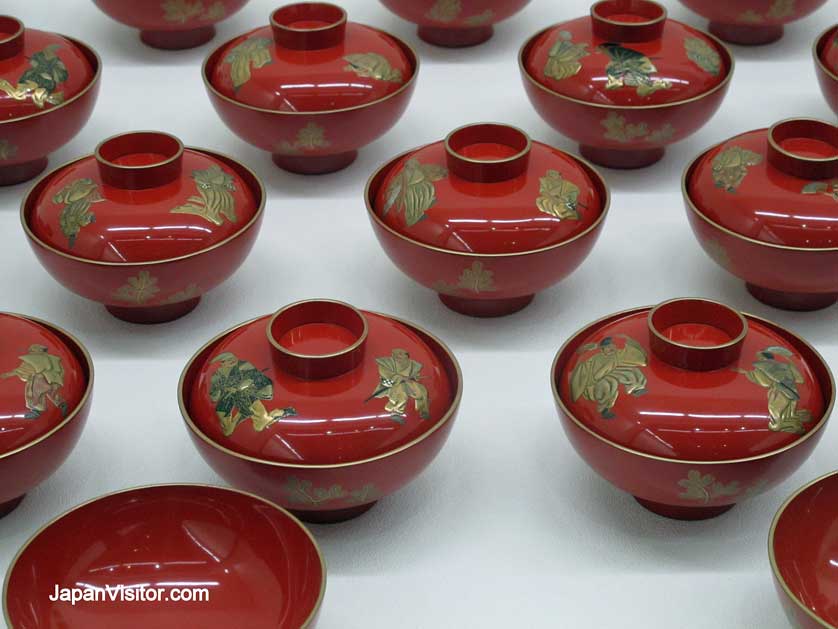
Traditional Hida lacquerware (shunkei-nuri) sold at shops near the Kusakabe merchant house. The golden-amber finish is distinctive to Hida. Chopsticks and bowls make great gifts.

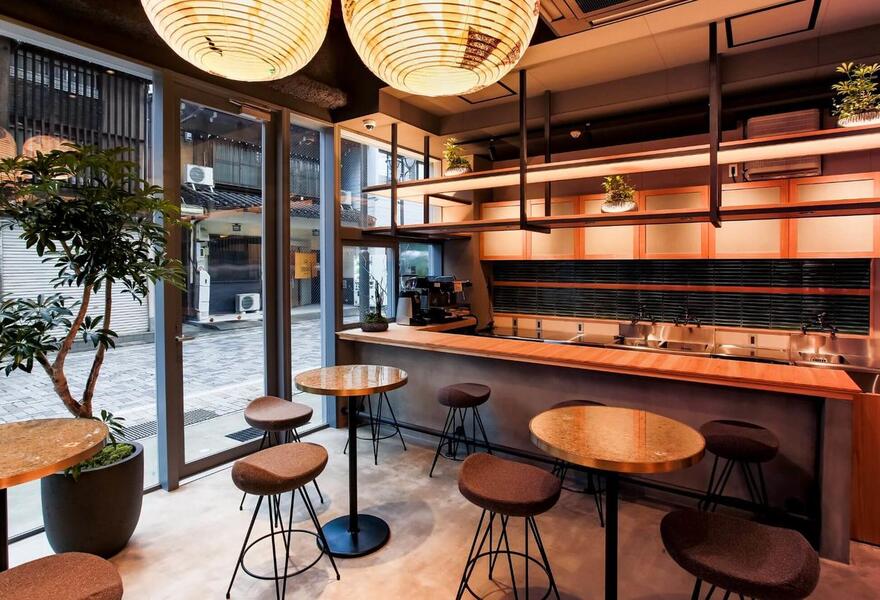
Modern craft beer bar with rotating taps from Japanese microbreweries. Also serves sake flights. Good food menu including Hida beef sliders. Popular with international visitors.

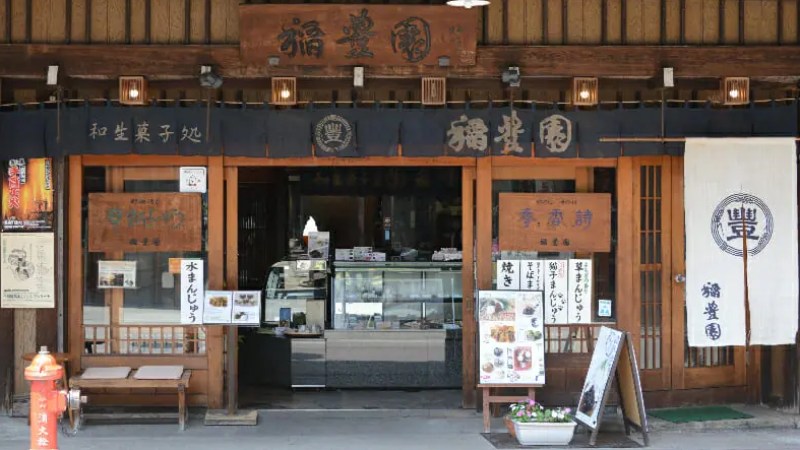
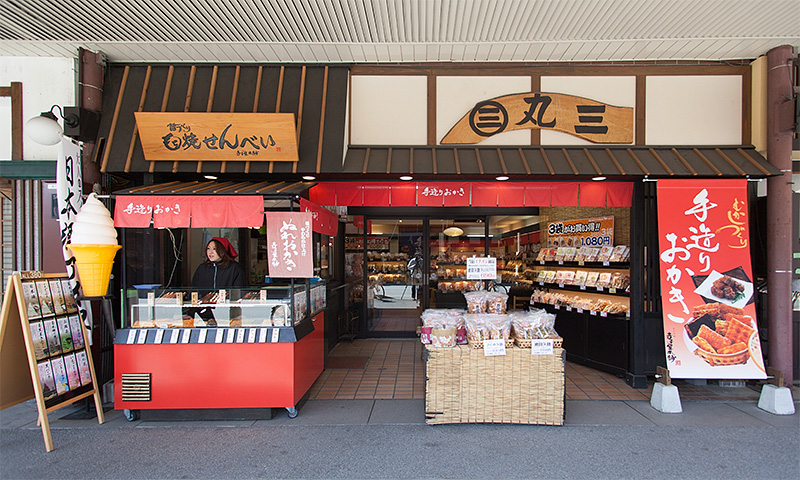
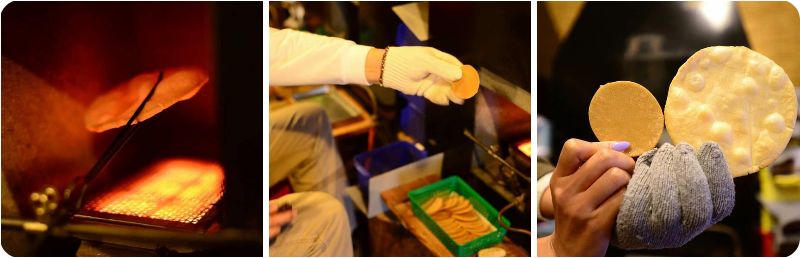
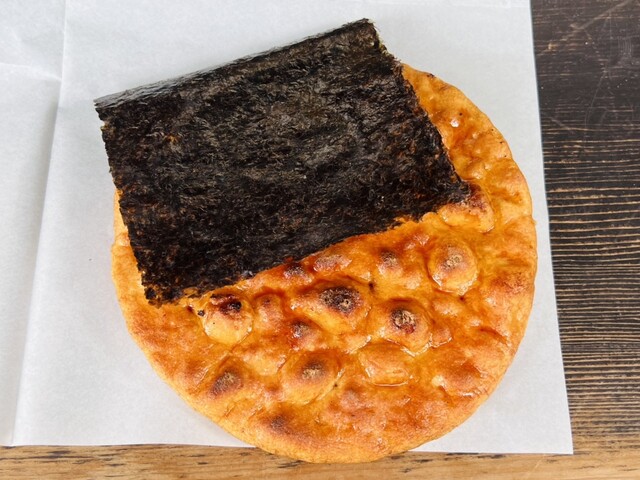
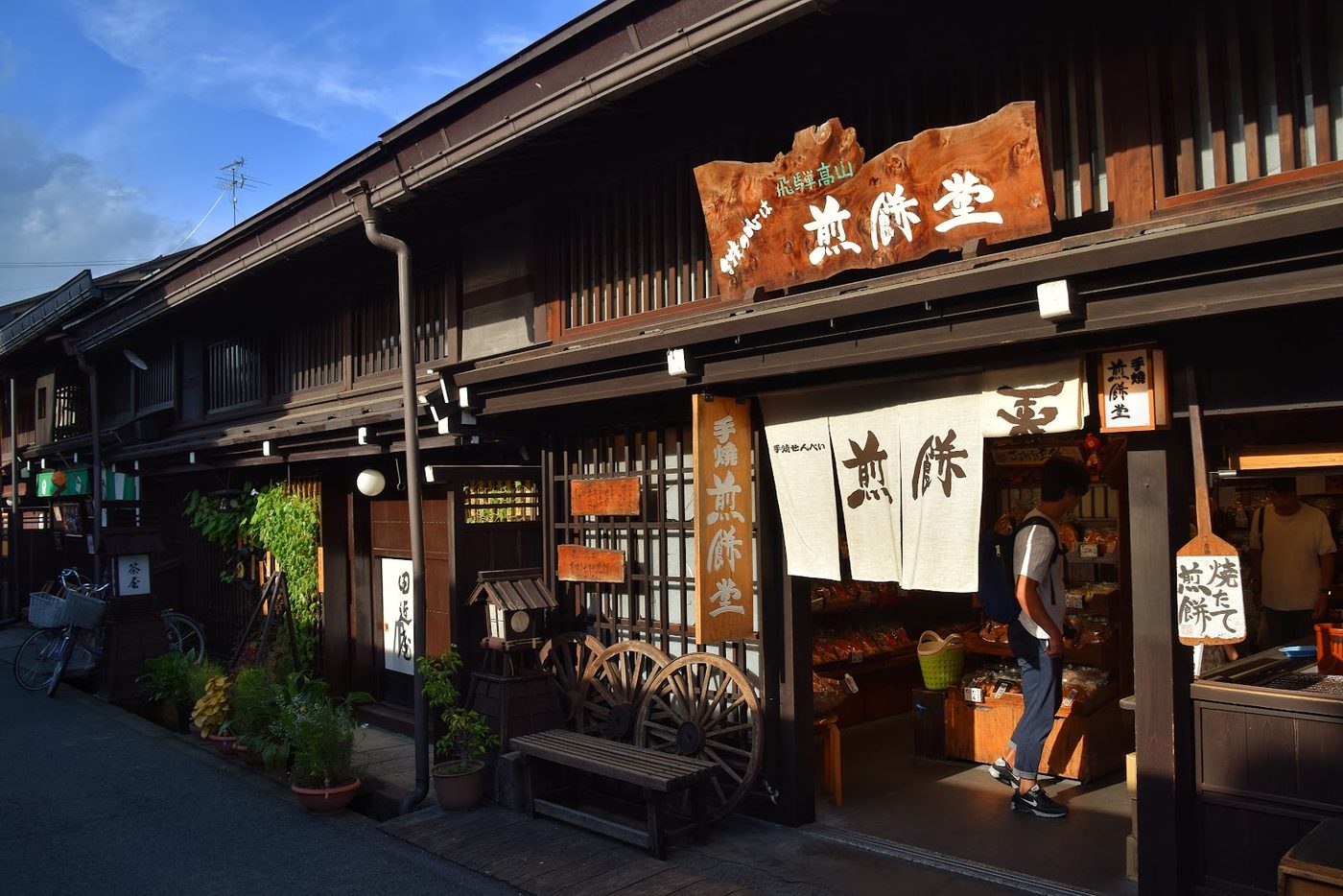
Traditional rice cracker shop where senbei are grilled fresh in front of you. Choose your own flavors: soy sauce, sesame, chili, or sweet. Fun interactive snack shopping.
Takayama is packed with standout local eats. Come hungry.

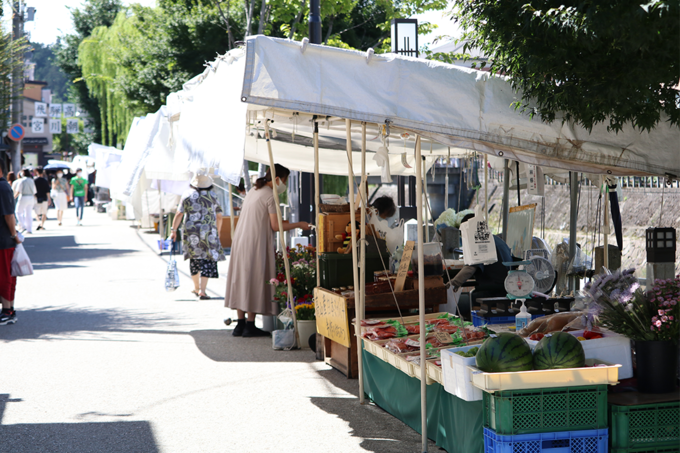
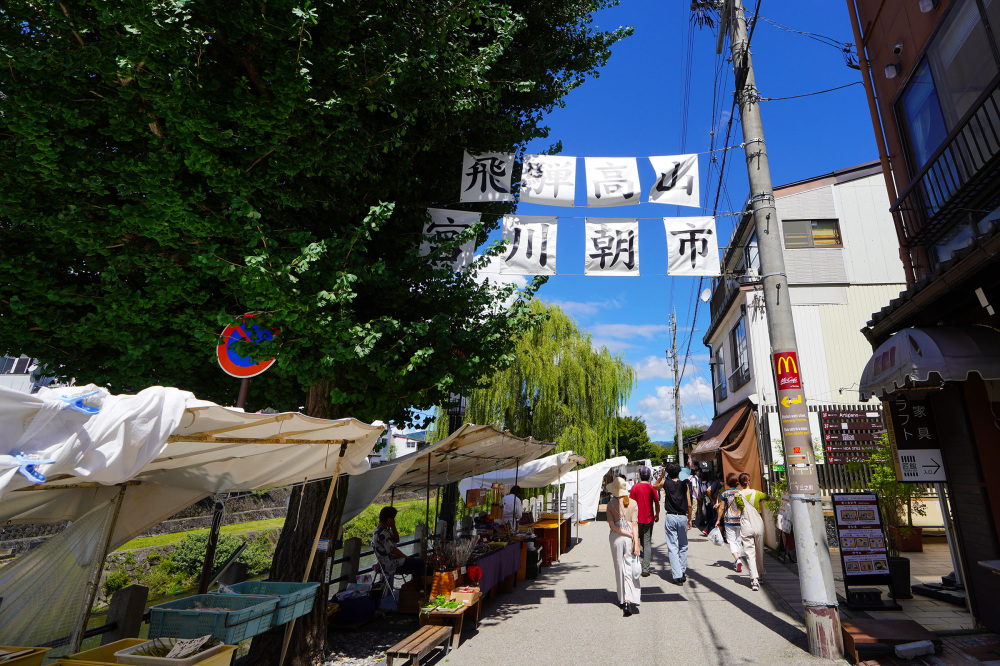
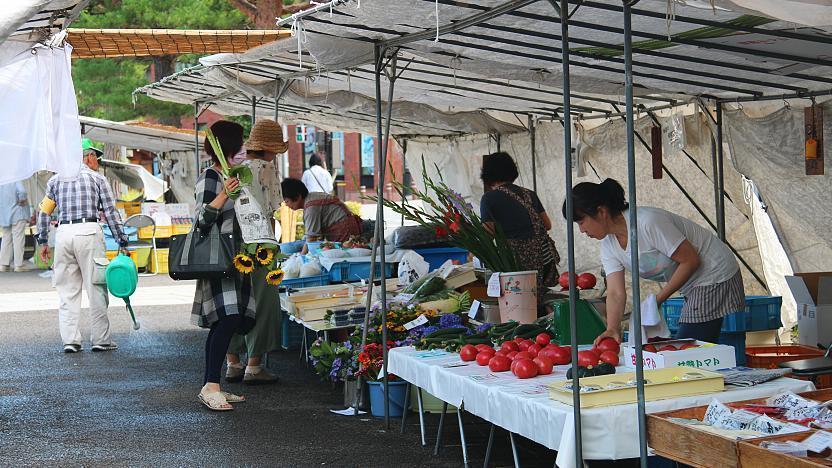
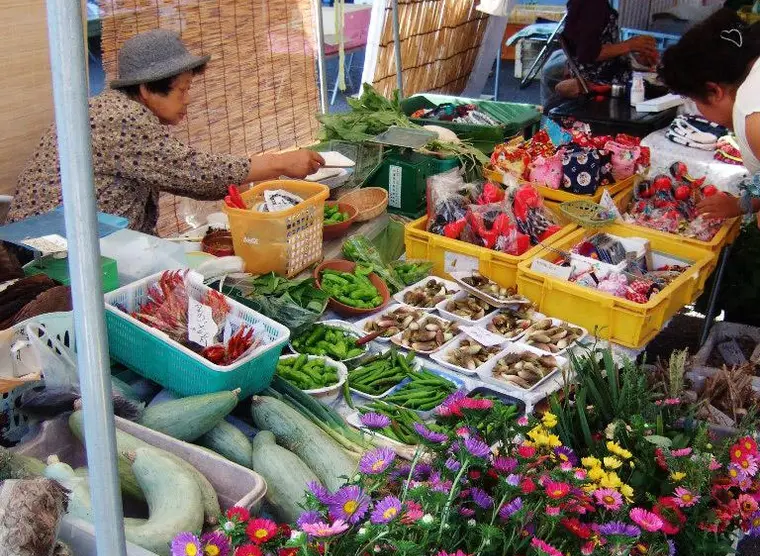
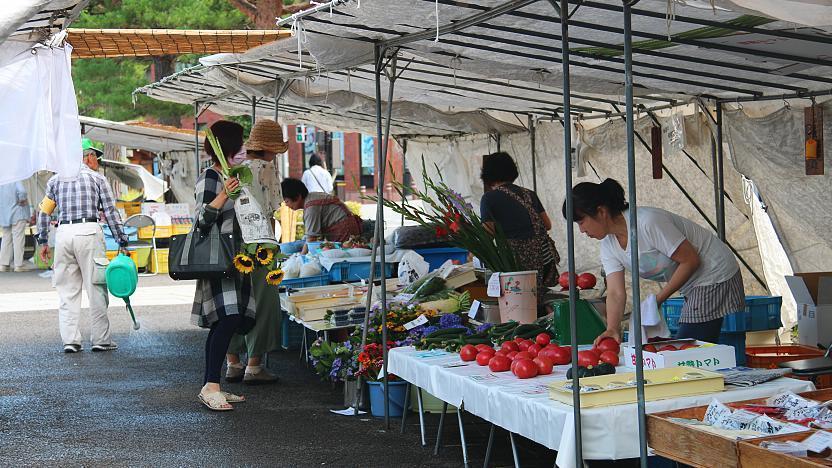
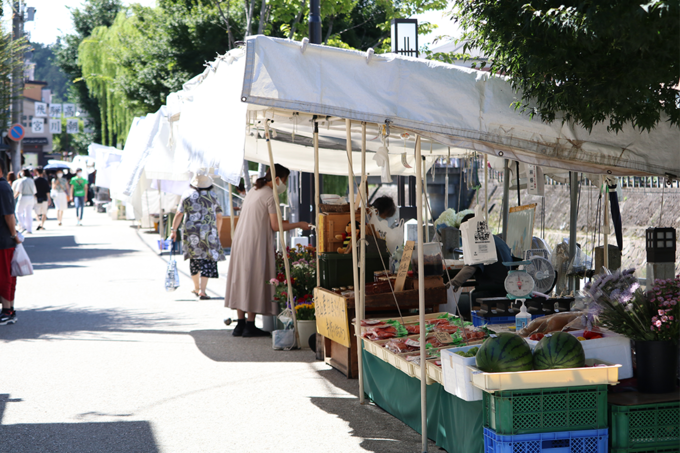
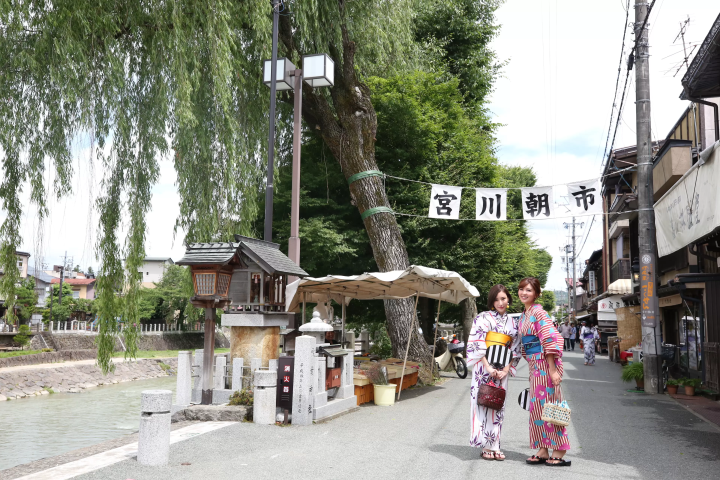
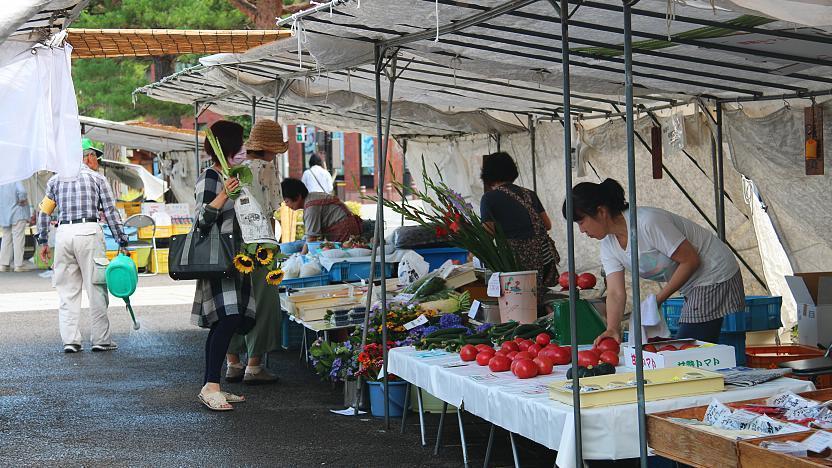
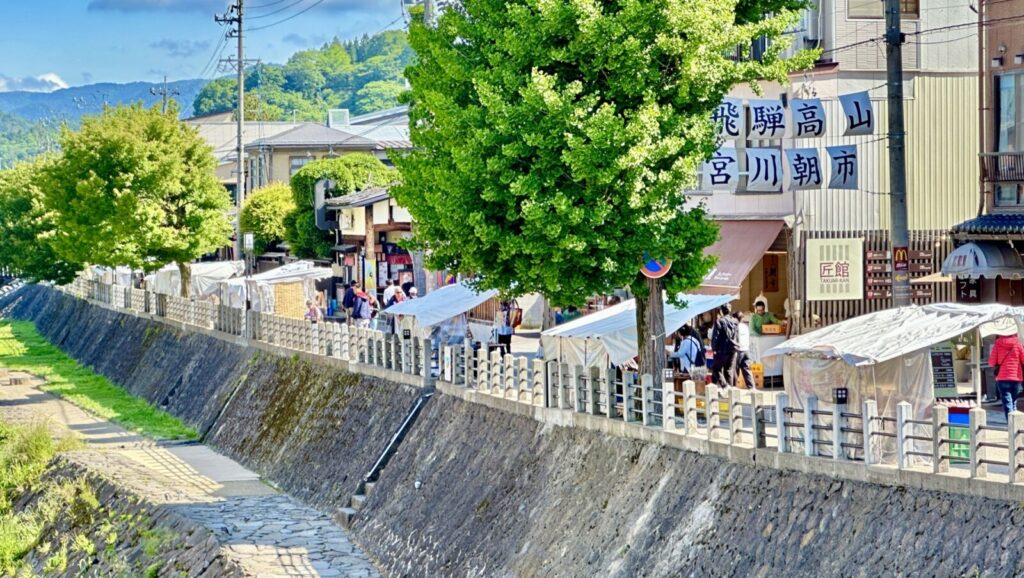
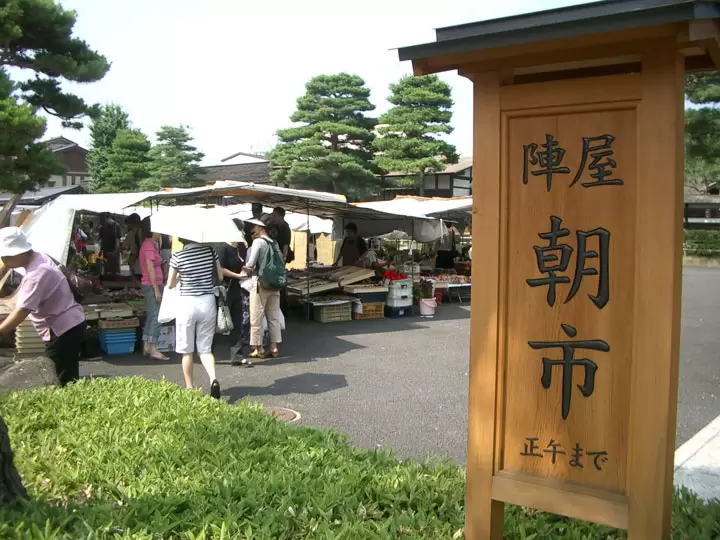
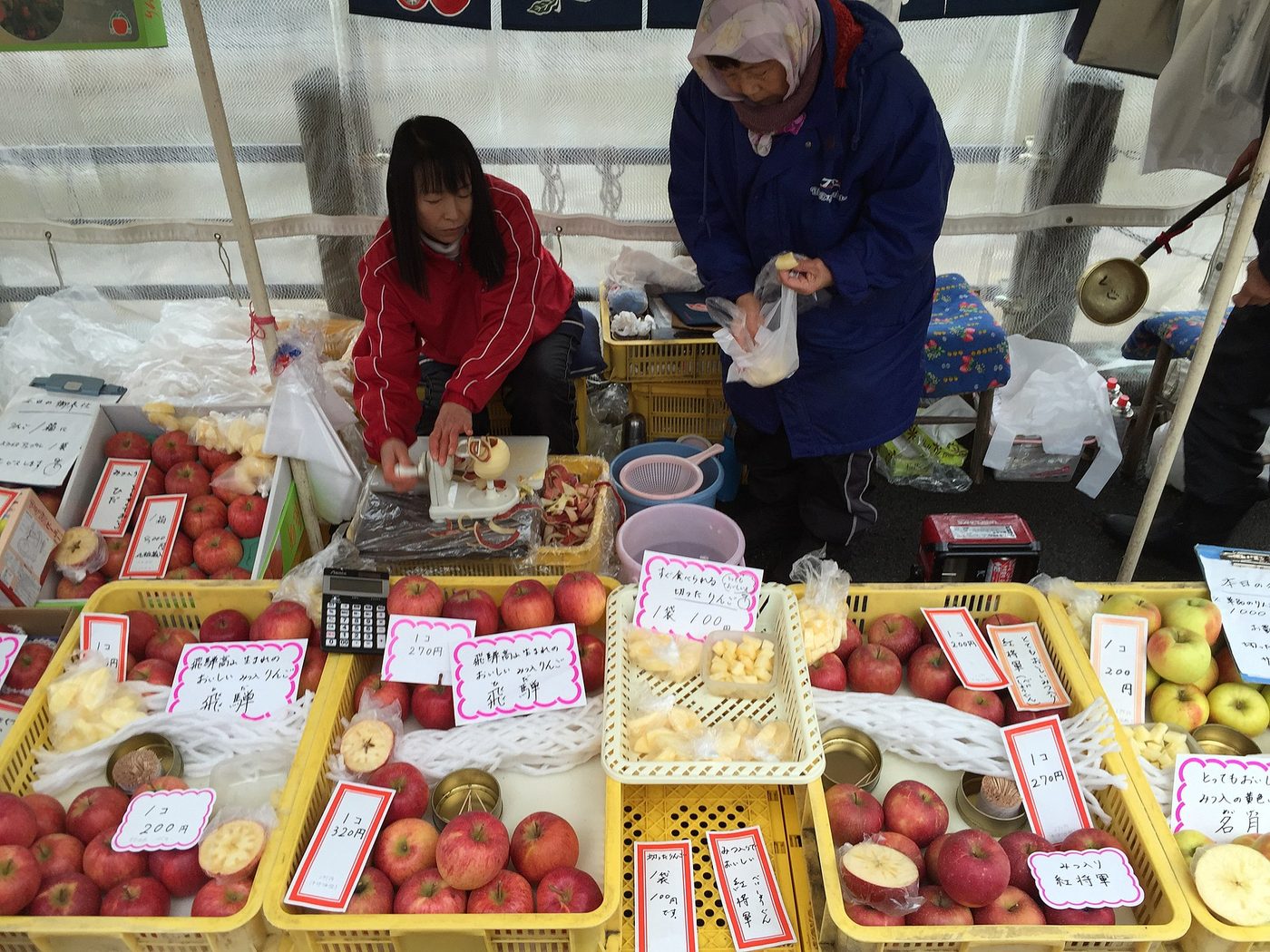
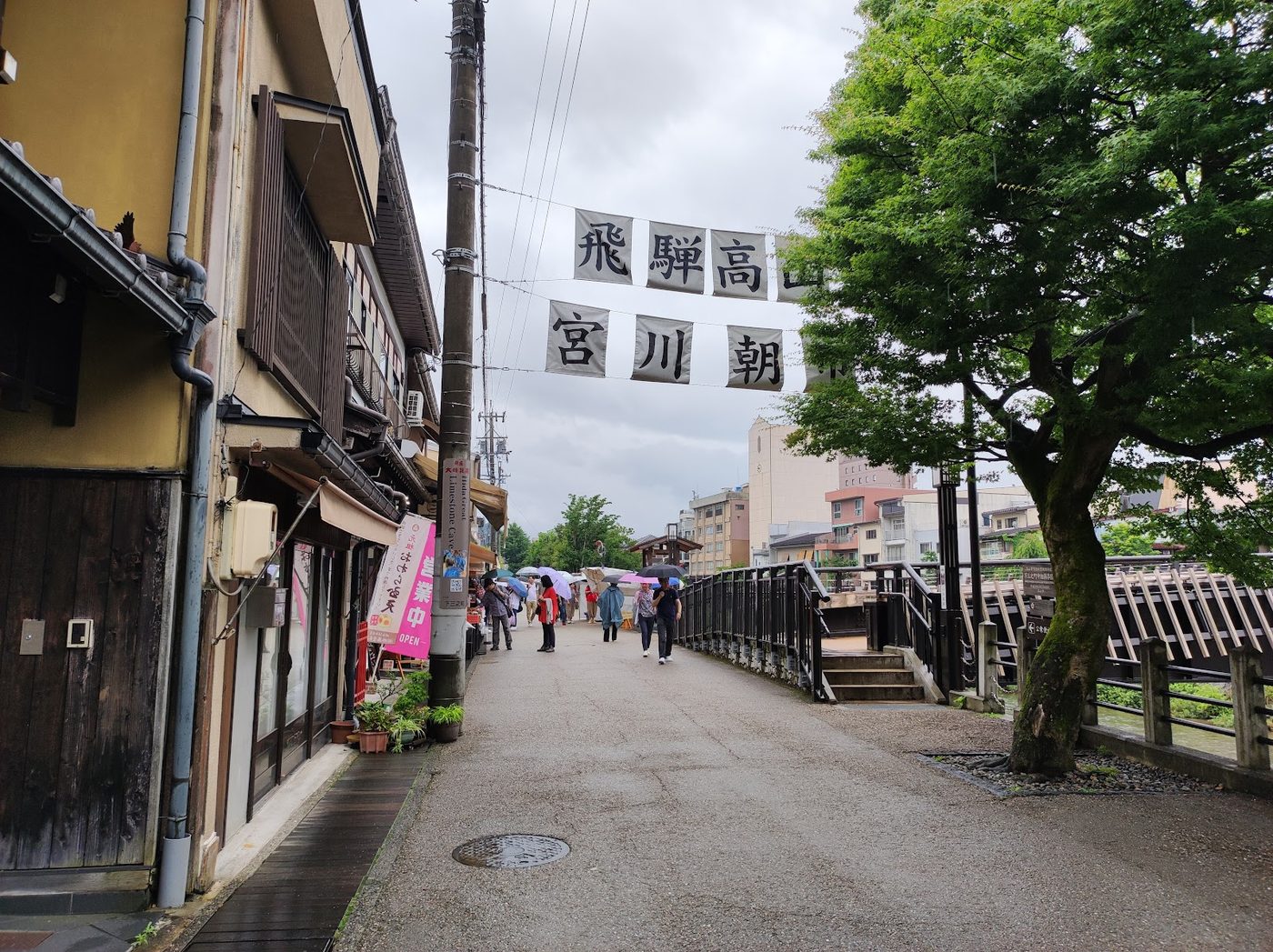
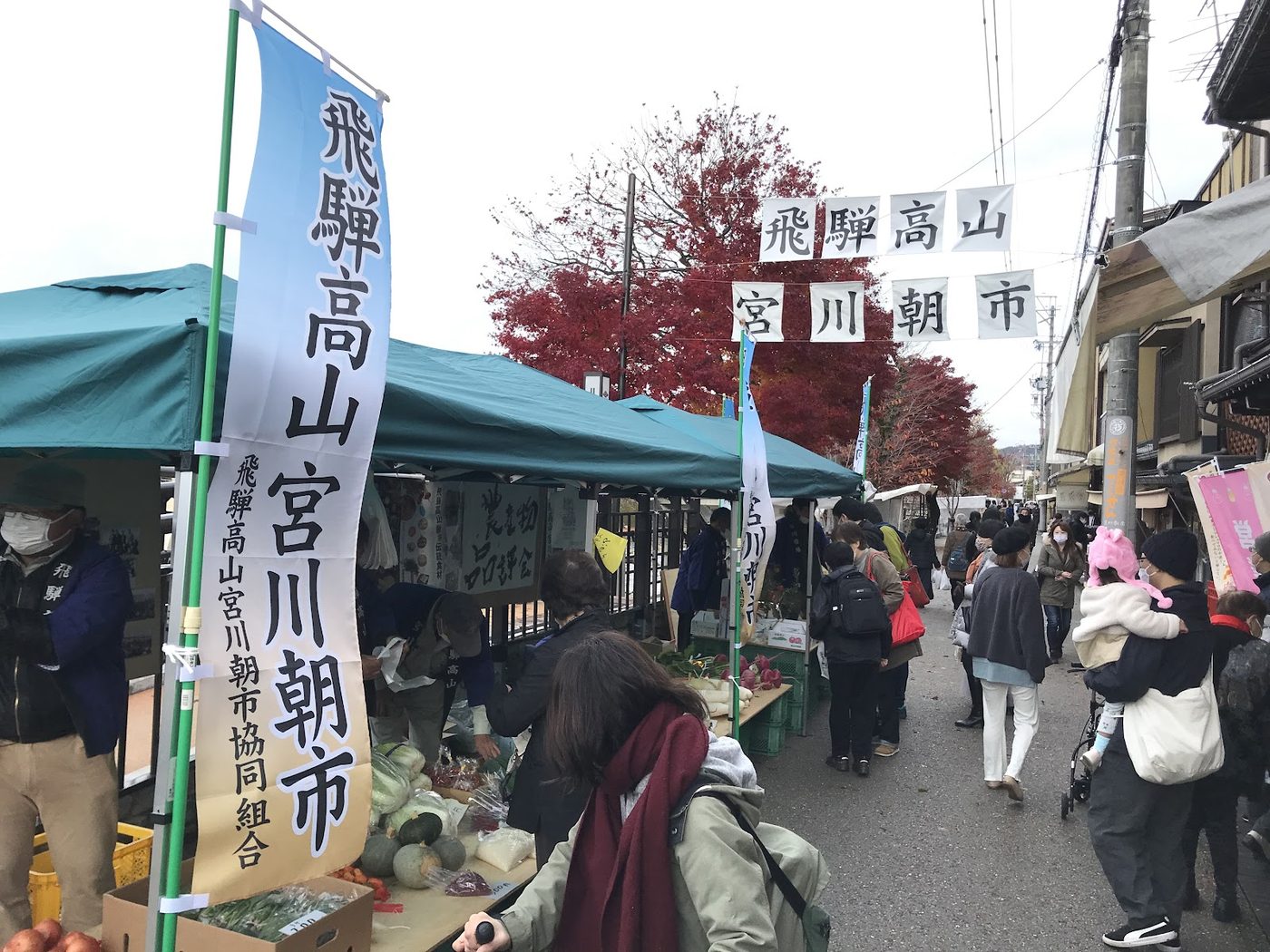
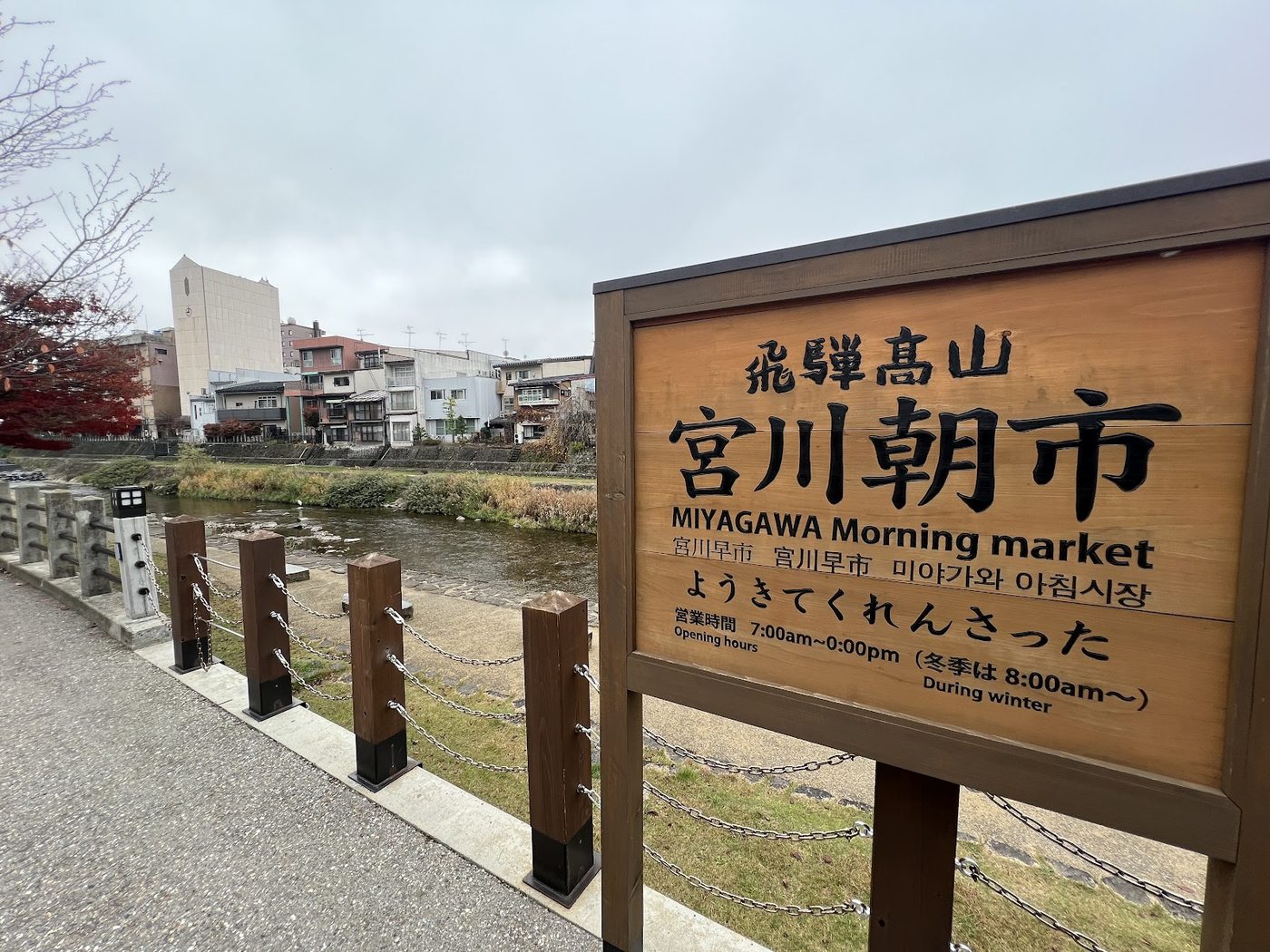
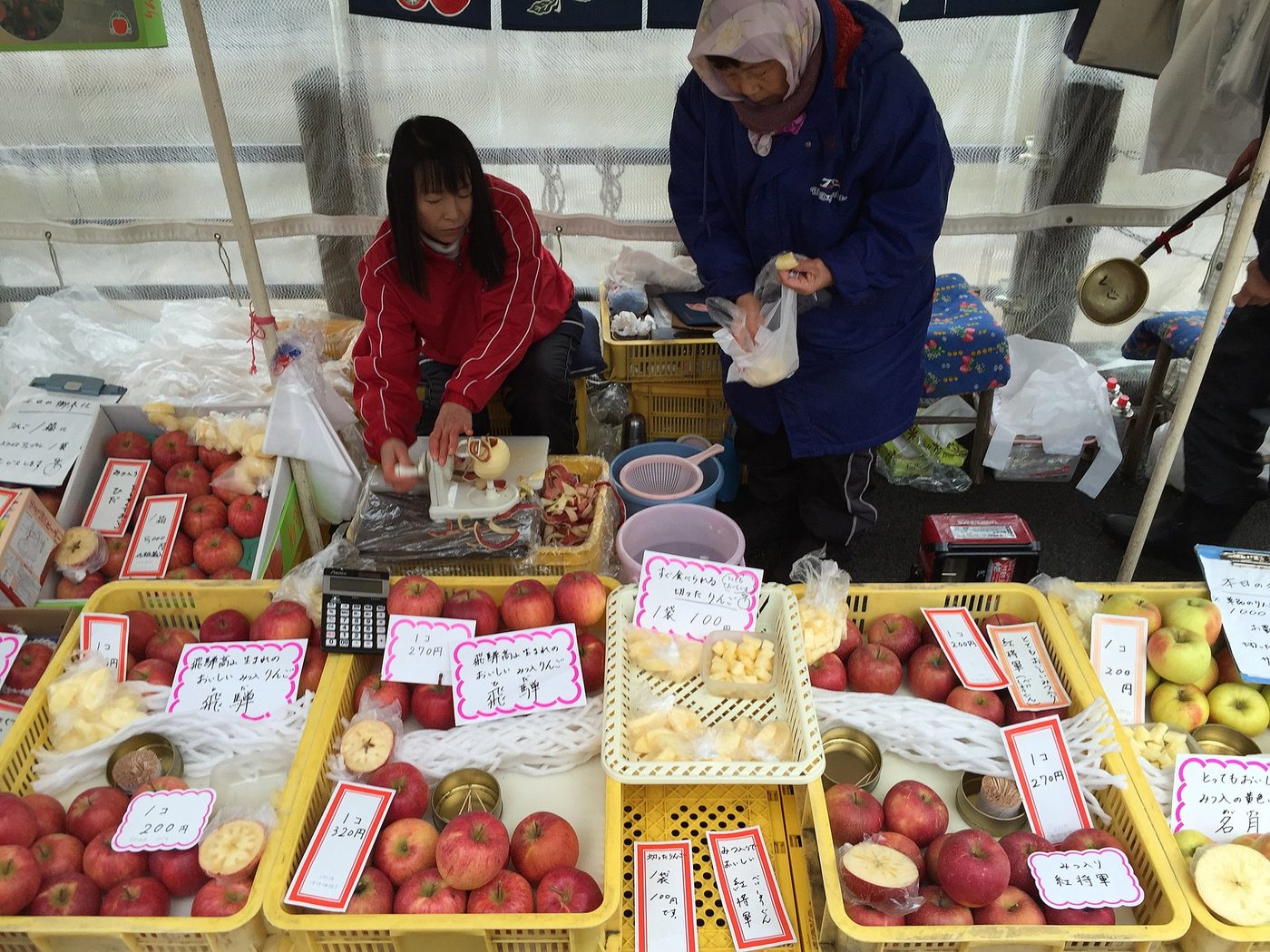
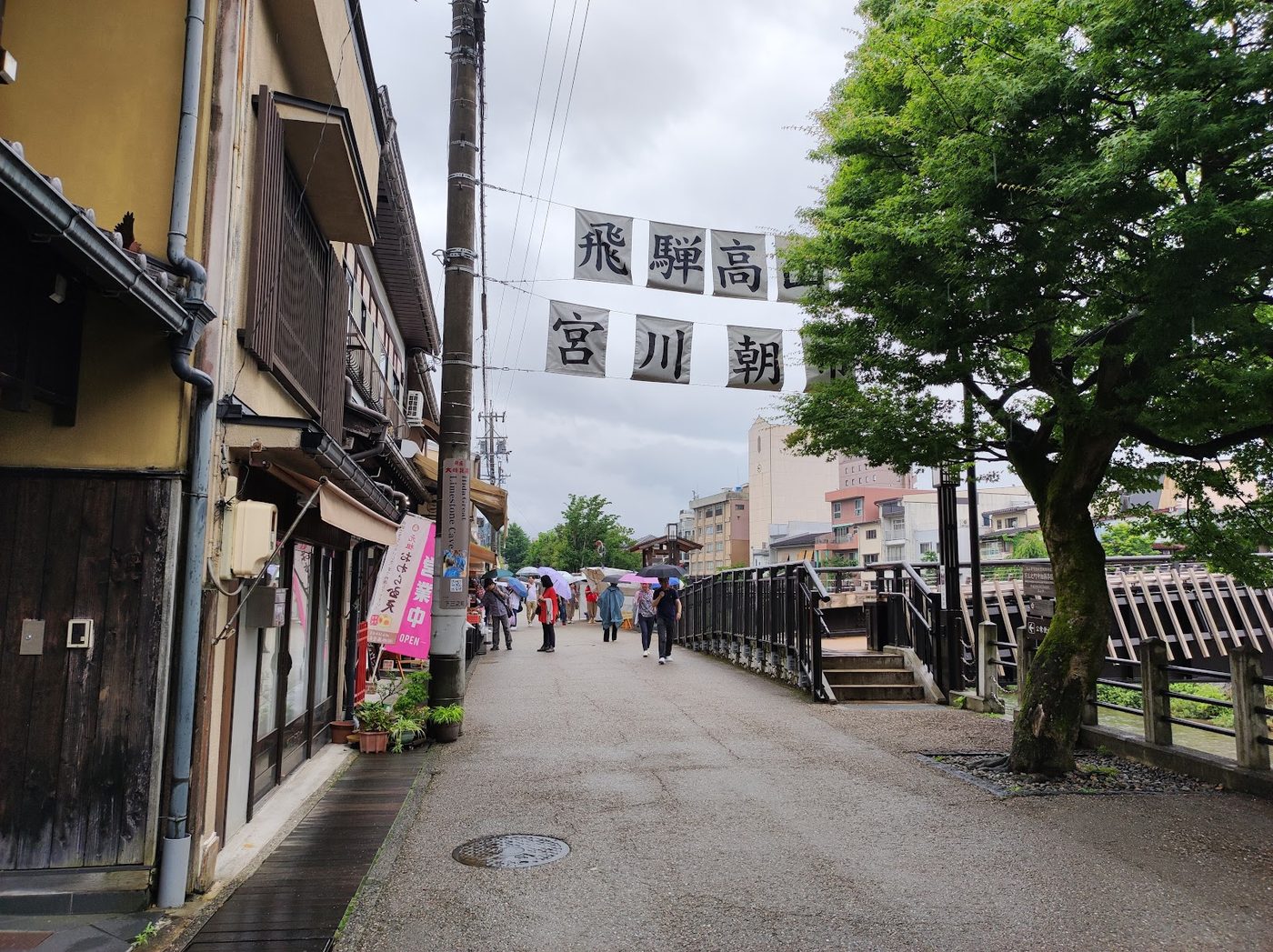
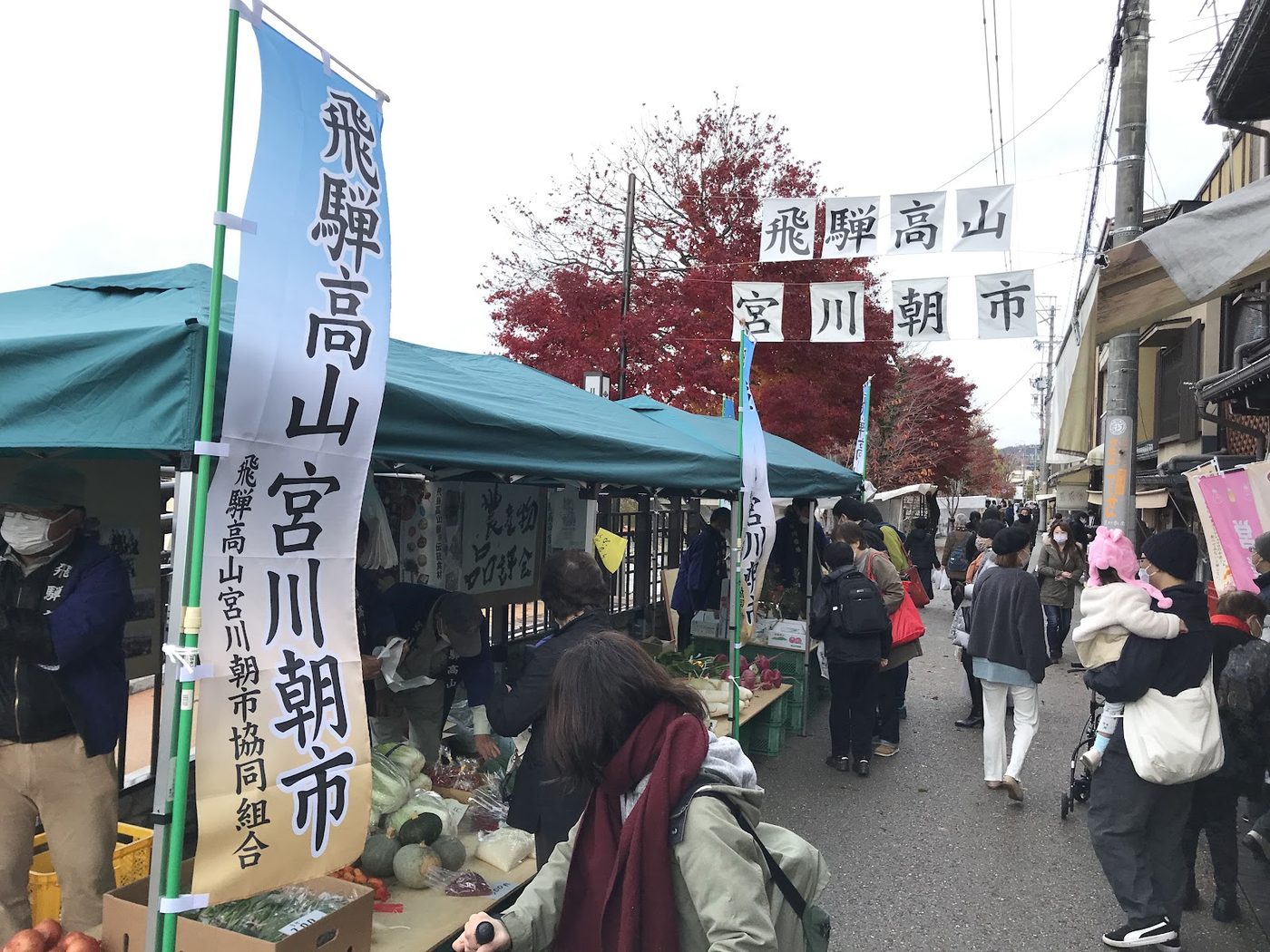
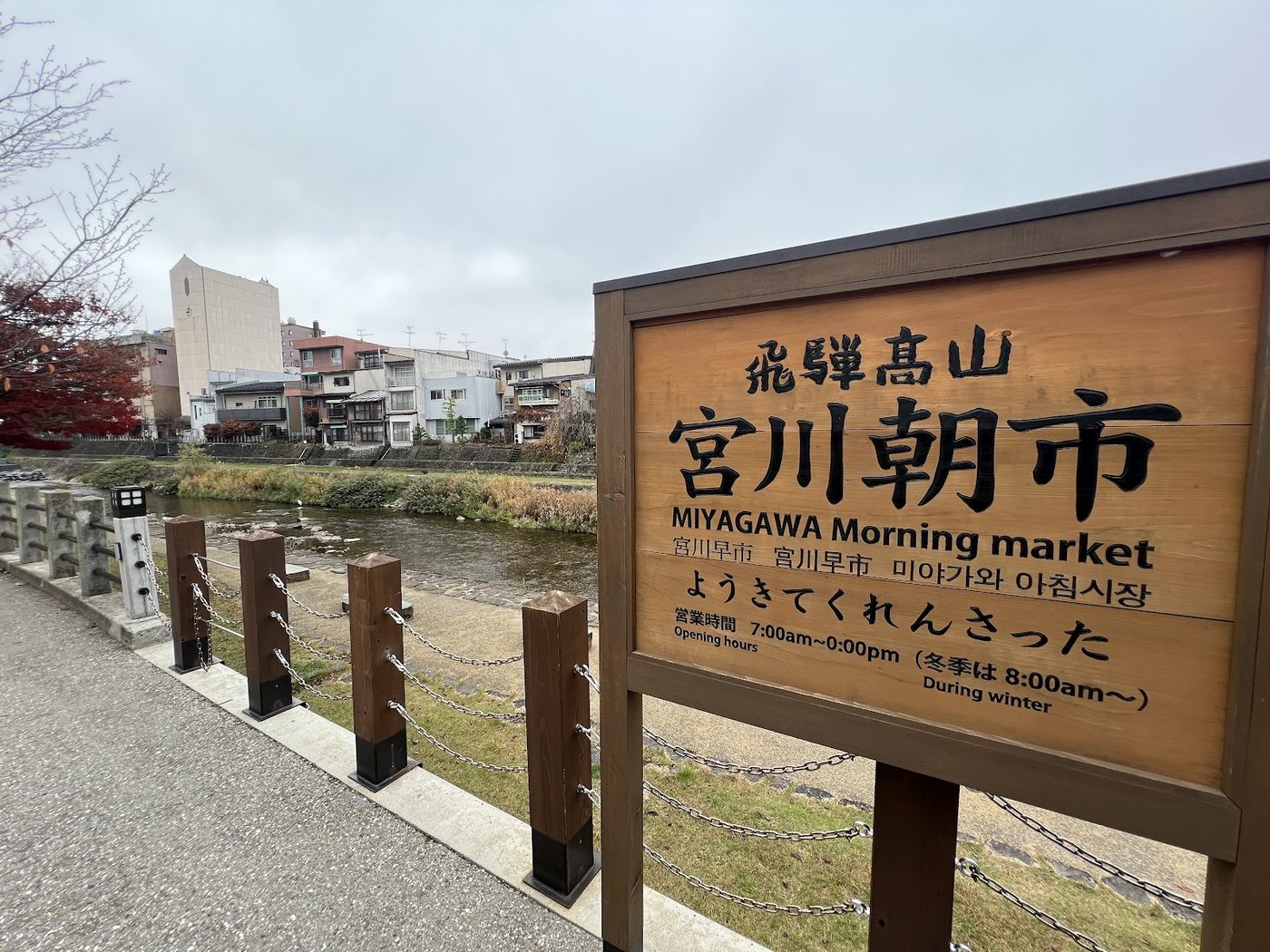
Daily morning market along the Miyagawa River. Local farmers sell pickles, crafts, miso paste, and mountain vegetables. Operating since the Edo period. Open 7am-noon.

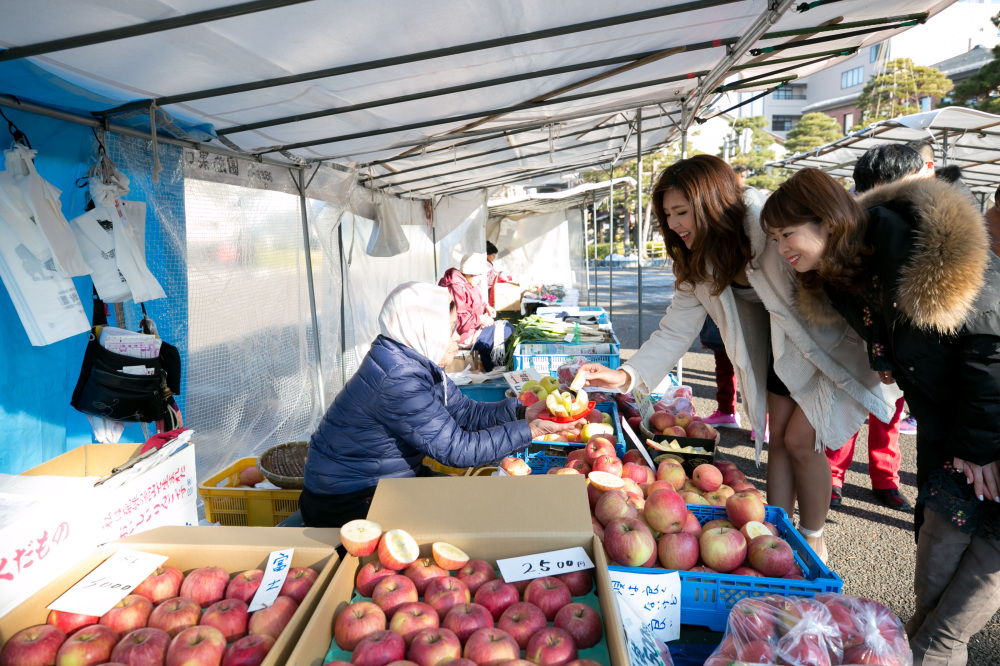
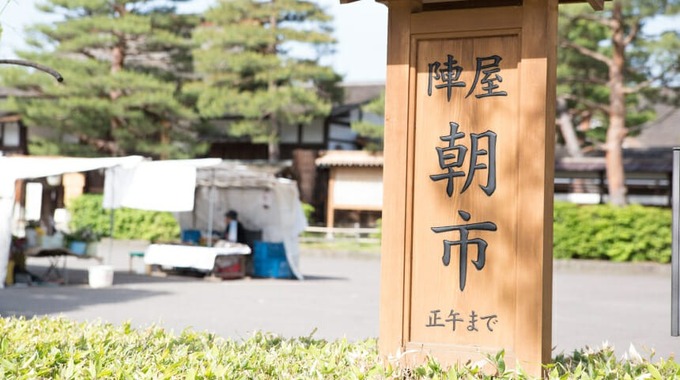
Second morning market directly in front of the Jinya. Smaller but equally charming. Fresh produce, handmade crafts, and Hida region specialties. Great for souvenirs.

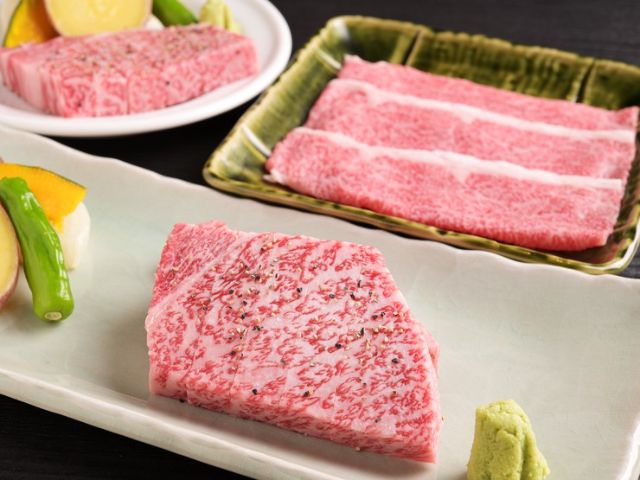
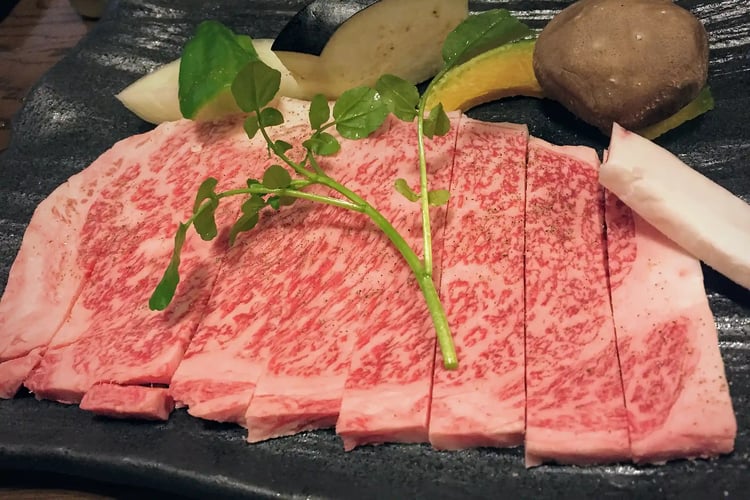
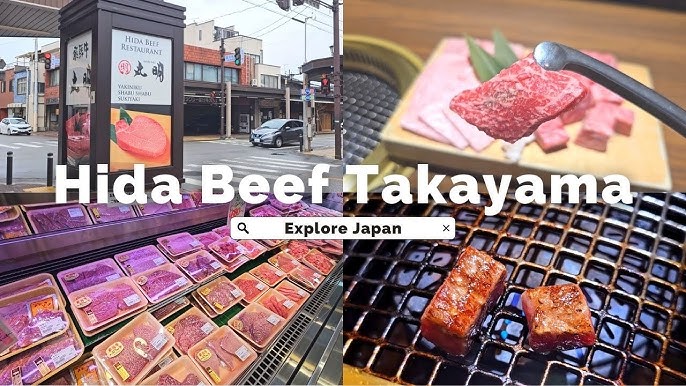
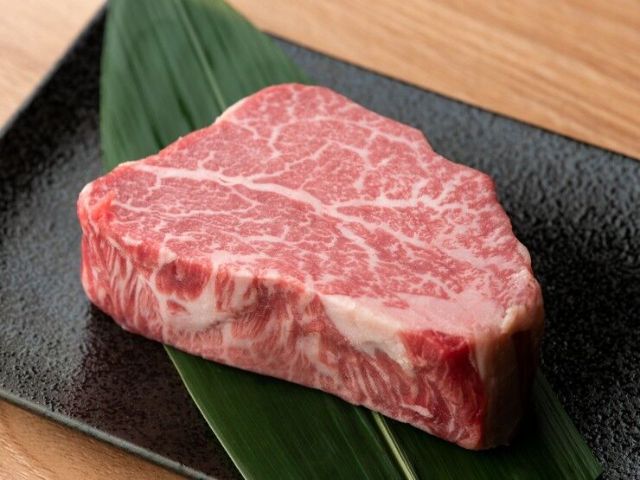
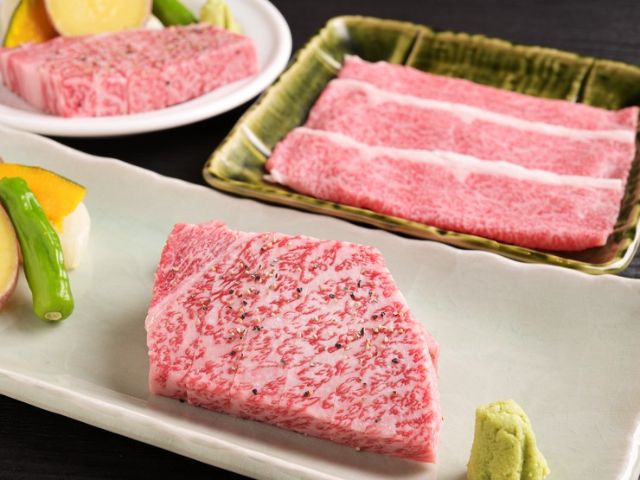
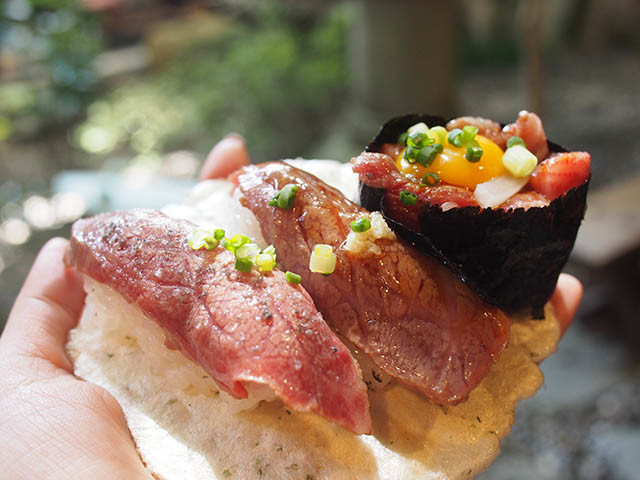
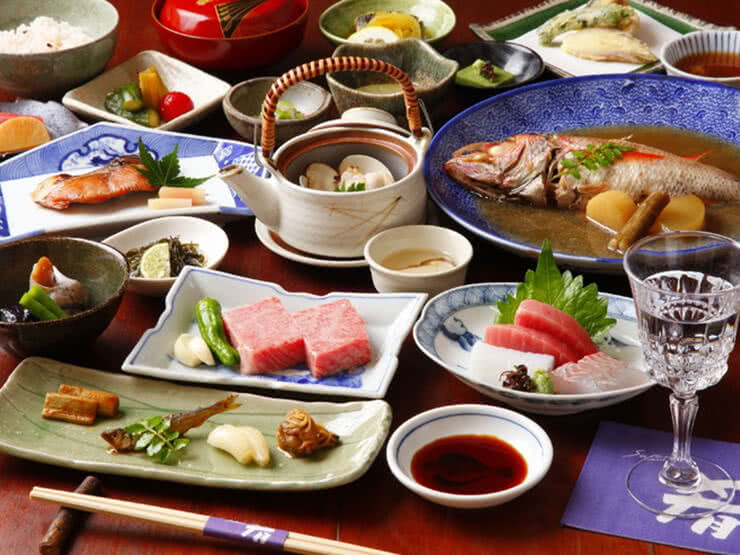
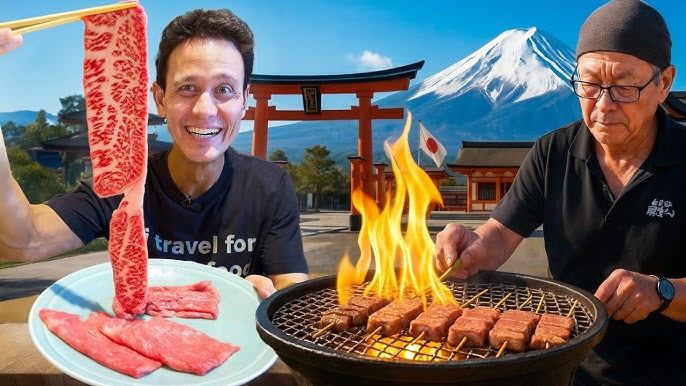
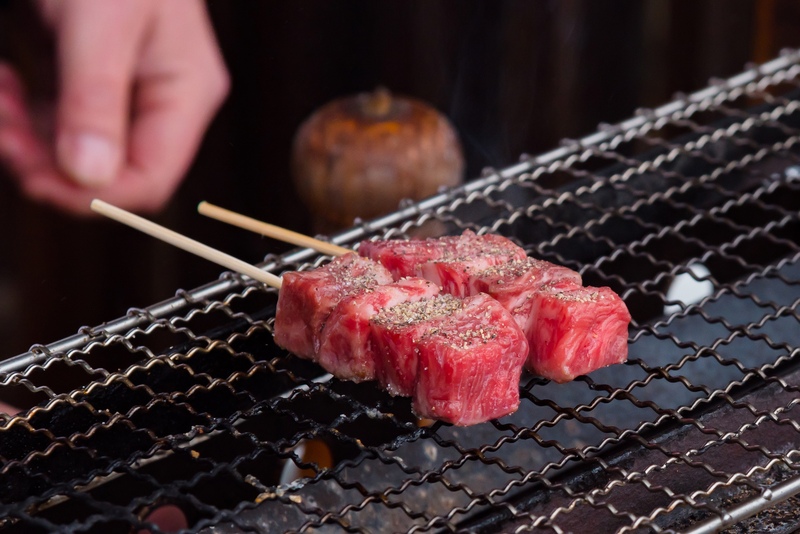
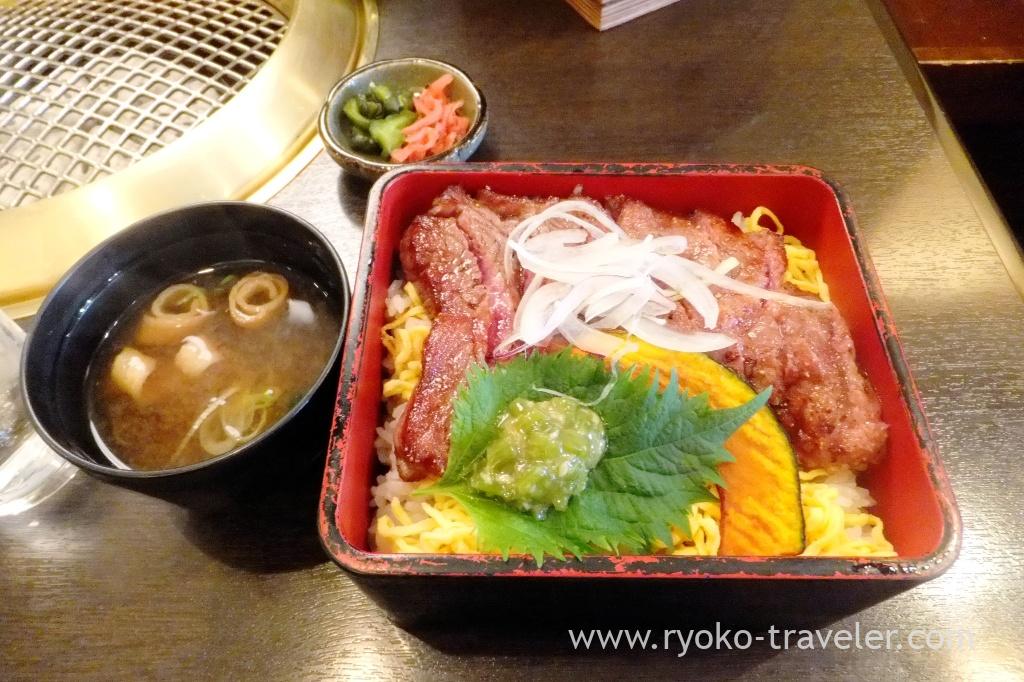
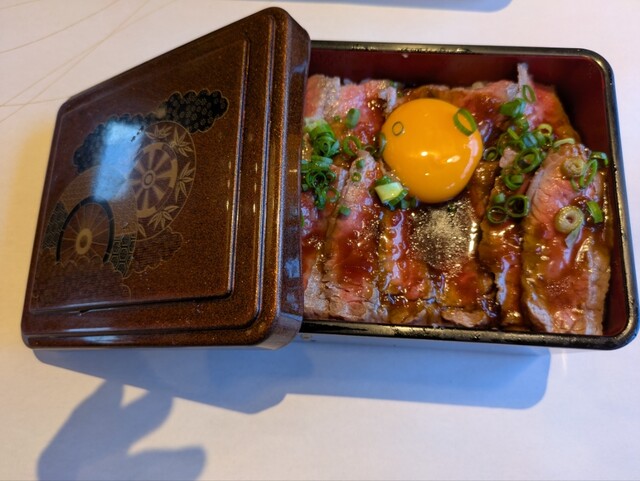
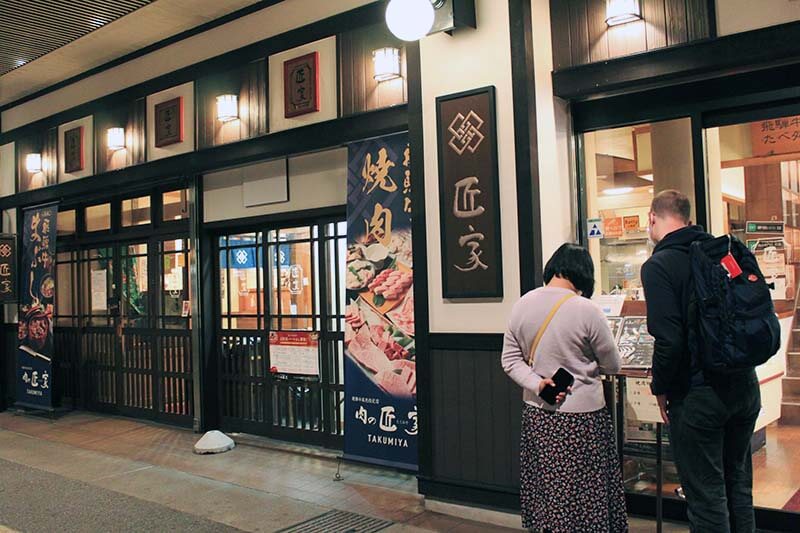
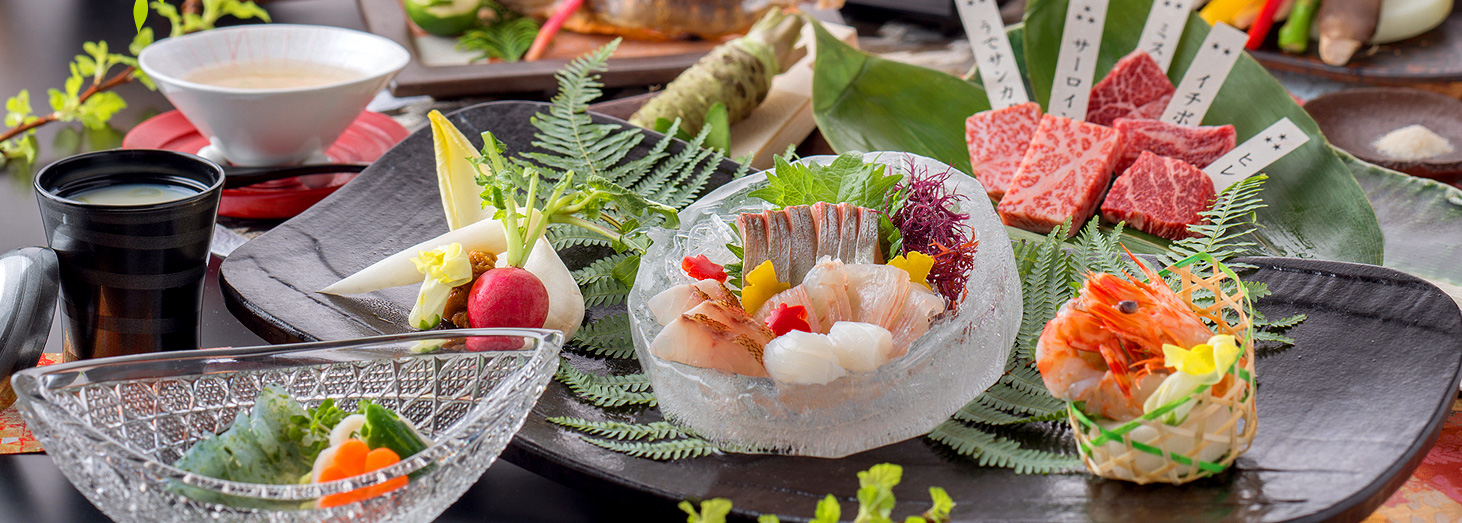
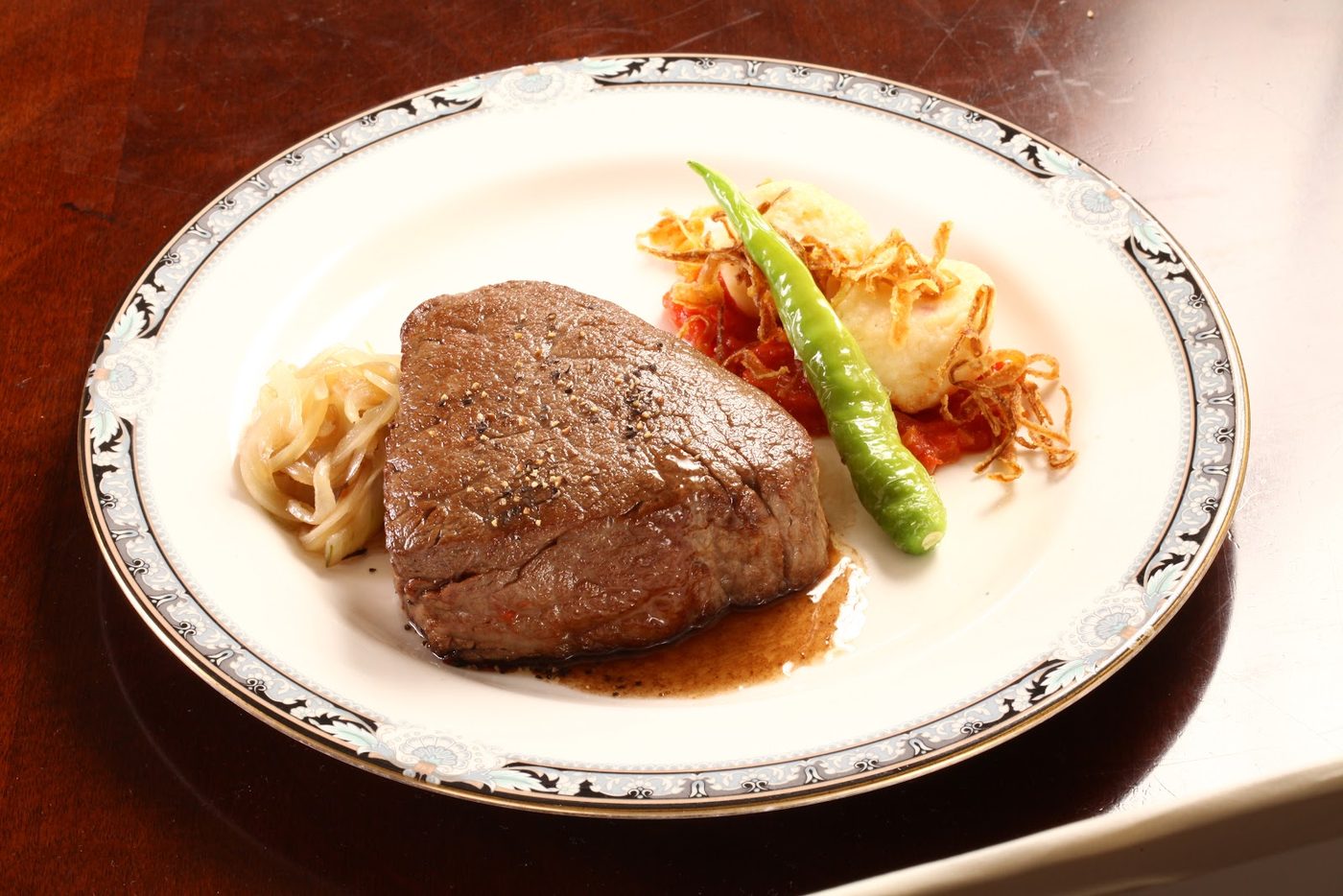
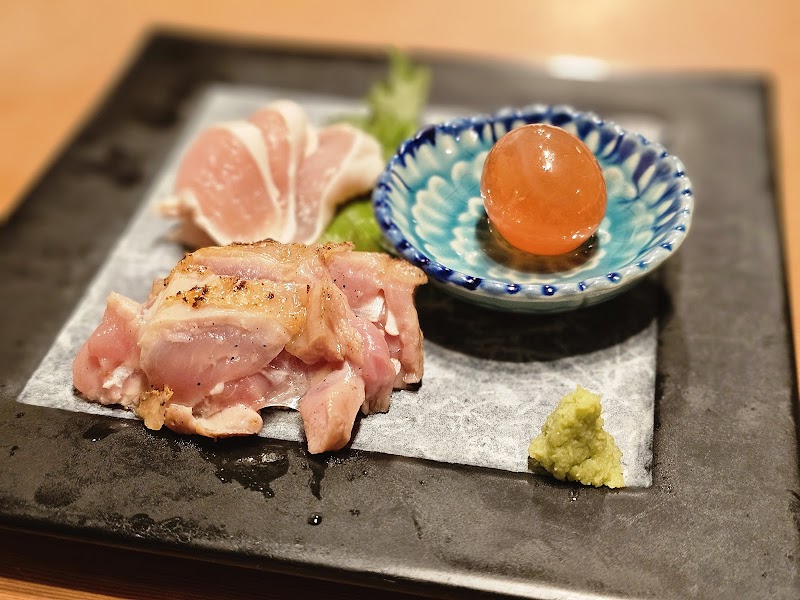
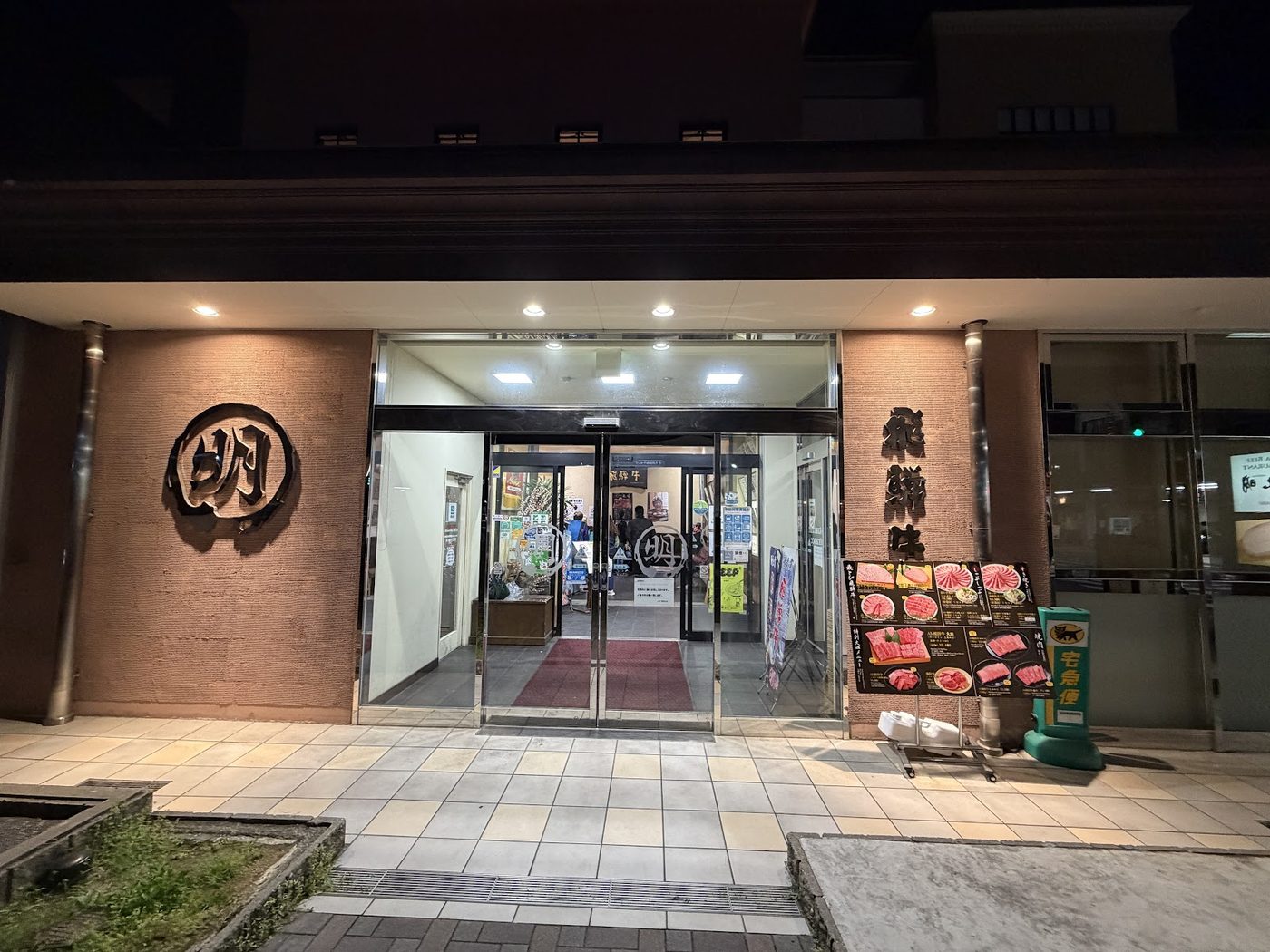
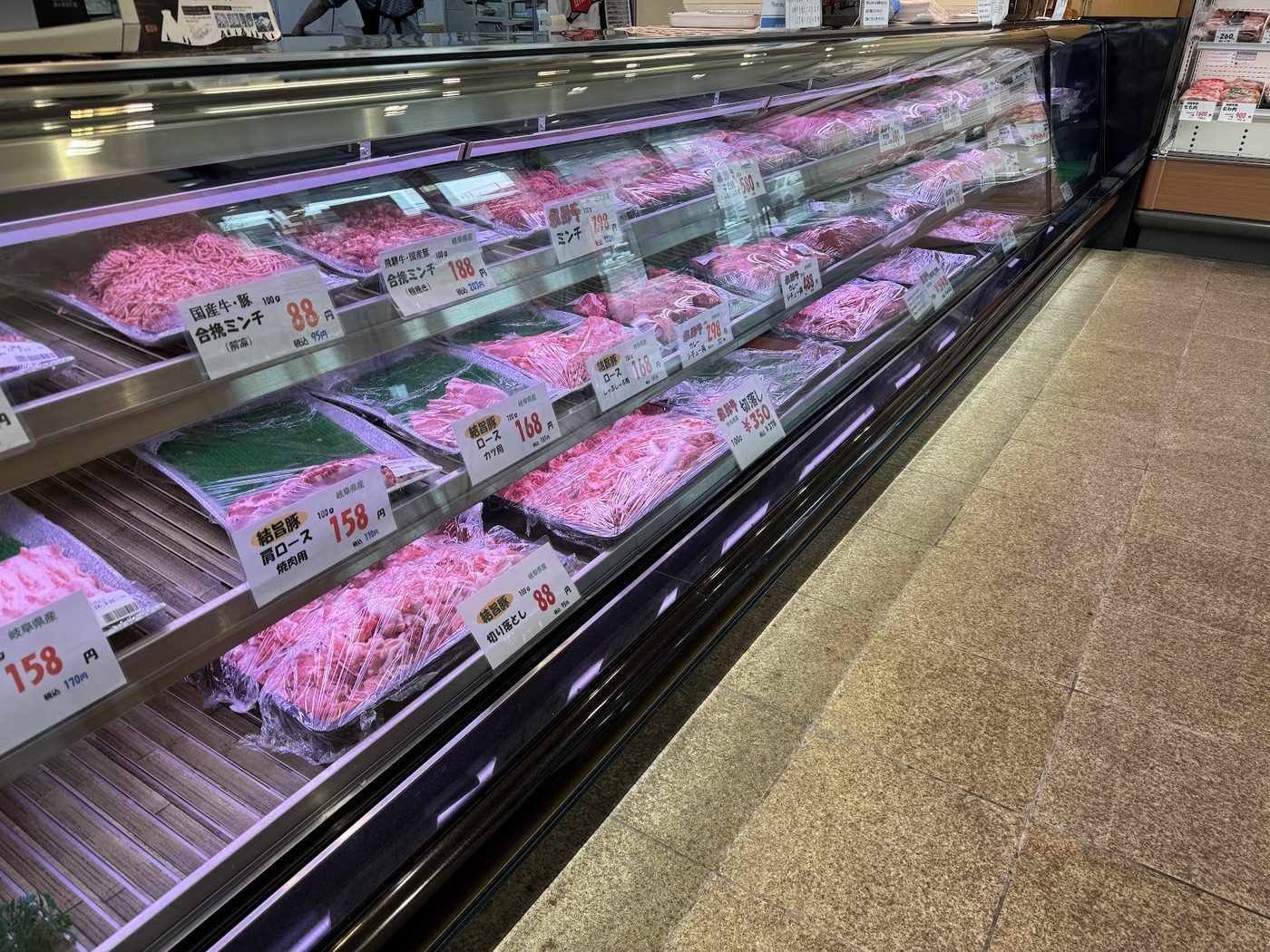
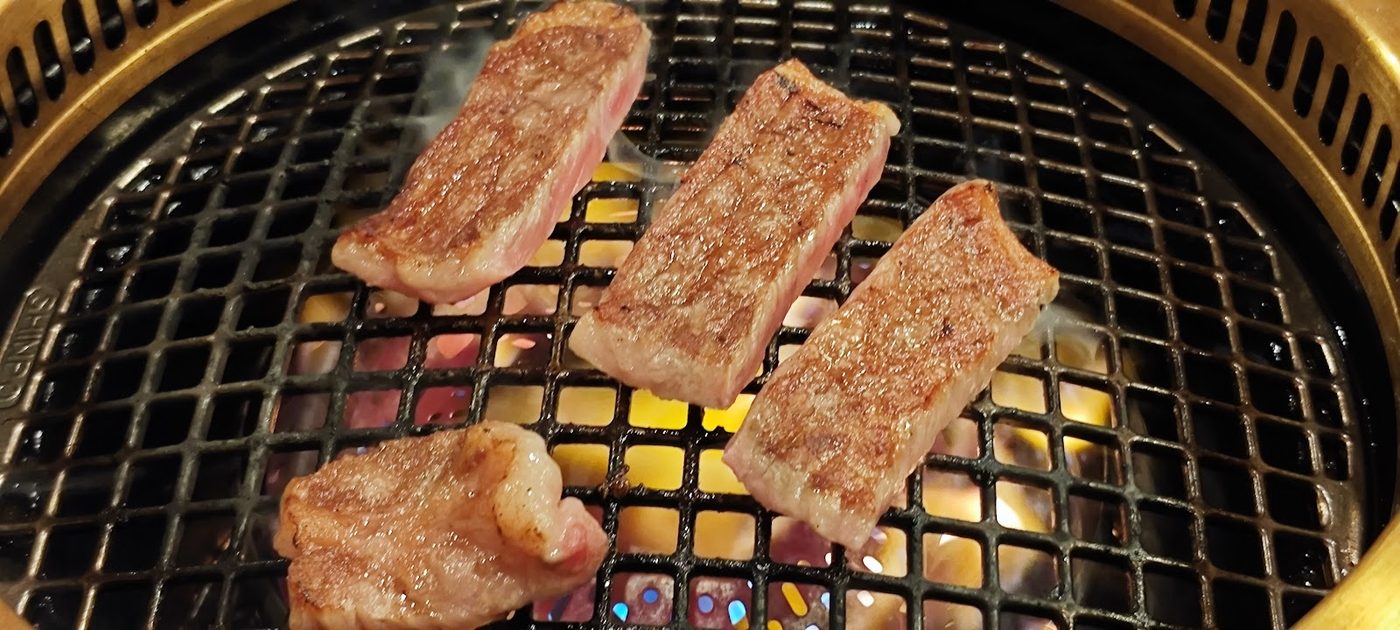
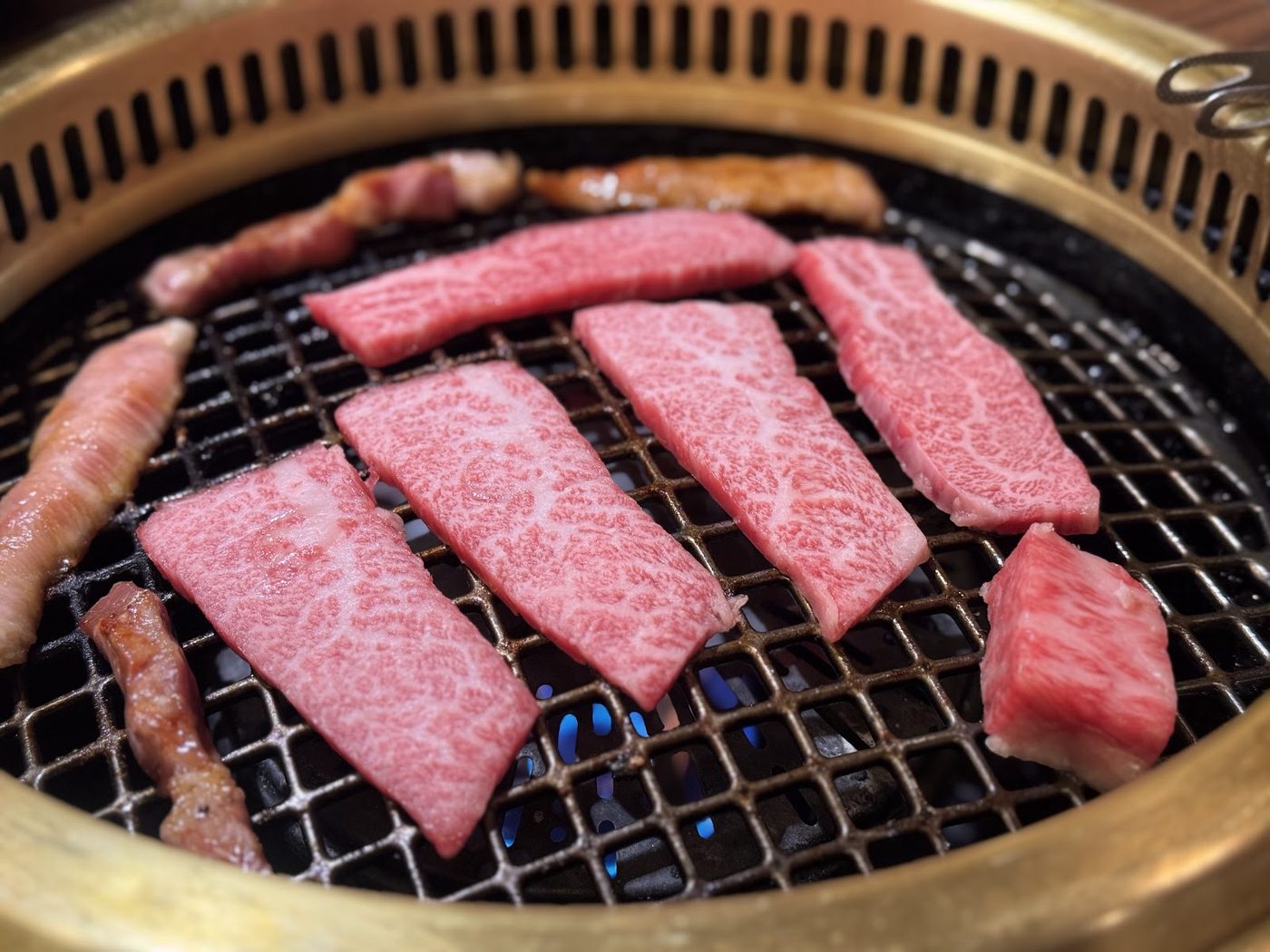
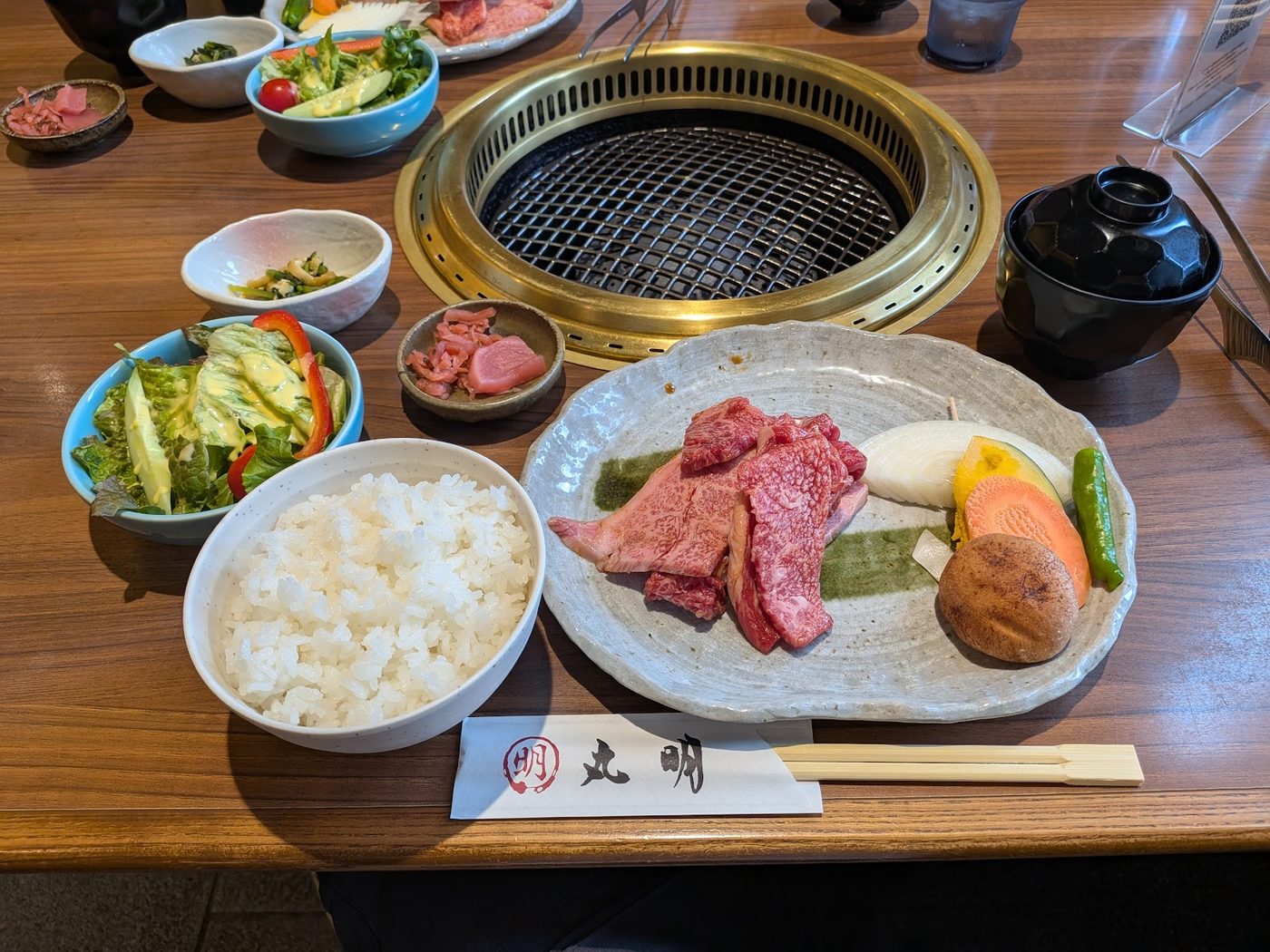
One of Japan's top three wagyu brands alongside Kobe and Matsusaka. Rich marbling and sweet flavor. Available as steak, yakiniku, sushi, croquettes, and skewers throughout old town.

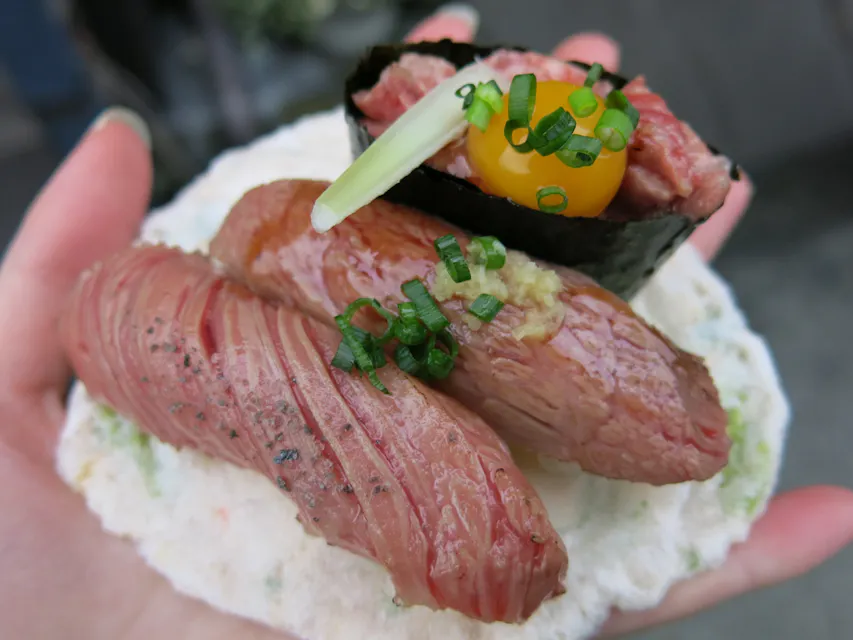
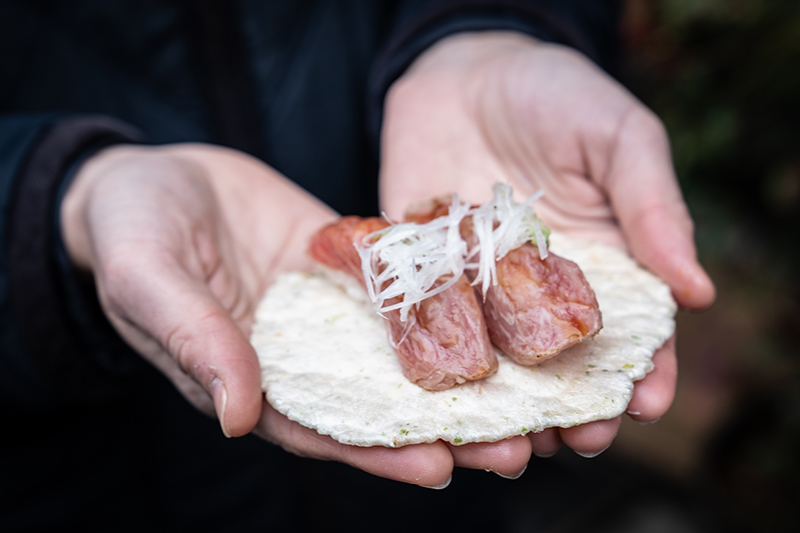
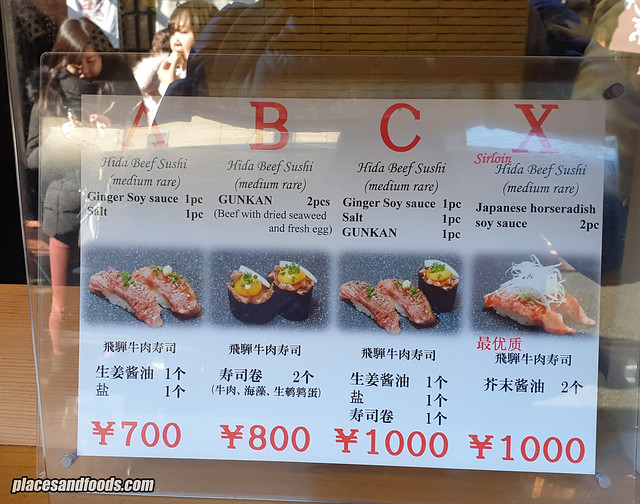
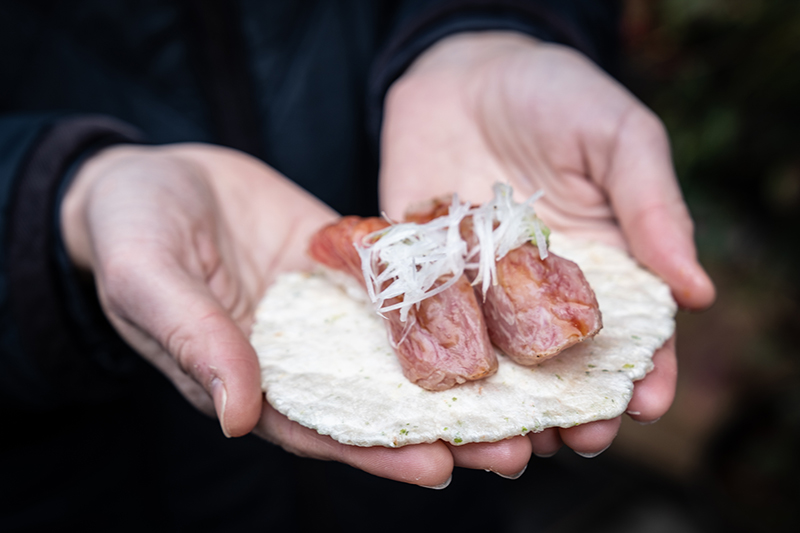
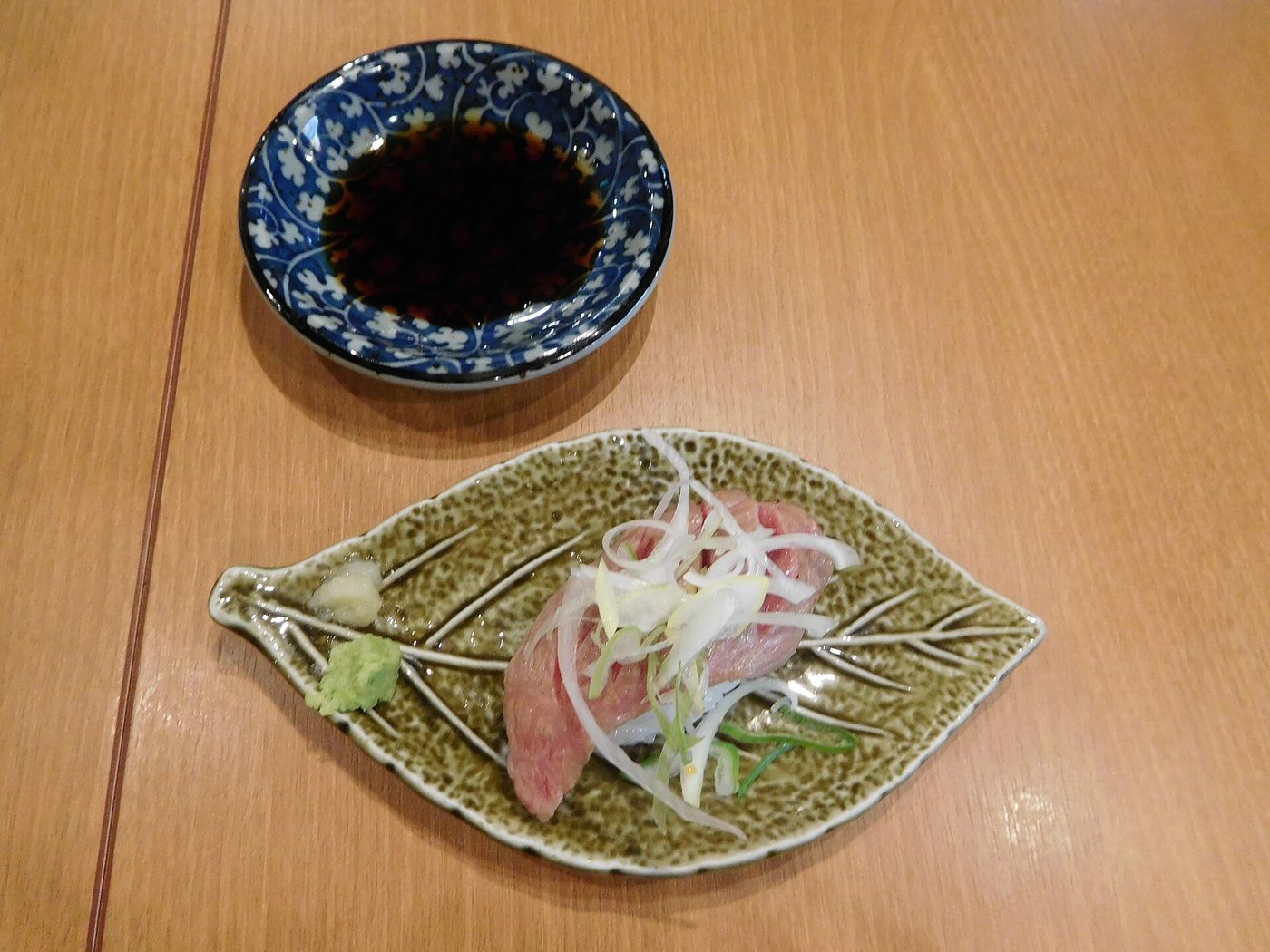
Slices of lightly seared Hida beef served on pressed rice. Eaten from a small wooden board. Multiple stands in the old town. The melt-in-mouth texture over warm rice is addictive.

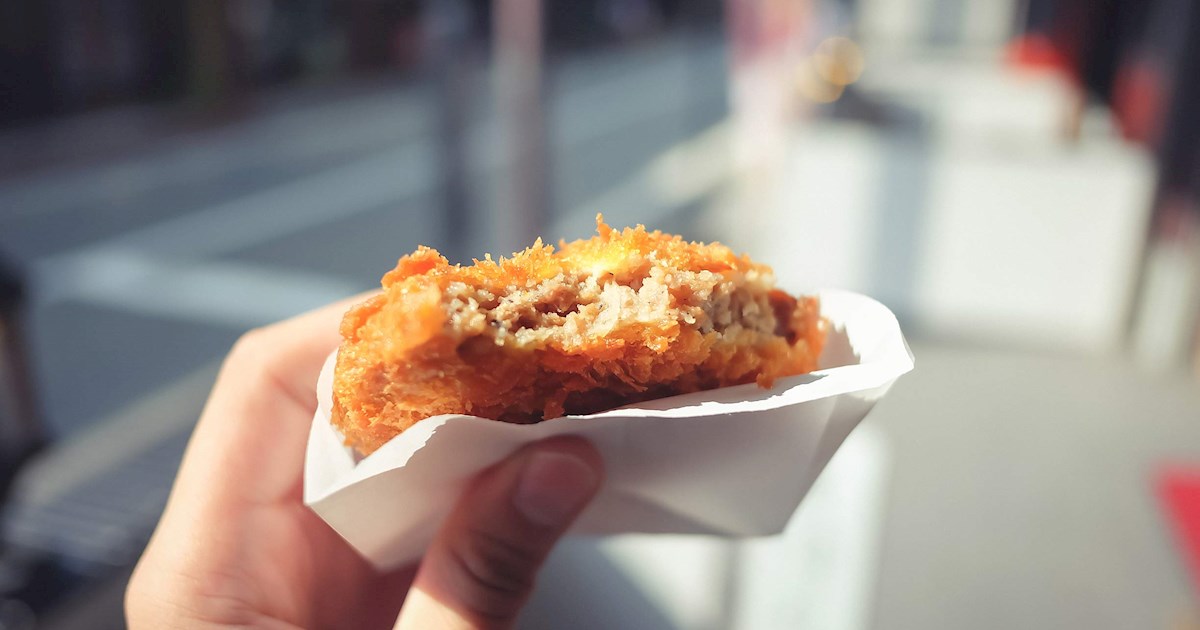
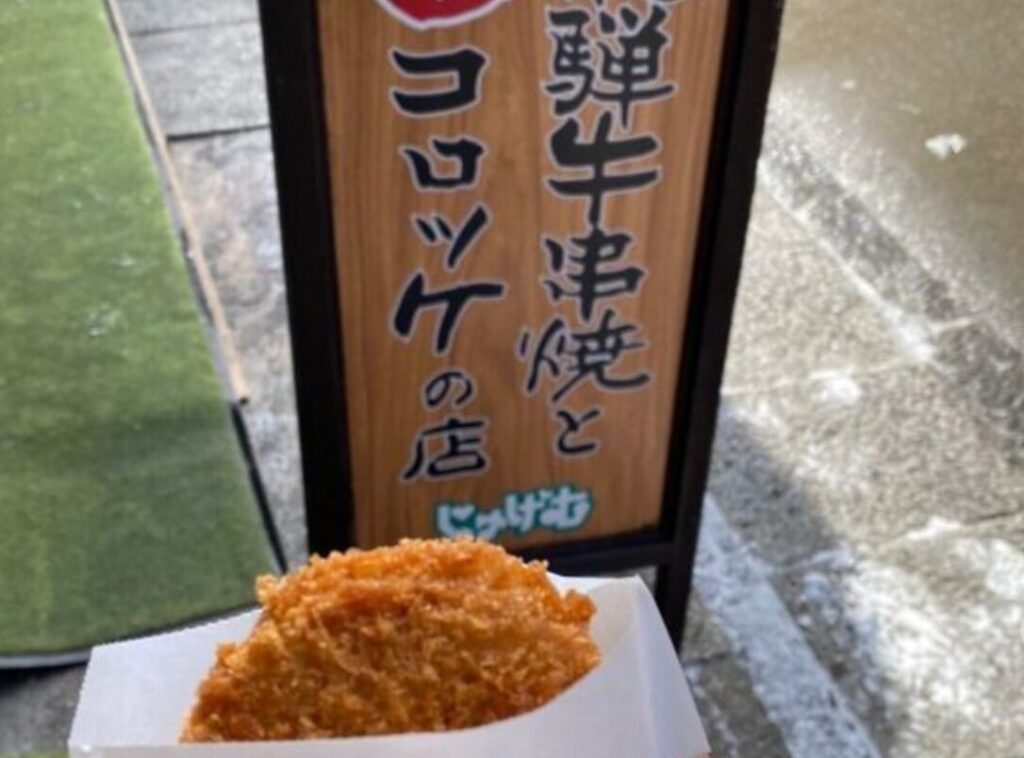
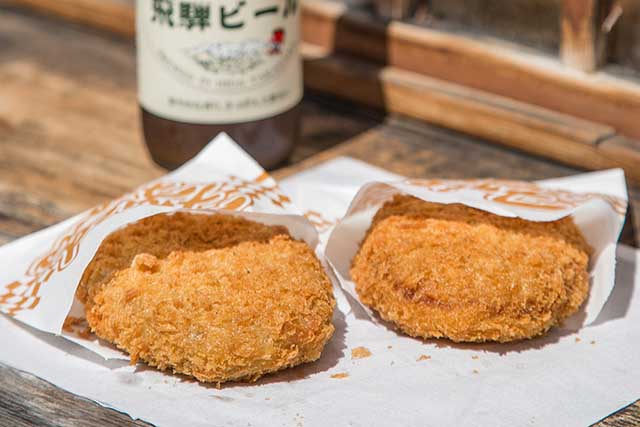
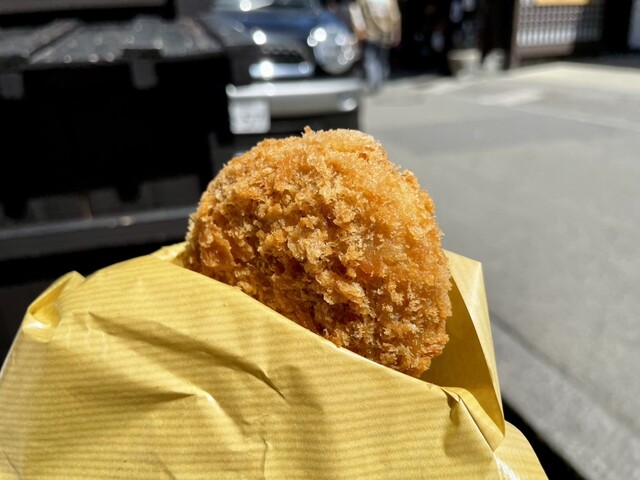
Crispy fried potato croquettes filled with seasoned Hida beef. The perfect street food while walking through the old town. Several competing shops claim to be the best.

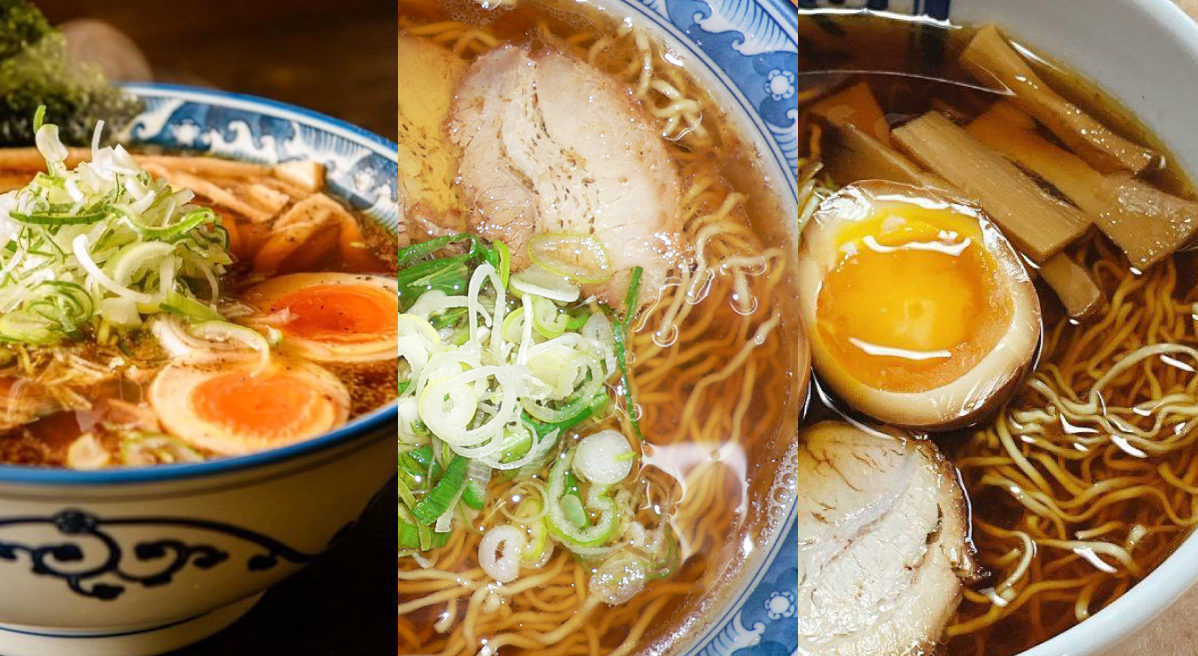
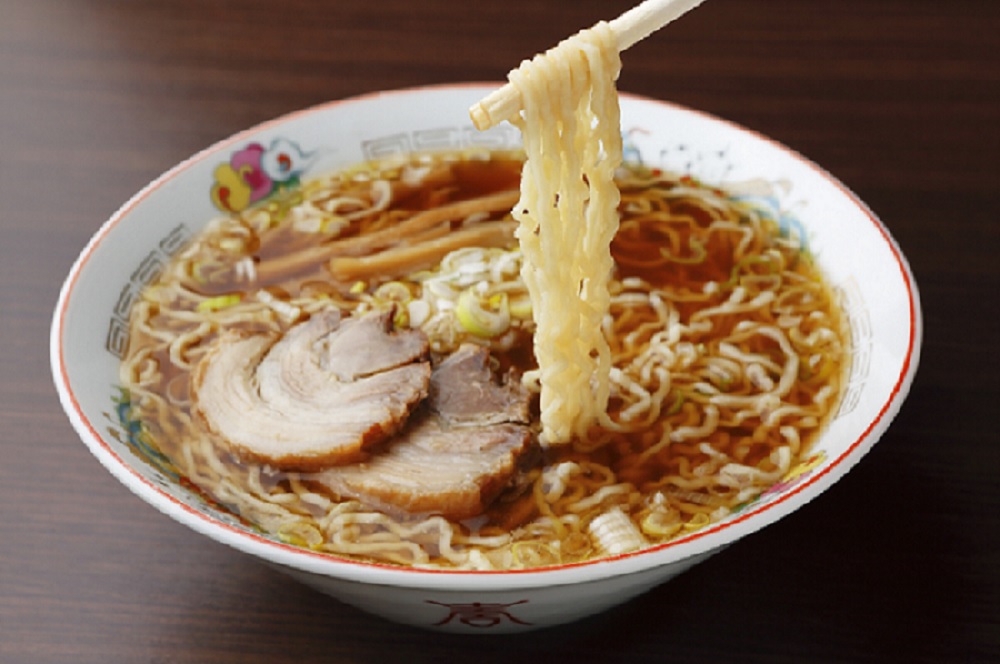
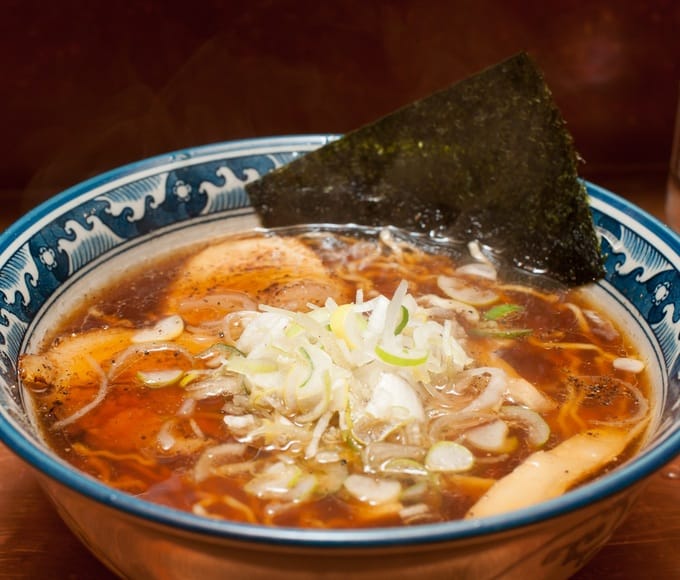
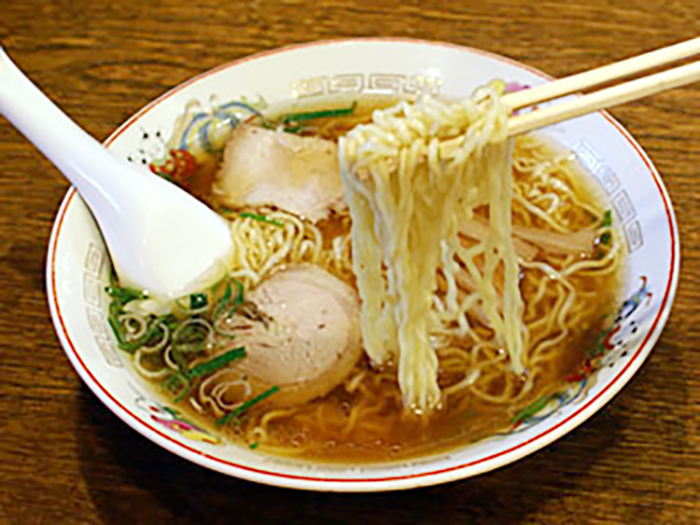
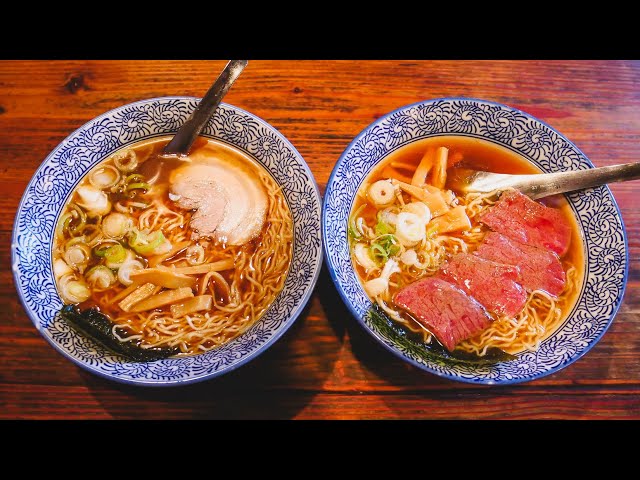
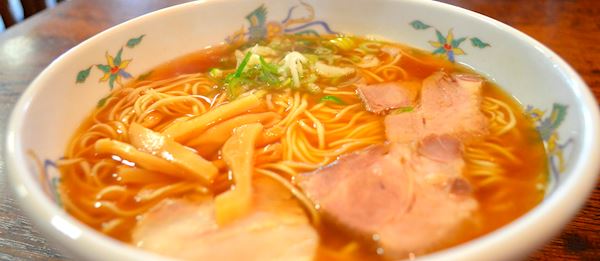
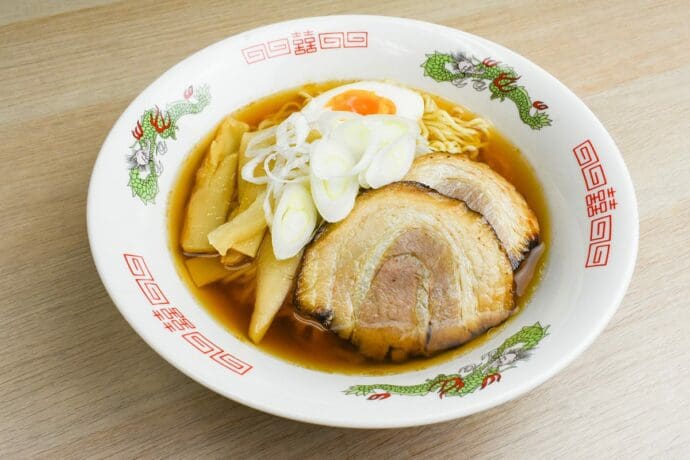
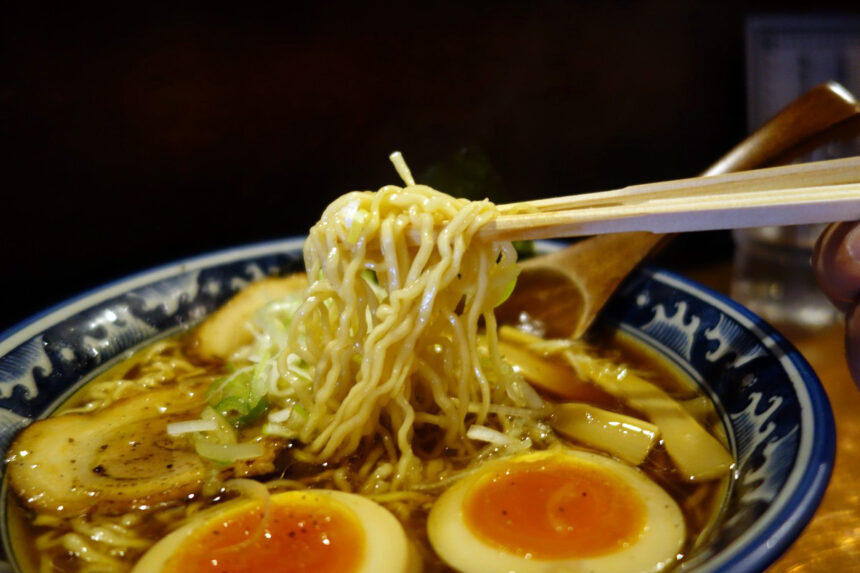
Local ramen with a distinctive soy sauce and chicken-based broth. Thin curly noodles. Simpler and more refined than typical ramen. Masago and Tsuzumi are top shops.

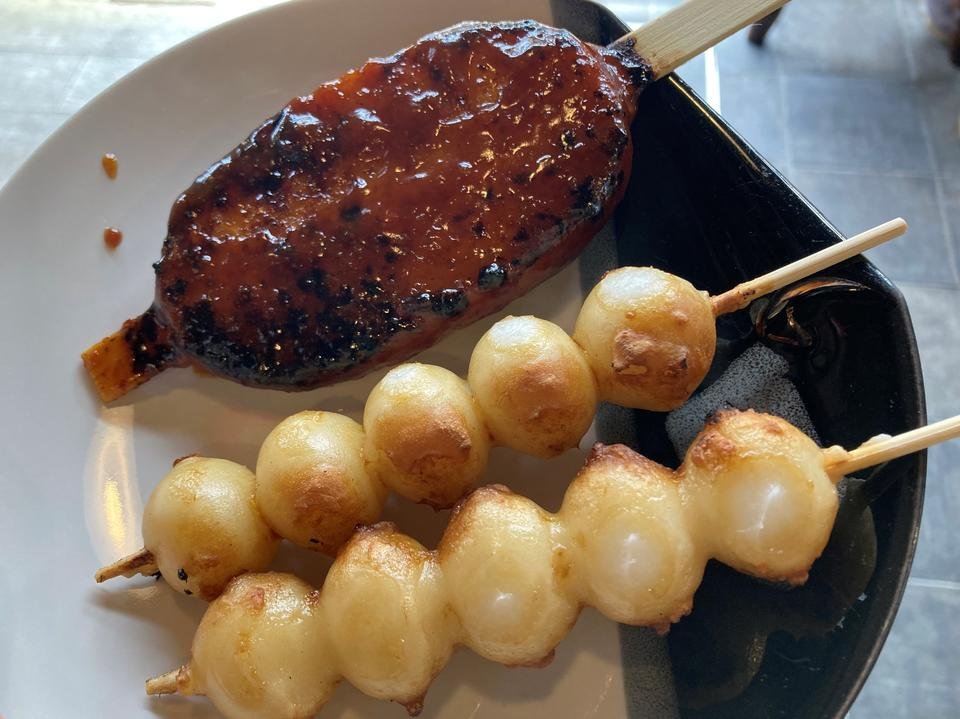
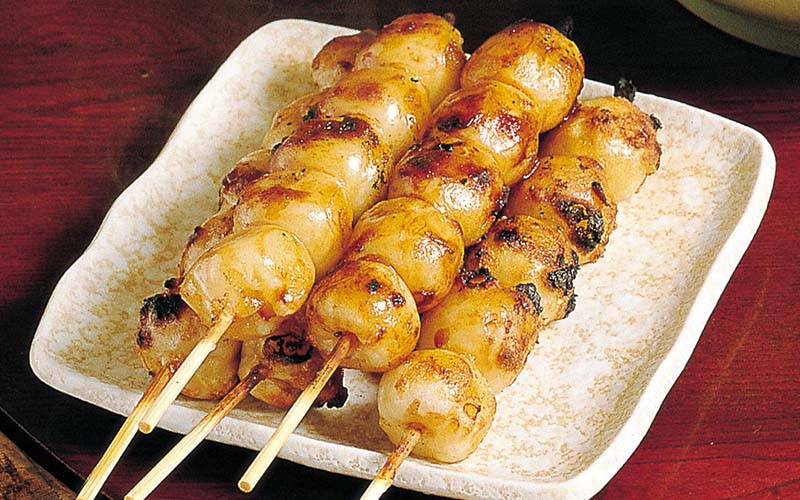
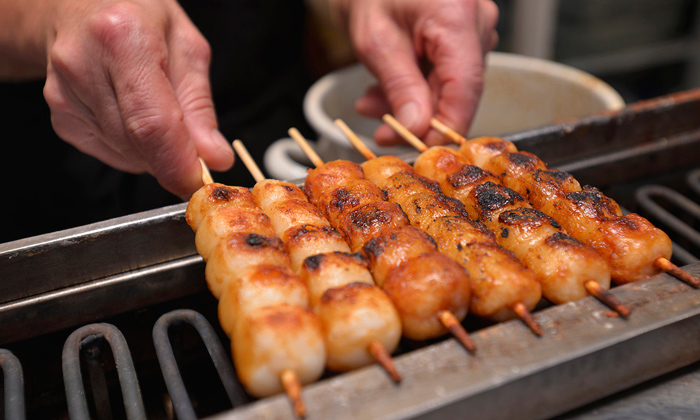
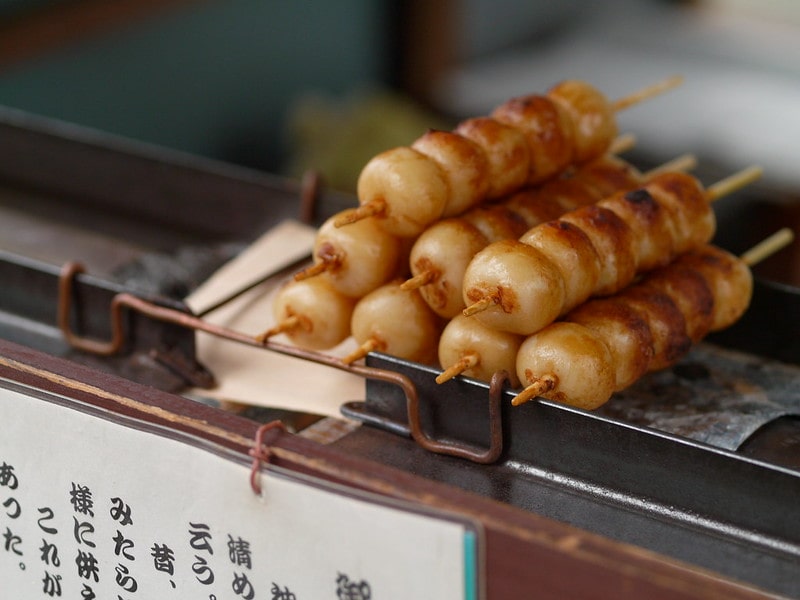
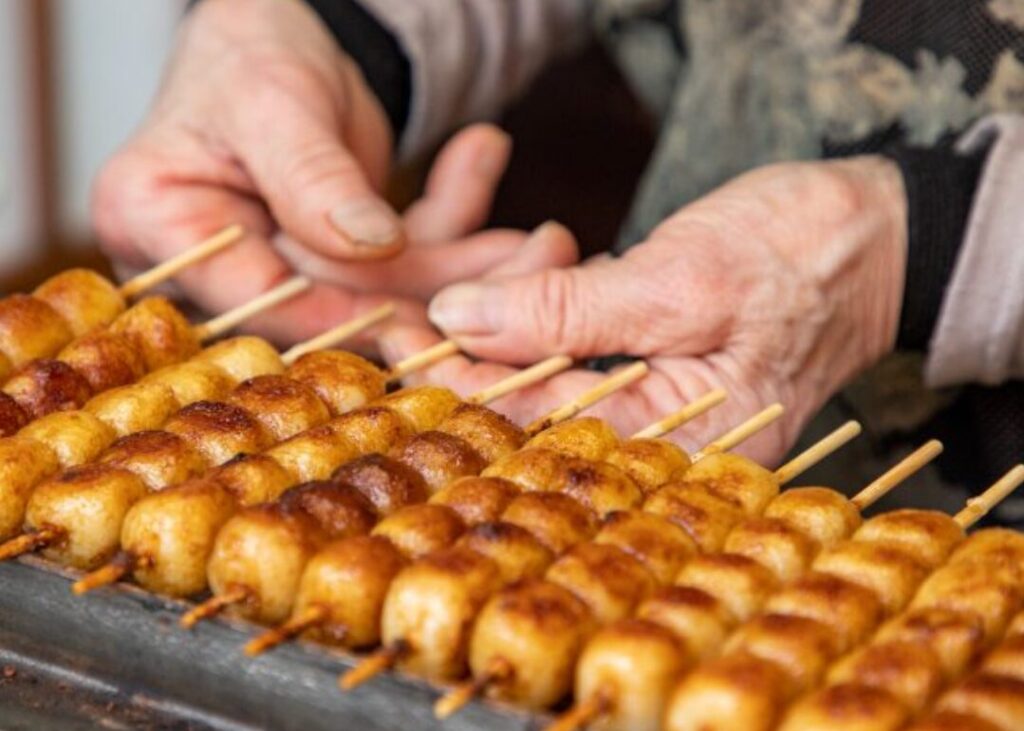
Soy sauce-glazed rice dumplings grilled over charcoal. Takayama's version is savory rather than sweet. The charred aroma and chewy texture are irresistible. Available at street stalls.

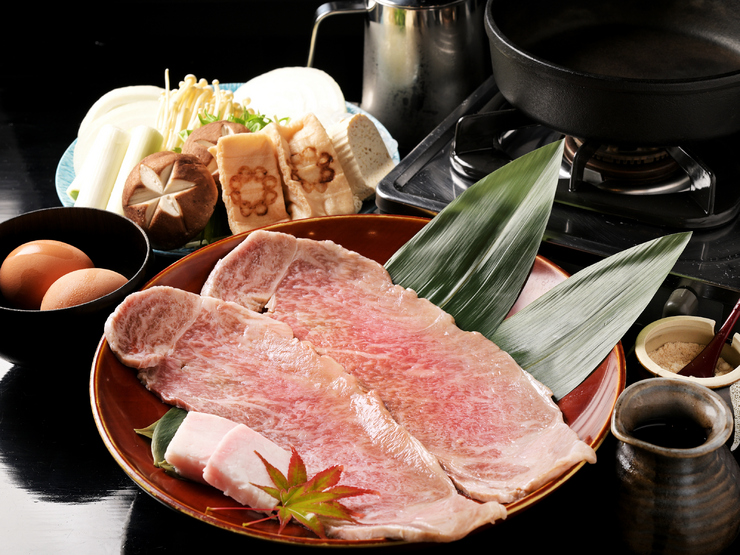
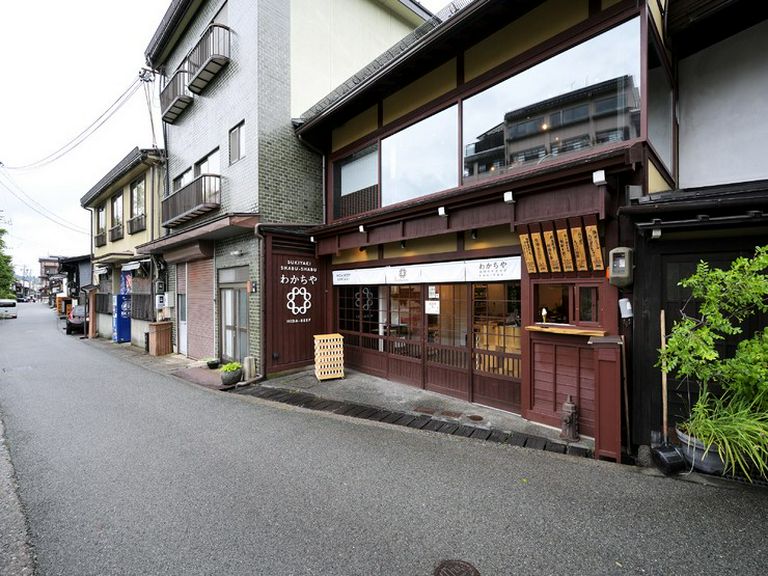
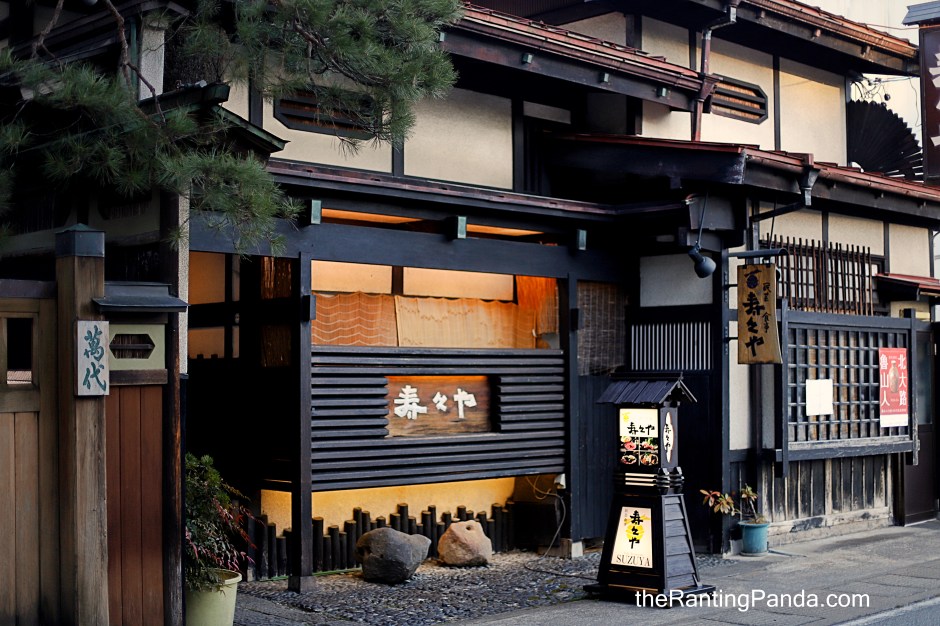
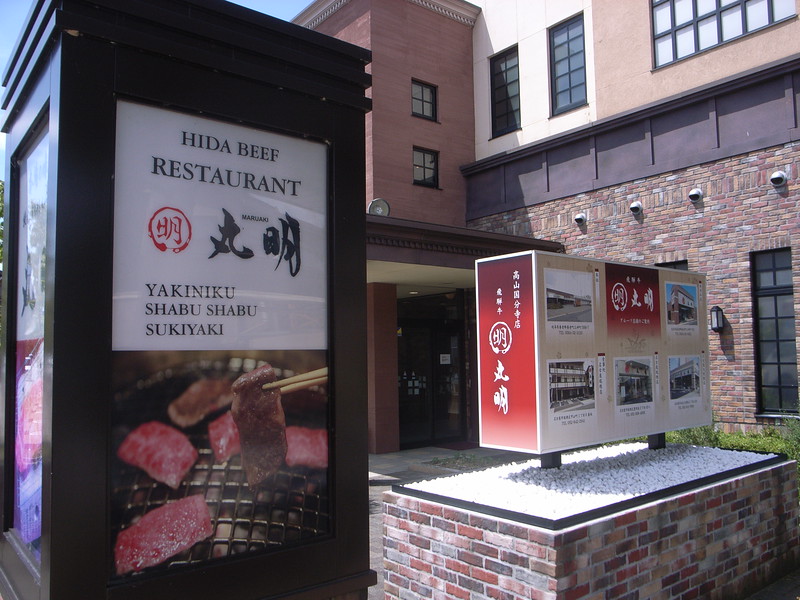
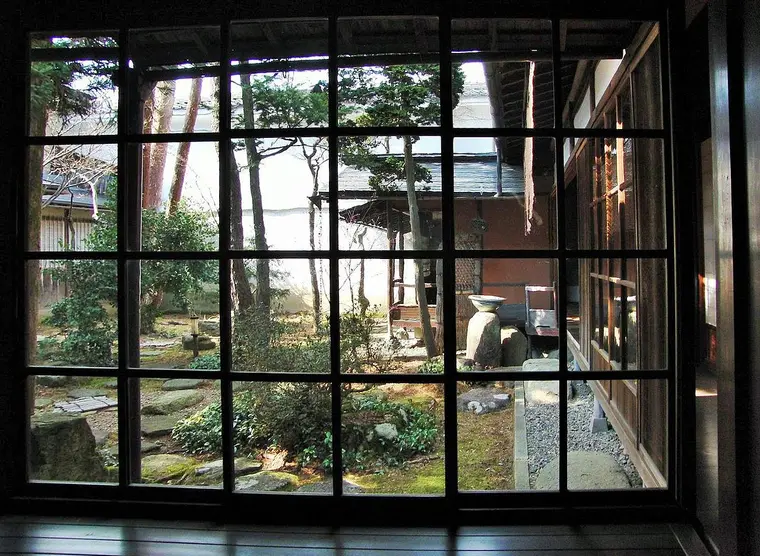
Traditional restaurant serving Hida beef in a beautiful Meiji-era building with a courtyard garden. Their sukiyaki and shabu-shabu sets use A5-grade beef. Reservation recommended.

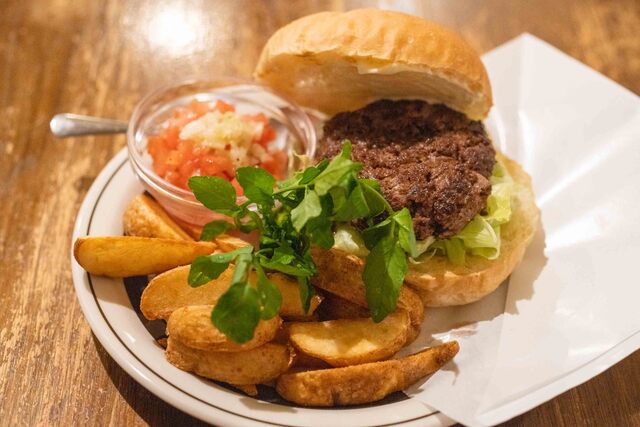
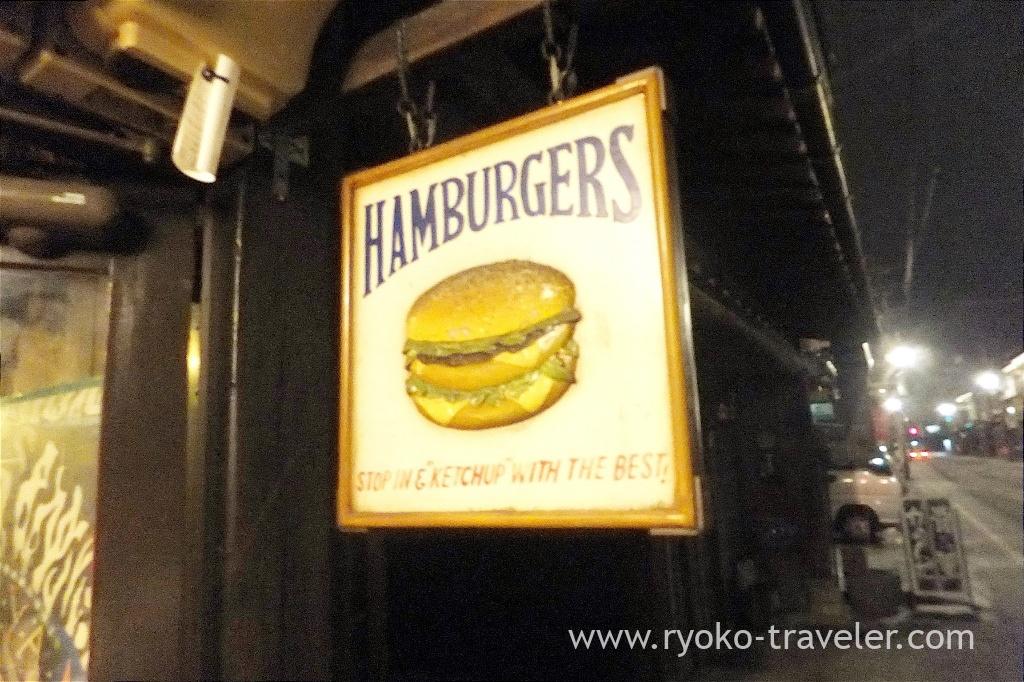
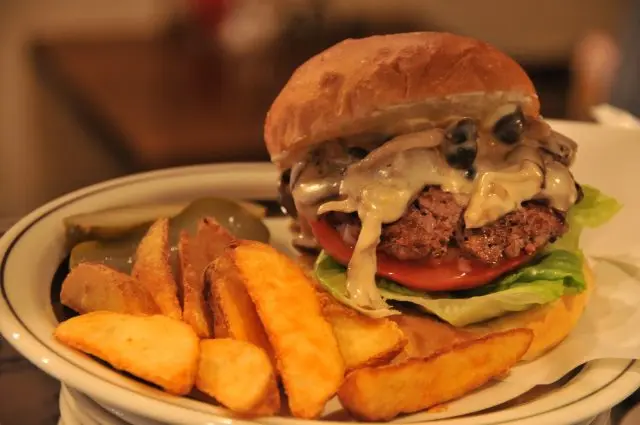
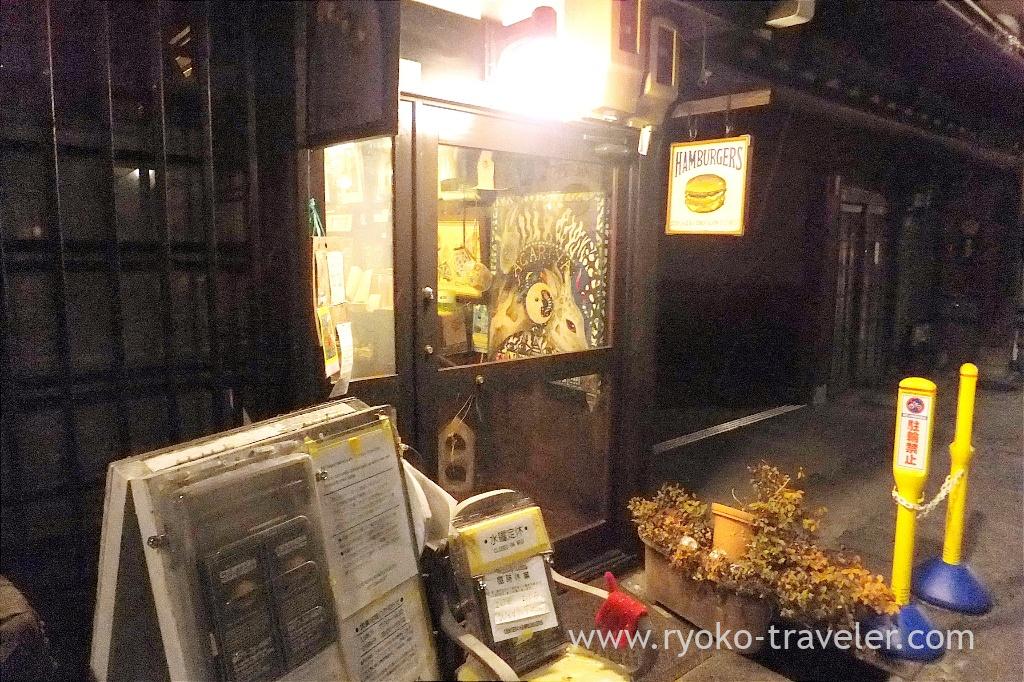
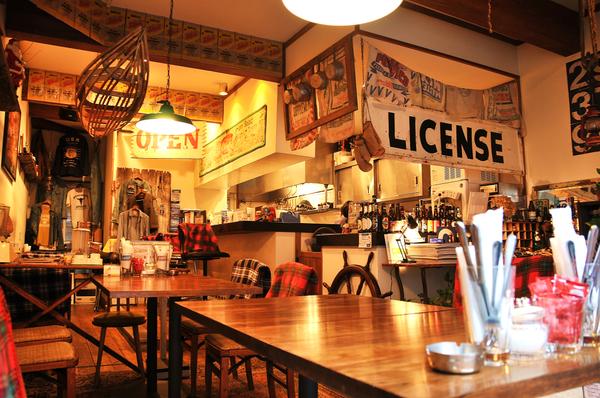
Gourmet burger shop using Hida beef for patties. Modern interior with craft beer on tap. A more casual alternative to formal Hida beef dining. Popular with younger visitors.

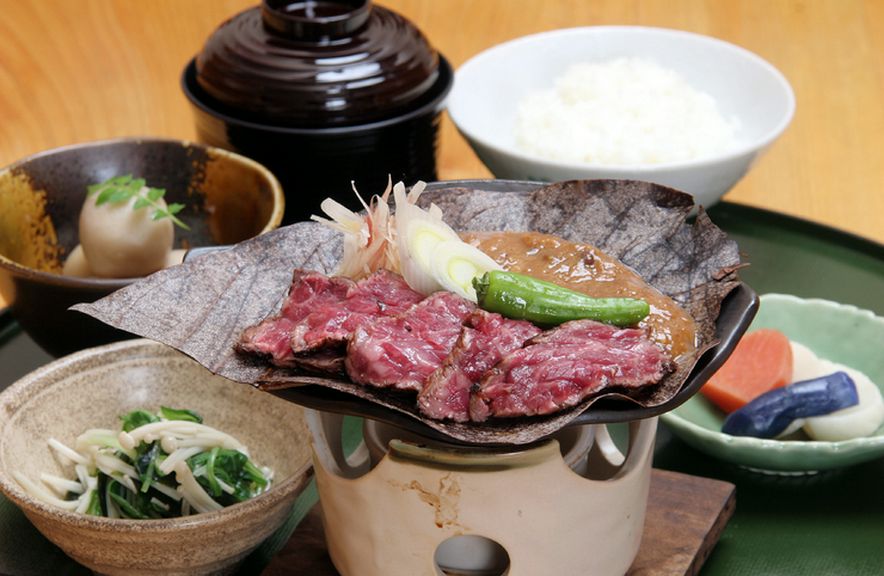
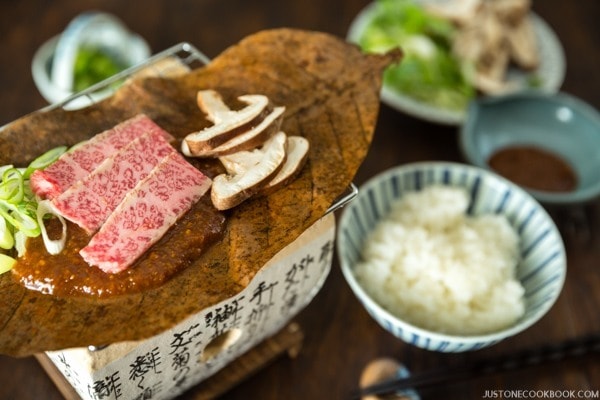
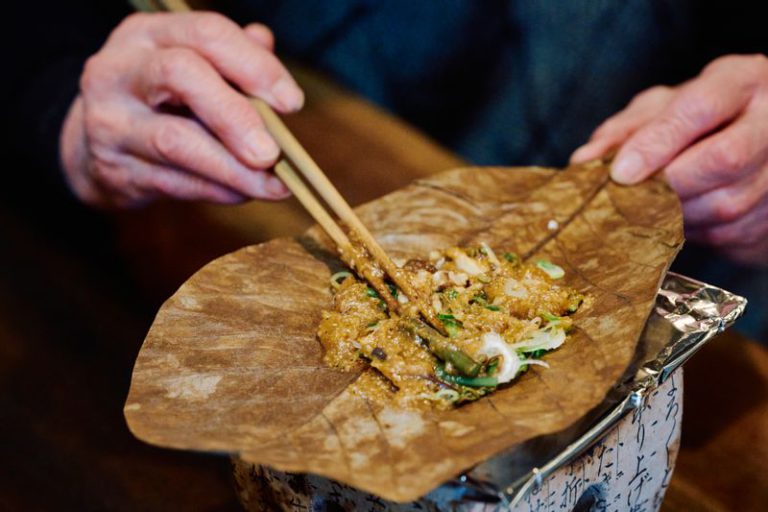
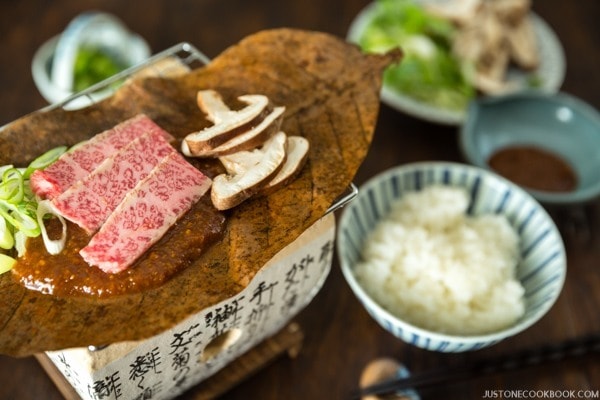
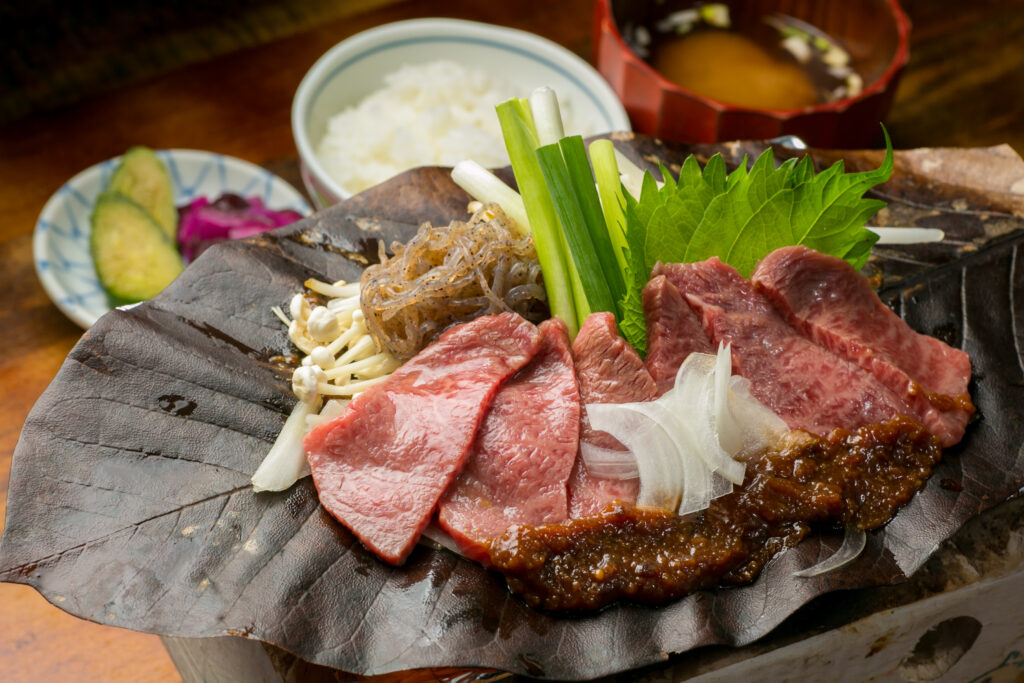
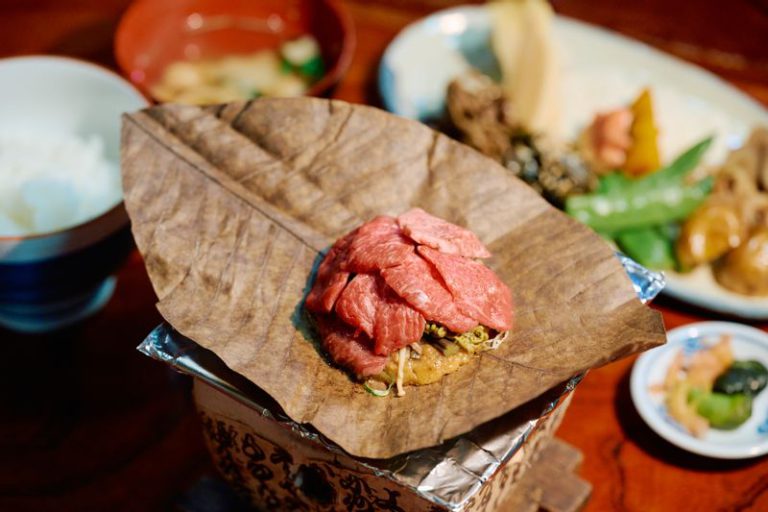
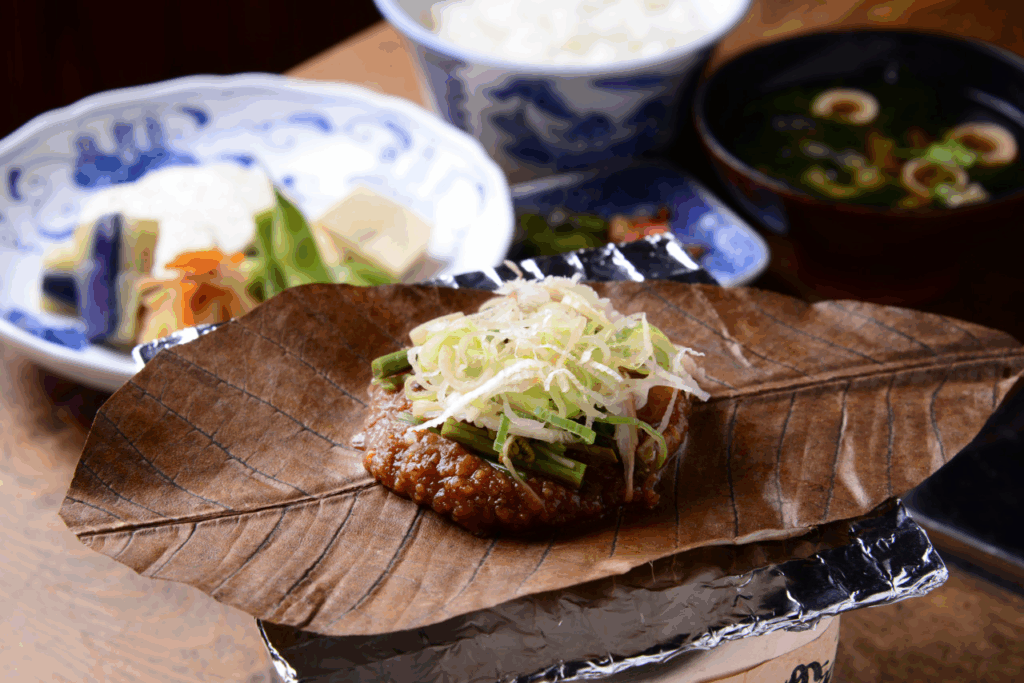
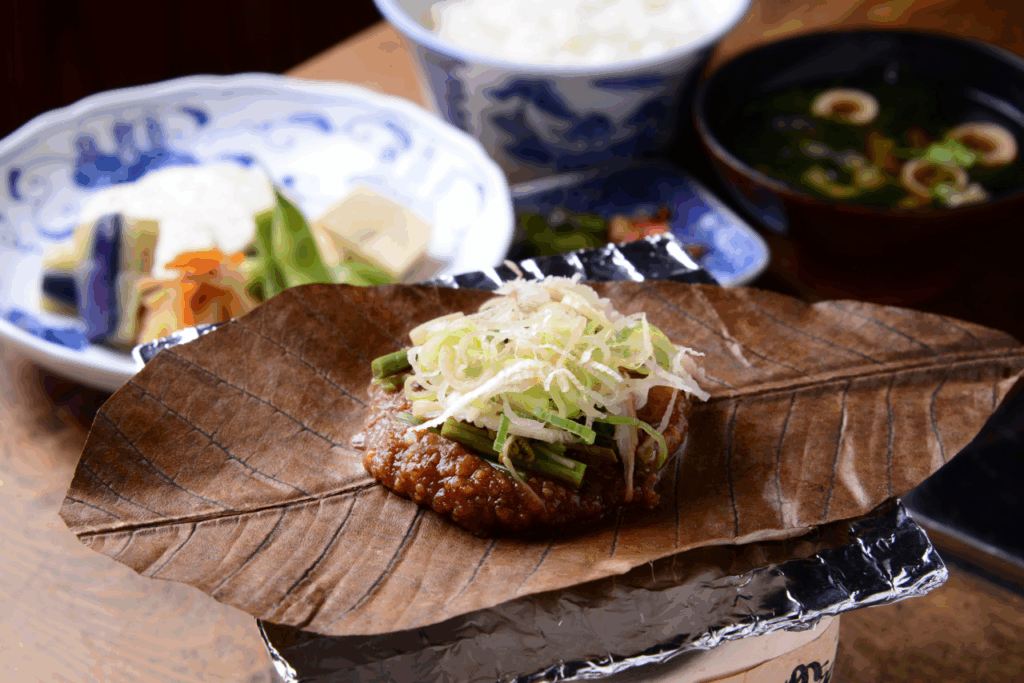
Signature Hida dish. Miso paste with wild vegetables and mushrooms grilled on a dried magnolia leaf over charcoal. The leaf adds a subtle smoky flavor. Available at most restaurants.

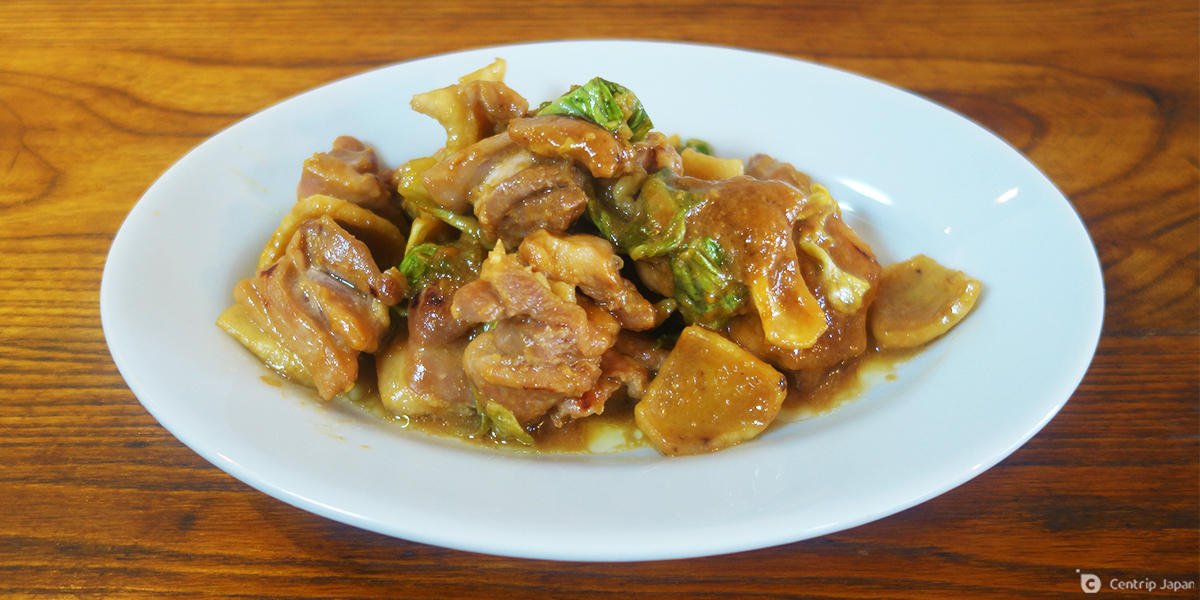
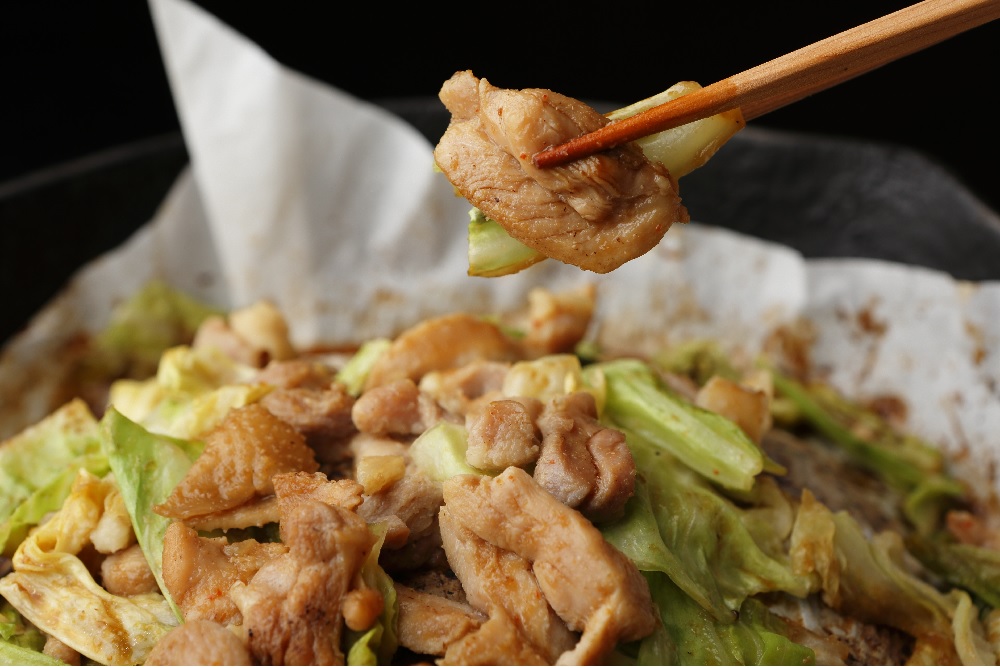
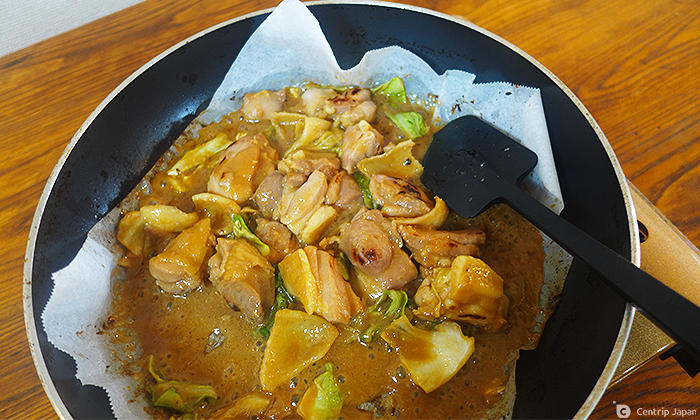
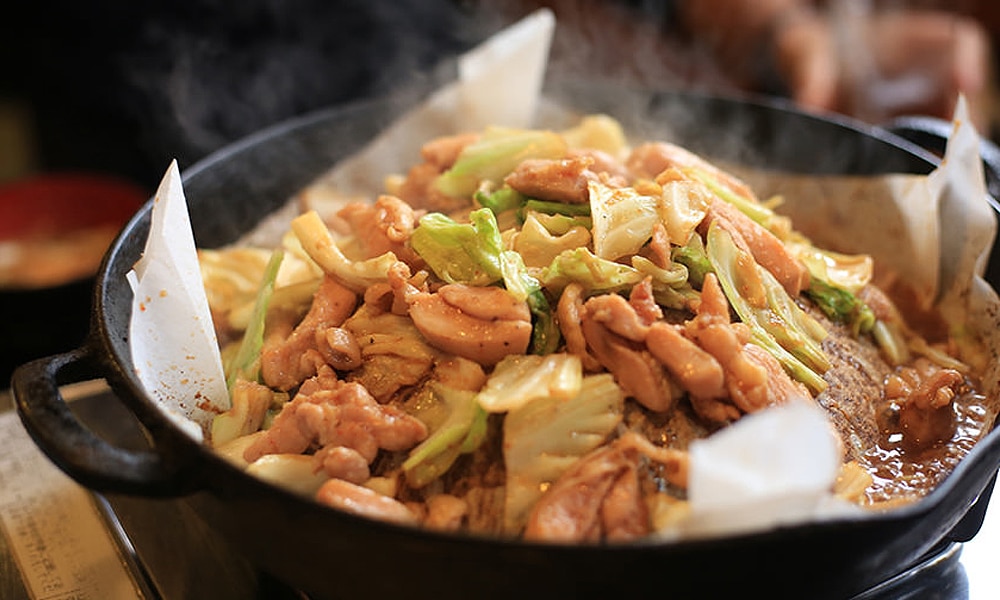
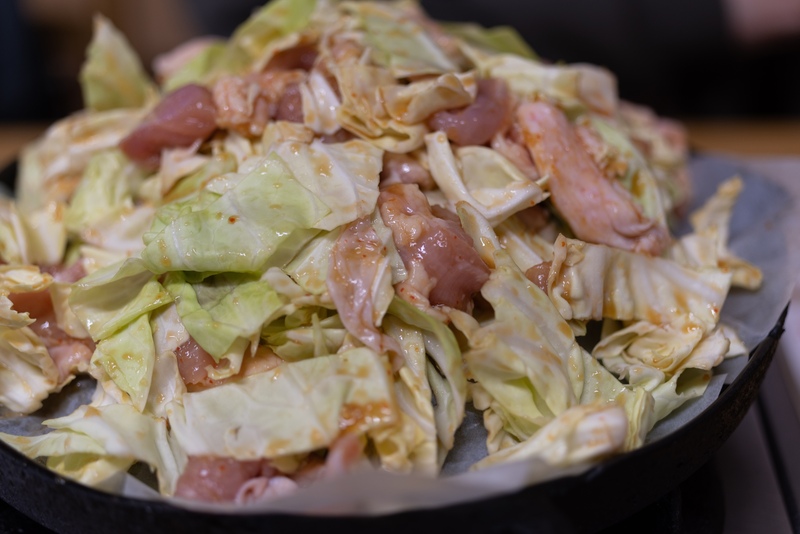
Regional comfort food. Sliced chicken marinated in garlic miso or soy sauce, stir-fried with cabbage on a griddle. Hearty, flavorful, and perfect with beer or sake.

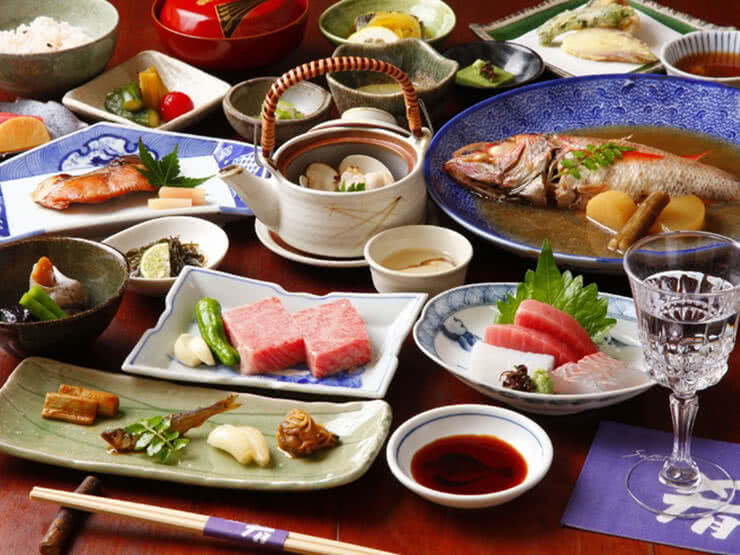
The ultimate Takayama meal combo: thick slices of Hida beef grilled on a magnolia leaf with miso paste, served alongside handmade soba and pickles. Several restaurants specialize in this set.

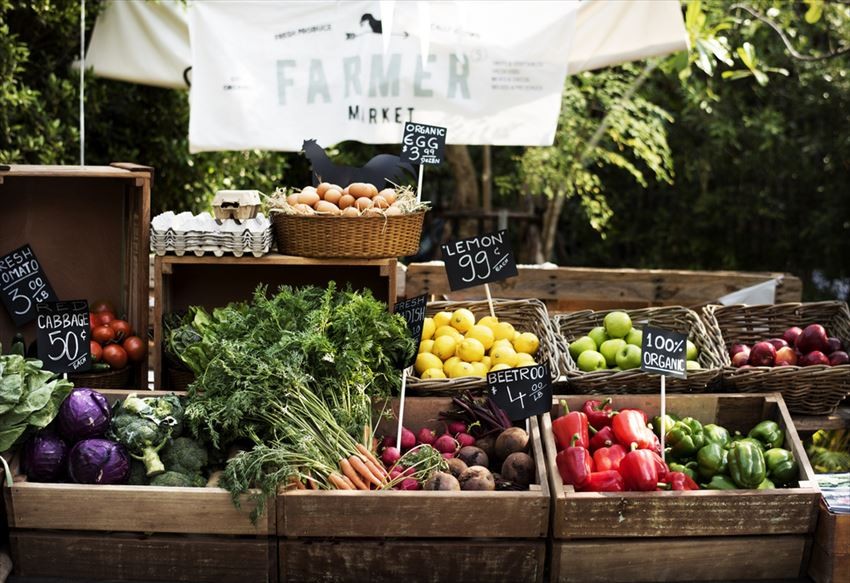
Beyond the traditional morning markets, a weekend organic farmer's market operates seasonally. Mountain vegetables (sansai), wild mushrooms, honey, and homemade preserves.

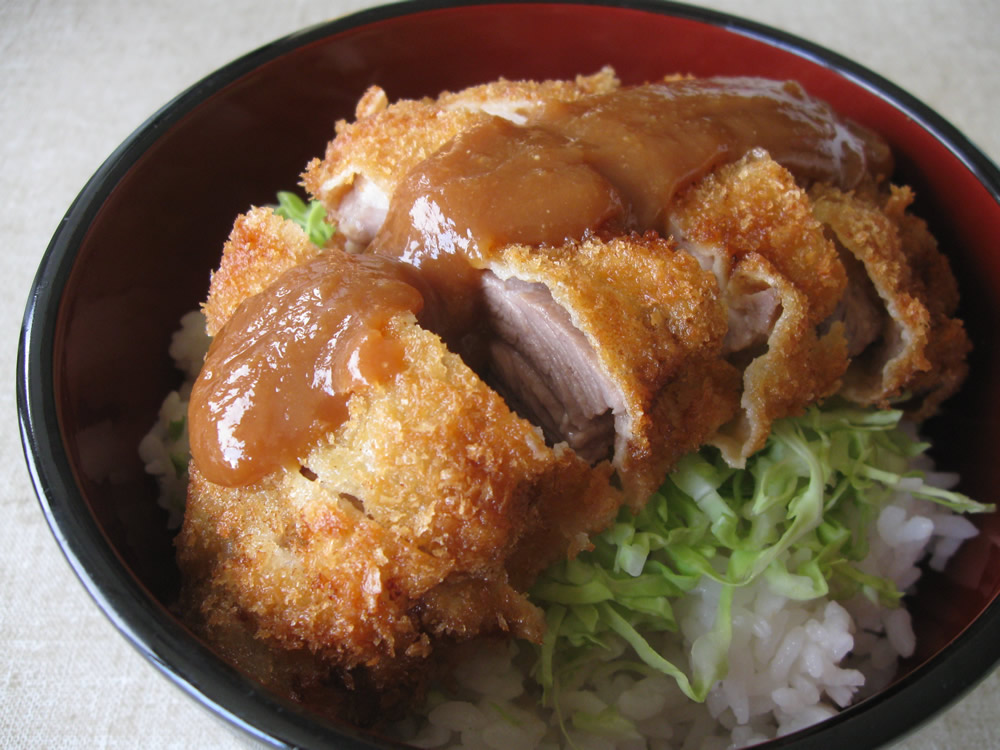
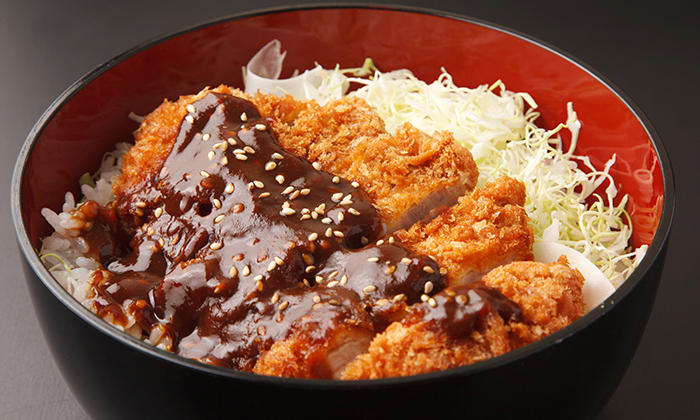
Pork cutlet over rice with sweet red miso sauce. A Chubu region specialty that Takayama restaurants do exceptionally well. Hearty and filling. Great for lunch.

Premium sukiyaki restaurant using A5 Hida beef. The beef melts in the sweet soy broth. Tatami room dining with attentive service. Splurge-worthy dinner experience.

Small local donut shop near the station using Hida milk and eggs. Simple flavors done perfectly. The plain sugar and matcha donuts are outstanding. Cheap and satisfying.

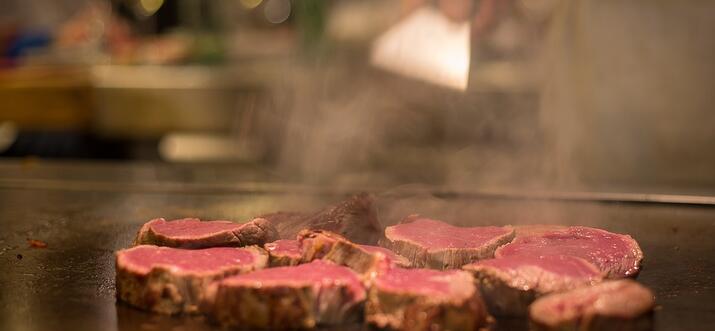
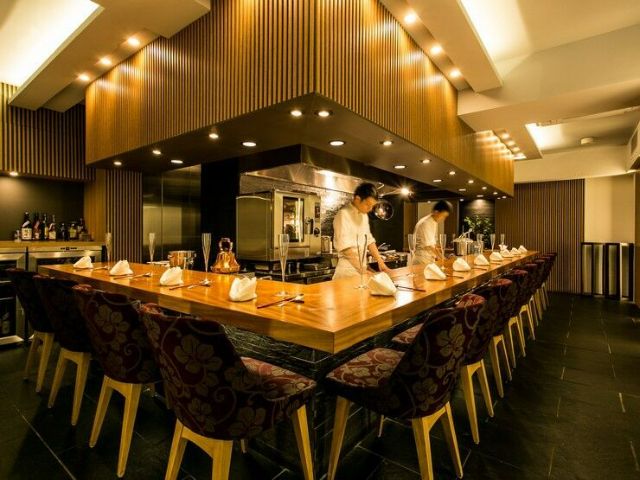
Teppanyaki restaurant where Hida beef is grilled to perfection on an iron plate in front of you. The chef's knife work is theatrical. More affordable lunch courses available.

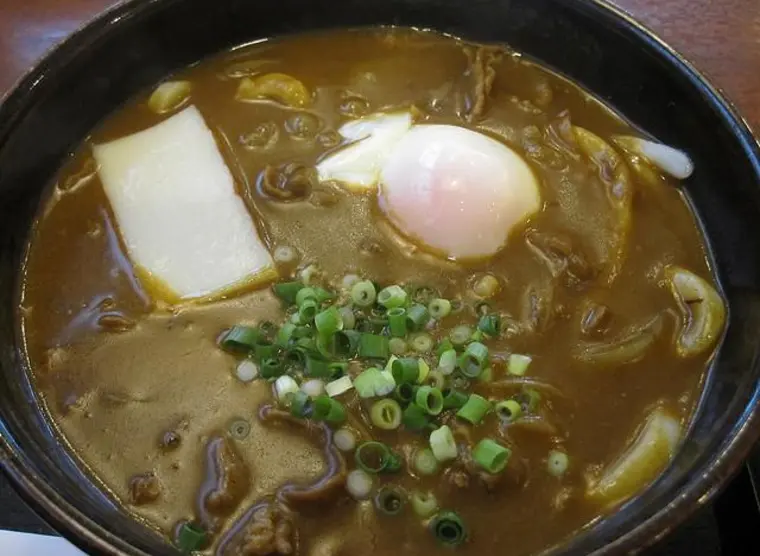
Local twist on curry udon using thick Hida-style noodles. Rich, thick curry broth. A perfect warming meal on cold mountain days. Available at several udon shops.

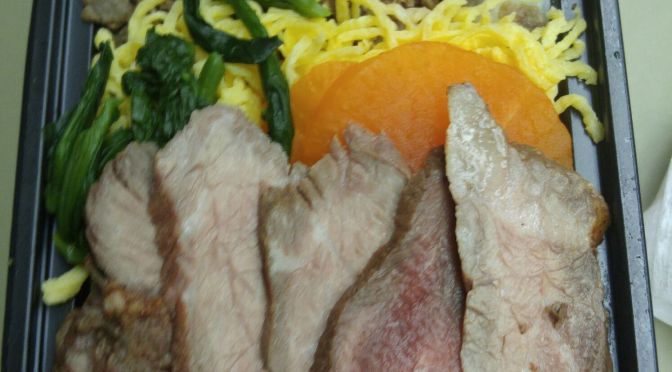
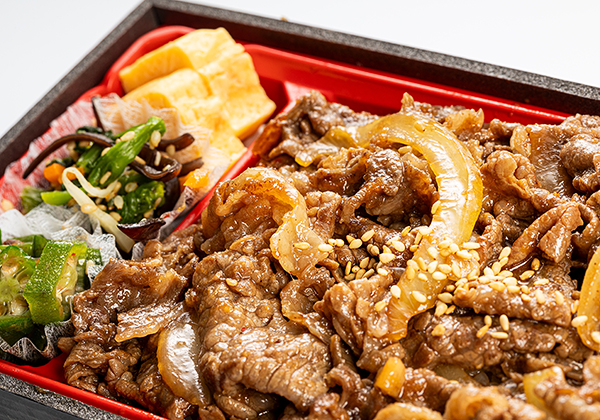
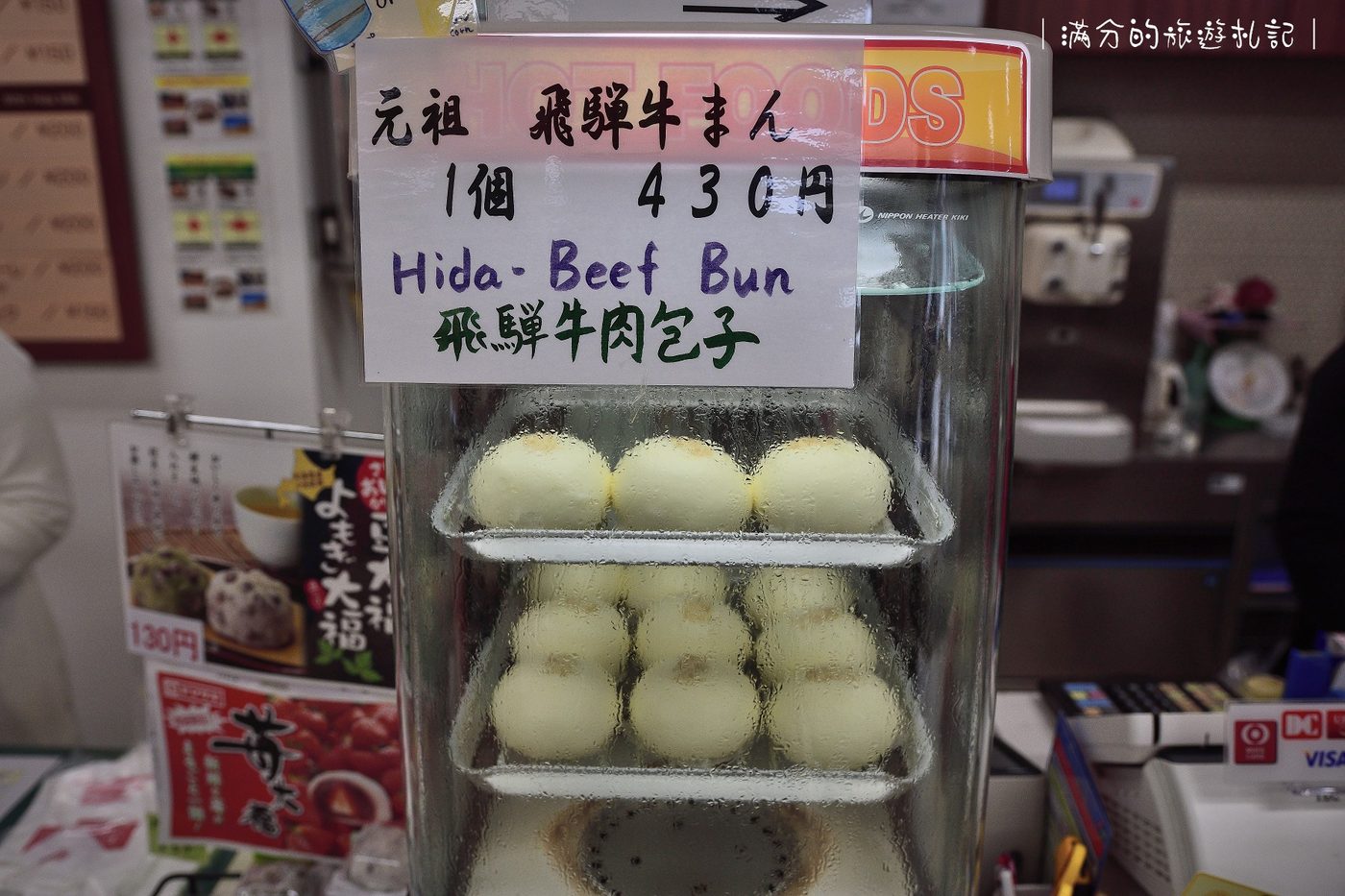
Premium Hida beef ekiben (station bento box) sold at Takayama Station. Multiple varieties including grilled, wagyu sushi style, and rice bowl. Perfect souvenir meal for the train ride out.

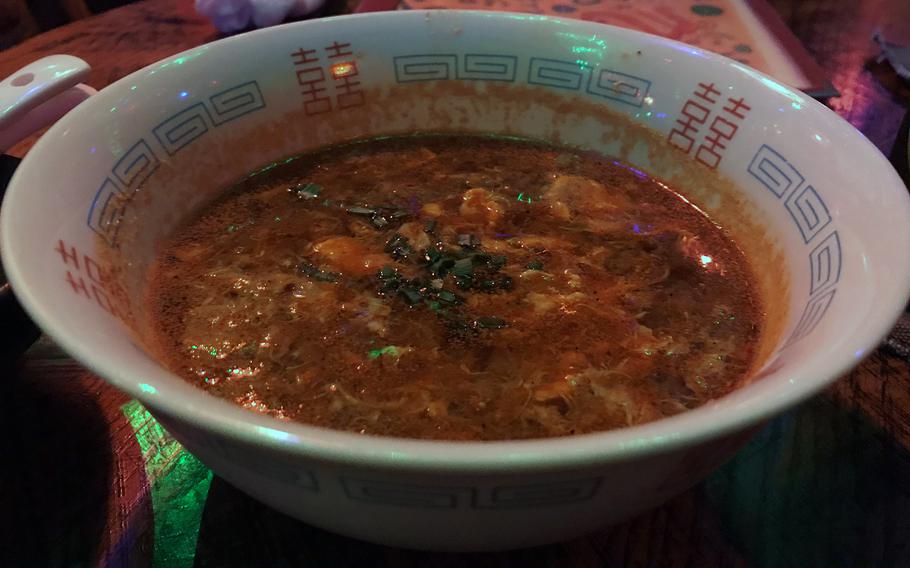
Surprisingly excellent Sichuan Chinese restaurant run by a Chinese chef. Mapo tofu and dandan noodles using Hida ingredients. A different flavor profile from the traditional Japanese options.

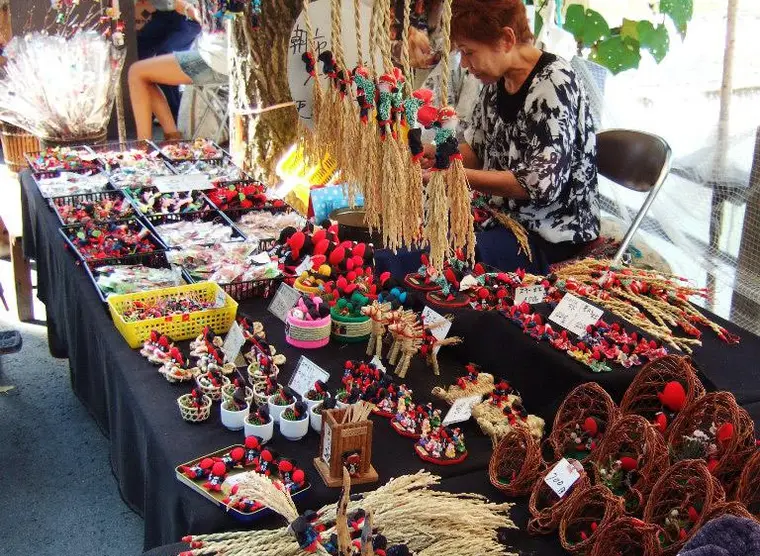
Riverside morning market with 40+ local vendor stalls, mountain vegetables, pickled red turnip, sarubobo dolls, and fresh flowers. The...

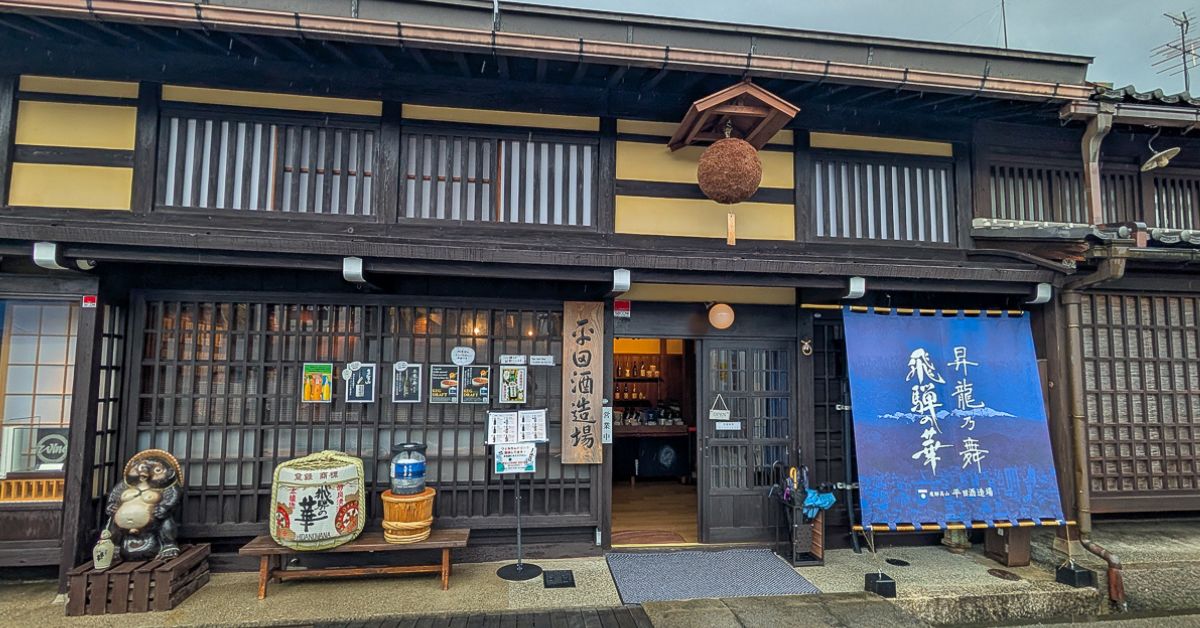
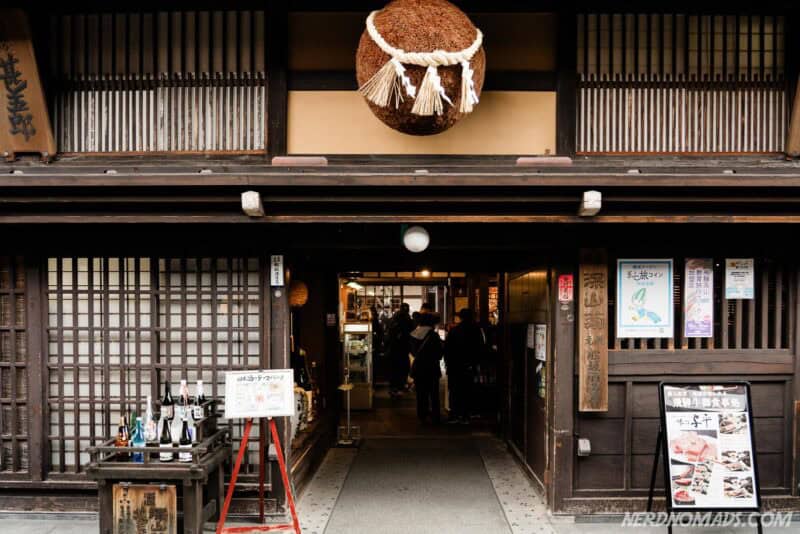
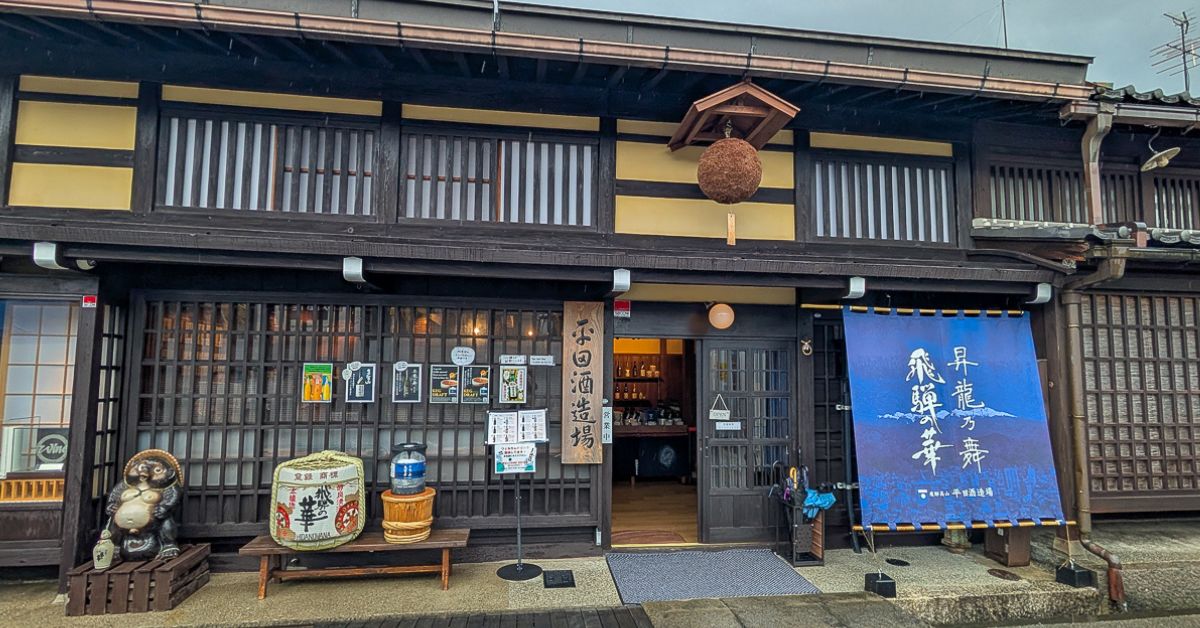
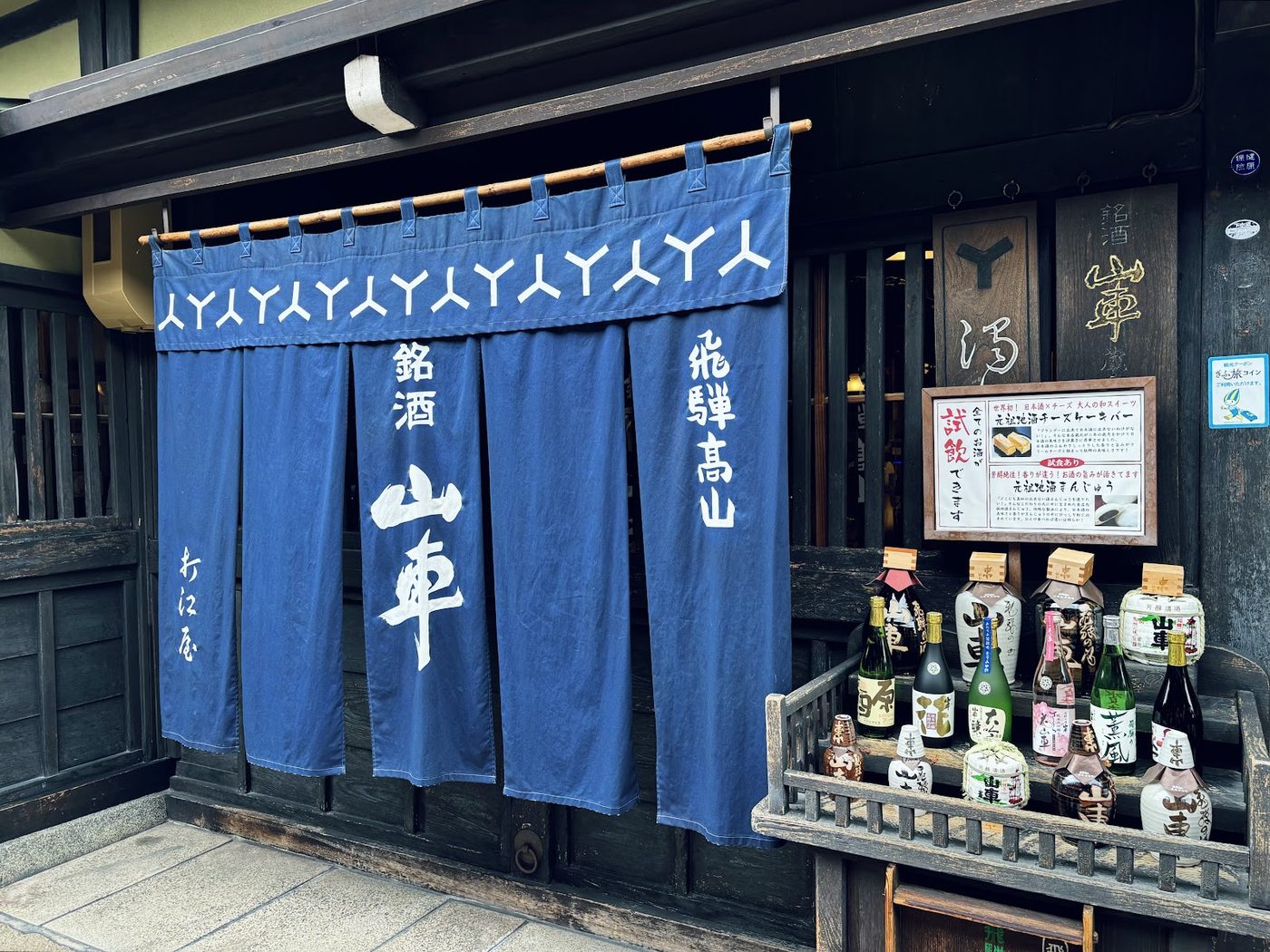
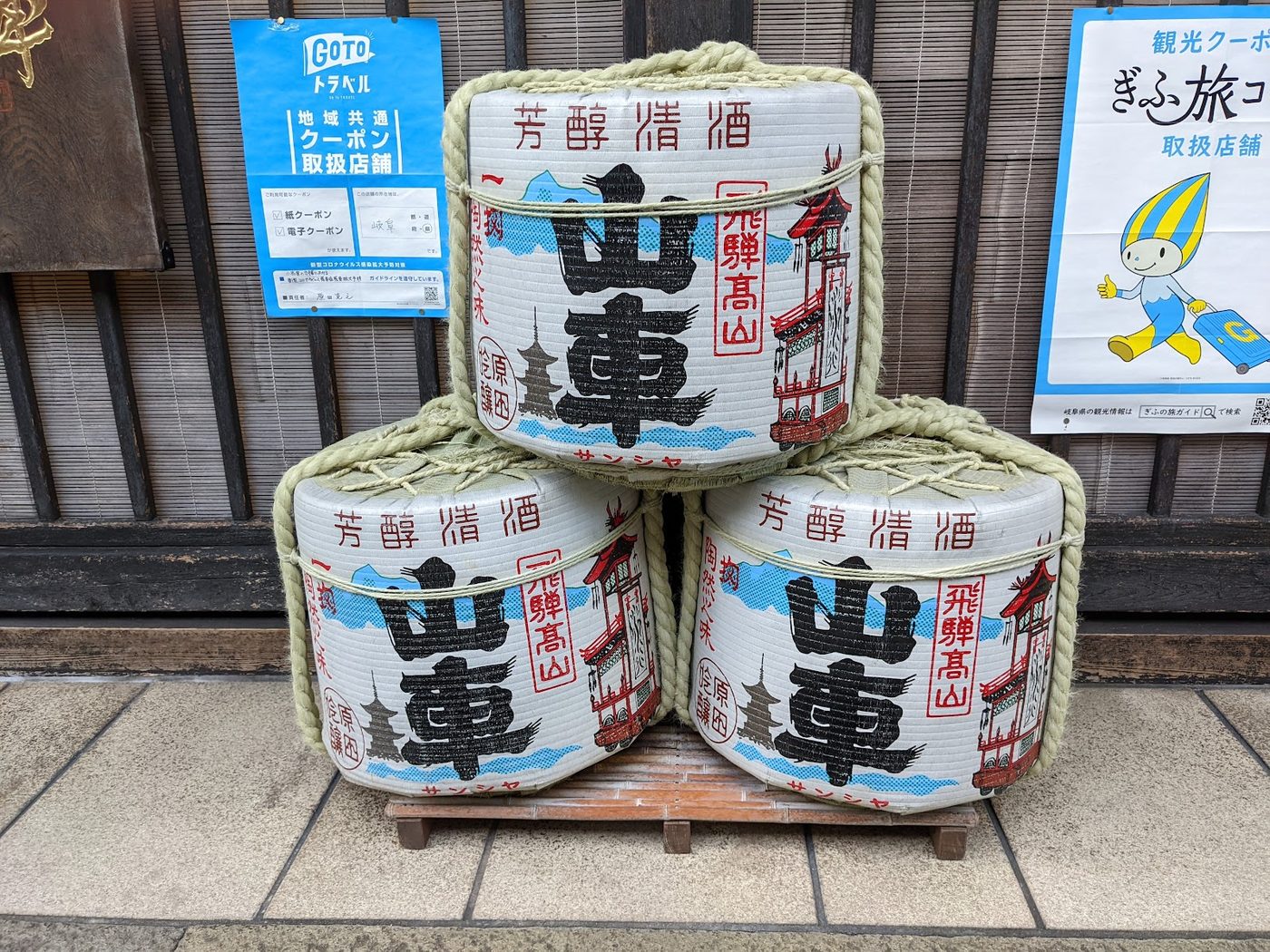
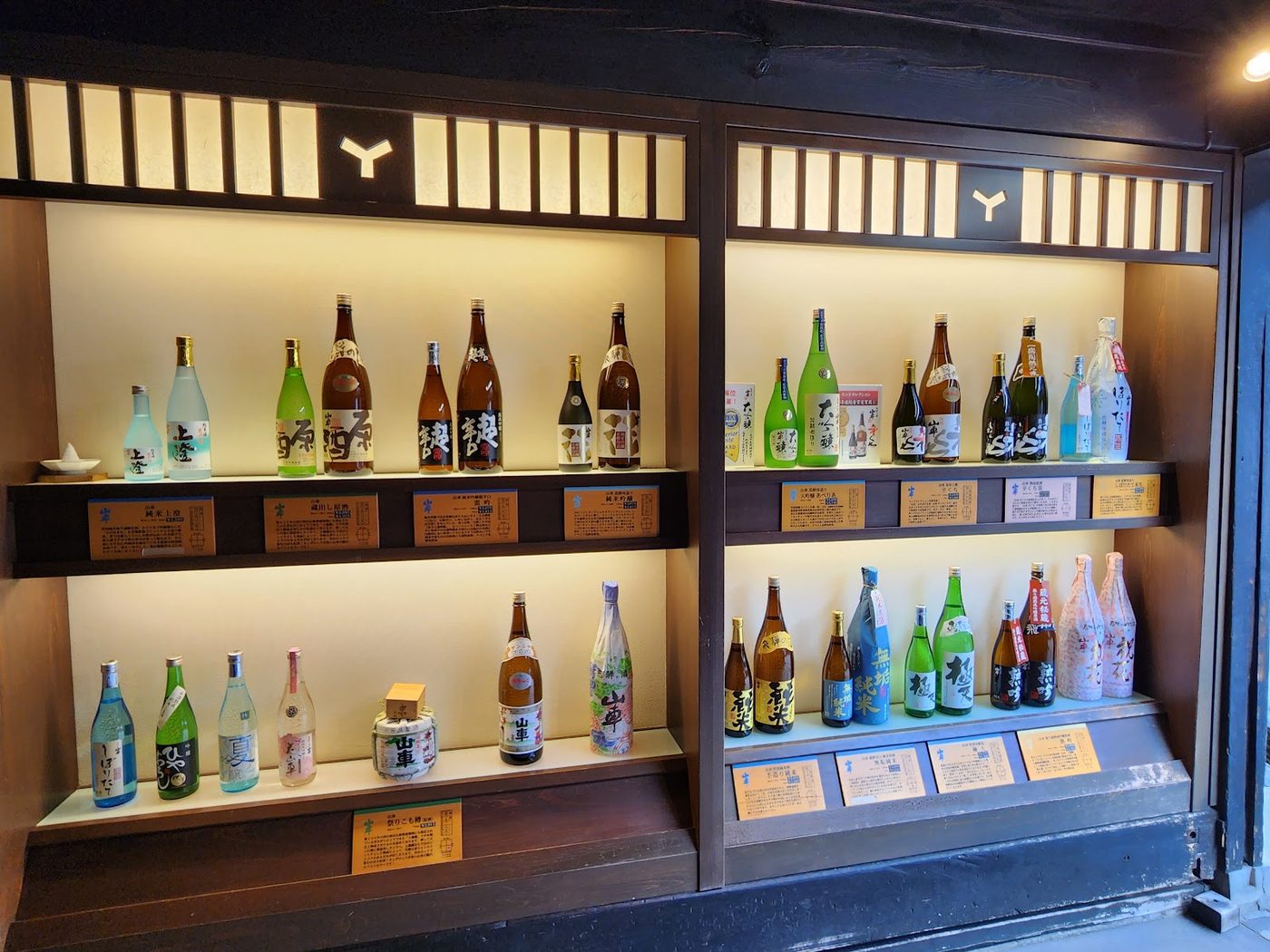
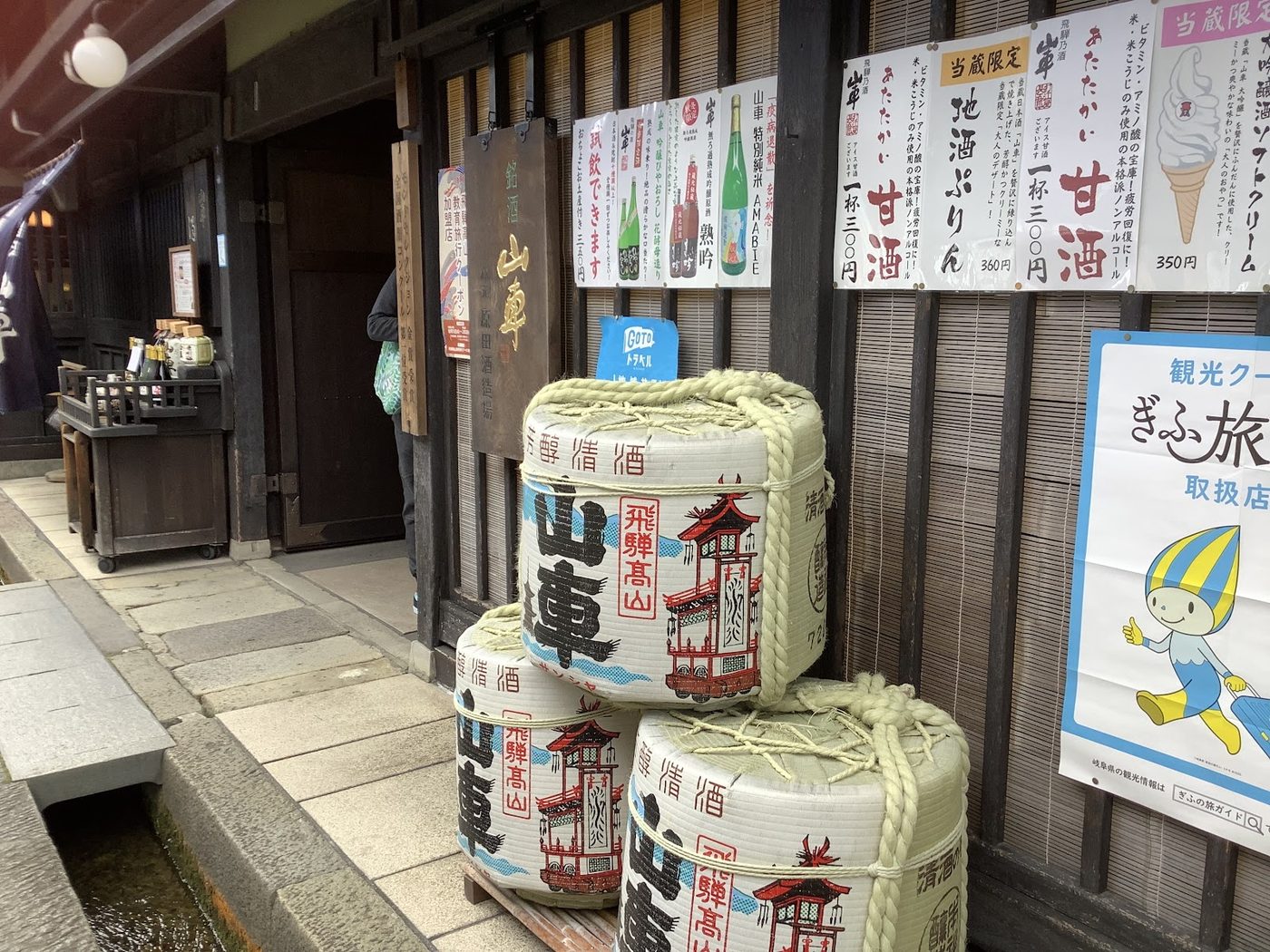
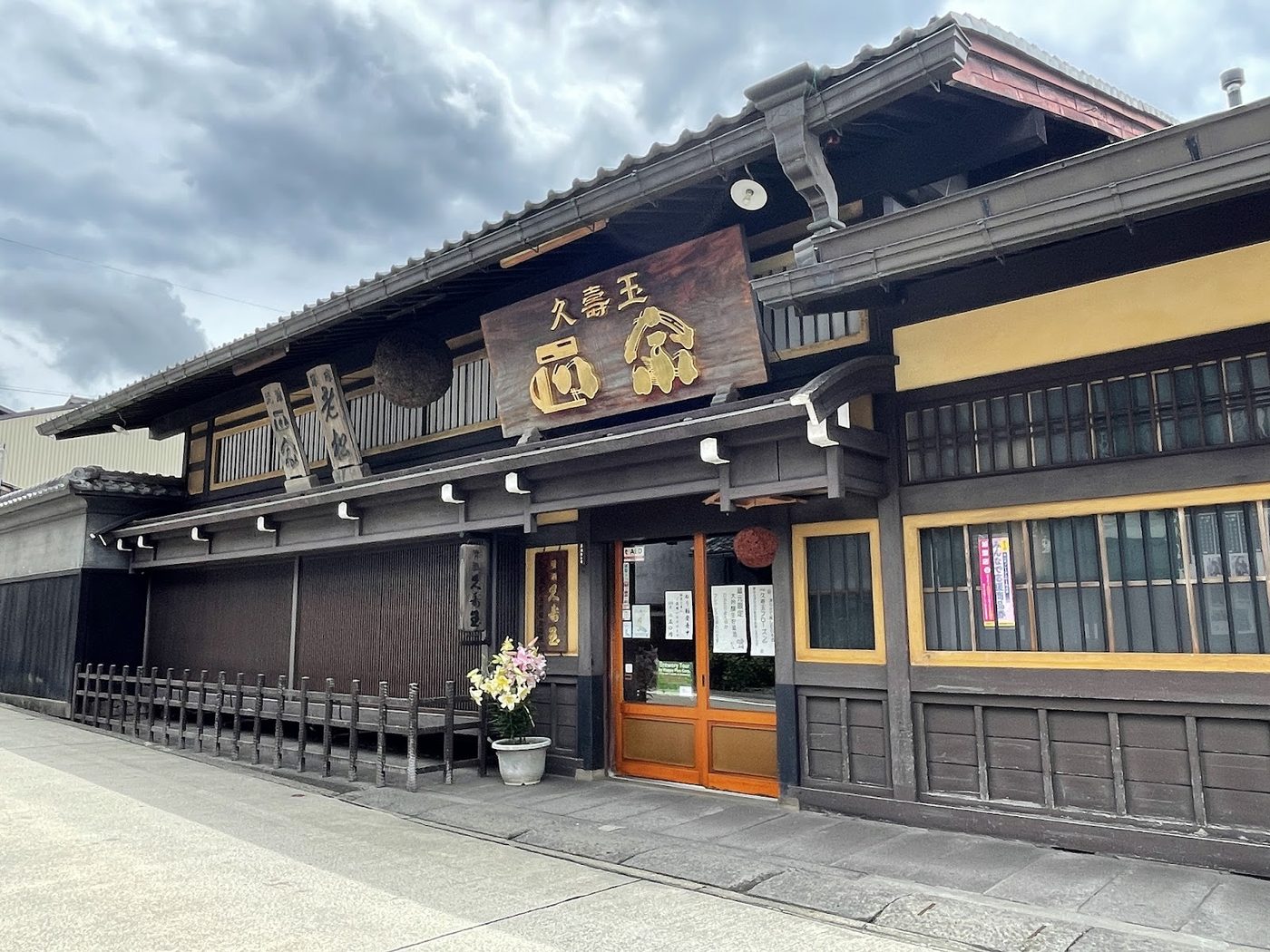
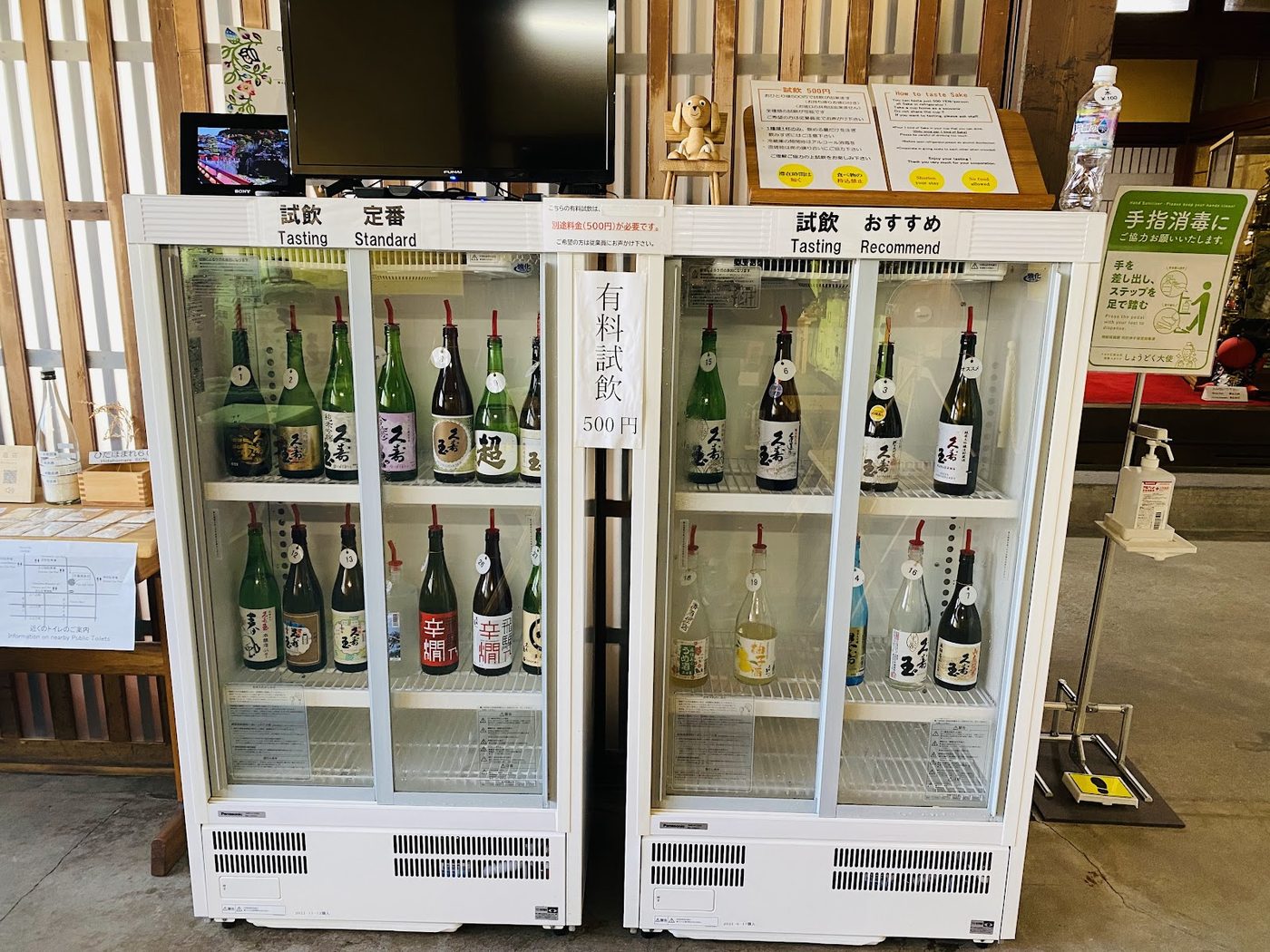
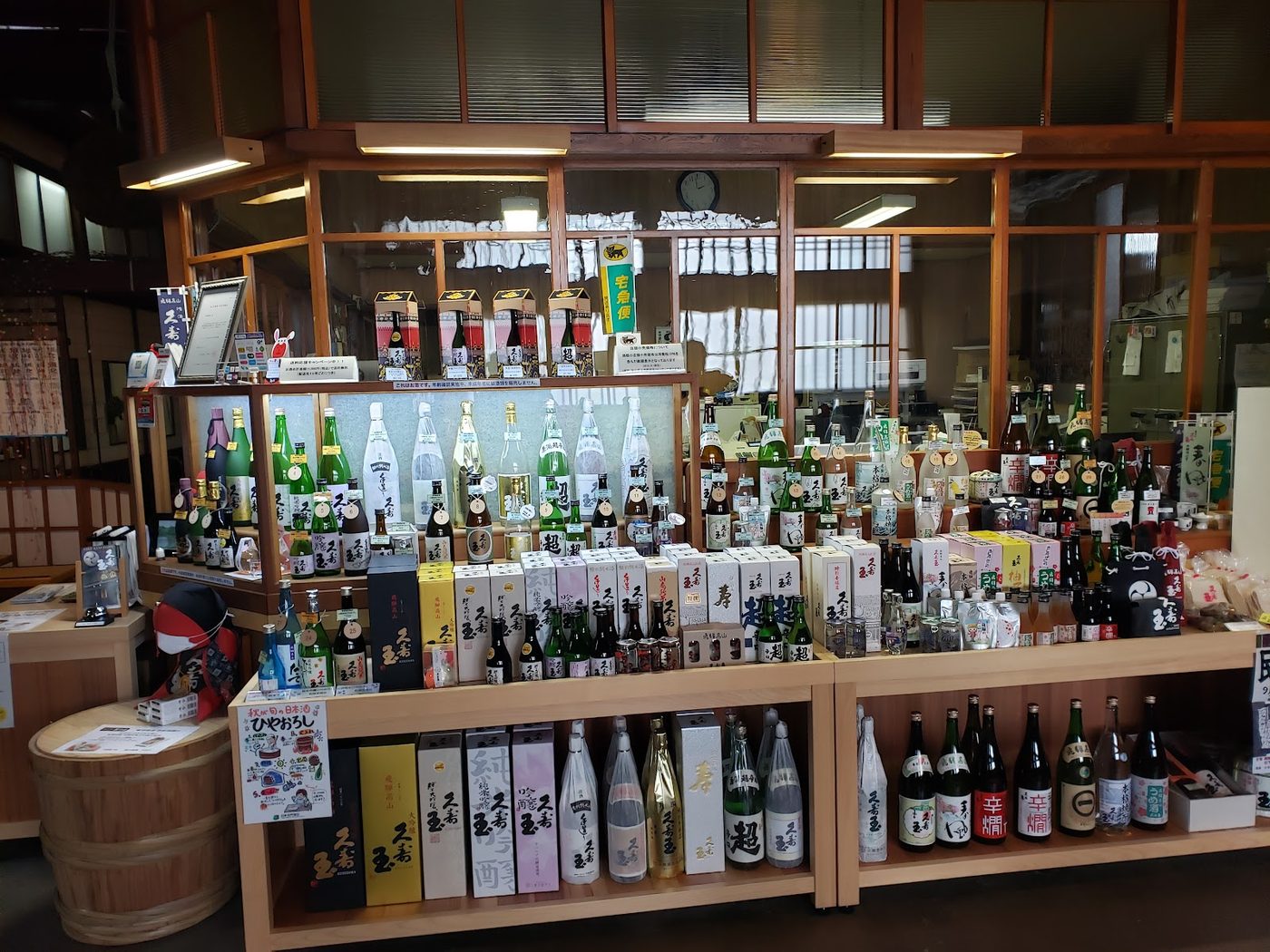
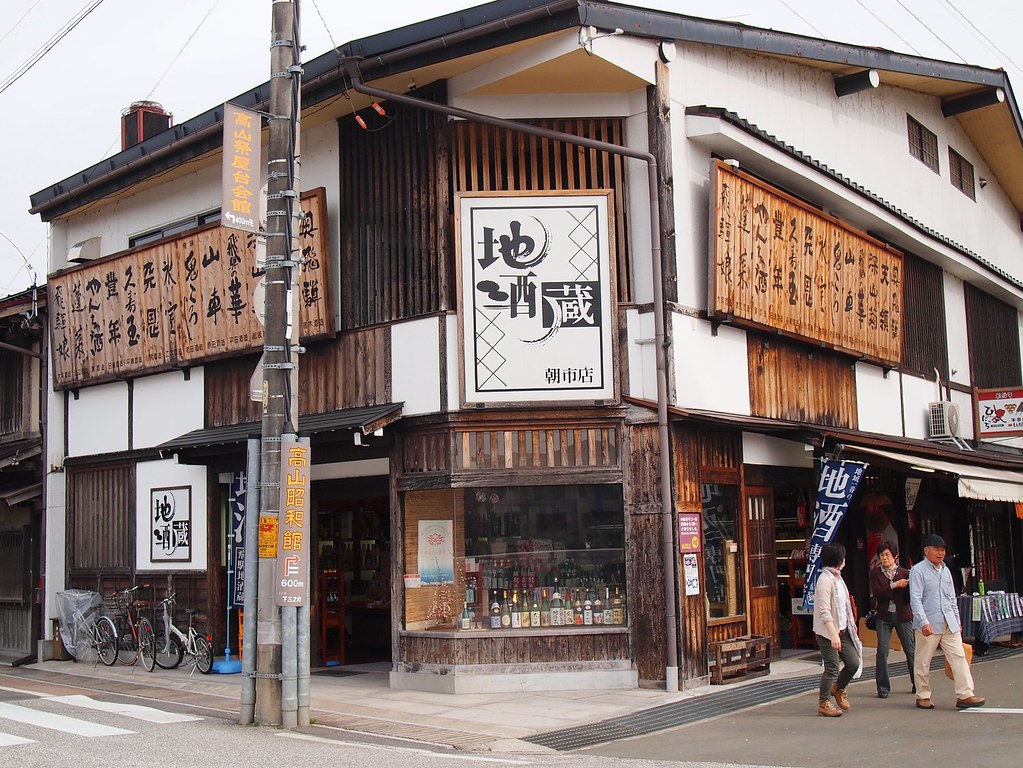
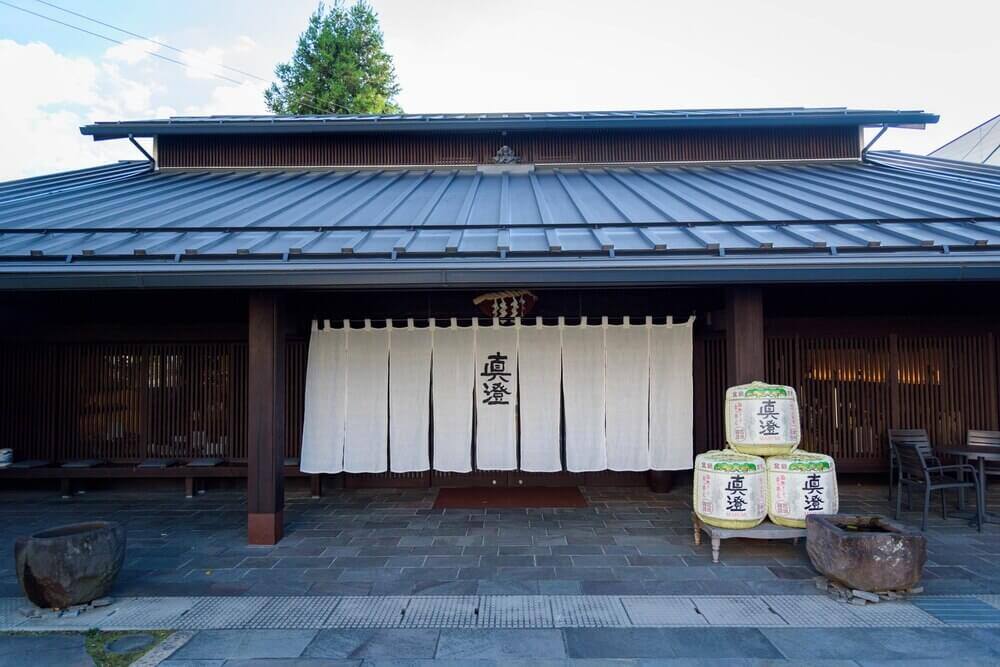
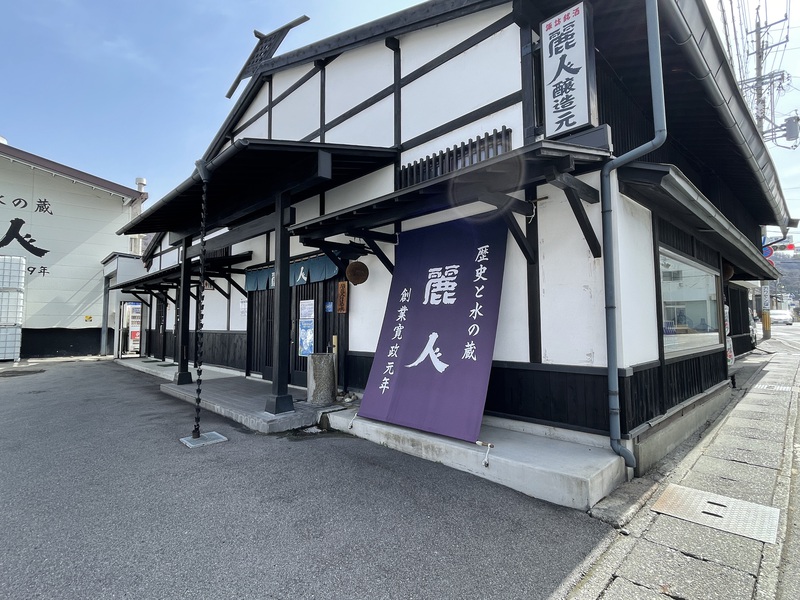
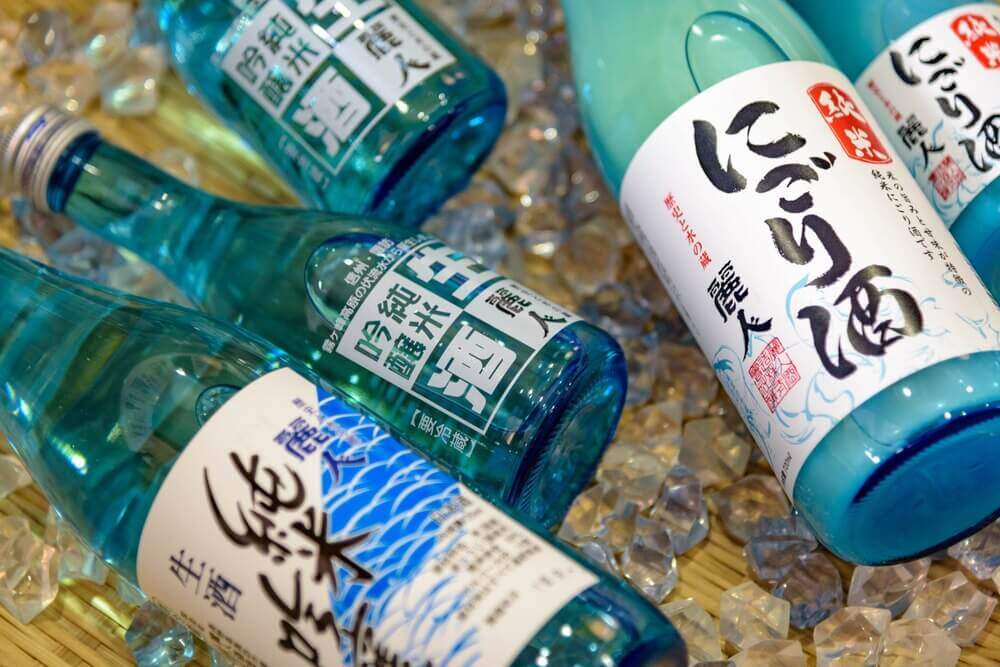
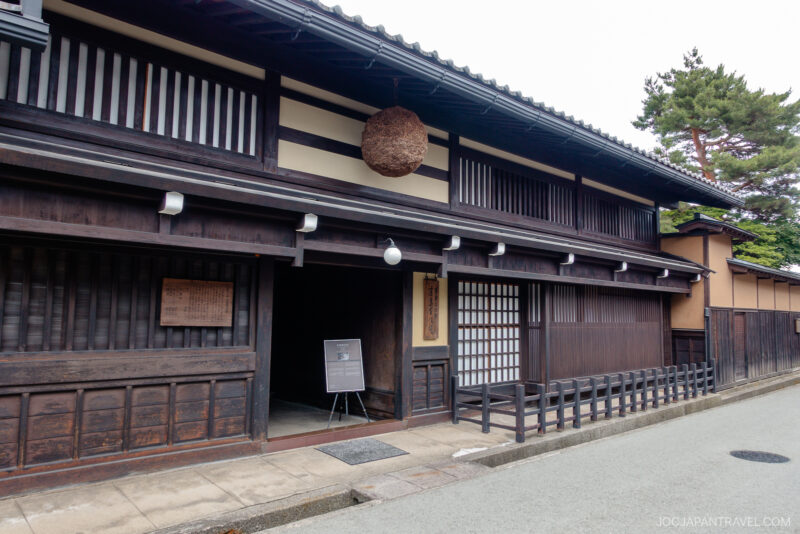
Seven sake breweries on Sanmachi Suji offer free tastings, look for the green sugidama (cedar ball) hanging outside. Each brewery has...

Takayama's answer to Kobe beef, Hida wagyu is richly marbled with a buttery sweetness. Available as sushi, skewers (¥800), and full...

Two daily morning markets, Miyagawa (river-side) and Jinya-mae (government building). Local farmers sell pickles, miso, crafts, and...

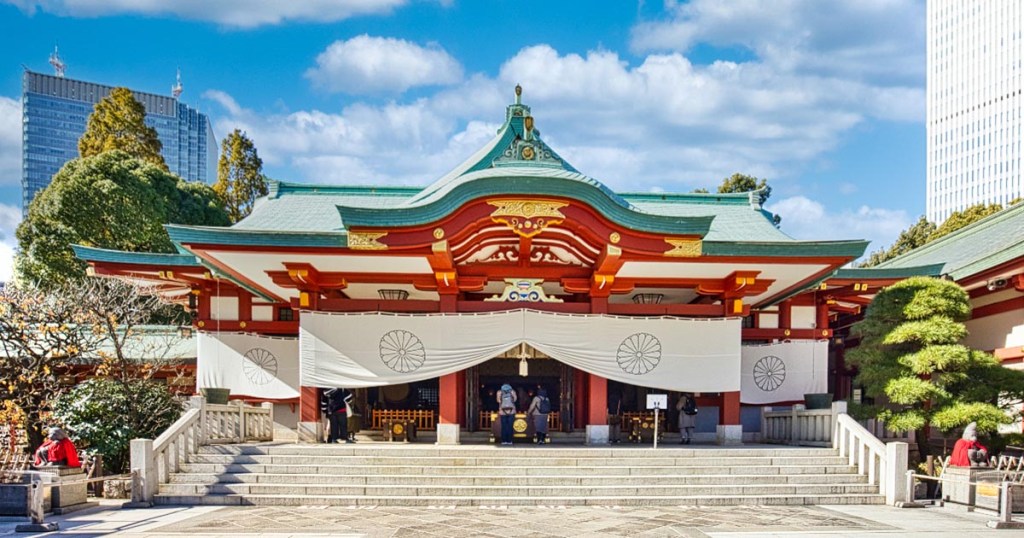
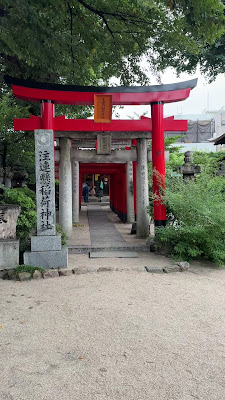
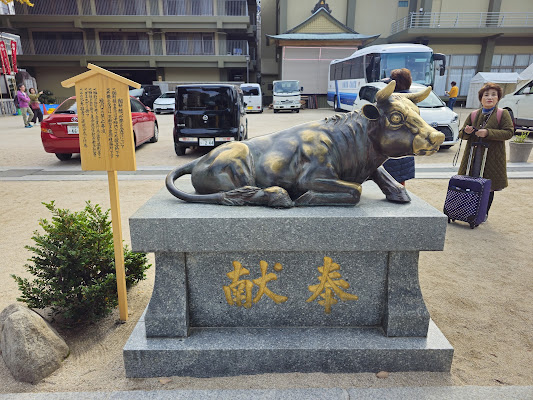
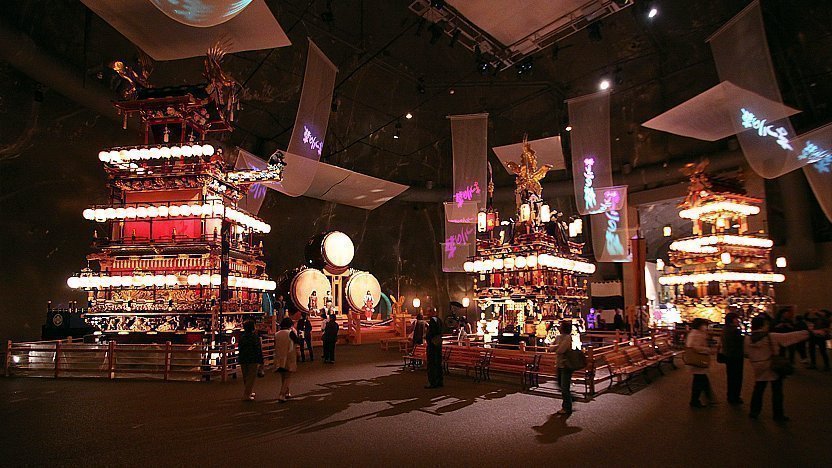
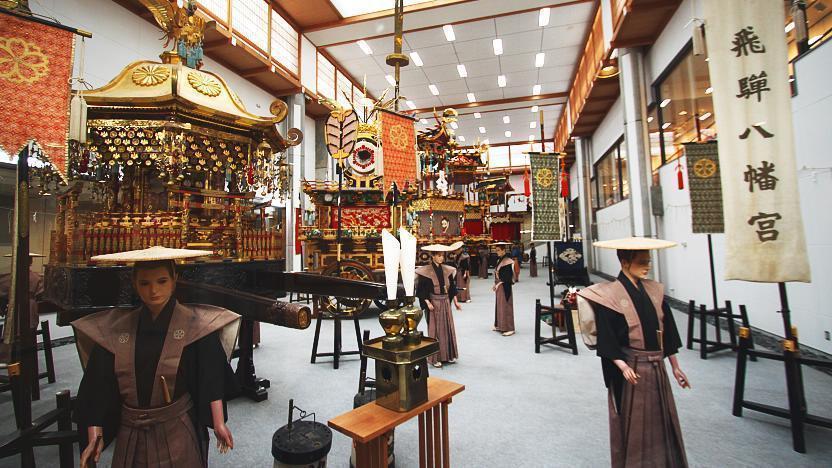
Spiritual heart of Hakata. Massive Yamakasa festival floats on display year-round.

Edo-era historical buildings. Sake breweries, gift shops, small restaurants. Heart of Takayama.

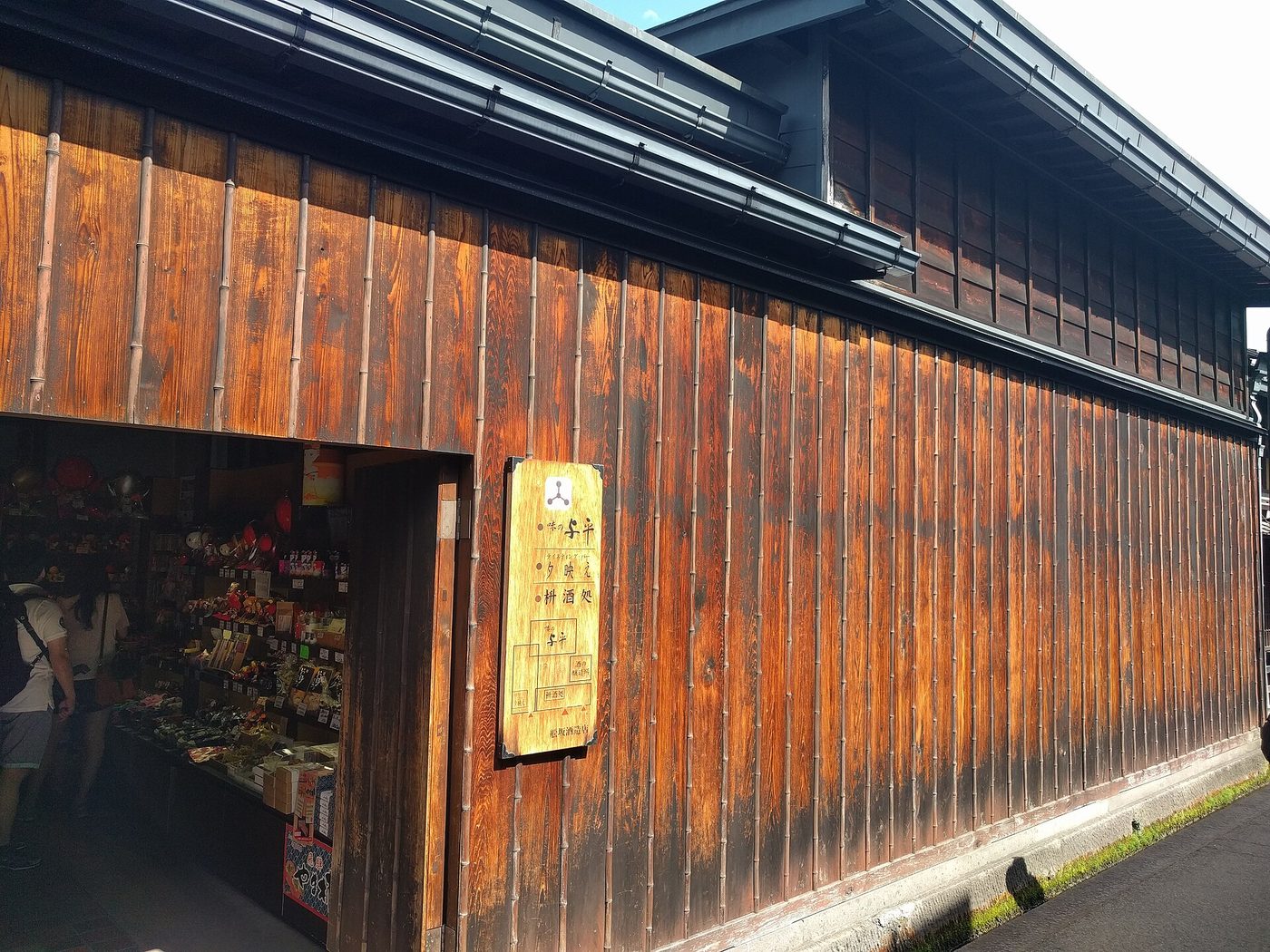
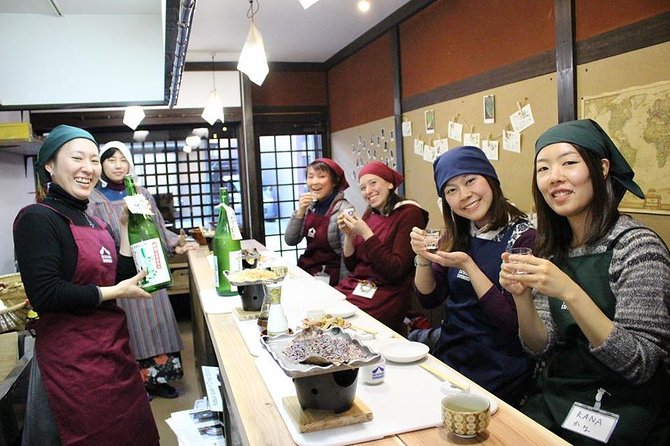
Sake tasting and tours. Charming atmosphere. Try region-specific varieties.


Matsushima Bay, volcanic crater lakes, and fox-filled mountains.

3.5km walking trail connecting 13 temples and 5 shrines on the eastern hillside. Peaceful forested path. Takes about 2 hours. Cherry blossoms in spring, autumn foliage in November.

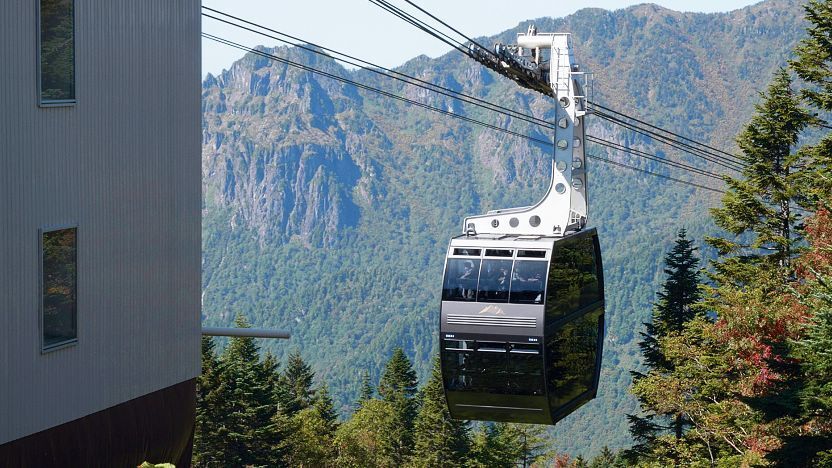
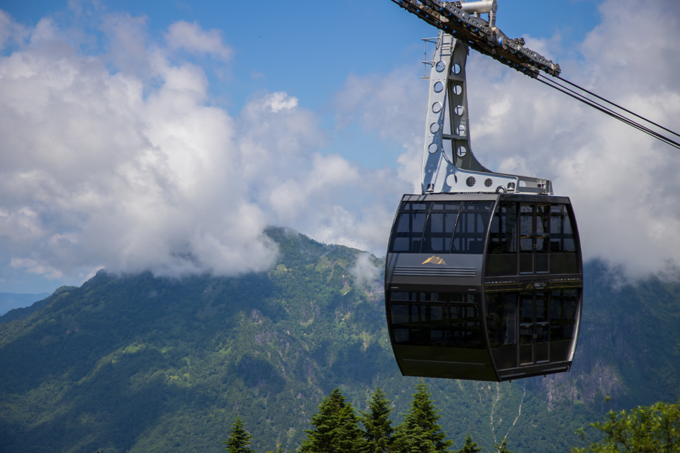
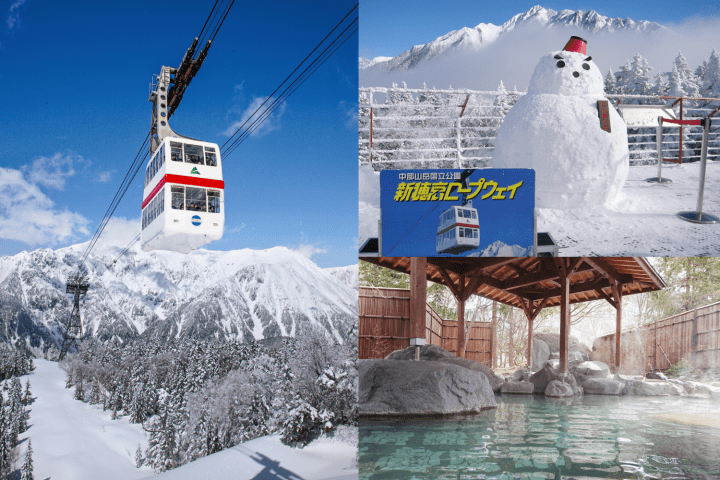
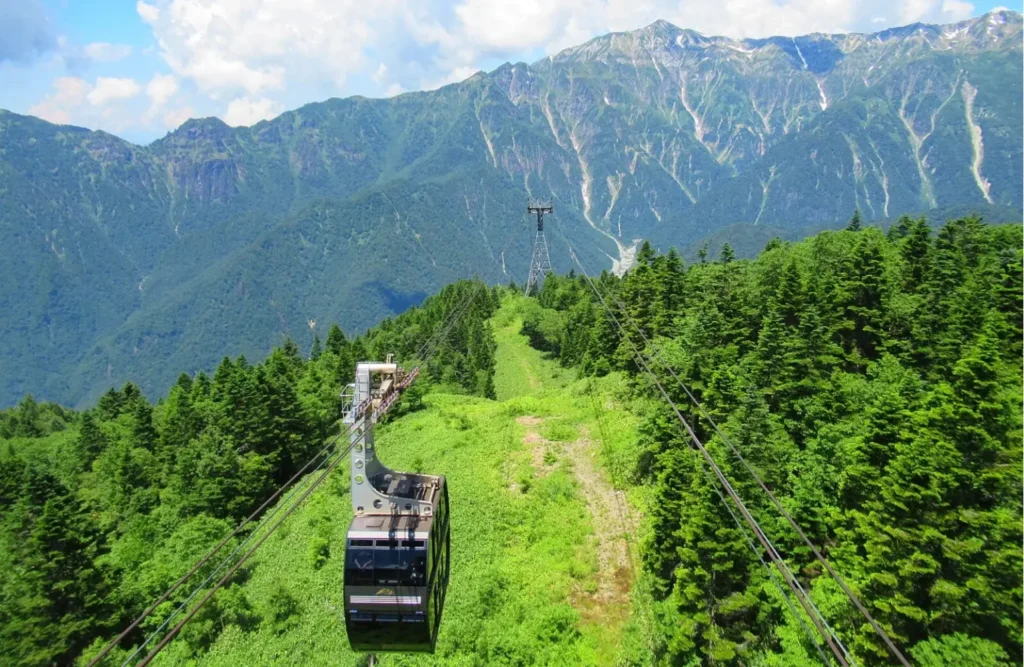
Double-decker gondola rising to 2156m in the Northern Alps. Panoramic views of peaks exceeding 3000m. The summit observation deck offers 360-degree mountain panoramas. Spectacular in any season.

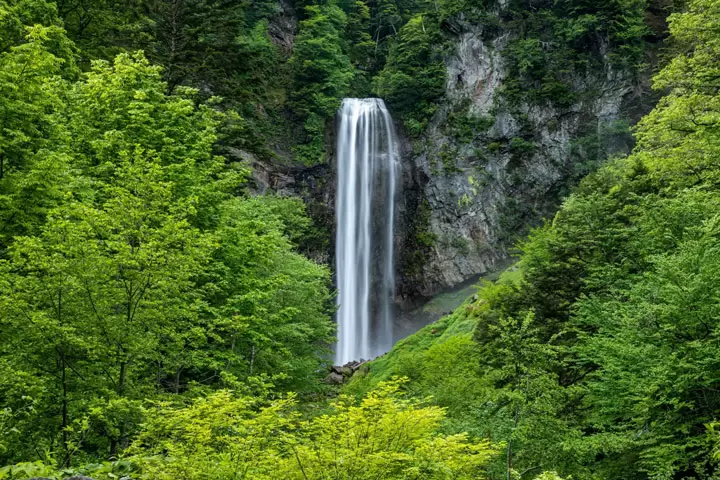
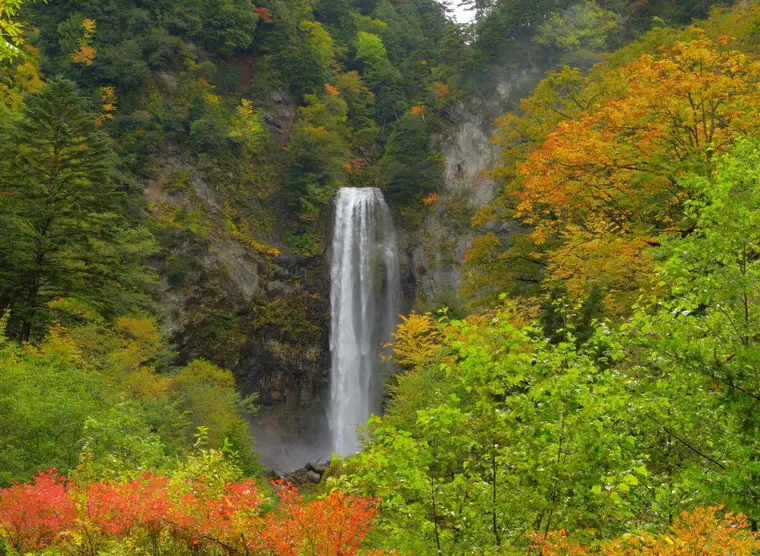
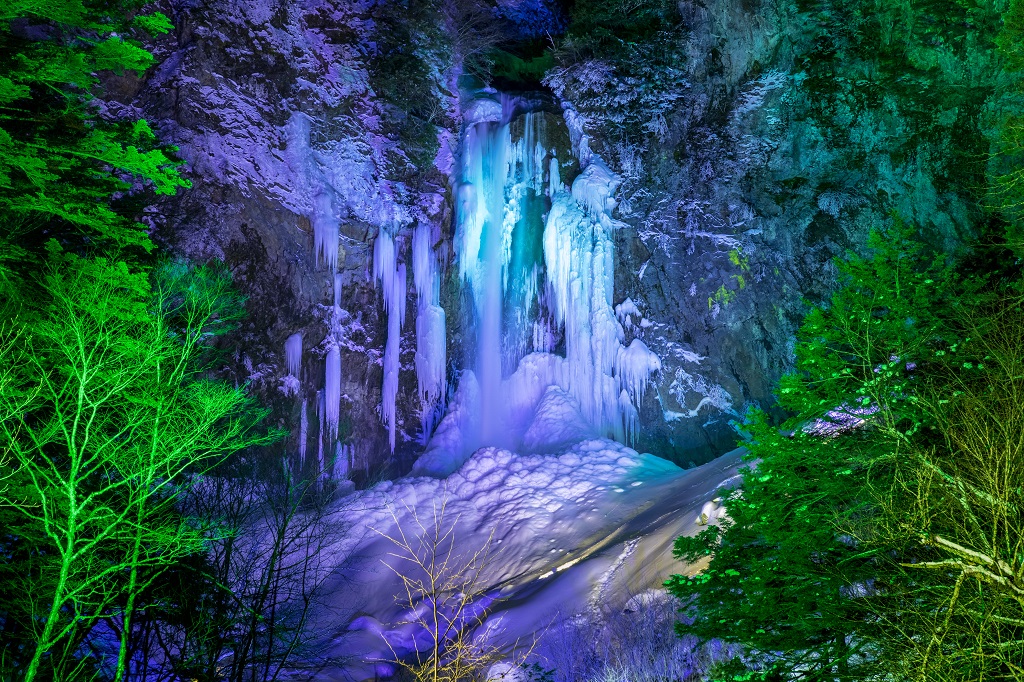
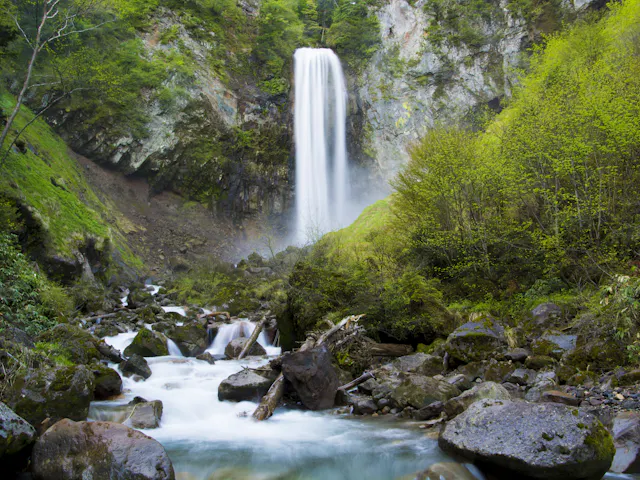
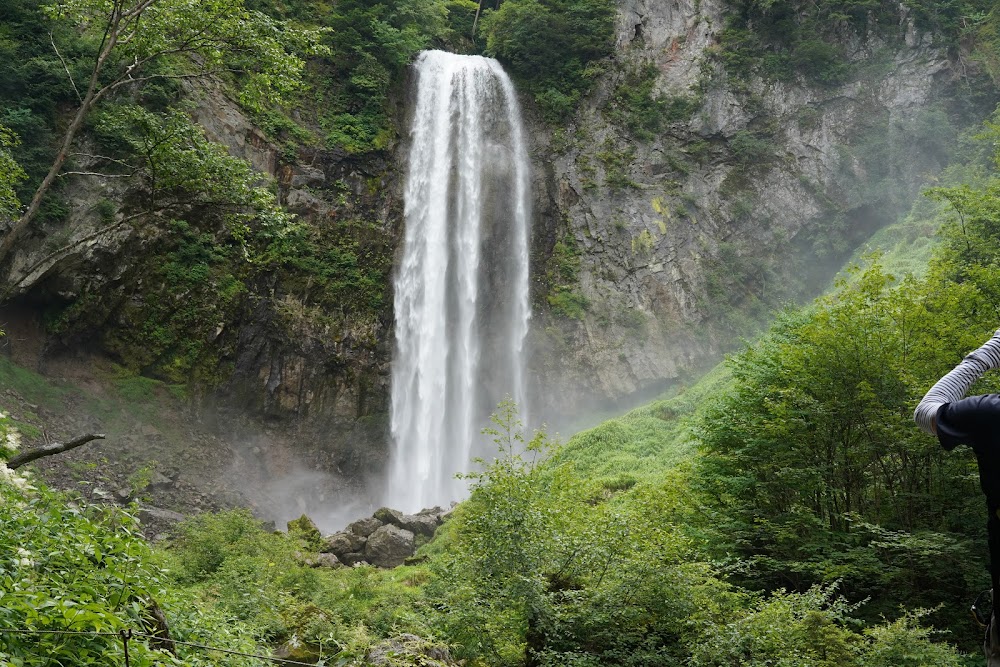
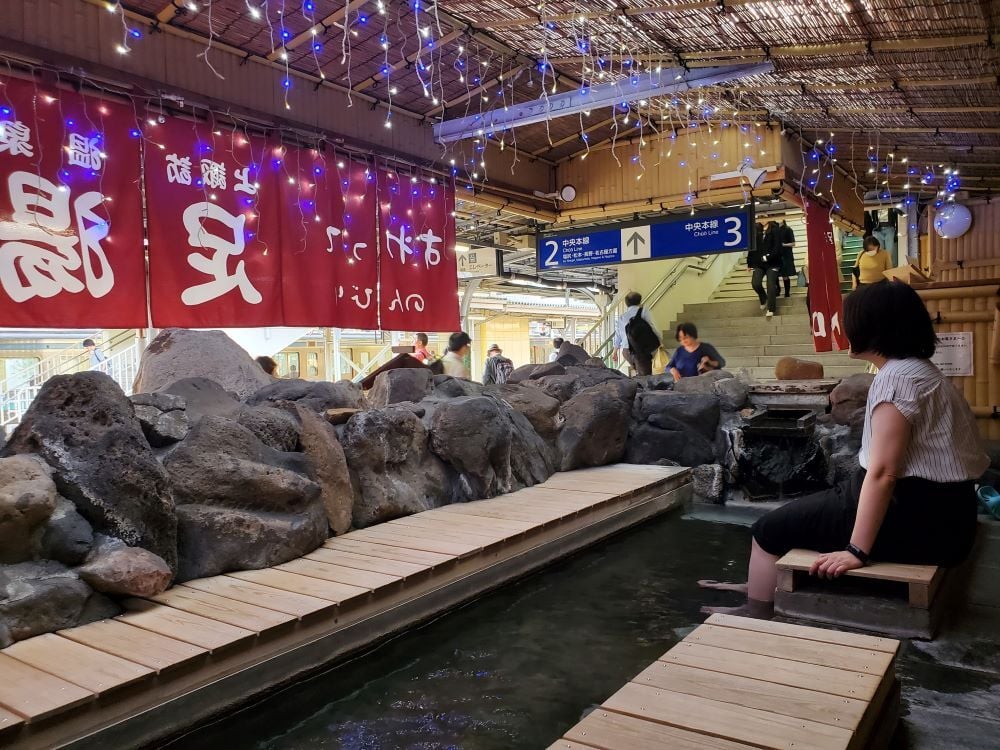
64m waterfall near Hirayu Onsen. Dramatic volume especially during snowmelt season. Walking trails through forest to the viewing platform. Free natural hot spring footbath nearby.

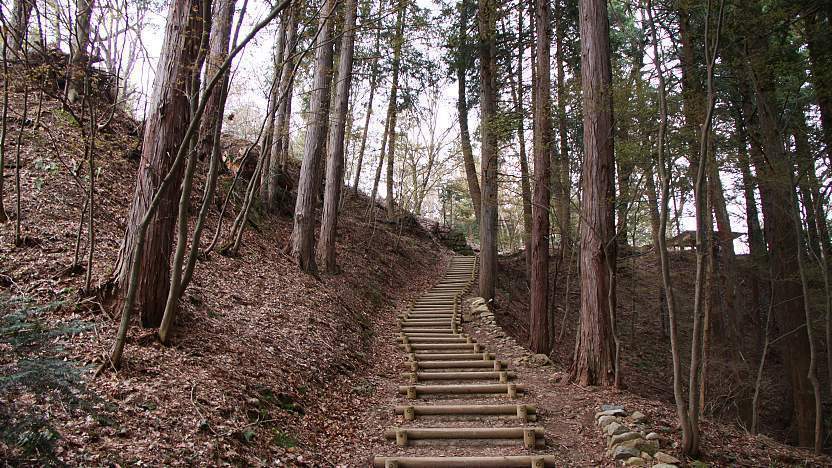
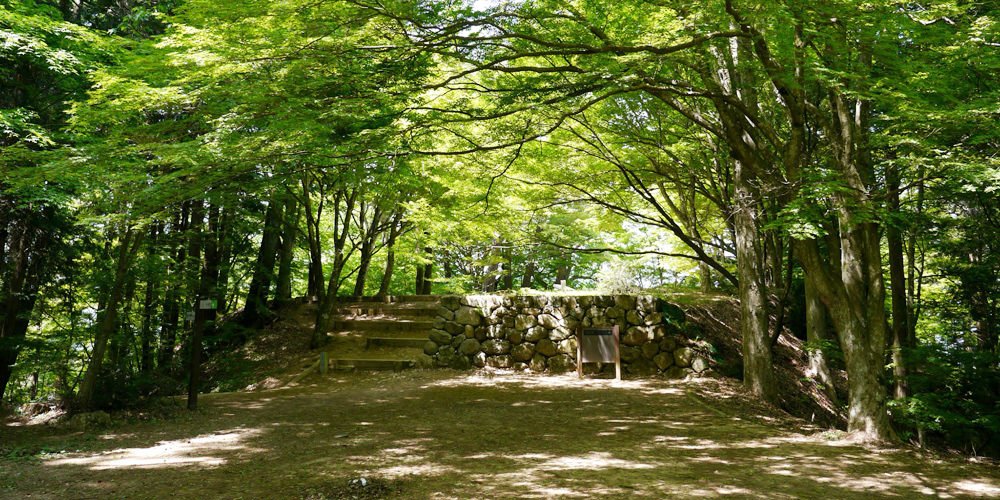
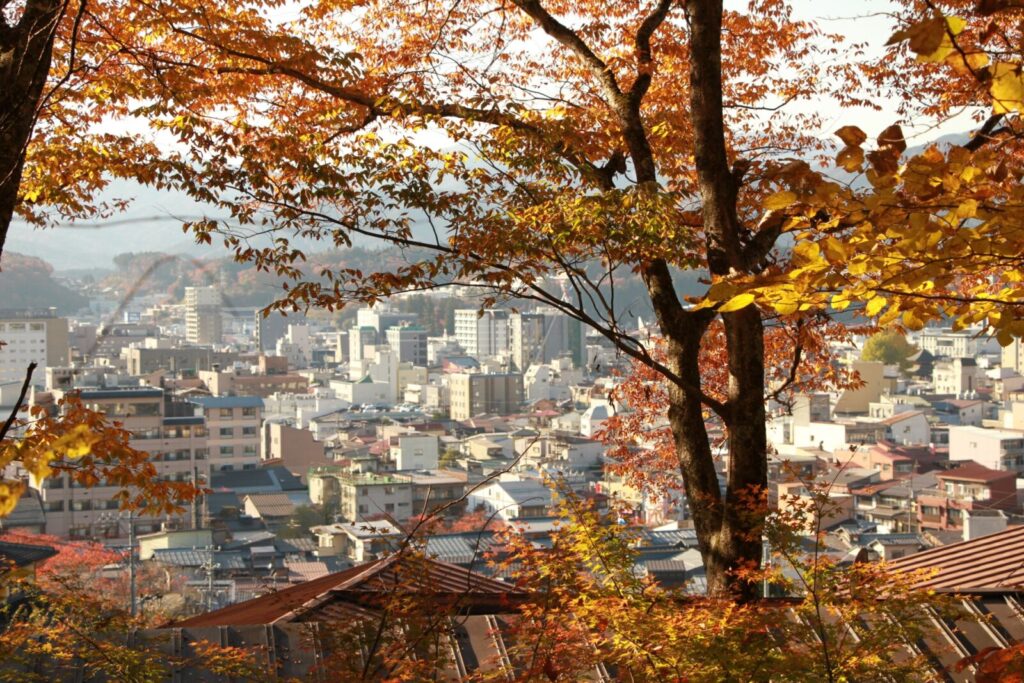
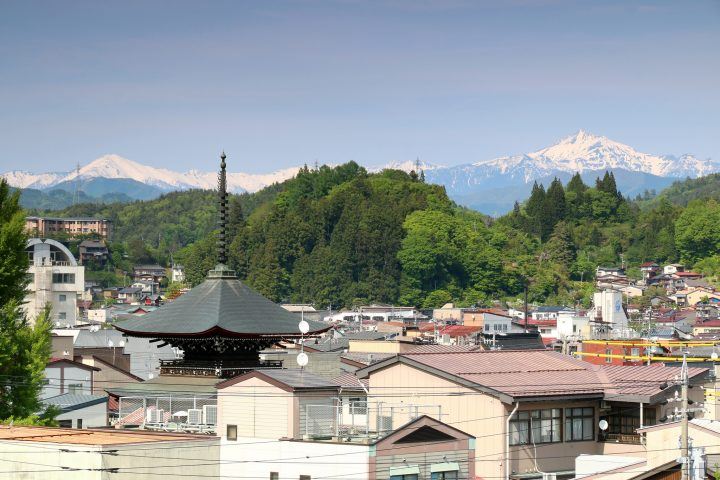
Forested hill behind the old town with ruins of Takayama Castle. Walking trails through cedar groves. Great viewpoints over the city. Autumn foliage and cherry blossoms are stunning.
High-altitude stargazing point in the Northern Alps. The lack of light pollution makes it one of the best stargazing spots in Japan. Accessible from Okuhida onsen area.

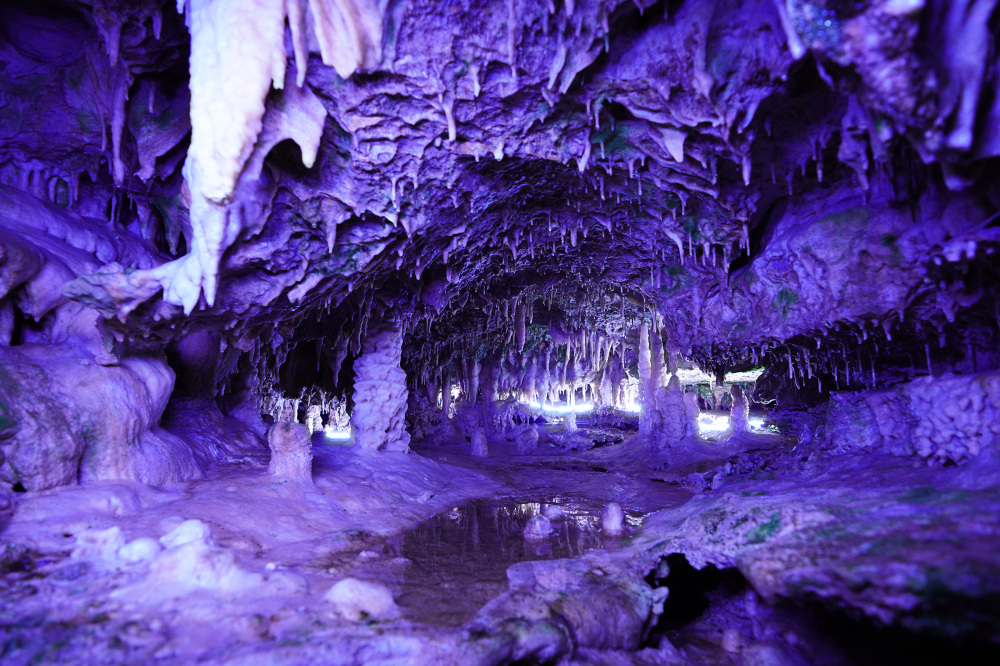
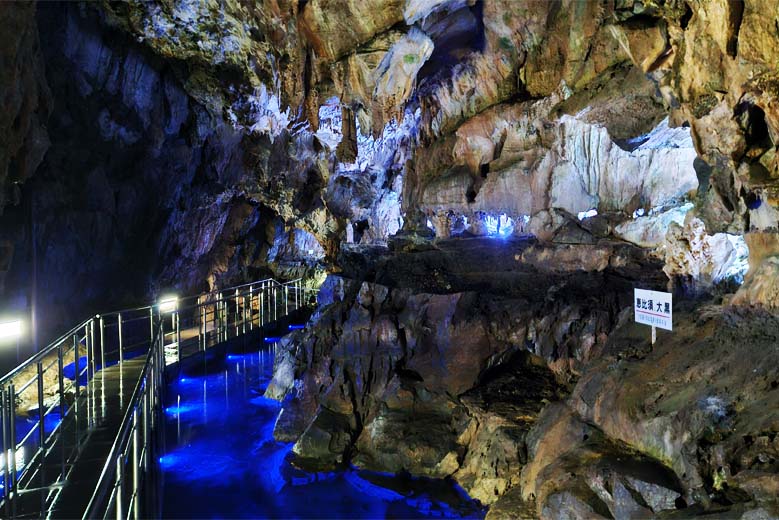
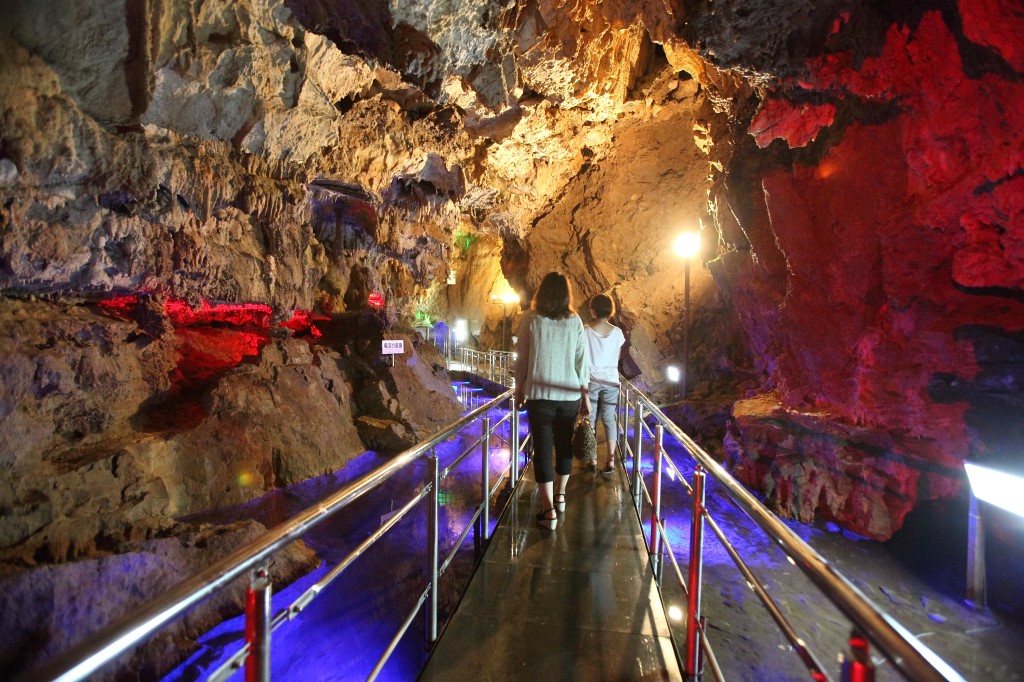
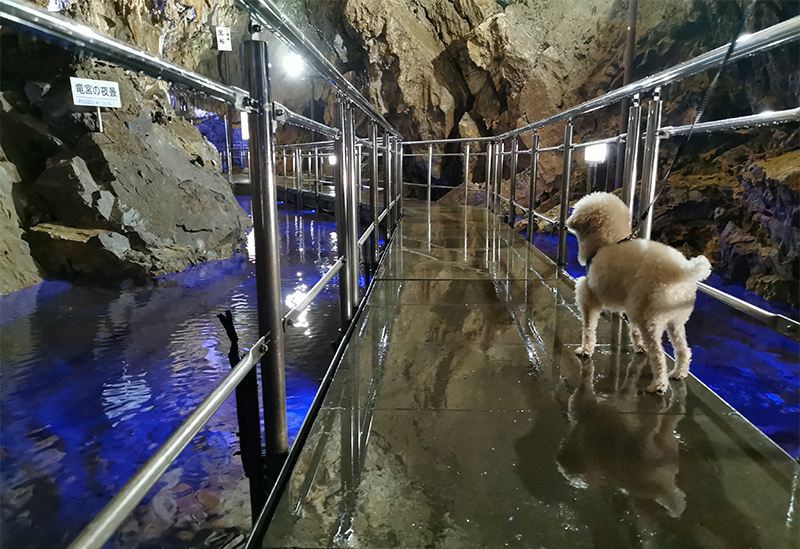
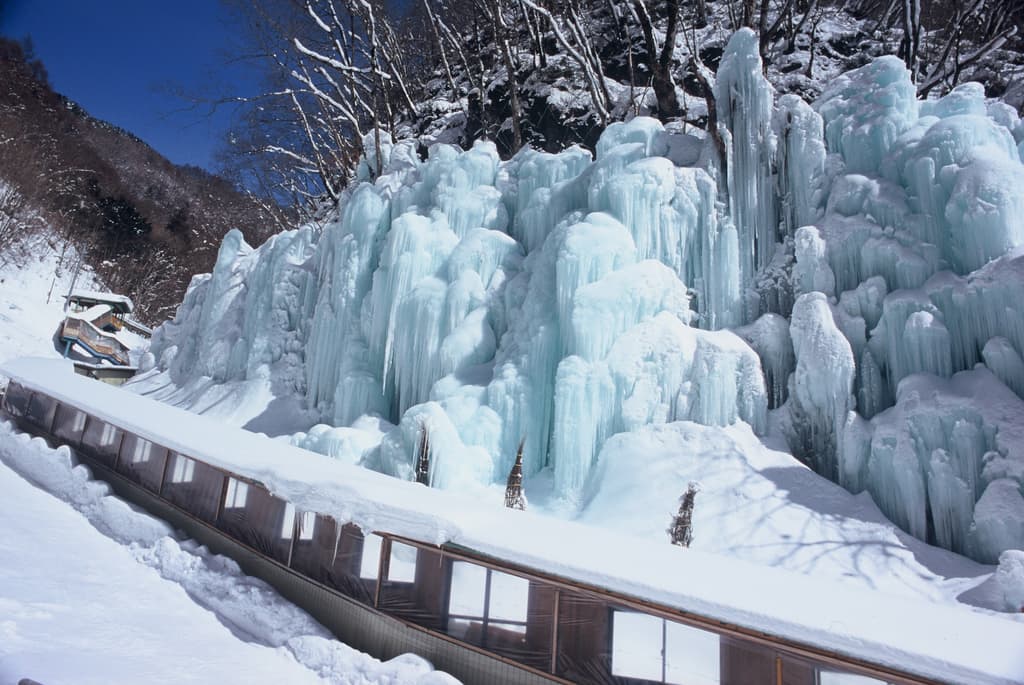
800m walkable cavern with stalactites and stalagmites. The largest limestone cave in the Hida region. Constant 12 degree temperature. Beautiful ice formations in winter. 30 min from Takayama.

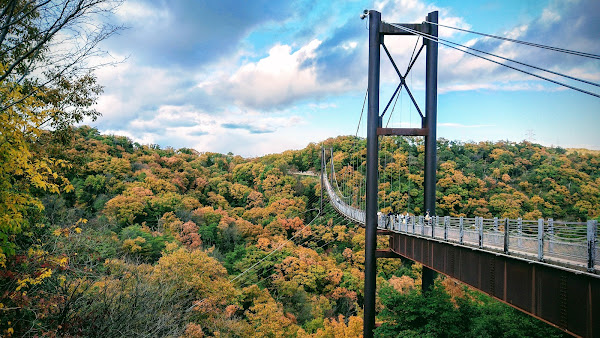
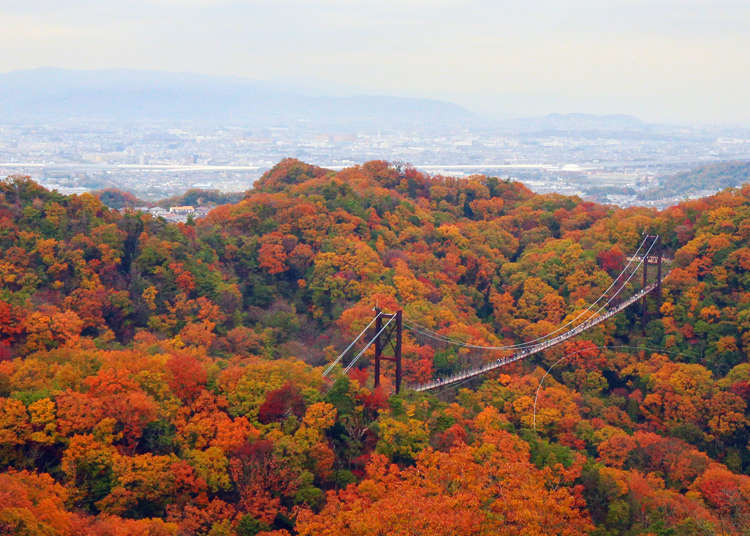
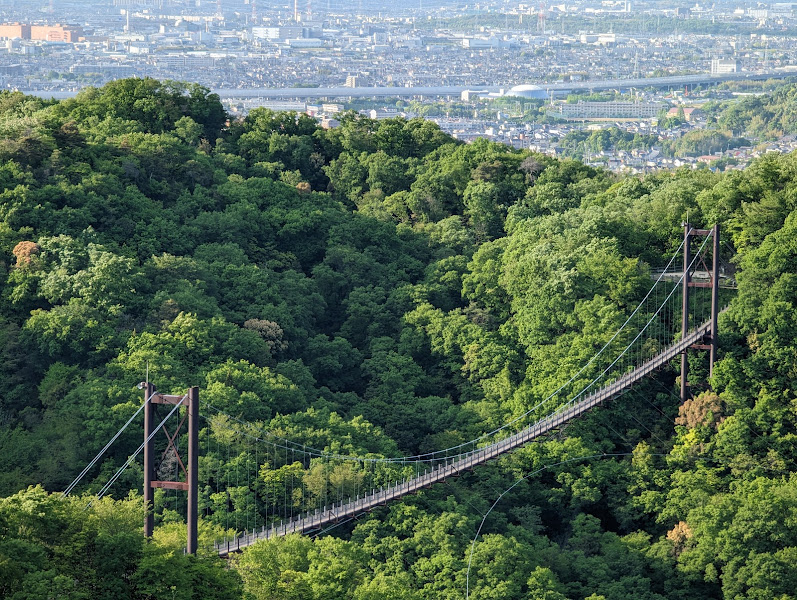
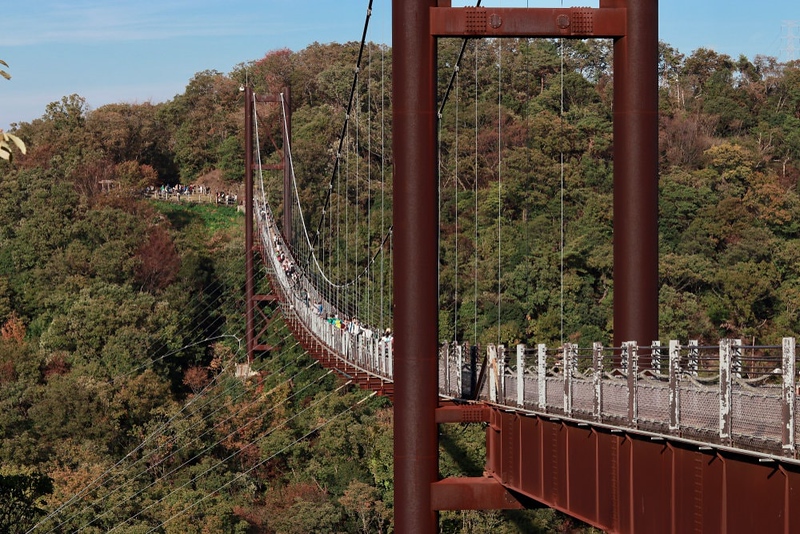
30 min from central Osaka. 280m suspension bridge over forested valley. Great hiking and city views.

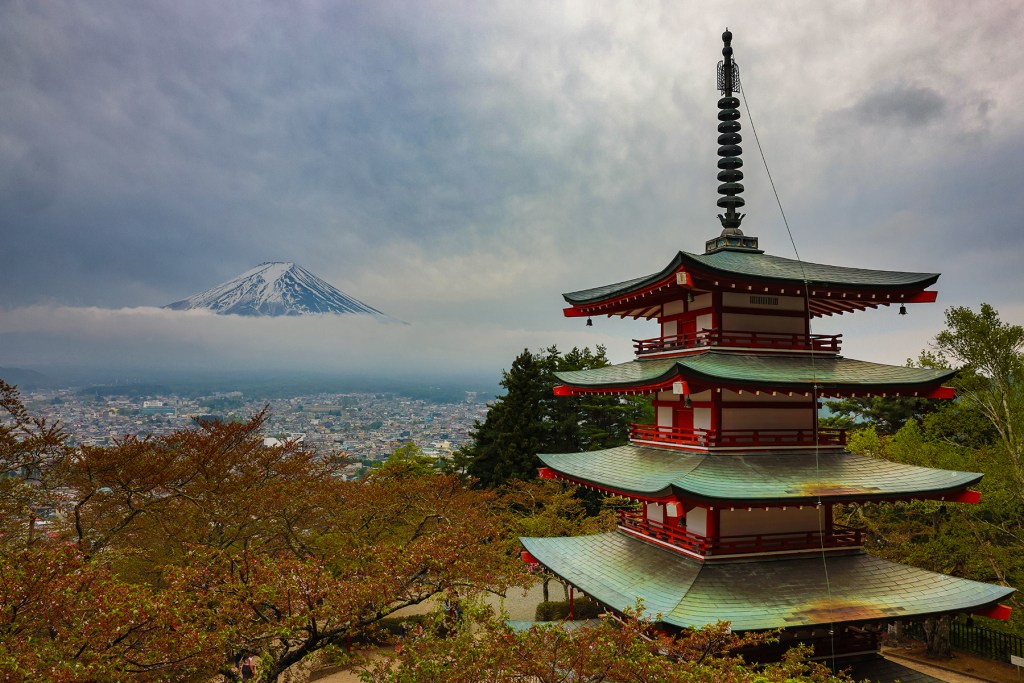
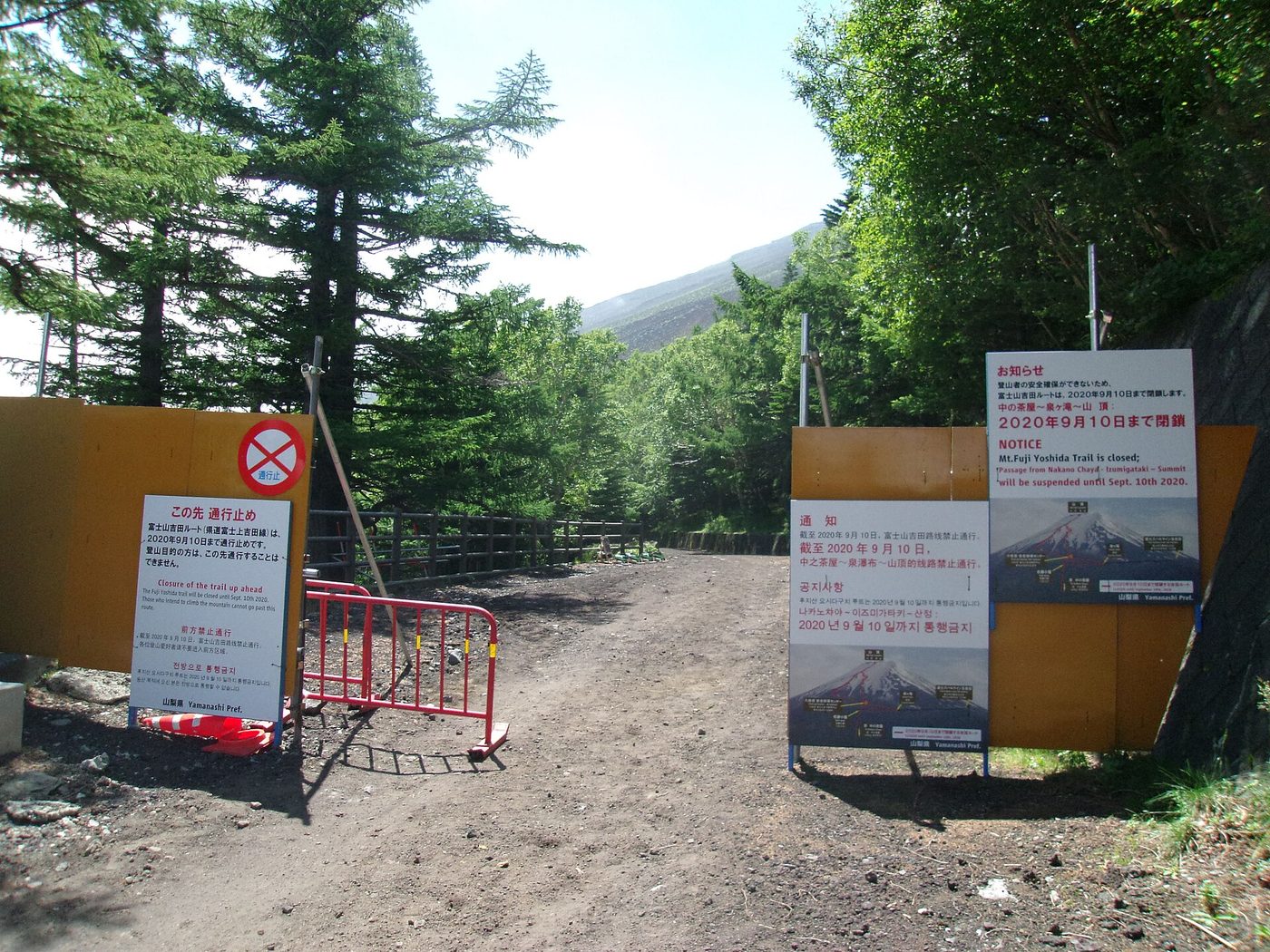
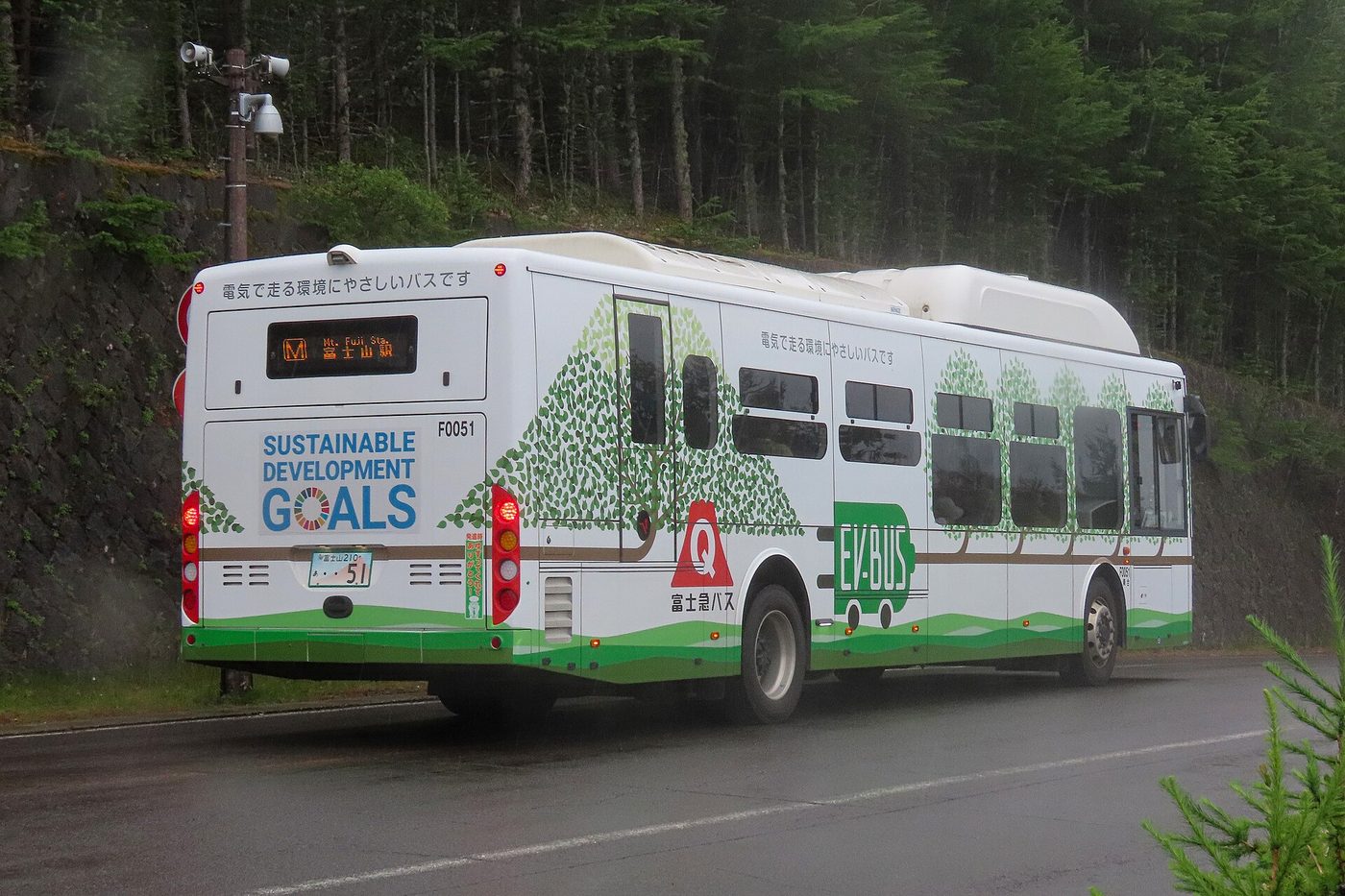
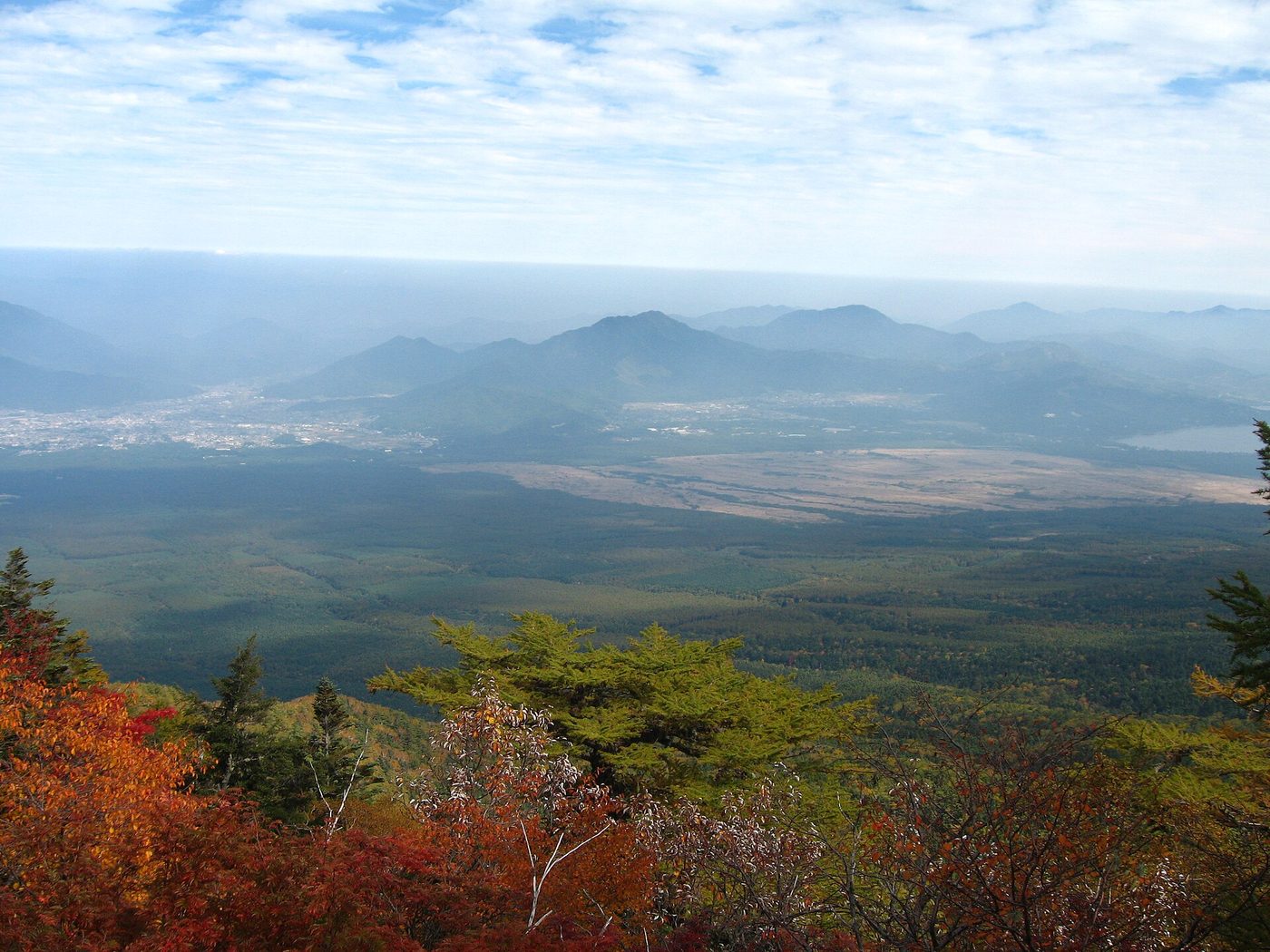
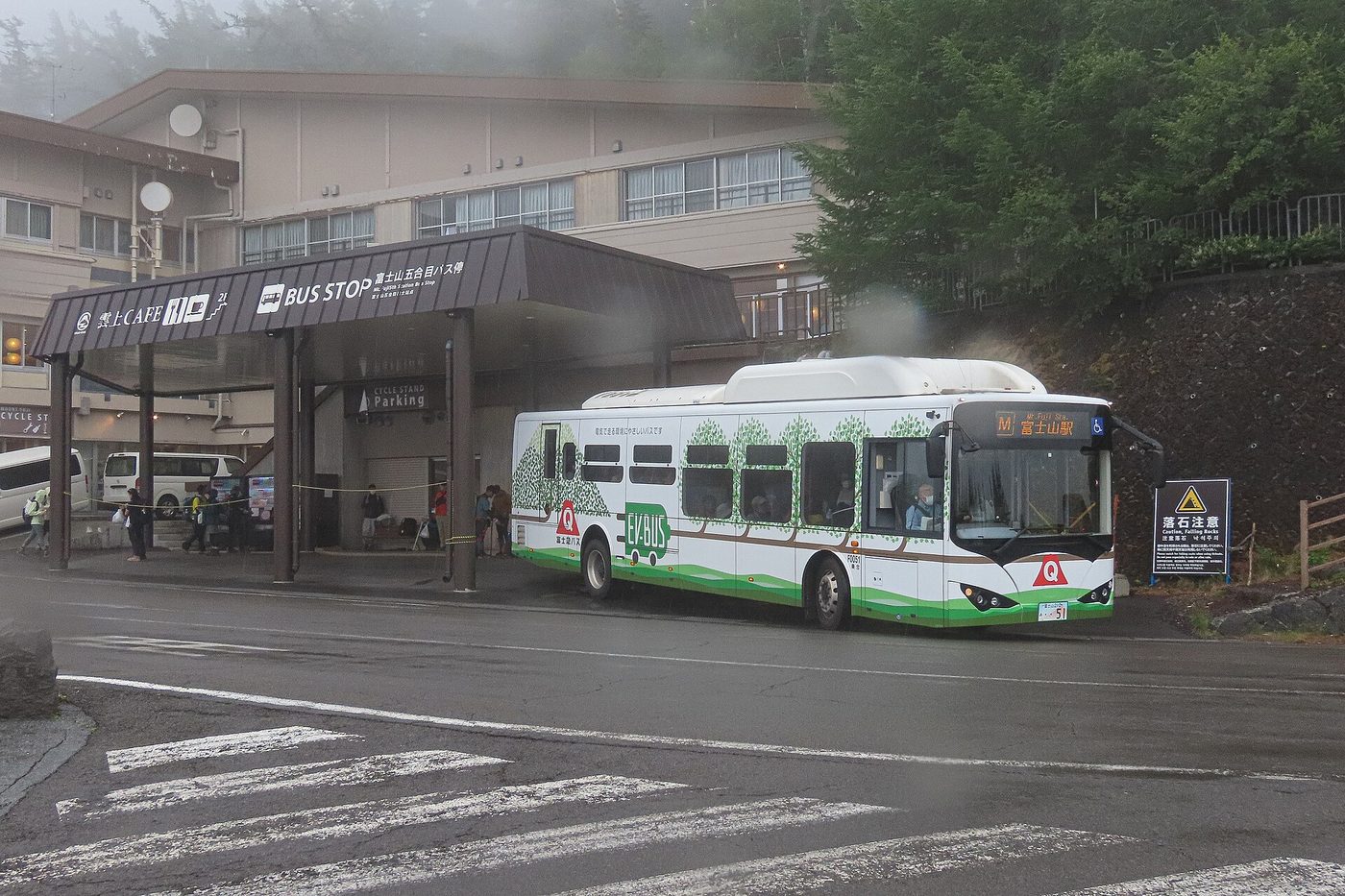
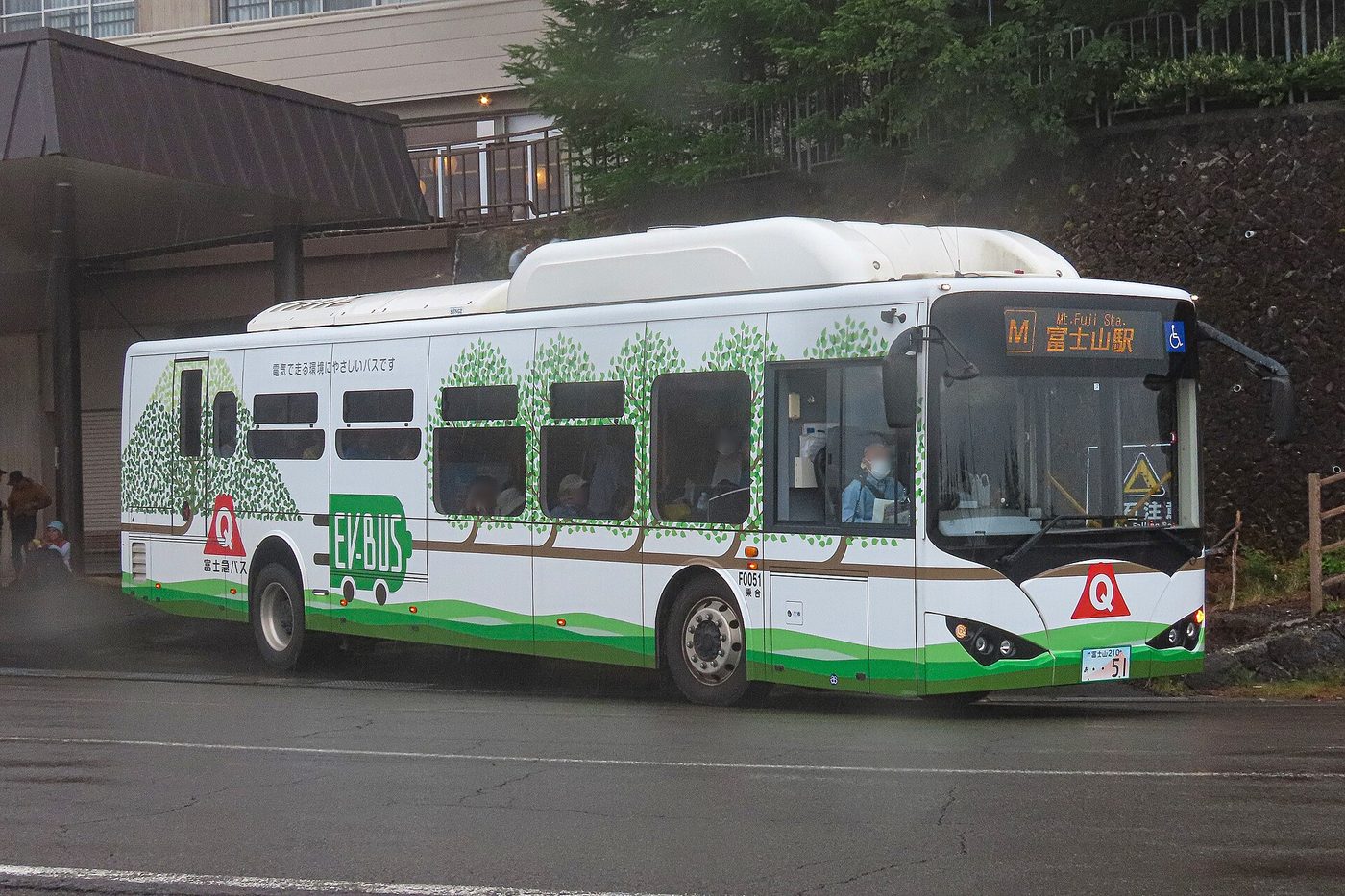
Iconic Mt. Fuji. 5th Station accessible by bus year-round. Summit climb Jul-Sep only.

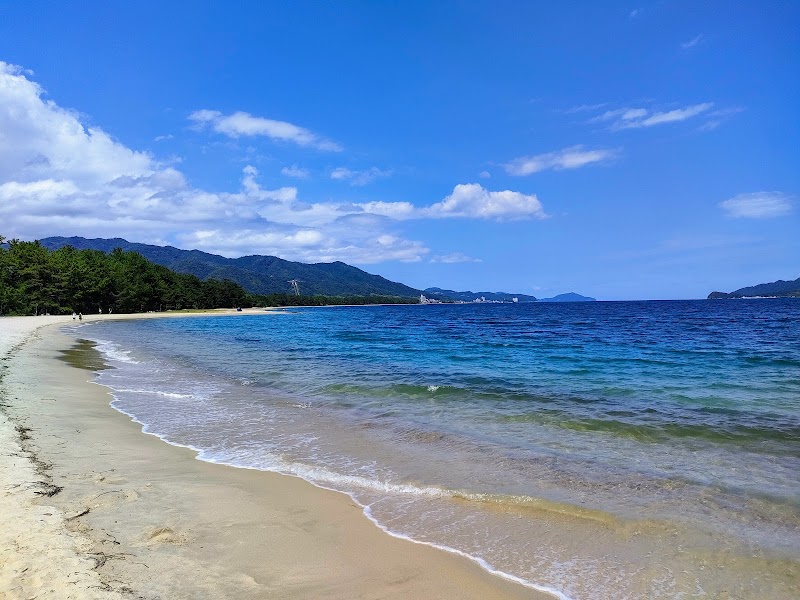
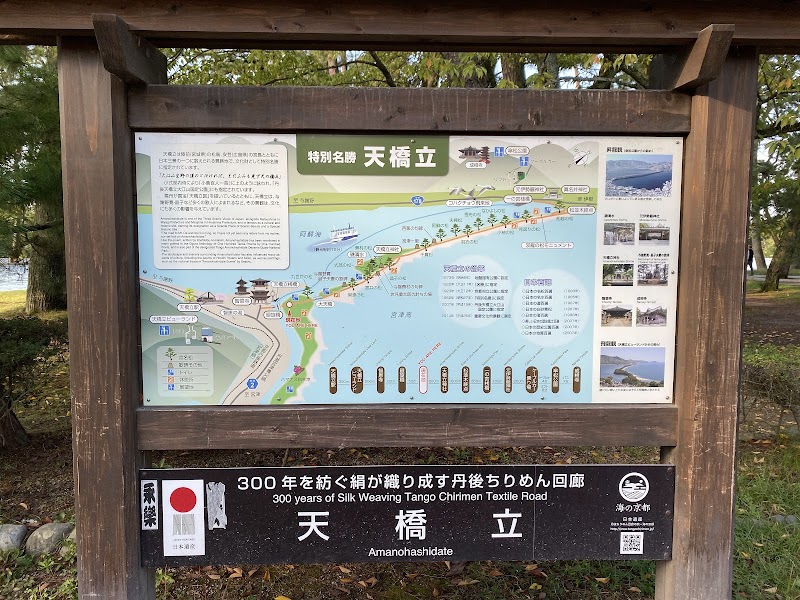
One of Japan's top 3 scenic views. Sand bar covered in pine trees. View from observatory.
Hot springs, whisky distilleries, festivals, and one-of-a-kind encounters.

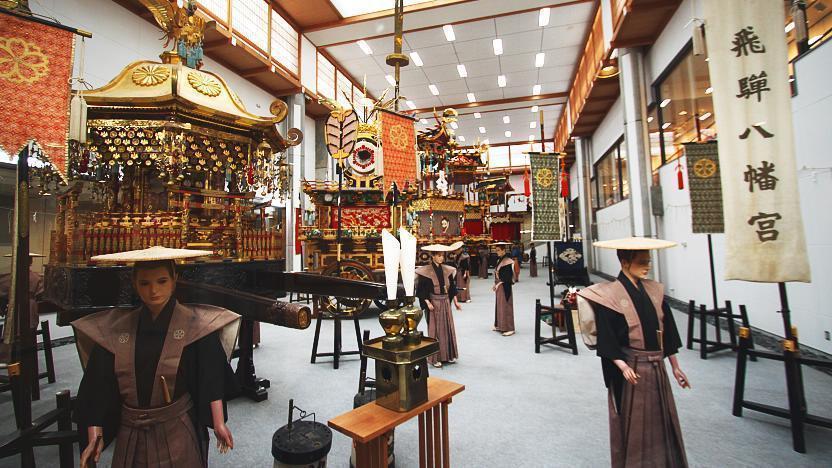
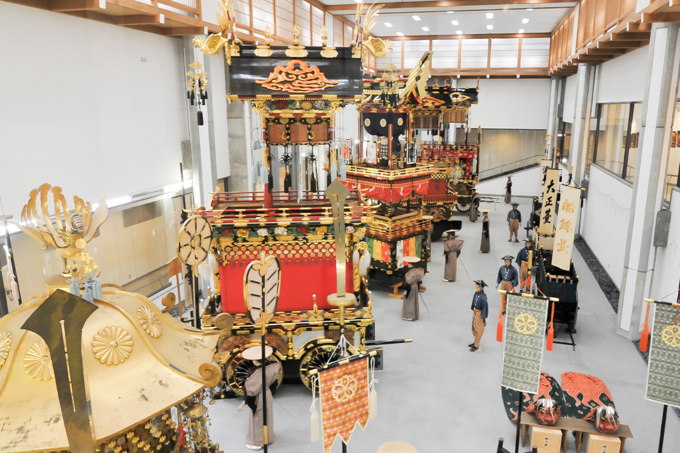
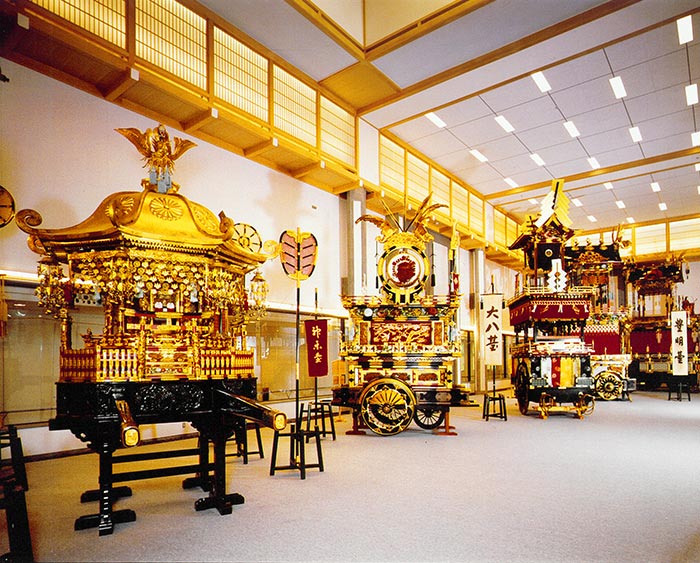
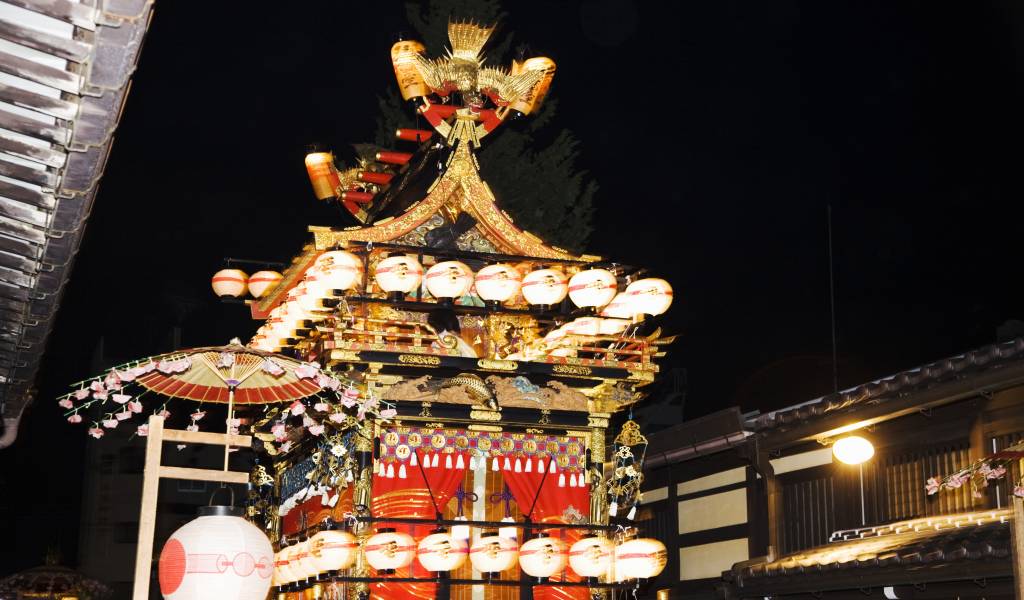
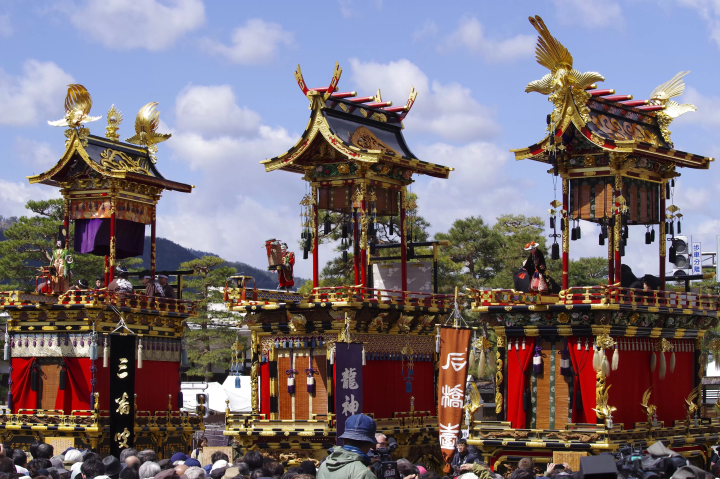
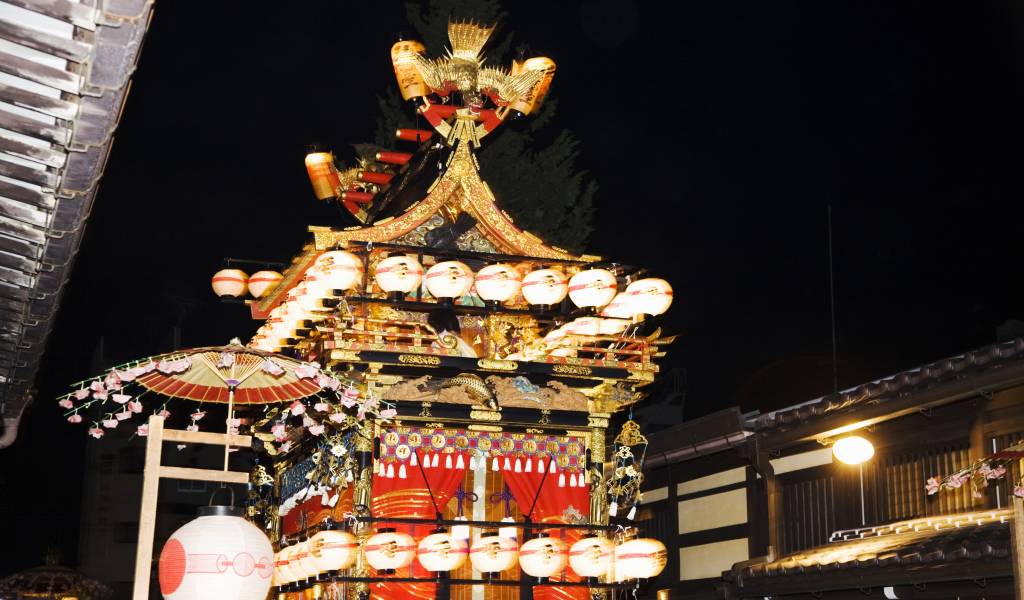
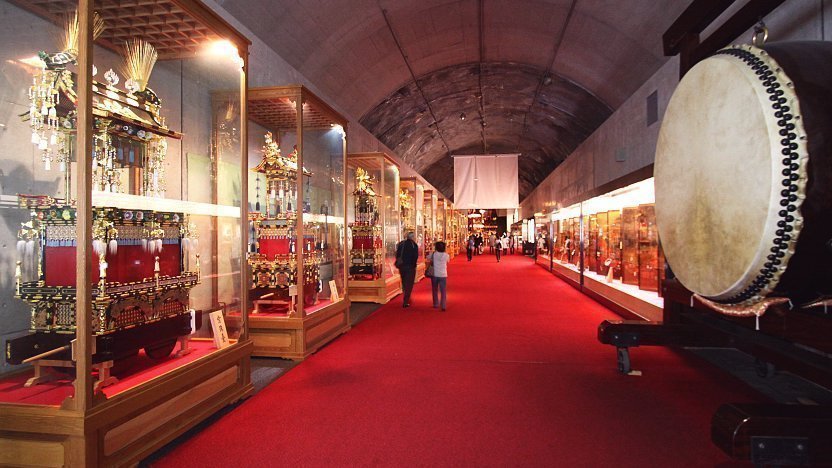
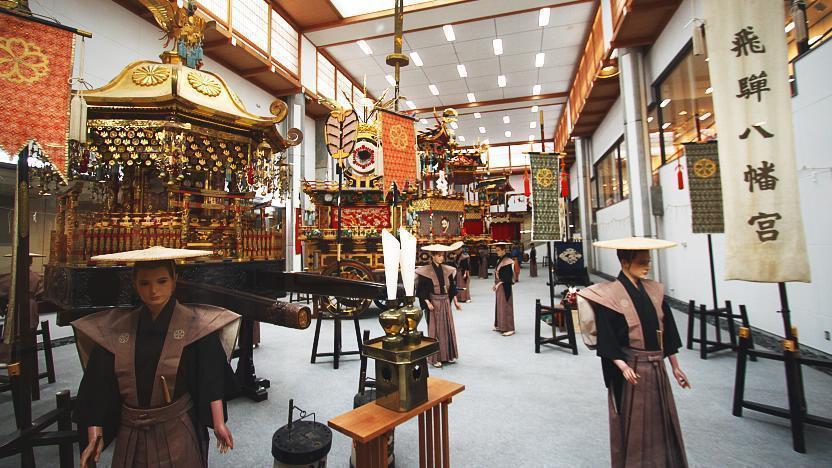
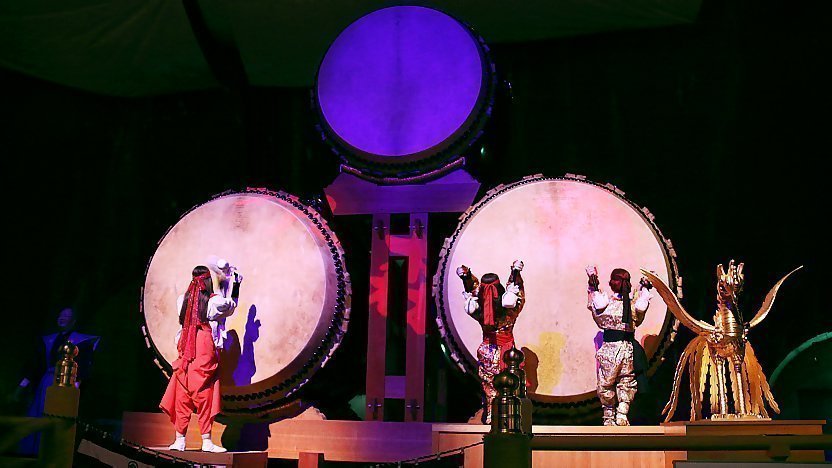
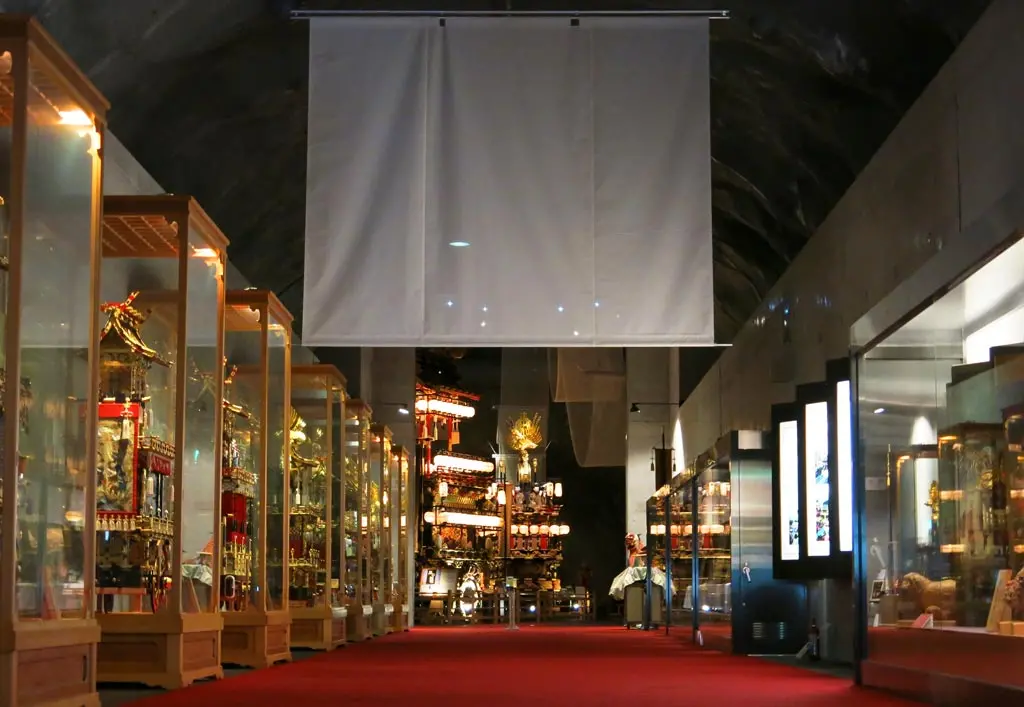
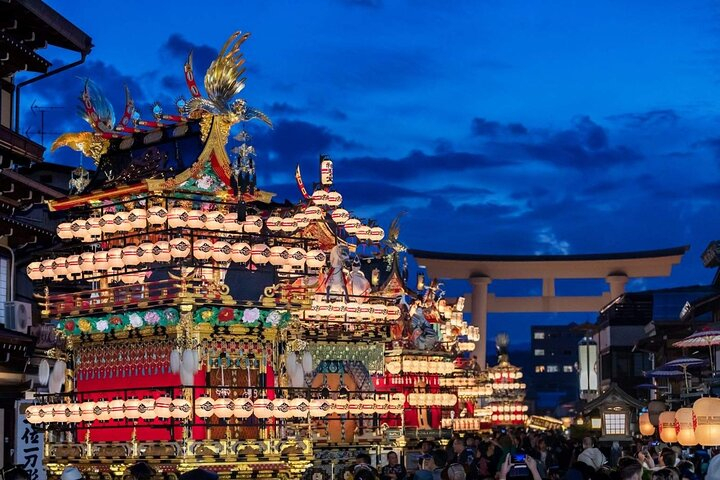
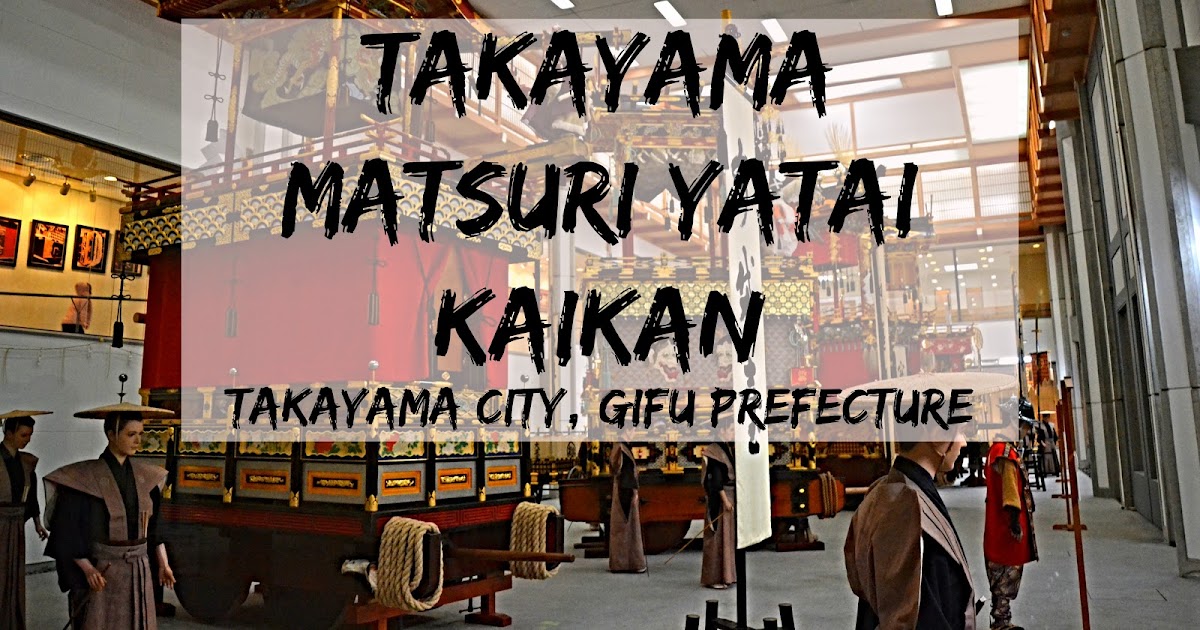
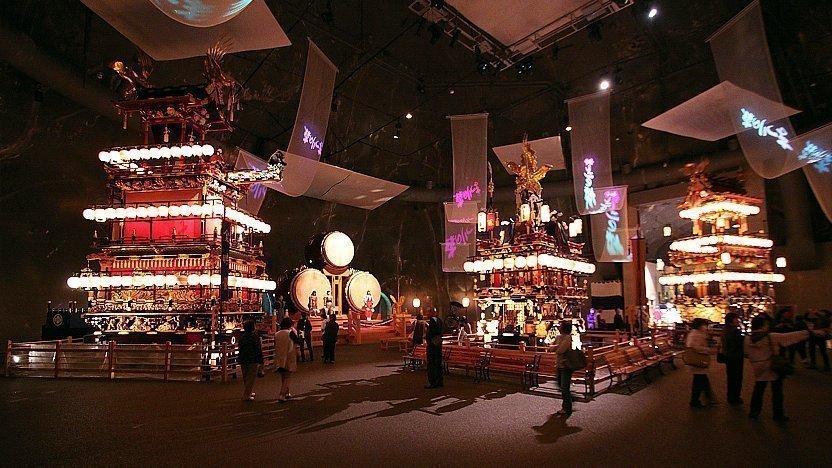
Four of the eleven elaborate festival floats are displayed year-round in rotation. Intricate karakuri (mechanical puppet) demonstrations. UNESCO Intangible Cultural Heritage.

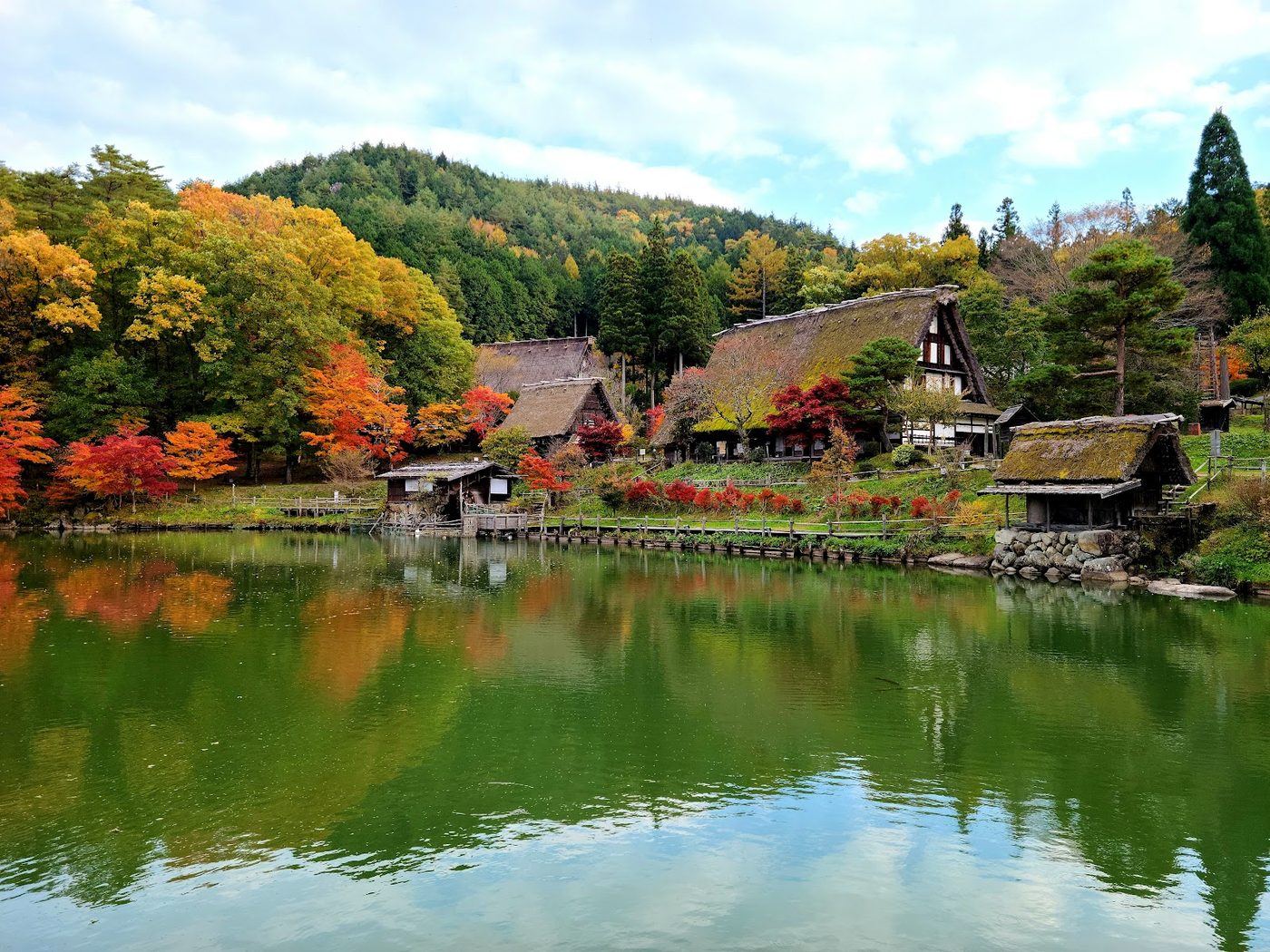
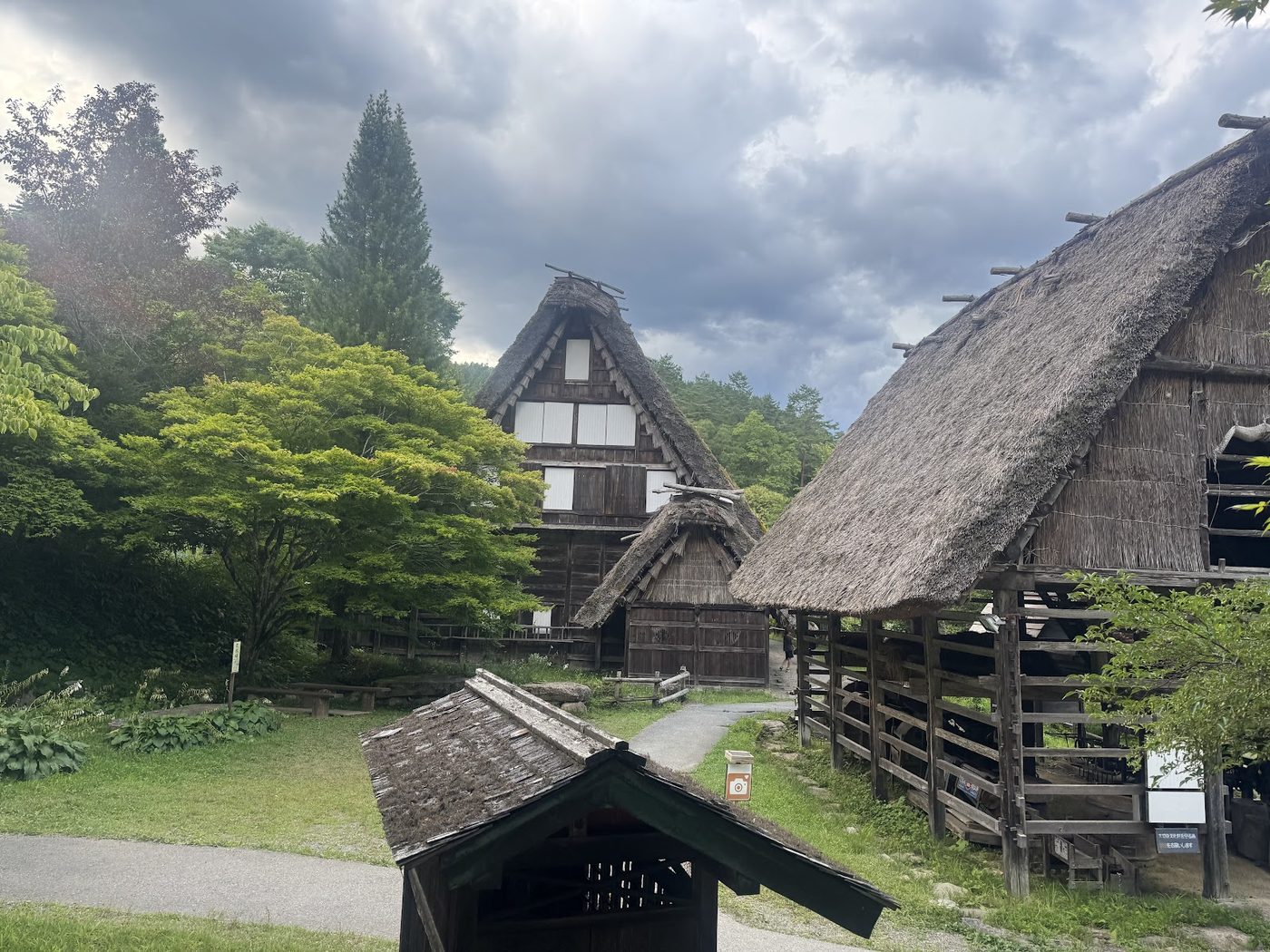
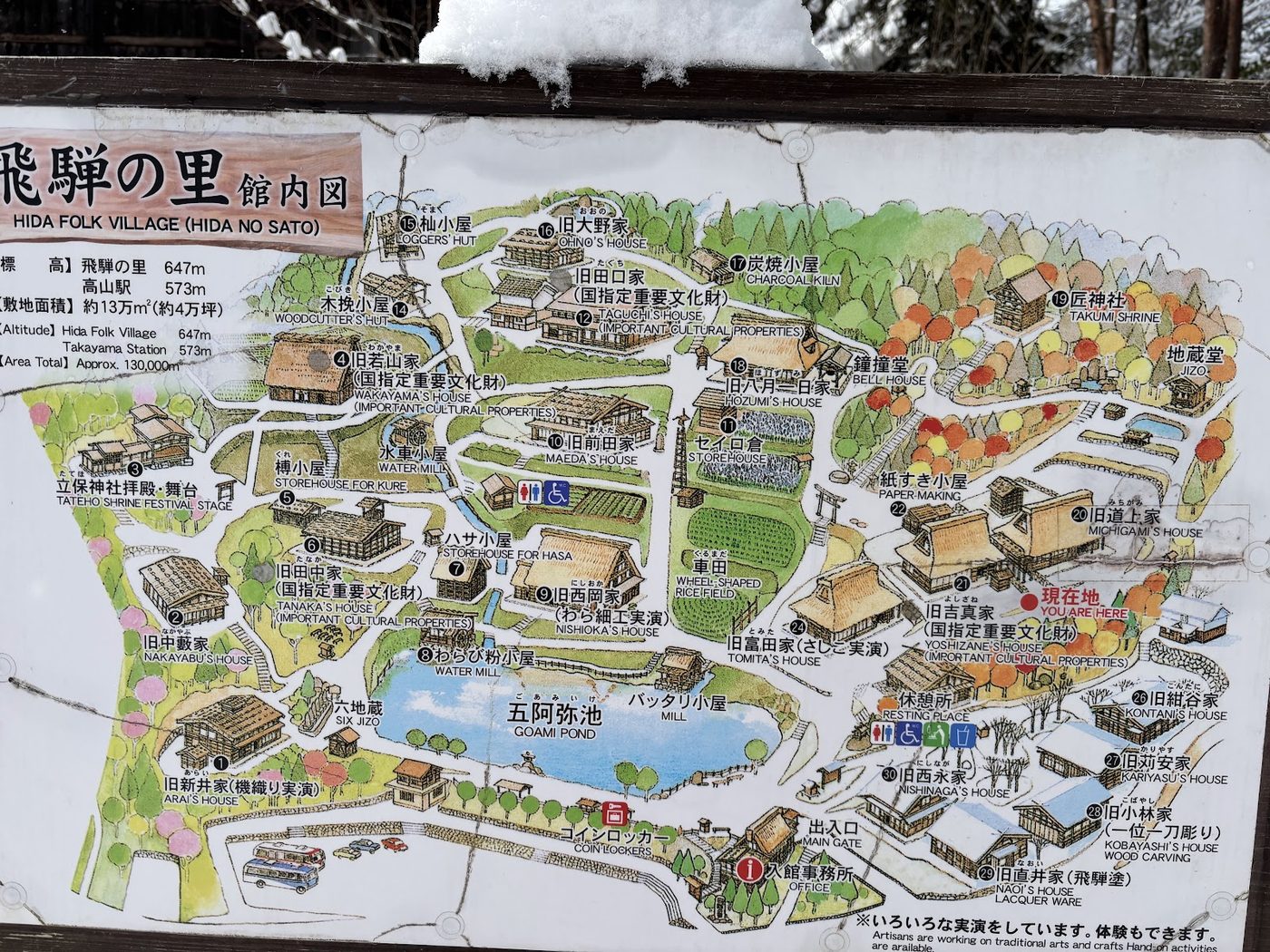
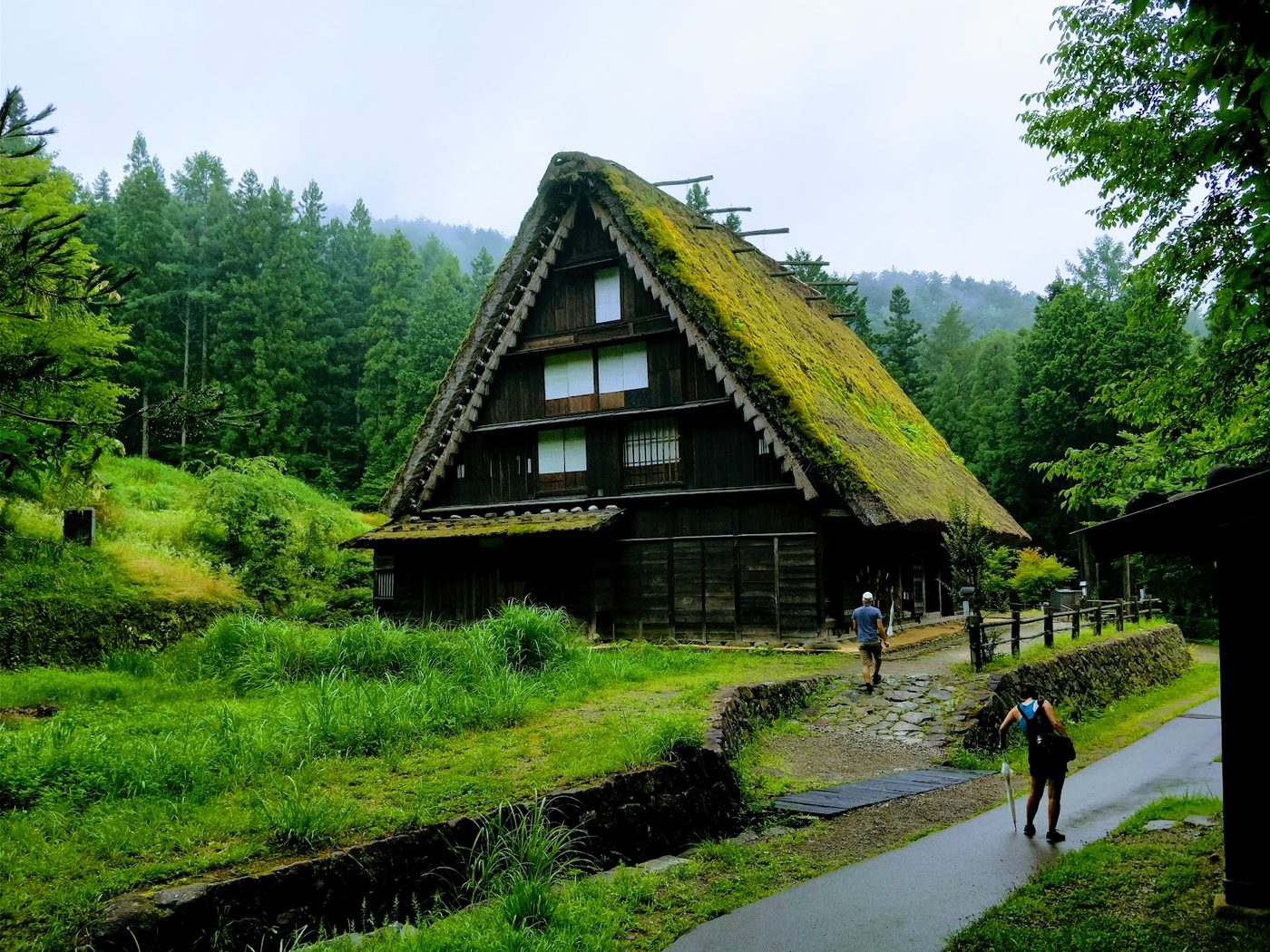
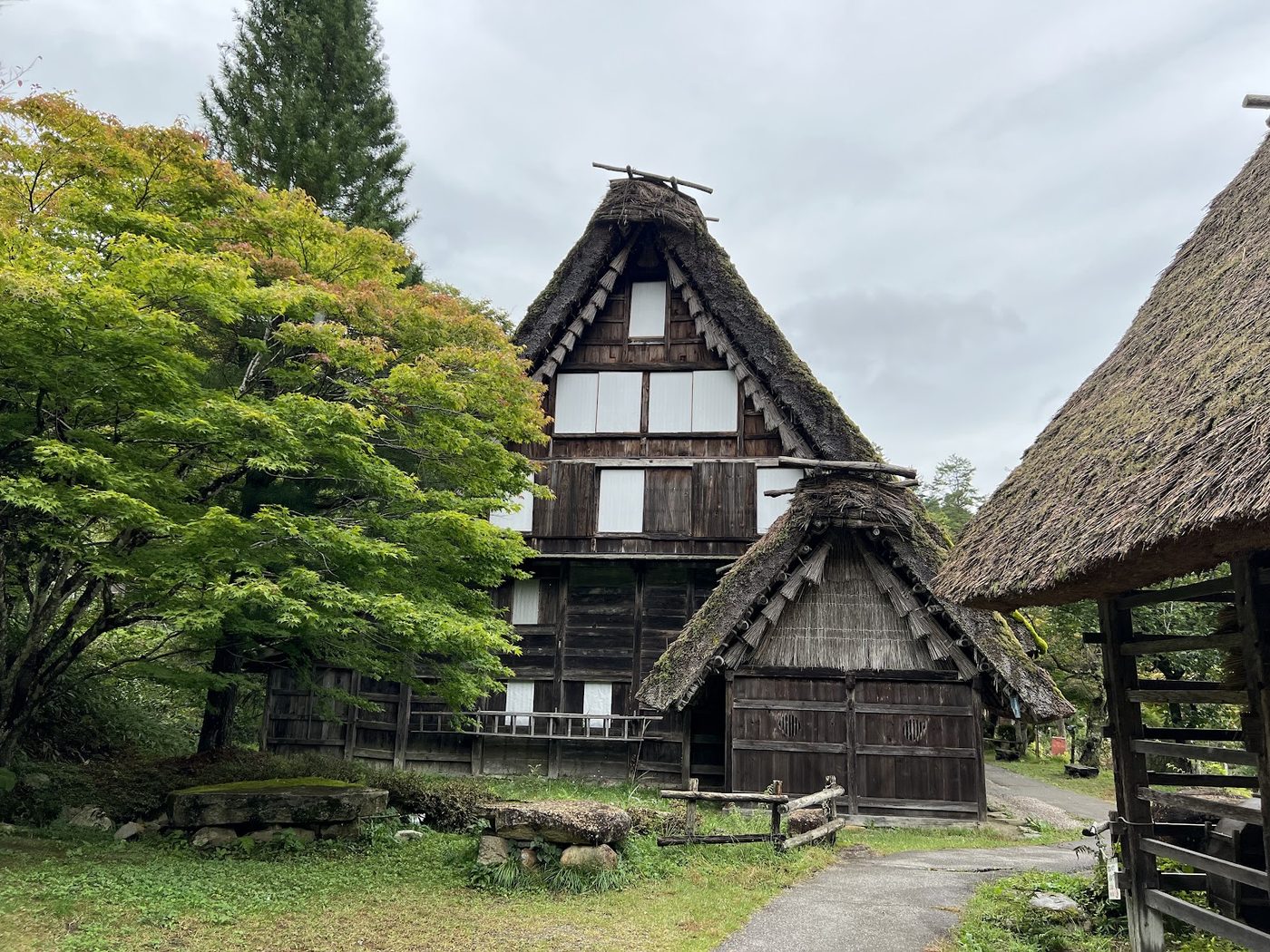
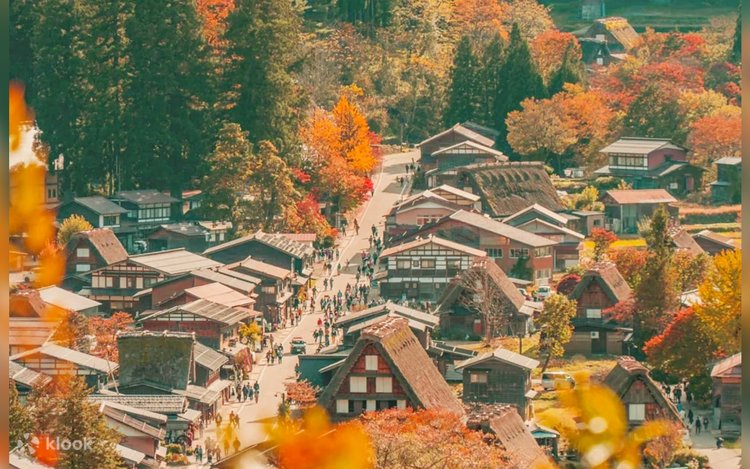
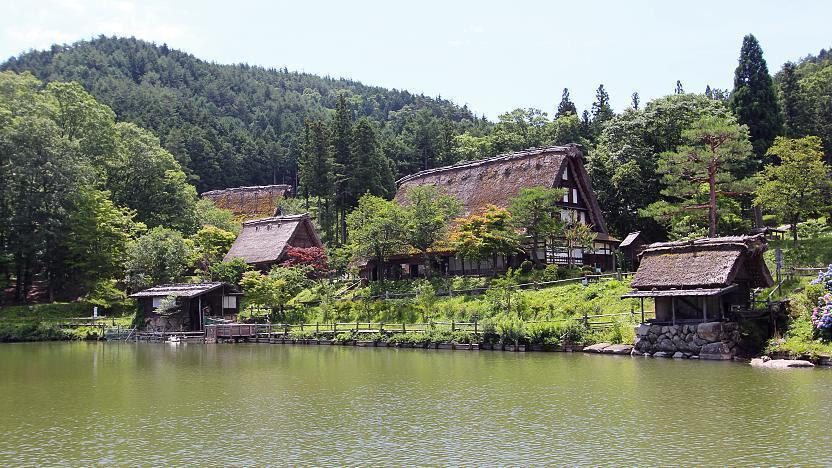
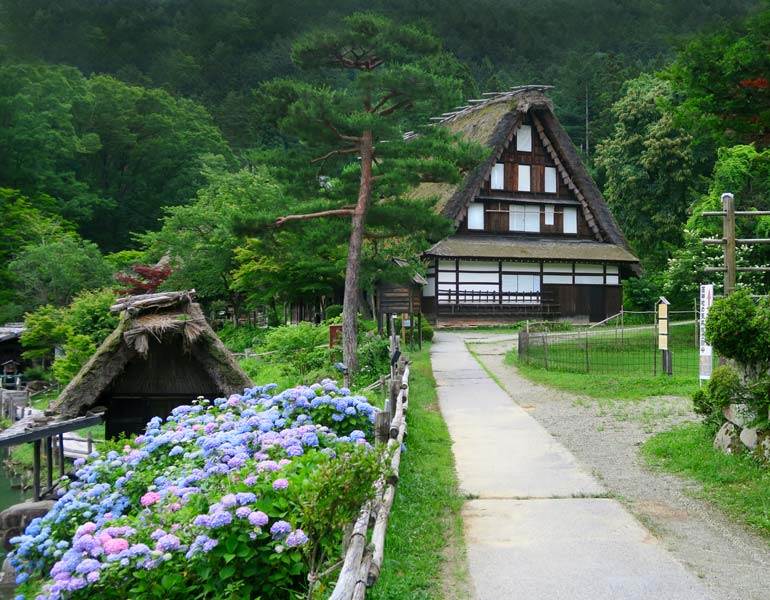
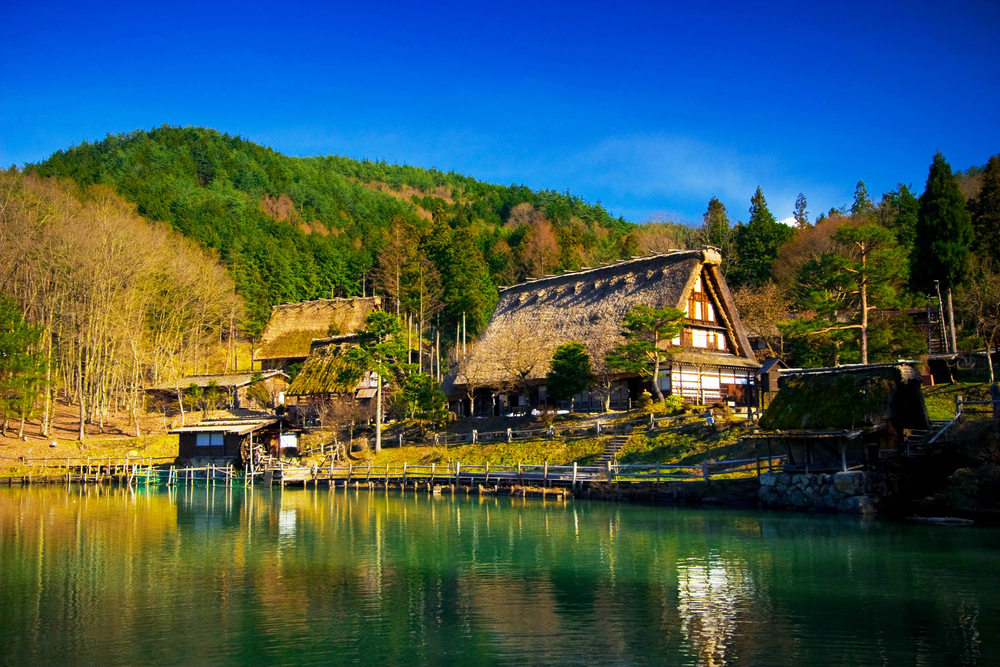
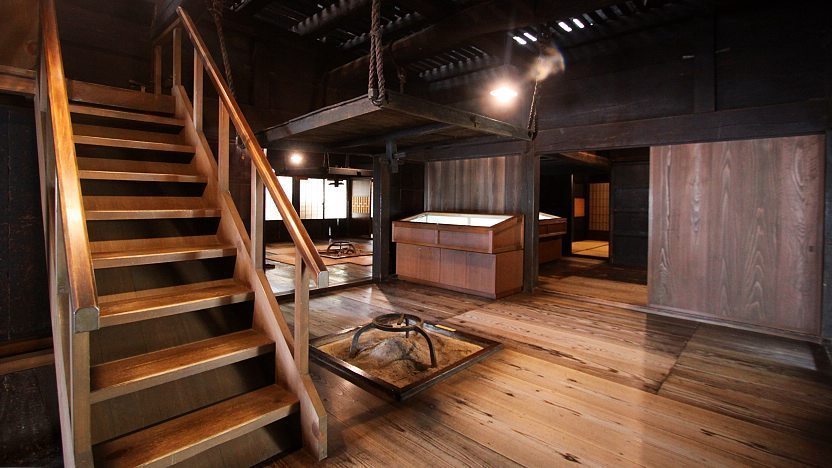
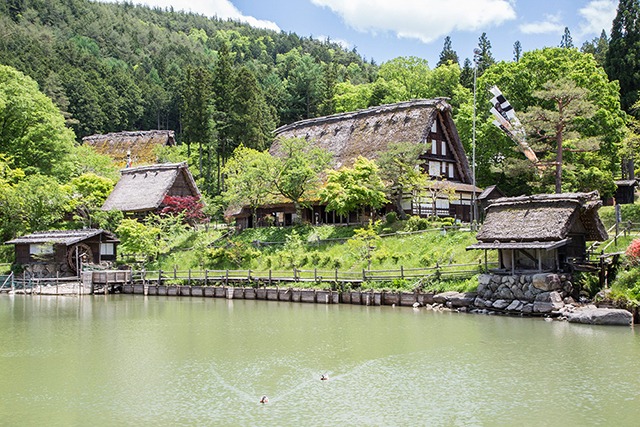
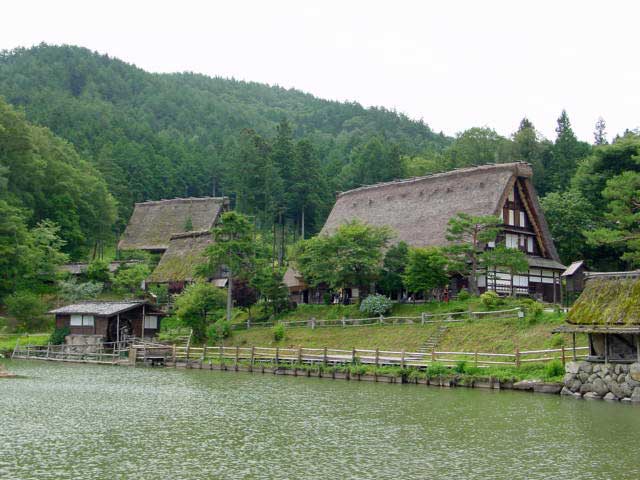
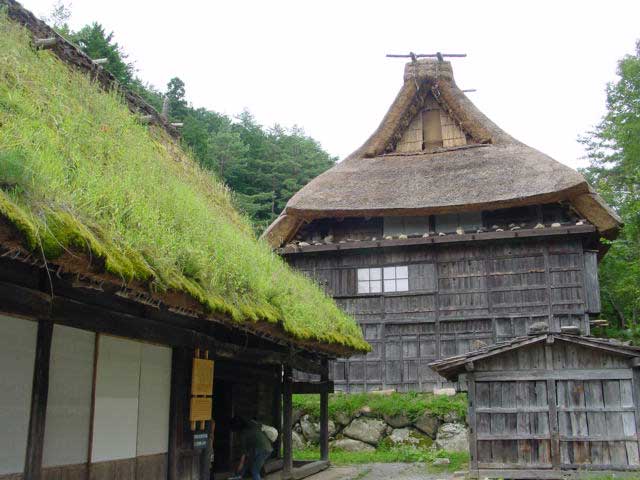
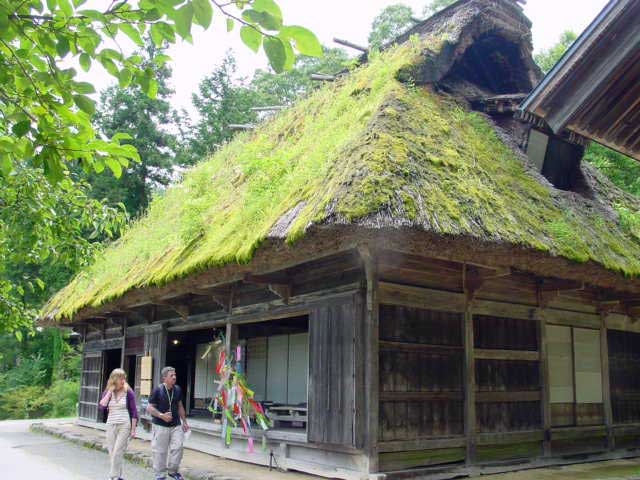
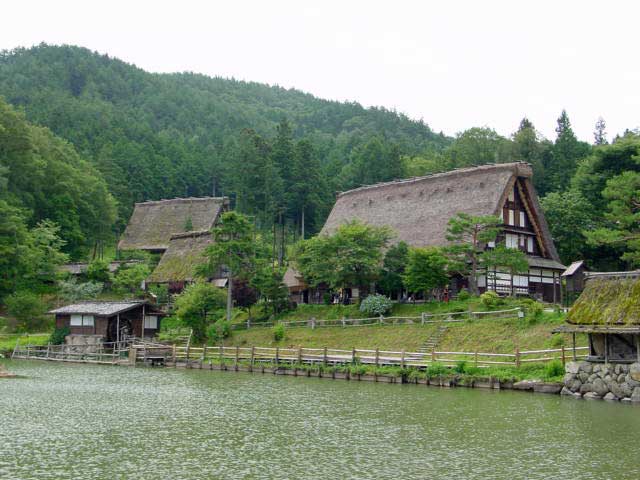
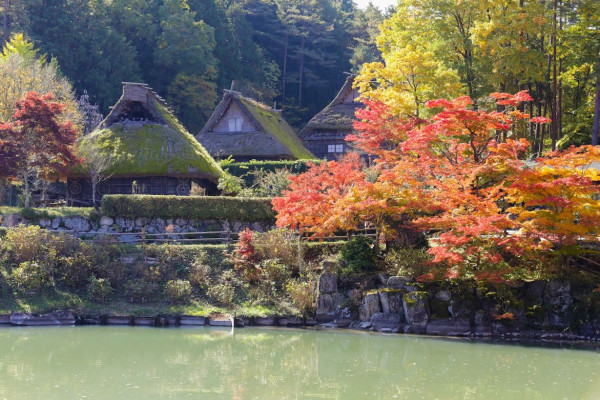
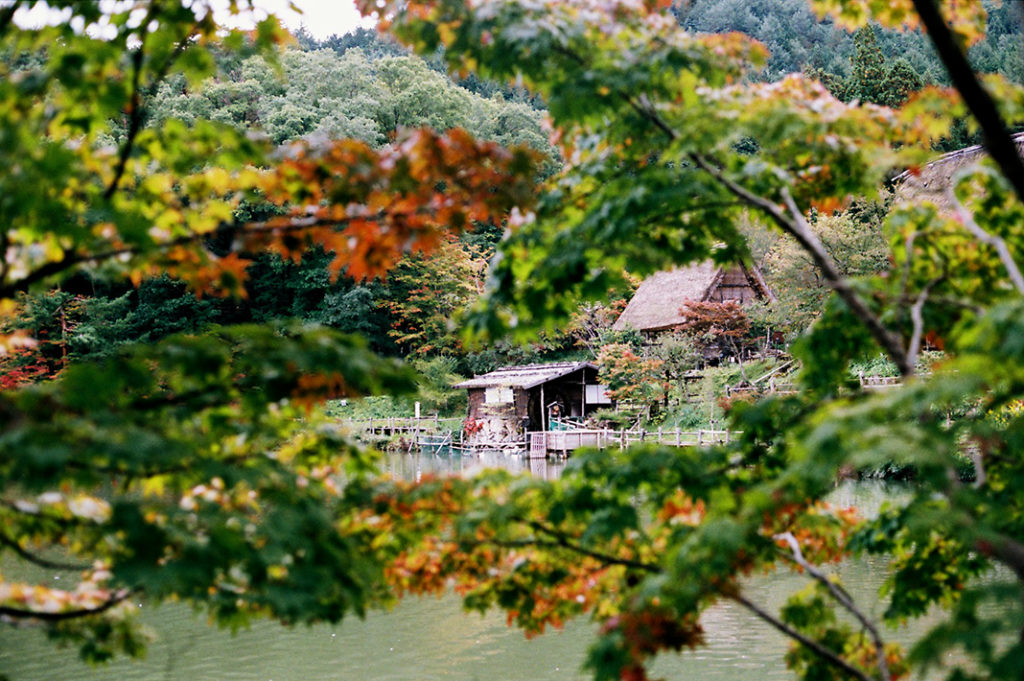
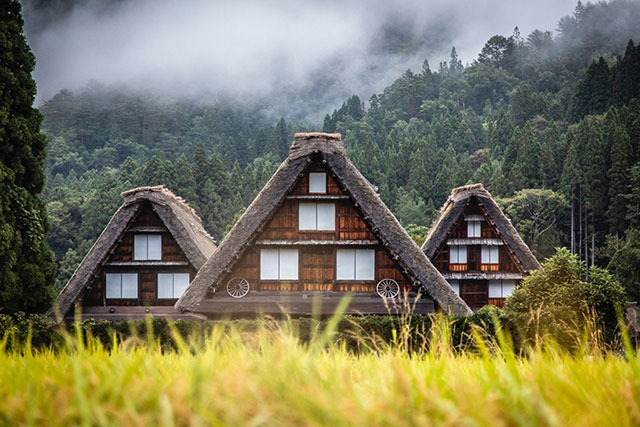
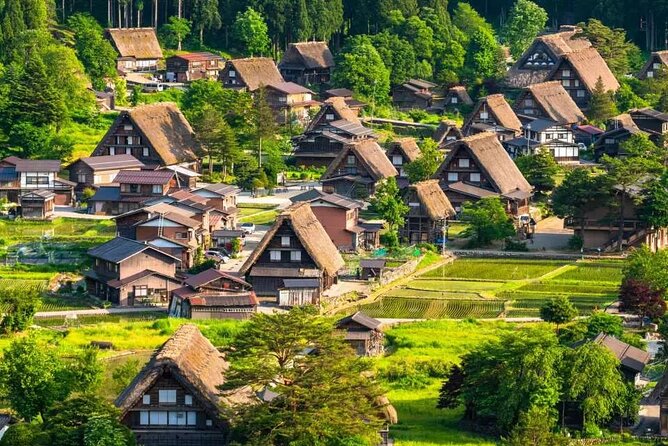
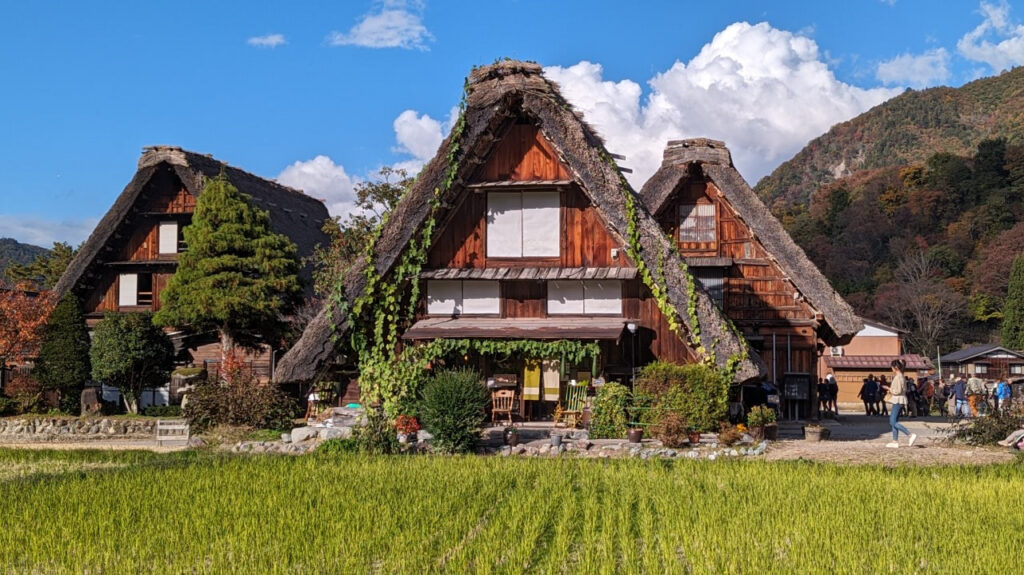
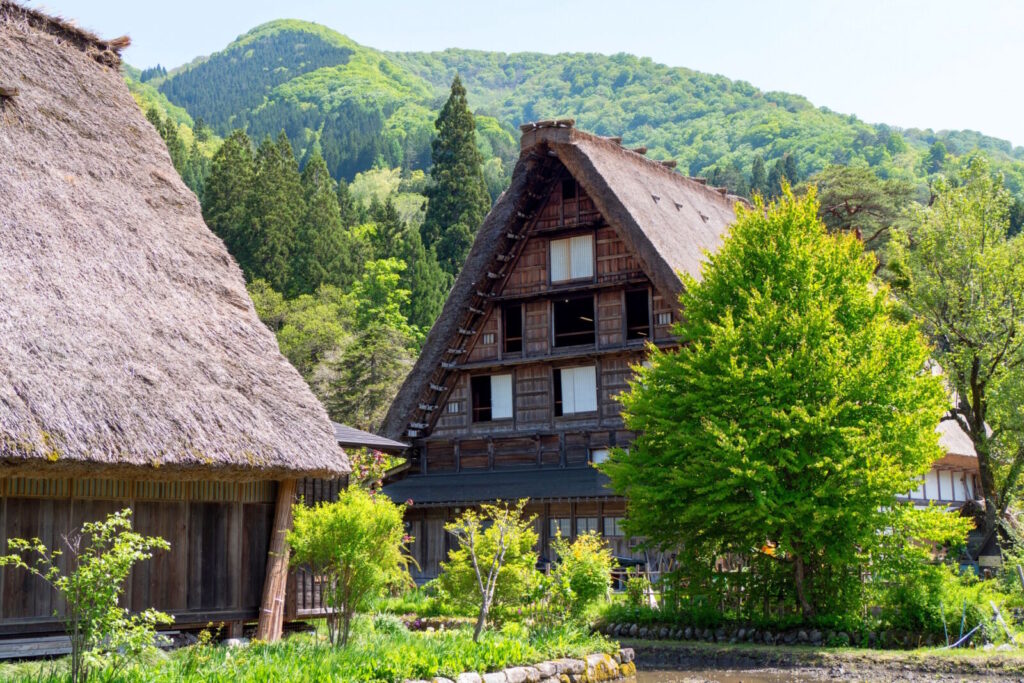
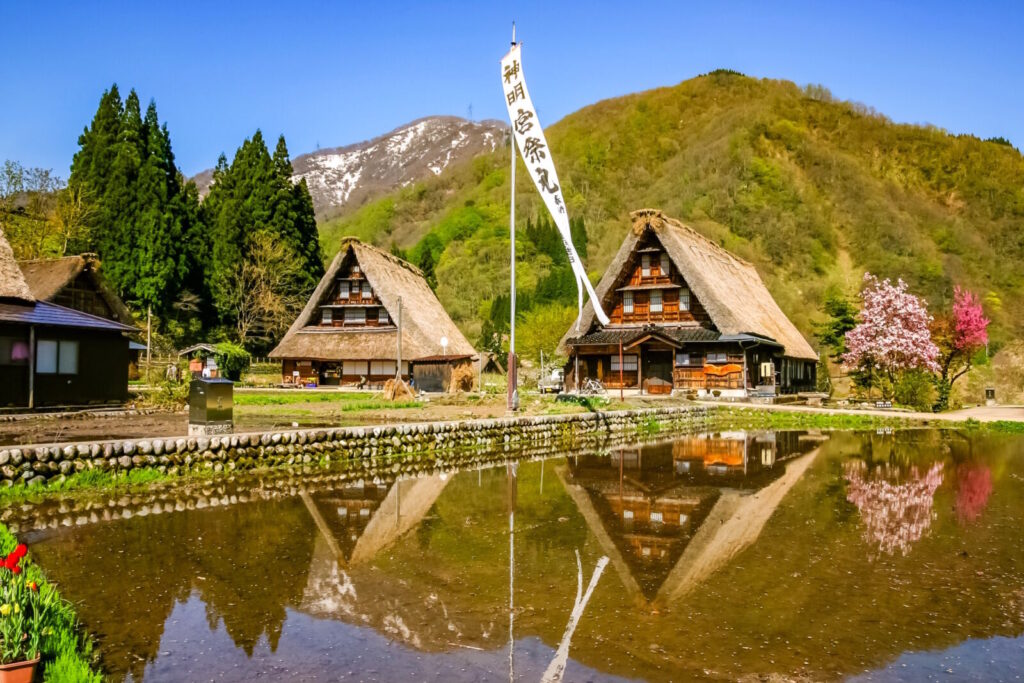
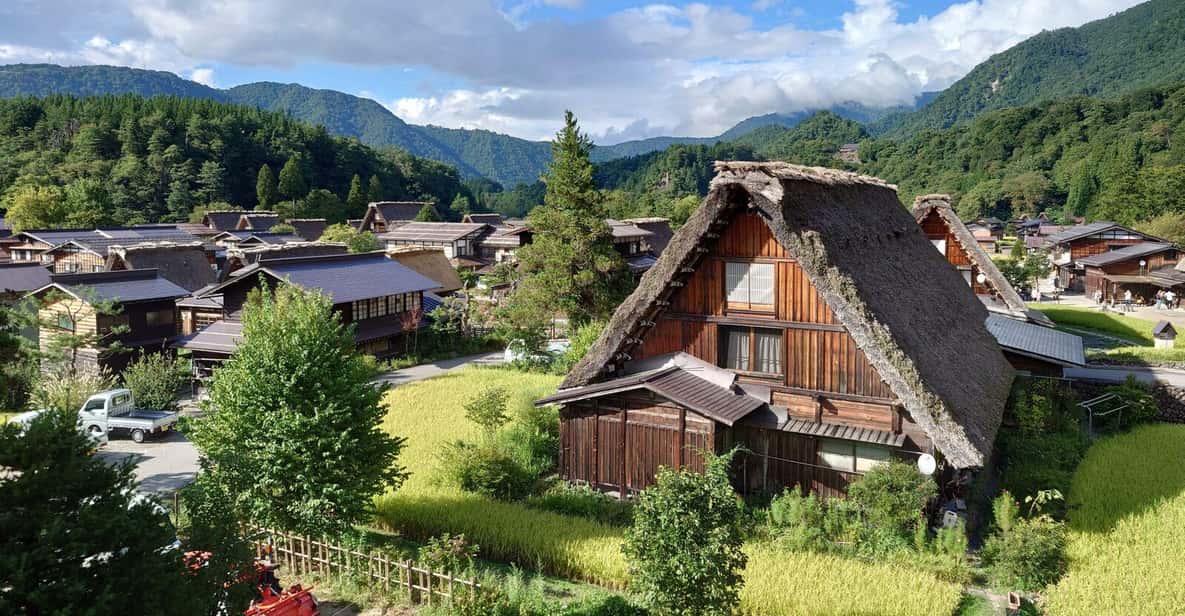
Open-air museum with 30+ traditional thatched-roof farmhouses from the Hida region. Some are 500+ years old. Craft workshops for woodworking, weaving, and lacquerwork inside.

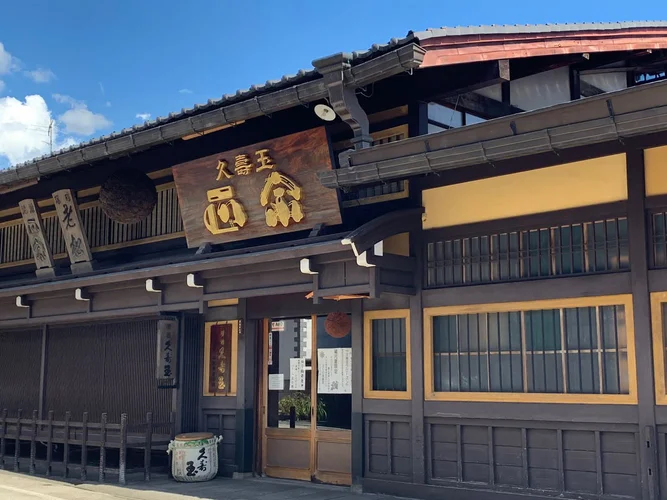
Seven sake breweries in the old town district, identifiable by hanging sugidama (cedar balls). Most offer free tastings. Harada, Funasaka, and Kawashiri are the most popular.

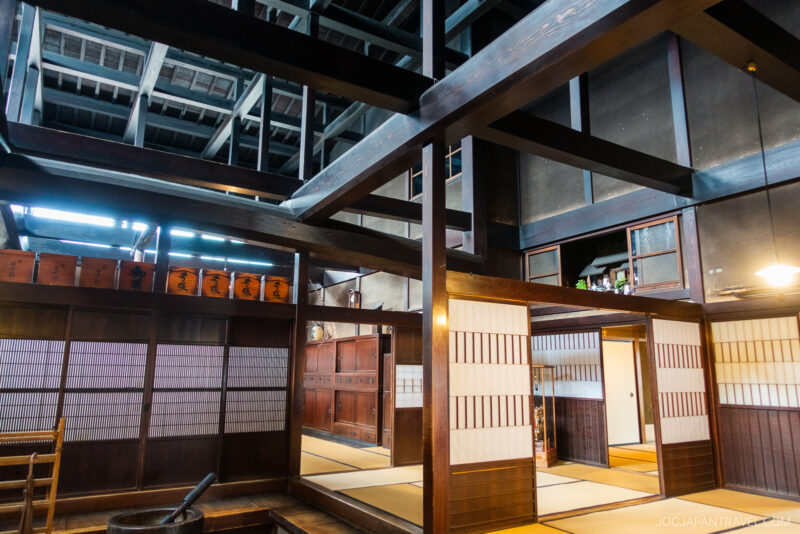
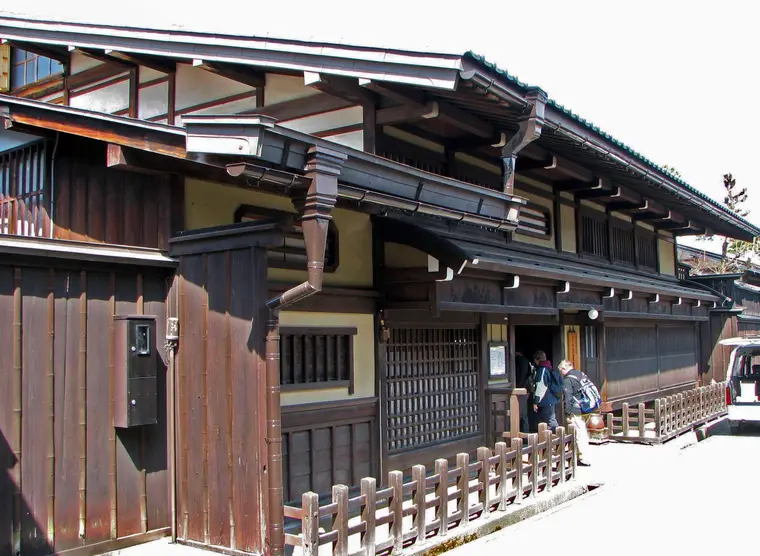
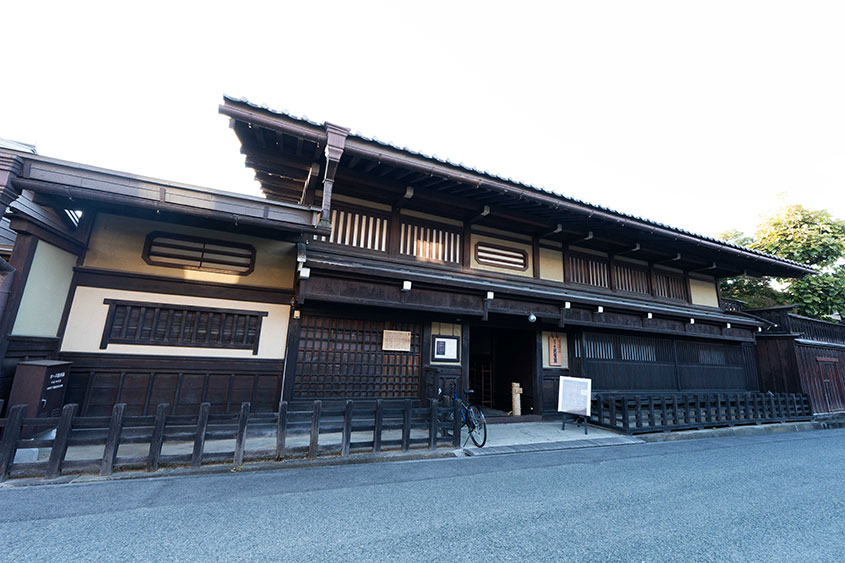
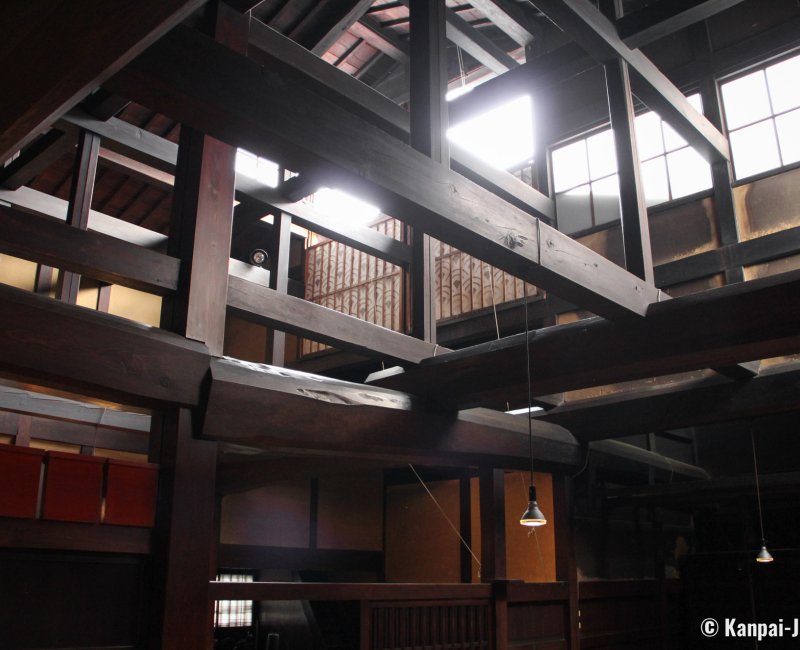
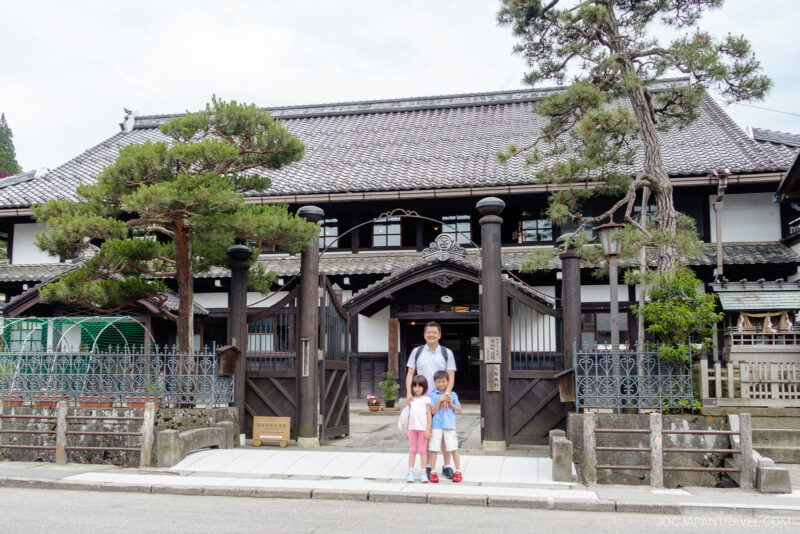
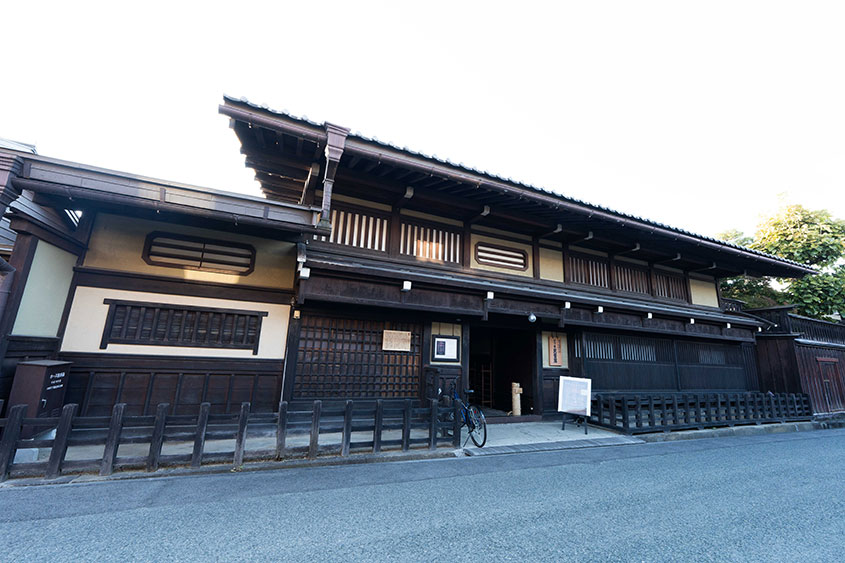
Beautifully preserved merchant house from 1879 showcasing the wealth of Takayama's trading families. Massive roof beams, lacquerware, and artwork. Remarkable traditional architecture.

Adjacent to Kusakabe, this merchant house is a National Important Cultural Property. The interior lattice work and open hearth design show sophisticated traditional engineering.
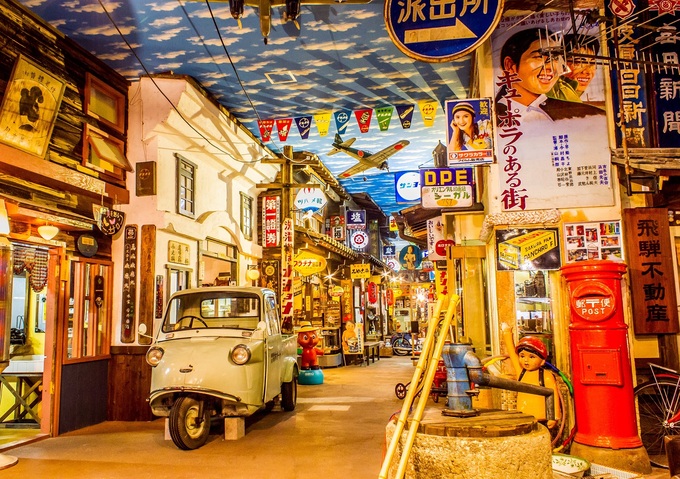
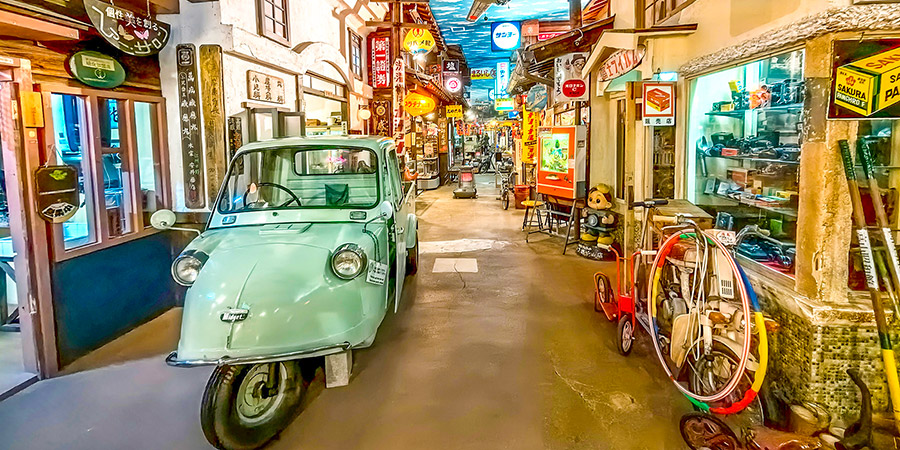
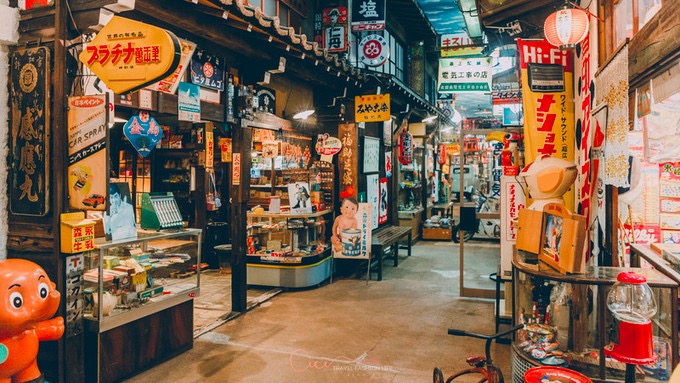
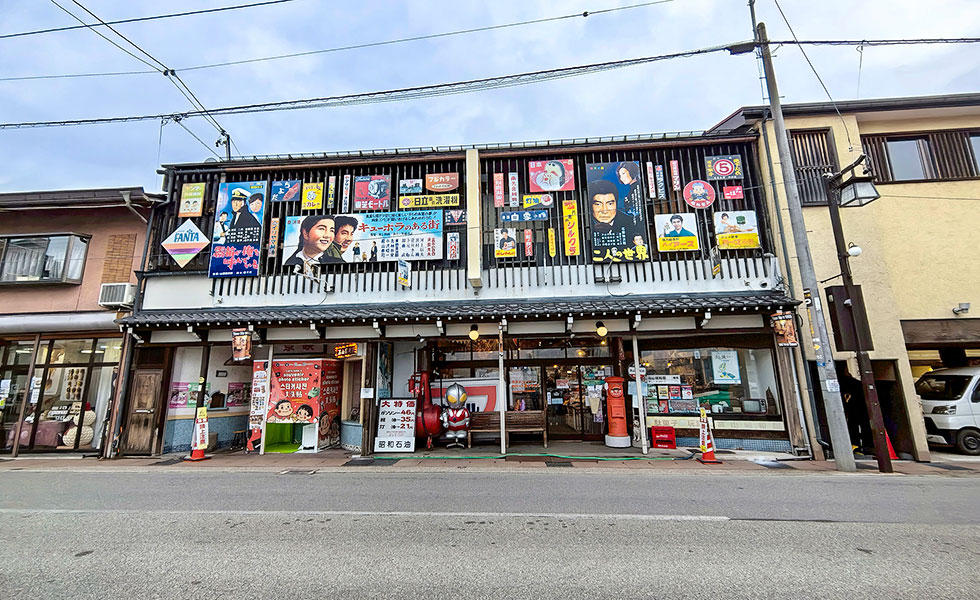
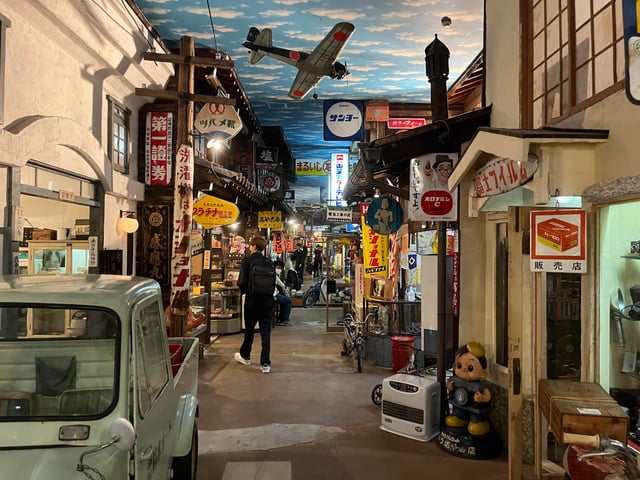
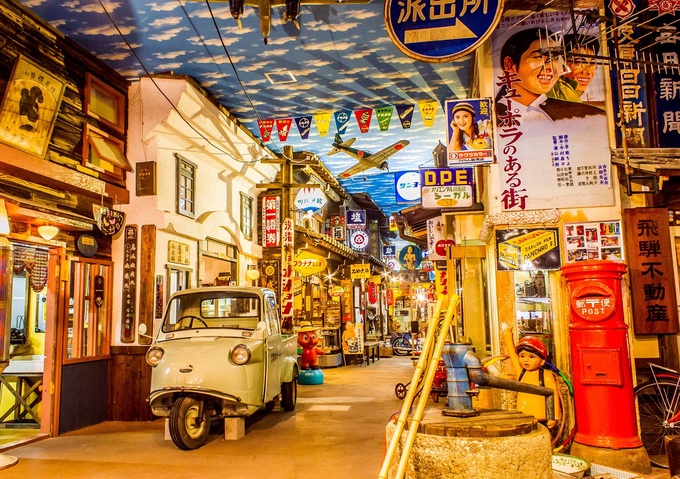
Nostalgic recreation of 1950s-60s Japan. Packed with vintage toys, movie posters, and retro household items. A time capsule of post-war Japanese daily life. Fun and charming.

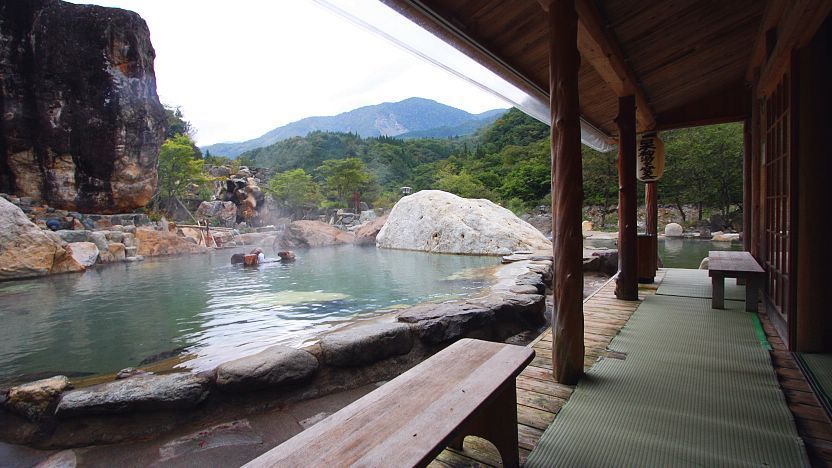
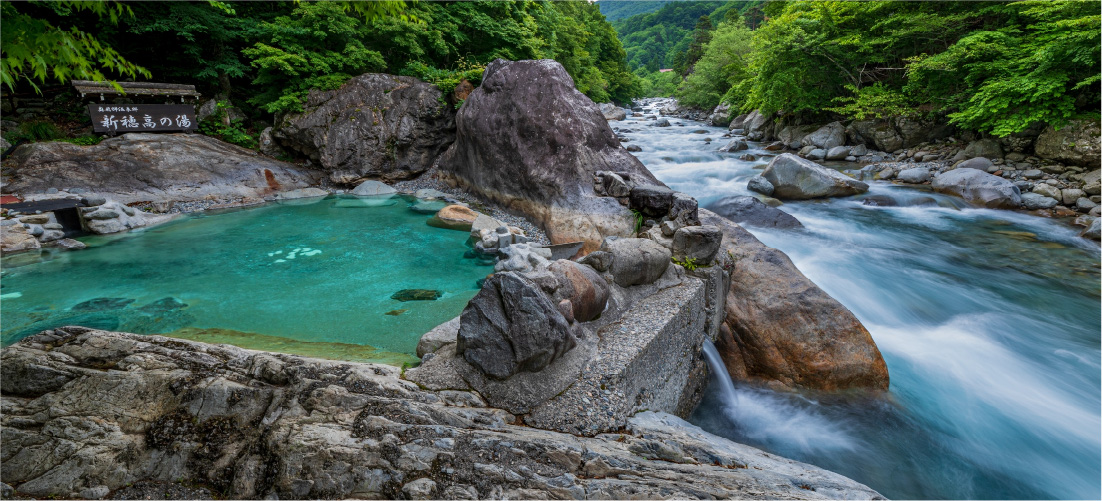
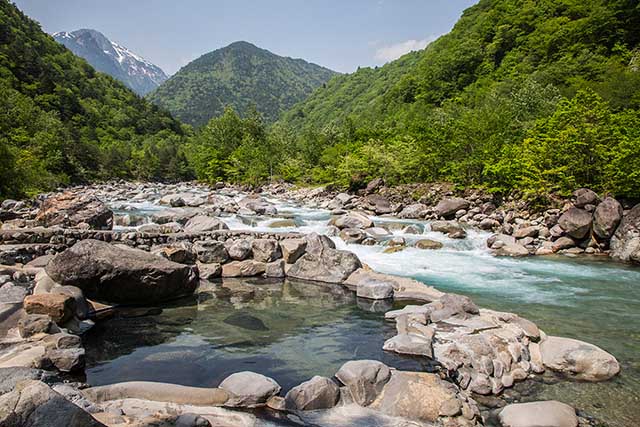
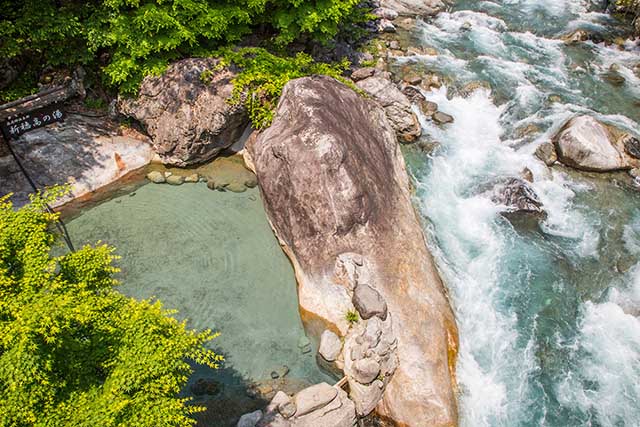
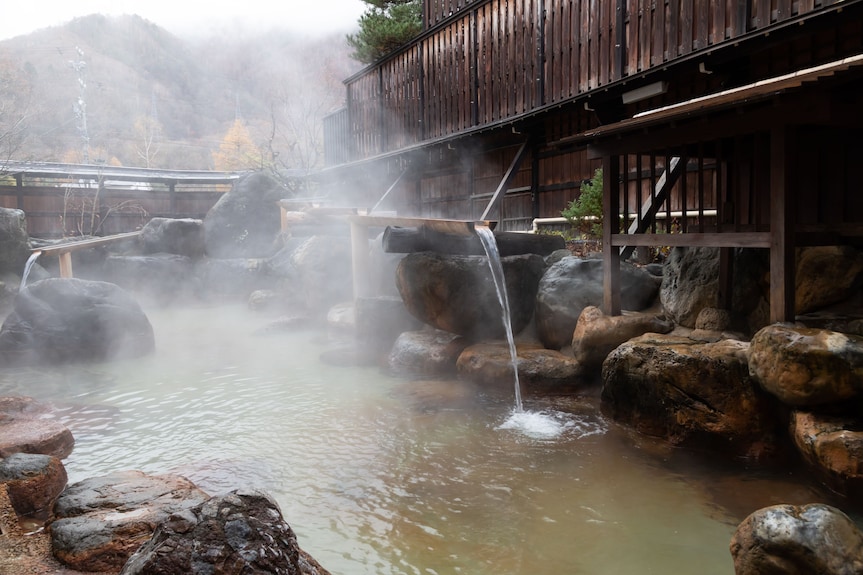
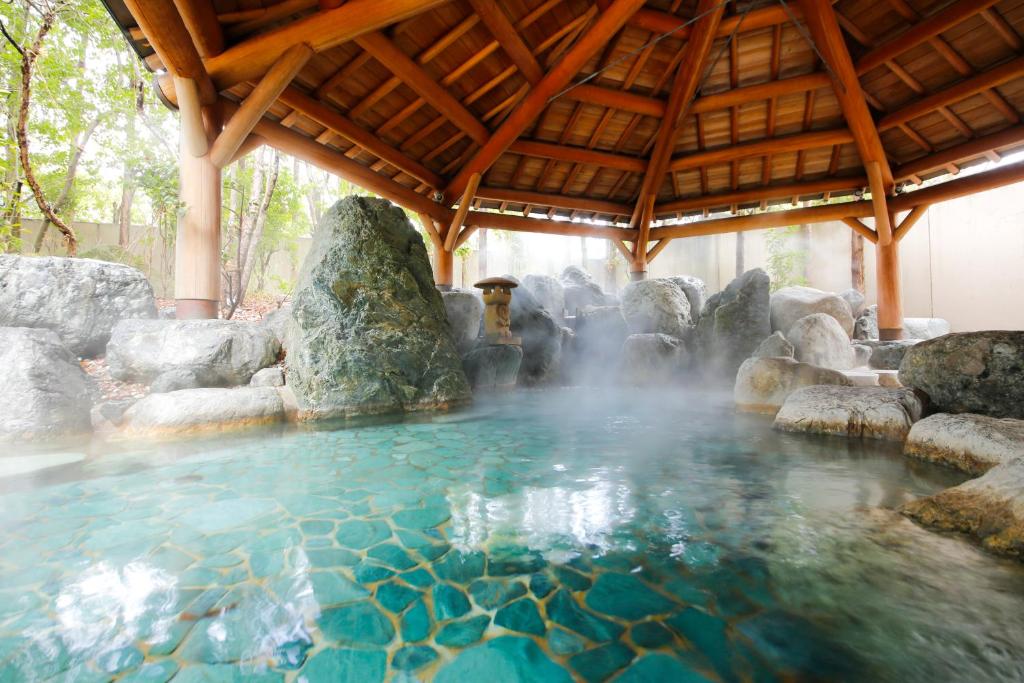
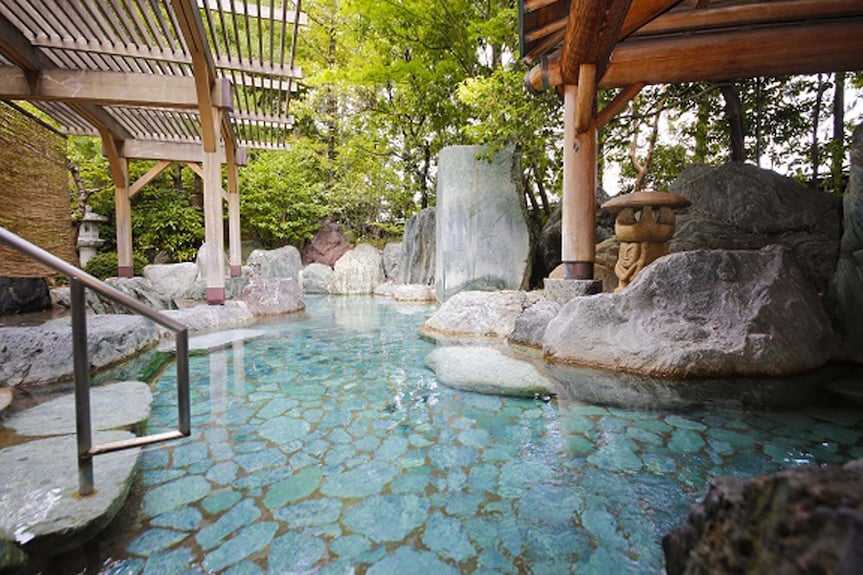
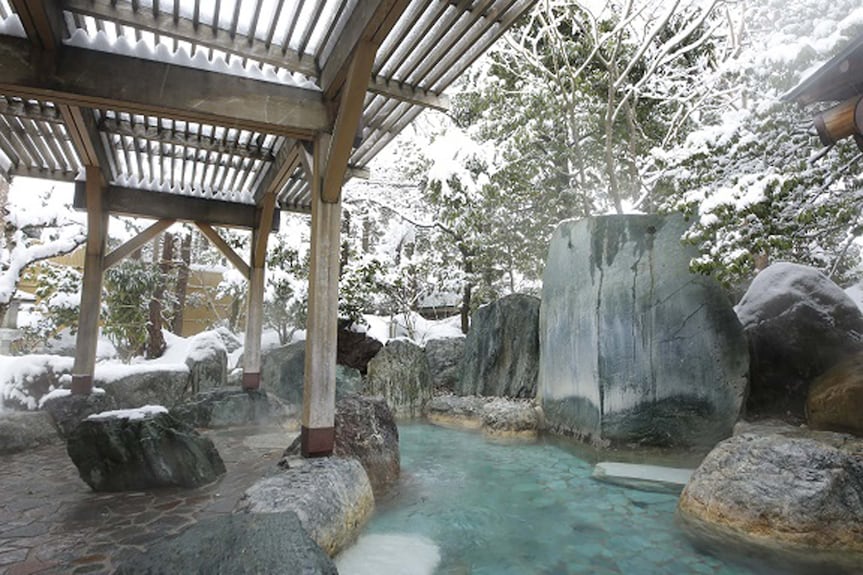
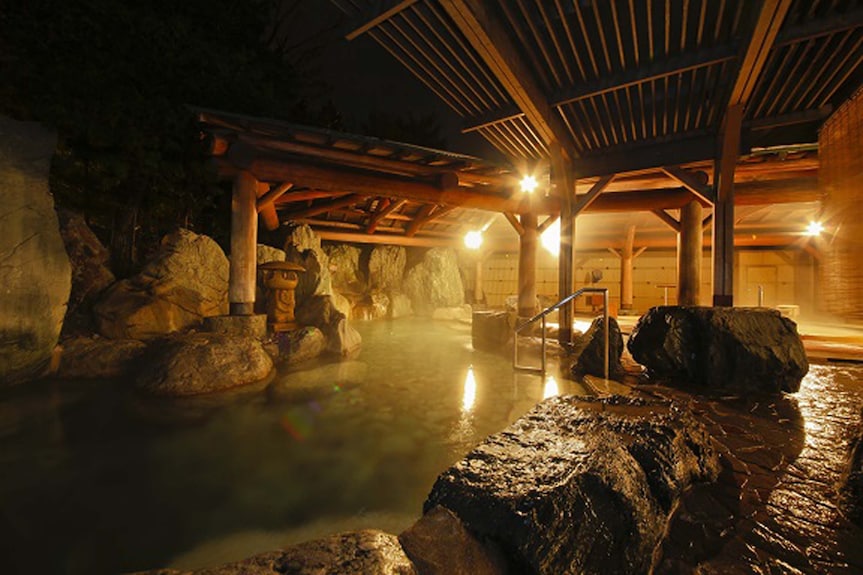
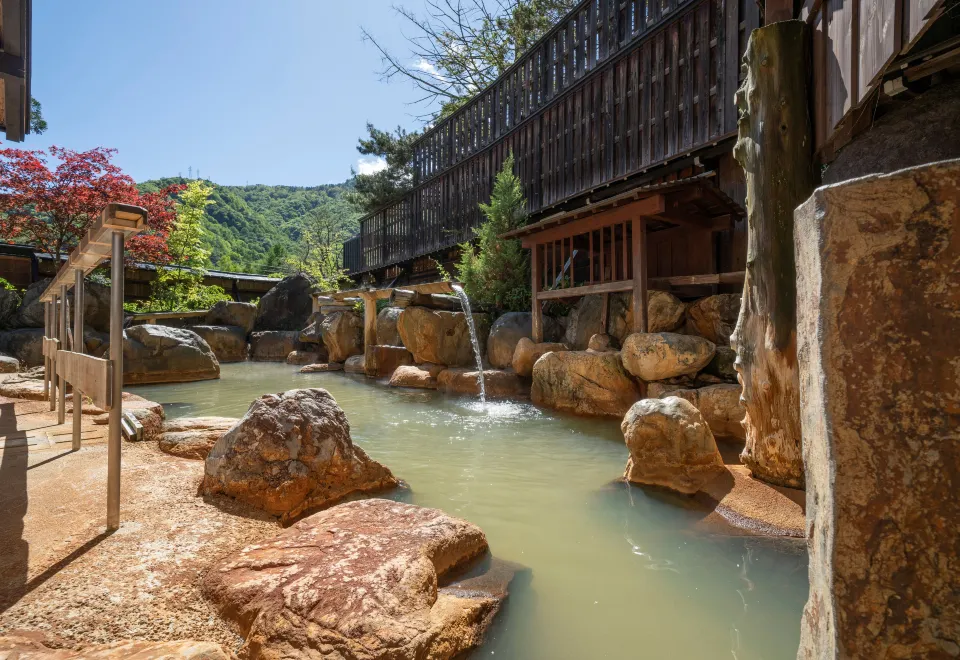
Cluster of five hot spring villages deep in the Northern Alps. Hundreds of open-air baths surrounded by mountain scenery. Hirayu Onsen is the most accessible. 70 min from Takayama.
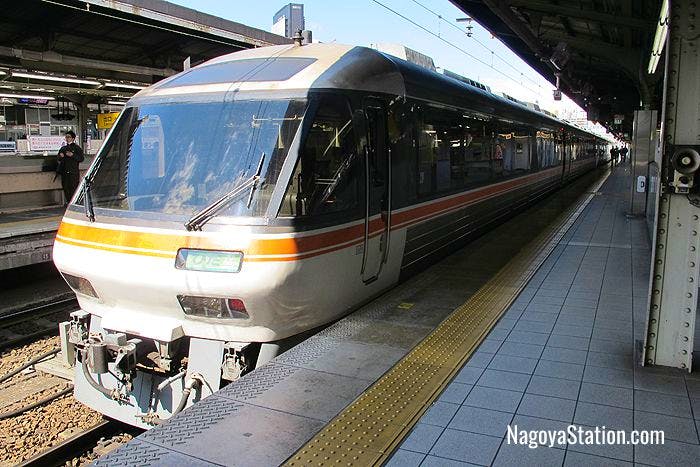
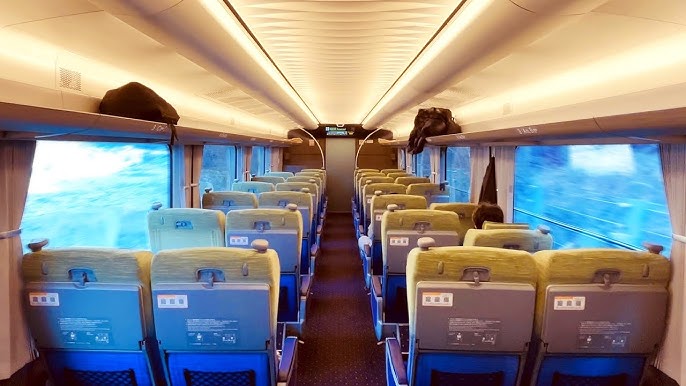
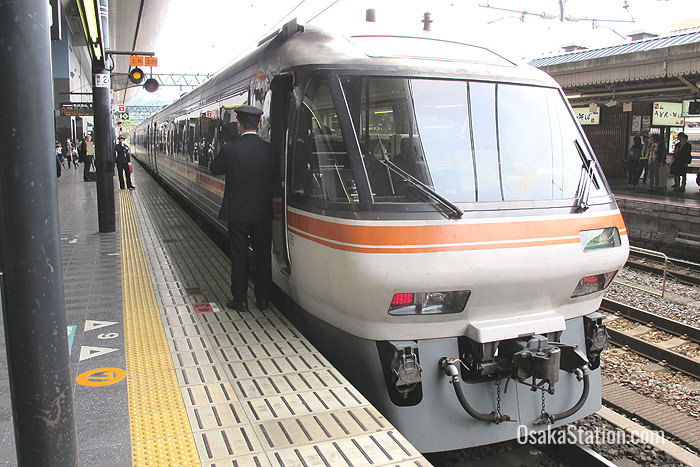
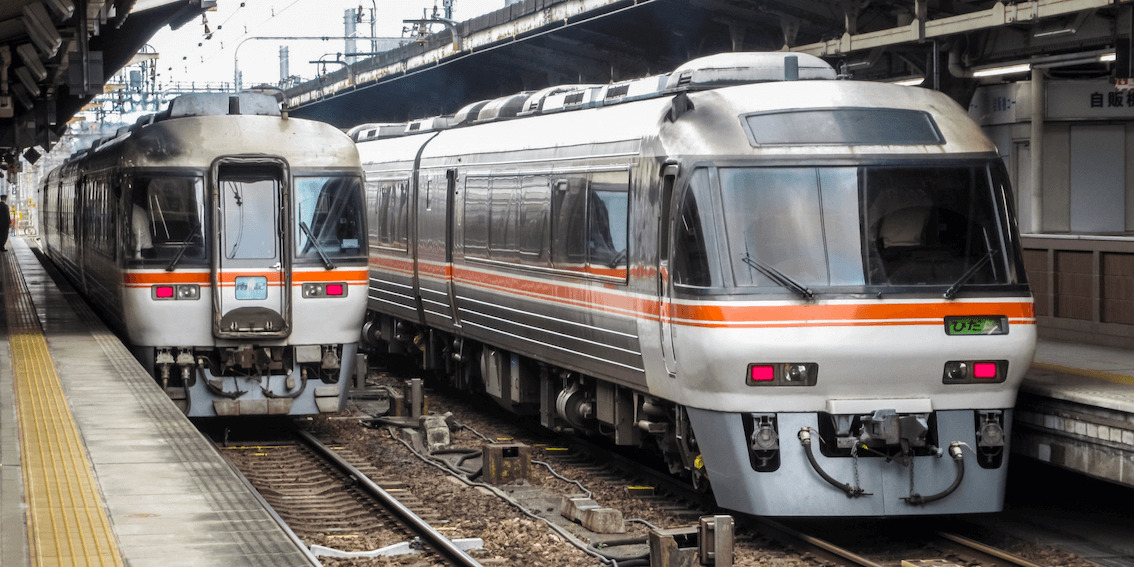
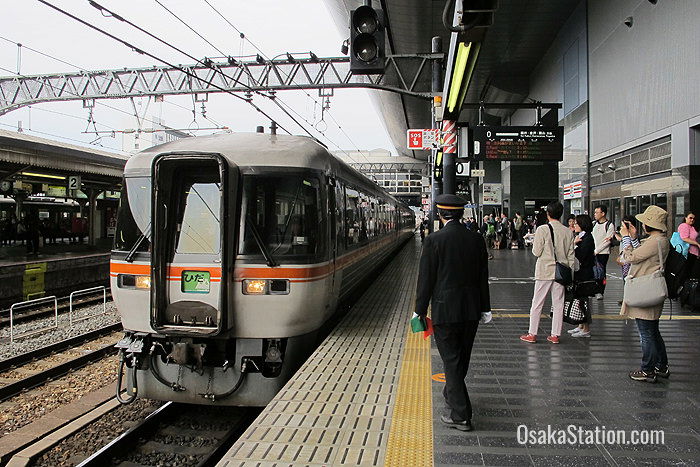
The scenic Hida Limited Express train between Takayama and Nagoya runs through the dramatic Hida River gorge. Mountain tunnels and valley views. One of Japan's most scenic rail journeys.

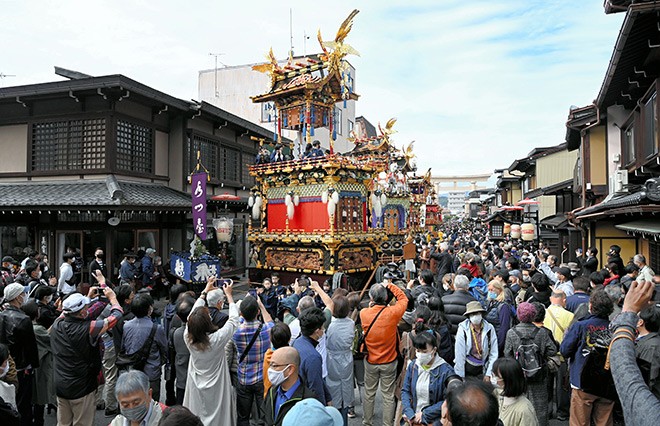
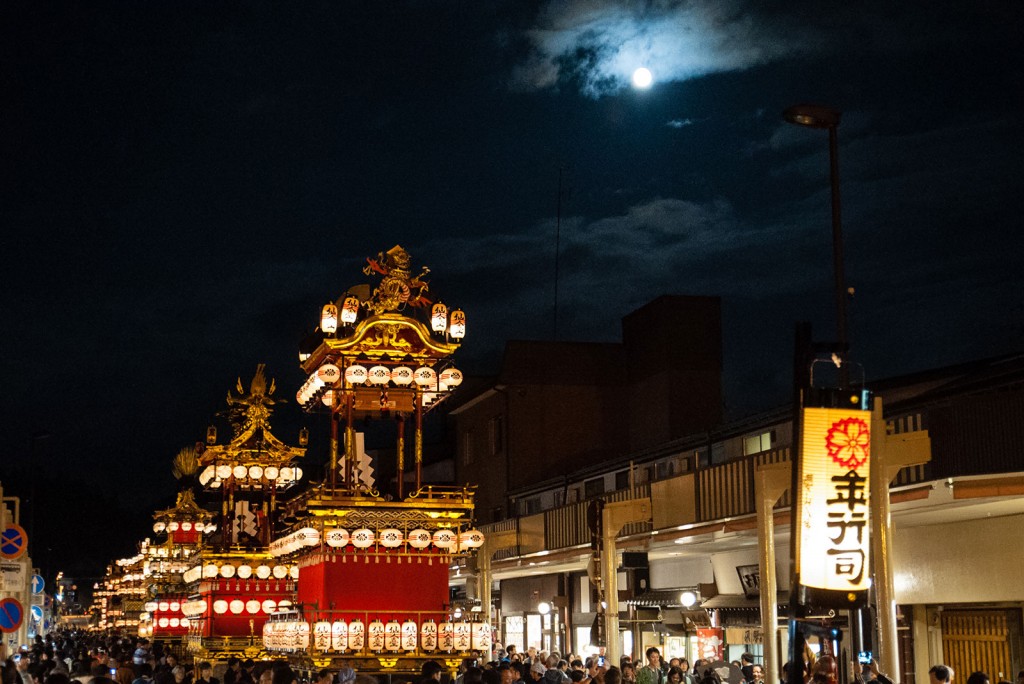
One of Japan's most beautiful festivals (Oct 9-10). Elaborate yatai floats with mechanical puppets paraded through town. Evening illumination with hundreds of lanterns. UNESCO heritage.

Equally famous spring festival (Apr 14-15). Twelve intricately carved yatai floats. Karakuri mechanical puppet performances. Street food and sake flowing through the old town.

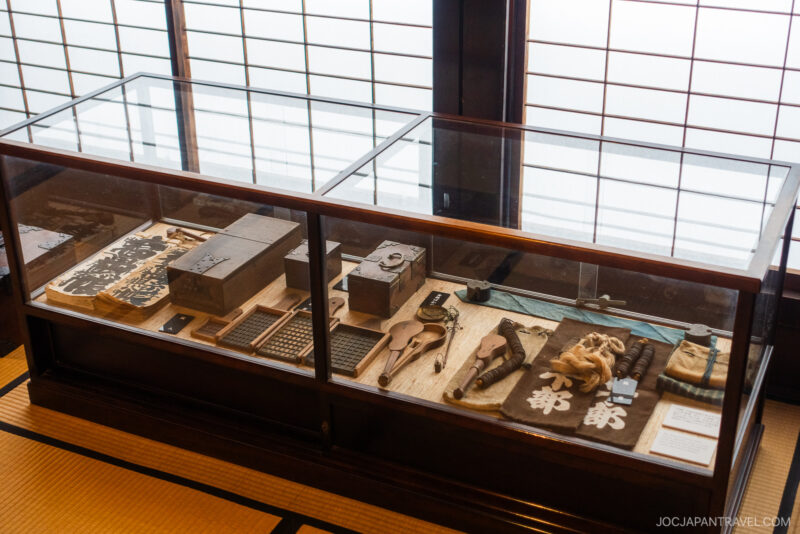
Free museum housed in a traditional storehouse. Chronicles the history of the Kanamori lords who built Takayama. Helpful for understanding the old town's significance.

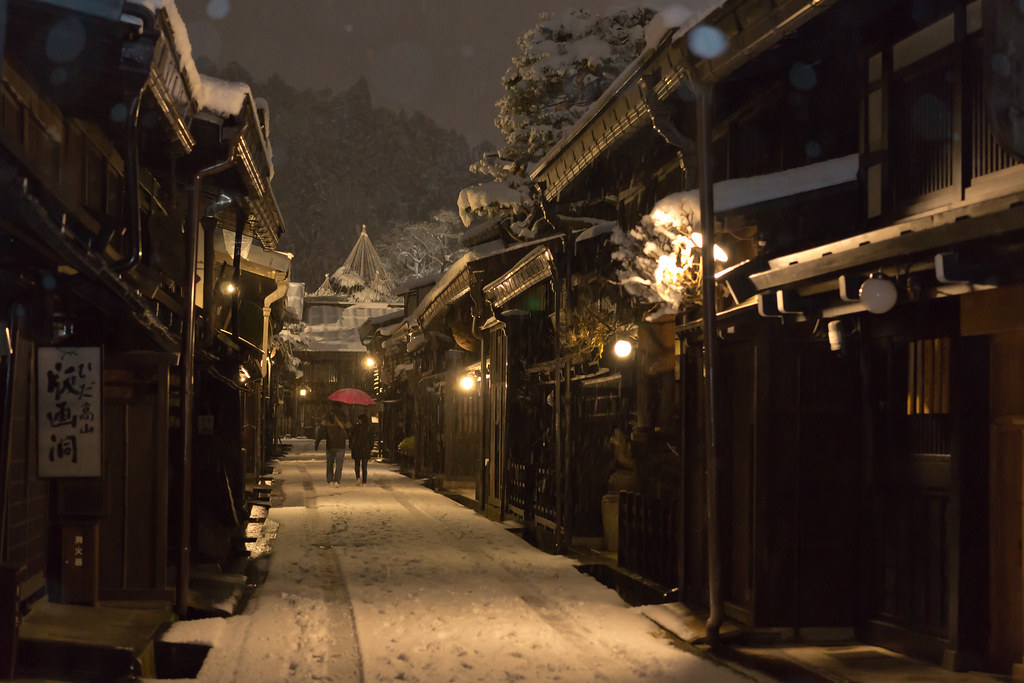
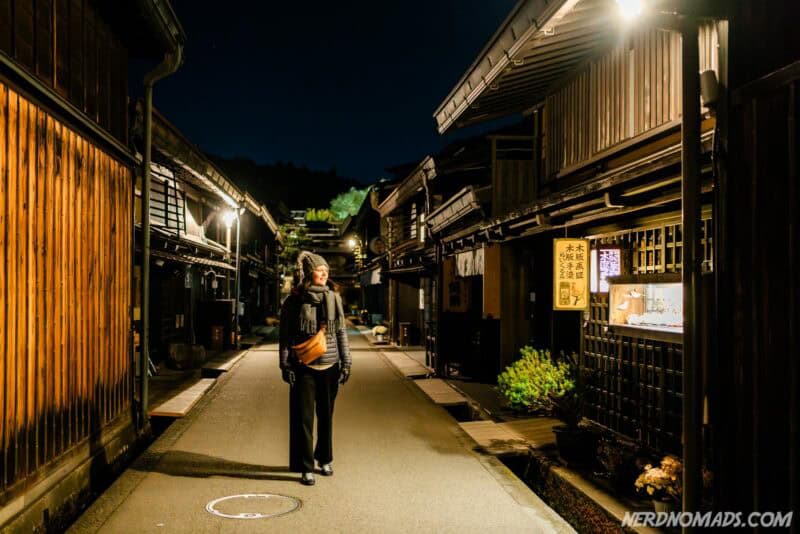
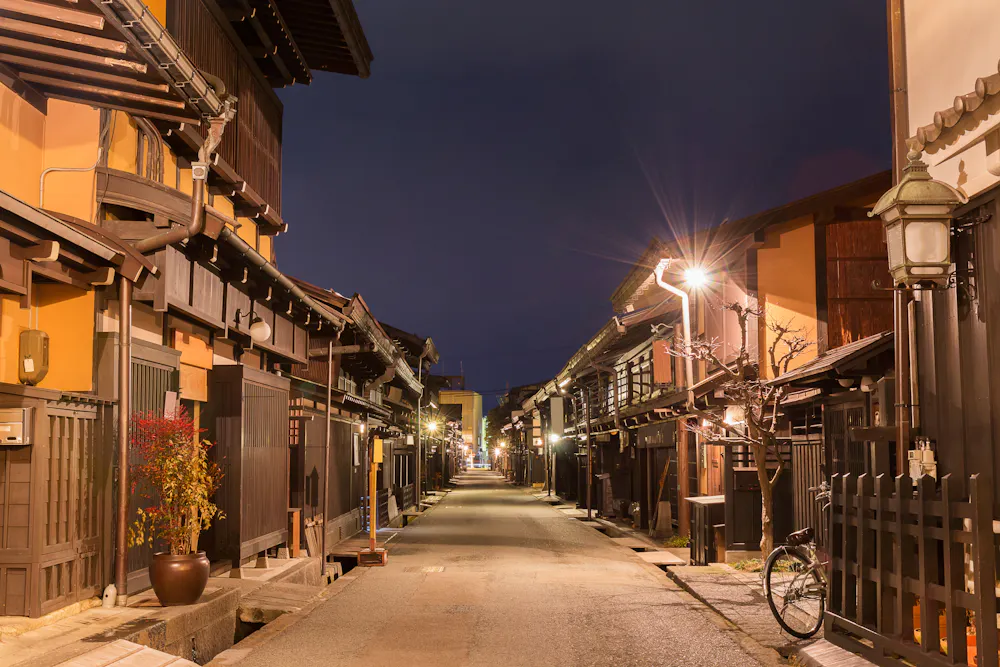
The old town empties after dark and transforms. Dimly lit wooden facades, no tourists. Some sake bars open late. Walking the empty streets feels like time travel. Best after 8pm.

Large museum dedicated to the Takayama festivals. Full-size festival float replicas, karakuri puppet demonstrations, and a dome theater. More in-depth than the Floats Exhibition Hall.

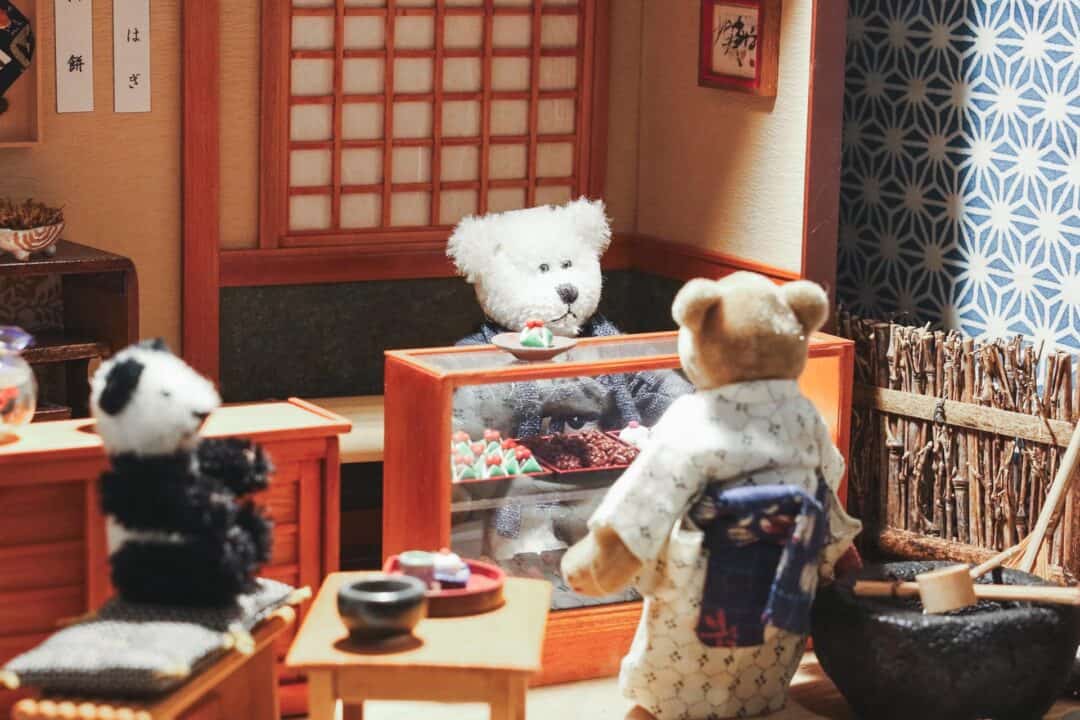
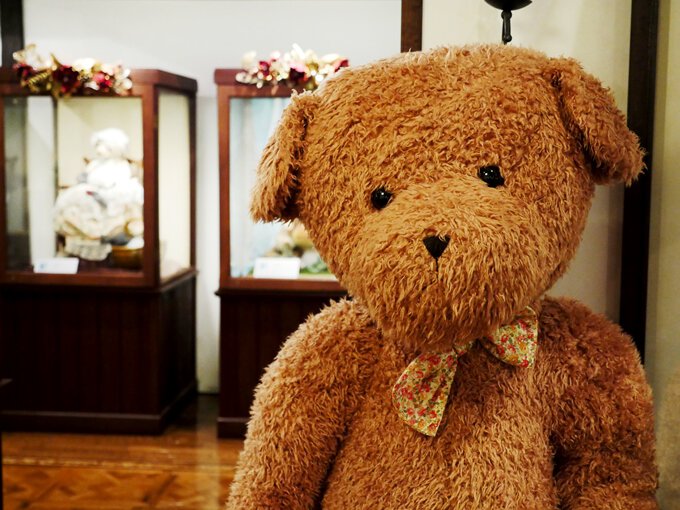
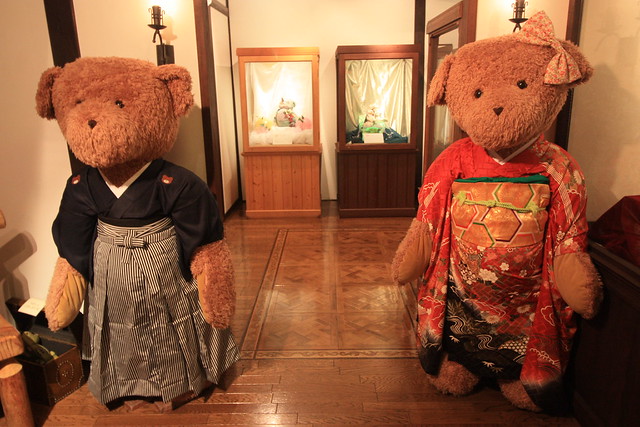
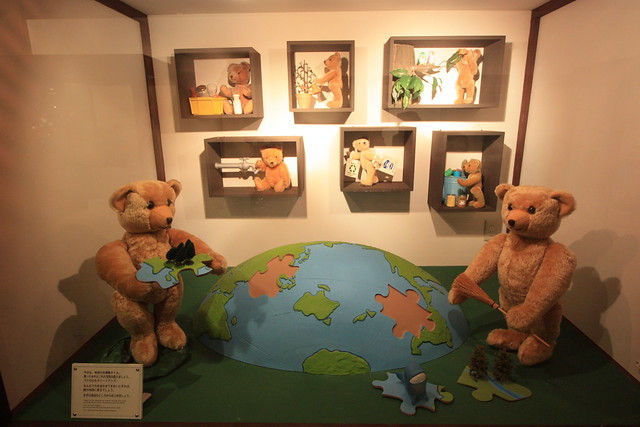
1000+ teddy bears displayed in a converted traditional warehouse. Quirky and charming. Popular with families and couples. Small cafe inside serves bear-themed sweets.

Archaeological museum in a traditional merchant house. Exhibits on pre-Edo Hida culture including pottery, tools, and burial items. Gives deeper context to the region's long history.
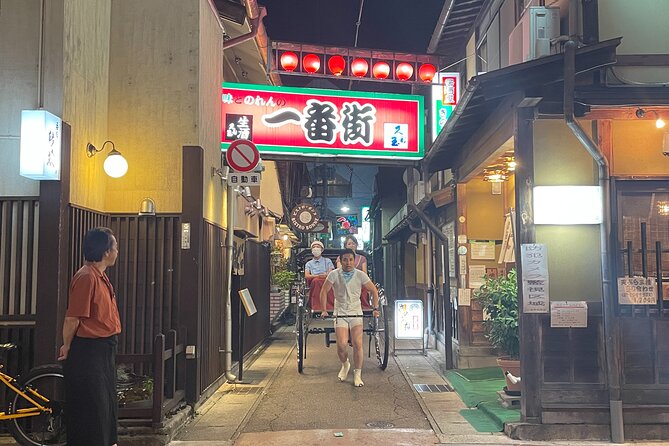
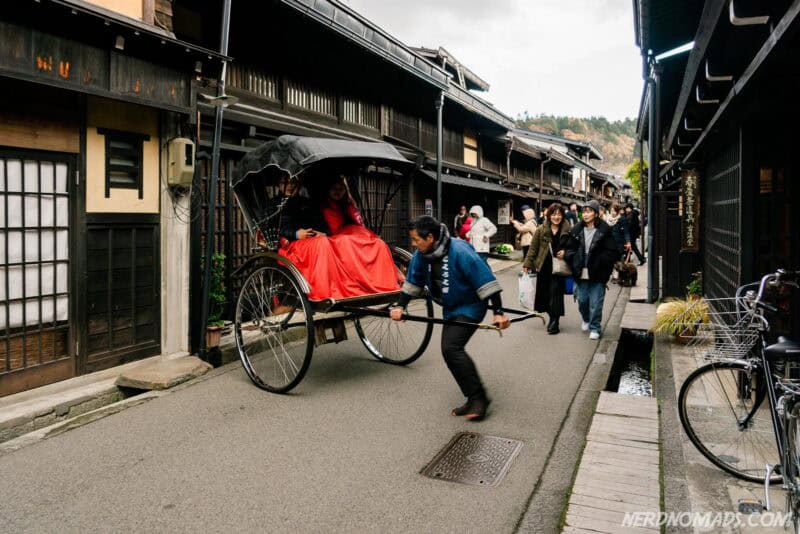
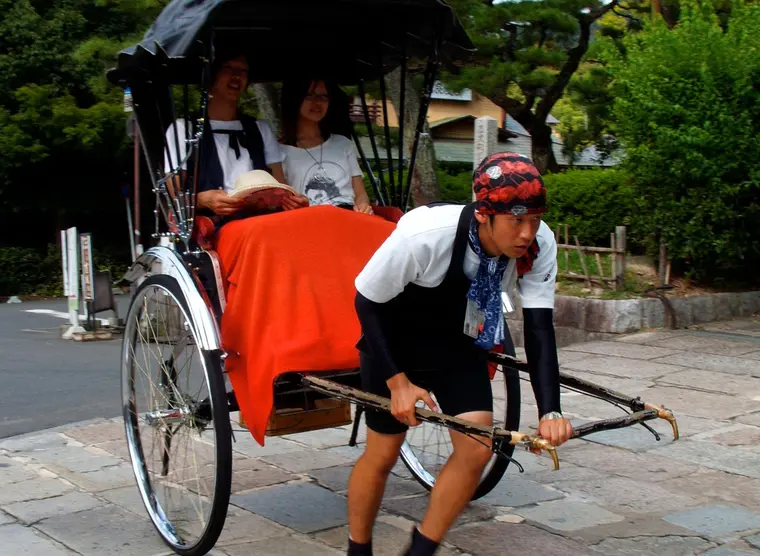
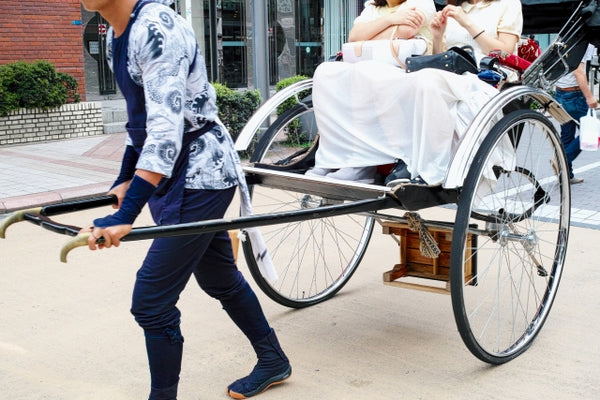
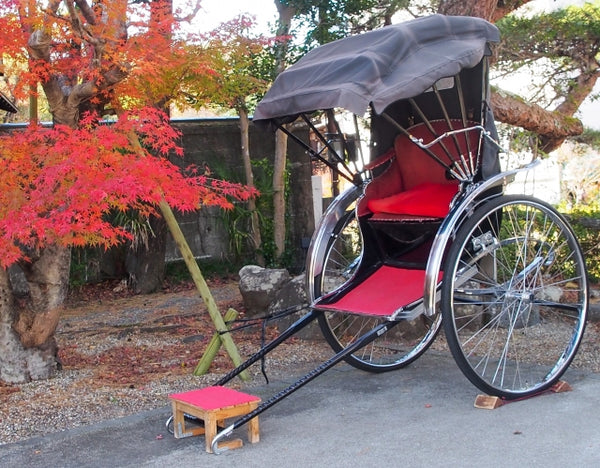
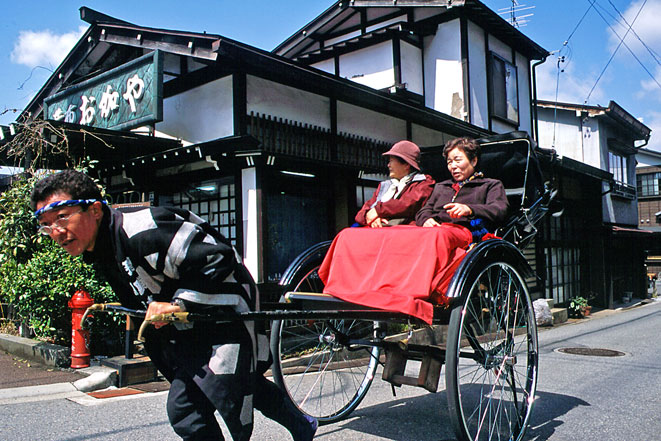
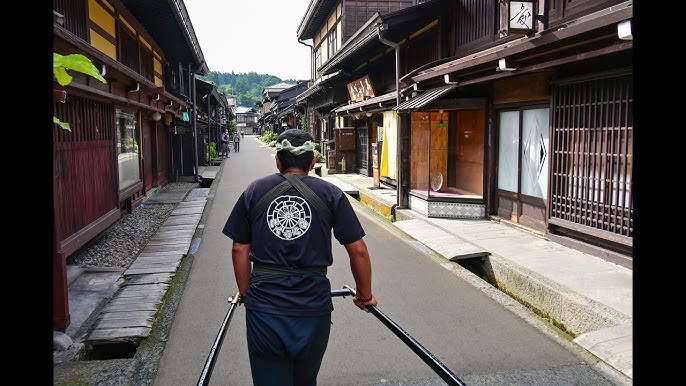
Traditional rickshaw rides through the old town. The rickshaw pullers narrate the history of each building and street. A romantic and informative way to see Sanmachi Suji.
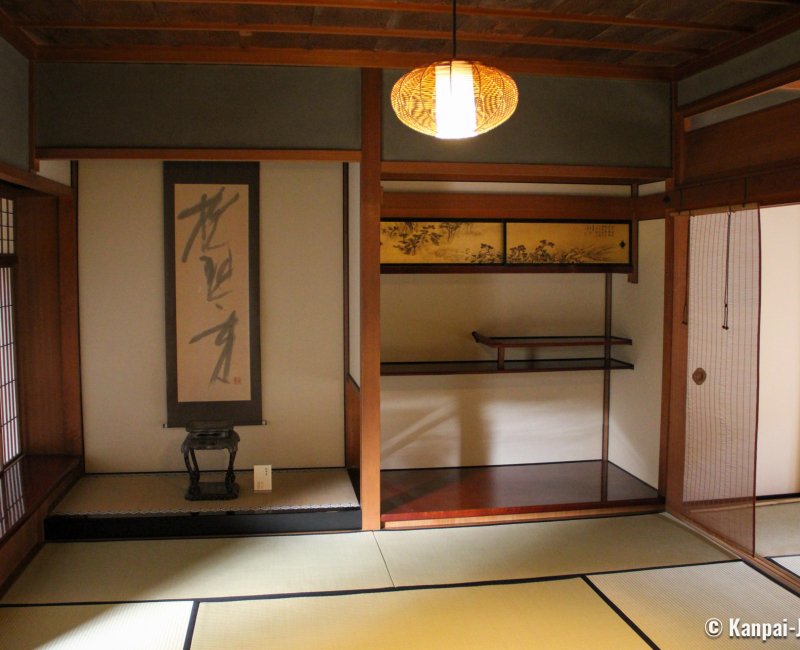
Converted merchant house serving matcha lattes and Hida milk coffee. The interior wooden beams and traditional hearth create a warm atmosphere. Perfect rest stop during old town walks.

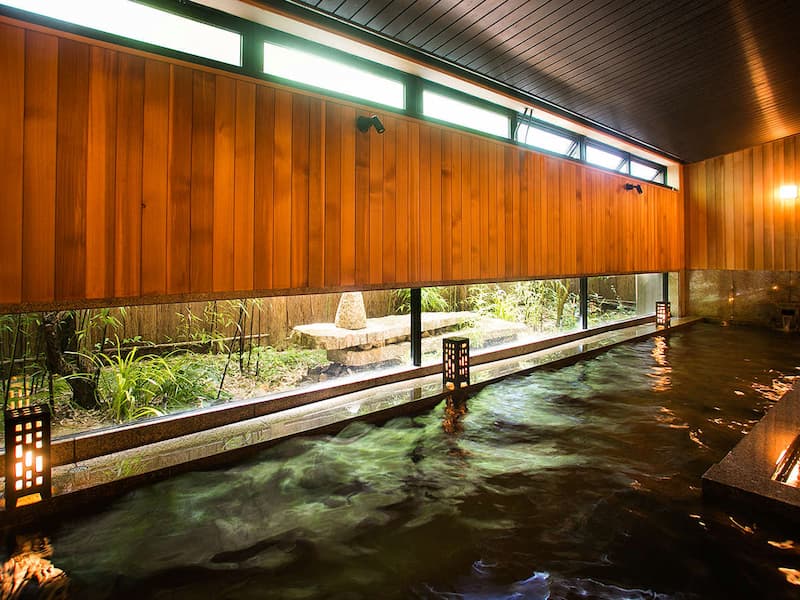
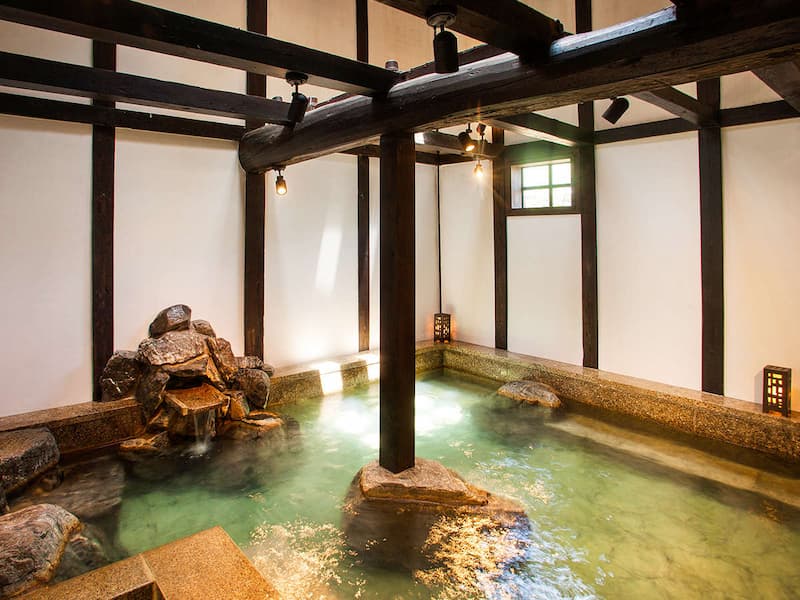
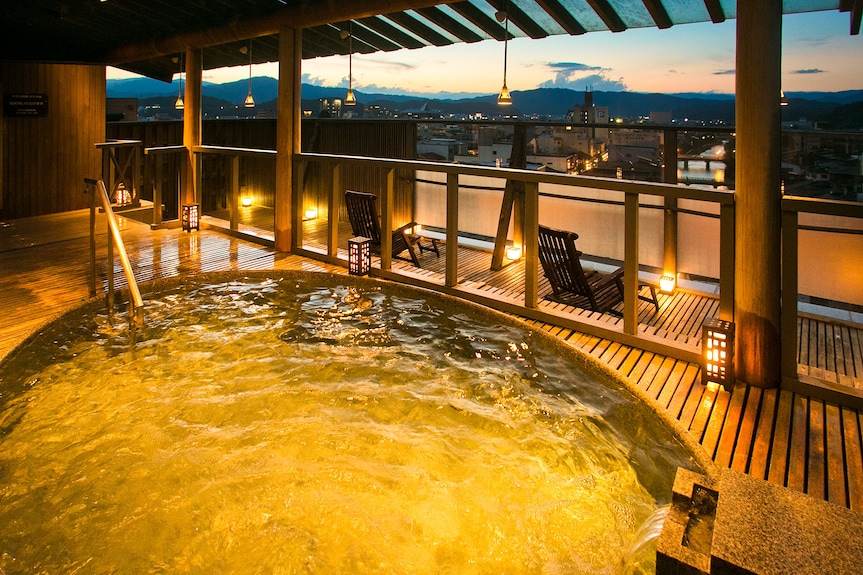
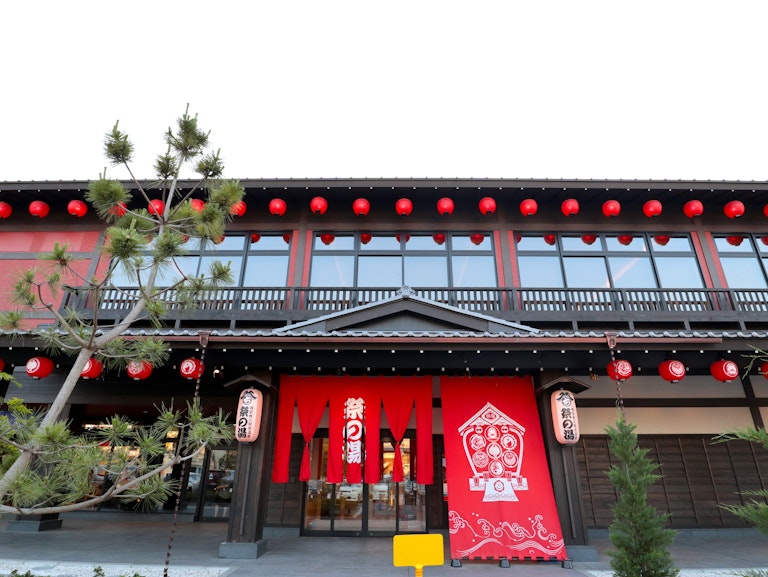
Large hot spring facility open to day visitors. Multiple indoor and outdoor baths. Convenient location near the station. Good option if not staying at an Okuhida ryokan.

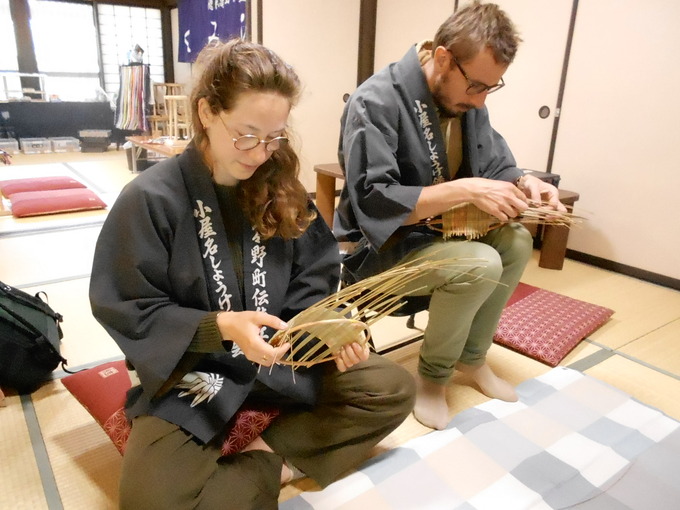
Workshop district where you can try Hida woodworking, pottery painting, and traditional craft making. The woodworking experience uses techniques passed down for centuries.

During special periods, the Takayama Jinya is illuminated at night. The white walls and dark timber glow dramatically. Combined with evening snowfall it feels otherworldly.

Upper floor of the Festival Floats Exhibition Hall with detailed explanations of karakuri puppet mechanisms. Explains the engineering behind the mechanical performances.

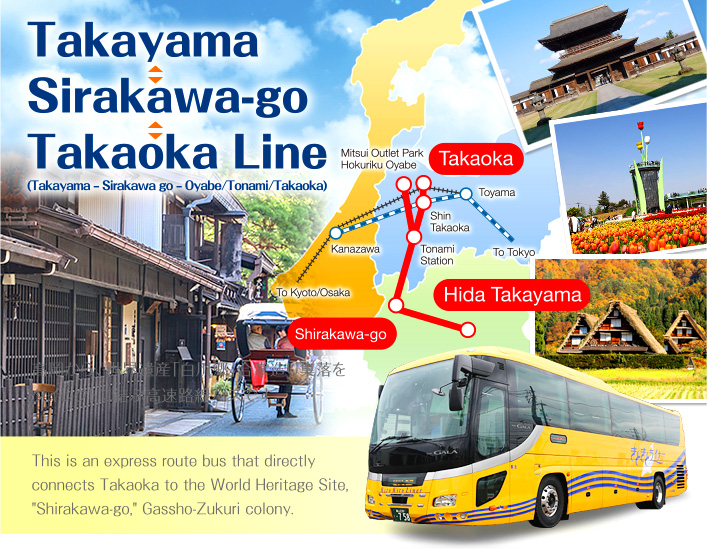
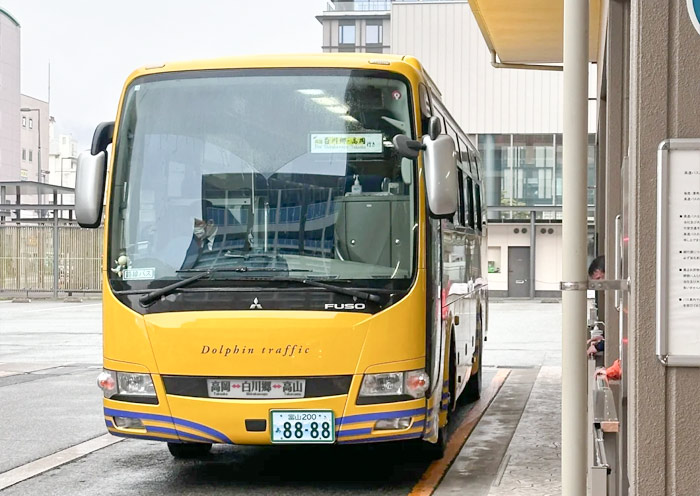
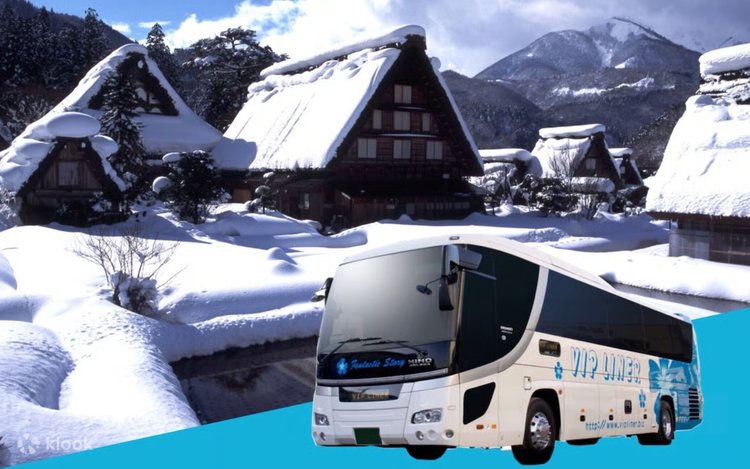
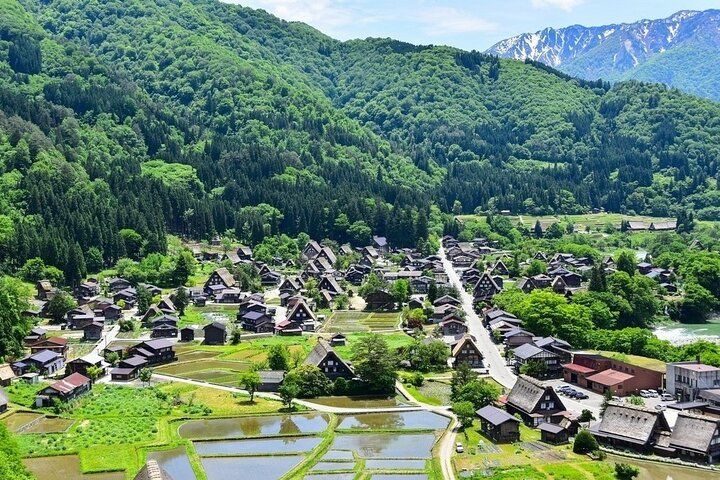
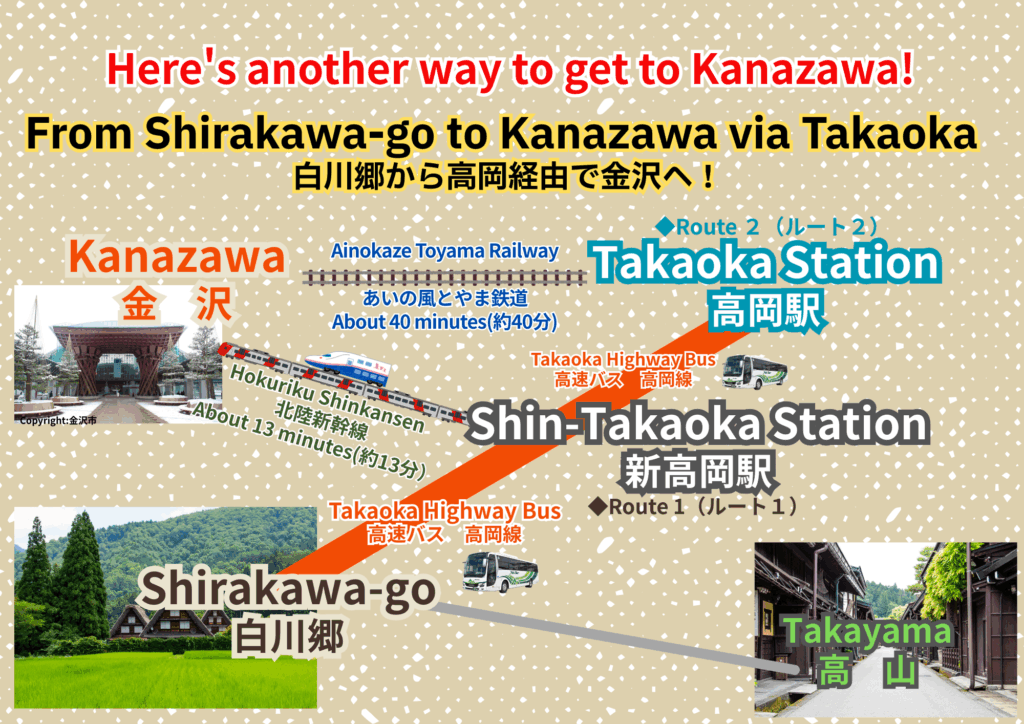
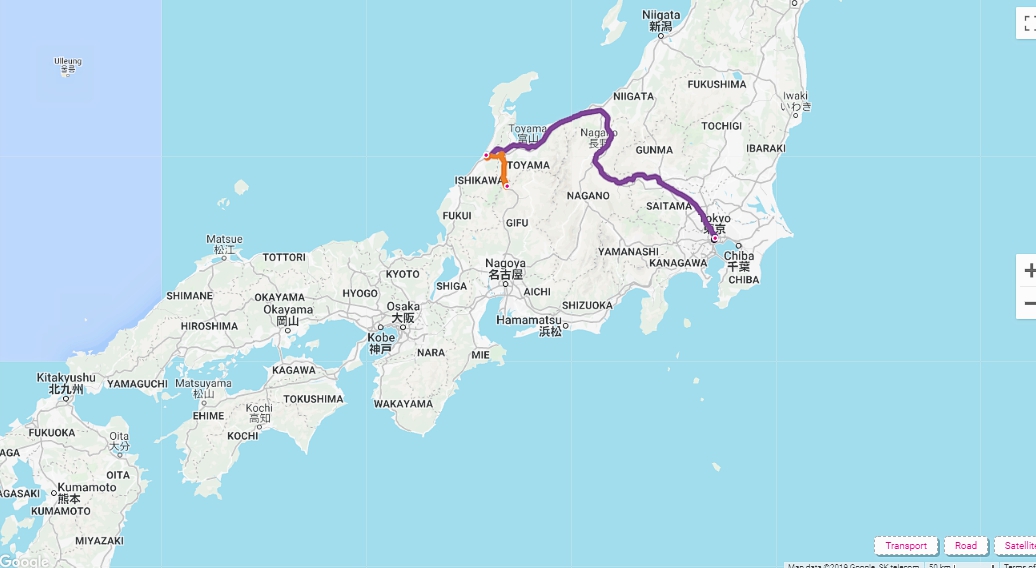
The 50-minute bus ride from Takayama to Shirakawago passes through dramatic mountain gorges and tunnels. The scenery is part of the experience. Reserve seats in advance during peak seasons.

Smallest of Takayama's breweries but known for experimental seasonal sakes. Their nigori (cloudy) sake and umeshu (plum wine) are popular. Personal tours by the owner when available.

Small planetarium and astronomy exhibition. Programs about constellations visible from the Hida mountains. Good rainy-day activity or for families with children.

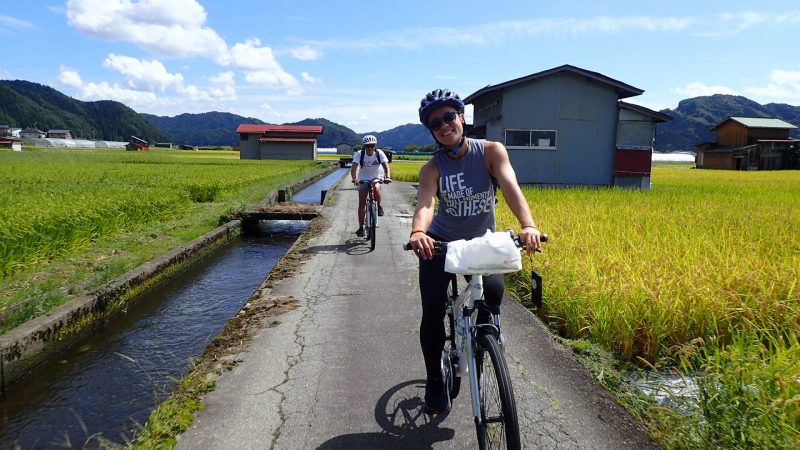
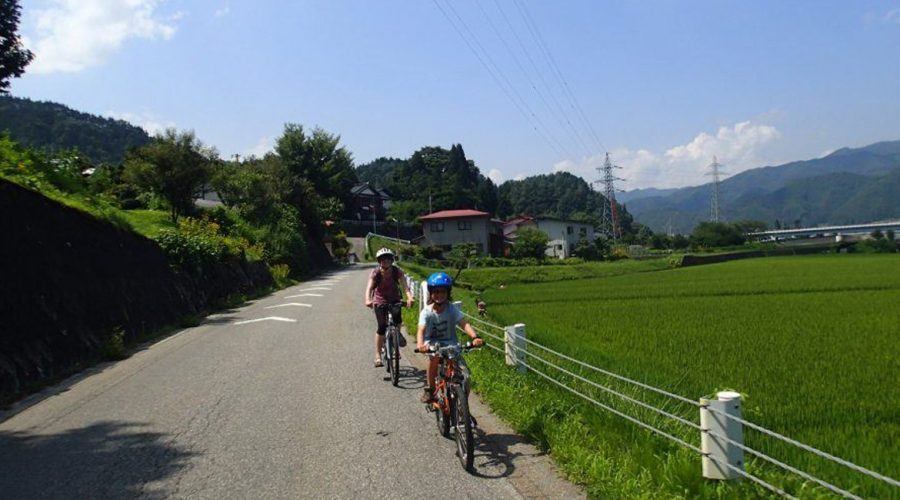
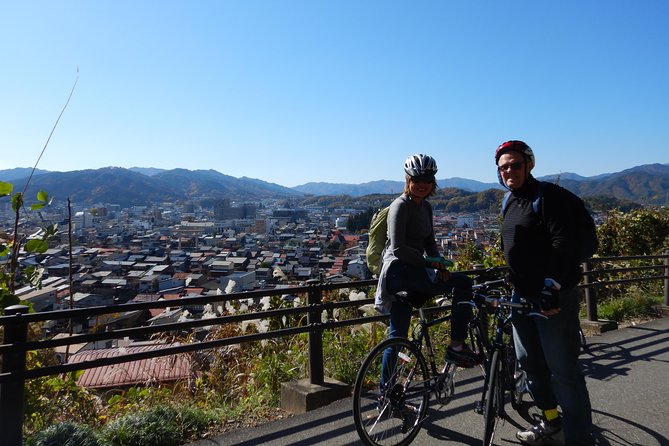
Rent a bicycle and ride between the old town, morning markets, and temples. The city is flat and compact, making cycling ideal. Some rental shops offer guided tours with English commentary.

Public onsen near the festival museum area. Indoor and outdoor baths. Popular with locals. Affordable daily entry fee. Good way to warm up after walking the old town.

Family-owned sake brewery in nearby Furukawa. Tours include tastings of their junmai ginjo. The contrast between the old building and modern brewing equipment is interesting.
UNESCO temples, cliffside shrines, and some of Japan's best onsen towns.

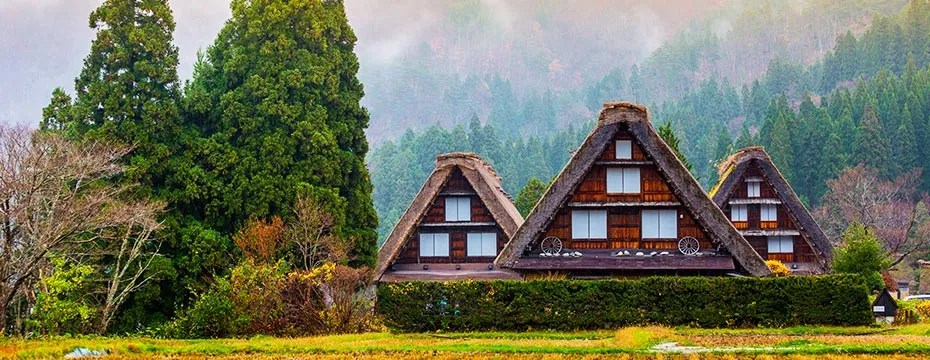
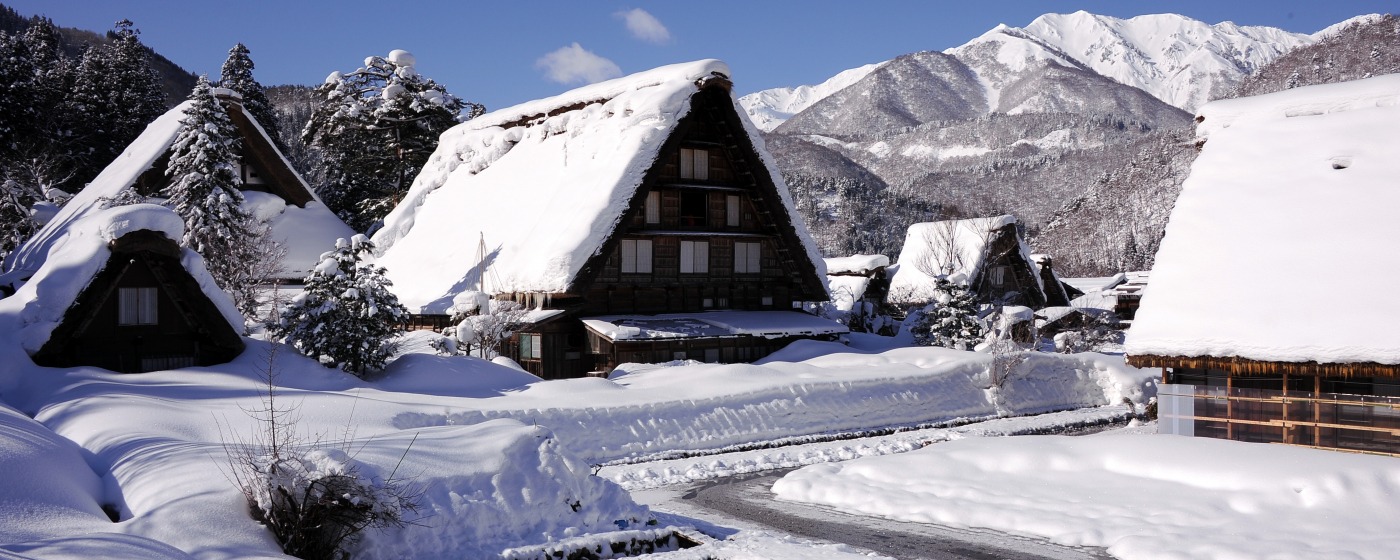
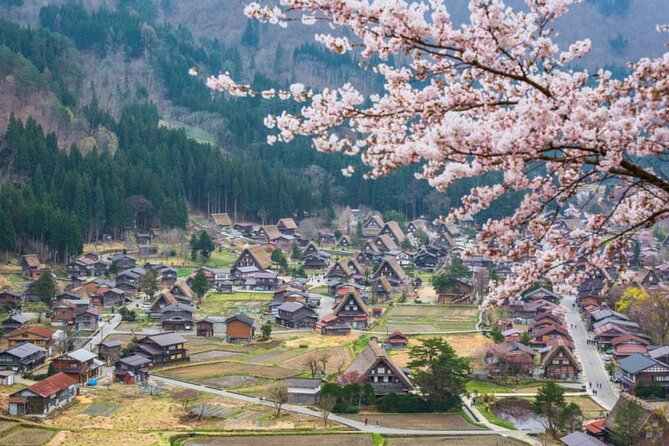
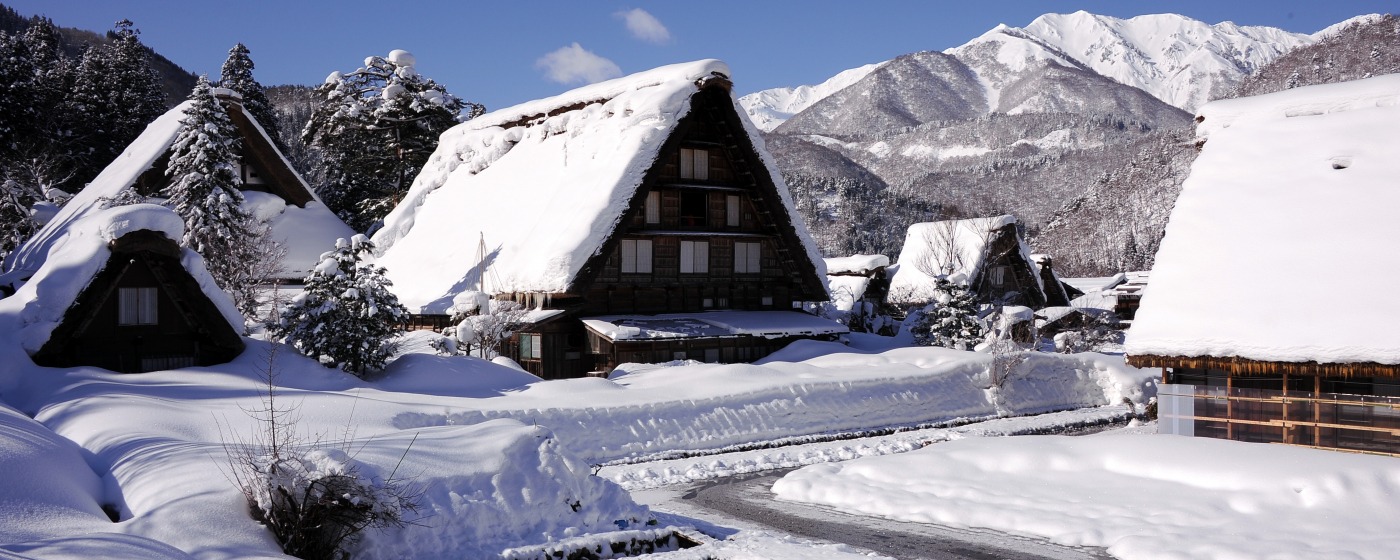
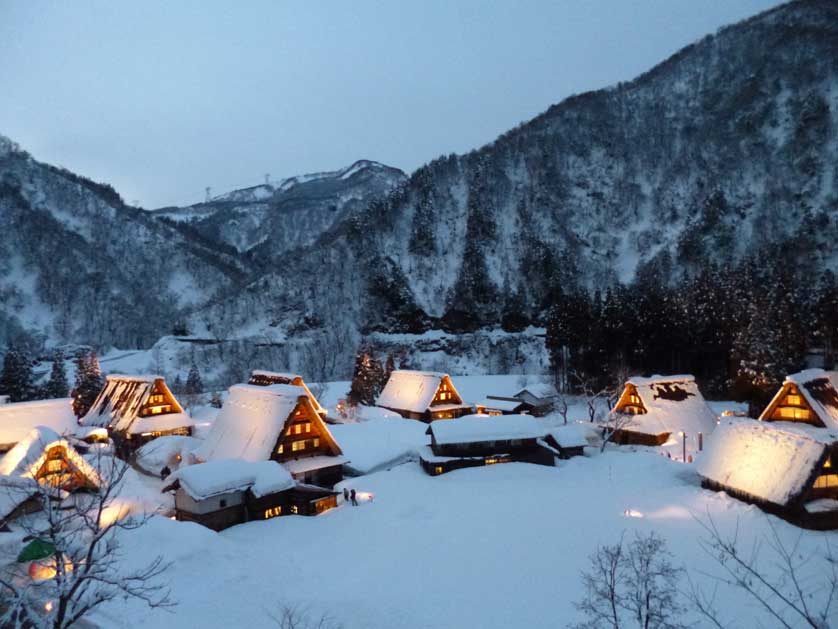
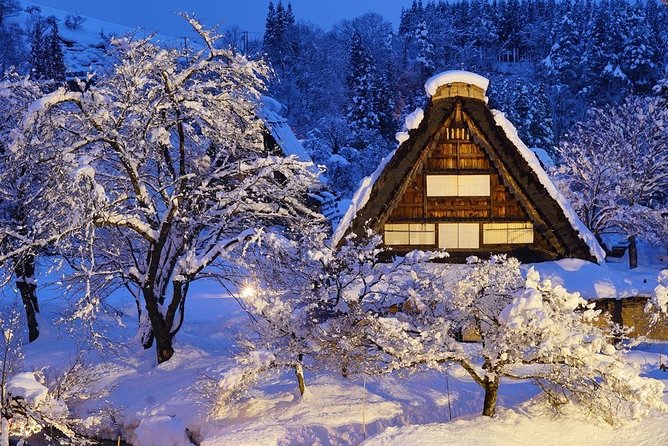
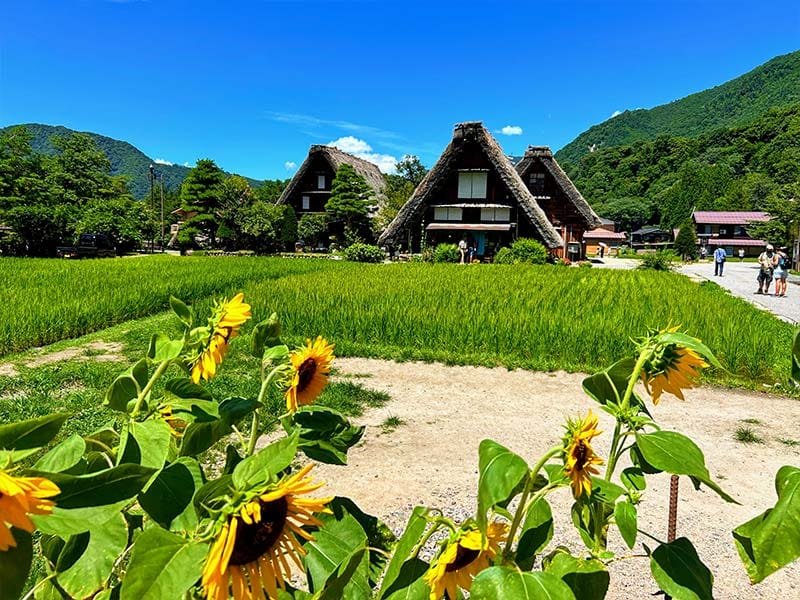
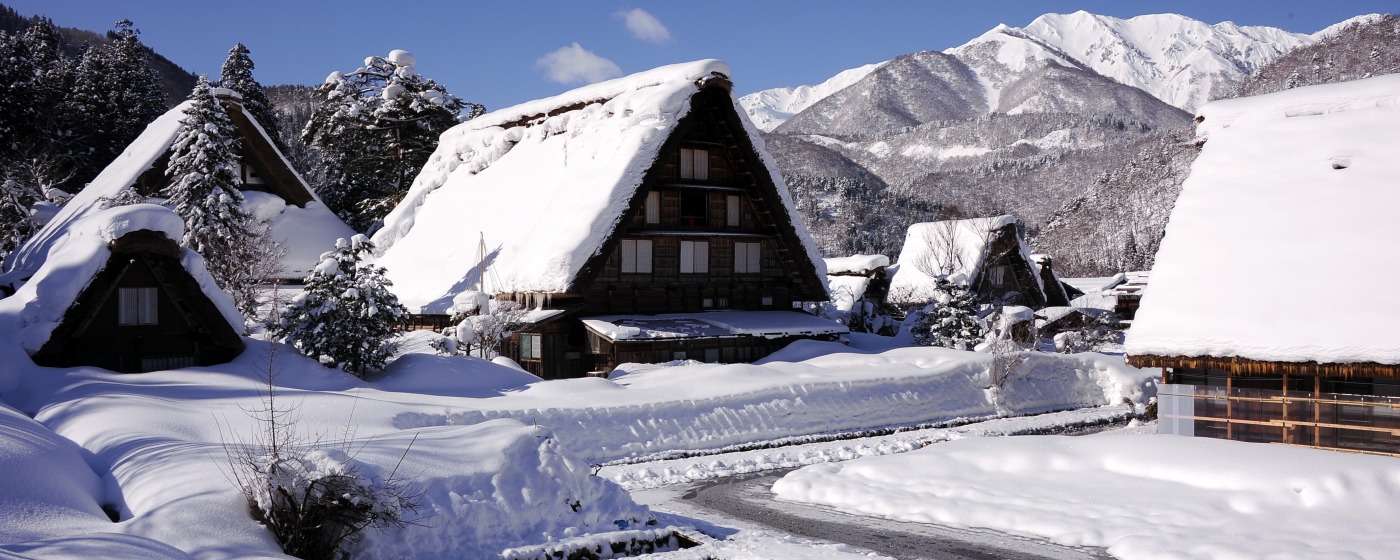
UNESCO World Heritage village of steep thatched-roof (gassho-zukuri) farmhouses. The winter illumination events are magical. Observation deck overview is iconic. 50 min bus from Takayama.

Sister UNESCO village to Shirakawa-go but with far fewer tourists. Two preserved hamlets: Ainokura and Suganuma. More intimate and authentic feeling. 75 min from Takayama.

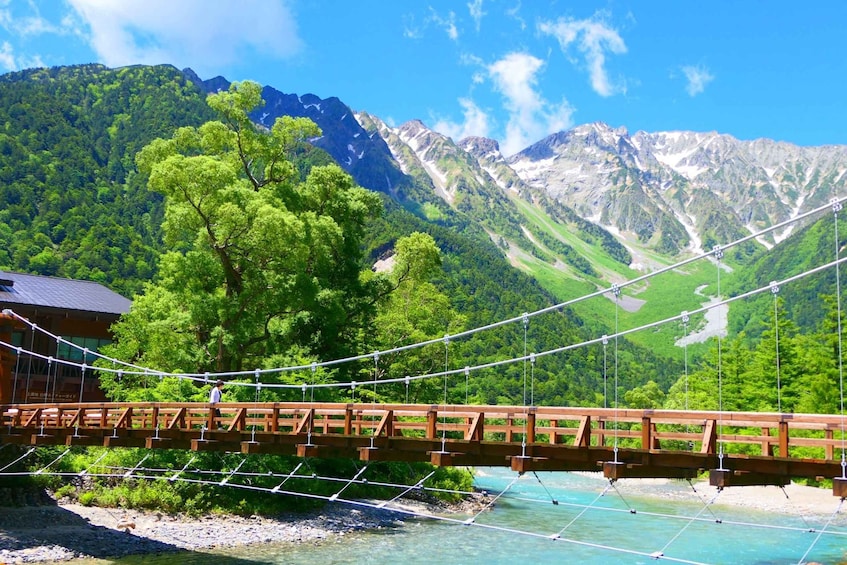
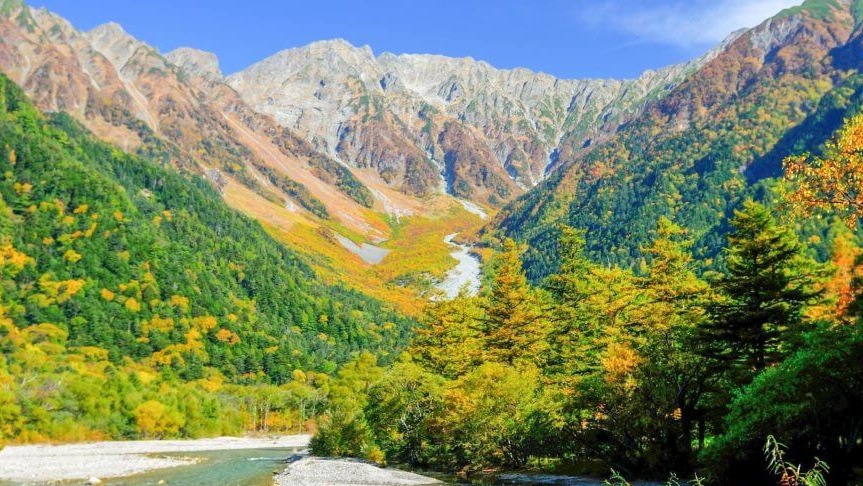
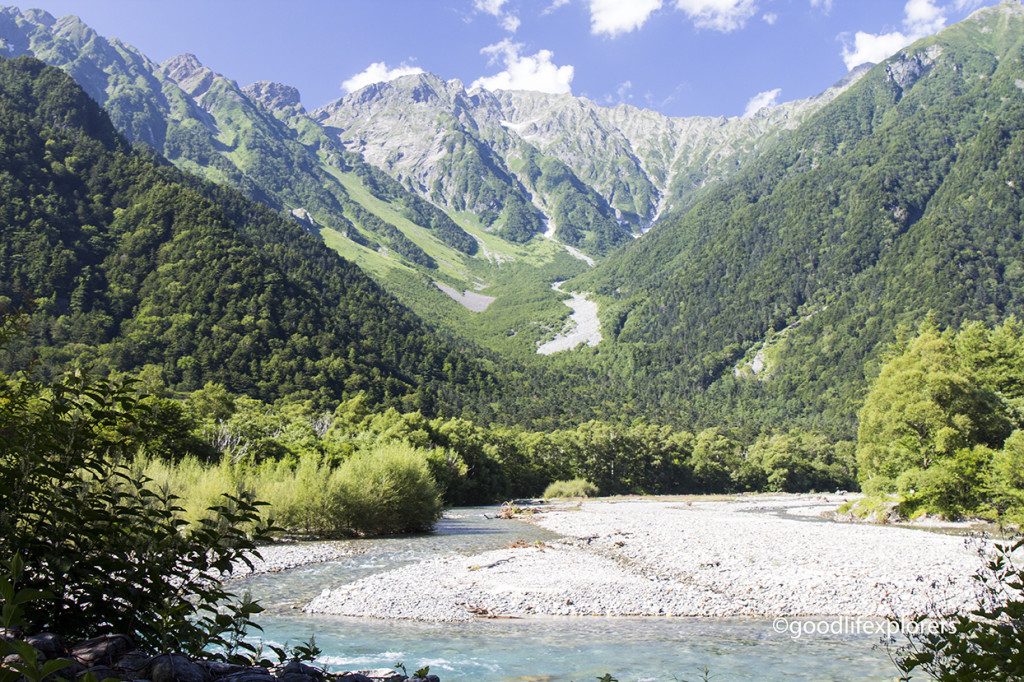
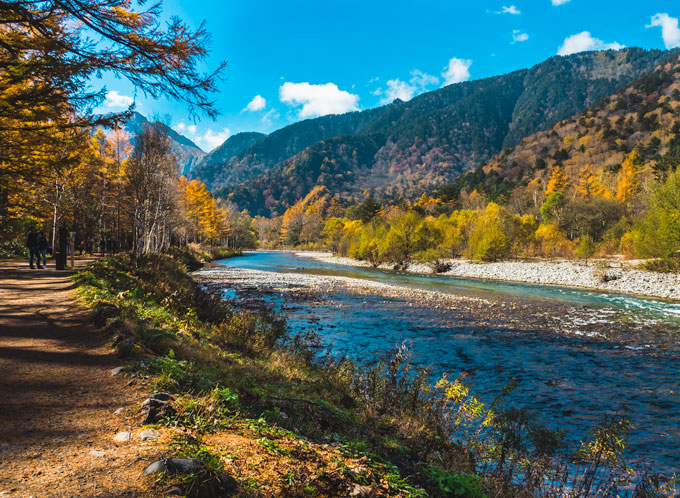
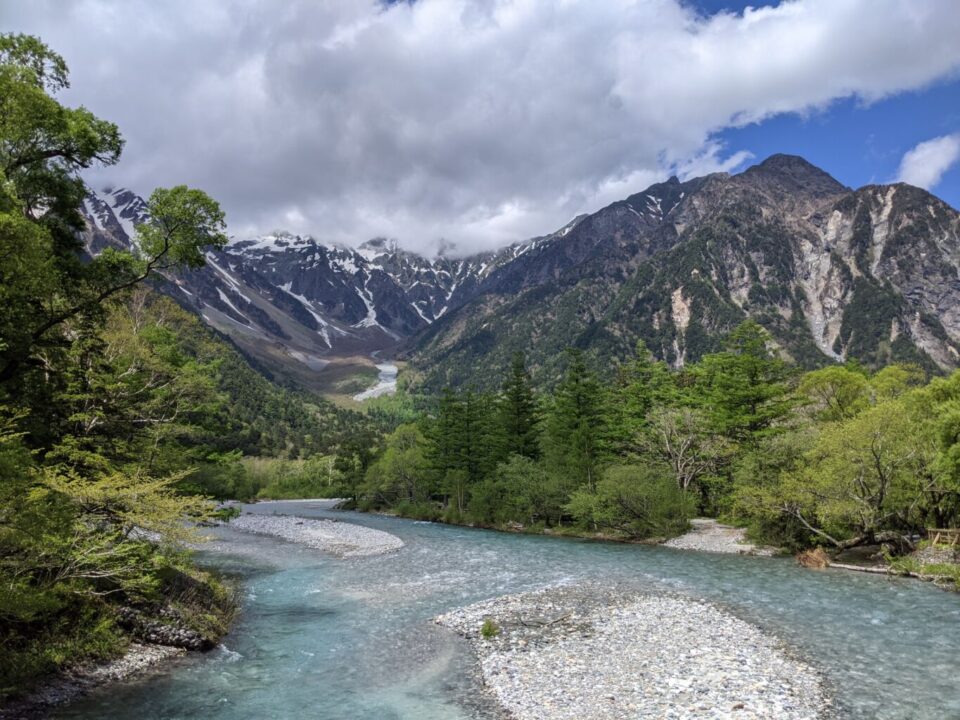
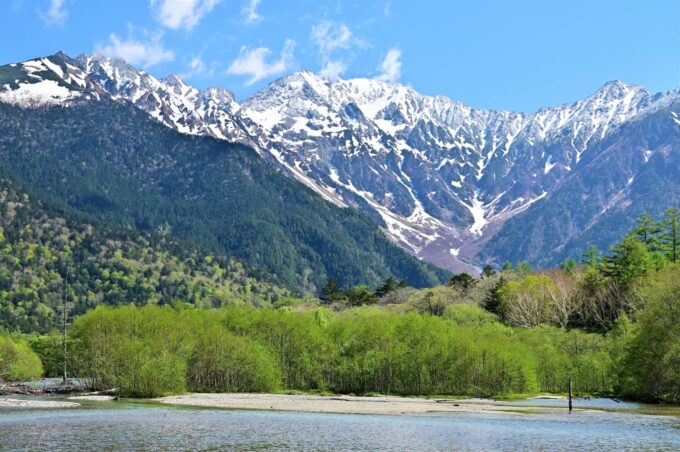
Pristine alpine valley accessible April-November. Crystal-clear Azusa River. Kappa Bridge and mountain peaks reaching 3000m. One of Japan's best hiking destinations. 2 hours from Takayama.

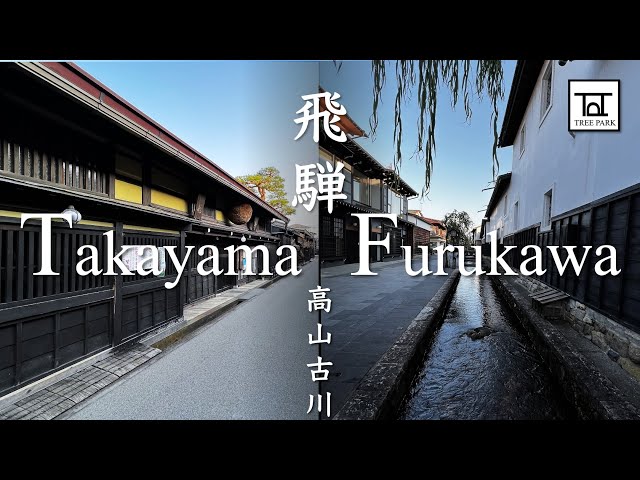
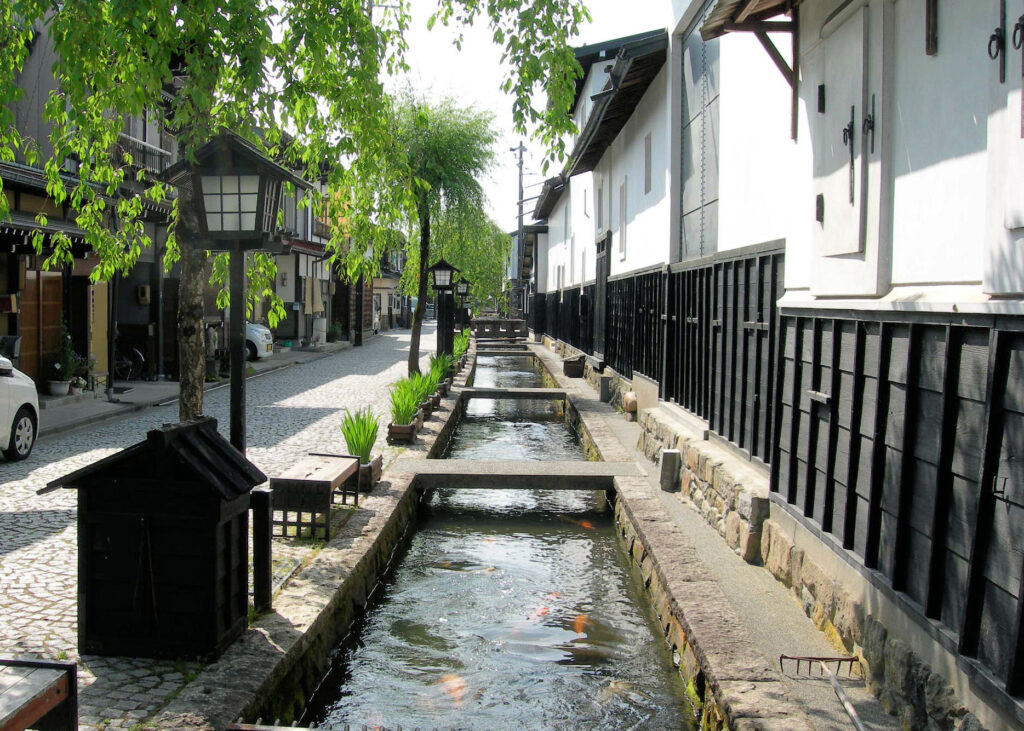
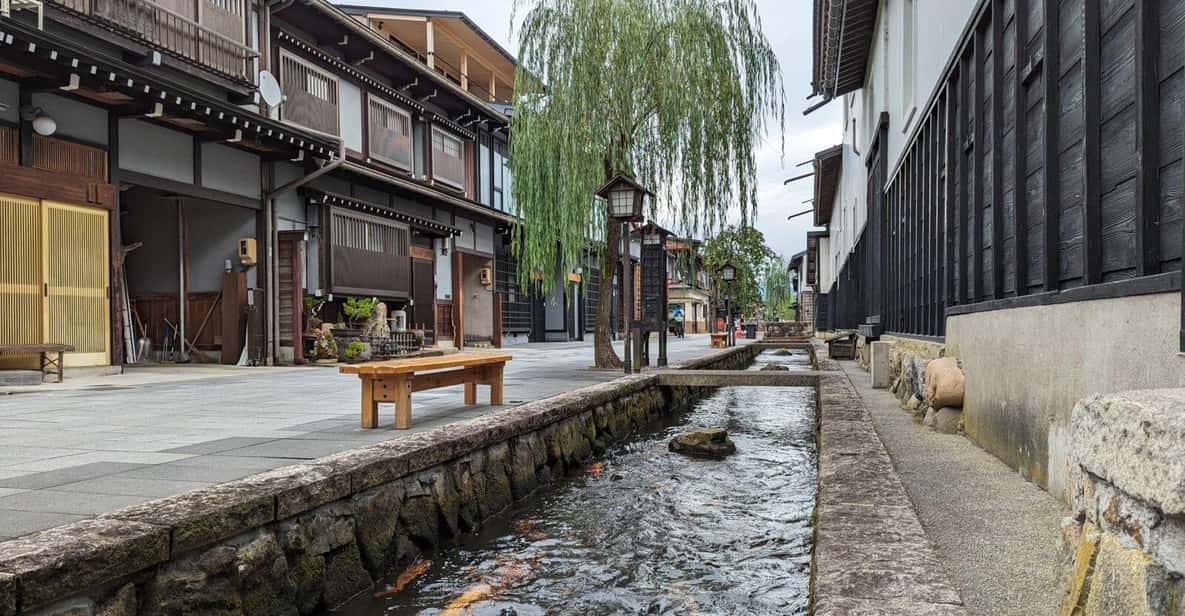
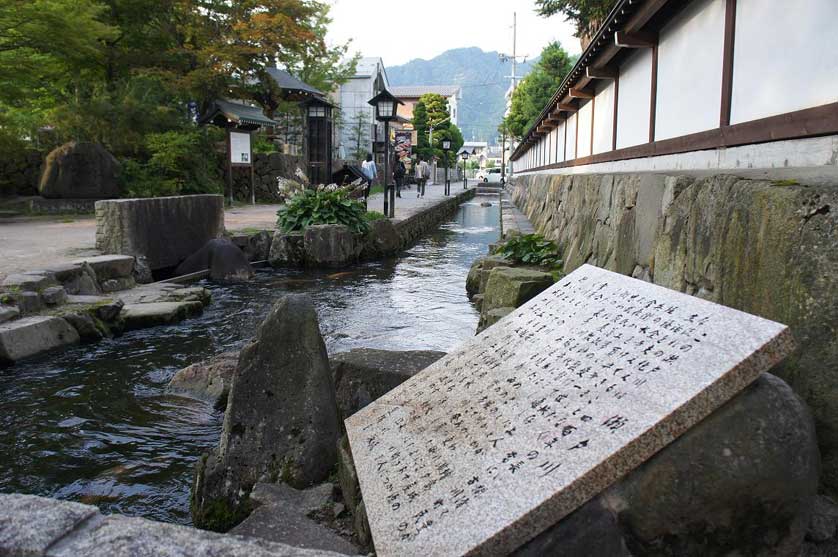
Smaller, quieter version of Takayama just 15 minutes north by train. White-walled storehouses along canals with koi fish. Famous for its wild drumming festival in April.

Day trip combining Shirakawago with a continuation to Kanazawa. Bus connects all three cities. See both UNESCO villages and a samurai city in one long day.