Japan's art island in the Seto Inland Sea, the Benesse museums, Tadao Ando concrete, and Yayoi Kusama's iconic pumpkins. 44 curated spots.
Castle ruins, architectural wonders, and centuries of local heritage.
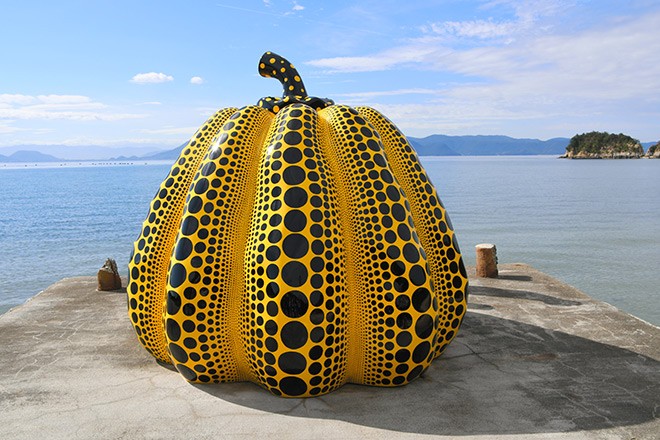
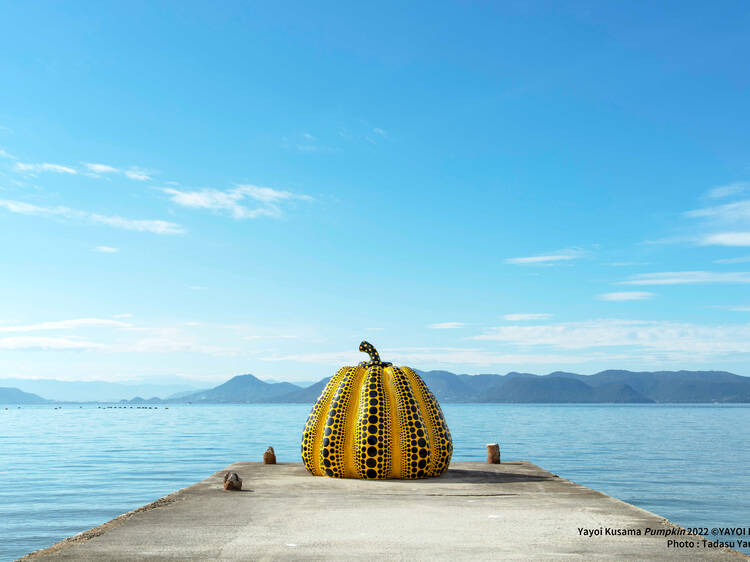
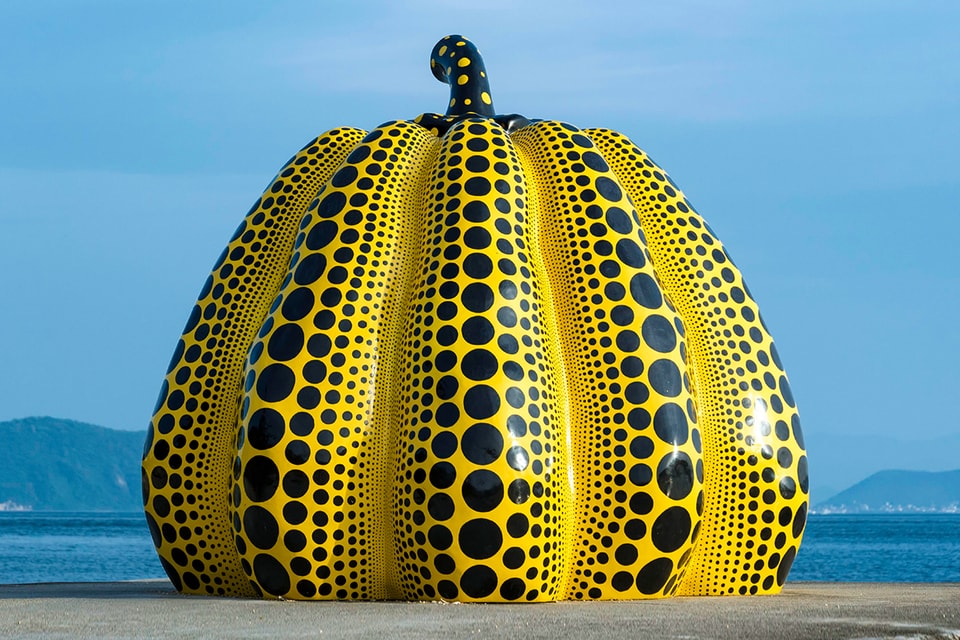
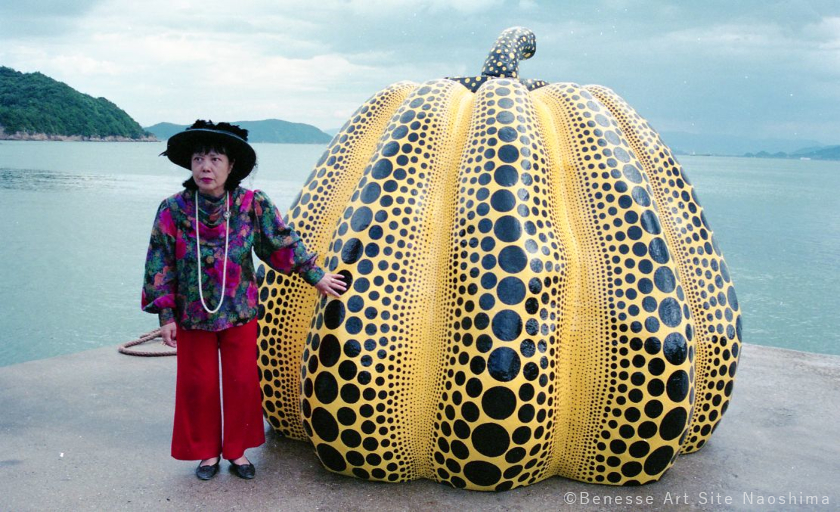
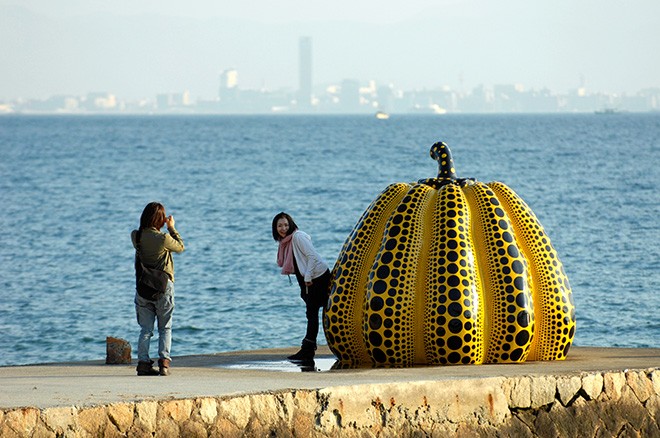
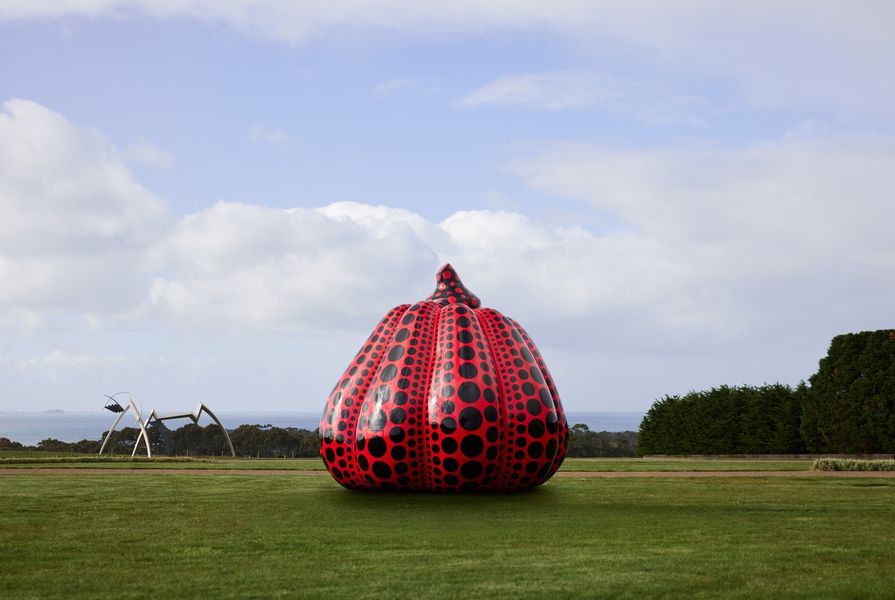
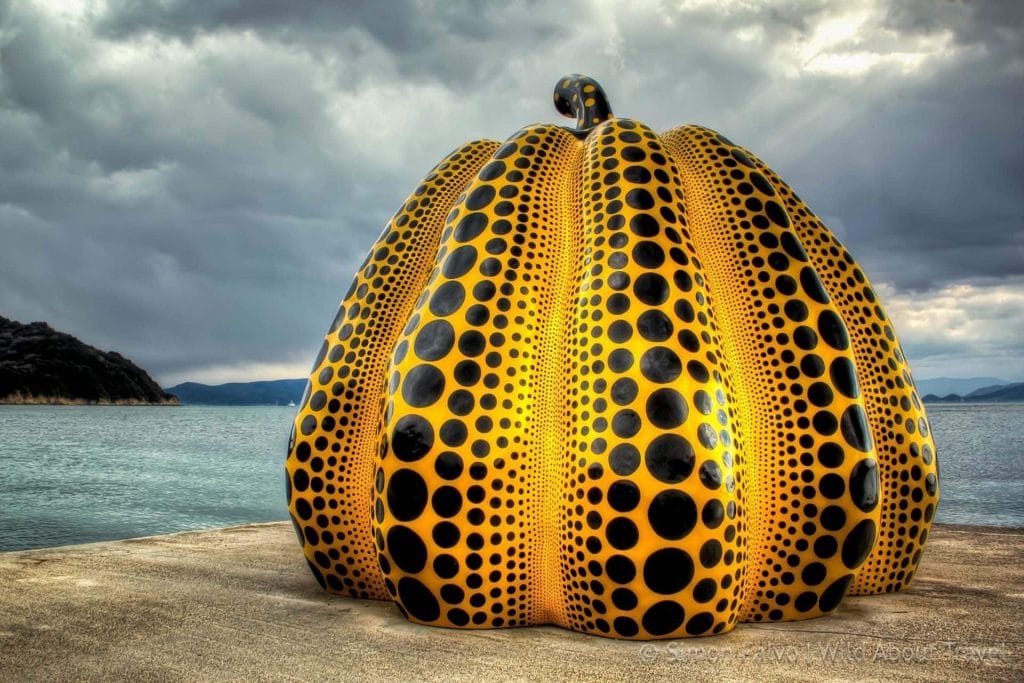
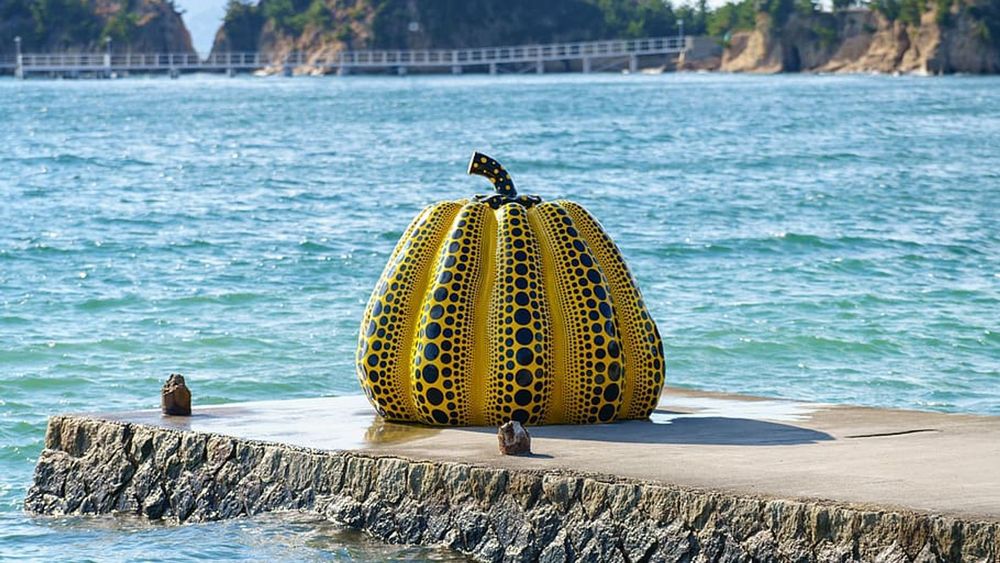
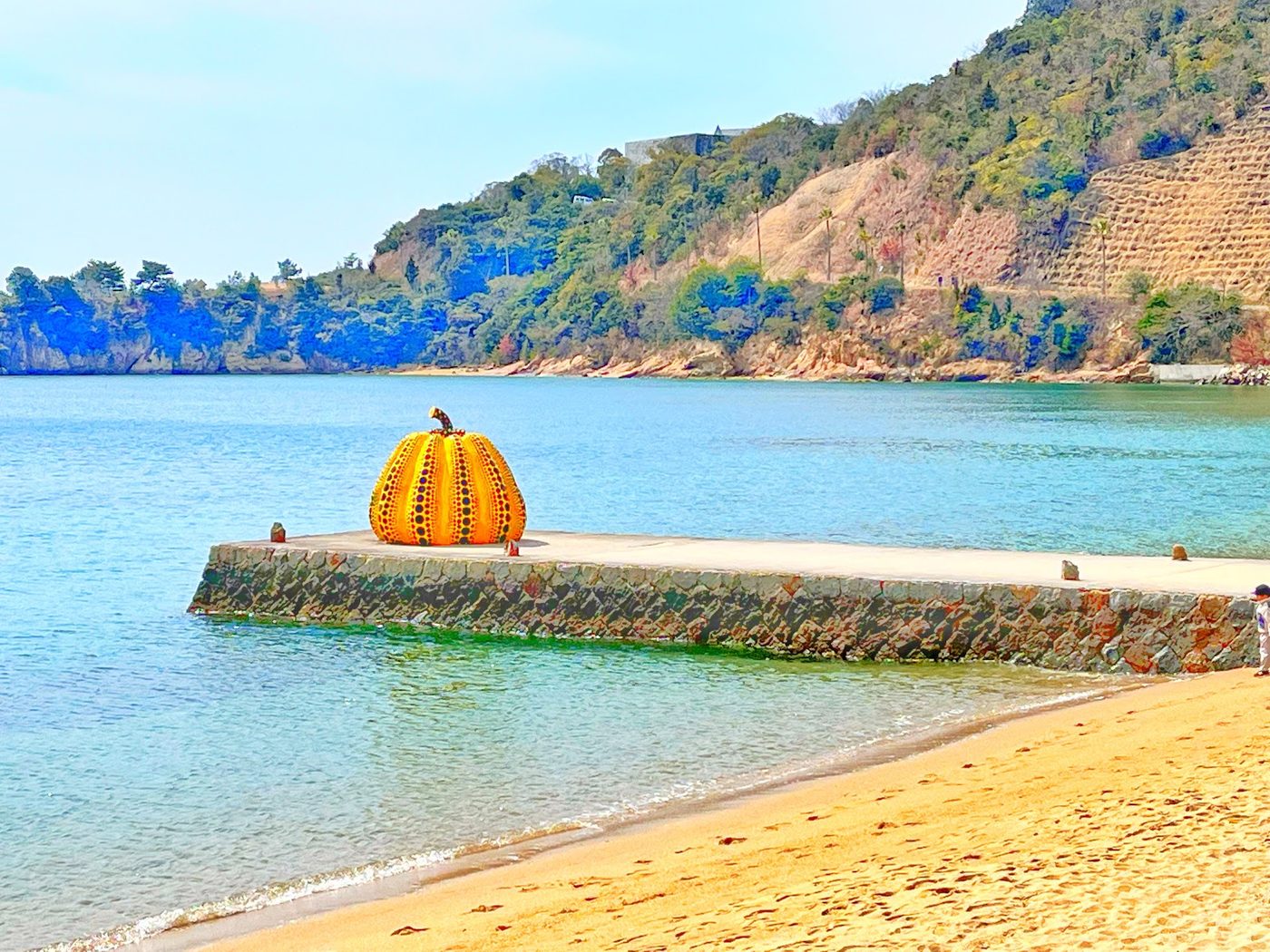
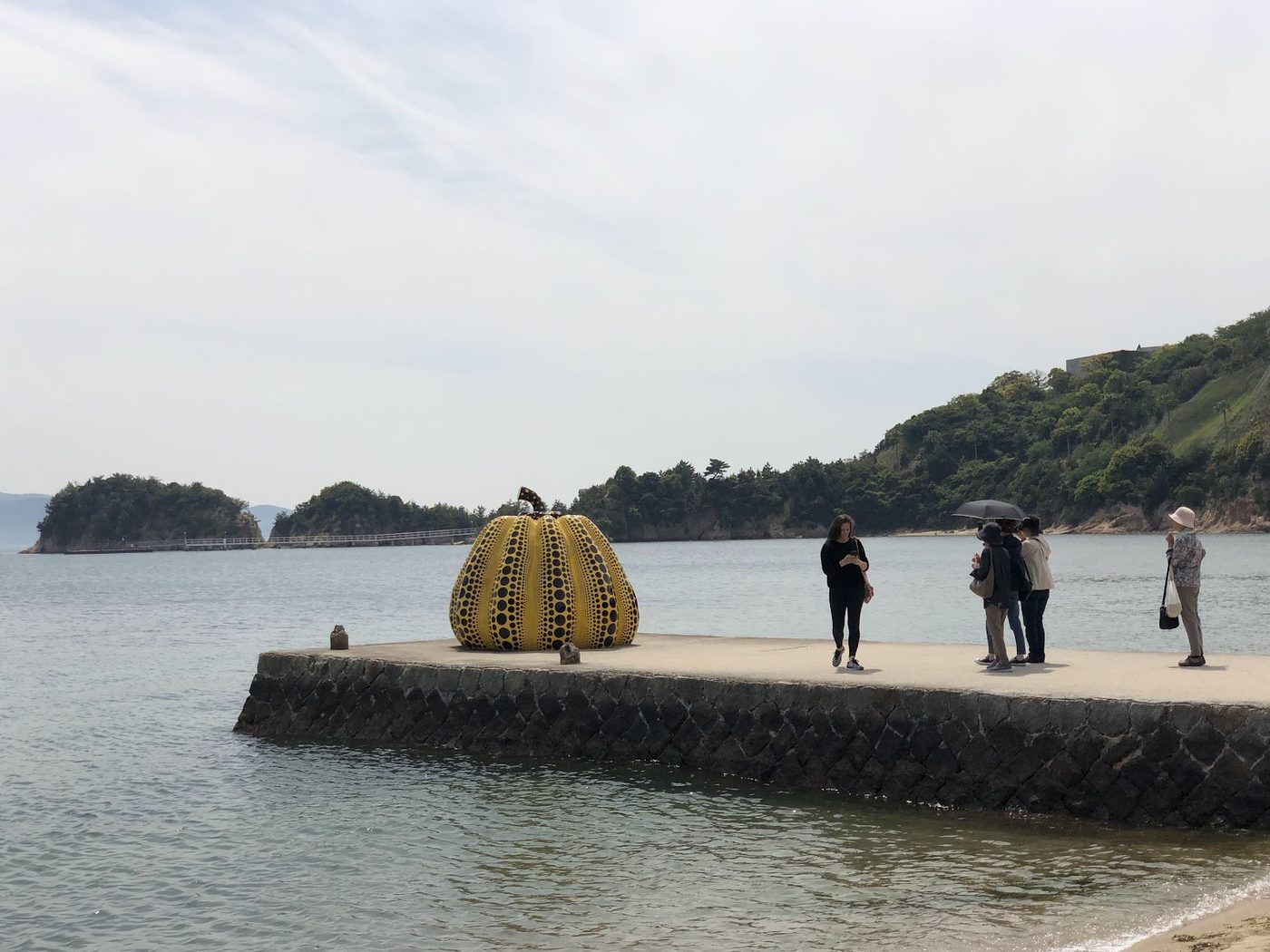
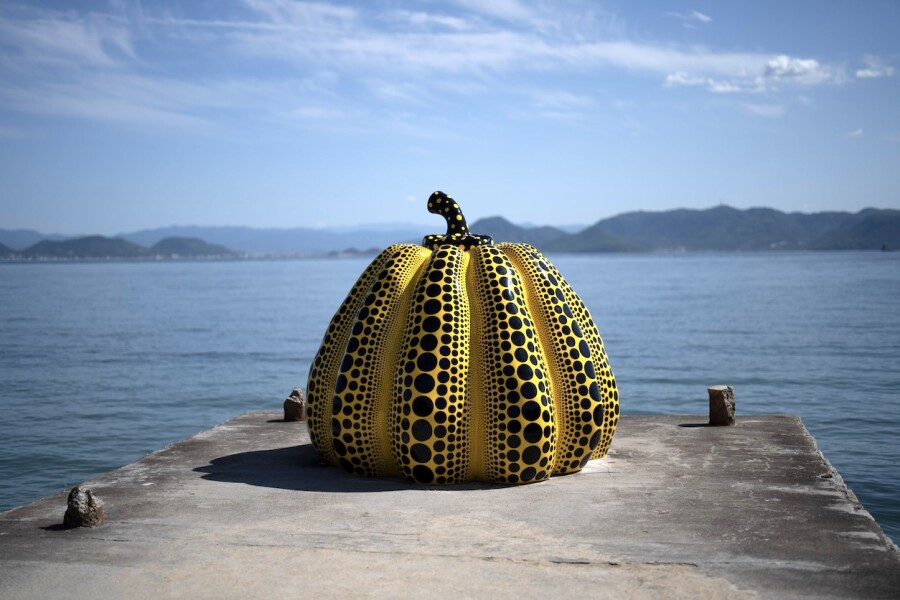
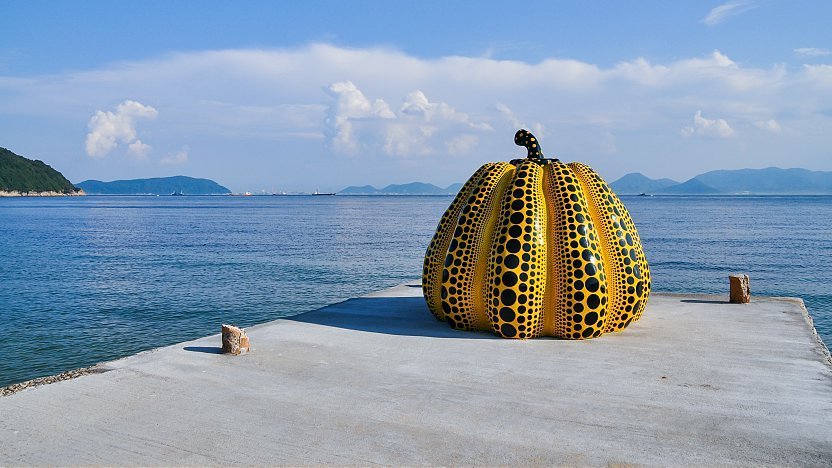
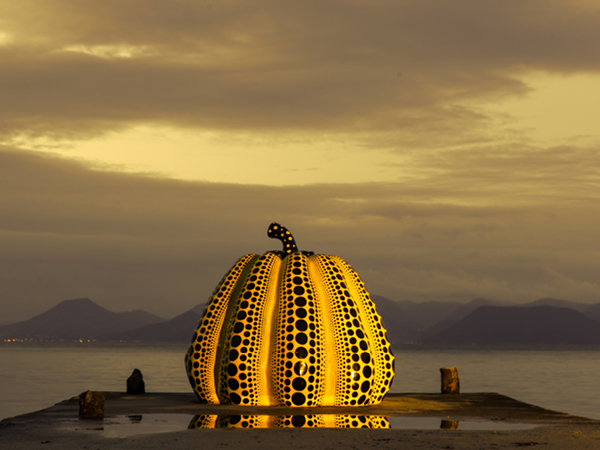
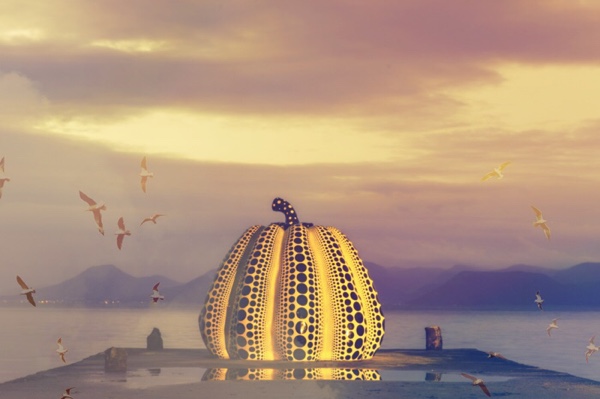
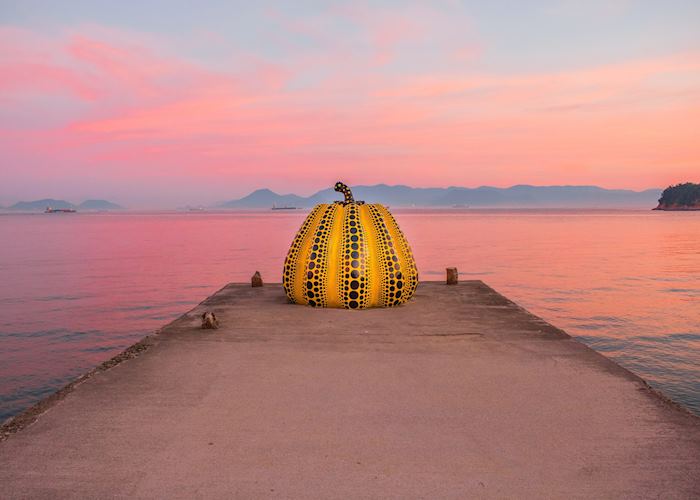
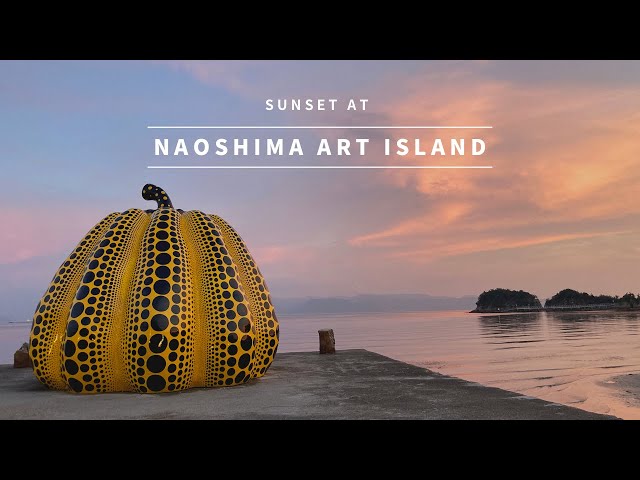
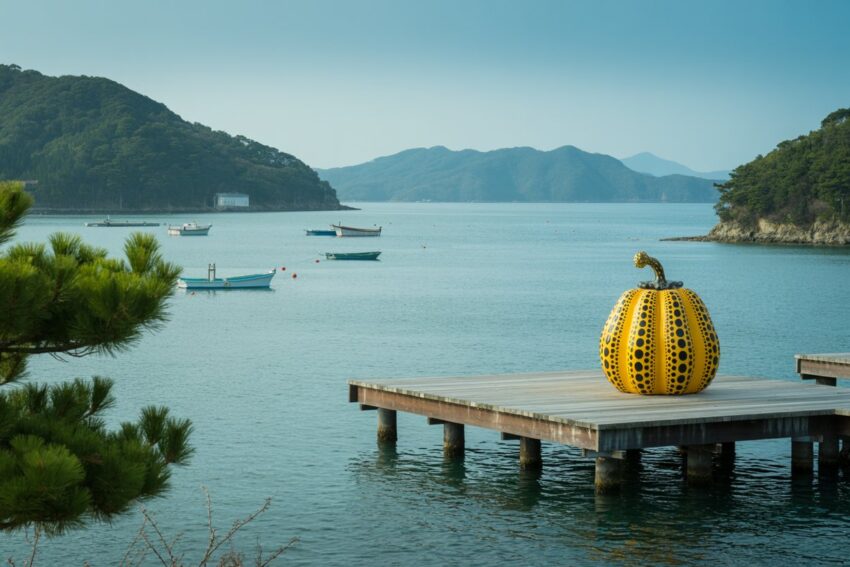
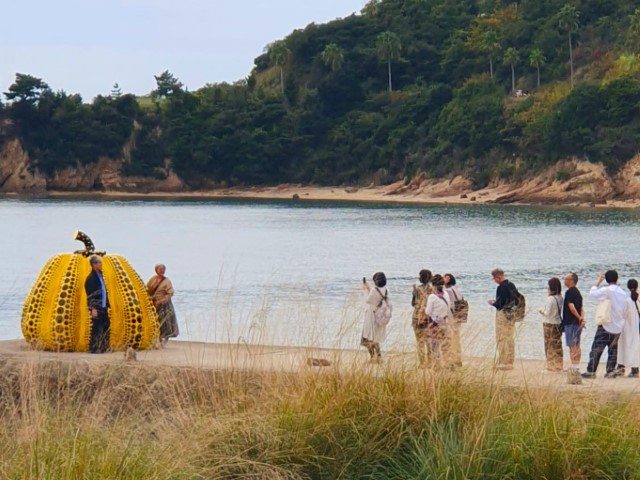
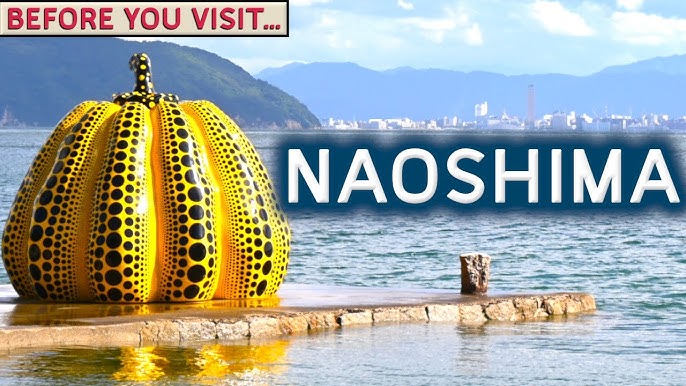
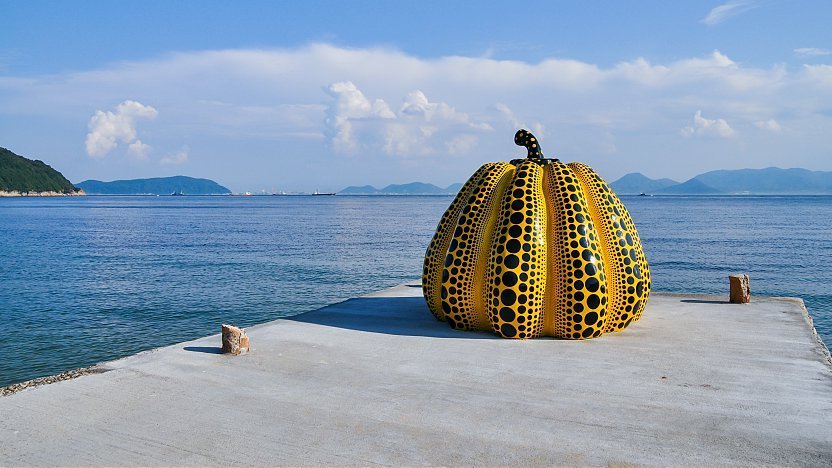
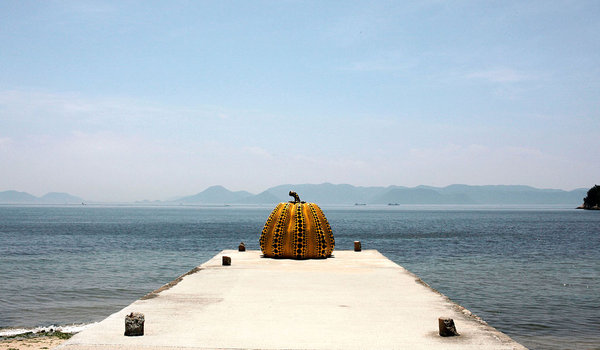
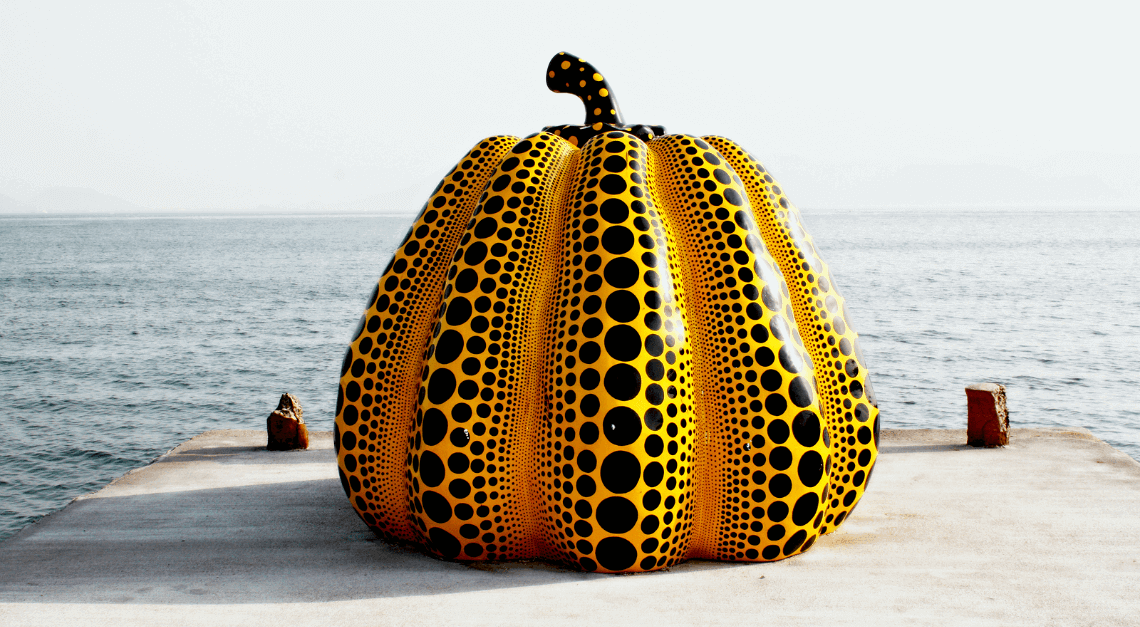
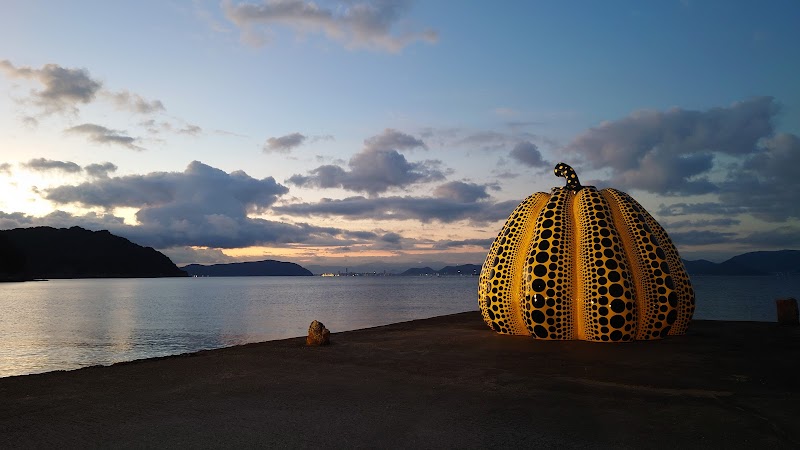
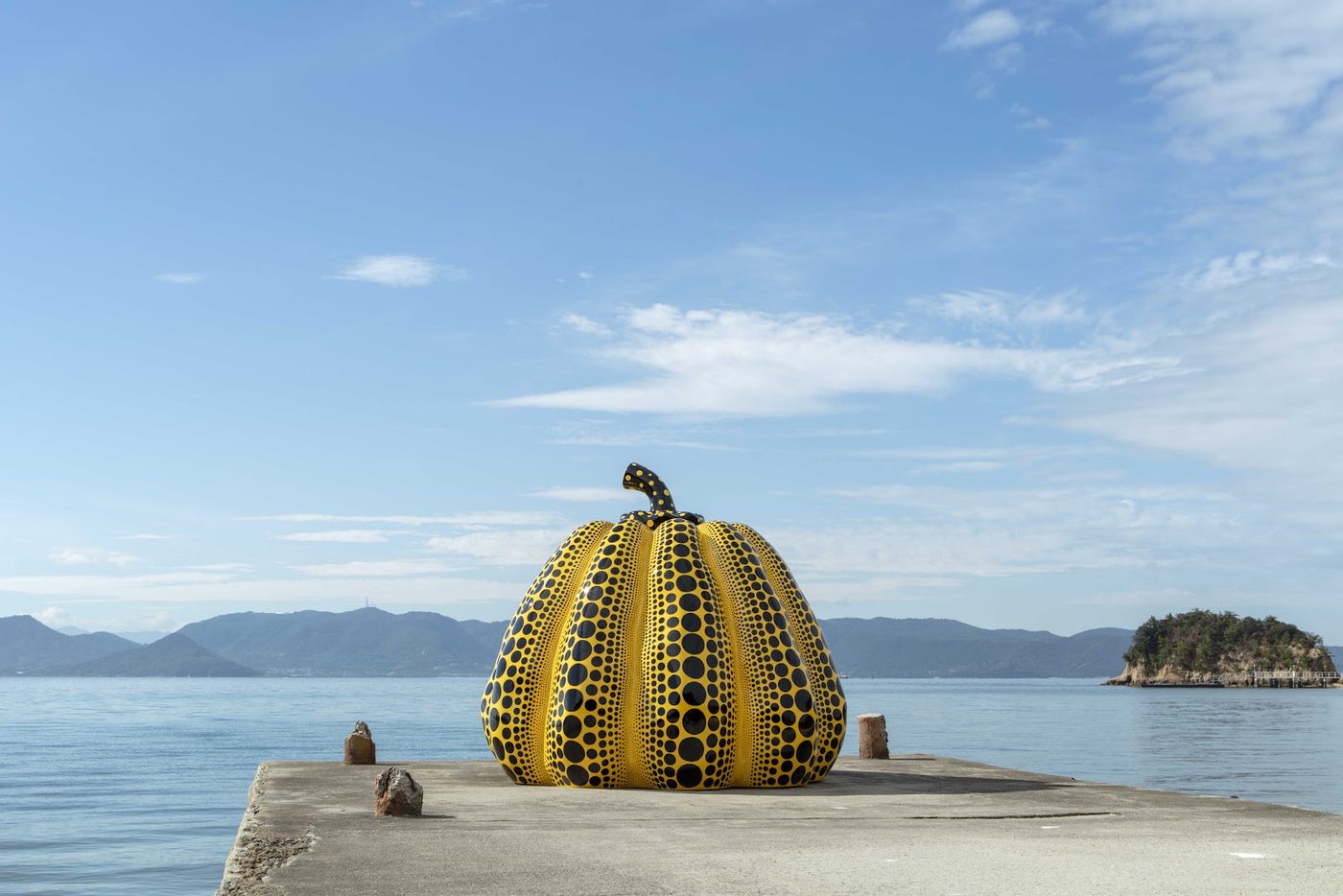
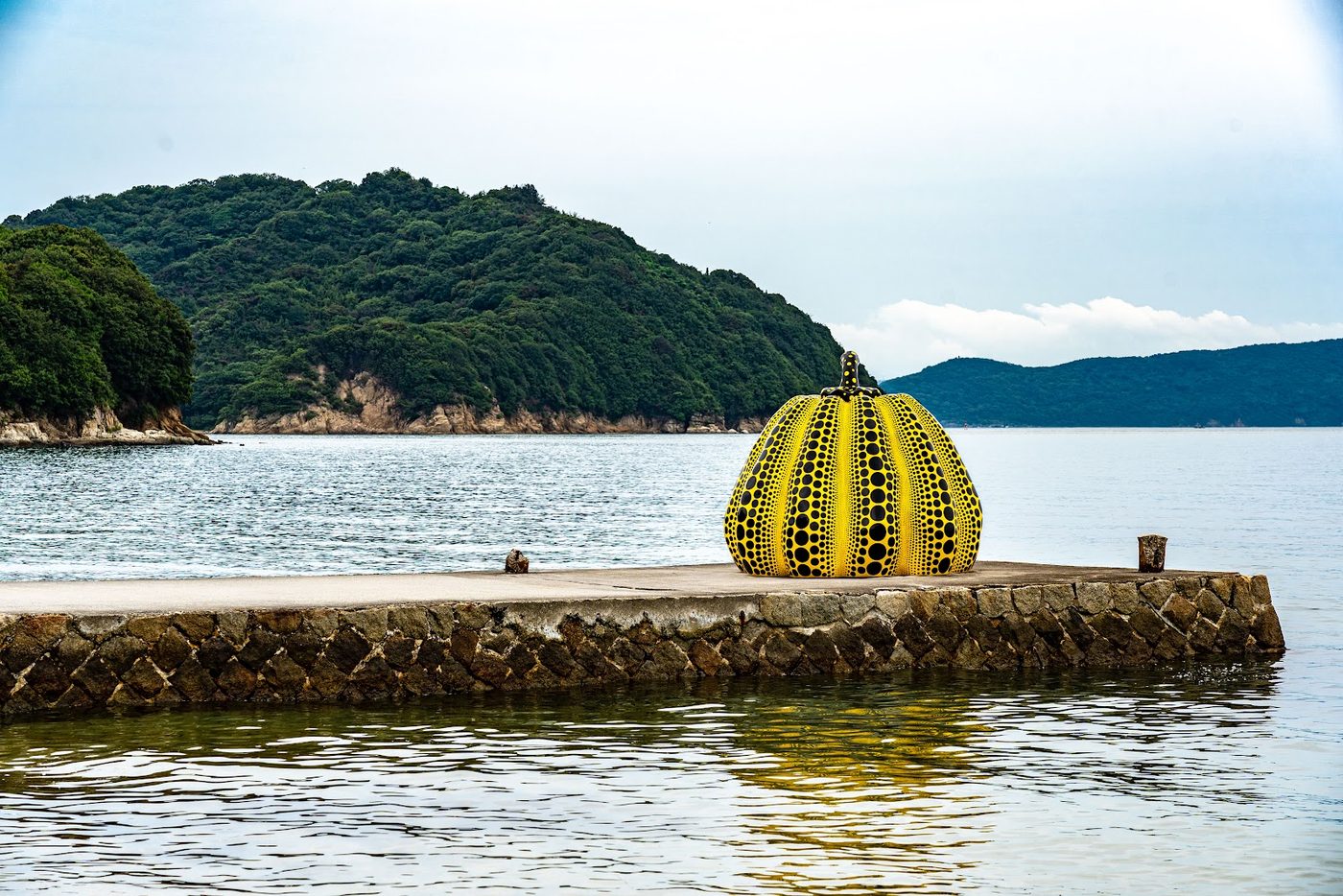
Yayoi Kusama's iconic polka-dotted yellow pumpkin sculpture on a pier extending into the sea. The most photographed artwork on Naoshima. Best at golden hour when the dots glow against the sunset.
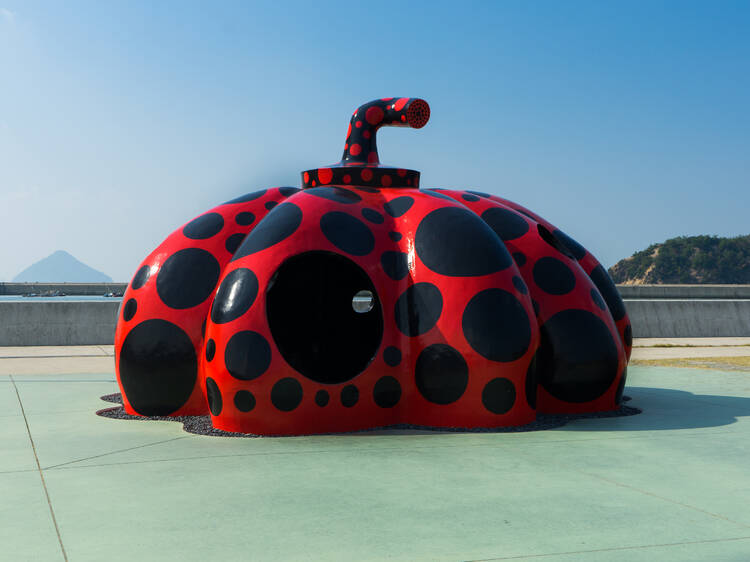
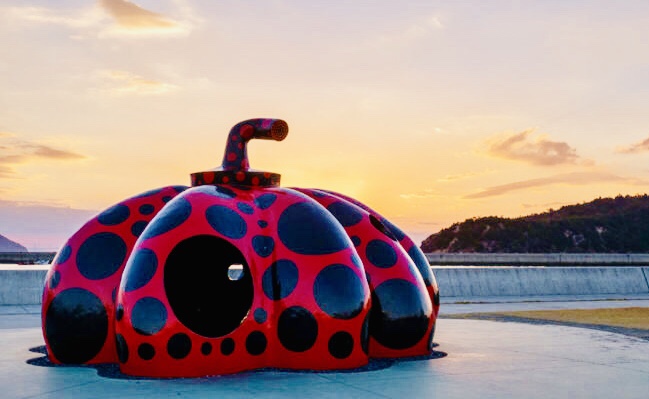
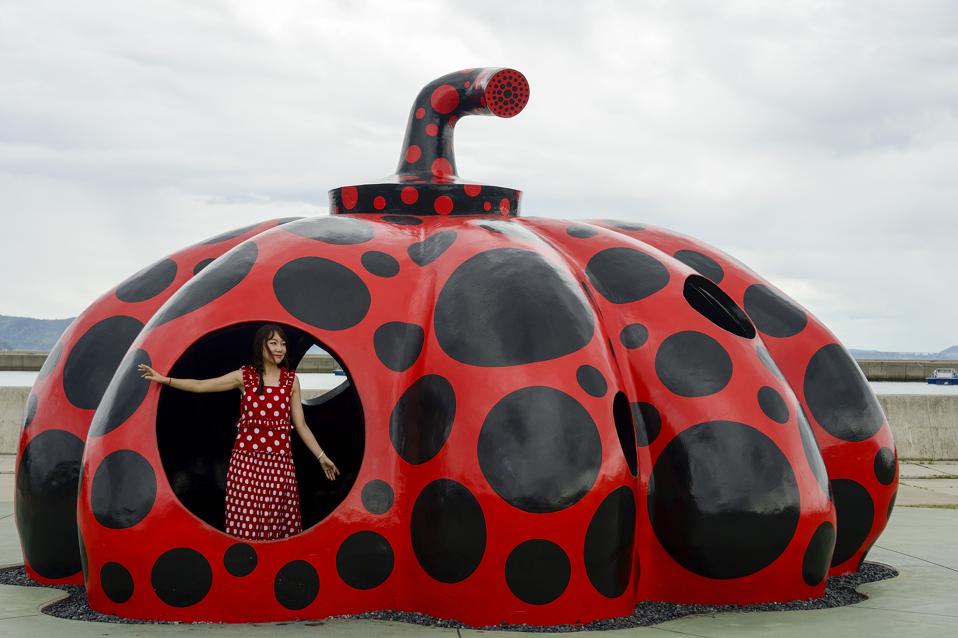
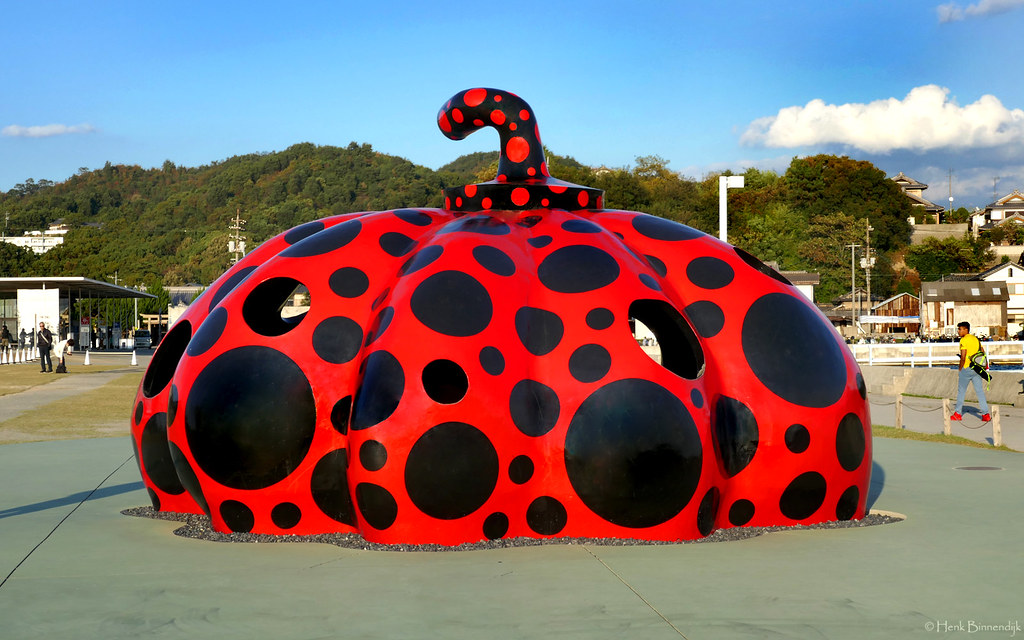
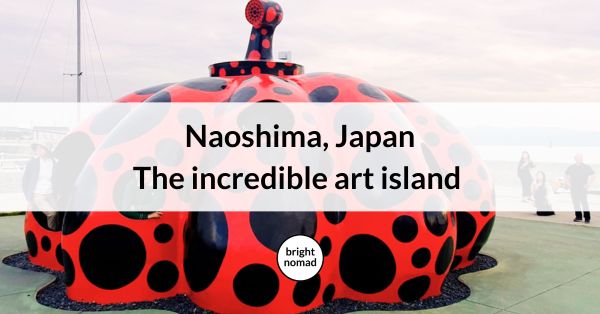
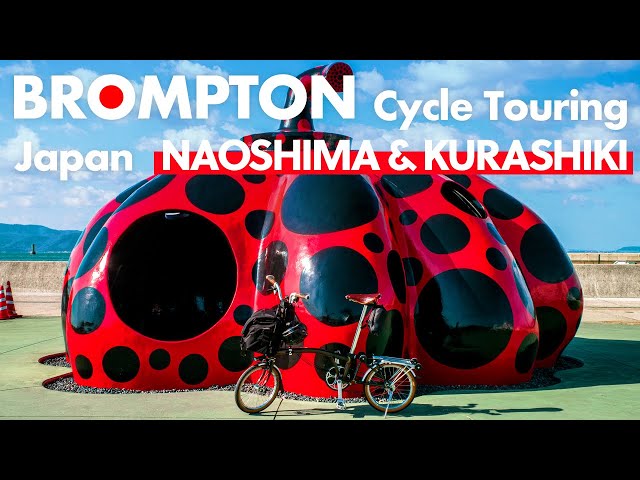
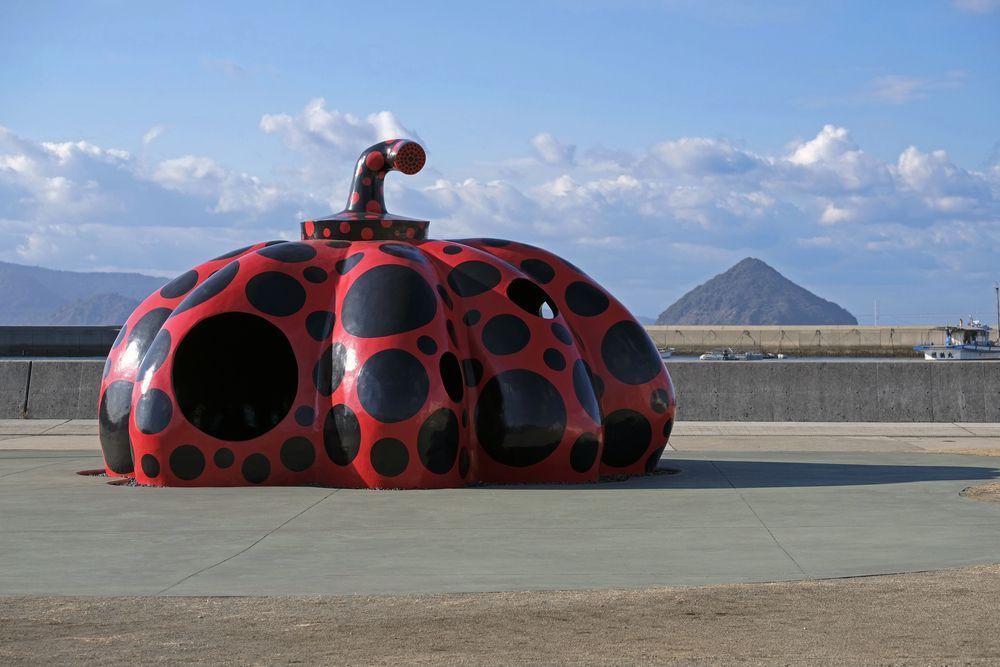
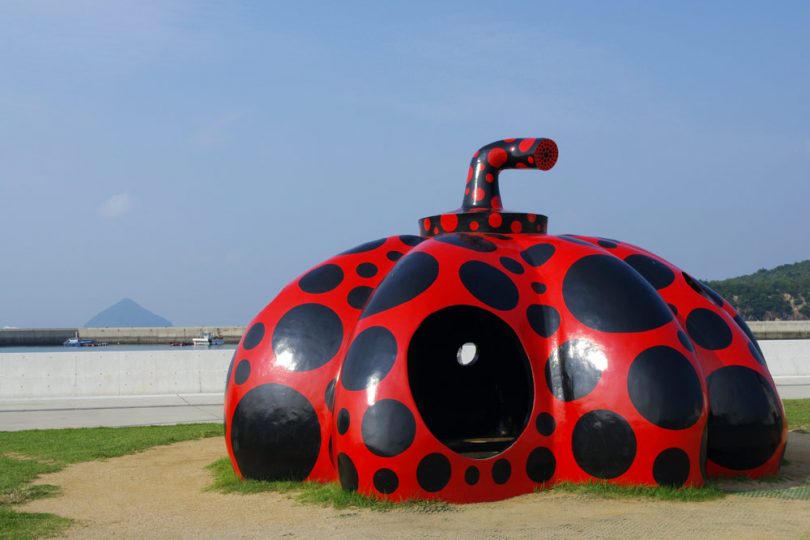
Kusama's red pumpkin at the ferry port. You can walk inside it and see light filtering through the polka-dot cutouts. The first art encounter upon arriving on Naoshima.
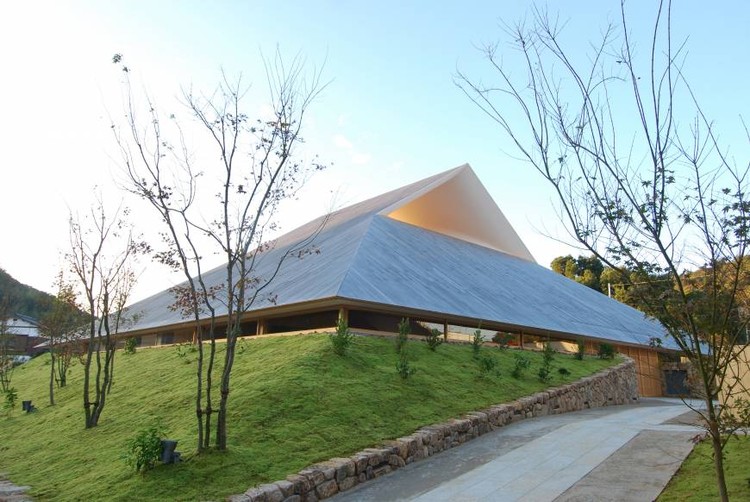
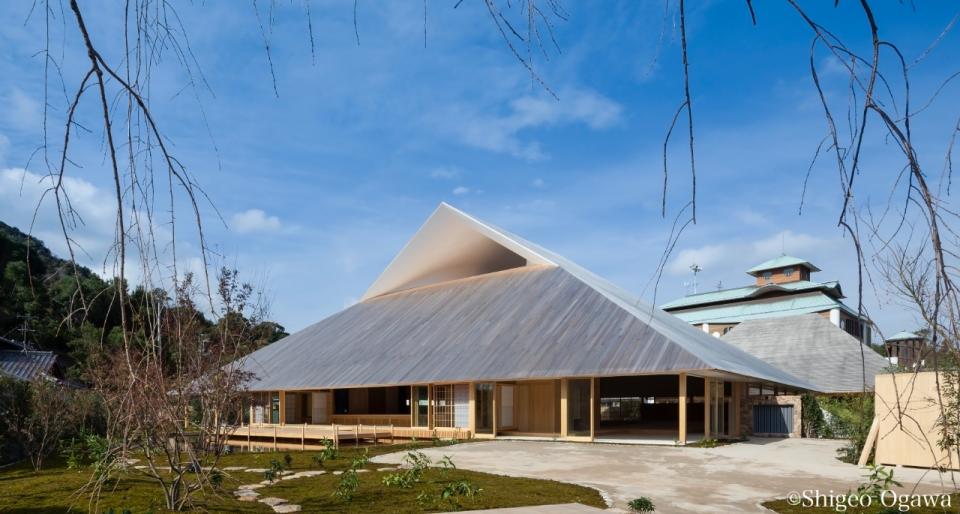
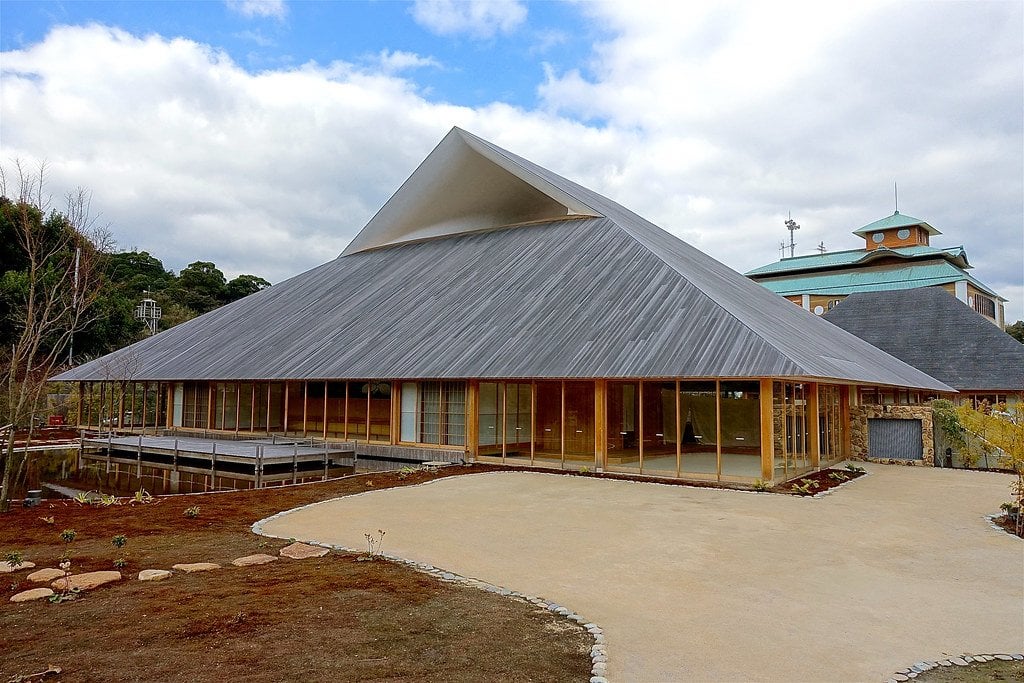
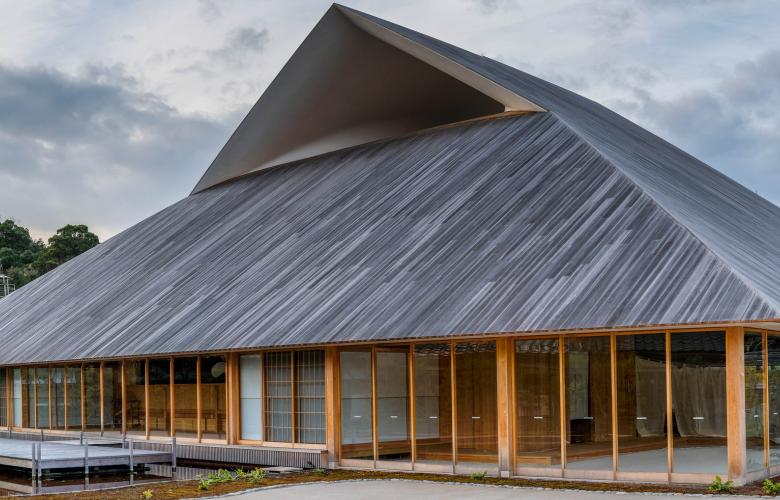
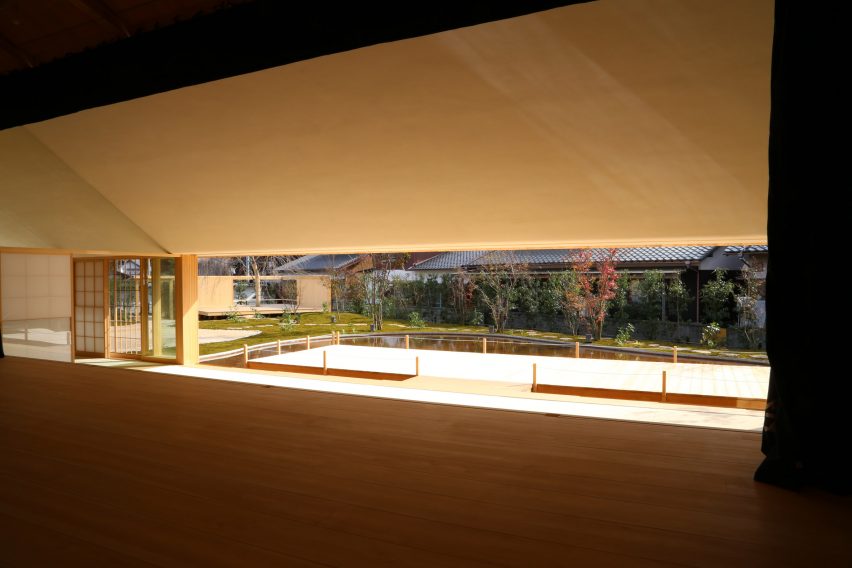
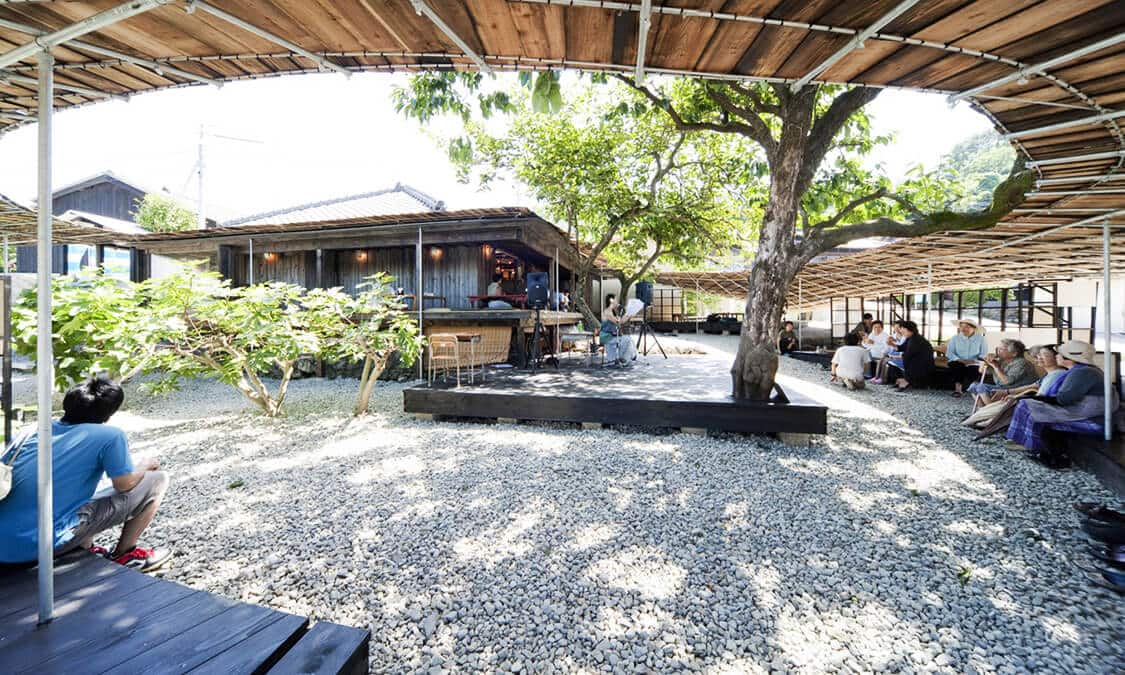
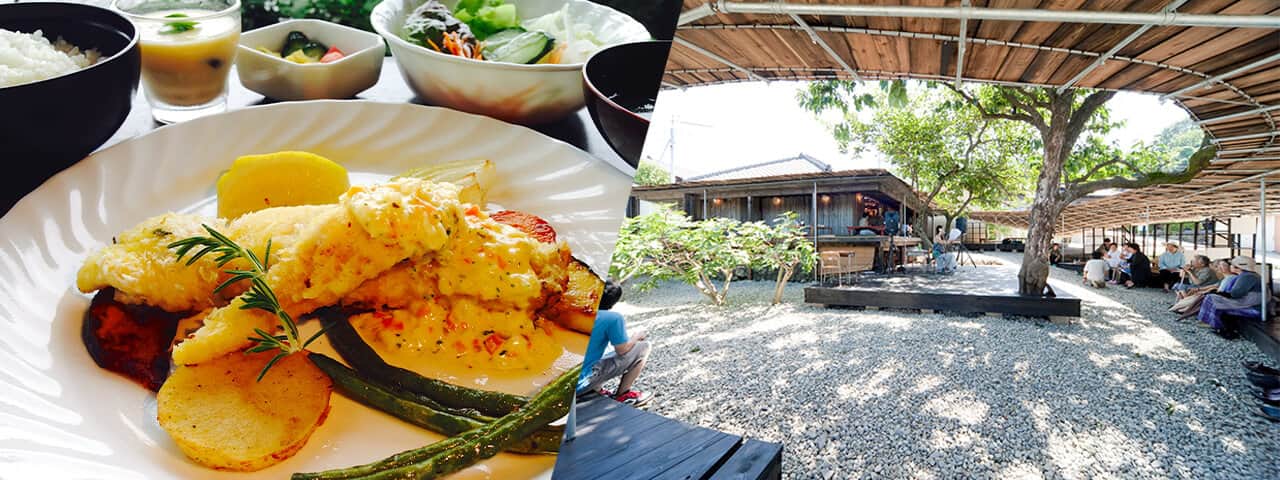
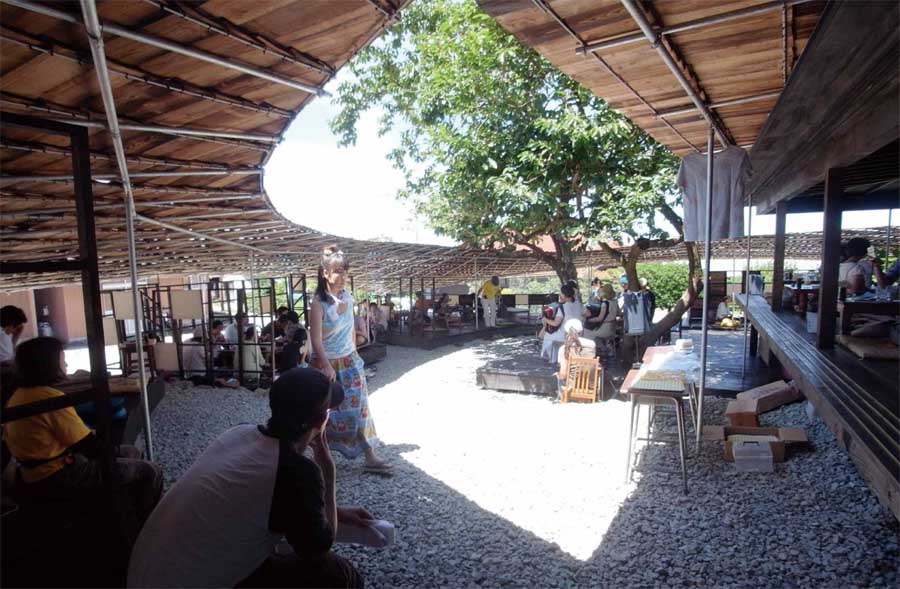
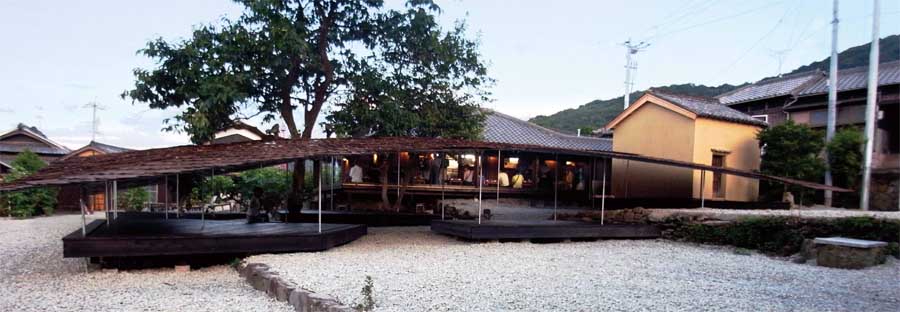
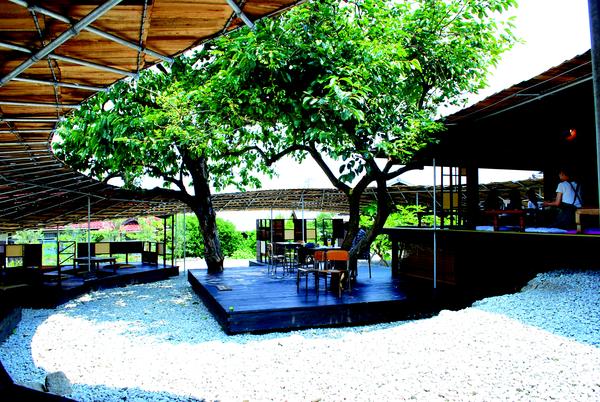
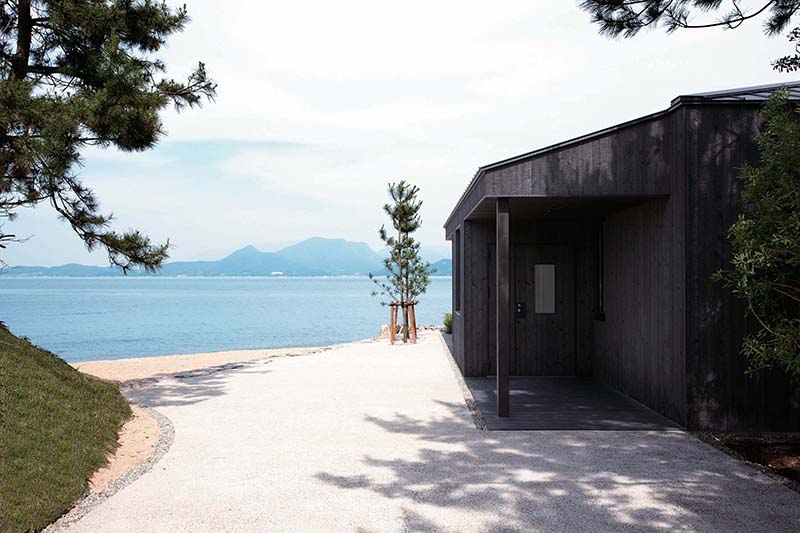
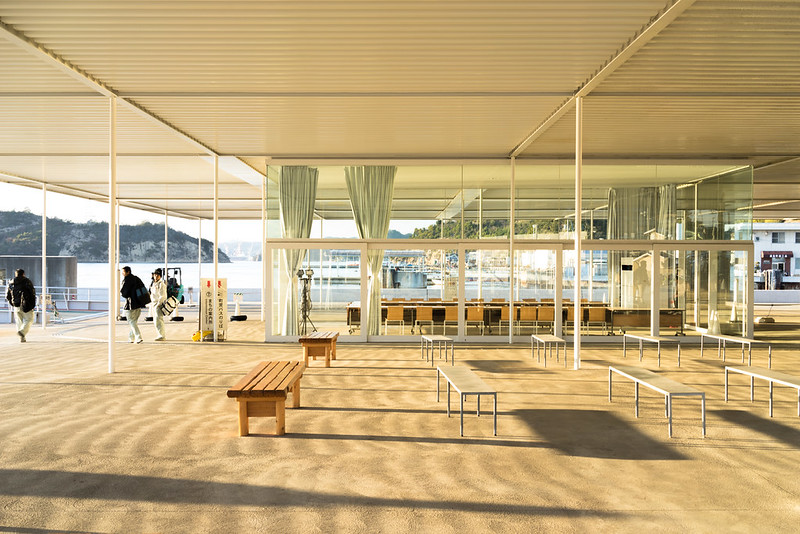
Community center designed by Hiroshi Sambuichi. The wooden structure uses natural ventilation and light. A functioning community space that doubles as architecture tourism. Open to visitors.
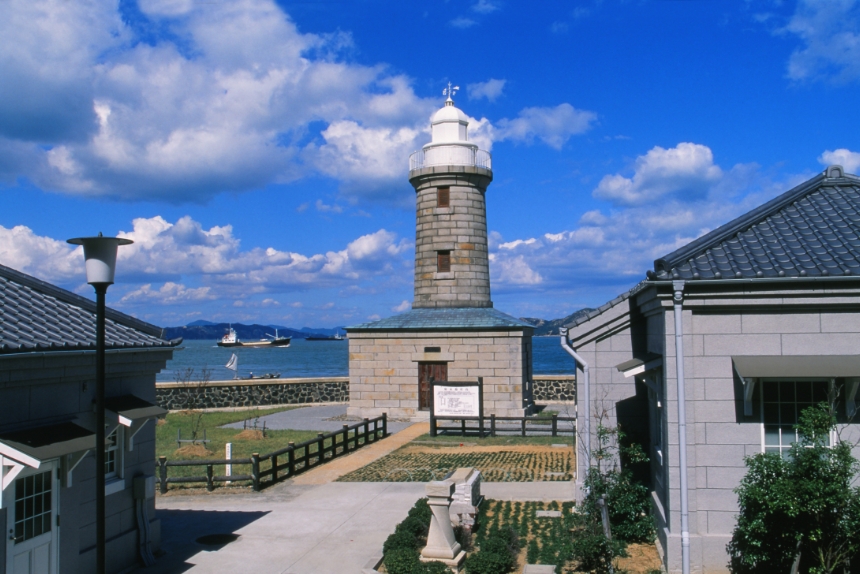
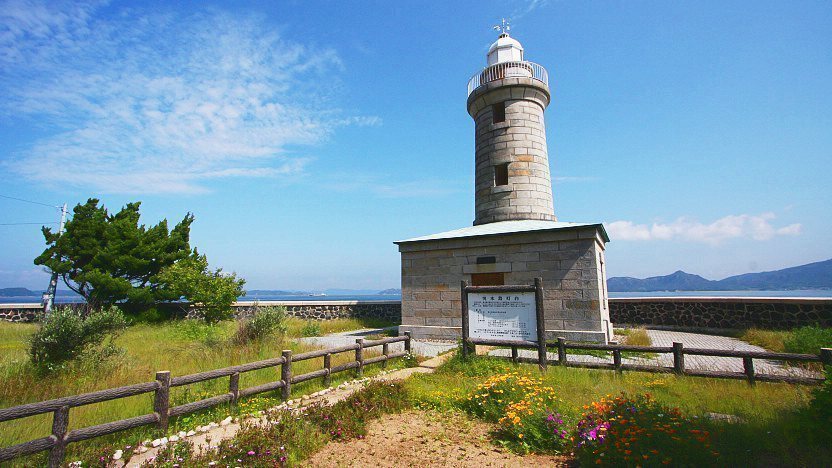
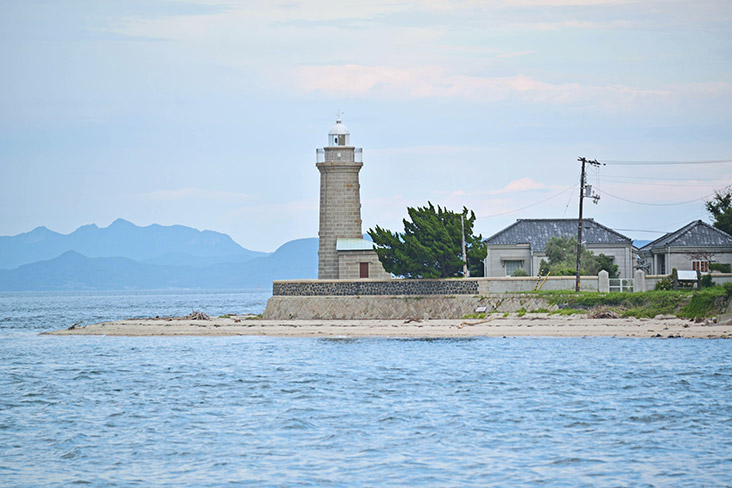
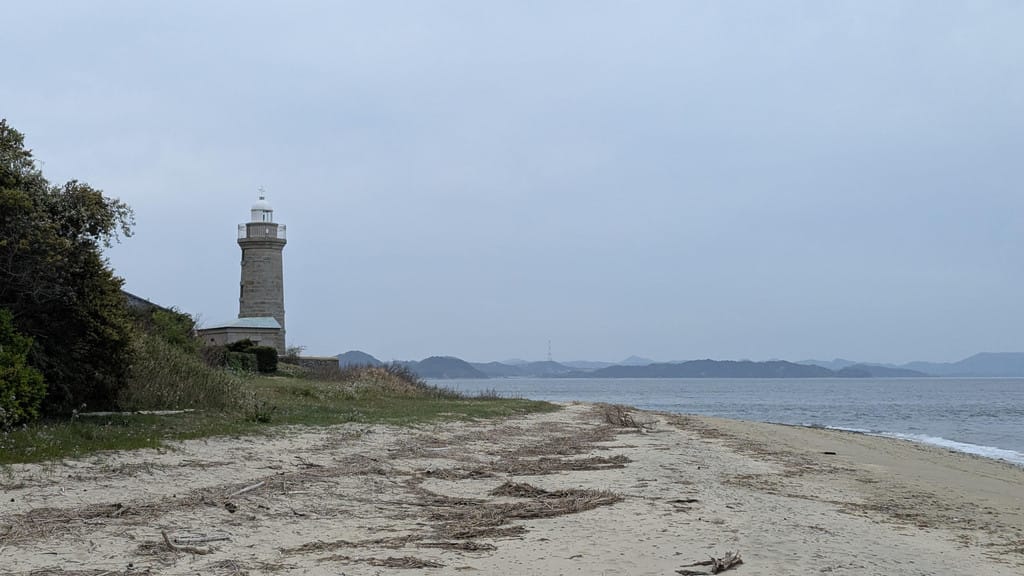
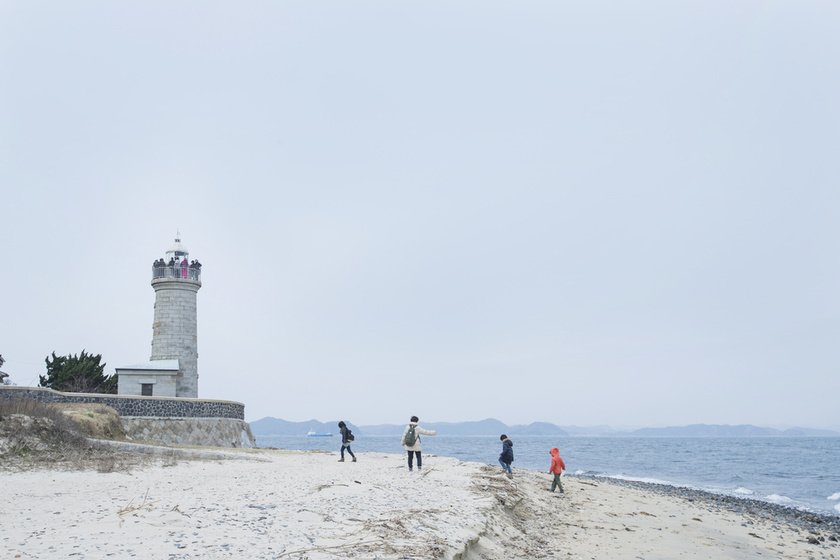
White lighthouse at the tip of tiny Ogijima island. The walk through the art-filled village to reach it passes traditional houses and contemporary installations. The lighthouse view stretches across the Seto Inland Sea.
Entire island dedicated to contemporary art, the Yayoi Kusama pumpkin, Chichu Art Museum (Monet in natural light underground), and...
Gold-leafed mausoleums, national treasure shrines, and mountain temples.


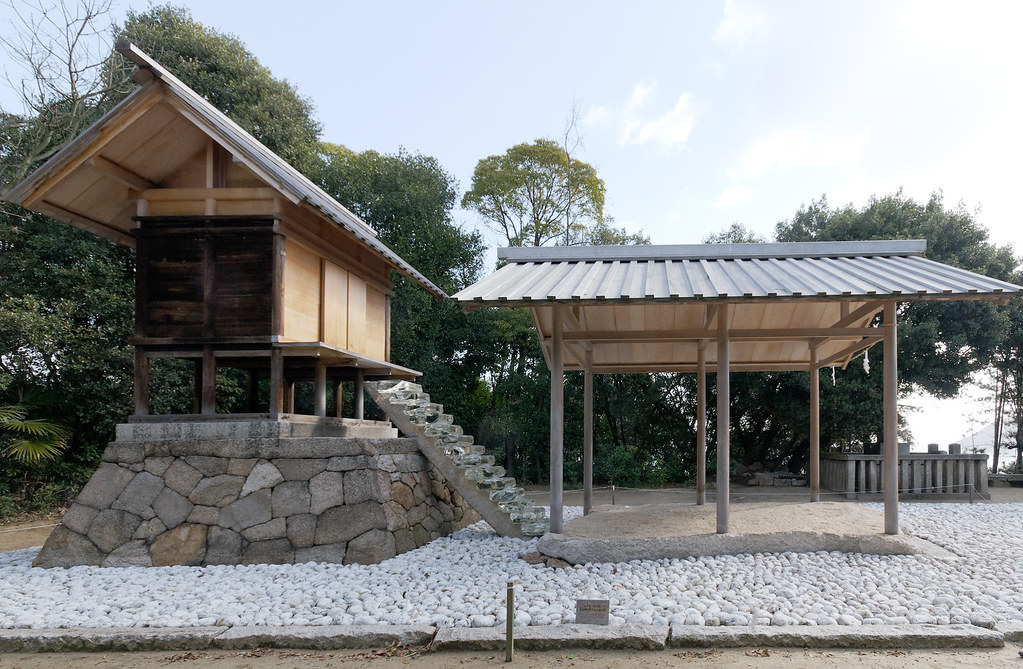
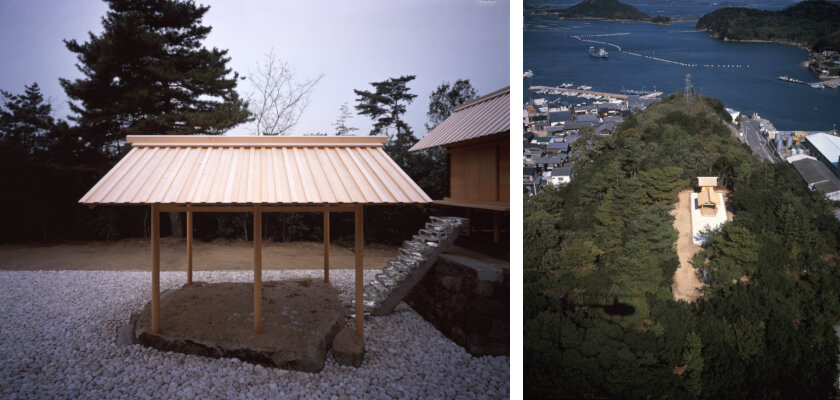
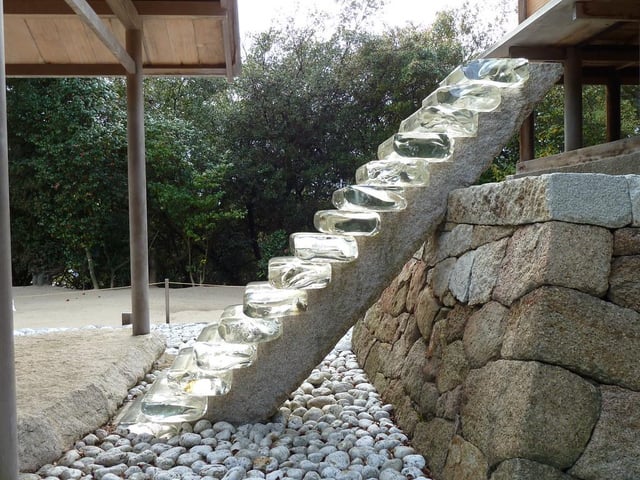
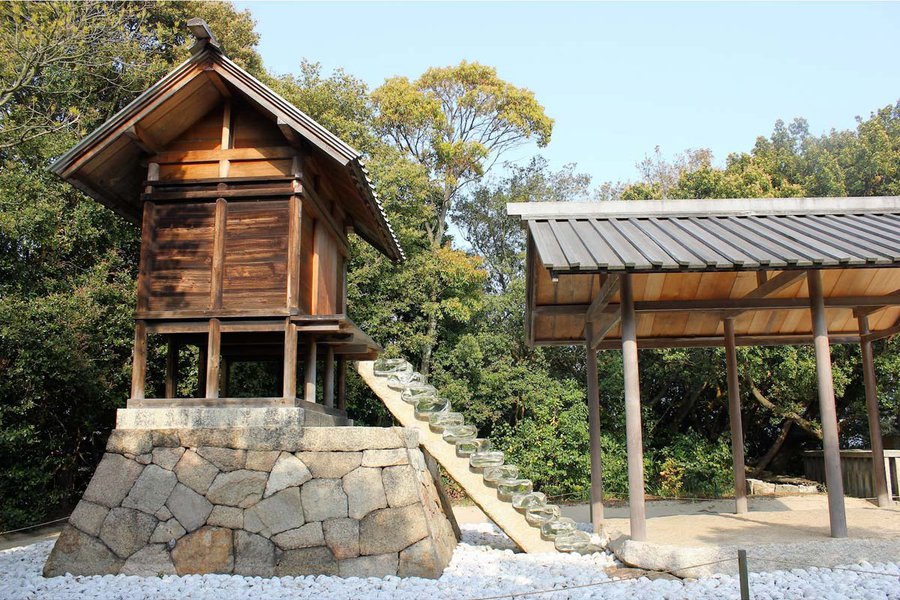
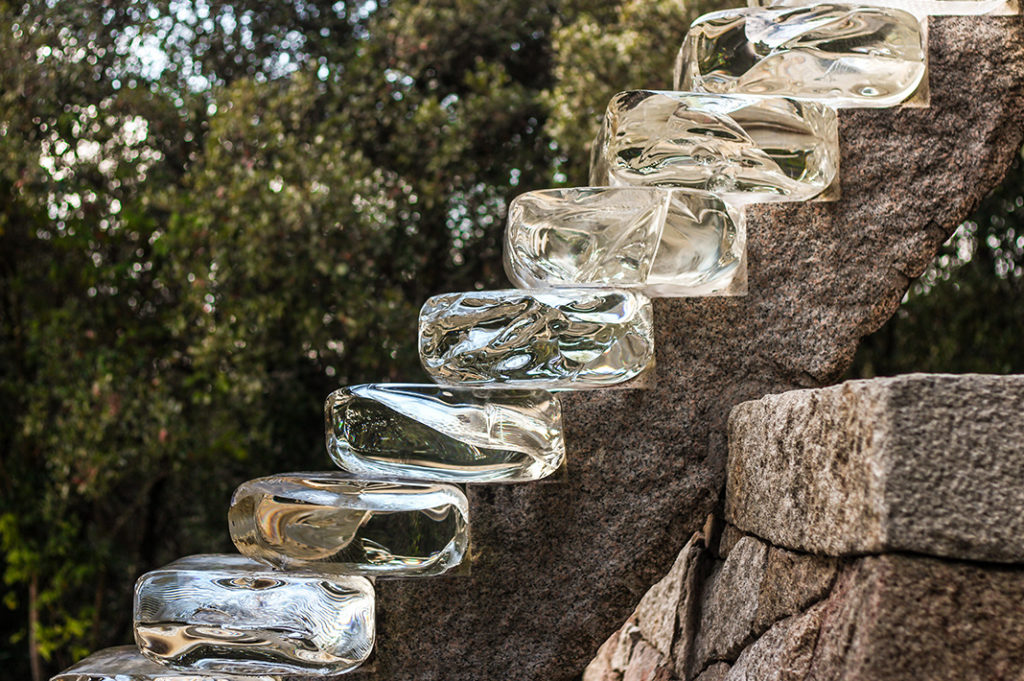
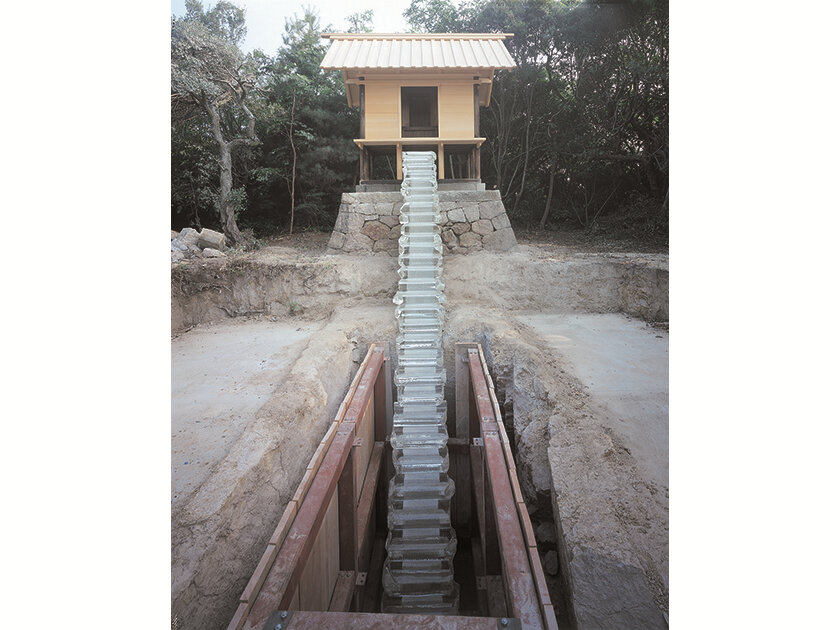
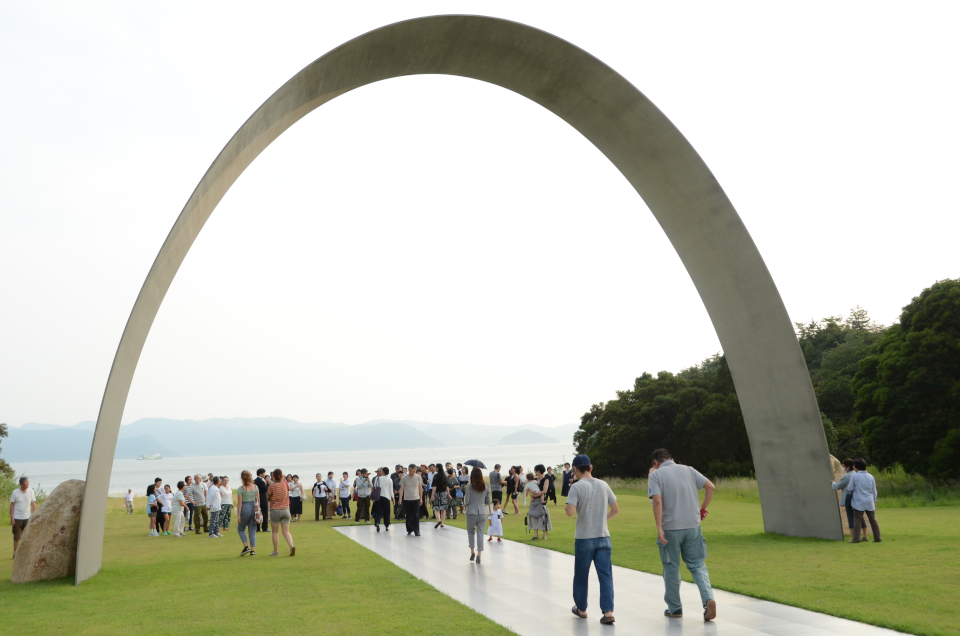
Redesigned shrine by Hiroshi Sugimoto featuring an optically perfect glass staircase descending underground. Sacred architecture meets contemporary art. A functioning shrine that people still worship at.

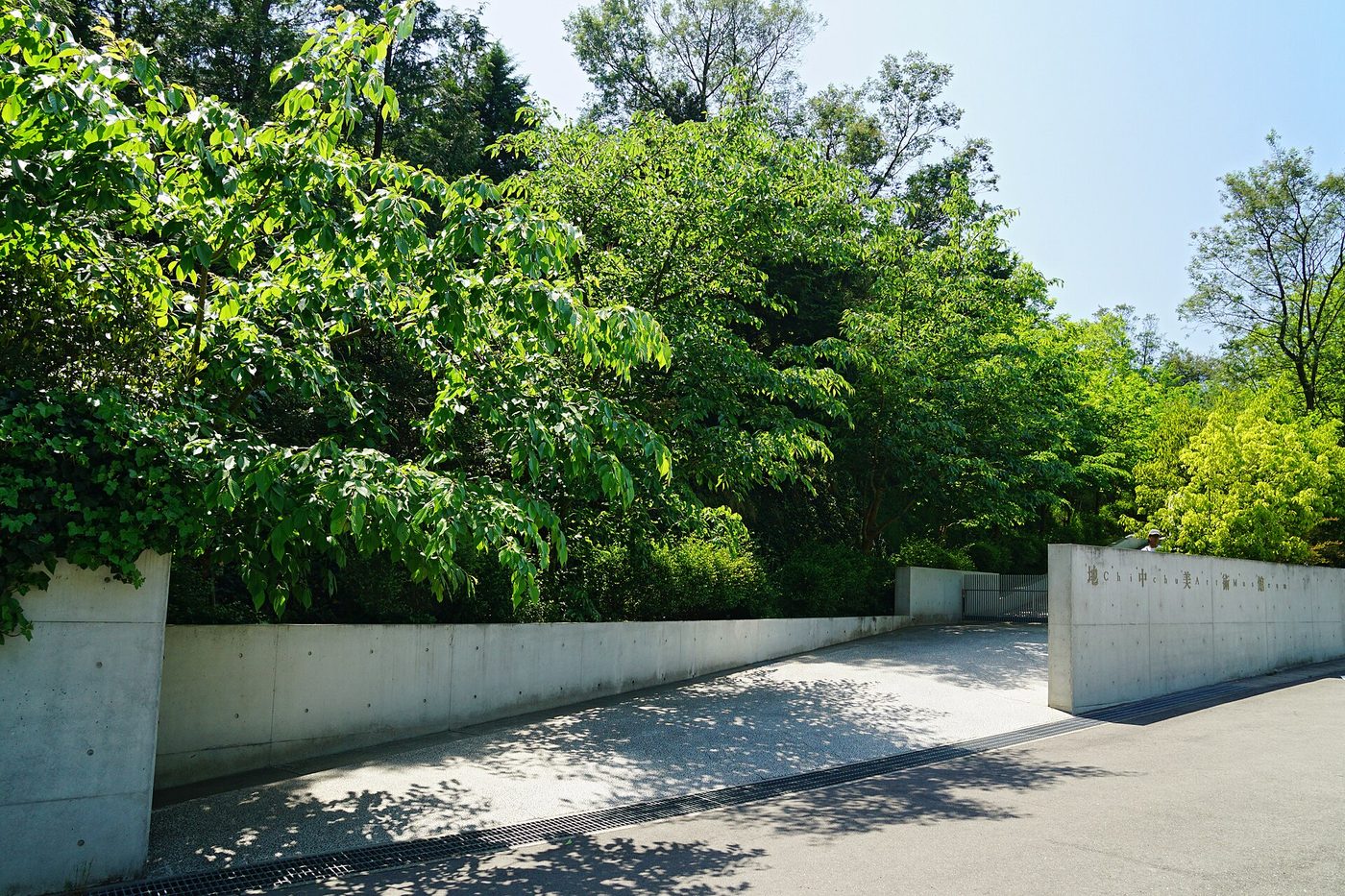
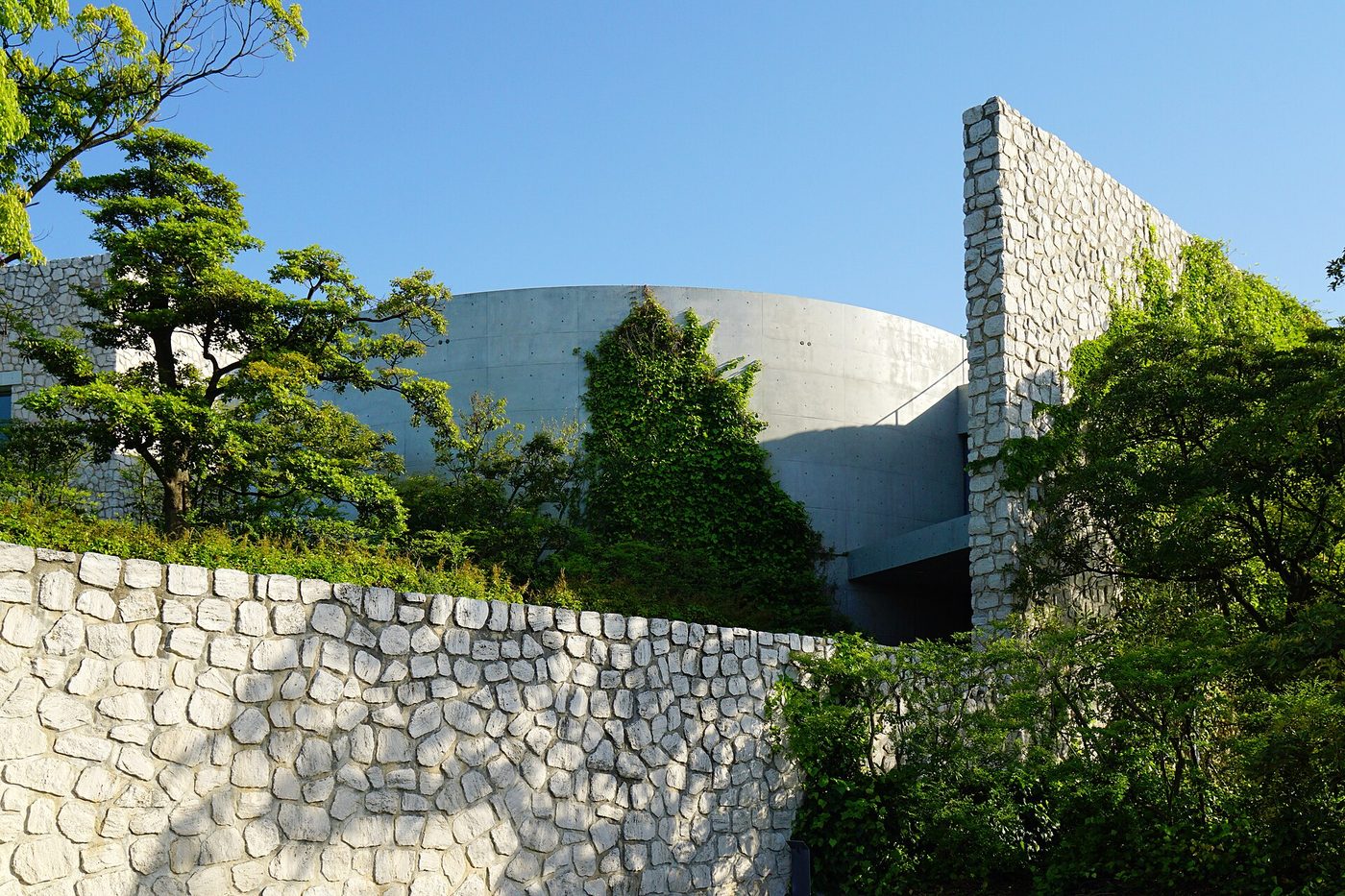
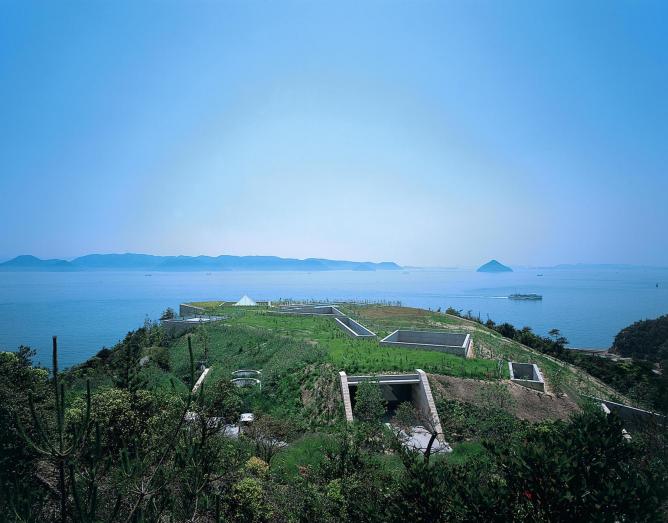
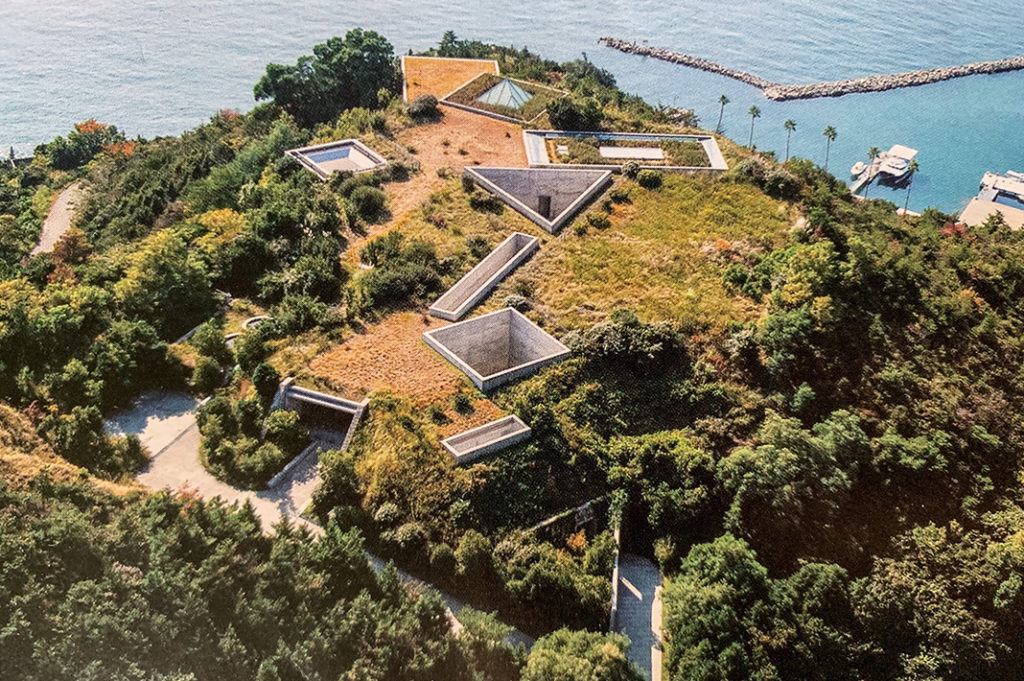
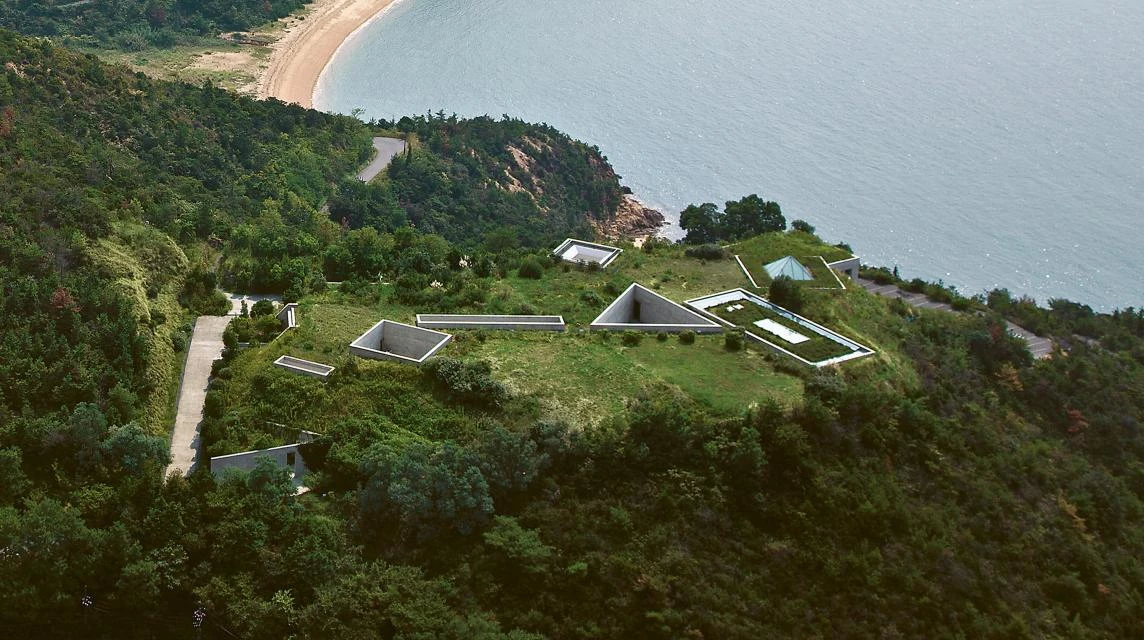
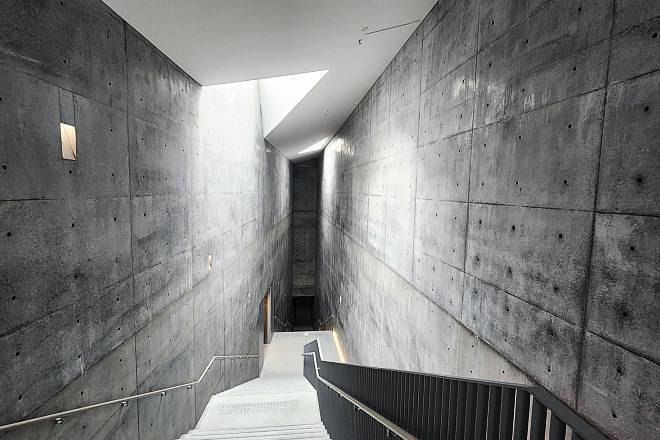
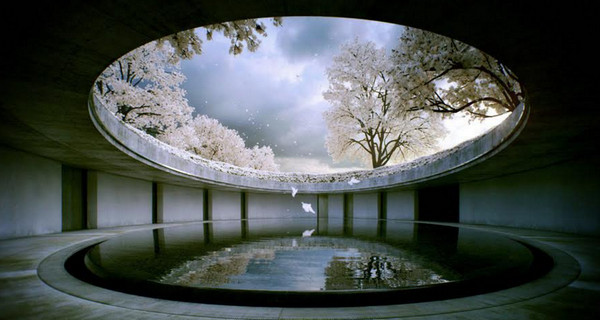
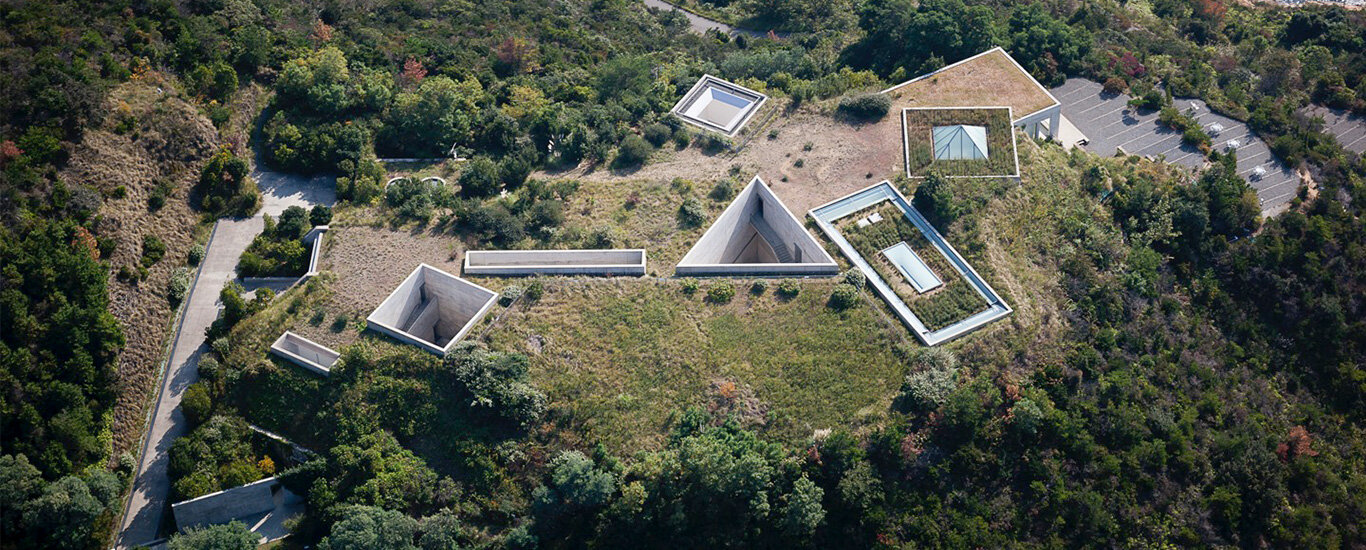
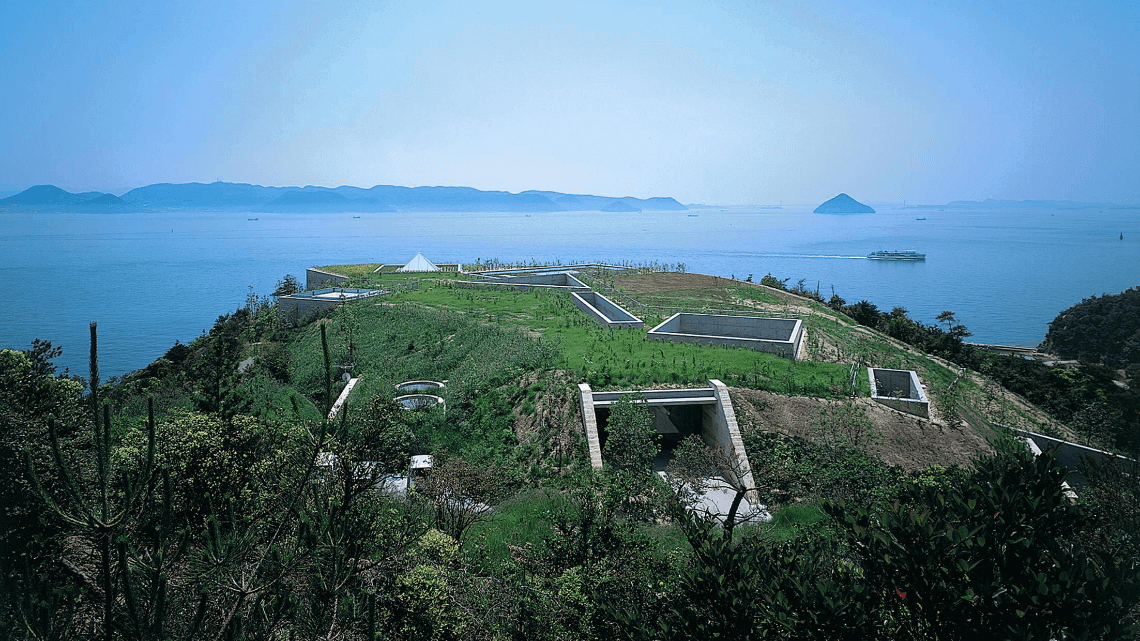
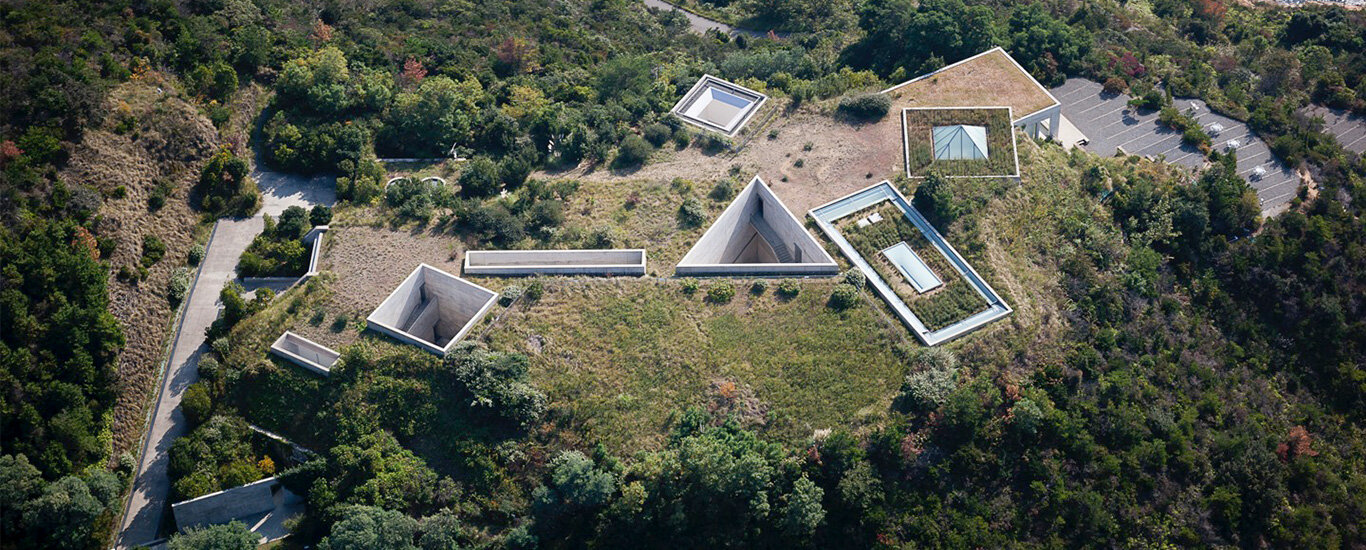
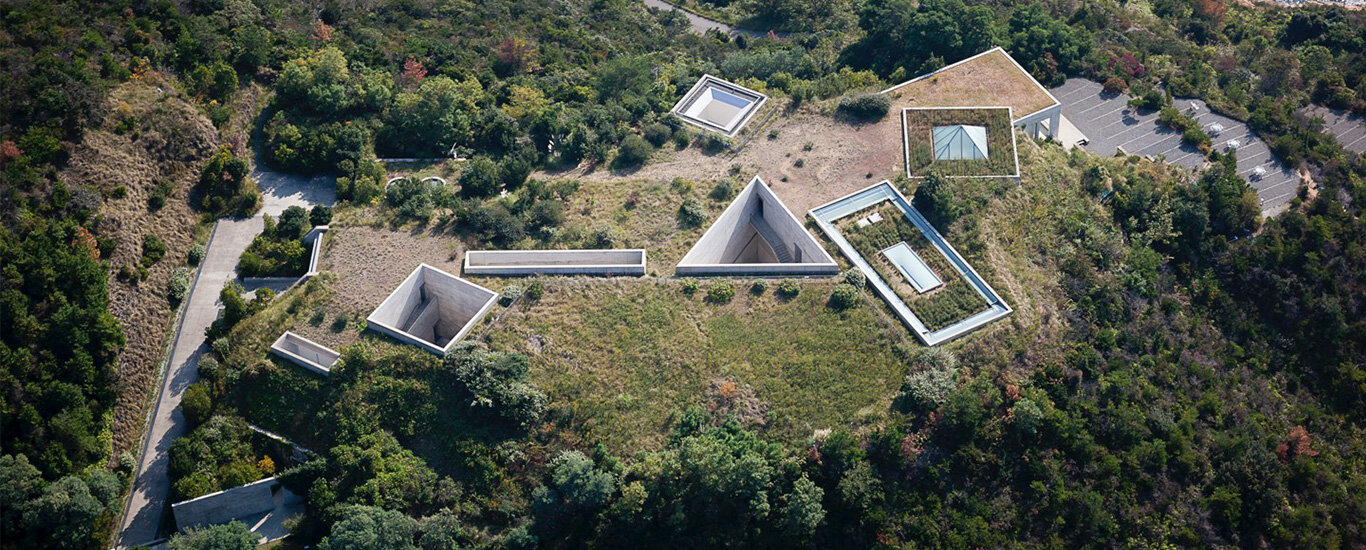
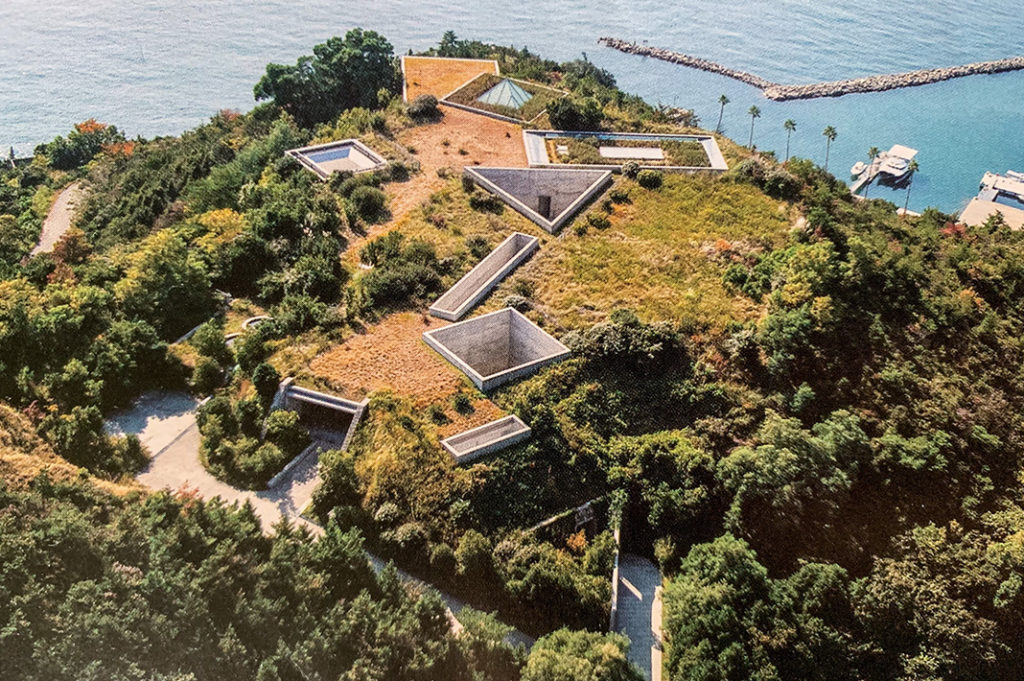
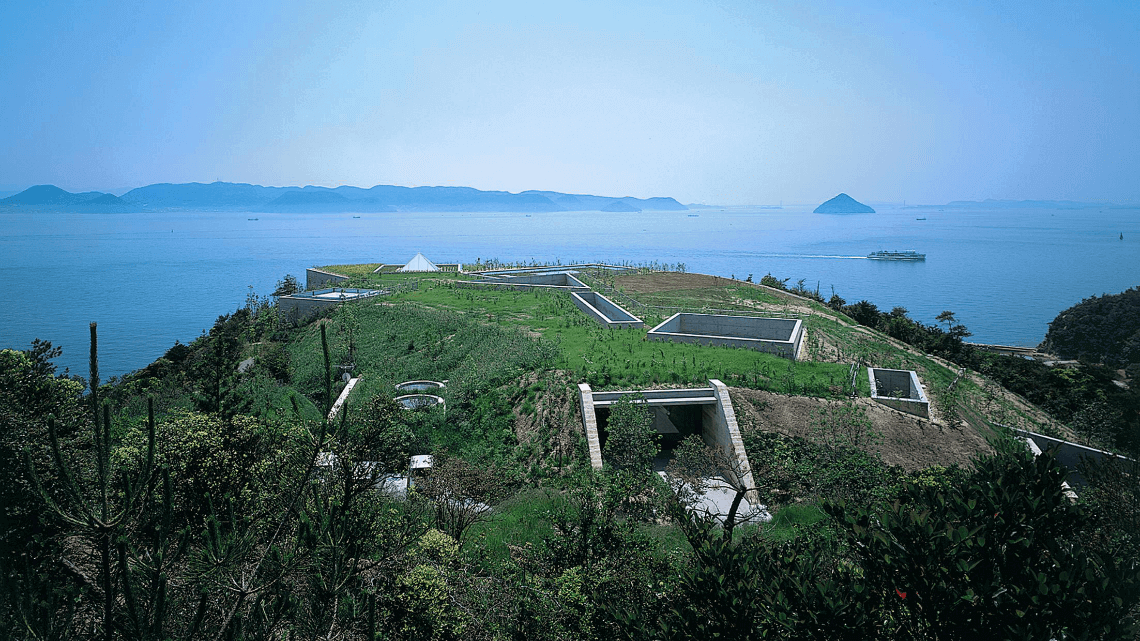
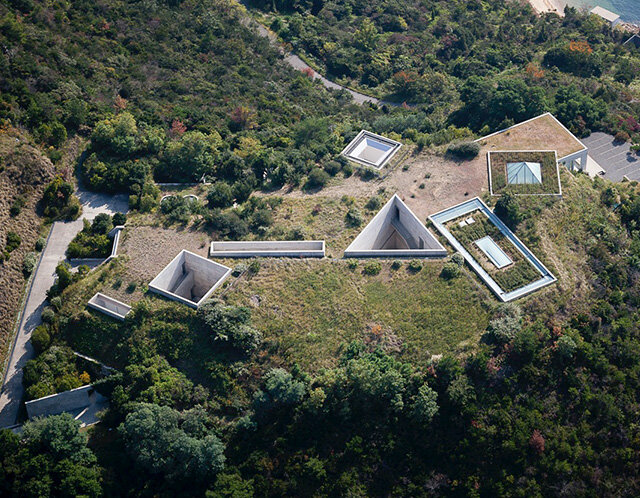
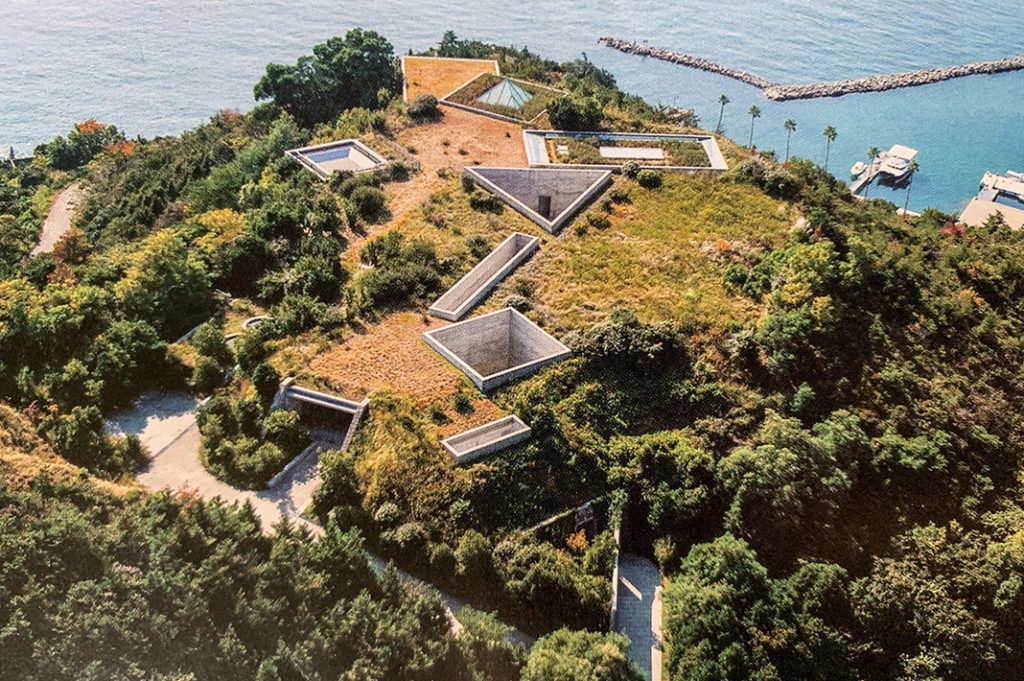
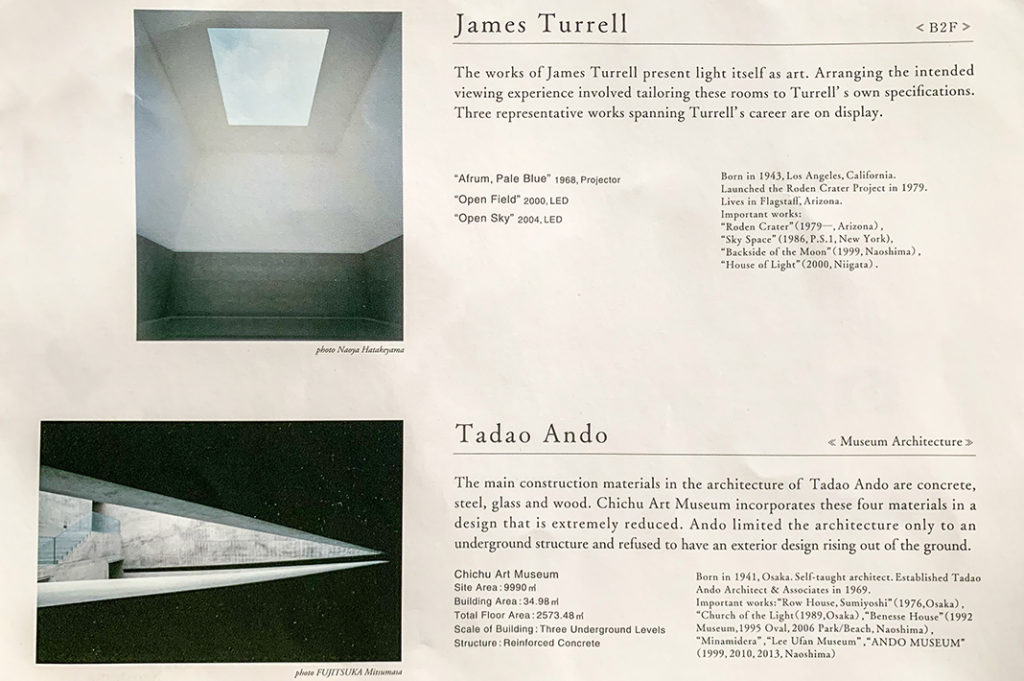
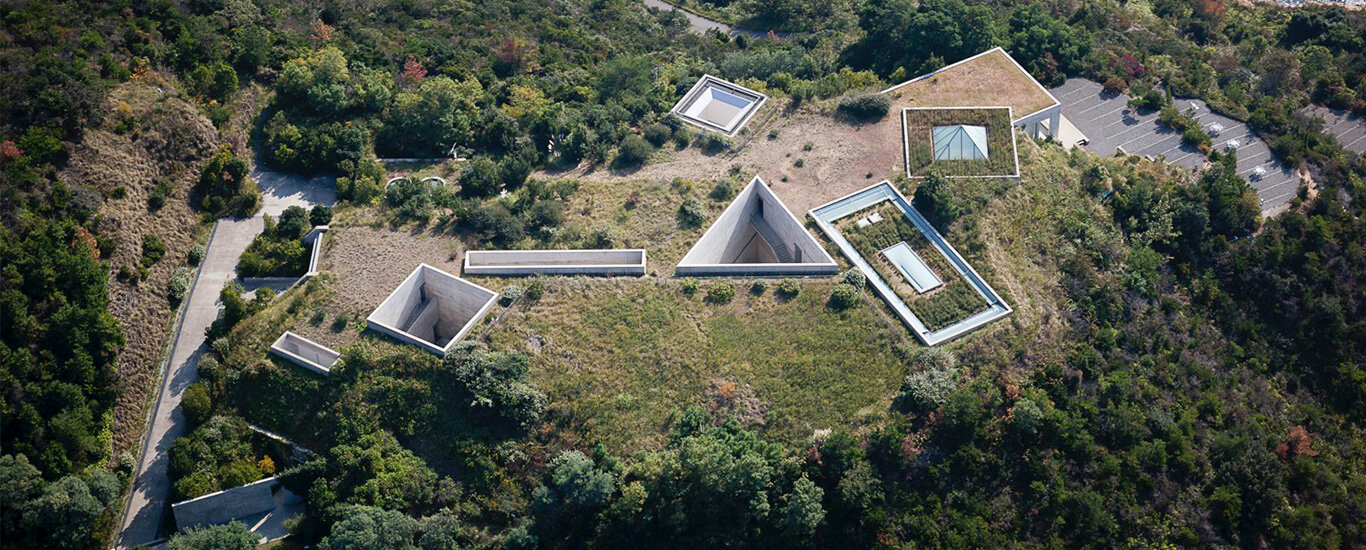
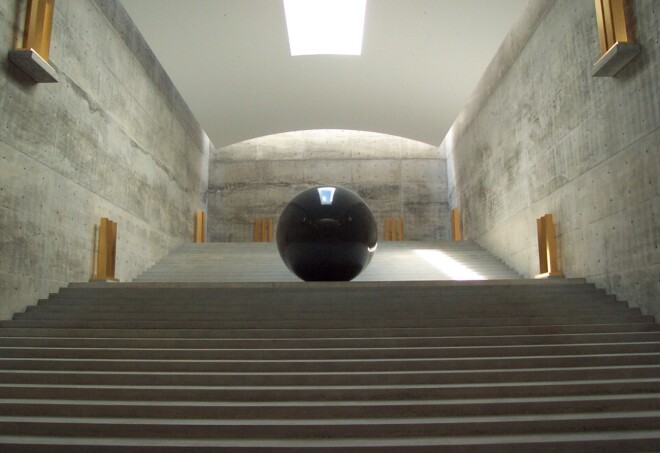
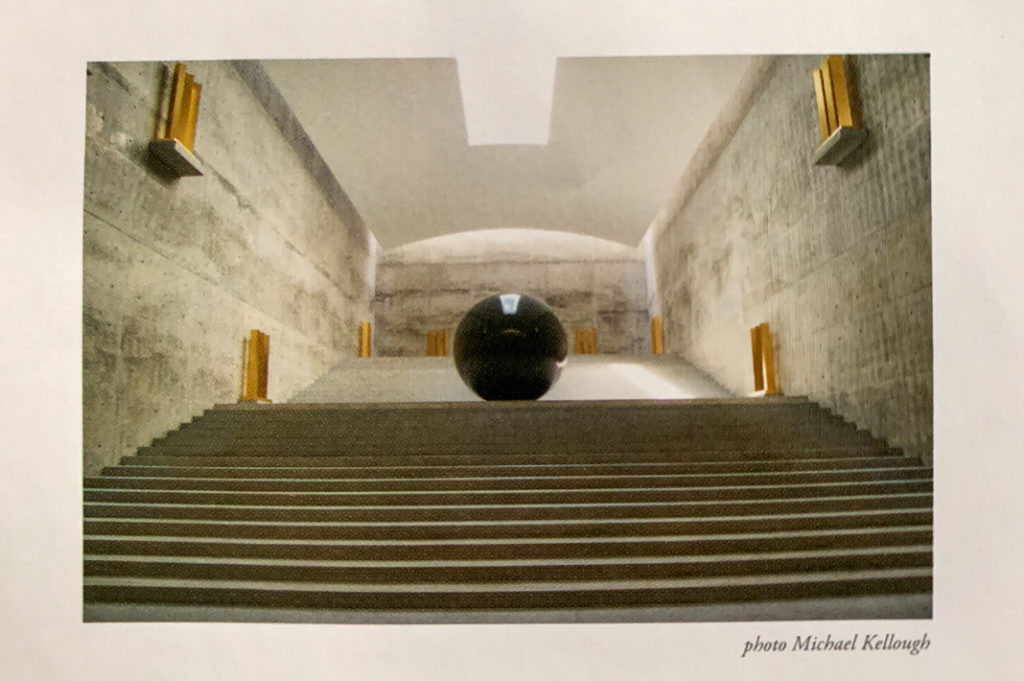
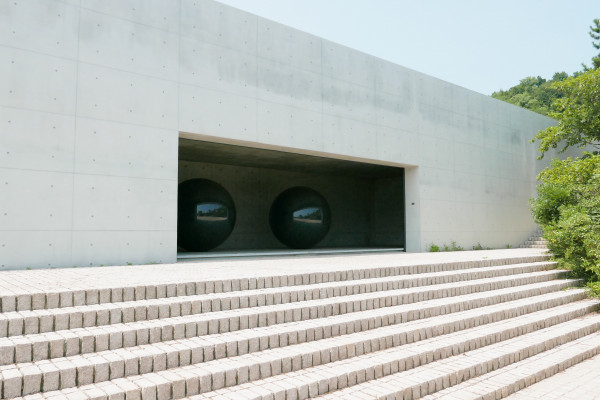
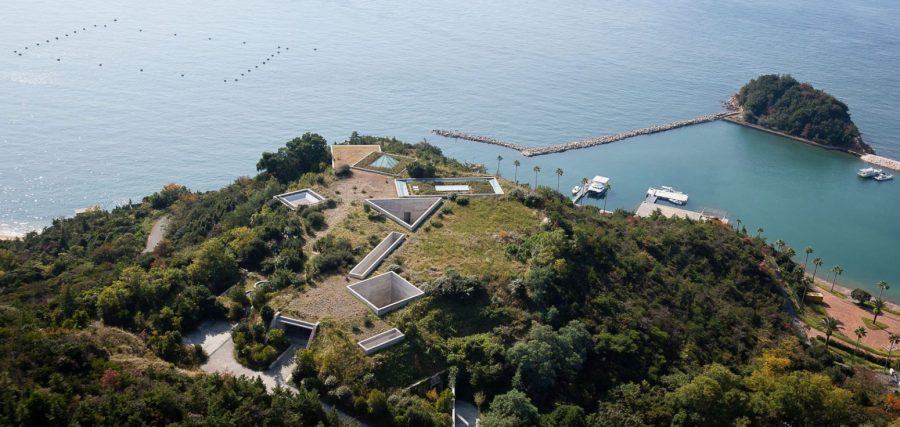
Tadao Ando's underground museum housing Monet's Water Lilies in a room of natural light, Walter De Maria's sphere, and James Turrell's...

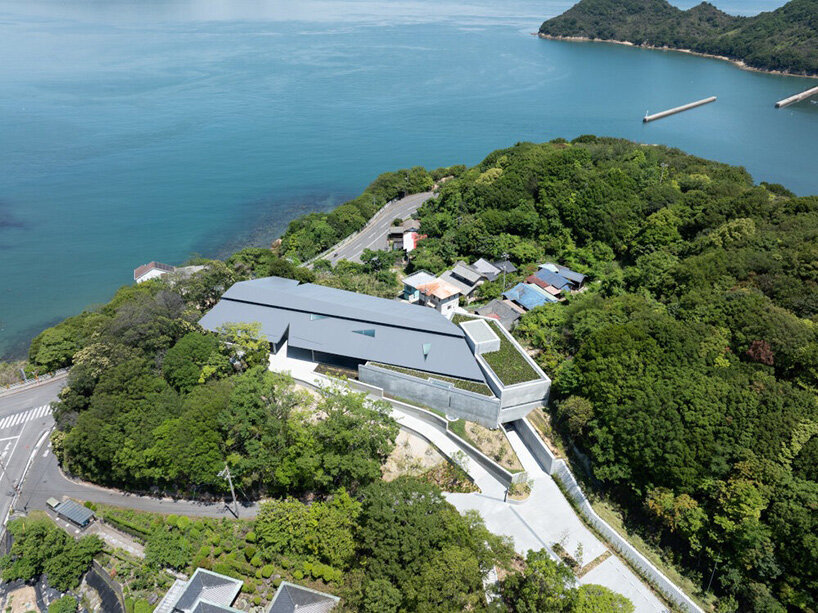
Art museum-hotel hybrid where guests sleep among the installations. Even non-guests can visit the museum. Works by Warhol, Pollock, and...
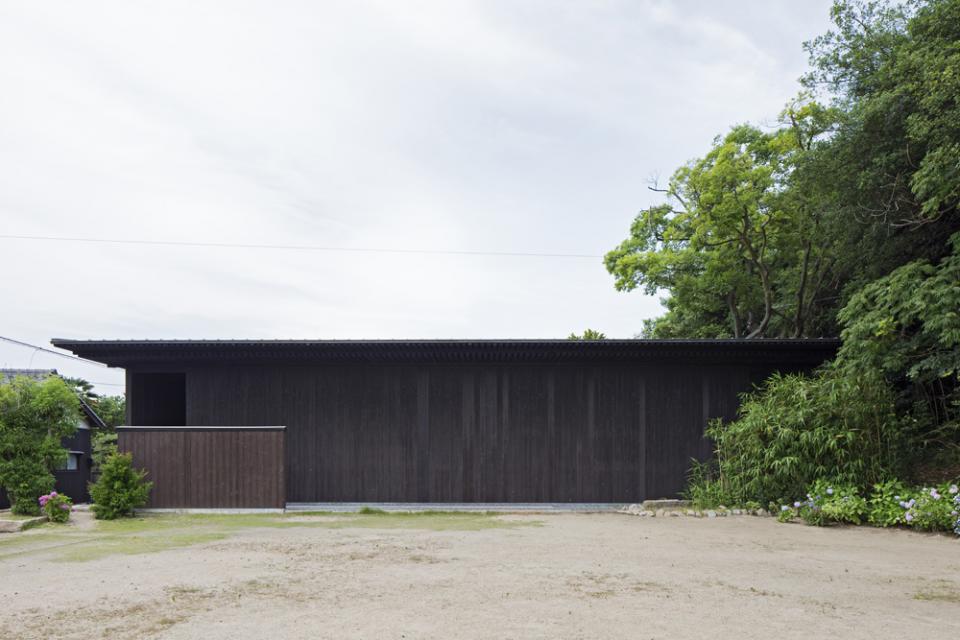
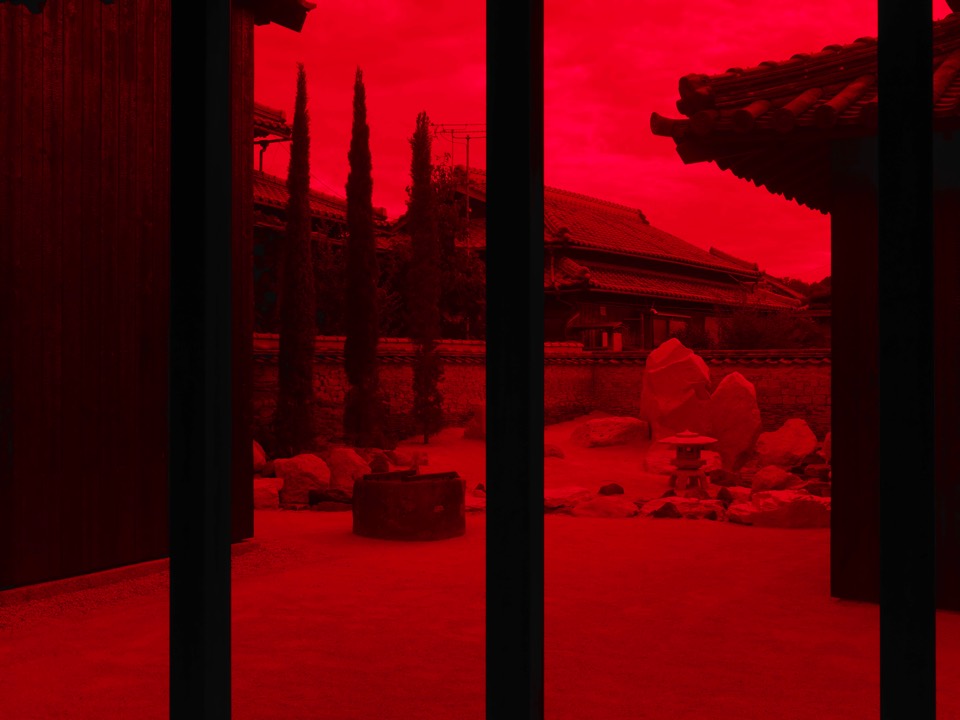
Abandoned village houses converted into permanent art installations, each house is a complete artwork. Minamidera (James Turrell) and...
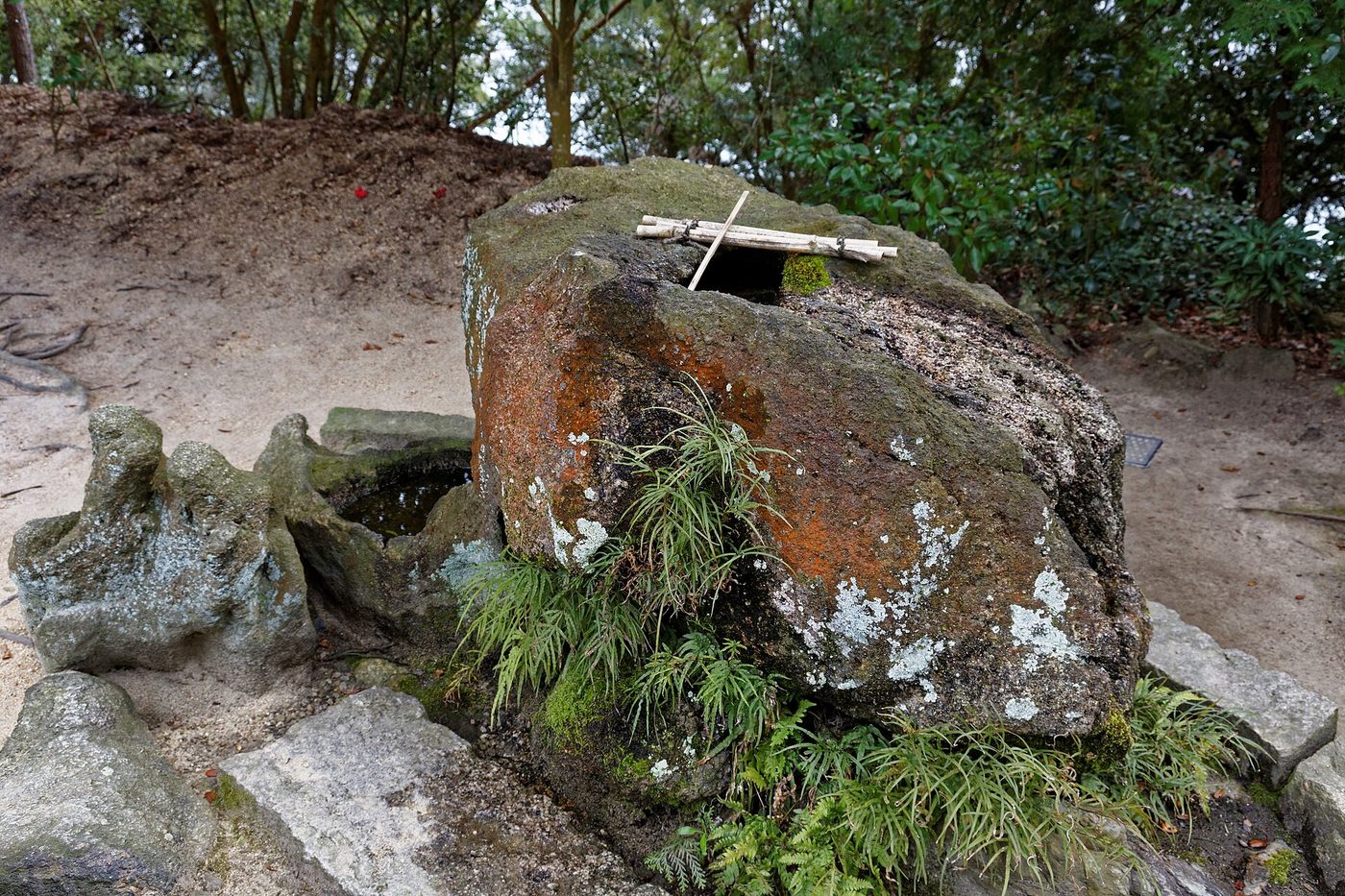
Working Shinto shrine redesigned by Hiroshi Sugimoto for the Art House Project. A glass staircase descends underground to a chamber...
Zelkova-lined avenues, lively arcades, and a lively local nightlife scene.

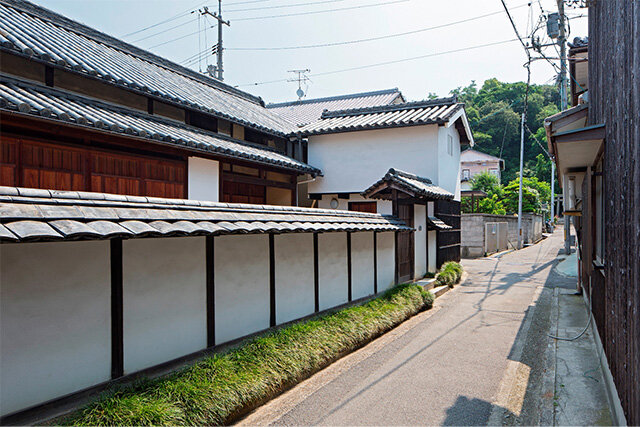
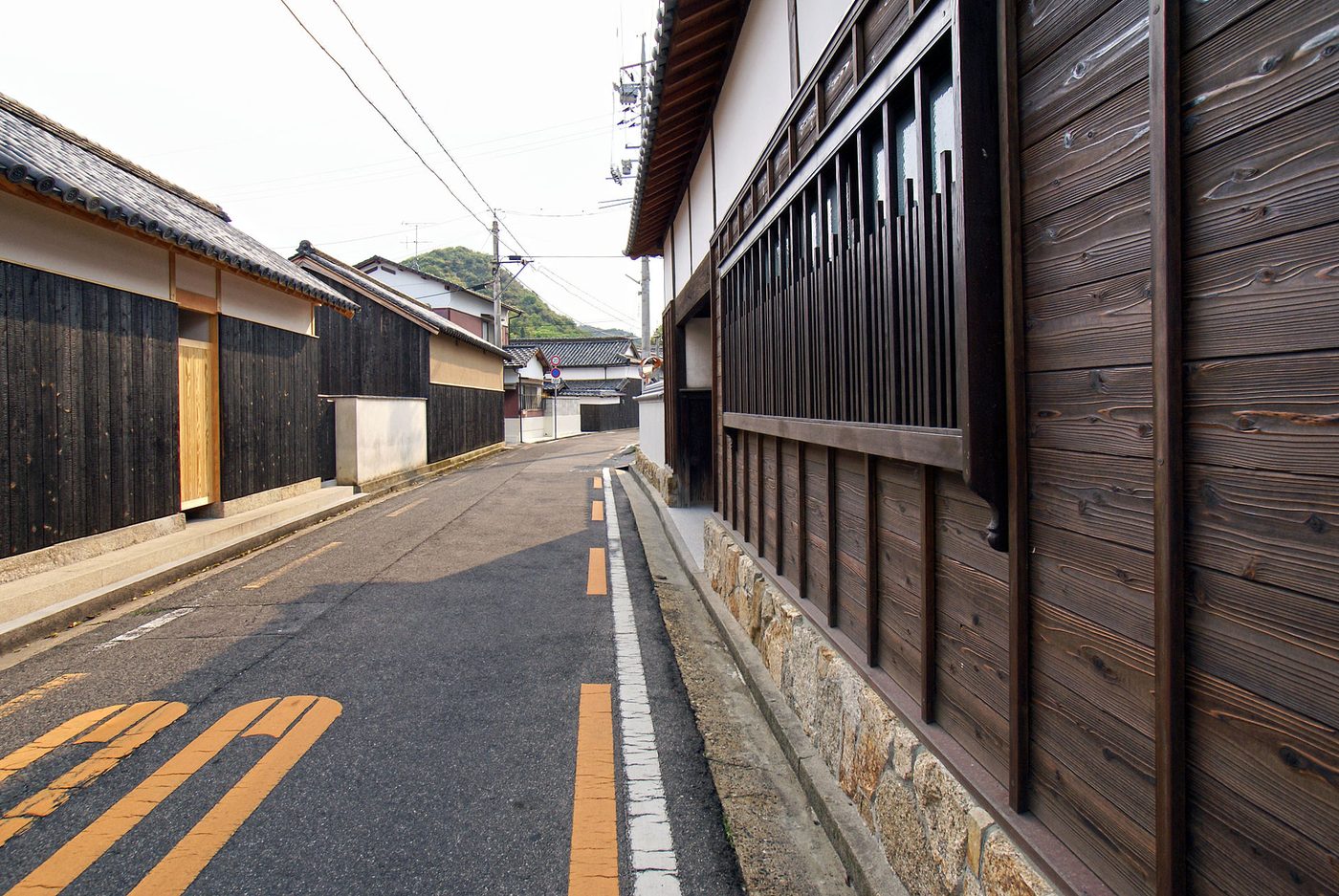
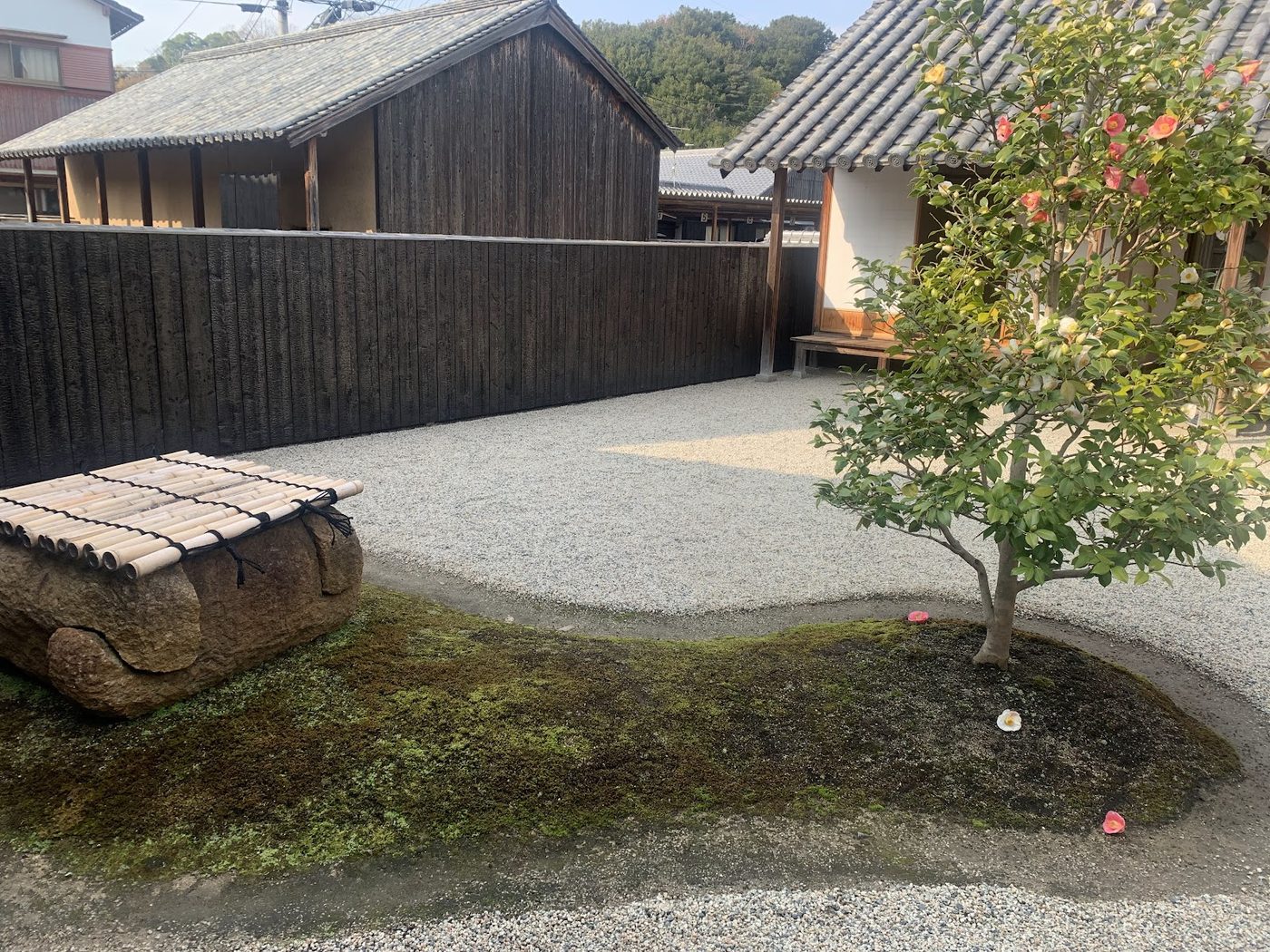
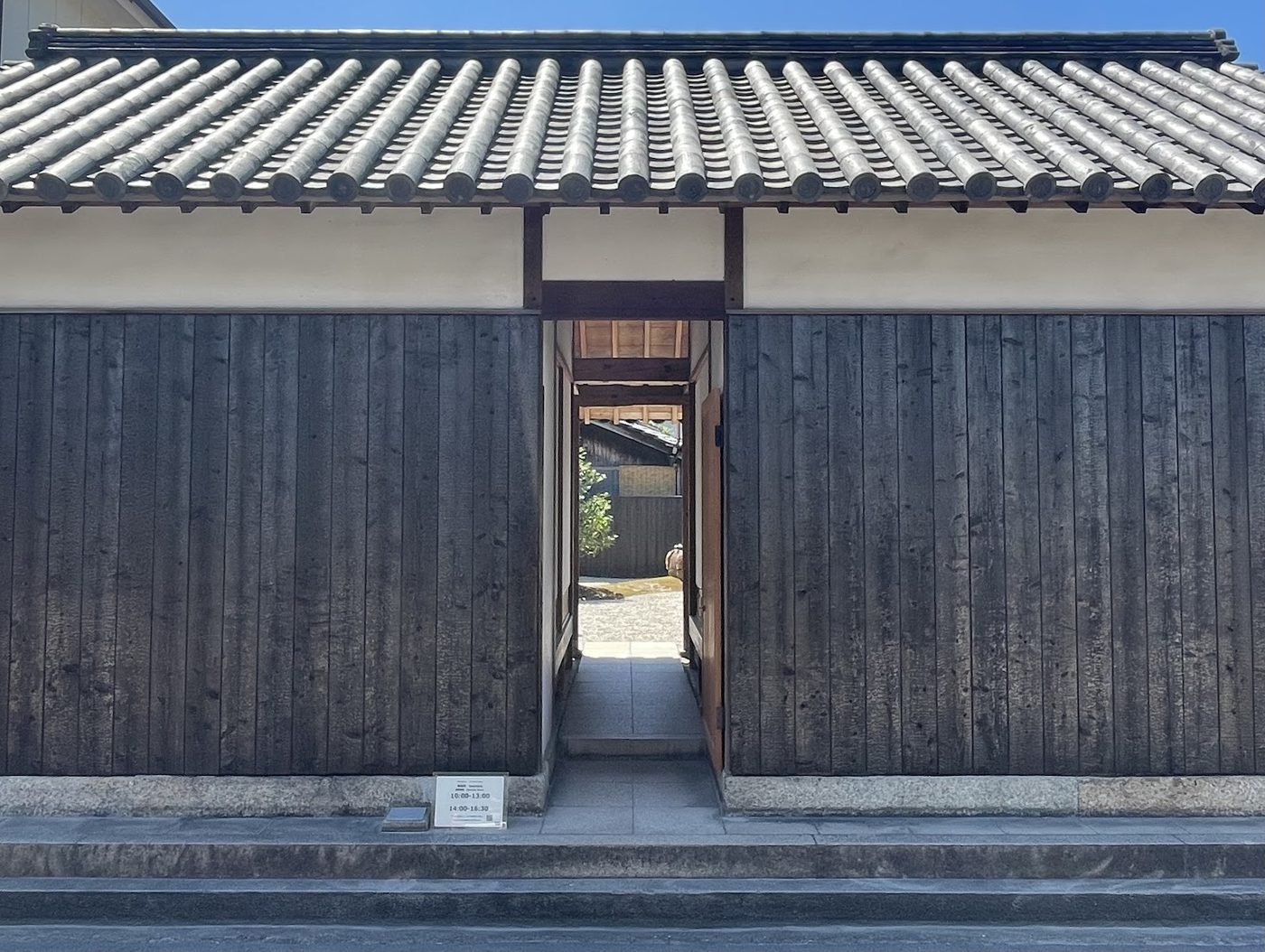
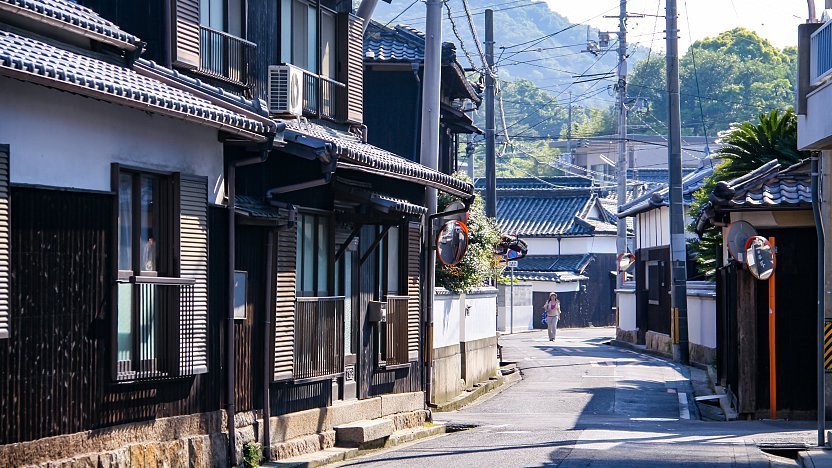
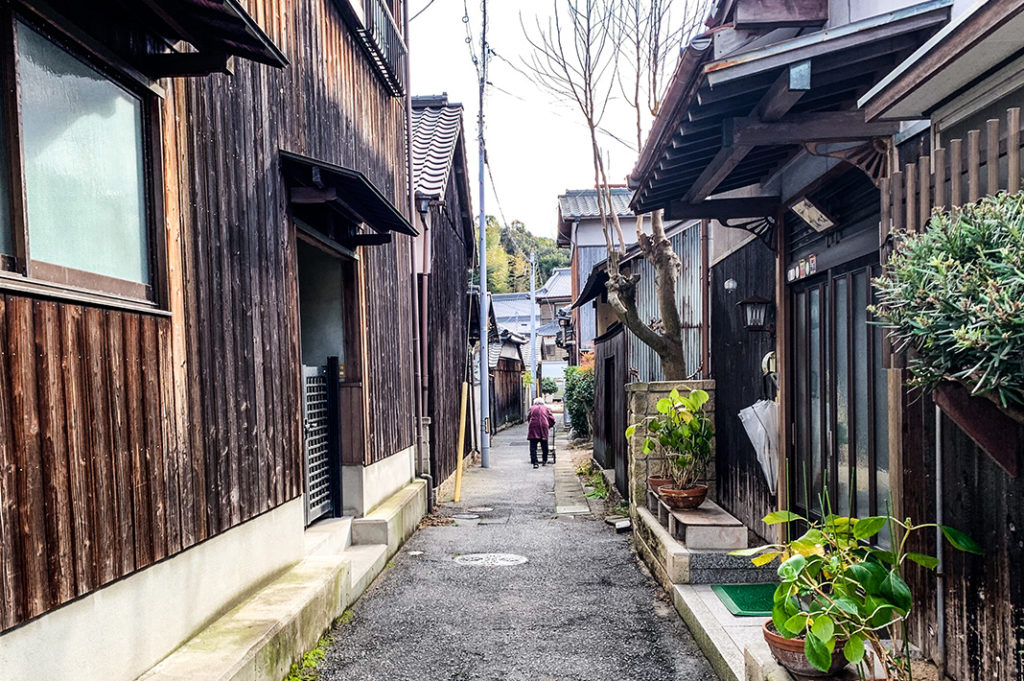
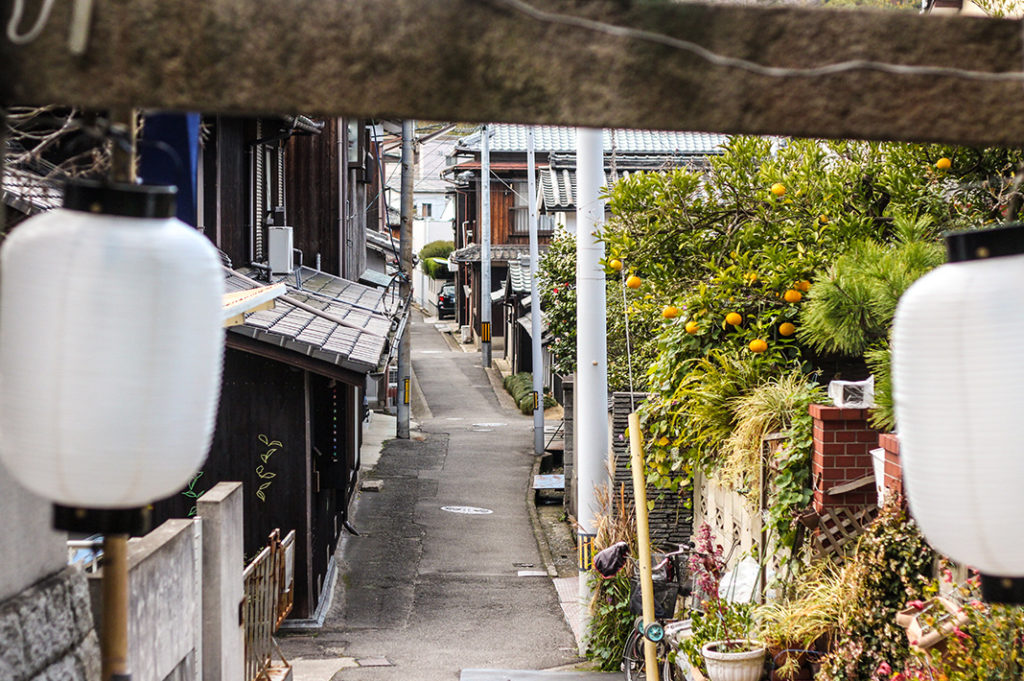
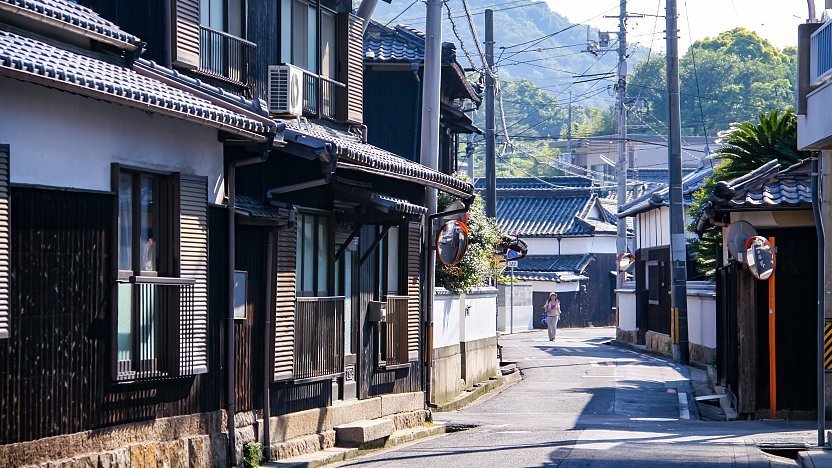
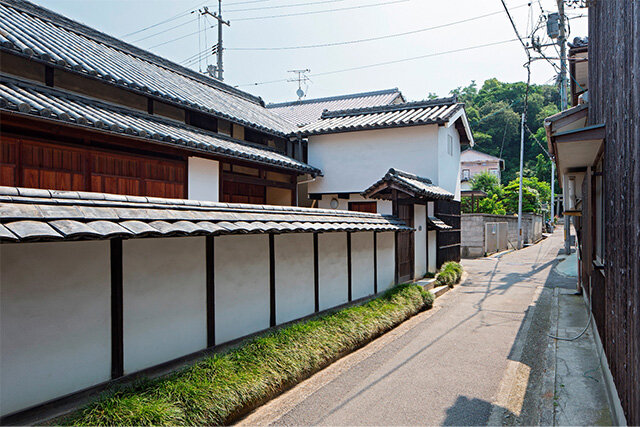
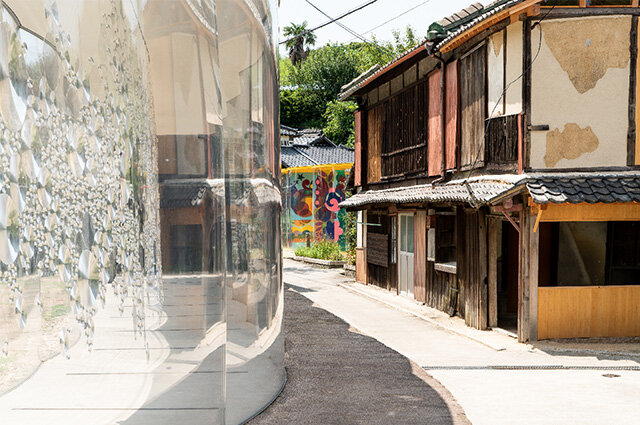
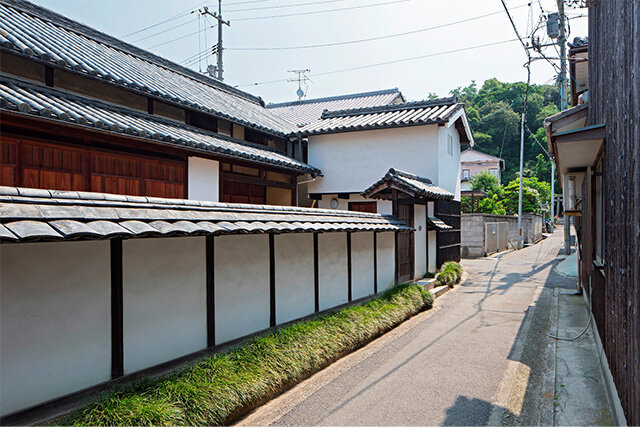
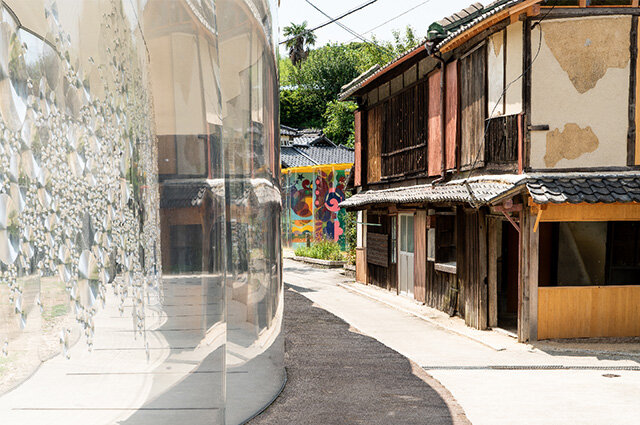
The traditional fishing village of Honmura exists alongside the art installations. Old wooden houses, narrow lanes, and a working harbor. The tension between old village life and contemporary art is the real artwork.

Yayoi Kusama's iconic yellow polka-dot pumpkin sculpture sitting on a pier over the Seto Inland Sea, THE most Instagrammed art piece in...
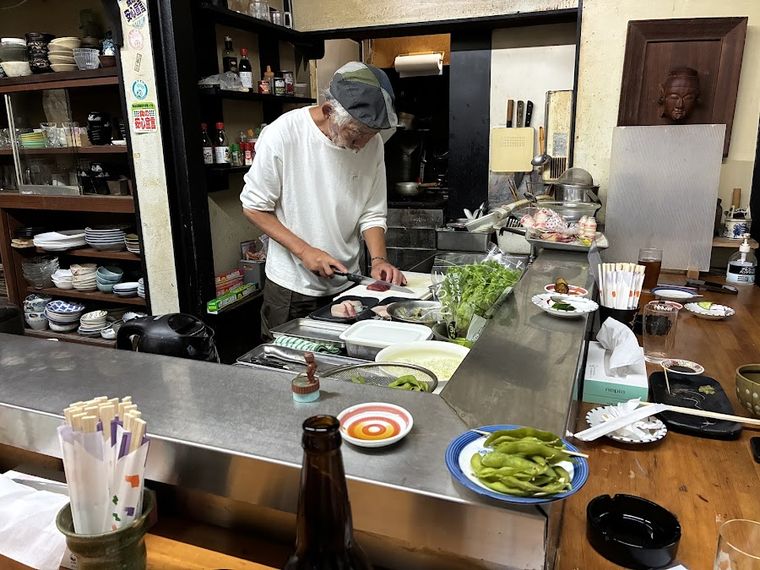
Naoshima is packed with standout local eats. Come hungry.
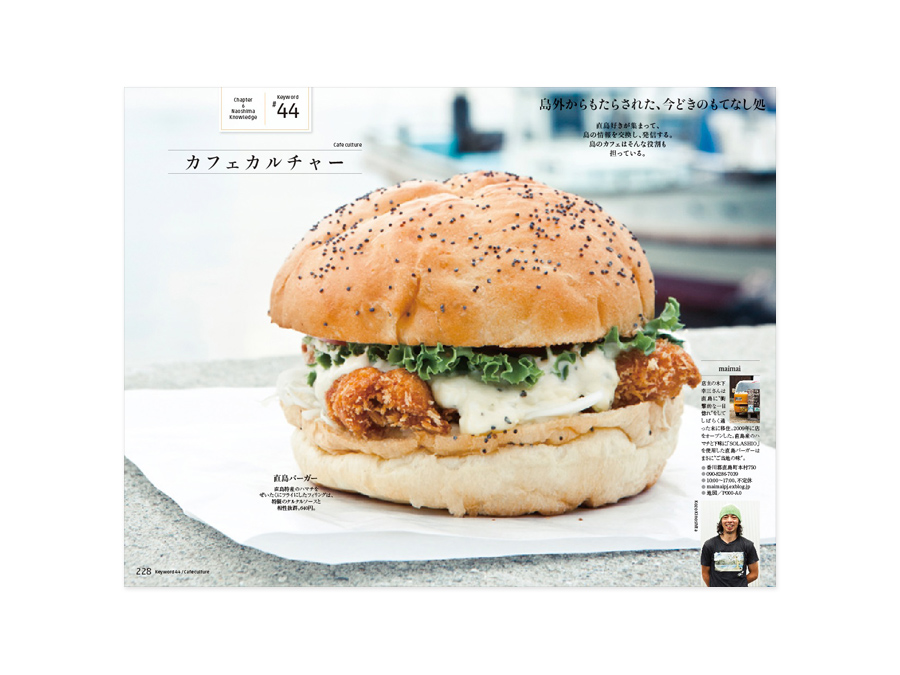
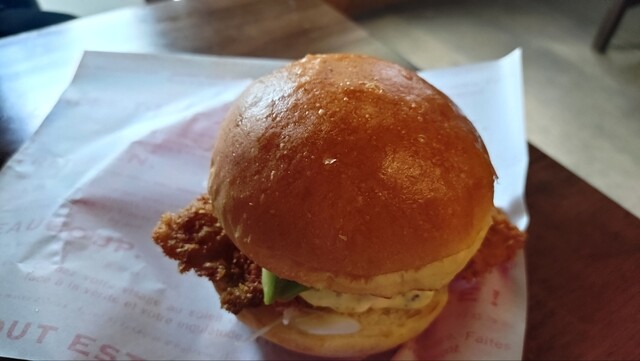
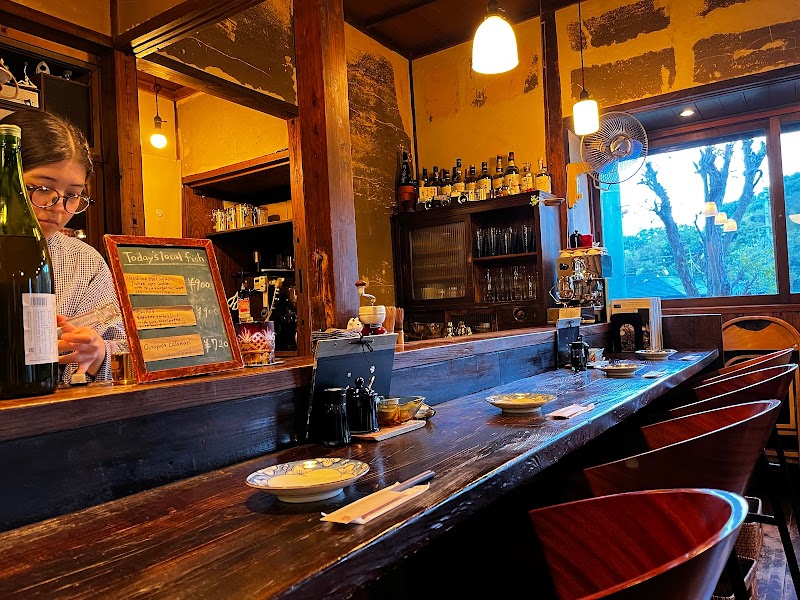
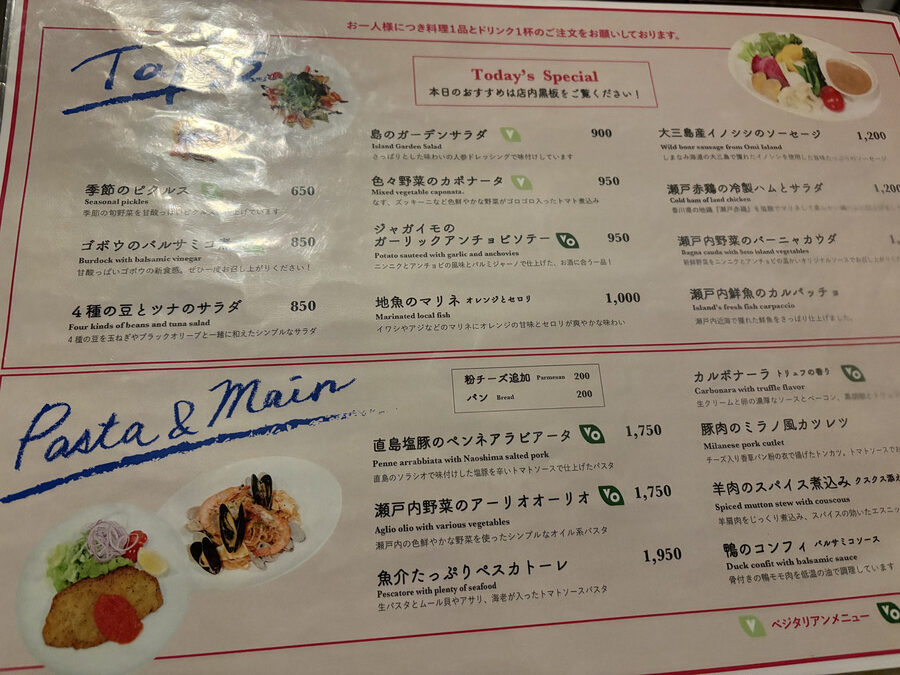
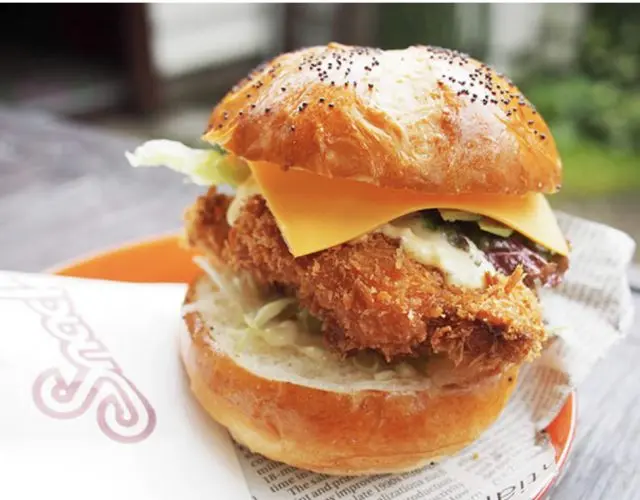
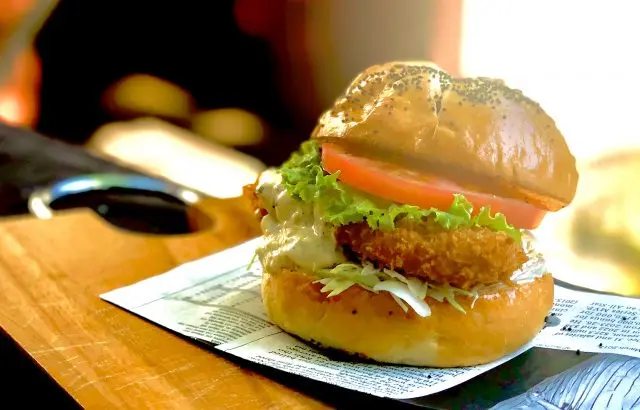
Gourmet burger shop near the port. Uses local ingredients including Kagawa olive beef. Craft beer on tap. A casual meal option on an island with limited dining choices.

Restaurant on Teshima serving food made from island-grown produce. Fresh vegetables, local fish, and rice from Teshima rice paddies. The seasonal menu changes constantly. Reservation recommended.

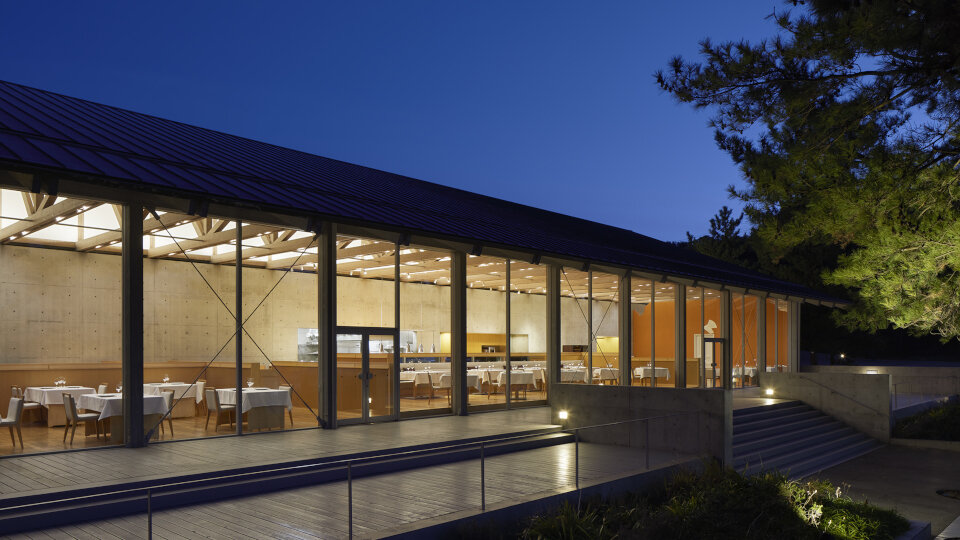
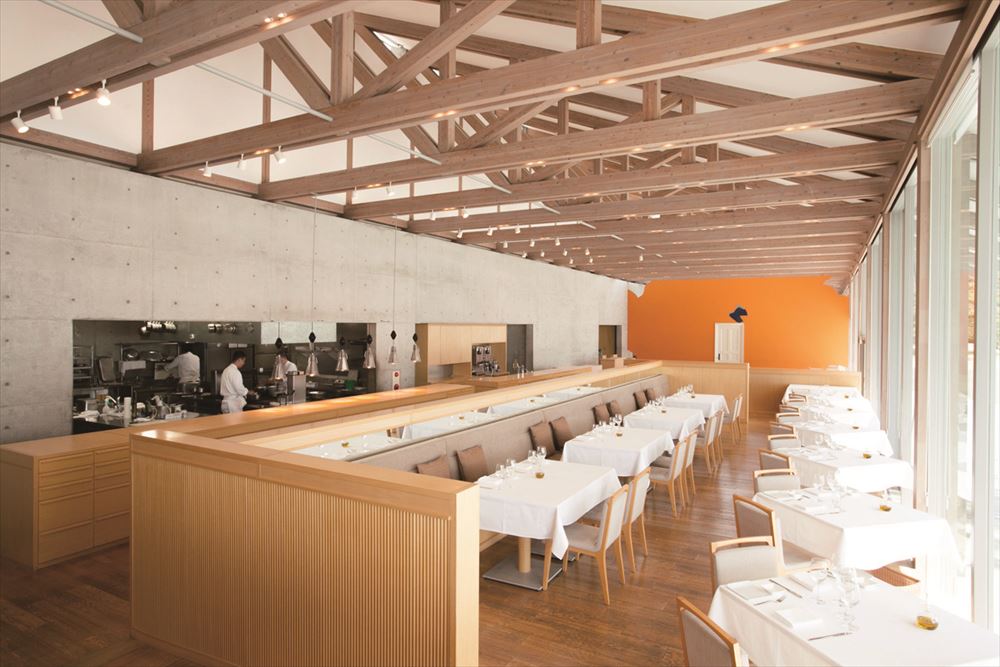
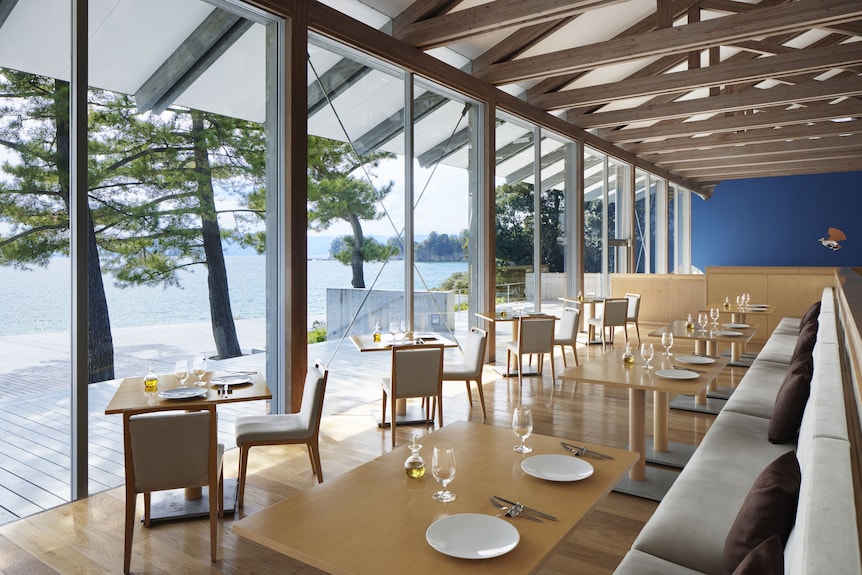
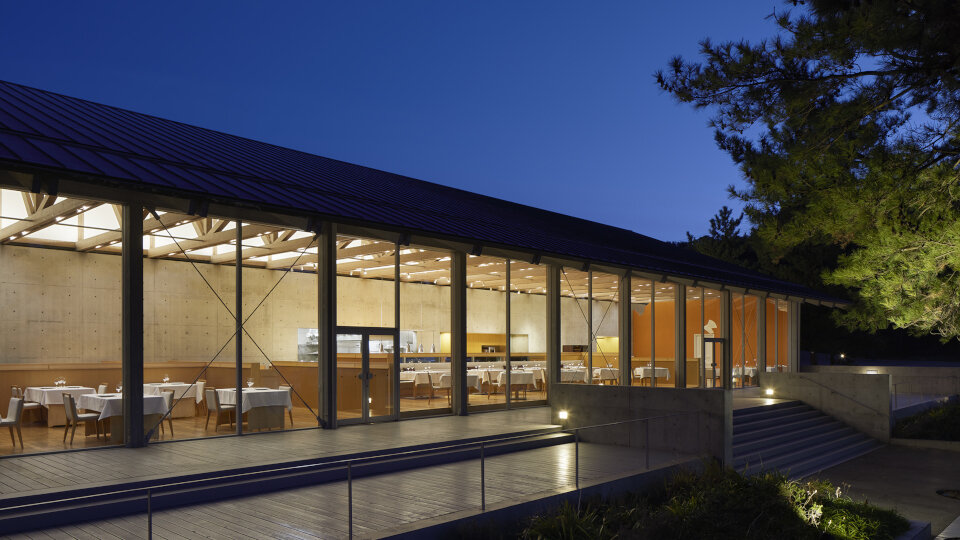
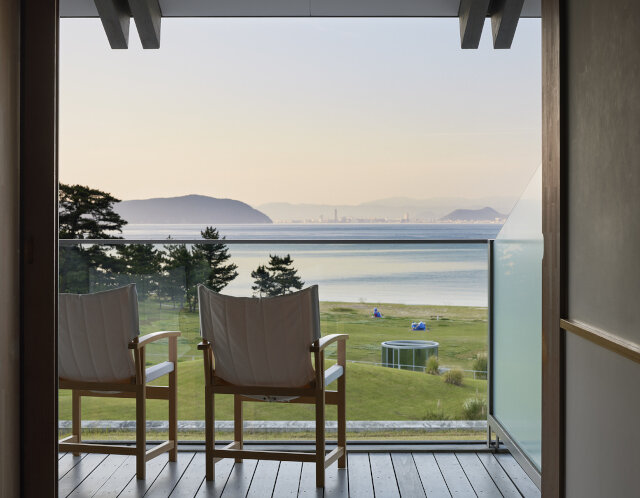
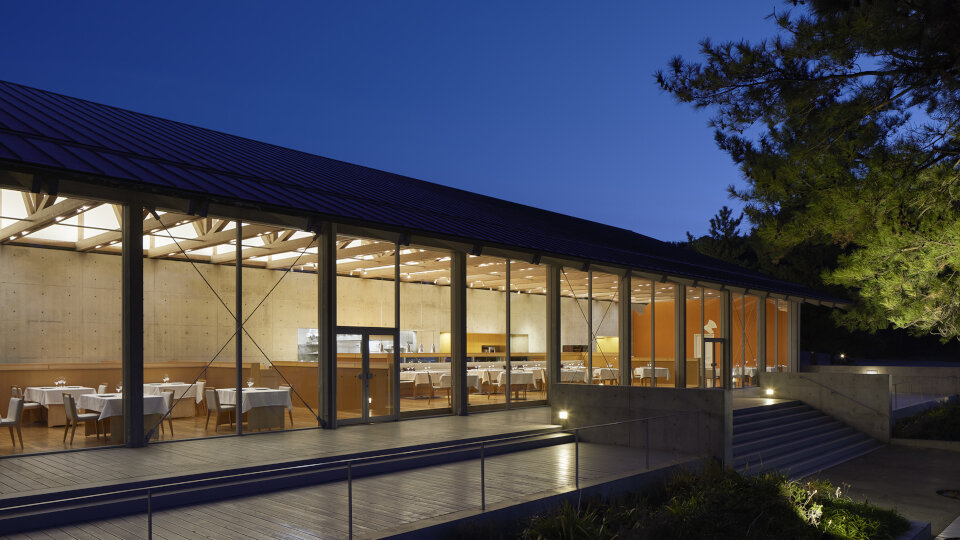
Fine dining restaurant overlooking the Seto Inland Sea. Local Kagawa ingredients prepared with French technique. Dining surrounded by world-class art. Reservation essential. Open to non-hotel guests.

Green-tinted ice cream made with local olive oil. The olive oil adds a grassy, slightly peppery note. Available at a small shop near the ferry port. Unique to the Seto Inland Sea islands.
Matsushima Bay, volcanic crater lakes, and fox-filled mountains.

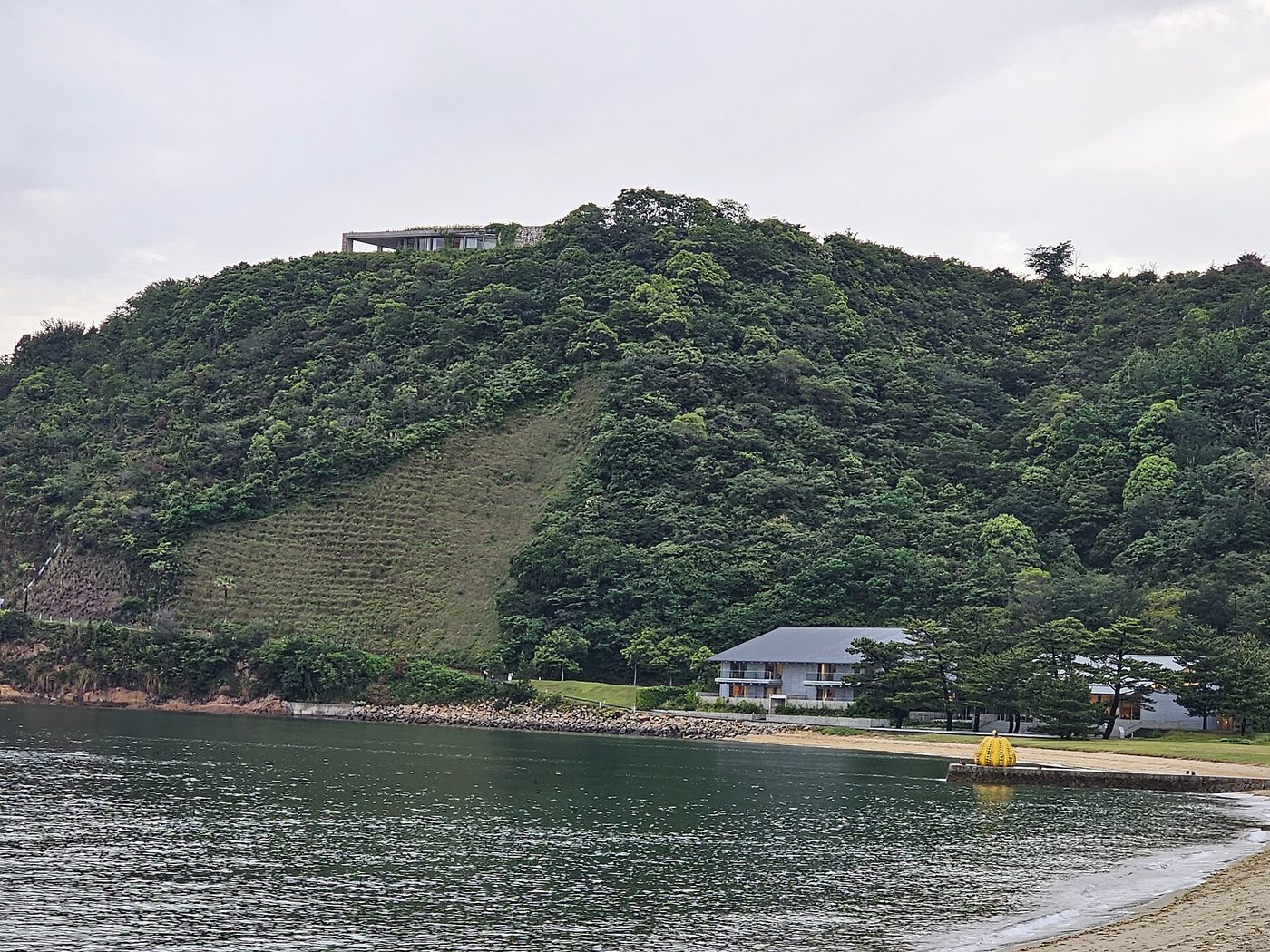
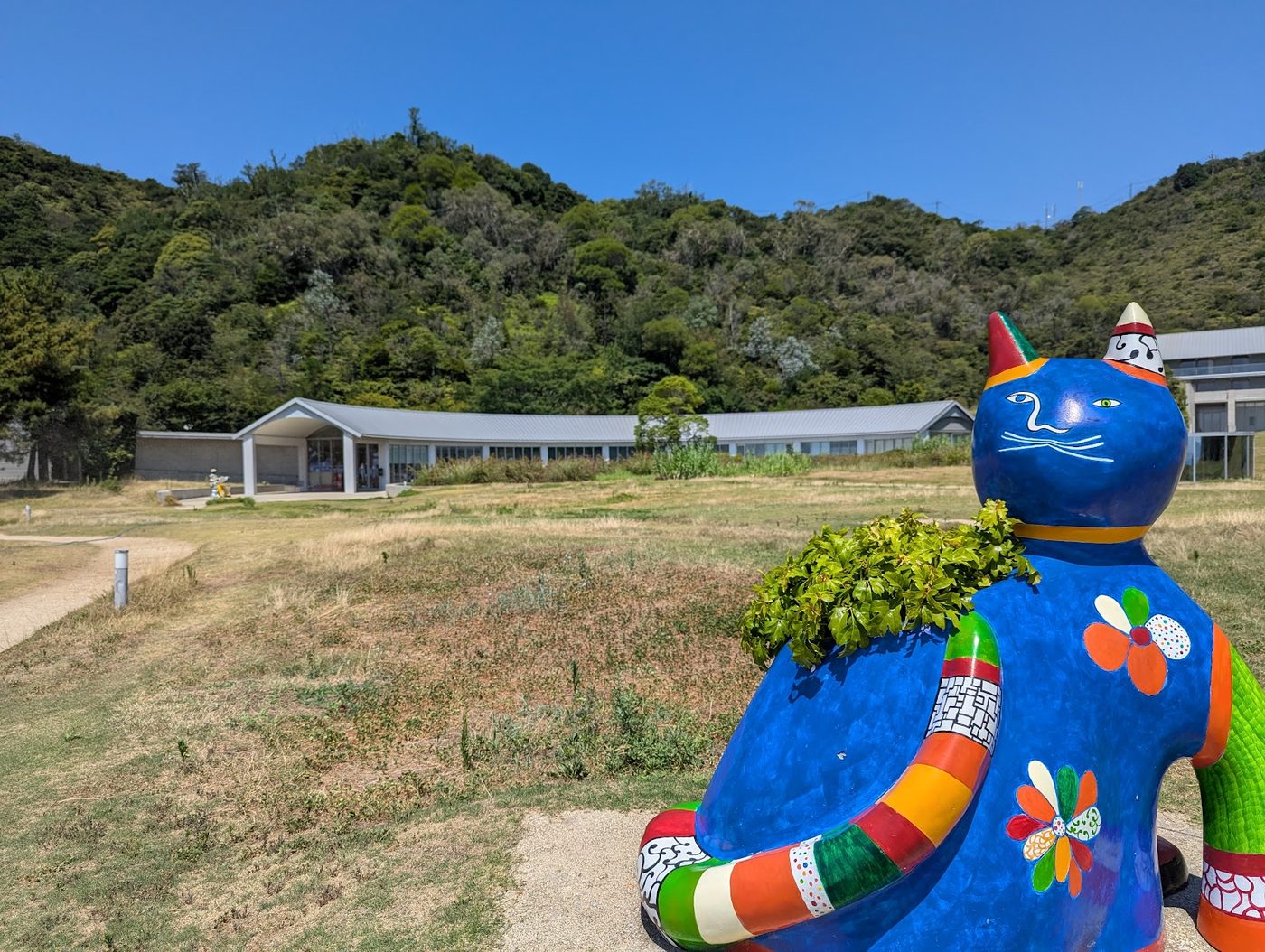
Beach below Benesse House with outdoor sculptures by Niki de Saint Phalle, George Rickey, and others. Art, sea, and sky merge. Swimming possible in summer. One of the most unique beaches in Japan.

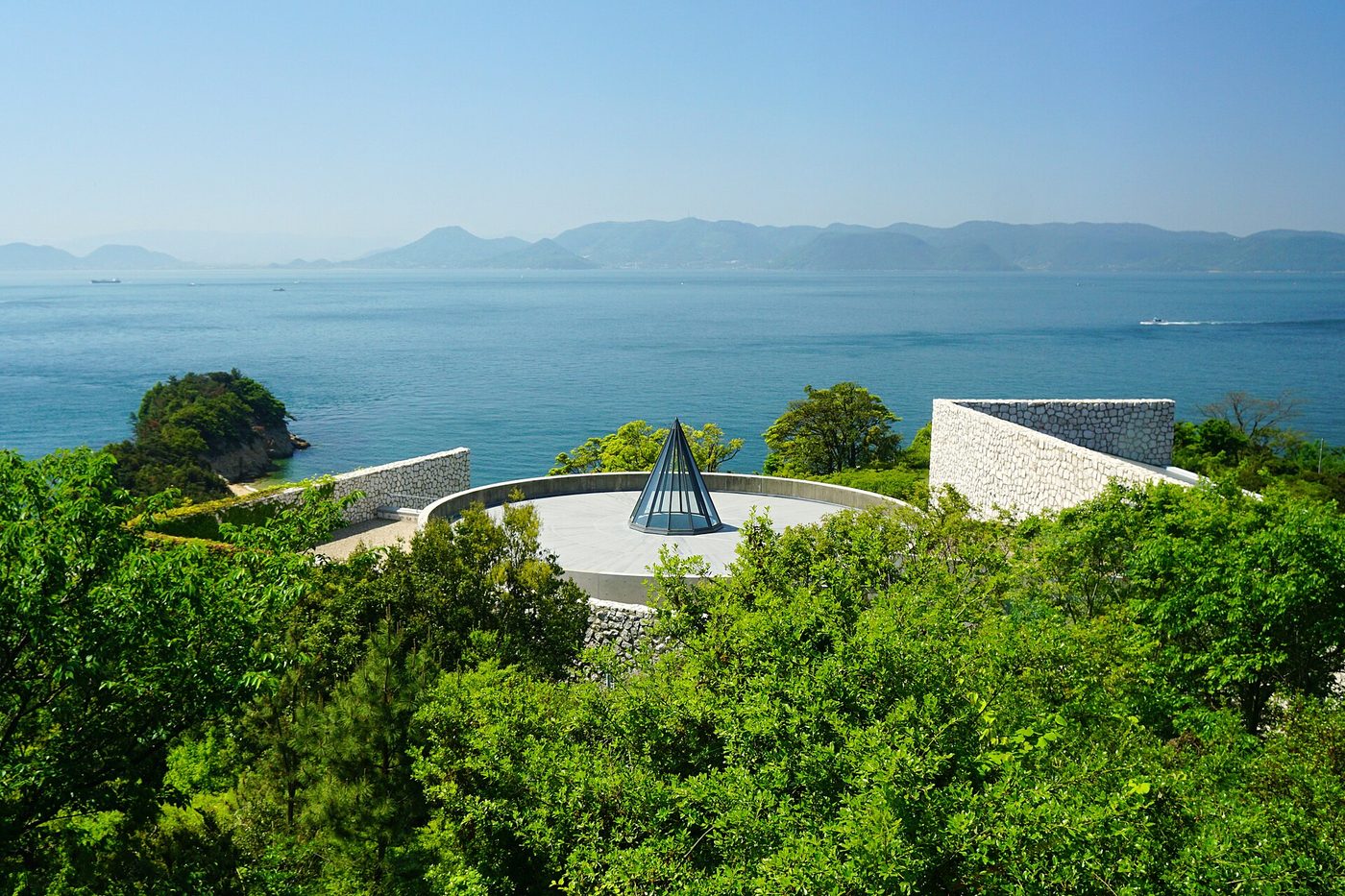
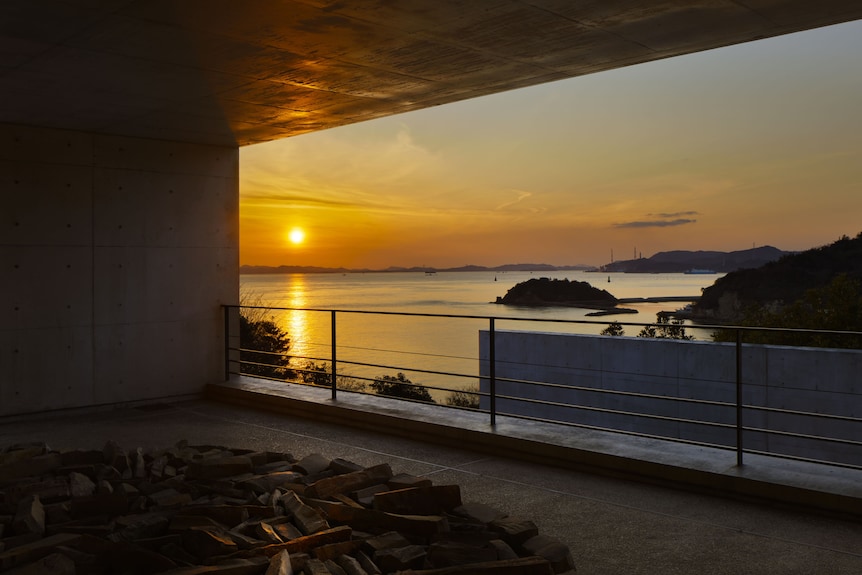
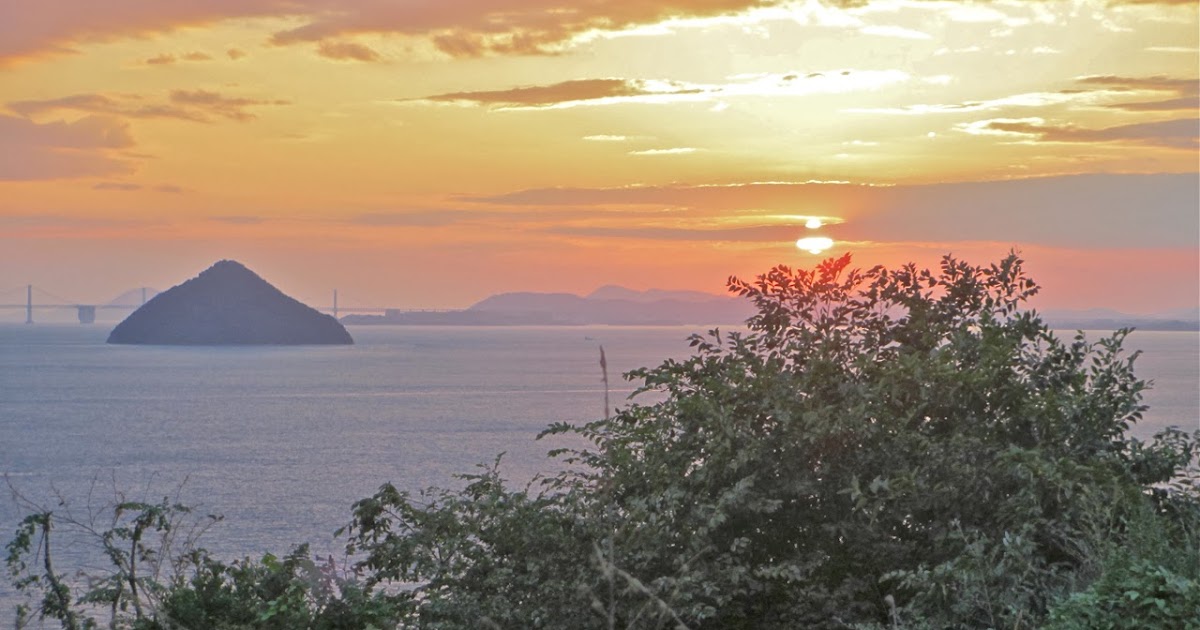
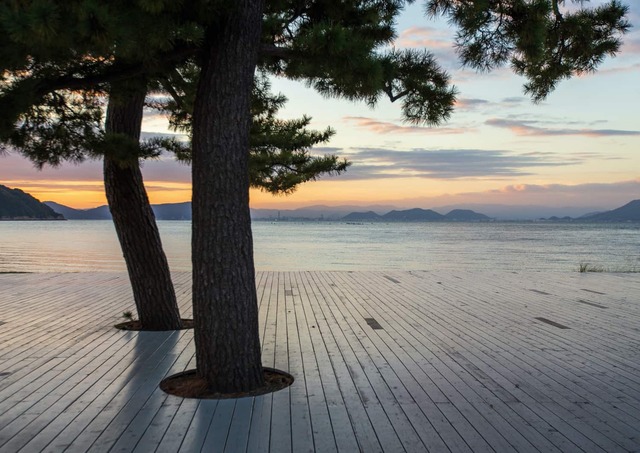
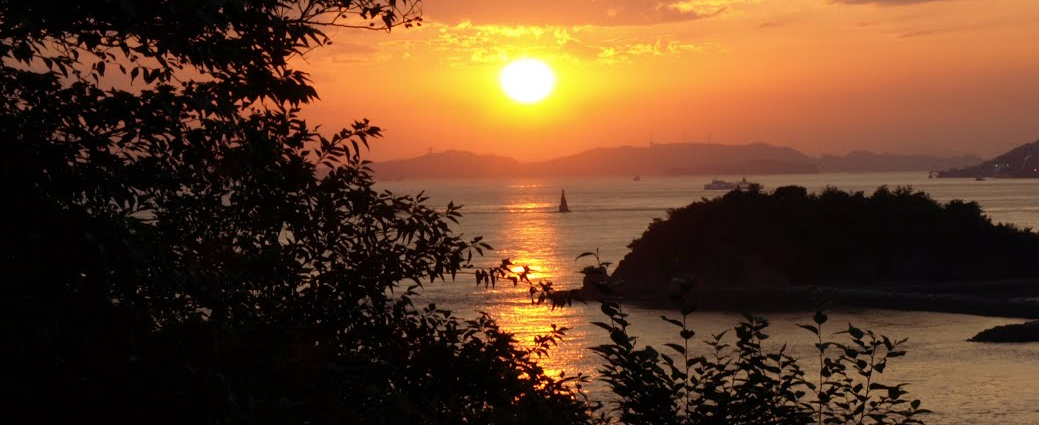
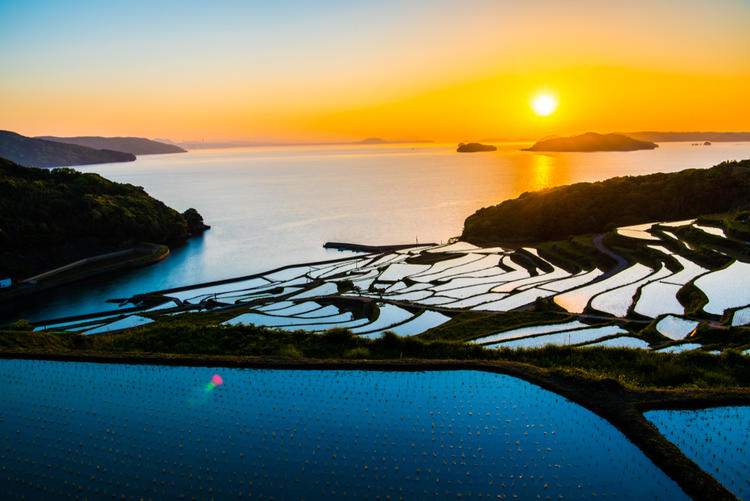
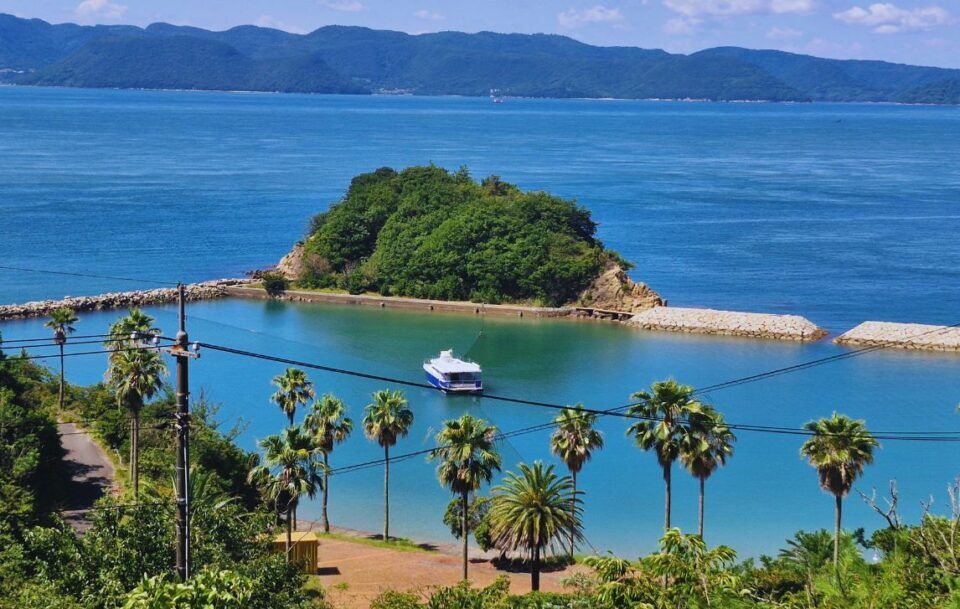
The western shore of Naoshima faces the open Seto Inland Sea. Watching the sun set behind the islands with sculpture silhouettes in the foreground is one of Japan's most beautiful sunset experiences.

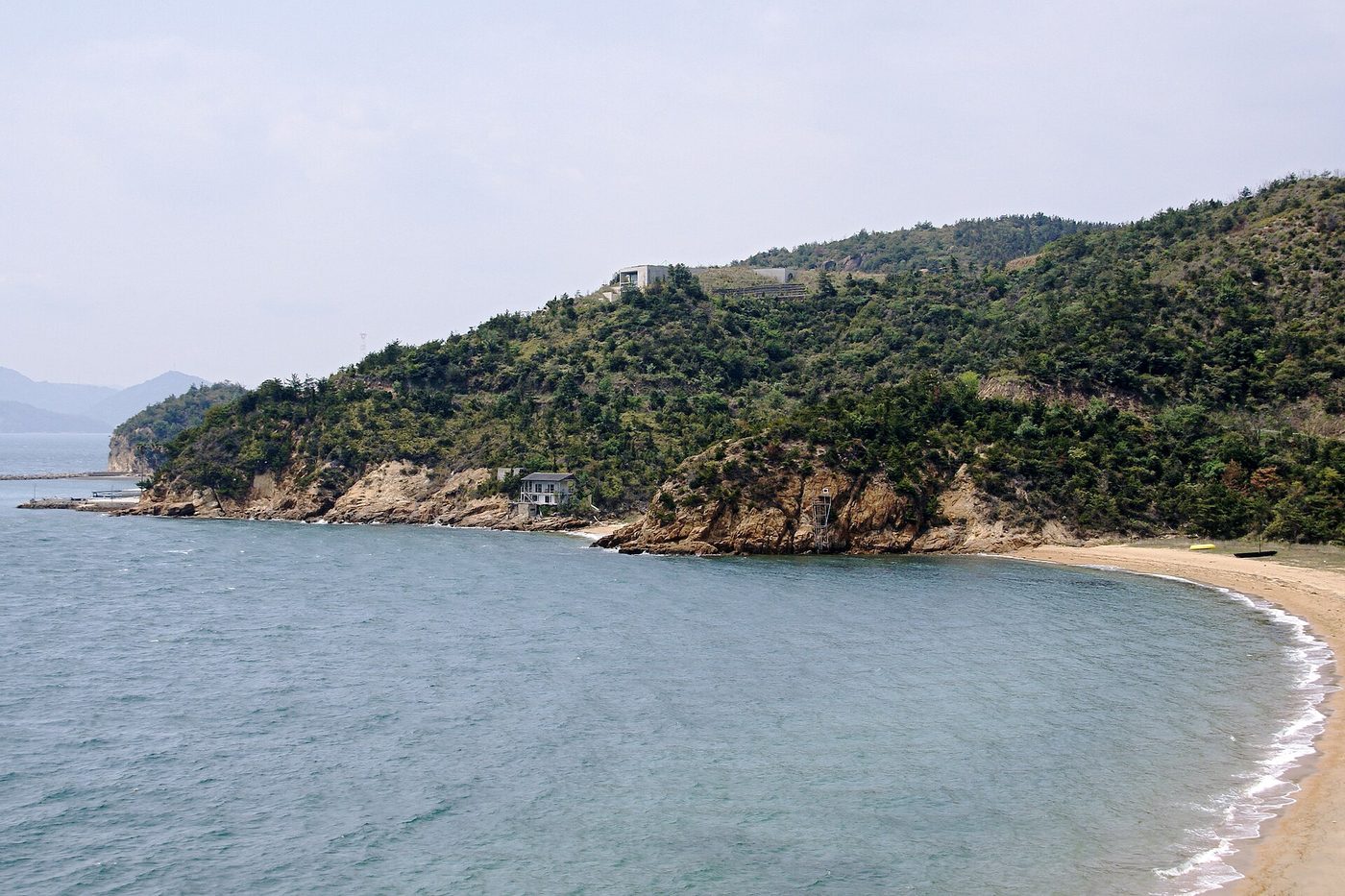
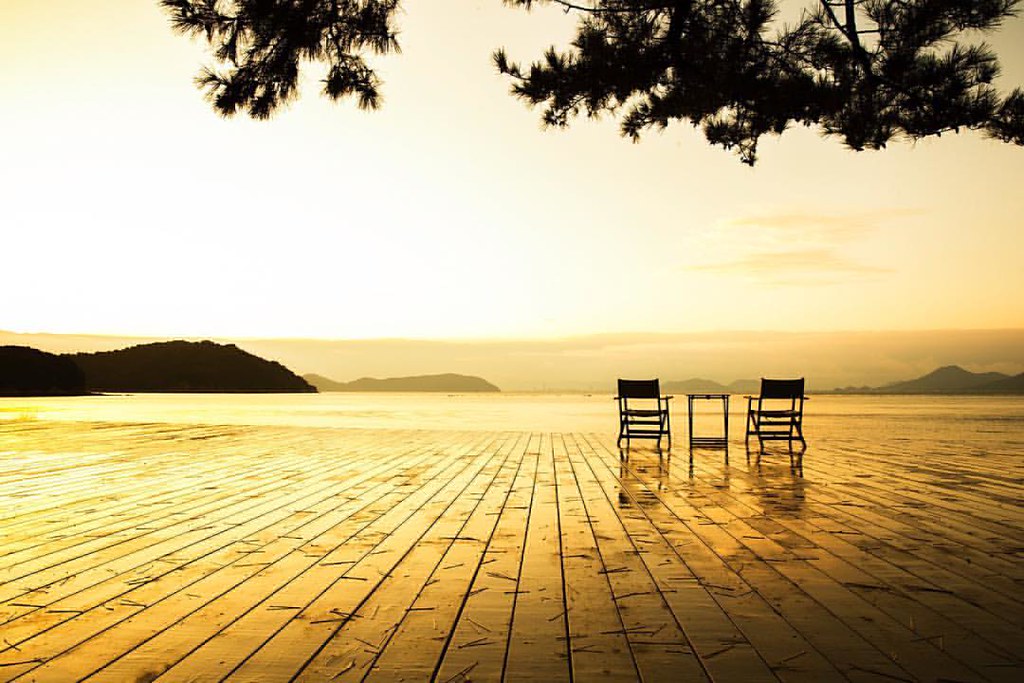
The eastern coast faces the open sea toward Shodoshima. Watching the sunrise from the rocks is peaceful and uncrowded. Few tourists are awake early enough to see it.

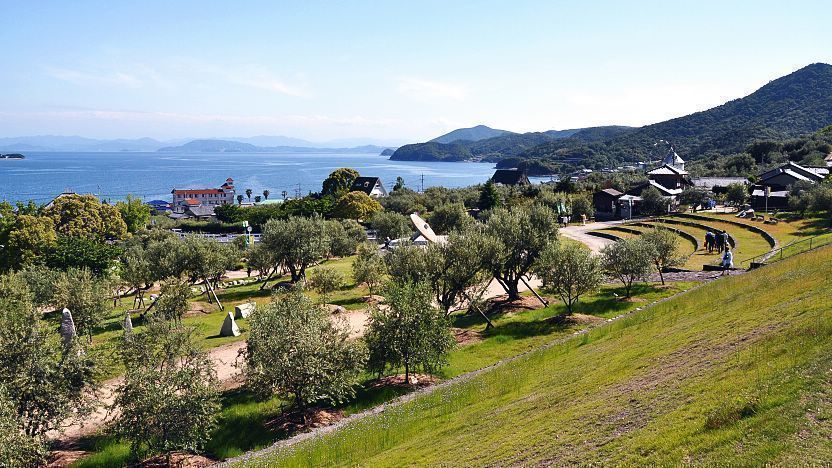
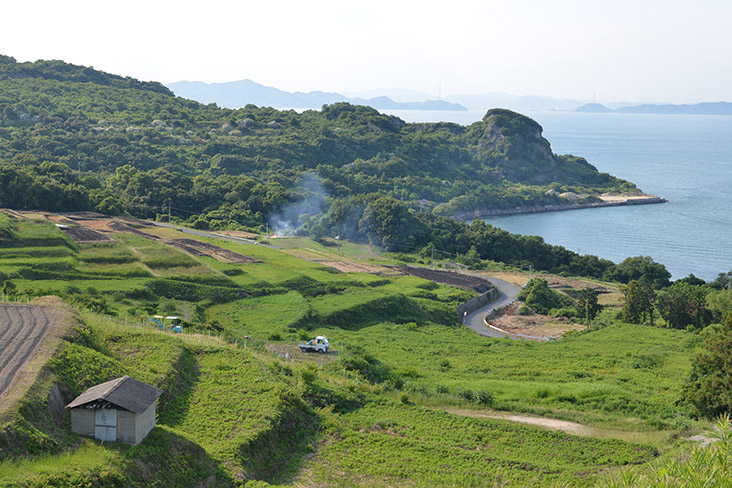
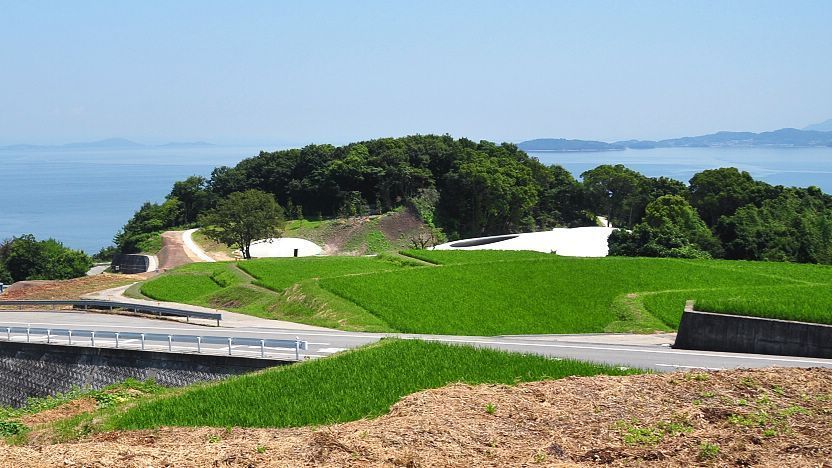
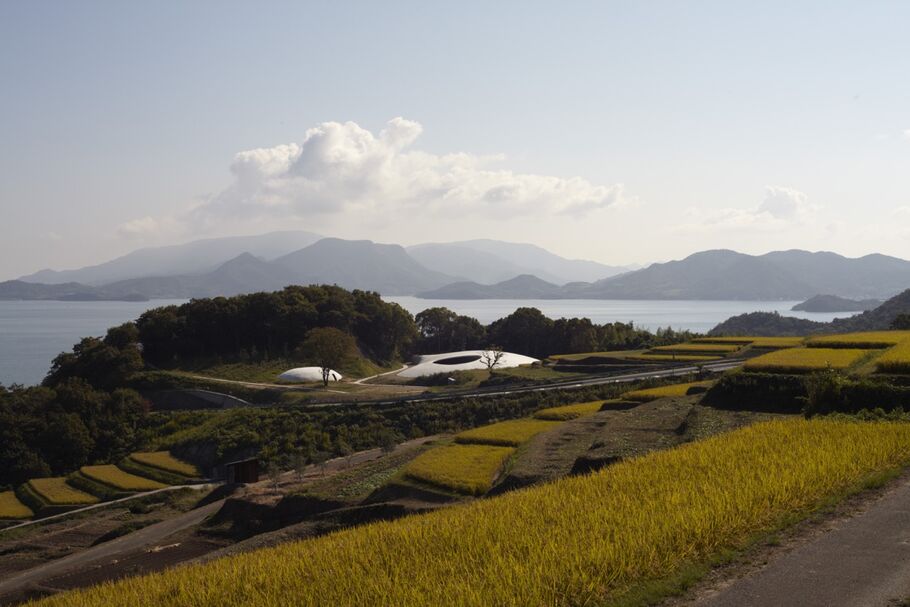
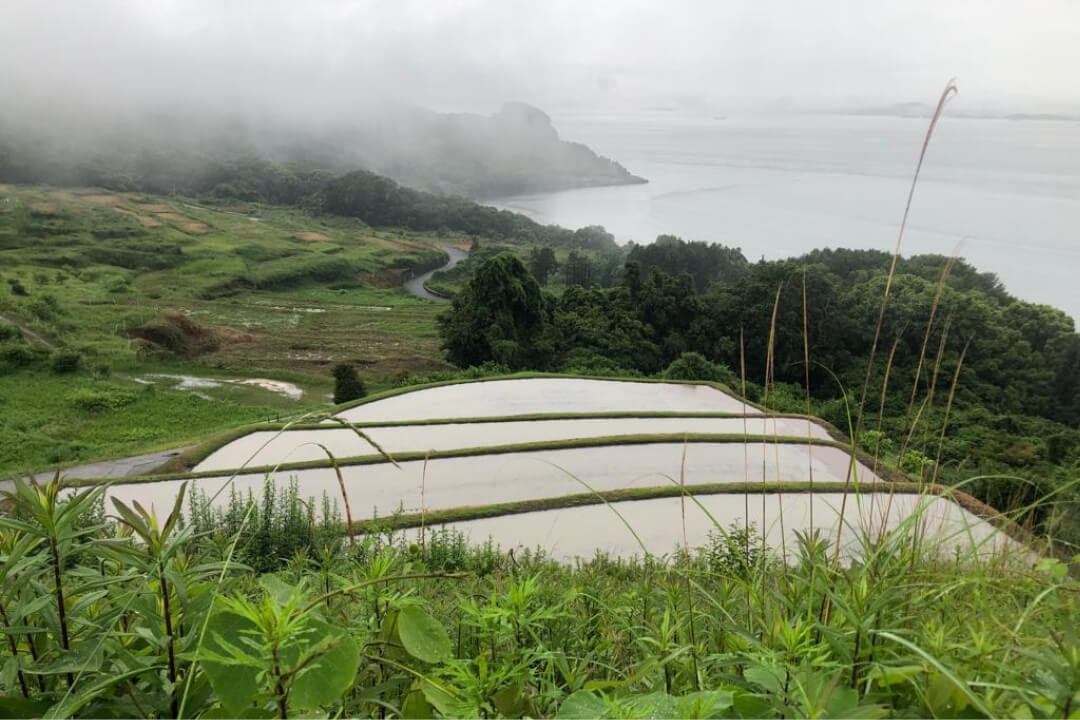
Restored terraced rice paddies near the art museum. The combination of traditional agriculture and contemporary art embodies the island's philosophy. Beautiful in all seasons.

Hiking trail through the forested interior of the island. Away from the art sites, Naoshima has wild nature. The trail connects north and south shore with views between the trees.
Hot springs, whisky distilleries, festivals, and one-of-a-kind encounters.

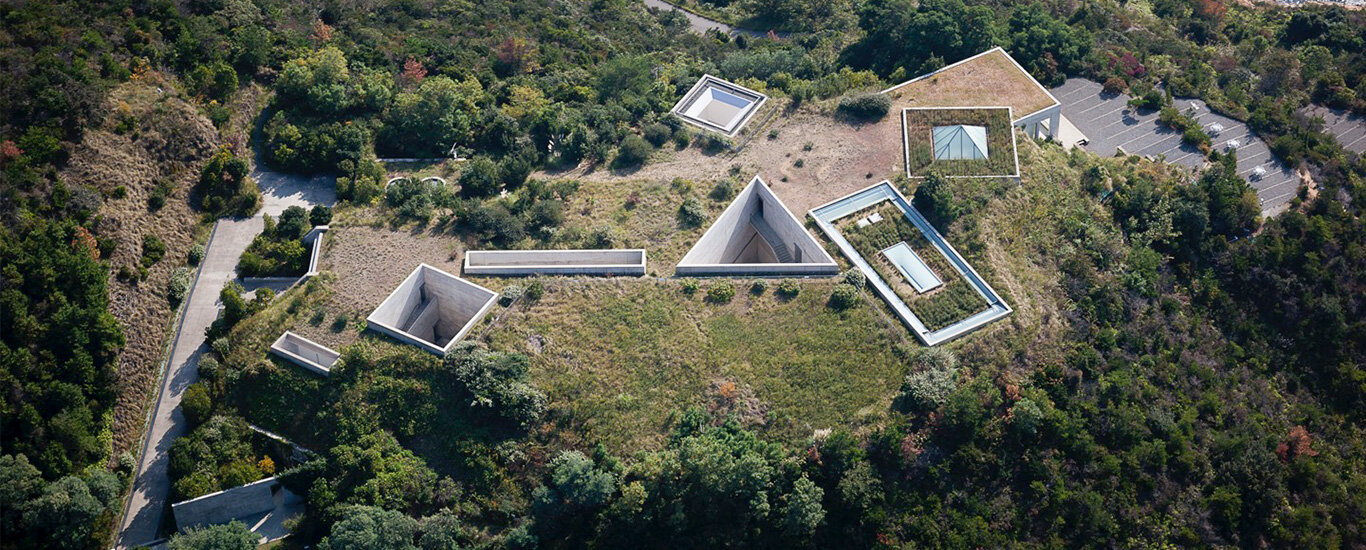
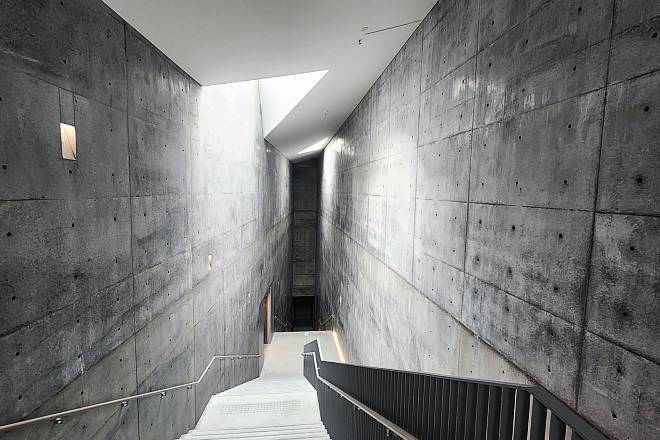
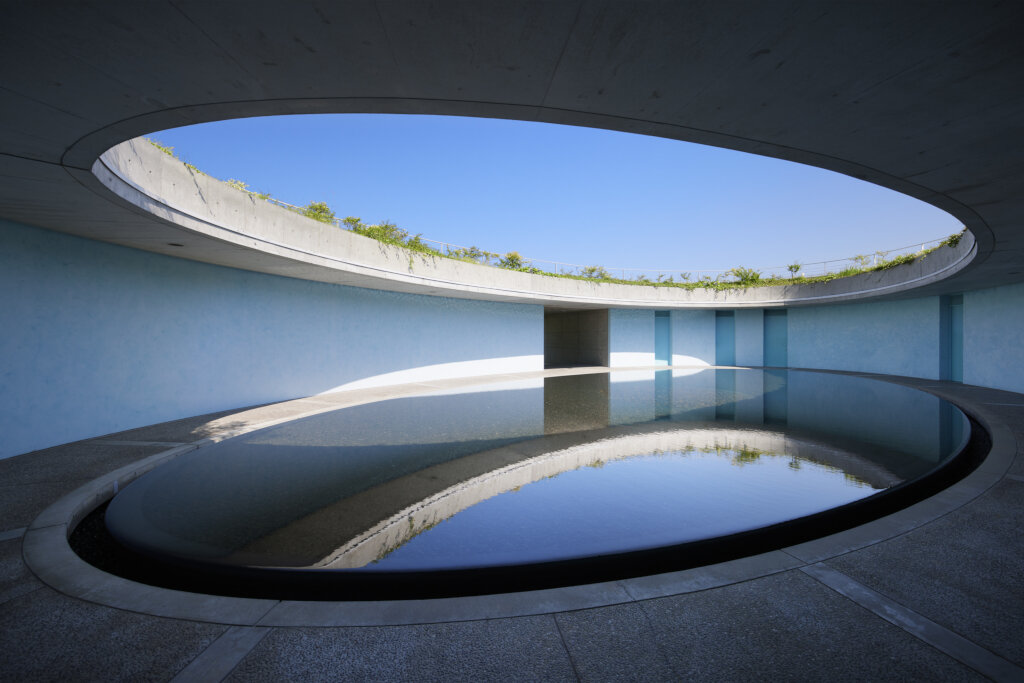
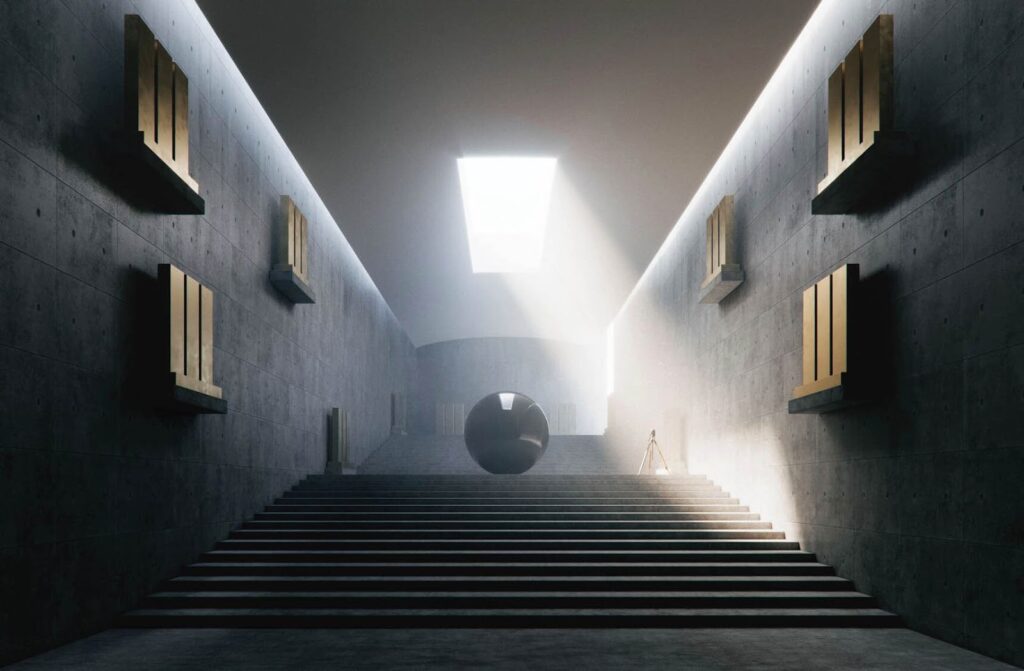
Tadao Ando's underground museum housing five Monet Water Lilies in a naturally lit concrete room. Also Walter De Maria and James Turrell light installations. The architecture is as much art as the collection. Timed entry. Reserve ahead.

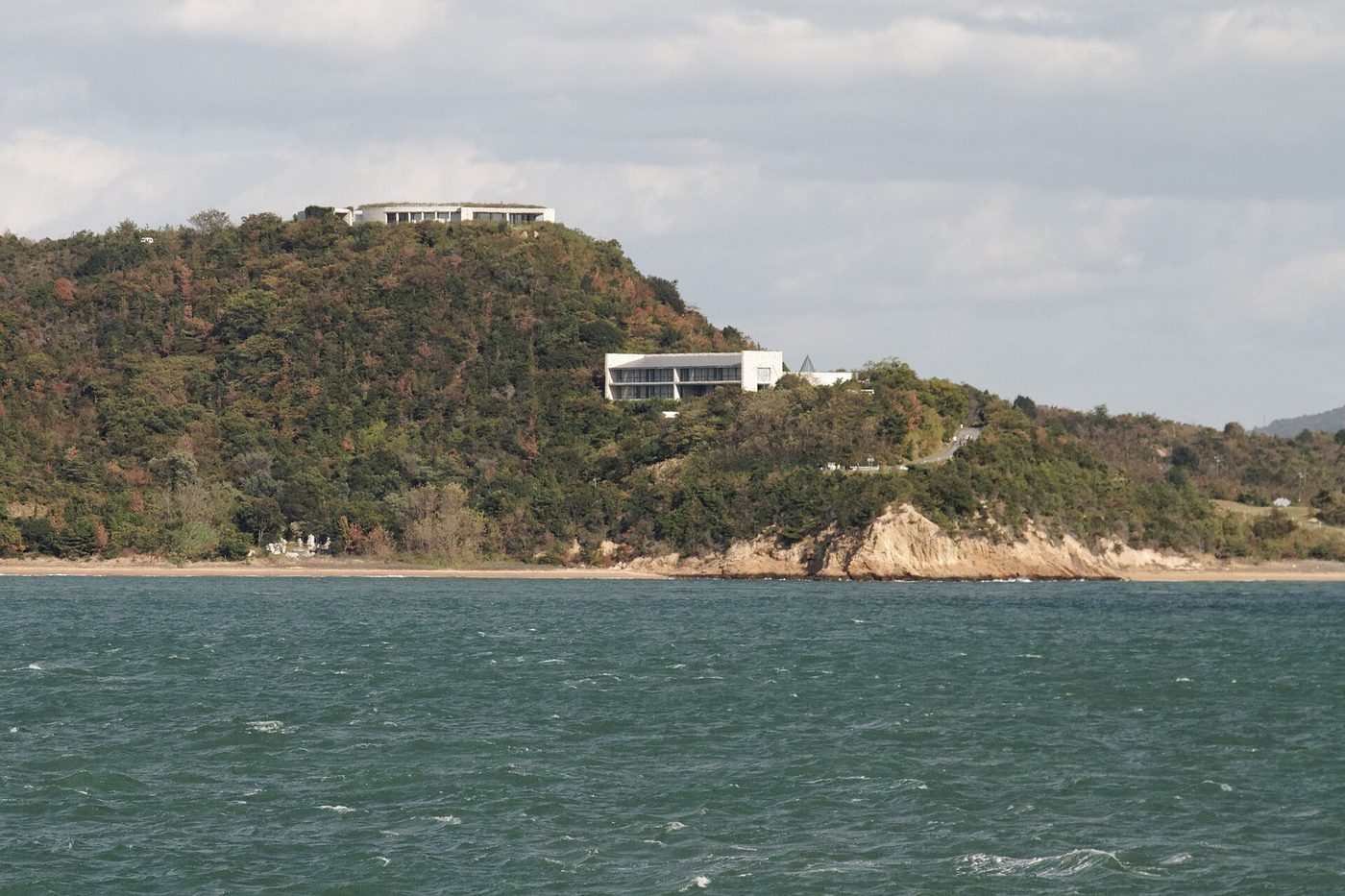
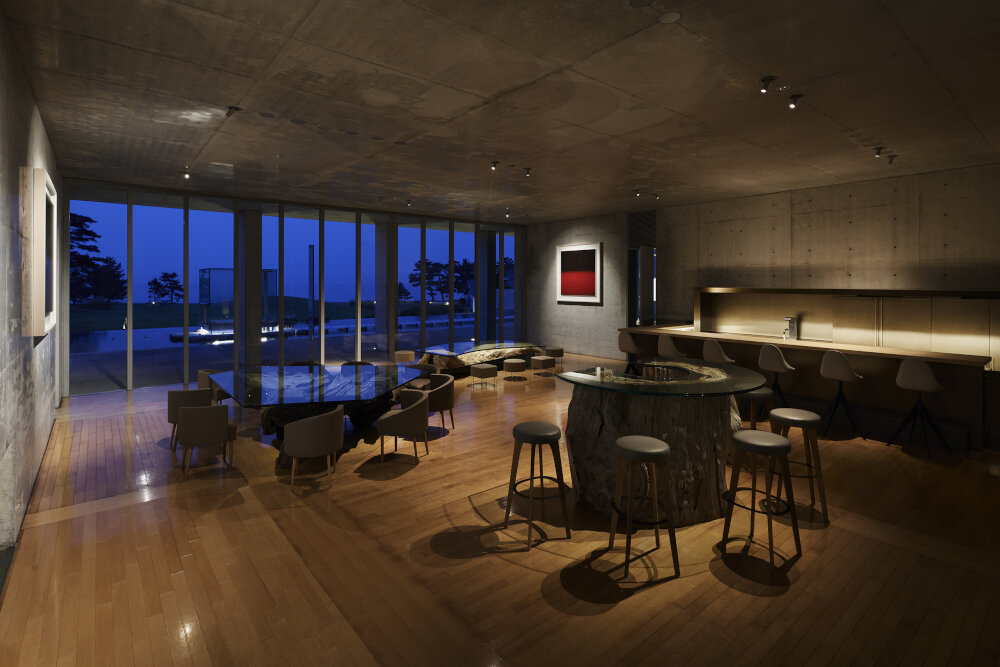
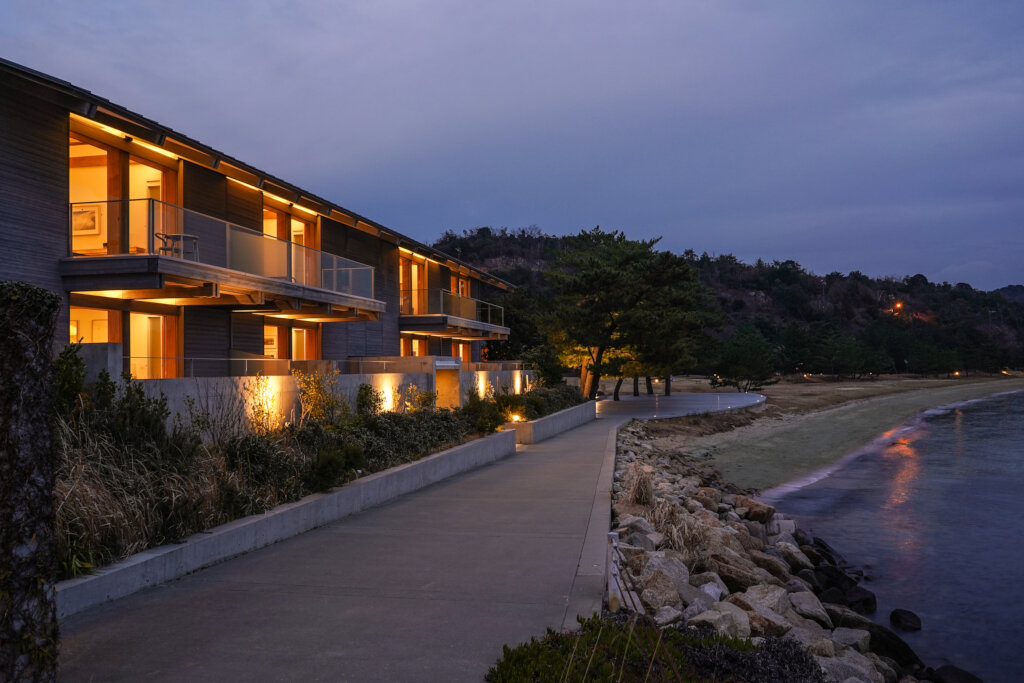
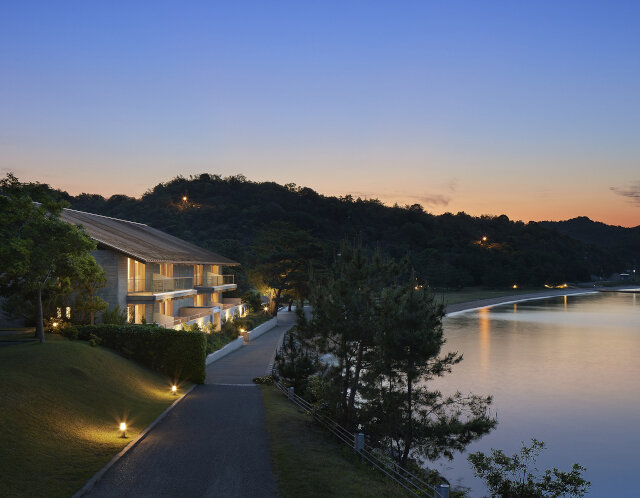
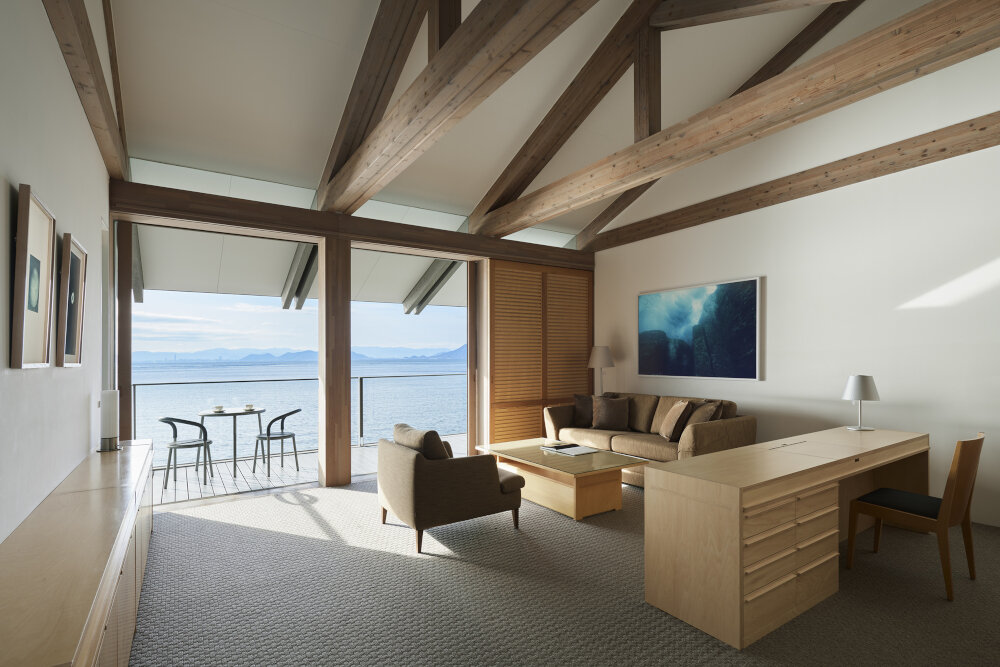
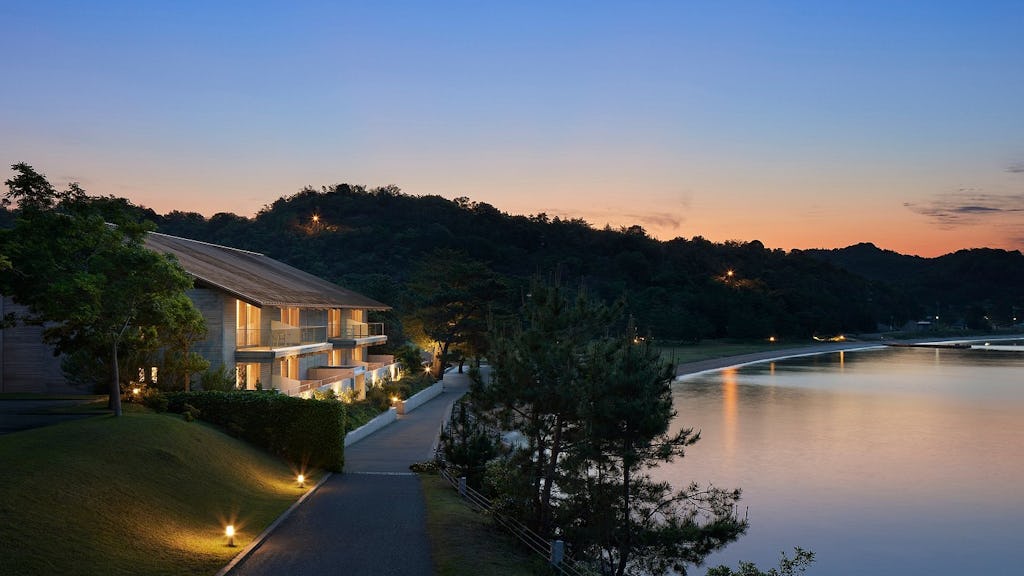
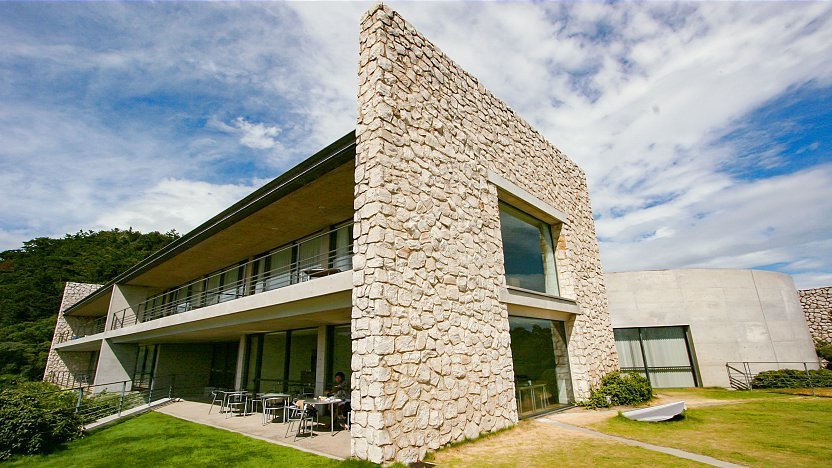
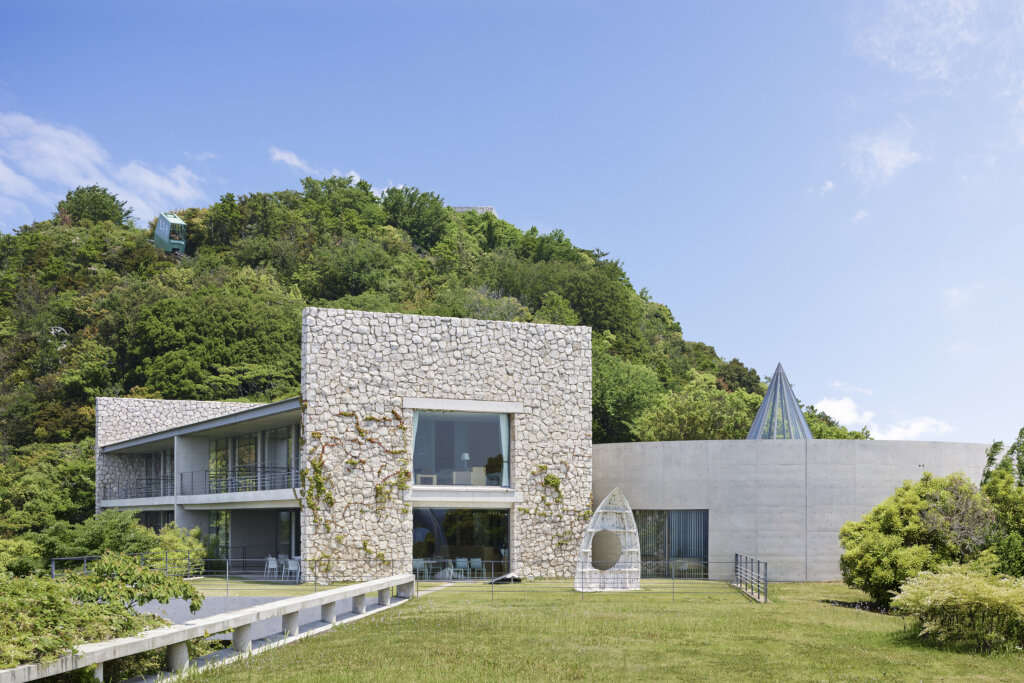
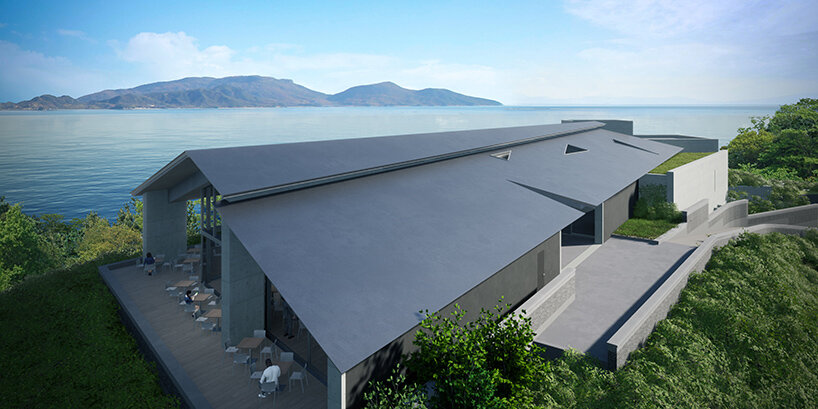
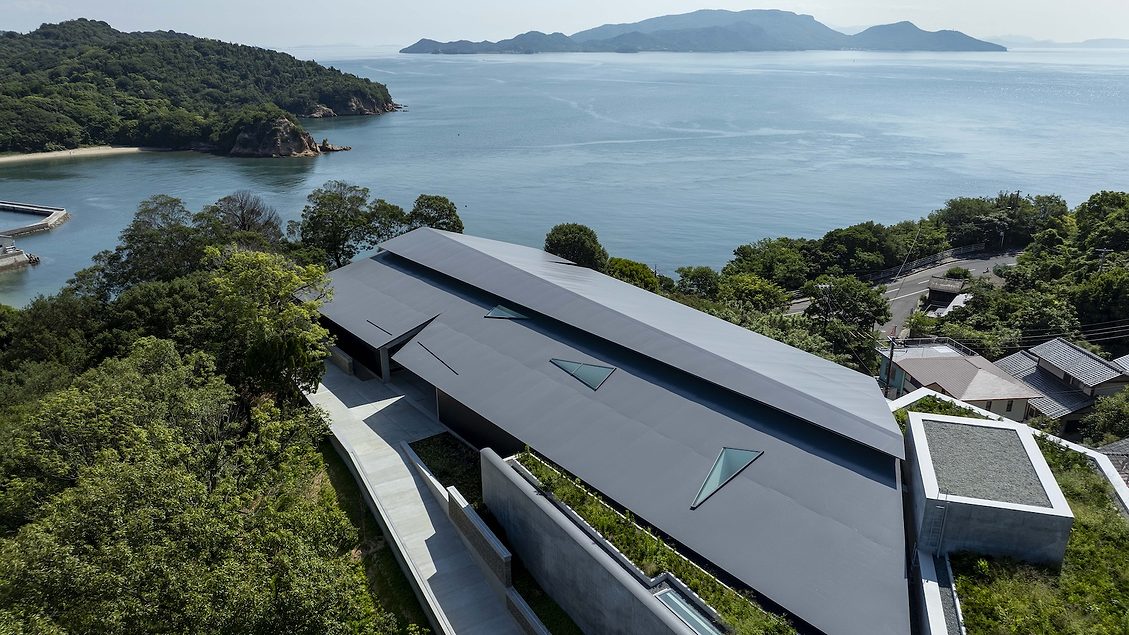
Art museum and hotel designed by Tadao Ando. Works by Warhol, Hockney, Basquiat, and Pollock integrated into the architecture. Staying overnight lets you view art after hours in complete solitude.

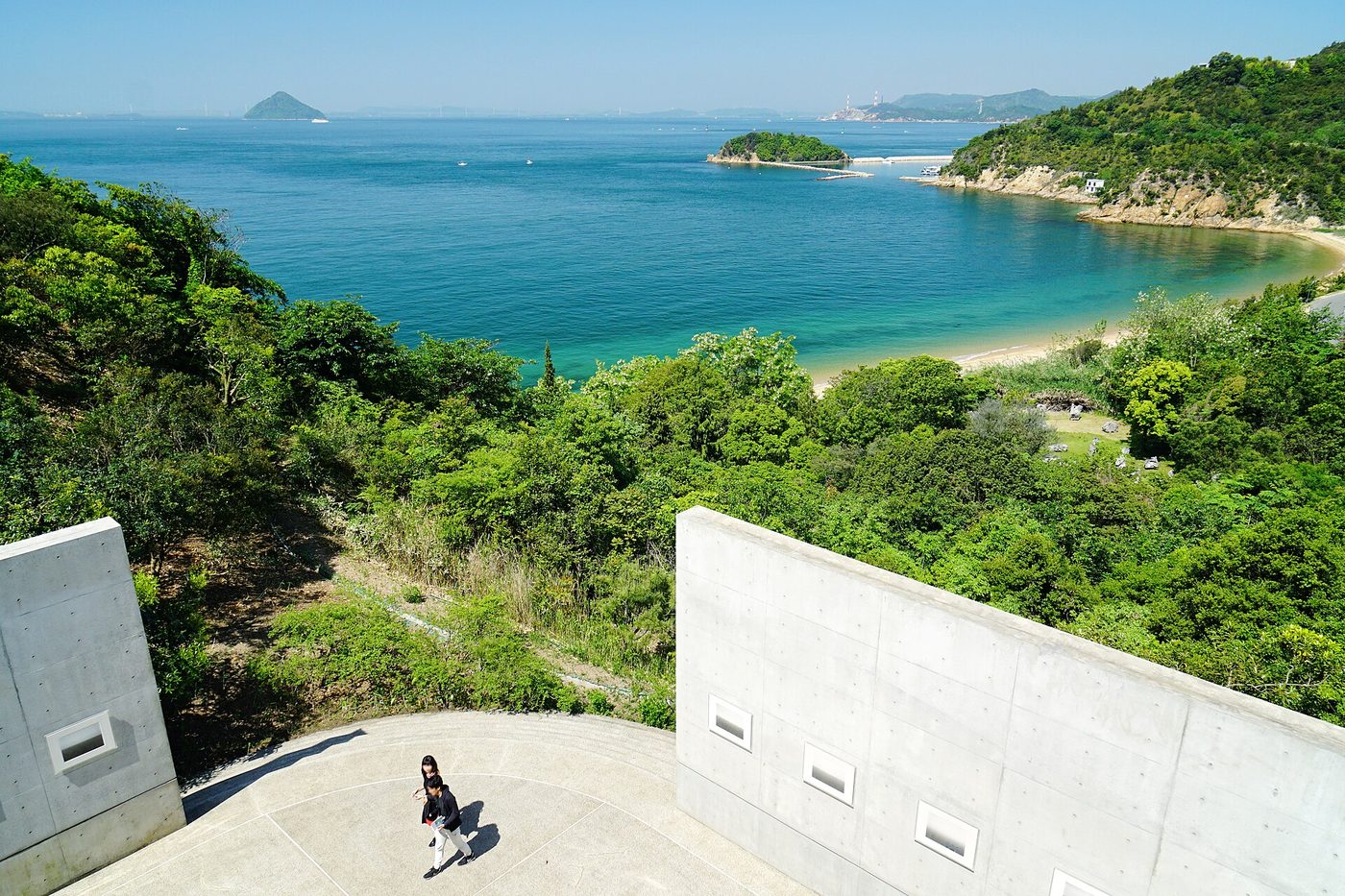
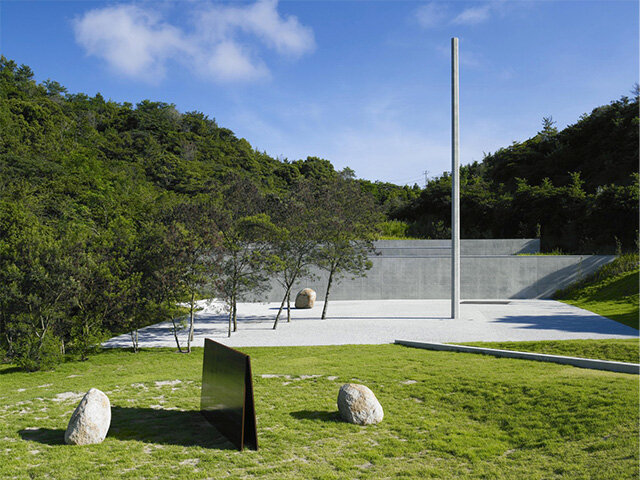
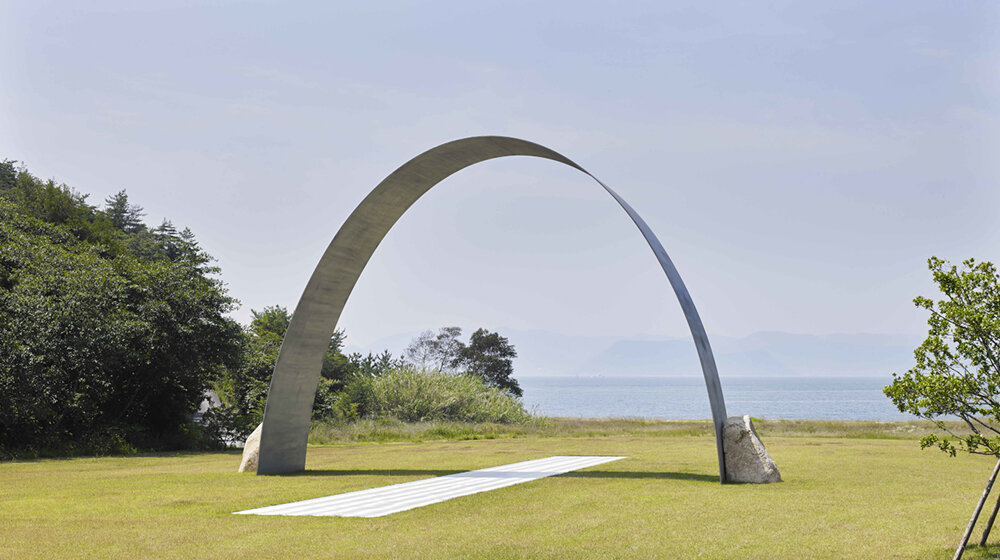
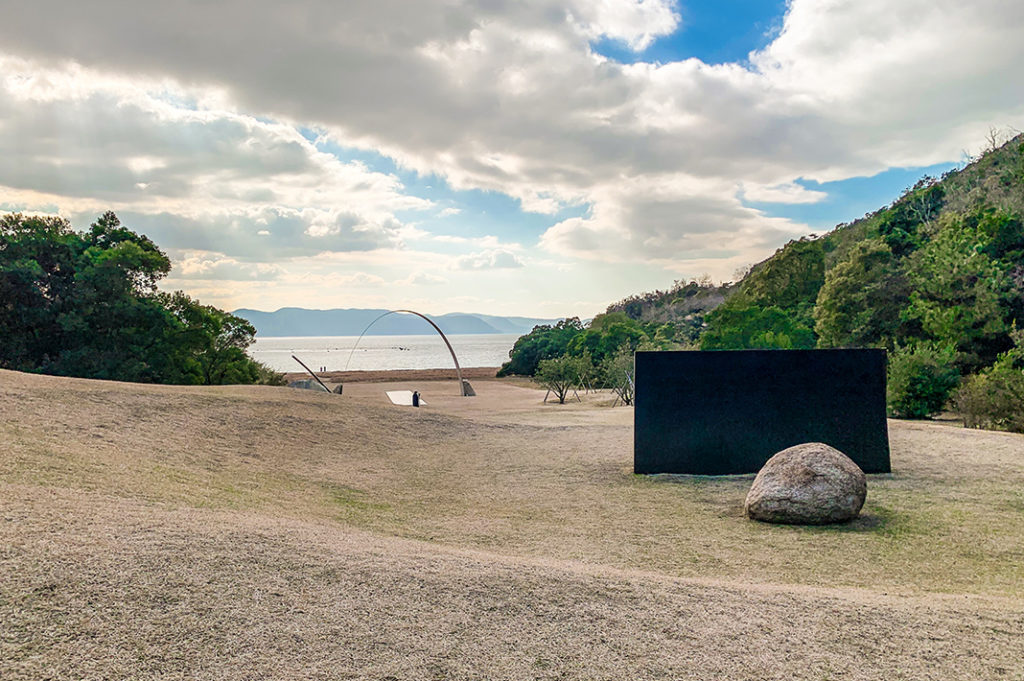
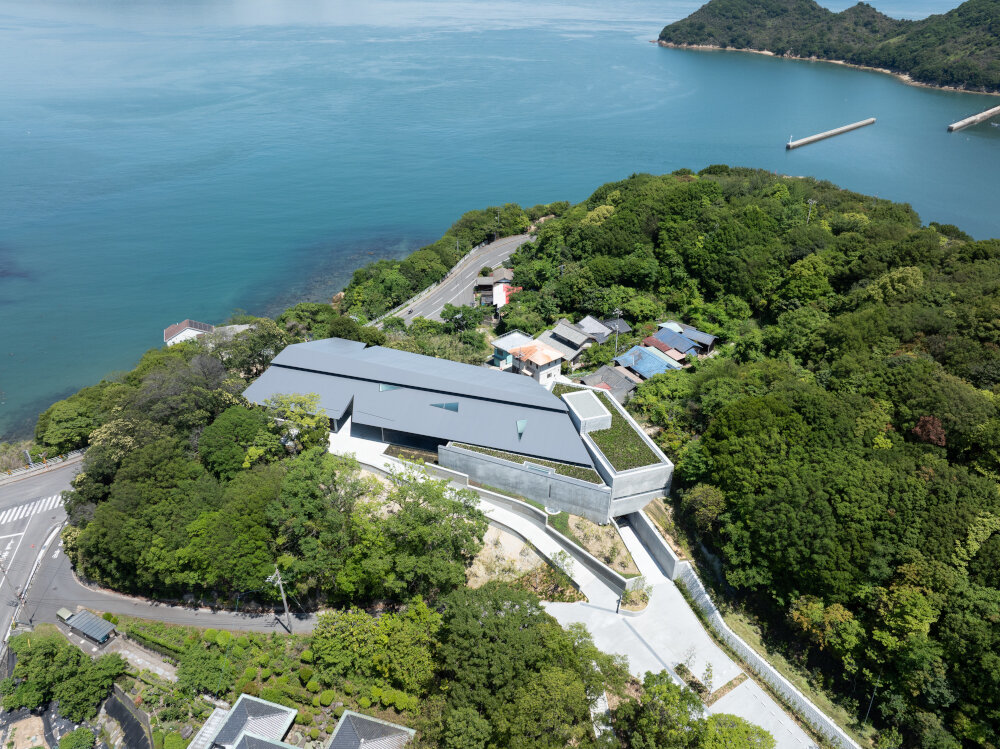
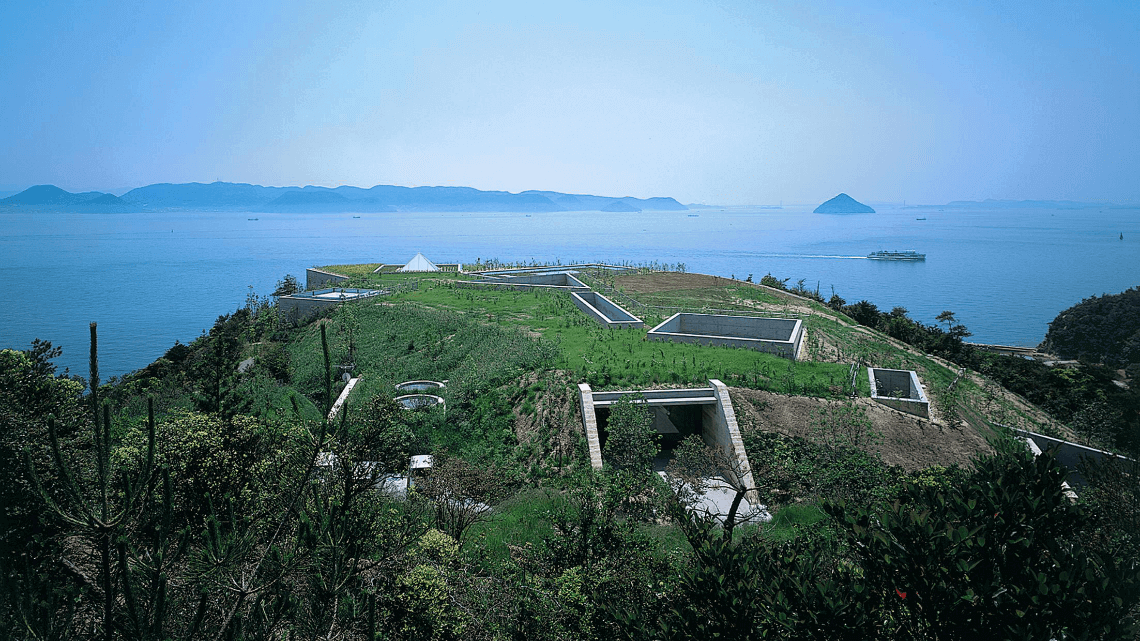
Minimalist museum dedicated to Korean artist Lee Ufan. A single Tadao Ando concrete building embedded in a valley. Sculptures and paintings in perfect harmony with architecture and nature.

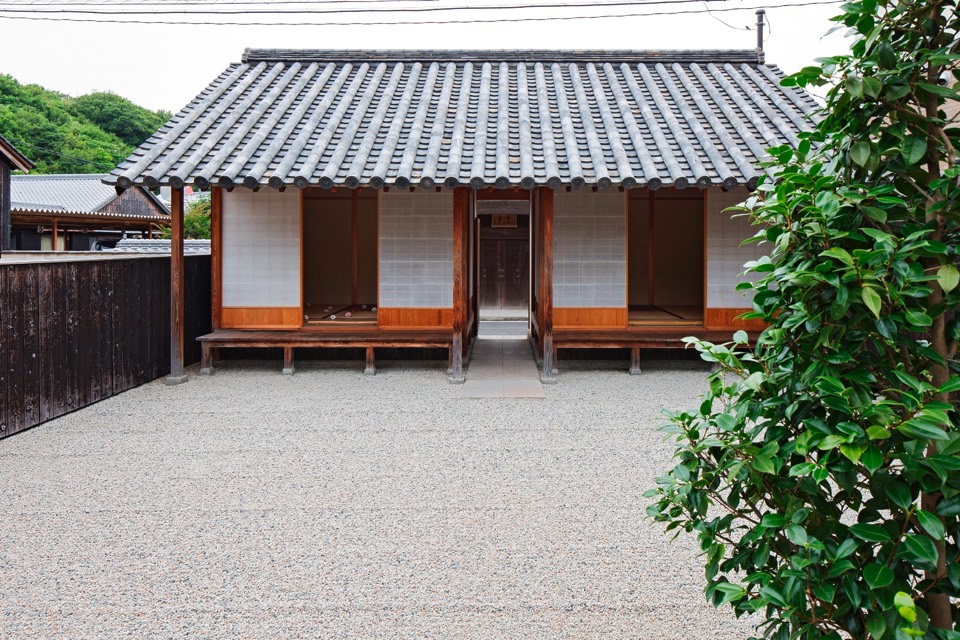
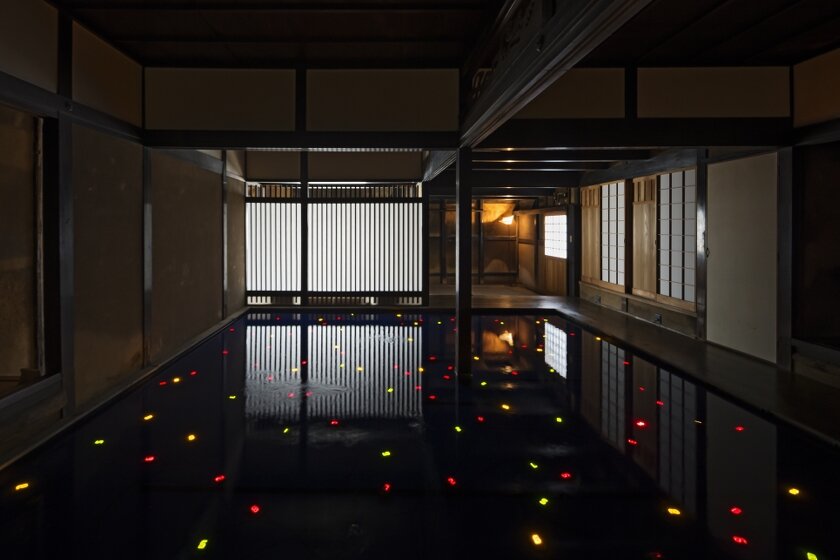
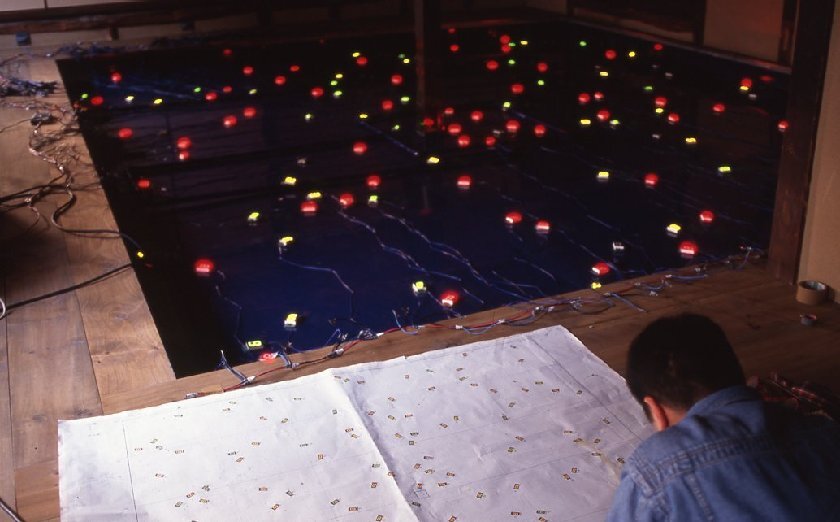
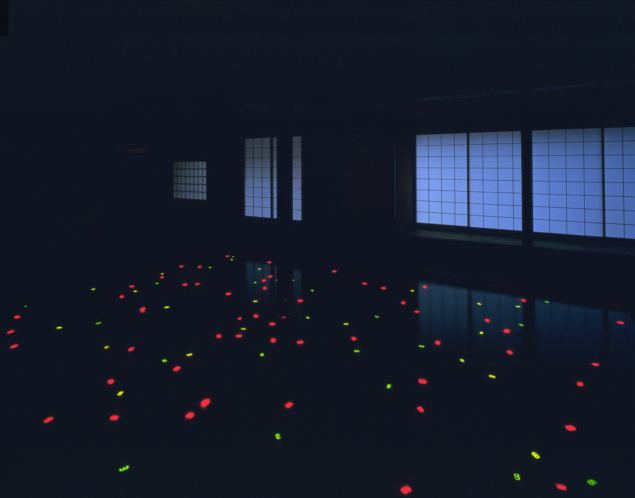
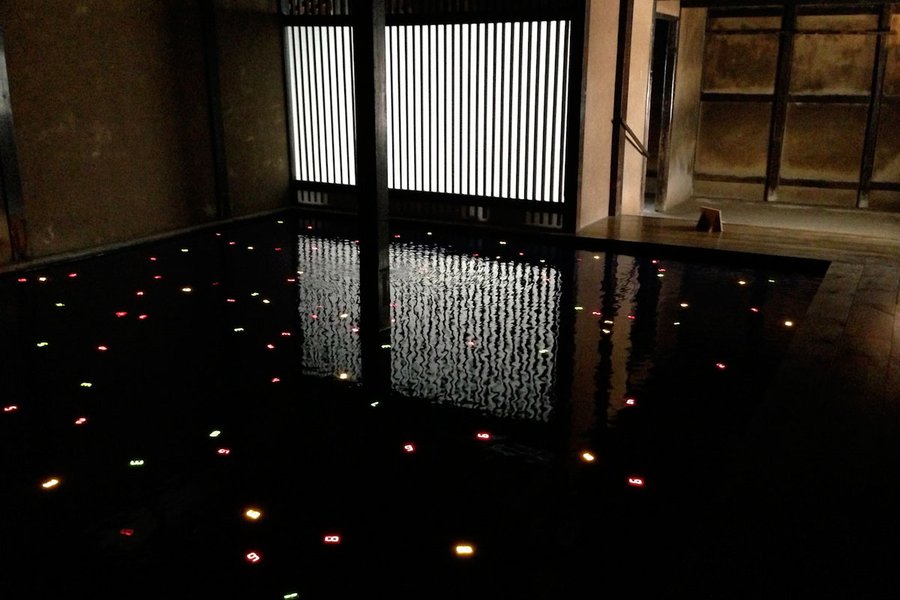
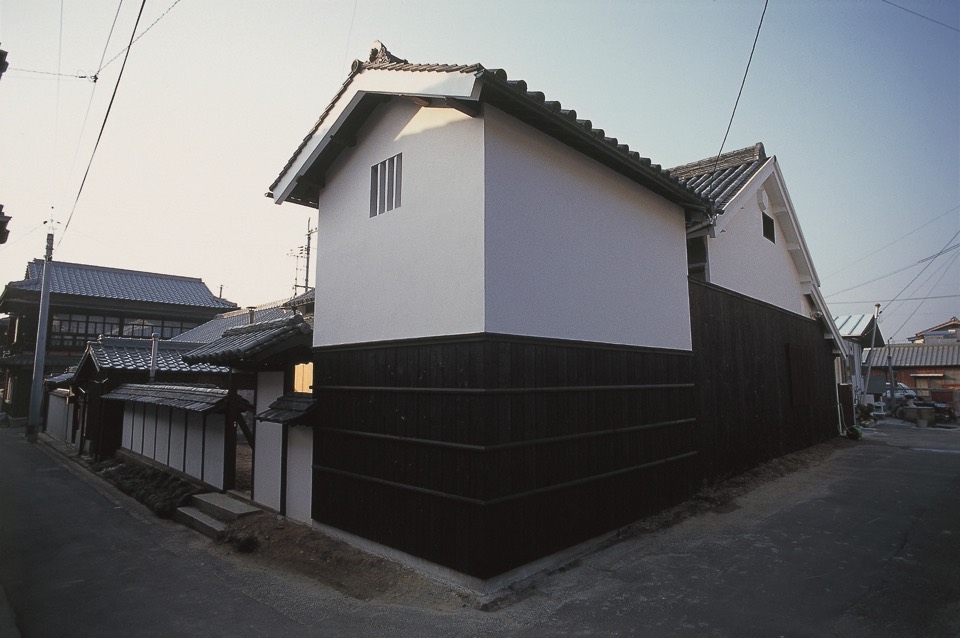
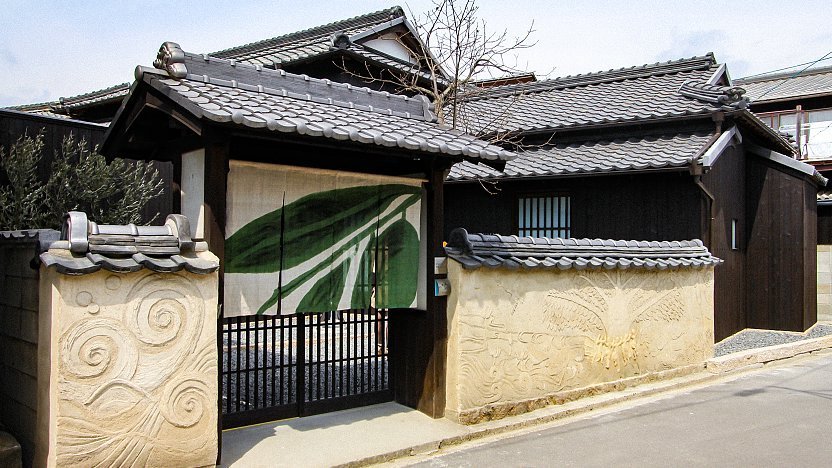
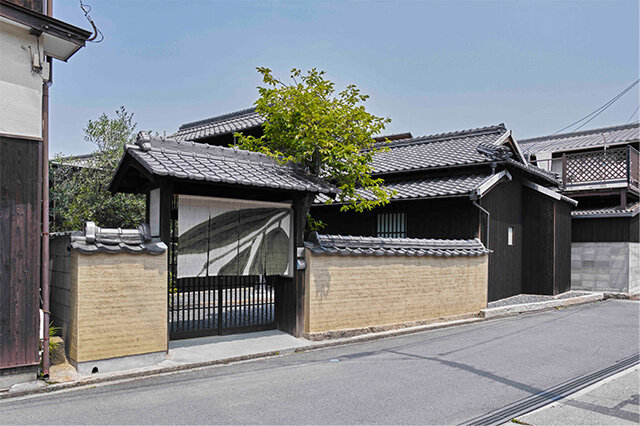
Seven traditional houses in an old village converted into art installations by different artists. Kadoya (Tatsuo Miyajima's LED number pool), Minamidera (James Turrell darkness experience), and Go'o Shrine are highlights.

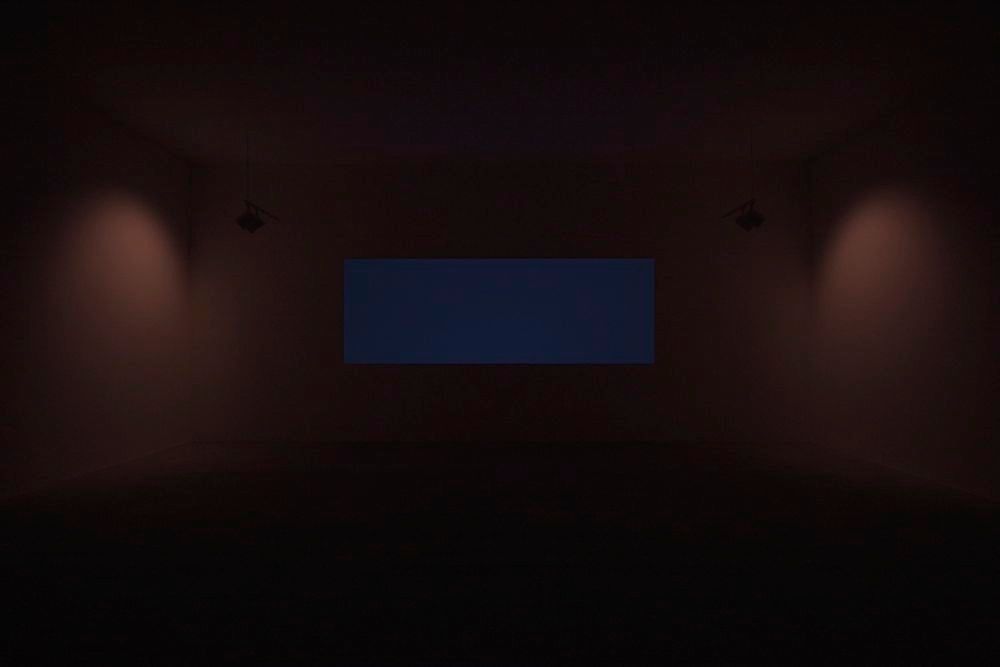
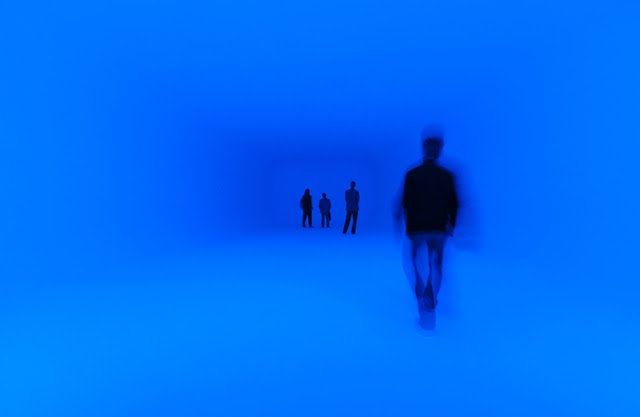
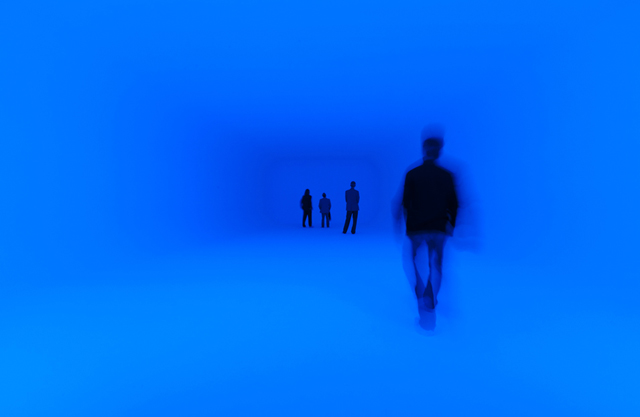
Art House Project site in complete darkness. You sit in pitch black for 10 minutes as your eyes slowly adjust and a faint light appears. A meditation on perception and patience. Profound experience.

Art House Project site with a dark room containing LED number counters glowing in a shallow pool of water. Each counter represents a human life. Hypnotic and contemplative.

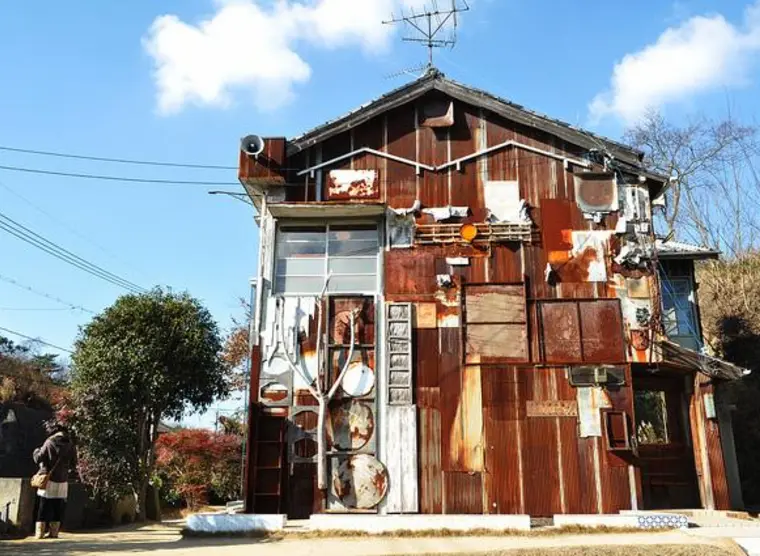
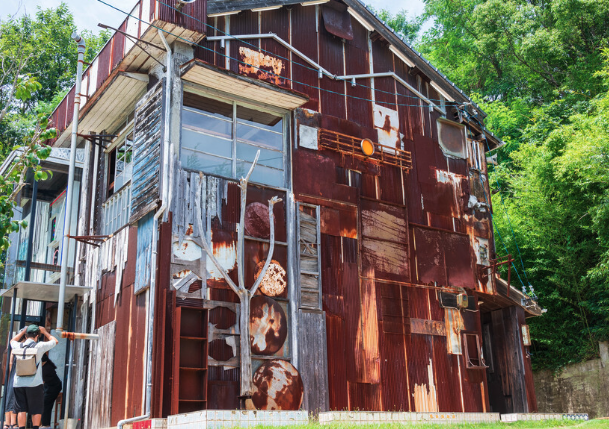
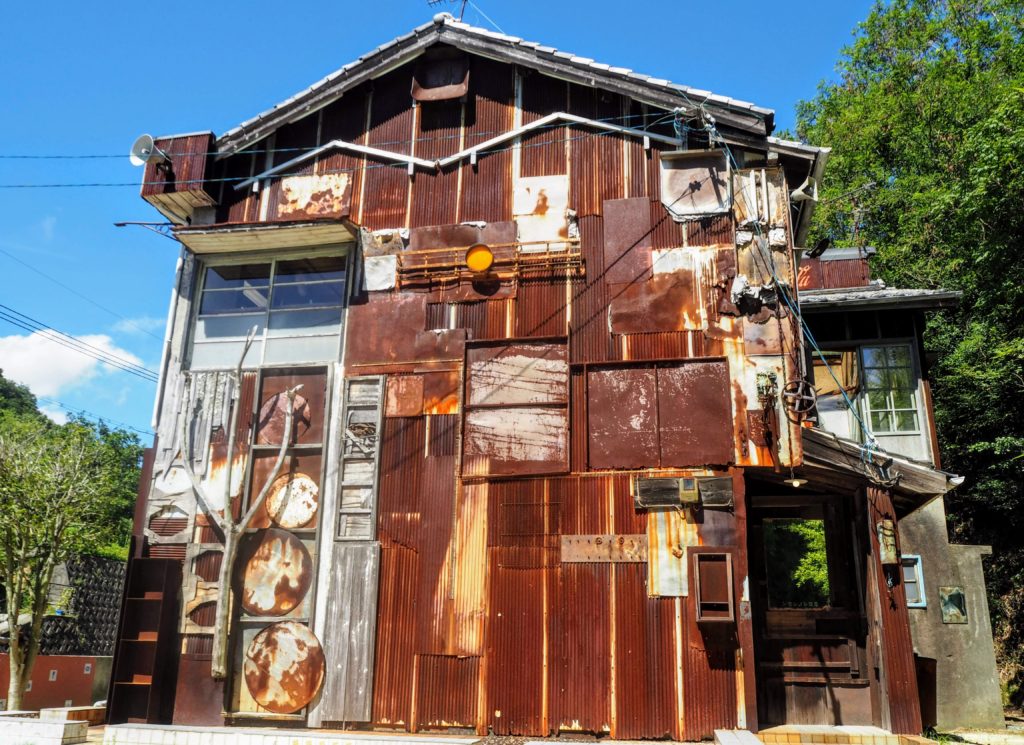
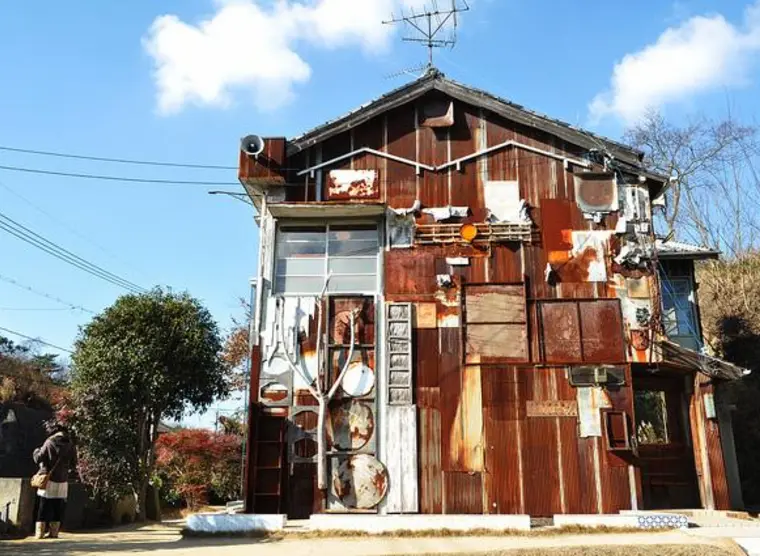
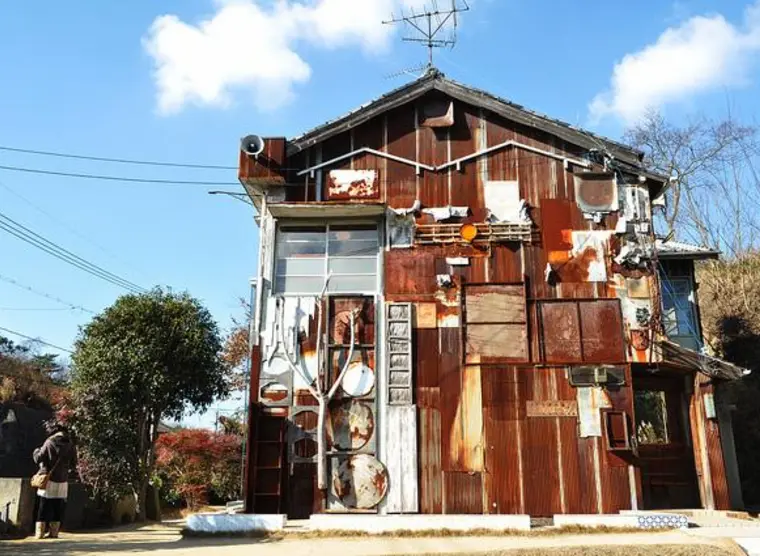
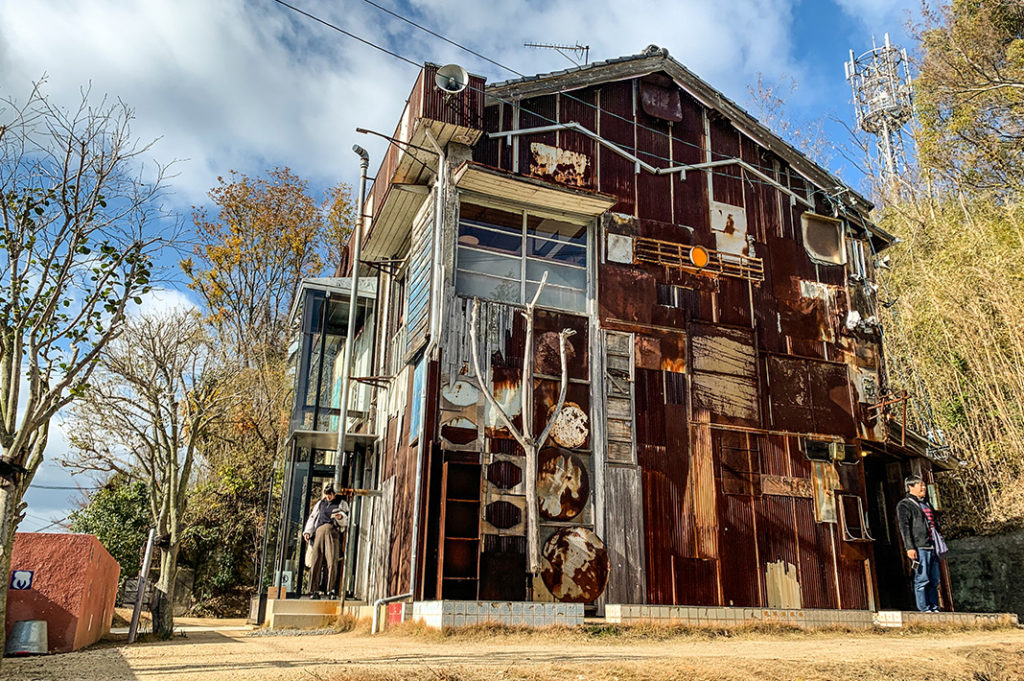
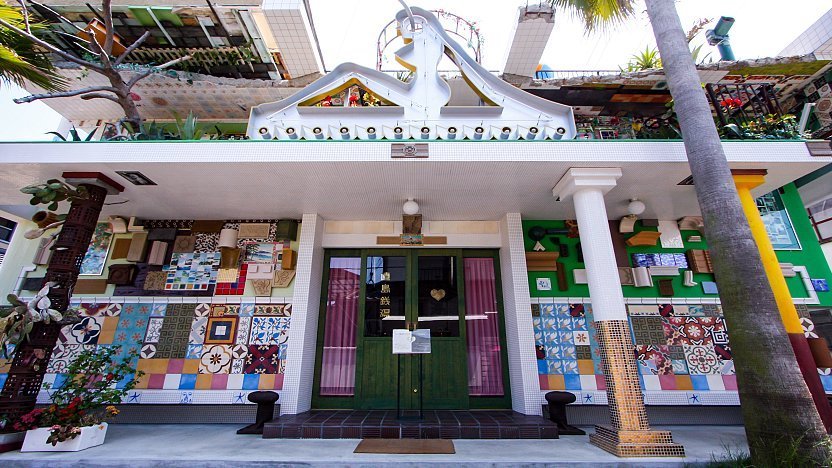
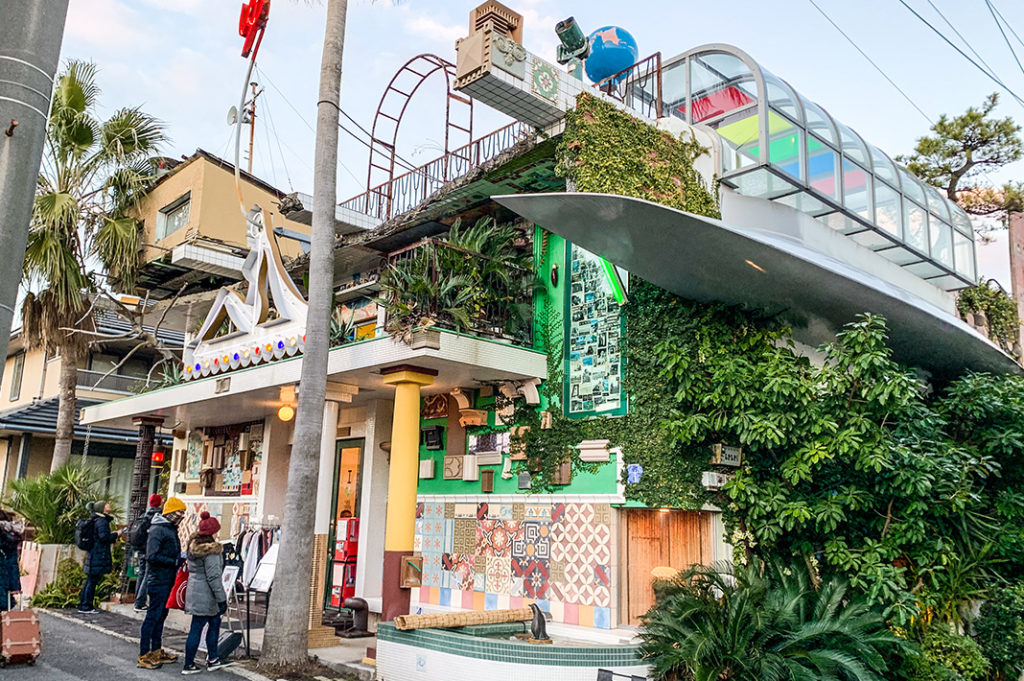
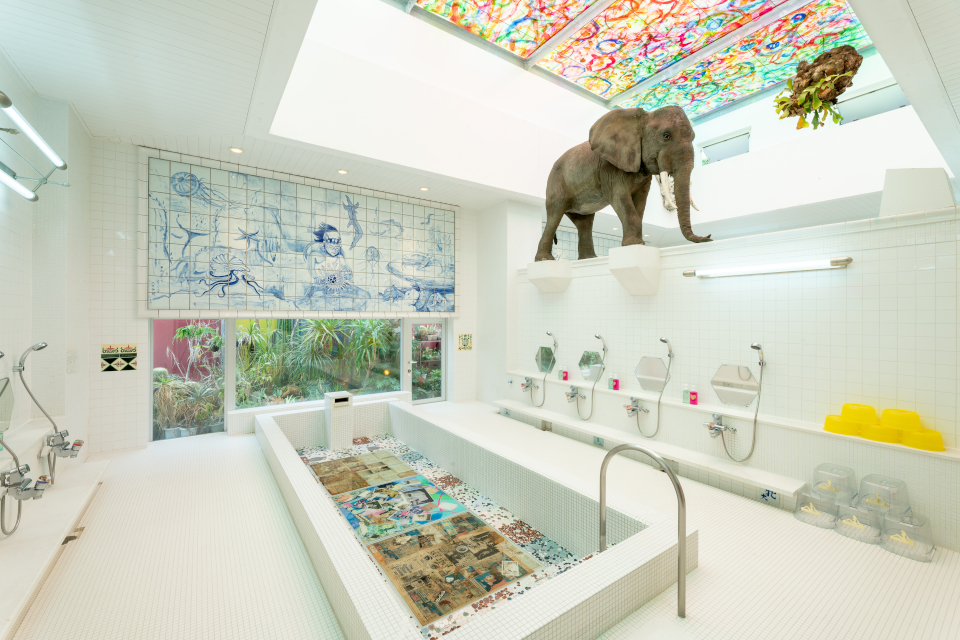
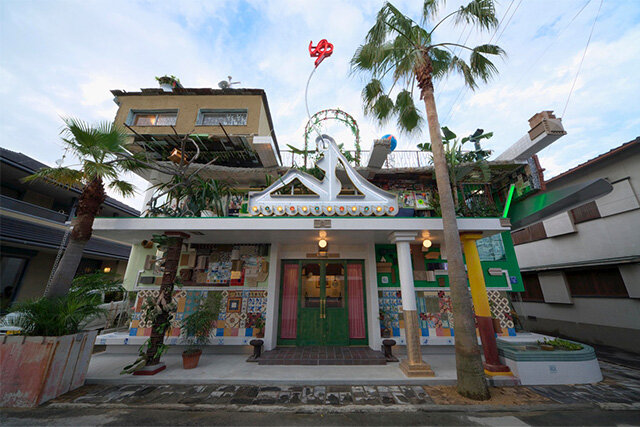
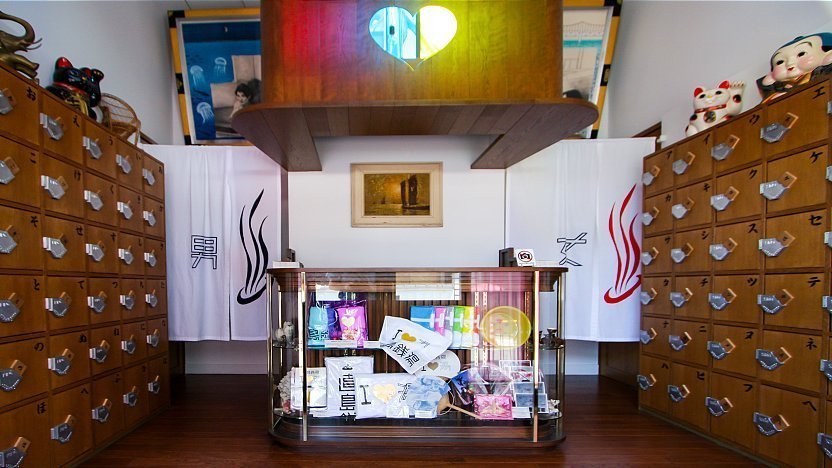
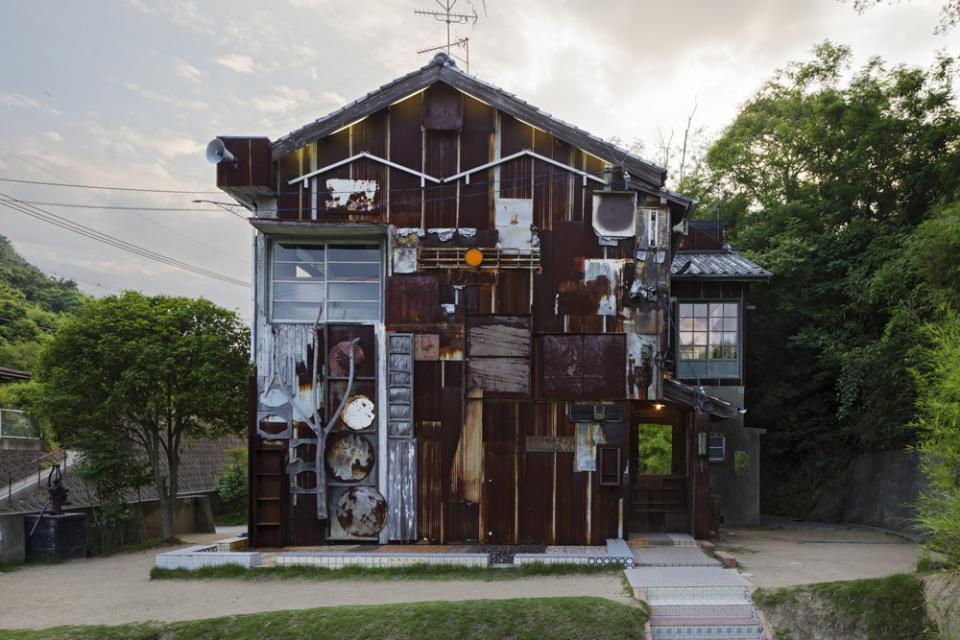
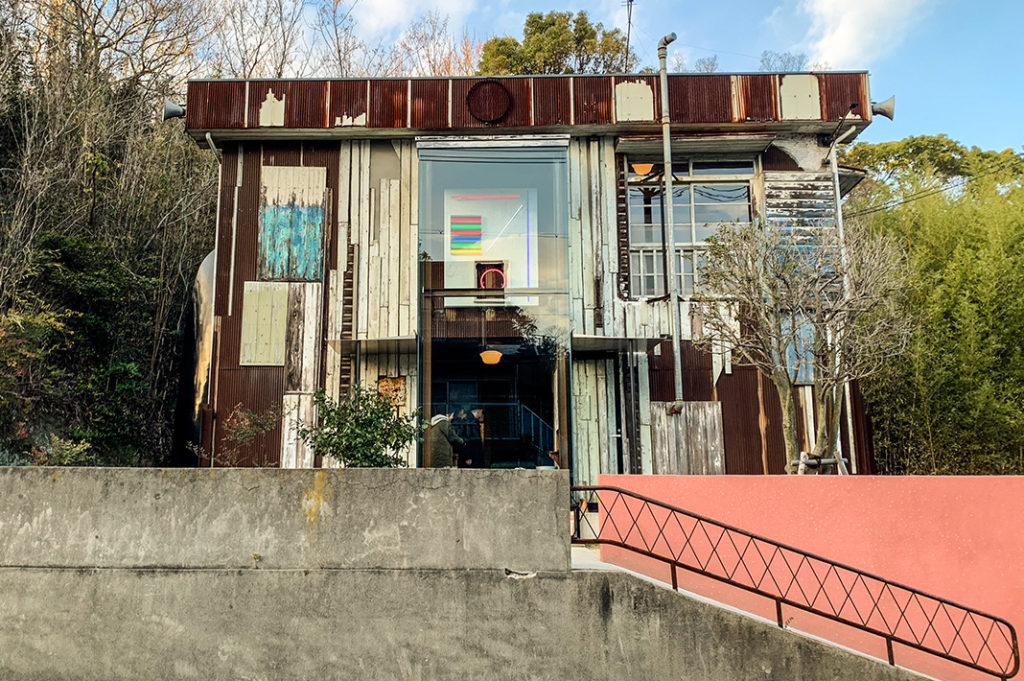
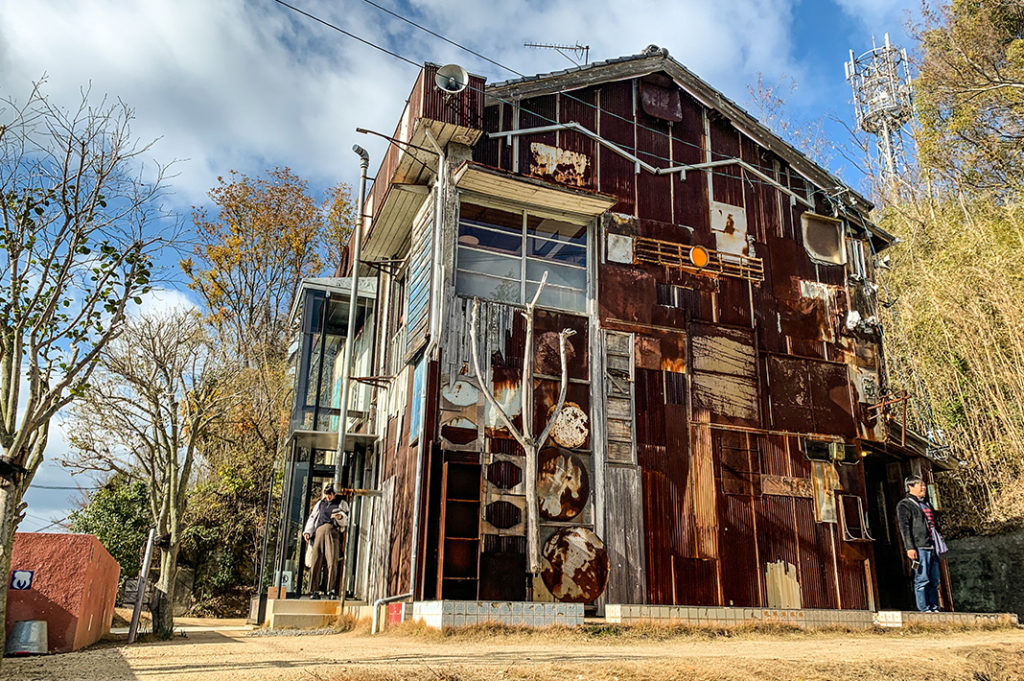
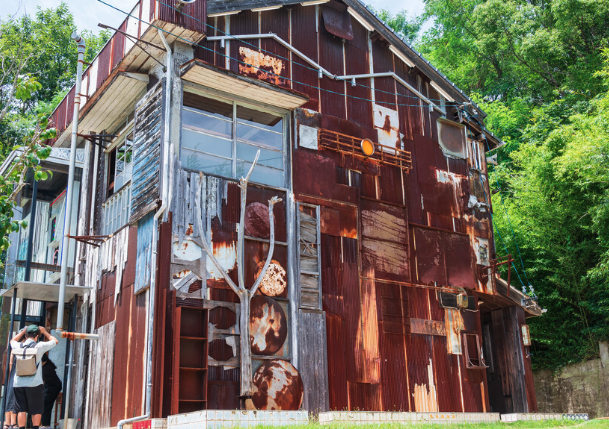
Working public bathhouse redesigned by Shinro Ohtake as a pop-art extravaganza. Collaged exterior, wild mosaic interior, and a functioning bath. Where art meets daily life. Pay normal bathhouse entry fee.

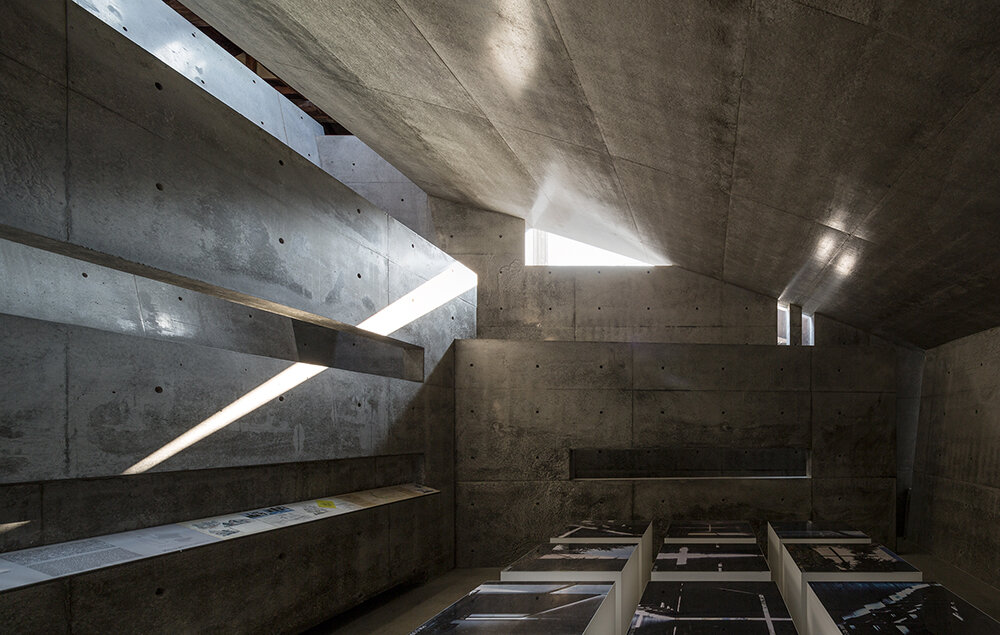
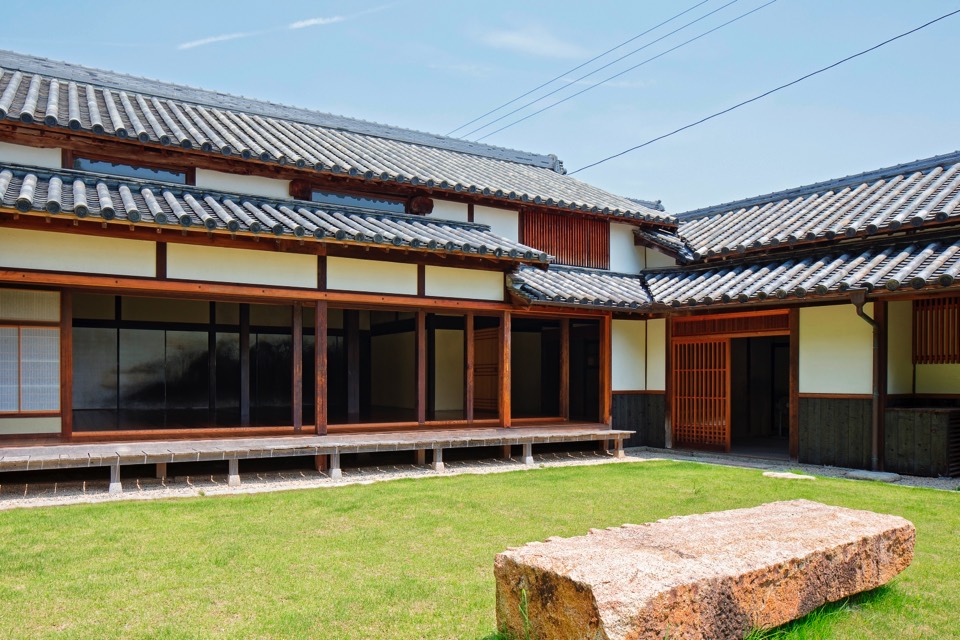
Small Tadao Ando museum inside a 100-year-old wooden house with concrete interior. The intersection of old and new is the point. Architectural drawings and models of his Naoshima projects.

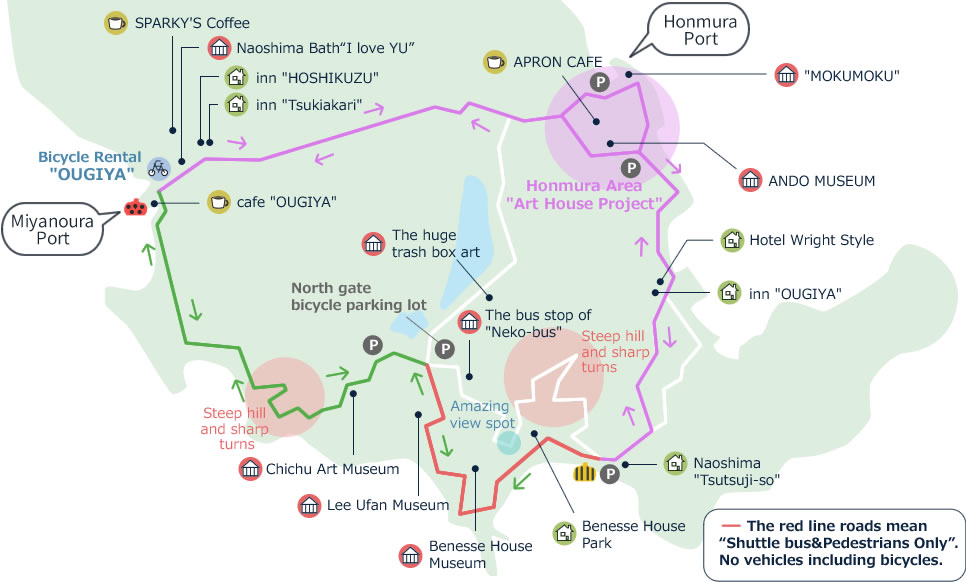
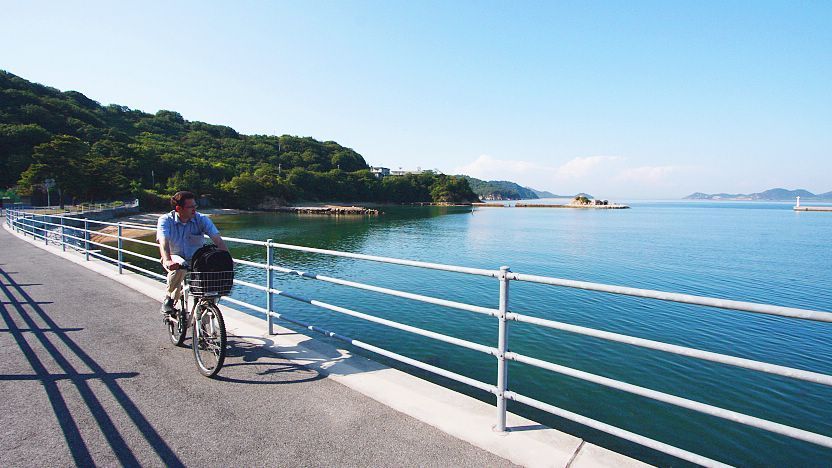
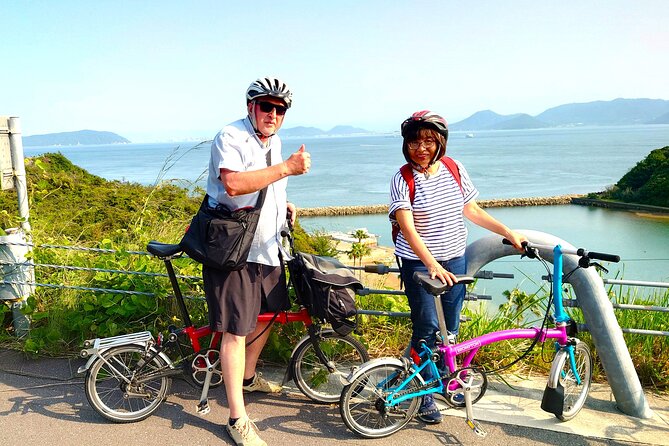
The best way to explore the island. Rental bikes (including electric) available at the port. The island is small enough to cycle in a day. Rolling hills between art sites with sea views.

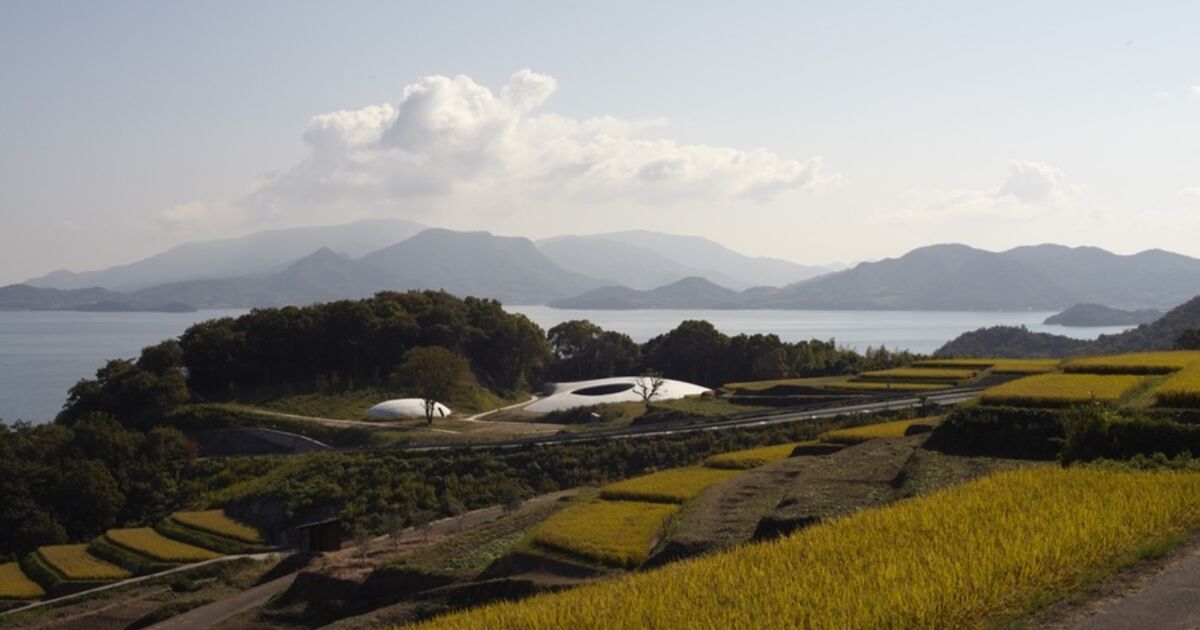
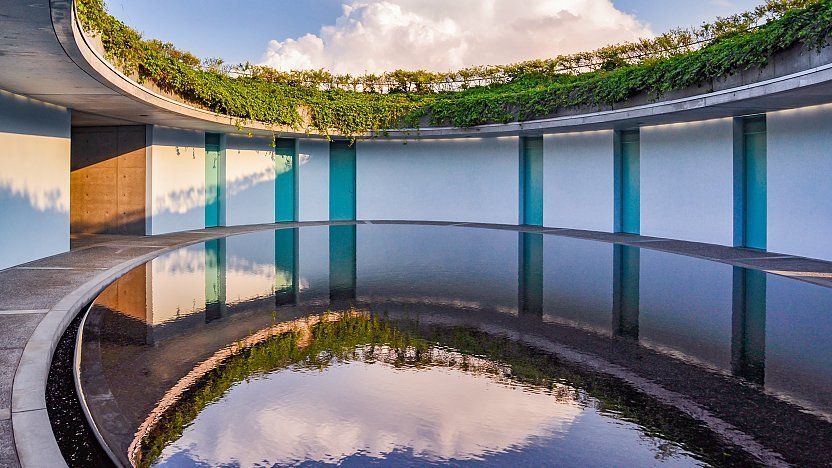
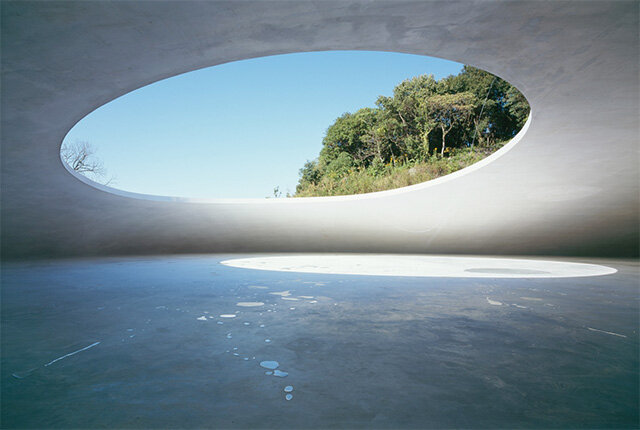
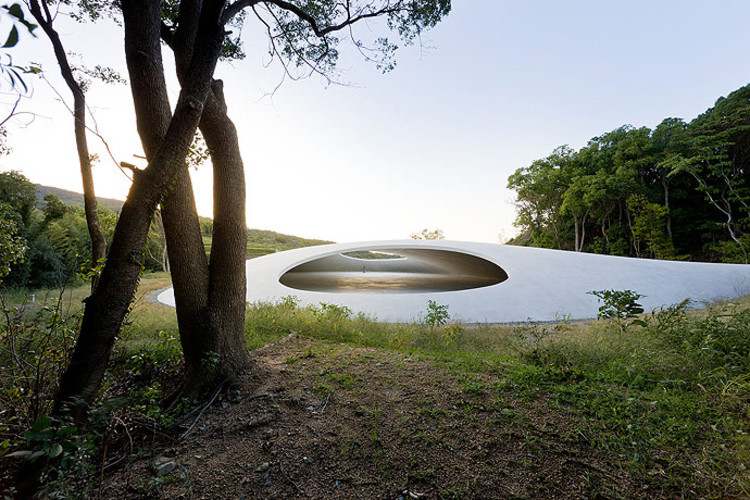
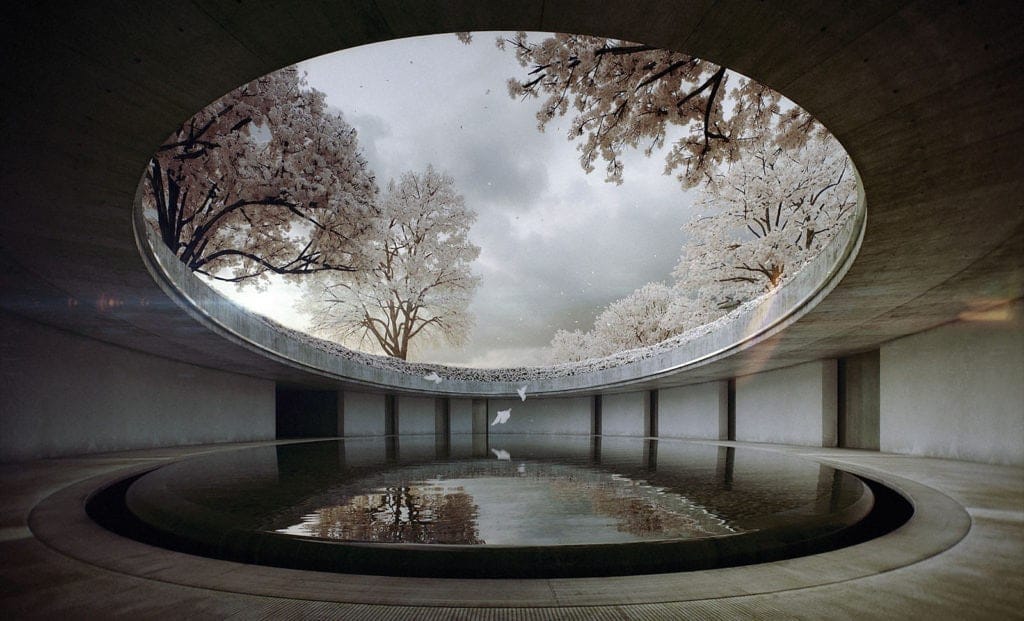
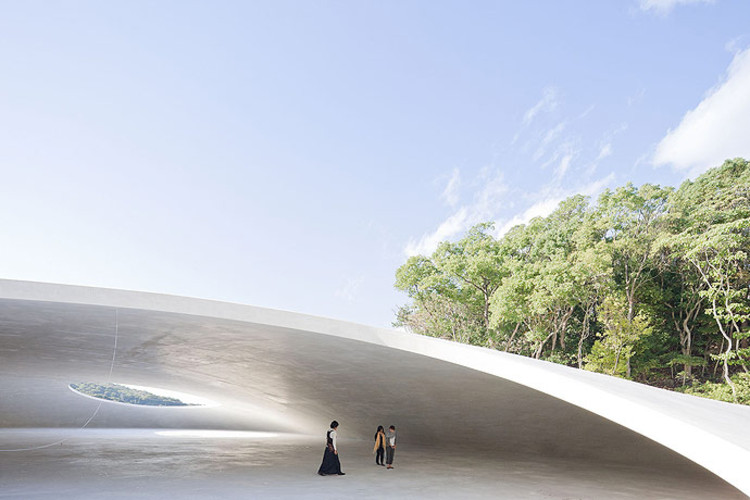
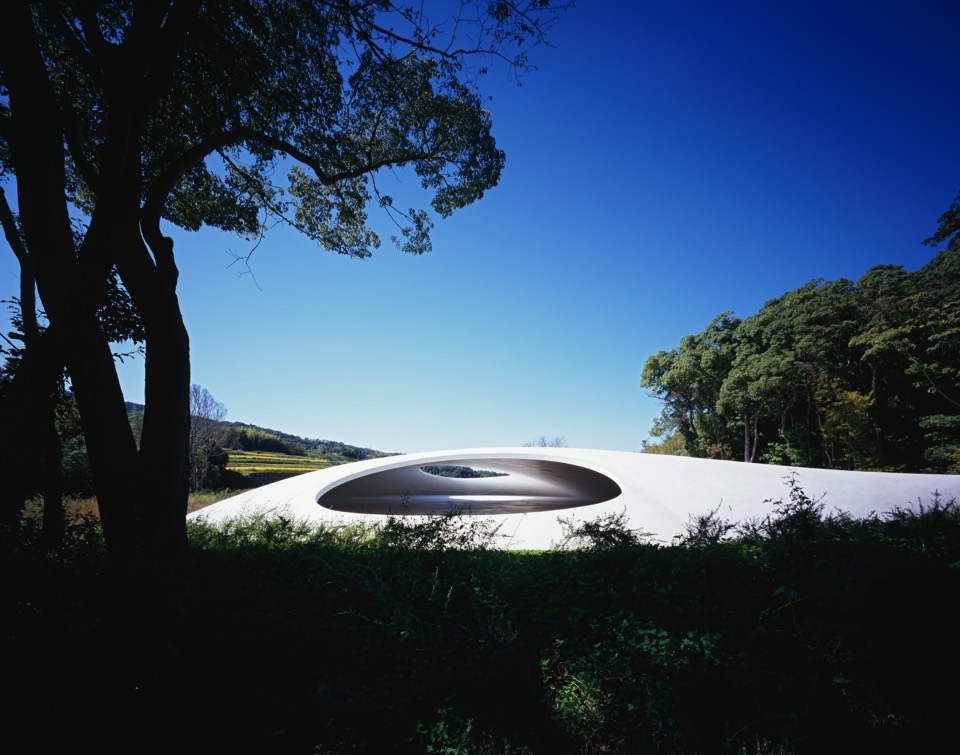
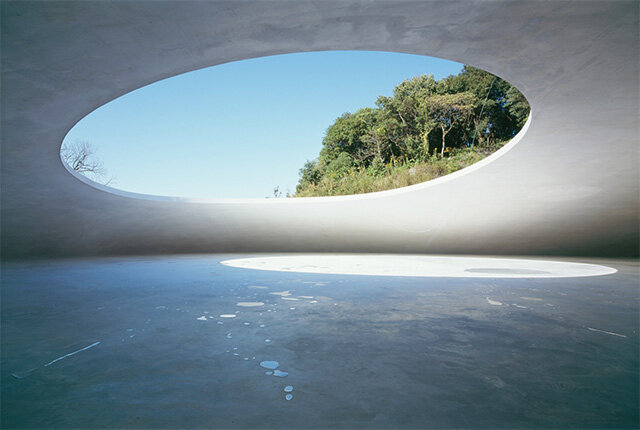
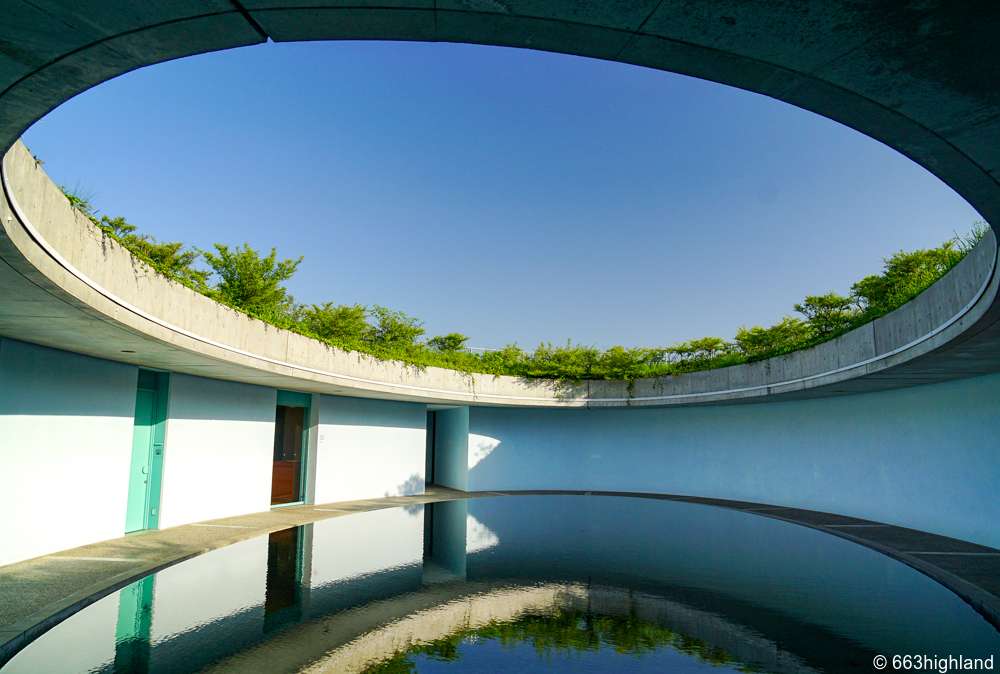
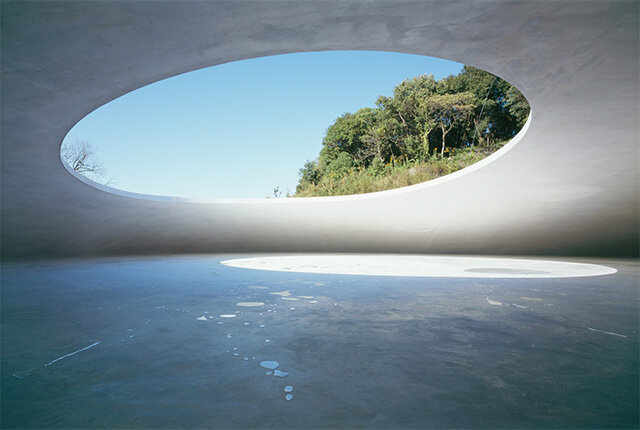
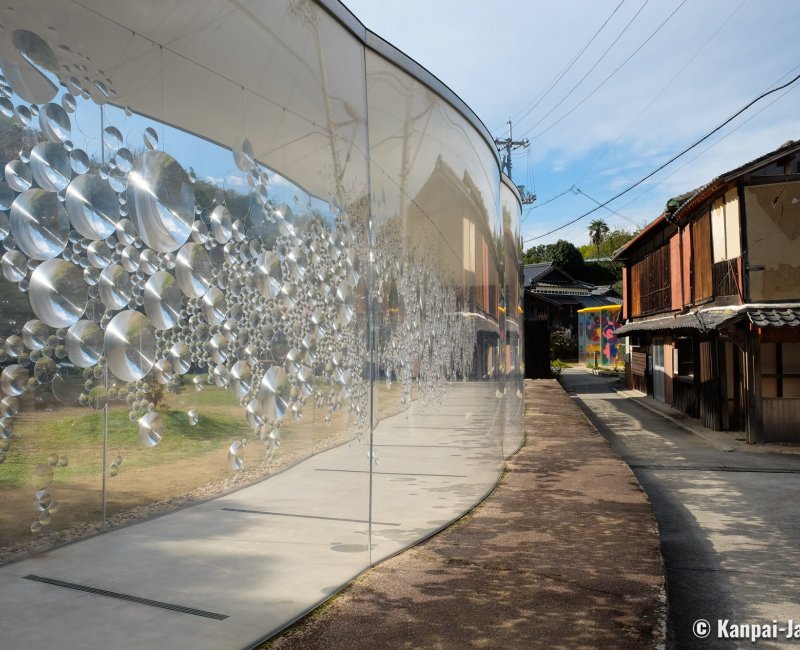
Architect Ryue Nishizawa created a single white concrete shell structure open to the sky. Inside, water droplets appear from the floor and slowly merge, moving across the surface. One of the most meditative art spaces ever created.

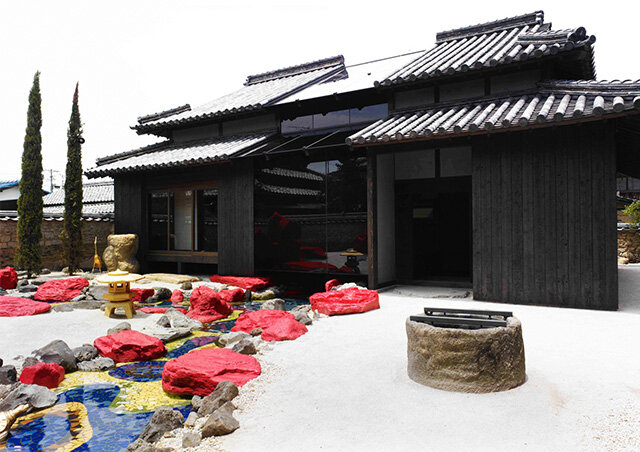
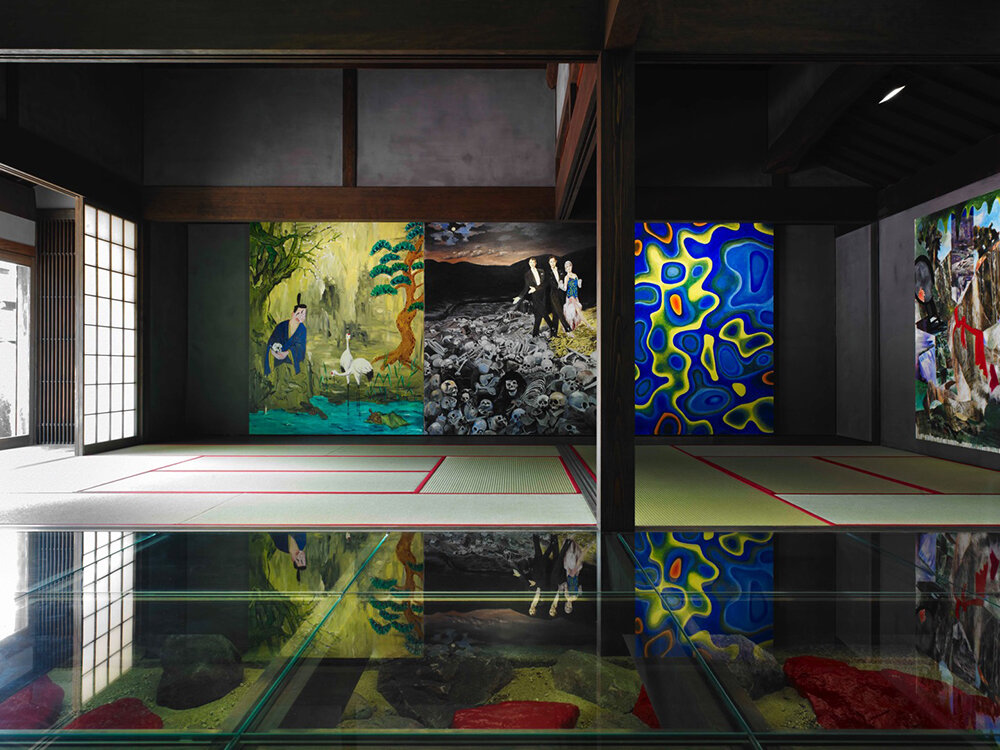
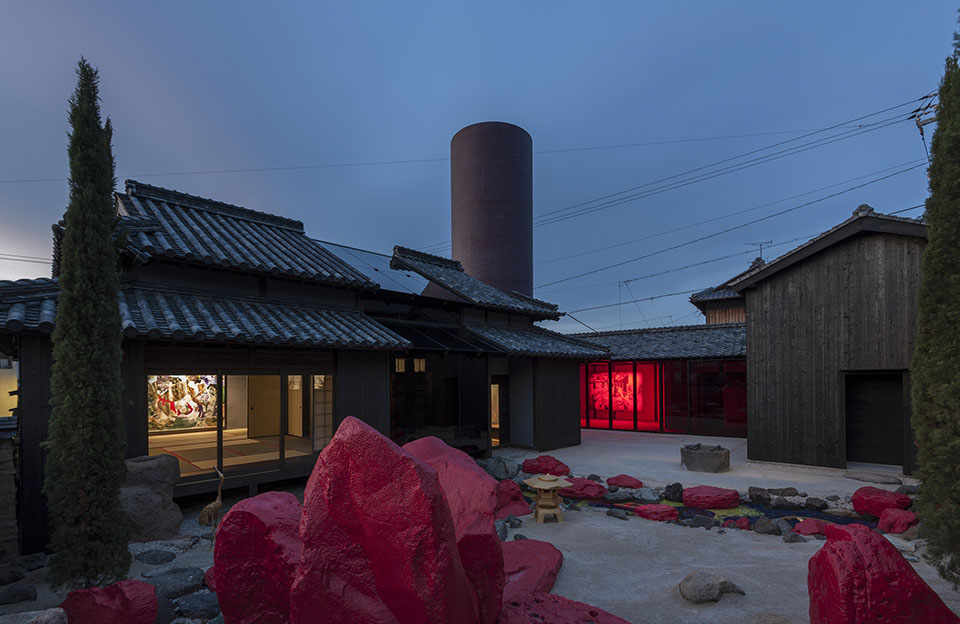
Former house converted into an explosive art installation by Tadanori Yokoo. A cylindrical space with a waterfall, garden, and tower. The intense colors contrast with the quiet fishing village outside.

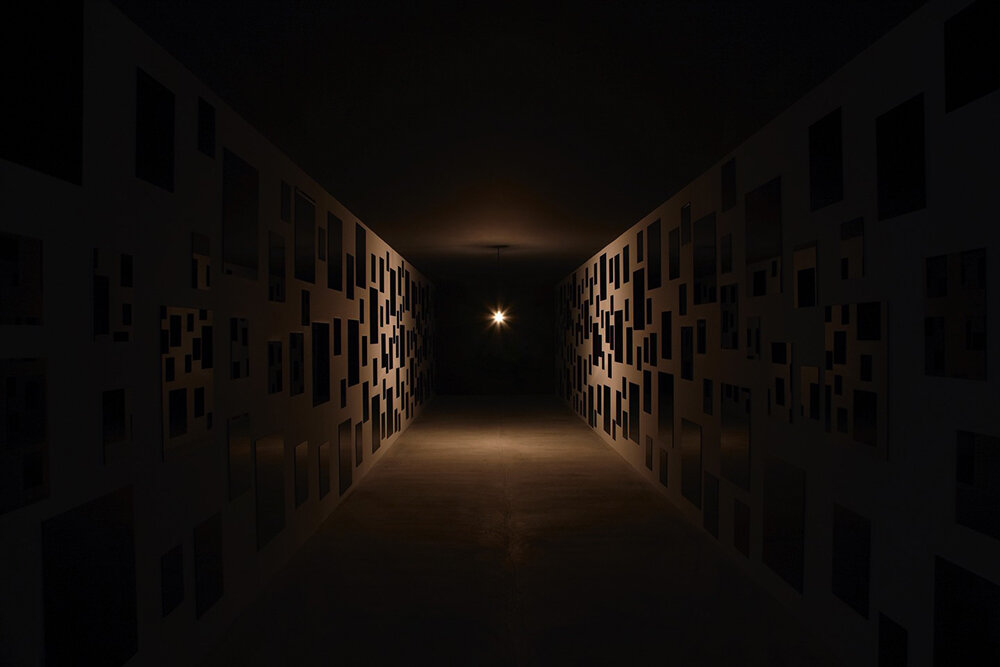
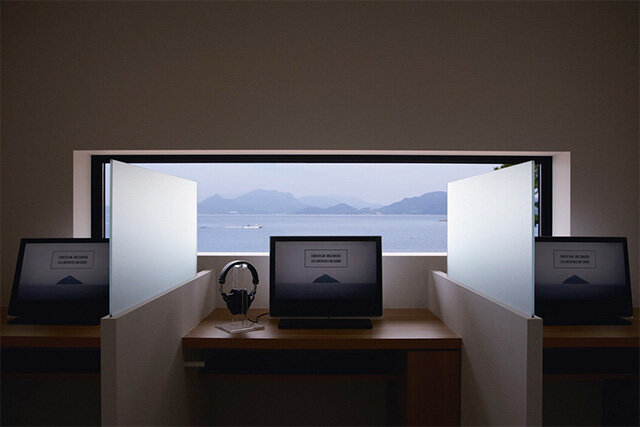
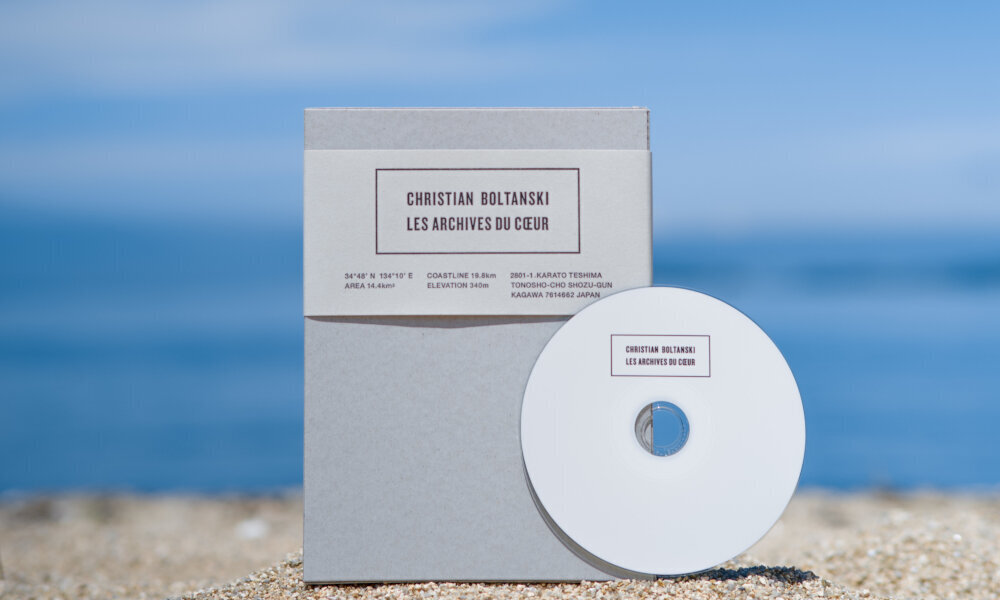
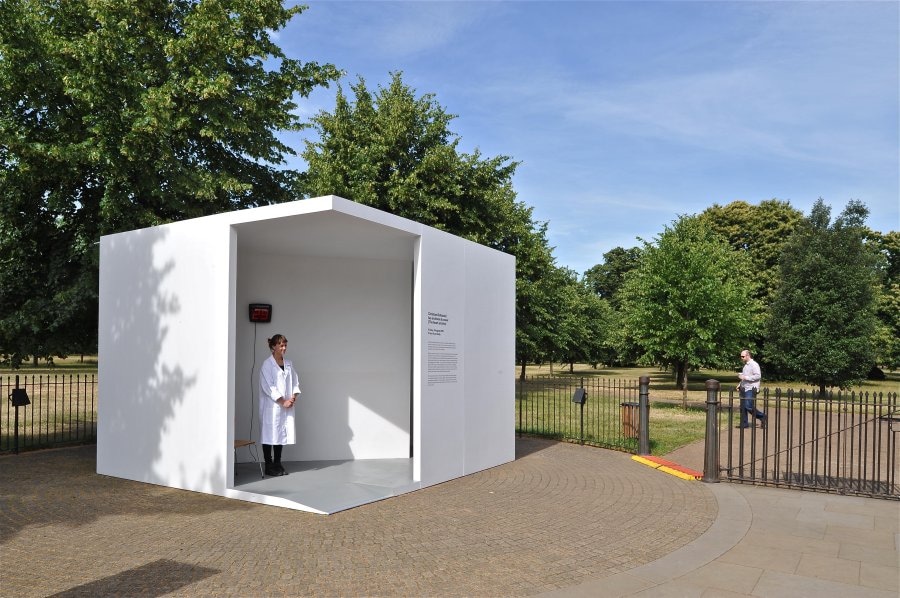
Christian Boltanski's installation on Teshima. A room where recordings of human heartbeats from around the world play through speakers. You can record your own heartbeat and leave it permanently in the archive.

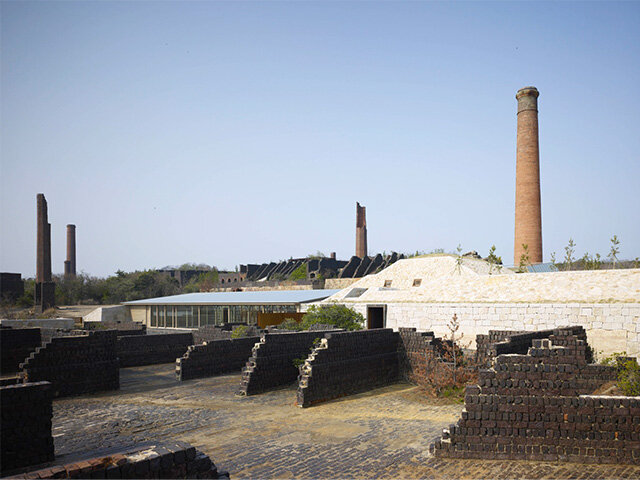
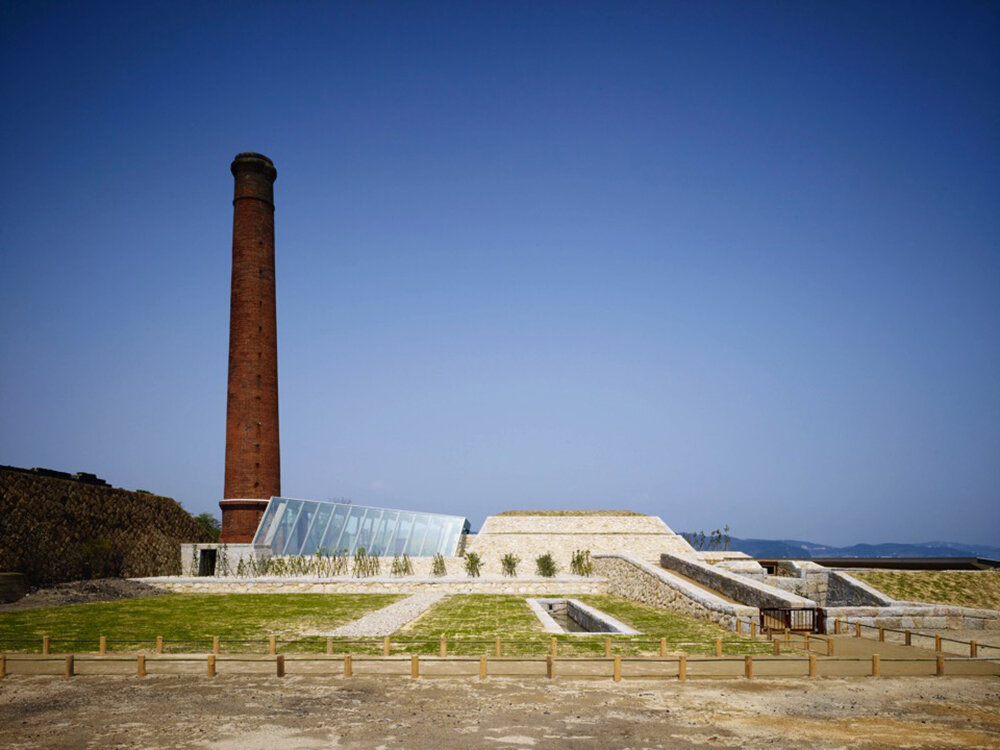
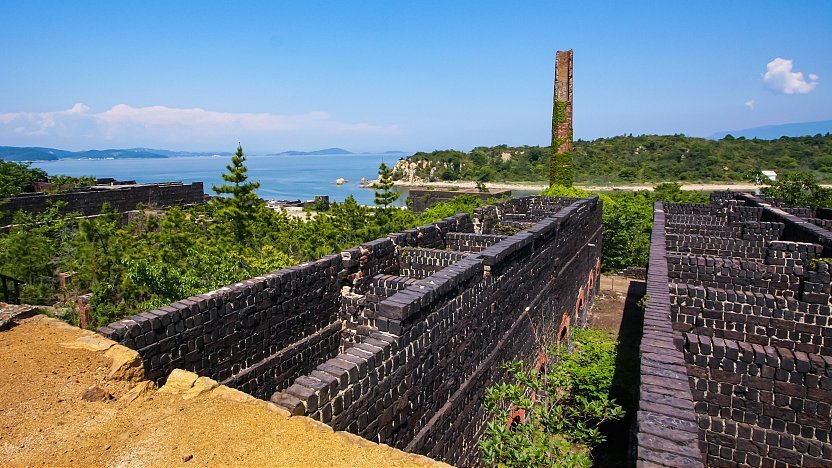
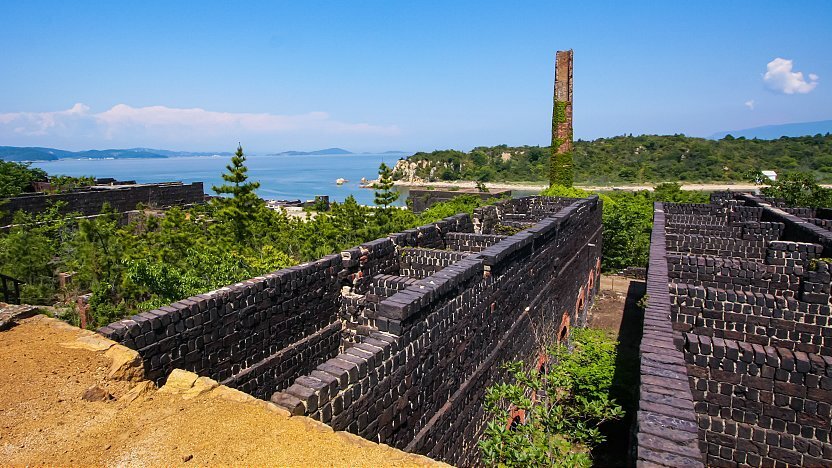
Former copper smelting refinery transformed into an art museum. The ruined industrial architecture merged with contemporary art by Yukinori Yanagi. Solar-powered and ecologically designed.

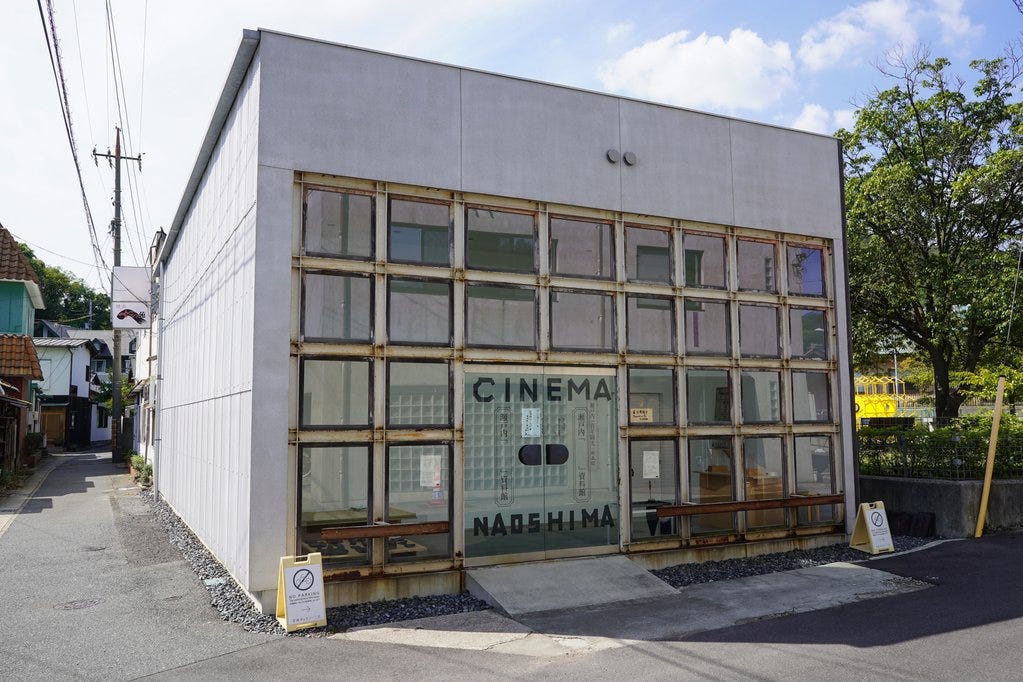
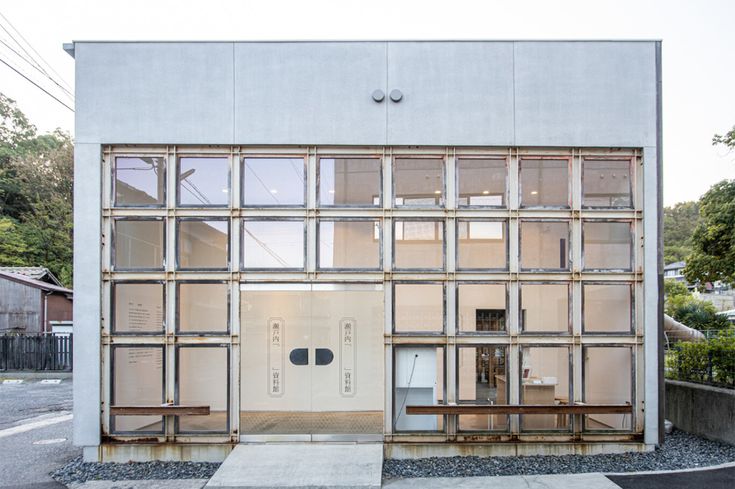
Small gallery near the port showing rotating contemporary art exhibitions. Often features young emerging artists. Free admission. Good first stop while waiting for the bus.

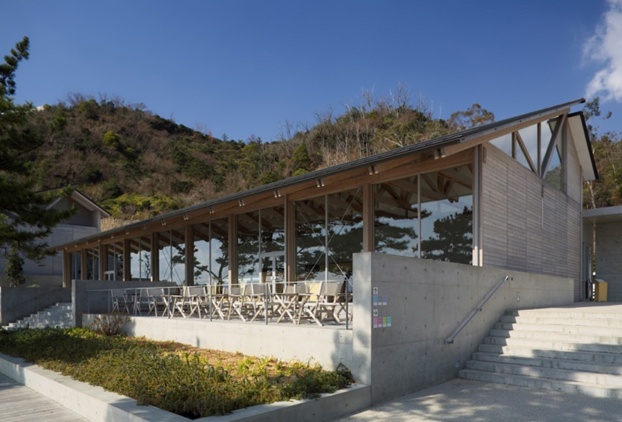
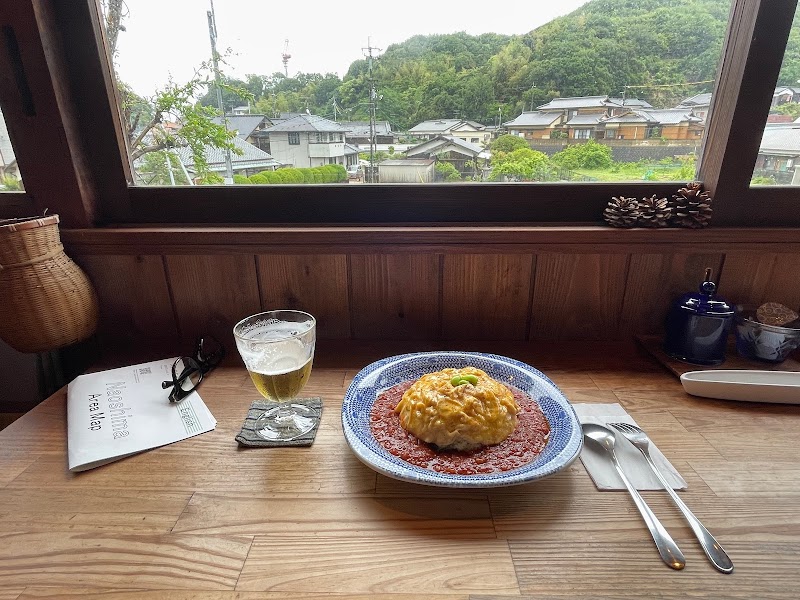
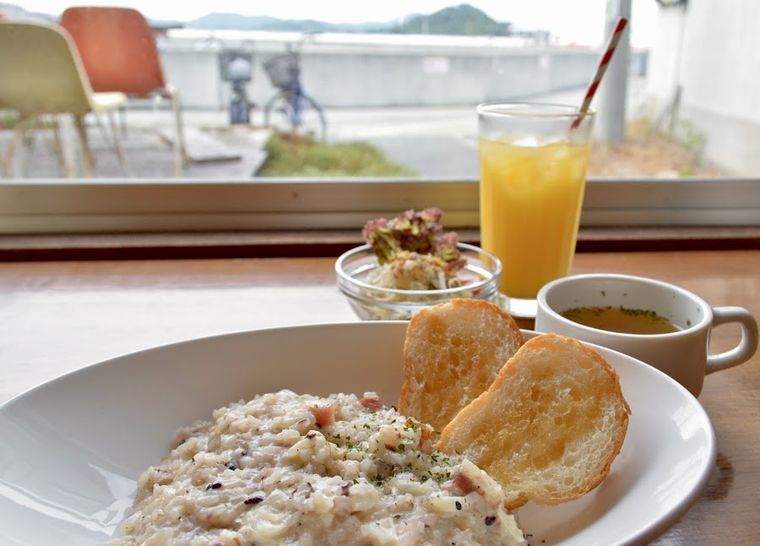
Cafe and guesthouse designed with ocean views. Good food, coffee, and the terrace overlooking the Seto Inland Sea is a perfect lunch spot between museum visits.

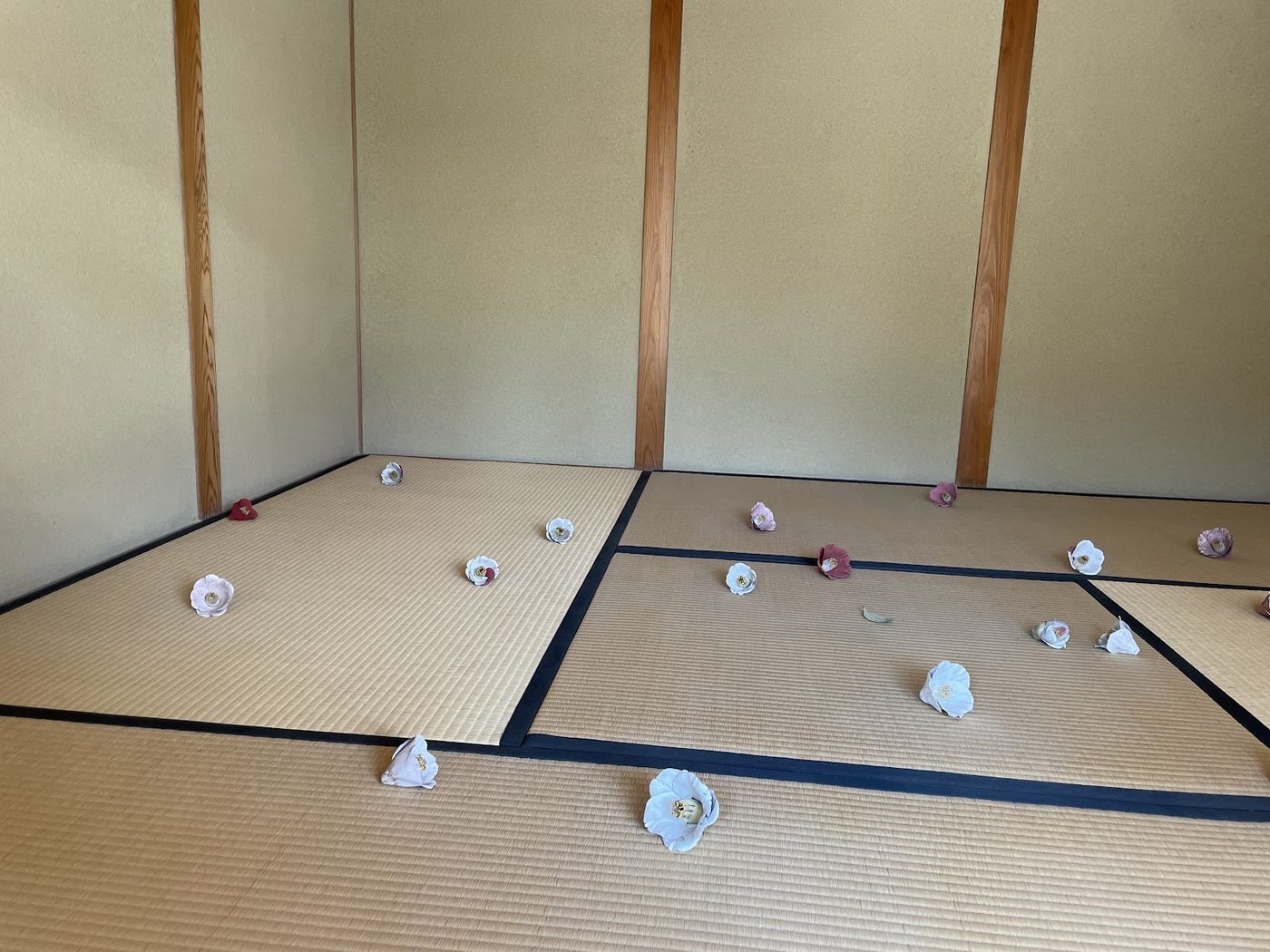
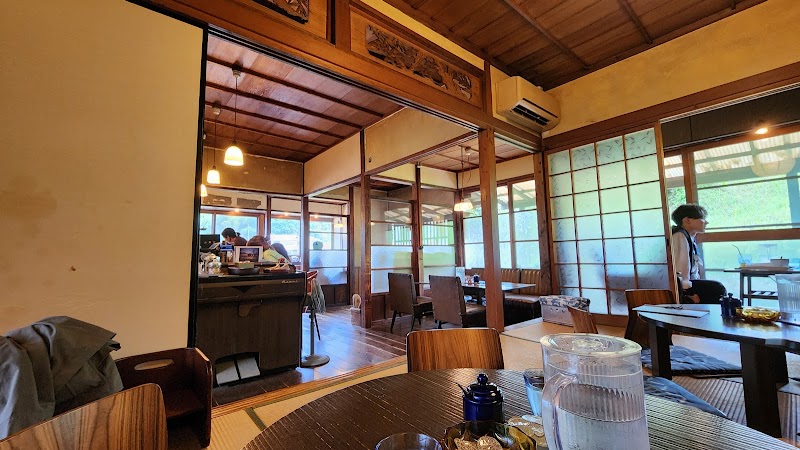
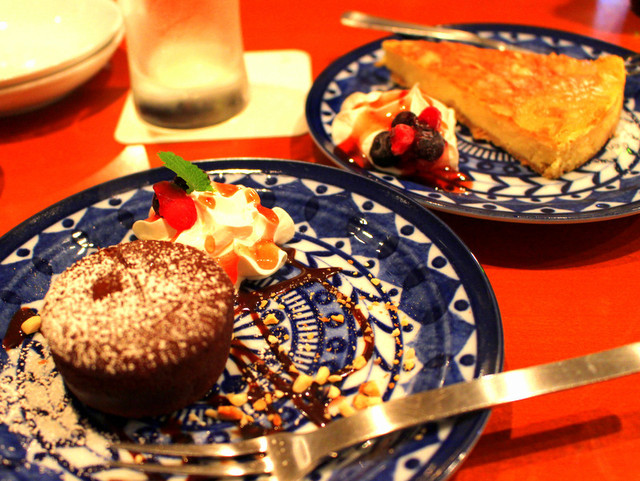
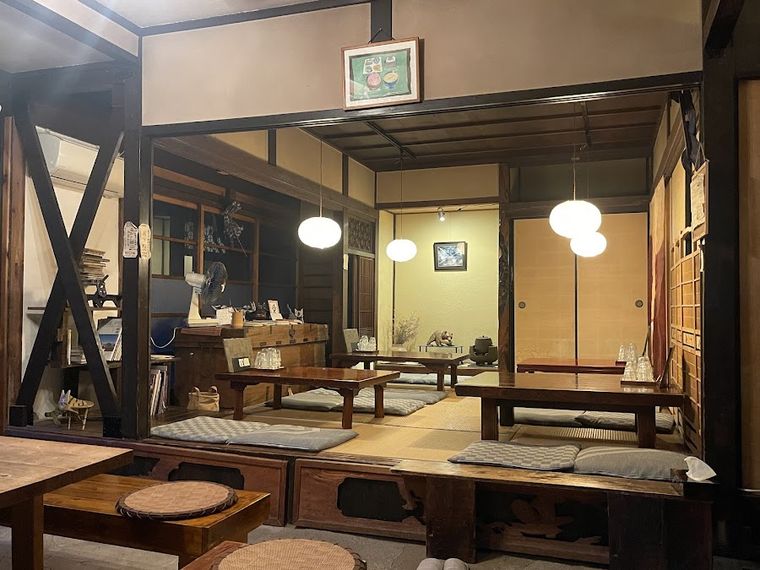
Hidden cafe in a traditional house in the Art House Project village. Seasonal desserts and coffee. The tatami room opens to a garden. Quiet respite between intense art experiences.

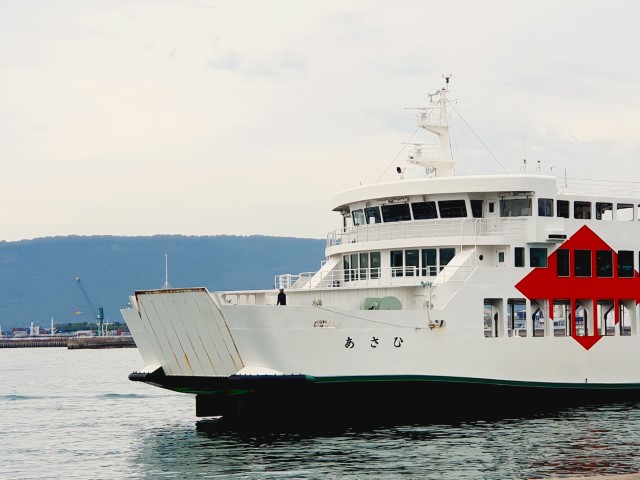
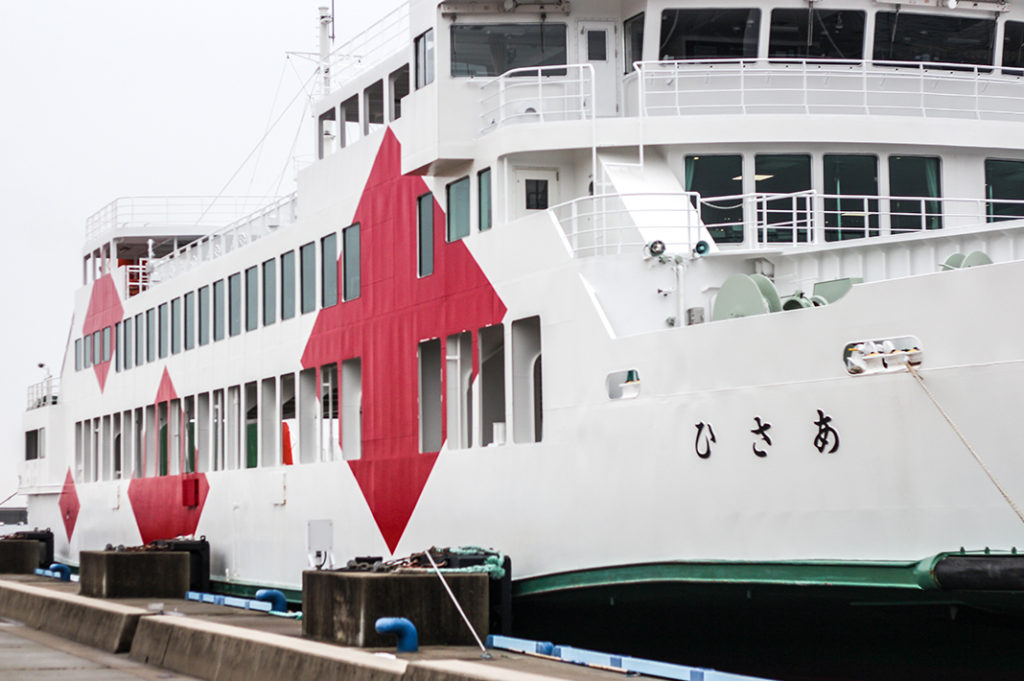
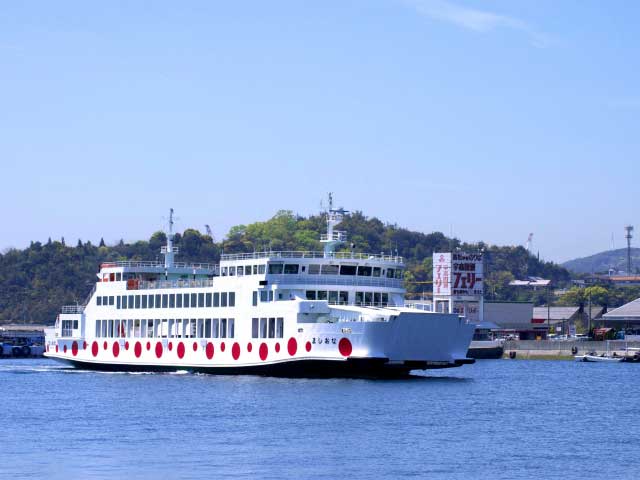
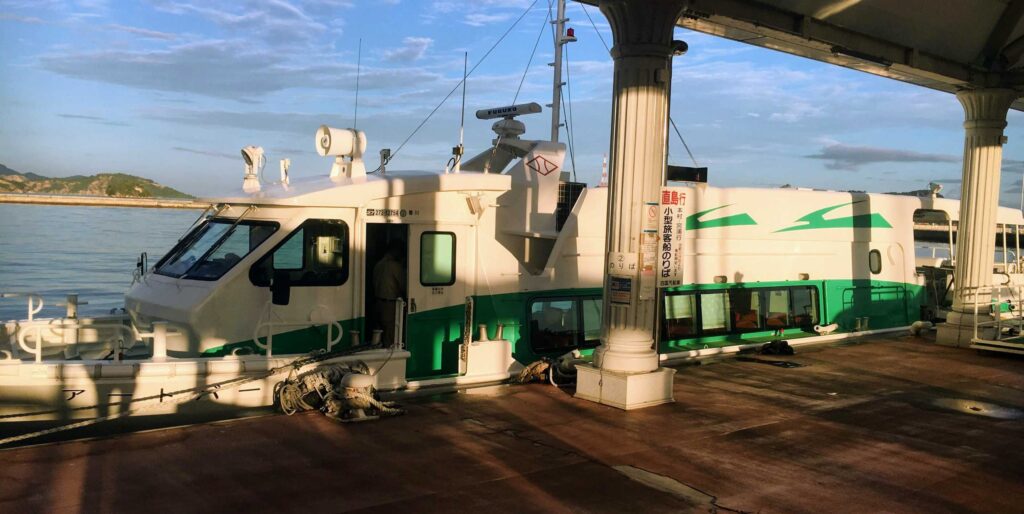
The ferry ride itself is part of the Naoshima experience. Watch the island's art installations appear and disappear. The slow approach by water sets the contemplative mood. Choose the regular ferry over the high-speed for the view.

Small community gallery featuring works by local Naoshima residents and visiting artists. Shows a different side of the island beyond the major museum installations. Art as community practice.

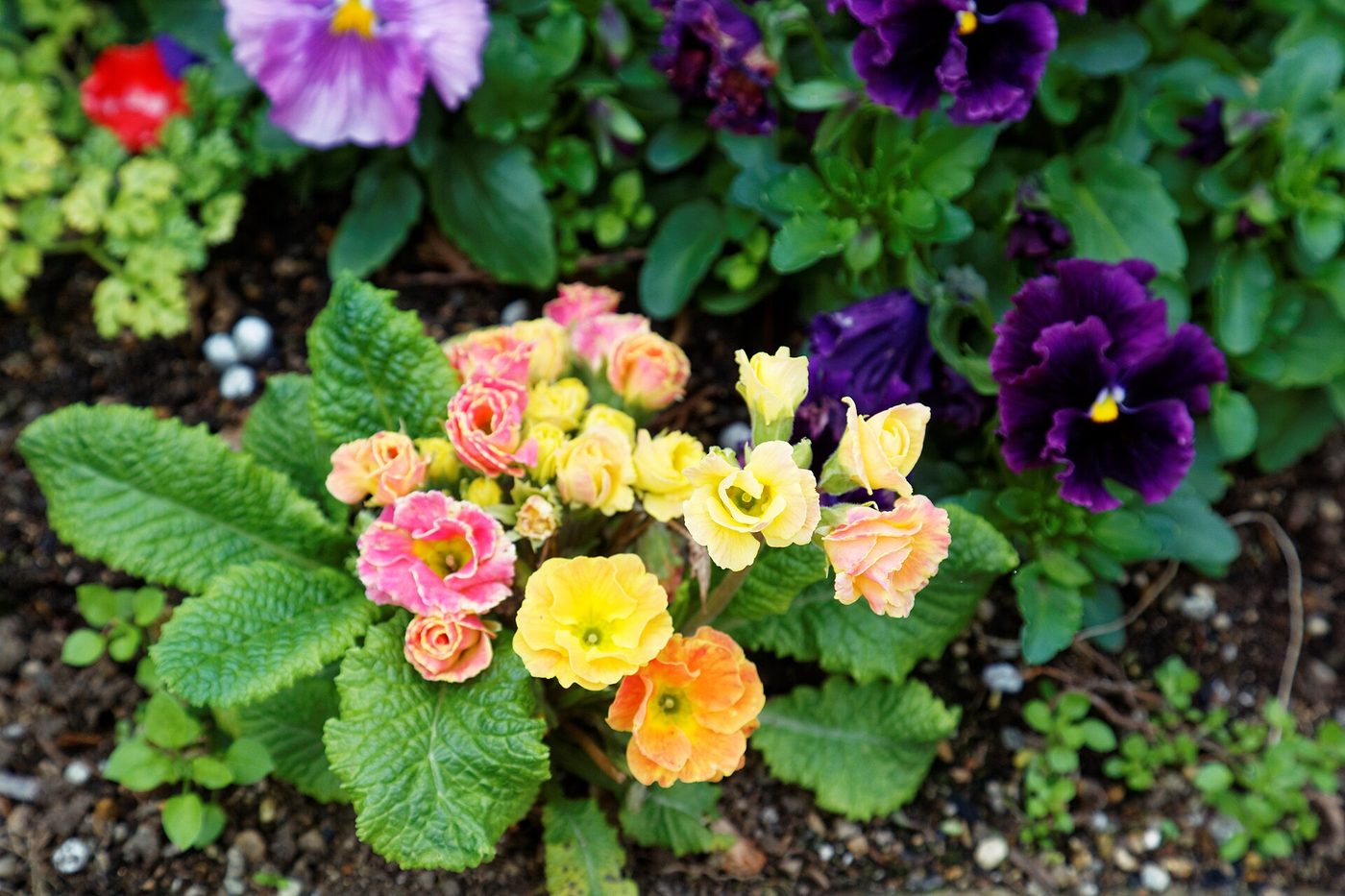
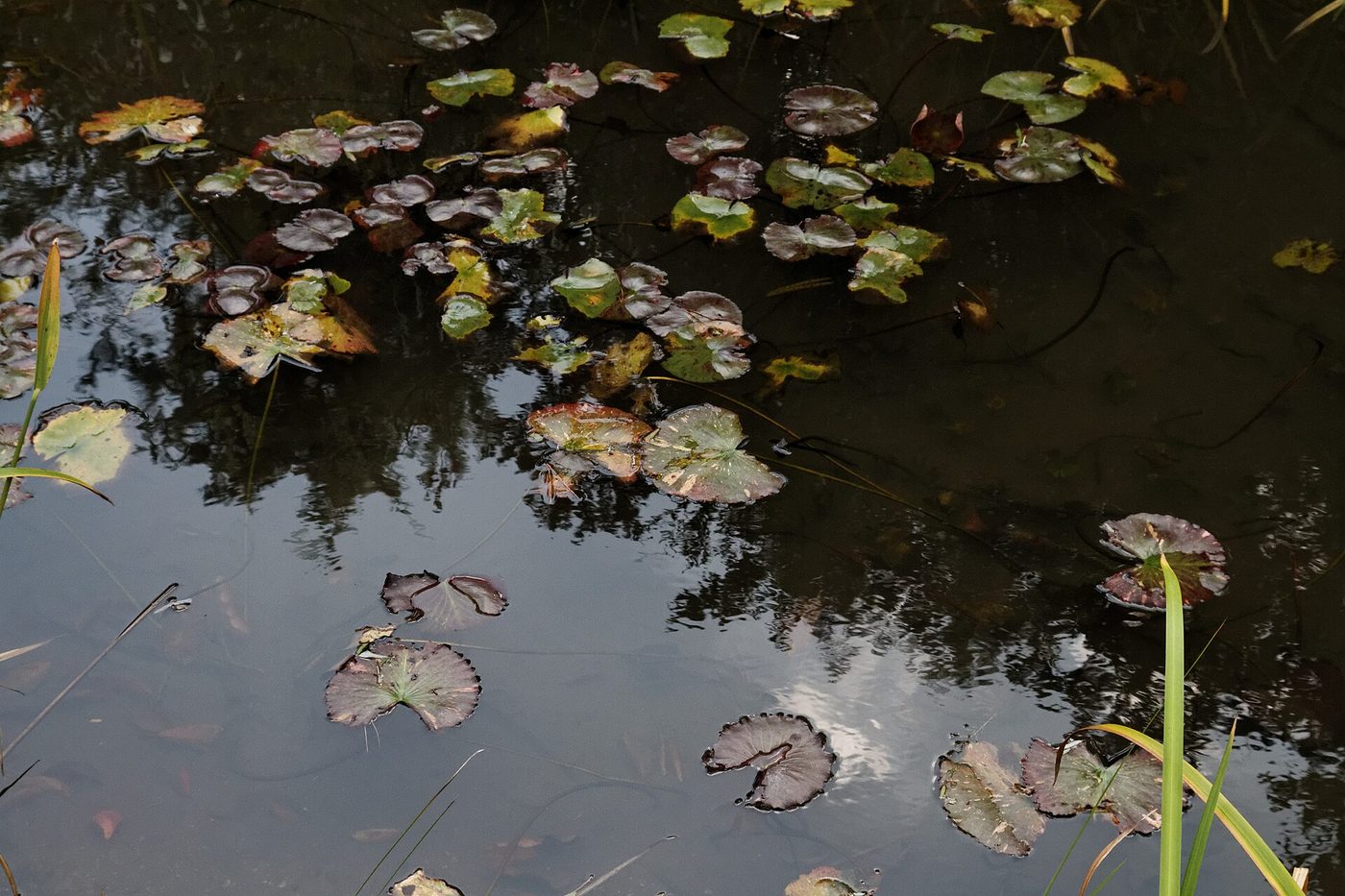
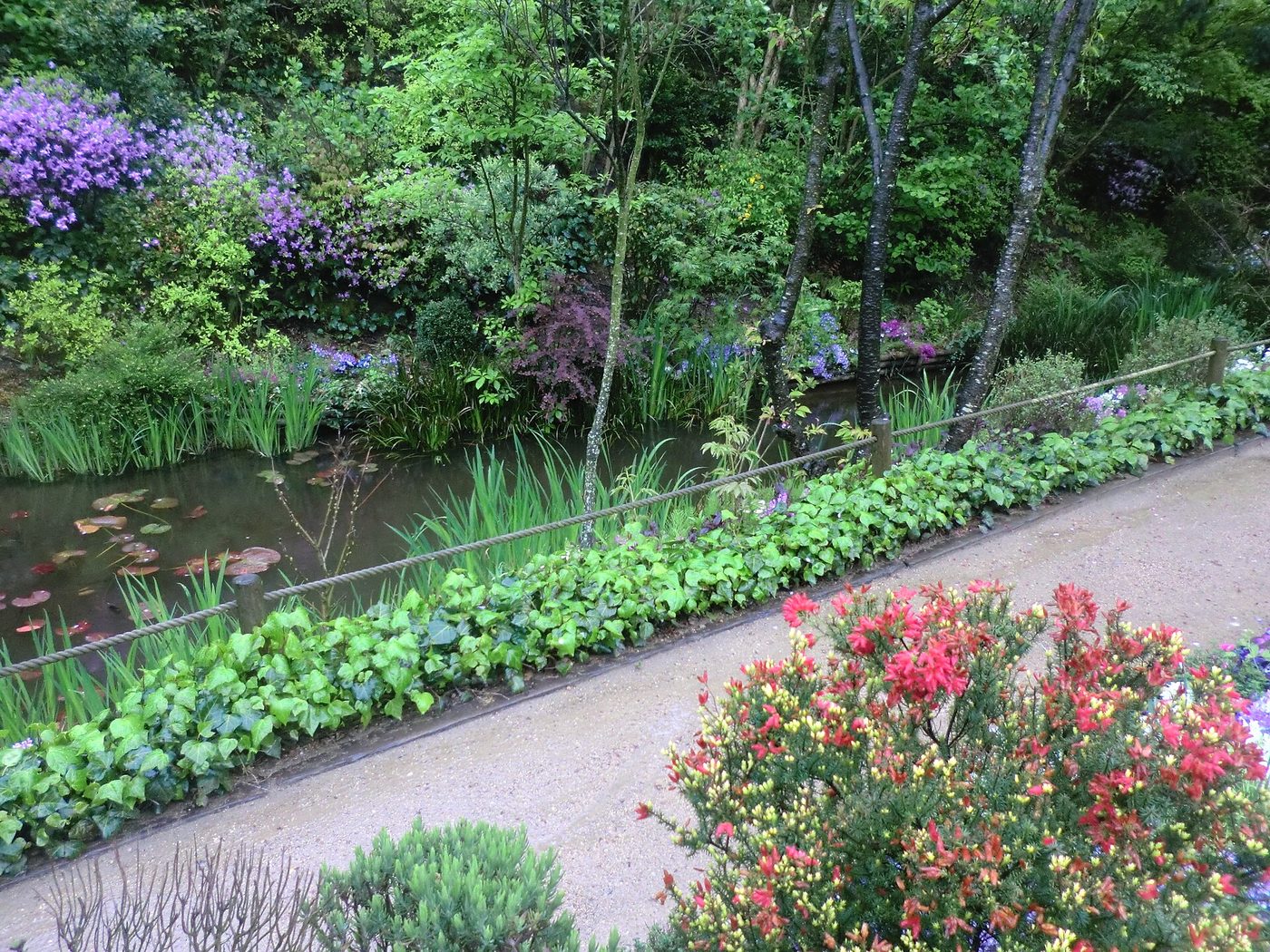
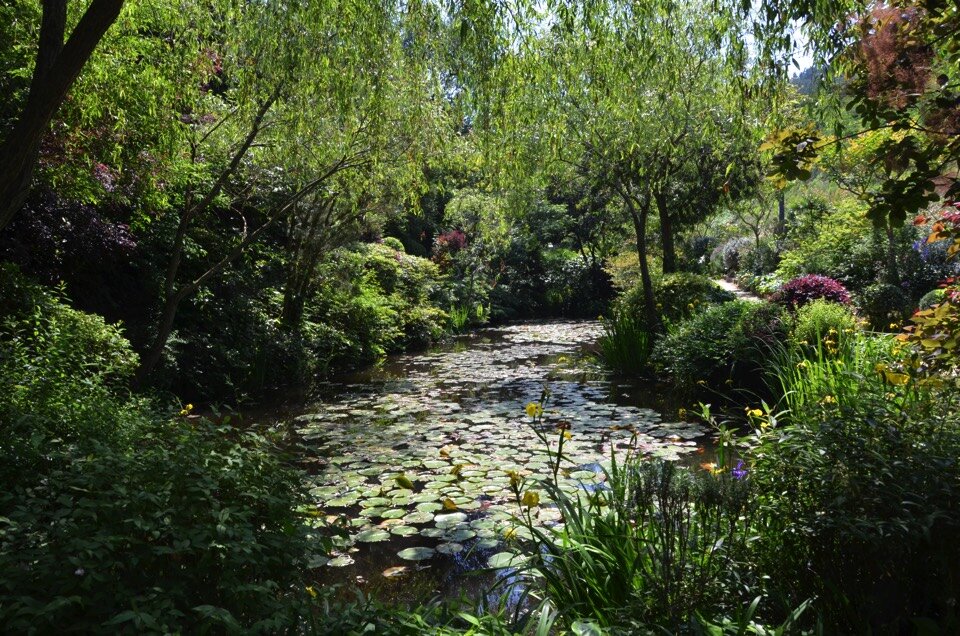
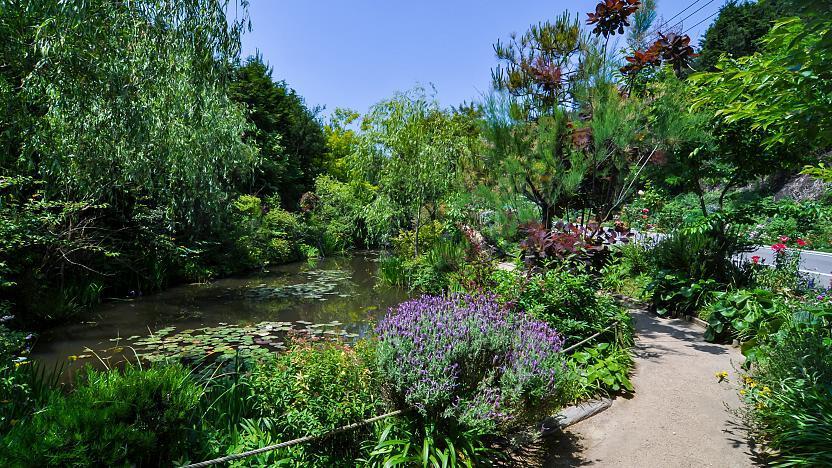
Claude Monet-inspired garden planted with the same flowers he grew at Giverny. Water lilies, irises, and roses. Walking through the garden before entering the underground museum sets the mood perfectly.

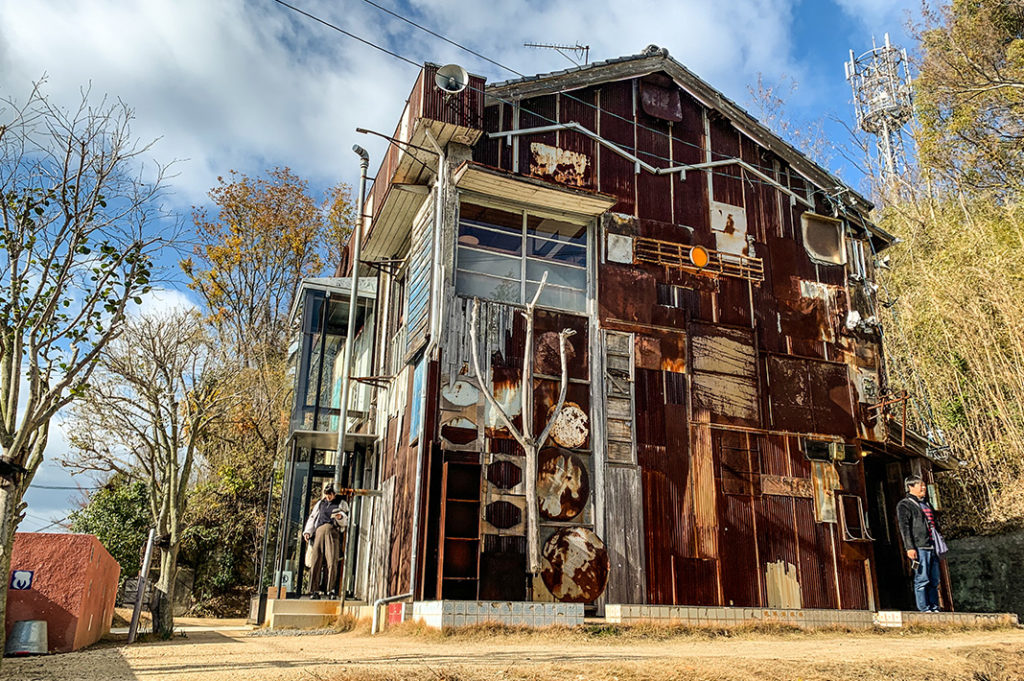
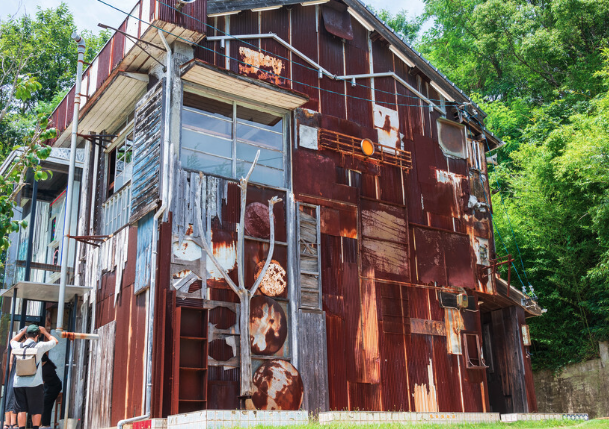
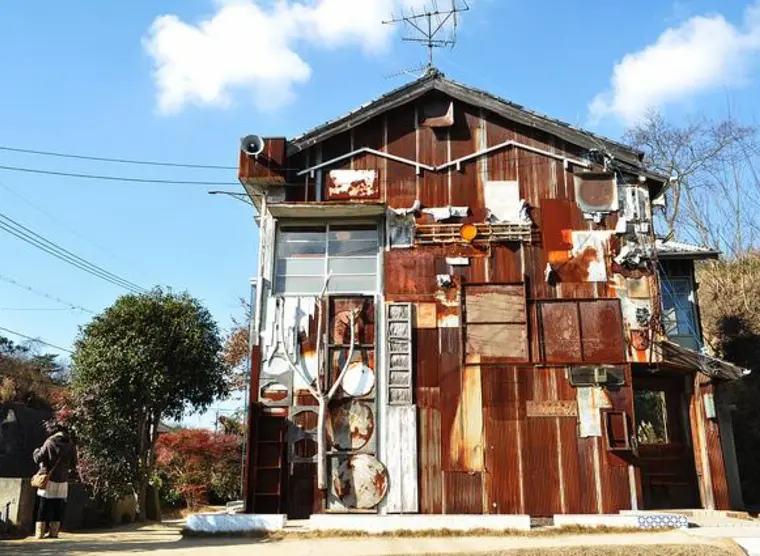
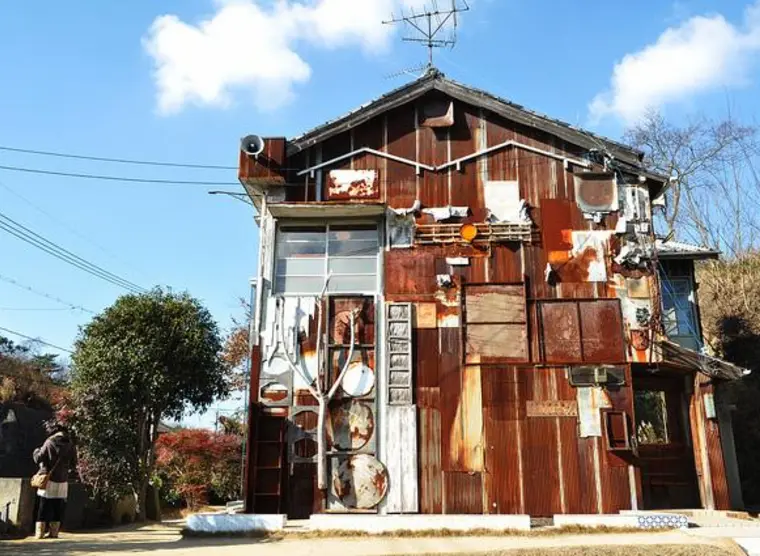
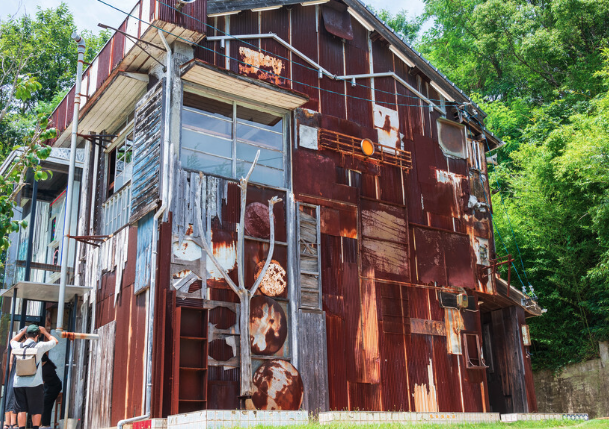
Former dental clinic transformed by Shinro Ohtake into a collage art installation. The entire building is covered inside and out with found objects, paintings, and neon. Wild and immersive.

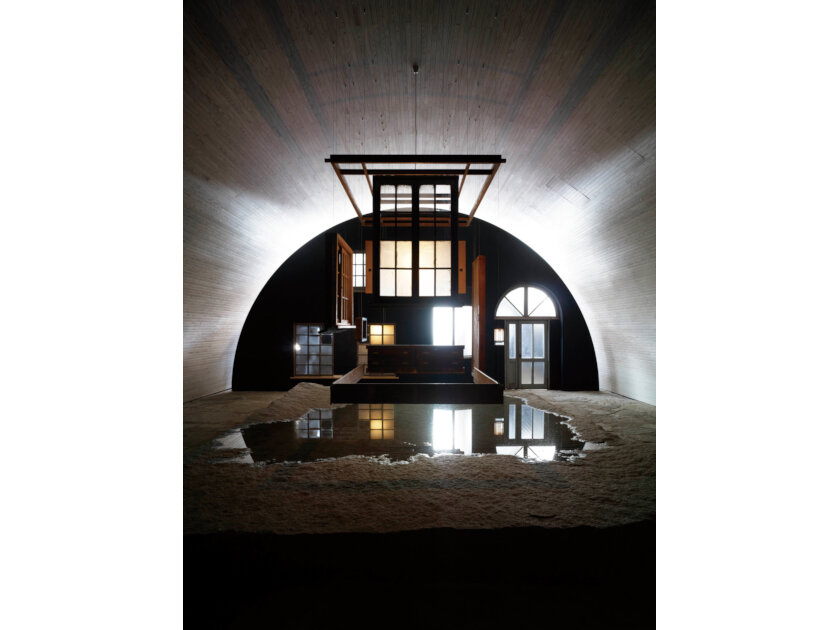
Former salt warehouse converted into an art space. Hiroshi Senju's waterfall paintings cover the walls. The dark space illuminated by the luminous paintings feels like being behind a waterfall.

Self-guided architectural tour of Tadao Ando's buildings across the island. Chichu, Lee Ufan, Benesse House, and ANDO Museum represent different periods of his work. The concrete and light interplay is his signature.

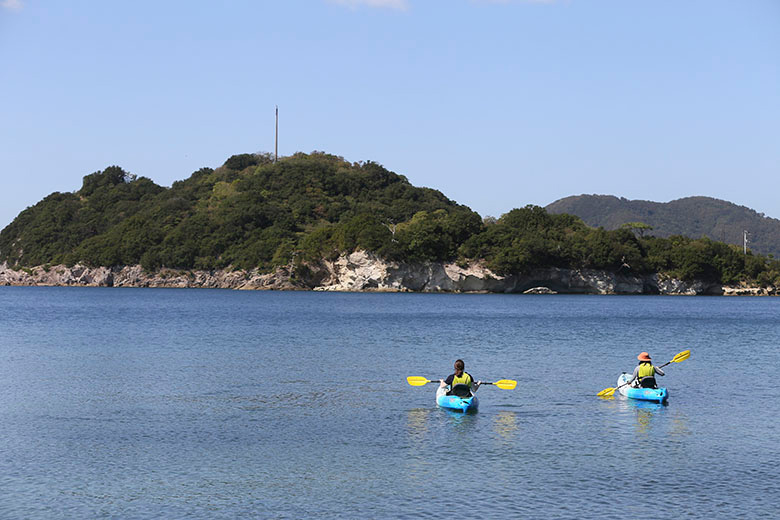
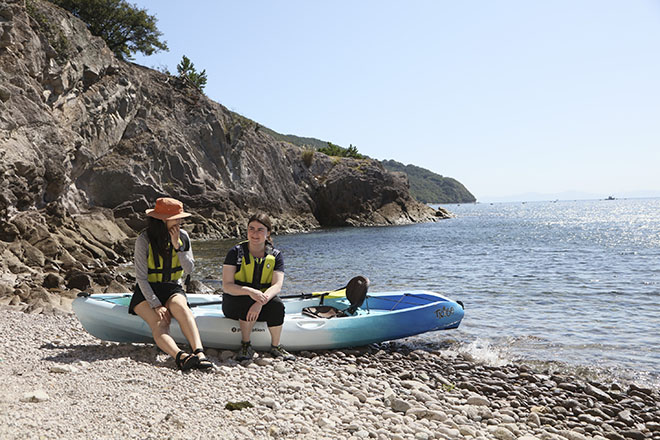
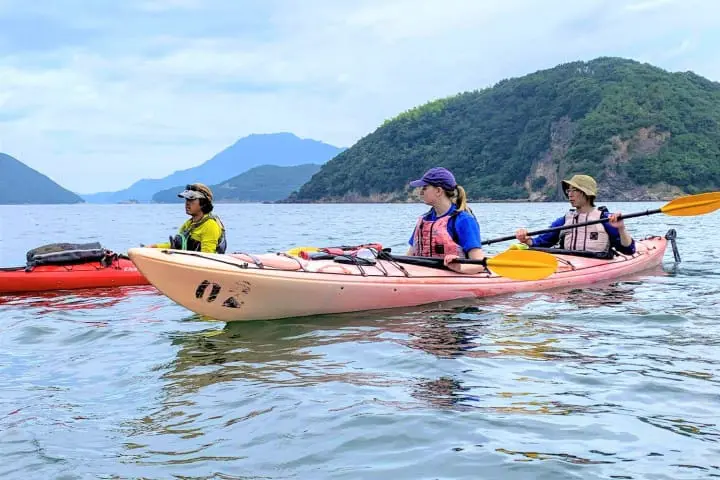
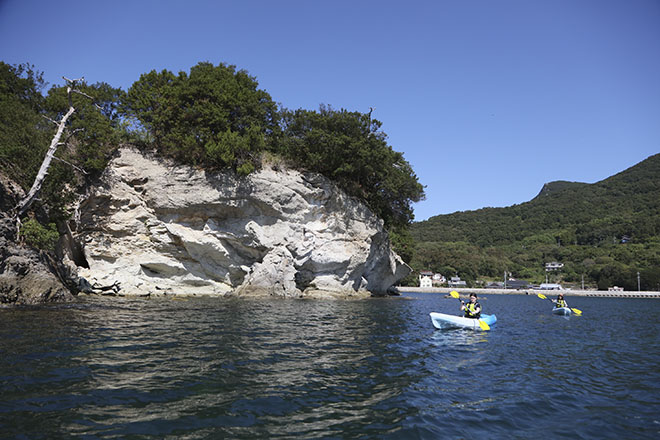
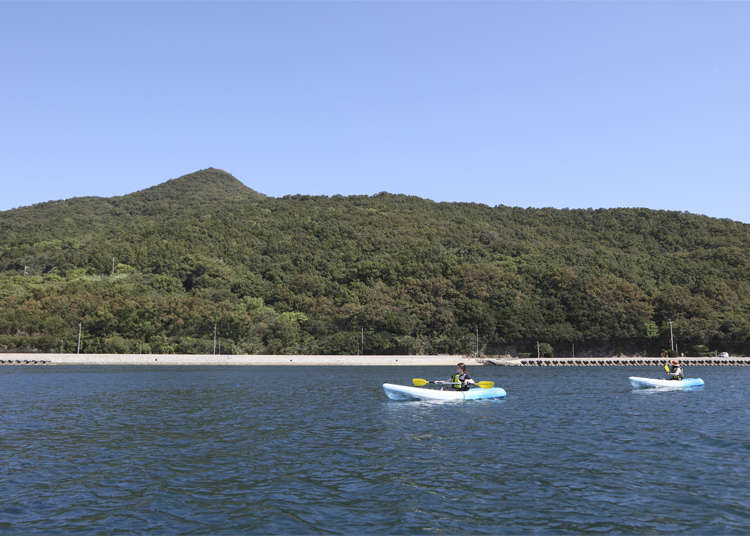
Sea kayaking around the island's coastline. Pass art installations visible from the water. Paddle through sea caves and around rocky outcrops. Guided tours available for beginners.

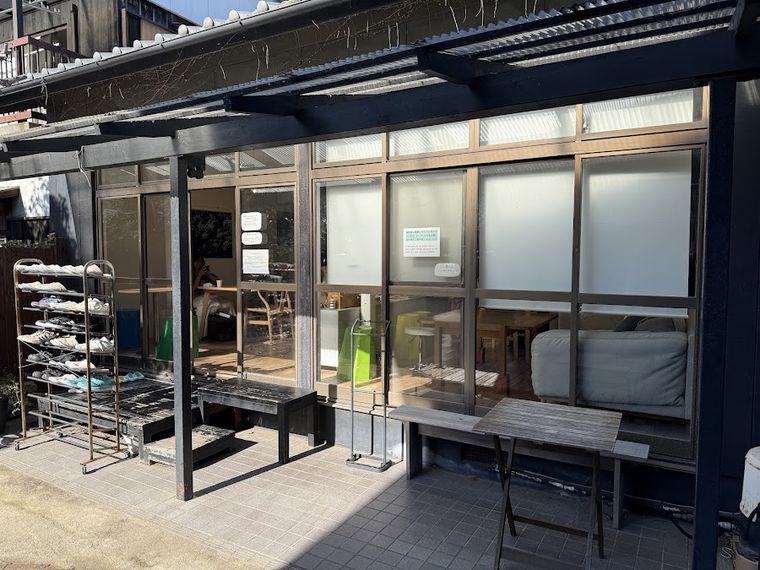
Small cafe near the port serving excellent pour-over coffee and homemade cakes. Run by a local couple. Good place to wait for the ferry. The hand-drawn menu is charming.

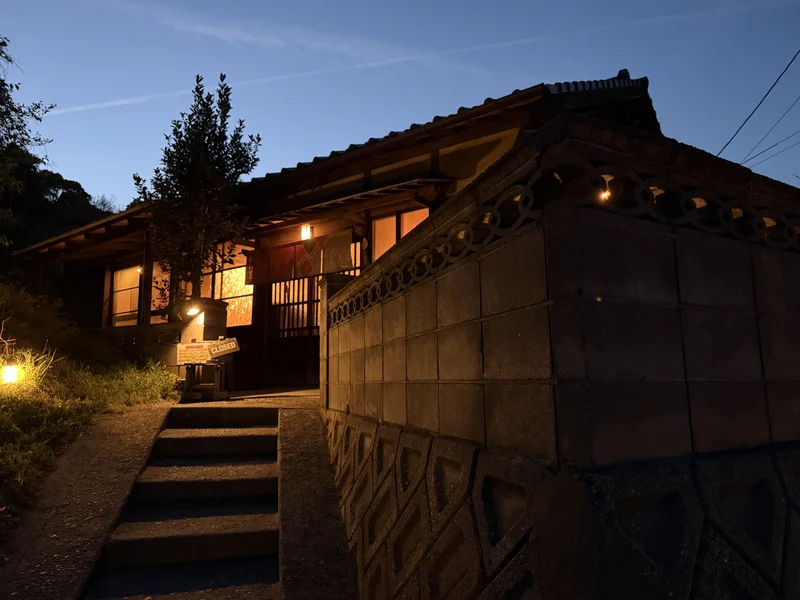
Traditional Japanese guest house on the island. Staying overnight lets you experience art-island life after day-trippers leave. Evening walks through empty Honmura are magical.

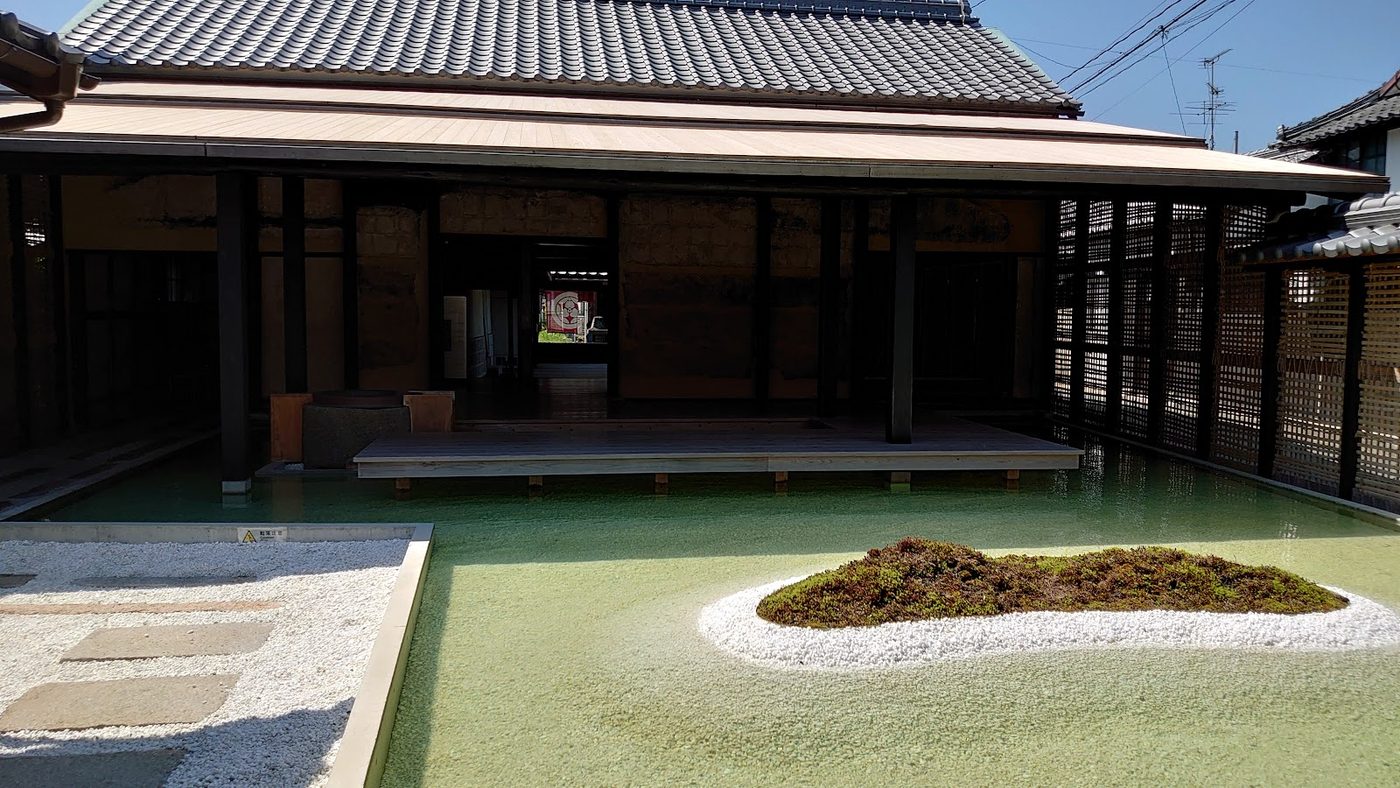
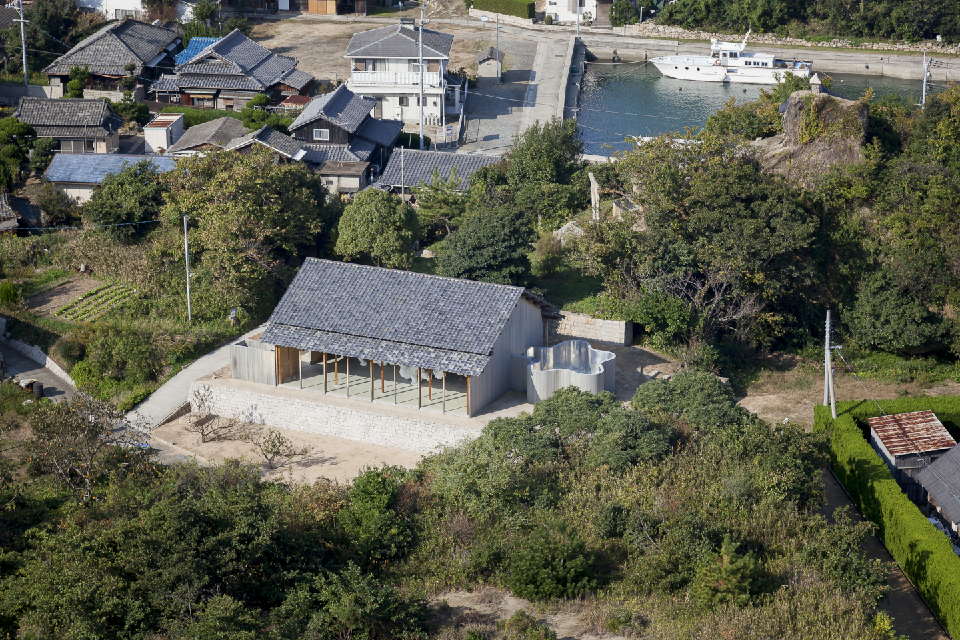
Small village with art installed in former houses. Each installation created by different artists exploring themes of community and environment. The tiny scale makes it intimate.

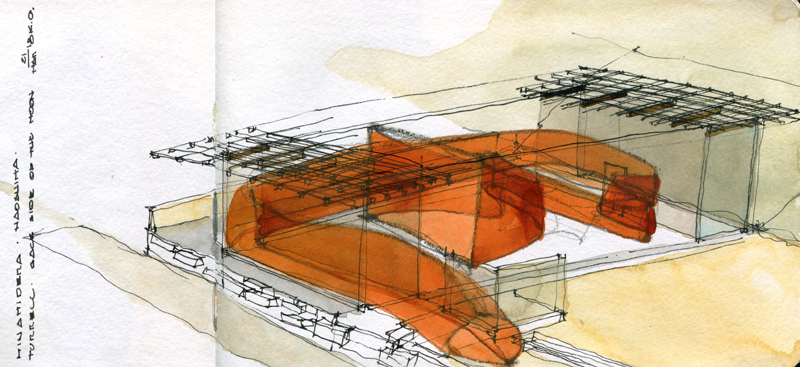
Three James Turrell light installations inside Chichu. Open Sky is a room with an aperture to the sky that changes with weather and time. Sit and watch the sky shift color. Book the special sunset viewing.

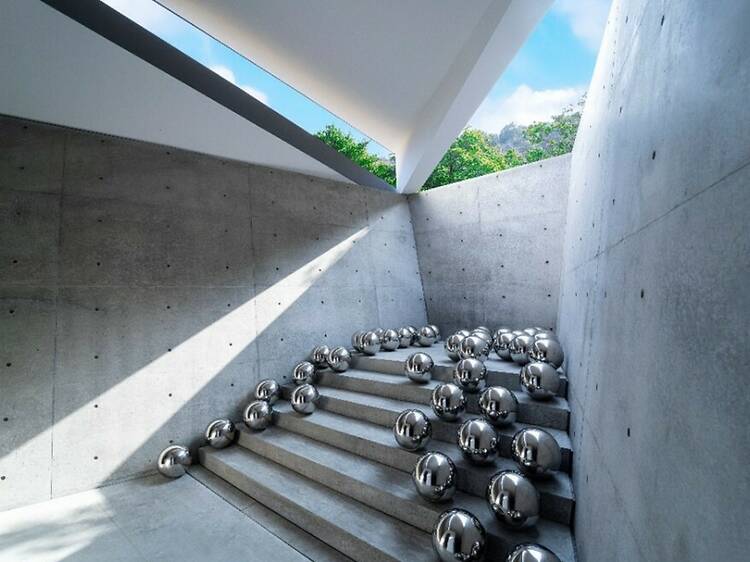
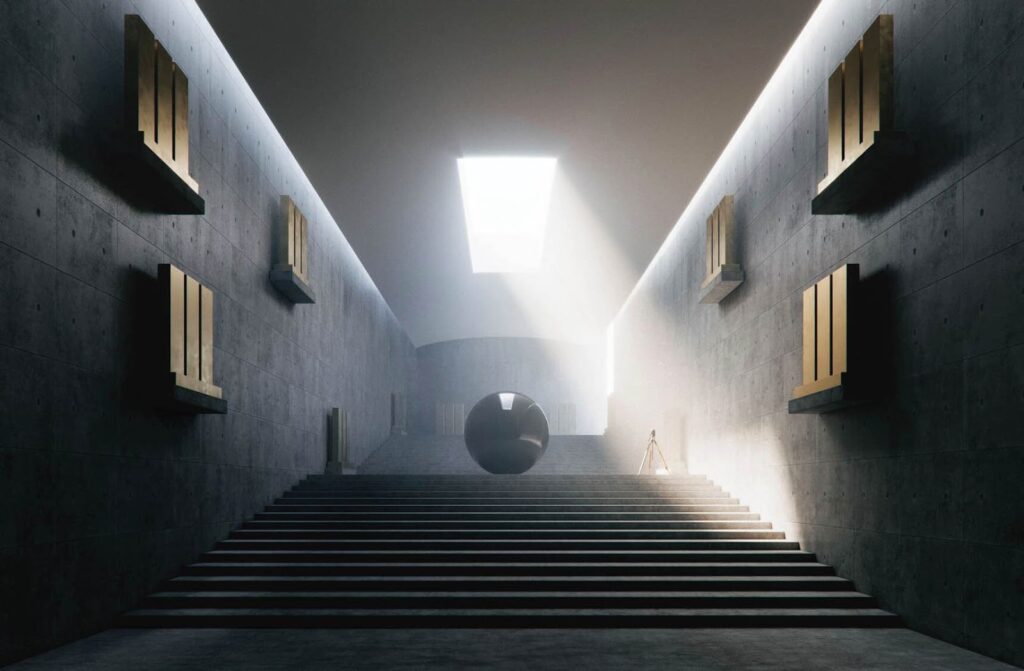
Walter De Maria's installation: a massive granite sphere in a concrete room with gold-leaf lined steps. The sphere sits in a beam of natural light. The precision of the geometry is mesmerizing.