Gateway to Kyushu's fire country, the mighty Kumamoto Castle, serene Suizenji Garden, and the smoking caldera of Mt. Aso. 63 curated spots.
Castle ruins, architectural wonders, and centuries of local heritage.
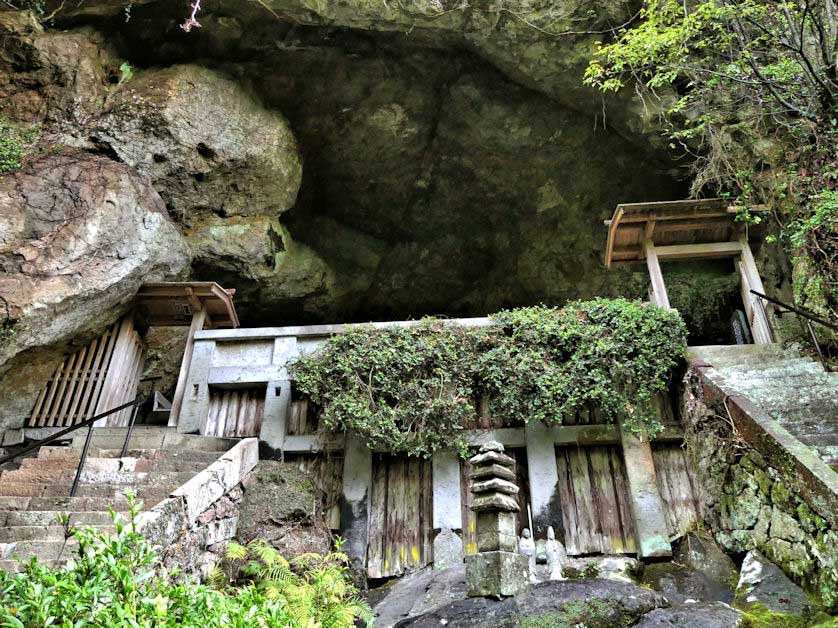
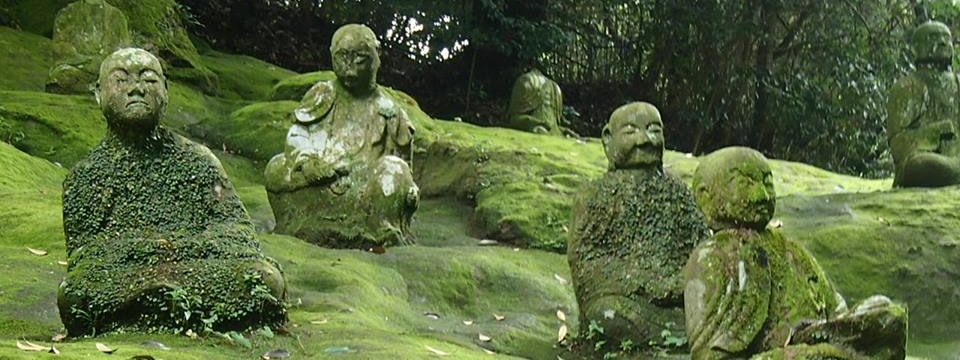
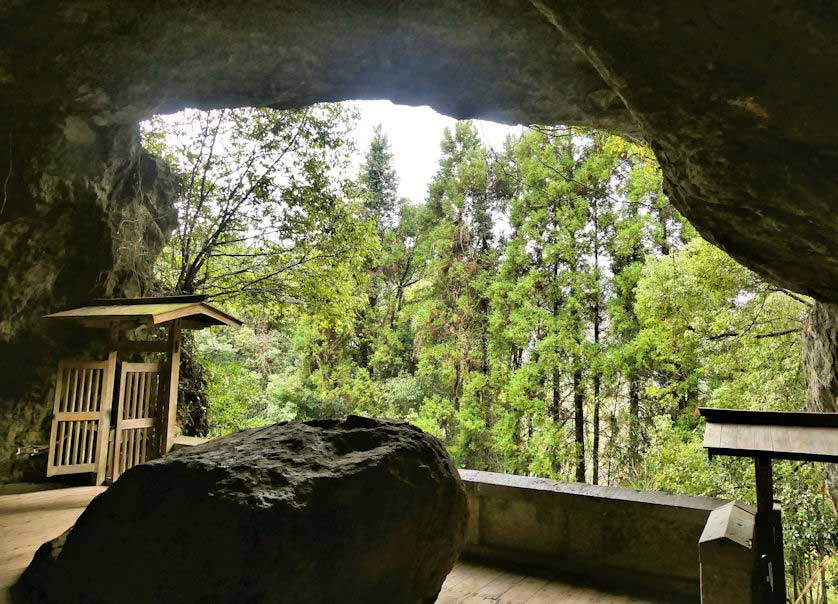
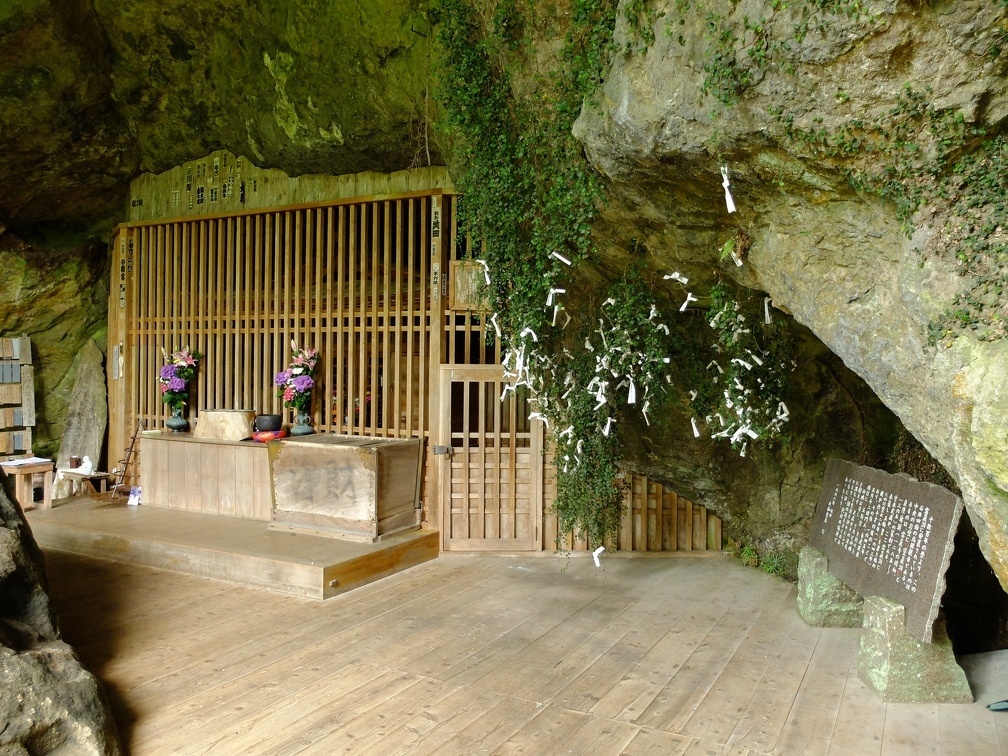
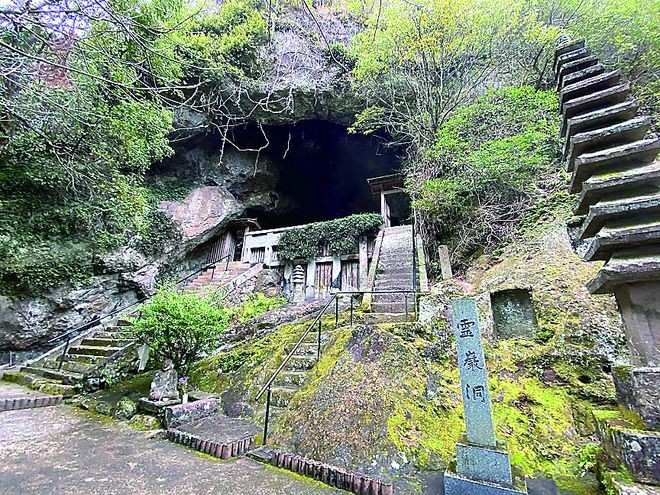
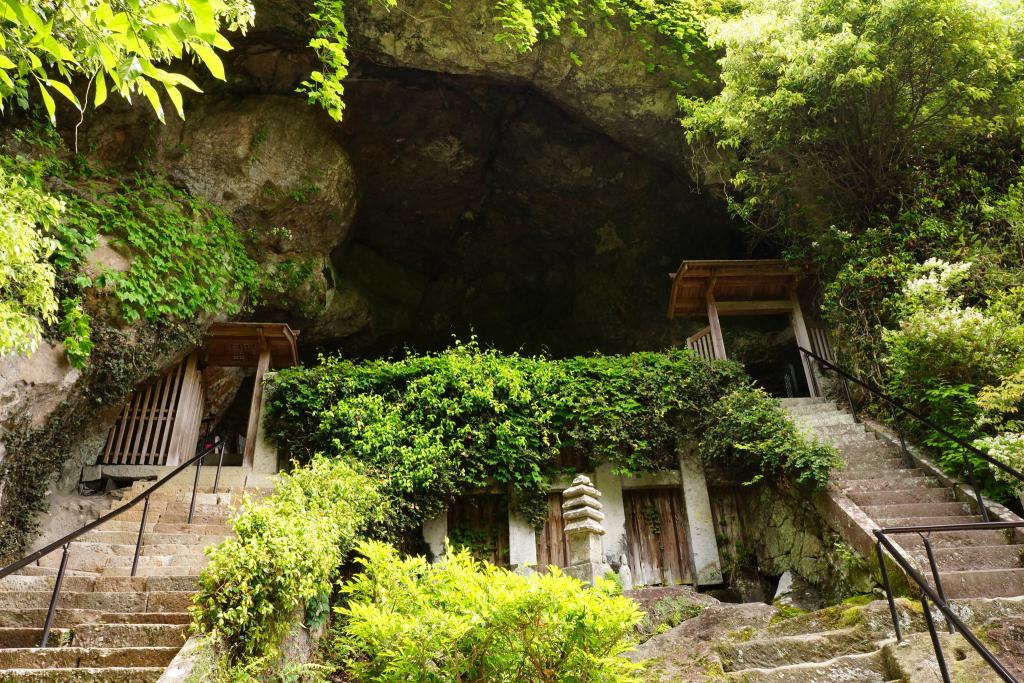
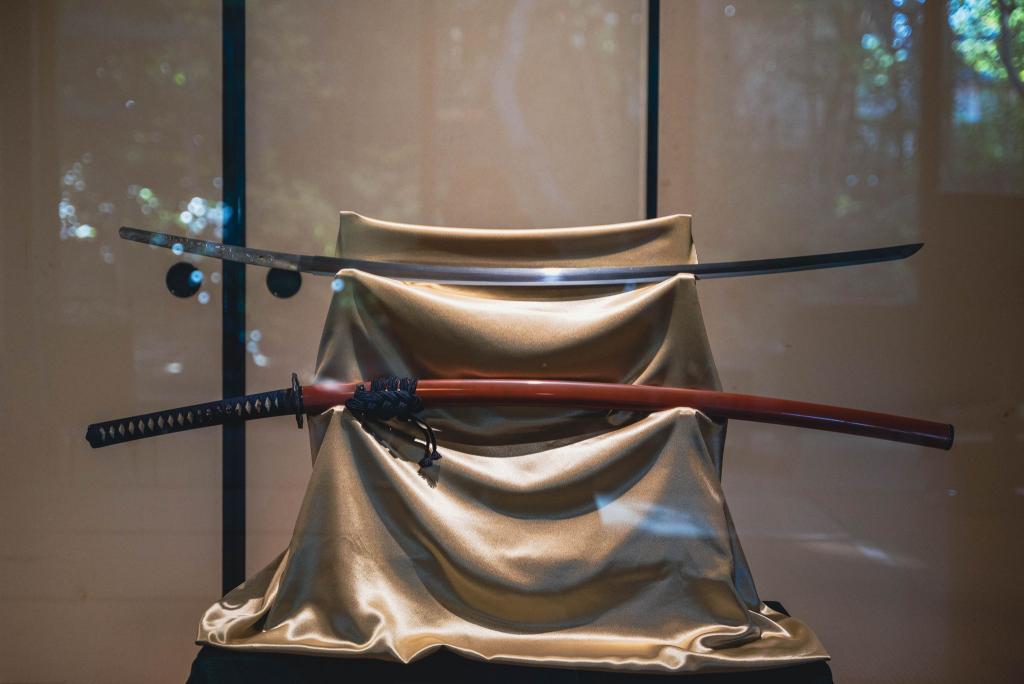
The cave where legendary swordsman Miyamoto Musashi wrote 'The Book of Five Rings' during his final years. A pilgrimage site for martial arts enthusiasts. Quiet and deeply atmospheric.
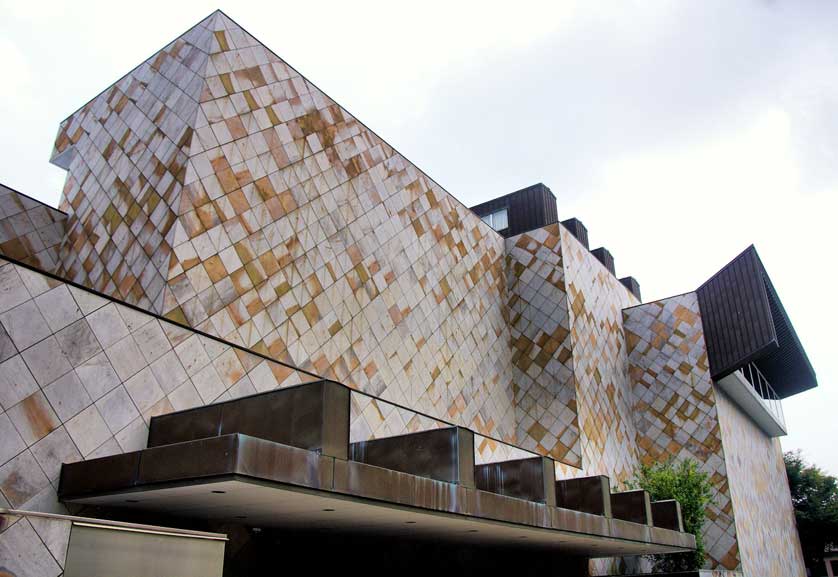
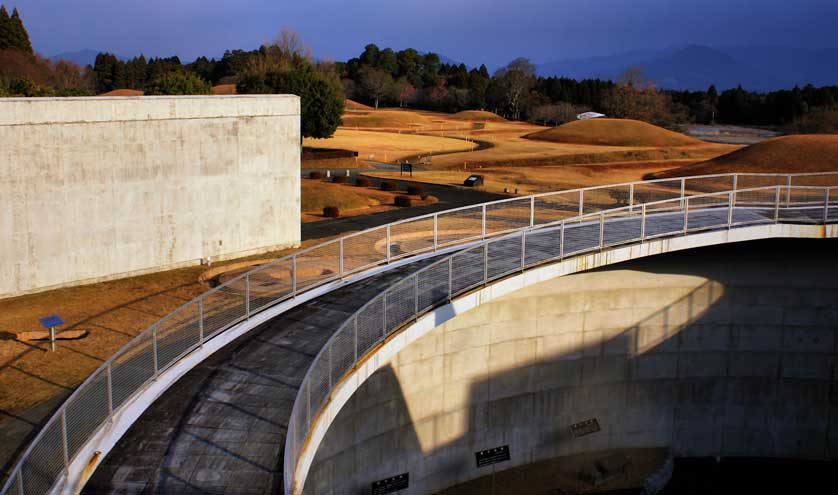
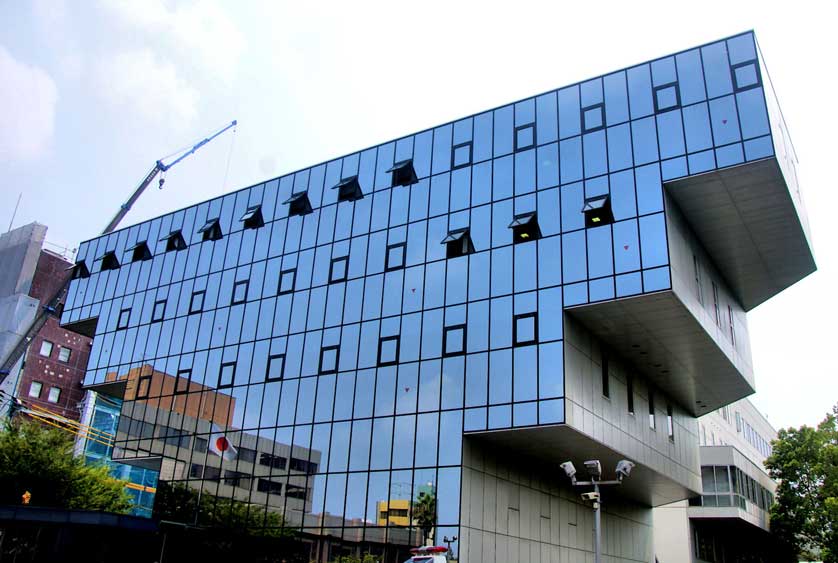
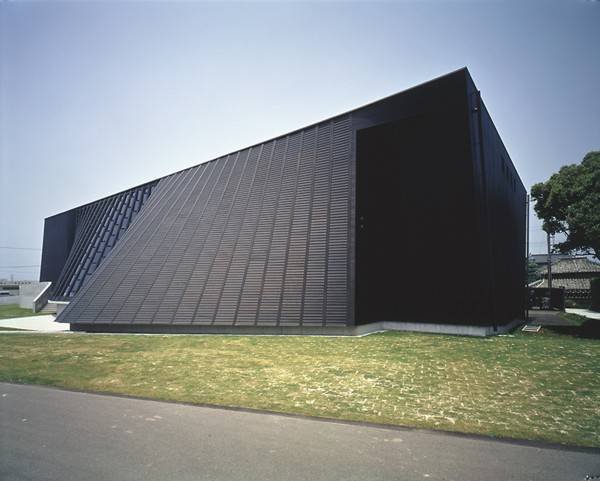
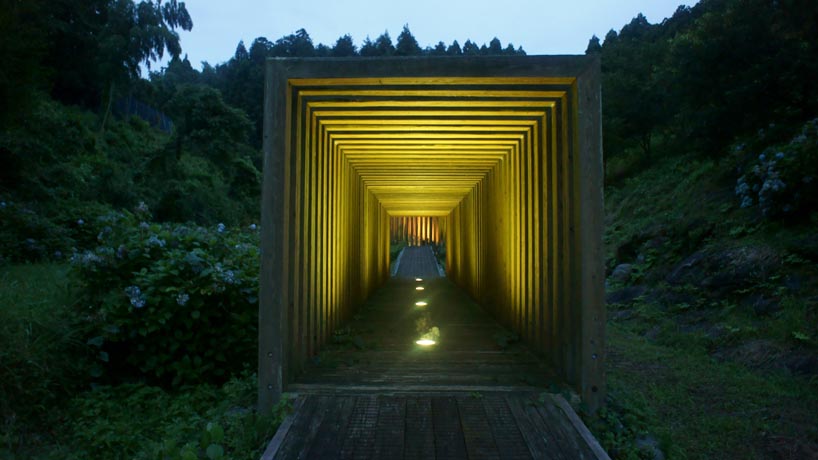
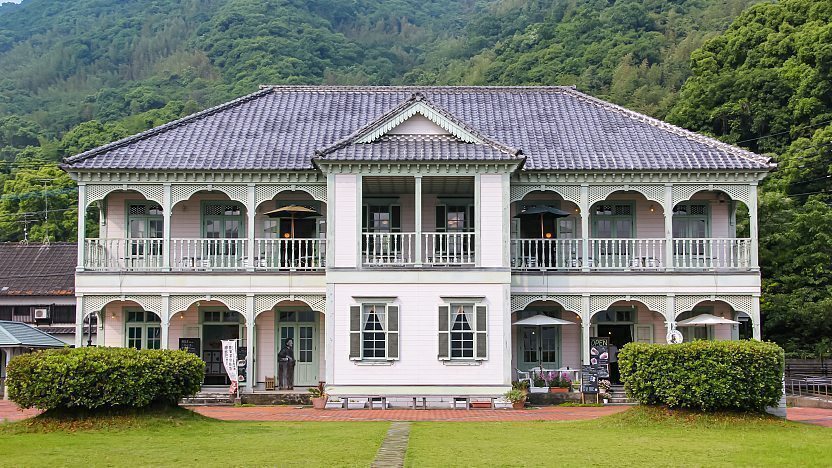
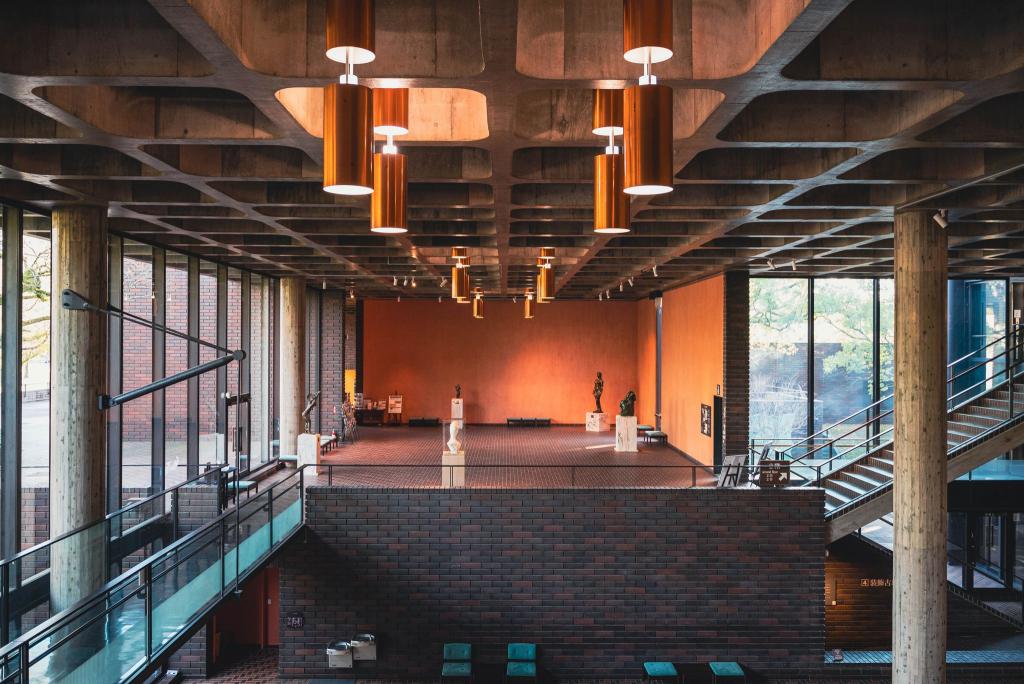
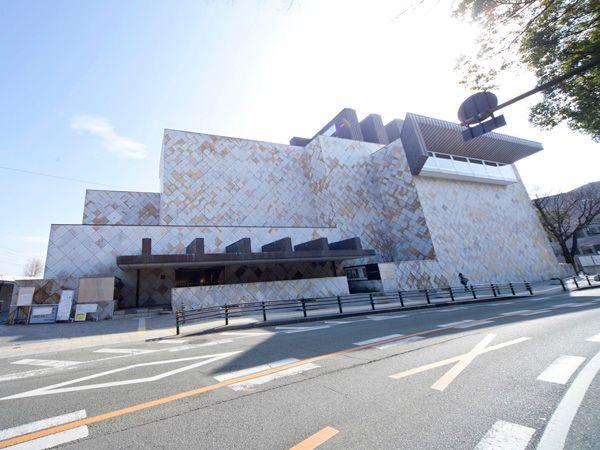
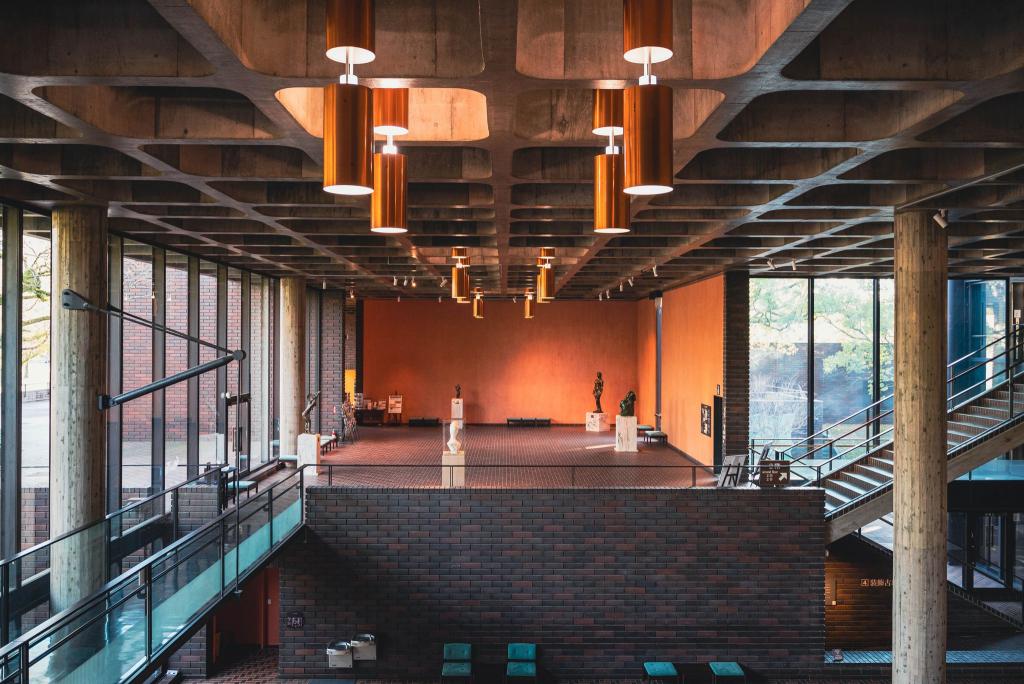
Public buildings designed by world-class architects under the Kumamoto Artpolis initiative. Toyo Ito, Tadao Ando, and Kazuyo Sejima all contributed. Free architectural walking tour.
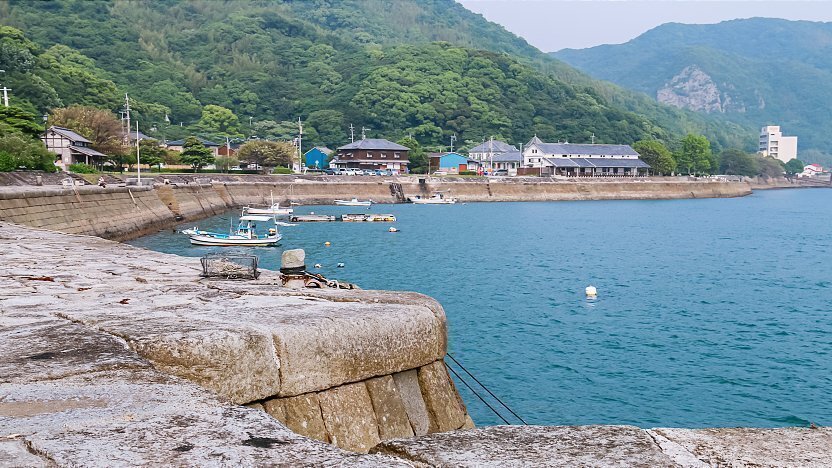
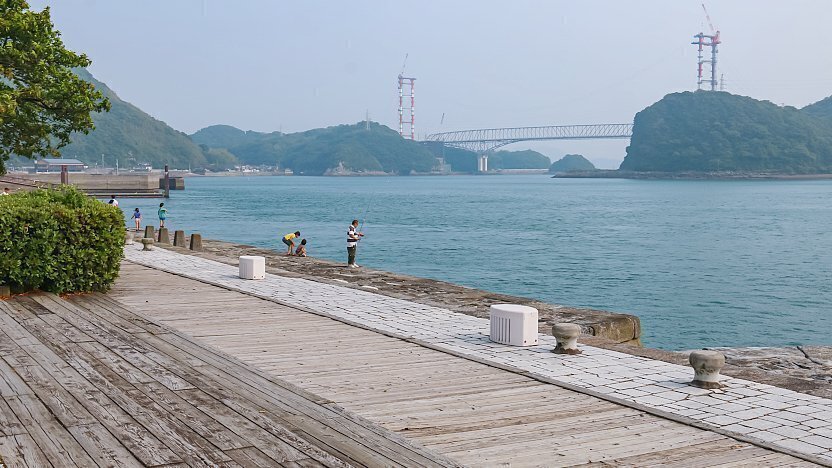
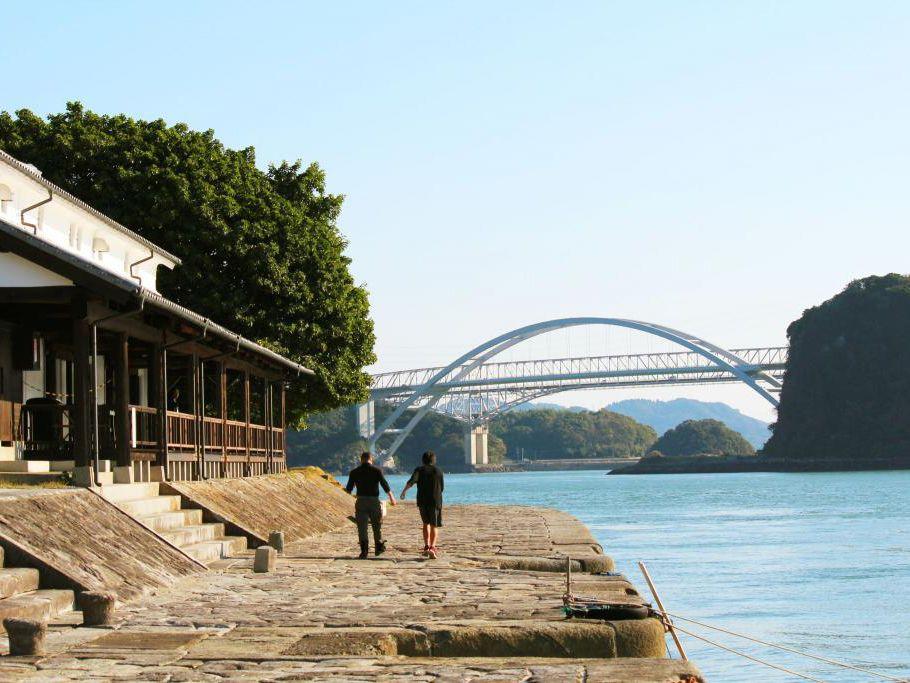
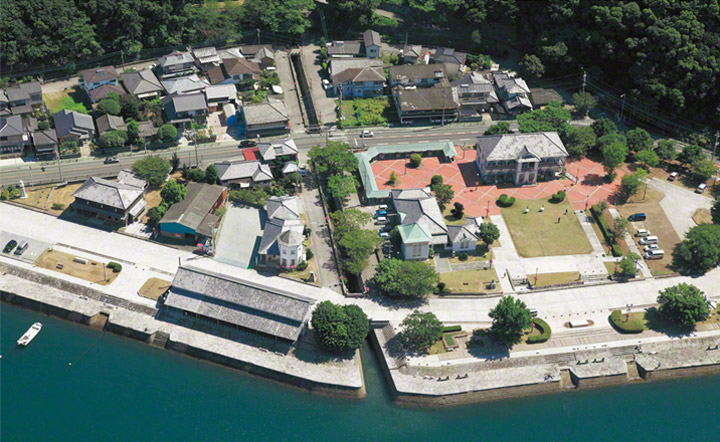
UNESCO World Heritage stone port built in 1887. Perfectly preserved Meiji-era waterfront engineering. The L-shaped wharf and stone drainage are impressive. 1 hour from Kumamoto.
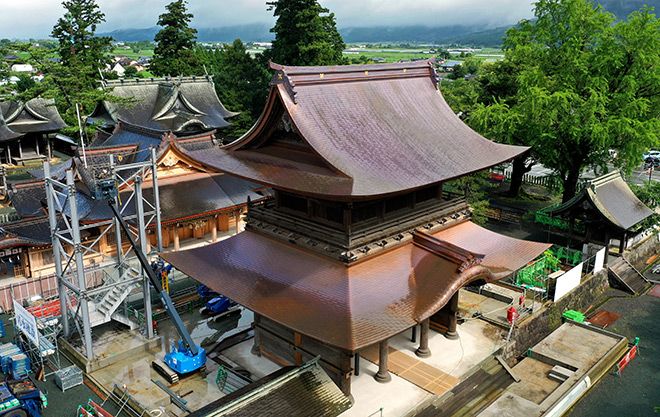
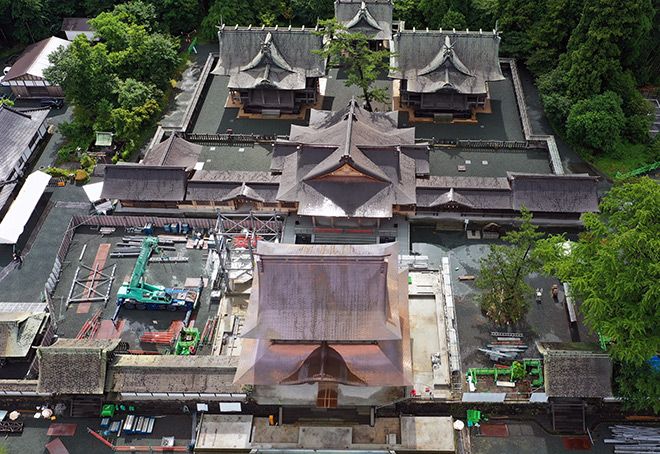
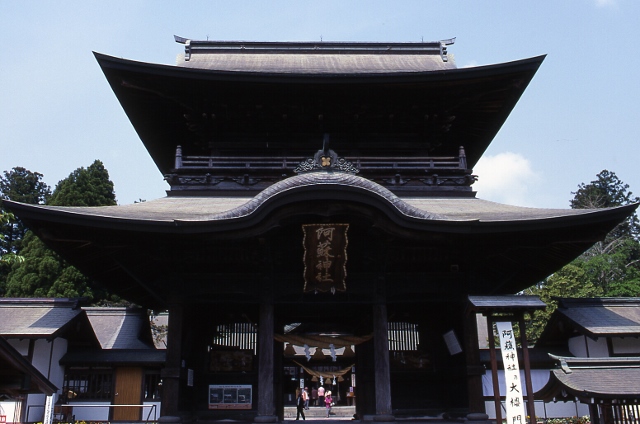
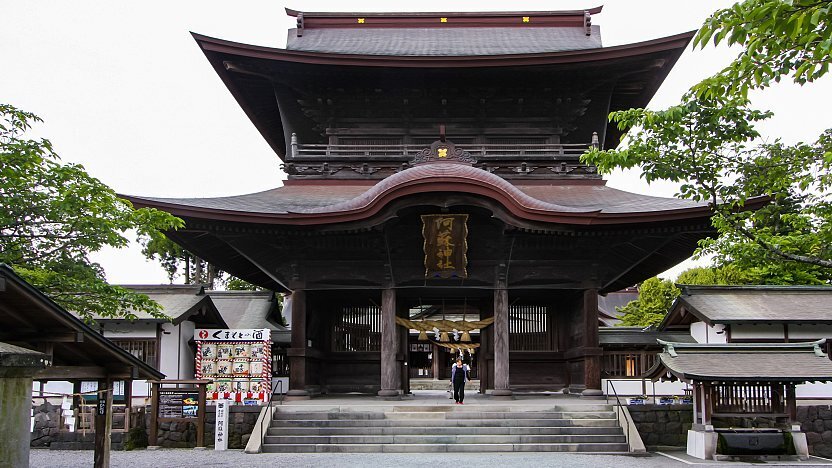
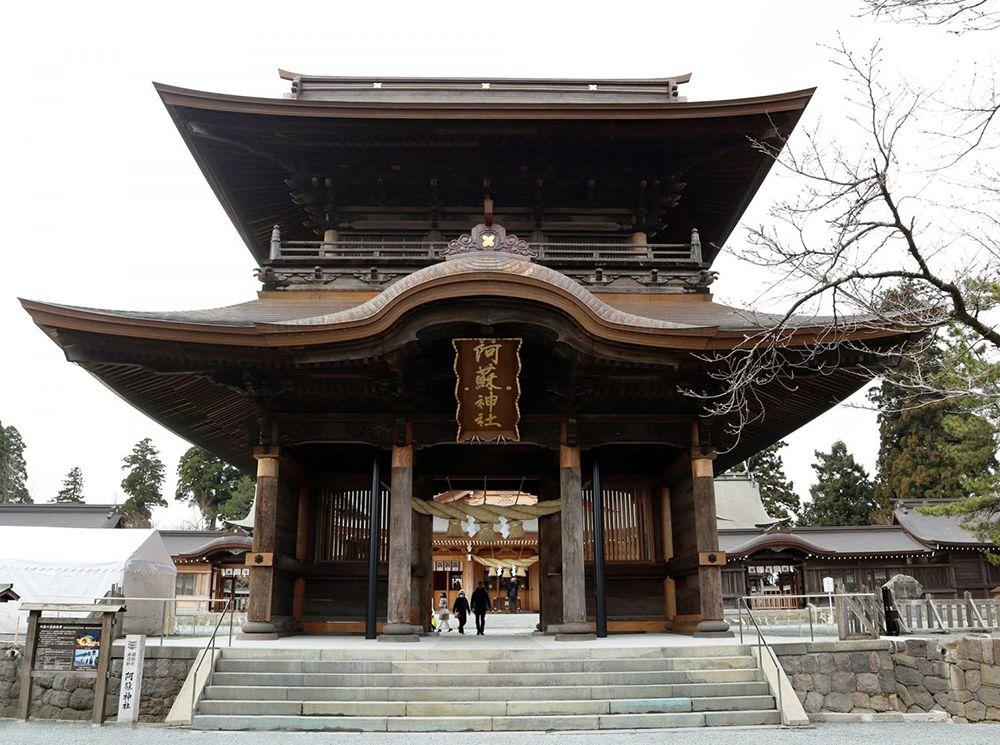
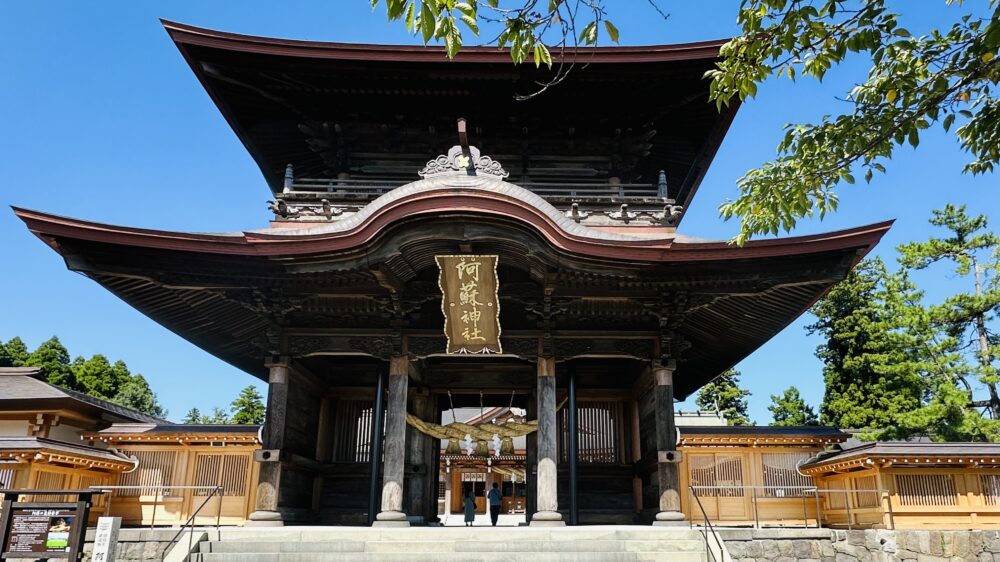
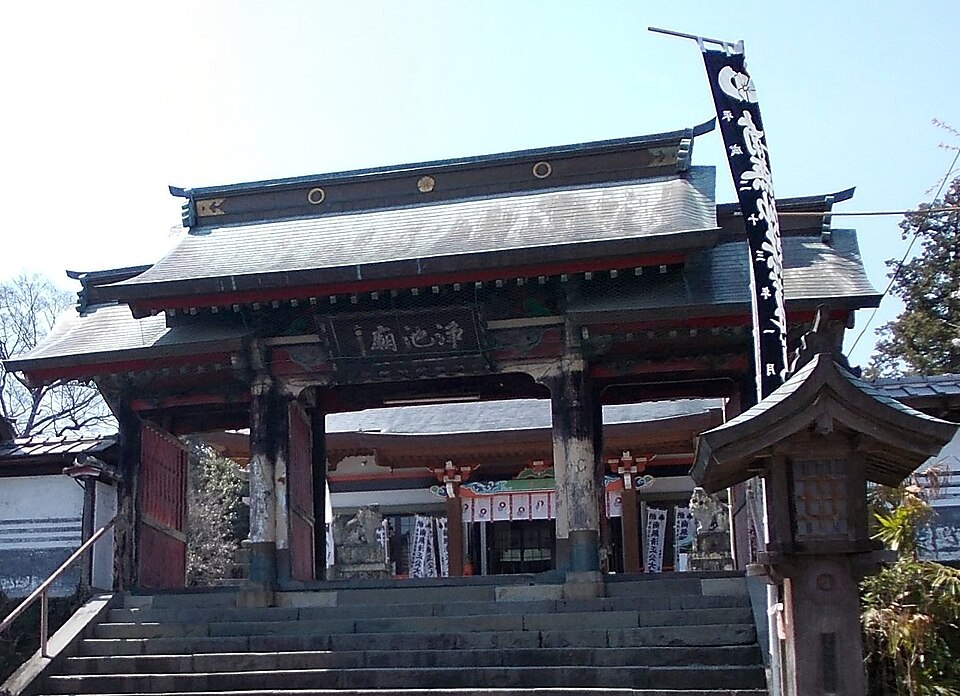
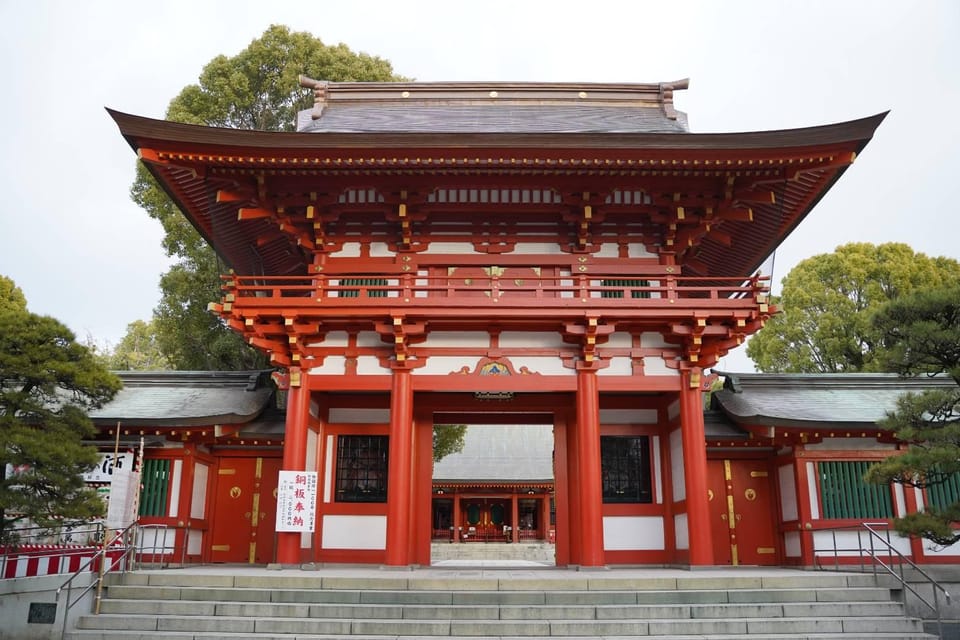
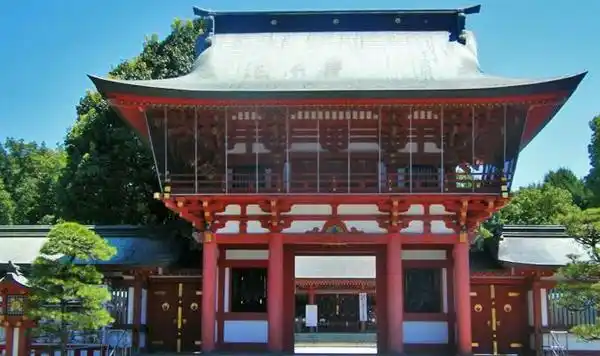
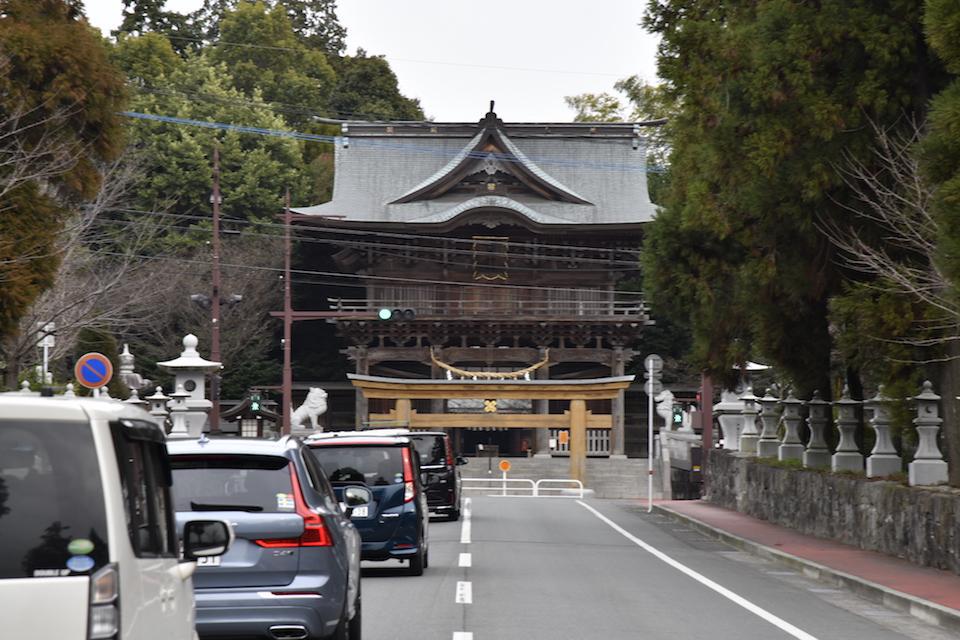
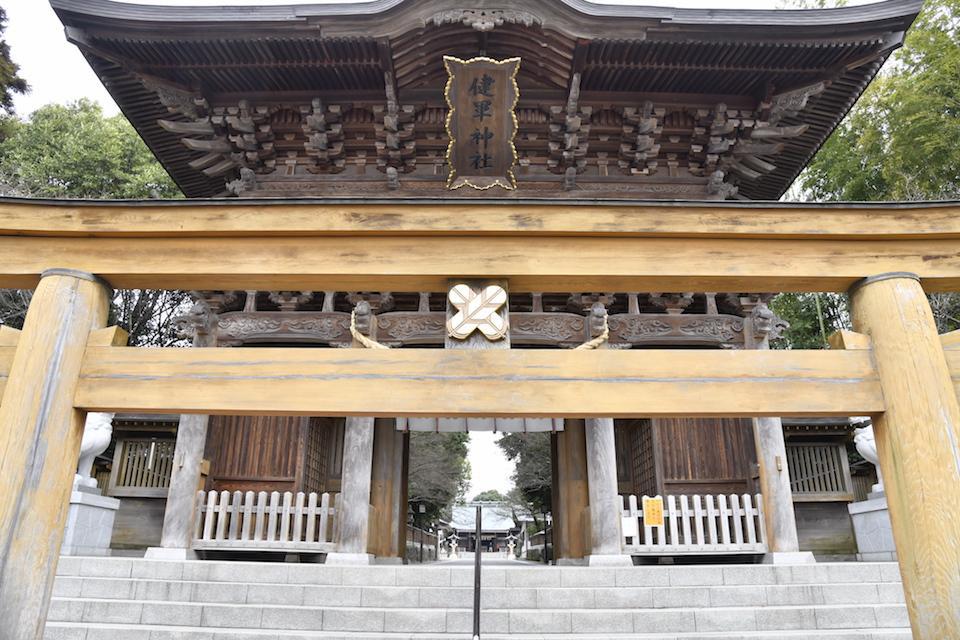
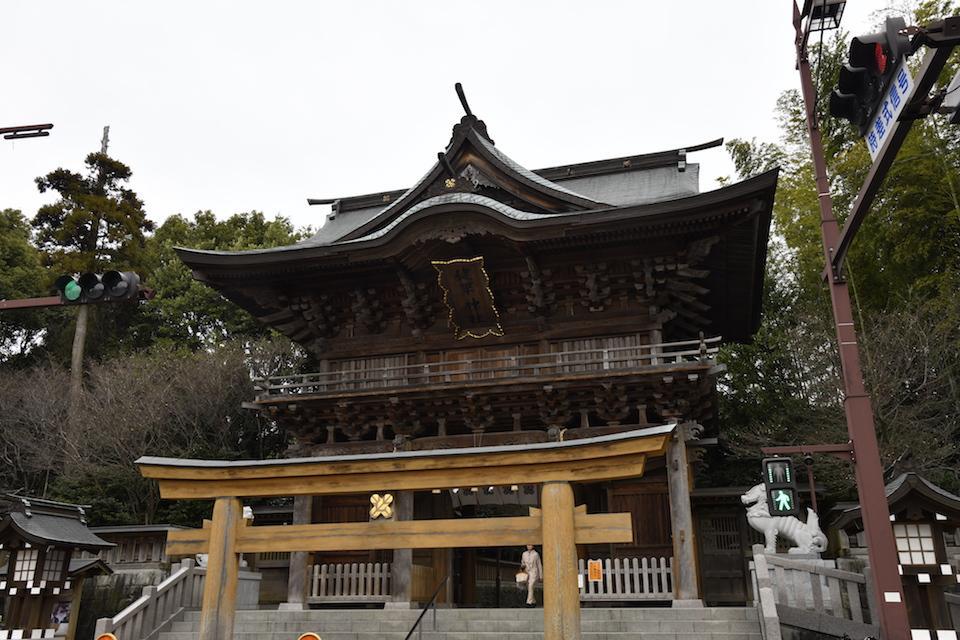
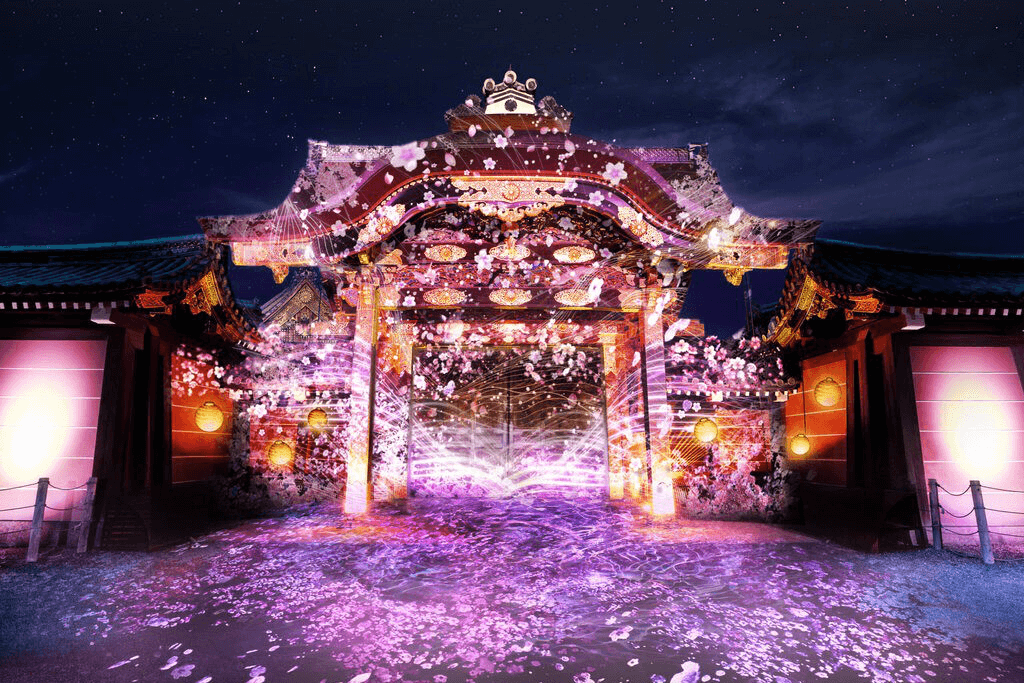
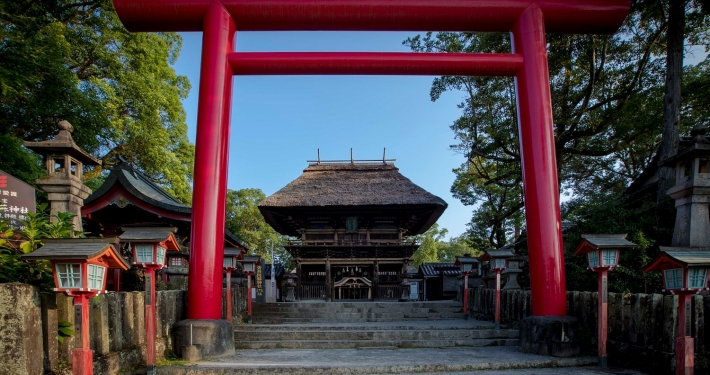
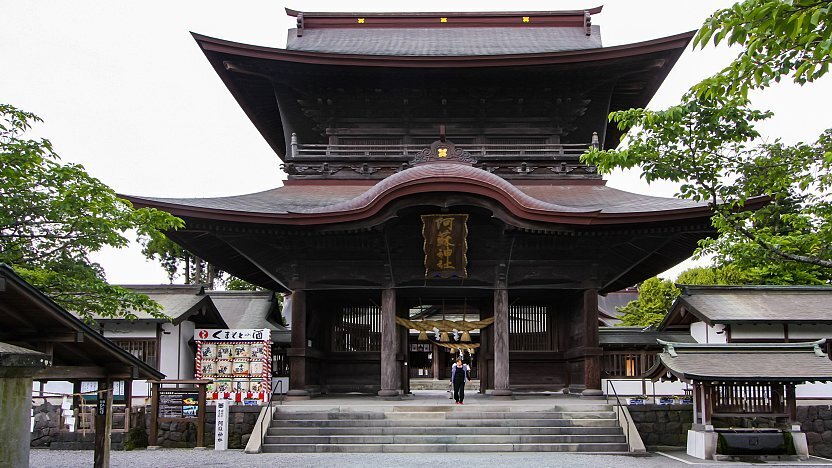
The magnificent wooden romon gate of Aso Shrine, destroyed in the 2016 earthquake, has been painstakingly reconstructed using traditional techniques. A symbol of resilience.
Gold-leafed mausoleums, national treasure shrines, and mountain temples.

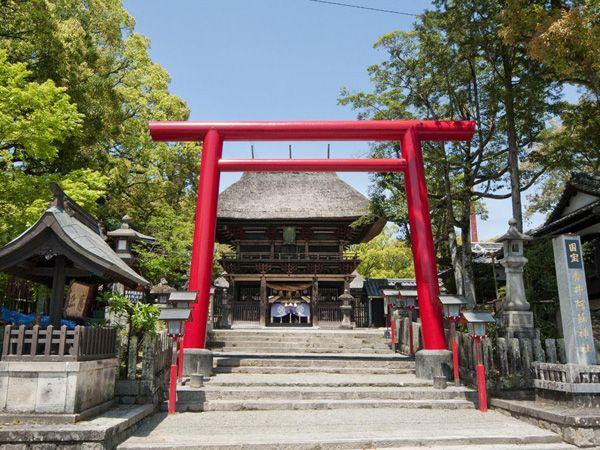
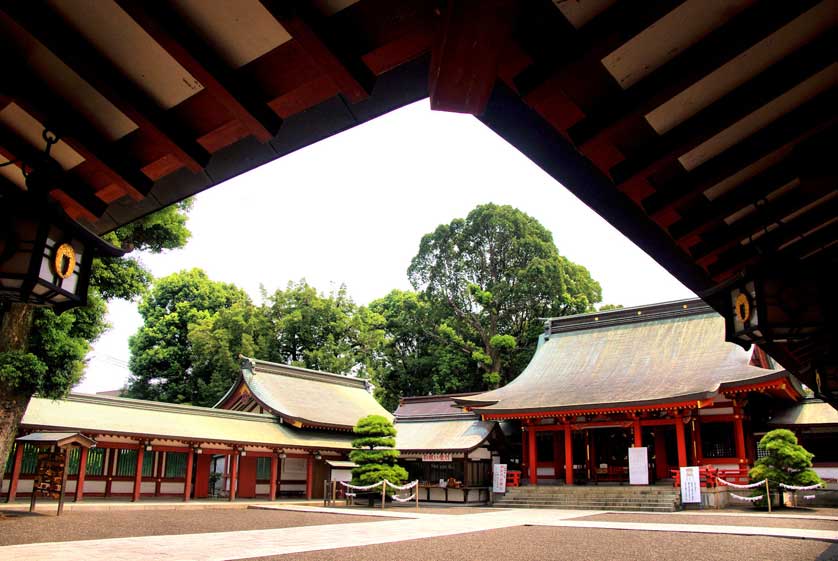
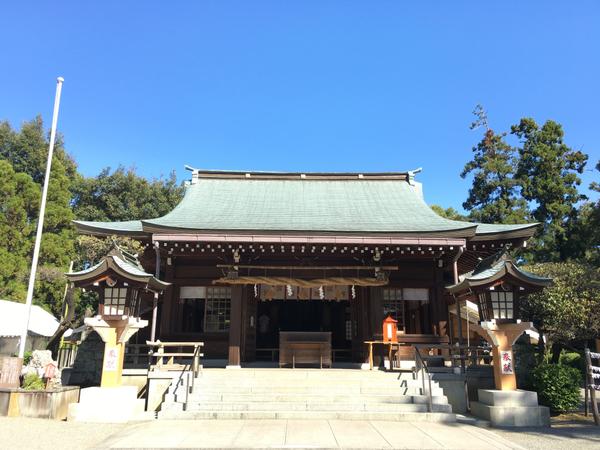
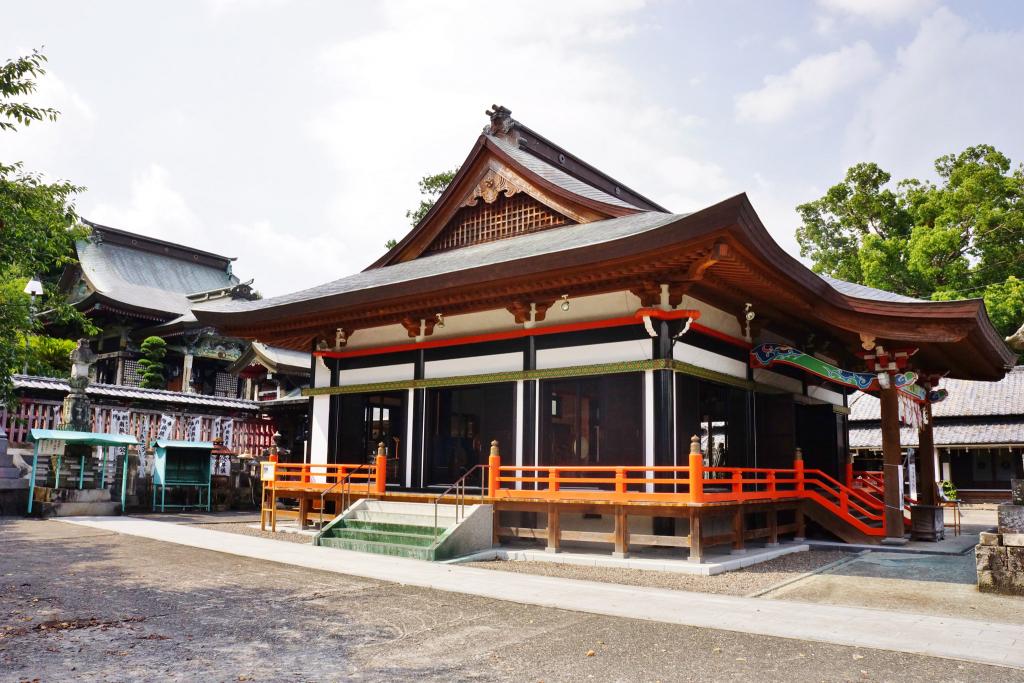
One of the oldest shrines in Japan, heavily damaged in the 2016 earthquake. The impressive restoration of the romon gate is nearly complete. Important cultural and spiritual site.

Temple dedicated to Kato Kiyomasa, who built Kumamoto Castle. 176 stone steps lead to the main hall. His tomb is at the top. Impressive stone lantern-lined approach.

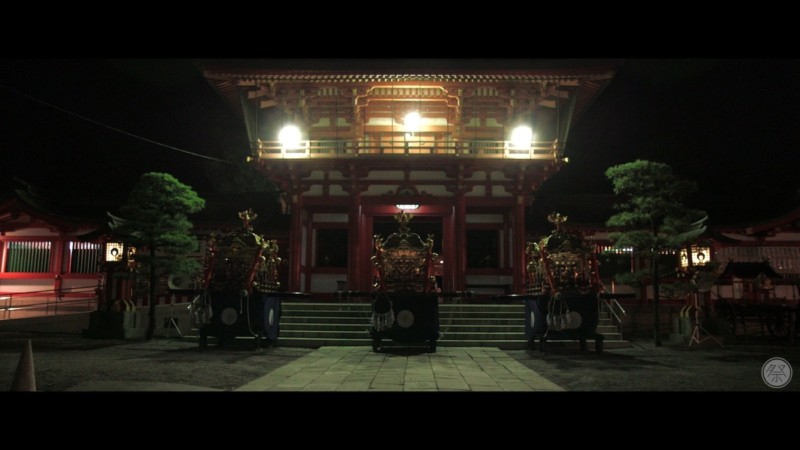
Ancient shrine hosting the famous September festival where horses charge through the grounds. The autumn festival is Kumamoto's biggest celebration with parades and performances.

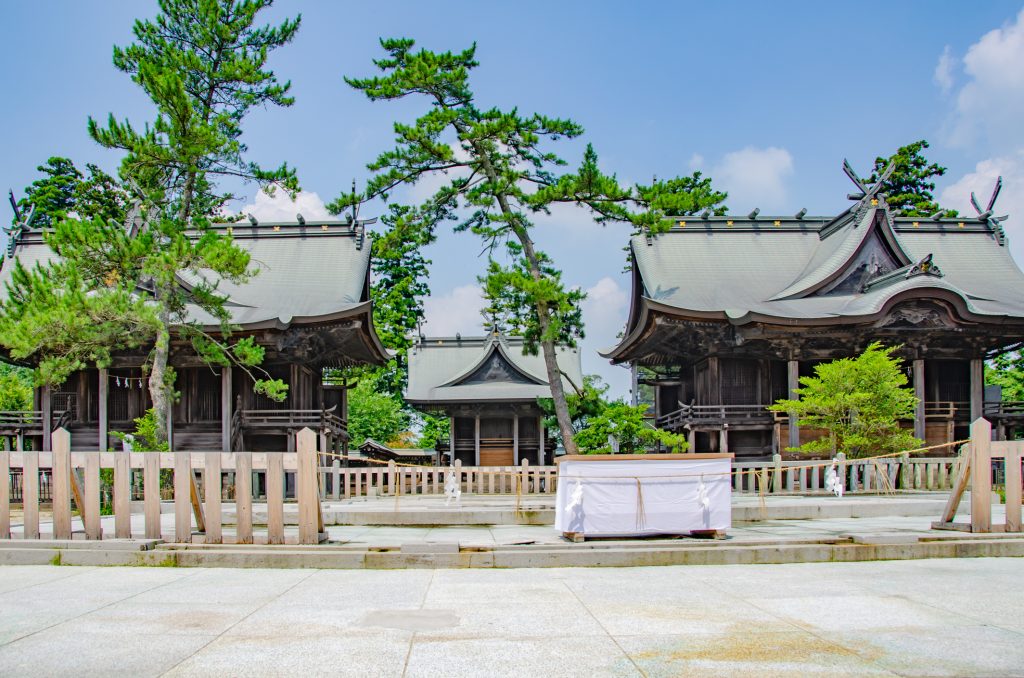
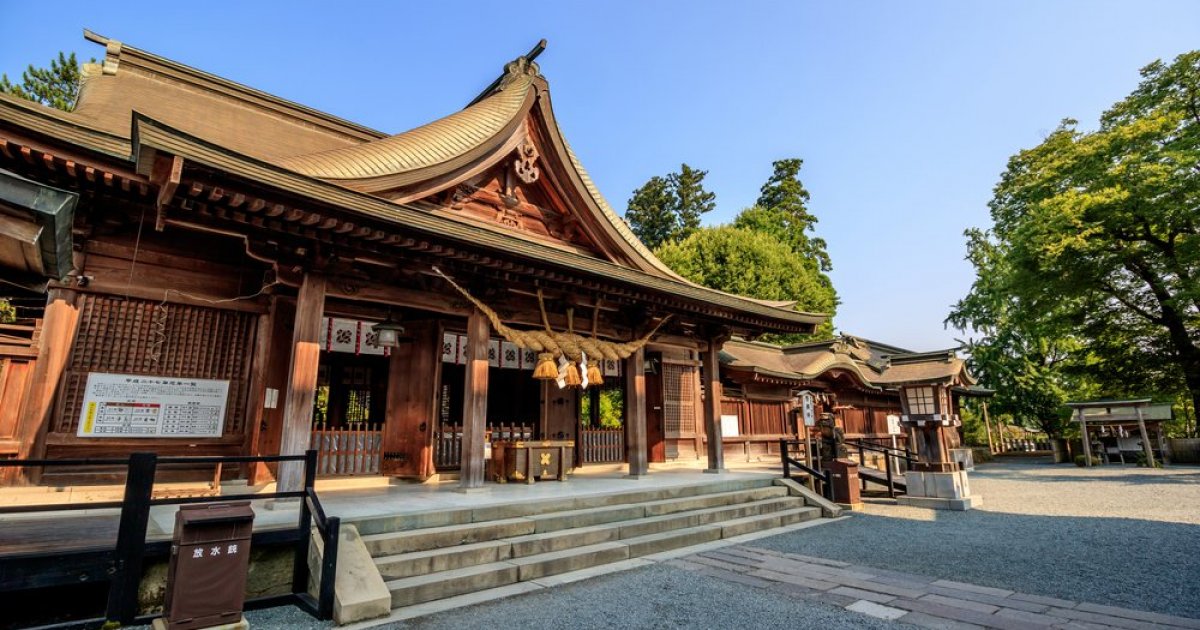
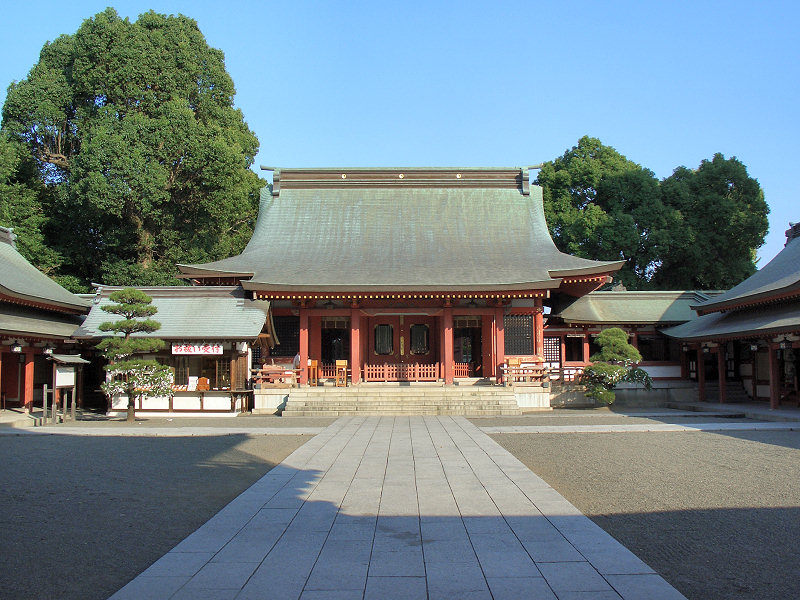
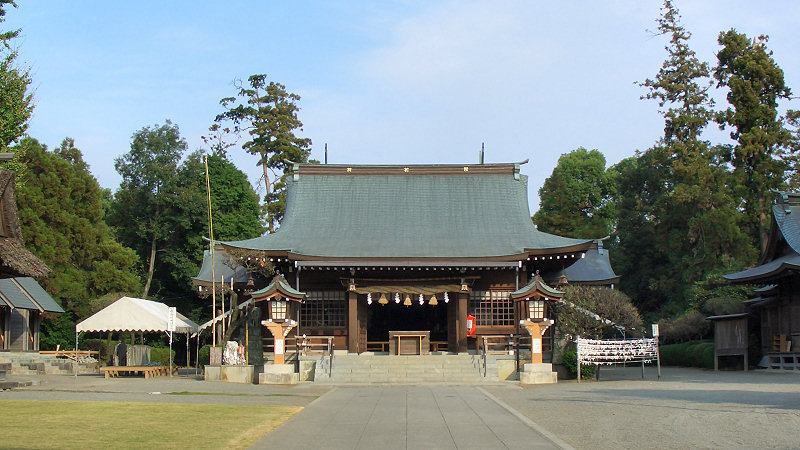
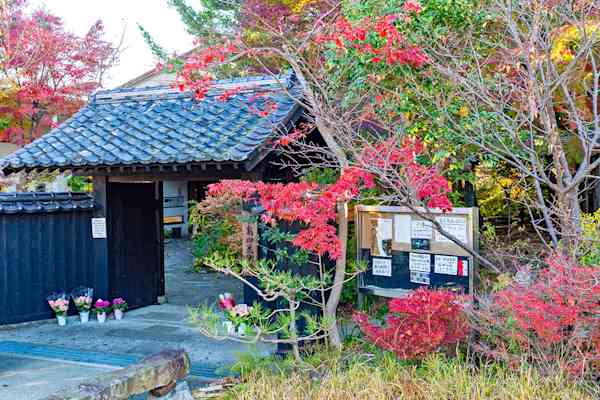
Shrine founded in the 4th century. Beautiful grounds with cherry trees. The main shrine building has undergone recent restoration. Connected to Japanese mythology.
Zelkova-lined avenues, lively arcades, and a lively local nightlife scene.

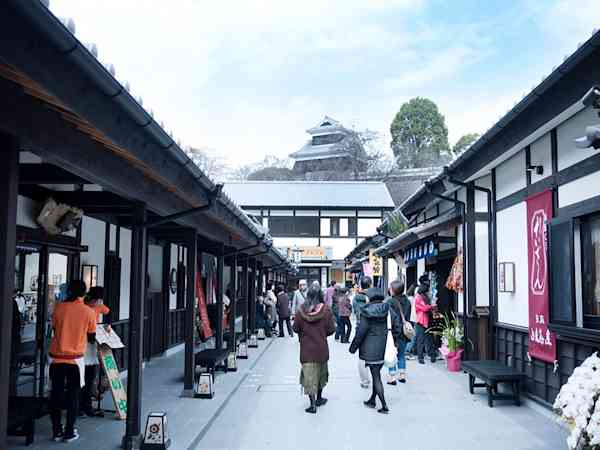
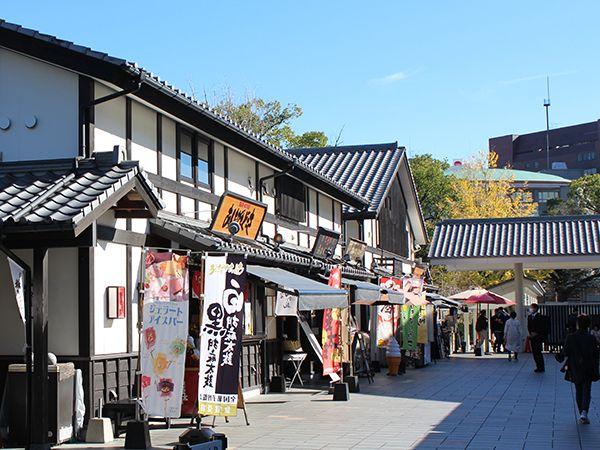
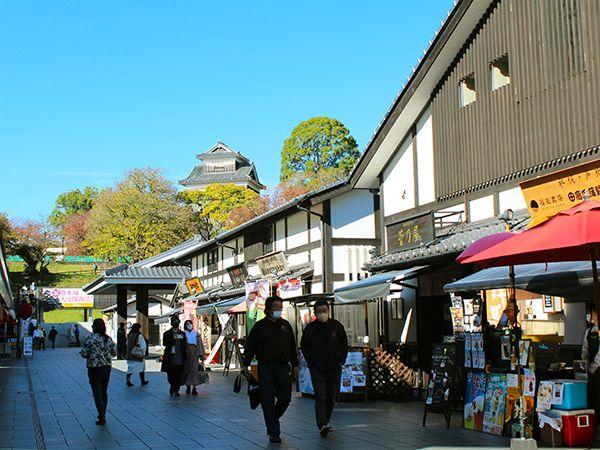
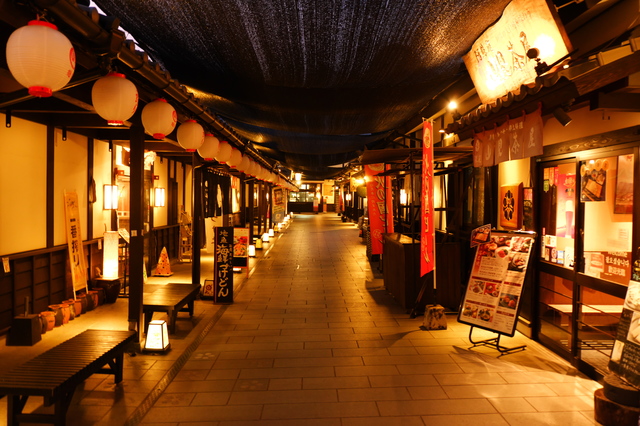
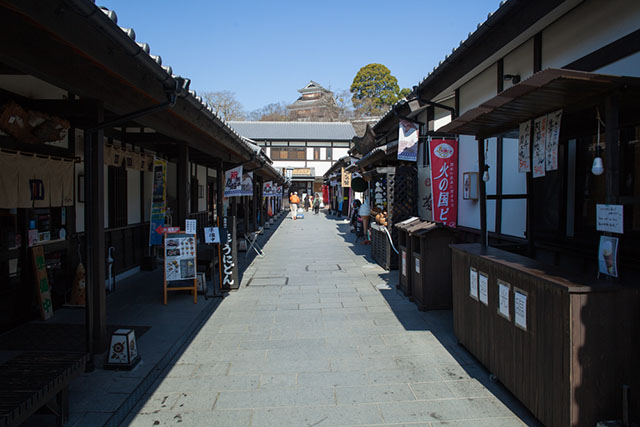
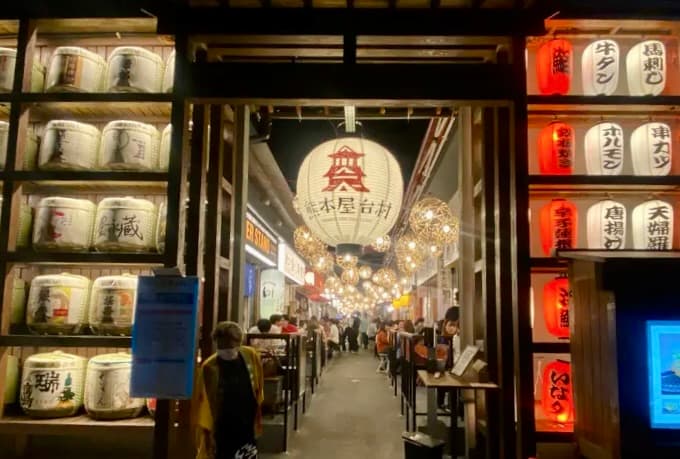
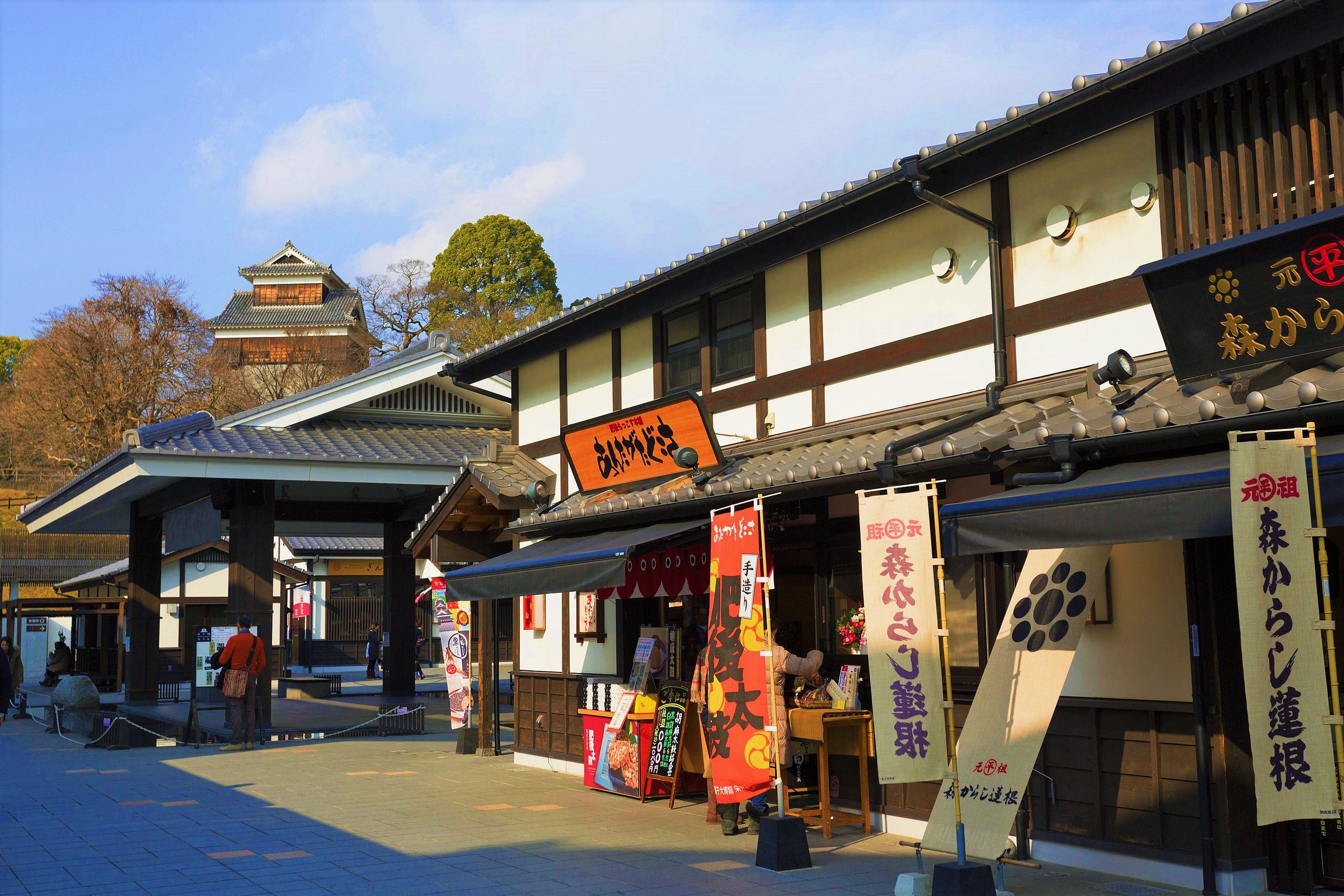
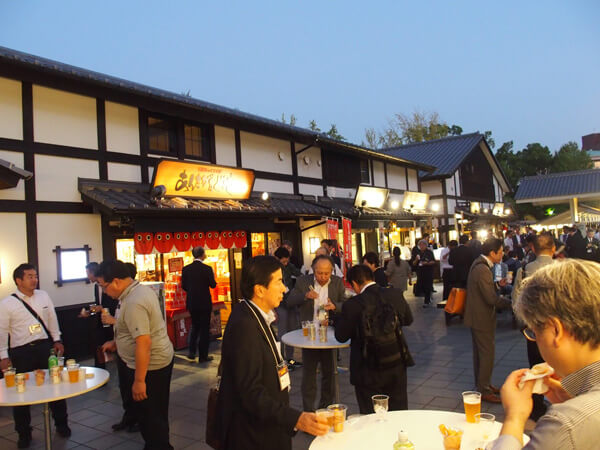
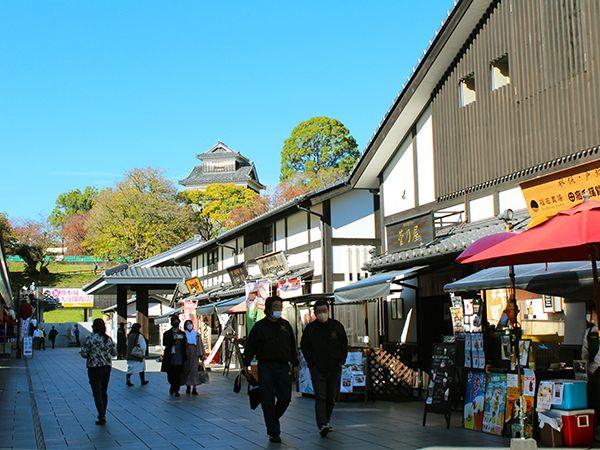
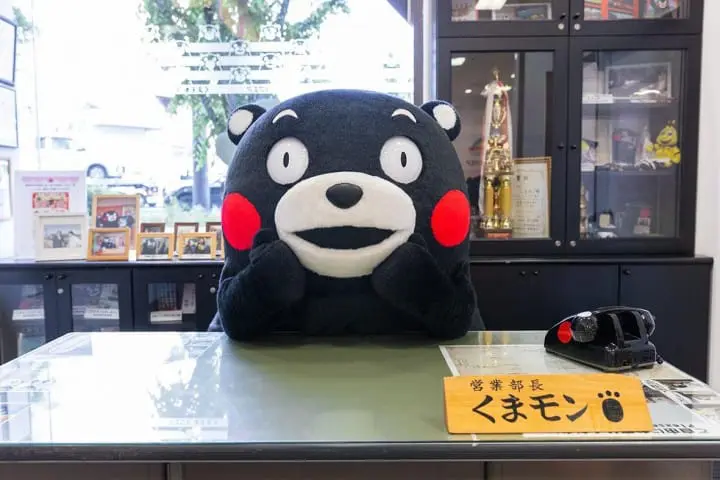
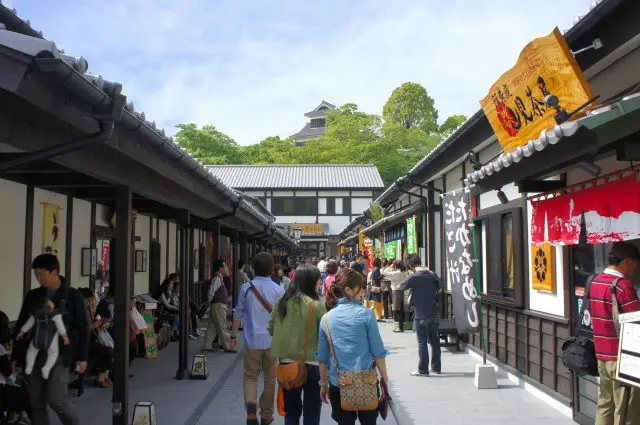
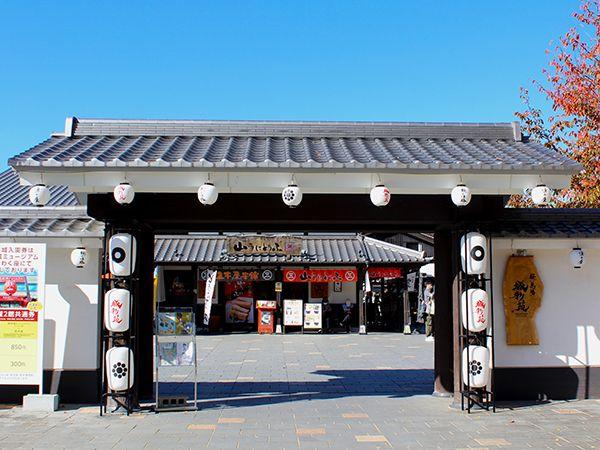
Restored castle town at the base of Kumamoto Castle. Traditional wooden buildings housing restaurants, souvenir shops, and a Kumamon merchandise store. The stage hosts daily performances.

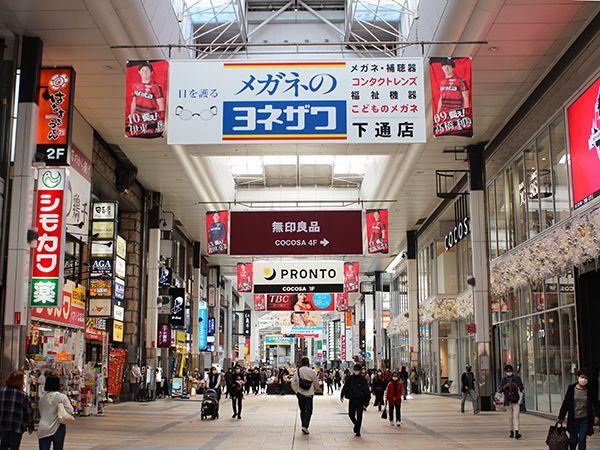
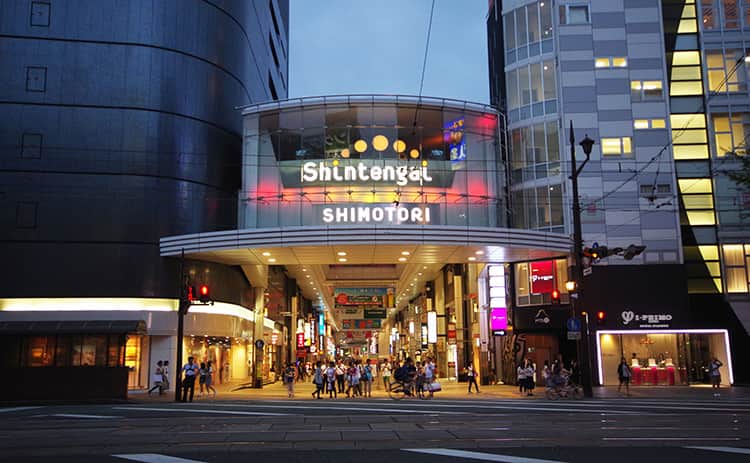
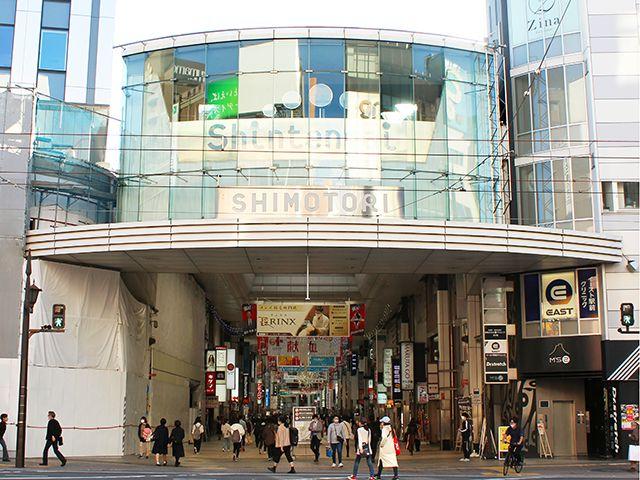
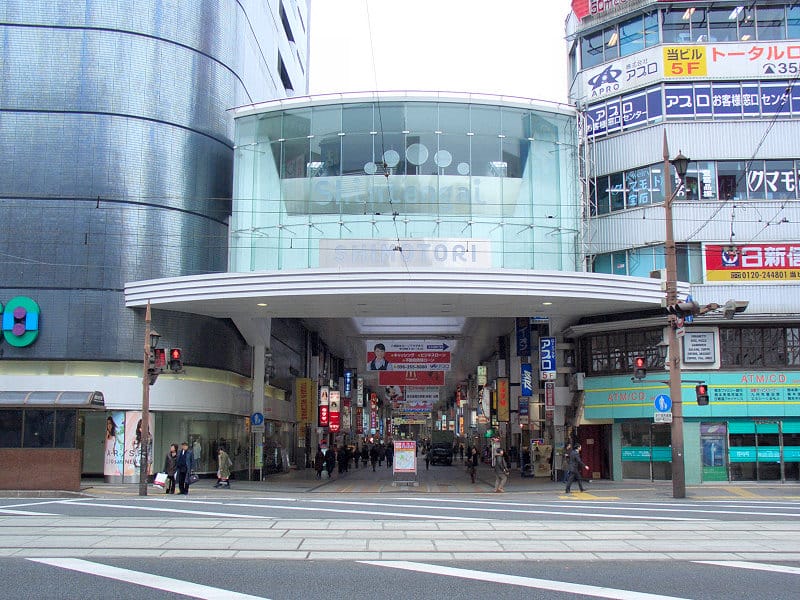
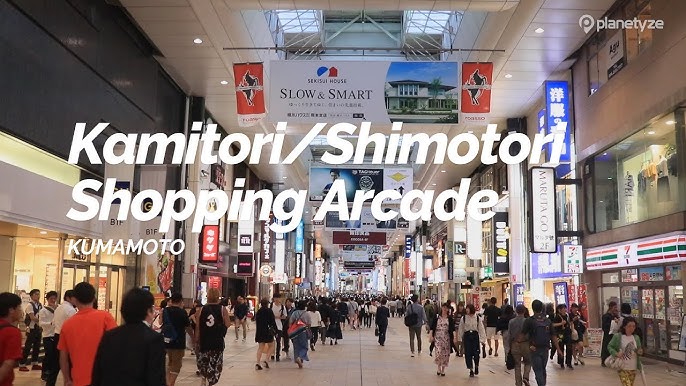
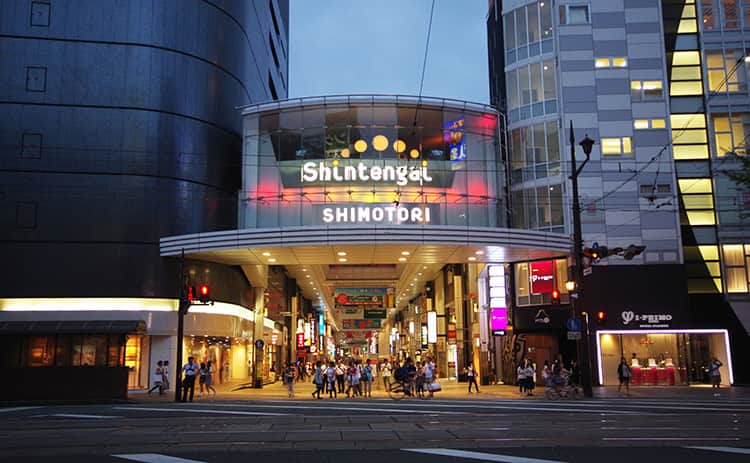
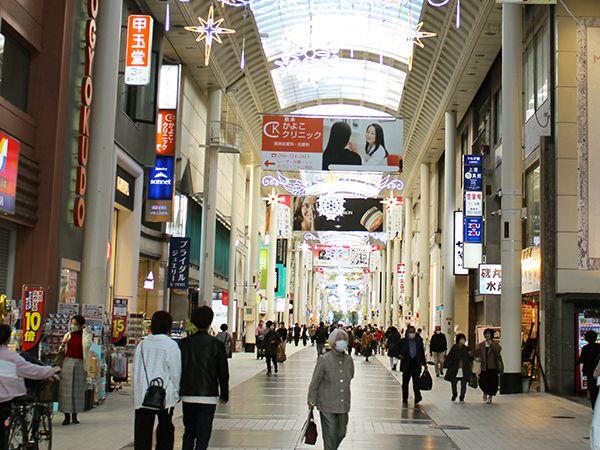
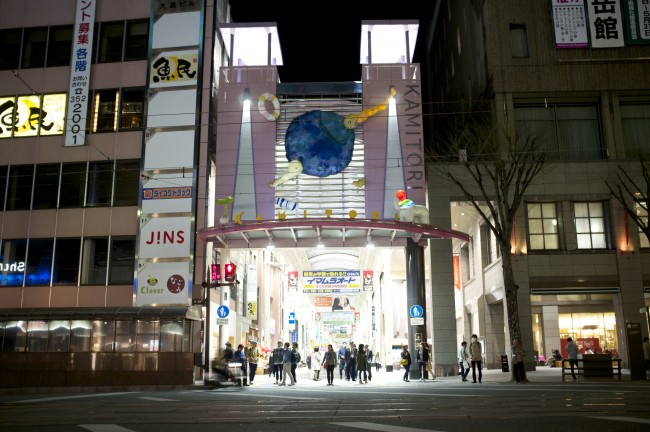
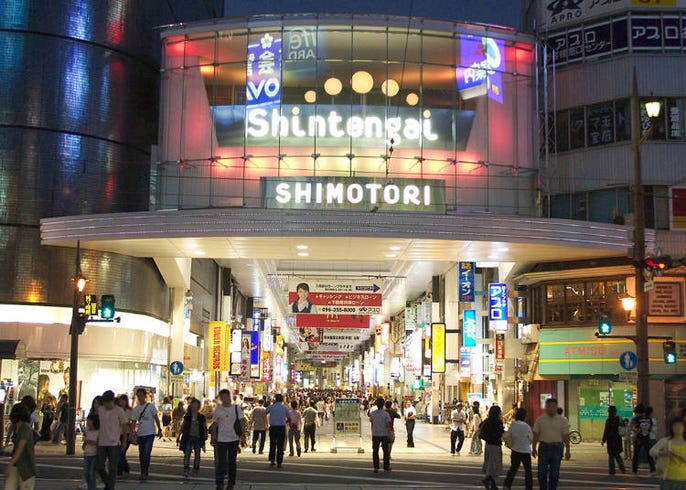
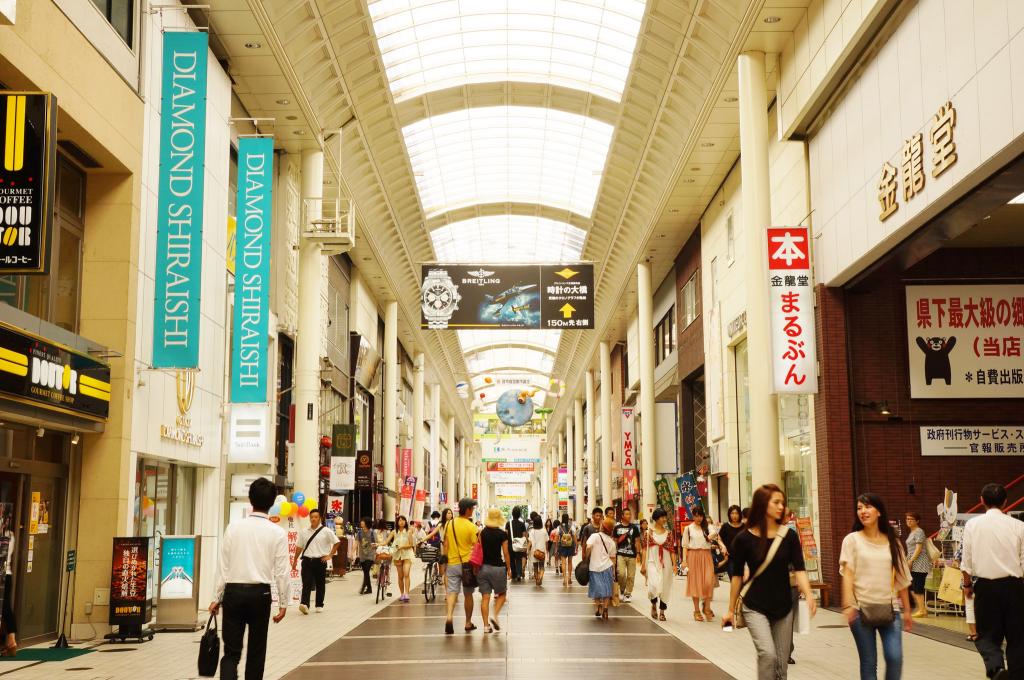
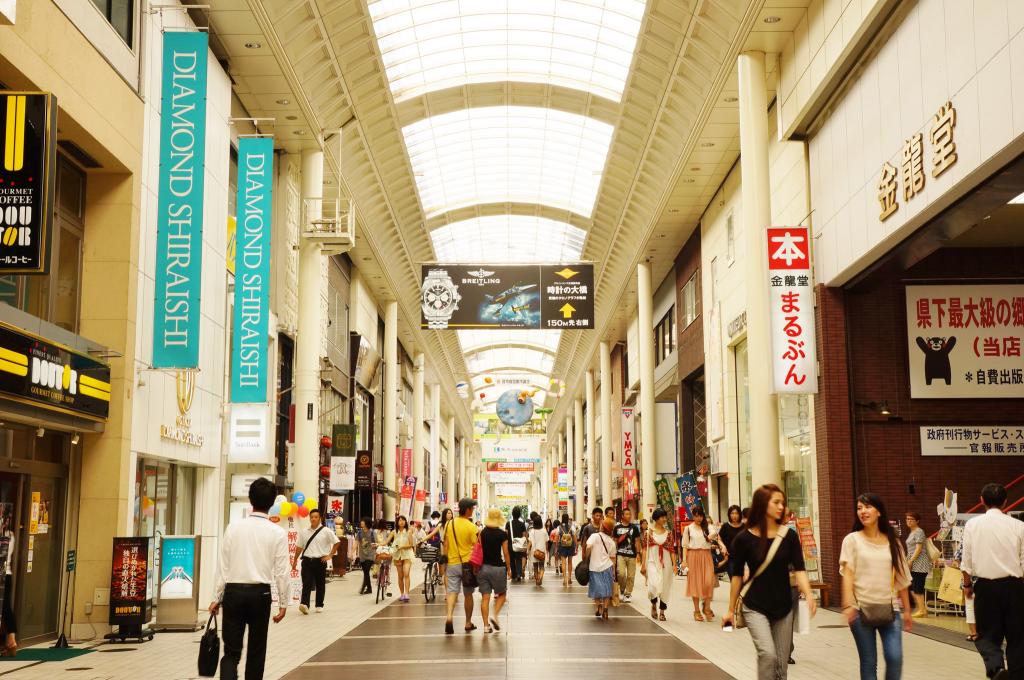
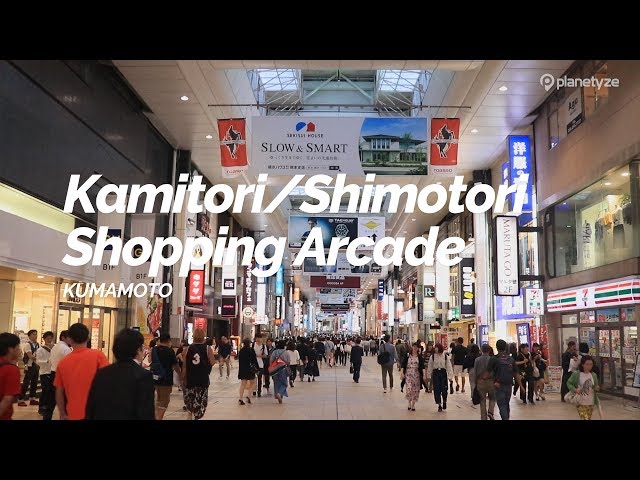
Kumamoto's main covered shopping street. Fashion, restaurants, department stores, and entertainment. Branches into multiple arcades. The busiest area in the city center.

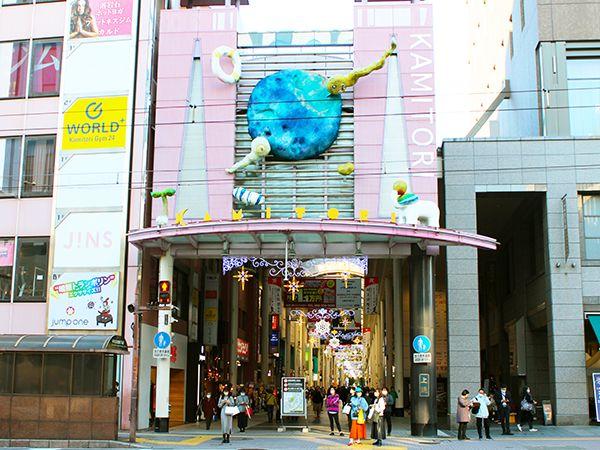
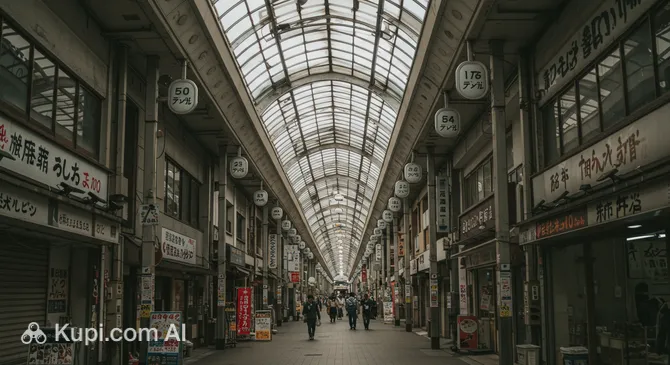
Upper shopping arcade connecting to Shimotori. More independent boutiques and local restaurants. Less corporate feeling. Good for finding unique Kumamoto souvenirs.

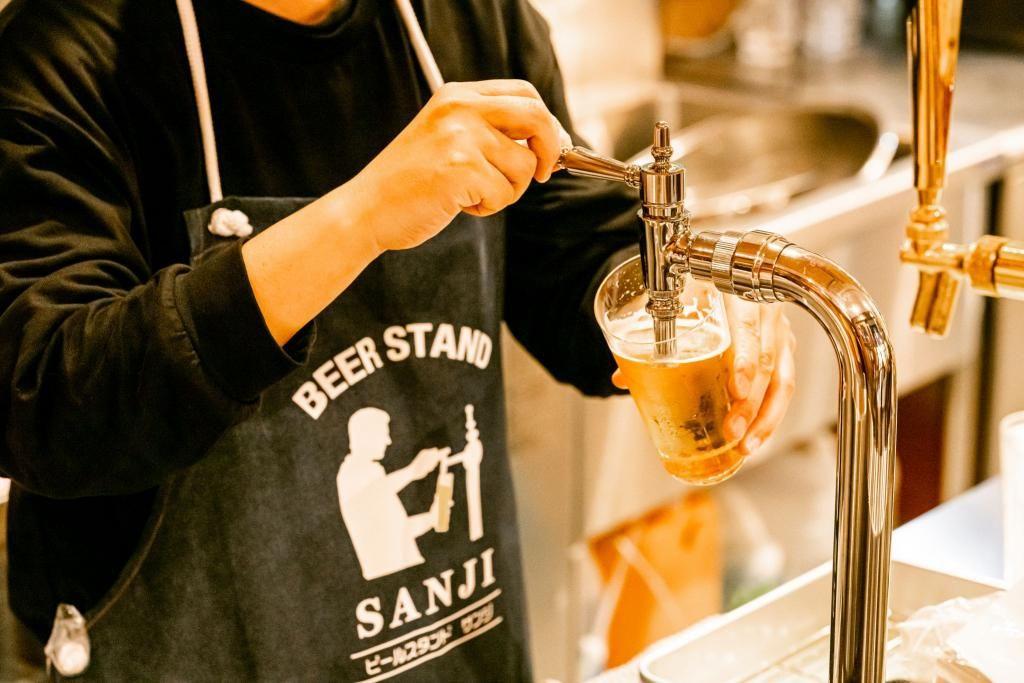
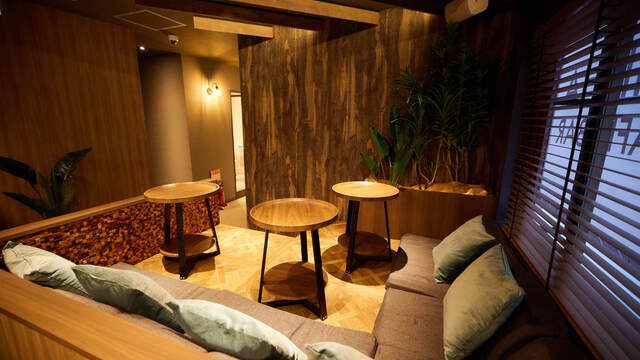
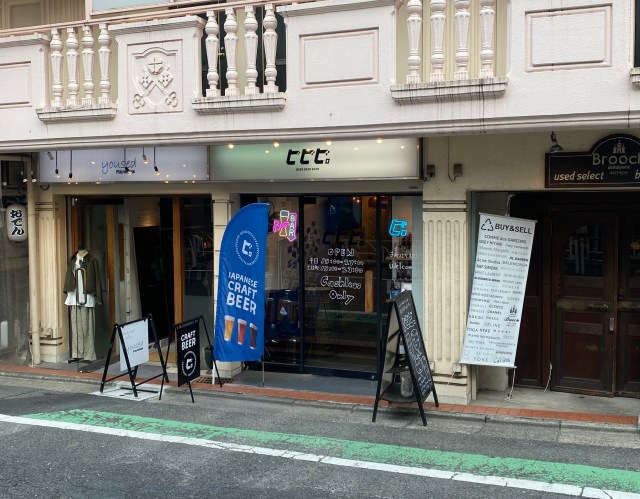
Craft beer pub in the upper shopping arcade. Rotating taps from Kyushu microbreweries. Relaxed atmosphere with good food pairings. Popular meeting spot for locals.

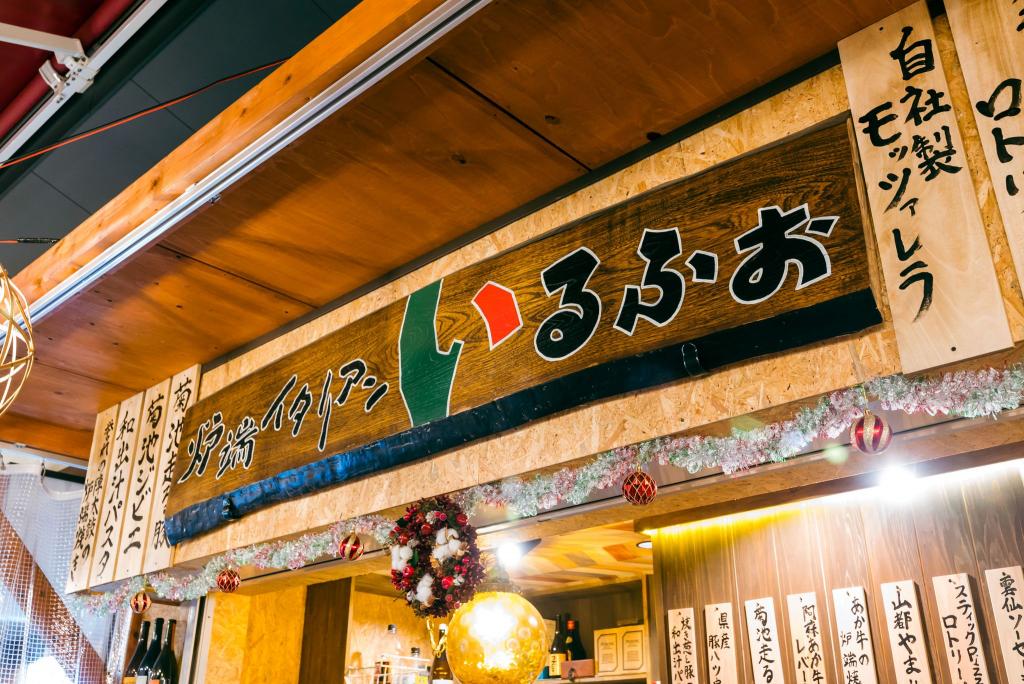
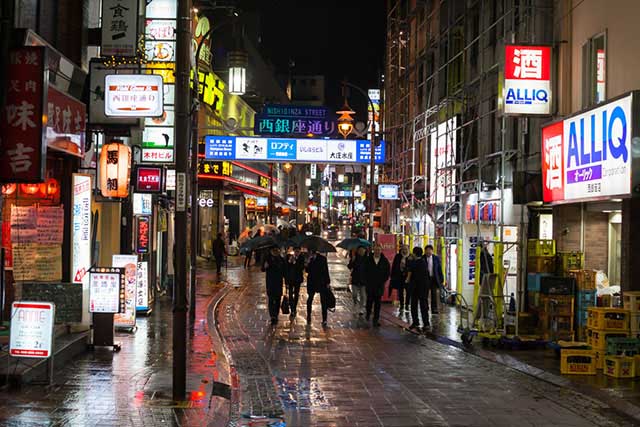
Dense cluster of izakayas and small bars branching off the main arcade. Much cheaper and more authentic than tourist spots. Try basashi and local shochu.

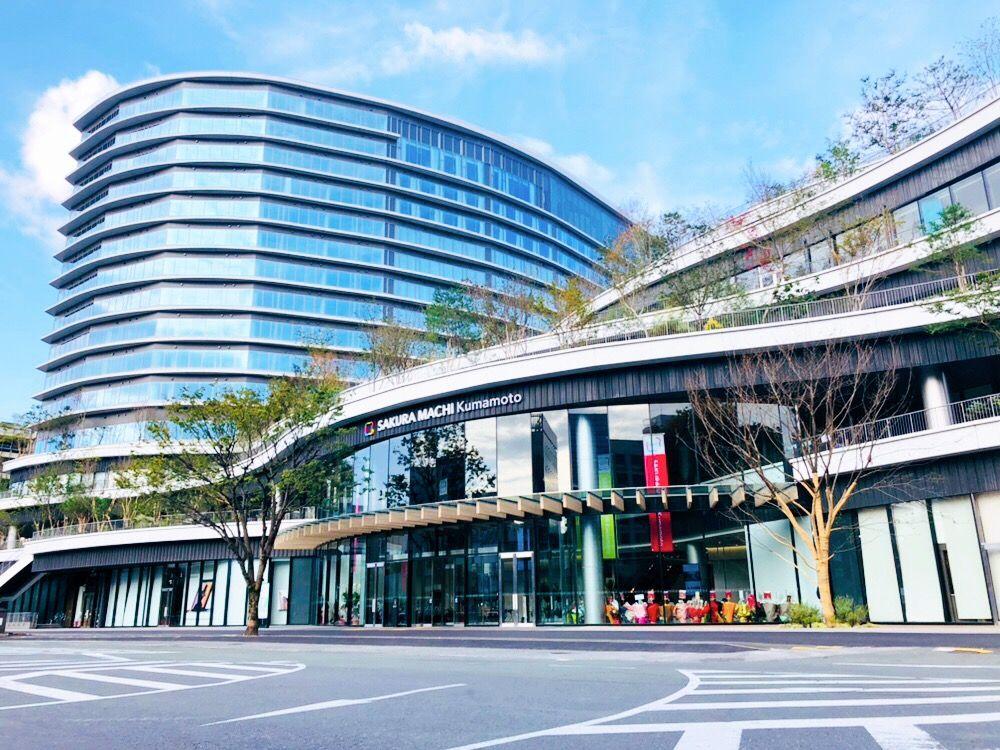
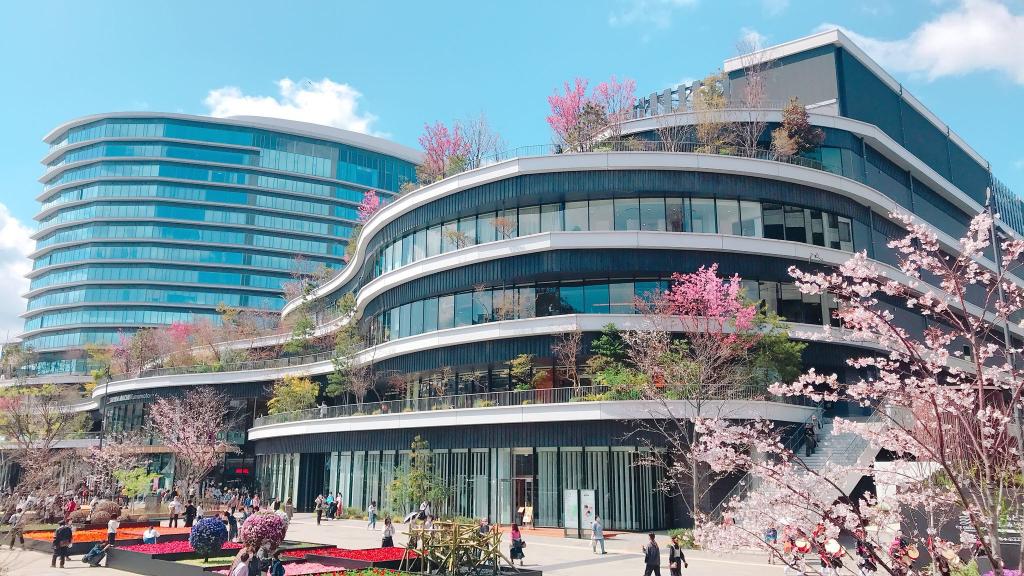
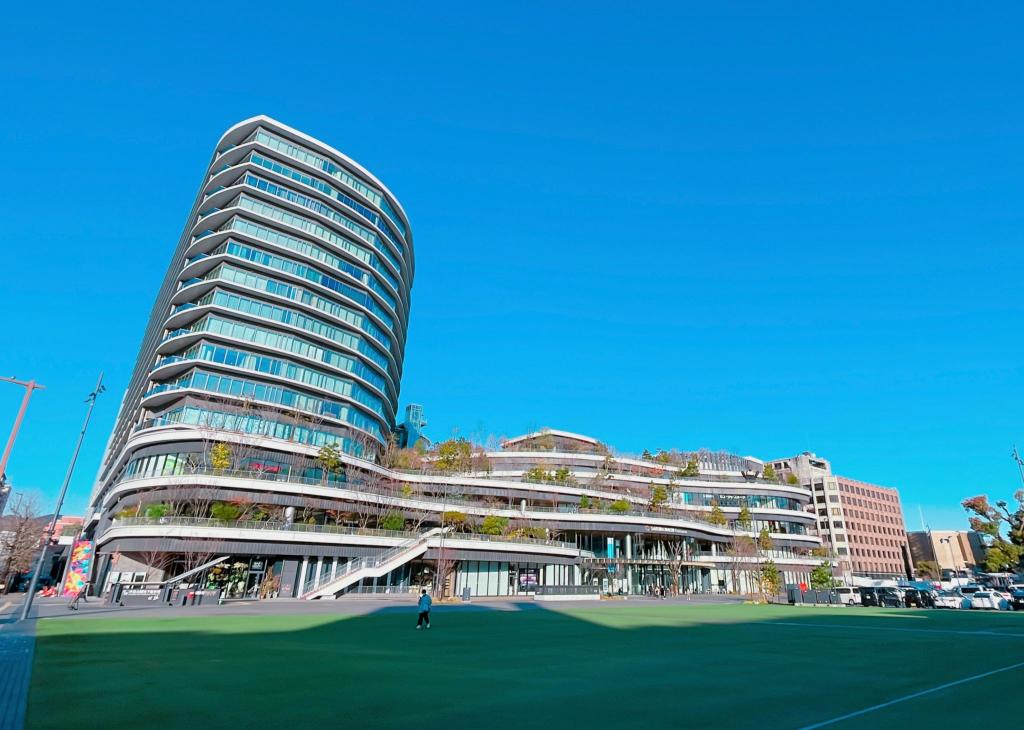
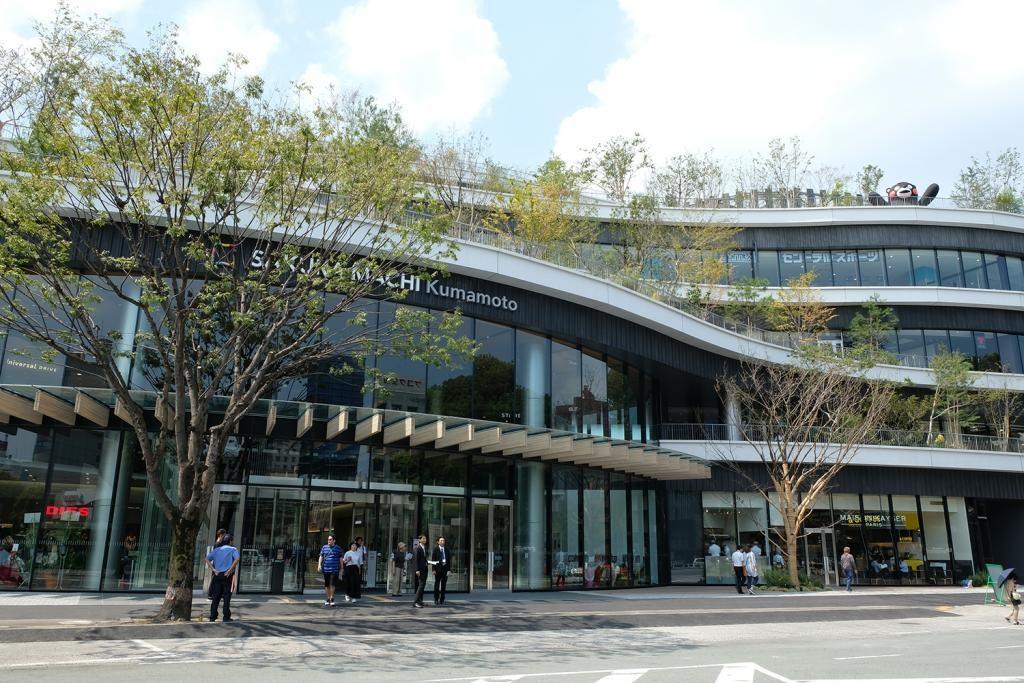
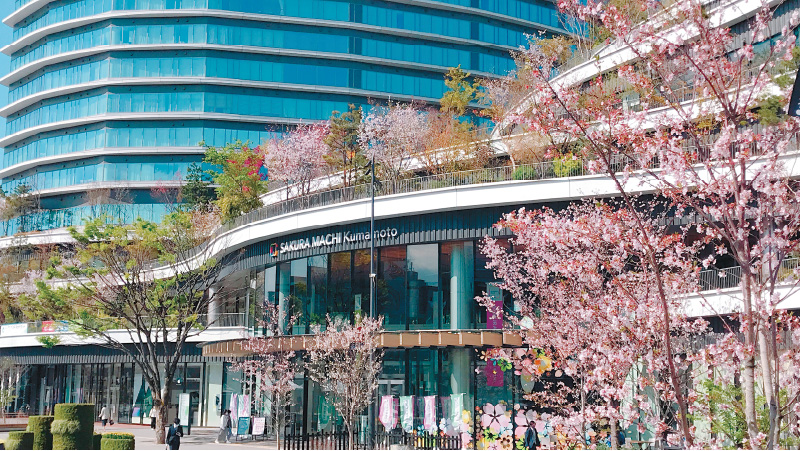
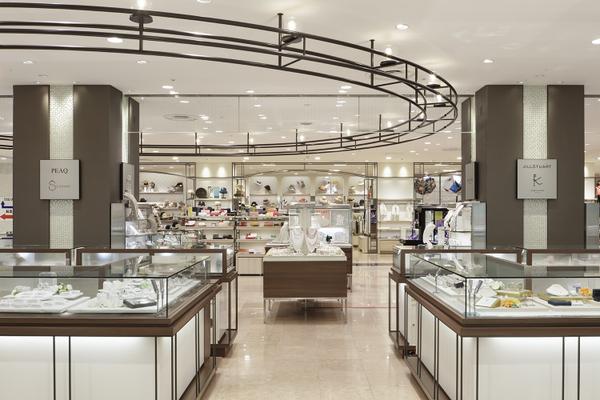
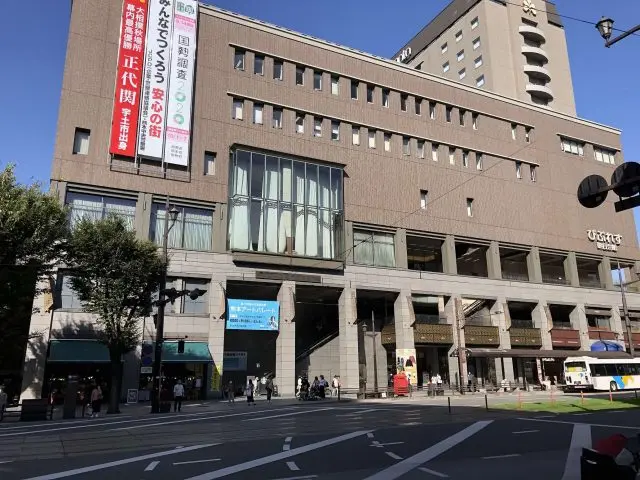
Major bus terminal and shopping complex. Modern architecture with a rooftop garden. Multiple restaurants, cinema, and fashion stores. Good rain-day option.

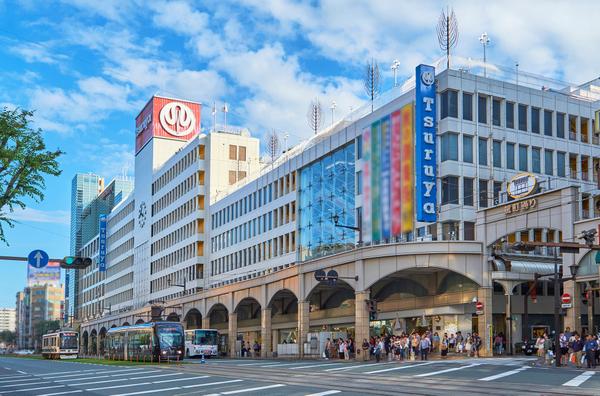
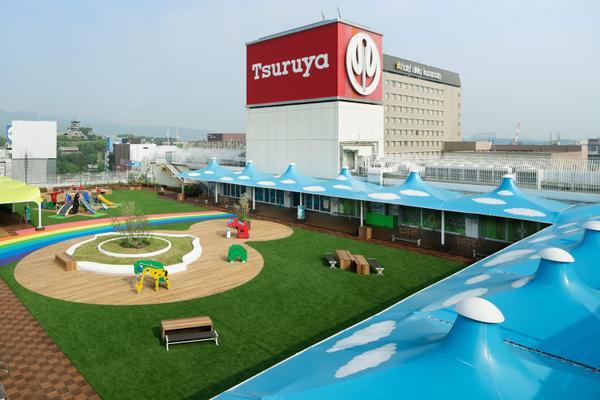
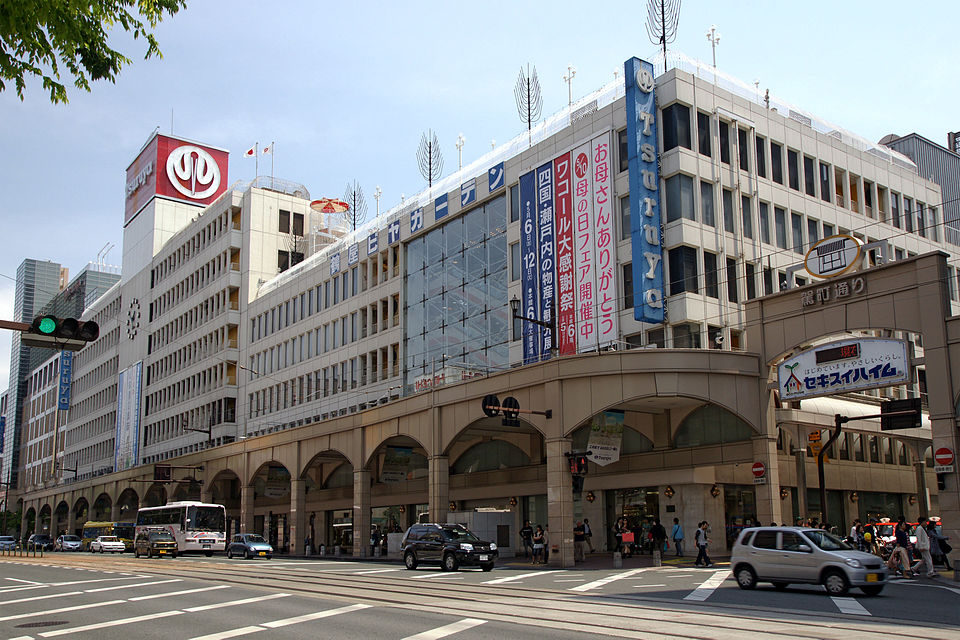
Grand department store in the heart of Kumamoto. The basement food floor has excellent local specialties. Top floor restaurant zone has good dining options with city views.

Cluster of tiny bars in the entertainment district. Most seat 5-10 people. Counter-only joints serving shochu and small plates. Authentic local drinking culture.

Guided night tours of the entertainment district, visiting multiple small bars and local food spots. English-speaking guides available. A great way to experience the deep local scene.

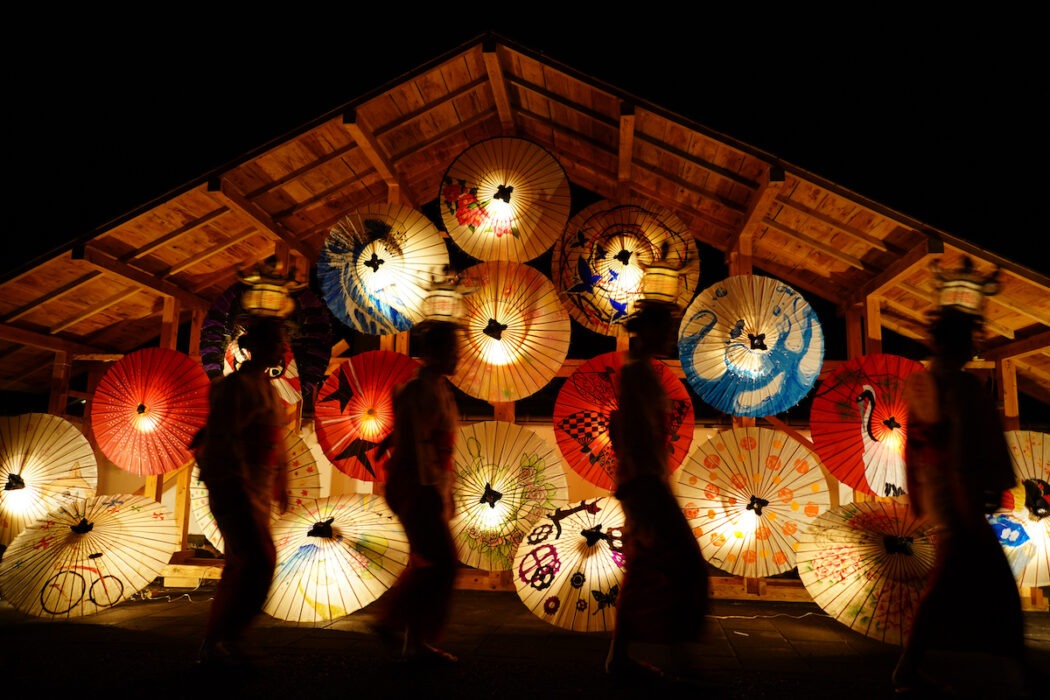
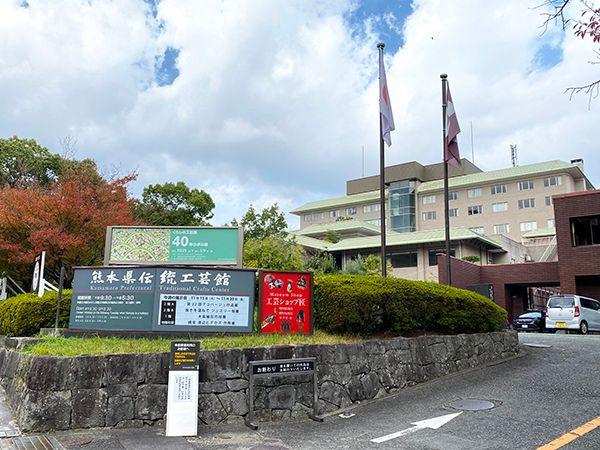
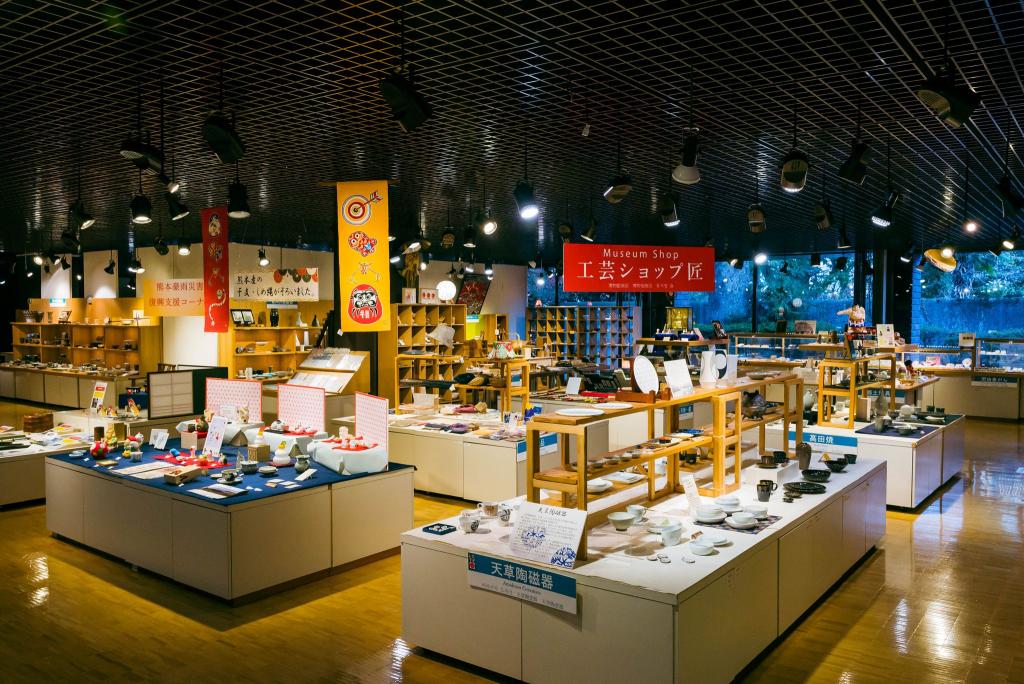
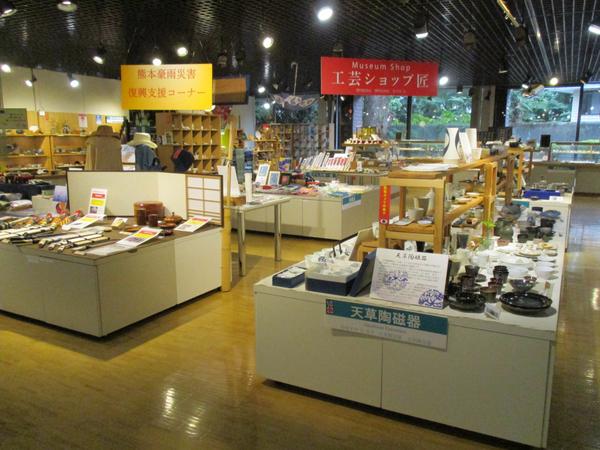
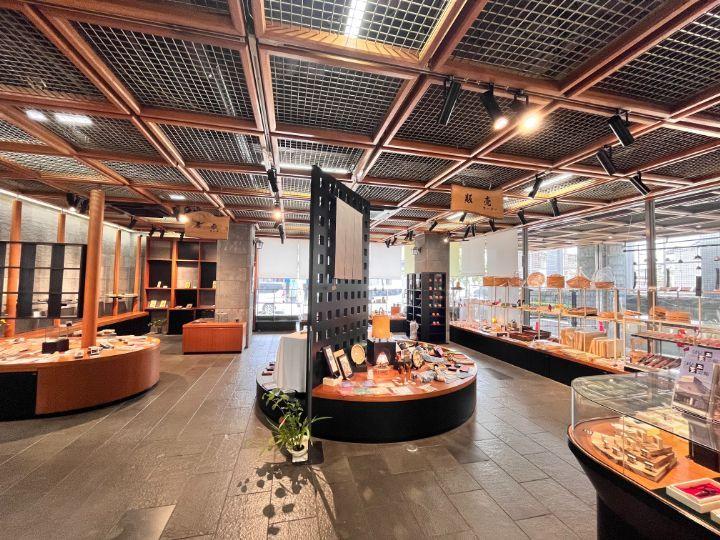
Exhibition and shop for Kumamoto's traditional crafts. Higo inlay metalwork, Yamaga lanterns, and Amakusa pottery. See artisans working and buy directly. High quality.
Kumamoto is packed with standout local eats. Come hungry.

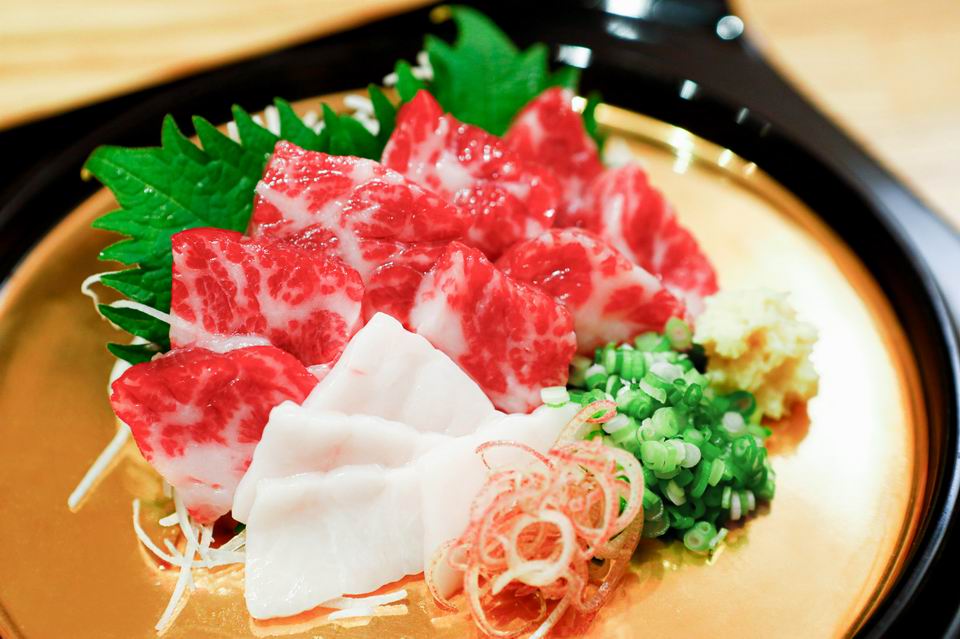
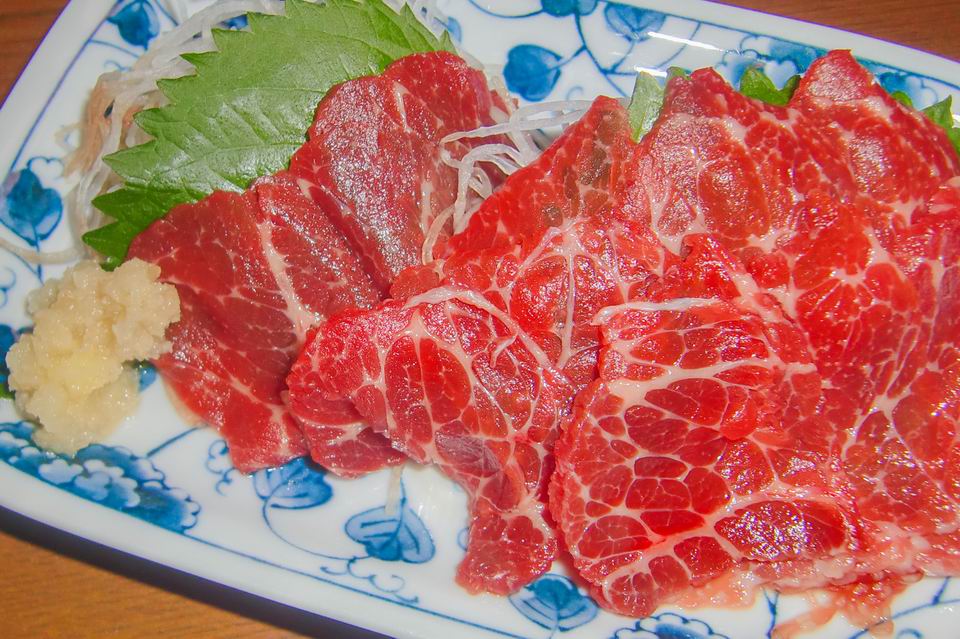
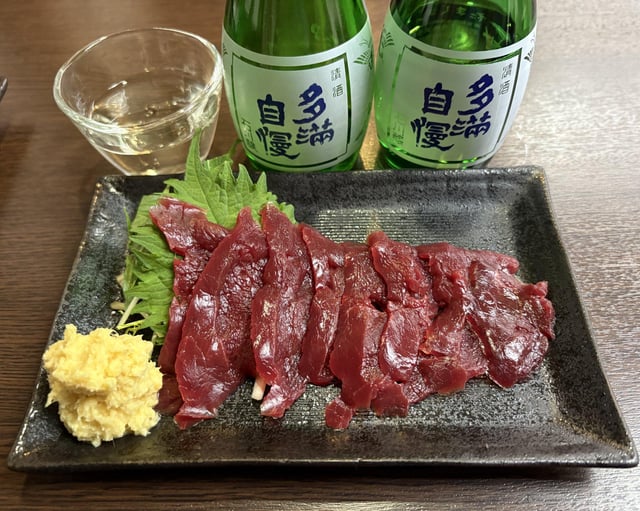
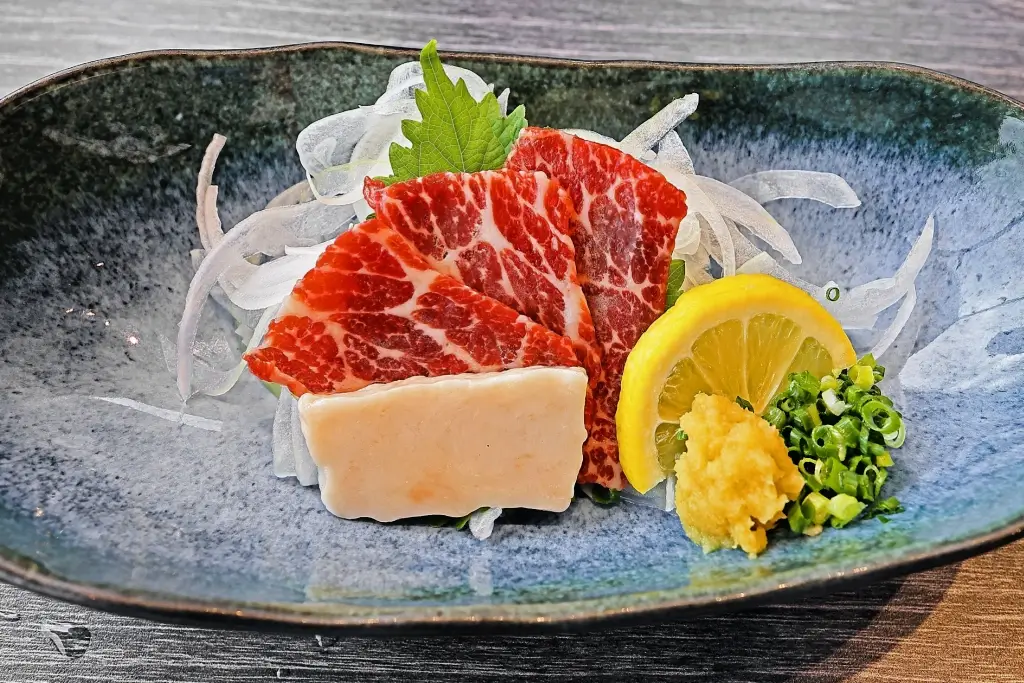
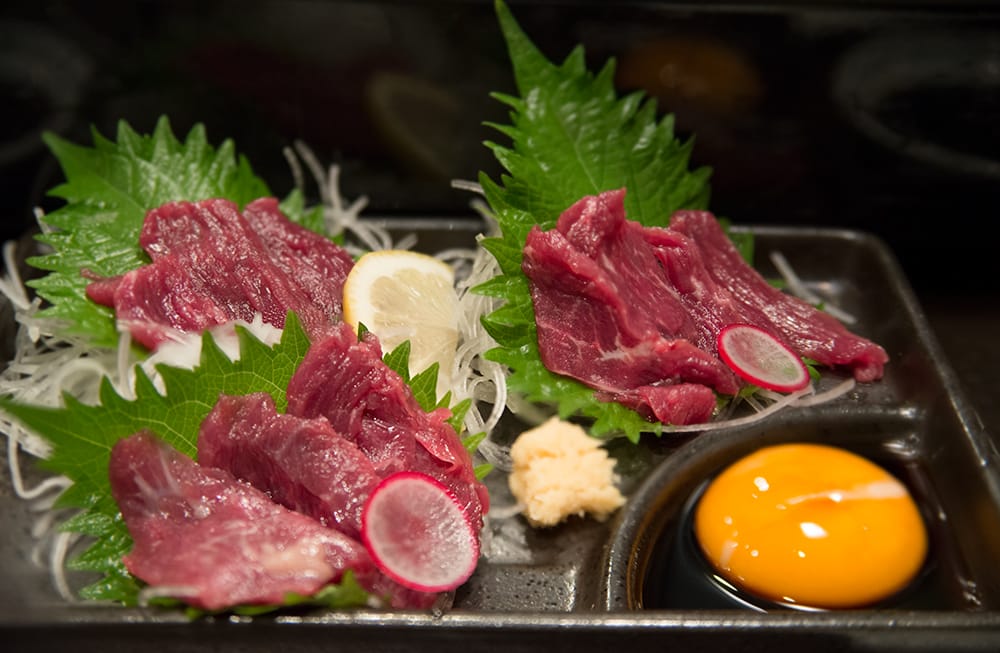
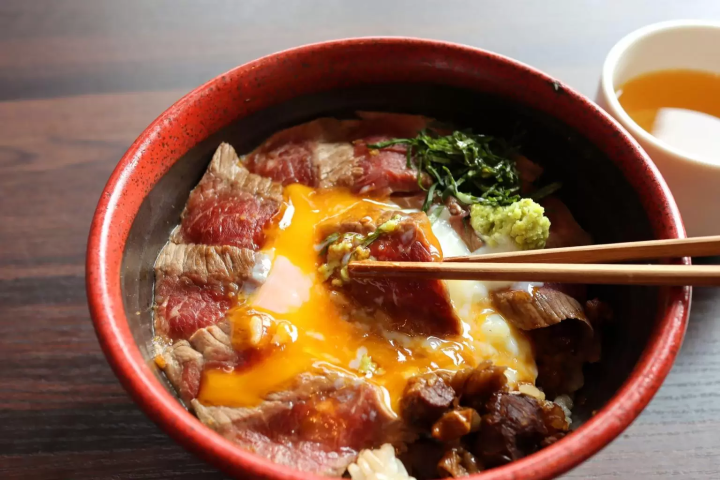
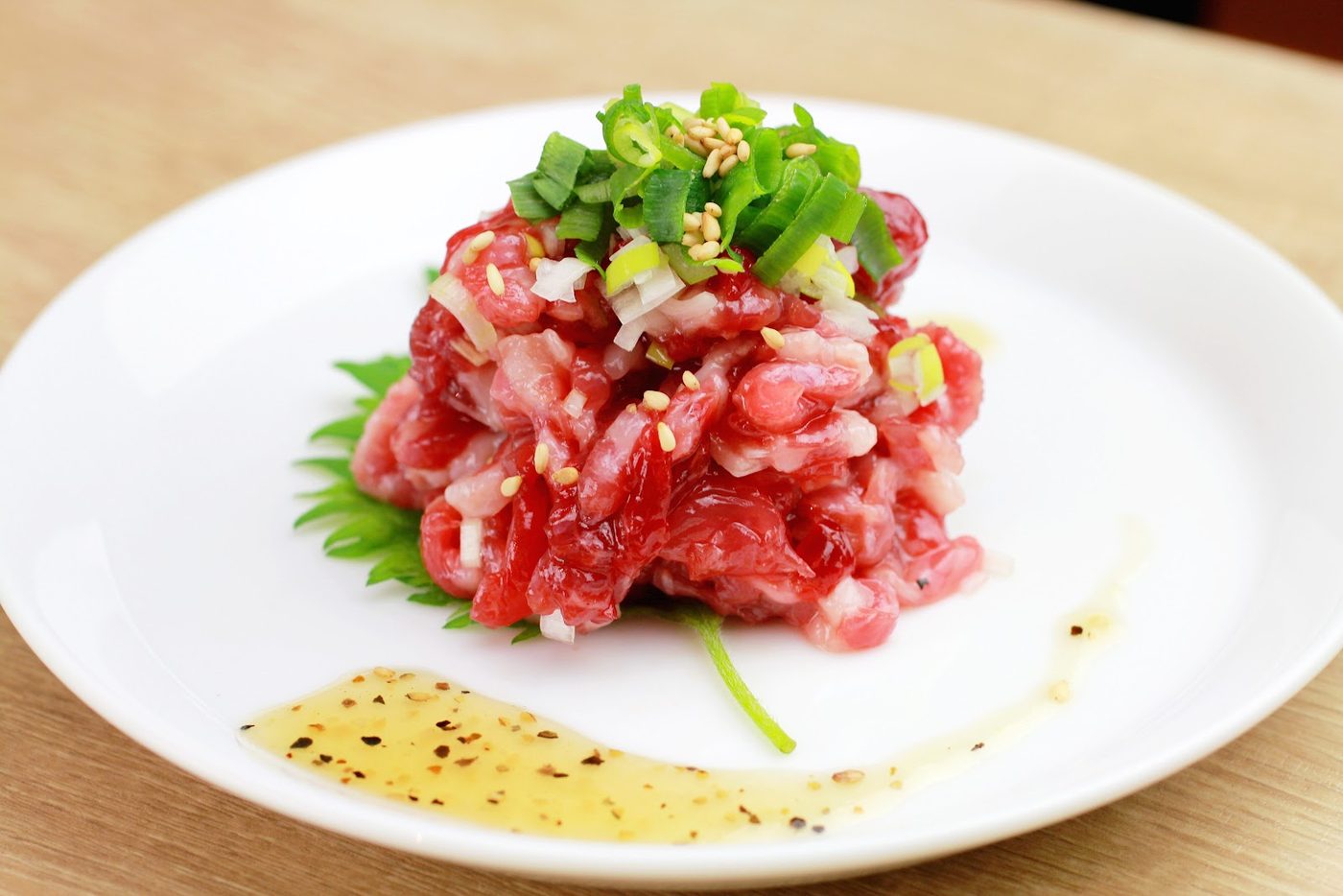
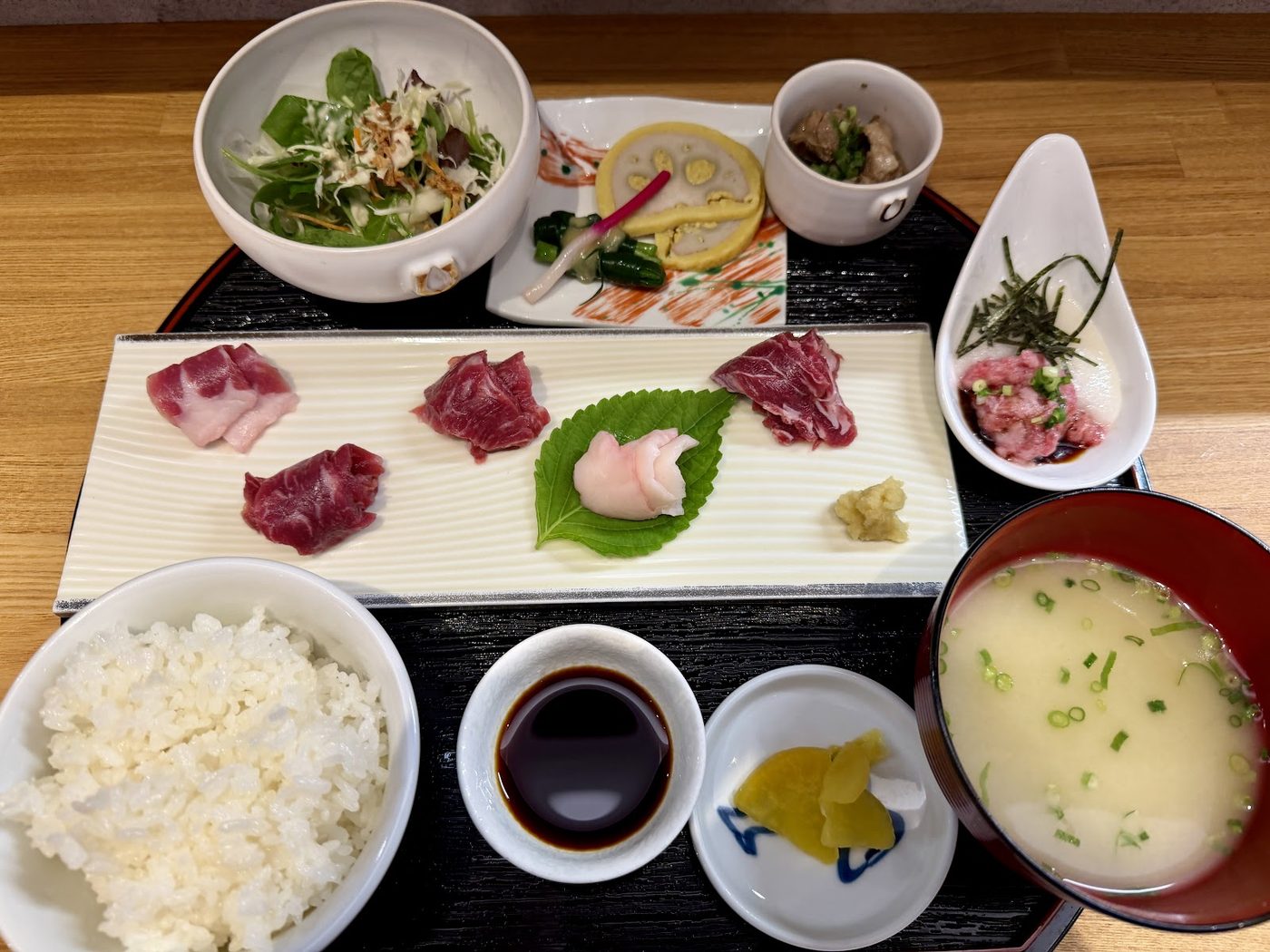
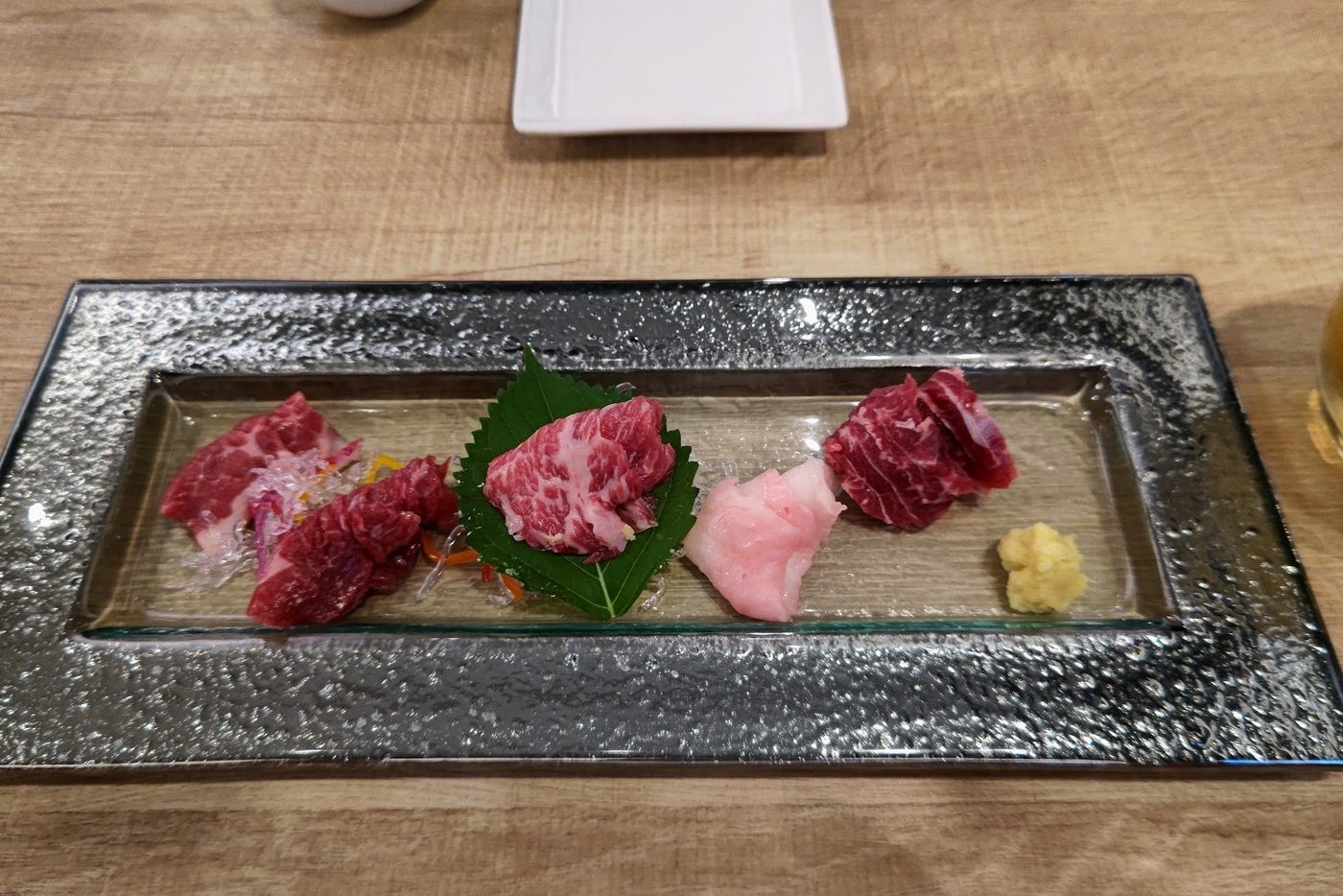
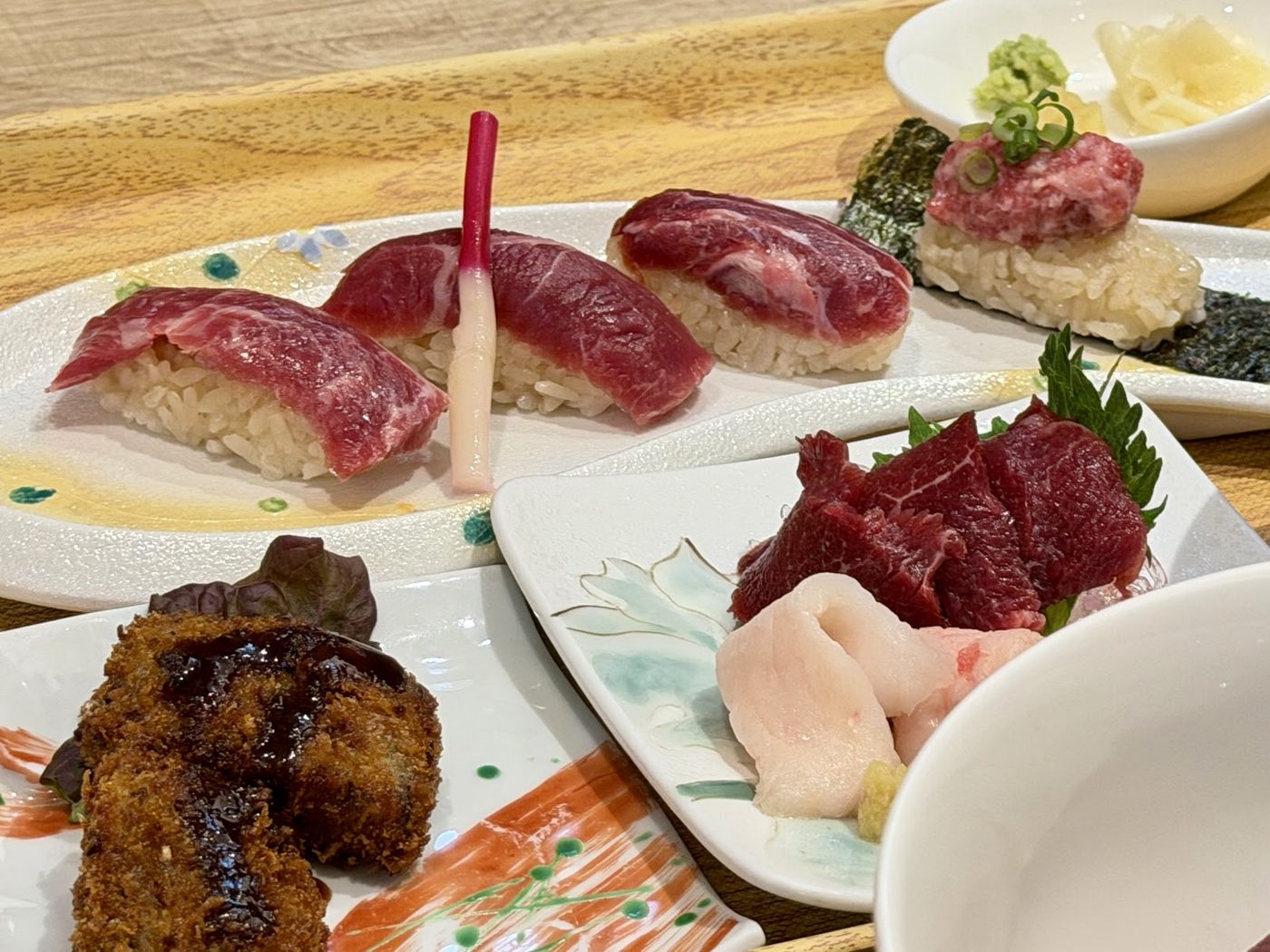
Kumamoto is the horse meat capital of Japan. Thinly sliced raw horse served with grated ginger, garlic, and sweet soy sauce. Lean red meat with a rich, clean flavor. Available everywhere.

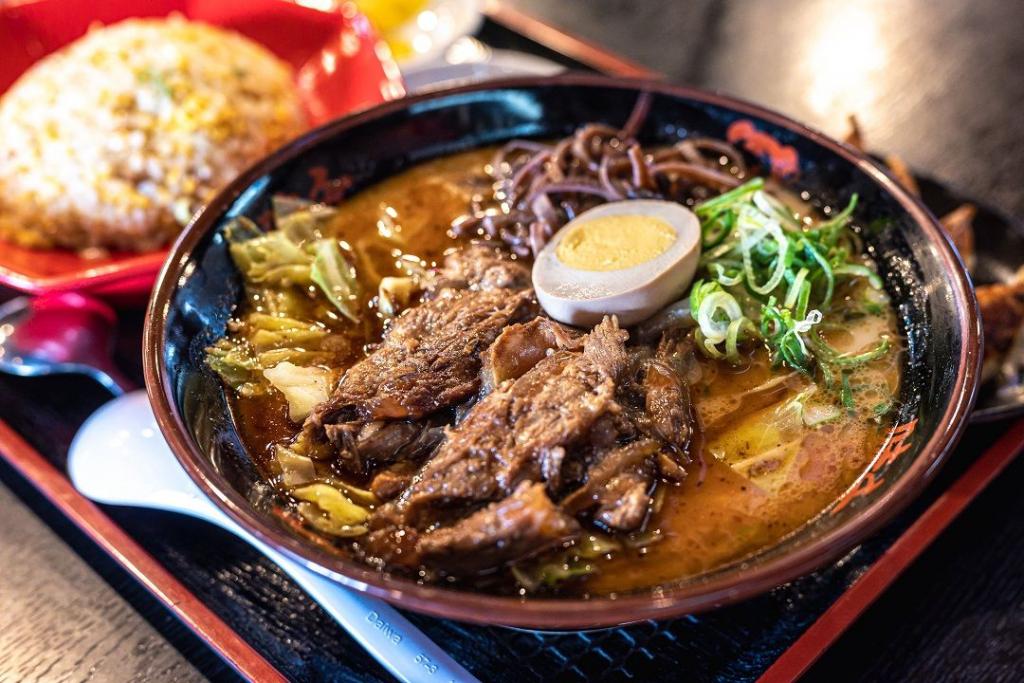
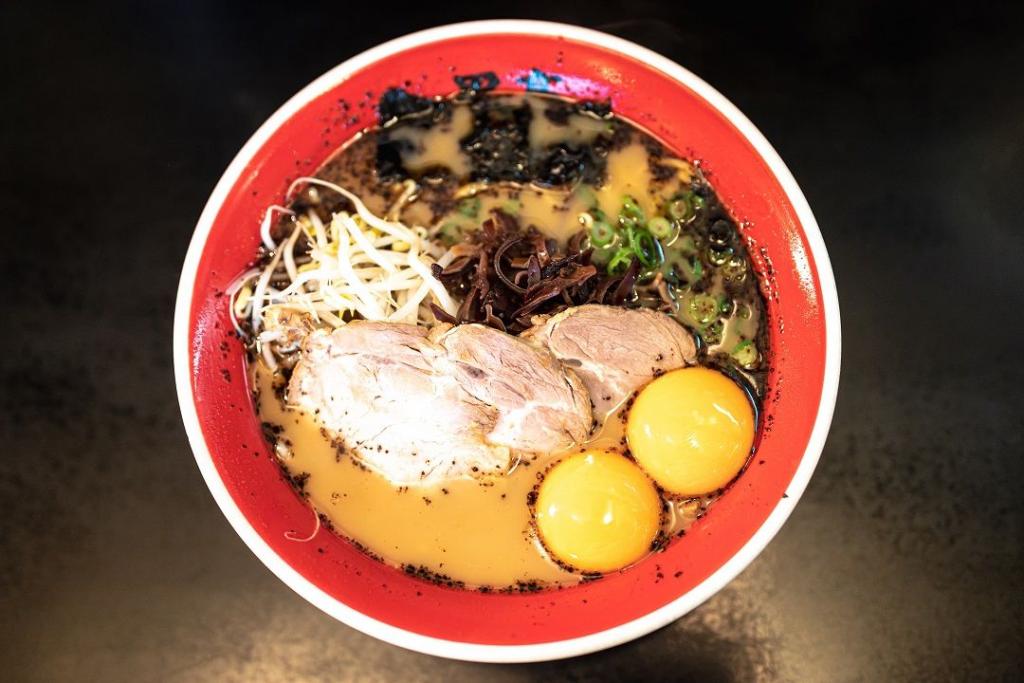
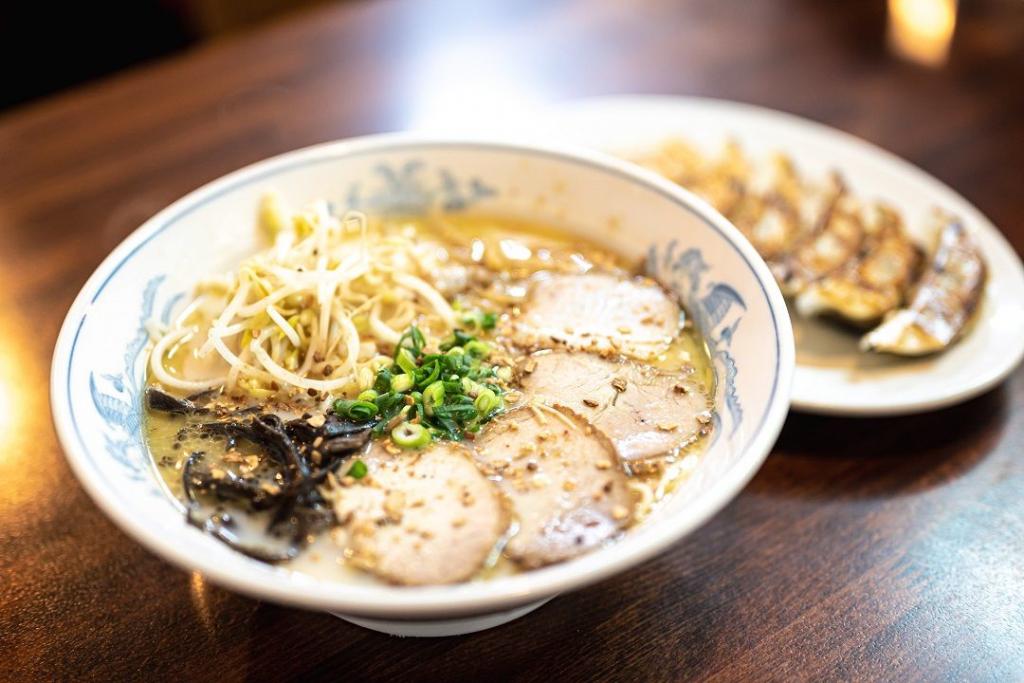
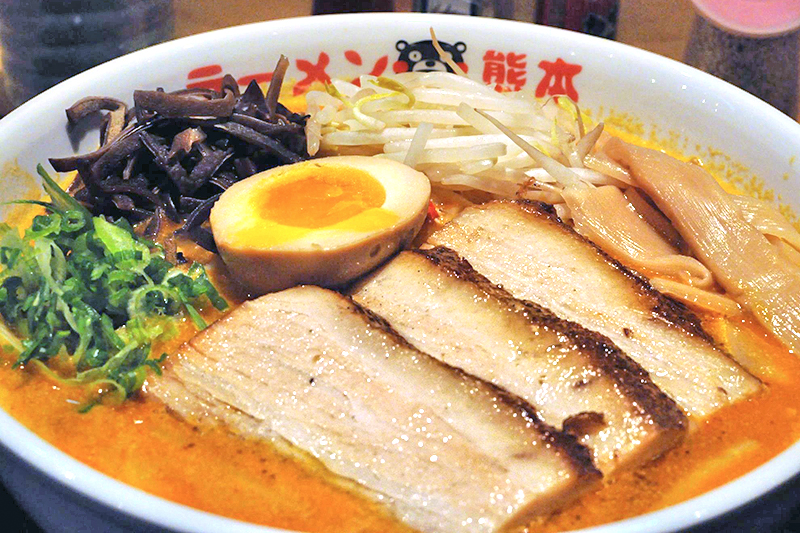
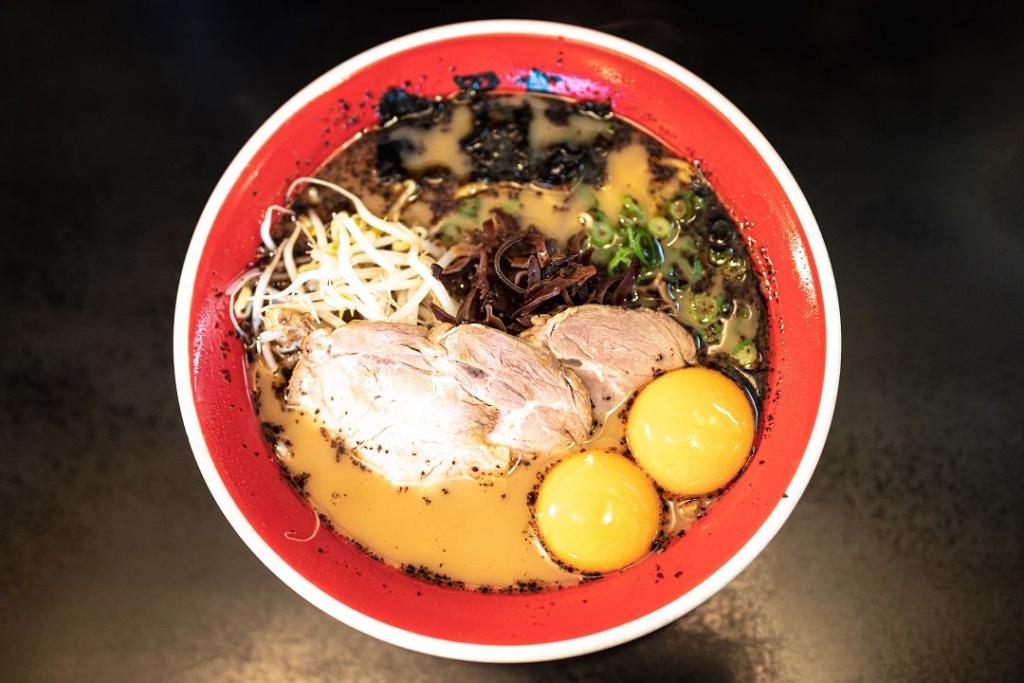
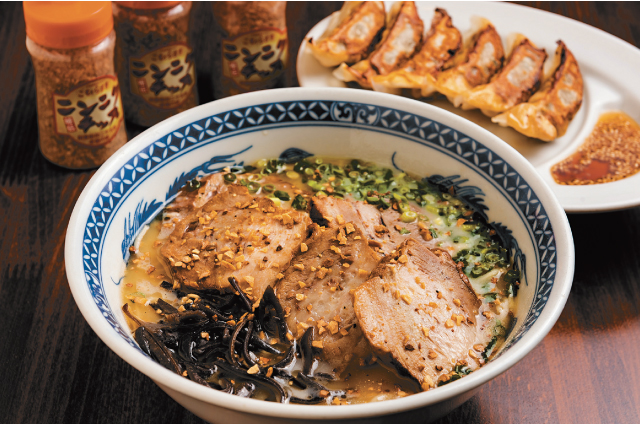
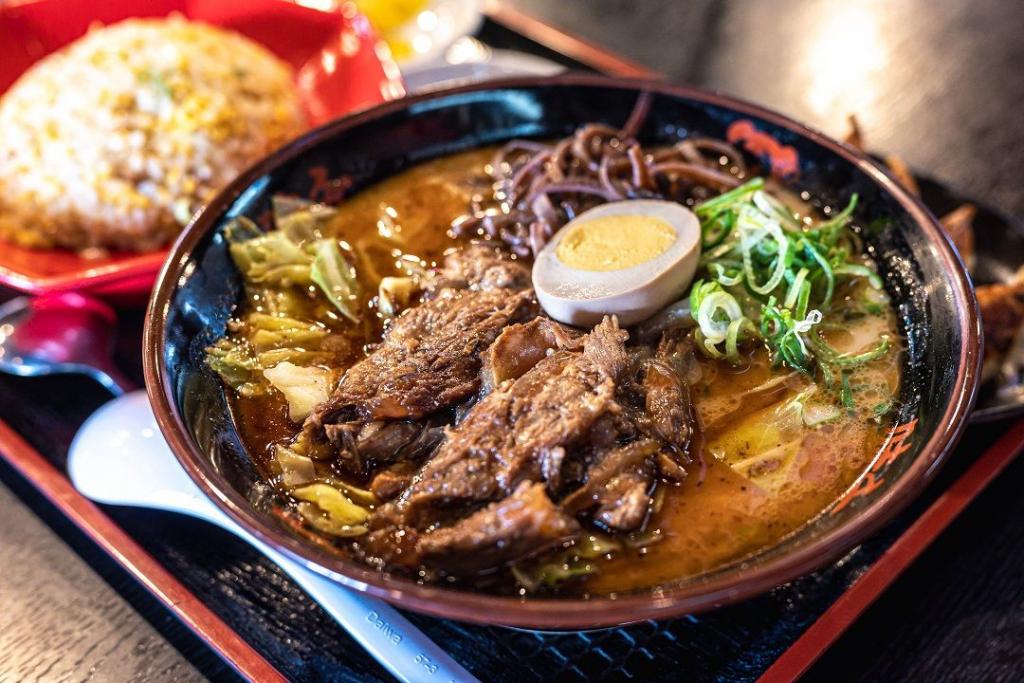
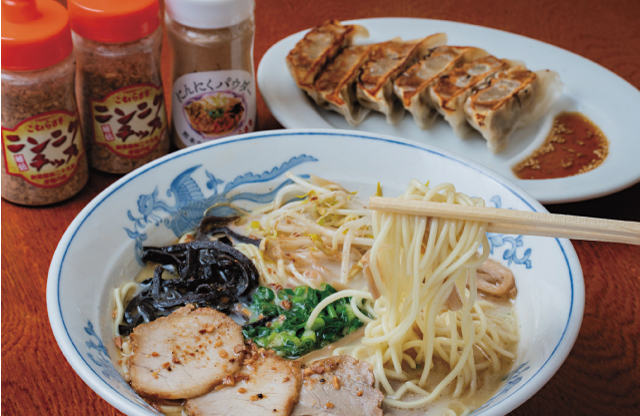
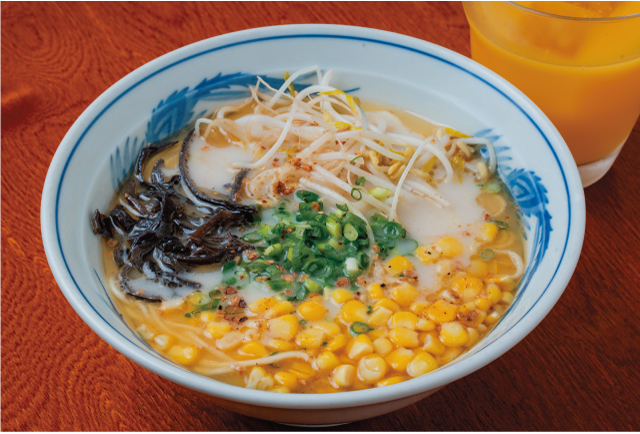
Thick tonkotsu broth with fried garlic chips on top. Darker and more garlicky than Hakata ramen. Ma-oil (burnt garlic oil) is the signature ingredient. Kokuratei and Komurasaki are top shops.

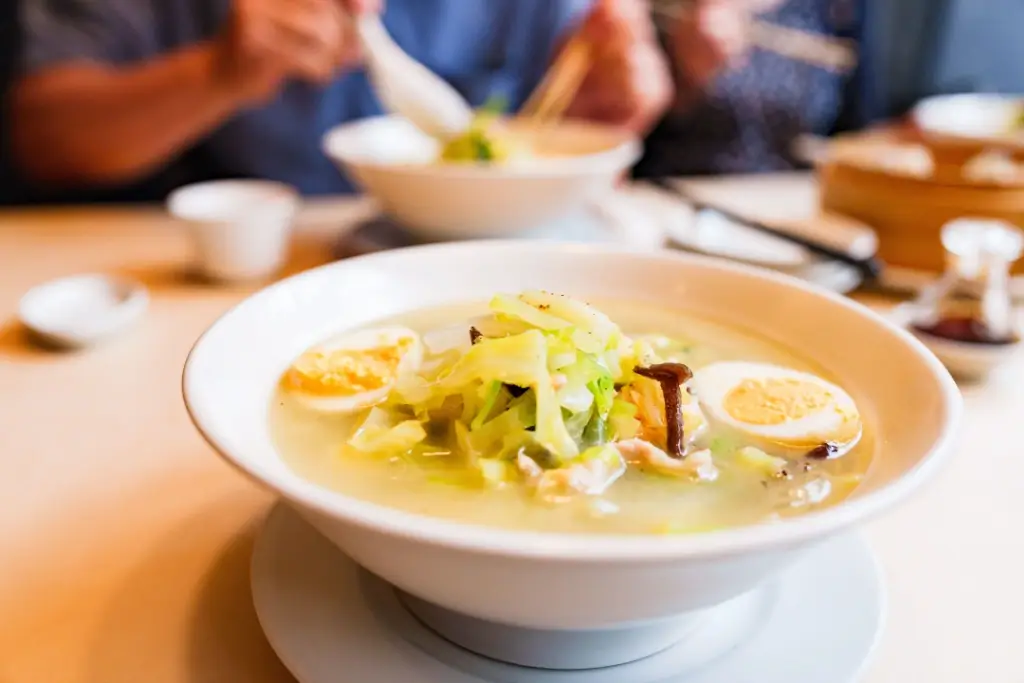
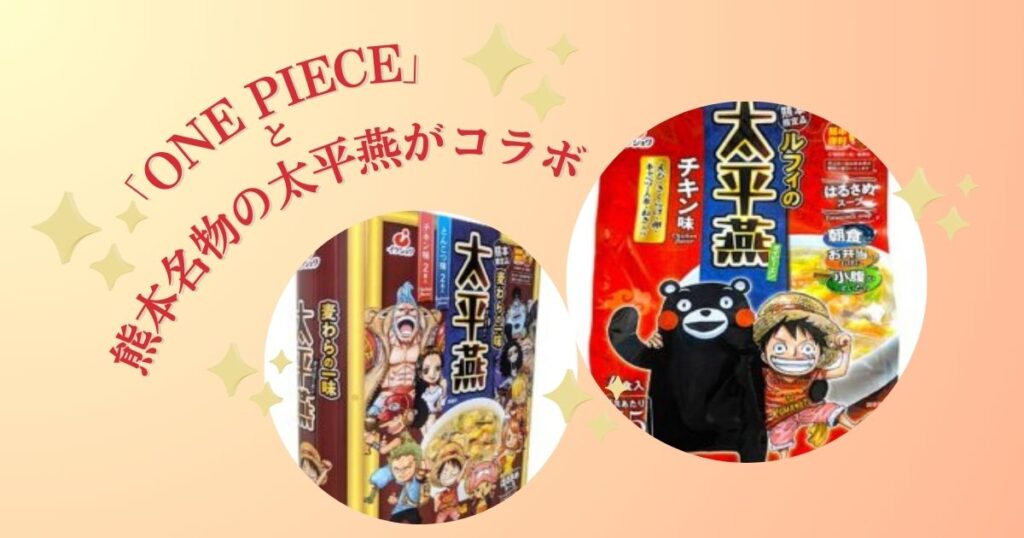
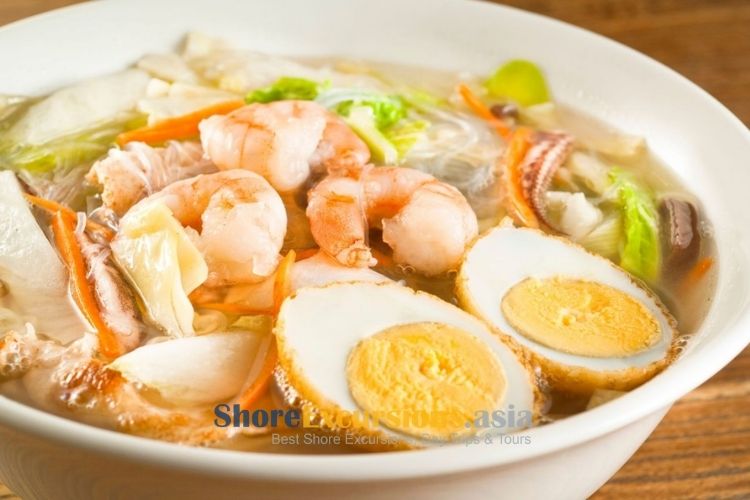
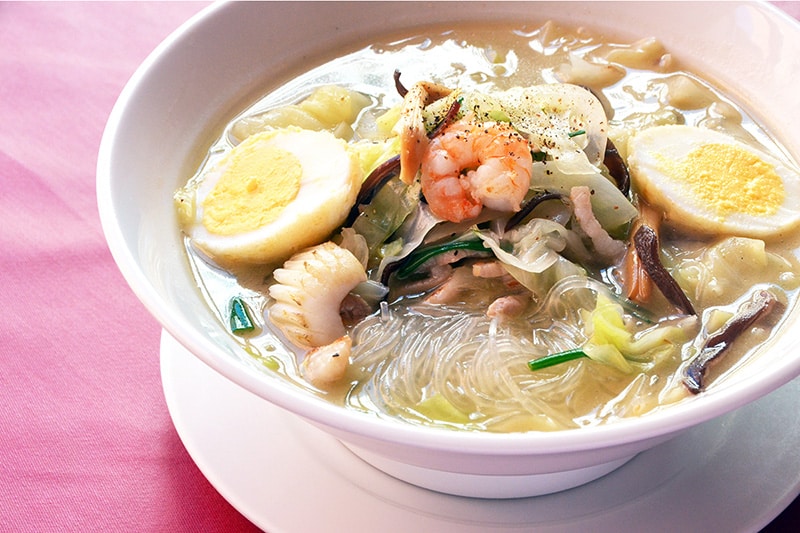
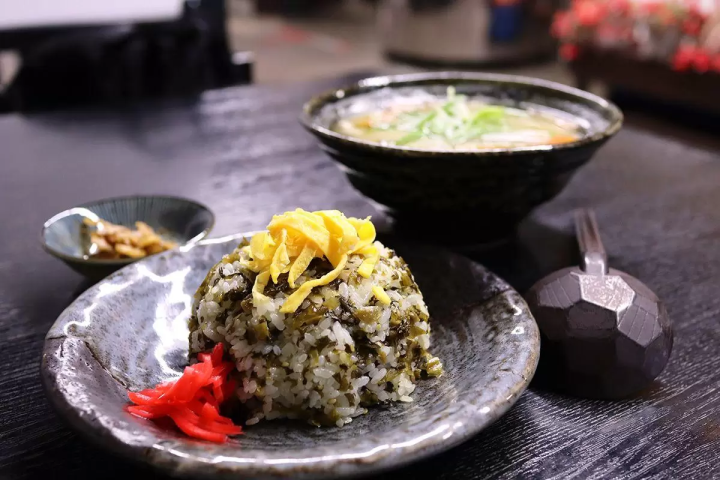
Clear chicken soup with glass noodles, vegetables, seafood, and a soft-boiled egg. Chinese-influenced dish unique to Kumamoto. Lighter and healthier than ramen. A local soul food.

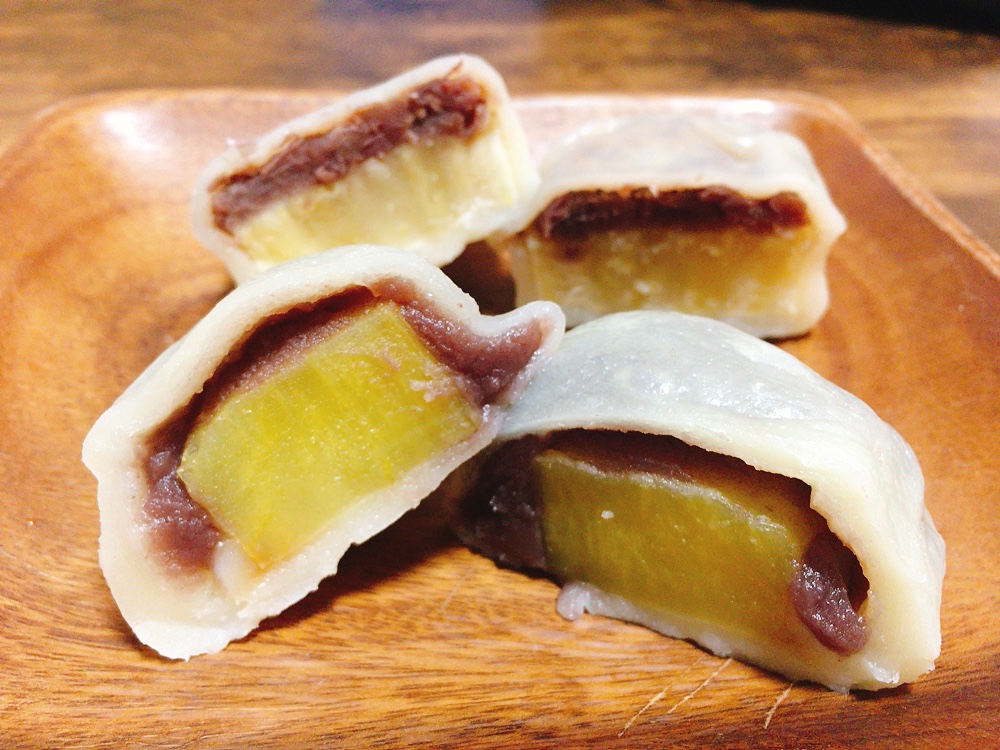
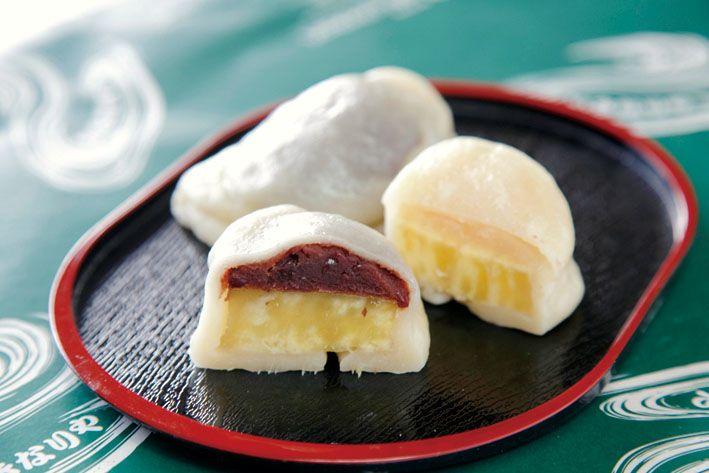
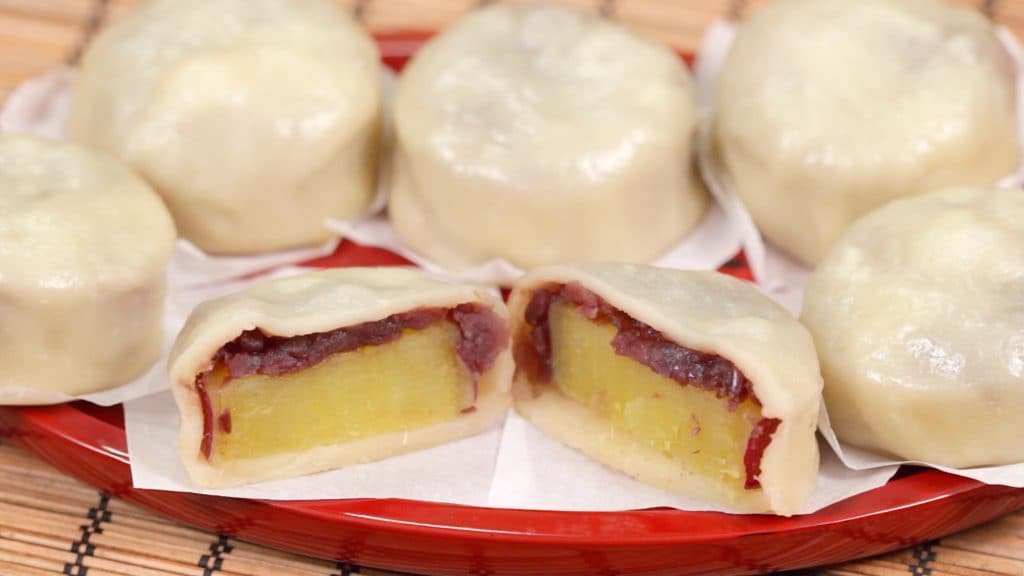
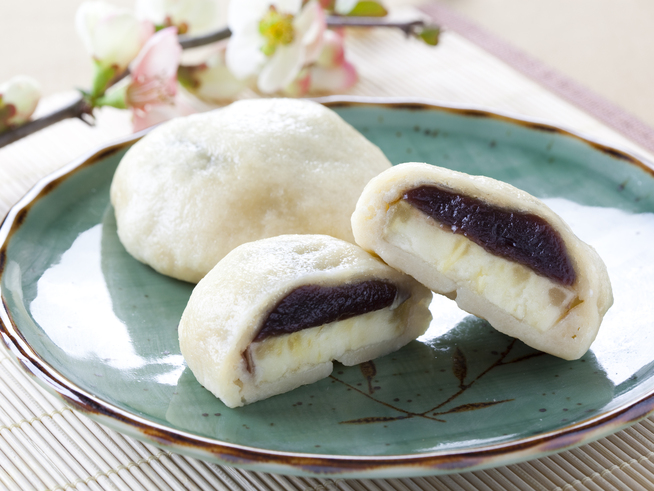
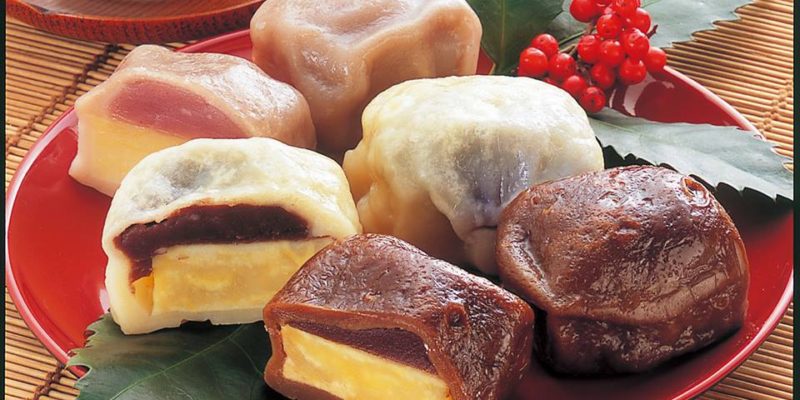
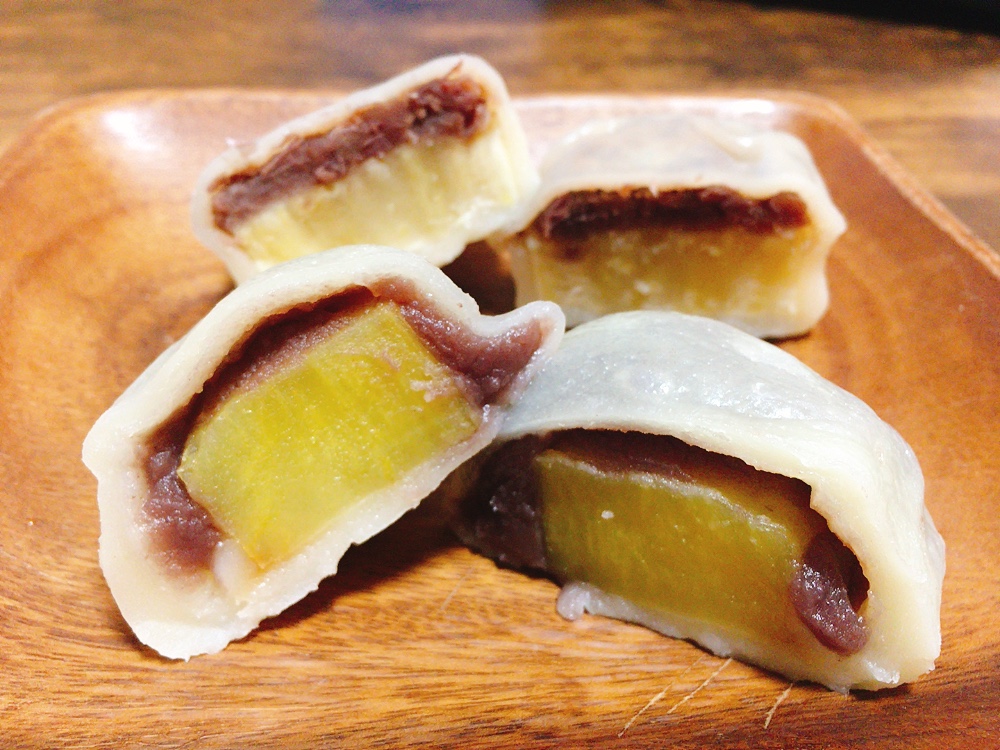
Sweet potato and red bean wrapped in mochi dough and steamed. Kumamoto's beloved traditional sweet. 'Ikinari' means 'suddenly' because they are so quick to make.

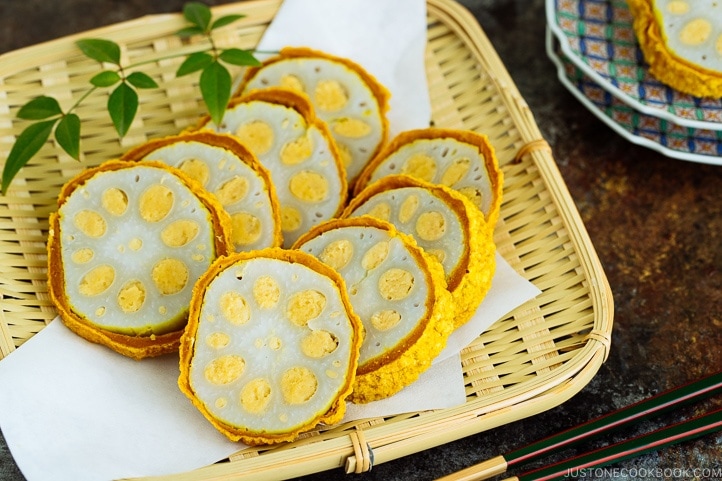
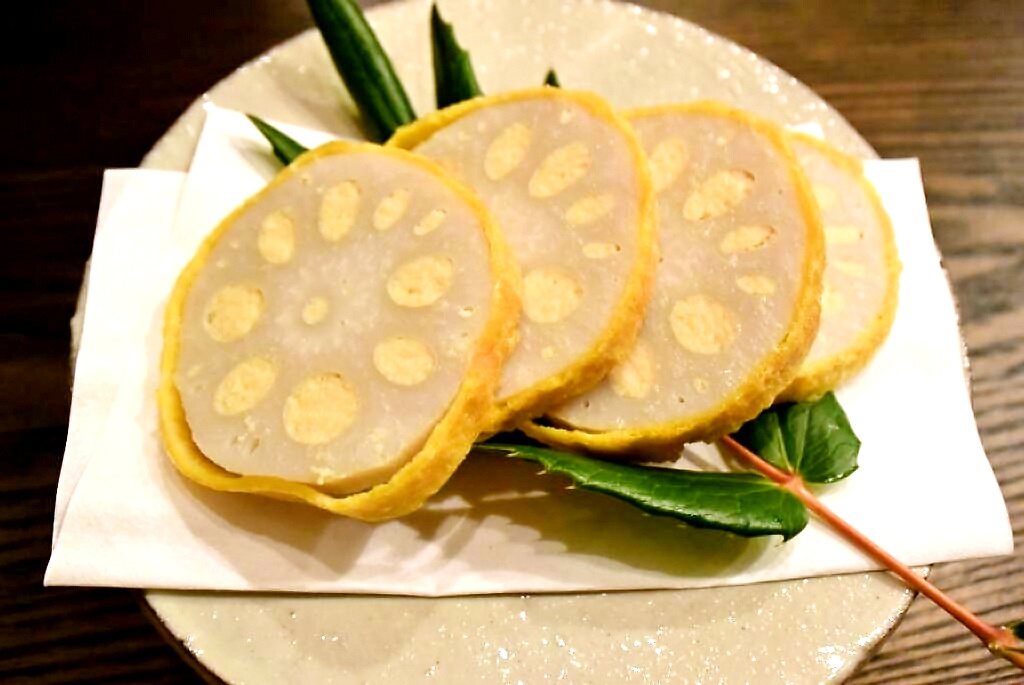
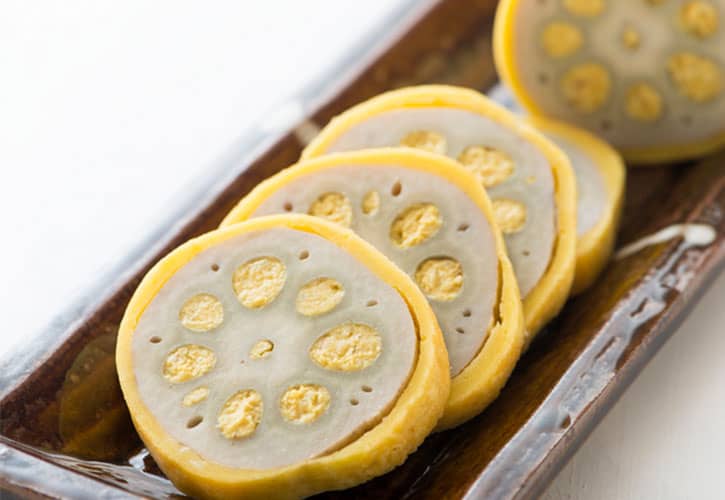
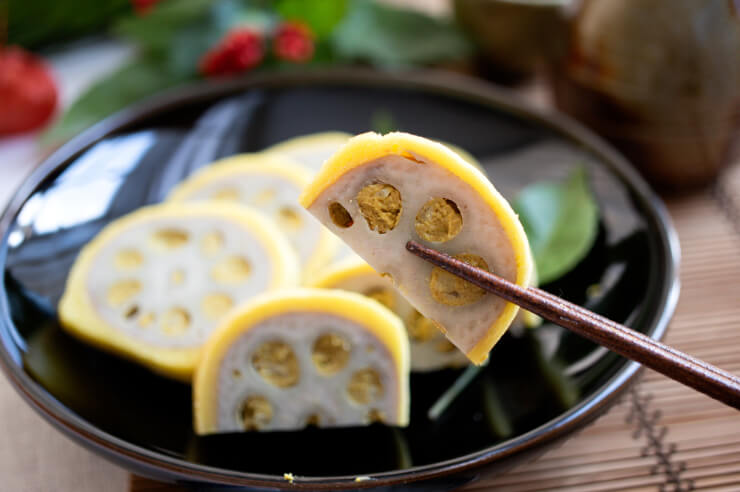
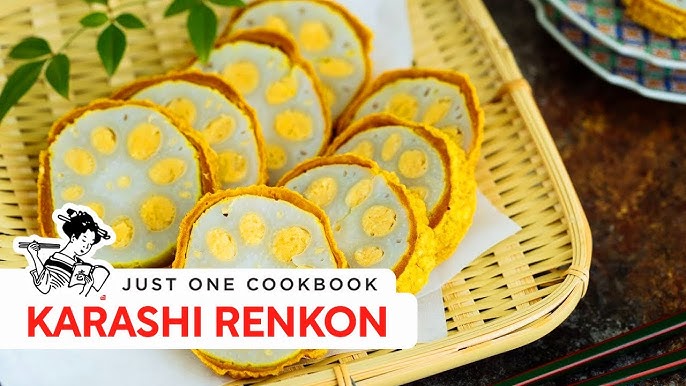
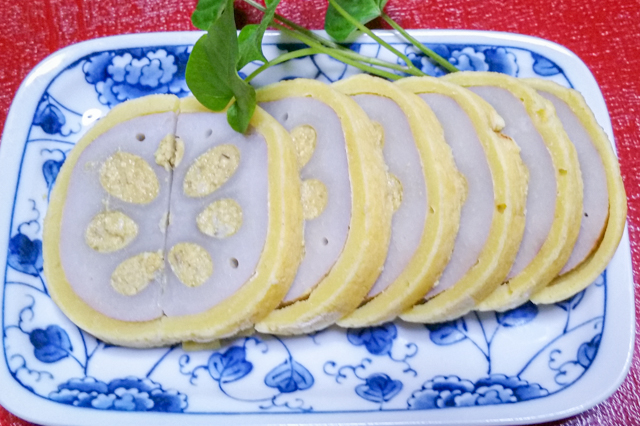
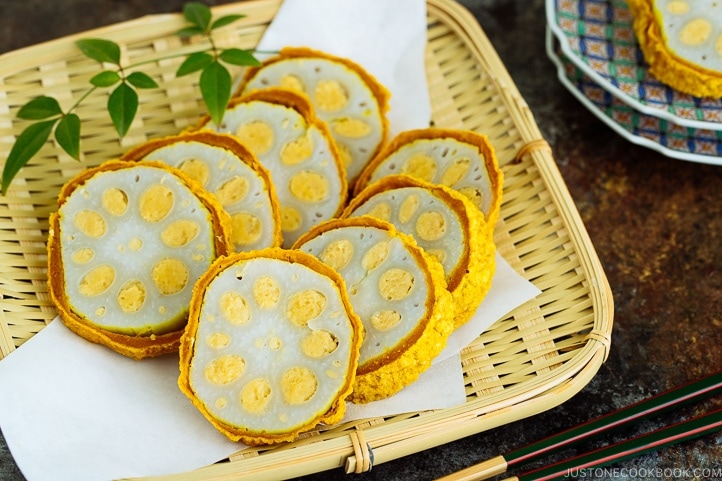
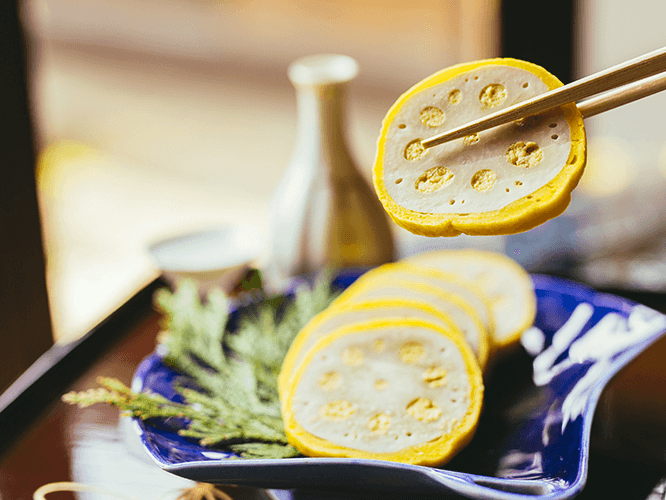
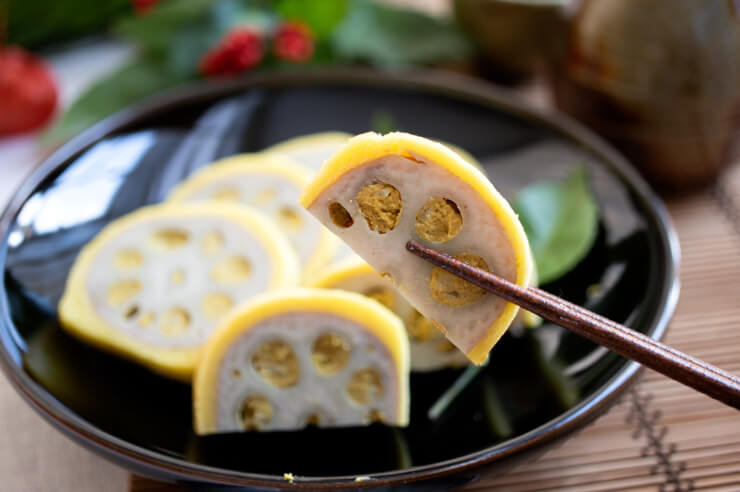
Lotus root stuffed with spicy karashi mustard and miso, deep fried in yellow turmeric batter. Crunchy outside, fiery inside. A unique Kumamoto delicacy.

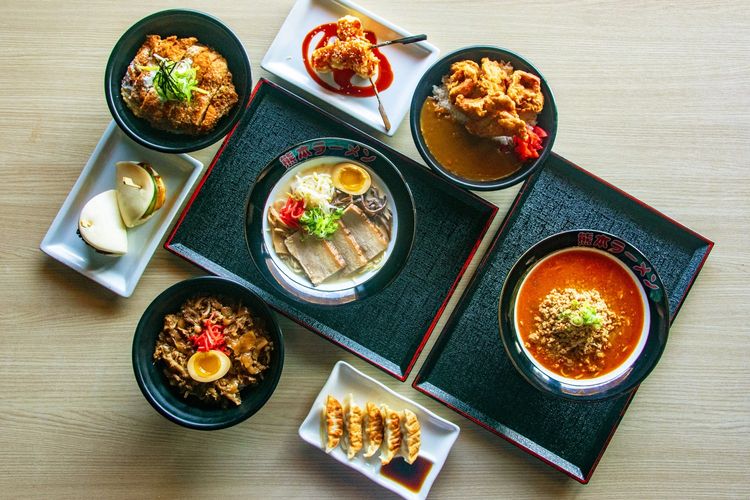
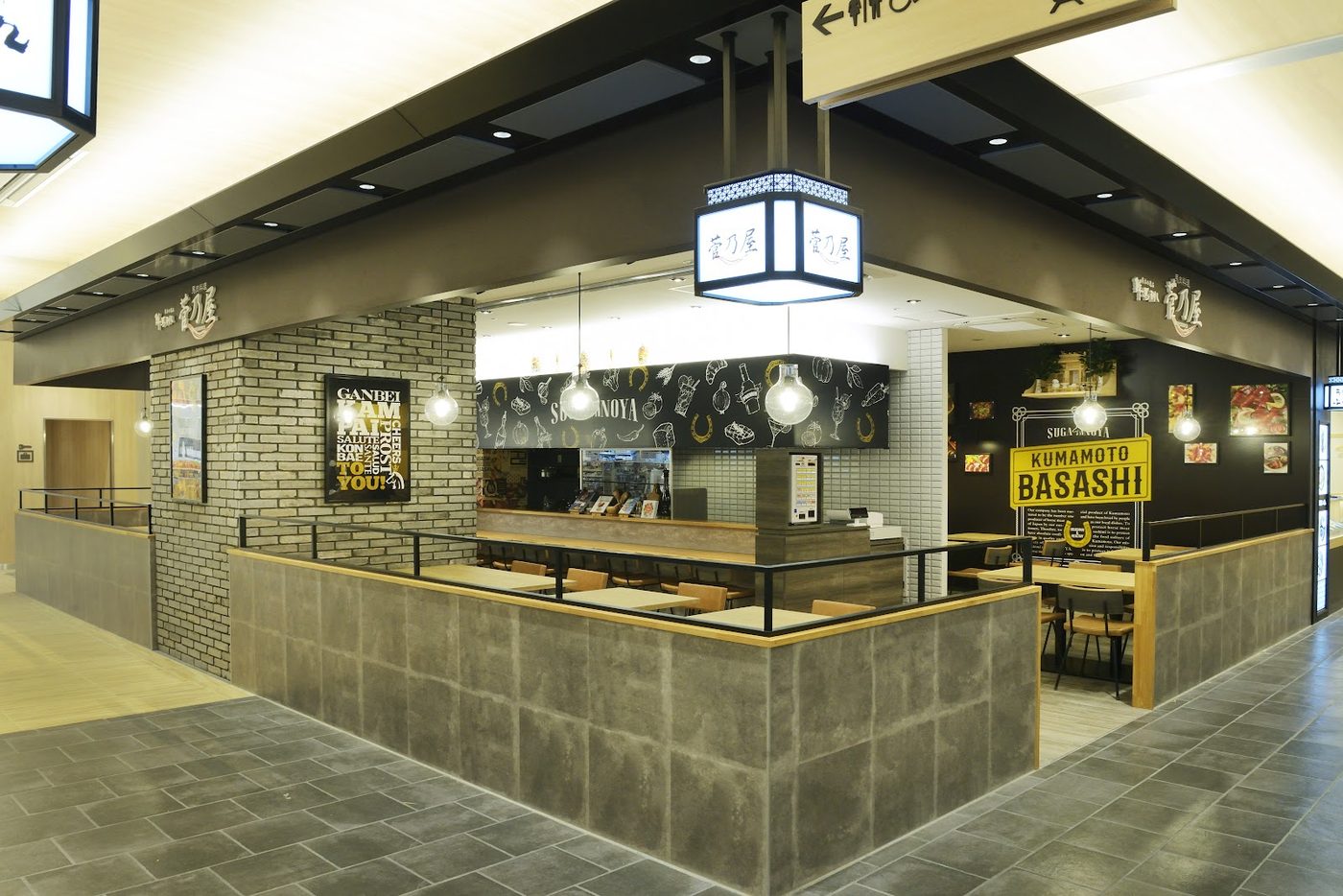
Food hall in the castle town complex featuring all of Kumamoto's signature dishes. Multiple restaurants under one roof. Try basashi, taipien, and karashirenkon in one sitting.

One of the top Kumamoto ramen shops. Their tonkotsu broth with burnt garlic oil is the gold standard. Located in the Shimotori shopping arcade. Lines form at peak hours.

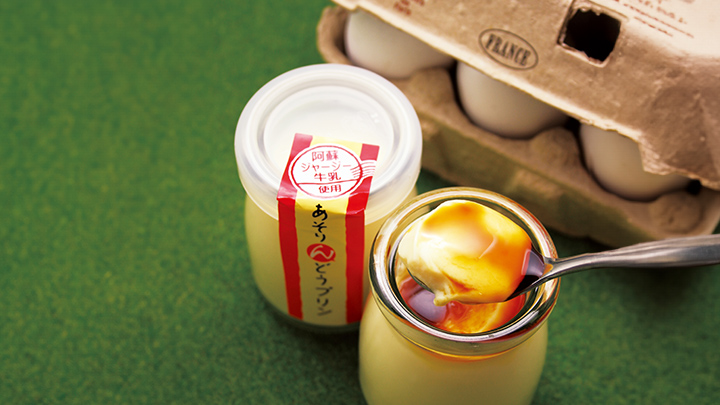
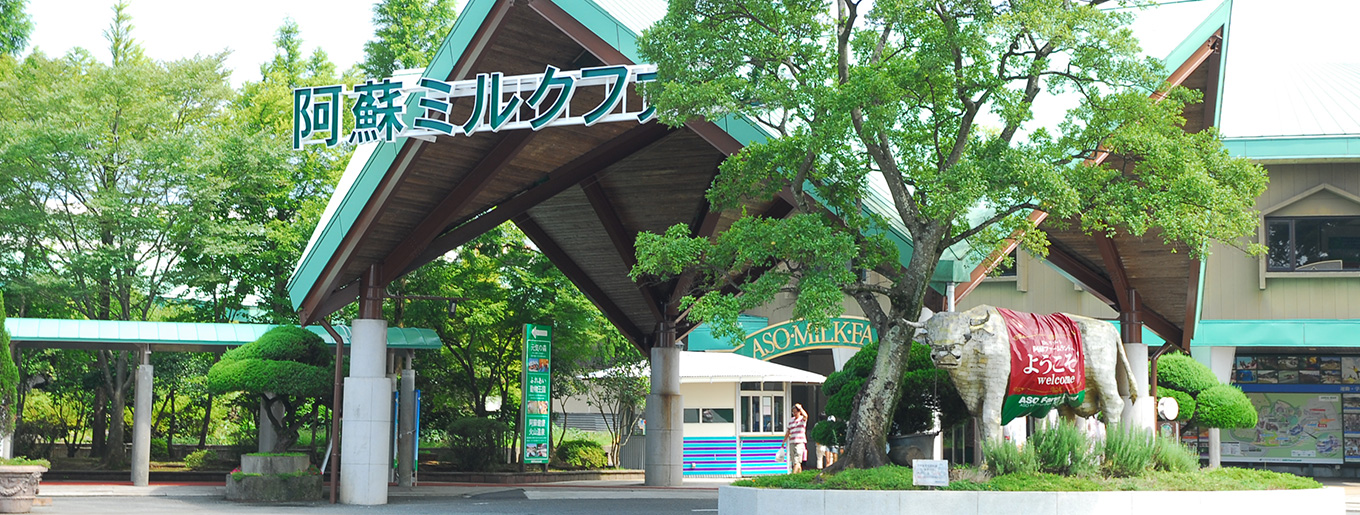
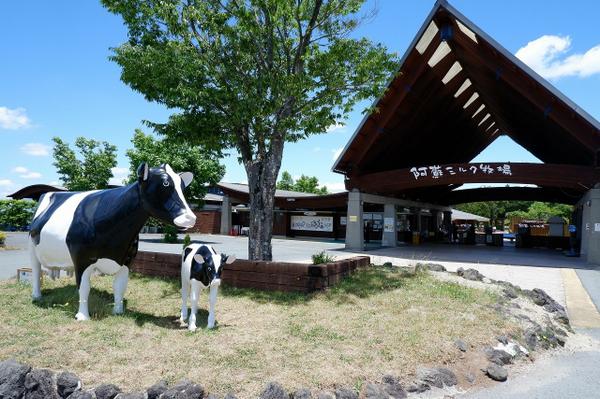
Working dairy farm where you can try ultra-fresh Aso milk, cheese, and soft-serve ice cream. The milk is noticeably sweeter and creamier than store-bought. Farm tours available.

At the crater approach, vendors sell eggs hard-boiled in volcanic steam. The sulfurous minerals color the shell and give a distinct flavor. A signature Aso volcanic snack.

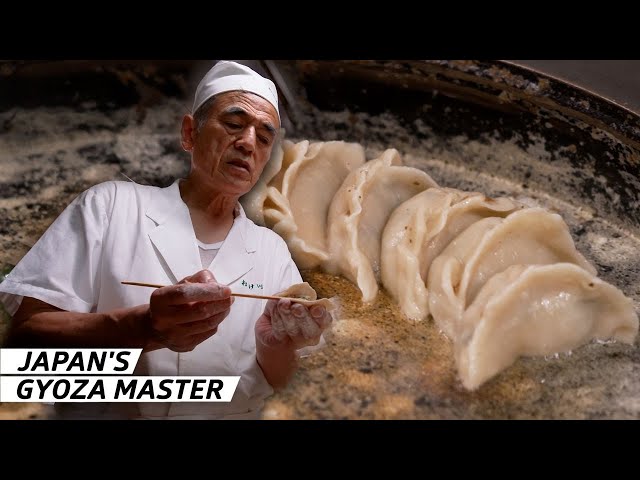
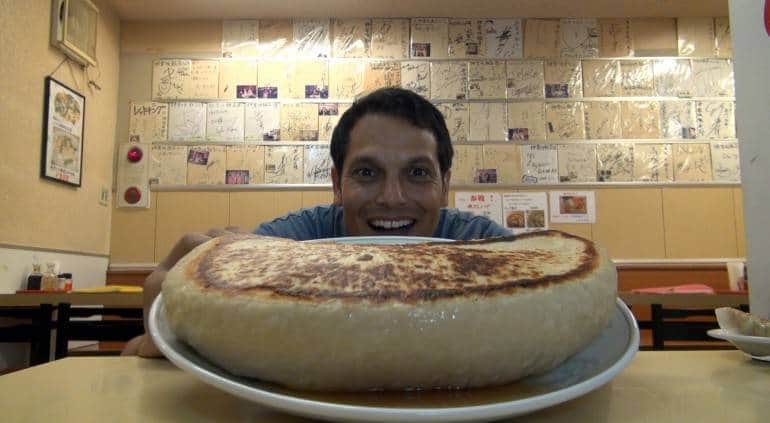
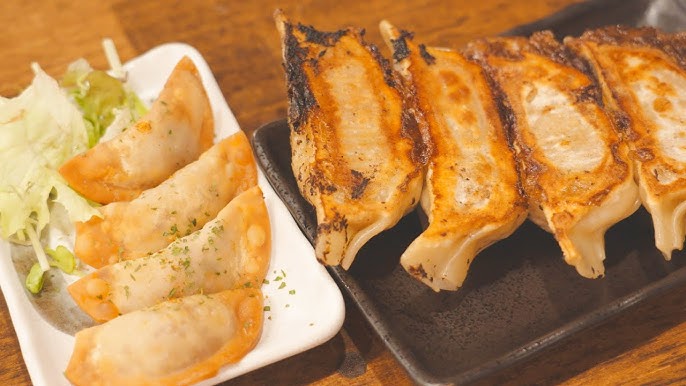
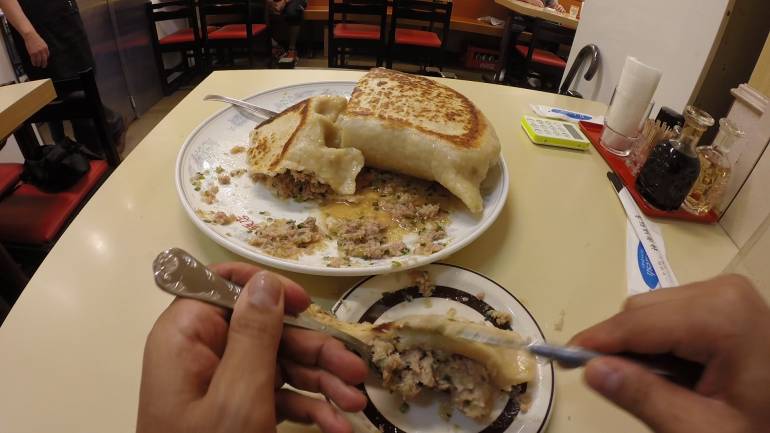
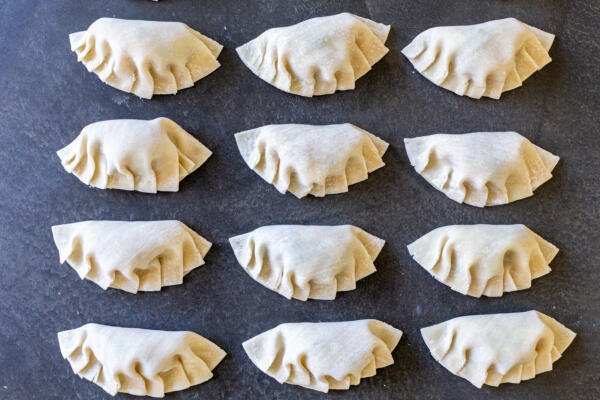
Famous local gyoza chain. Crispy pan-fried dumplings with a generous filling. Multiple locations but the original shop has the most character. Very affordable.

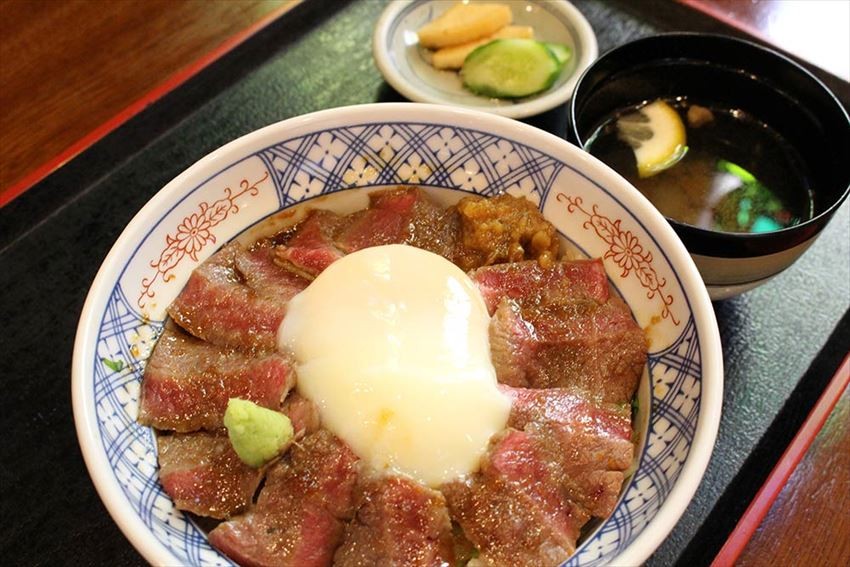
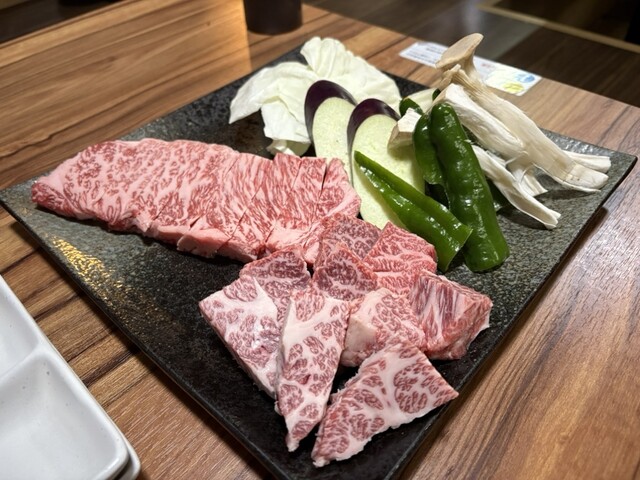
Excellent local restaurant serving Aso-raised red wagyu beef. Grilled over charcoal. Different from the heavily marbled wagyu elsewhere. Leaner but deeply flavorful.

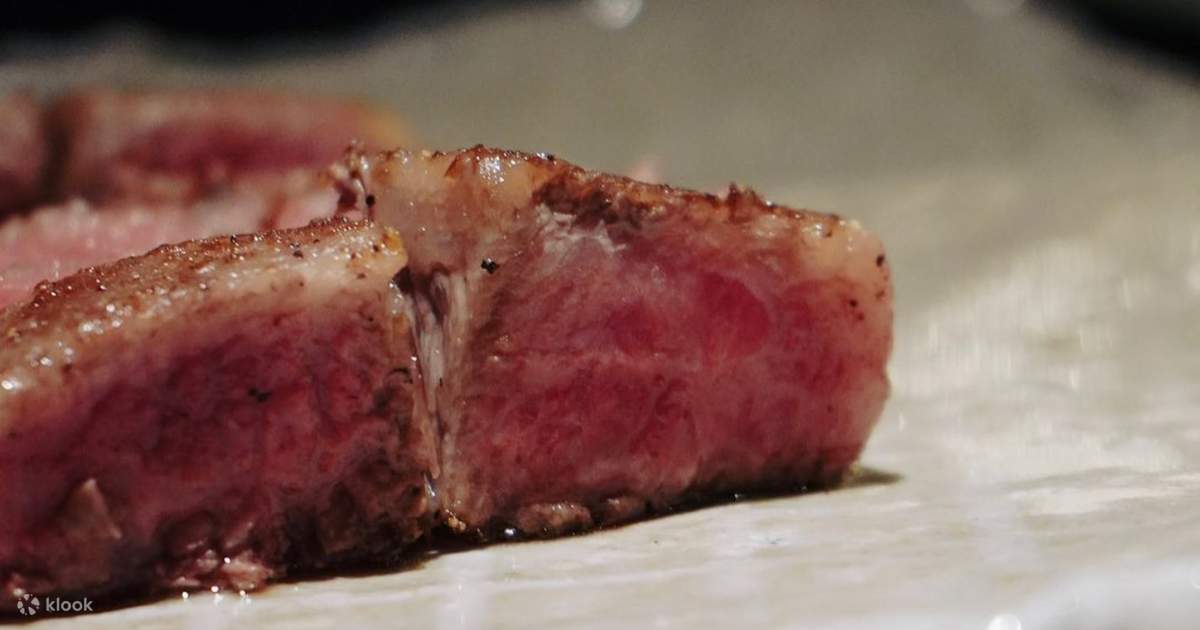
Kumamoto's shocking specialty, raw horse meat (basashi) served as sashimi. The deep red meat is surprisingly sweet and tender. Eaten...
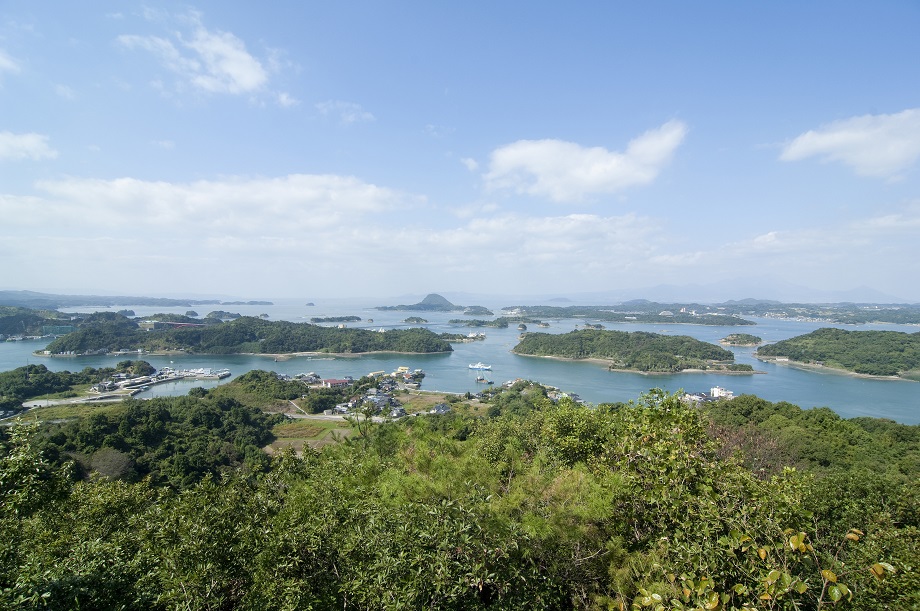
Matsushima Bay, volcanic crater lakes, and fox-filled mountains.

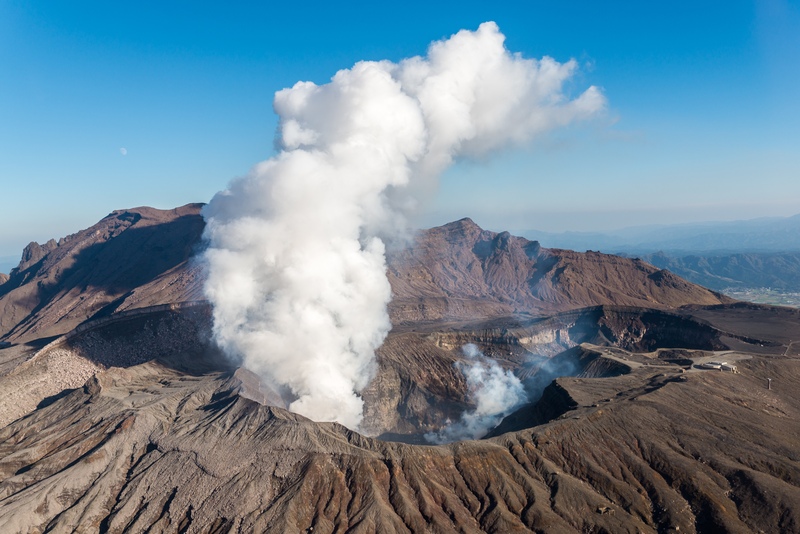
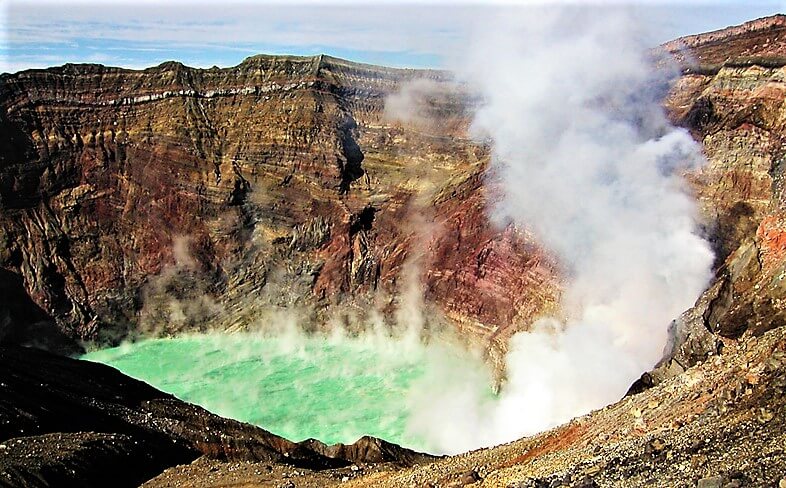
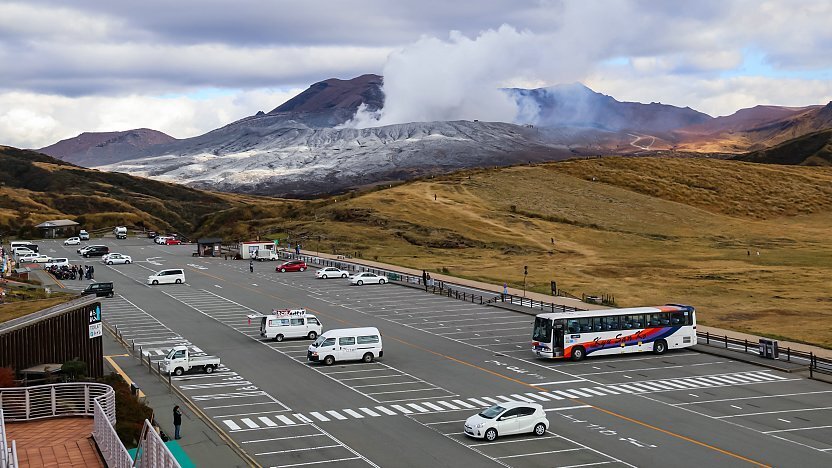
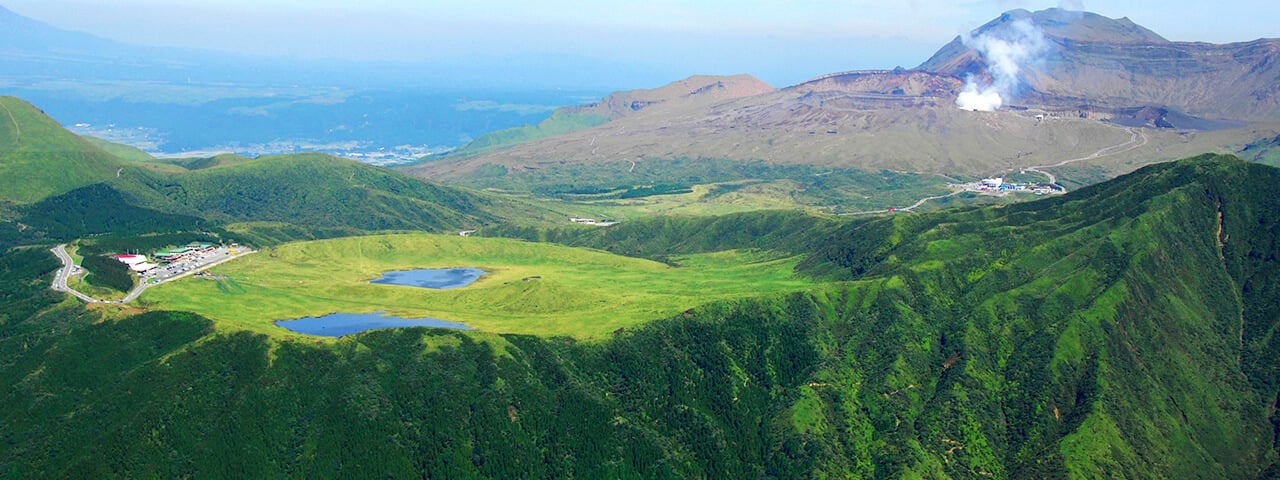
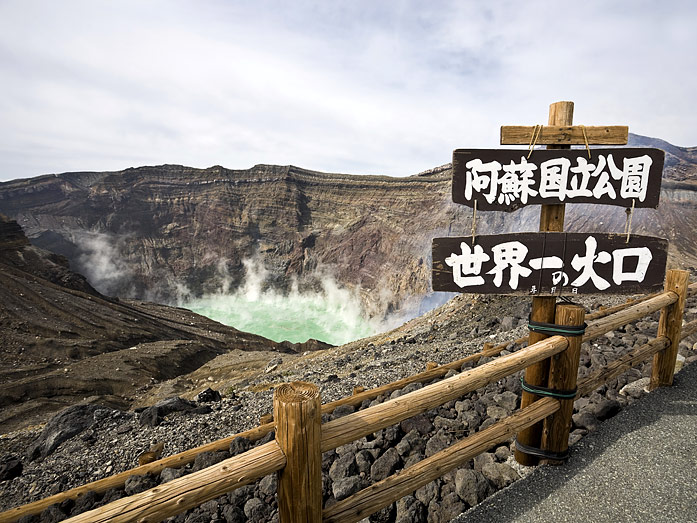
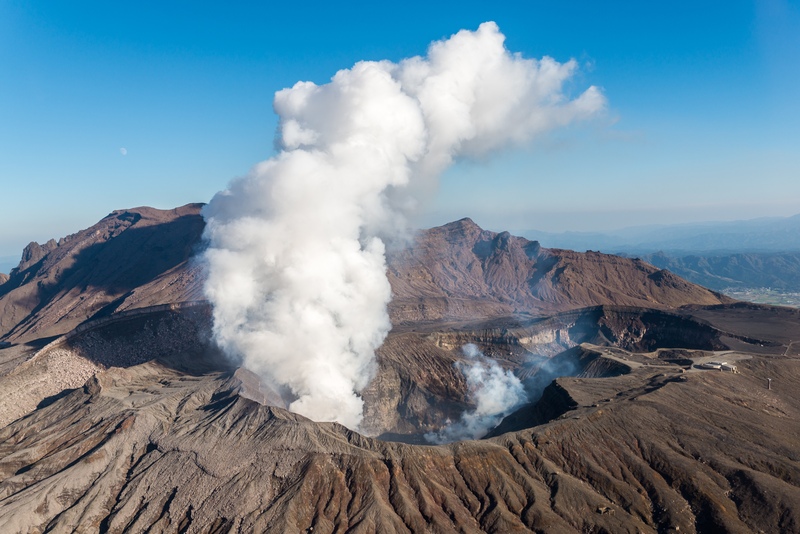
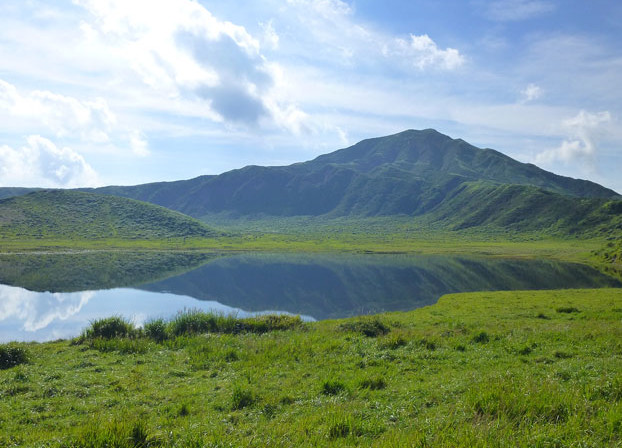
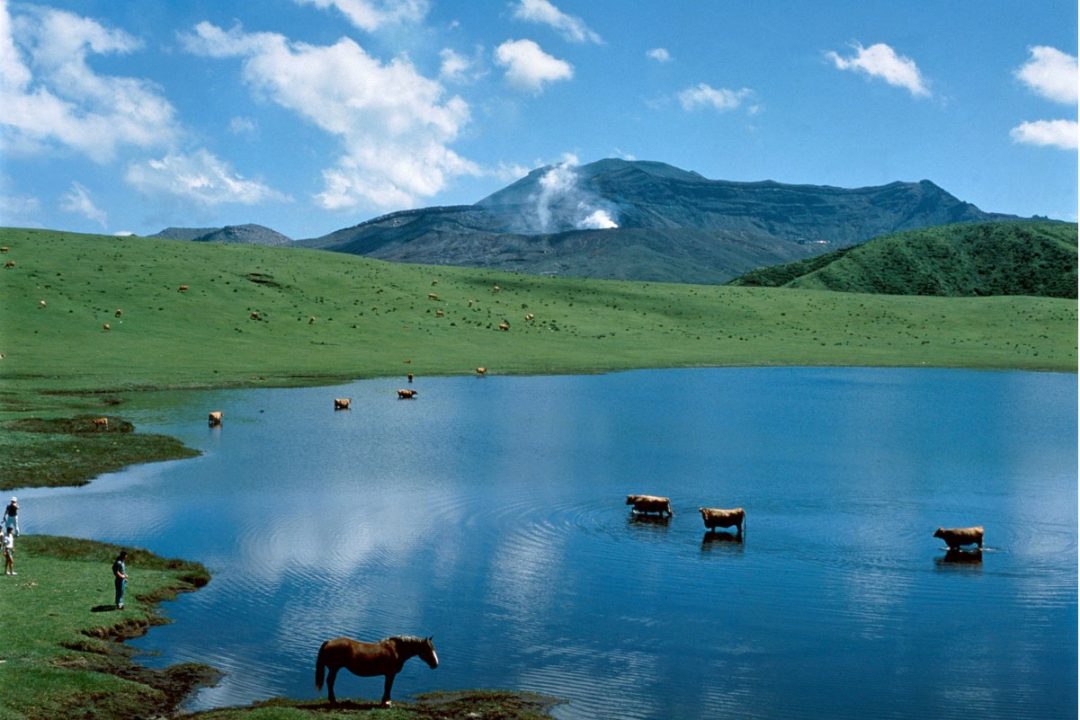
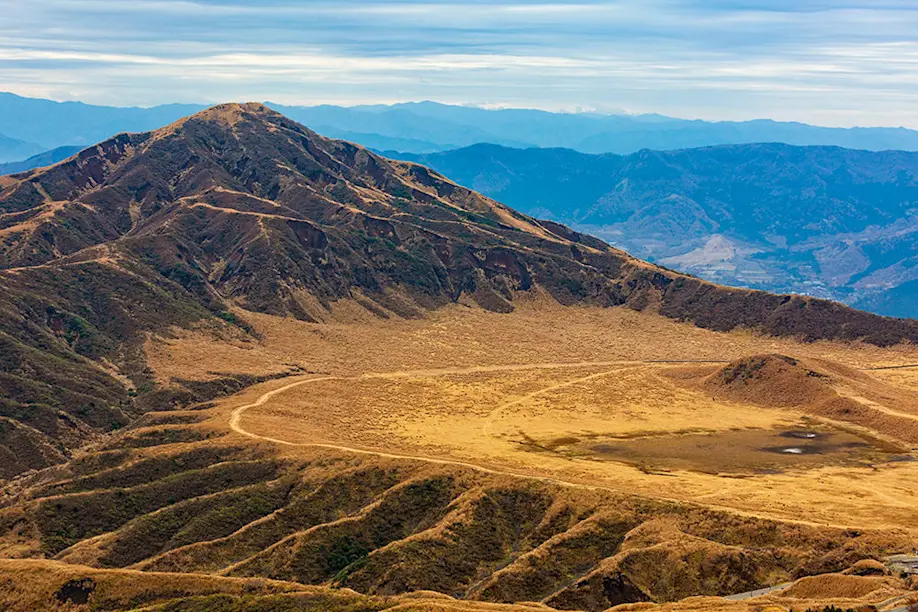
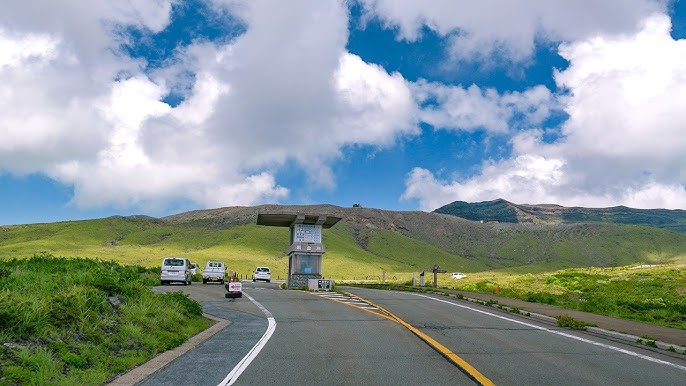
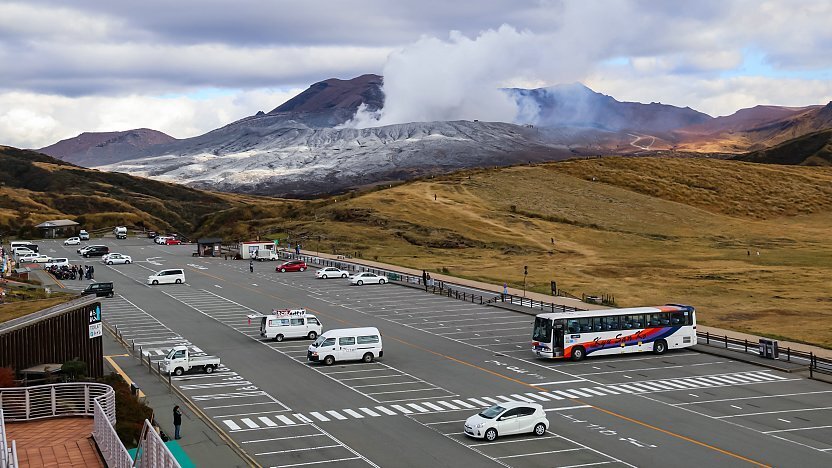
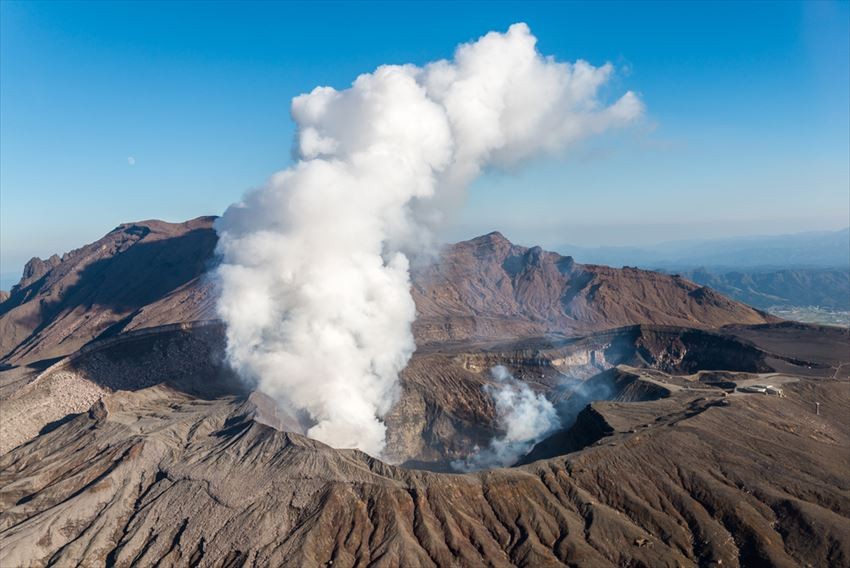
The world's largest volcanic caldera. The main Nakadake crater is one of the most active in Japan. When conditions allow, you can approach the crater rim and see the steaming turquoise lake.

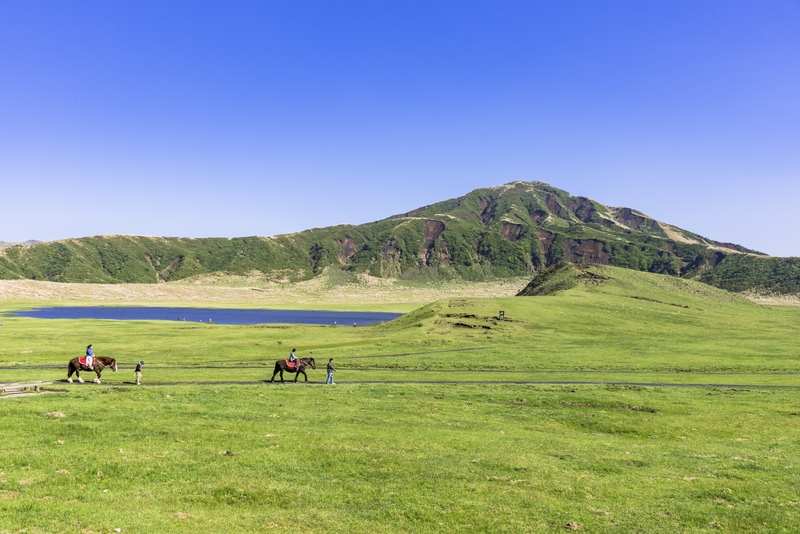
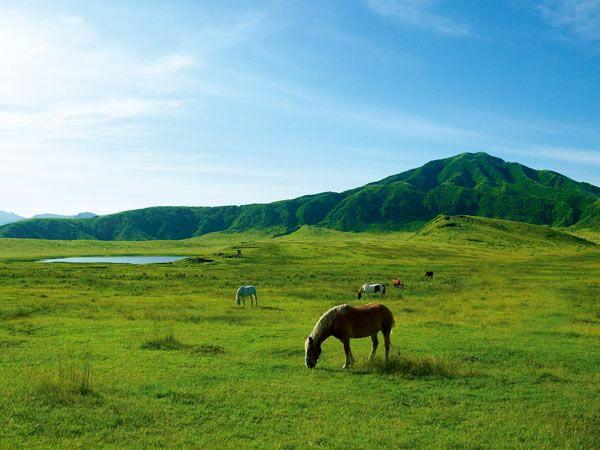
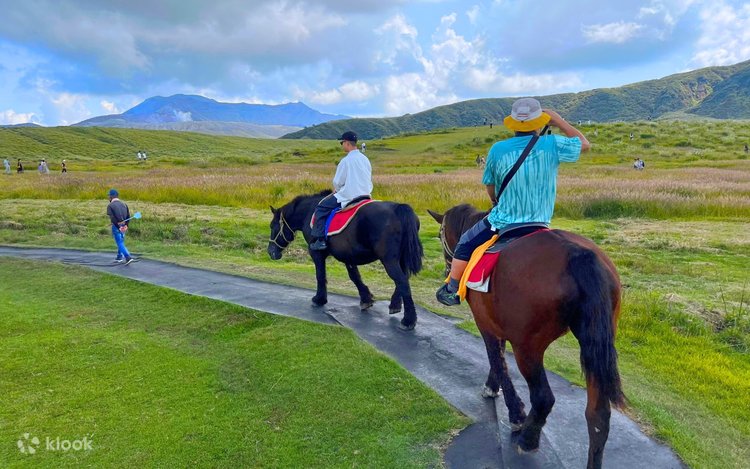
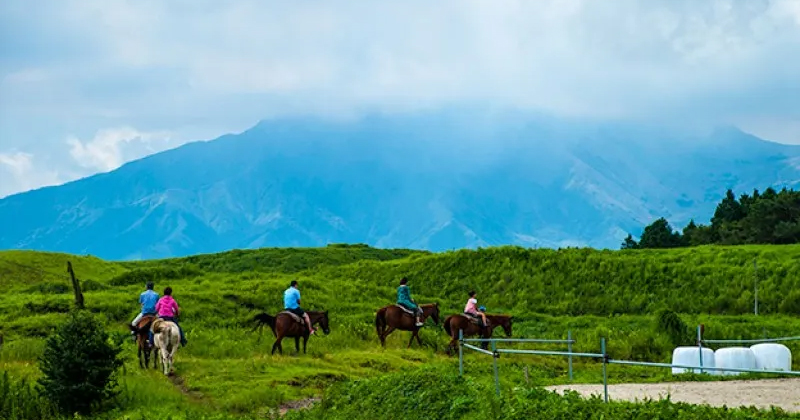
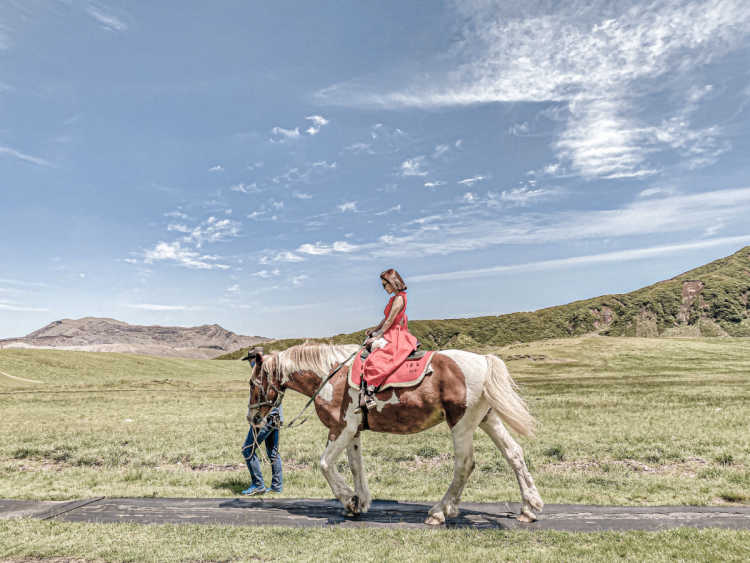
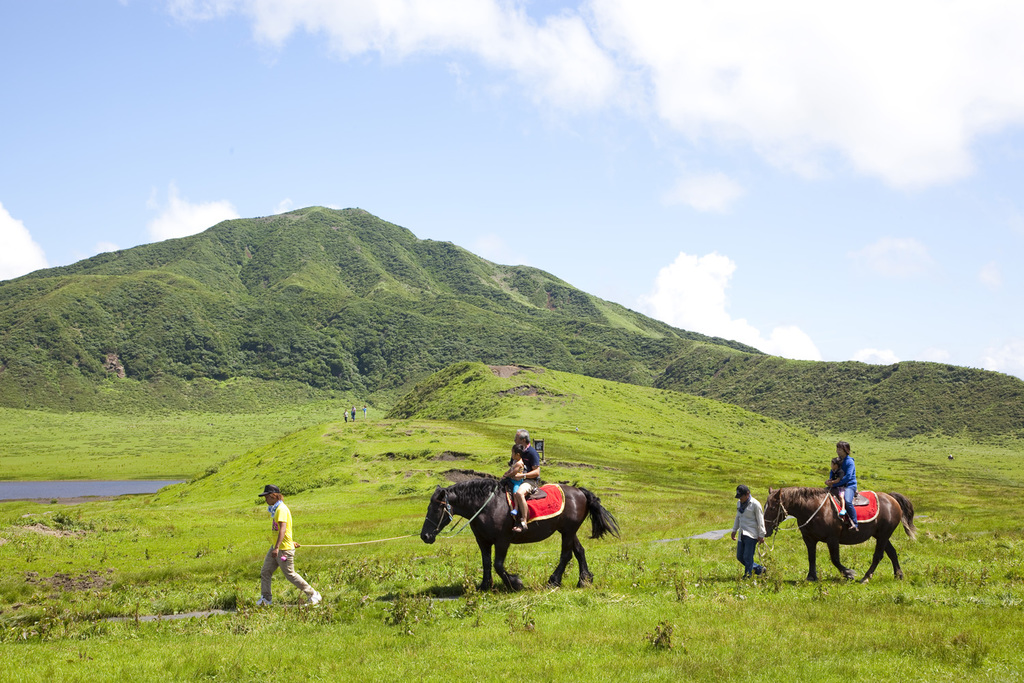
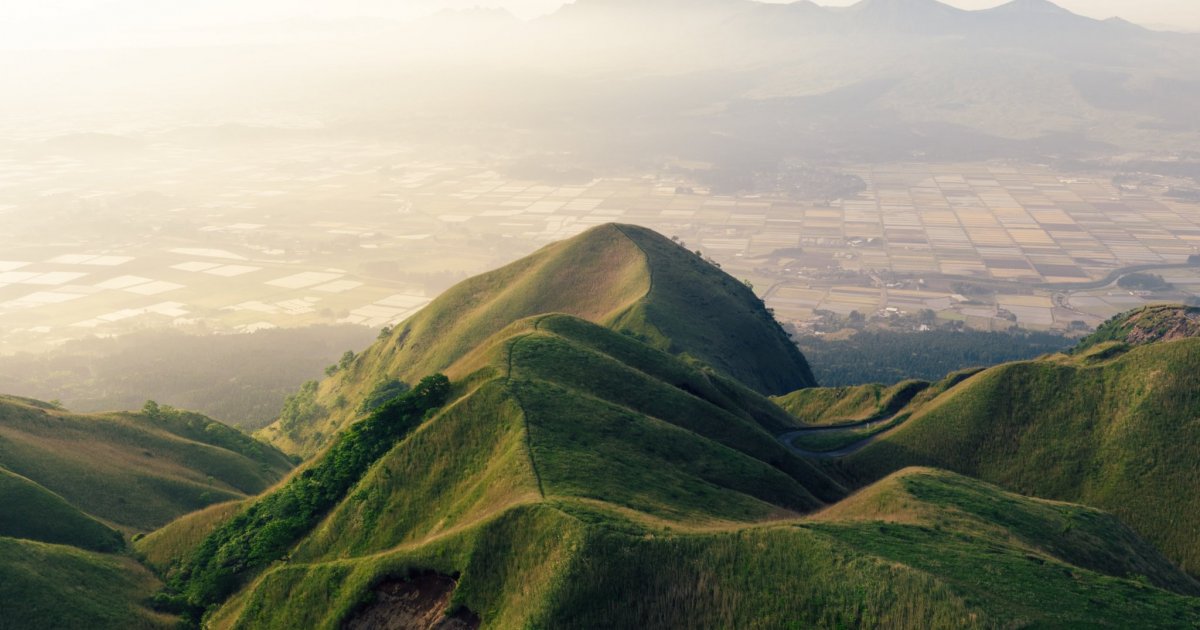
Vast highland grassland inside the caldera. Horseback riding across the plains with volcanic peaks in every direction. The controlled grass-burning in spring is a dramatic sight.

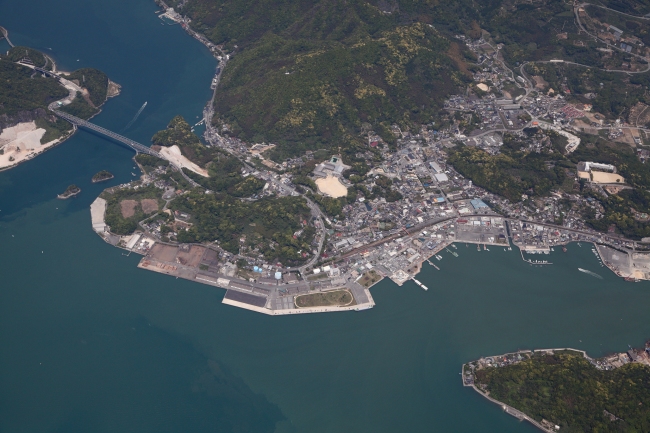
Peninsula south of Kumamoto with dramatic cliff coastlines. Misumi West Port (UNESCO World Heritage) is a perfectly preserved Meiji-era stone pier. Quiet fishing villages. 1 hour from Kumamoto.

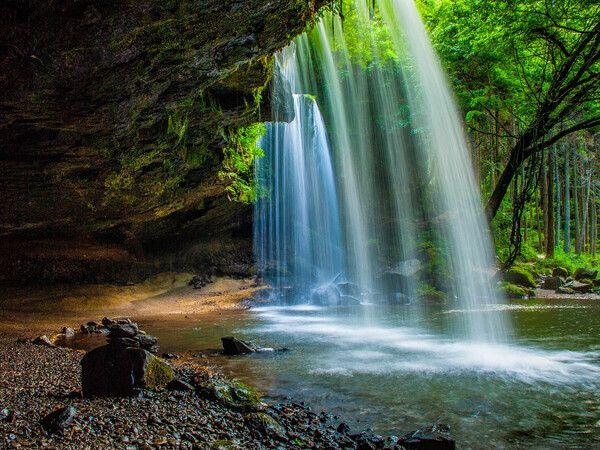
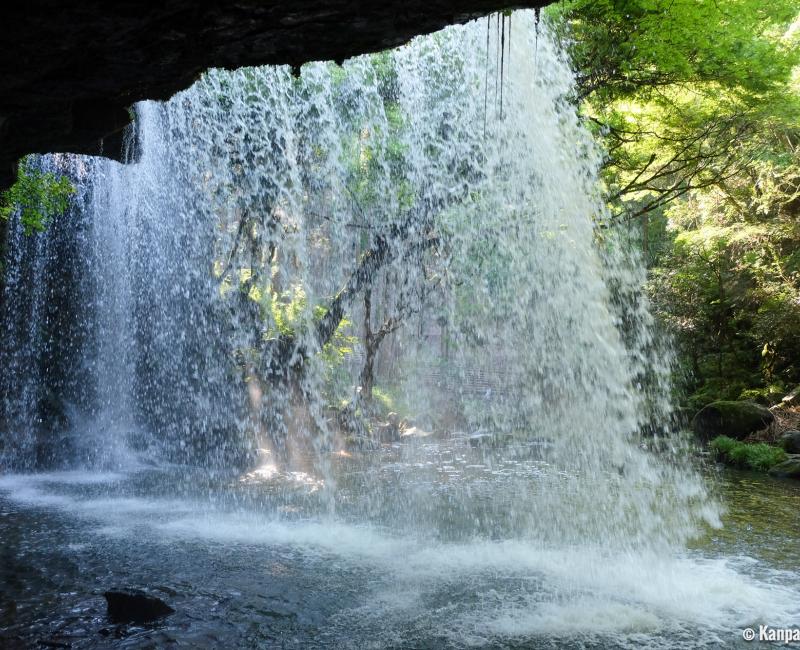
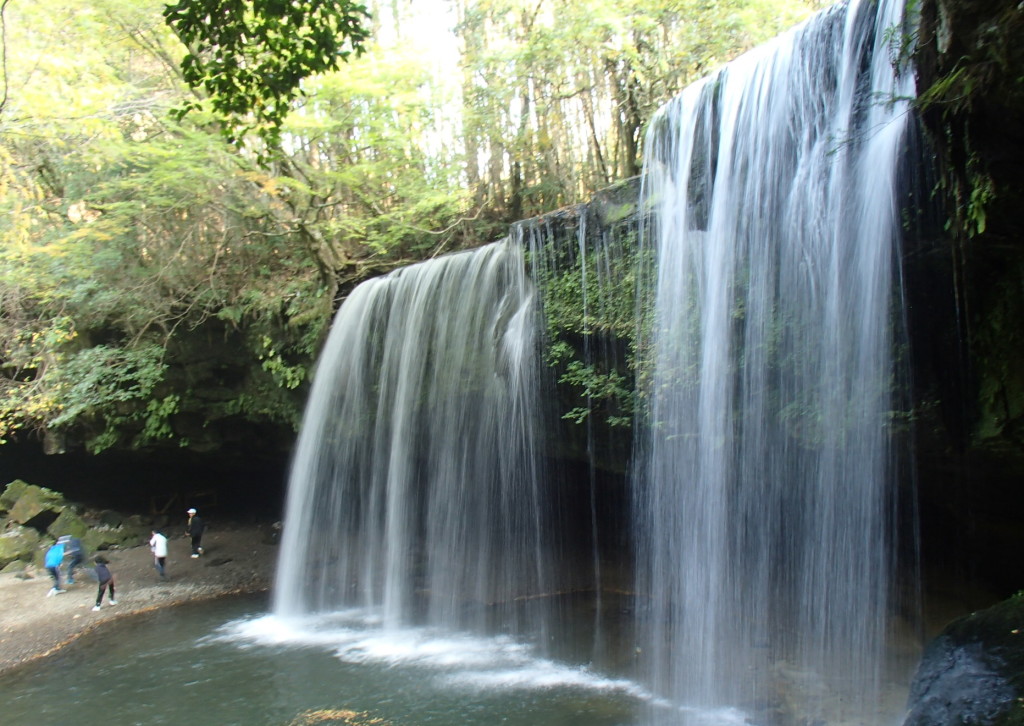
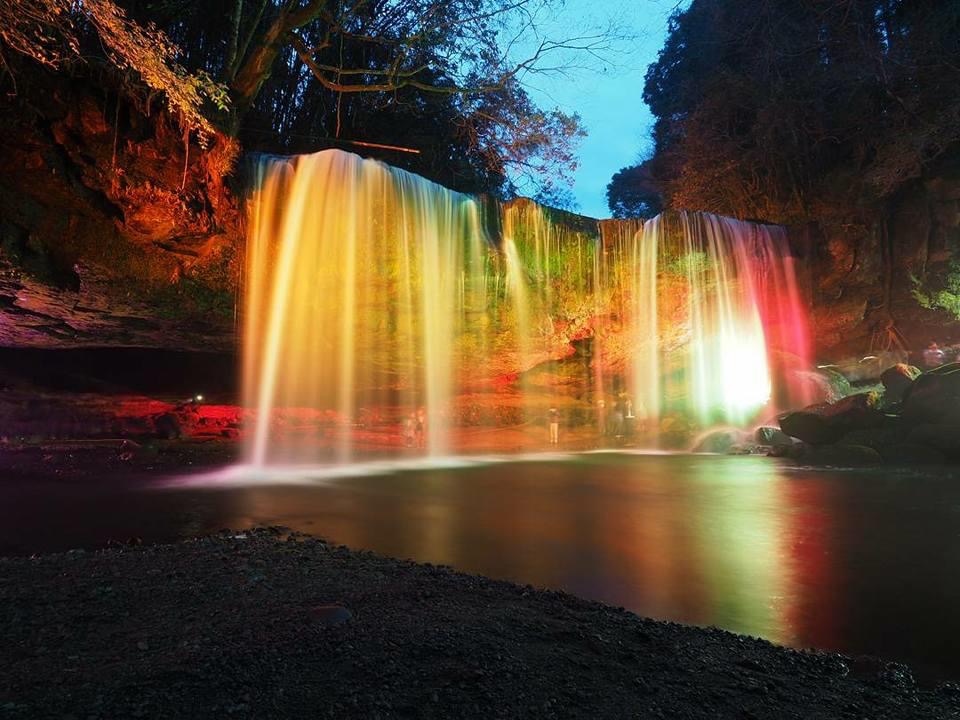
Unusual waterfall where you can walk behind the curtain of water. The view from inside is like looking through a liquid window. Surrounded by lush forest. 1 hour from Kumamoto.

Free botanical garden with subtropical and temperate plant collections. Peaceful campus setting away from tourist areas. Nice for a quiet morning walk.

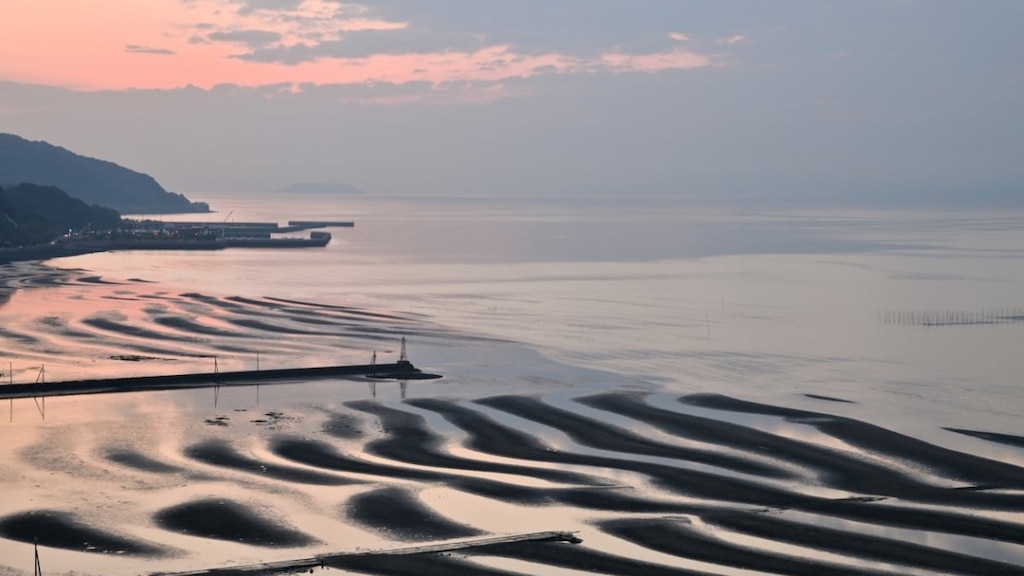
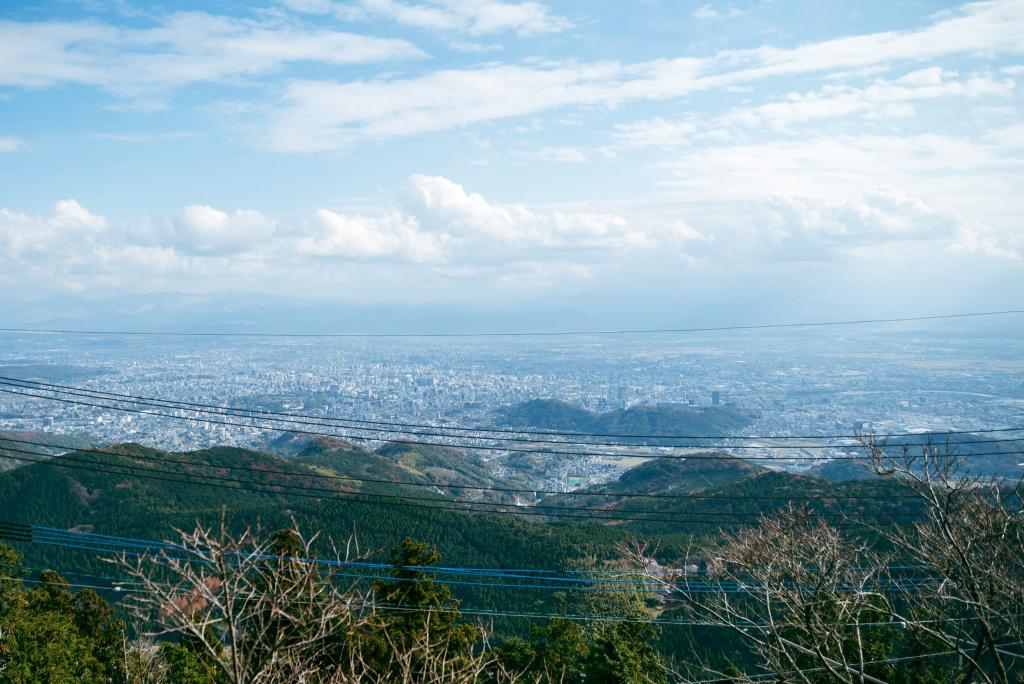
665m peak offering views over Kumamoto city and the Ariake Sea. Popular hiking trail takes about 90 minutes to the summit. Temple ruins and huge camphor trees along the way.
Hot springs, whisky distilleries, festivals, and one-of-a-kind encounters.

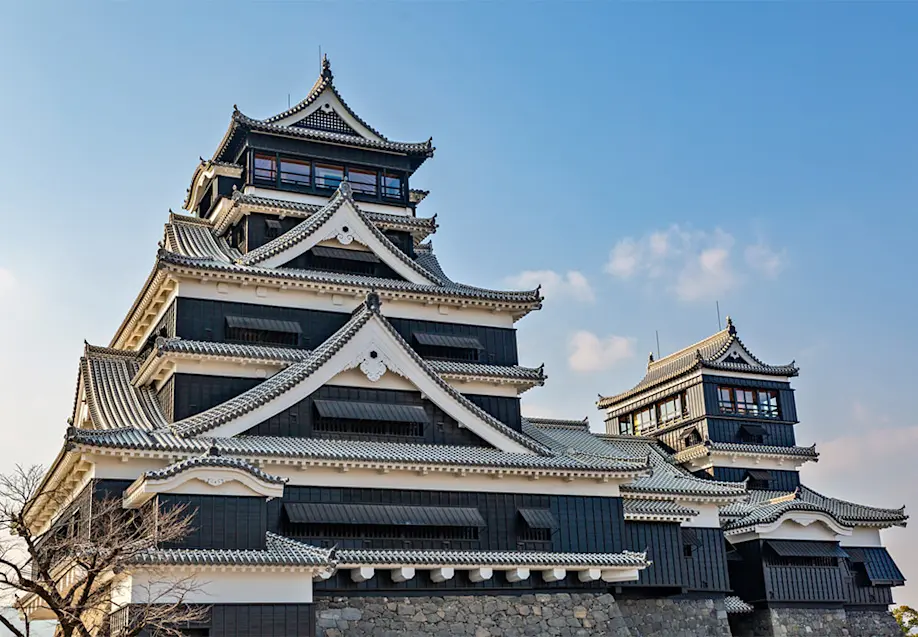
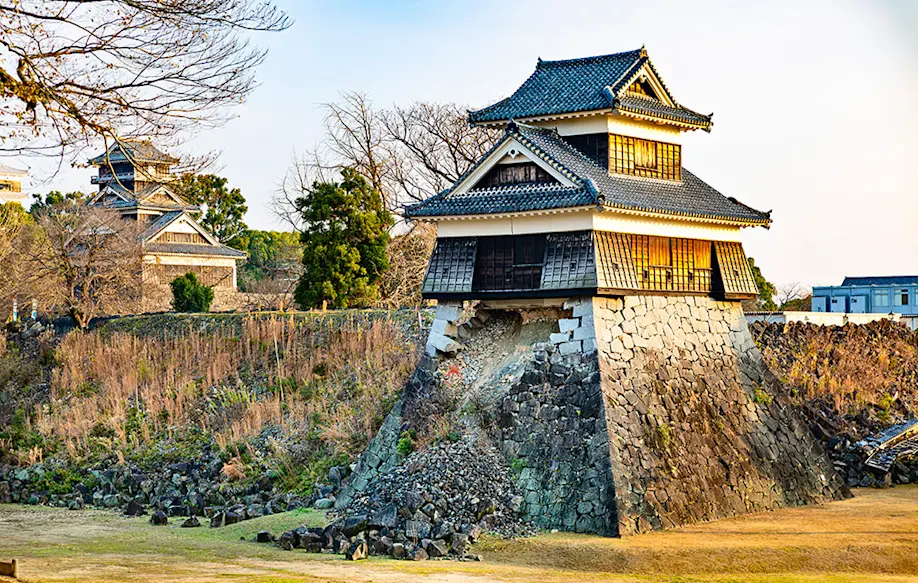
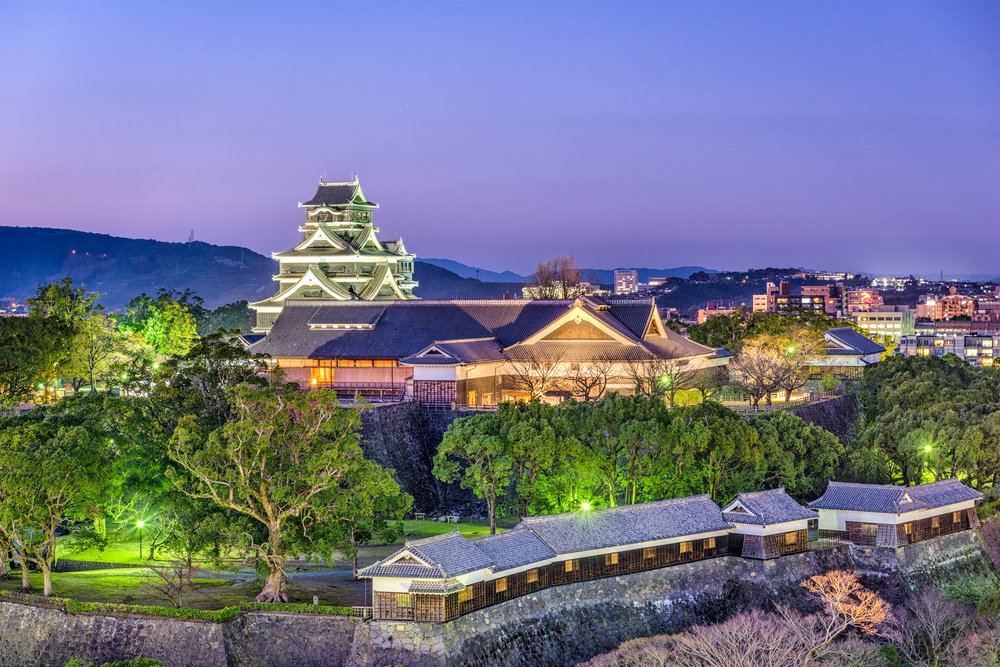
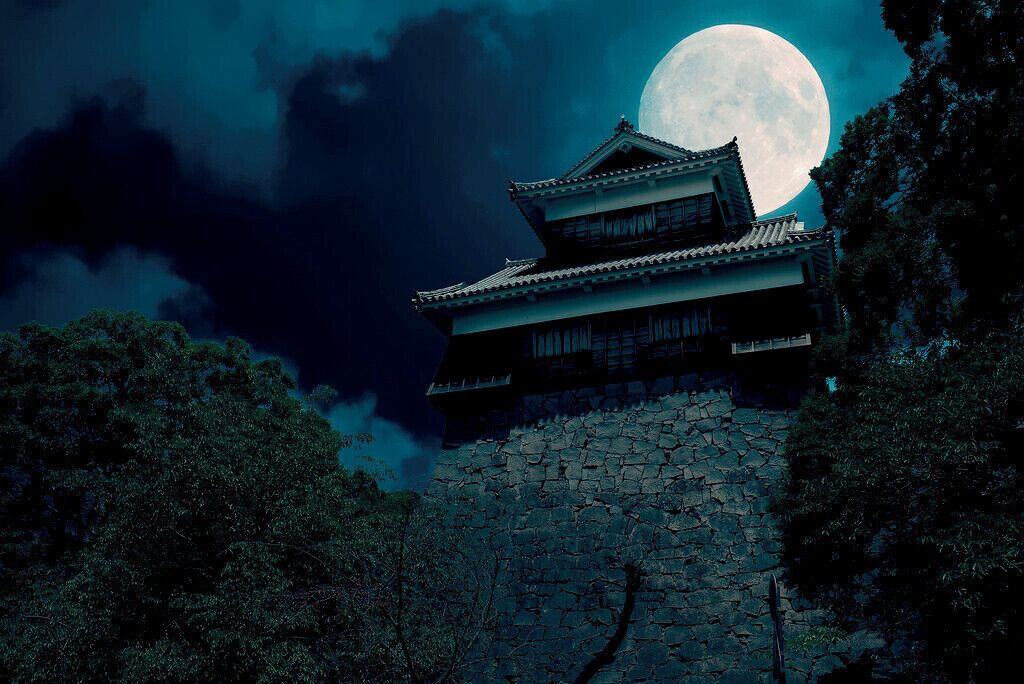
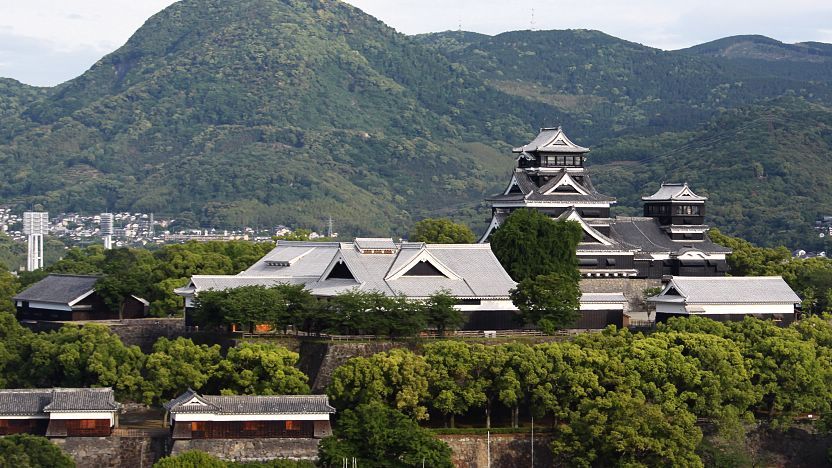
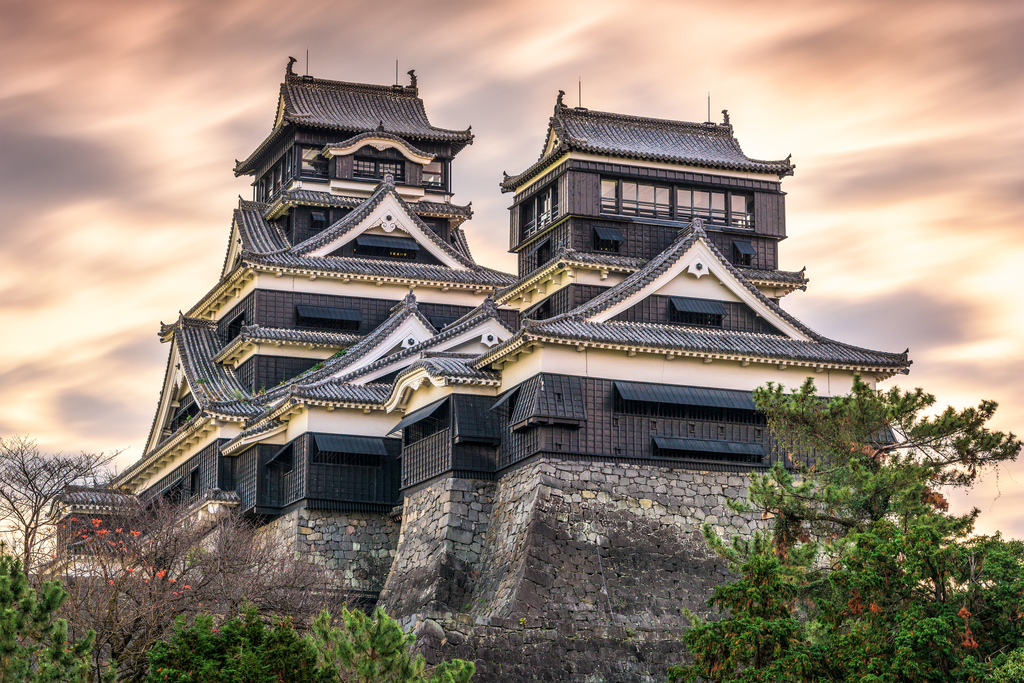
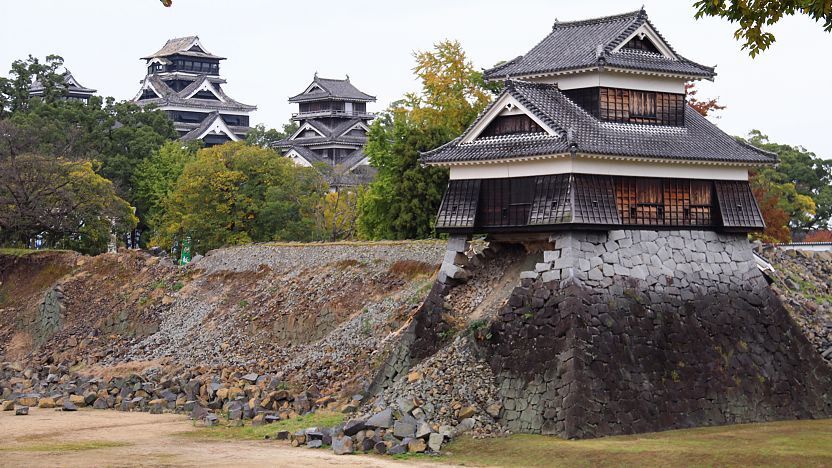
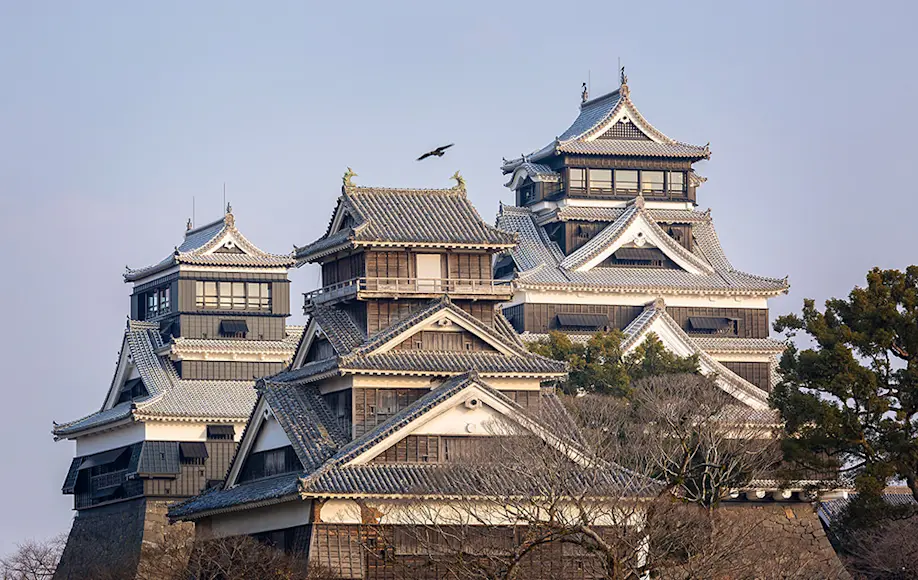
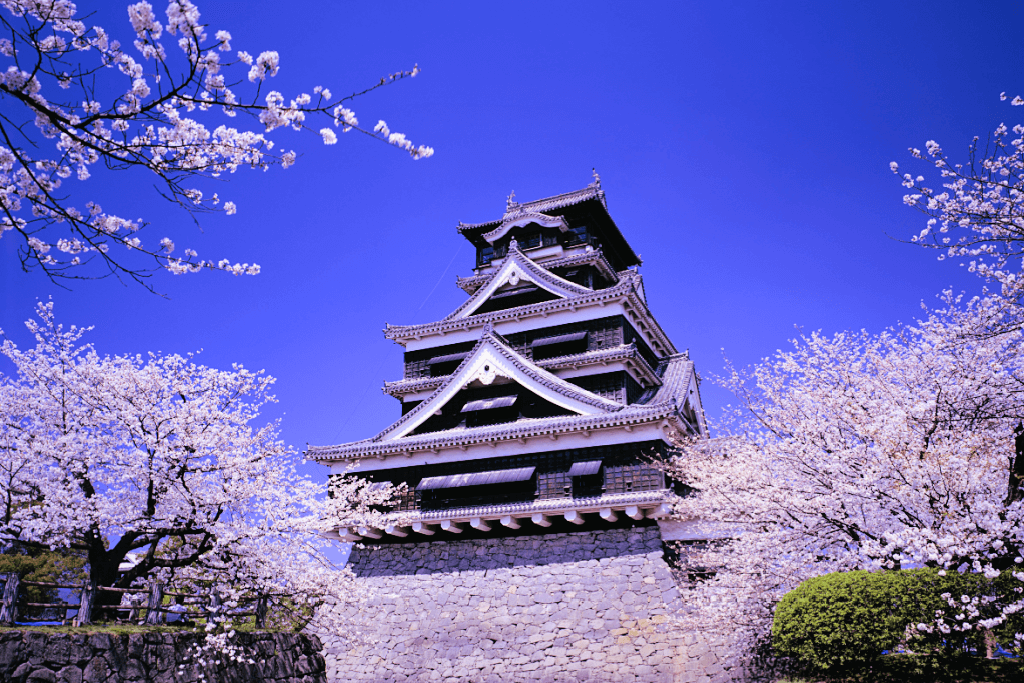
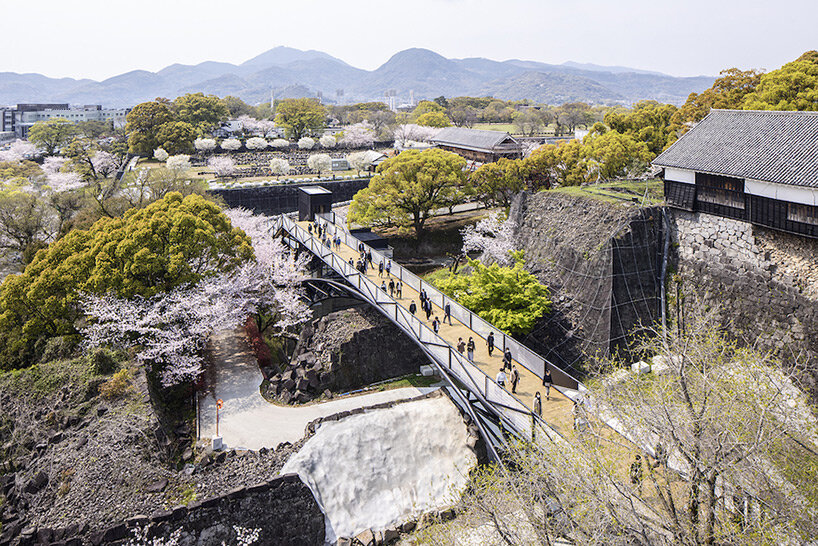
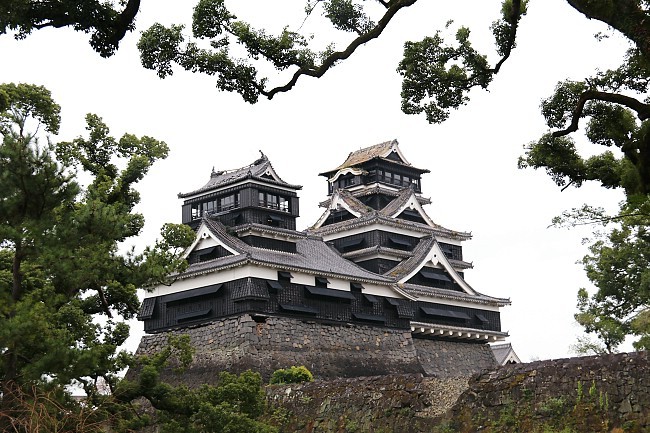
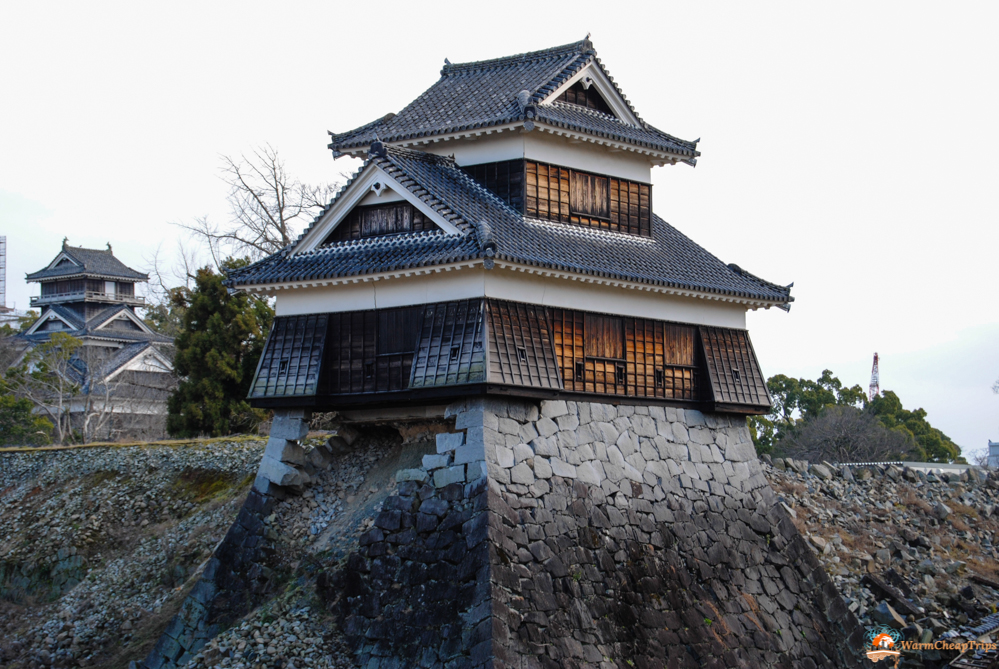
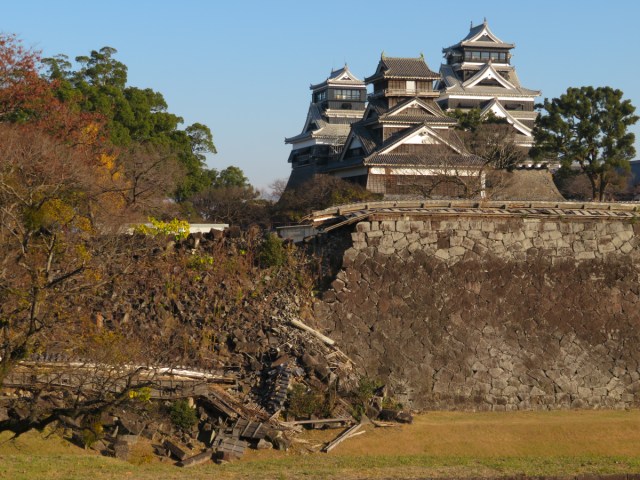
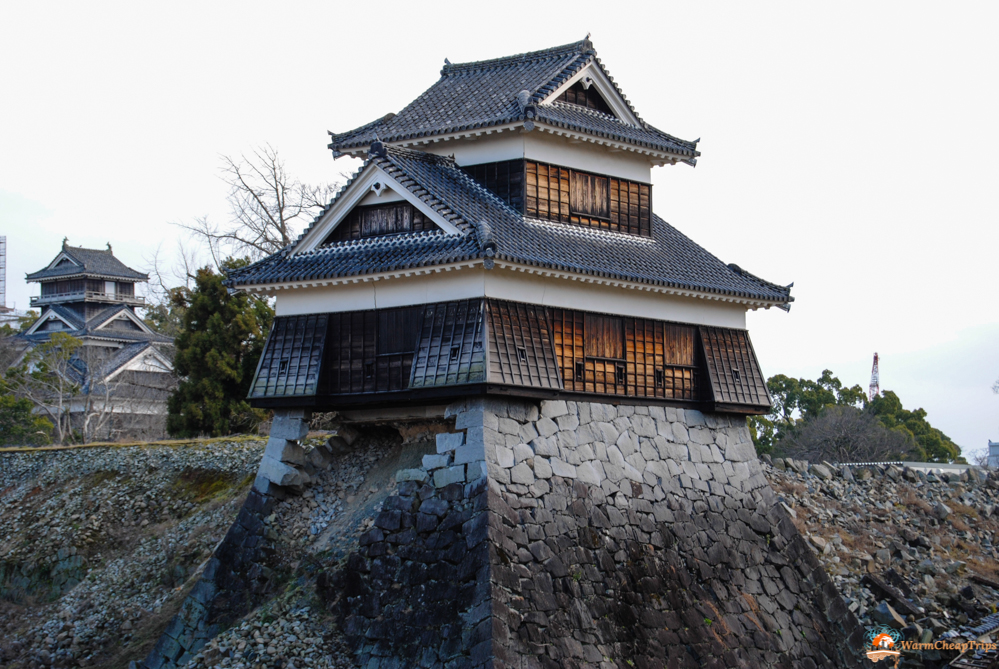
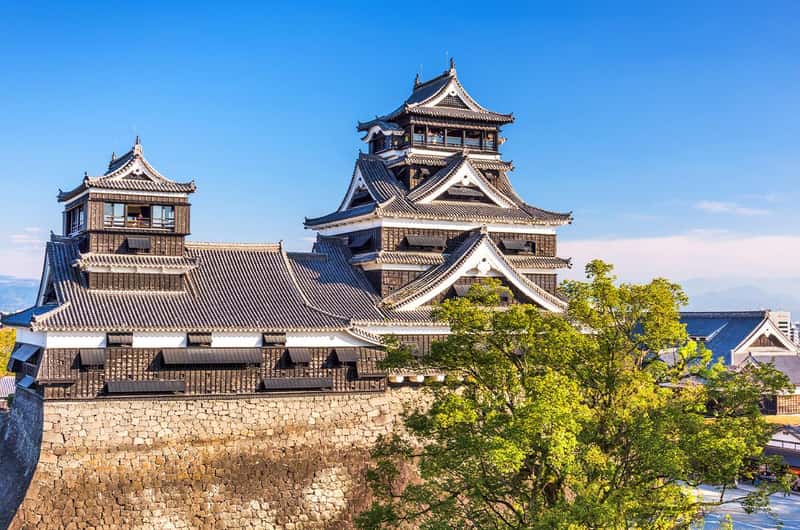
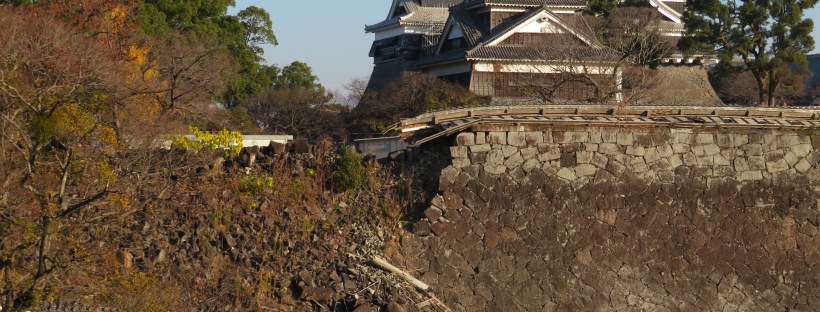
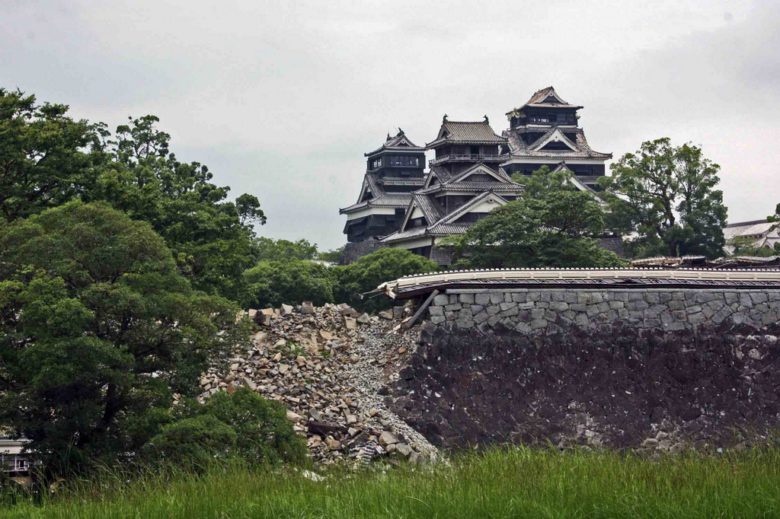
One of Japan's three premier castles. The curved stone walls (musha-gaeshi) are engineering marvels. Heavily damaged in the 2016 earthquake, ongoing restoration is fascinating to witness. The main tower reopened in 2021.

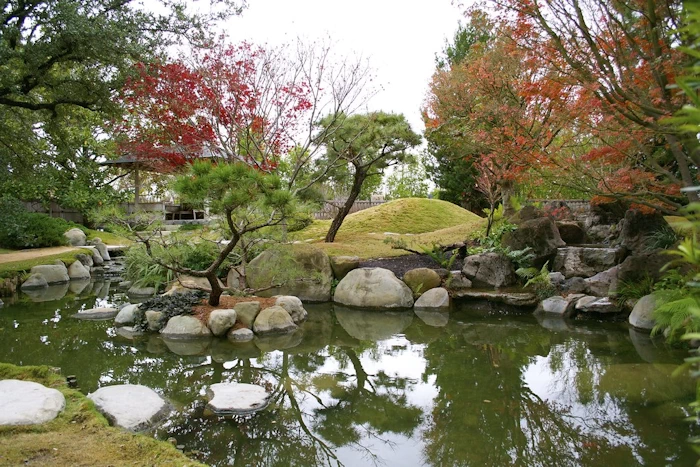
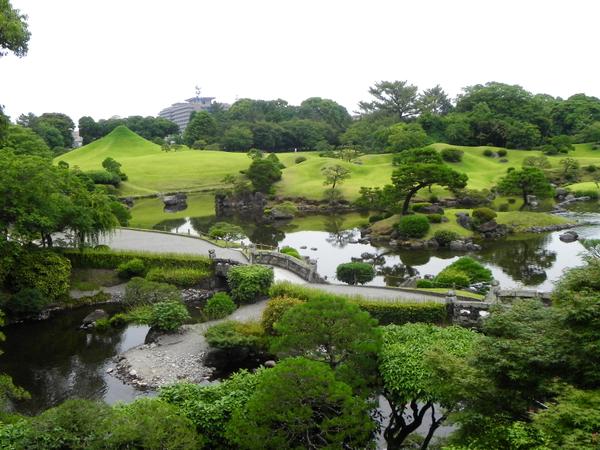
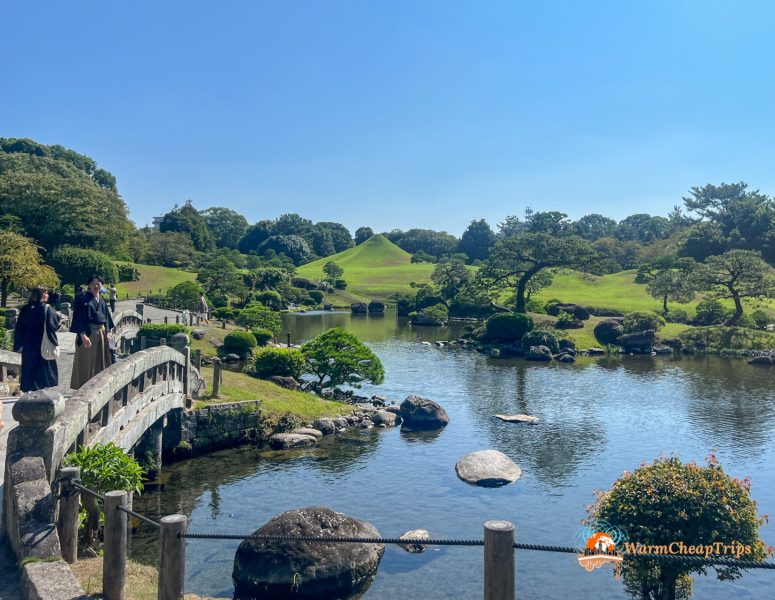
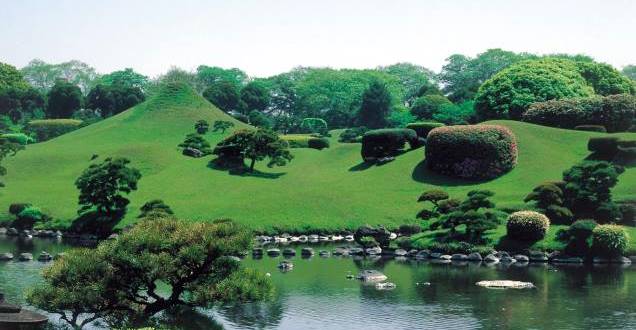
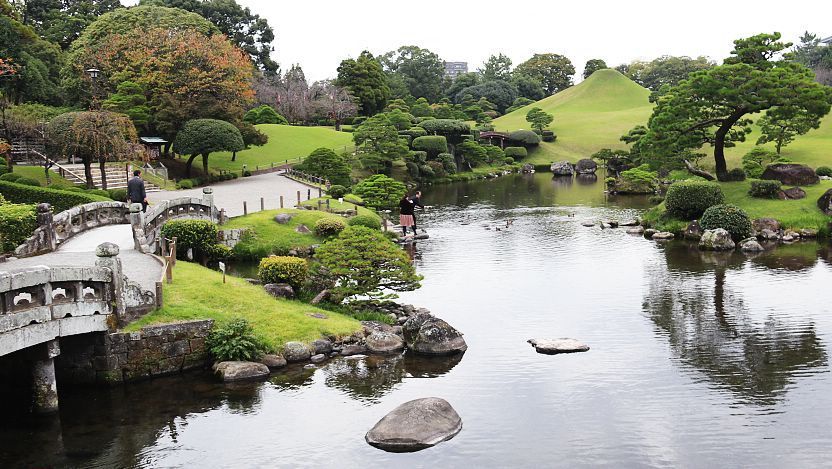
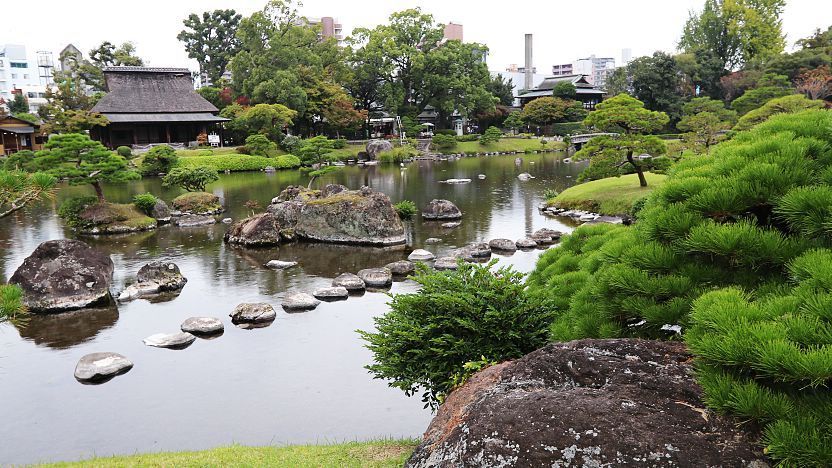
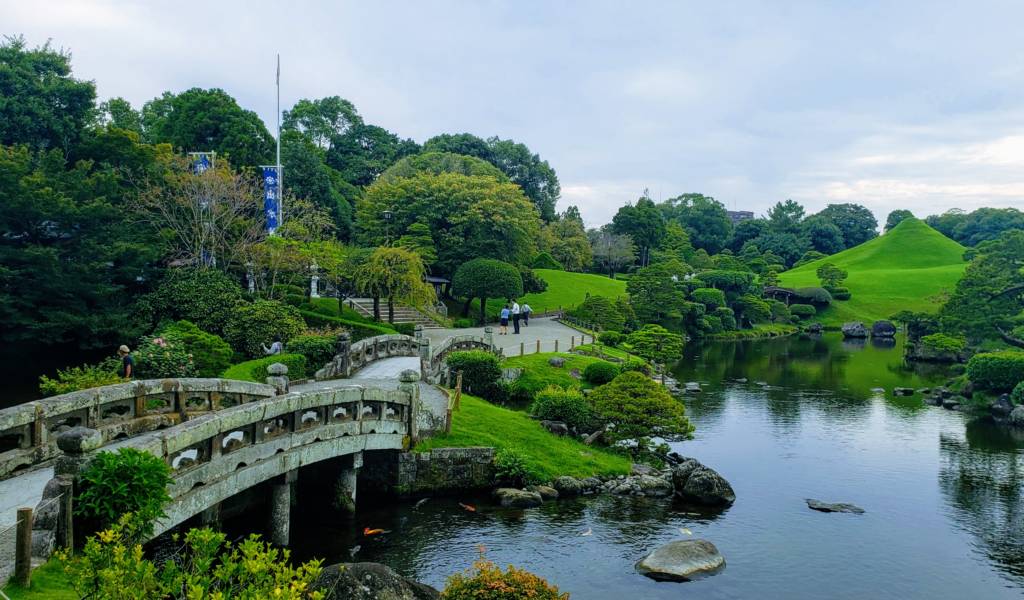
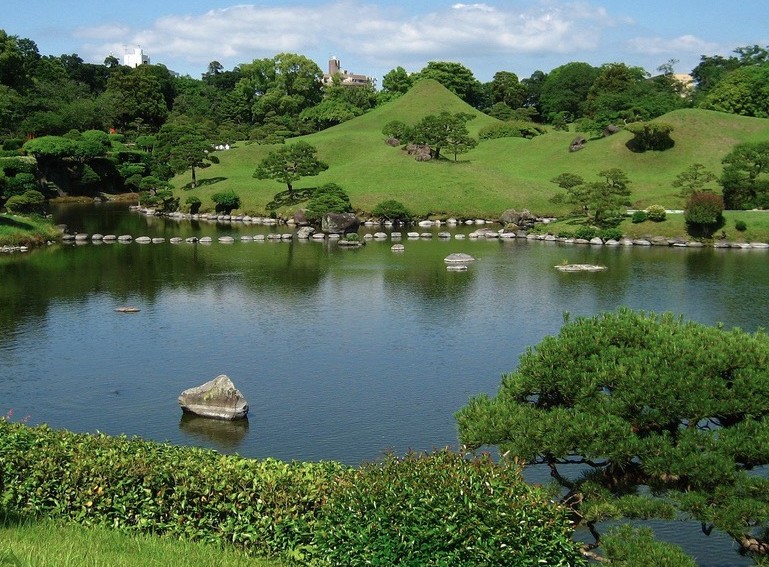
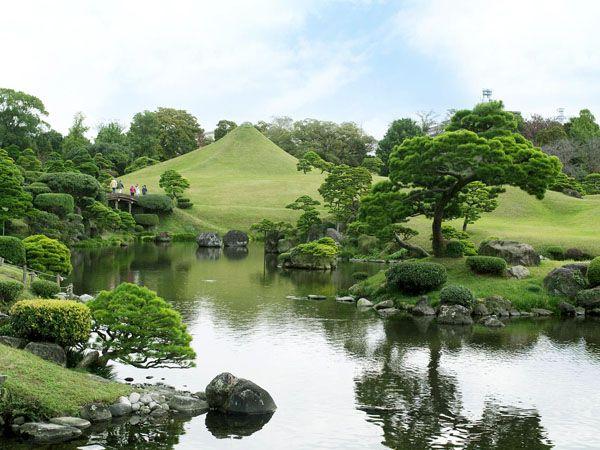
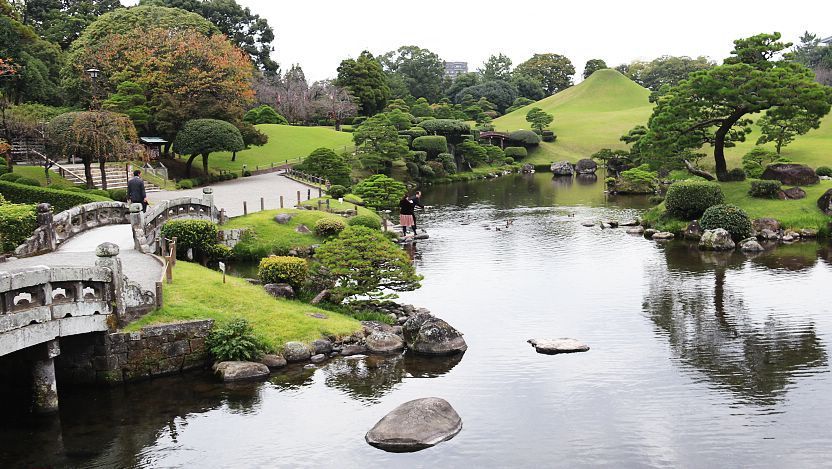
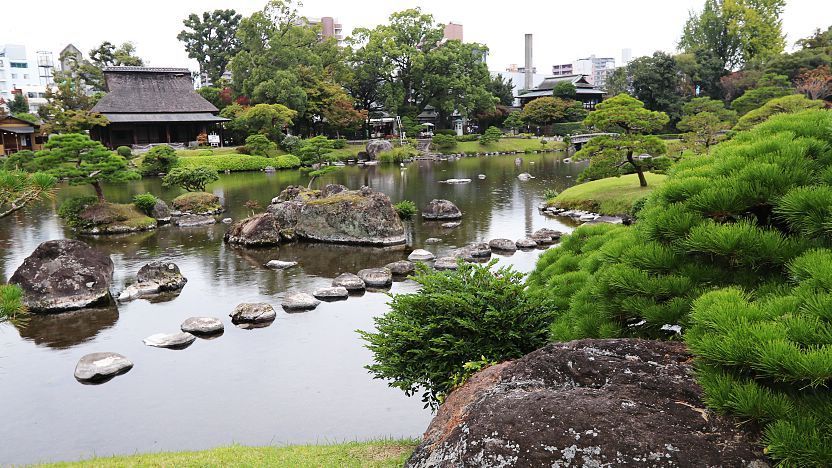
Elegant Momoyama-era strolling garden with a miniature Mount Fuji crafted from shaped earth. Crystal-clear spring water feeds the central pond. The tea house serves matcha with garden views.

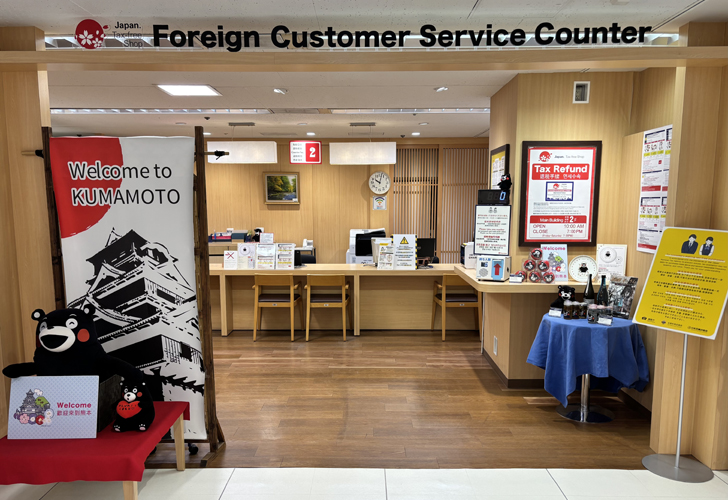
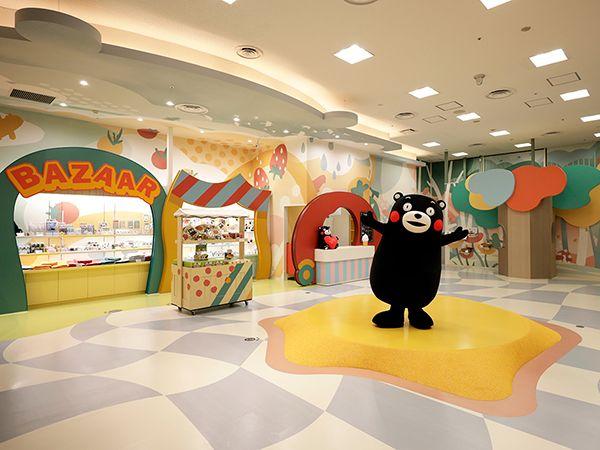
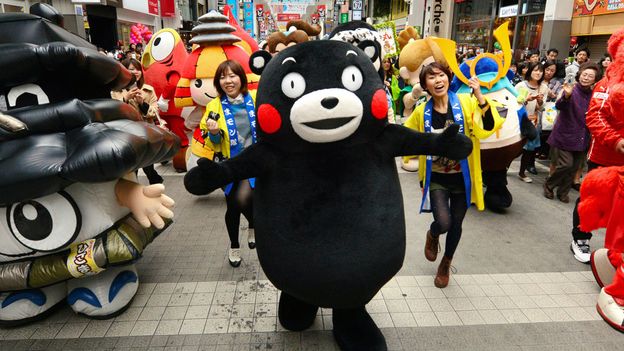
Official home of Kumamoto's famous mascot bear. Interactive shows, photo opportunities, and a massive gift shop. Kumamon appears for live performances at scheduled times. Free entry.

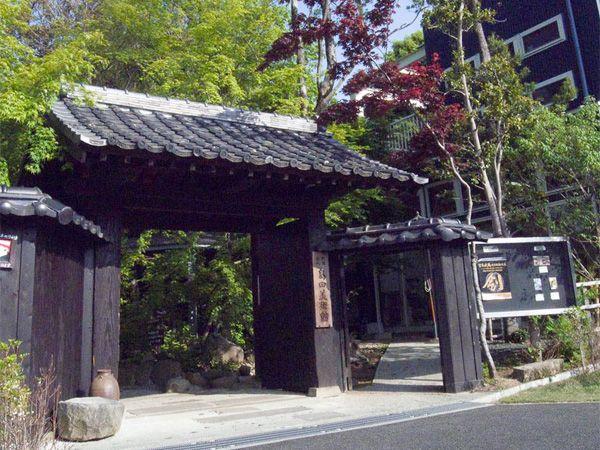
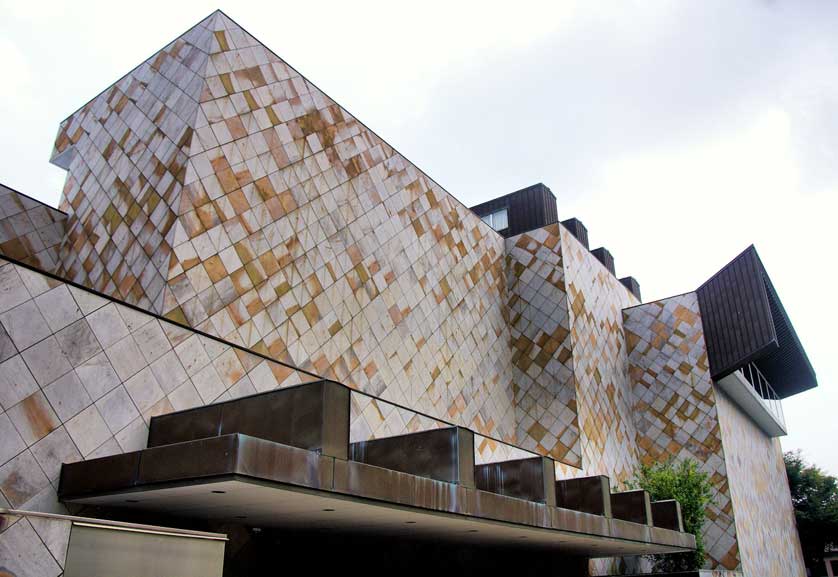
Small museum housing the art collection of an old Kumamoto family. Paintings by Yokoyama Taikan, Musashi Miyamoto's paintings, and tea ceremony objects. Tranquil garden.

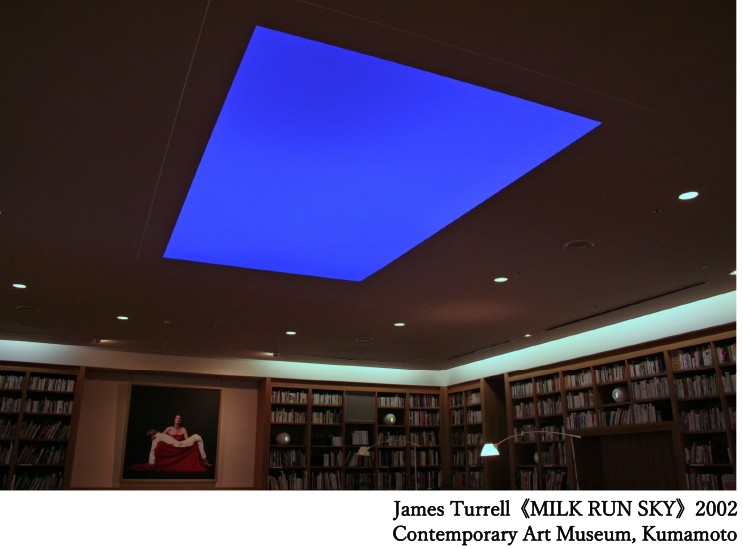
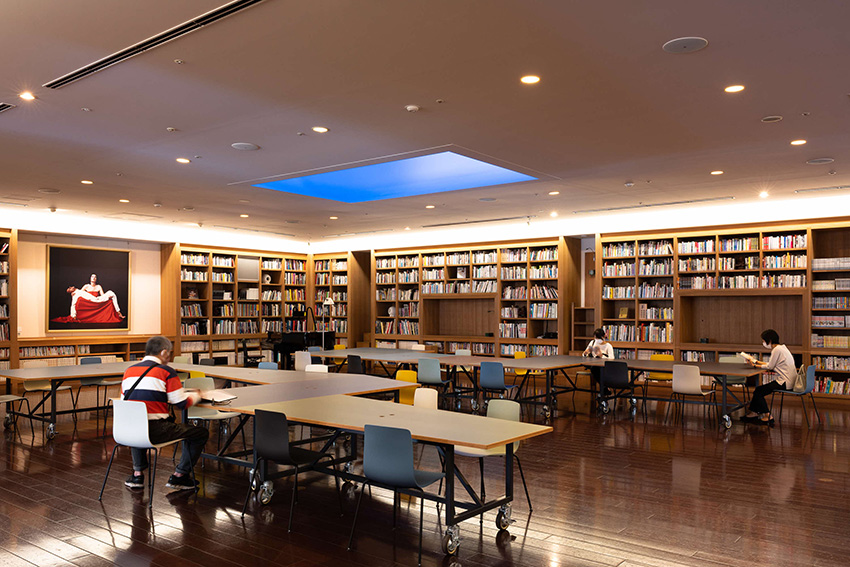
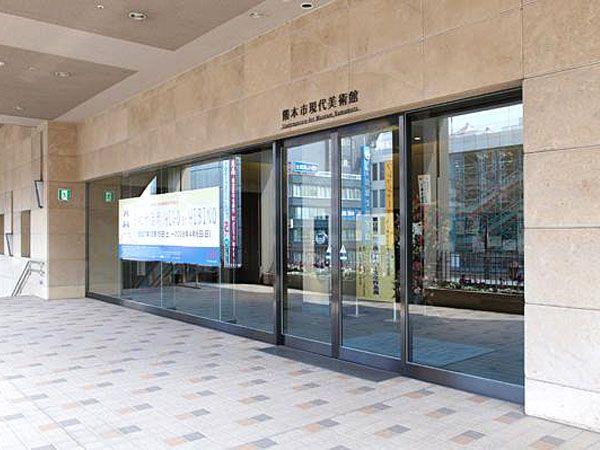
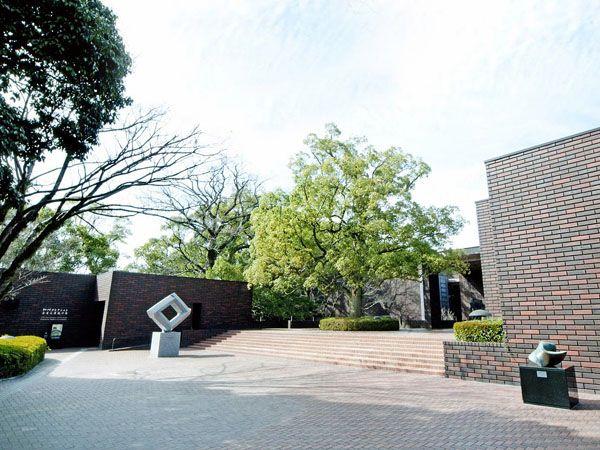
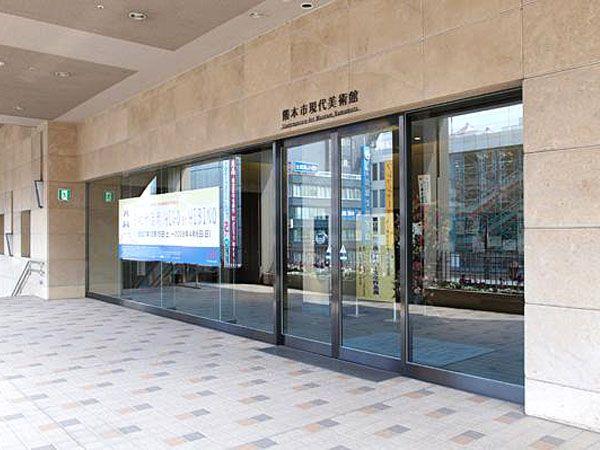
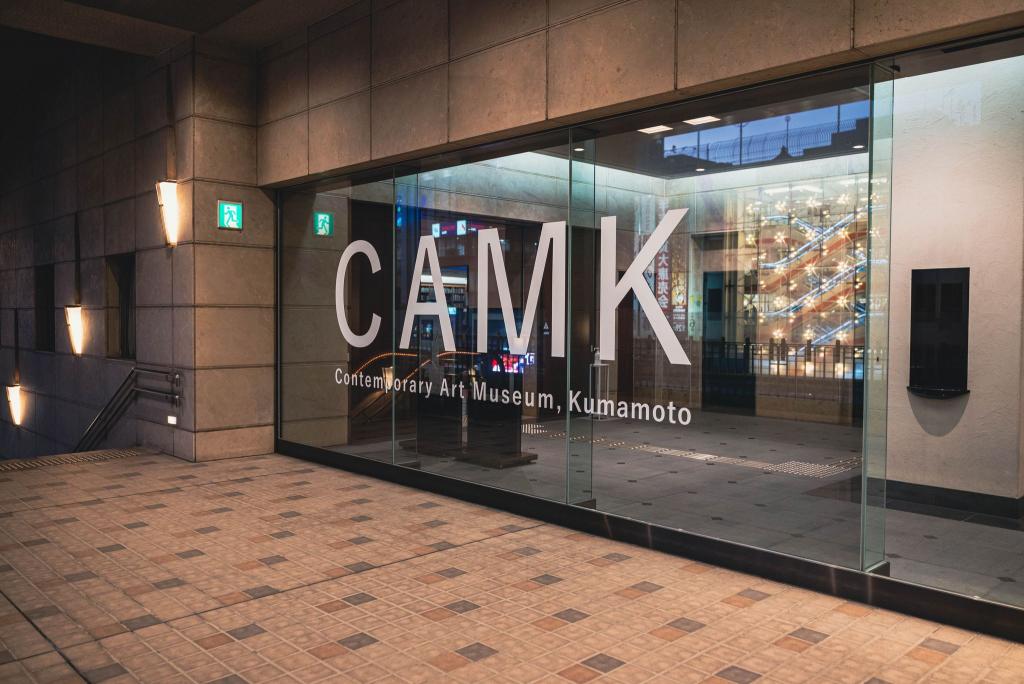
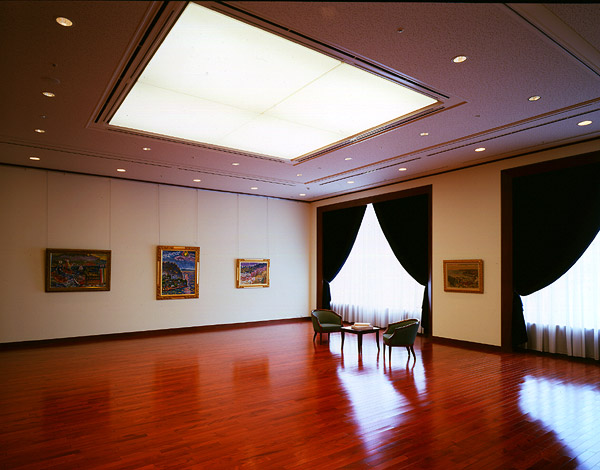
Free admission contemporary art museum inside the Shimotori shopping arcade. Rotating exhibitions featuring Japanese and international artists. A surprising find in a shopping area.

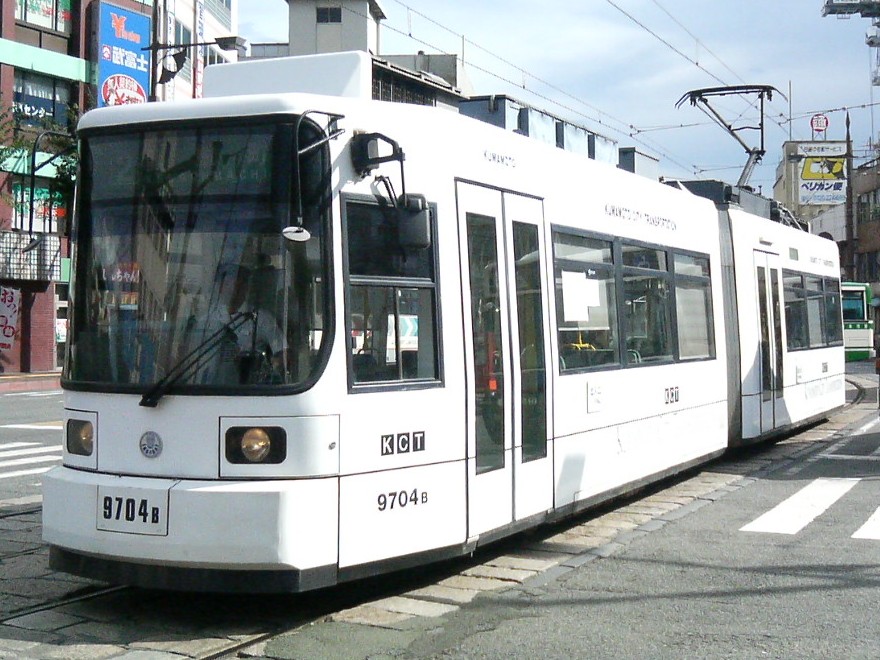
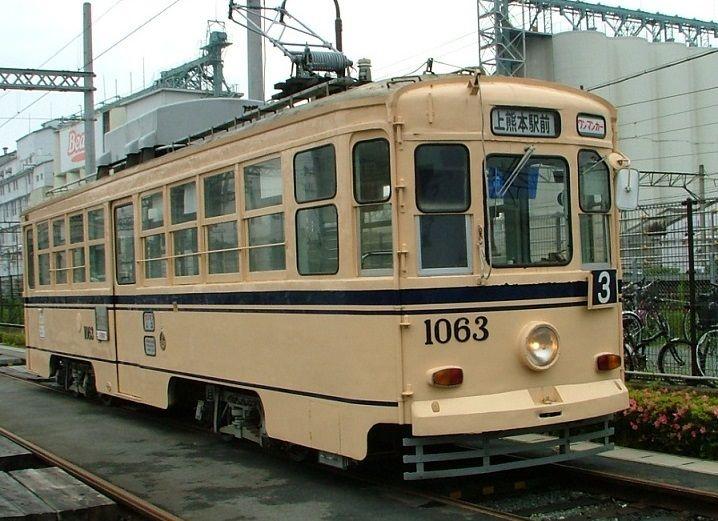
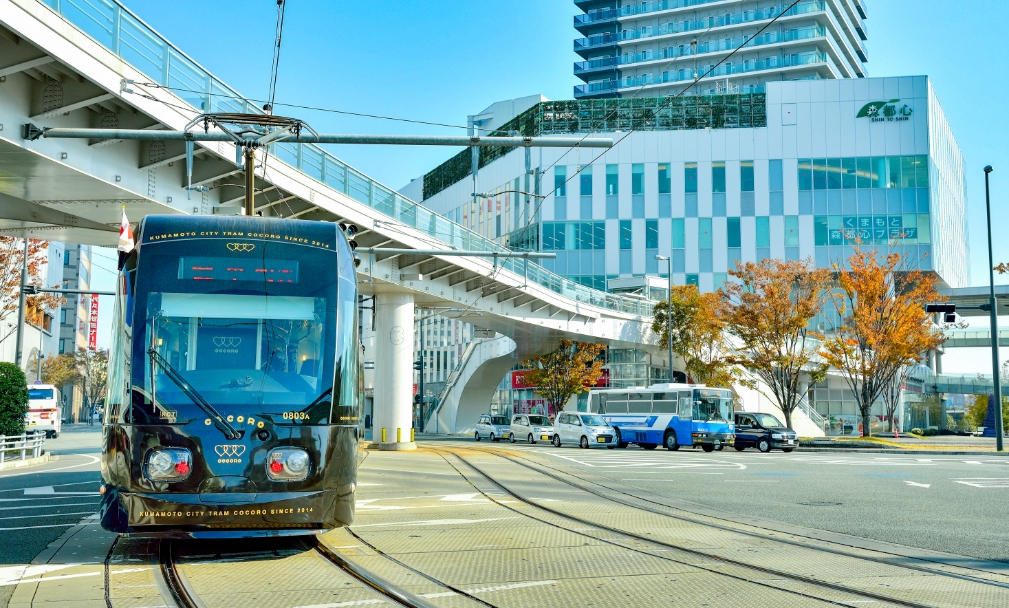
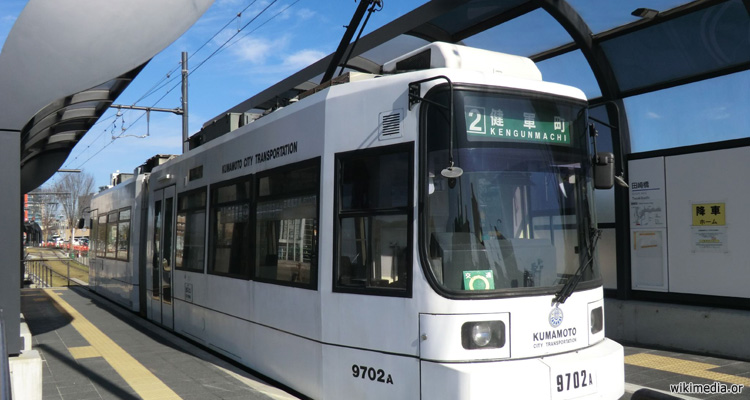
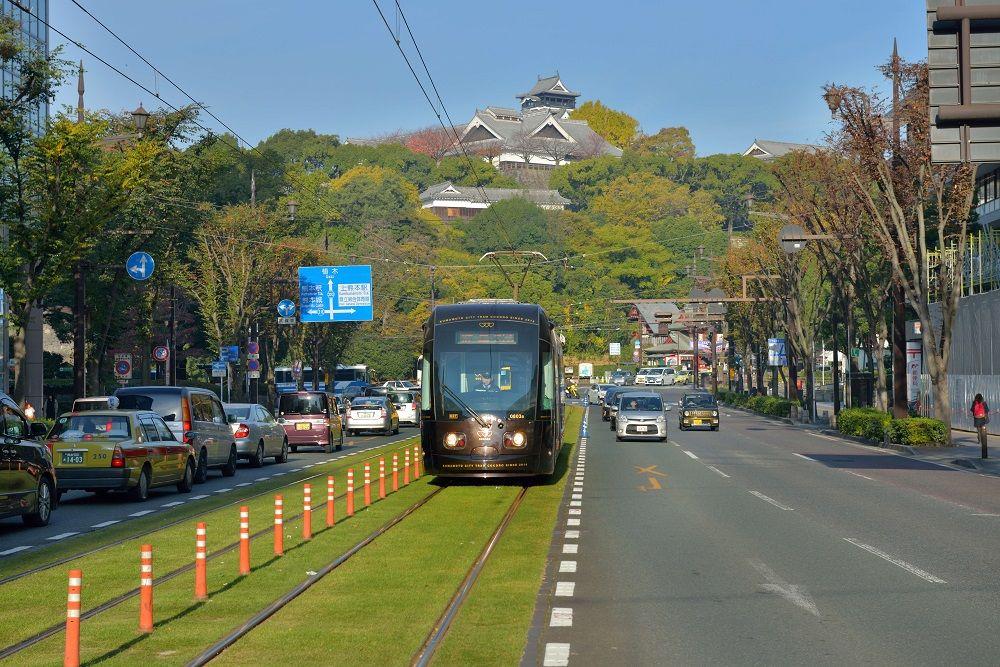
Flat-fare vintage streetcar system. Efficient way to travel between the station, castle, Suizenji Garden, and shopping districts. Some cars date to the 1950s.

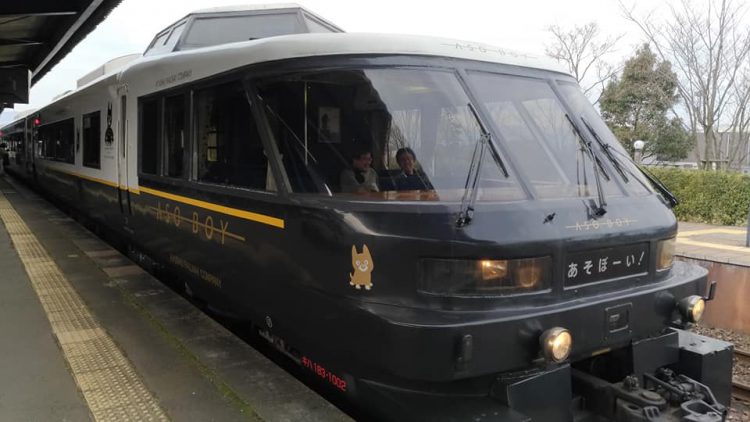
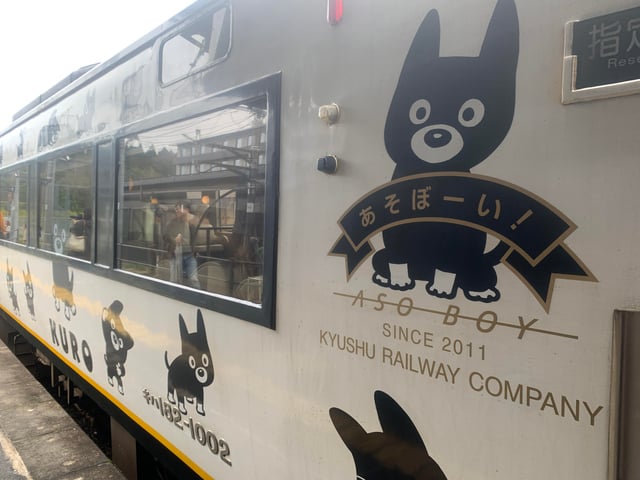
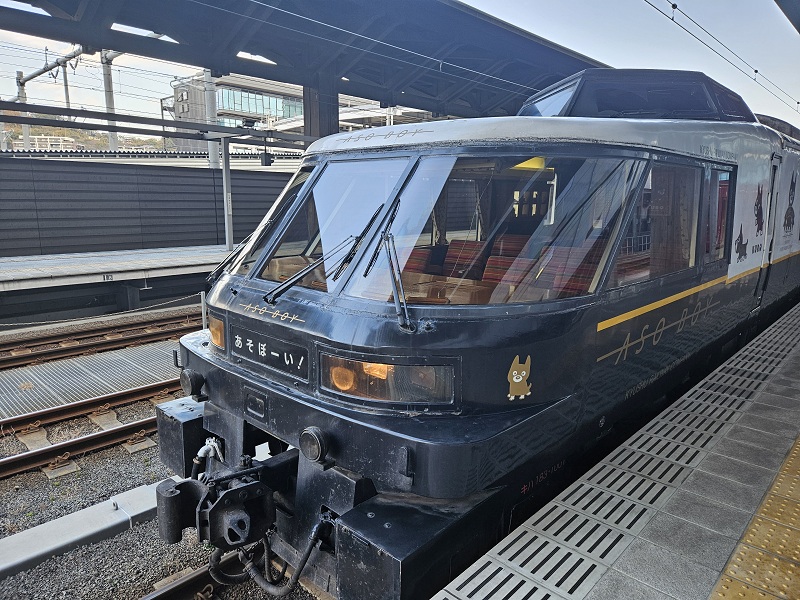
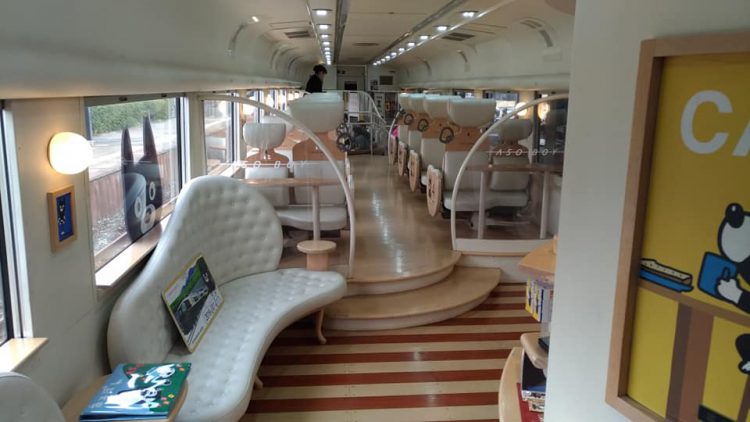
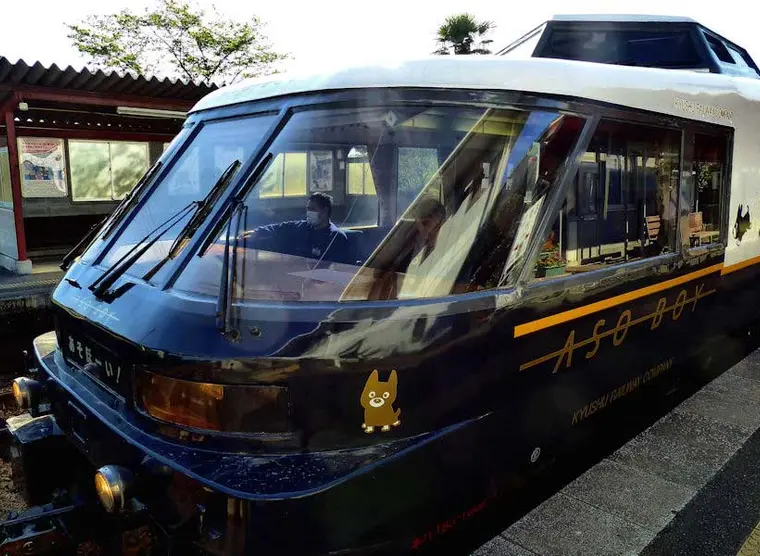
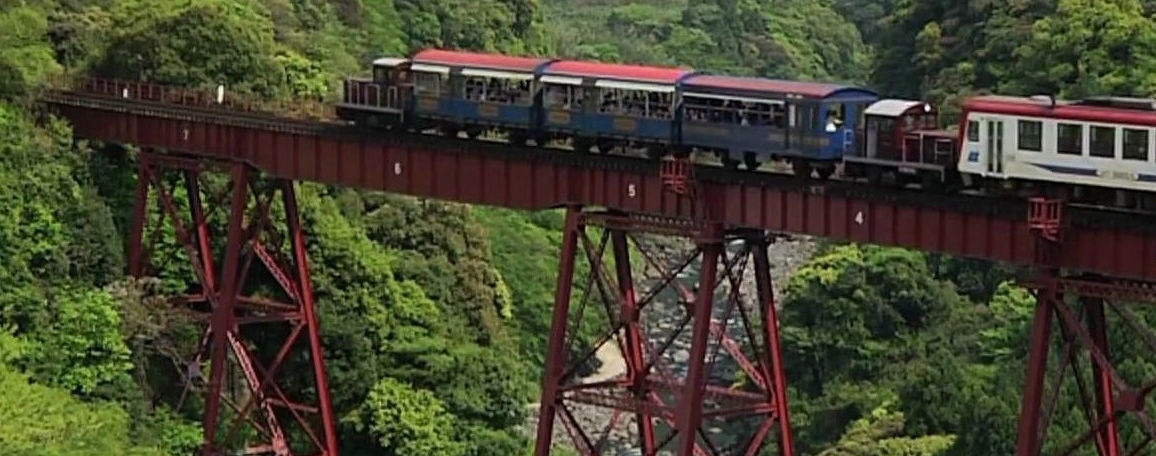
Adorable sightseeing train with a dog-themed interior running between Kumamoto and Aso. Panoramic windows, play areas for children. Scenic ride through the caldera landscape.

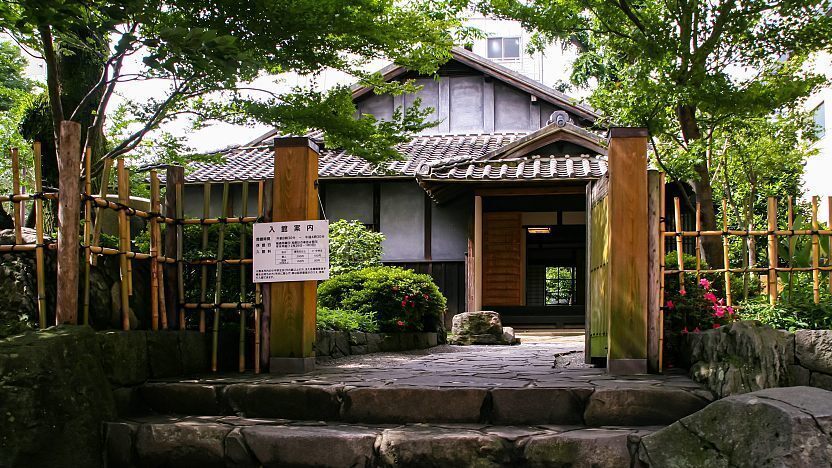
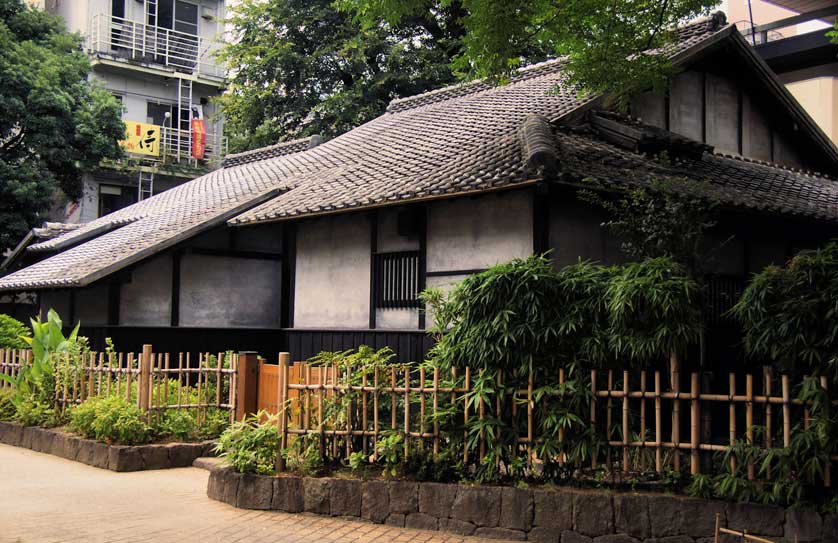
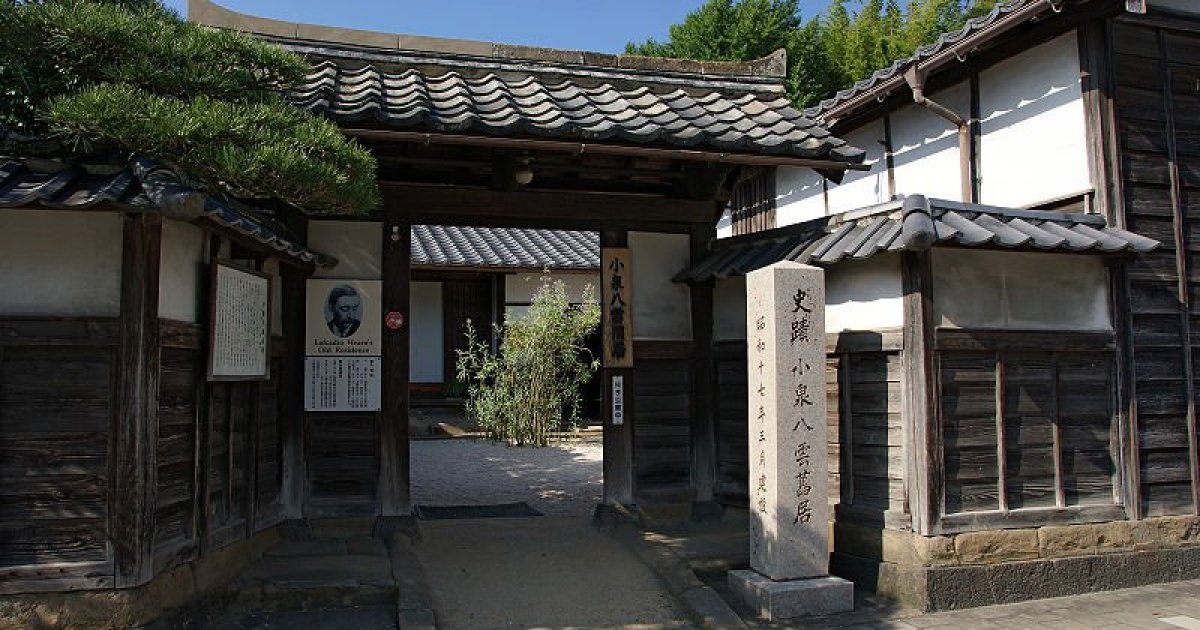
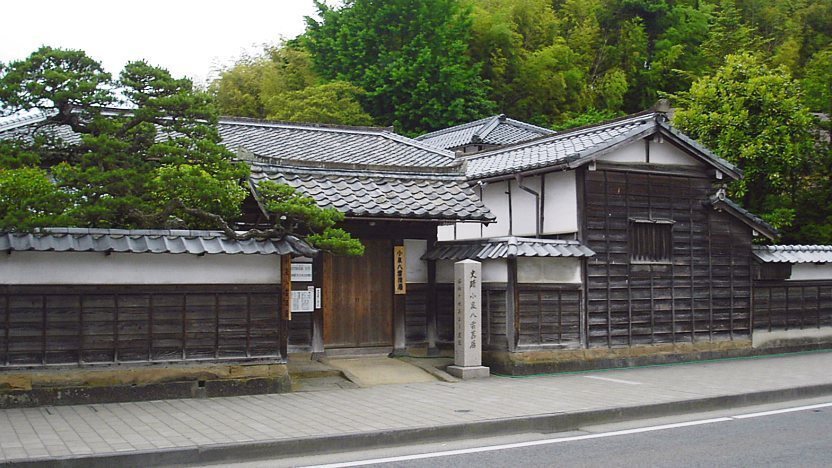
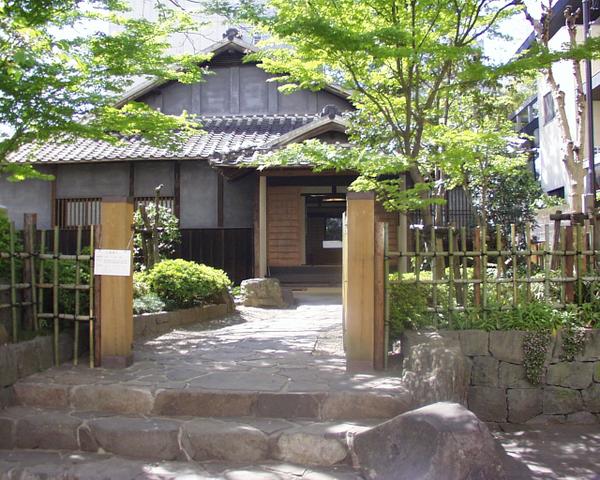
Former residence of Lafcadio Hearn (Koizumi Yakumo), the writer who introduced Japanese ghost stories to the West. Small but atmospheric museum with period furnishings.

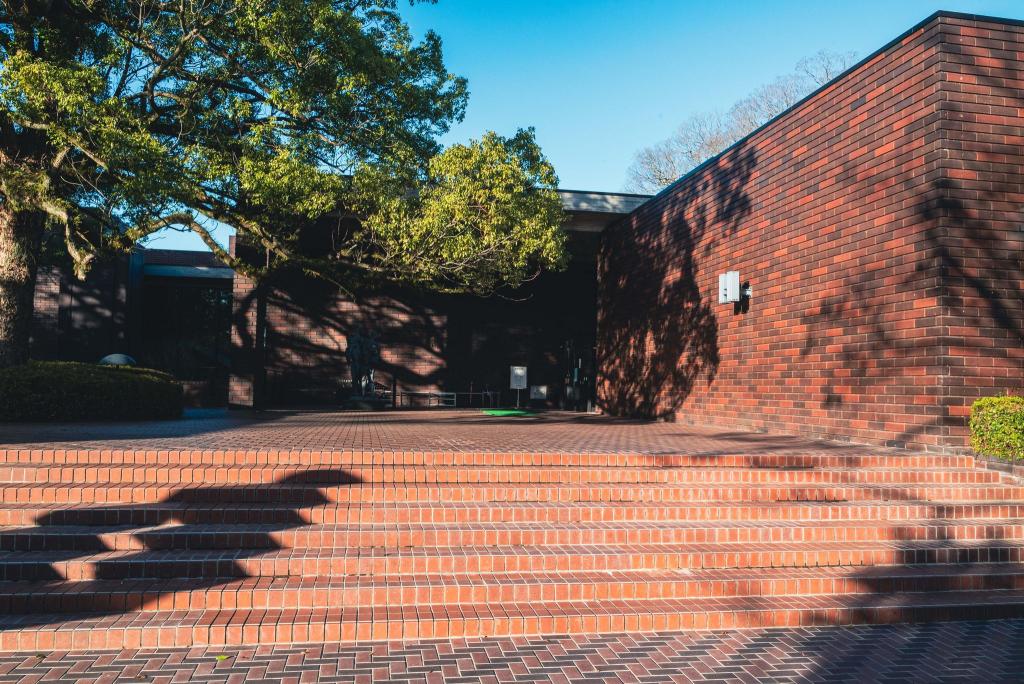
Located within the castle grounds. Collection includes woodblock prints and Western art. The building offers views toward the castle. Quiet and uncrowded.

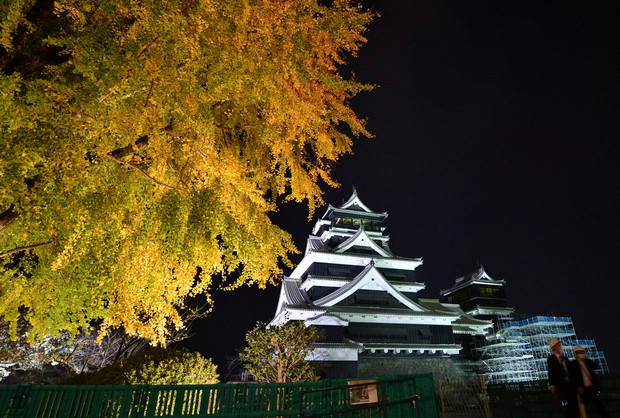
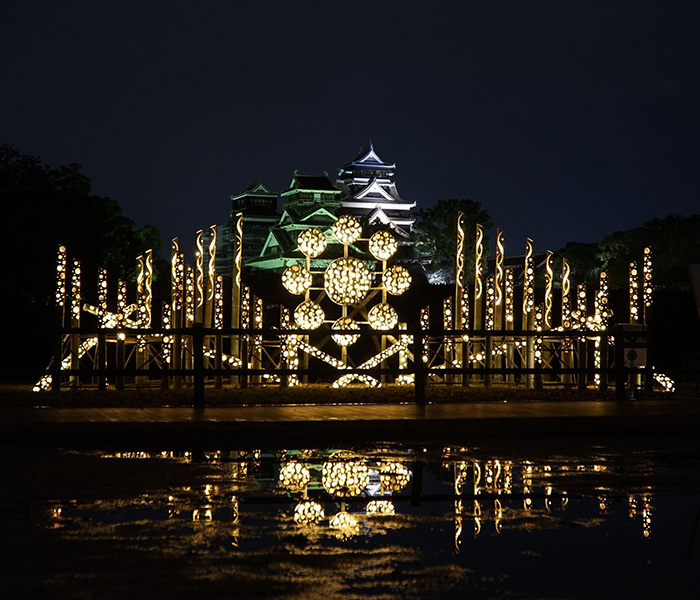
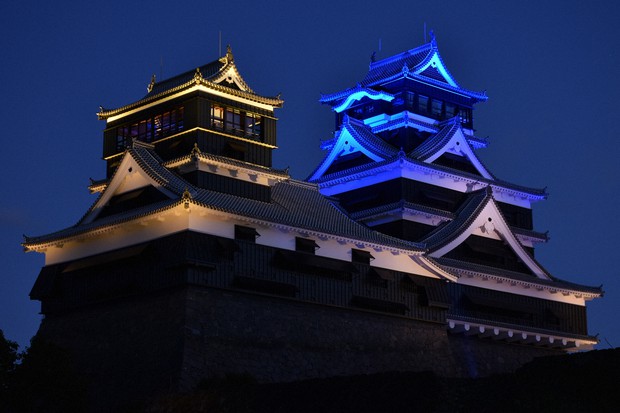
The castle is dramatically lit up at night, highlighting the curved stone walls and rebuilt tower. Different seasonal lighting schemes. The view from the nearby park is stunning.

Self-guided walking route showing the earthquake damage and restoration progress. Information panels explain the engineering challenges. A powerful demonstration of Japanese reconstruction skill.

Hands-on workshop where you learn to stuff lotus root with karashi mustard miso and deep fry it. Take home your creations. A unique culinary experience. Available at several cooking schools.
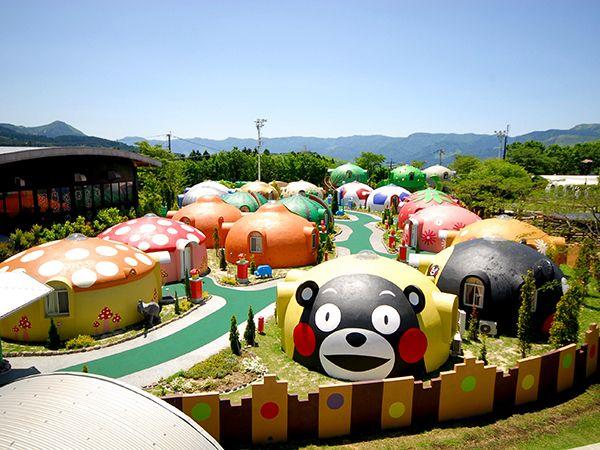
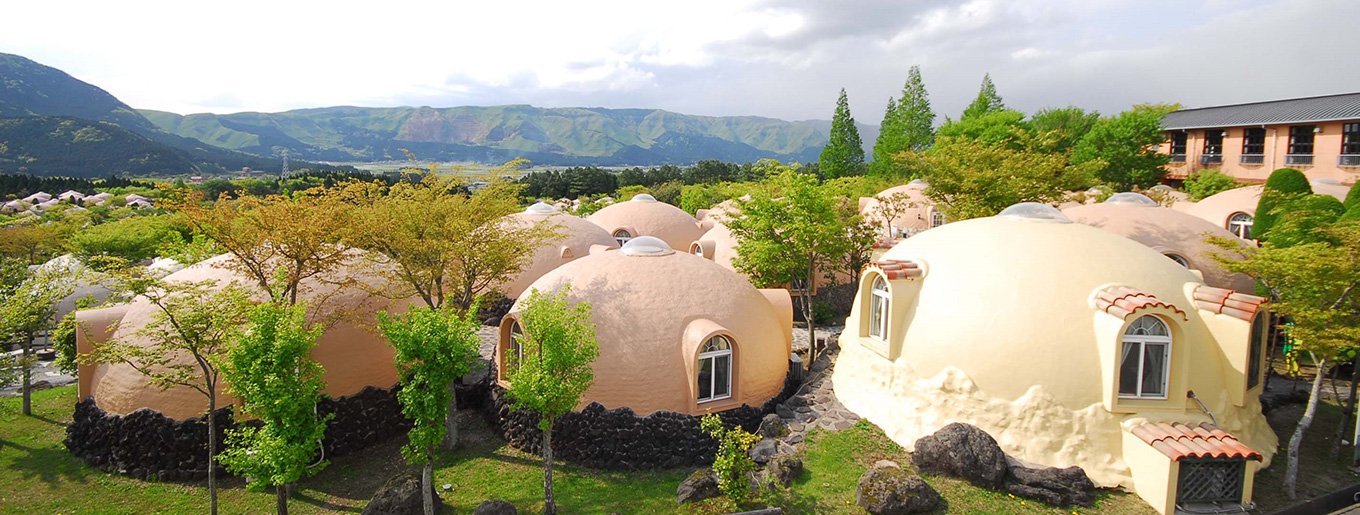
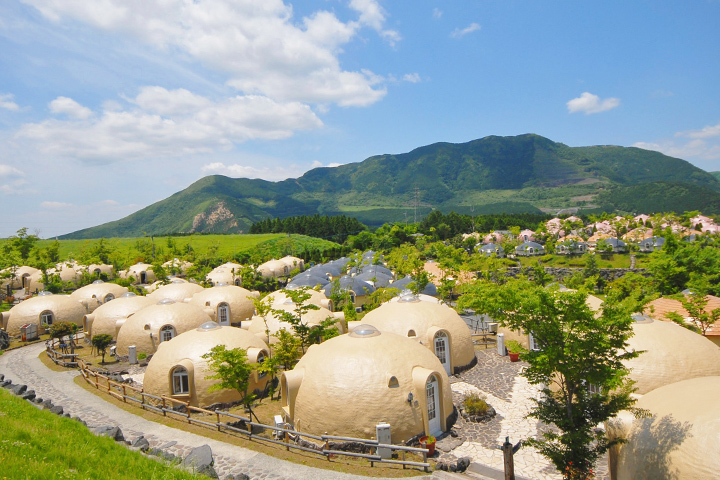
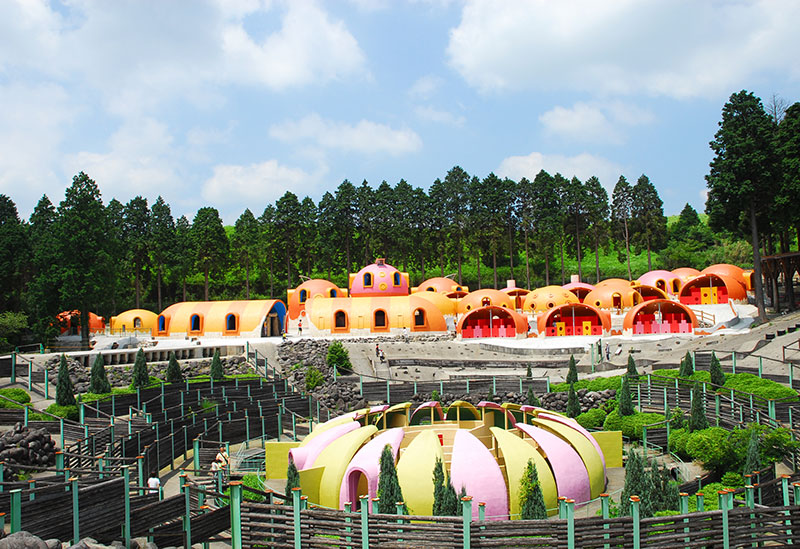
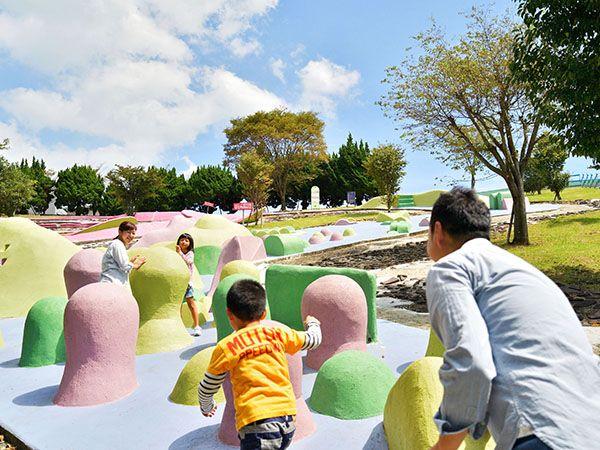
Theme park resort with dome-shaped accommodations inside the Aso caldera. Hot springs, animal petting zoo, and healing spa. The dome village looks otherworldly. Popular with families.

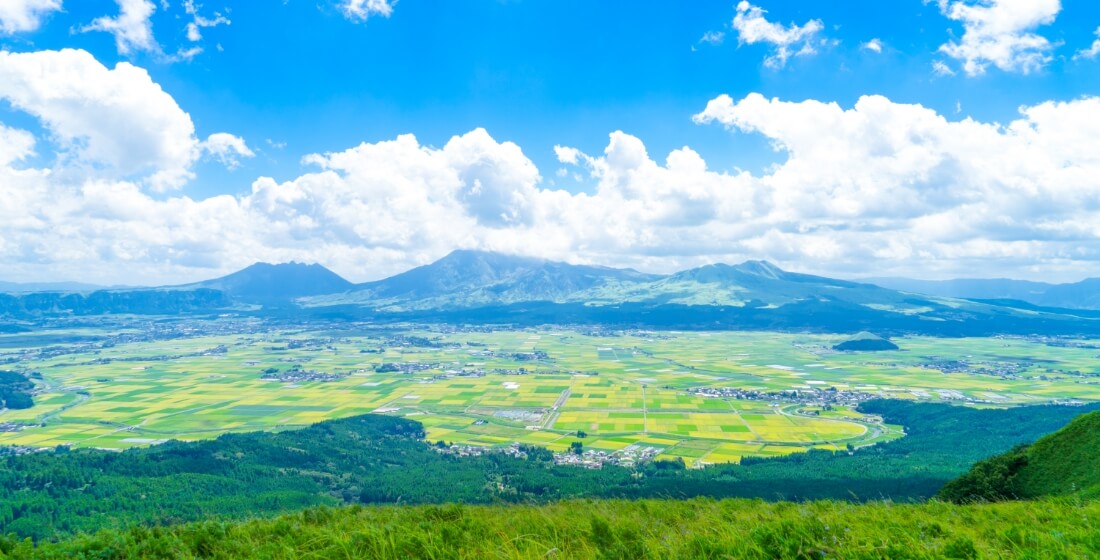
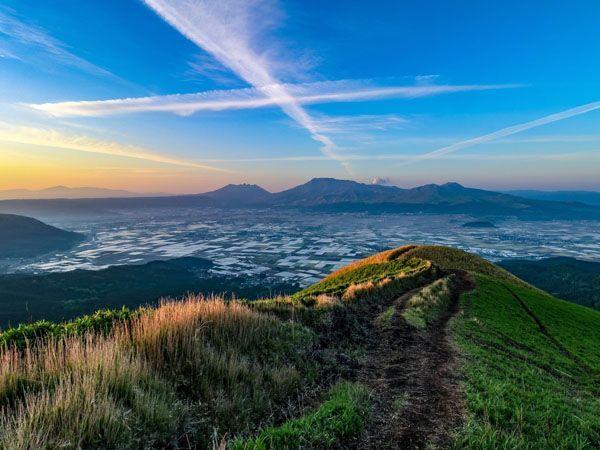
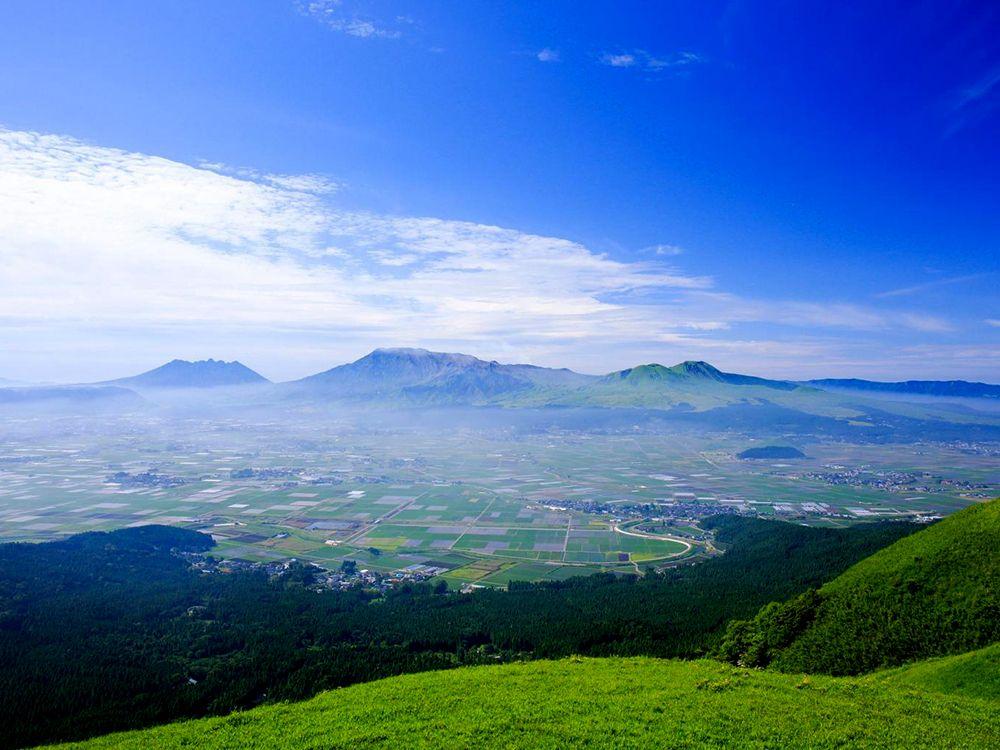
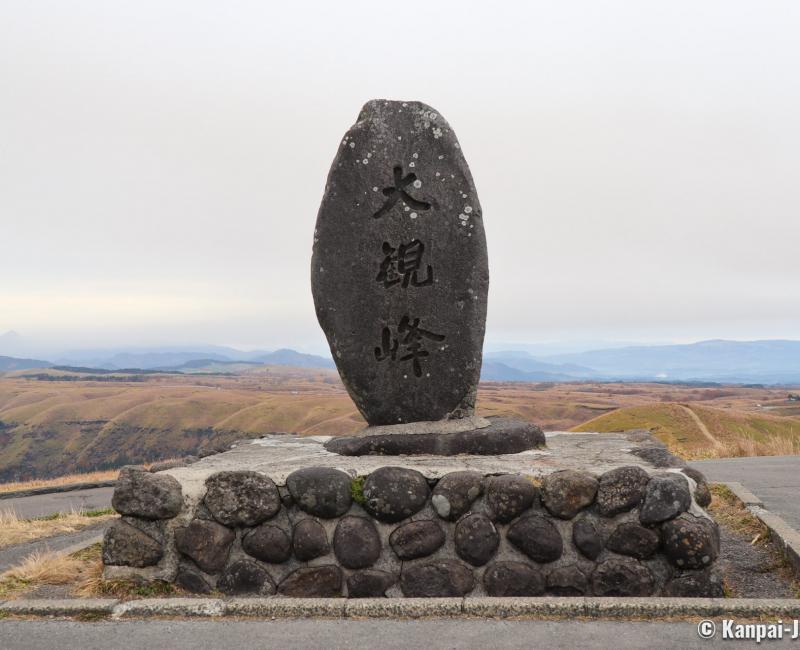
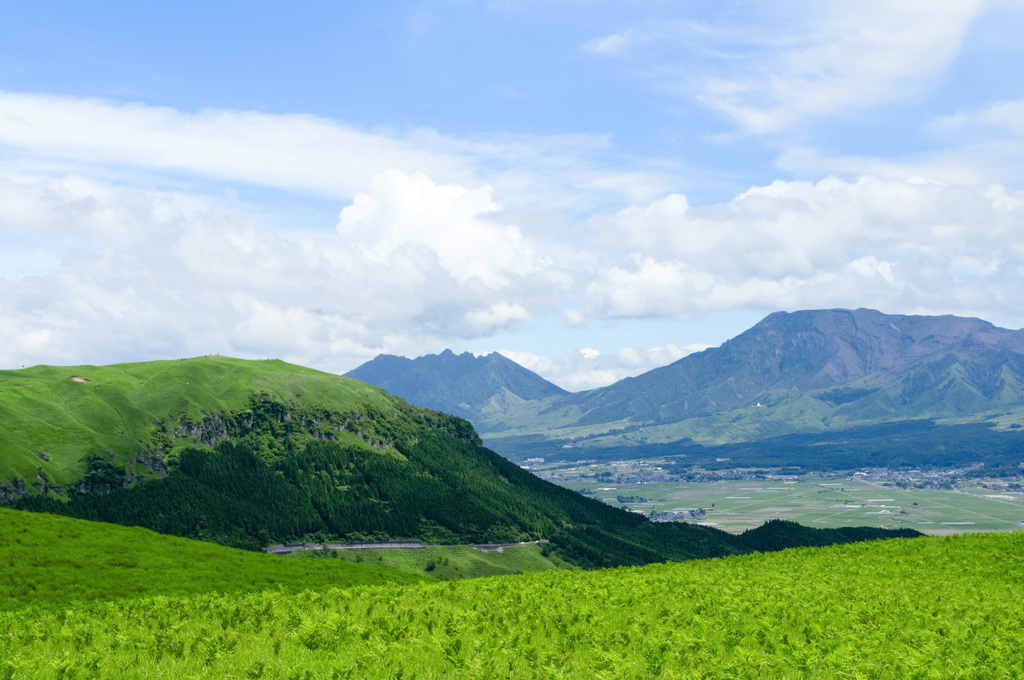
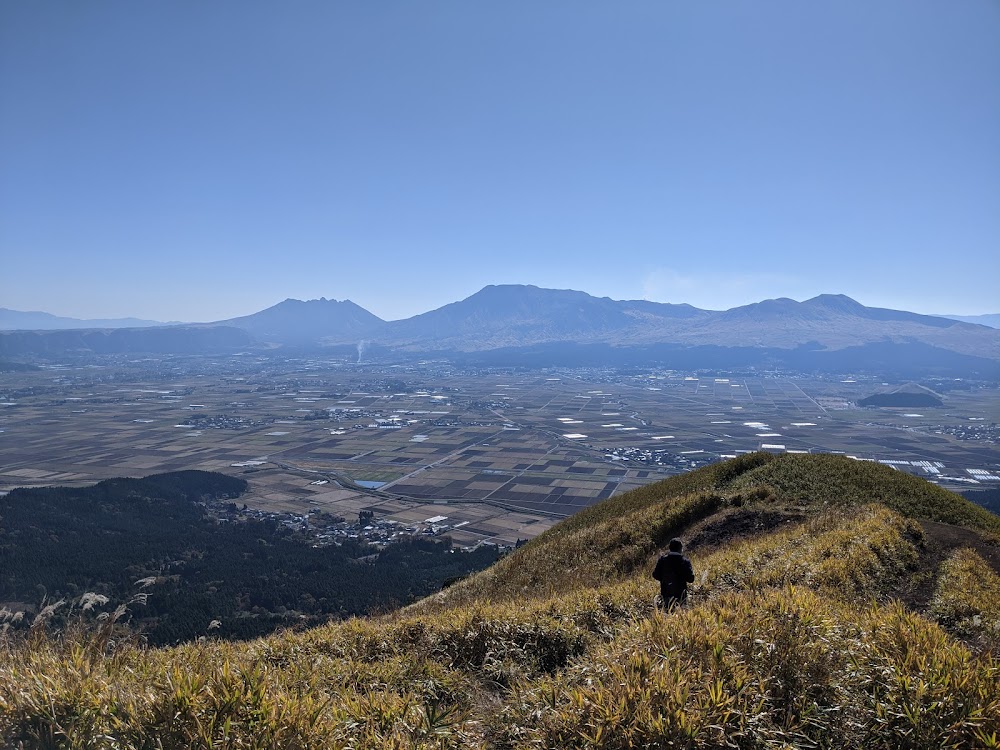
Dramatic viewpoint overlooking the entire Aso caldera from above. You can see the five peaks of Aso and the flat caldera floor below. One of the most impressive volcanic views in Japan.
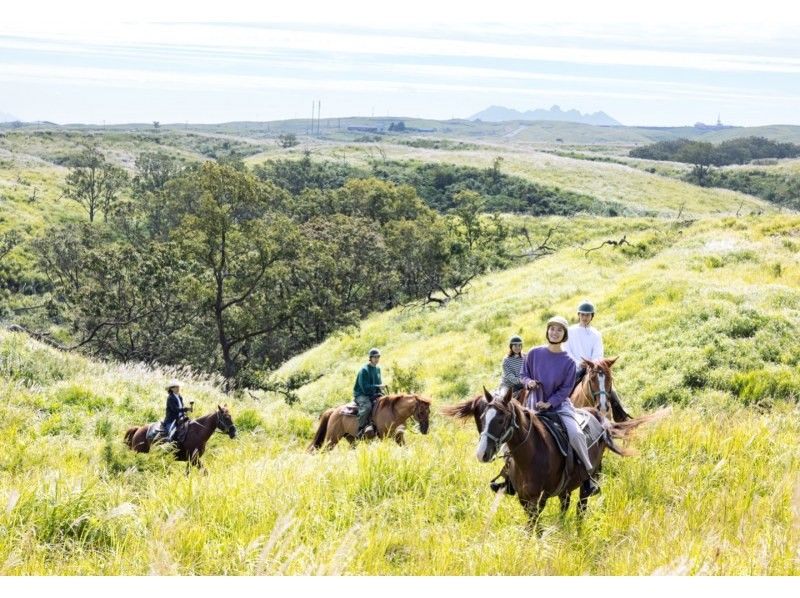
Horseback riding across the vast grasslands inside Aso caldera. Guided rides suitable for beginners. The volcanic landscape behind grazing horses is surreal. 30-minute and 1-hour courses.

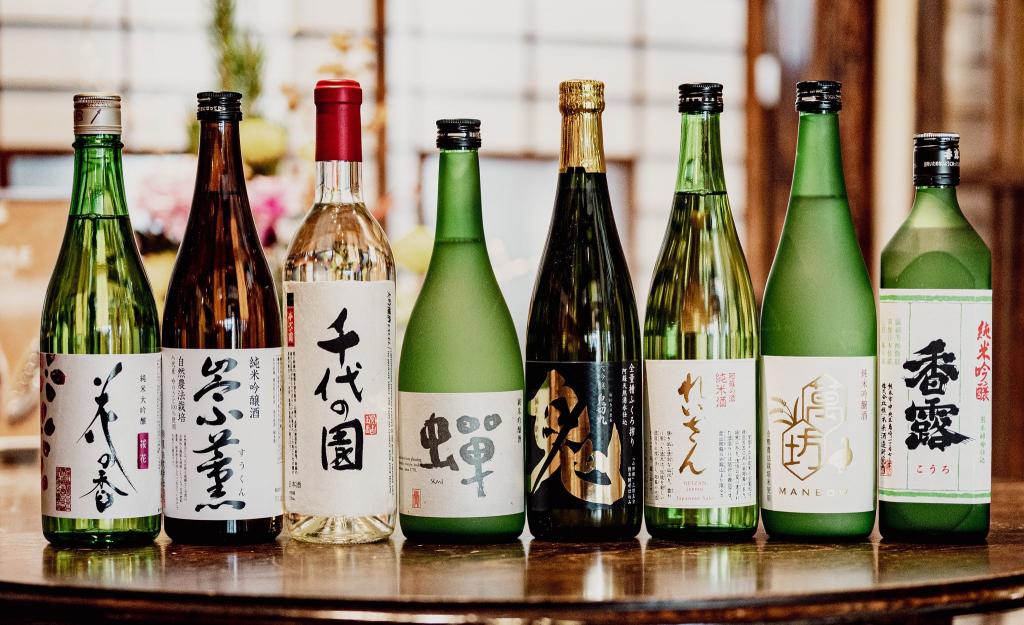
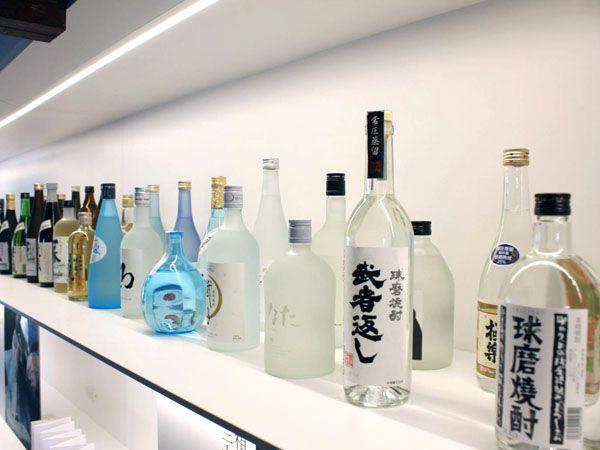
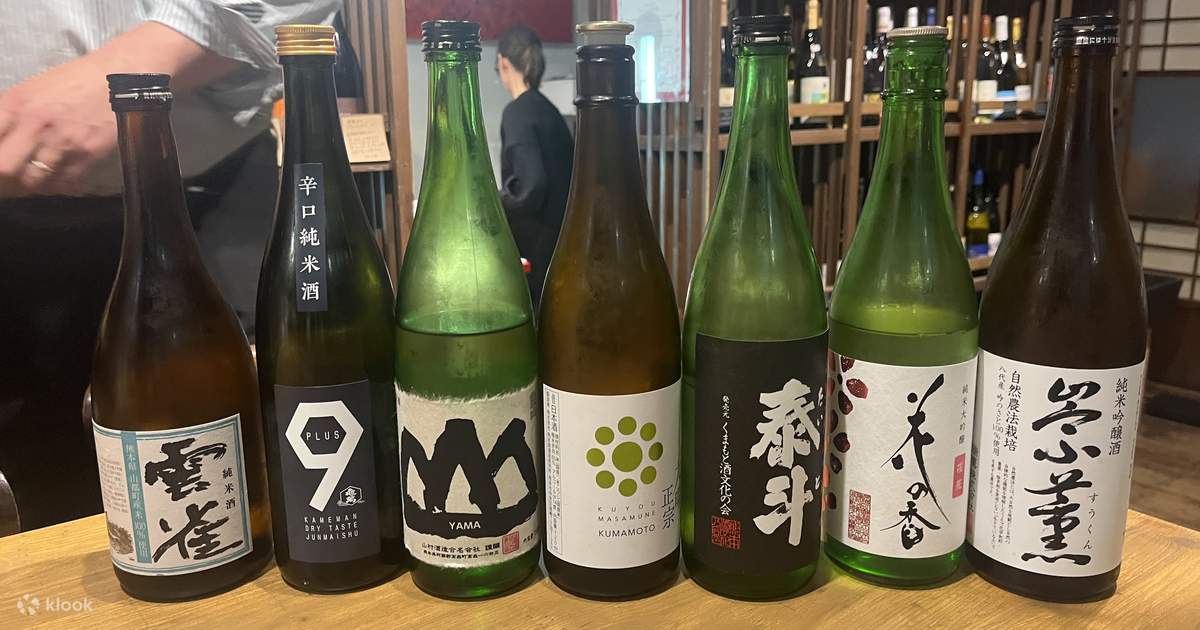
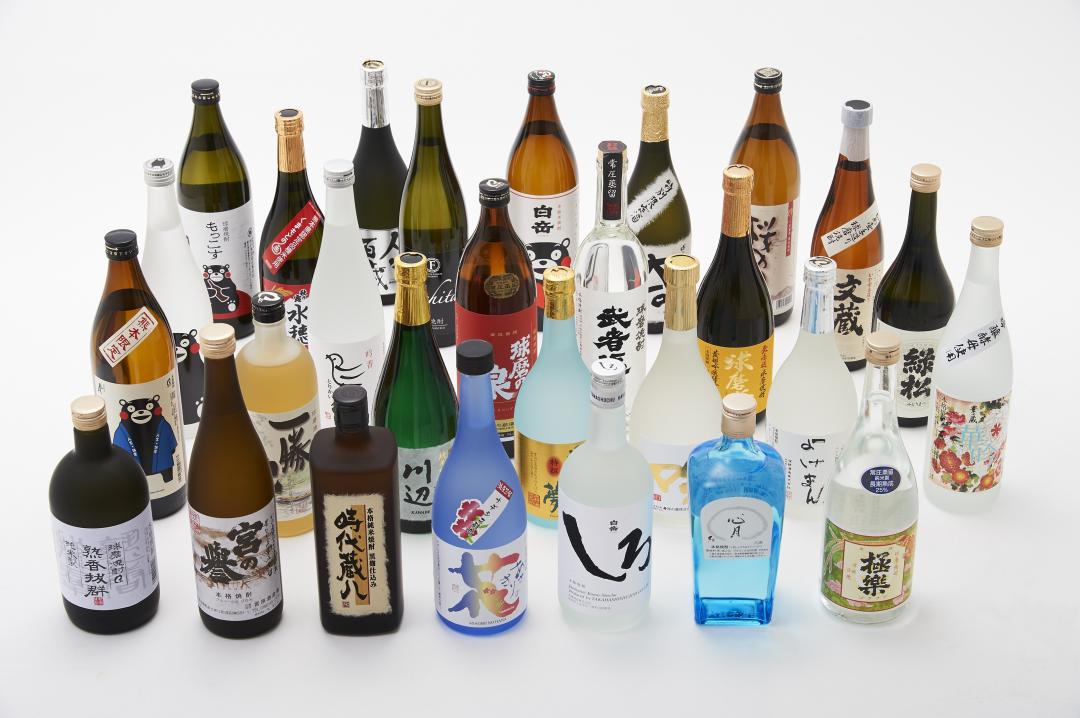
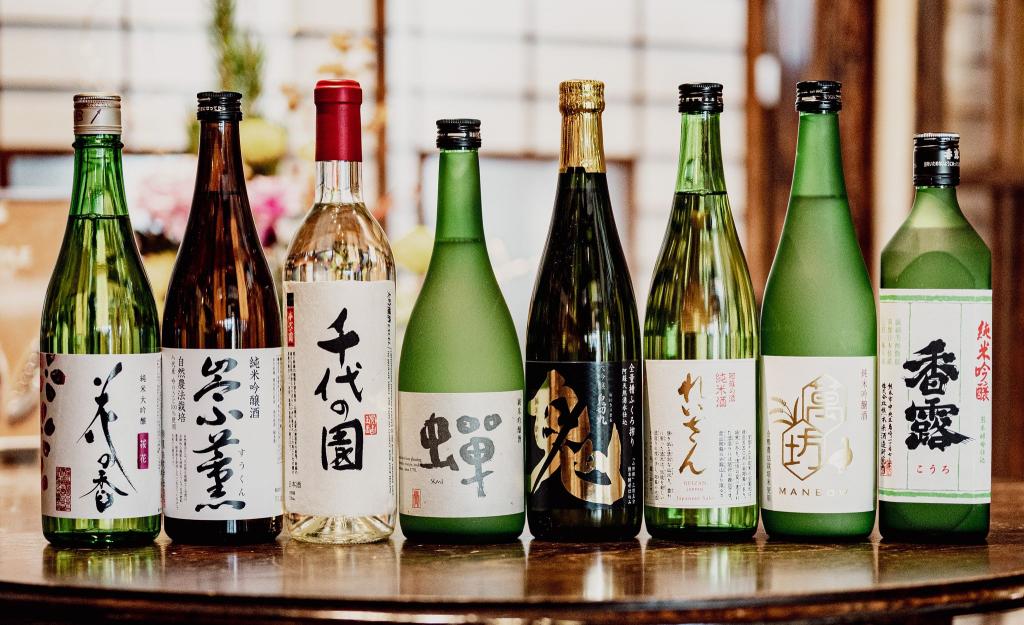
Kumamoto (particularly the Kuma region) produces exceptional rice shochu. Distillery tours with tastings. Ginza Roku and Hakutake are famous brands. Several distilleries accept visitors.

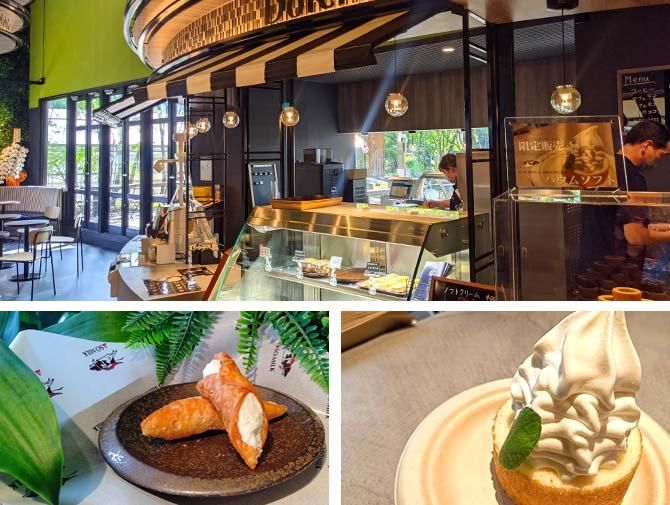
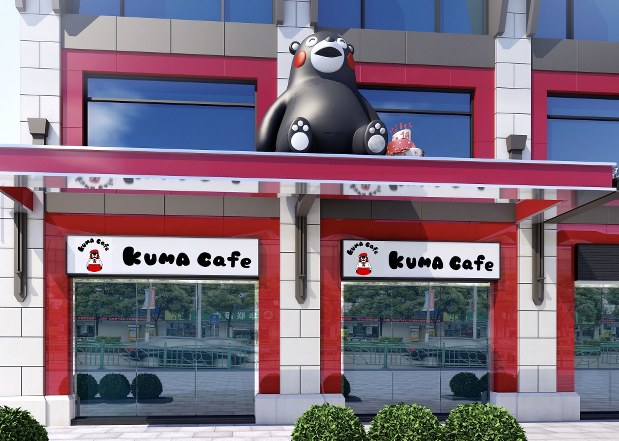
Kumamon-themed cafe serving character-themed sweets and drinks. Latte art, shaped cookies, and themed desserts. Fun for Kumamon fans. Near Kumamon Square.
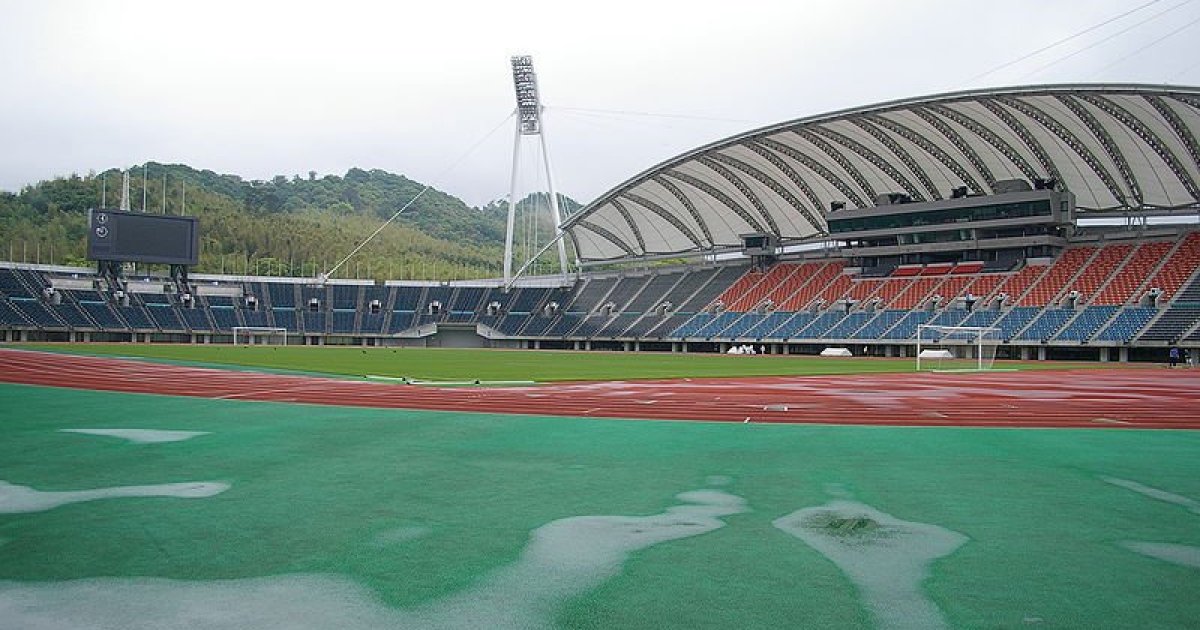
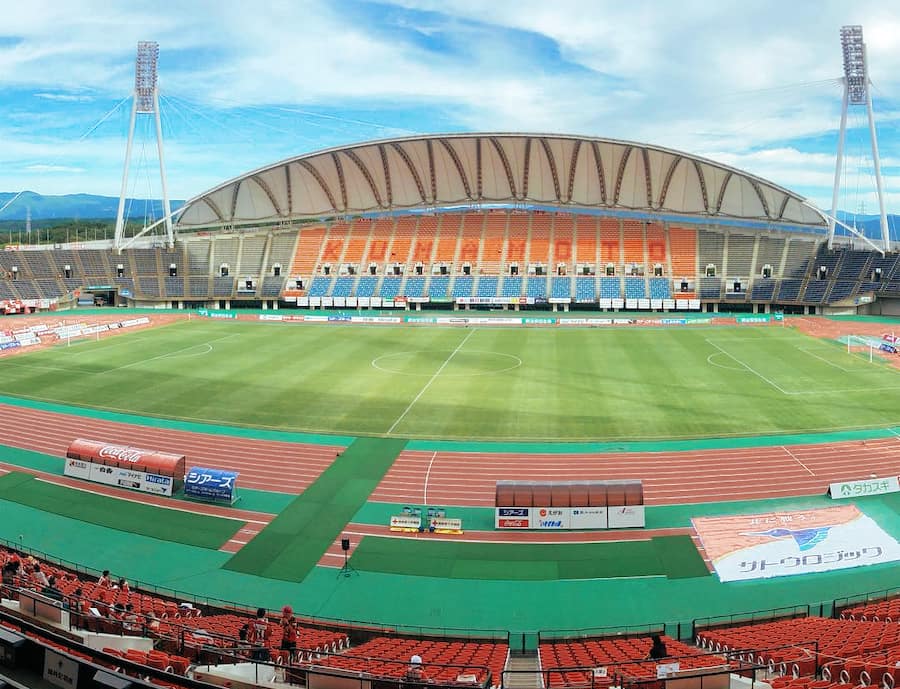
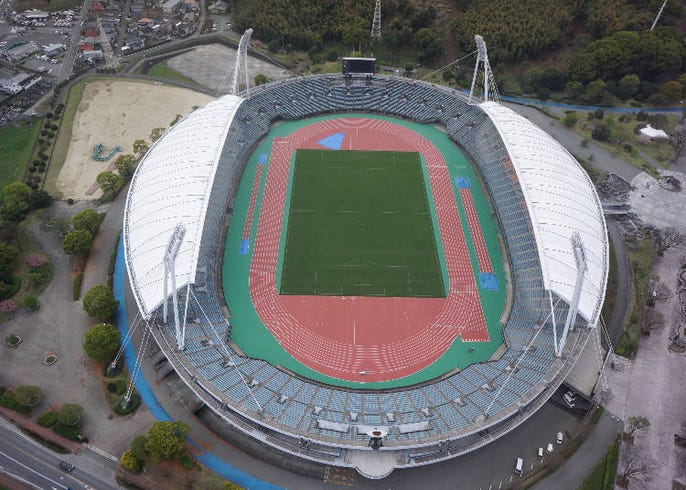
Roasso Kumamoto football matches when in season. The local J-League team has passionate supporters. Even for non-football fans, the matchday atmosphere is exciting.
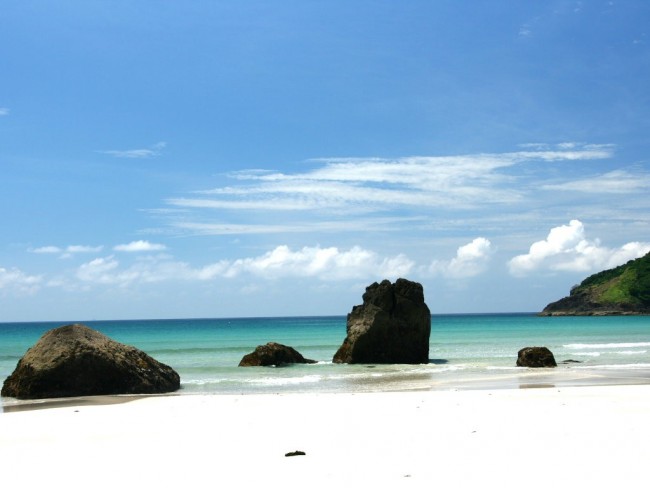
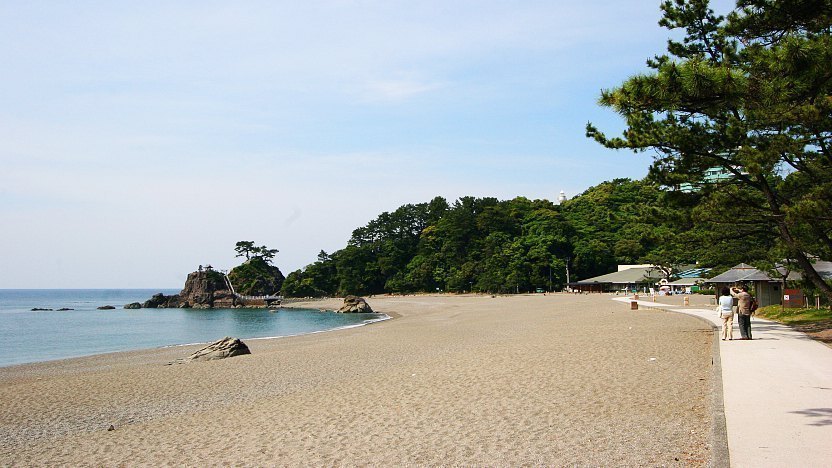
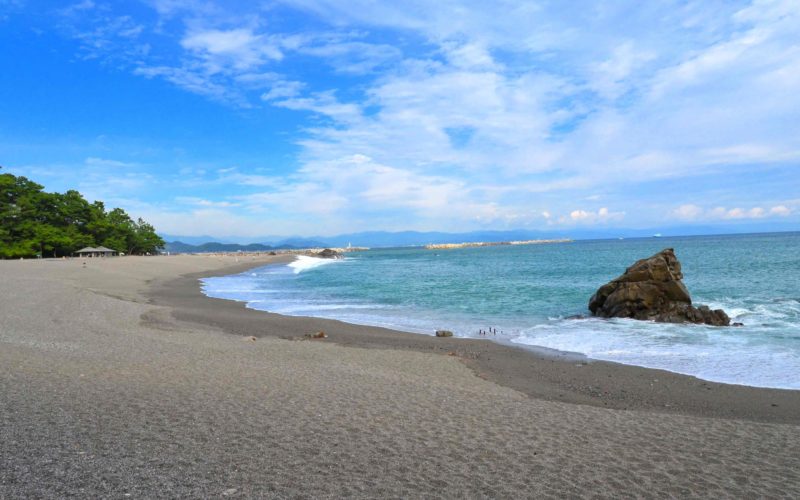
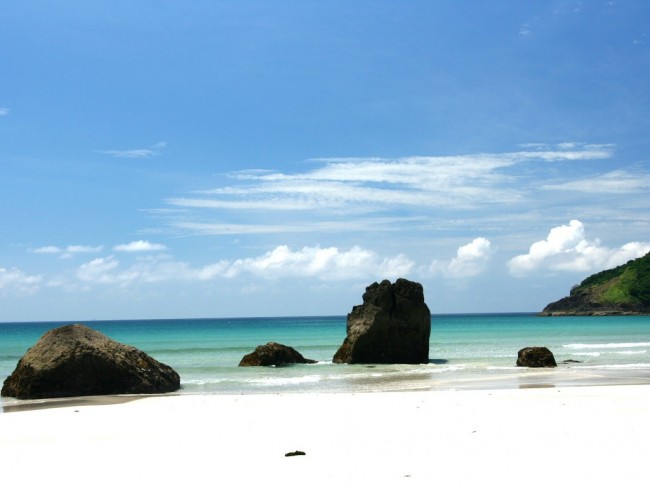
The most beautiful beach in Kumamoto prefecture. White sand and clear blue water unusual for Kyushu. Sea turtle nesting site. Swimming in summer. 2.5 hours from Kumamoto.

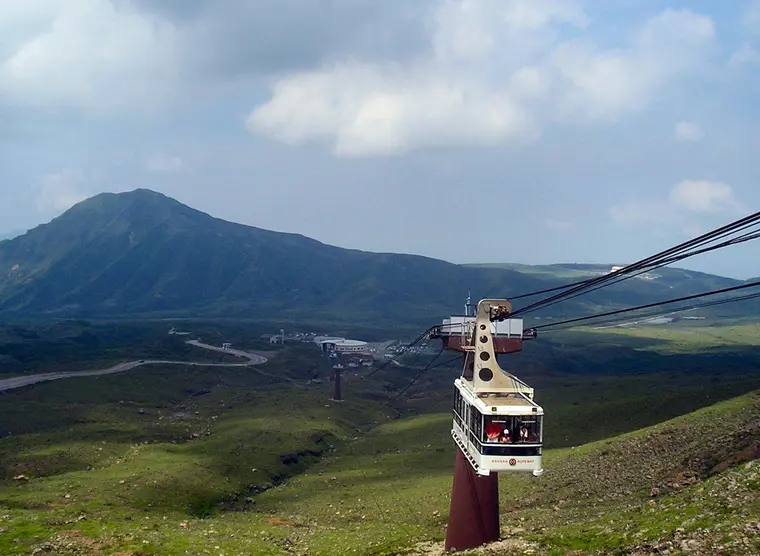
Ropeway to the edge of the Nakadake crater. Operations depend on volcanic activity levels. When running, it offers unmatched views into a live volcanic crater. Check status before visiting.

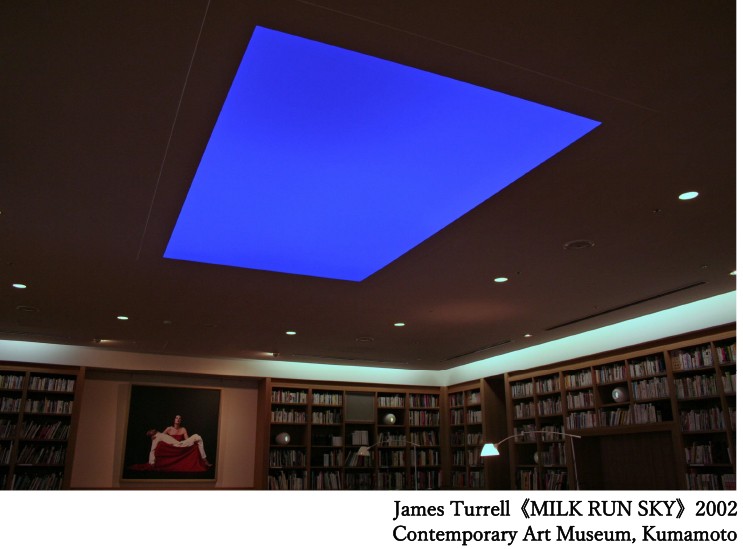
Free contemporary art museum in the shopping arcade. Rotating exhibitions plus a permanent collection. The building integrates contemporary design with the arcade environment.
UNESCO temples, cliffside shrines, and some of Japan's best onsen towns.

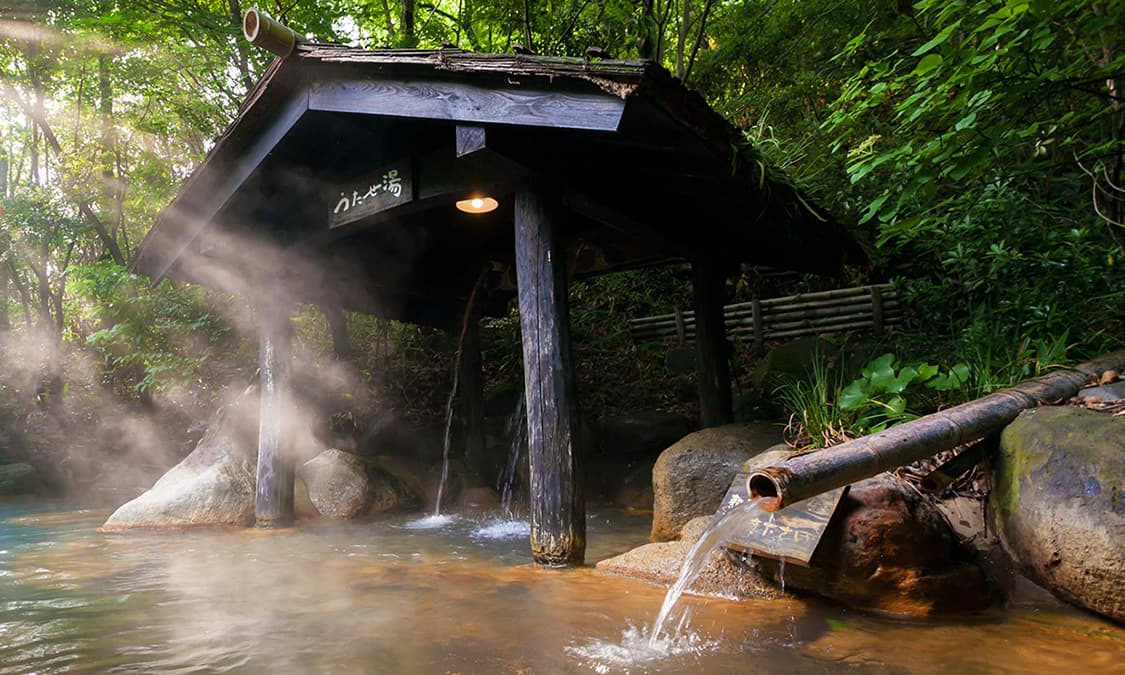
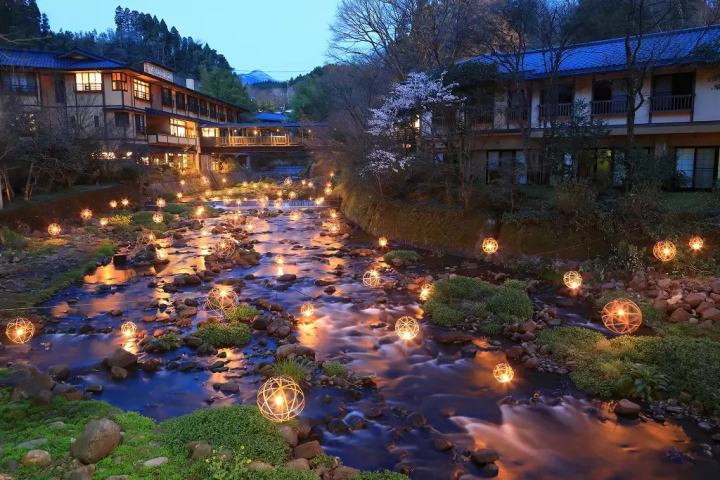
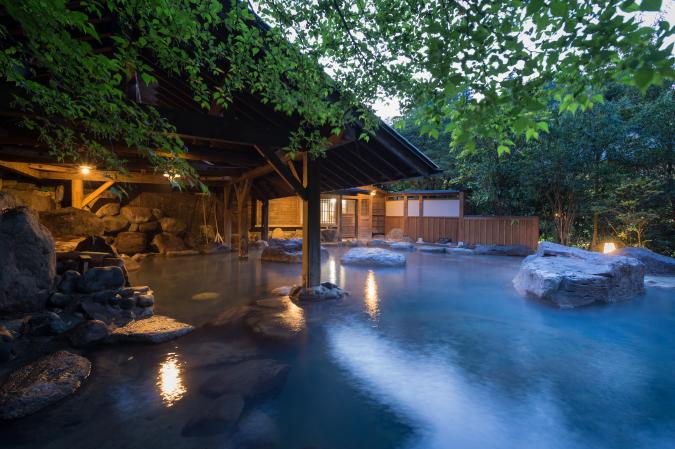
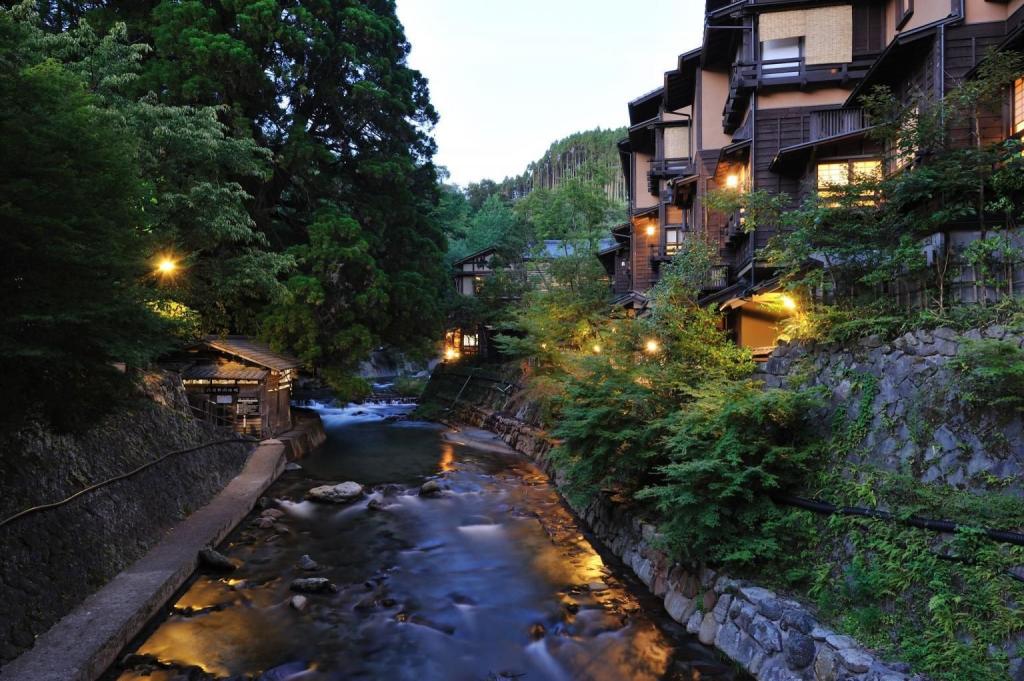
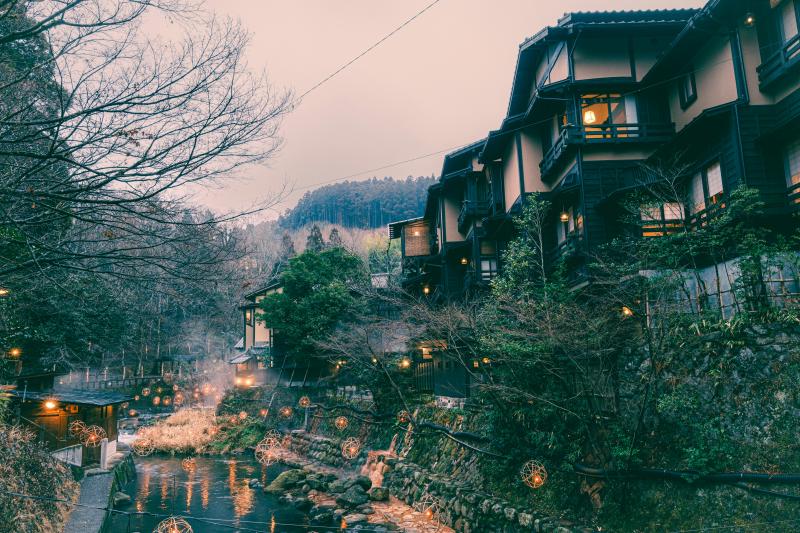
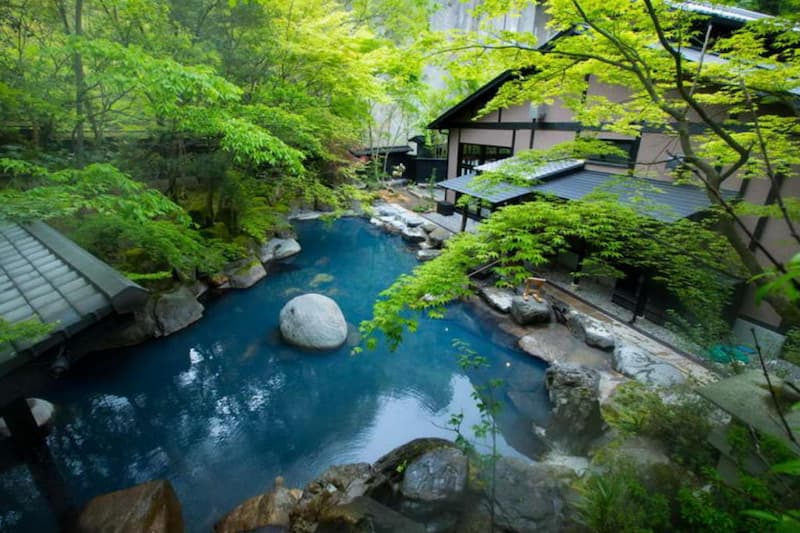
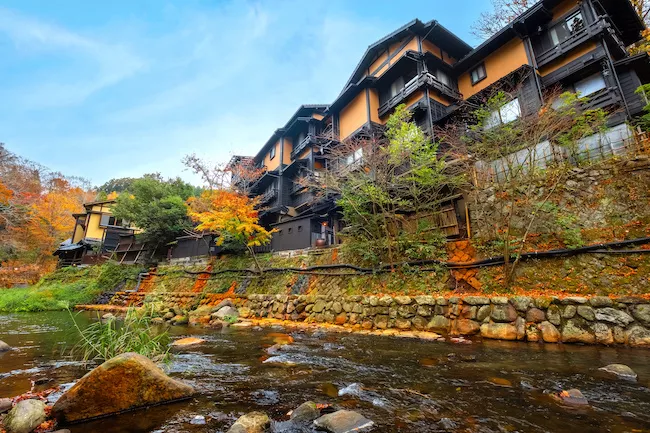
Picturesque hot spring village in a forested ravine. Purchase a tegata (wooden pass) to bathe at three different ryokan. Lantern-lit streets at night. One of Japan's best onsen towns. 90 min from Kumamoto.

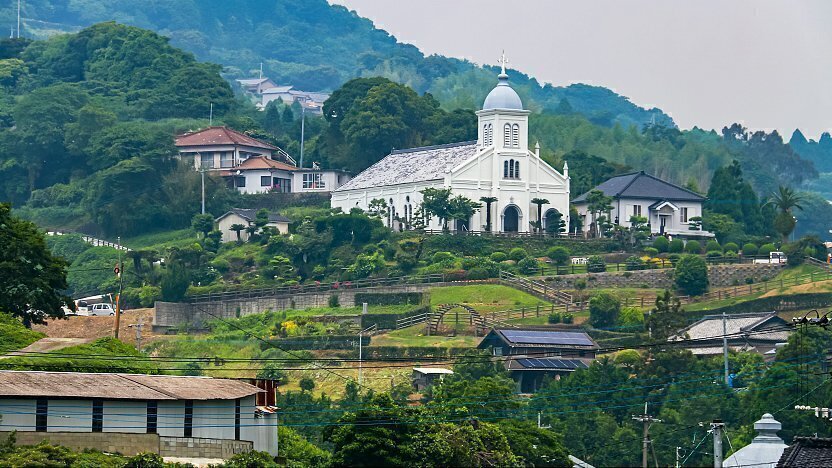
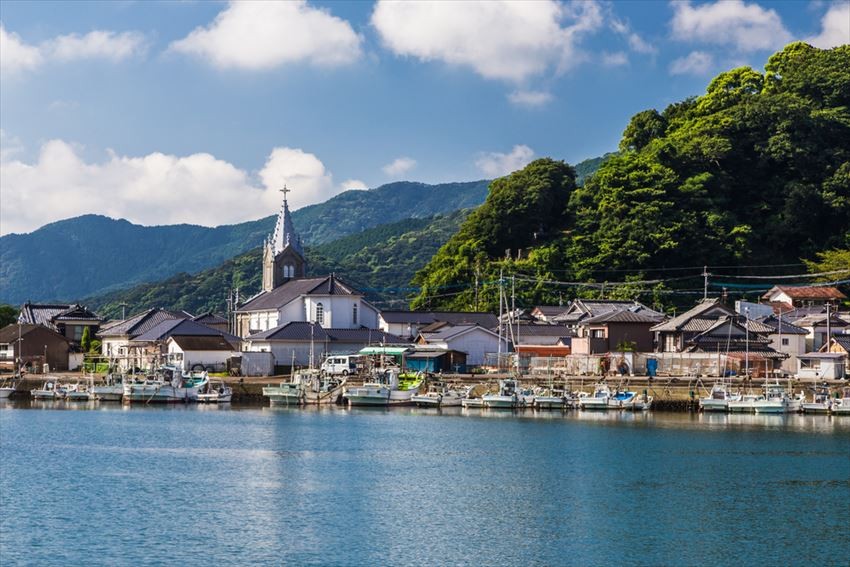
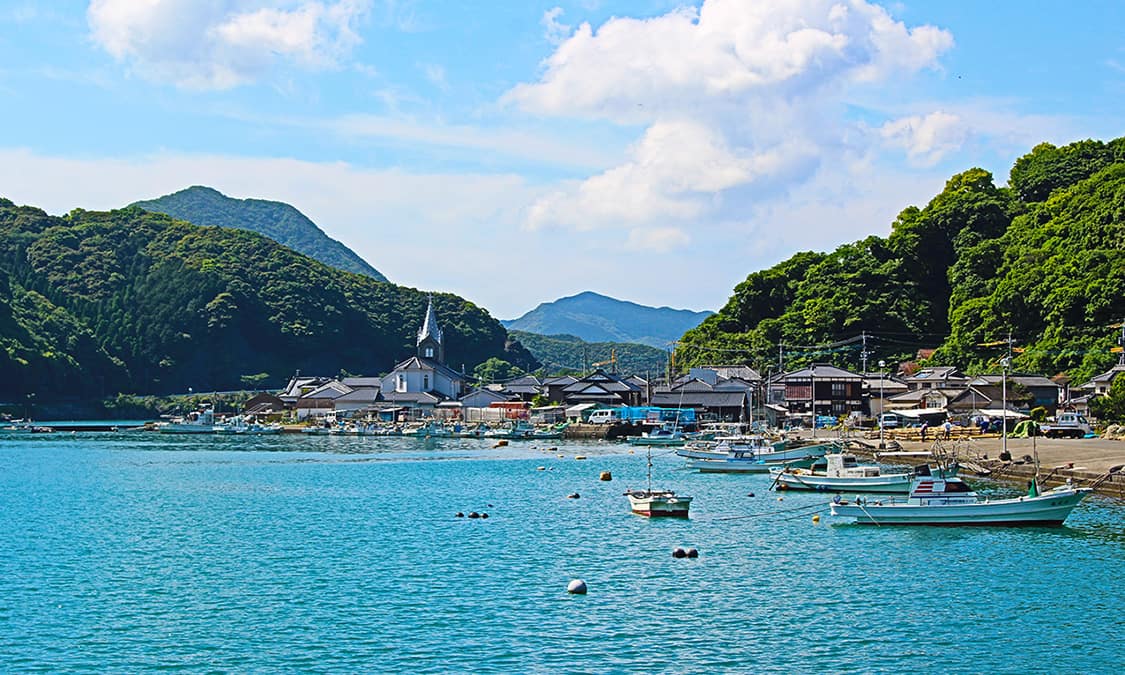
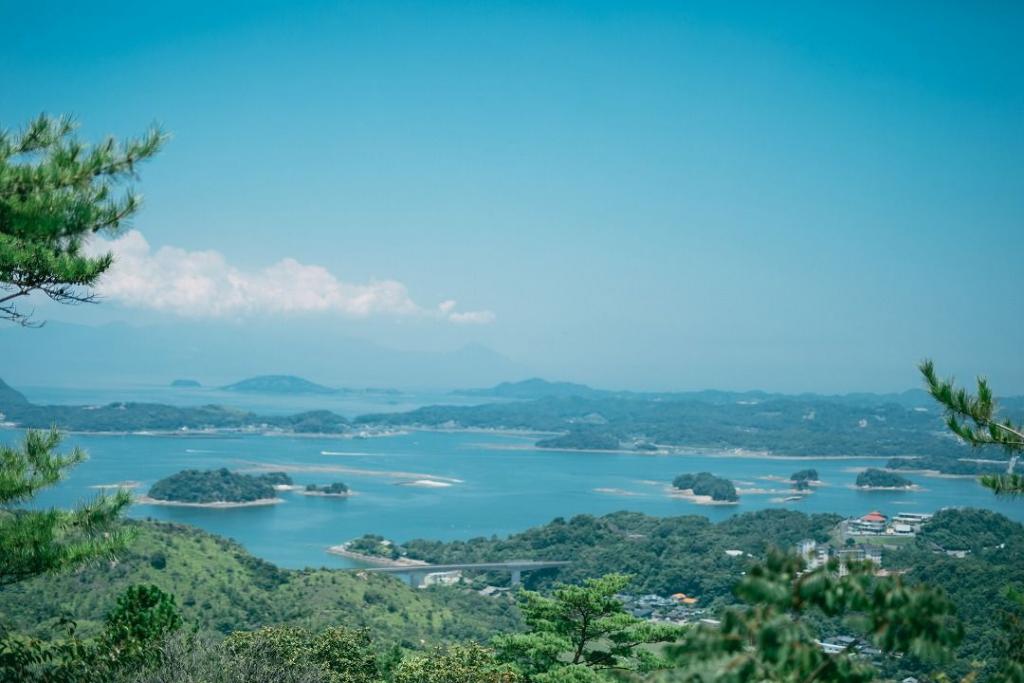
Chain of islands connected by five bridges. Hidden Christian heritage (UNESCO), dolphin watching, and fresh seafood. The Amakusa Five Bridges drive is scenic. 2 hours from Kumamoto.

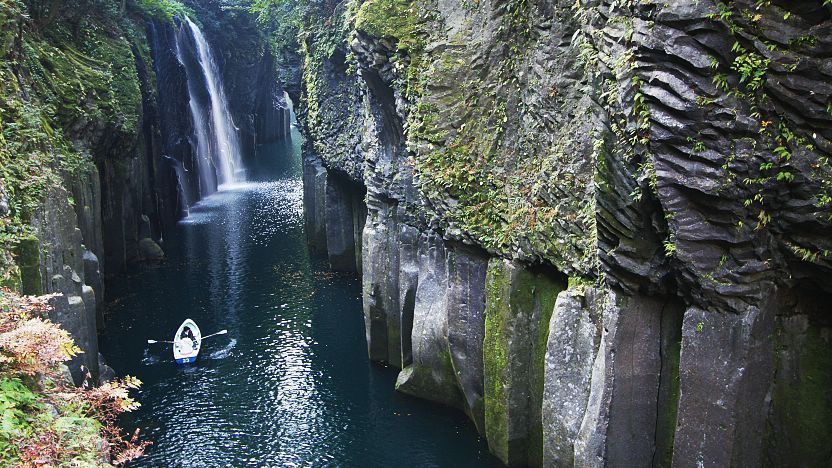
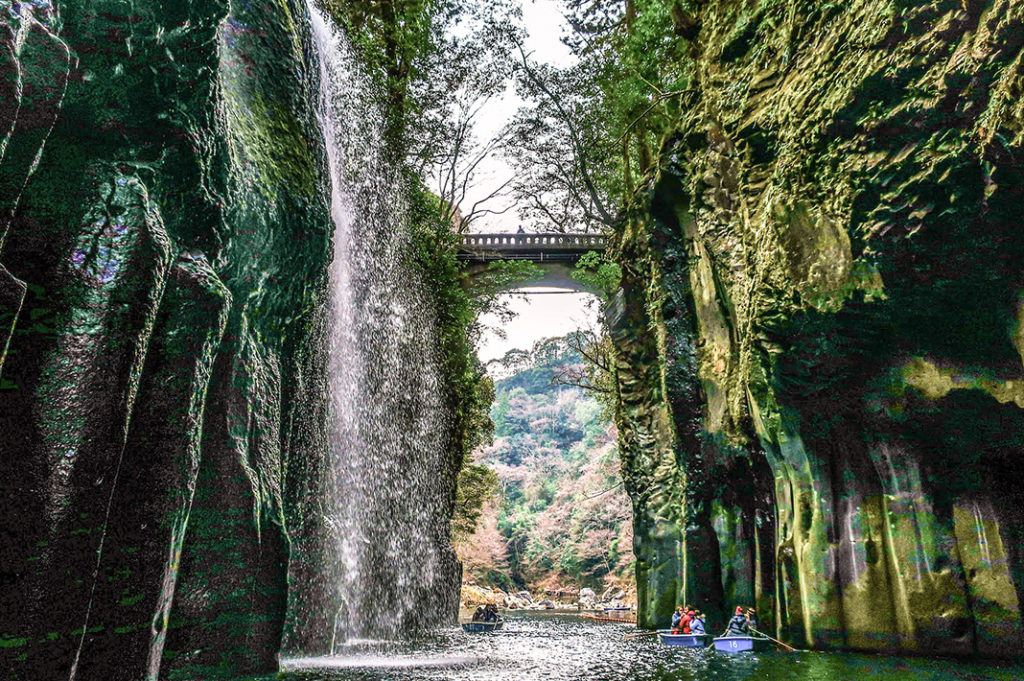
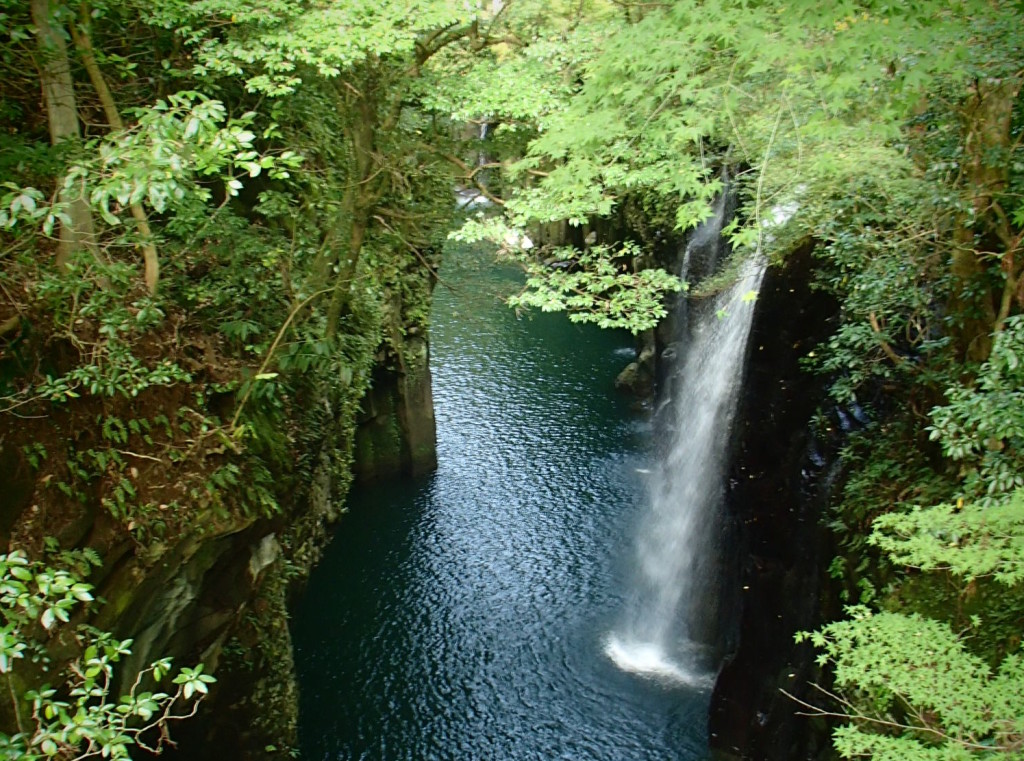
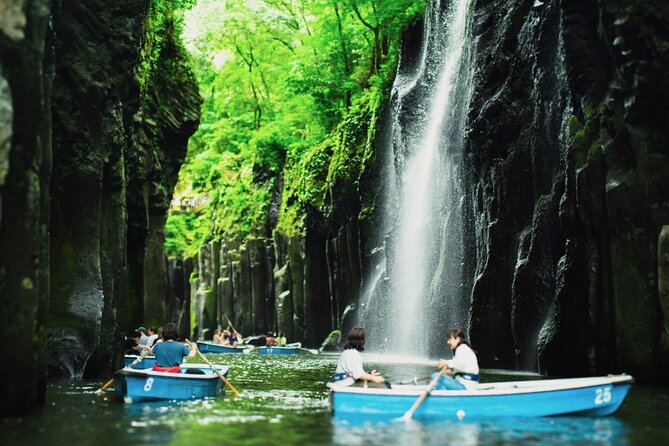
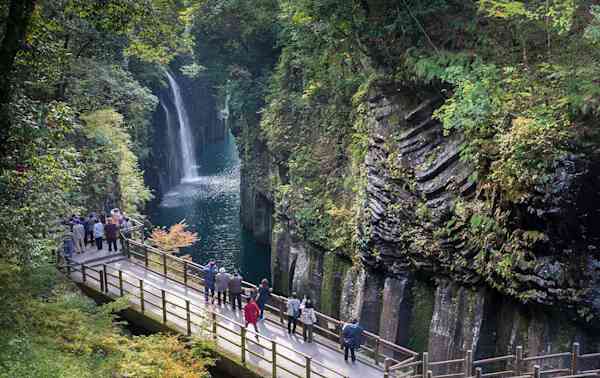
Spectacular basalt gorge with a 17m waterfall. Rental rowboats let you paddle beneath the falls. Connected to Japanese creation mythology. One of Kyushu's most beautiful natural sites. 2.5 hrs from Kumamoto.

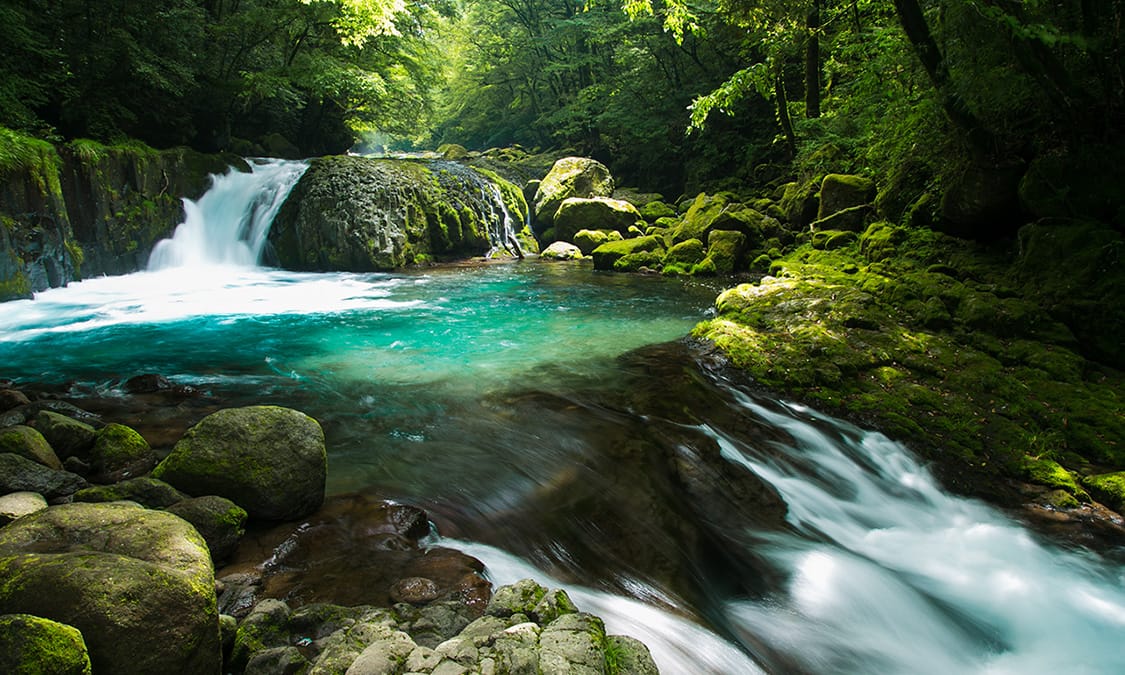
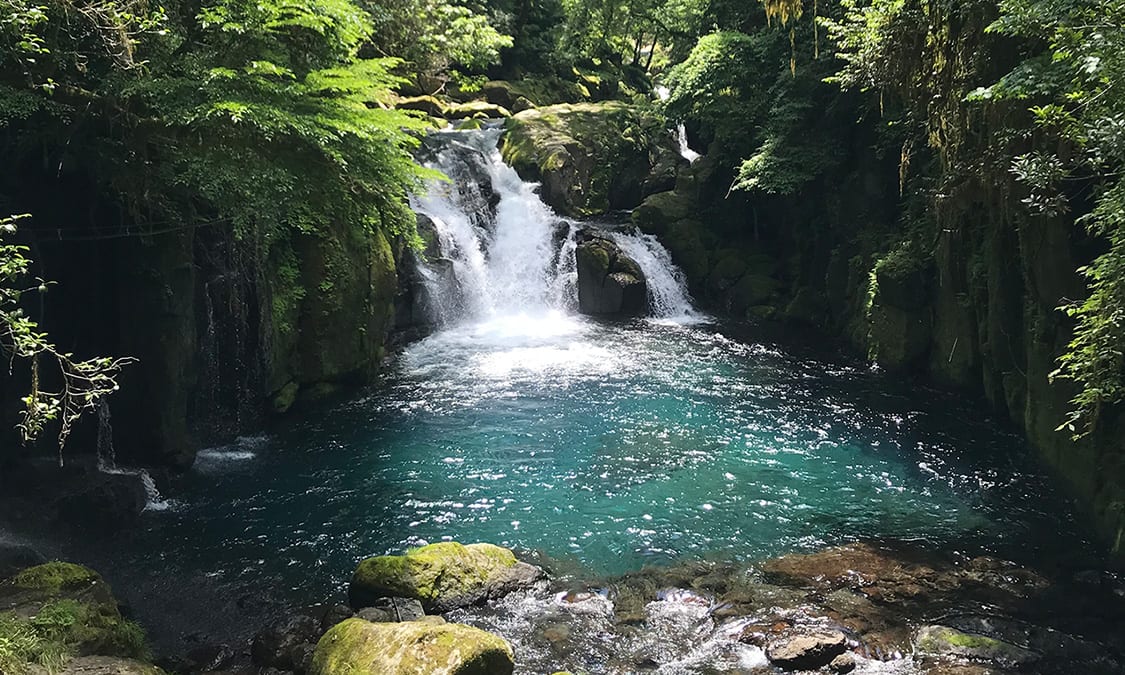
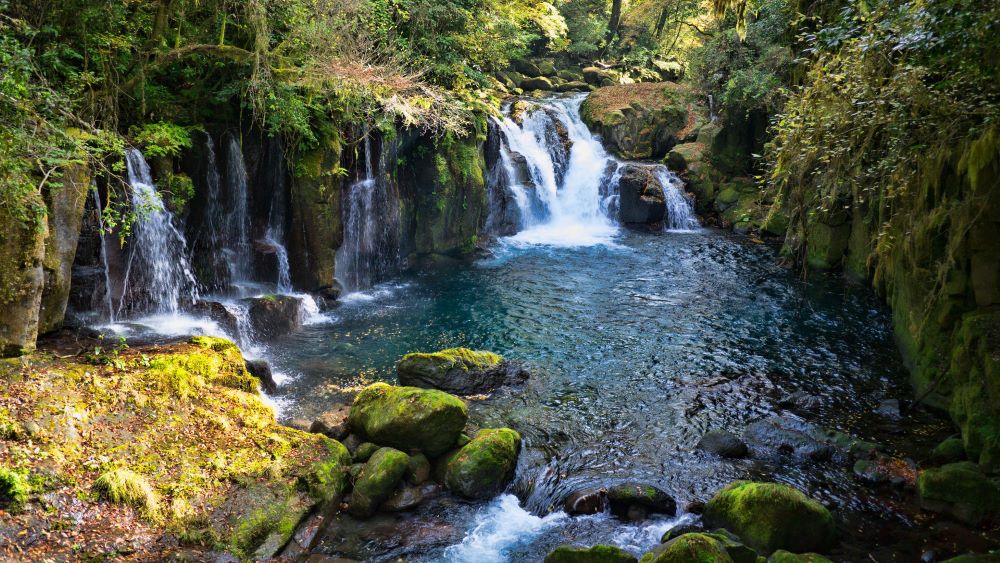
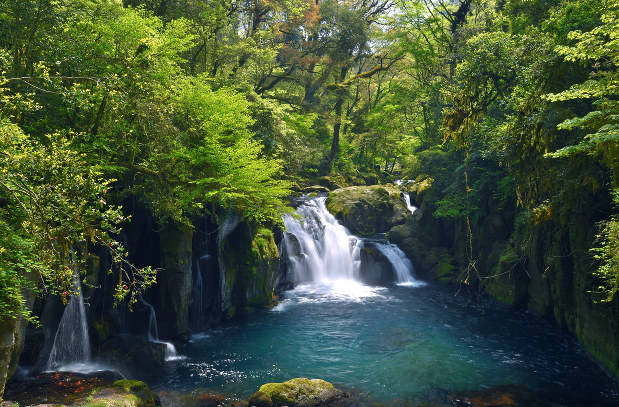
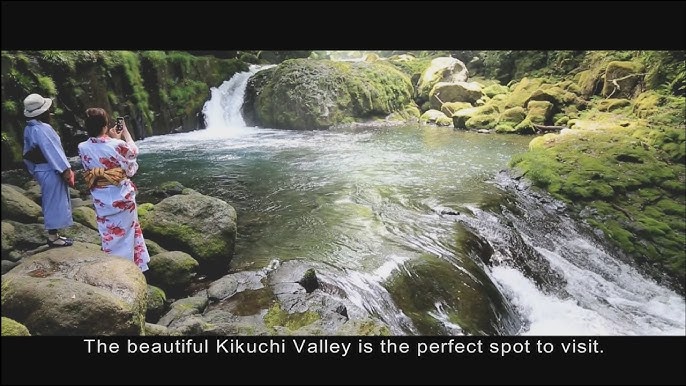
Pristine forest gorge with crystal-clear pools and waterfalls. Excellent hiking trails. The autumn foliage reflecting in emerald pools is extraordinary. 90 min from Kumamoto.

Castle town on the Kuma River. Famous for Kuma shochu (rice spirit) distilleries. Kumagawa River rafting is exciting. Historic hot springs. 90 min from Kumamoto by car.

Hilltop park with ruins of Kikuchi Castle. Over 10000 cherry trees bloom in spring. Connected to the ancient Kikuchi clan warrior heritage. Beautiful walking trails. 1 hour from Kumamoto.

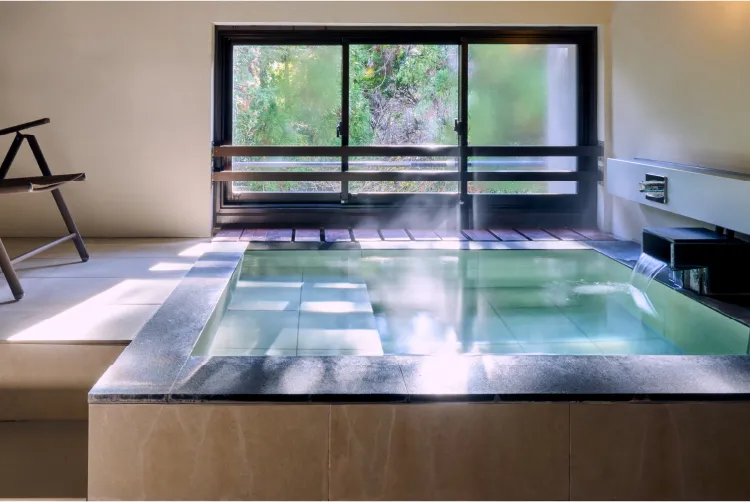
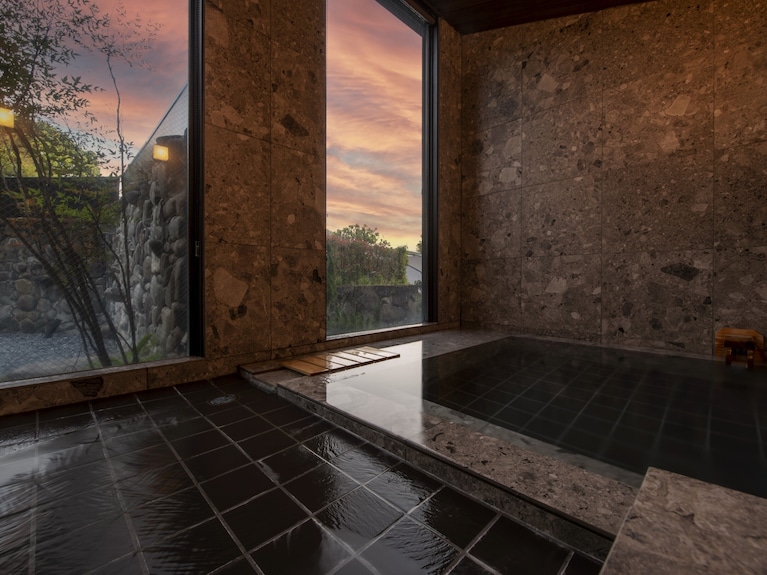
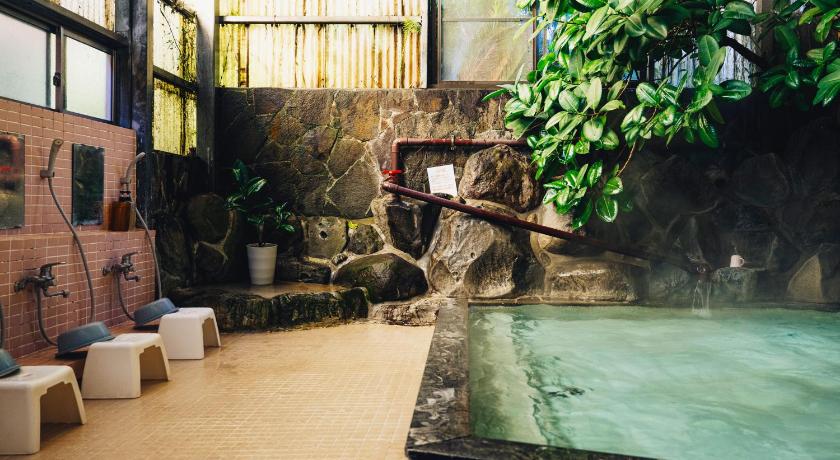
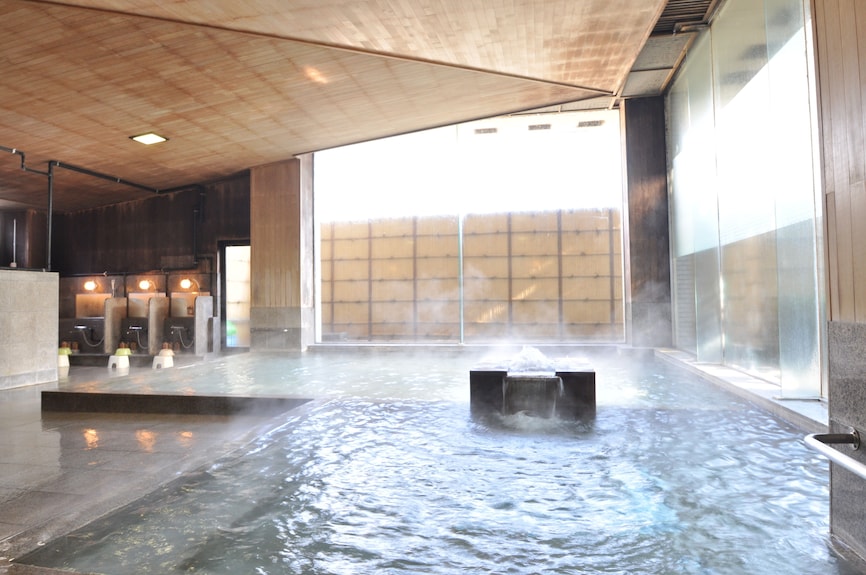
Quiet hot spring town 1 hour north of Kumamoto. Known for silky smooth alkaline water. Much less touristy than Kurokawa. Good day trip for authentic onsen experience.