Gateway to the Japanese Alps, the ancient Zenko-ji temple, bathing snow monkeys, alpine trails, and handmade soba. 58 curated spots.
Castle ruins, architectural wonders, and centuries of local heritage.
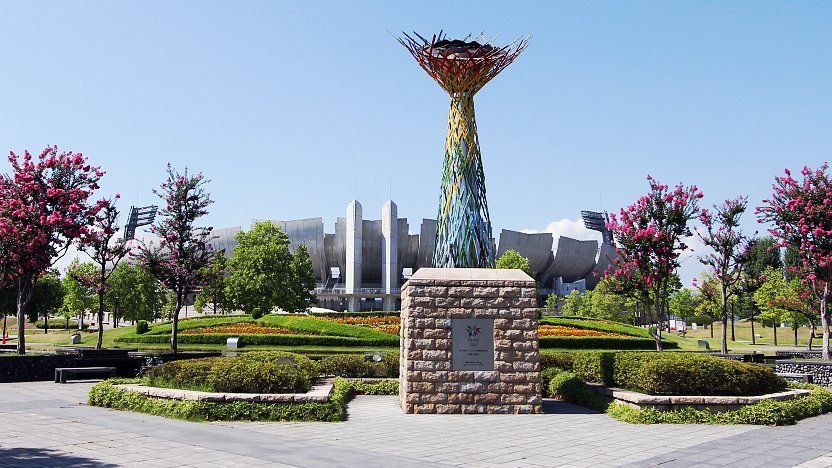
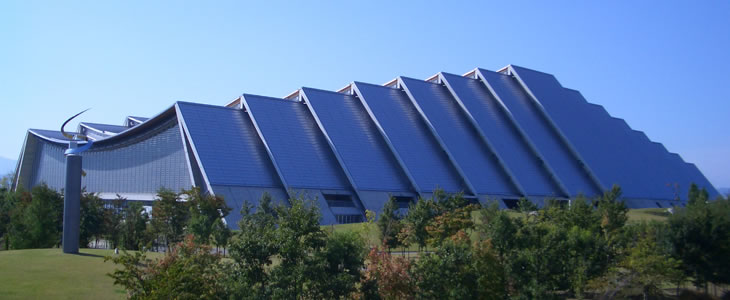
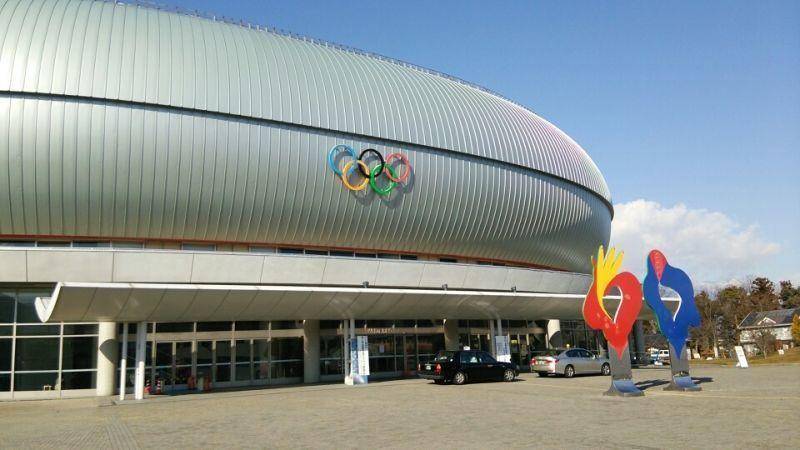
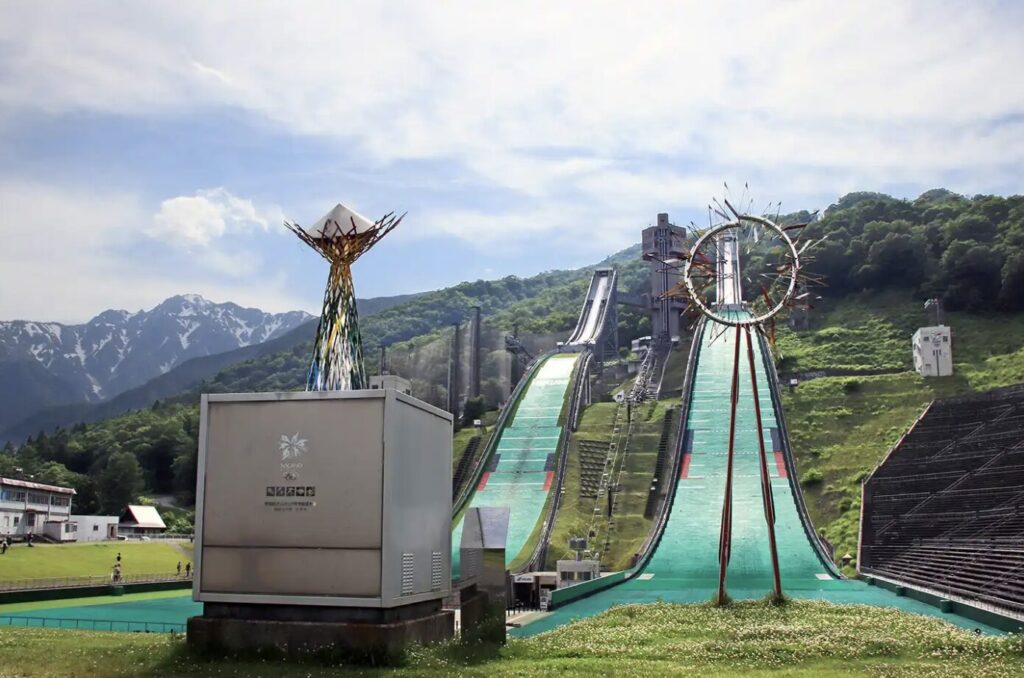
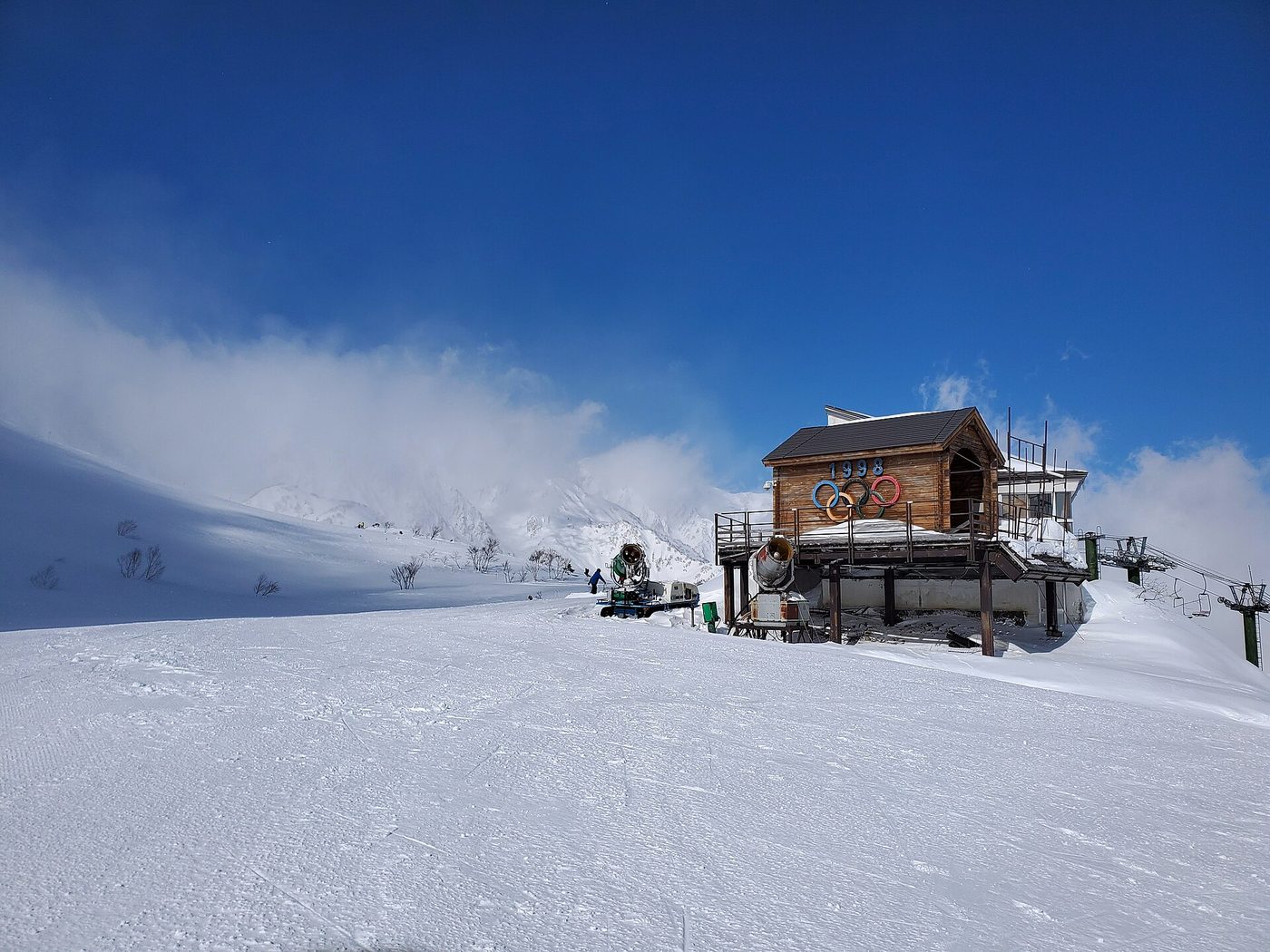
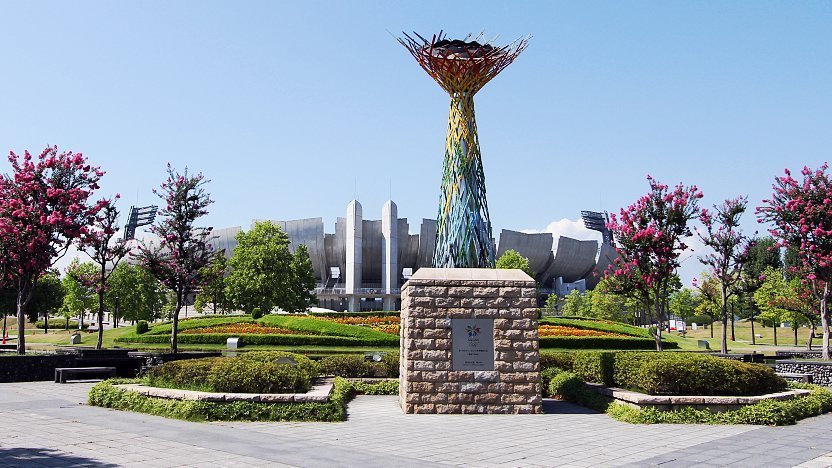
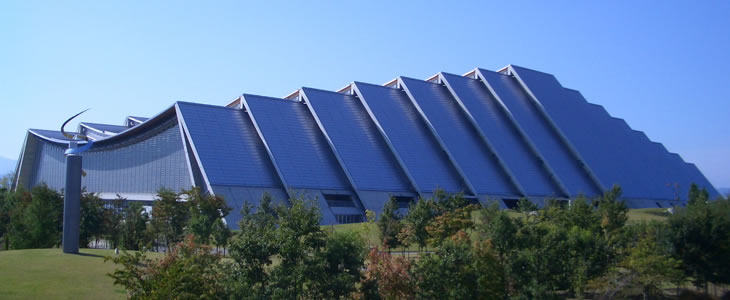
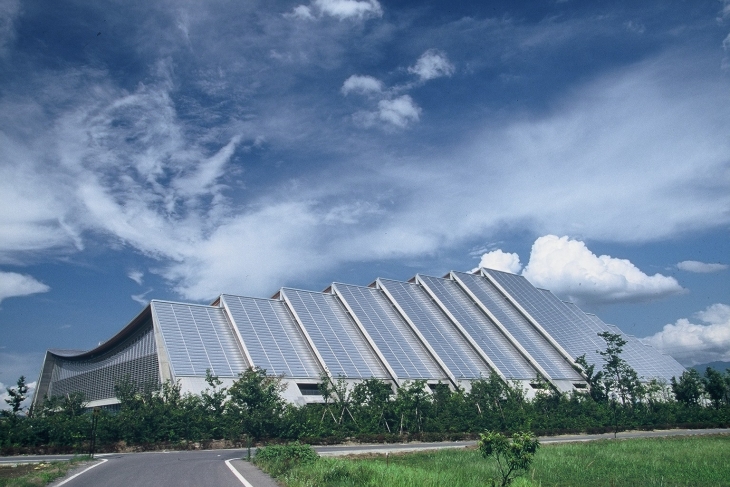
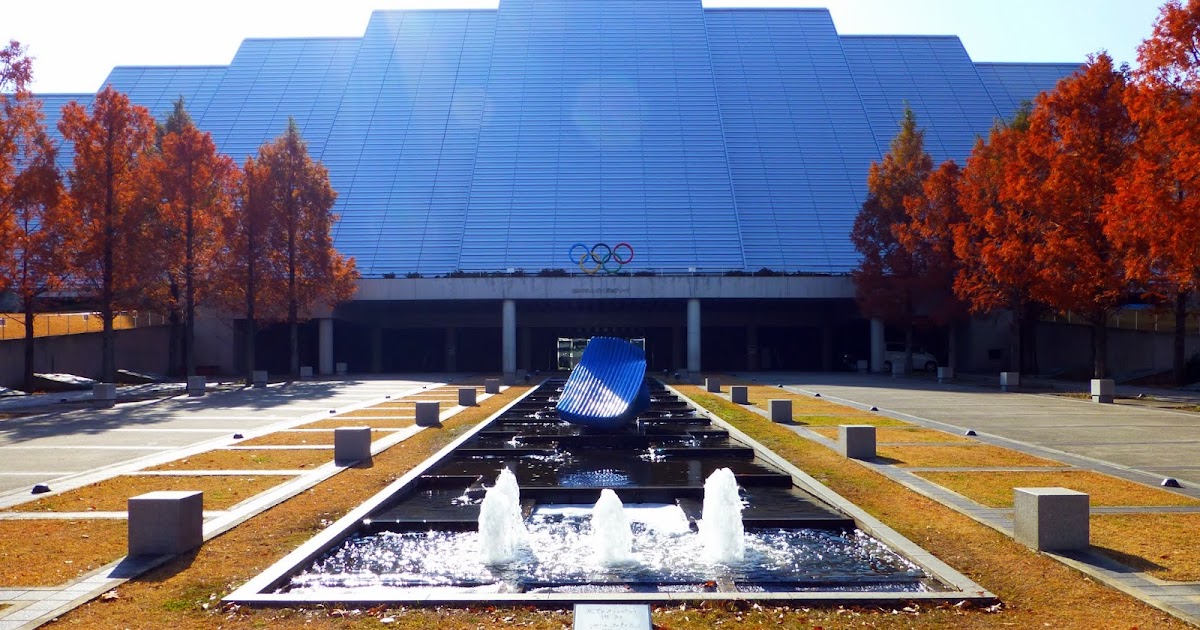
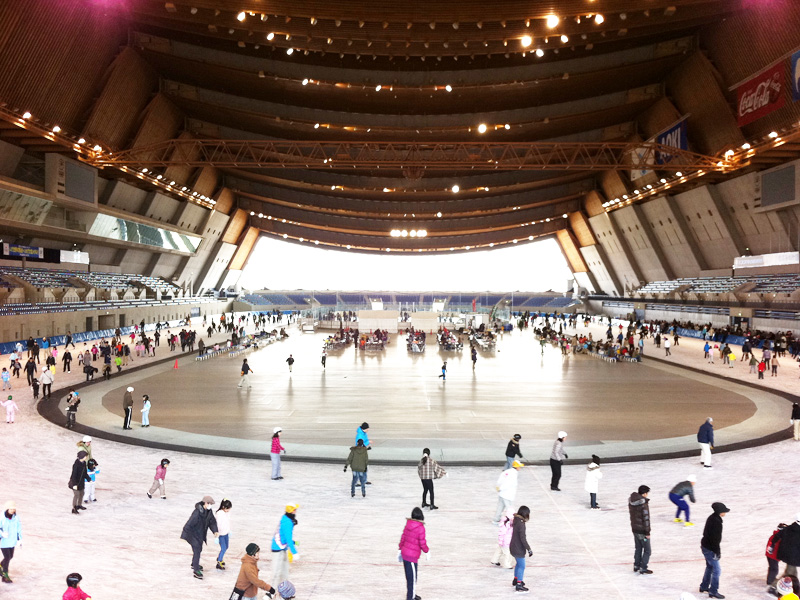
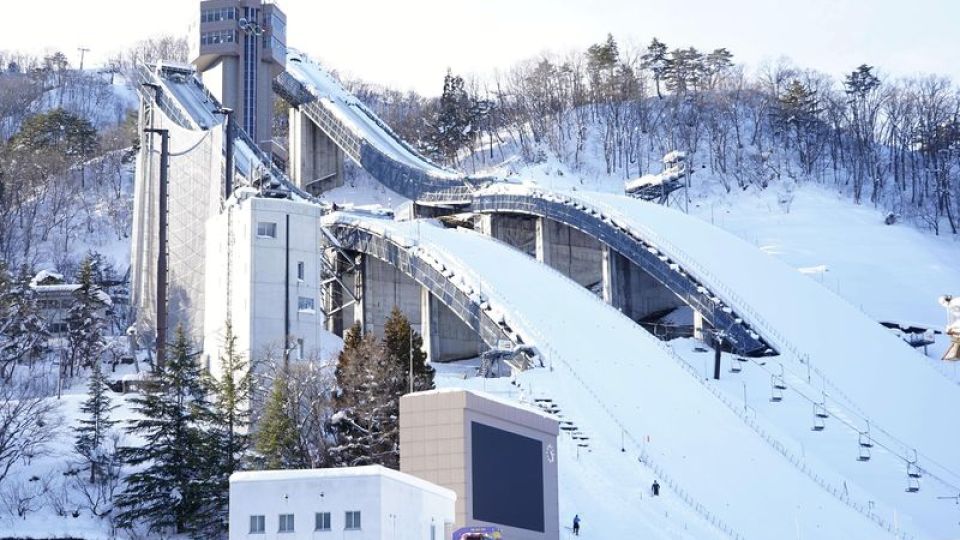
Legacy of the 1998 Winter Olympics. M-Wave speed skating arena, the ski jump stands, and the Olympic Museum. The facilities are well-maintained and some host sporting events.
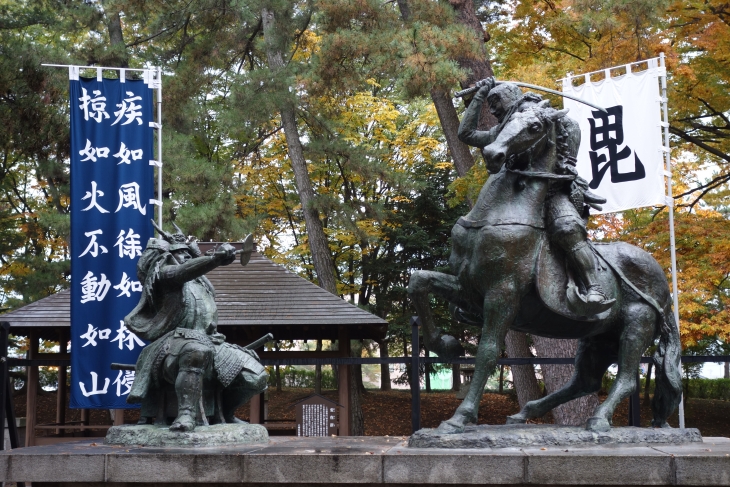
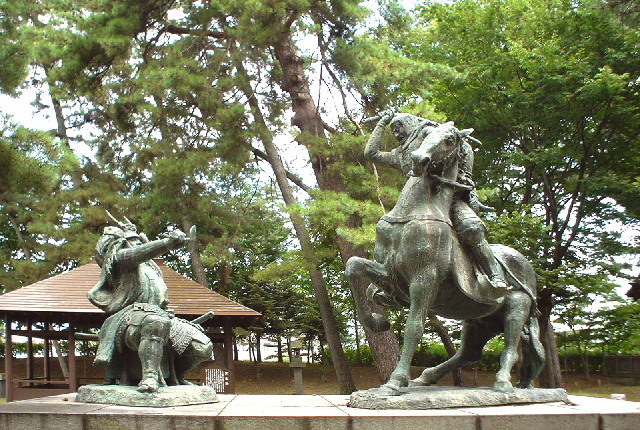
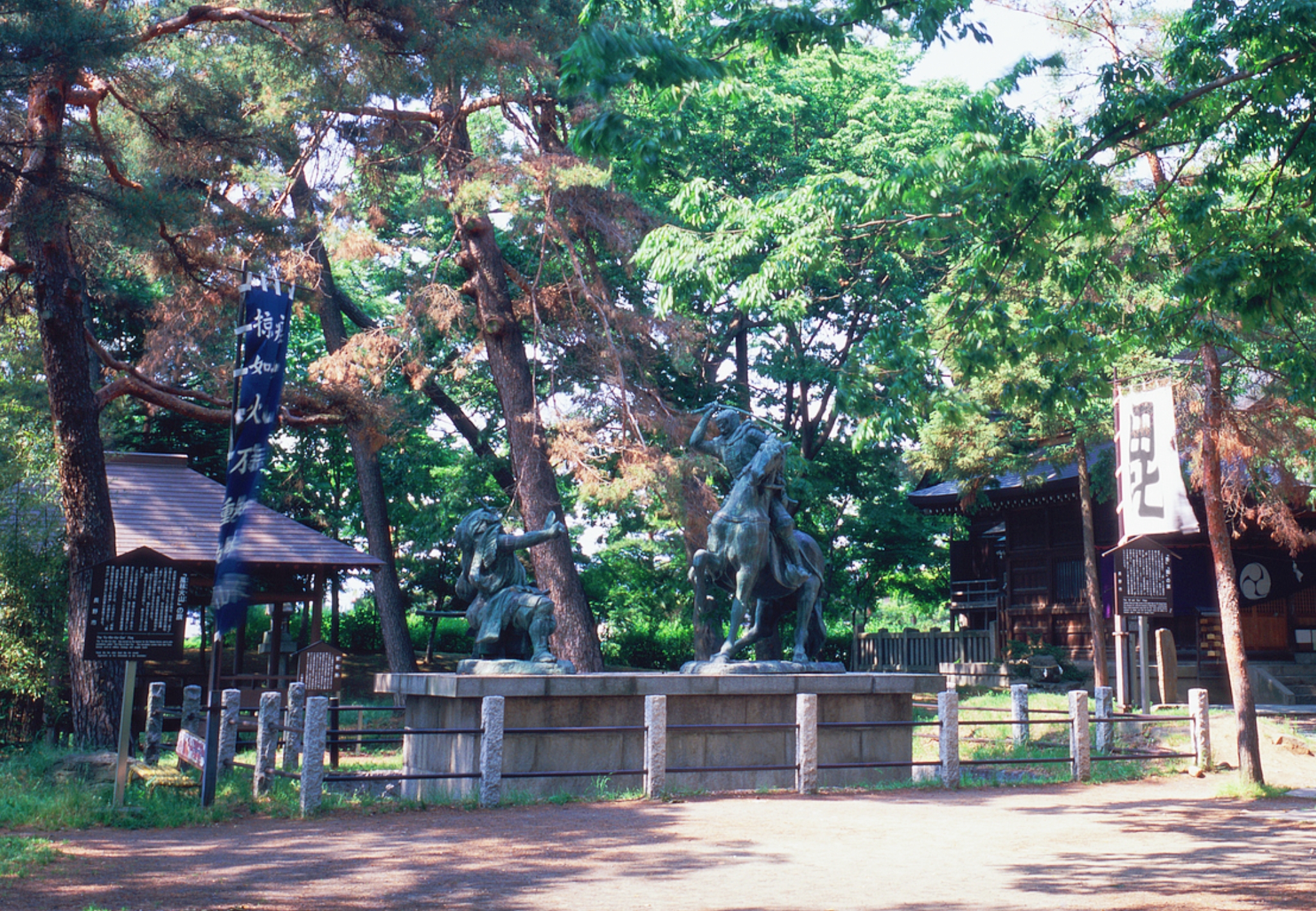
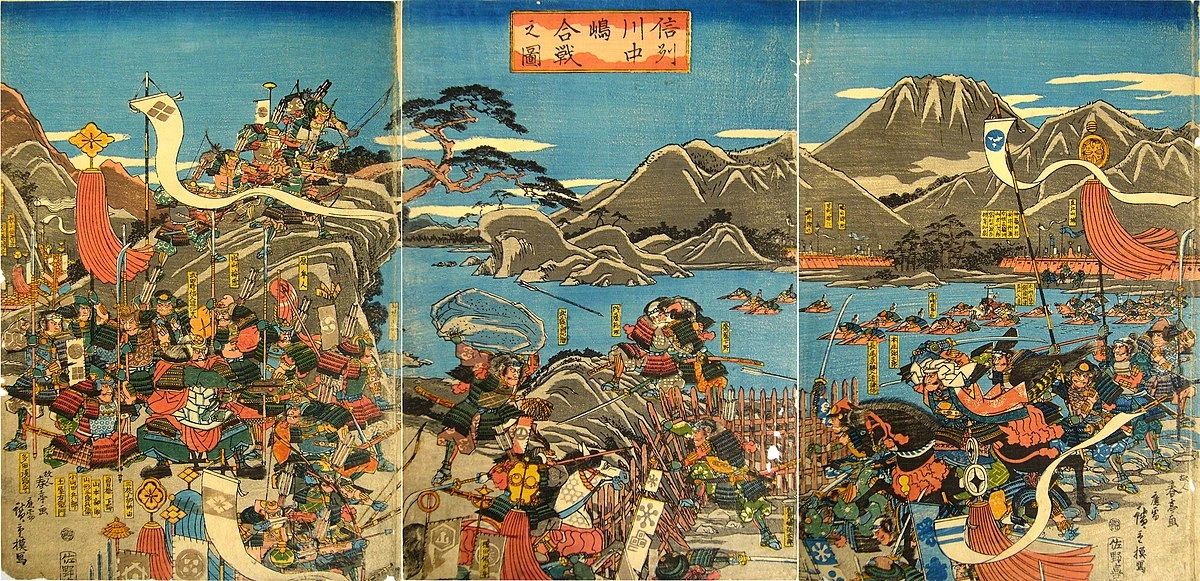
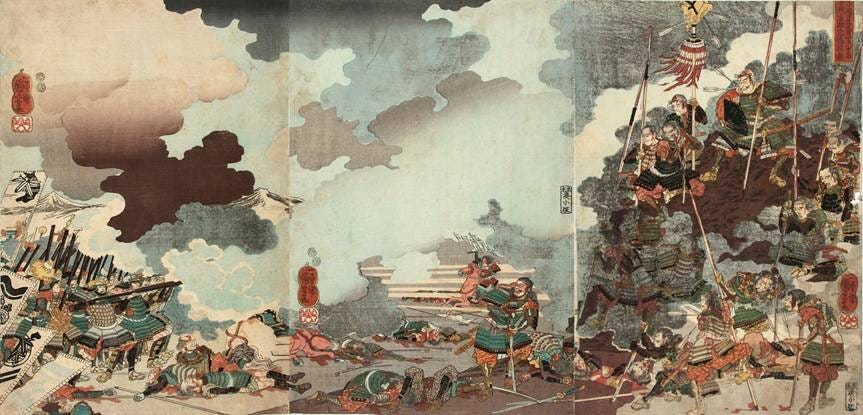
Site of five legendary battles between warlords Takeda Shingen and Uesugi Kenshin. A park with a dramatic bronze statue of their famous duel on horseback. Important samurai history site.
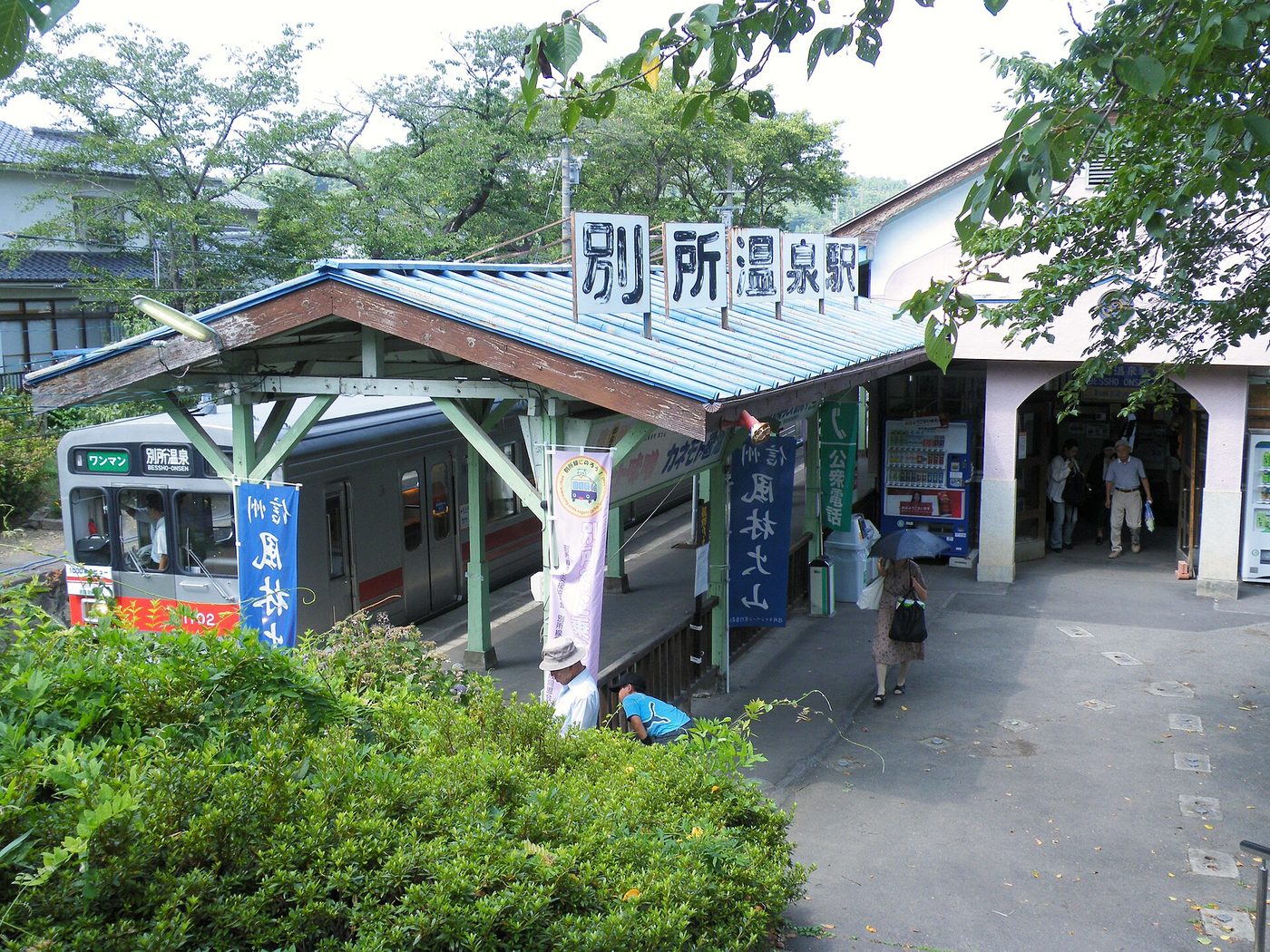
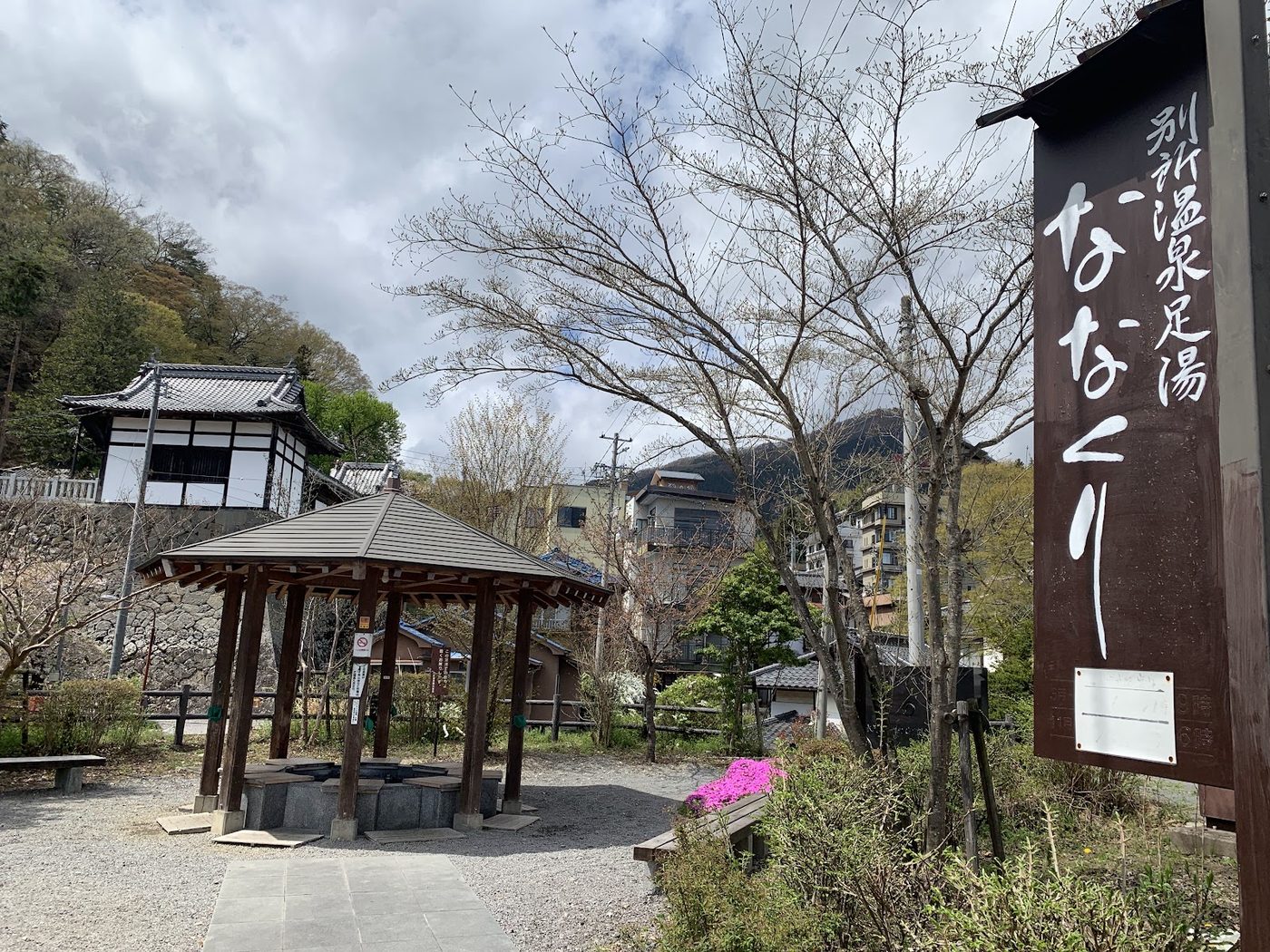
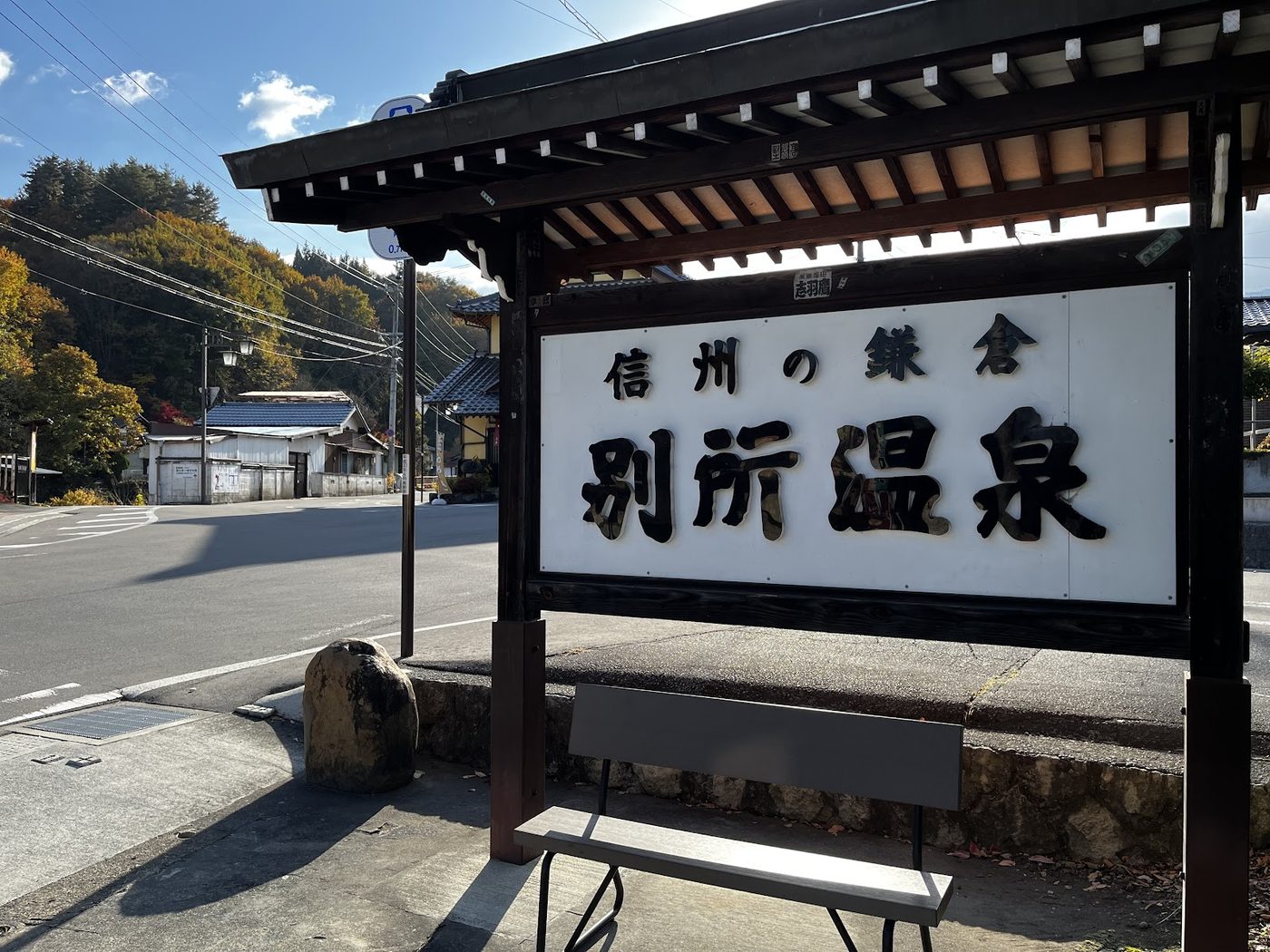
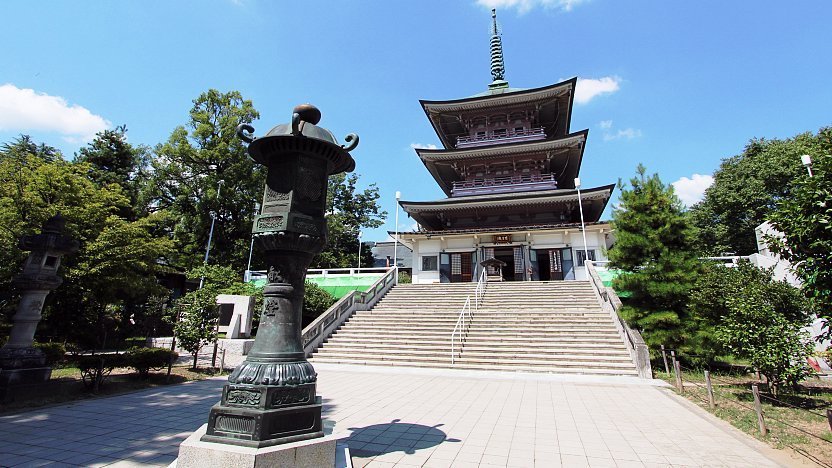
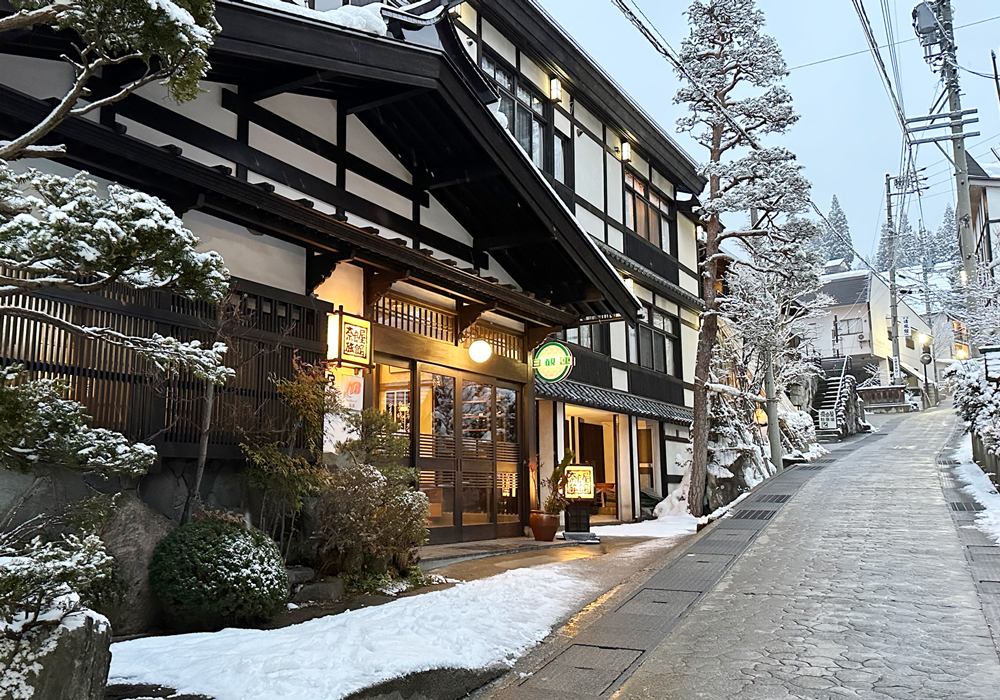
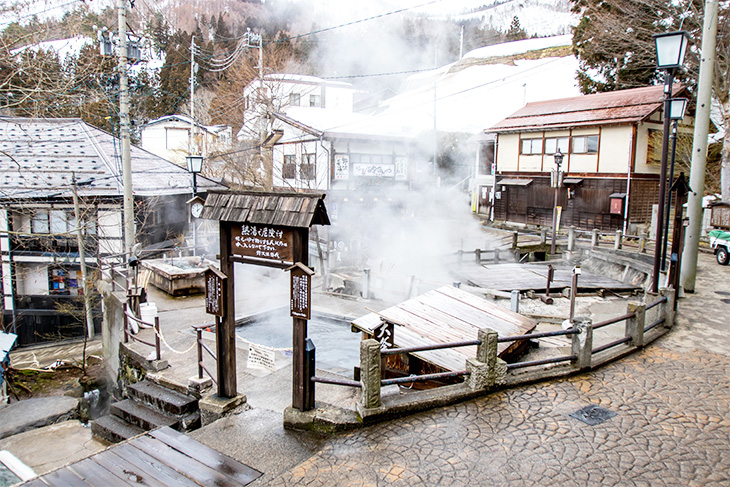
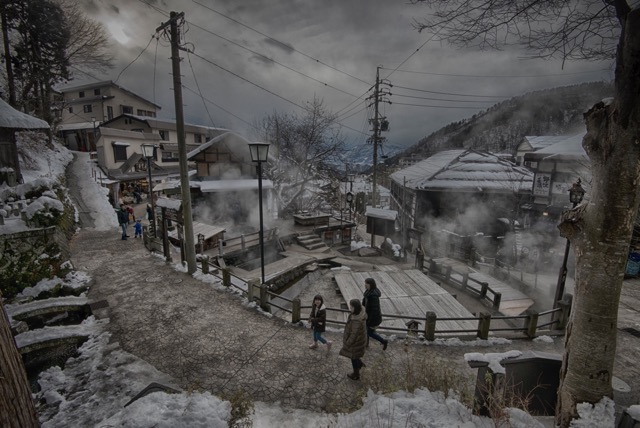
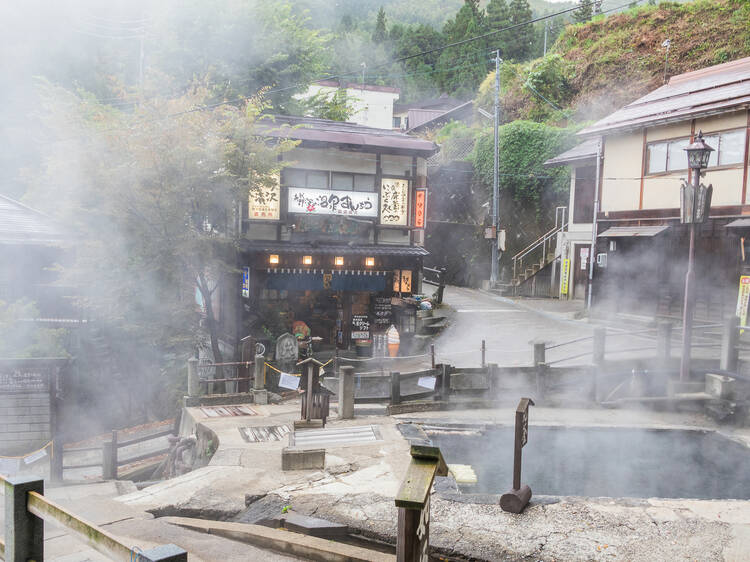
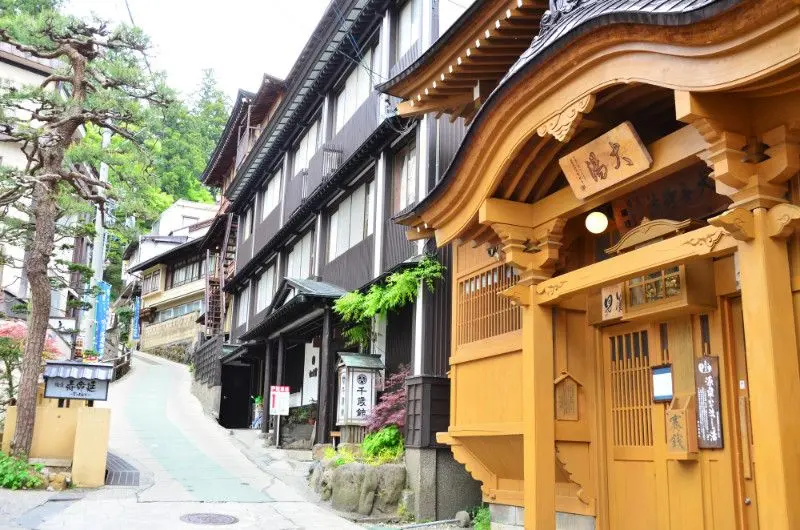
Hidden onsen town with three free public baths and the stunning Anrakuji Temple with Japan's only octagonal three-story pagoda. The...
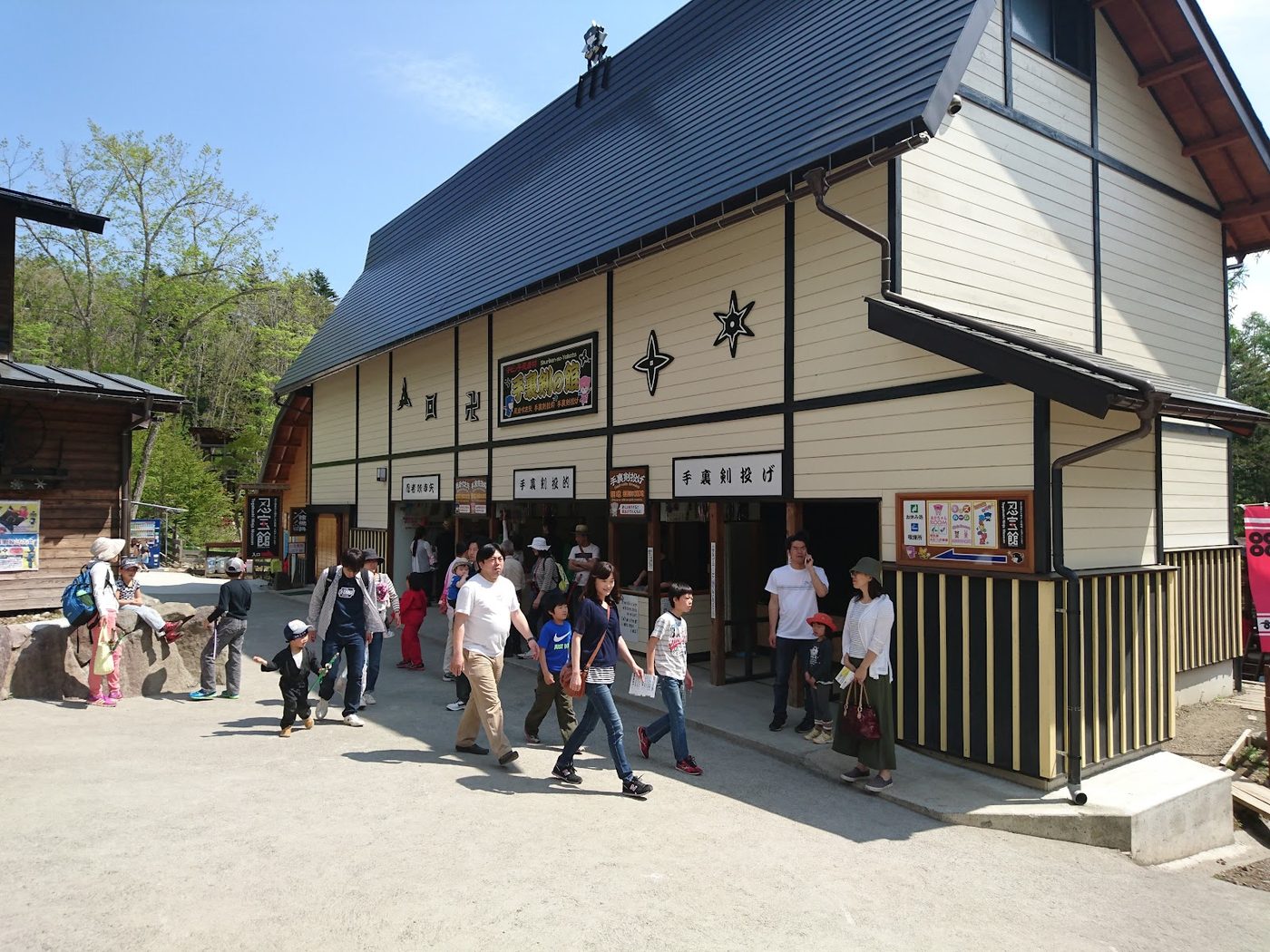
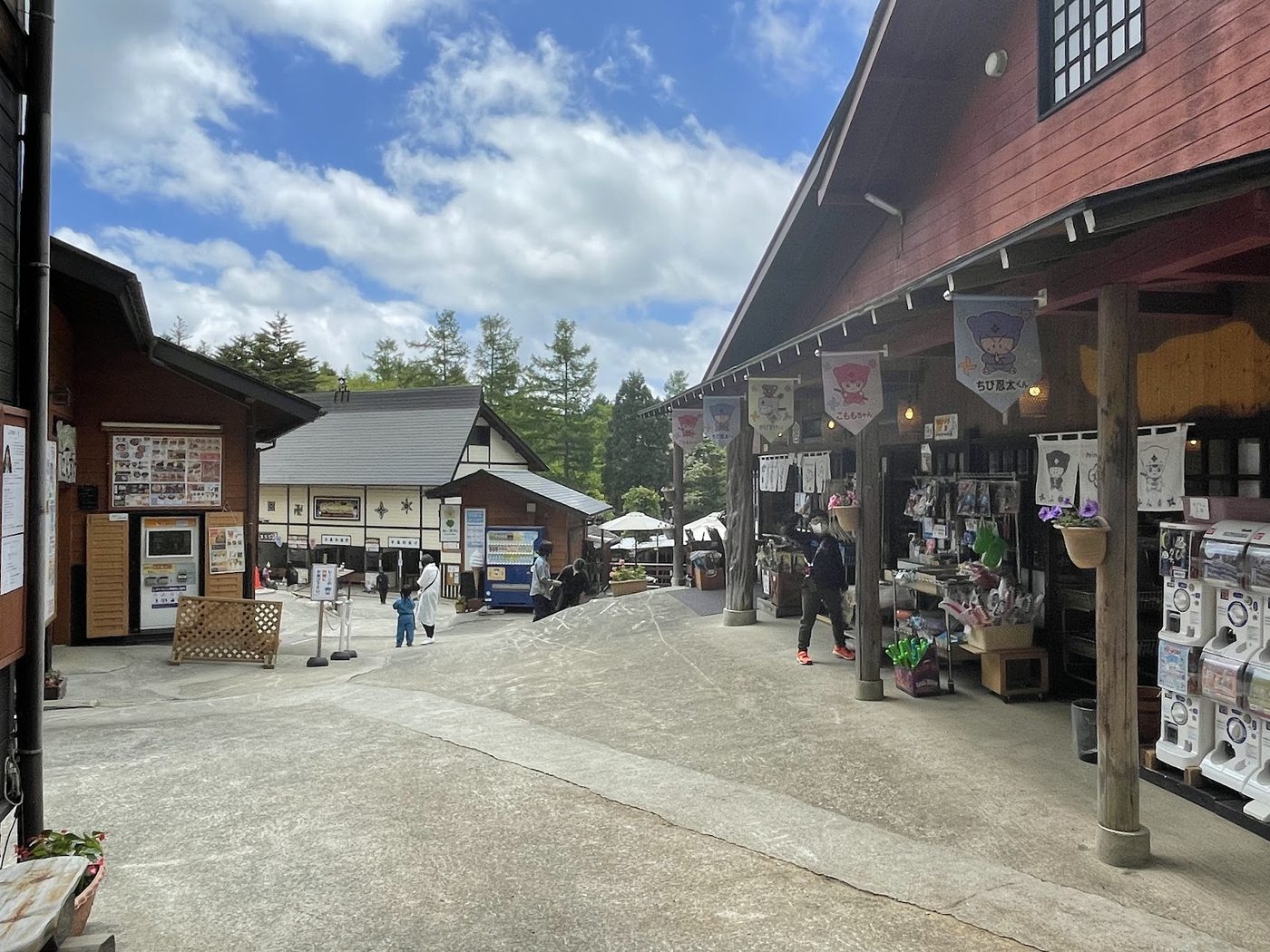
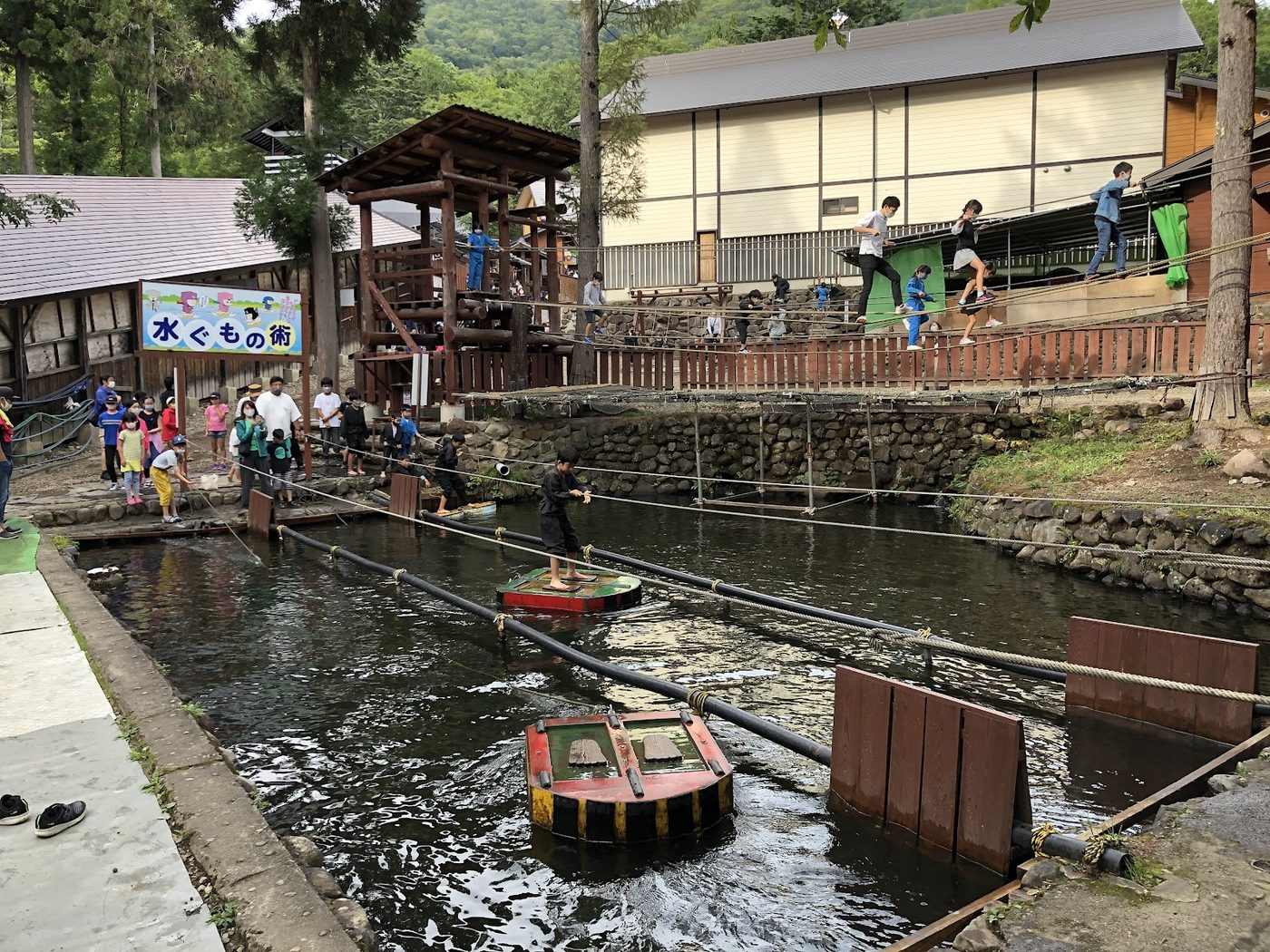
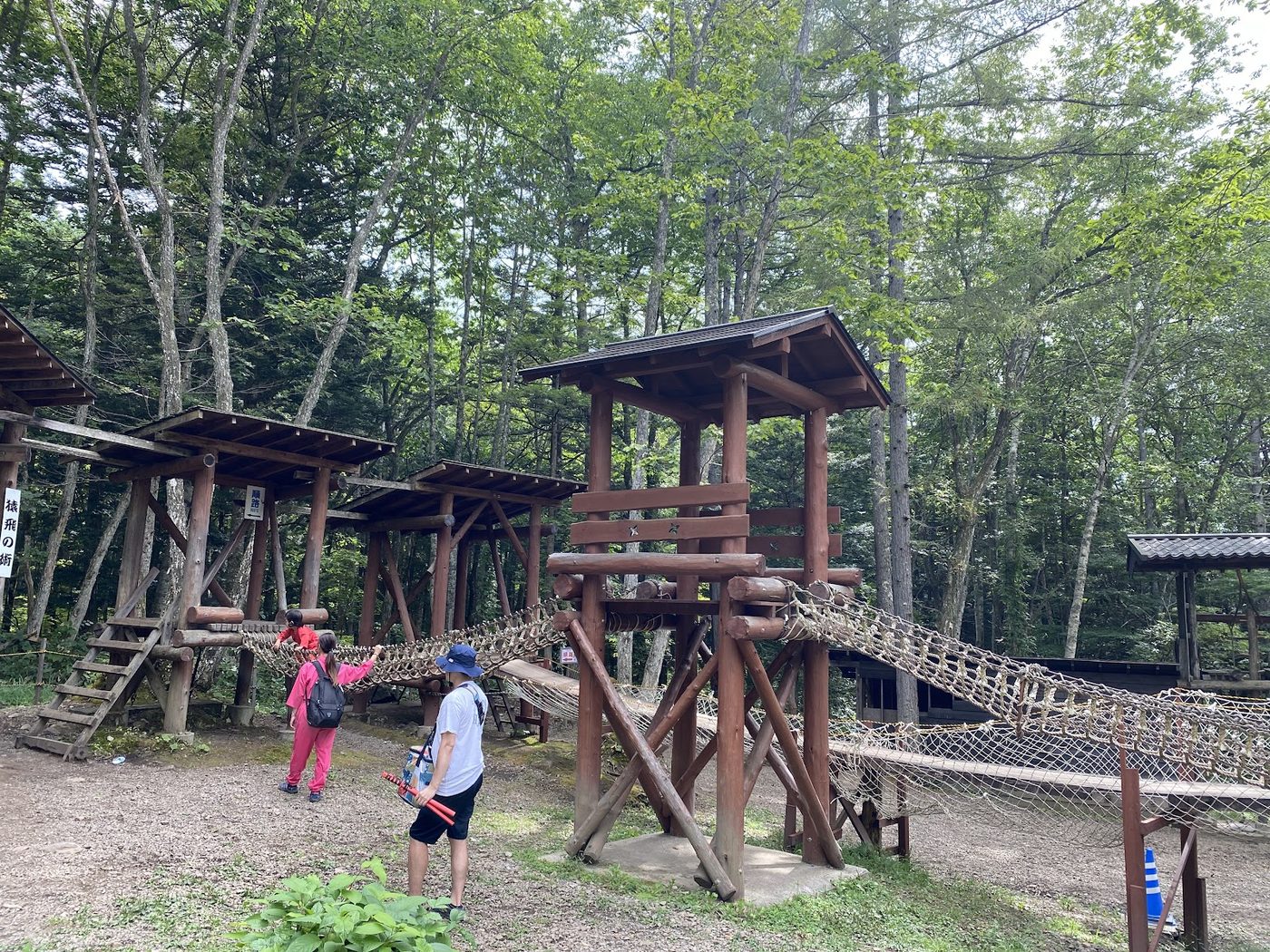
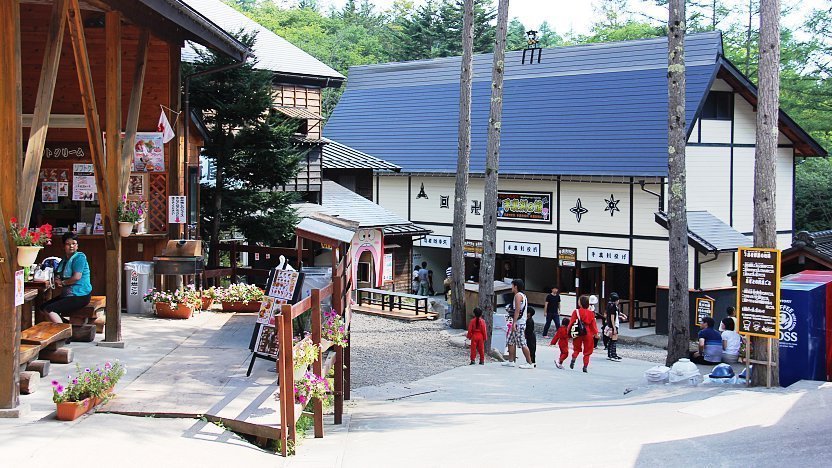
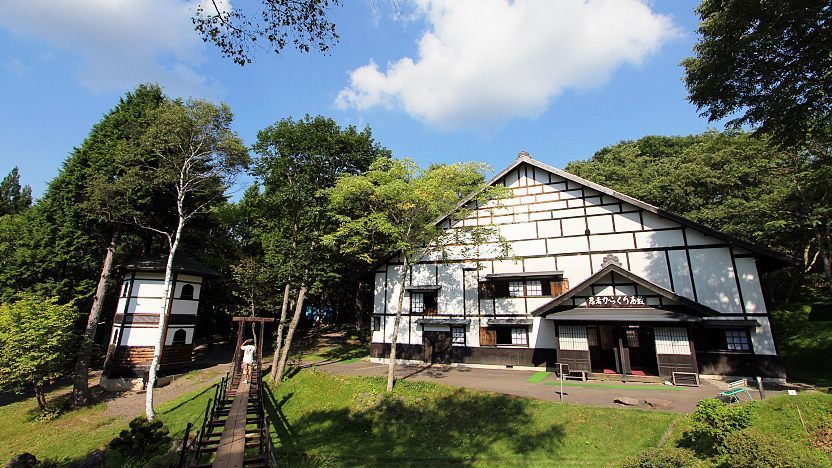
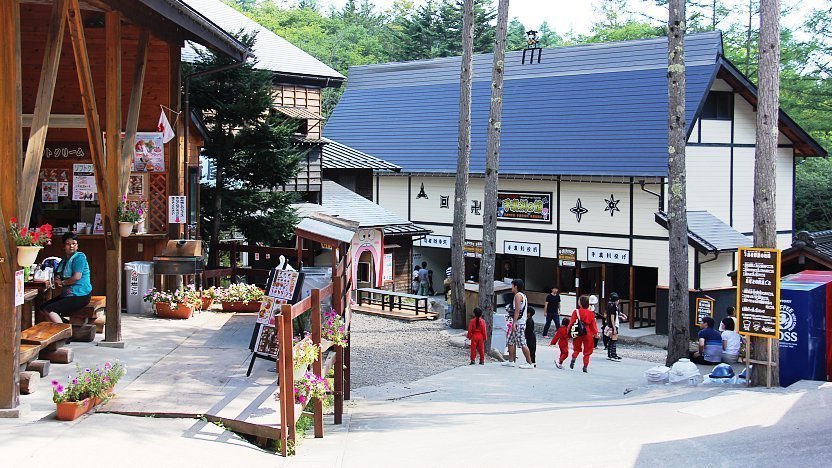
Ninja training ground turned family attraction, plus Japan's most famous soba noodle district. The hand-made Togakushi soba is served on...
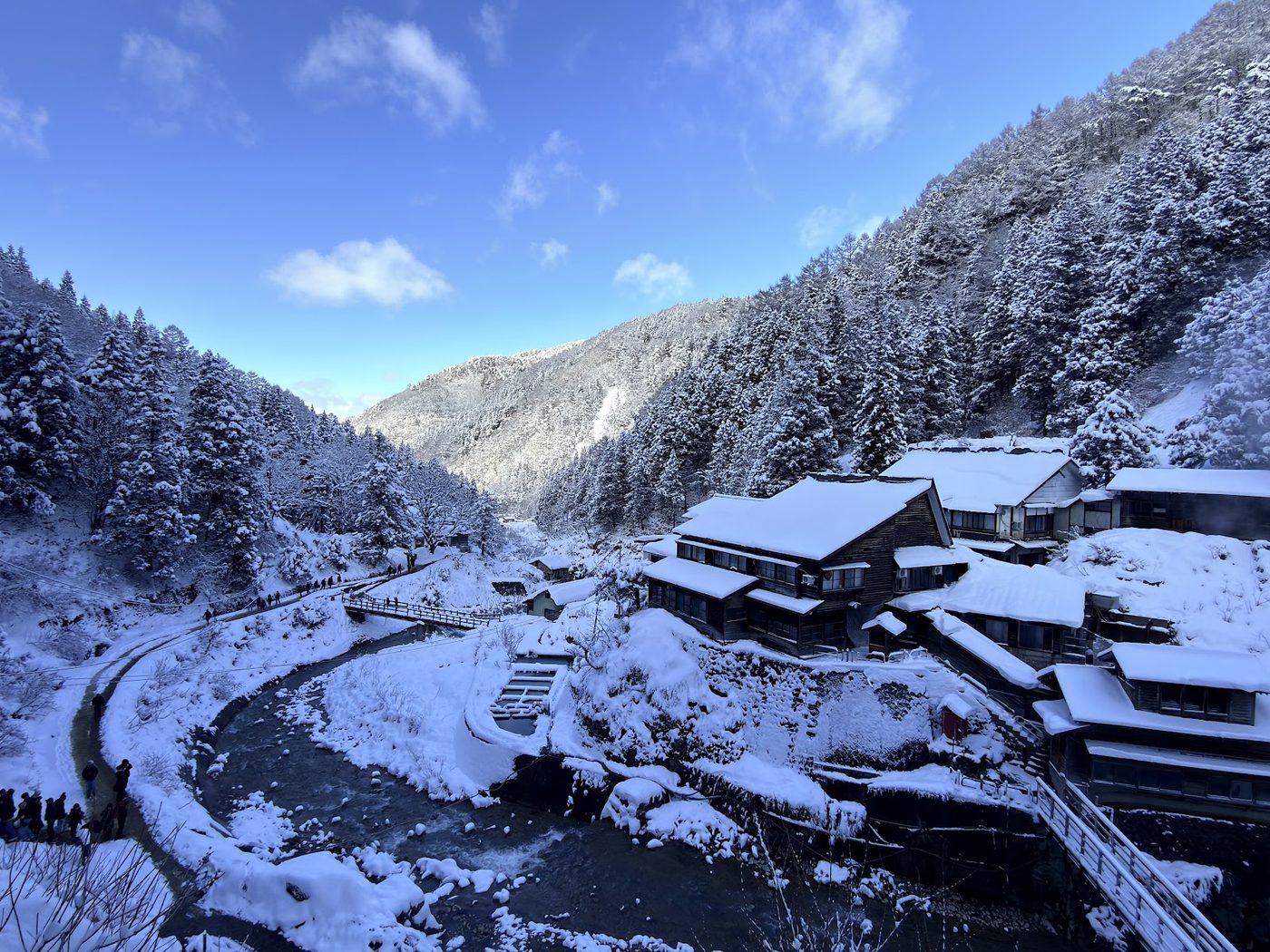
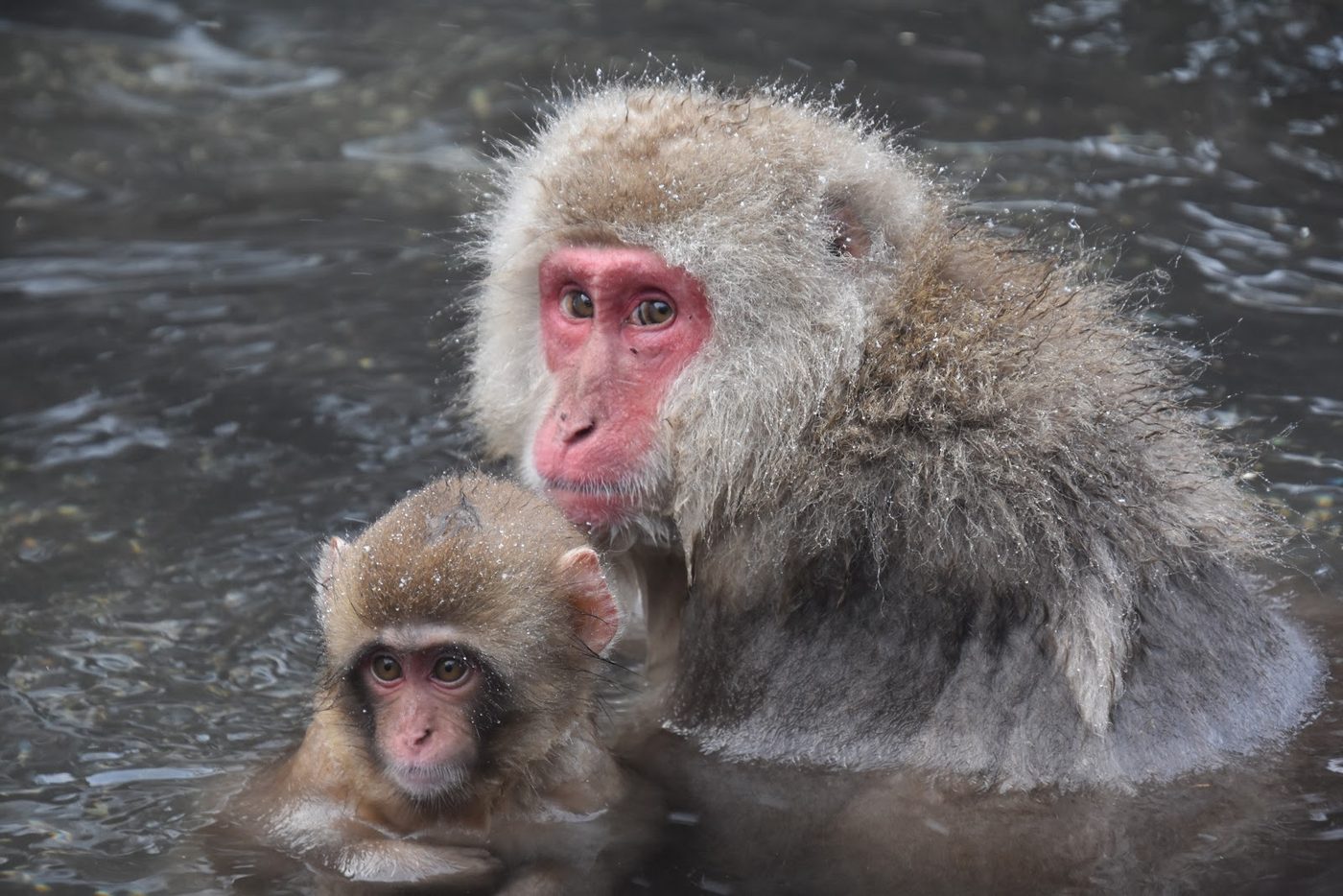
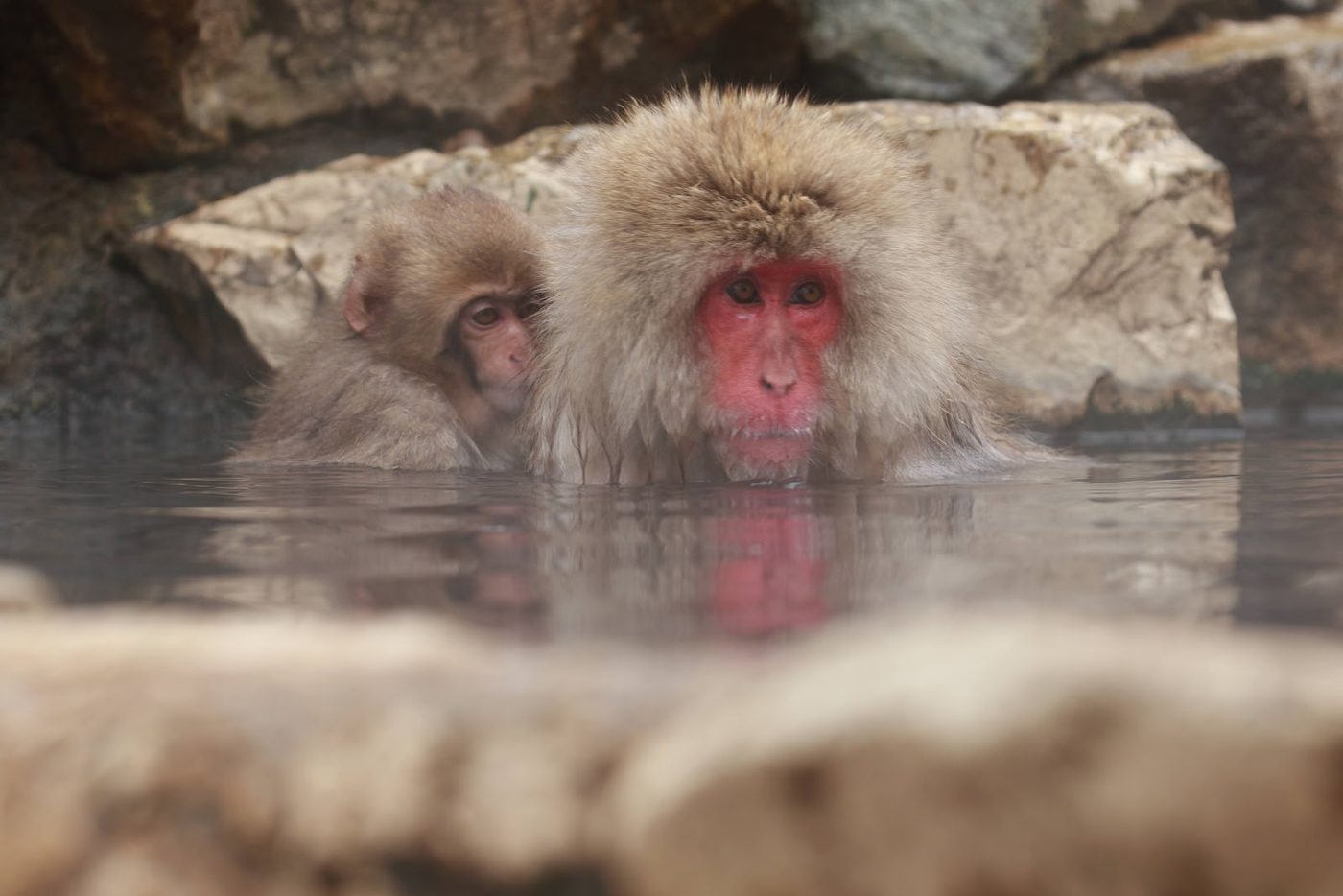
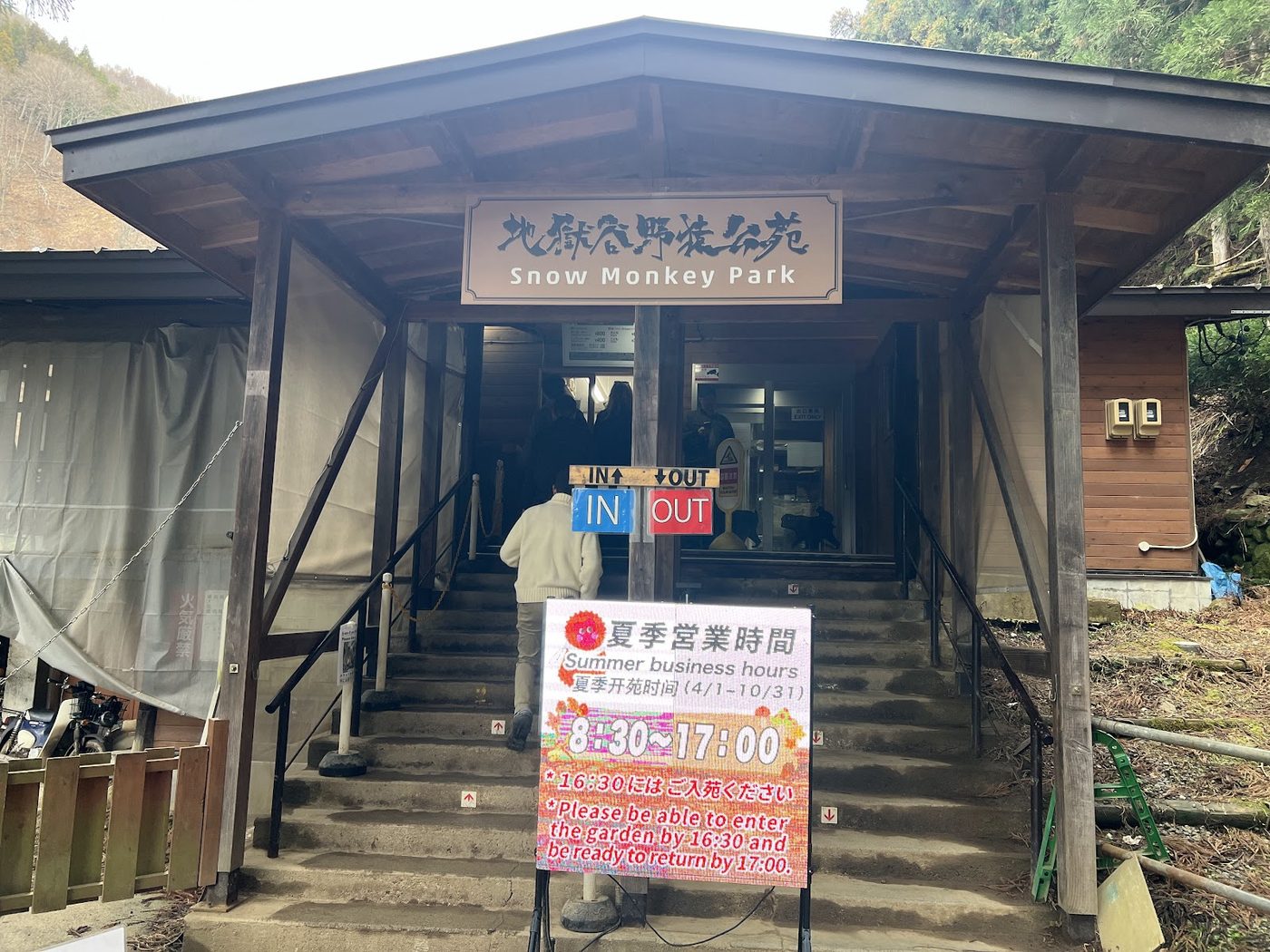
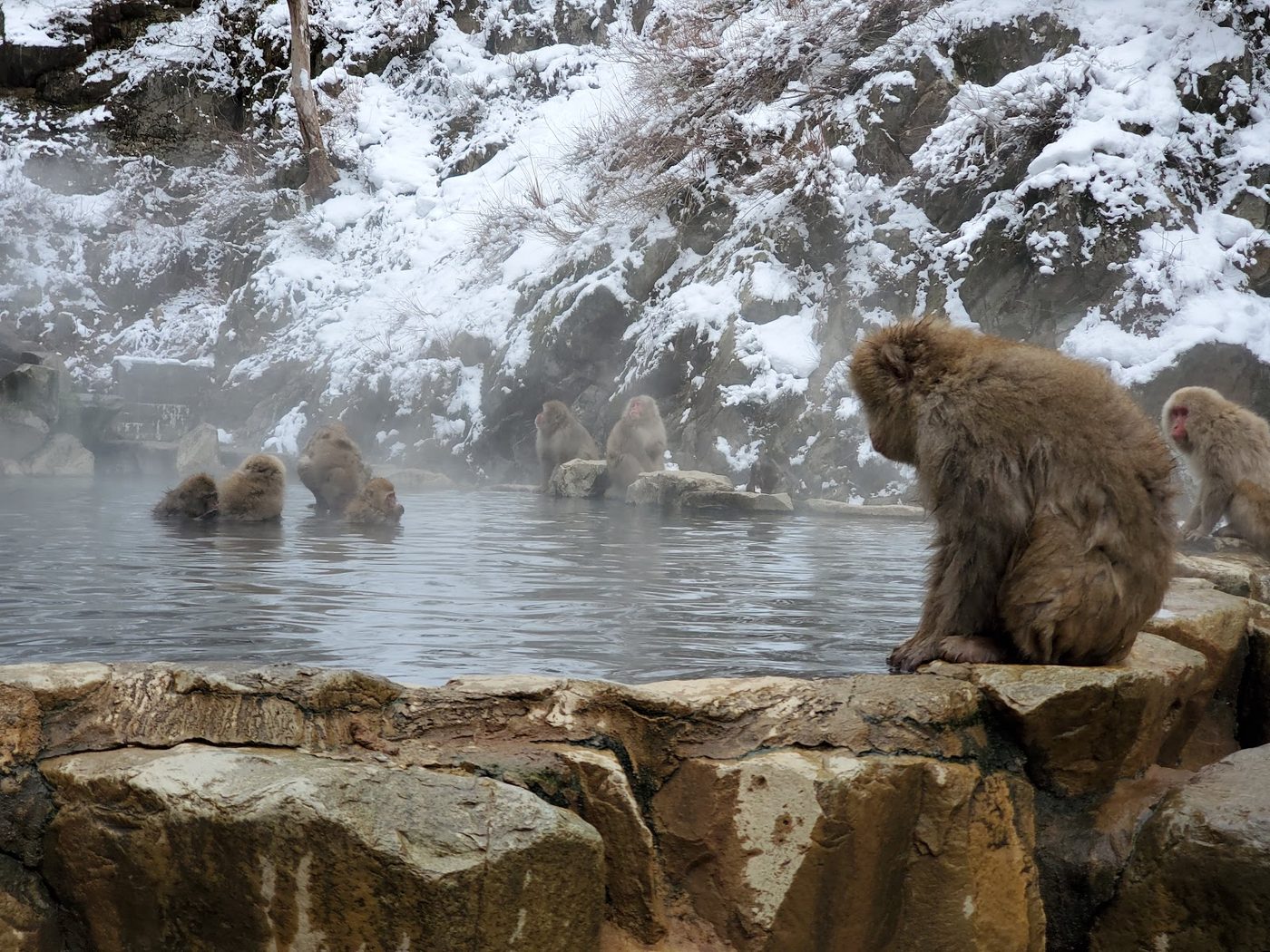
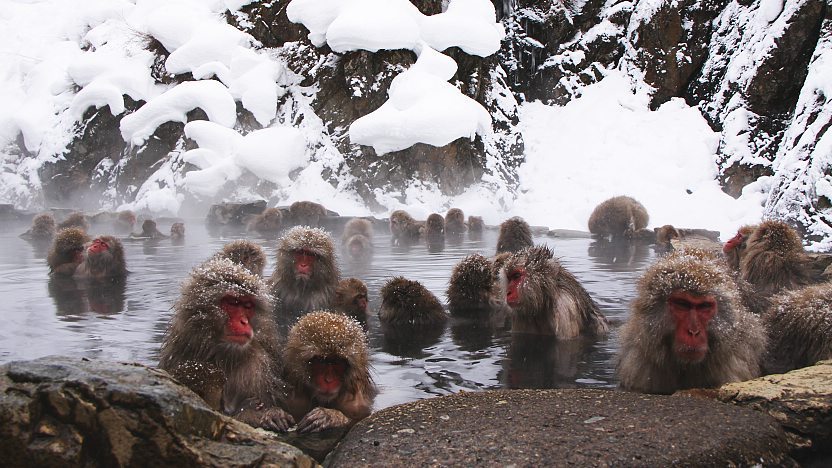
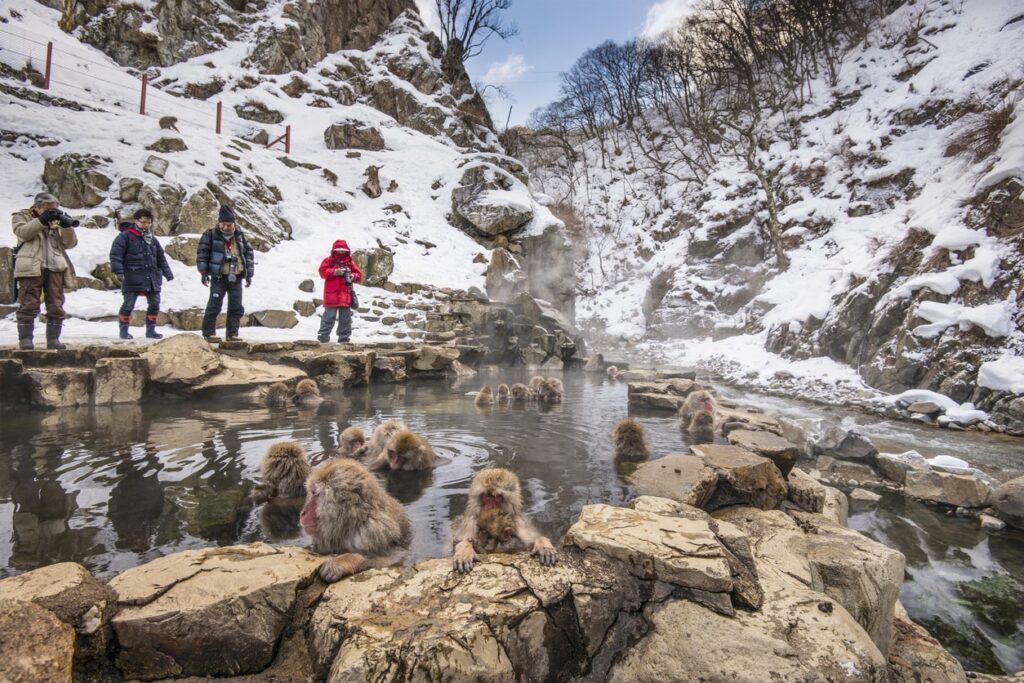
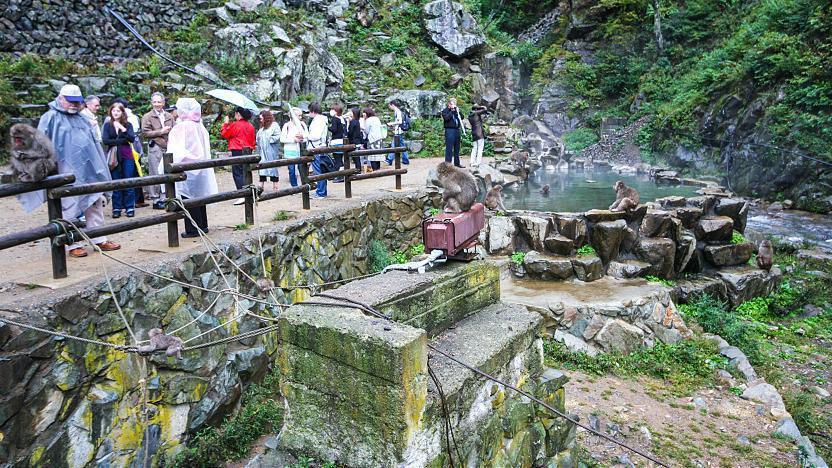
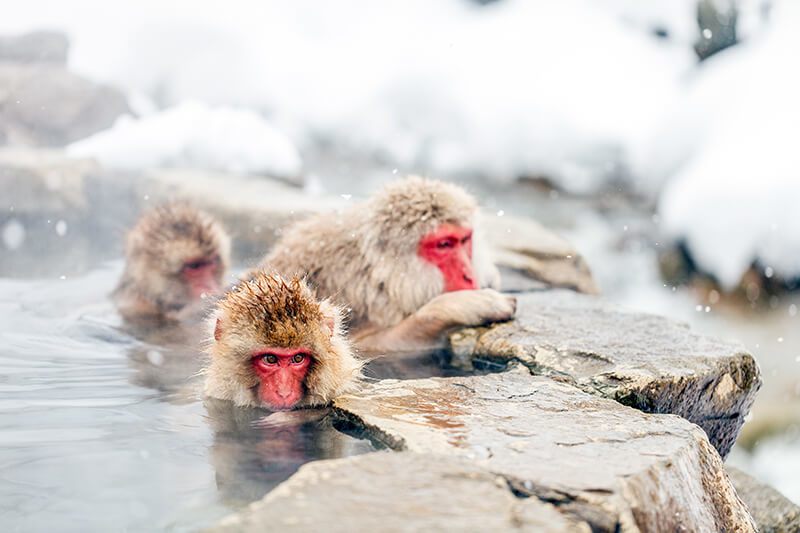
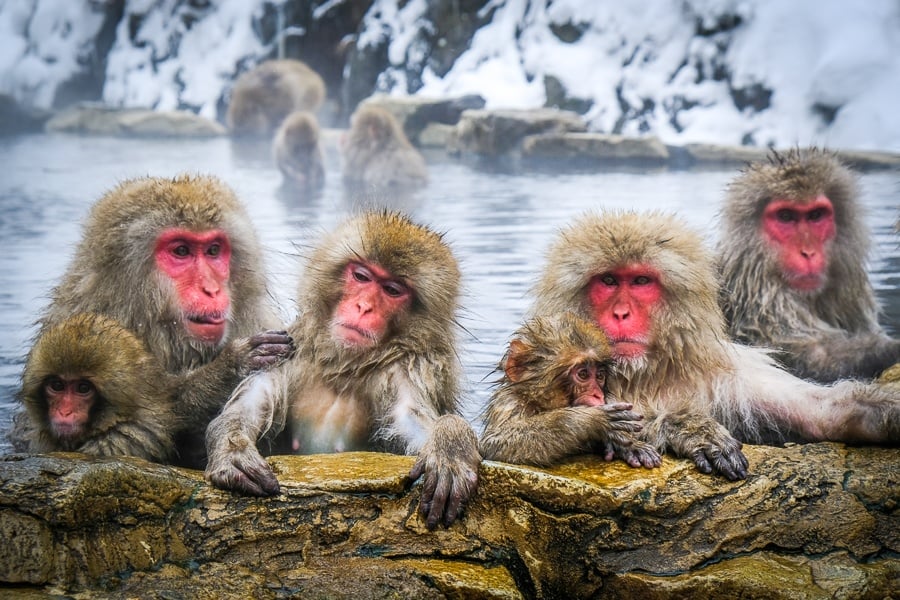
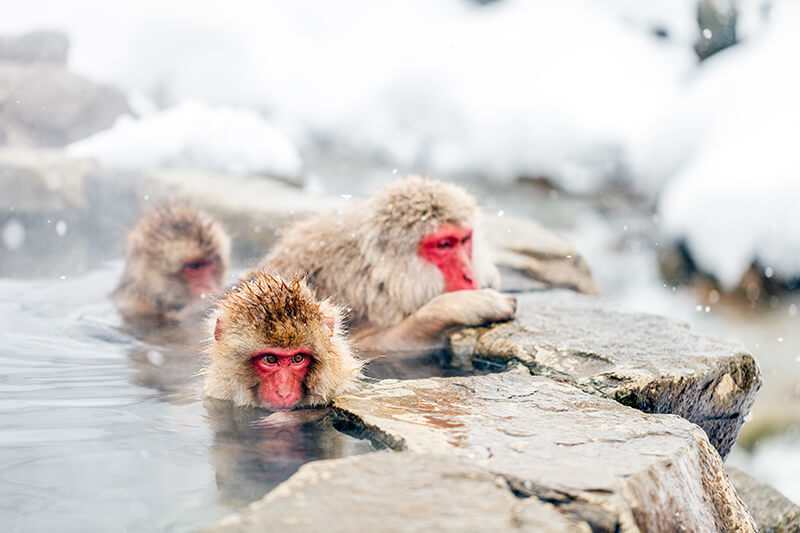
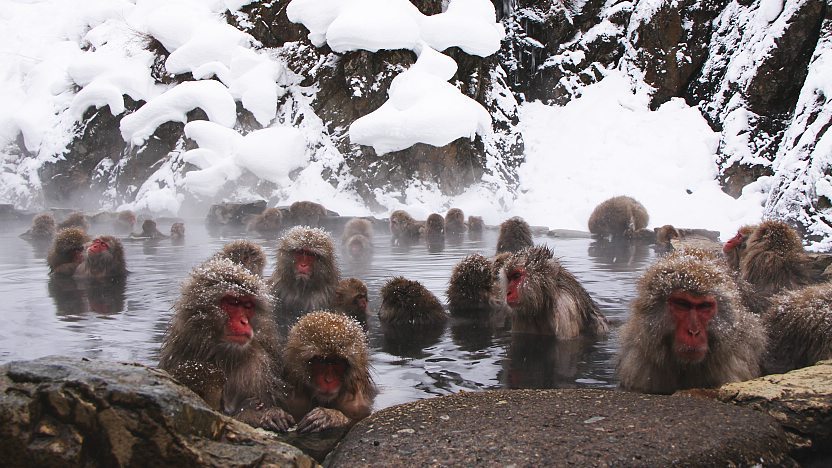
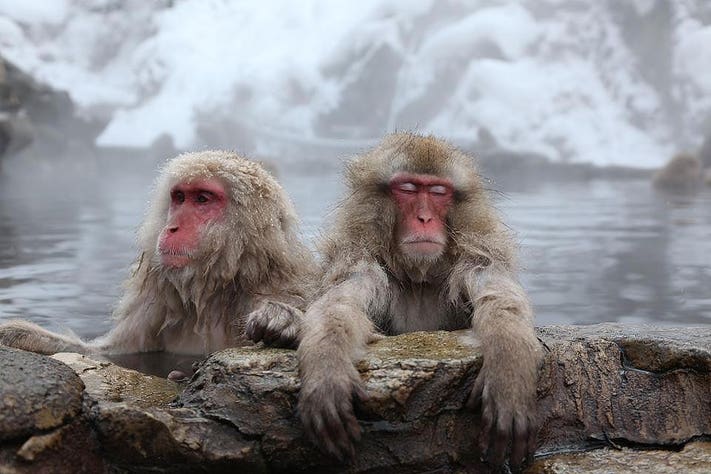
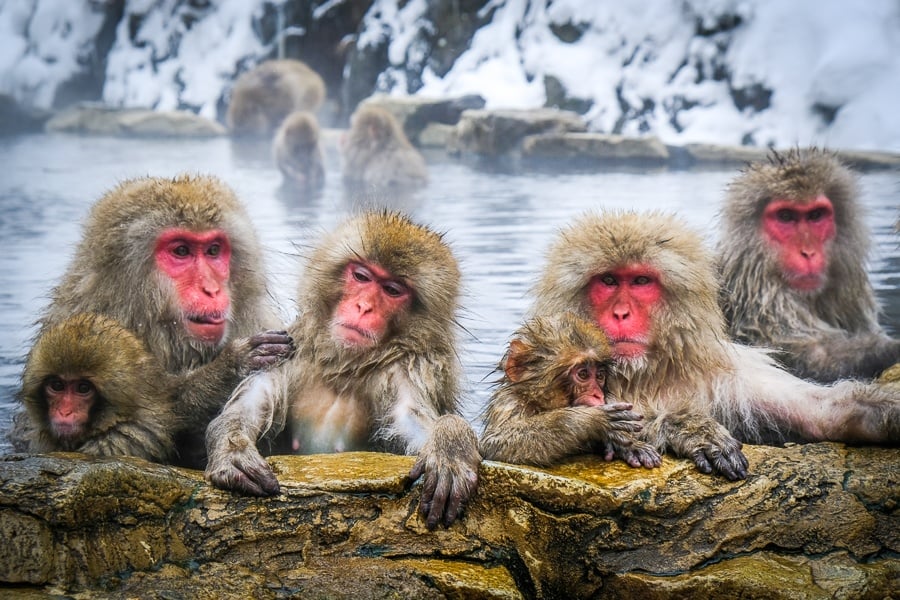
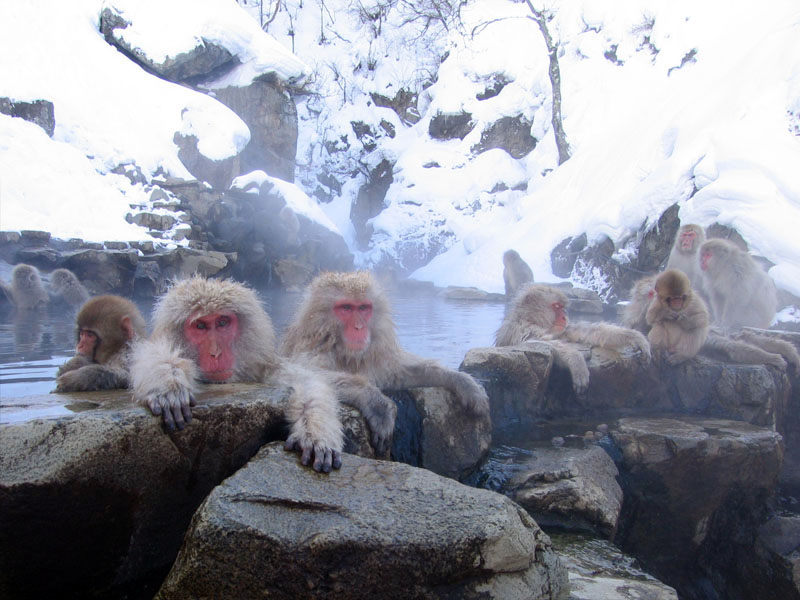
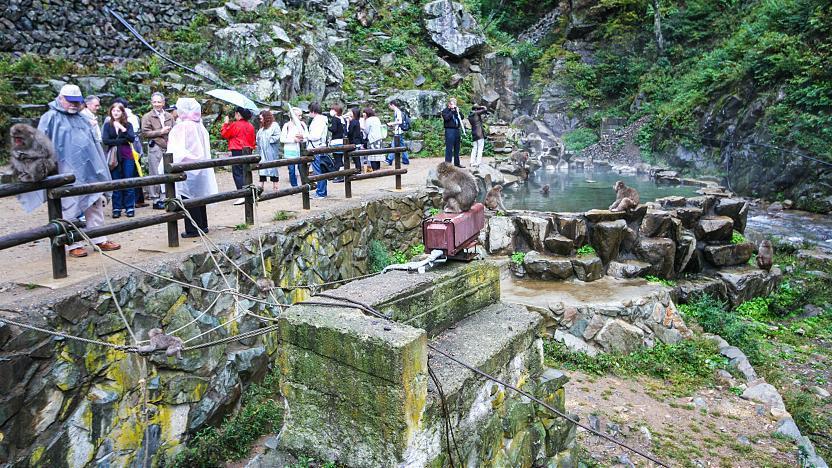
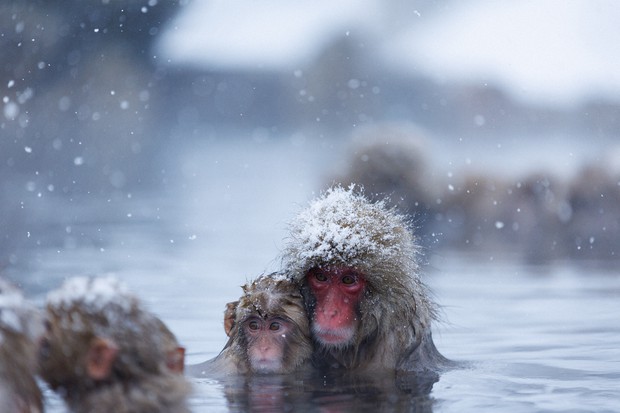
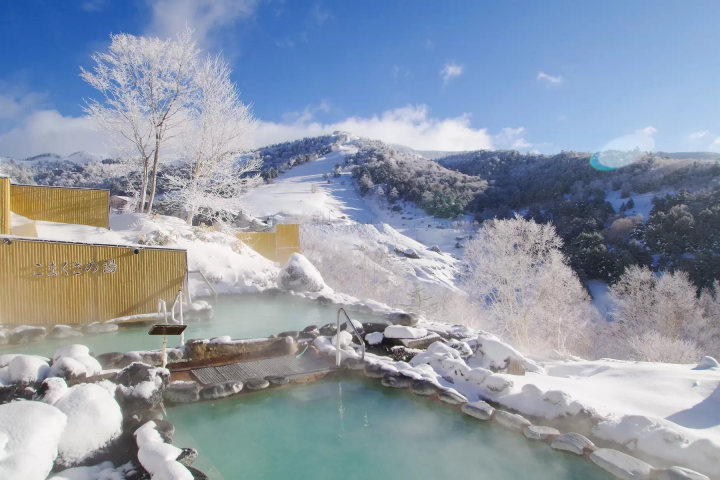
The actual hot spring pool where wild macaques bathe, the monkeys choose to soak here in winter. The steam rising from the water around...
Gold-leafed mausoleums, national treasure shrines, and mountain temples.

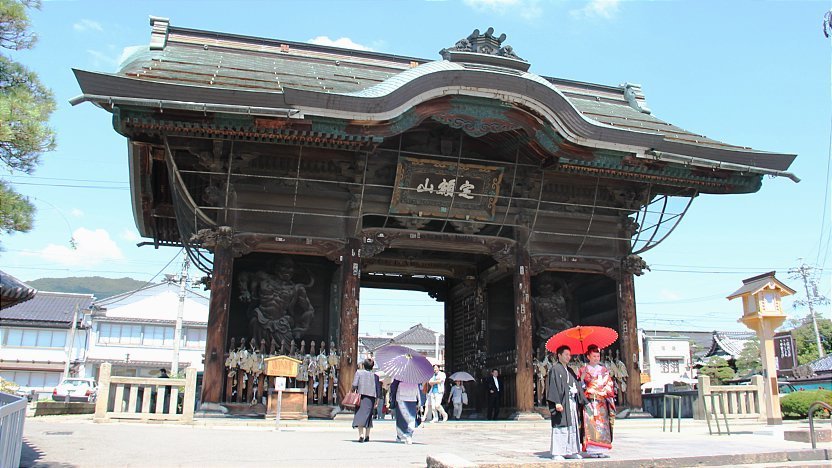
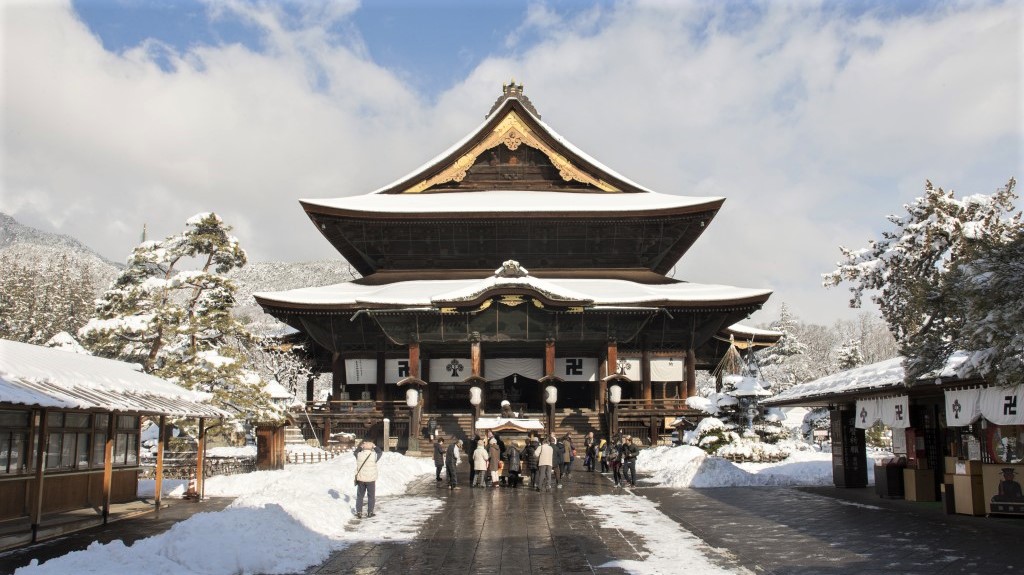
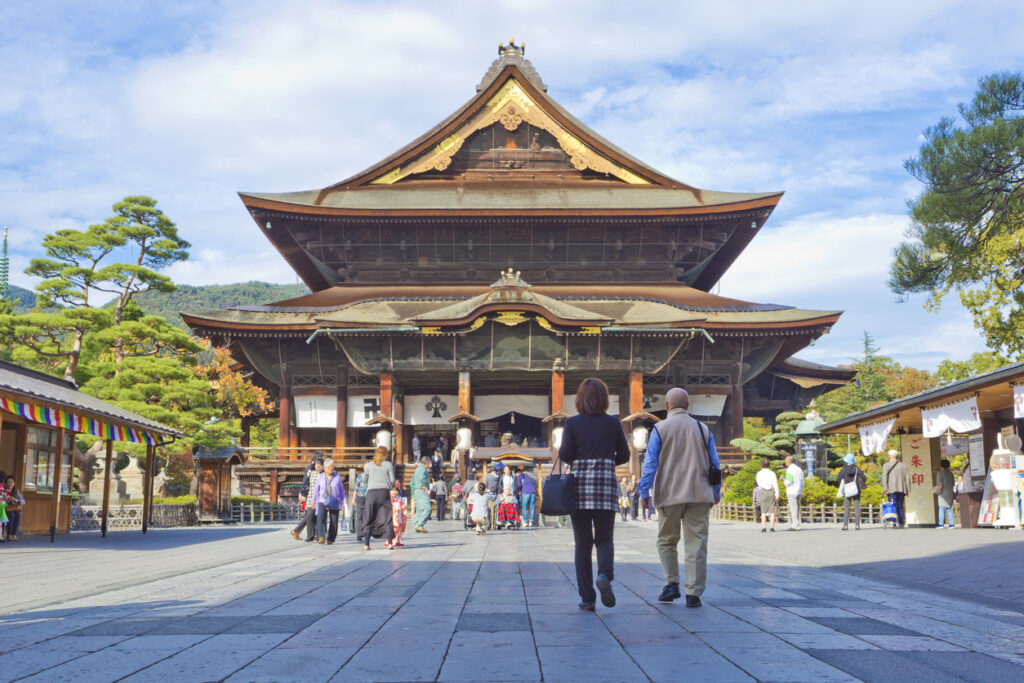
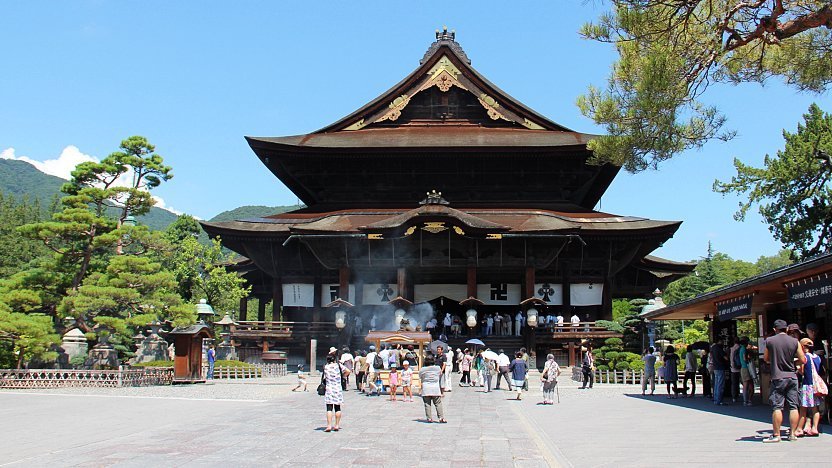
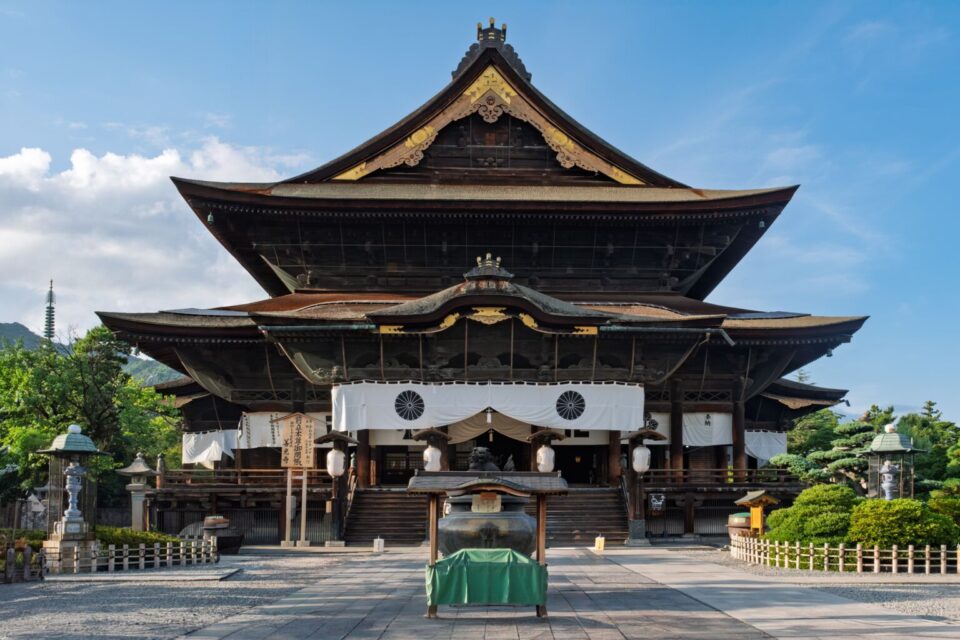
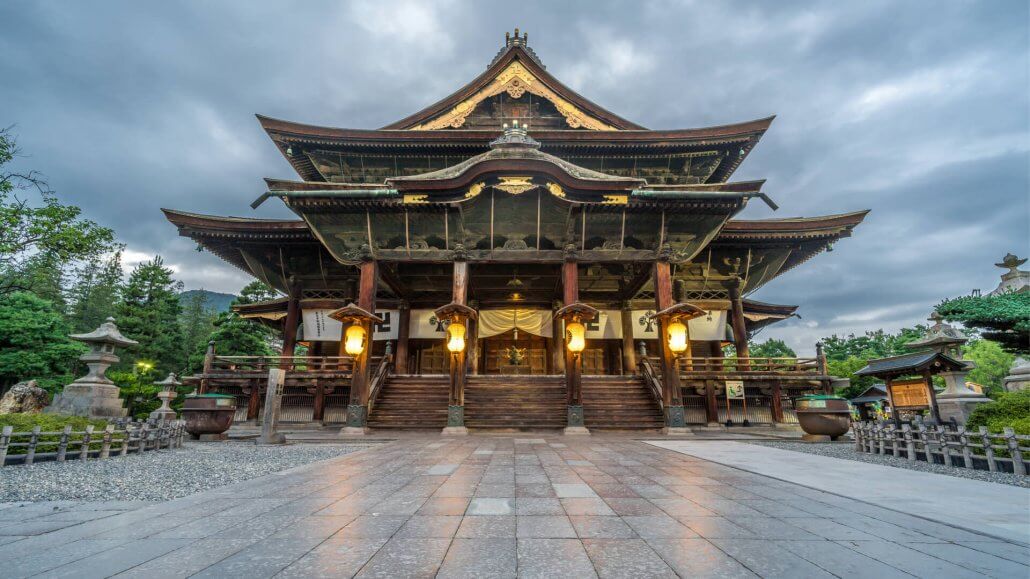
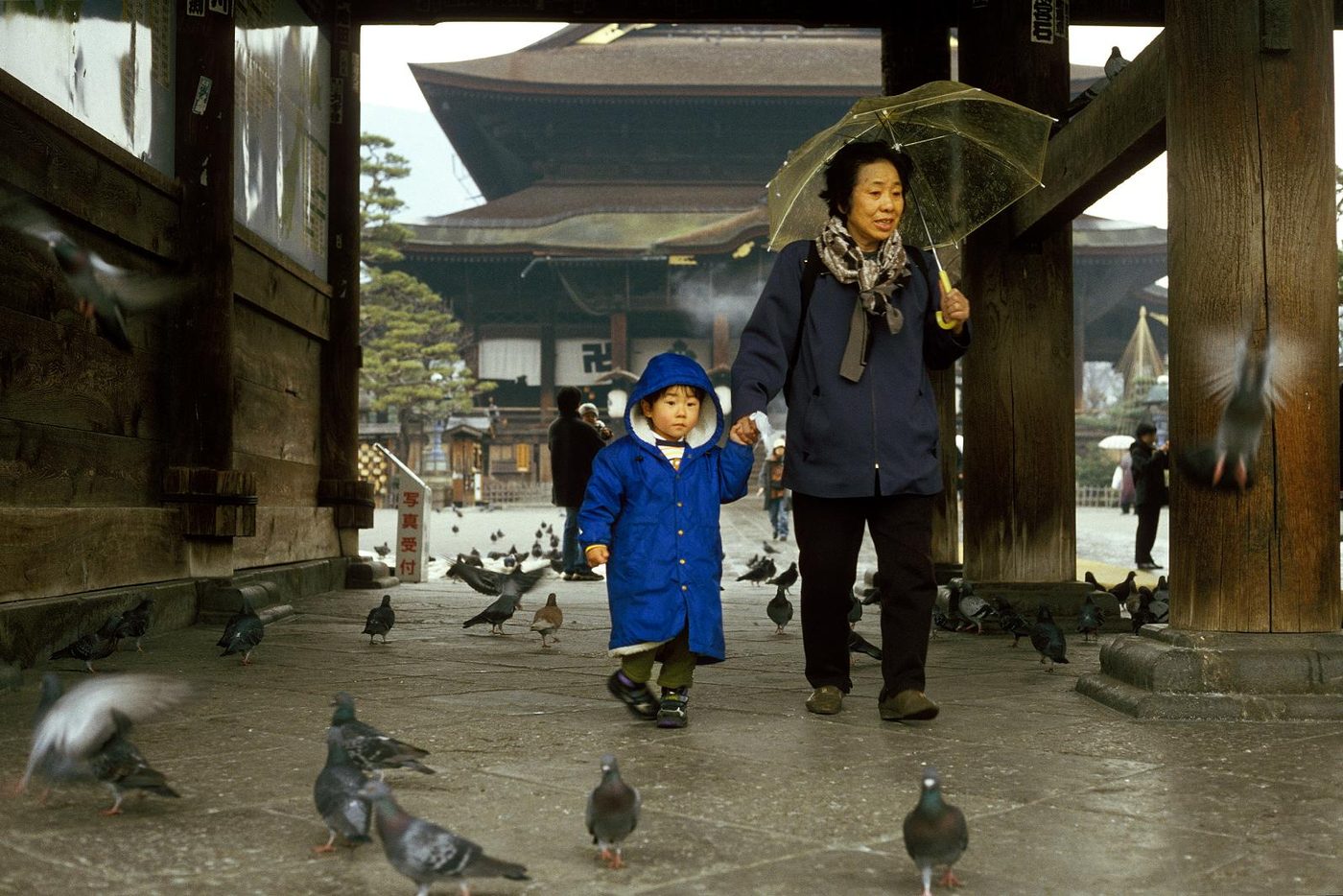
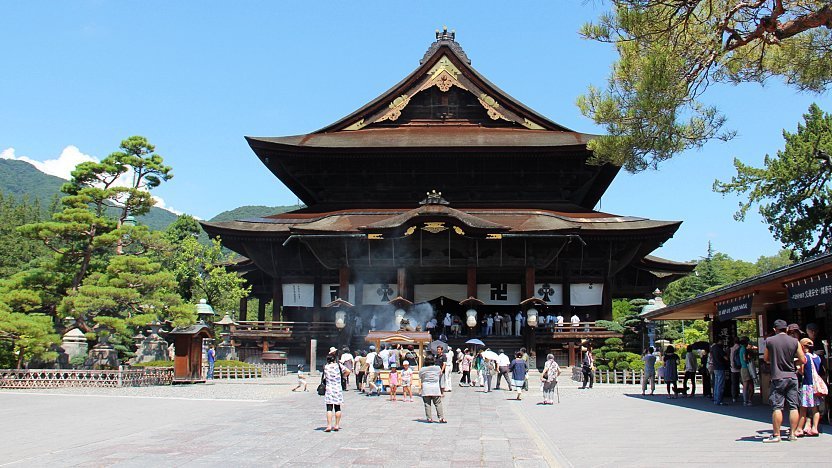
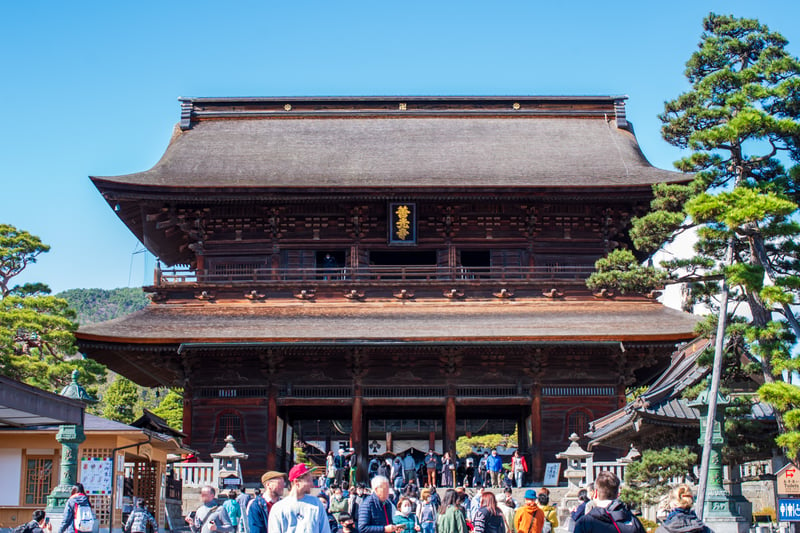
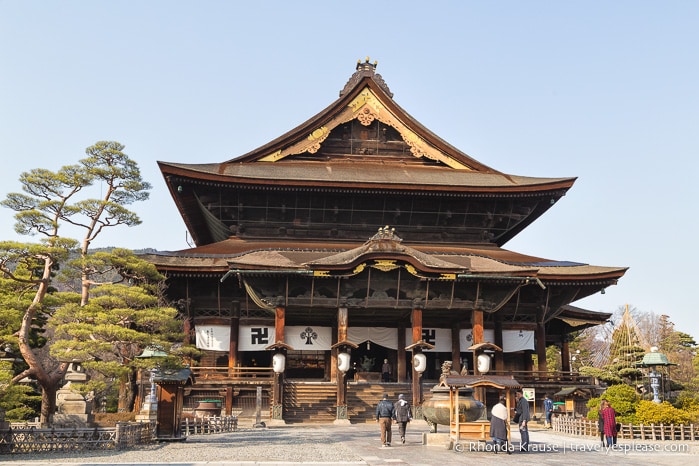
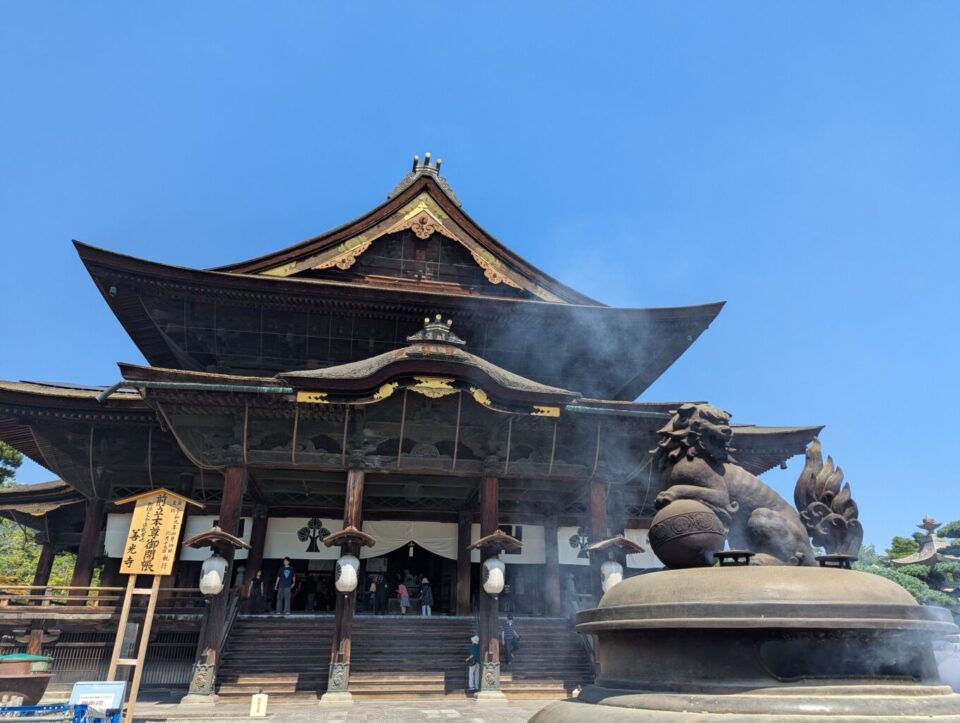
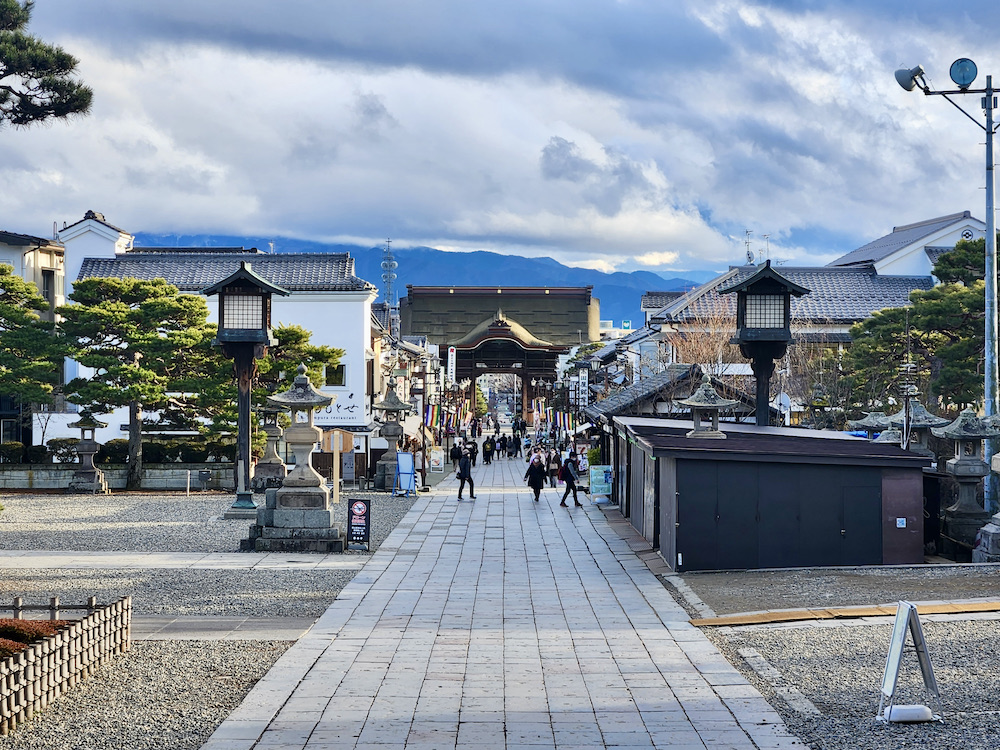
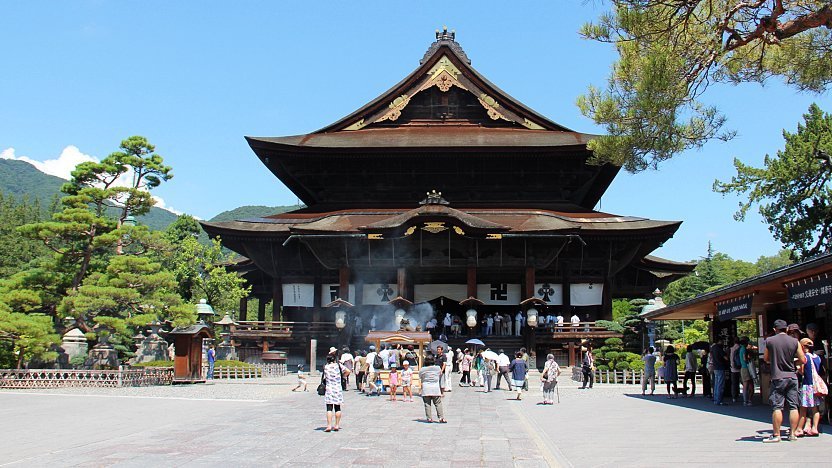
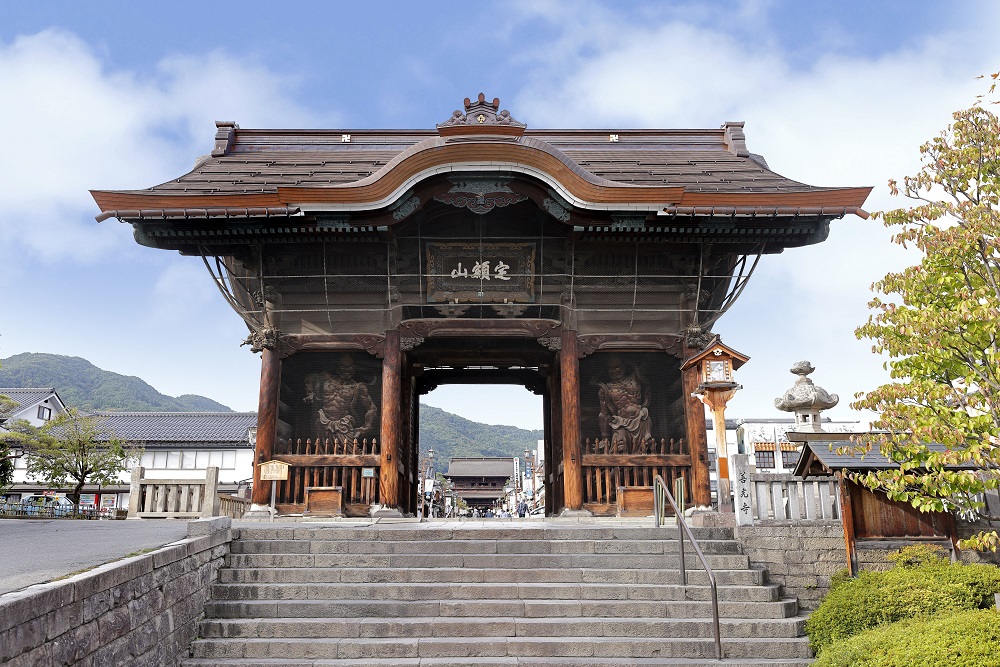
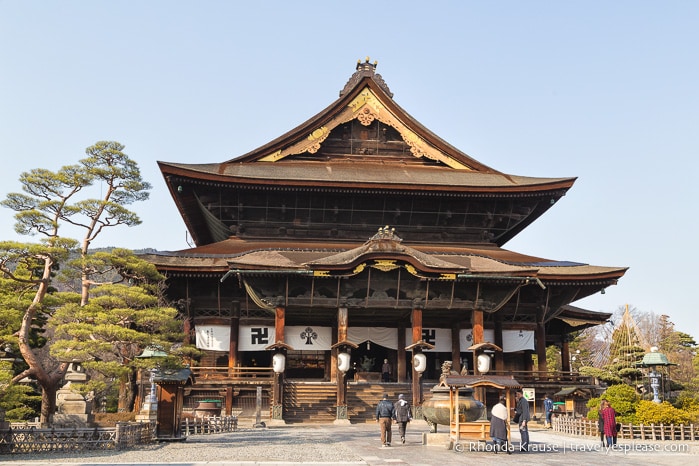
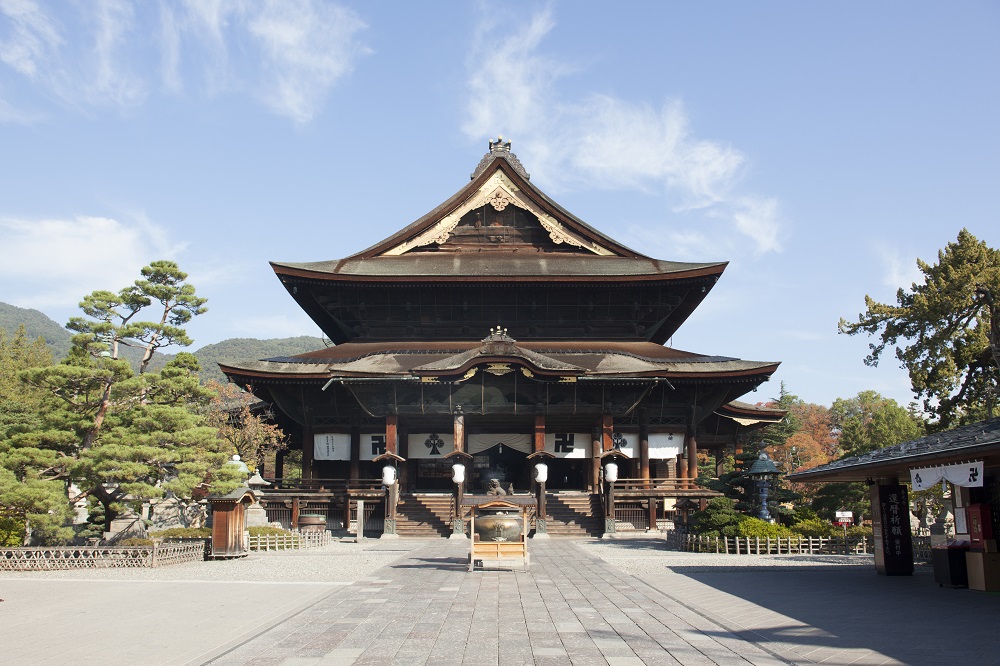
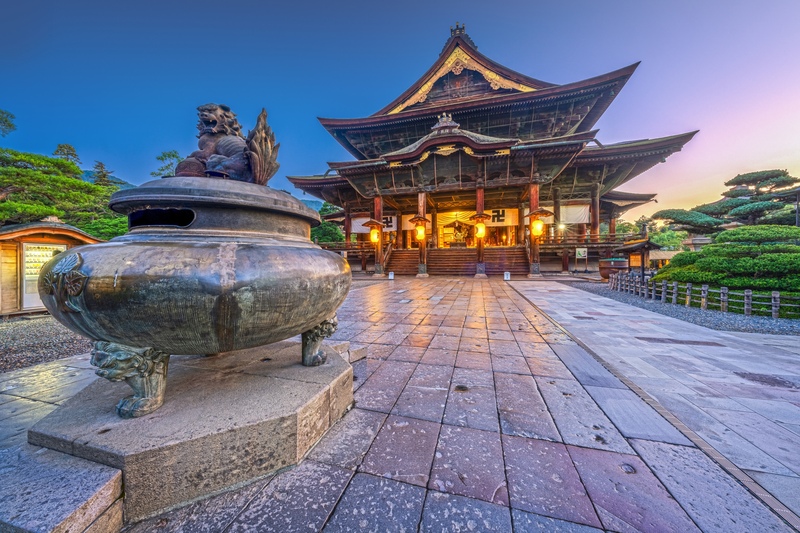
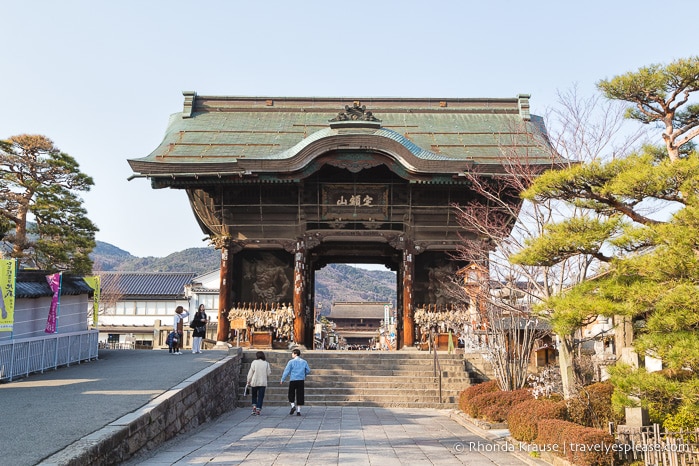
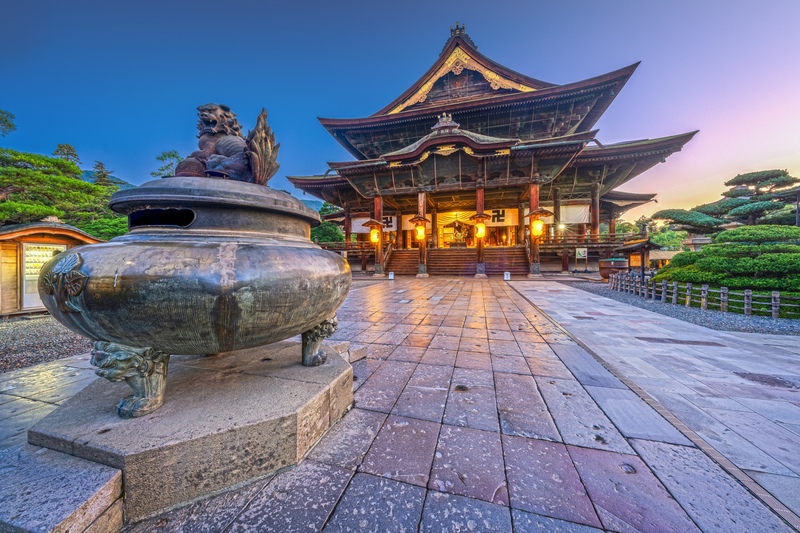
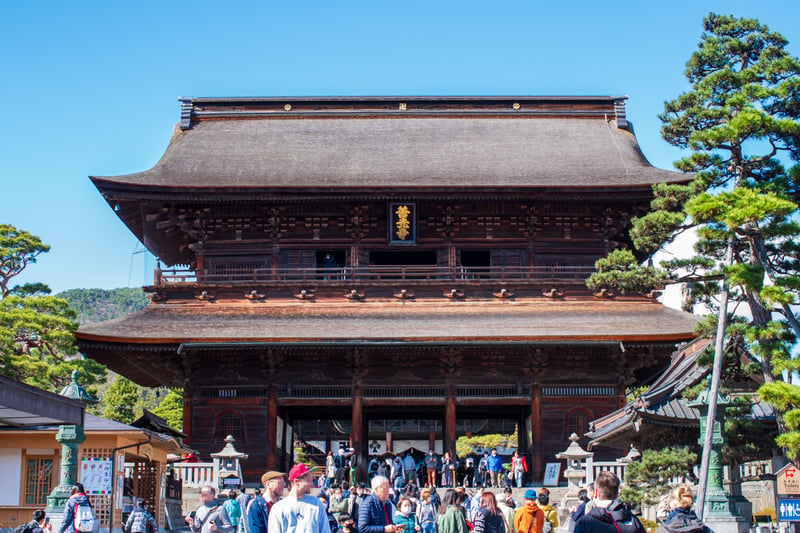
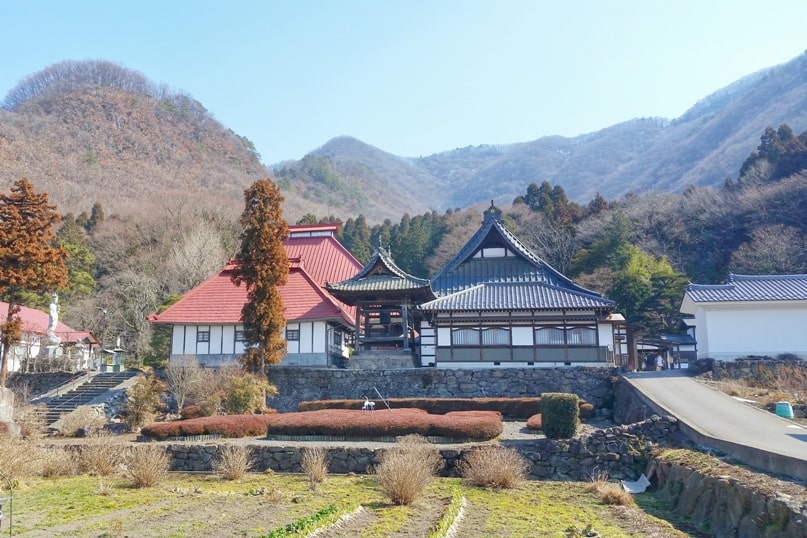
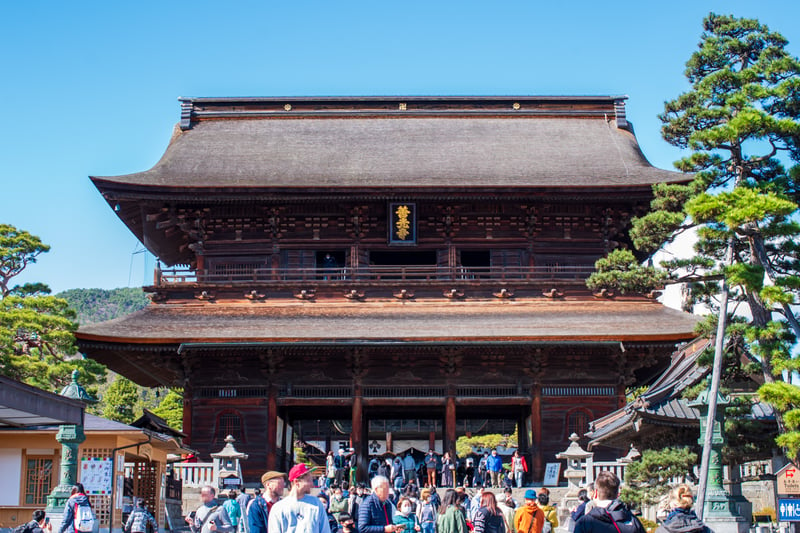
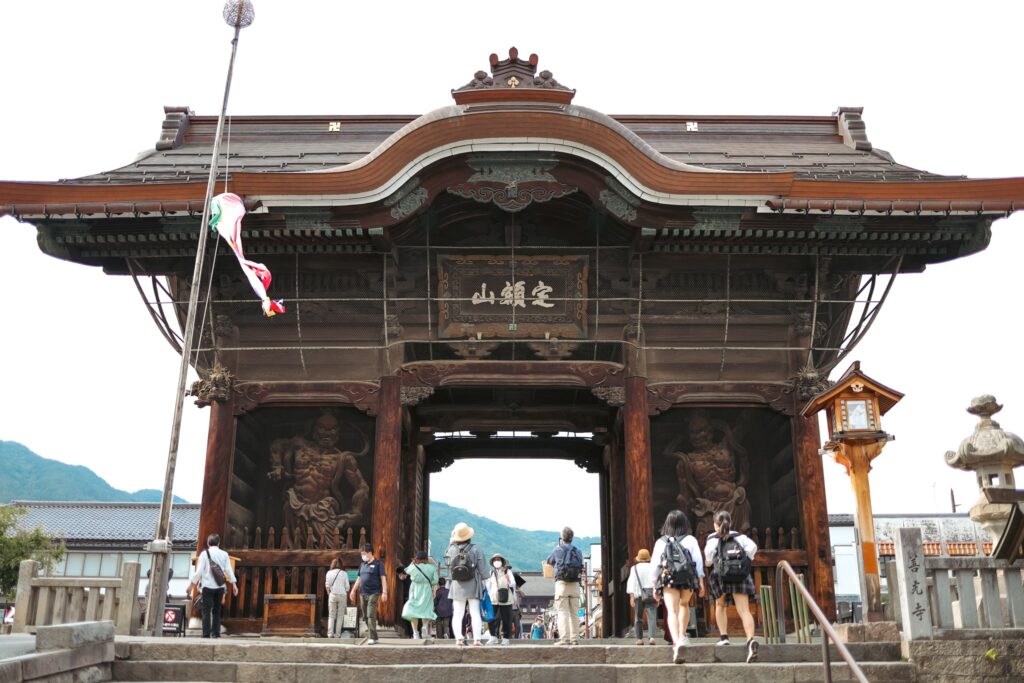
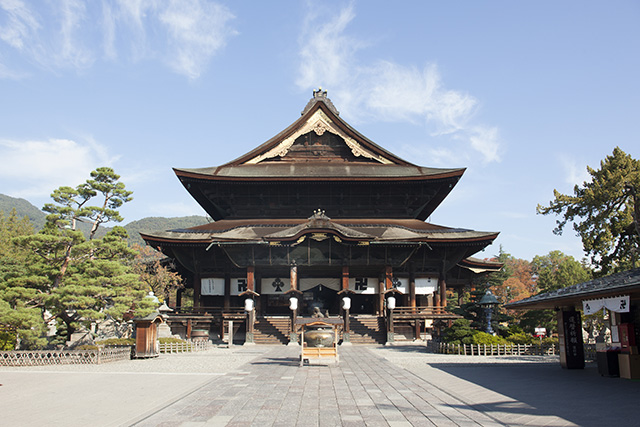
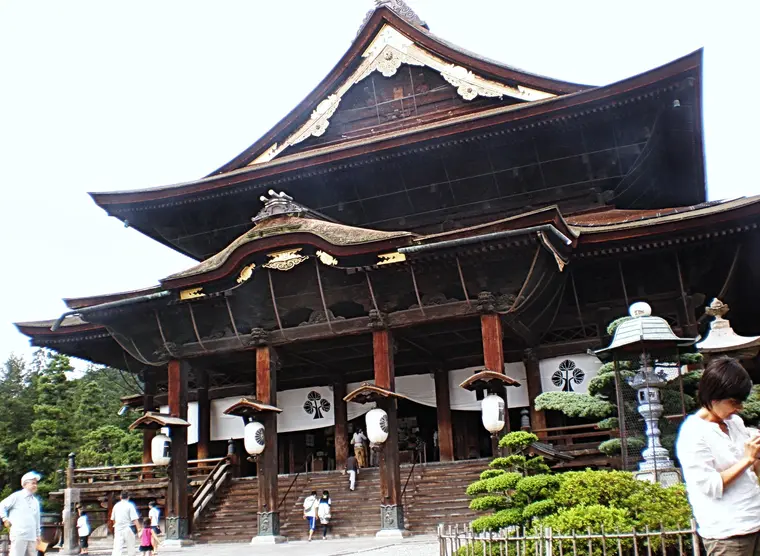
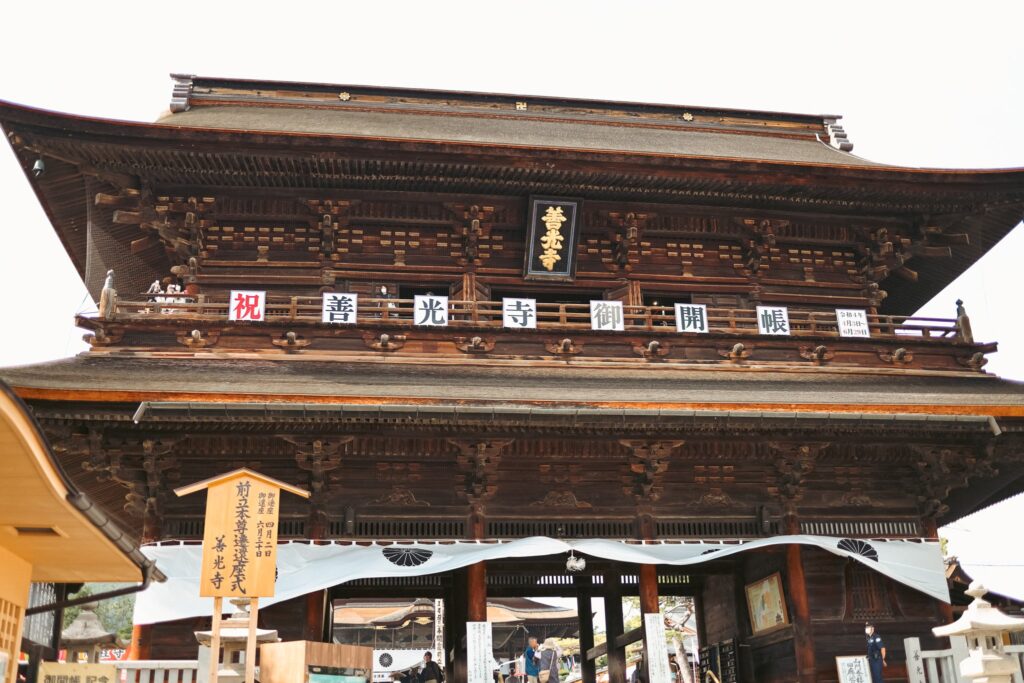
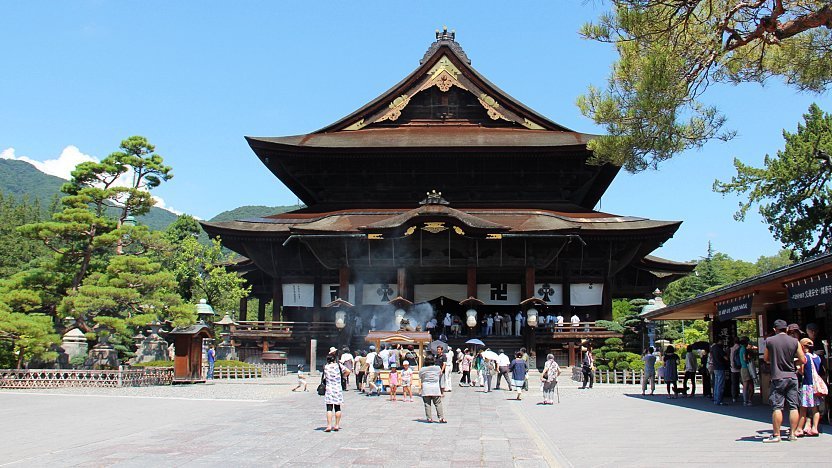
One of Japan's most visited temples (7 million pilgrims yearly). Houses Japan's first Buddhist statue. The underground passage (Okaidan) in pitch darkness lets you touch the 'key to paradise.' Non-denominational.

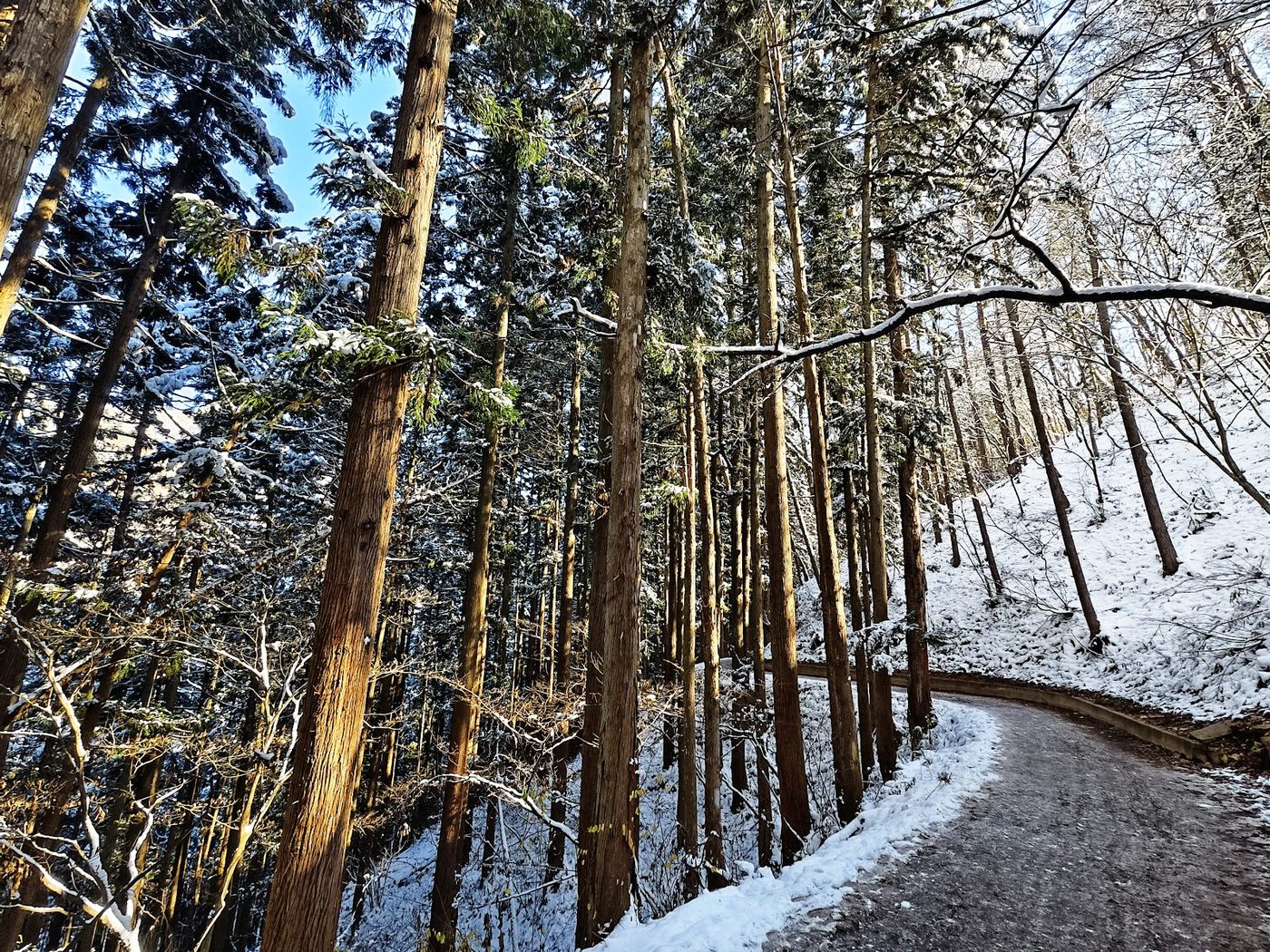
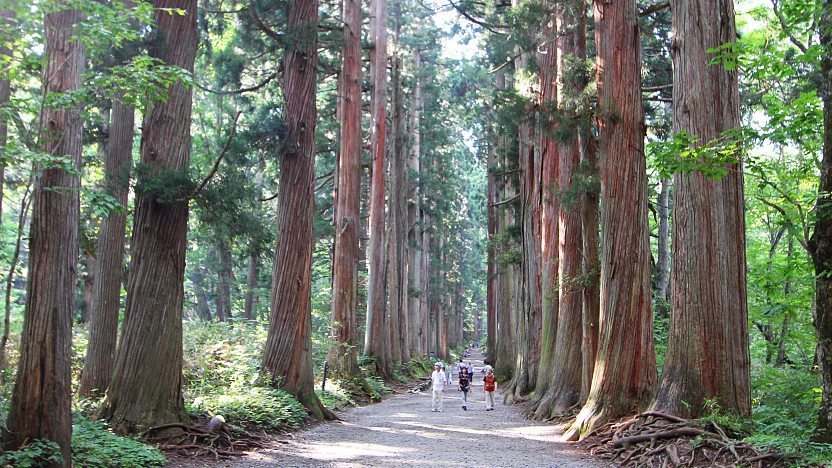
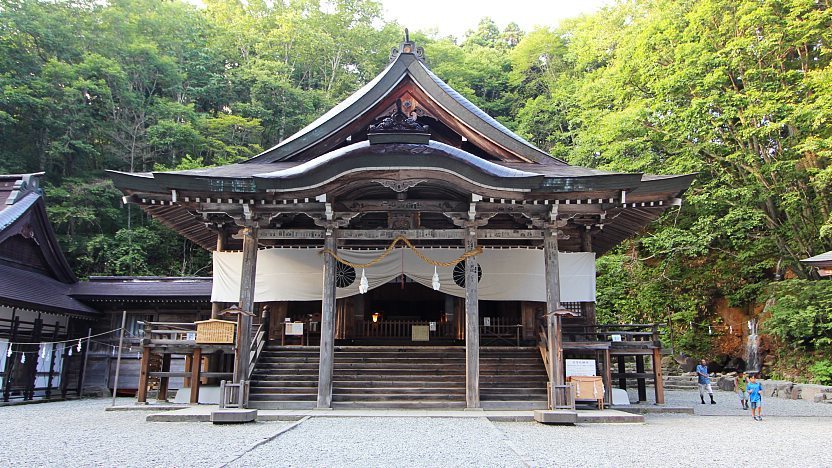
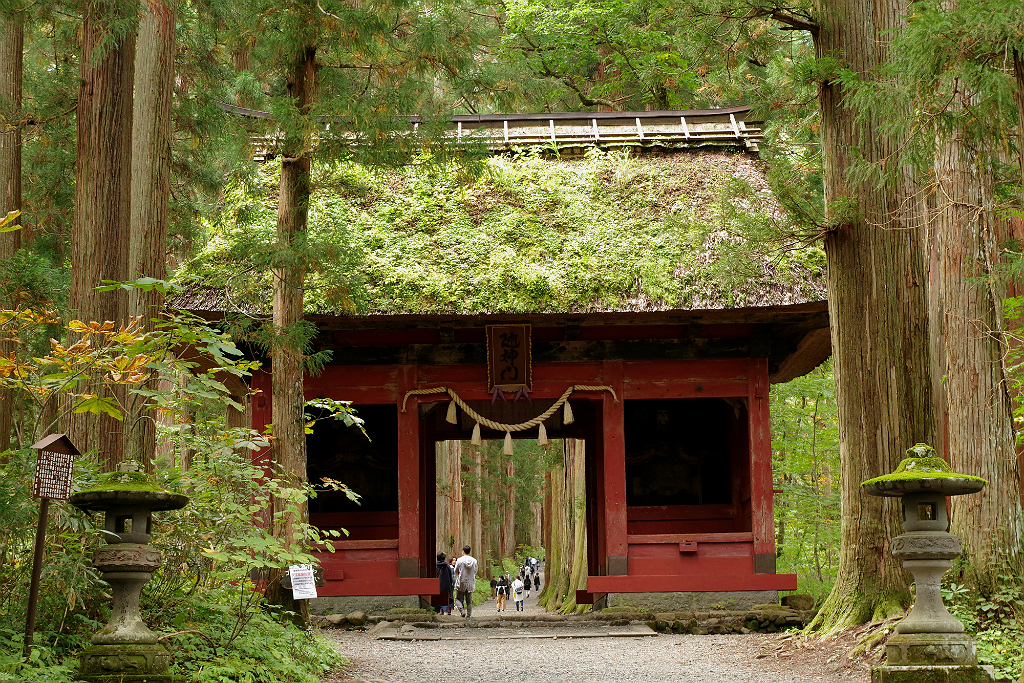
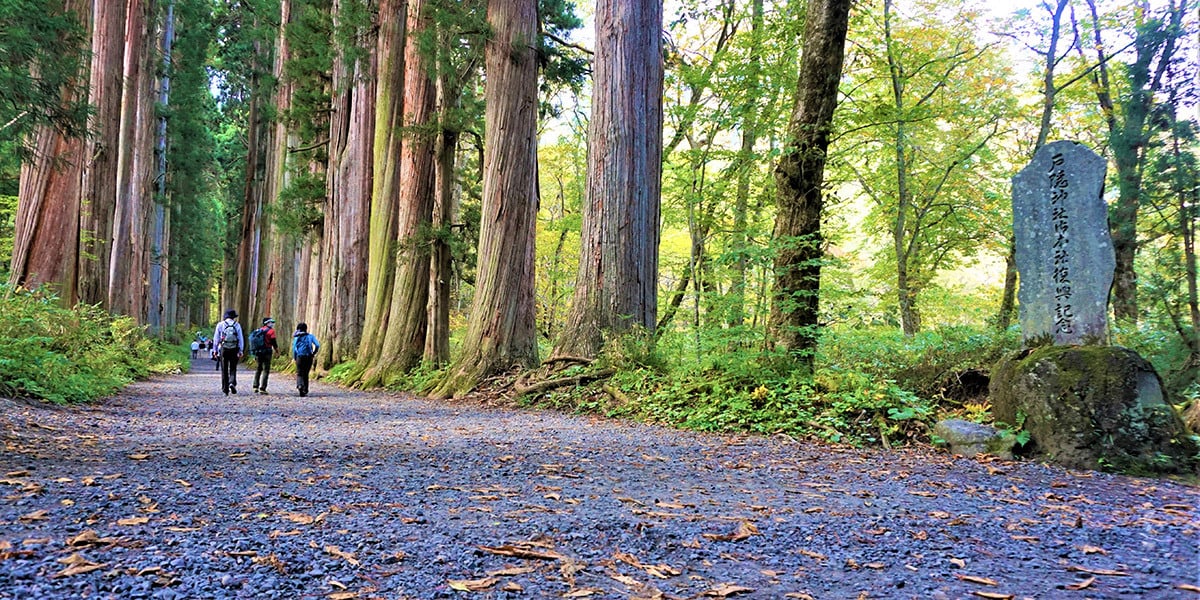
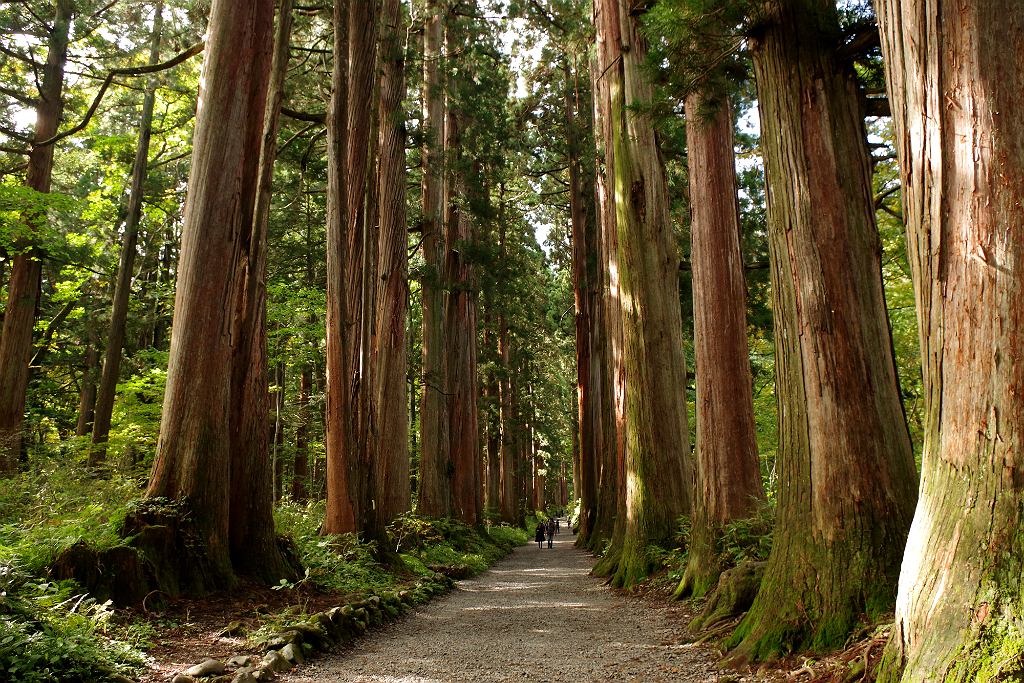
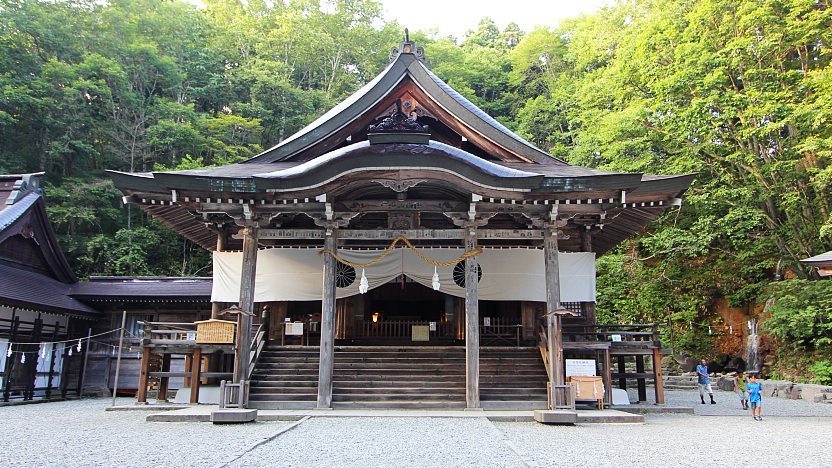
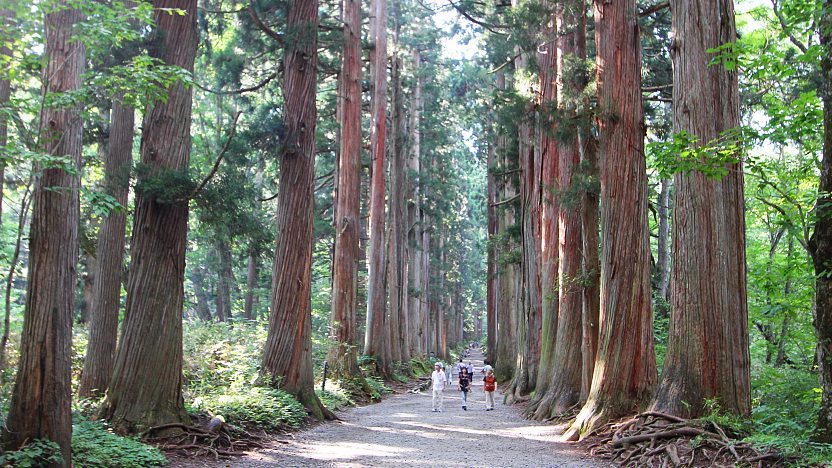
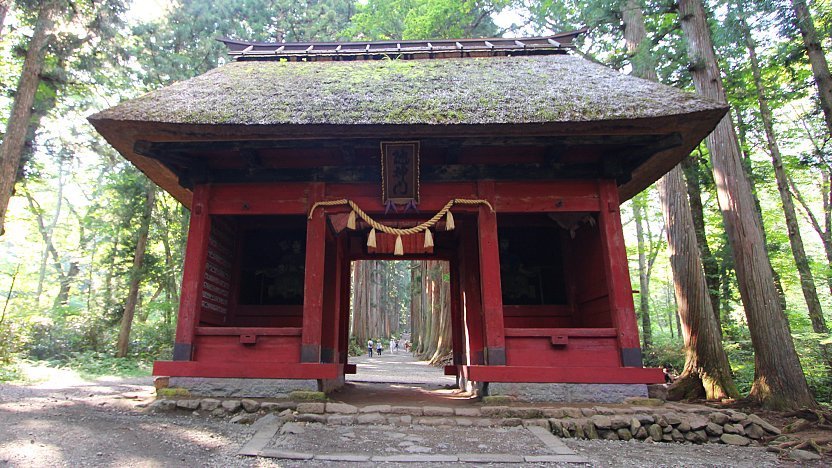
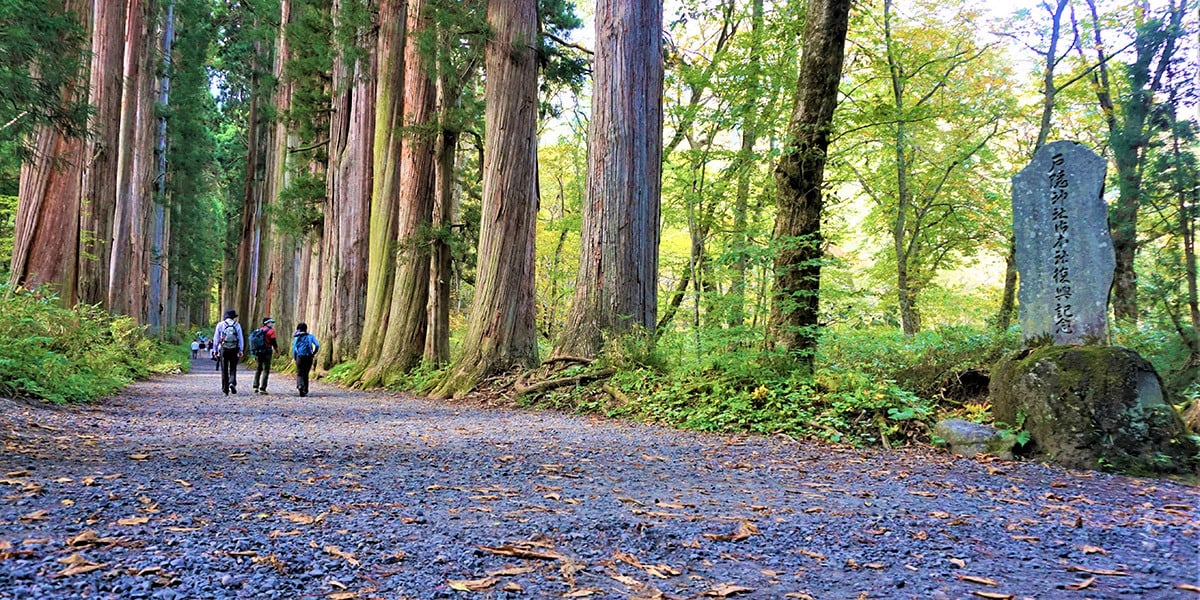
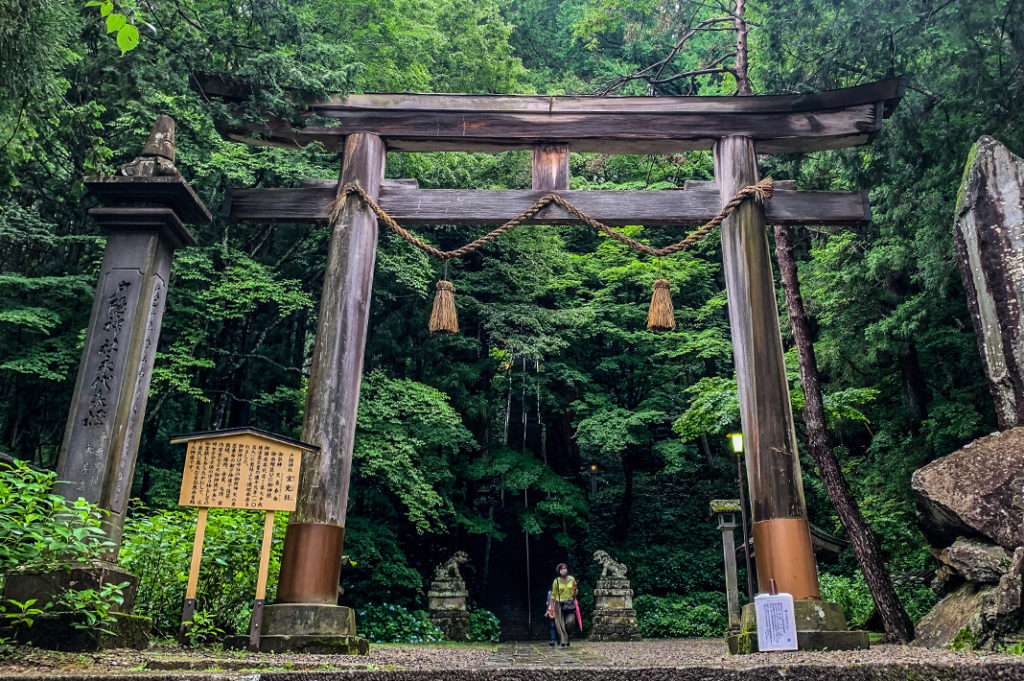
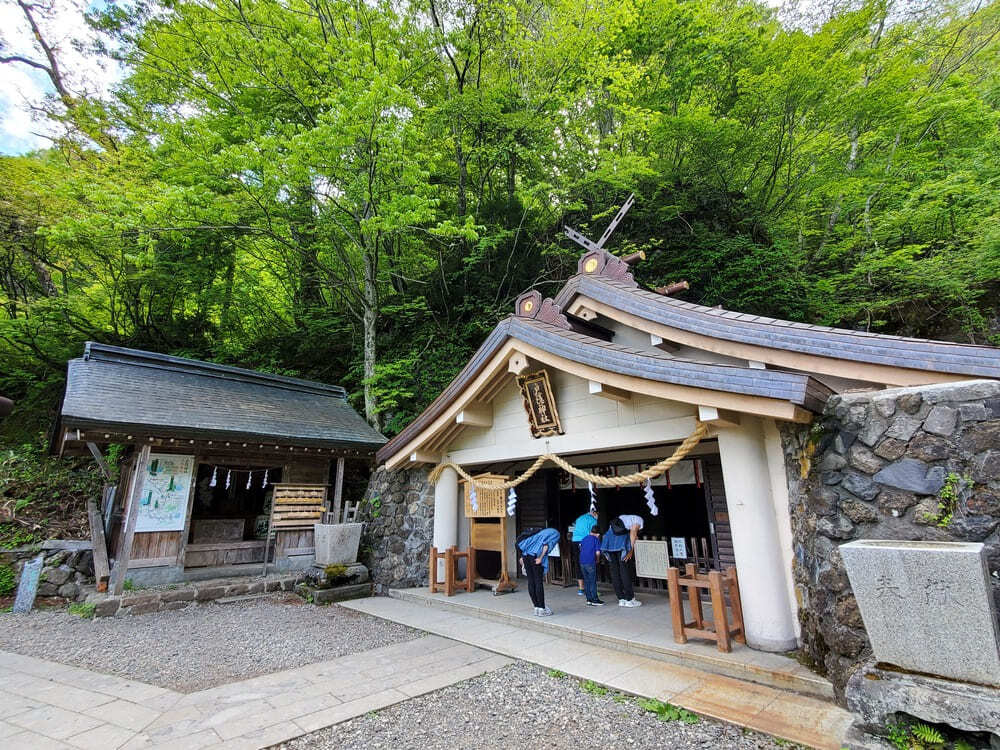
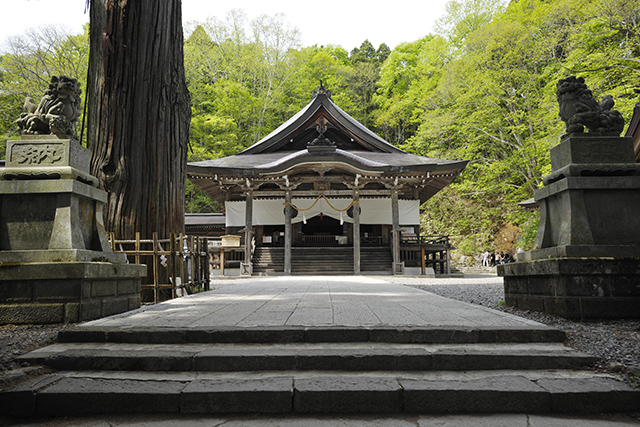
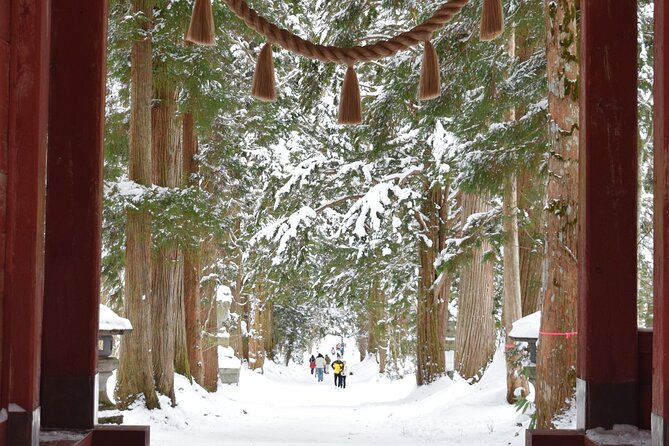
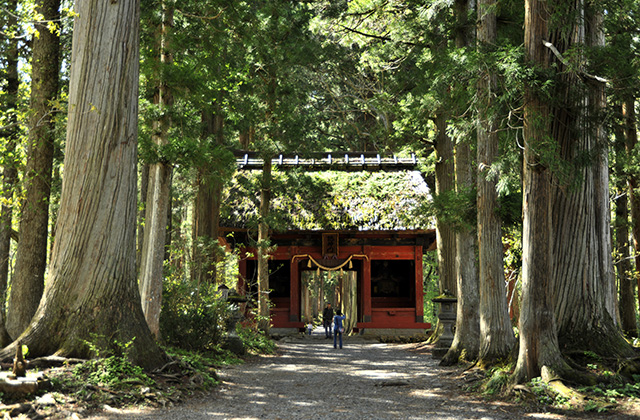
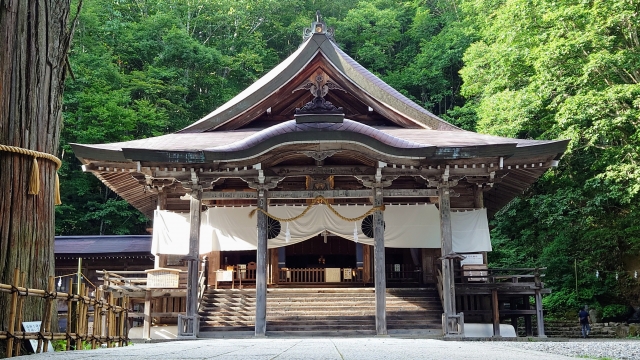
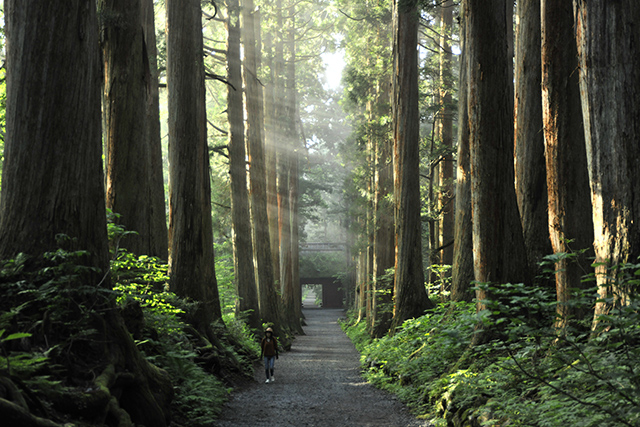
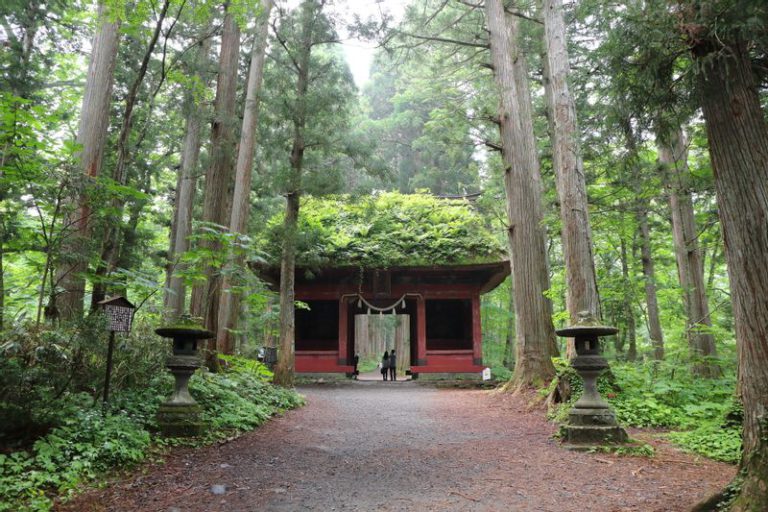
Ancient mountain shrine complex with five sub-shrines connected by forest trails. The approach through 400-year-old cryptomeria trees is one of Japan's most breathtaking paths. Togakushi soba is famous.

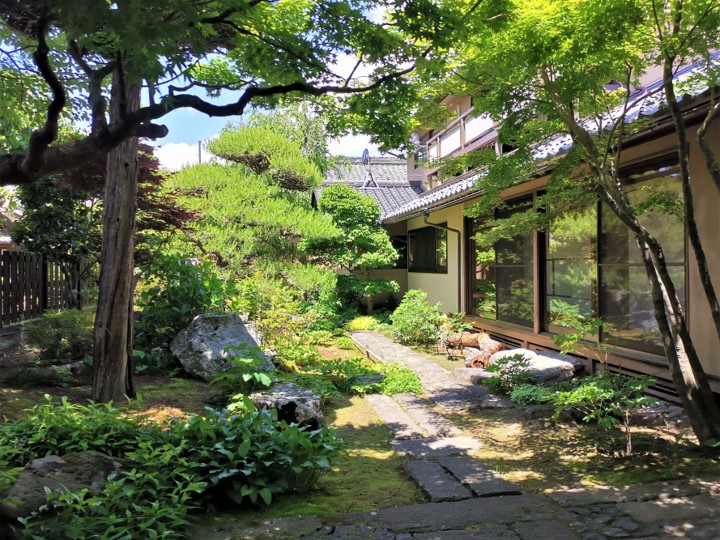
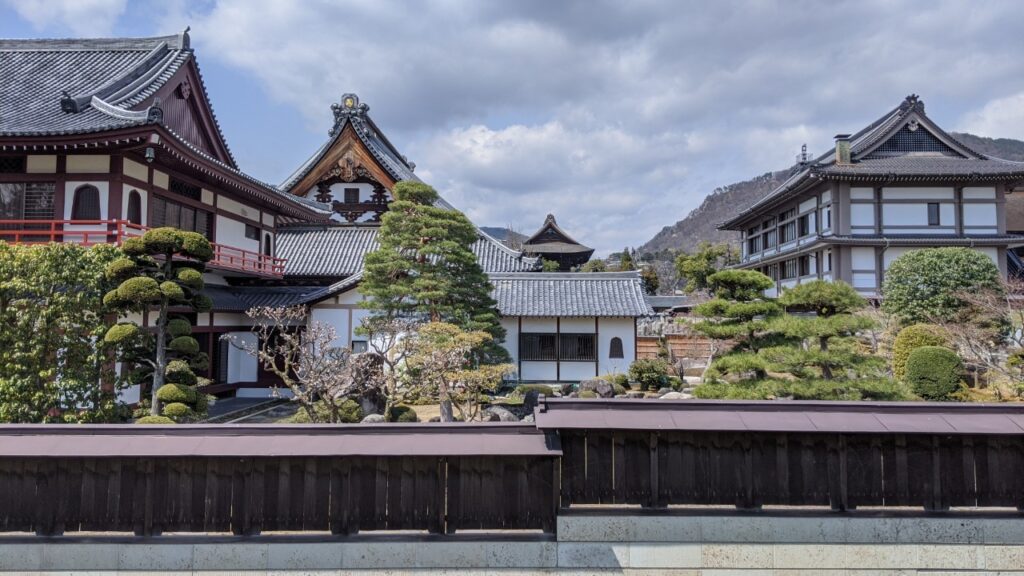
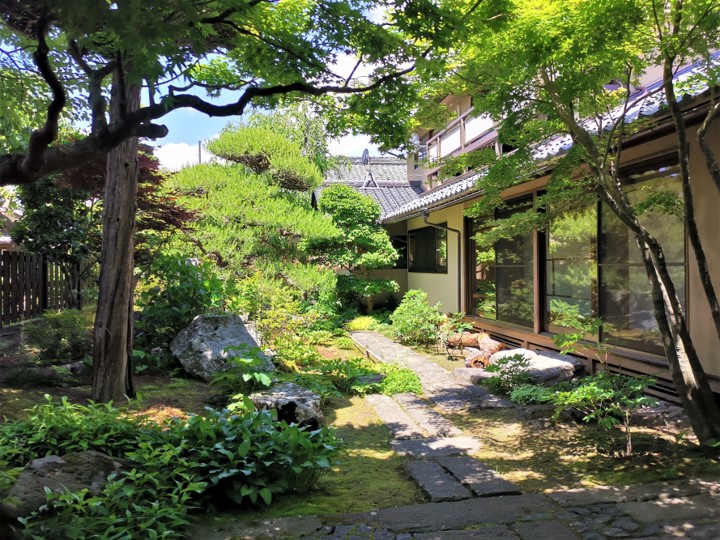
Small temple near Zenkoji with a beautiful garden. Less visited than the main temple but equally atmospheric. The moss garden in particular is stunning after rain.

The middle shrine (Chusha) has the most impressive cryptomeria avenue. 400-year-old trees line the approach, creating a natural cathedral. The forest atmosphere is sacred and timeless.

The innermost shrine (Okusha) requires a 2km forest walk. The final approach through ancient cedars is one of Japan's most beautiful walks. The shrine itself is small but the journey is everything.

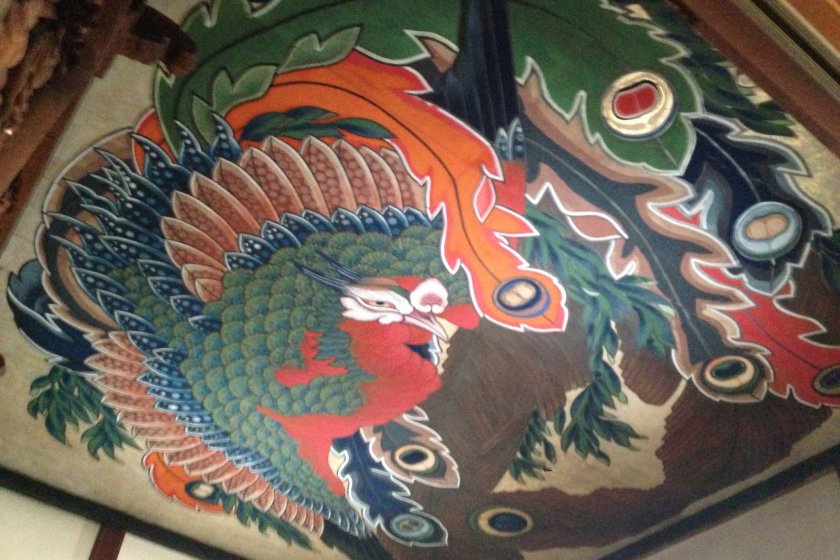
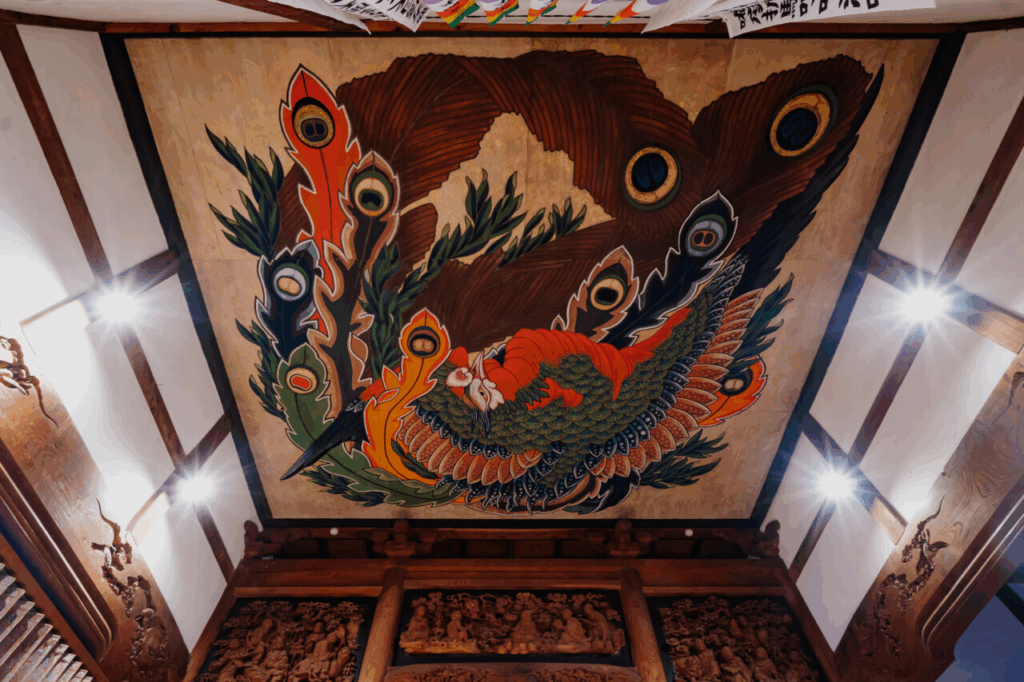
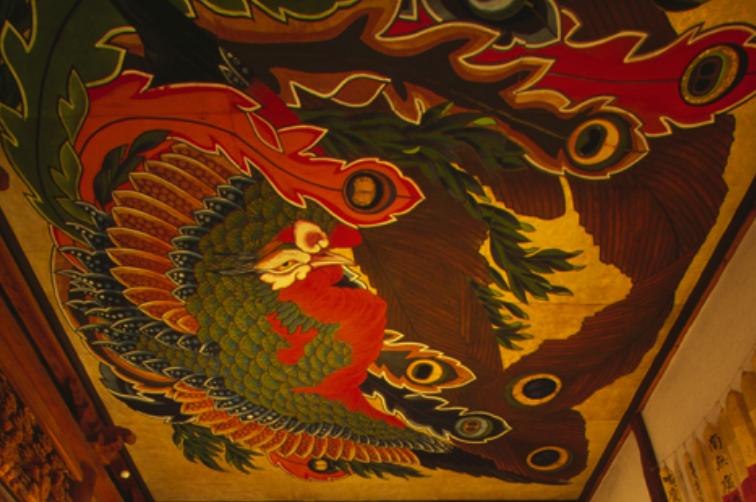
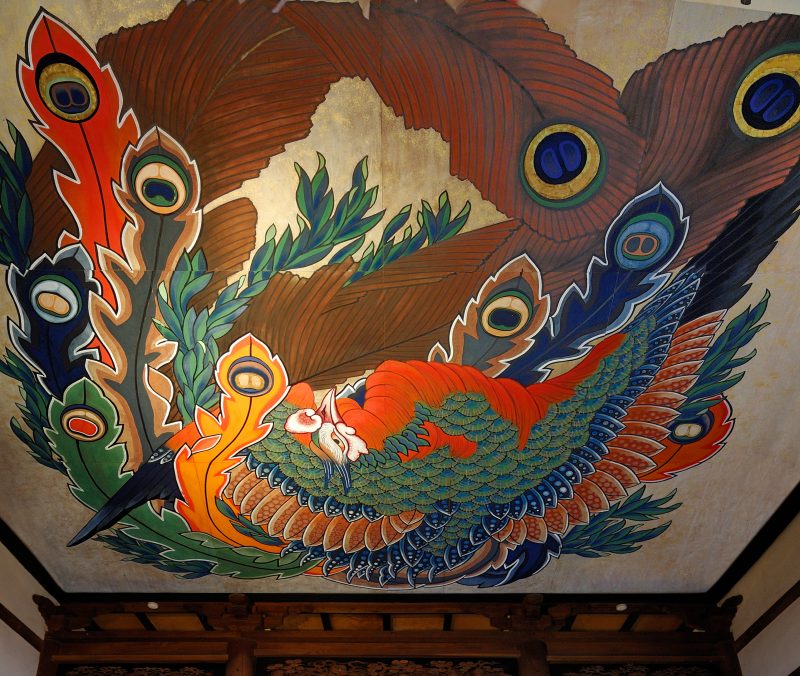
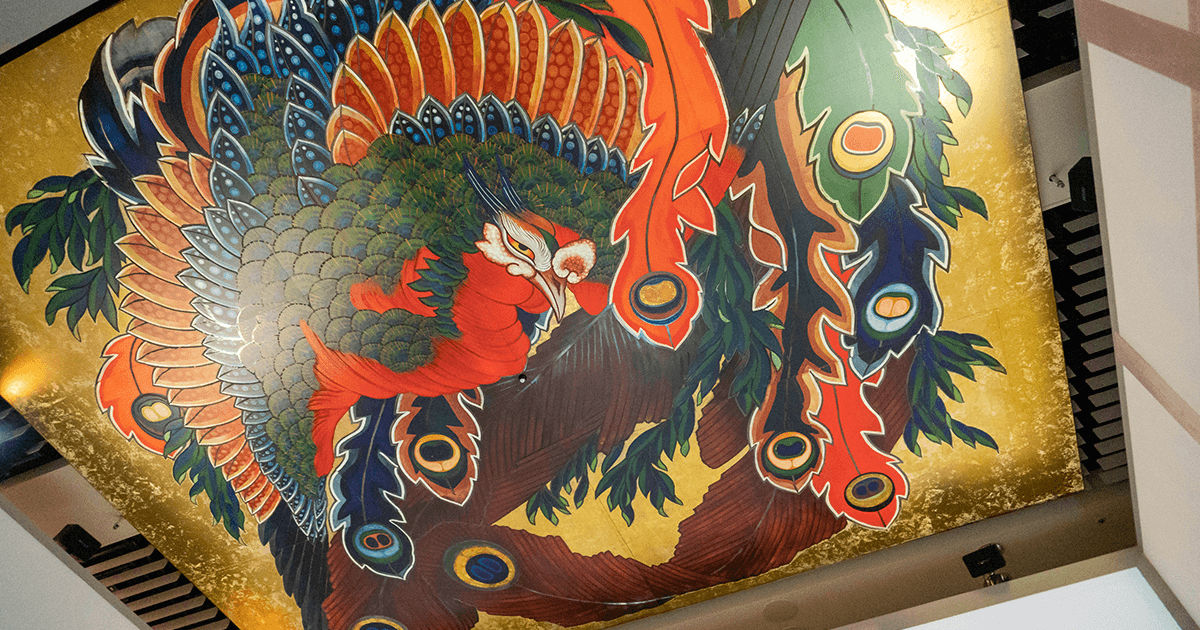
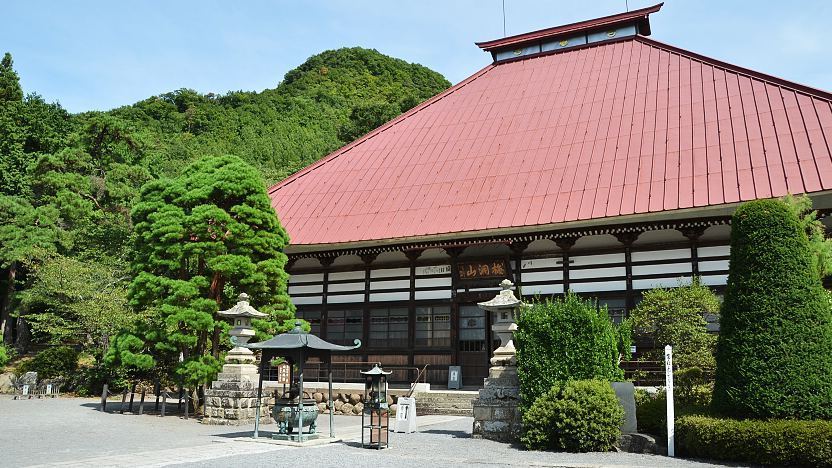
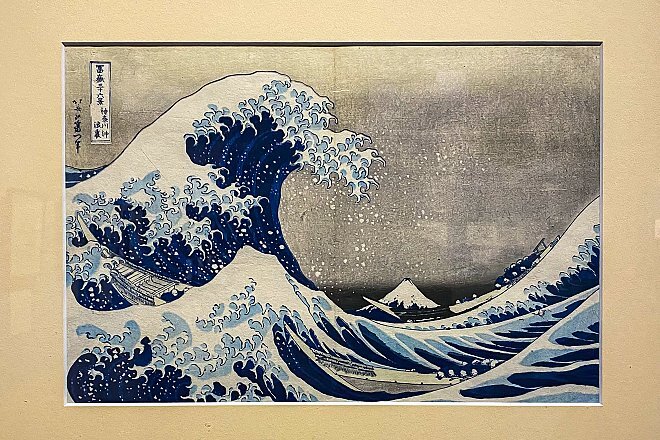
Temple with an 8-tatami-mat ceiling painting by Hokusai, completed when he was 89 years old. A fierce phoenix surrounded by ocean waves. The detail and energy are incredible for an artist of that age.

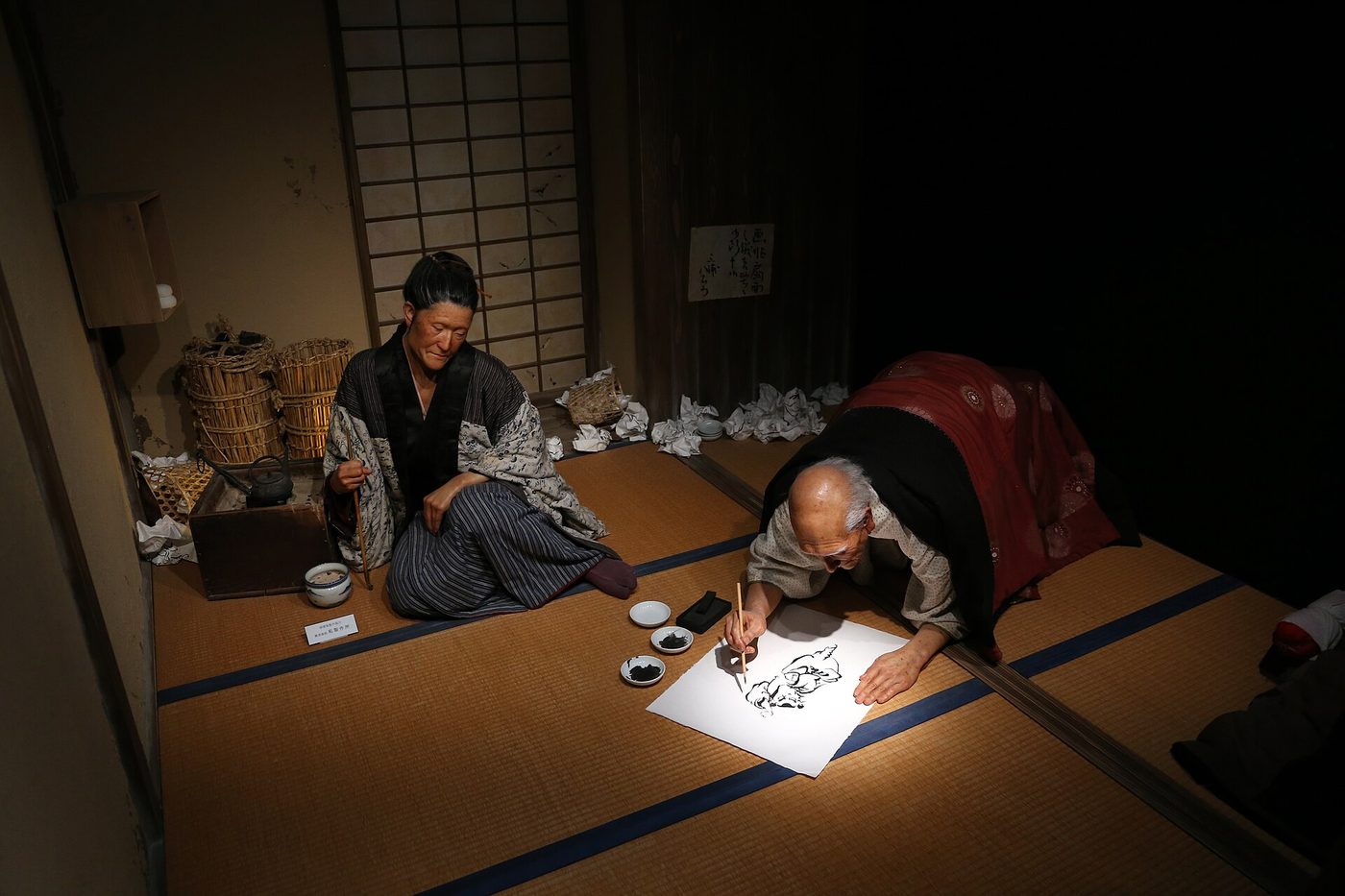
The town where Katsushika Hokusai spent his final years, the museum has his late masterworks including the phoenix ceiling painting at...
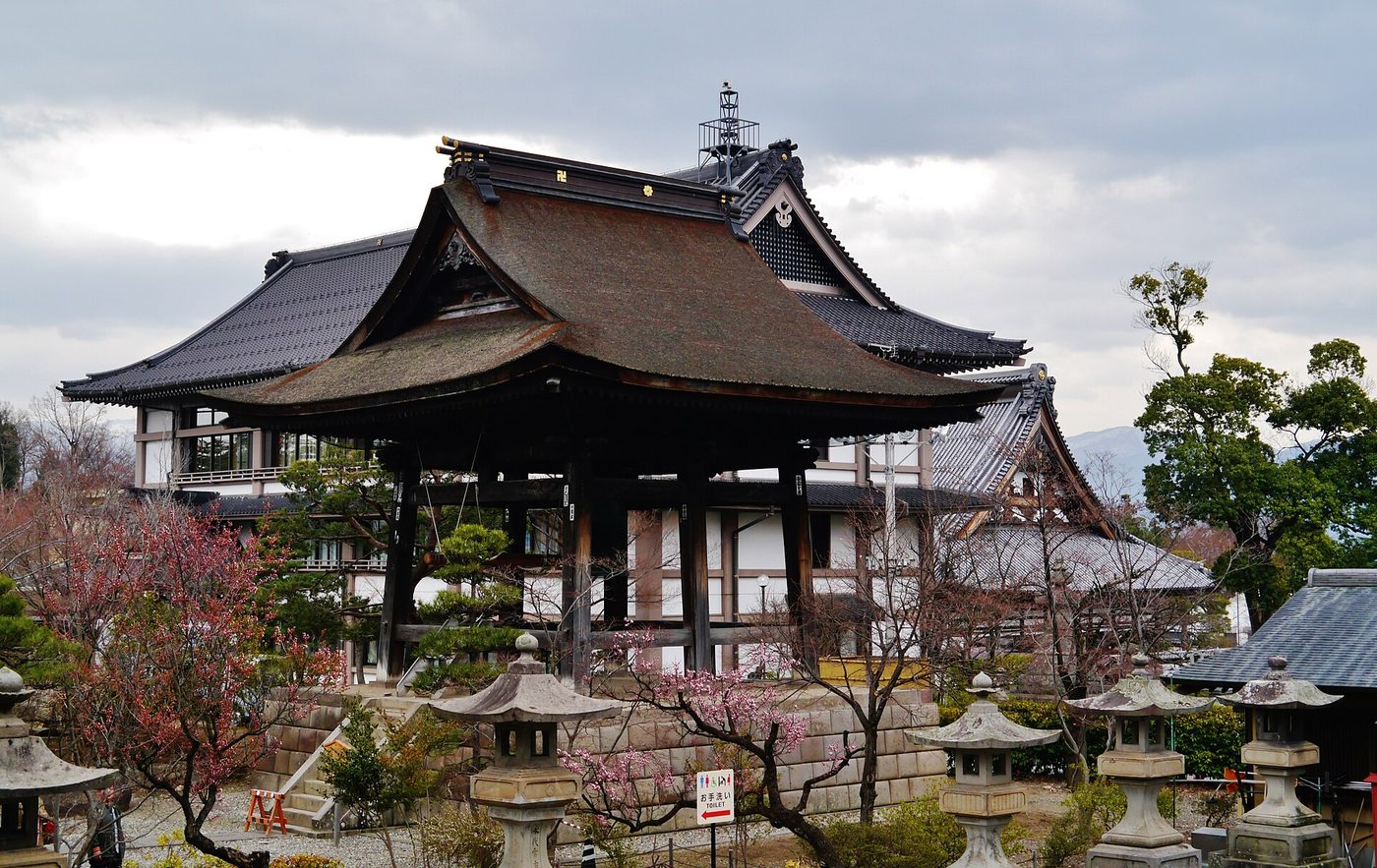
One of Japan's most important temples, houses the first Buddhist statue ever to arrive in Japan (6th century). The pitch-black 'Key to...
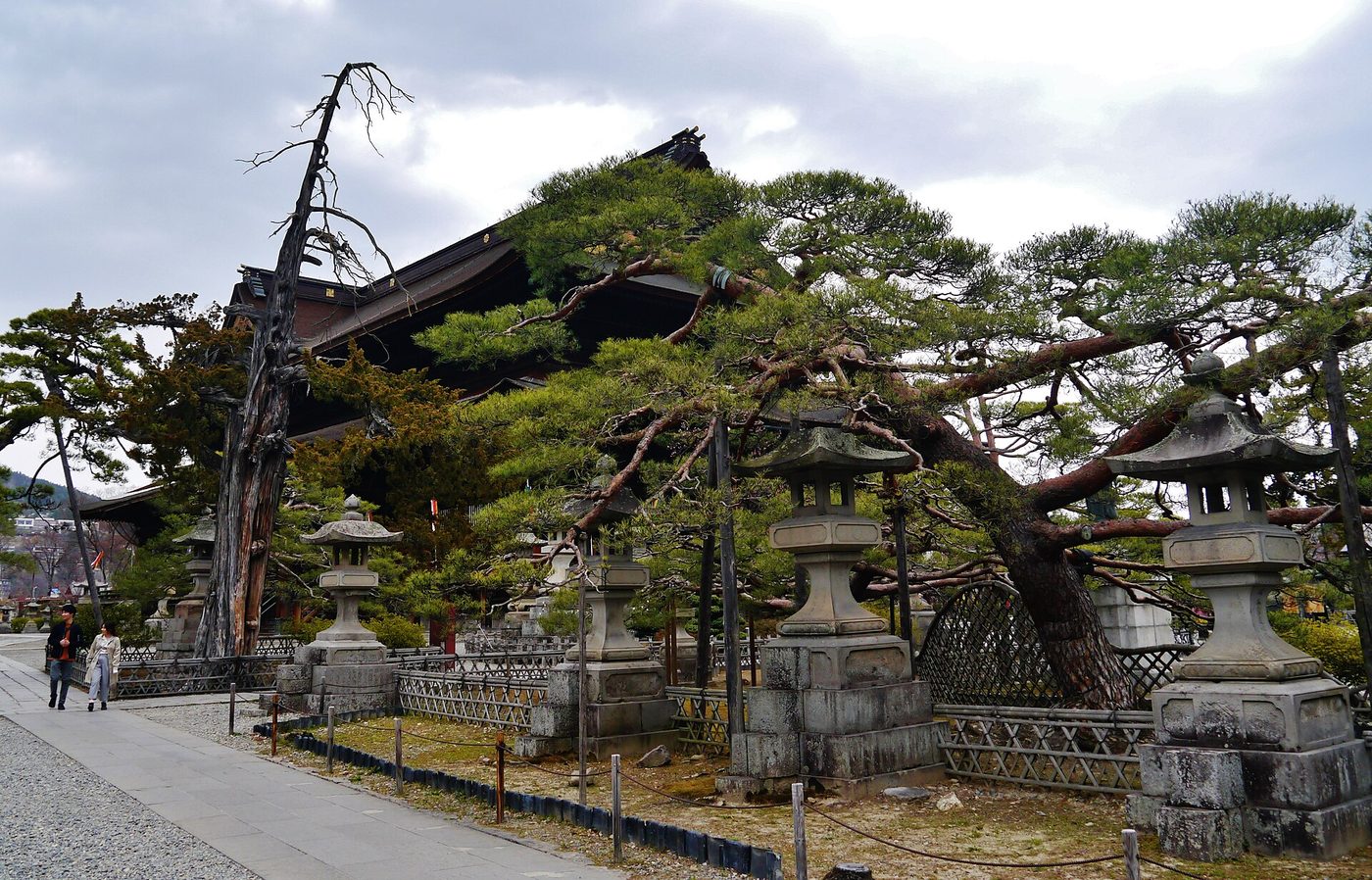
Zelkova-lined avenues, lively arcades, and a lively local nightlife scene.
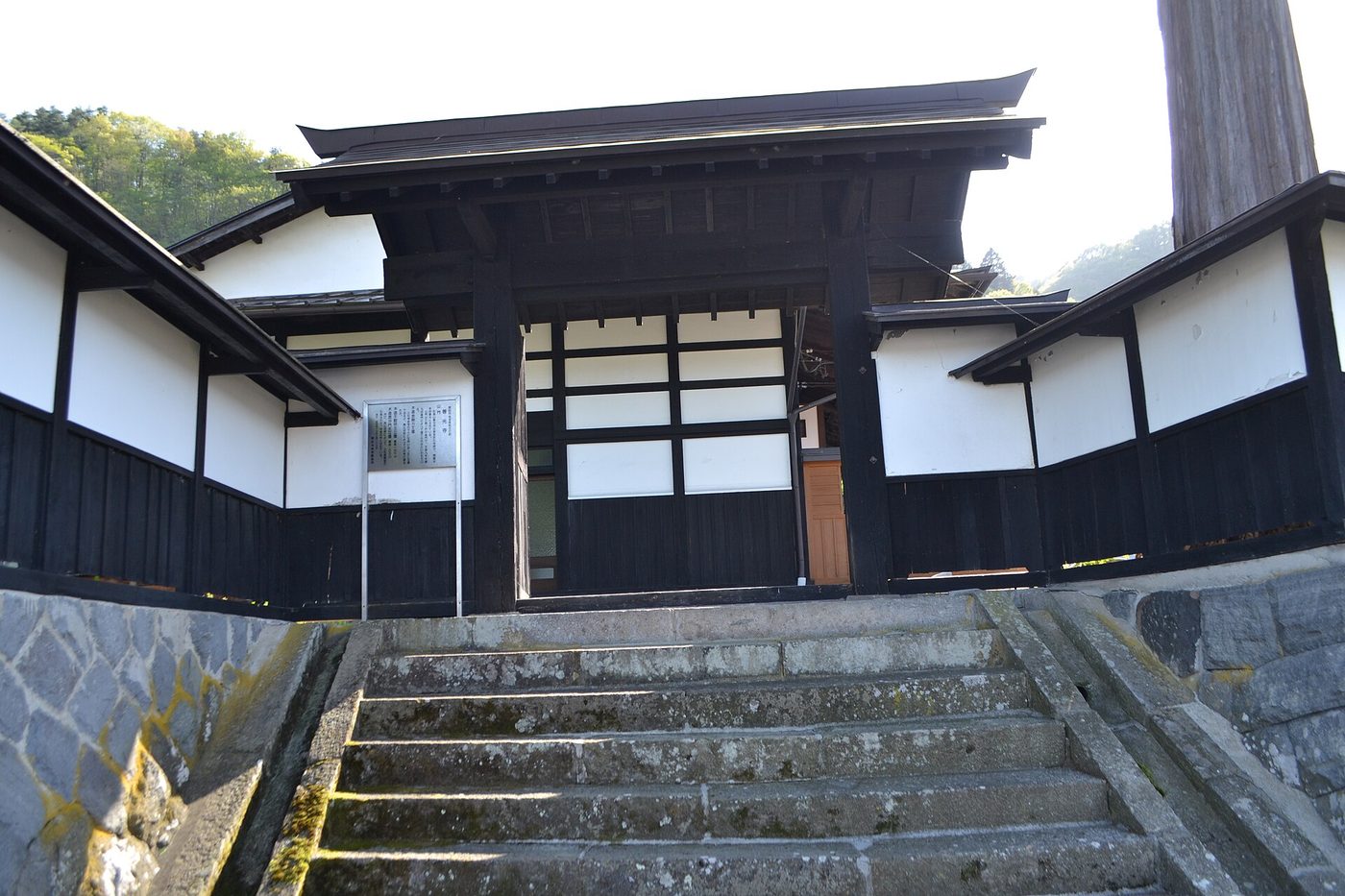
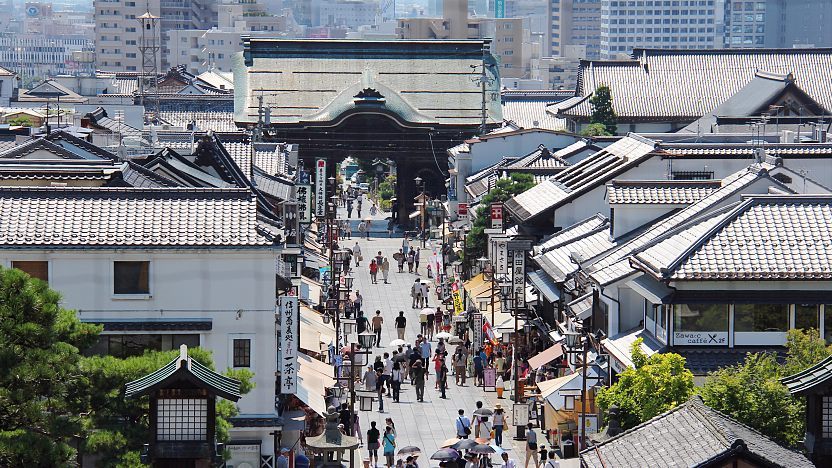
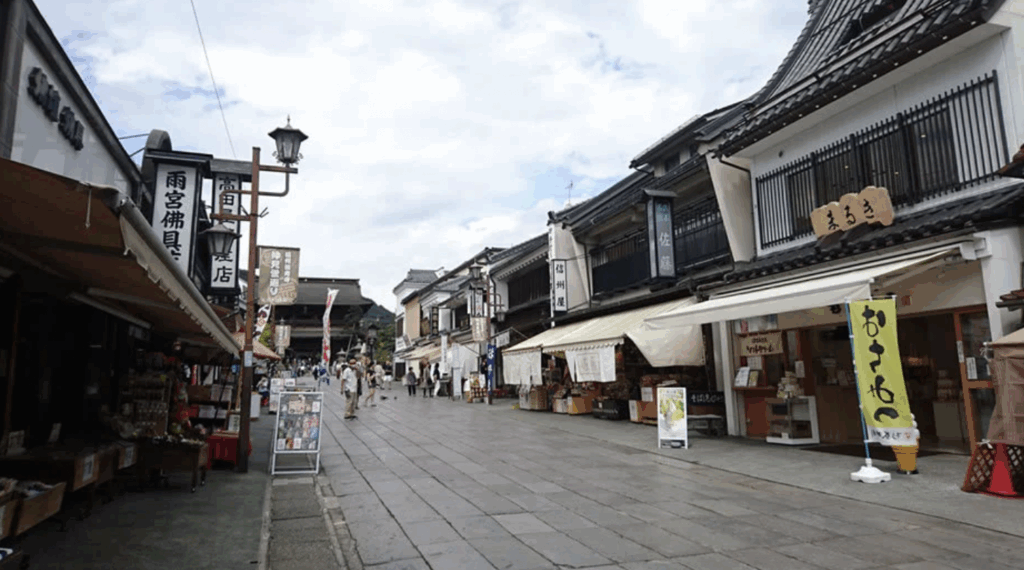
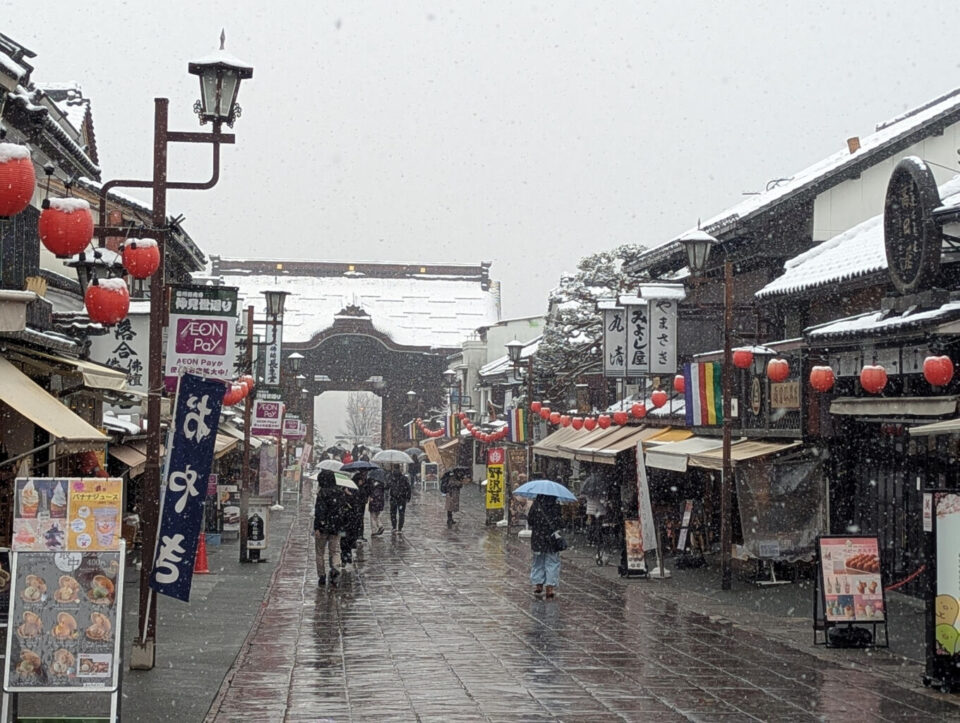
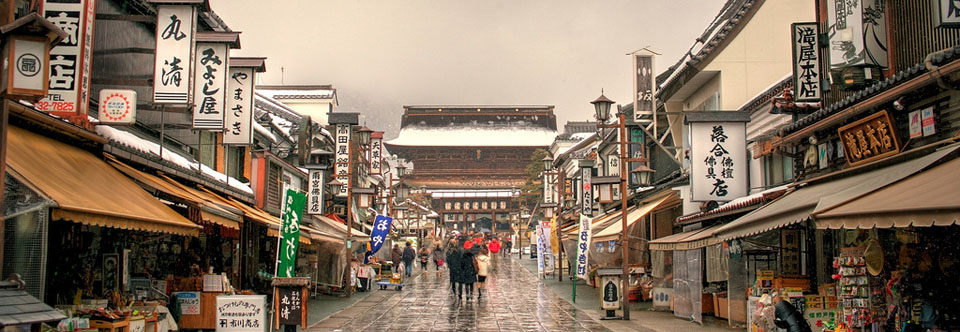
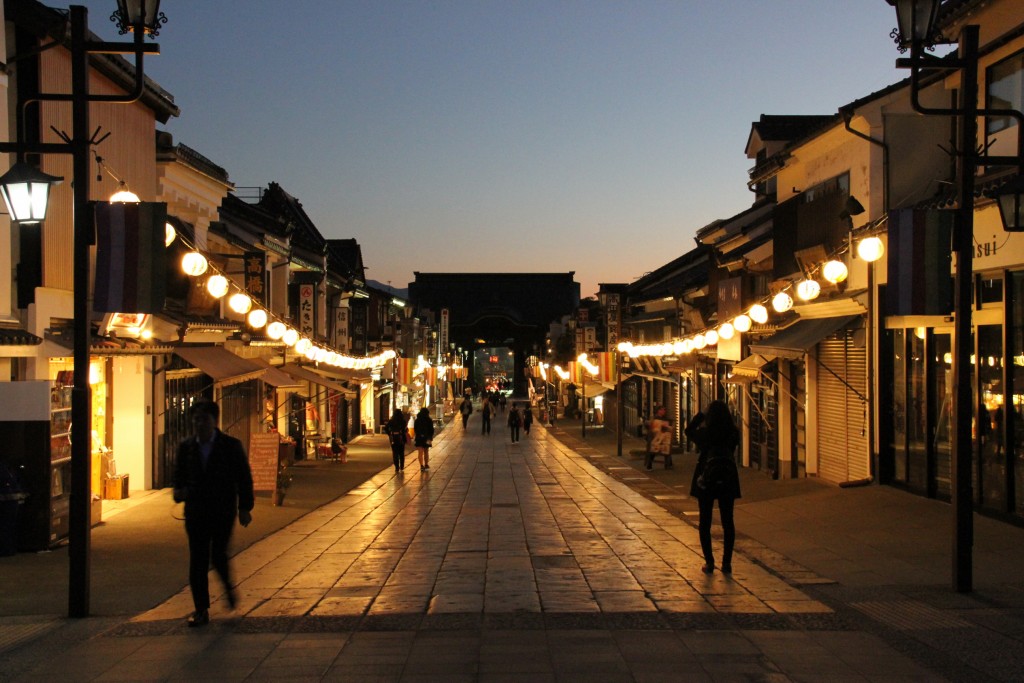
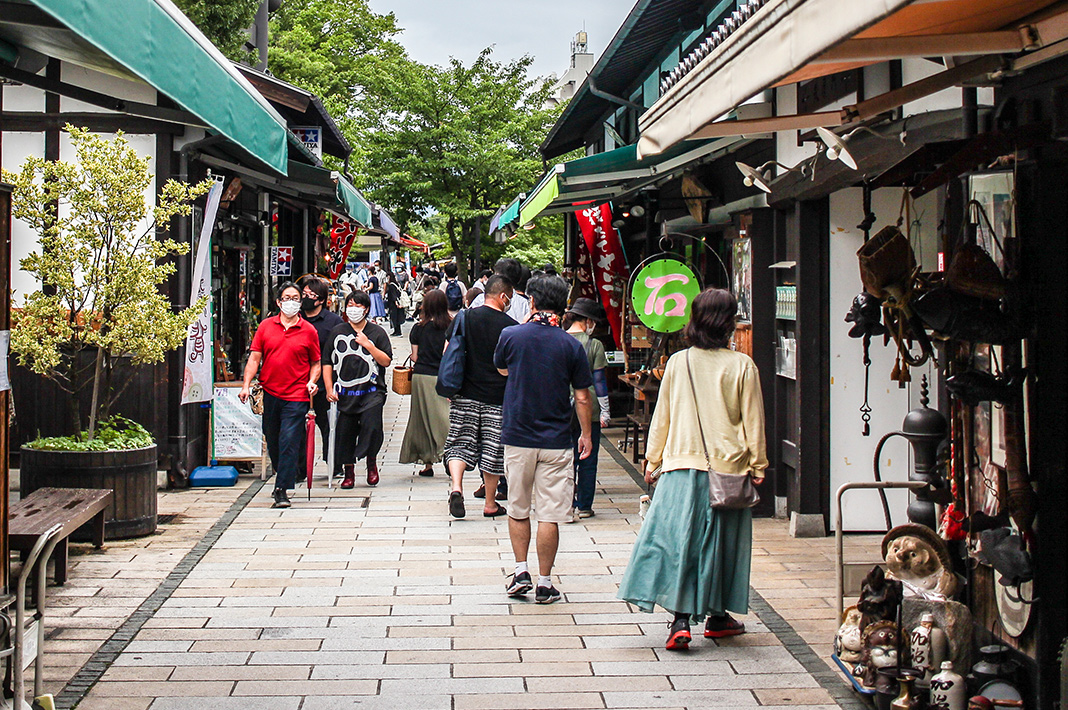
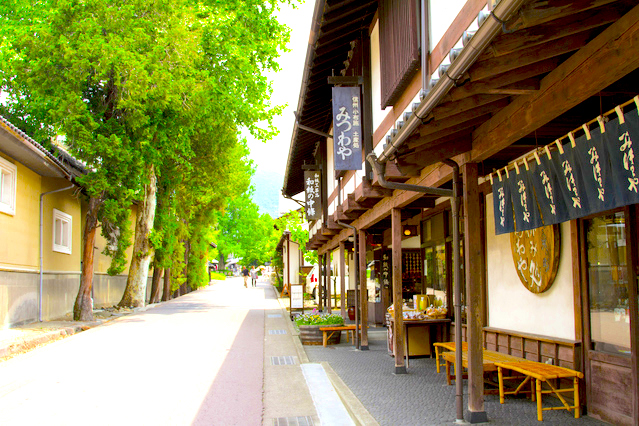
700m shopping street leading to Zenkoji. Traditional souvenirs, Shinshu soba shops, oyaki dumpling stands, and craft stores. Seven lucky god statues hide along the route. Beautiful stone-paved road.

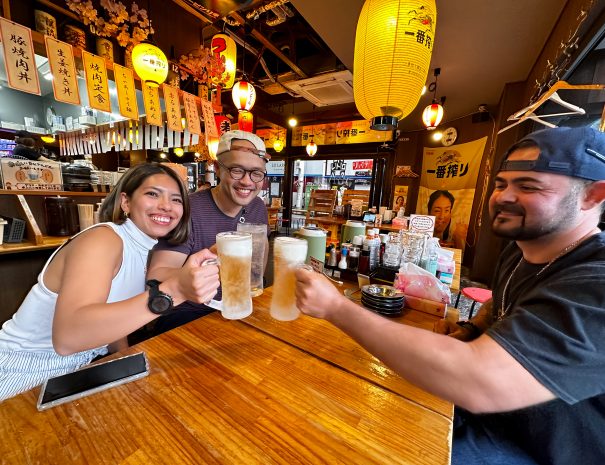
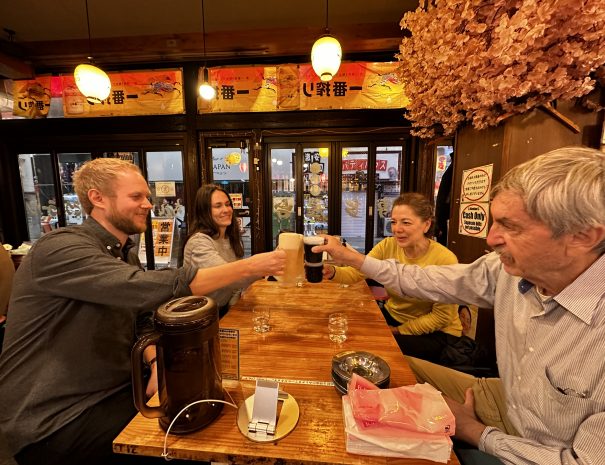
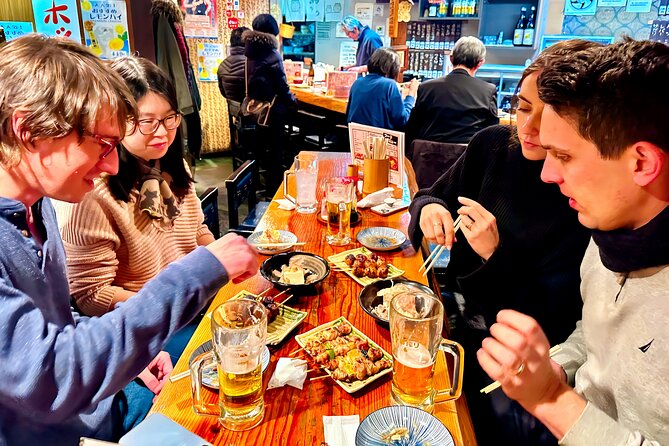
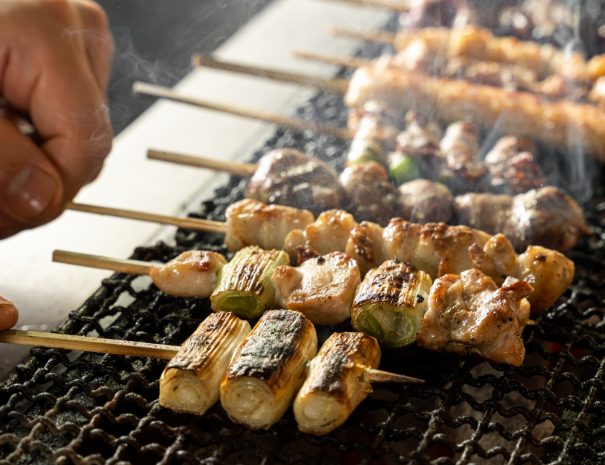
Main entertainment district near the city center. Dense cluster of izakayas serving Shinshu cuisine: horse sashimi, nozawana pickles, Shinshu beef, and local sake. Lively after dark.

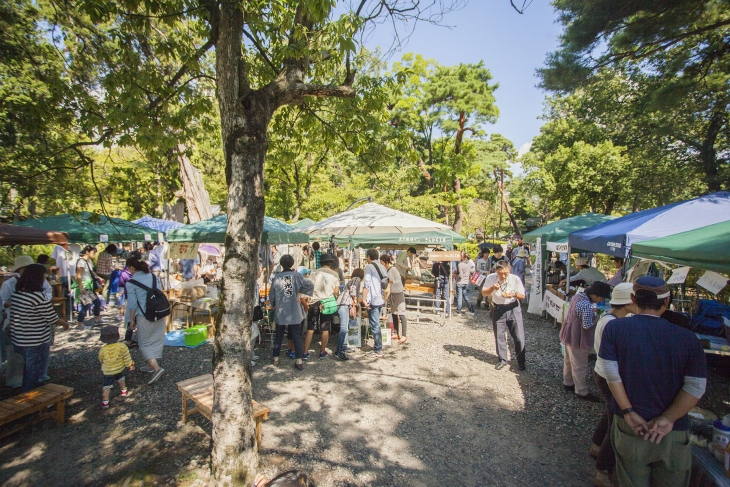
Seasonal craft markets on the Zenkoji temple approach. Local woodworking, ceramics, textiles, and food products. The carved wooden crafts using mountain timber are particularly nice.

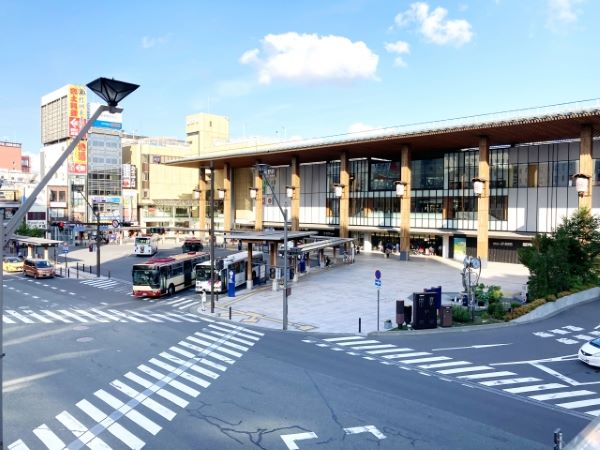
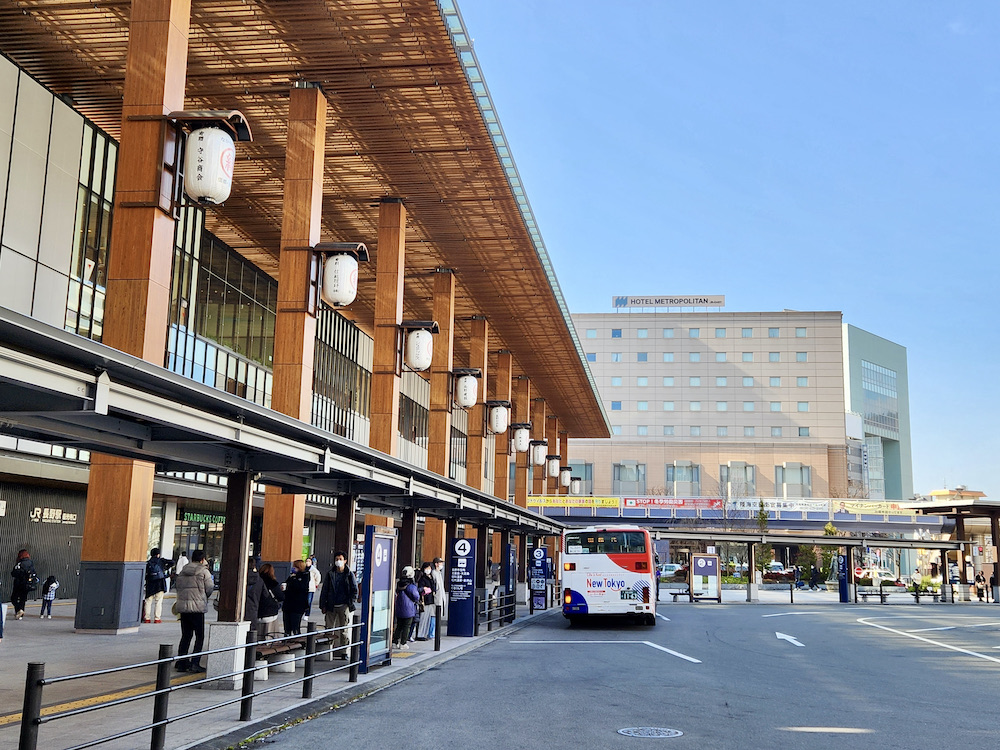
The walk from Nagano Station to Zenkoji is a 2km journey through the city's history. Traditional shops, modern boutiques, and restaurants line the way. The gradual approach builds anticipation.

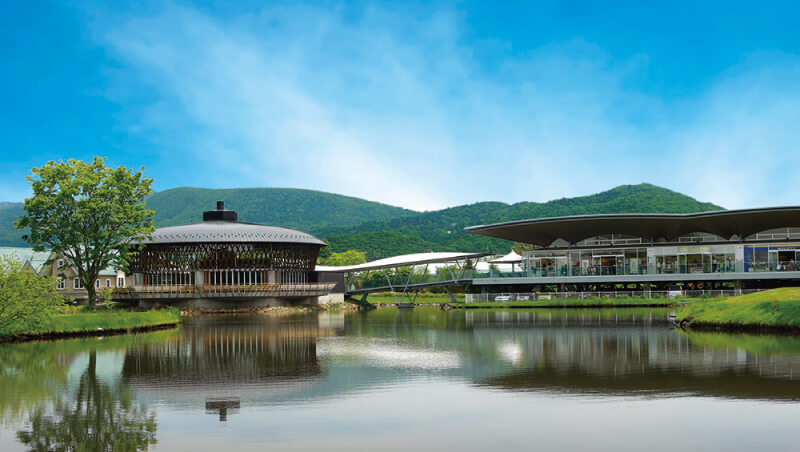
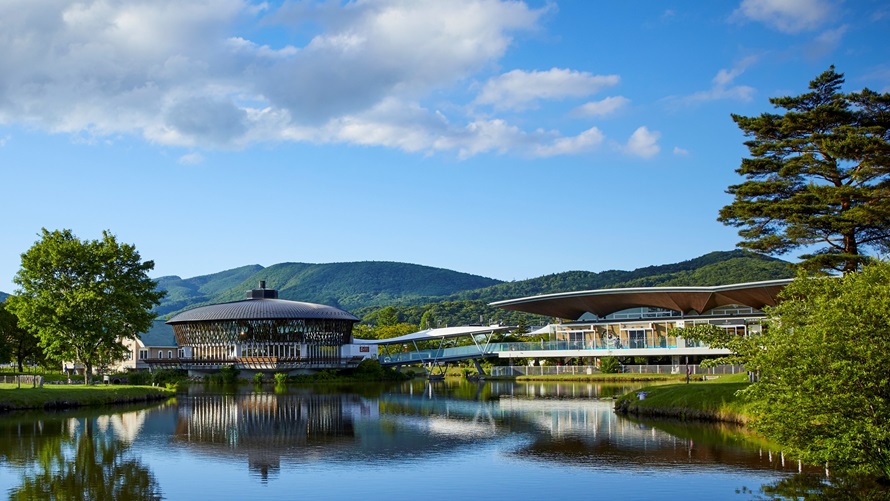
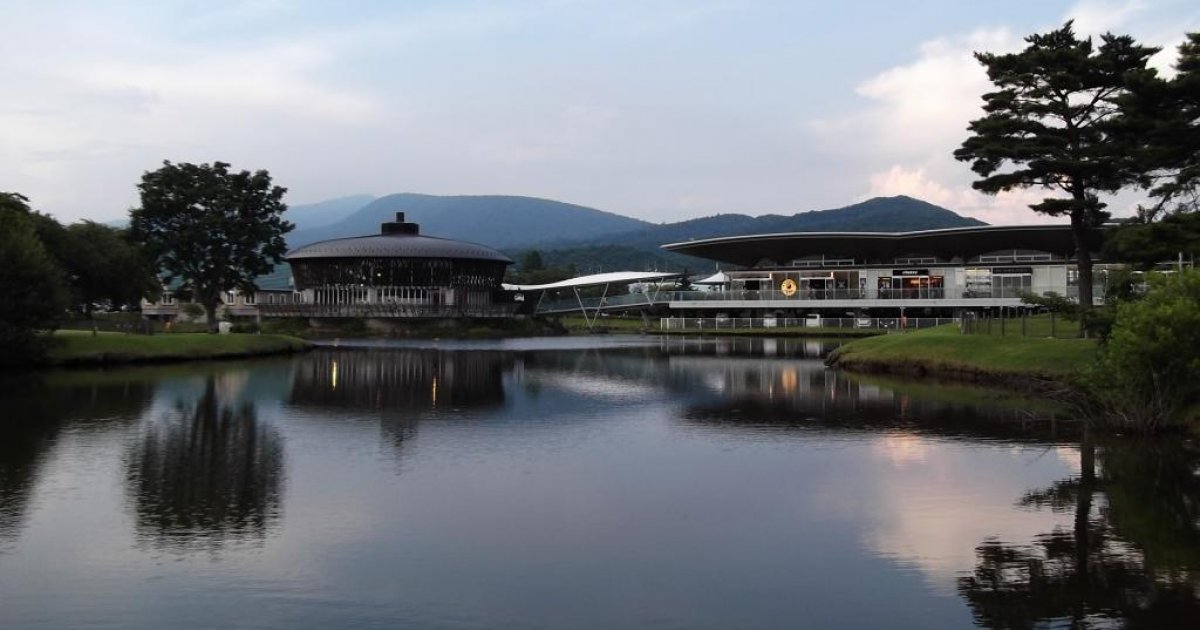
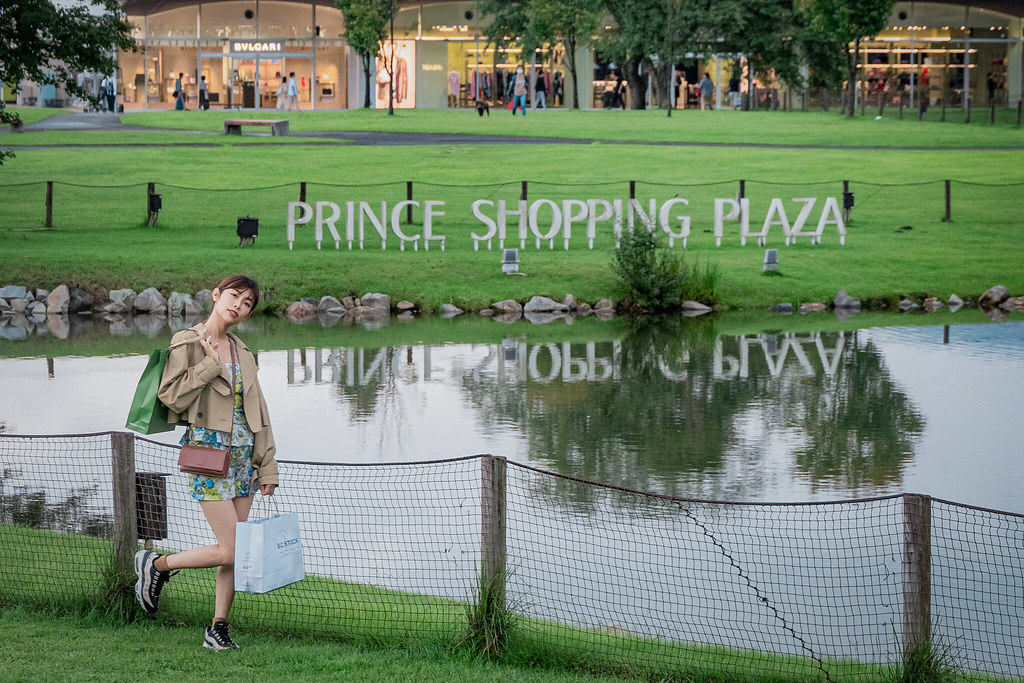
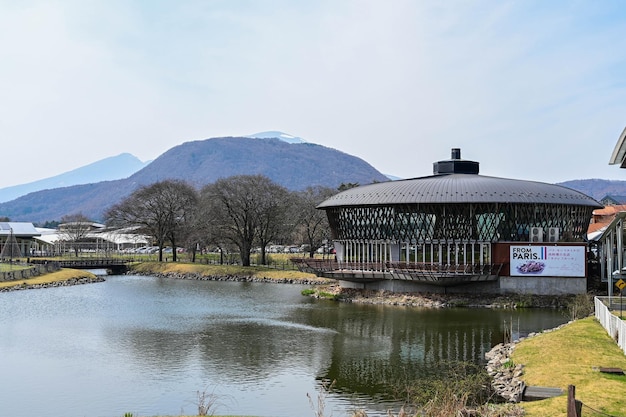
One of Japan's largest outlet malls set against mountain scenery. Over 240 stores. The mountain air and lake setting make outlet shopping feel like a resort experience. 30 min by Shinkansen.

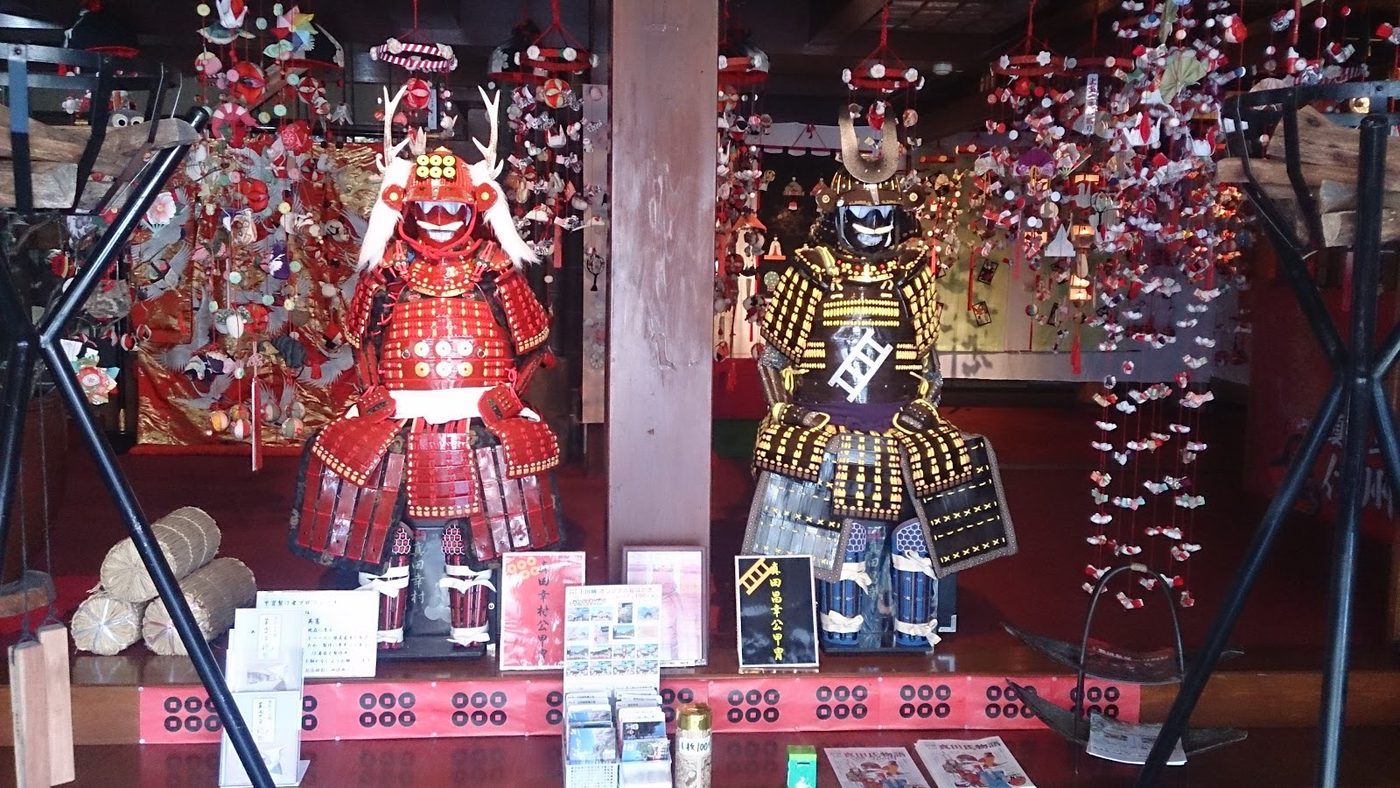
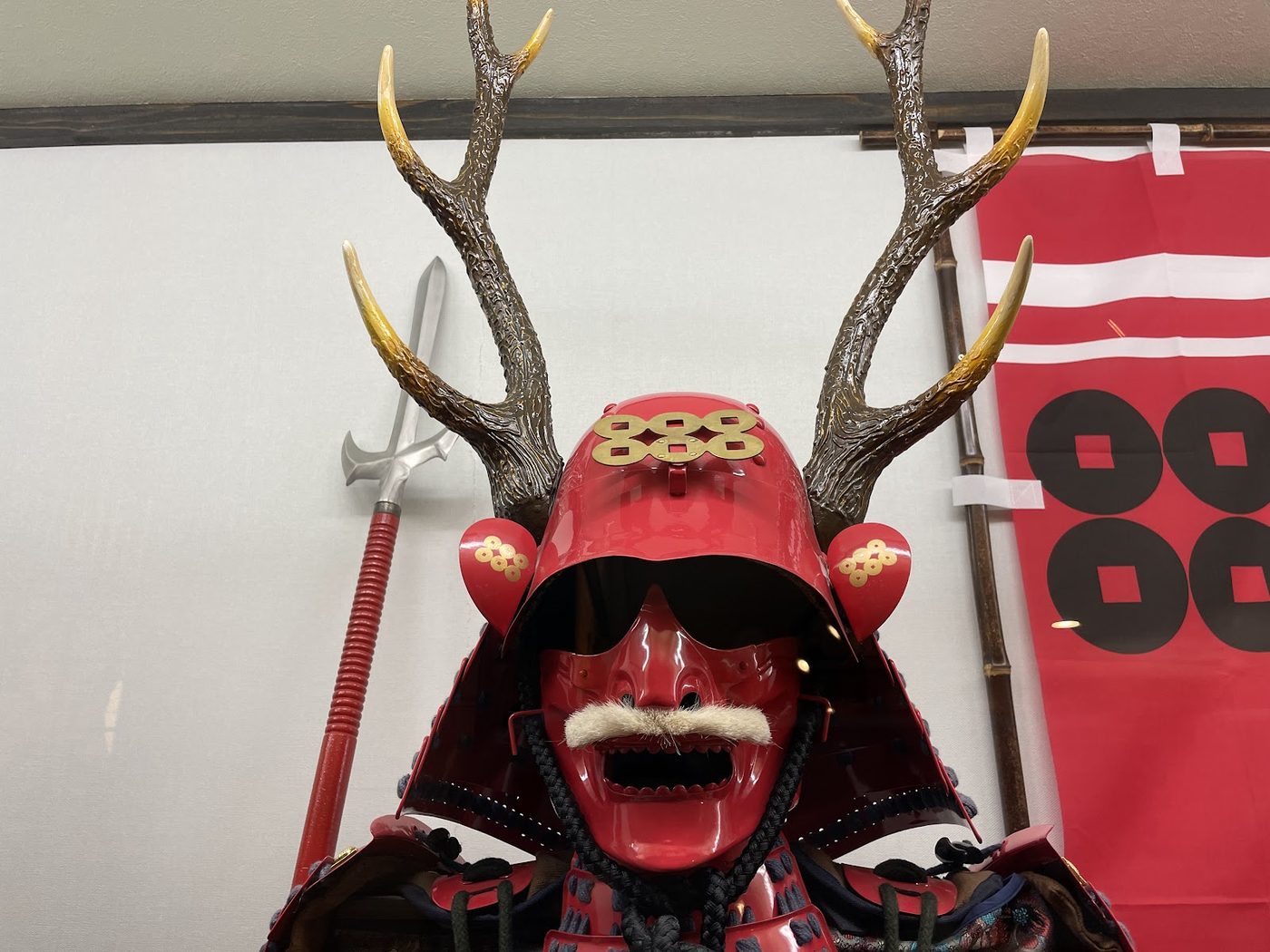
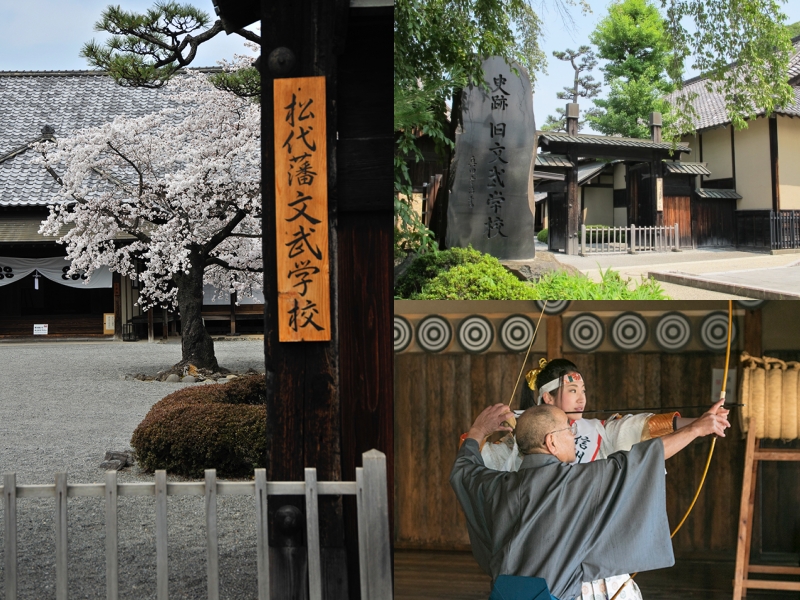
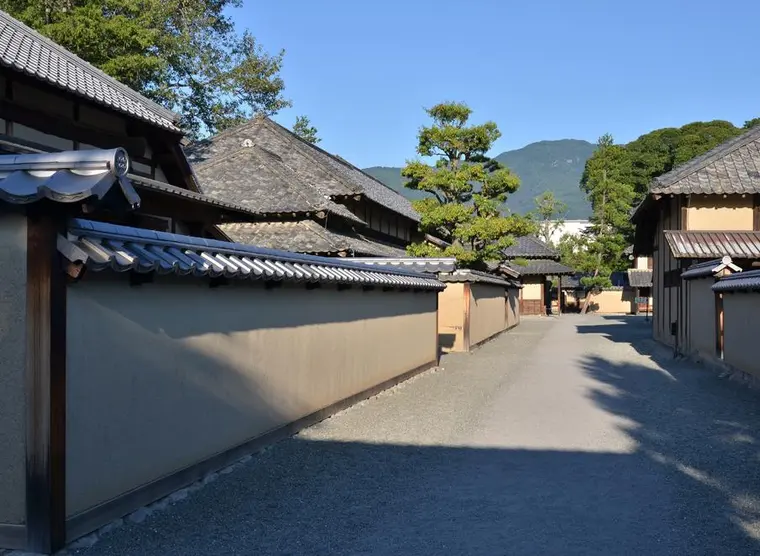
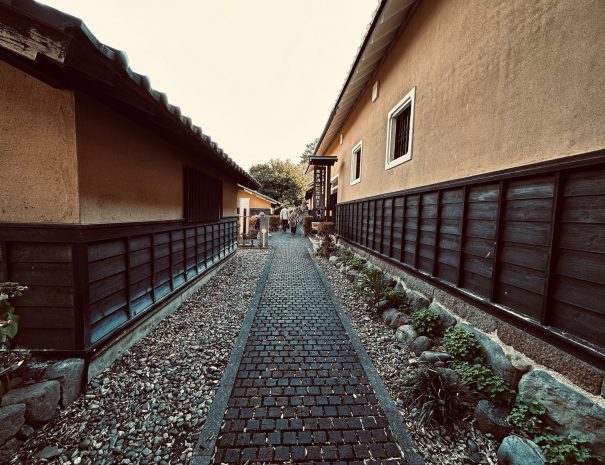
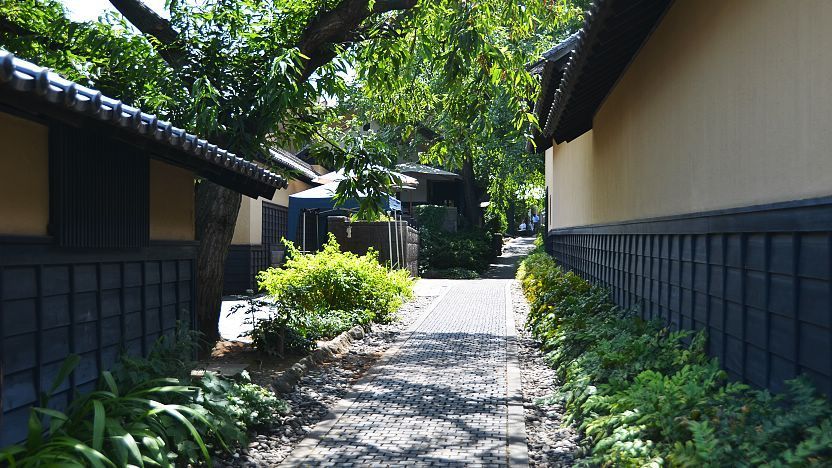
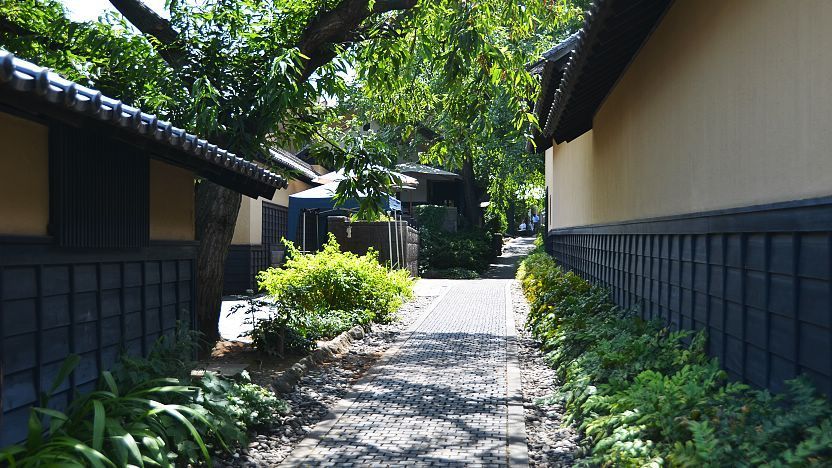
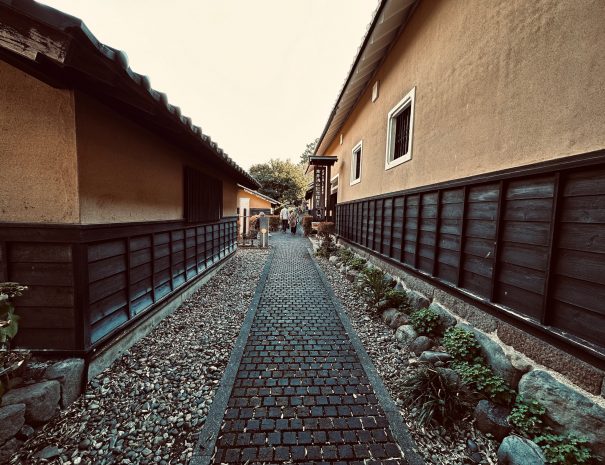
Well-preserved samurai residences and gardens. The Sanada clan ruled from here for 250 years. Walking the quiet streets feels like stepping back to the Edo period. 30 min from Nagano center.
Nagano is packed with standout local eats. Come hungry.

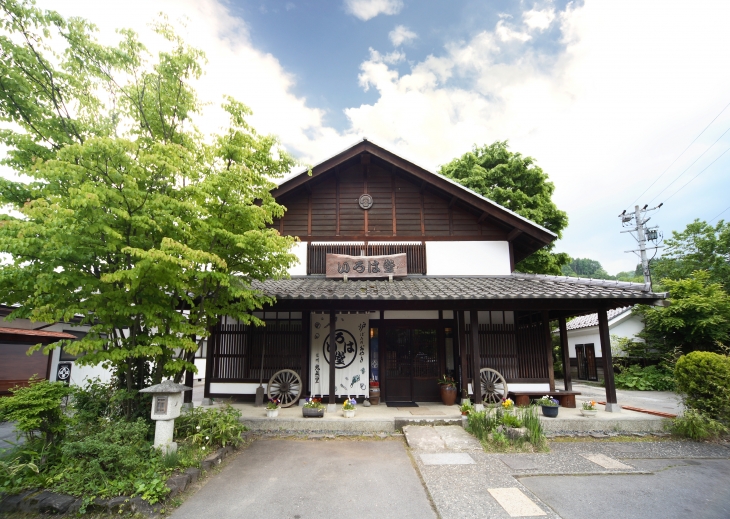
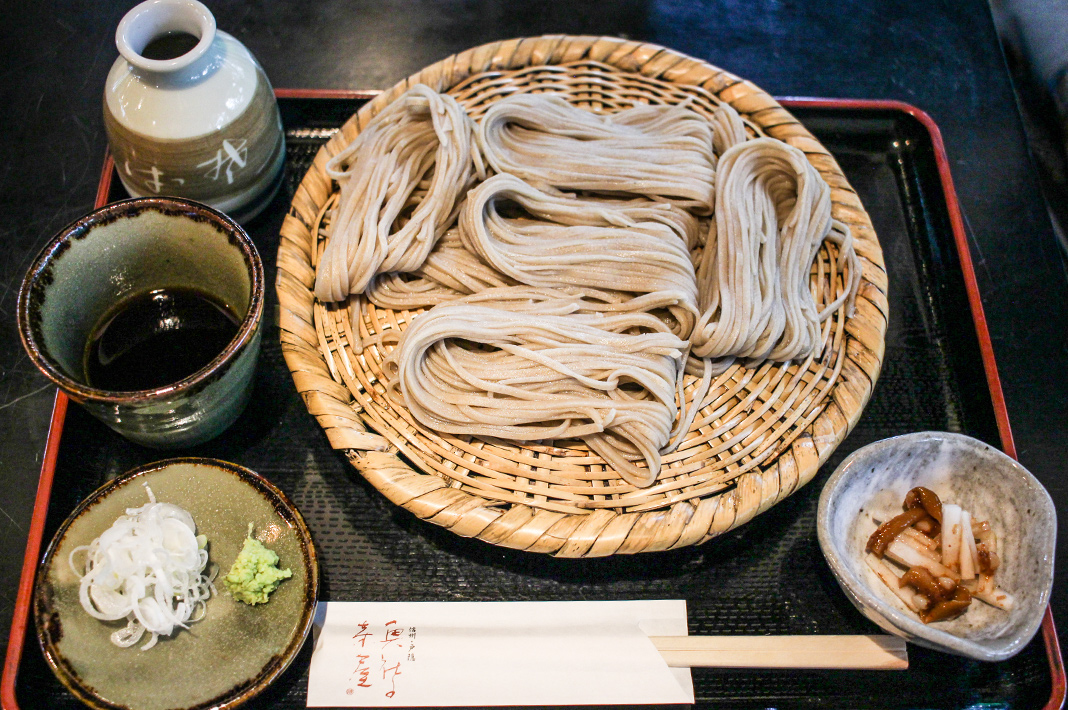
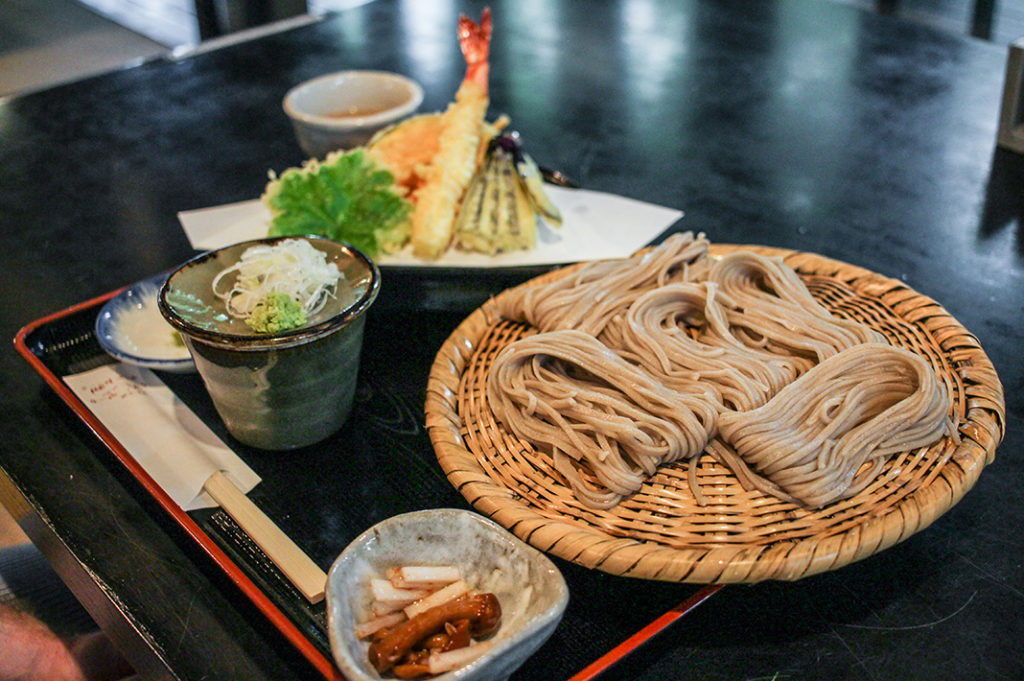
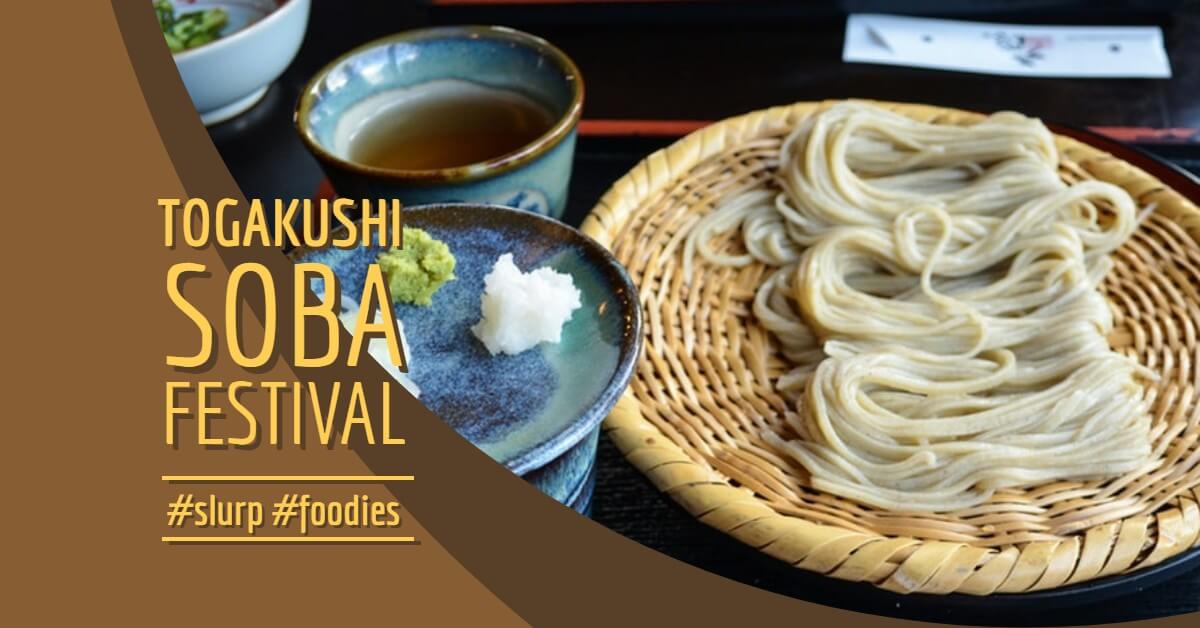
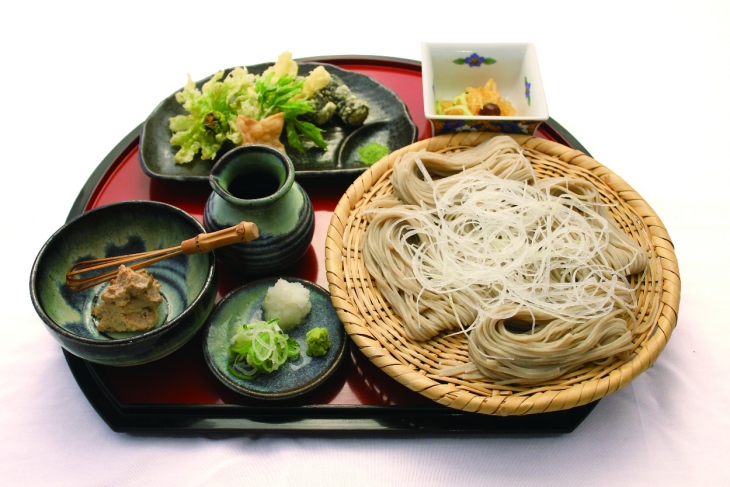
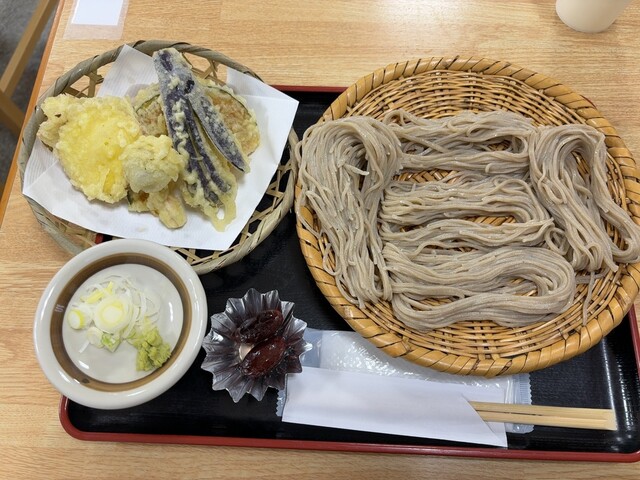
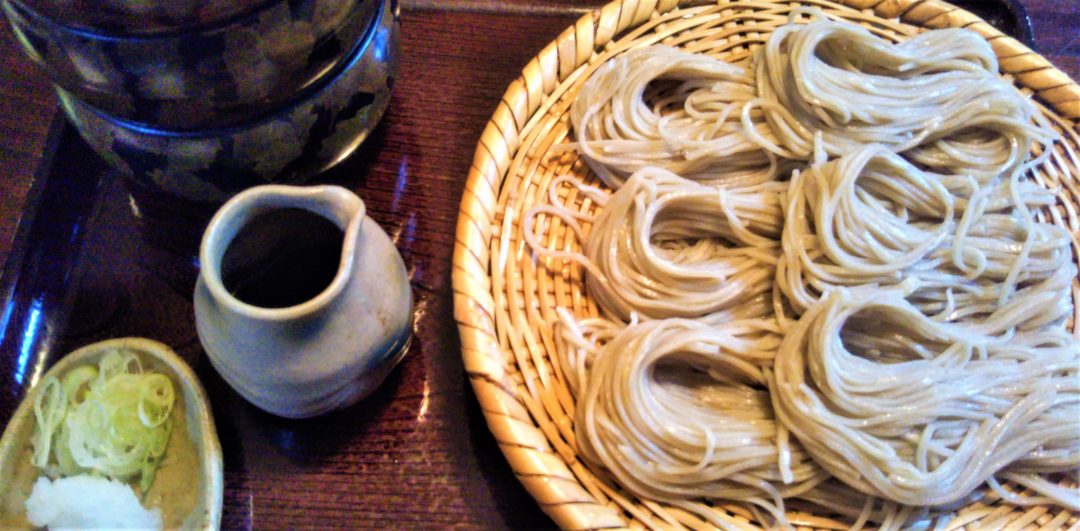
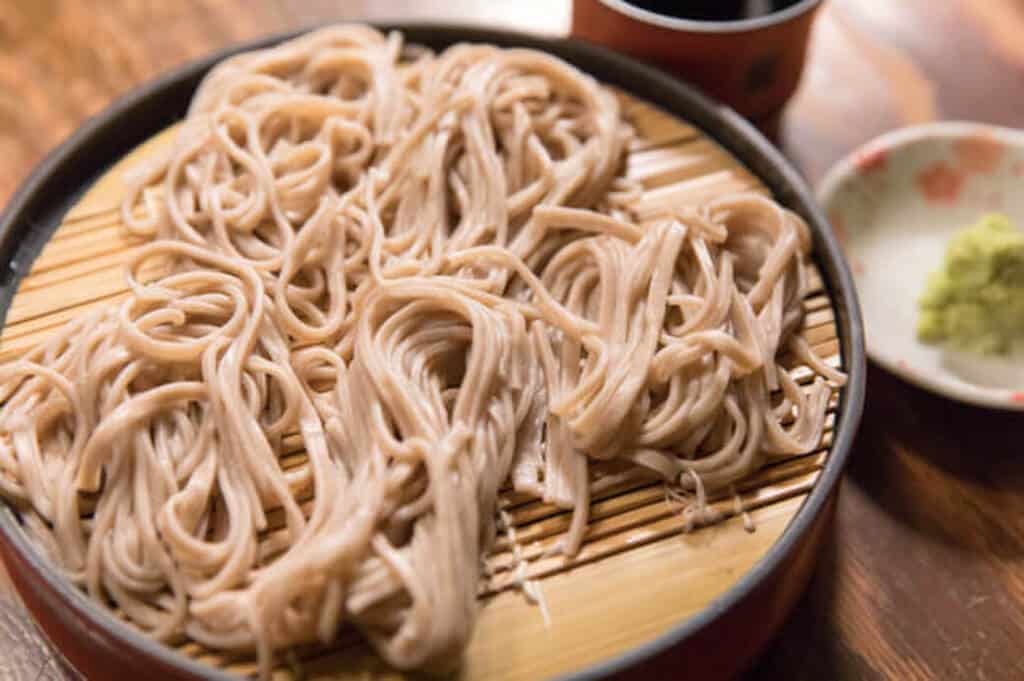
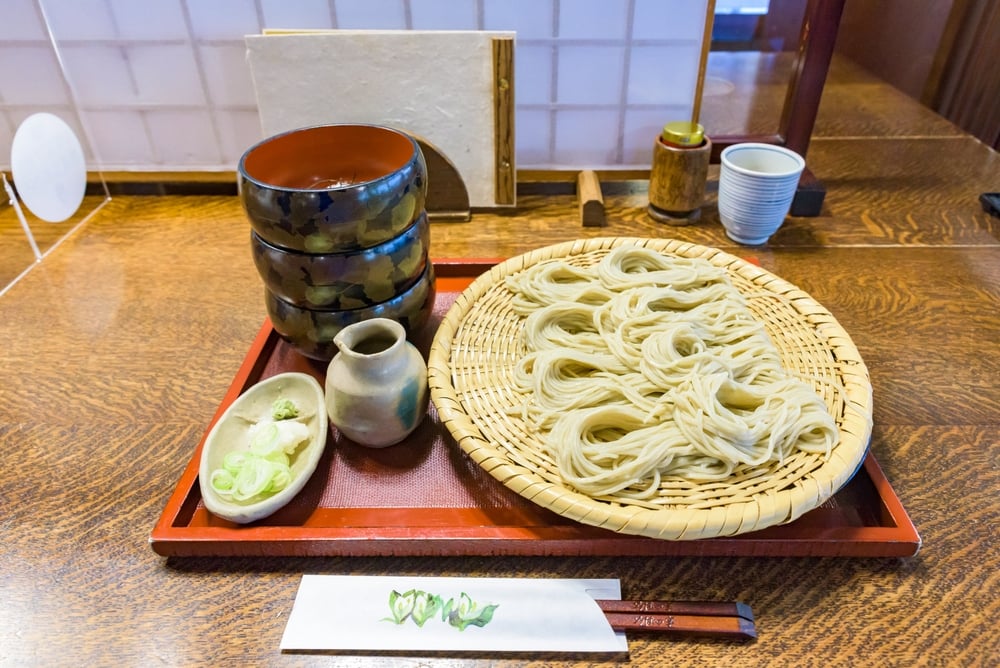
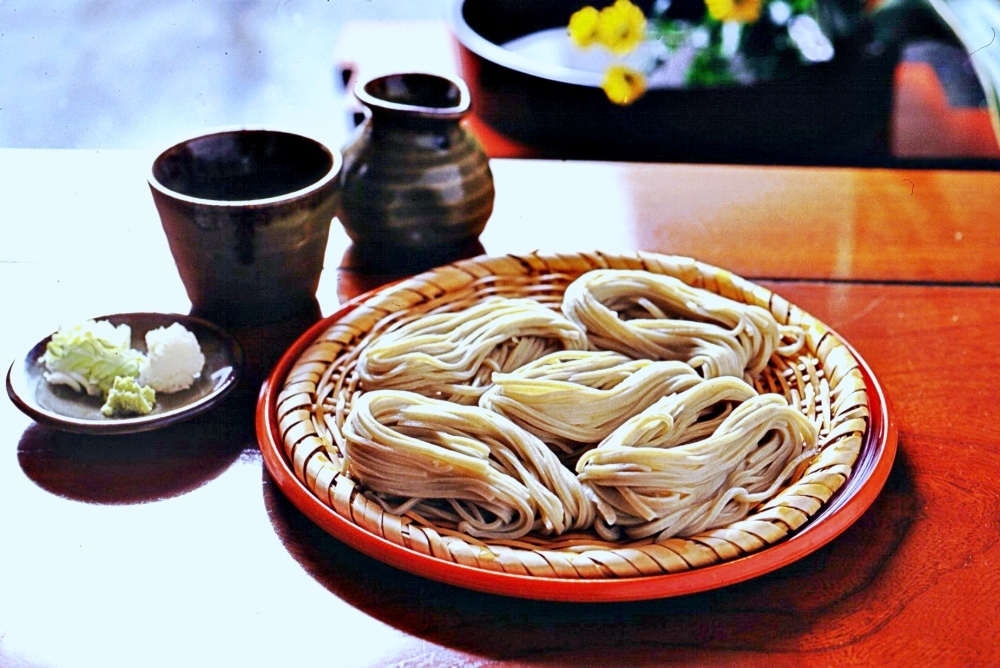
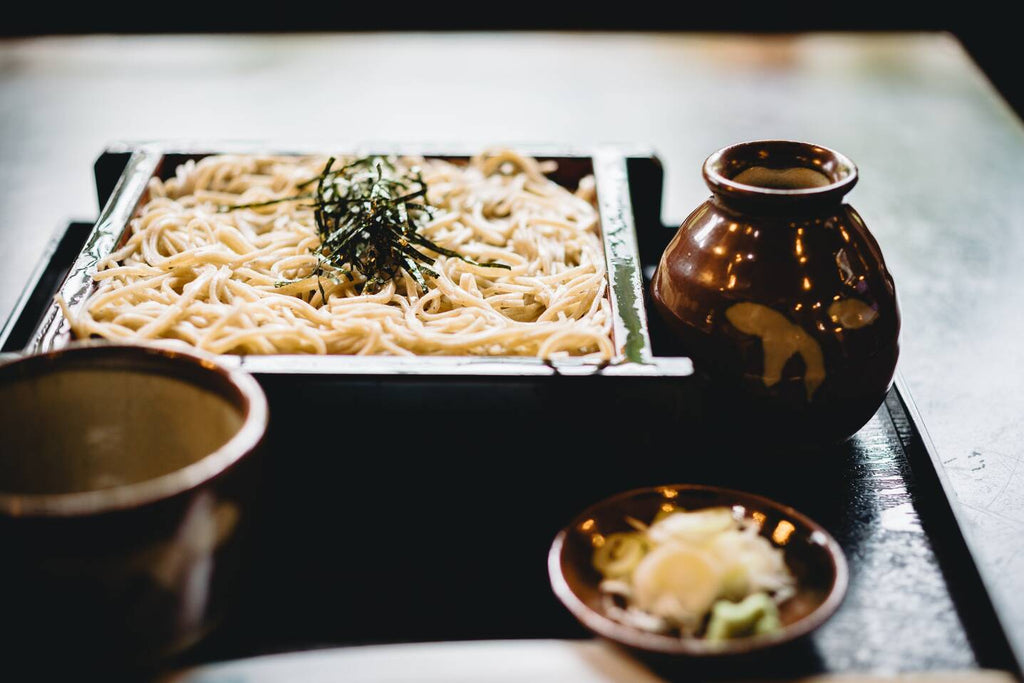
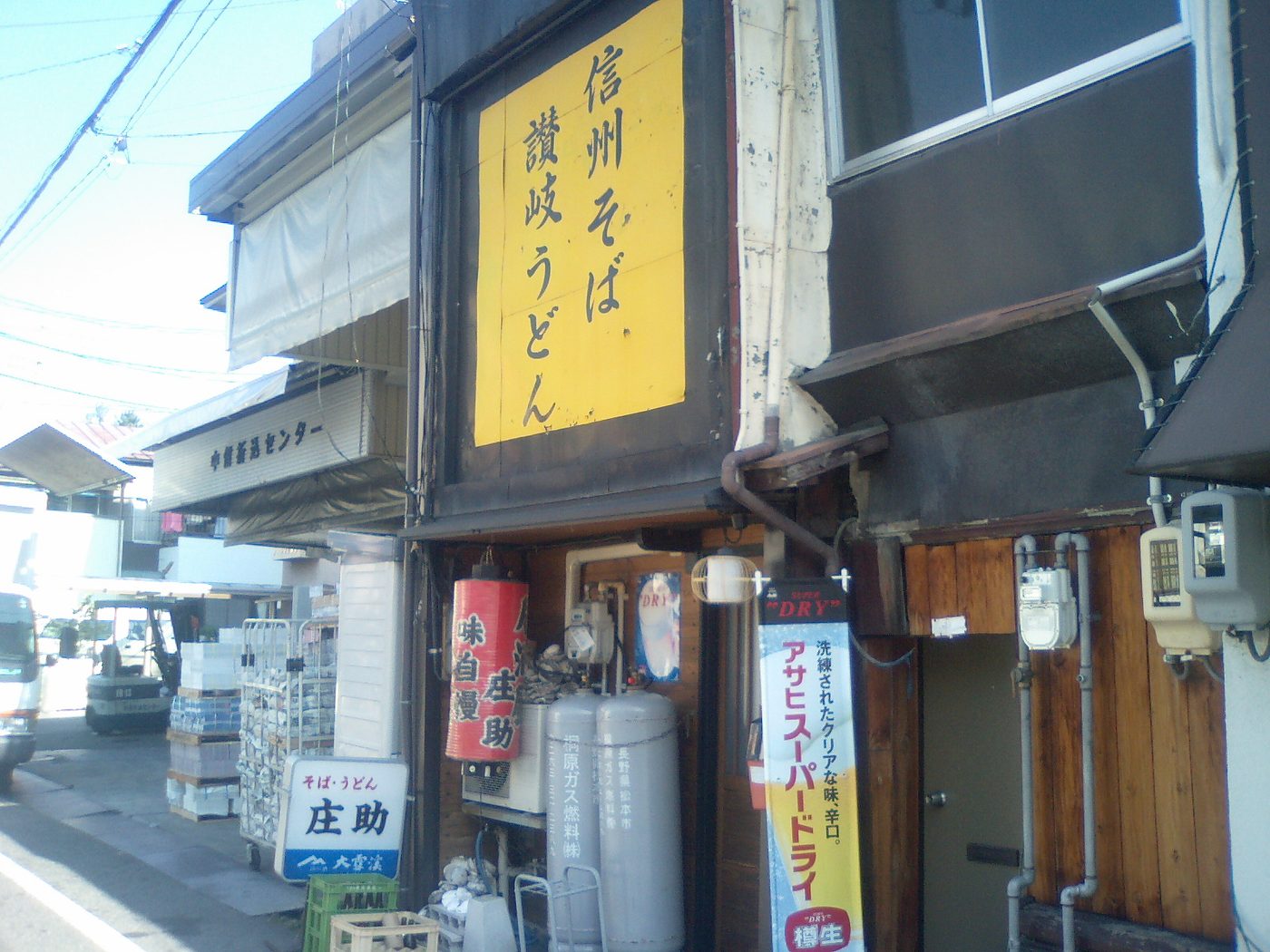
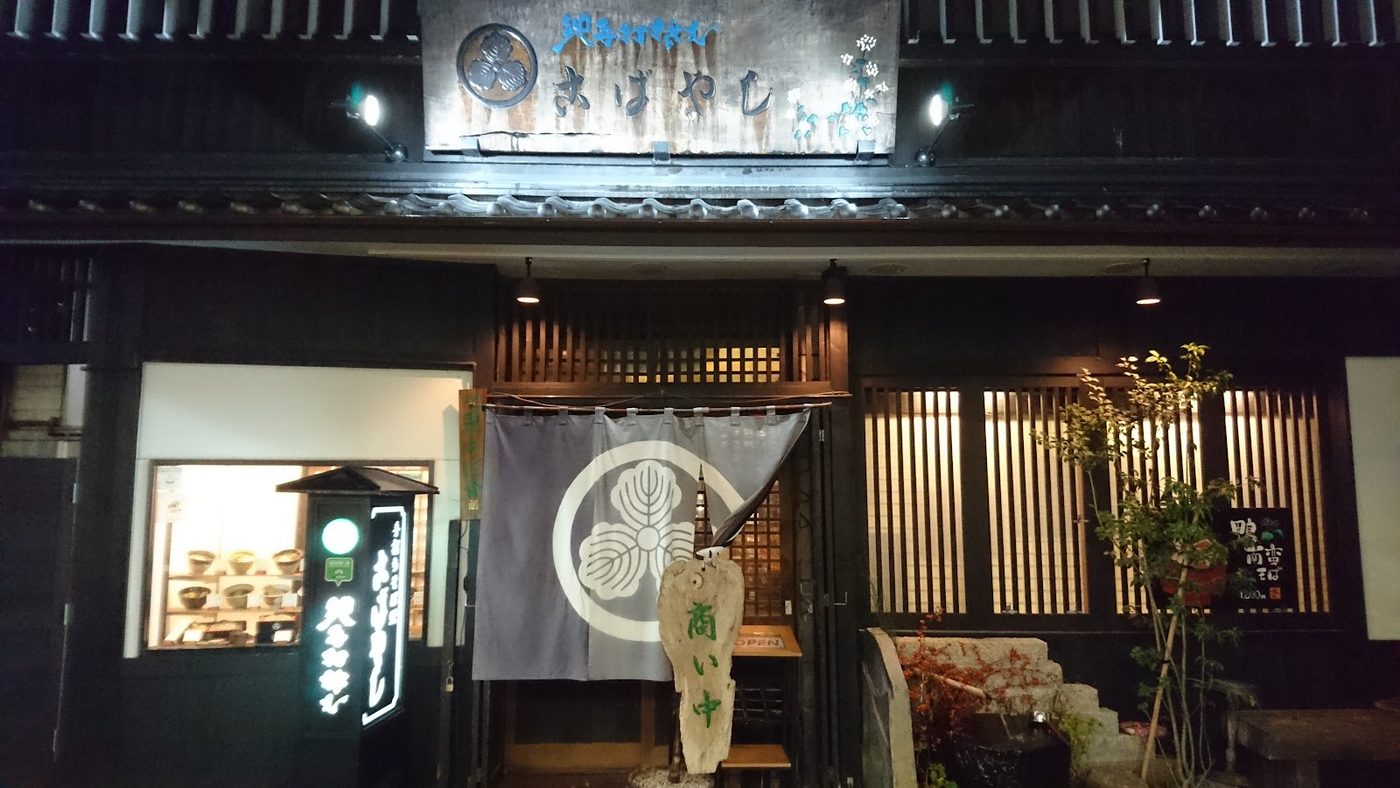
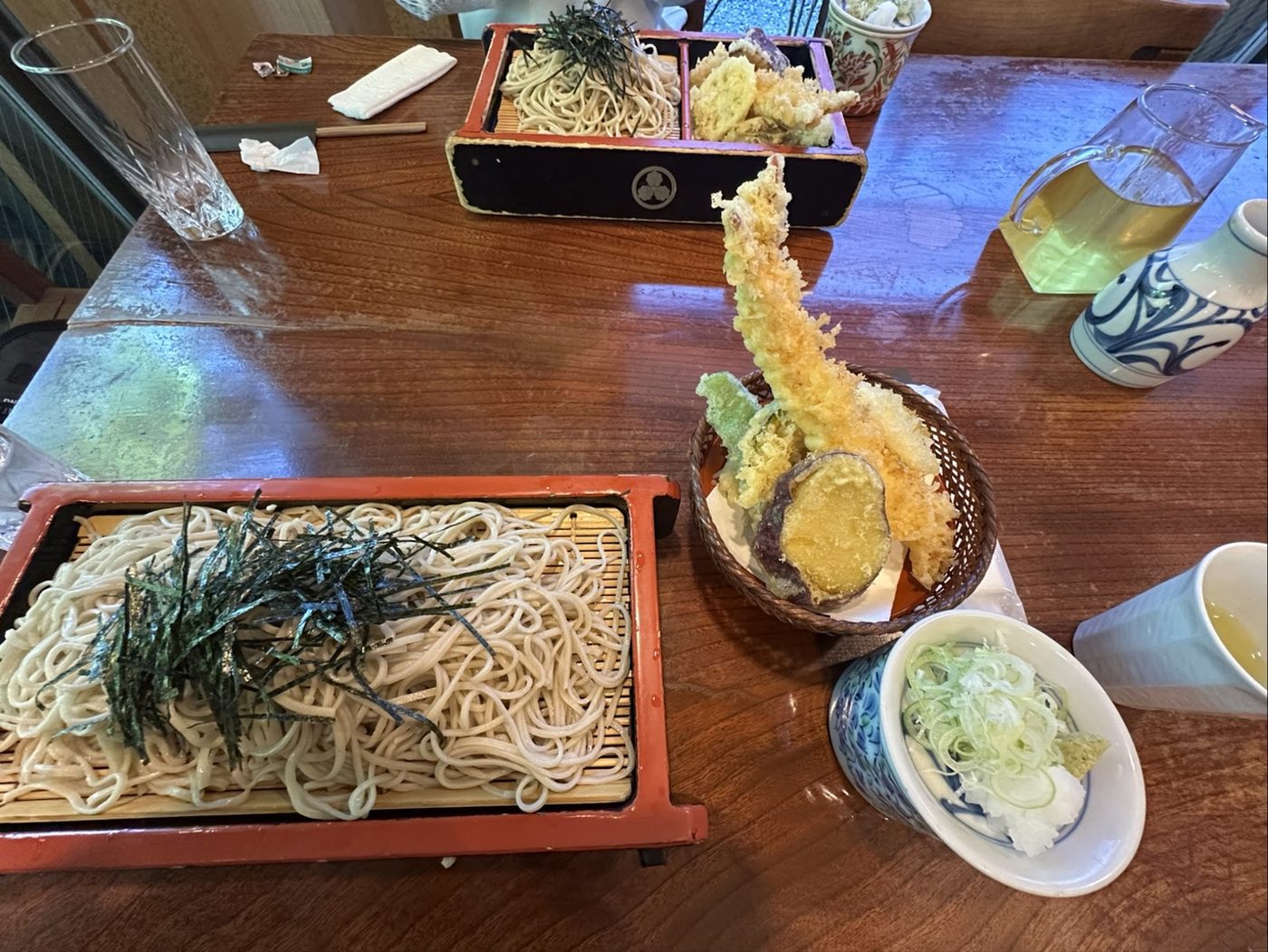
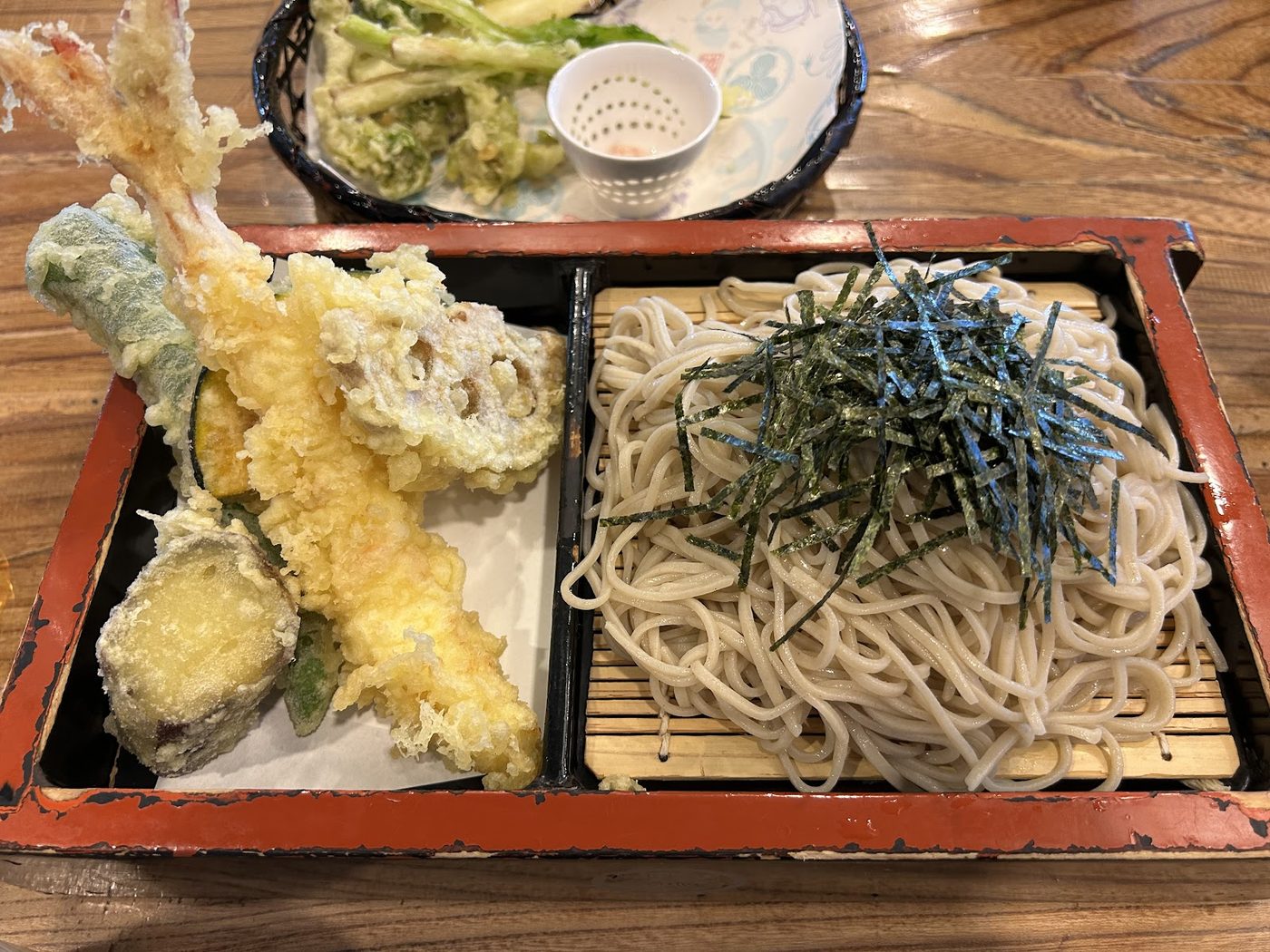
Mountain soba noodles made with buckwheat grown in the highland climate. Served on bamboo baskets called bocchi-mori with tempura. The cold climate gives Togakushi buckwheat a distinct nutty flavor. Multiple excellent shops.

Nagano prefecture produces more buckwheat than any region in Japan. The soba here is noticeably different from city soba. Hand-cut, nutty, and served simply to showcase the flour quality.

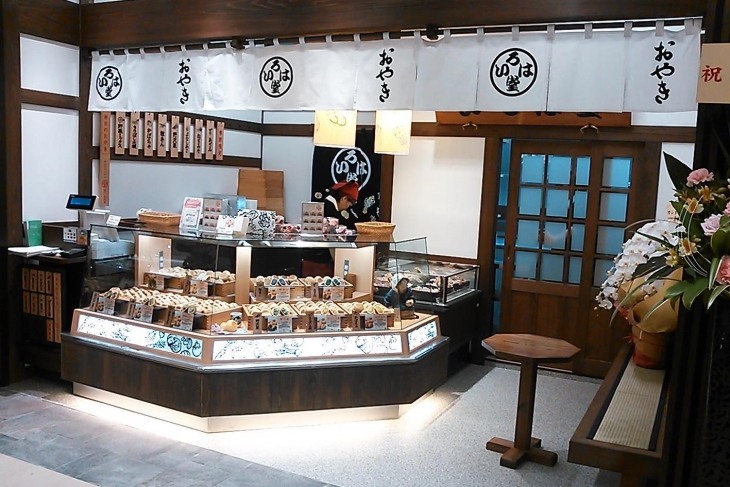
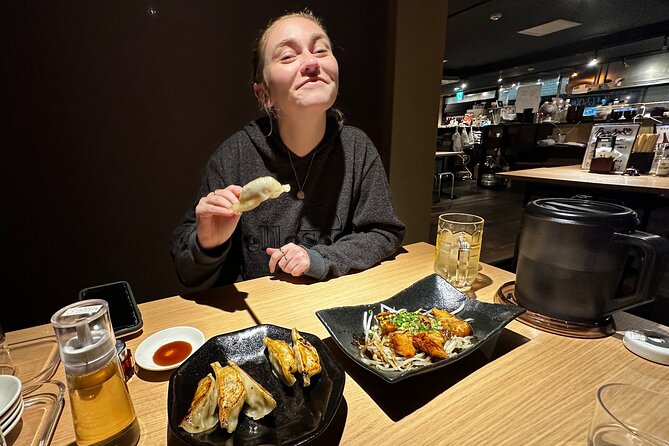
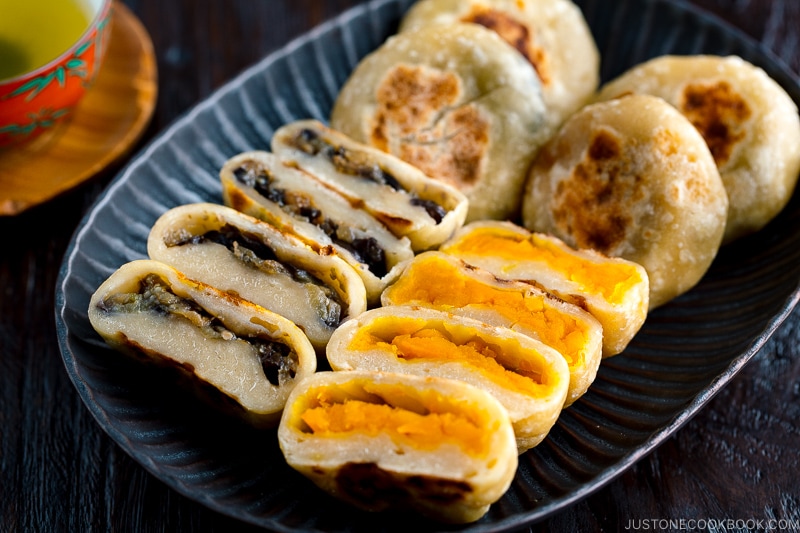
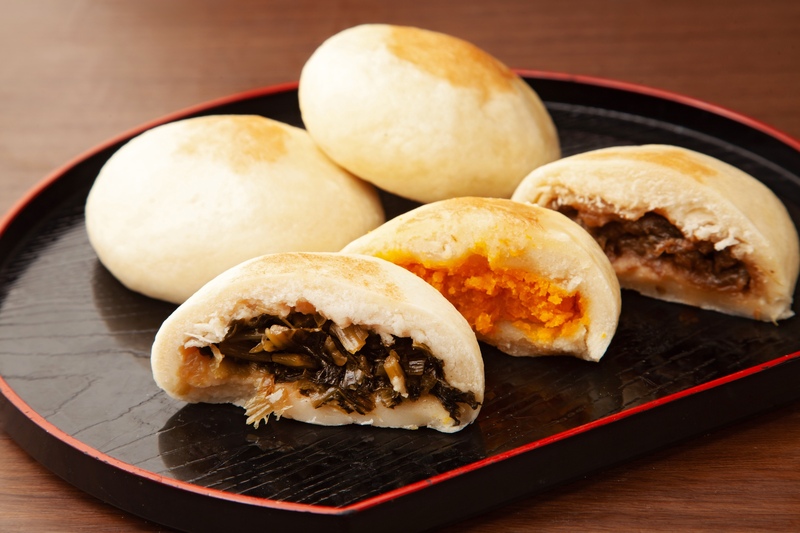
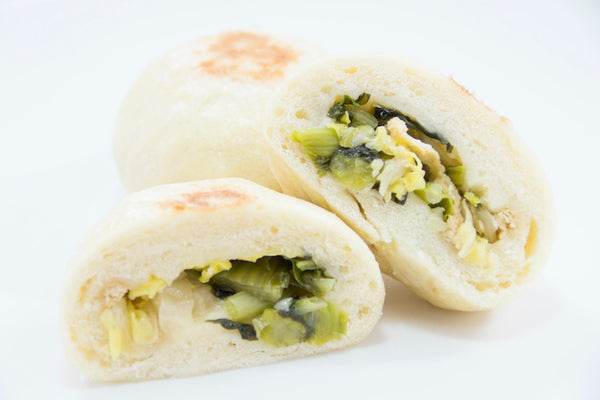
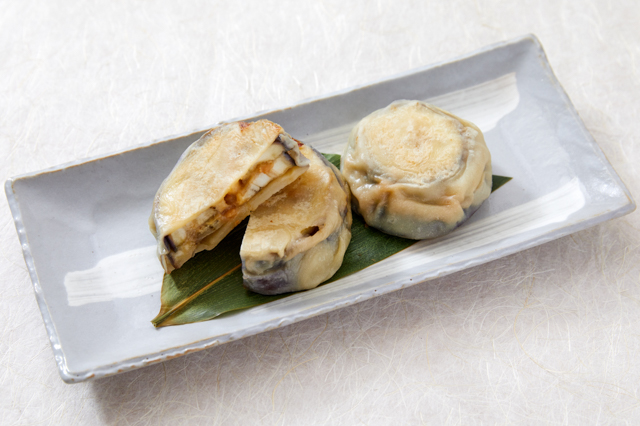
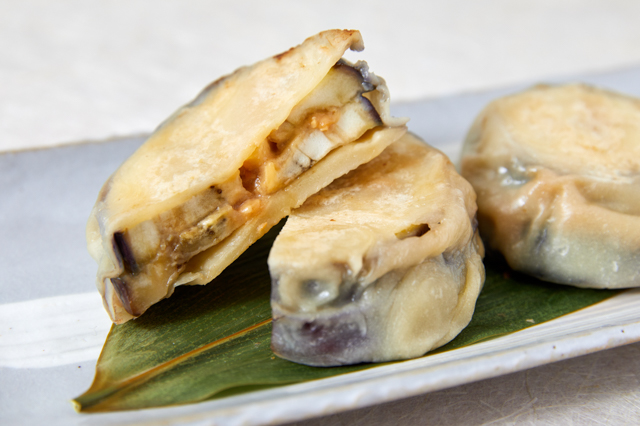
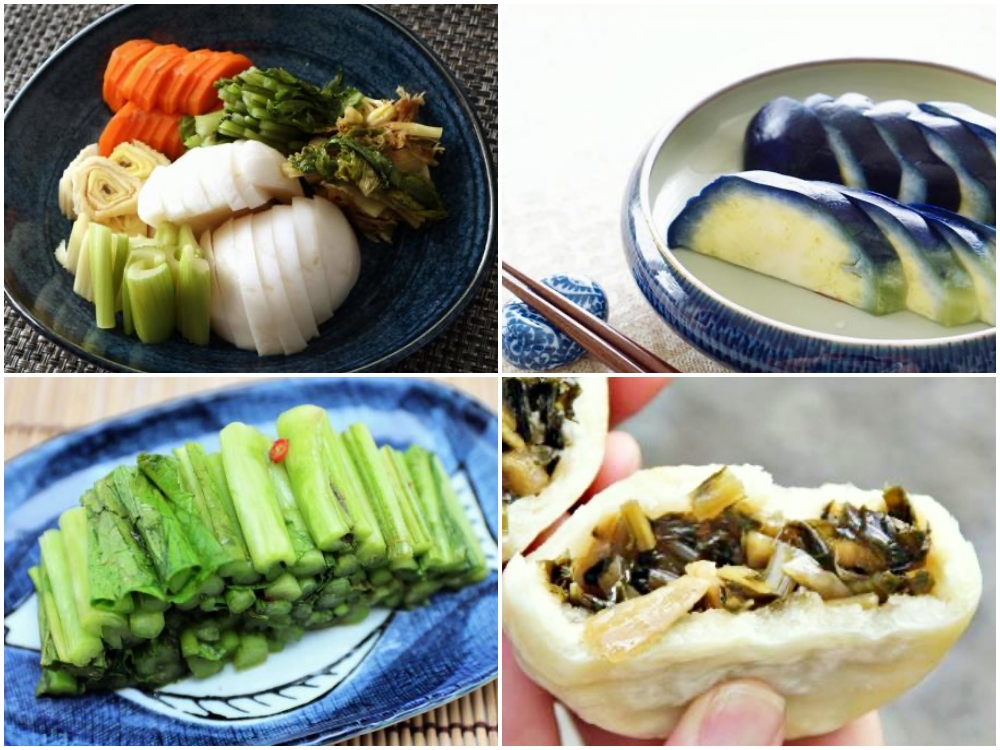
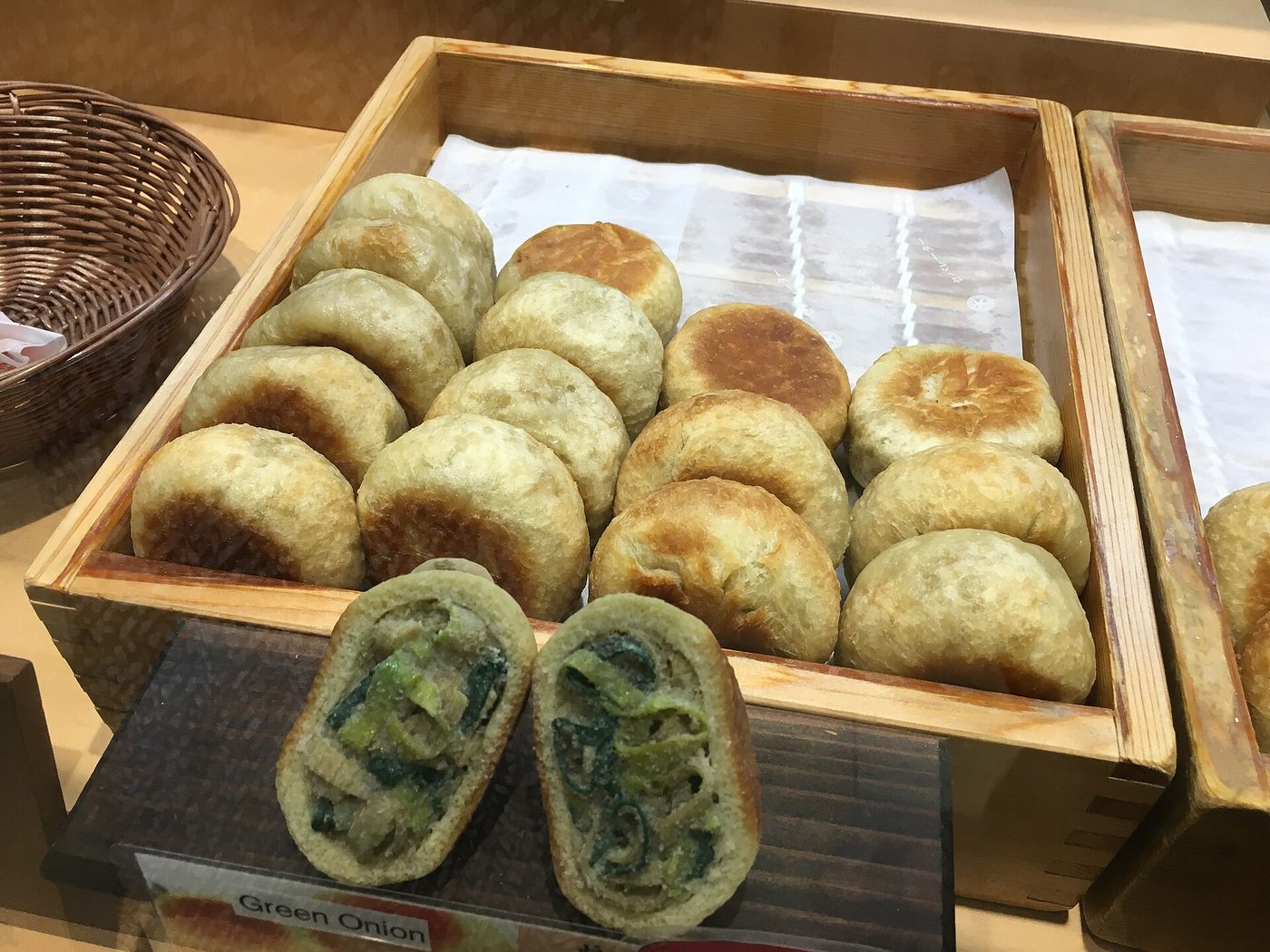
Nagano's signature snack. Buckwheat or wheat dumplings stuffed with wild vegetables, nozawana pickles, or sweet red bean. Grilled on a griddle or steamed. Available warm from street vendors.

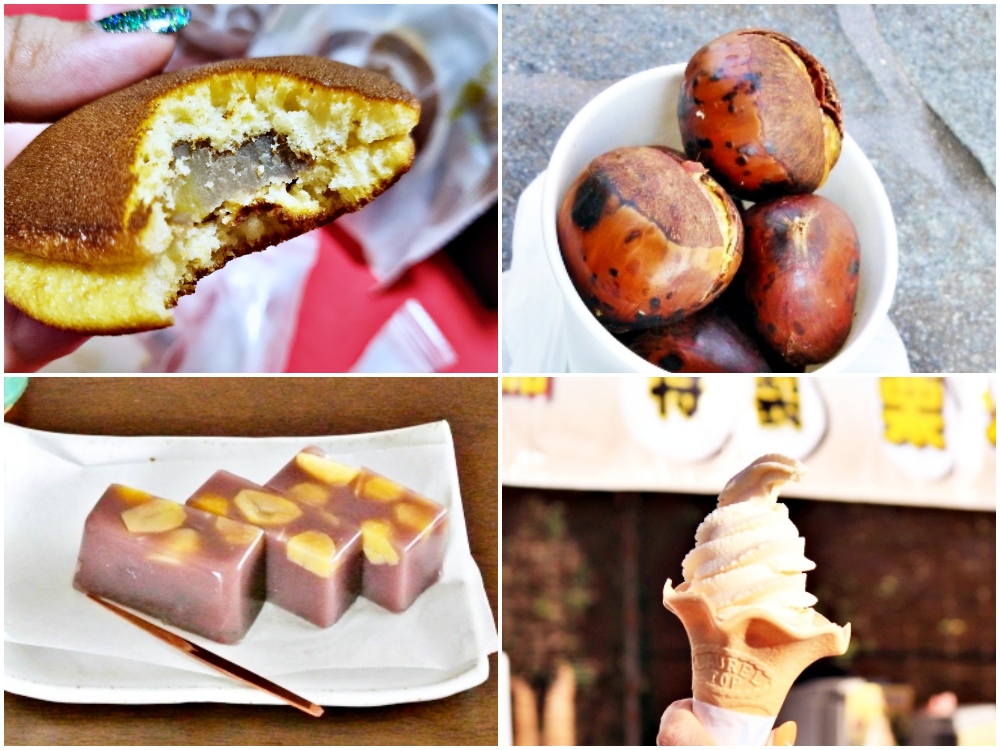
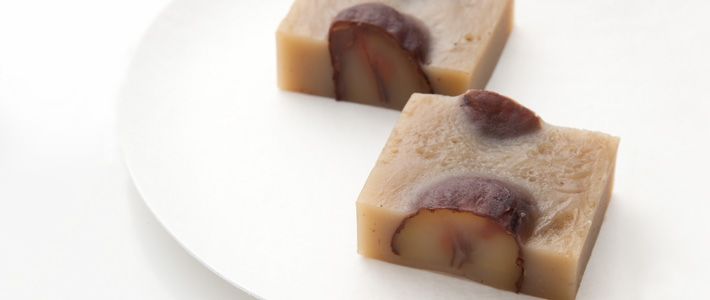
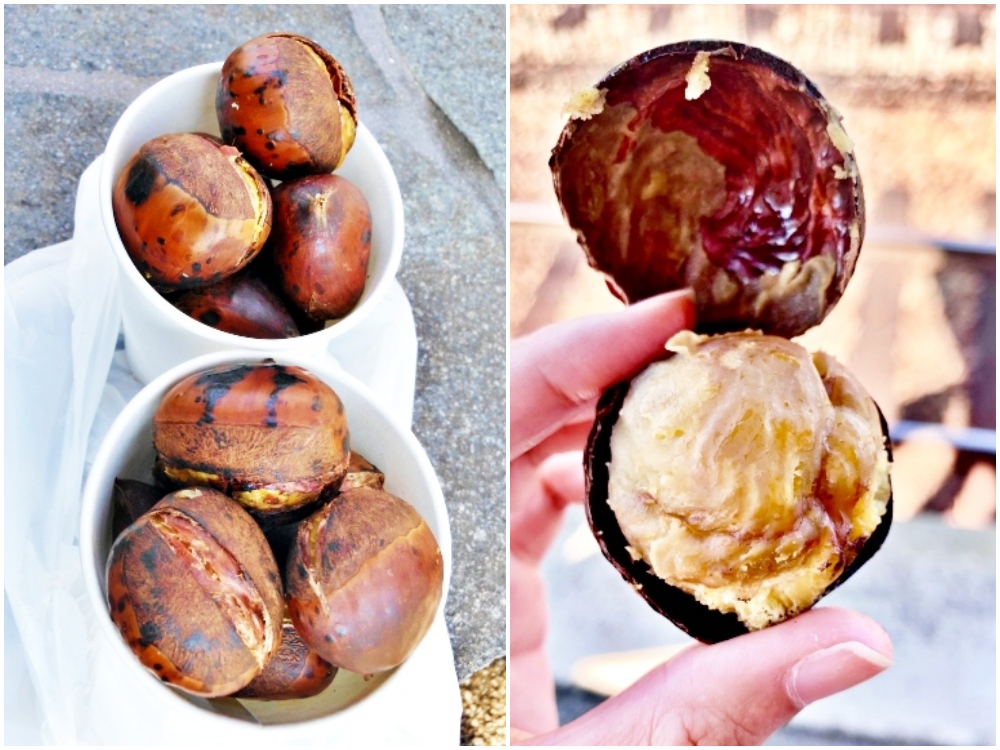
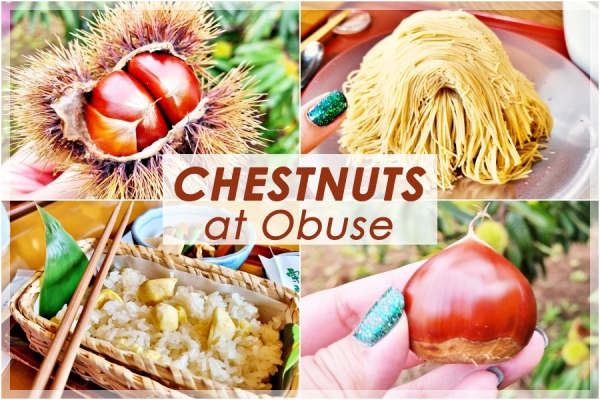
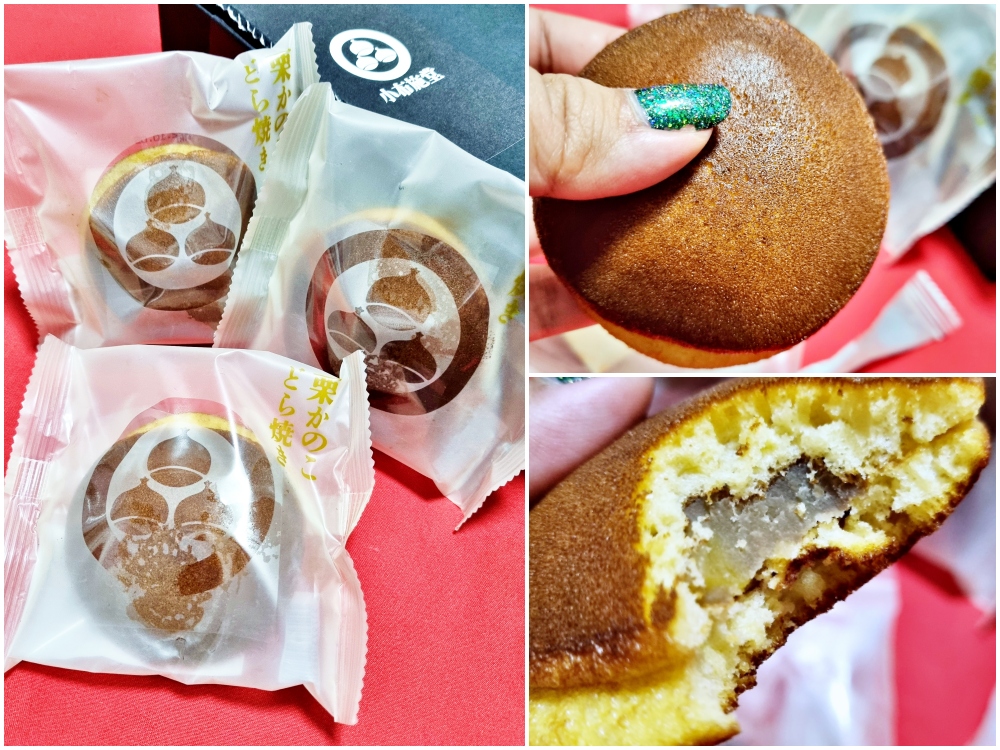
Obuse is famous for Marron d'Obuse chestnuts. Mont blanc, chestnut yokan, kuriokowa (chestnut rice), and chestnut soft serve. Kosugeya and Obuse-Do are the top shops. Peak season September-October.

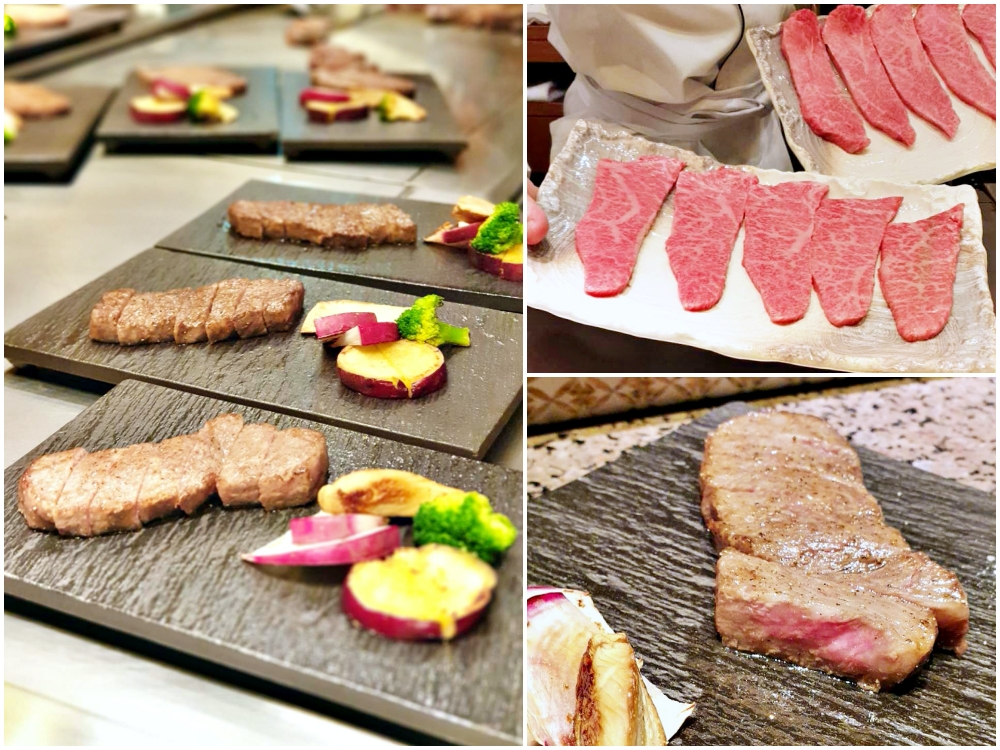
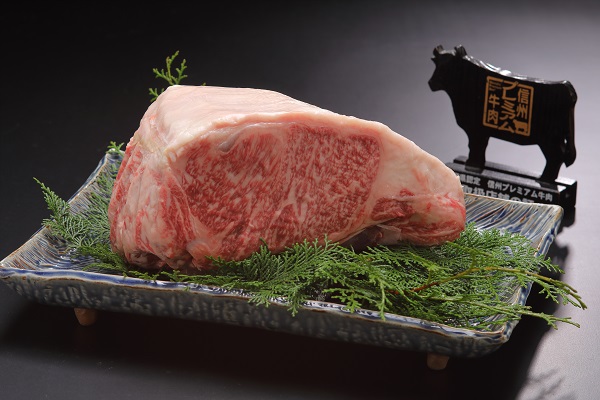
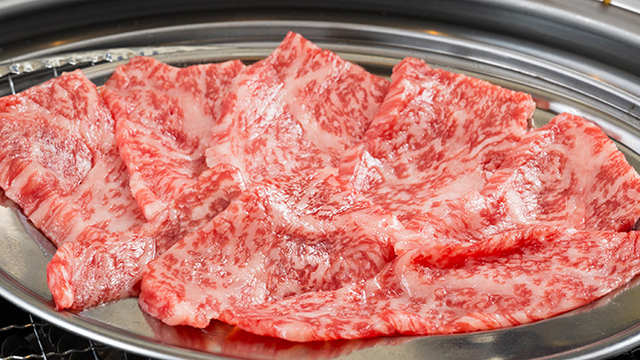
Nagano-raised wagyu beef. Less famous than Kobe or Hida but excellent quality. The mountain pastures and clean air produce well-marbled, flavorful meat. Available as steak, yakiniku, and shabu-shabu.

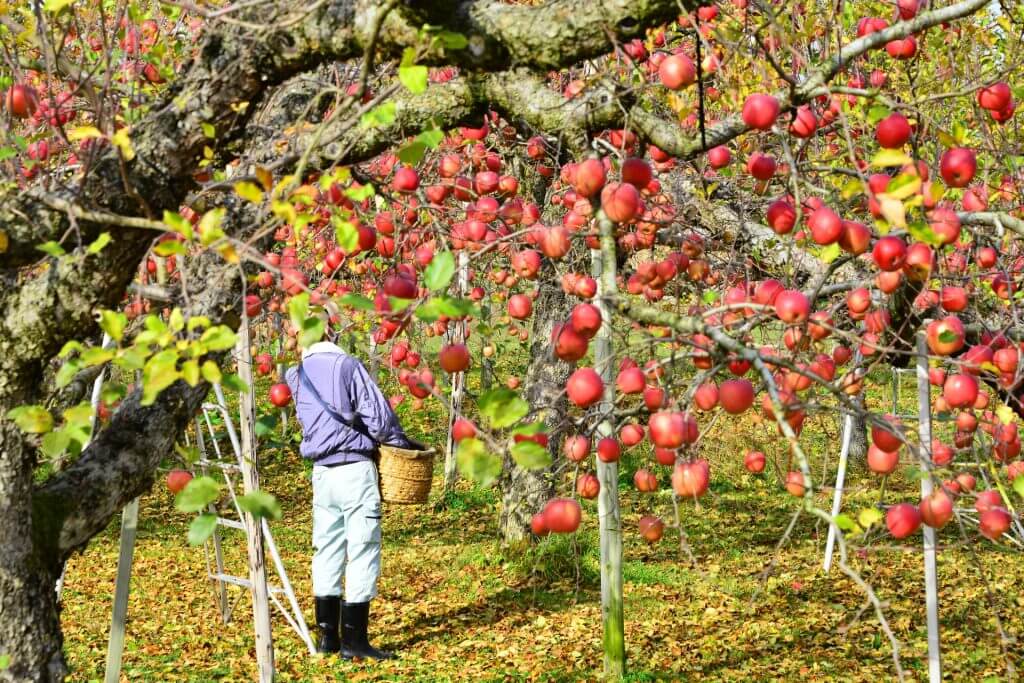
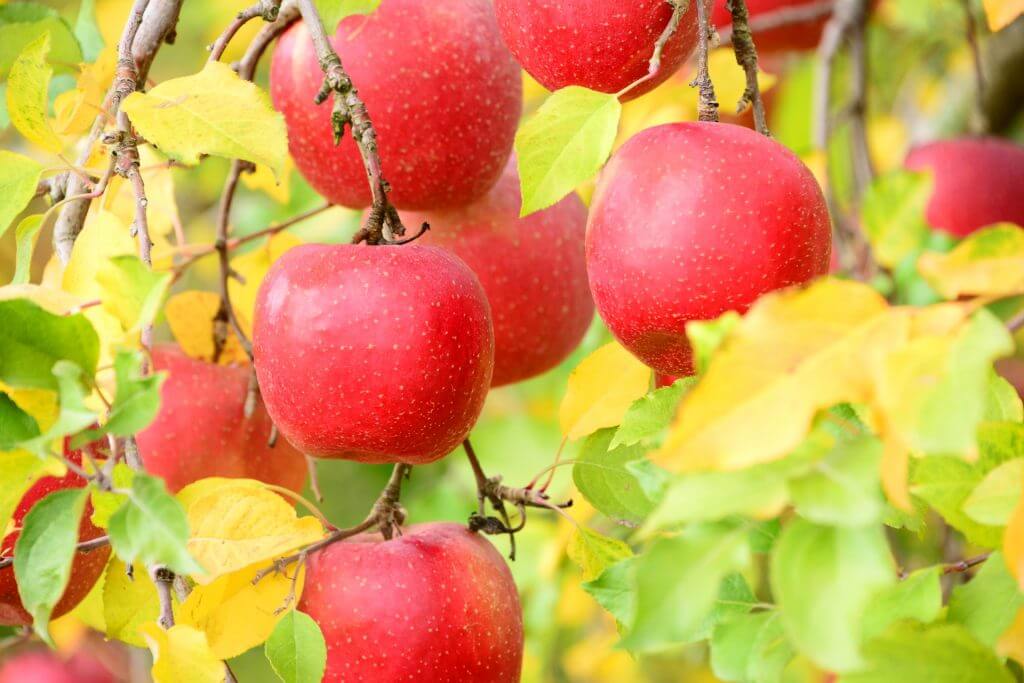
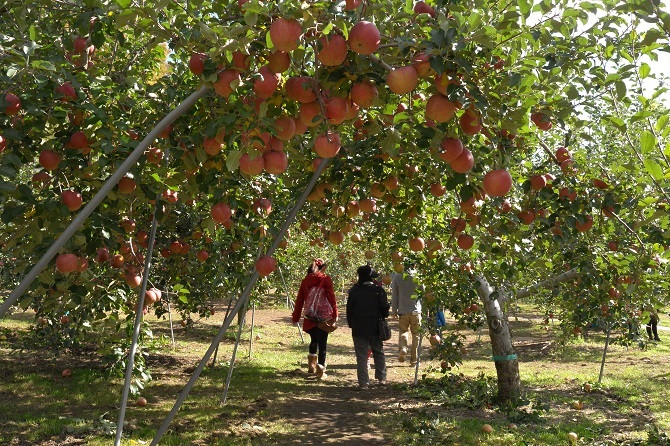
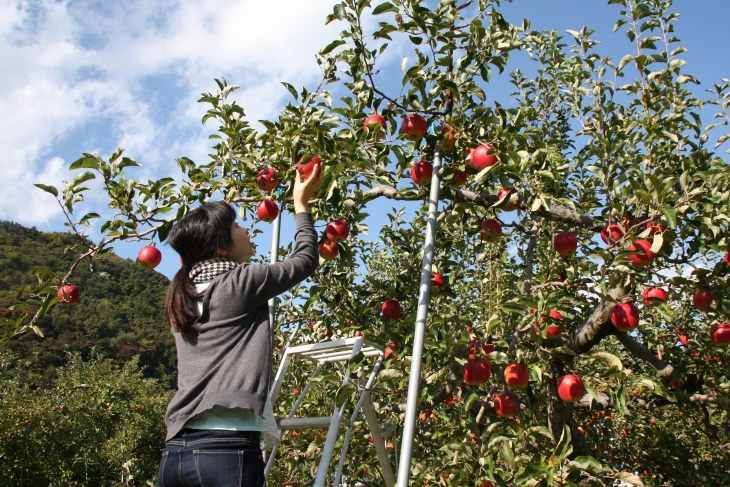
Nagano produces more apples than any other prefecture. Farm visits for apple picking September-November. Fresh apple juice, apple cider, and apple pies at roadside stands throughout the prefecture.

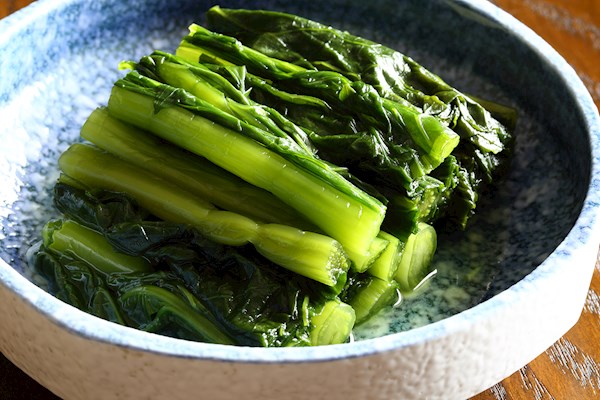
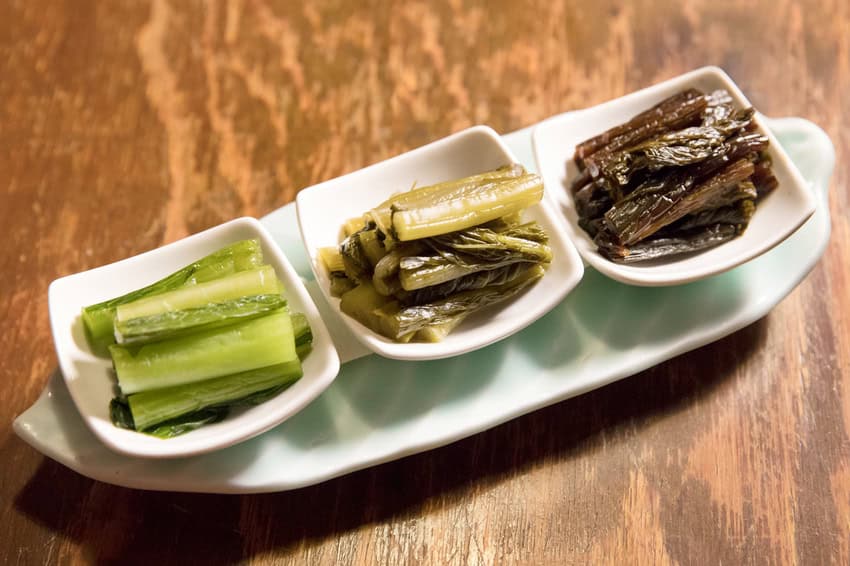
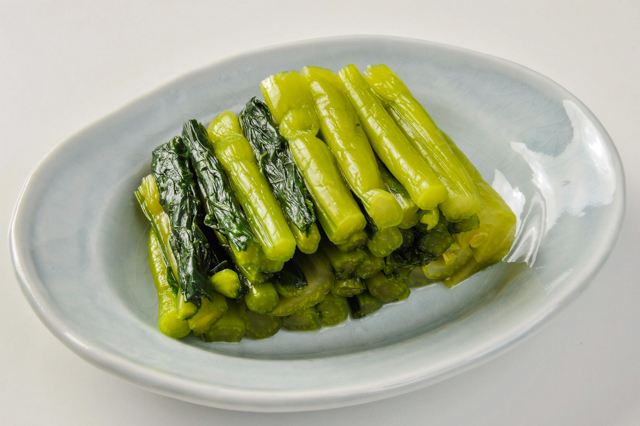
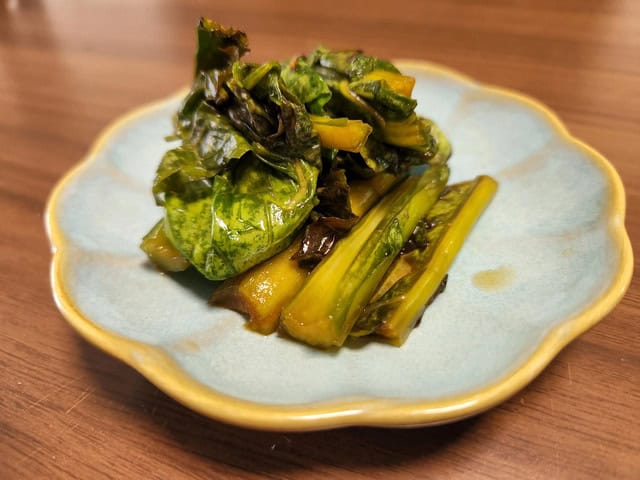
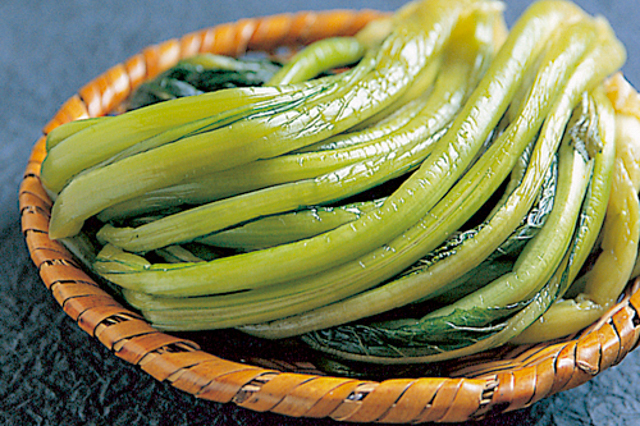
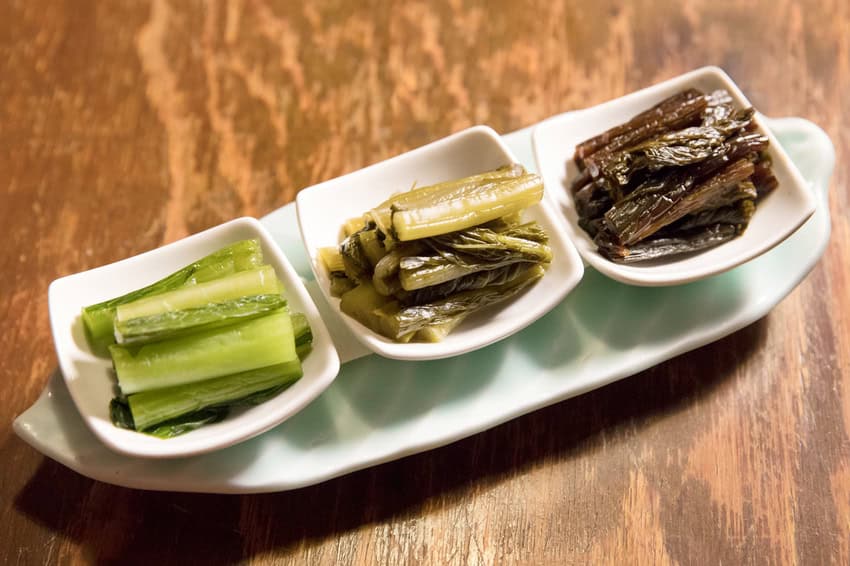
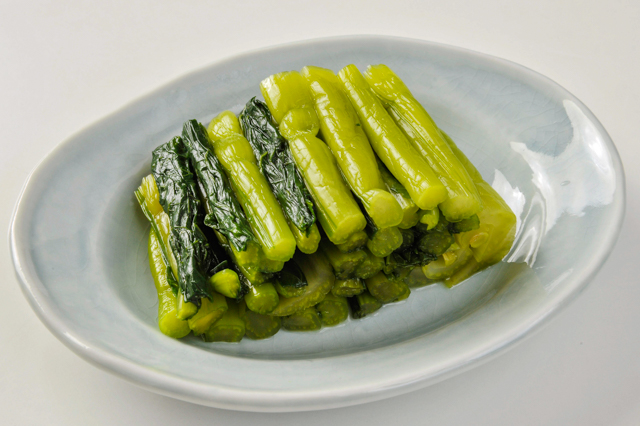
Nagano's iconic pickle. Nozawana leaves pickled in salt and pressed under heavy stones. Slightly sour and very green. Served at nearly every meal in Nagano. Critical side dish for soba.

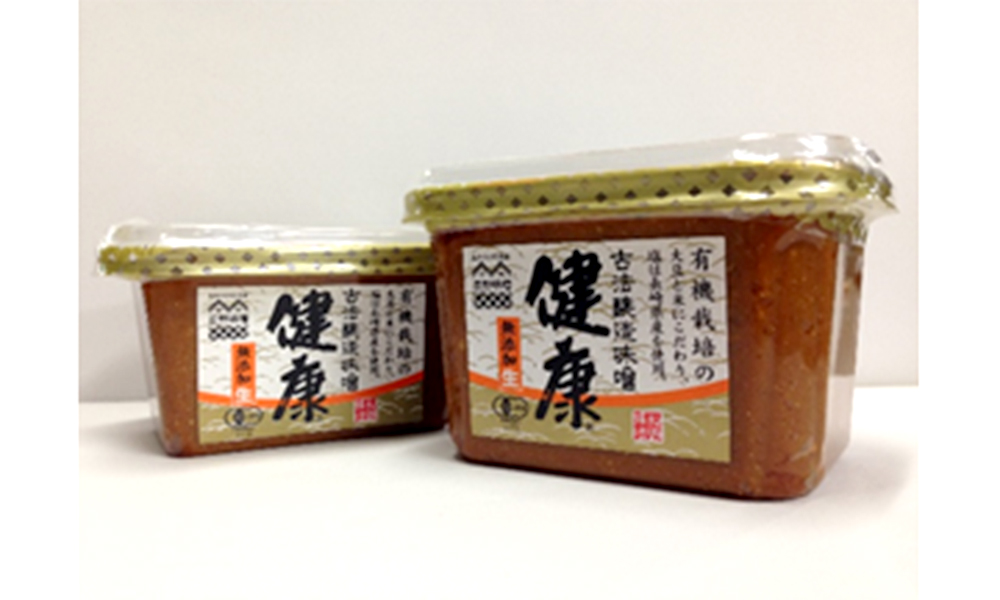
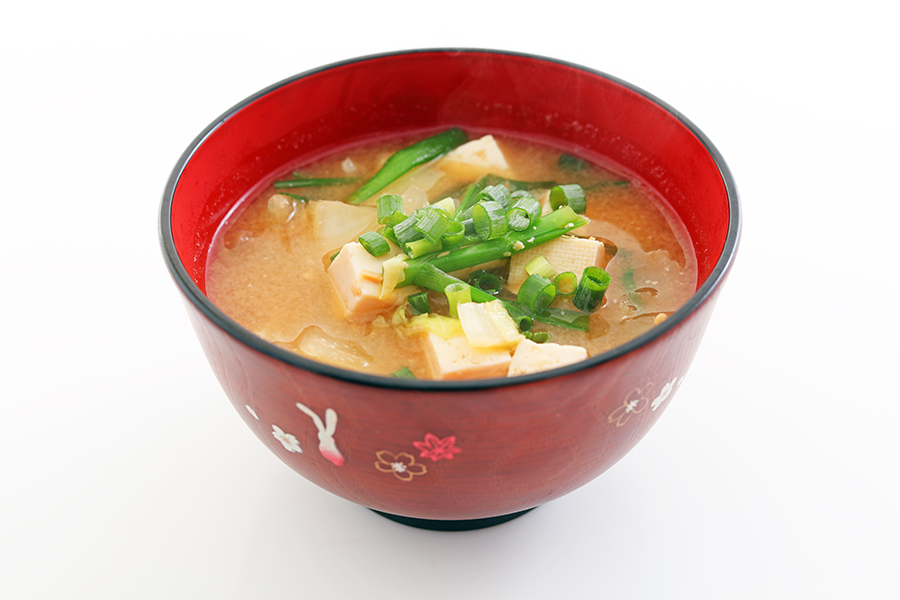
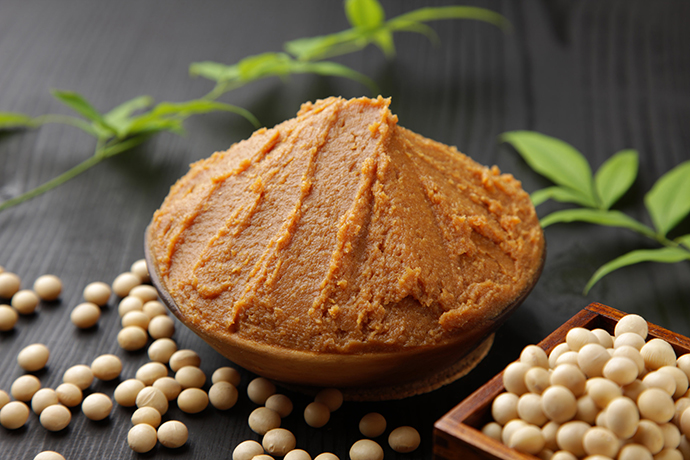
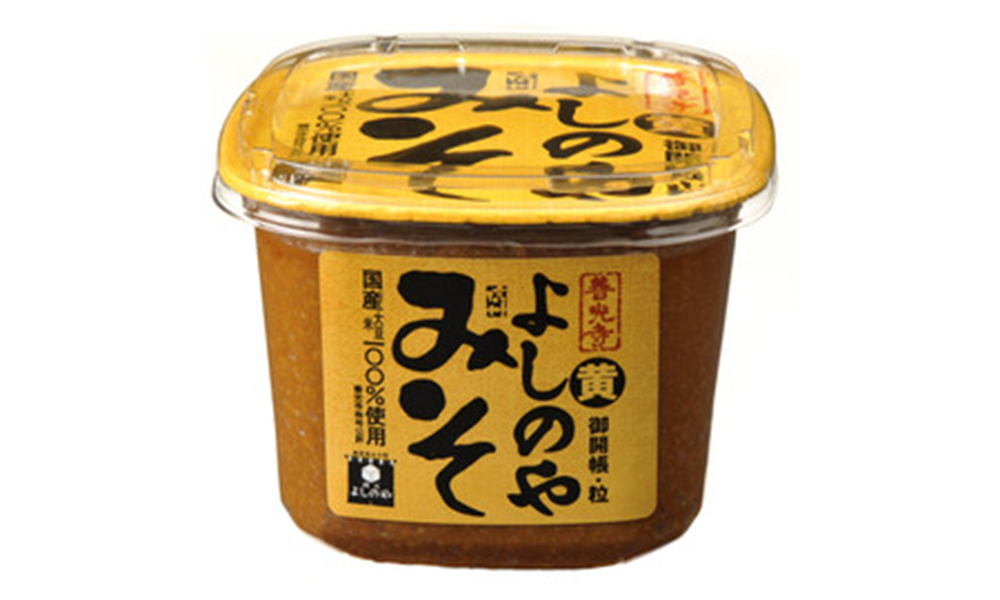
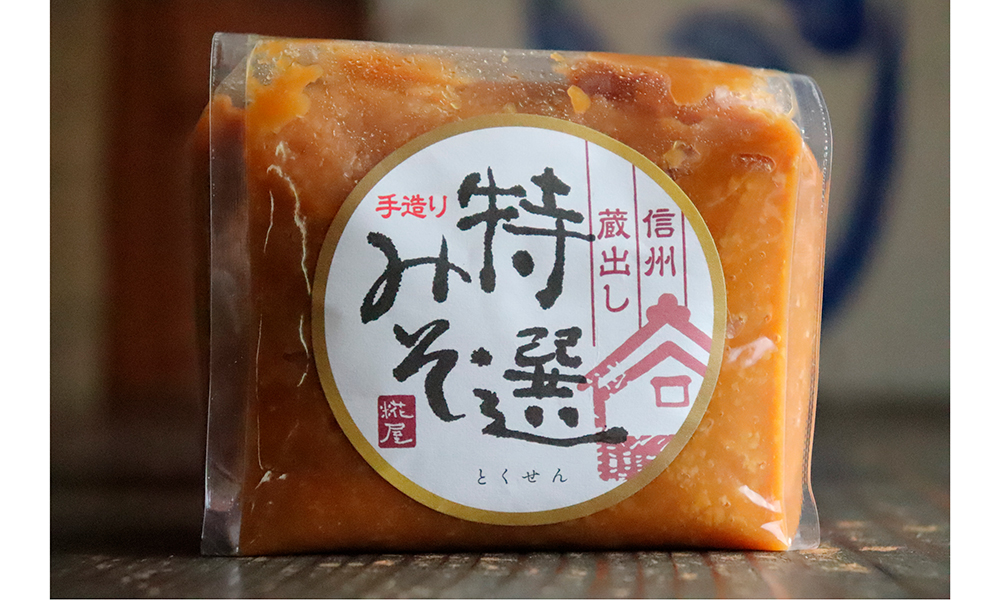
Nagano produces more miso than any other prefecture. Shinshu miso has a lighter, less salty flavor. Visit miso factories in the Zenkoji area for tastings and to buy freshly packed miso.

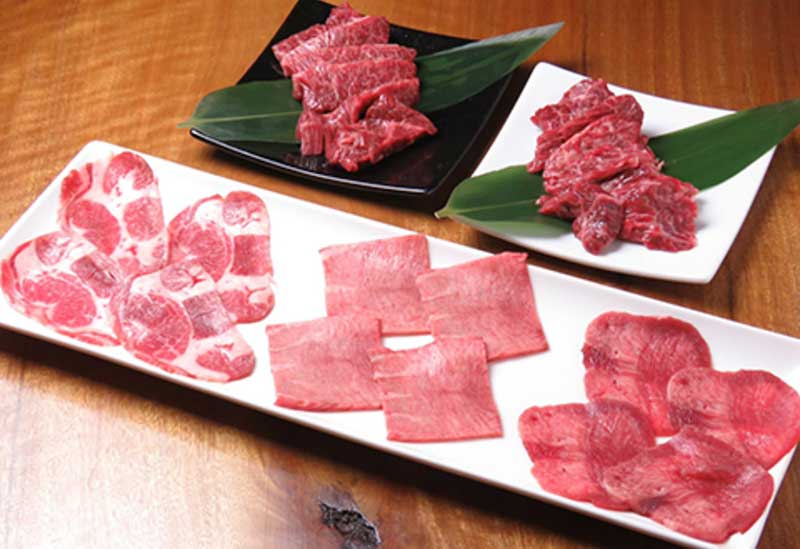
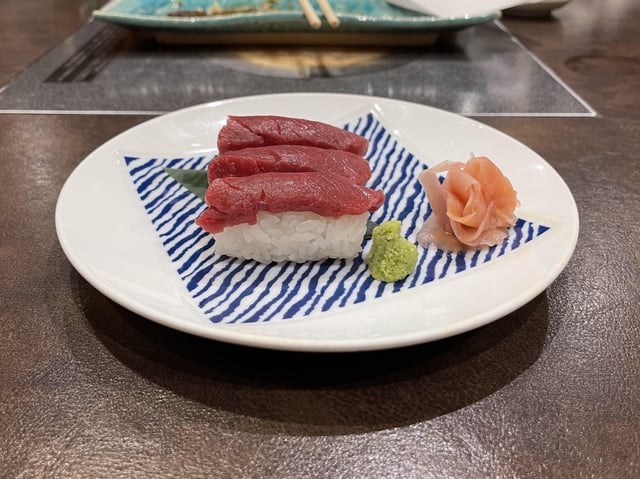
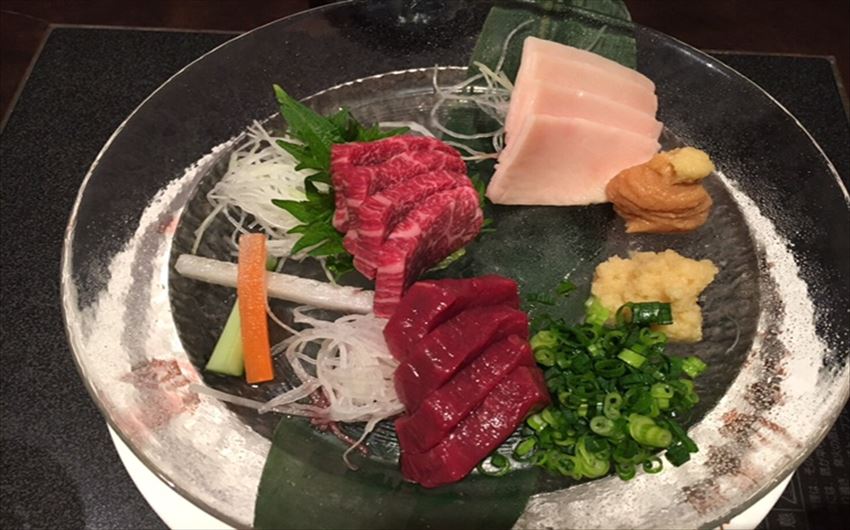
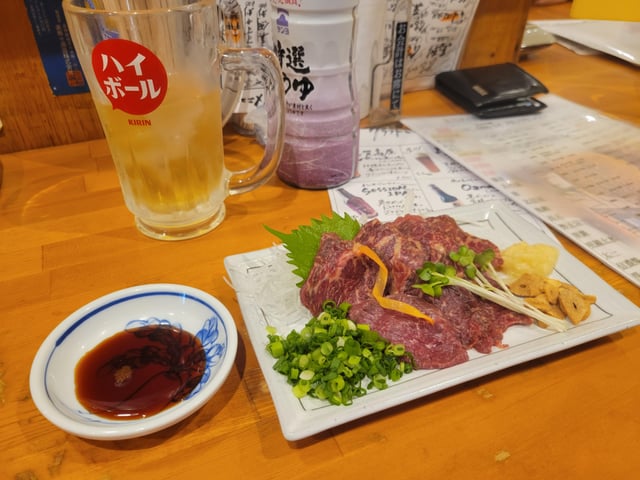
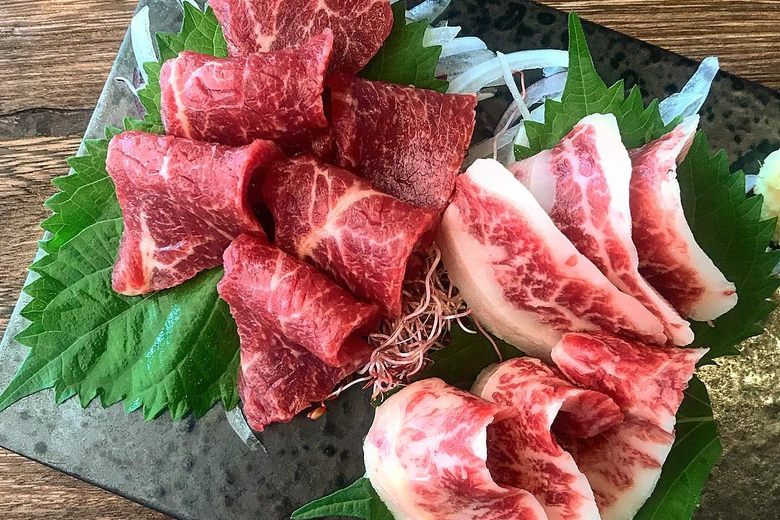
Nagano is one of the few places in Japan serving basashi (raw horse meat). Thinly sliced, served with ginger and soy sauce. The meat is lean, slightly sweet, and surprisingly tender.

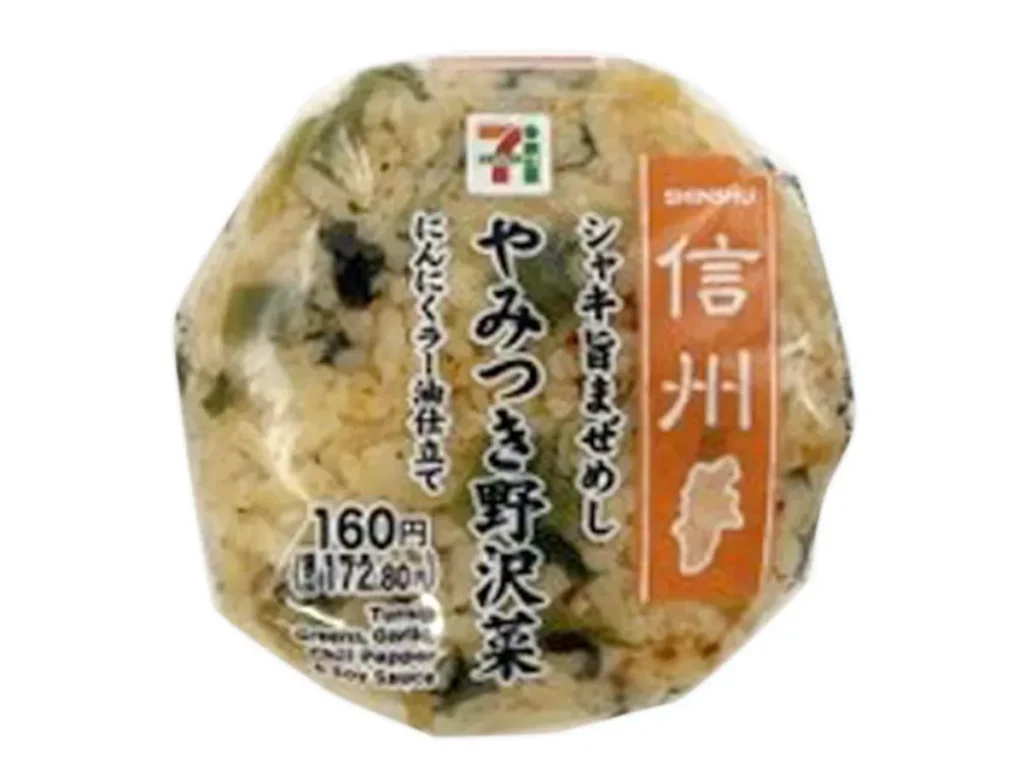
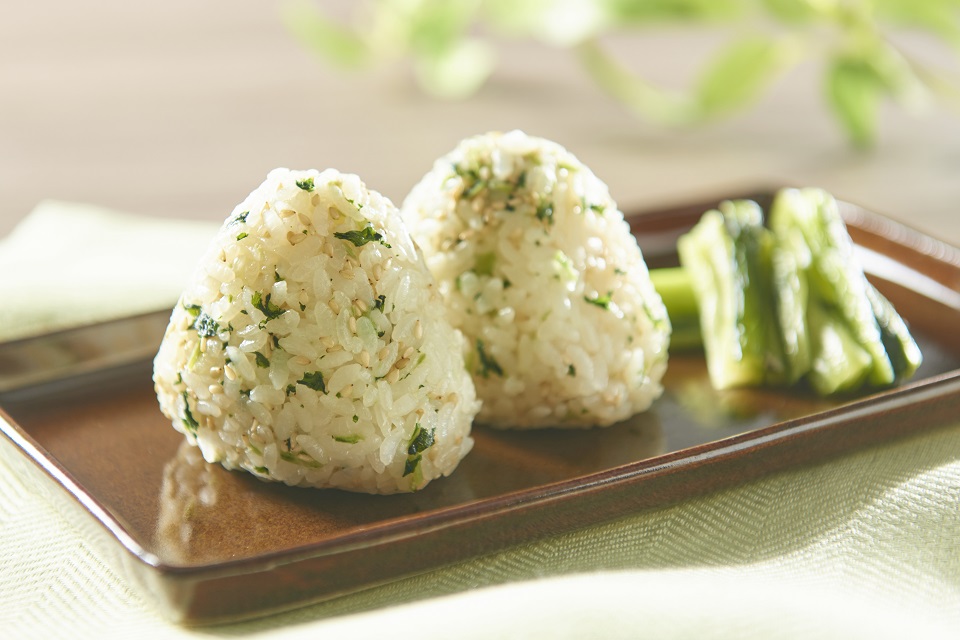
Rice balls wrapped in nozawana pickle leaves instead of nori seaweed. The pickle adds a sour crunch. Available at convenience stores and station shops throughout Nagano. Simple perfection.

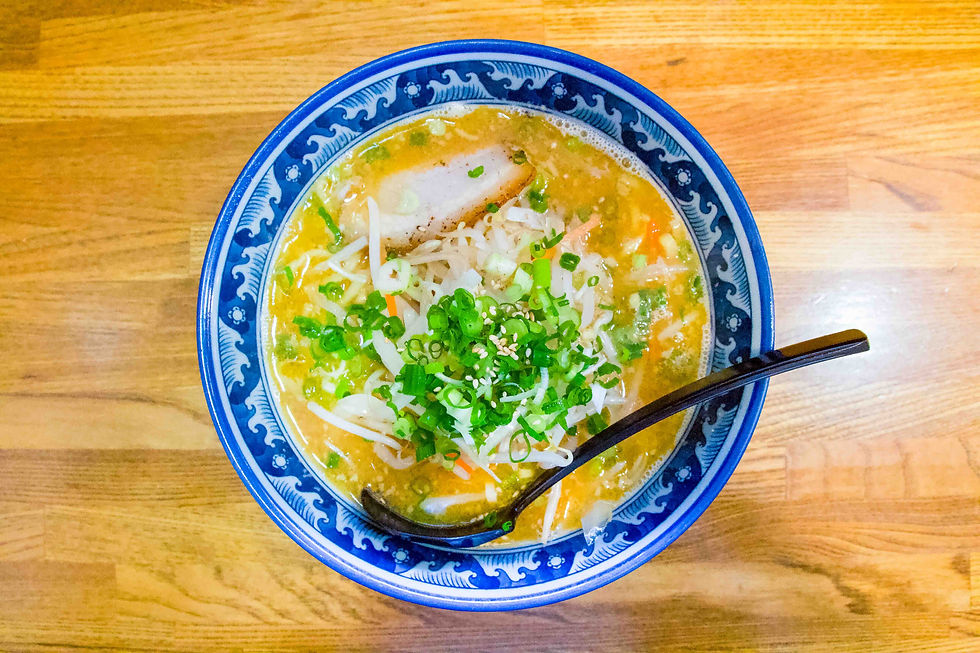
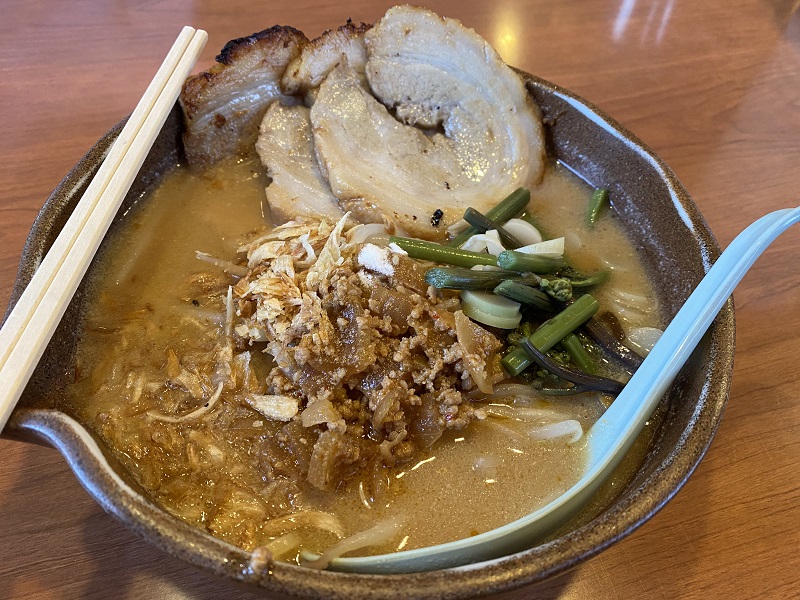
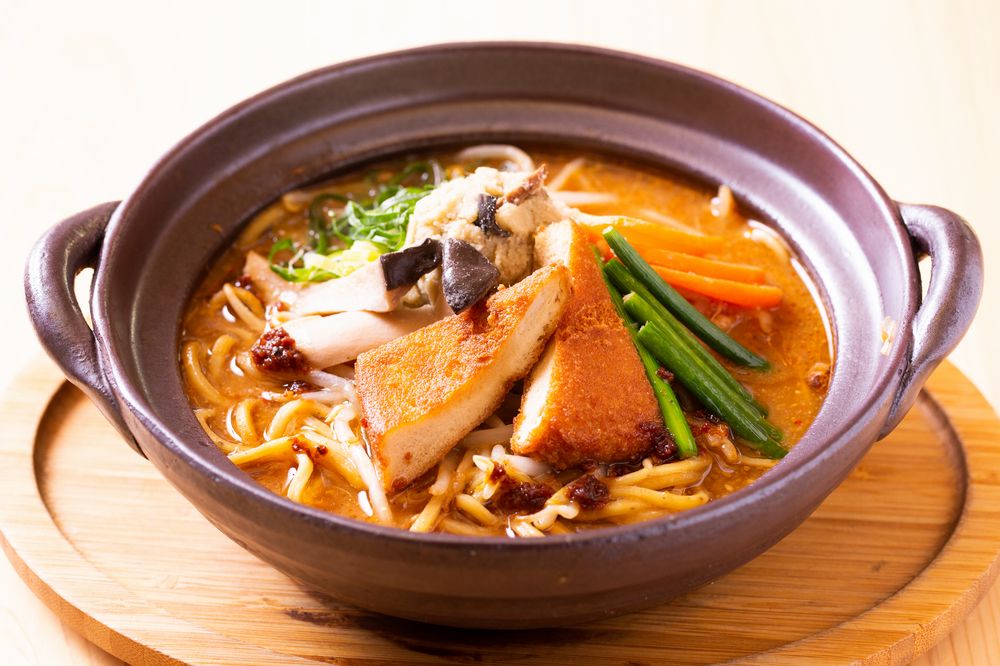
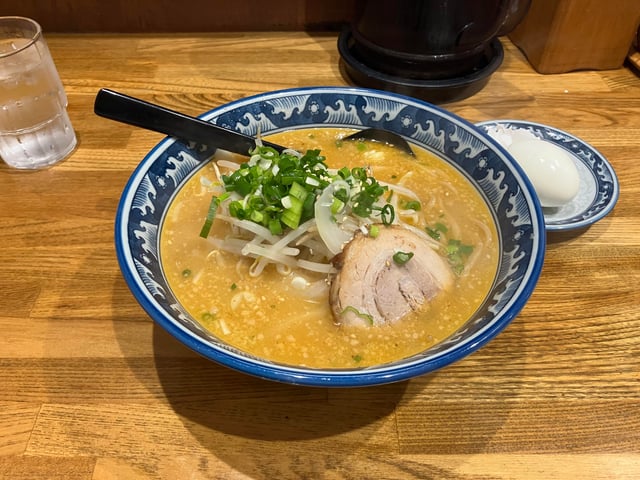
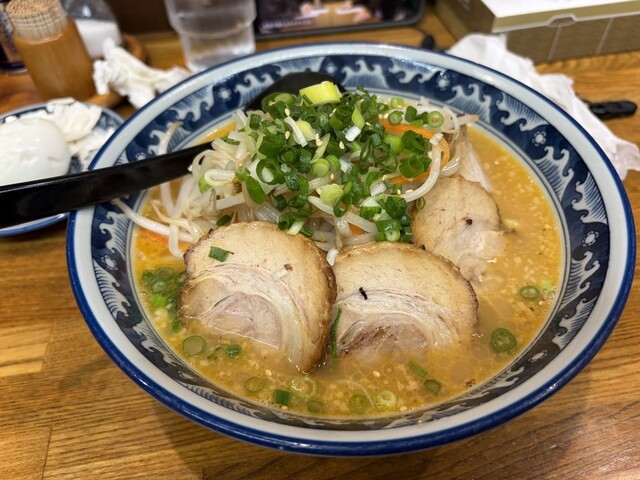
Local ramen style using Shinshu miso for the broth base. Thick, rich, and deeply savory. Mountain vegetables and local pork. Warms you after cold-weather activities.

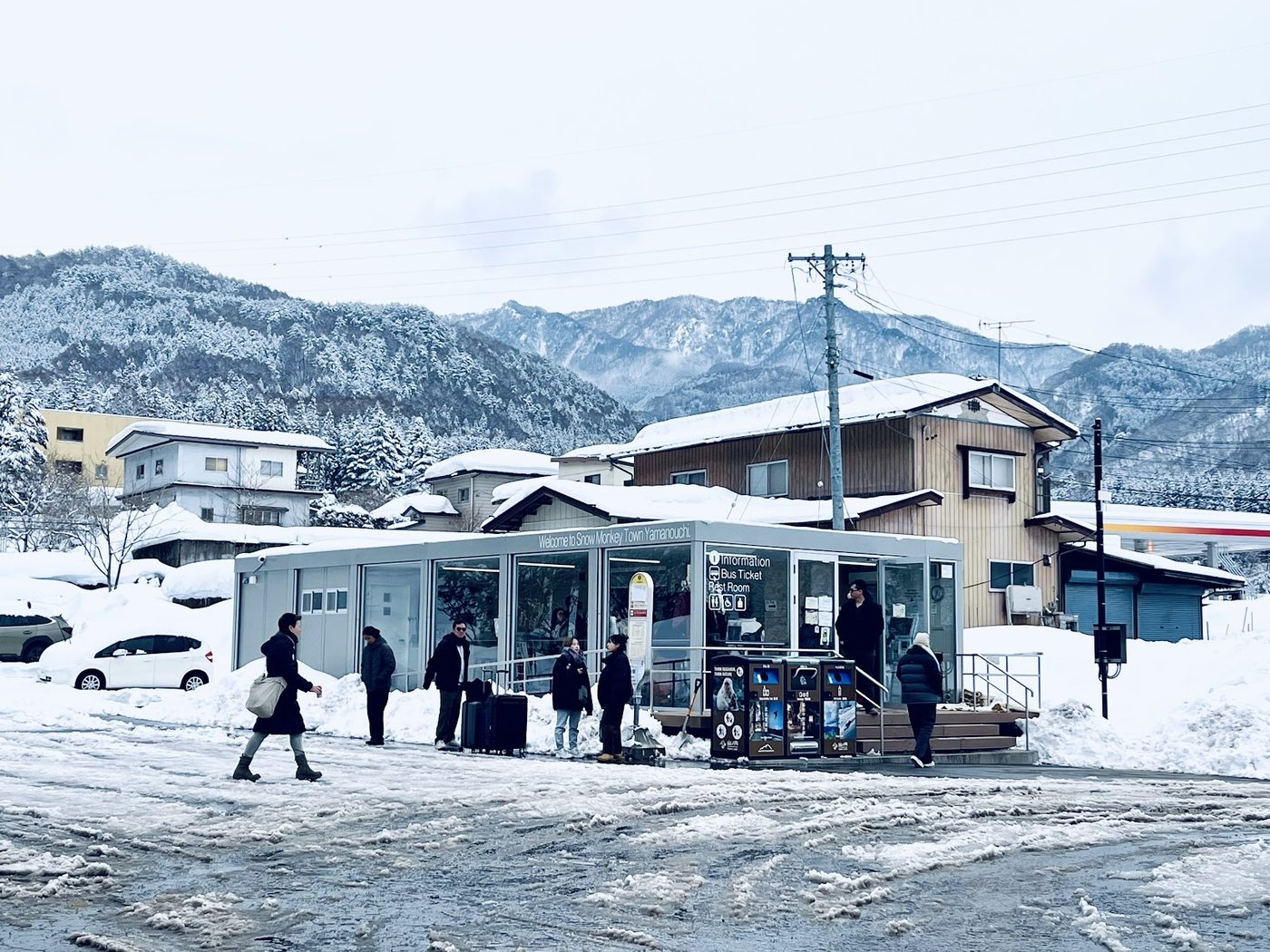
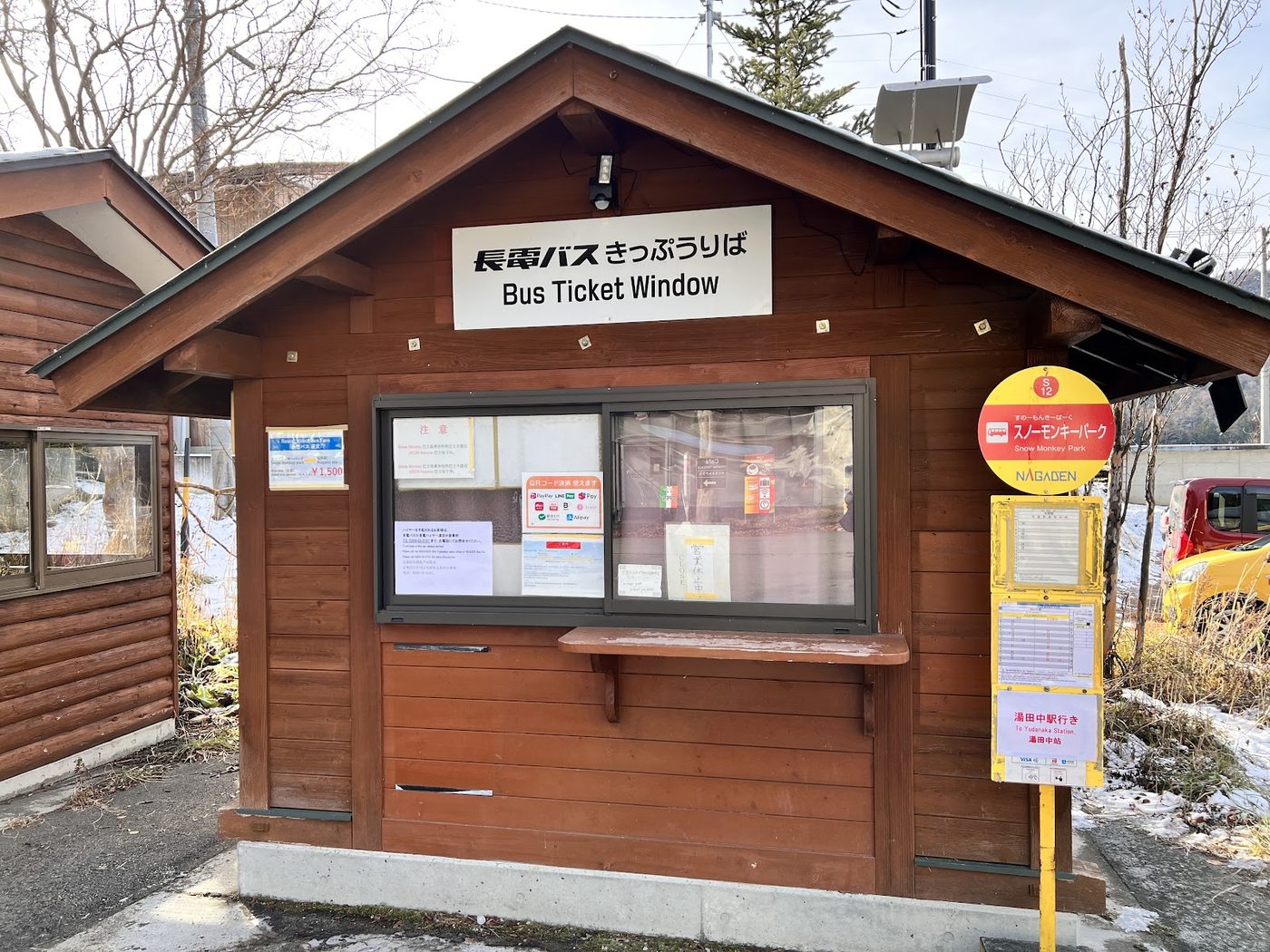
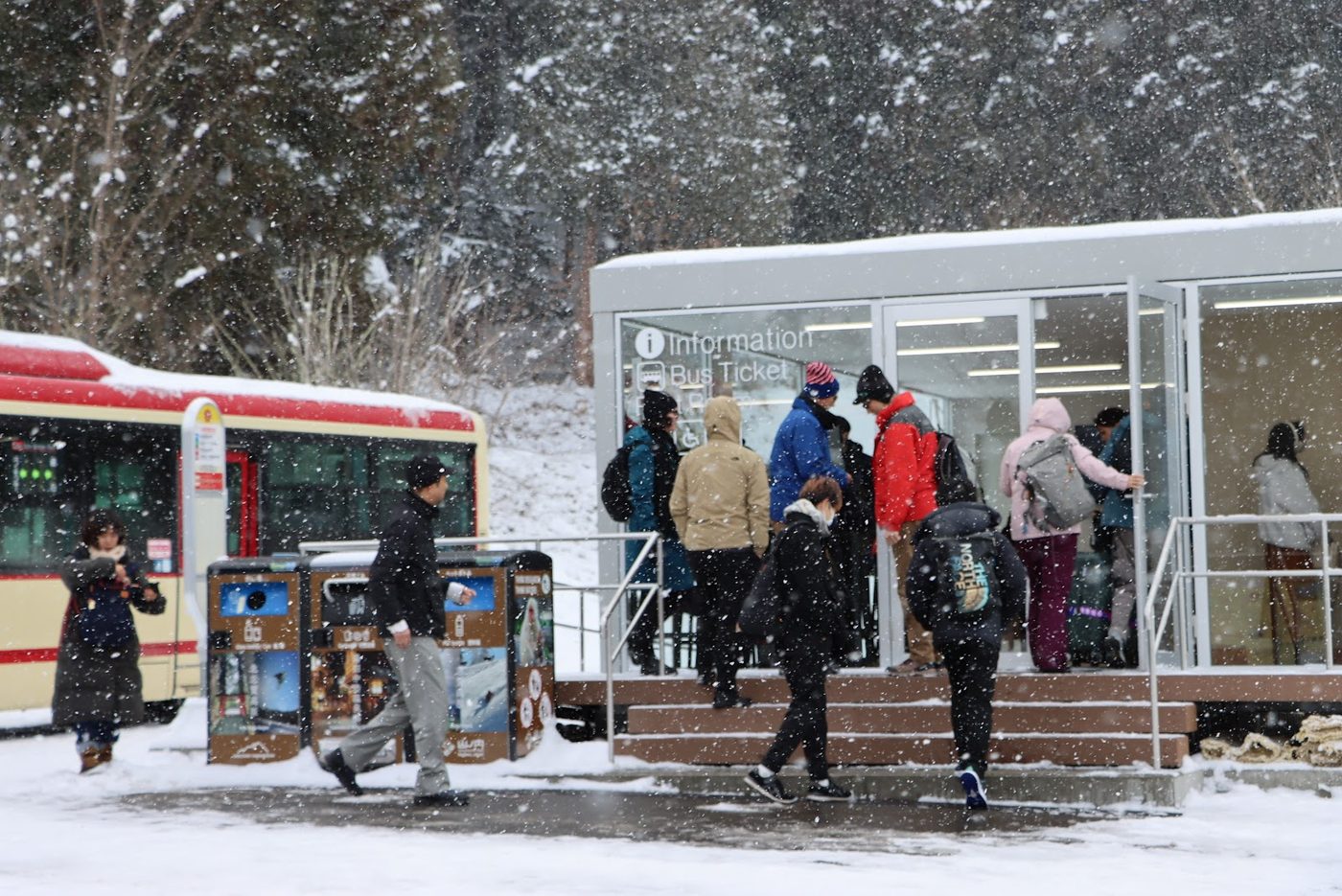
Direct bus from Nagano Station to the Snow Monkey Park trailhead. 40 minutes. Then a 30-minute walk through the forest to the monkey pool.

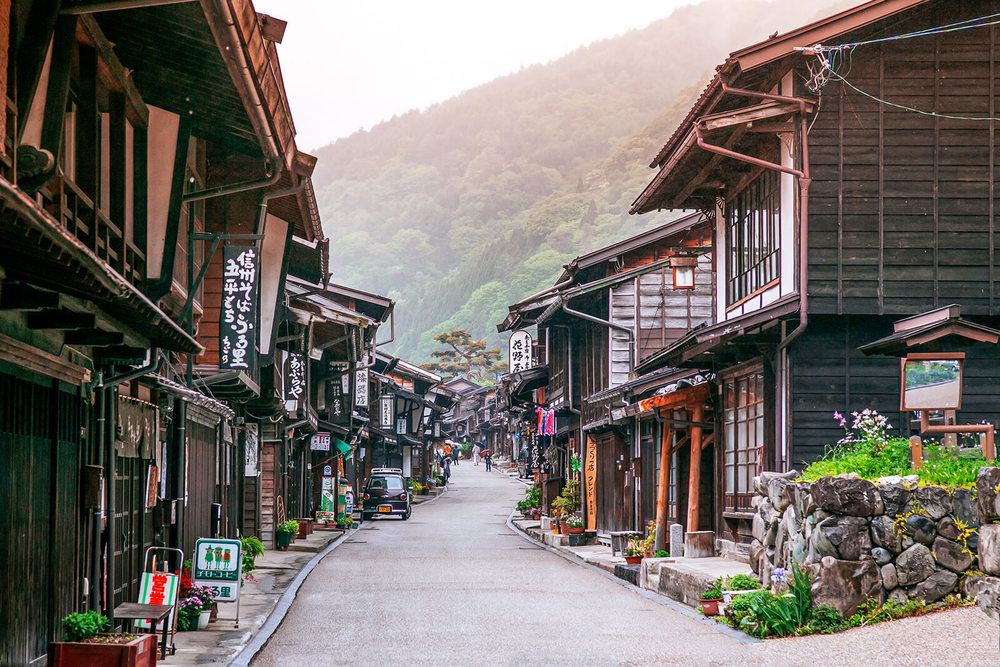
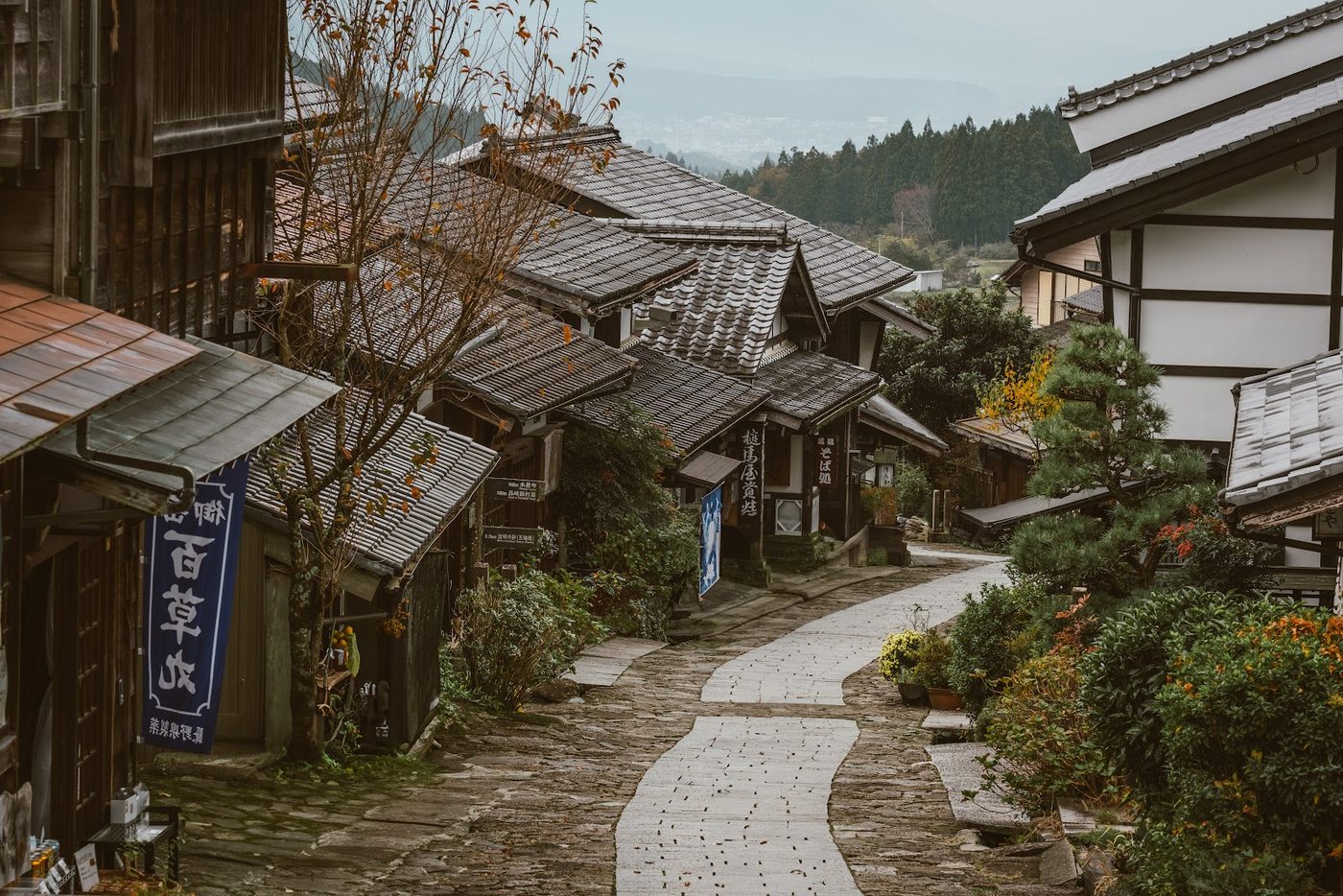
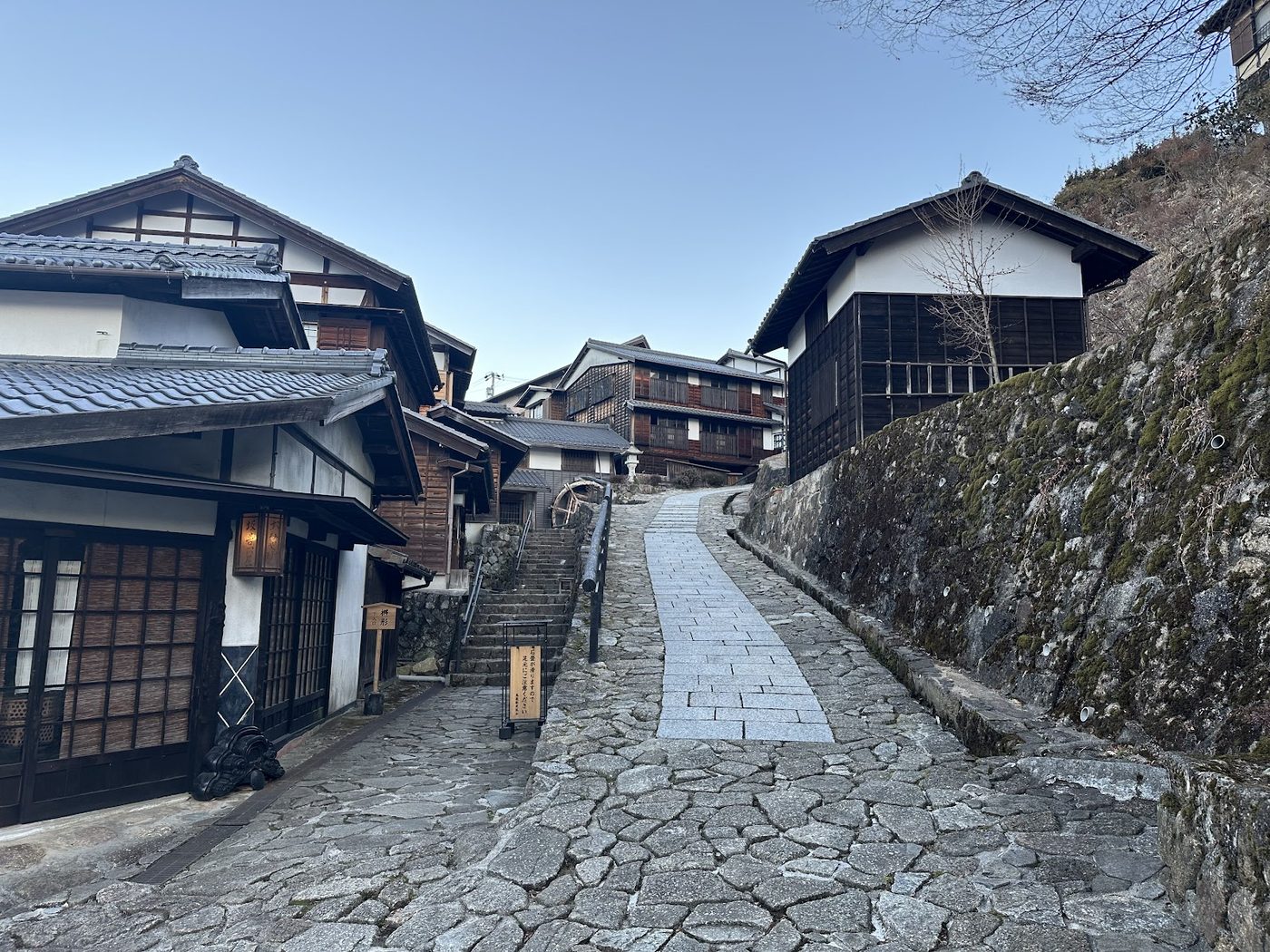
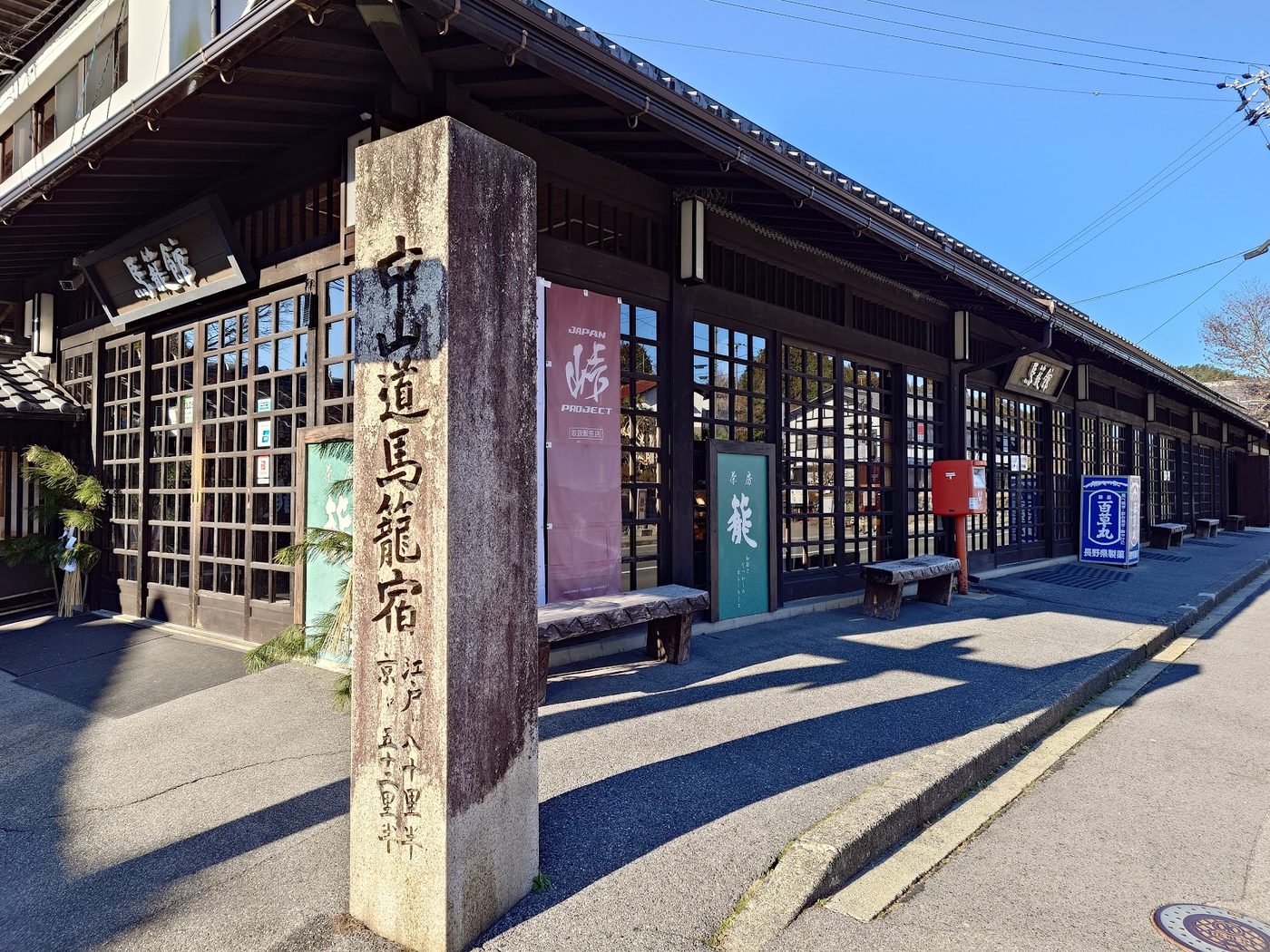
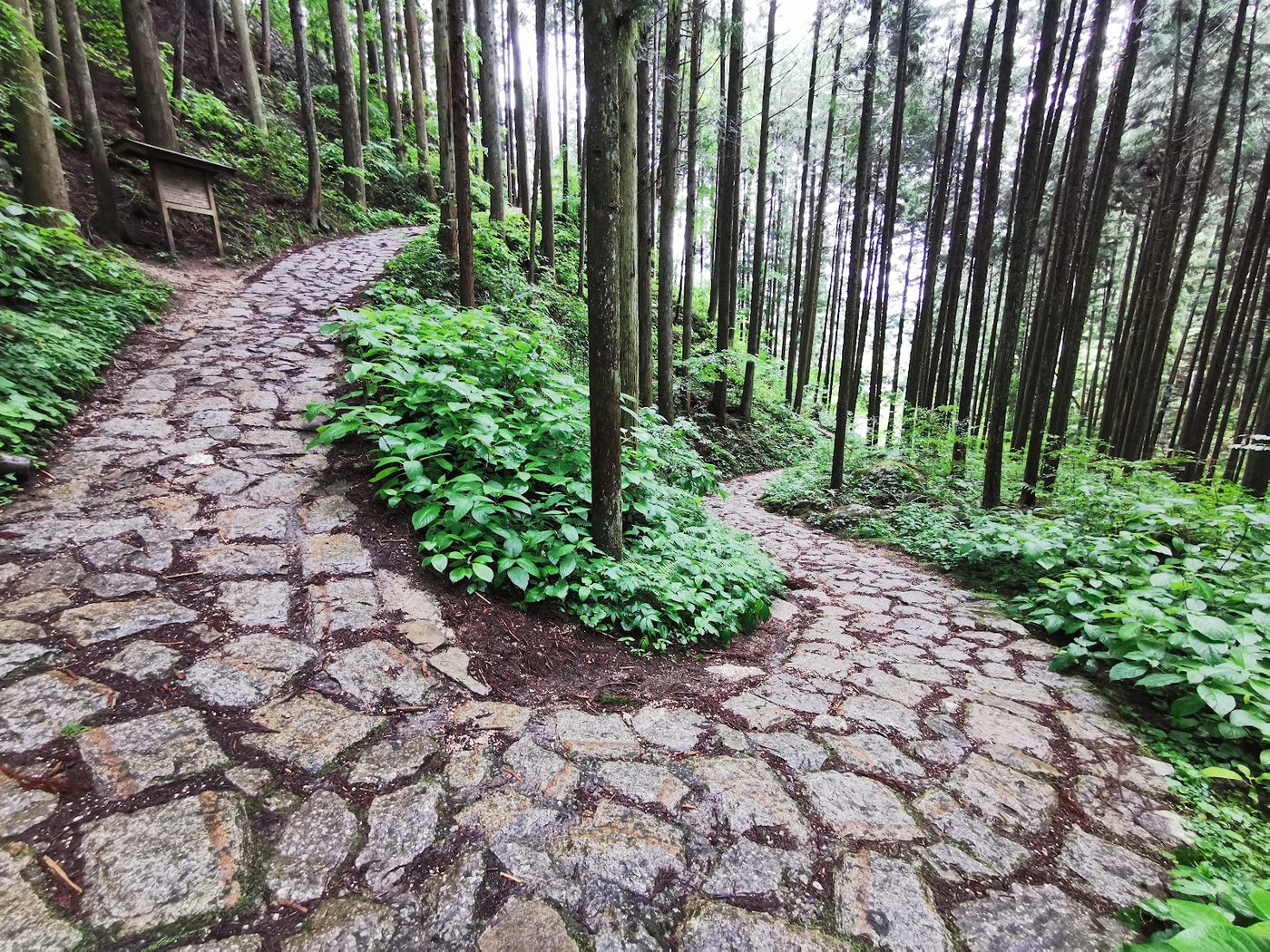
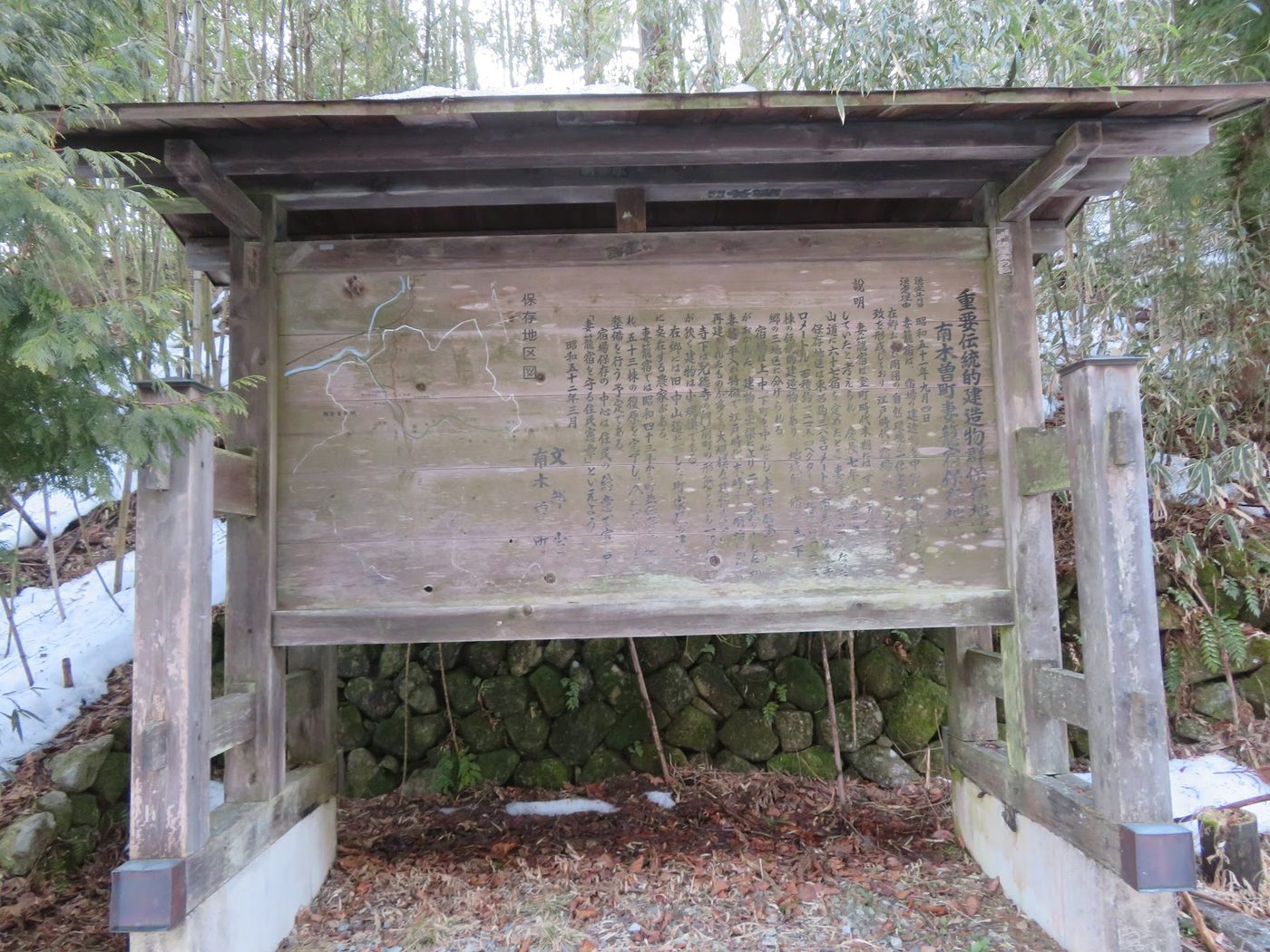
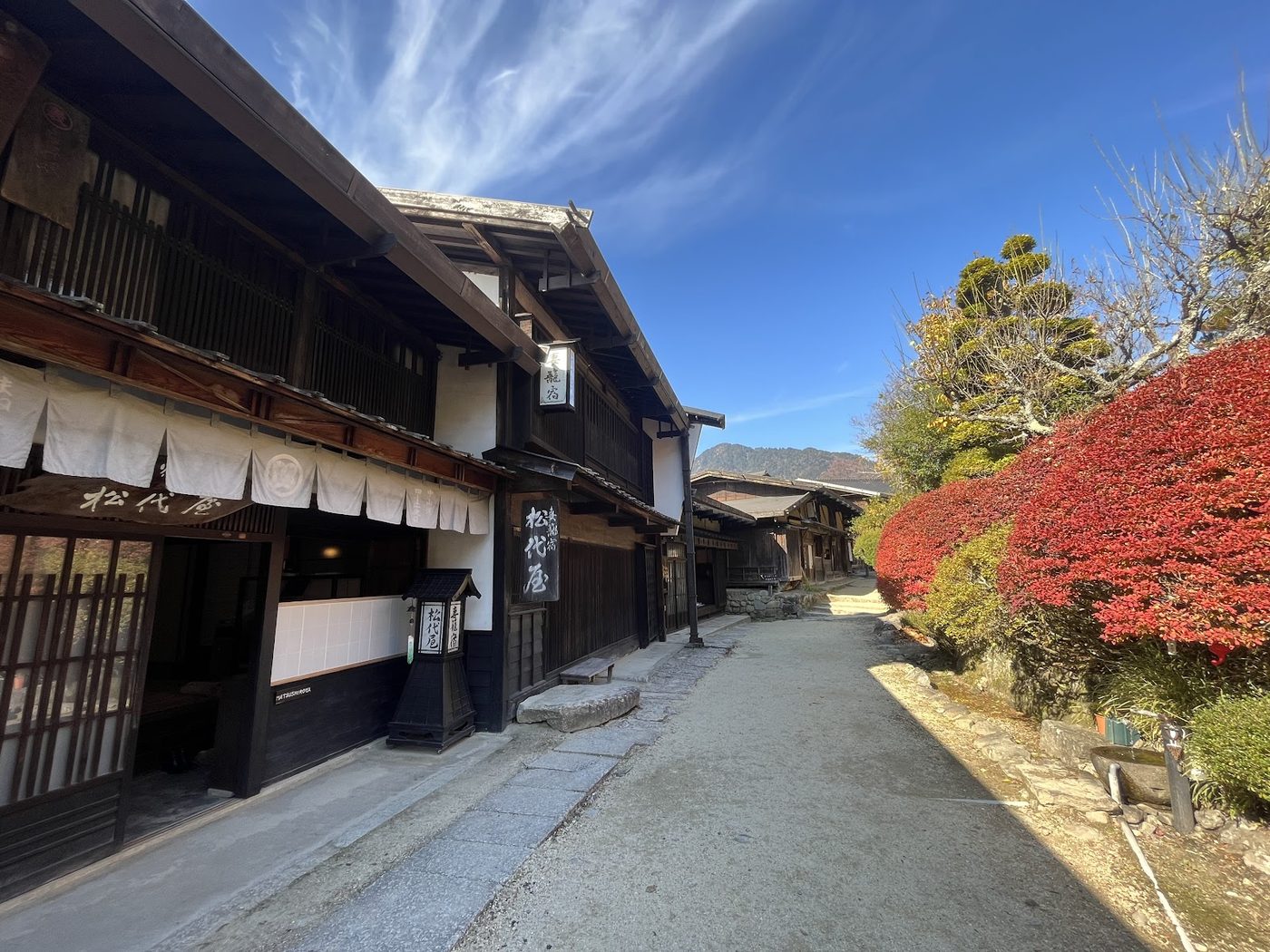
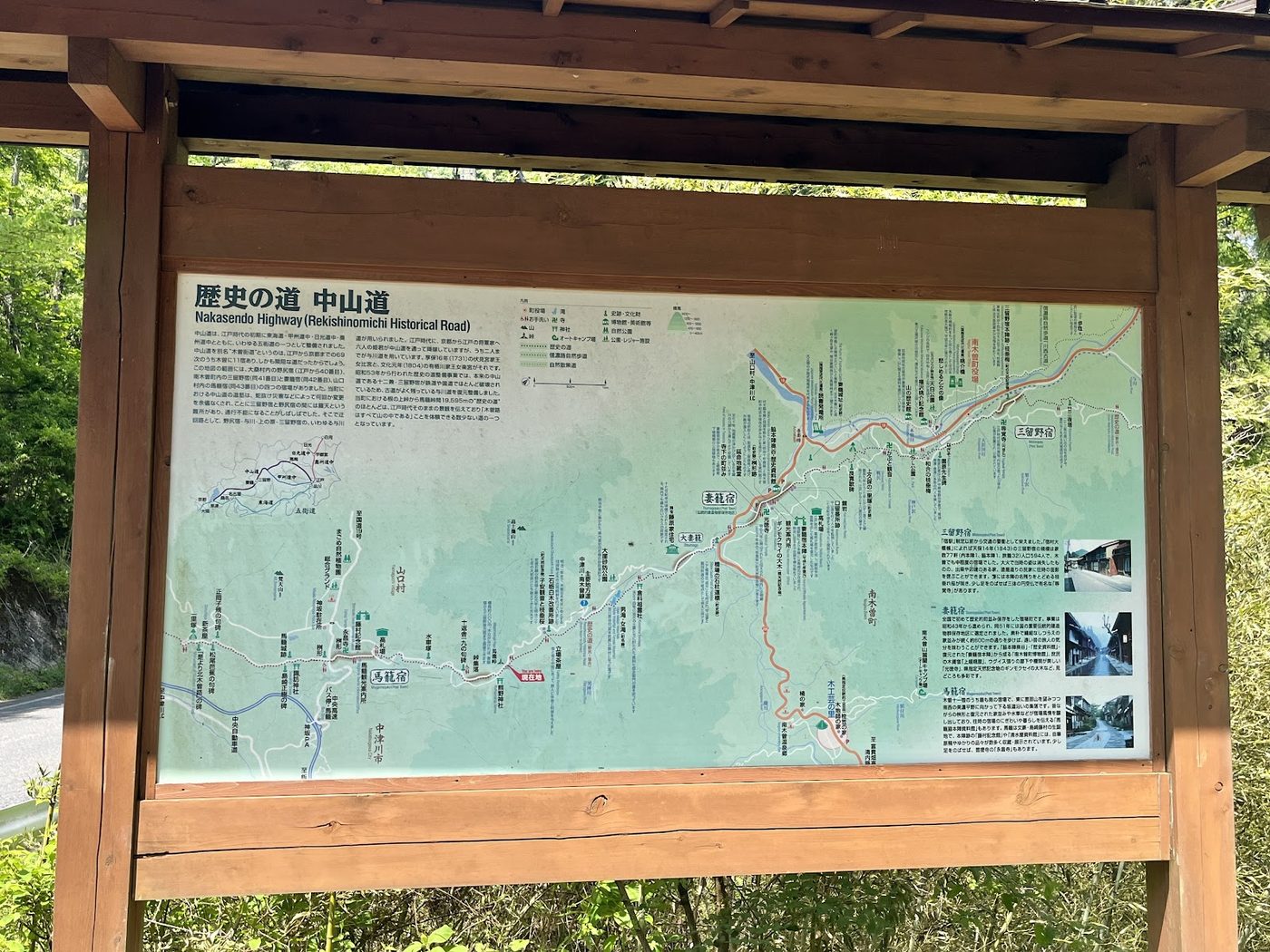
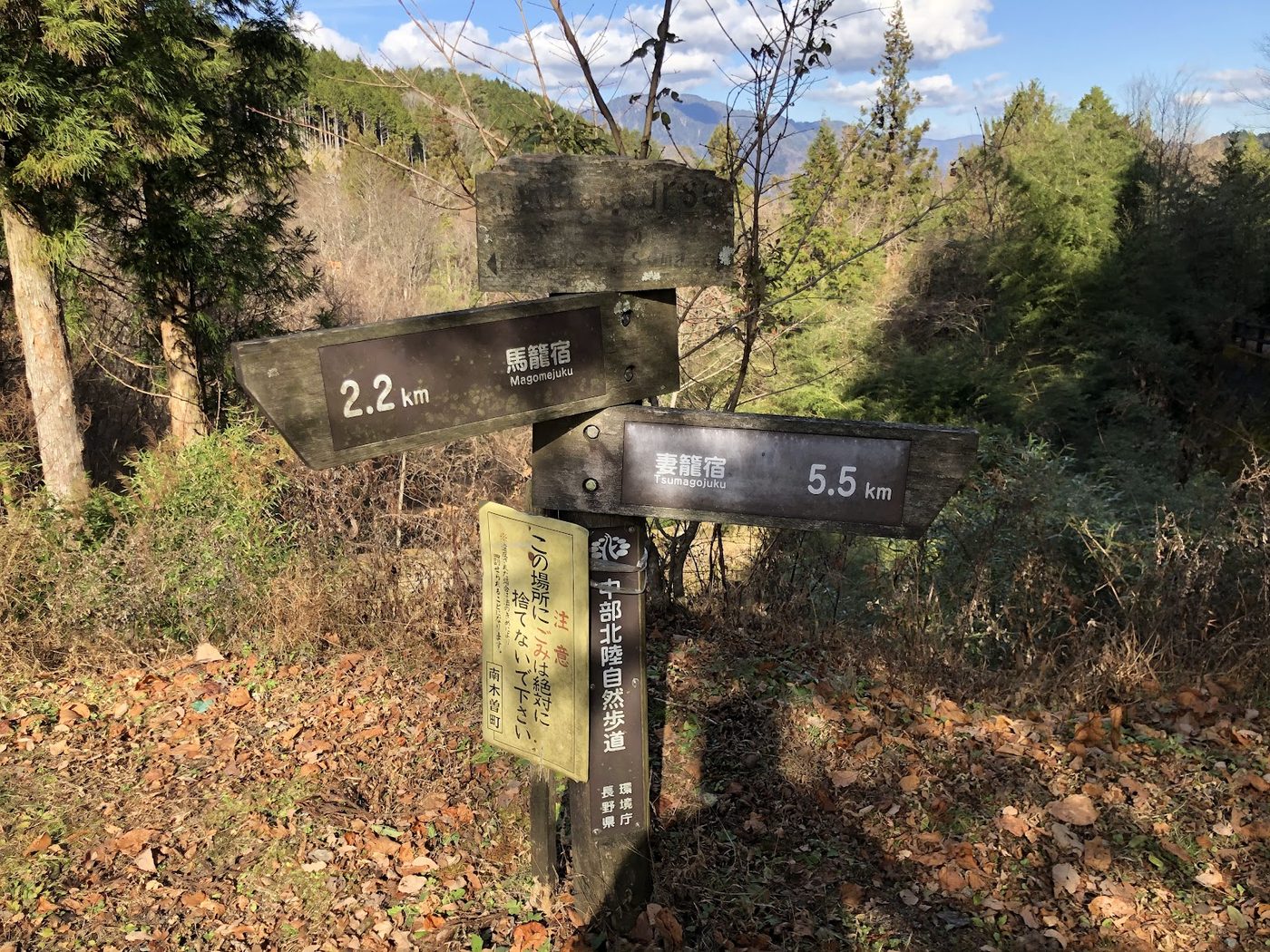
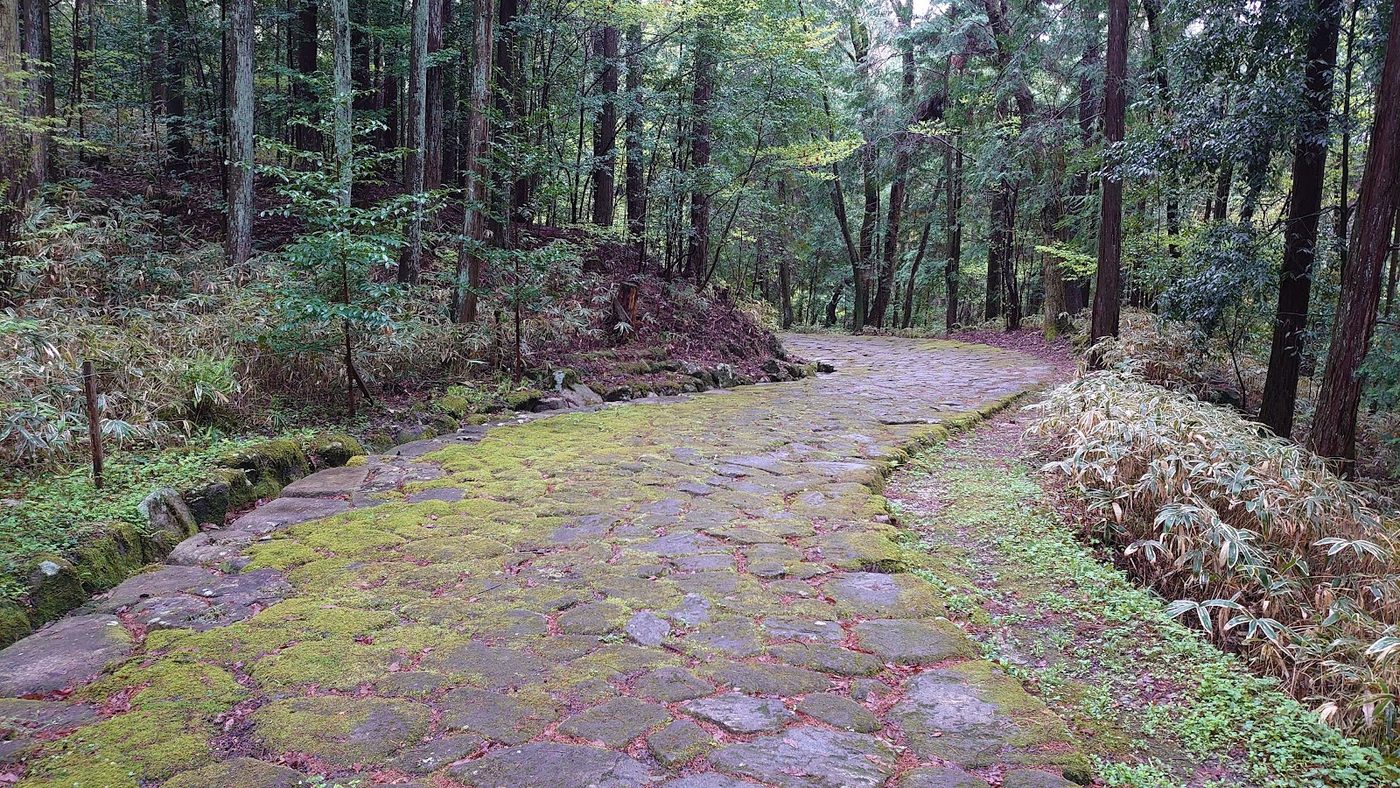
Preserved Edo-period post towns. 8km hike between them through mountains. Time capsule villages.

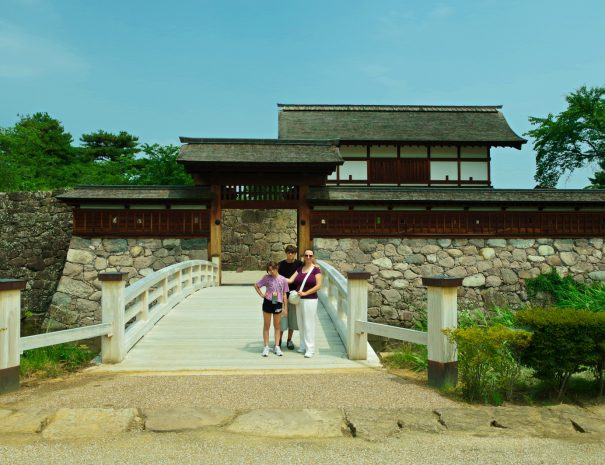
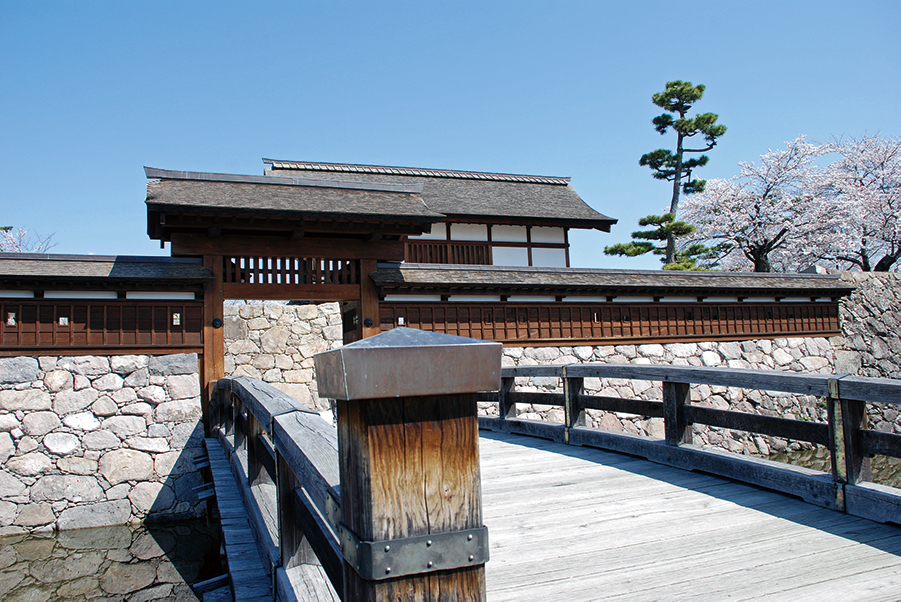
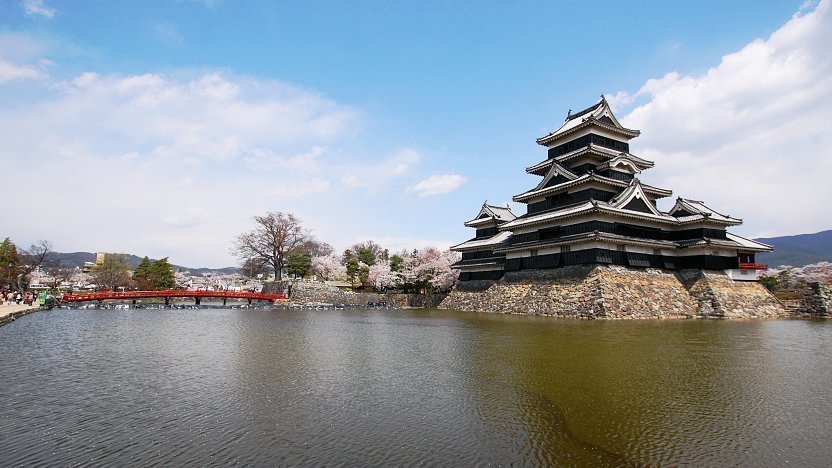
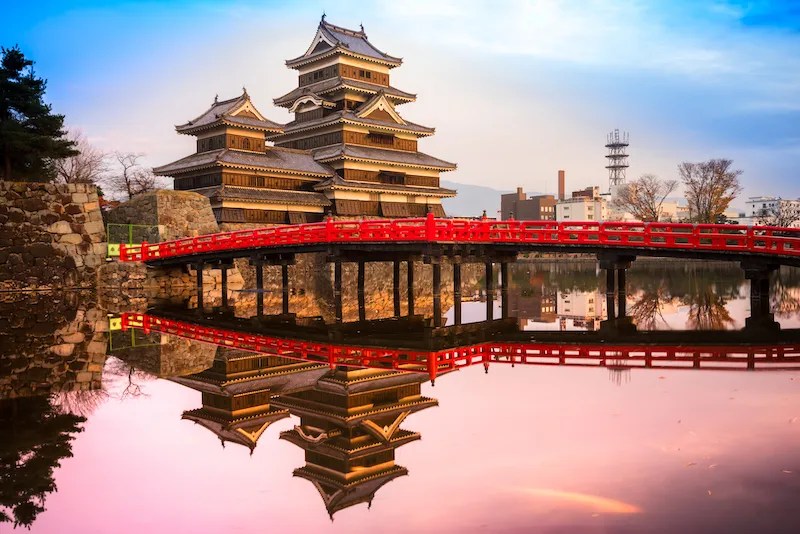
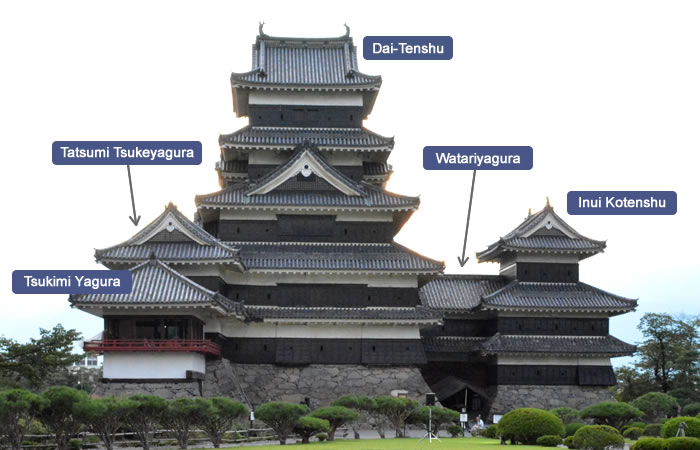
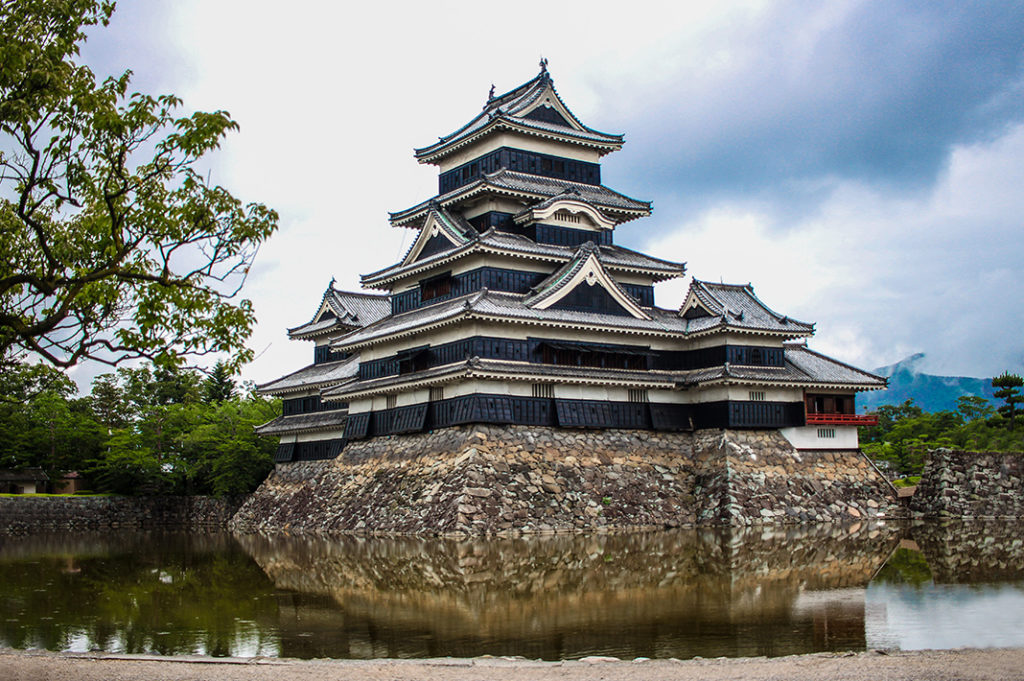
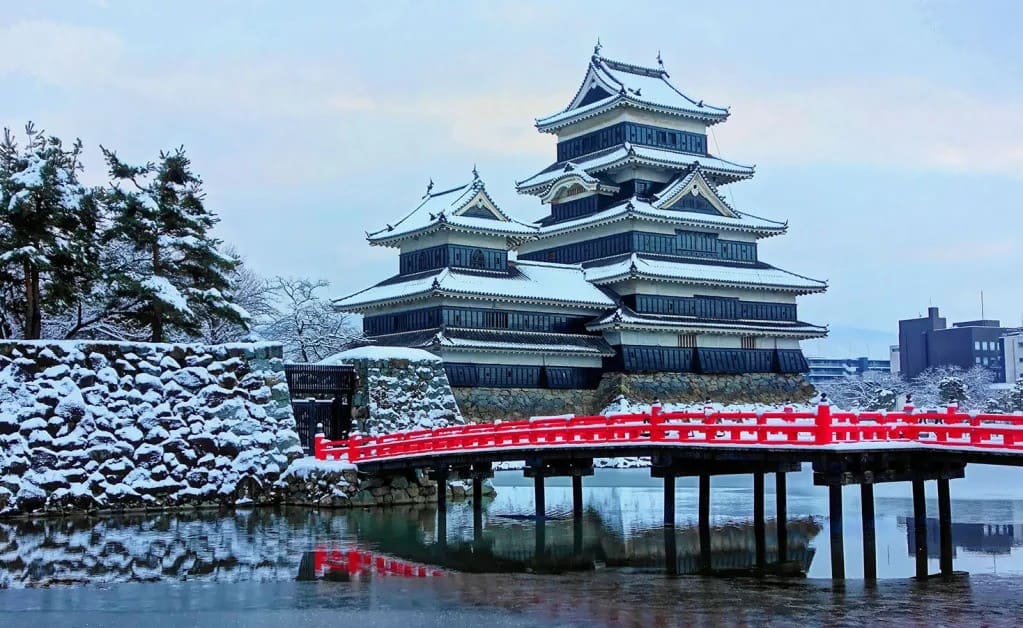
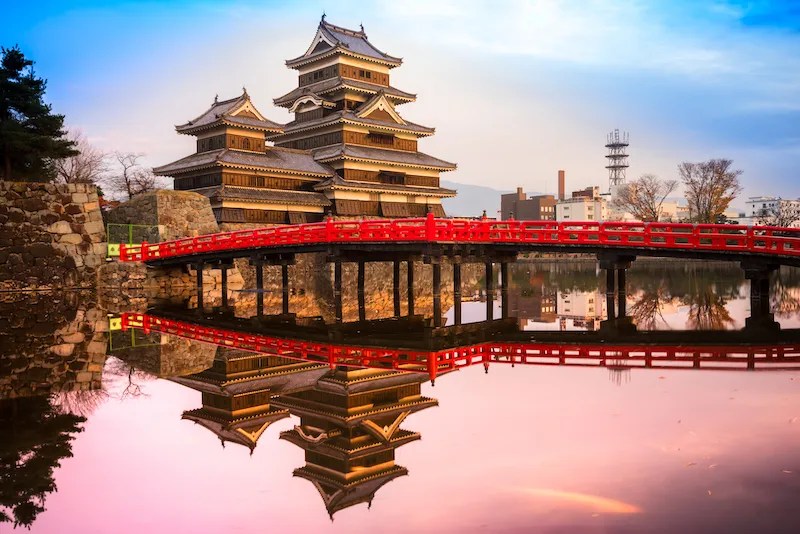
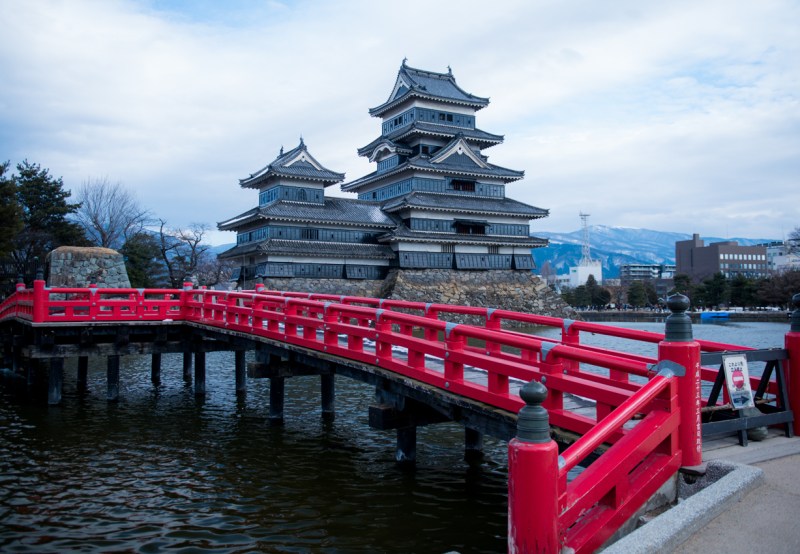
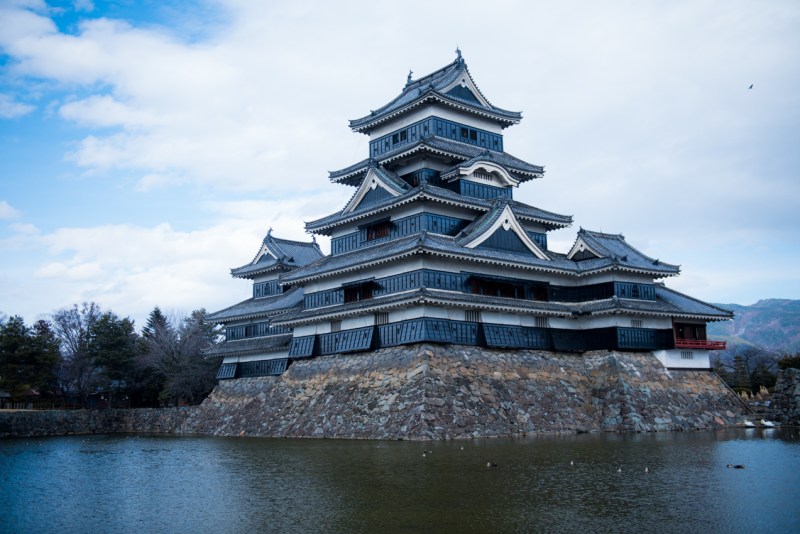
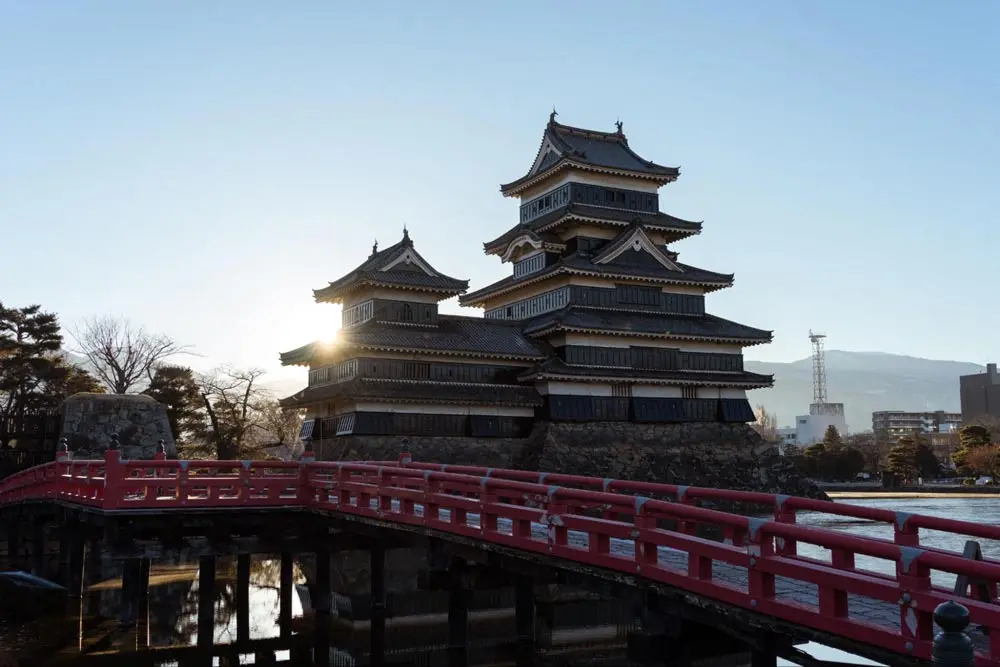
National Treasure. One of Japan's best-preserved original castles. Black crow castle. Stunning with Alps backdrop.

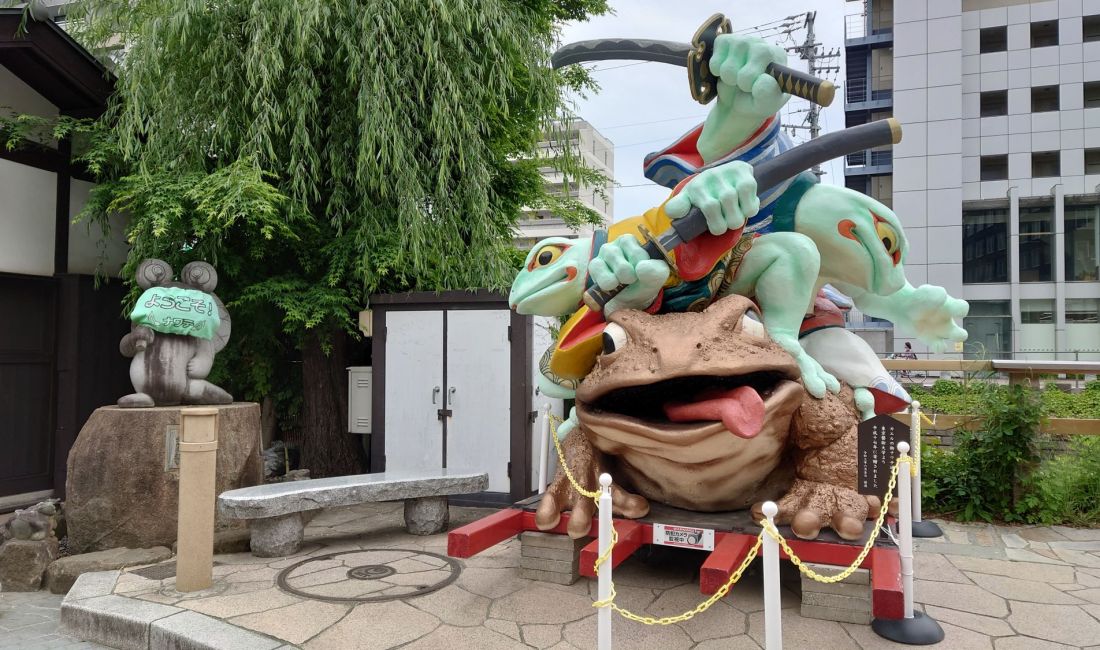
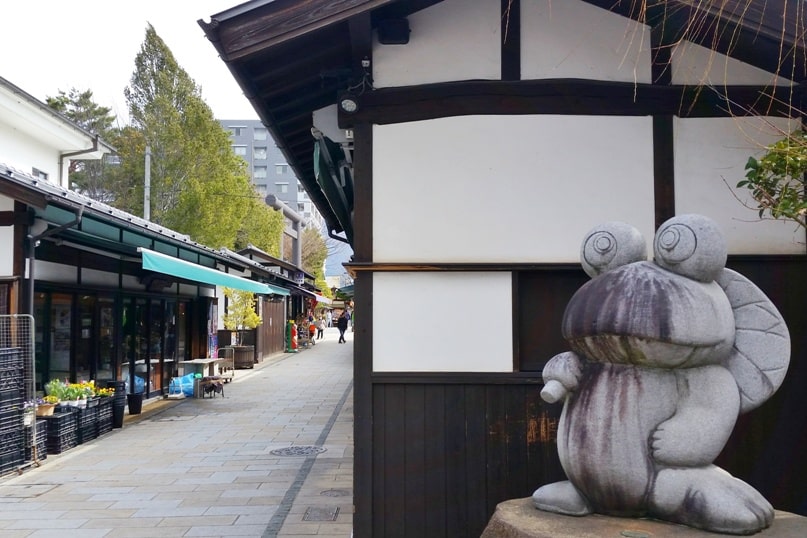
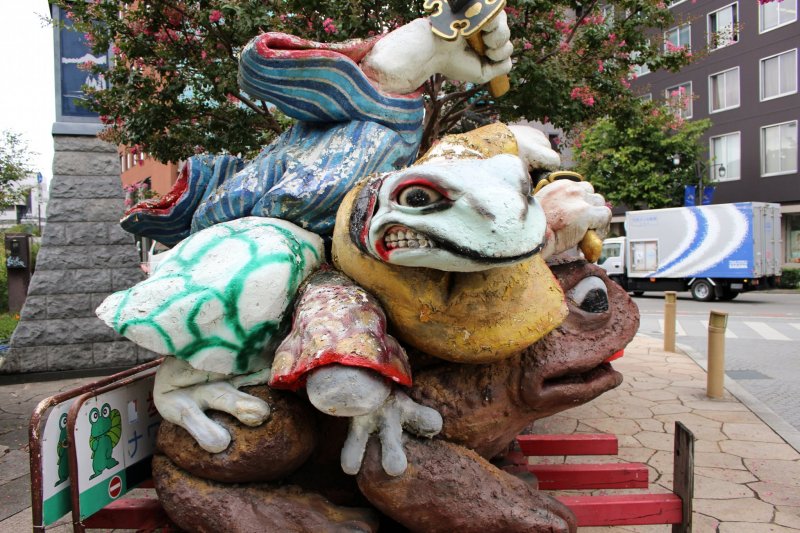
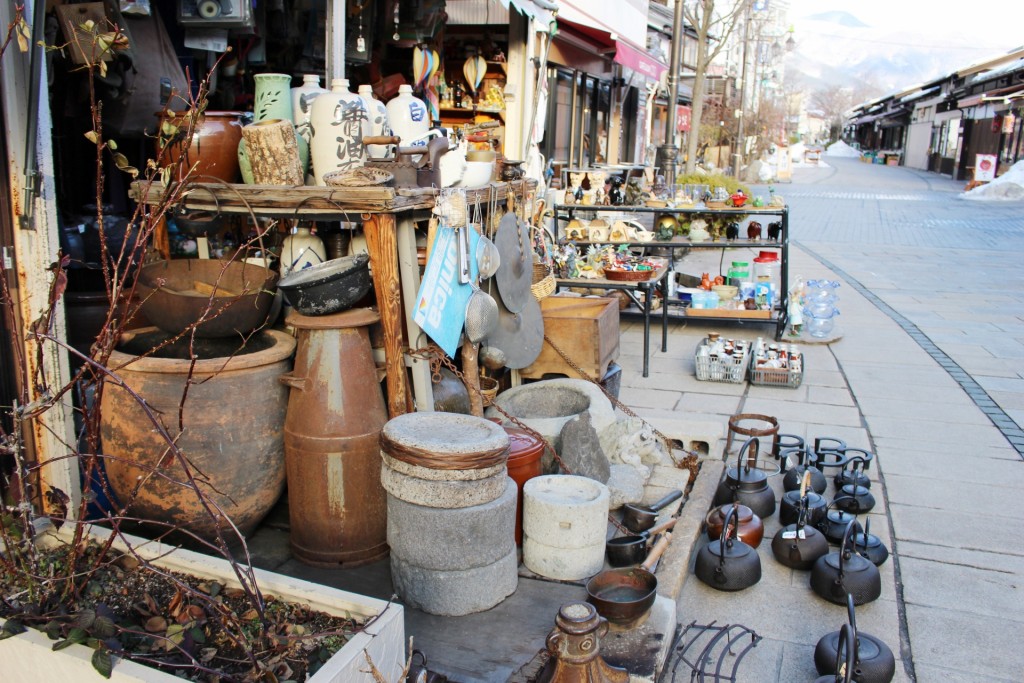
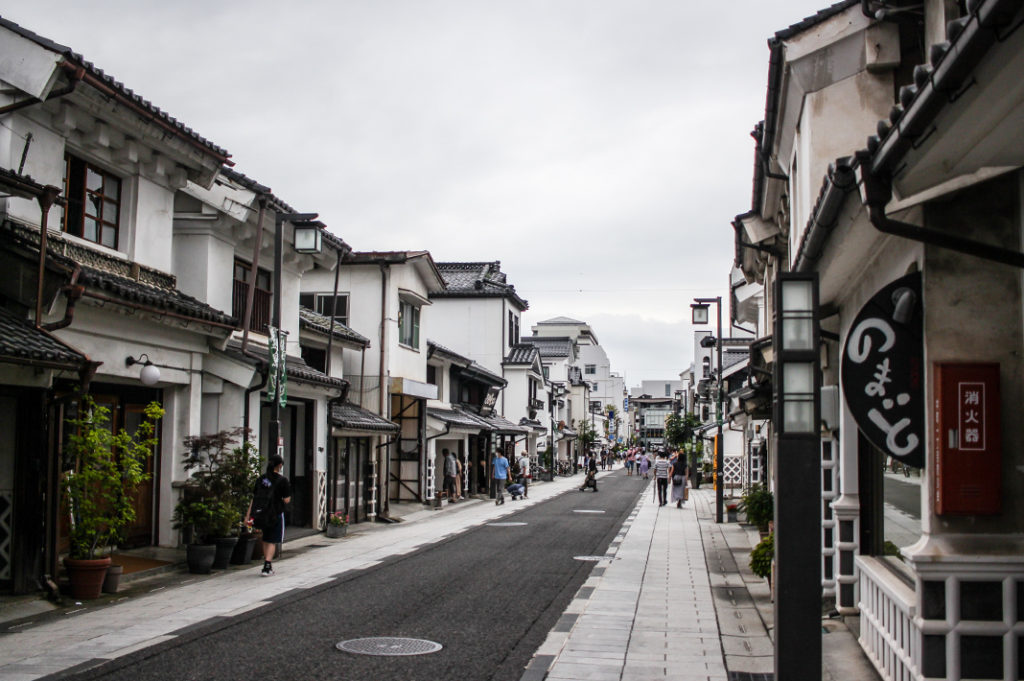
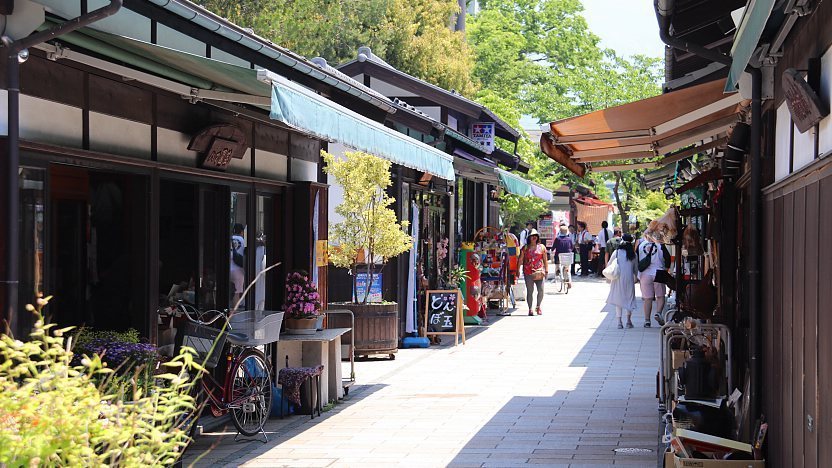
Charming merchant street with frog theme. Traditional shops, cafes, antiques.

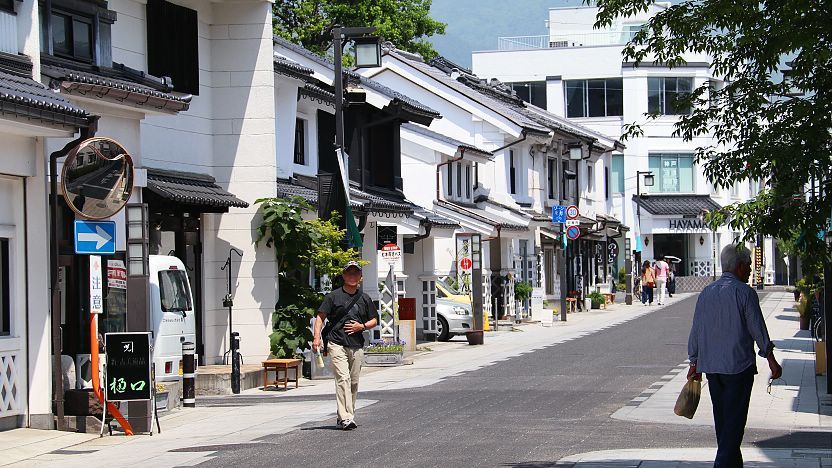
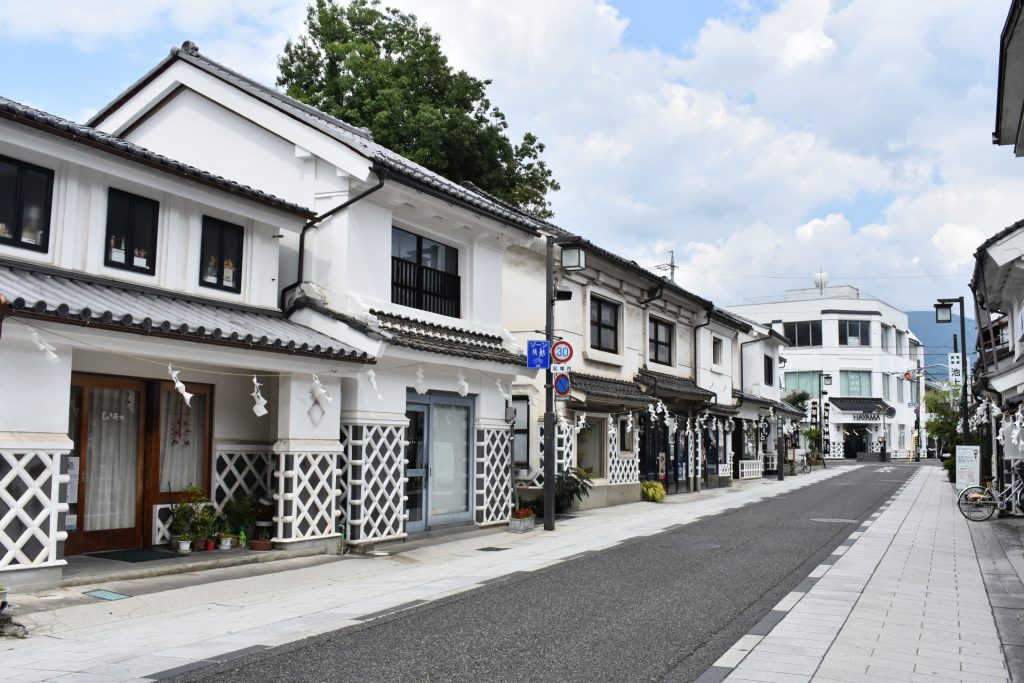
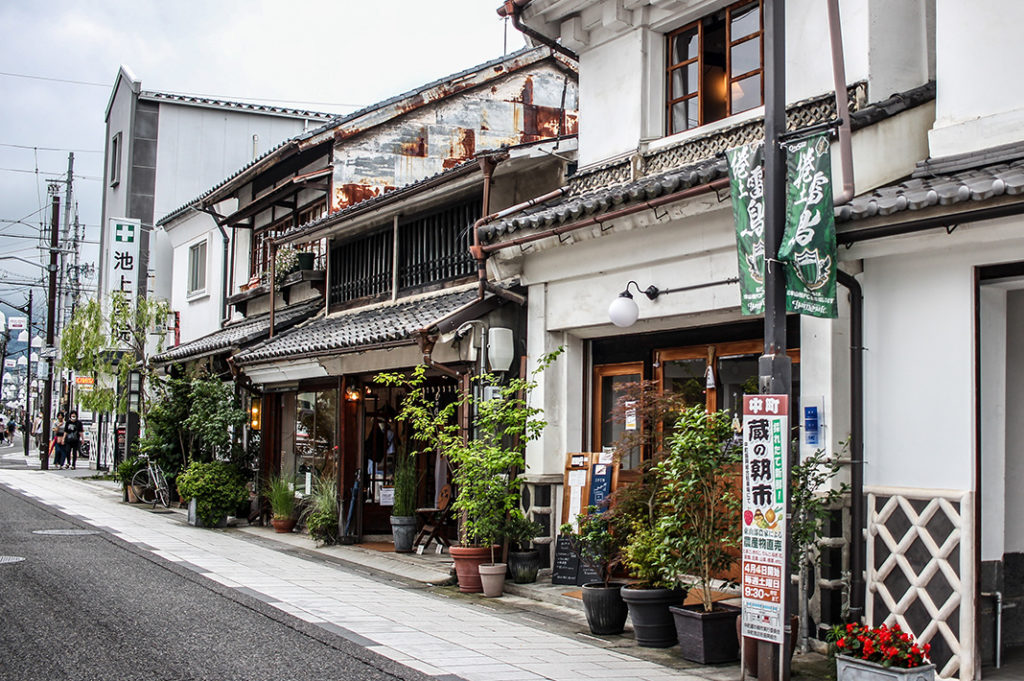
Historic merchant area. Kurazukuri warehouses, craft shops, sake tasting.

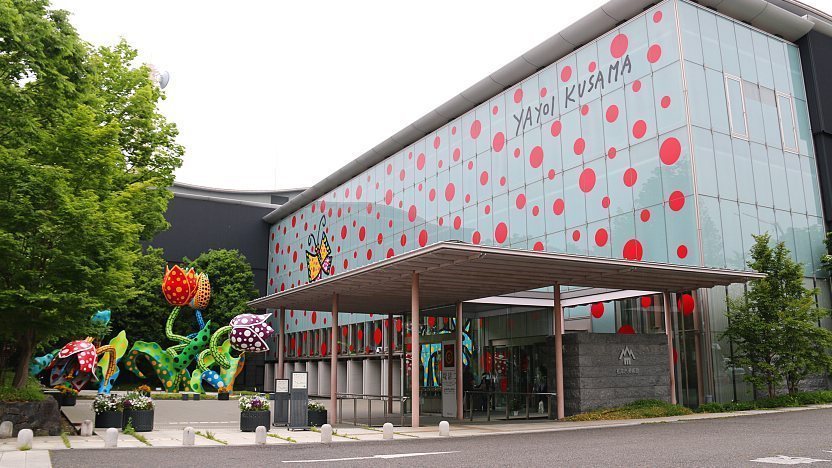
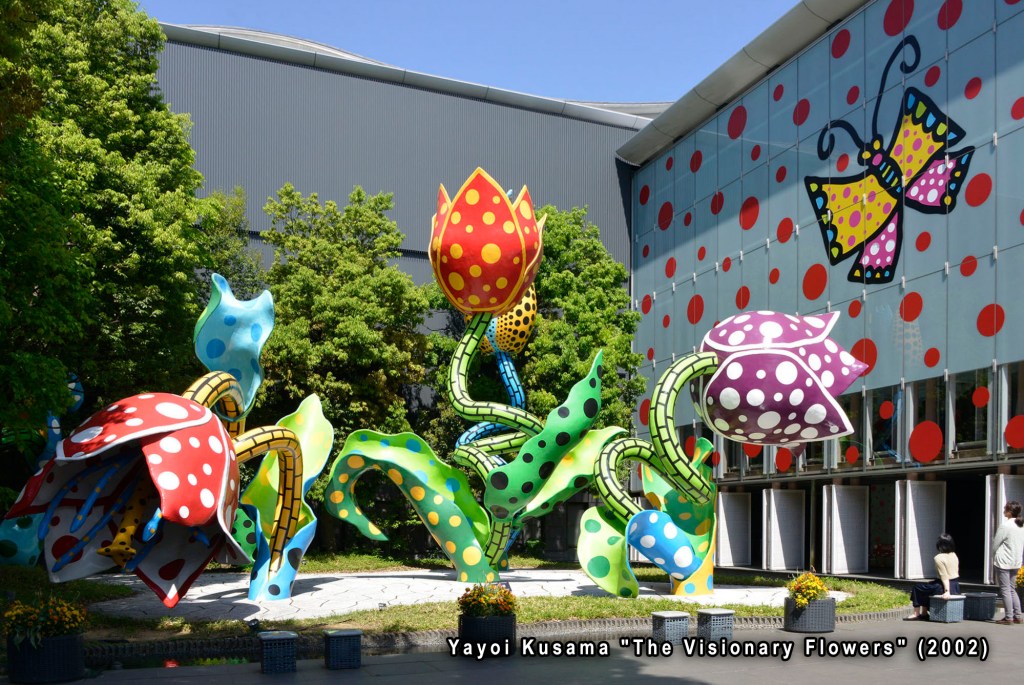
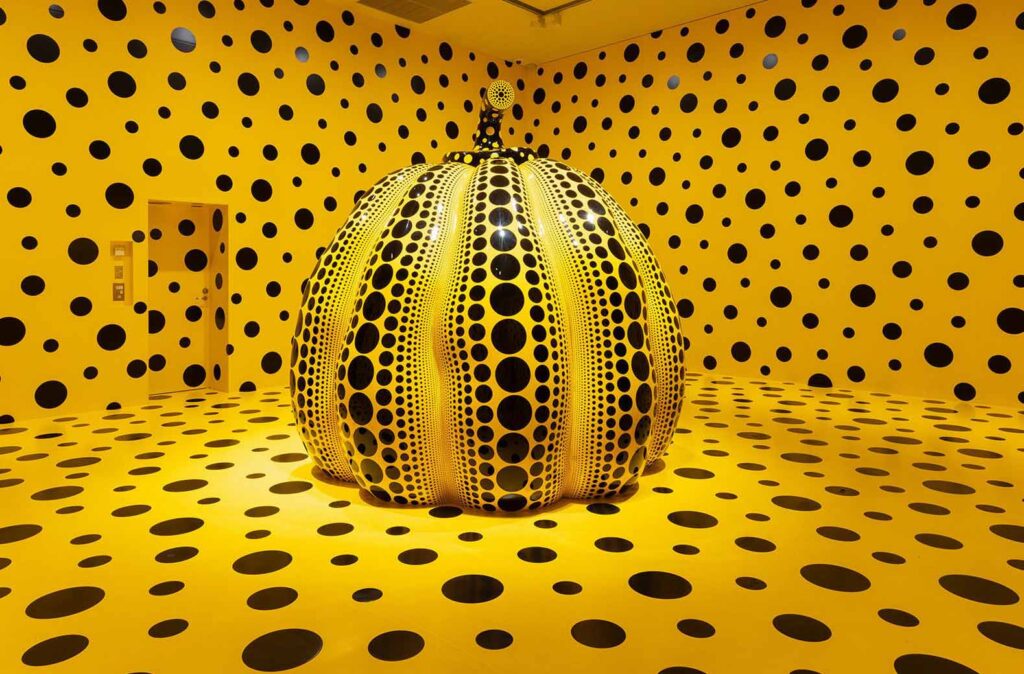
Yayoi Kusama permanent collection. Giant polka-dot sculptures outside. Contemporary art.


Matsushima Bay, volcanic crater lakes, and fox-filled mountains.

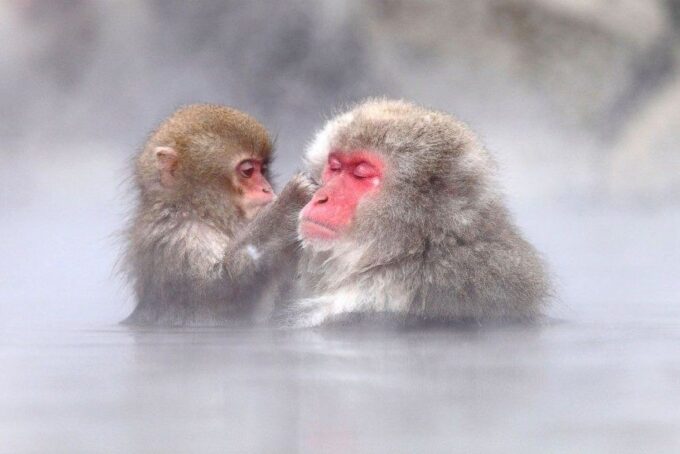
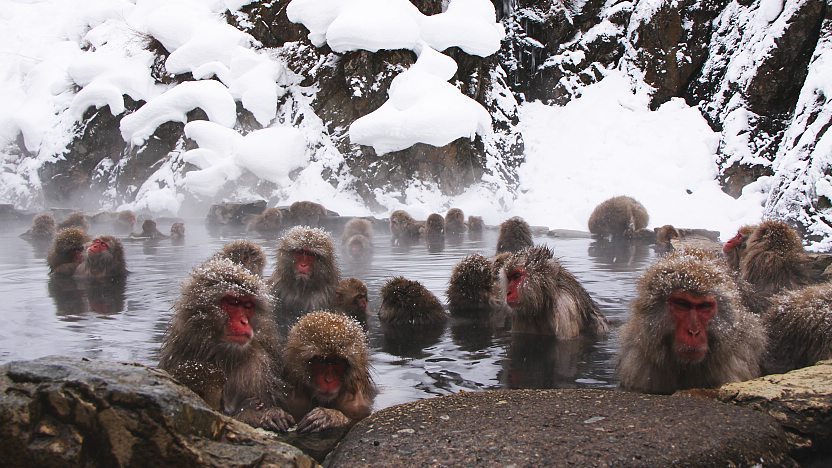
World-famous snow monkeys bathing in natural hot springs. Troops of Japanese macaques soak in steaming outdoor pools surrounded by snow-covered mountains. Open year-round but winter is most dramatic. 45 min from Nagano.

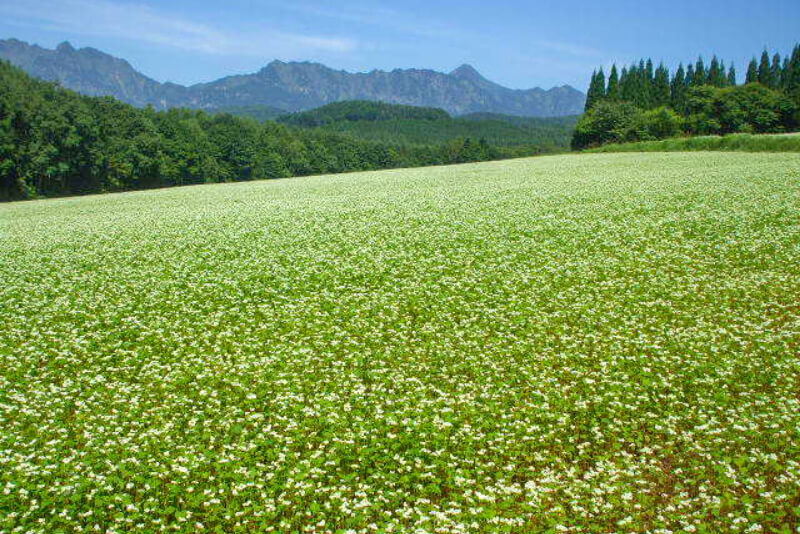
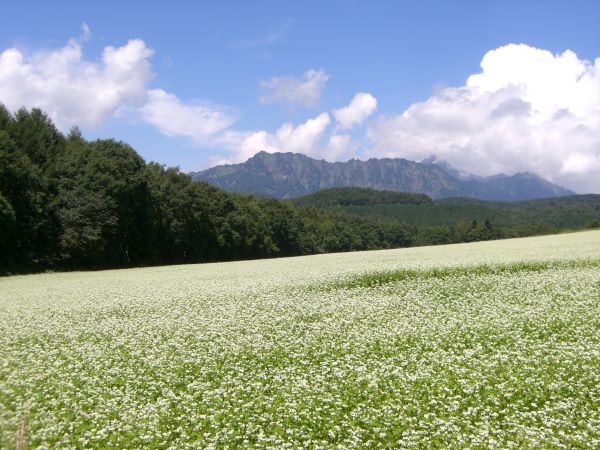
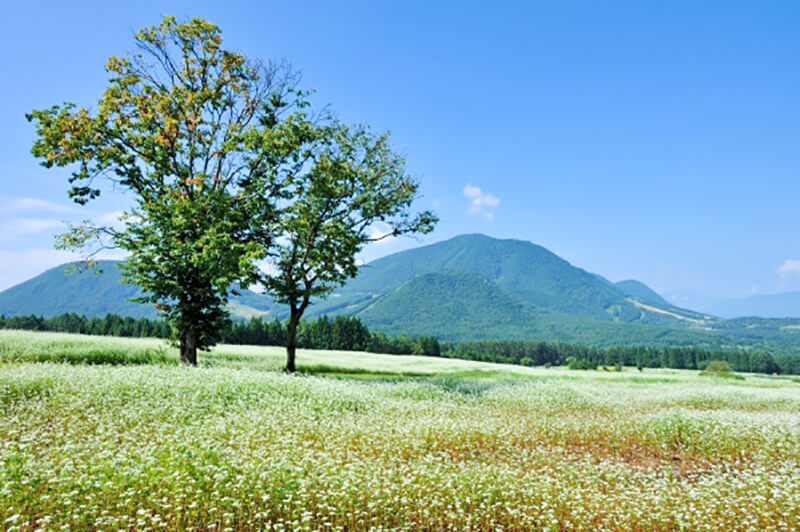
In late September, fields of white buckwheat flowers bloom around Togakushi. The delicate white blooms against the mountain backdrop are beautiful. This is where the famous soba flour comes from.

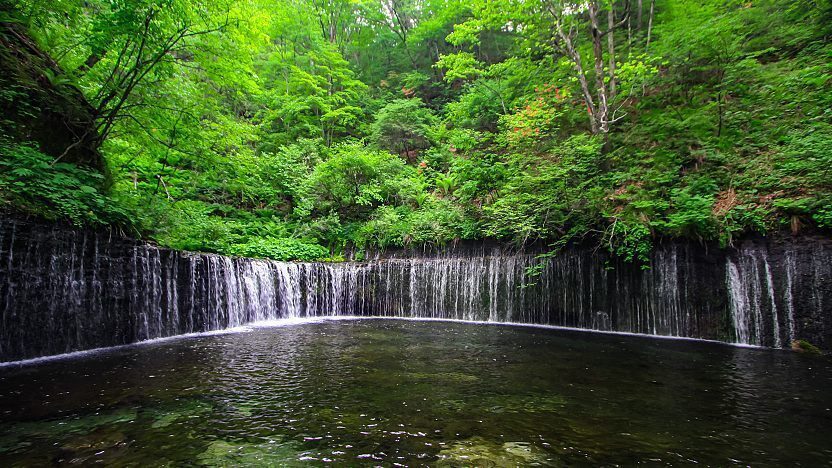
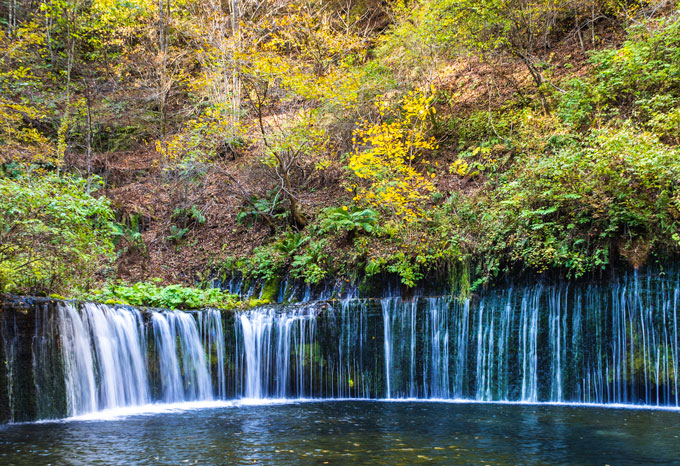
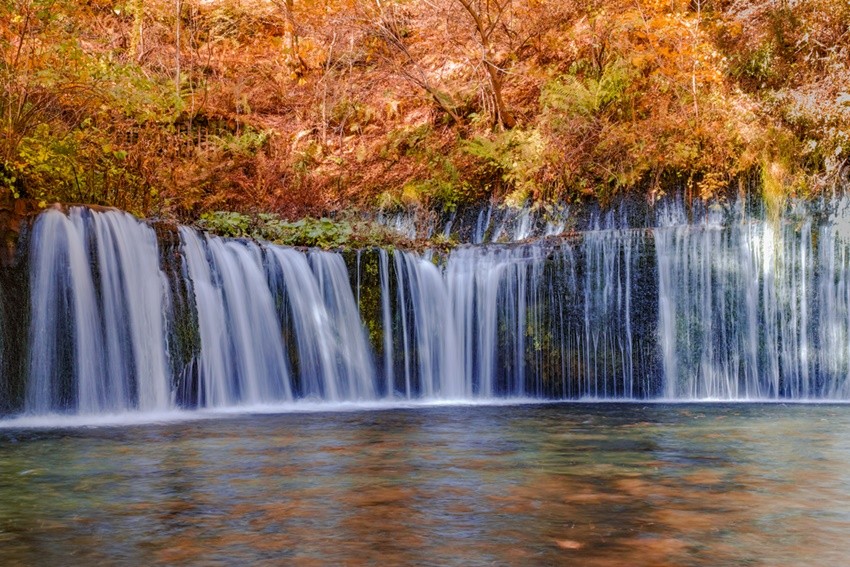
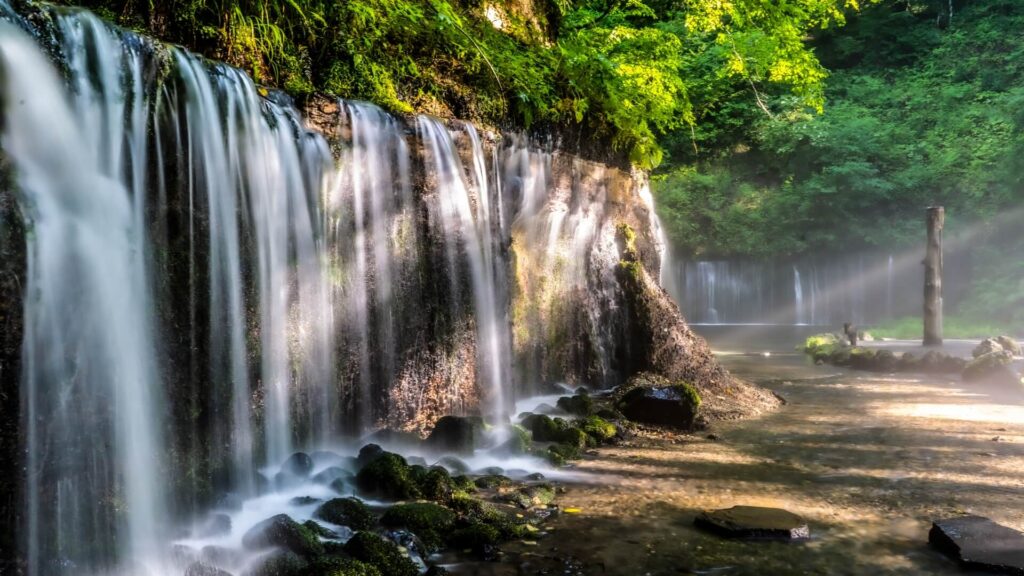
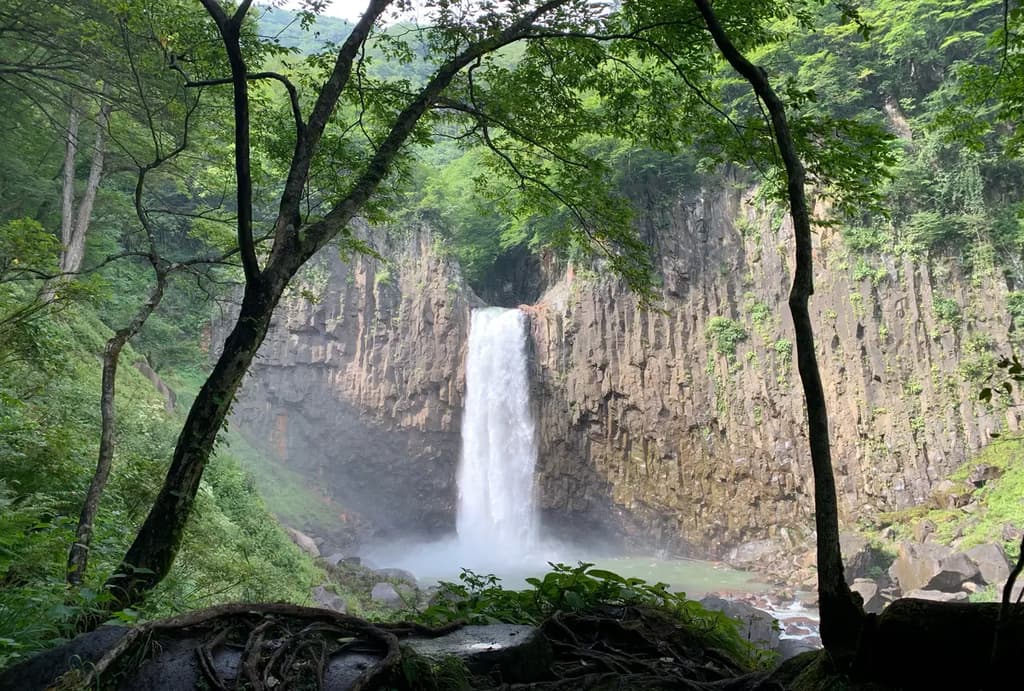
Delicate curtain waterfall where water seeps through volcanic rock and falls in thin threads. 3m tall and 70m wide. The gentle cascade is more elegant than powerful. Beautiful in all seasons.

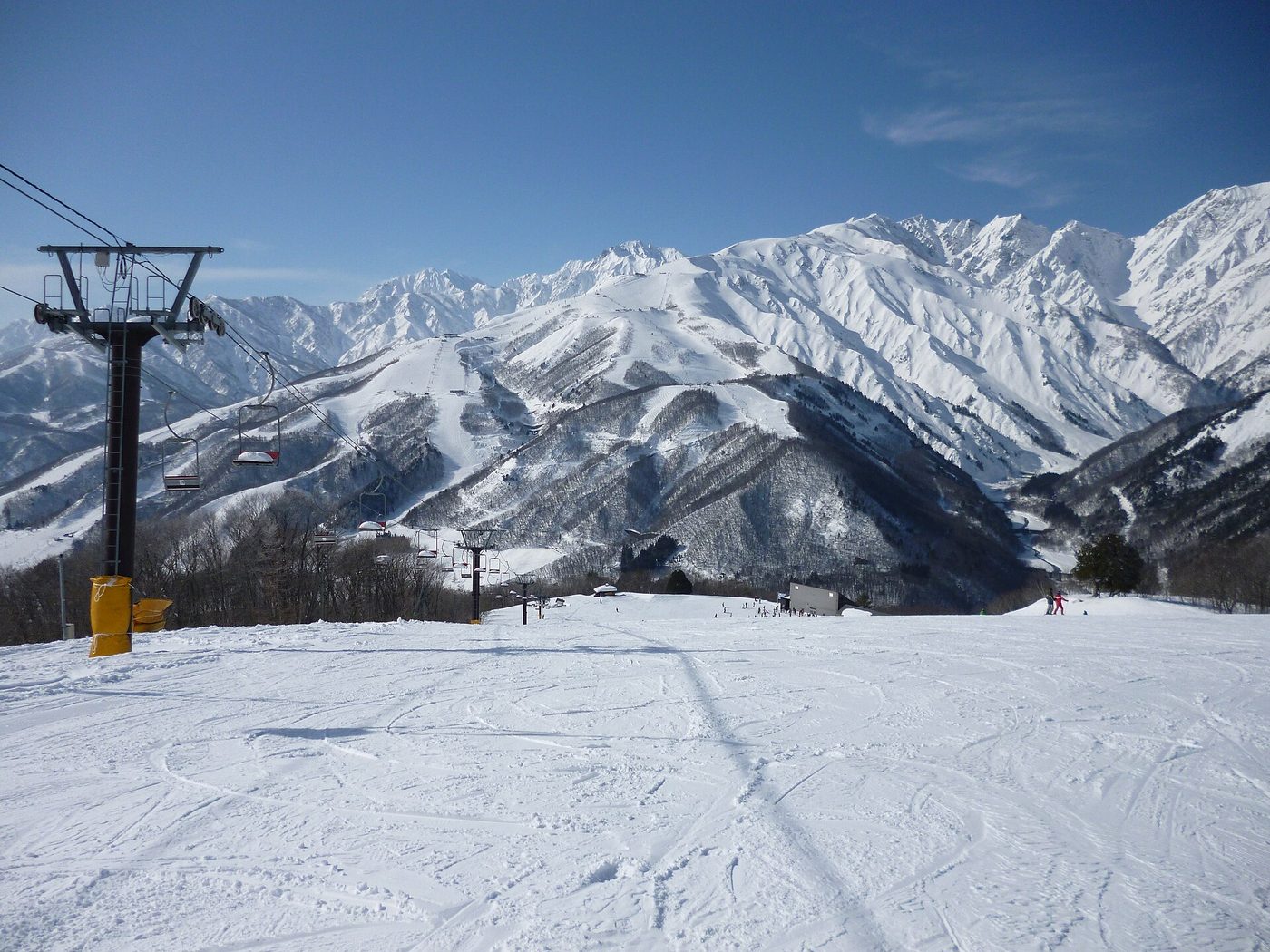
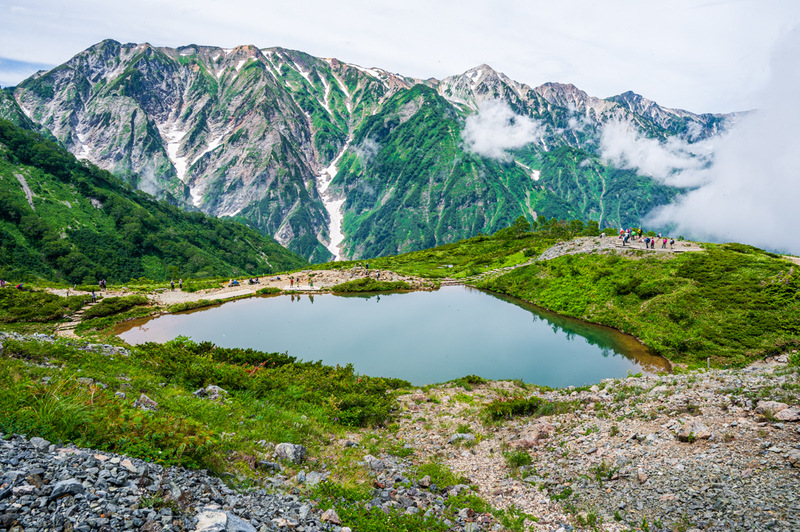
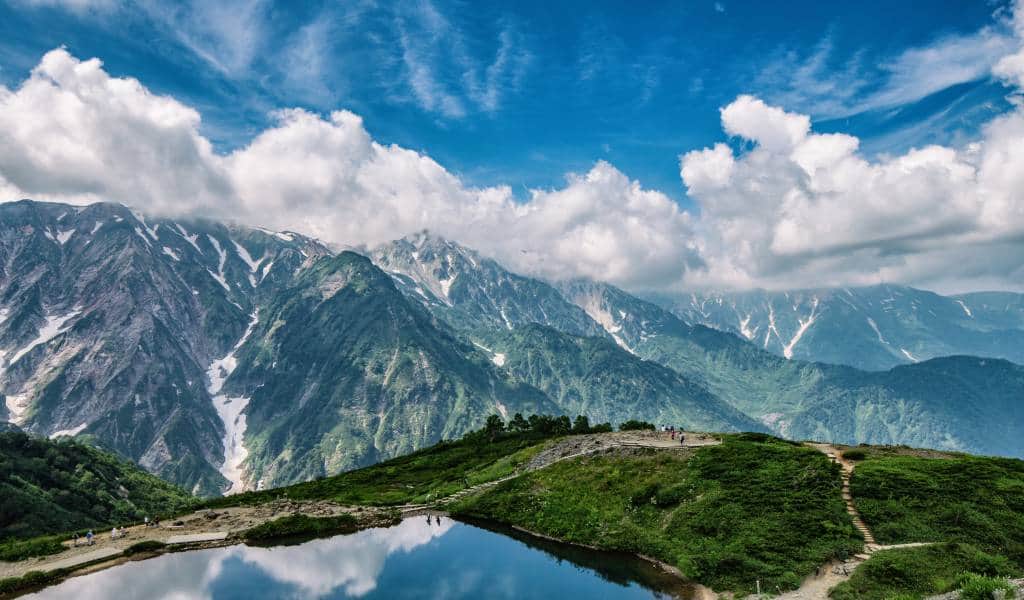
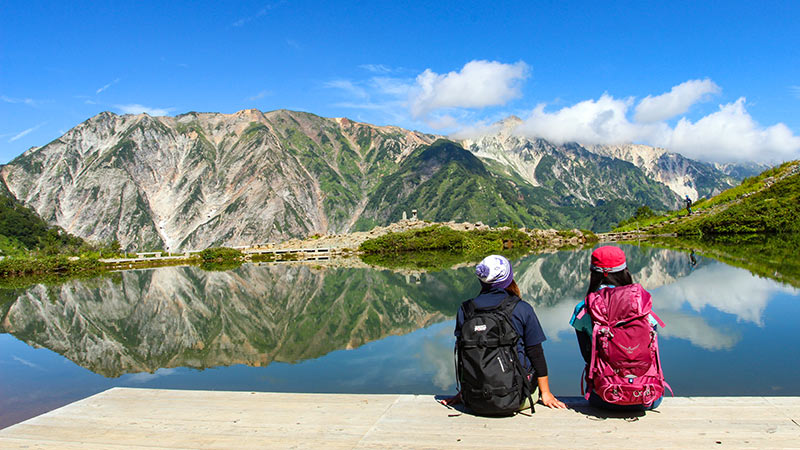
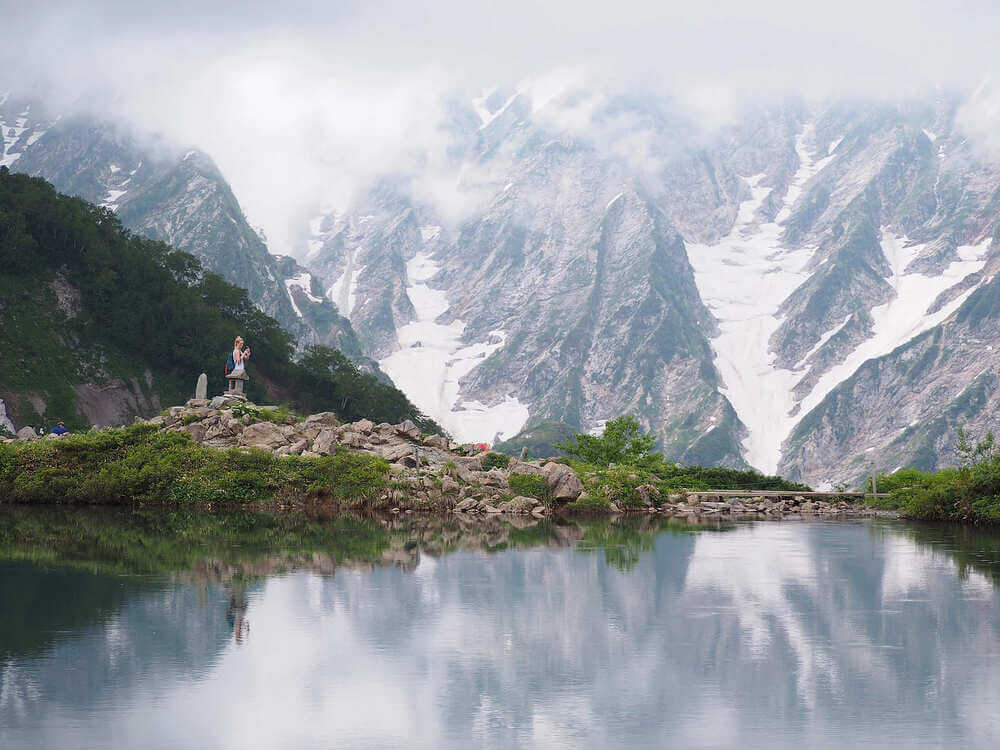
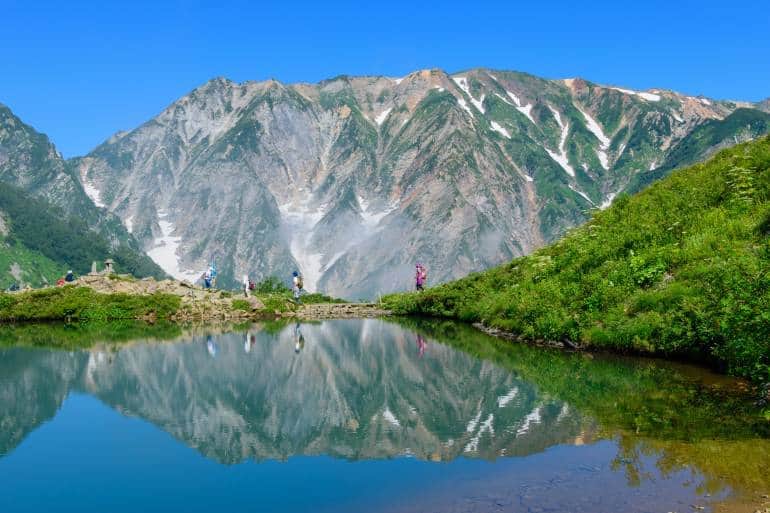
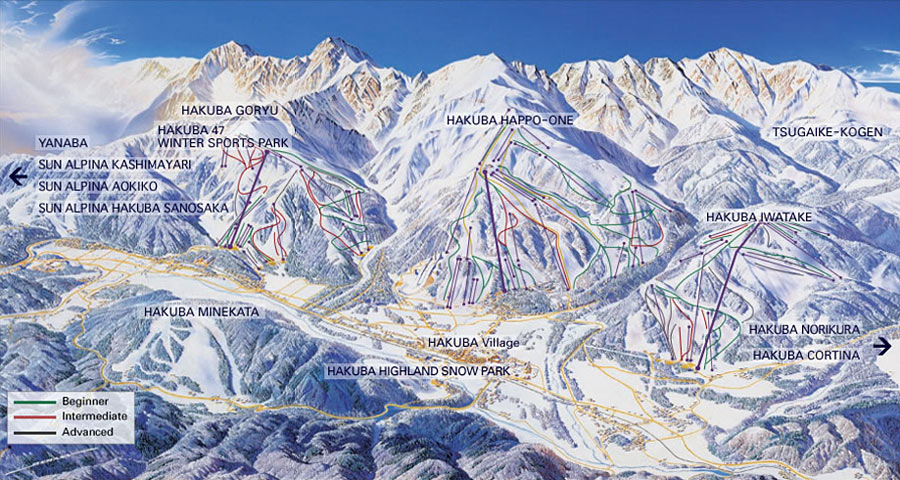
World-class alpine hiking in summer. The Happo-one trail offers views of the Northern Alps peaks. Alpine flowers bloom July-August. Gondola and chairlift access makes high-altitude hiking accessible.

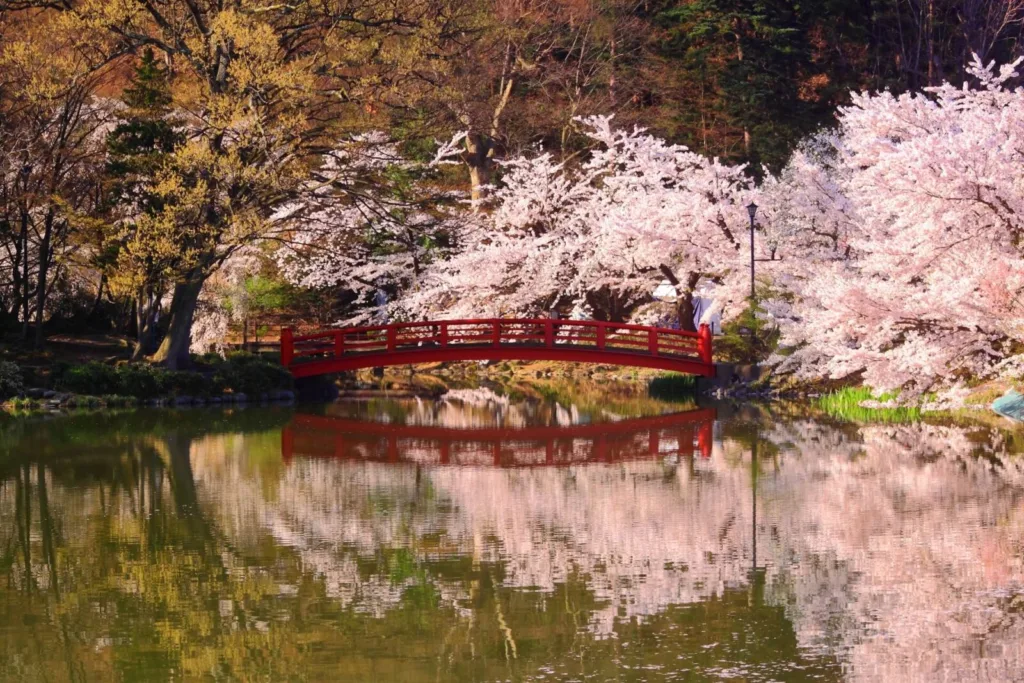
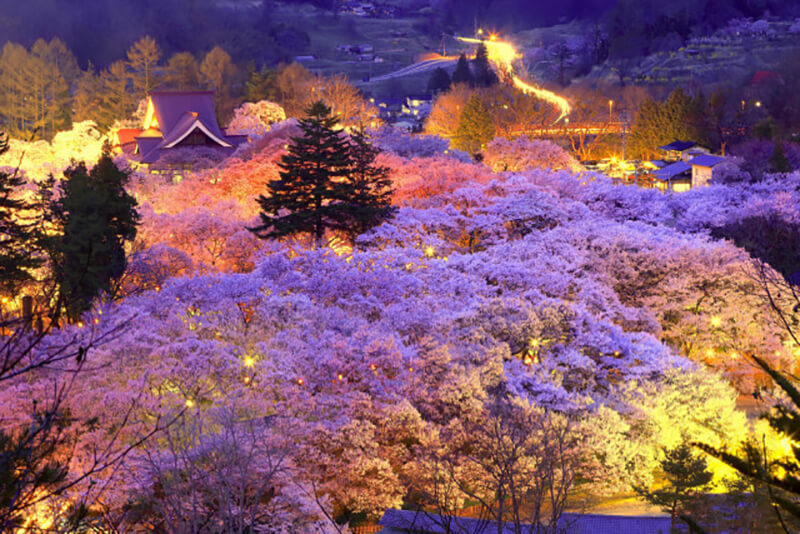
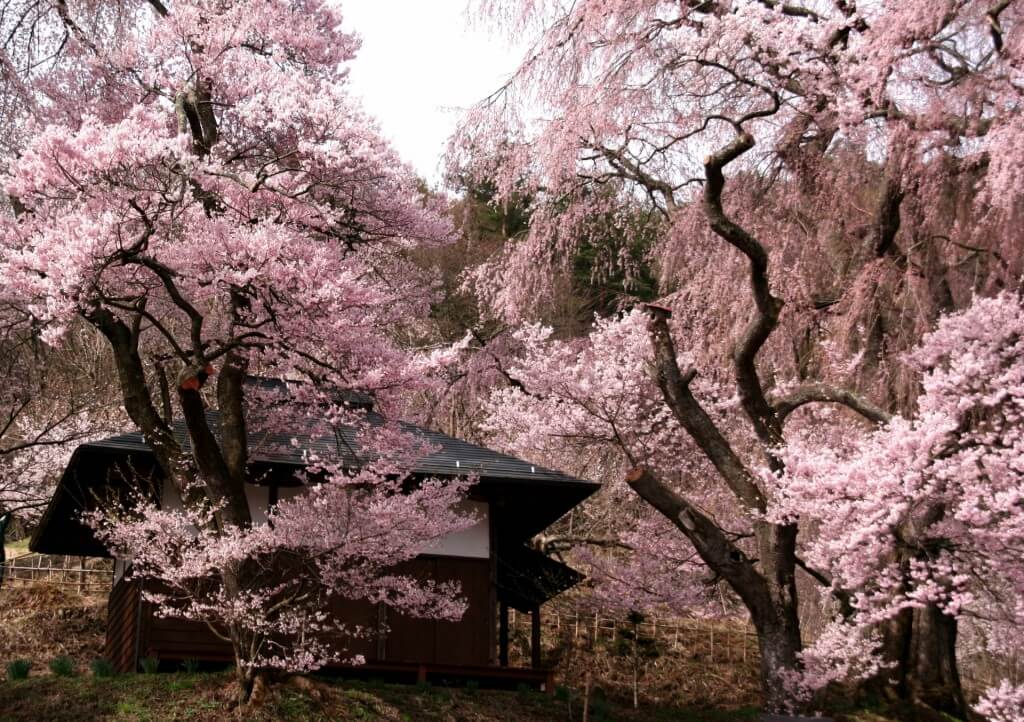
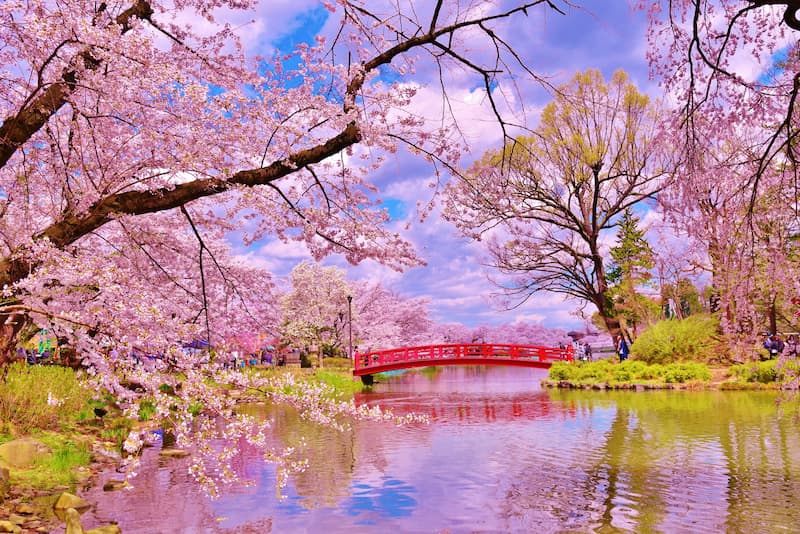
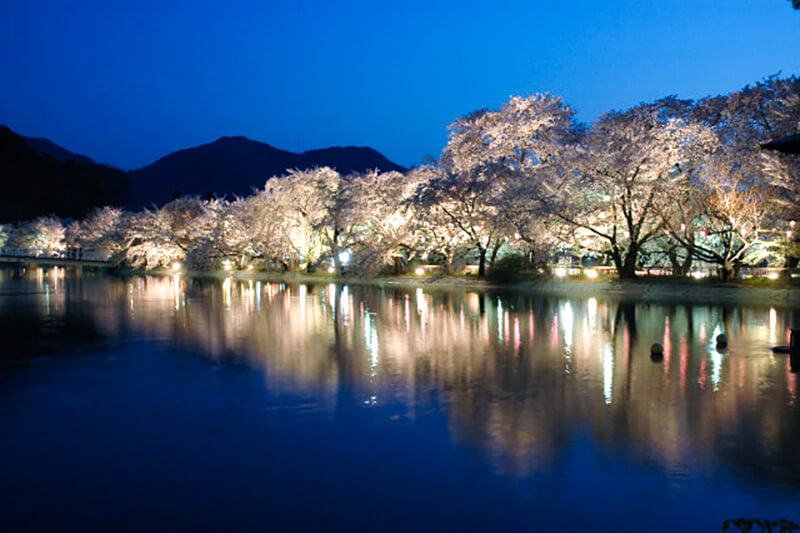
One of Japan's top 100 cherry blossom sites. Over 600 trees bloom simultaneously. The sakura canopy is thick enough to block out the sky. Combined with Suzaka Zoo makes a great spring day trip.

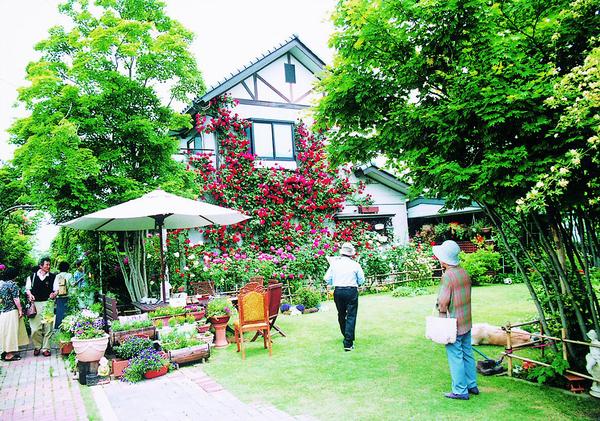
Residents of Obuse open their private gardens to visitors. Over 100 gardens participate. Each garden reflects its owner's personality. The community openness is rare and touching.

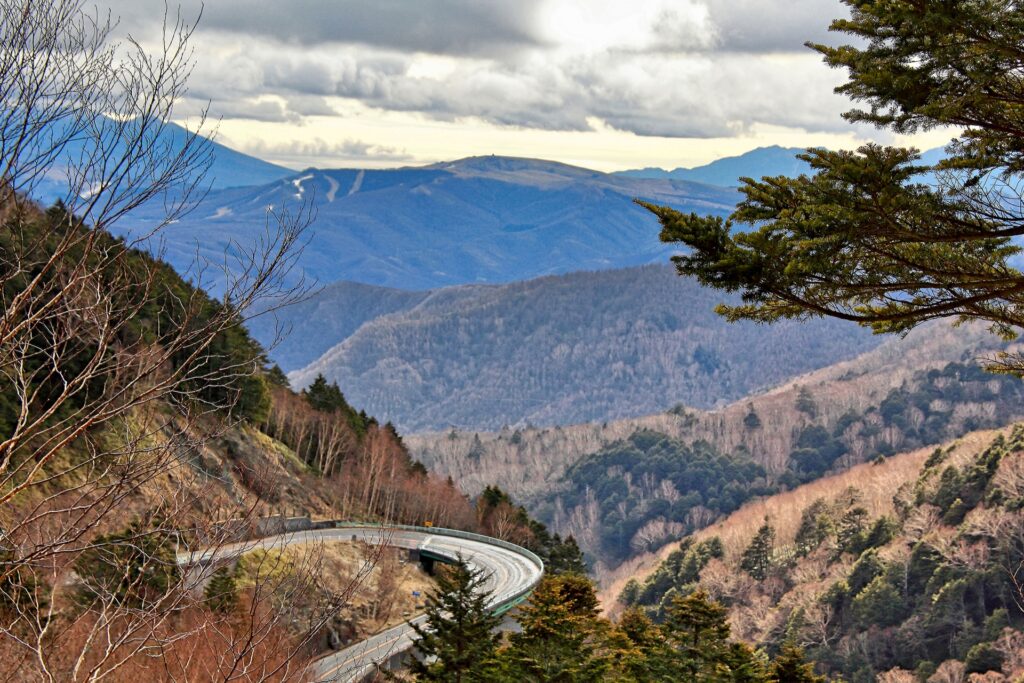
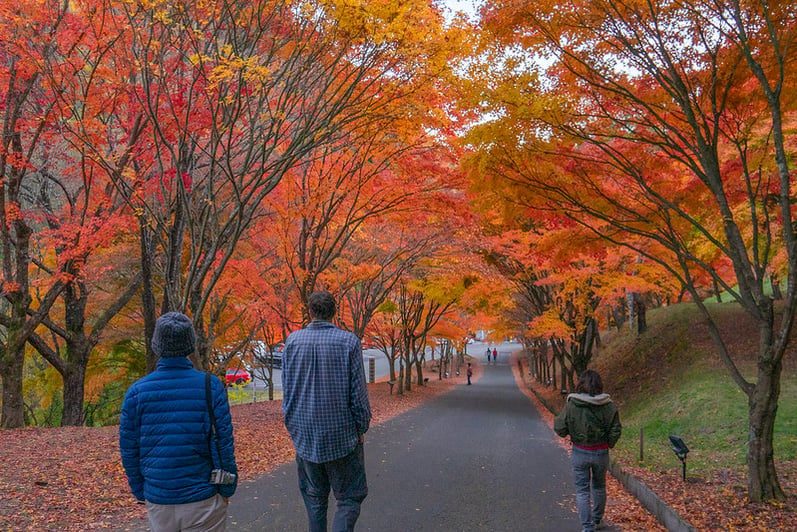
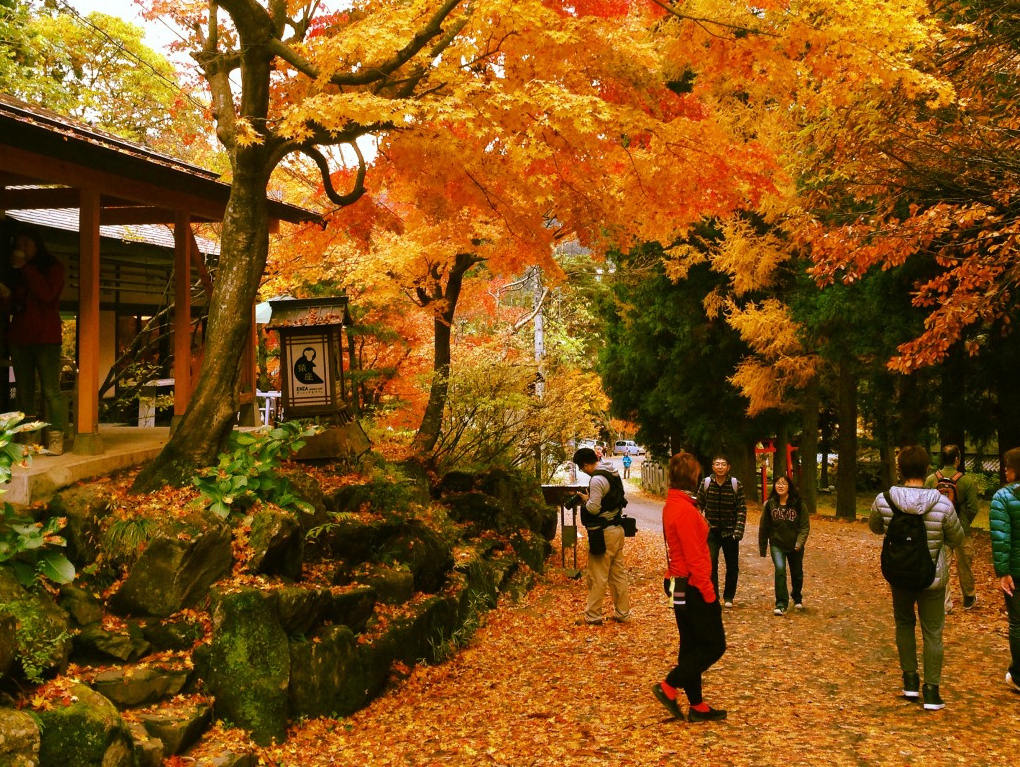
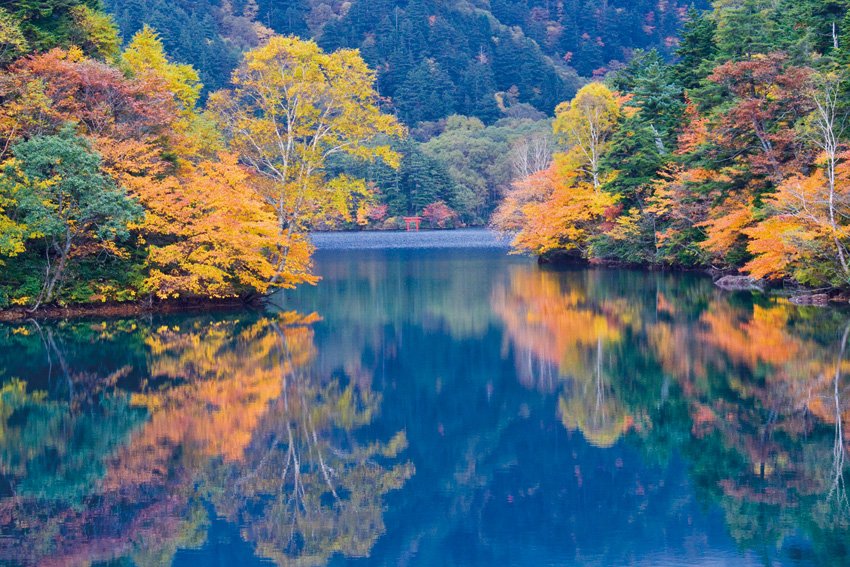
Drive through the Nagano mountains during peak autumn color (mid-October). The route from Togakushi through highland plateaus is one of Japan's finest foliage drives. Larches turn golden.

8km preserved section of the Edo-period highway between Kyoto and Tokyo, walk between two perfectly preserved post towns through...
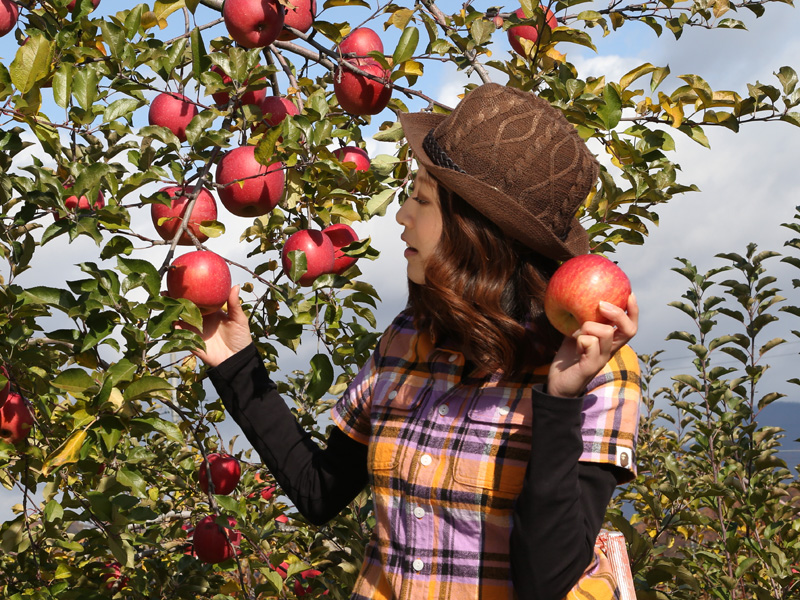
Village-to-village walk on ancient Nakasendo road. Preserved post towns: Magome and Tsumago.
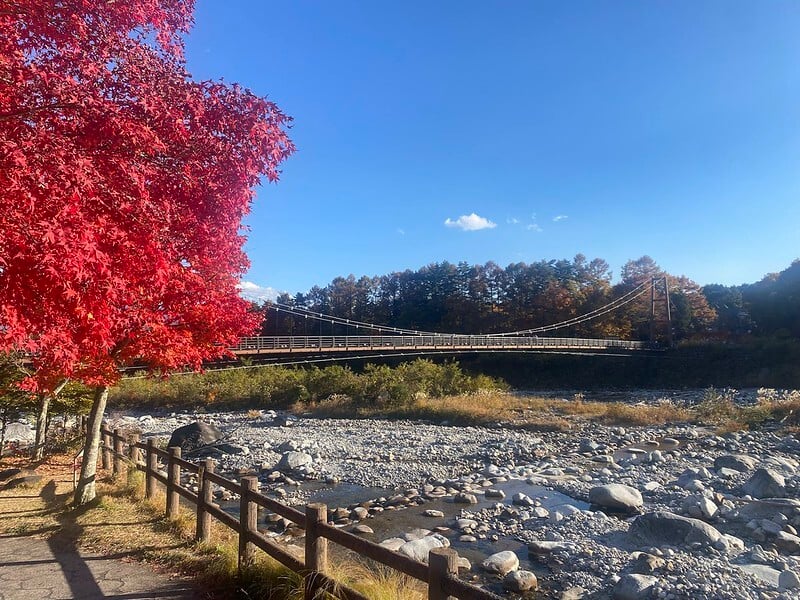
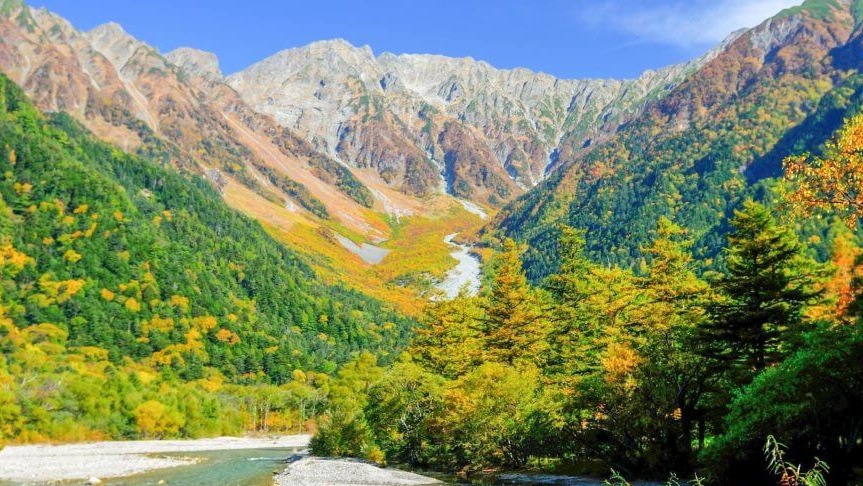
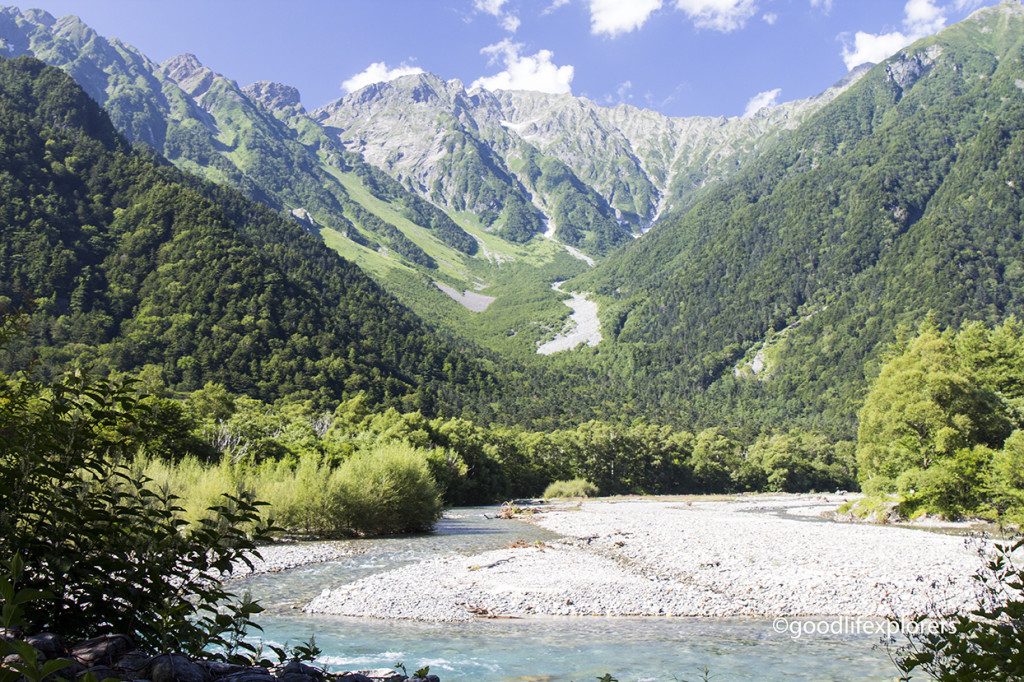
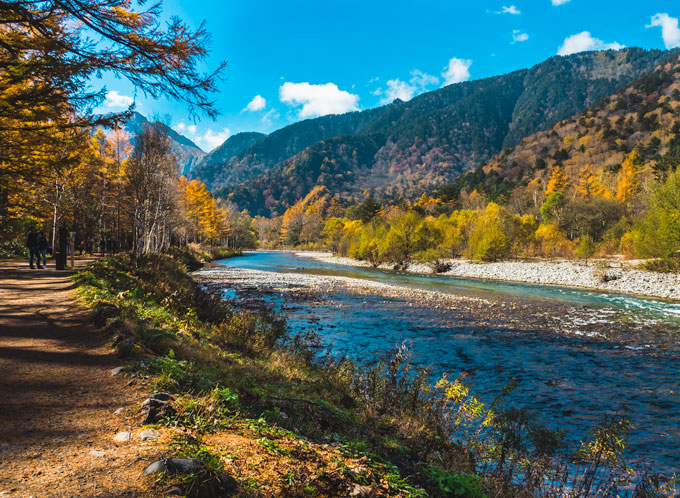
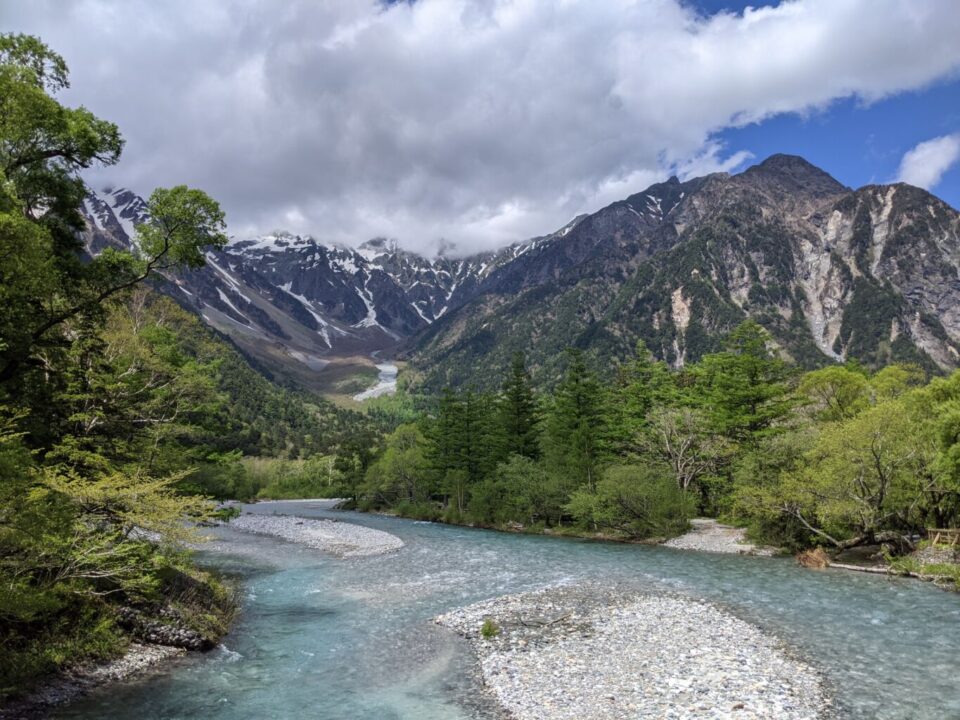
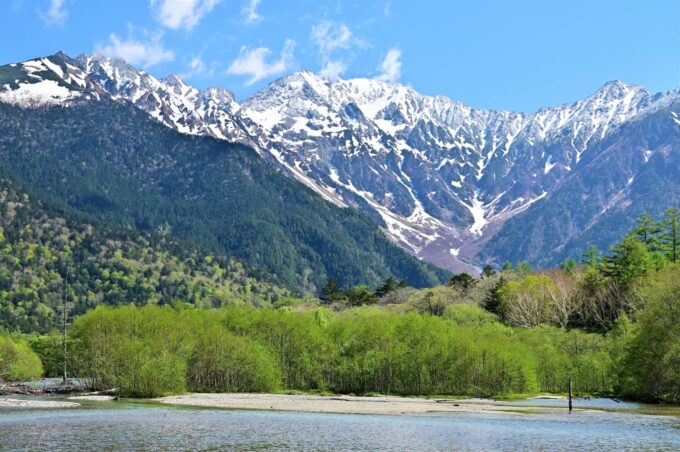
Pristine alpine valley. Kappa Bridge, crystal-clear rivers, mountain hiking. Day trip from Matsumoto.

Hot springs, whisky distilleries, festivals, and one-of-a-kind encounters.

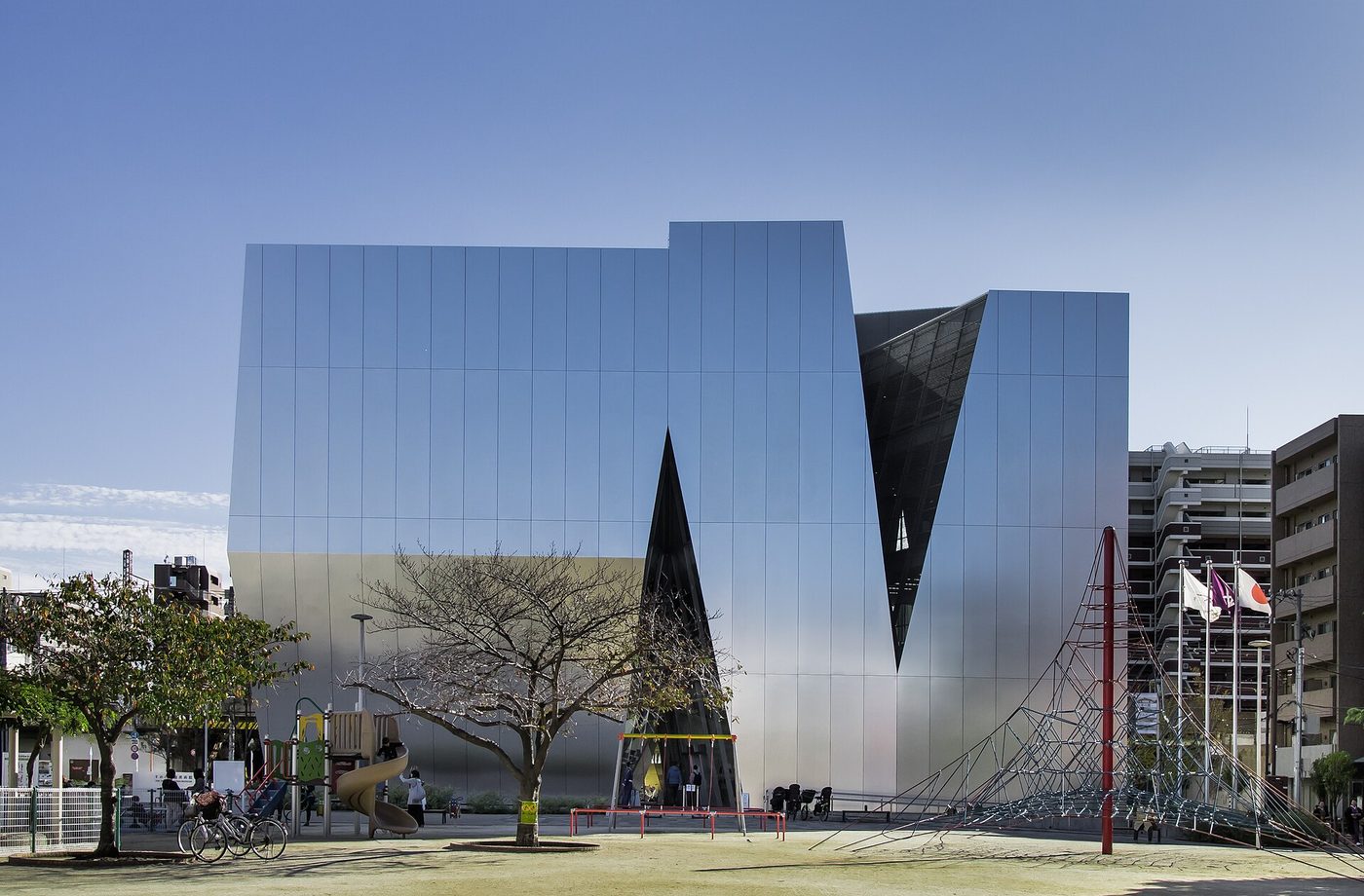
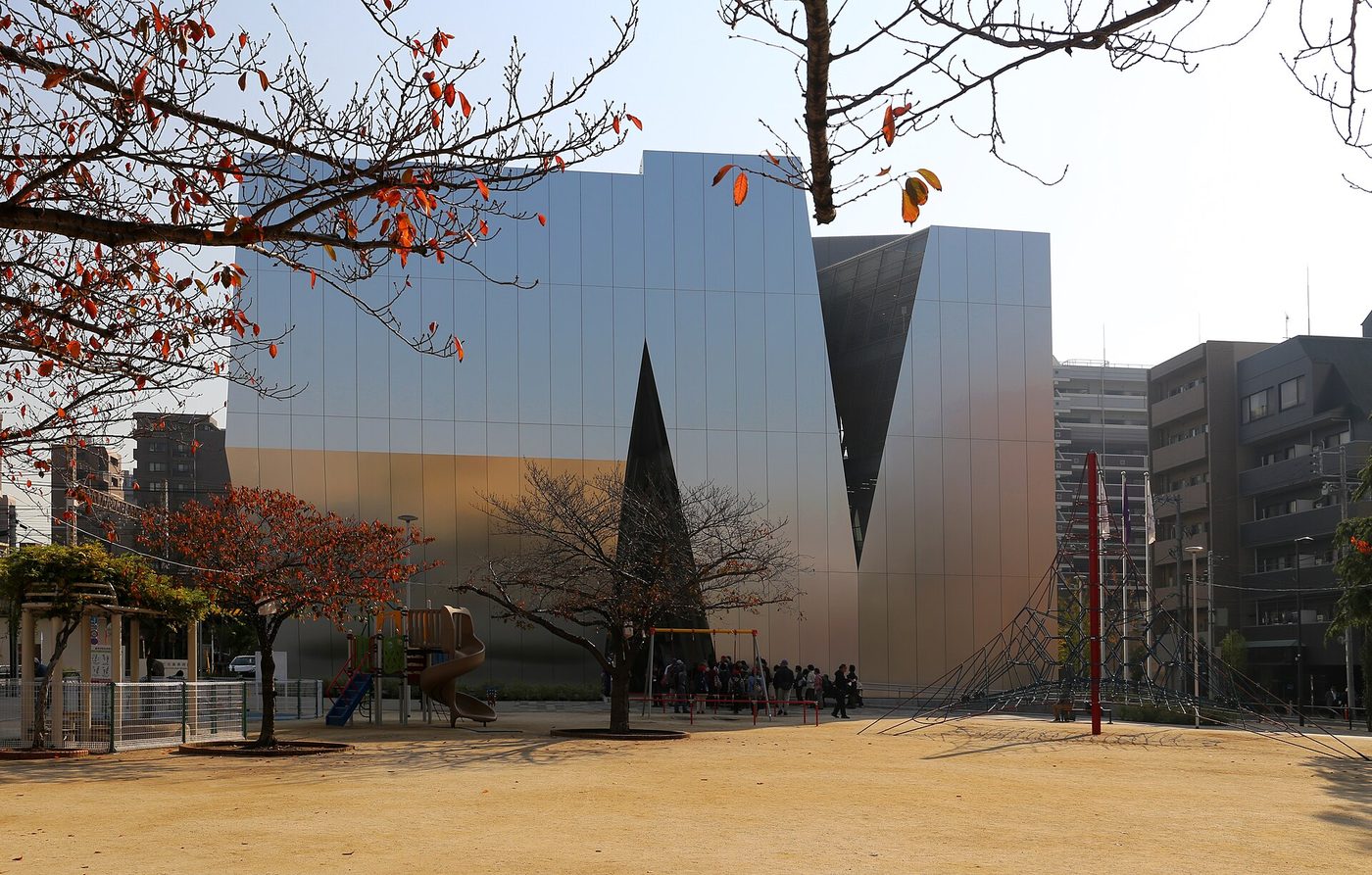
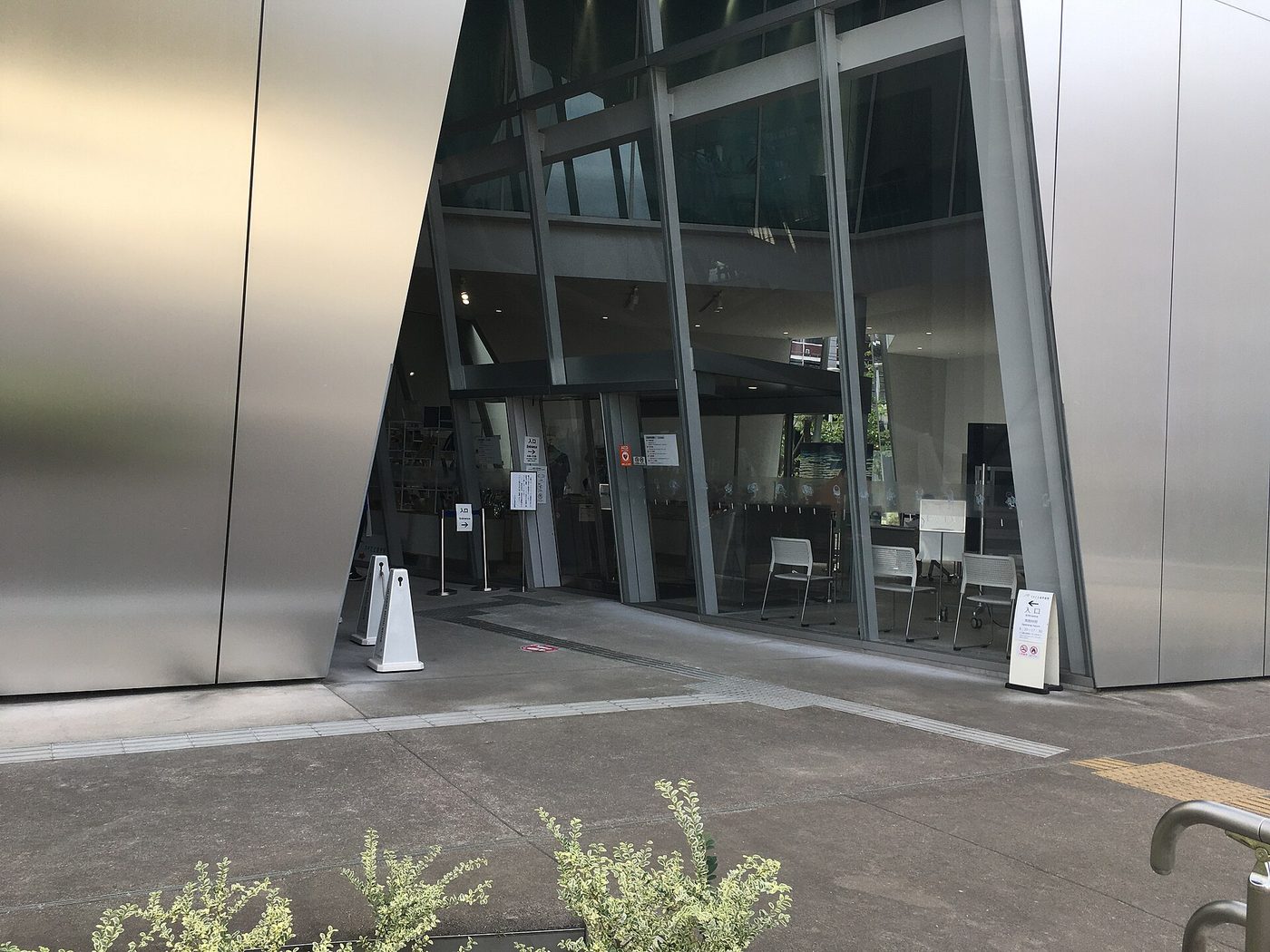
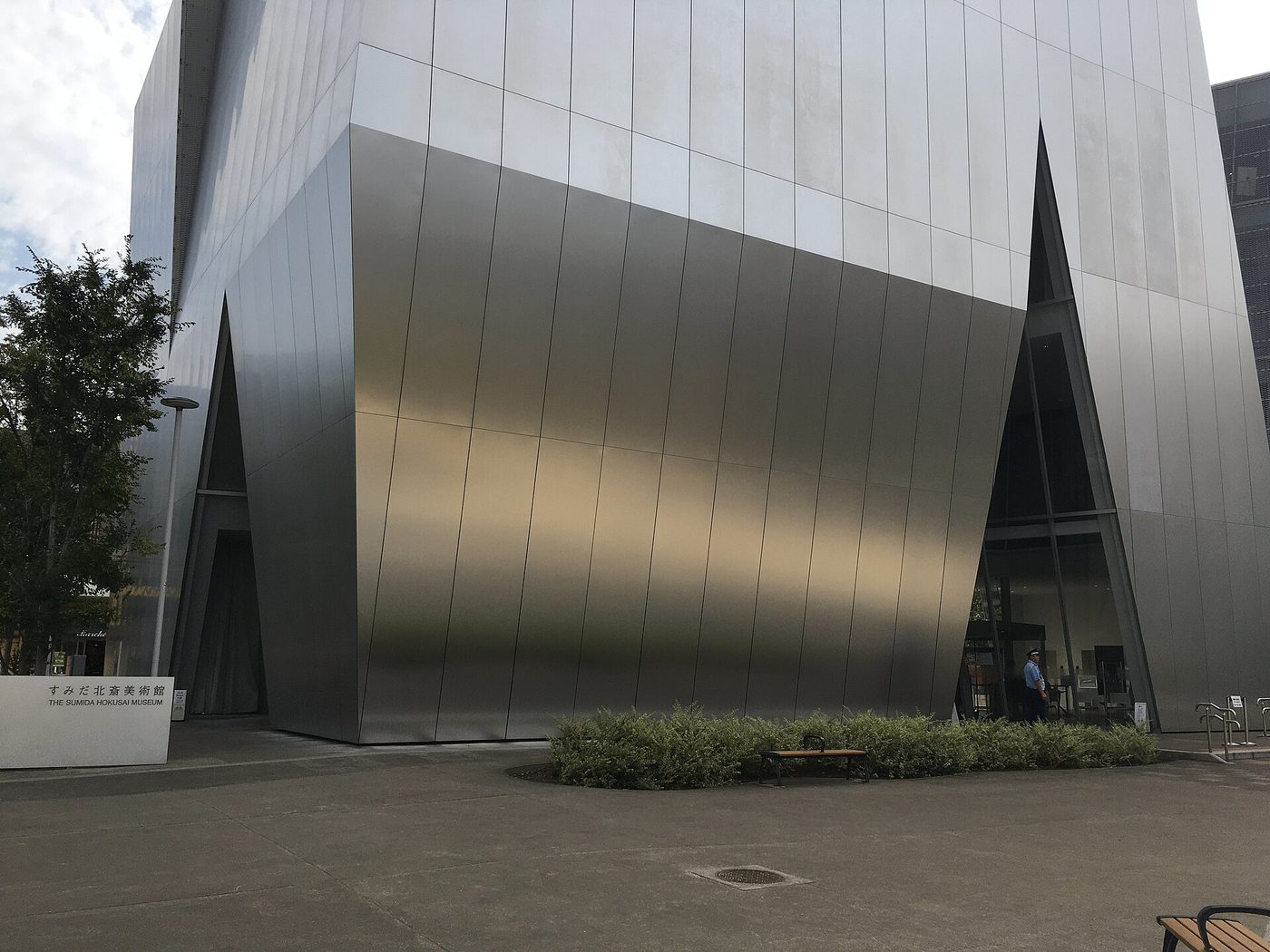
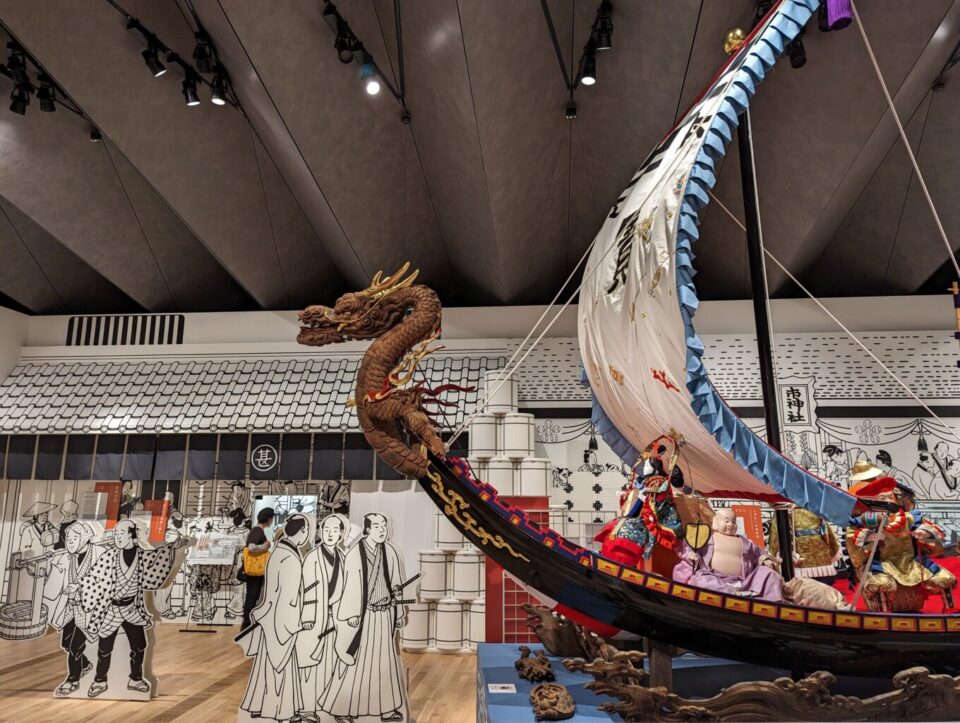
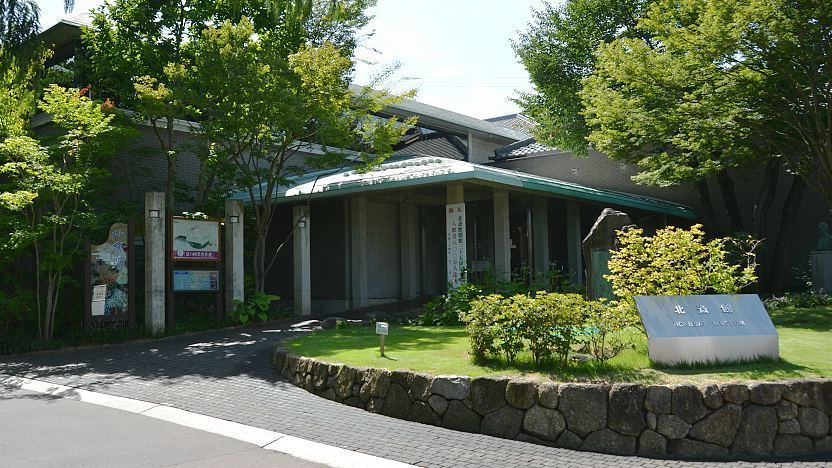
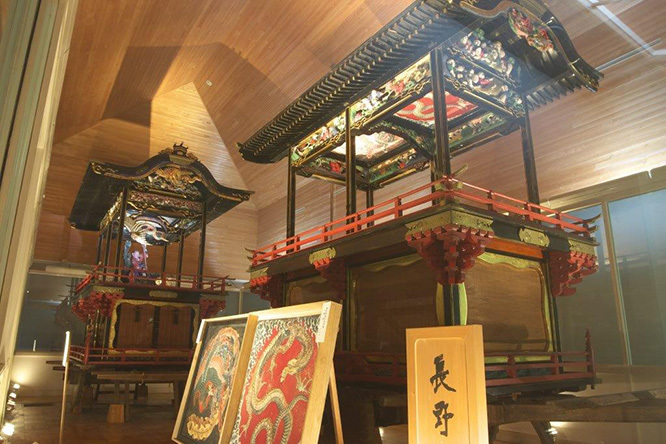
Museum dedicated to Katsushika Hokusai's late works. The stunning wave and phoenix ceiling paintings he created at age 89 are magnificent. The festival float ceiling is a masterpiece. Small but world-class.

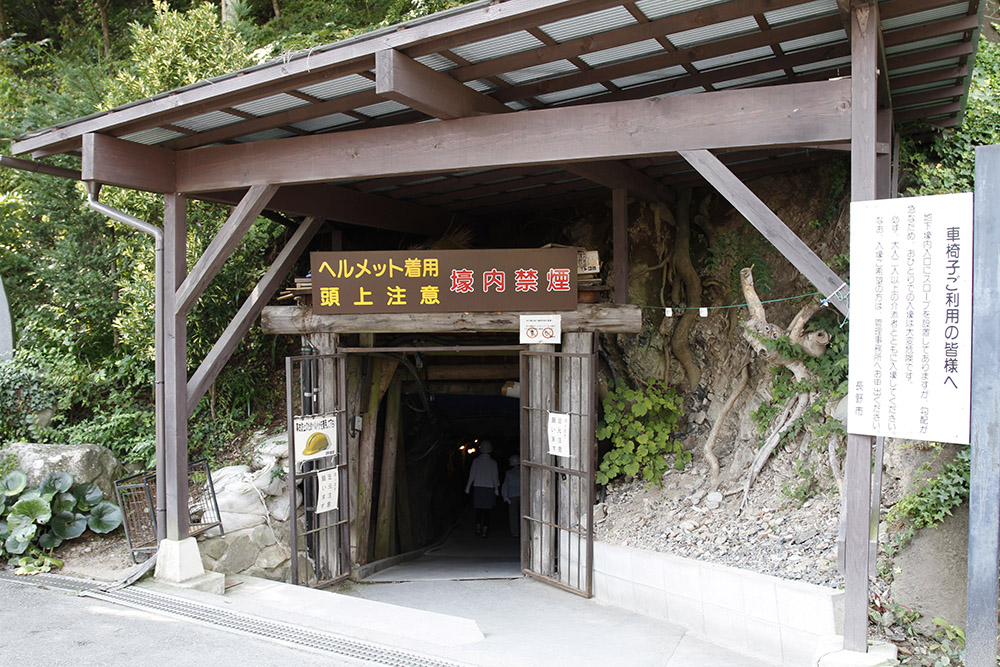
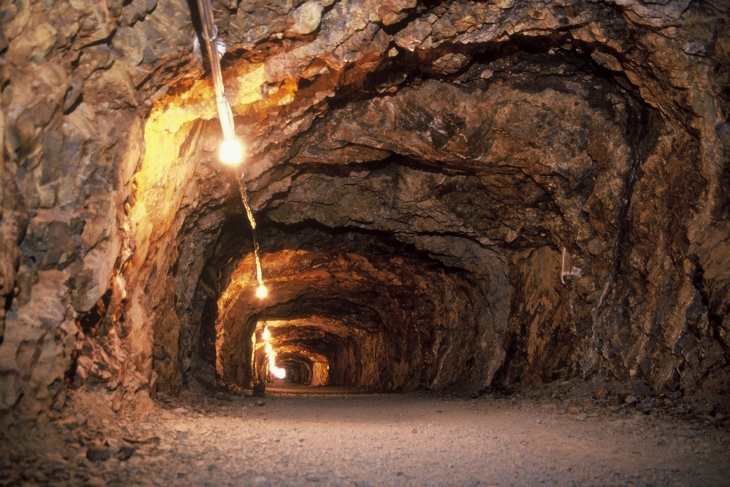
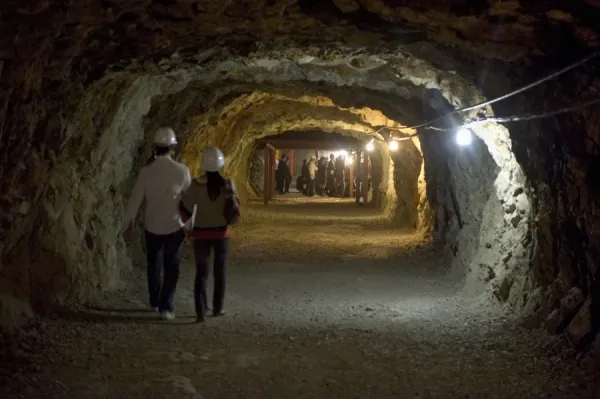
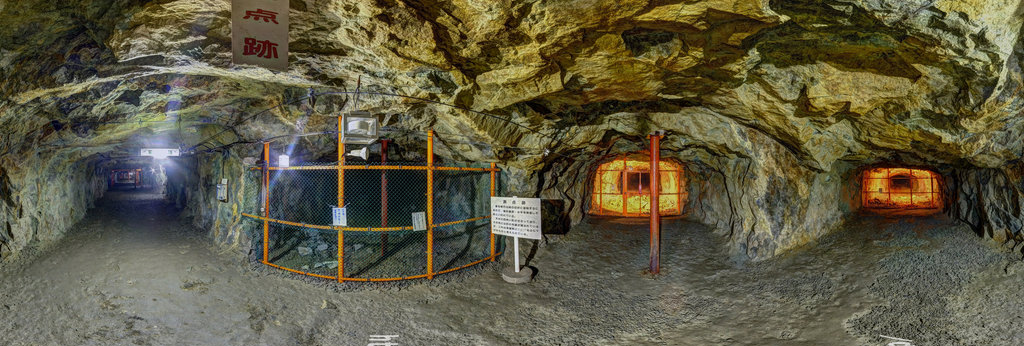
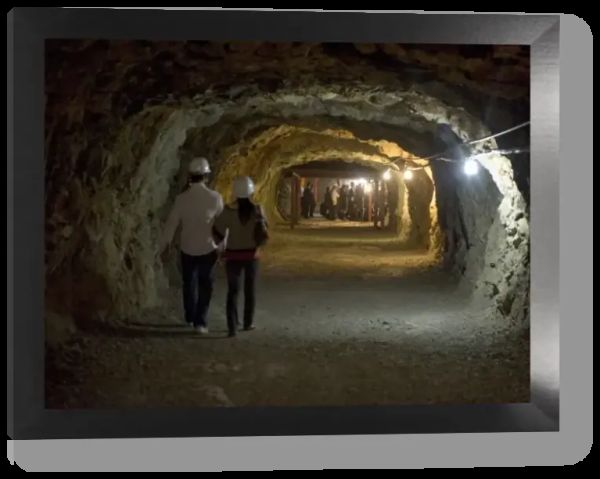
Secret WWII tunnels dug to relocate the Imperial government in case of invasion. 10km of tunnels carved by forced labor. Sobering historical site. Partially open to public. 30 min from Nagano center.

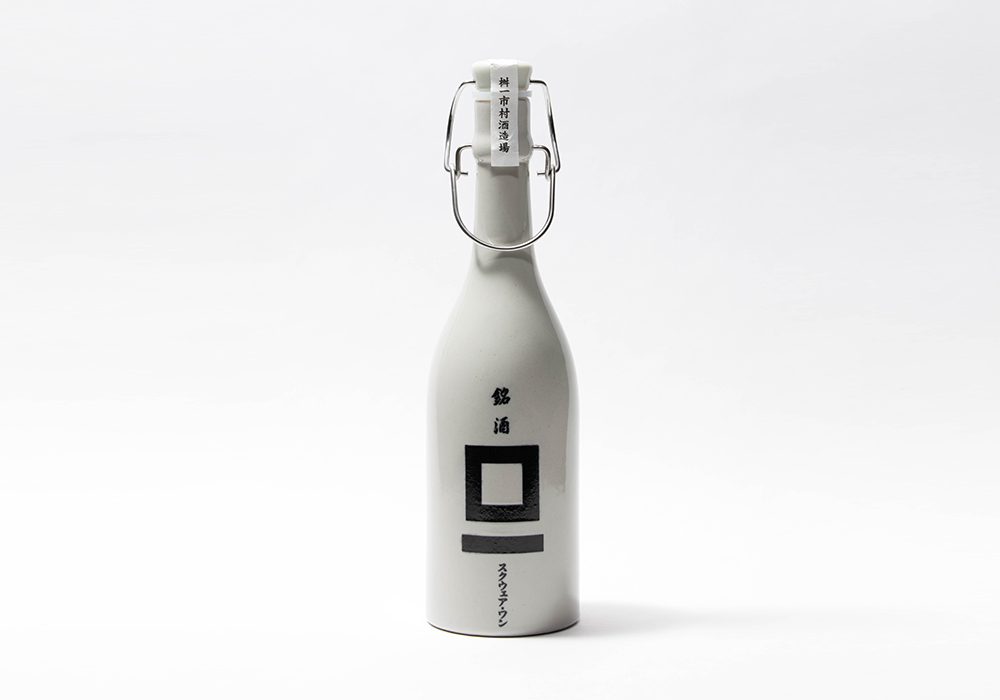
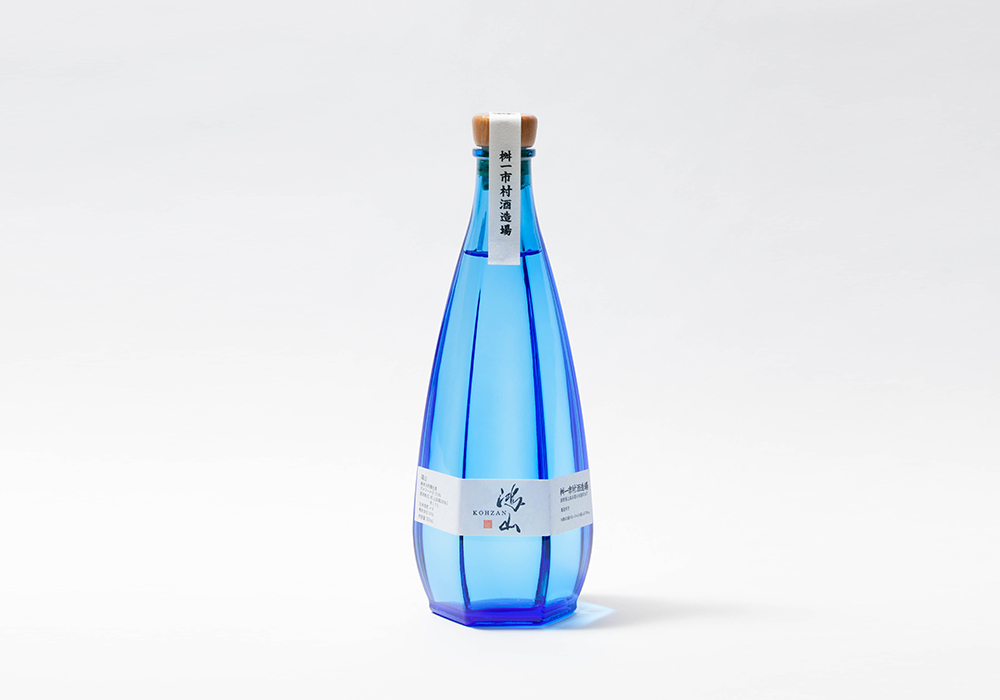
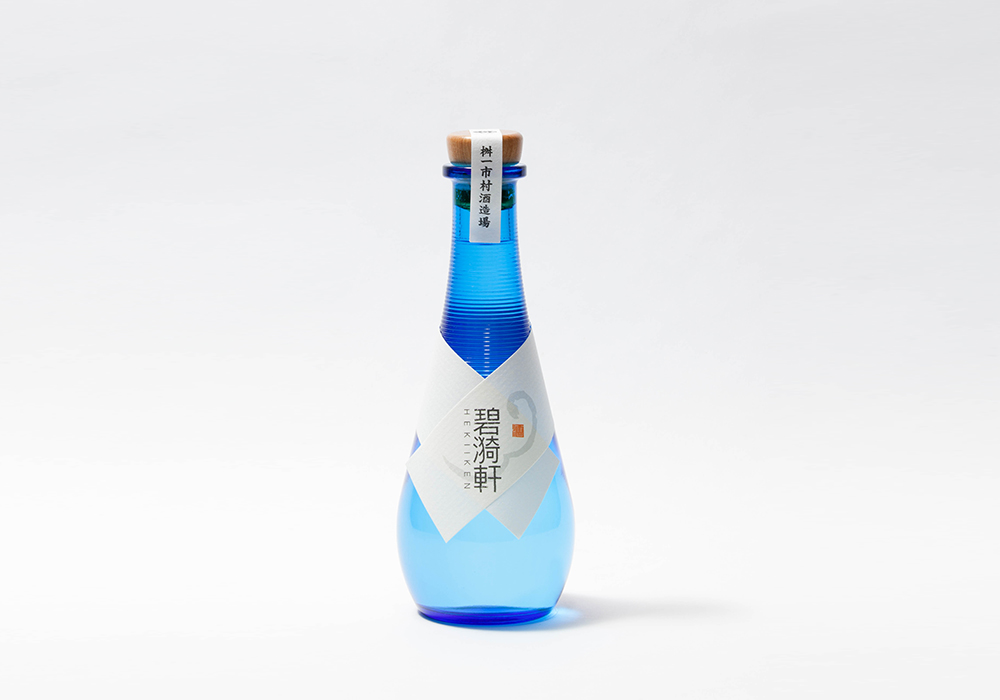
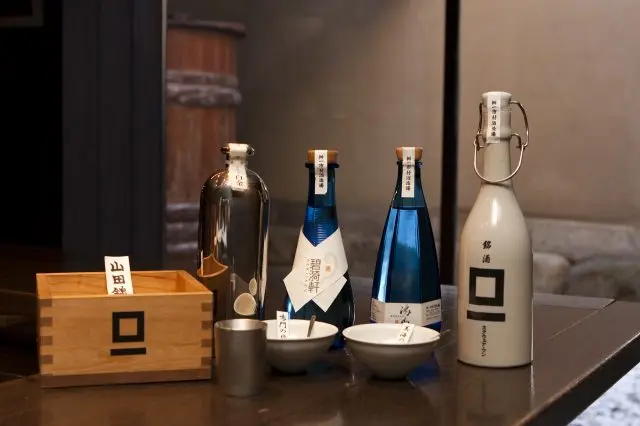
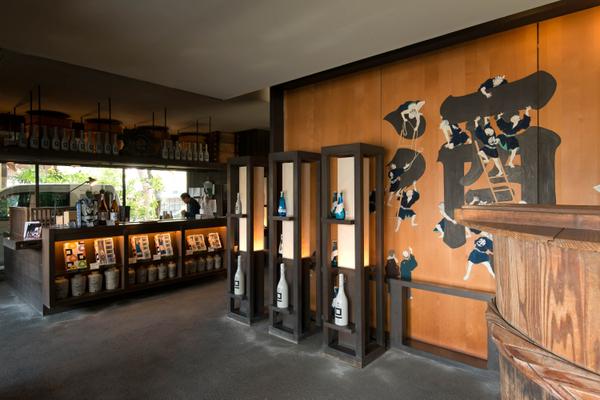
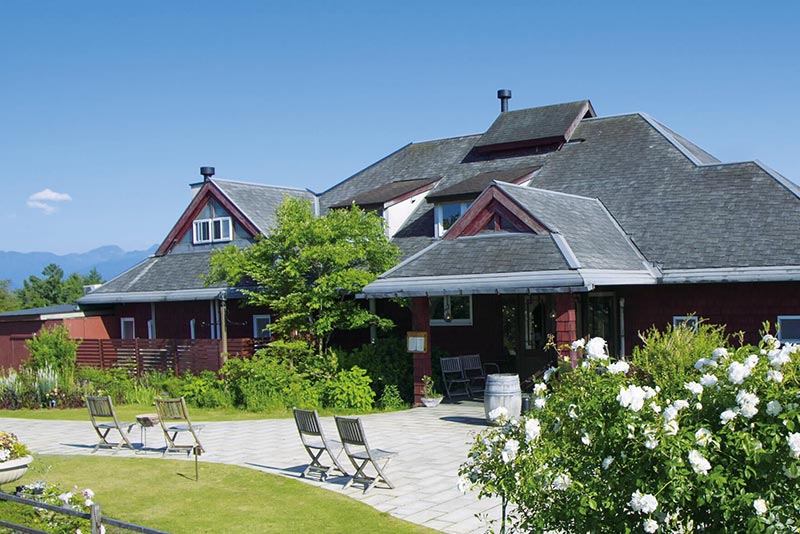
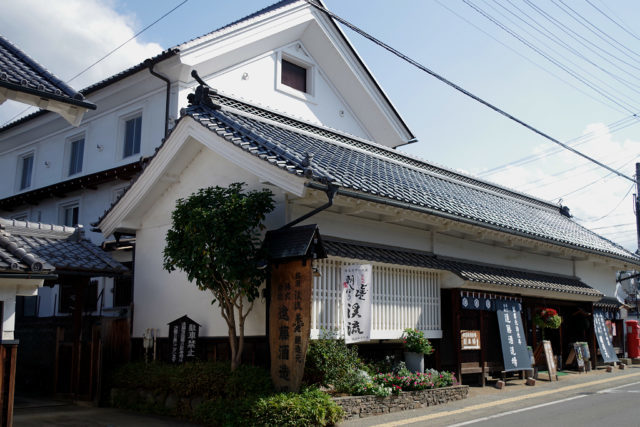
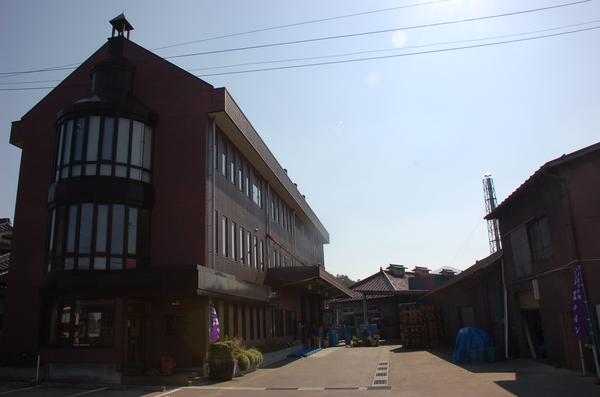
Historic sake brewery in Obuse town. Their Squall sake is a seasonal fresh-pressed unpasteurized brew that sells out instantly. The tasting room also serves excellent food.

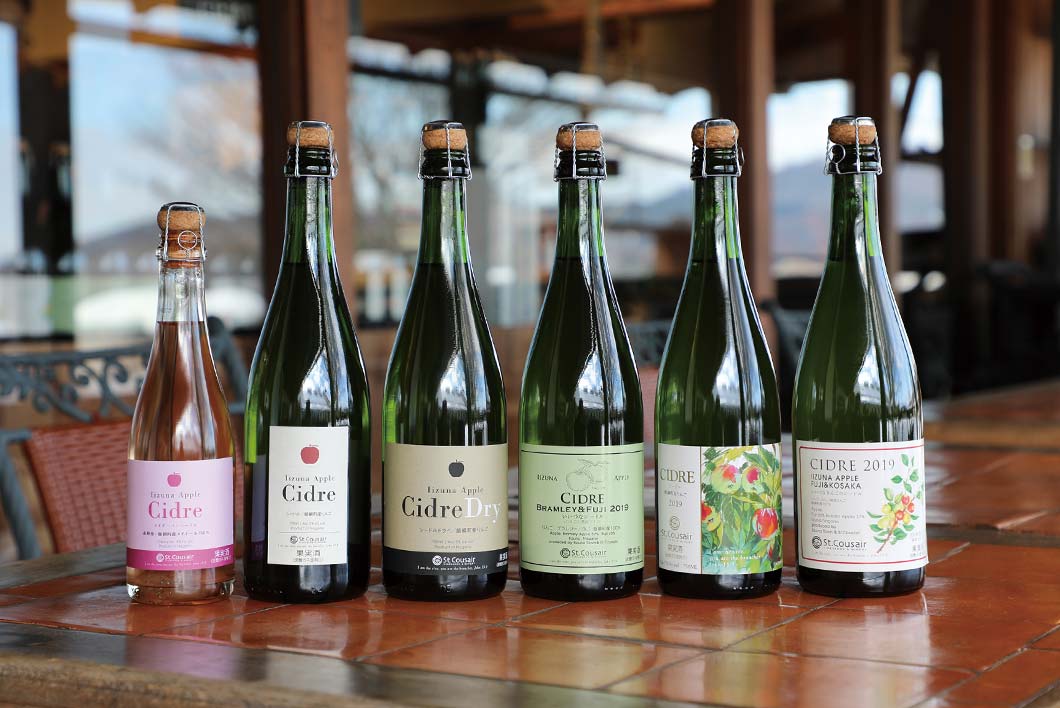
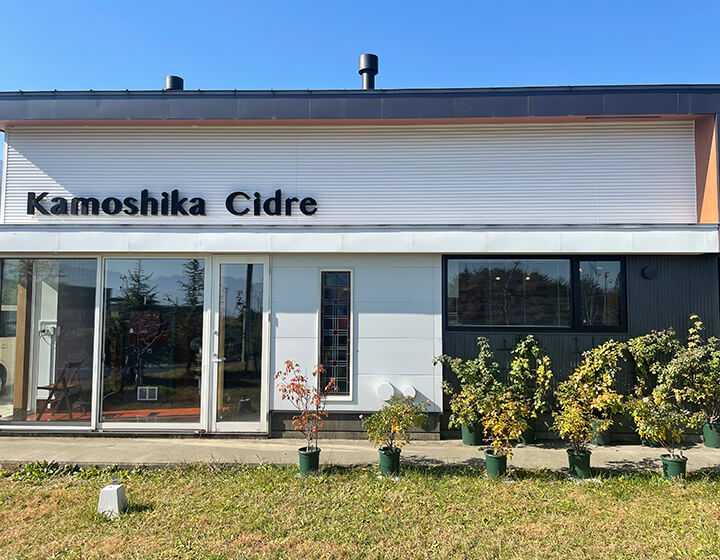
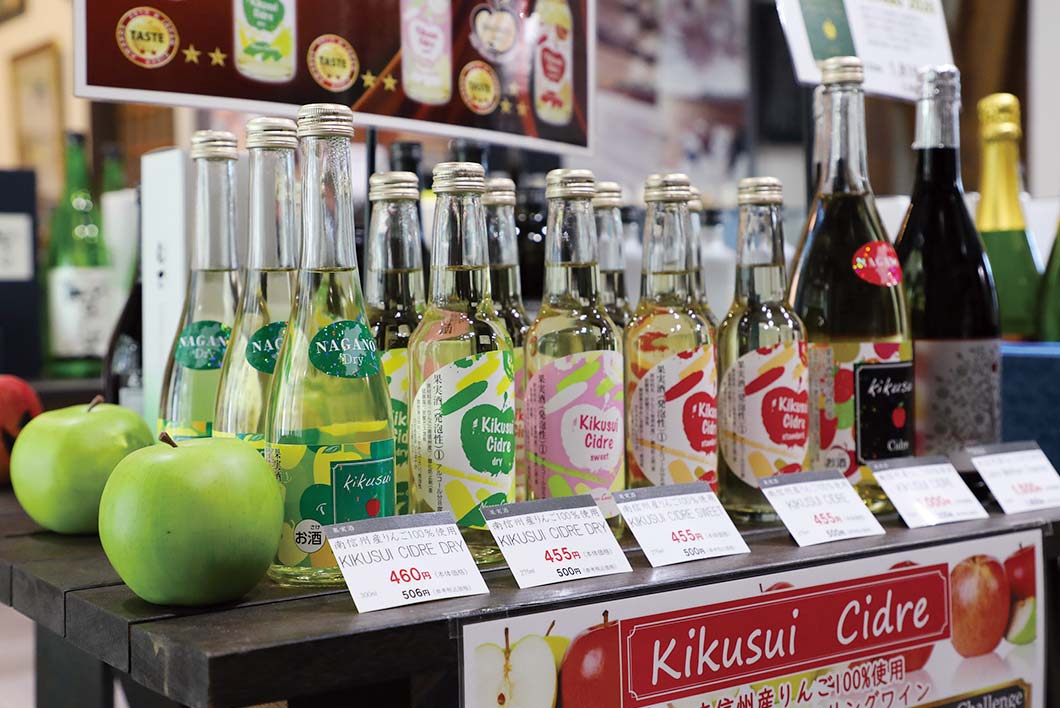
Hard apple cider is growing in Nagano. Several craft cider producers use local apples. Tasting rooms offer flights of different apple varietals. Refreshing alternative to sake and beer.

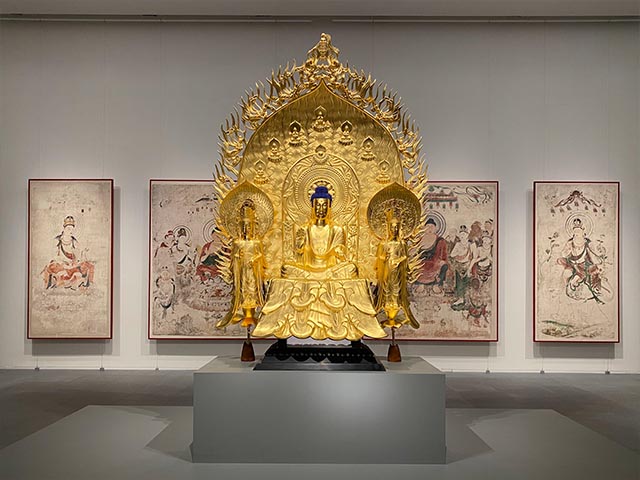
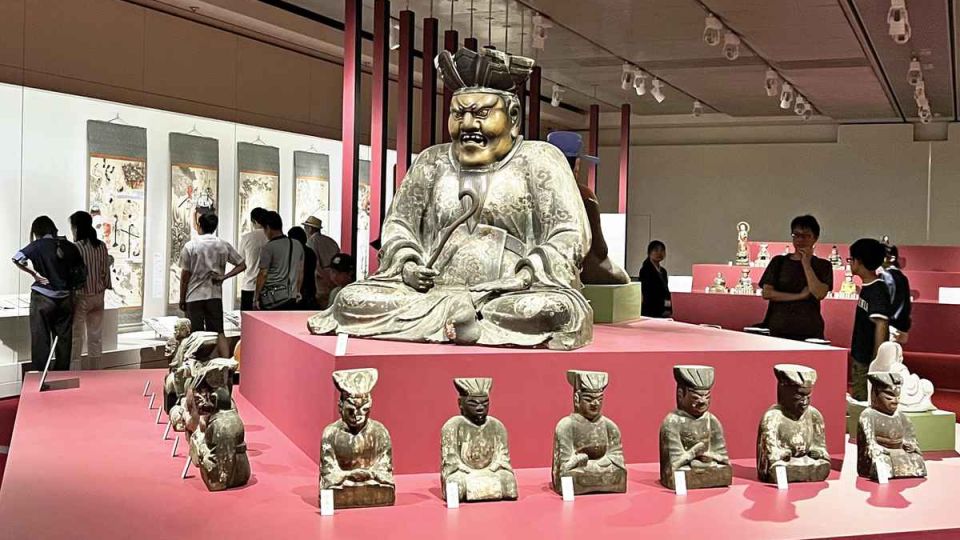
Collection of Buddhist sculptures and art from temples throughout the region. Excellent carved wooden Buddha figures. Complements the Zenkoji temple visit with historical context.

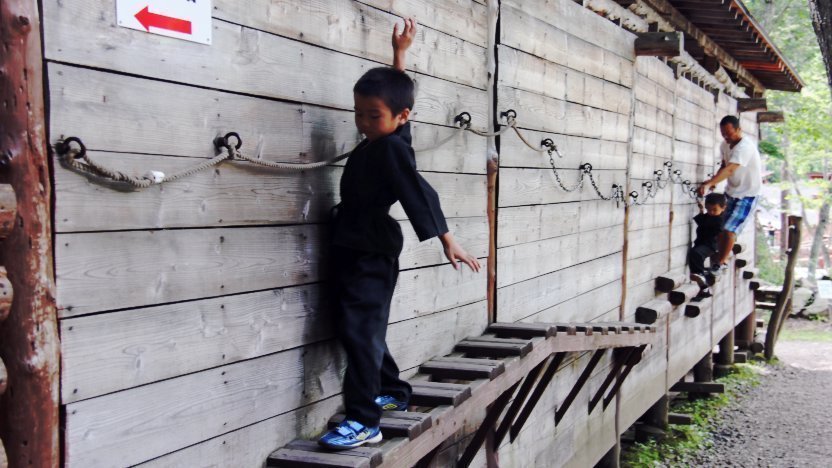
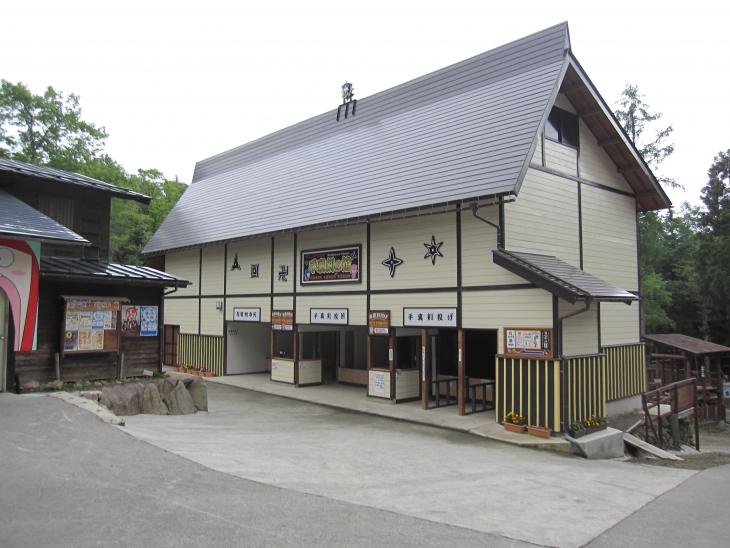
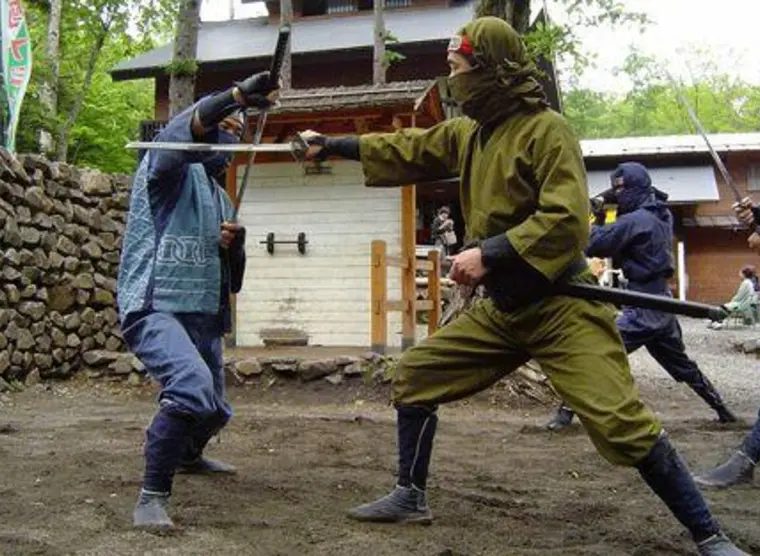
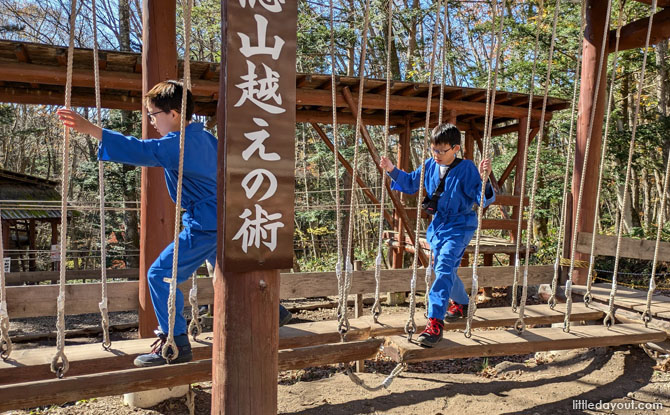
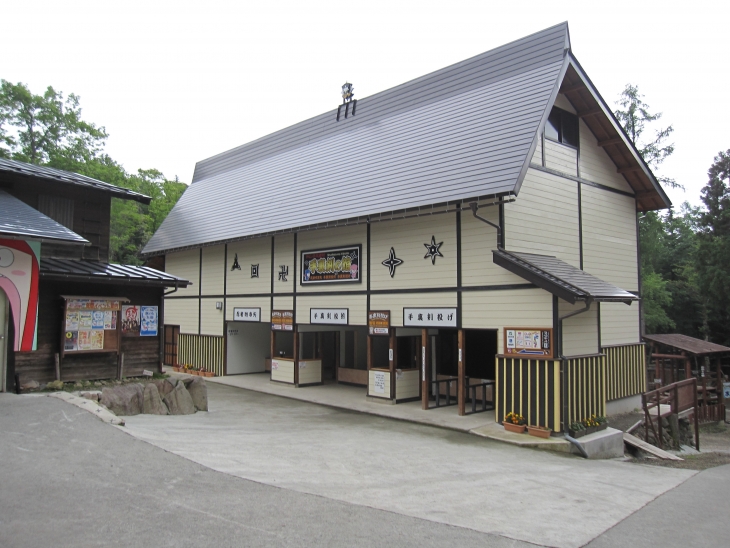
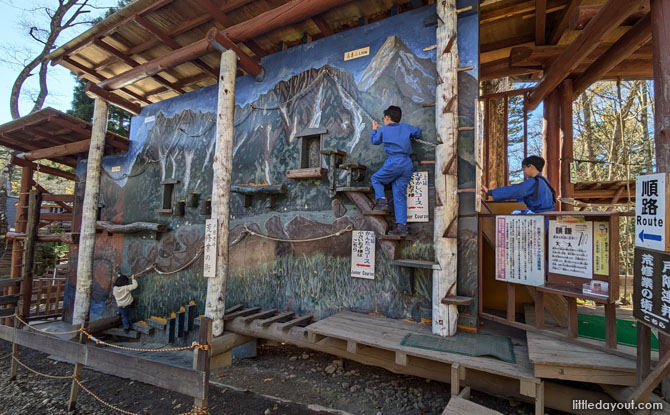
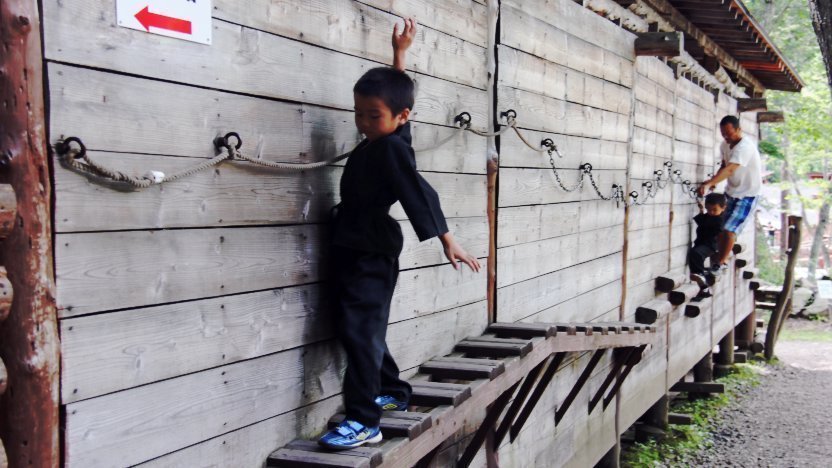
Theme attraction near Togakushi Shrine about the Togakure ninja school (one of three original schools). Ninja houses with hidden doors, throwing star practice, and obstacle courses. Fun for families.

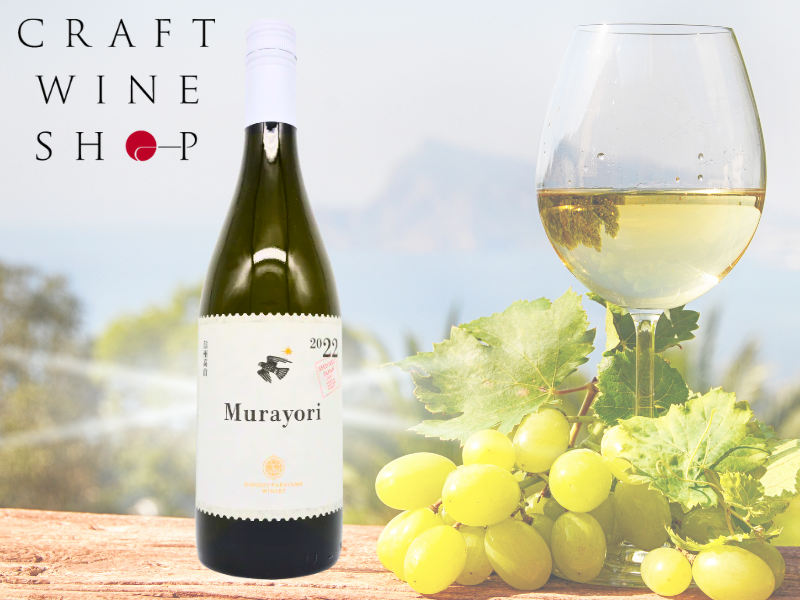
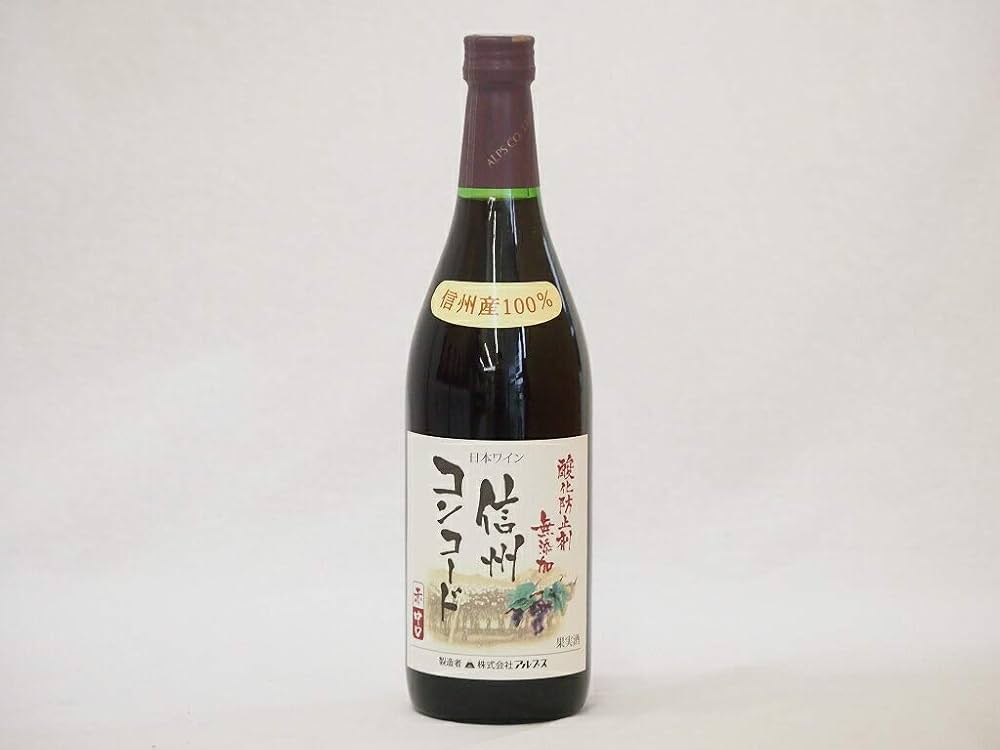
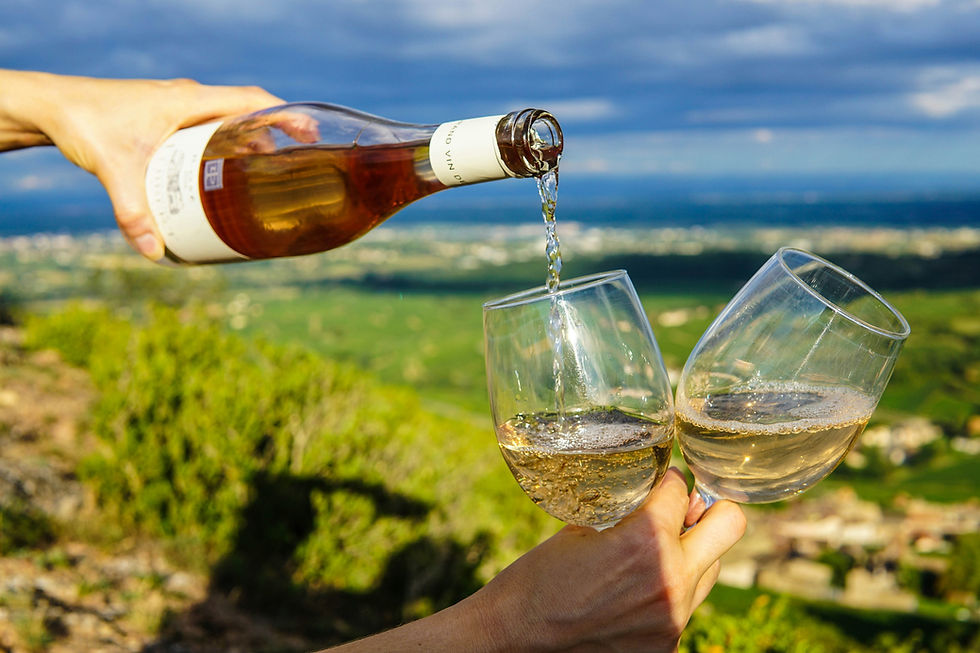
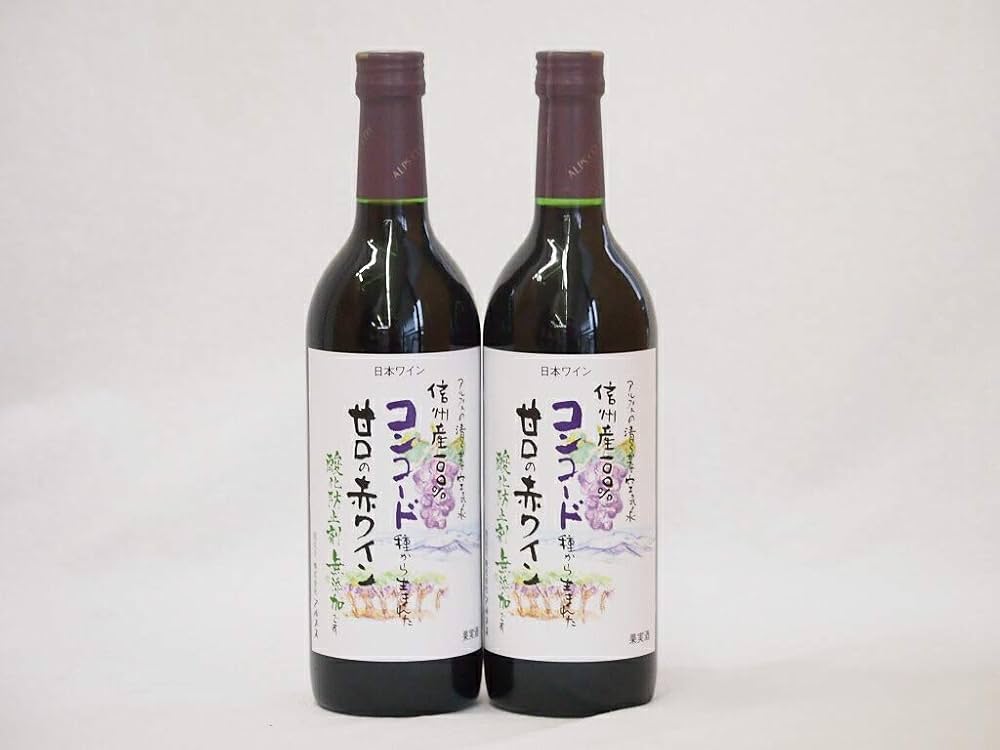
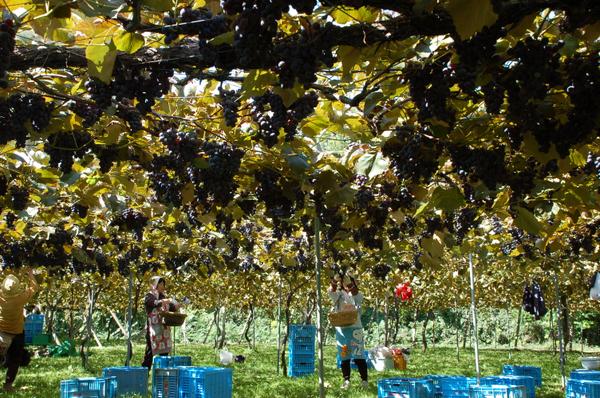
Nagano is Japan's second-largest wine region. Multiple wineries in the foothills. The Chateau Mercian and Manns Wine offer tastings. High-altitude vineyards produce distinctive Japanese wines.

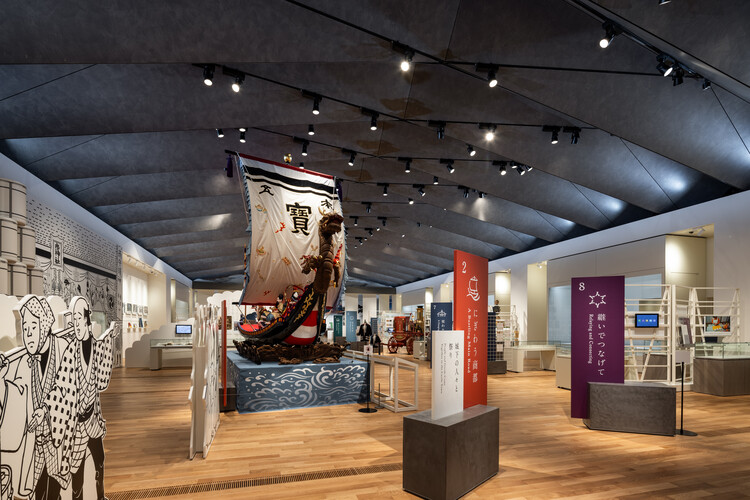
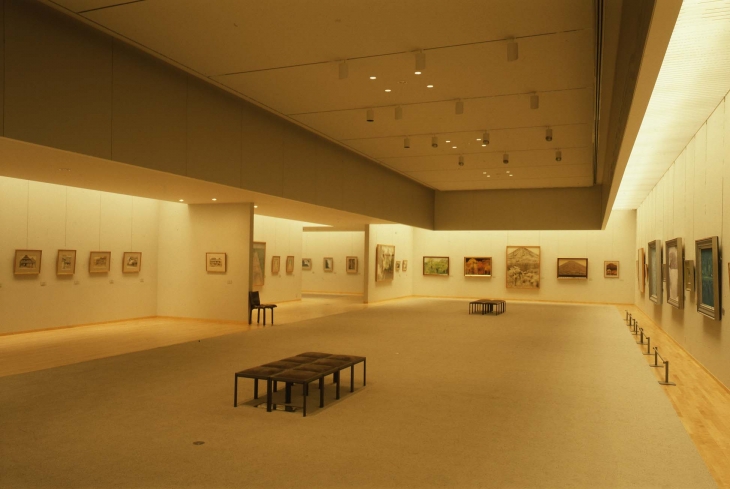
City history museum covering the region from prehistoric to modern times. Good exhibits on the Zenkoji pilgrimage tradition and the transformation from feudal domain to Olympic host city.

Underground passage beneath the main altar in total darkness. Feel along the wall until you touch the 'key to paradise' (a metal lock). Granting it ensures entry to the Pure Land. Profound spiritual experience.

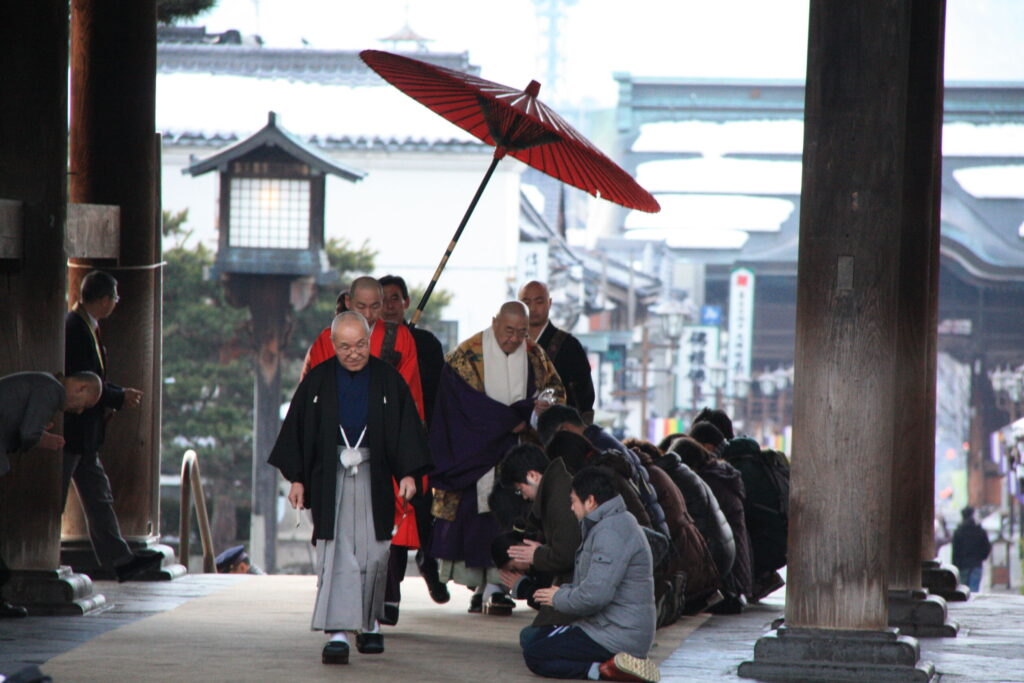
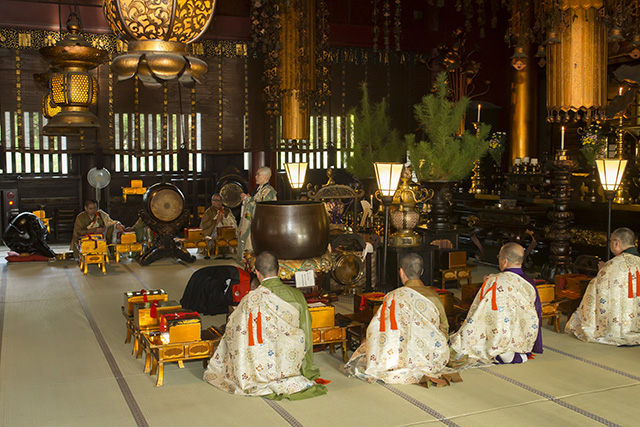
Attend the 5:30am morning prayer service. The head priest walks among kneeling worshippers, touching each person's head with prayer beads for a blessing. Open to all faiths. Moving and powerful.

The best time to see monkeys bathing is winter mornings. Snow covers their fur as they soak in steaming water. The 30-minute forest walk to the park is part of the experience.

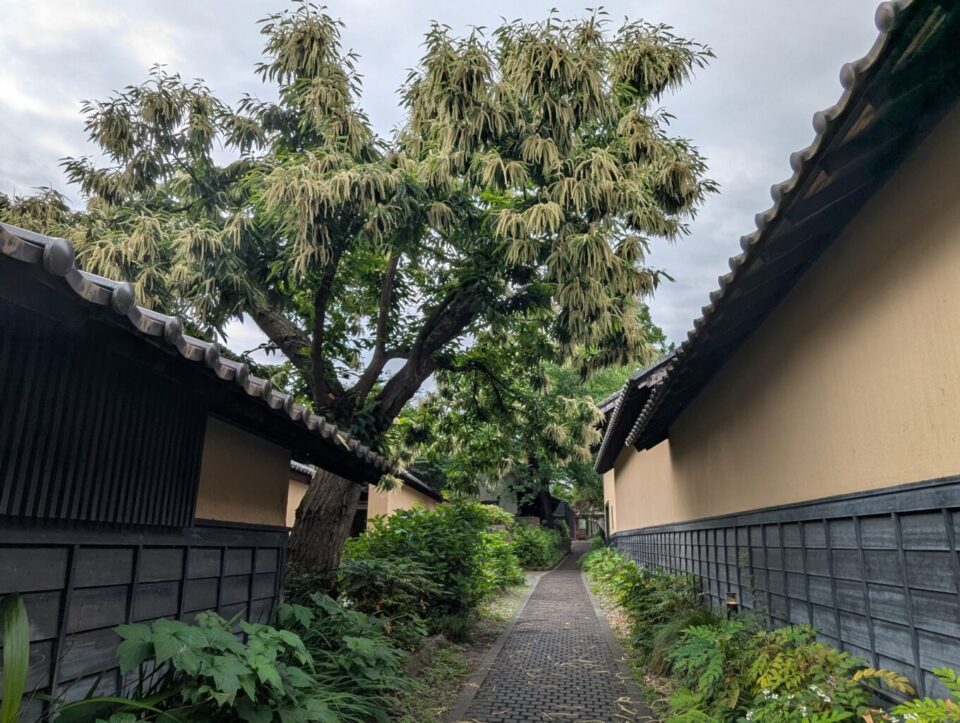
The entire town is walkable in 2-3 hours. Chestnut tree-lined paths, sake breweries, art galleries, and traditional houses. Small-town Japan at its most charming. Cycling also available.

Every 6-7 years, the hidden main deity is displayed to the public (next around 2028). Millions of pilgrims attend. The atmosphere during Gokaicho is electrifying. A once-in-a-decade event.

Multiple hot spring ryokan in the valley near the monkey park. Stay overnight to visit the monkeys at dawn before crowds arrive. The mountain onsen experience is authentic Nagano.

Museum documenting the 1998 Winter Olympics. Memorabilia, athlete stories, and the community impact. Small but nostalgic for those who remember the Games. Inside the M-Wave arena.

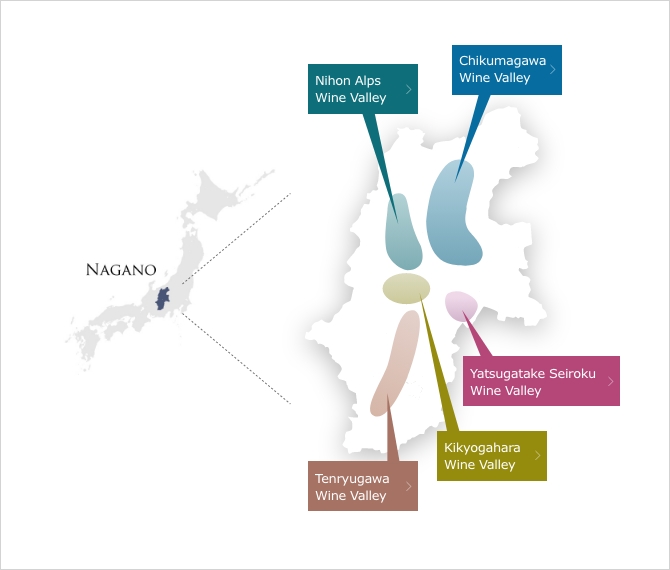
Wine trail connecting multiple wineries in the Kikyogahara area. The high altitude and temperature variation produce distinctive wines. Chardonnay and Merlot are the signature grapes.

Outdoor ninja adventure park for all ages. Rope courses, water crossings, hidden passages, and throwing star practice. Set in the forest near the shrines. More athletic than the history museum.

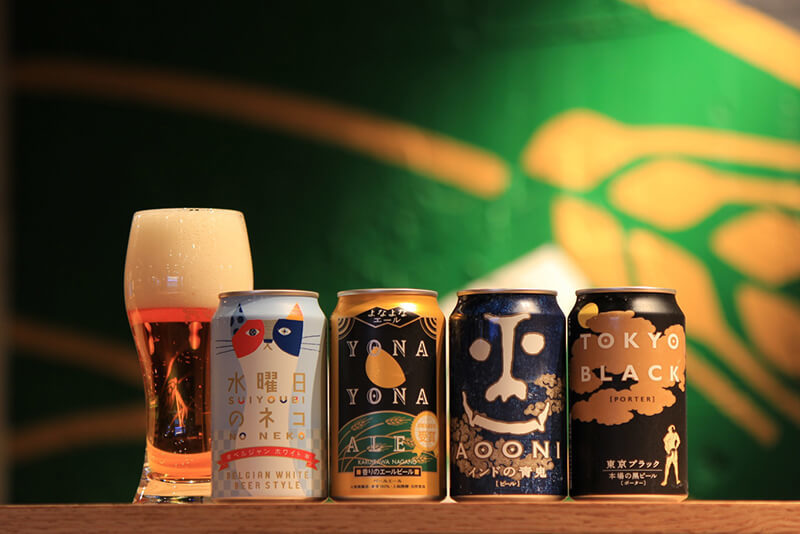
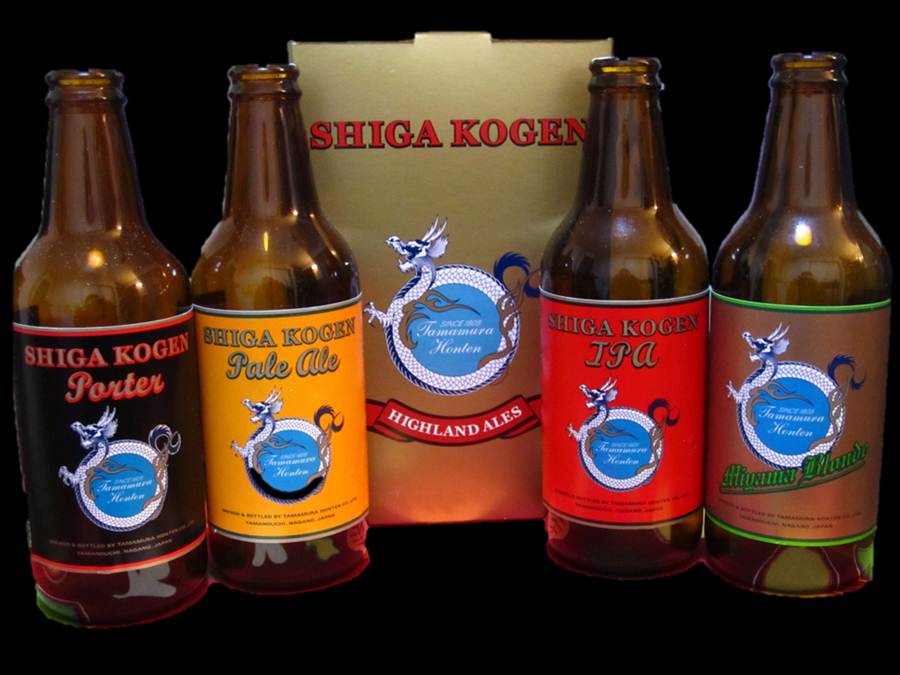
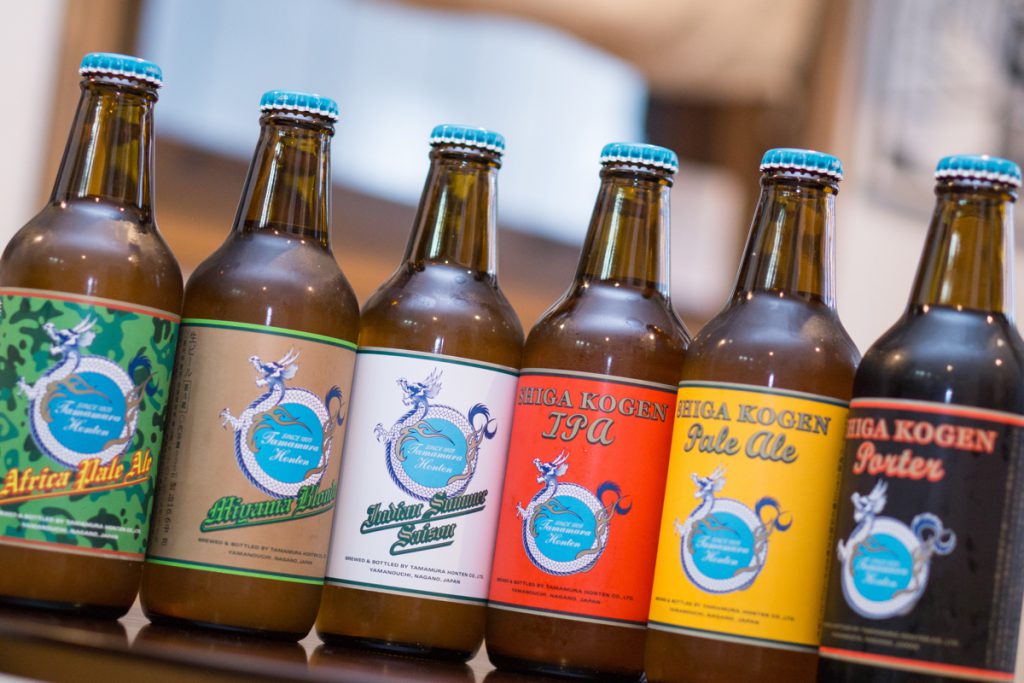
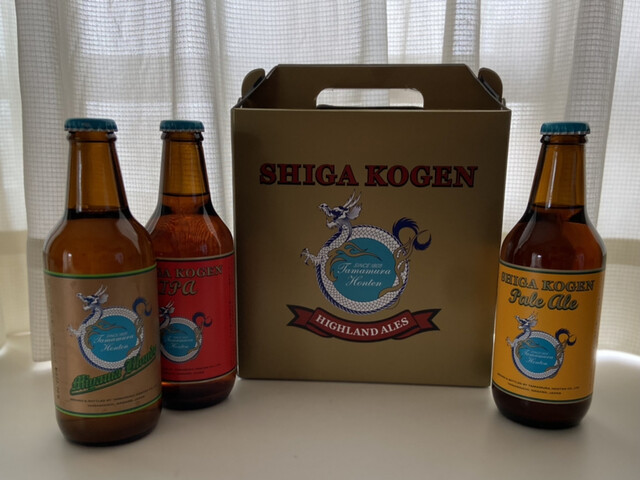
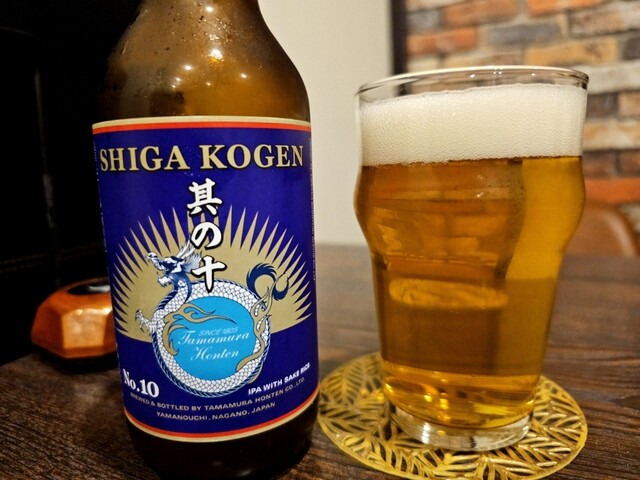
Craft brewery at the ski resort elevation. Their IPA and porter use mountain spring water. Available at the brewery taproom and select Nagano bars. Clean, crisp mountain-brewed beer.

Seven statues of good fortune gods hidden along the approach to Zenkoji. Finding all seven is said to bring good luck. A fun scavenger hunt while walking to the temple.

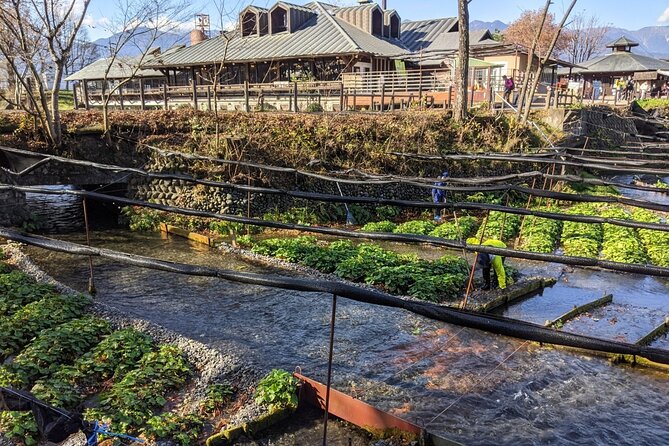
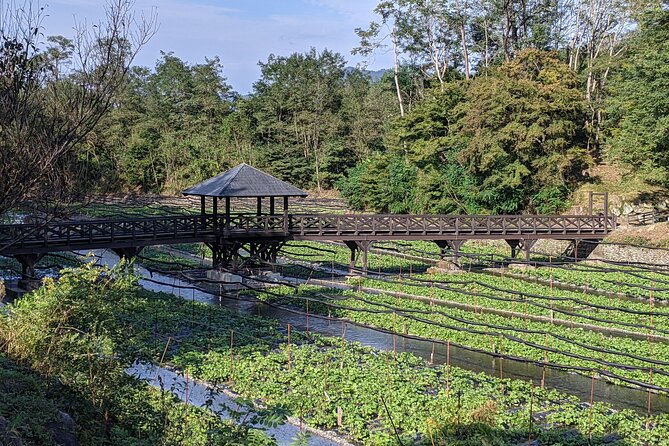
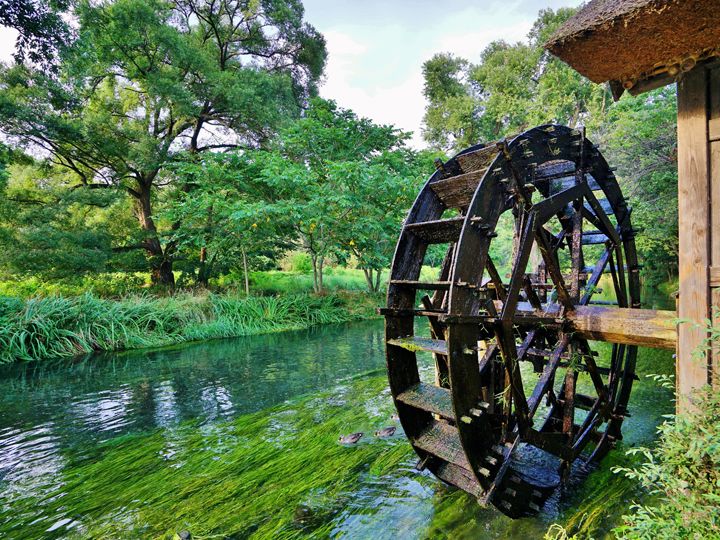
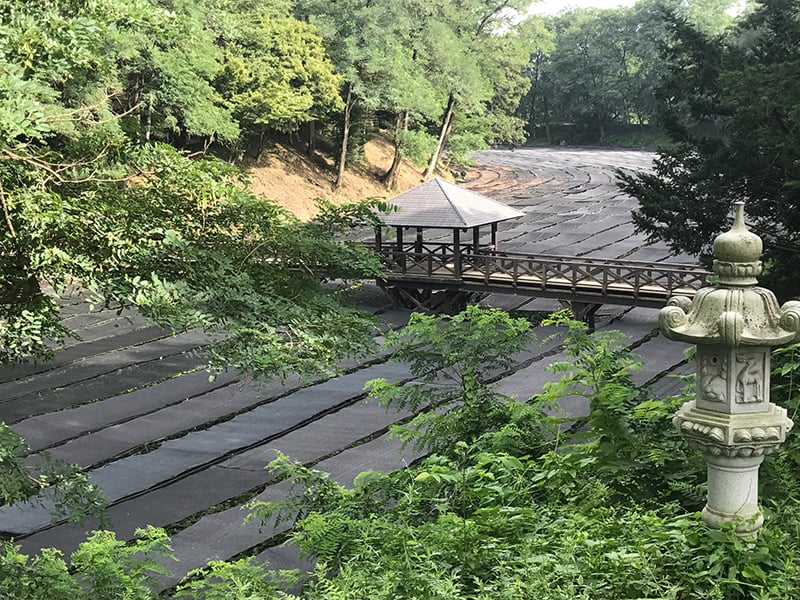
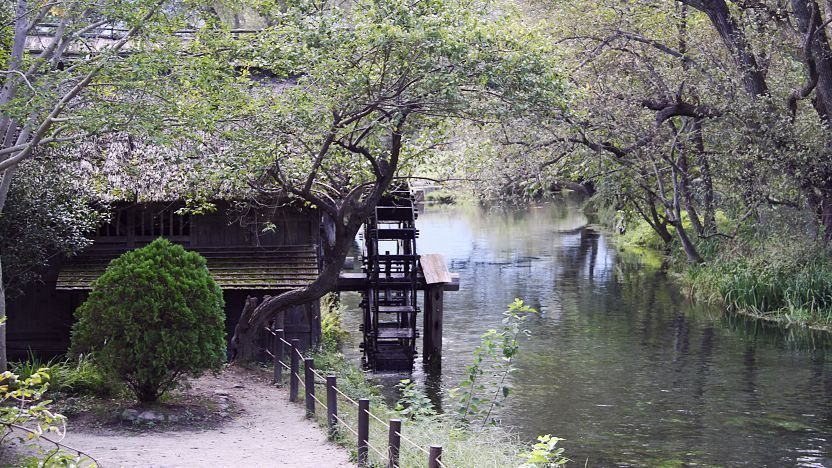
Nagano grows some of Japan's finest wasabi in clear mountain streams. Visit a wasabi farm, taste fresh grated wasabi (nothing like tube wasabi), and buy wasabi products.
UNESCO temples, cliffside shrines, and some of Japan's best onsen towns.

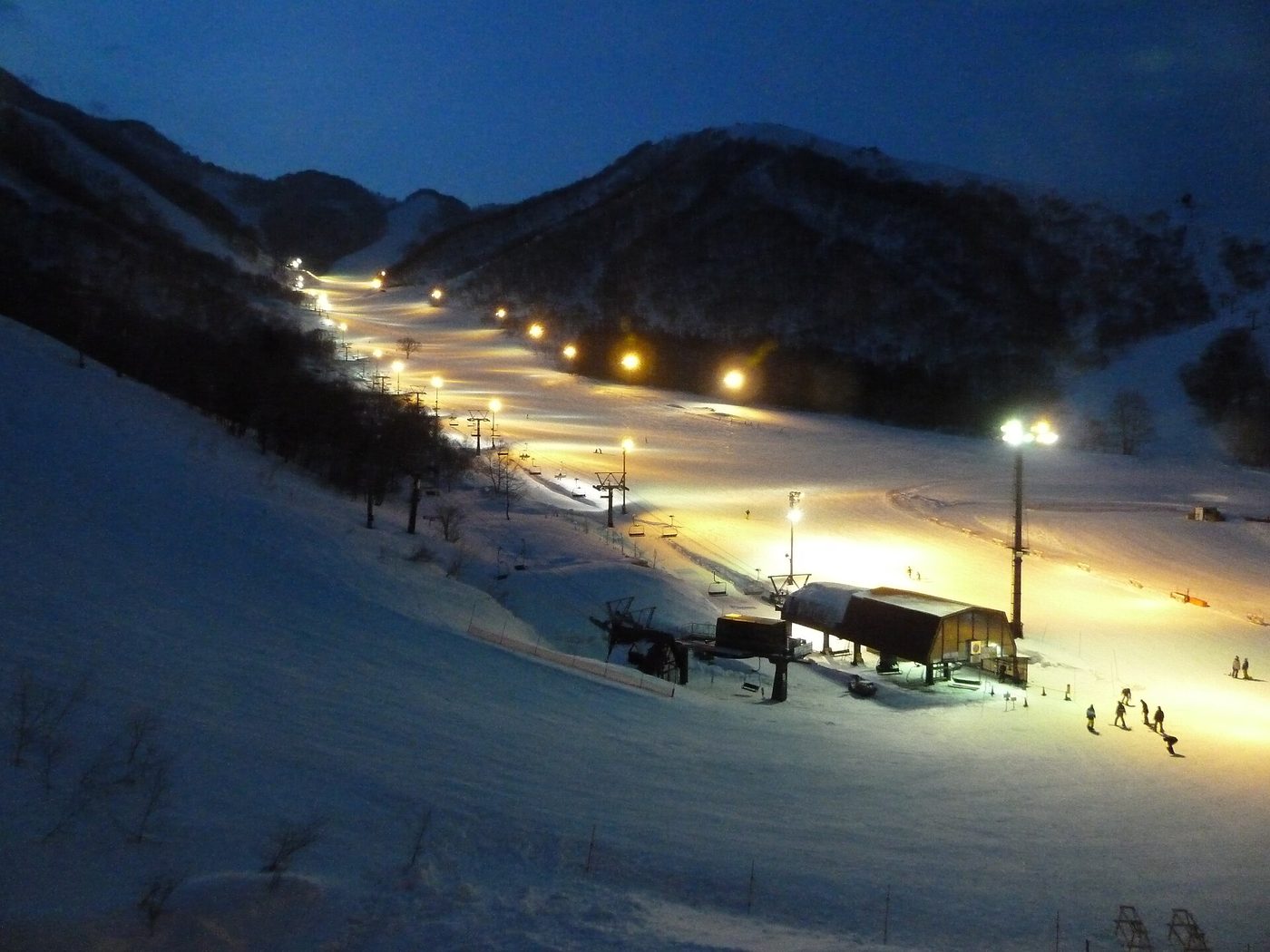
Traditional hot spring village with 13 free public baths. The Ogama communal cooking pool where villagers boil vegetables in 90-degree water. Excellent skiing in winter. 1 hour from Nagano.

Small town where legendary ukiyo-e artist Katsushika Hokusai spent his final years. Hokusai Museum displays painted ceiling of a festival float. Chestnut desserts are the specialty. 30 min from Nagano.

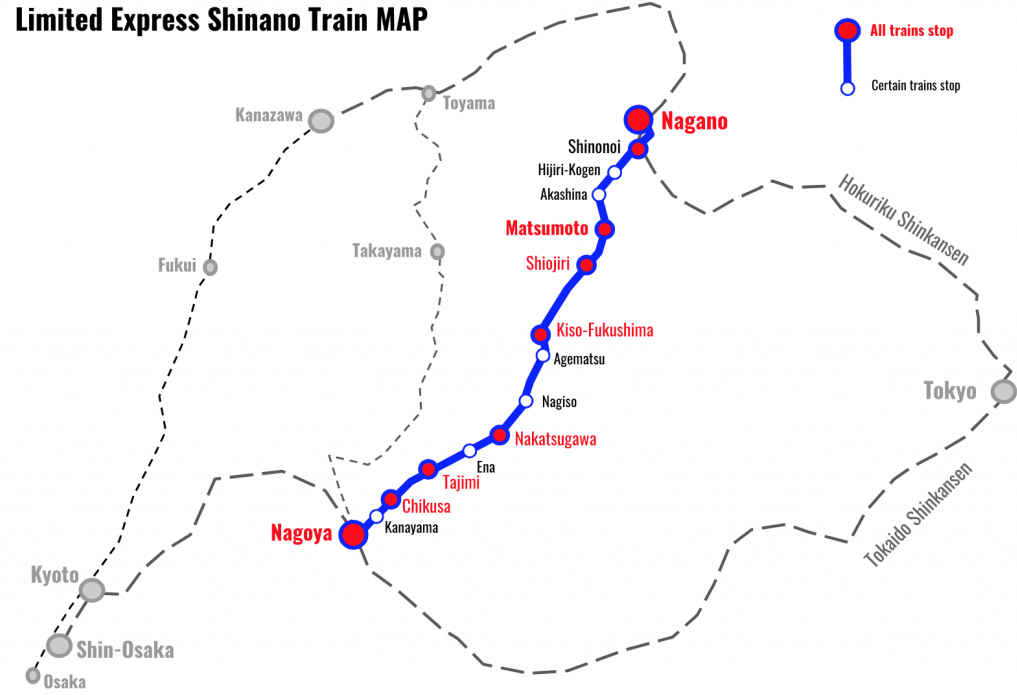
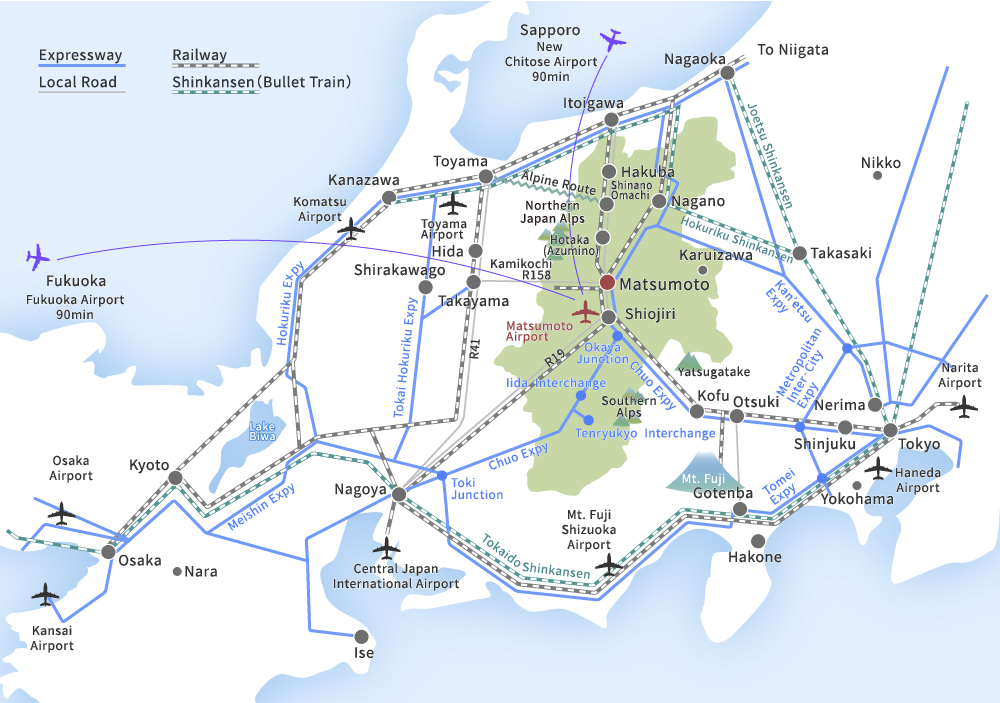
Matsumoto (black castle, craft town) is just 50 minutes from Nagano by train. Combined Nagano-Matsumoto trips are common. The Shinano line passes through beautiful mountain scenery.

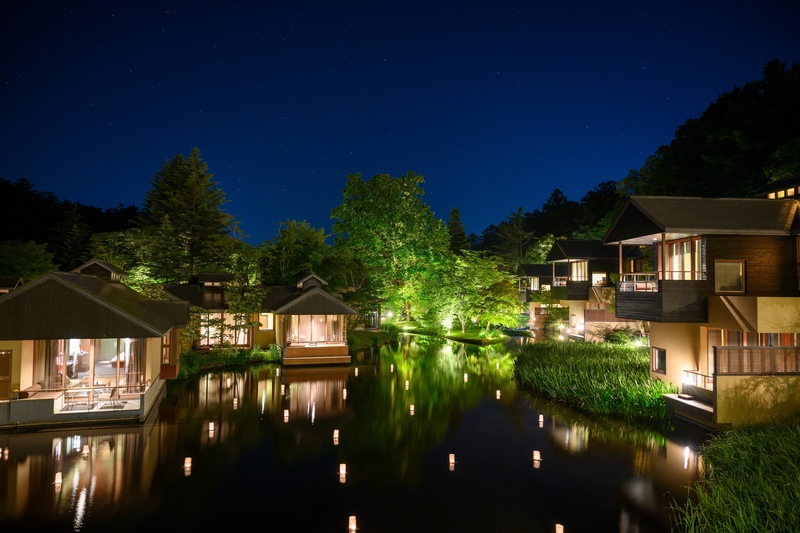
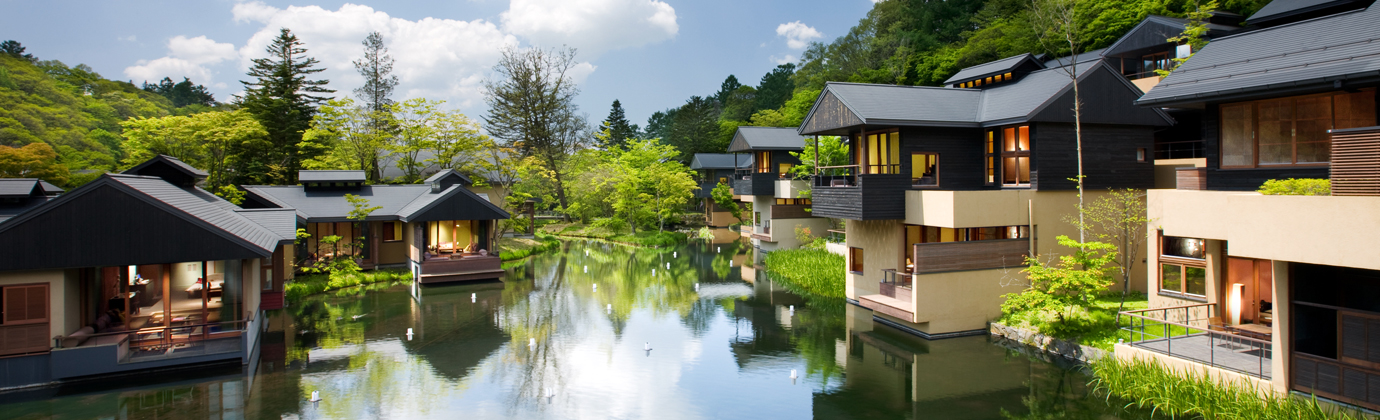
Elegant highland resort town popular since the Meiji era. Cool summers, beautiful autumn foliage, shopping outlets, and the Shiraito Falls. 30 min from Nagano by Shinkansen.

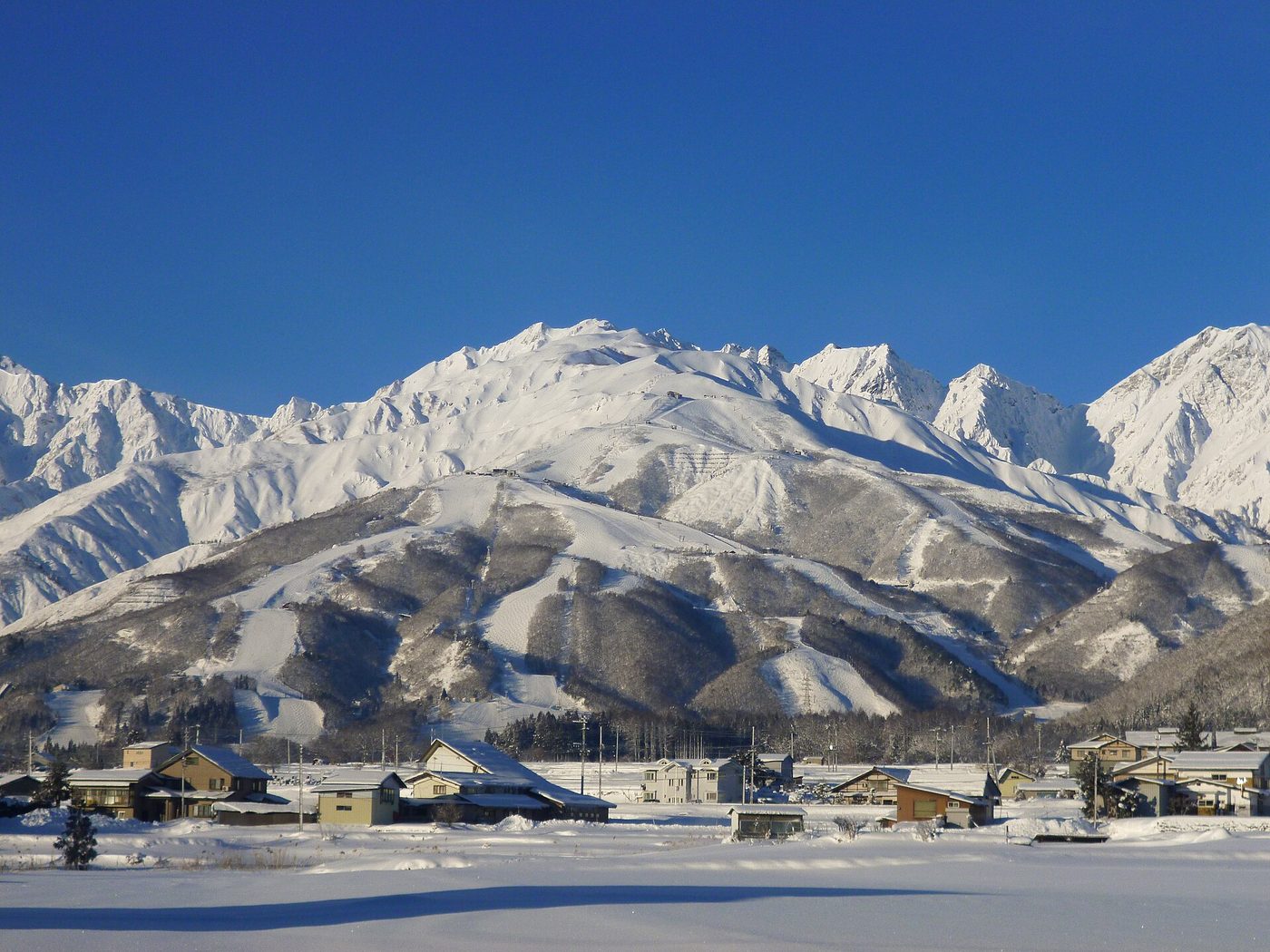
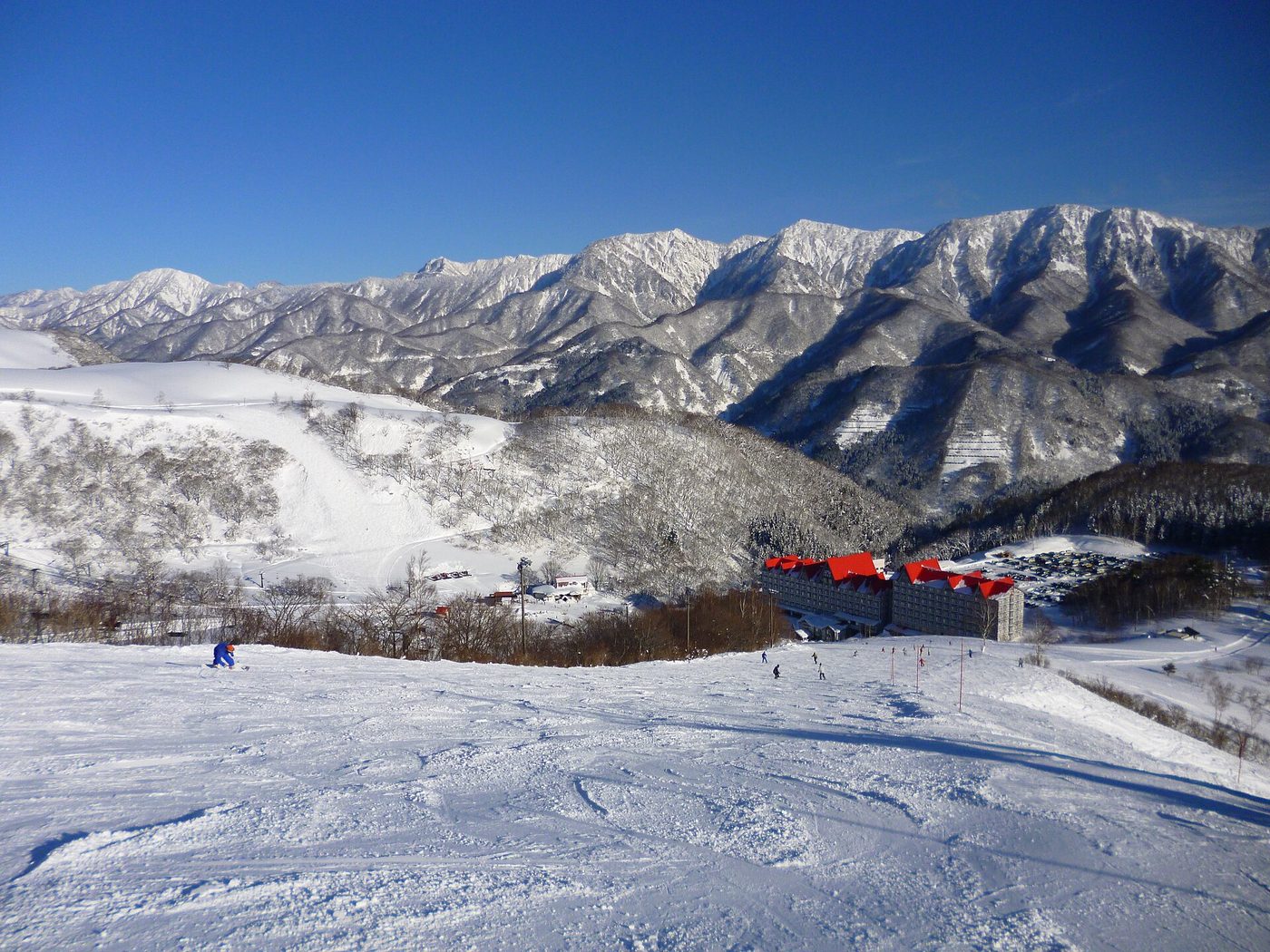
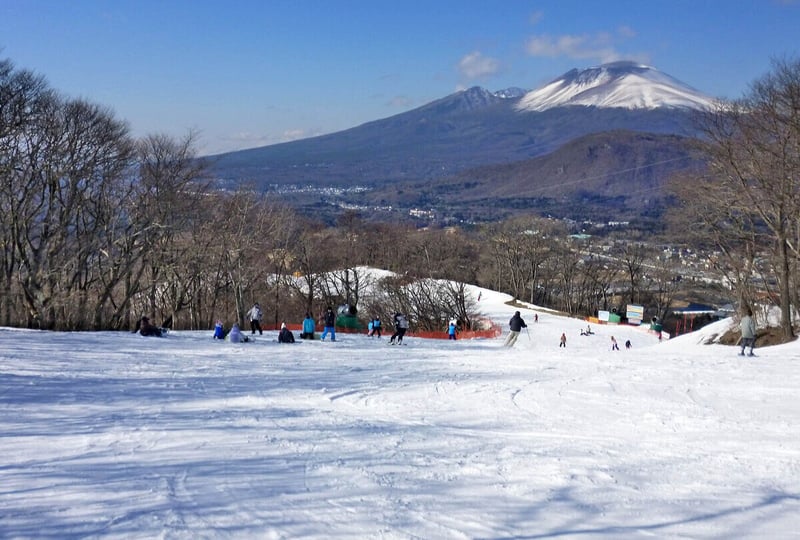
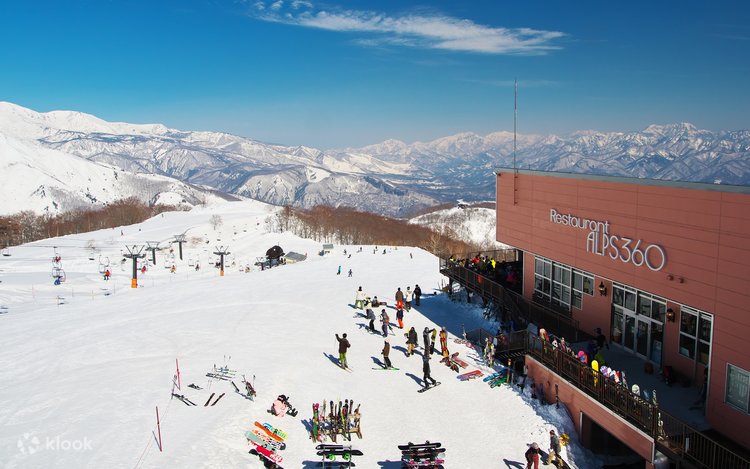
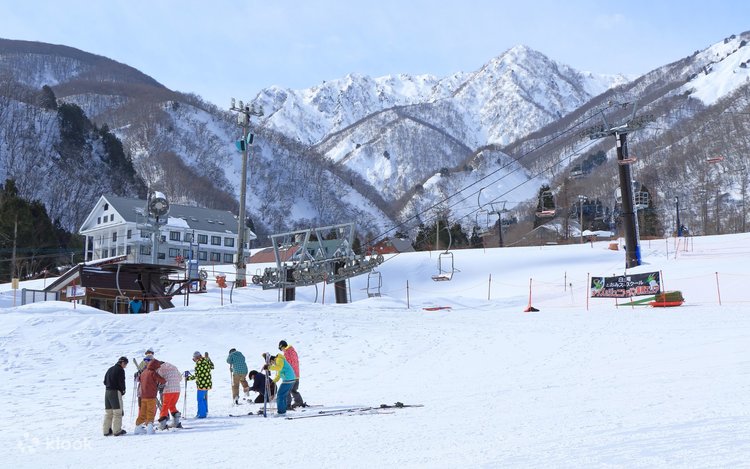
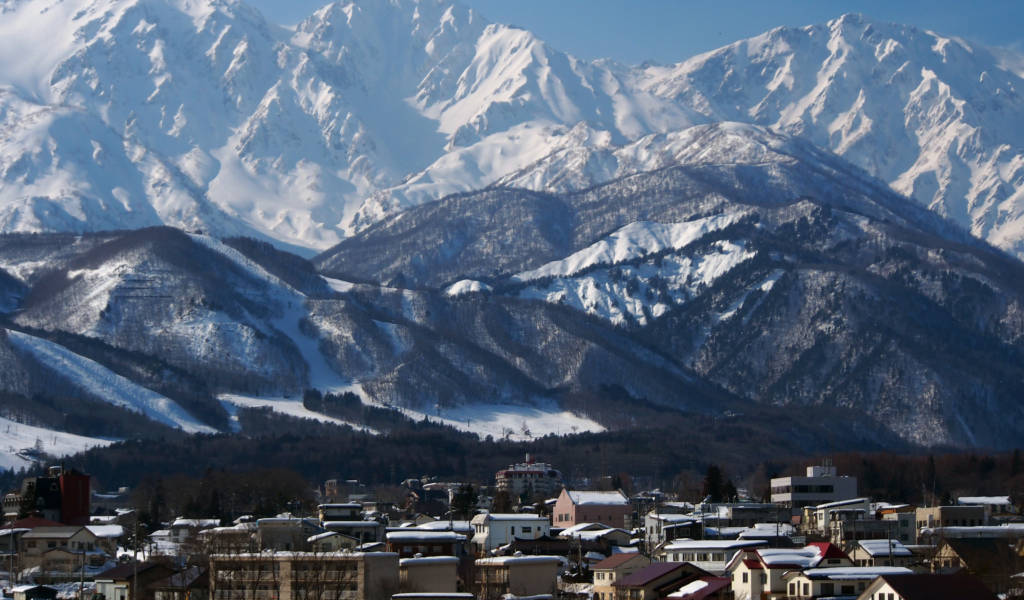
Site of the 1998 Olympic ski jumping. World-class powder skiing in winter, alpine hiking and climbing in summer. The views of the Northern Alps are staggering. 1.5 hours from Nagano.

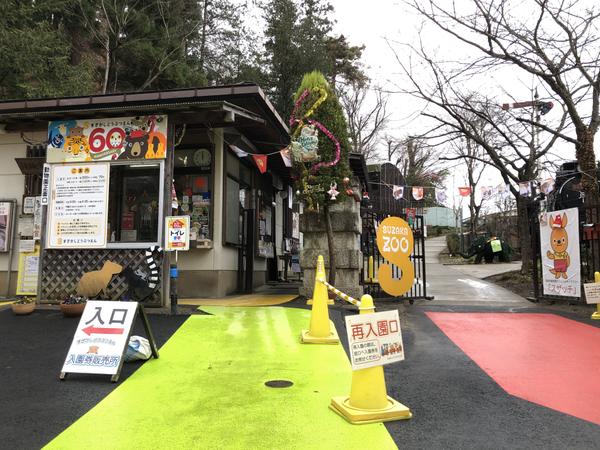
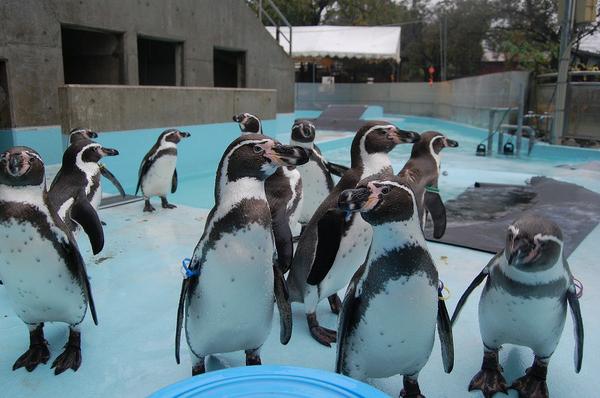
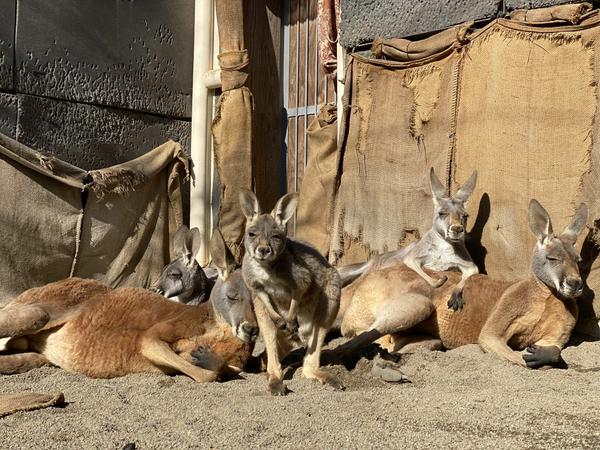
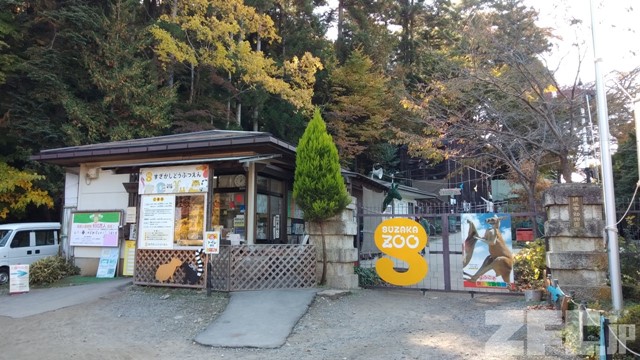
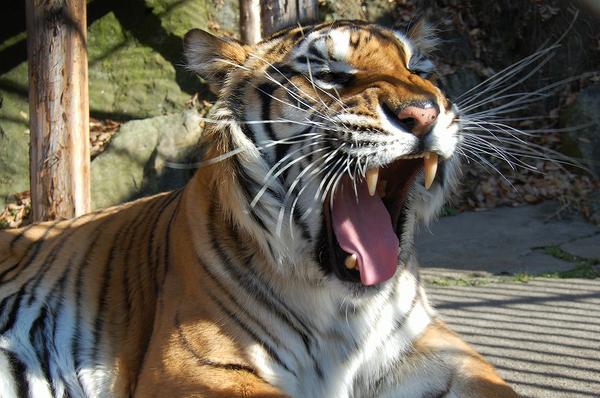
Small city zoo near Nagano famous for the 'snow monkey park' connection. Also known for unique animal crossings and family-friendly atmosphere. 20 min from Nagano.