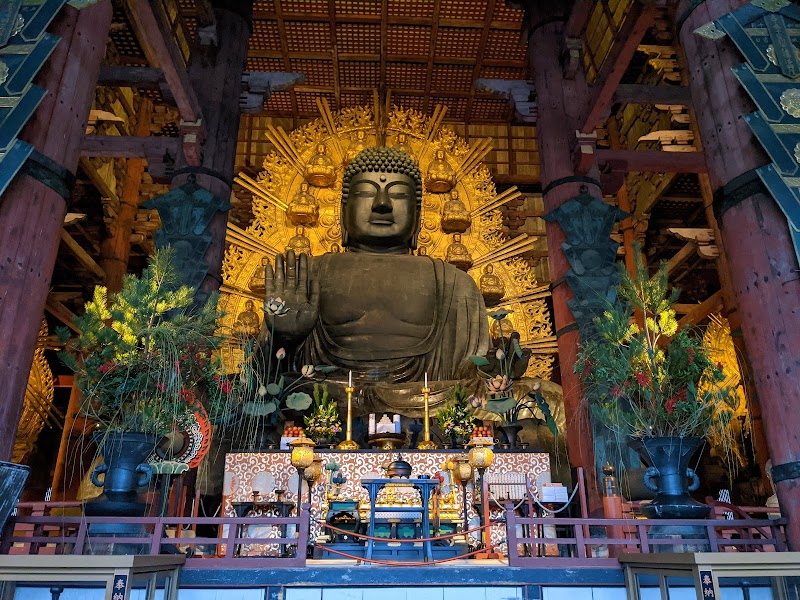
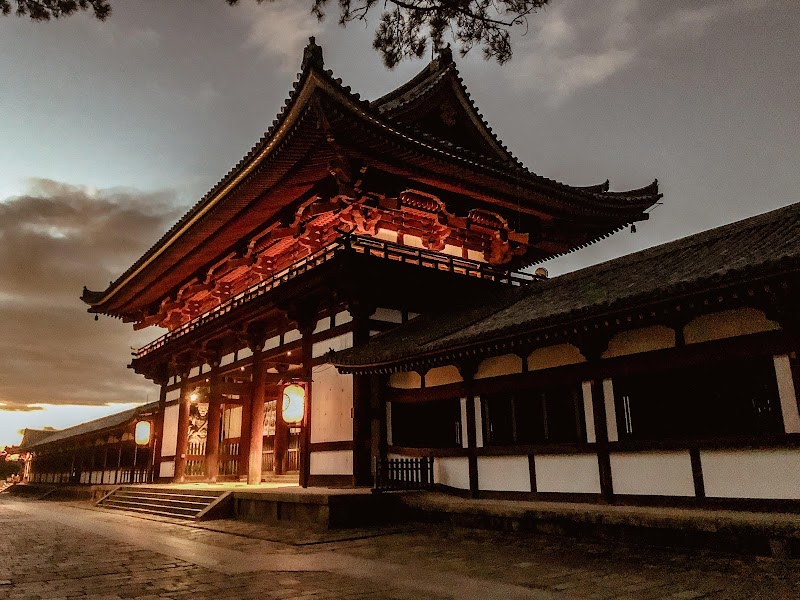
Sacred deer, ancient Buddha, and 1,300 years of Japanese civilization. The first capital.
The Great Buddha, sacred deer guardians, and lantern-lit shrines.
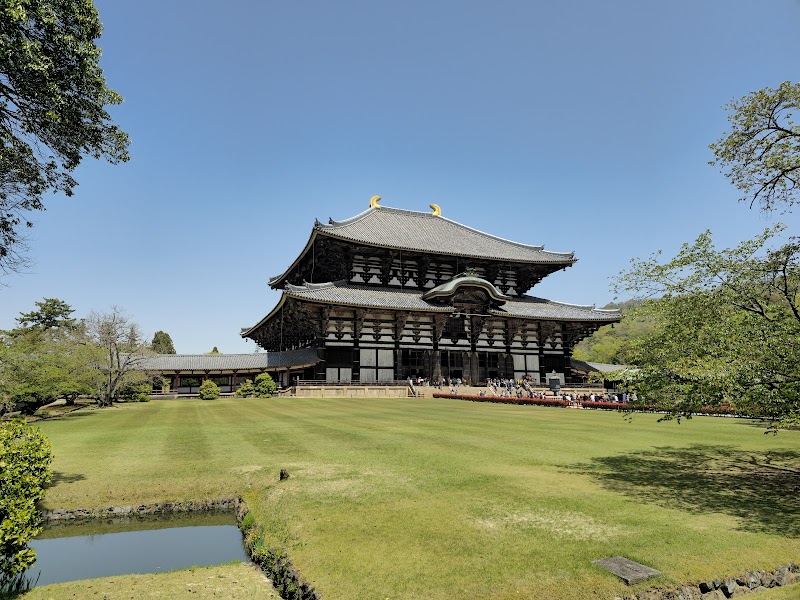
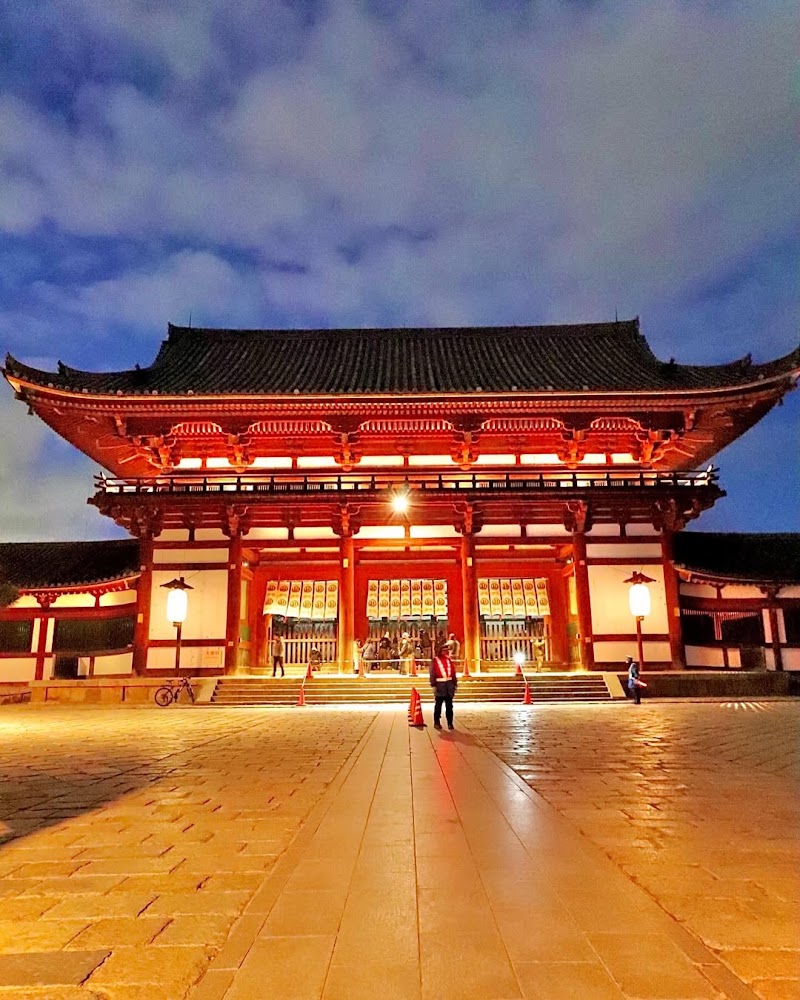
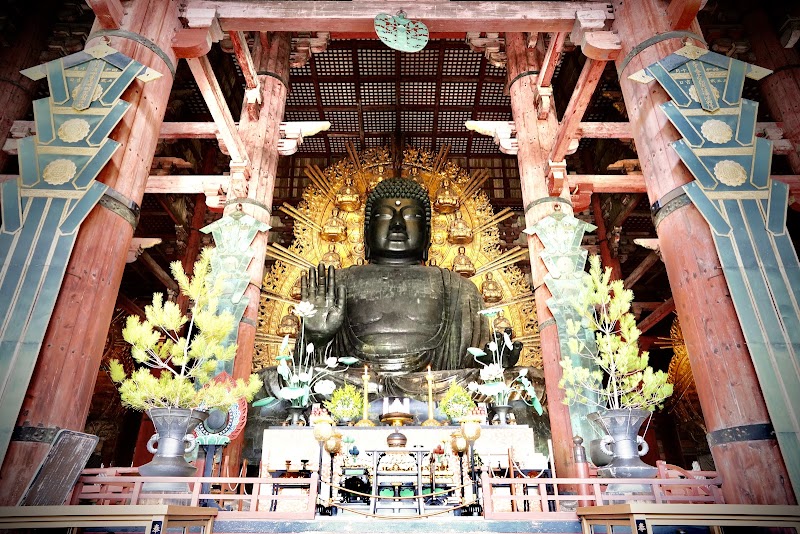
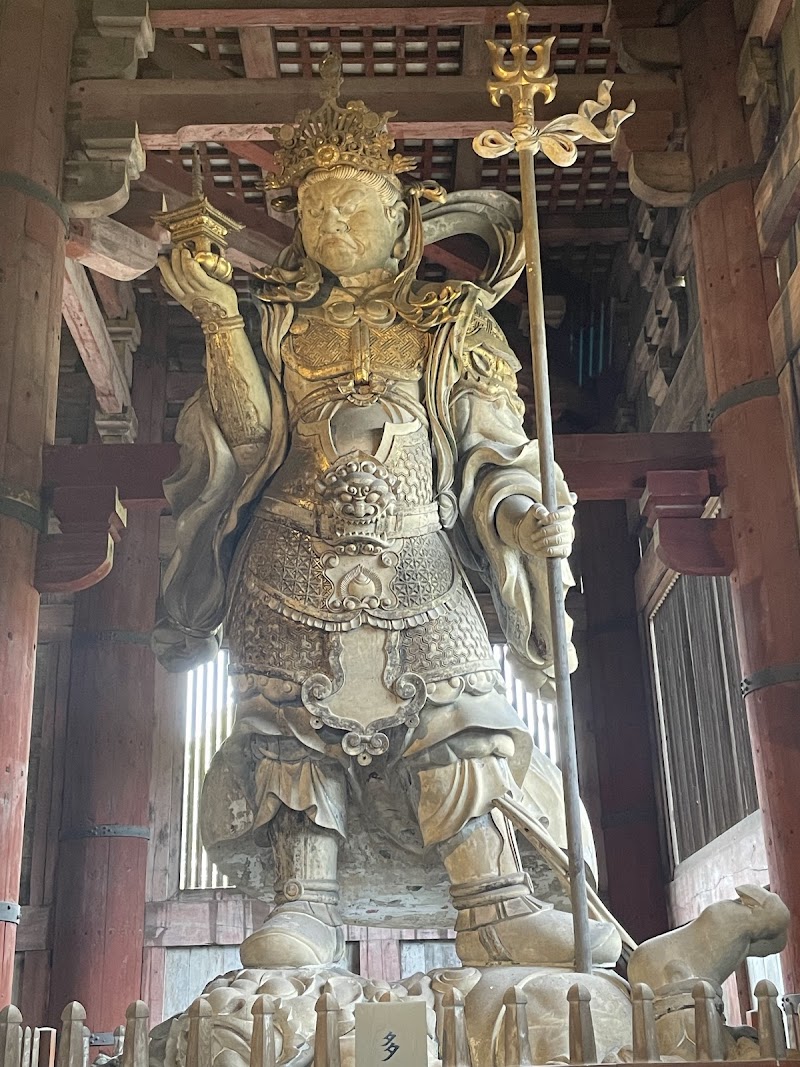
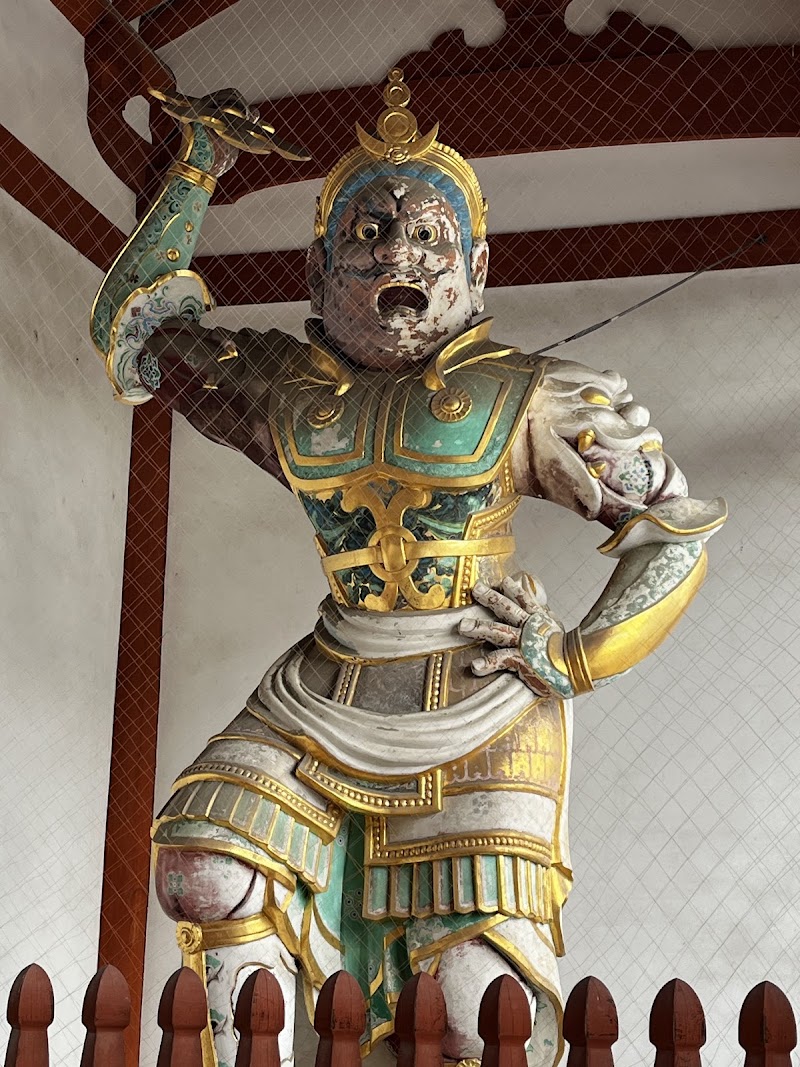
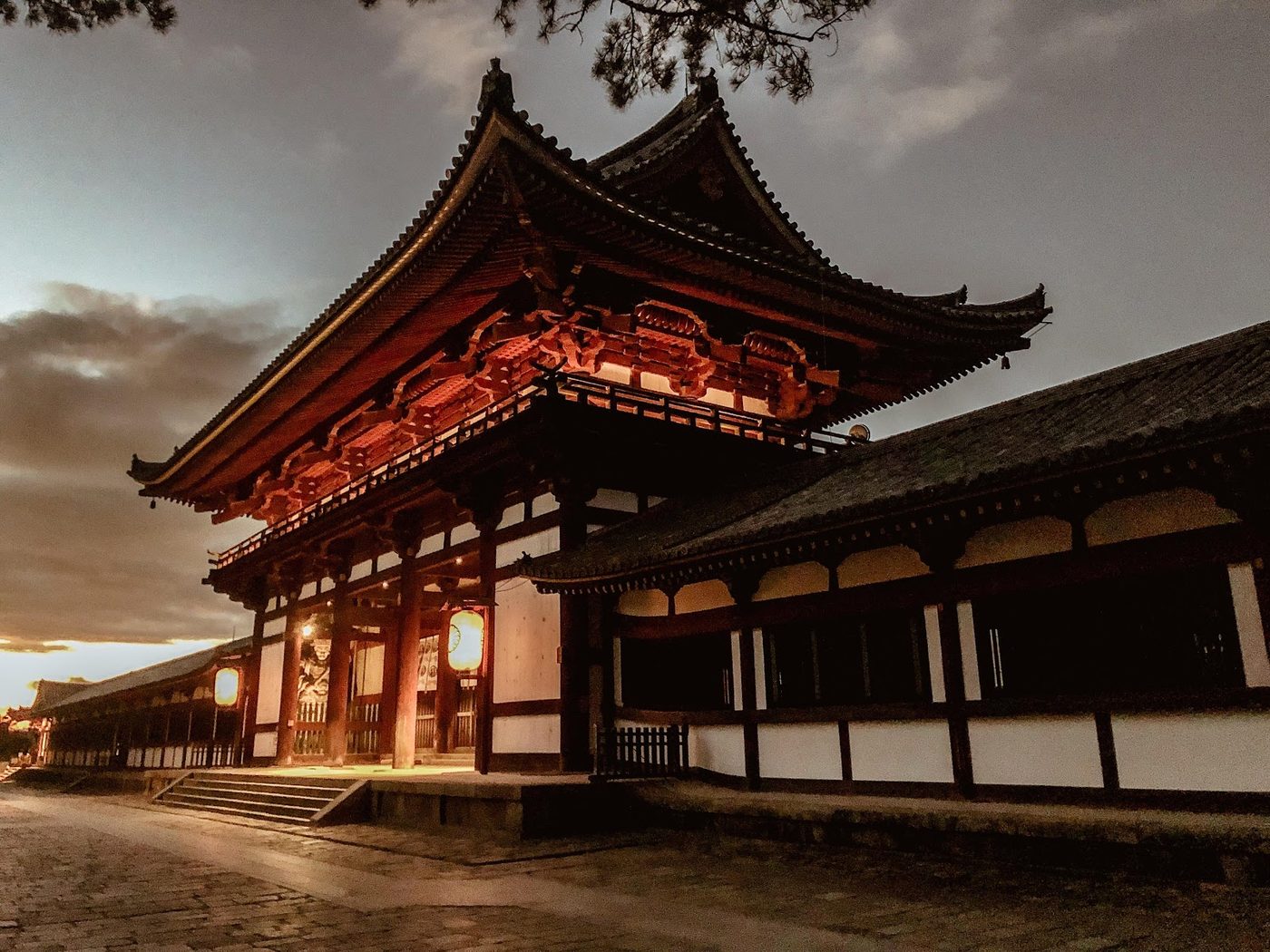
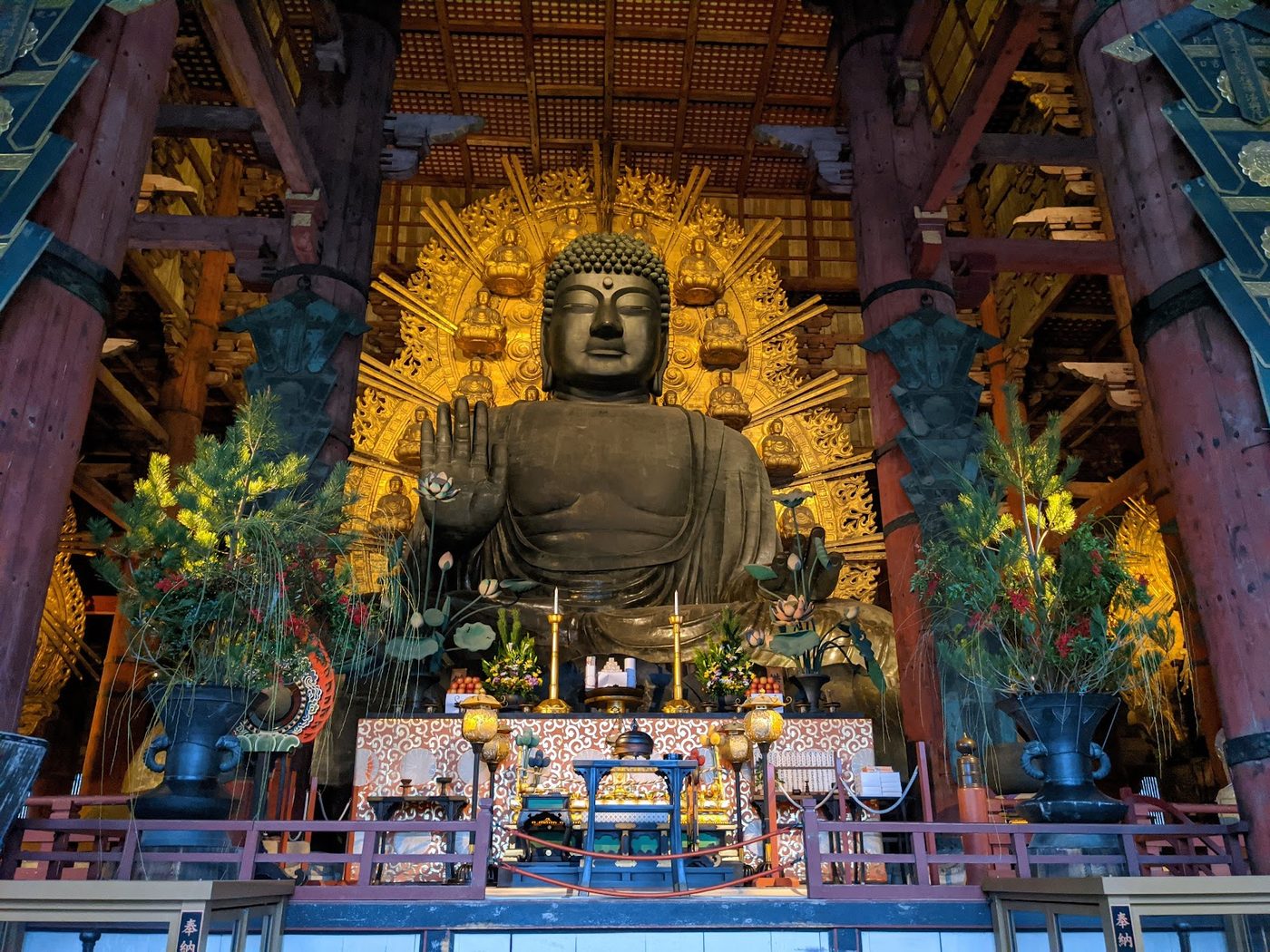
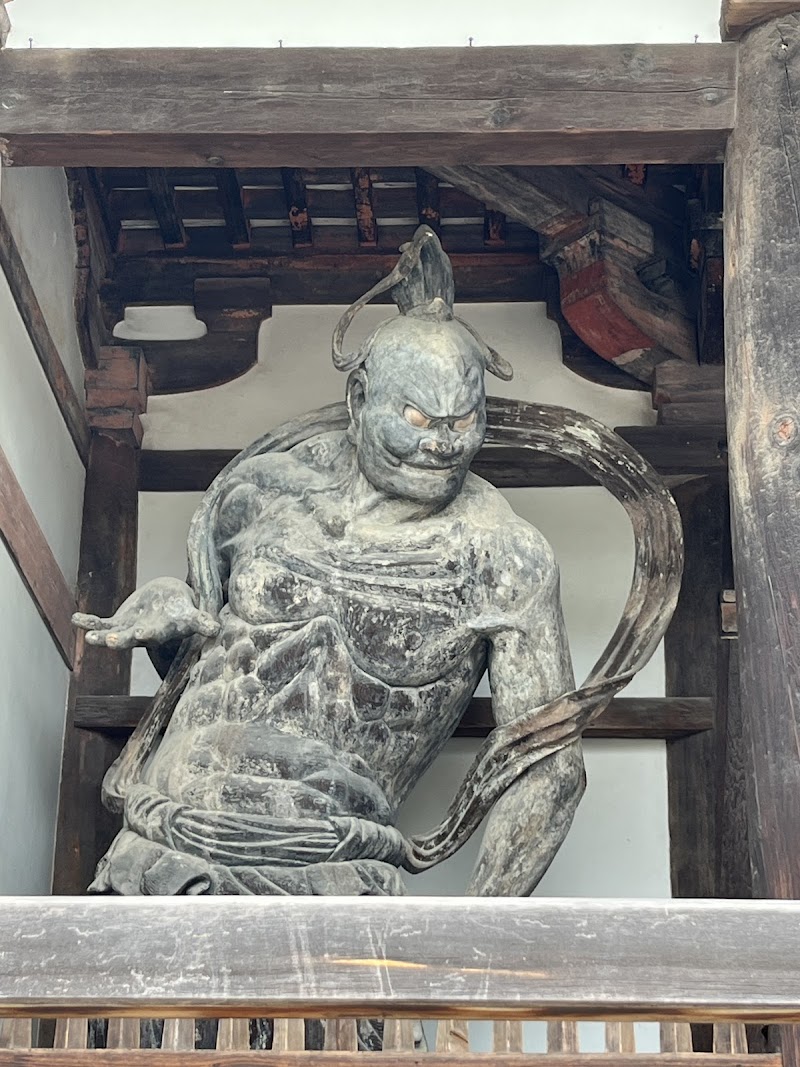
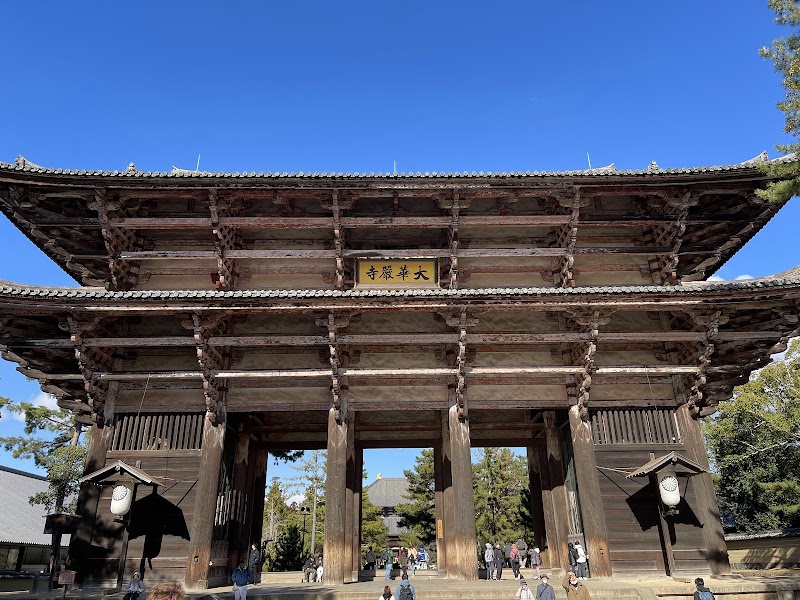
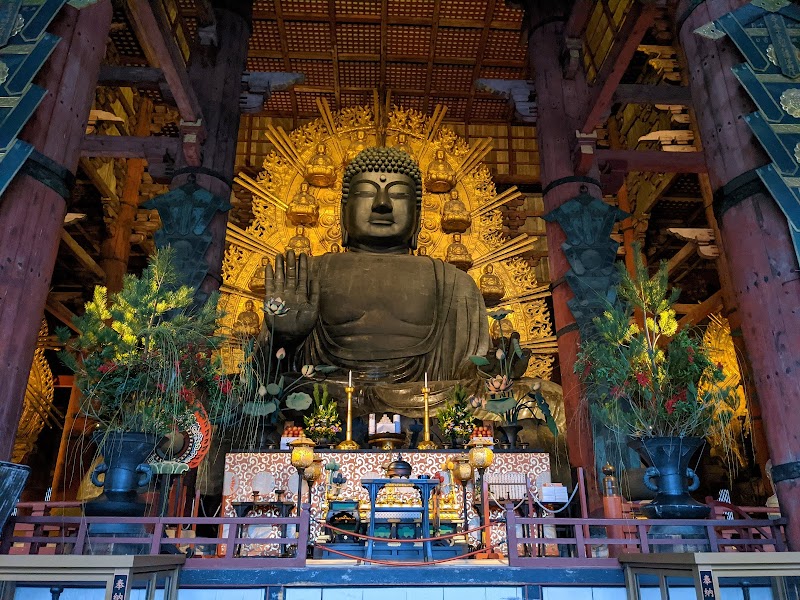
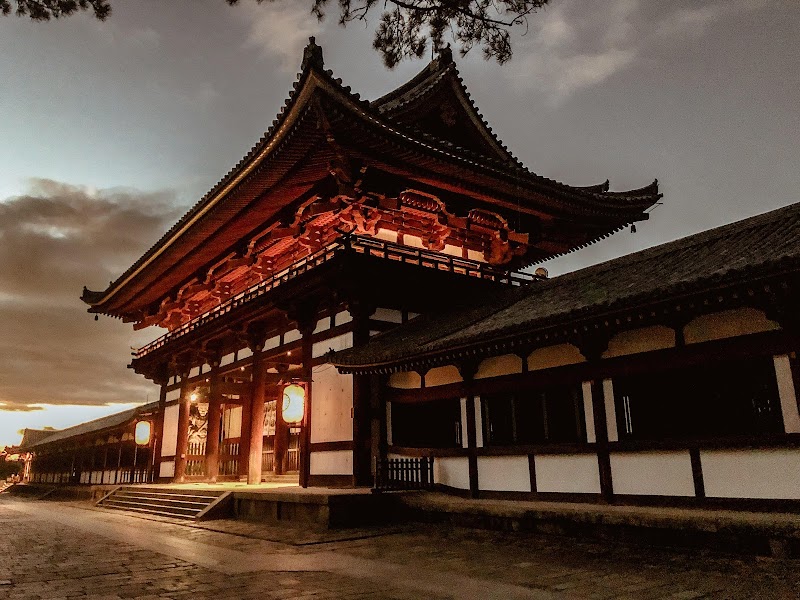
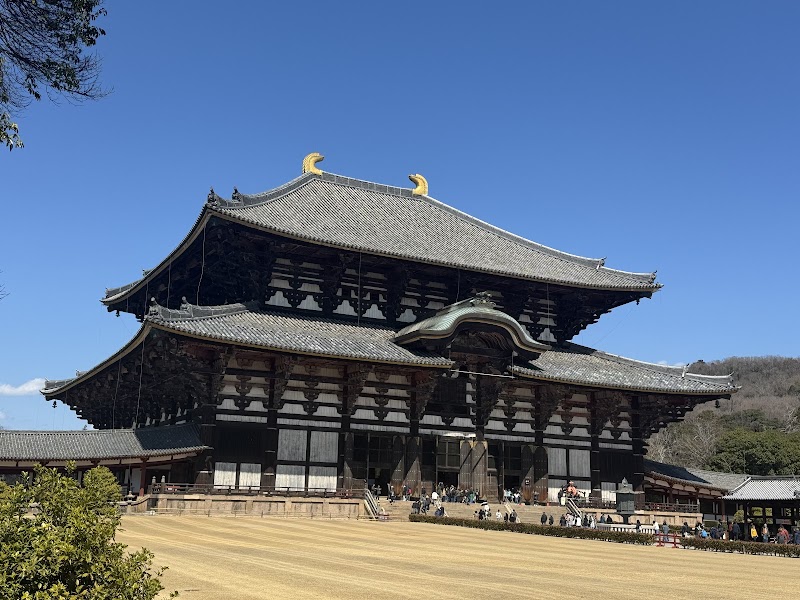
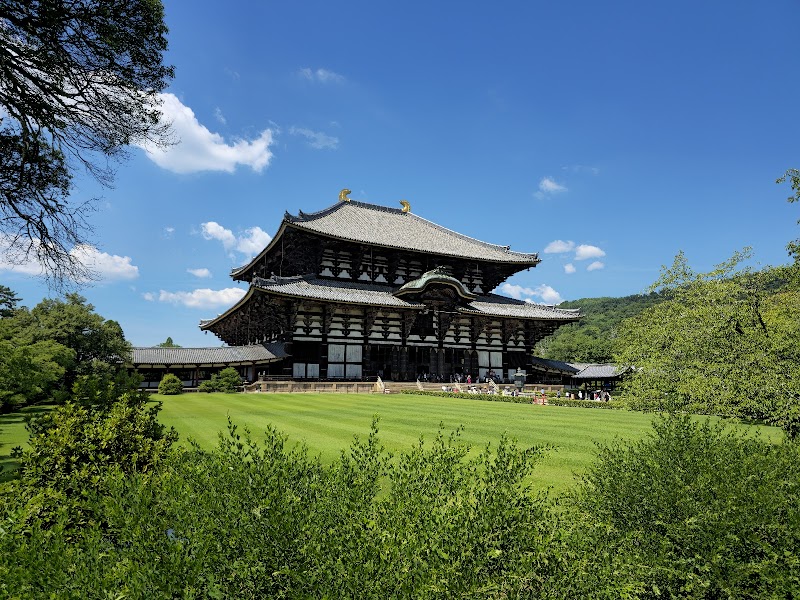
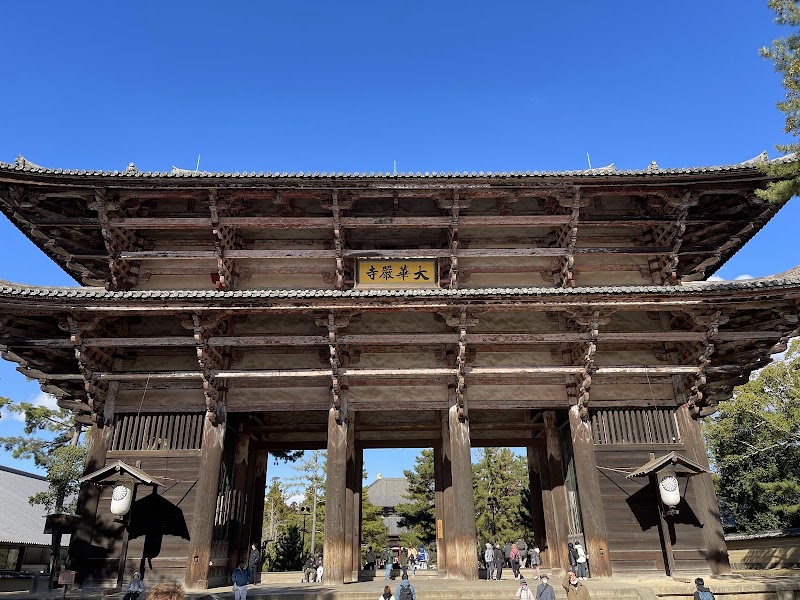
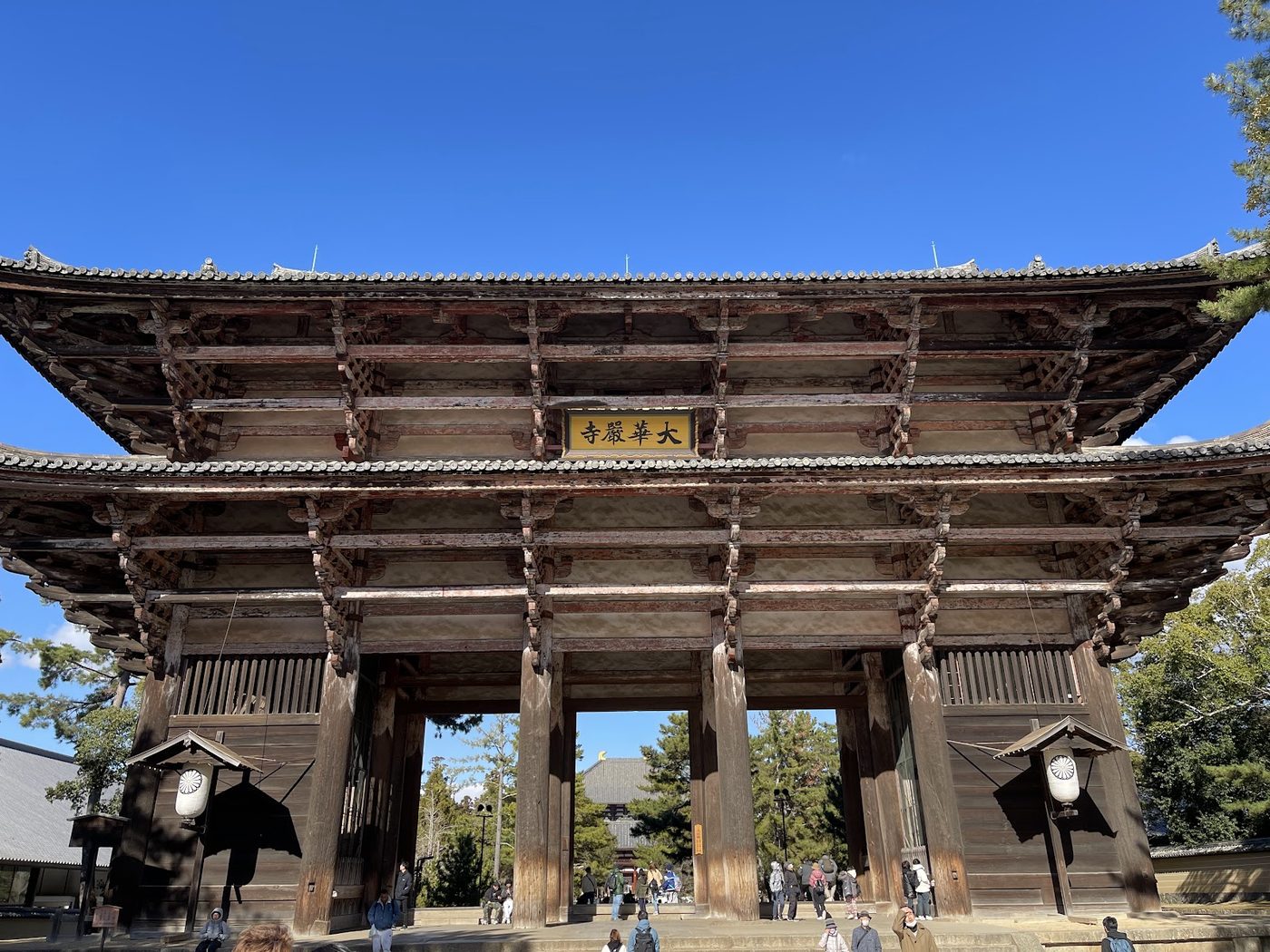
Houses Japan's largest bronze Buddha (15m tall) inside one of the world's largest wooden buildings. The Nandaimon Gate has fierce guardian statues. A challenge: squeeze through the pillar hole for good luck.
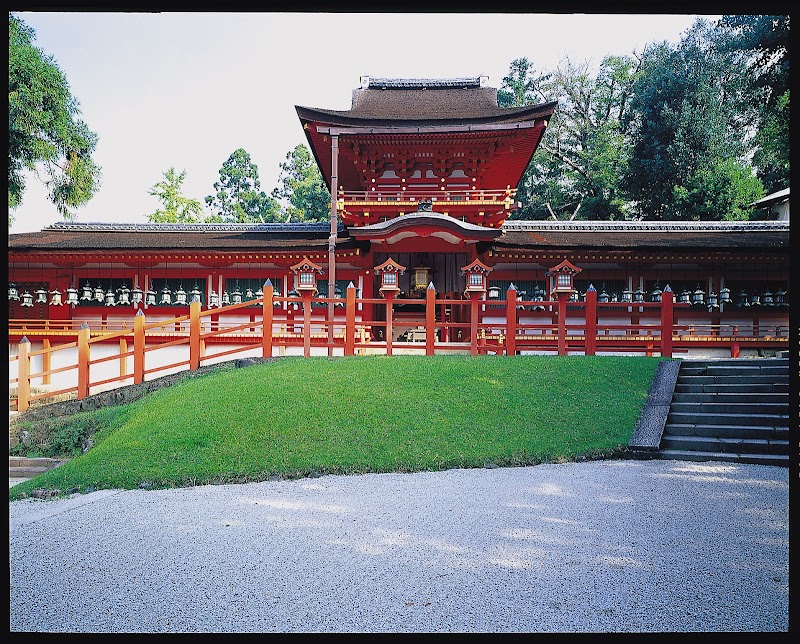
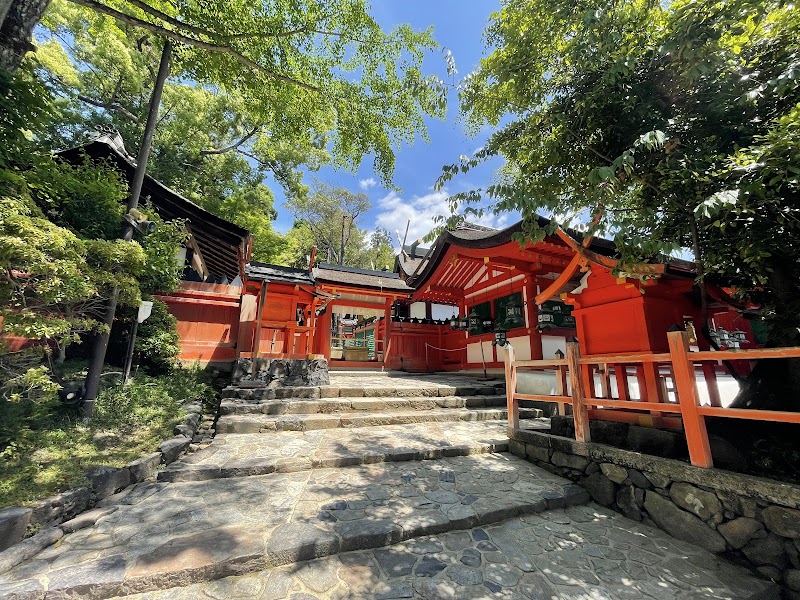
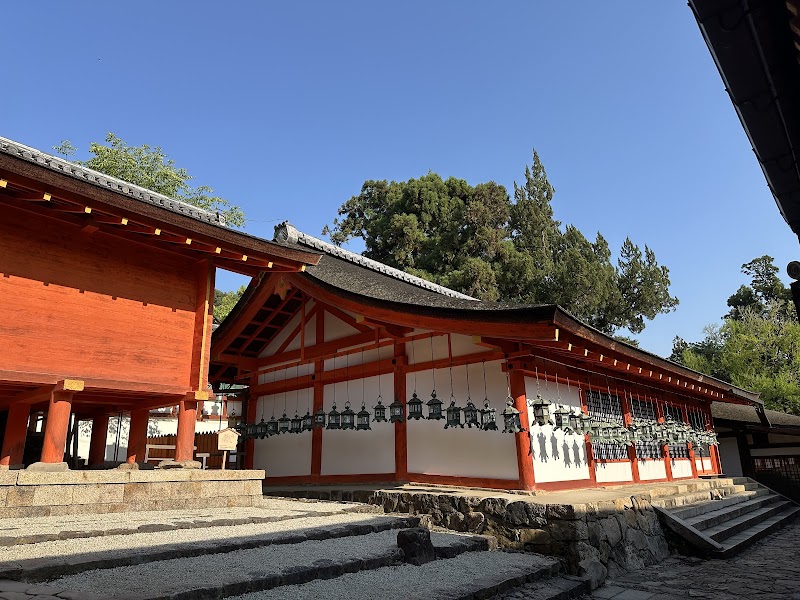
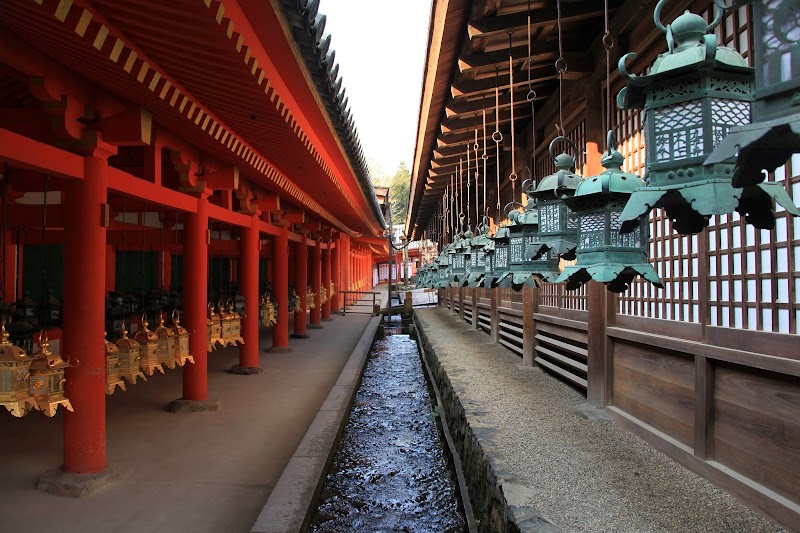
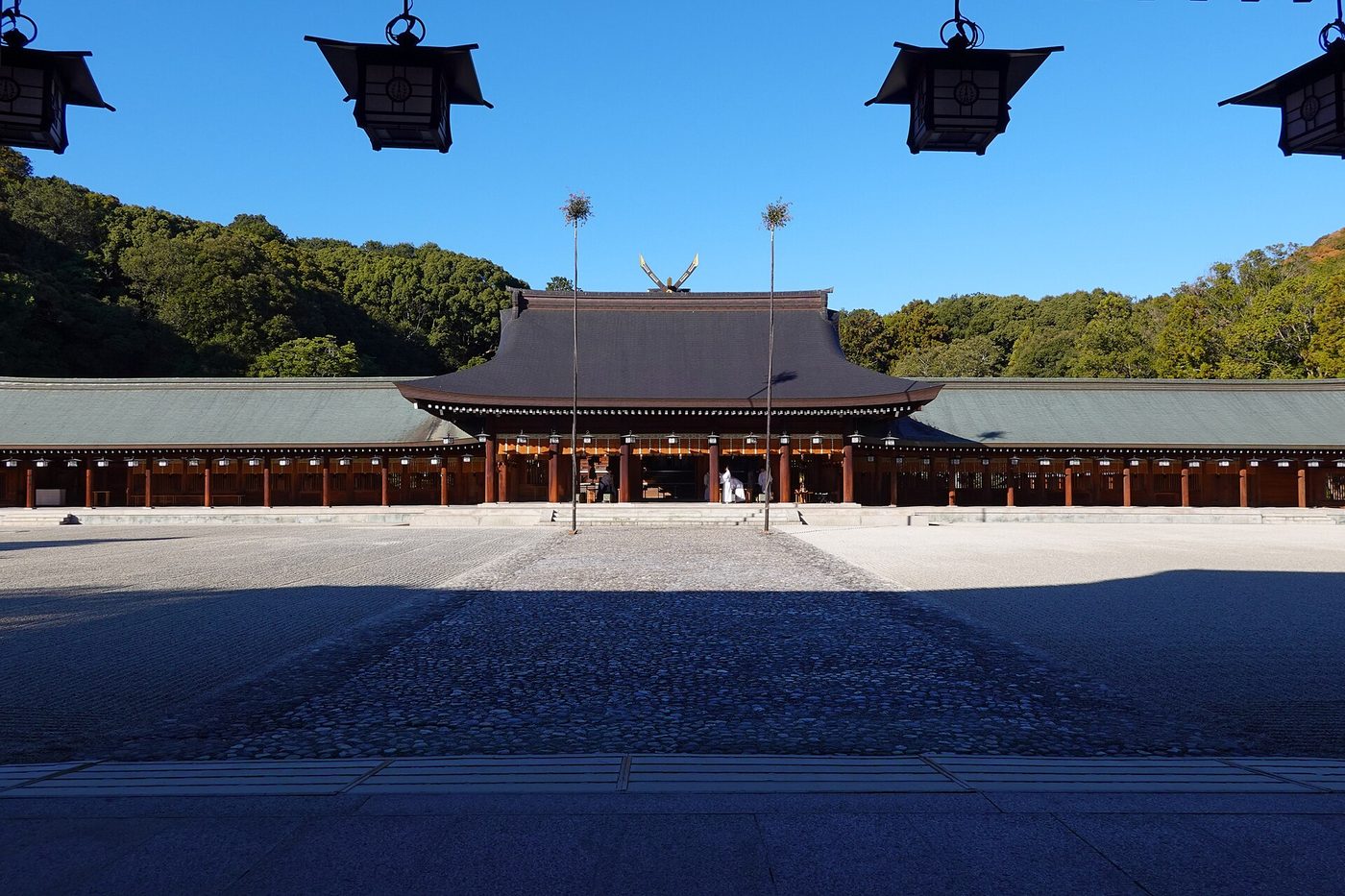
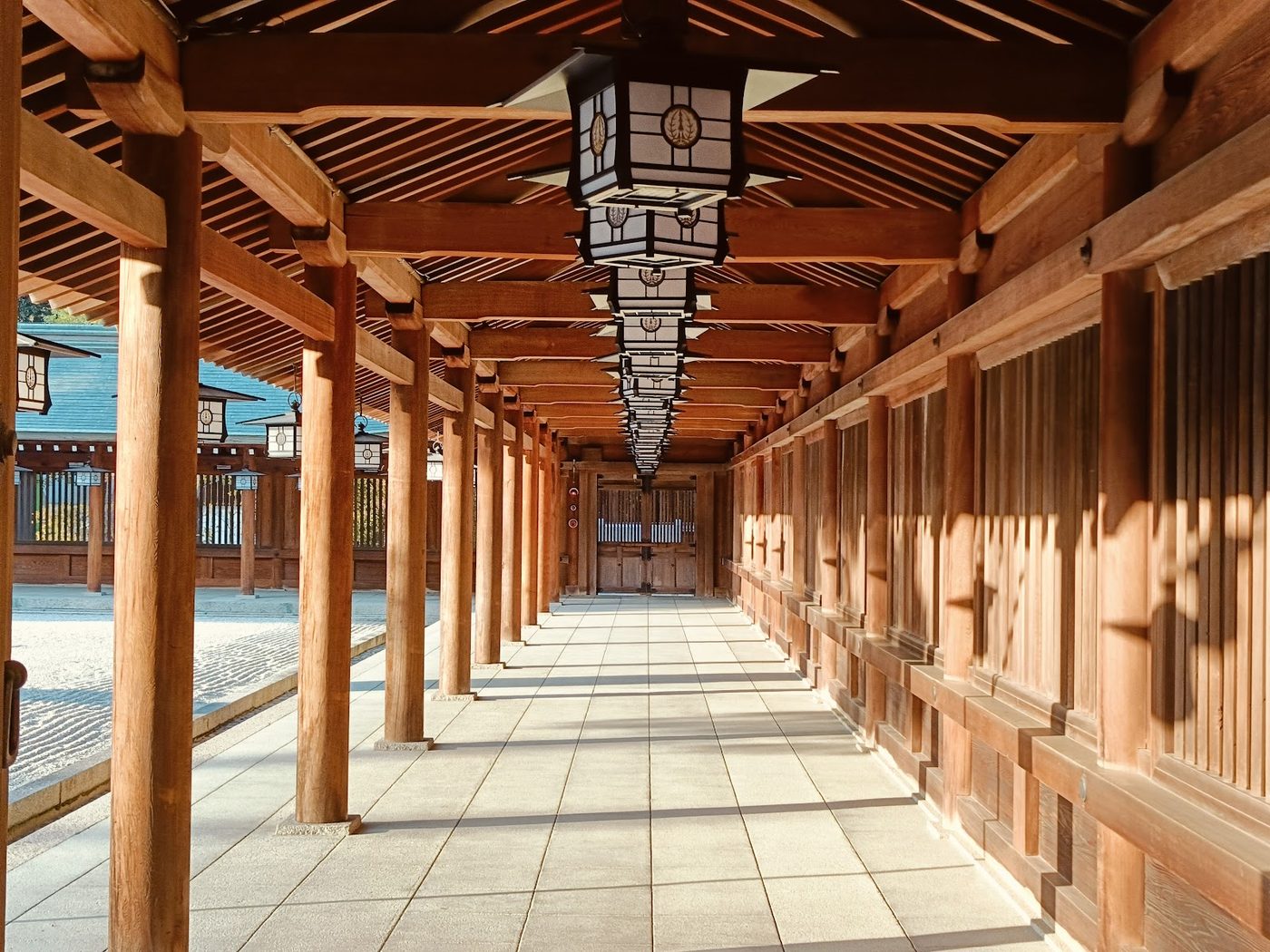
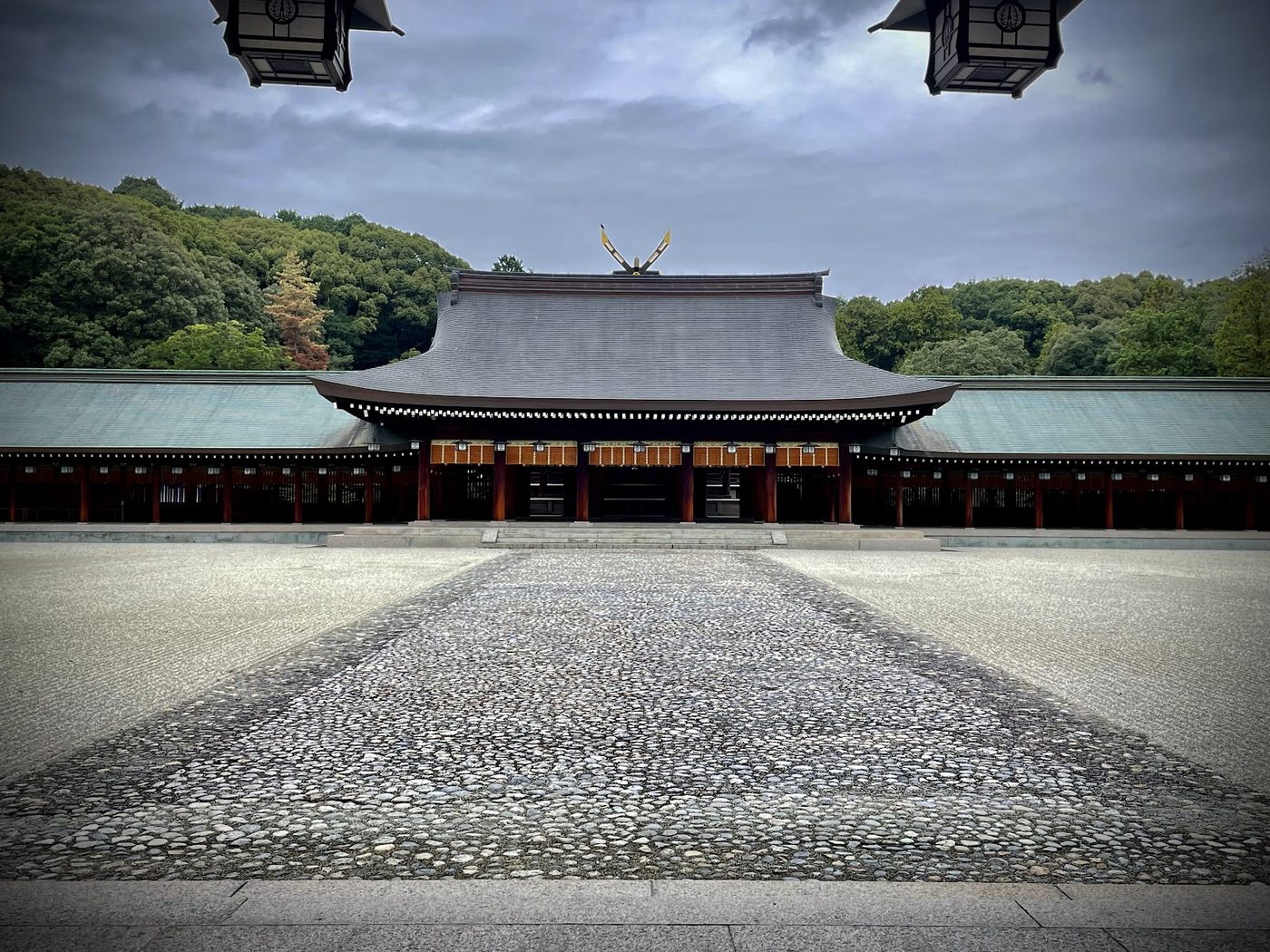
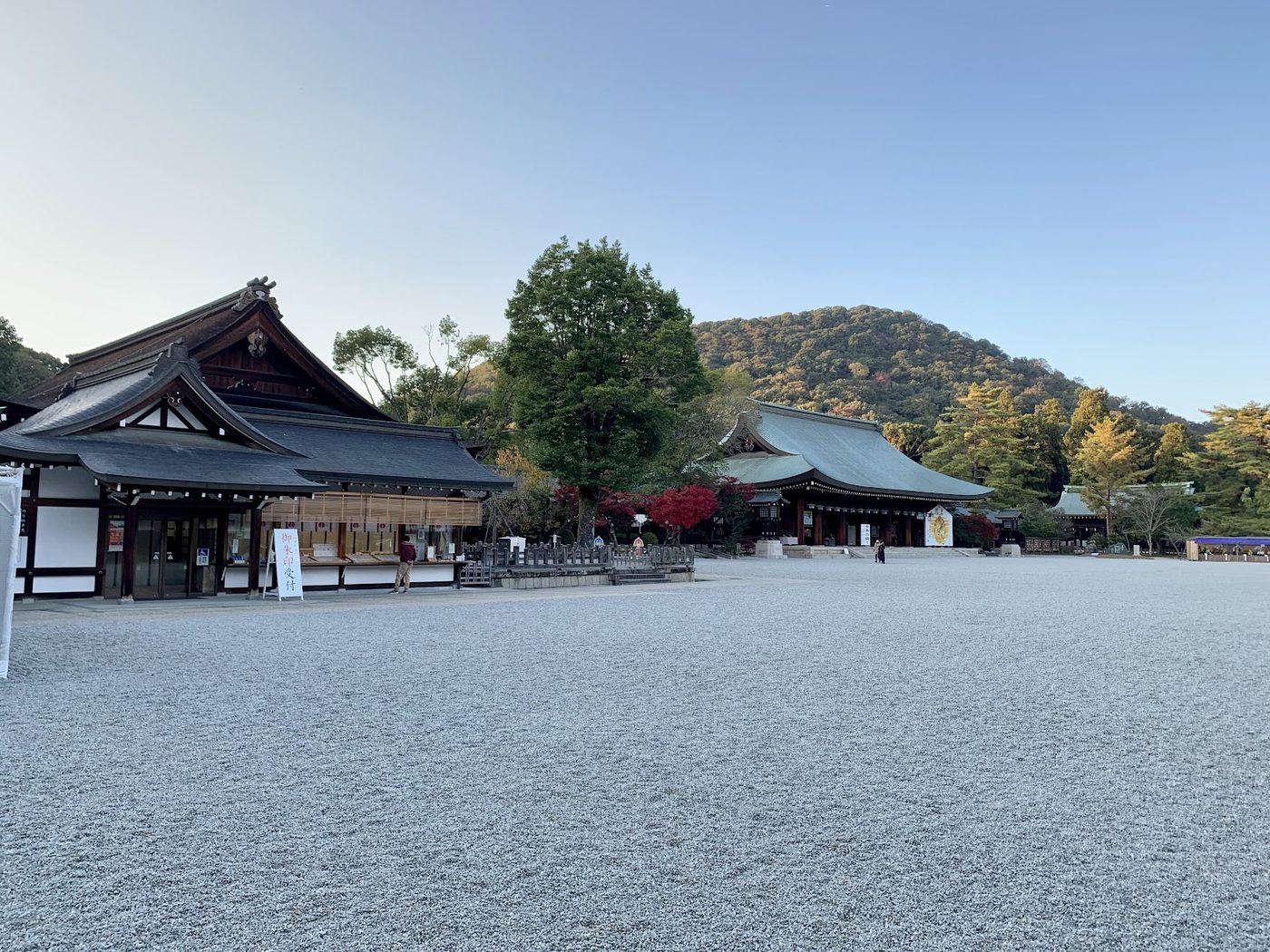
Stunning Shinto shrine with 3,000 stone and bronze lanterns. Twice yearly all lanterns are lit during the Mantoro festivals (February and August). Vermilion buildings in primeval forest. UNESCO World Heritage.
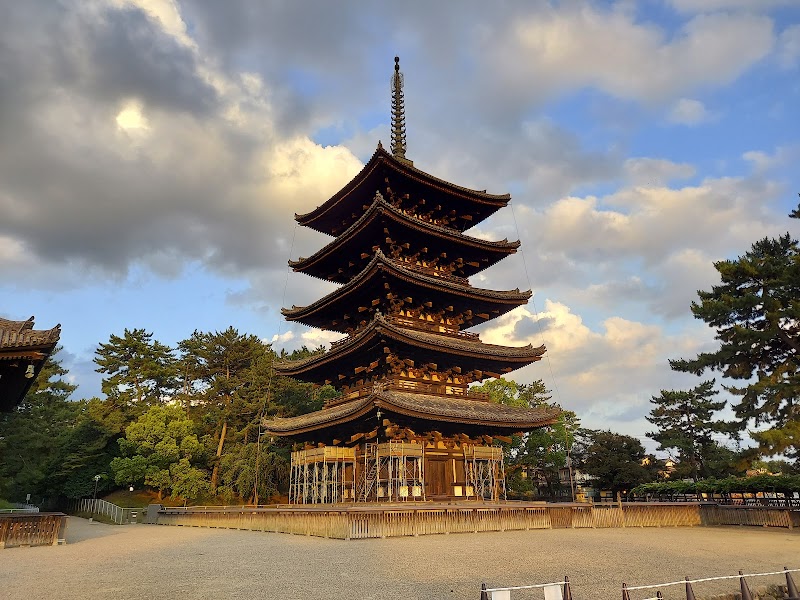
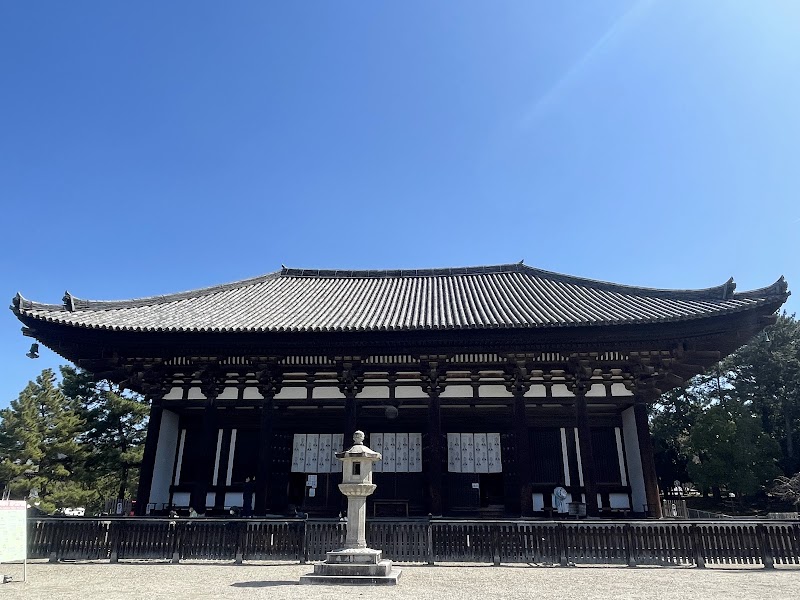
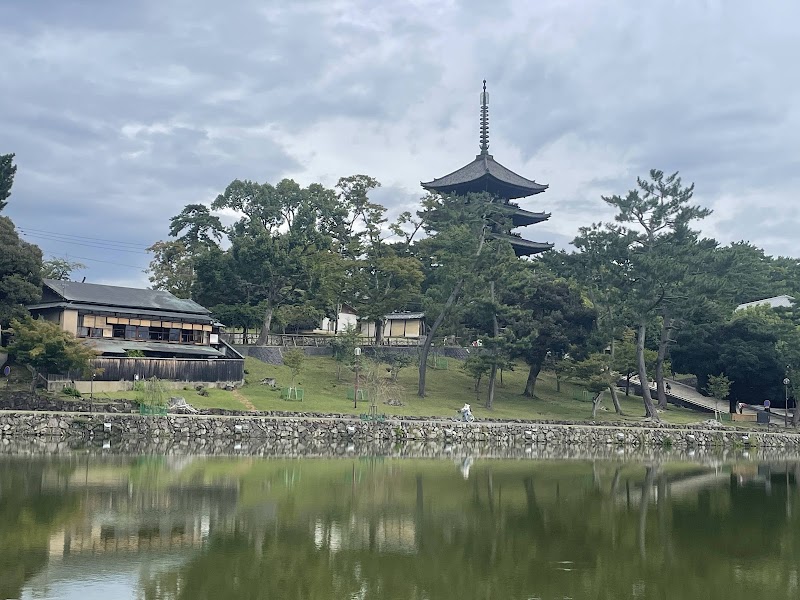
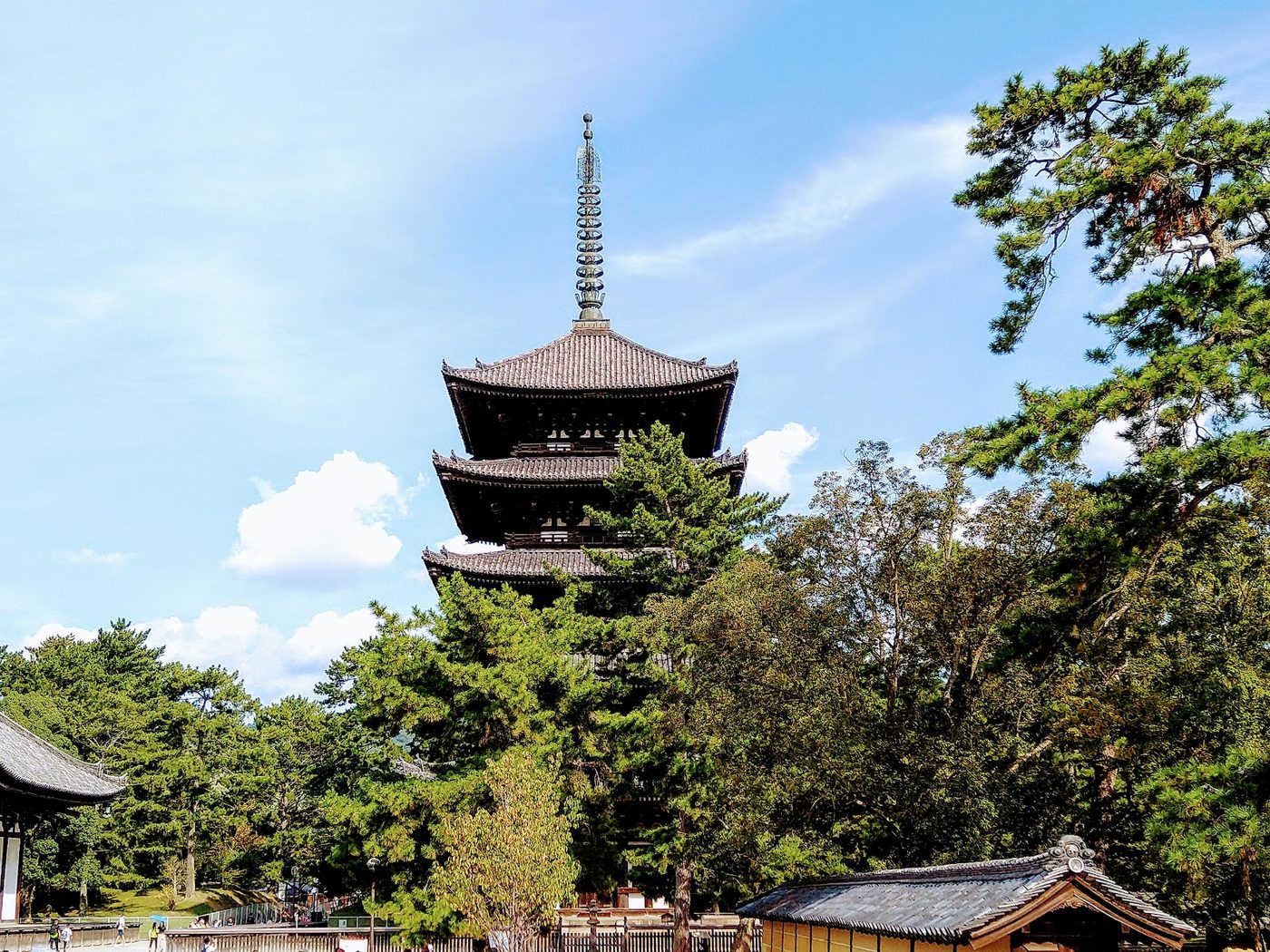
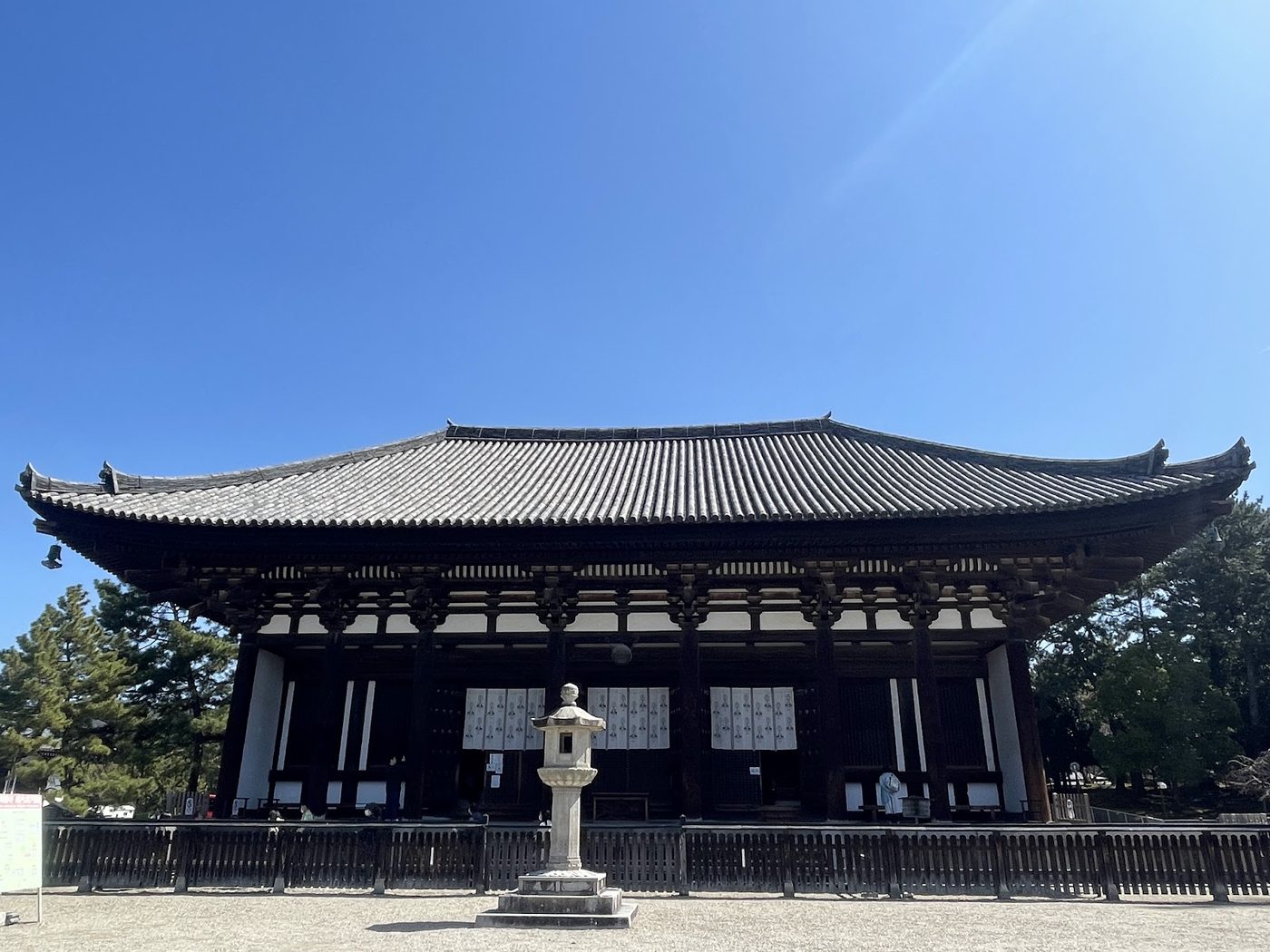
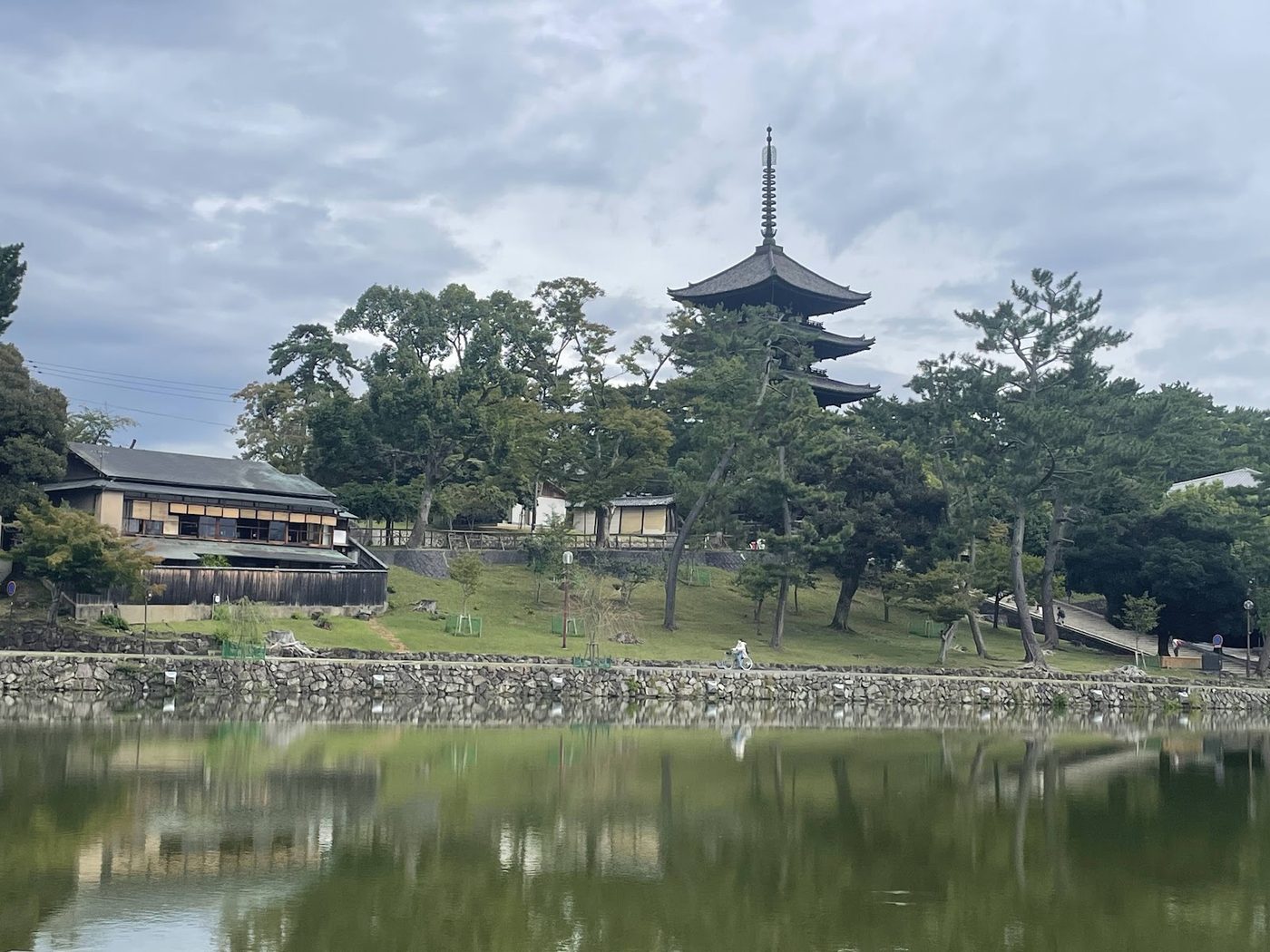
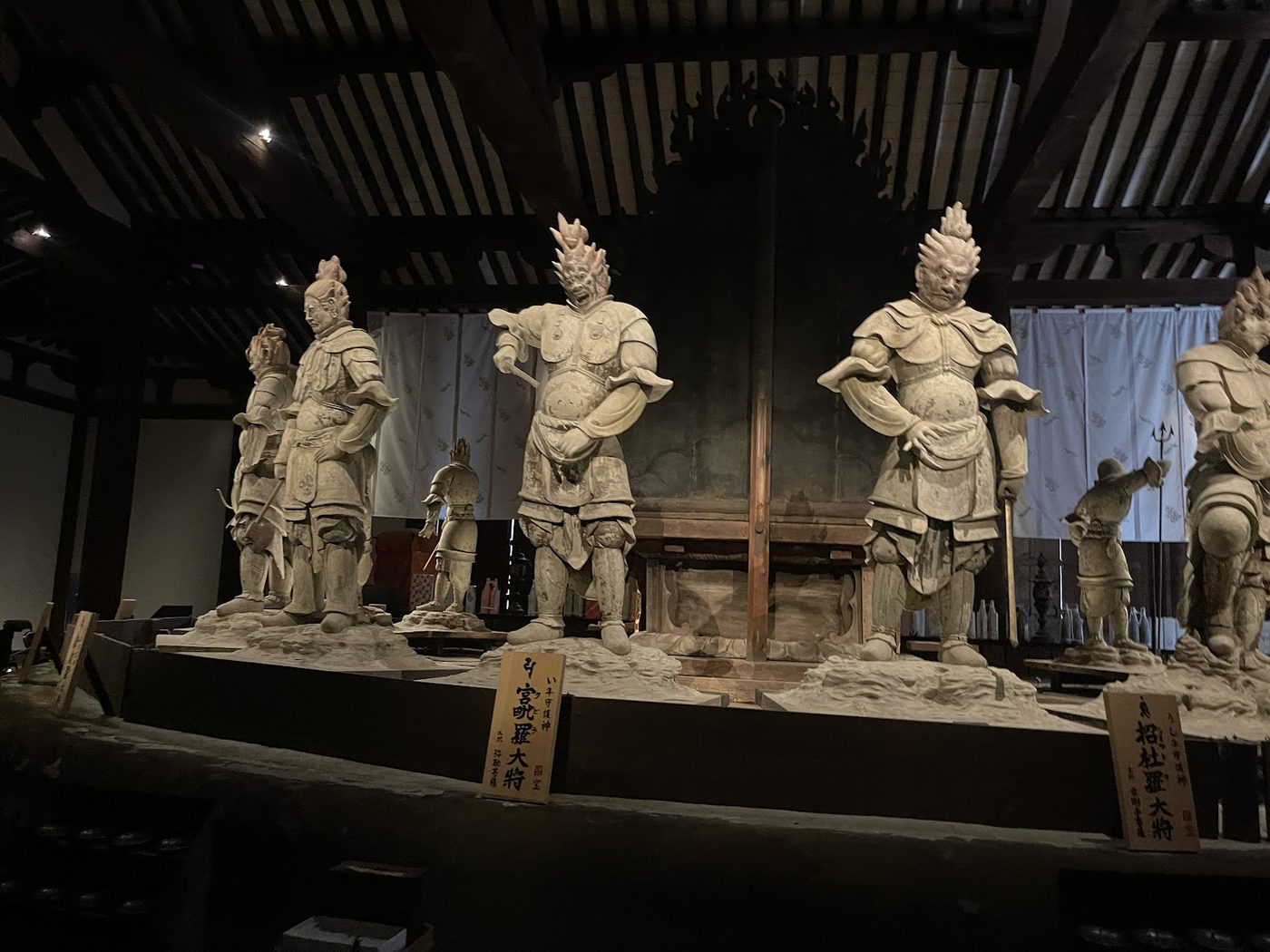
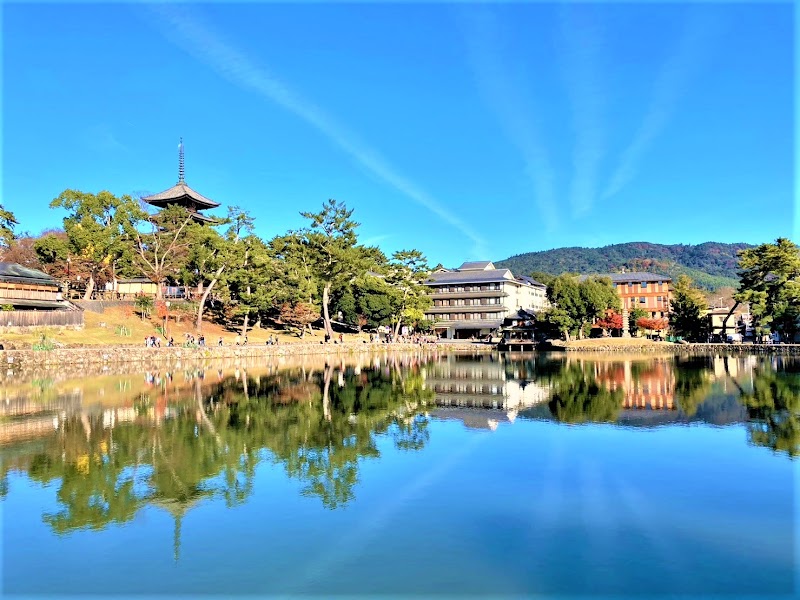
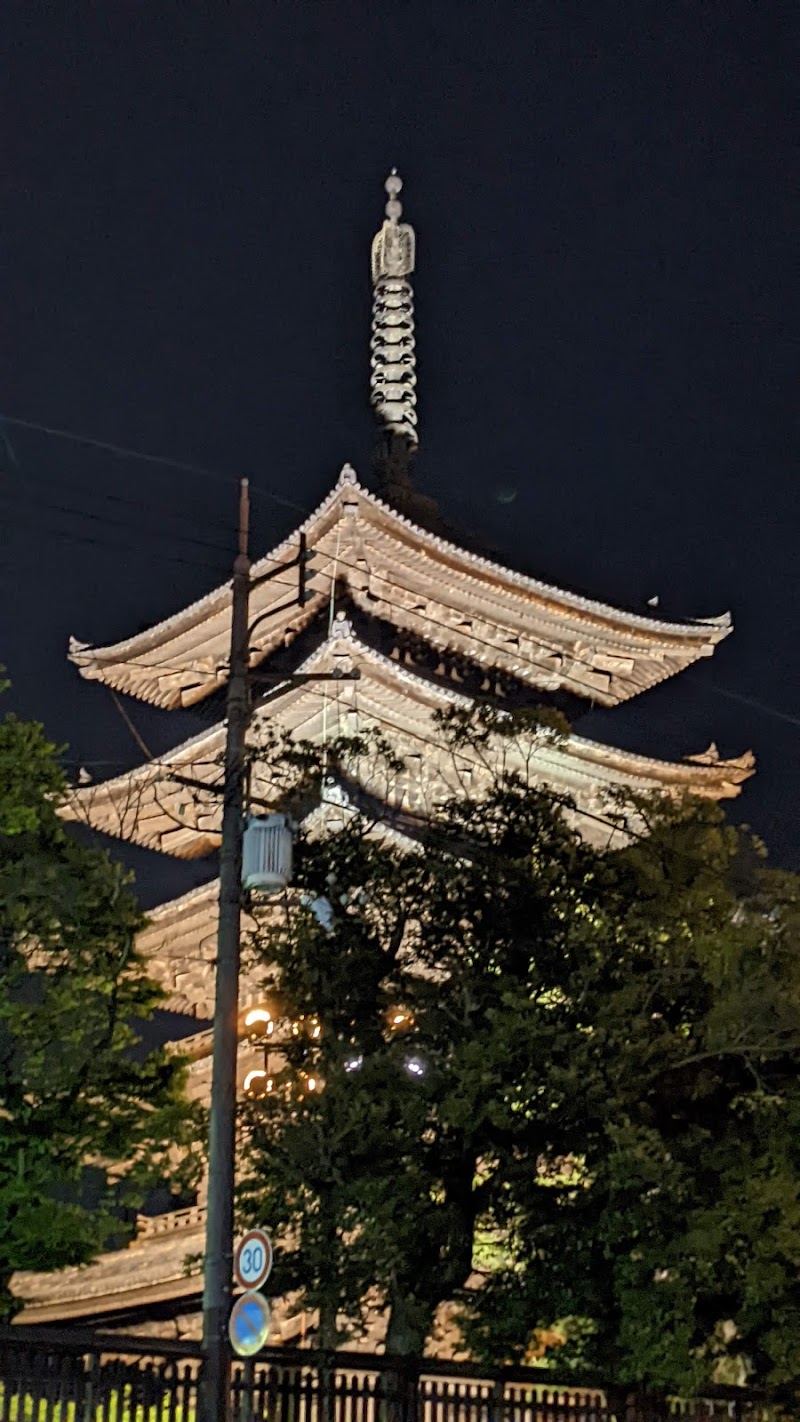
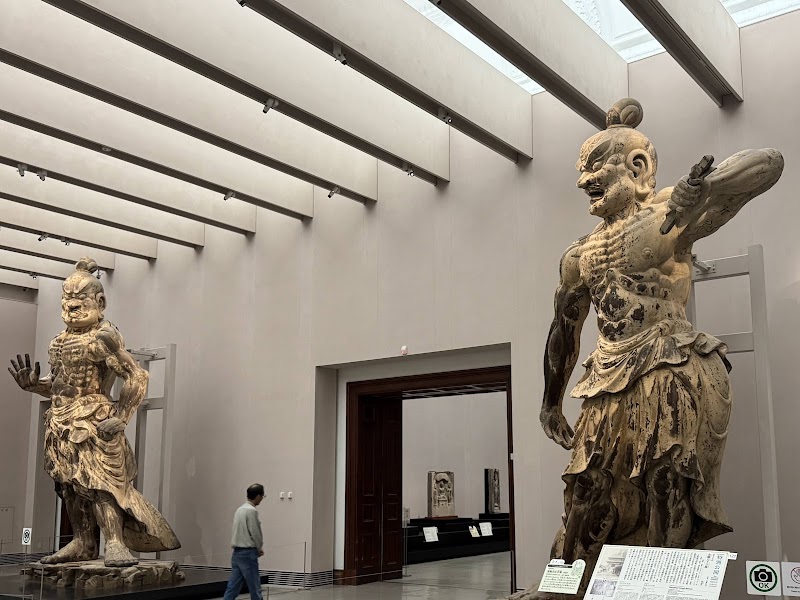
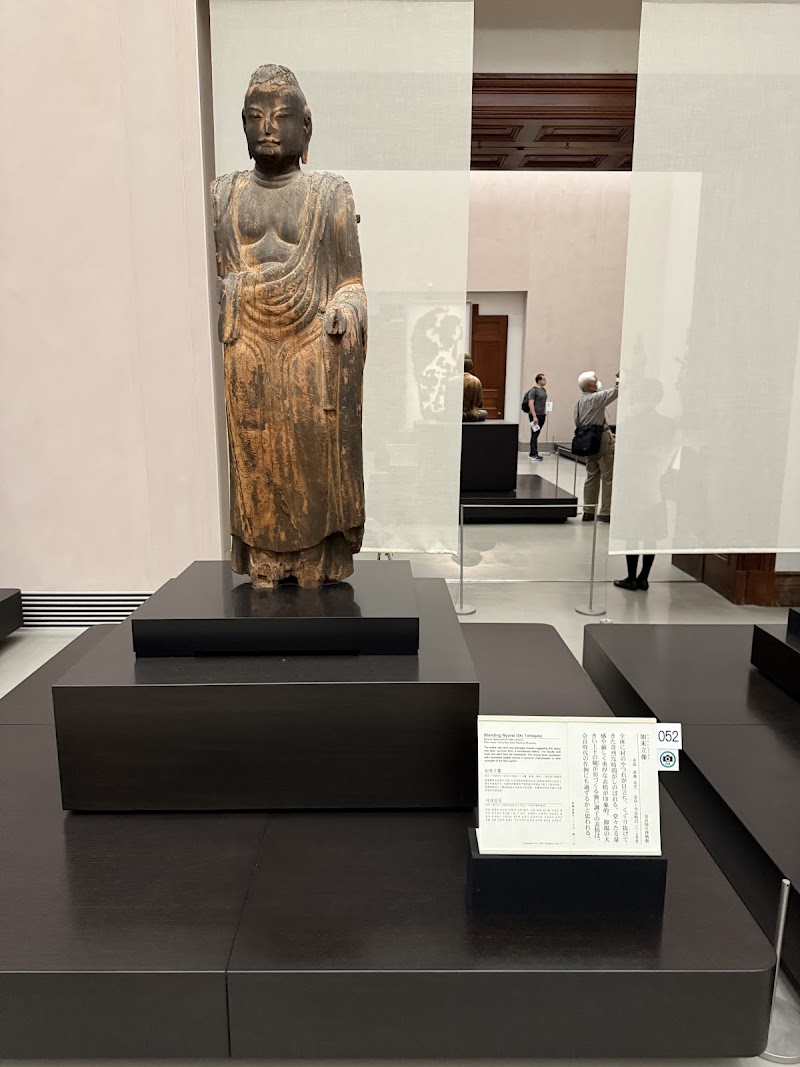
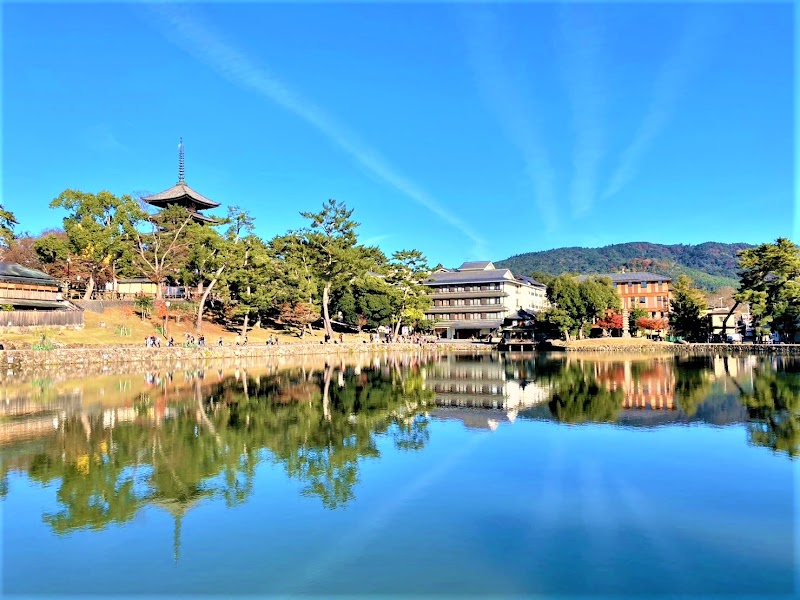
Five-story pagoda (second tallest in Japan) reflected in Sarusawa Pond. The National Treasure Hall has superb Buddhist sculptures including the famous three-faced Ashura statue. Near Nara Station.
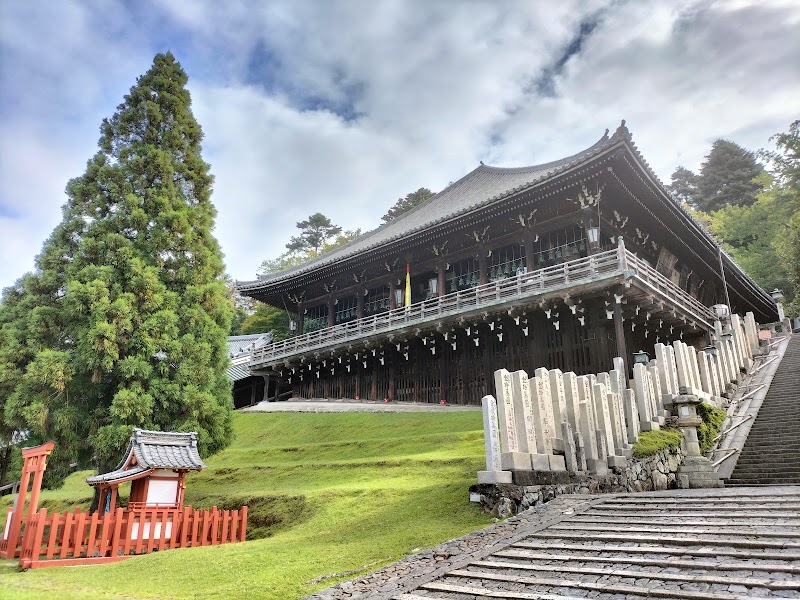
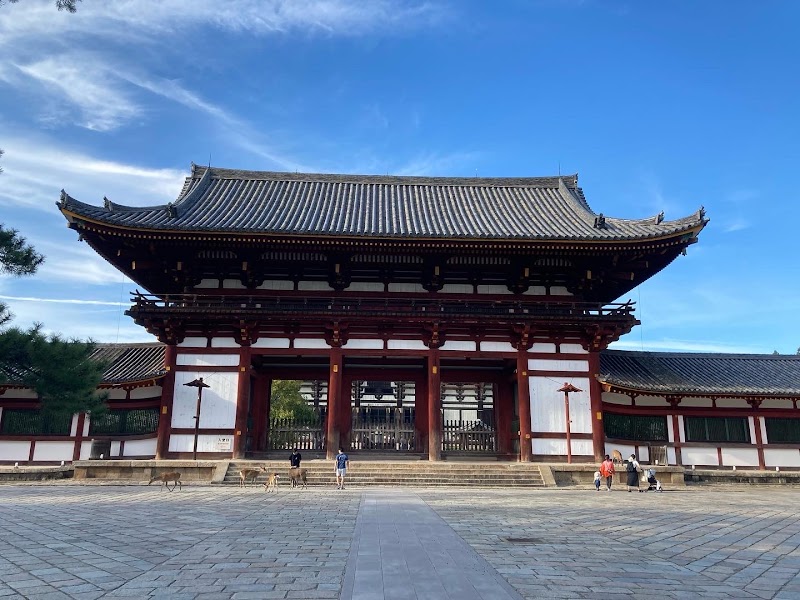
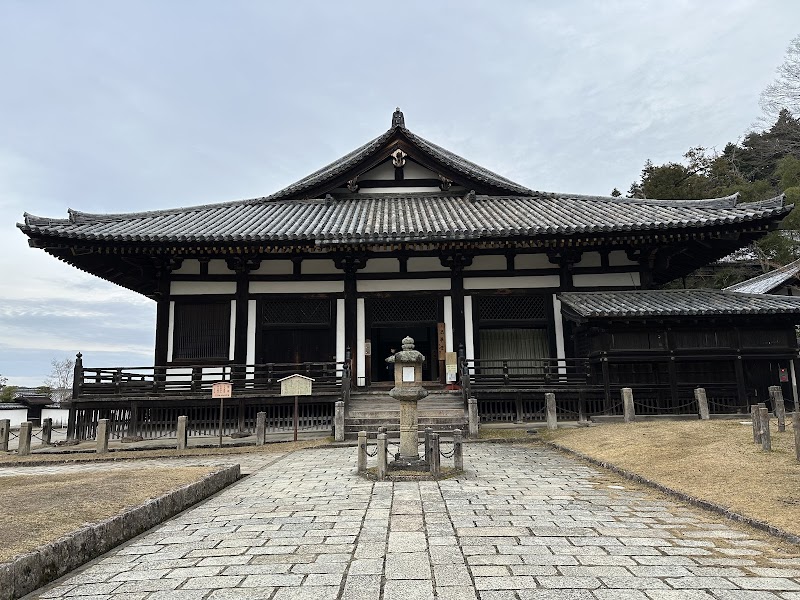
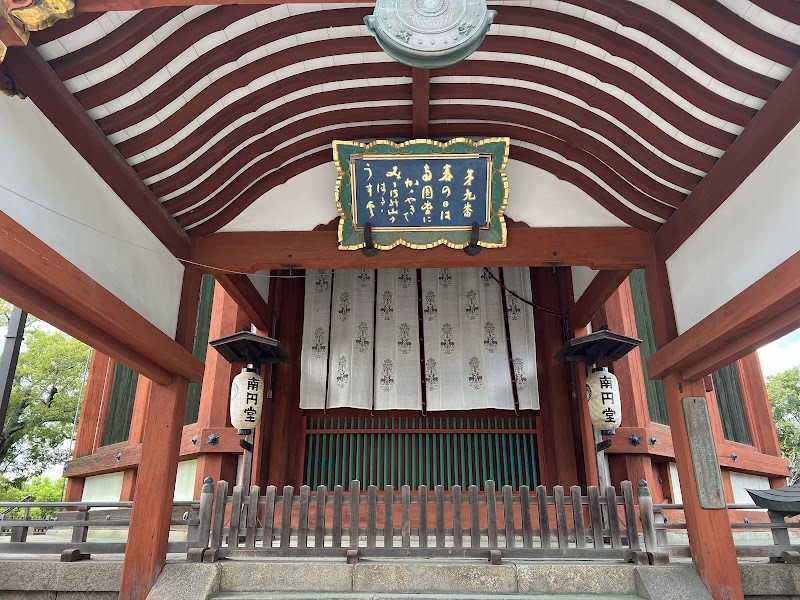
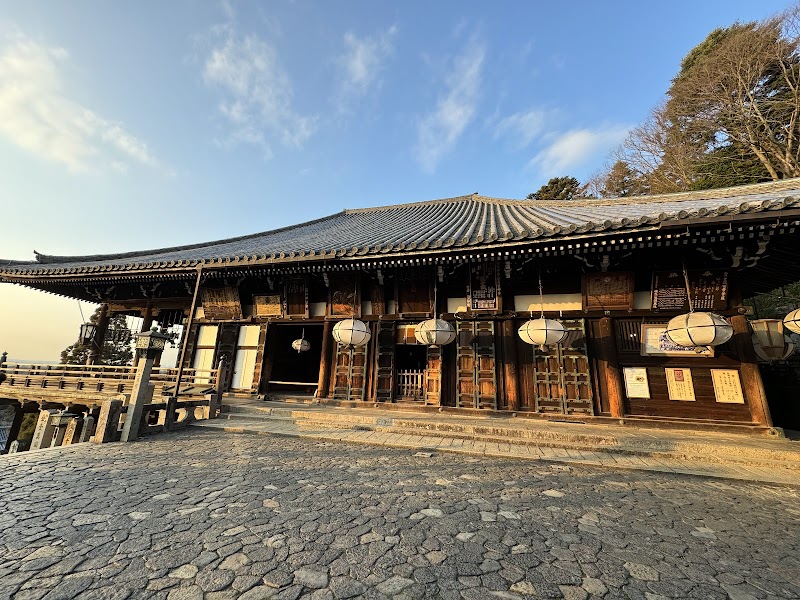
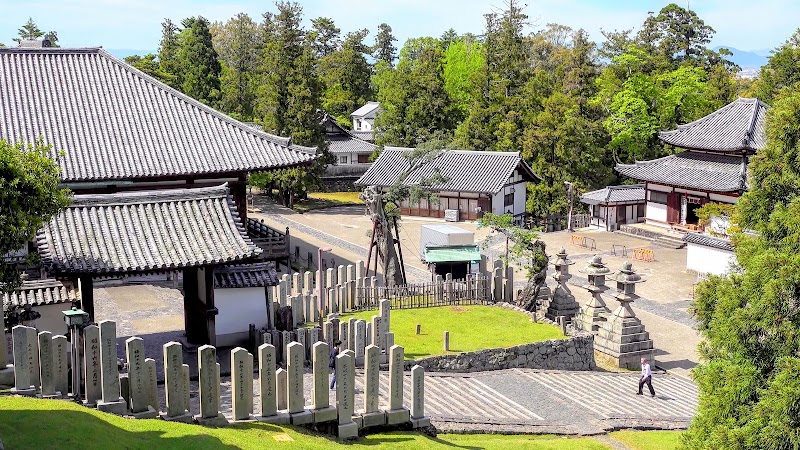
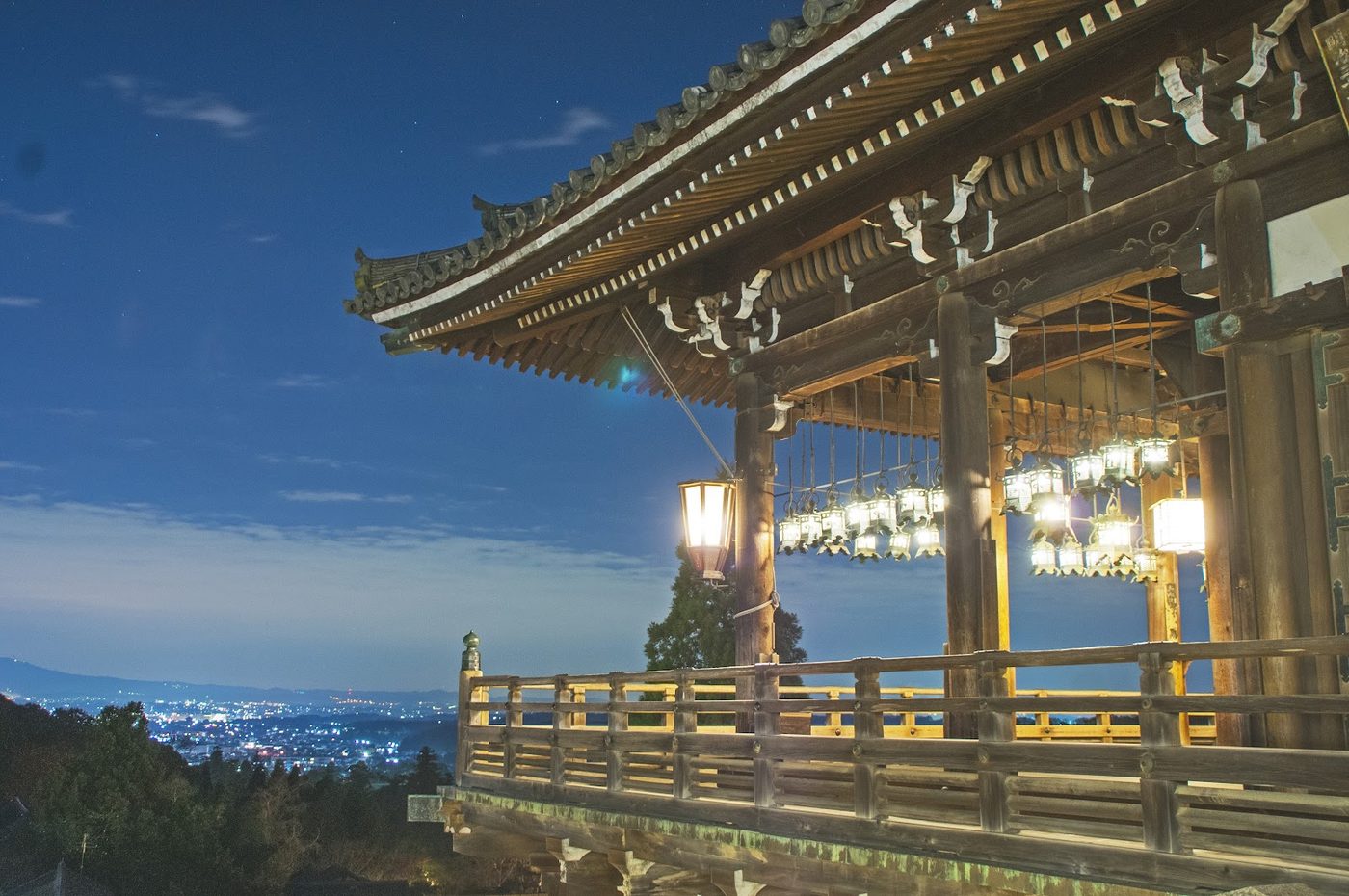
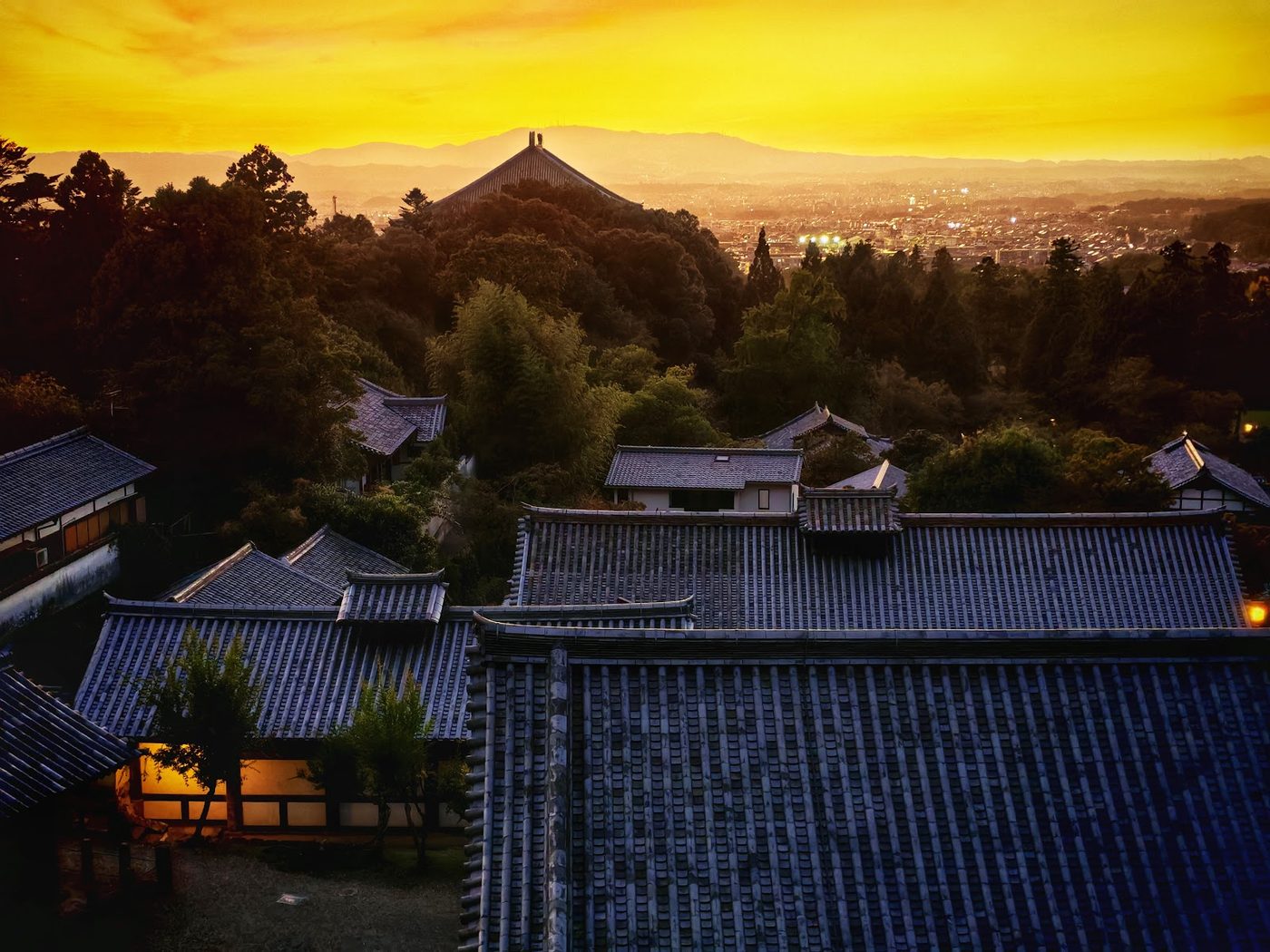
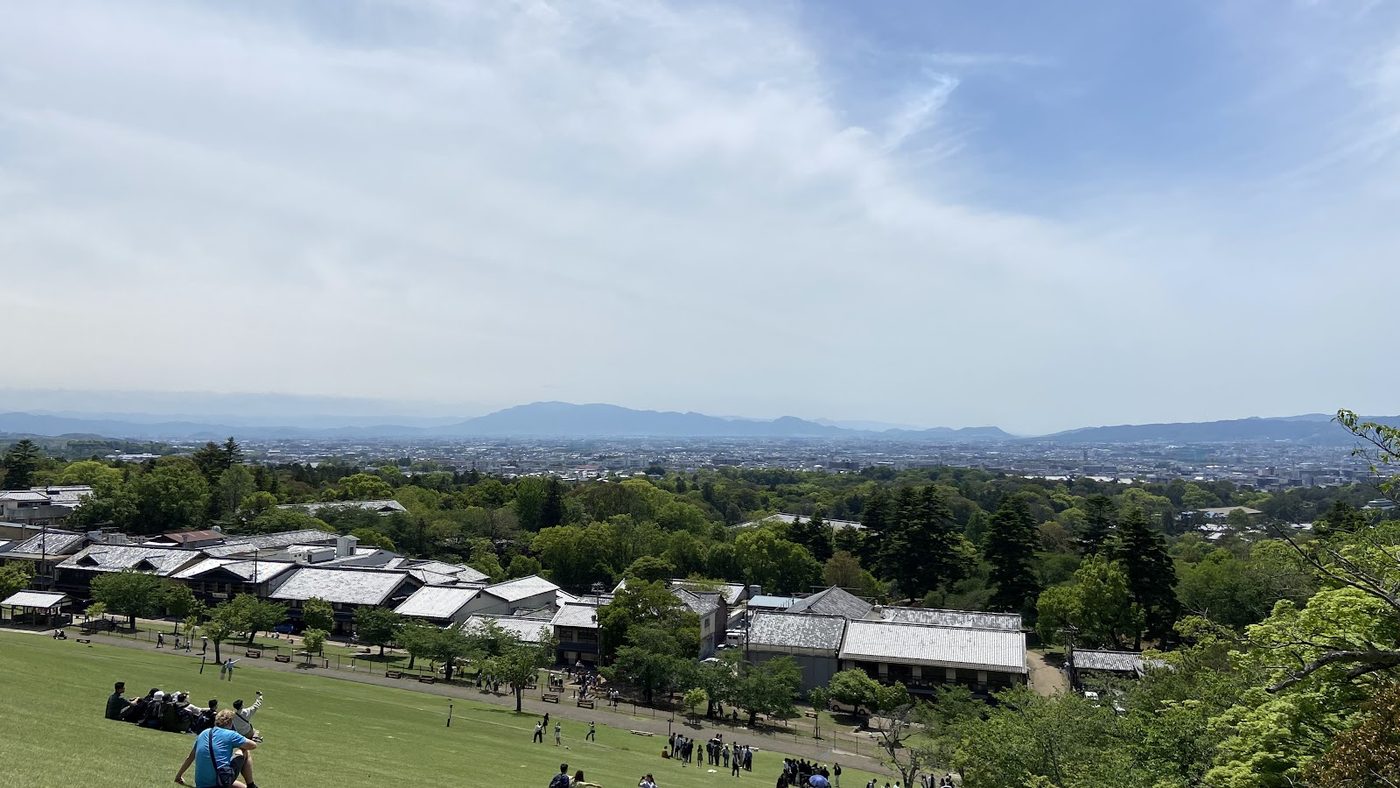
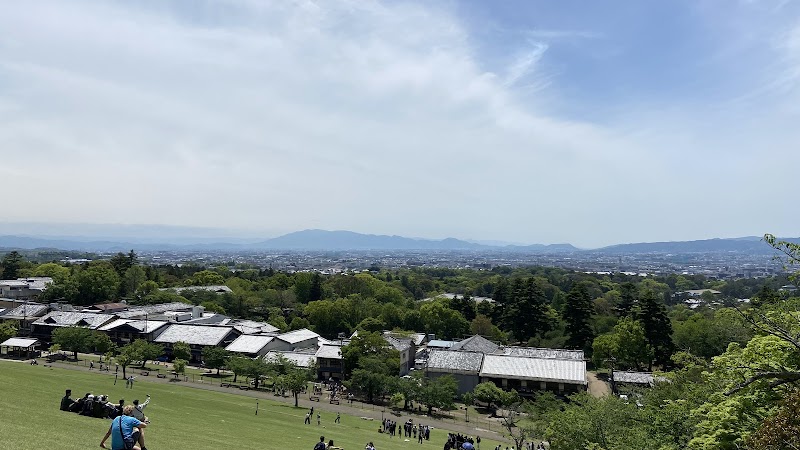
Part of the Todai-ji complex. An elevated terrace offering sweeping panoramic views over all of Nara. Beautiful at sunset. The annual Omizutori fire festival (March) features massive flaming torches.
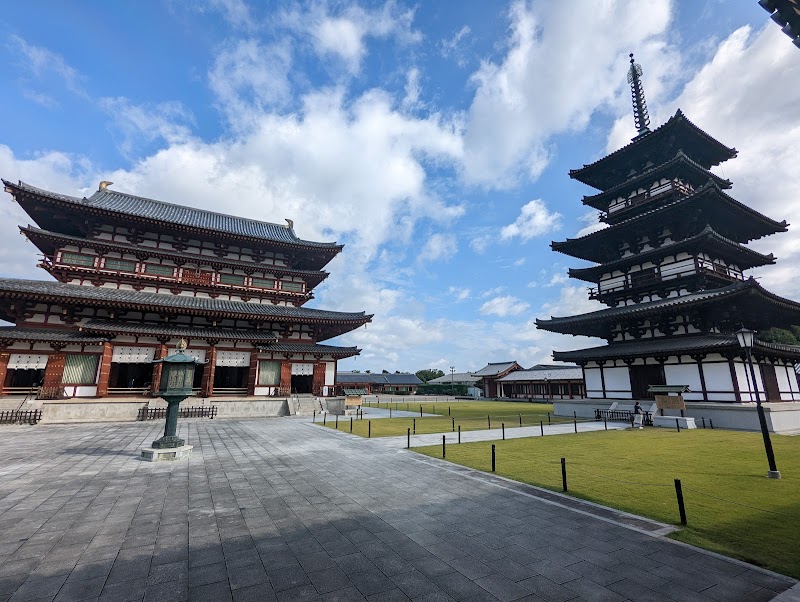
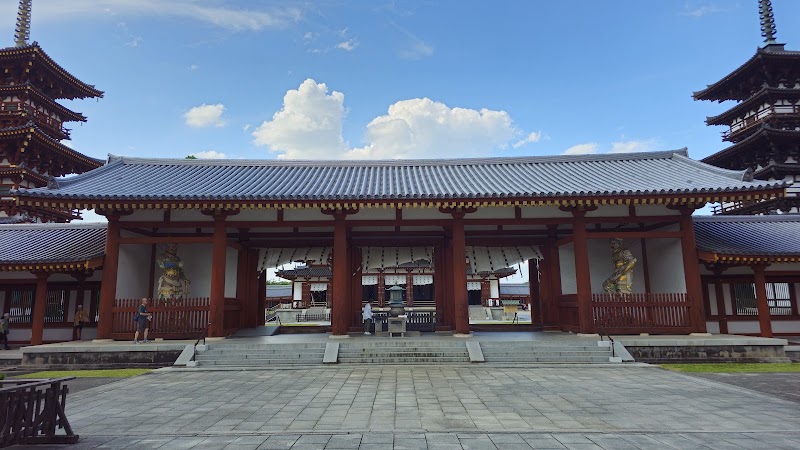
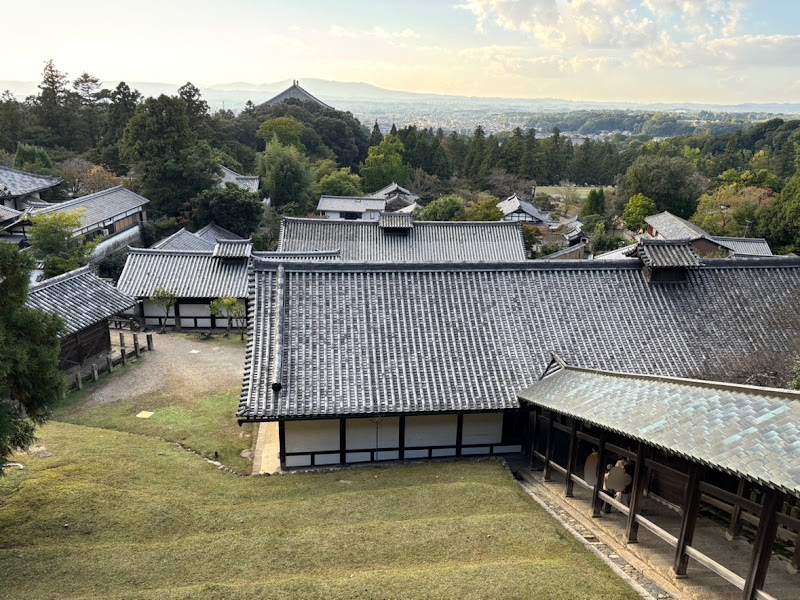
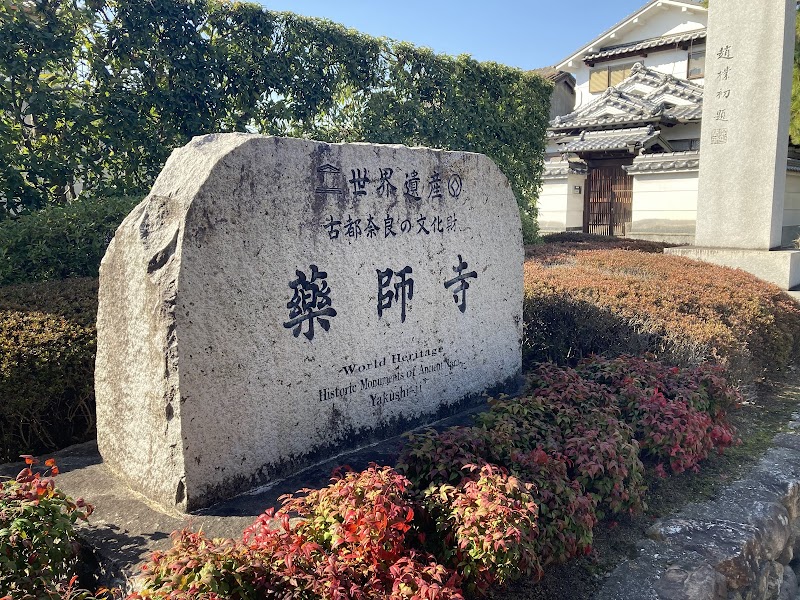
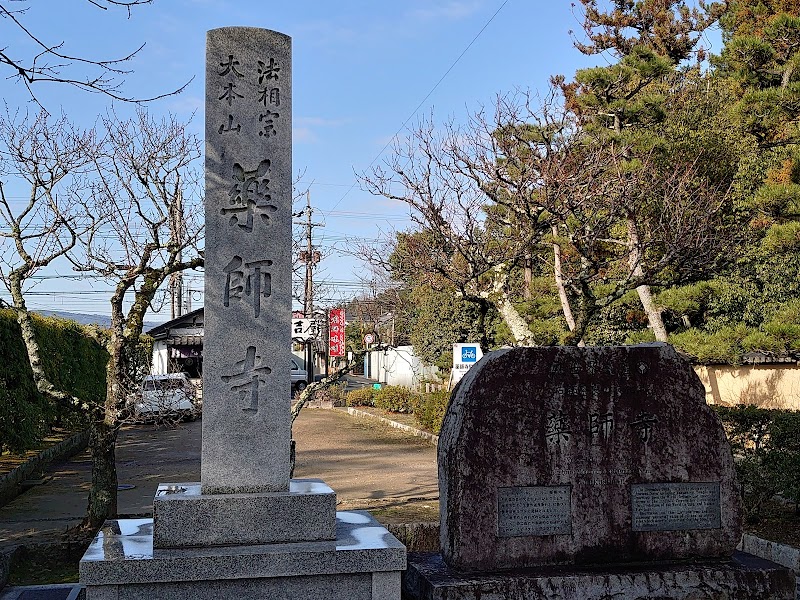
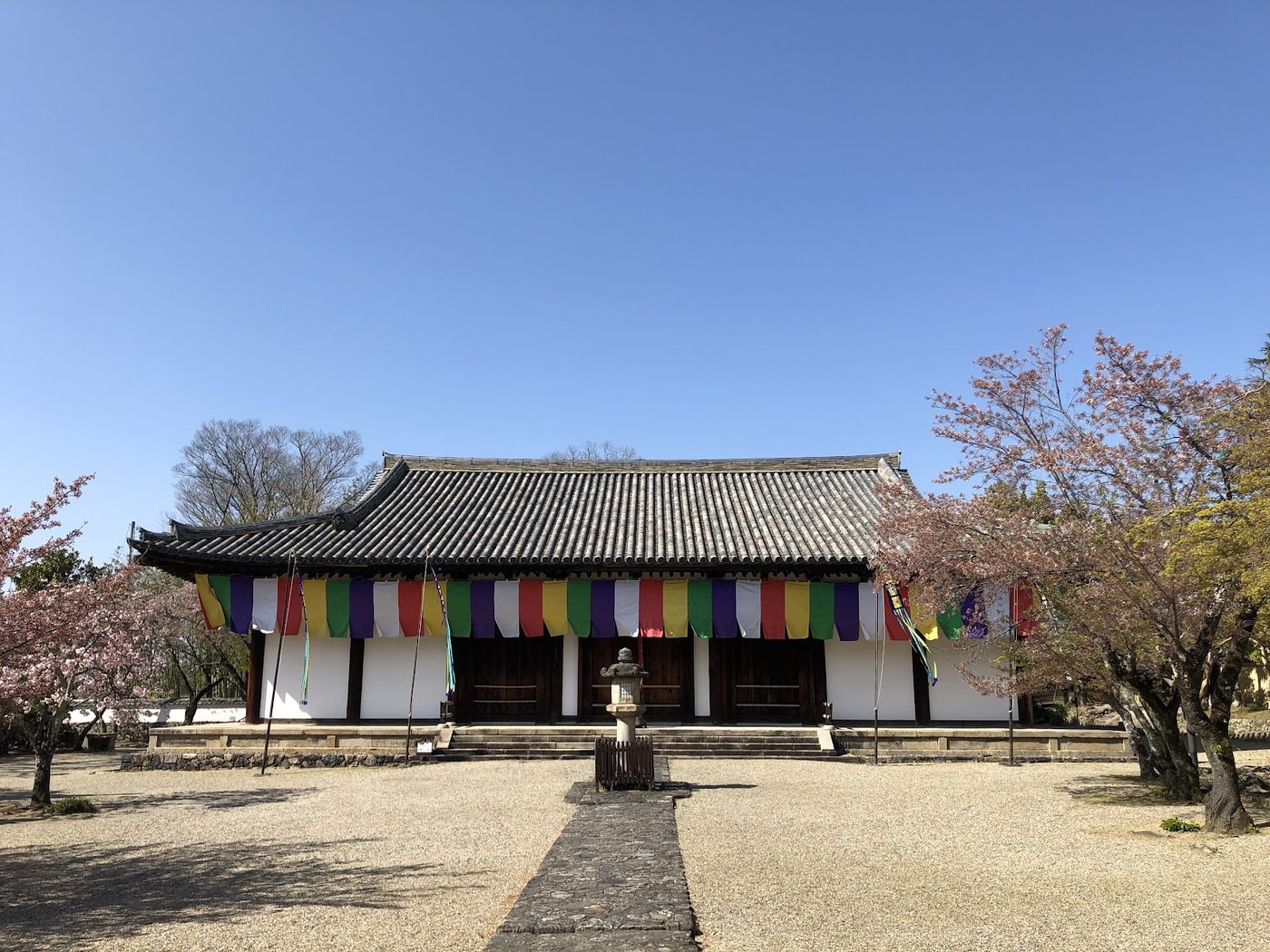
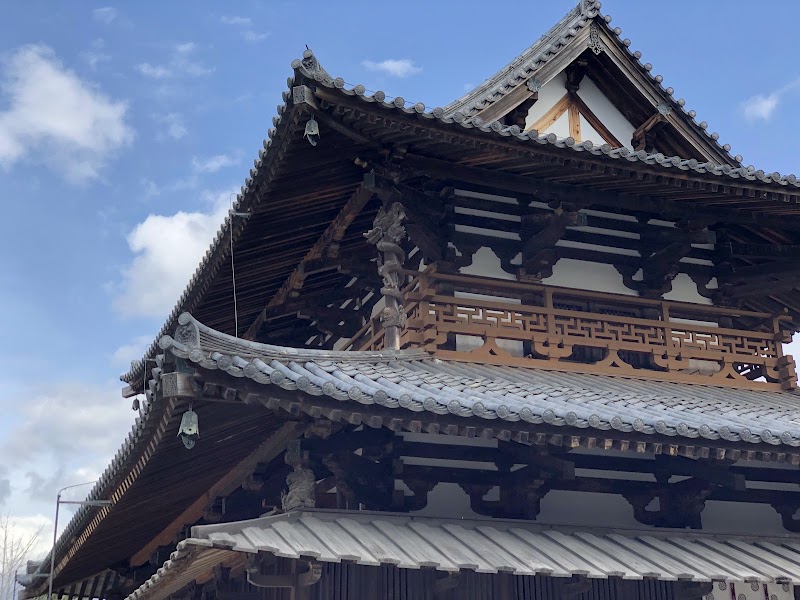
UNESCO World Heritage temple with the iconic East Pagoda (730 AD, the only original building). Known for beautiful Buddhist paintings and lotus flowers in summer. 15 min from central Nara.
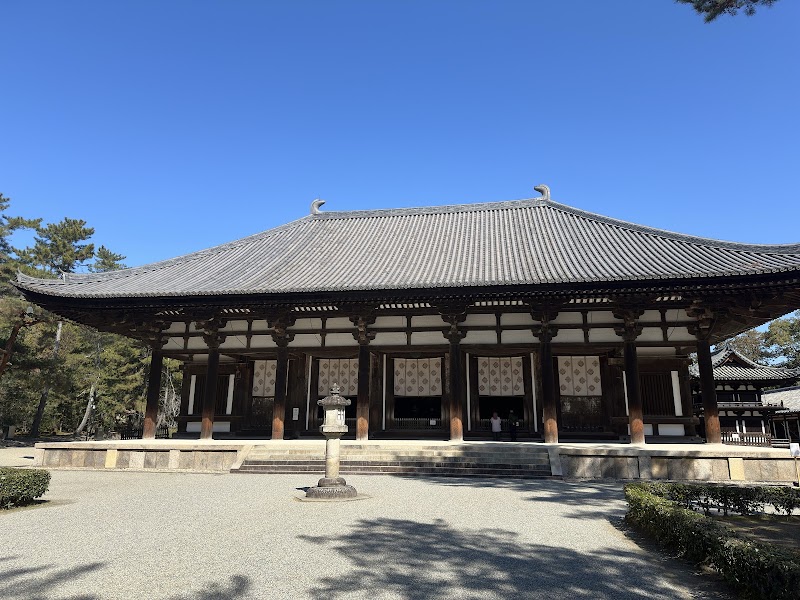
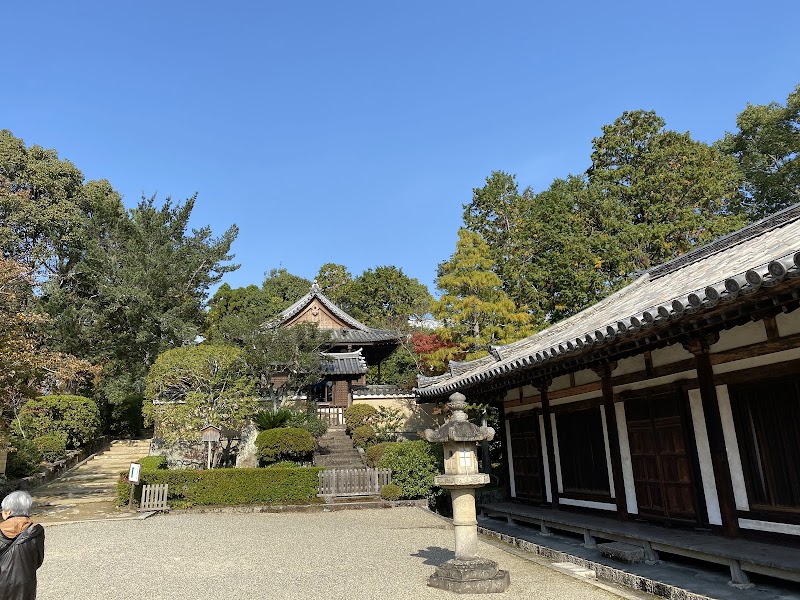
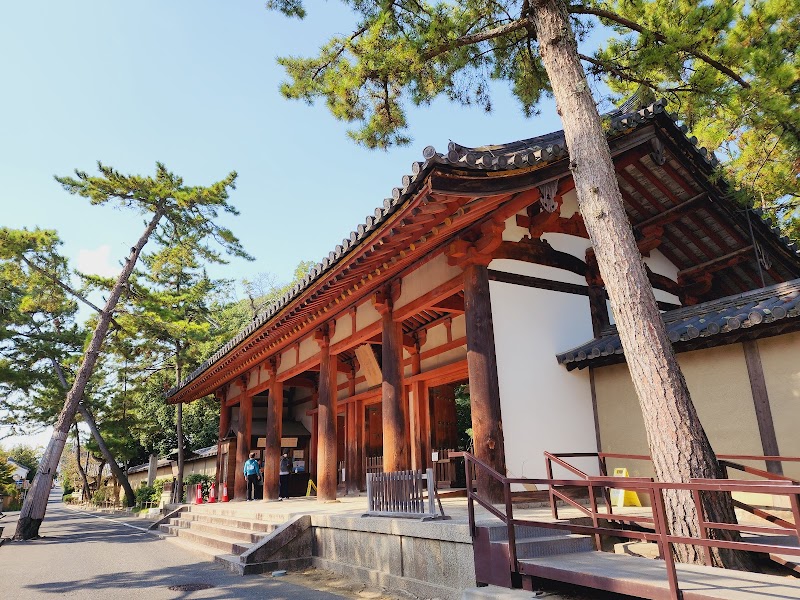
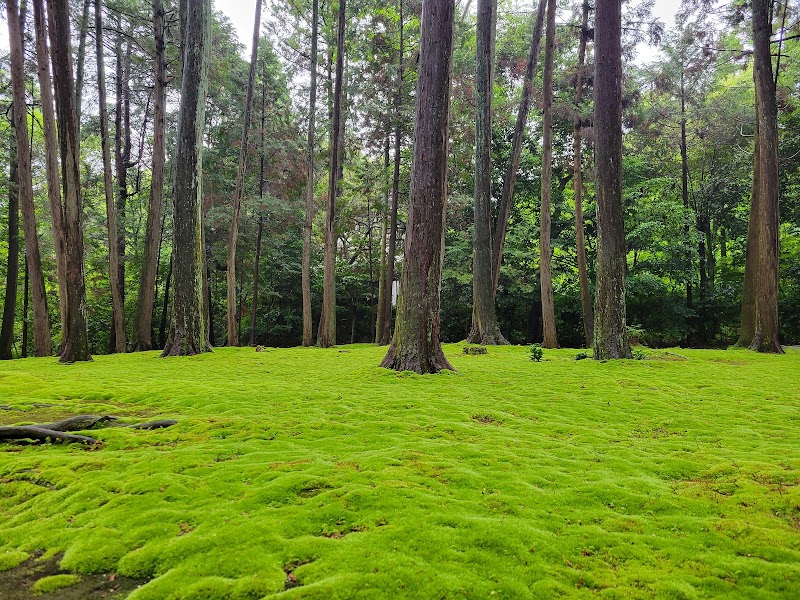
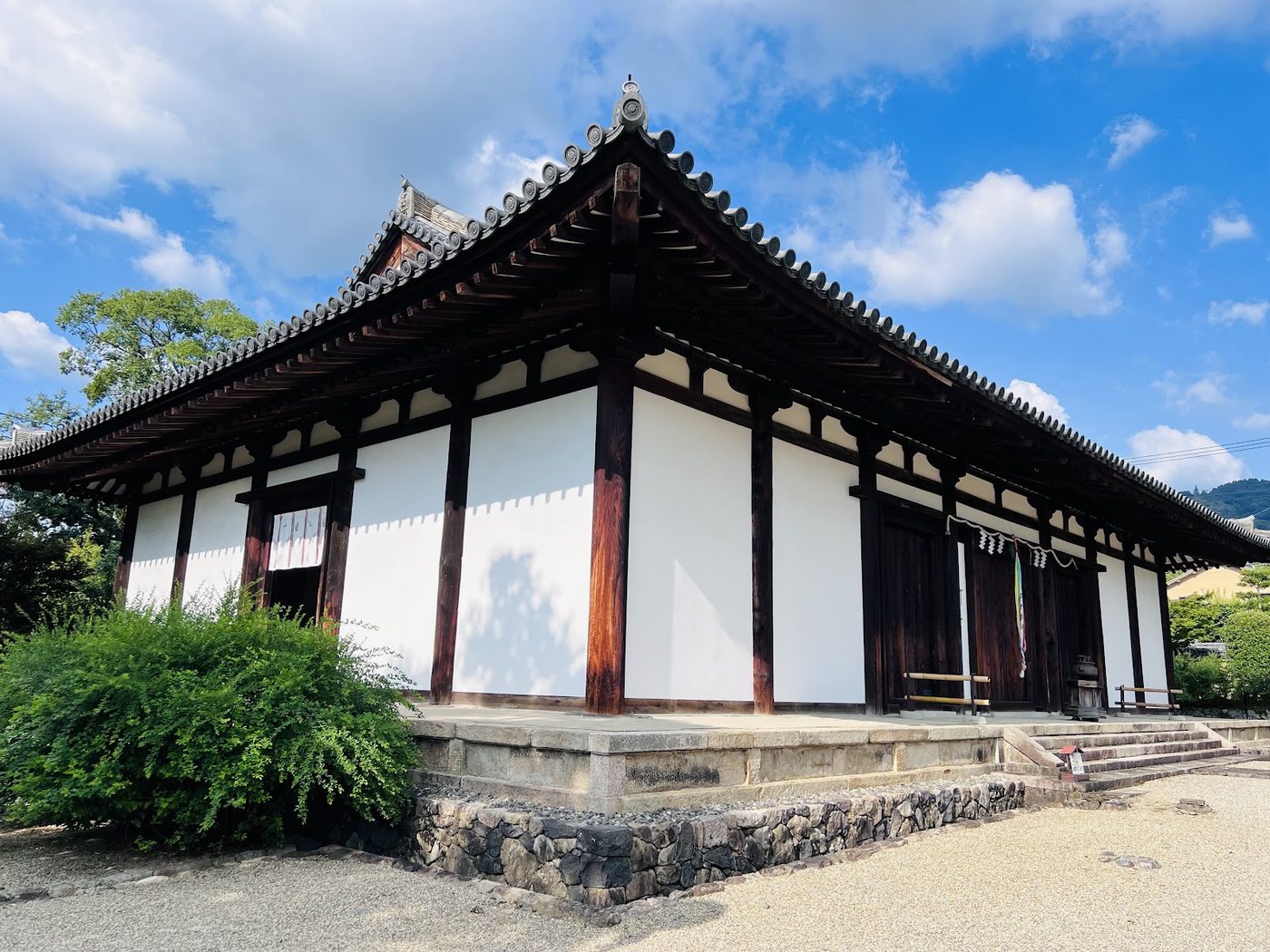
UNESCO World Heritage temple built by Chinese monk Ganjin. Serene moss gardens and a stunning wooden hall. Less visited than central Nara temples. Combined ticket with Yakushi-ji available.
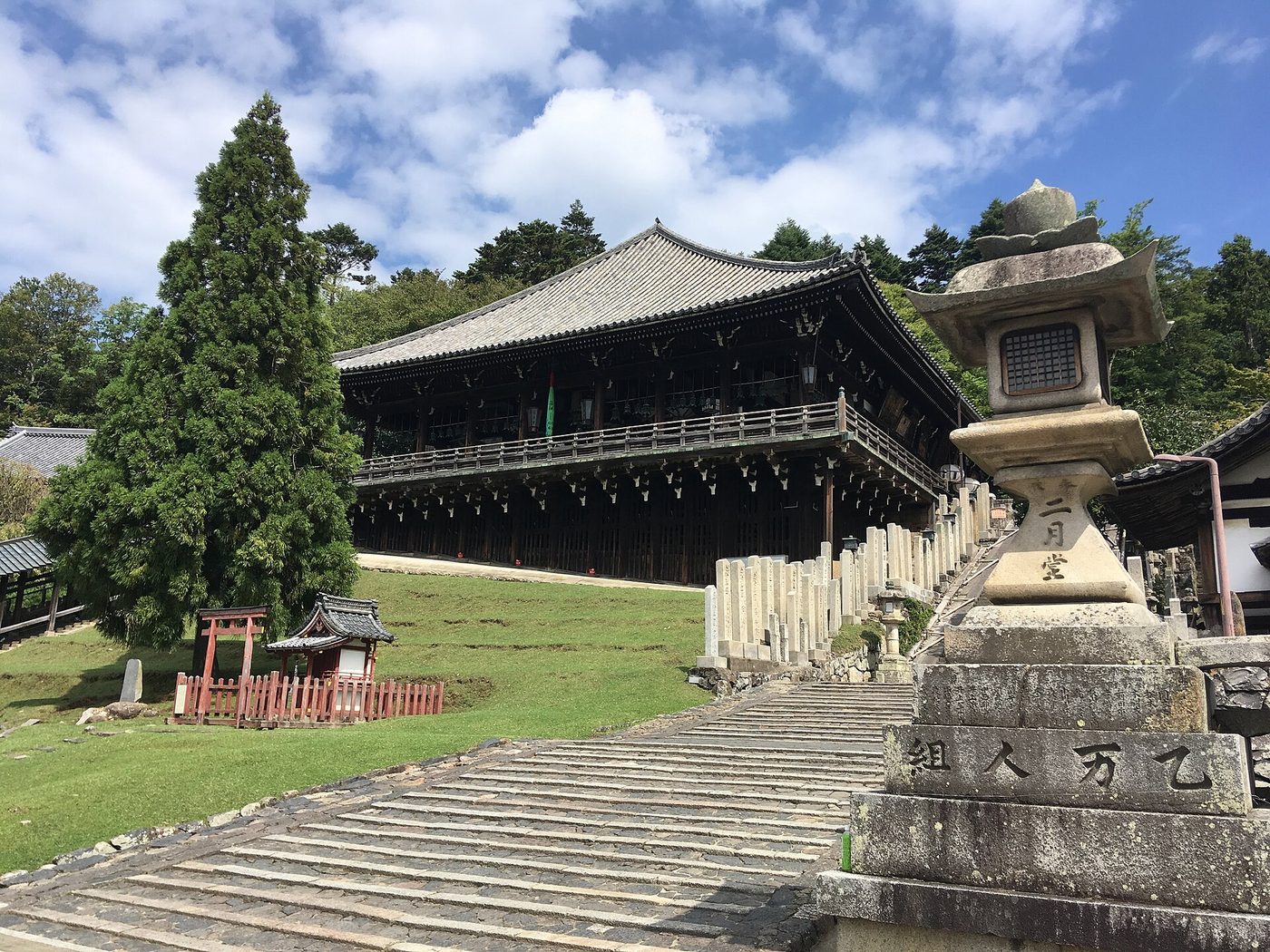
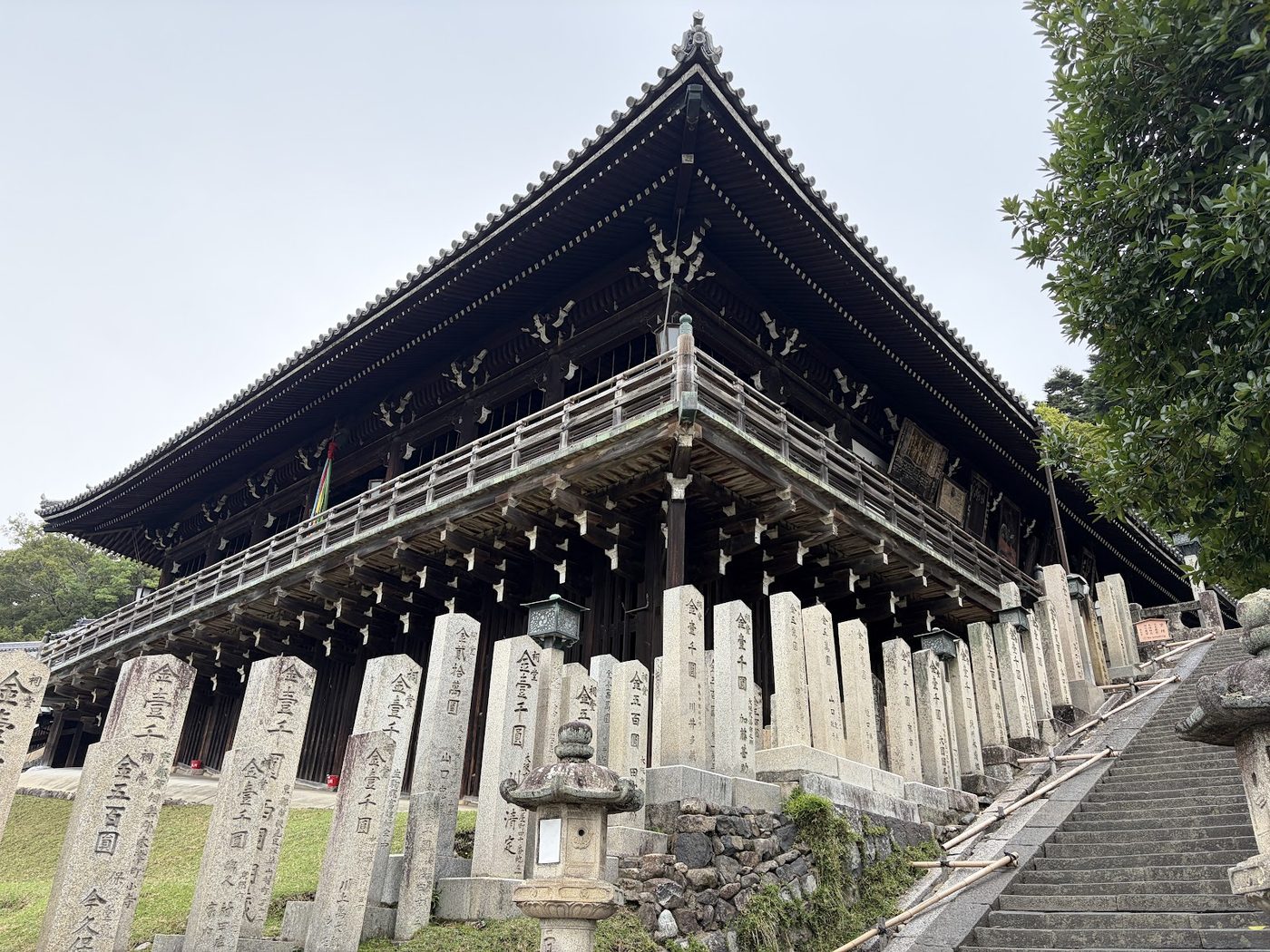
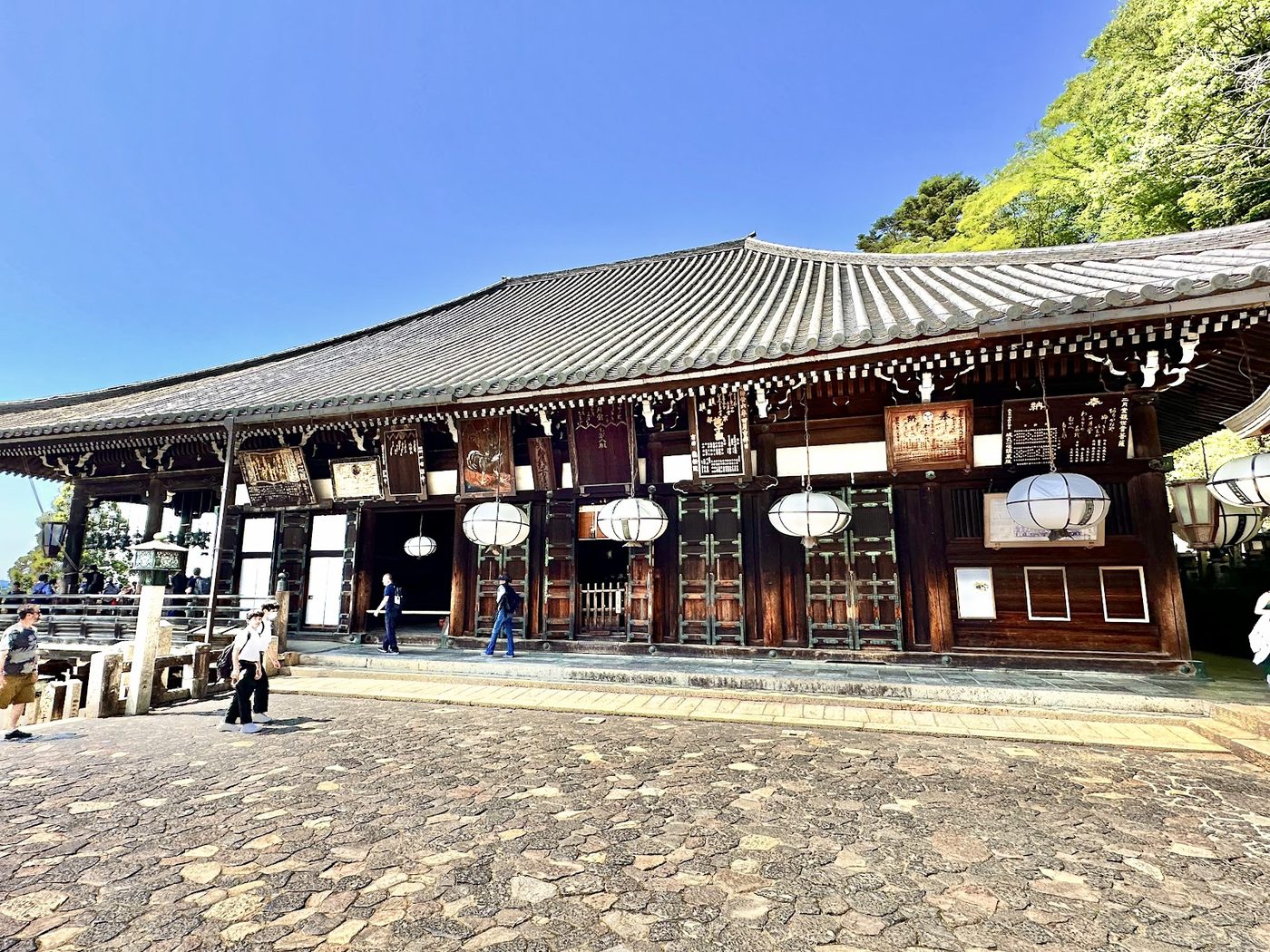
The 'February Hall' on the hillside above Todai-ji, the balcony overlooks Nara with no entry fee. The Omizutori fire festival (March)...
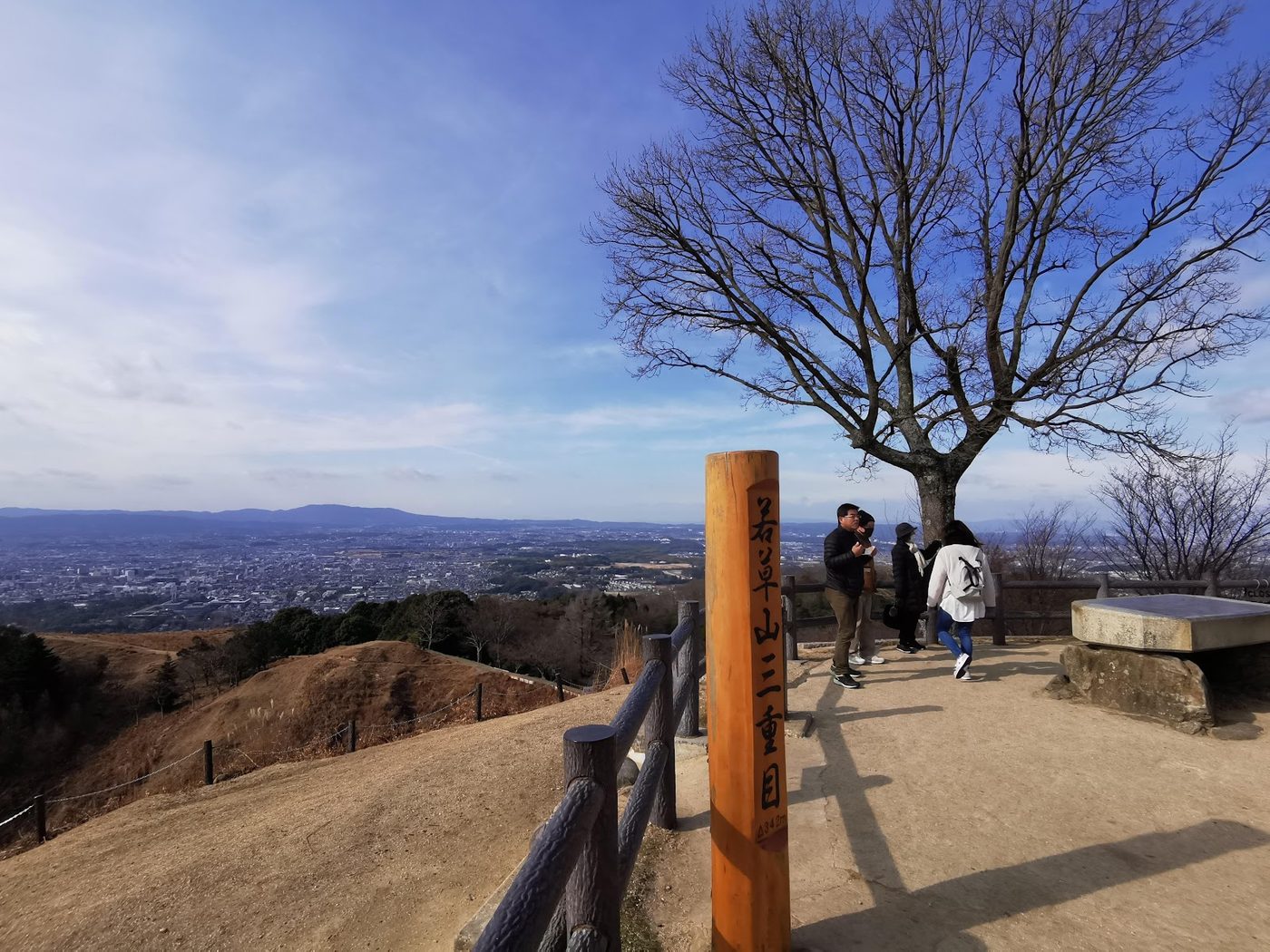
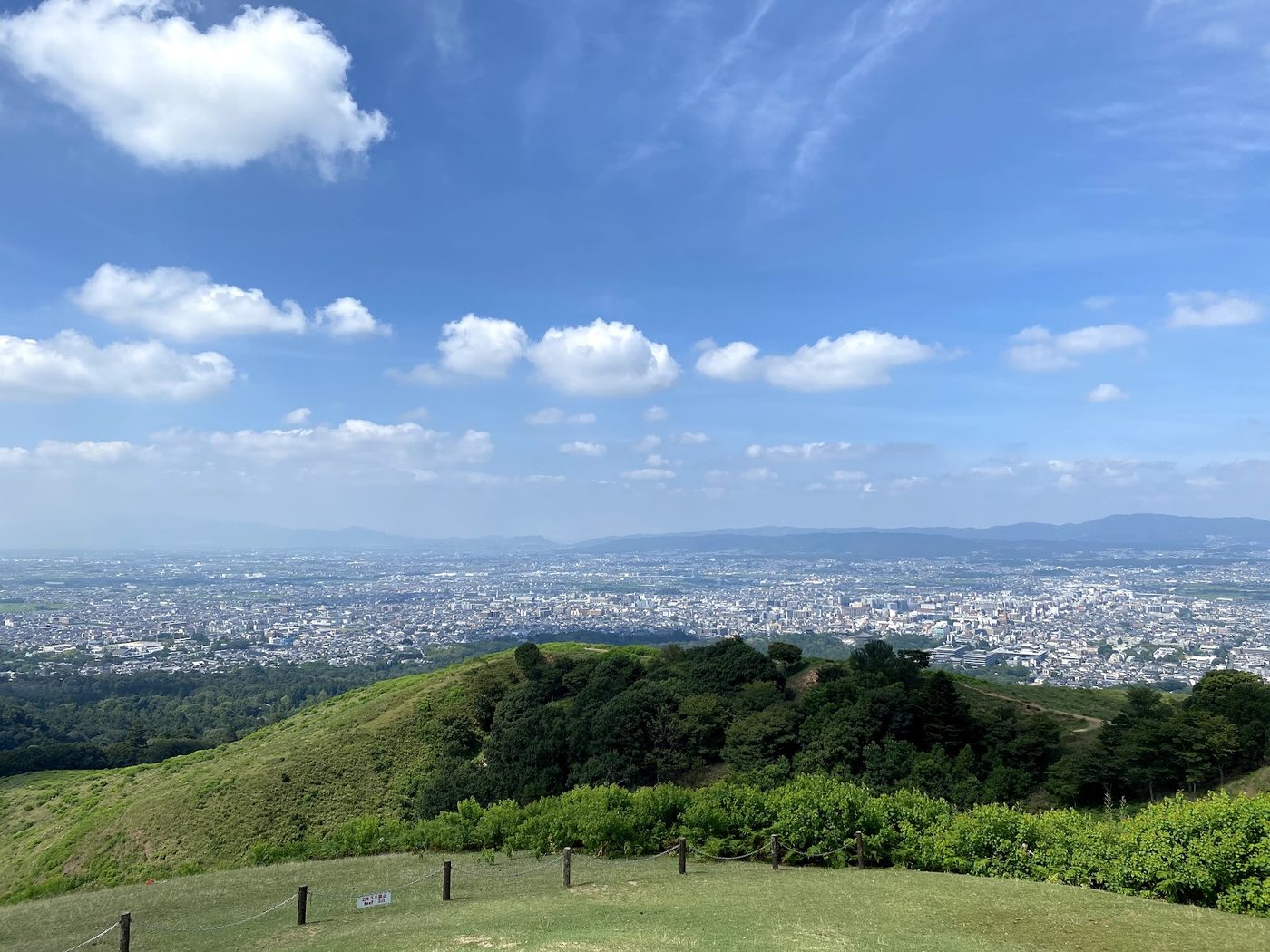
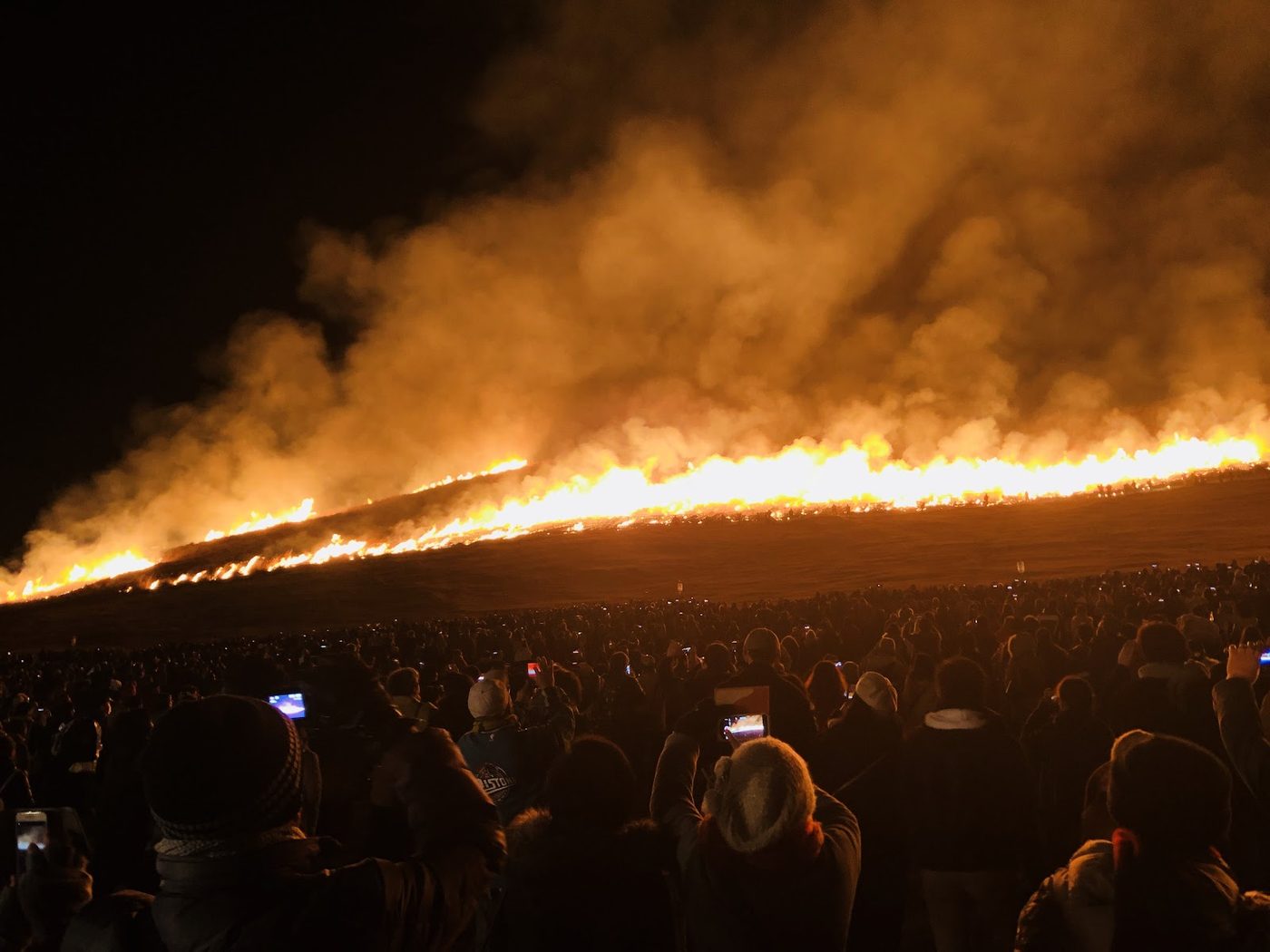
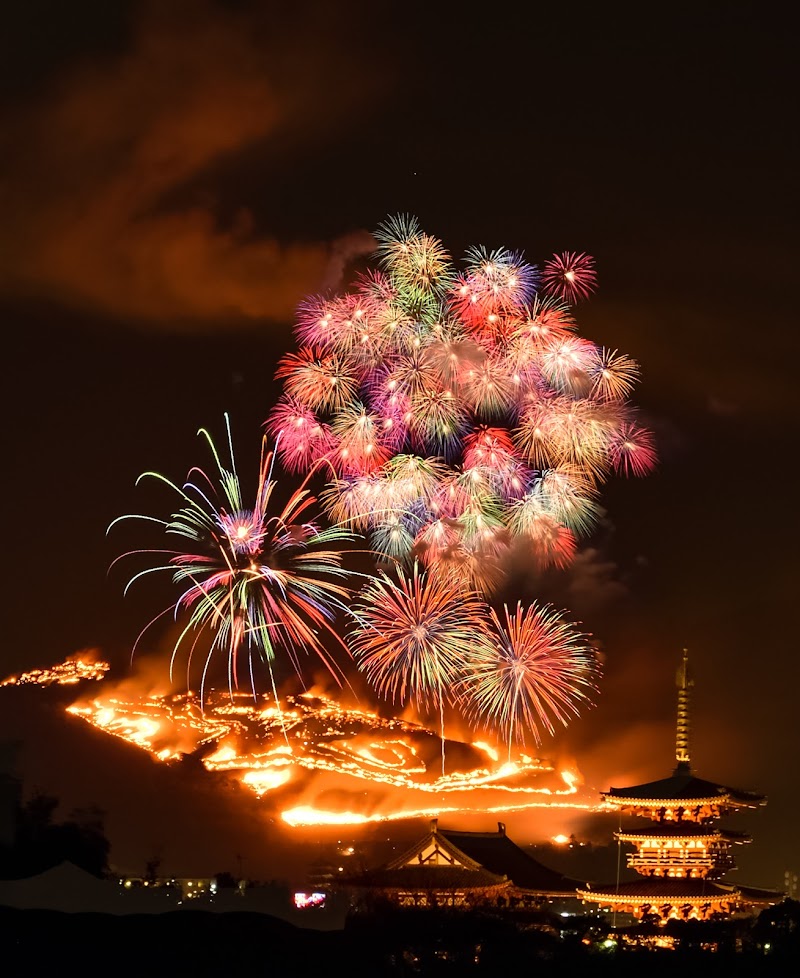
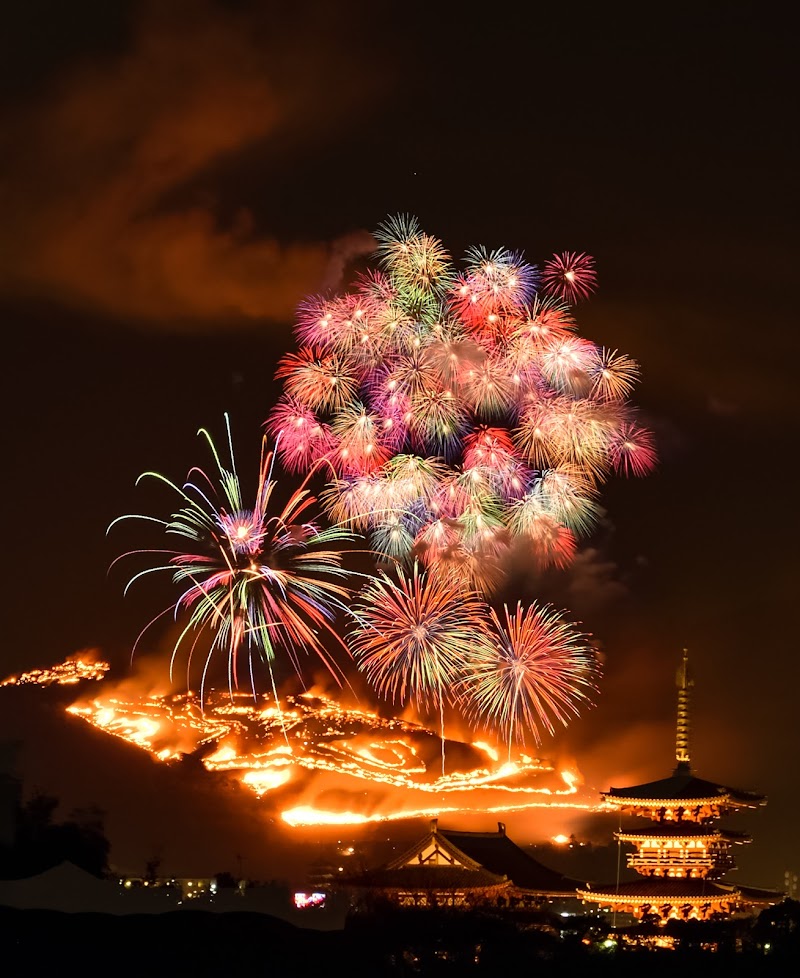
Every January, the entire hillside of Mt. Wakakusa is SET ON FIRE, the controlled burn illuminates Nara's temples against the flames....
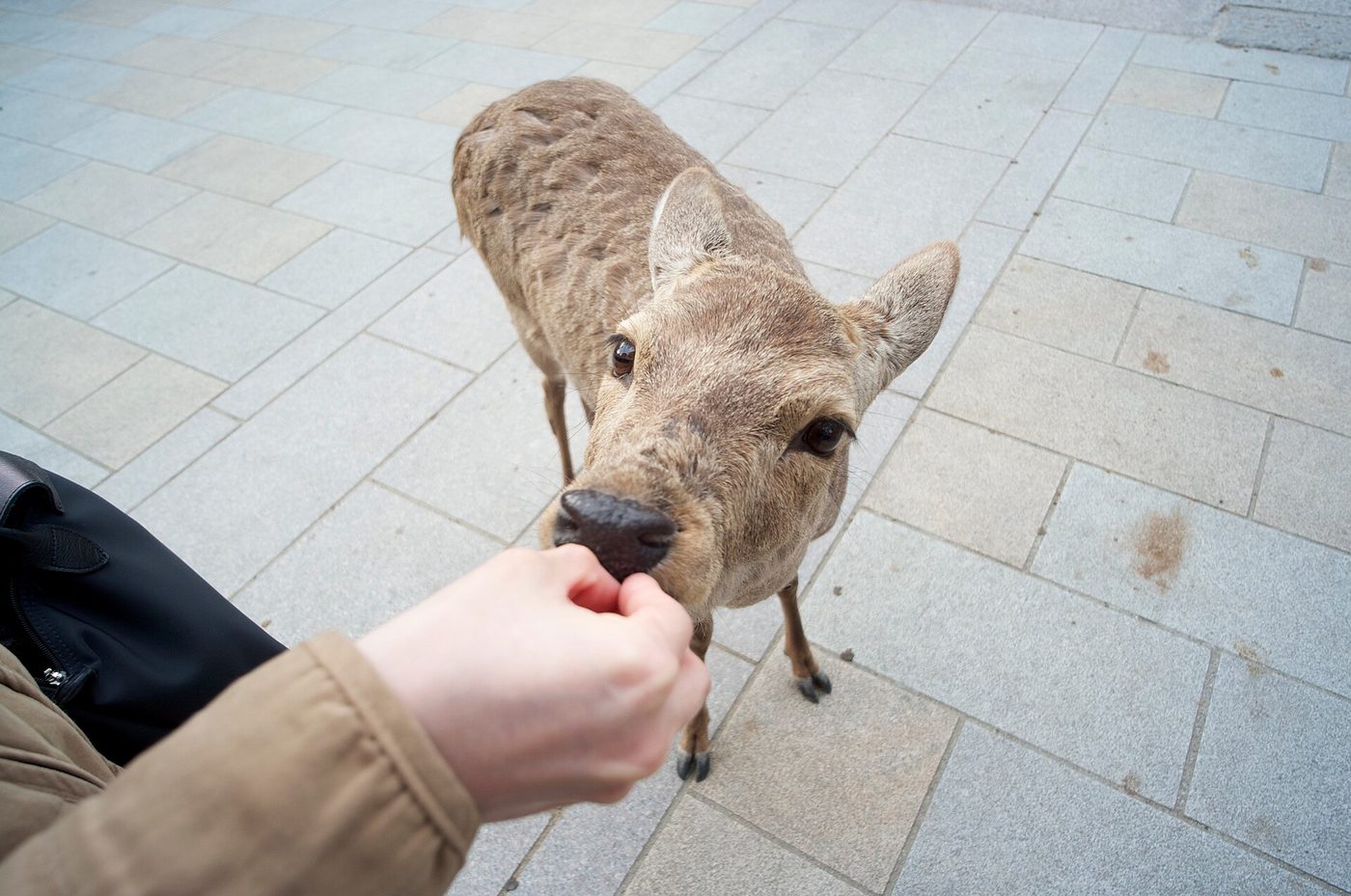
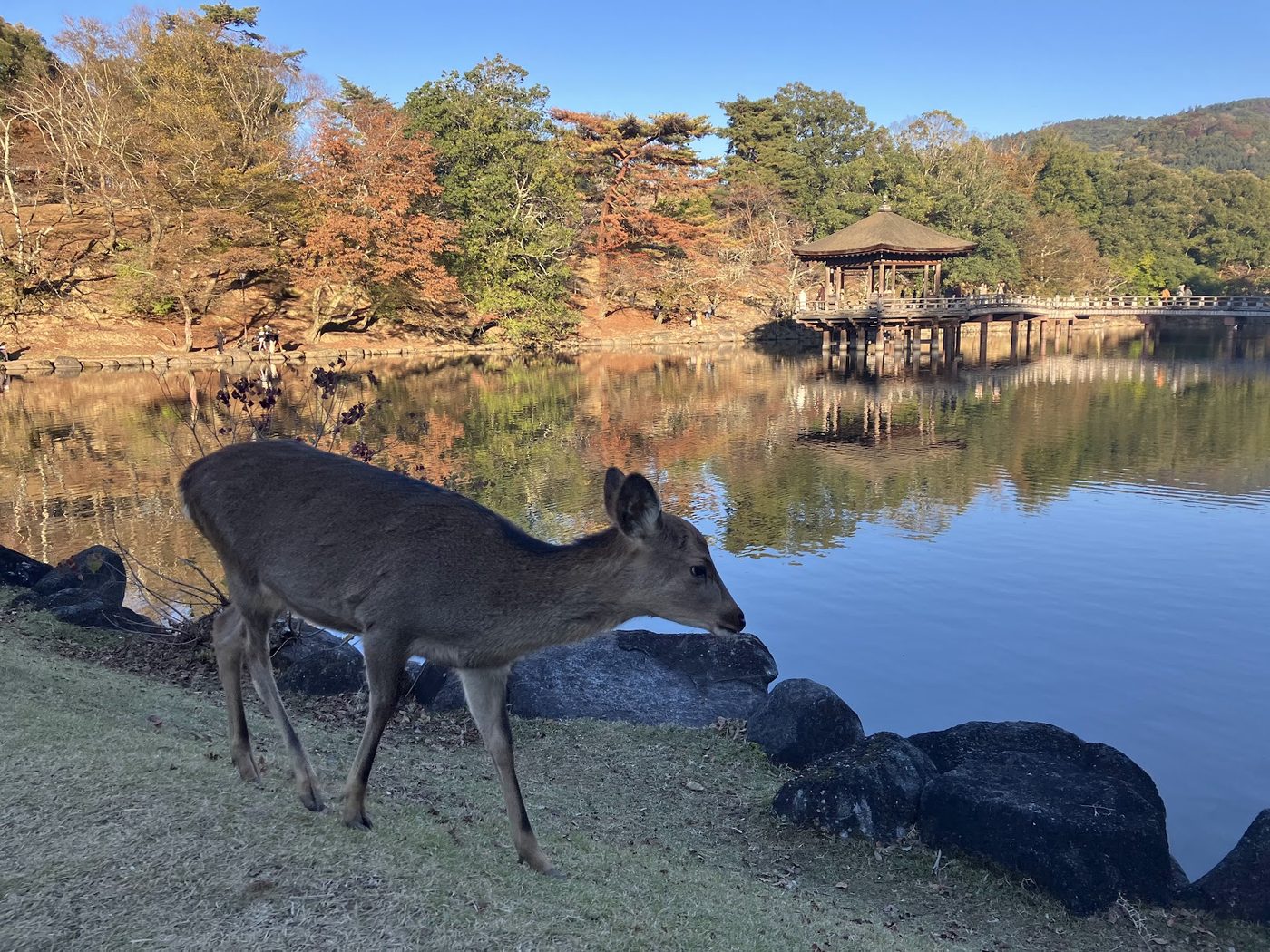
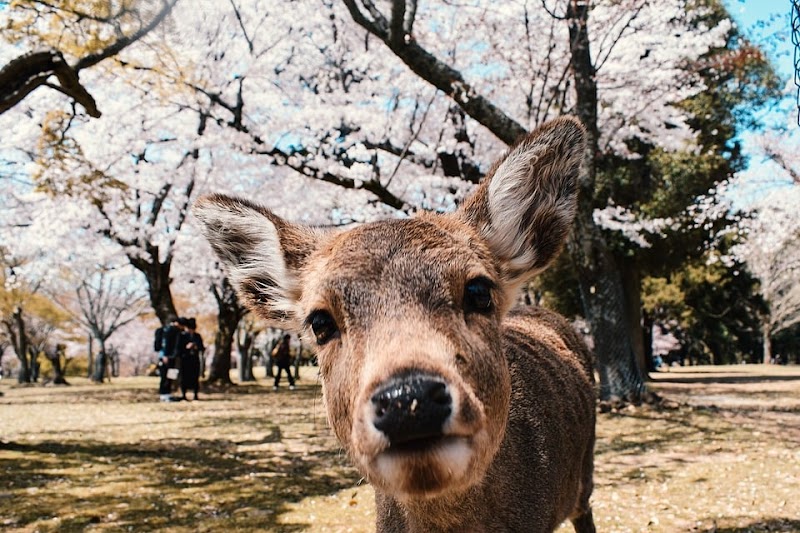
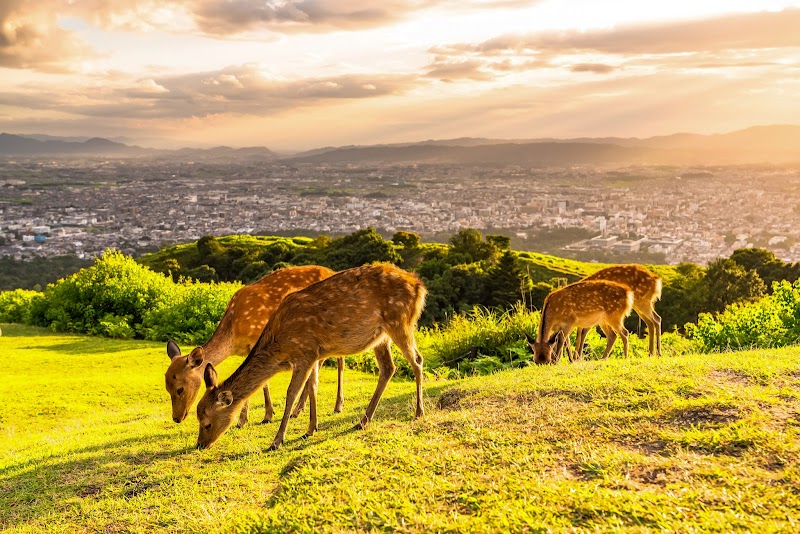
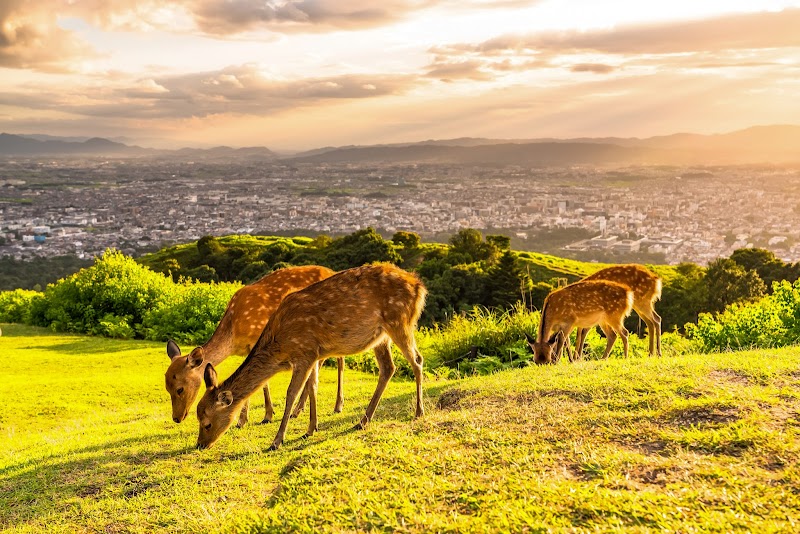
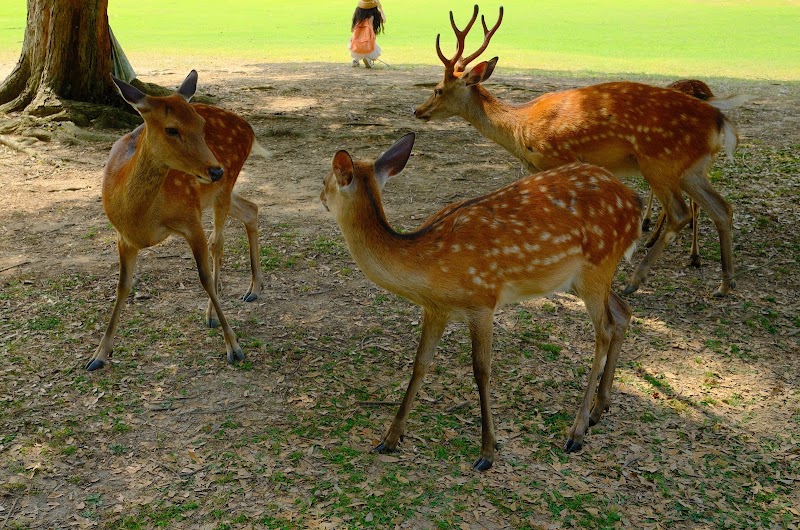
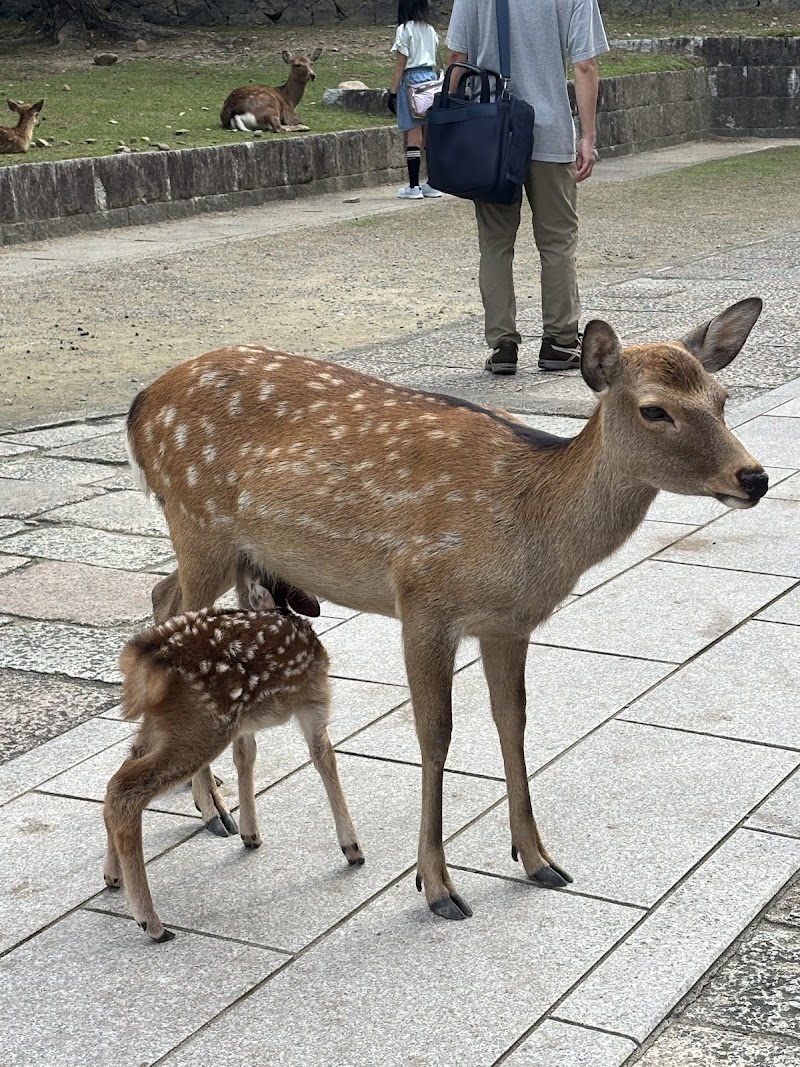
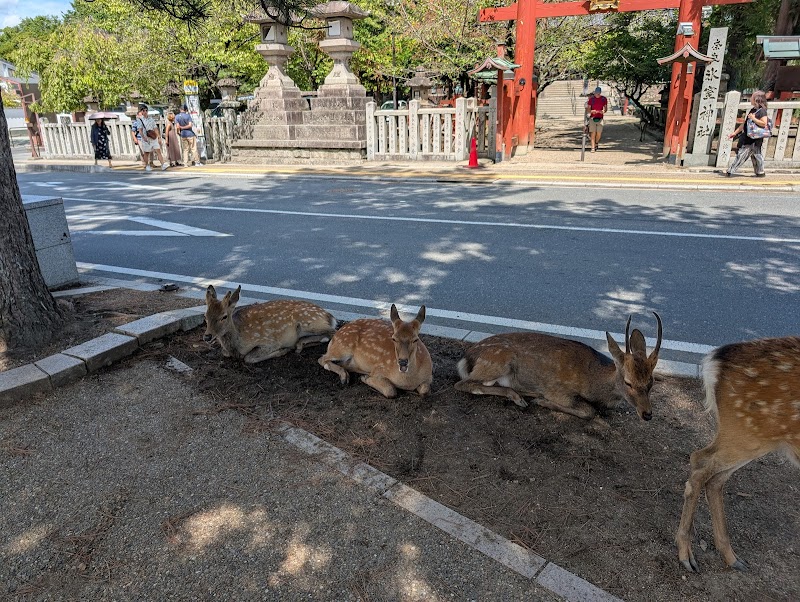
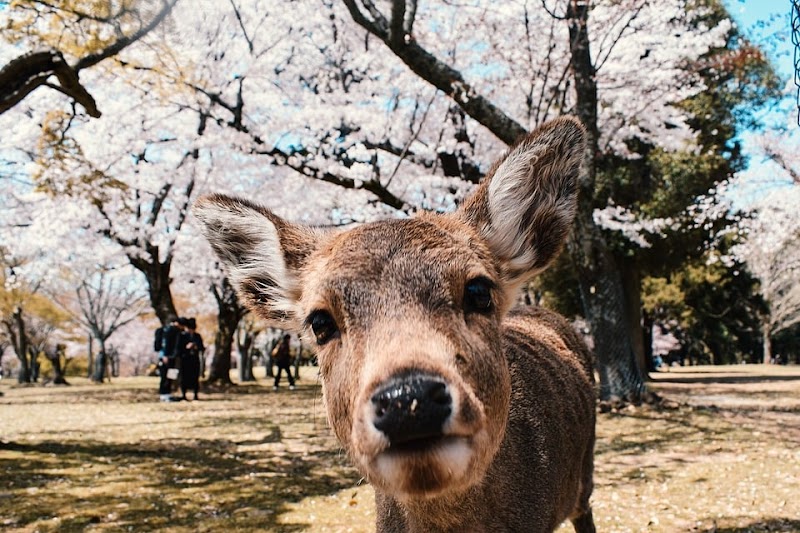
1200+ wild deer roaming freely through the park, they bow for deer crackers (shika senbei). The deer are considered divine messengers...
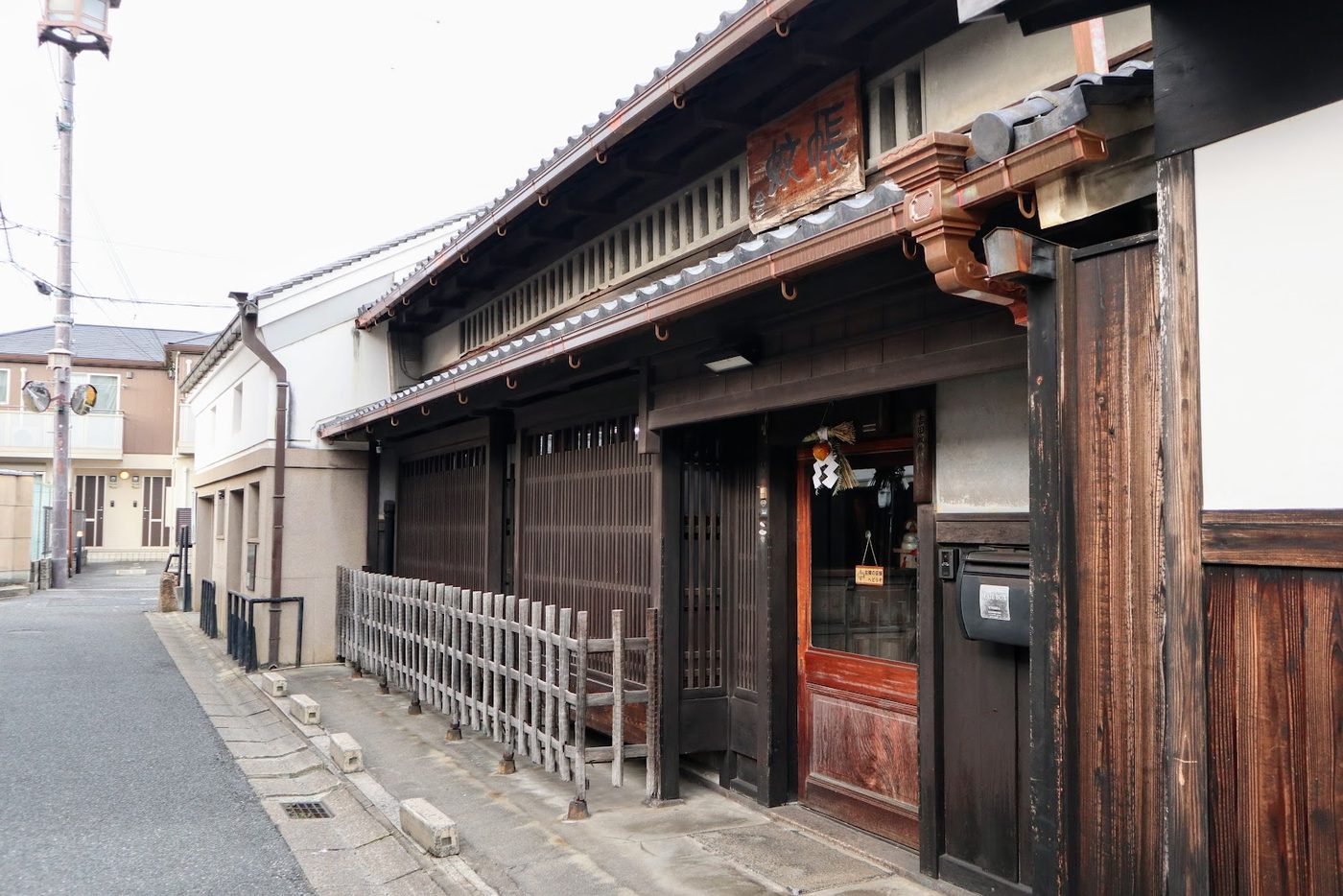
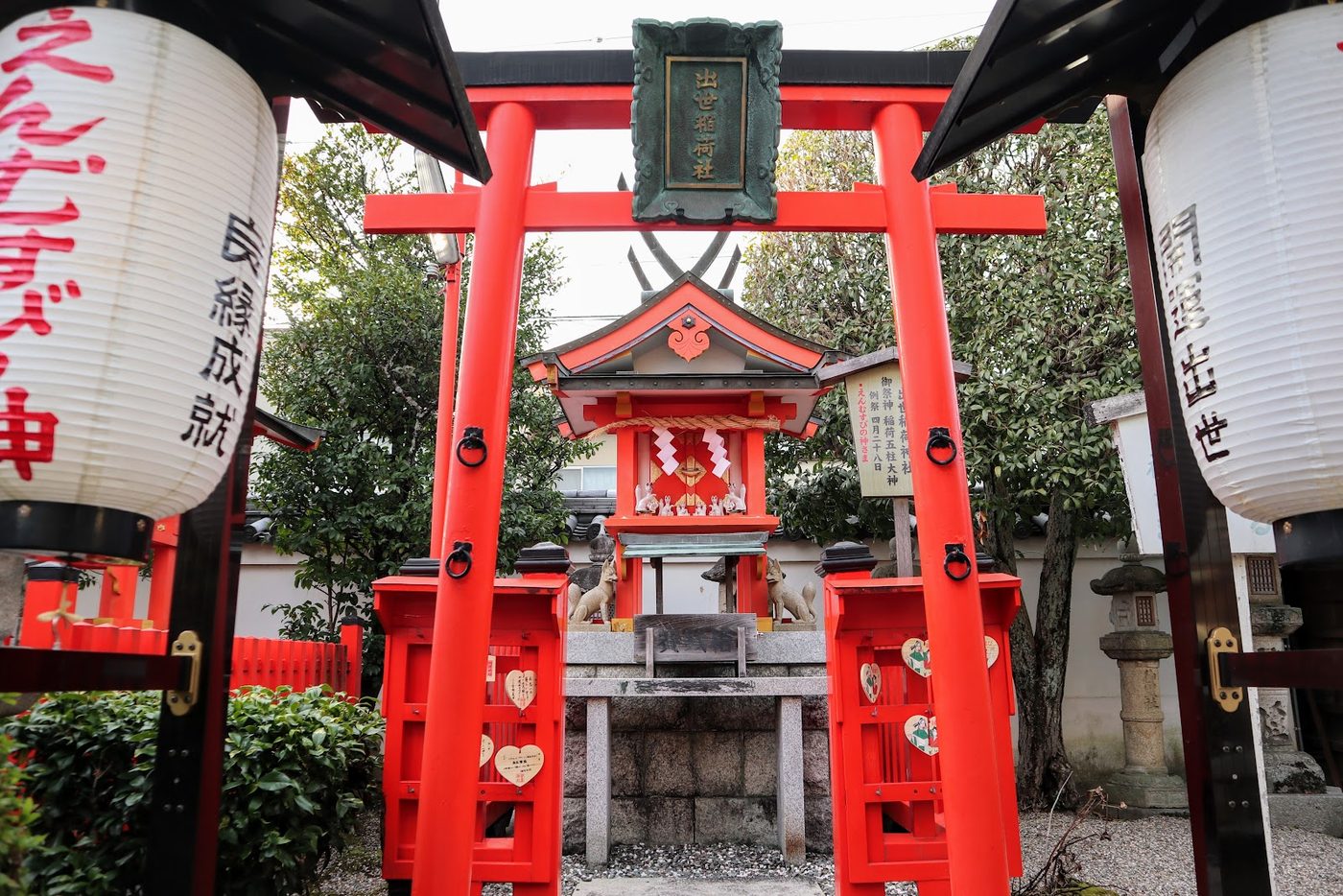
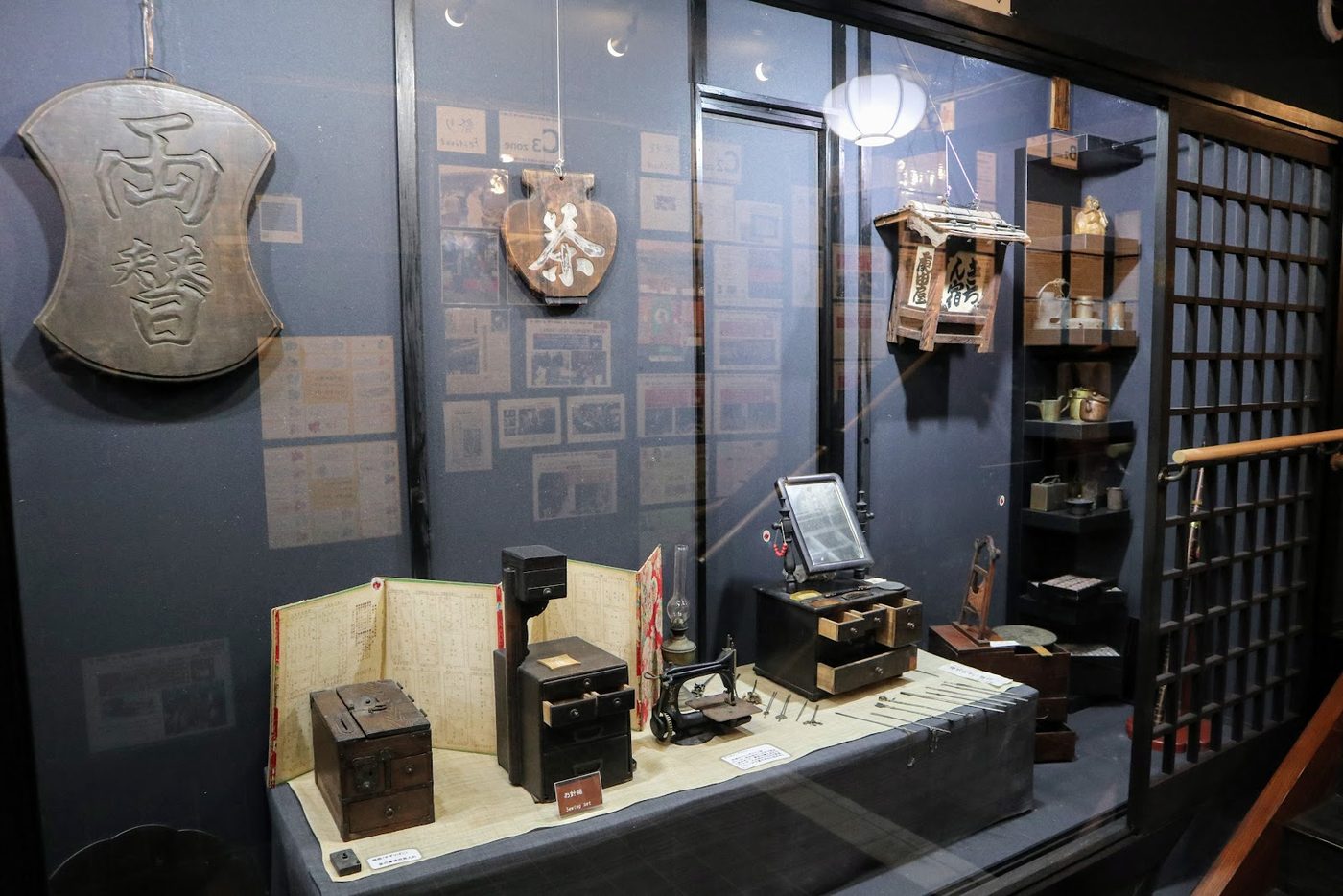
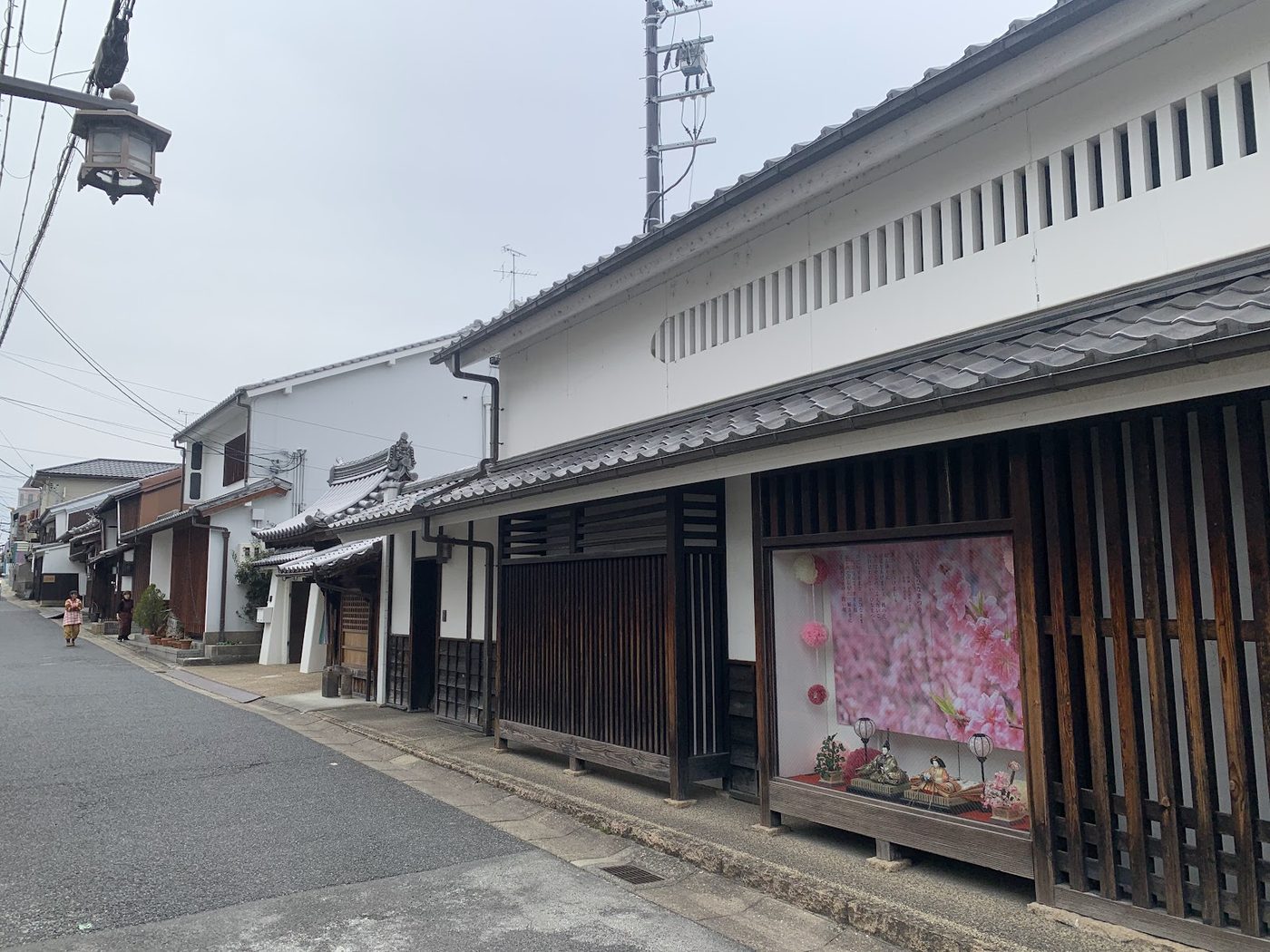
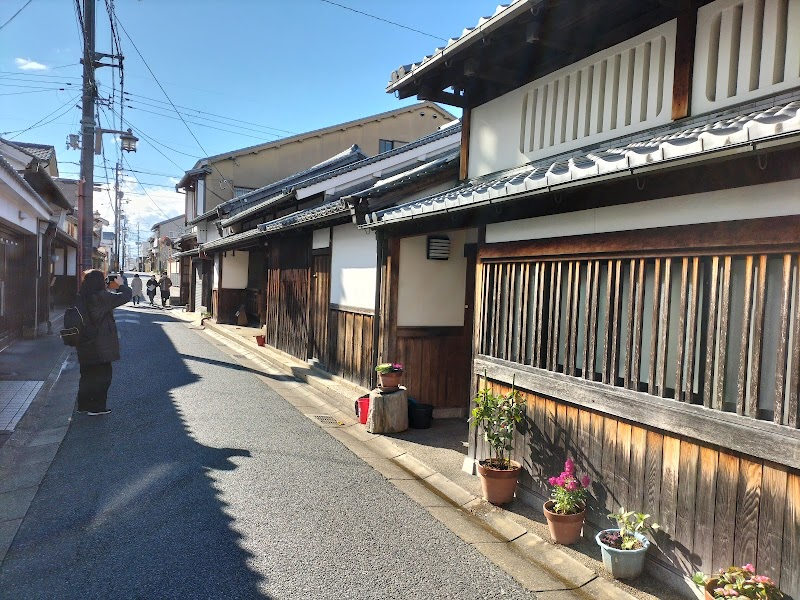
Preserved Edo-period merchant quarter with machiya townhouses converted into cafes, craft shops, and museums. The red cloth monkey...
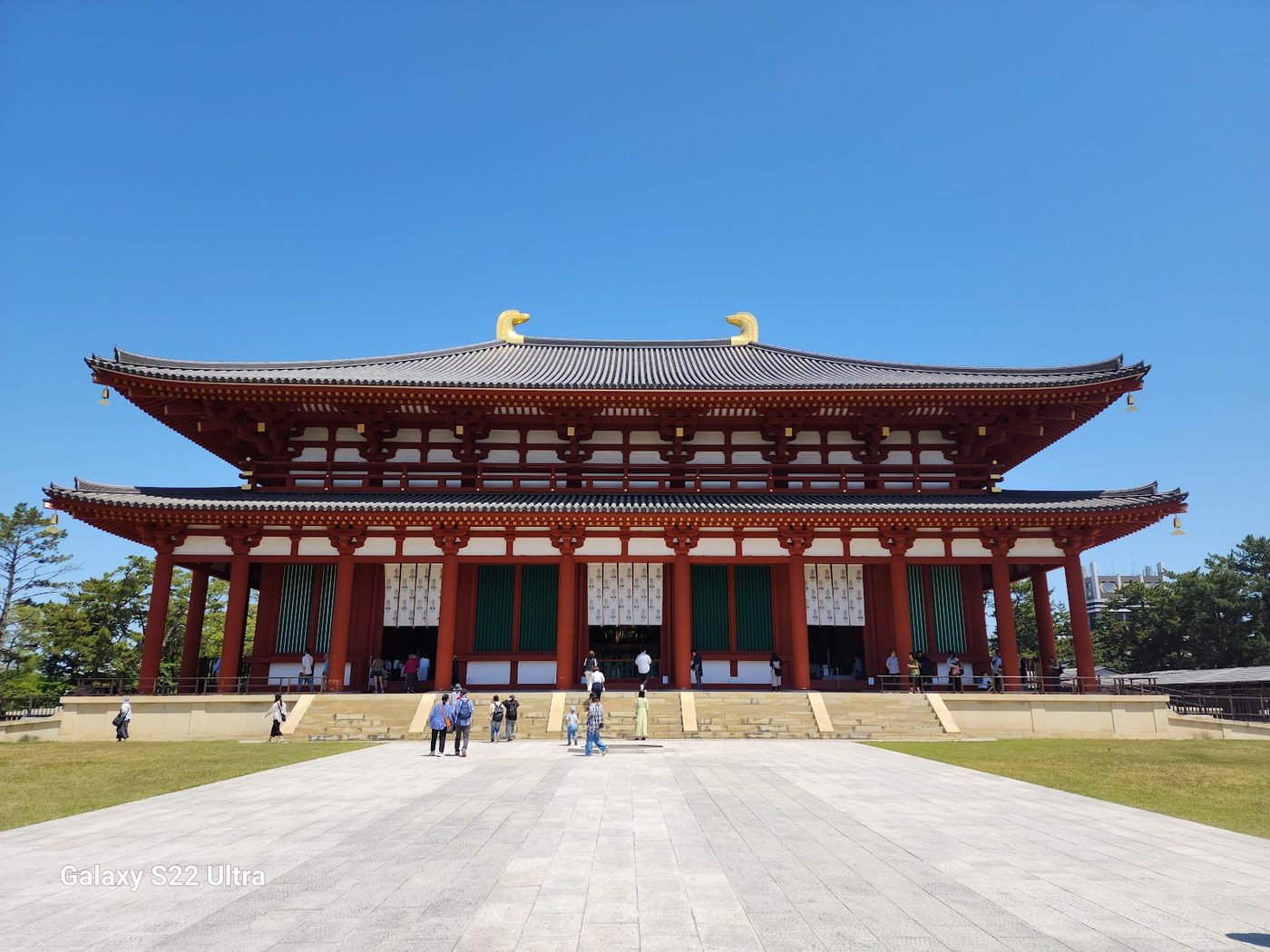
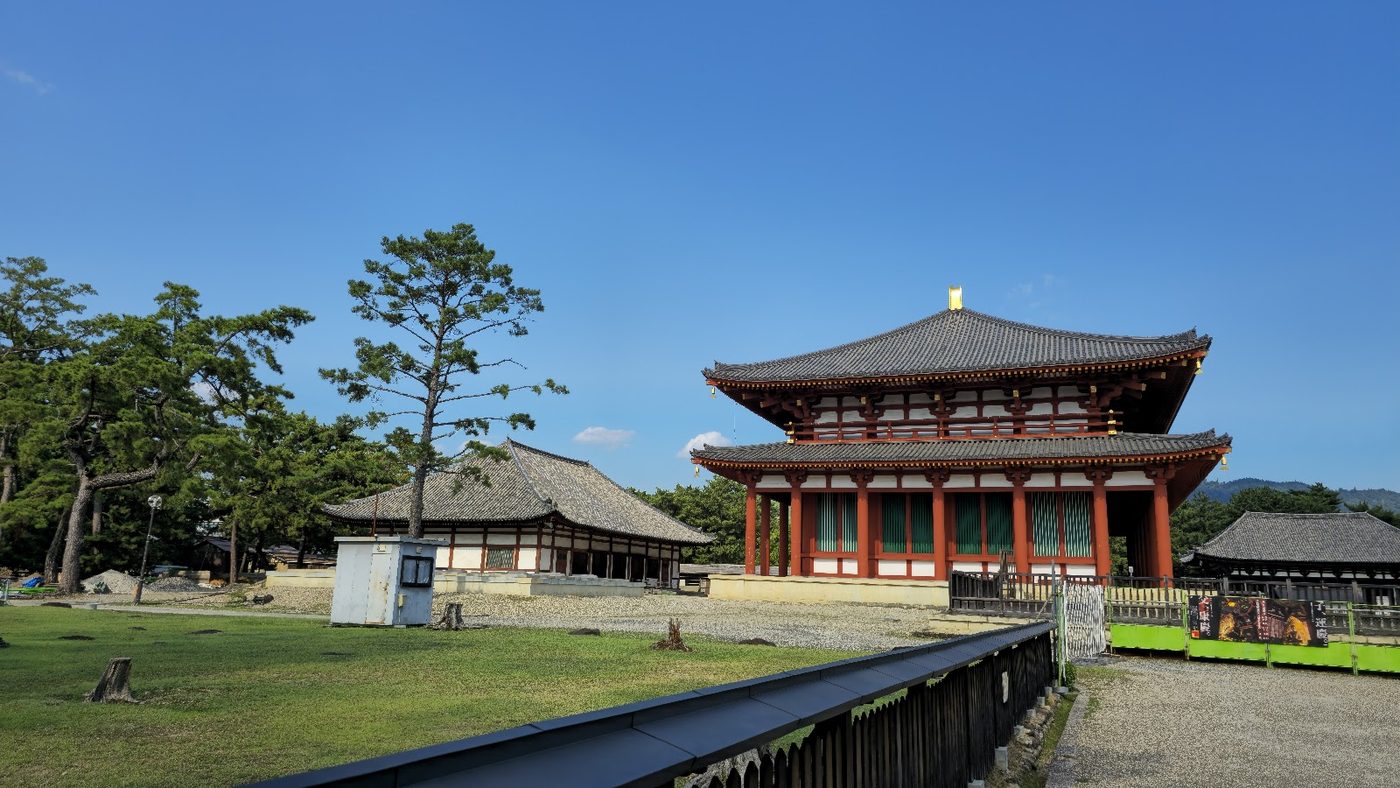
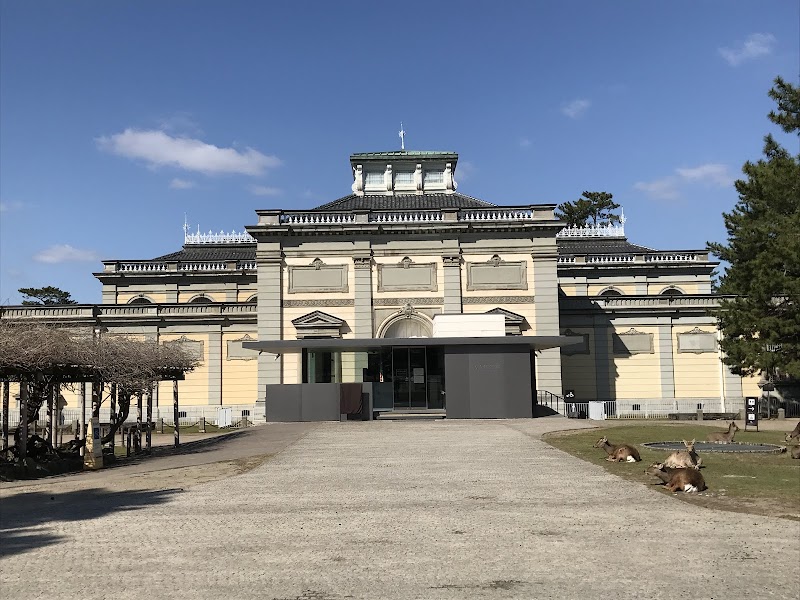
5-story pagoda visible from everywhere. National treasure museum with Buddhist sculptures.
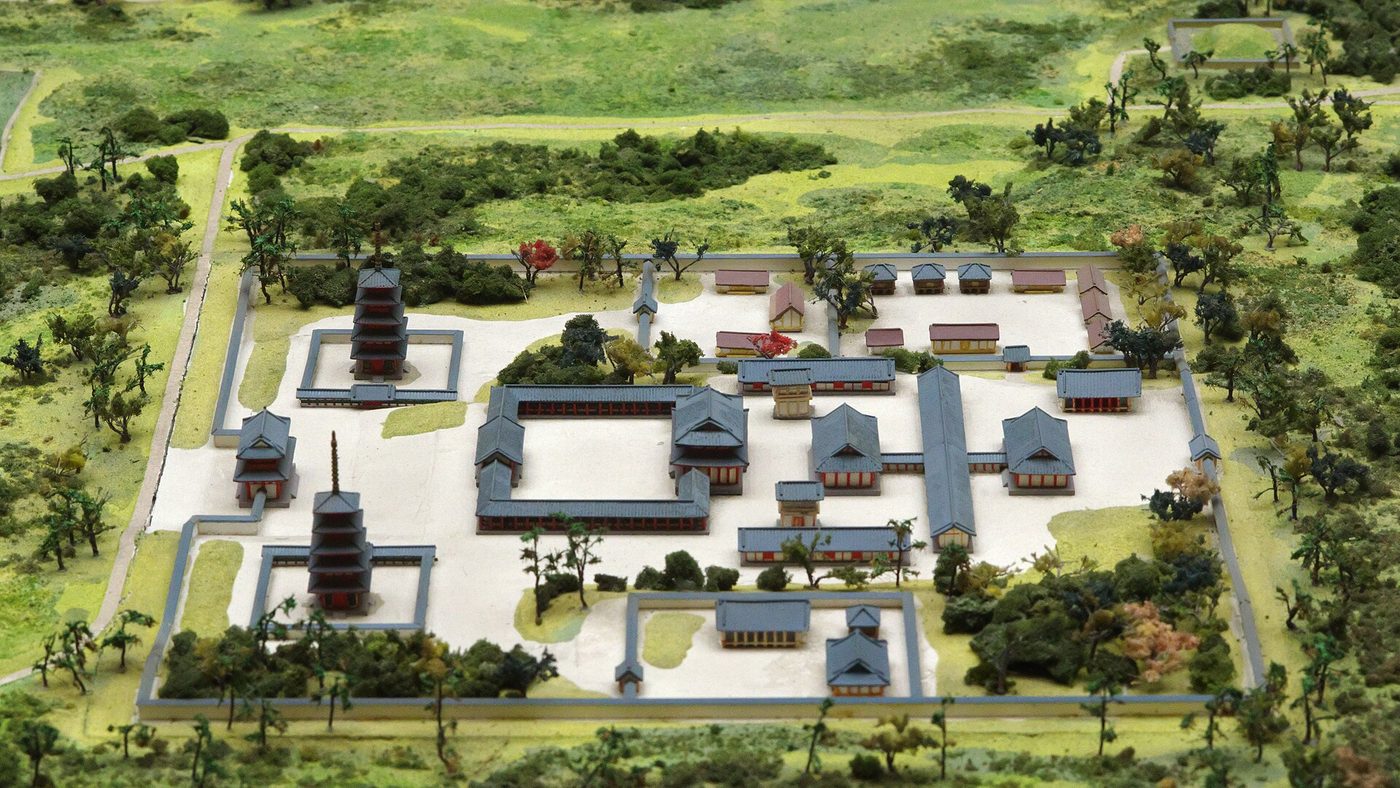
Lesser-known serene temple. 12 guardian deity statues surrounding central Buddha. Peaceful.
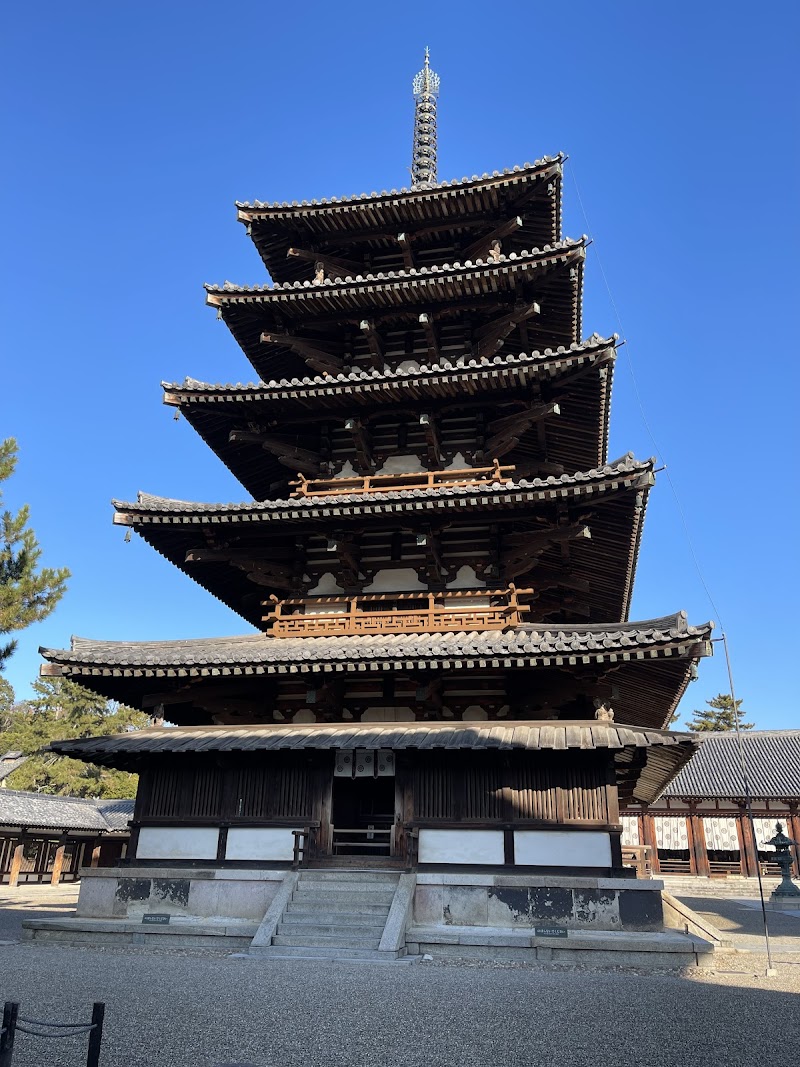
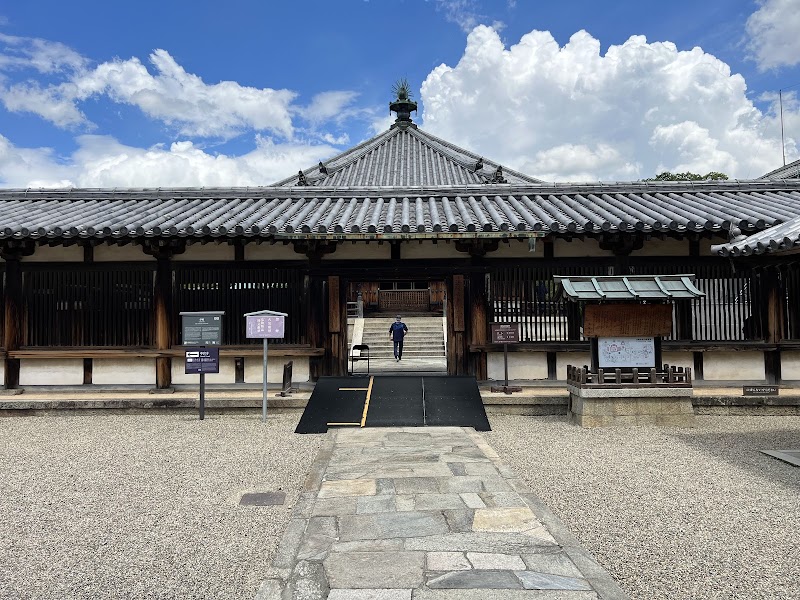
World's oldest wooden buildings. UNESCO World Heritage. 40min from Nara. Must-see for history.
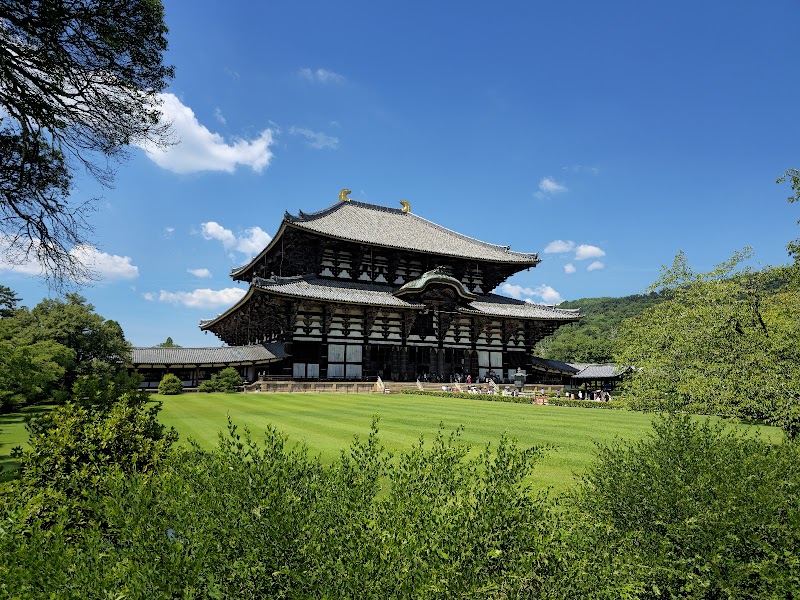
Borrowed scenery, primeval forests, and mountain panoramas.

Over 1,000 wild sika deer roam freely. Buy shika senbei (deer crackers, 200 yen) to feed them. The deer will bow to you for food. They are considered divine messengers of the local shrine.

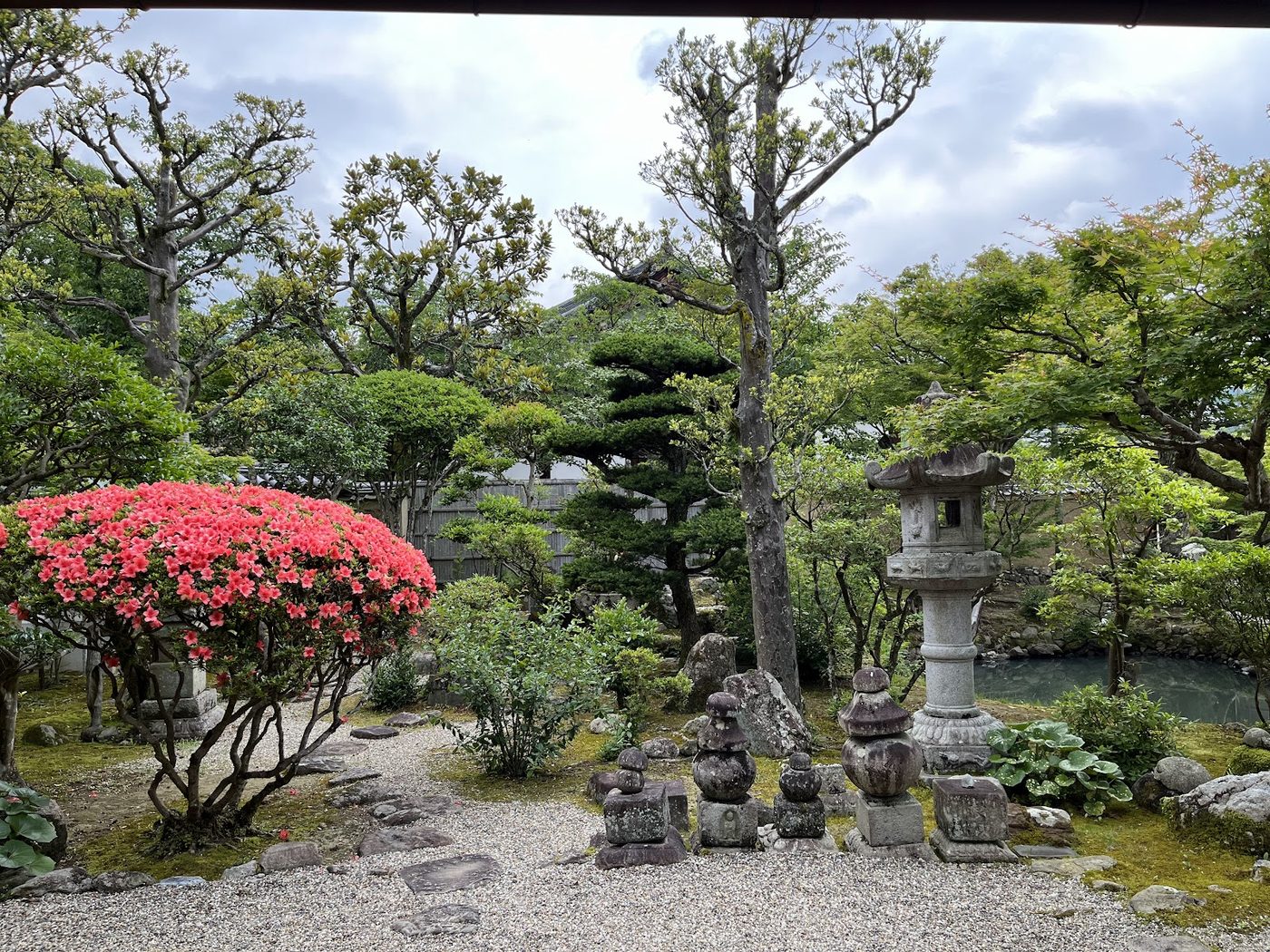
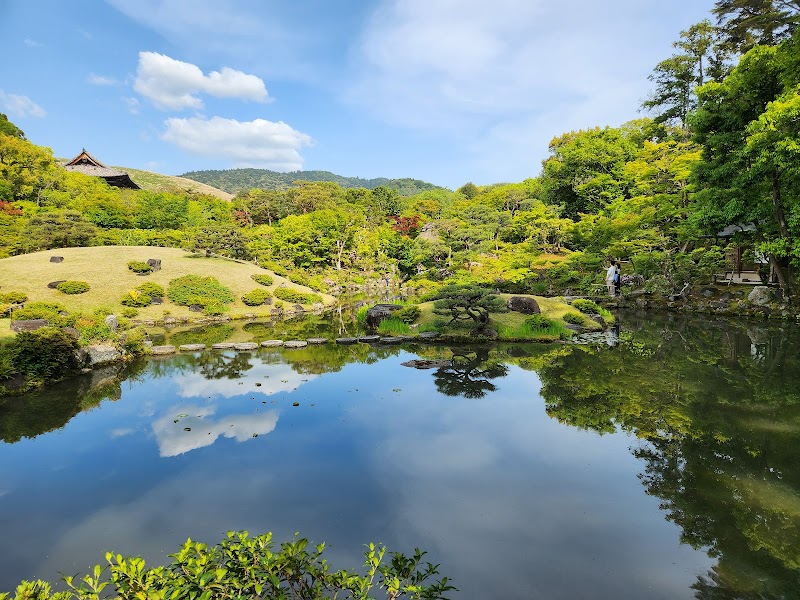
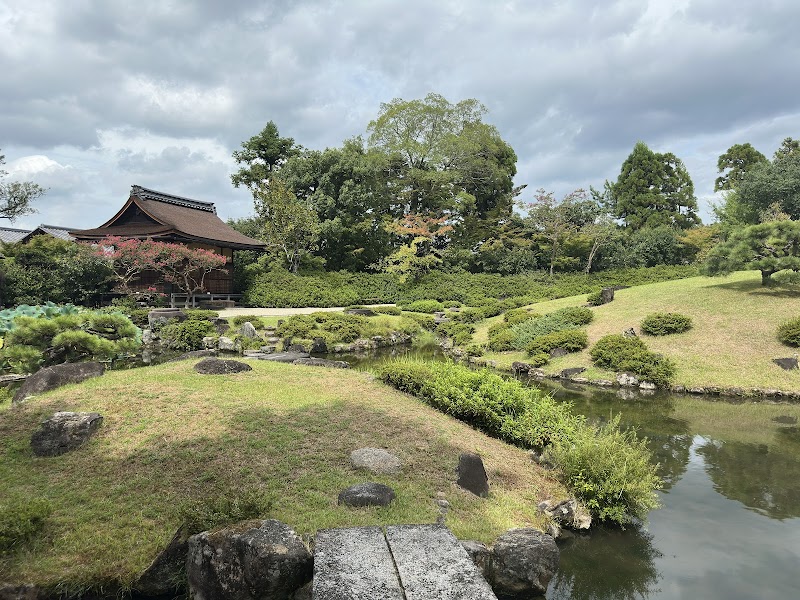
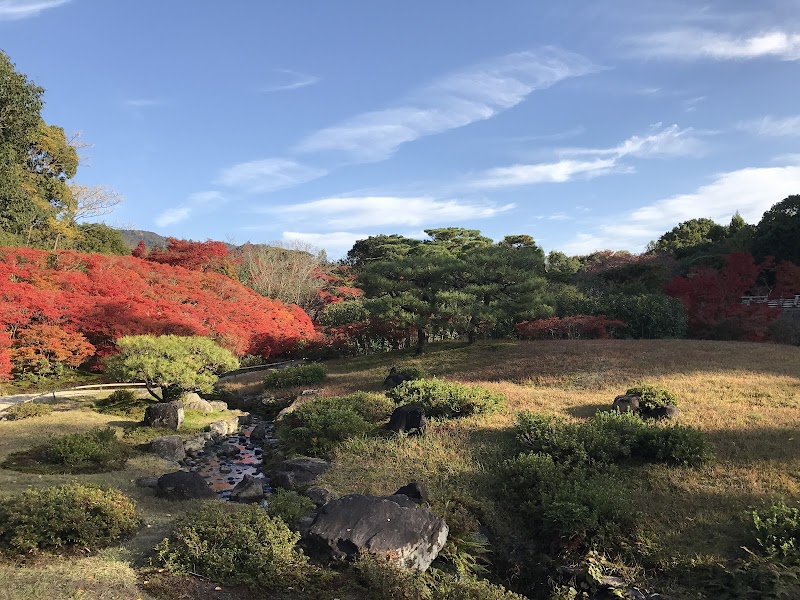
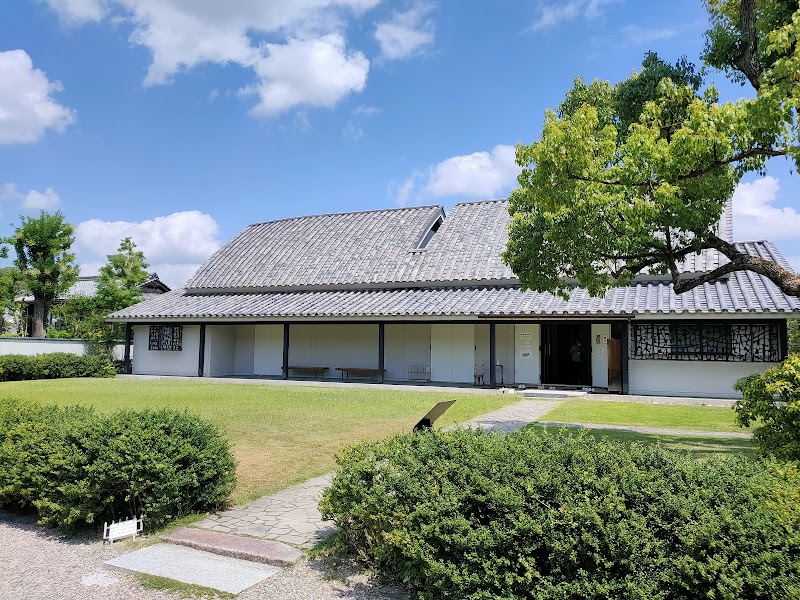
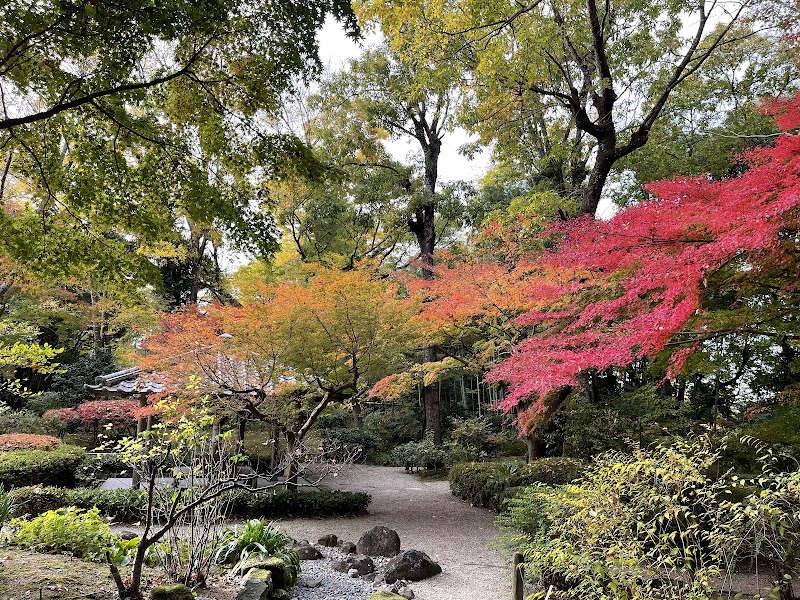
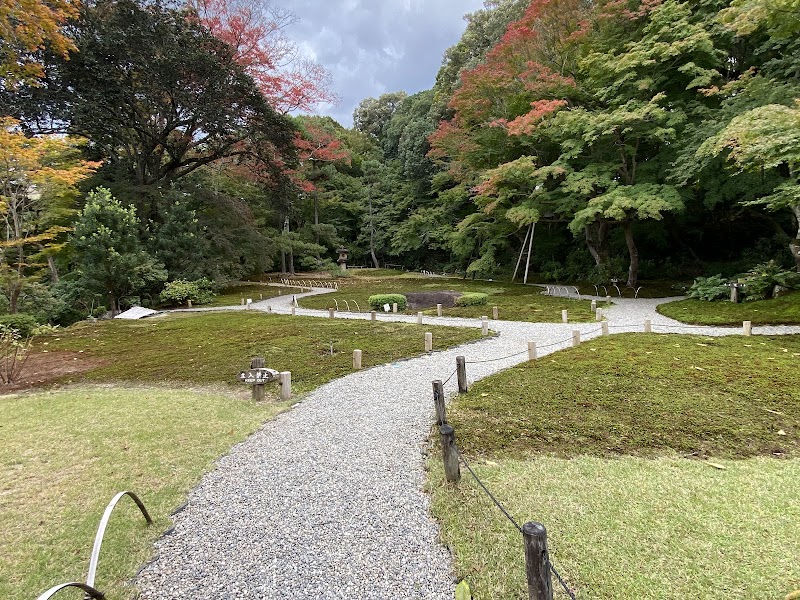
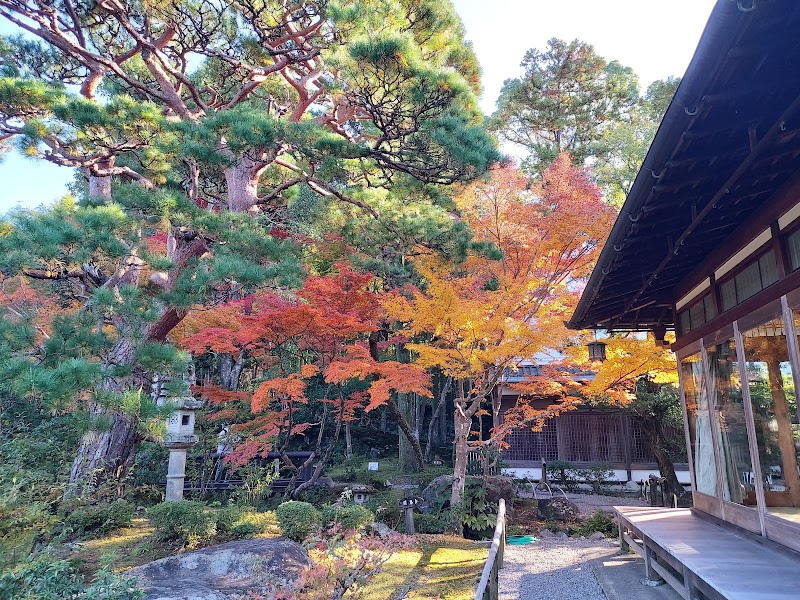
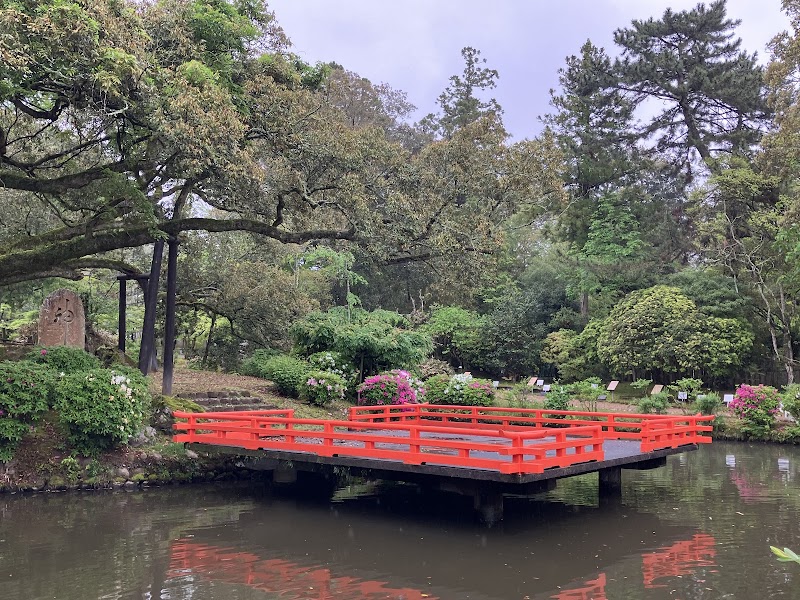
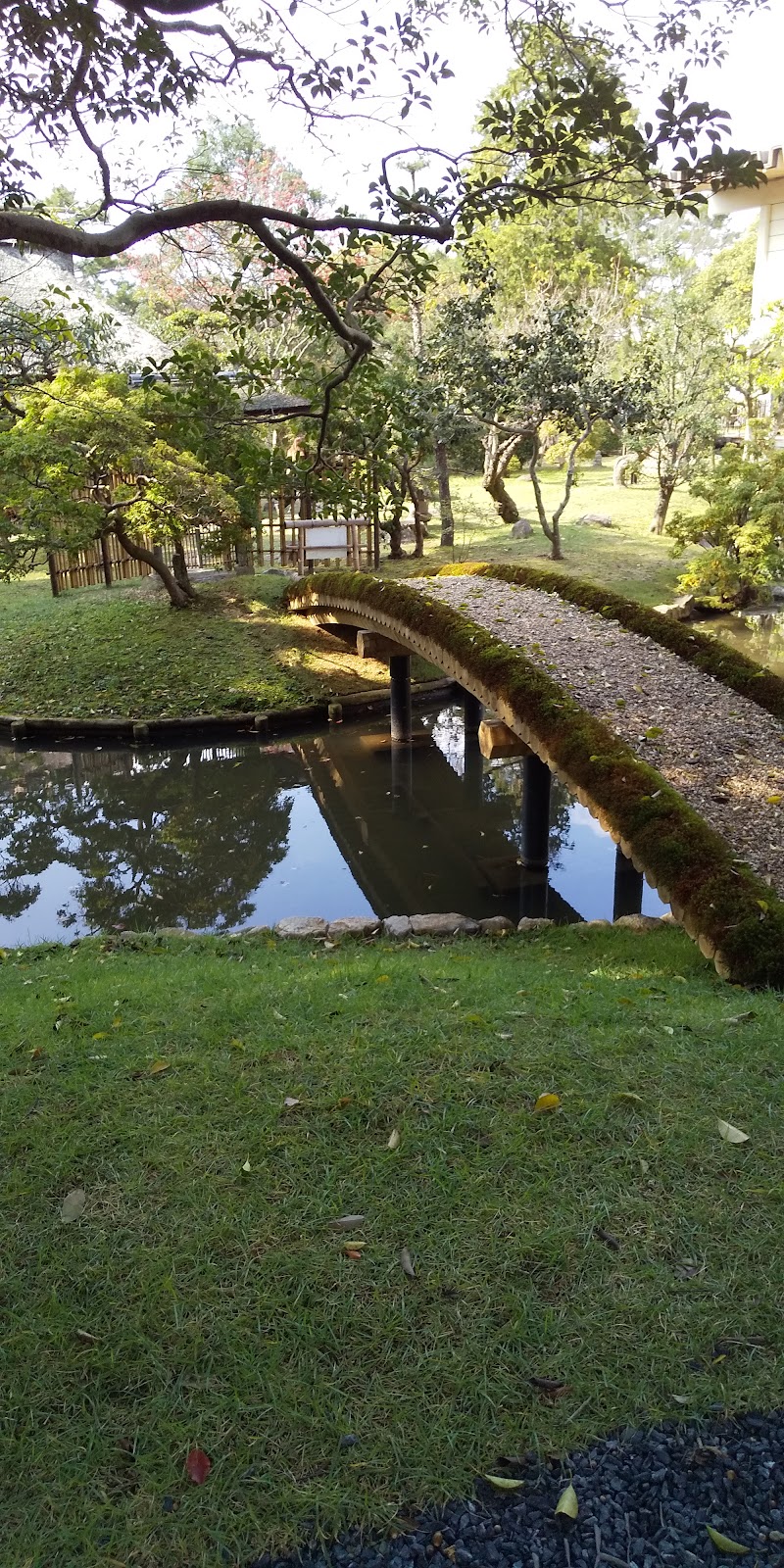
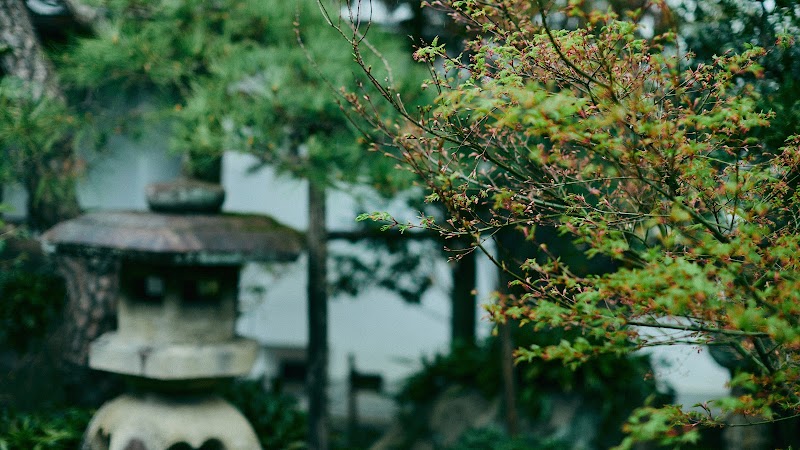
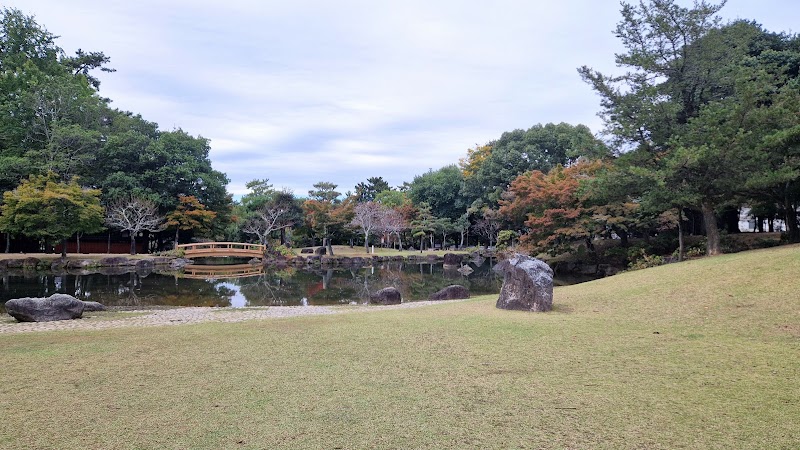
Exquisite Edo and Meiji-era garden using 'borrowed scenery' from Todai-ji's gate and surrounding mountains. Two distinct sections connected by paths. One of Japan's finest strolling gardens.

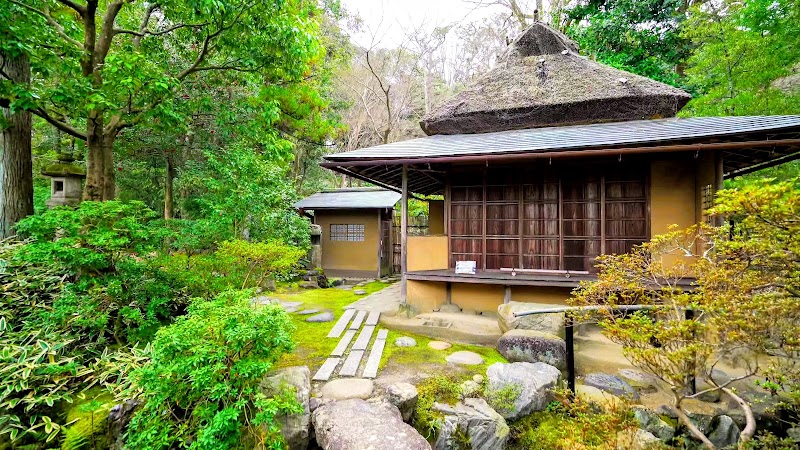
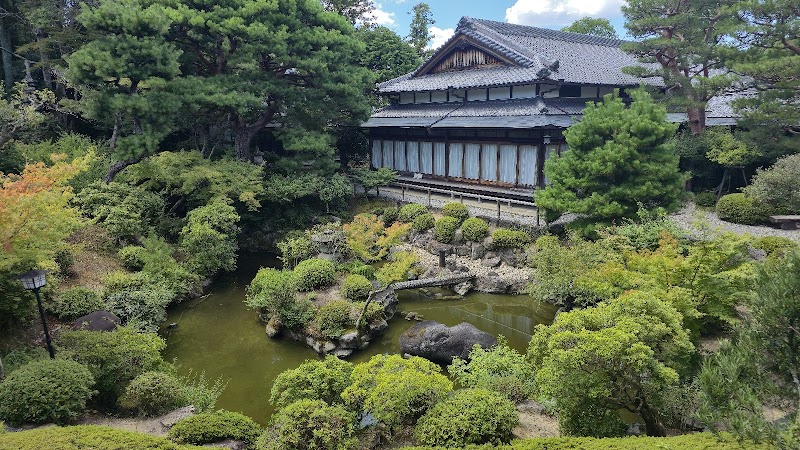
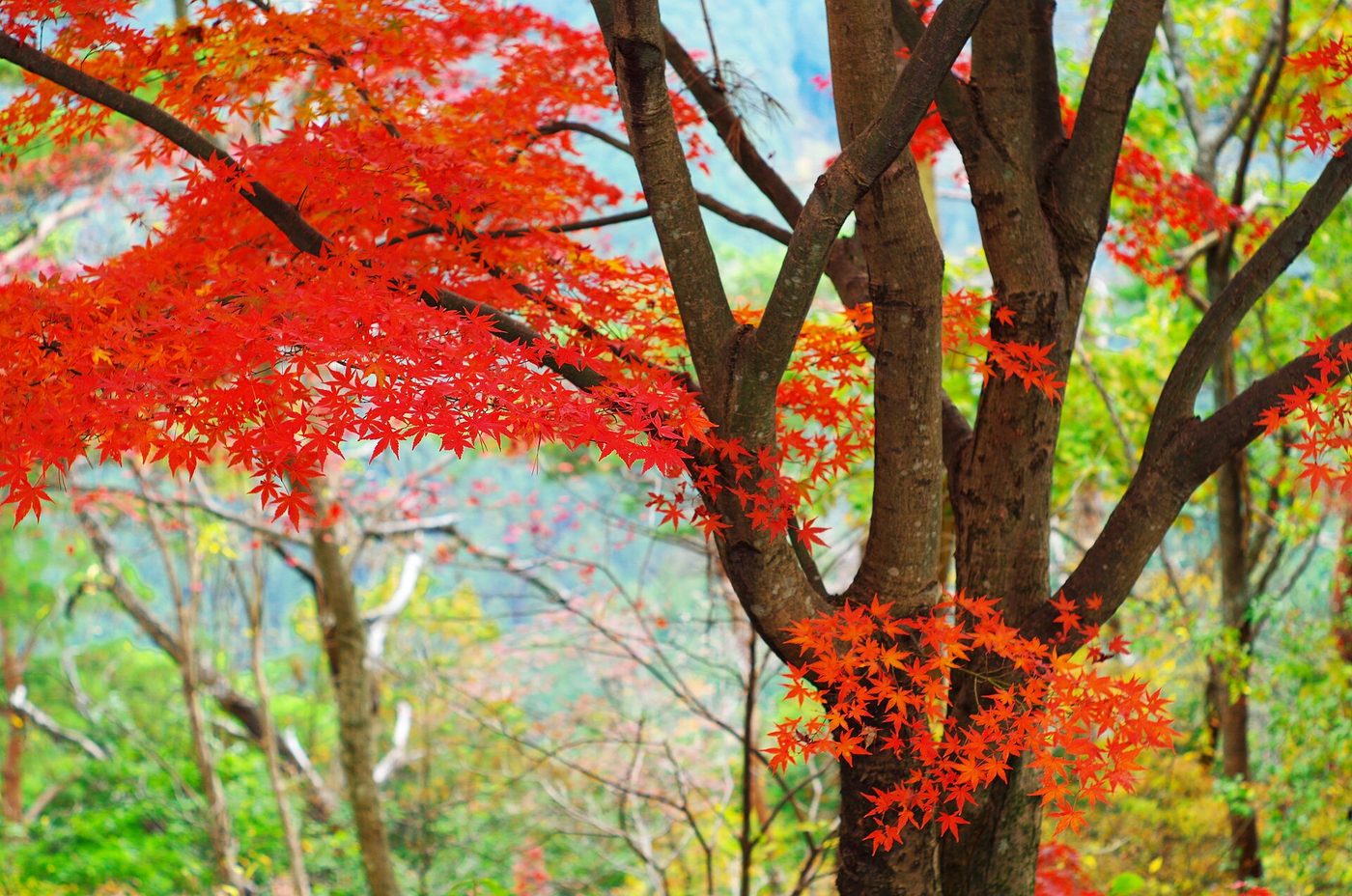
Three gardens in one: a pond garden, moss garden, and tea ceremony garden. Free for foreign visitors. Less crowded than Isuien next door. Especially beautiful during autumn maple season.

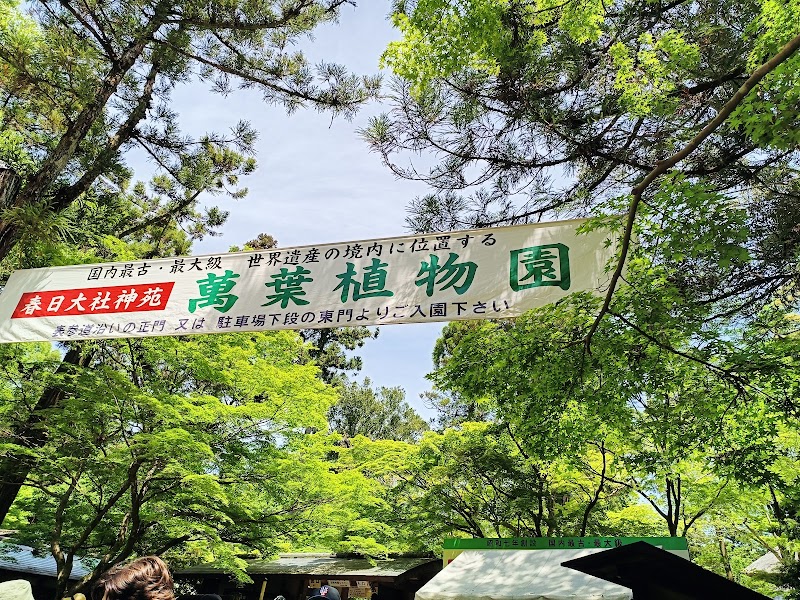
Japan's oldest botanical garden dedicated to plants mentioned in the Manyoshu poetry anthology (700s AD). Over 300 species. A literary nature walk through Japanese botanical history. 650 yen entry.
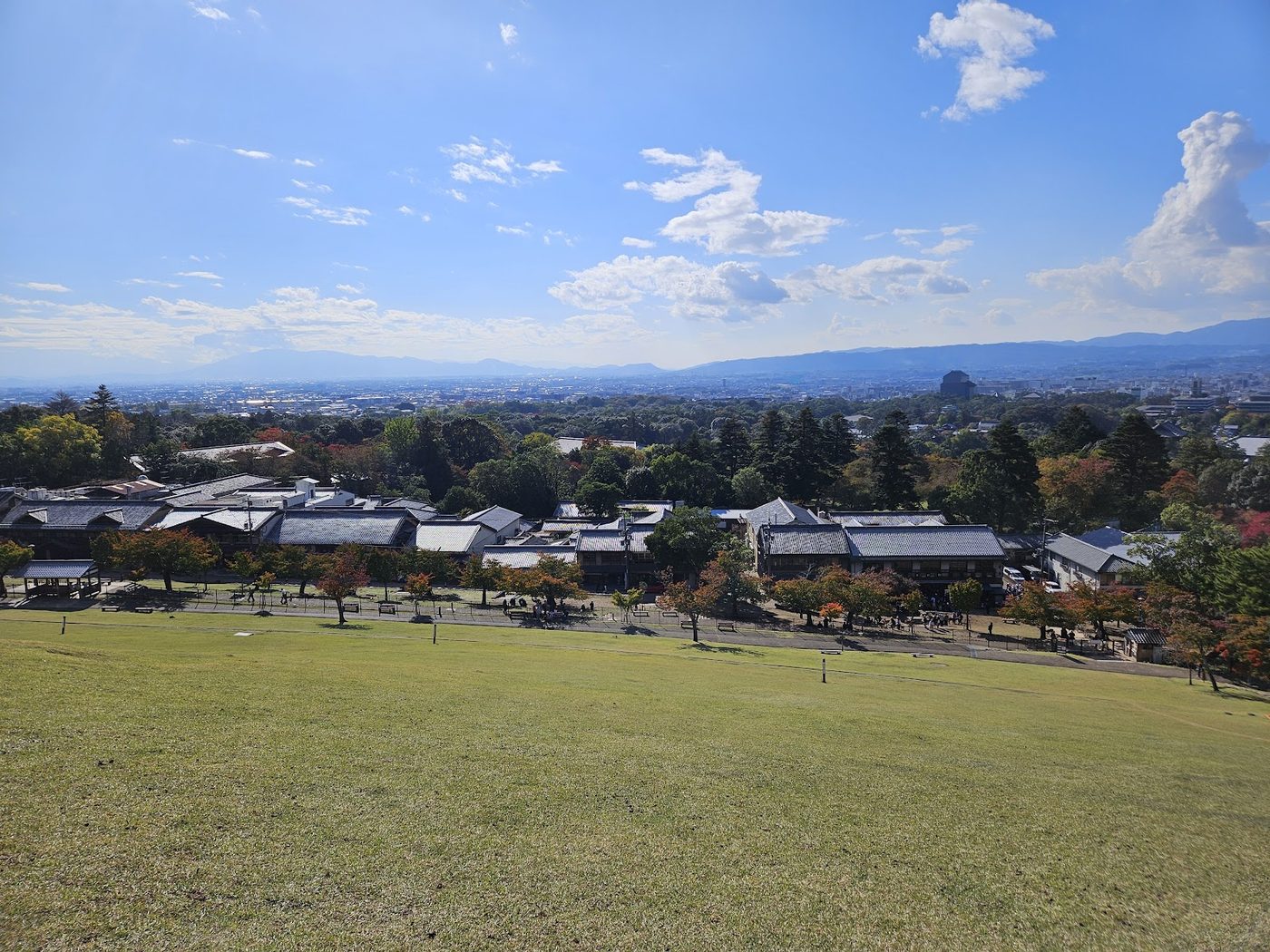
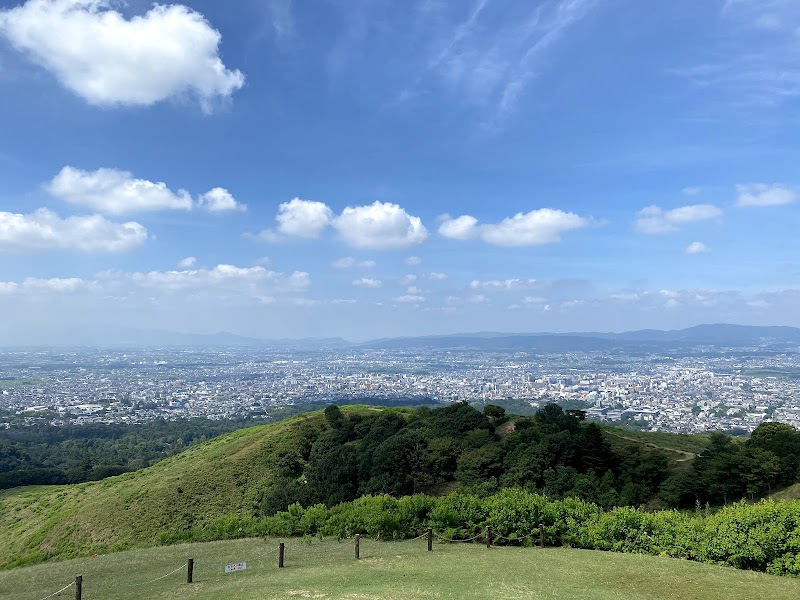
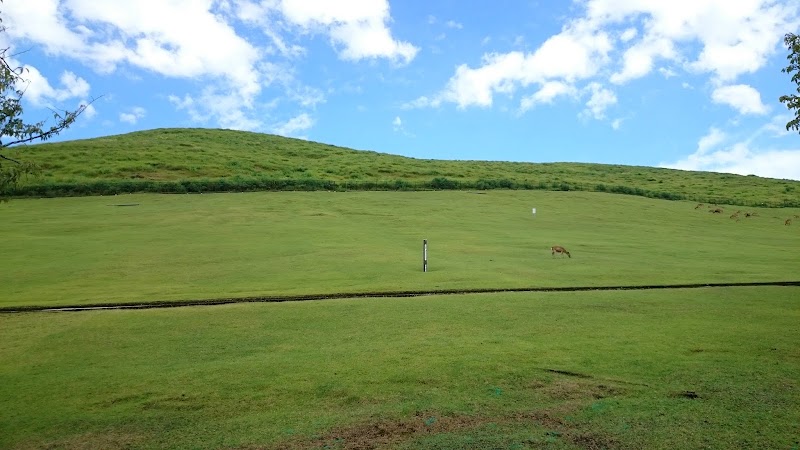
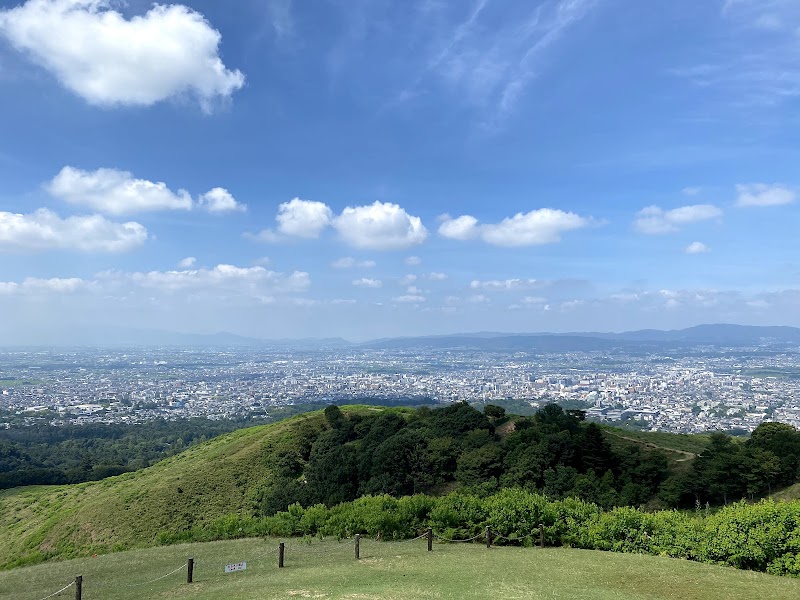
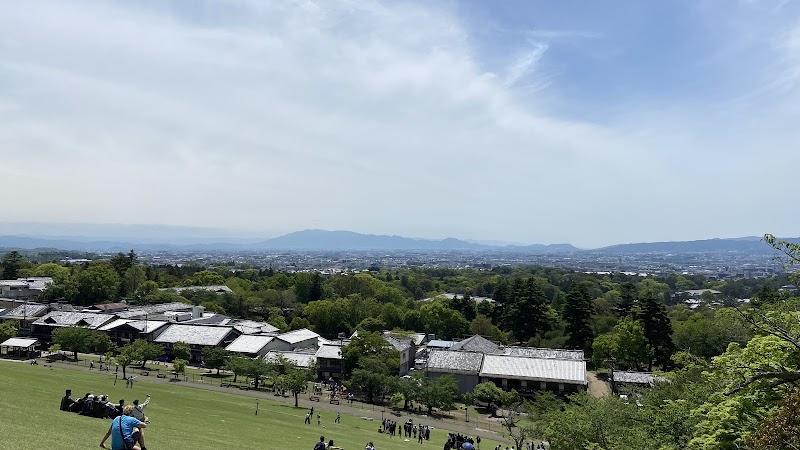
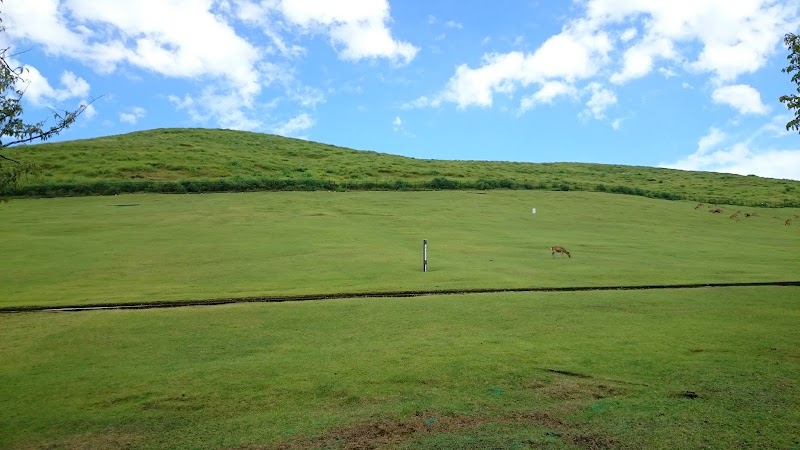
Easy hike up a grass-covered mountain for panoramic views of Nara city. The famous Yamayaki grass-burning festival happens here in January. Takes about 30 minutes to reach the summit.

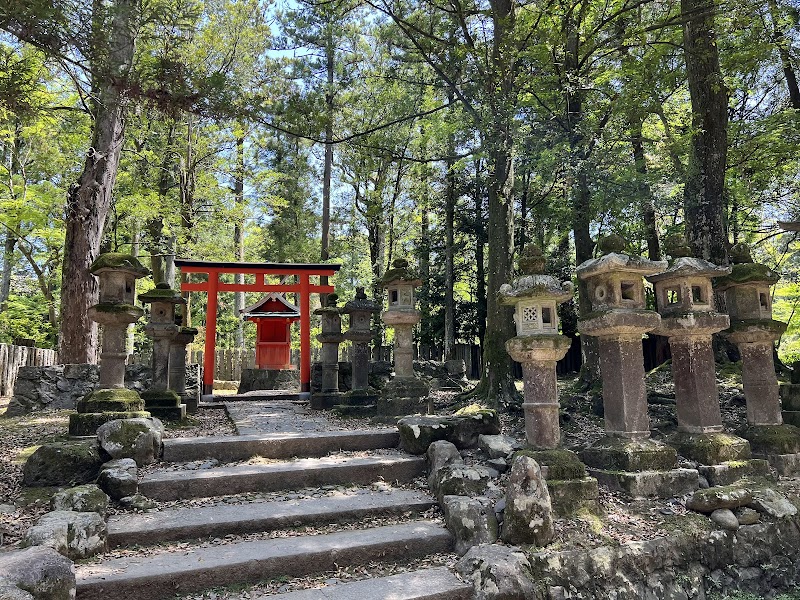
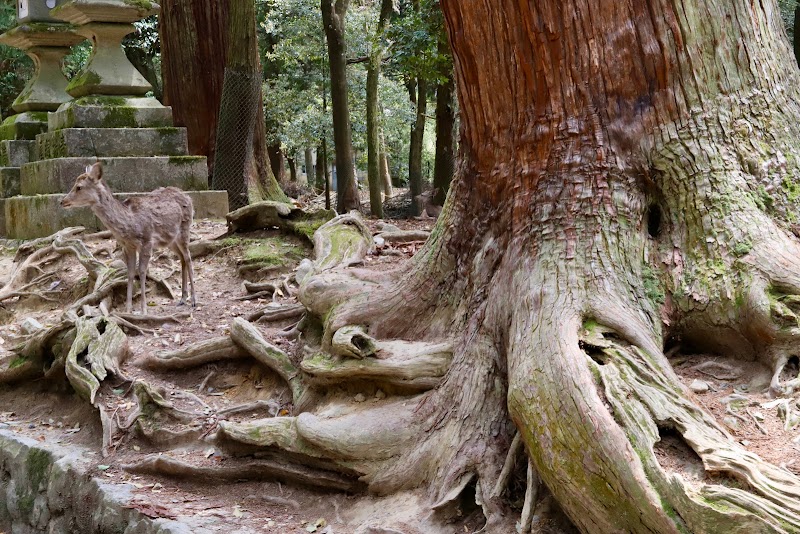
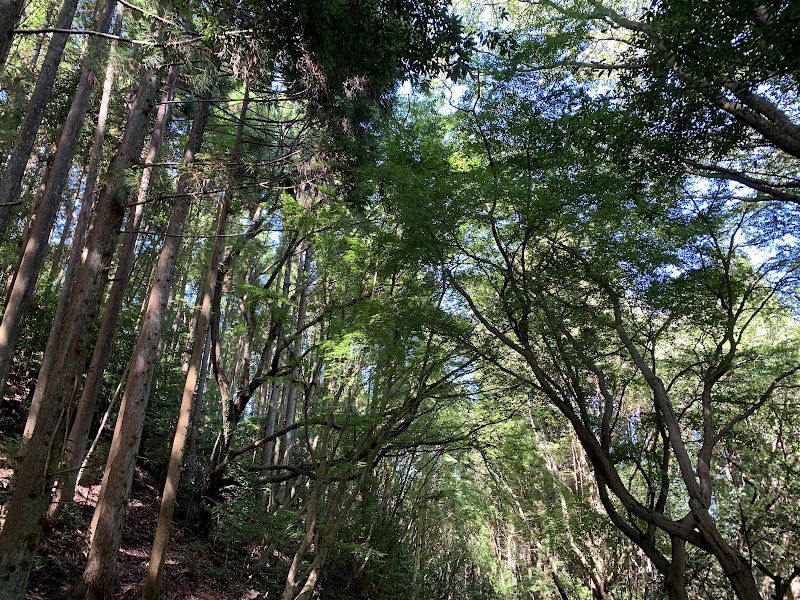
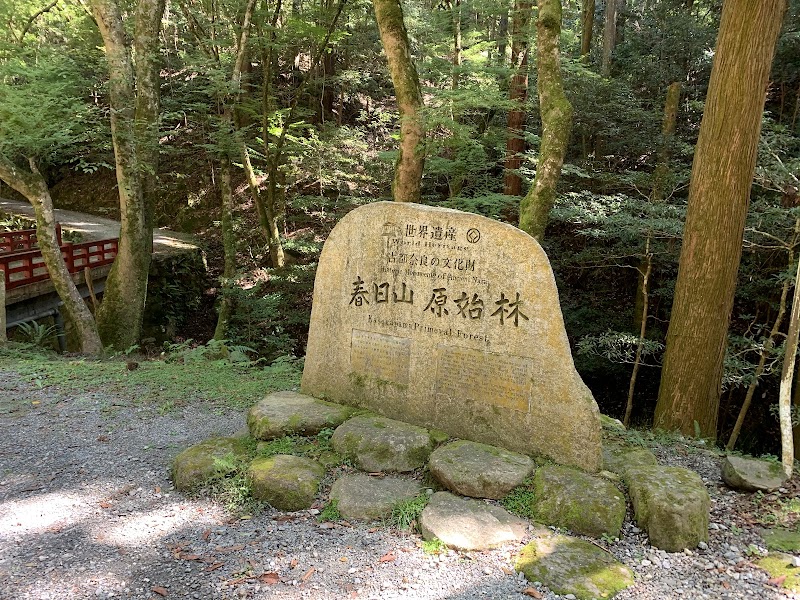
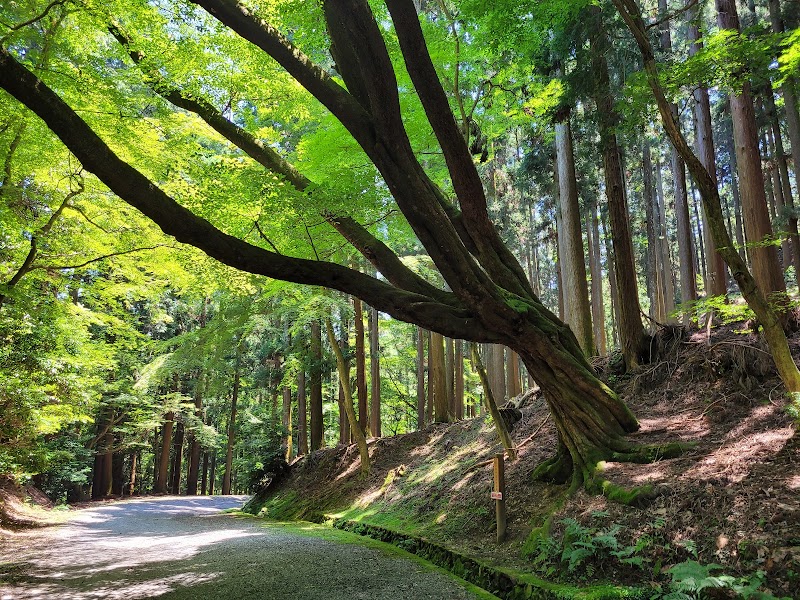
Ancient forest protected for over 1,000 years as sacred ground around Kasuga Taisha. Walking trails through old-growth cedar and cypress. UNESCO World Heritage. Cool even in summer.

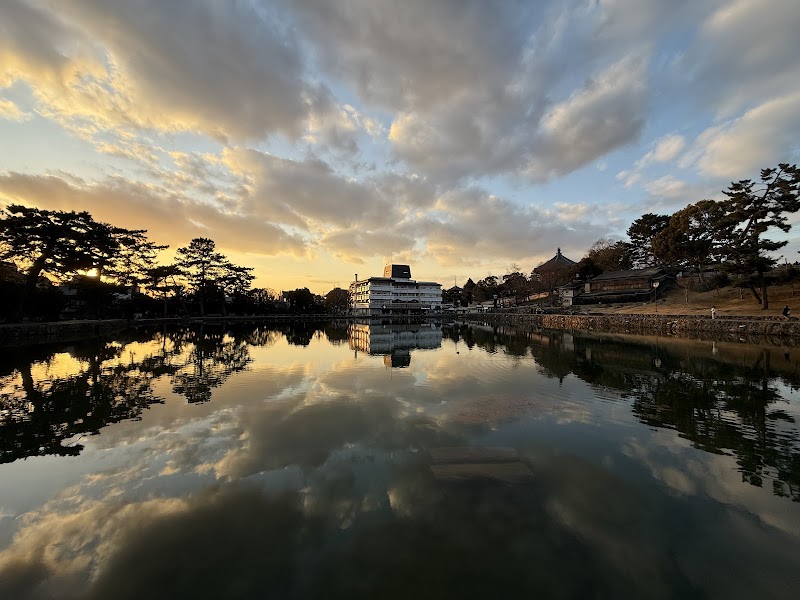
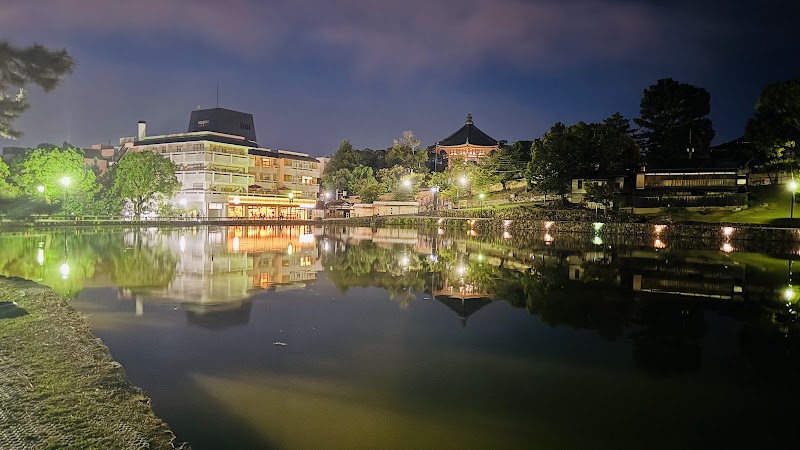
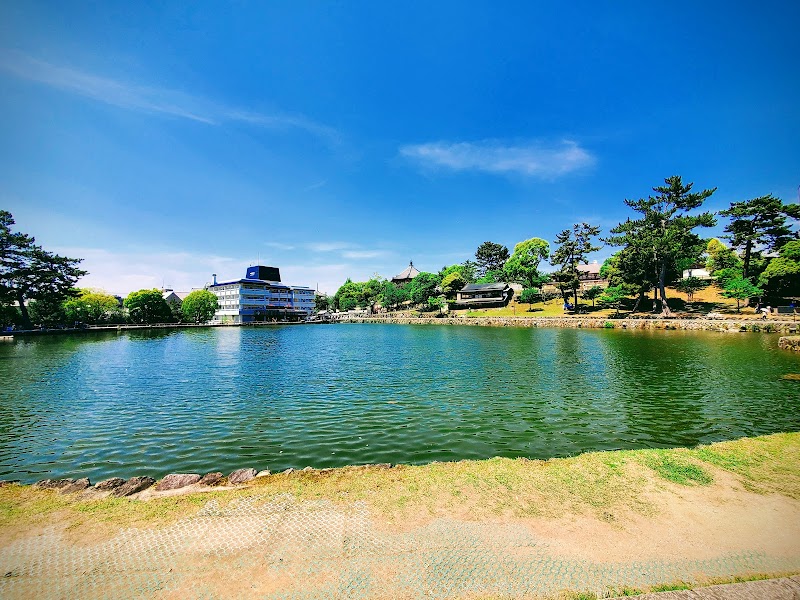
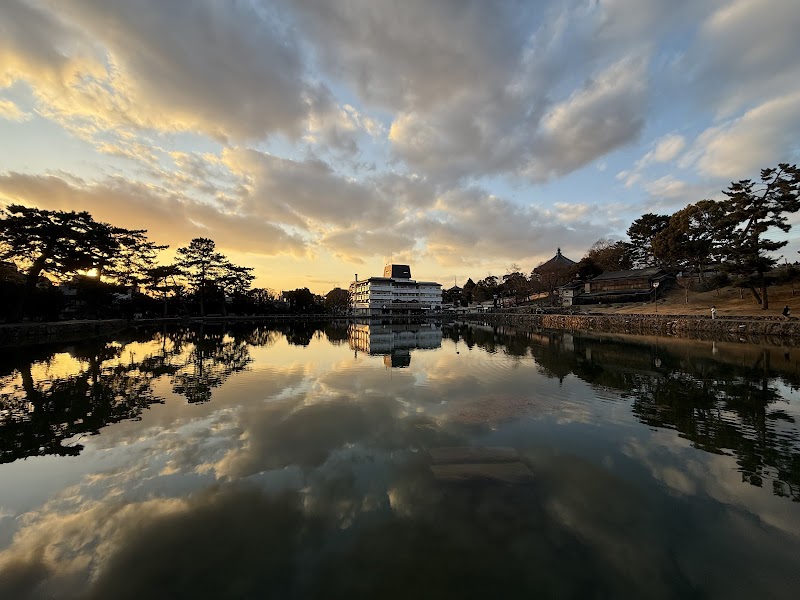
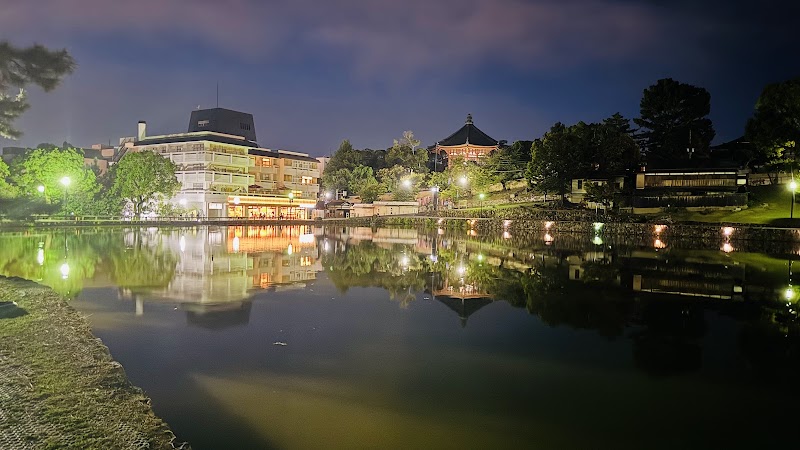
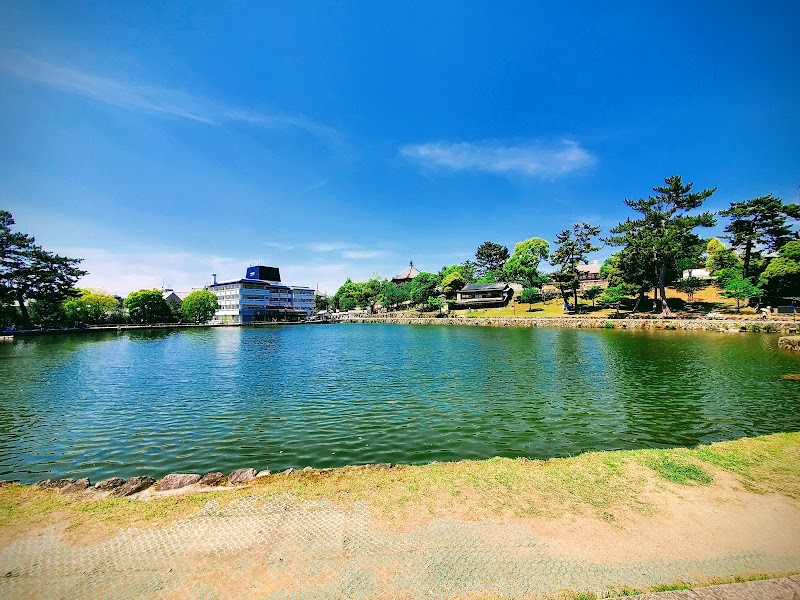
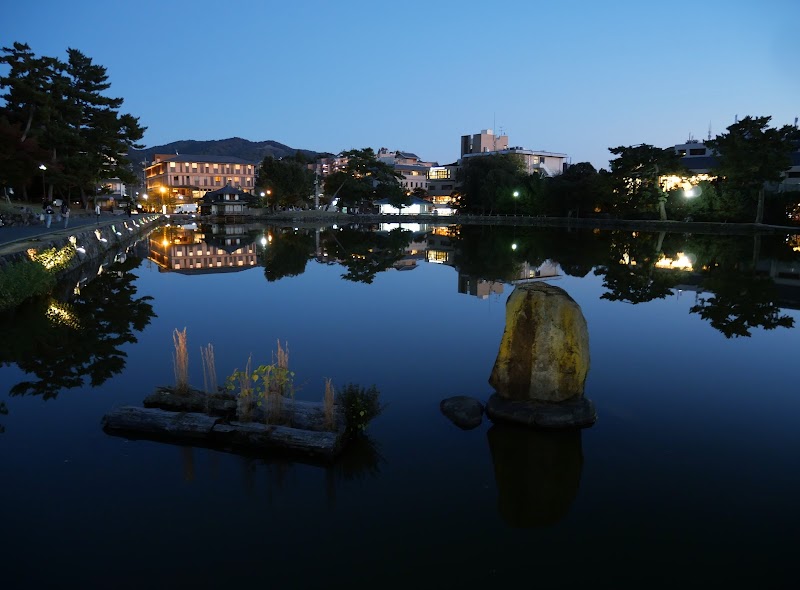
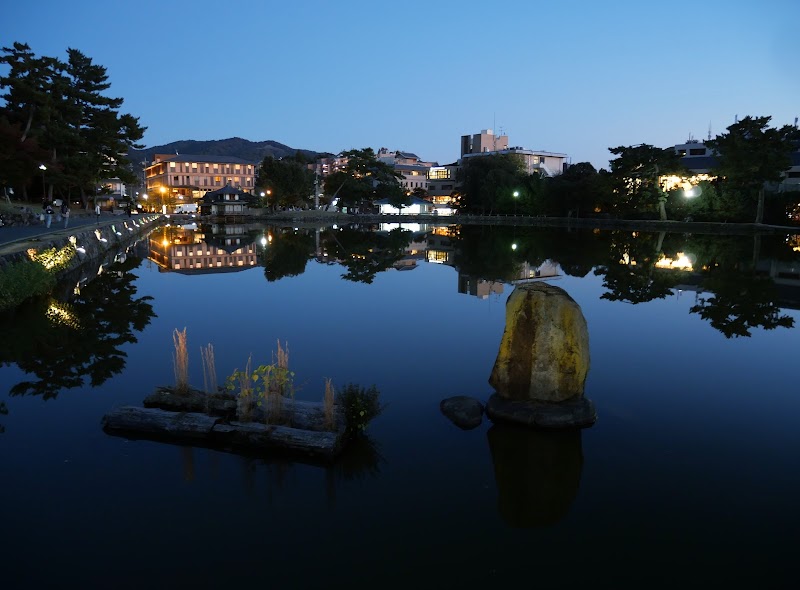
Scenic pond reflecting Kofuku-ji's five-story pagoda. Beautiful at any time of day but especially during sunset when the pagoda glows. Turtles, fish, and the occasional heron. Free.
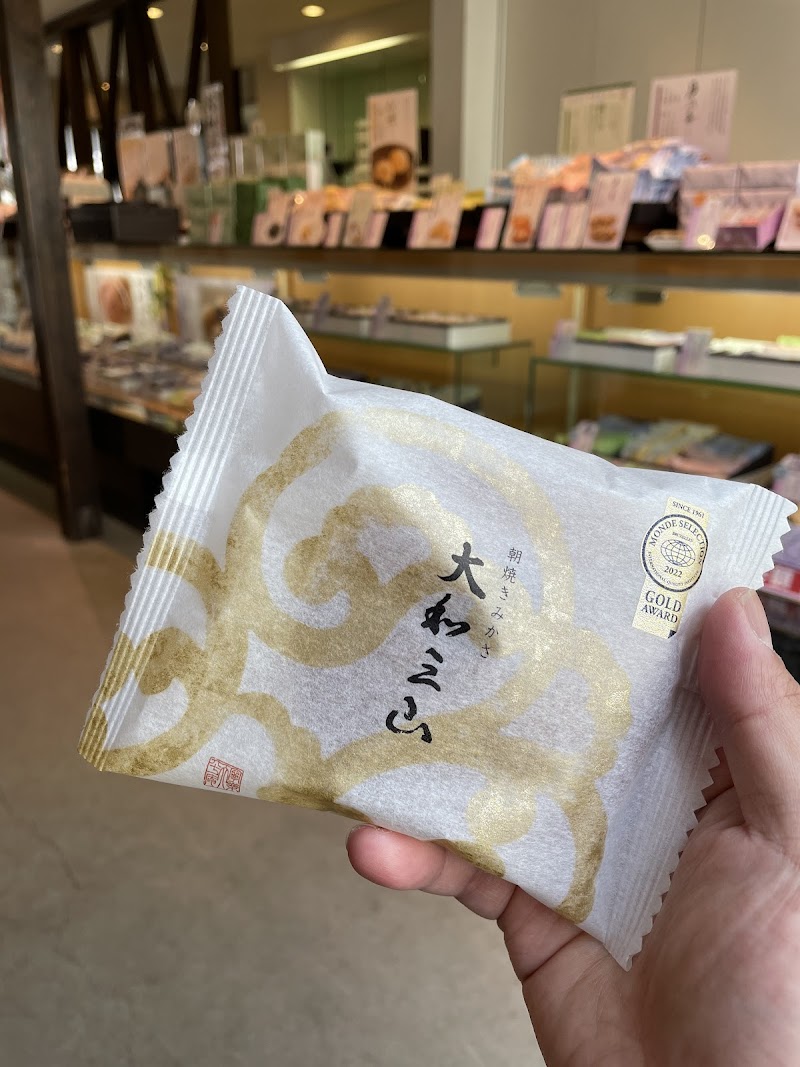
Mochi pounding, persimmon-leaf sushi, tea porridge, and craft sake.

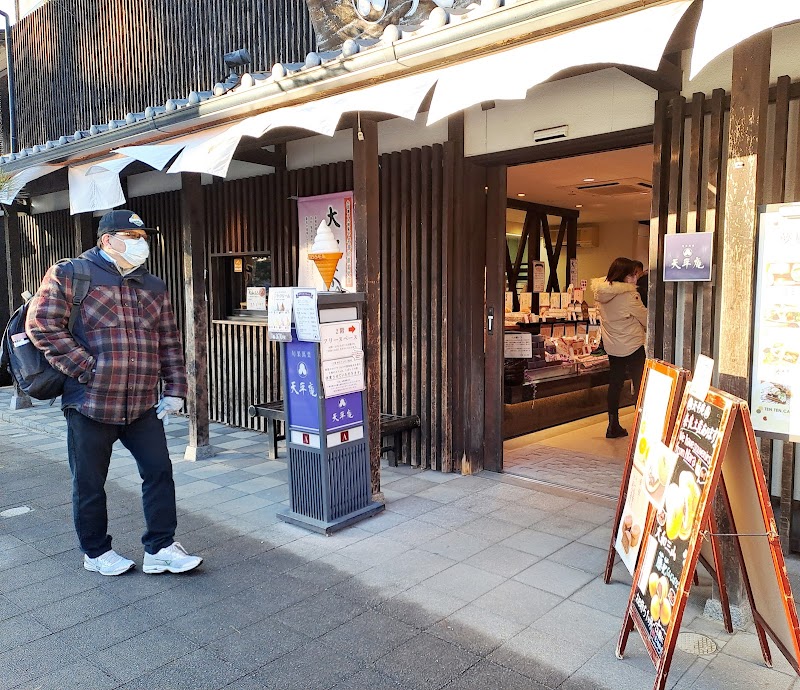
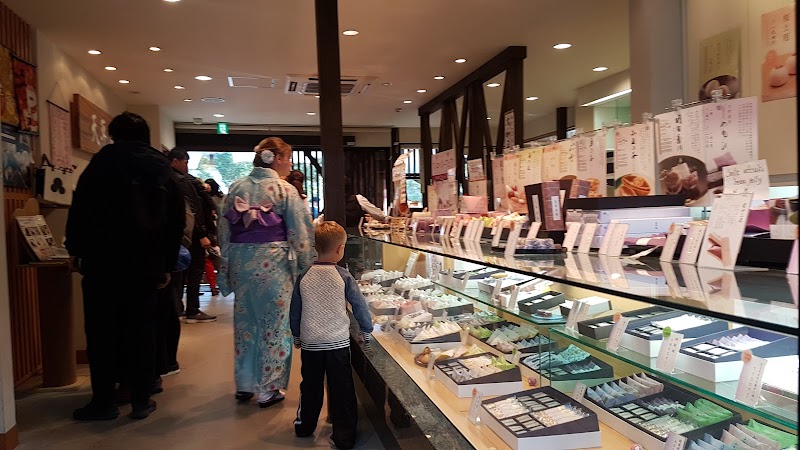
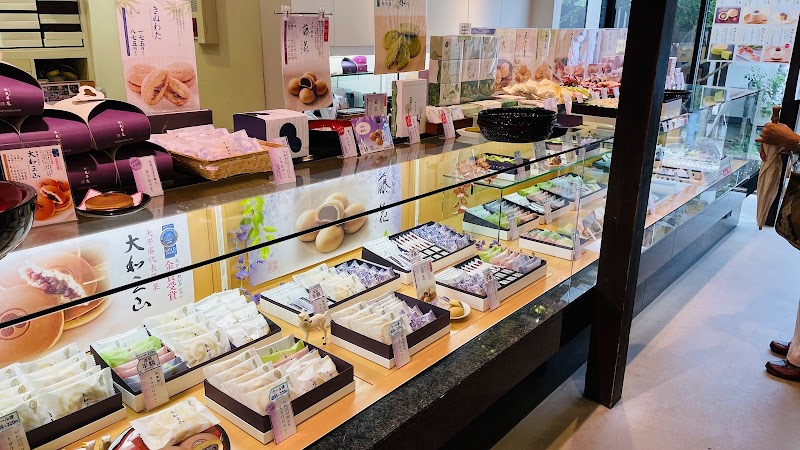
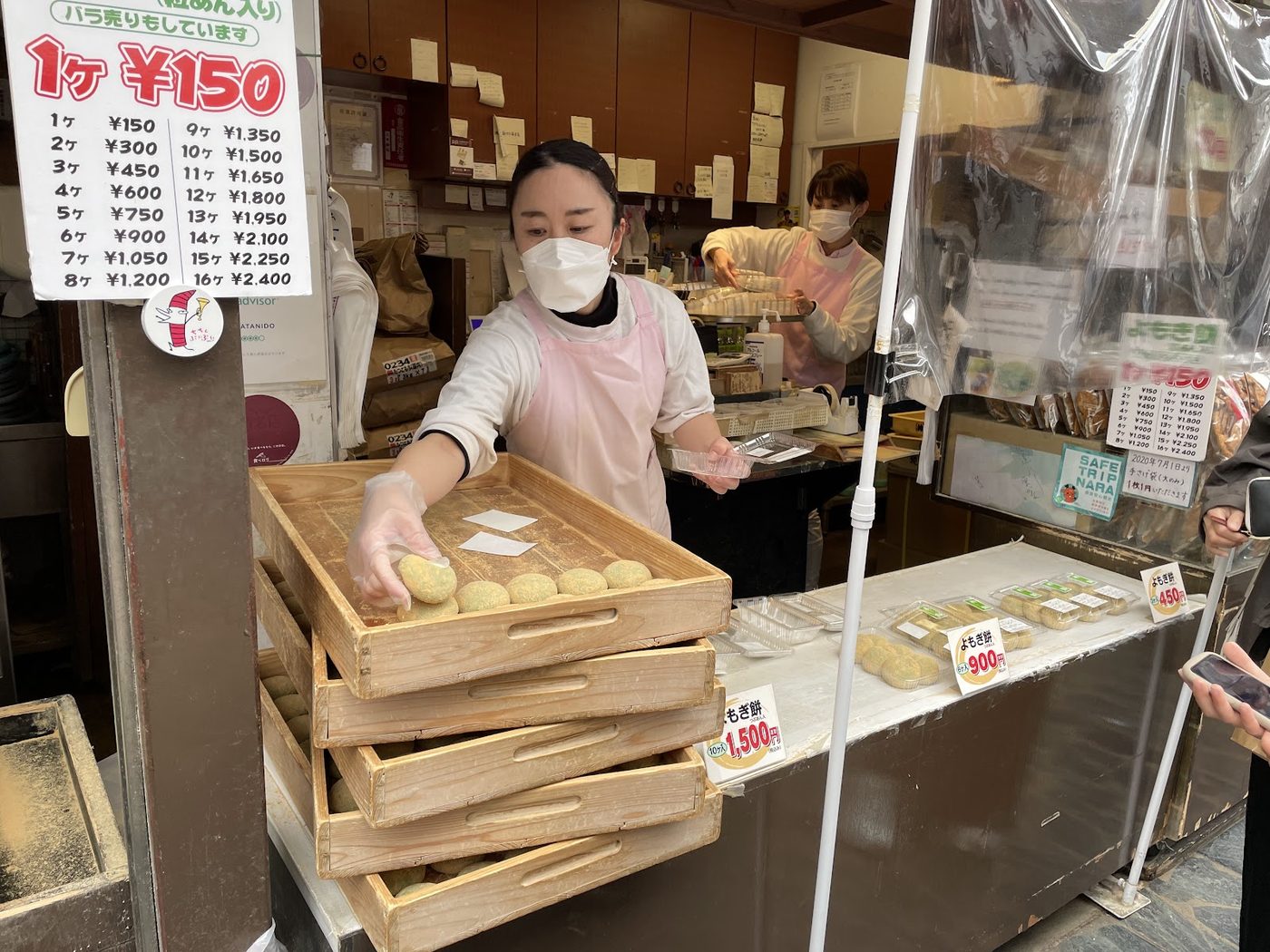
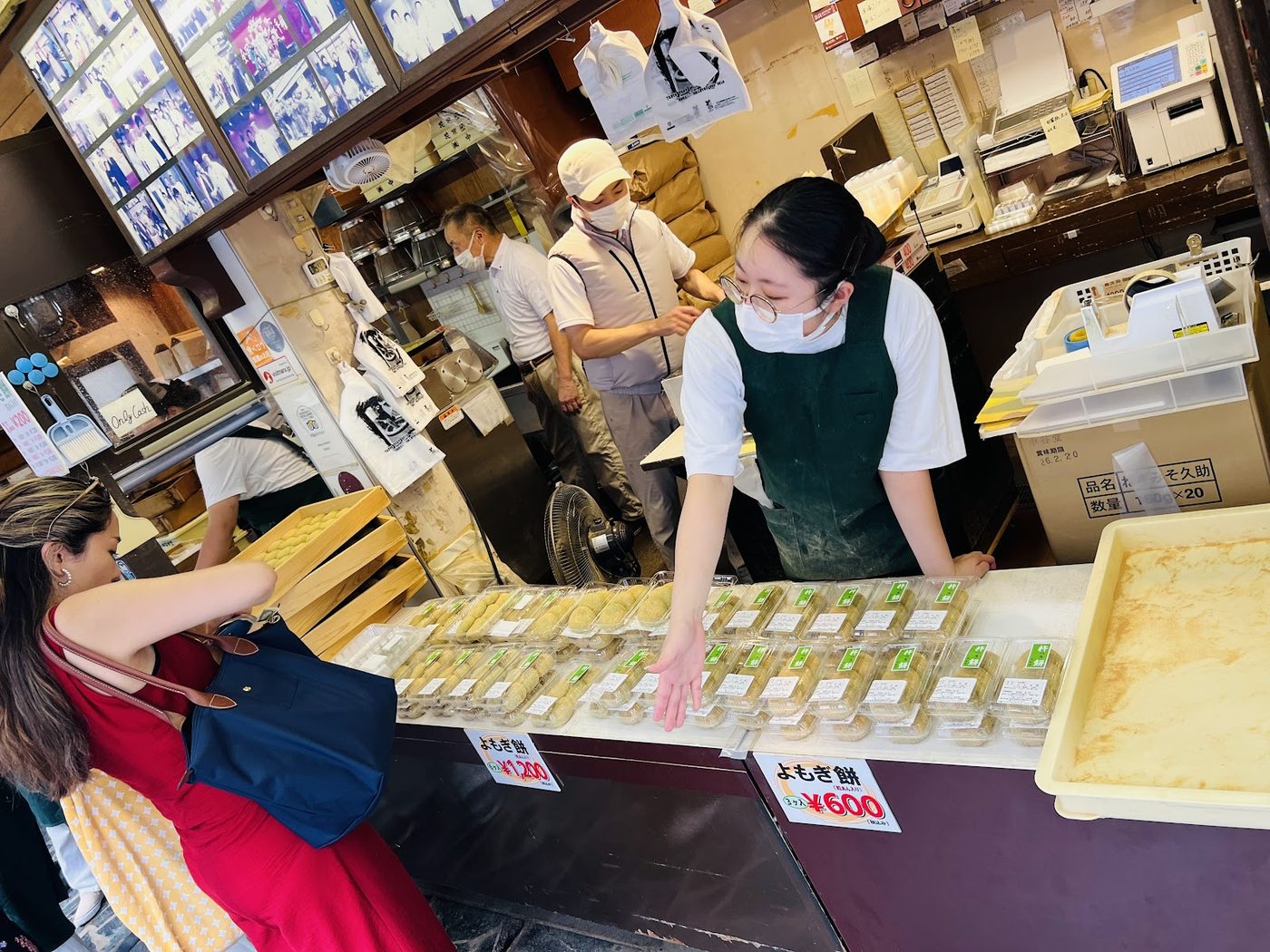
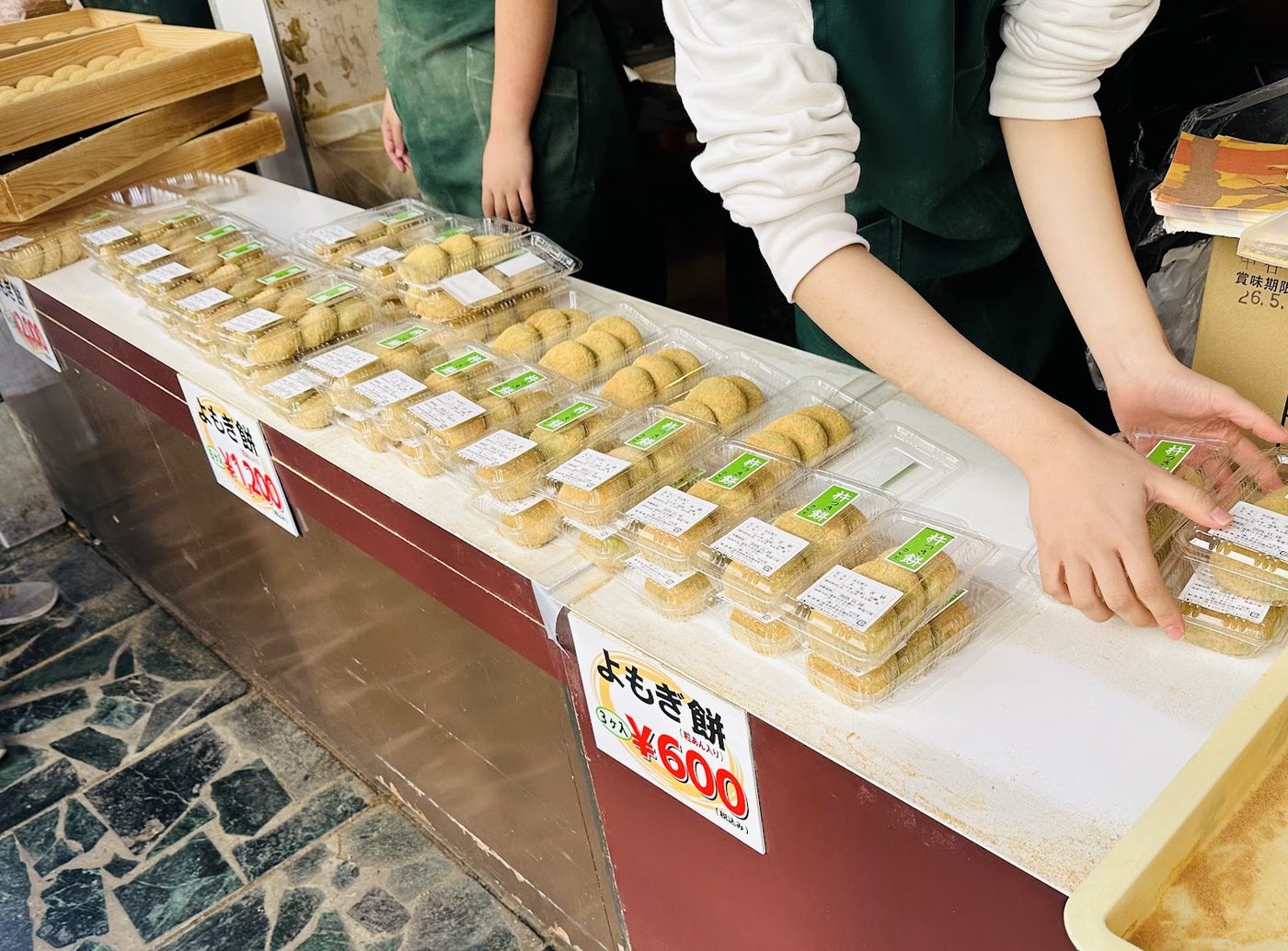
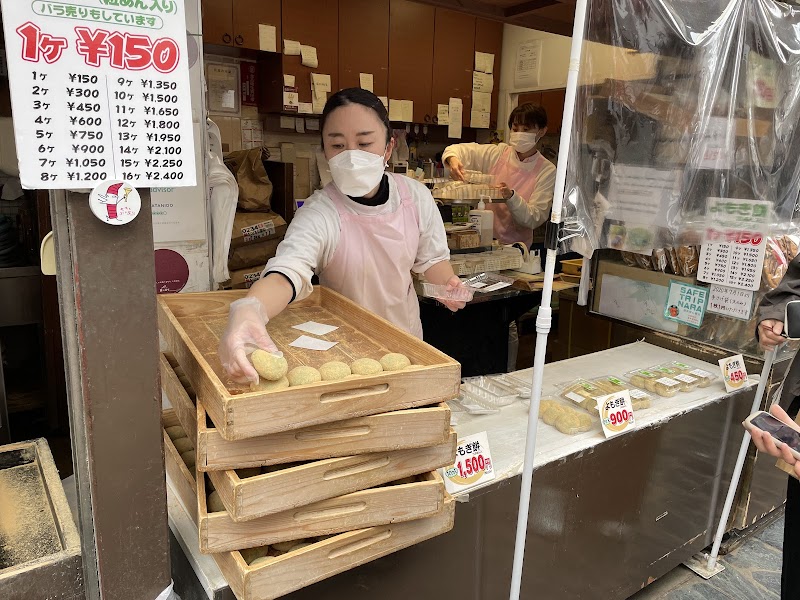
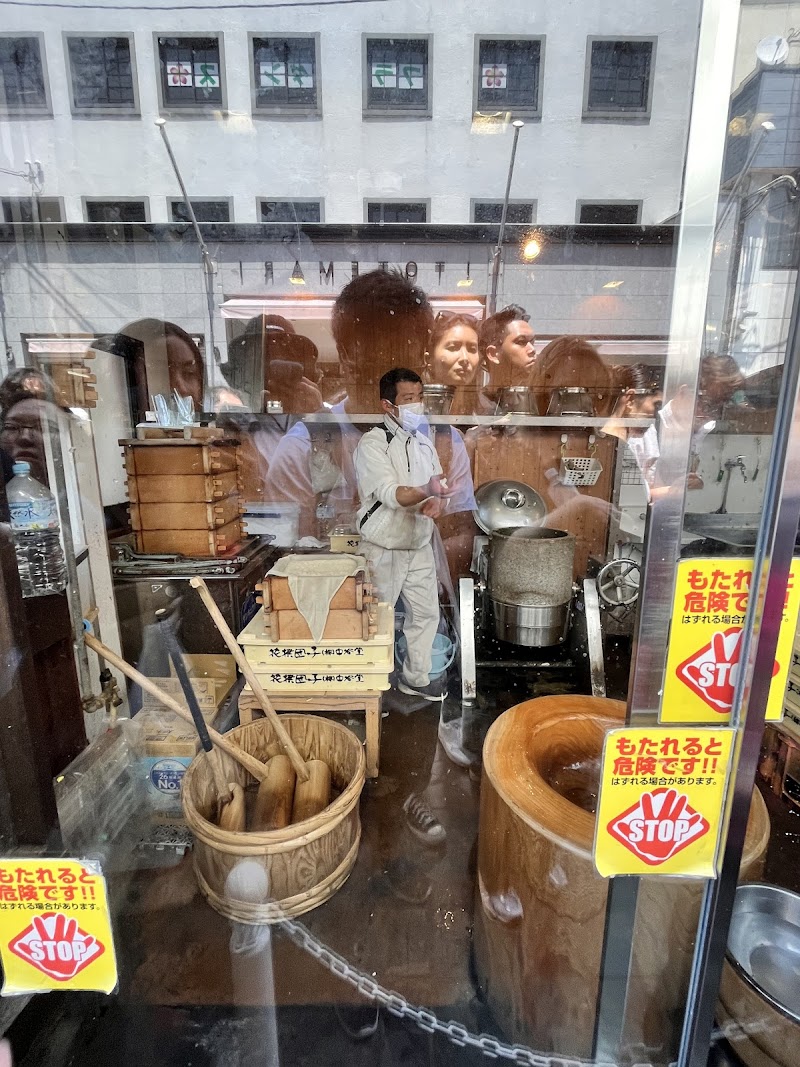
Famous for theatrical high-speed mochi pounding. Two people alternate slamming and turning the rice dough at incredible speed. The fresh yomogi mochi (mugwort rice cake) is soft and delicious.

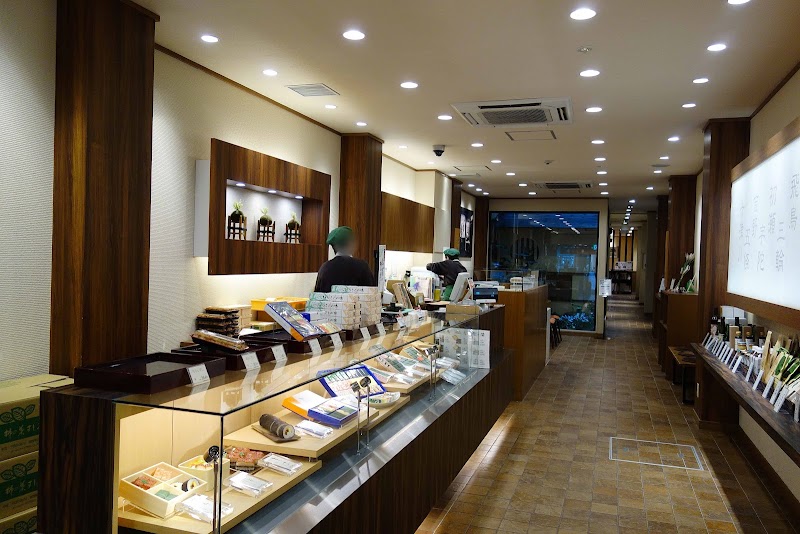
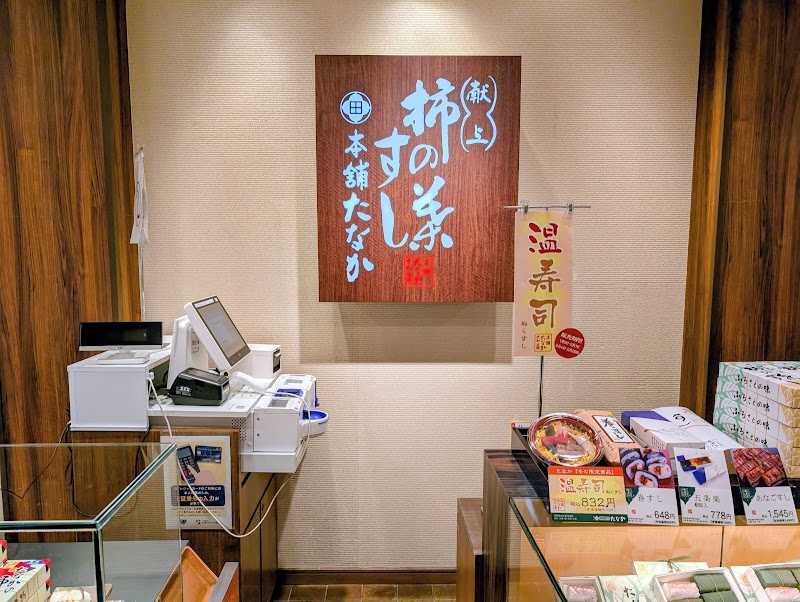
Nara's signature sushi: vinegared mackerel or salmon wrapped in persimmon leaves. The leaves add subtle fragrance and keep the sushi fresh. Tanaka and Hiraso are the best-known shops.

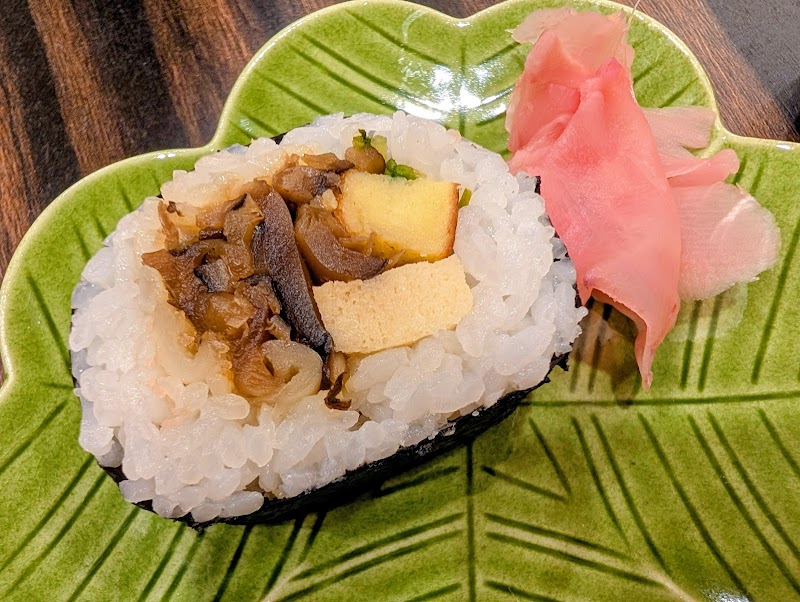
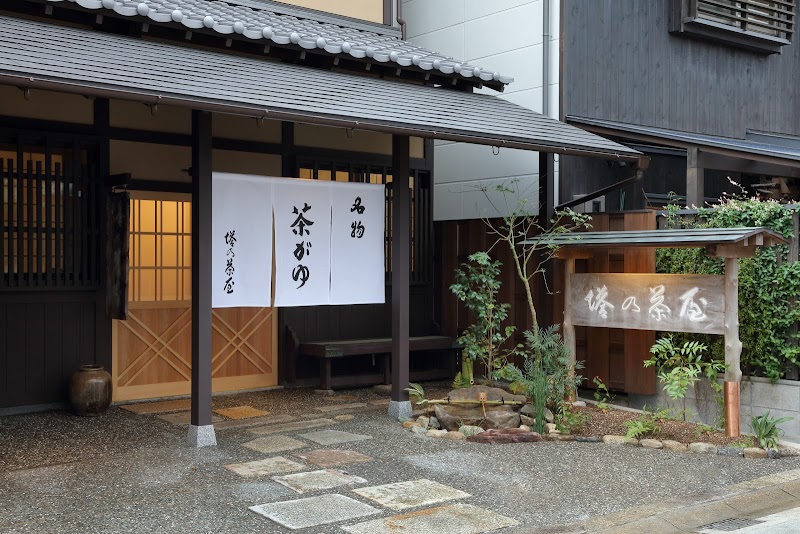
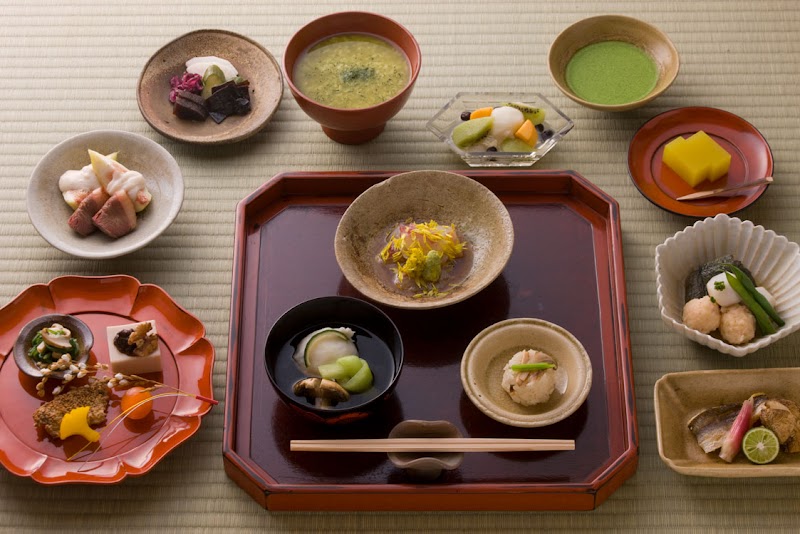
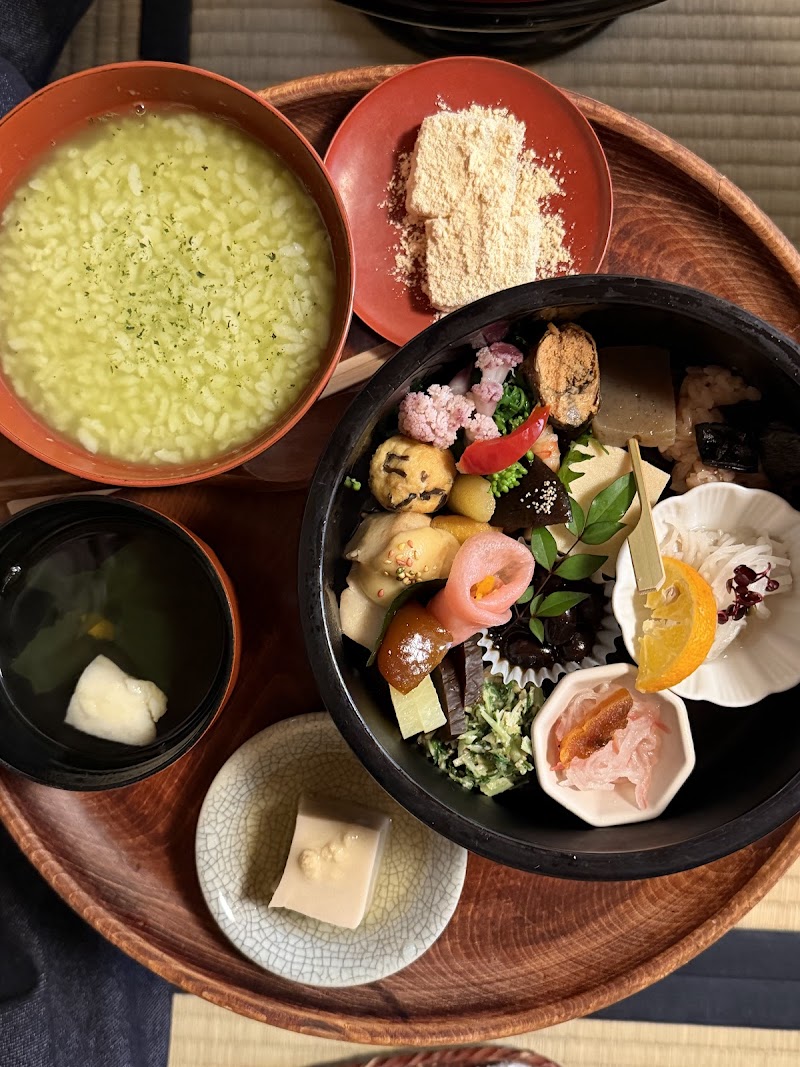
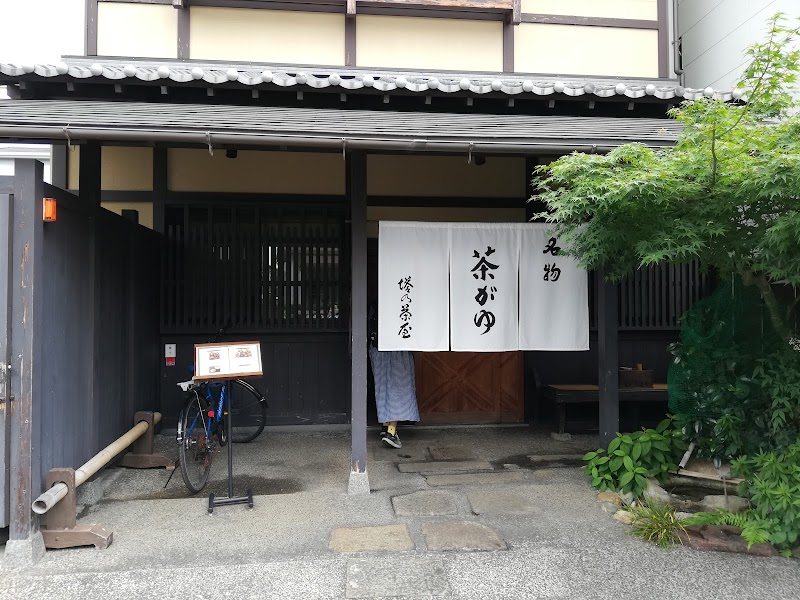
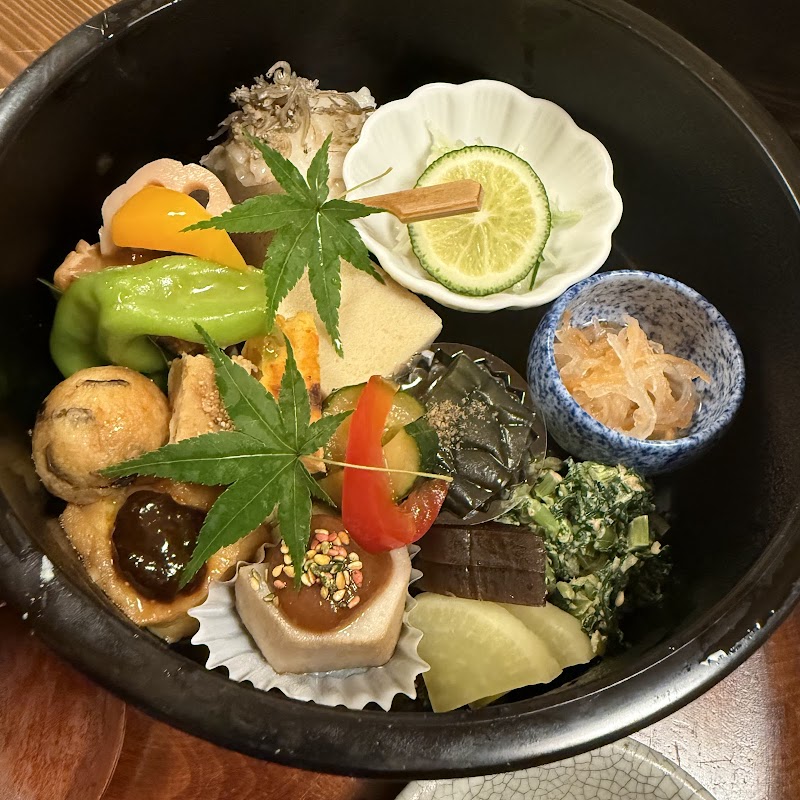
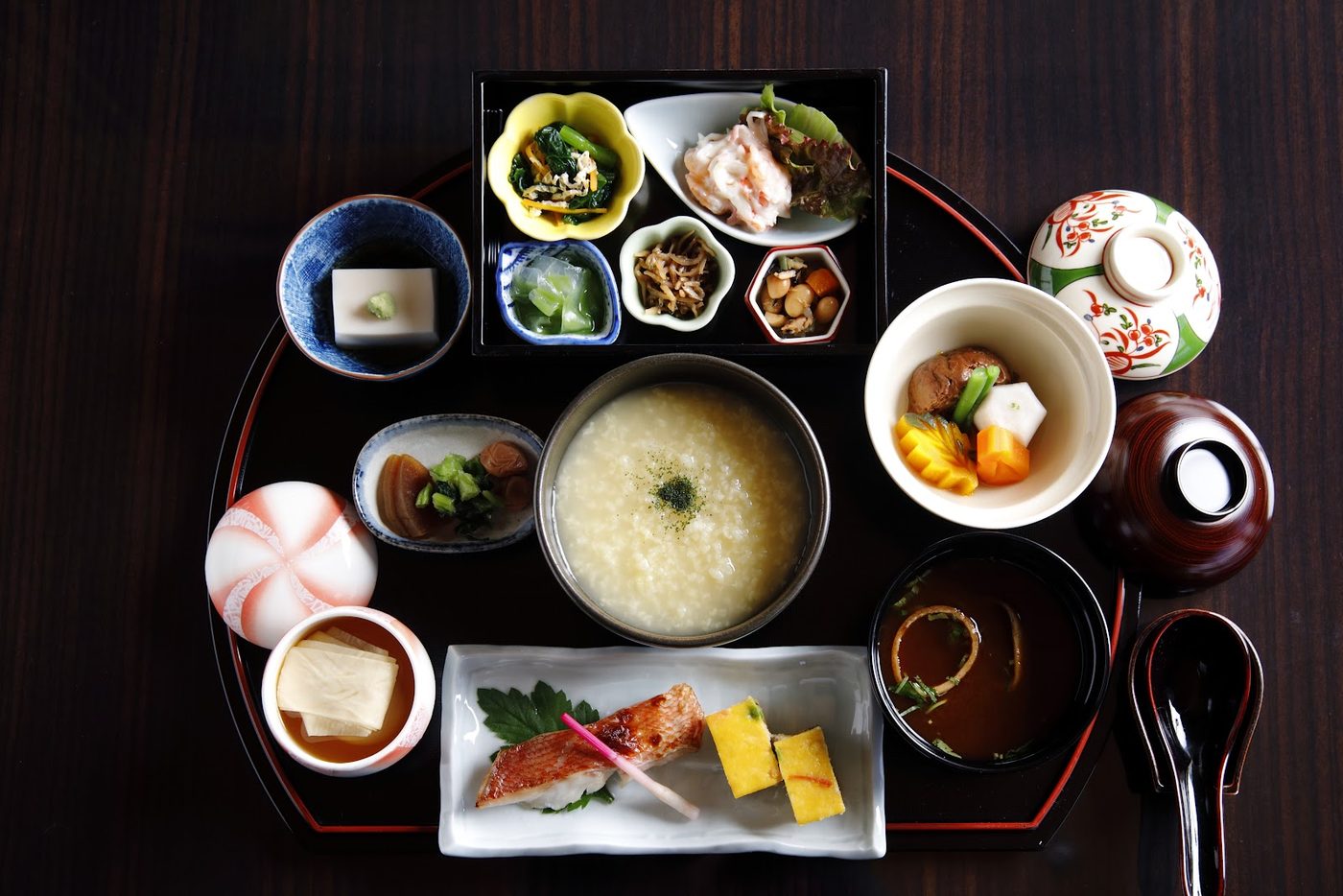
Traditional rice porridge cooked with green tea. Simple, light, and deeply comforting. Originated in Nara's Buddhist temples. Several restaurants in Naramachi serve it for breakfast or lunch.

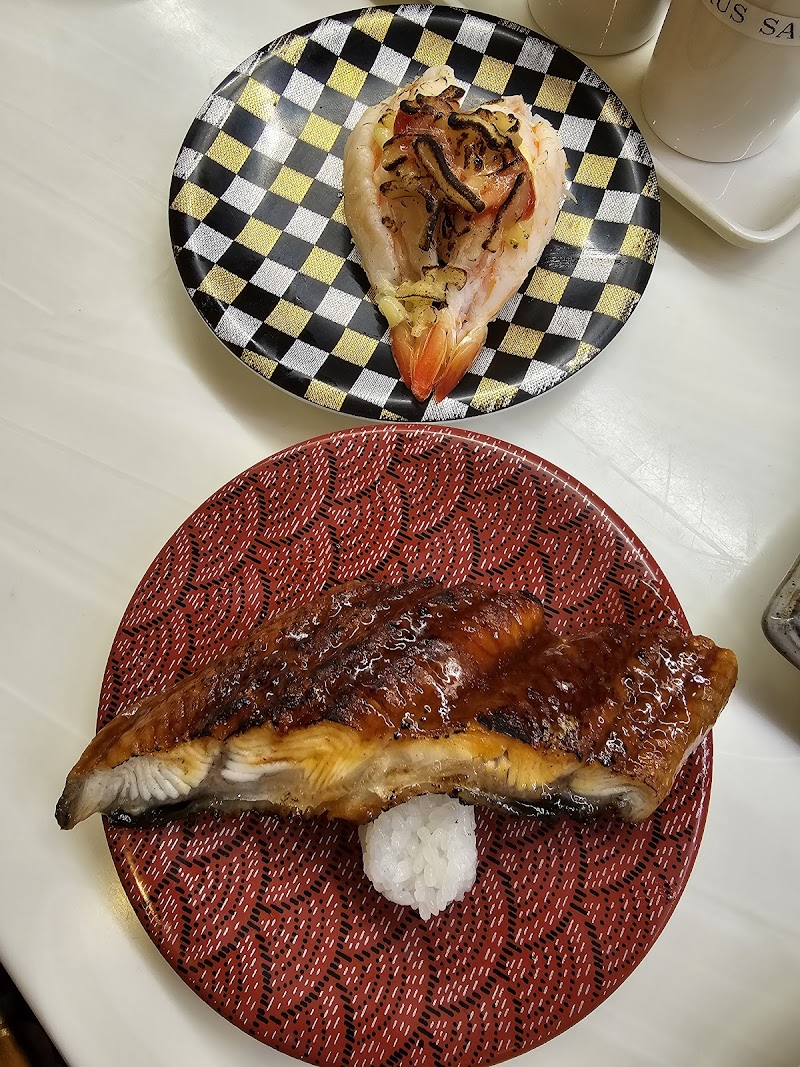
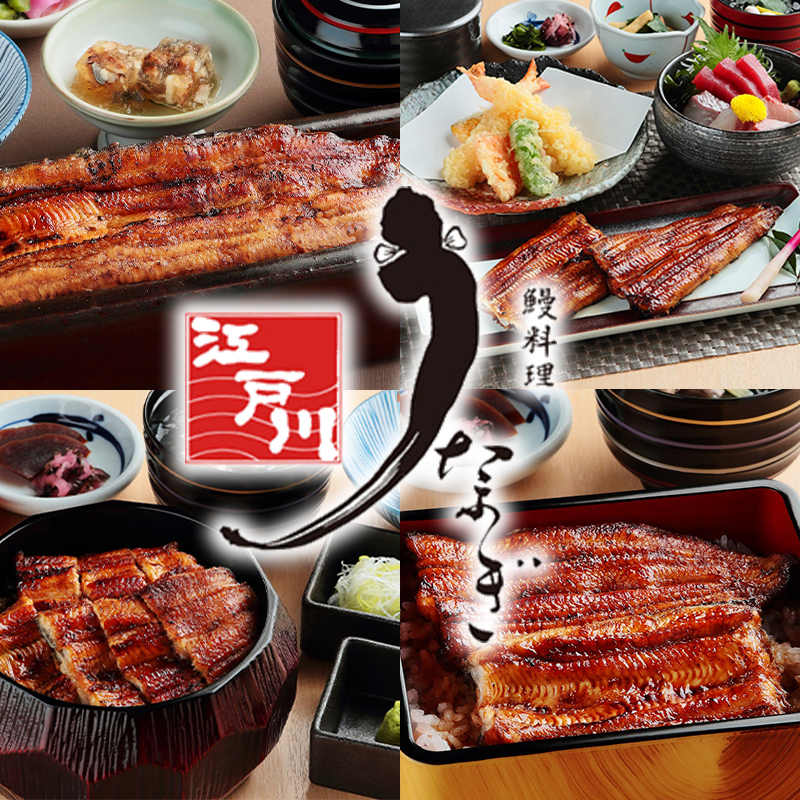
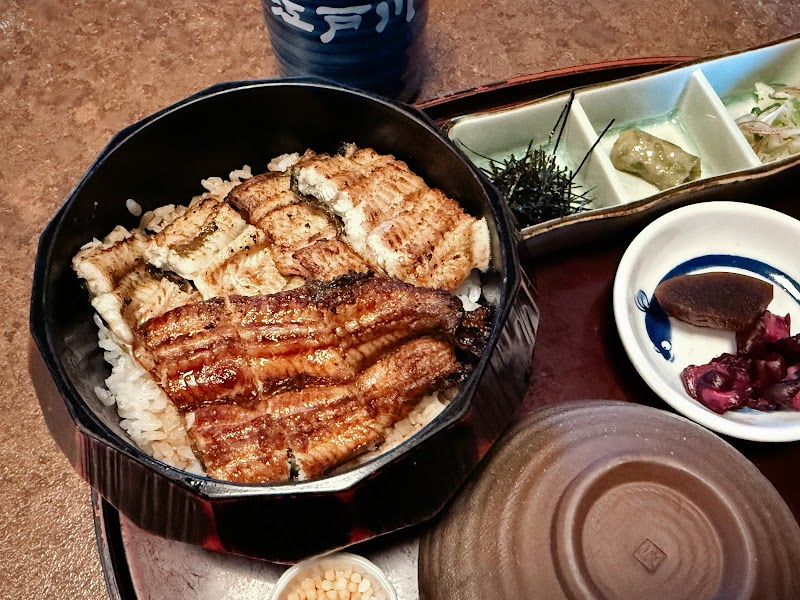
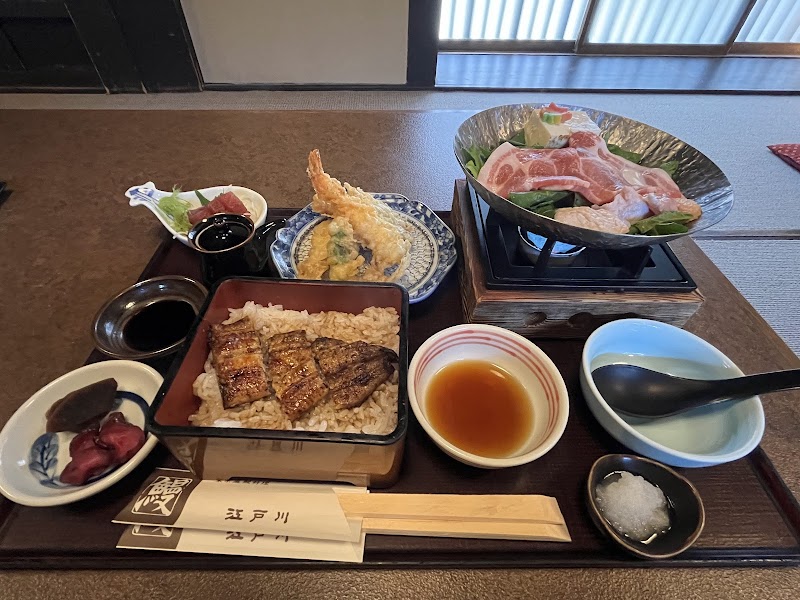
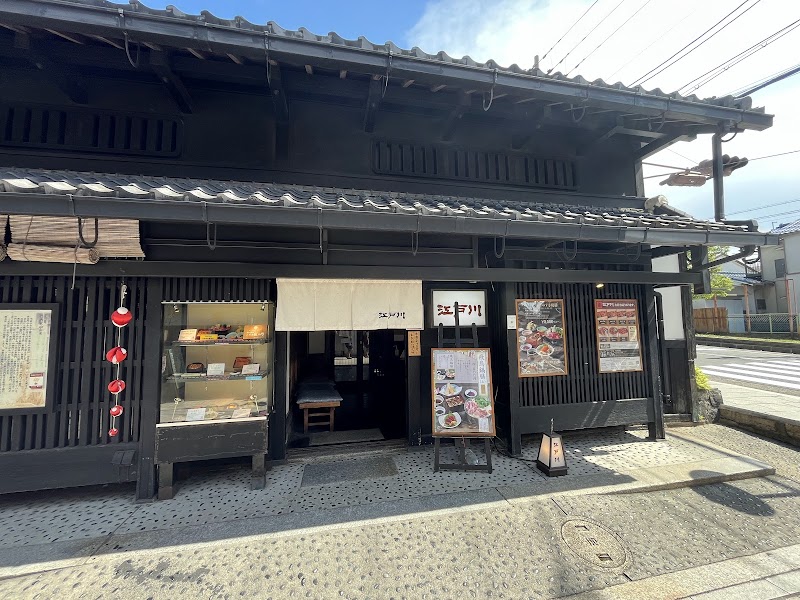
Excellent grilled eel (unagi) restaurant in a beautiful traditional machiya building in Naramachi. The set meals include rice, soup, and pickles. One of Nara's most recommended restaurants.

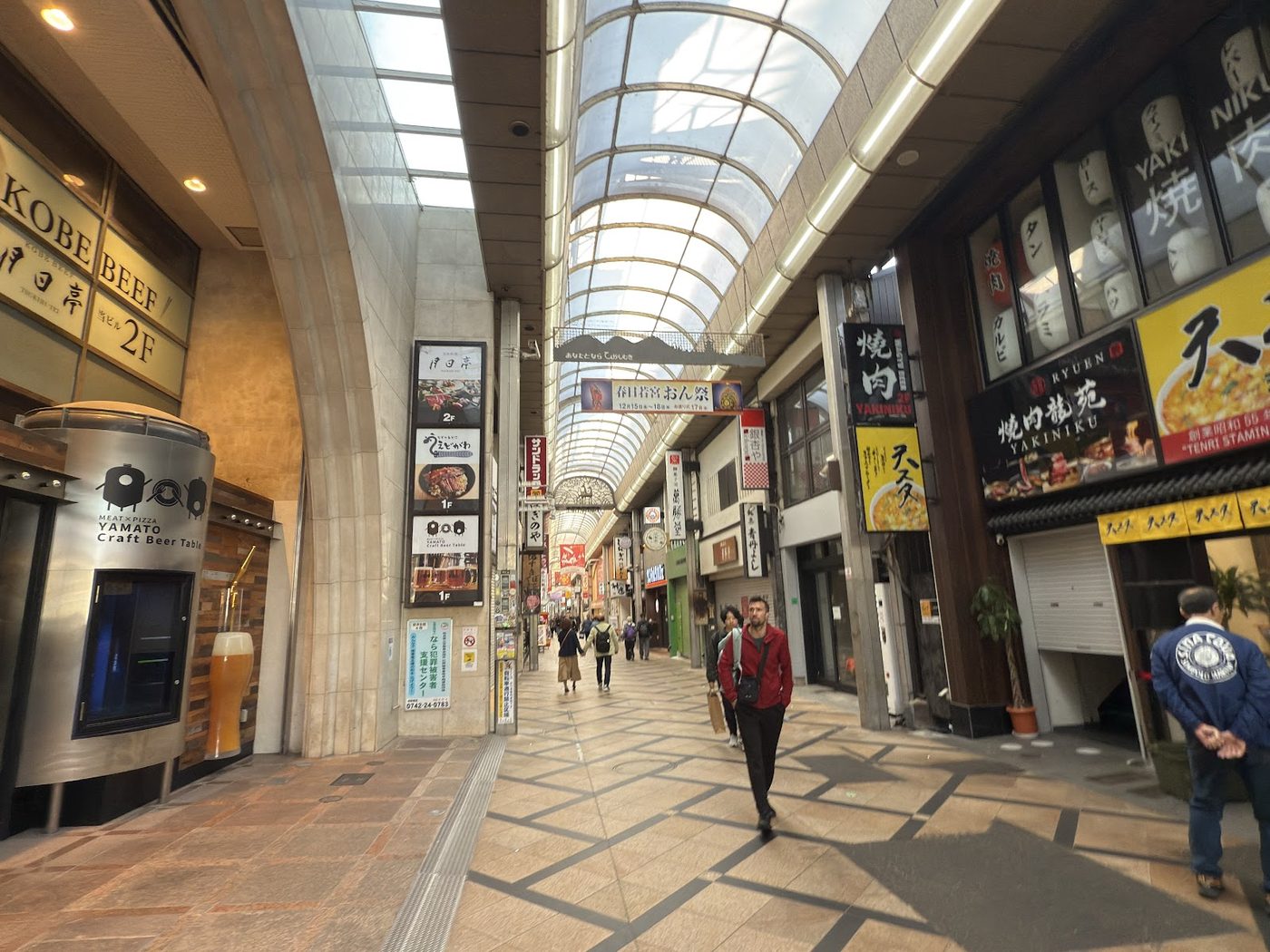
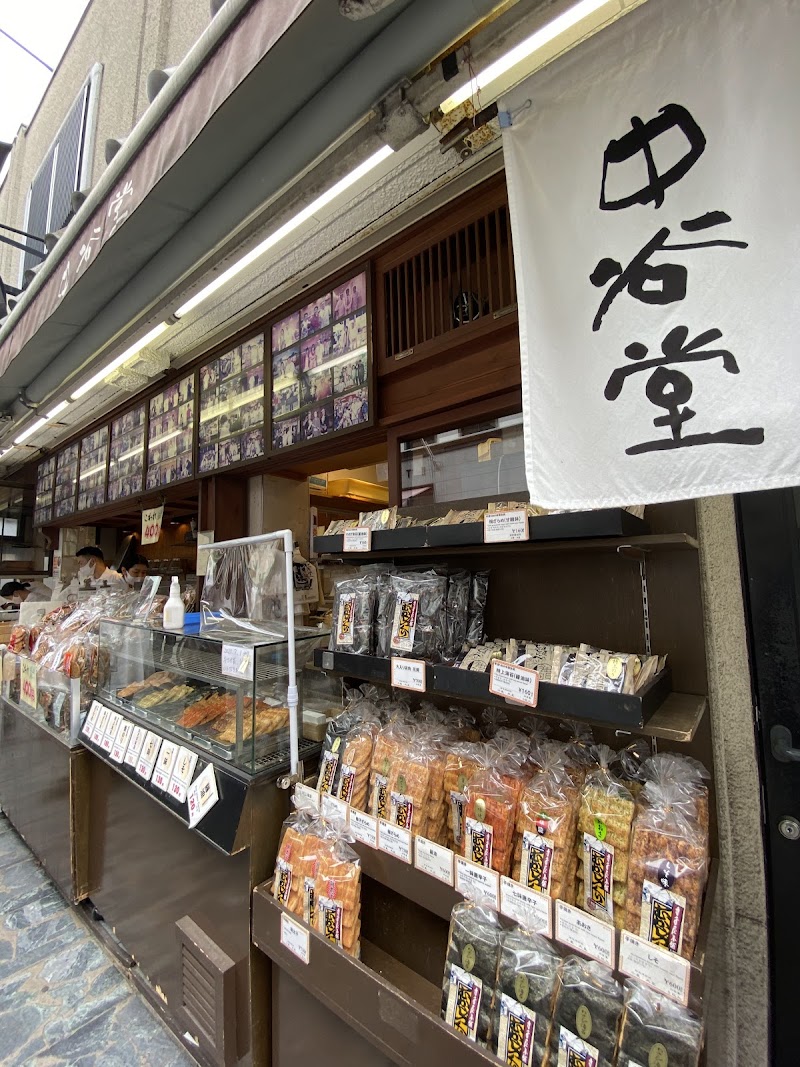
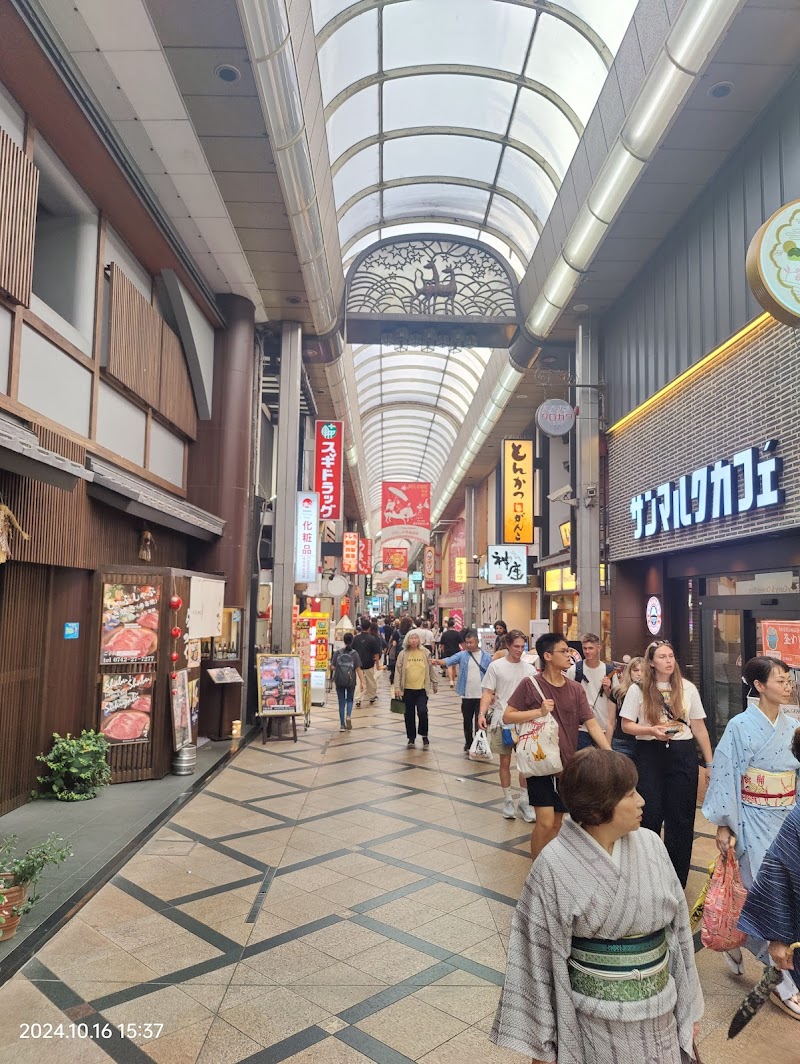
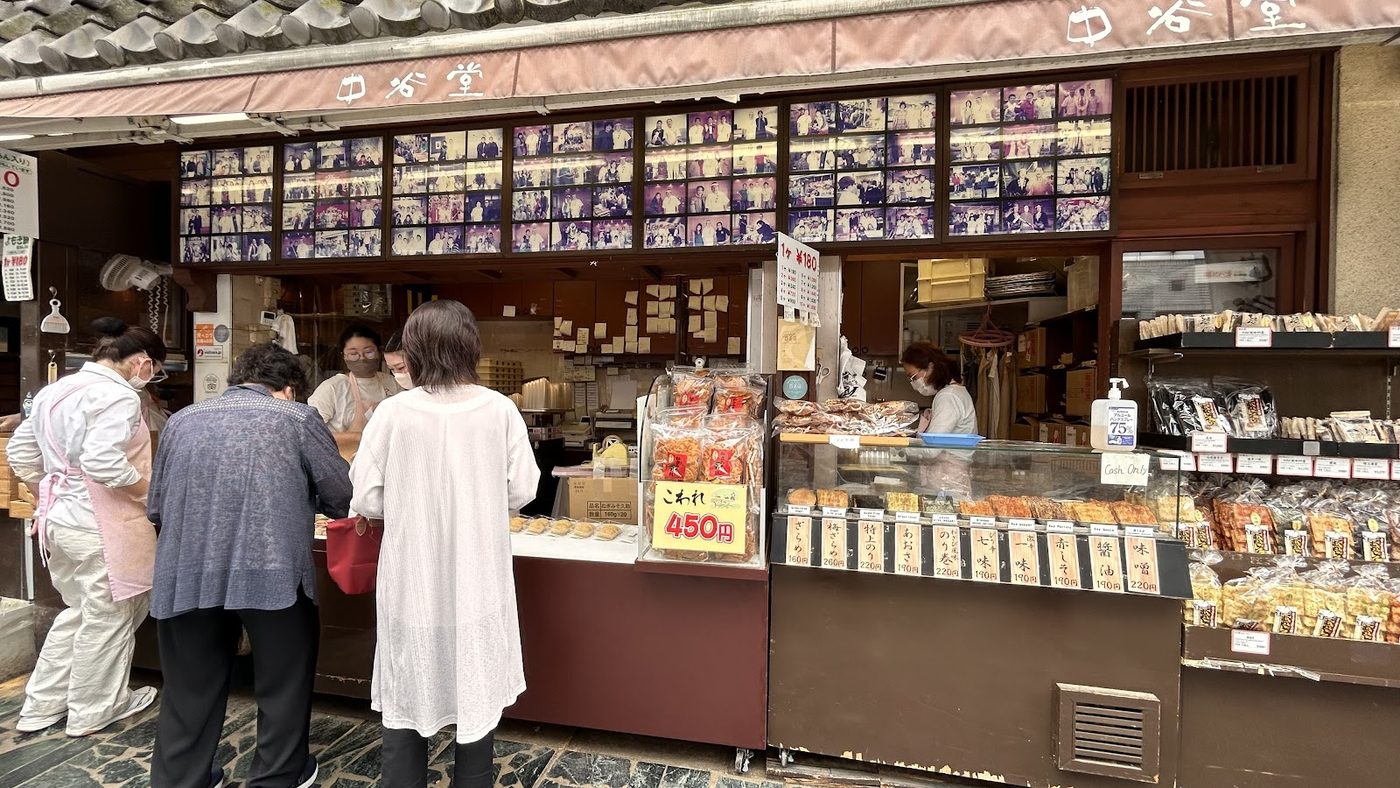
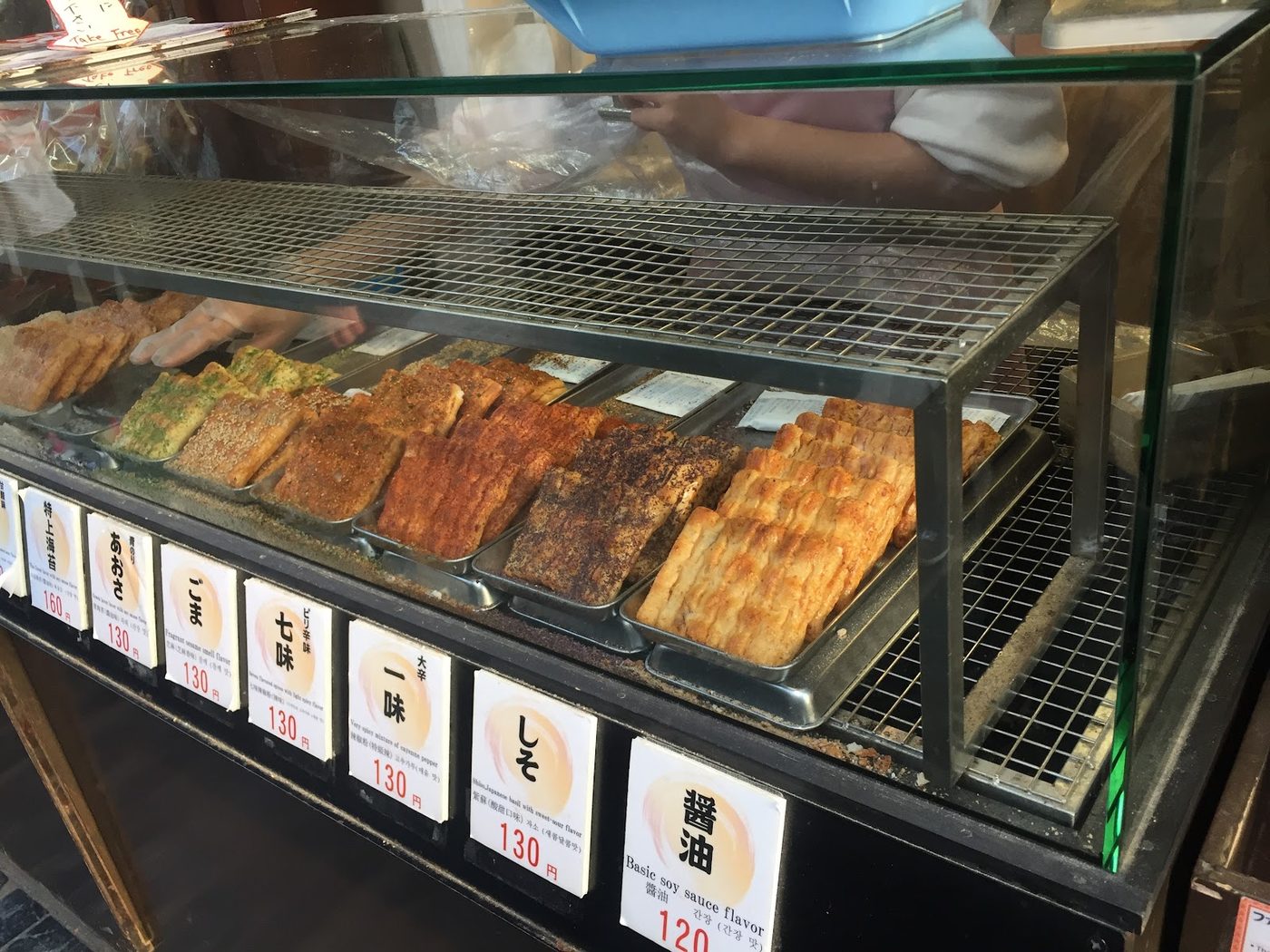
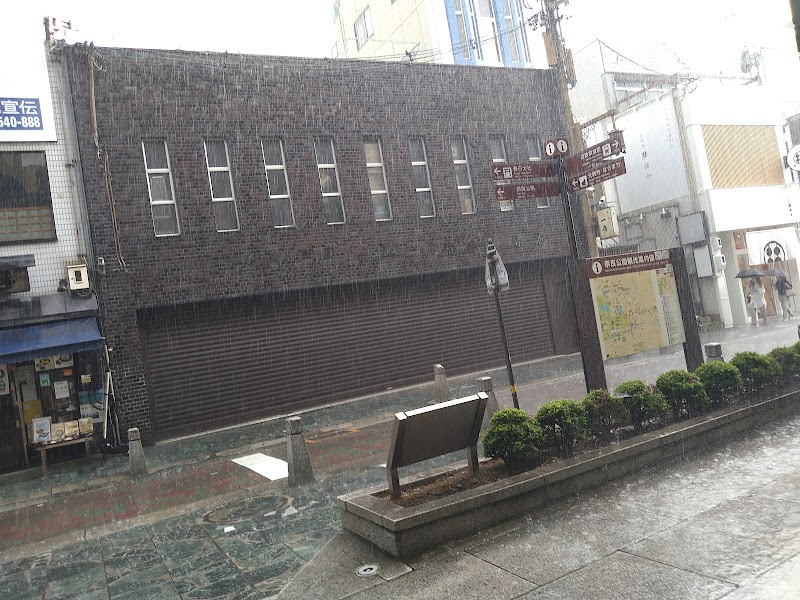
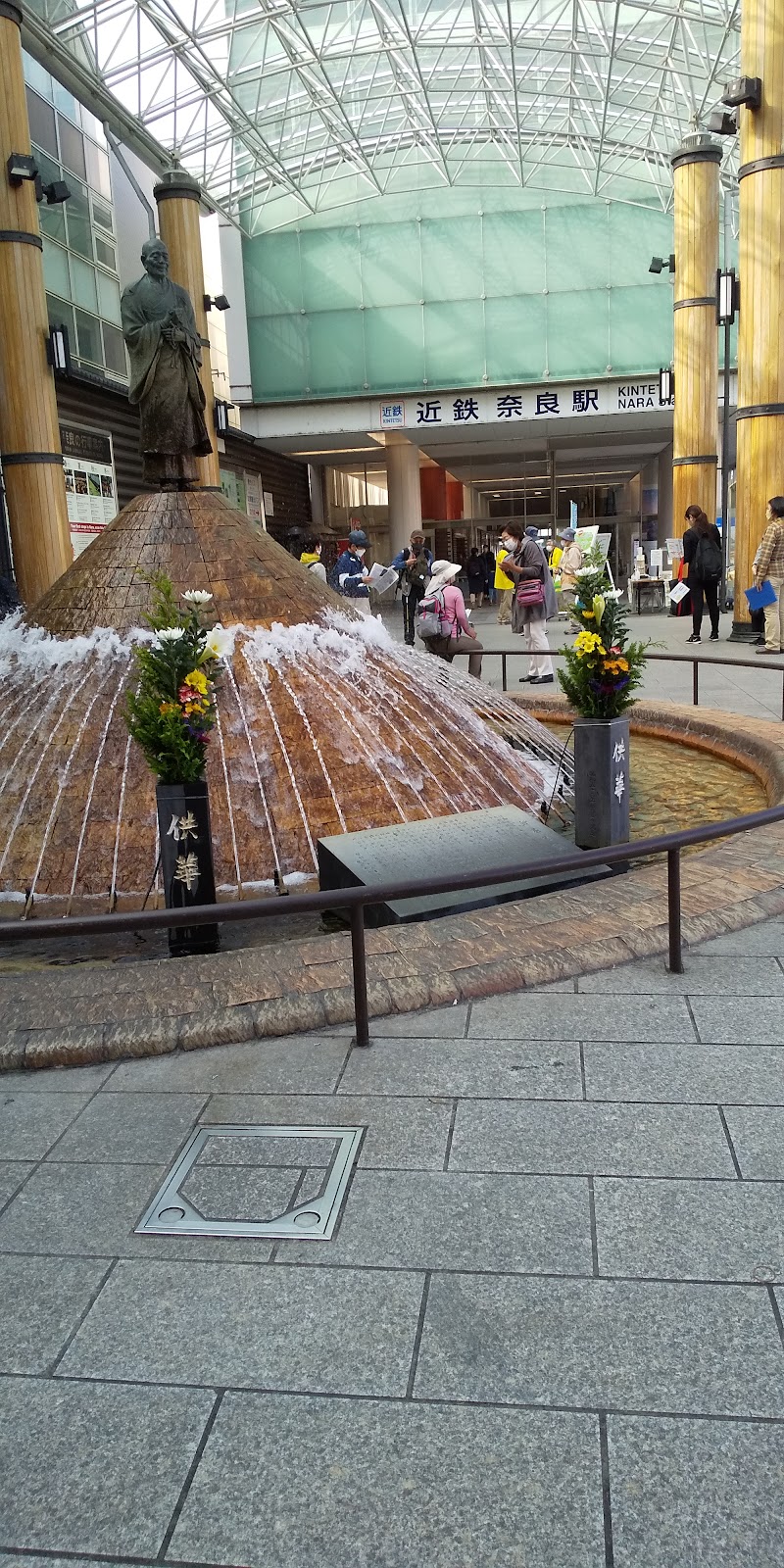
Covered shopping arcade near Kintetsu Nara Station. Street food stalls selling grilled rice cakes, matcha soft serve, and seasonal sweets. The best place for quick bites and deer-themed souvenirs.

Popular handmade soba restaurant near Nara Park. The cold soba with grated radish is excellent. Set meals include local specialties. Good stop between temple visits.

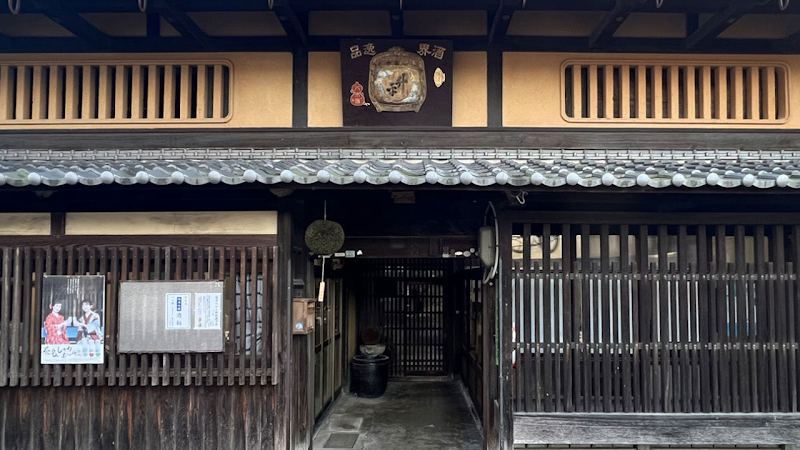
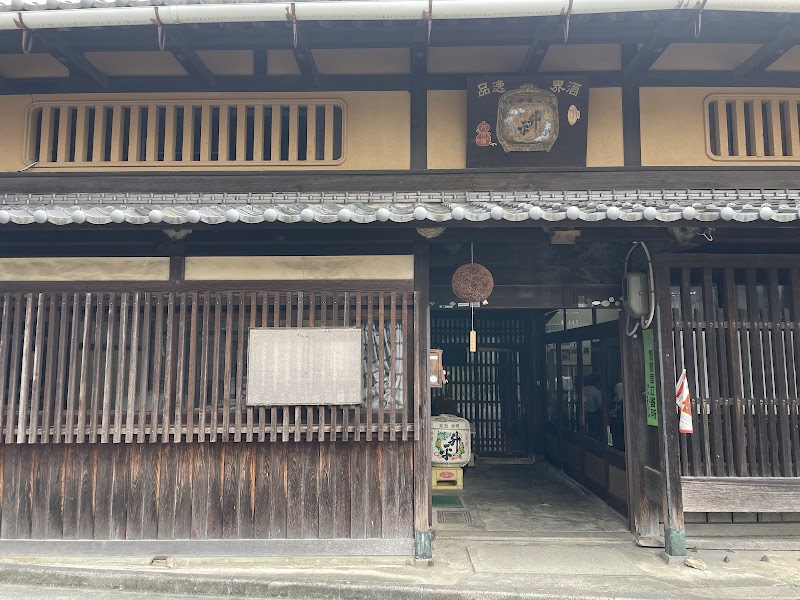
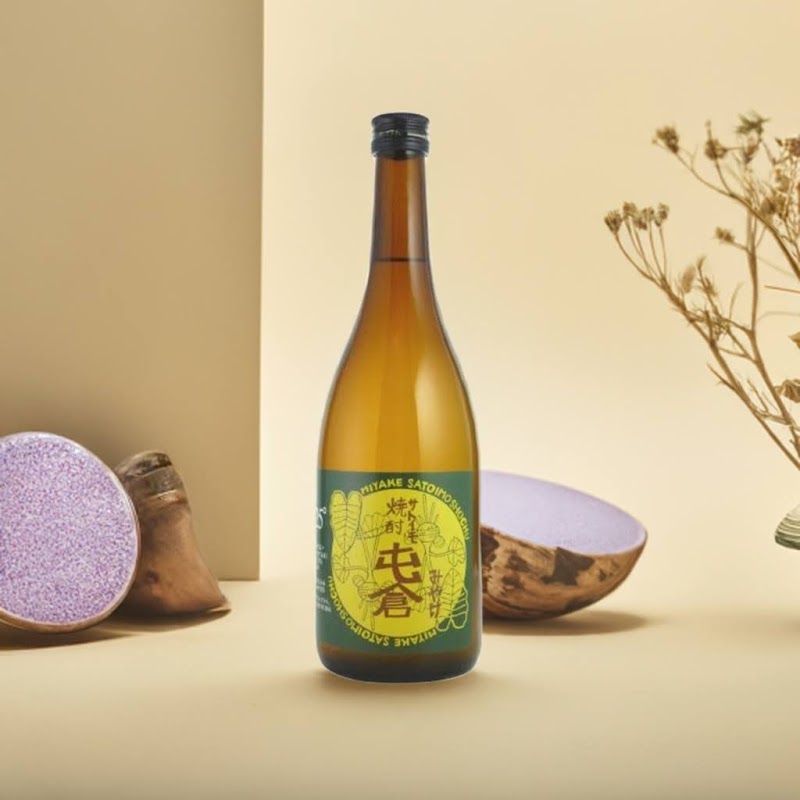
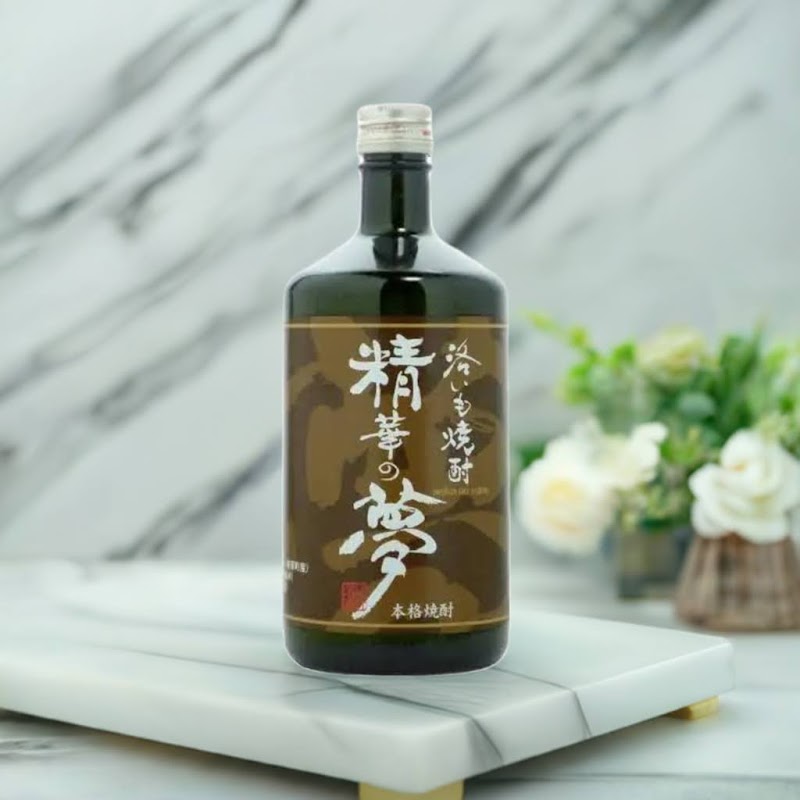
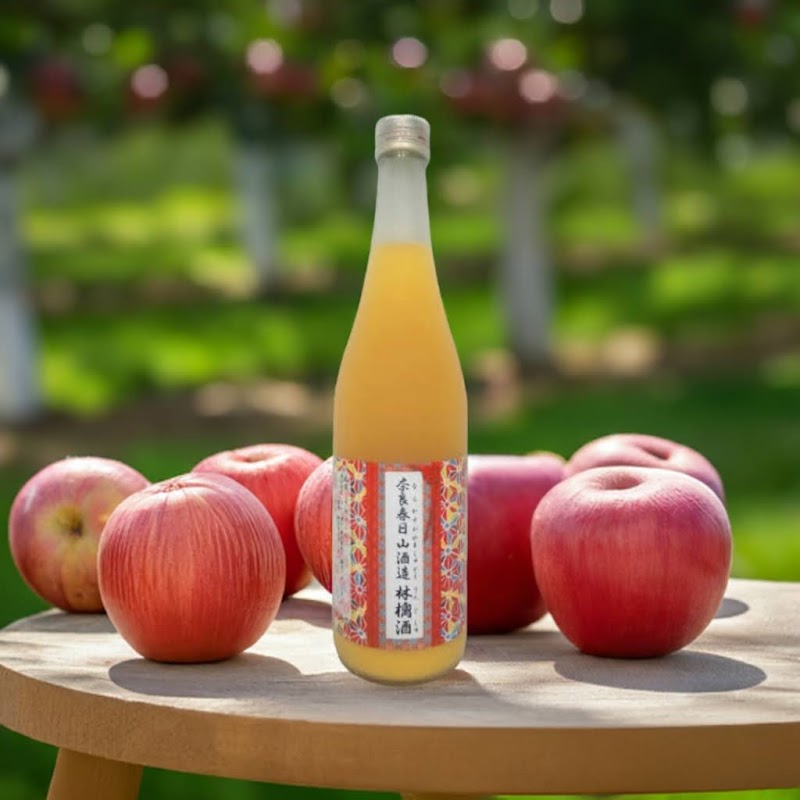
Nara is the birthplace of modern sake brewing (started at temples in the 1300s). Several breweries offer tastings. Harushika and Umenoyado are popular. Try the seasonal varieties.

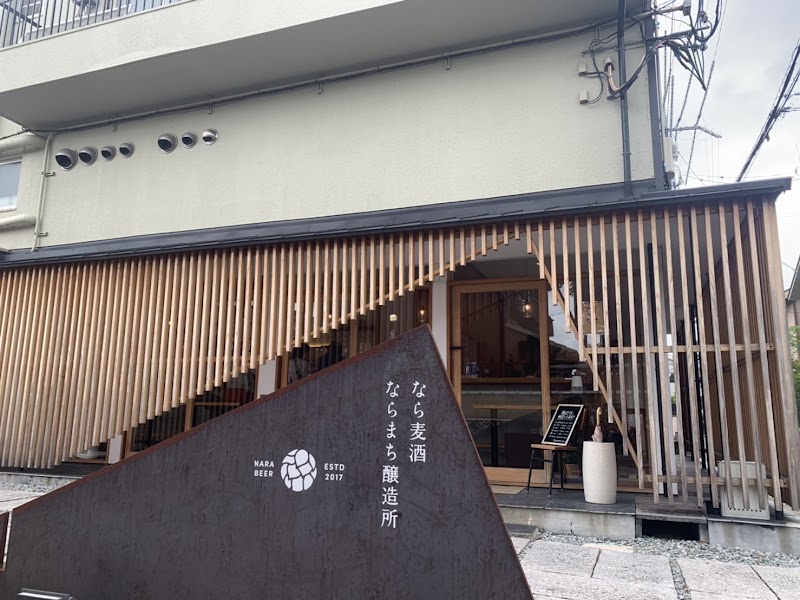
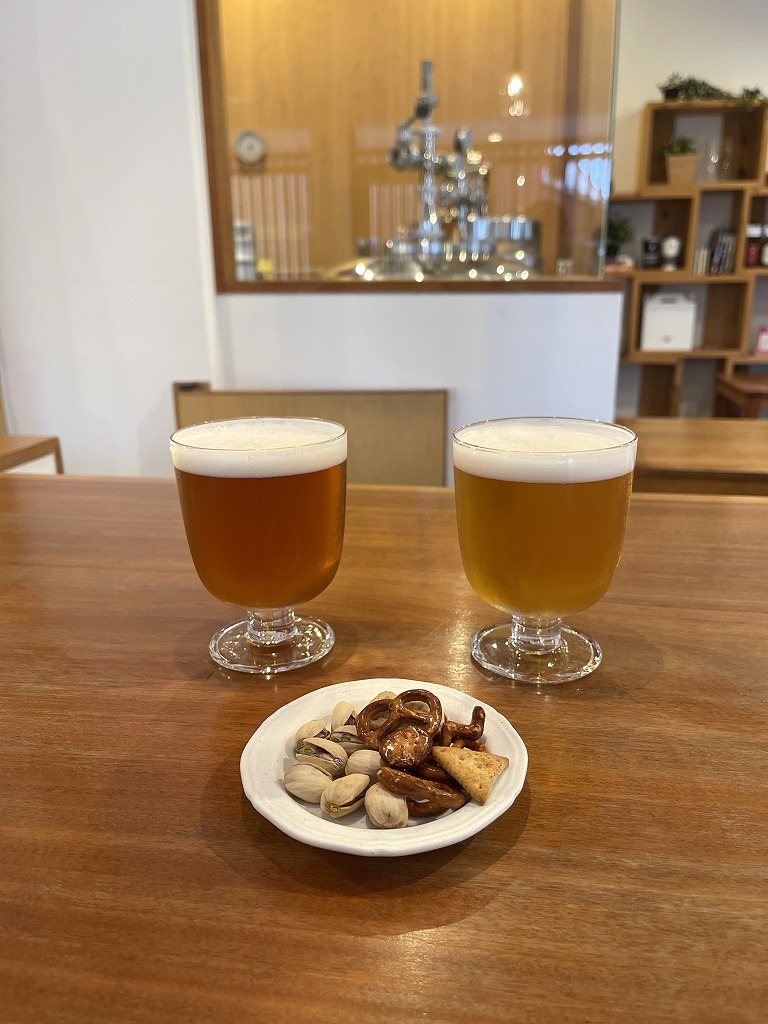
Local craft brewery (Golden Rabbit Beer, Nara Club) with taprooms near the station. Unique flavors using local ingredients. A modern complement to Nara's ancient sake tradition.

Premium local beef from Nara Prefecture. Exceptional marbling and flavor. Several restaurants in Naramachi serve it as steak, yakiniku, or on a hot stone plate.

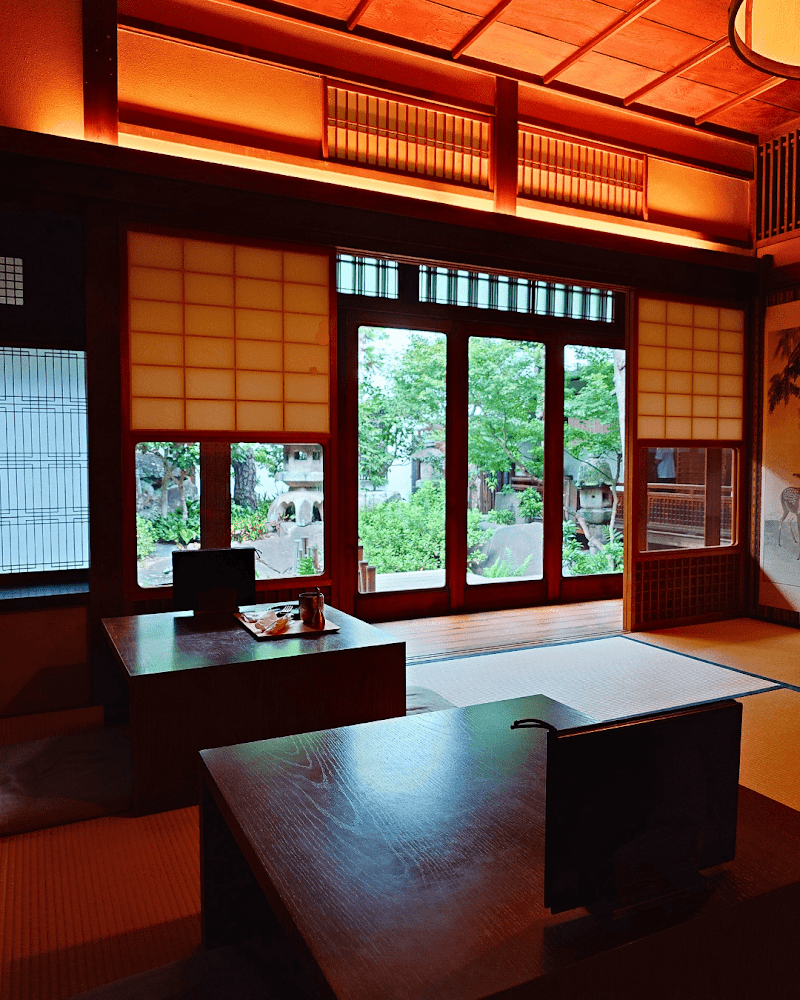
Charming cafe and restaurant overlooking Sarusawa Pond. Traditional machiya interior. Try the seasonal parkland views lunch set. Window seats have a direct view of Kofuku-ji's pagoda reflection.

Freshly pounded yomogi mochi (mugwort rice cakes), the green color comes from wild mugwort. Served warm with kinako (roasted soybean)...

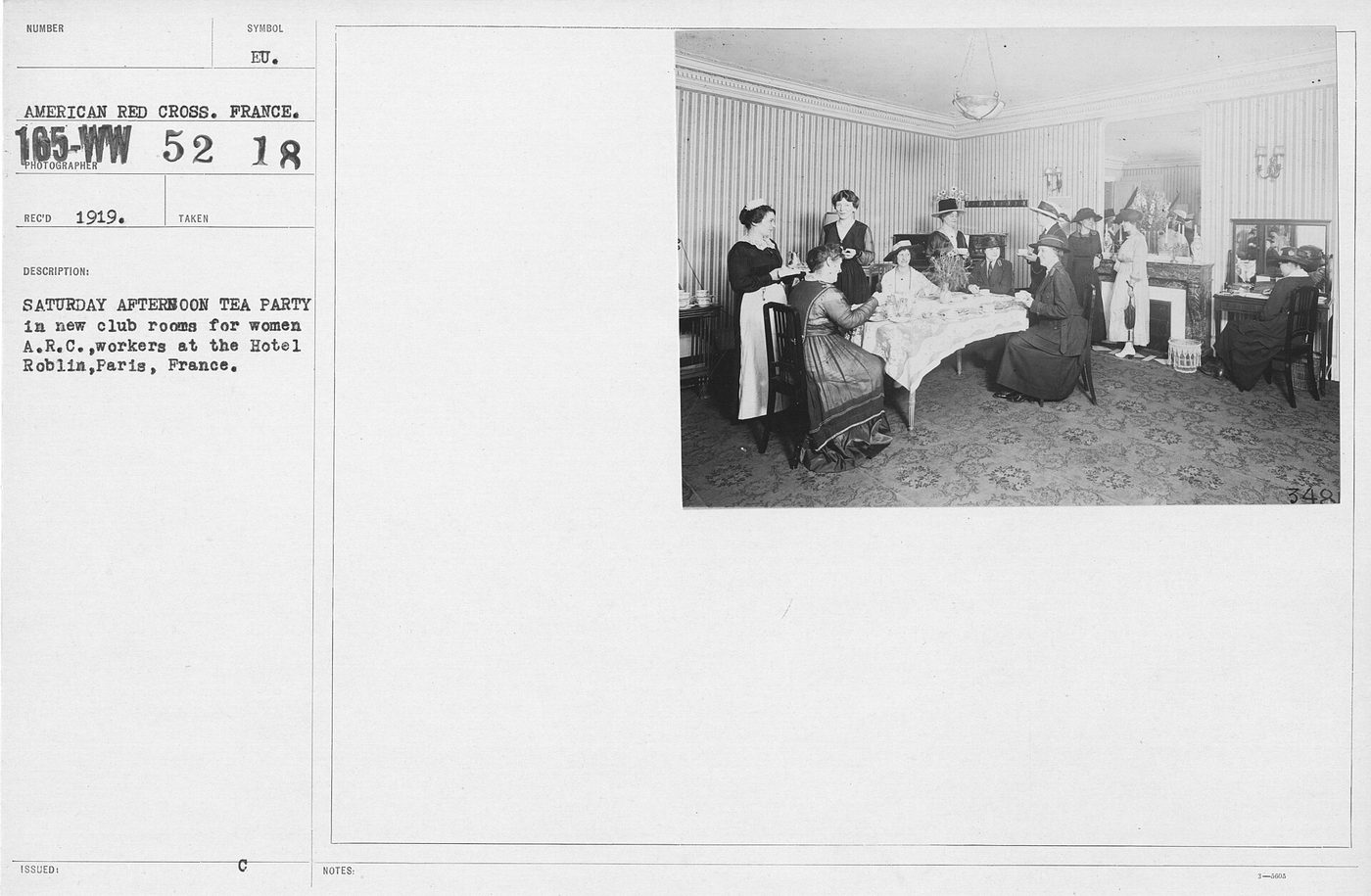
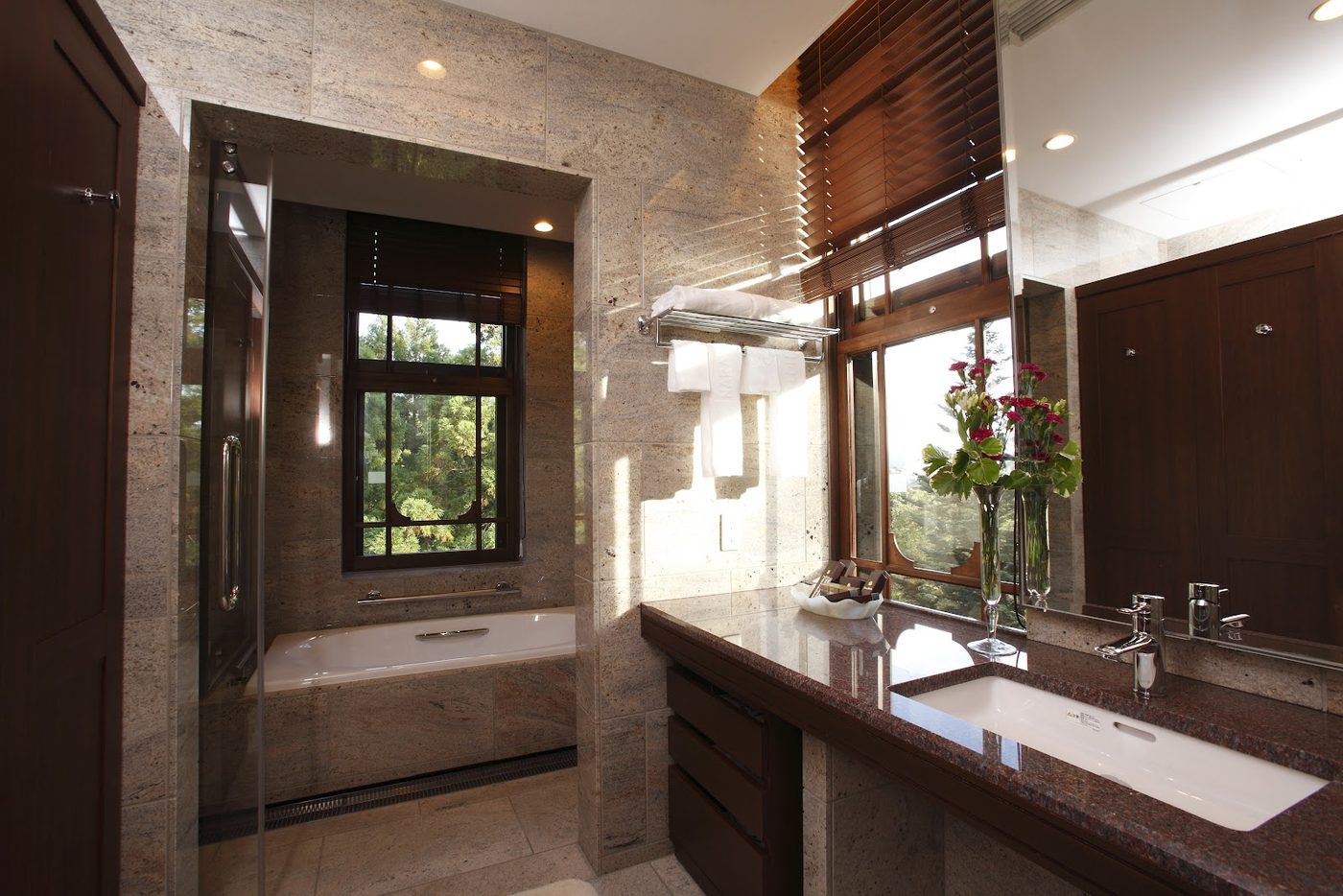
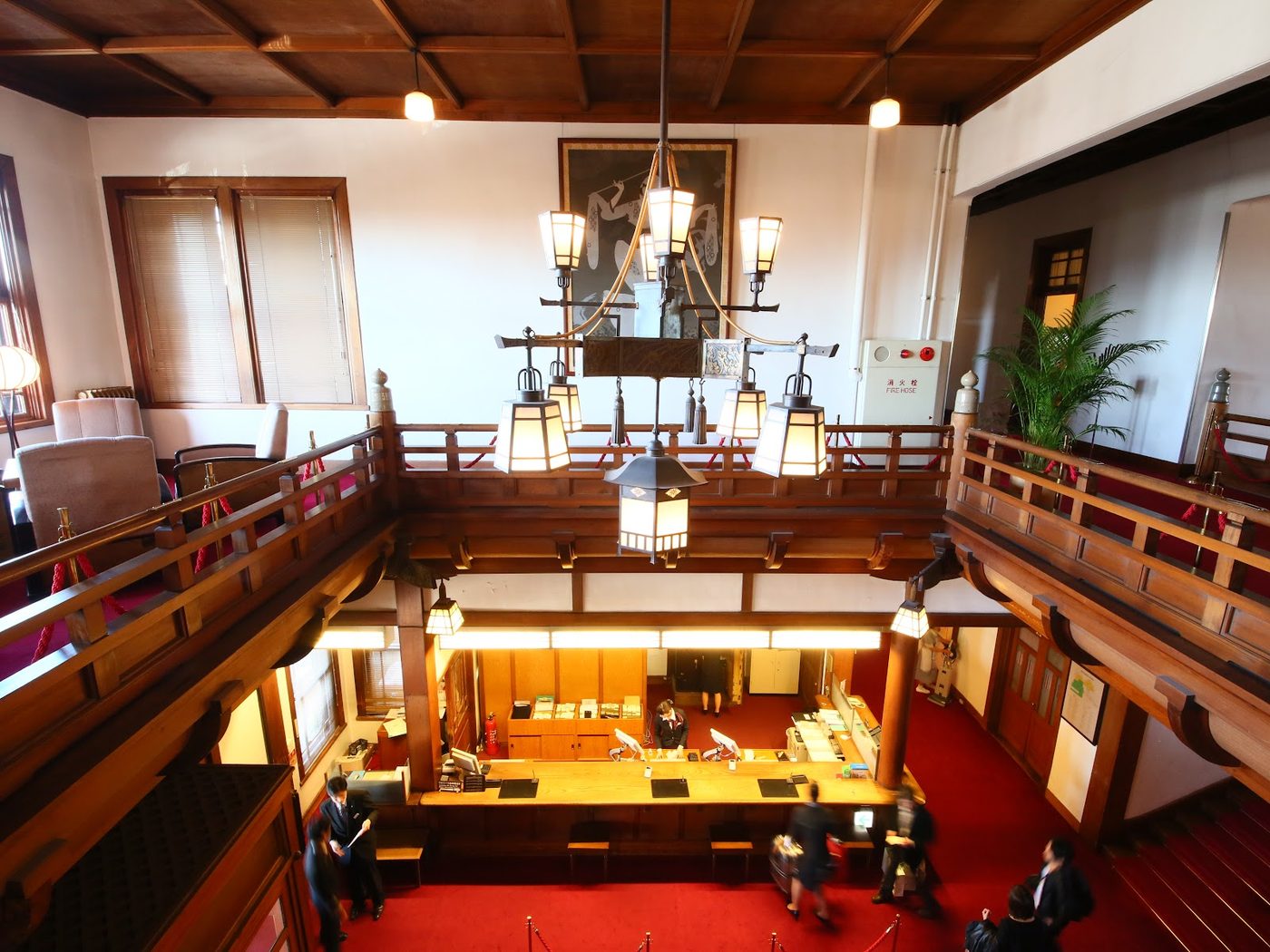
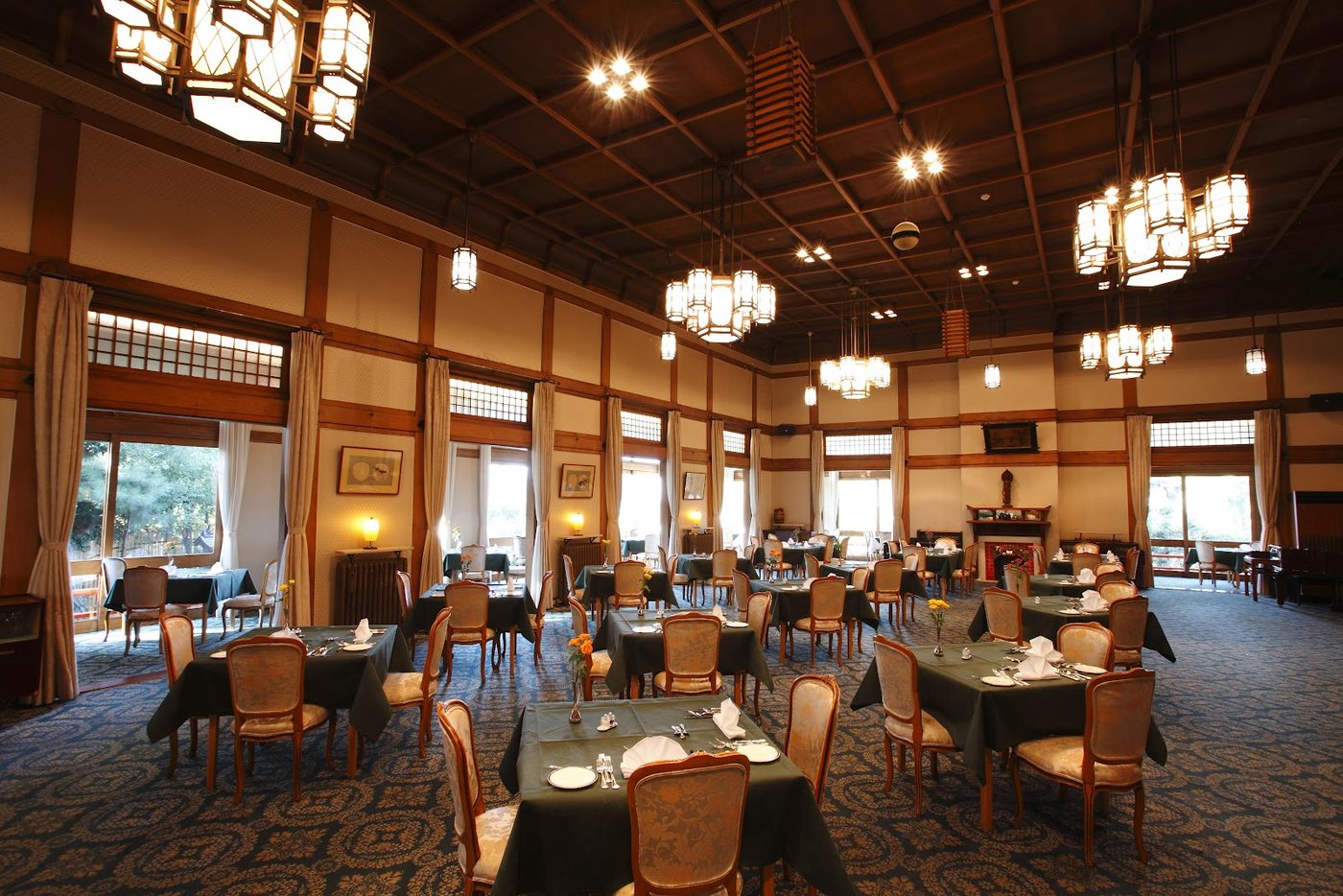
Century-old wooden hotel (1909) where Einstein and Chaplin stayed, the afternoon tea on the terrace overlooking Nara Park while deer...

Beautiful lantern-lined shrine in forest. Thousands of stone and bronze lanterns. Mystical.

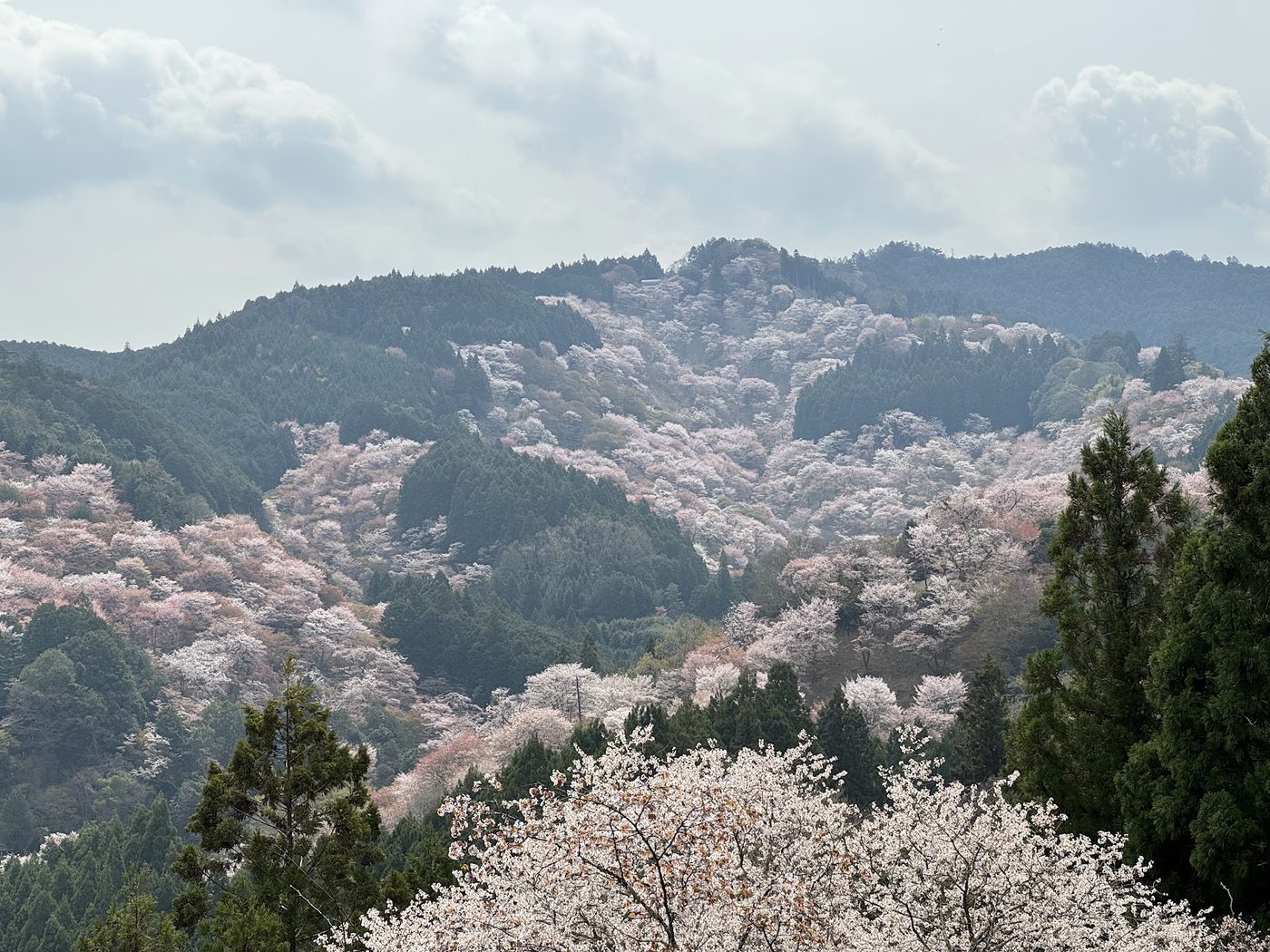
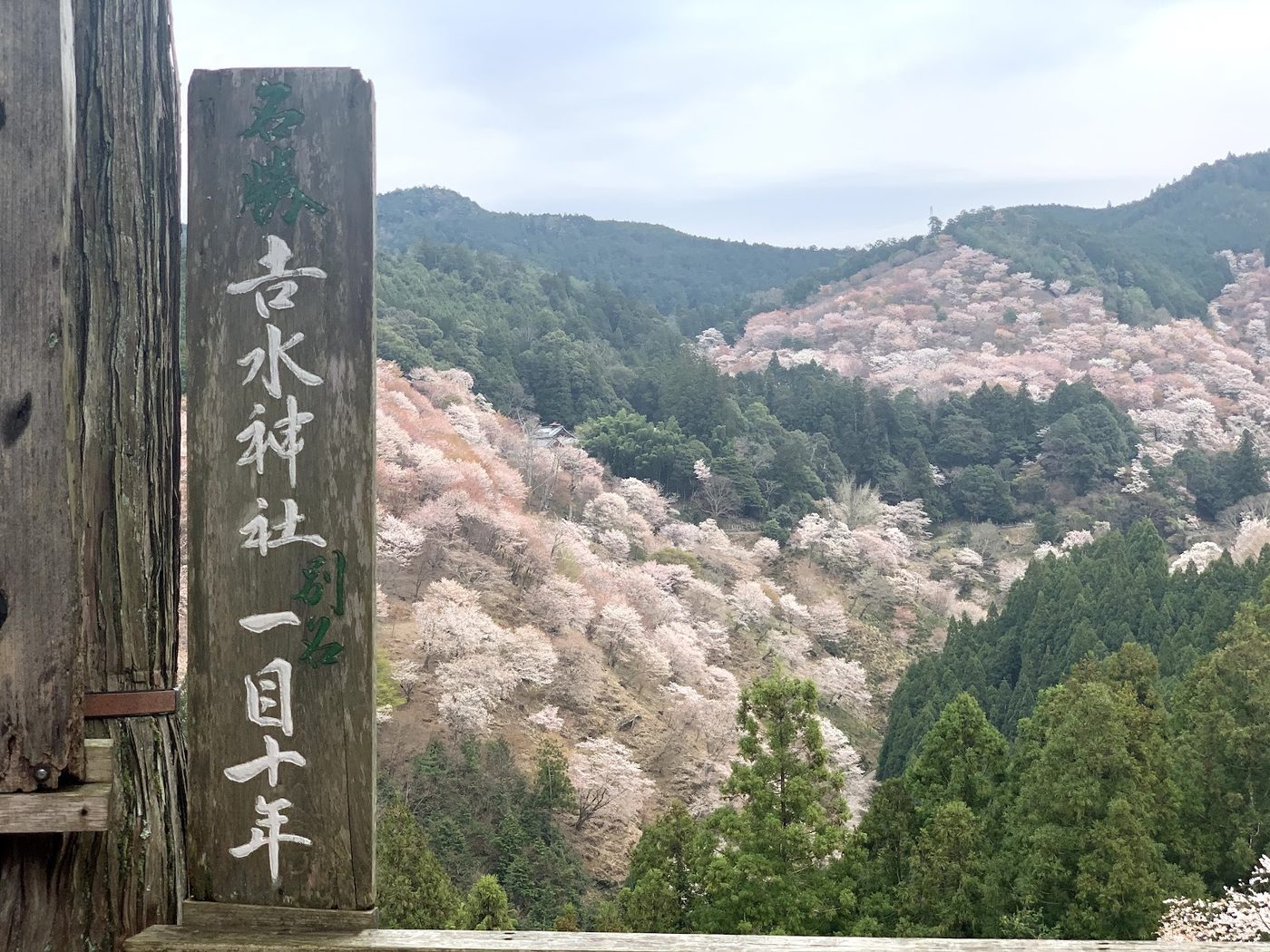
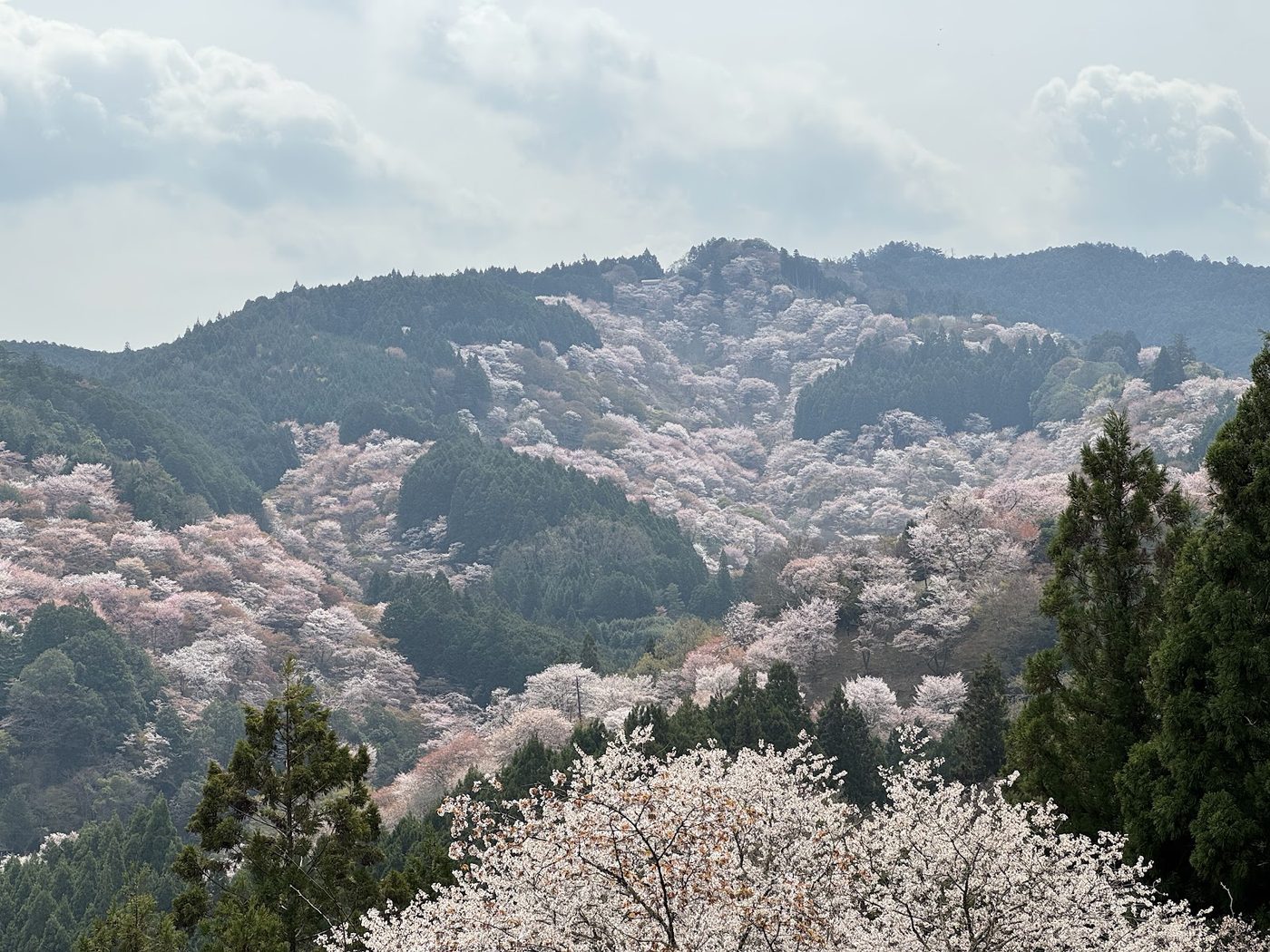
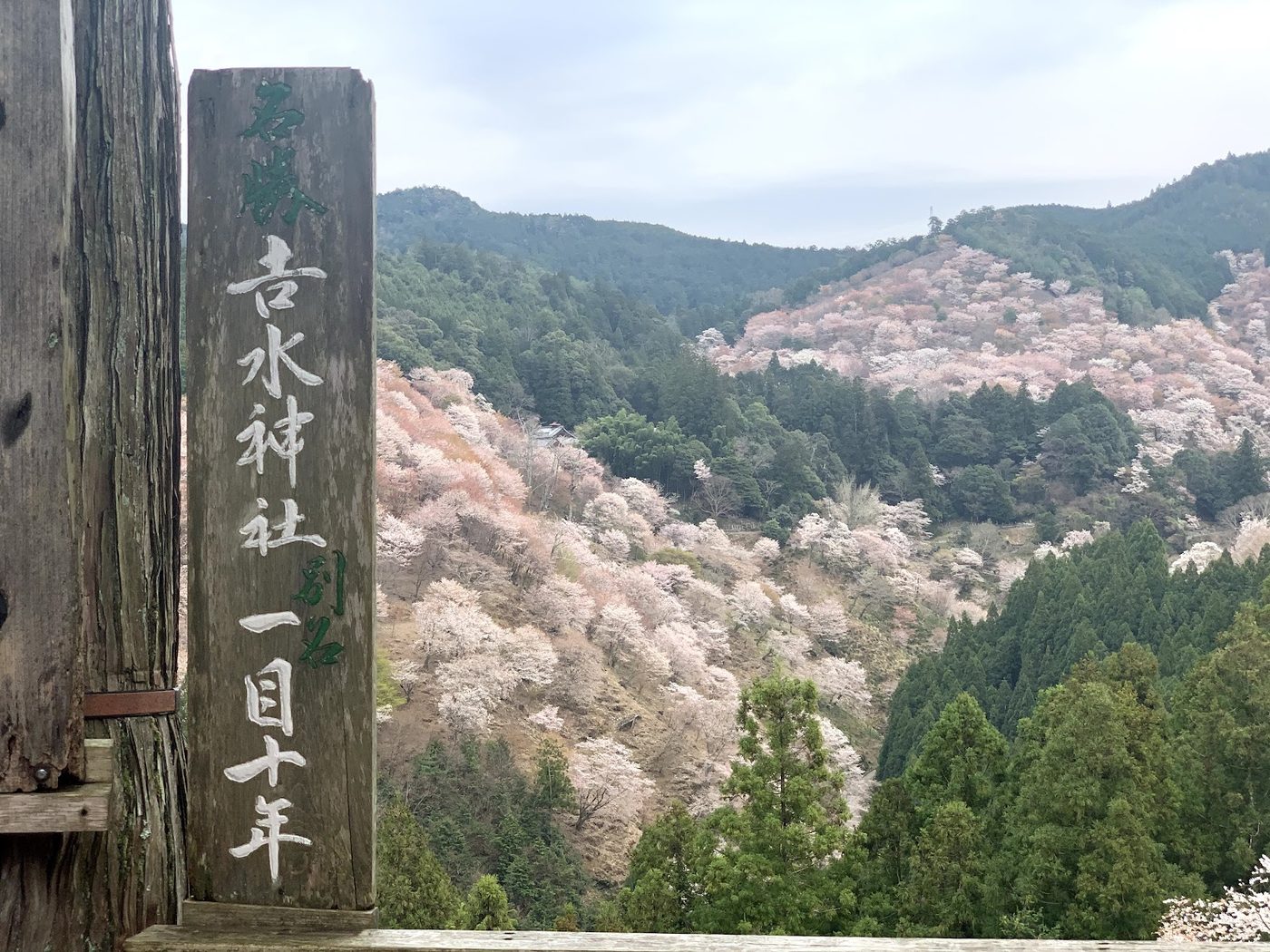
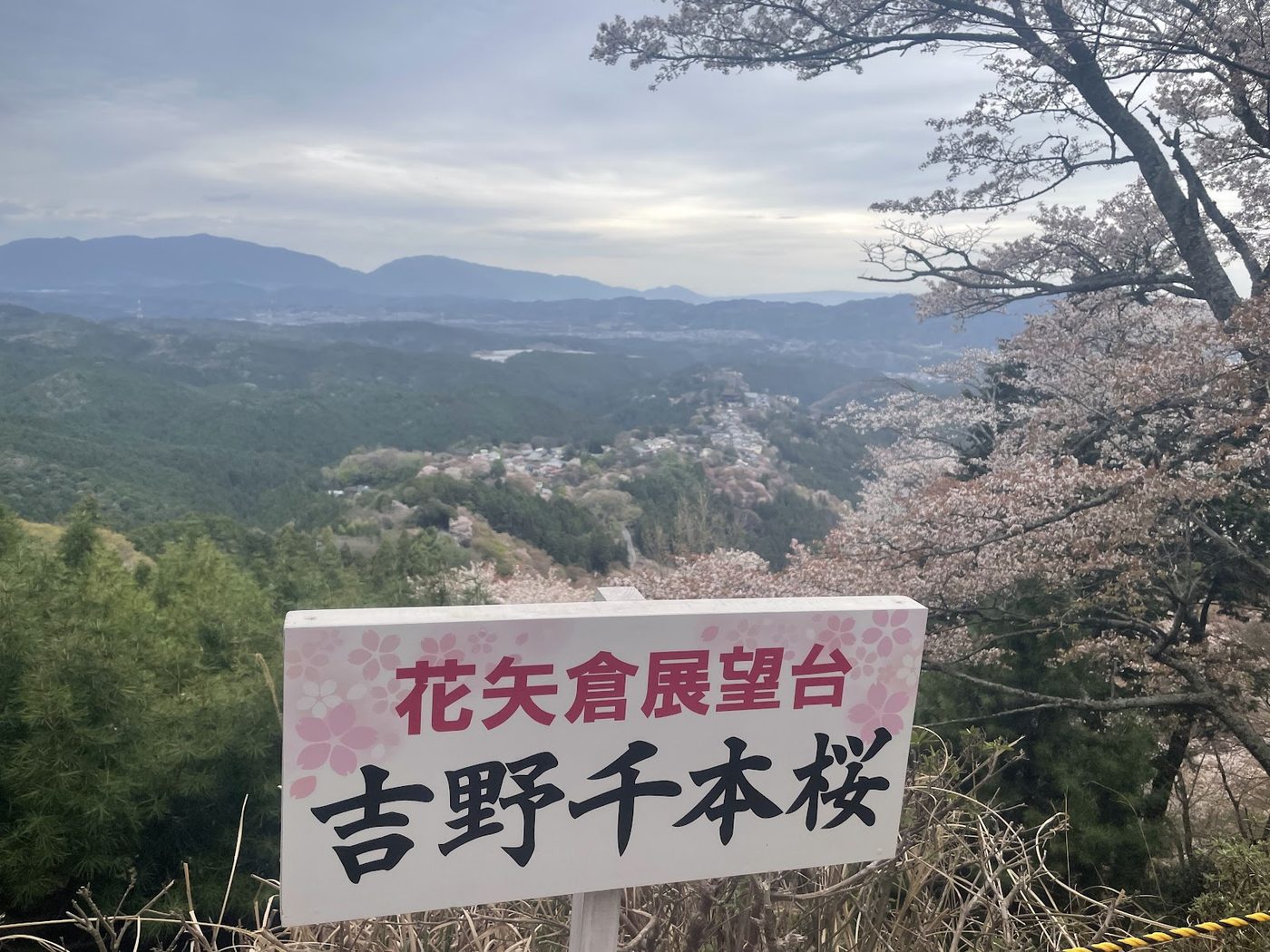
Japan's most famous cherry blossom spot. 30000 cherry trees on mountainside. Breathtaking in spring.

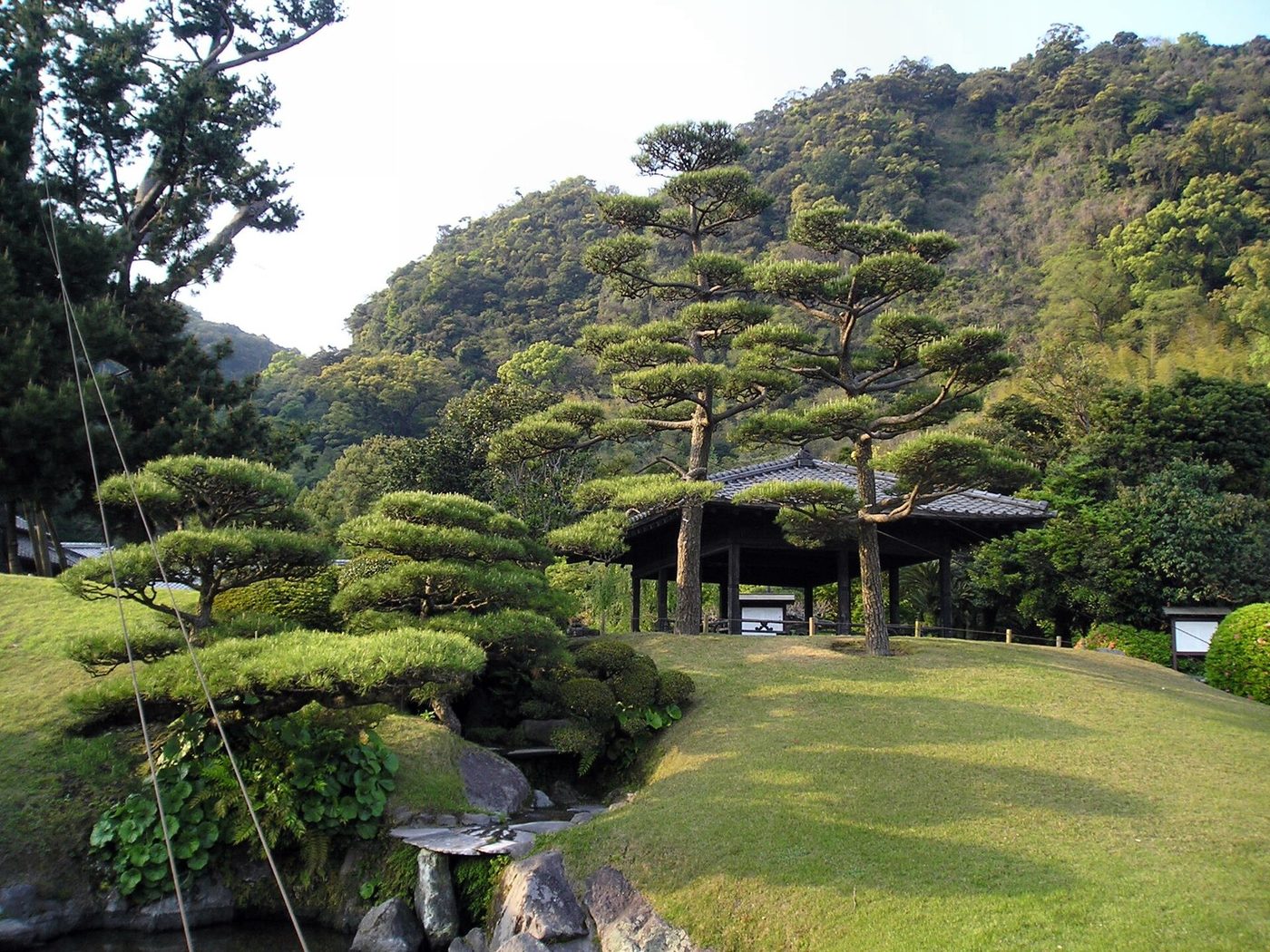
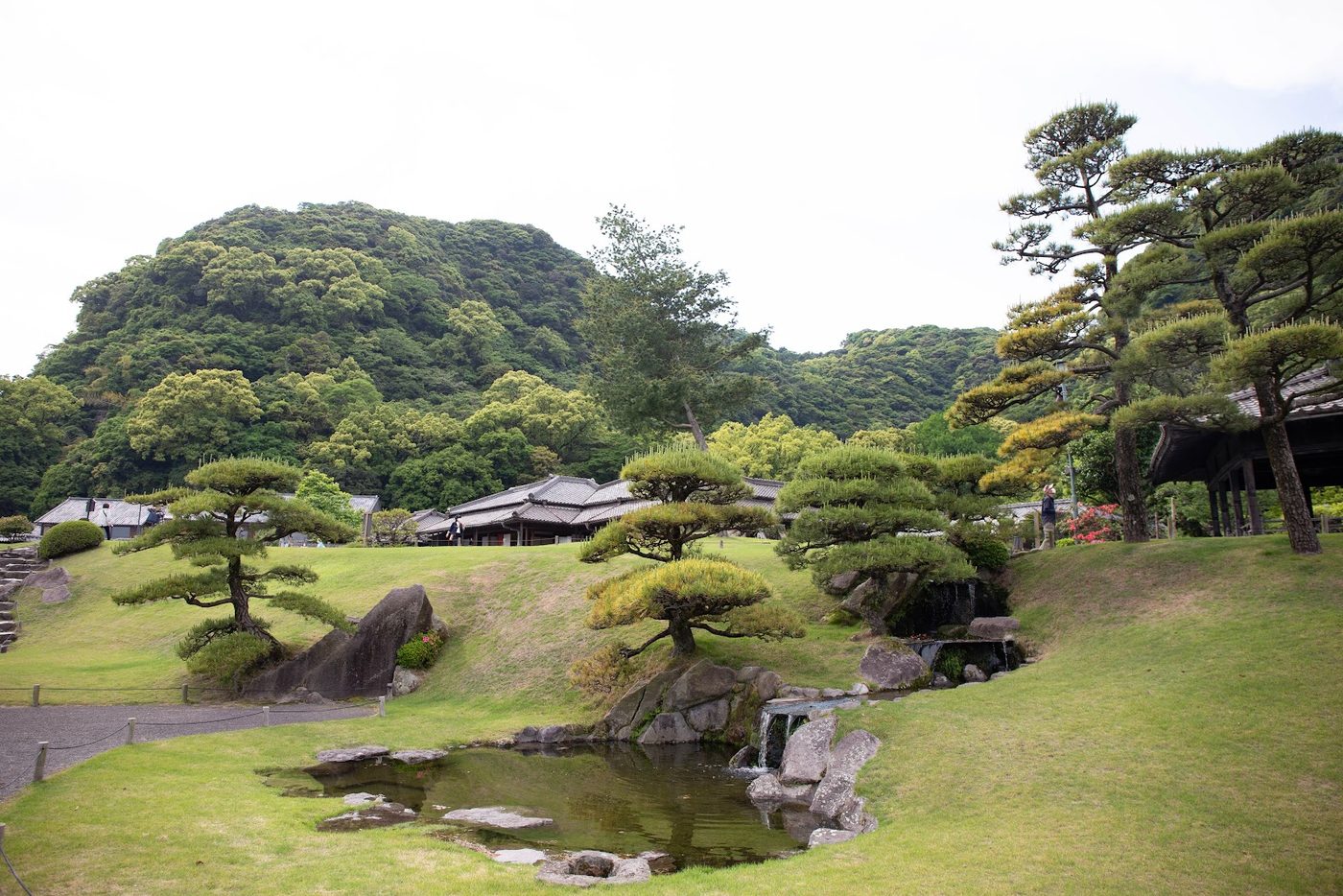
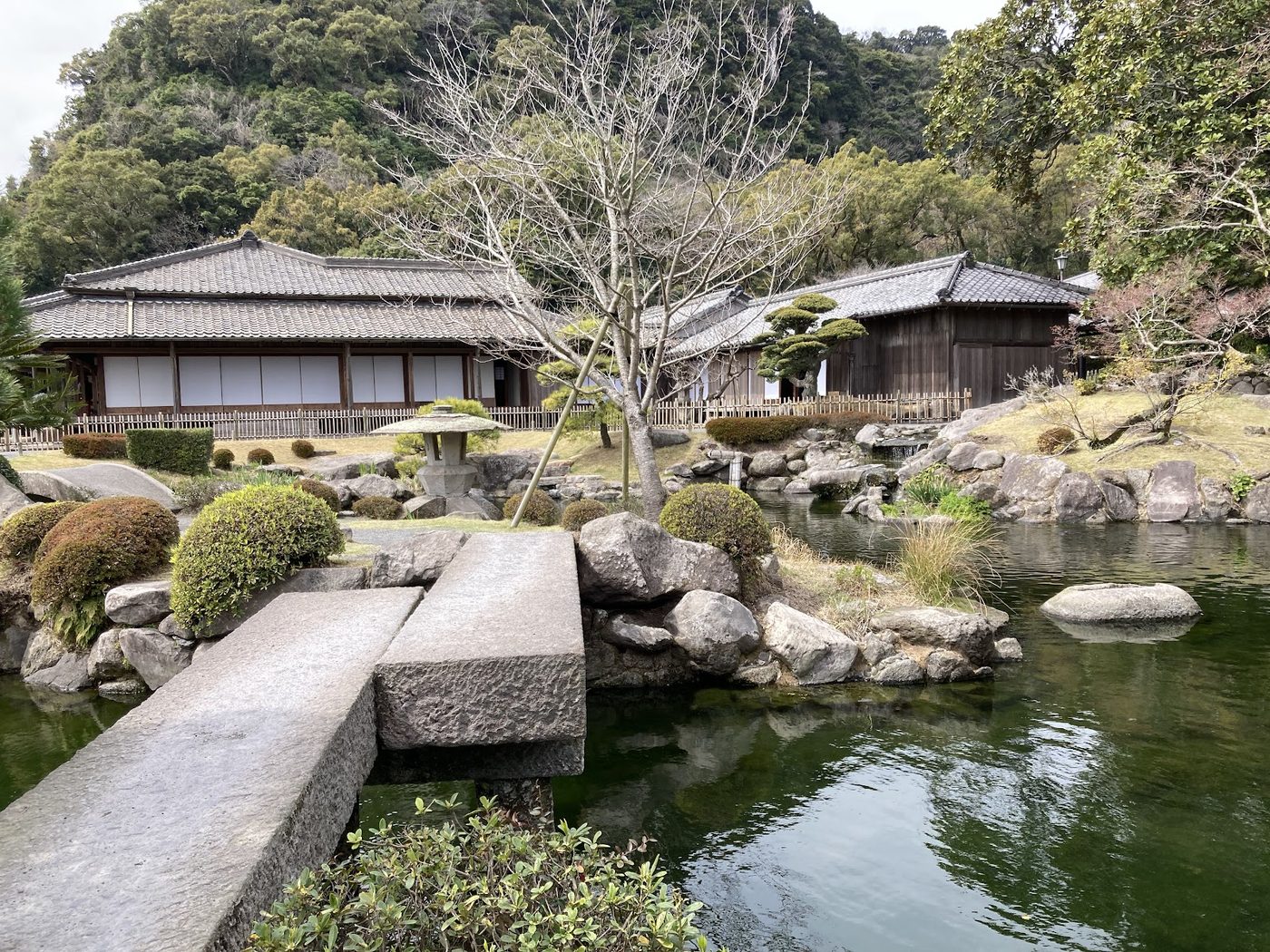
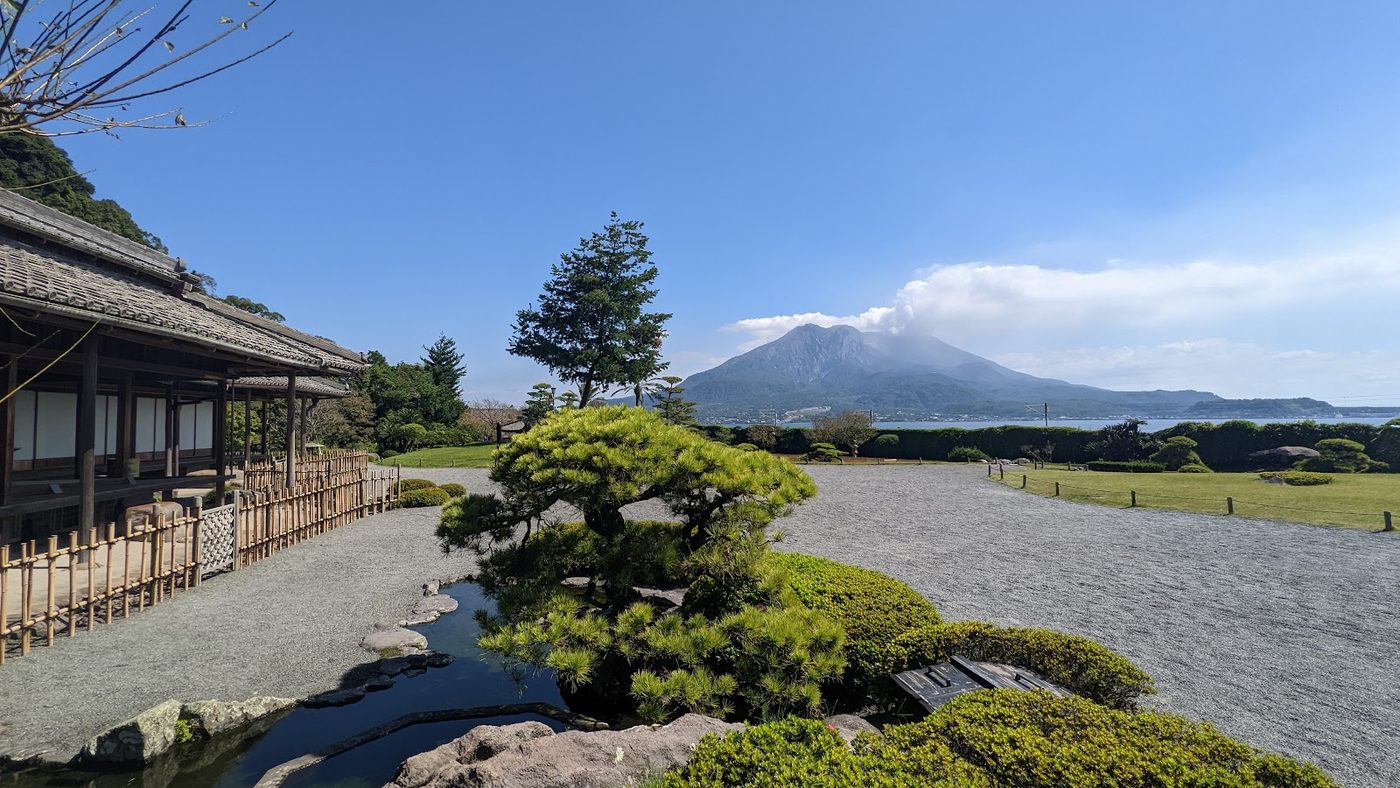
Shimadzu clan garden. Sakurajima volcano as backdrop. Traditional crafts, museum.


Buddhist art, machiya houses, and the oldest wooden buildings on Earth.

Preserved Edo-period merchant quarter with narrow lanes and traditional wooden machiya townhouses. Many converted into cafes, craft shops, and small museums. Atmospheric and great for wandering.

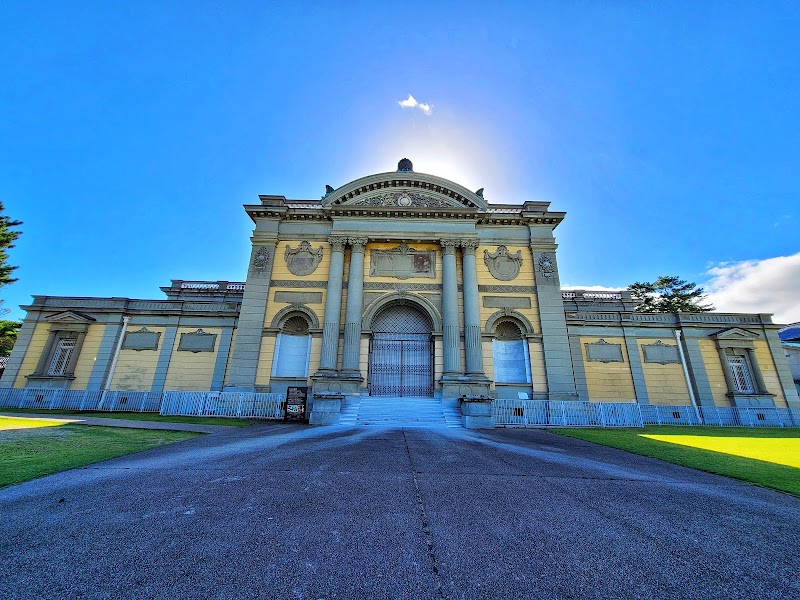
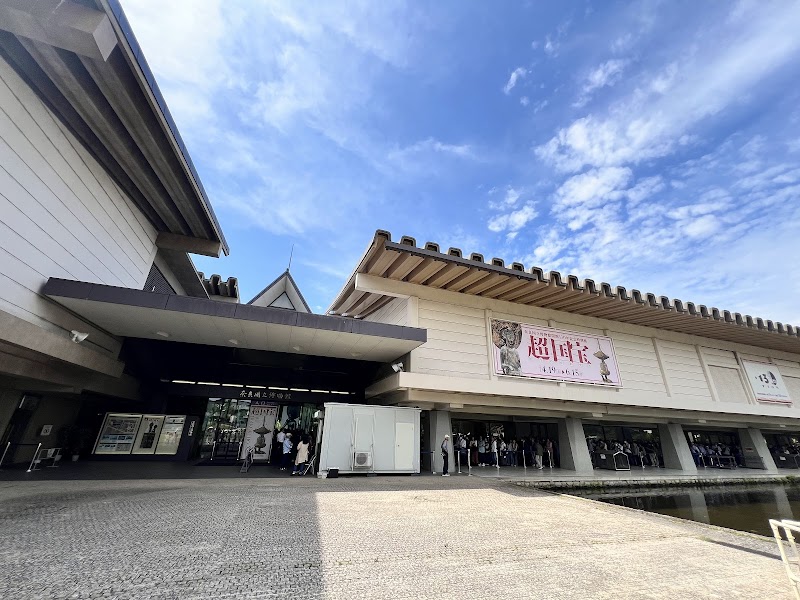
Premier collection of Buddhist art: sculptures, paintings, calligraphy. The annual Shosoin Exhibition (October-November) displays 8th-century Silk Road treasures from the Imperial Repository.
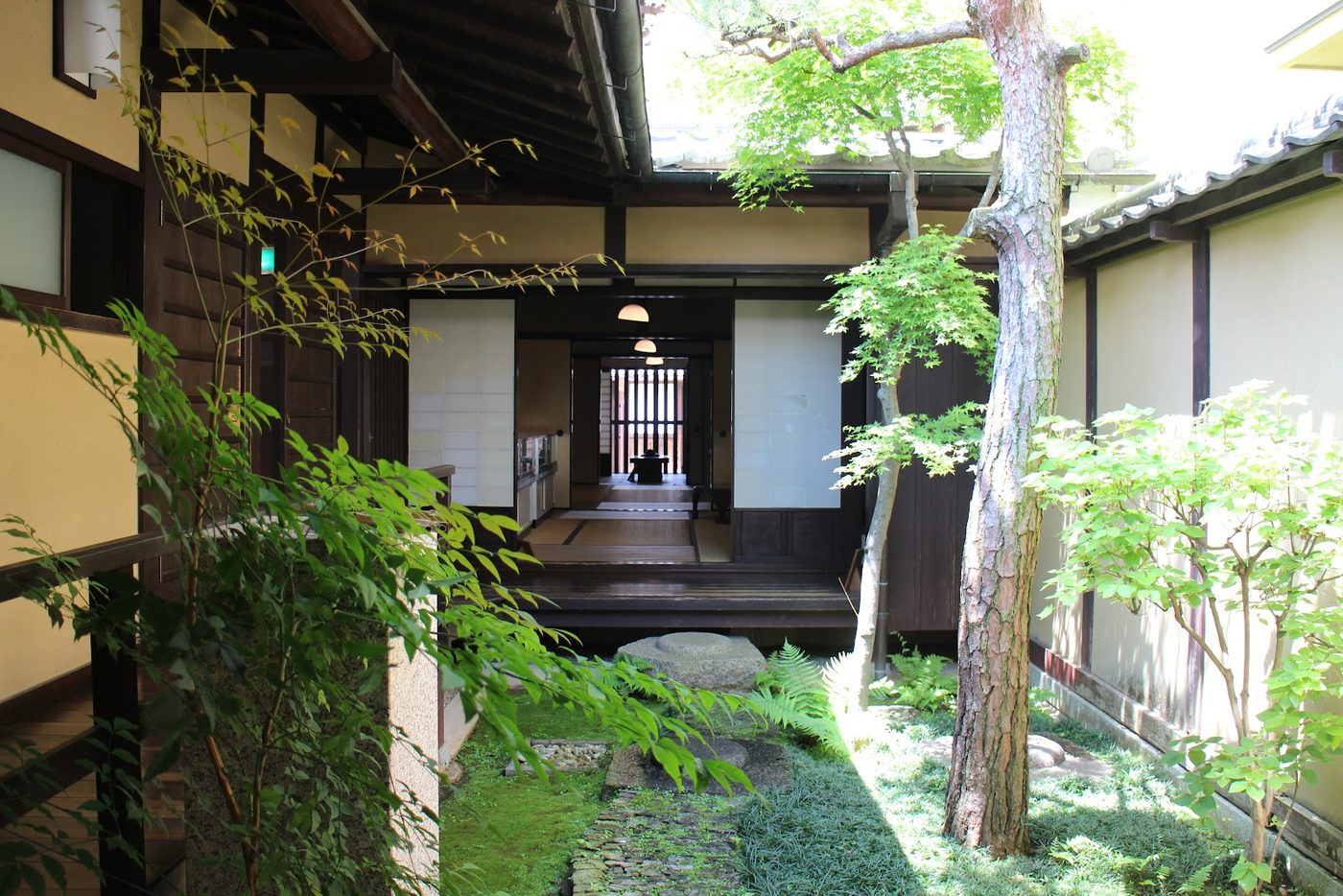
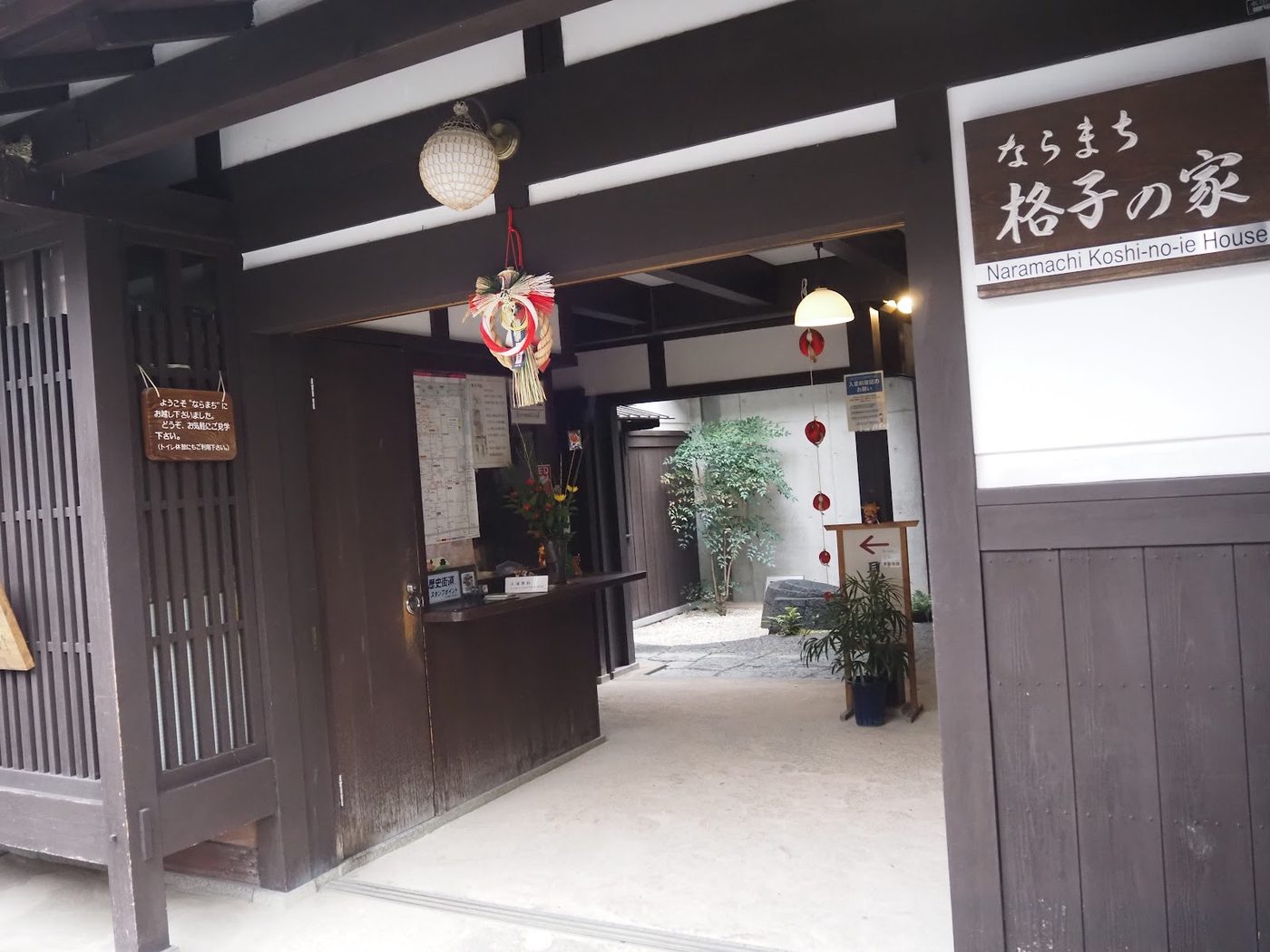
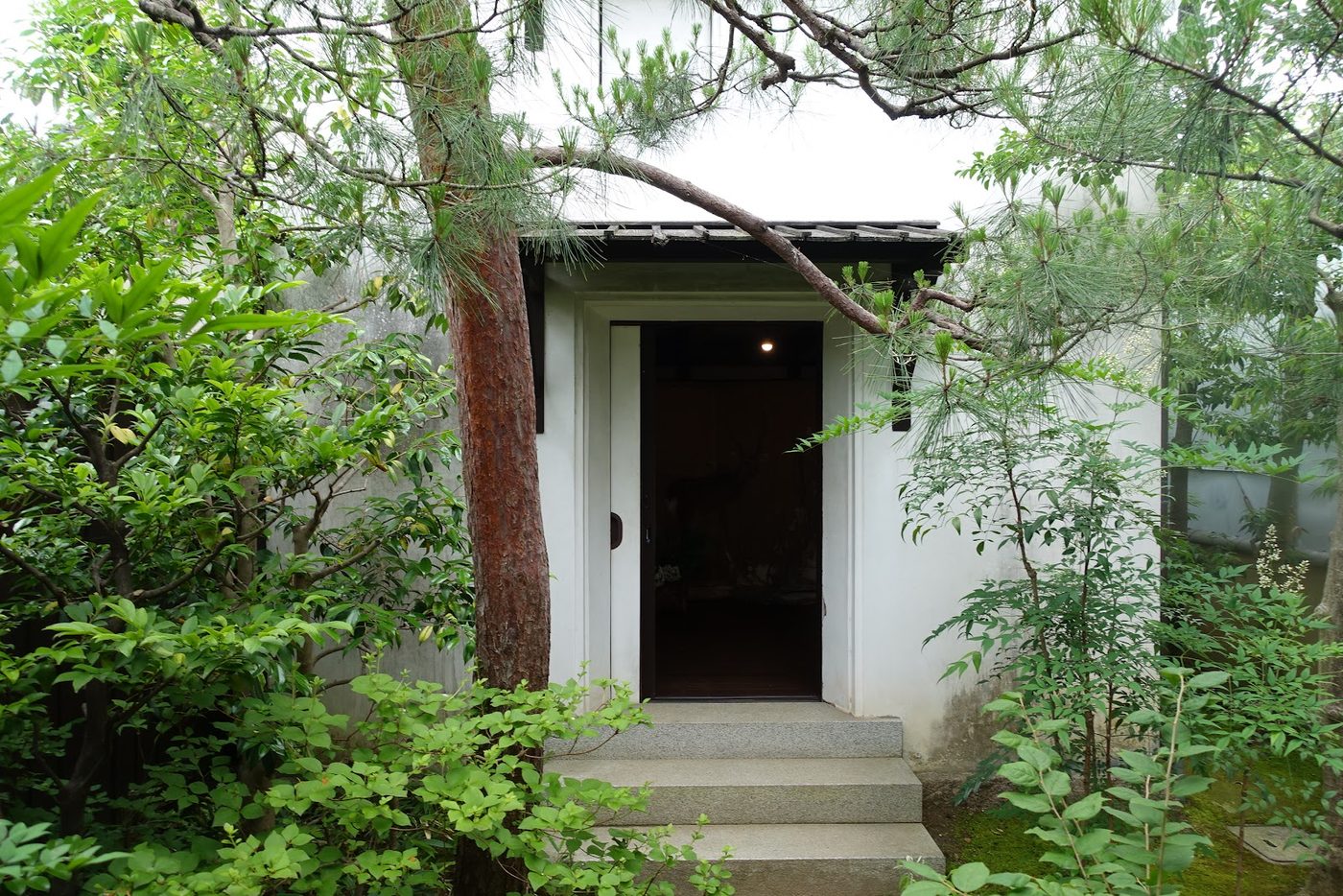
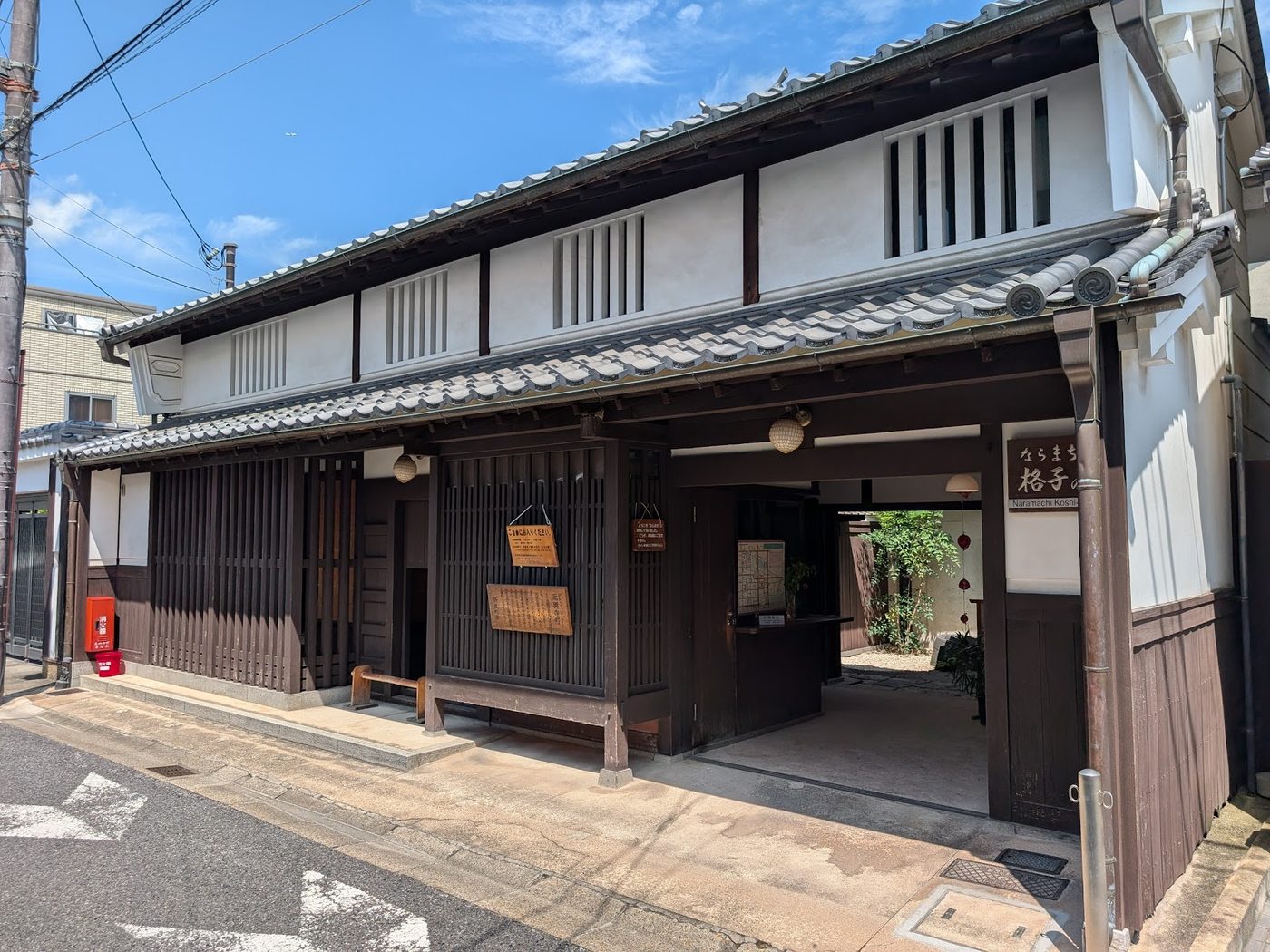
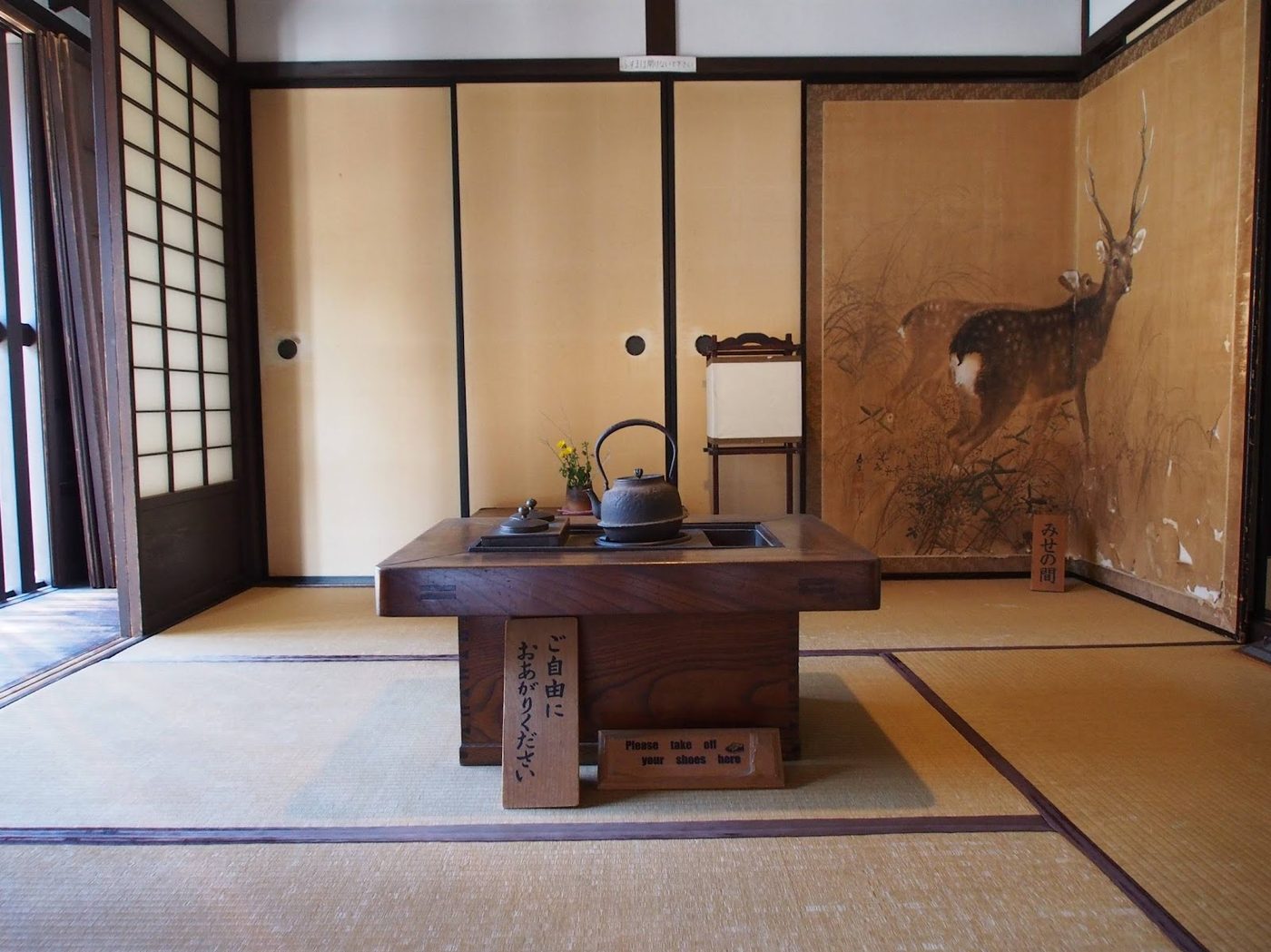
Free traditional machiya townhouse you can explore. See how Nara merchants lived in the Edo period. Multiple rooms connected by narrow corridors. Tatami floors, wooden furniture, small garden.

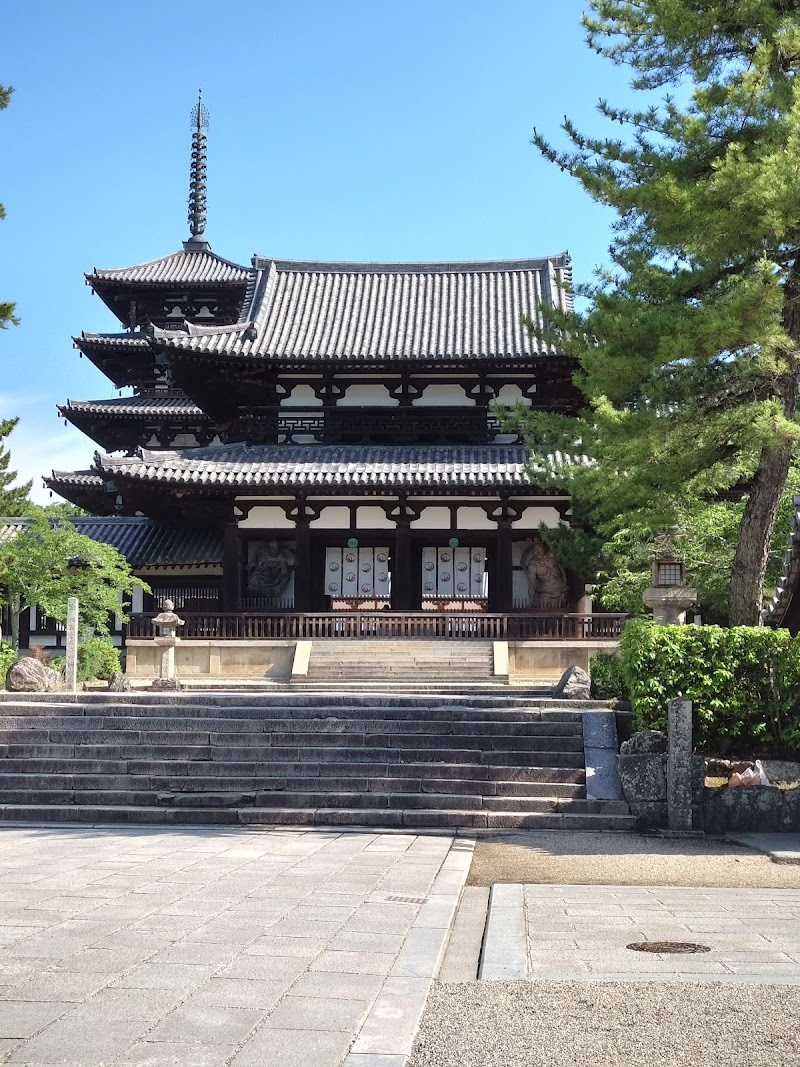
The oldest surviving wooden structures in the world (607 AD). Japan's first UNESCO World Heritage Site. Stunning five-story pagoda. 45 min from central Nara by train. A must for history fans.

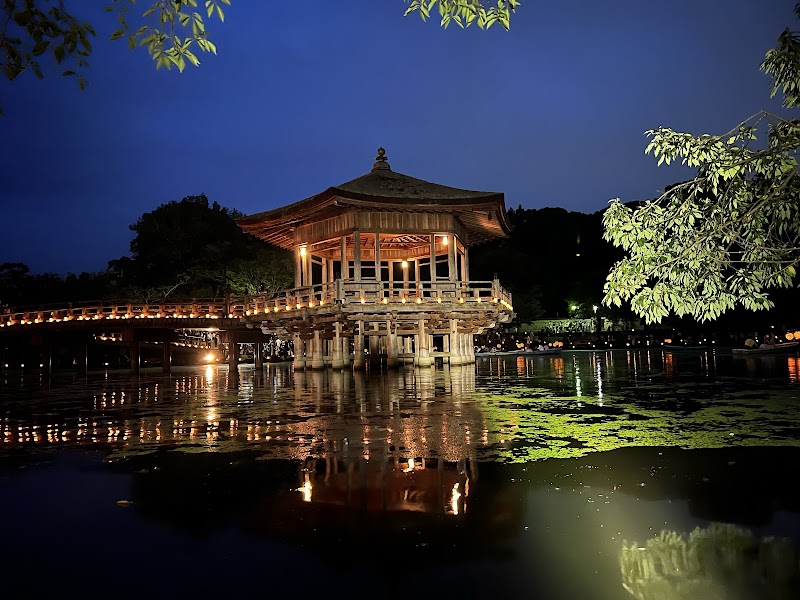
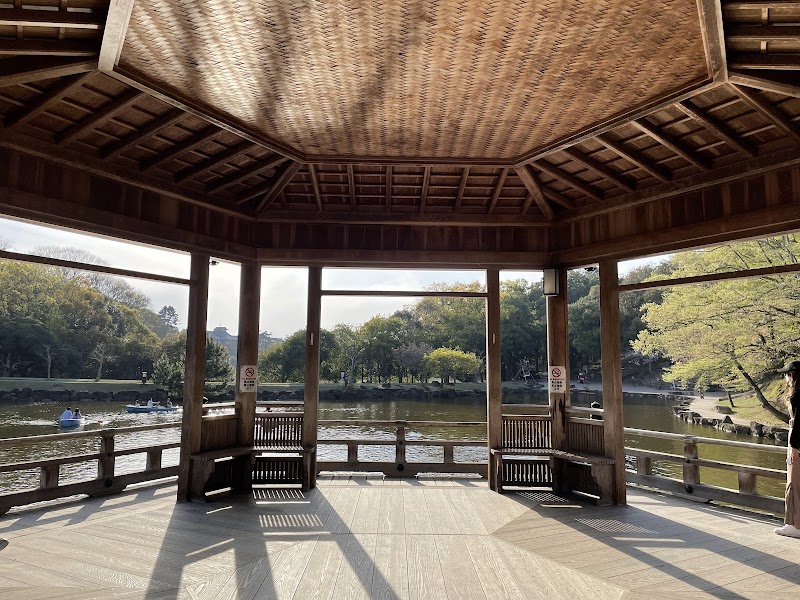
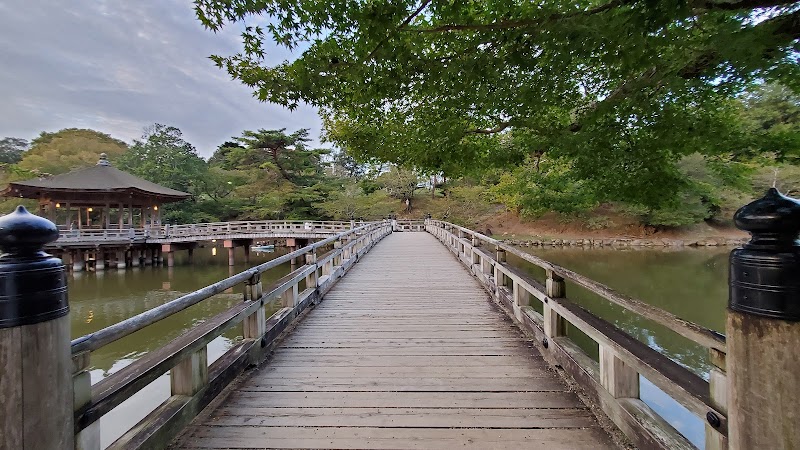
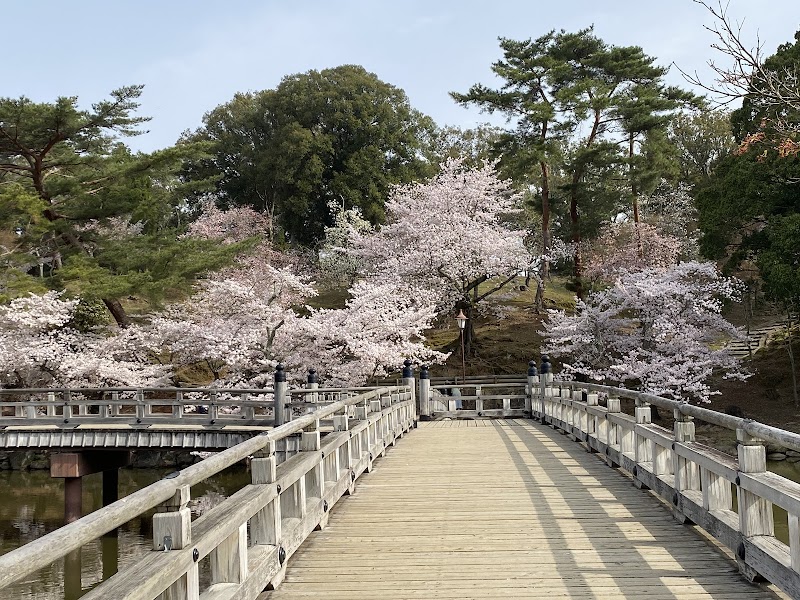
Small hexagonal pavilion appearing to float on Sagi-ike Pond. Especially beautiful during autumn when maple trees reflect in the water. Illuminated during festivals. A hidden photo spot.
Mountain fire festivals, deer ceremonies, and 20,000 candlelit paths.

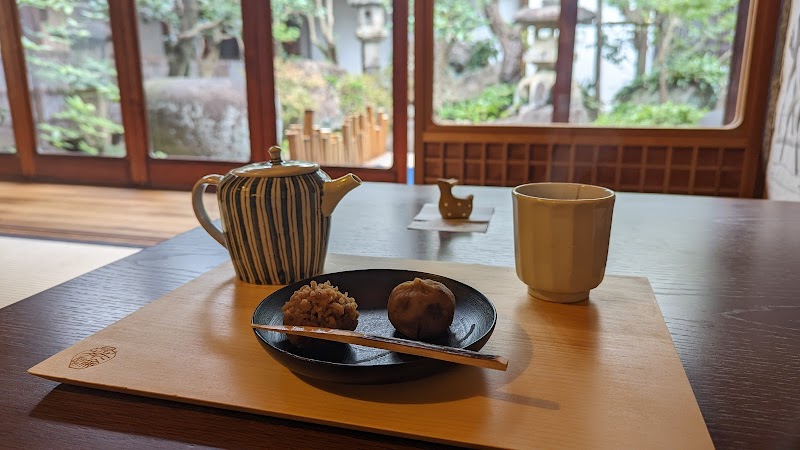
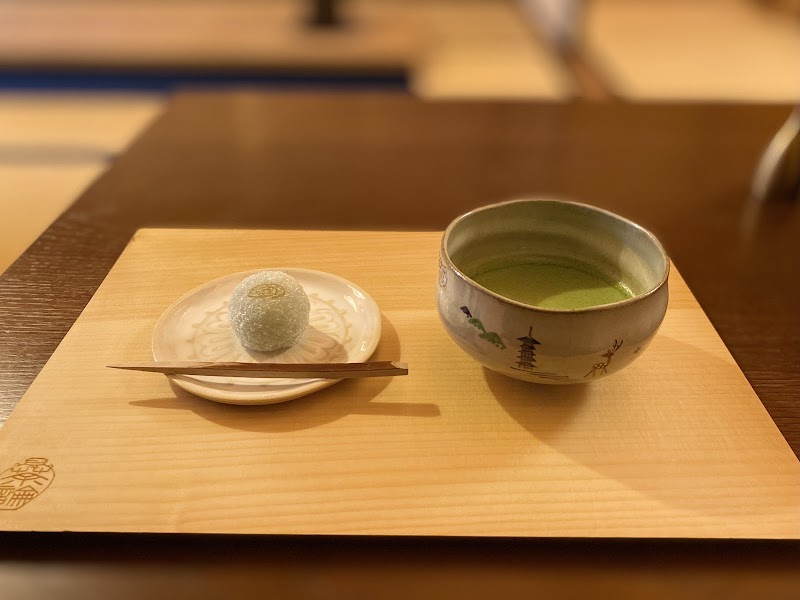
Several venues in Nara offer traditional tea ceremony experiences (some in English). Practice at Yoshikien Garden or Naramachi's tea houses. A moment of Zen amid the temple visits.

Annual grass-burning festival on Mount Wakakusa (fourth Saturday of January). The entire mountainside is set ablaze after dark. Fireworks launched simultaneously. An unforgettable spectacle.
Annual October ceremony where trained handlers wrestle deer and safely remove their antlers. A tradition dating to 1671. Dramatic and uniquely Nara. Free to watch at specific dates.
10-day lantern festival in August. Over 20,000 candles illuminate Nara Park, Ukigumo Garden, and surrounding temples. Walking through candlelit paths past deer is magical. Free entry.