Home to Japan's most magnificent castle. A UNESCO masterpiece that survived wars, earthquakes, and centuries of change. 58 curated spots.
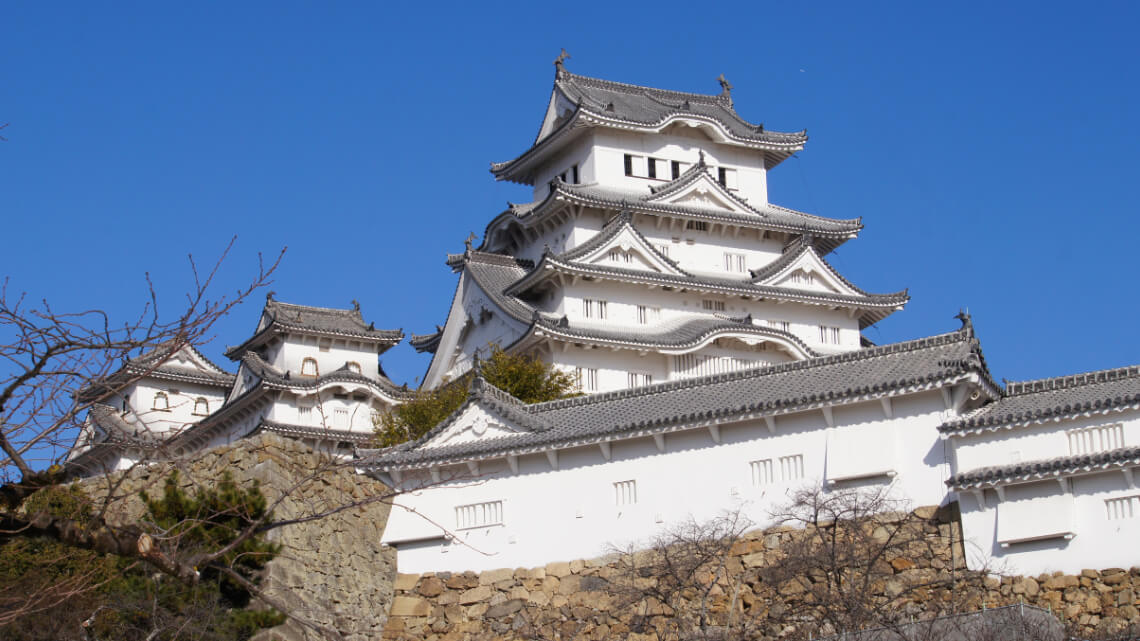
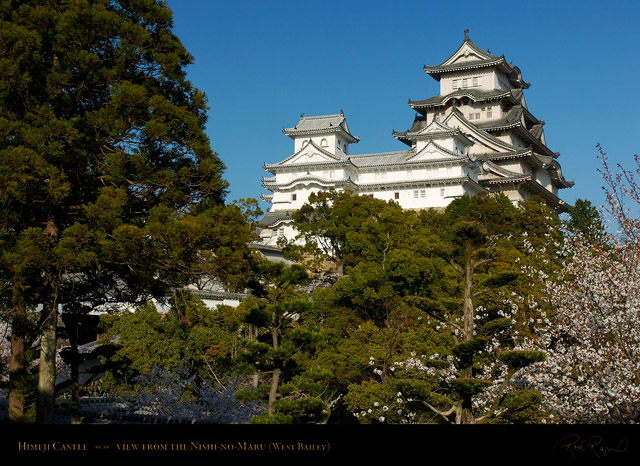
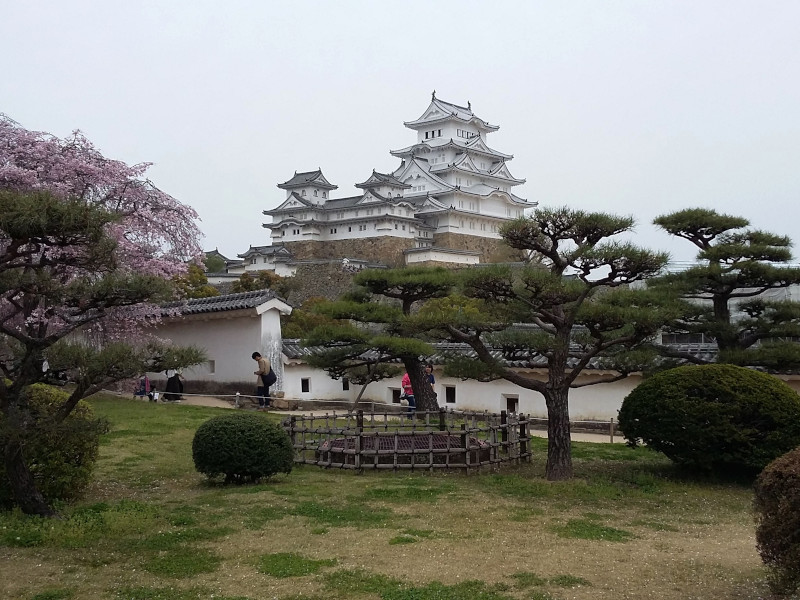
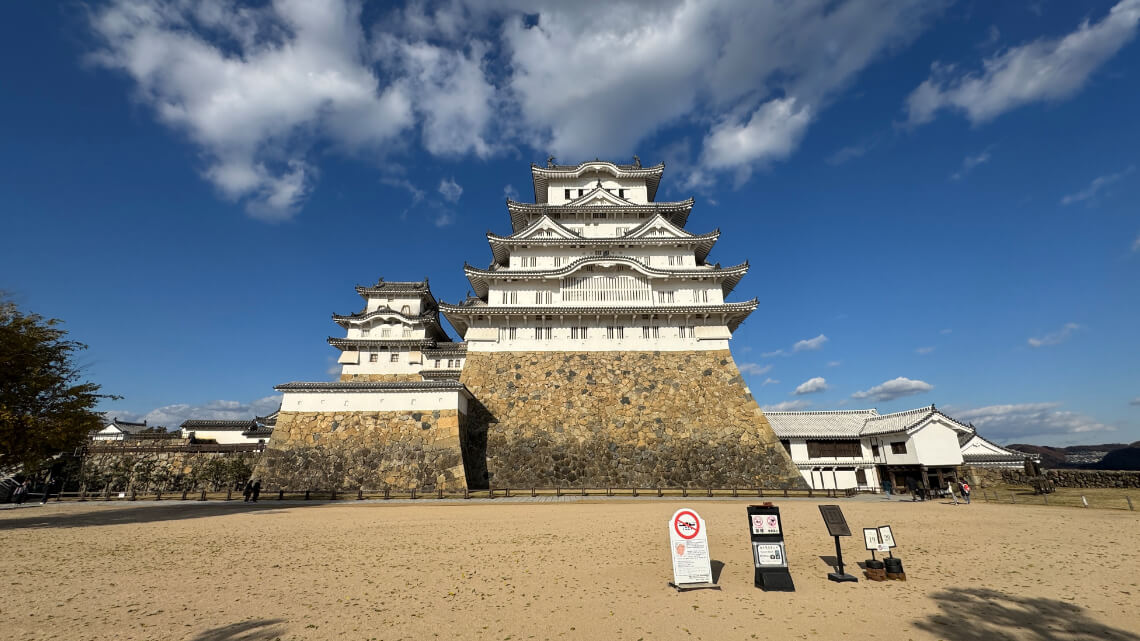
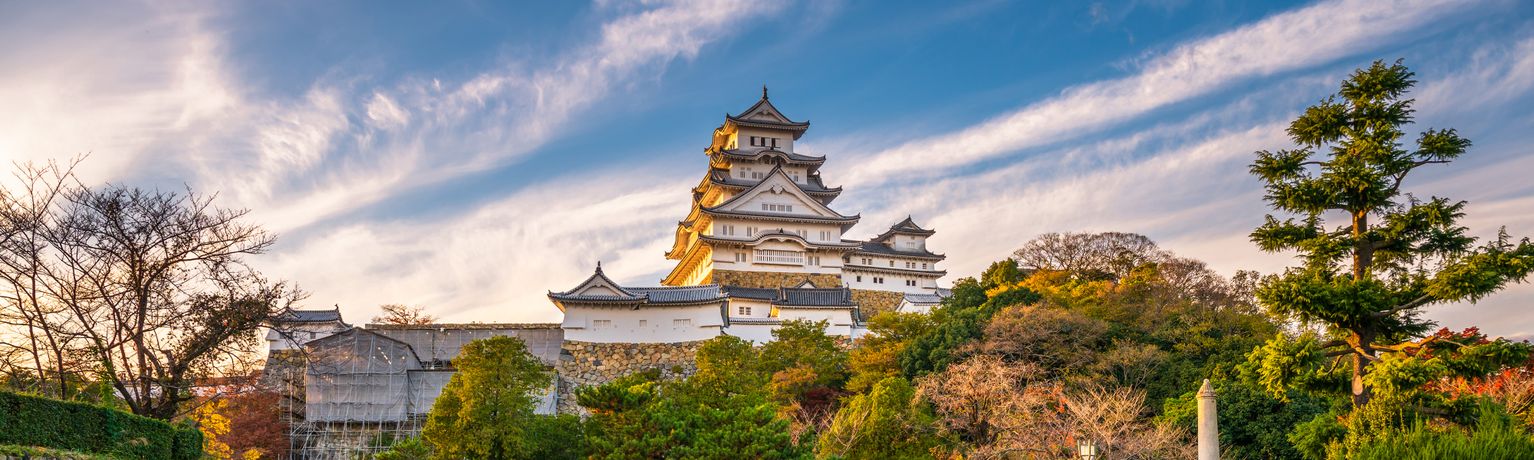
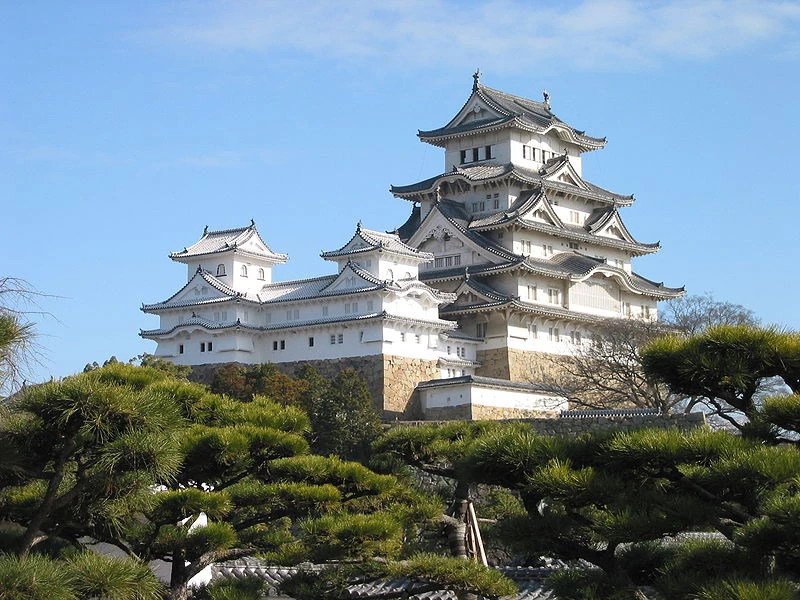
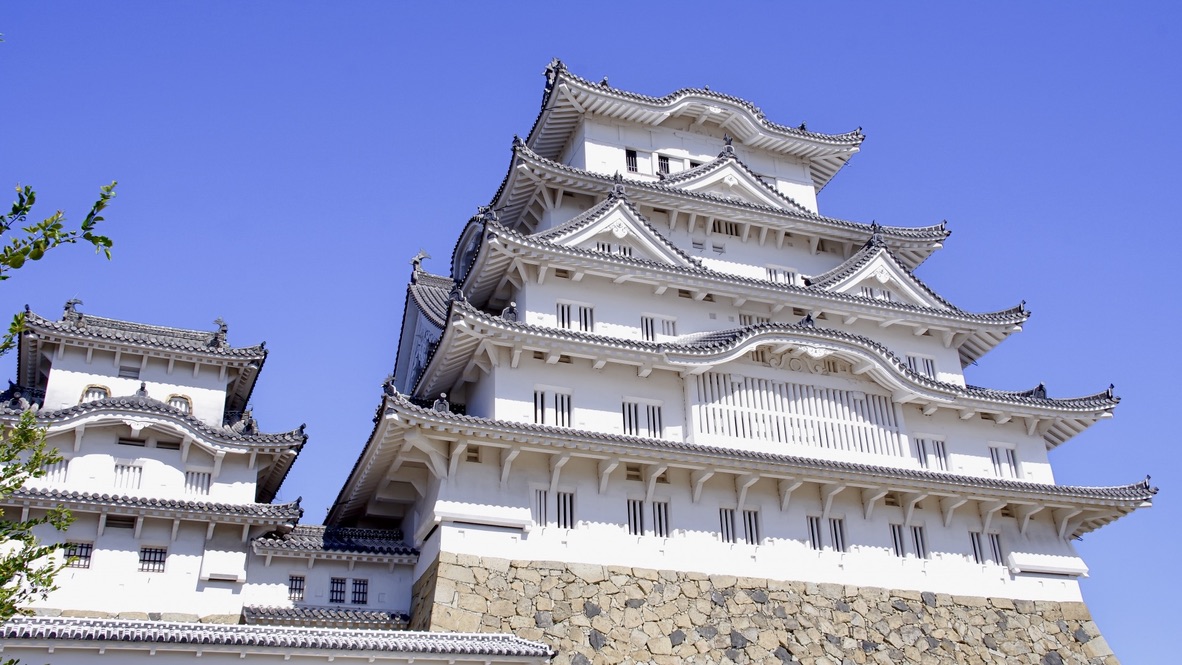
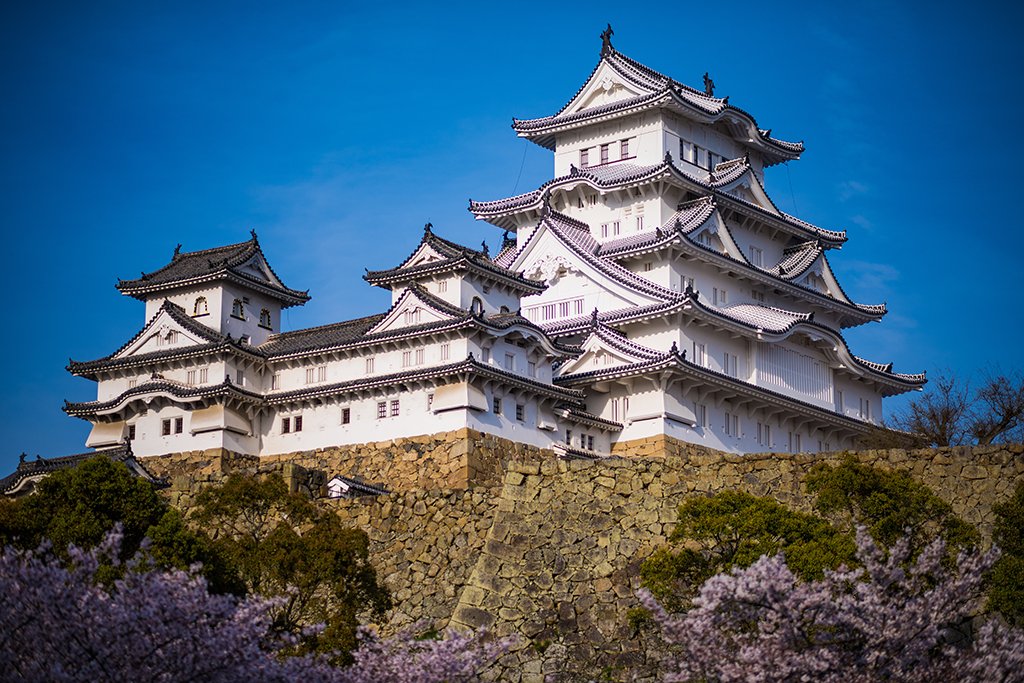
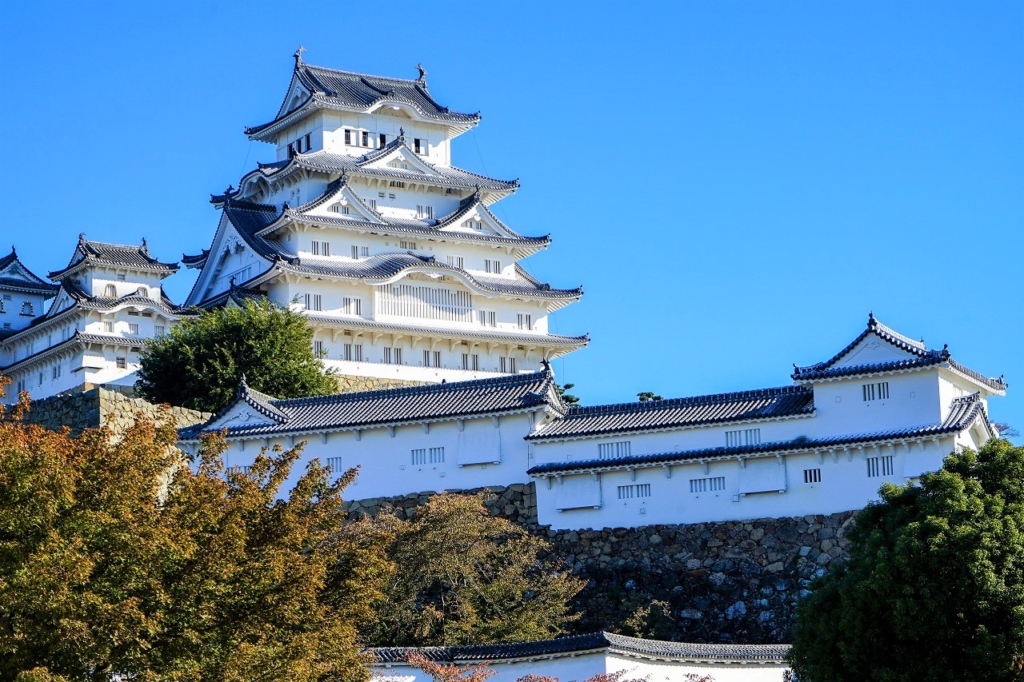
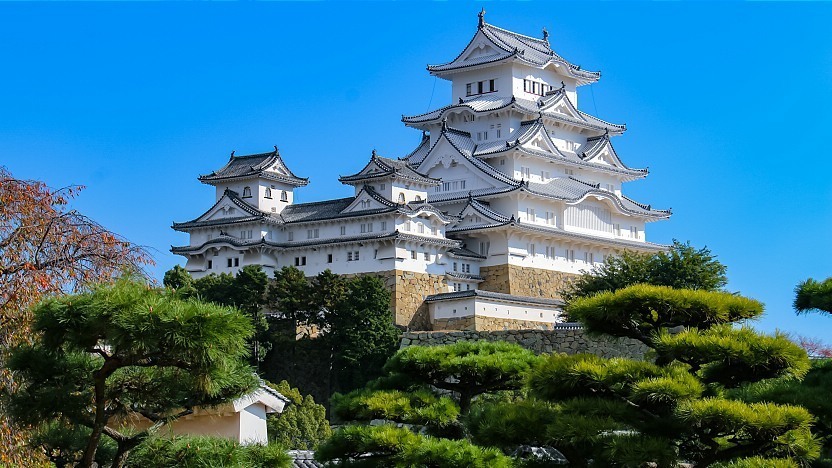
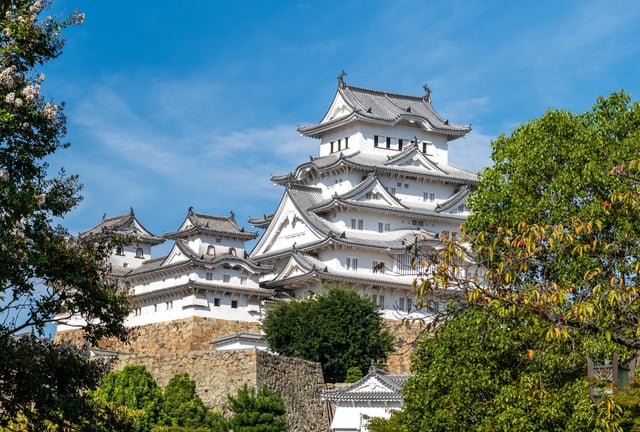
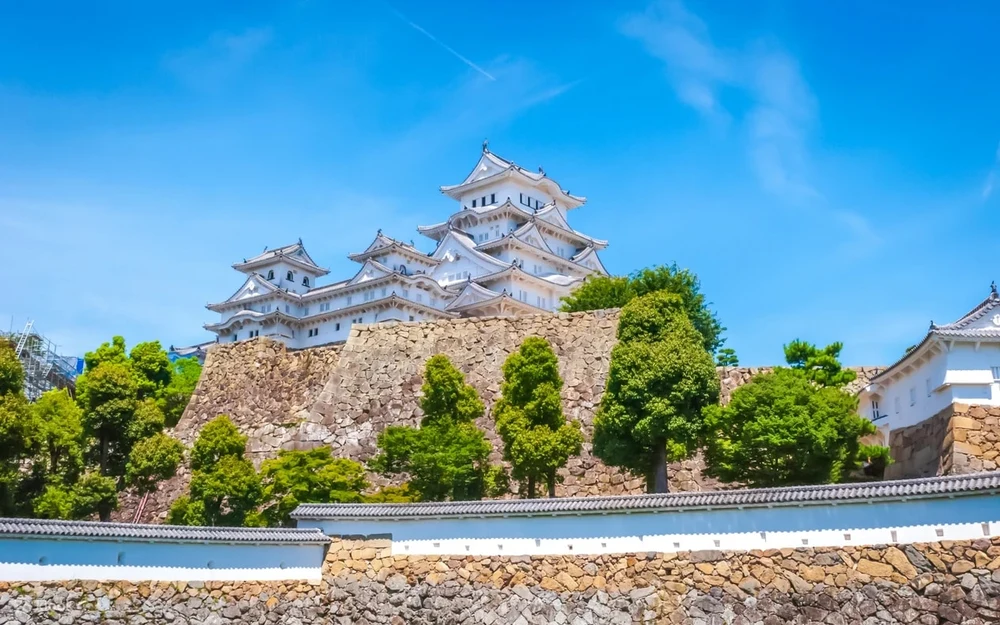
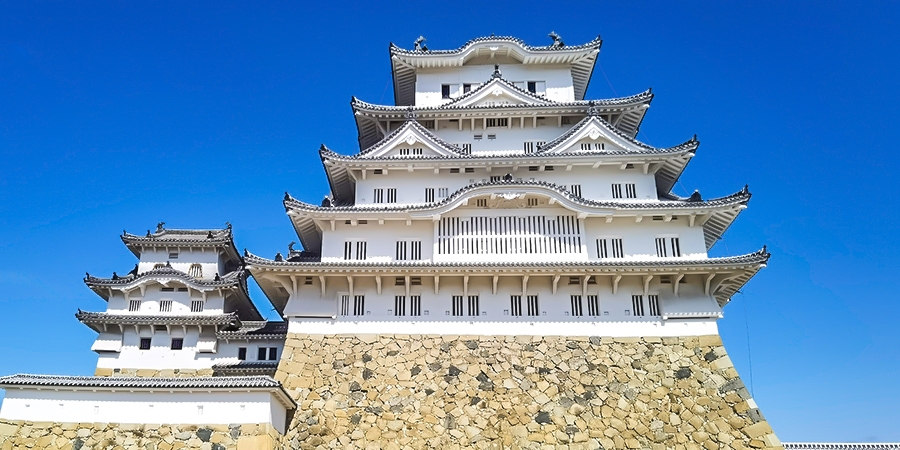
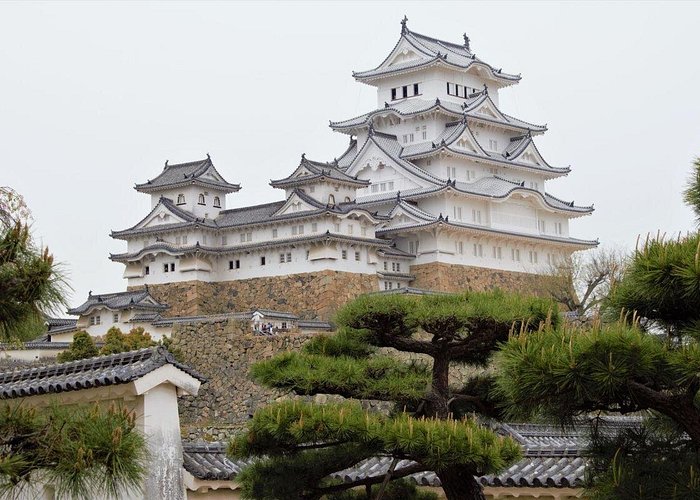
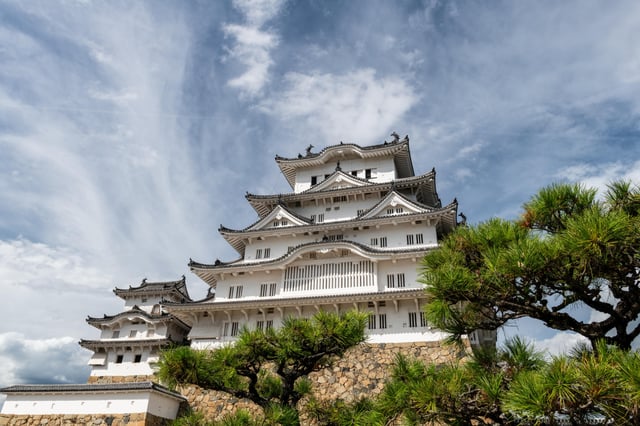
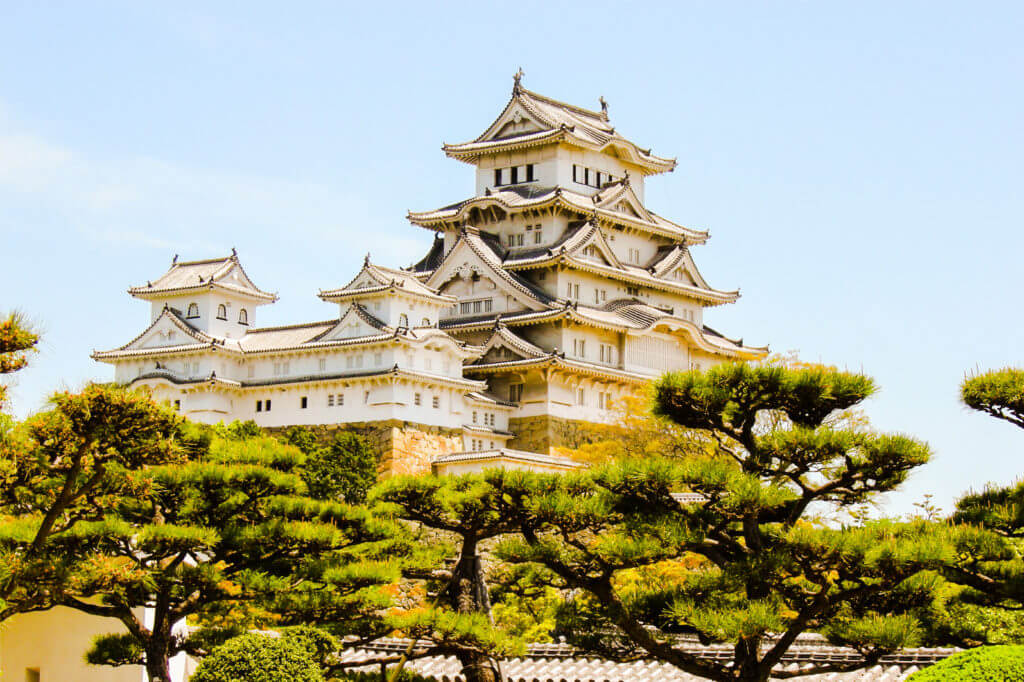
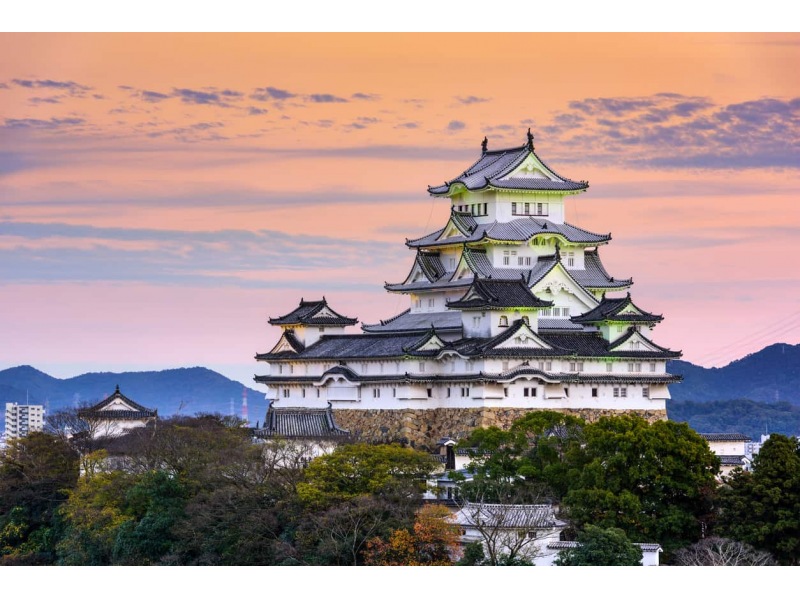
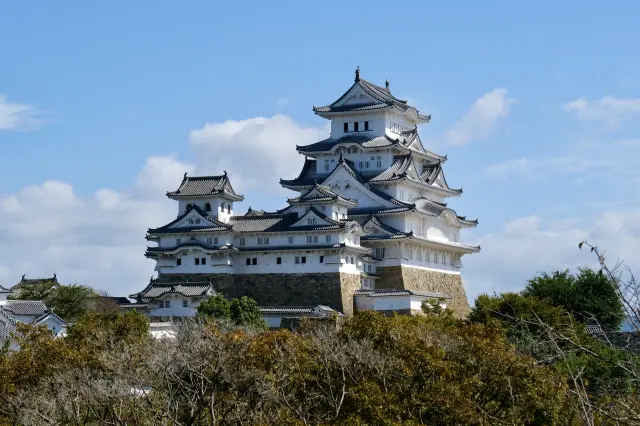
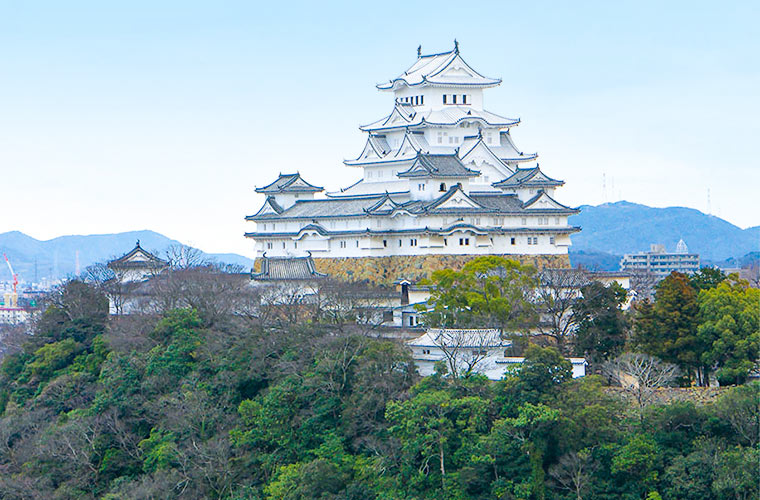
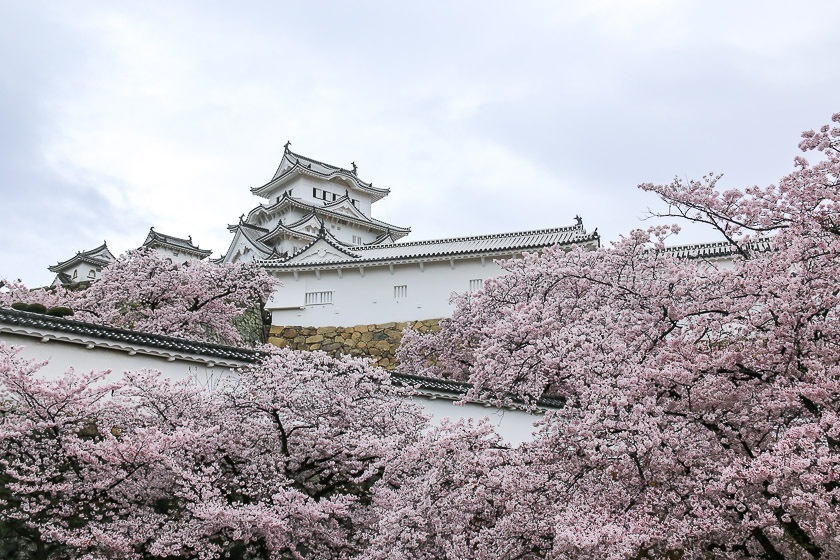
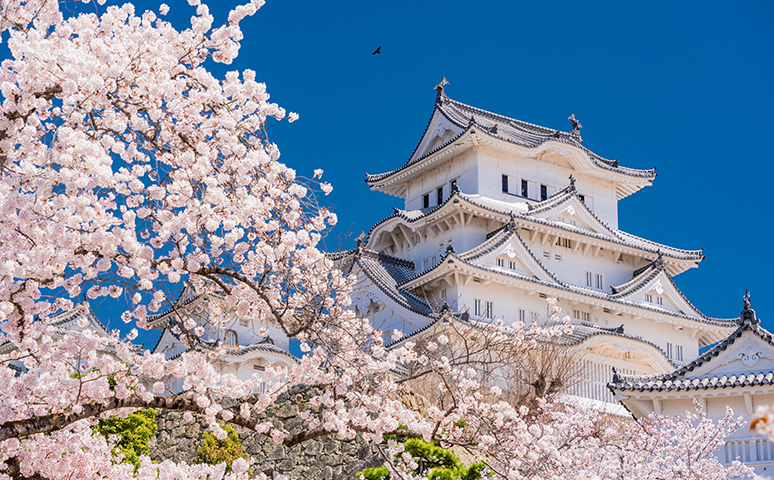
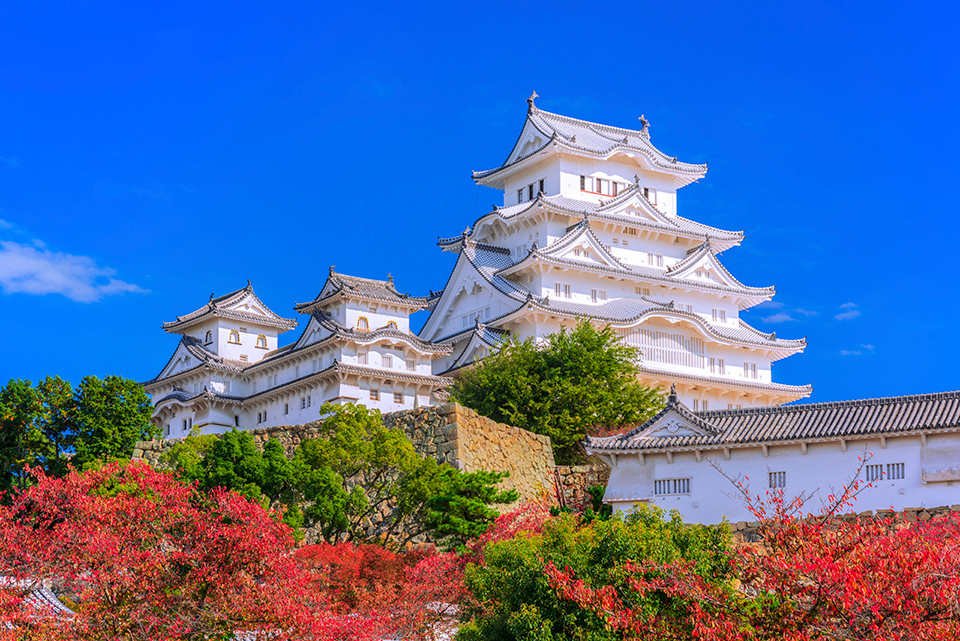
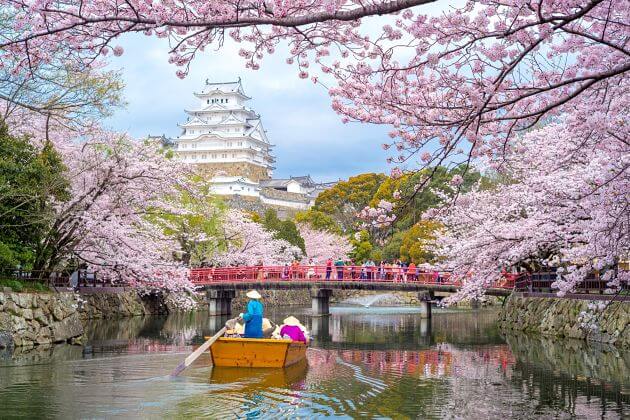
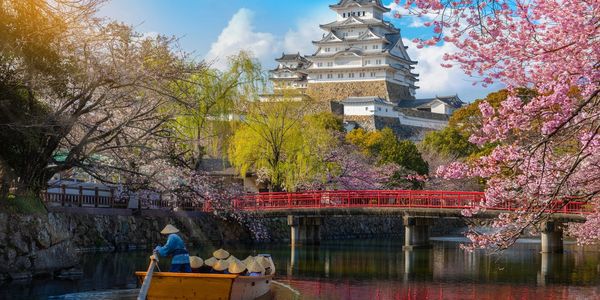
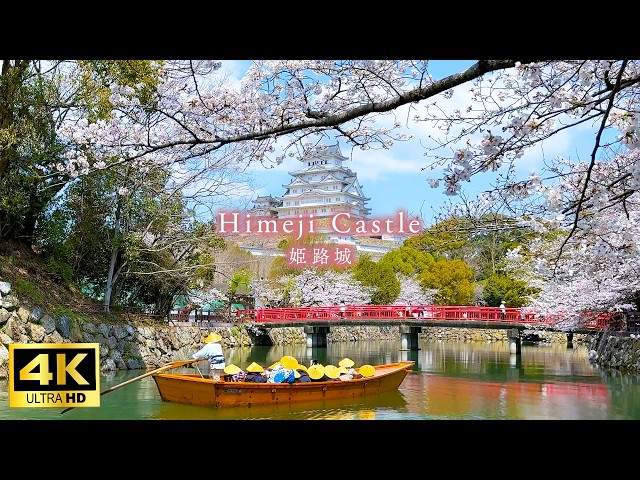
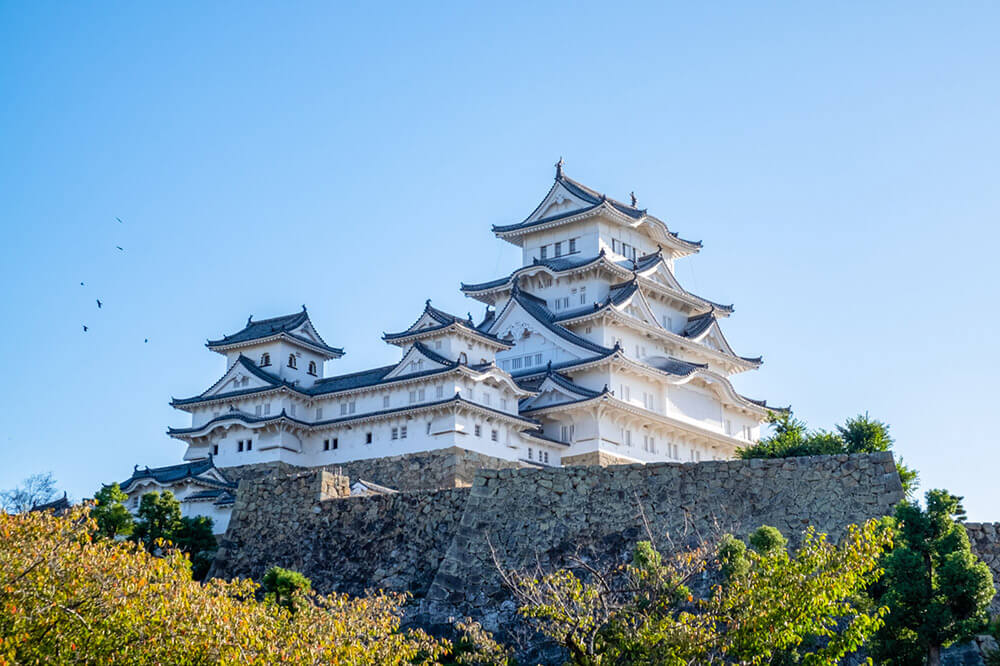
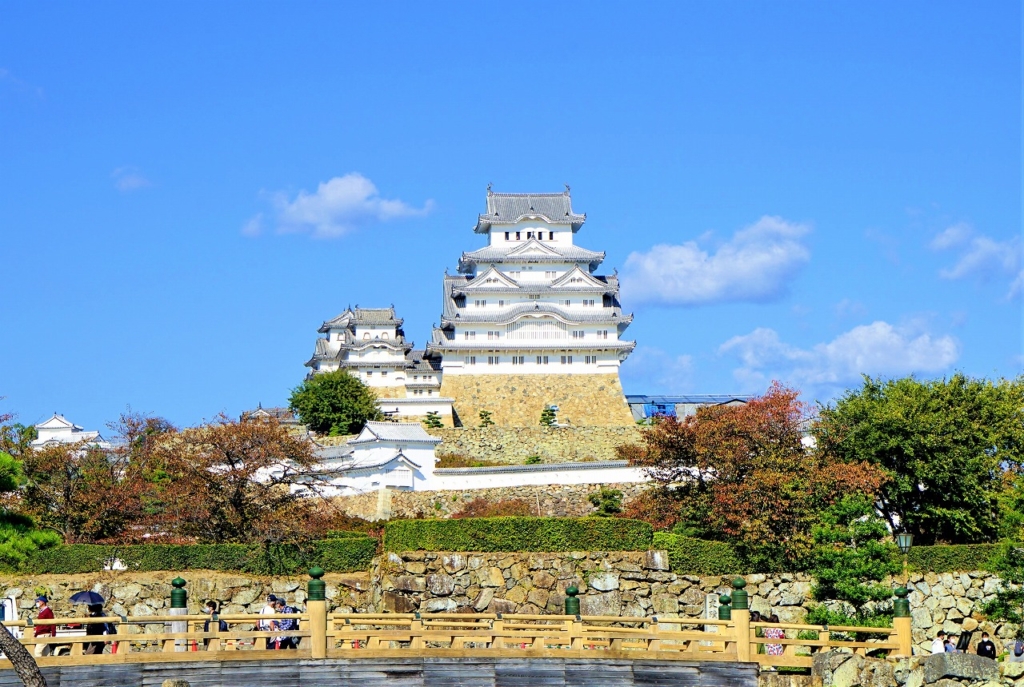
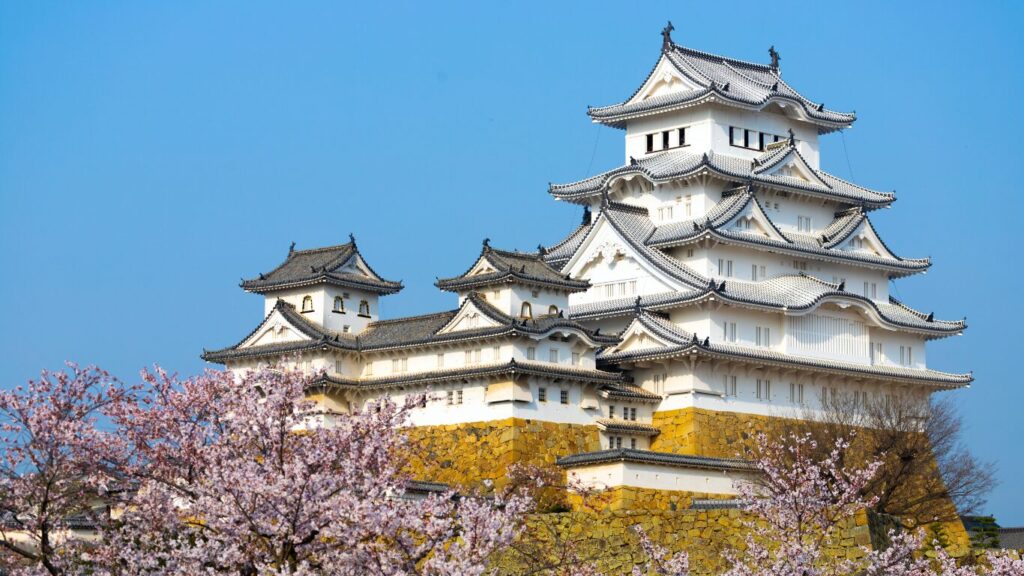
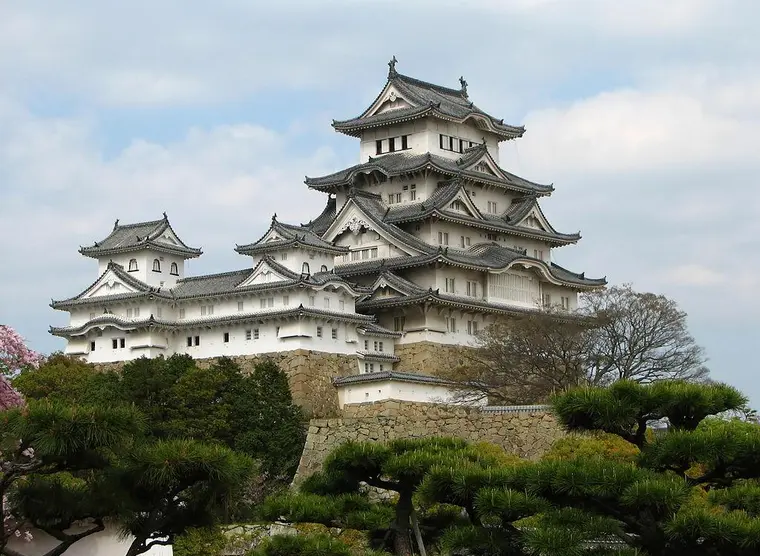
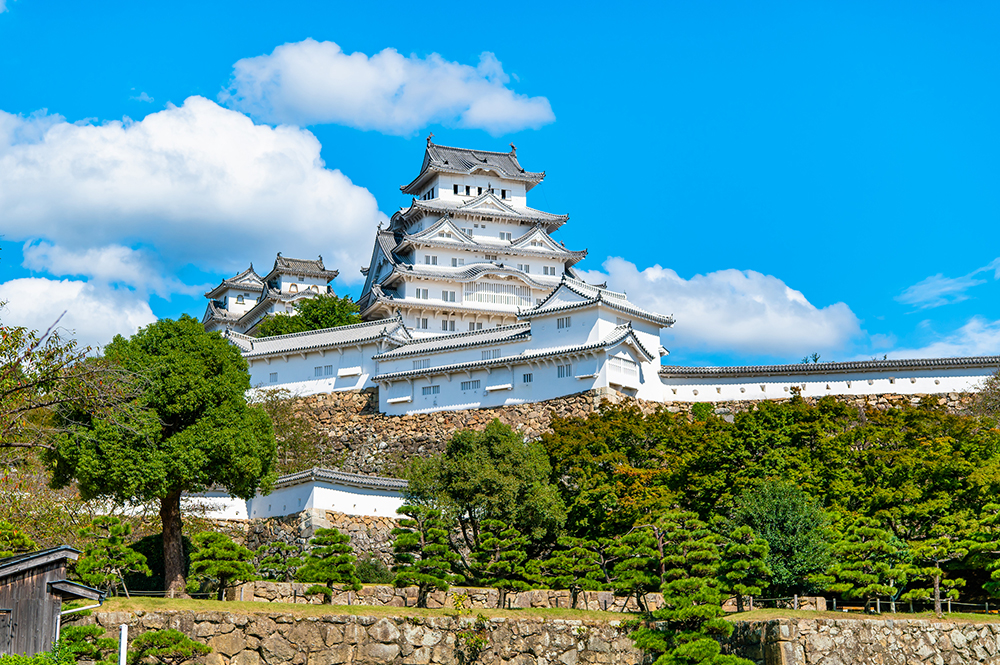
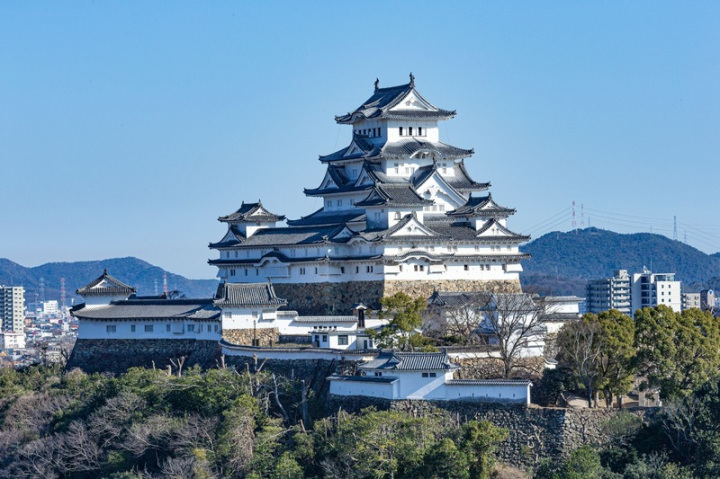
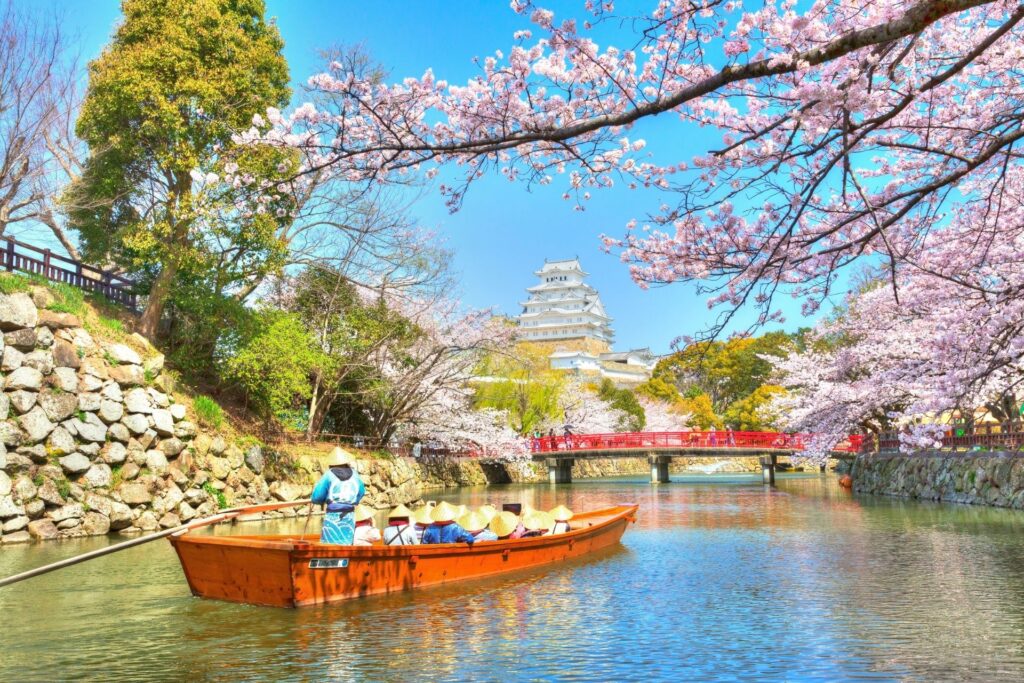
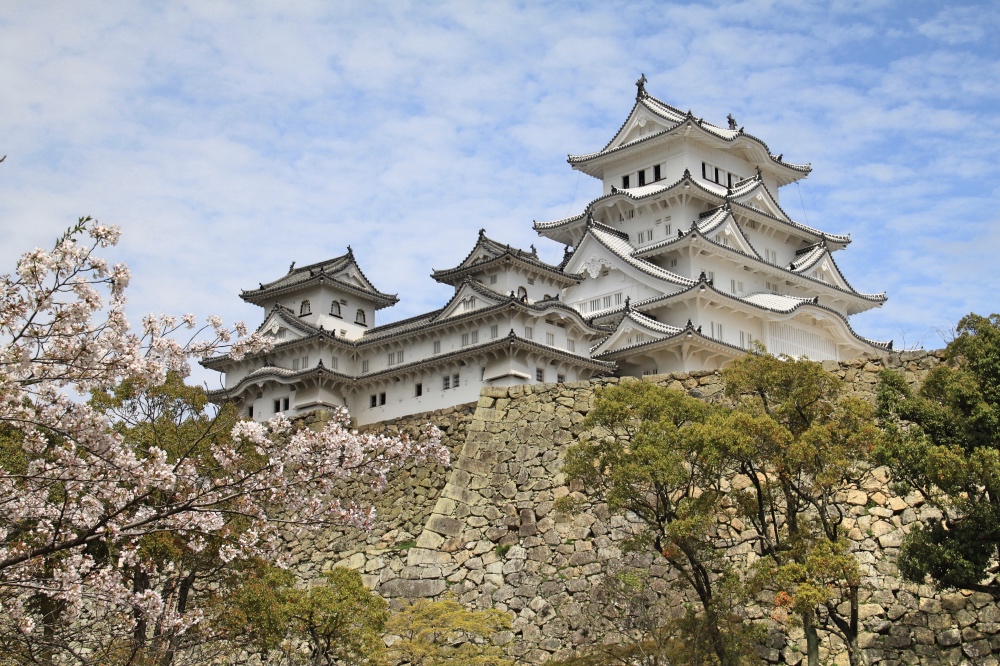
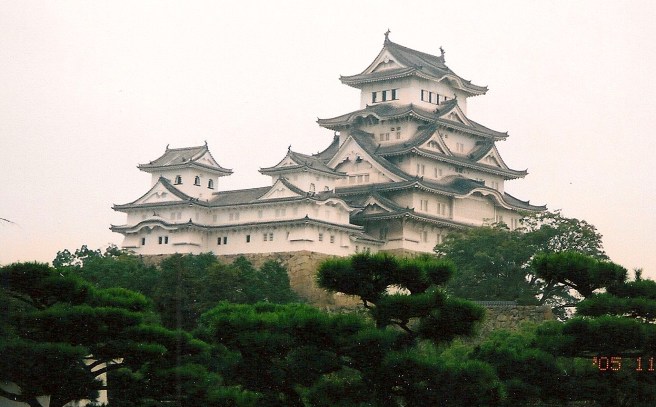
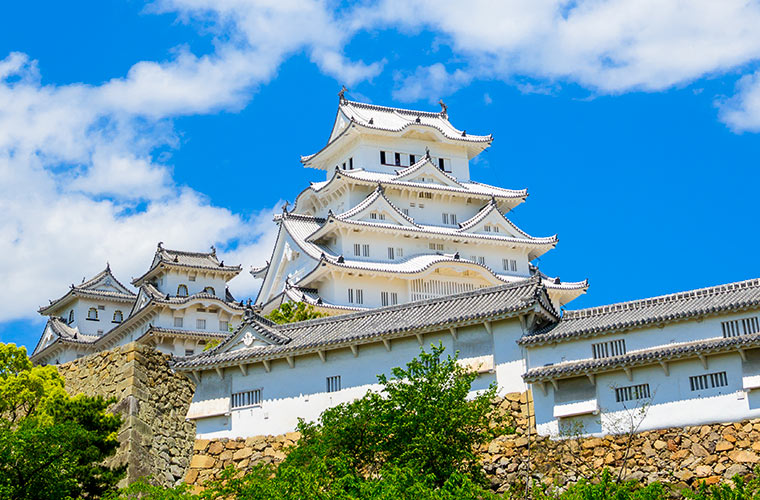
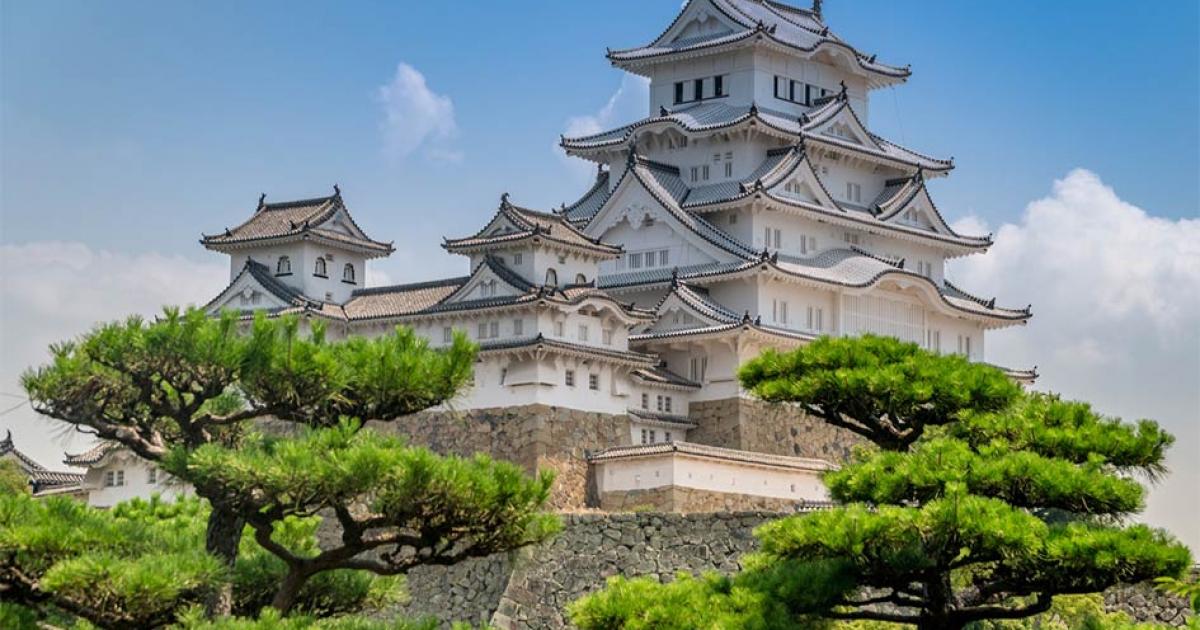
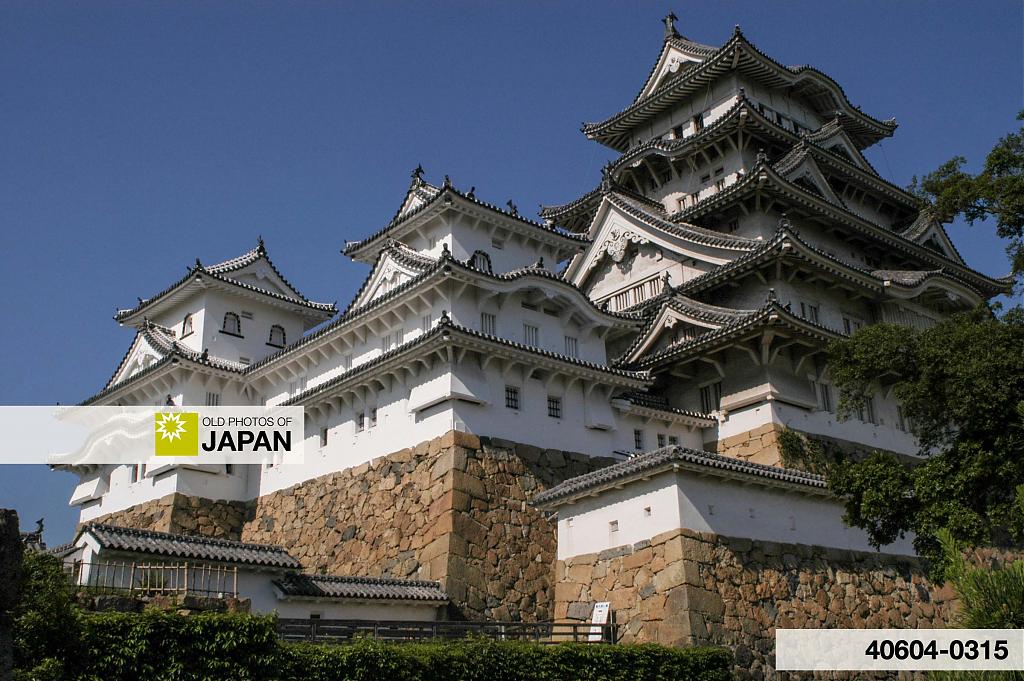
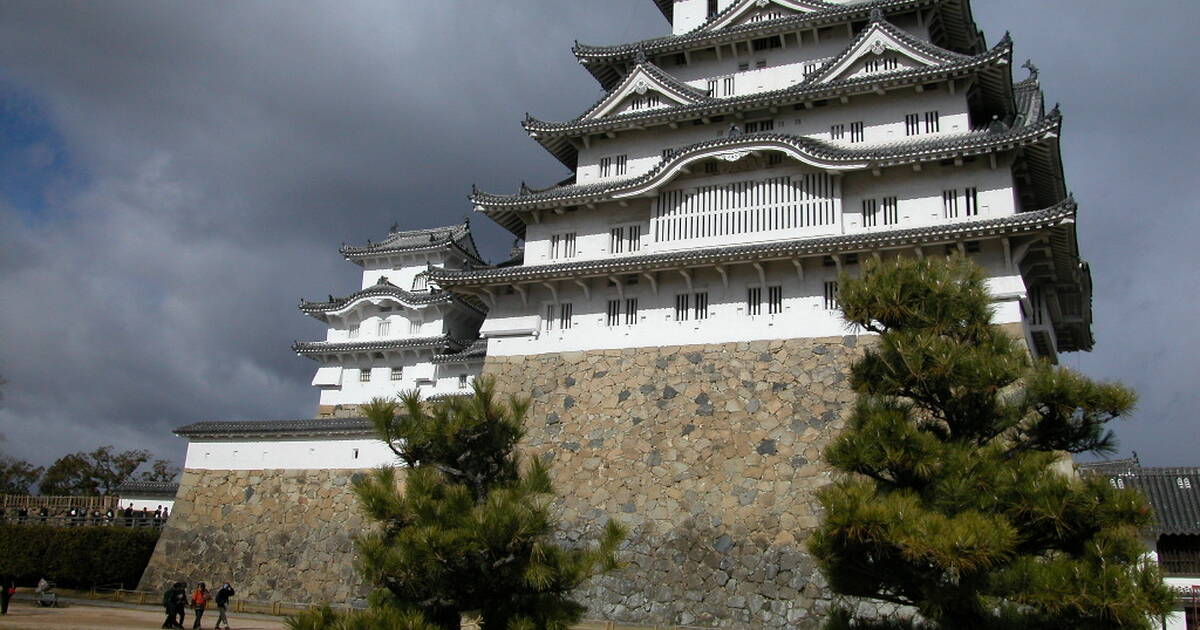
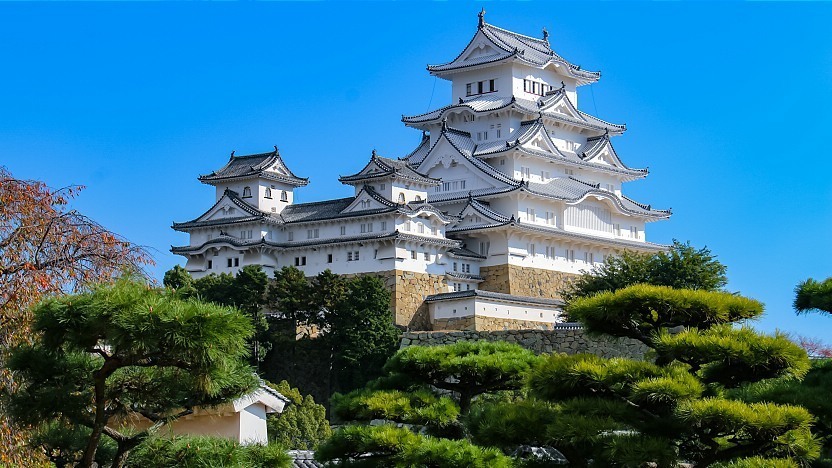
Japan's most iconic castle. The White Heron soaring above the city for over 400 years.
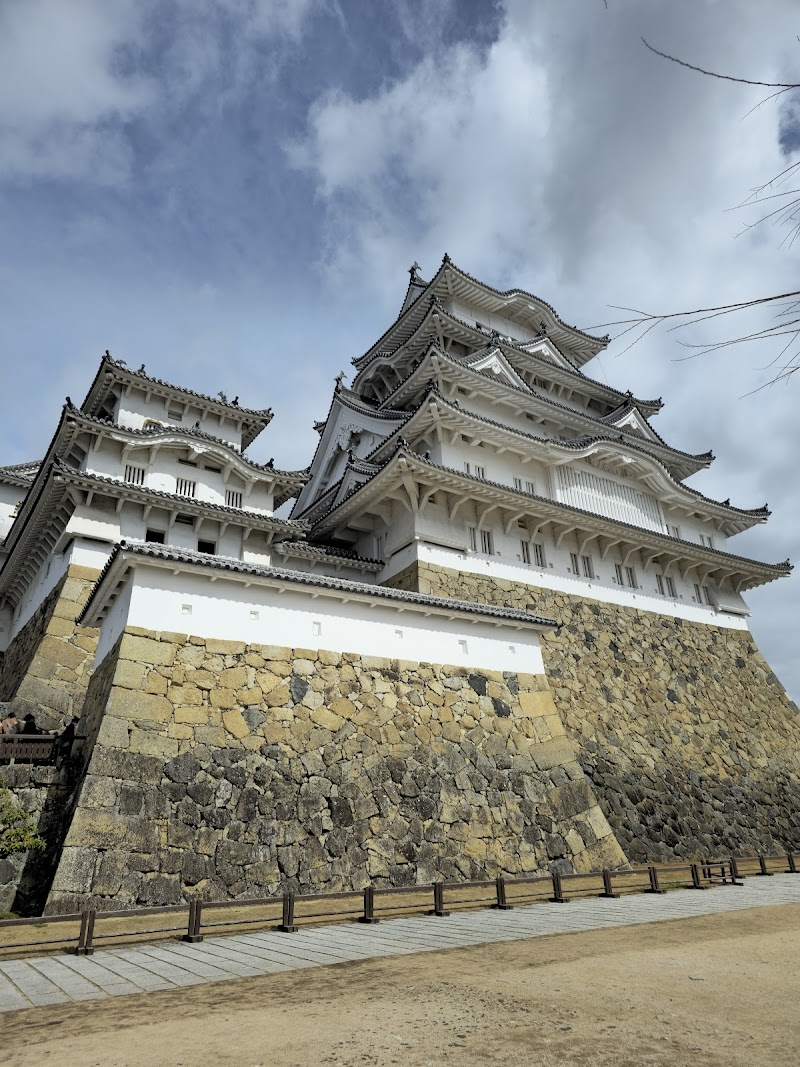
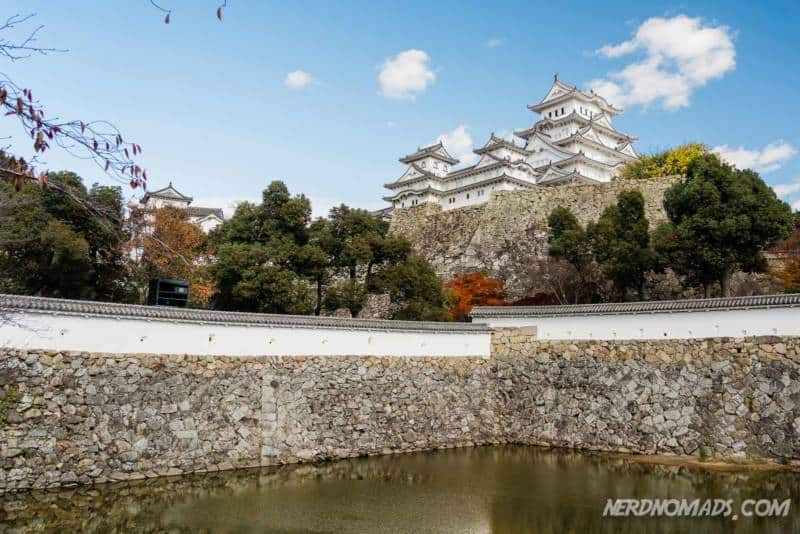
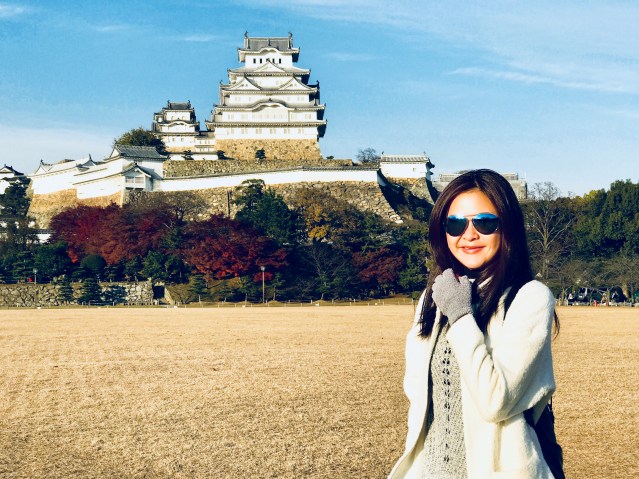
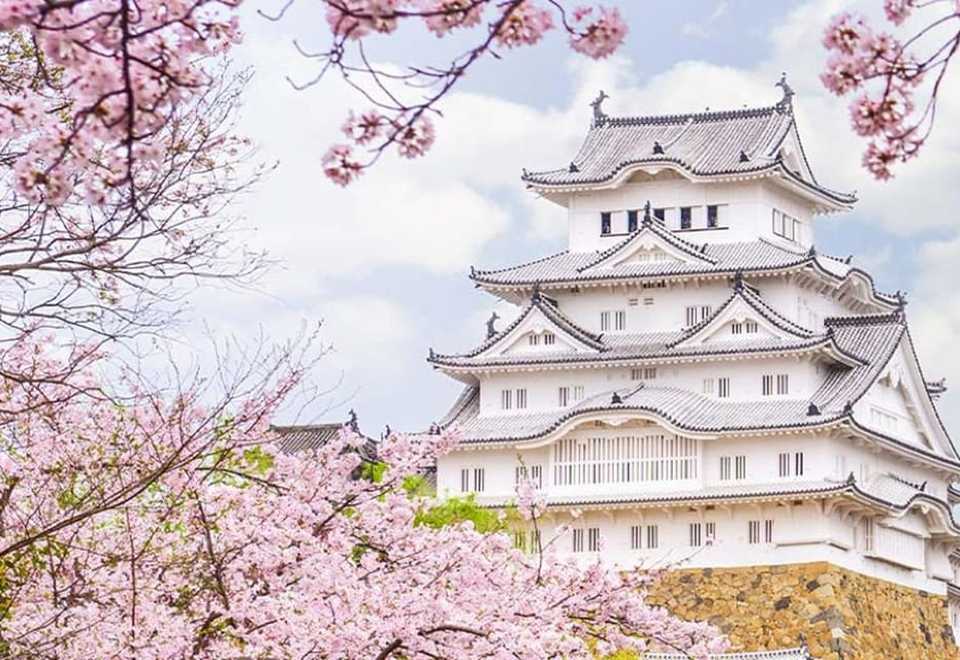
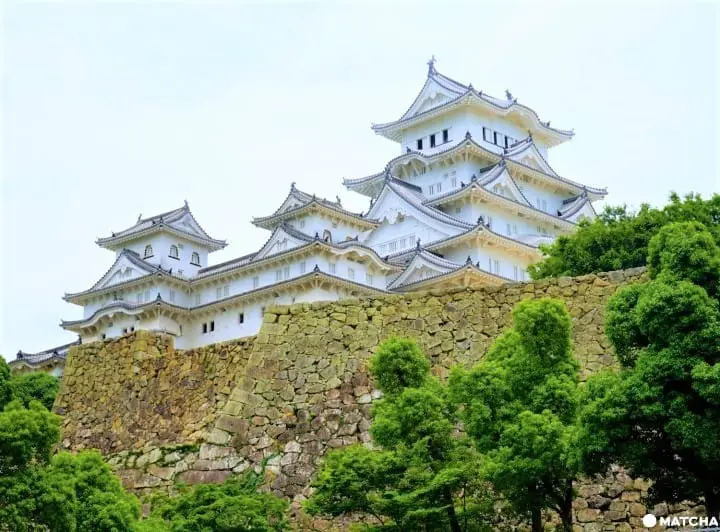
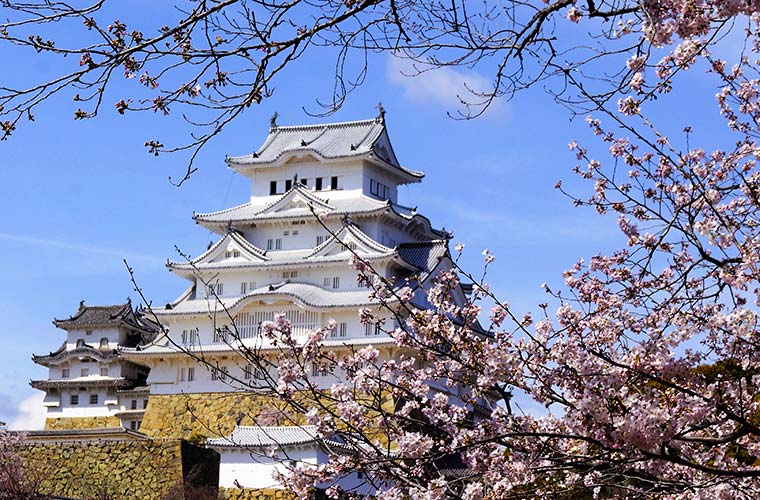
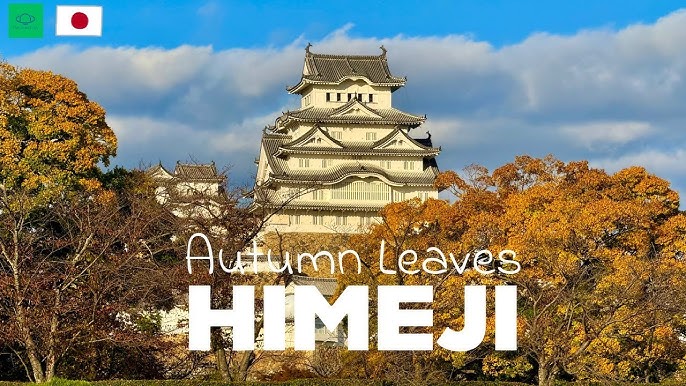
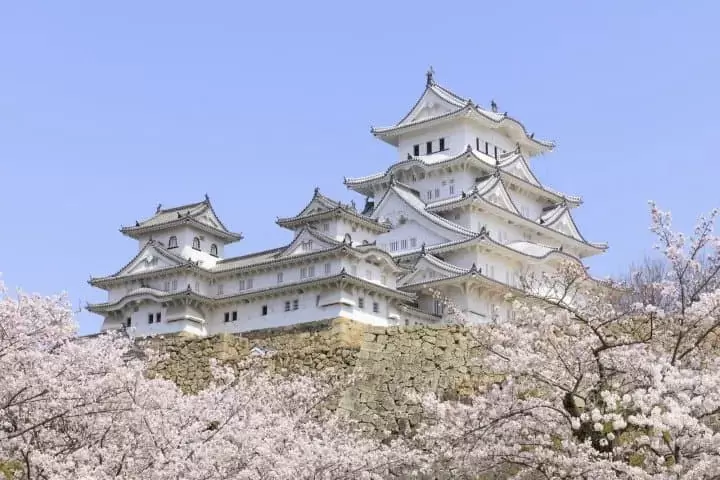
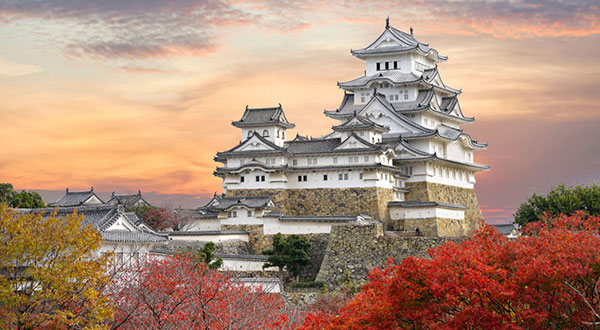
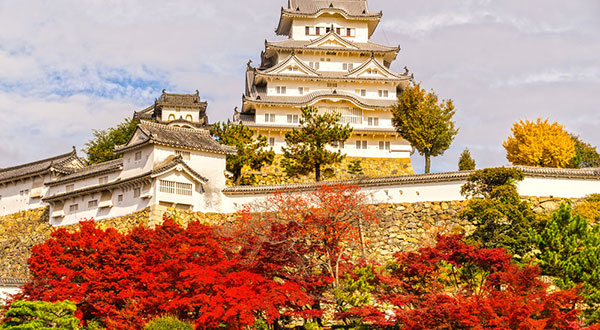
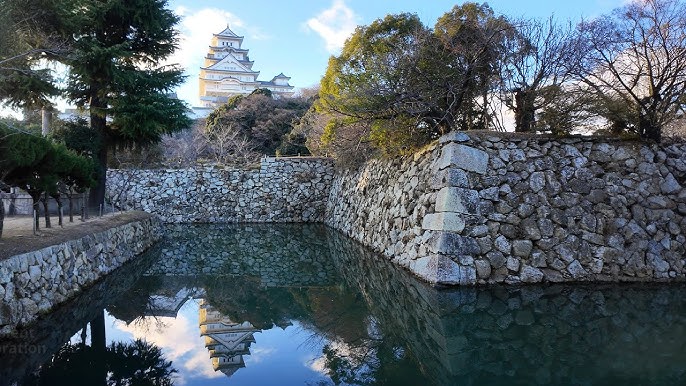
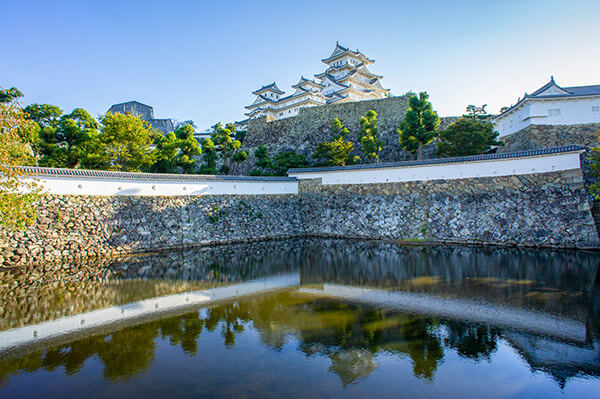
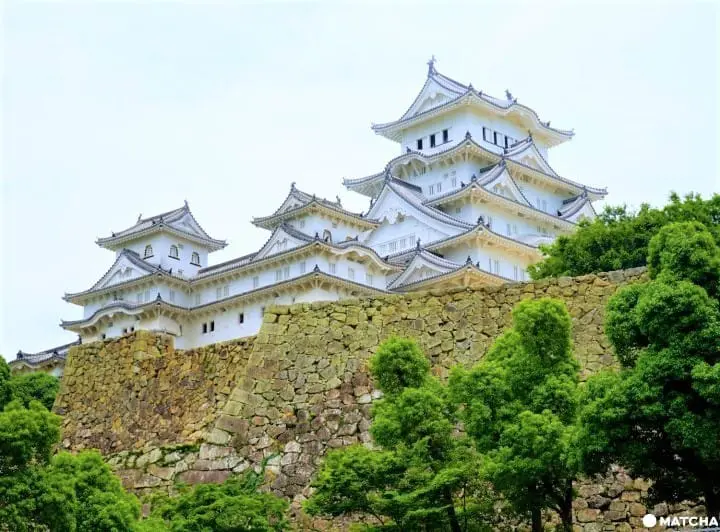
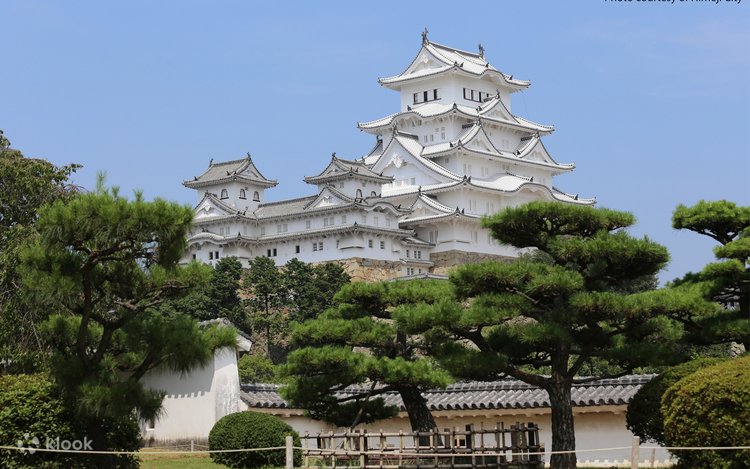
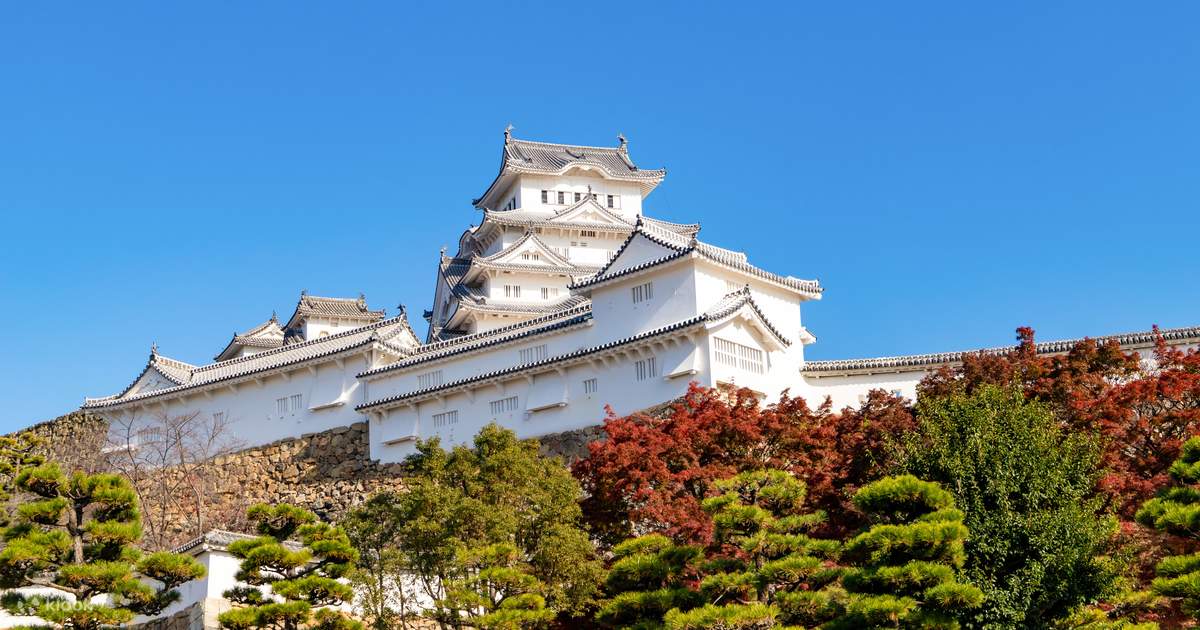
Japan's most spectacular castle and a UNESCO World Heritage site. Known as the 'White Heron Castle' for its elegant white walls. One of only 12 original keeps surviving. Survived WWII bombing intact.
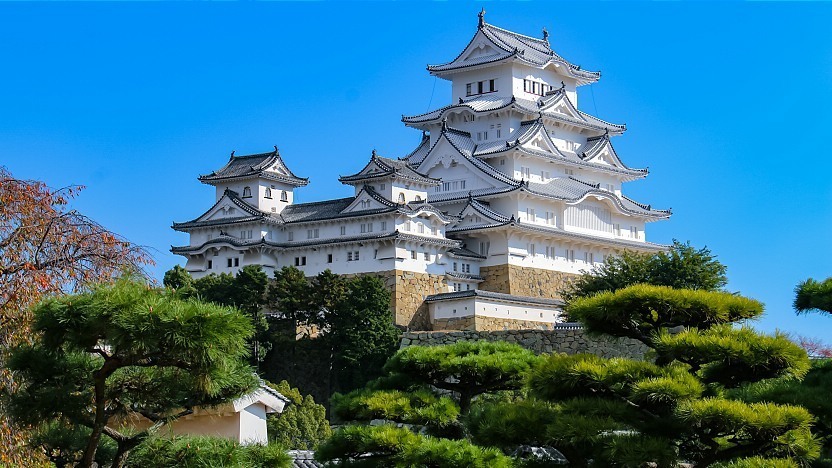
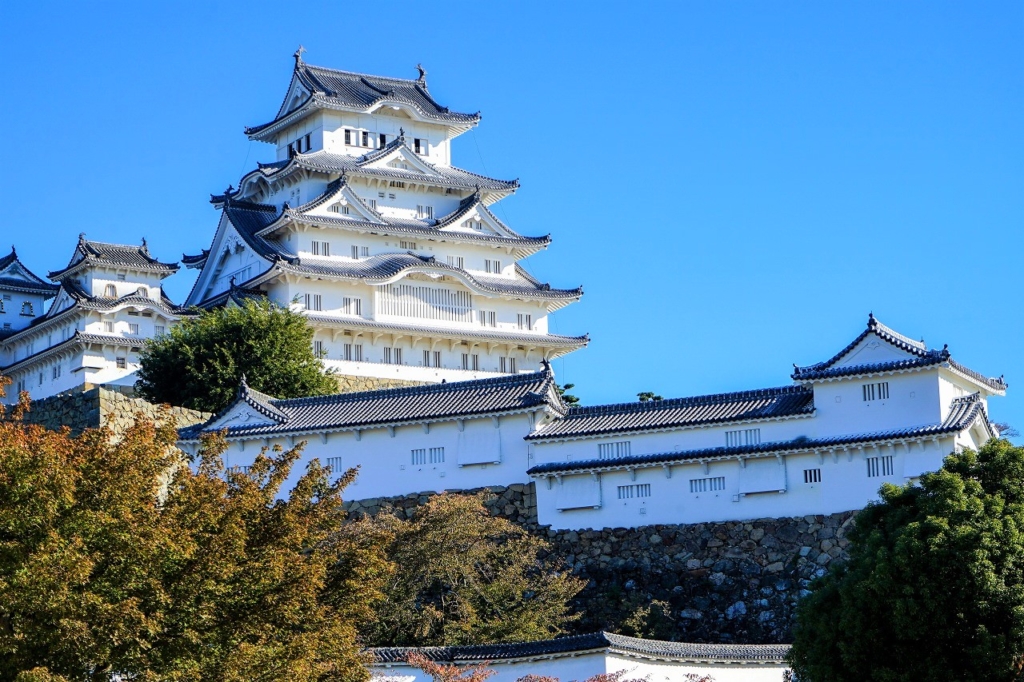
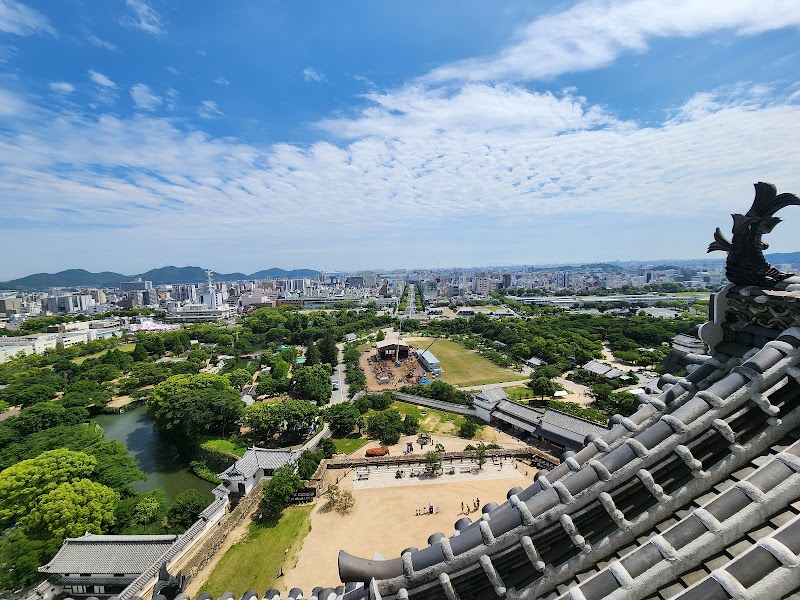
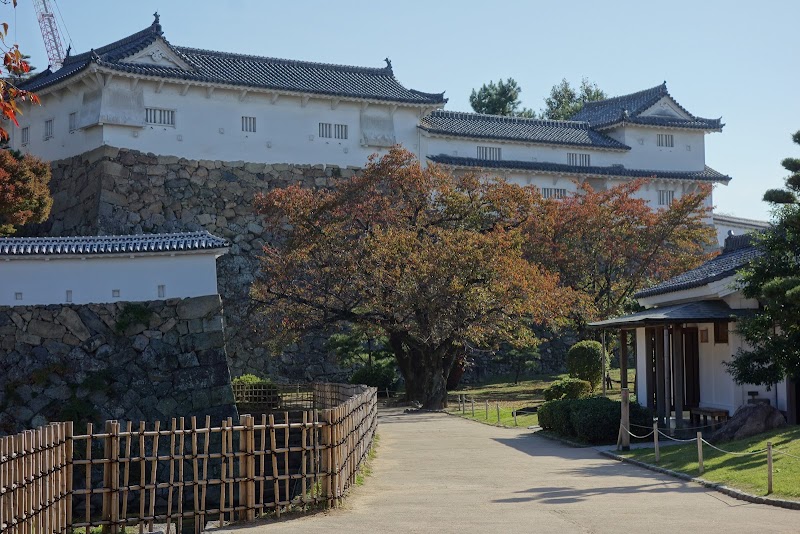
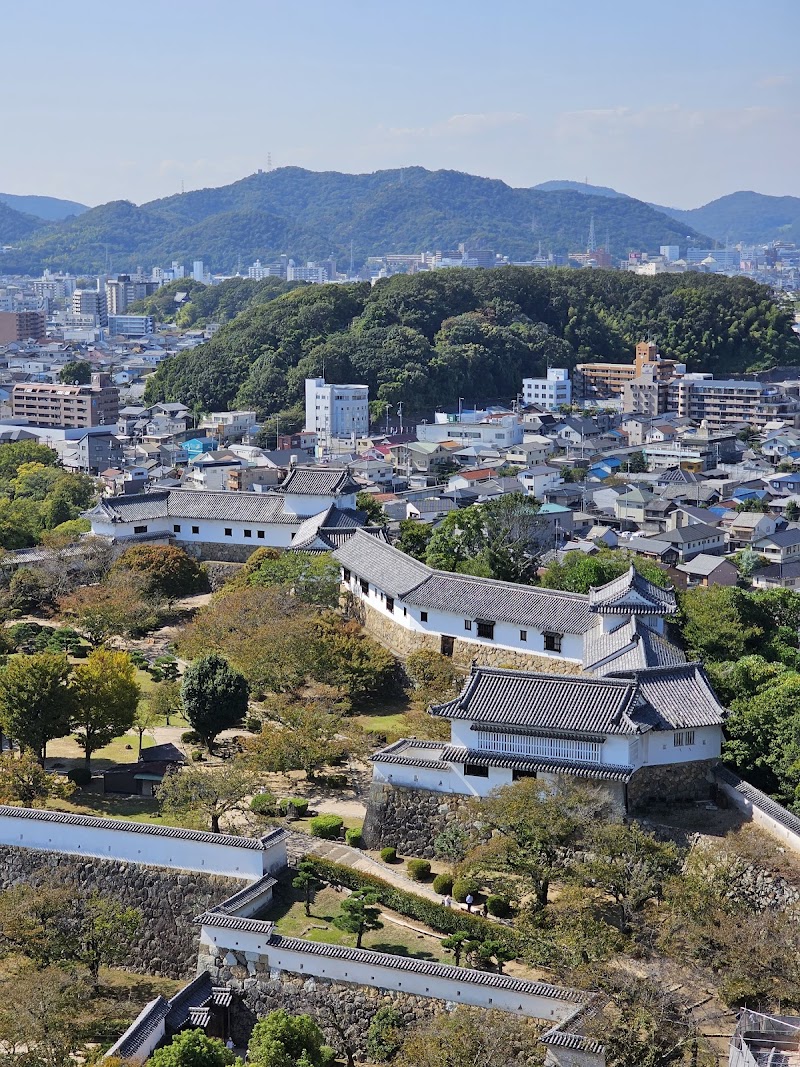
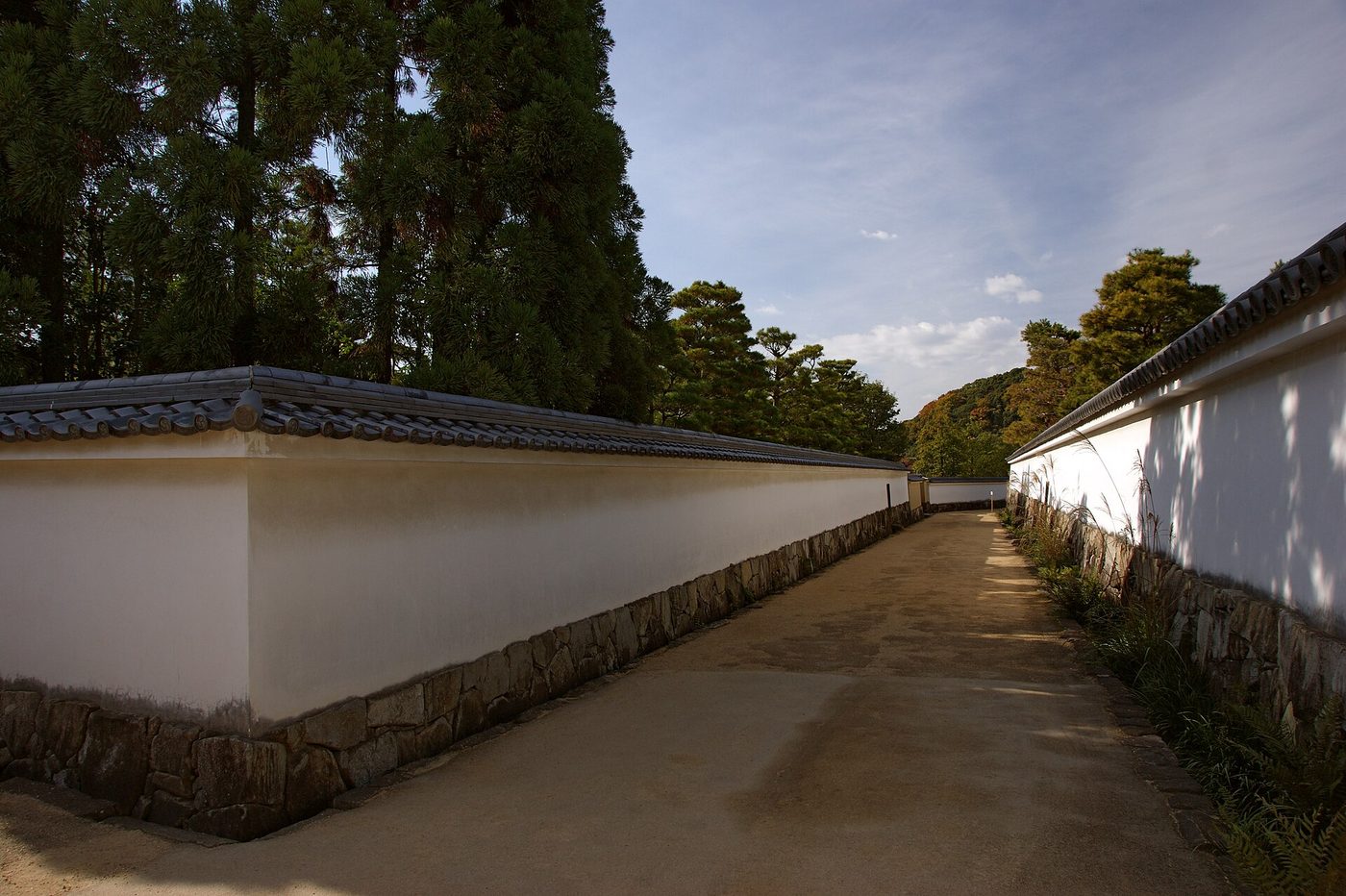
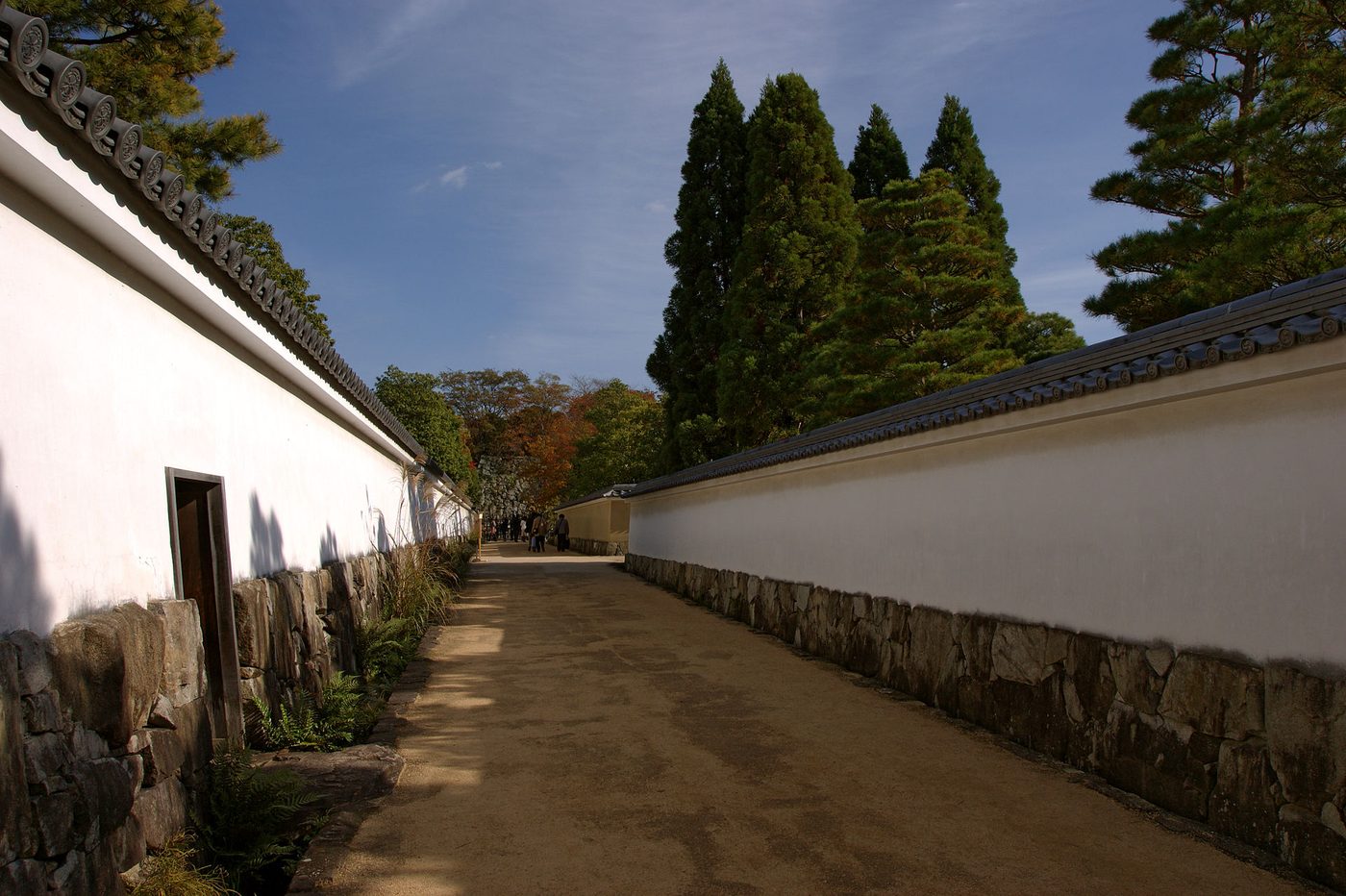
The inner west ward of Himeji Castle. Long corridor with Princess Sen's cosmetics tower at the end. Panoramic views of the main keep from the corridor windows.
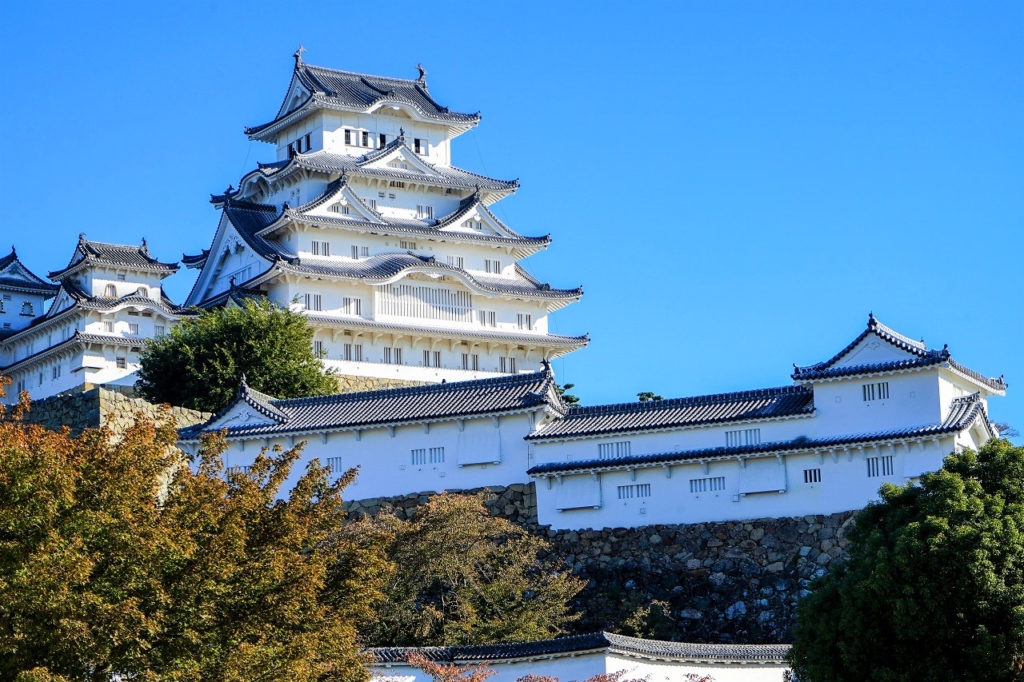
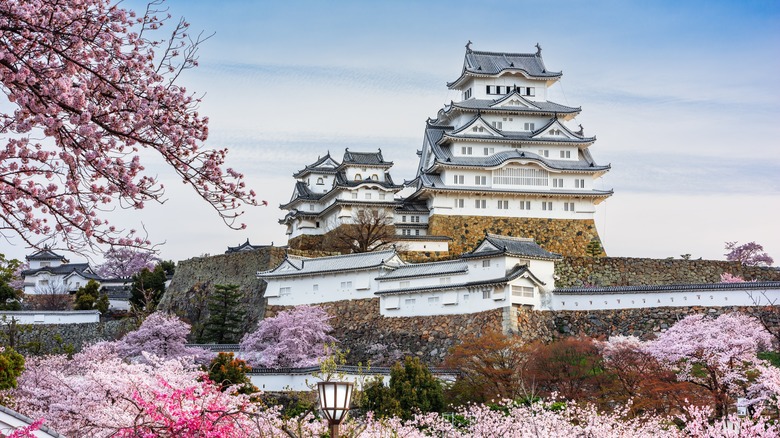
The castle's defensive layout includes a confusing maze of paths designed to disorient attackers. Walking through the narrow passages between walls gives a real sense of medieval warfare.
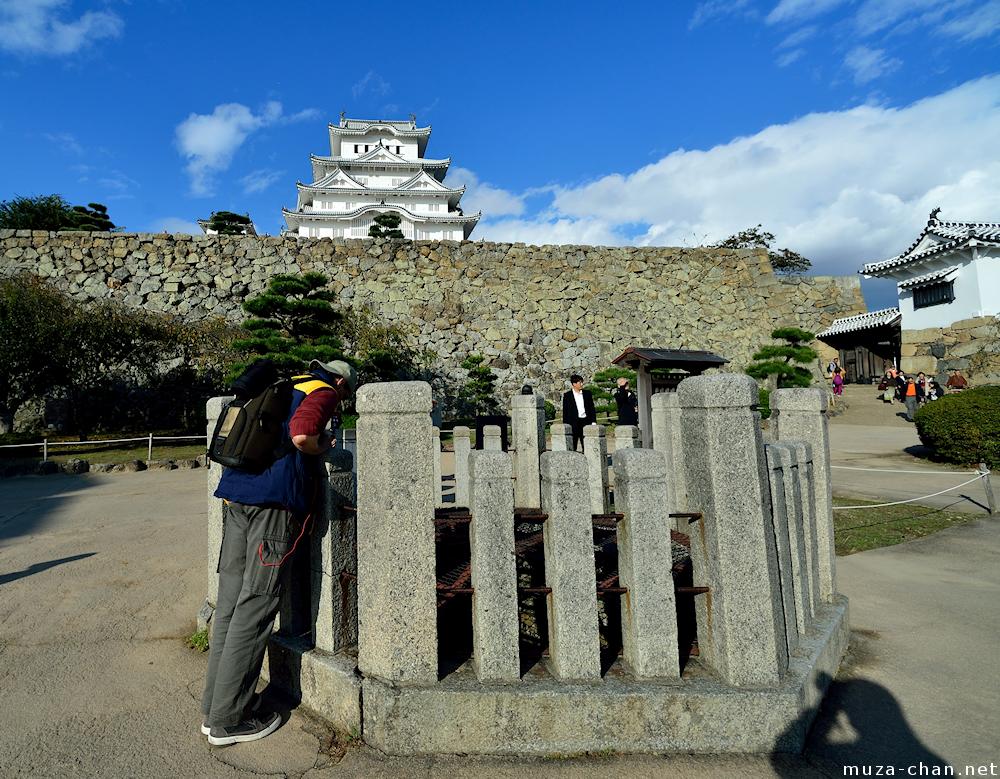
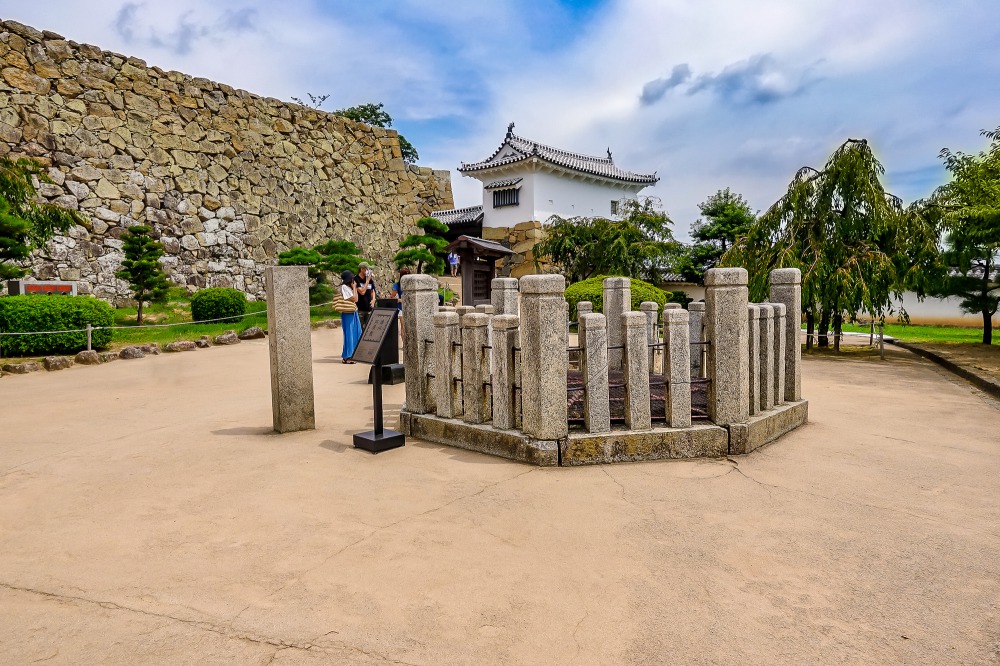
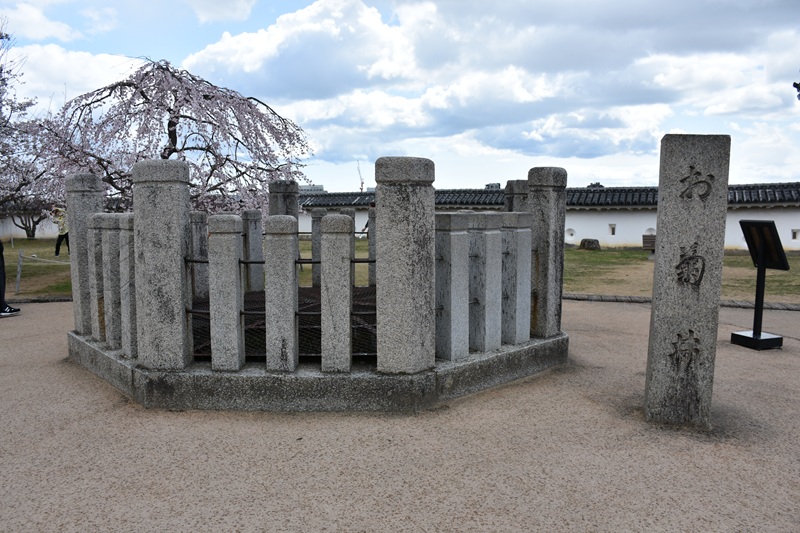
The well from the famous ghost story 'Bancho Sarayashiki.' Okiku's ghost counted plates nightly. The well itself is inside the castle grounds. Creepy but fascinating.
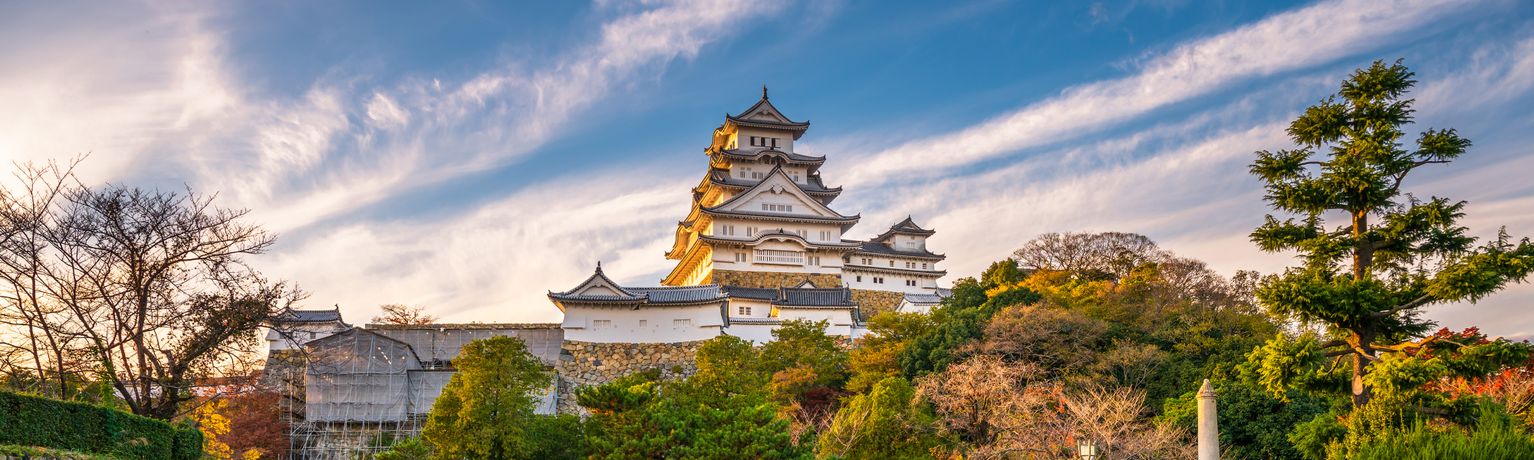
Tower where Princess Sen (Tokugawa granddaughter) was said to apply her makeup. The views from the West Bailey are excellent. One of the castle's most photogenic spots.
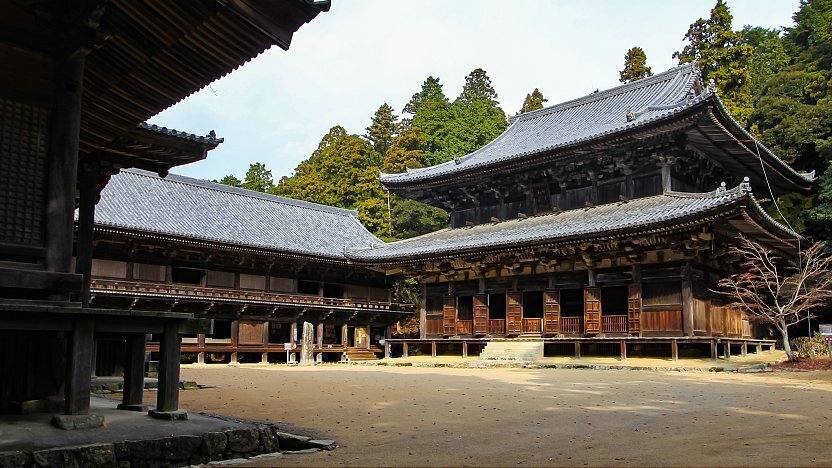
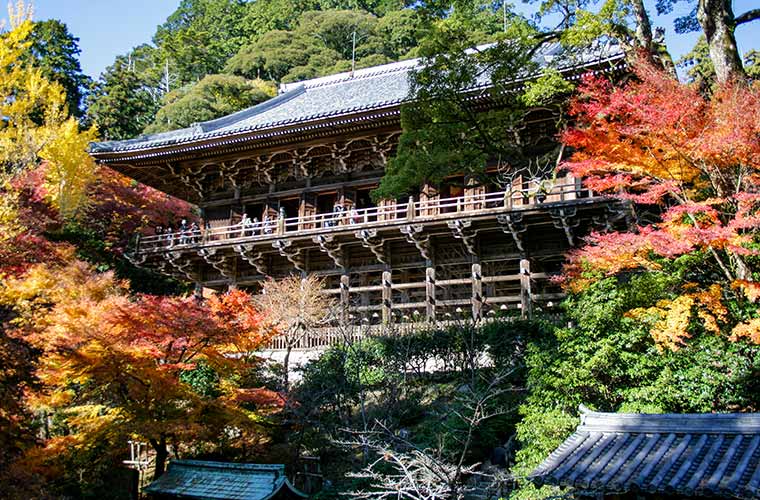
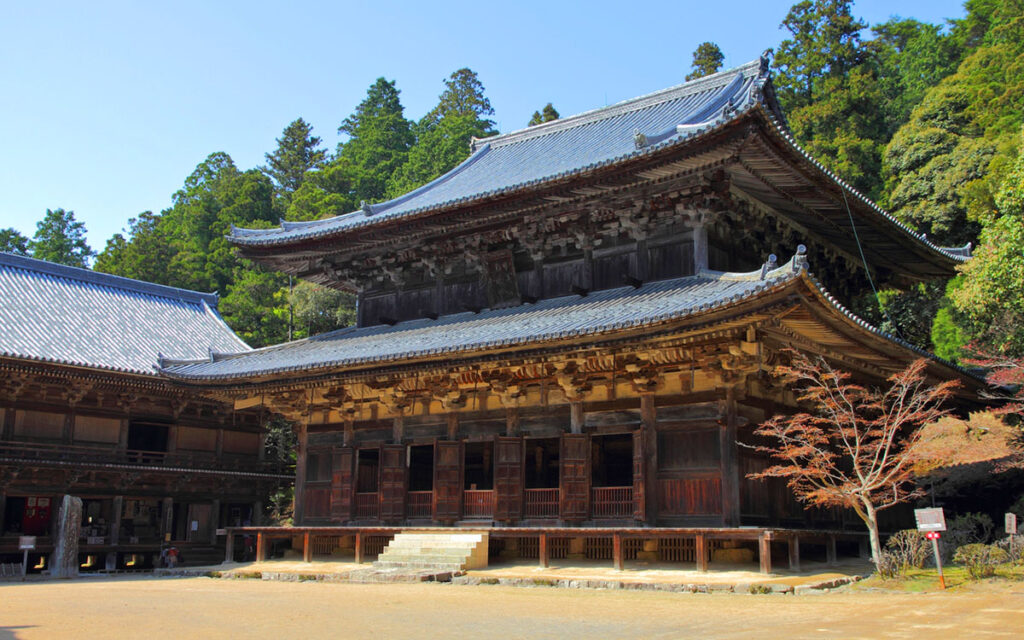
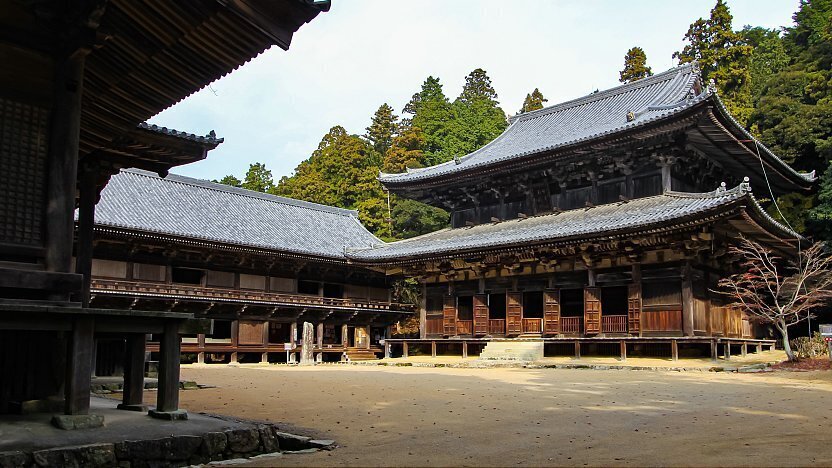
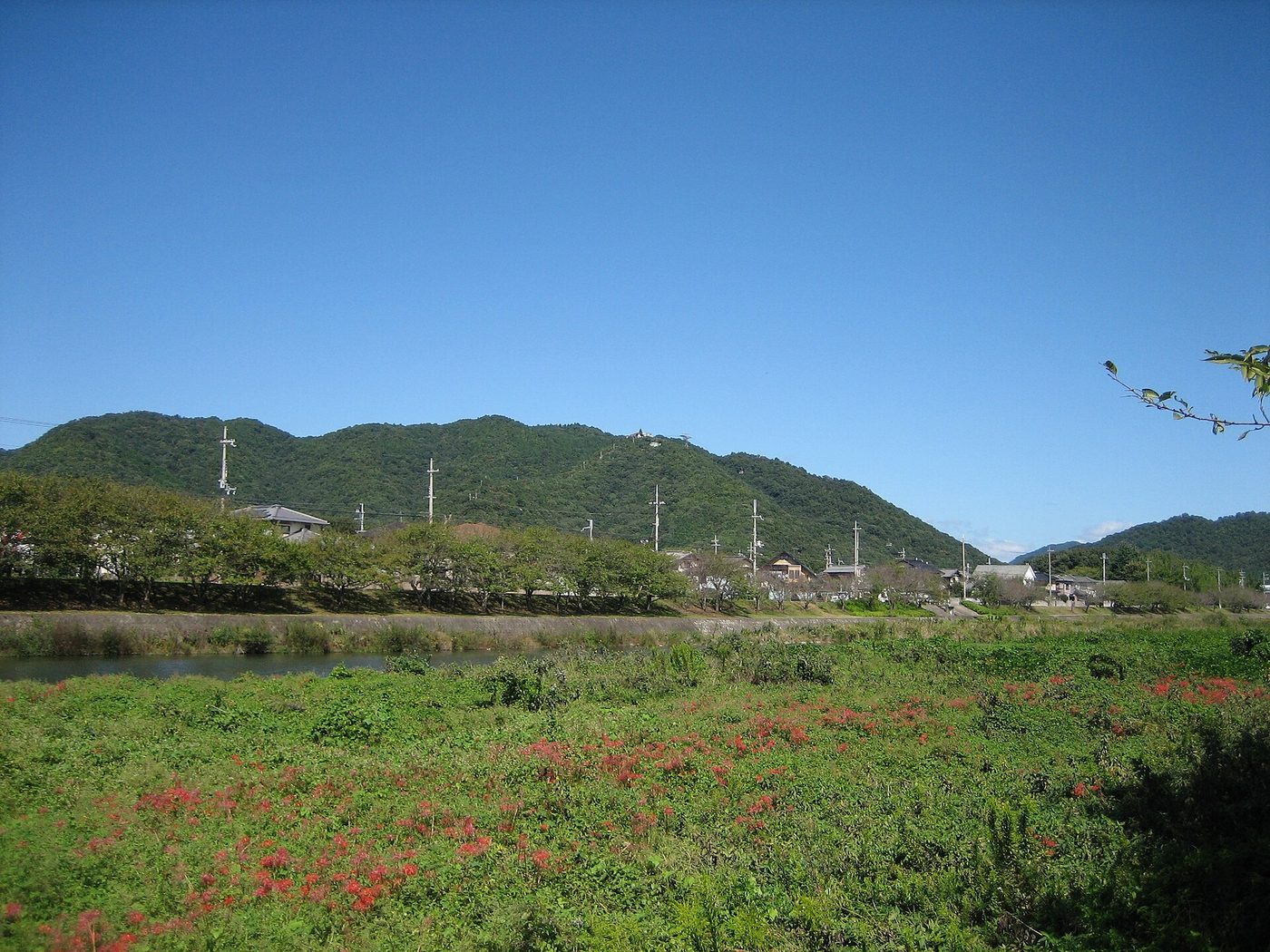
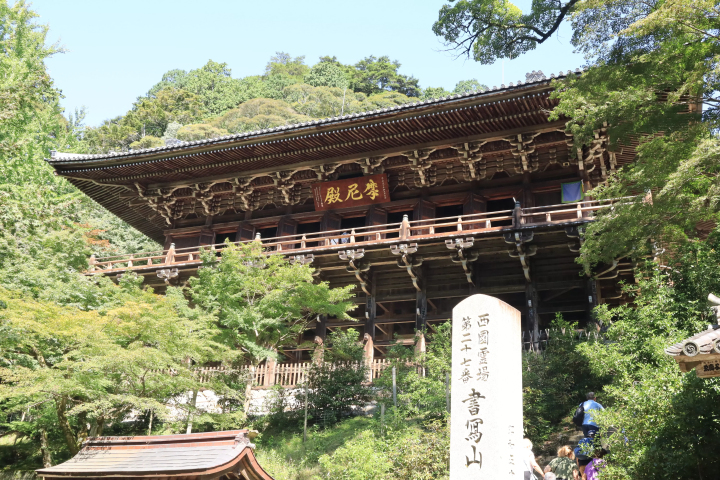
A mountaintop temple complex used as a Last Samurai filming location.

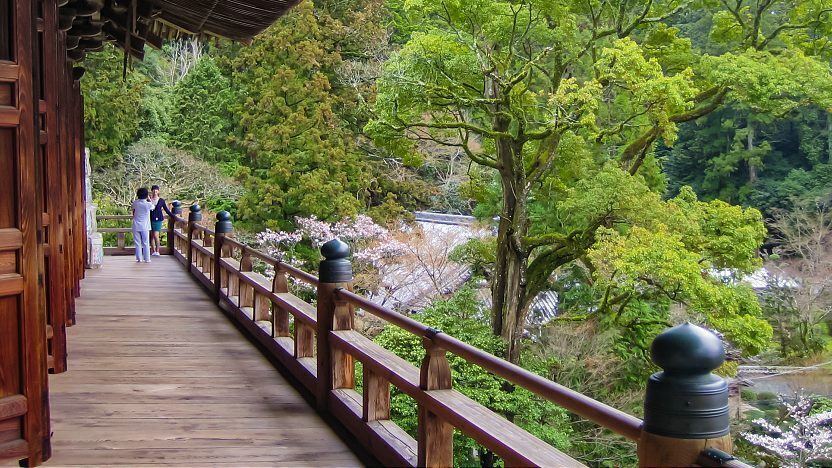
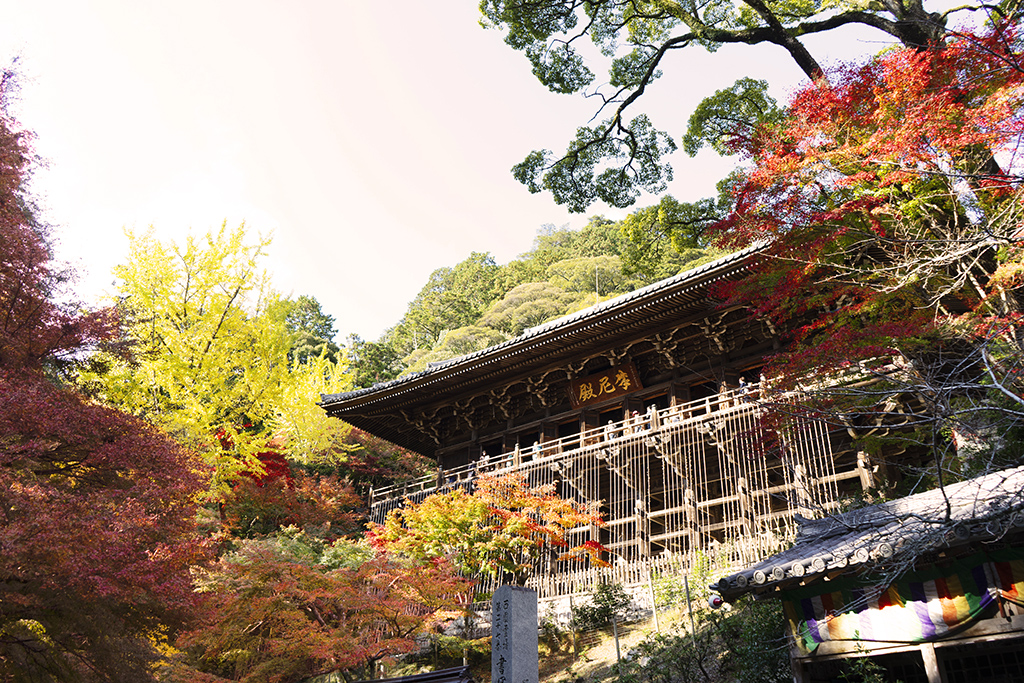
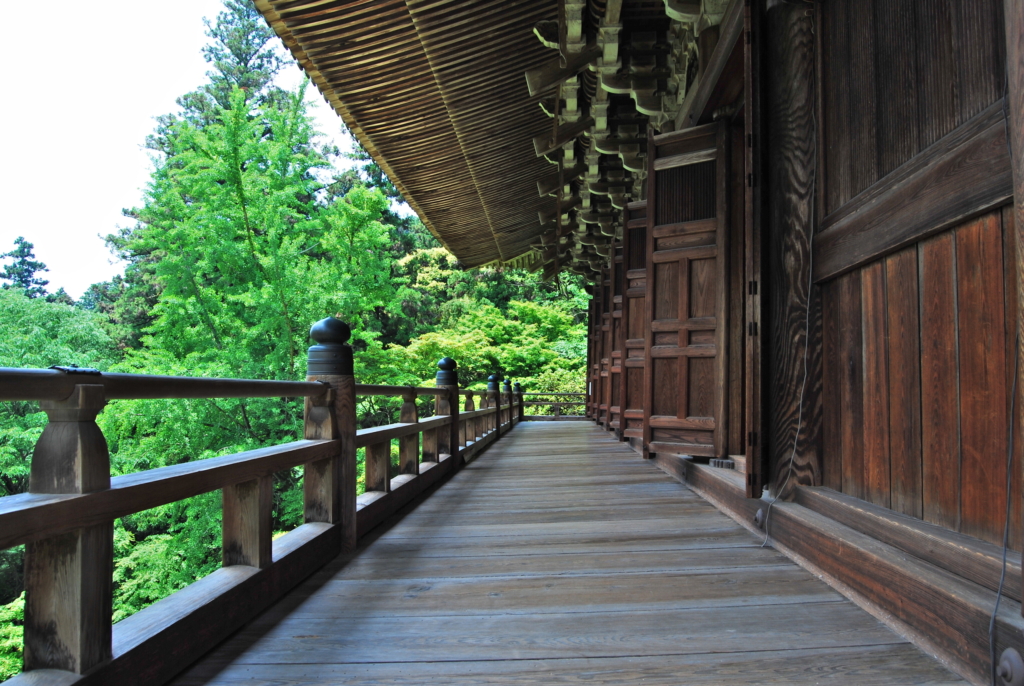
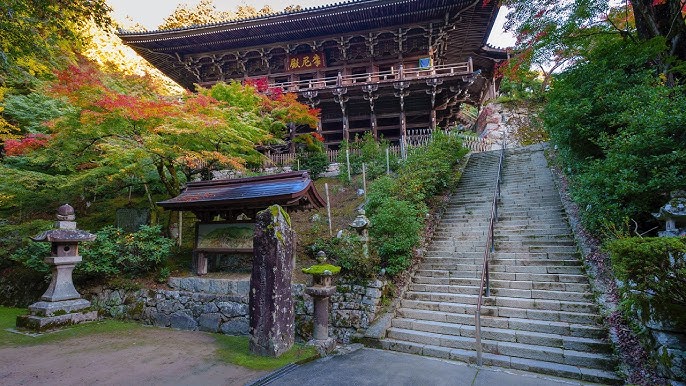
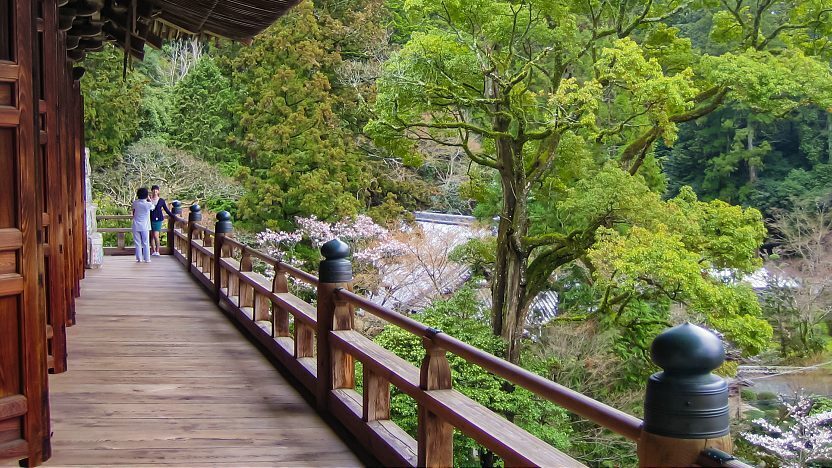
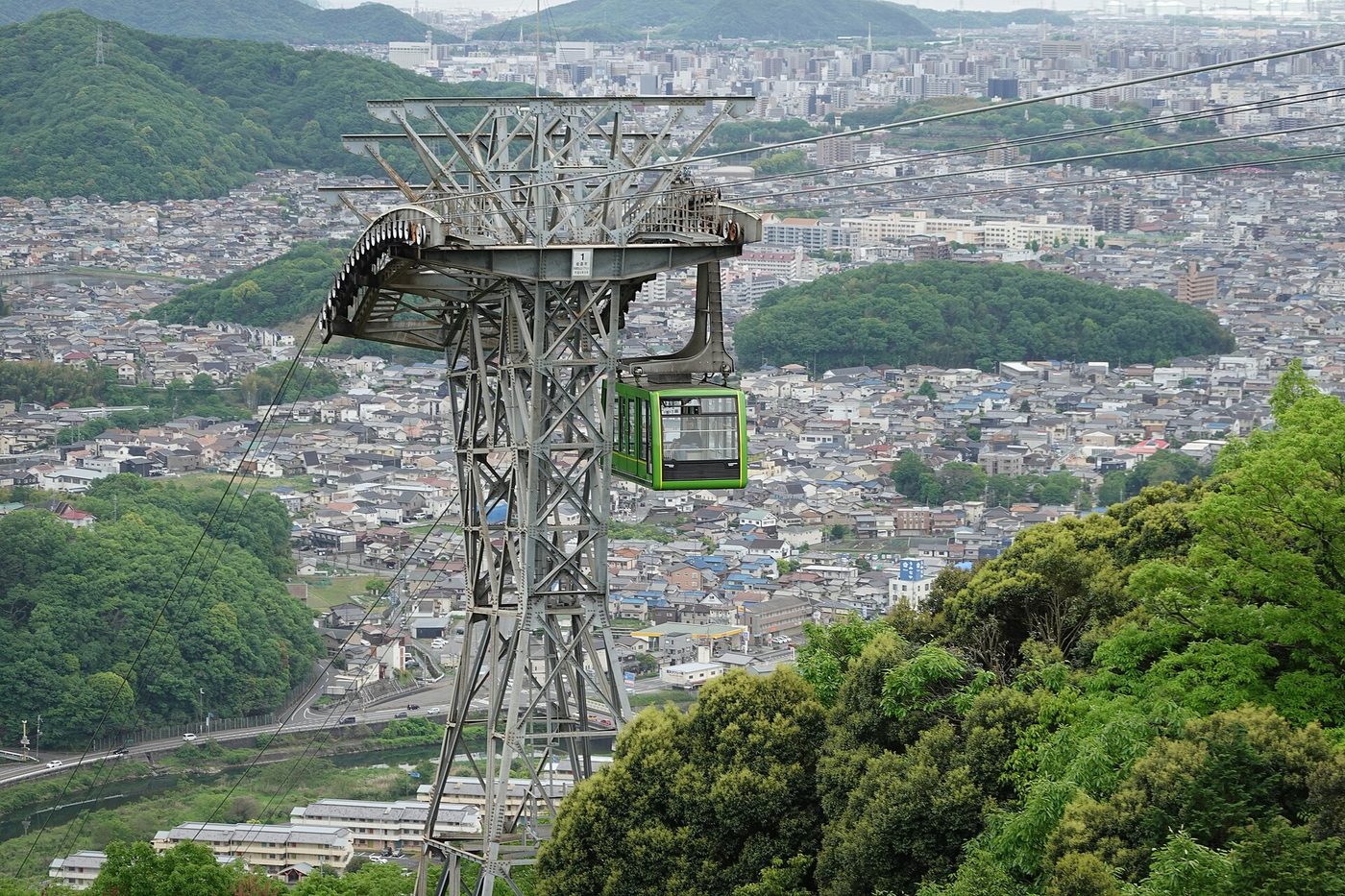
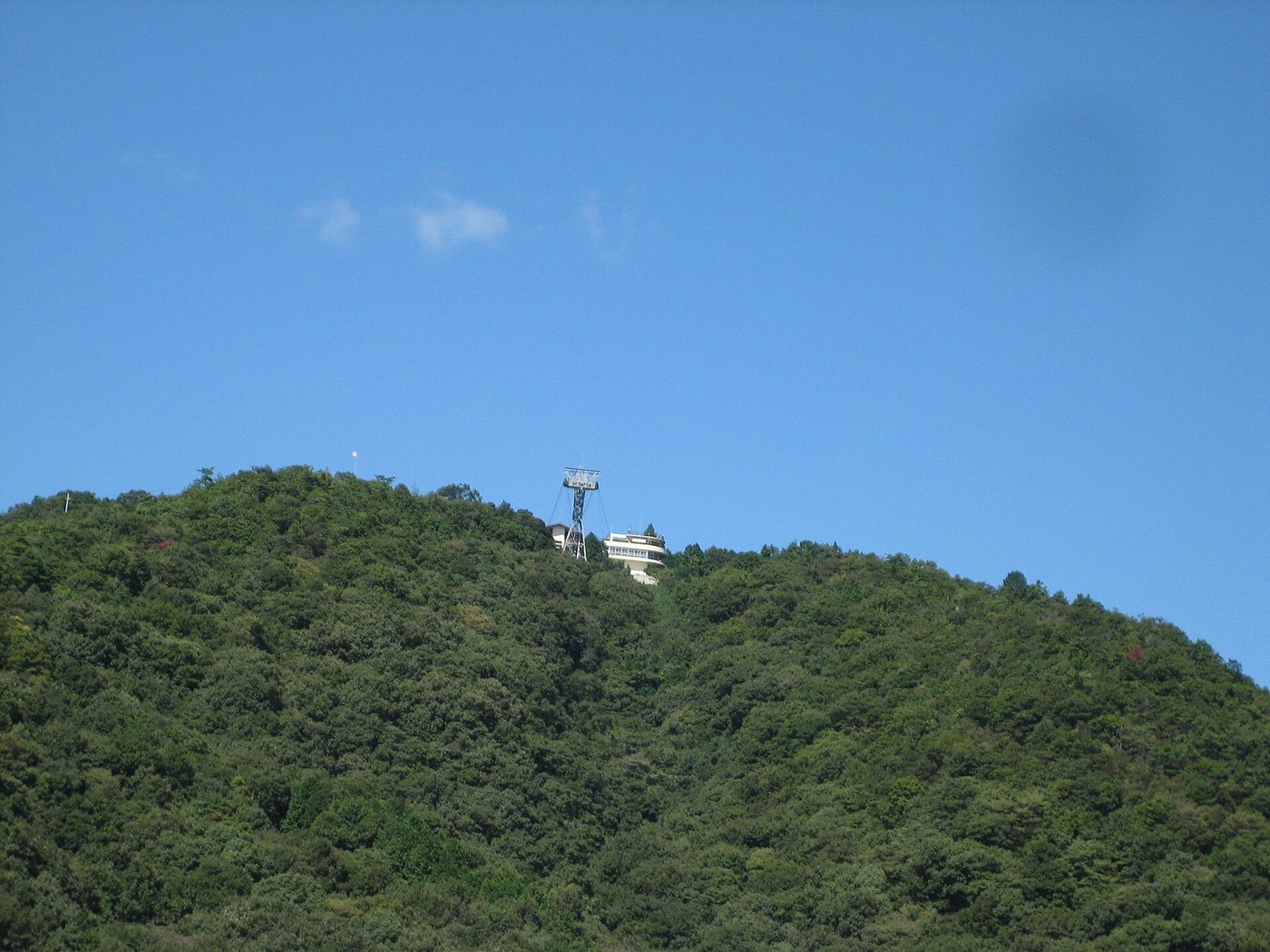
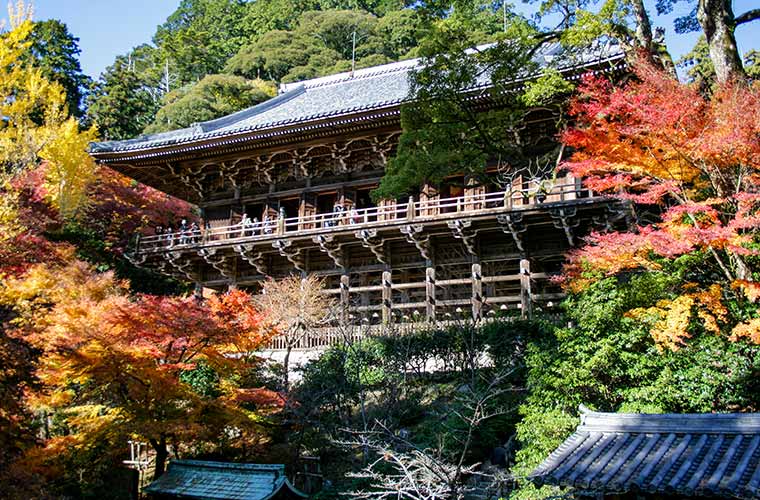
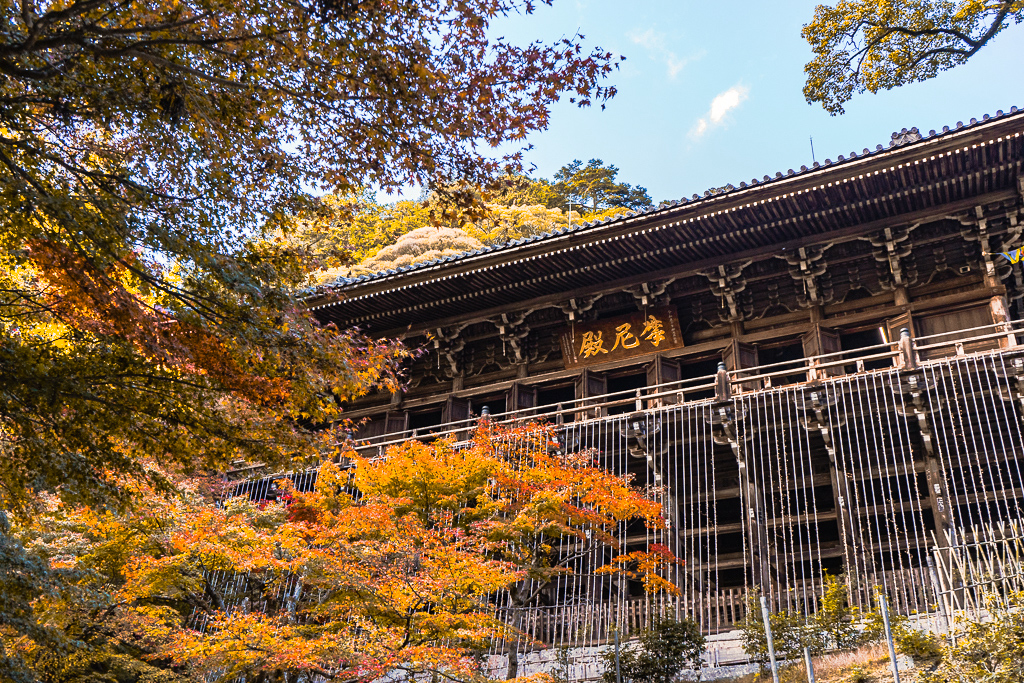
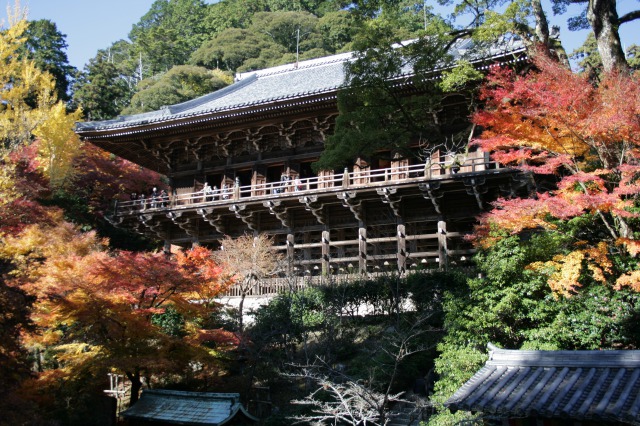
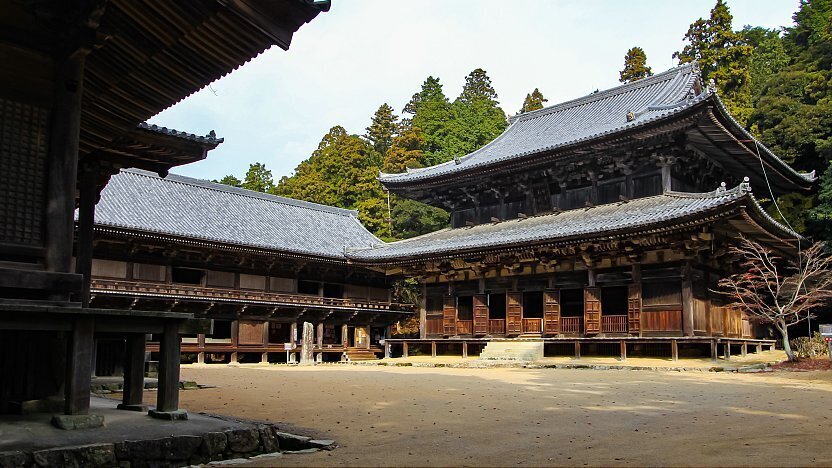
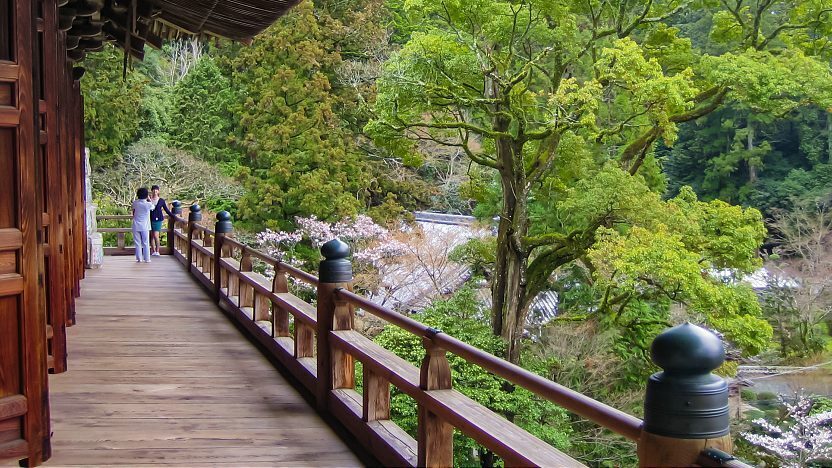
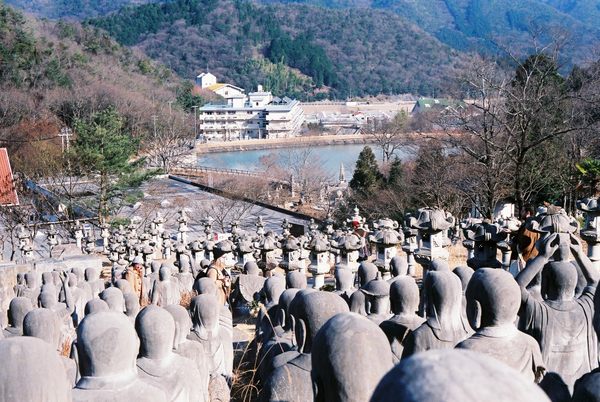
Ancient mountaintop temple complex reached by ropeway. Used as a filming location for 'The Last Samurai.' Over 1000 years old with stunning hilltop views. Allow 2-3 hours.

Beyond the main halls, walking trails wind deeper into the mountain. Ancient stone Buddhas hidden among trees. The further you walk, the fewer people you encounter.

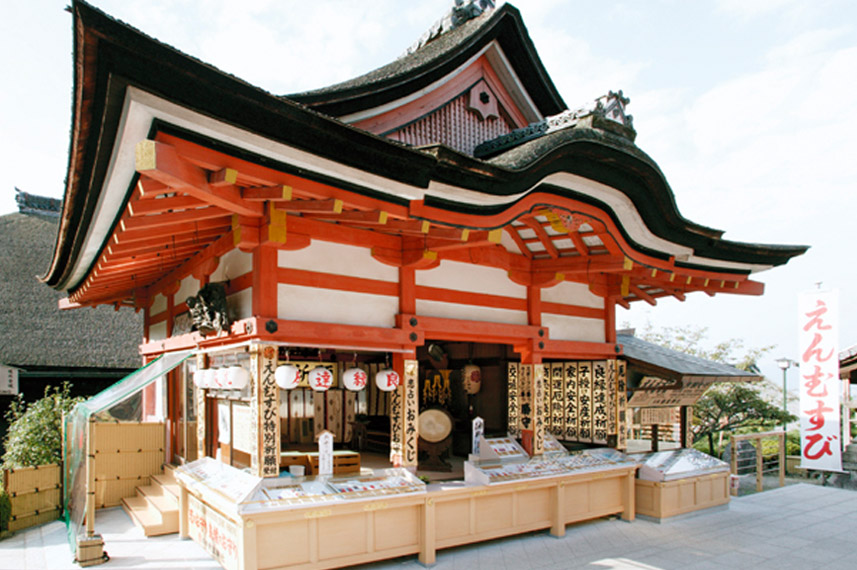
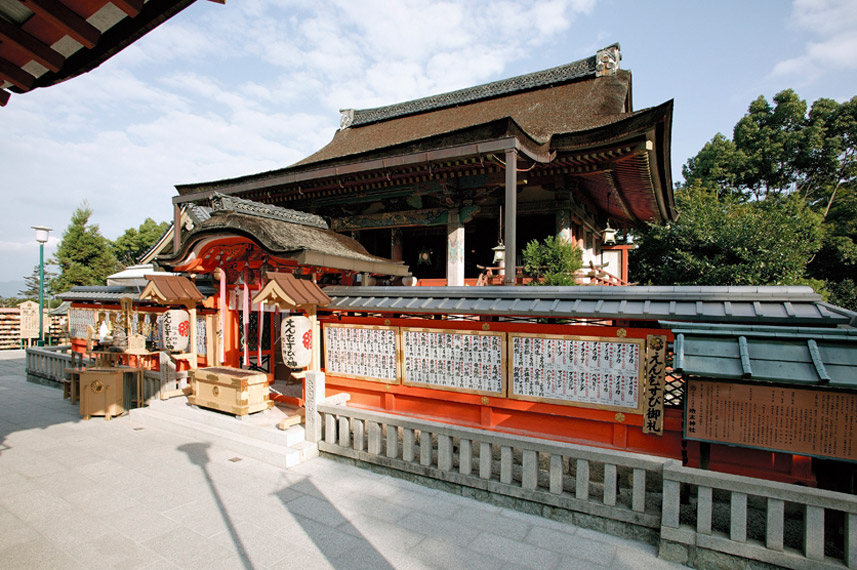
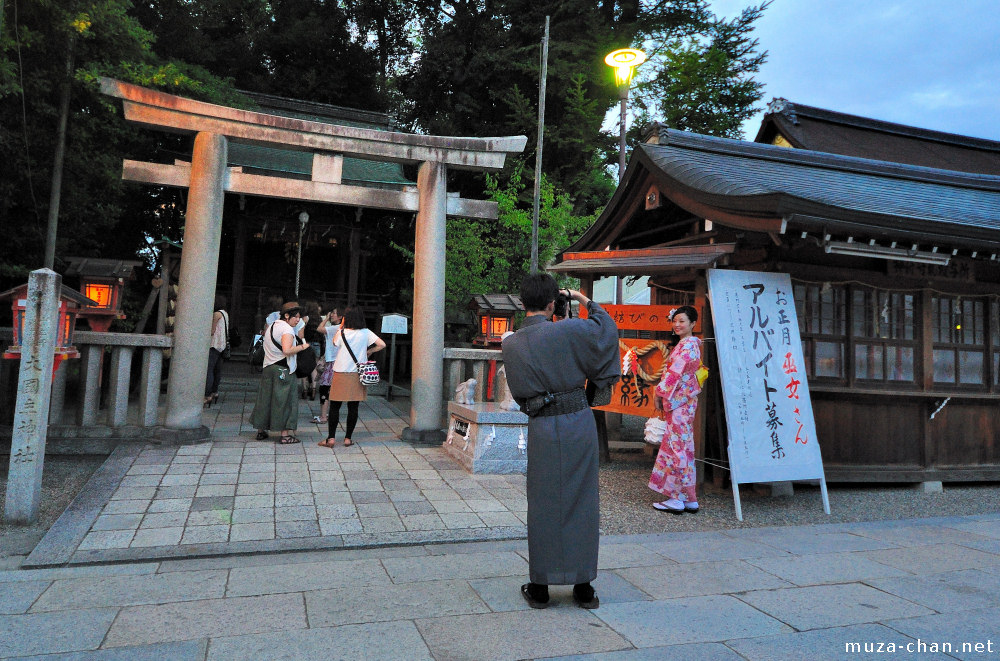
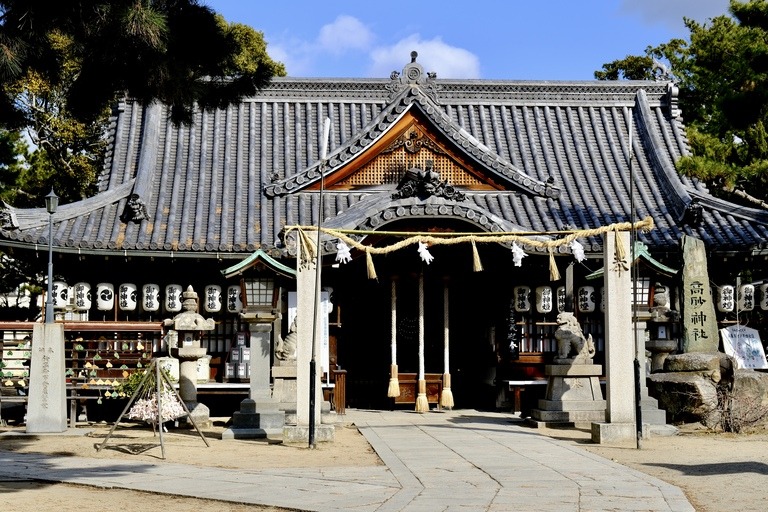
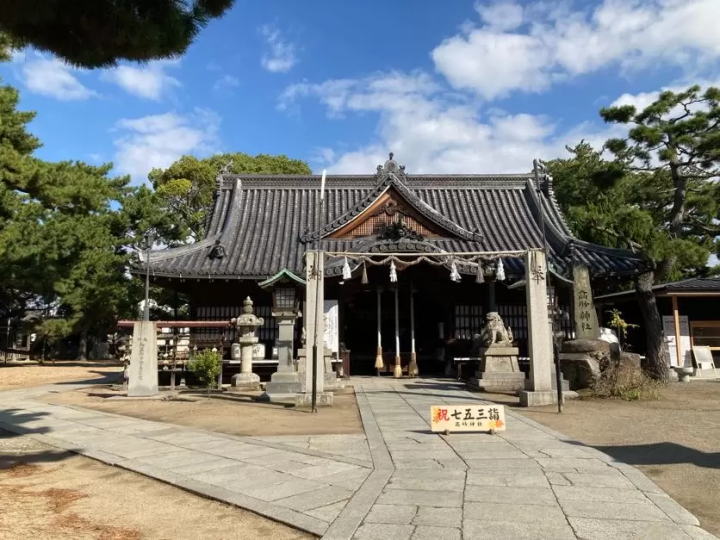
Small shrine near the castle dedicated to marriage and love connections. Popular with couples. Heart-shaped ema (prayer plaques) everywhere.

The grand boulevard to the castle, covered shopping arcades, and charming side streets.
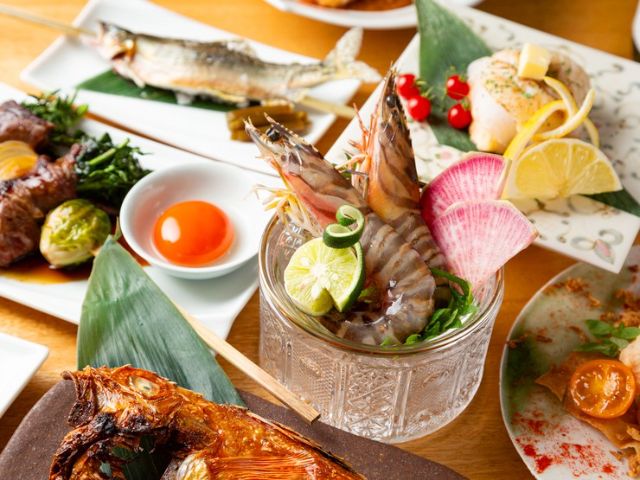
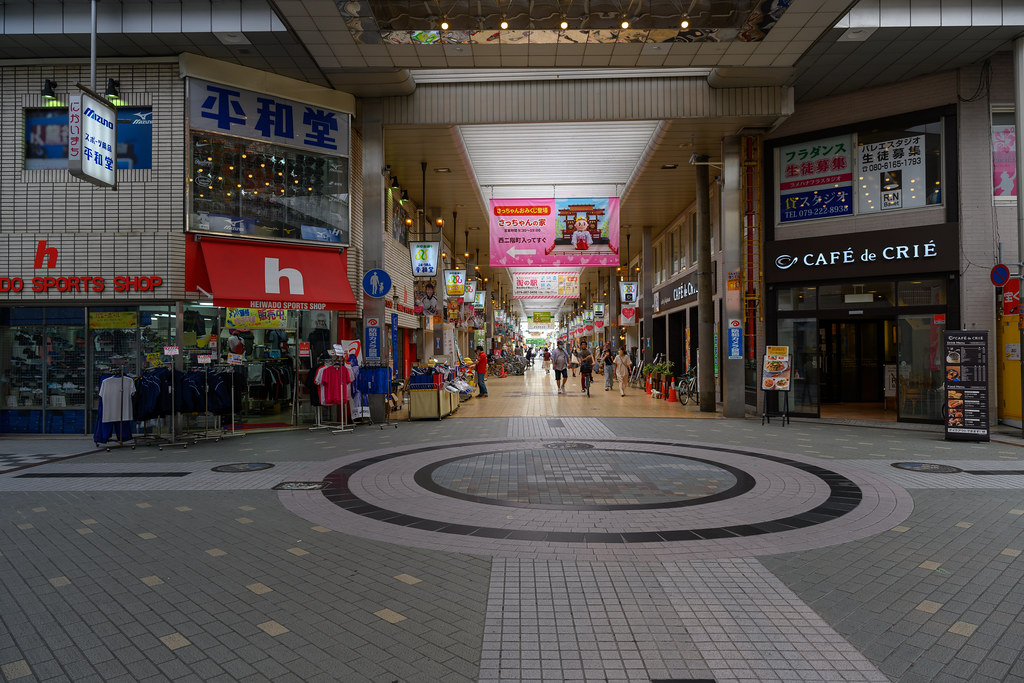
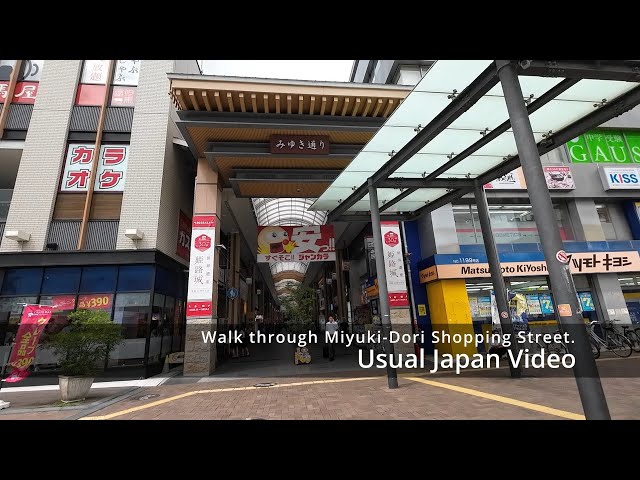
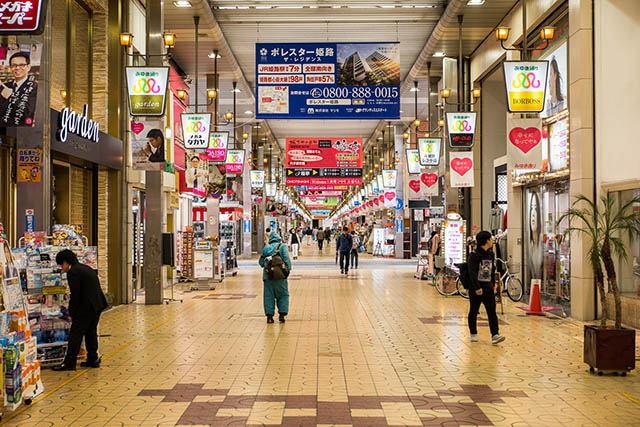
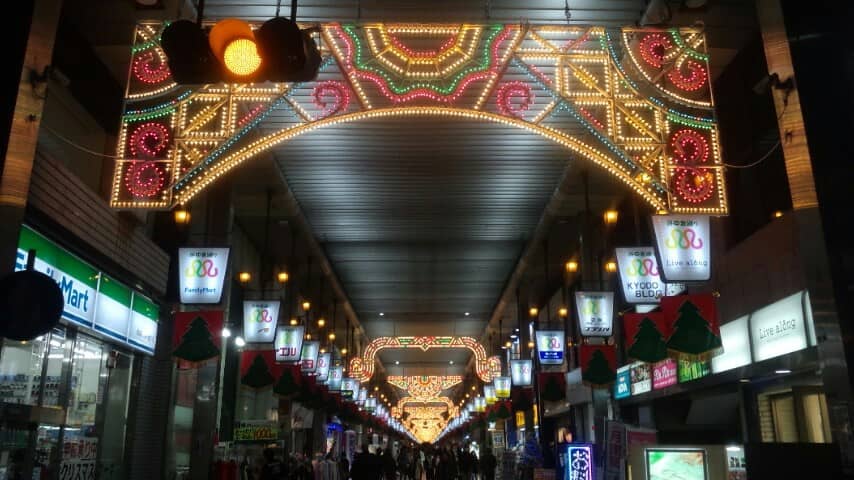
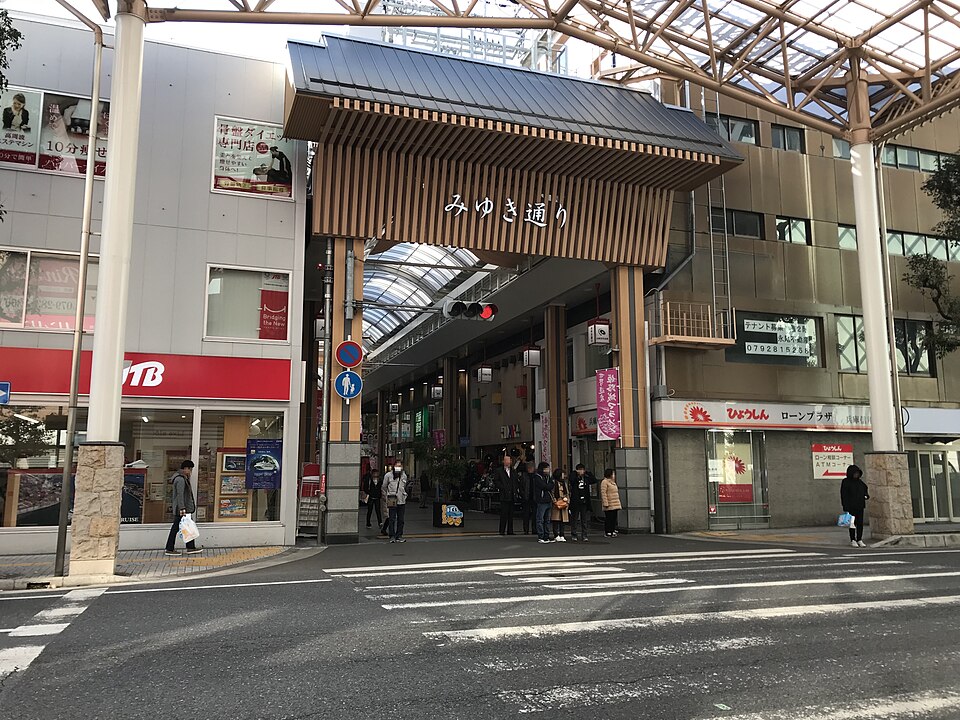
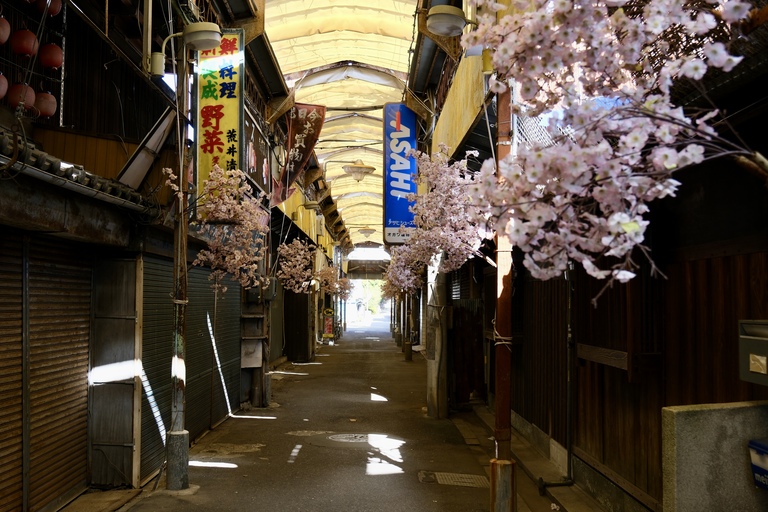
Main shopping street connecting Himeji Station to the castle. Covered arcade with shops, restaurants, and cafes. Perfect for the walk to and from the castle.
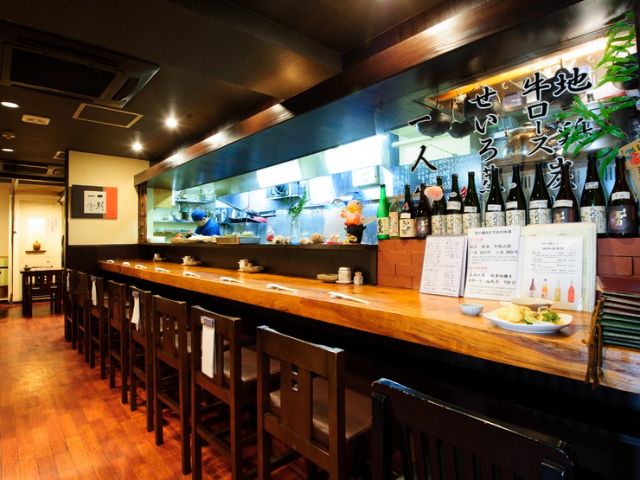
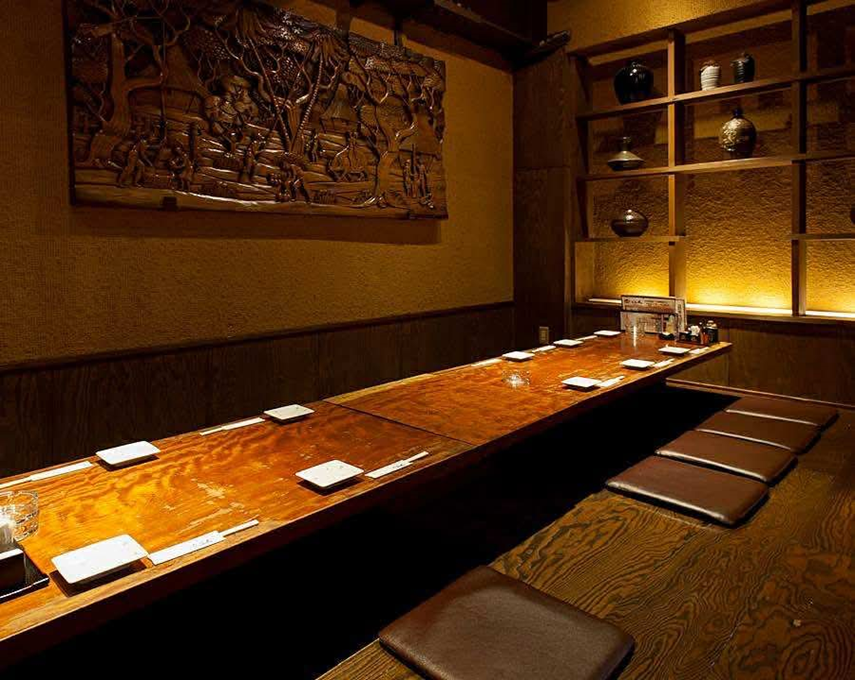
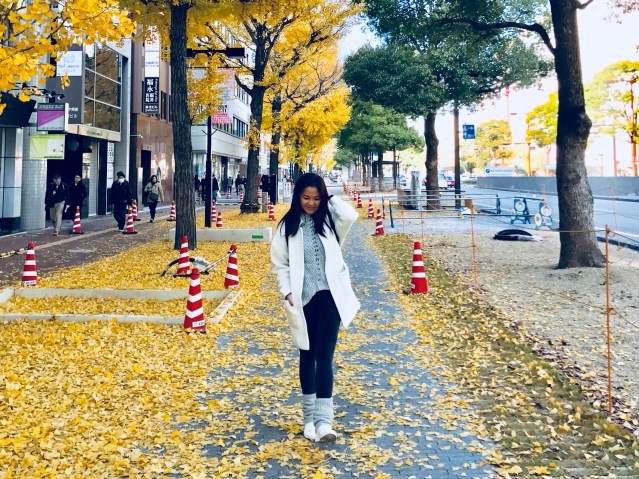
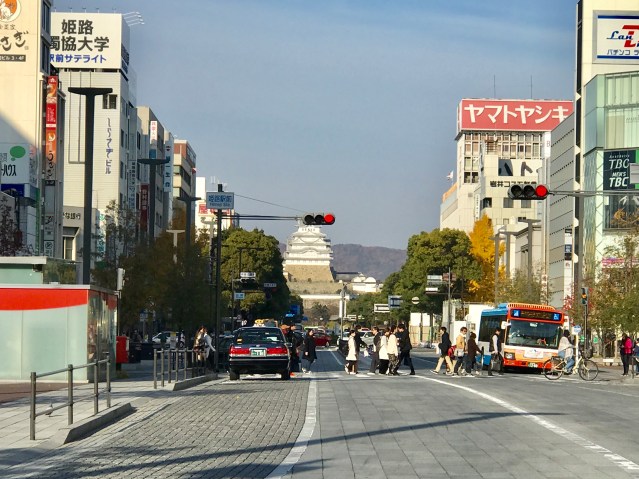
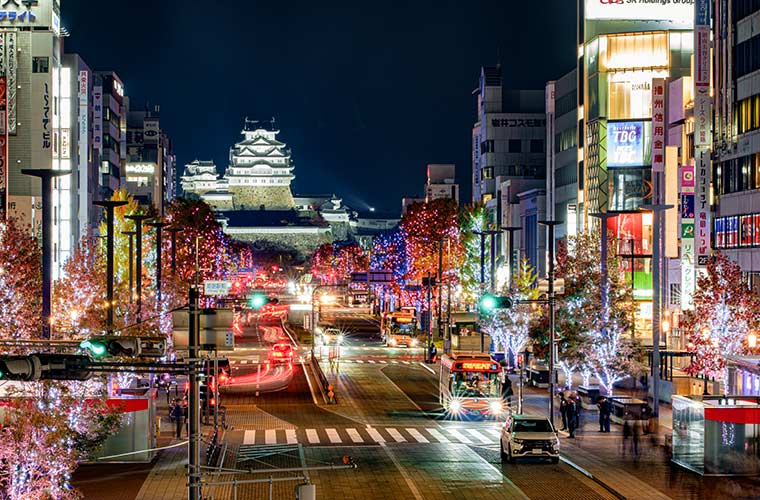
Wide boulevard from the station to the castle with unobstructed views. Lined with ginkgo trees that turn golden in autumn. The castle framed at the end is iconic.

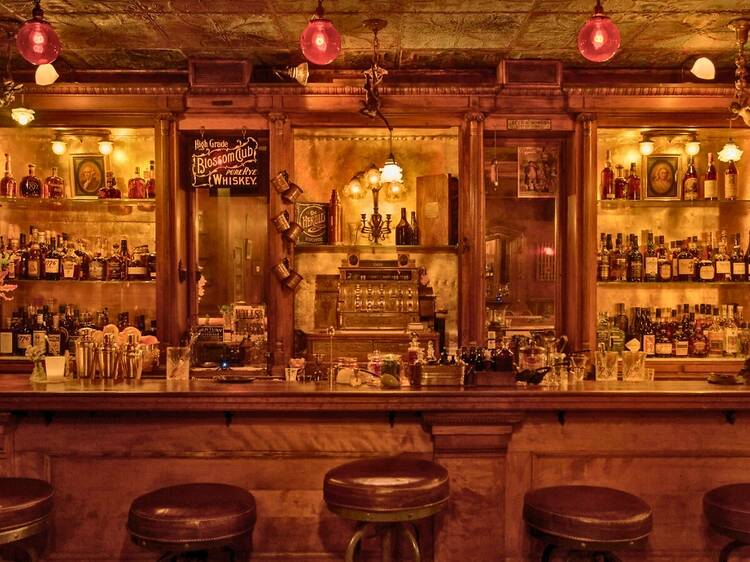
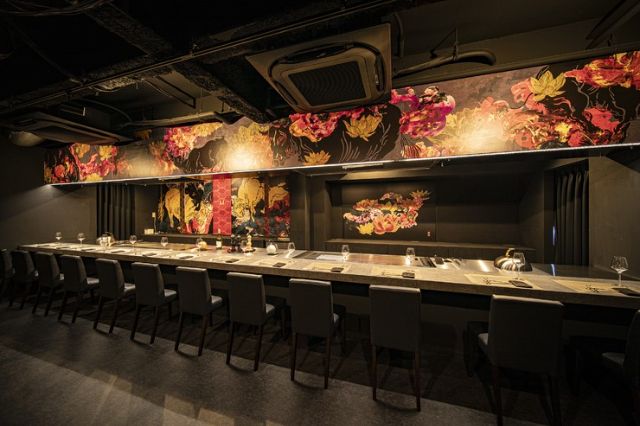
Intimate cocktail bar near the station. Classic cocktails mixed with precision. The bartender's knowledge of whisky is deep. Quiet atmosphere for savoring drinks.

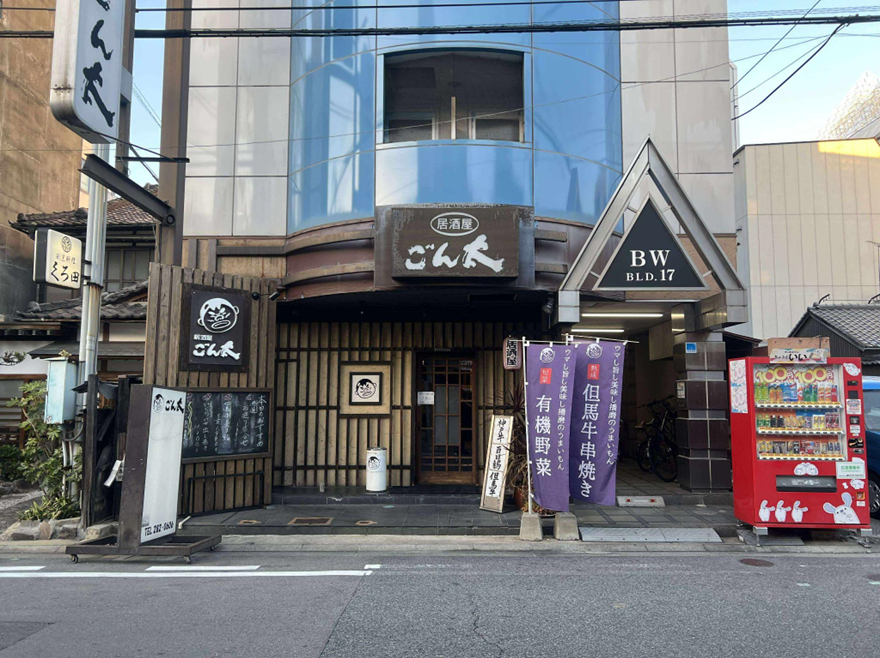
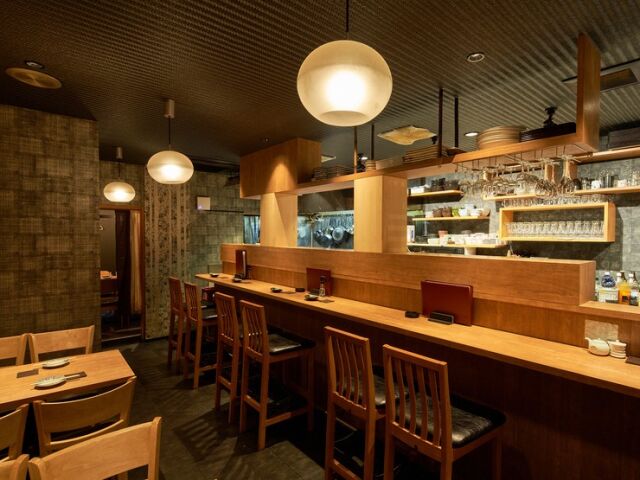
Dense cluster of izakayas and small bars in the streets south of Himeji Station. Much more affordable than big city nightlife. Try local Harima sake and anago dishes.

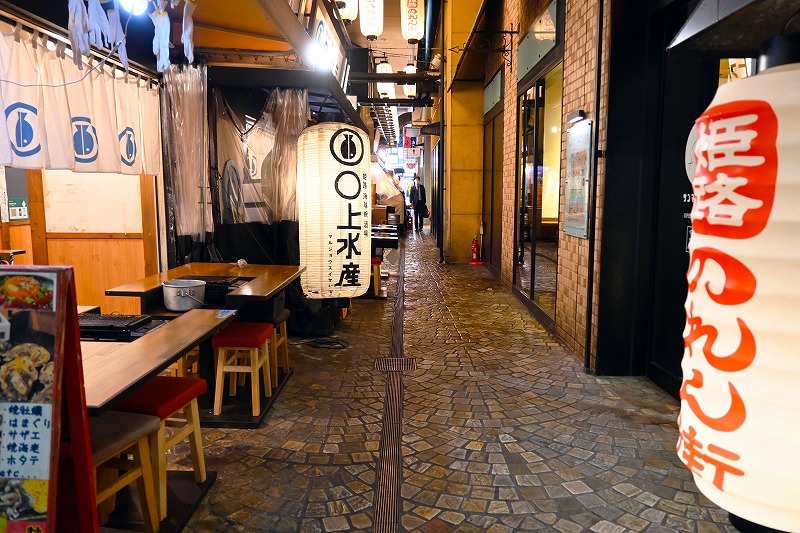
Retro food alley near the station. Tiny yakitori shops, oden stands, and standing bars. The post-work atmosphere is lively and authentic.

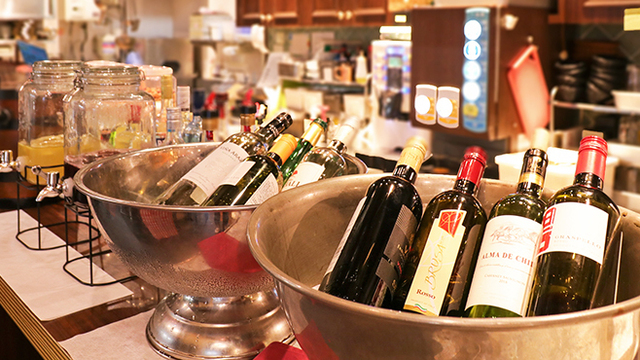
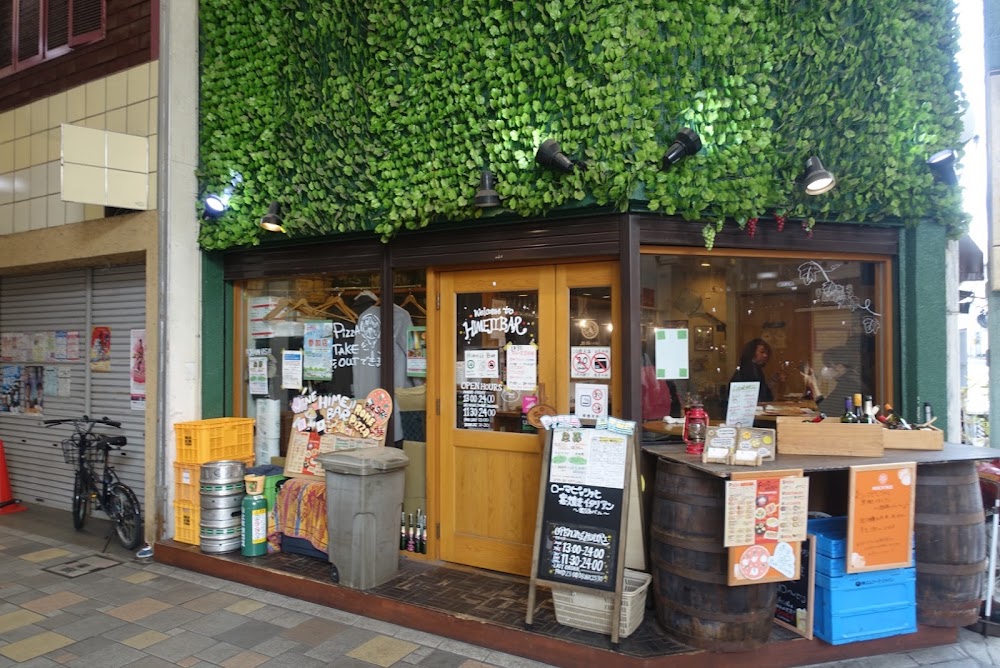
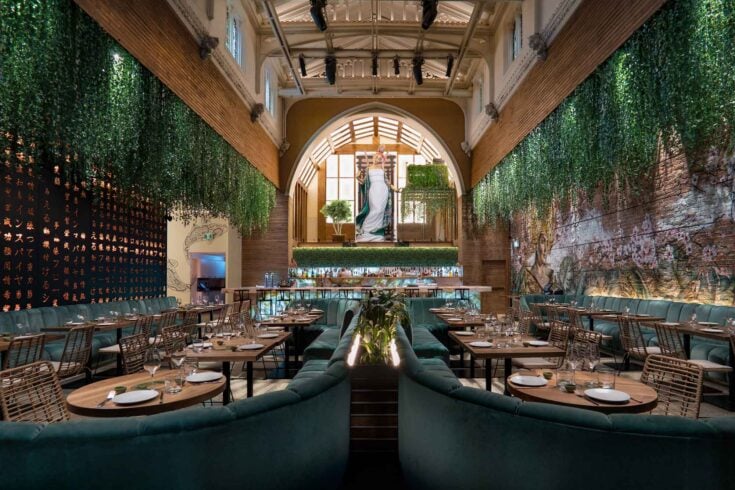
Cozy wine bar with a good selection of Japanese wines alongside French and Italian. The Harima region produces surprisingly good wine from local grapes.

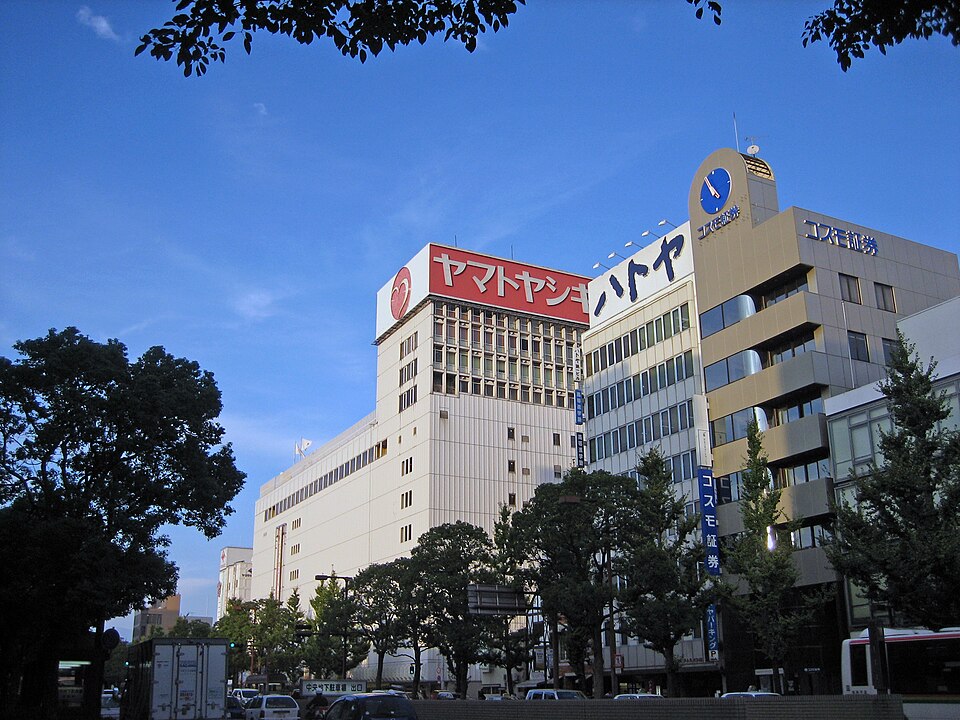
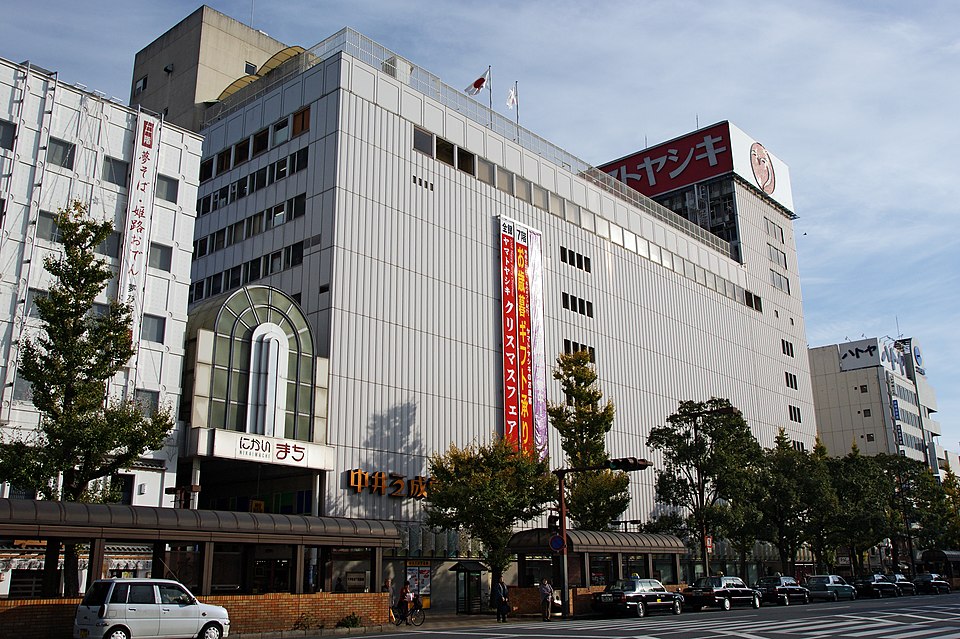
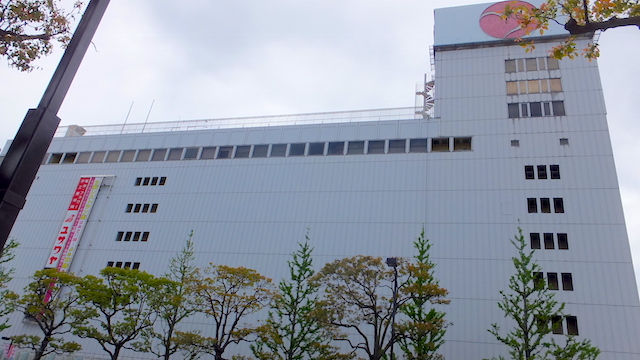
Traditional department store south of the station. The basement food floor has excellent Harima region specialties. Good for omiyage (gifts).

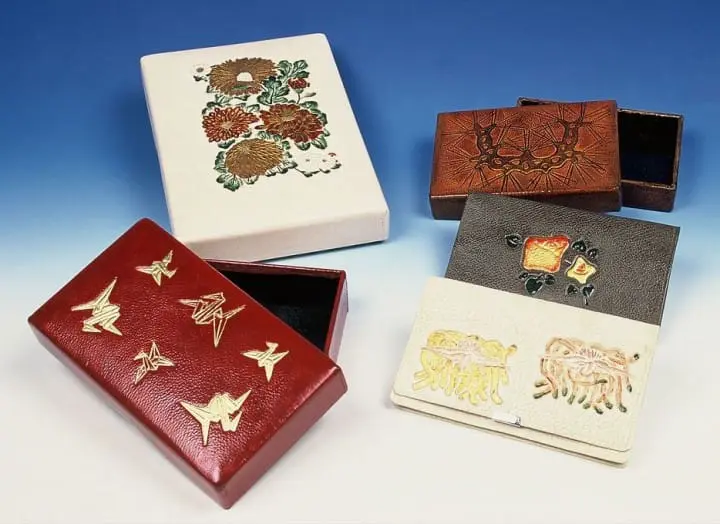
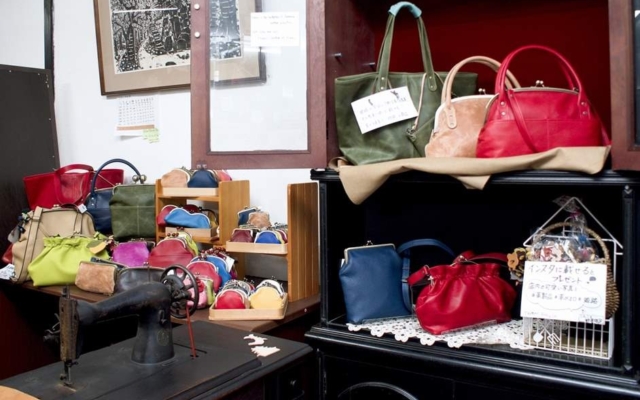
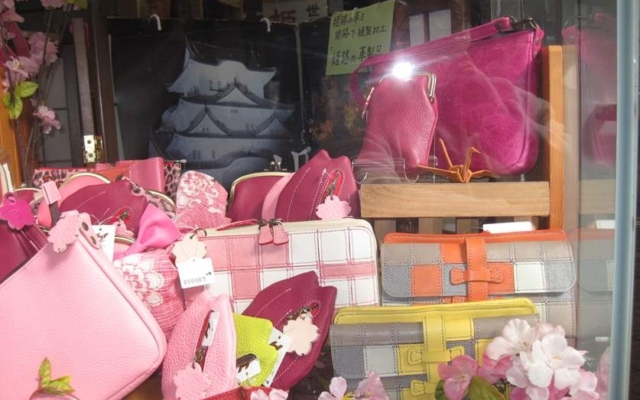
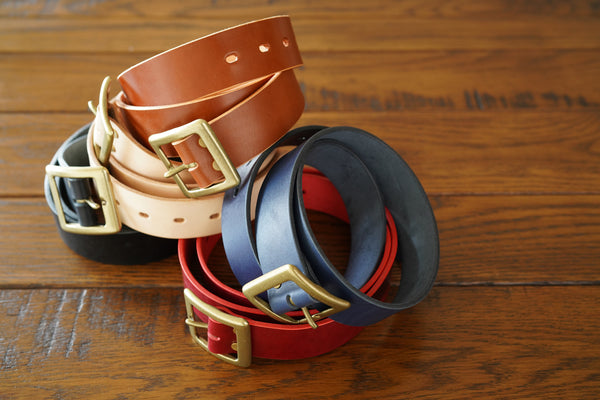
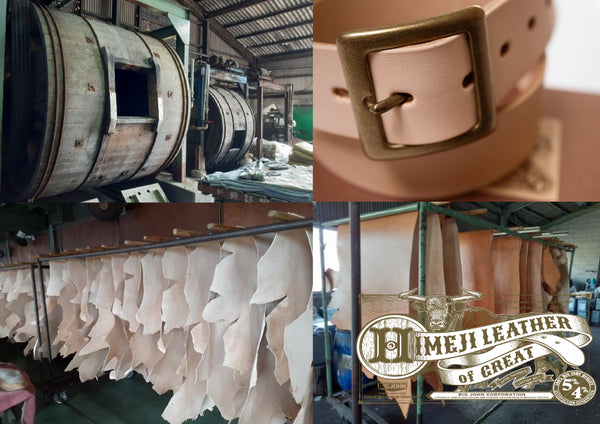
Himeji is quietly one of Japan's largest leather tanning regions. Several workshops sell handmade leather goods at factory prices. Wallets and bags are popular buys.
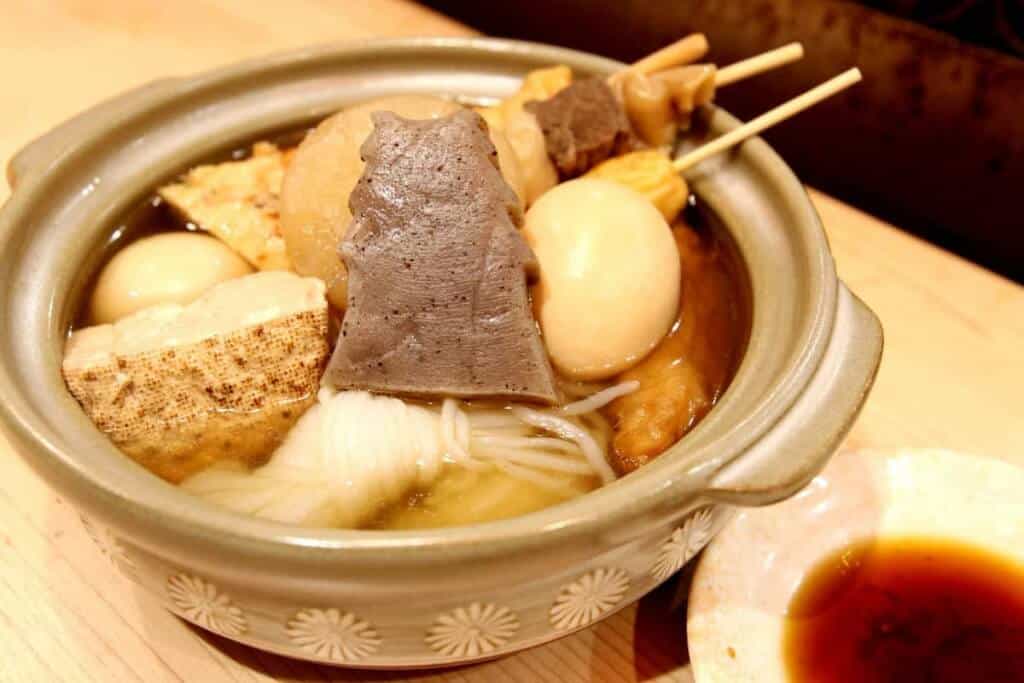
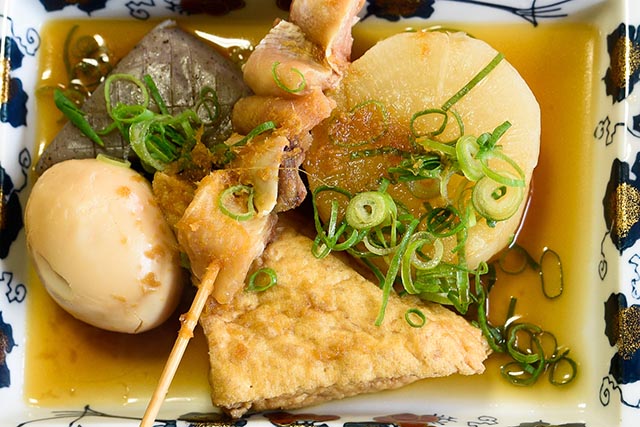
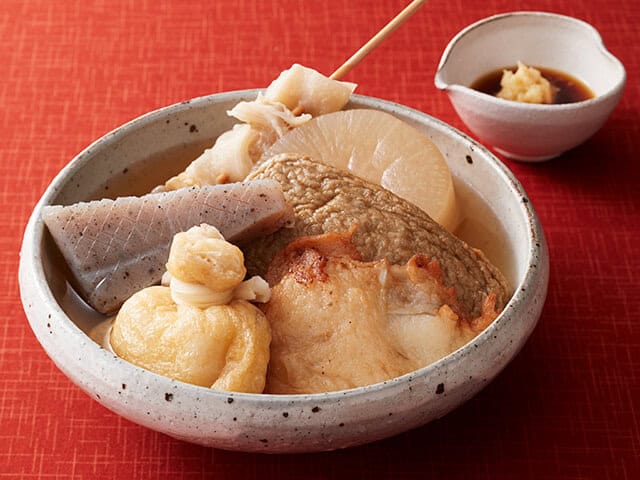
Ginger soy oden, fresh conger eel from the Inland Sea, and legendary almond toast.

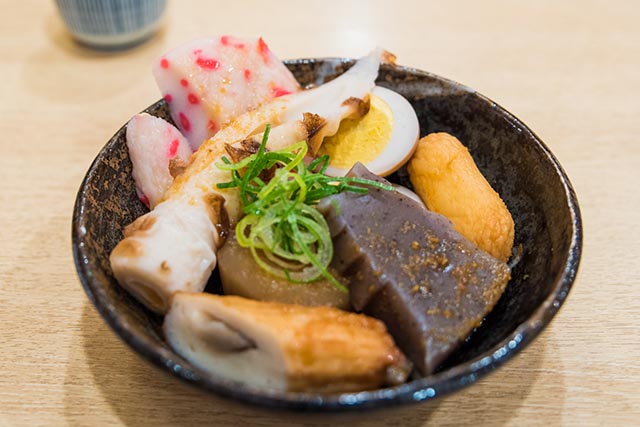
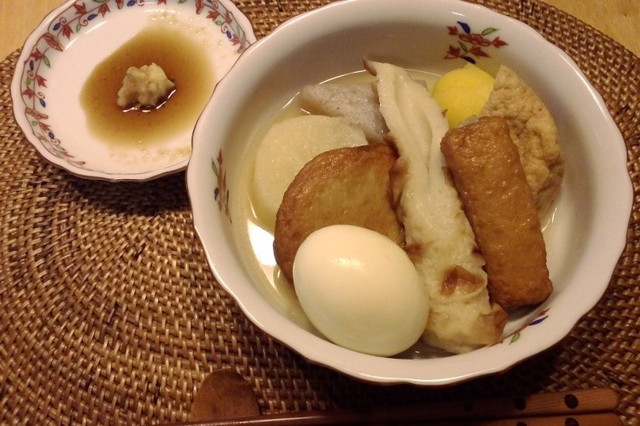
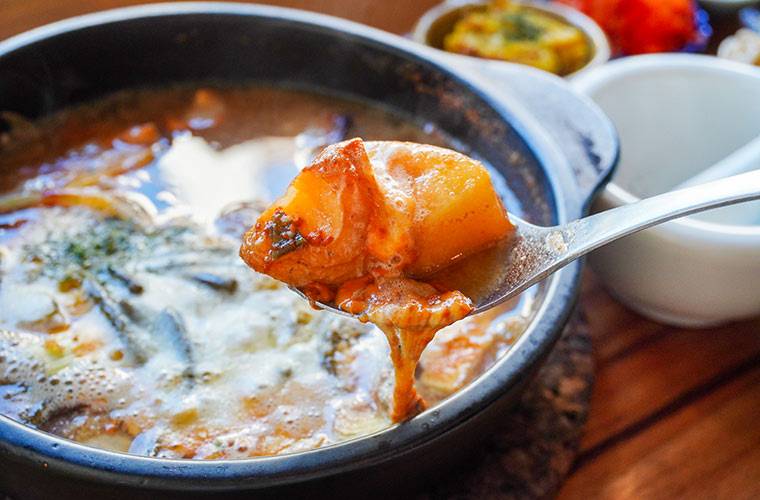
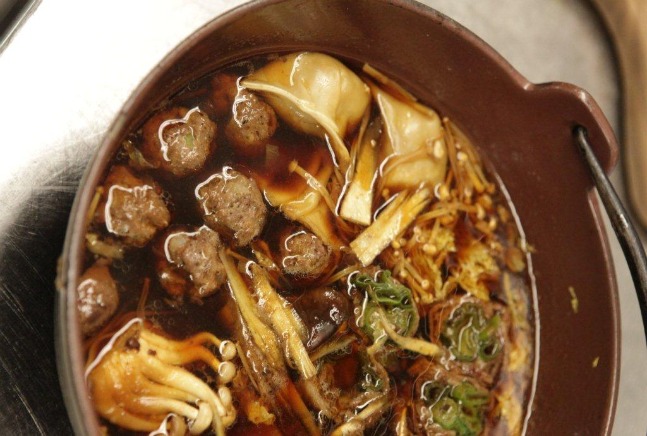
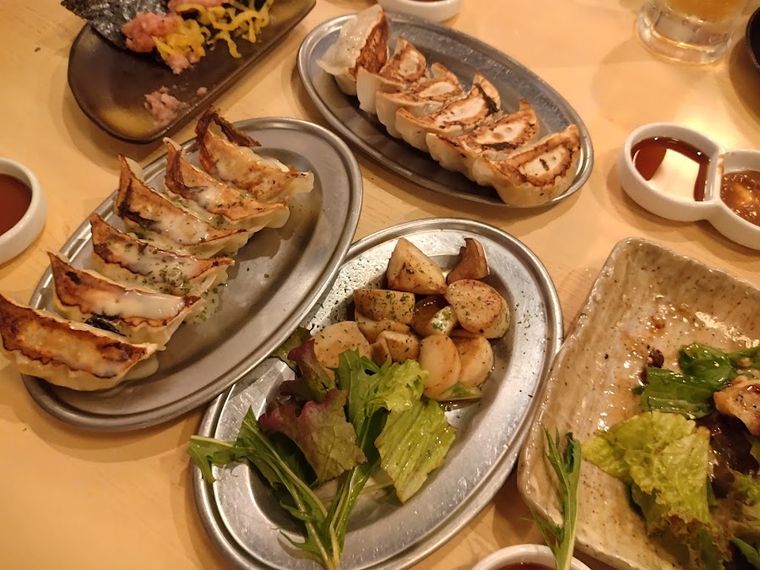
Himeji's signature dish. Oden (stewed vegetables, fishcake, tofu) served with a unique ginger soy sauce instead of the usual karashi mustard. Available throughout the city.

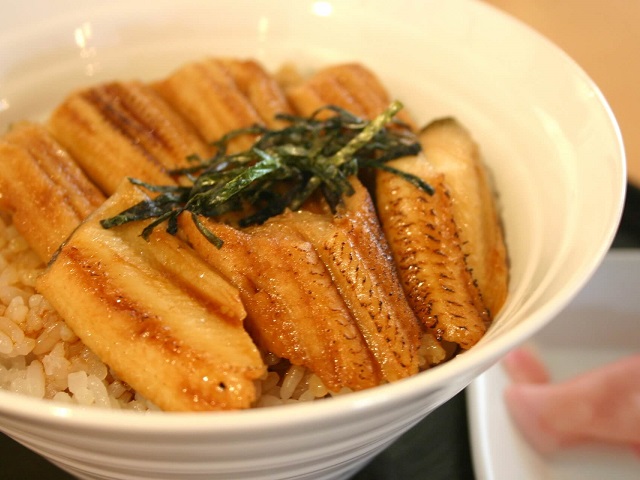
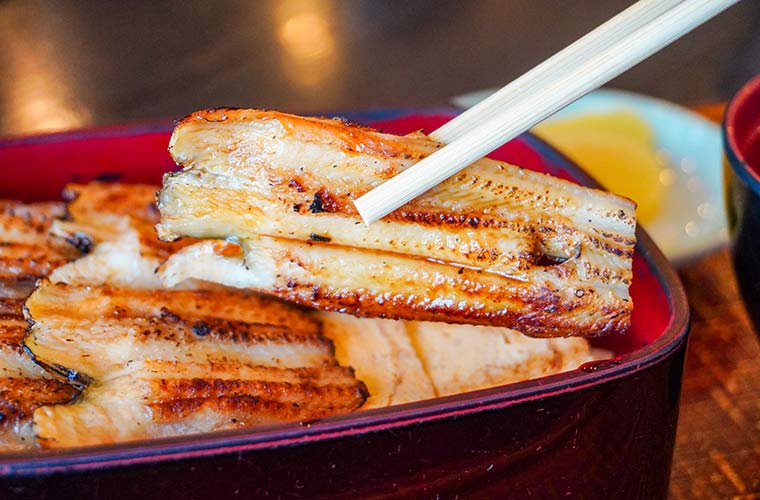
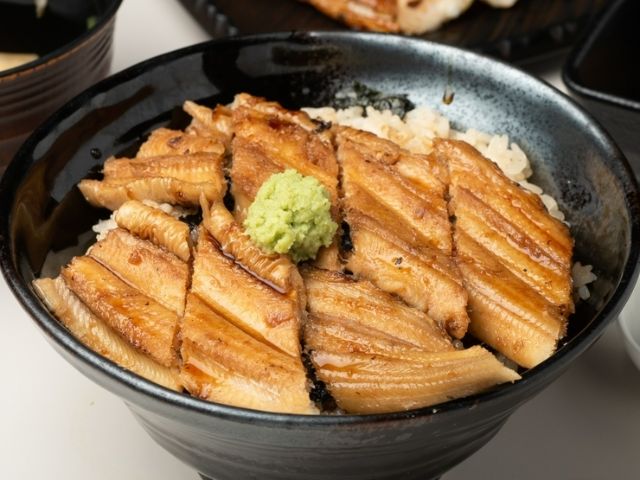
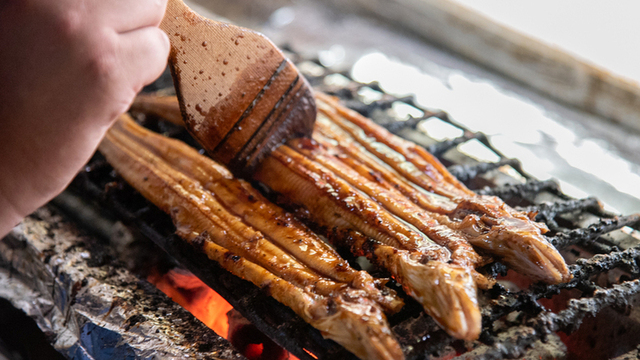
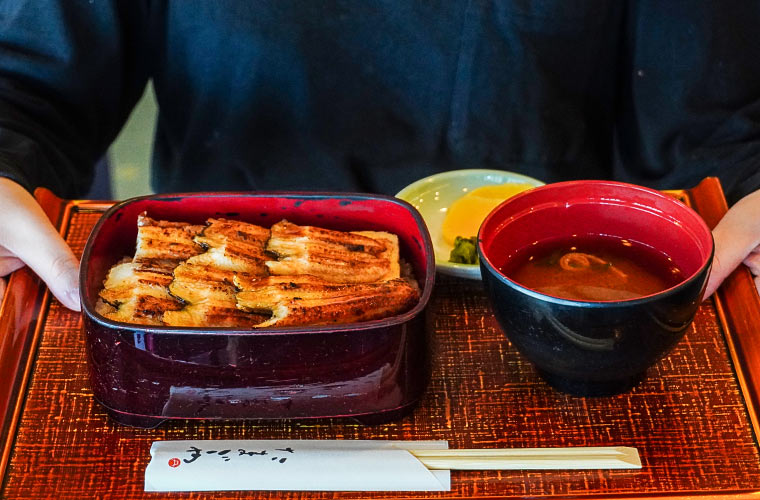
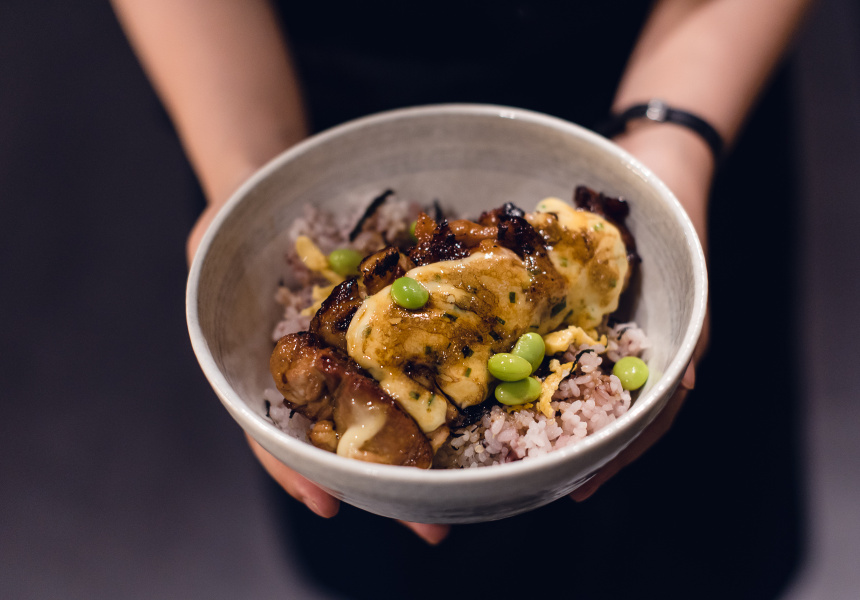
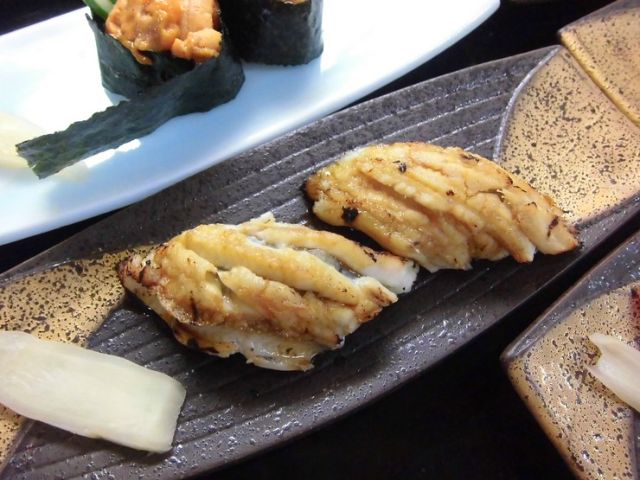
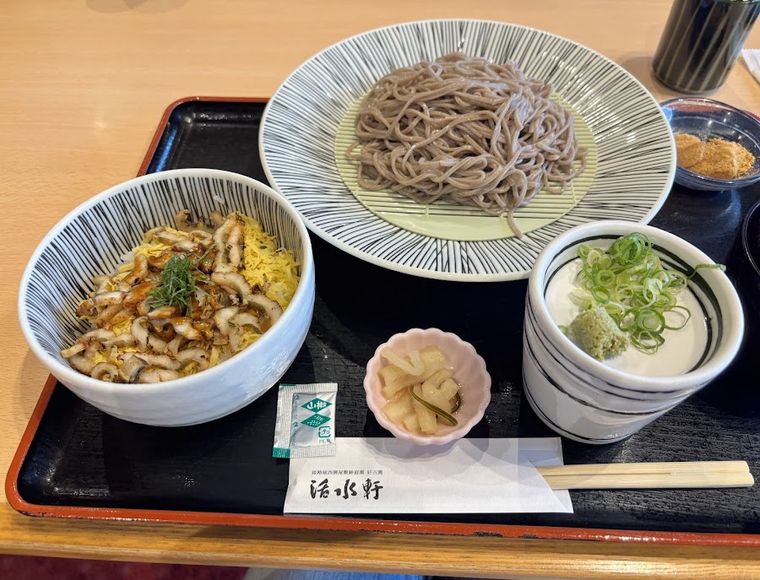
The Seto Inland Sea provides excellent anago (conger eel). Served grilled (shirayaki) or simmered (nitsuke) over rice in lacquered boxes. Several specialty restaurants near the station.

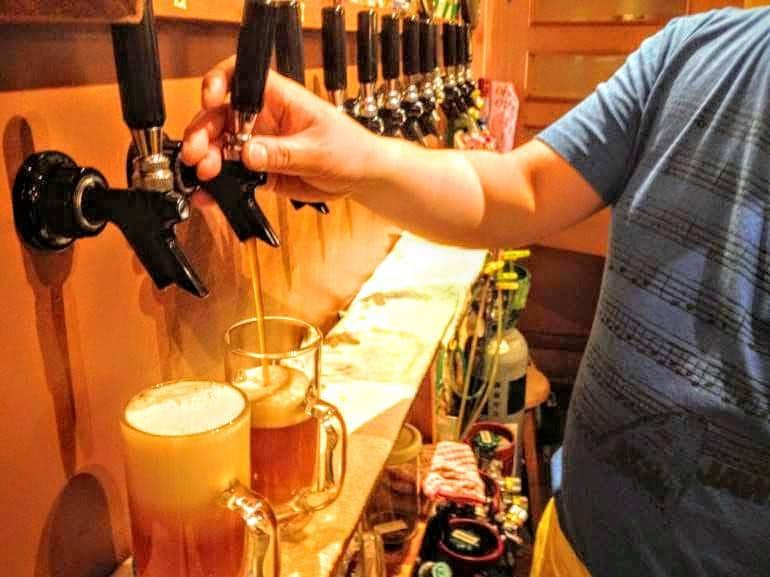
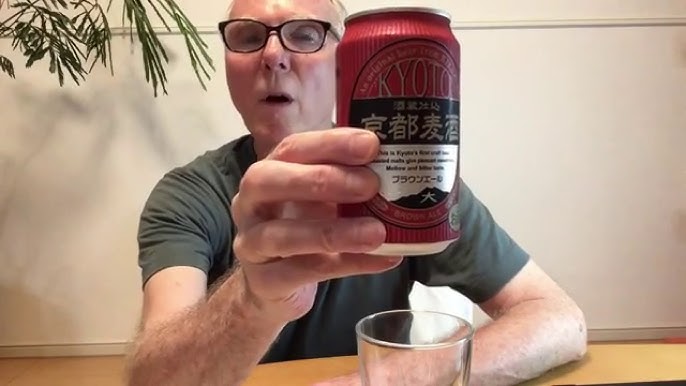
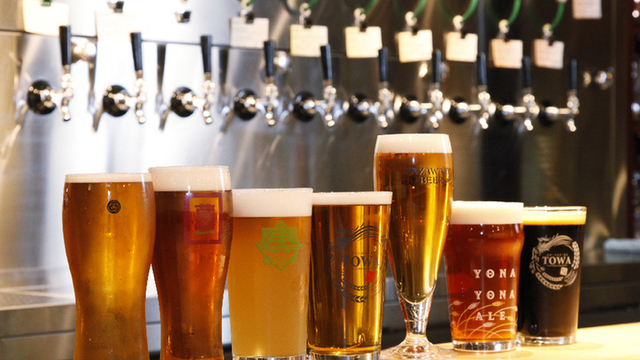
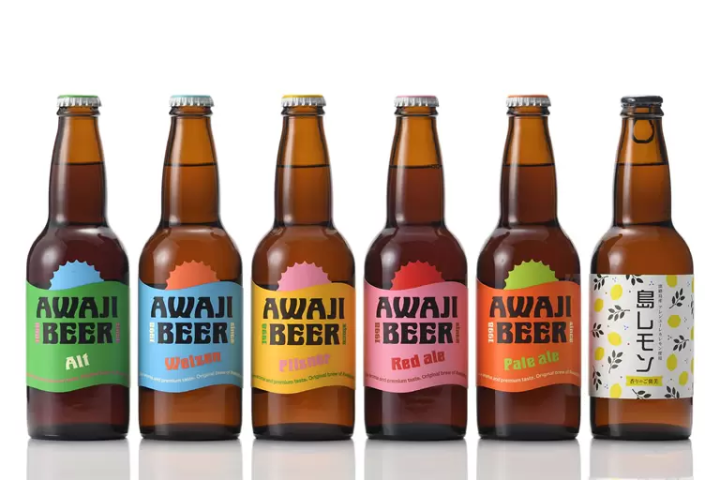
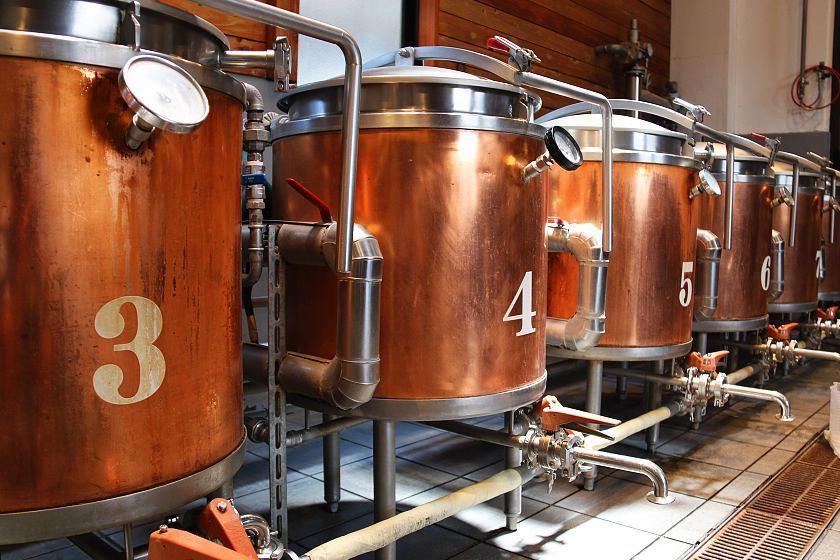
Local craft beer taproom near the castle. Serves ales brewed with Himeji's mountain spring water. The rooftop terrace has castle views while you drink.

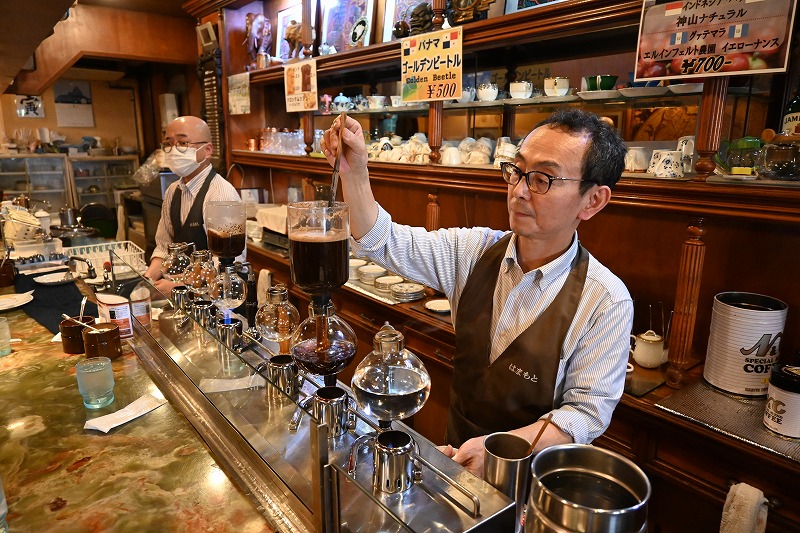
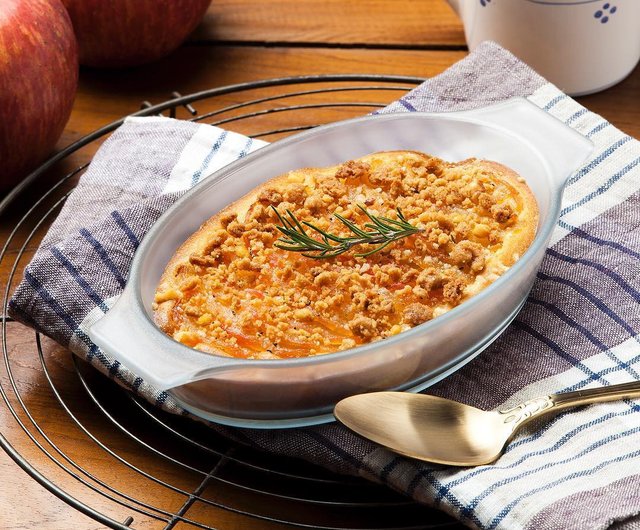
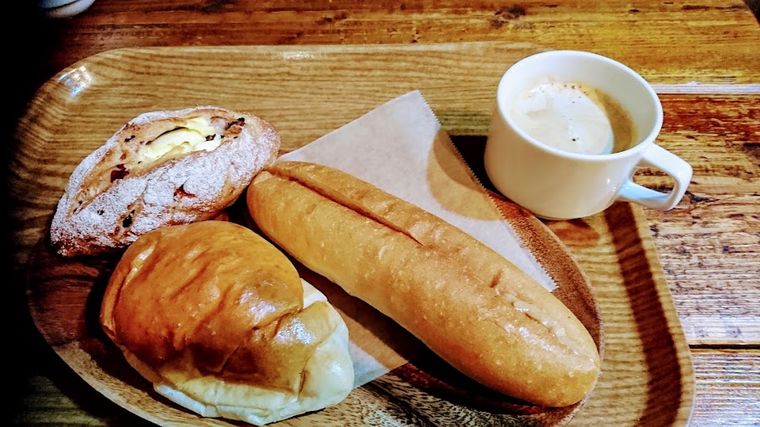
Famous for Himeji's take on almond toast. Thick-cut toast topped with almond cream butter. A local cafe tradition since the 1960s. Multiple locations.

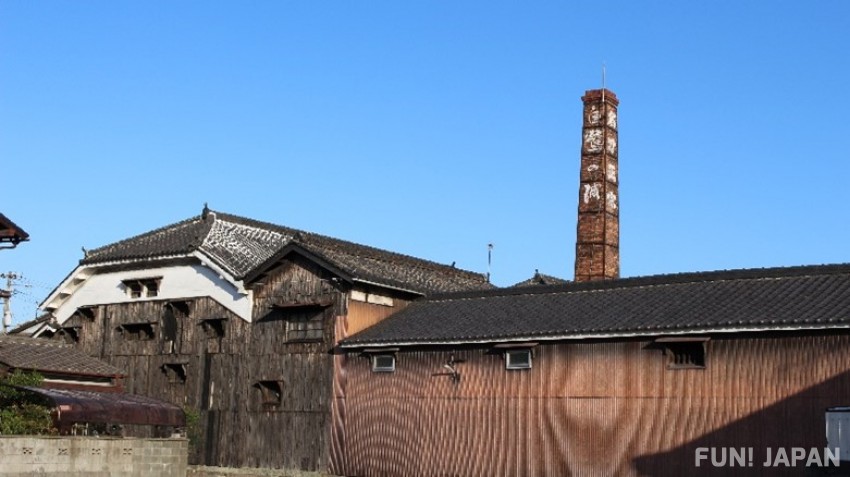
Local sake breweries using mountain spring water. Several offer free tours and tastings. Nadagiku and Tatsuriki are the most famous brands.

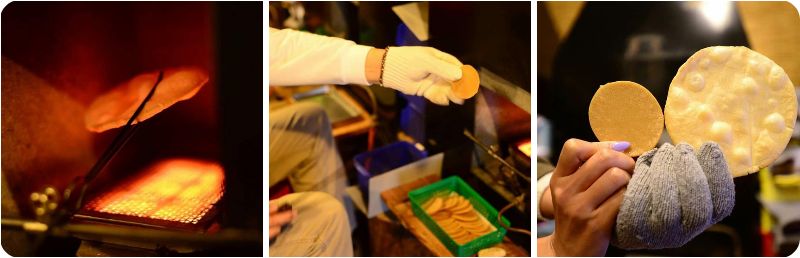
Traditional rice crackers made with Harima region rice. Himeji's most famous souvenir snack. Several sellers along Miyuki-dori between the station and castle.

Skewered dango (rice dumplings) available at shops near the castle entrance. The matcha and mitarashi (sweet soy) flavors pair perfectly with castle-viewing.

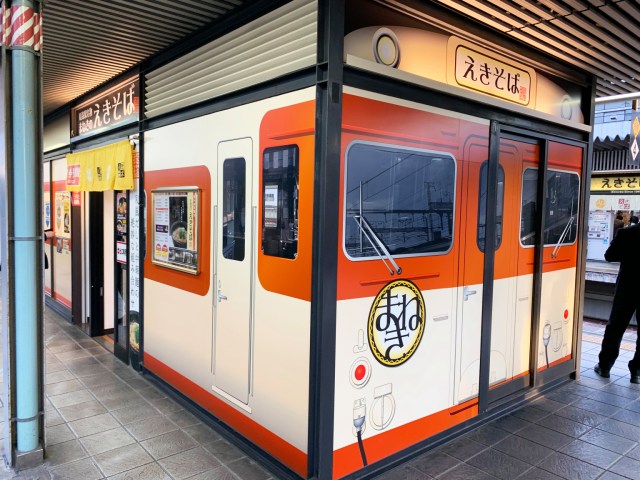
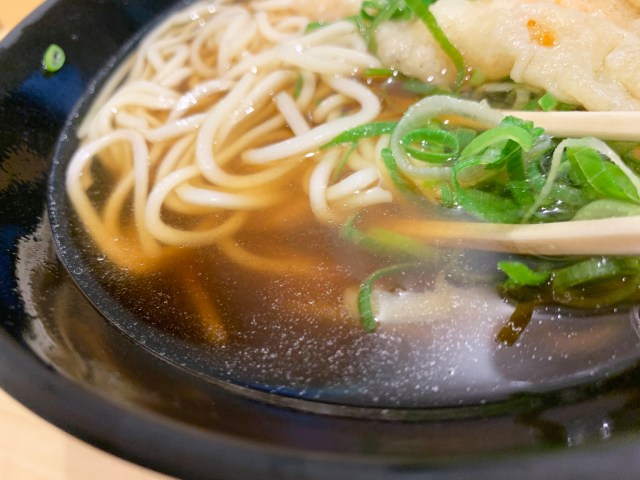
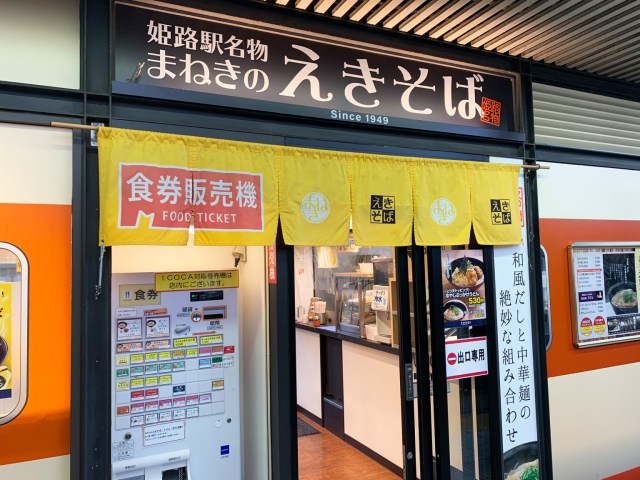
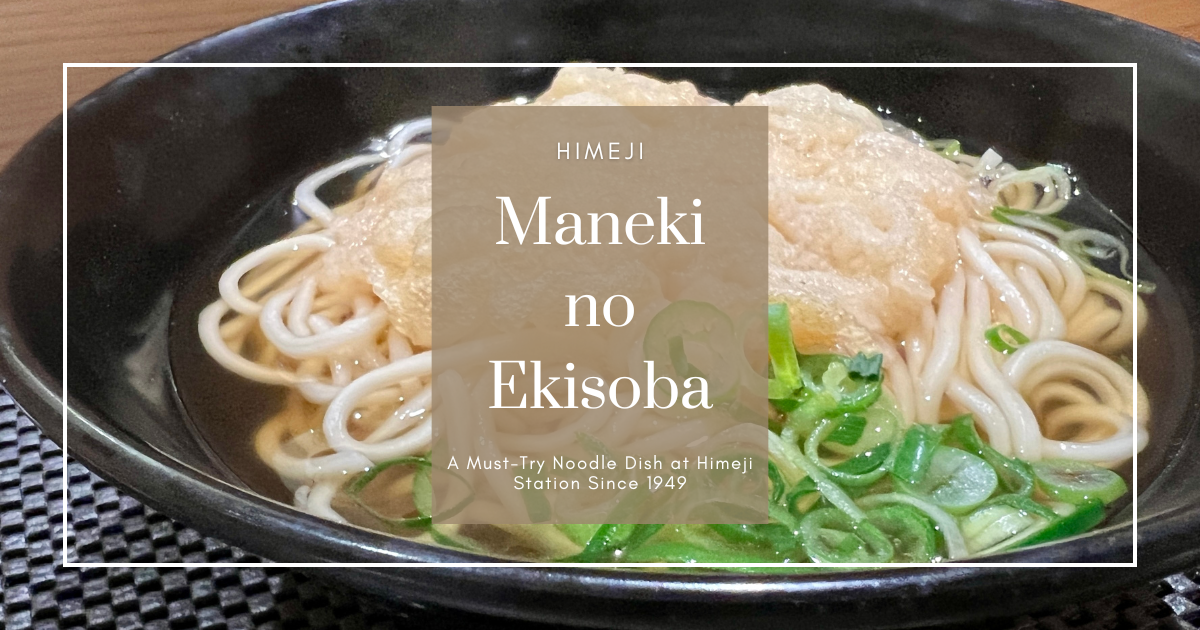
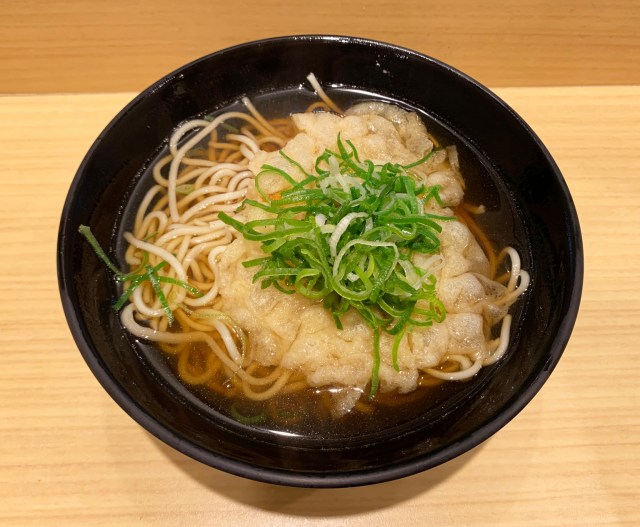
Legendary platform soba at JR Himeji Station. Unique for using Chinese-style noodles instead of buckwheat in the dashi broth. Cheap, fast, and beloved. Must-try.

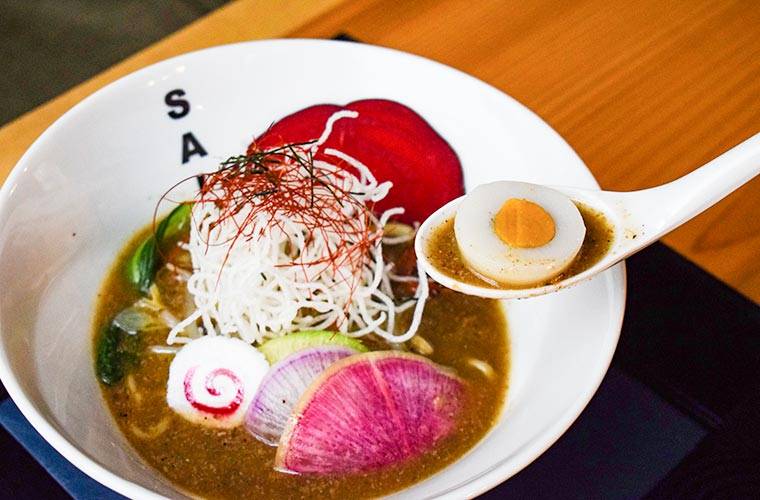
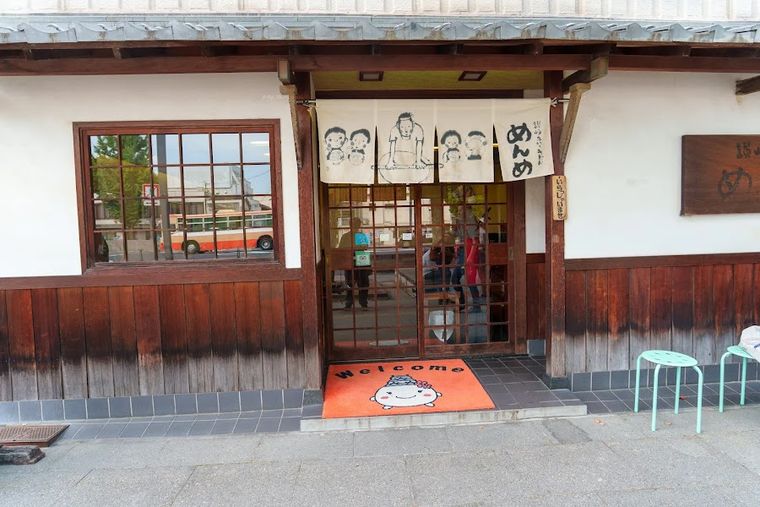
Unusual local ramen where you add vinegar to the soy-based broth. It sounds strange but works brilliantly. Creates a lighter, tangier ramen. Available at several shops.

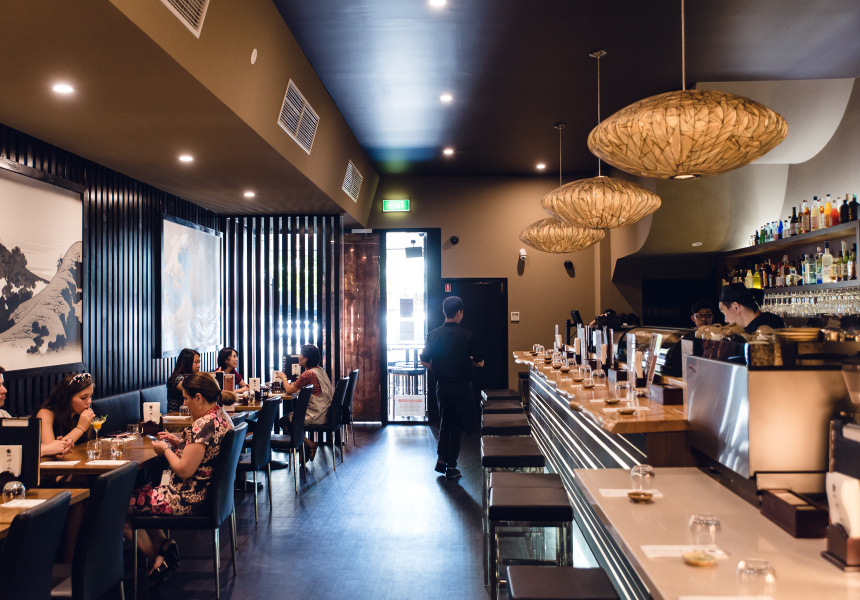
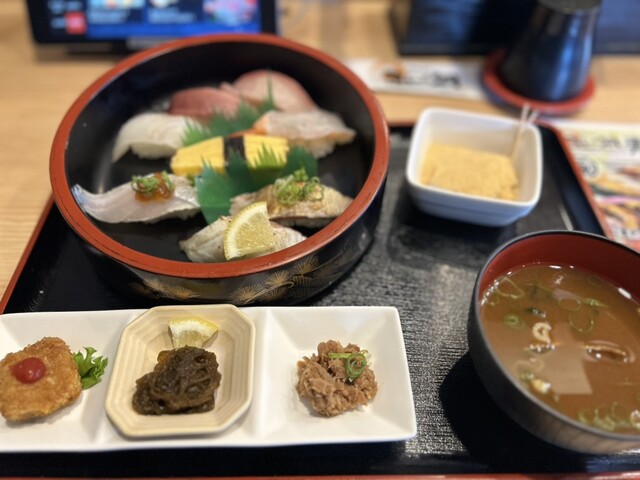
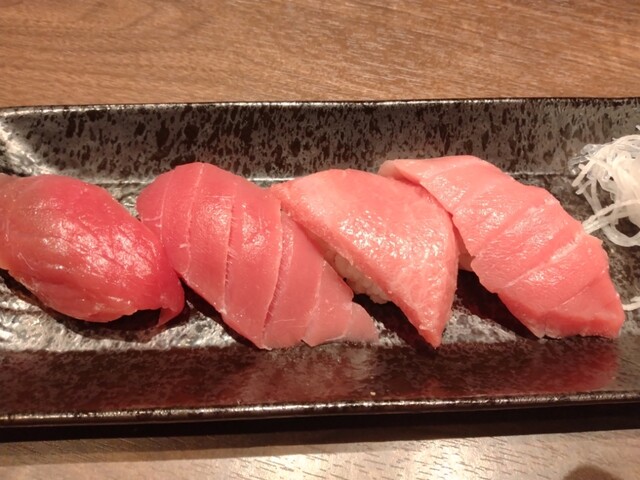
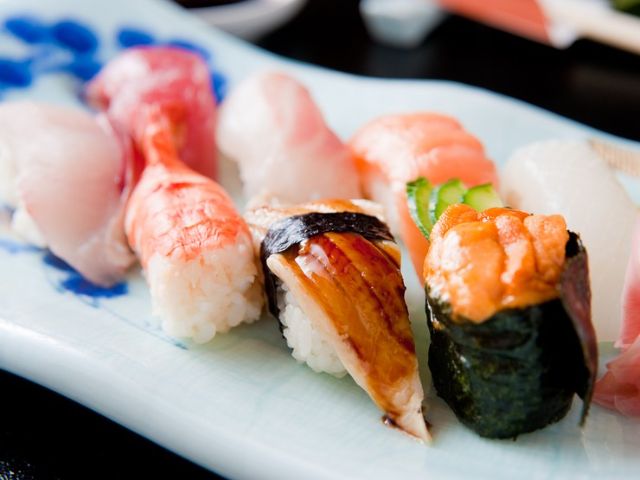
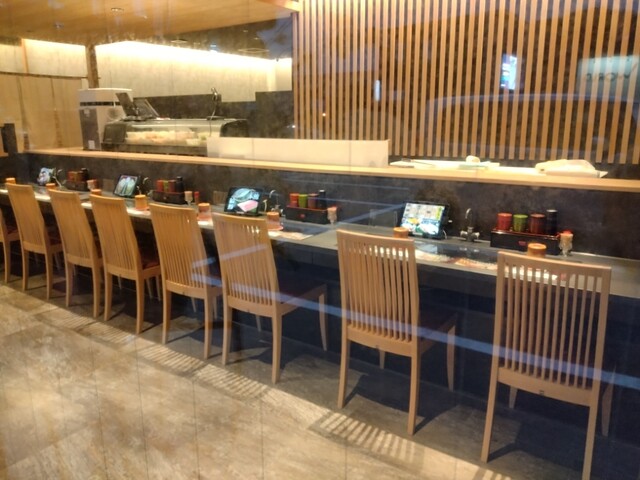
Fresh sushi from Seto Inland Sea fish. The anago (conger eel) sushi is outstanding. Counter seating where you can watch the chef work. Excellent lunch value.

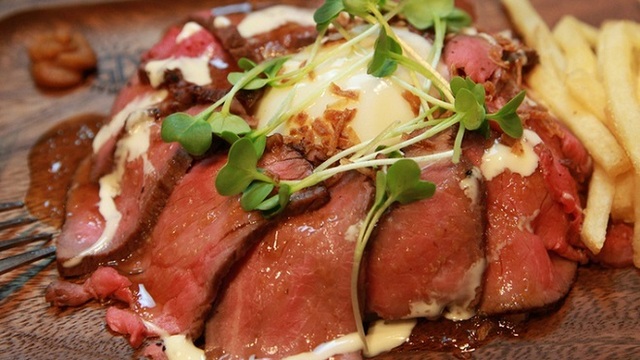
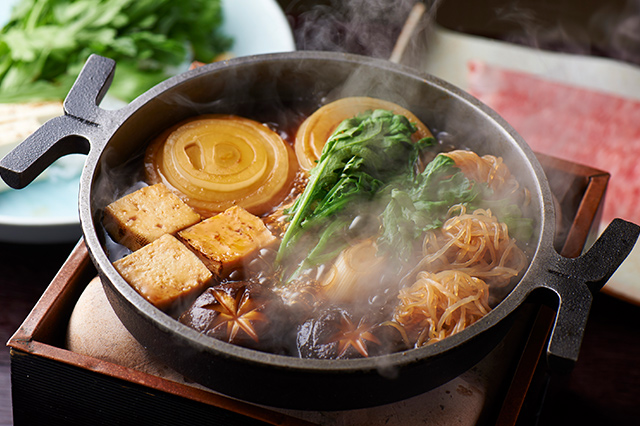
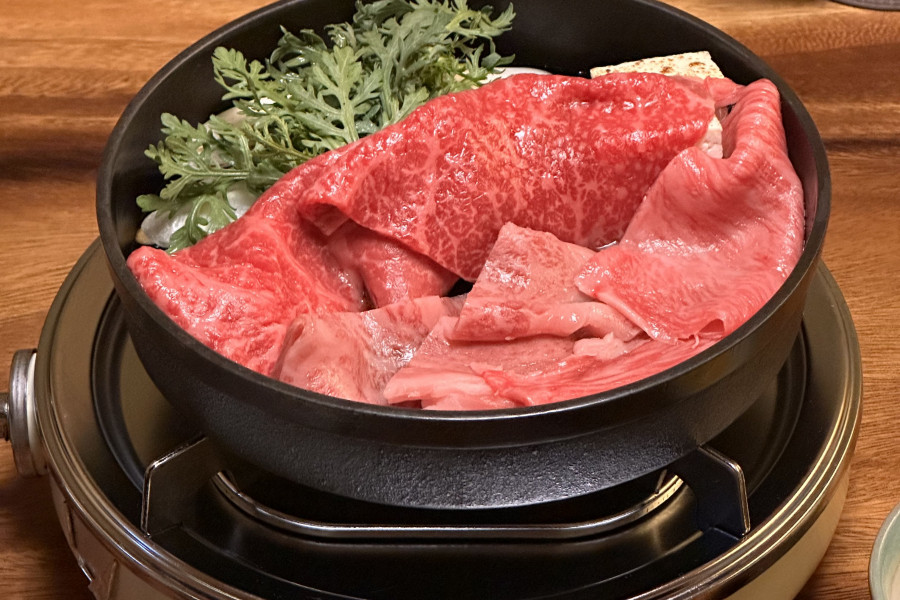
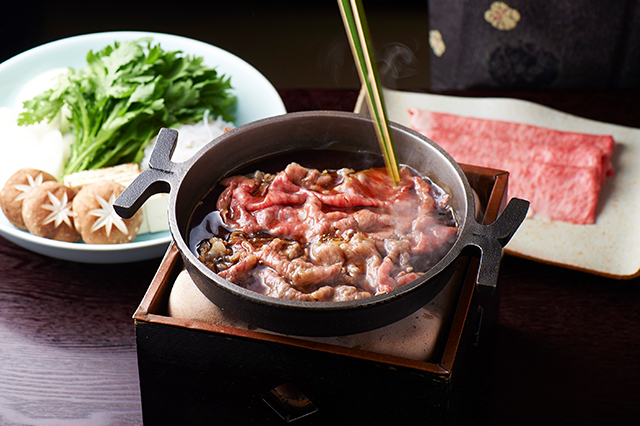
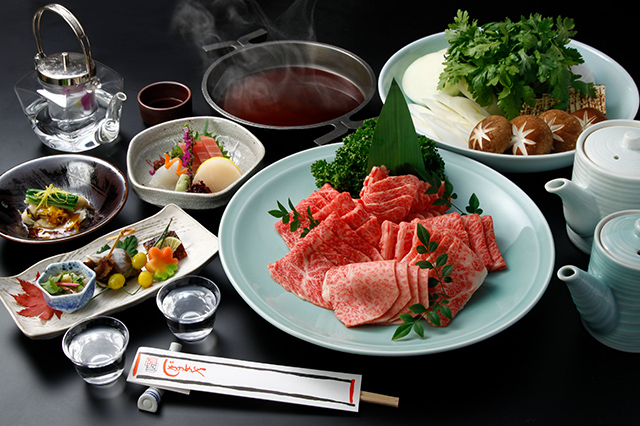
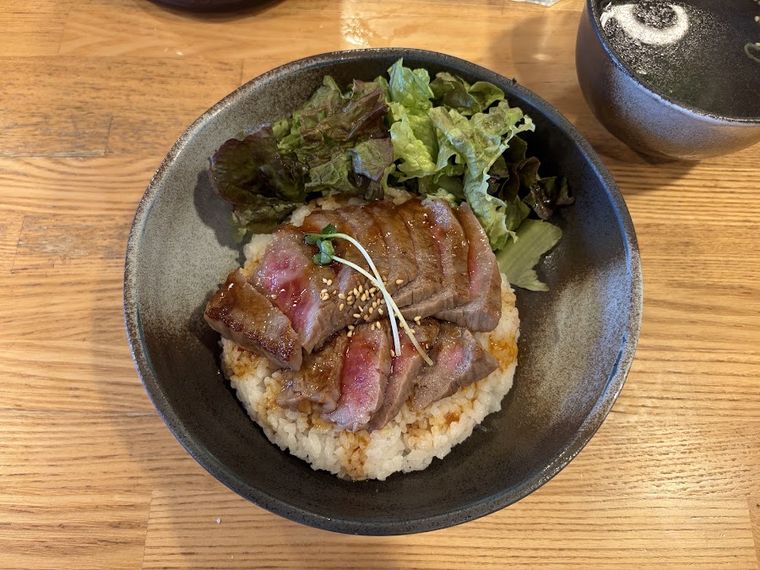
Harima region beef served in hot pot style. Rich broth with local vegetables. Several restaurants near Himeji Station specialize in this warming dish.

Department store attached to Himeji Station with an extensive basement food floor. Local specialties, bento boxes, and premium sweets. Great for last-minute souvenirs.
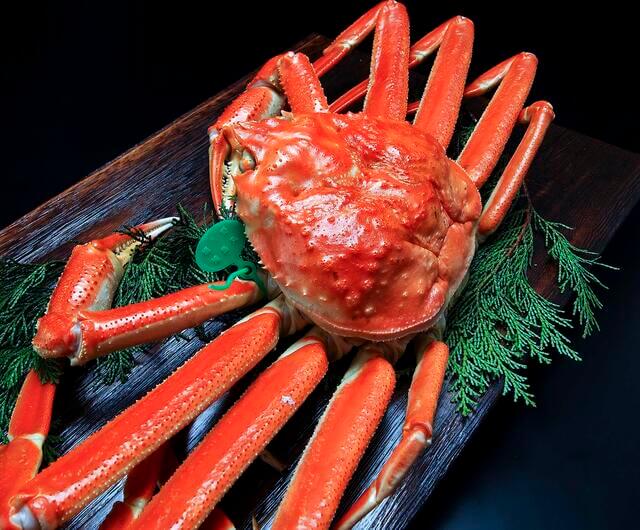
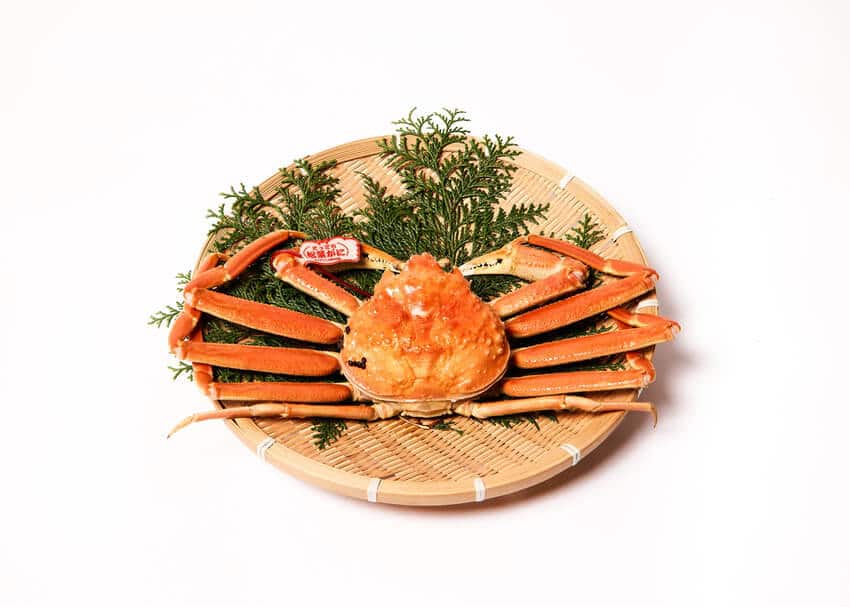
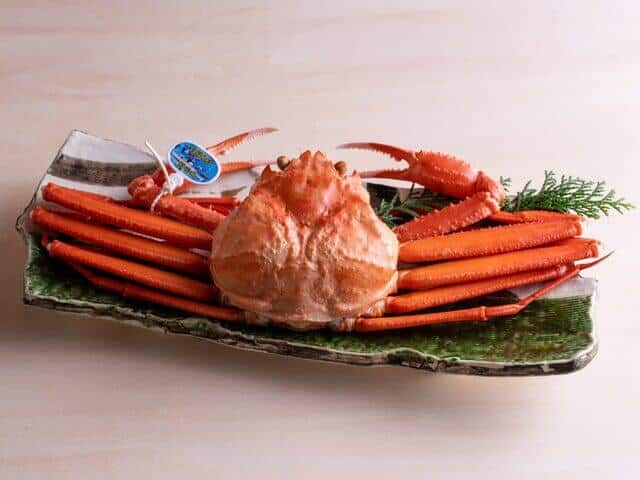
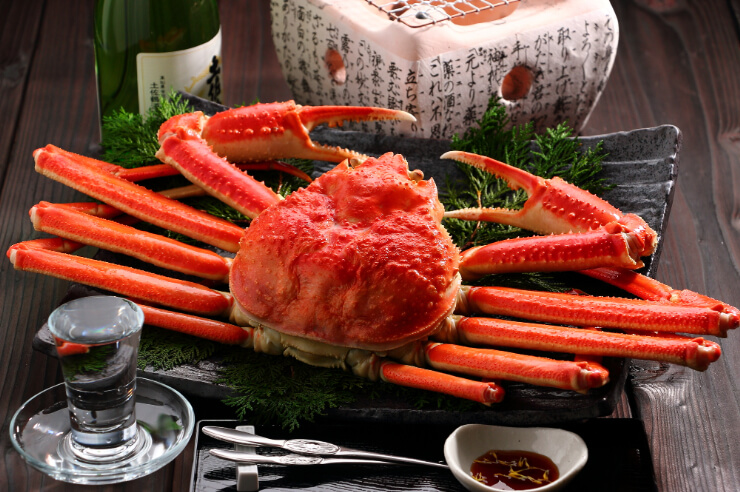
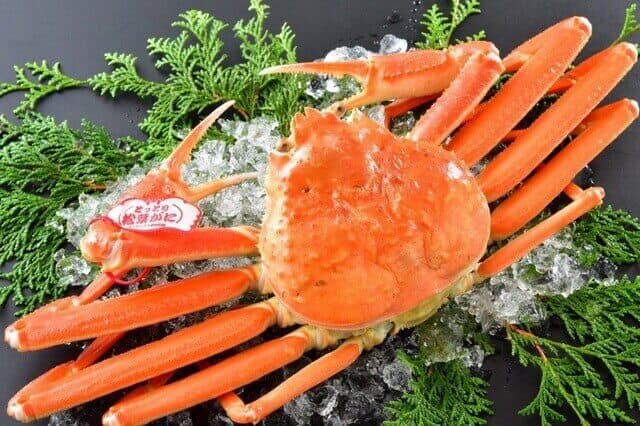
Winter specialty from the nearby Sea of Japan coast. Sweet, delicate snow crab served boiled, grilled, or as sashimi. Several restaurants serve it November through March.
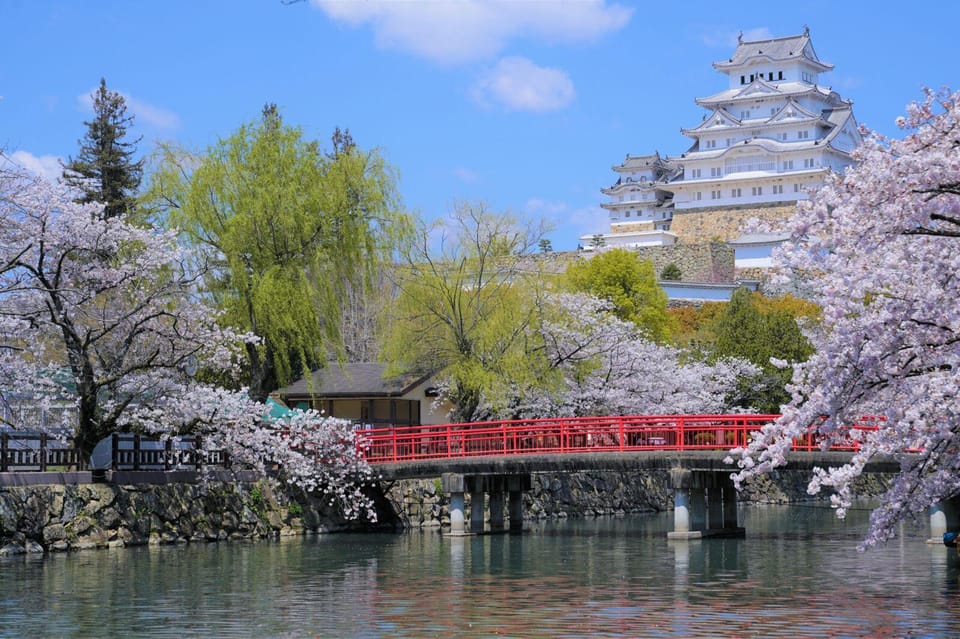
1000 cherry trees around the castle, autumn leaves on Mount Shosha, and island escapes.

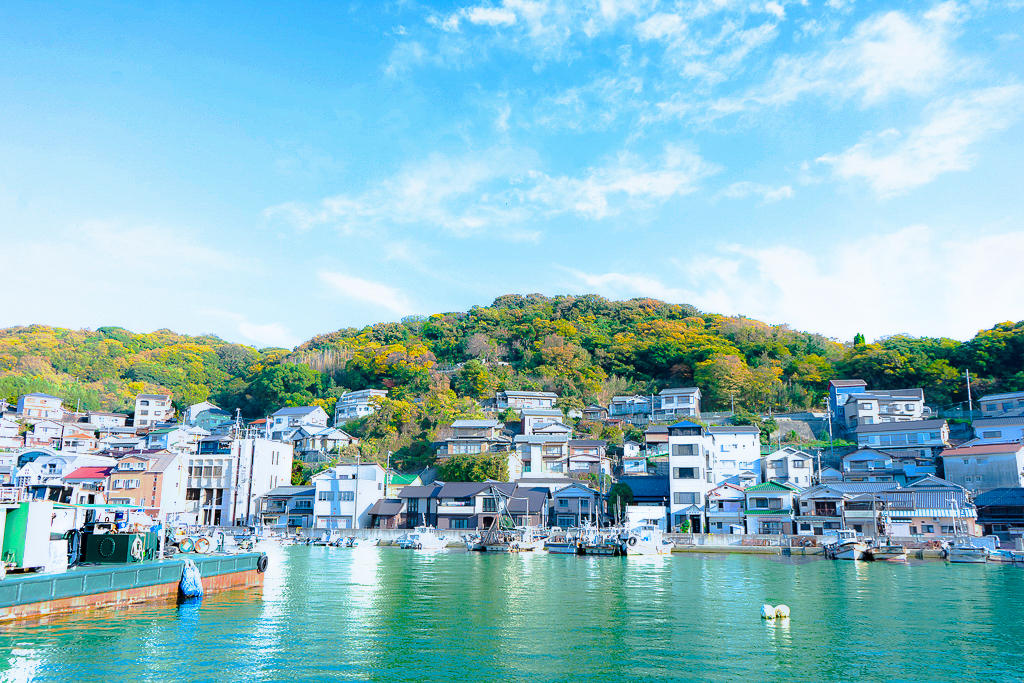
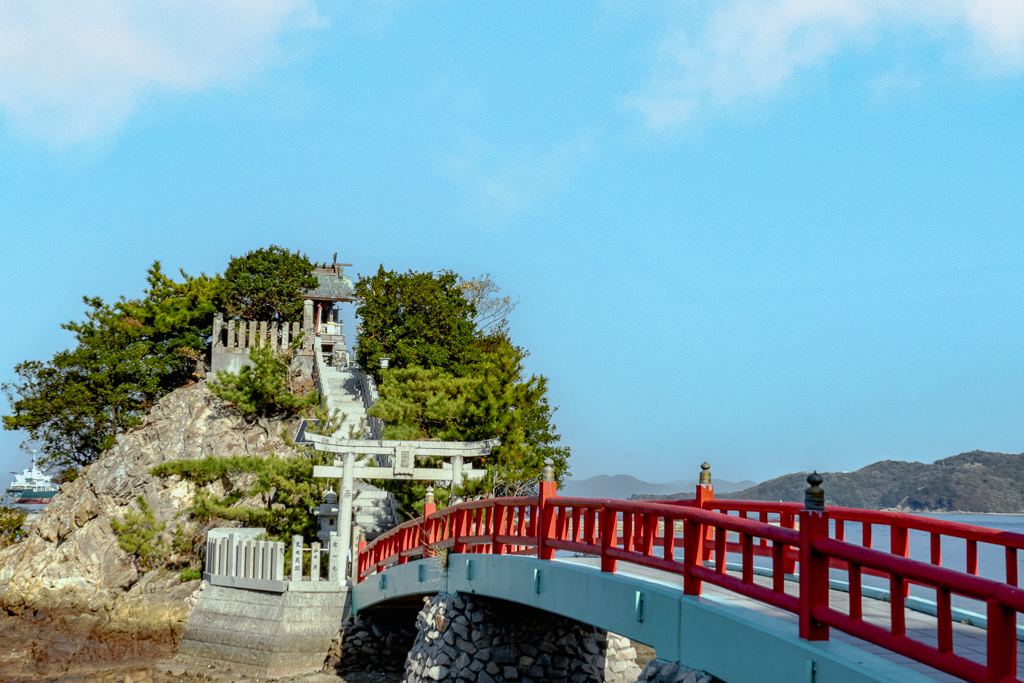
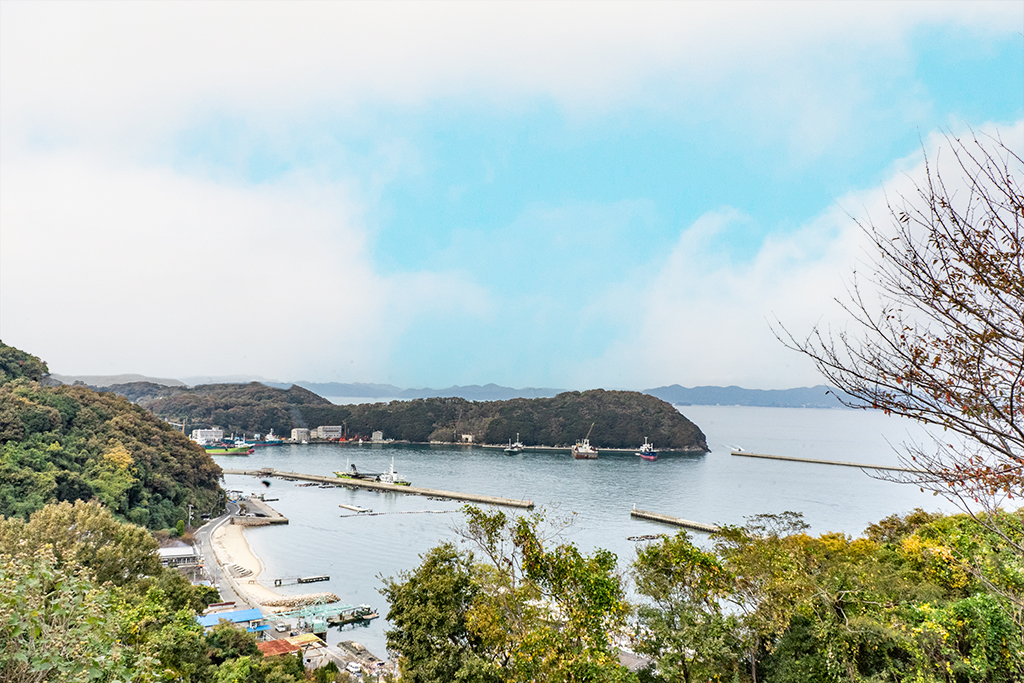
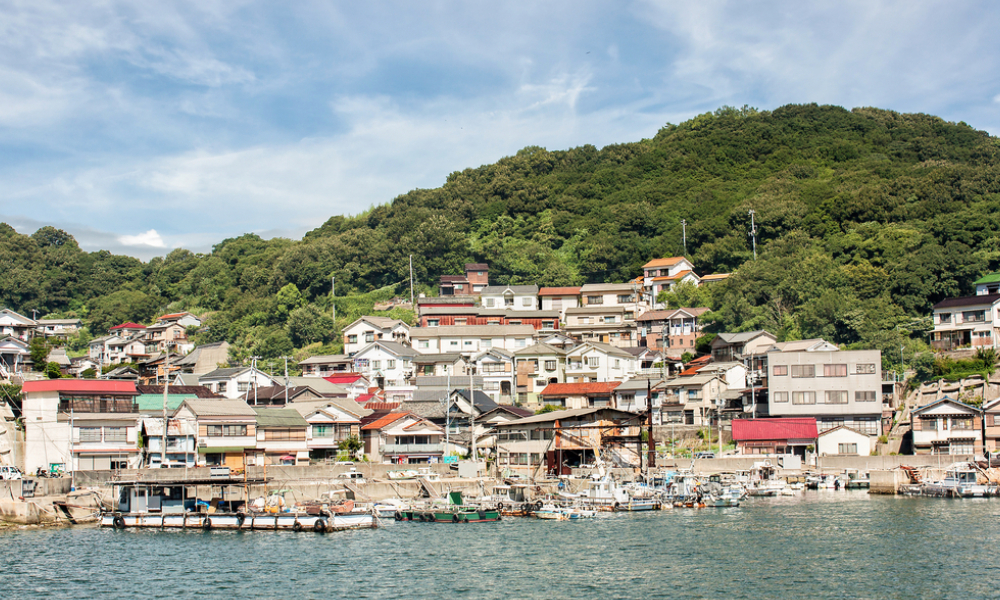
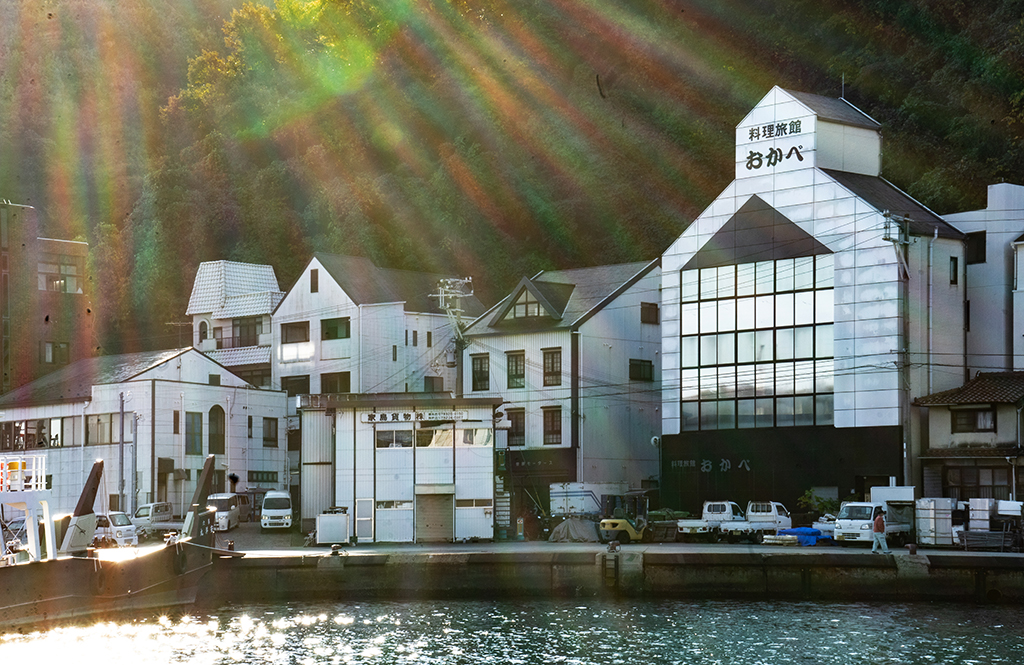
Cluster of 40+ islands in the Seto Inland Sea accessible by ferry from Himeji. Quiet fishing villages, clear water for swimming, and gorgeous sunsets. A hidden gem.

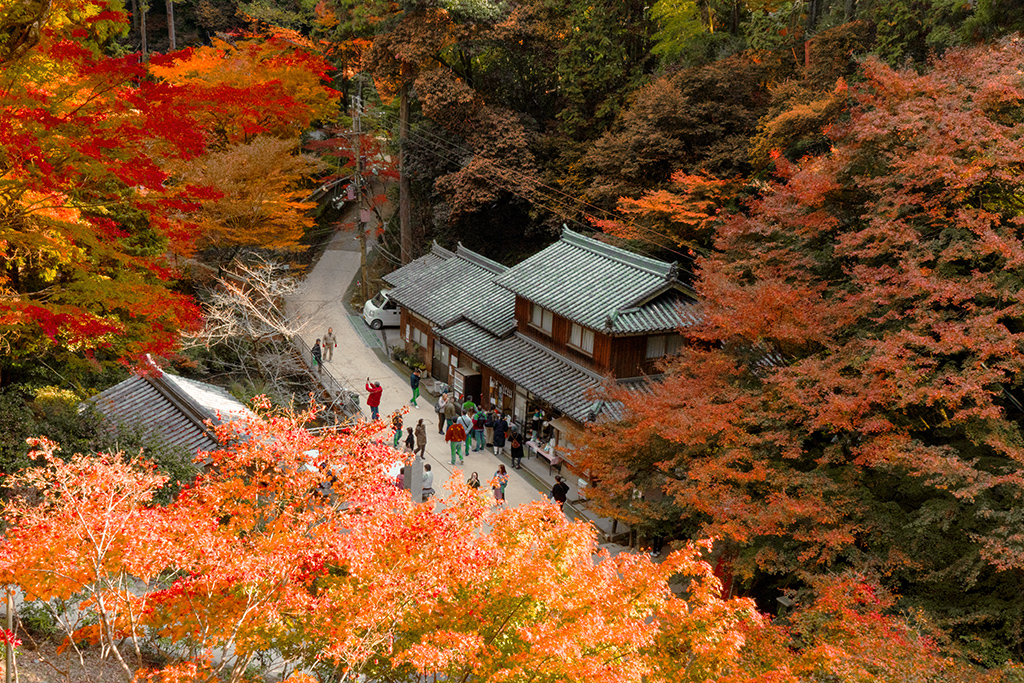
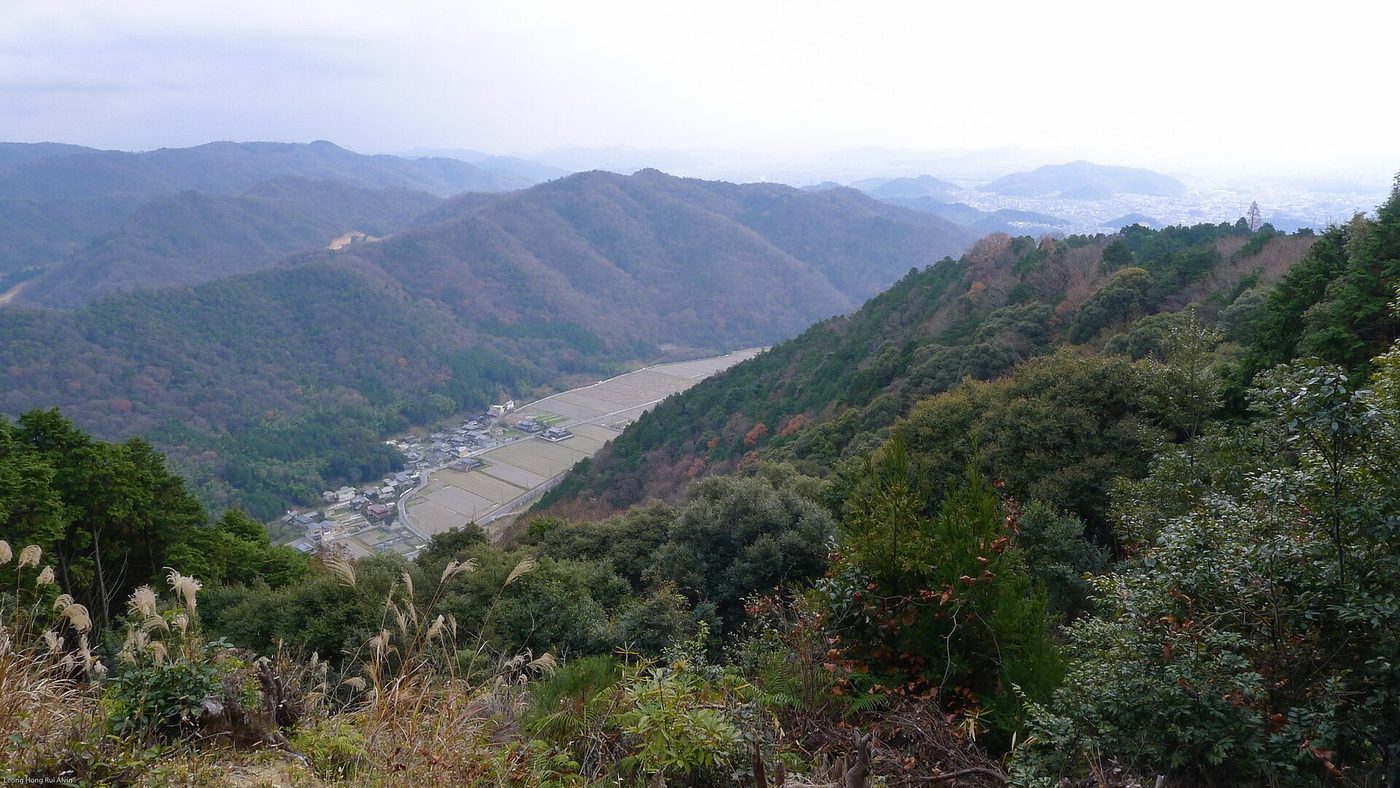
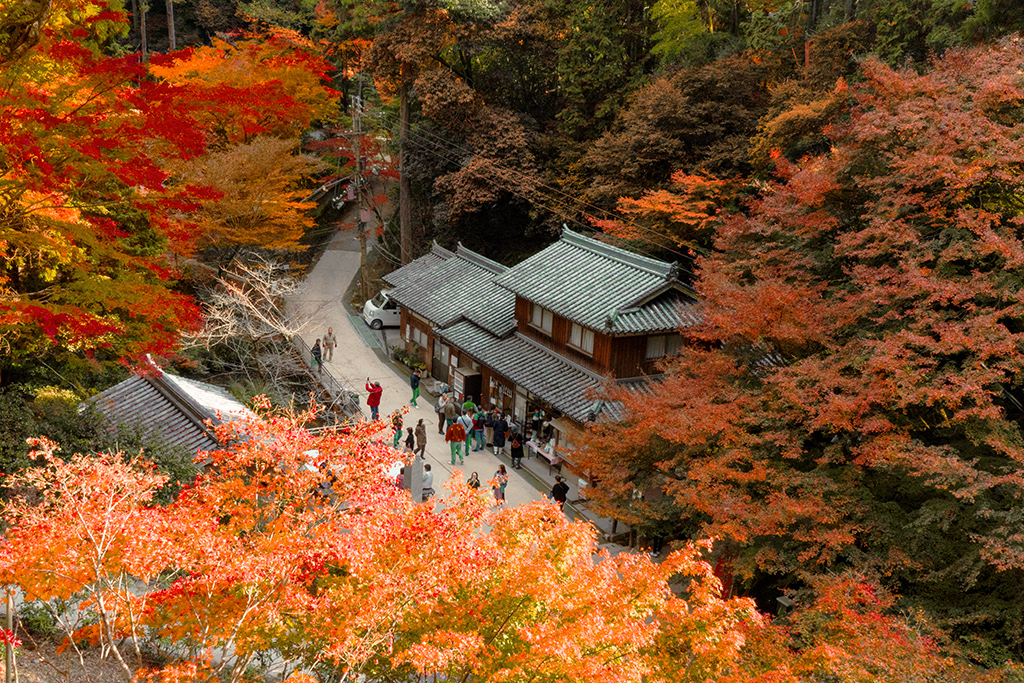
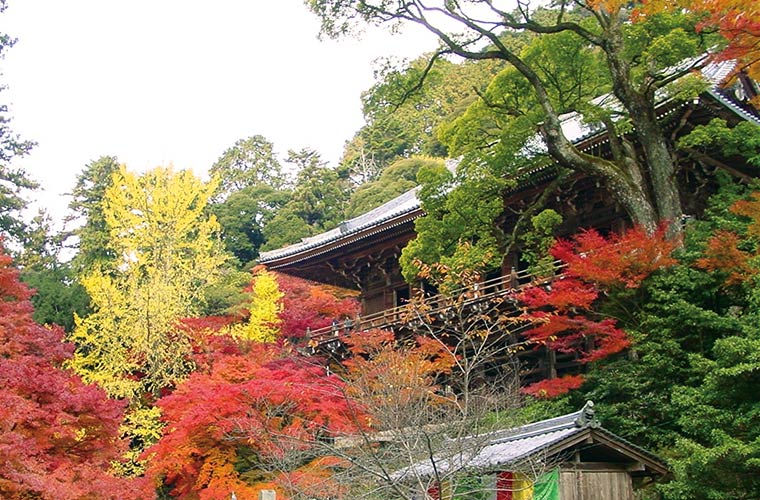
Mount Shosha's autumn foliage is spectacular. The temple buildings framed by red and gold maple trees are peak Japanese aesthetics. Late November is peak season.

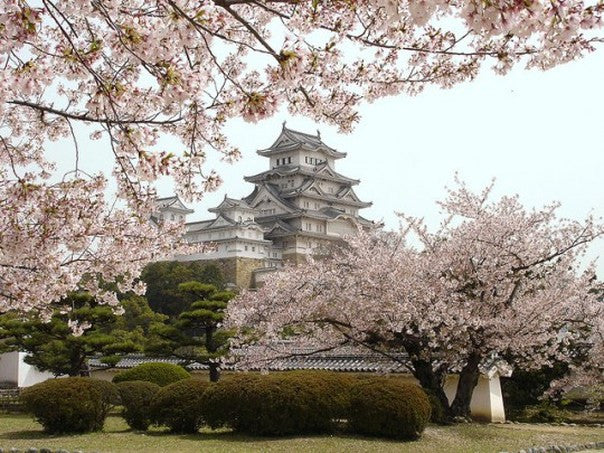
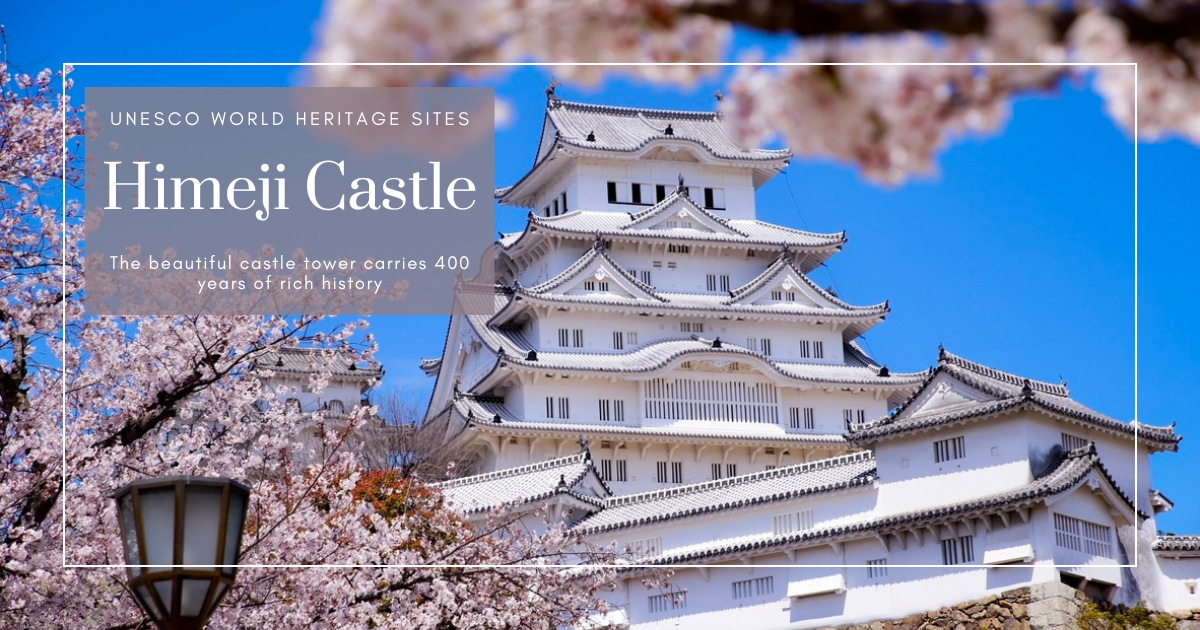
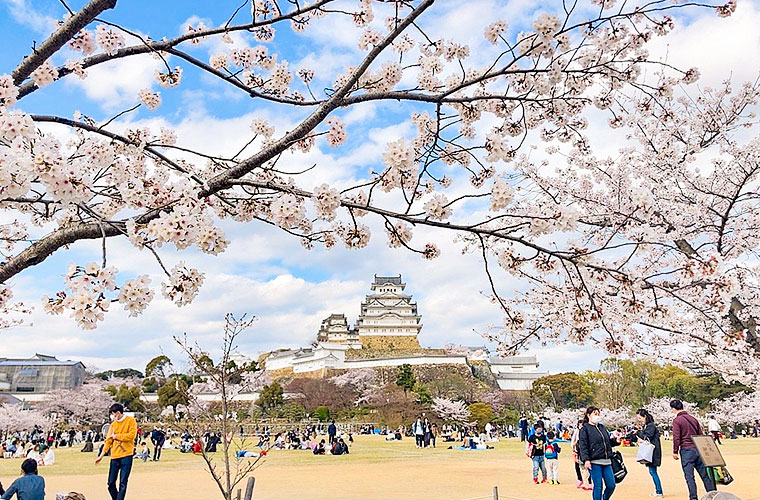
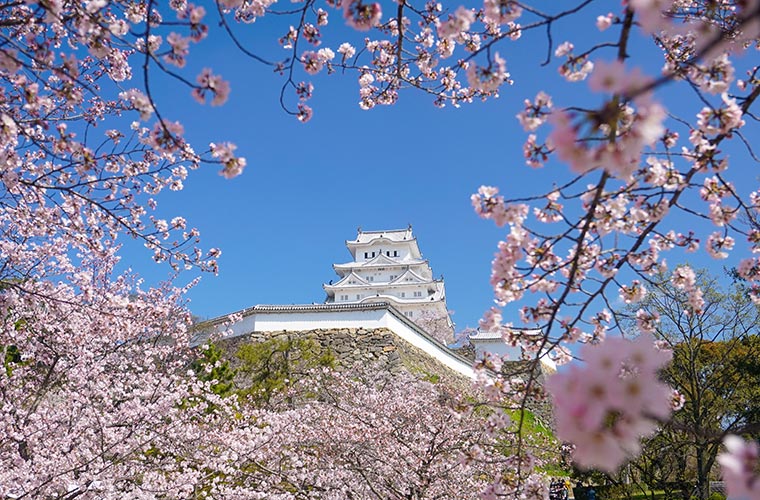
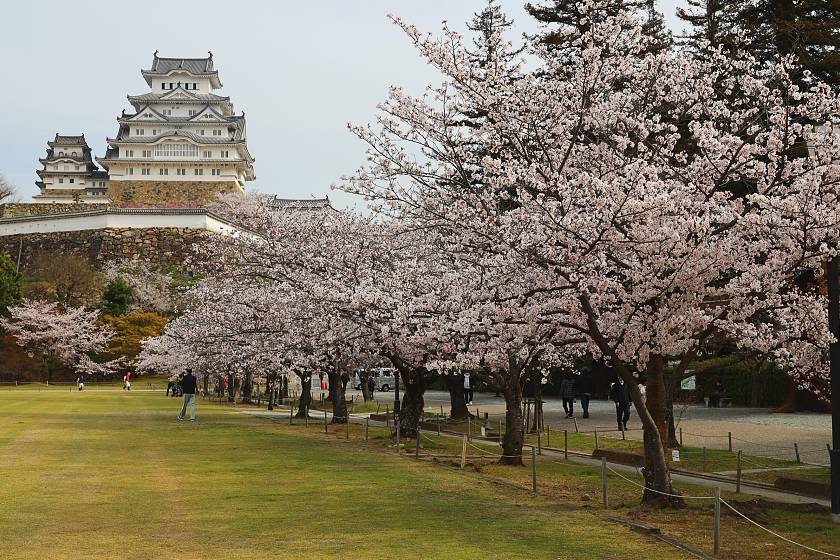
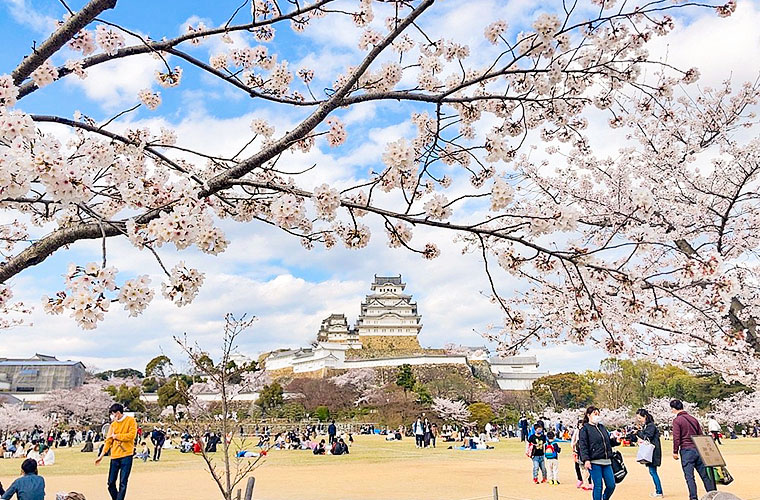
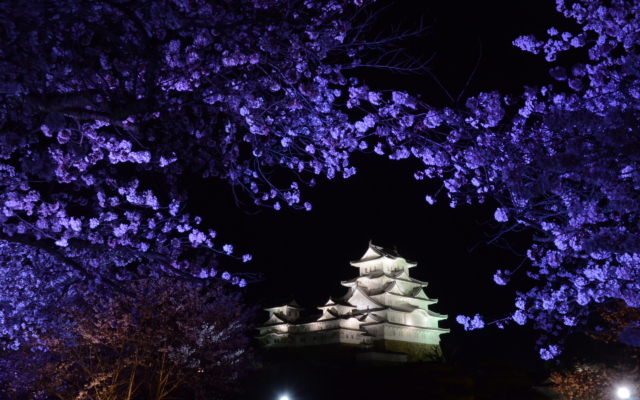
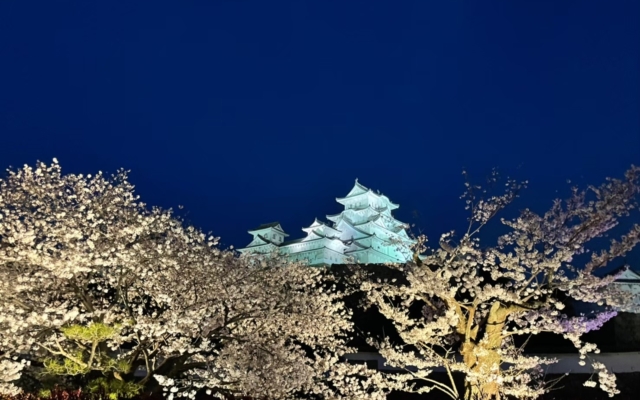
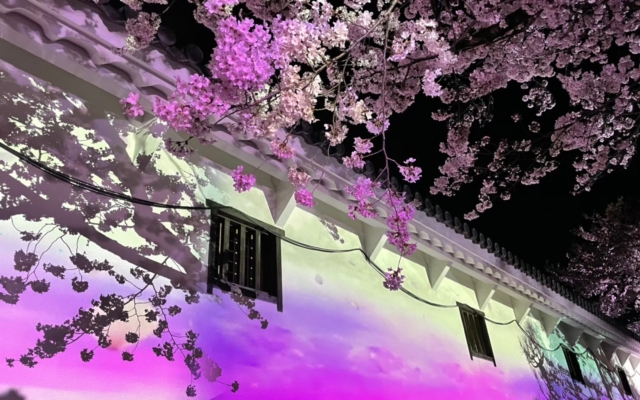
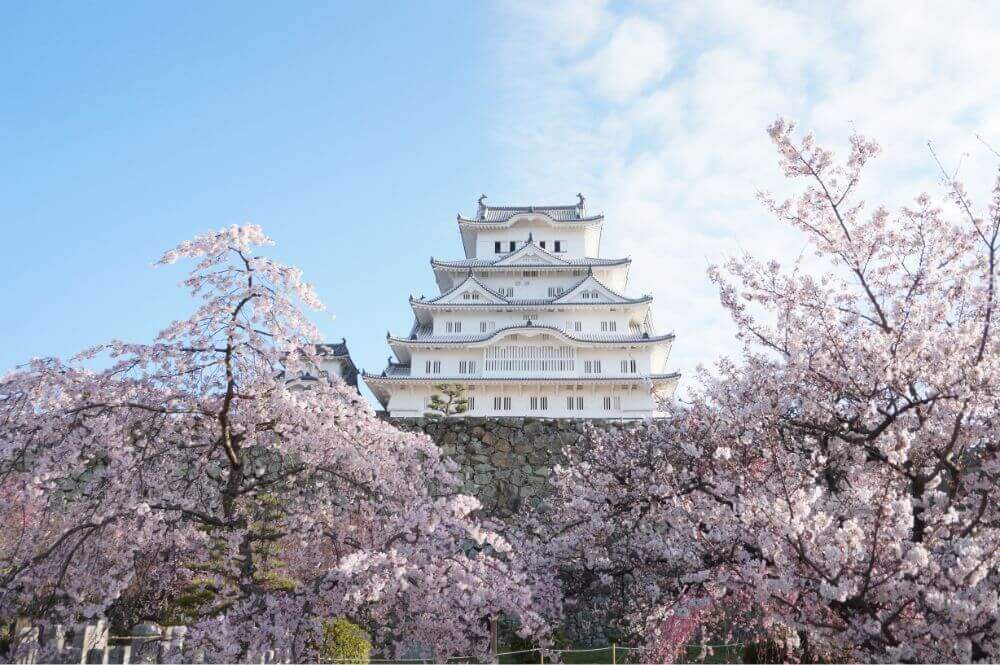
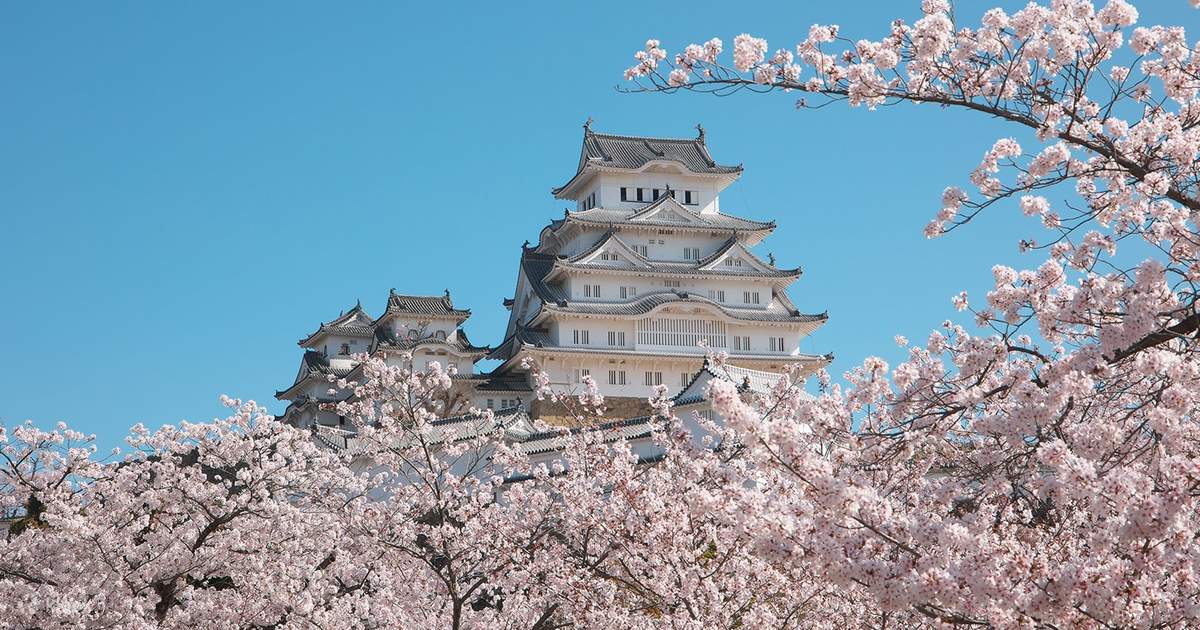
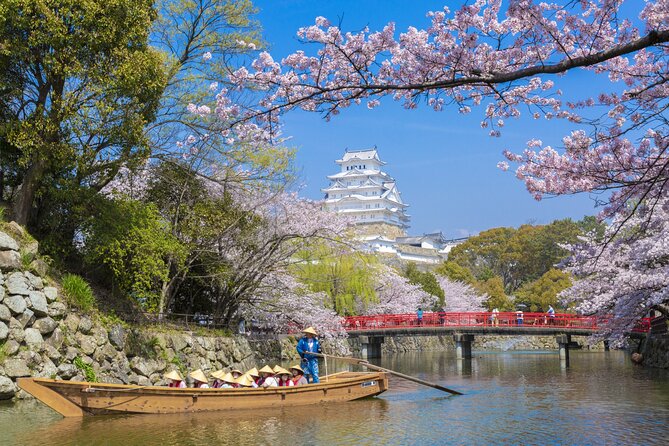
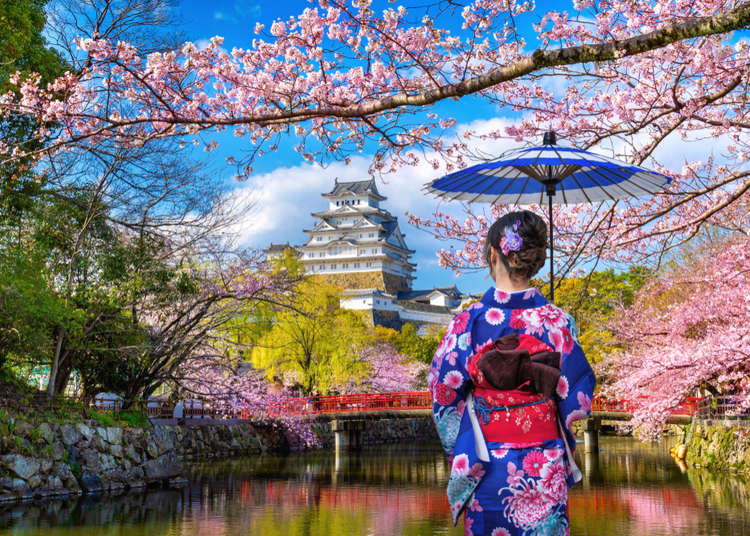
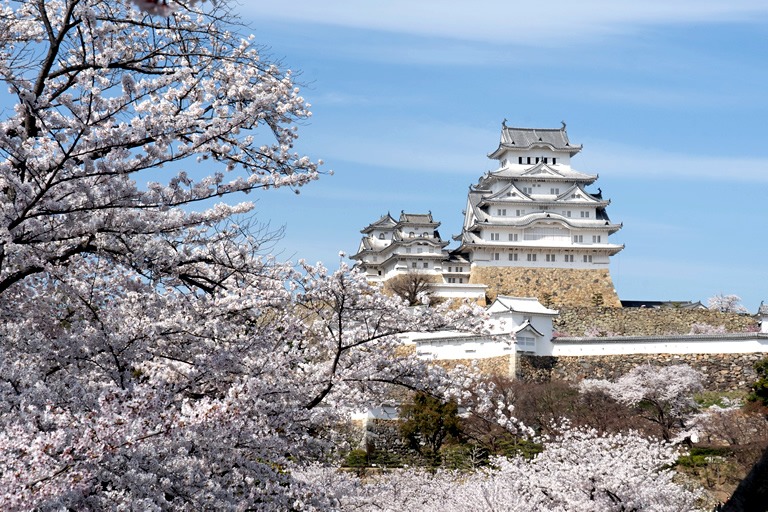
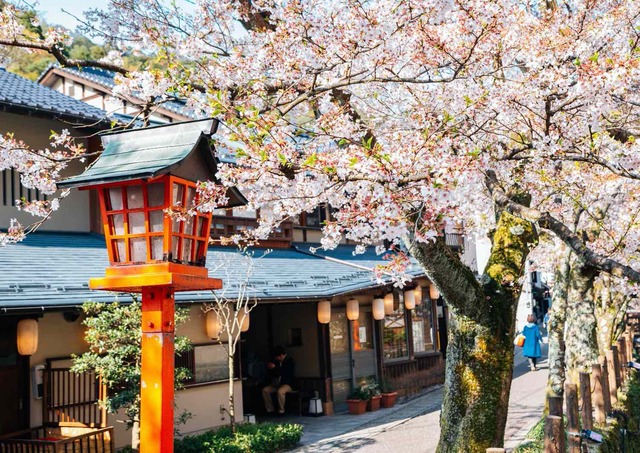
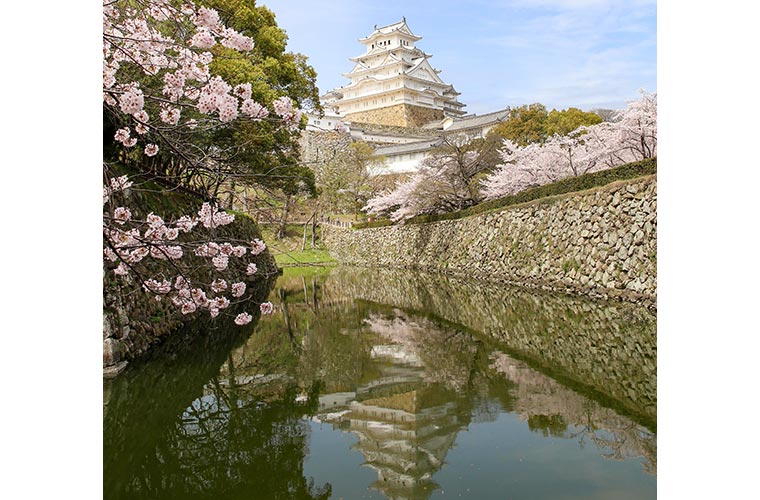
Over 1000 cherry trees surround the castle grounds. The white castle against pink blossoms is one of Japan's most photographed spring scenes. Peak is early April.

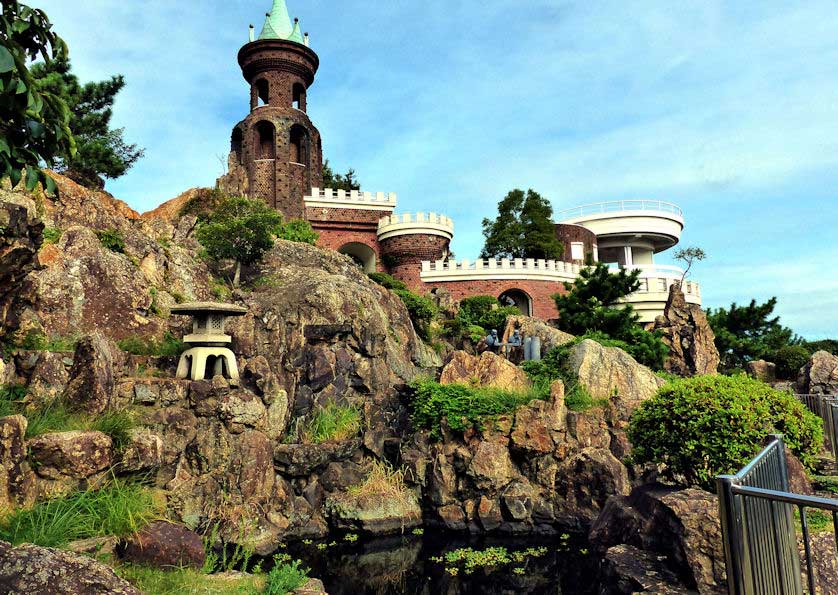
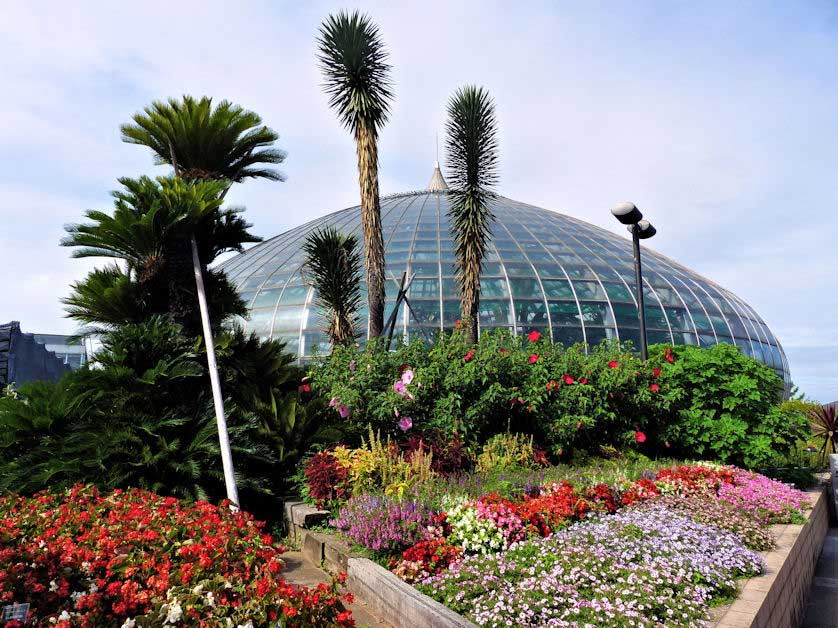
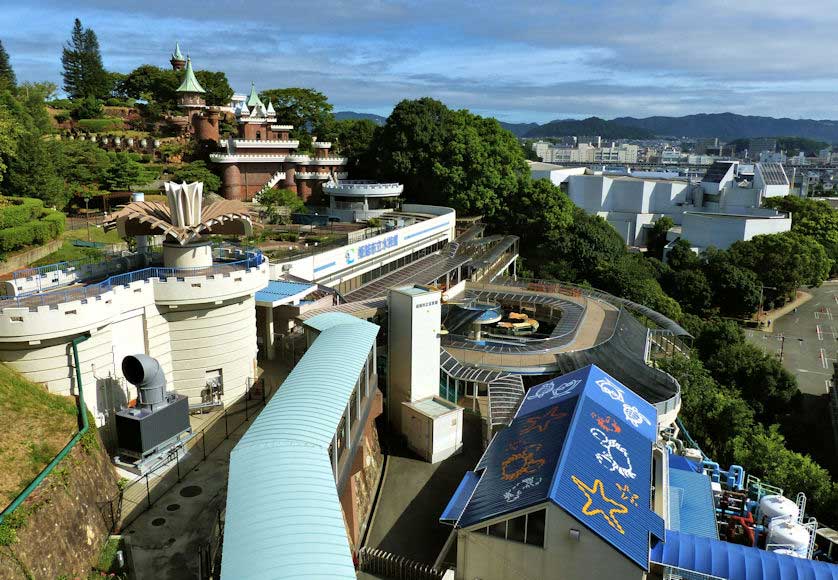
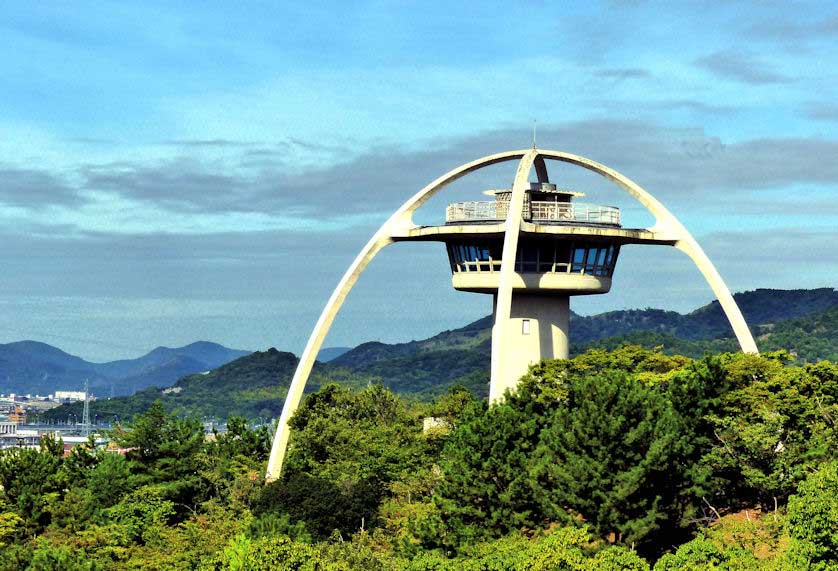
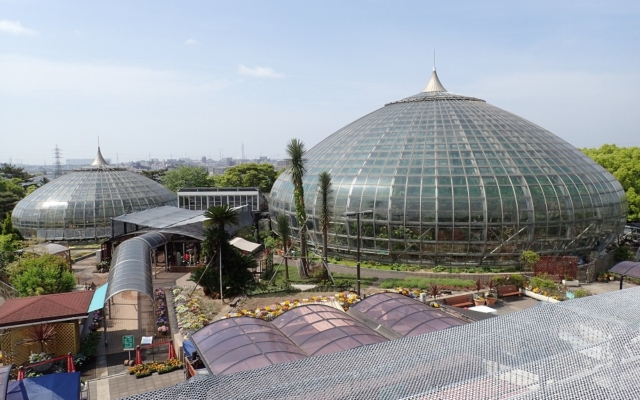
Hilltop park with botanical garden, aquarium, and panoramic views. One of the best spots to photograph Himeji Castle from a distance. Free observatory.

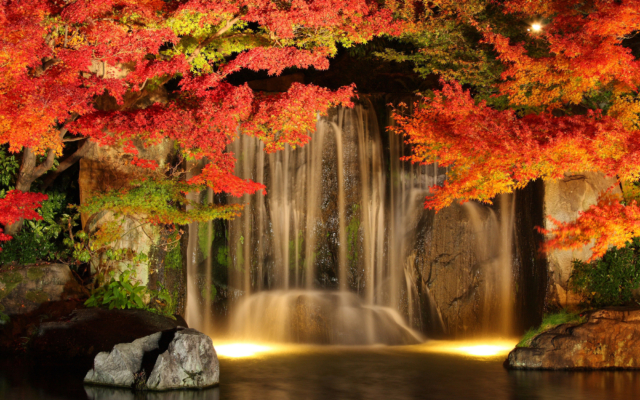
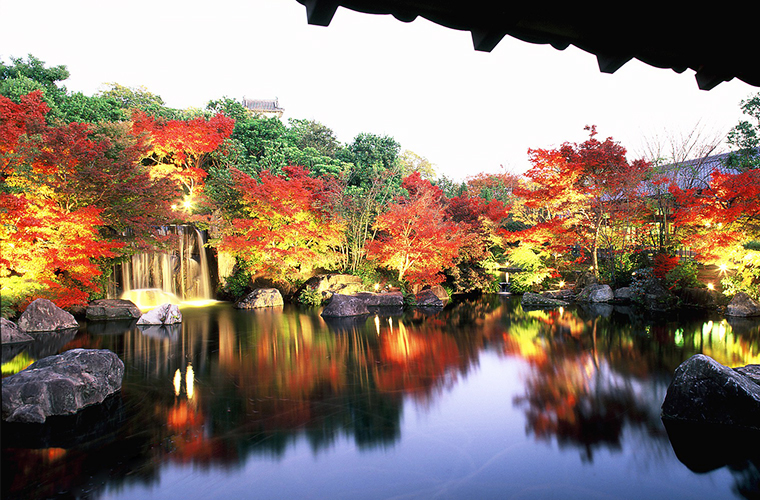
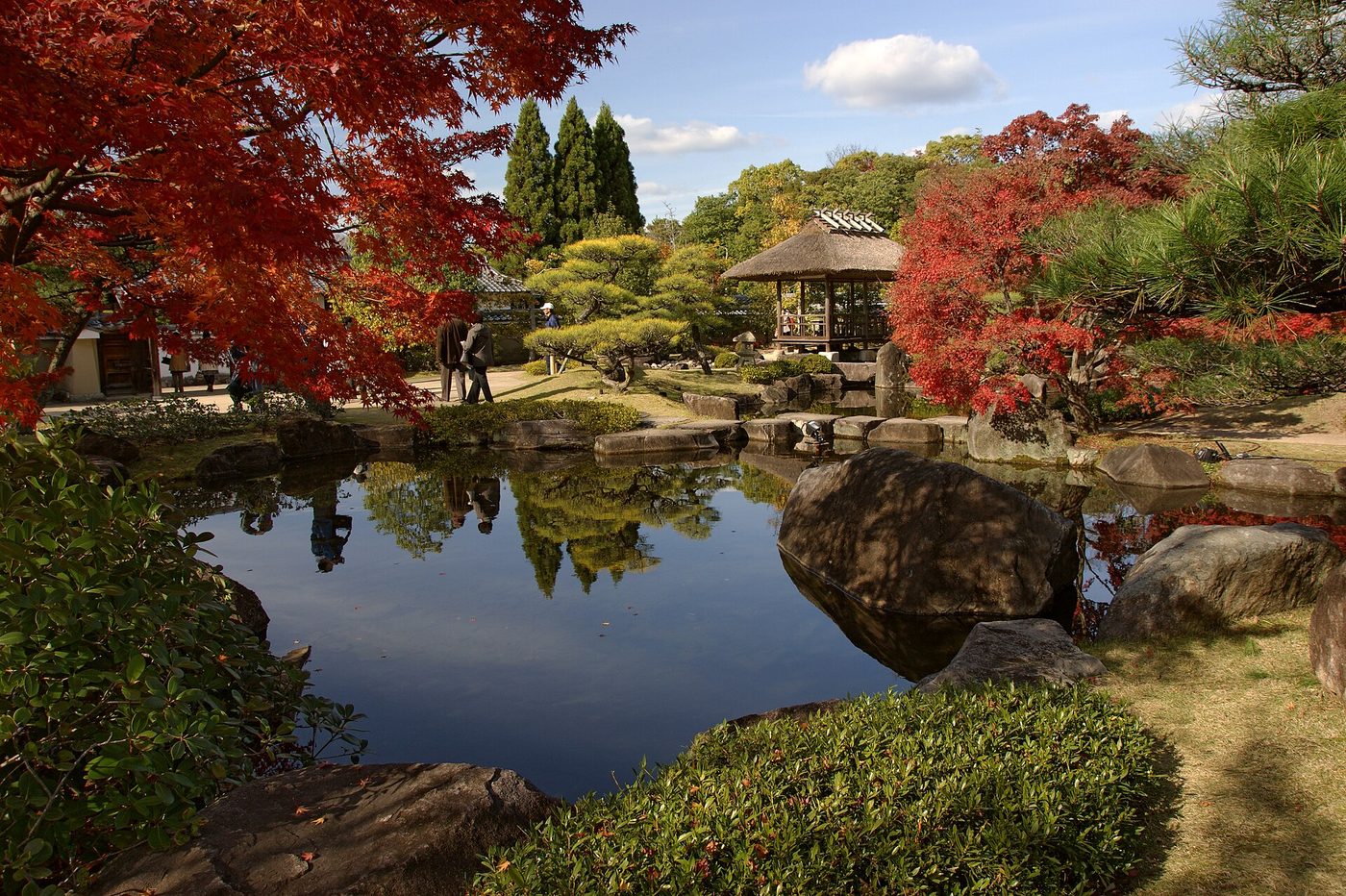
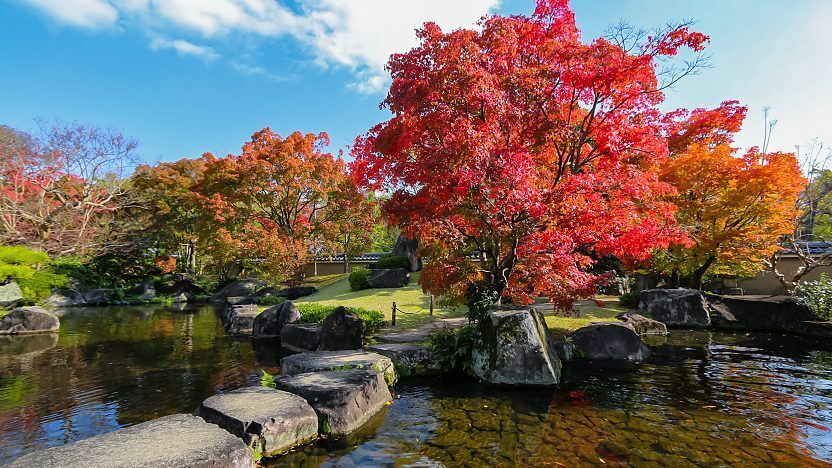
Late November brings spectacular autumn colors to the castle grounds and Kokoen Garden. The white castle contrasted against red maples is extraordinary.

Riverside walking path in southern Himeji. Cherry blossoms in spring line both banks. Less crowded than the castle cherry blossom crowds.

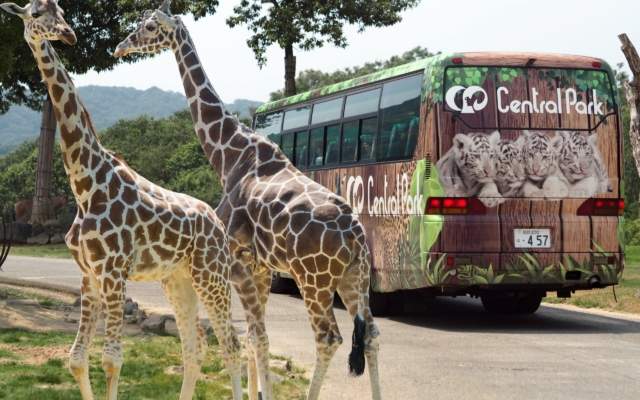
Drive-through safari zoo with African animals. Lions, elephants, cheetahs, and giraffes. The walking safari area has a petting zoo and bird house.

Tadao Ando museums, sake breweries, night illuminations, and one of Japan's wildest festivals.

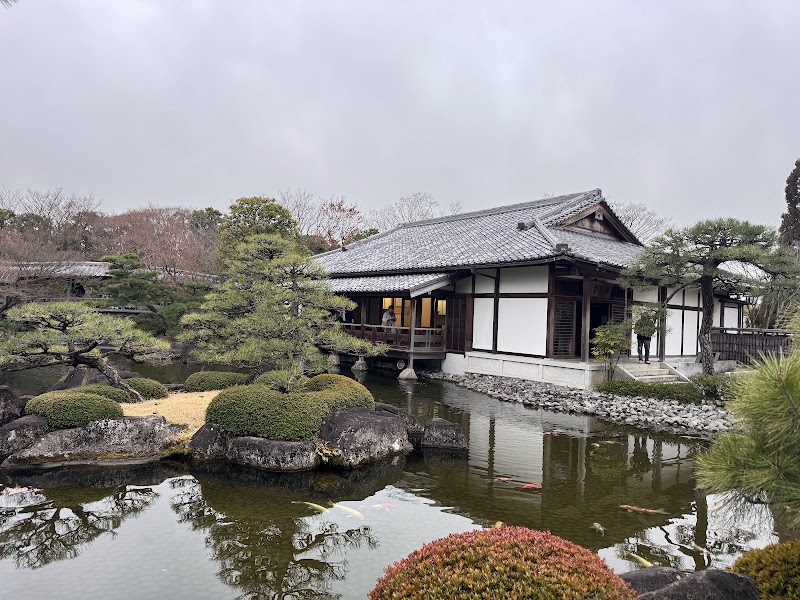
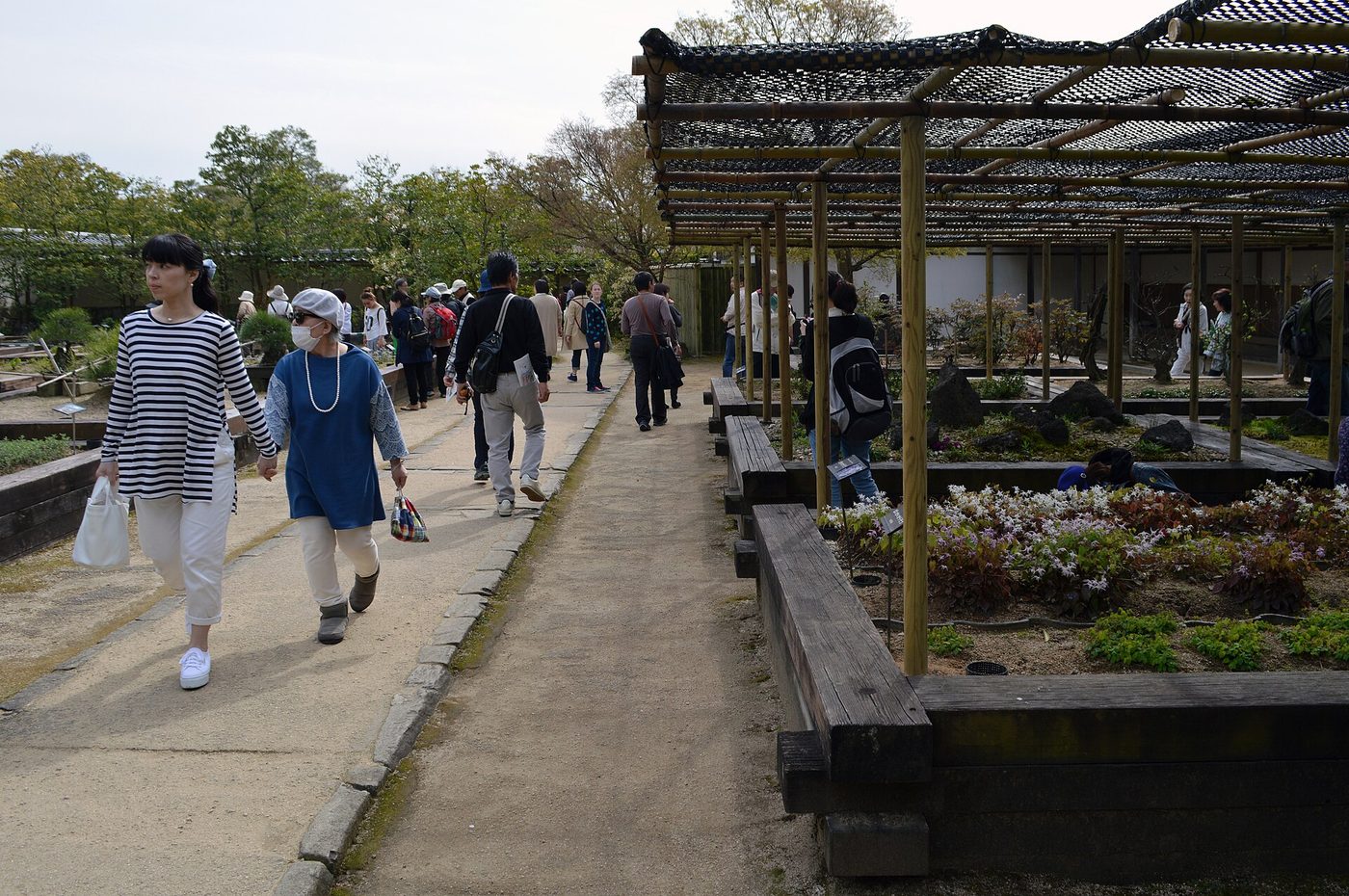
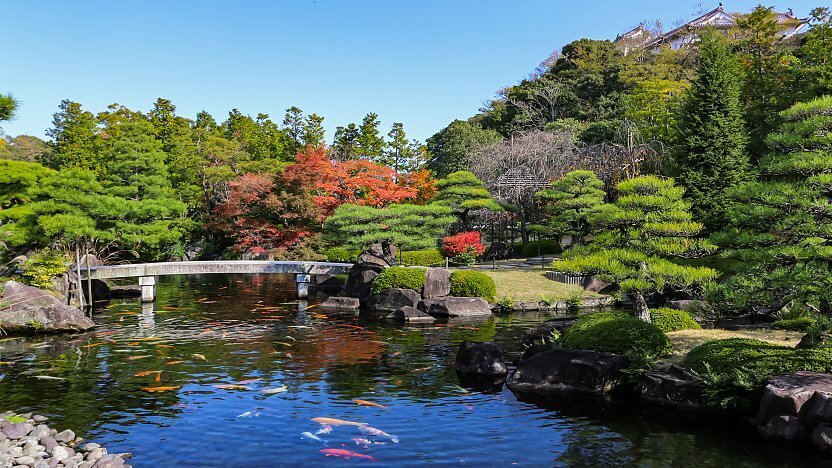
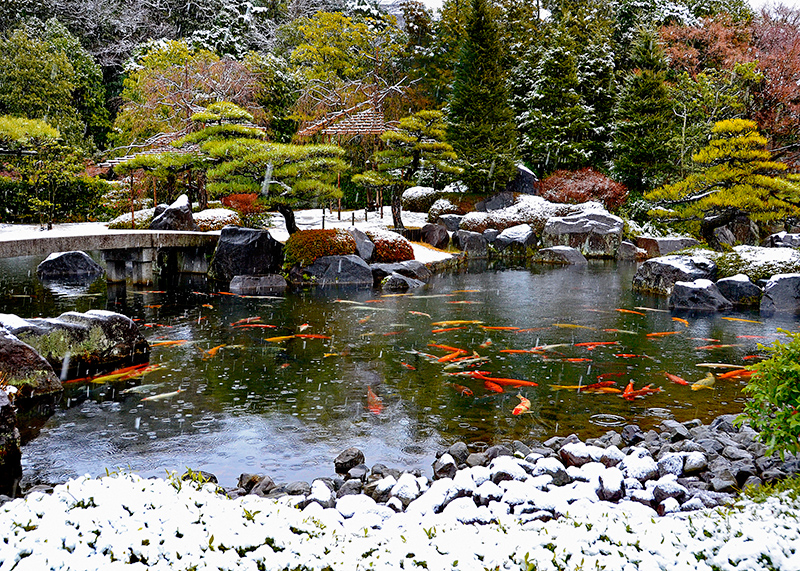
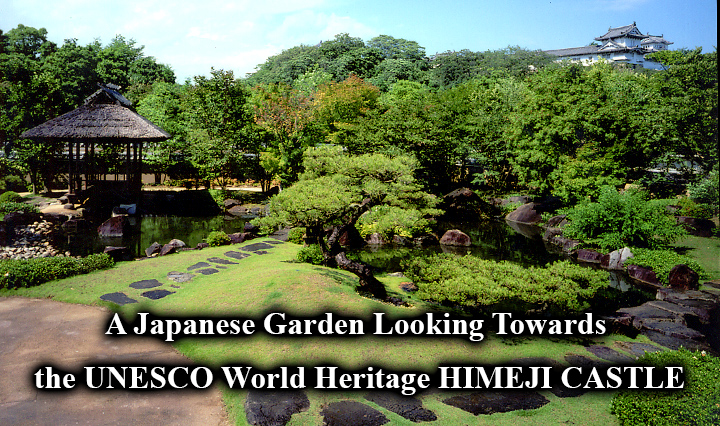
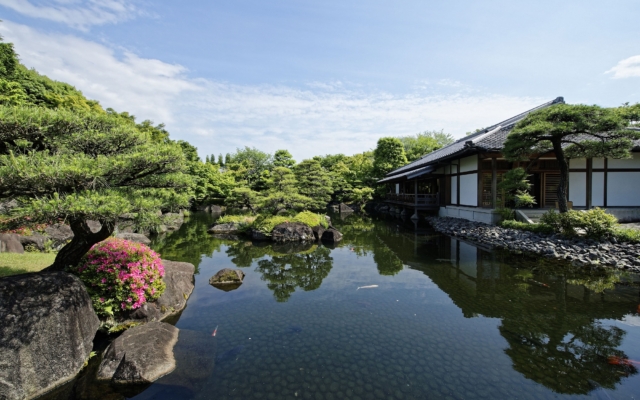
Nine separate walled gardens adjacent to Himeji Castle. Each garden represents a different Edo-period style. The tea ceremony garden serves matcha with castle views.

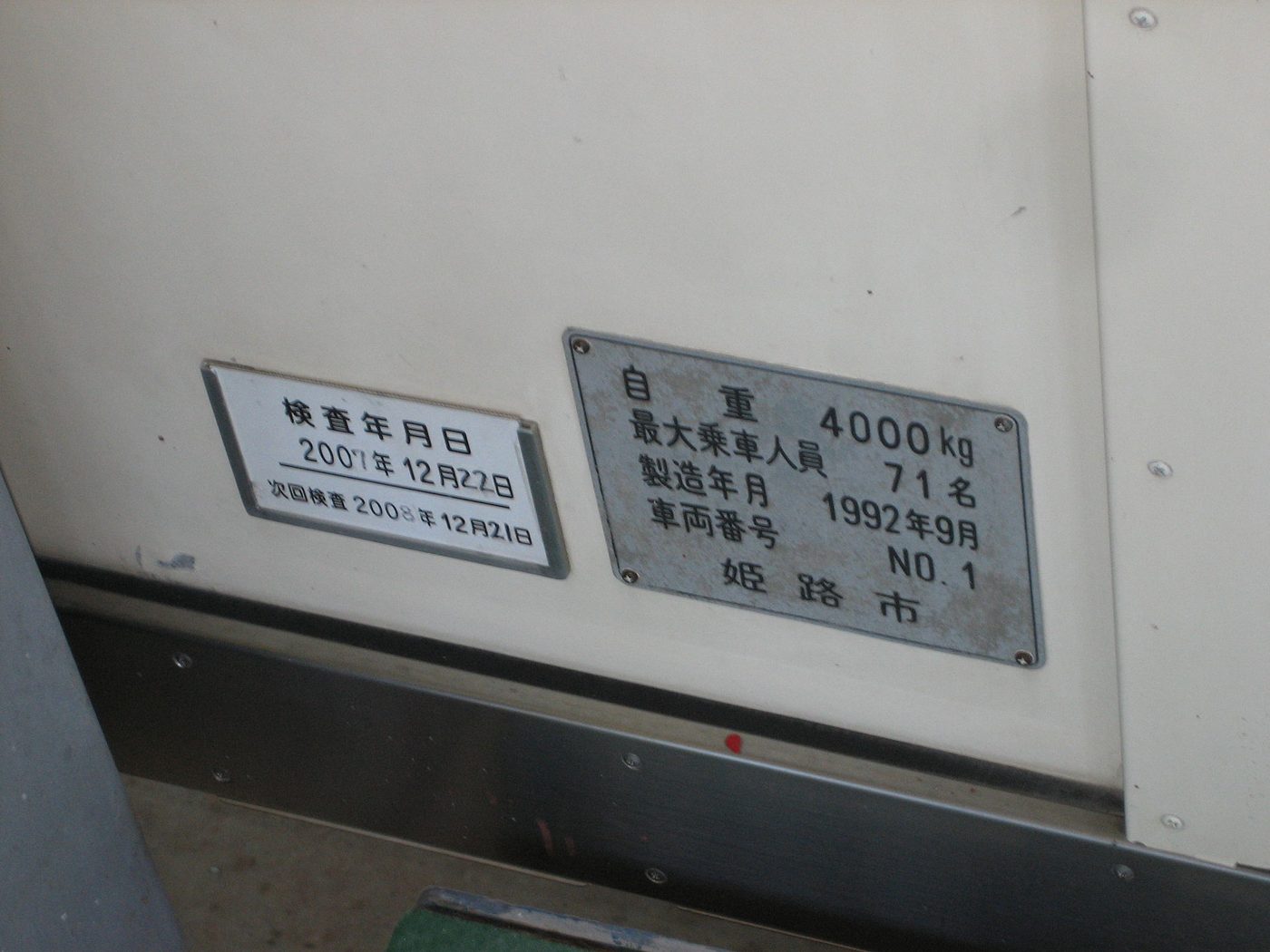
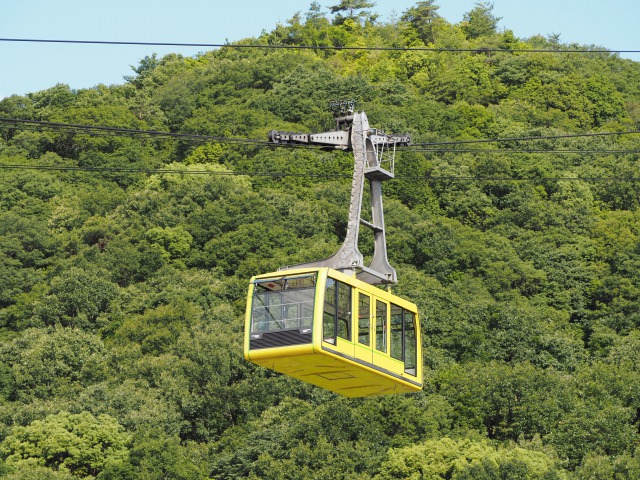
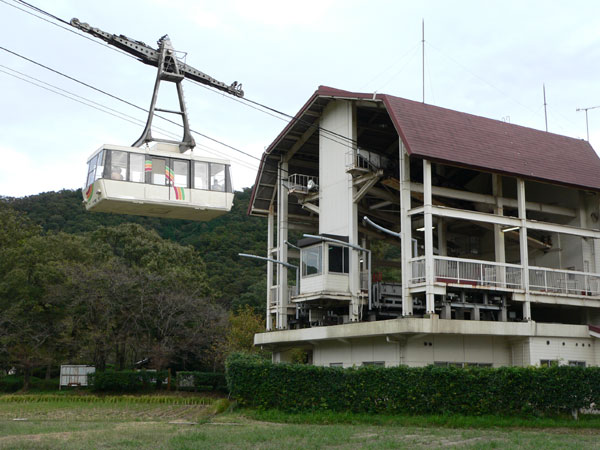
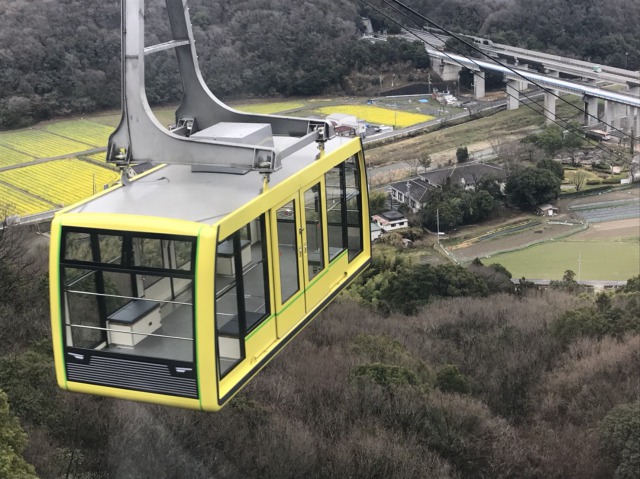
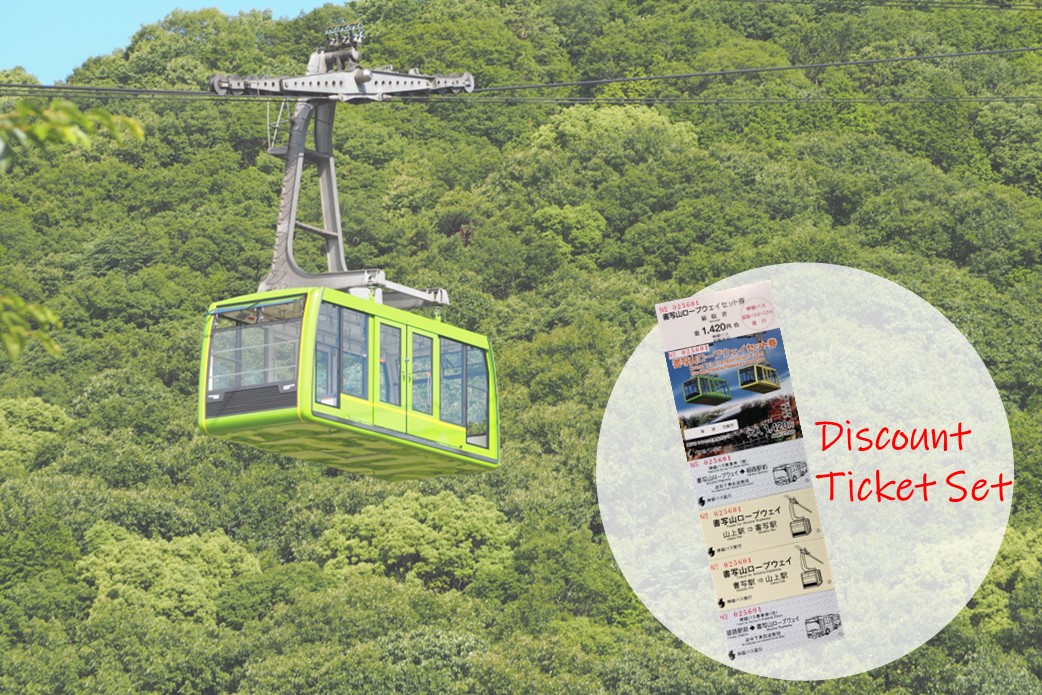
4-minute ropeway ride to the Engyo-ji Temple complex. Beautiful views of Himeji city and the Seto Inland Sea during the ascent. Combined ticket available with castle entry.

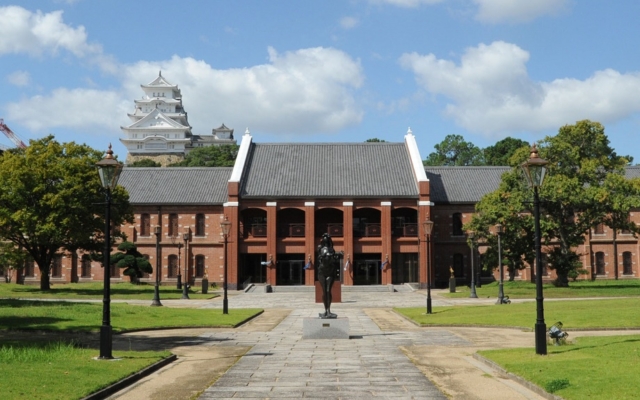
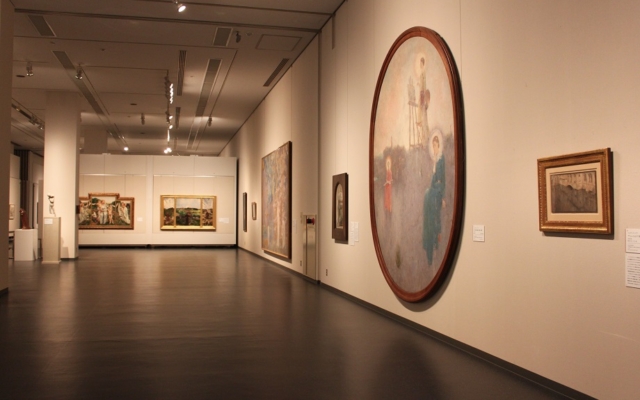
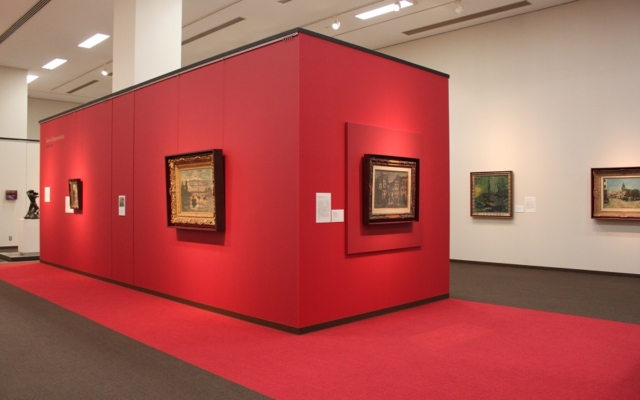
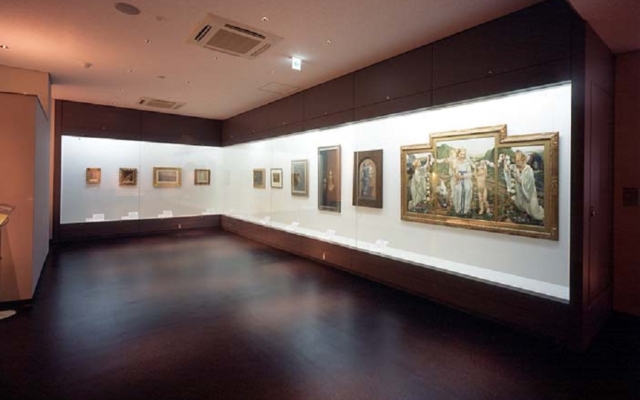
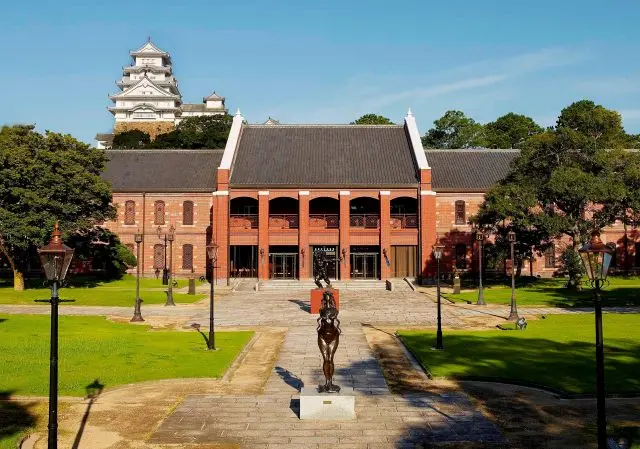
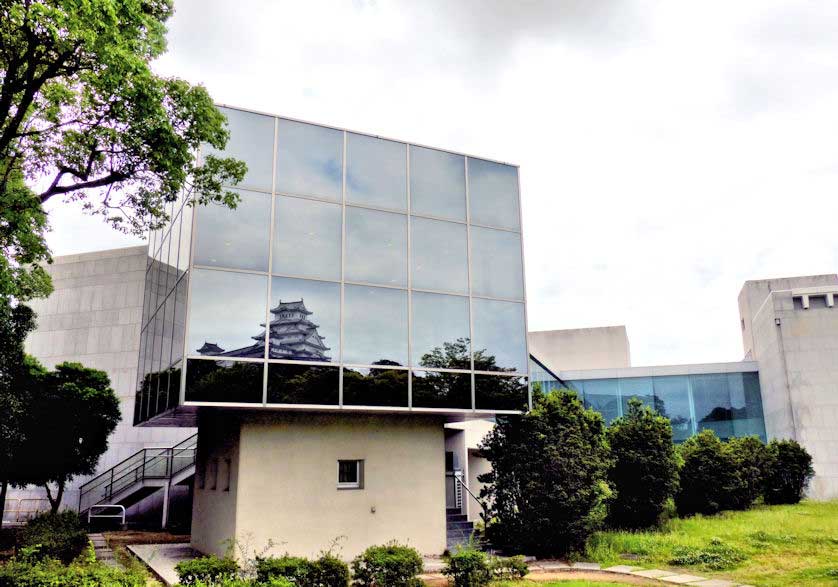
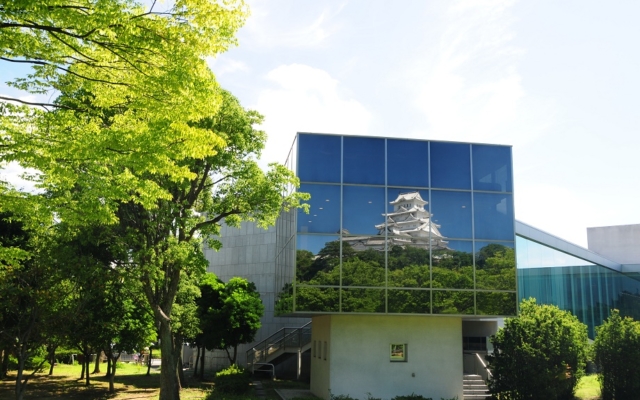
Red brick building designed by Tadao Ando adjacent to the castle grounds. Rotating exhibitions of Japanese and international art. The building itself is architecturally significant.

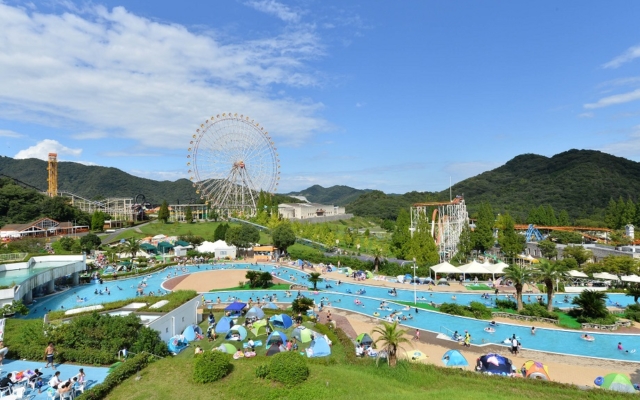
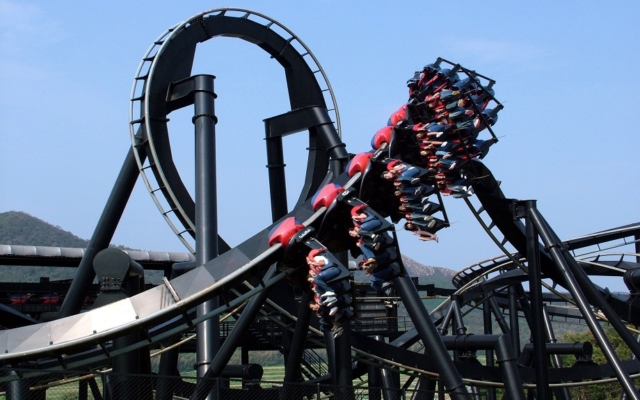
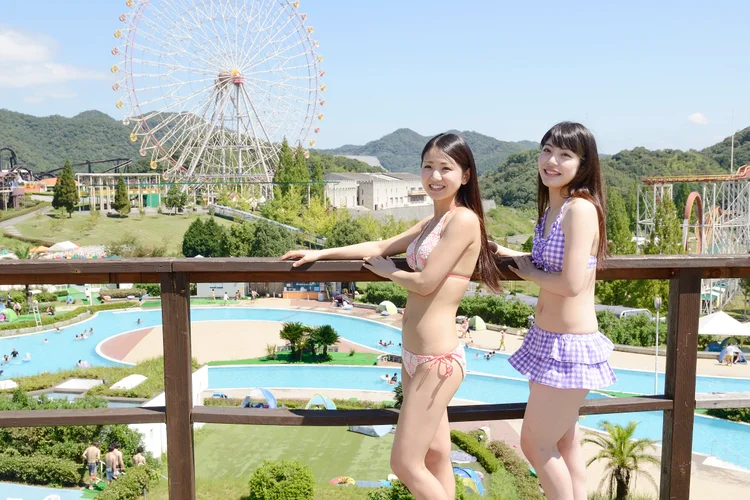
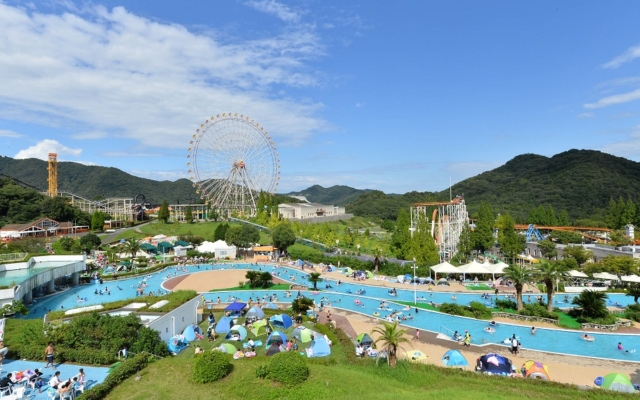
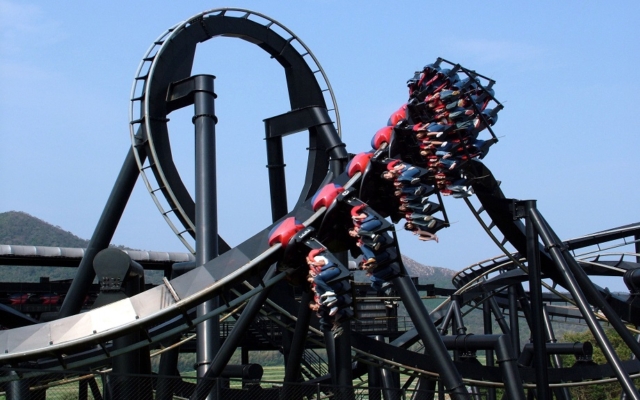
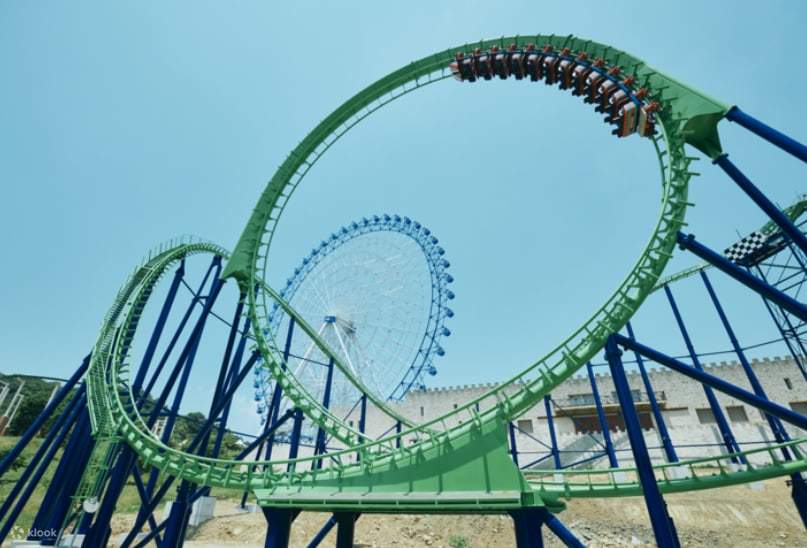
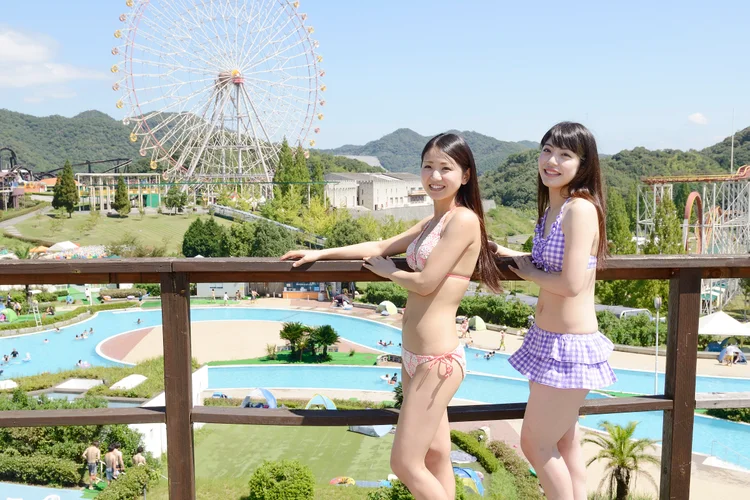
Safari park where you drive through zones with lions, elephants, and giraffes. Also has an amusement park section with roller coasters. Good family day out.

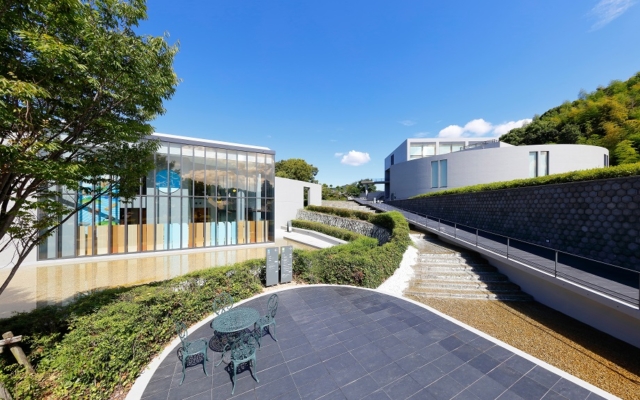
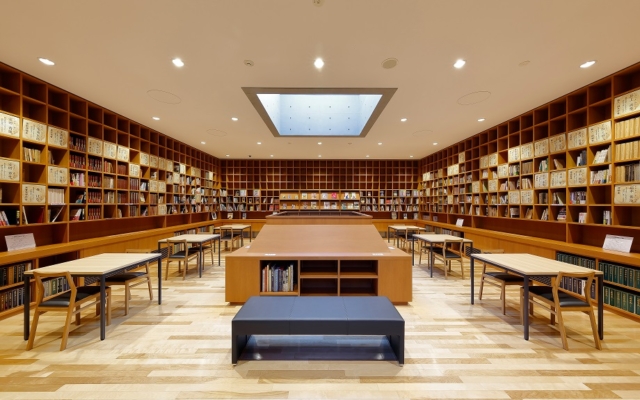
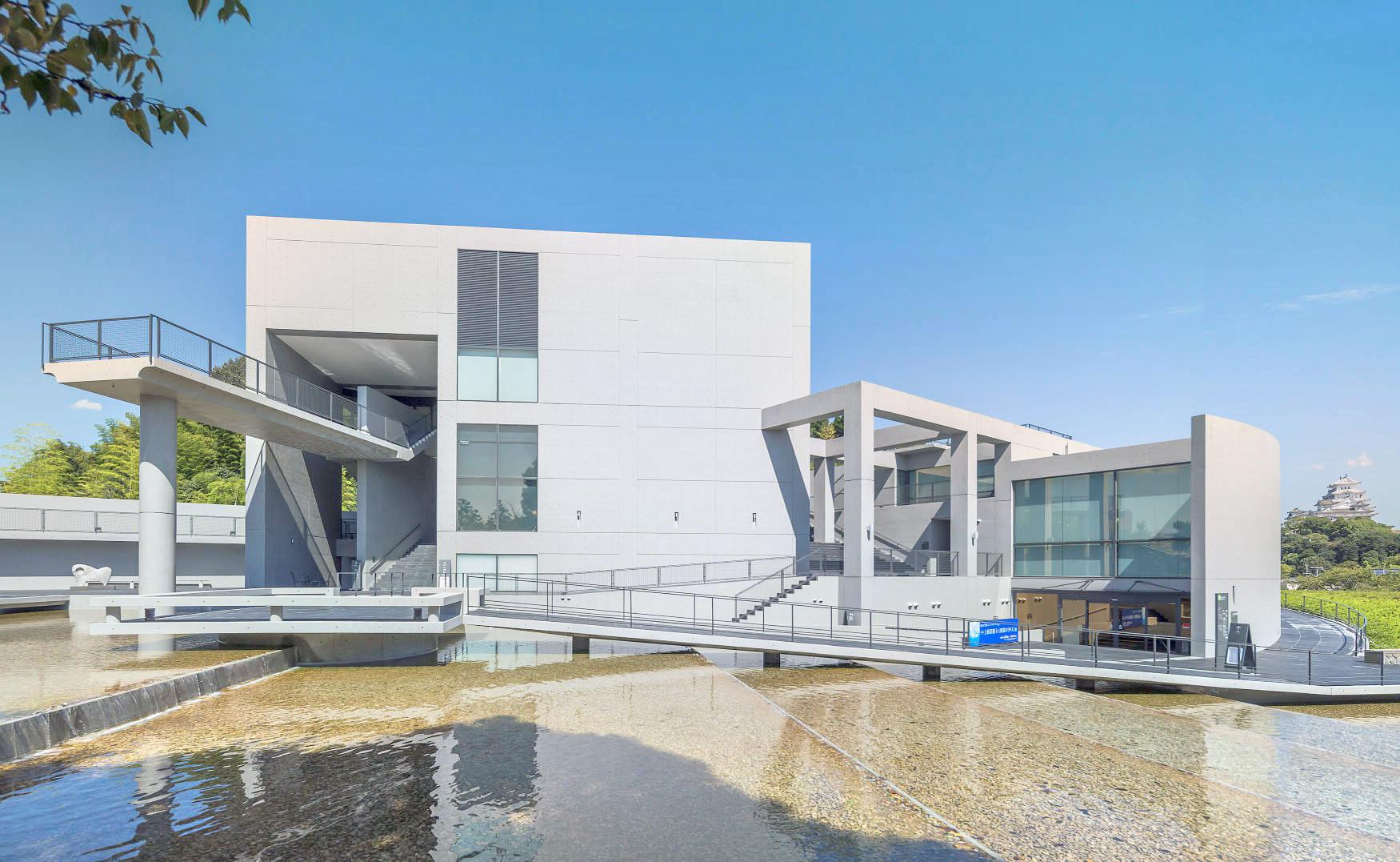
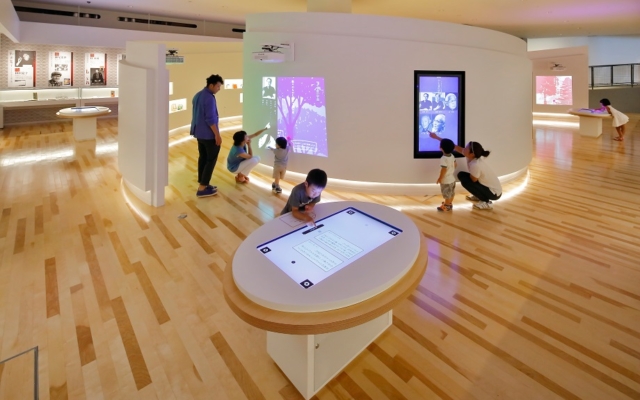
Another Tadao Ando design. Concrete and water reflecting pools. Dedicated to local writers with a focus on the relationship between literature and place.

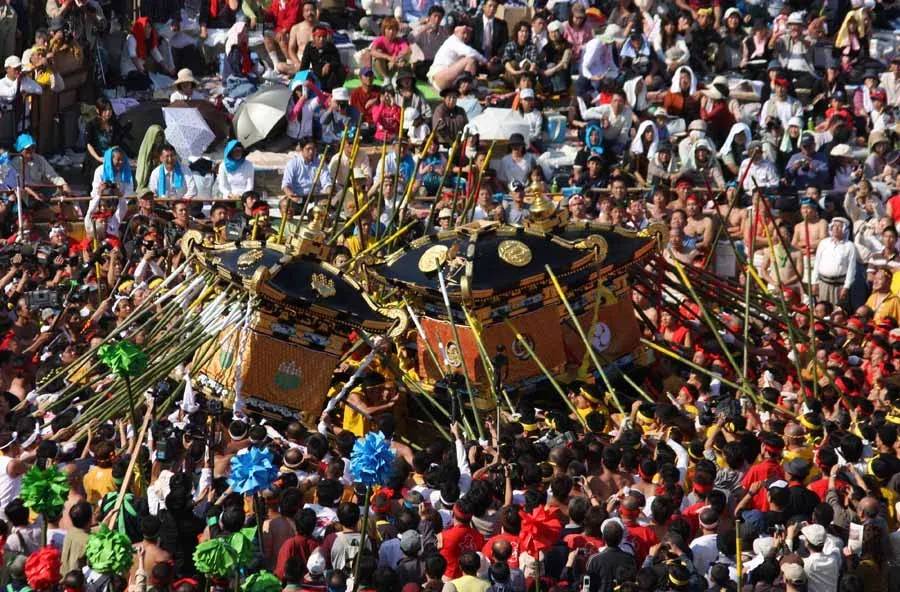
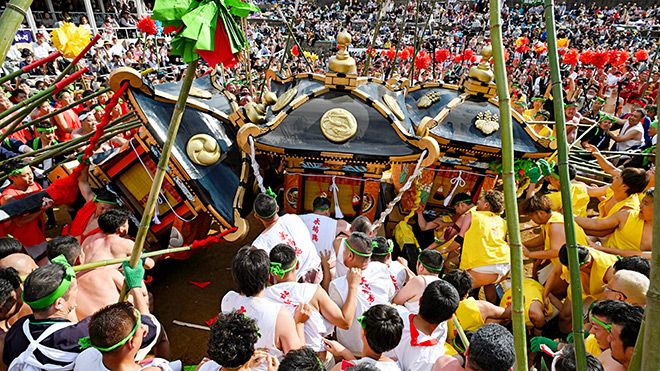
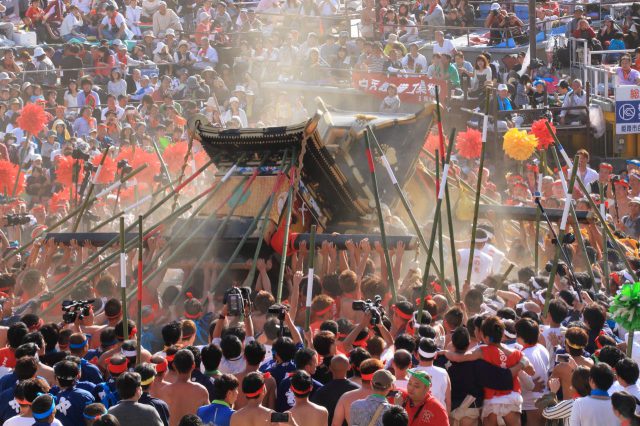
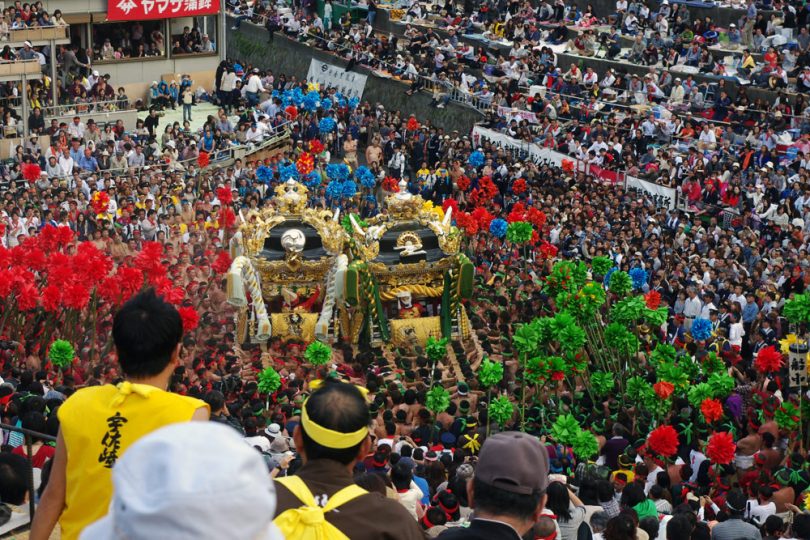
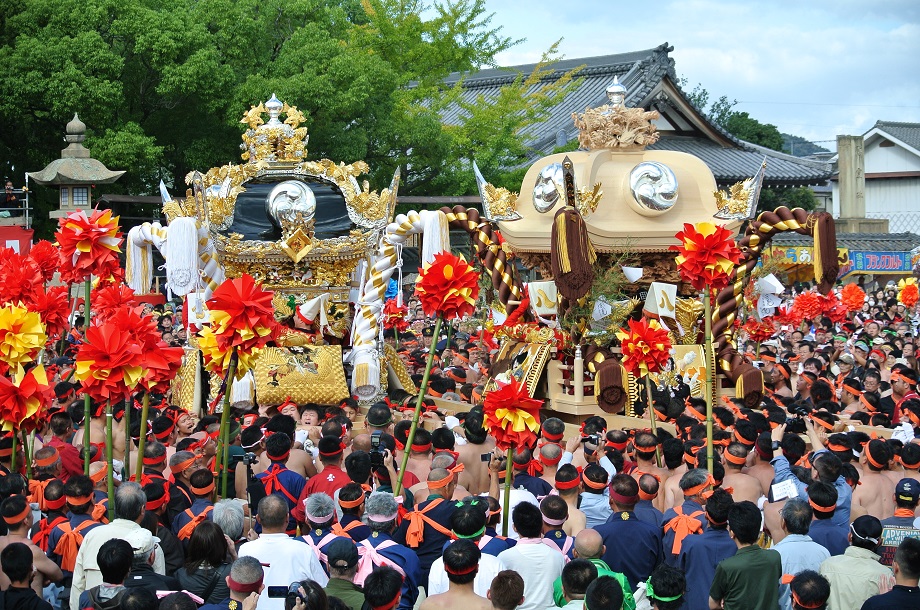
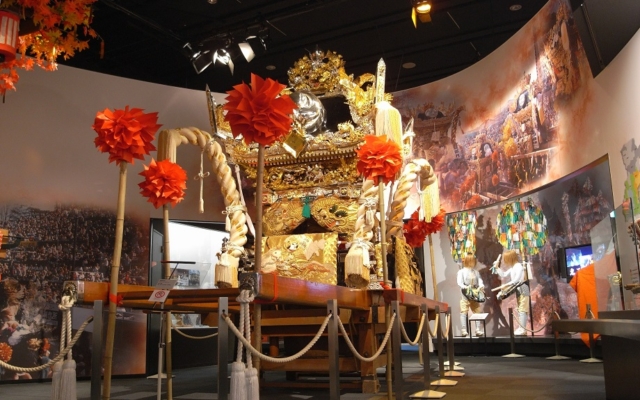
One of Japan's most violent festivals (Oct 14-15). Teams of men ram massive portable shrines (mikoshi) into each other. Incredible energy and spectacle.

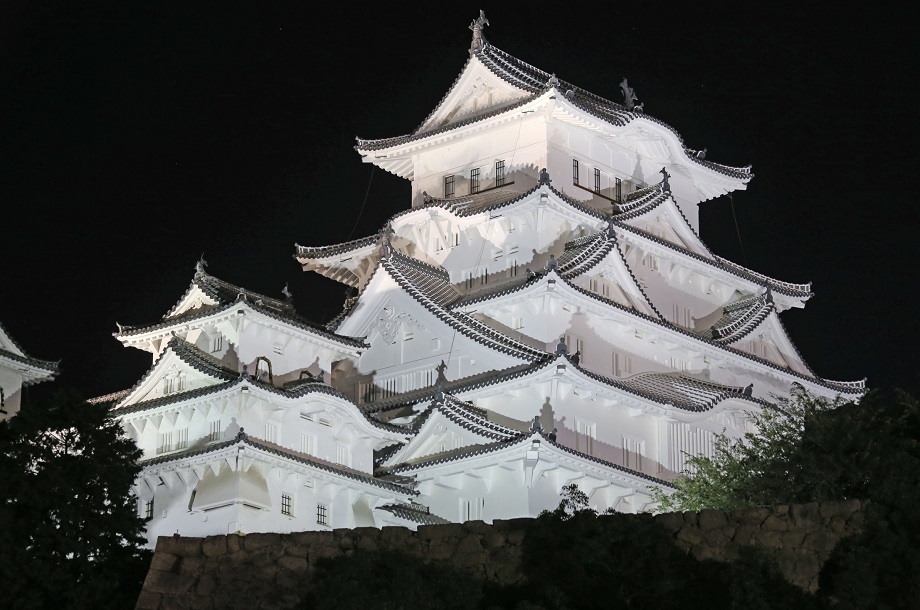
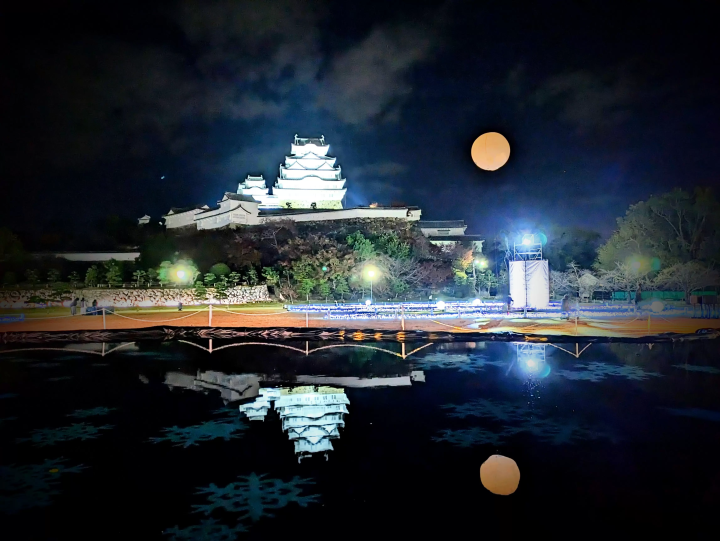
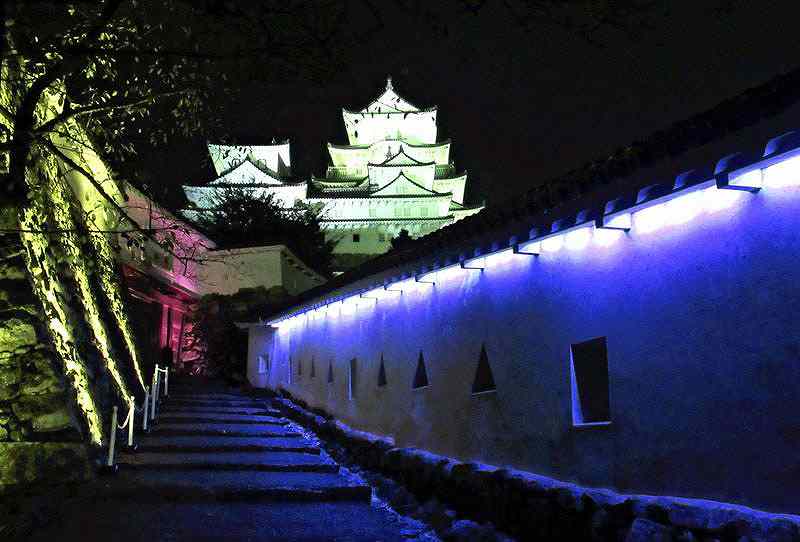
The castle is illuminated nightly. White lights year-round with seasonal color changes. Cherry blossom season adds pink, autumn adds warm tones. Free to view from outside.

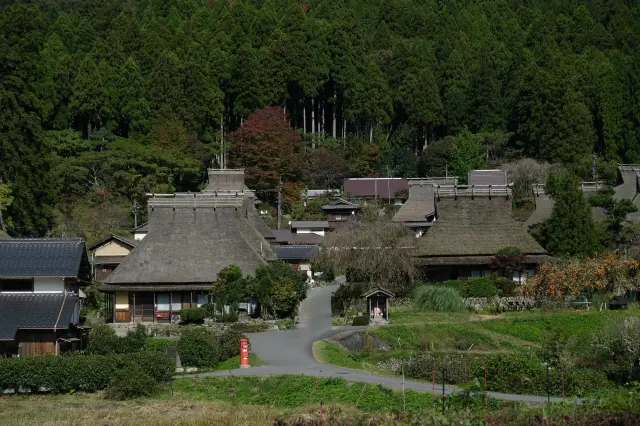
Open-air museum recreating traditional Harima region village life. Thatched-roof farmhouses, rice paddies, and craft workshops. Peaceful and educational.

Arts facility near Engyo-ji Temple. Changing exhibitions in a forest setting. The building blends traditional and modern architecture. Peaceful atmosphere.

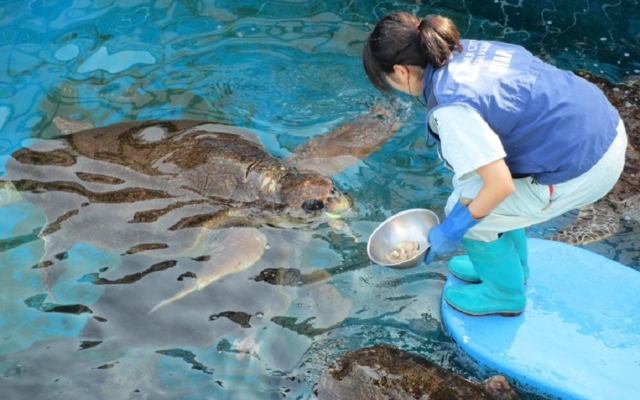
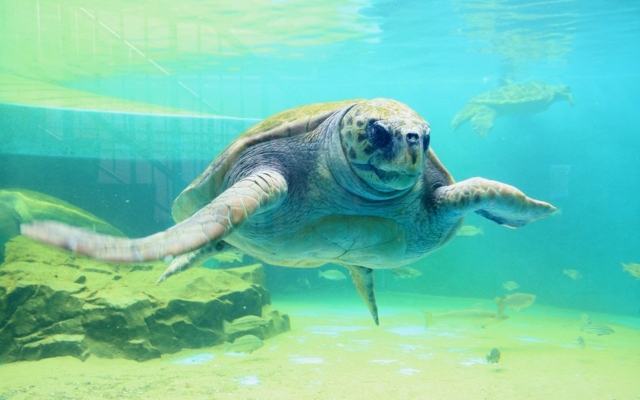
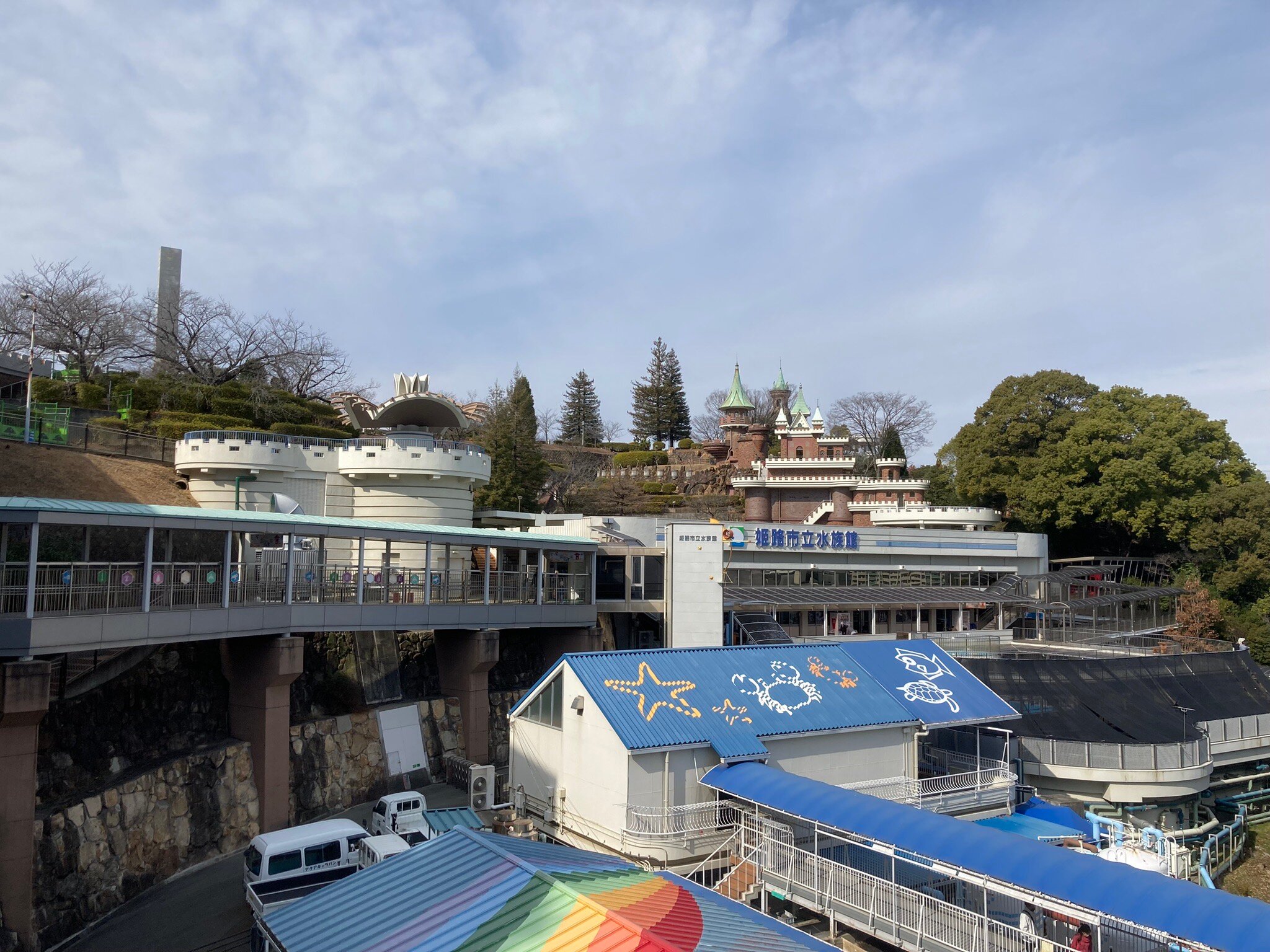
Small aquarium on Tegarayama hill. Focus on Seto Inland Sea marine life. The rooftop observation deck has castle views. Budget-friendly family attraction.

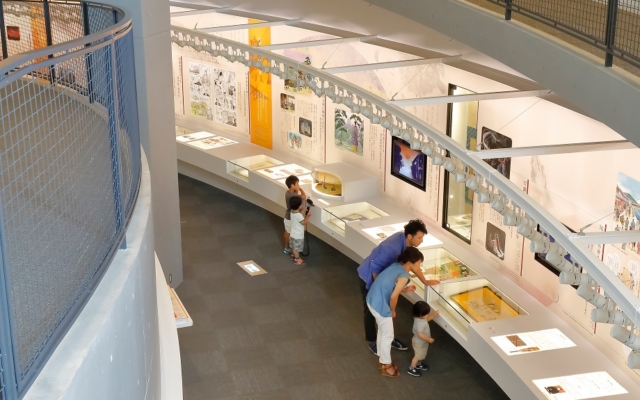
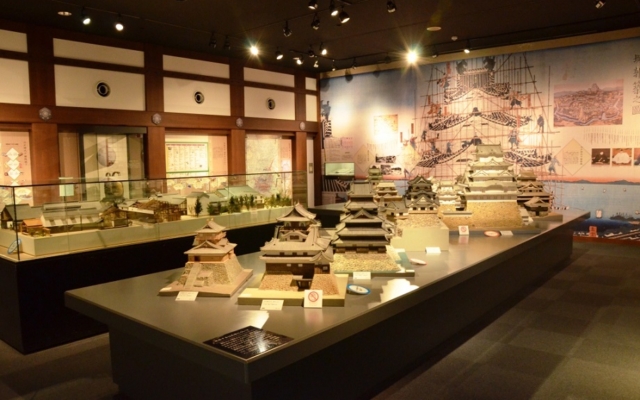
Designed by Tange Kenzo. Covers the entire Hyogo prefecture history. The most interesting section focuses on samurai castle architecture across Japan.

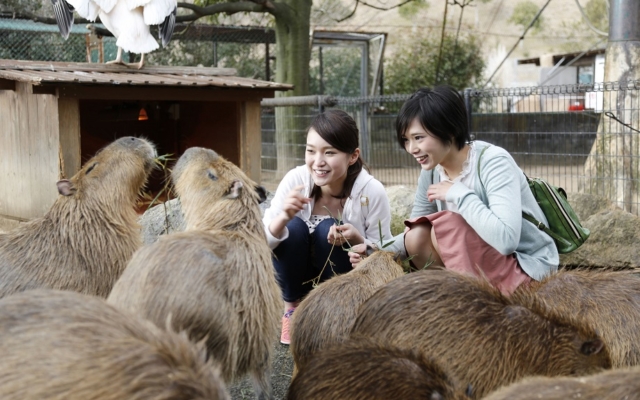
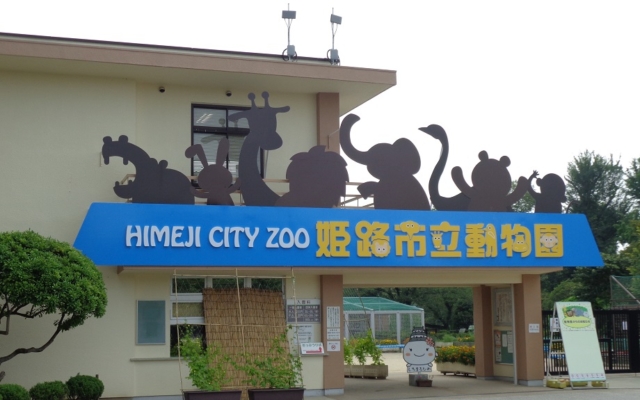
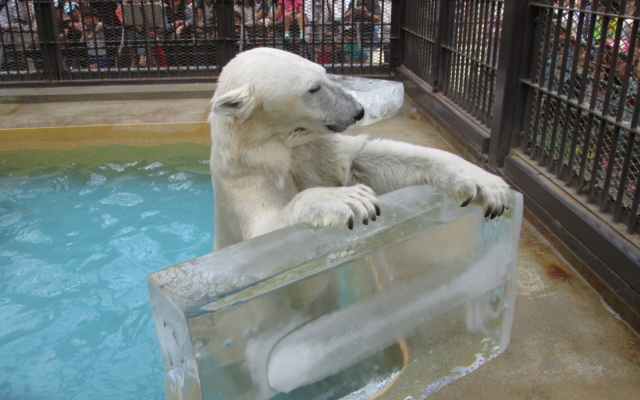
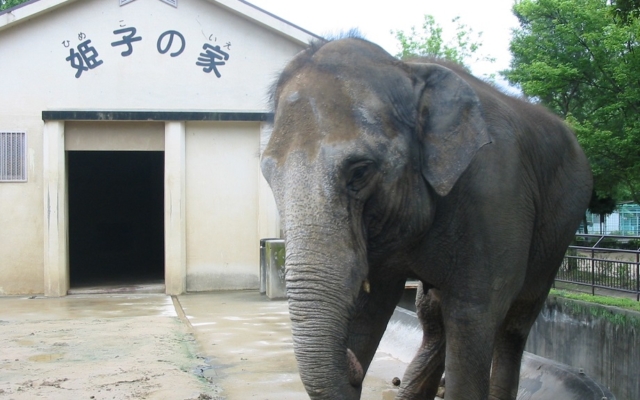
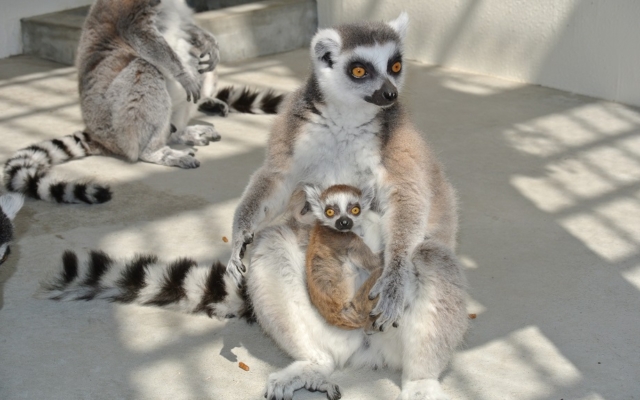
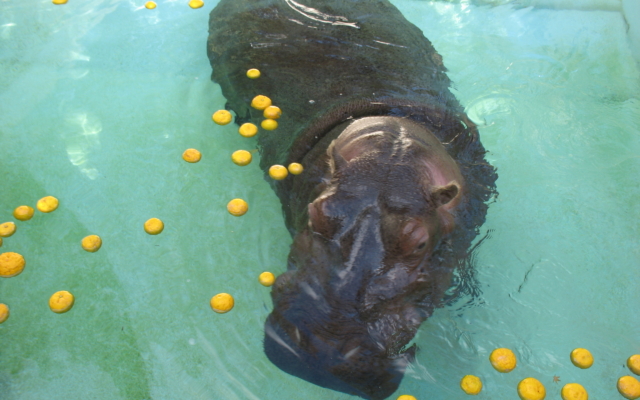
Small retro zoo inside the outer castle grounds. Free with castle ticket. Elephants, giraffes, and a polar bear. Nostalgic rather than modern but charming.

Famous for the world's longest suspension bridge (Akashi Kaikyo). Uonotana fish market serves fresh sashimi and Akashi's famous akashiyaki (octopus dumplings). 30 min from Himeji.

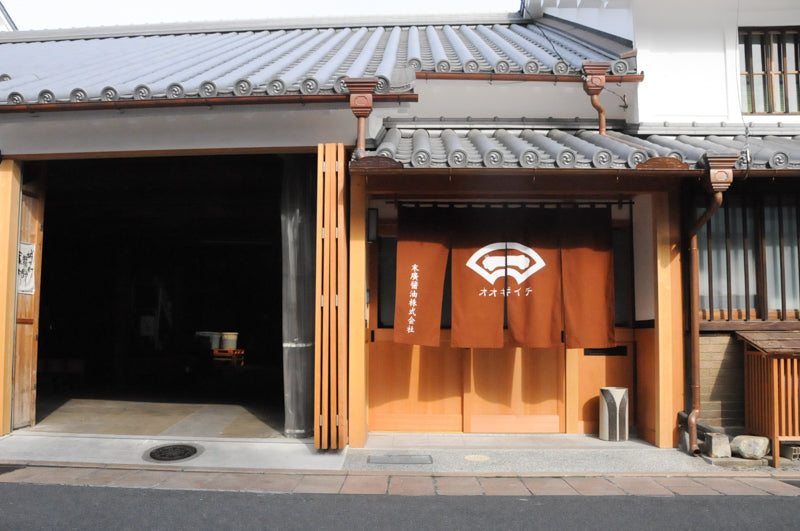
Historic town that produces the famous Higashimaru light soy sauce. Traditional white-walled warehouses along the river. Soumen noodle making workshops. 30 min from Himeji.

Castle ruins famous as the base of the 47 Ronin. Excellent museum about the famous revenge plot. Cherry blossom spot. Annual 47 Ronin parade in December. 40 min from Himeji.

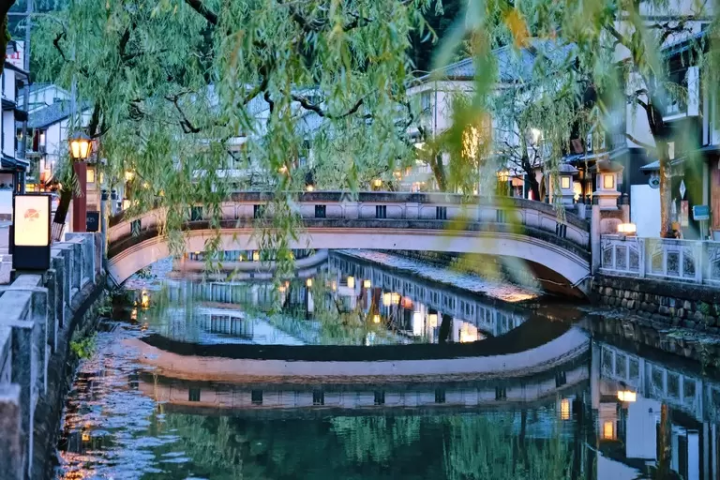
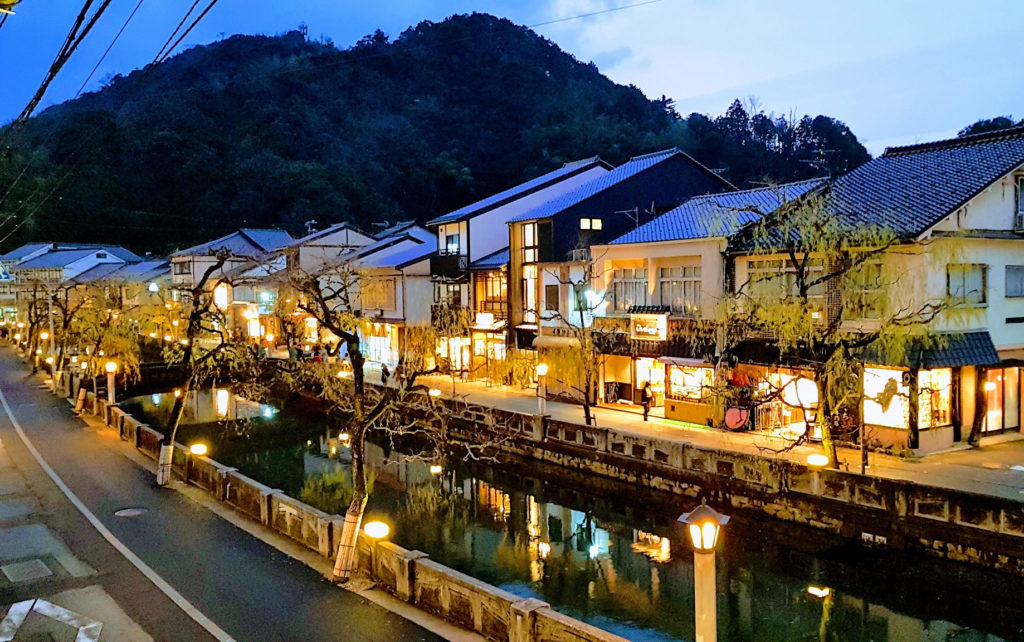
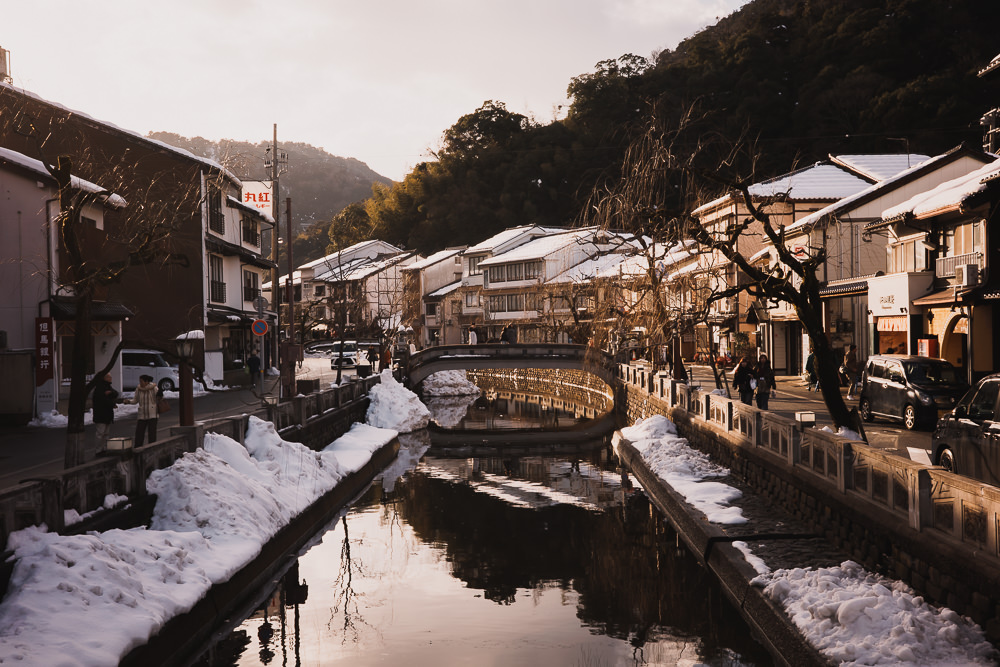
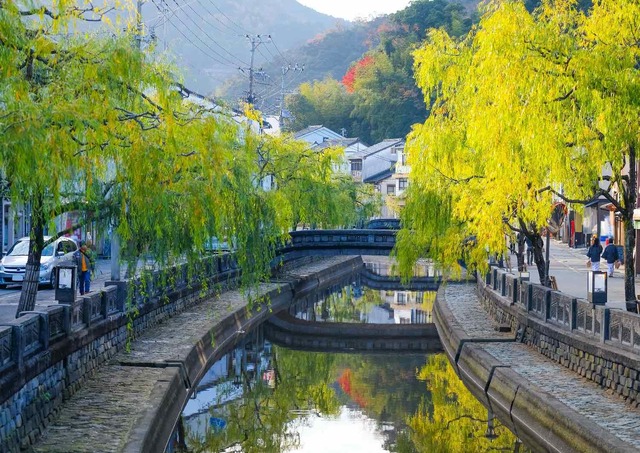
One of Japan's best traditional onsen towns. Seven public bathhouses to hop between wearing a yukata. Beautiful willow-lined canal. 2 hrs from Himeji by train.

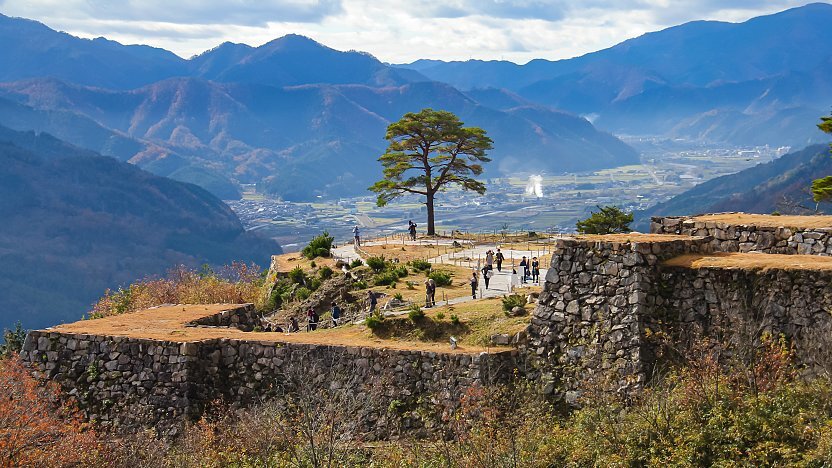
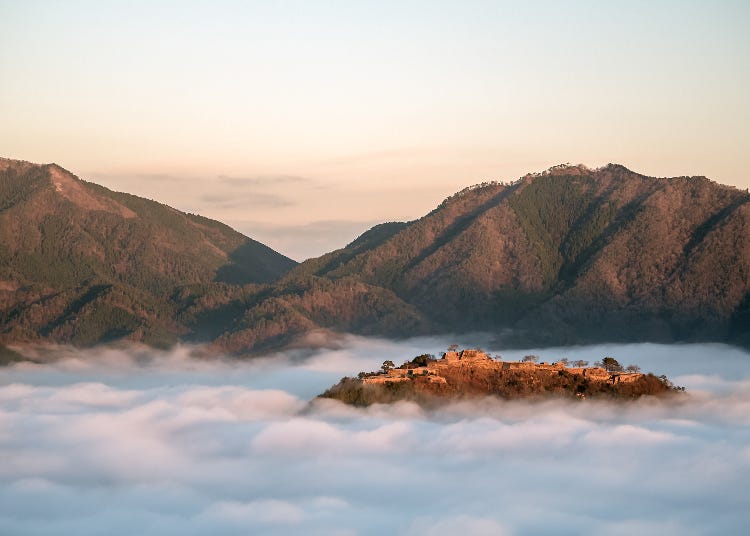
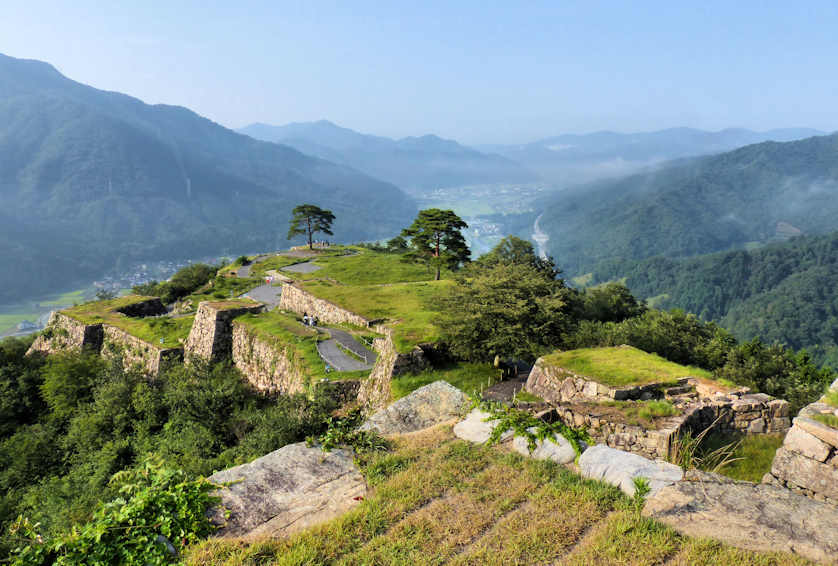
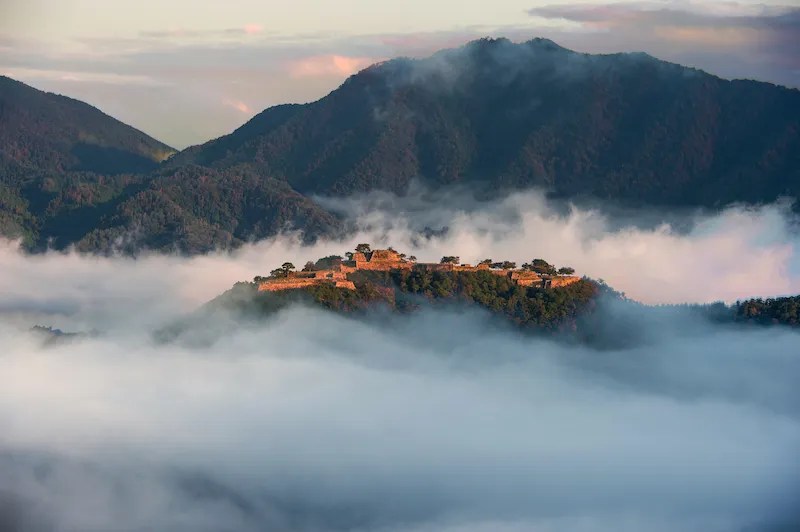
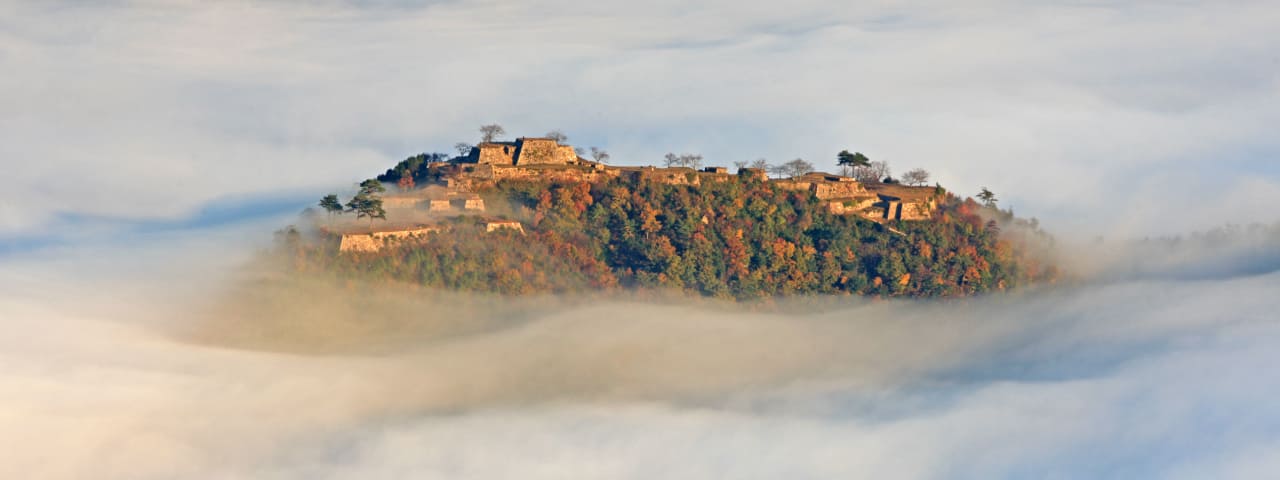
Mountain castle ruins that appear to float above the clouds on autumn mornings. Often called Japan's Machu Picchu. The sea-of-clouds view is magical. 1 hr from Himeji.

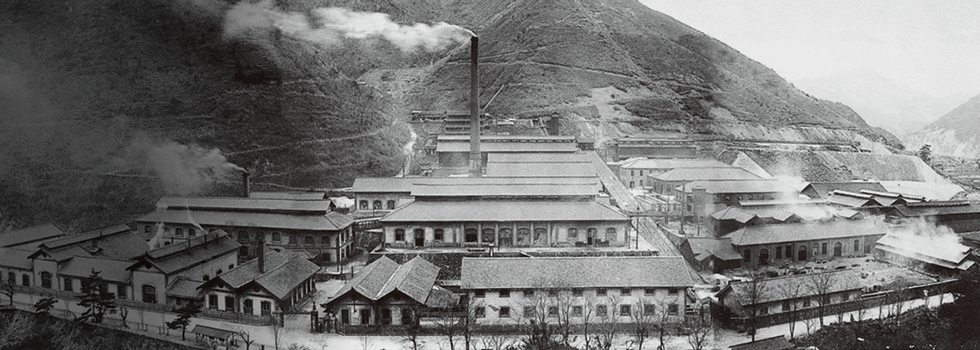
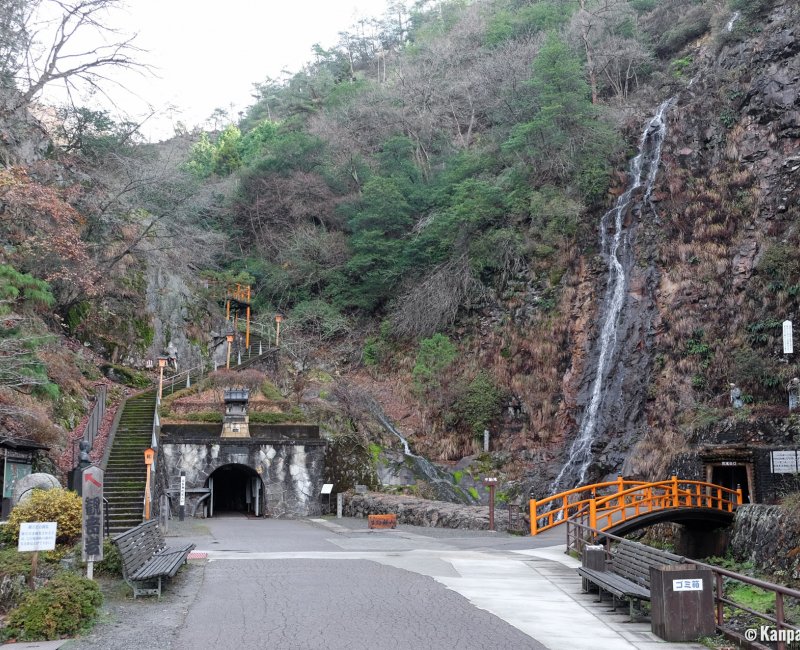
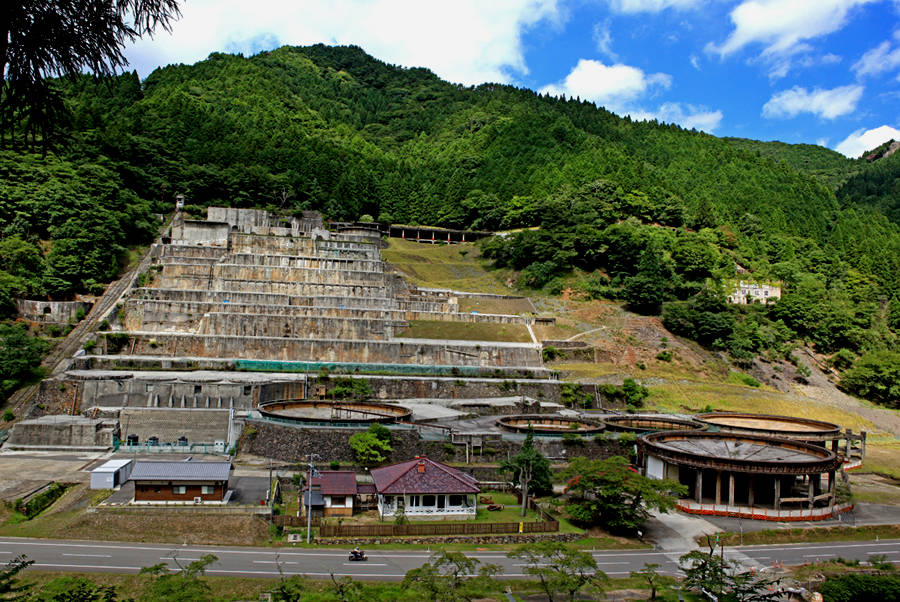
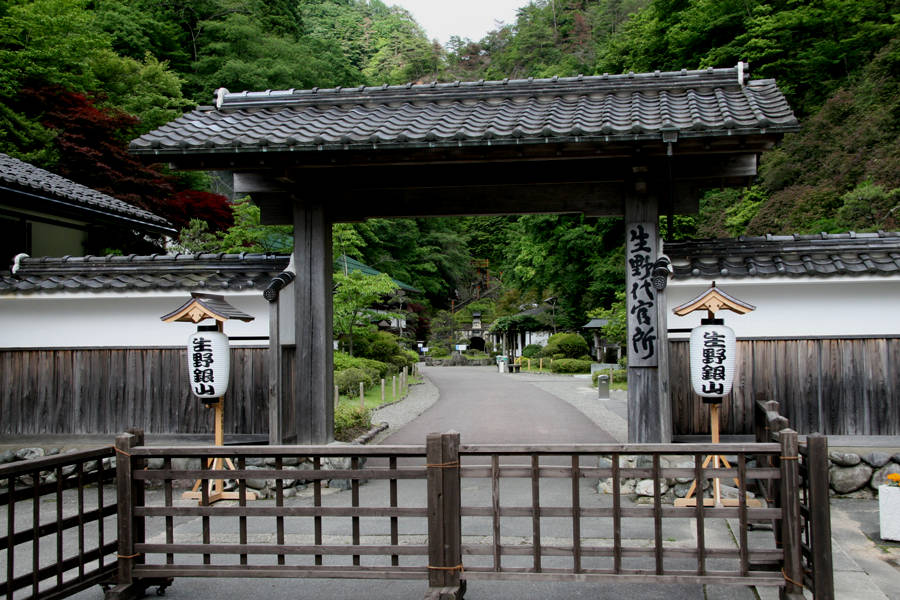
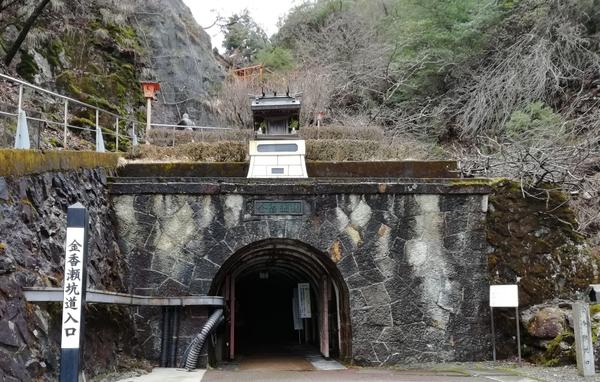
Historic silver mine operating for over 1000 years. Walk through 1km of underground tunnels. Displays showing Edo-era mining techniques. Cool temperature inside year-round. 1 hr from Himeji.

Largest island in the Seto Inland Sea. Whirlpool viewing at Naruto Strait. Massive flower parks, local onion cuisine, and premium beef. Connected by bridge. 1 hr from Himeji.
Replica ruins, bizarre theme parks, and the perfect shinkansen view.

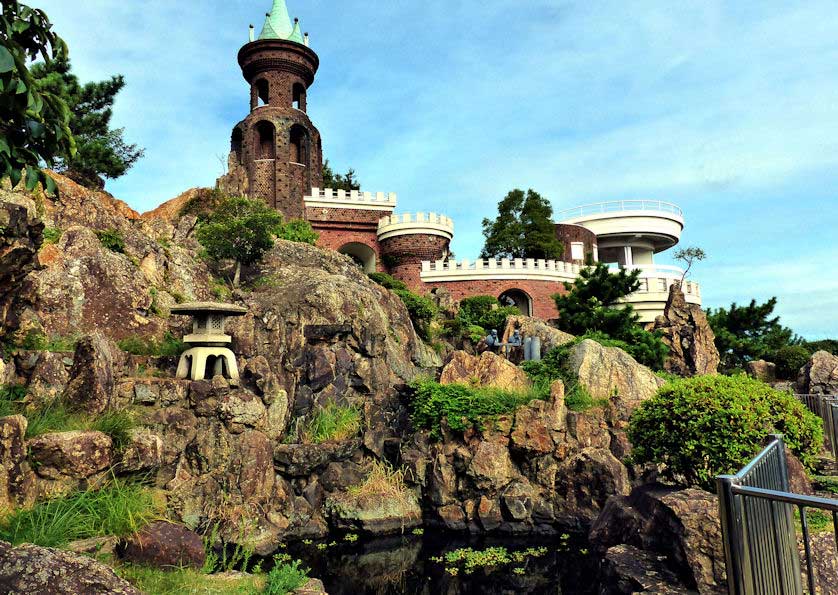
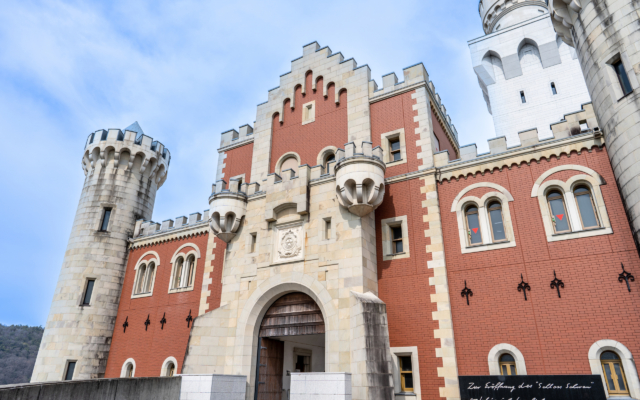
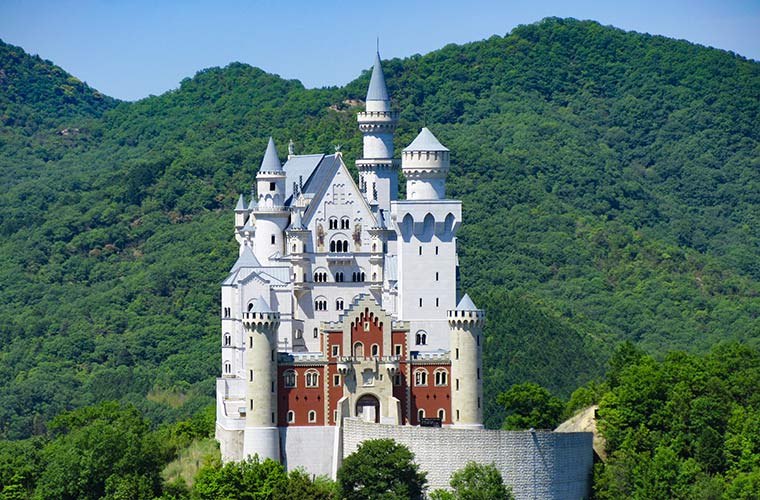
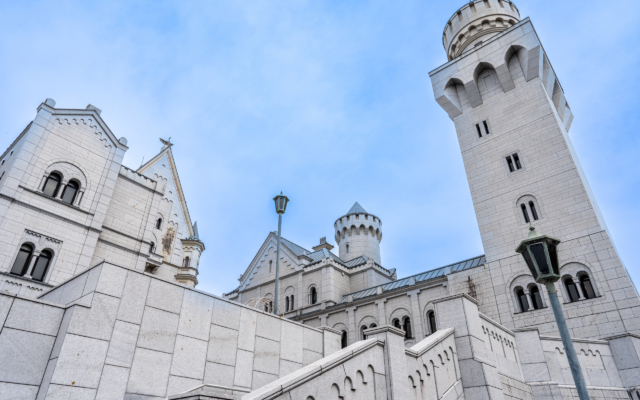
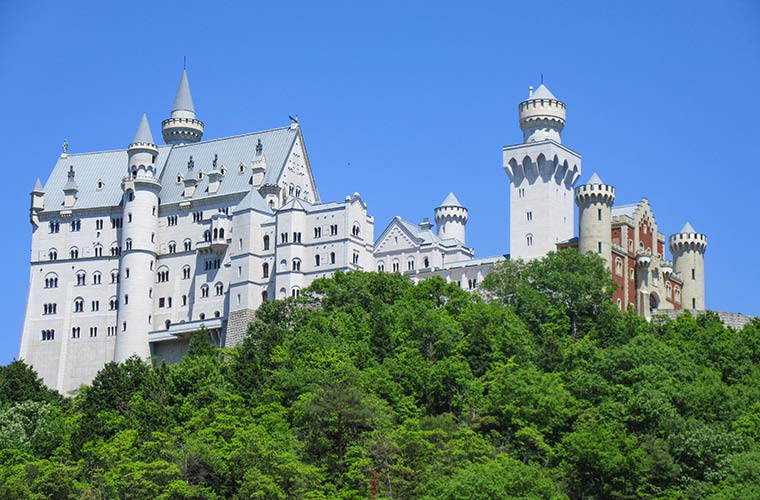
Bizarre theme park with full-size replica ruins from around the world. A Neuschwanstein Castle, Forbidden City gate, and Aztec pyramid. Surreal and oddly impressive.

The view from Himeji Station's north exit is legendary. A perfectly framed straight-line view of the castle 1km away down Otemai-dori. Best photo spot for first impressions.

Preserved Western-style military building from the Meiji era. Red brick architecture. Now used for cultural events and small exhibitions. Free to view exterior.