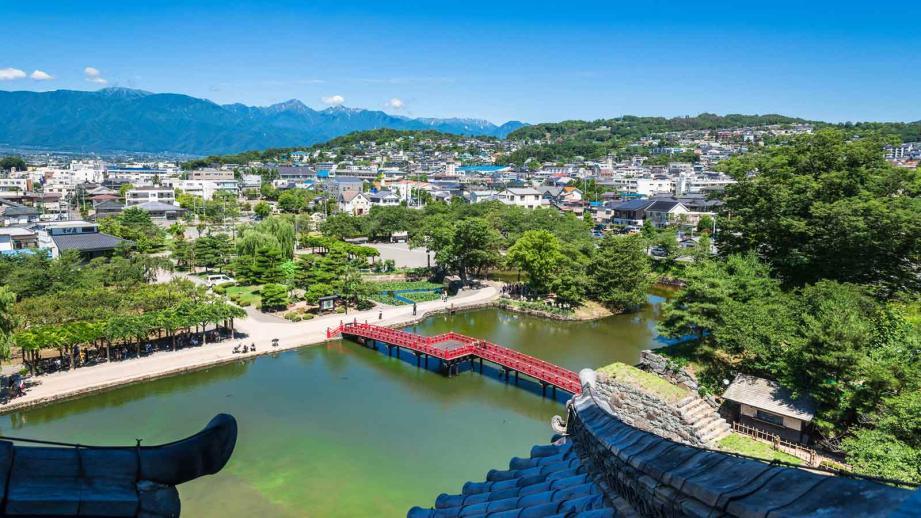
Castle town at the foot of the Japan Alps. Soba, sake, Kusama art, and some of Japan's best mountain scenery. 61 curated spots.
One of Japan's five original castles and the cultural heart of the Alps.
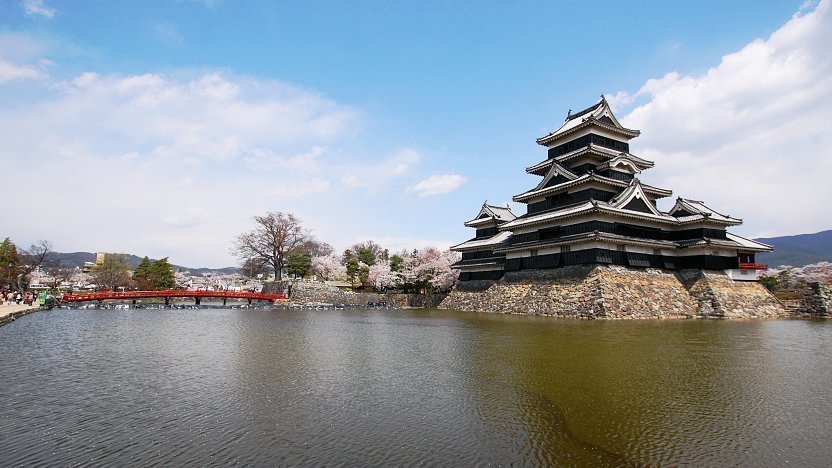
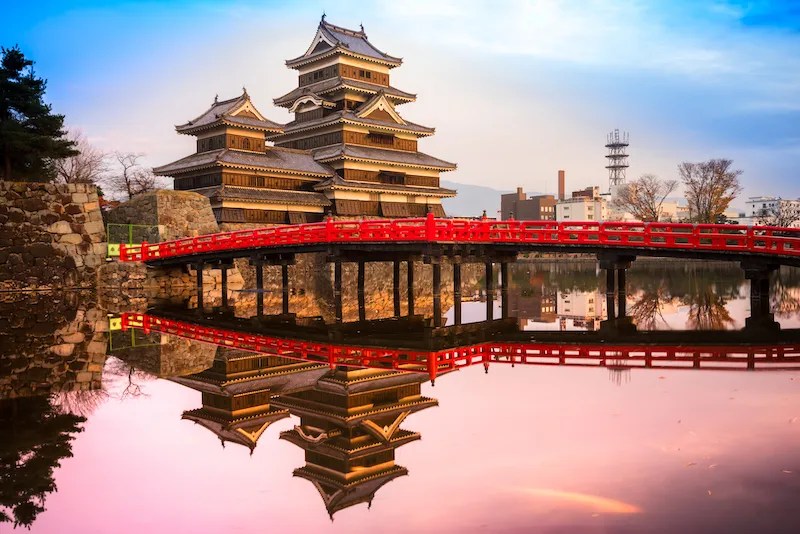
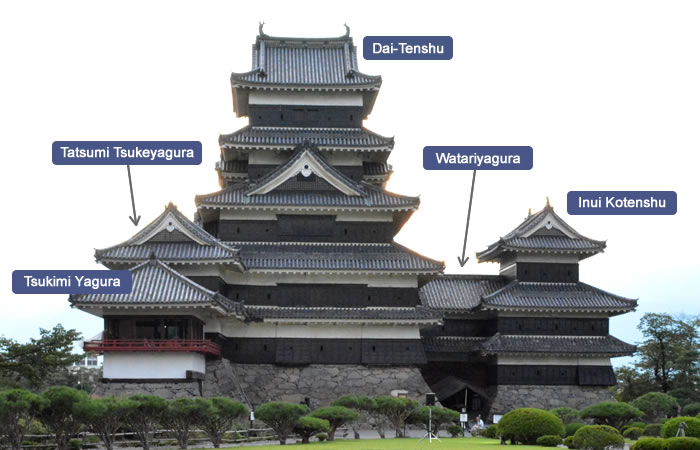
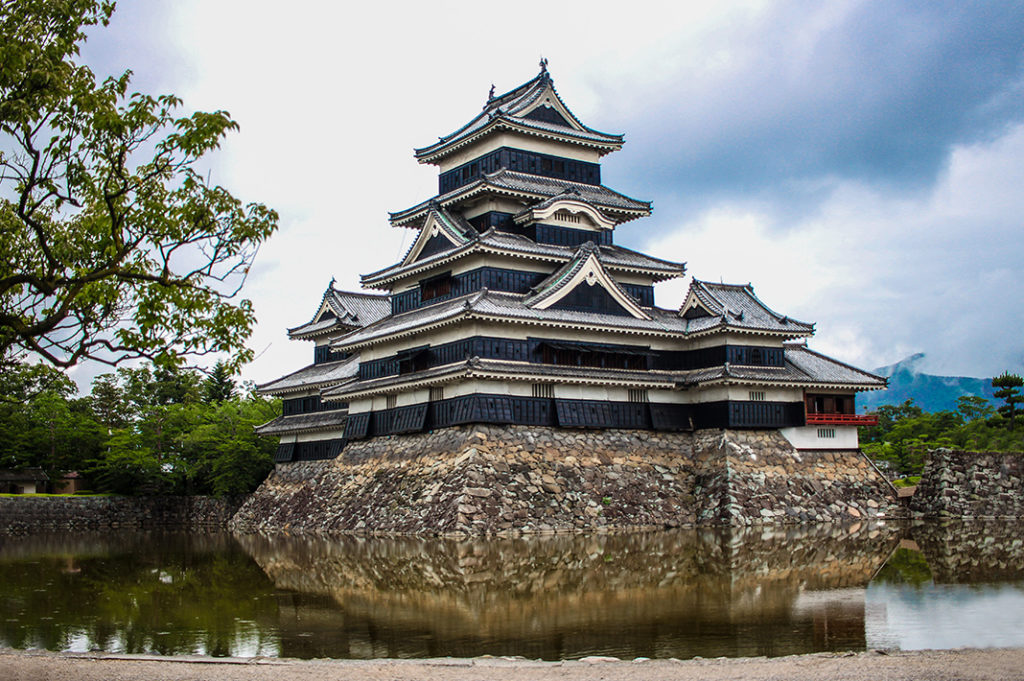
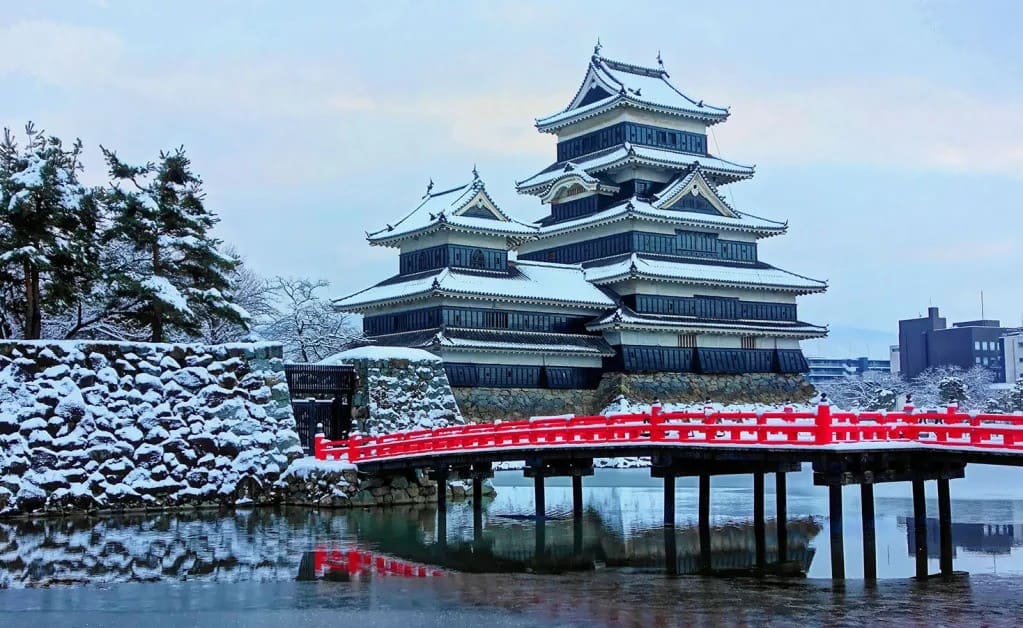
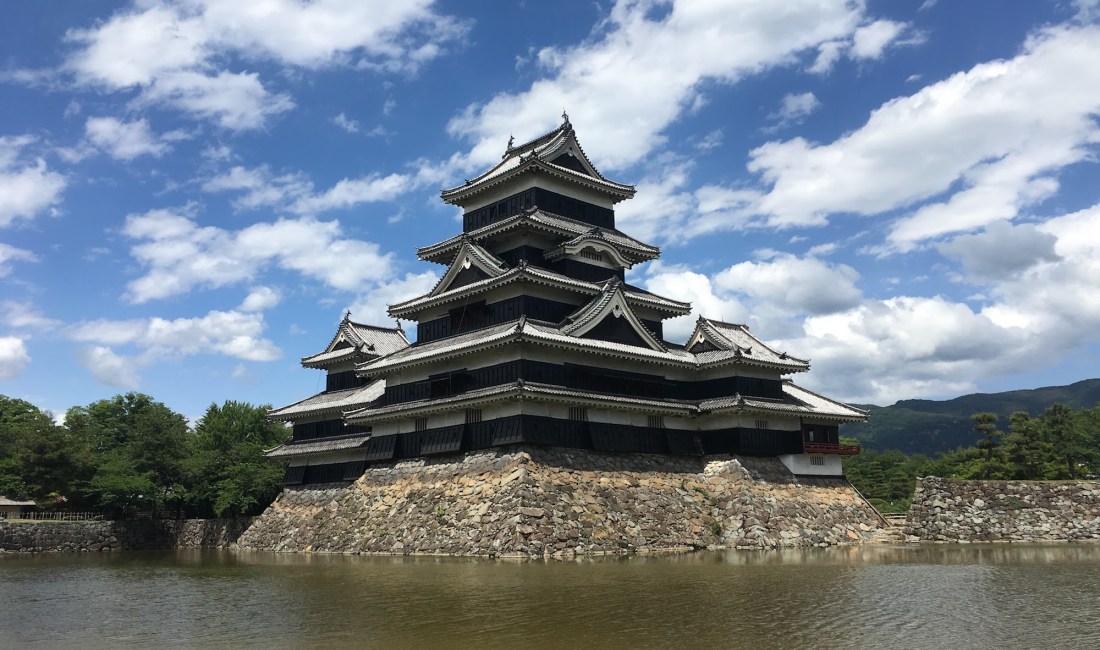
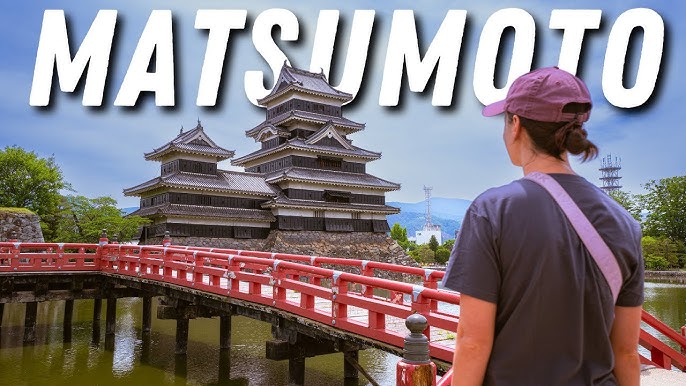
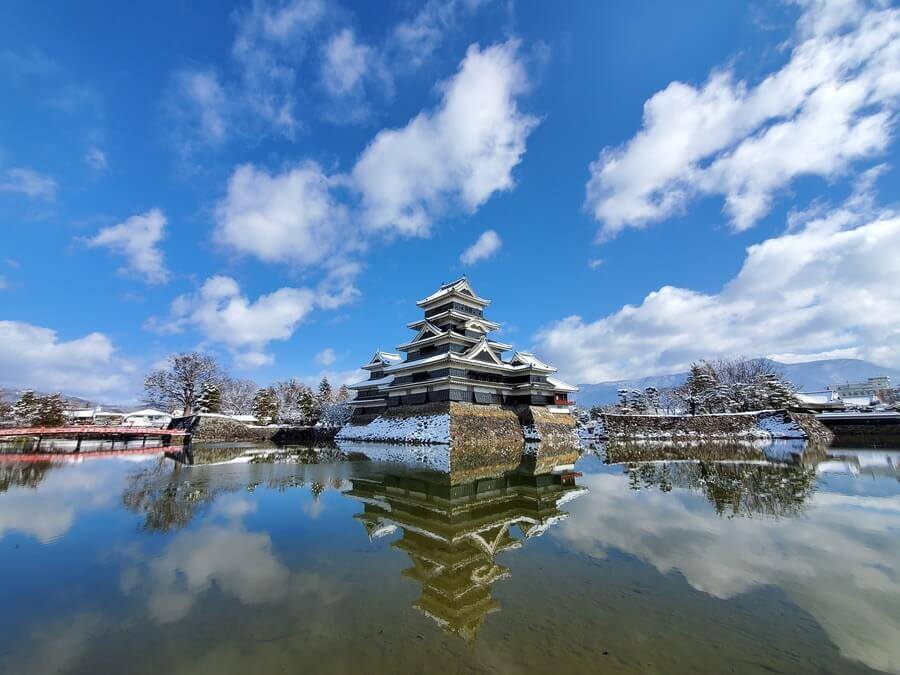
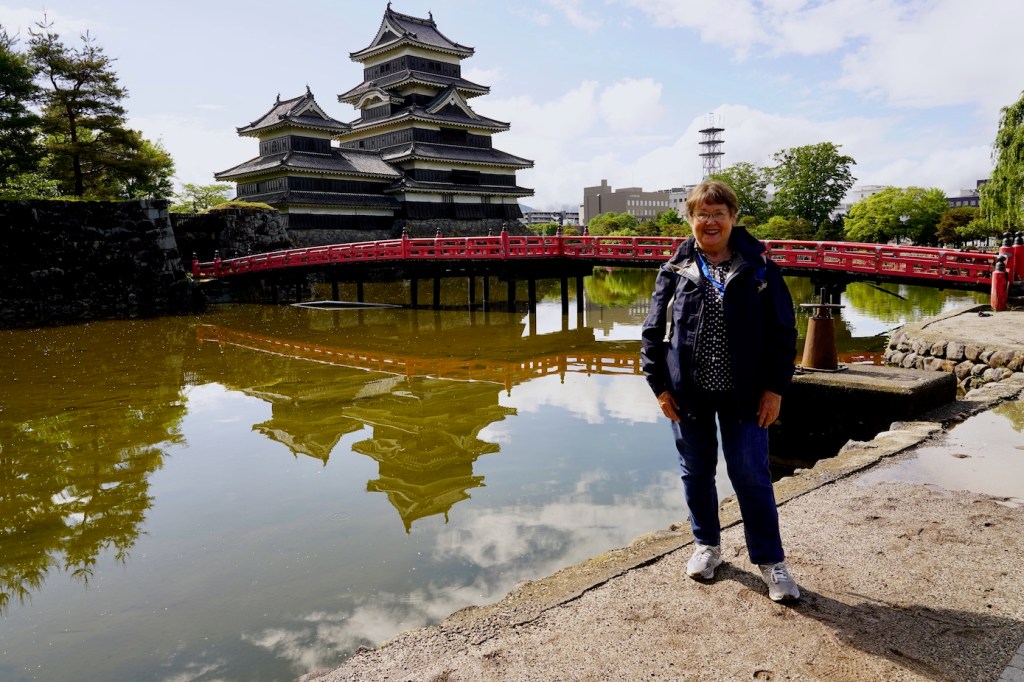
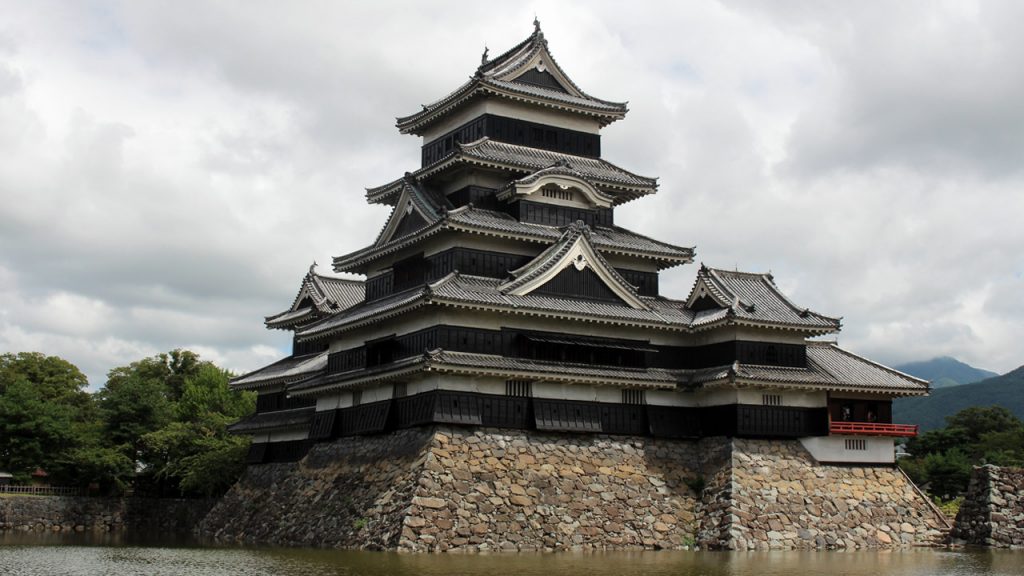
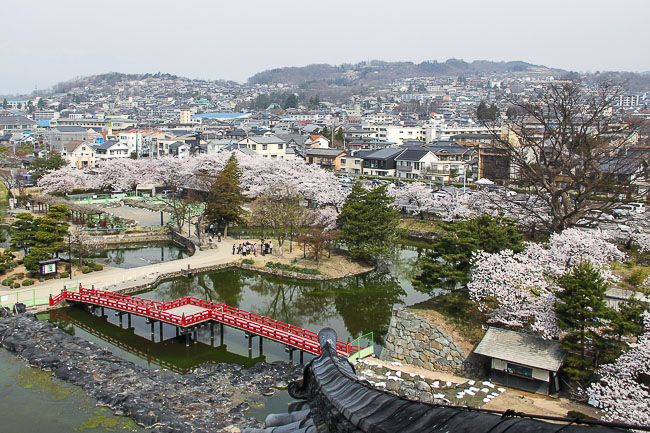
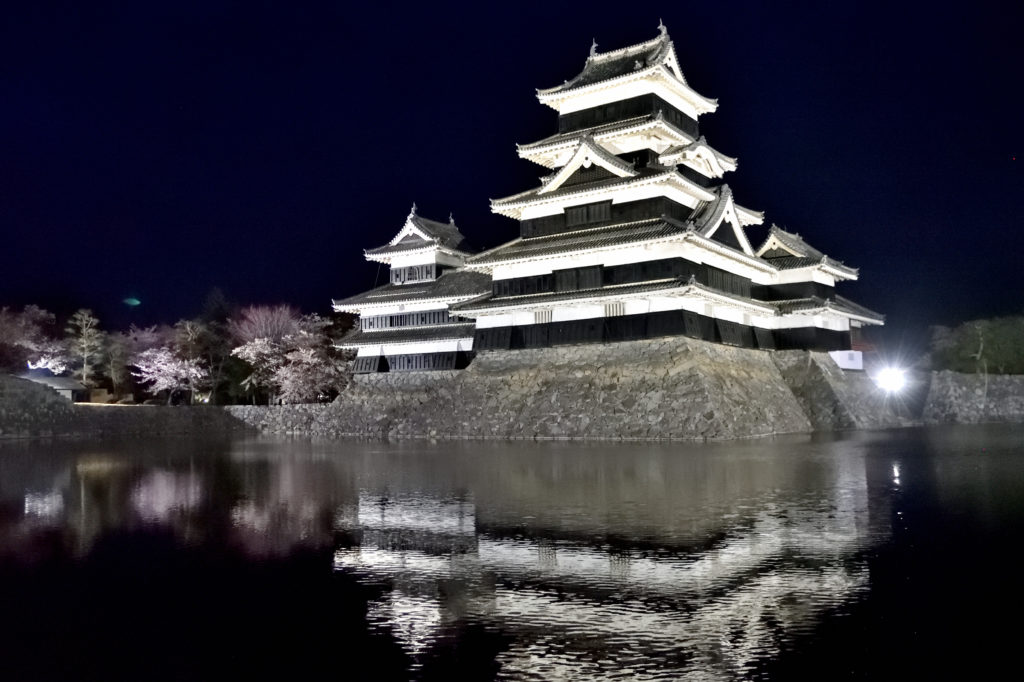
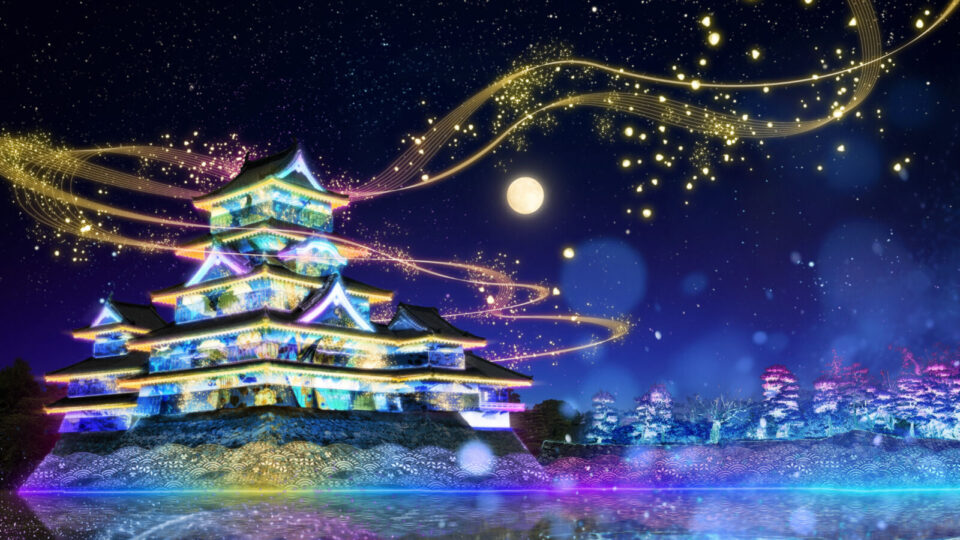
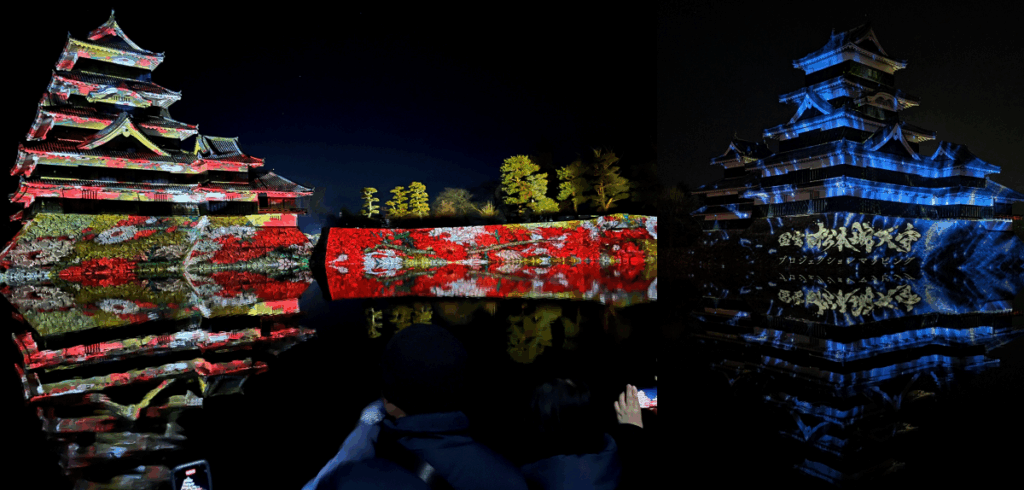
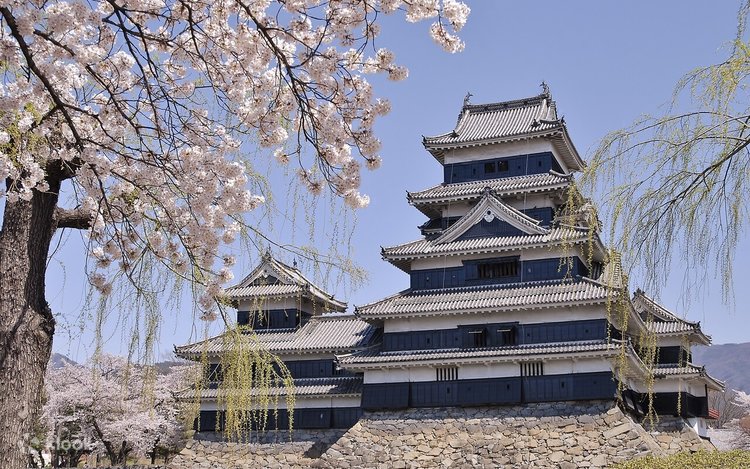
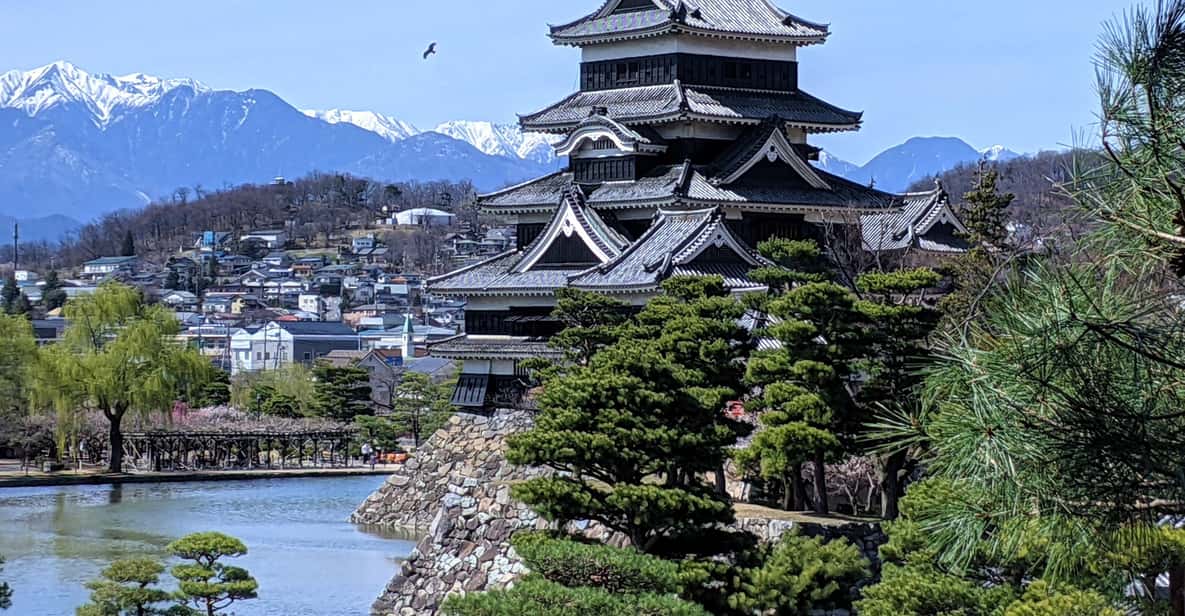
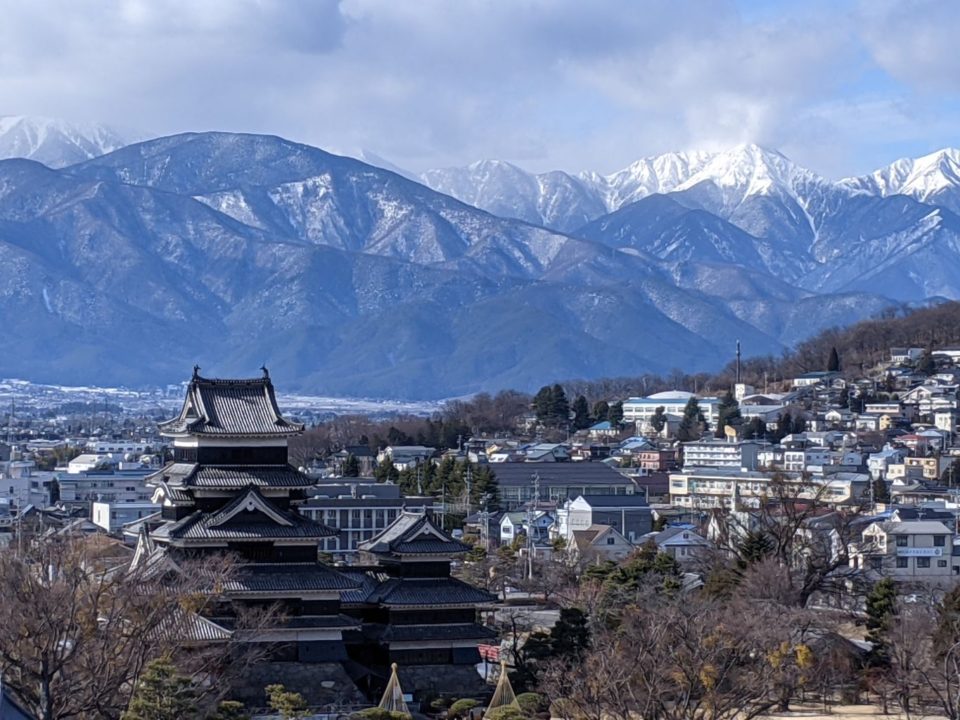
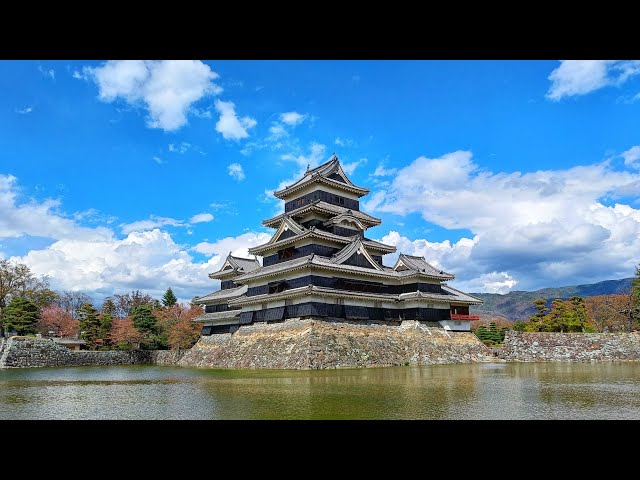
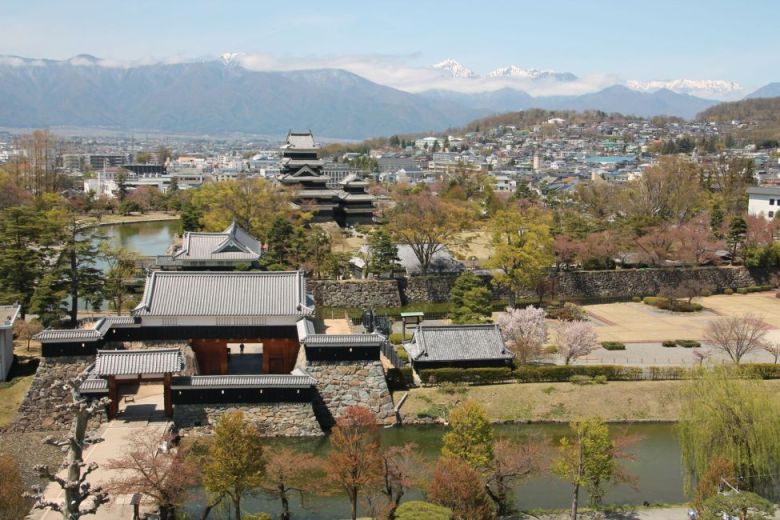
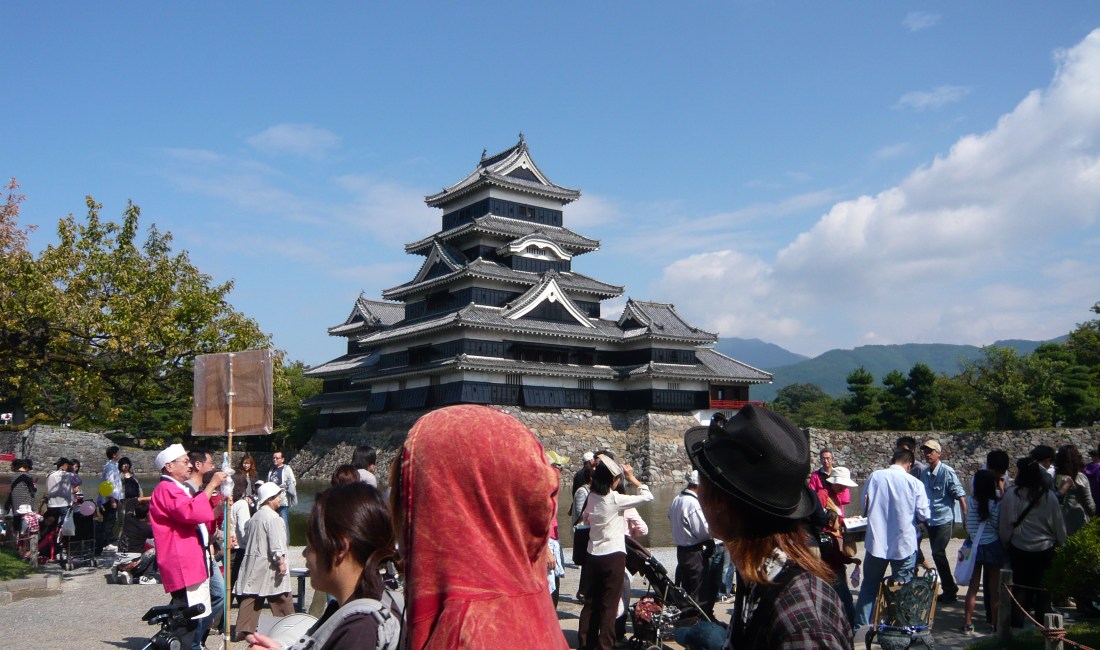
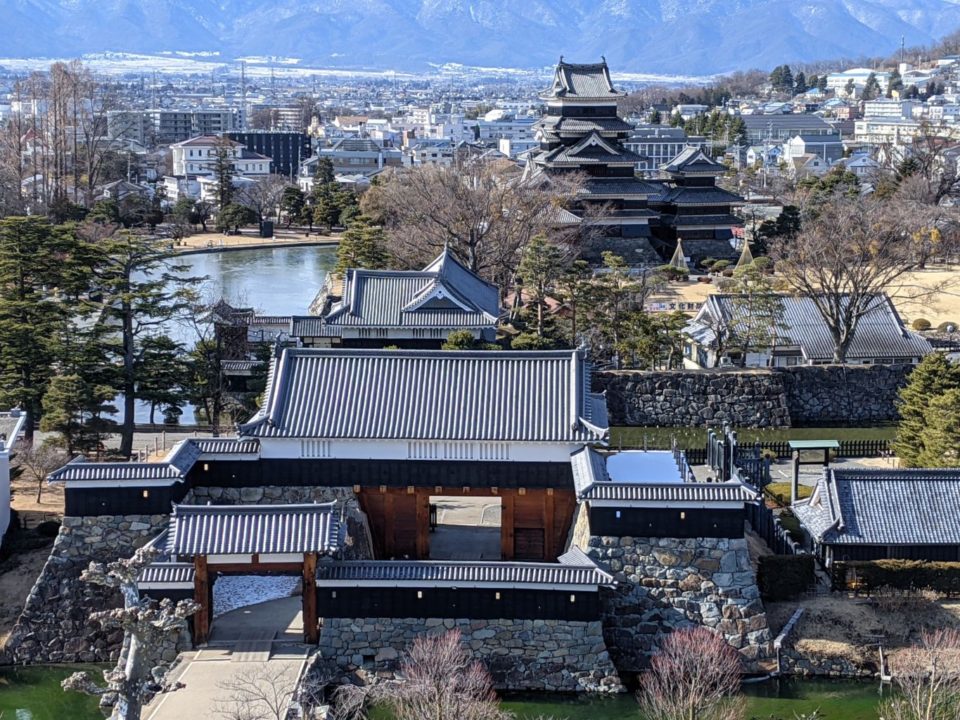
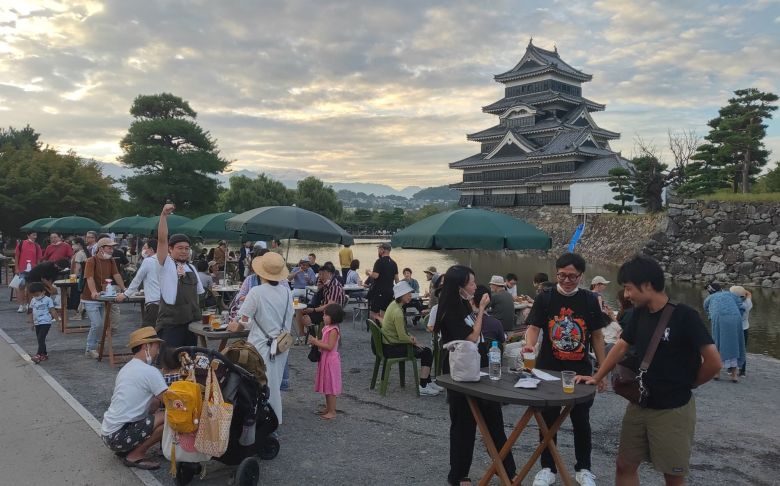
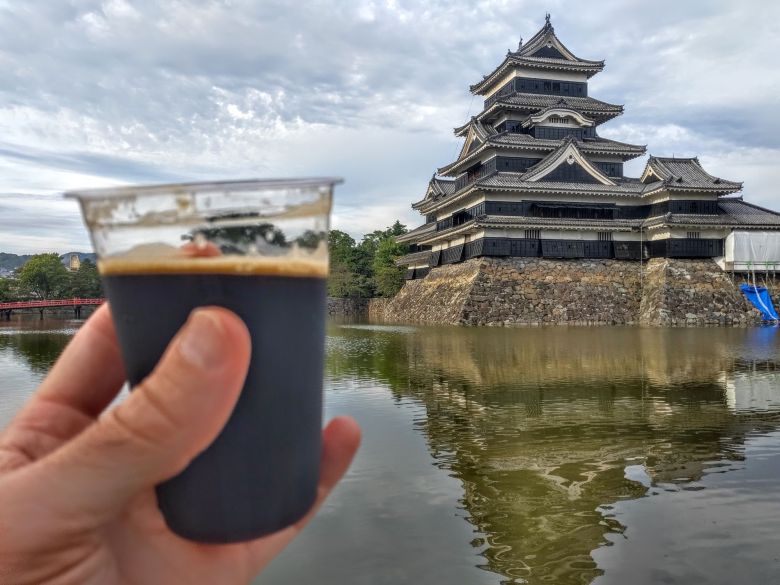
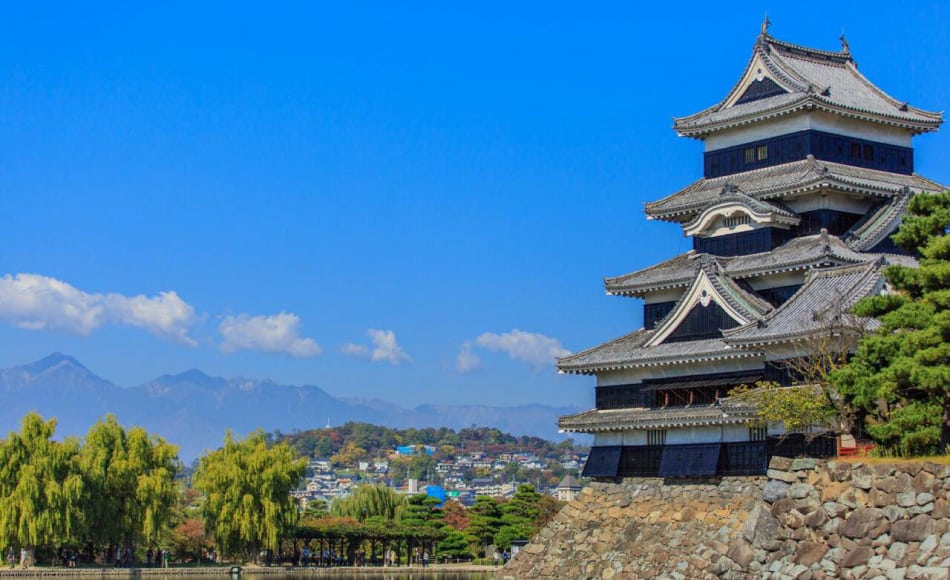
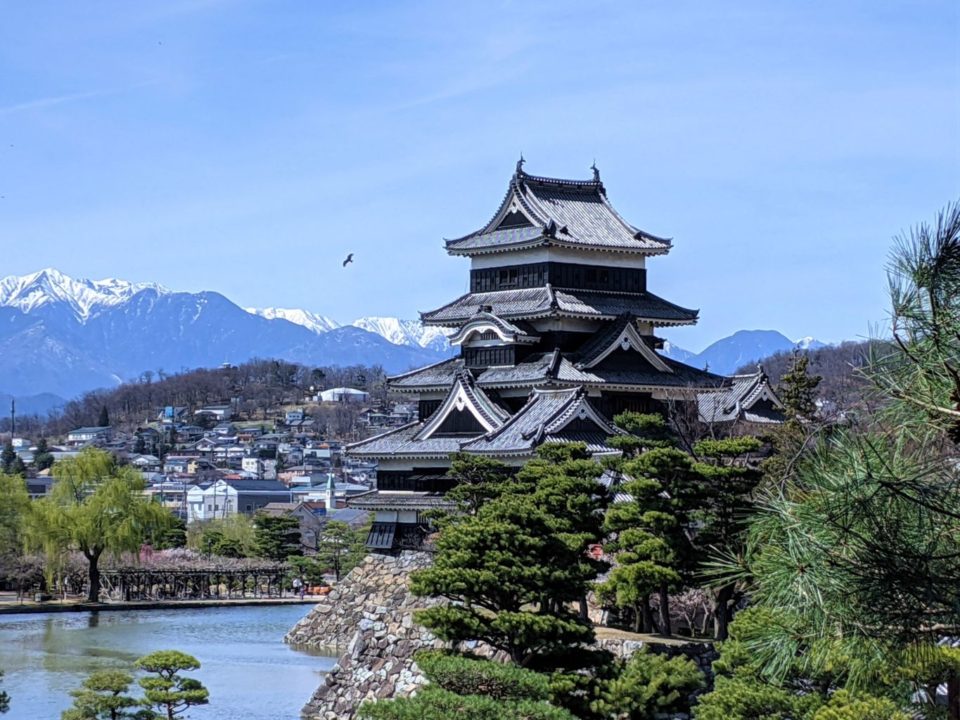
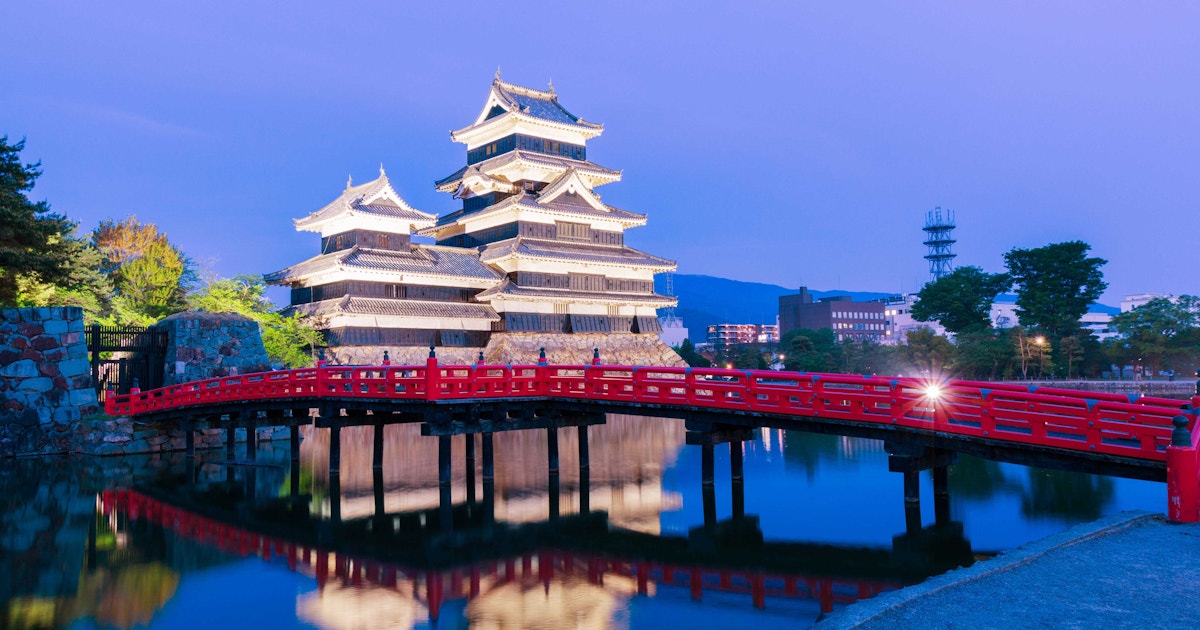
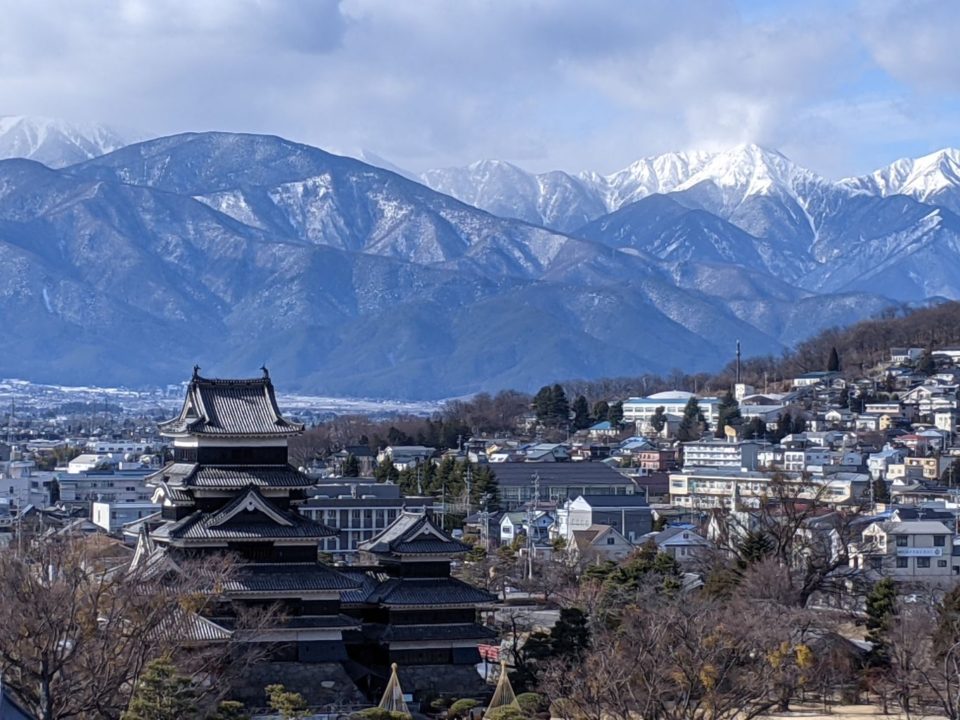
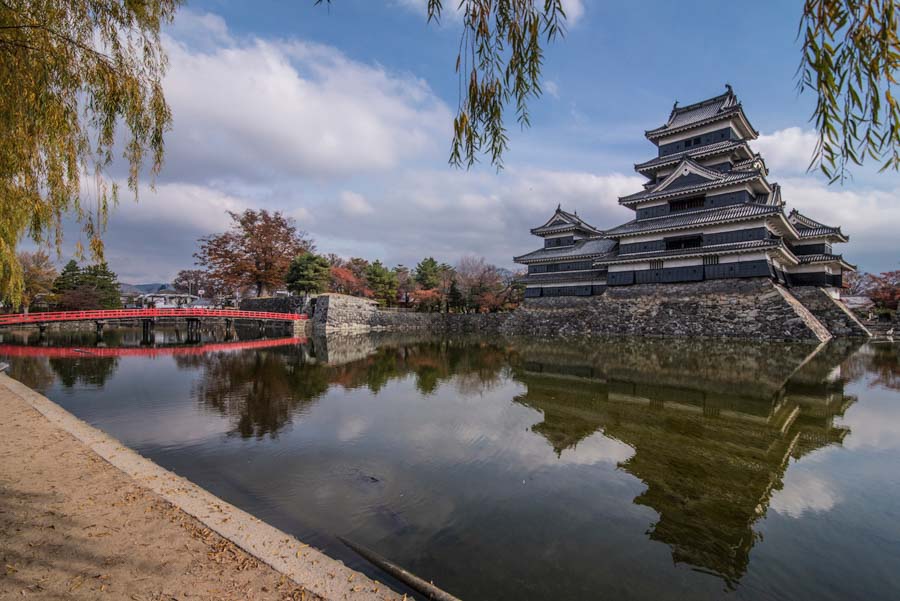
National Treasure and one of Japan's five original castles. The black exterior earned it the name 'Crow Castle.' Stunning with the Japan Alps as backdrop. Night illumination is beautiful.
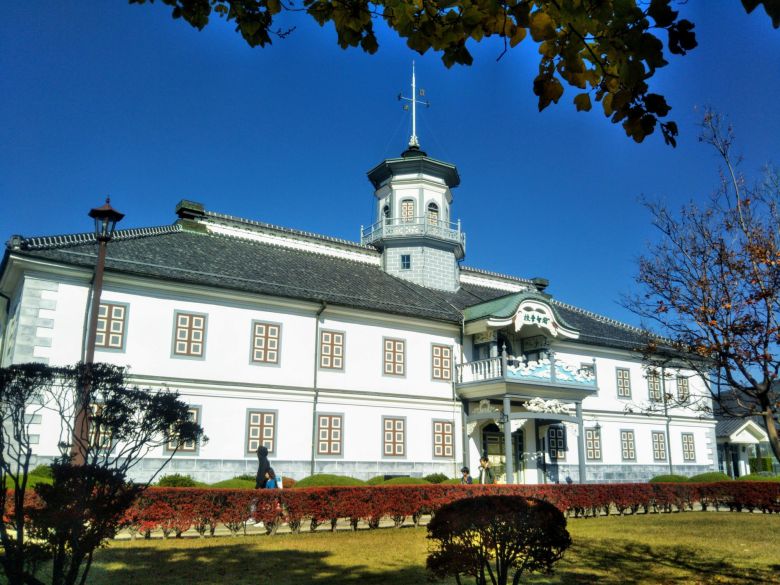
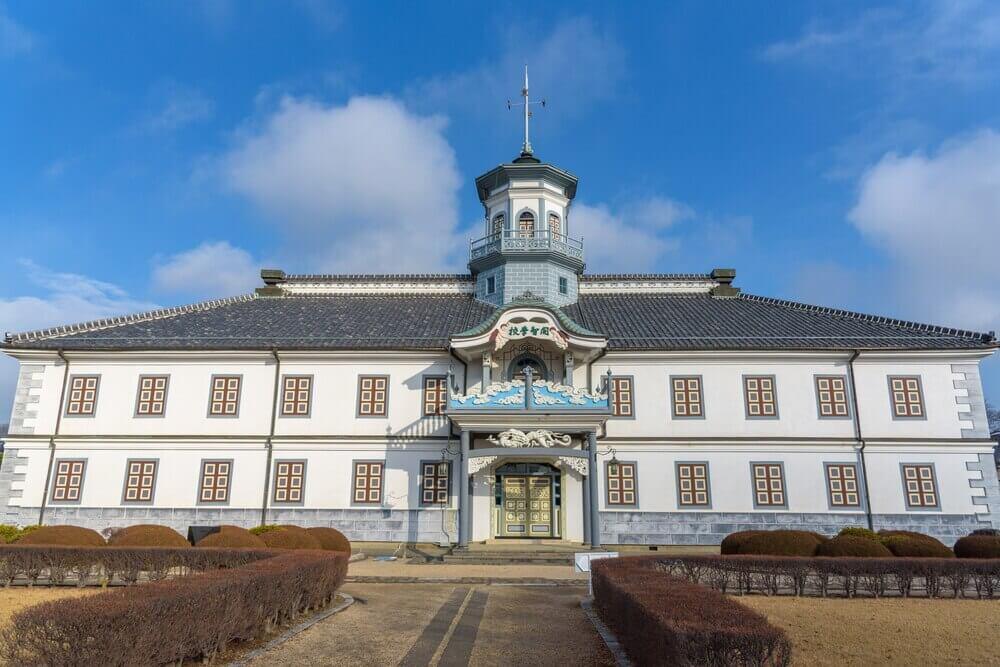
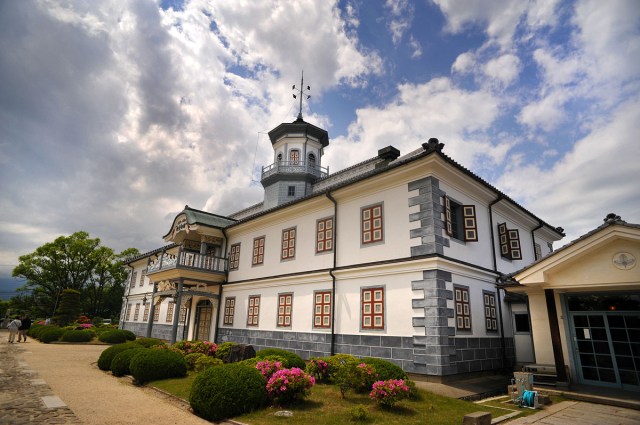
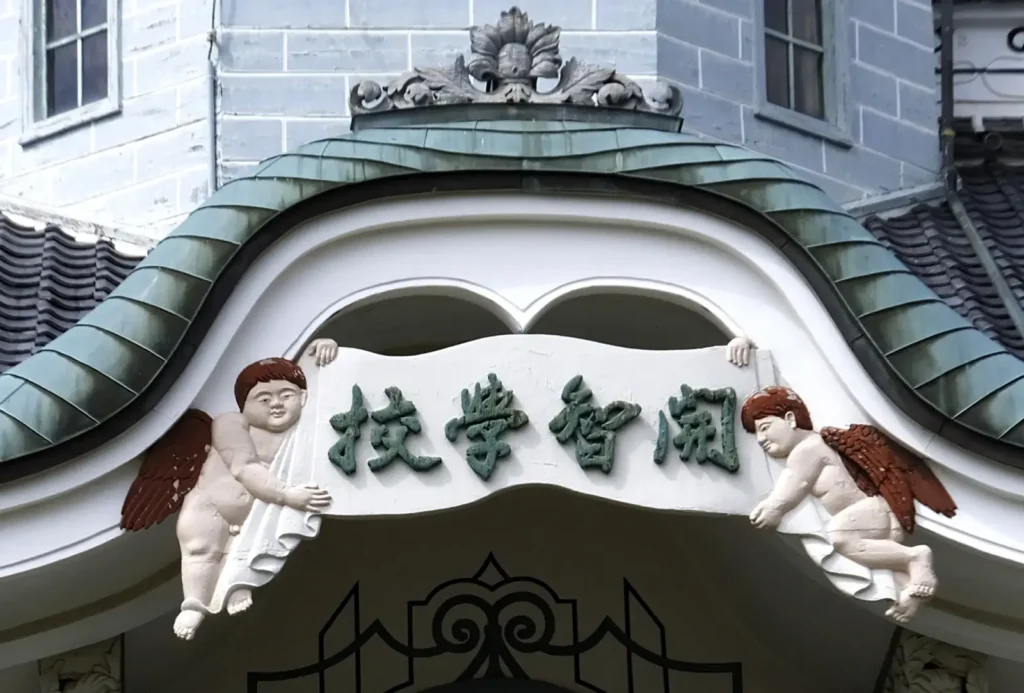
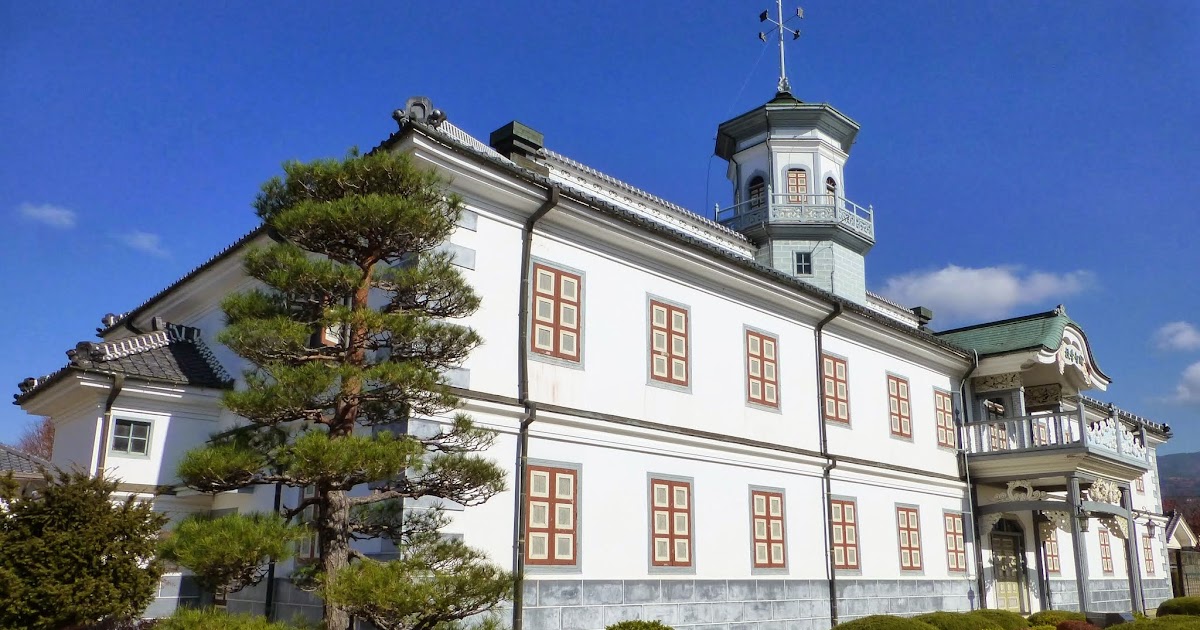
Japan's oldest modern elementary school (1876). Designated National Treasure. Stunning Western-Japanese hybrid architecture with angel weather vane and baroque-style balconies.
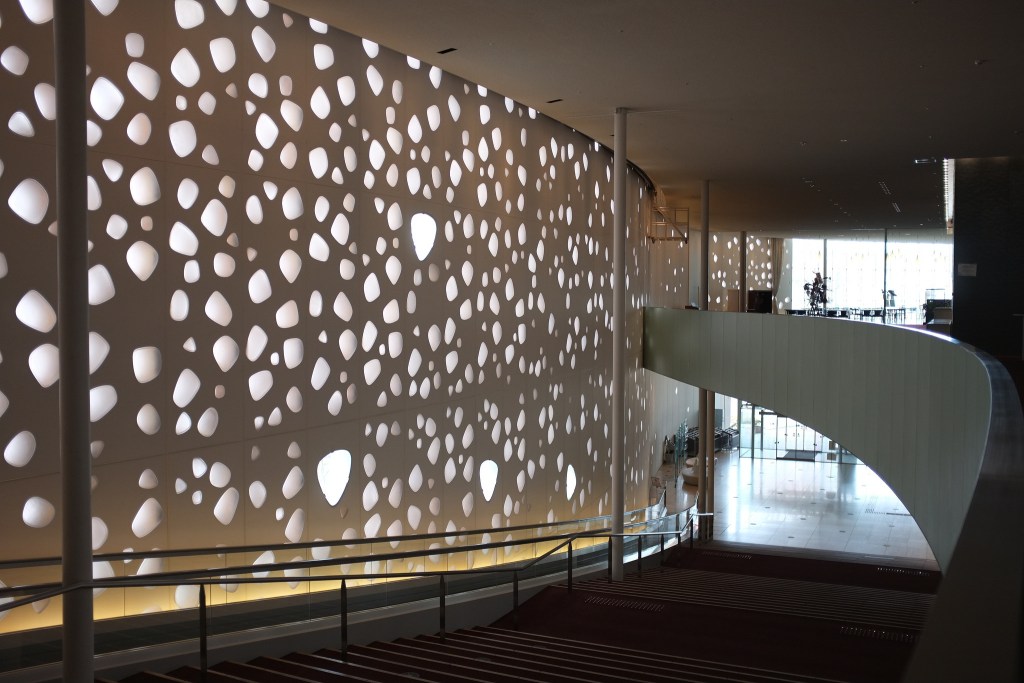
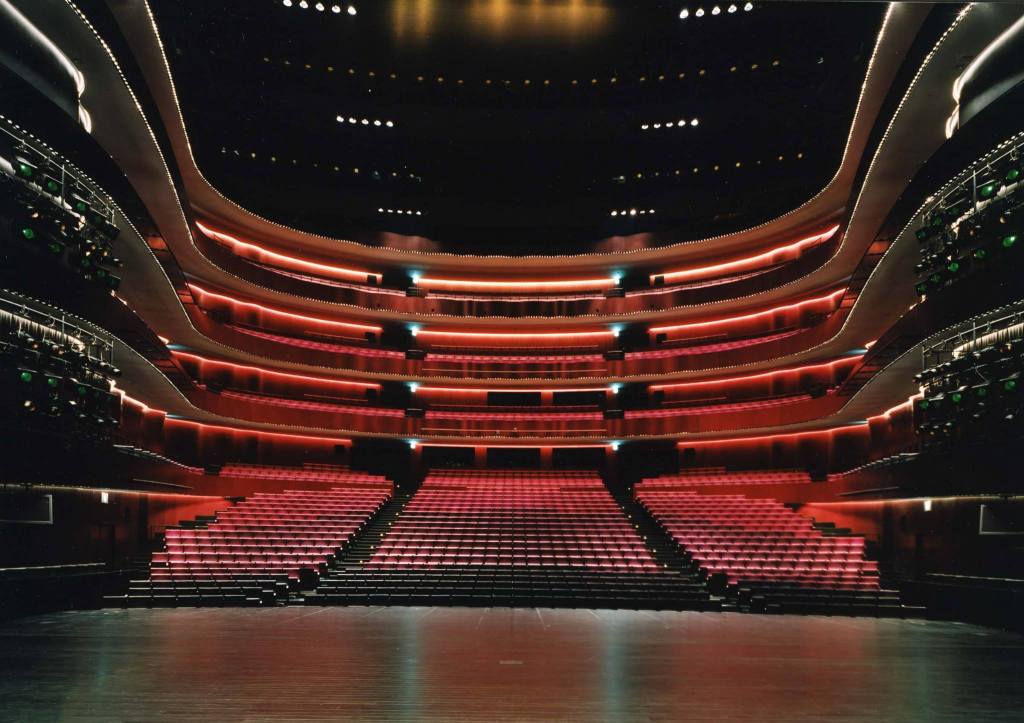
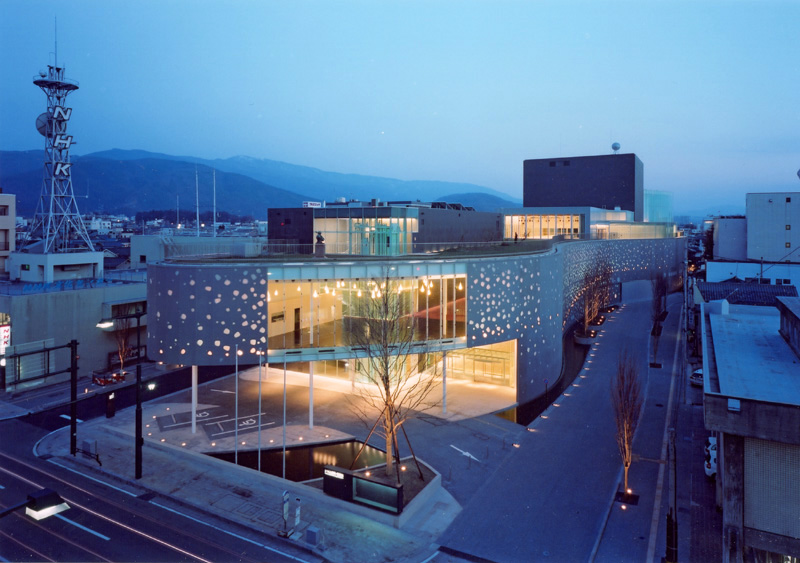
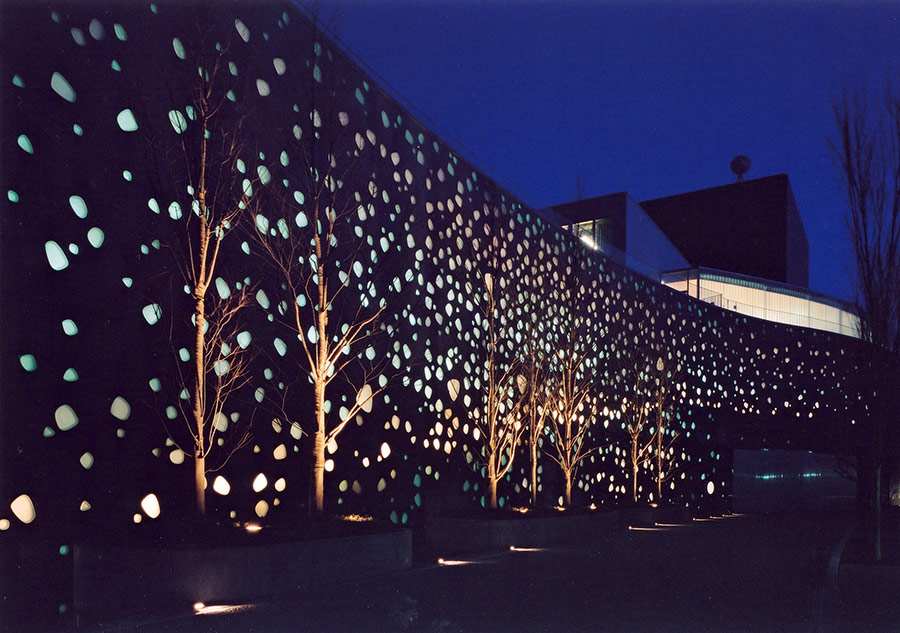
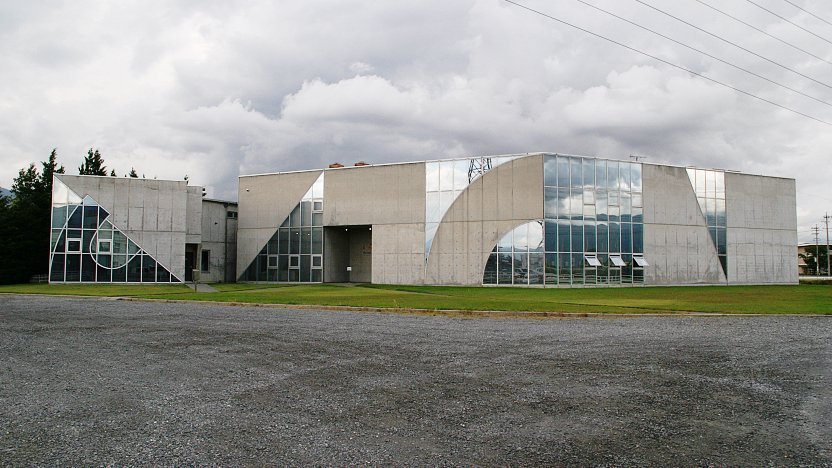
Concert hall designed by Toyo Ito. Organic, flowing architecture. Hosts the annual Saito Kinen Festival (classical music). Even the exterior is worth photographing.
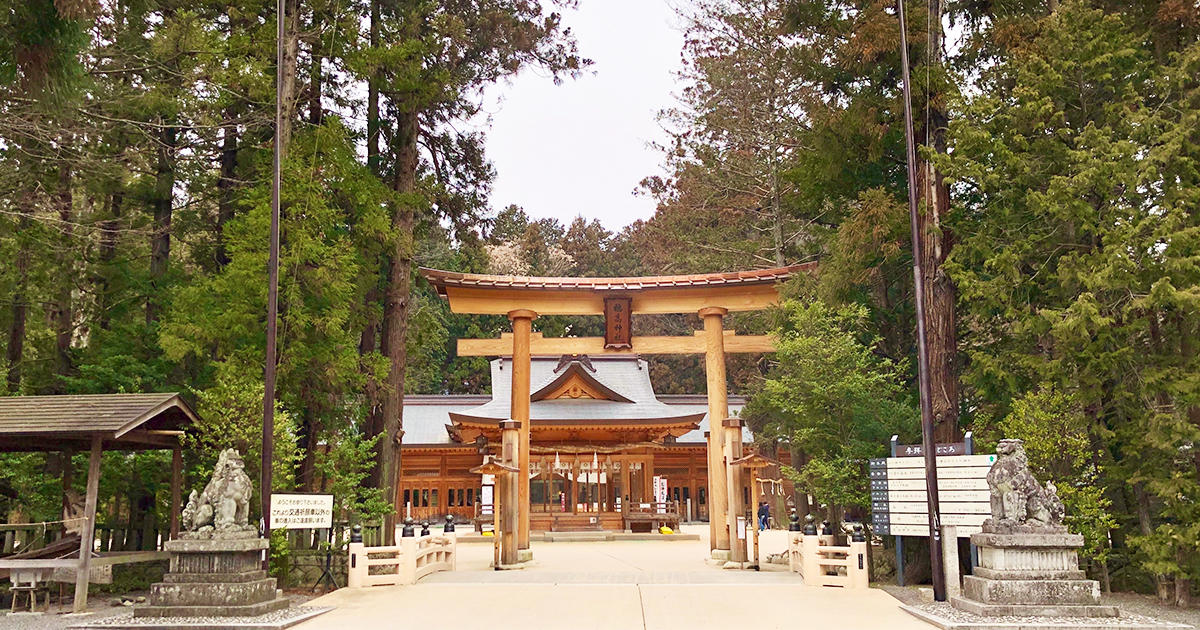
Mountain shrines guarding the gateway to the Northern Alps.

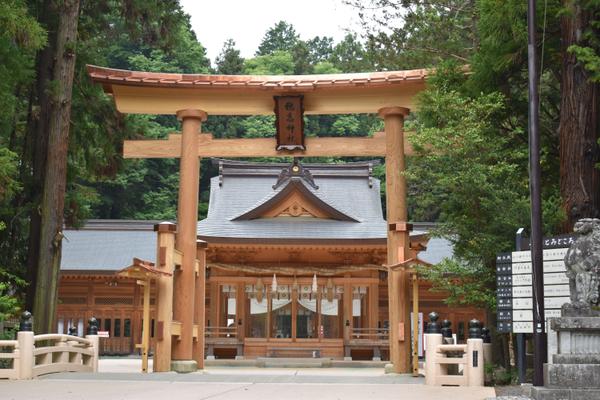
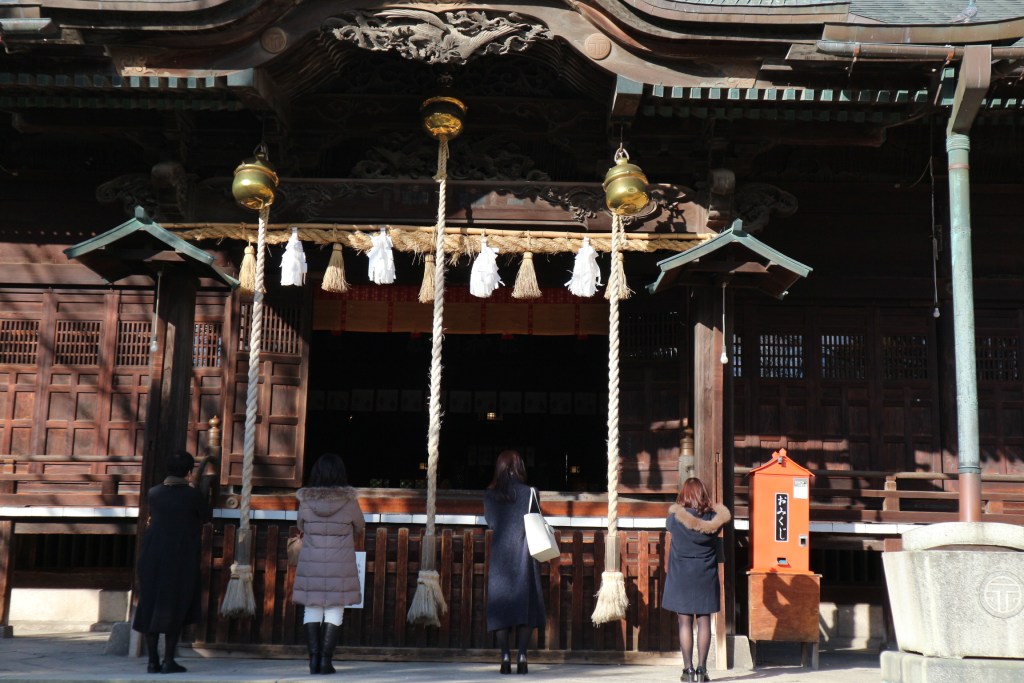
Shrine at the foot of the Northern Alps dedicated to the god of mountains. The inner shrine (Okumiya) is at 2931m altitude on Mount Hotaka. Peaceful and grand.

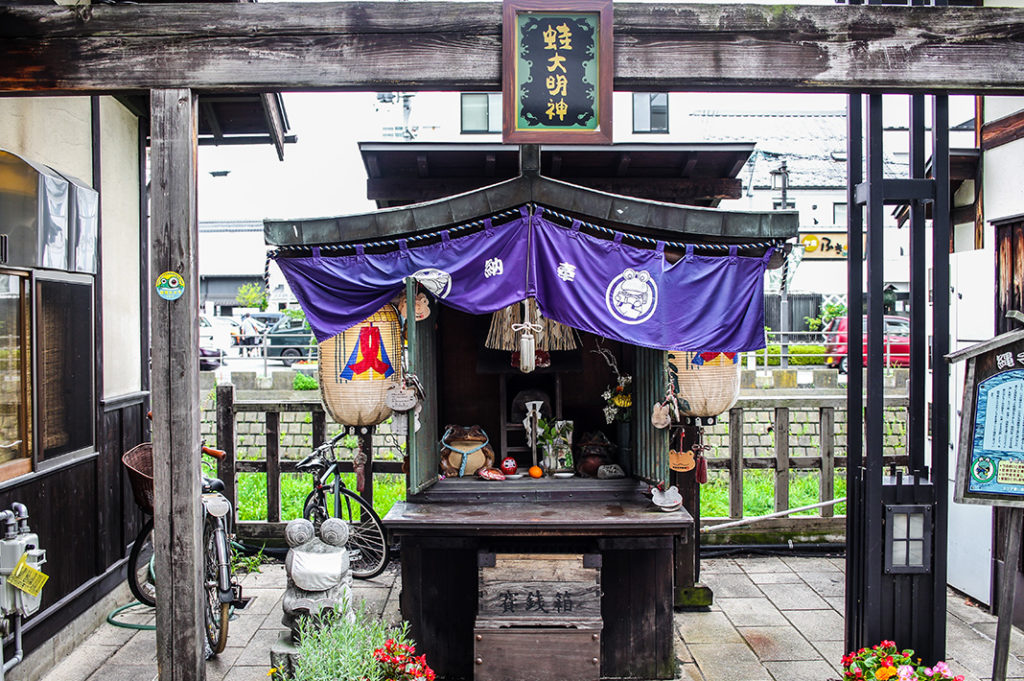
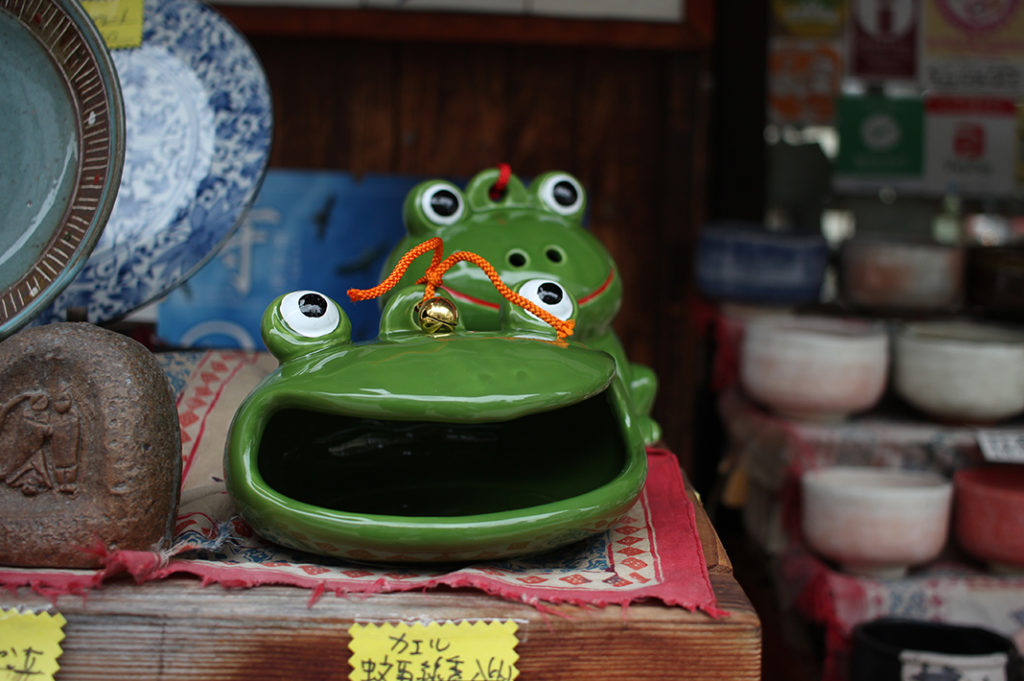
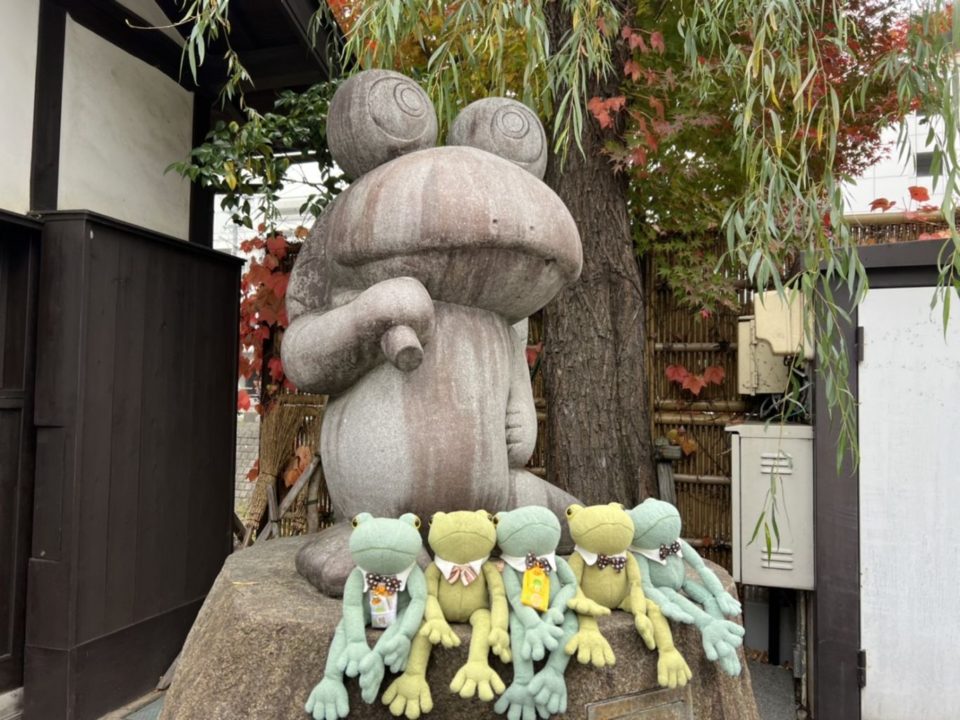
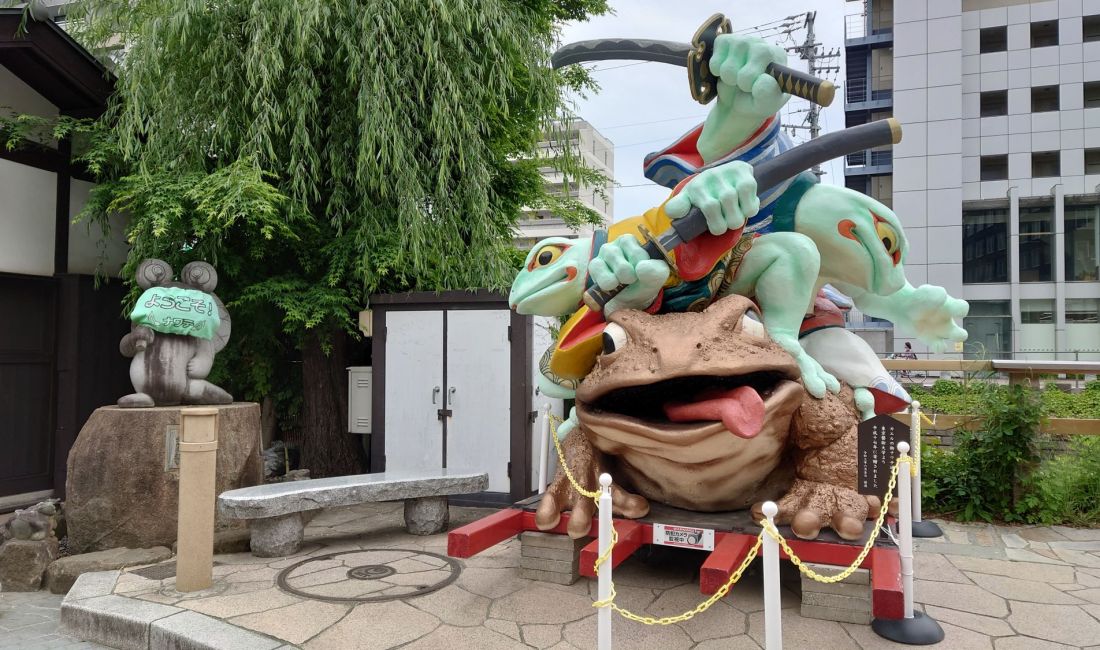
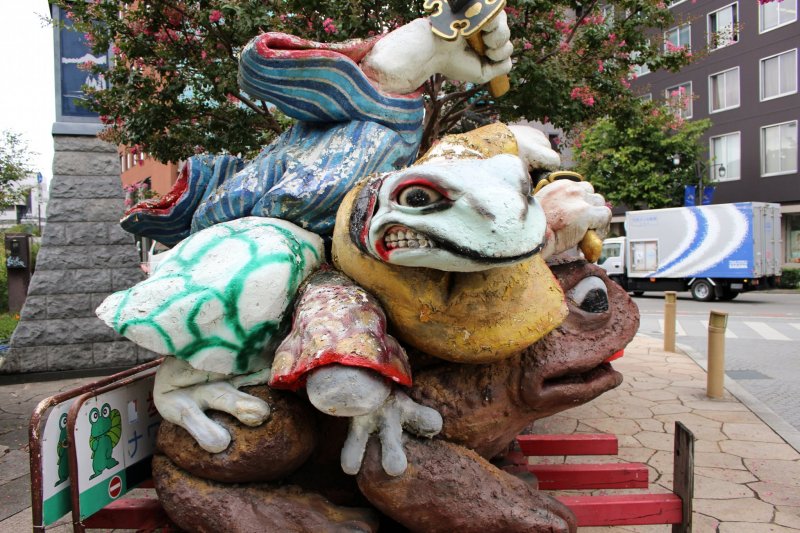
Tiny shrine dedicated to frogs on Frog Street. Local legend says the frogs brought good fortune. Frog-themed omamori (charms) are a unique souvenir.

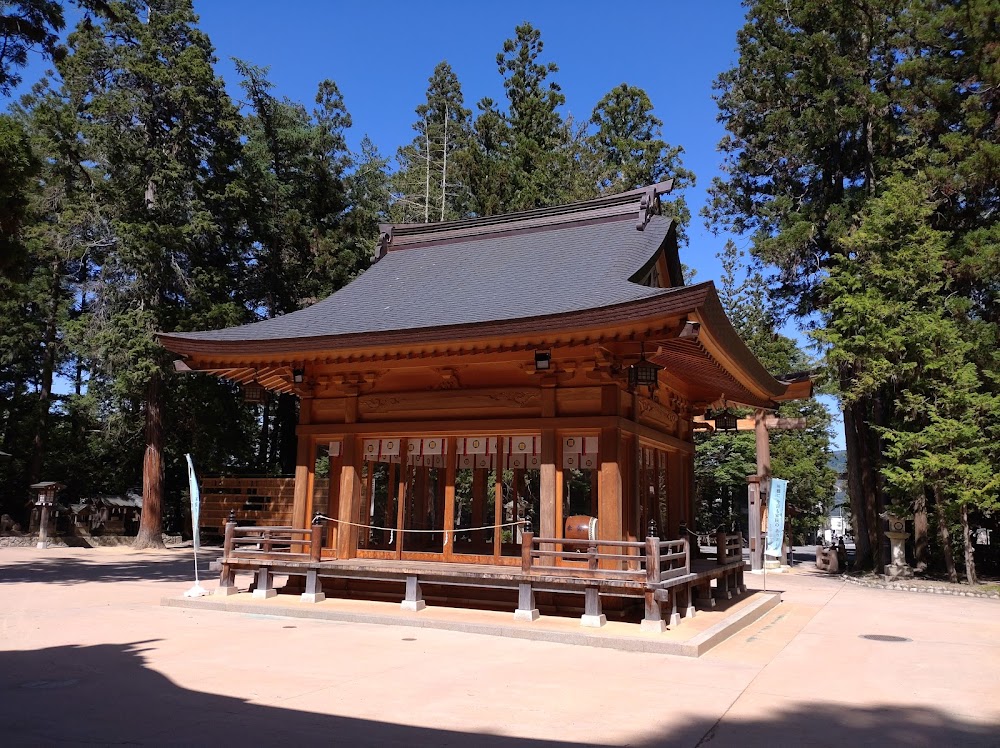
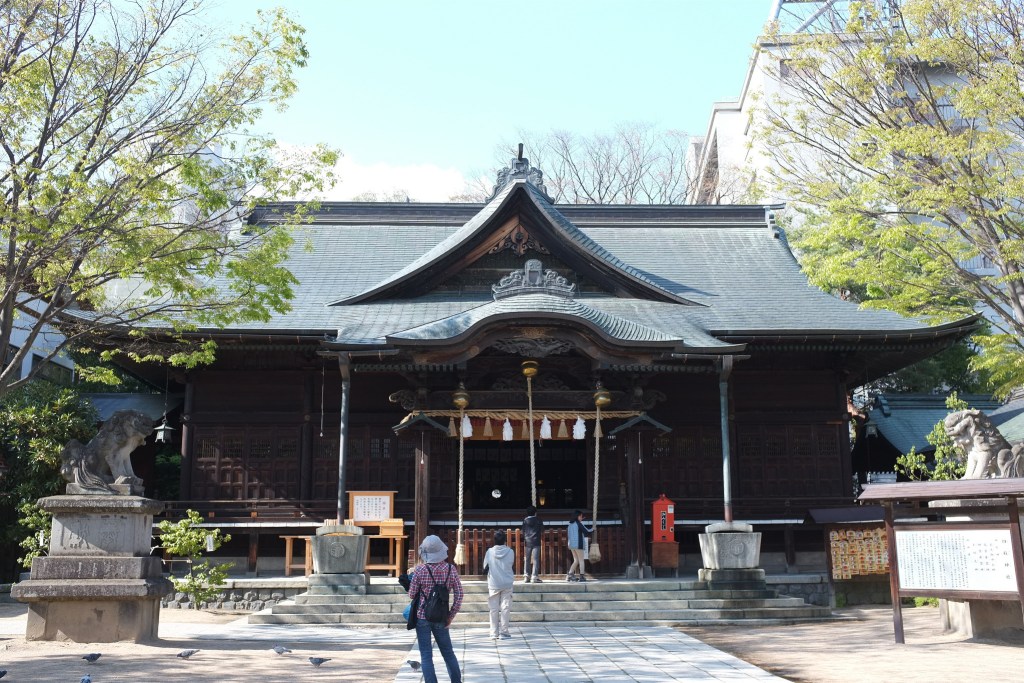
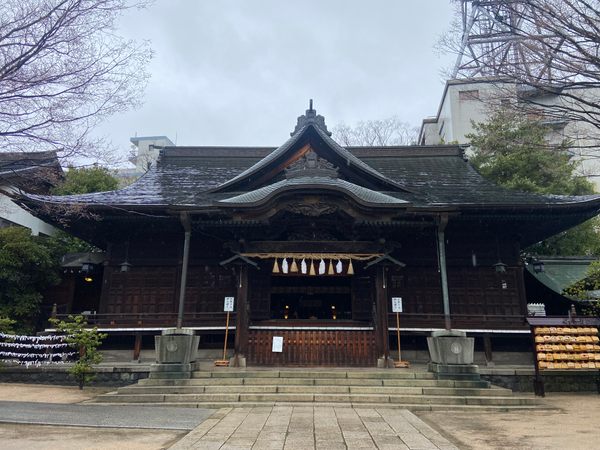
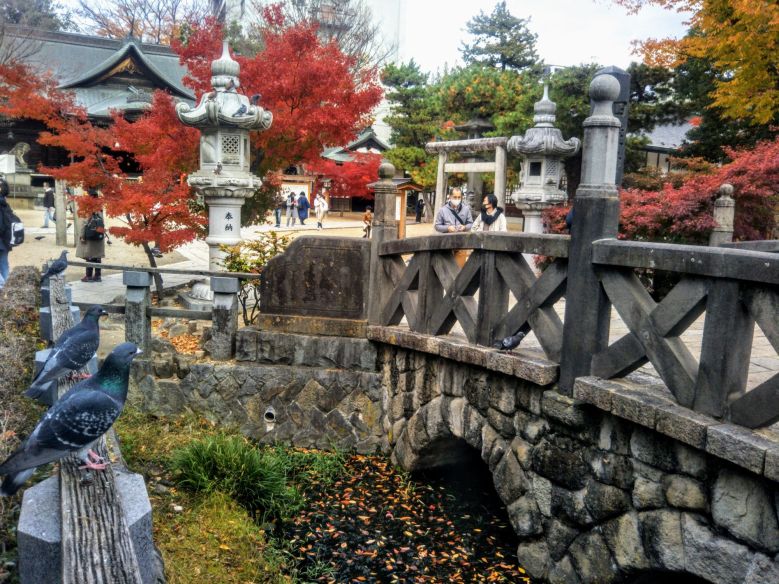
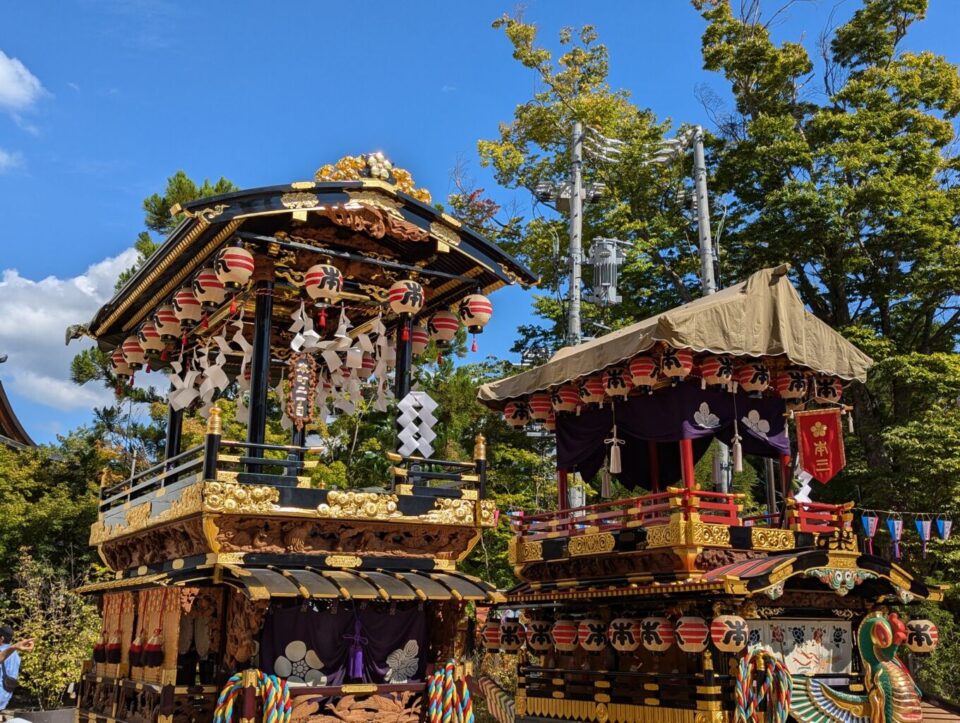
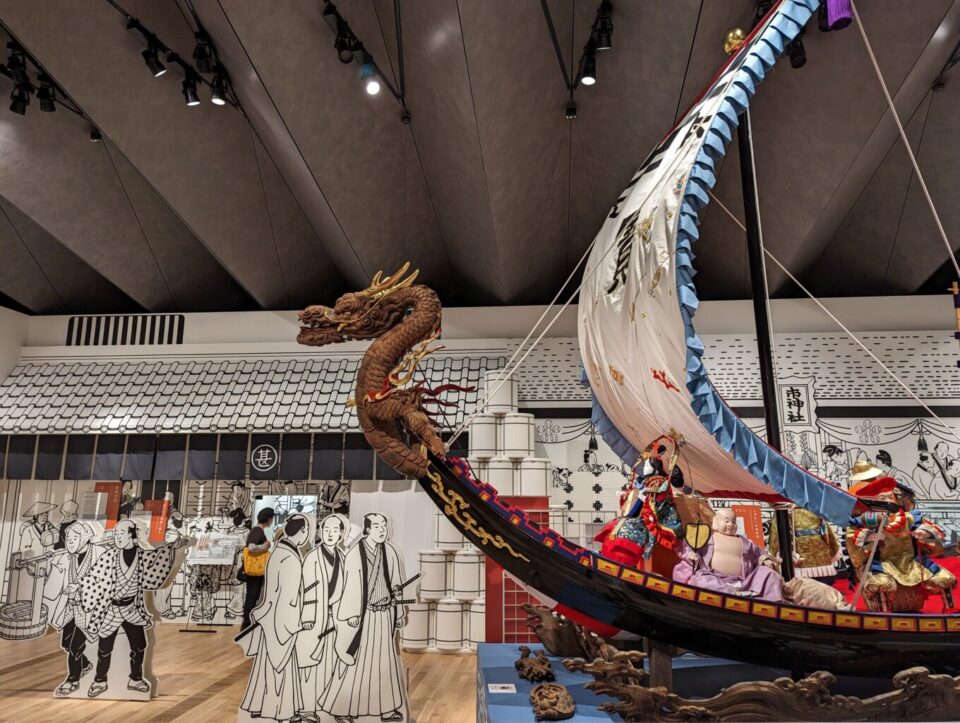
Ancient shrine hosting the lively Yohashira Festival in October. Elaborate floats are carried through the streets. The shrine grounds have beautiful old-growth trees.
Frog-themed lanes, historic storehouses, and charming merchant quarters.

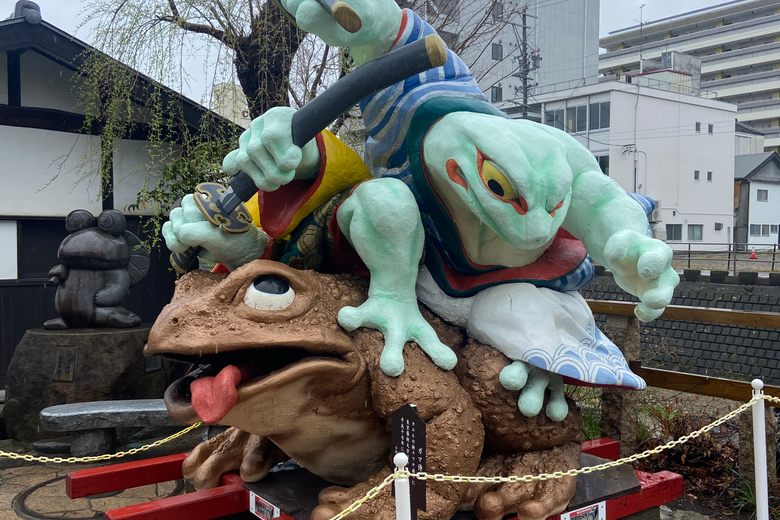
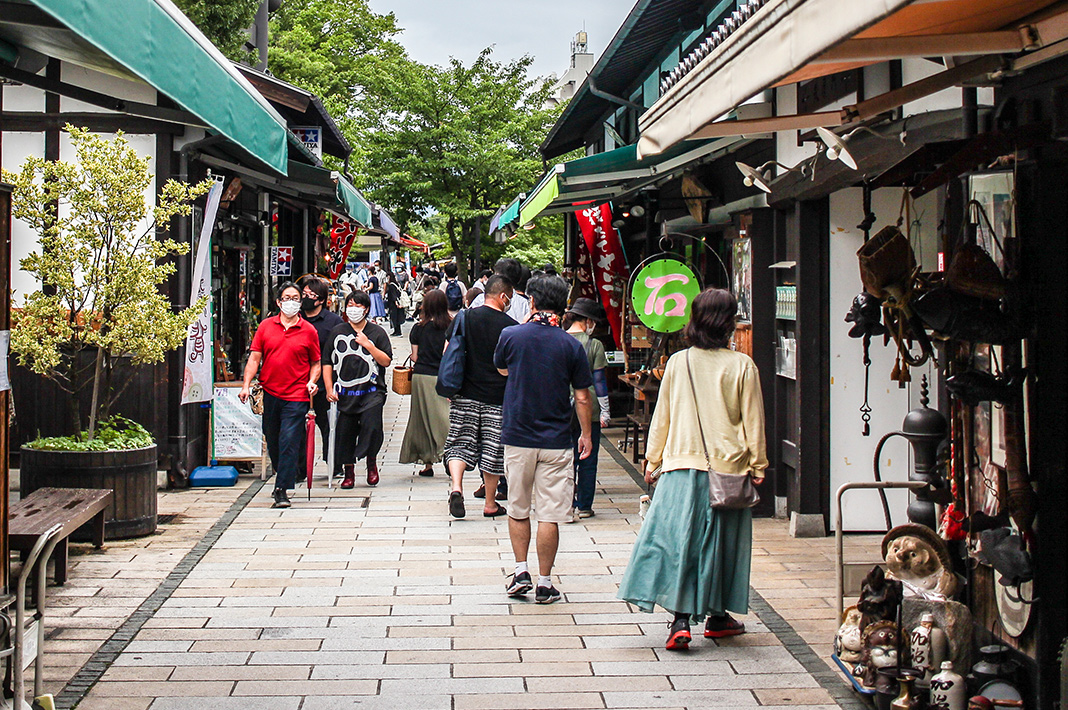
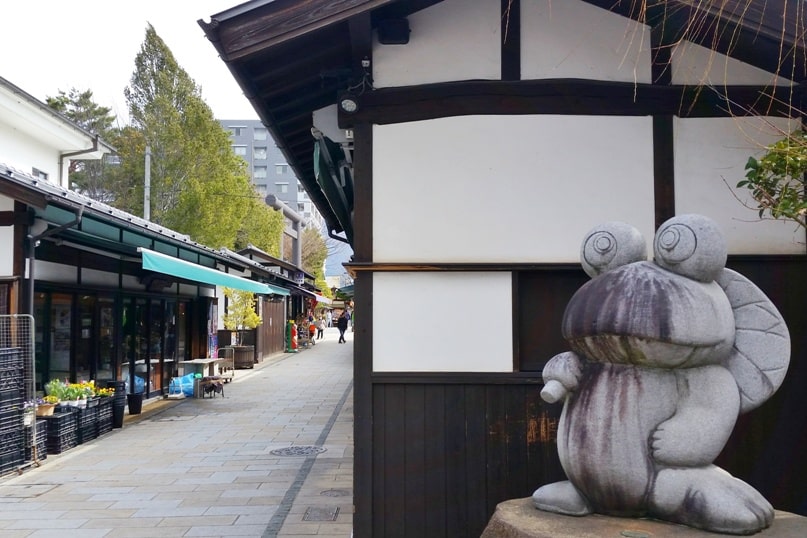
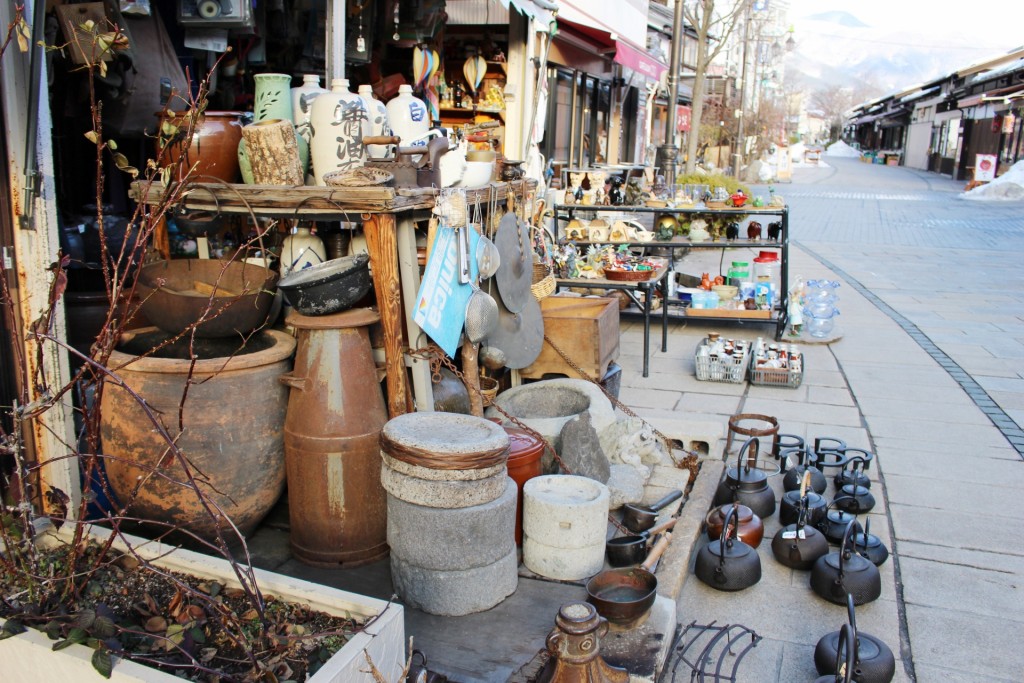
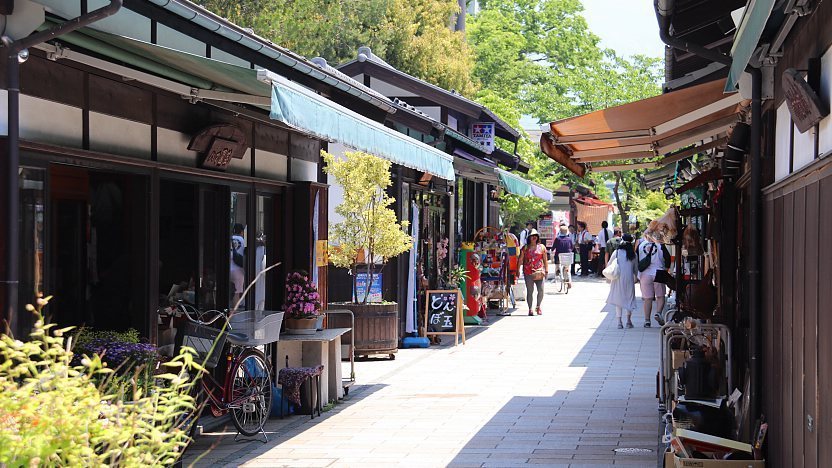
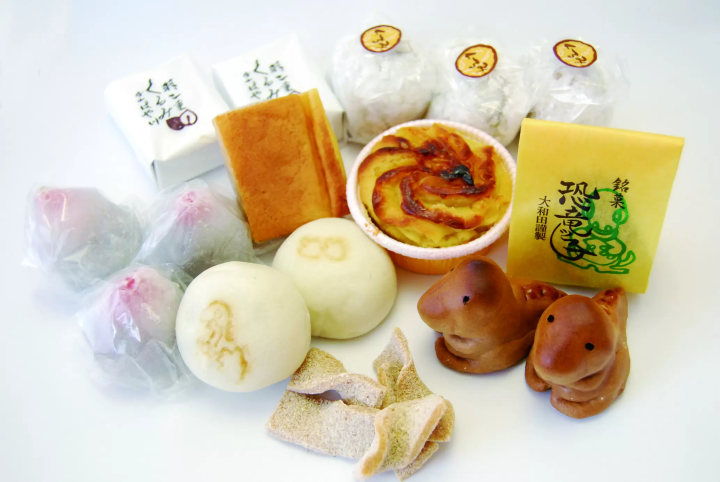
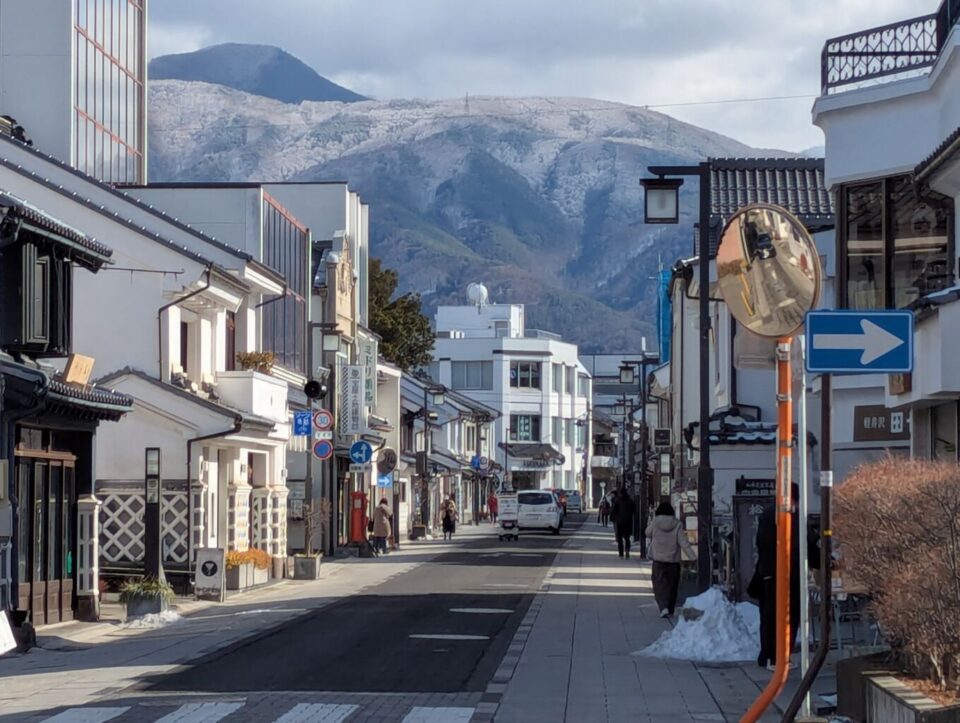
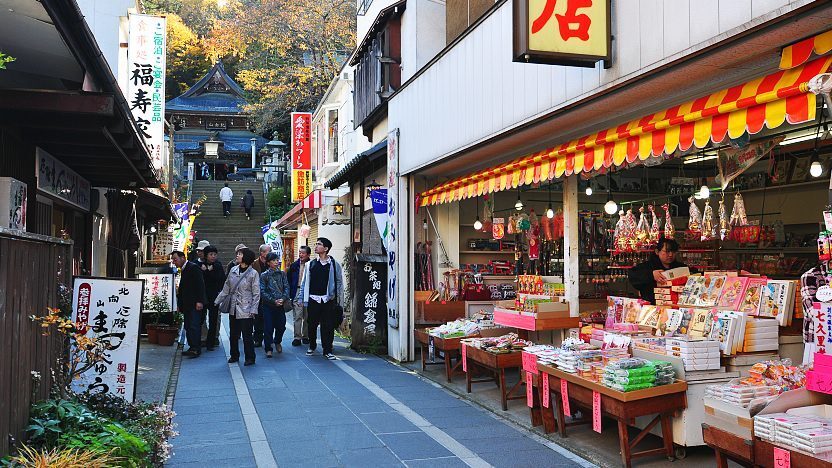
Charming pedestrian street along the river. Frog-themed shops and mascots everywhere. Traditional candy stores, antique dealers, and street food stalls. Quirky and fun.

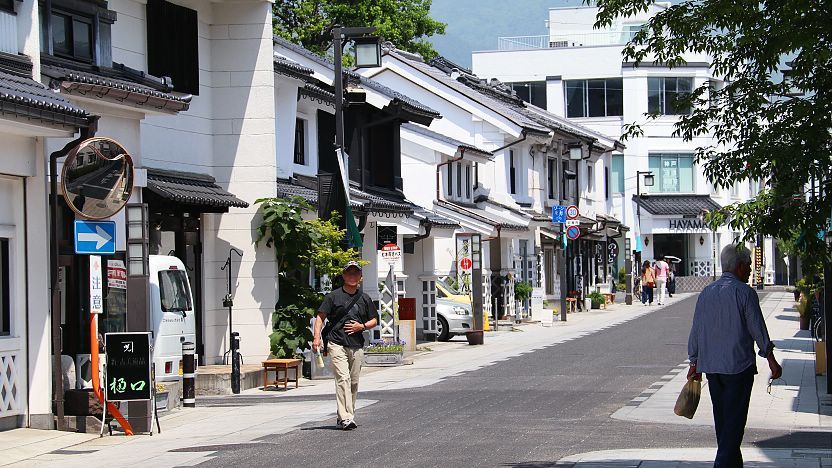
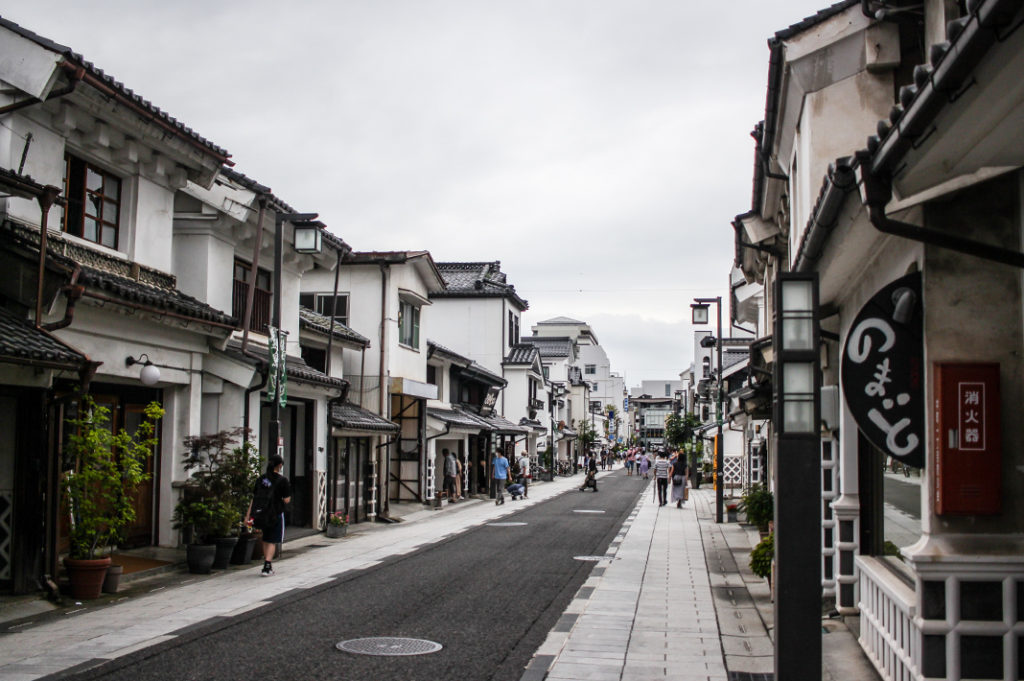
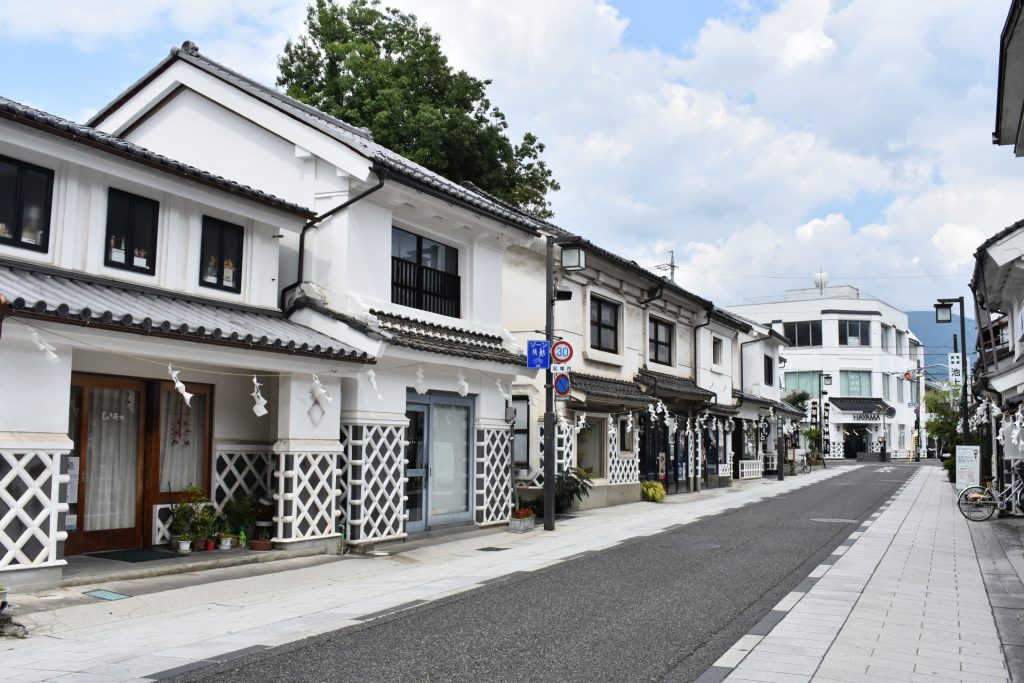
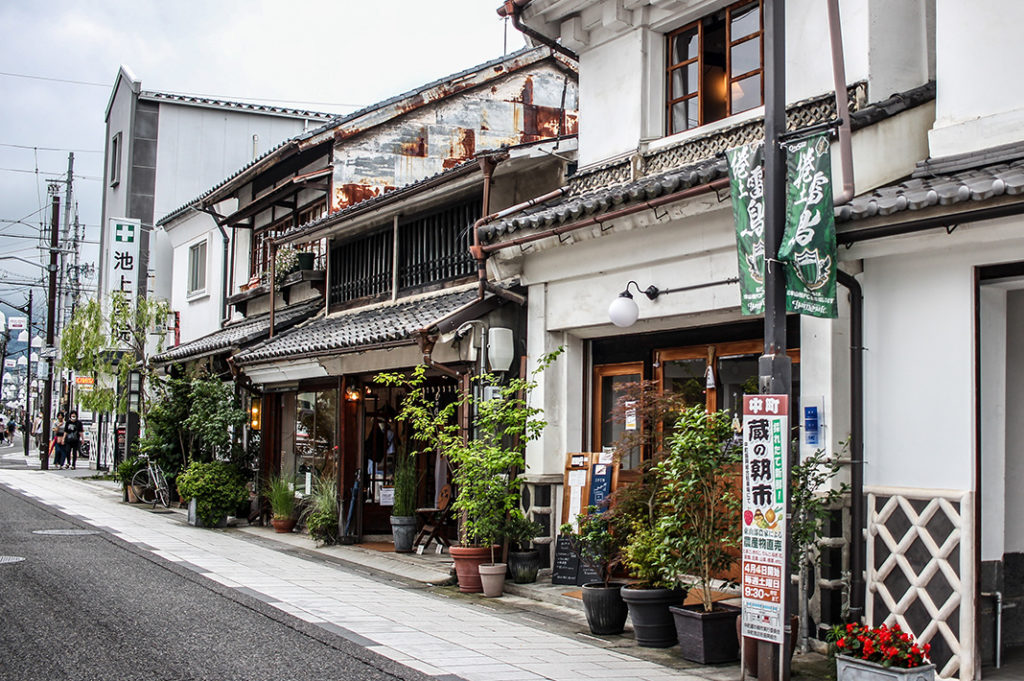
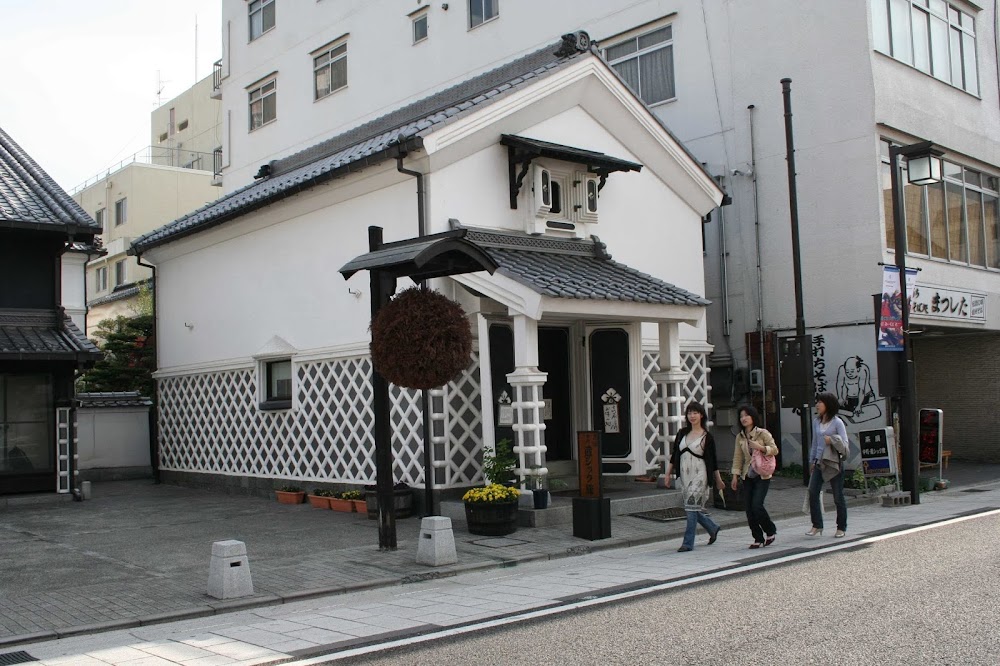
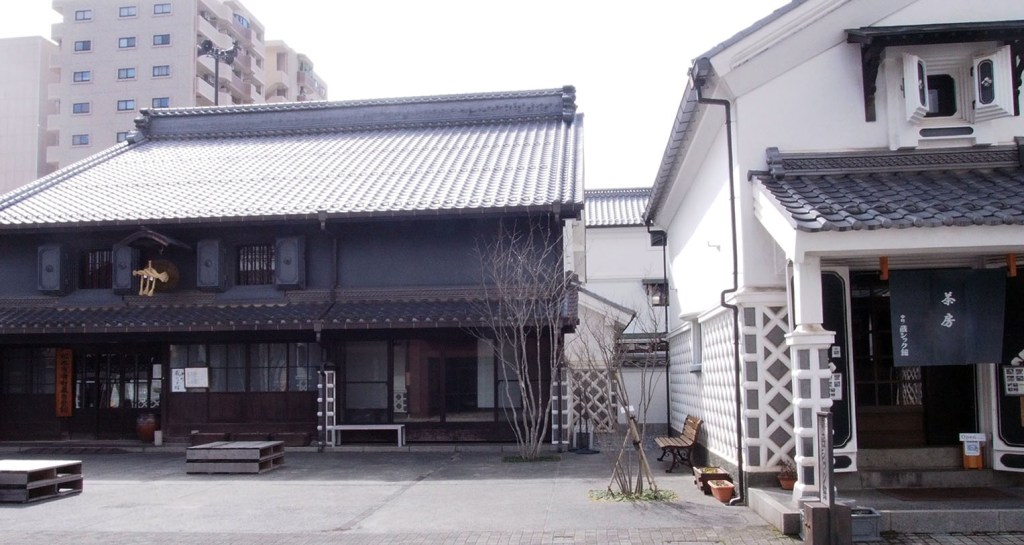
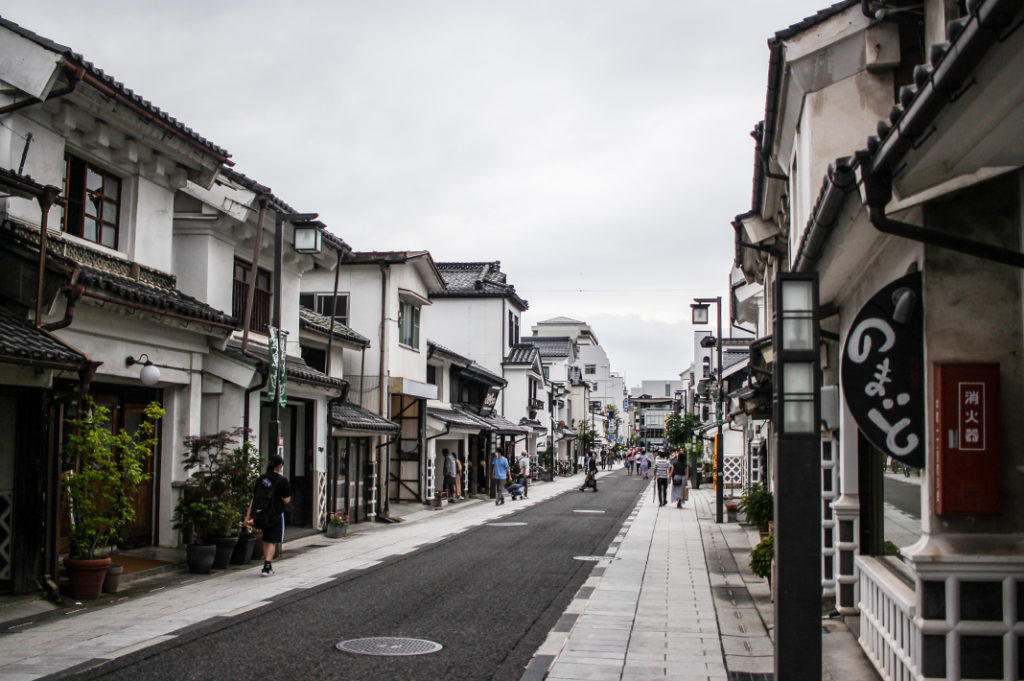
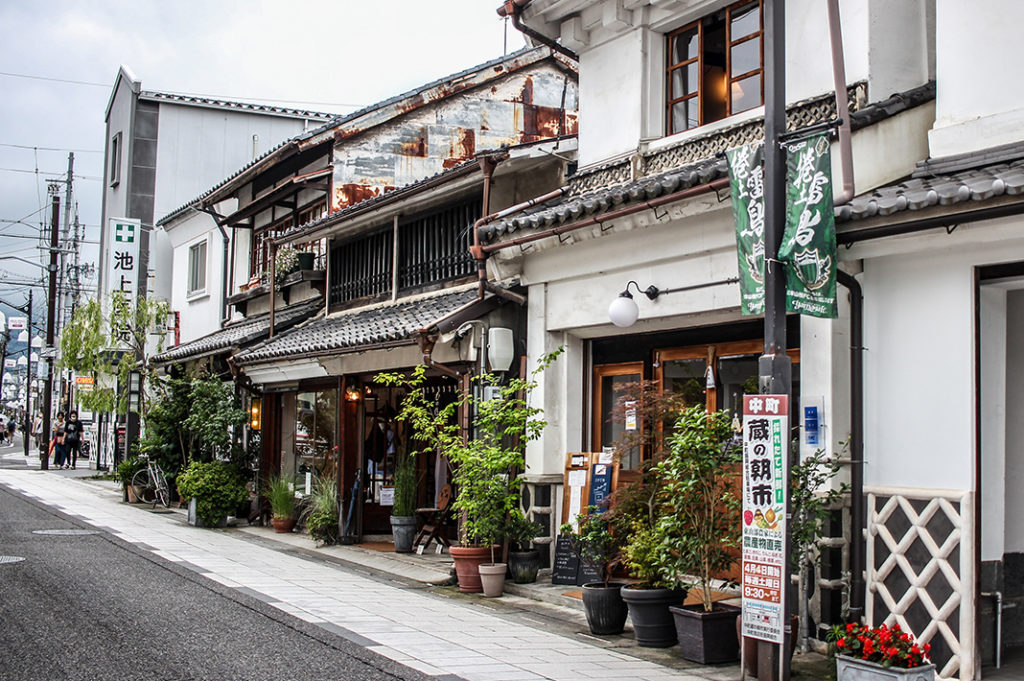
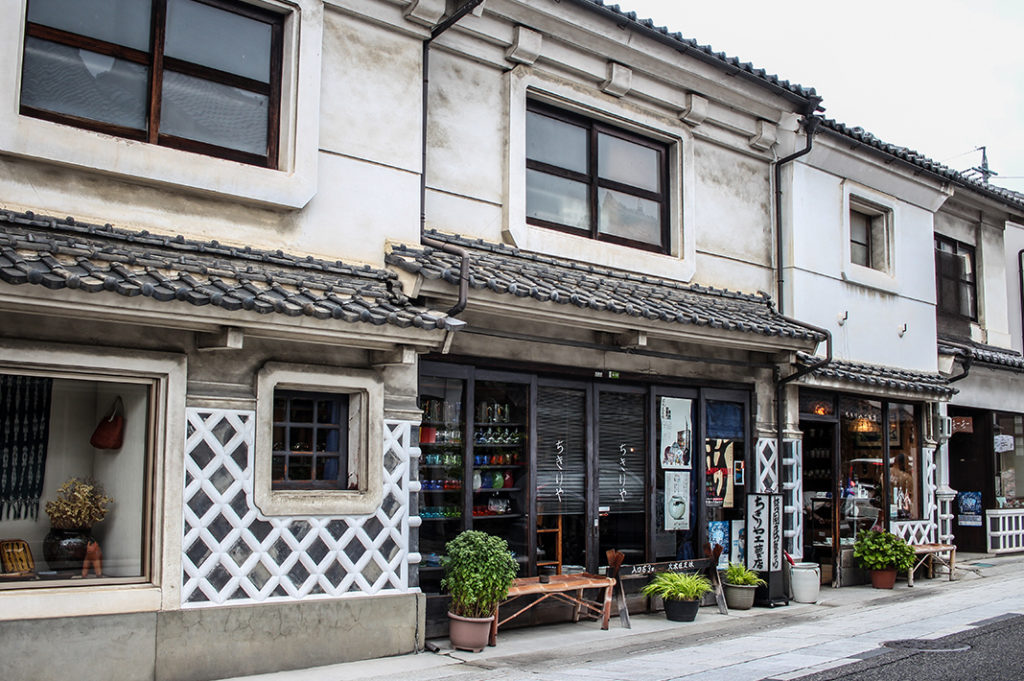
Historic merchant quarter with restored kurazukuri (storehouse-style) buildings. Craft shops, sake tasting bars, cafes in converted warehouses. Beautiful architecture.

Intimate cocktail bar in a converted old merchant house. The bartender's seasonal creations use local fruit and herbs. Perfect nightcap after dinner.

Tiny neighborhood bar near Frog Street. Eclectic music, friendly owner, and a mix of locals and travelers. A dive bar in the best possible sense.

Travel-themed bar where travelers and locals share stories. World maps on the walls. The owner has visited 60+ countries and makes great cocktails.

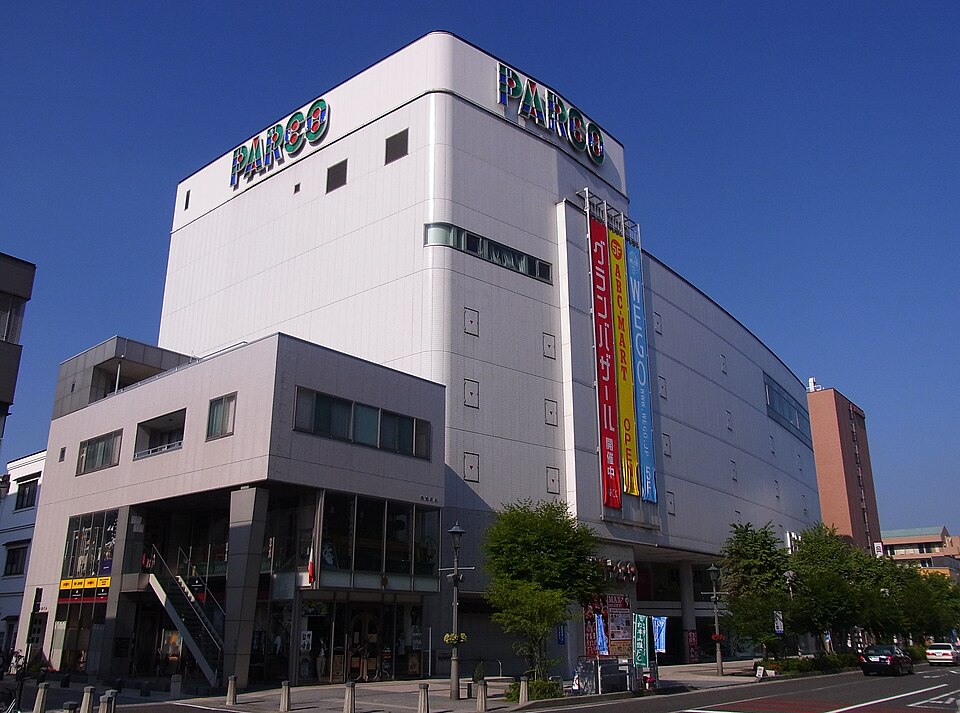
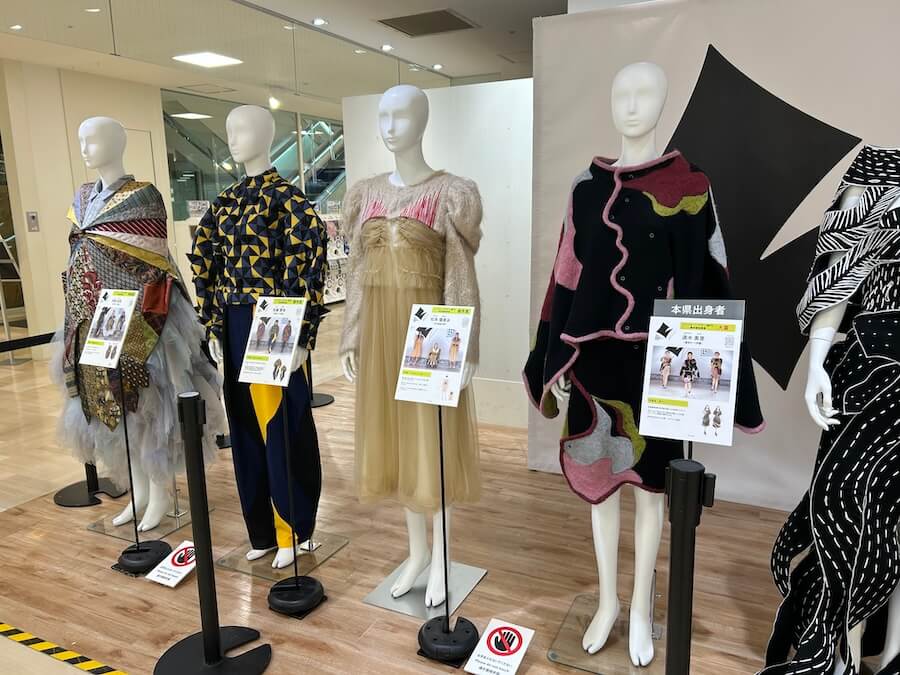
Department store near the station with fashion, household goods, and a food court. The basement floor has a good selection of Shinshu wines and local snacks.

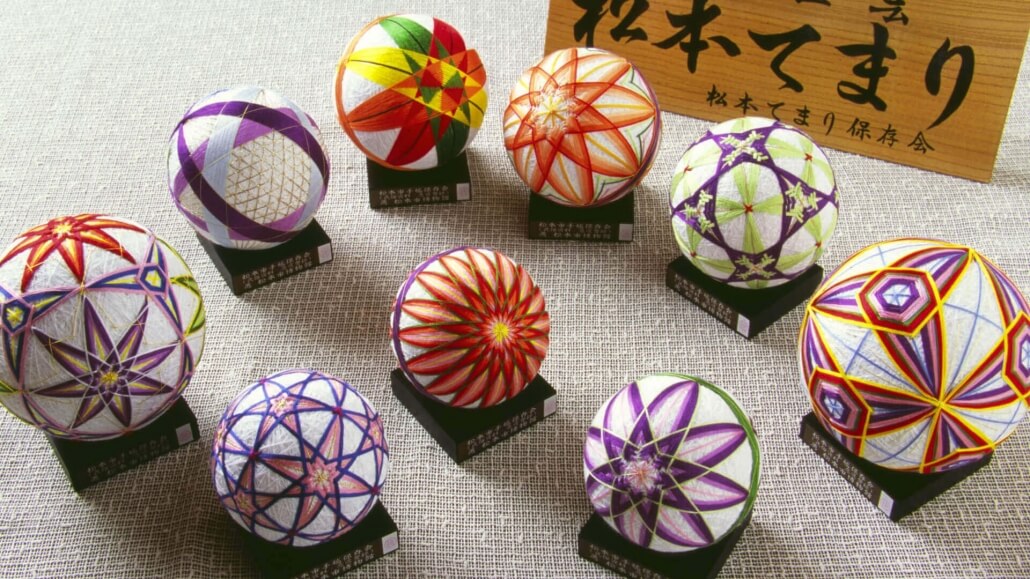
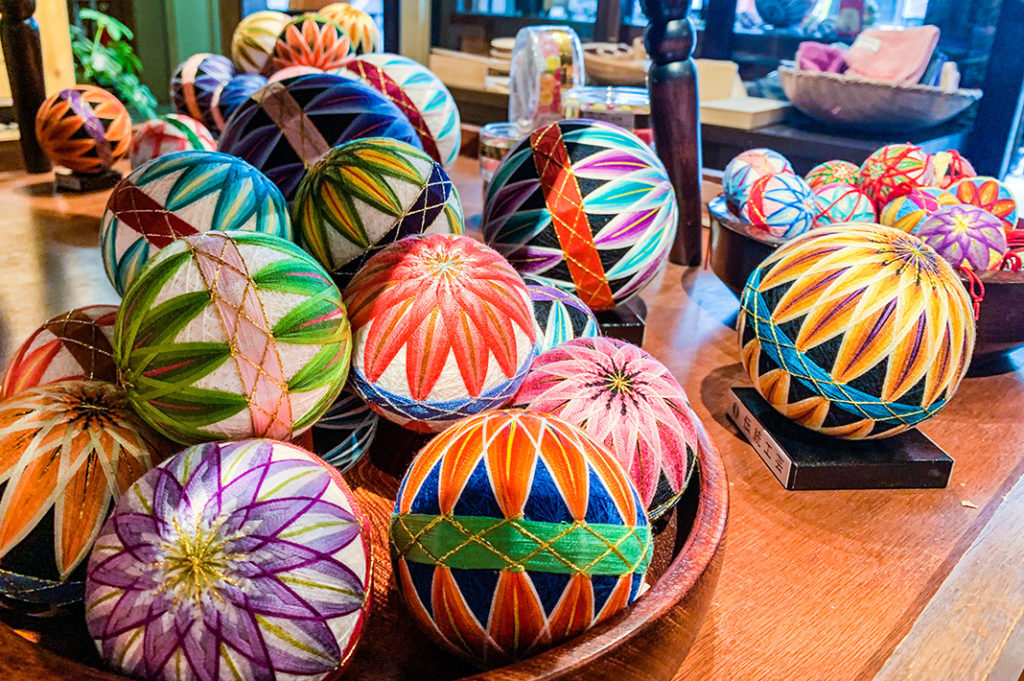
Converted storehouse now housing craft shops and workshops. Watch artisans make Matsumoto temari (decorative balls) and other traditional crafts.

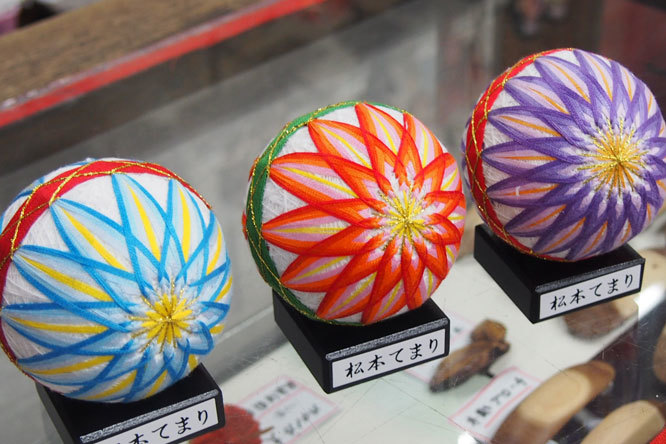
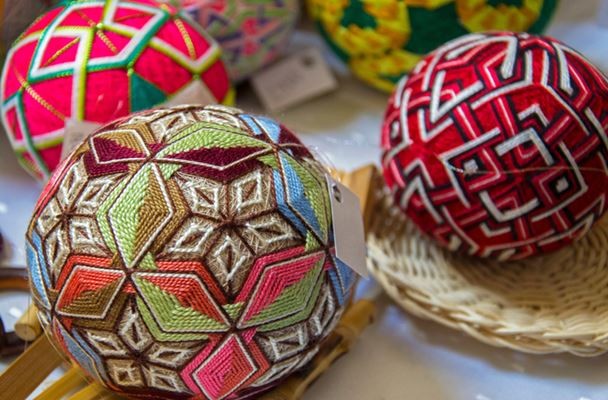
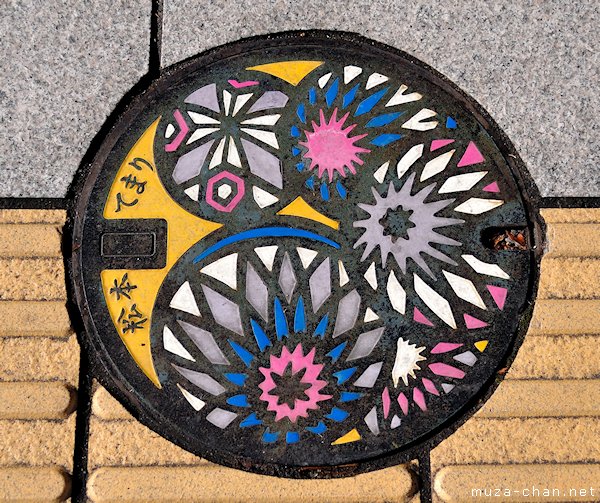
Matsumoto's signature craft: colorful thread-wrapped balls with geometric patterns. Each one is handmade. Workshops available where you can make your own.
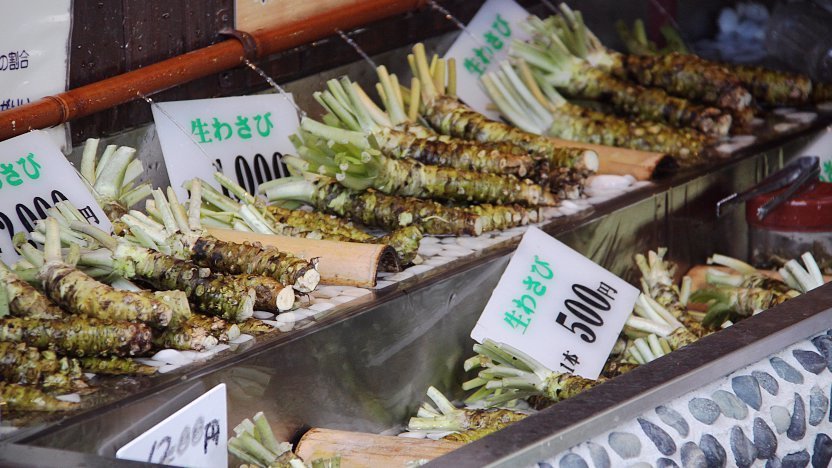
Handmade buckwheat noodles, oyaki dumplings, and wasabi fresh from the farm.

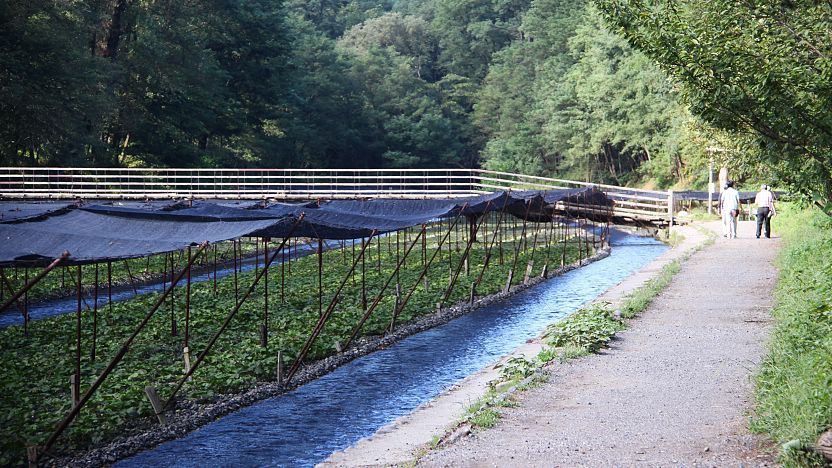
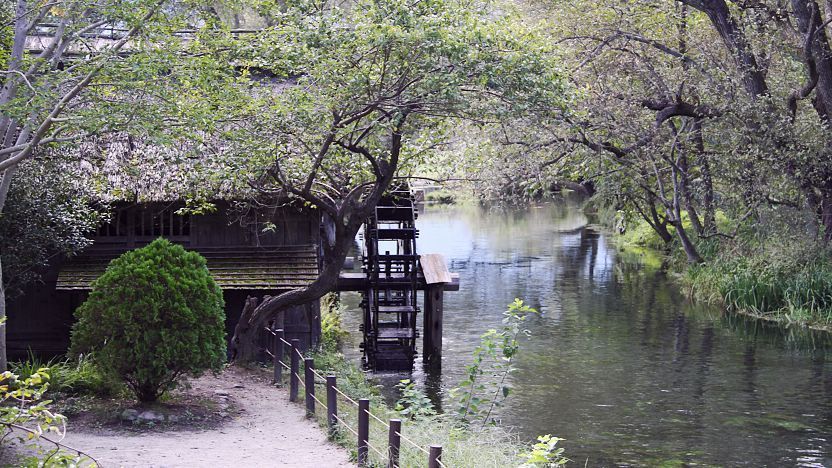
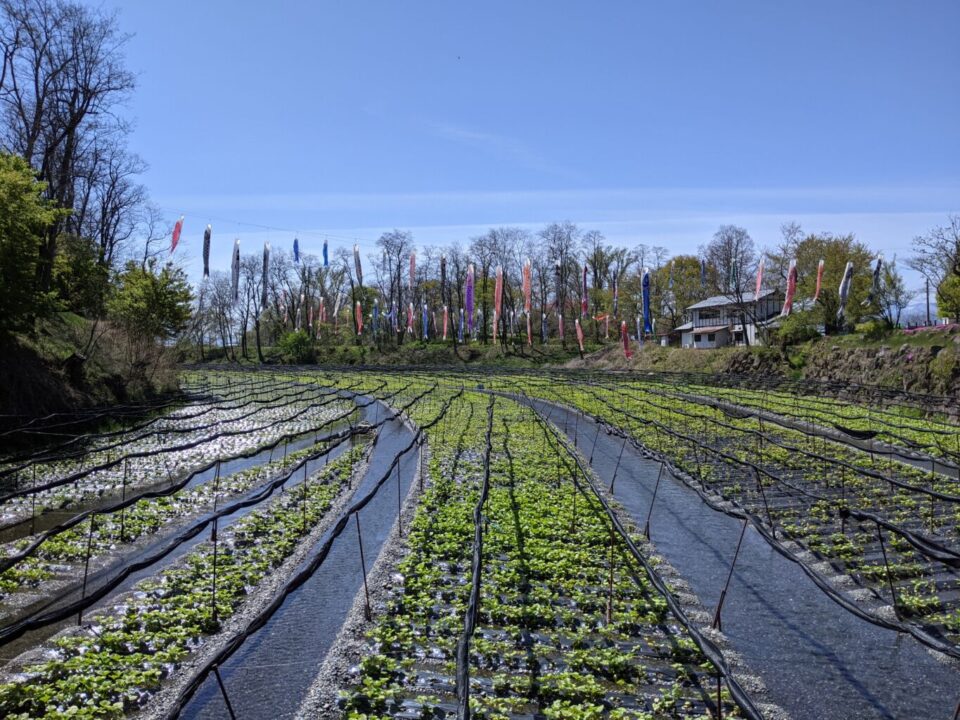
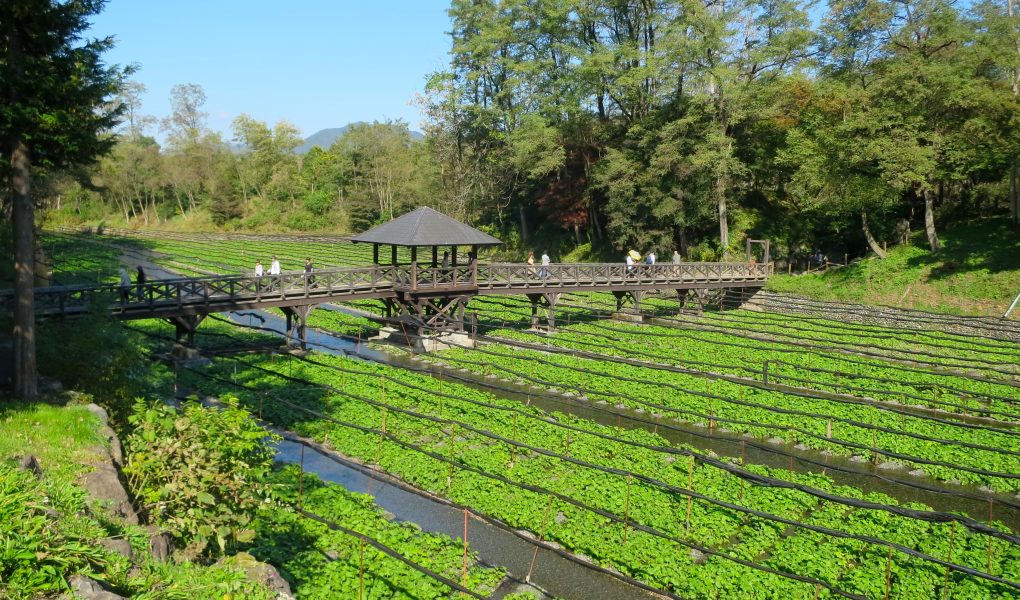
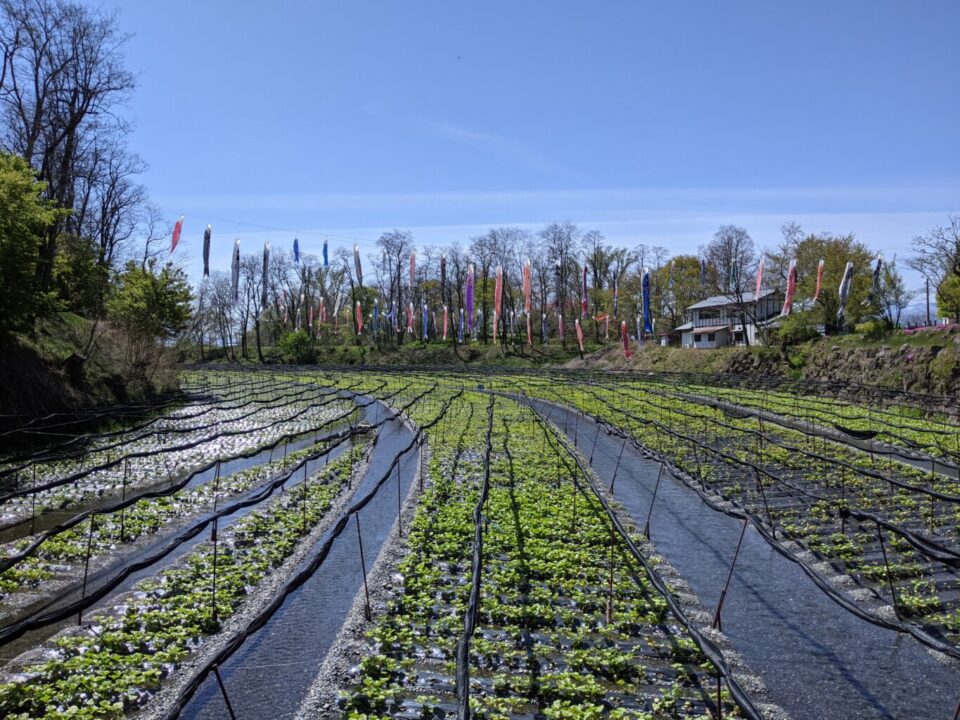
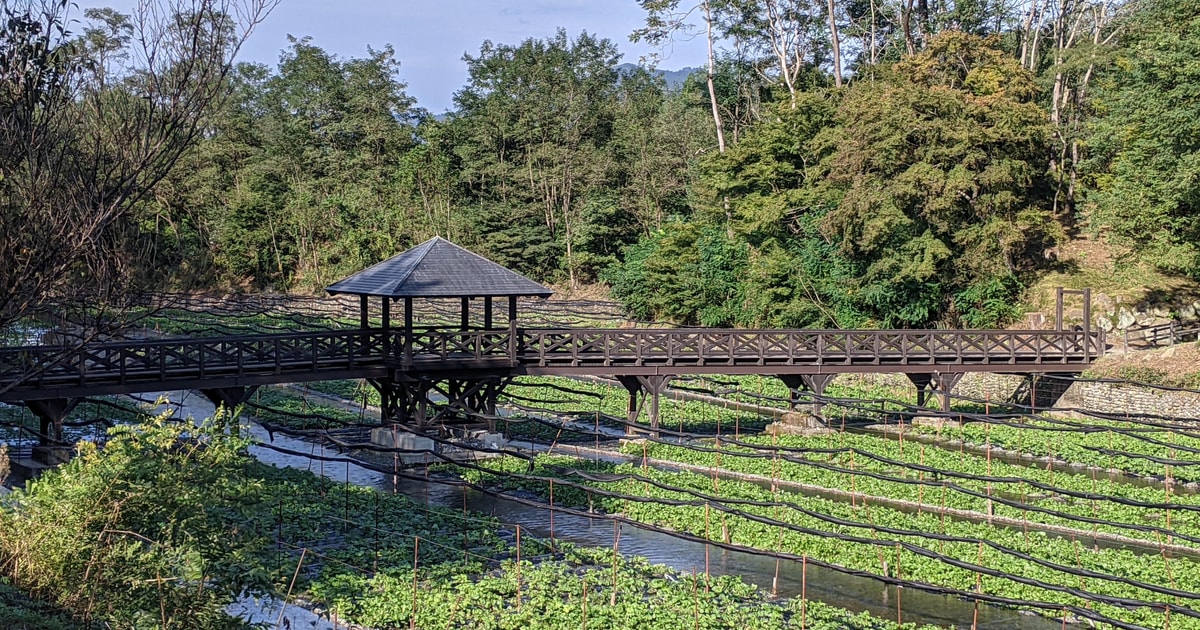
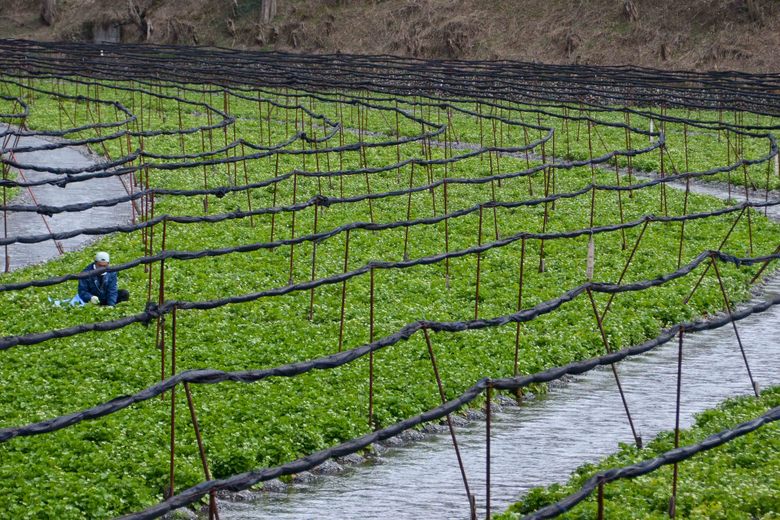
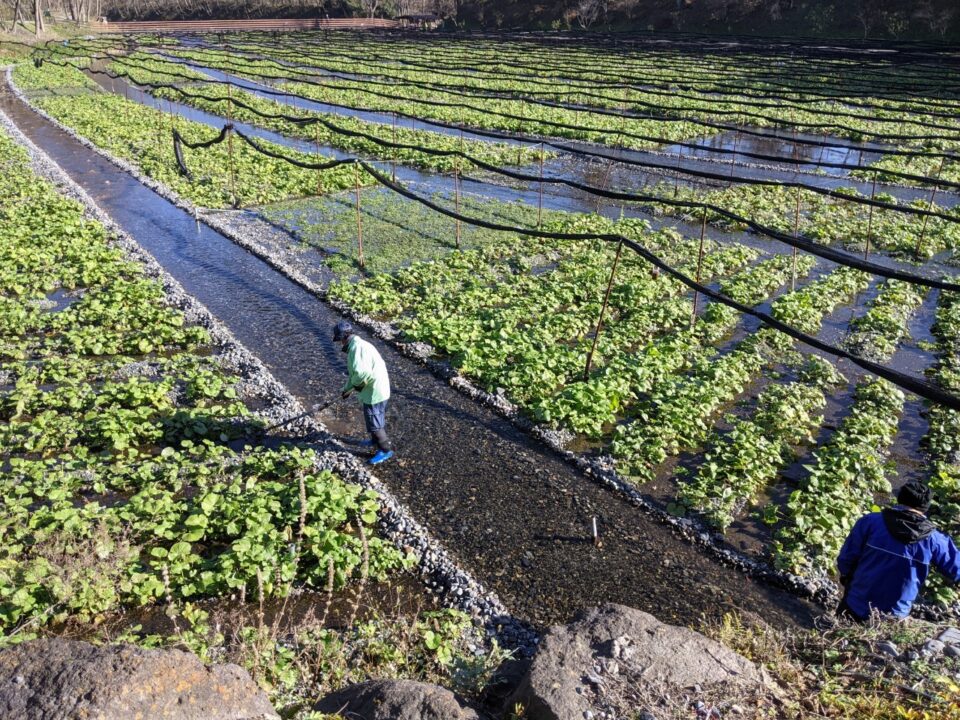
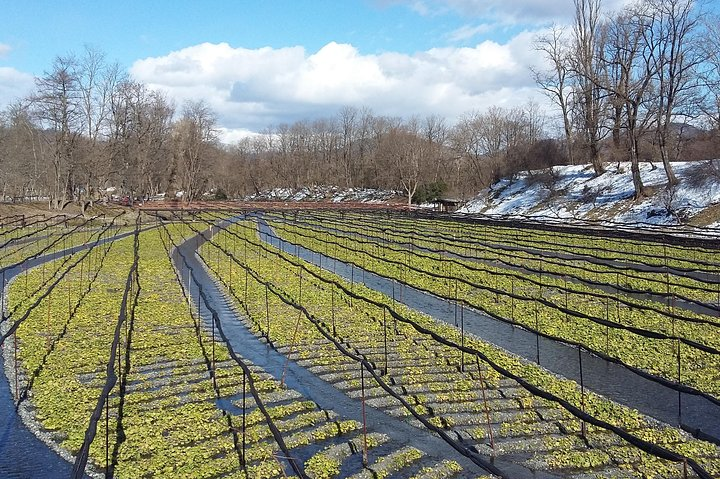
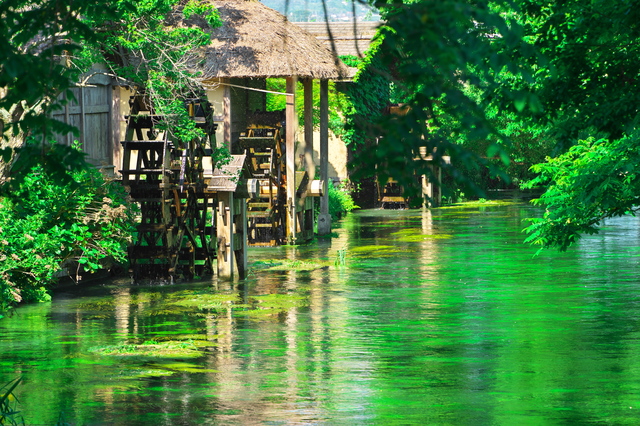
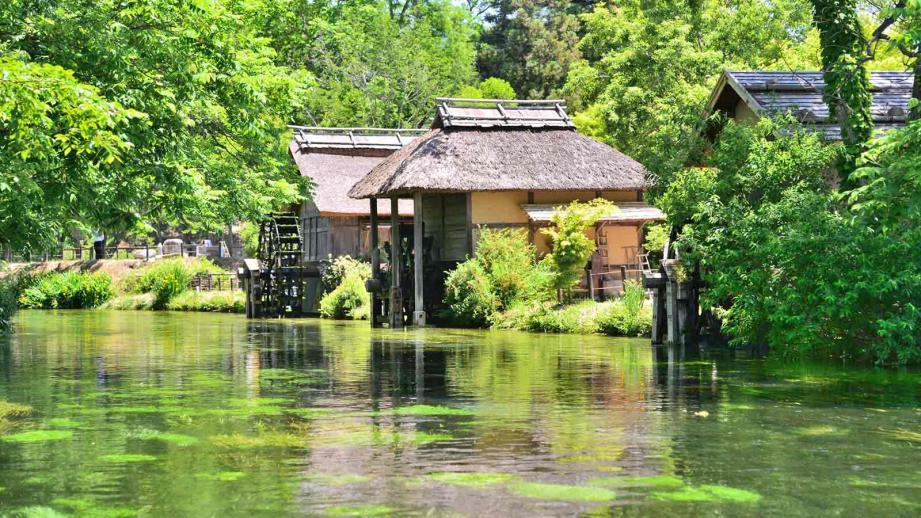
One of Japan's largest wasabi farms. Crystal-clear spring water from the Alps feeds the wasabi beds. Free entry. Try fresh wasabi soft serve and wasabi beer.

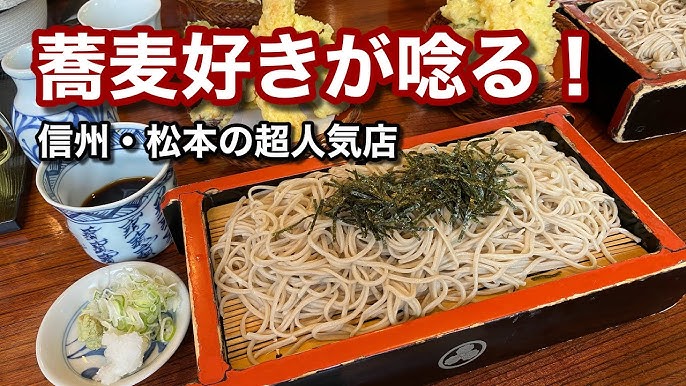
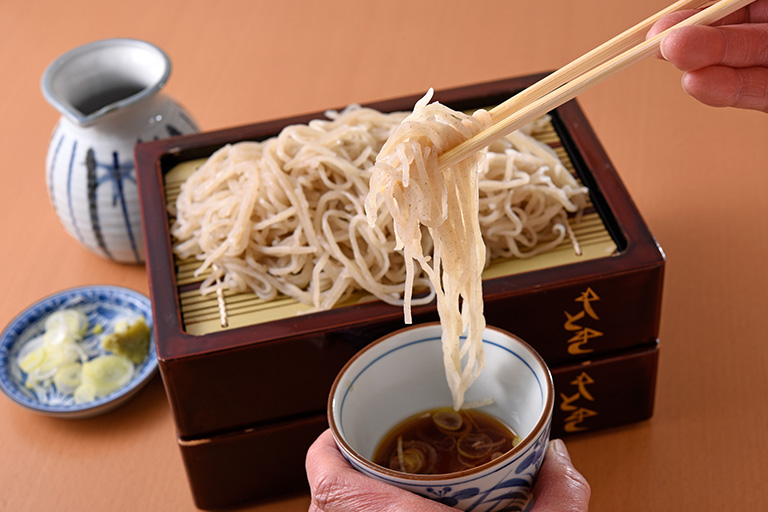
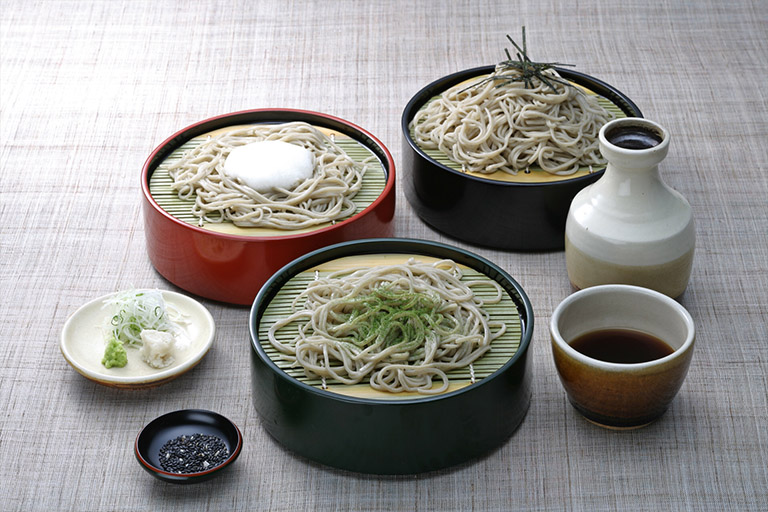
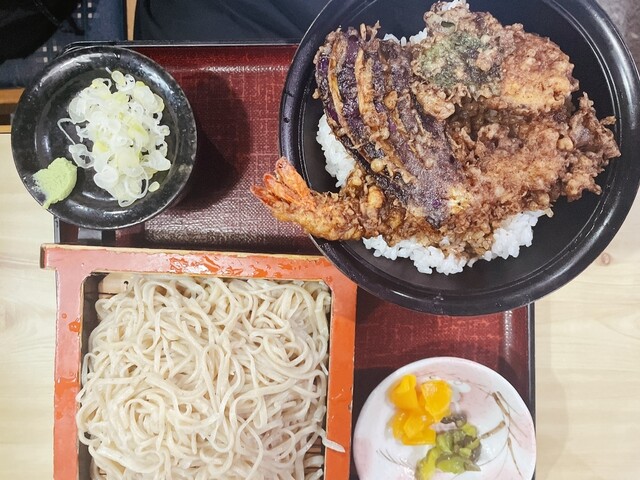
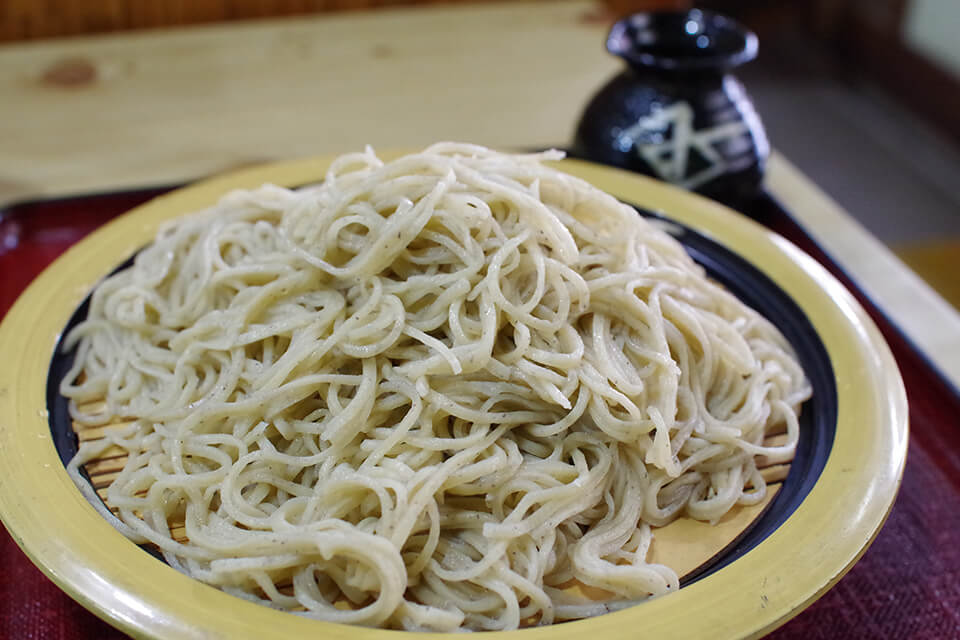
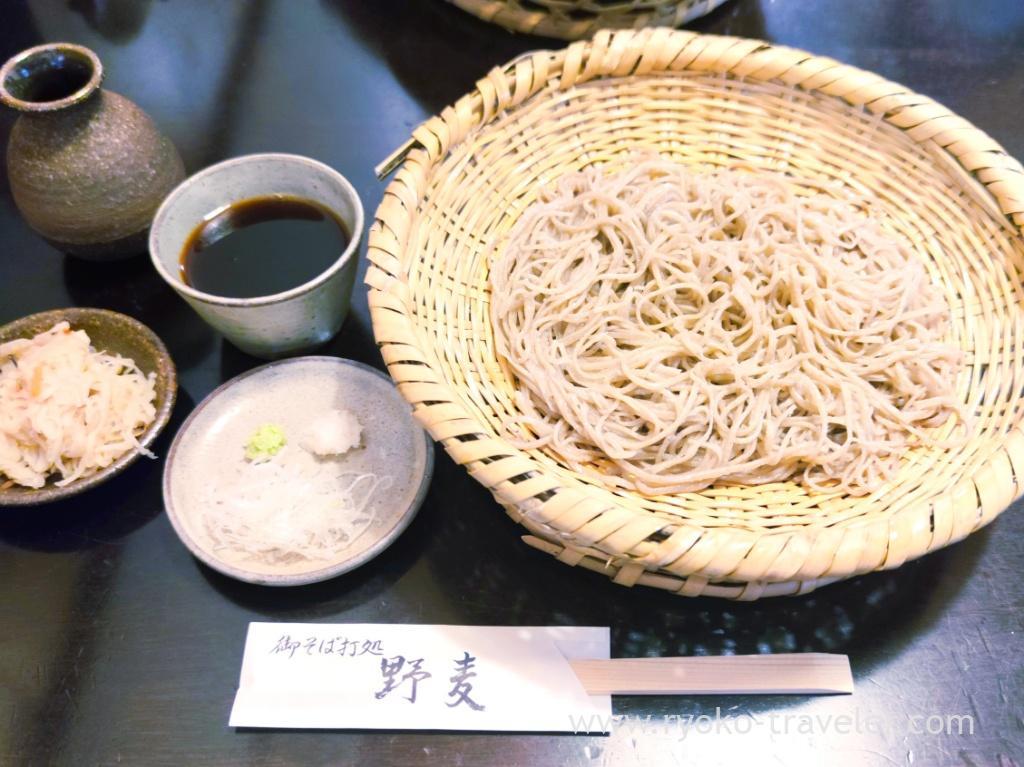
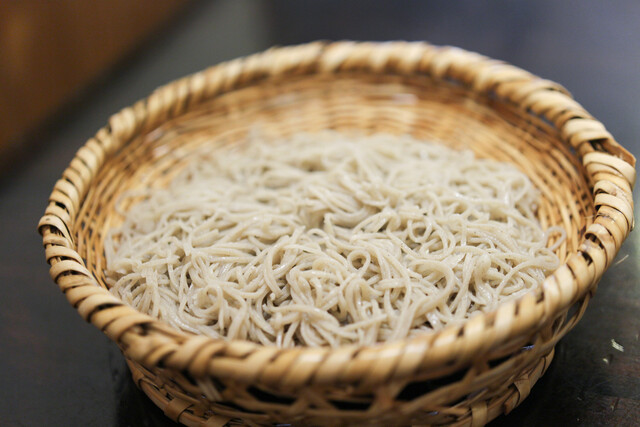
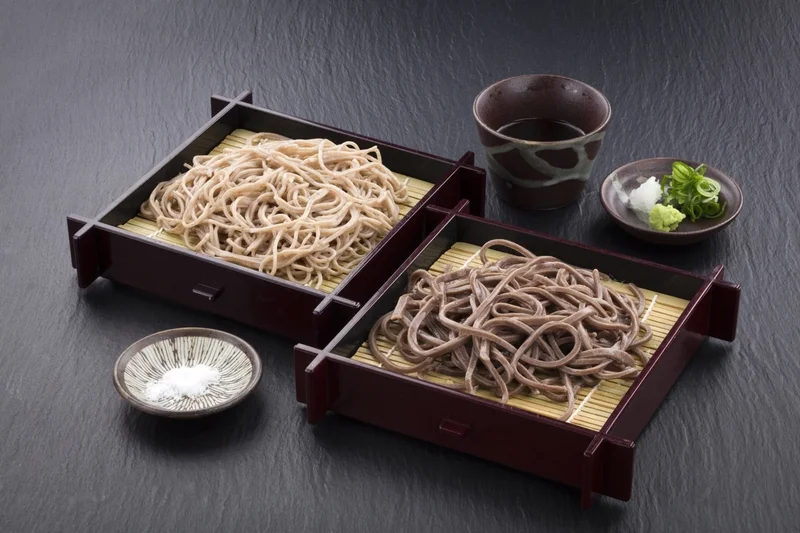
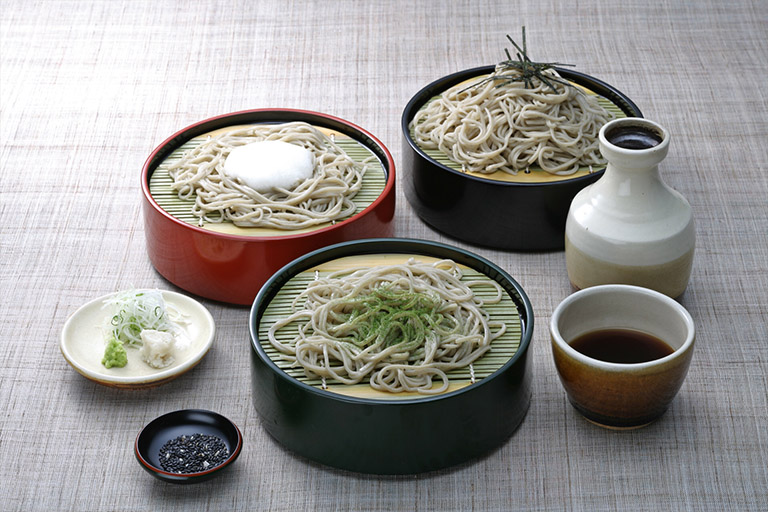
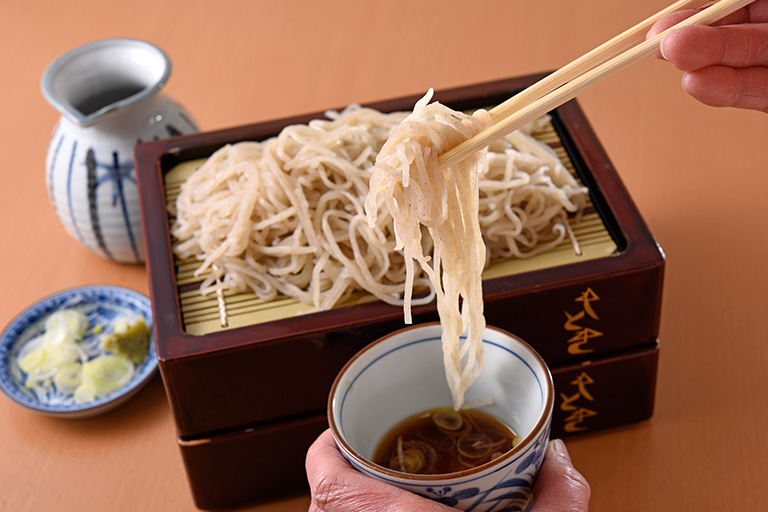
Matsumoto is famous for Shinshu soba (buckwheat noodles). Kobayashi serves handmade soba with locally grown buckwheat. The walnuts dipping sauce is a regional specialty.

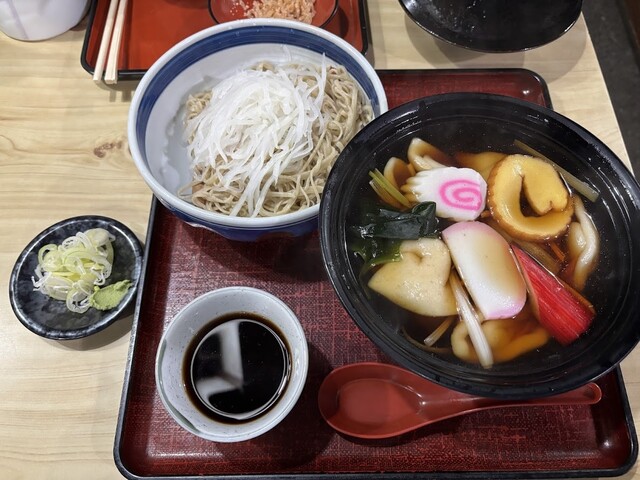
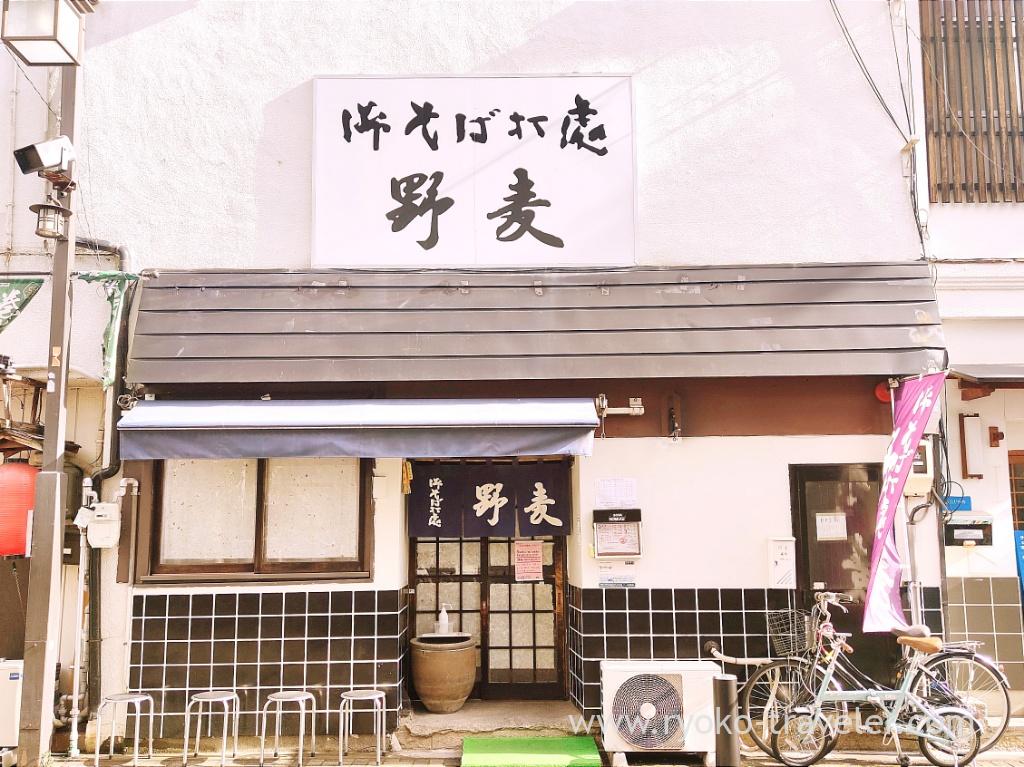
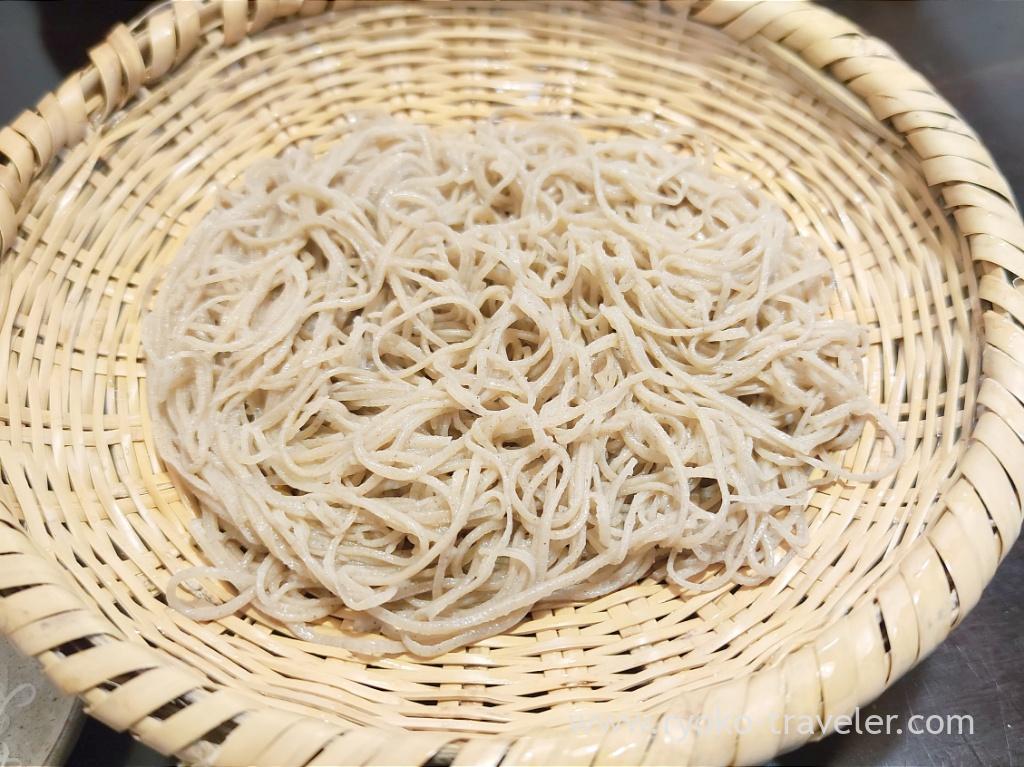
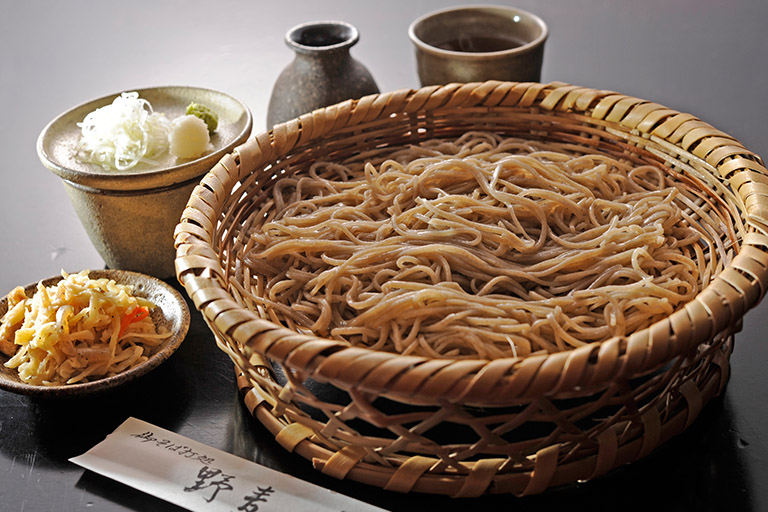
Historic soba restaurant near the castle. Their toji soba (hot pot style) is perfect in winter. The cold zaru soba with fresh wasabi is outstanding in summer.

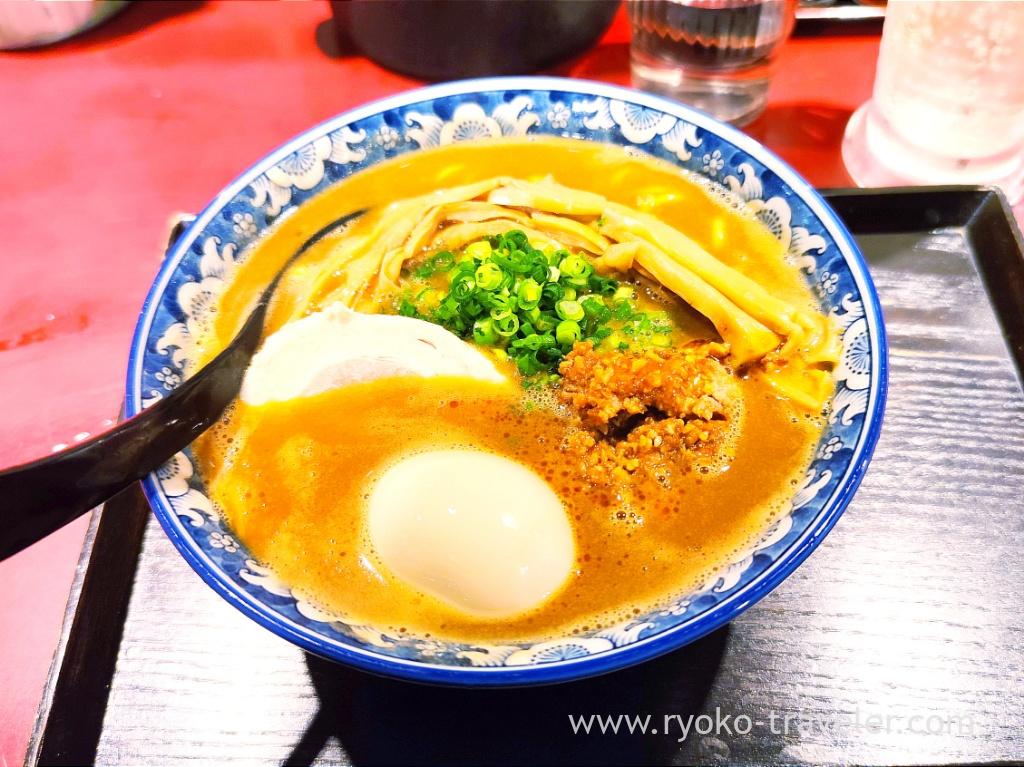
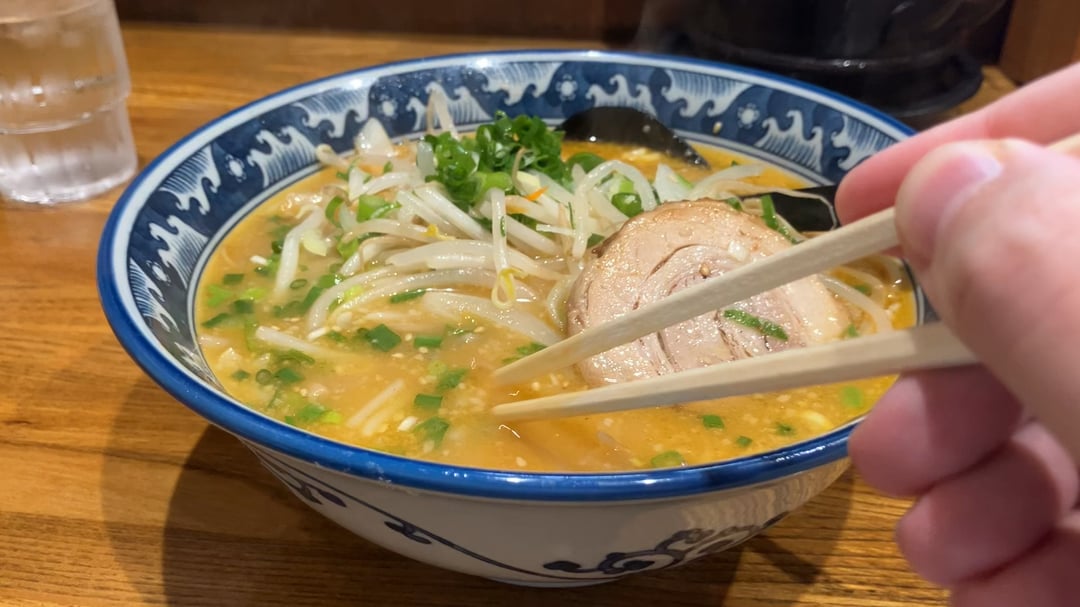
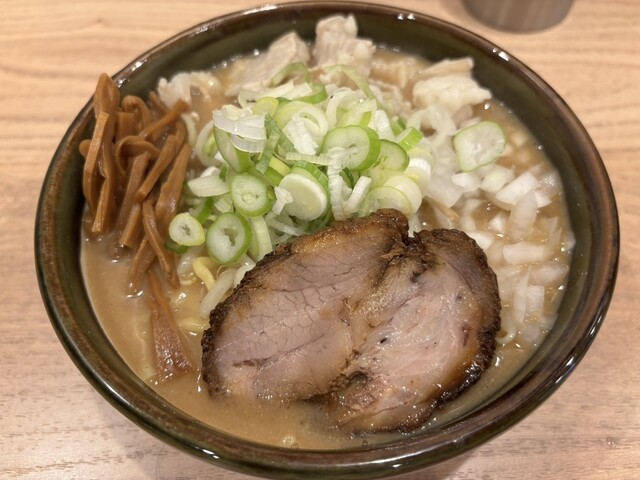
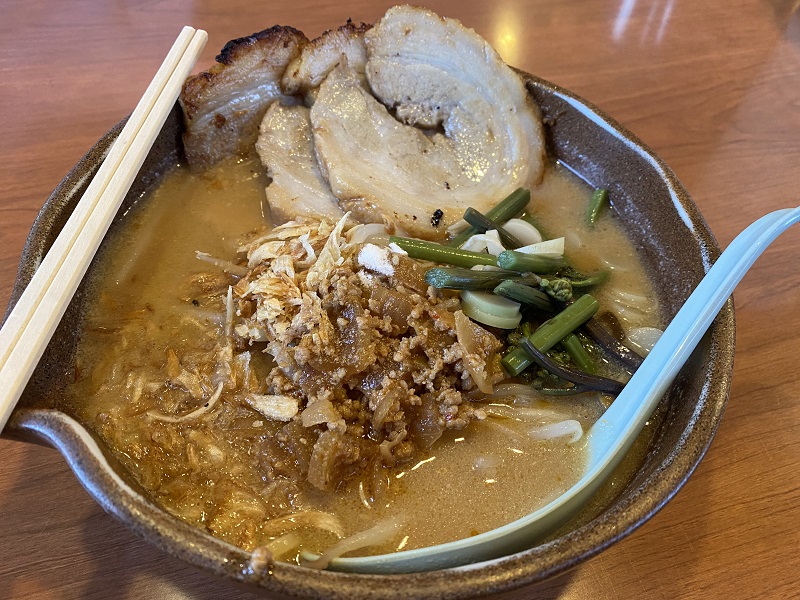
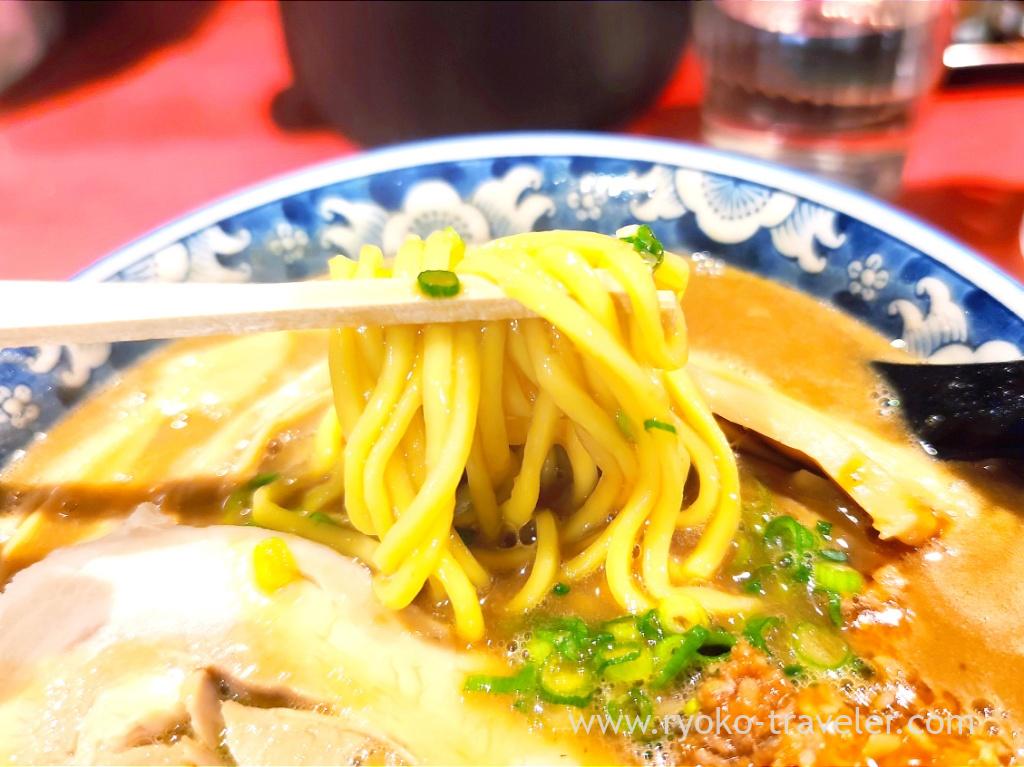
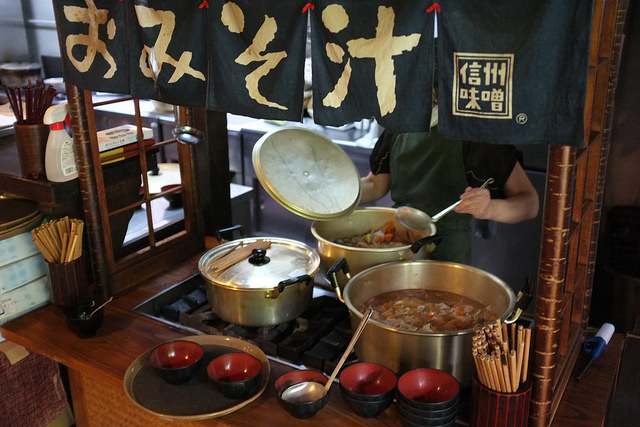
Matsumoto's take on ramen uses rich Shinshu miso paste. Thick, warming broth perfect for cold alpine winters. Several excellent shops near the station.

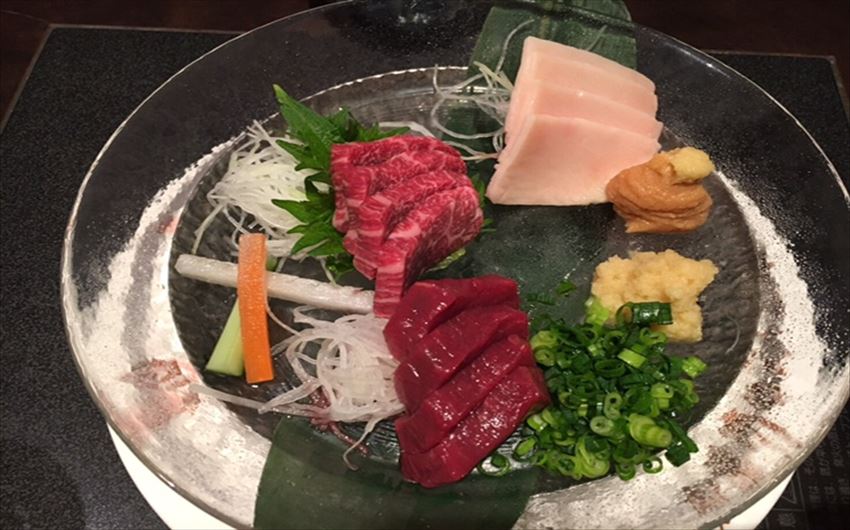
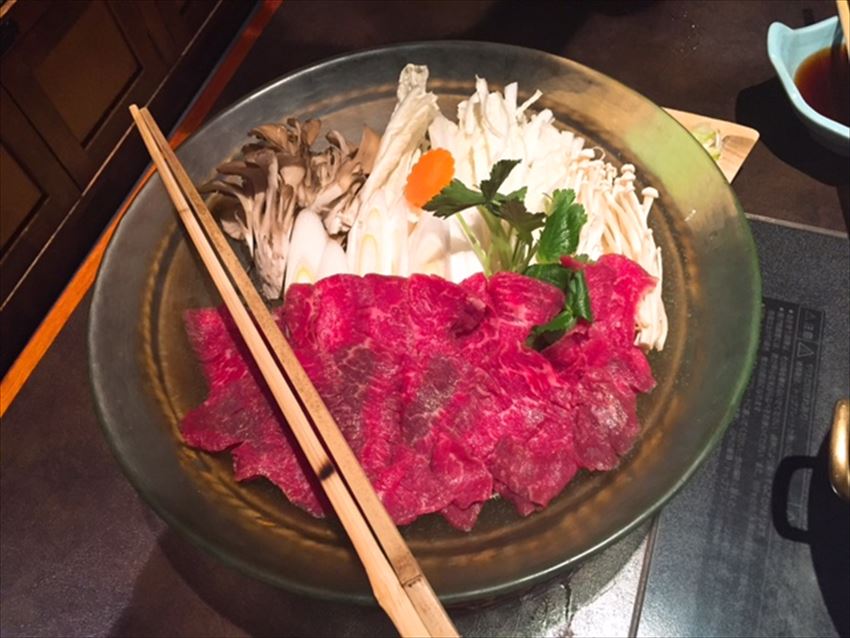
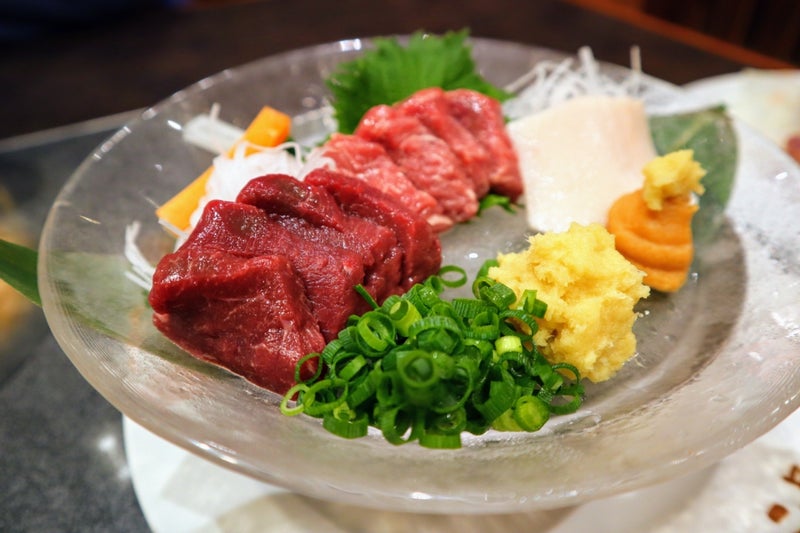
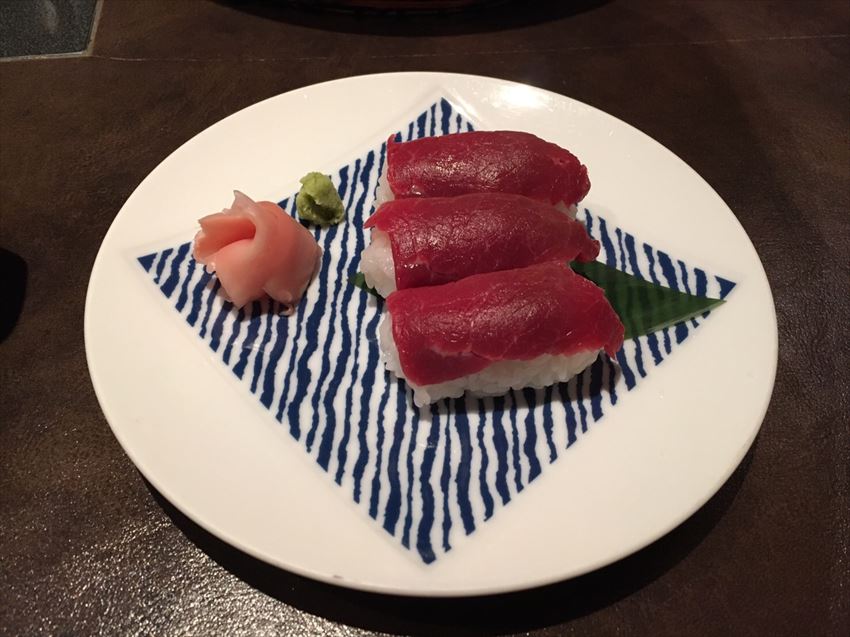
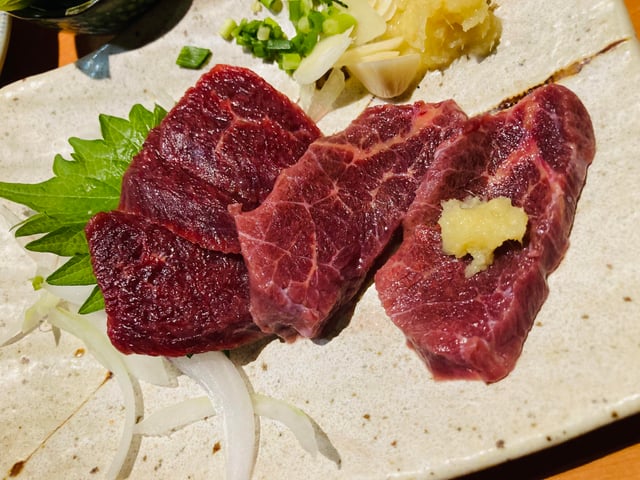
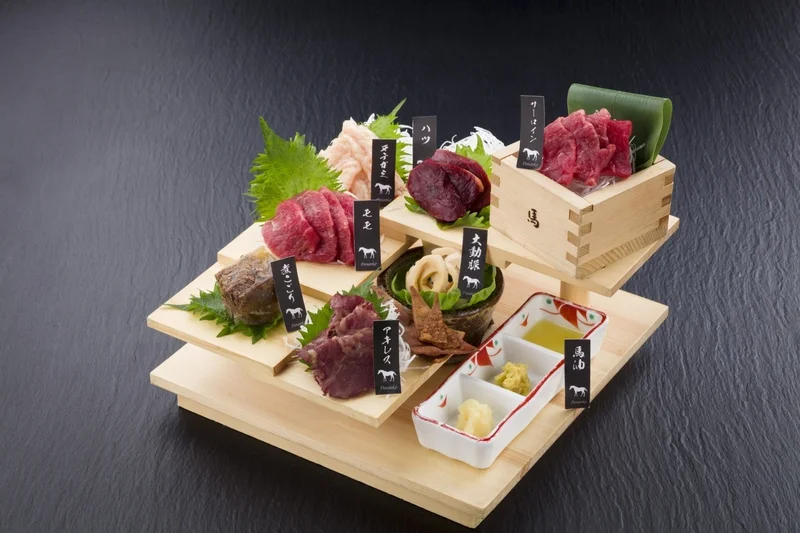
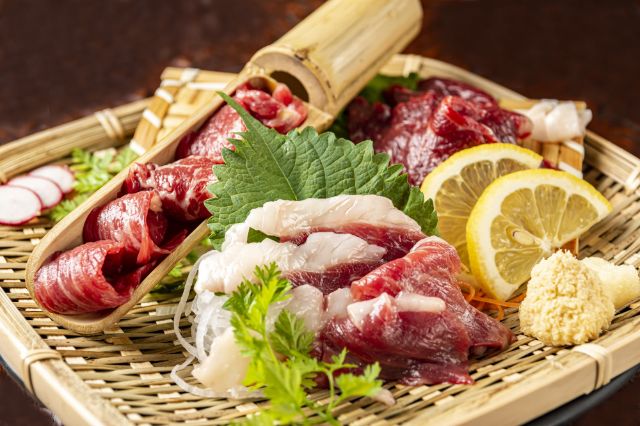
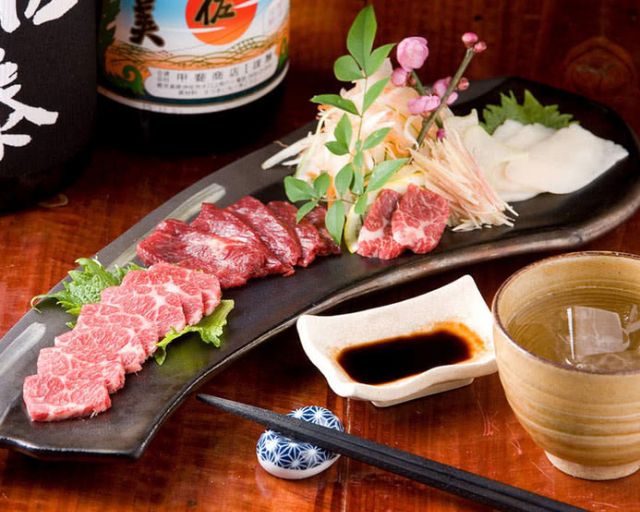
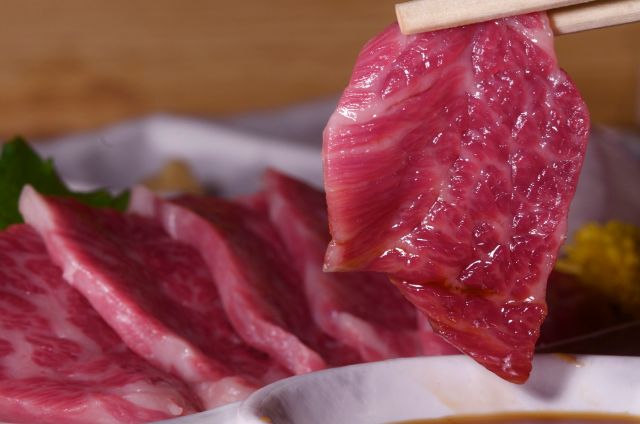
Nagano is famous for basashi (raw horse meat). Served thinly sliced with ginger and soy sauce. Multiple restaurants in the castle area serve this regional delicacy.

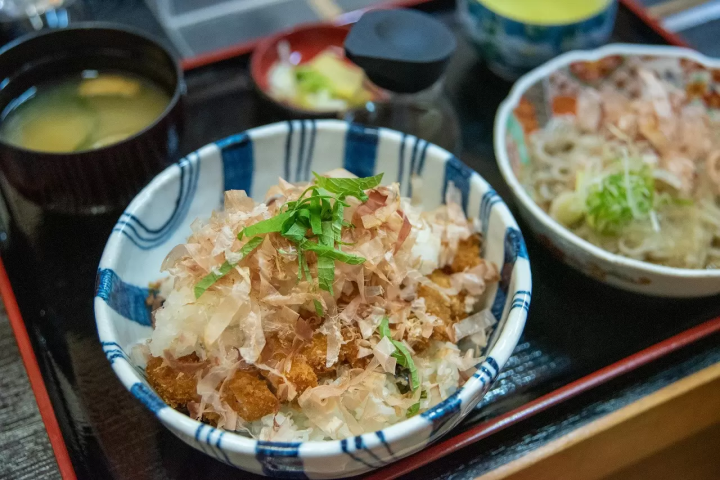
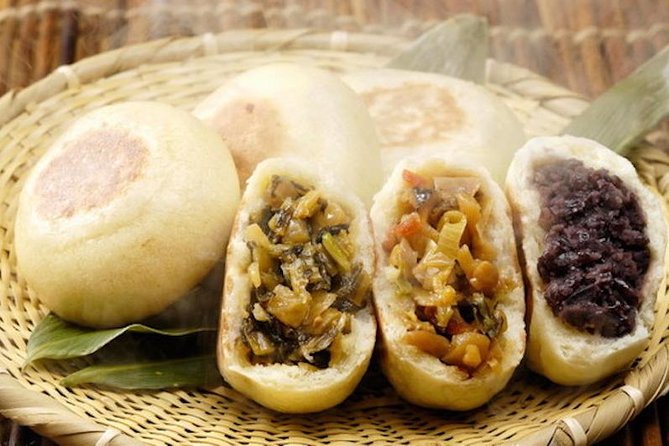
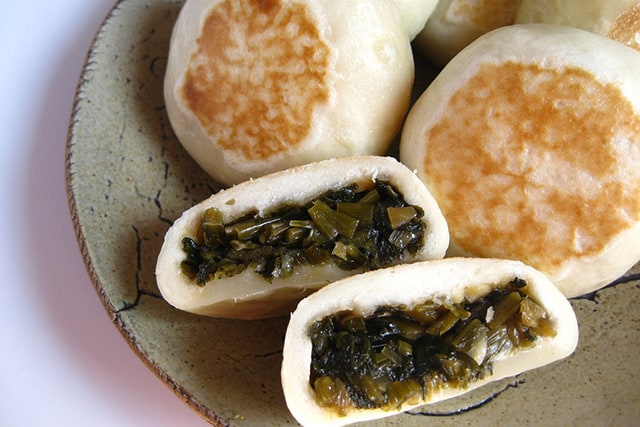
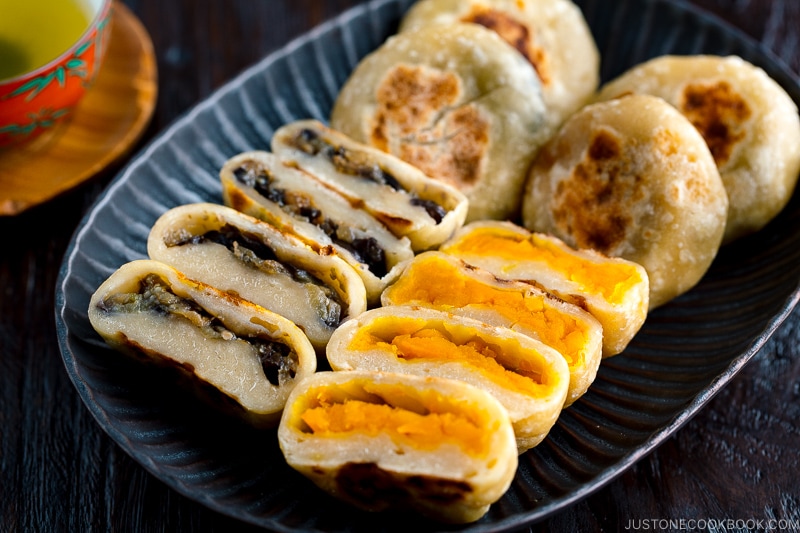
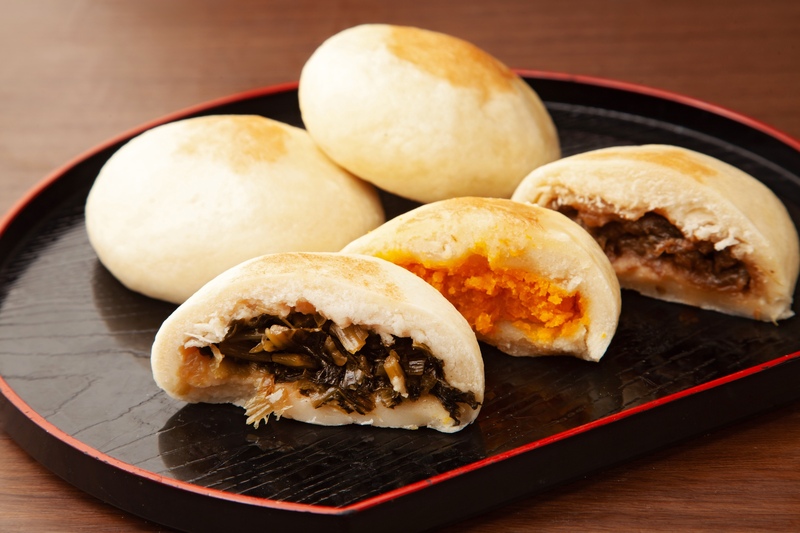
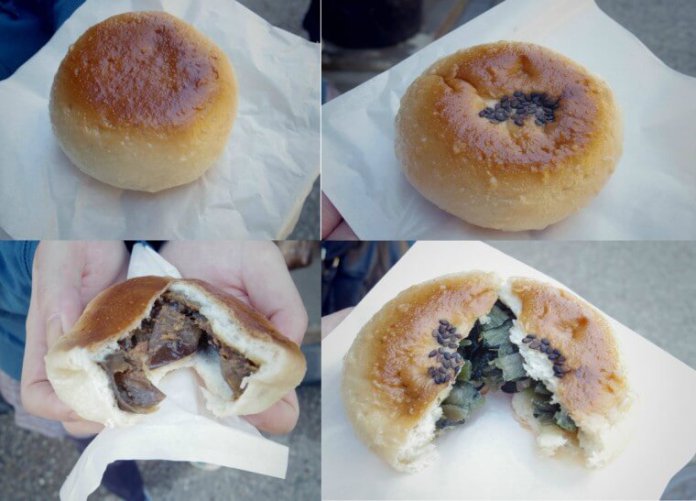
Nagano's signature stuffed dumplings. Wheat dough filled with vegetables (nozawana pickles, pumpkin, eggplant). Grilled or steamed. Available at shops throughout the city.

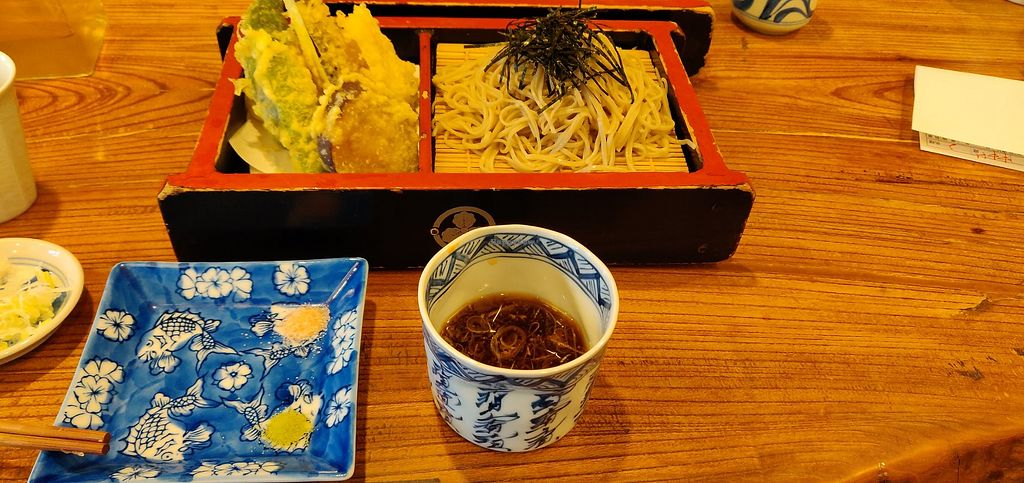
Evening-only soba shop in the castle district. Handmade noodles from locally-grown buckwheat, served with seasonal tempura. The walnut dipping sauce is a regional specialty.

Tiny soba restaurant near the castle. Only 10 seats. The owner grinds buckwheat daily. The toji soba (pot-style) in winter is warming and fragrant.

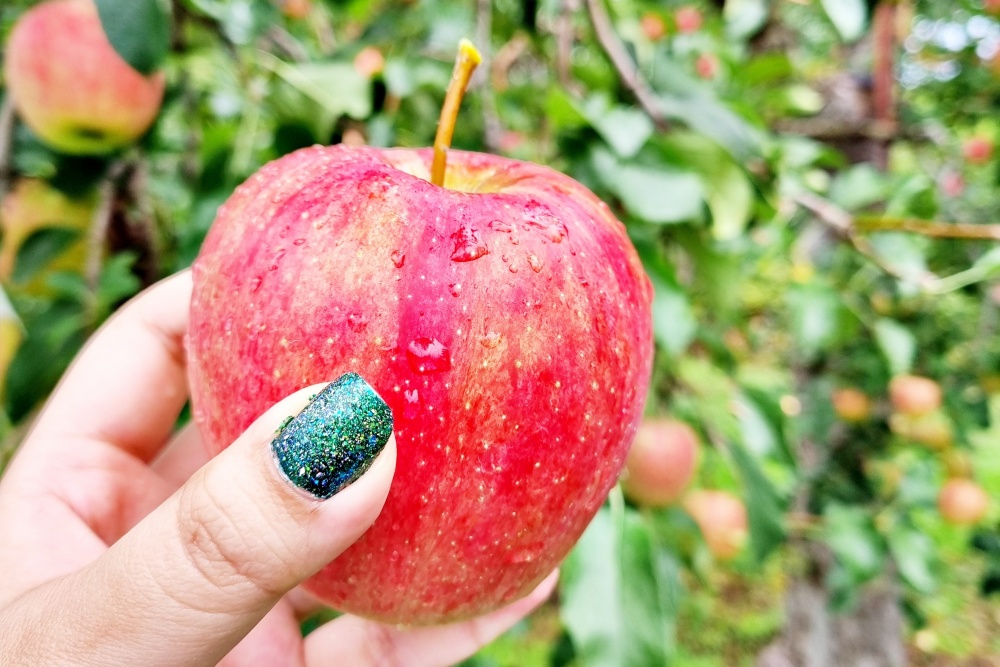
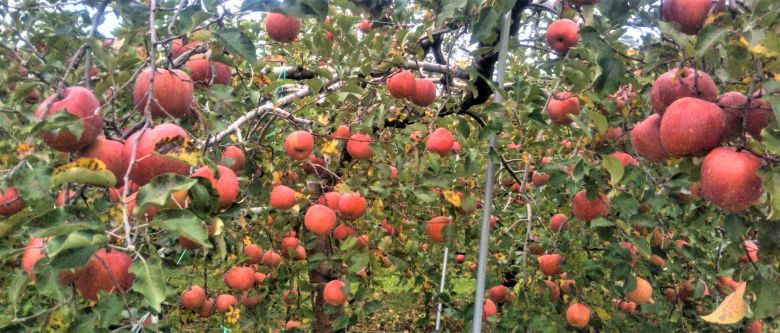
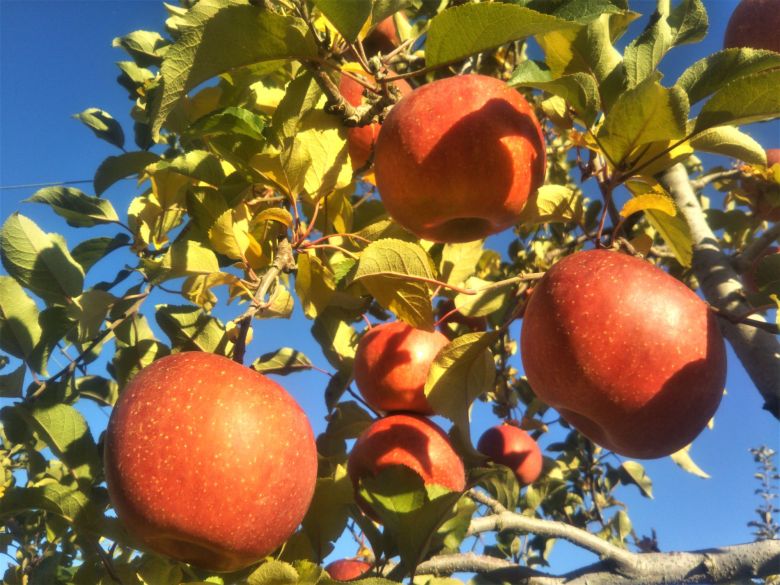
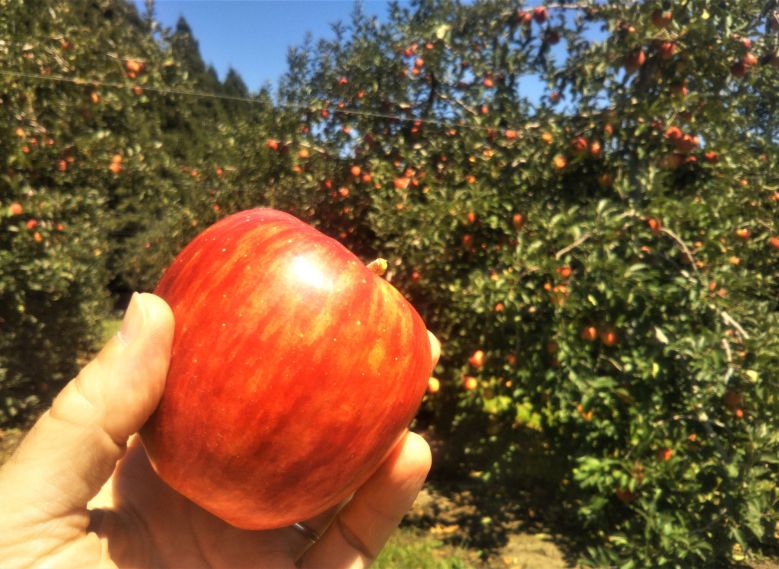
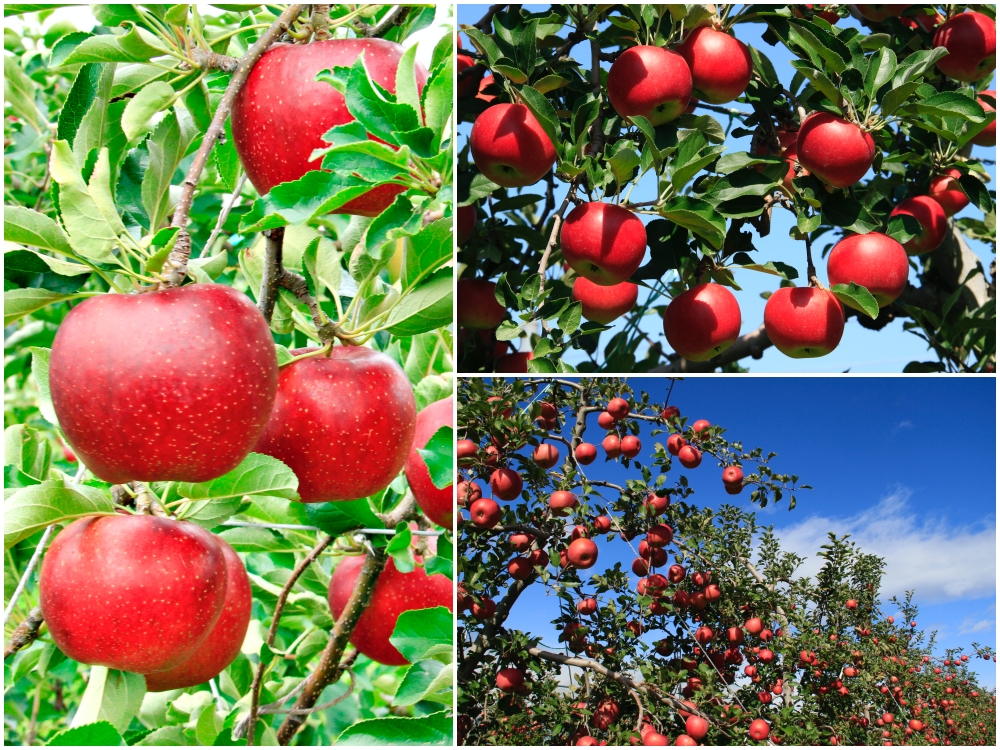
Nagano produces more apples than almost anywhere in Japan. Apple pies, apple cider, baked apple desserts, and fresh-pressed juice available throughout the city.

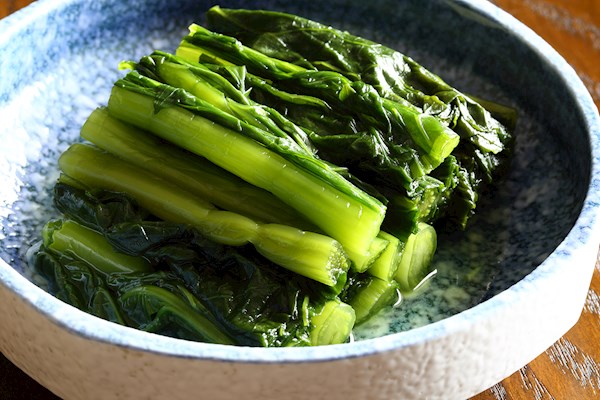
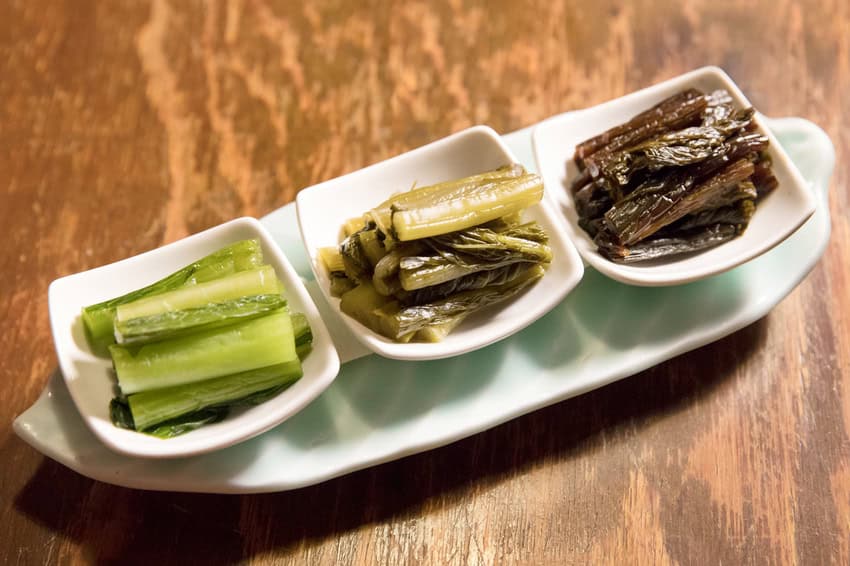
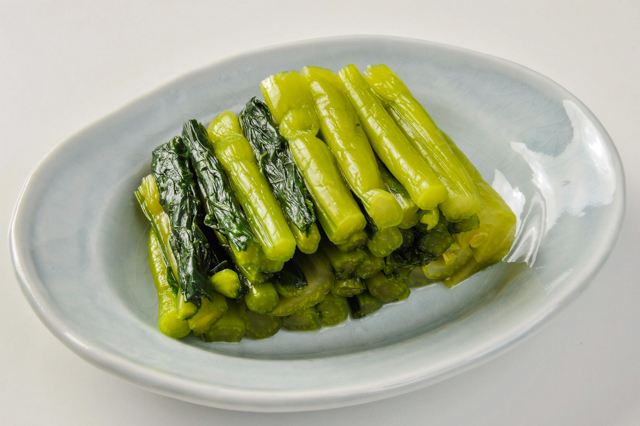
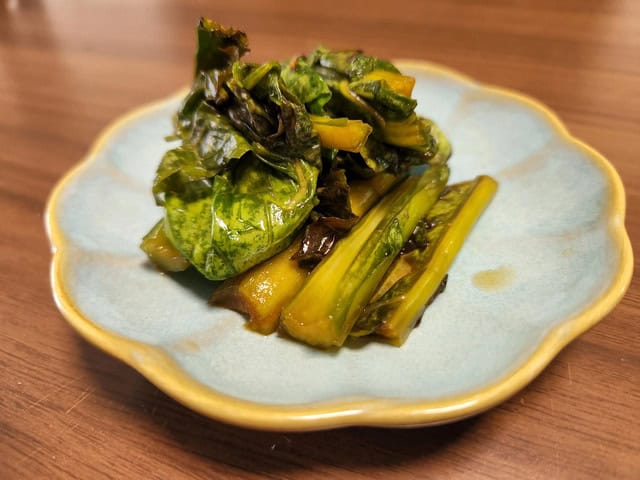
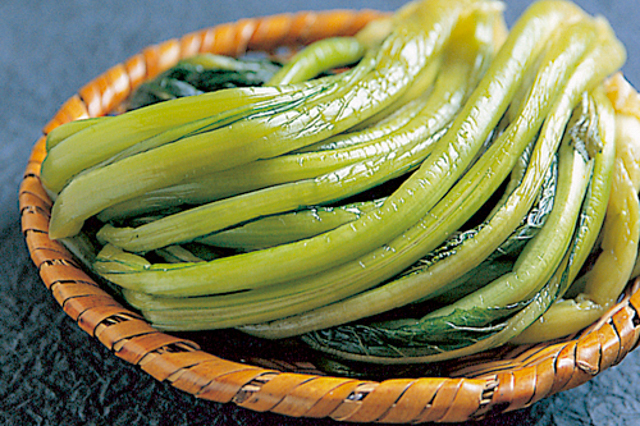
Famous Nagano pickle made from turnip leaves. Fermented with salt and pressure. Available at every market and souvenir shop. Great with rice or in oyaki dumplings.

Converted storehouse restaurant serving both craft beer and soba. A perfect combo unique to Matsumoto. Flights of local ales paired with seasonal soba dishes.

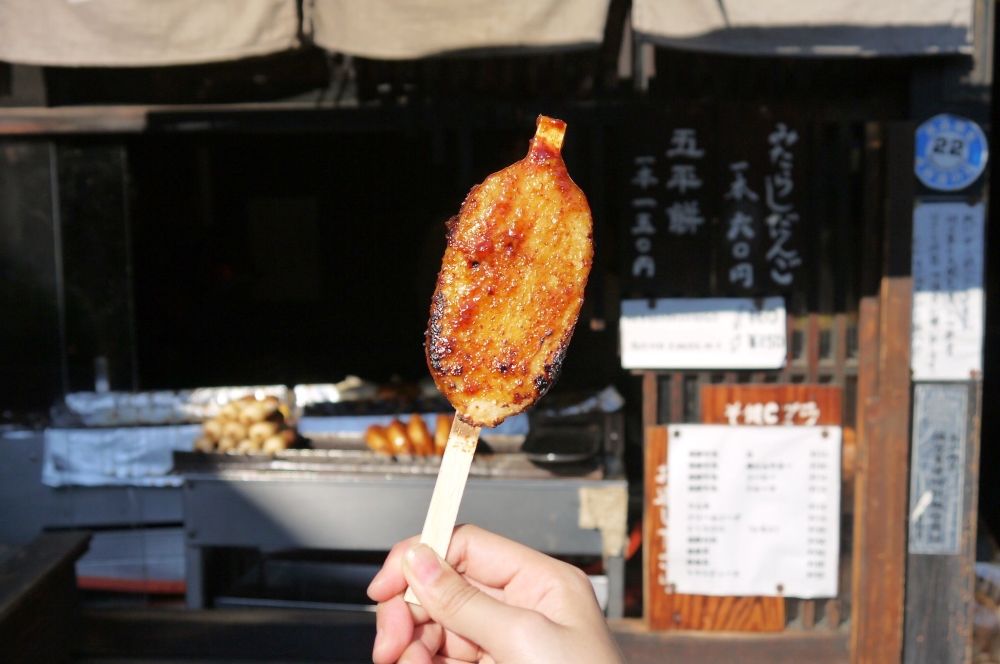
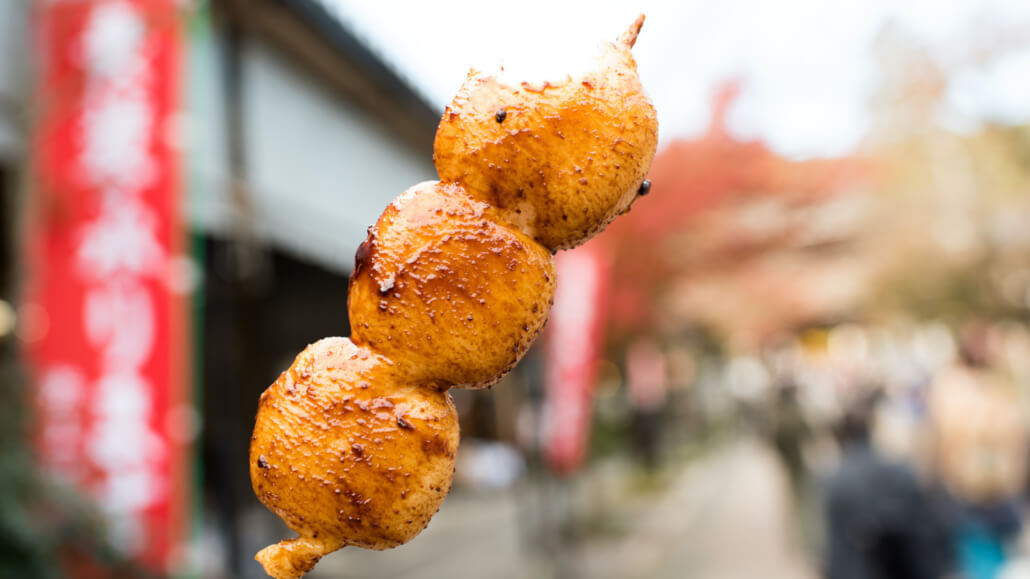
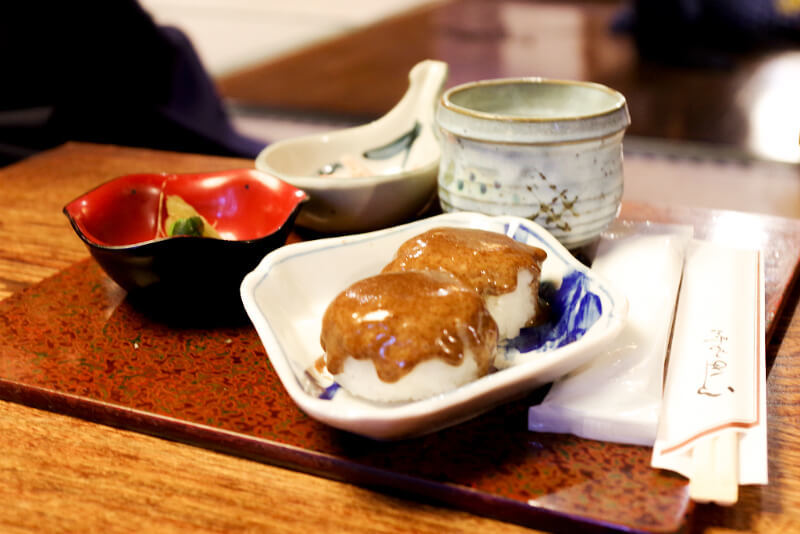
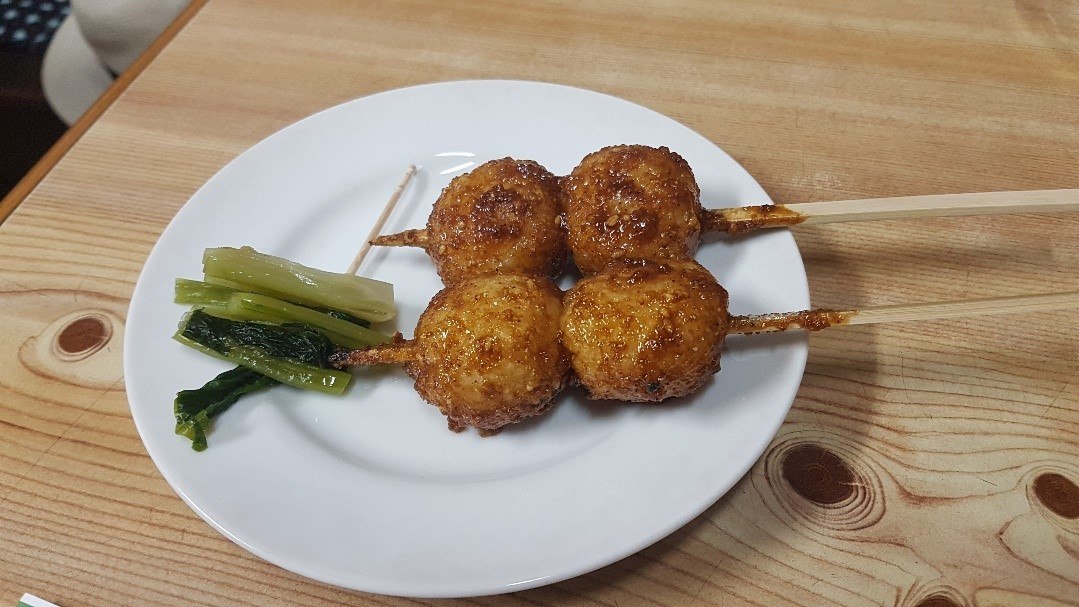
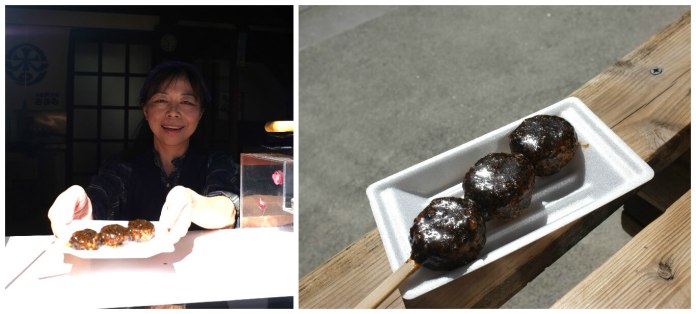
Skewered rice cakes coated in sweet miso or walnut sauce, char-grilled over fire. Traditional mountain food from the Kiso Valley. Available at street stalls.

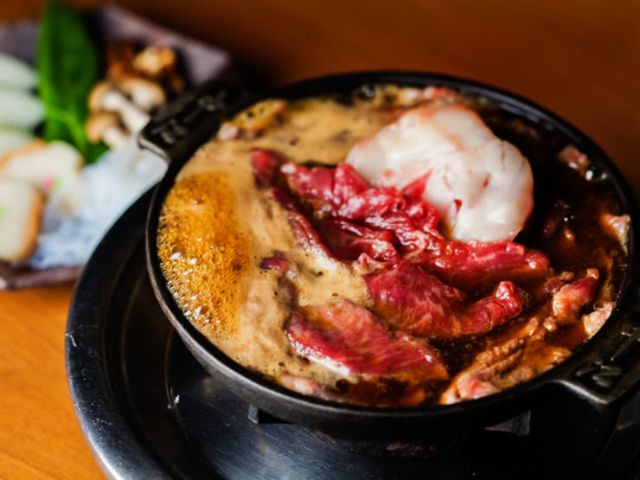
Dedicated basashi restaurant near the station. Horse sashimi, grilled horse, and horse stew. Nagano is the second-largest consumer of horse meat in Japan.

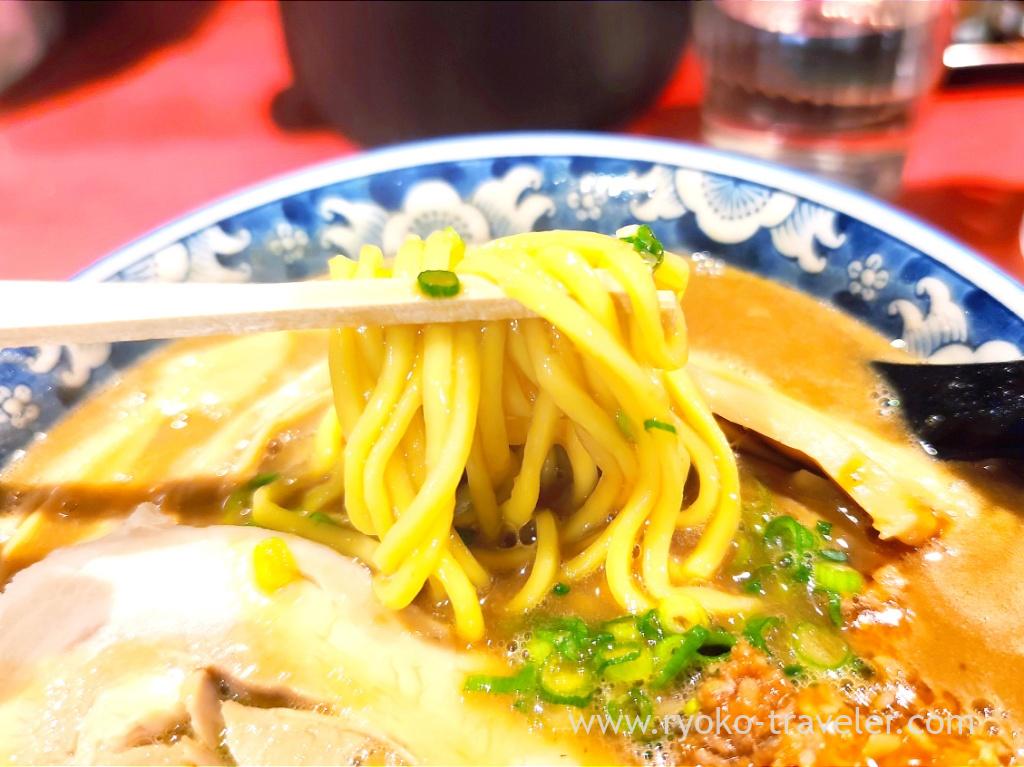
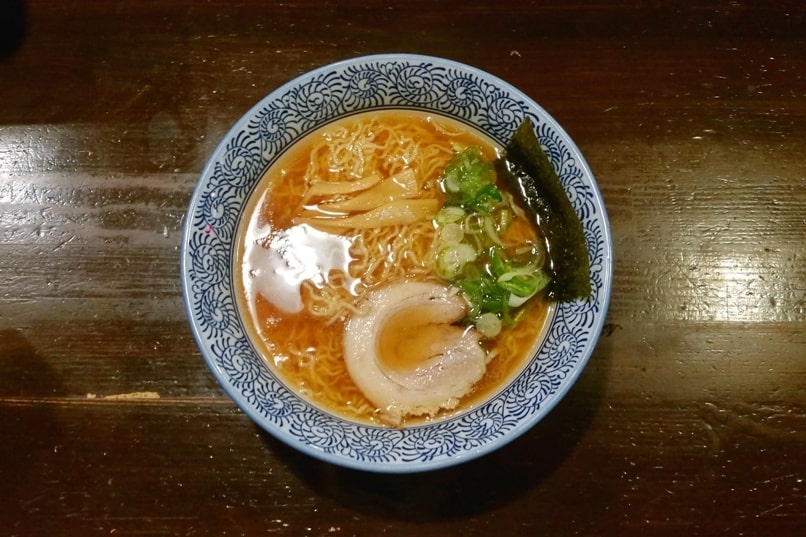
Local ramen style using a soy-based broth with handmade noodles. Less famous than Sapporo or Hakata styles but deeply satisfying. Several small shops near the station.
Crystal-clear rivers, 3000m peaks, highland plateaus, and world-class hiking.
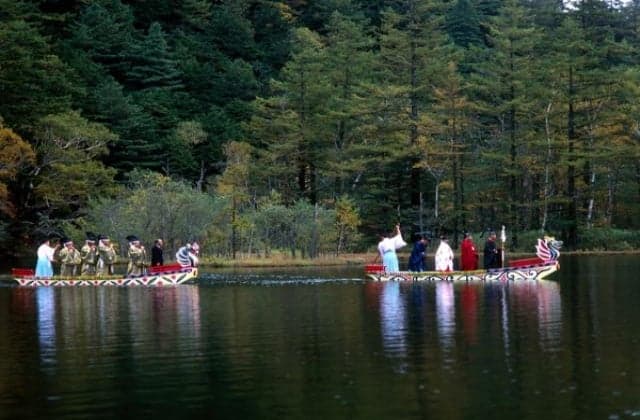
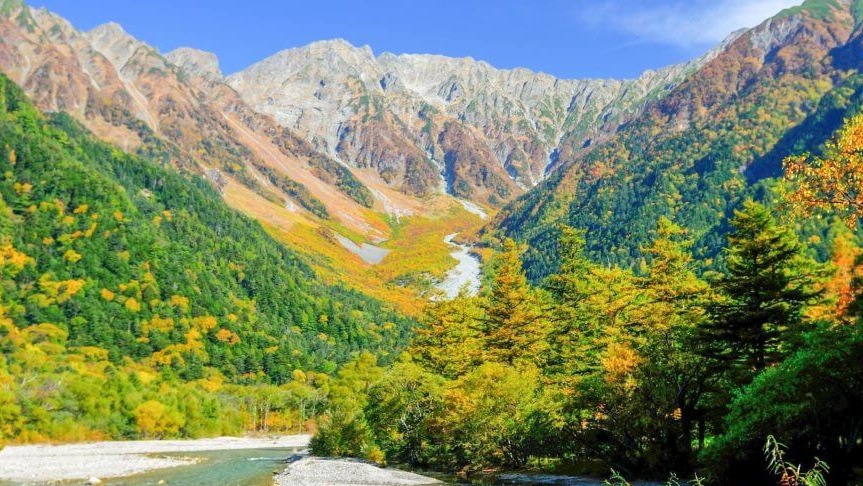
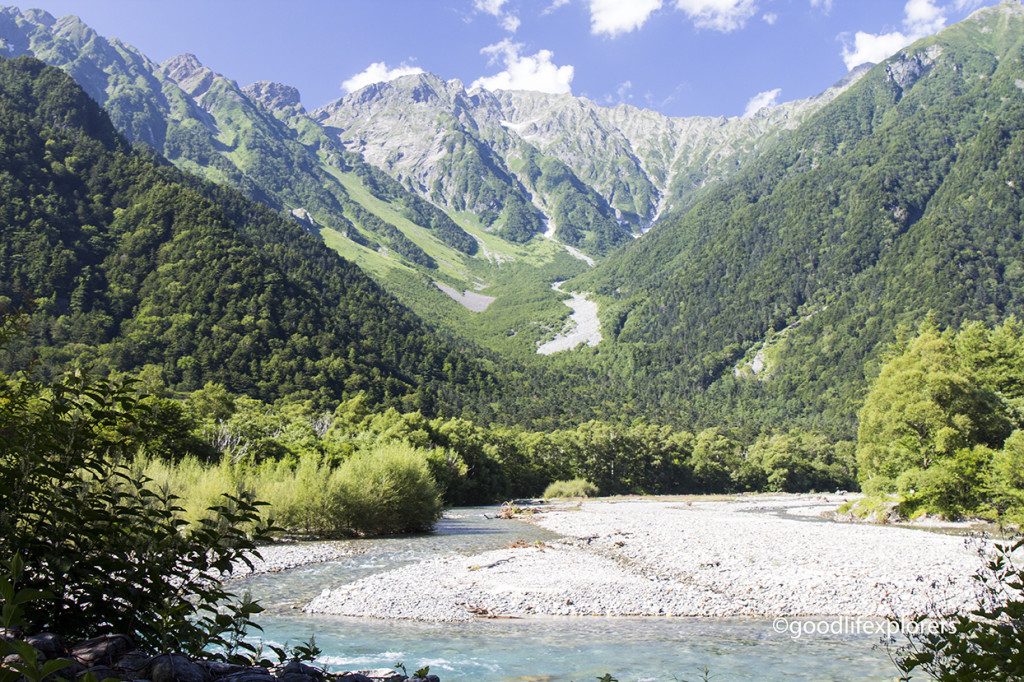
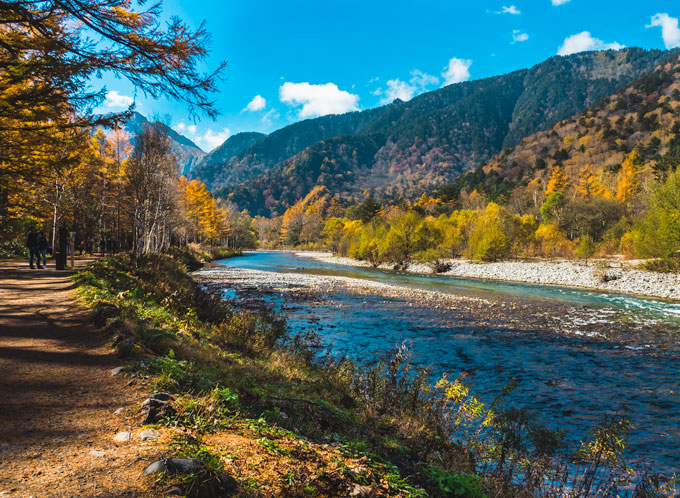
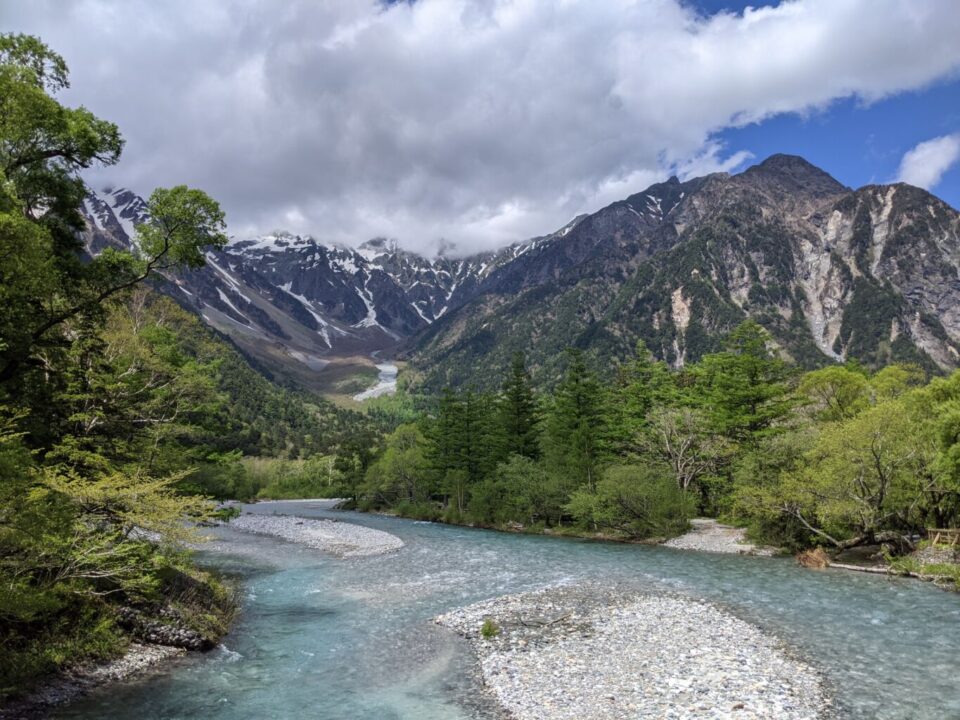
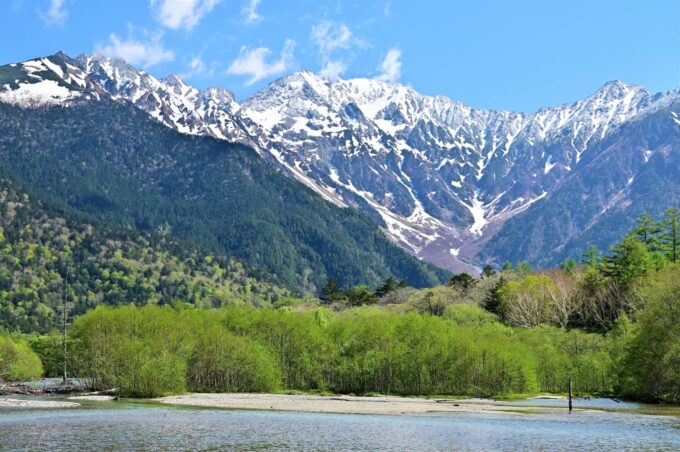
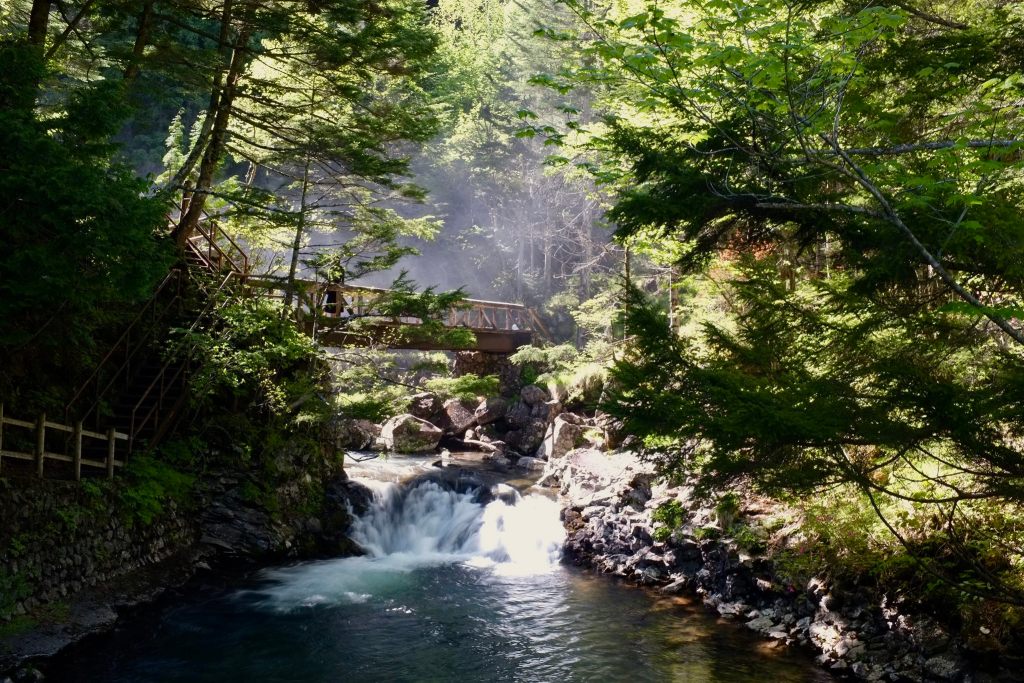
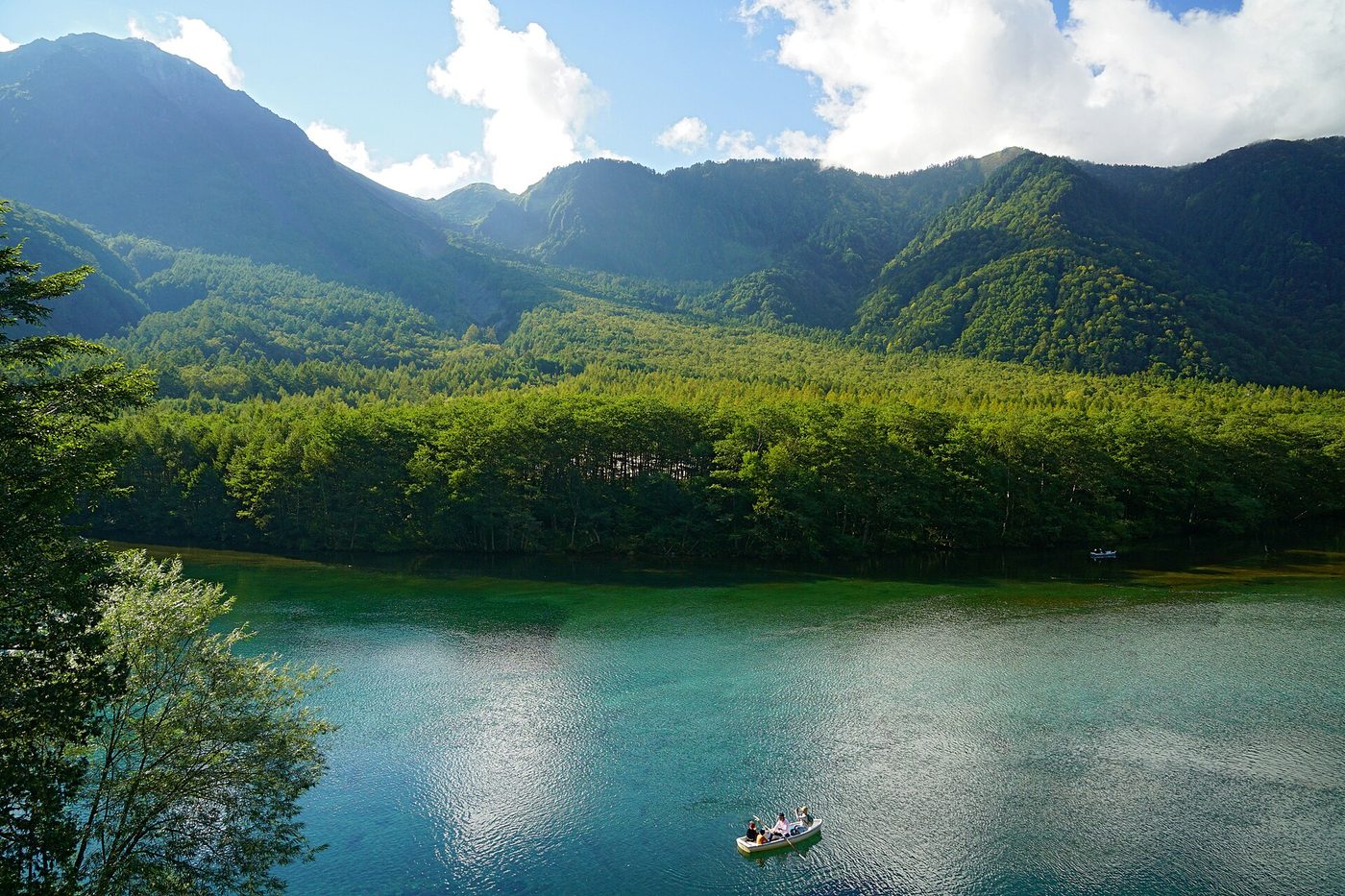
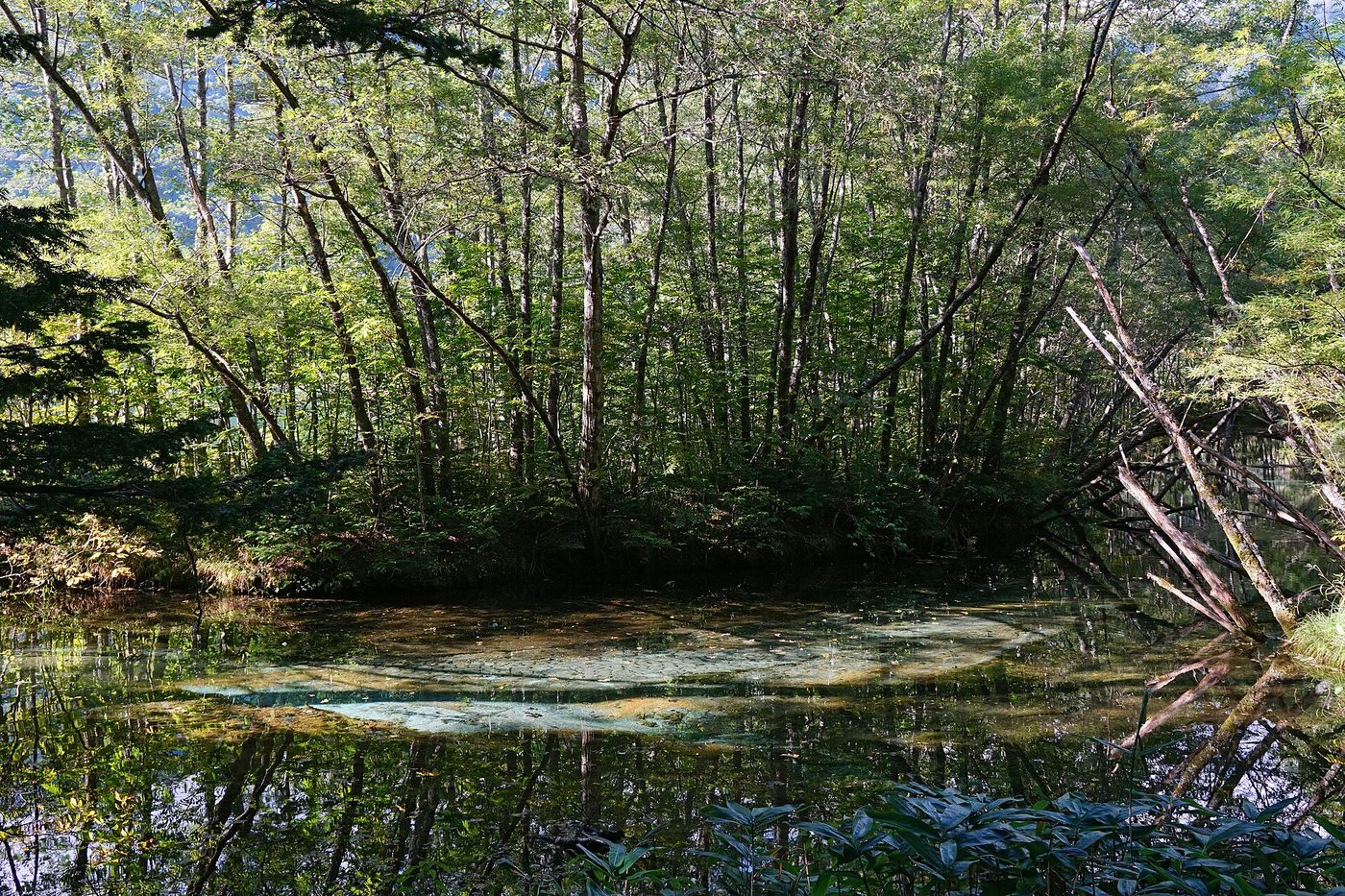
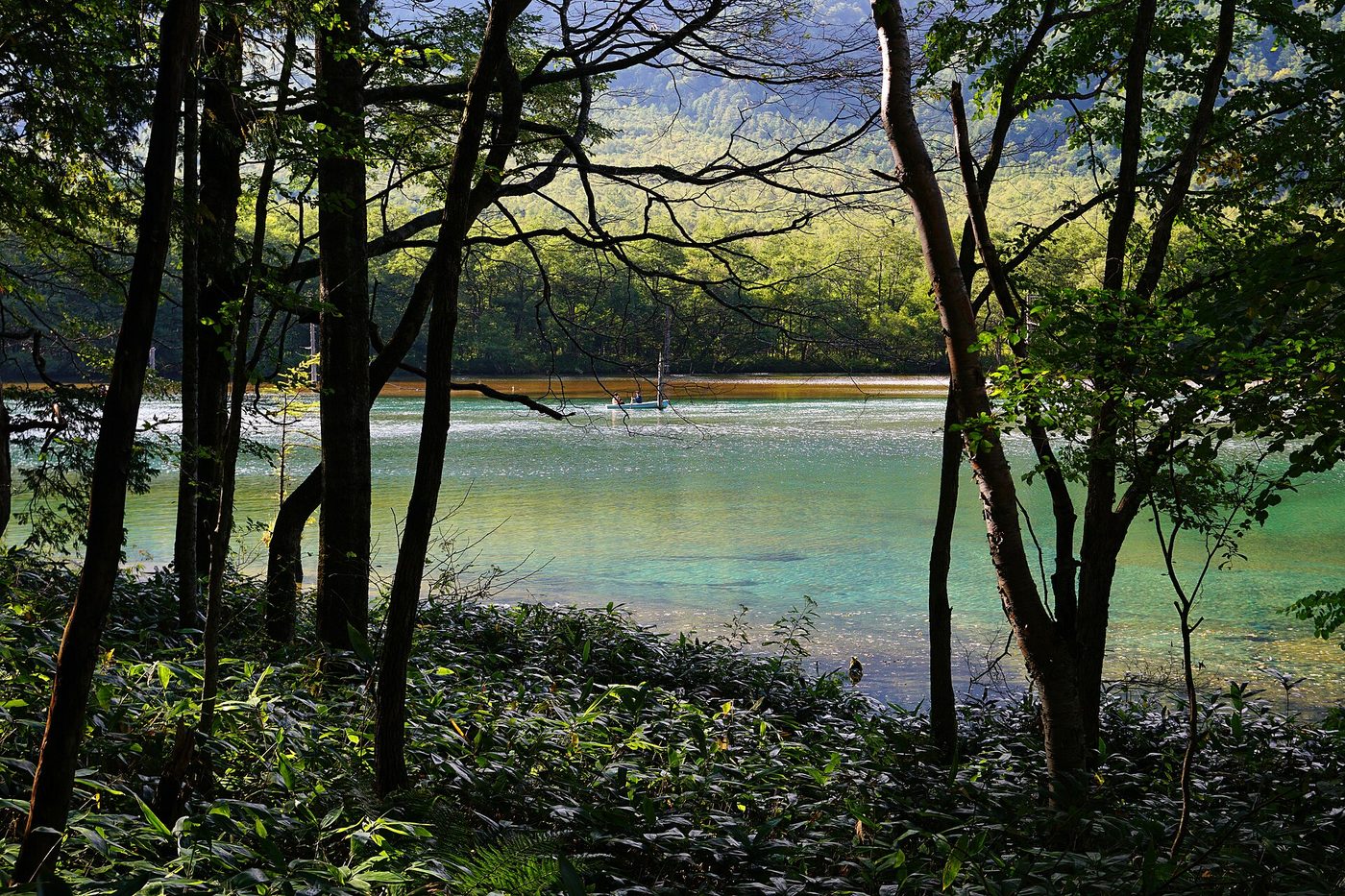
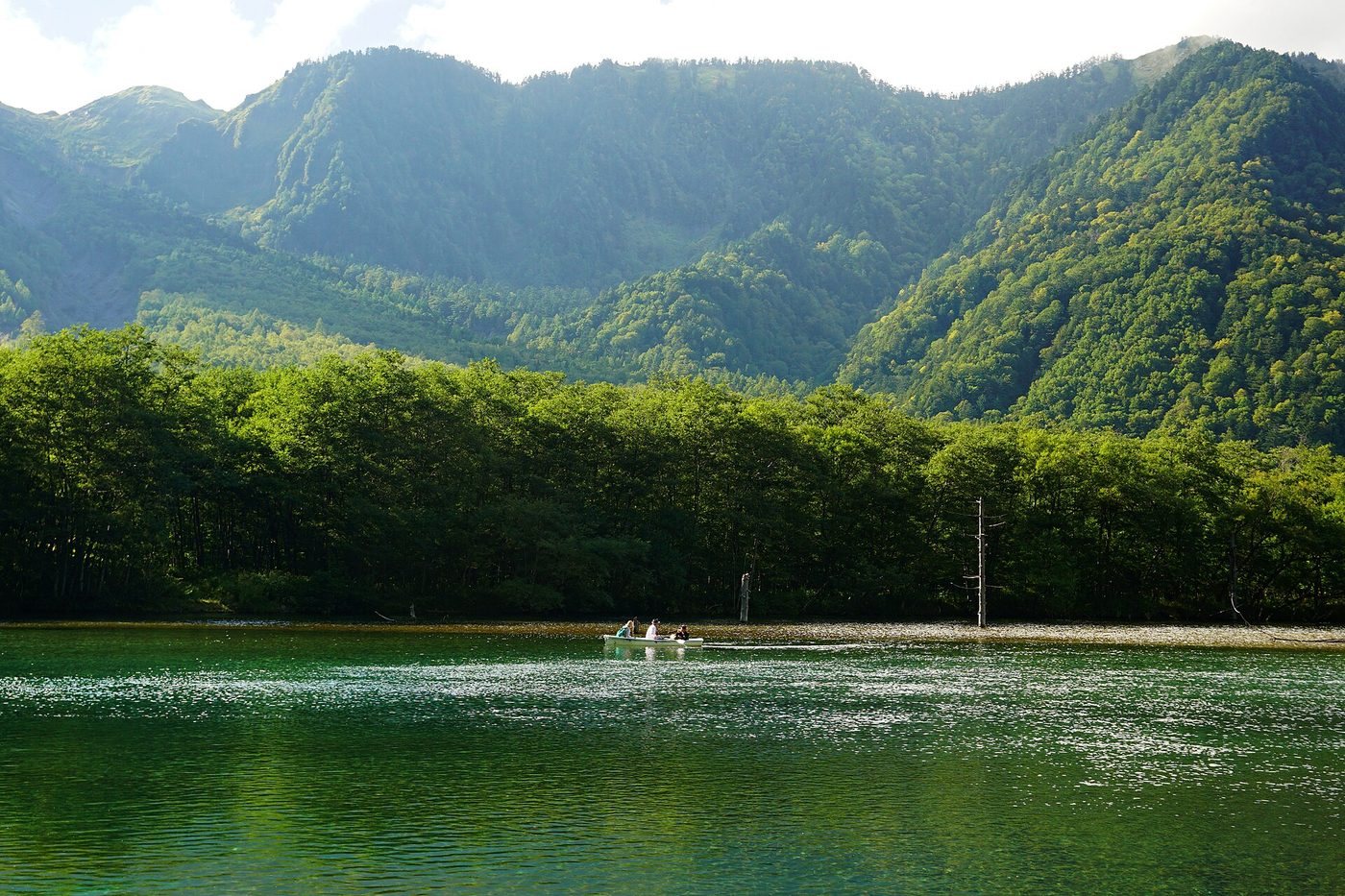
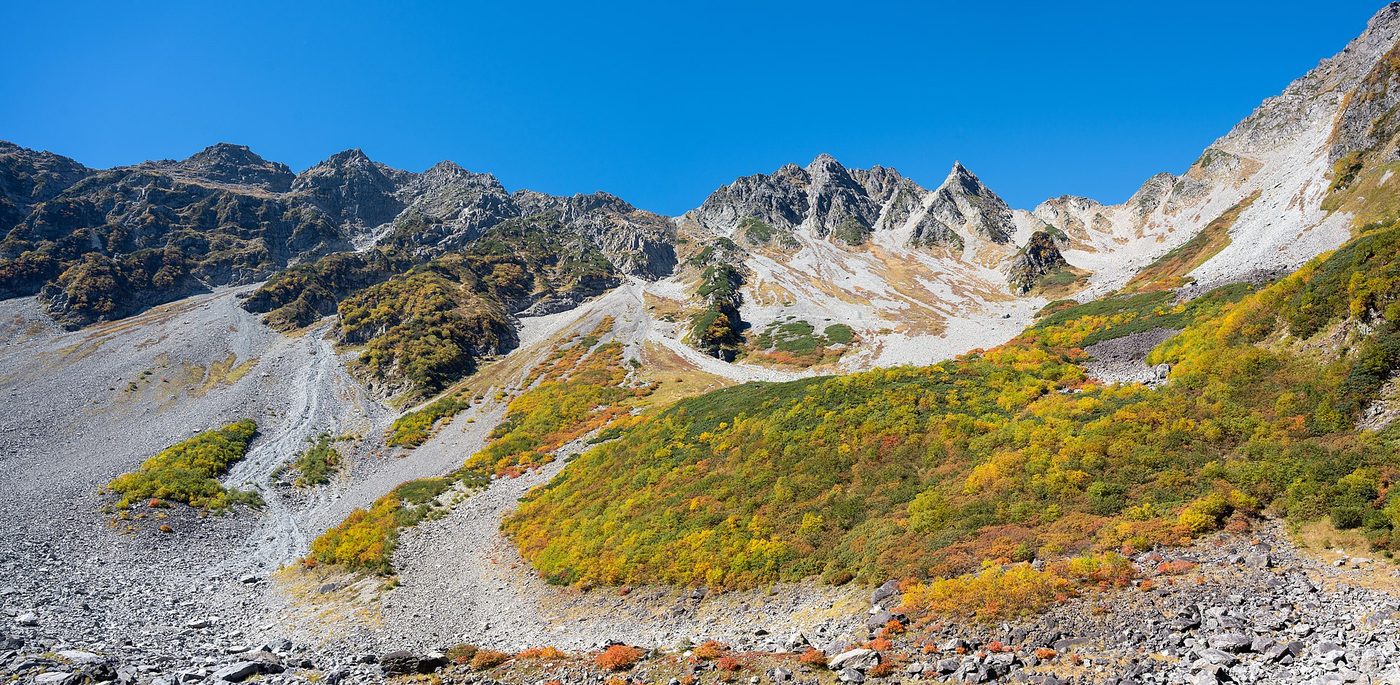
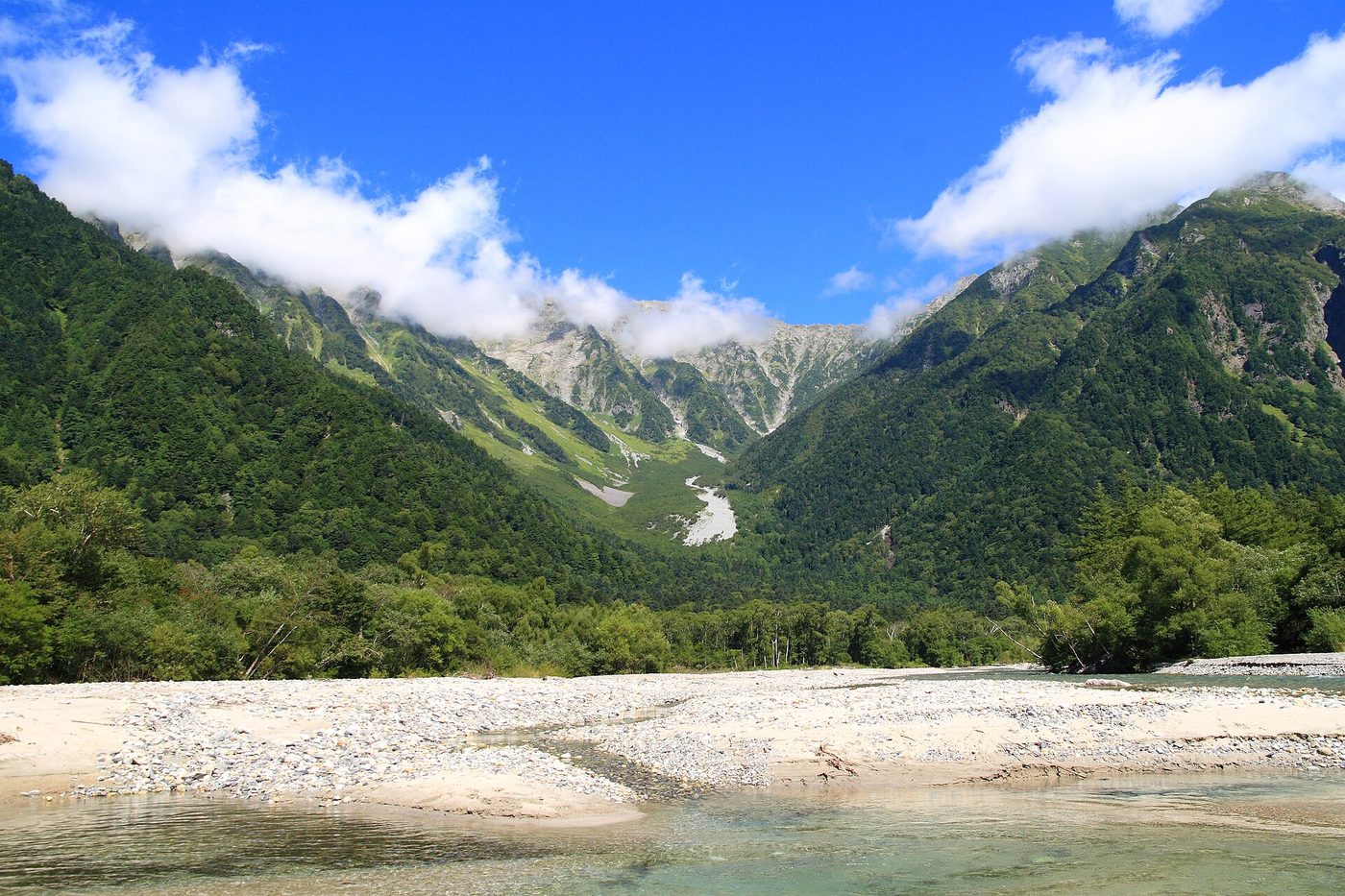
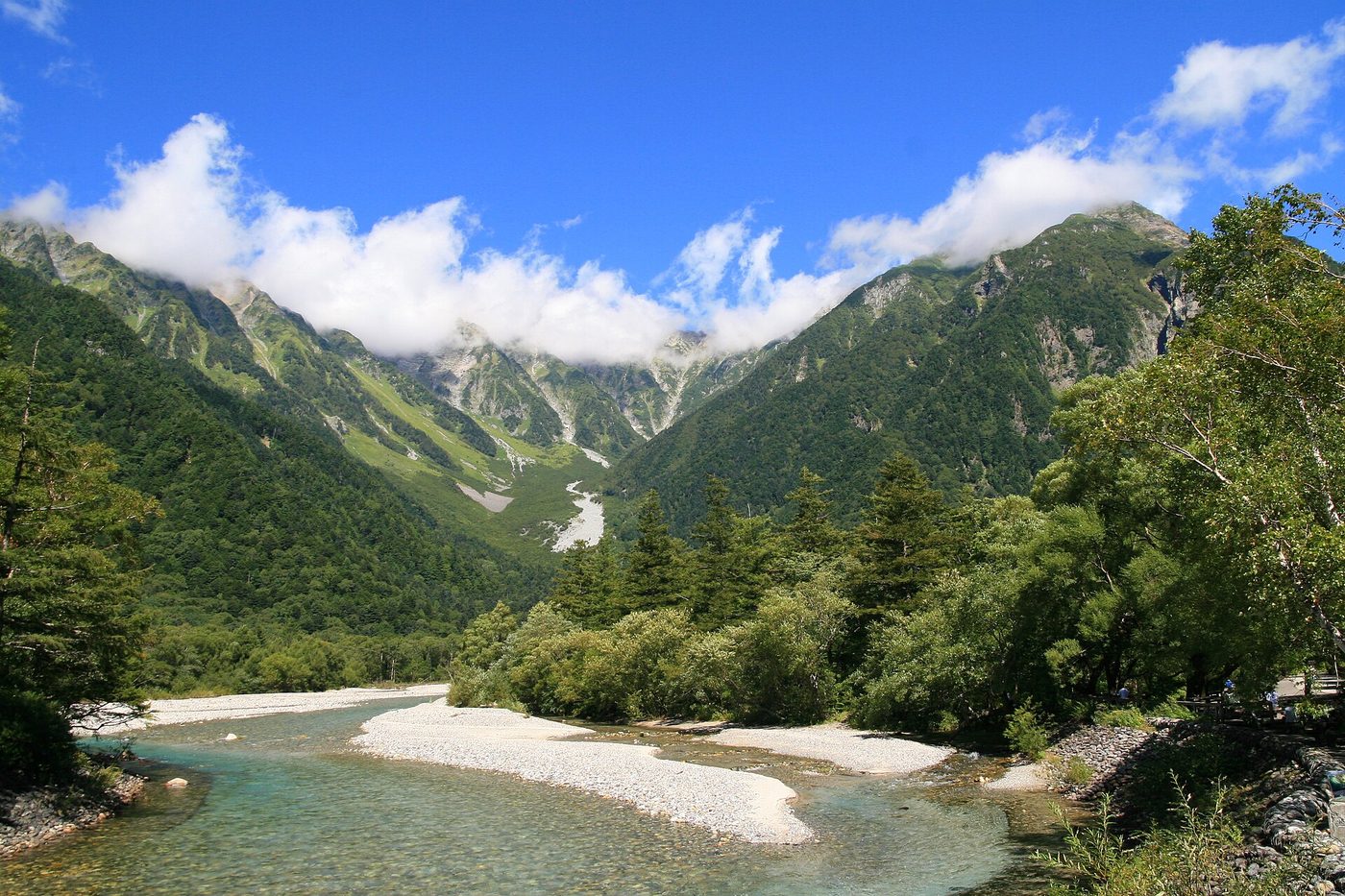
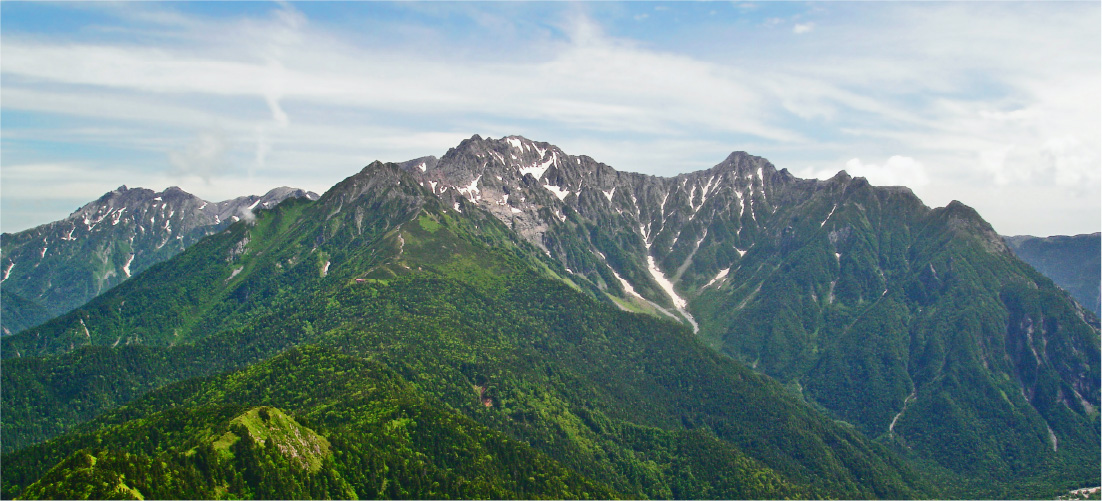
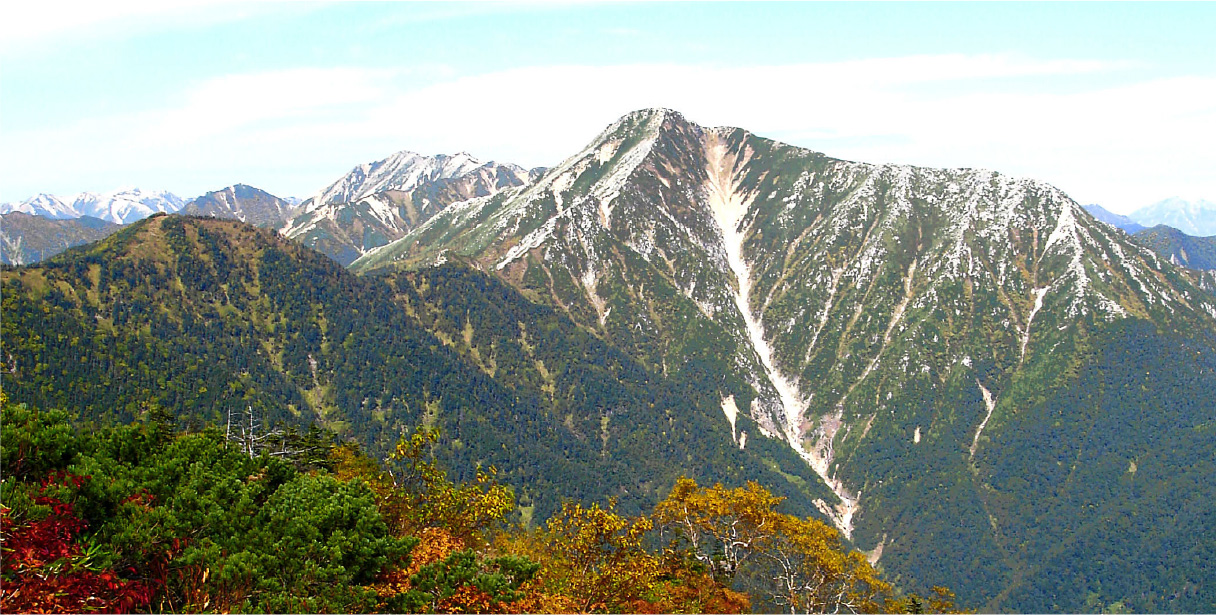
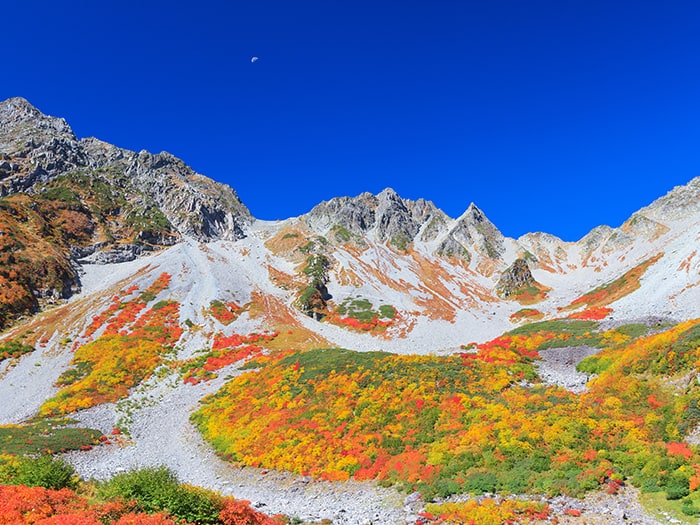
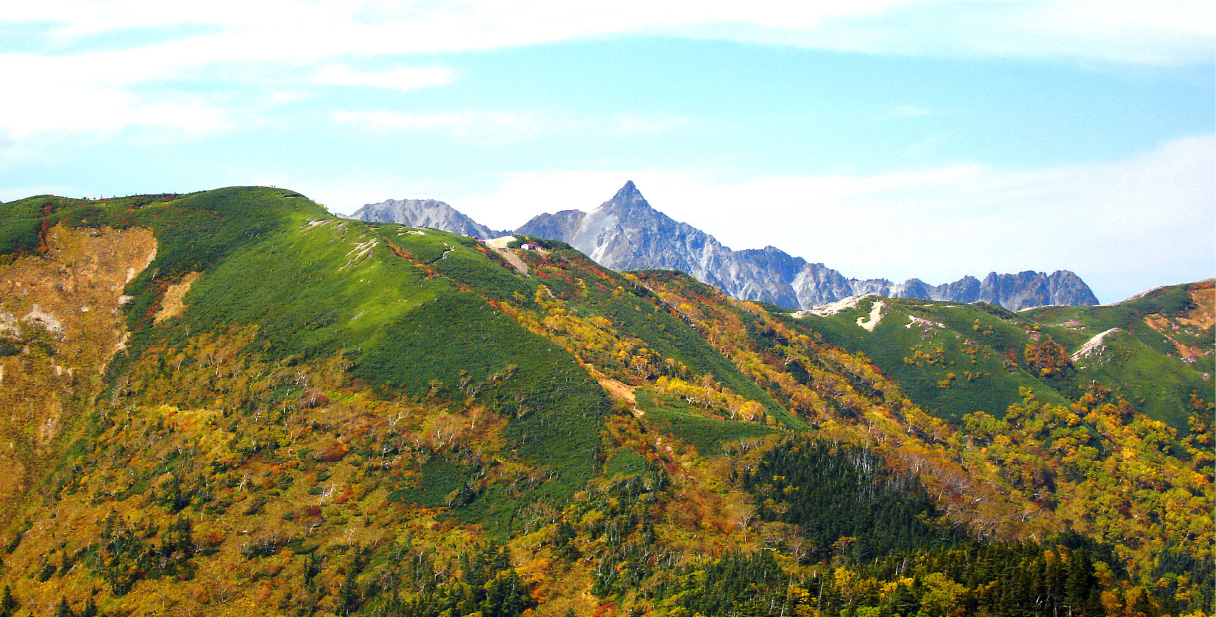
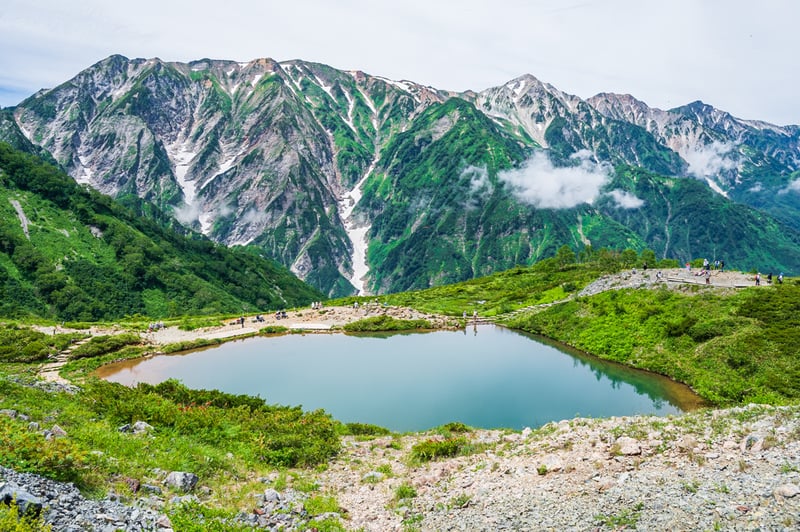
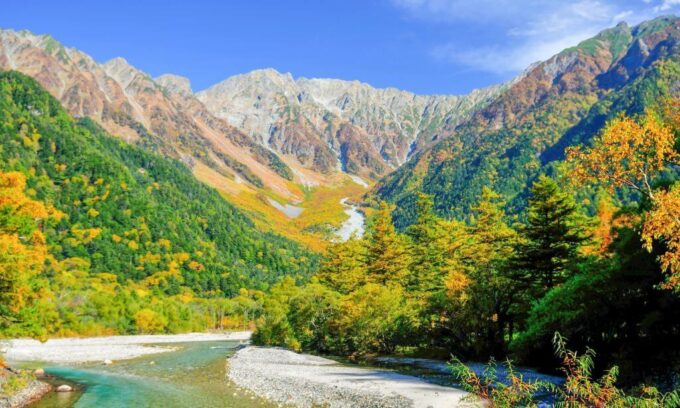
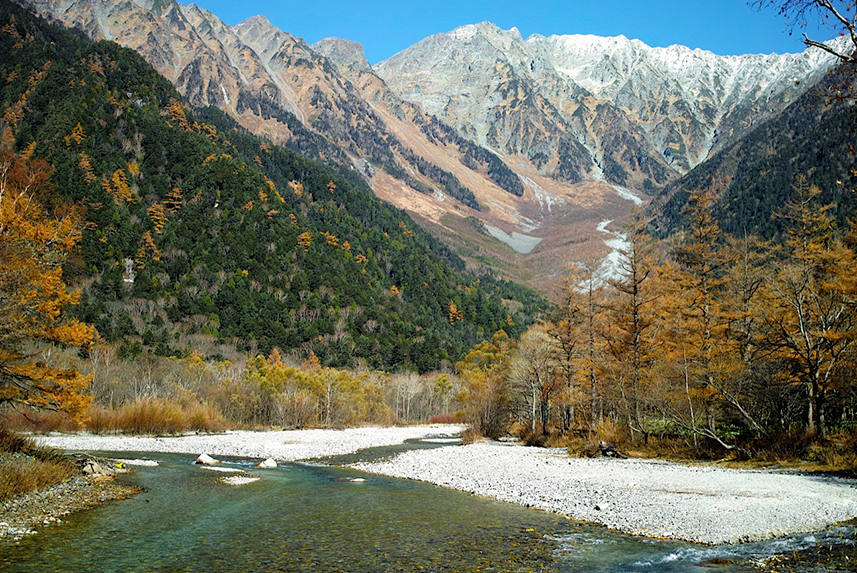
Pristine alpine valley in the Northern Japan Alps. Crystal-clear Azusa River, Kappa Bridge, and mountain peaks reaching 3000m. One of Japan's best hiking destinations.

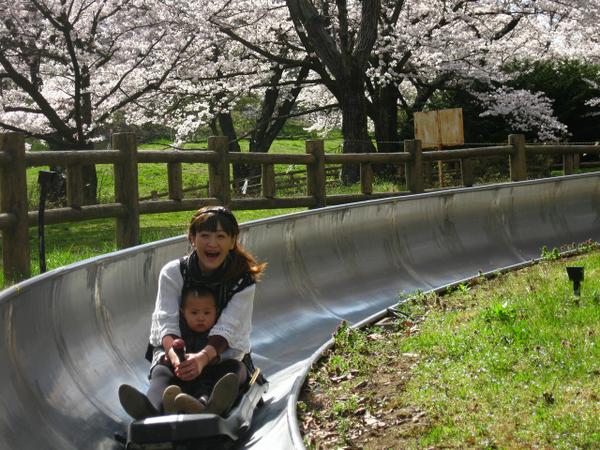
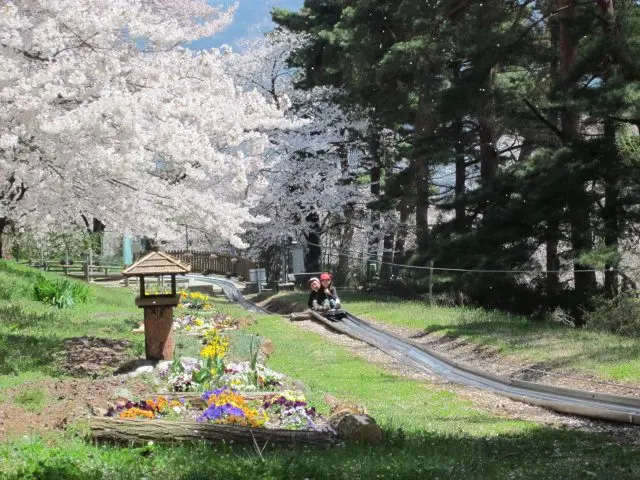
Large park on a hilltop west of the city. Panoramic views of the Japan Alps. Small zoo, adventure playground, and alpine garden. Cherry blossoms in spring.
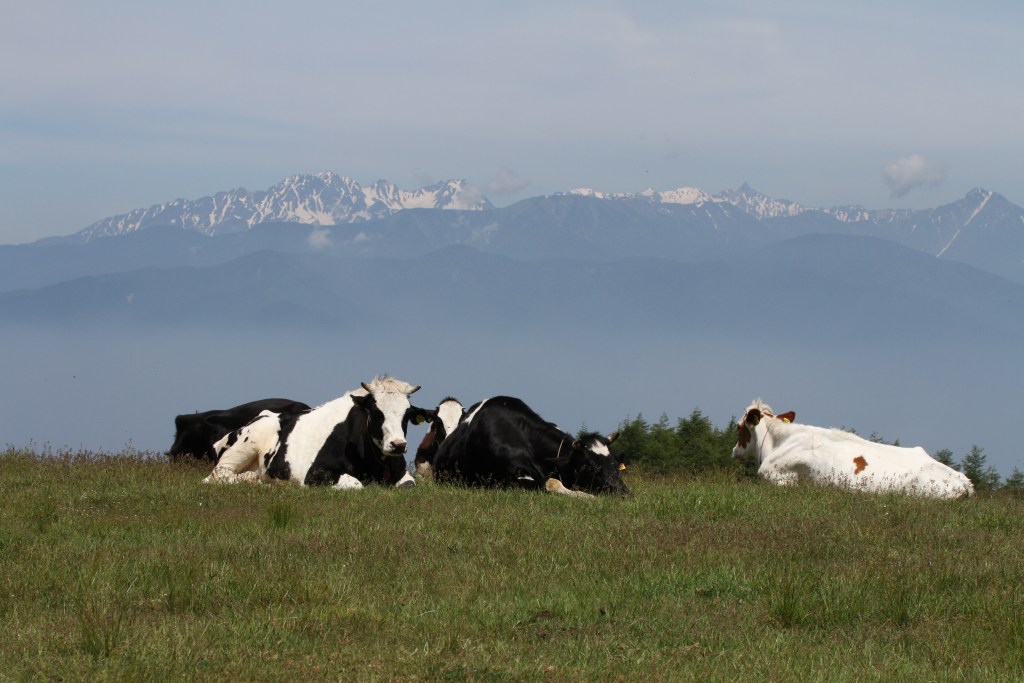
A 2034m highland plateau famous for its sweeping grasslands and 360-degree mountain panoramas. Sunrise and sunset are extraordinary. Hiking trails connect the peaks.
Gateway to Mount Norikura. Bus to 2702m Tatamidaira makes it one of the easiest 3000m peaks in Japan. Wildflower meadows, hot springs, and waterfalls.

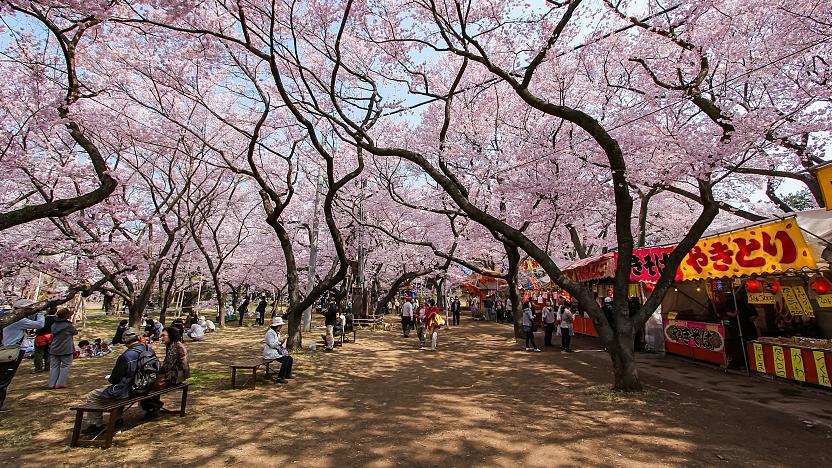
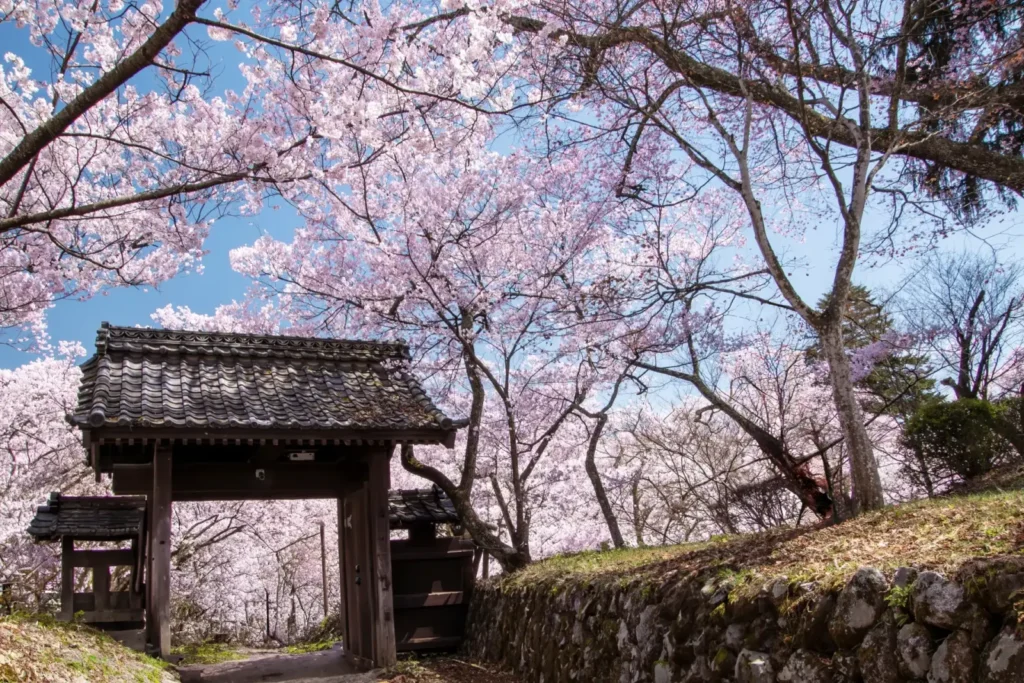
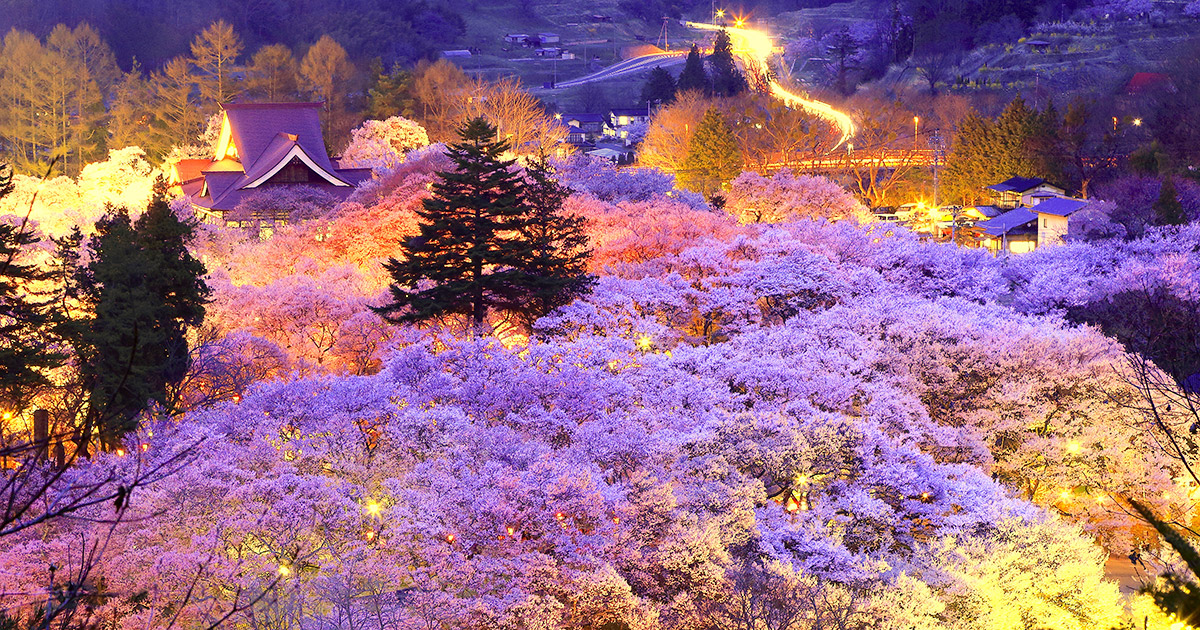
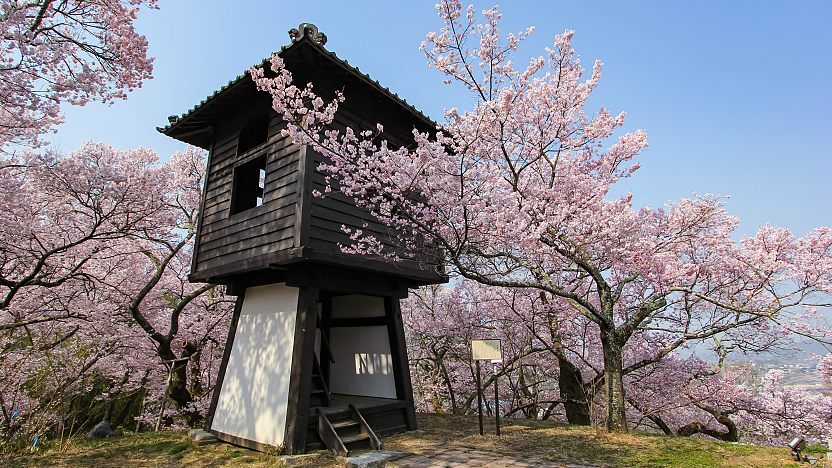
Home to 1500 Takato Kohigan cherry trees. Their deep pink color is unique in Japan. Considered one of the top 3 cherry blossom spots in Japan. 90 min from Matsumoto.

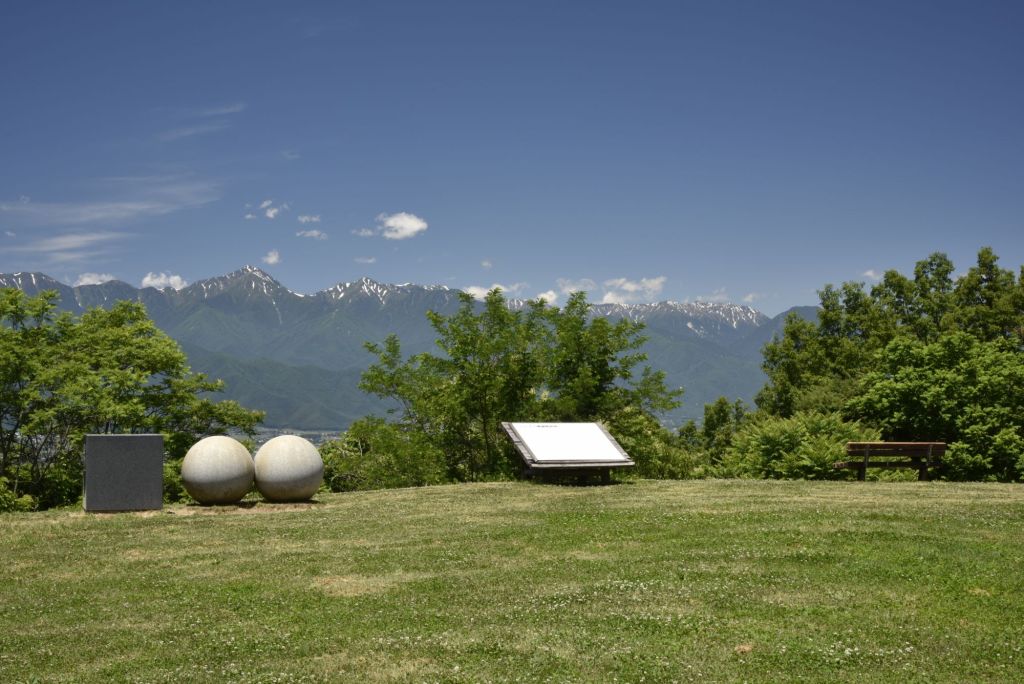
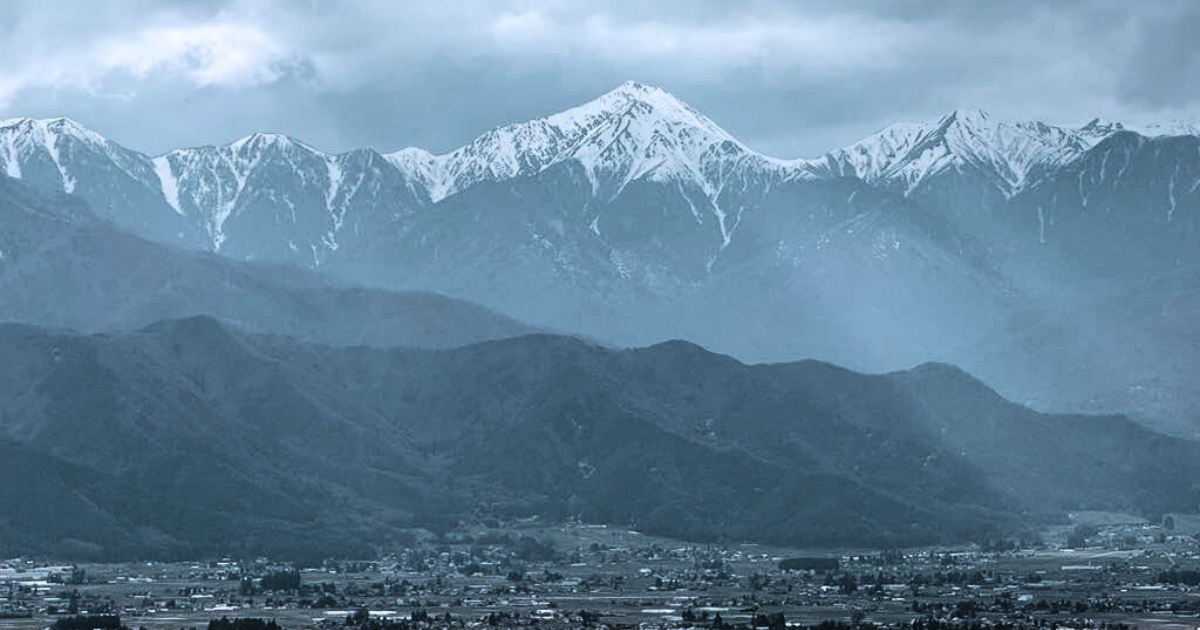
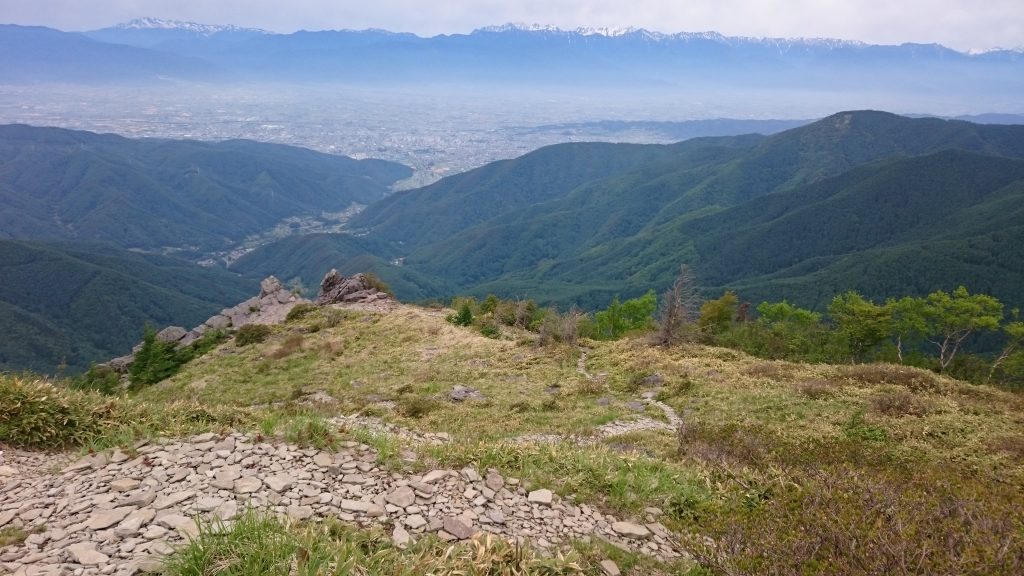
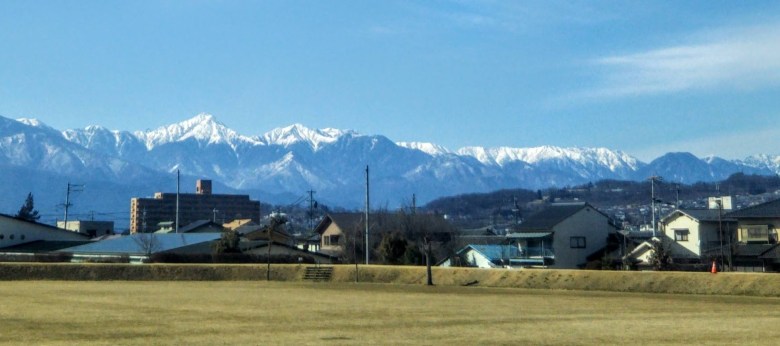
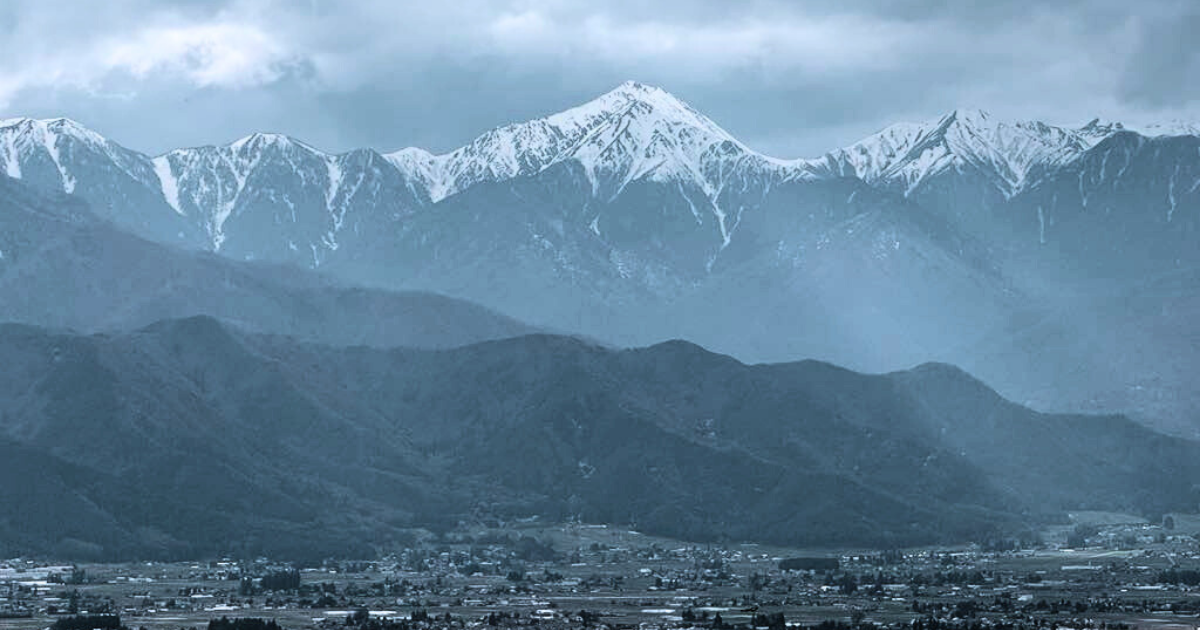
Walking path on the western hills with clear views of the Northern Alps mountain range. On clear days the 3000m peaks are spectacular.

Crystal-clear spring water from the Alps feeds one of Japan's largest wasabi growing areas. Walk between the wasabi beds. The water is cold even in summer.

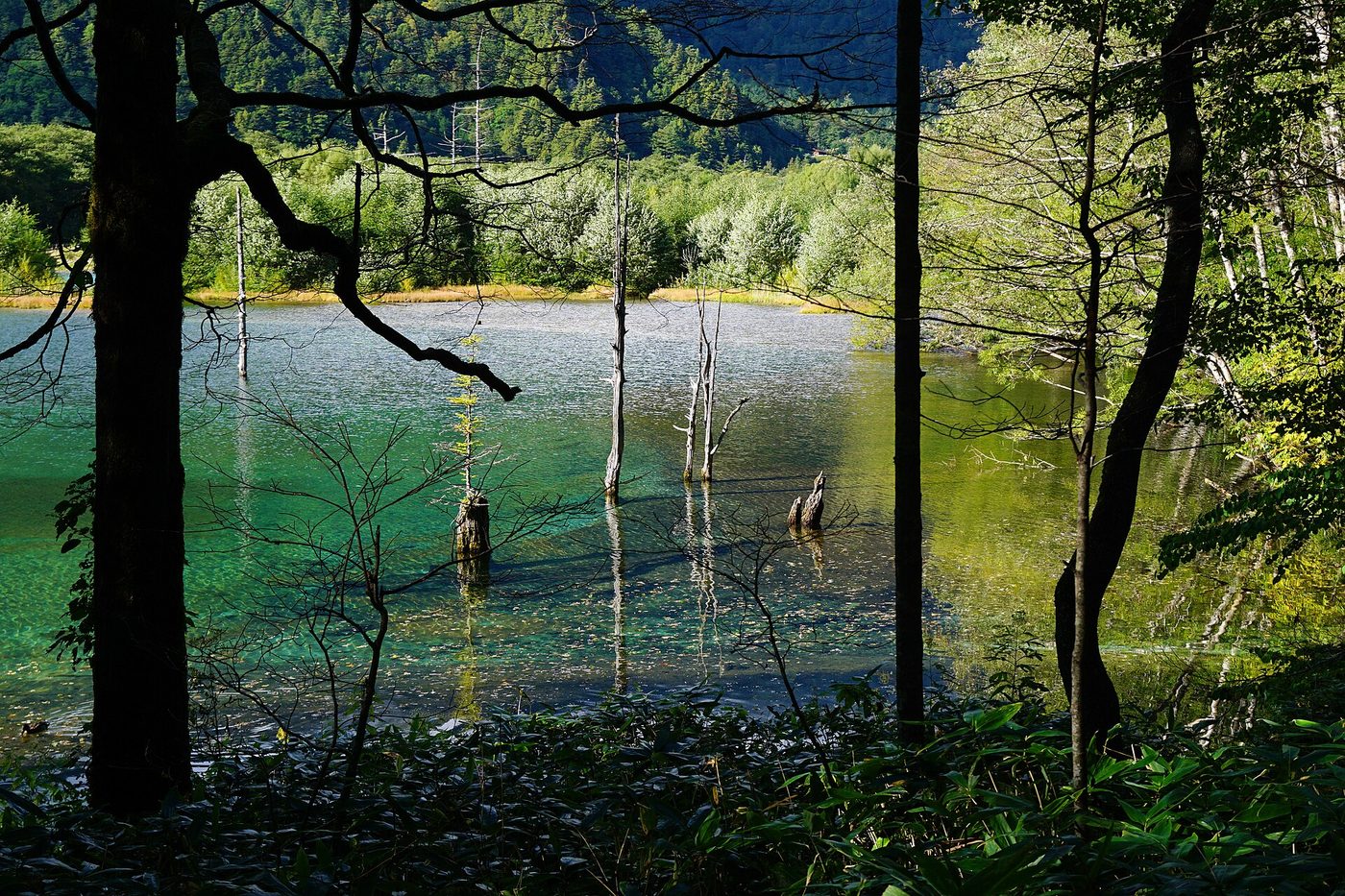
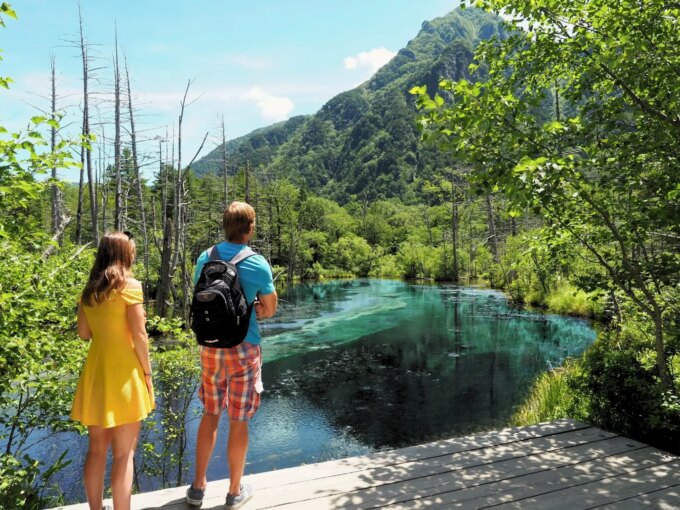
Dead tree trunks standing in crystal-clear water with 3000m peaks behind, created by a 1915 volcanic eruption that dammed the river....

Japan's most spectacular mountain valley, crystal clear Azusa River flowing between 3000m peaks. The Kappa Bridge and Taisho Pond are...
Kusama polka dots, mountain hot springs, craft beer, and antique timepieces.

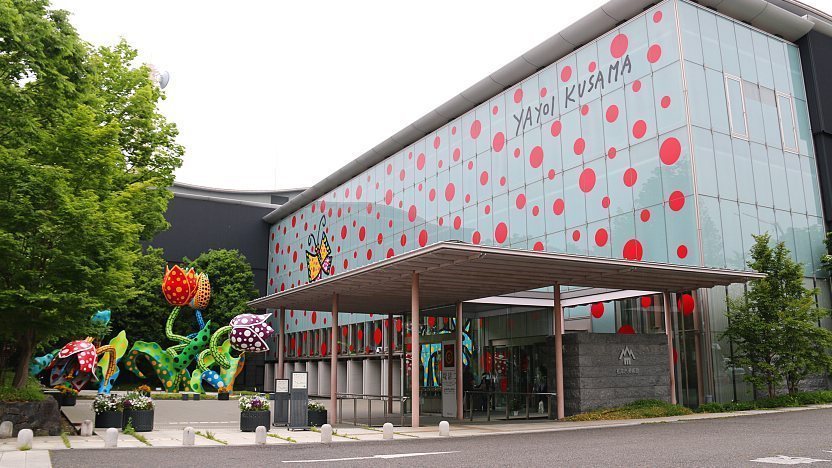
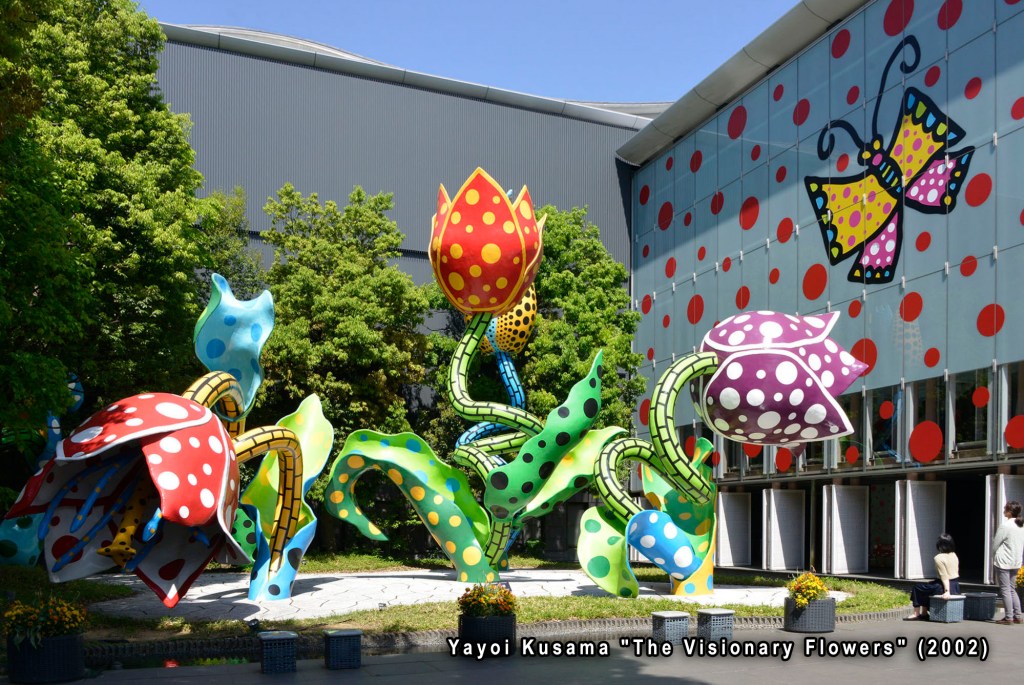
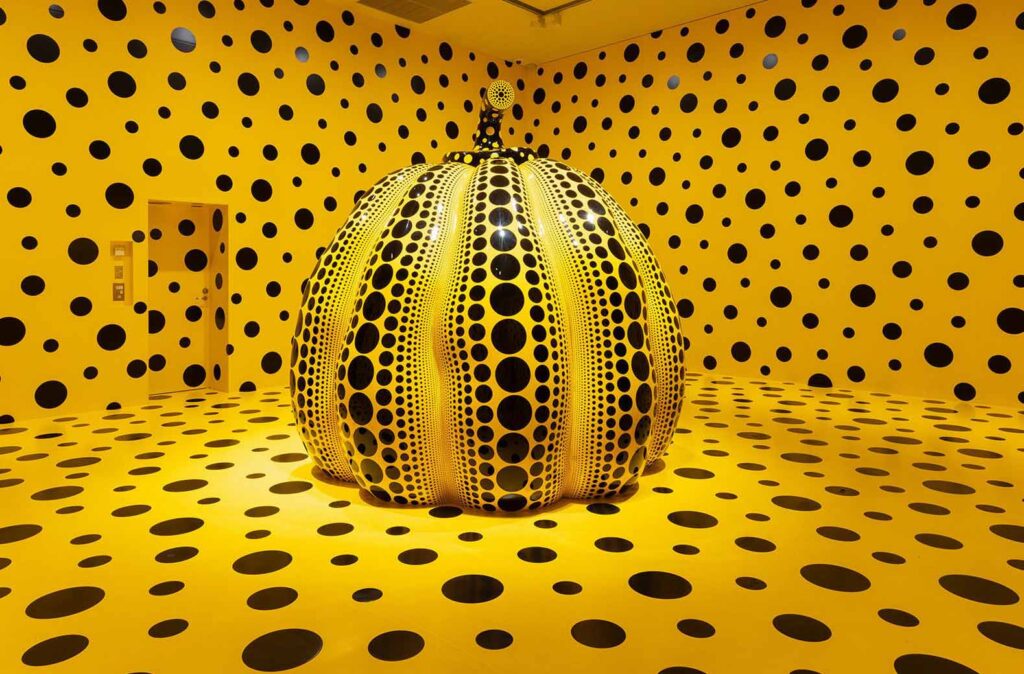
Houses a permanent Yayoi Kusama collection (she was born in Matsumoto). Giant polka-dot tulip and pumpkin sculptures outside. Contemporary art inside.

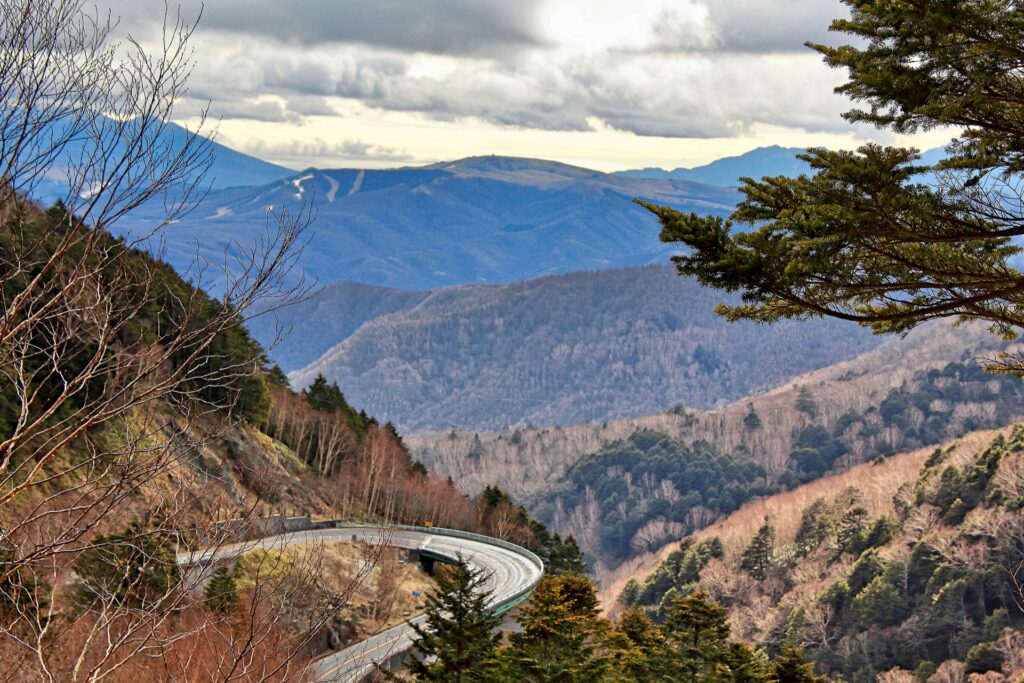
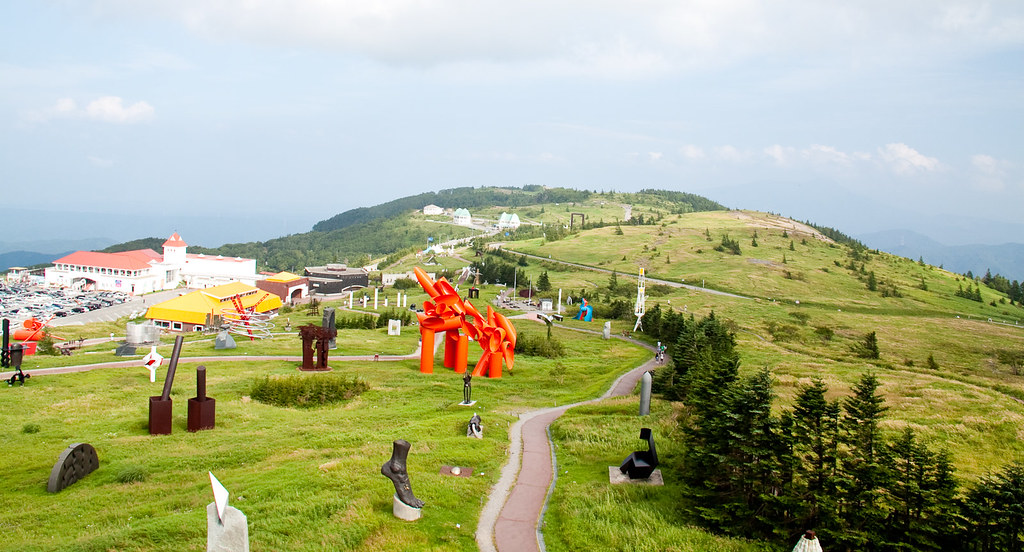
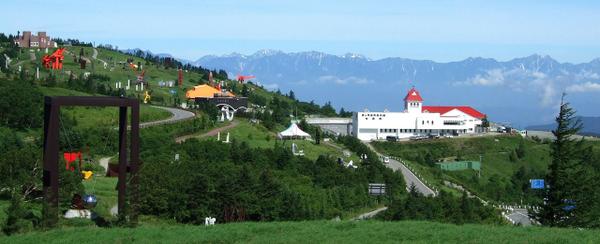
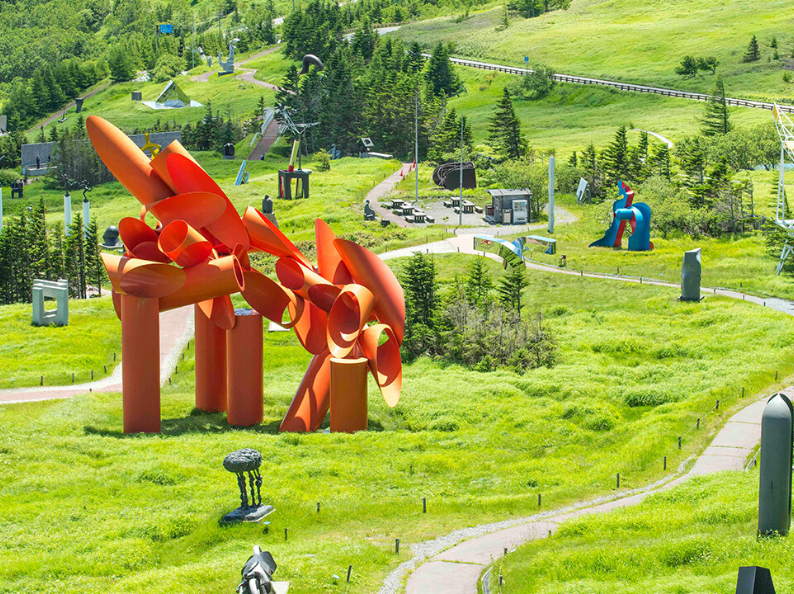
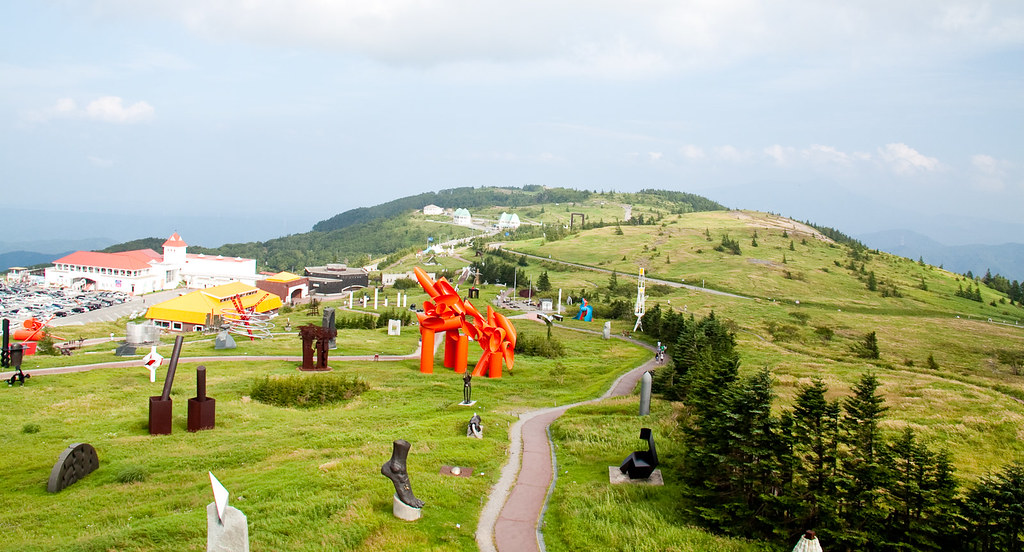
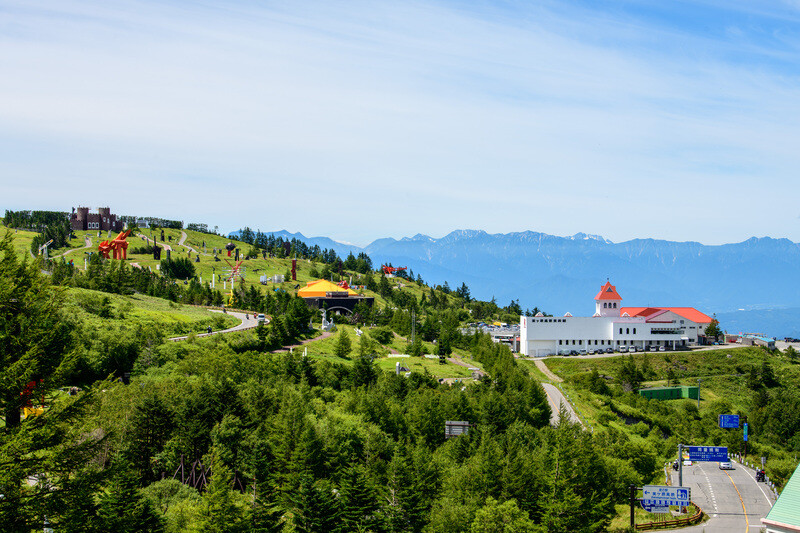
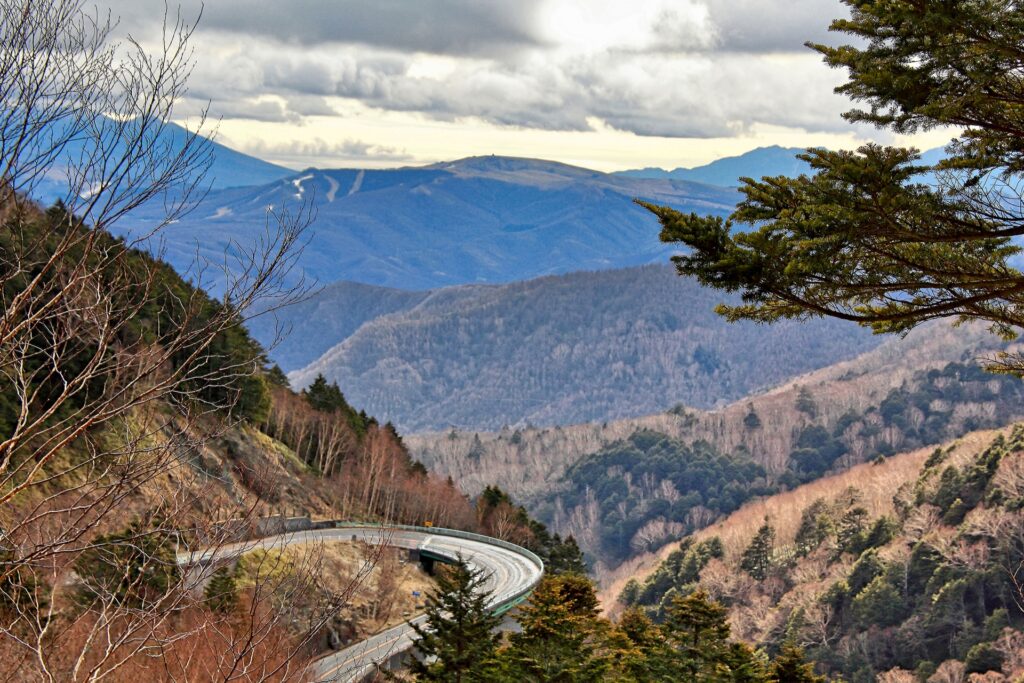
Outdoor sculpture museum at 2000m altitude on a highland plateau. Over 350 modern sculptures against sweeping mountain panoramas. The drive up is equally stunning.
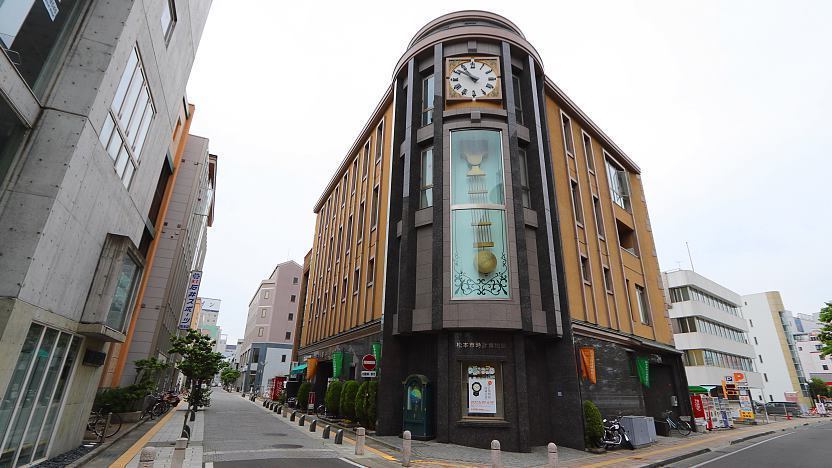
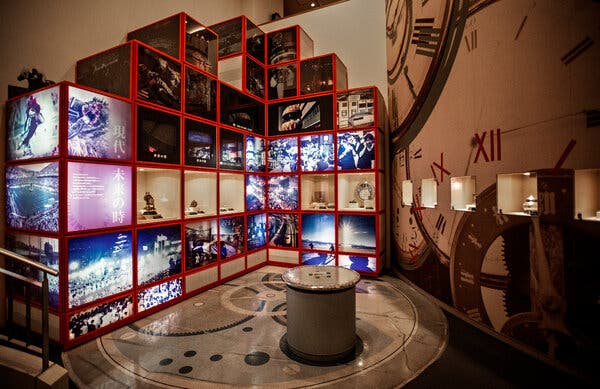
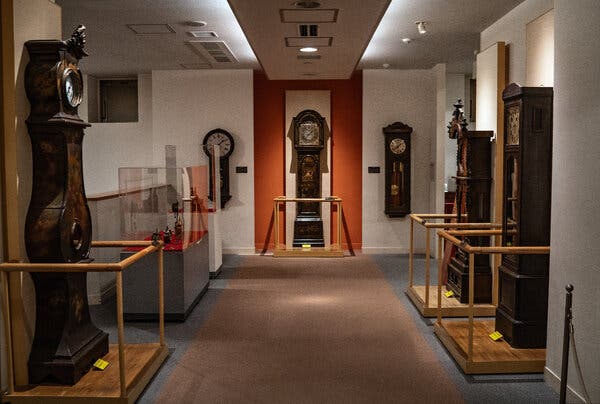
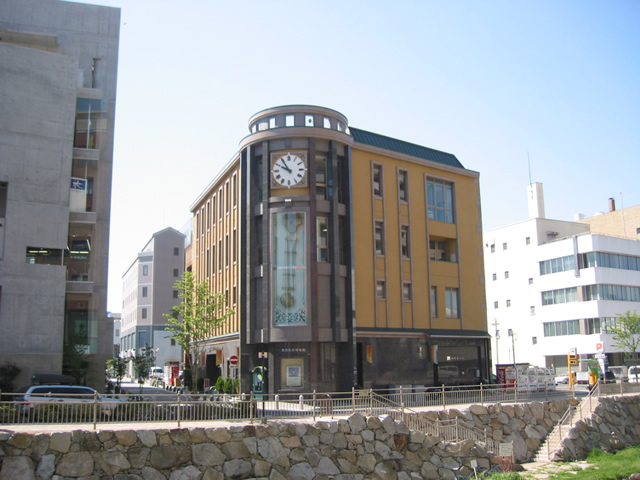
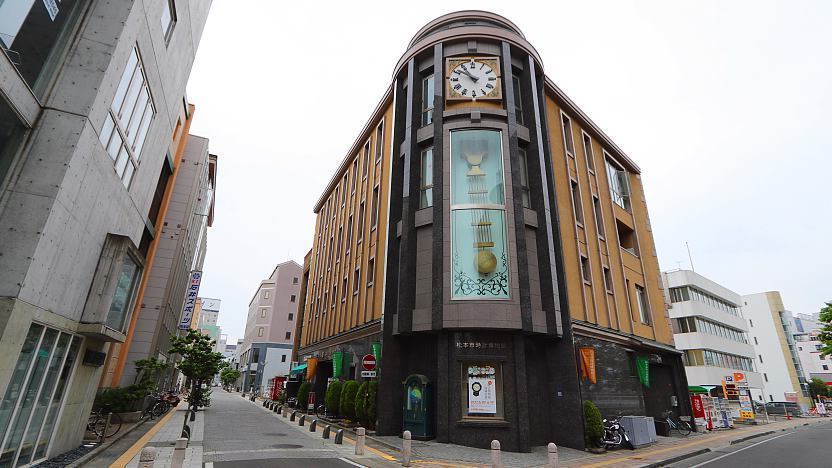
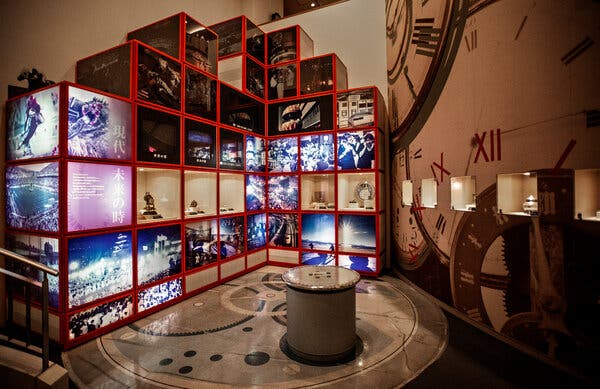
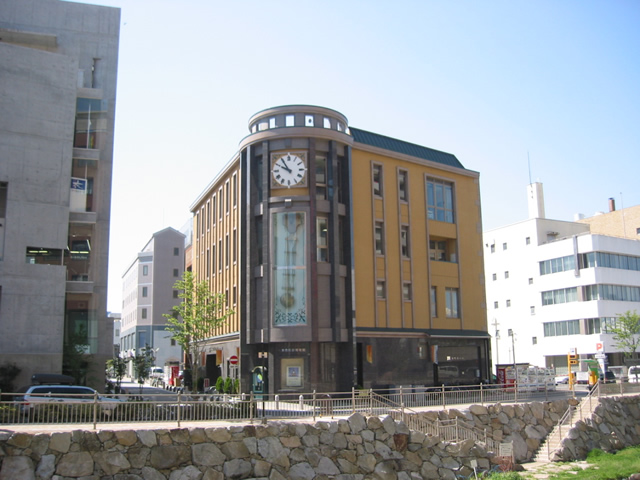
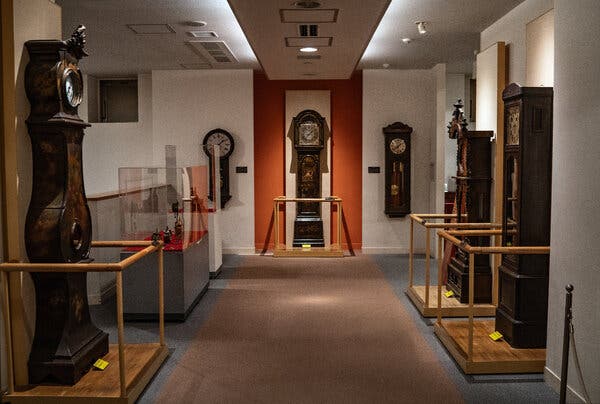
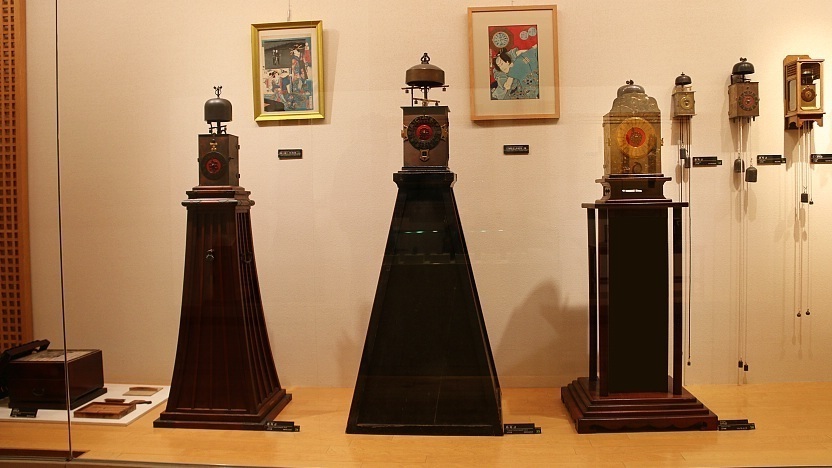
Over 300 antique clocks and watches from around the world, many still ticking. Japan's largest collection of pendulum clocks. The building itself is a restored warehouse.
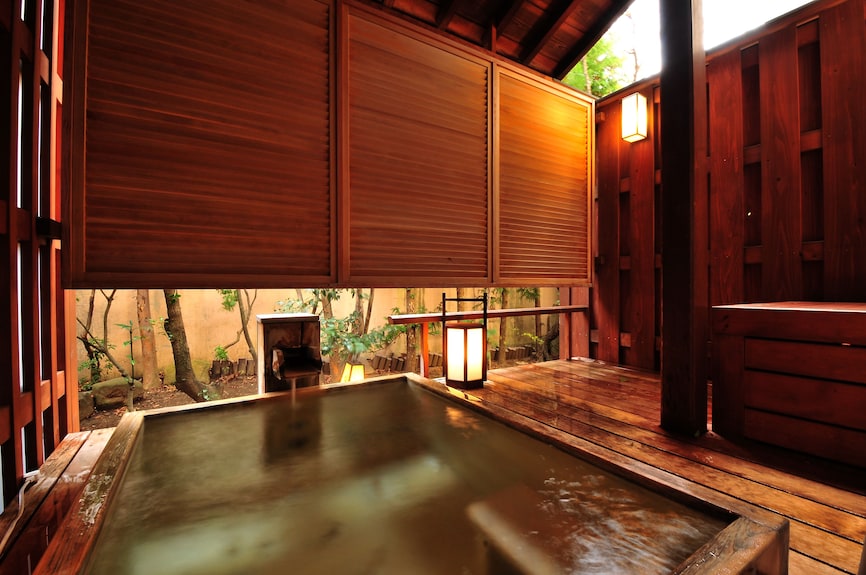
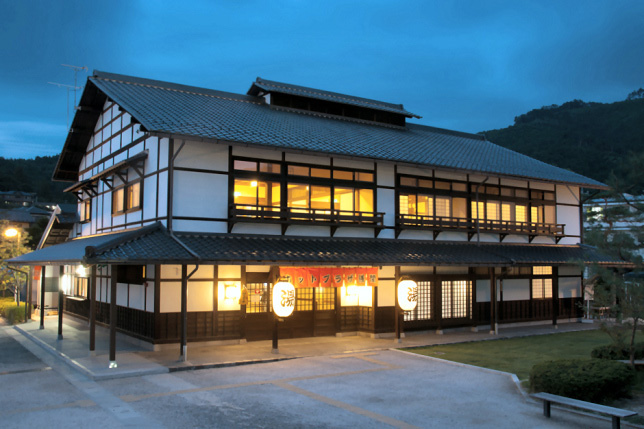
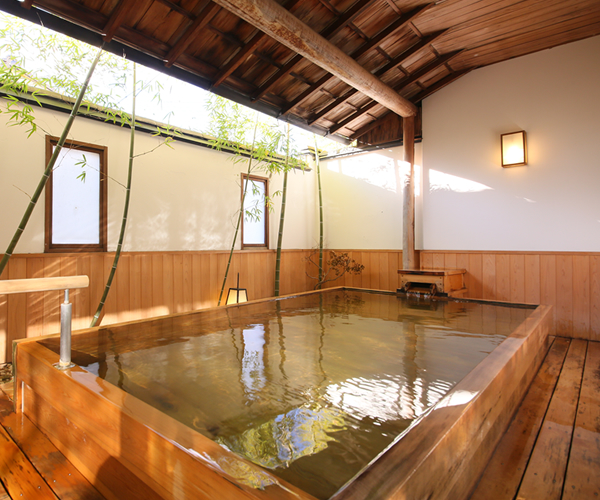
Historic hot spring district on the eastern edge of Matsumoto. Multiple public baths and ryokan. The water is known for its smooth, skin-softening quality.

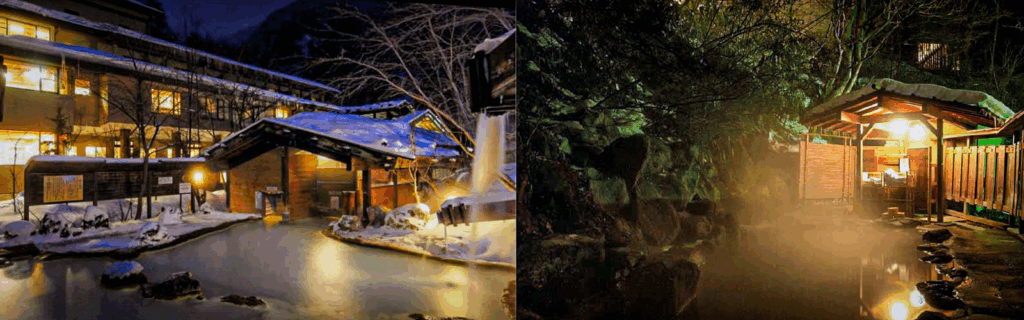
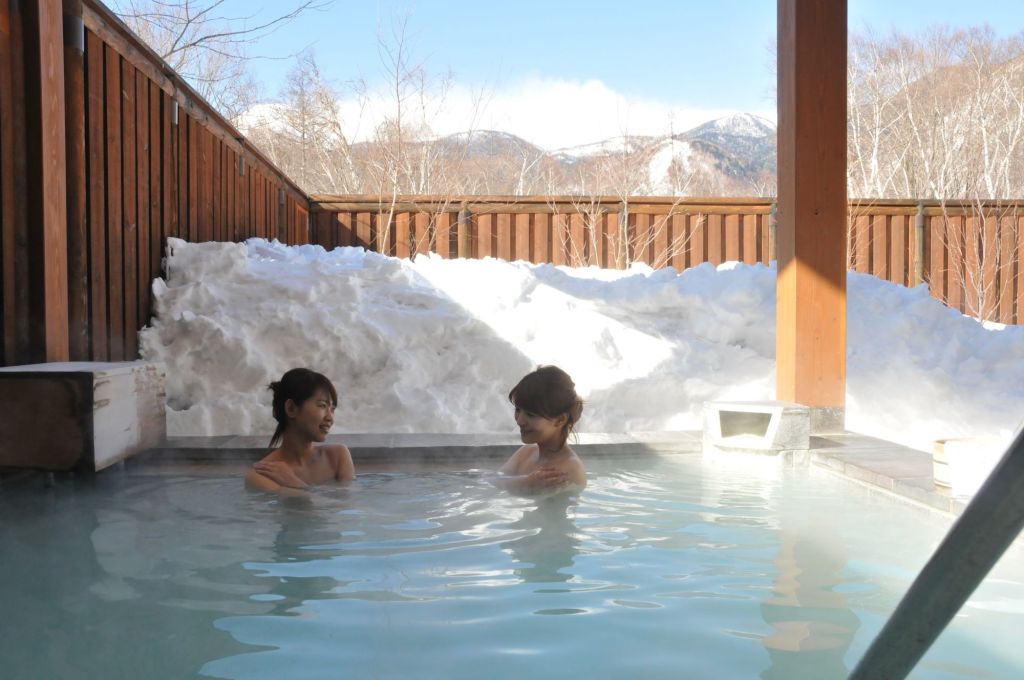
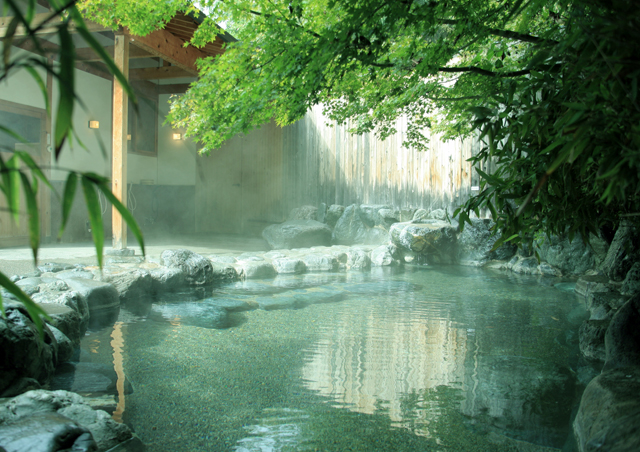
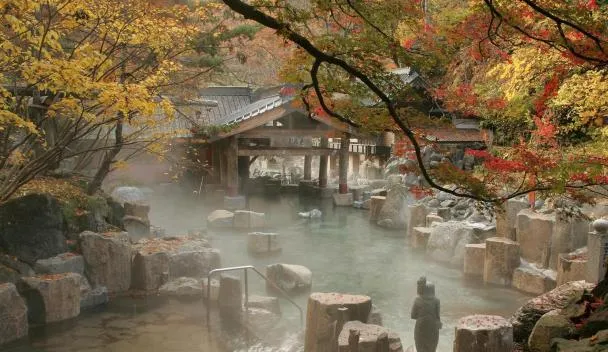
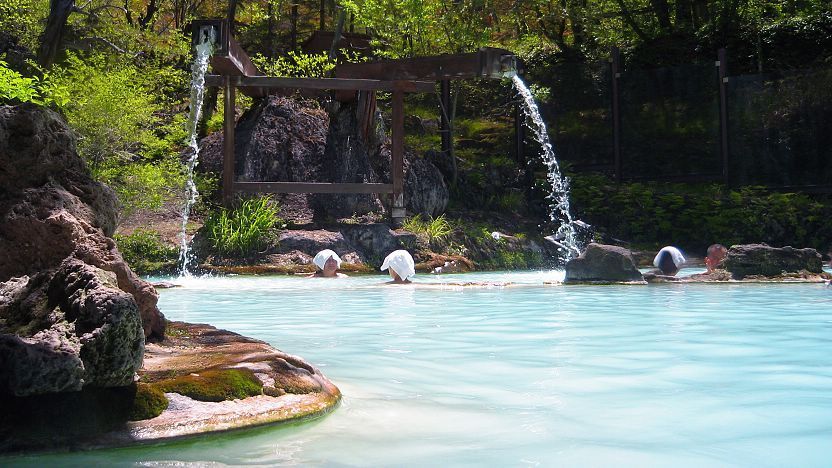
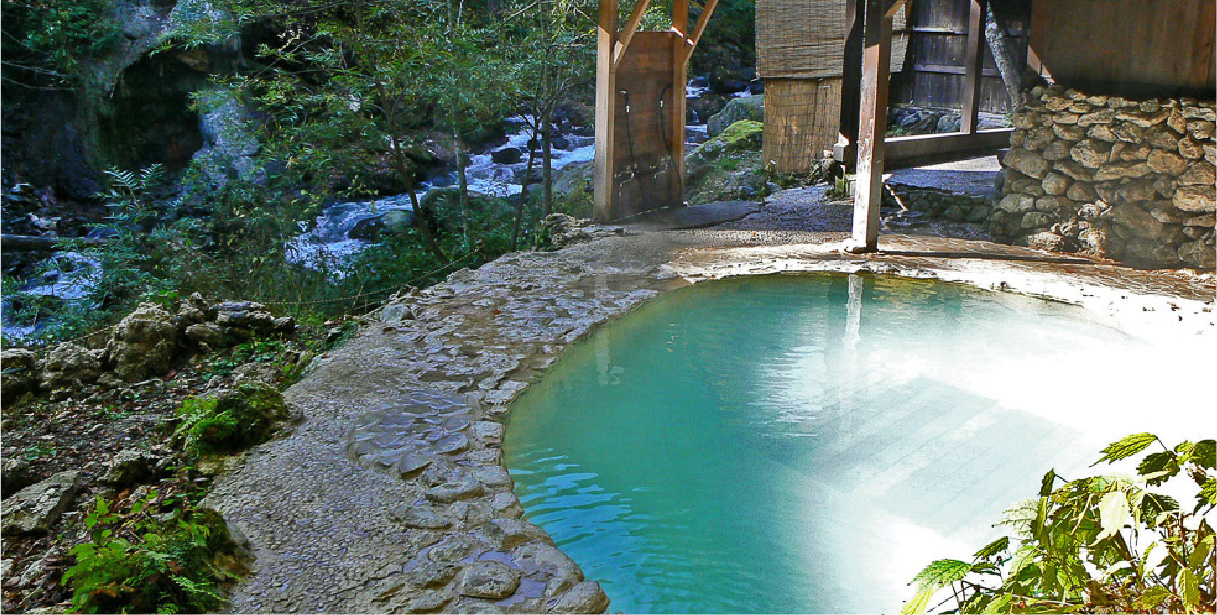
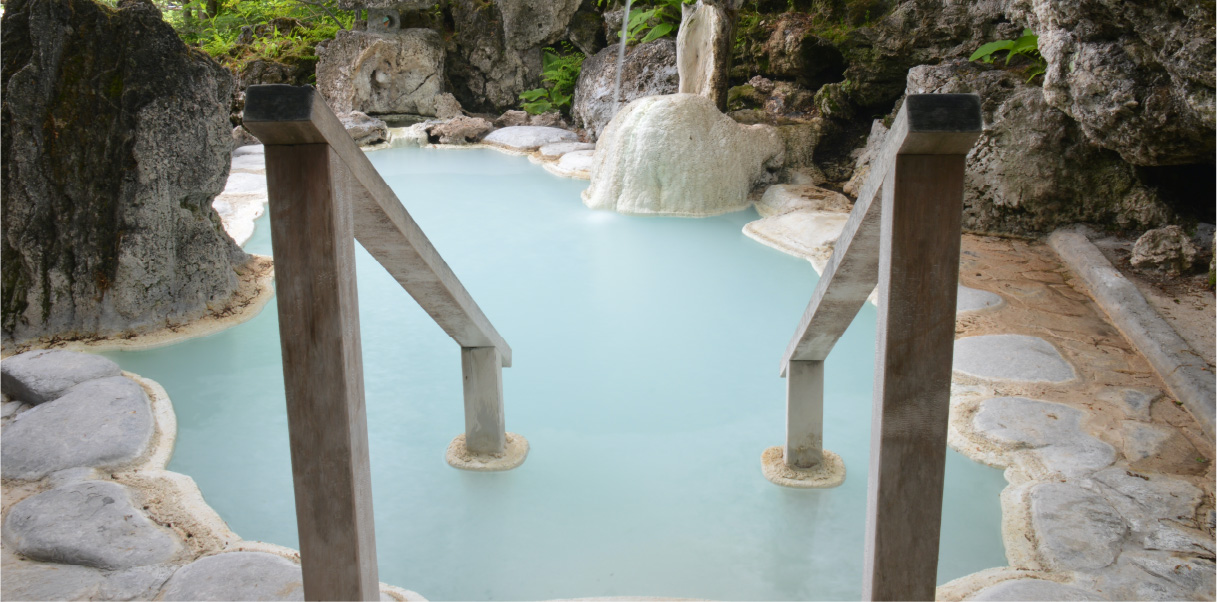
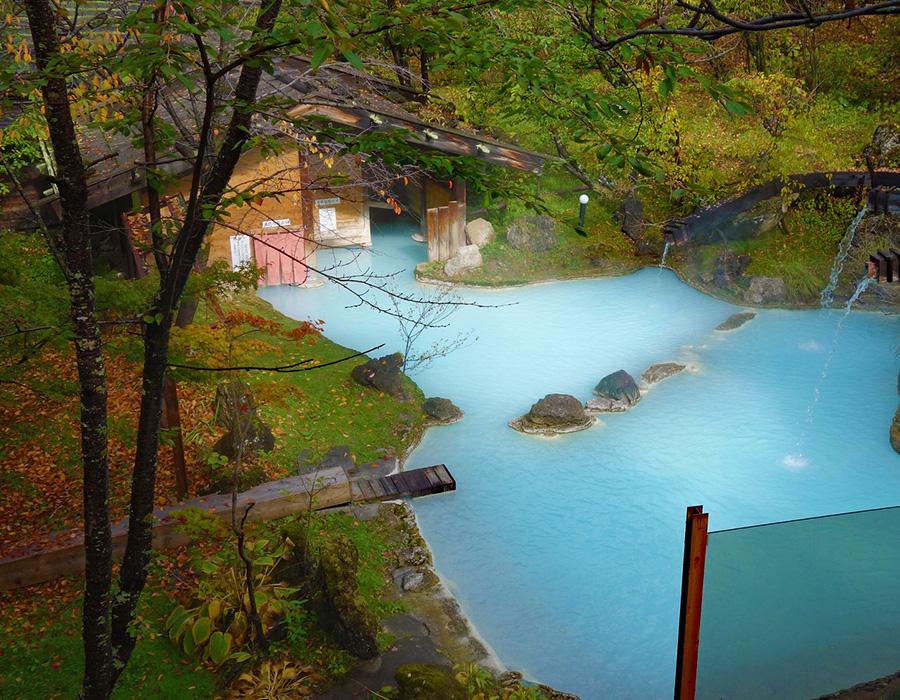
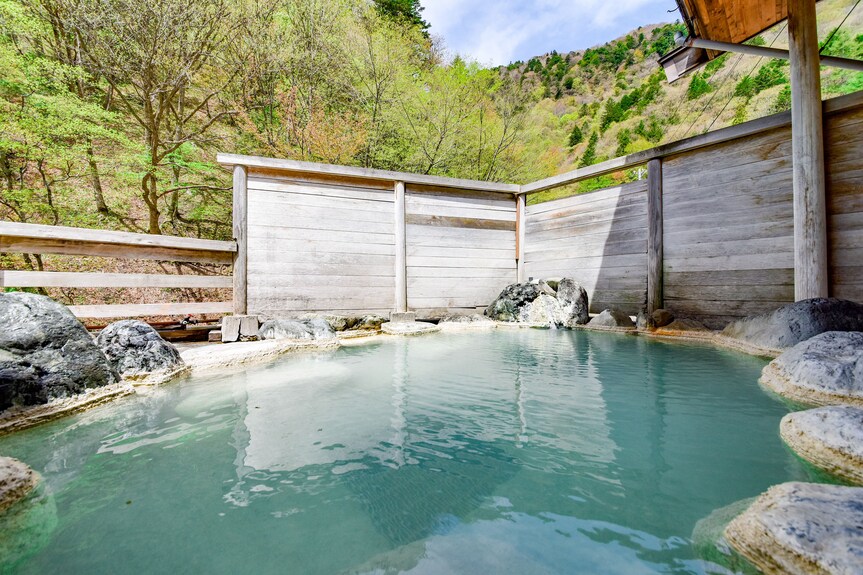
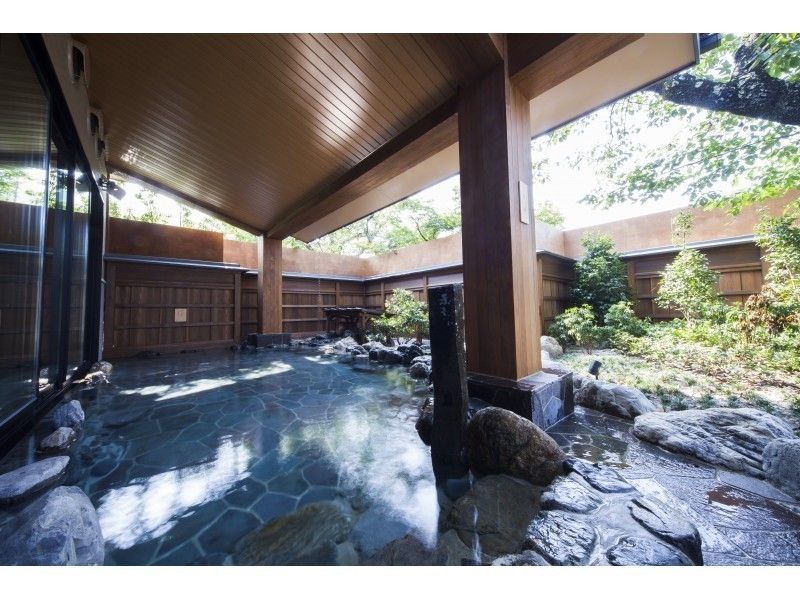
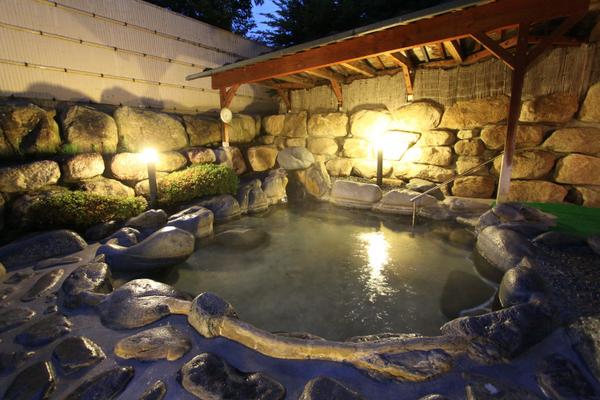
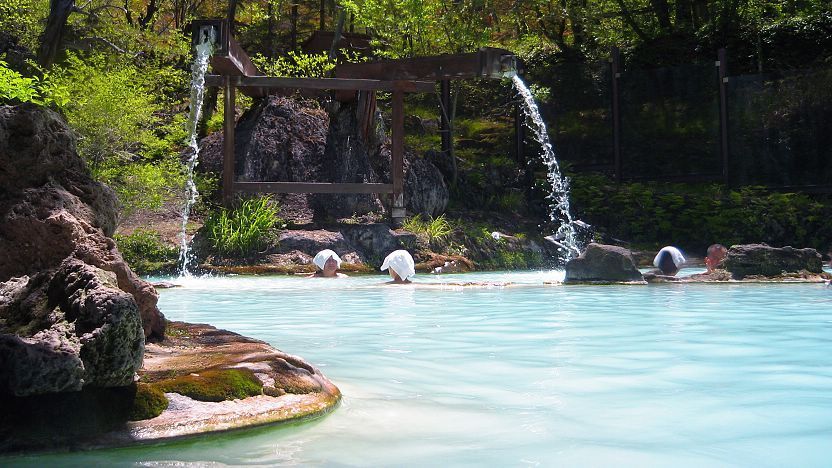
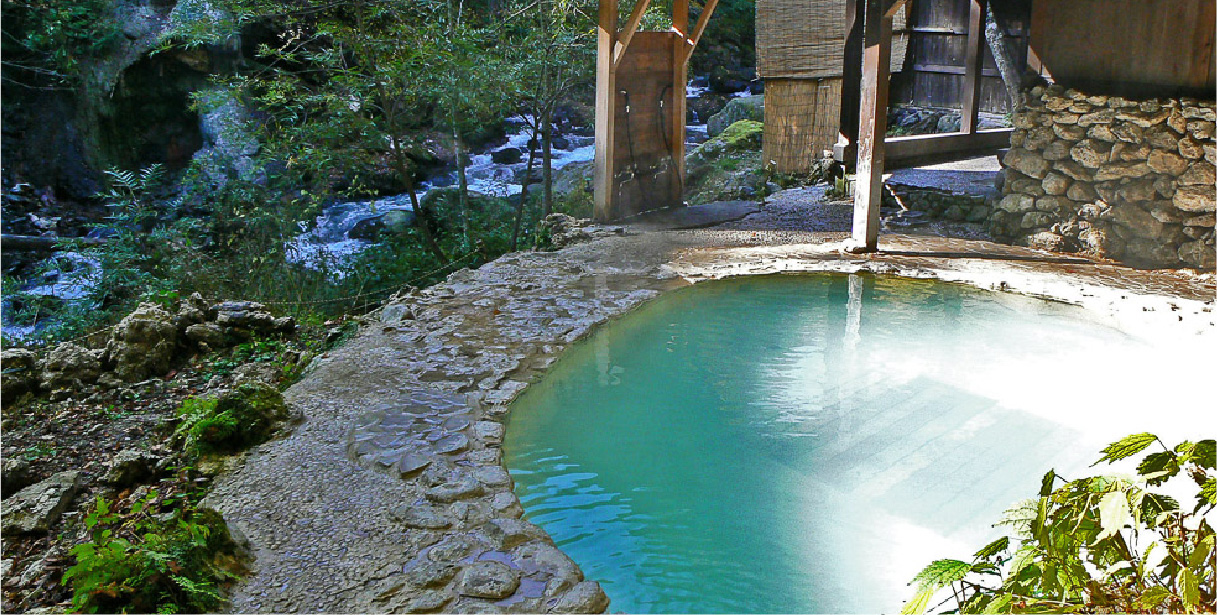
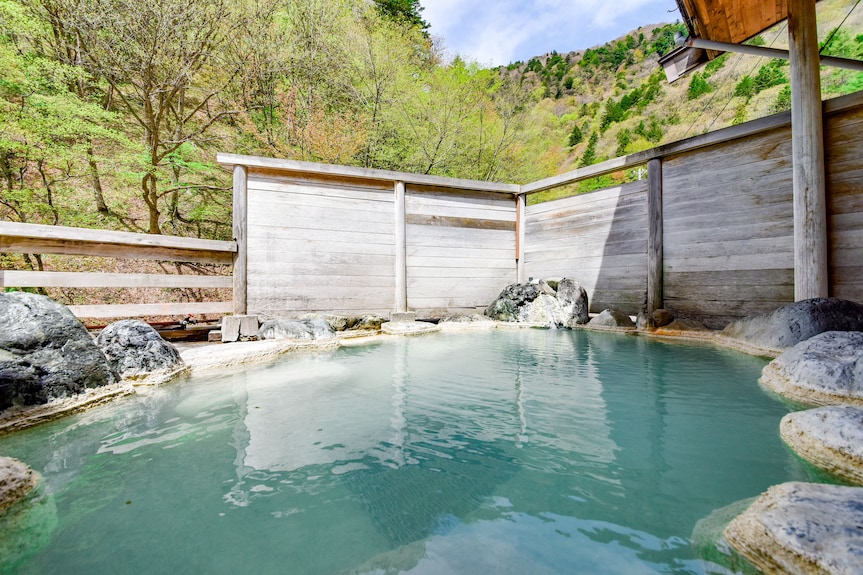
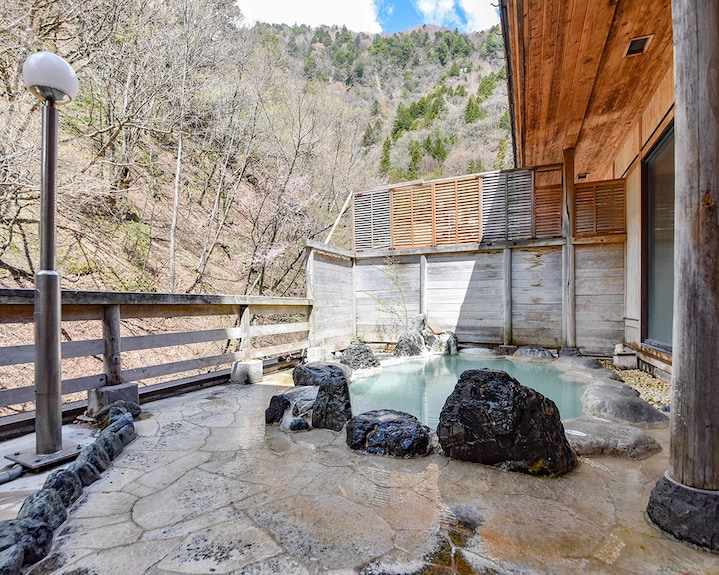
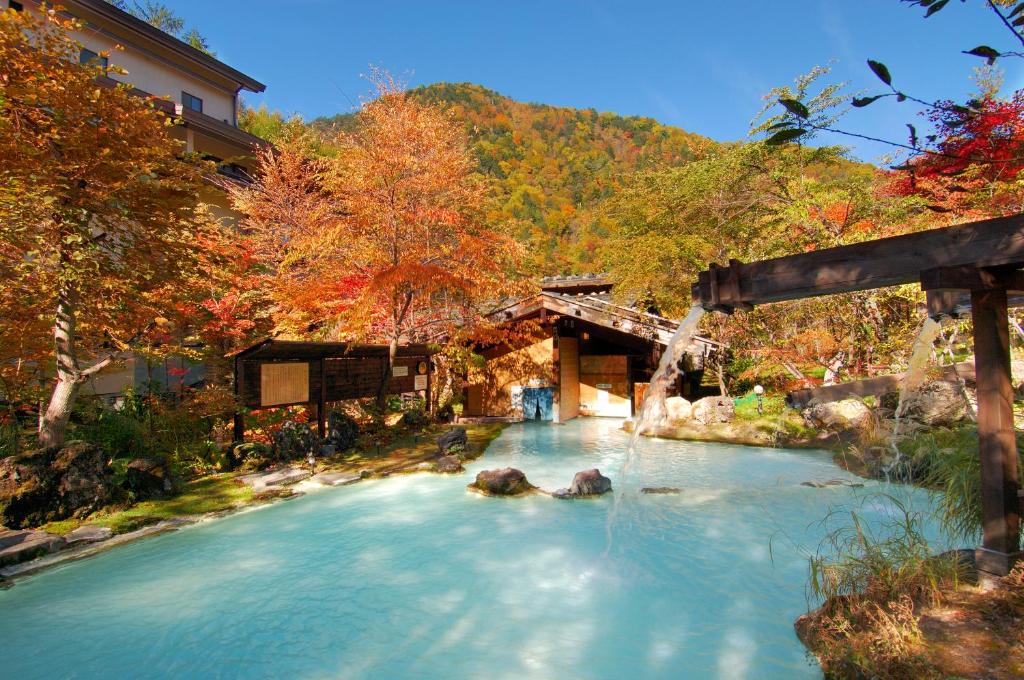
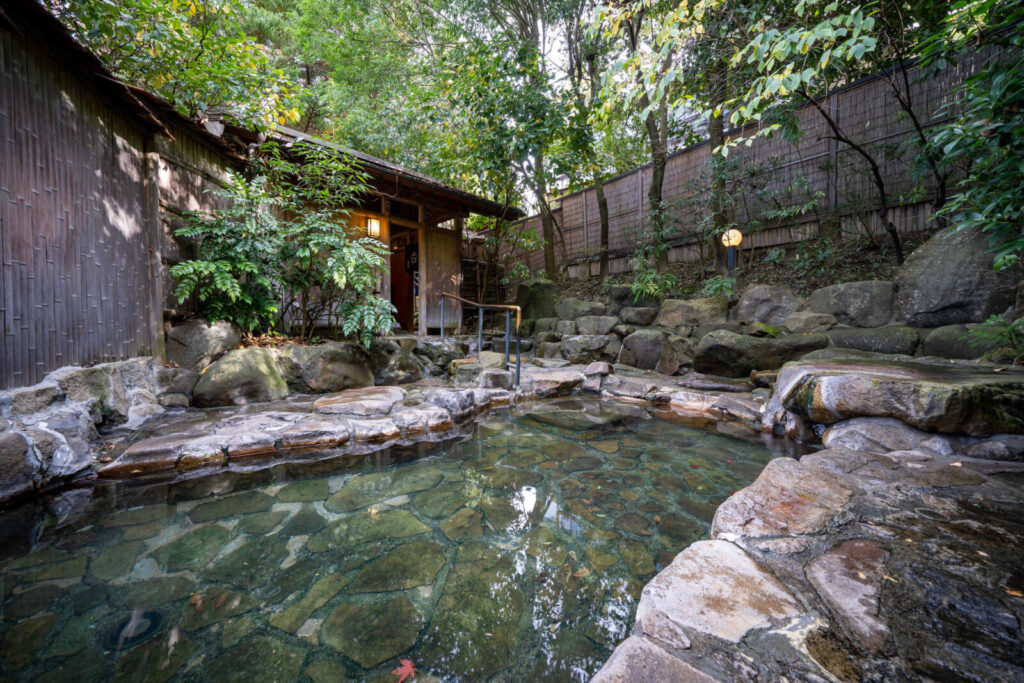
Remote mountain hot spring with milky-white sulfur water. The outdoor baths at Awanoyu are surrounded by forest. Known for the saying: 'Bathe here 3 days and you won't catch a cold for 3 years.'

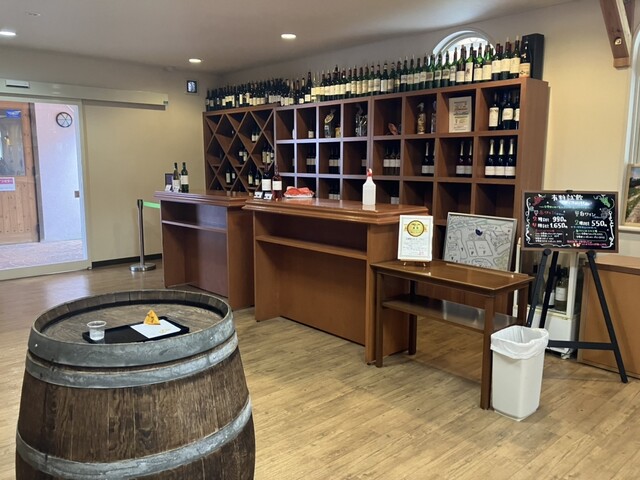
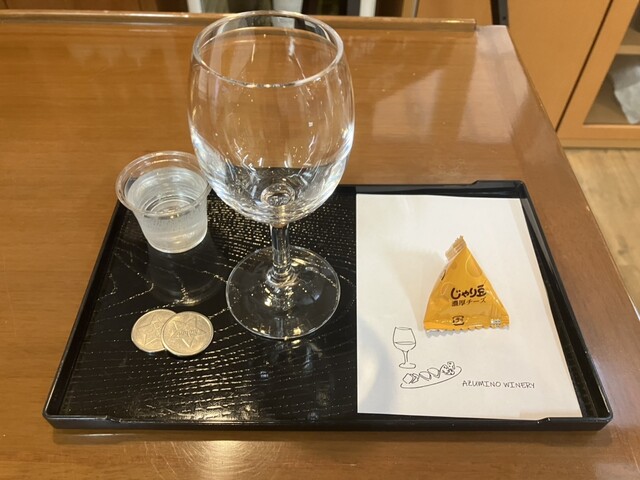
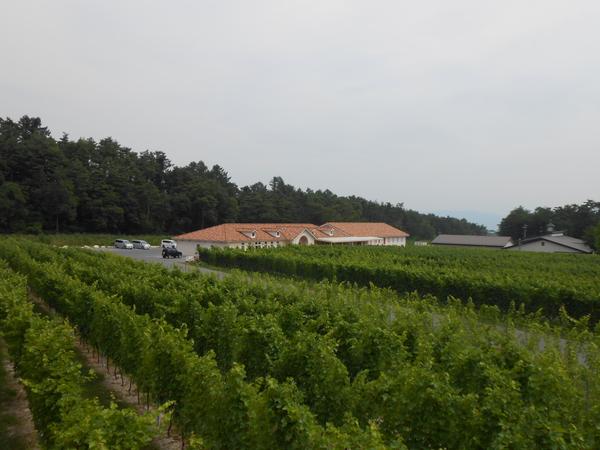
Local winery using grapes from the Azumino plateau. Free tastings of wines made from Niagara and Concord grapes. Beautiful grounds with Alps views.

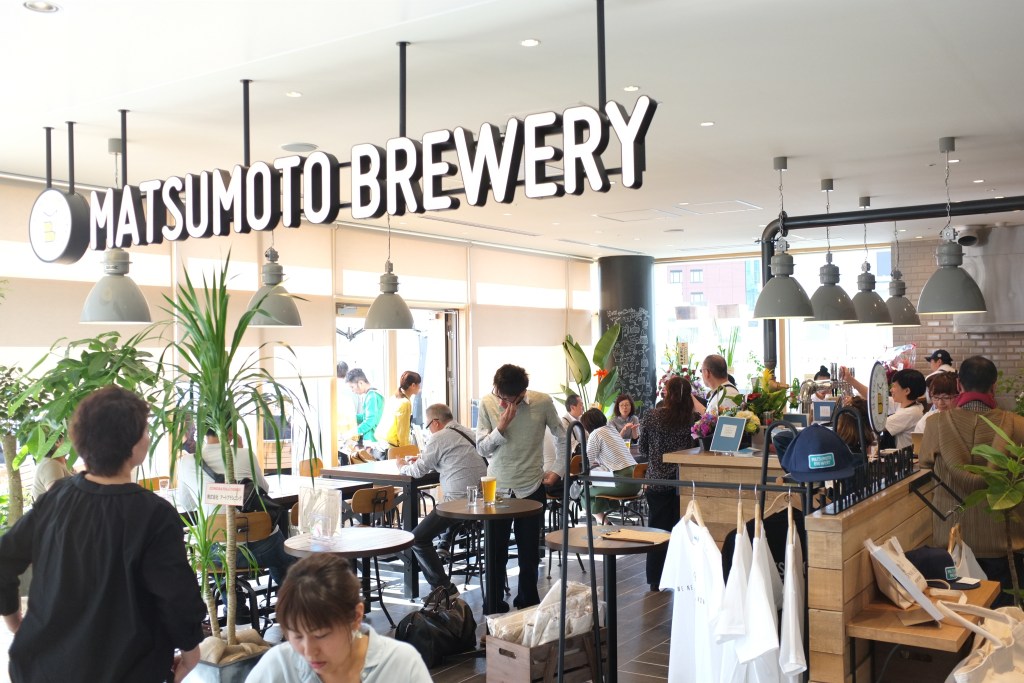
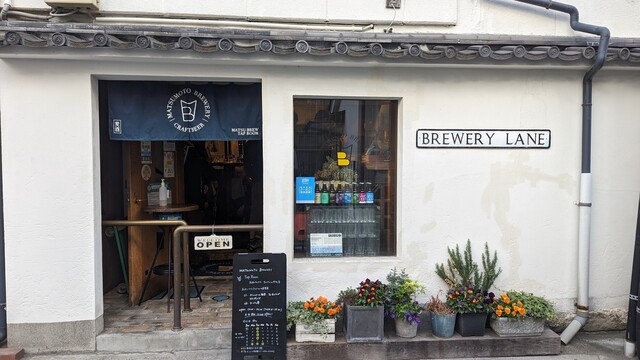
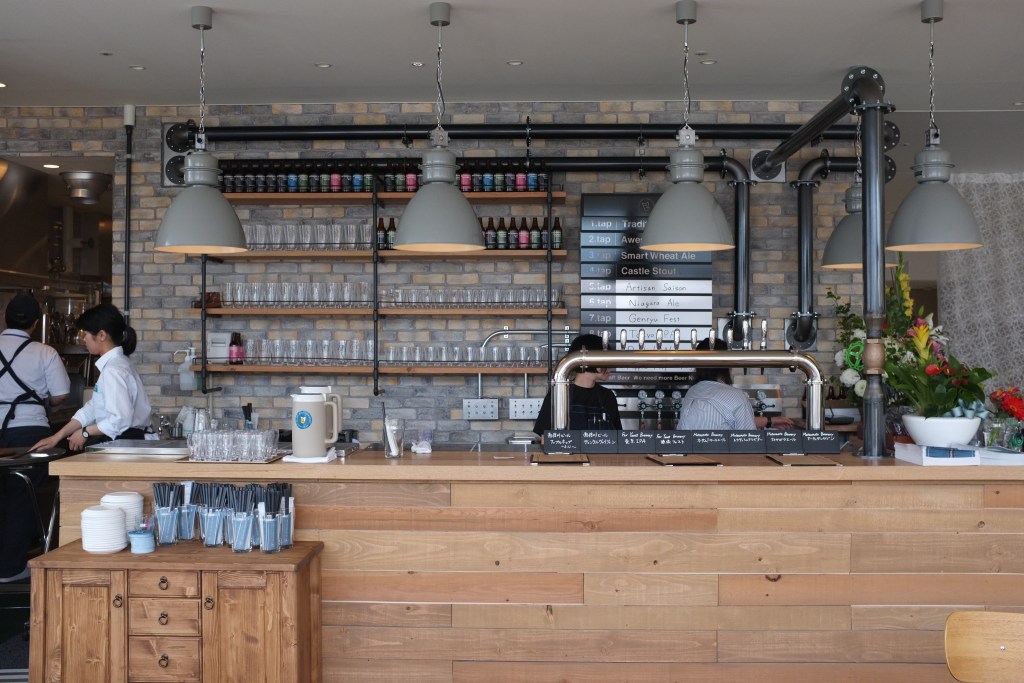
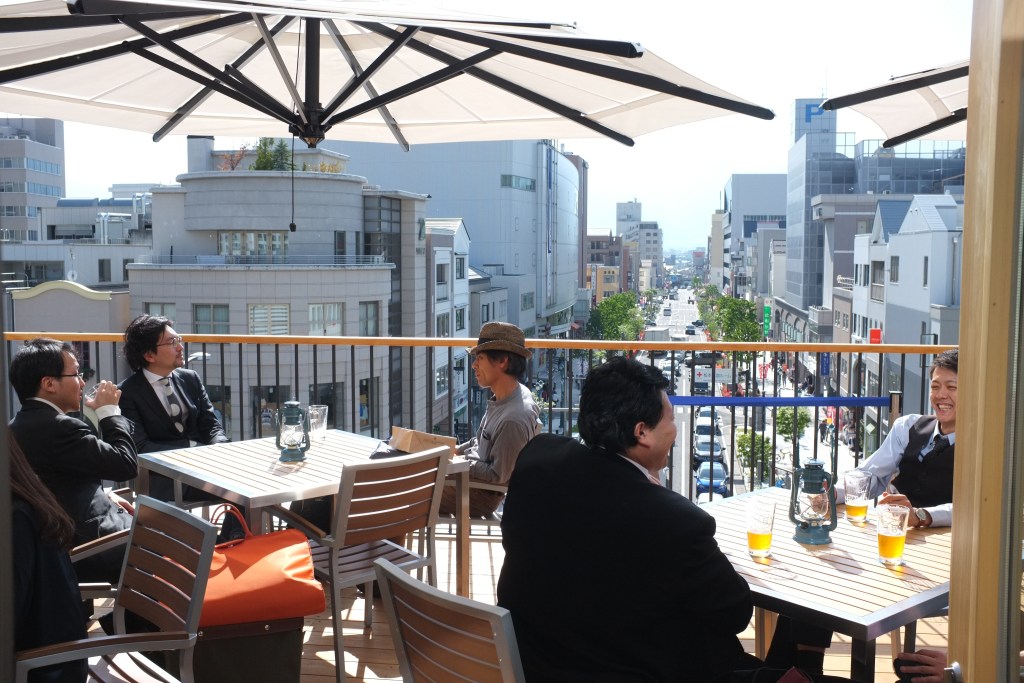
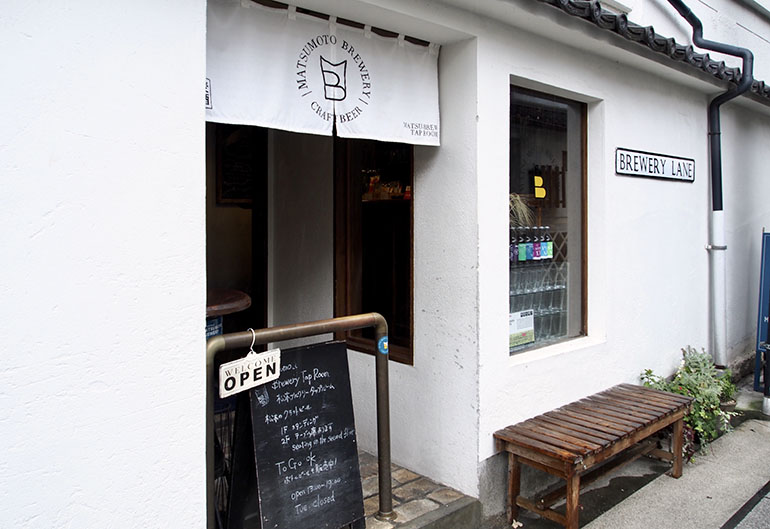
Craft beer taproom serving locally brewed ales. Rotating taps featuring seasonal specialties. Located in the Nakamachi historic district in a converted warehouse.

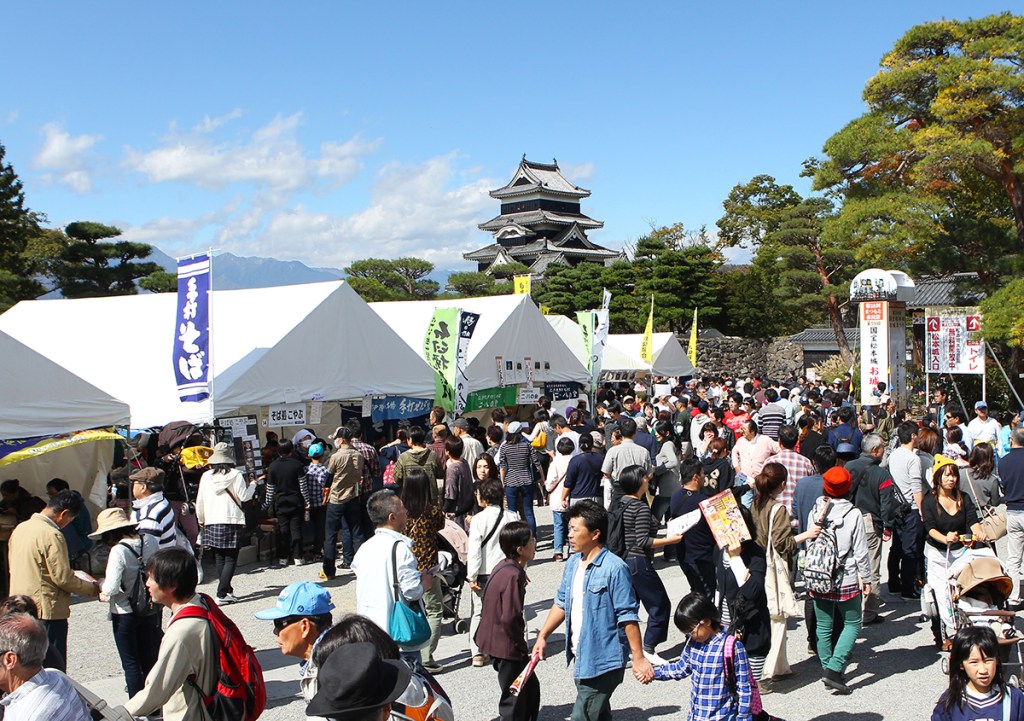
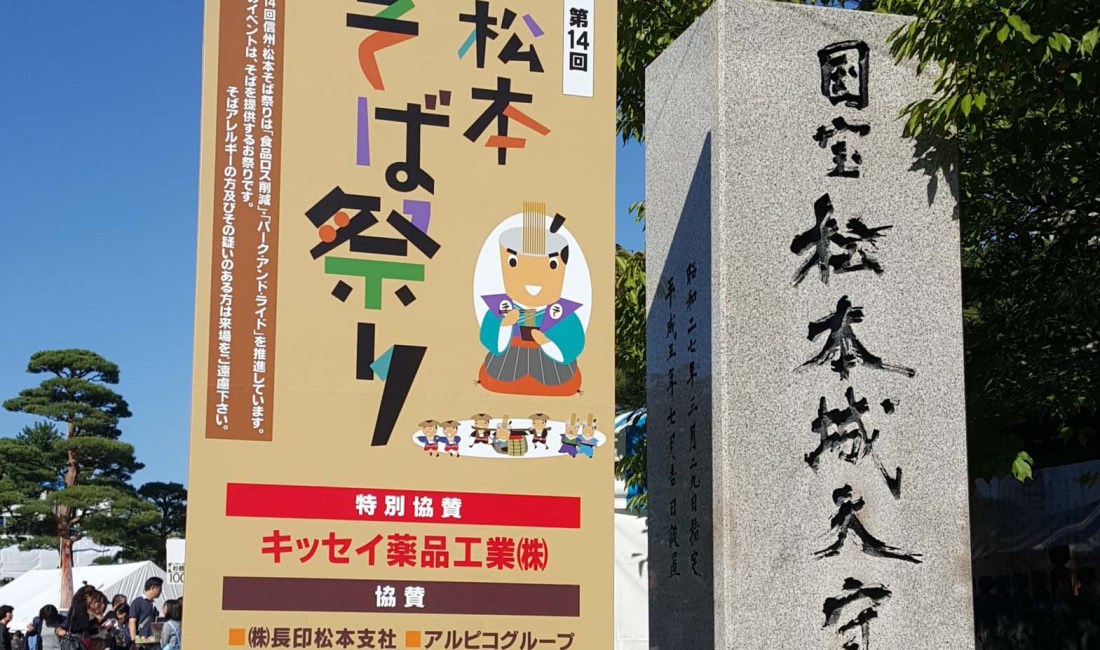
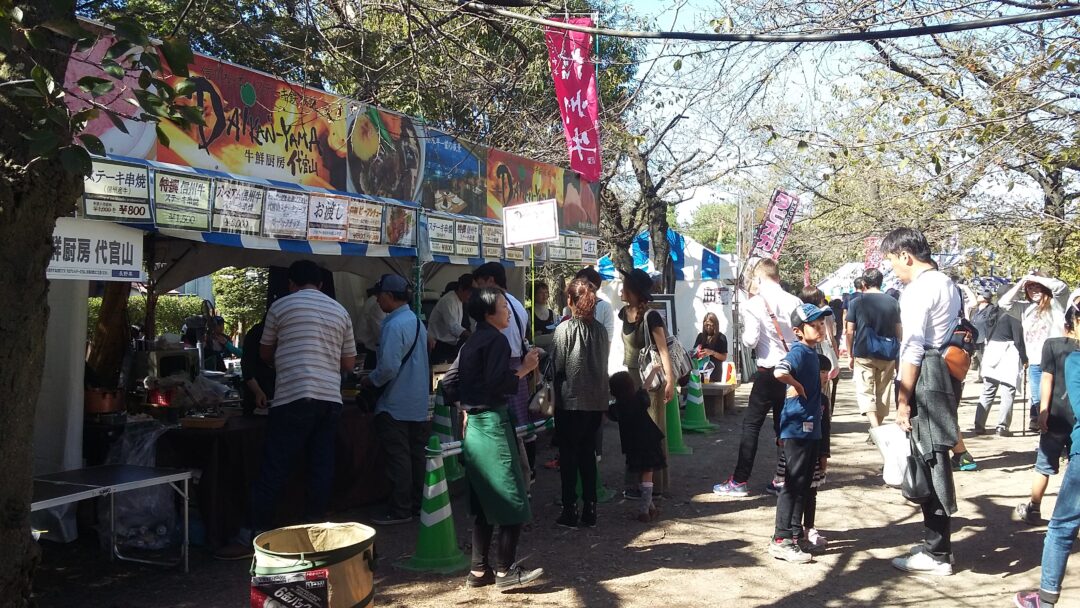
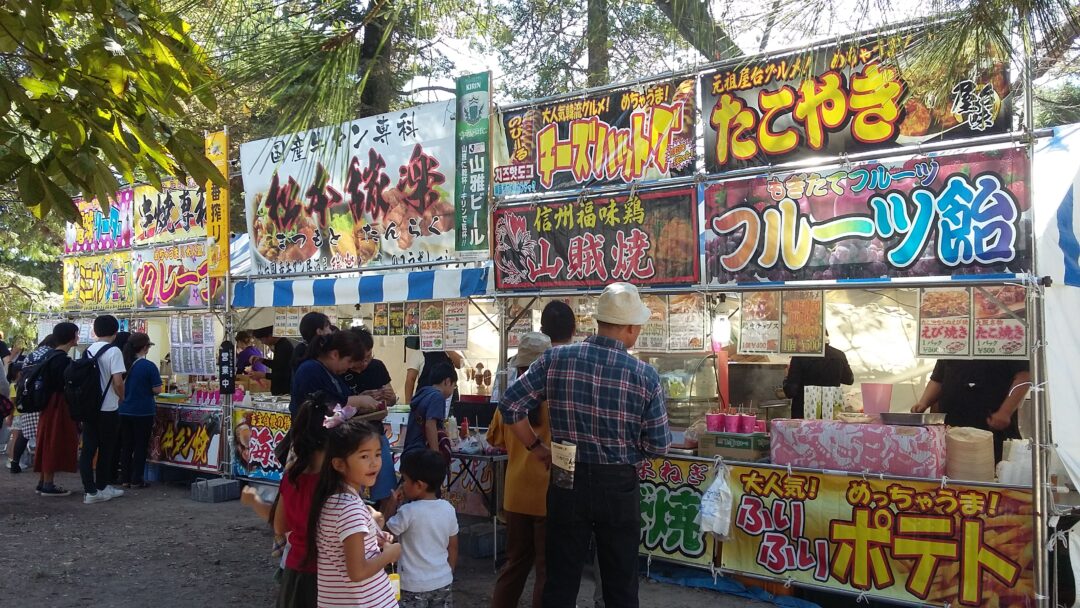
Annual soba festival held on the castle grounds in October. Dozens of soba makers compete. Taste different styles from across Nagano. Very popular with locals.

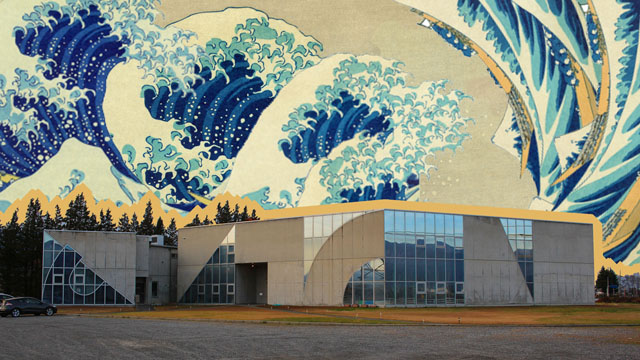
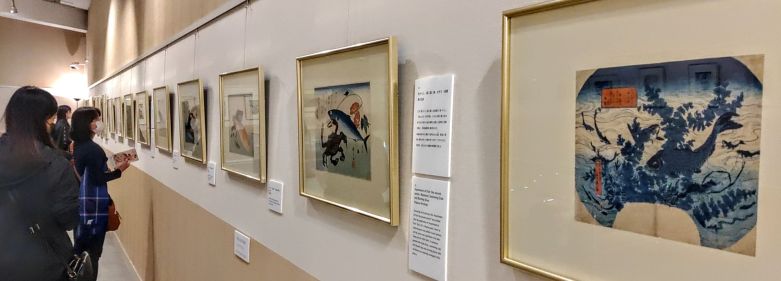
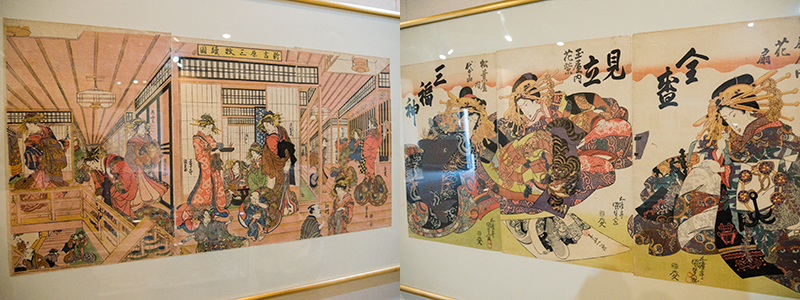
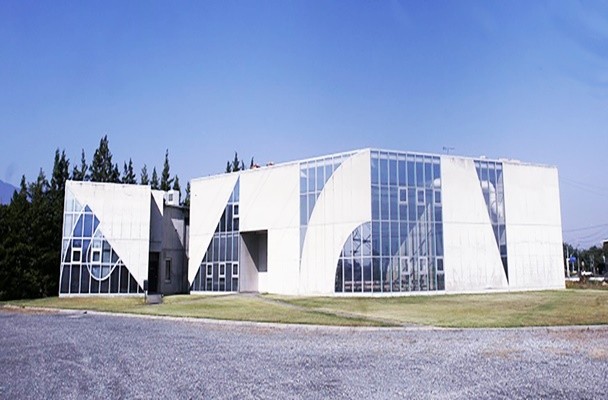
World's largest private collection of ukiyo-e (woodblock prints) with over 100000 works. Hokusai, Hiroshige, and Utamaro originals. Rotating exhibitions. Outside the city center.

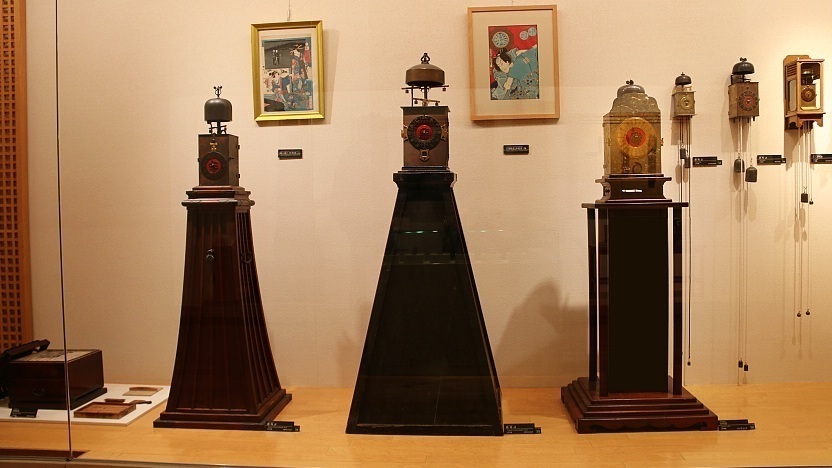
More intimate than the Timepiece Museum. Focuses on Japanese-made clocks from the Edo period. The traditional wadokei (Japanese time system) clocks are fascinating.
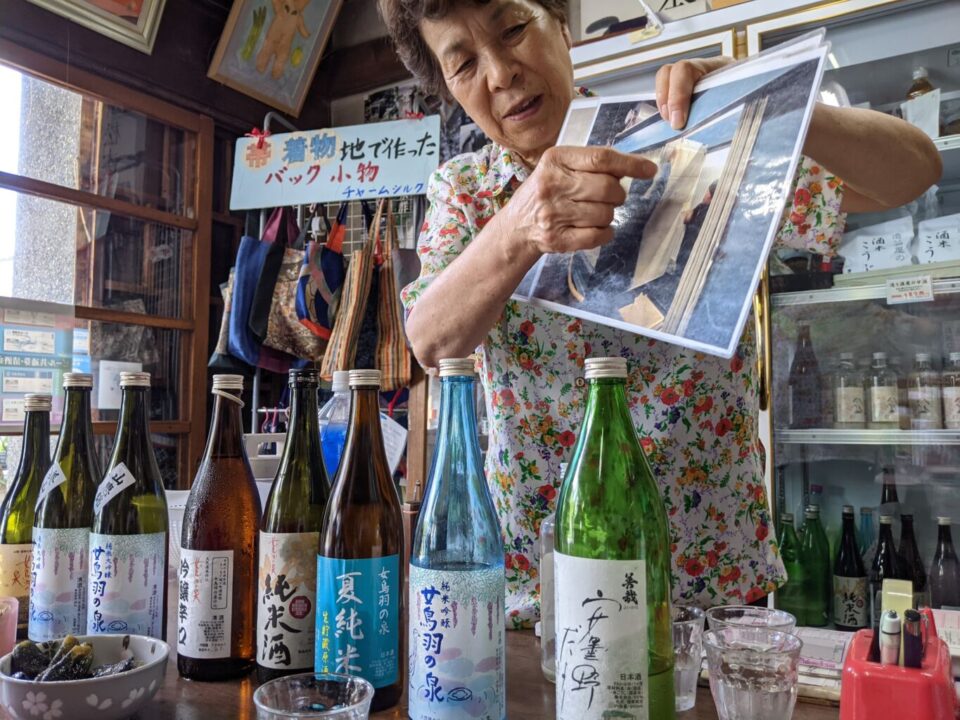
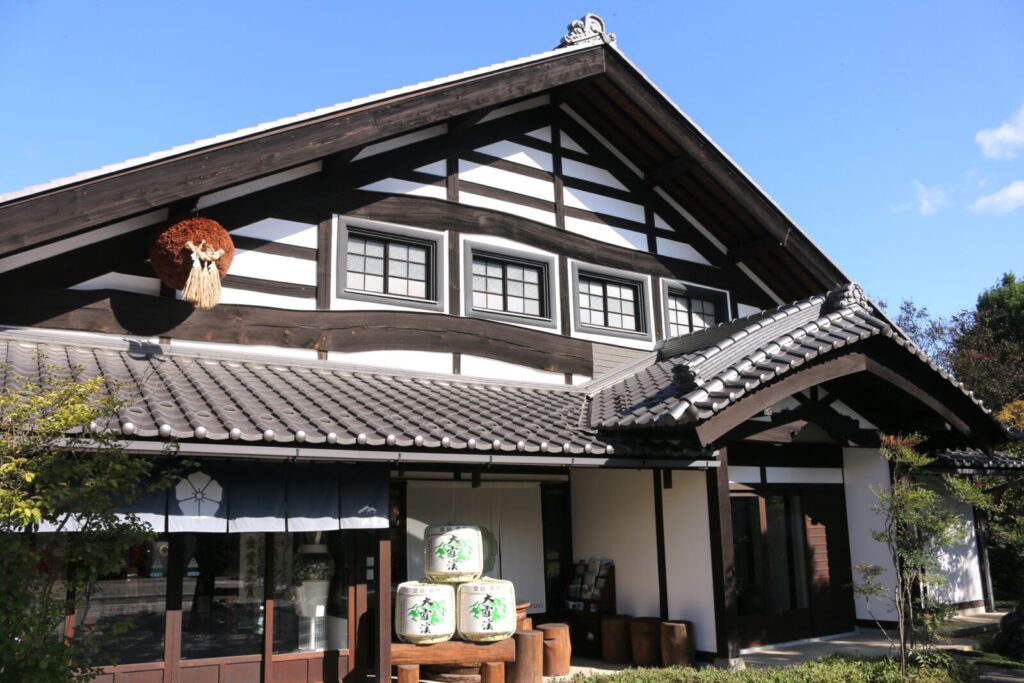
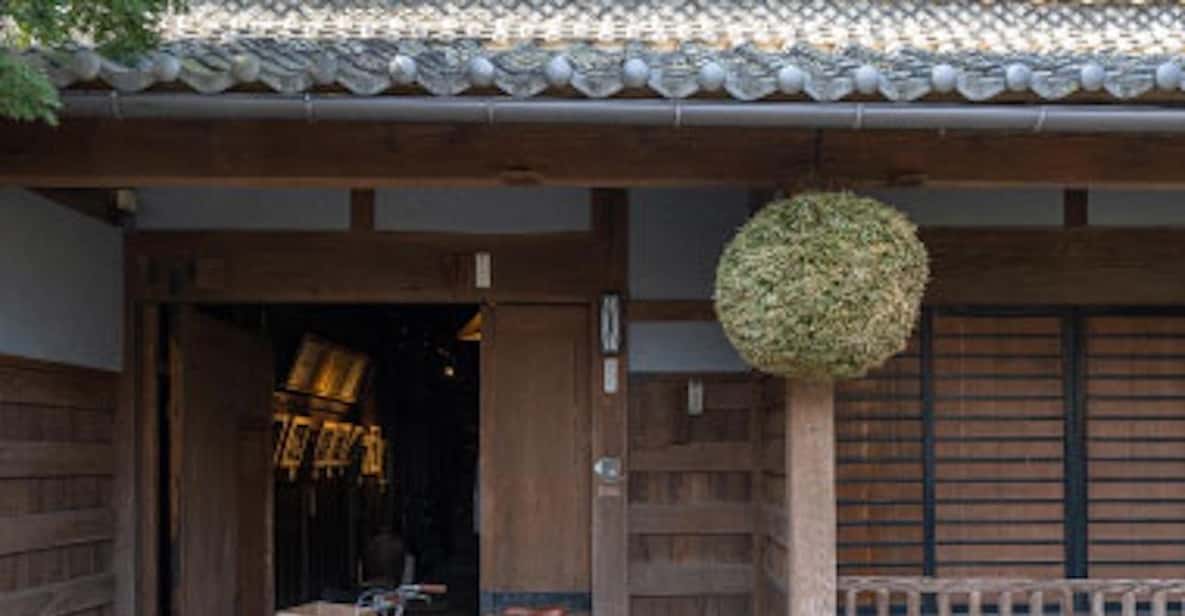
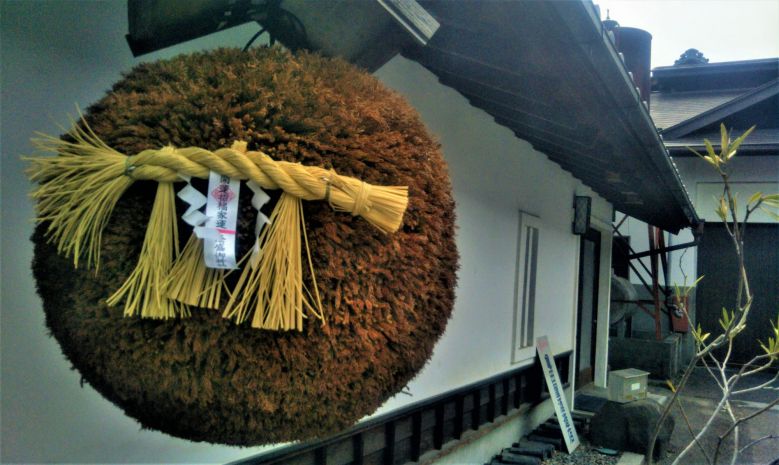
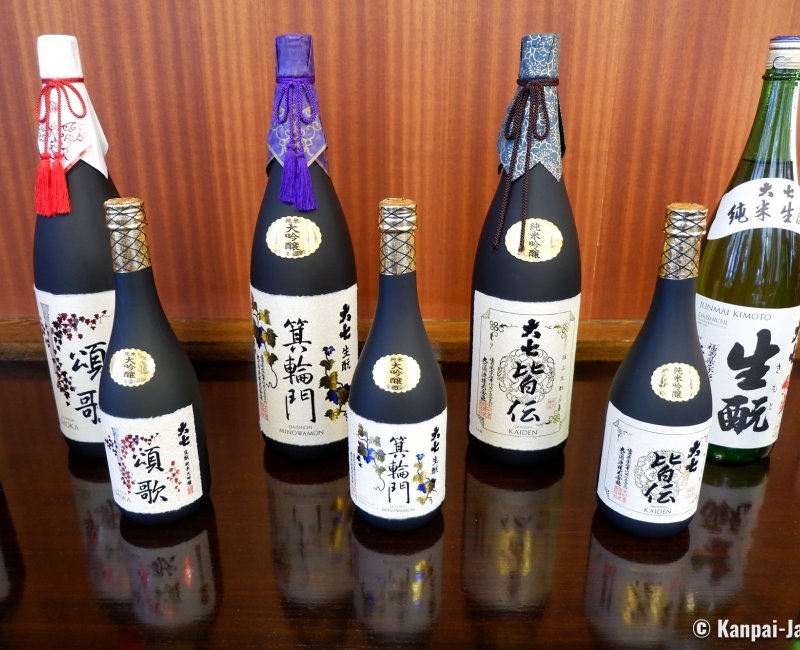
One of Matsumoto's oldest sake breweries using water from the Japan Alps. Free tastings of seasonal sake. Their junmai daiginjo is silky and refined.
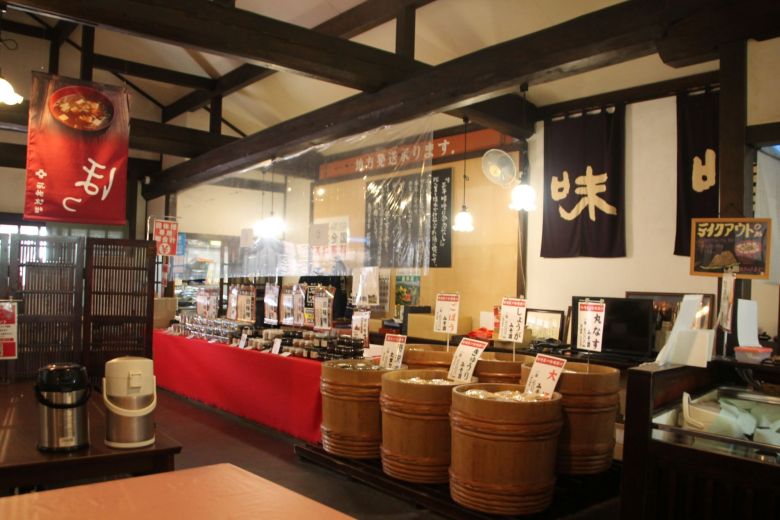
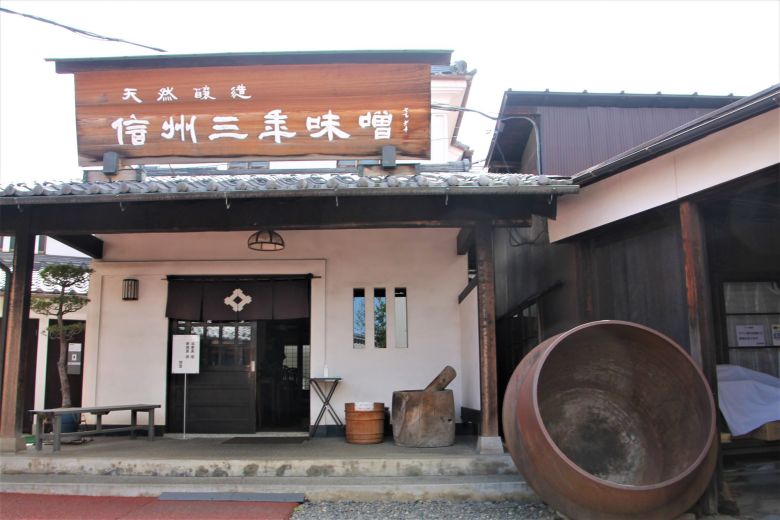
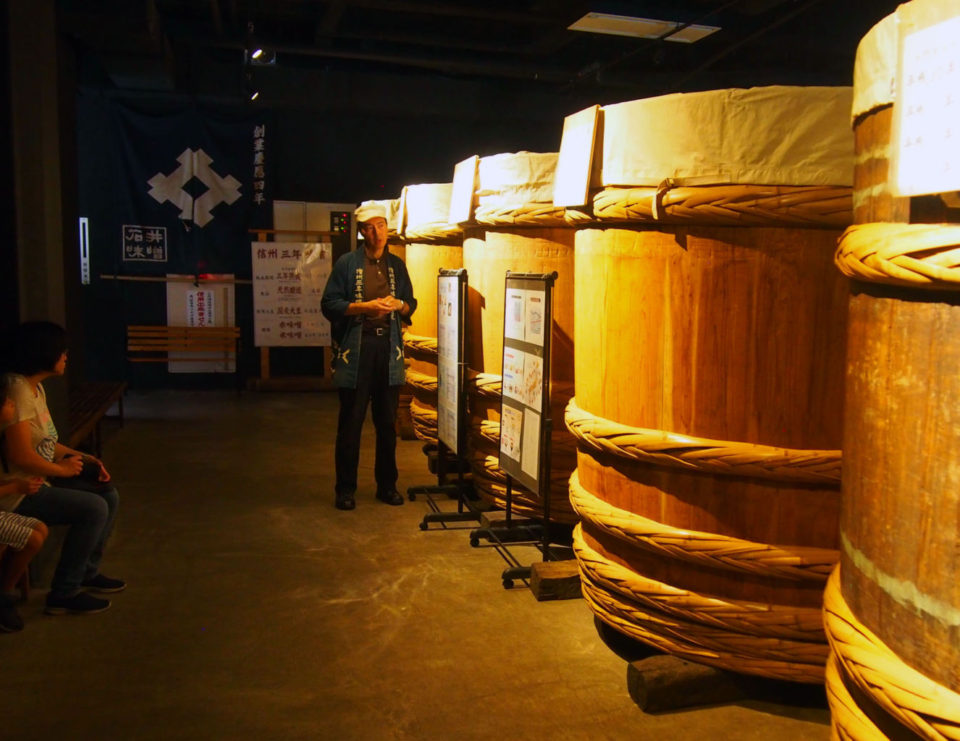
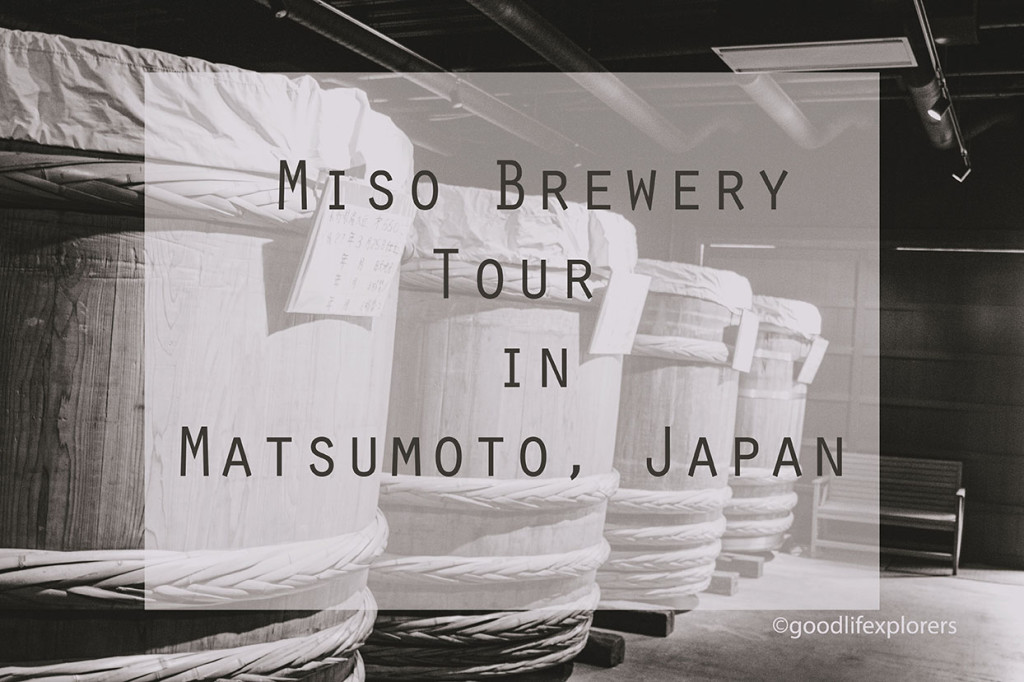
Historic miso factory operating since 1868. Take a factory tour to see traditional wooden barrels. The miso tasting is surprisingly diverse. Gift shop sells aged premium miso.

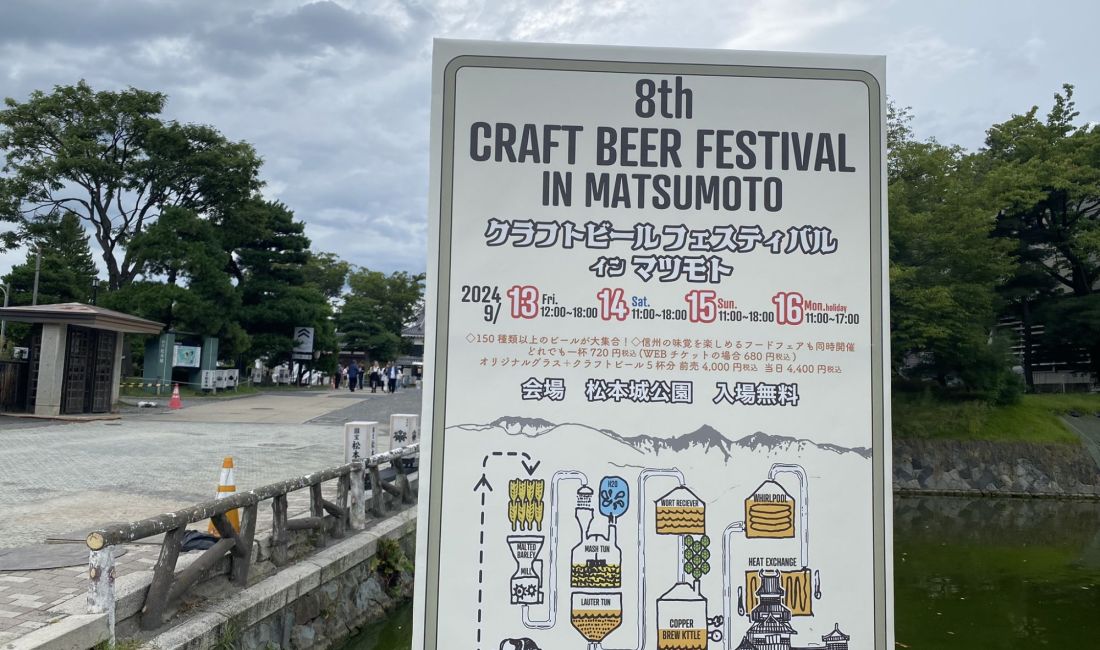
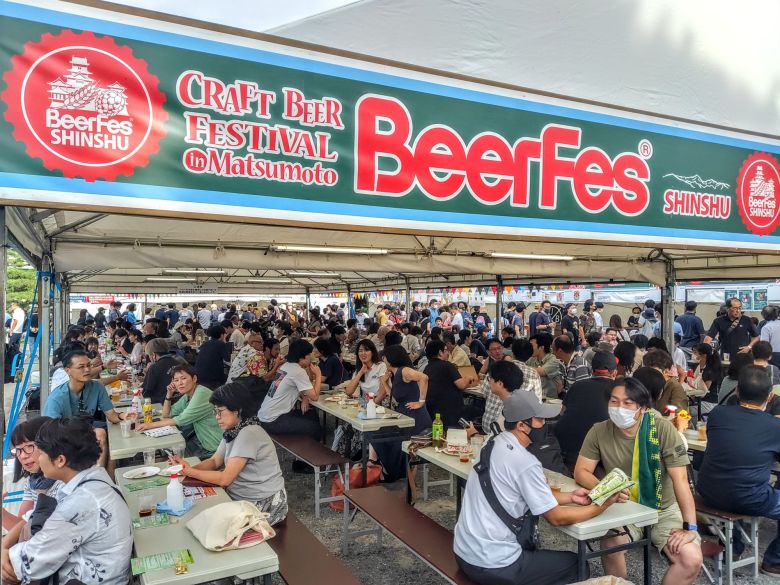
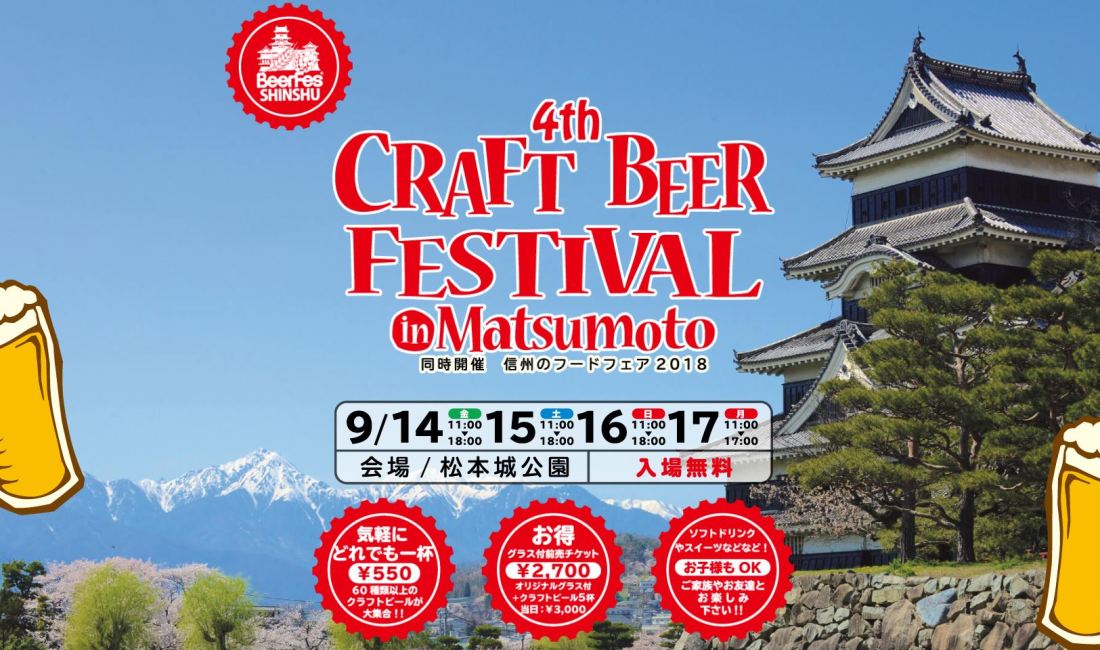
Annual craft beer festival bringing together breweries from across the Alps region. Held in summer in the castle district. Food stalls serving Shinshu cuisine.

Free public hot spring surrounded by rice paddies with alps views. Outdoor bath only, simple facilities. One of the best free onsens in the region.

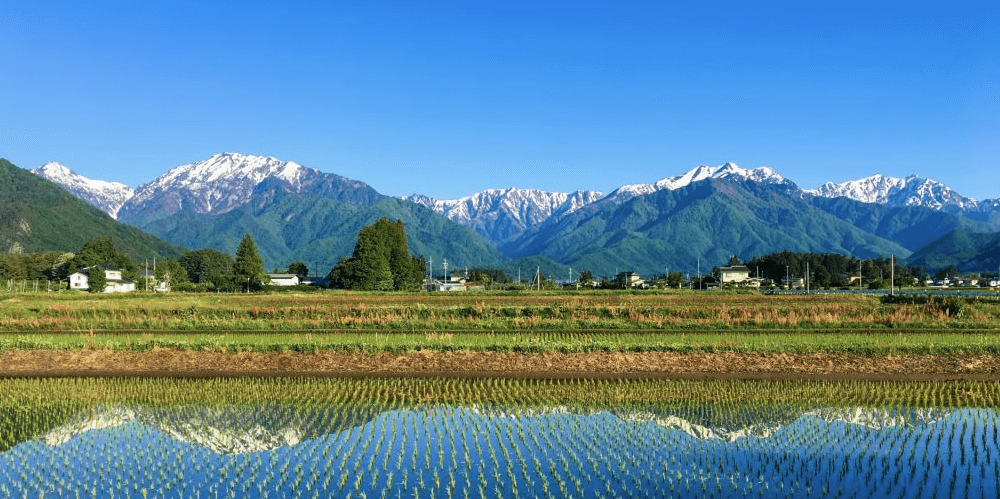
Multiple viewpoints along the Azumino plain offer staggering views of the Hotaka mountain range. The autumn rice harvest with snow-capped peaks behind is iconic.

Day-use entry to several ryokan with milky-white outdoor baths. Bath hopping between different ryokan is popular. The forest setting is serene. 90 min from Matsumoto.
Snow monkeys, old post towns, sake brewery tours, and world-class skiing.

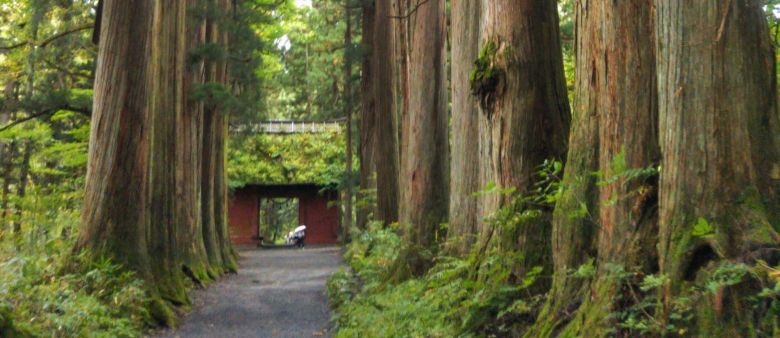
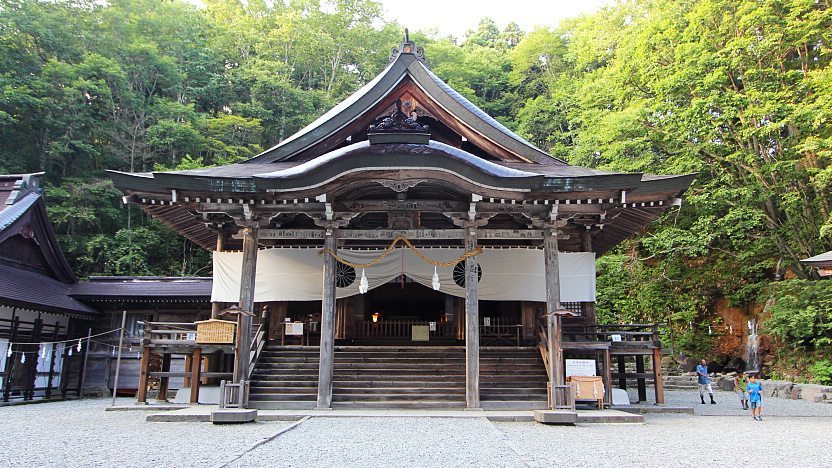
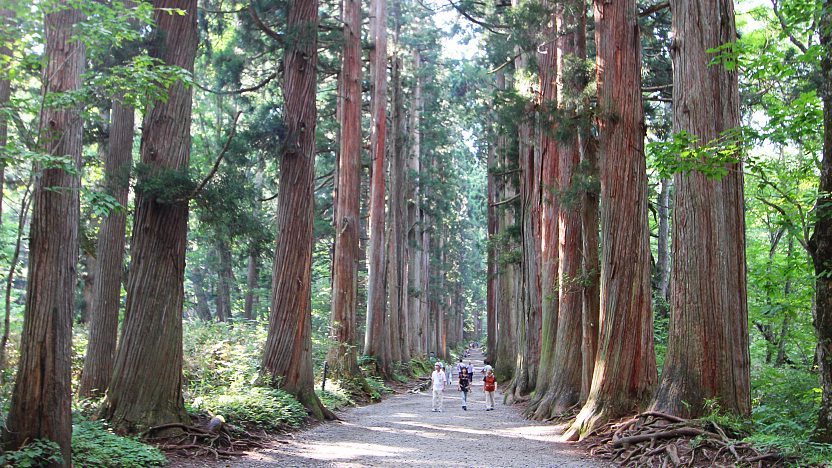
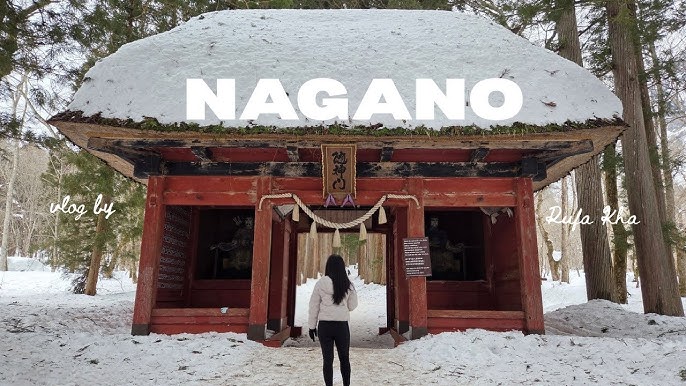
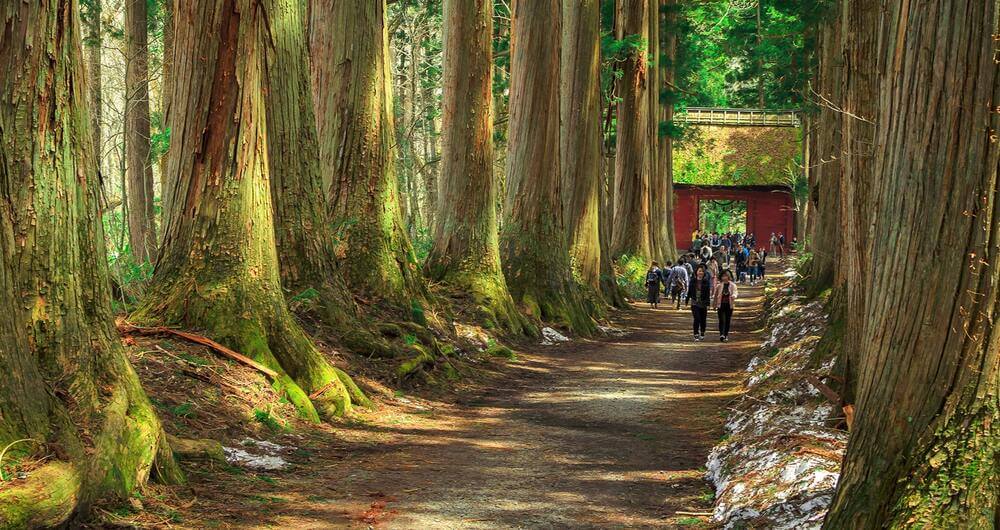
Ancient shrine complex reached through a stunning 2km avenue of 400-year-old cedar trees. Famous for Togakushi soba. Ninja museum nearby. 2 hours from Matsumoto.

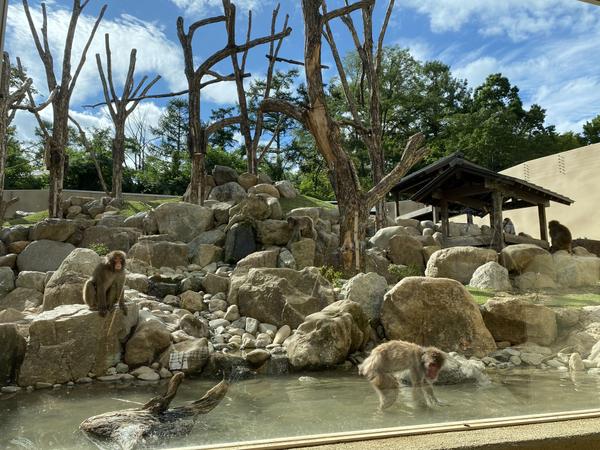
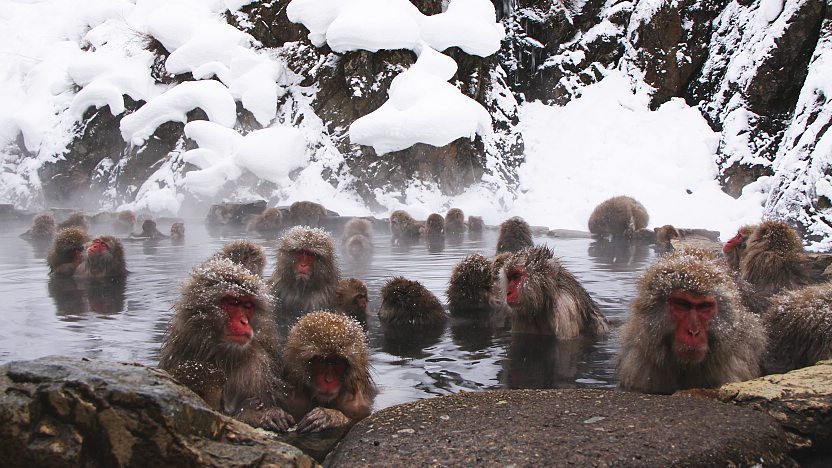
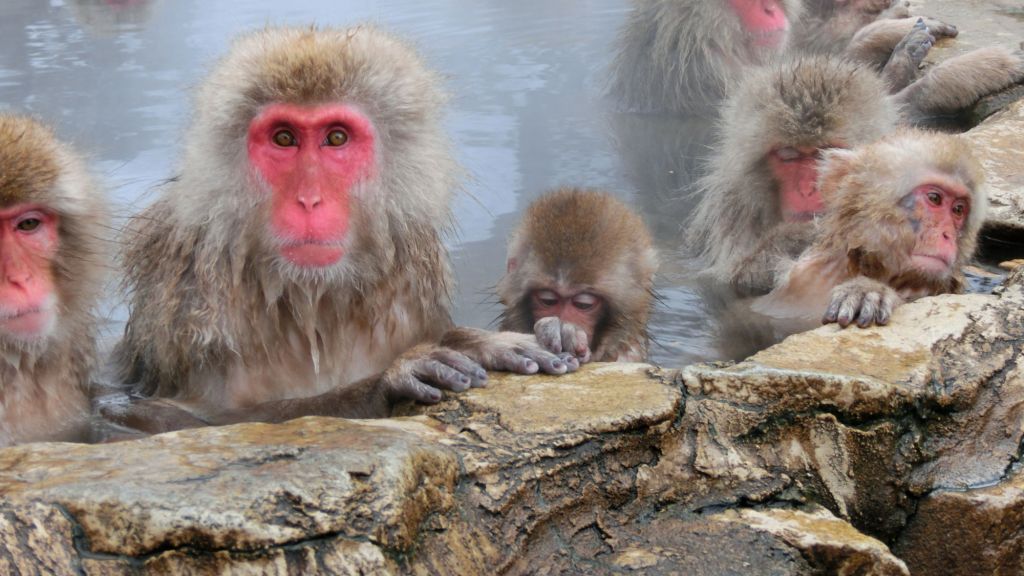
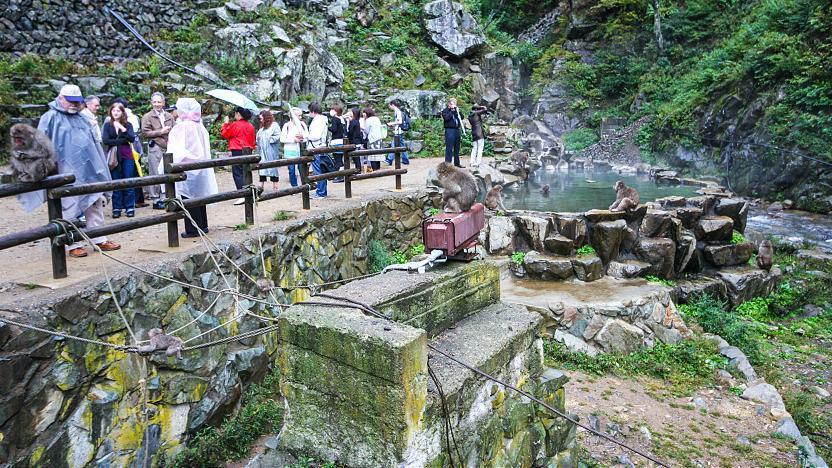
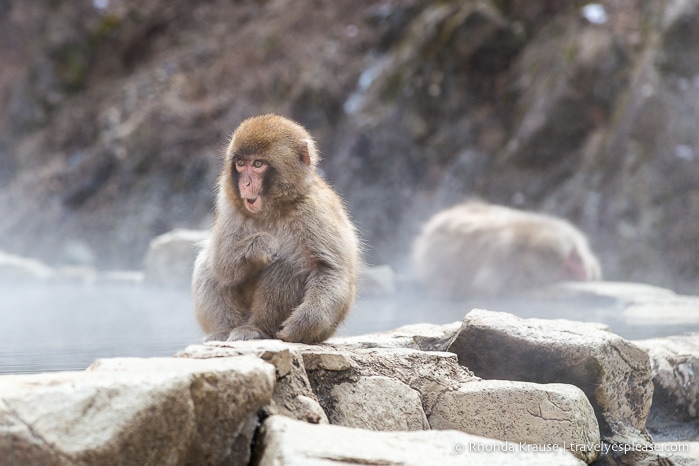
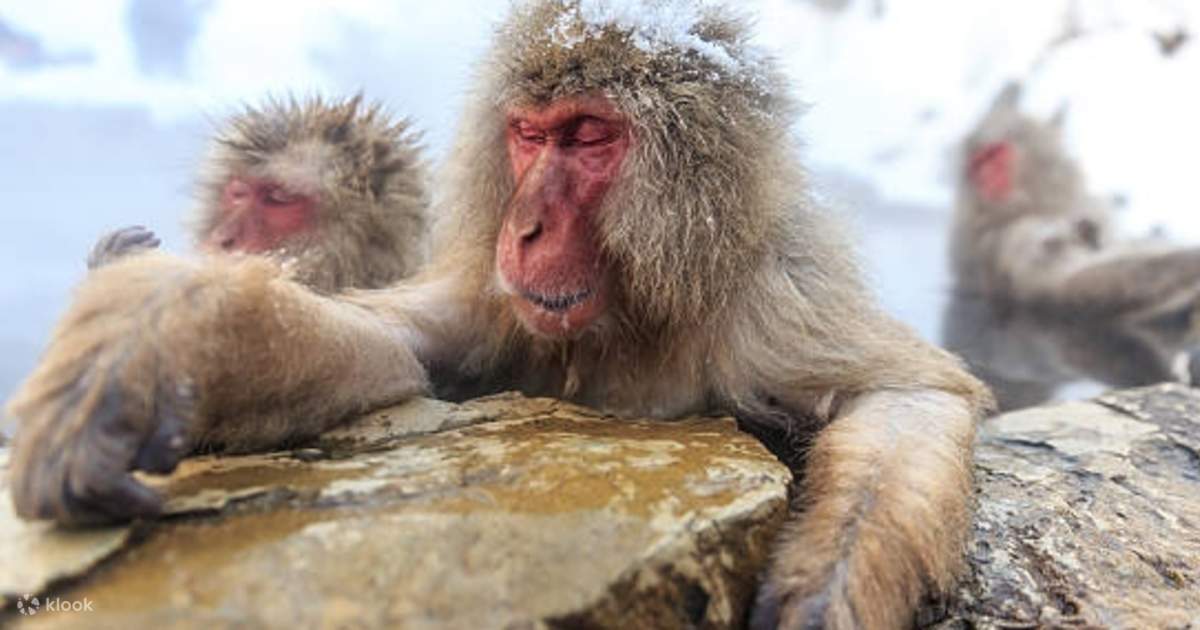
World-famous hot spring bathing monkeys. Japanese macaques soaking in steaming pools surrounded by snow. Best visited December through March. 2.5 hours from Matsumoto.

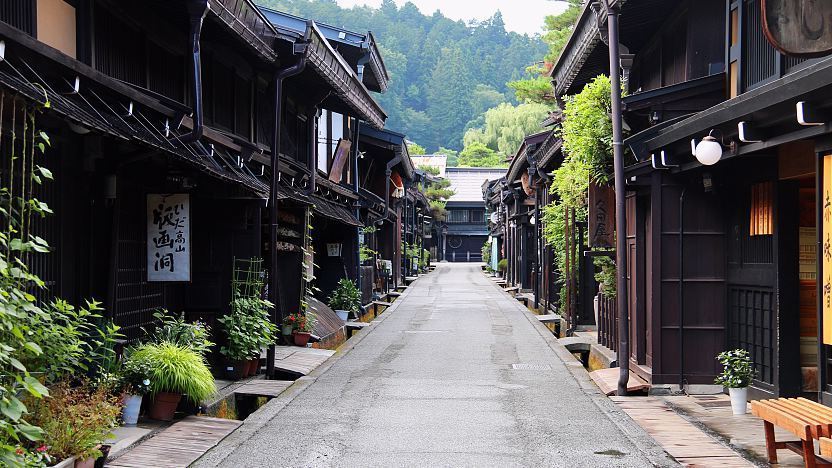
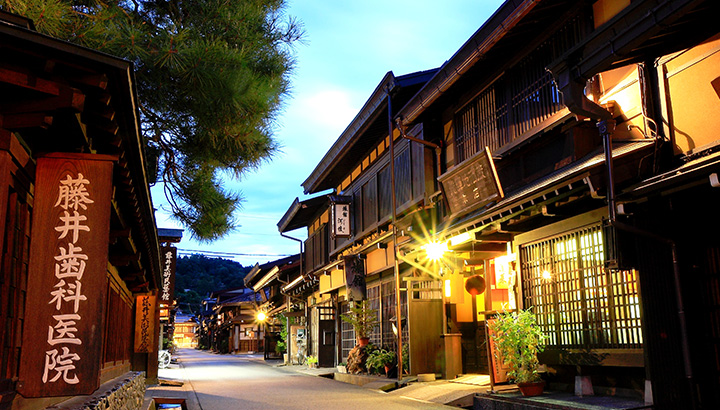
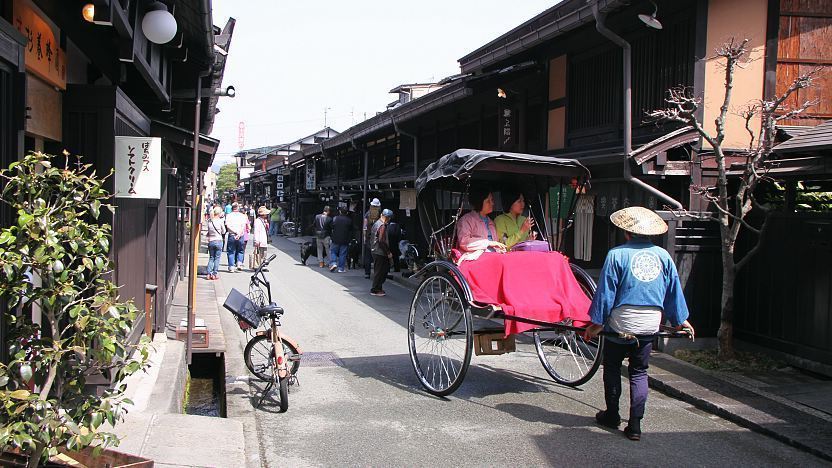
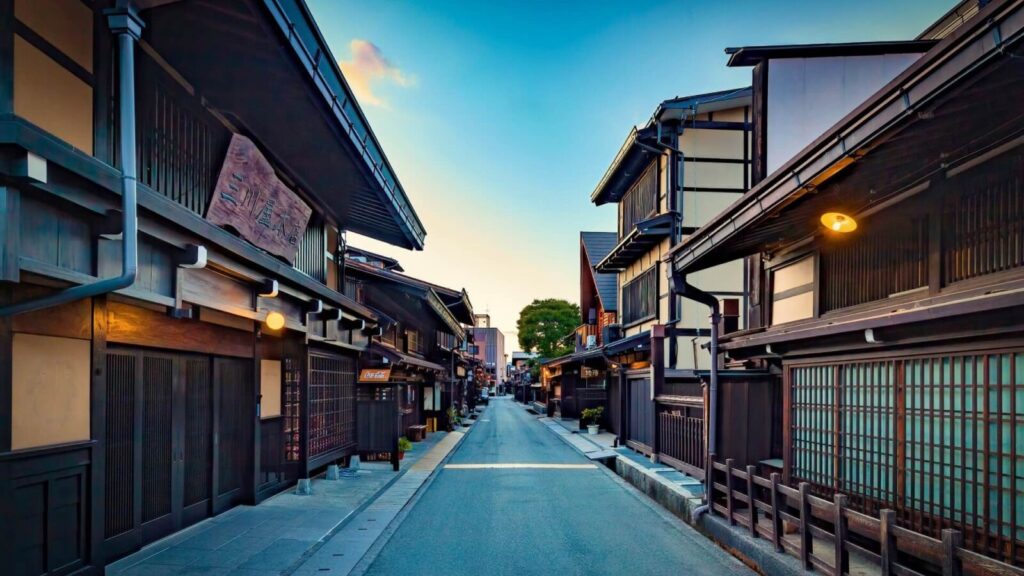
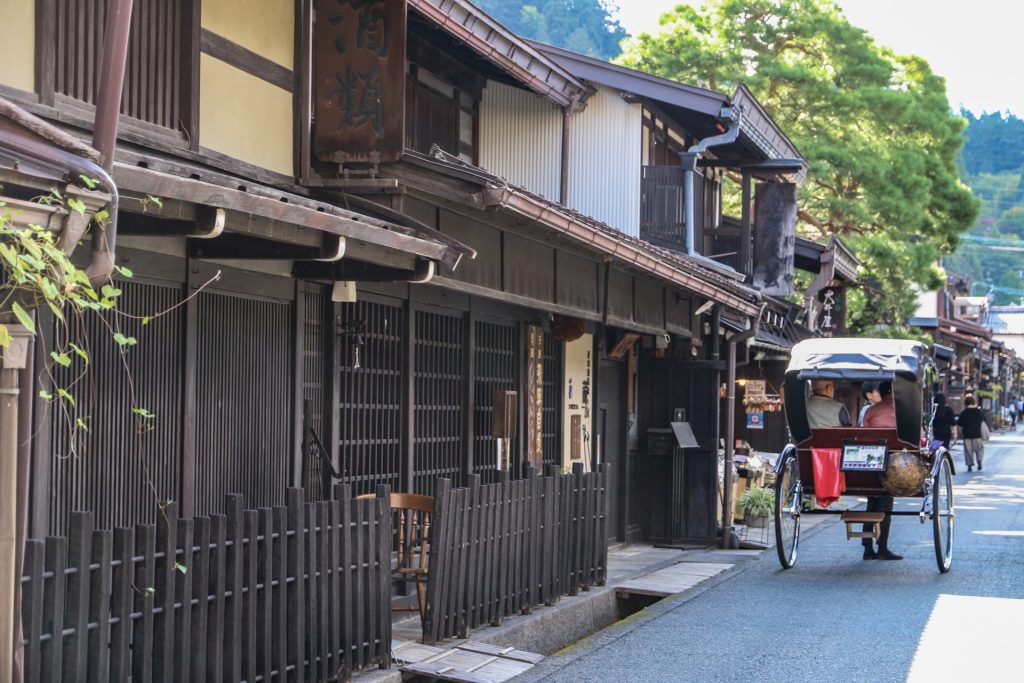
Beautifully preserved Edo-period merchant district. Morning markets, sake breweries, Hida beef, and Takayama Festival floats museum. 2 hours from Matsumoto by train.

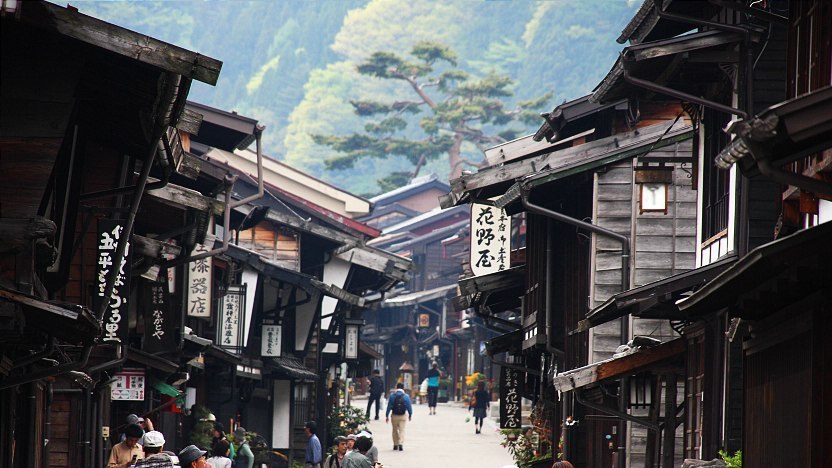
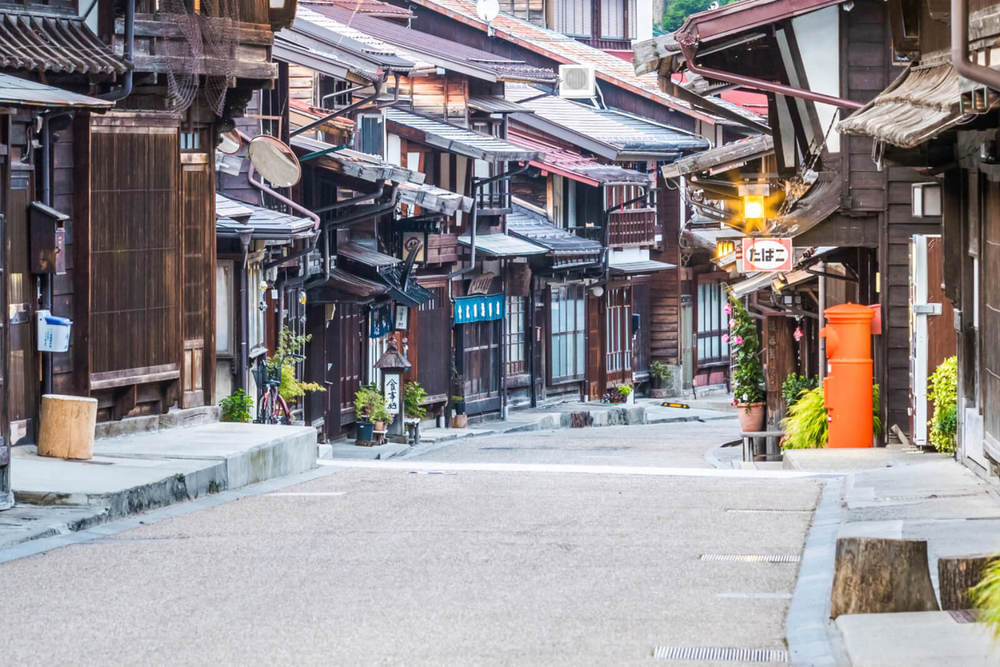
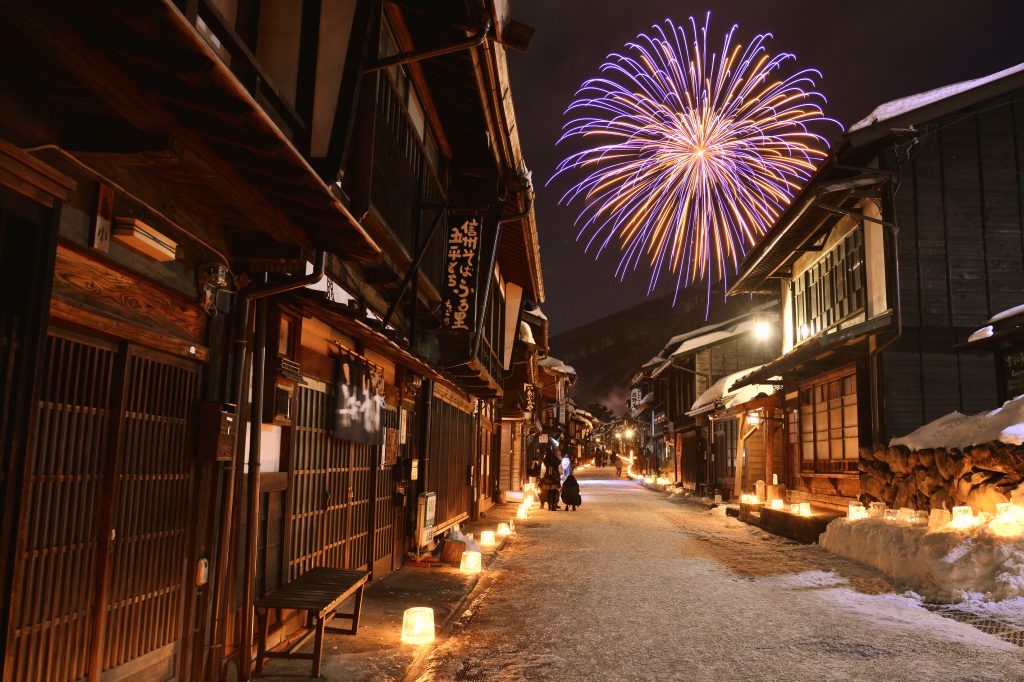
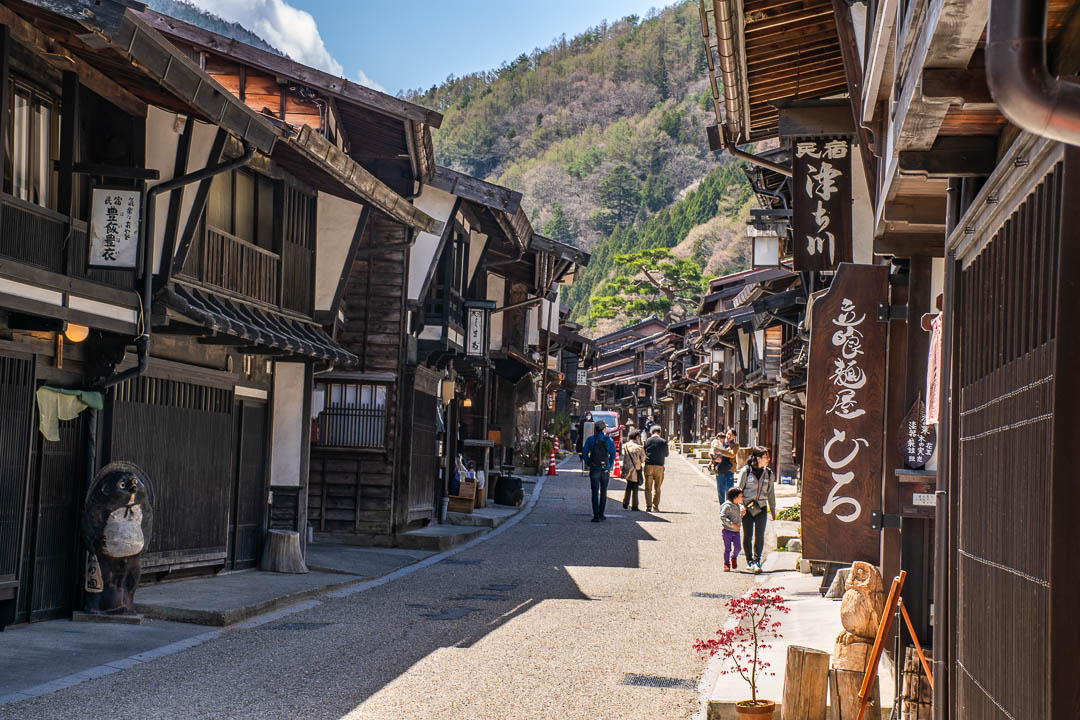
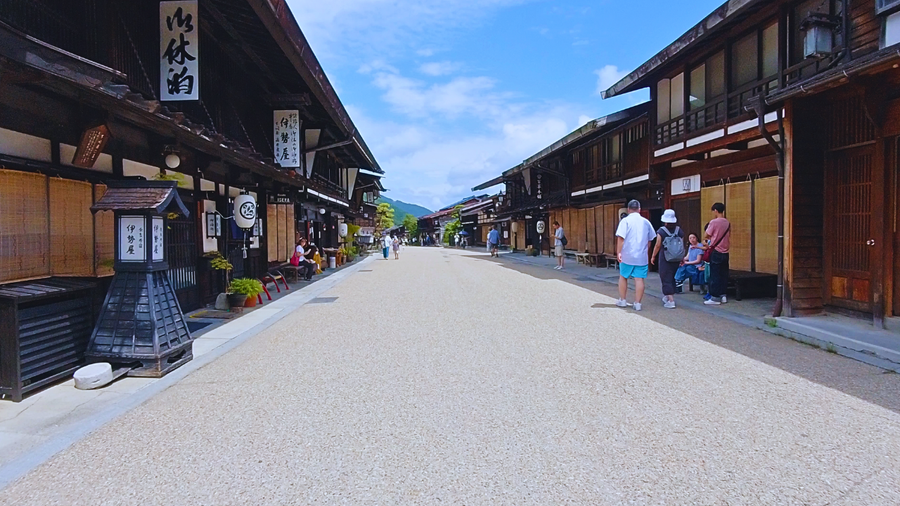
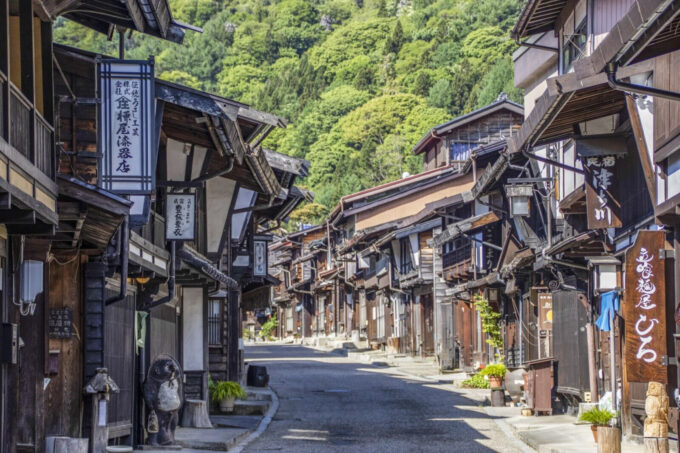
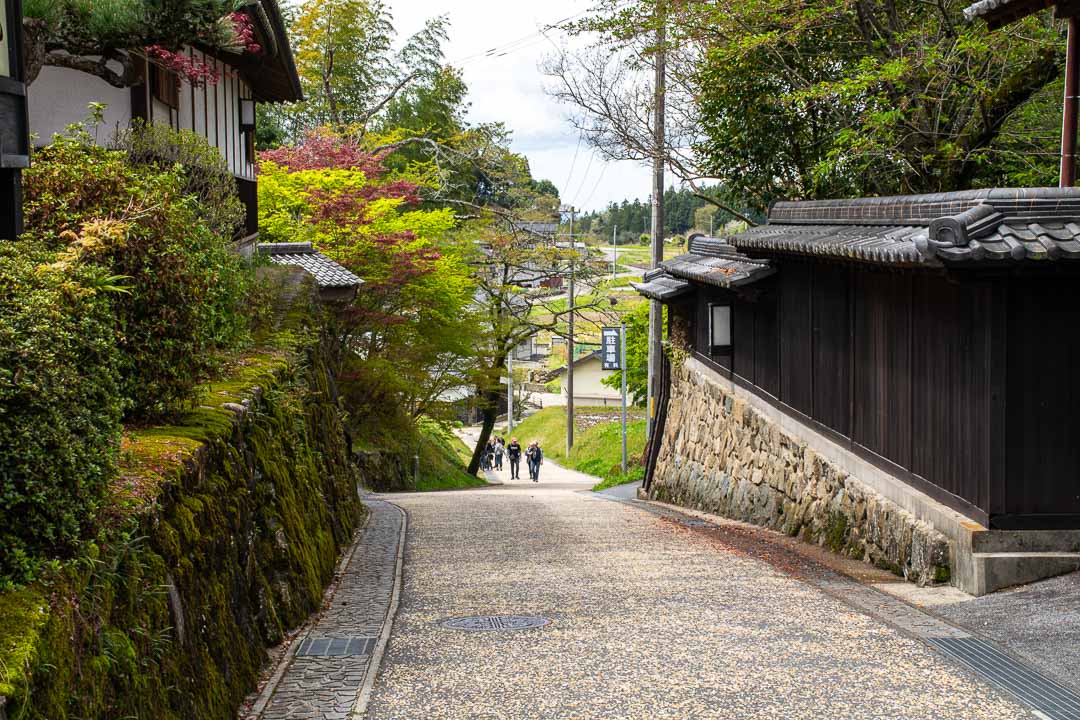
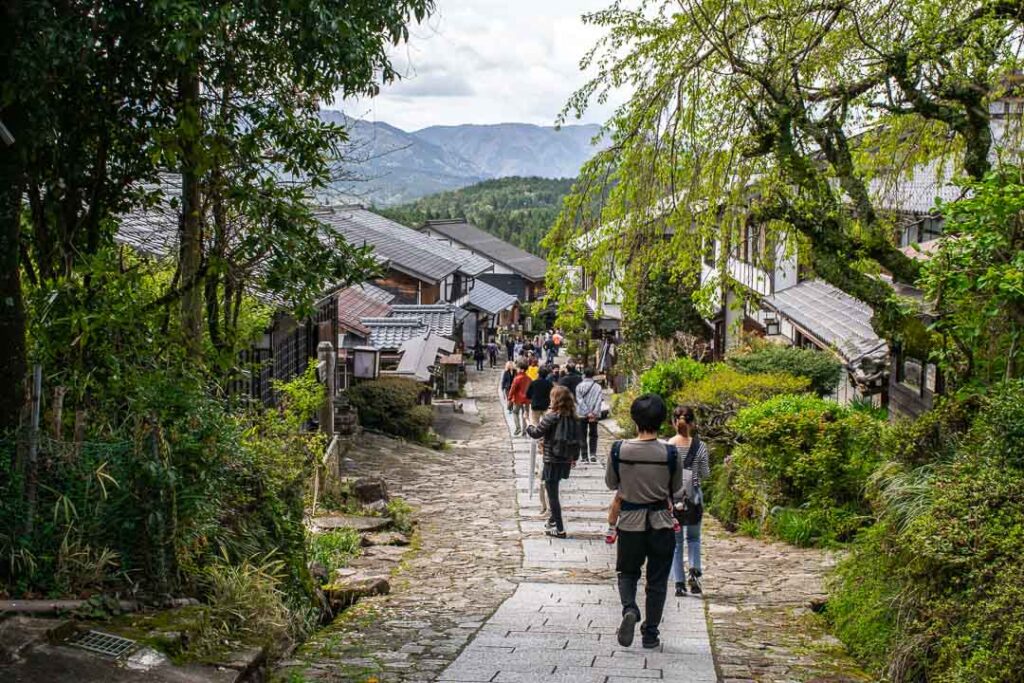
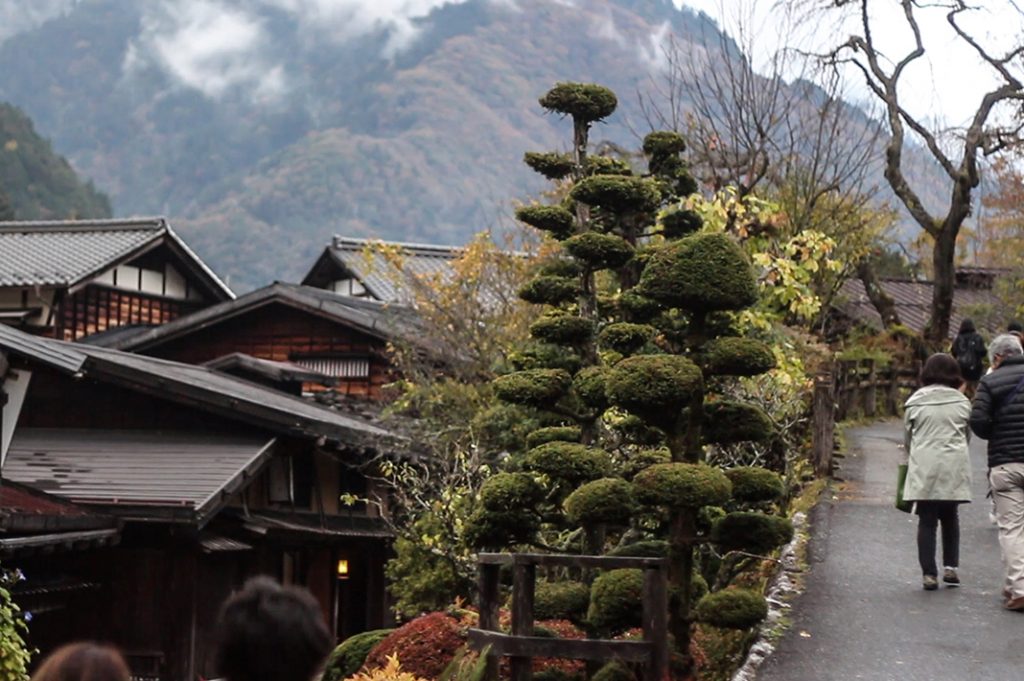
Perfectly preserved Edo-period post town along the old Nakasendo highway. 1km of wooden buildings, craft shops, and traditional inns. Feels like stepping back 300 years.

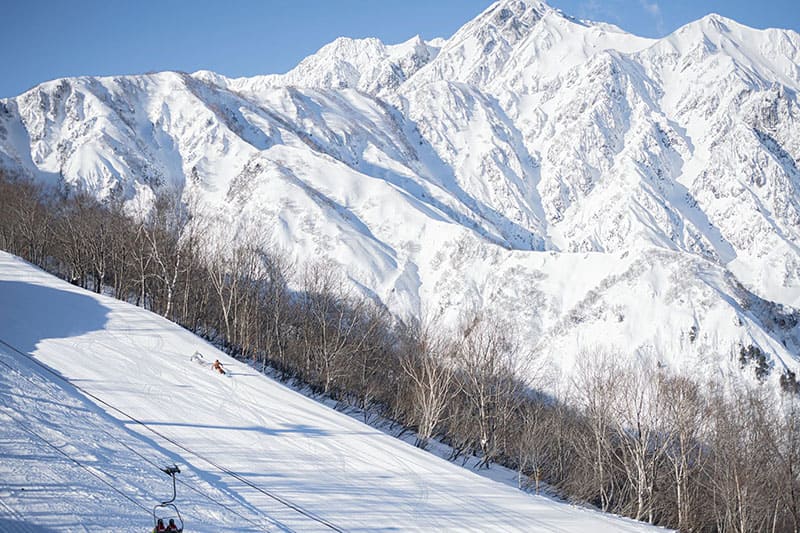
World-class skiing in winter (1998 Olympics venue). Summer hiking on the Happo-one ridgeline with panoramic Alpine views. 1 hour from Matsumoto.

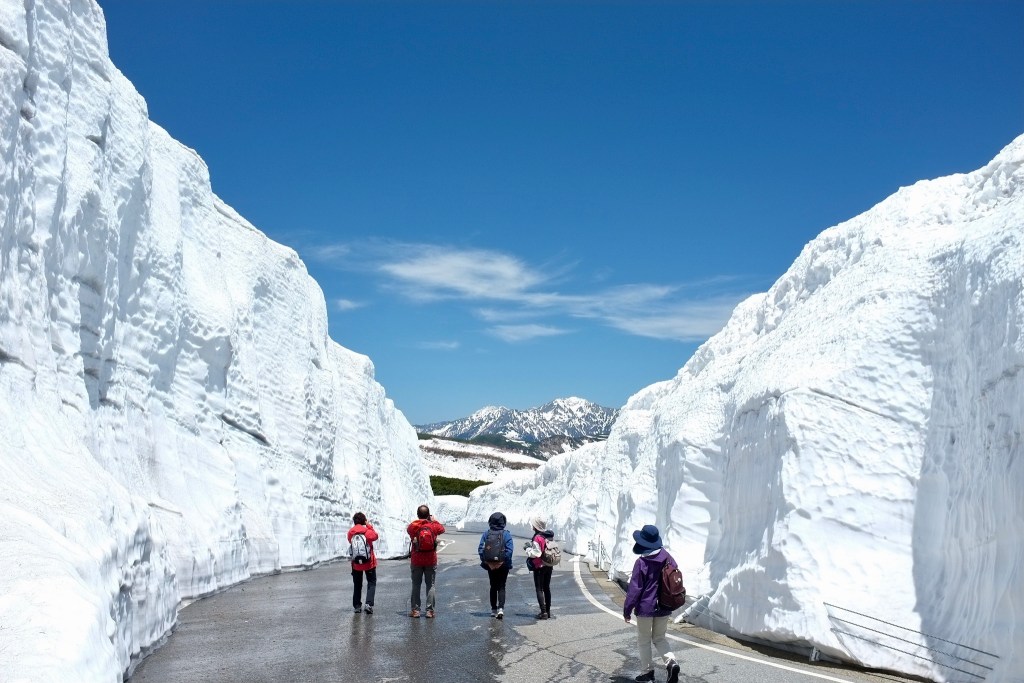
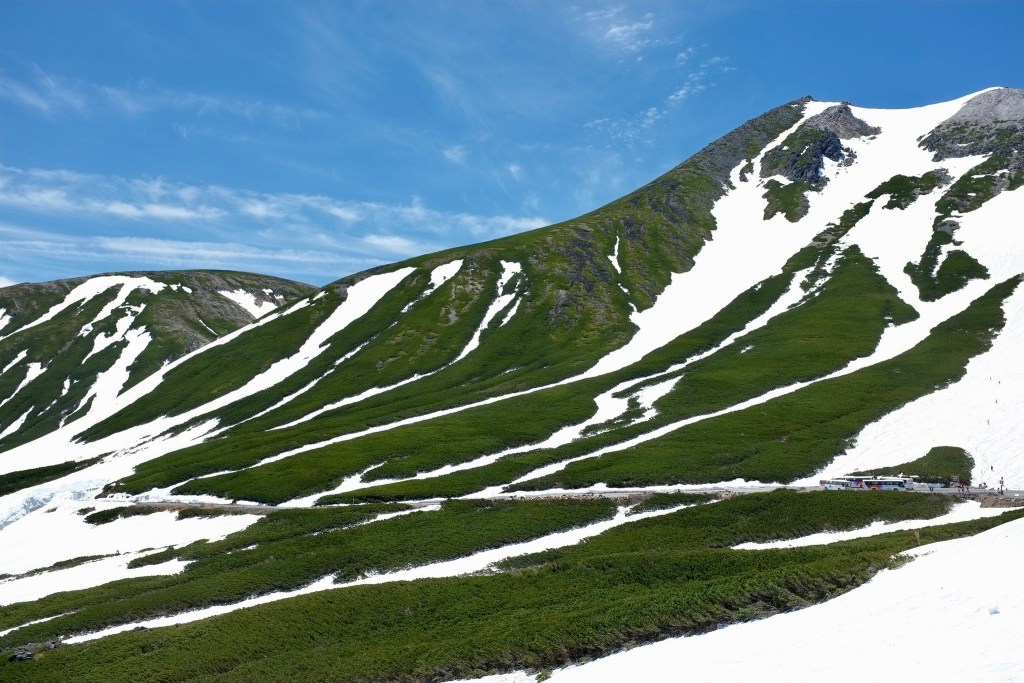
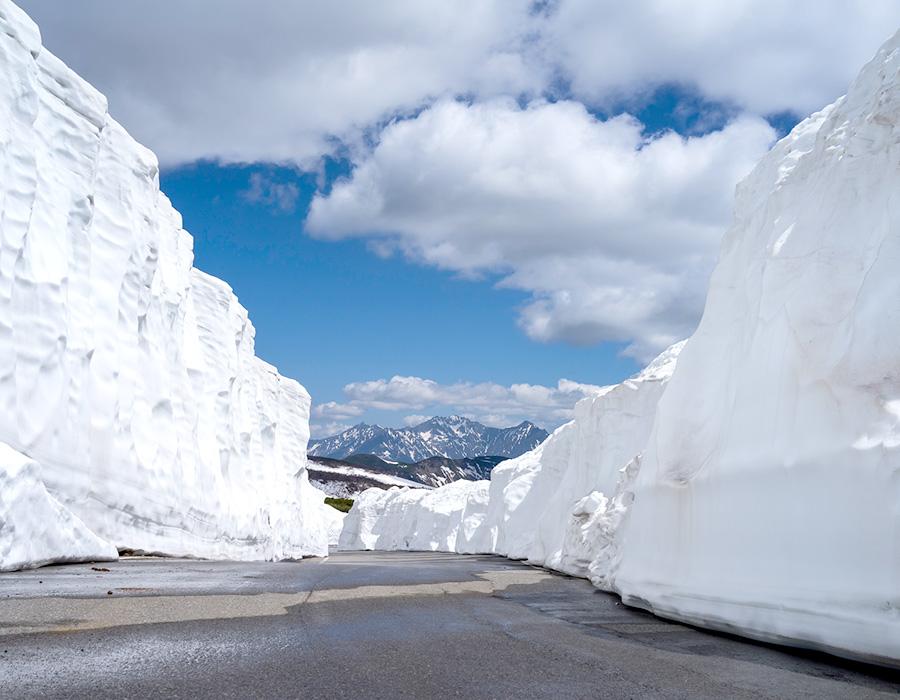
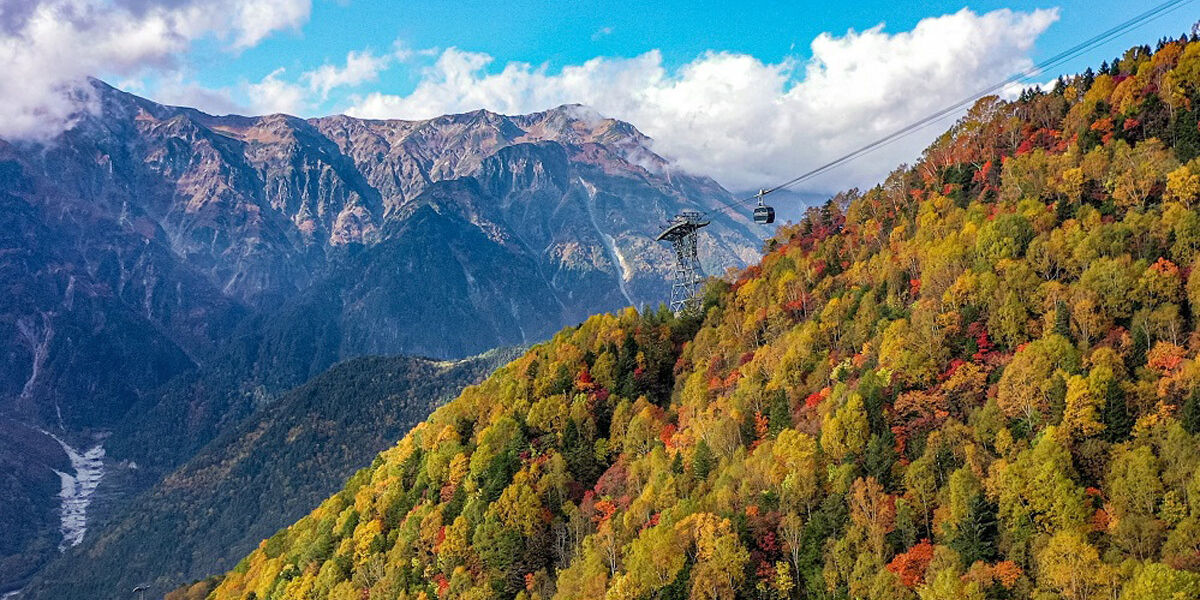
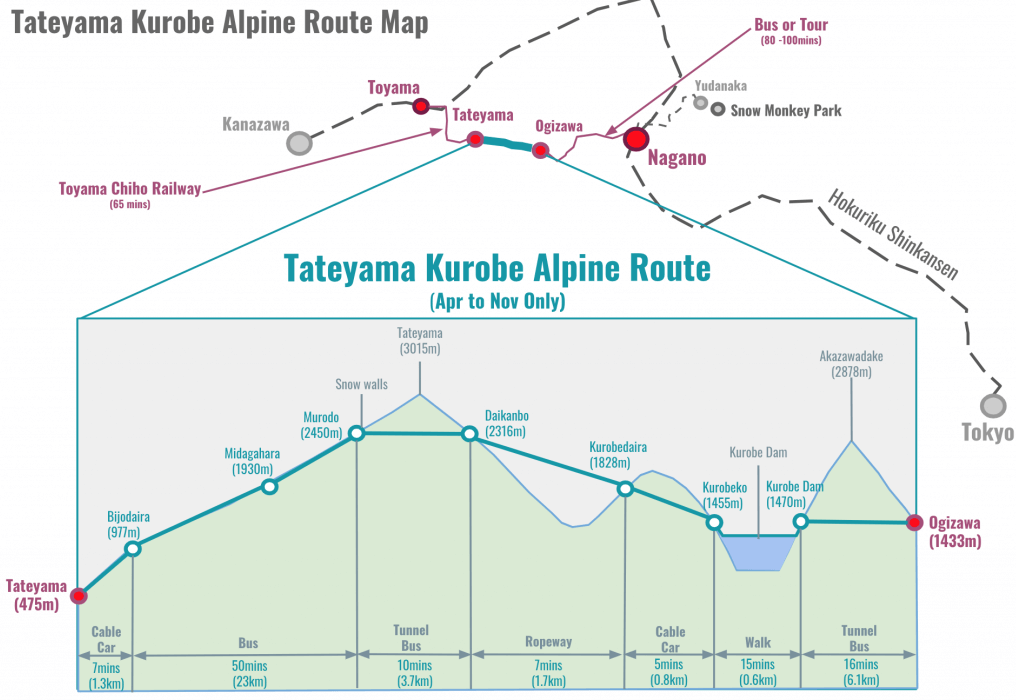
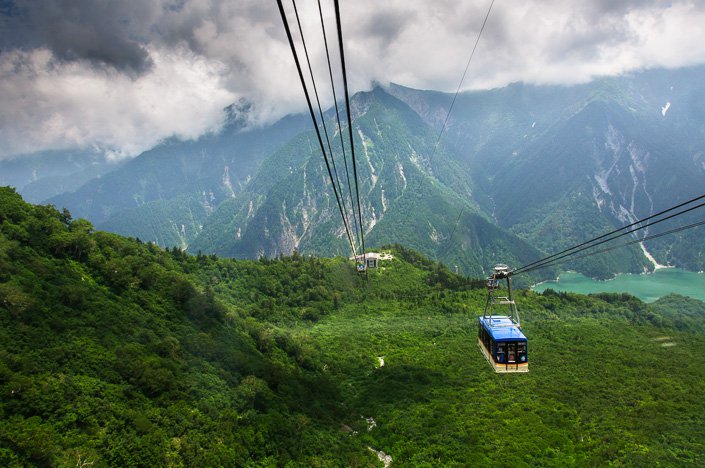
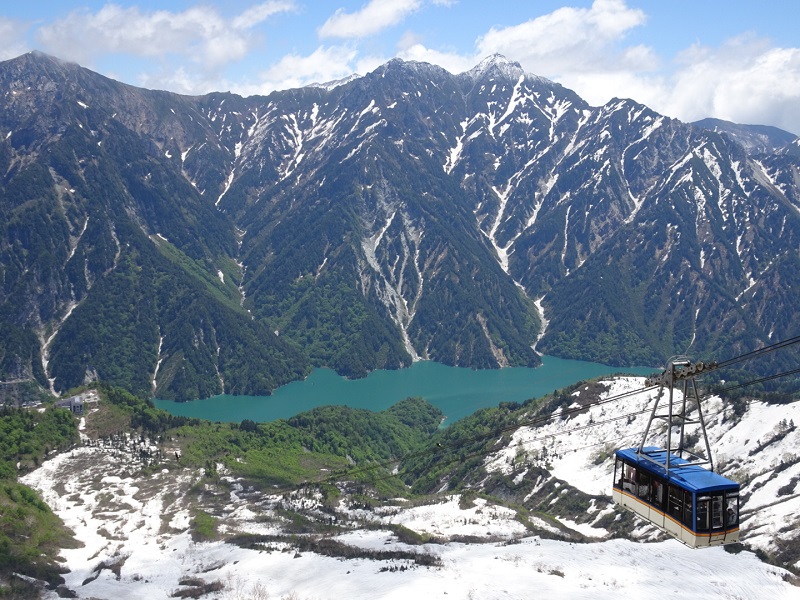
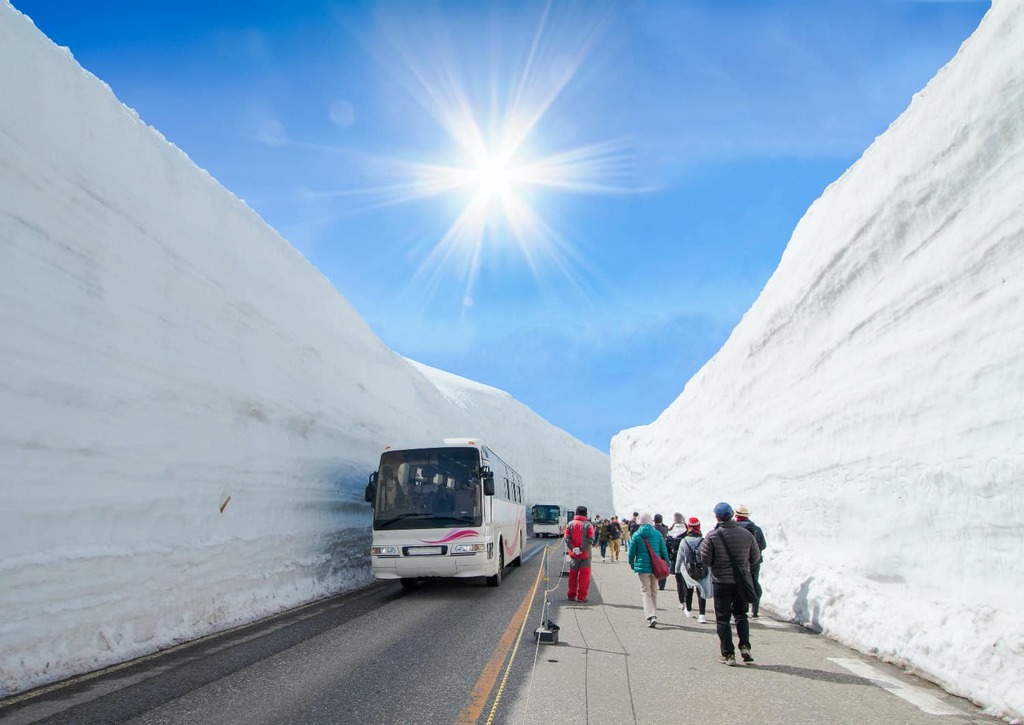
Starting point for the famous Tateyama Kurobe Alpine Route. Bus through 20m snow walls (April-June). Kurobe Dam, Japan's tallest arch dam. Full day experience. 1 hr from Matsumoto.

Series of small museums and galleries along a scenic road through the Azumino plain. Chihiro Art Museum (children's watercolors), Rokusun Museum, and craft studios.

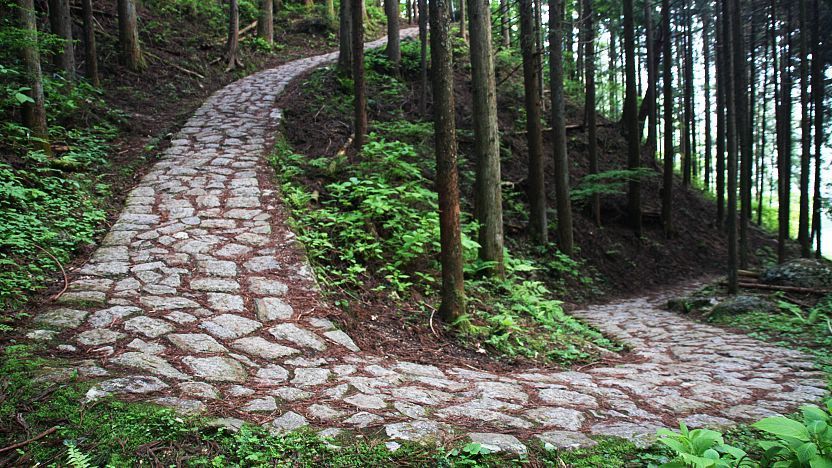
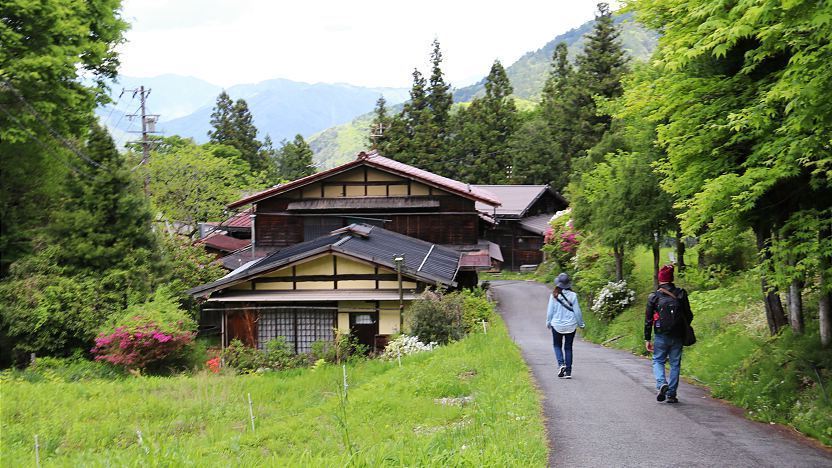
8km walk along the old Nakasendo highway between two preserved post towns. Paved forest trail with teahouses along the way. Luggage forwarding available. 2 hrs from Matsumoto.

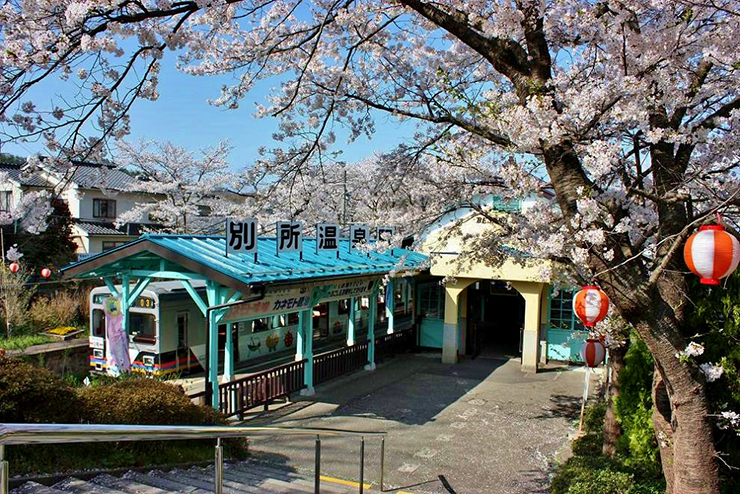
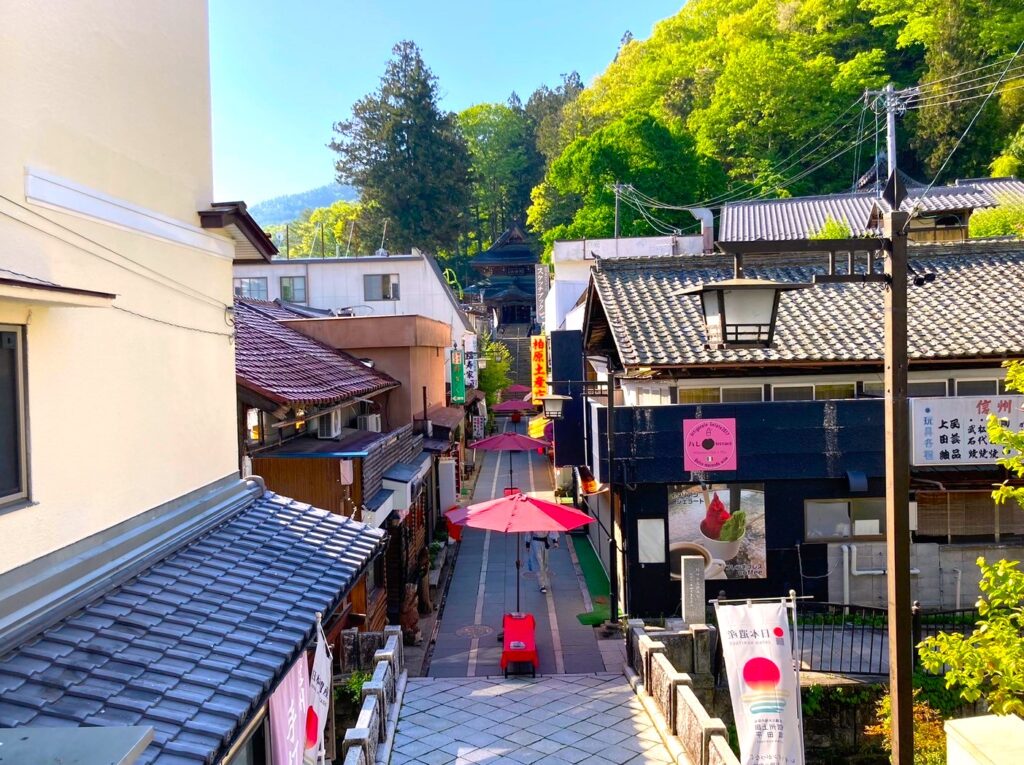
Quiet mountain hot spring town with the oldest wooden bathhouse in Nagano. Zenraku-ji Temple (Ueda's miniature Kiyomizu-dera). Charming retro streetcar ride. 1 hr from Matsumoto.

Scenic valley between the Central and Southern Alps. Known for soba noodles, goheimochi, and clear night skies perfect for stargazing. 1.5 hrs from Matsumoto.