From the Peace Memorial to Miyajima's floating torii. A city of resilience, beauty, and incredible food.
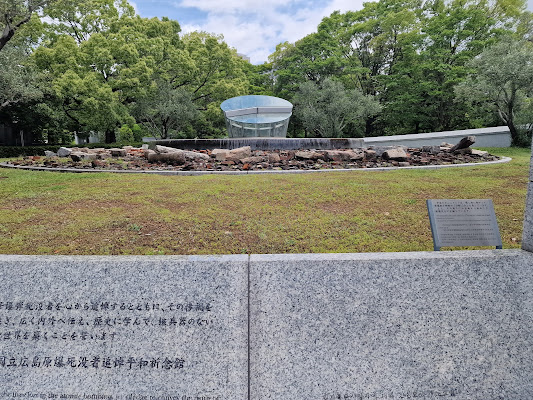
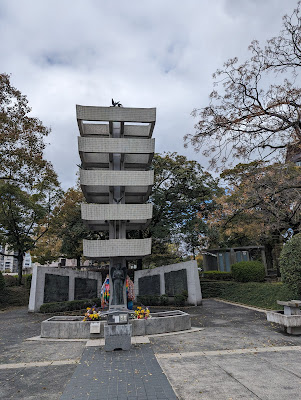
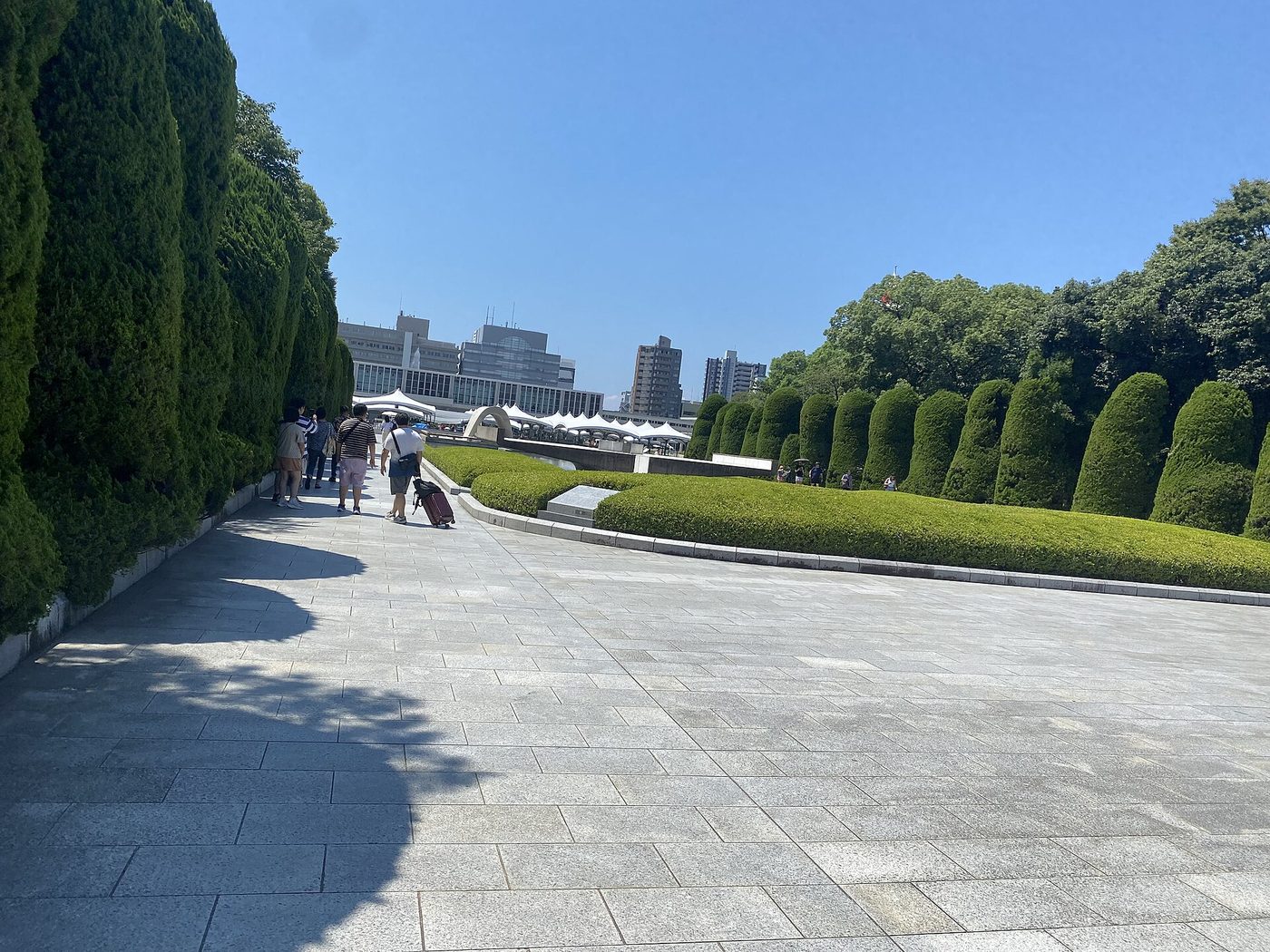
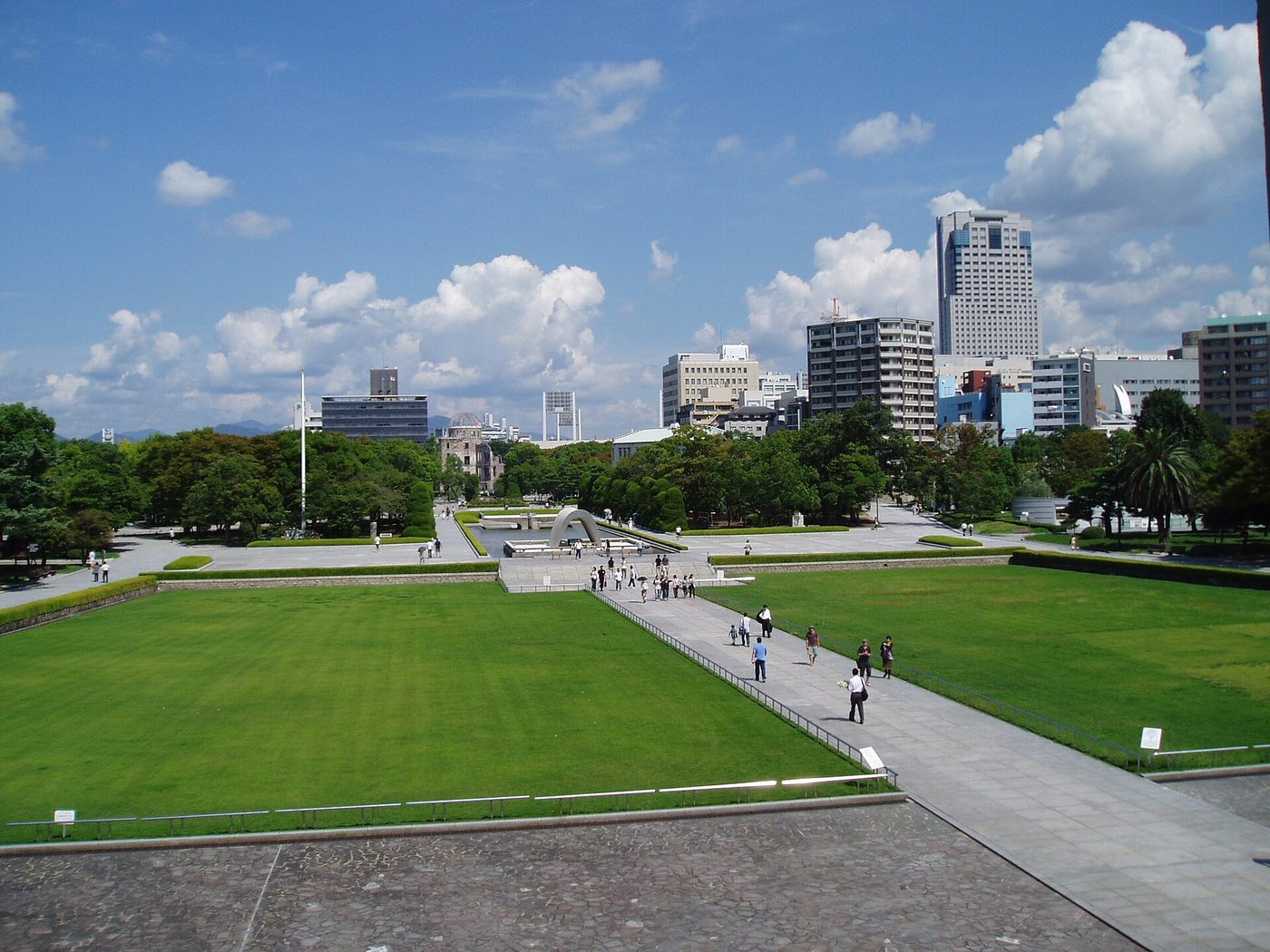
The Atomic Bomb Dome, Peace Museum, and monuments honoring victims and the hope for a world without nuclear weapons.
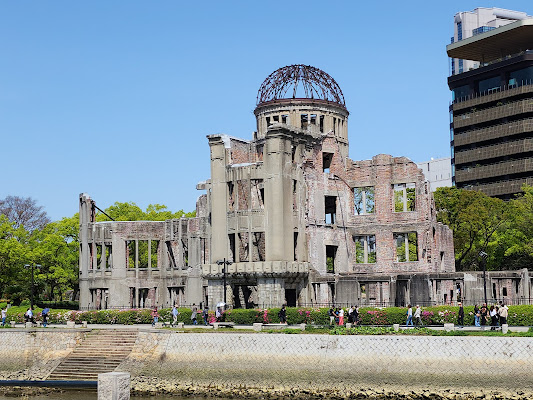
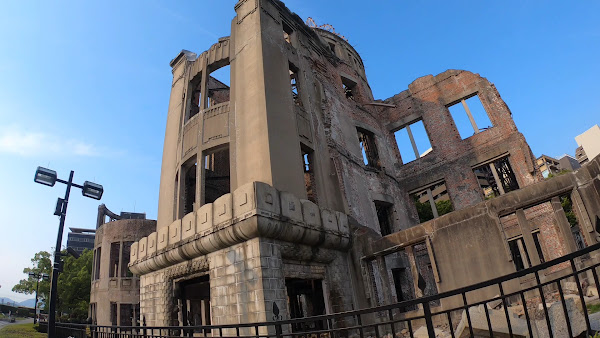
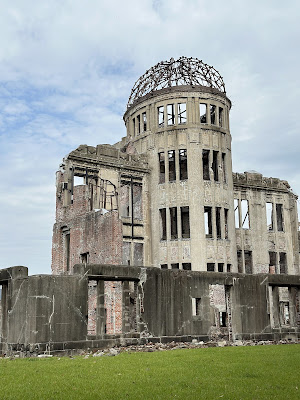
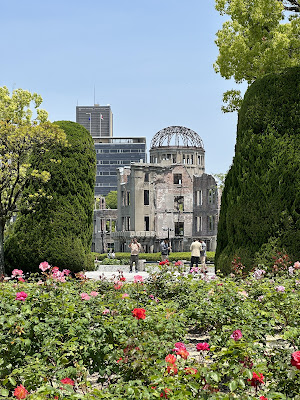
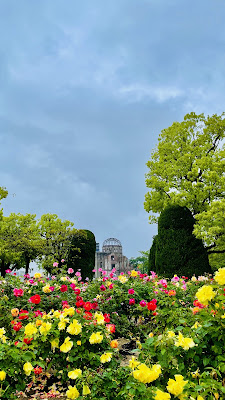
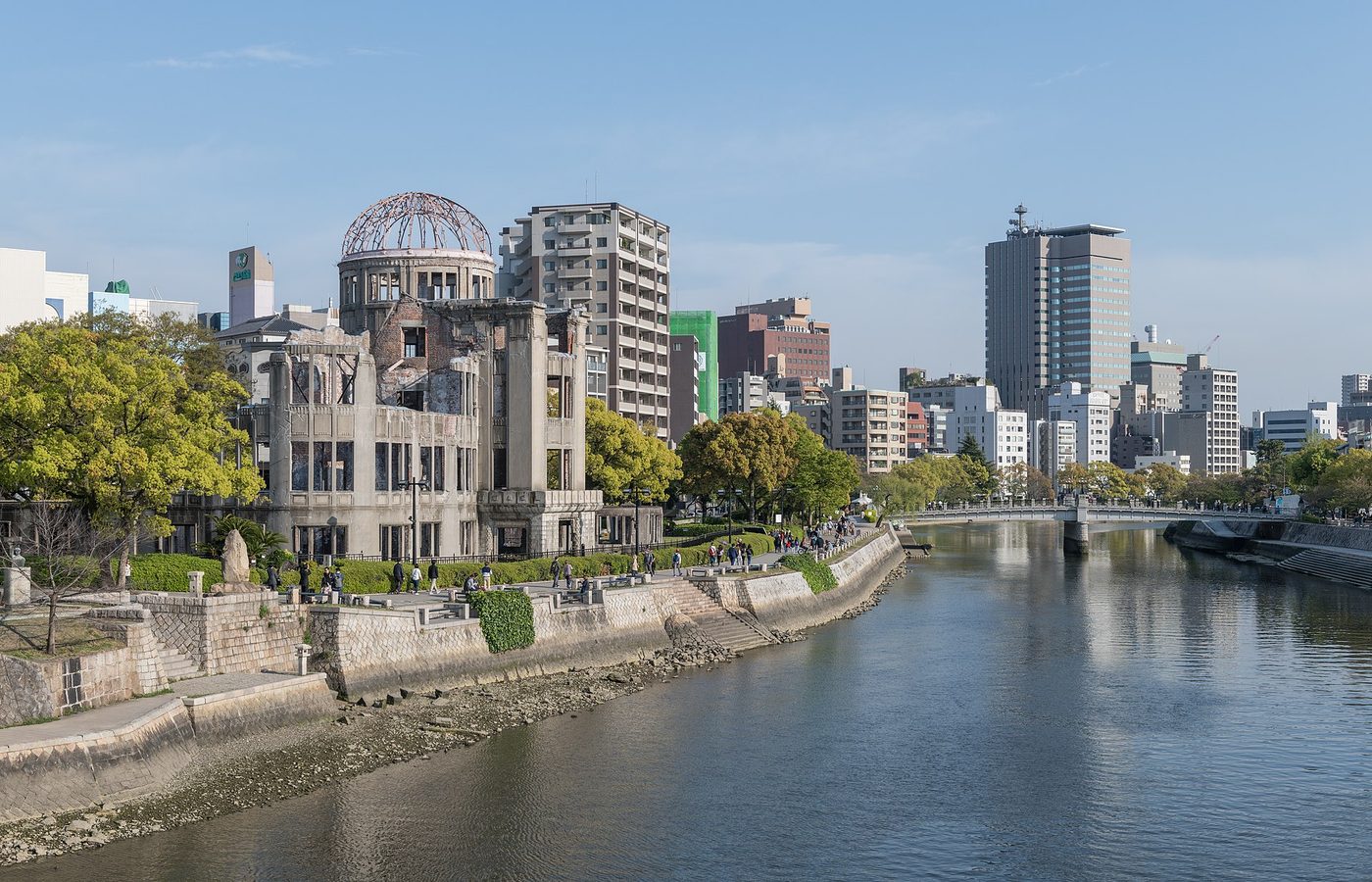
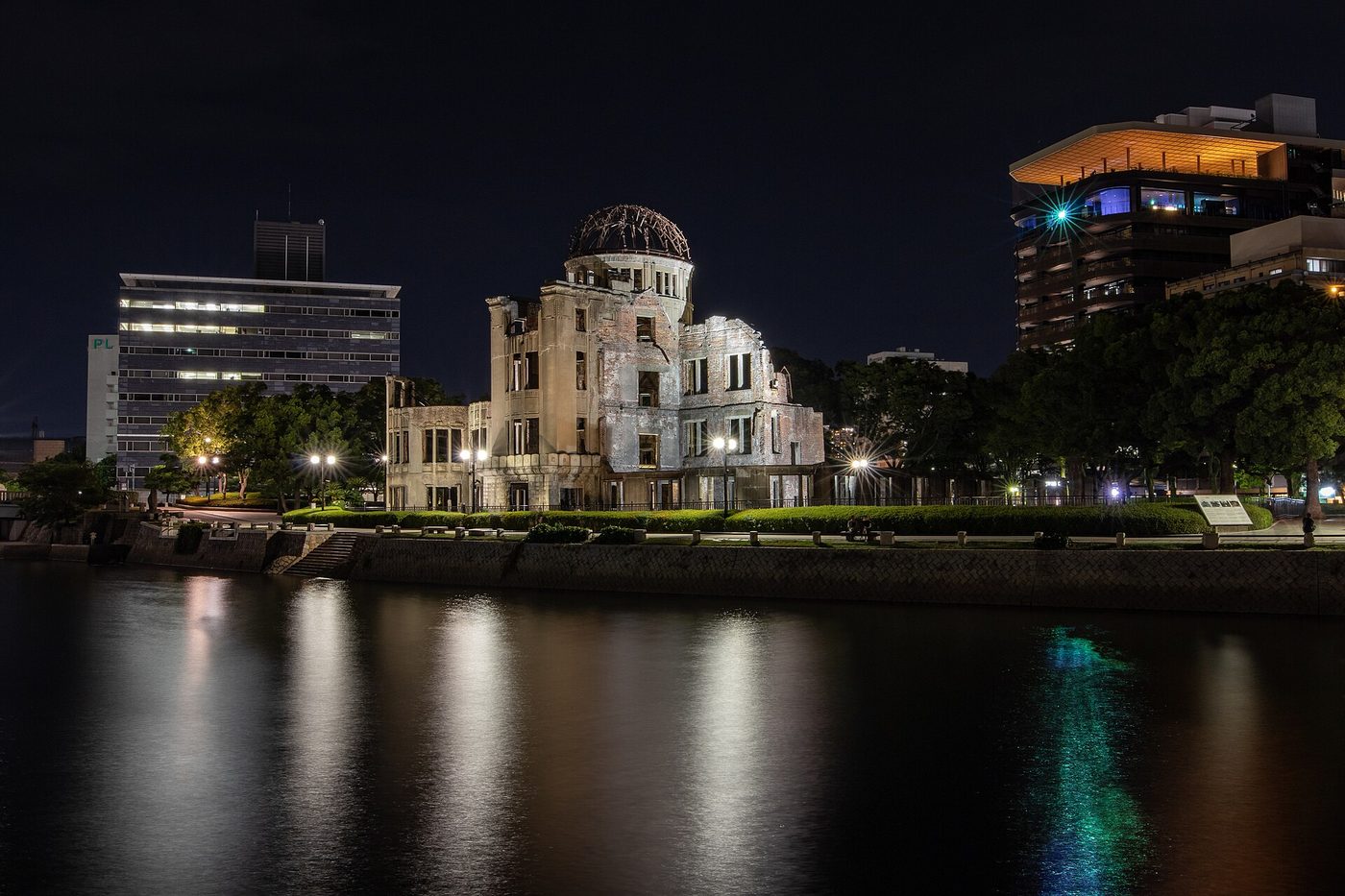
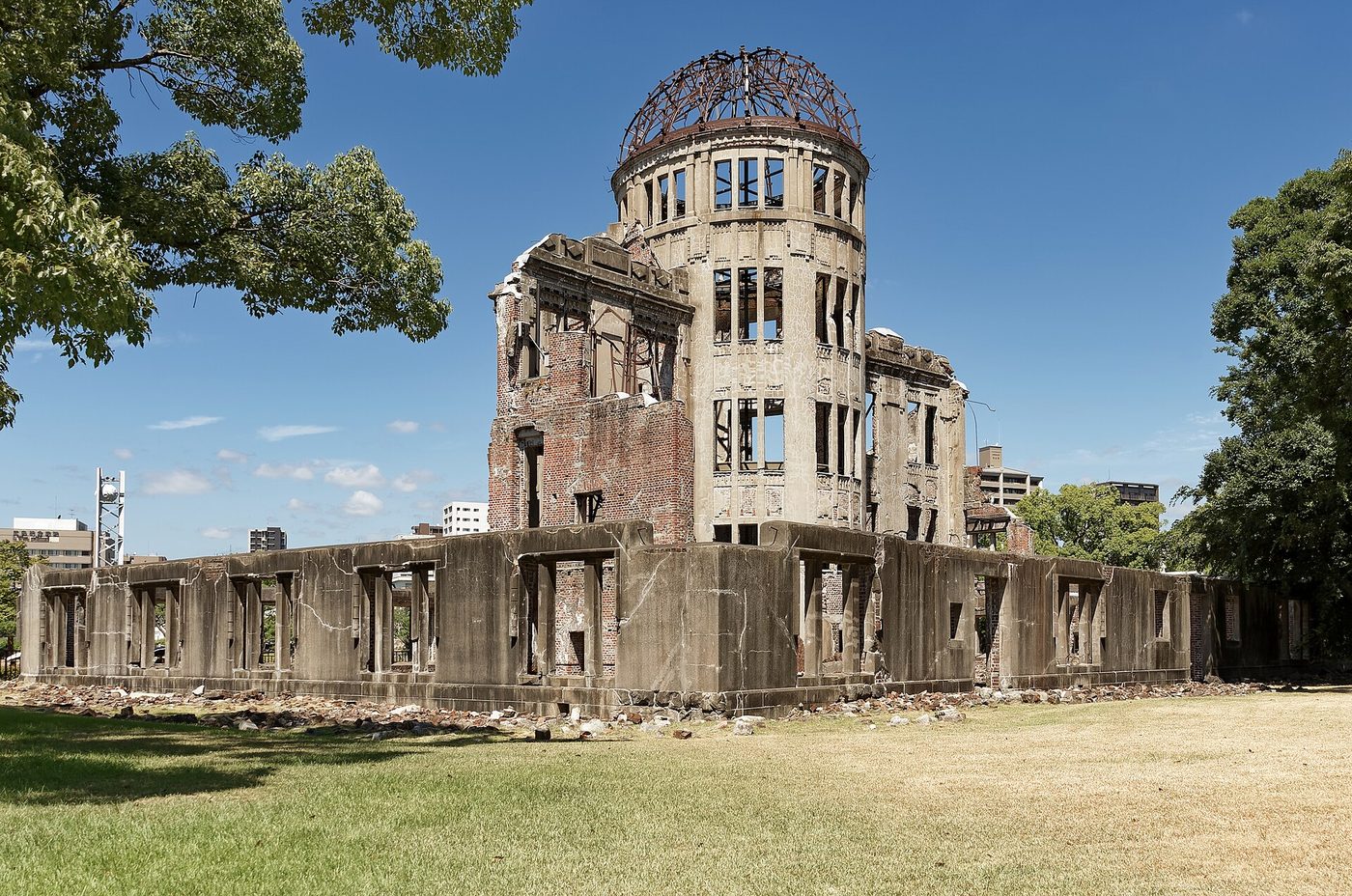
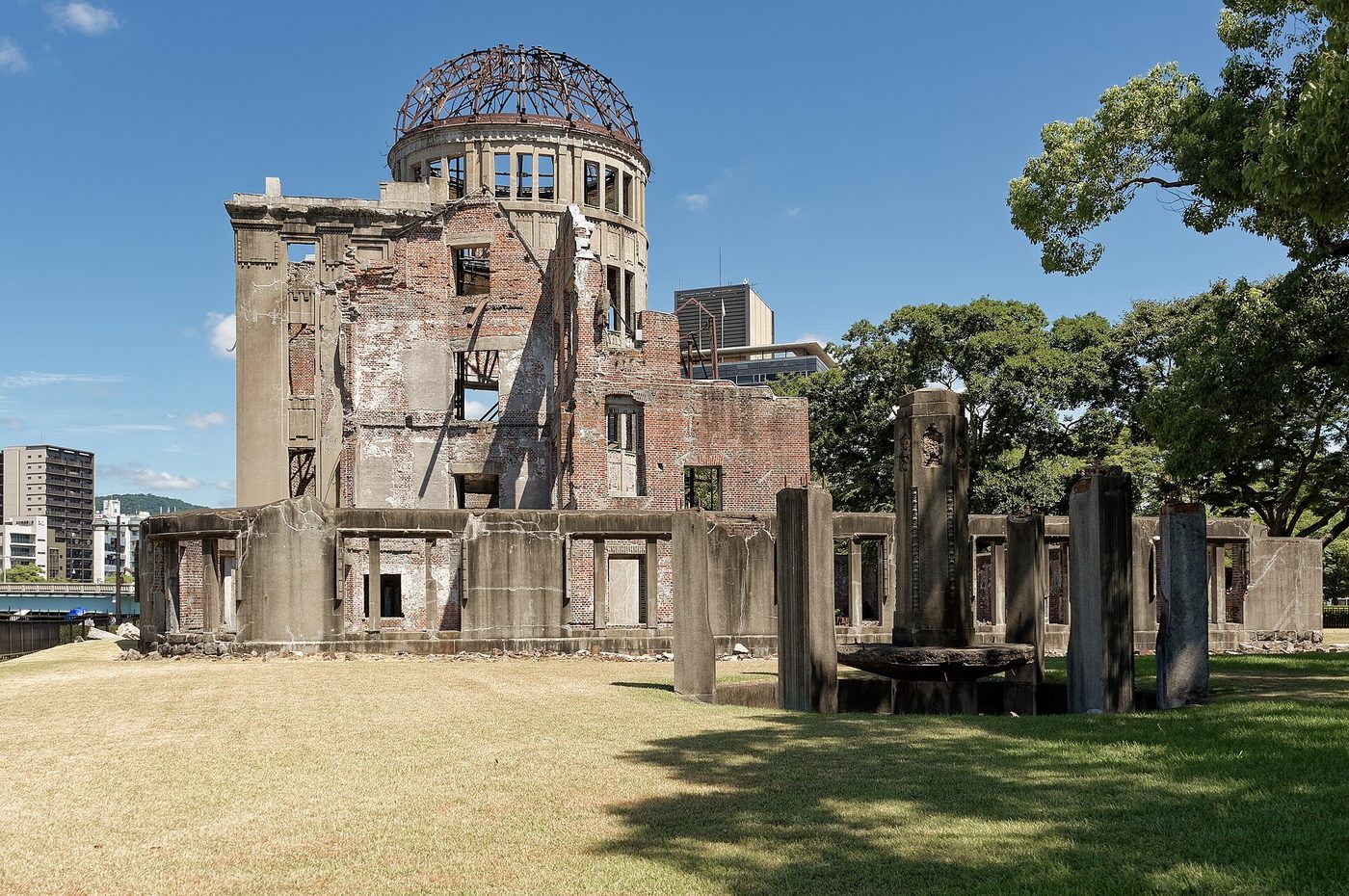
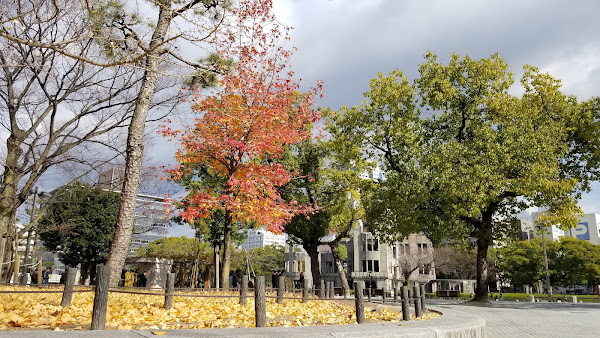
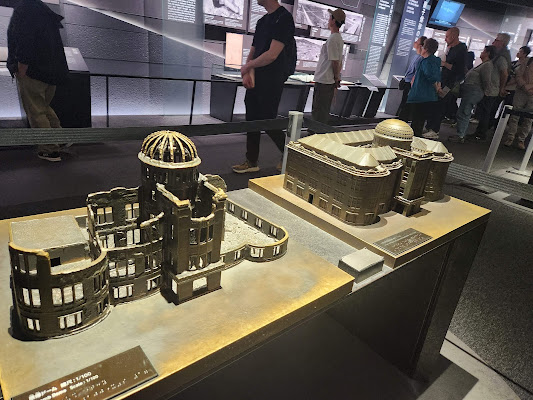
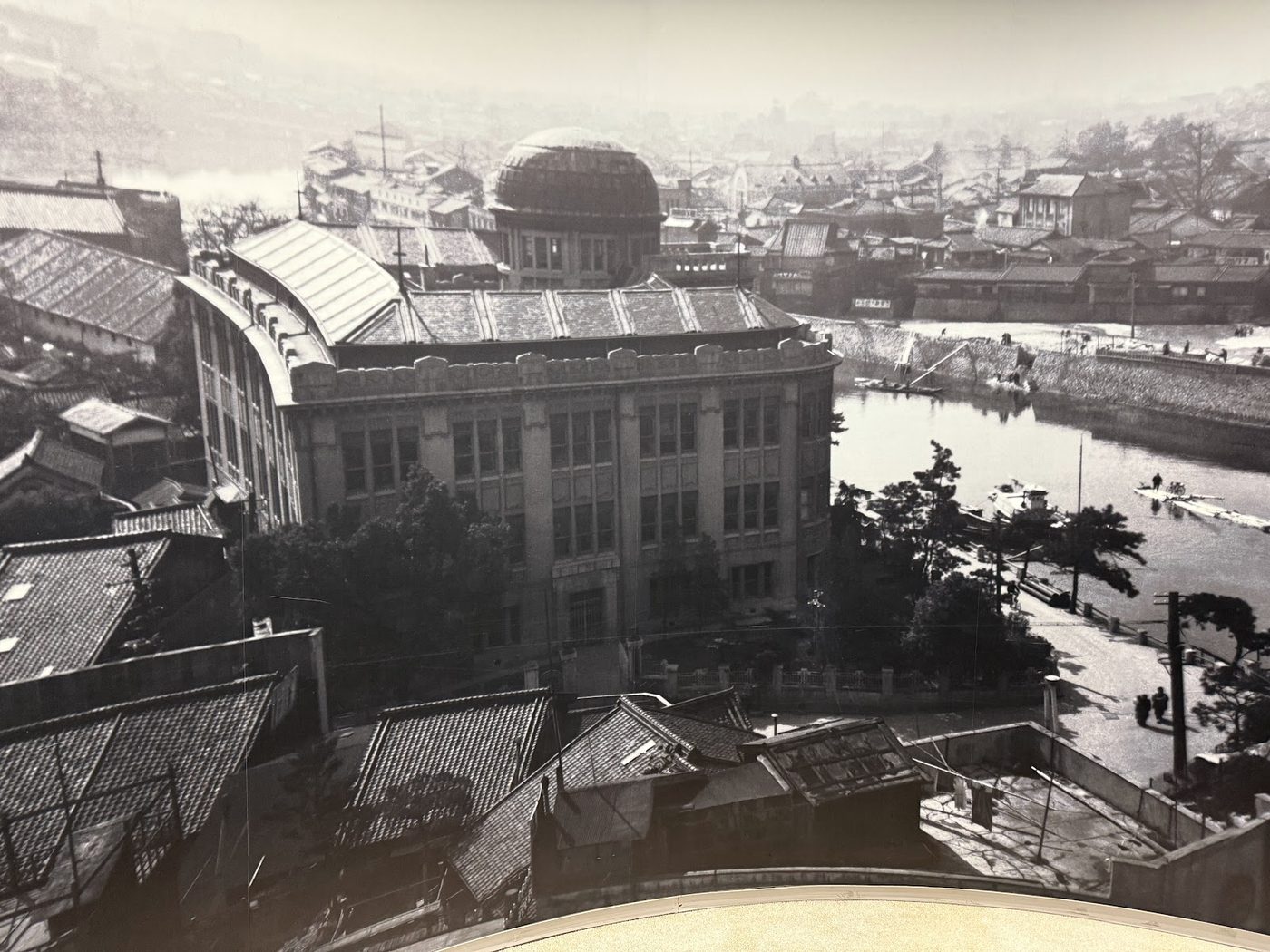
UNESCO World Heritage skeletal ruins of the only structure left standing near the hypocenter. The most powerful symbol of nuclear devastation and a plea for world peace. Illuminated at night.
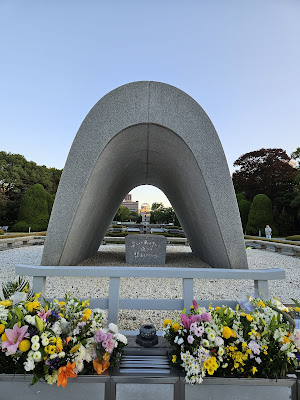
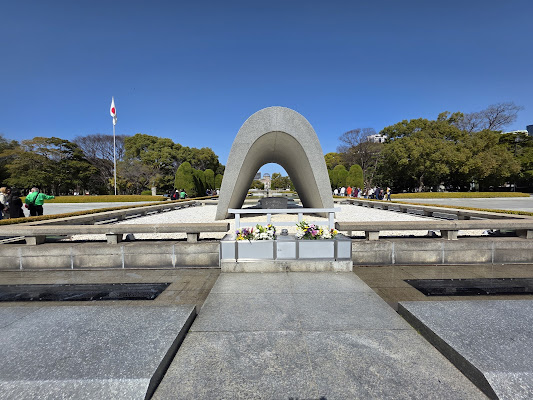
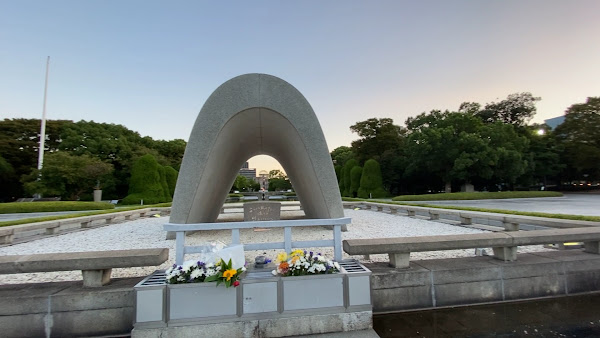
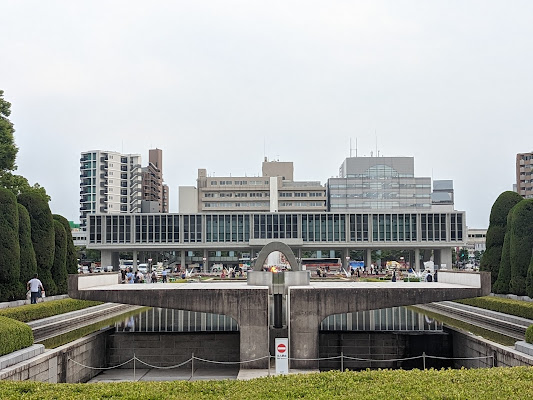
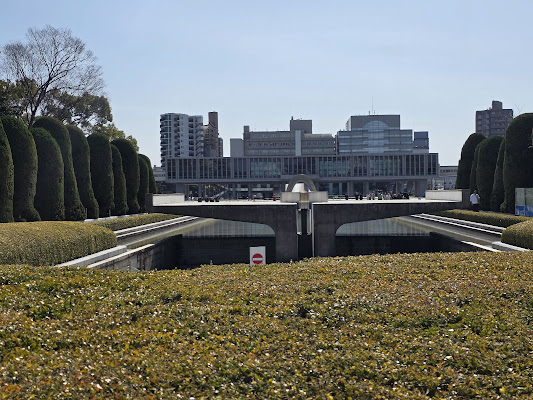
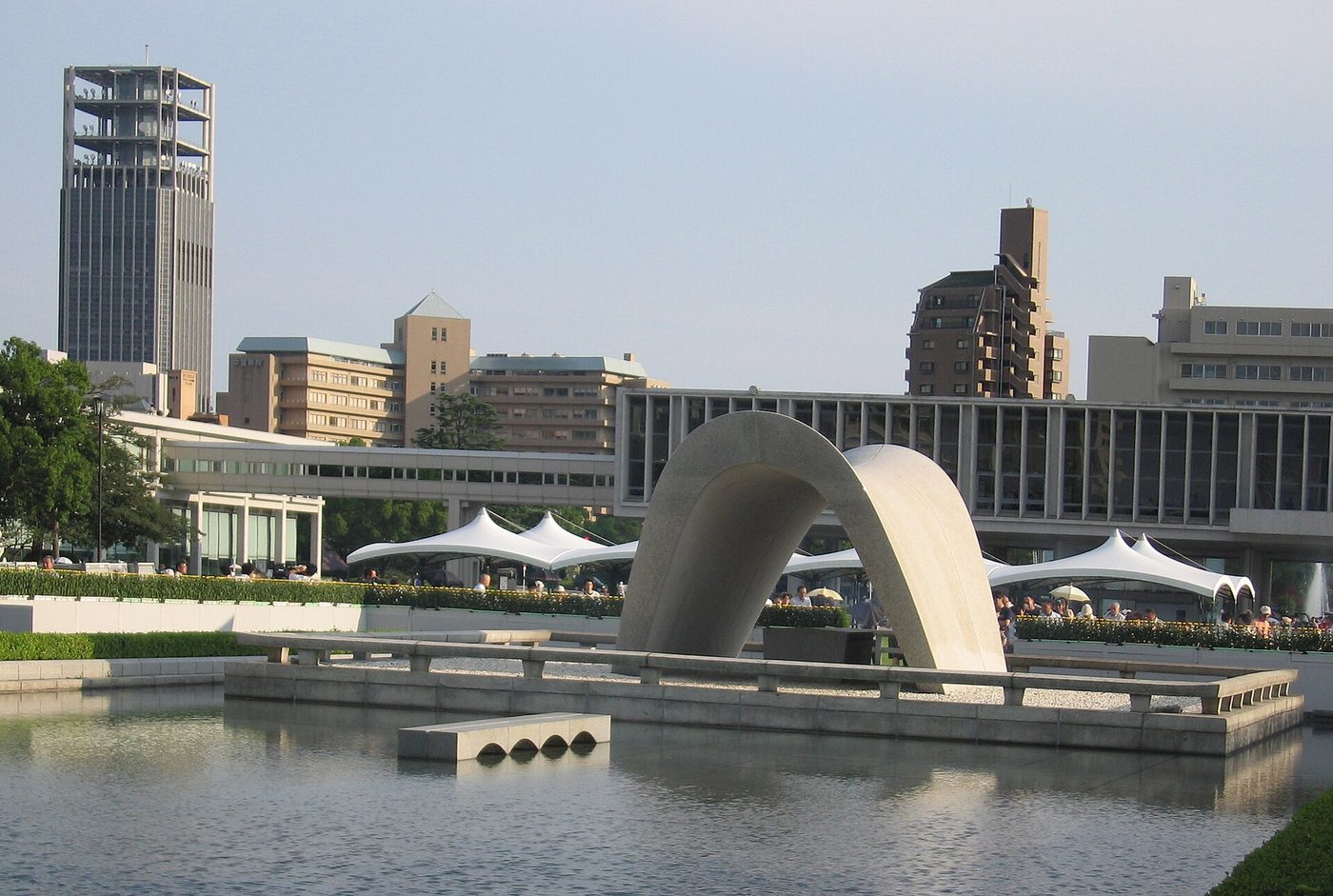
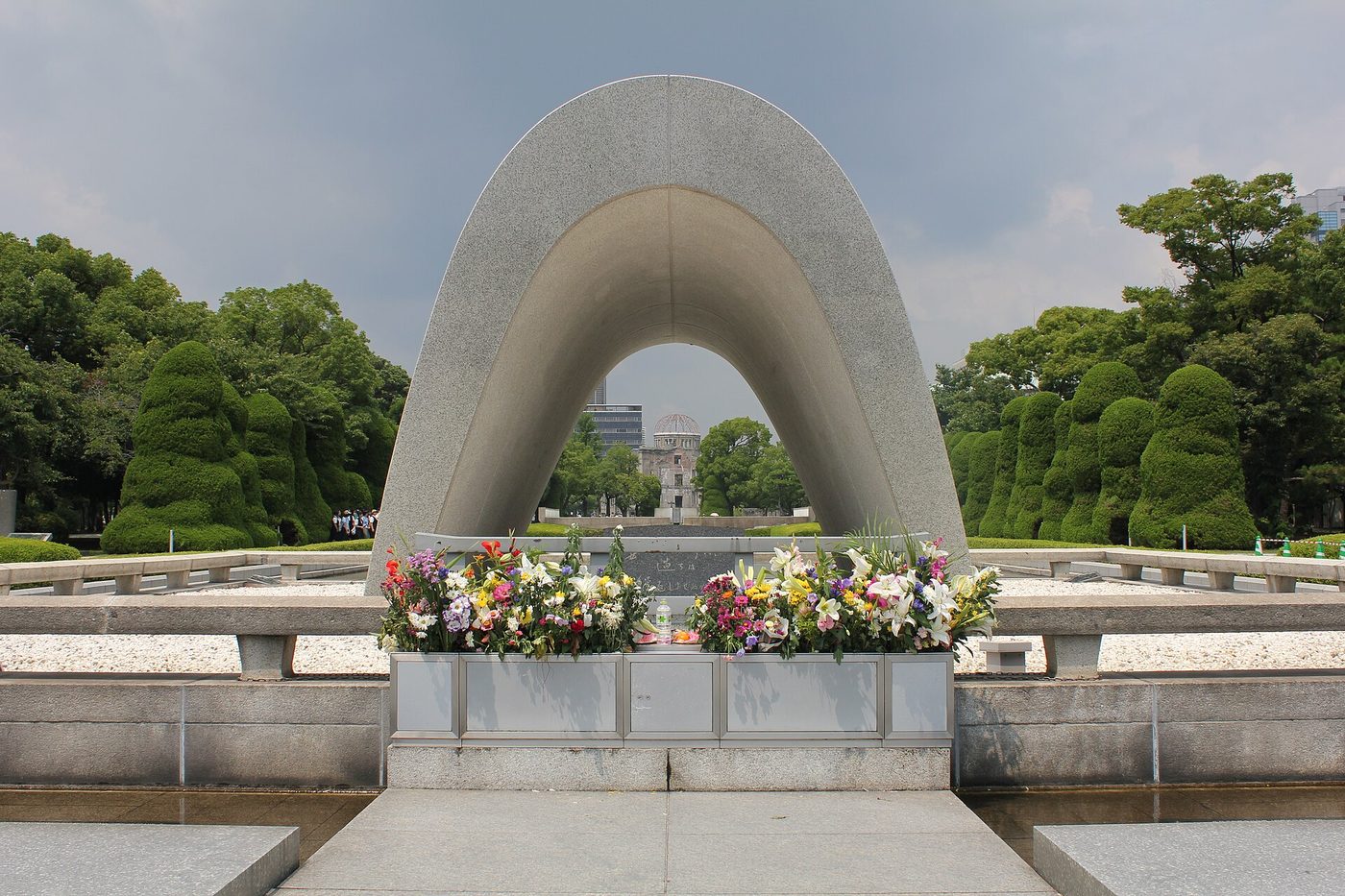
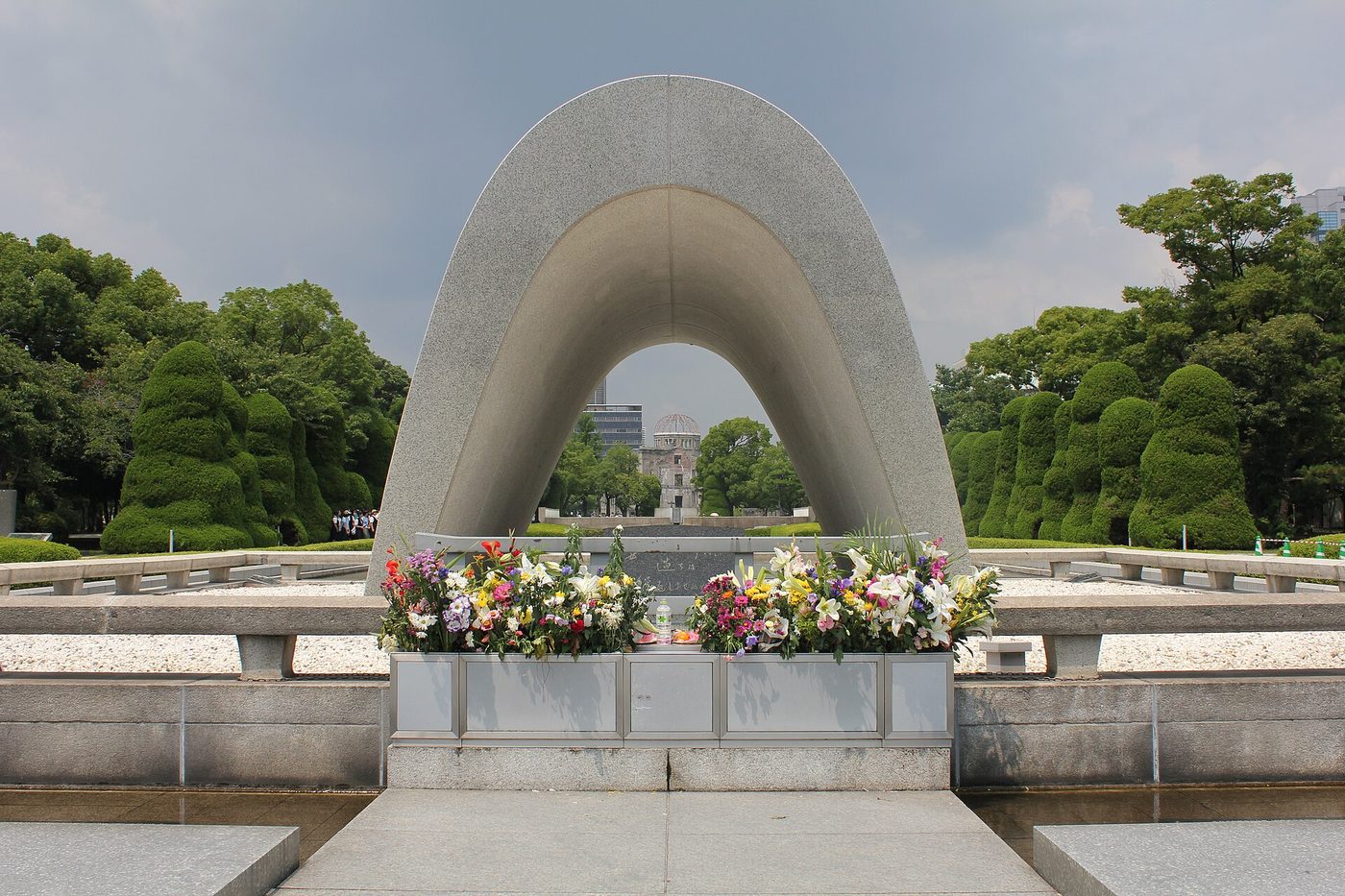
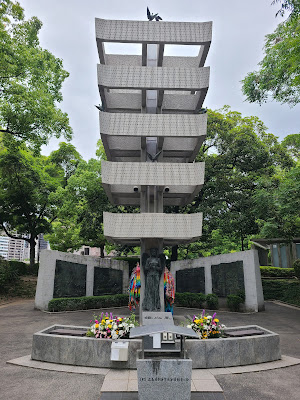
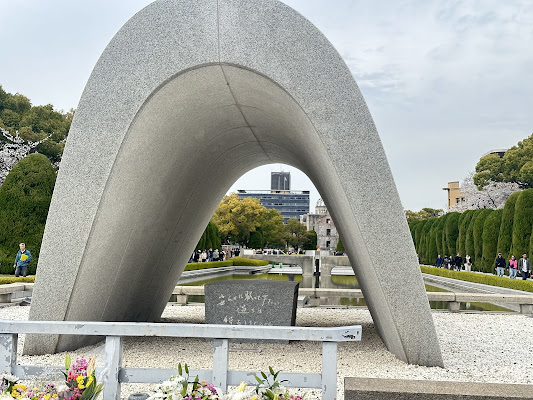
Saddle-shaped monument sheltering a stone chest with the names of all atomic bomb victims. Frames the Flame of Peace and Atomic Bomb Dome in a single view. A place for quiet reflection.
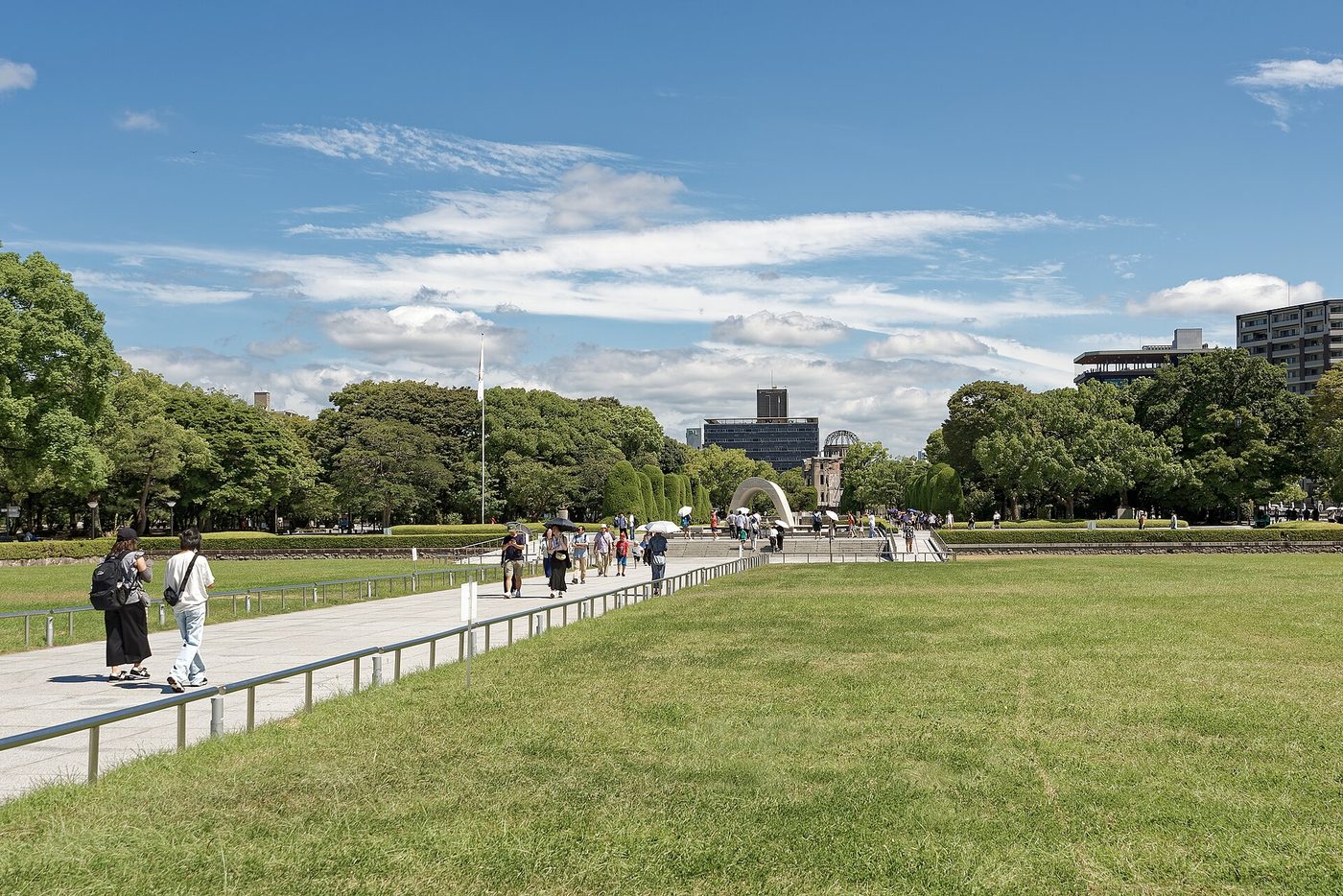
Eternal flame lit in 1964 that will burn until all nuclear weapons are eliminated from the earth. Located on the central axis of Peace Memorial Park between the cenotaph and the dome.
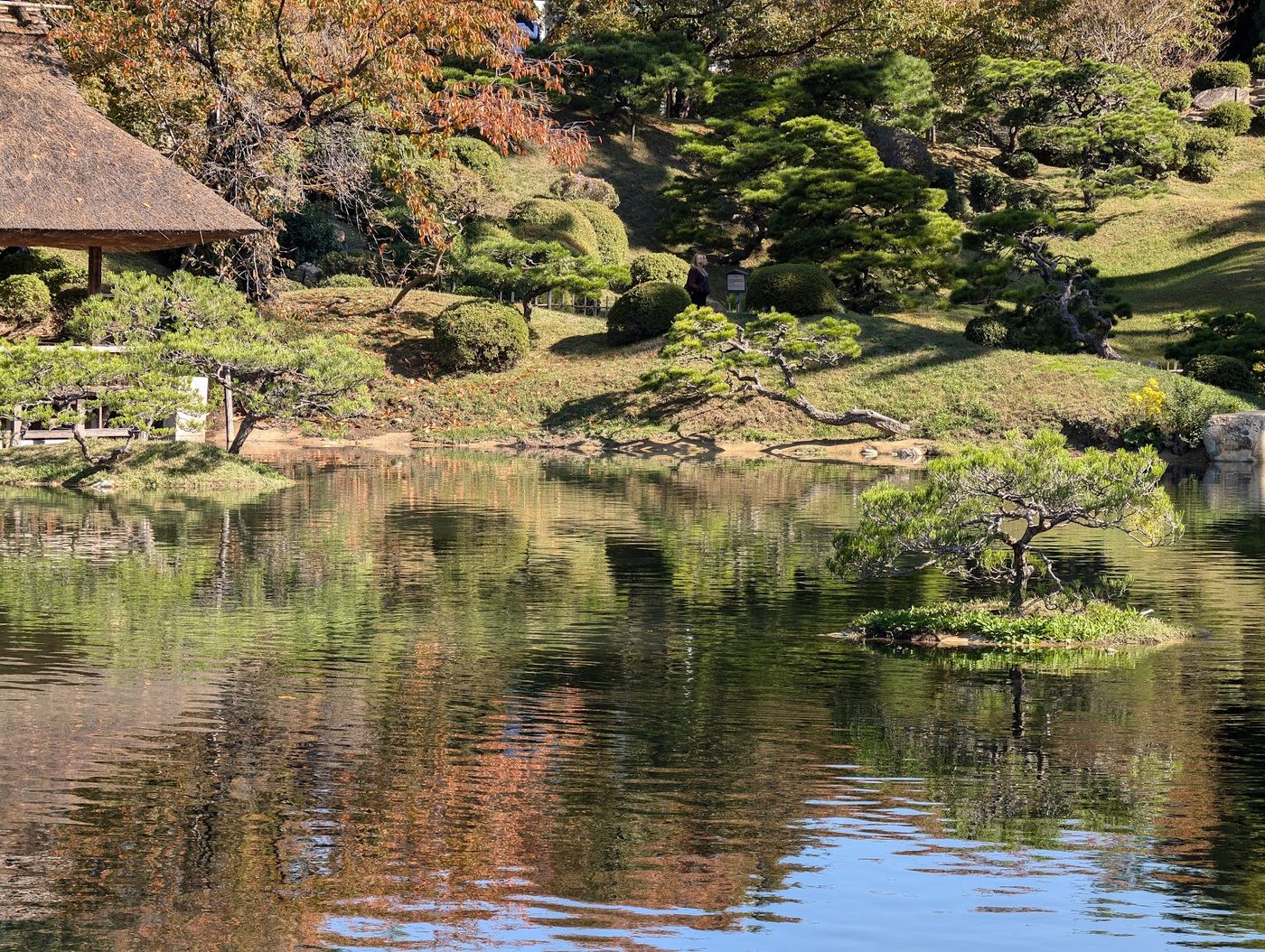
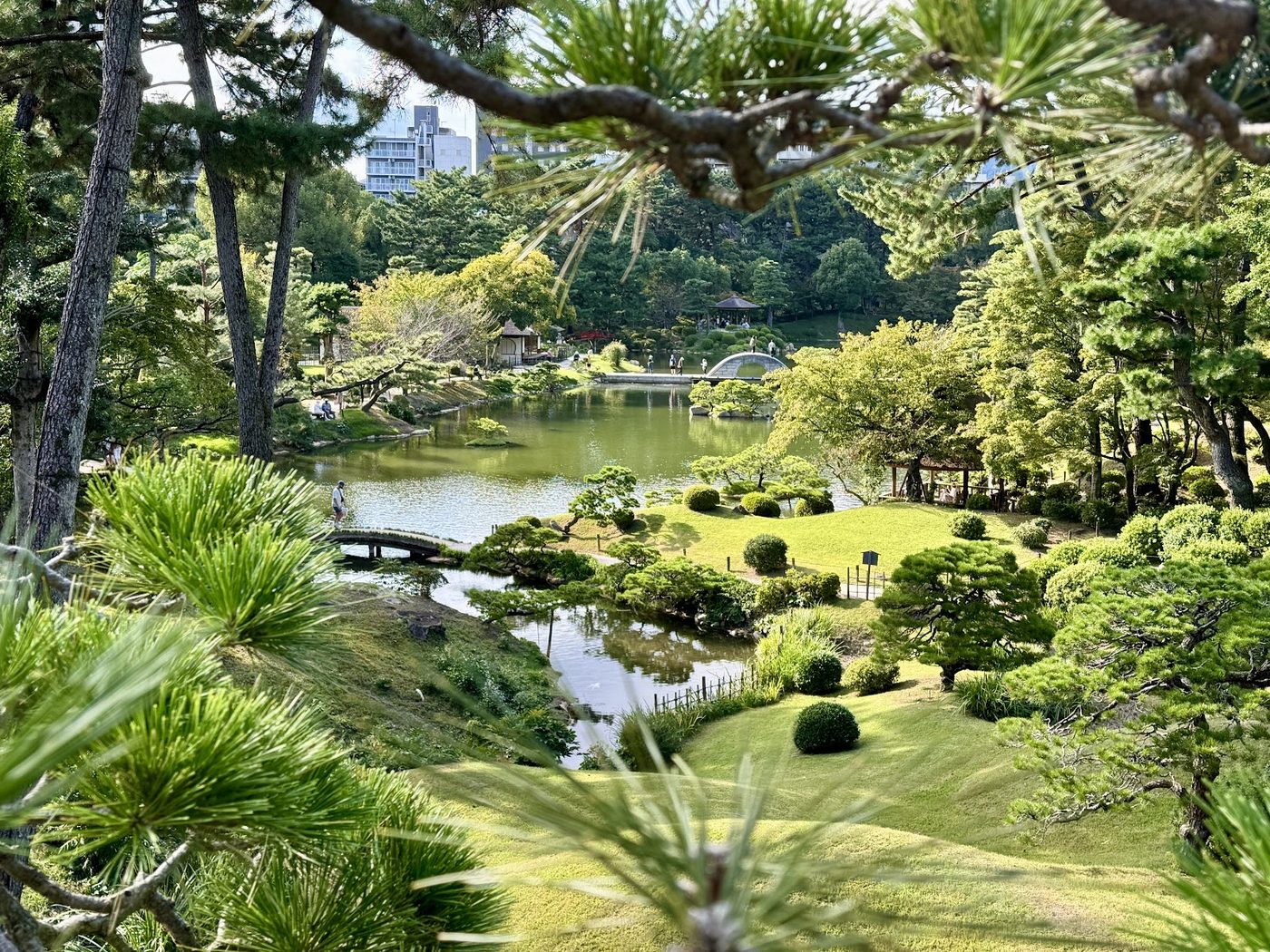
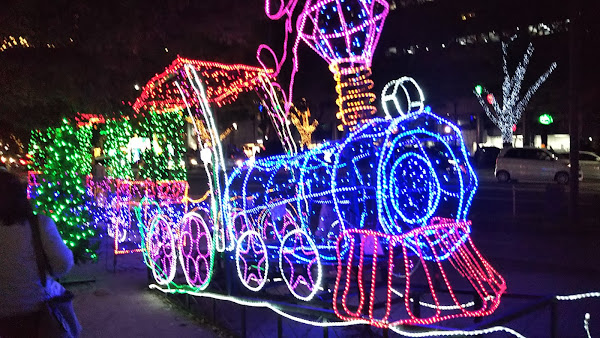
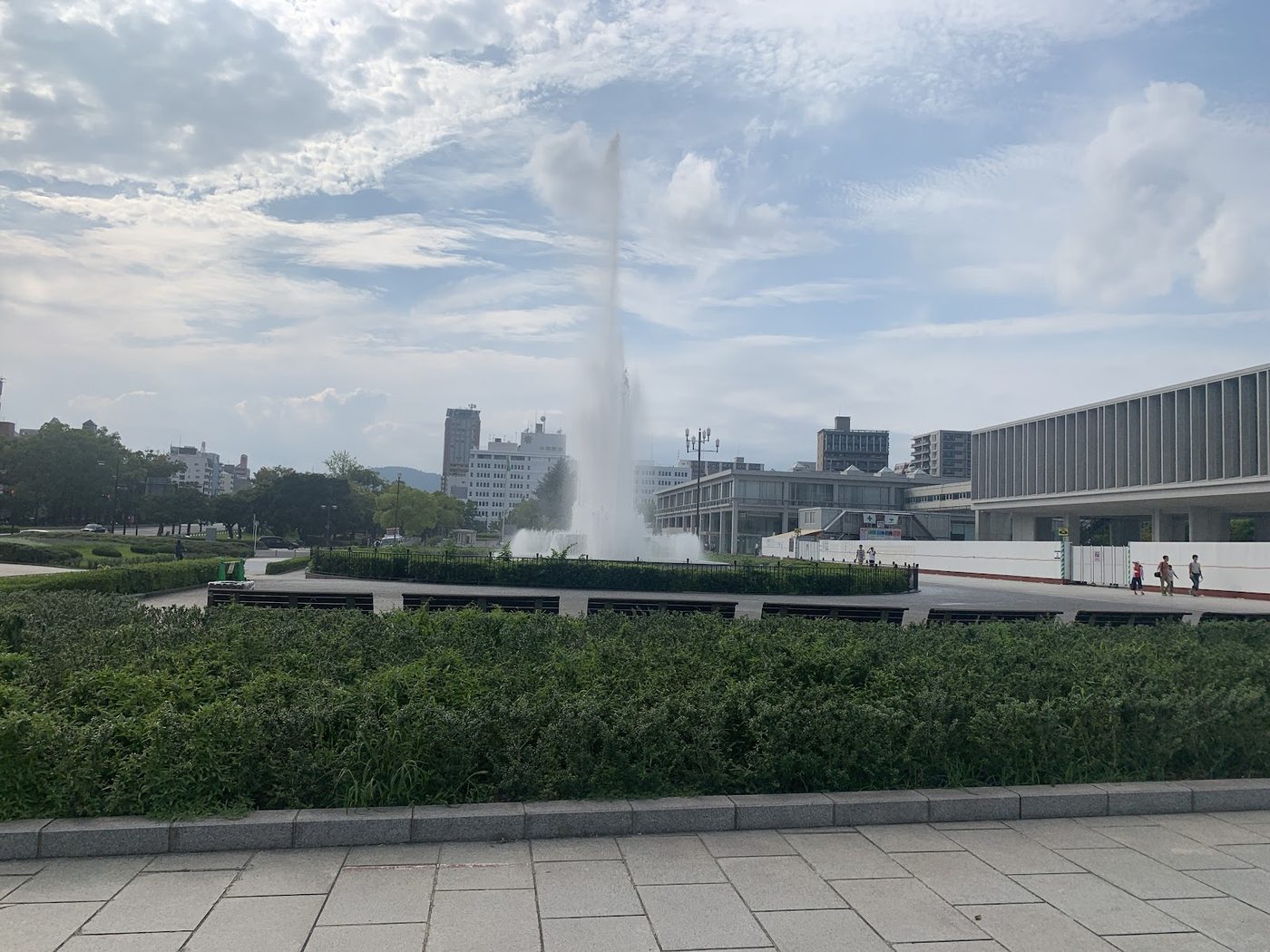
Seasonal night illumination of the garden that survived the atomic bomb, the illuminated pond reflects lanterns and trees. The fact...
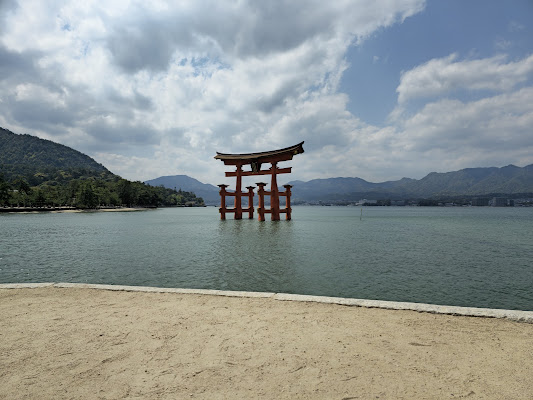
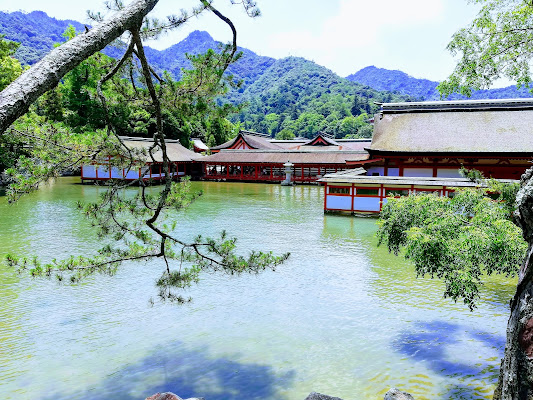
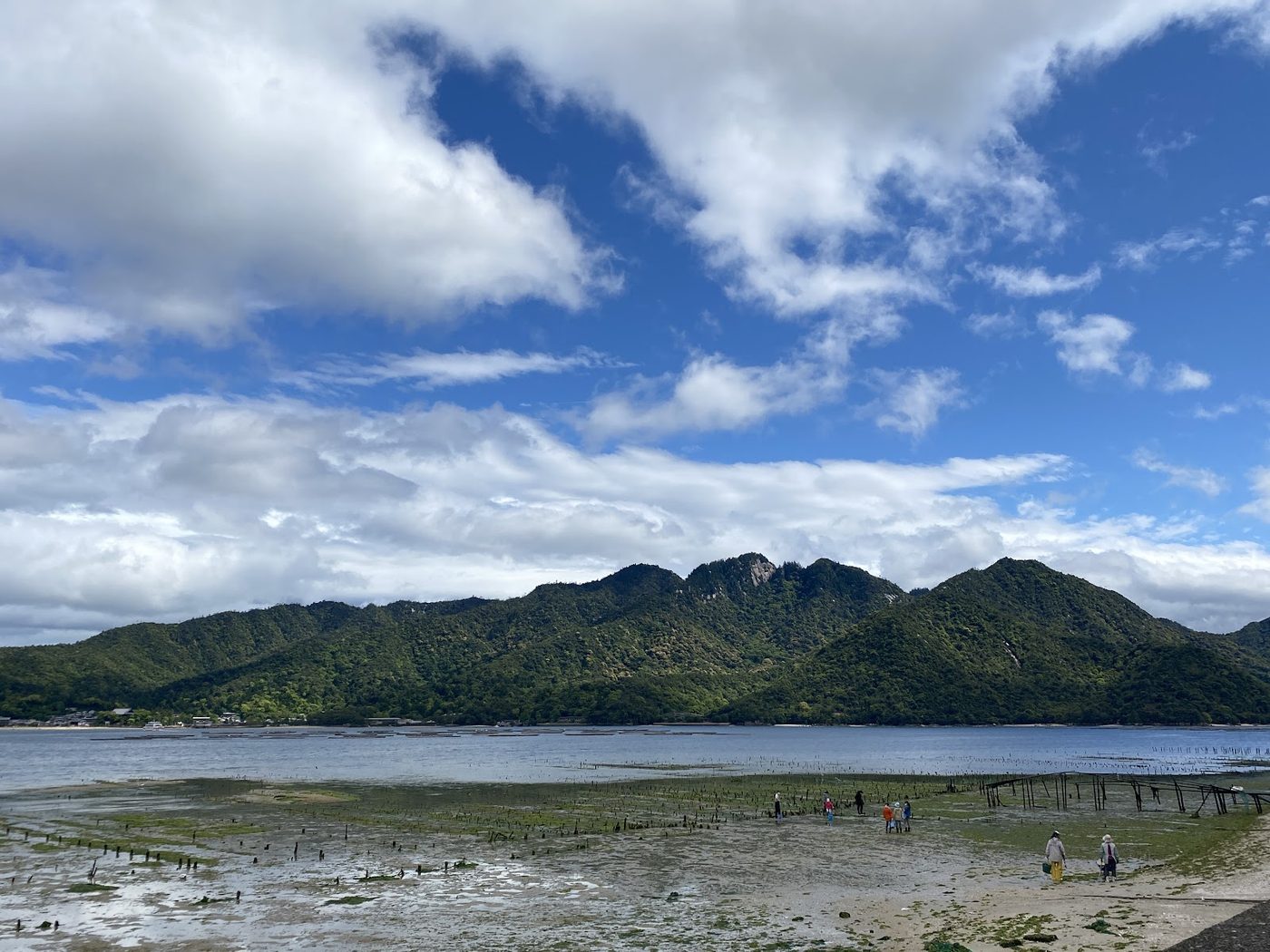
The floating torii gate, Itsukushima Shrine, Mount Misen, and Miyajima's temples and food streets.

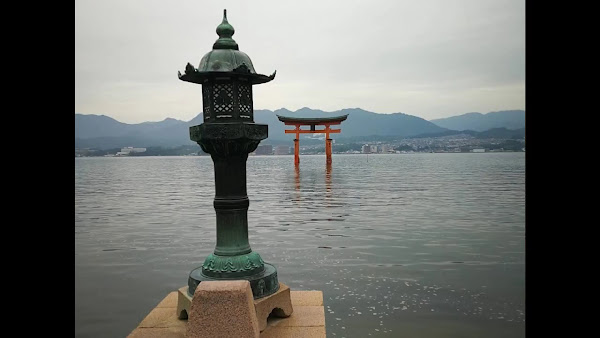
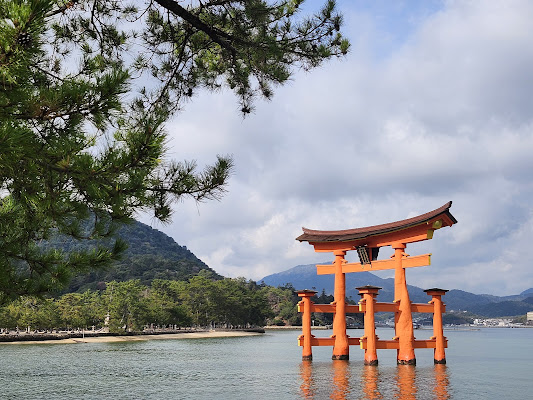
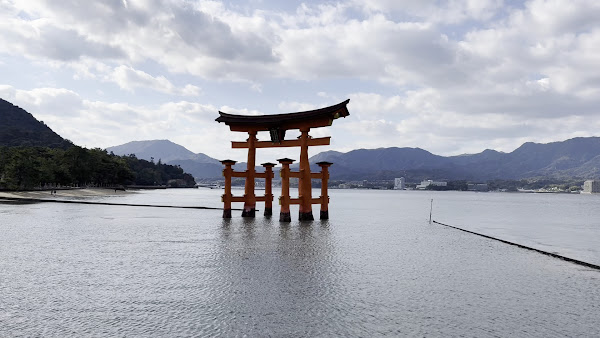
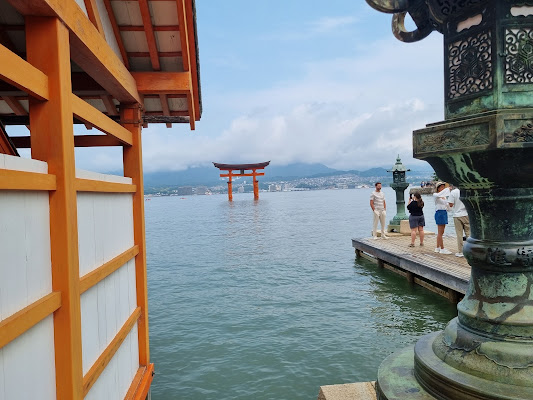
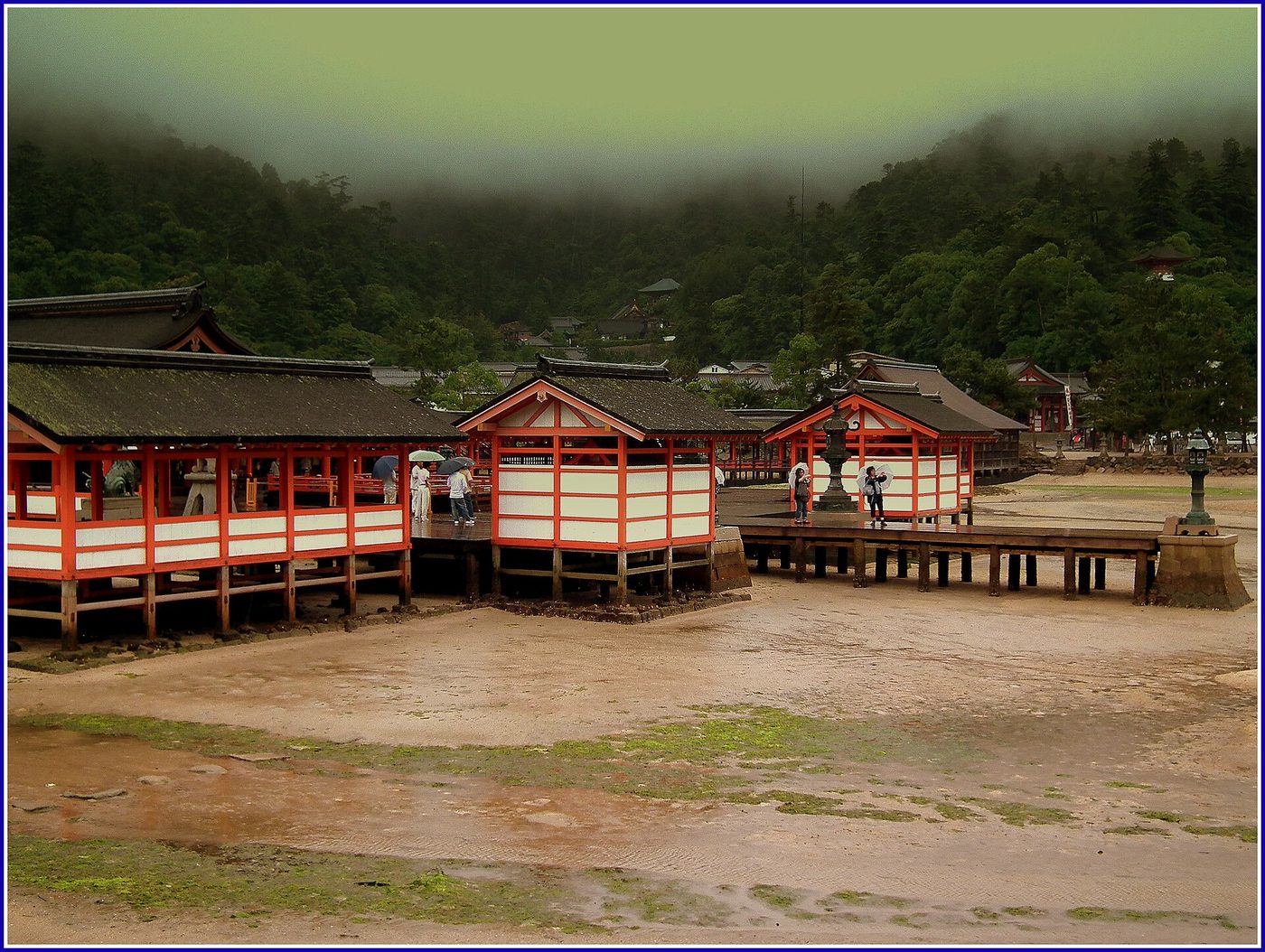
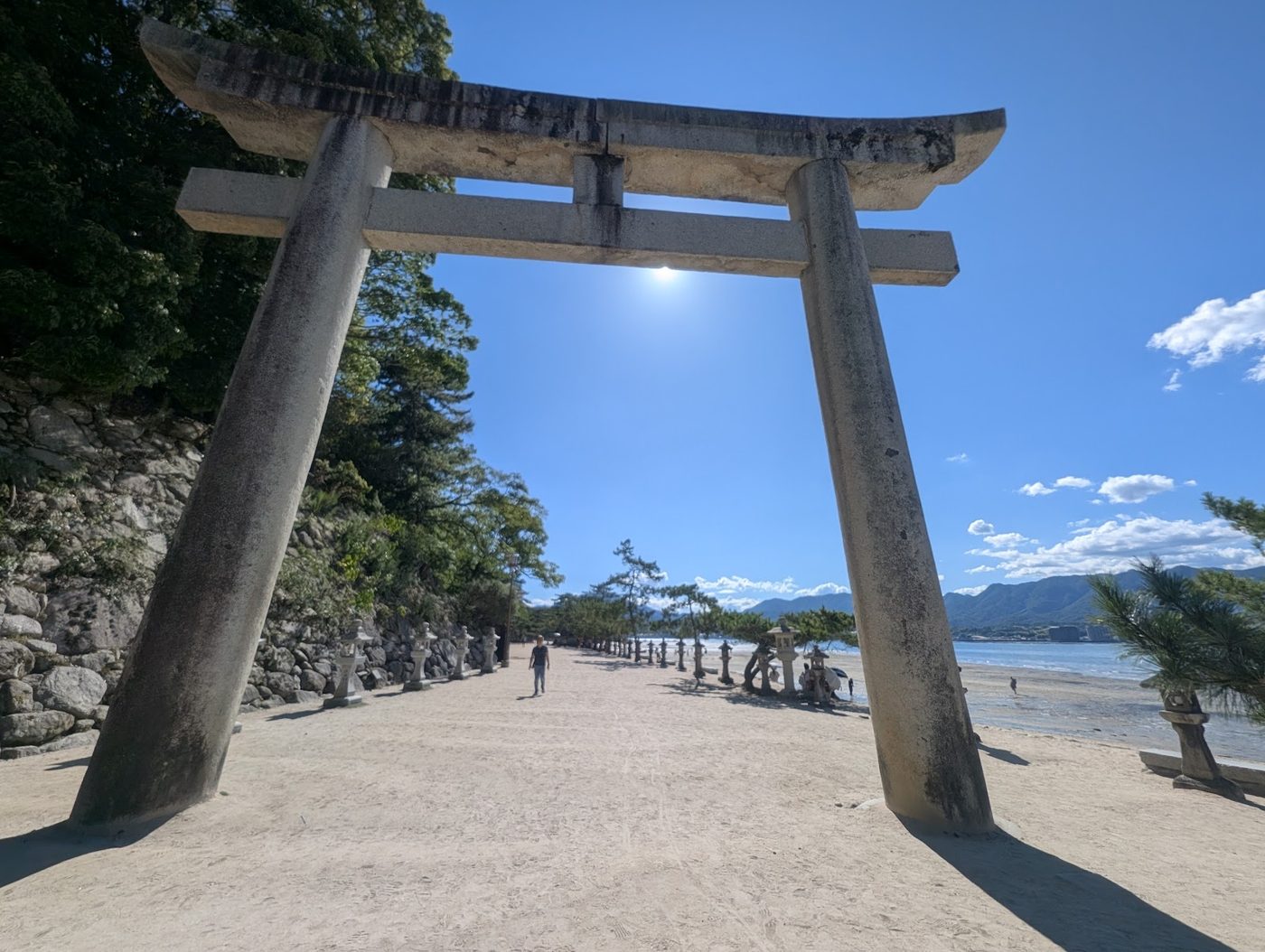
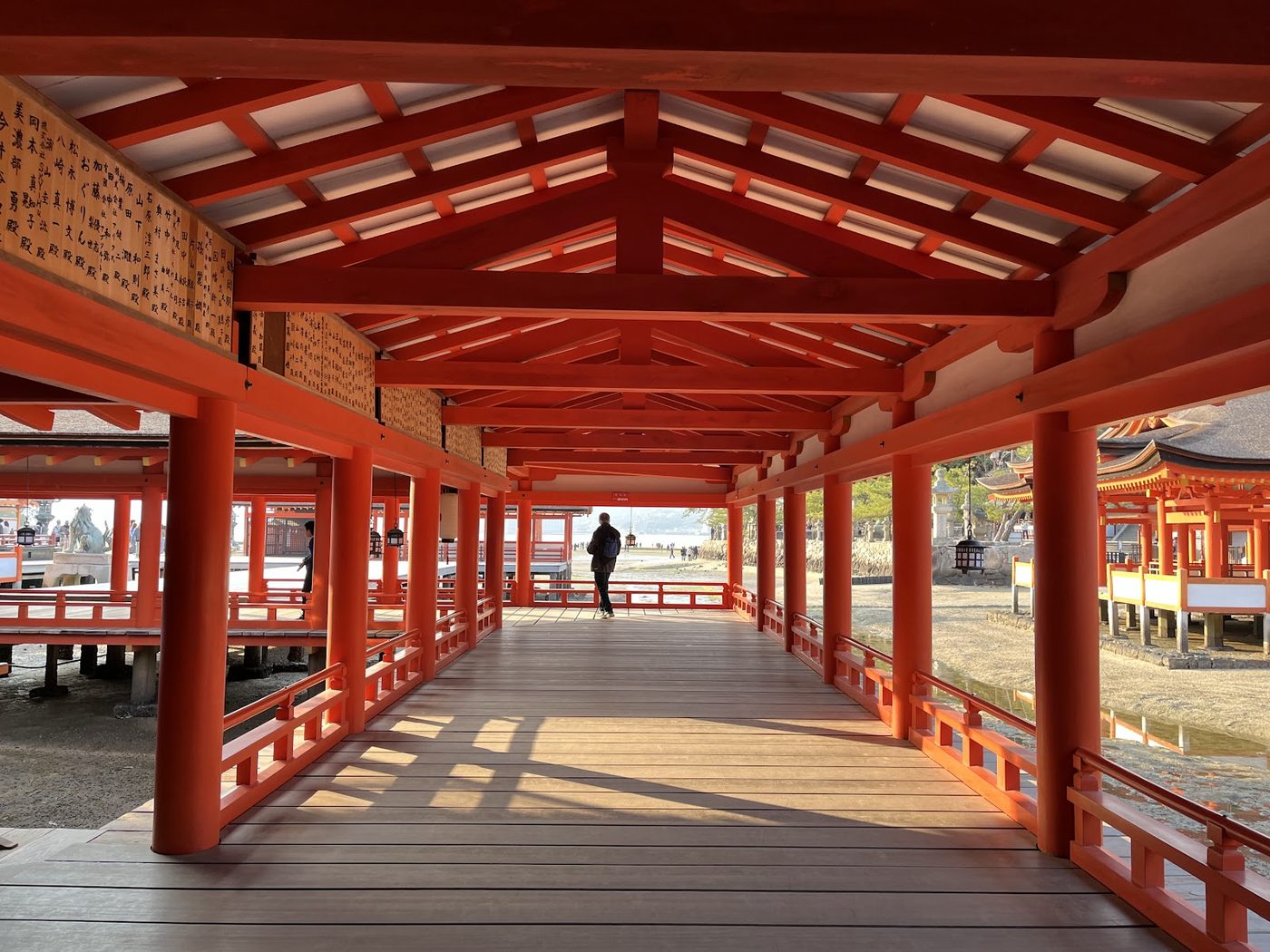
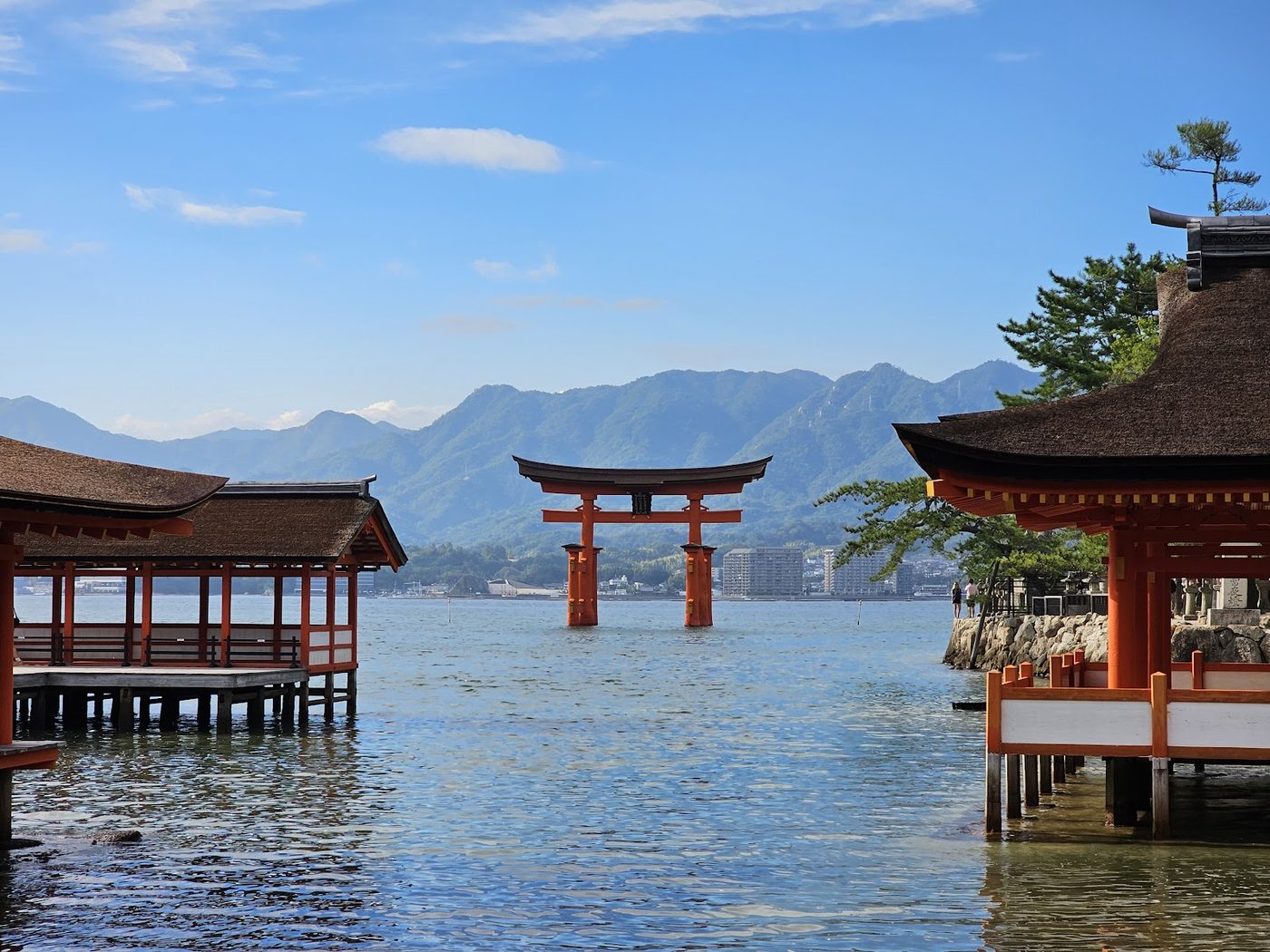
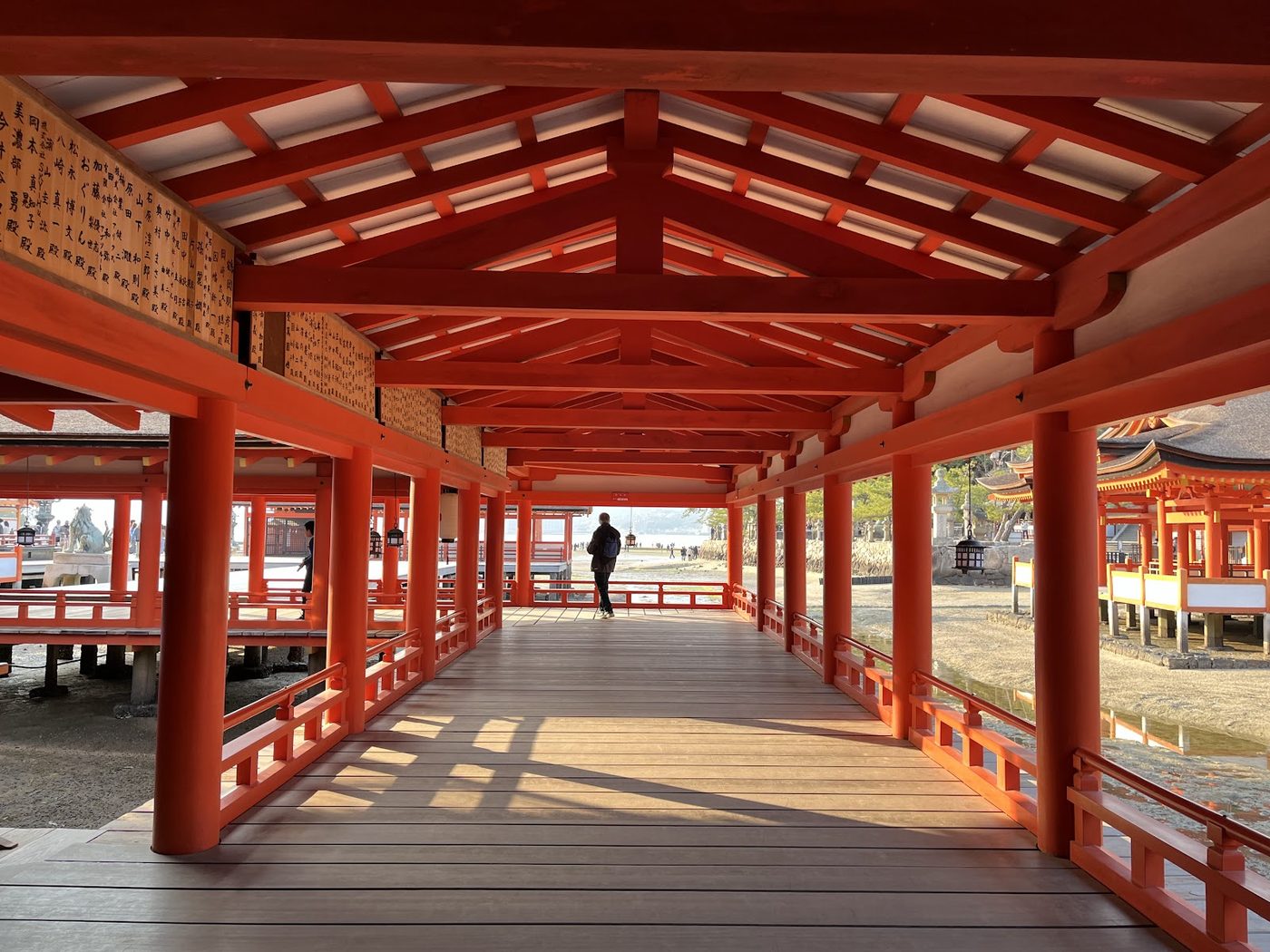
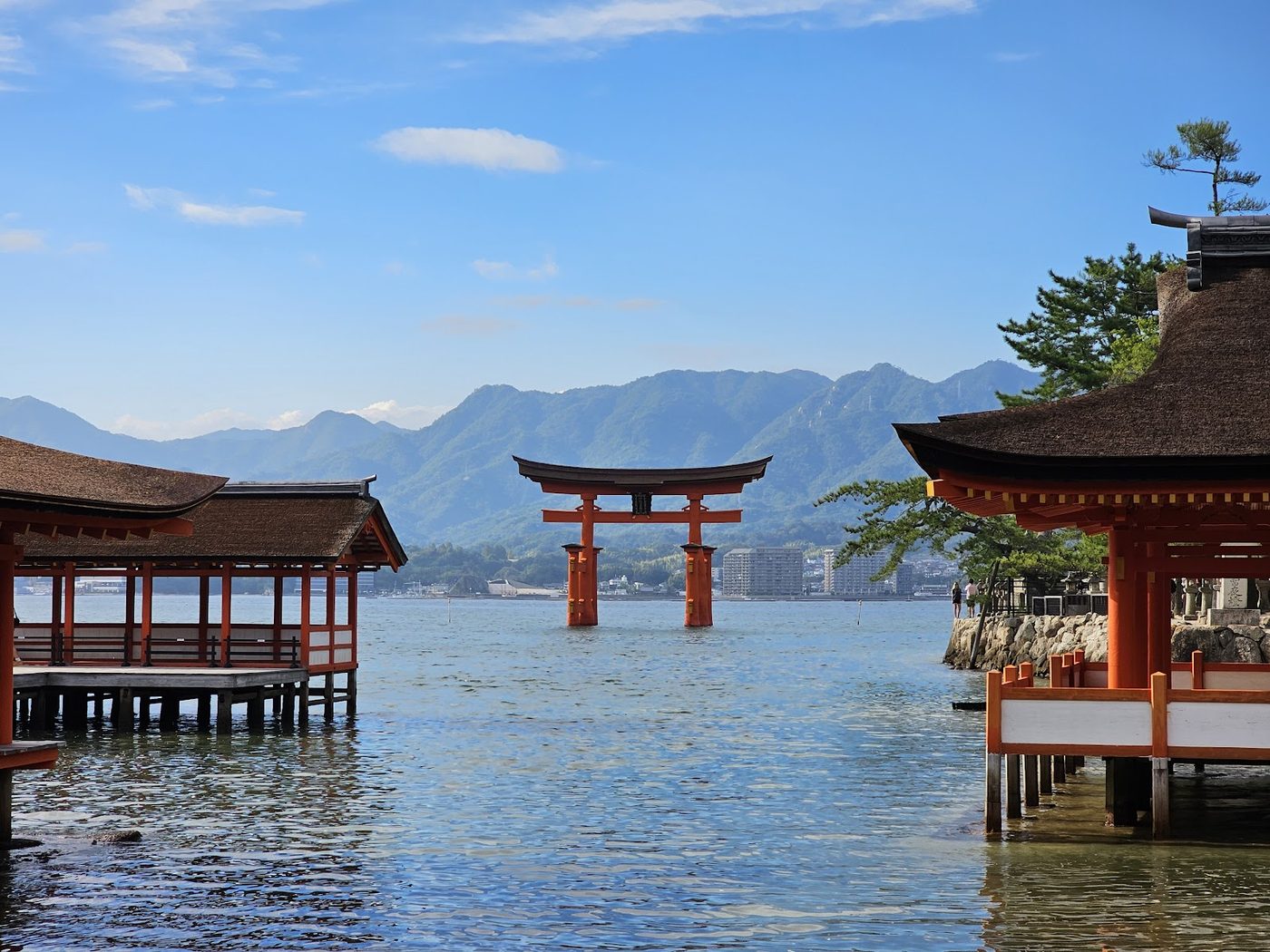
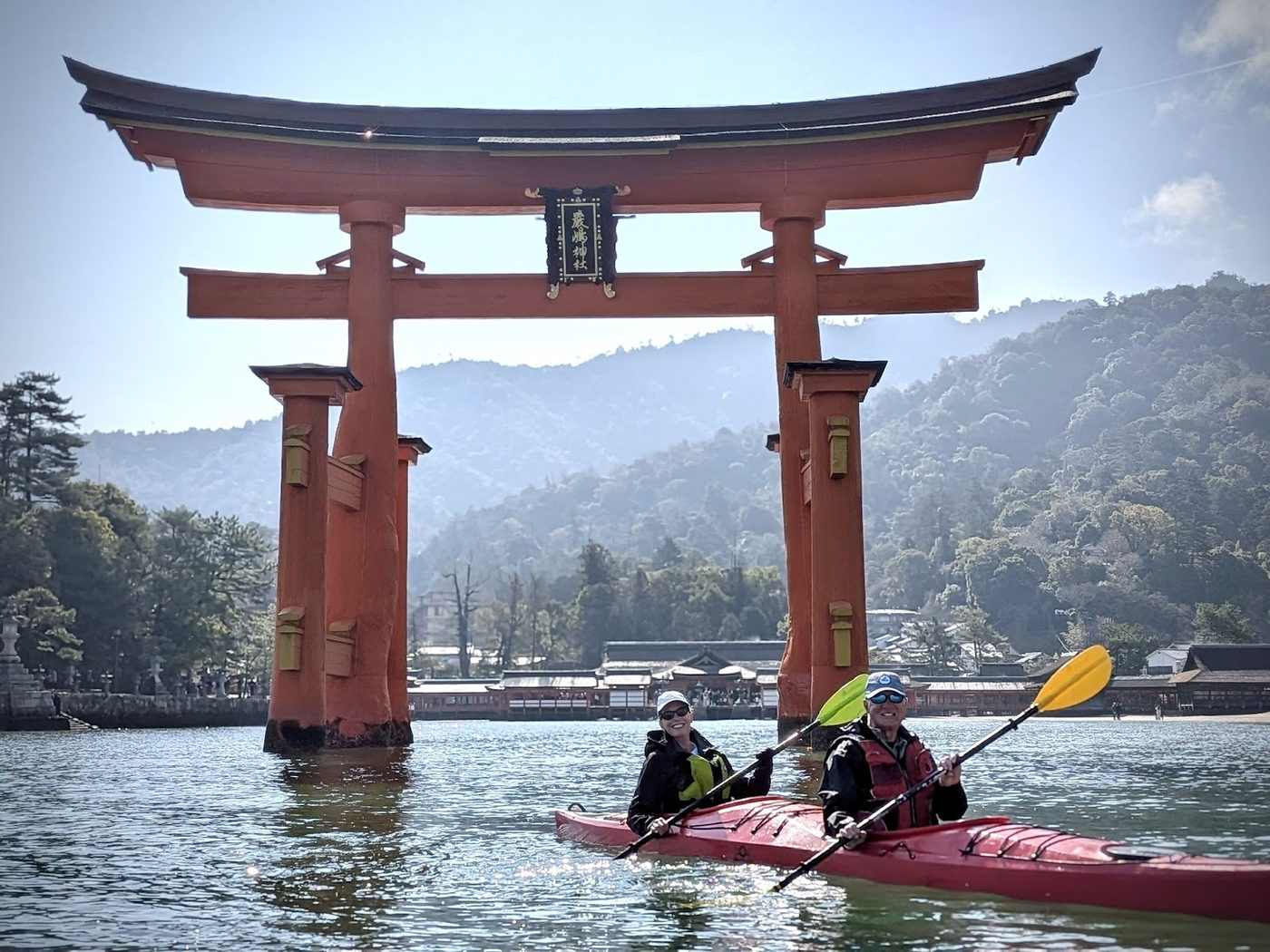
UNESCO World Heritage shrine famous for its floating vermillion torii gate standing in the sea. The shrine buildings extend over the water appearing to float at high tide. Walk to the gate at low tide.

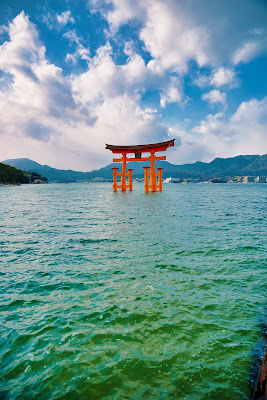
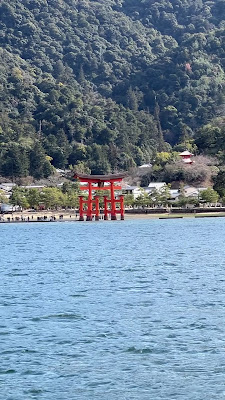
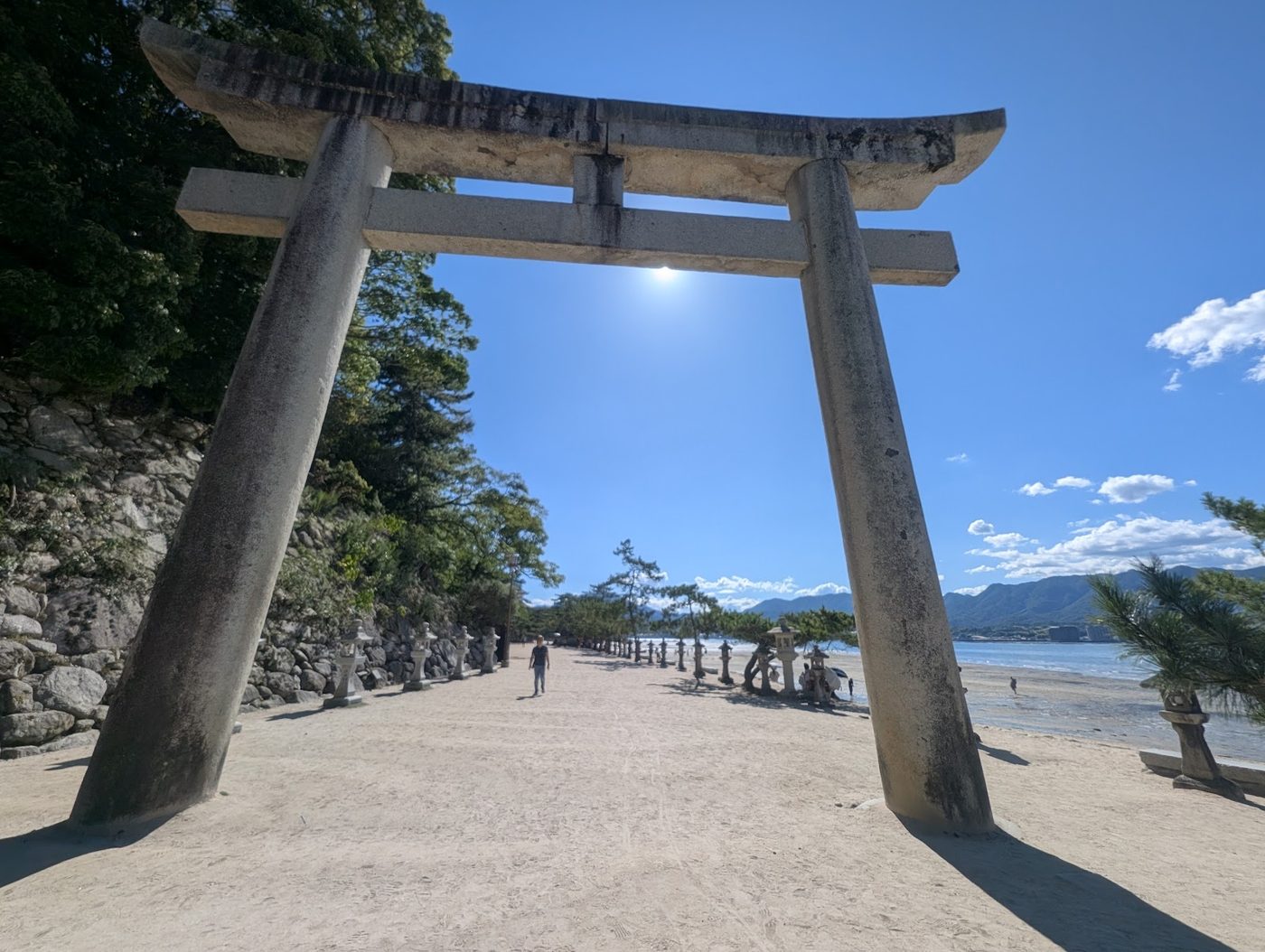
The iconic 16-meter torii gate standing in the water is one of Japan's most photographed sites. At high tide it appears to float. At low tide you can walk right up to its base. Illuminated until 11 PM.
Mountain temples with waterfalls, hilltop pagodas, and peaceful sanctuaries away from the tourist trail.

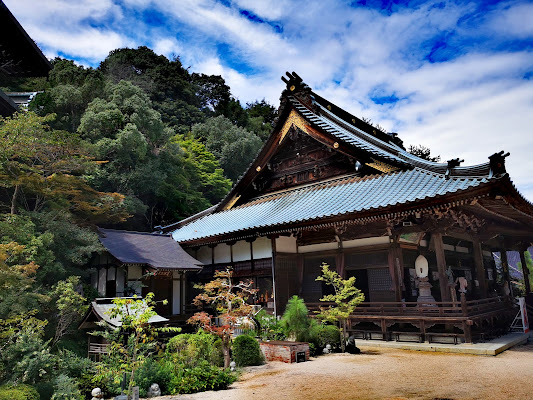
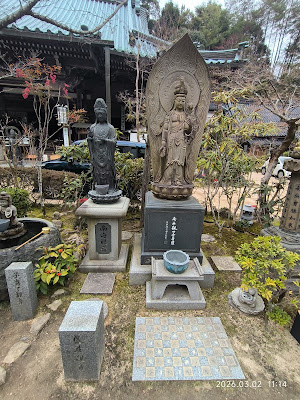
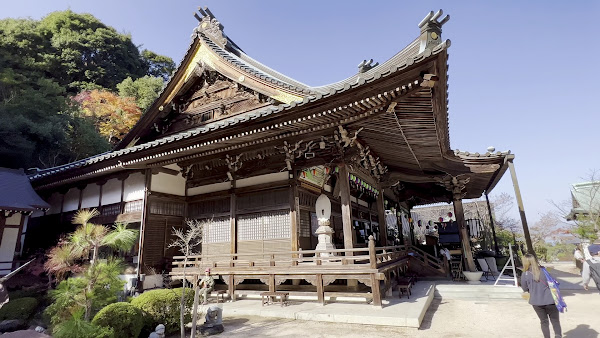
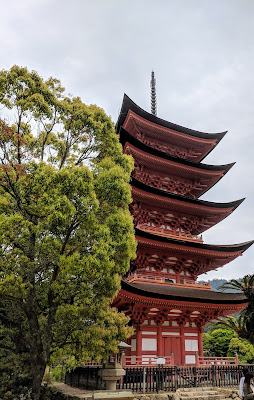
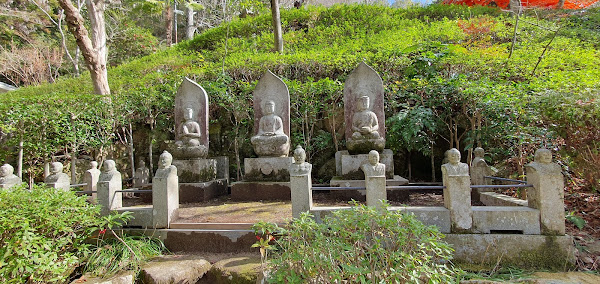
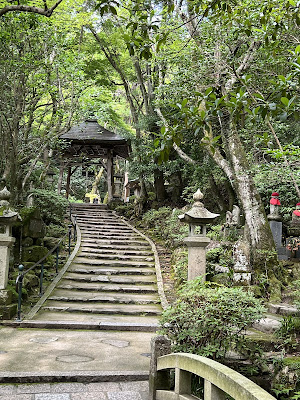
Magnificent Buddhist temple at the base of Mount Misen. Halls filled with hundreds of unique statues. Spin prayer wheels as you climb the stone steps. One of Miyajima's most underrated attractions.

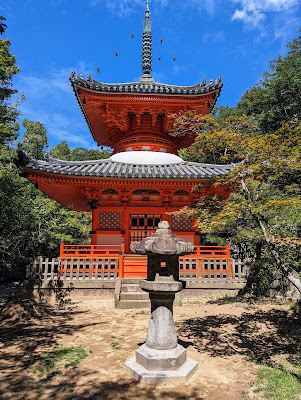
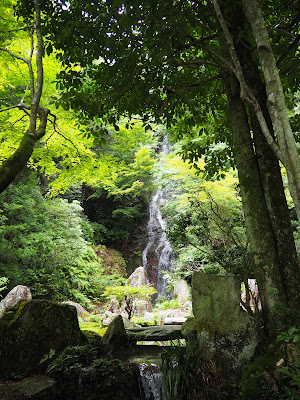
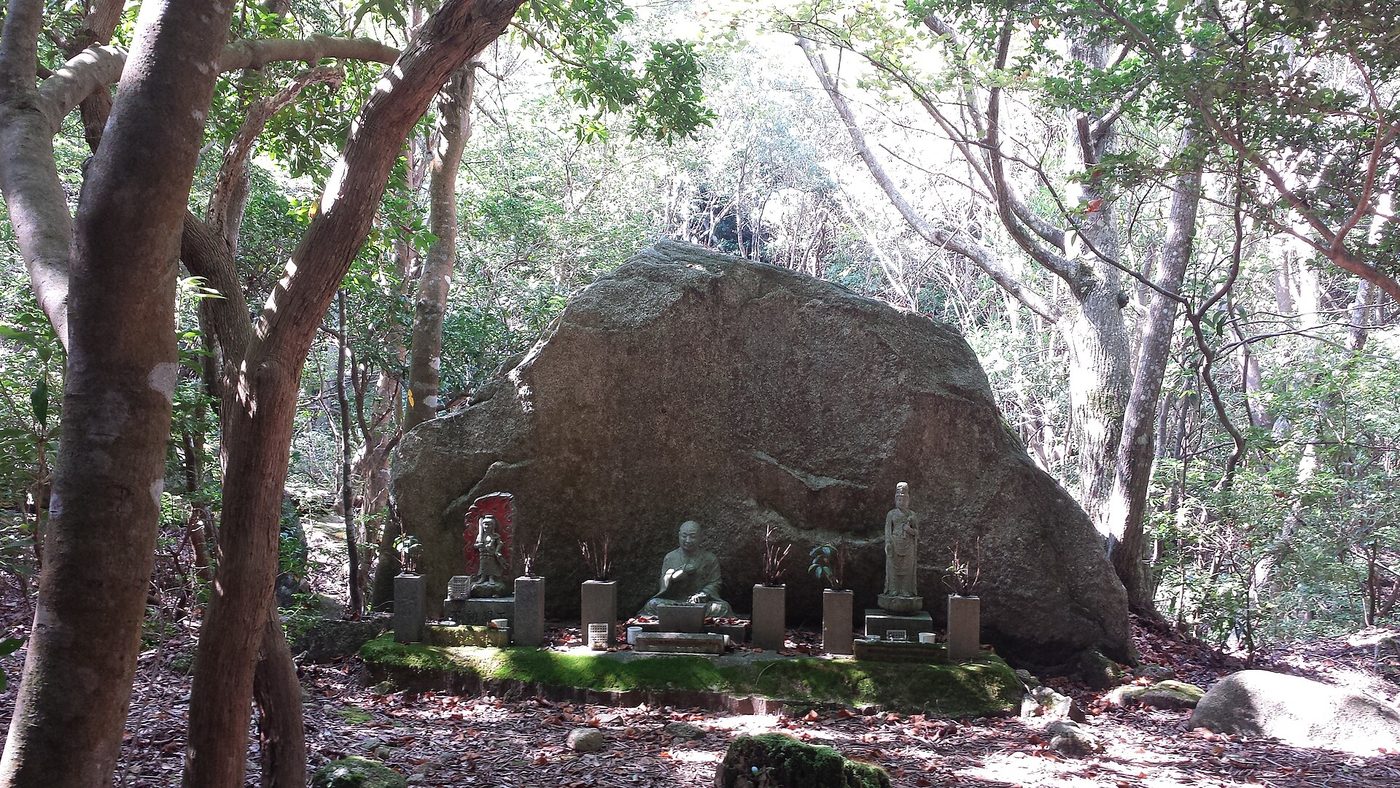
Hidden mountain temple surrounded by three waterfalls in a lush forest. Very few tourists despite being just 15 minutes from downtown. Mossy stone paths and quiet contemplation. A true hidden gem.

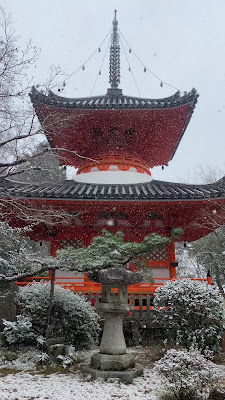
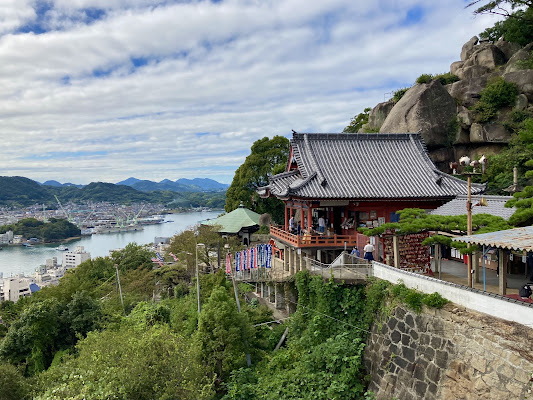
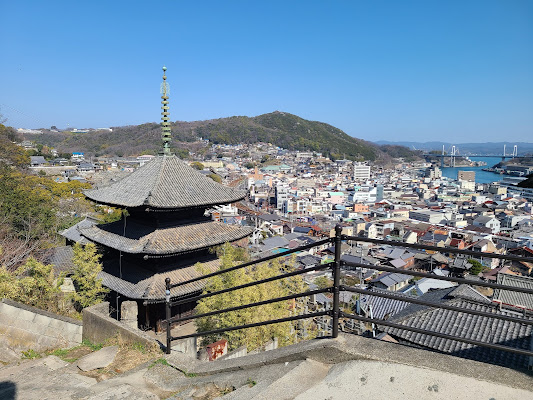
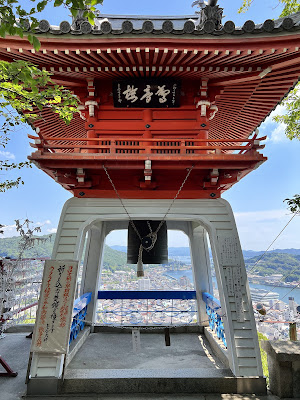
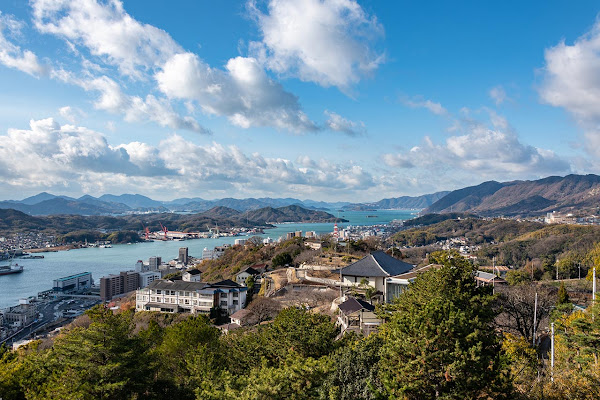
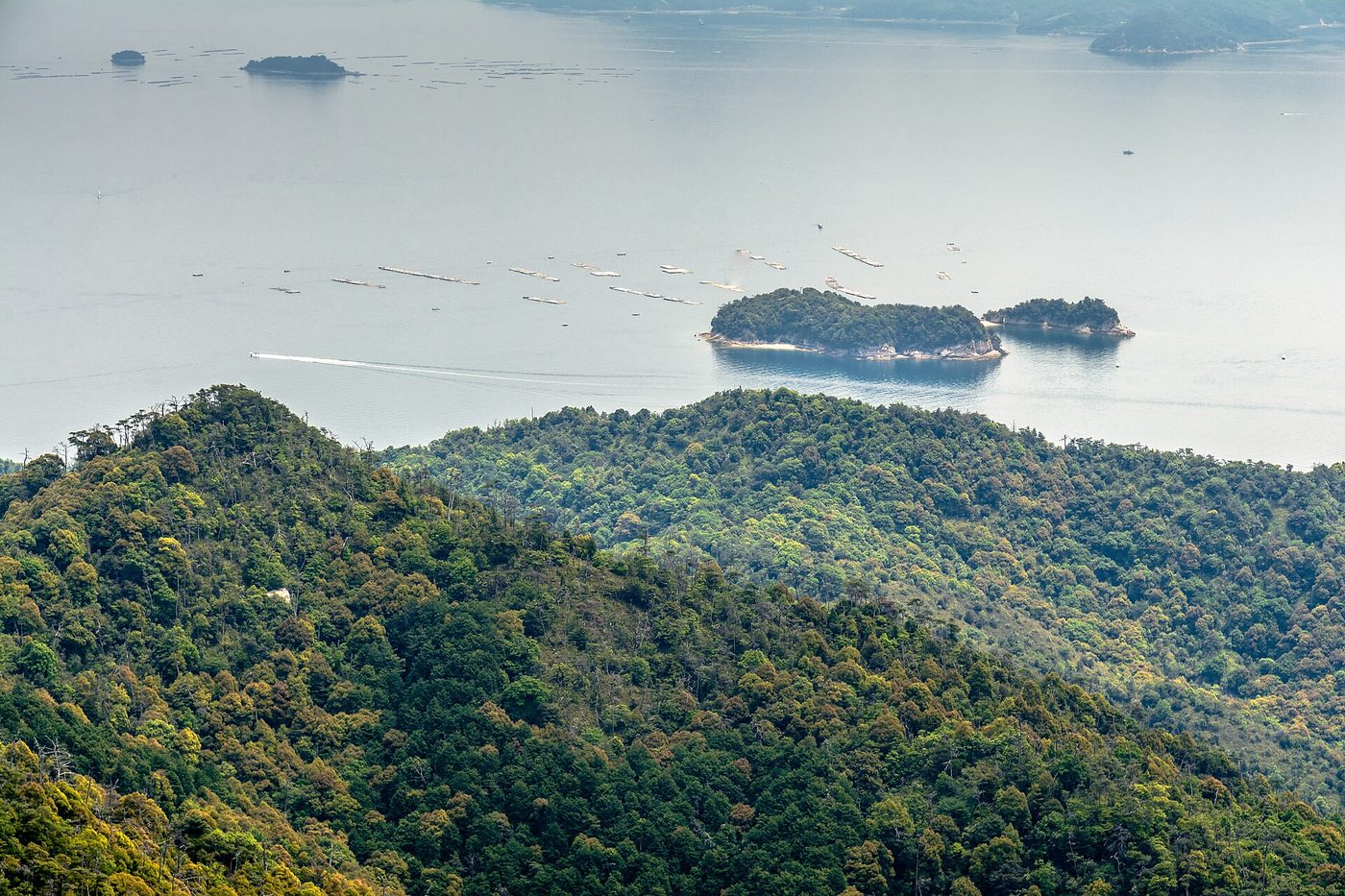
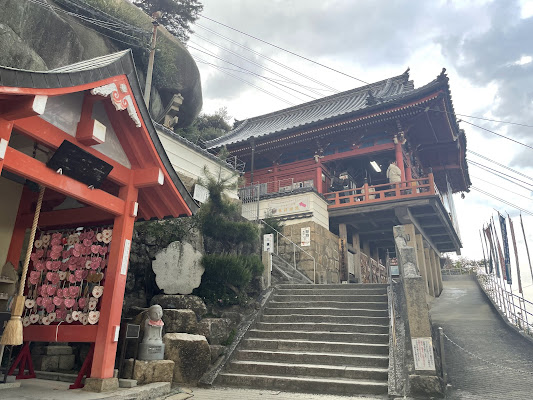
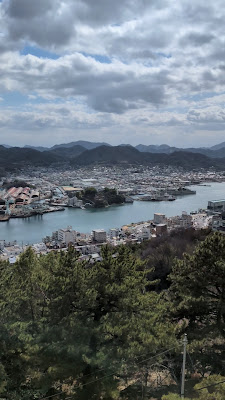
Hilltop temple in the scenic harbor town of Onomichi. Take the ropeway for panoramic views over the Seto Inland Sea and its islands. Cherry blossoms in spring. Great for photography.

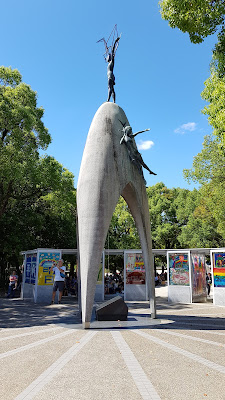
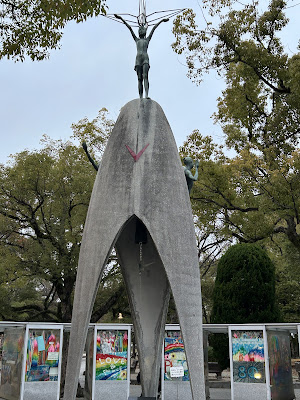
The epicenter of the atomic bombing, the park, museum, and A-Bomb Dome are a profound experience. The Children's Peace Monument with...

The skeletal ruins of the only structure left standing near the bomb's hypocenter. UNESCO World Heritage. The dome lit at night against...
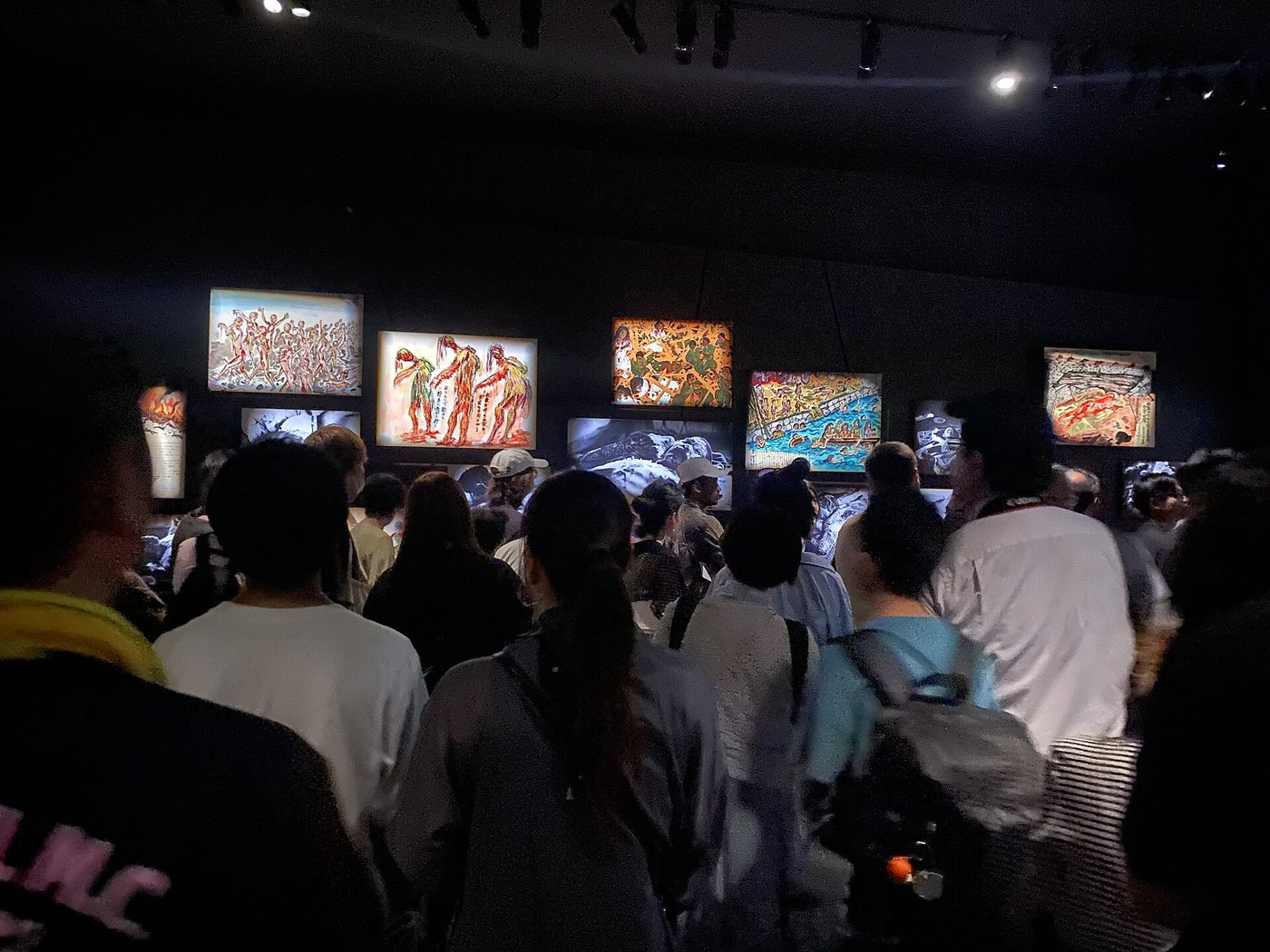
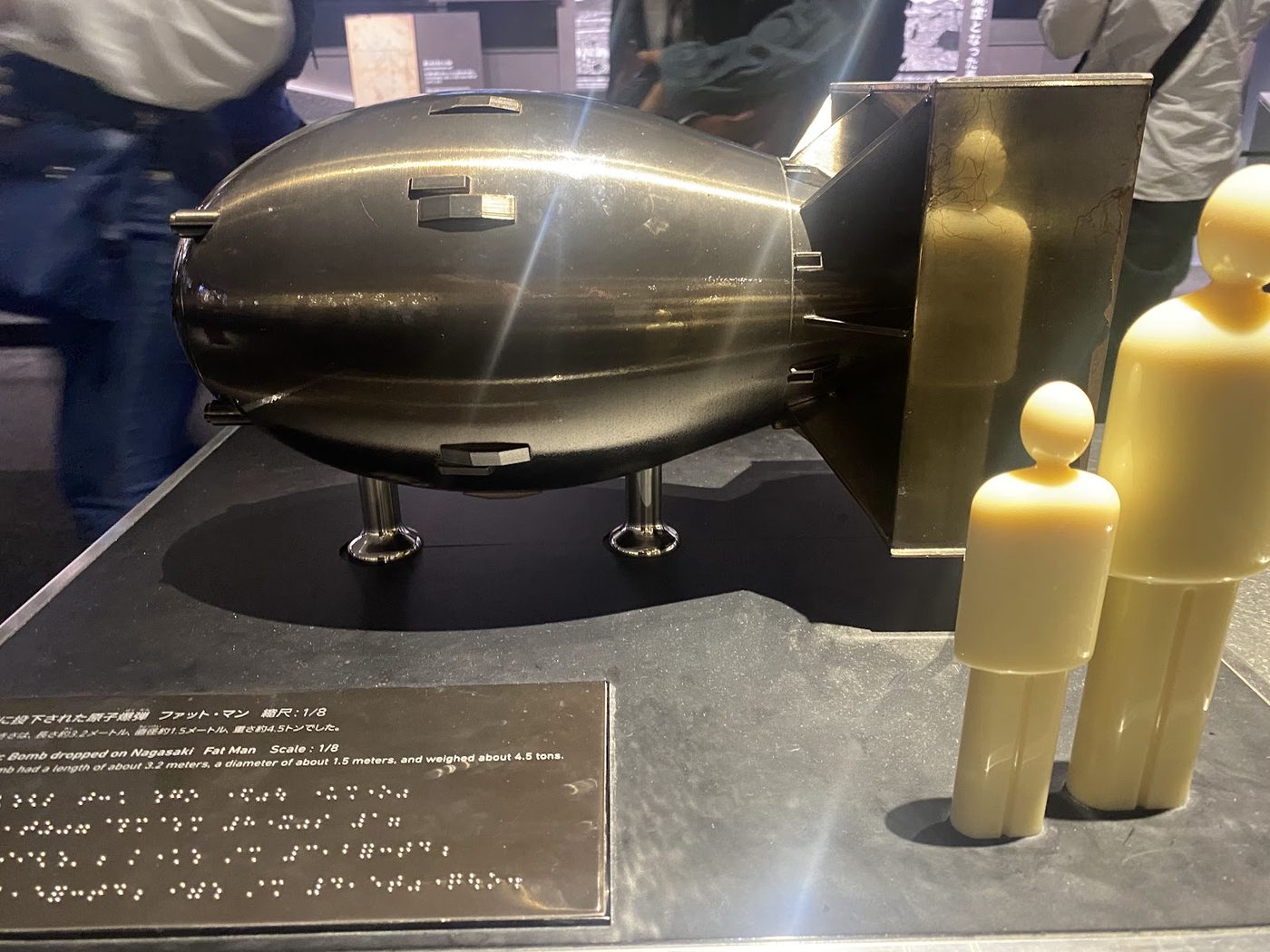
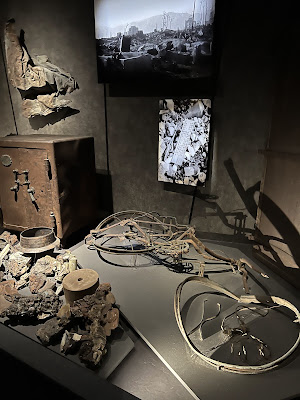
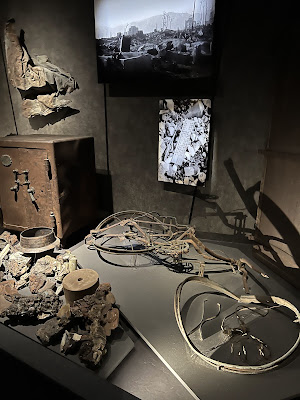
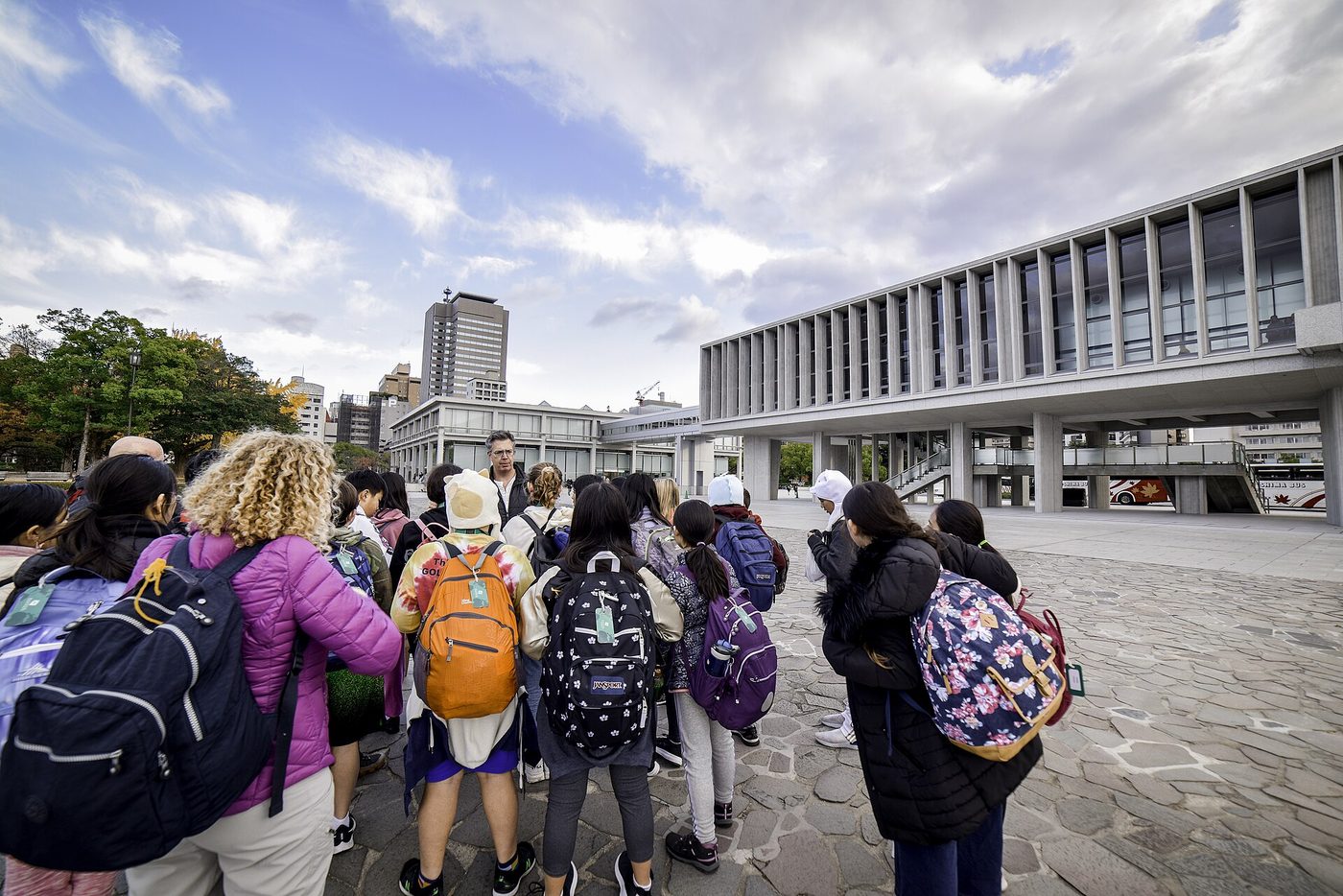
The renovated museum presents the bombing with devastating clarity, personal artifacts, survivor stories, and the before/after of a...
The floating torii gate in the sea, one of Japan's Three Great Views. At high tide it appears to float; at low tide you can walk to it....
Reconstructed castles with museums telling the story of feudal Hiroshima and its samurai heritage.
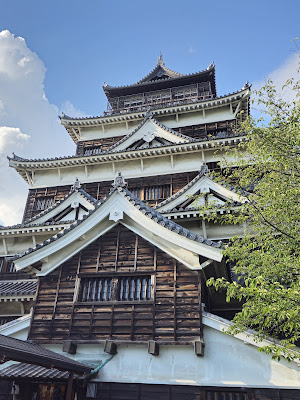
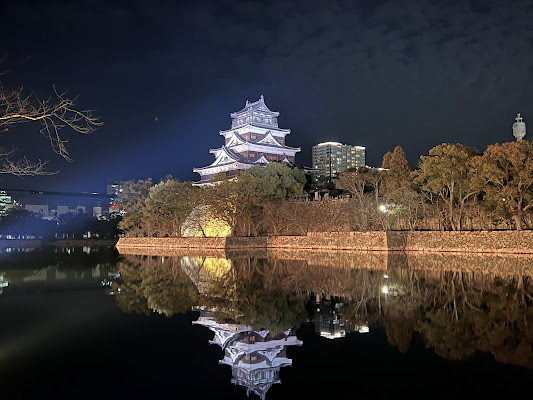
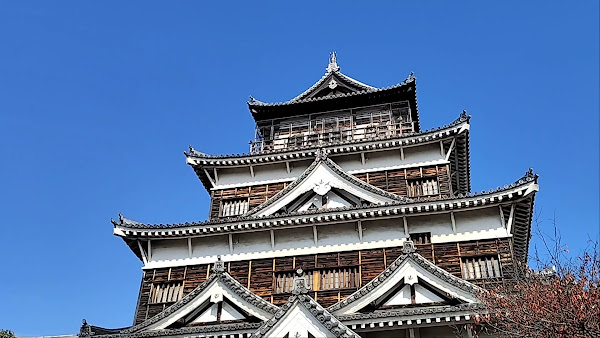
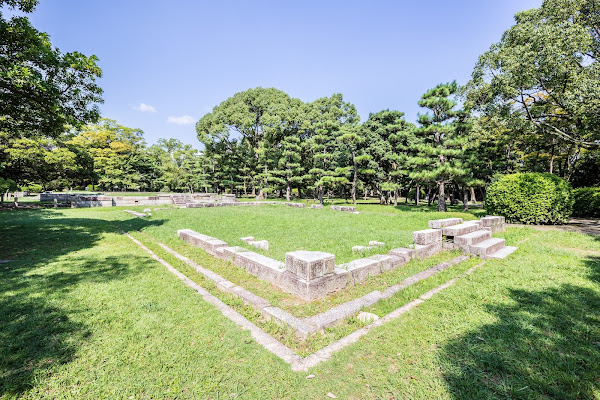
Reconstructed 1590s castle destroyed by the atomic bomb. Museum inside details samurai era Hiroshima. Climb to the top floor for city views. The moat and stone walls are original.

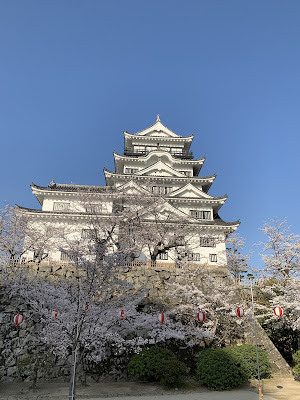
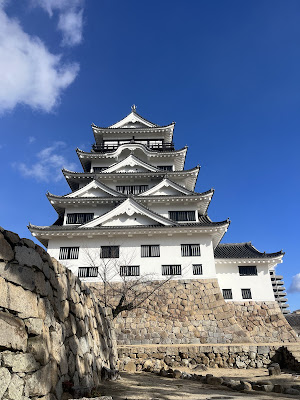
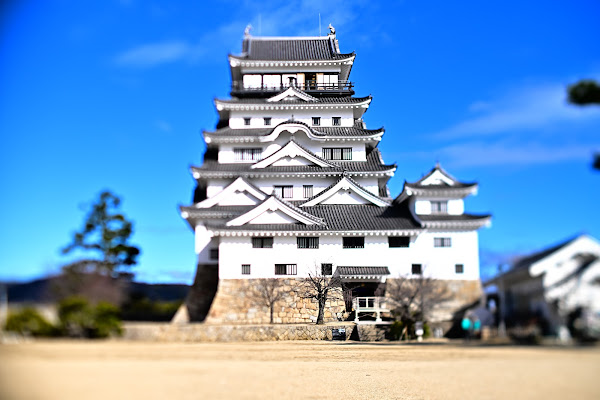
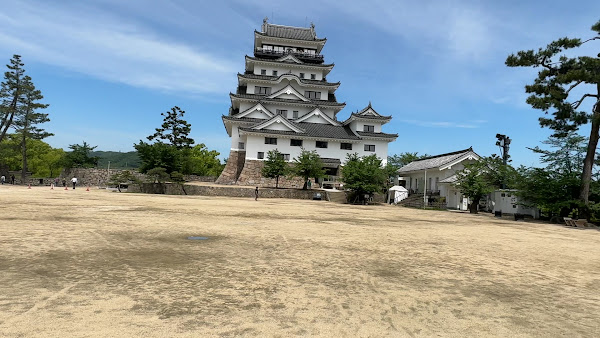
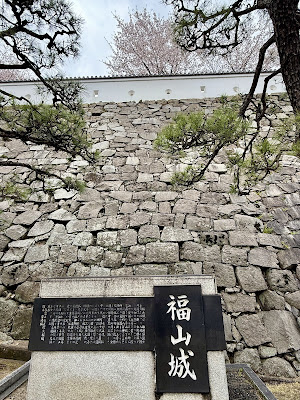
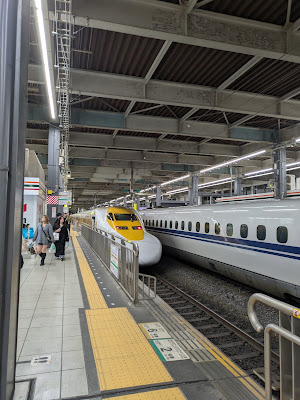
Impressive castle reconstructed right next to JR Fukuyama Station. One of the few castles visible from the shinkansen platform. Museum inside with samurai artifacts. Free to enter the grounds.
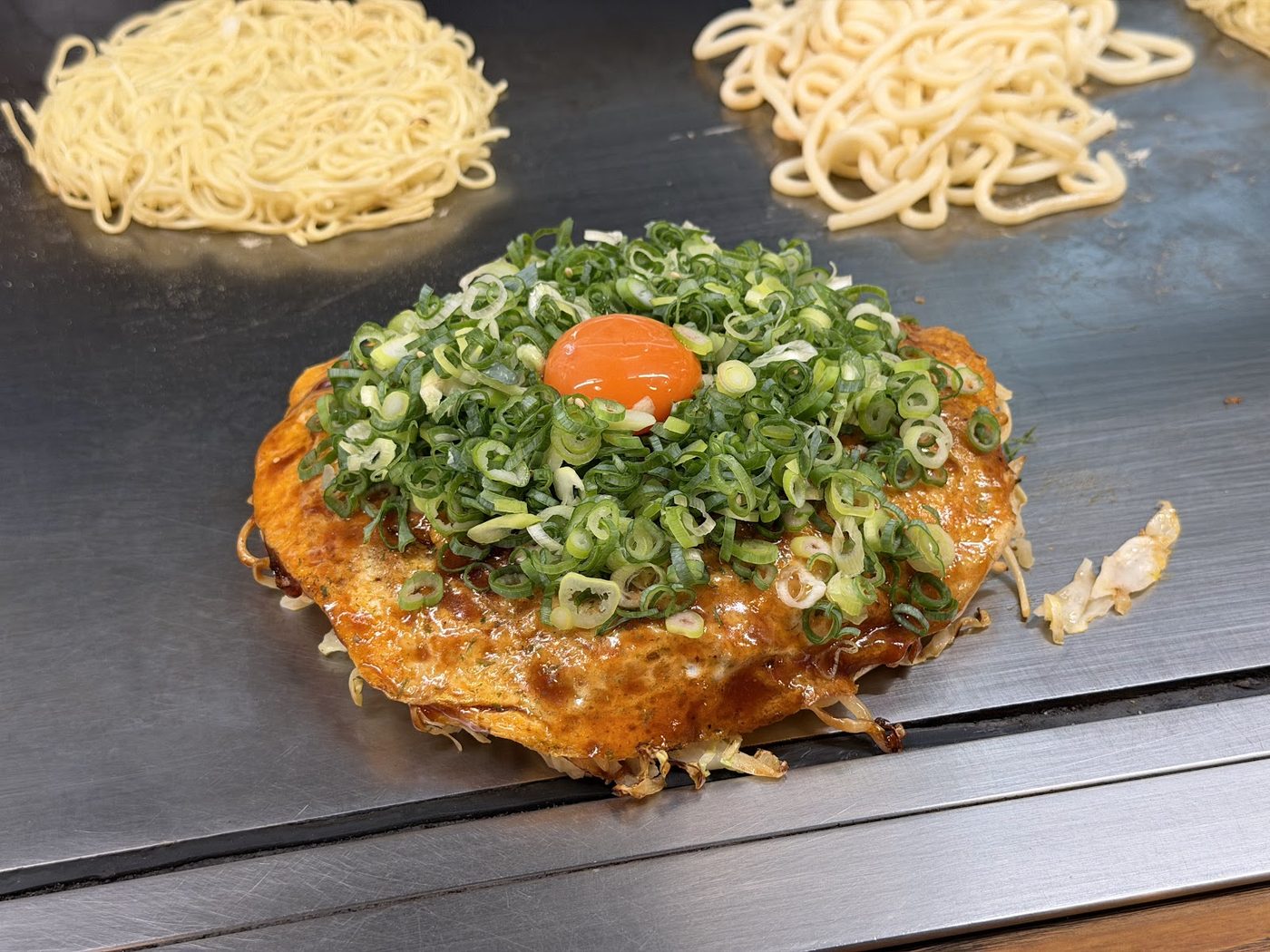
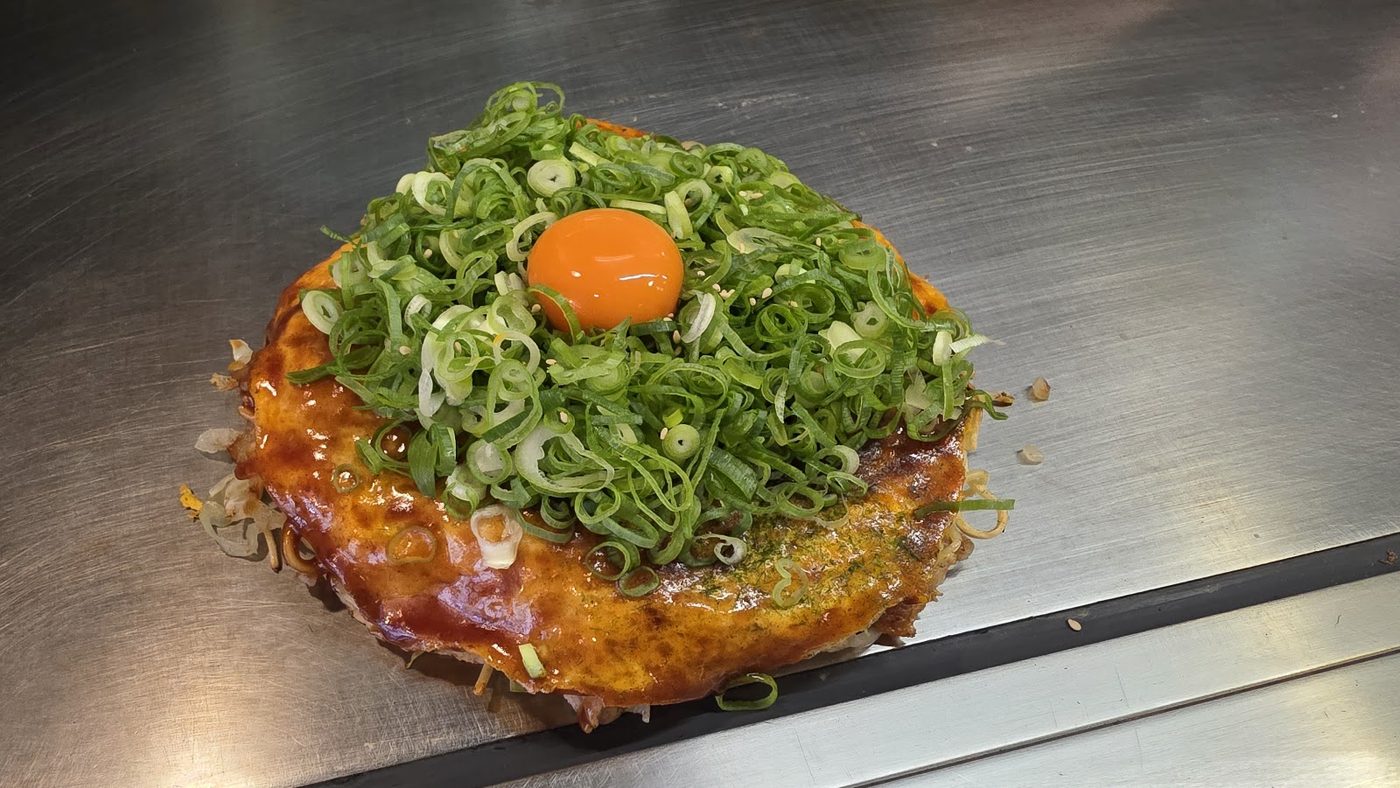
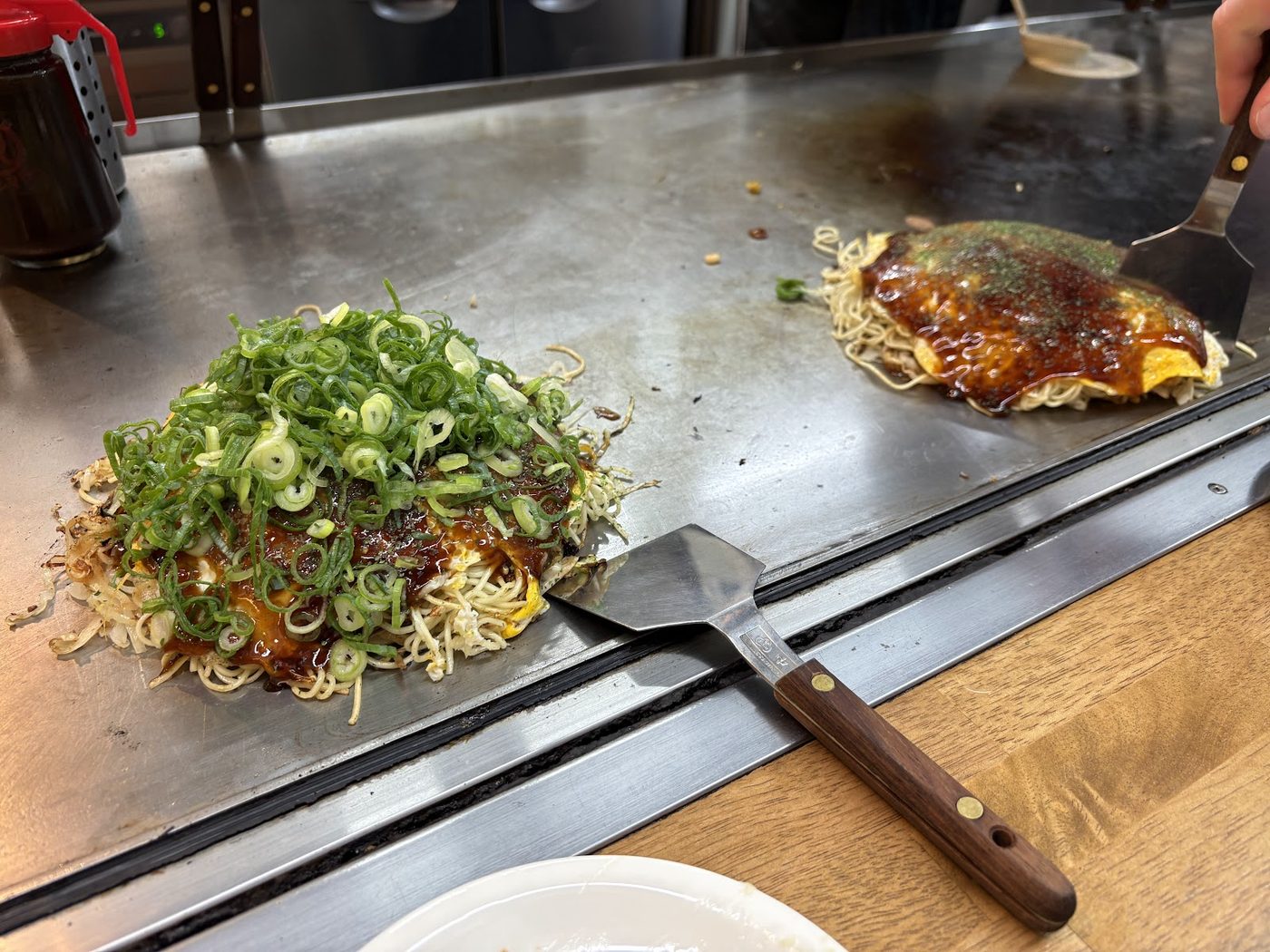
Legendary okonomiyaki, plump Hiroshima oysters, Miyajima conger eel, maple leaf cakes, and sake brewing.

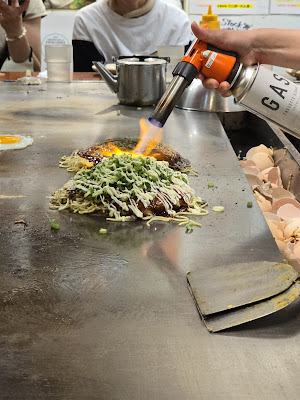
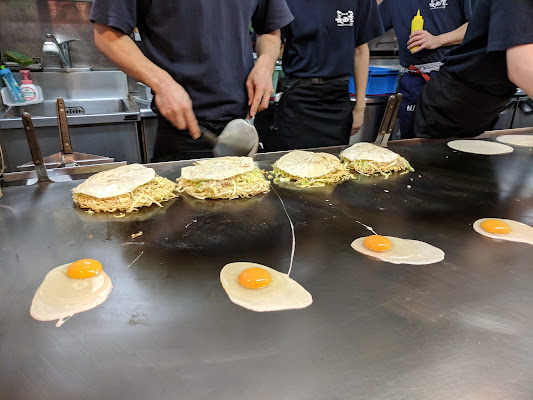
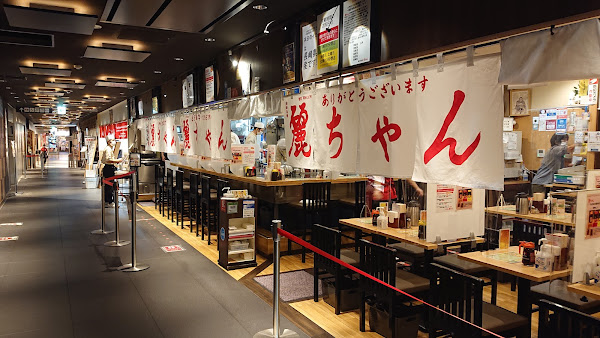
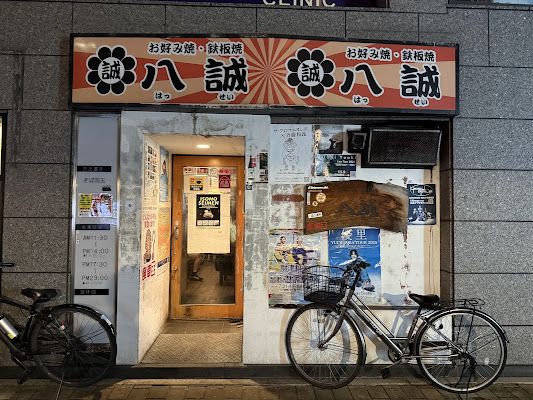
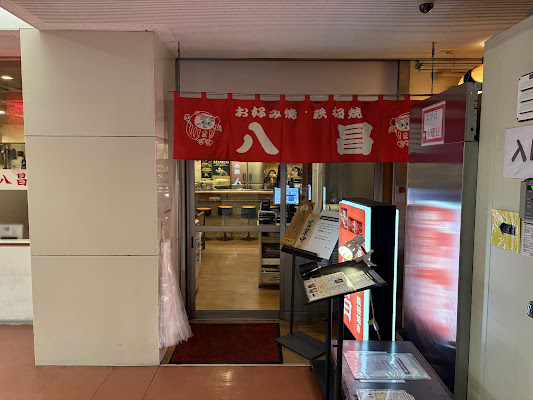
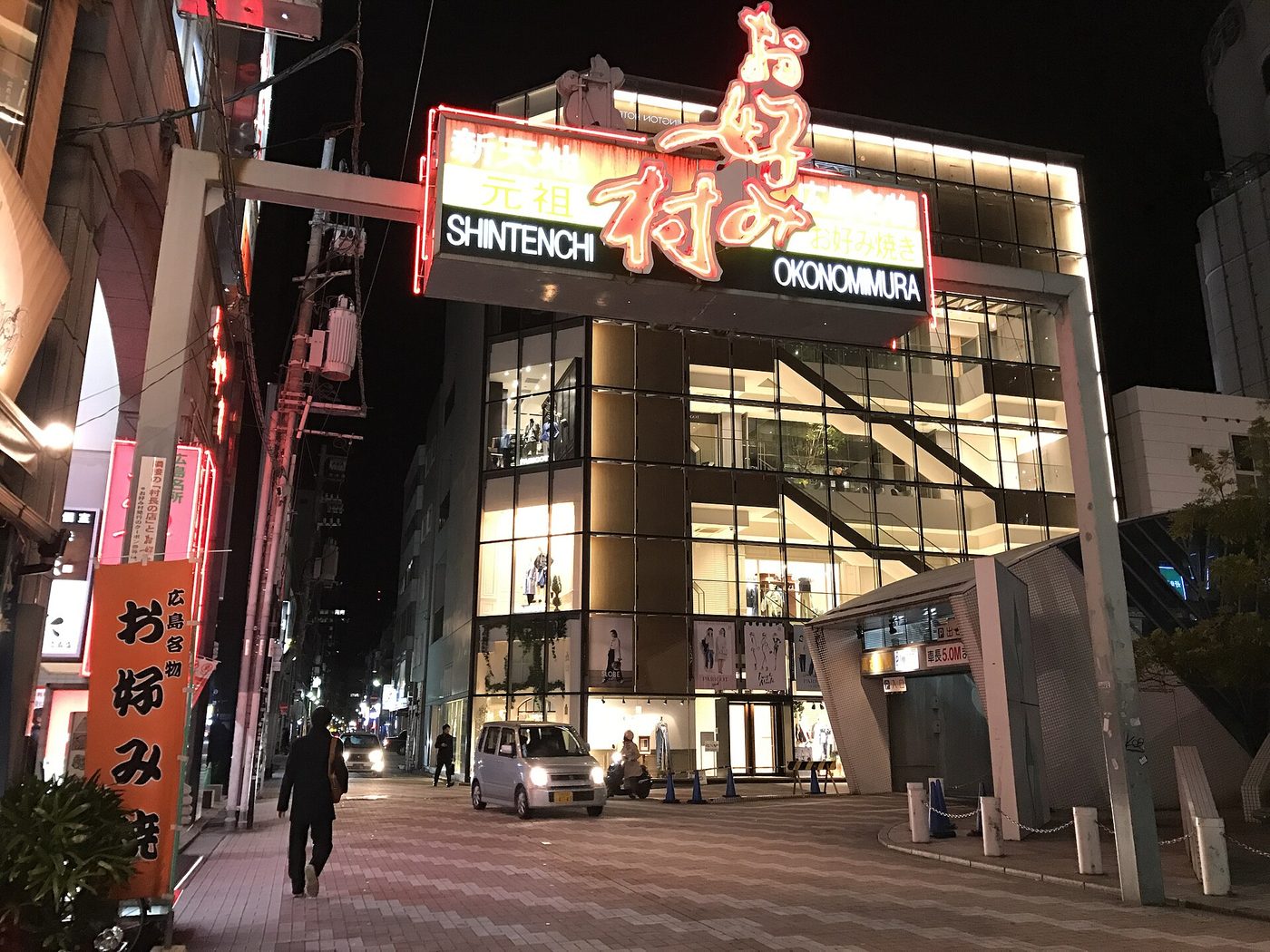
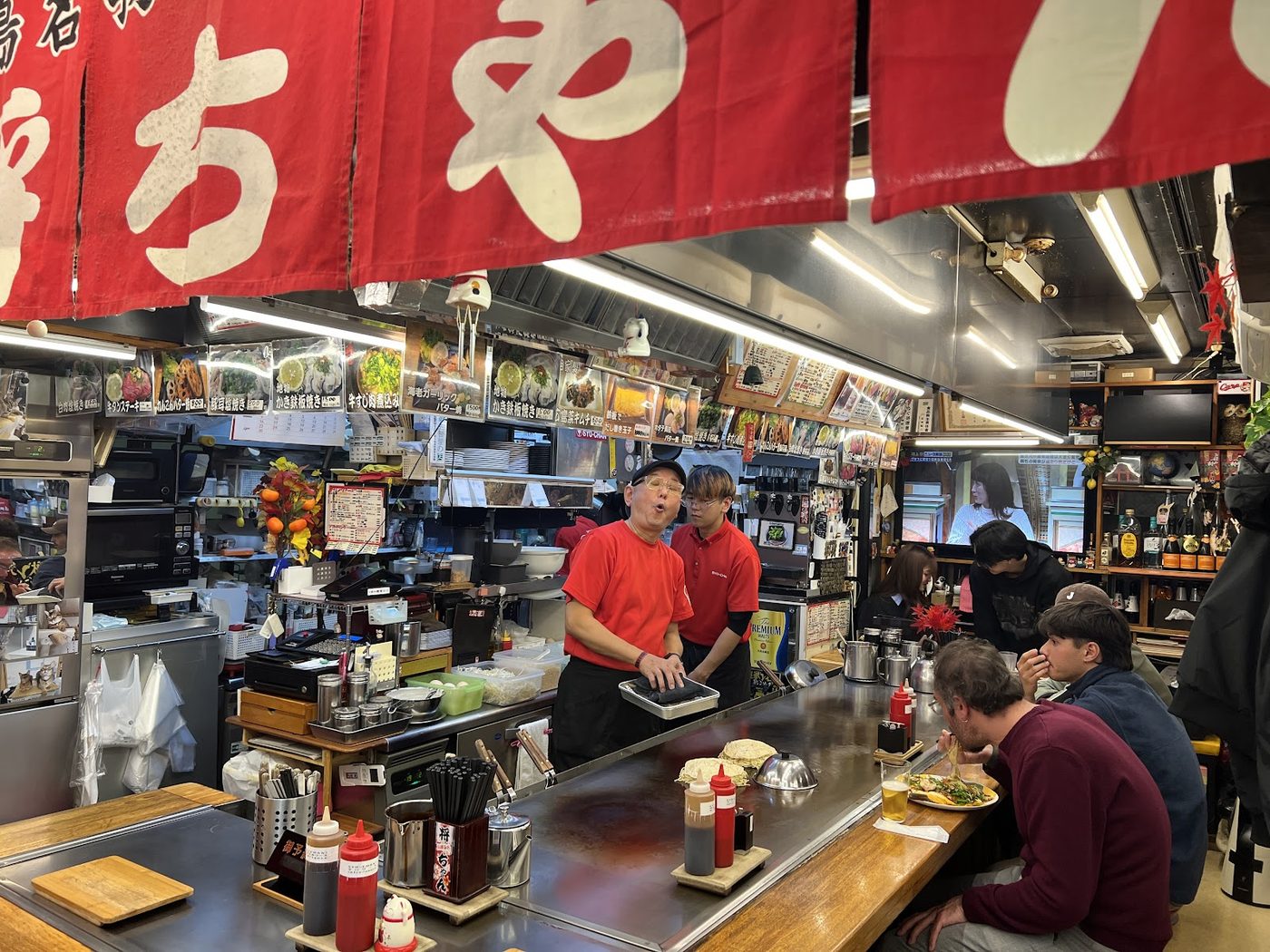
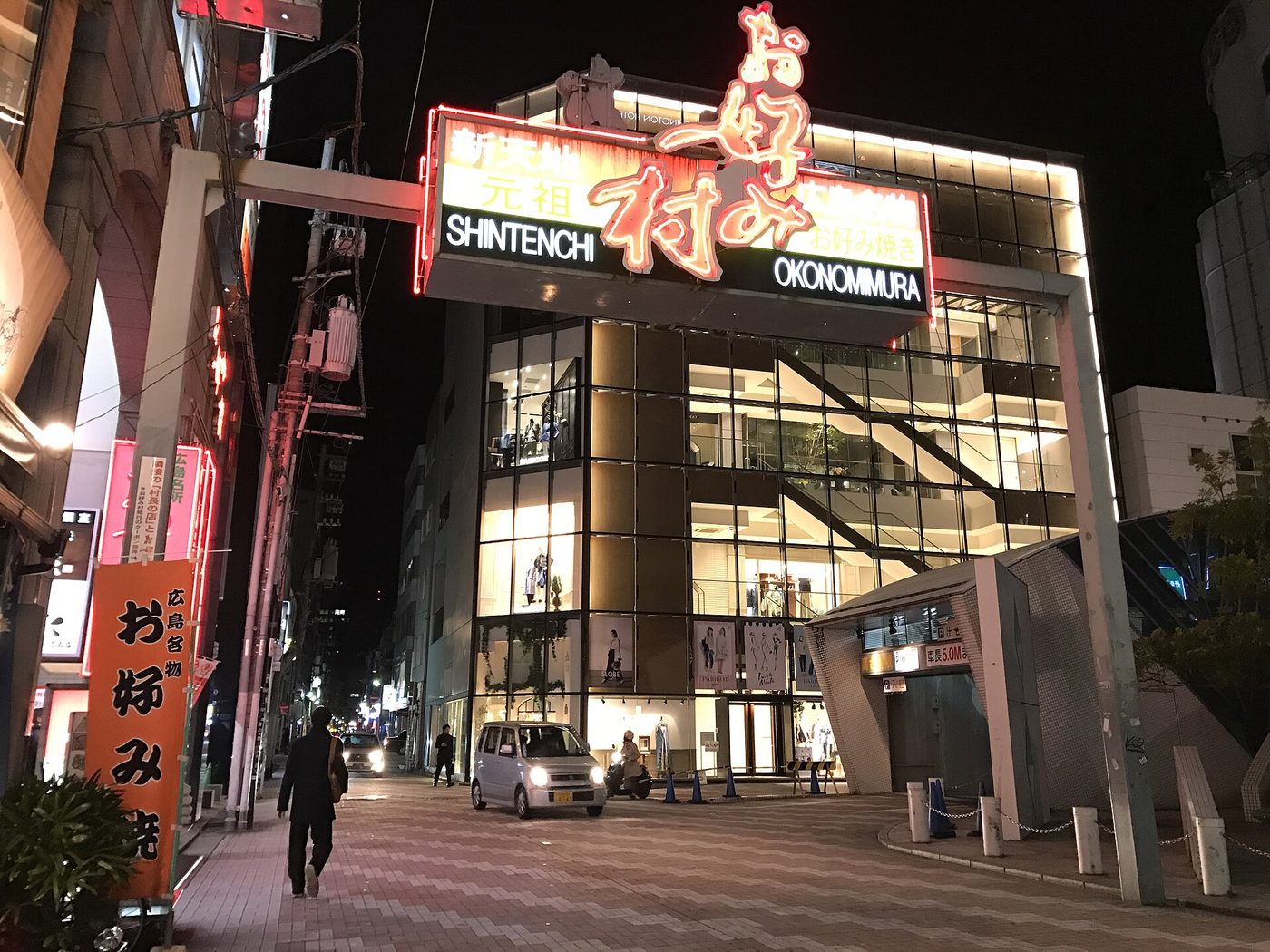
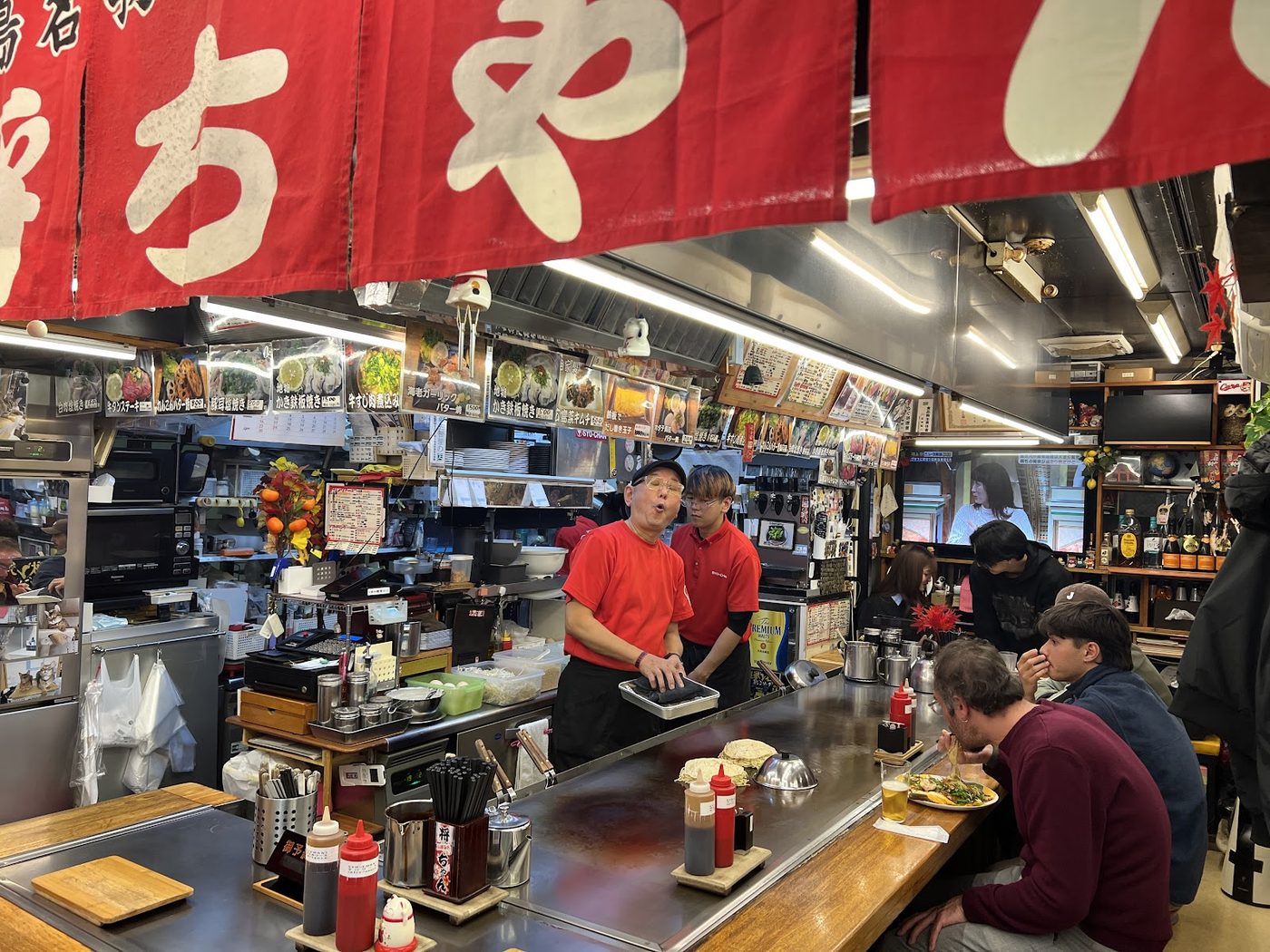
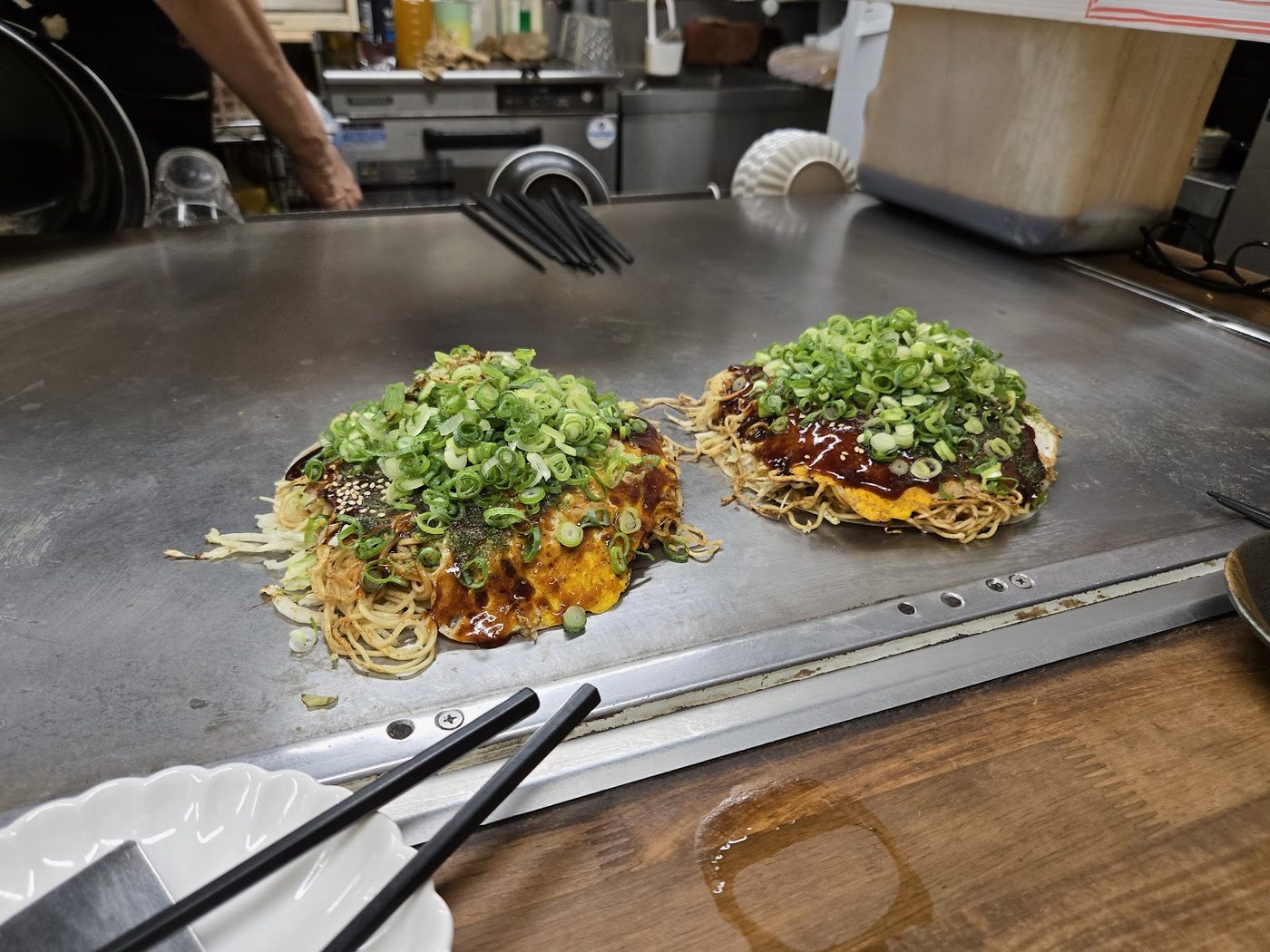
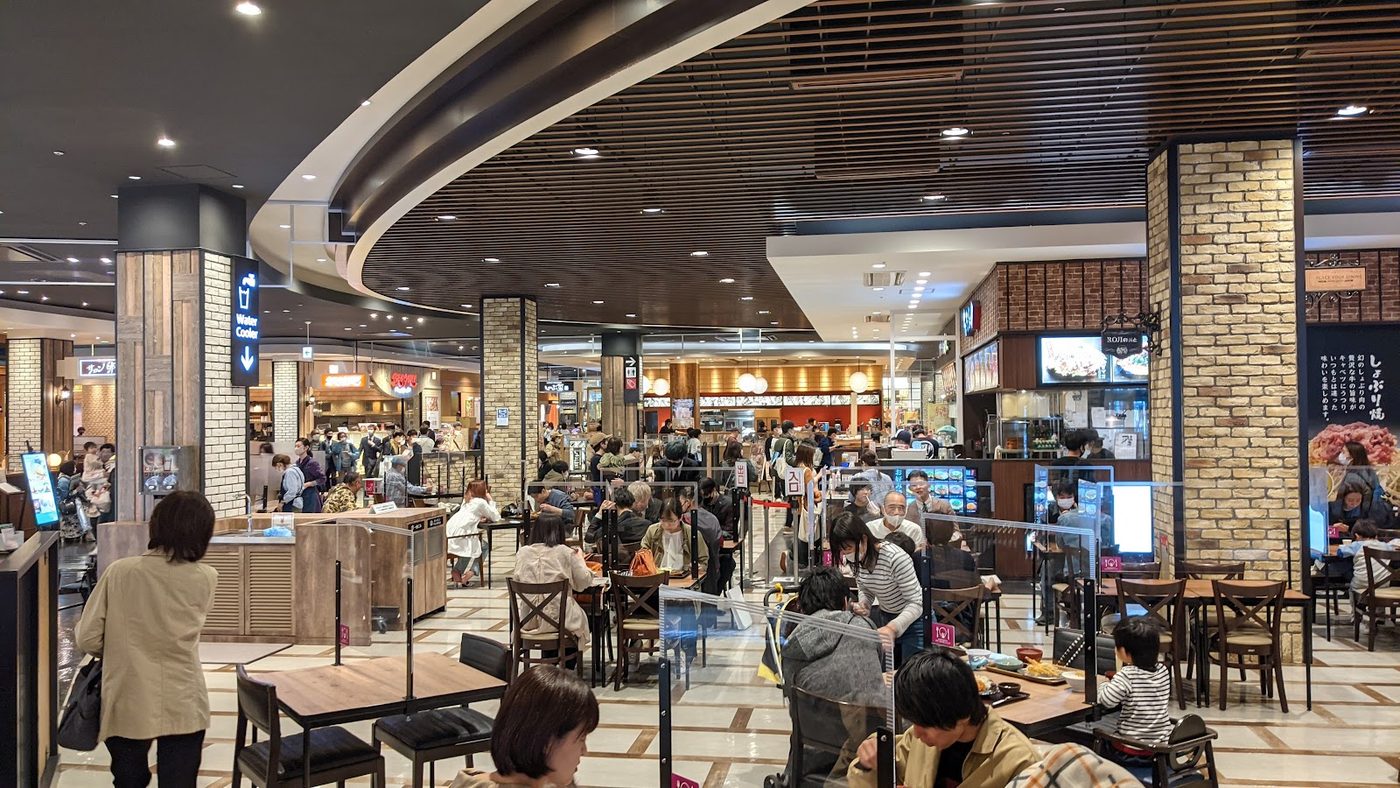
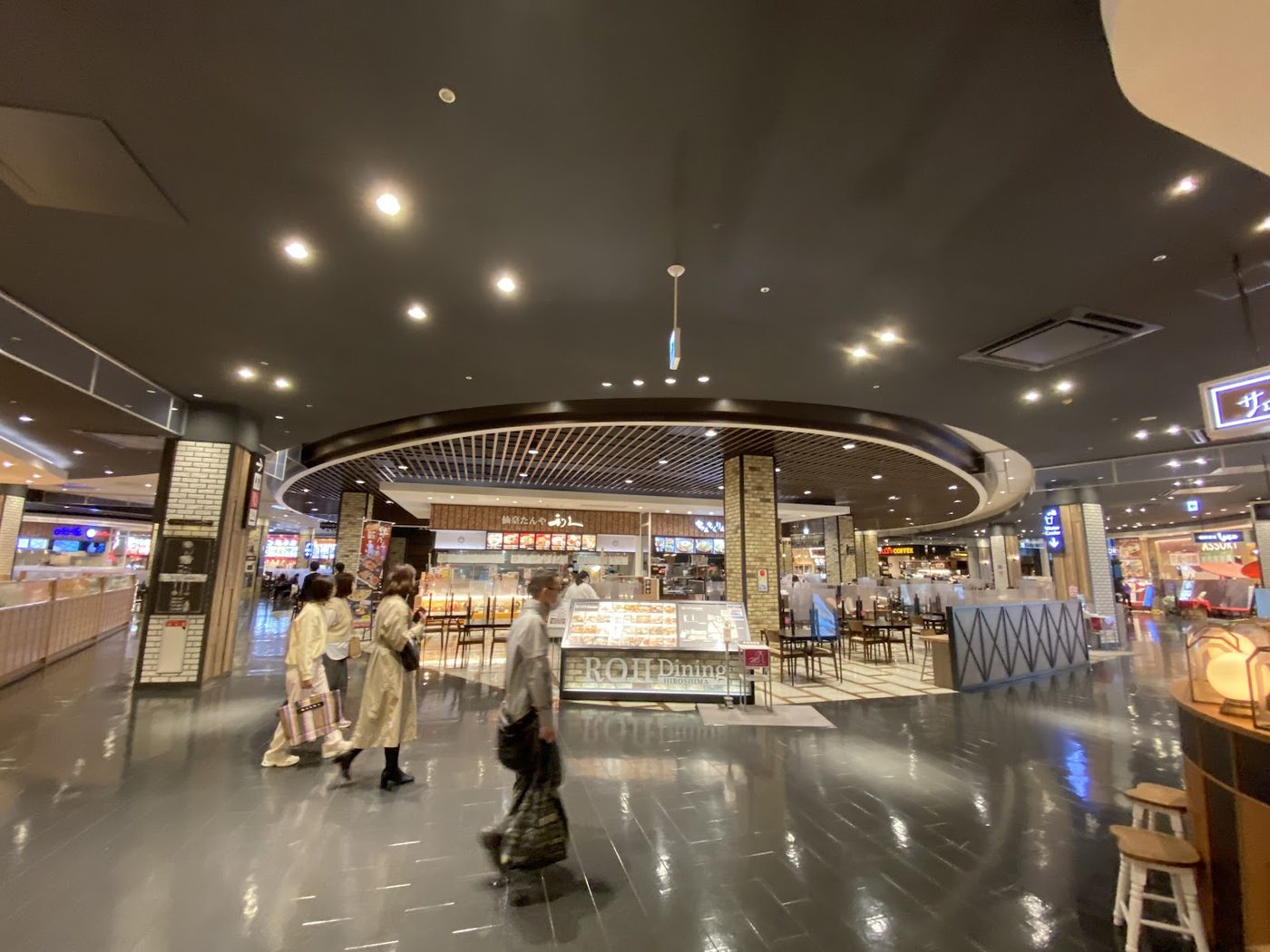
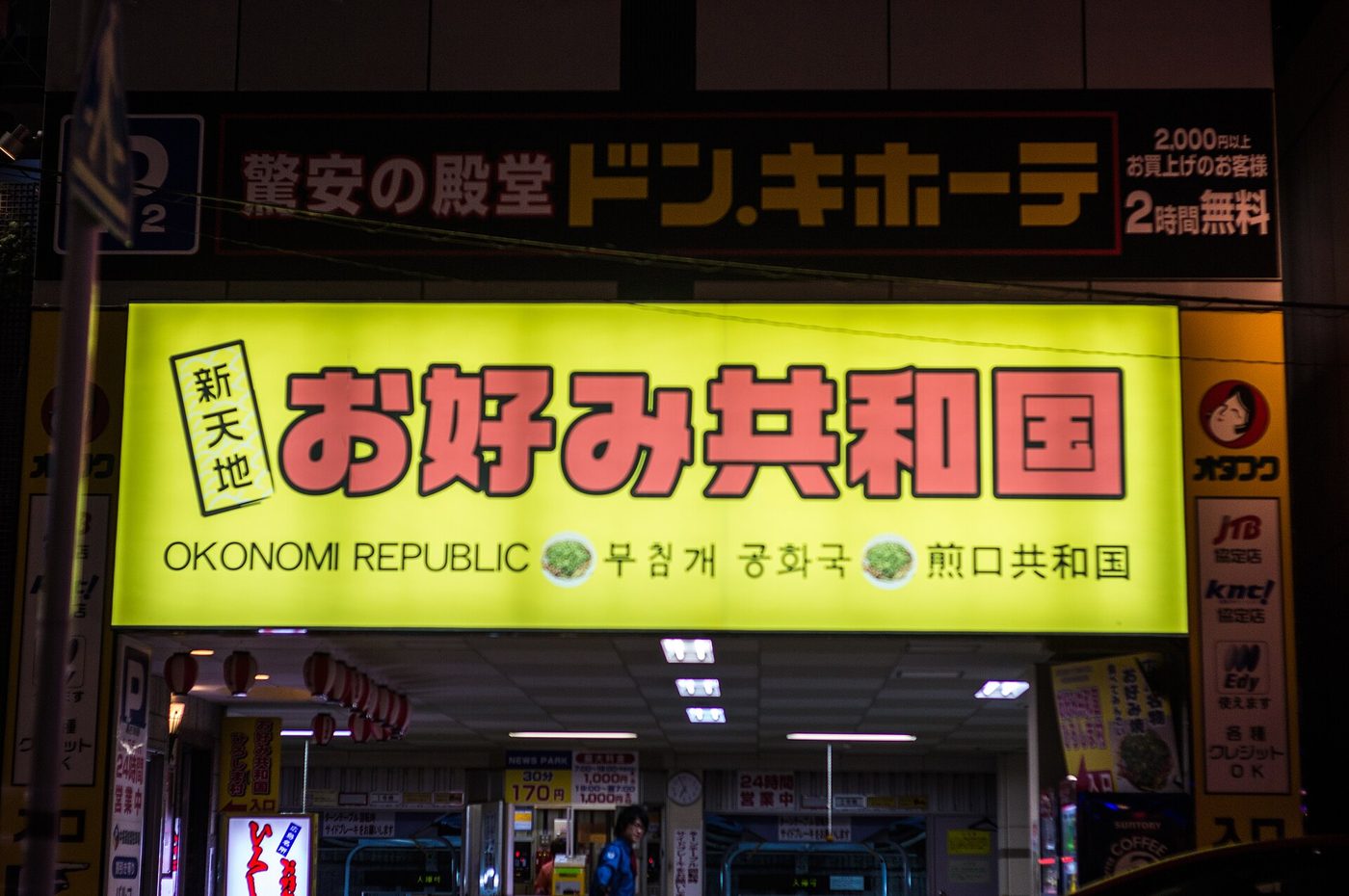
Multi-story building packed with 24 okonomiyaki stalls. Watch chefs prepare Hiroshima-style layered pancakes right in front of you. Each floor has different shops with unique specialties.

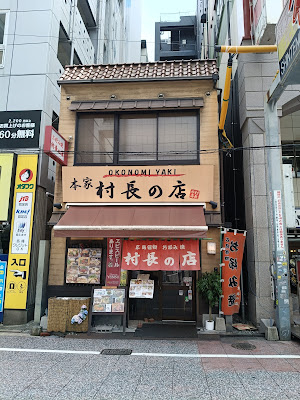
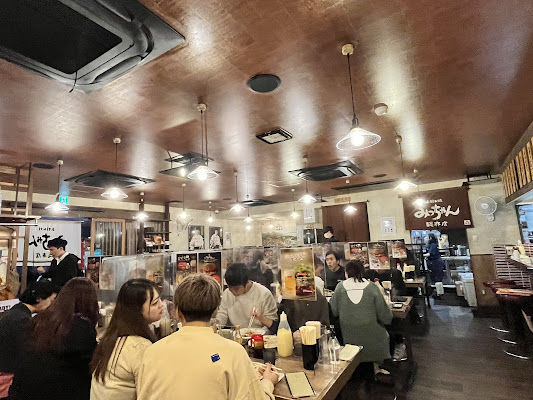
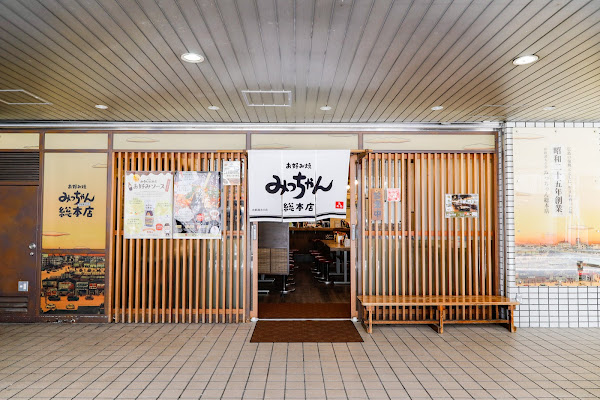
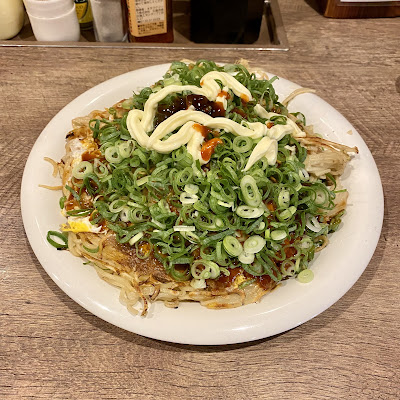
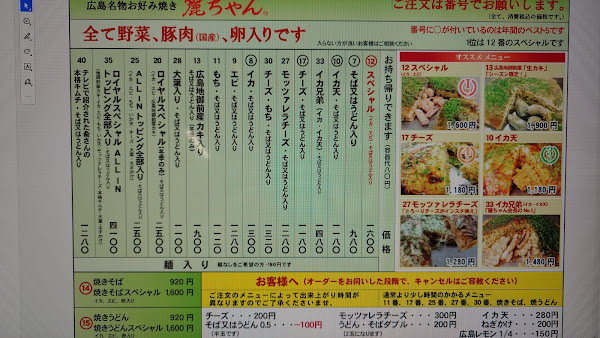
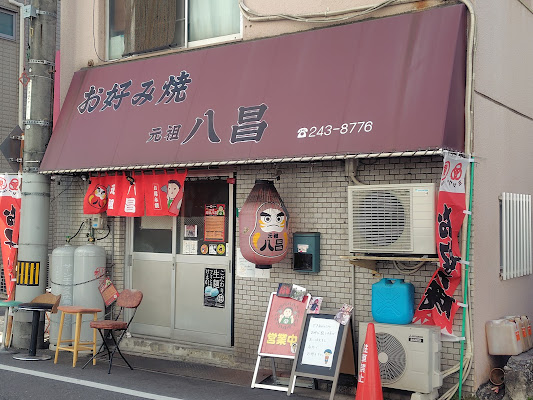
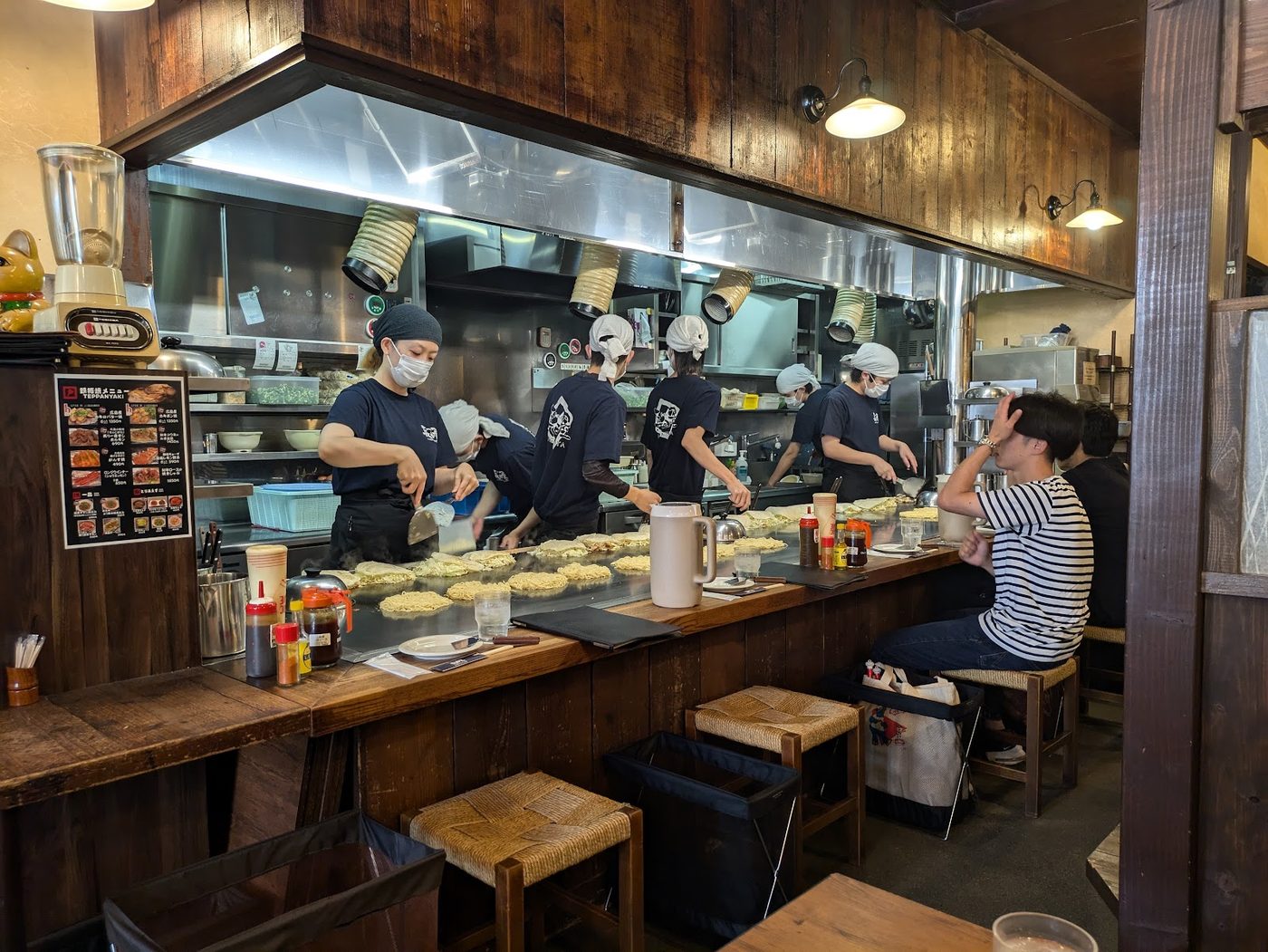
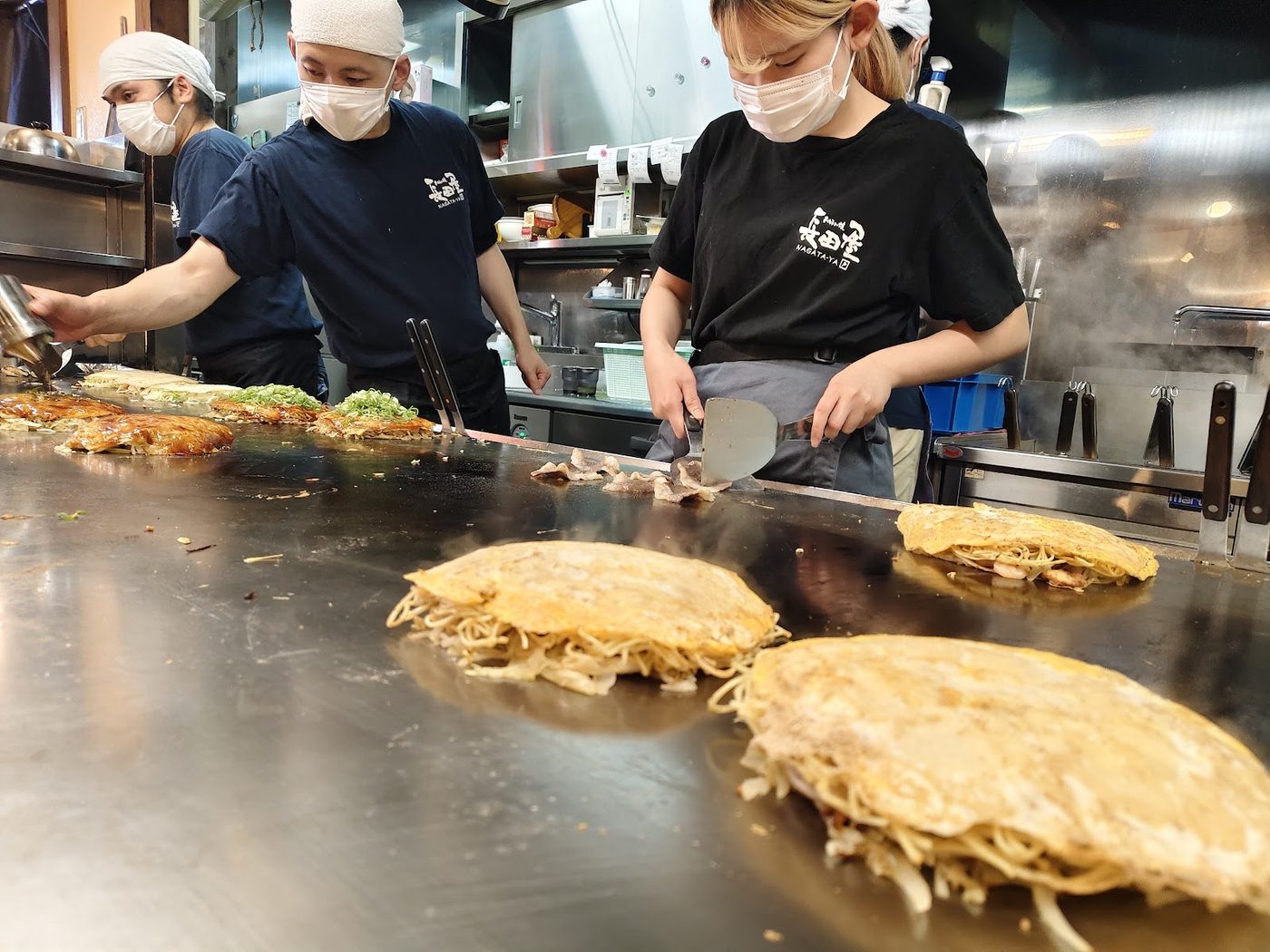
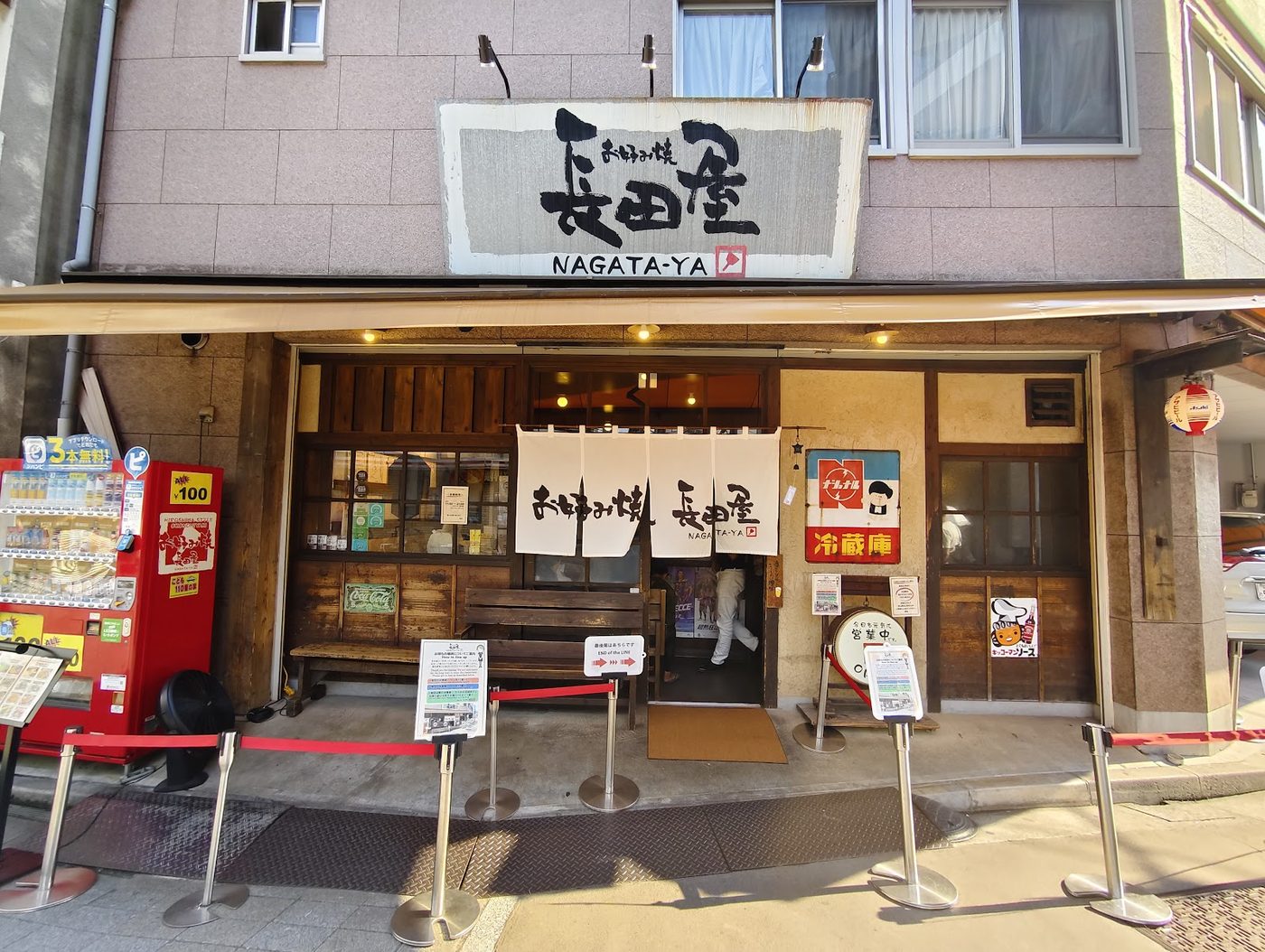
Famous okonomiyaki shop near Peace Memorial Park. Known for perfectly layered Hiroshima-style pancakes with noodles. Tourist-friendly with English menu and vegan options. Usually a queue but worth it.

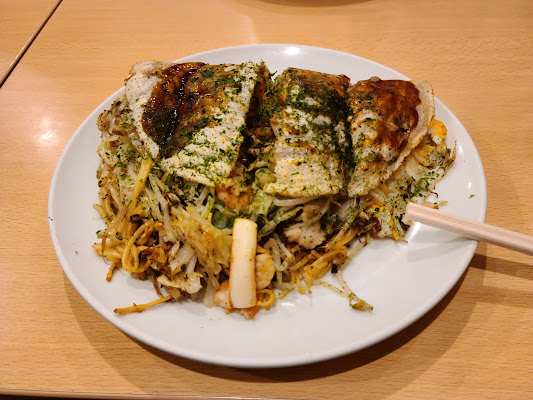
Established 1950 and considered the birthplace of Hiroshima-style okonomiyaki. Classic preparation with thin batter and generous cabbage and yakisoba layers. A living piece of culinary history.

Local favorite near Hiroshima Station serving traditional Hiroshima-style okonomiyaki. The cook uses time-honored methods and organic ingredients. Often a wait but beloved by locals.

Known for incredibly thin batter with crisp noodles and organic cabbage. One of the most refined okonomiyaki experiences in the city. Located in the entertainment district.

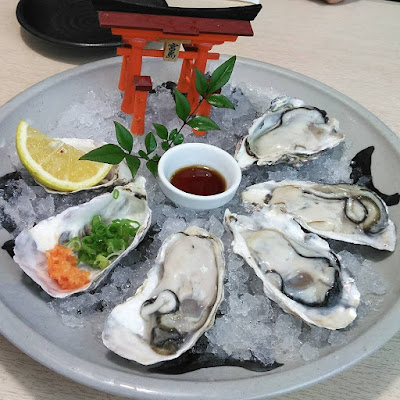
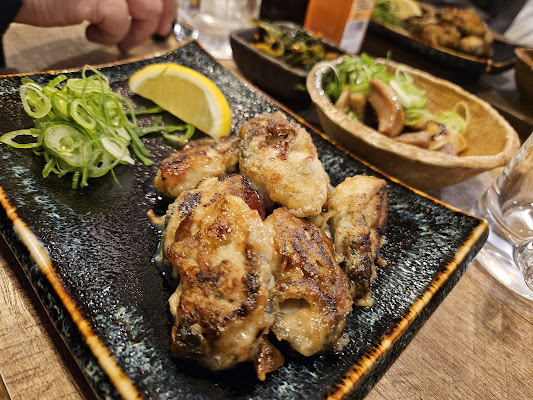
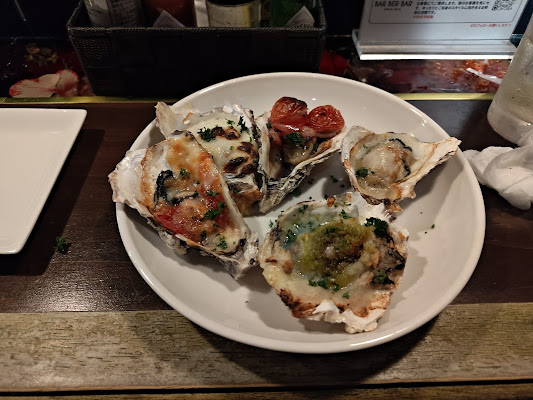
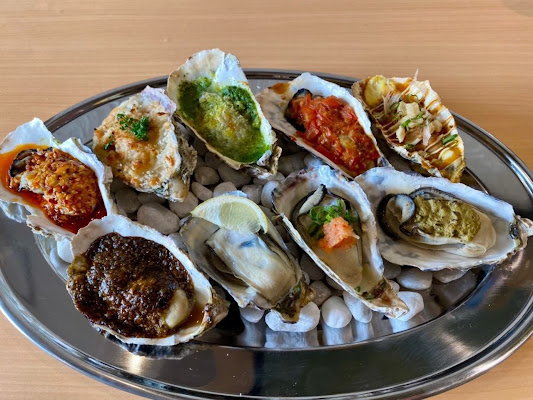
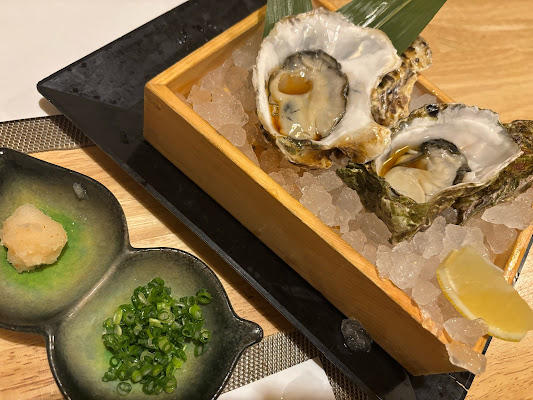
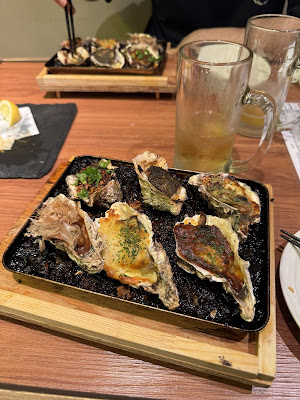
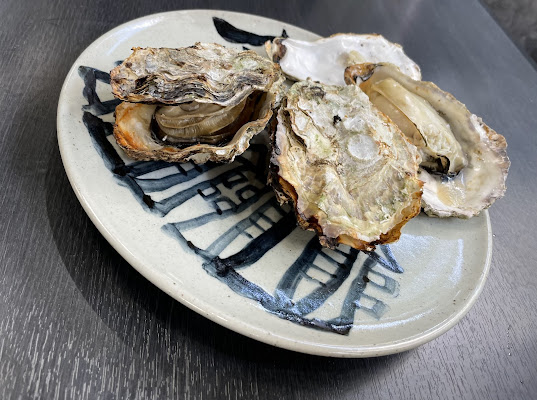
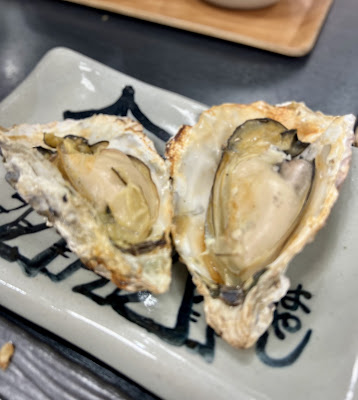
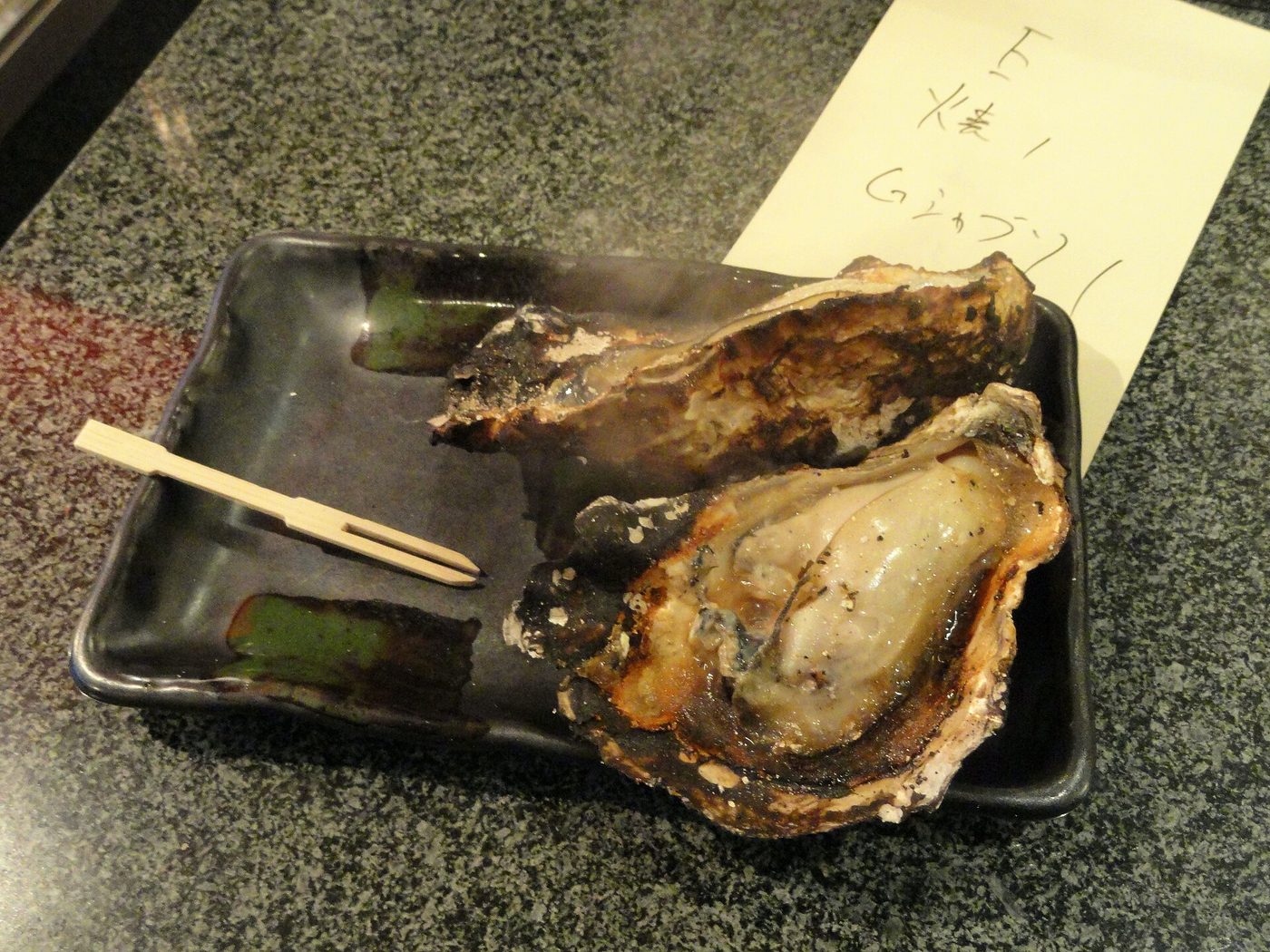
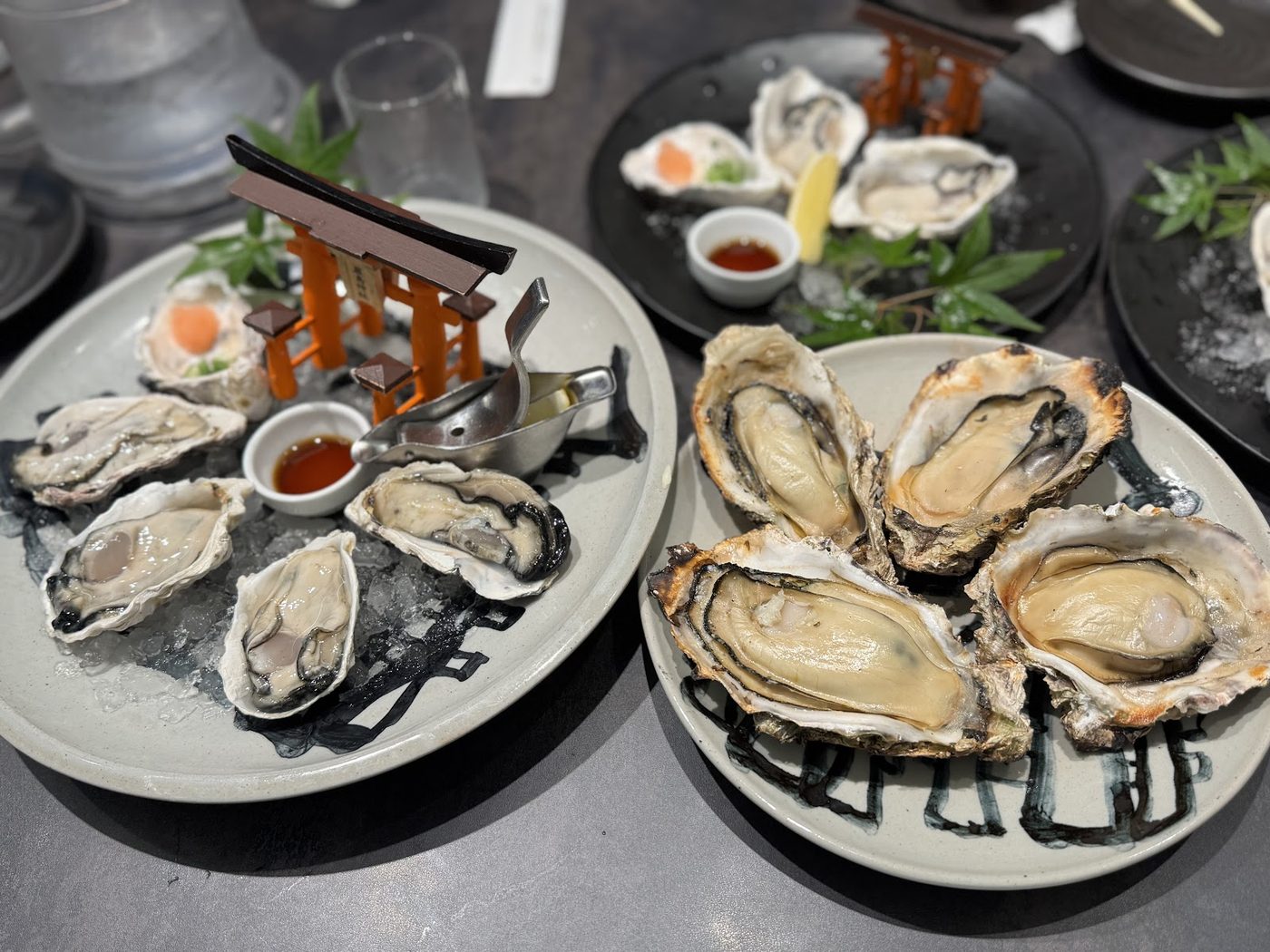
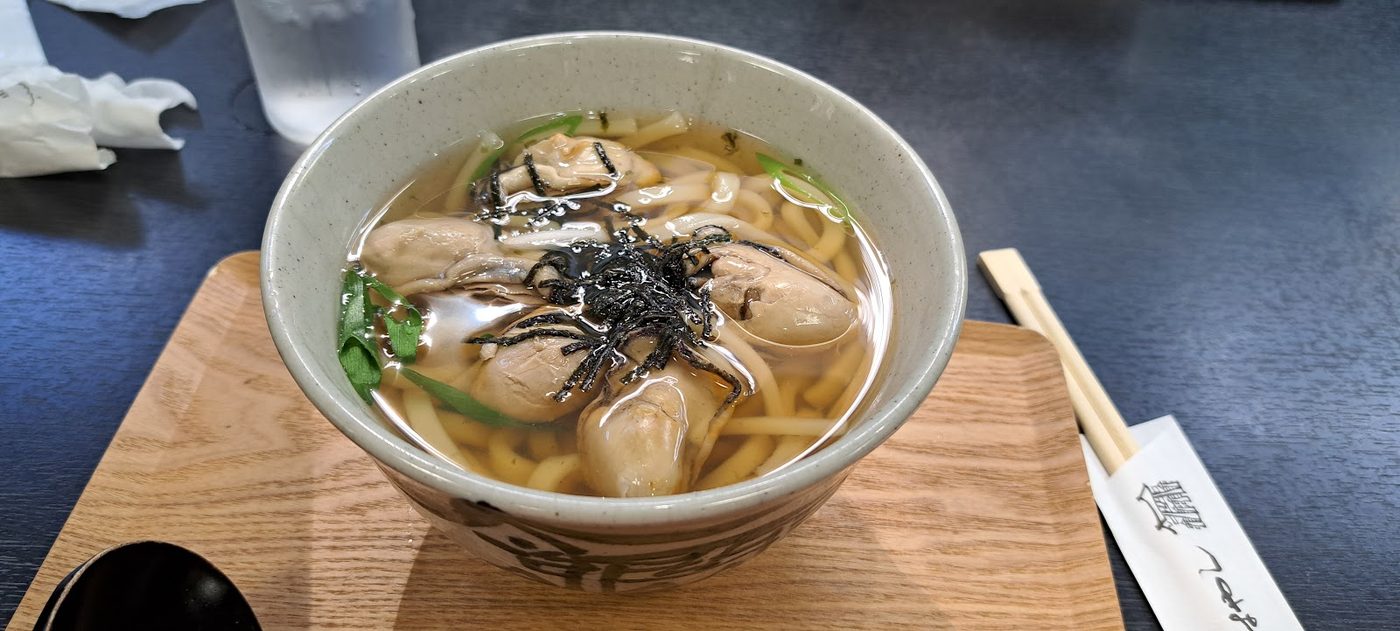
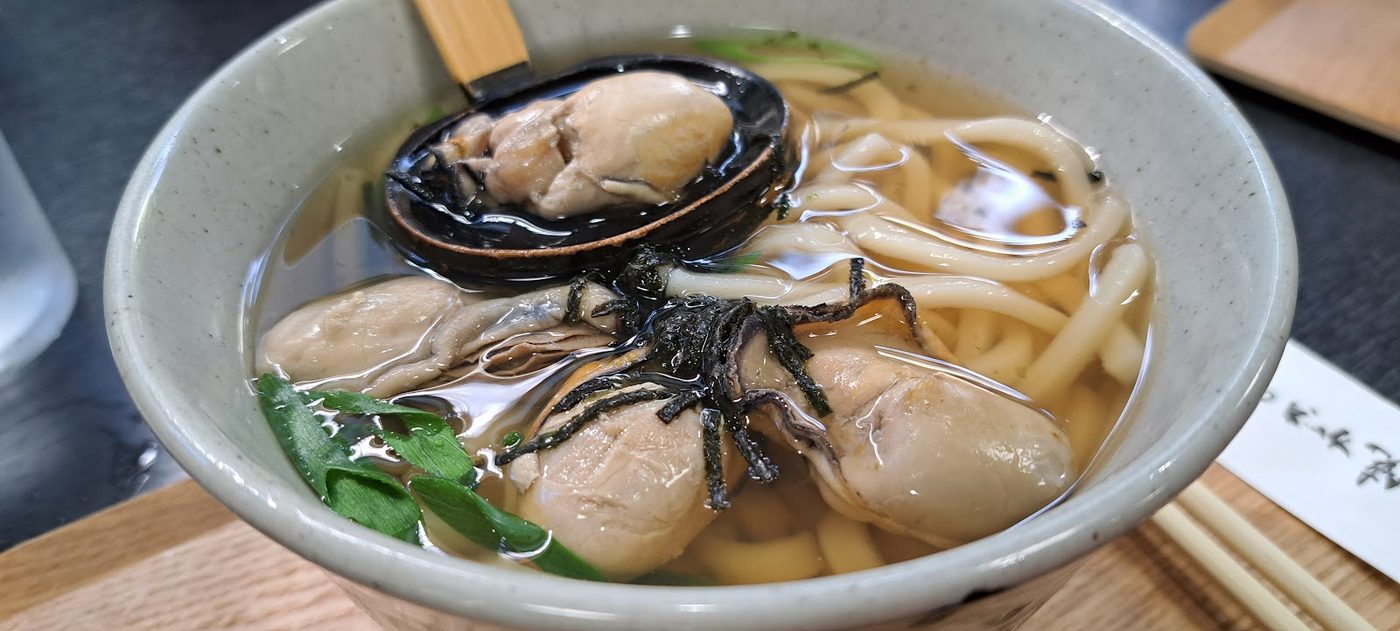
Hiroshima produces 60% of Japan's oysters. Eat them raw fried grilled or baked at restaurants across the city and on Miyajima. Peak season October to March. Plump and creamy.

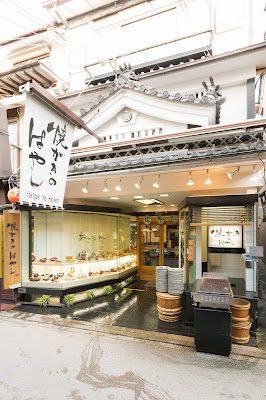
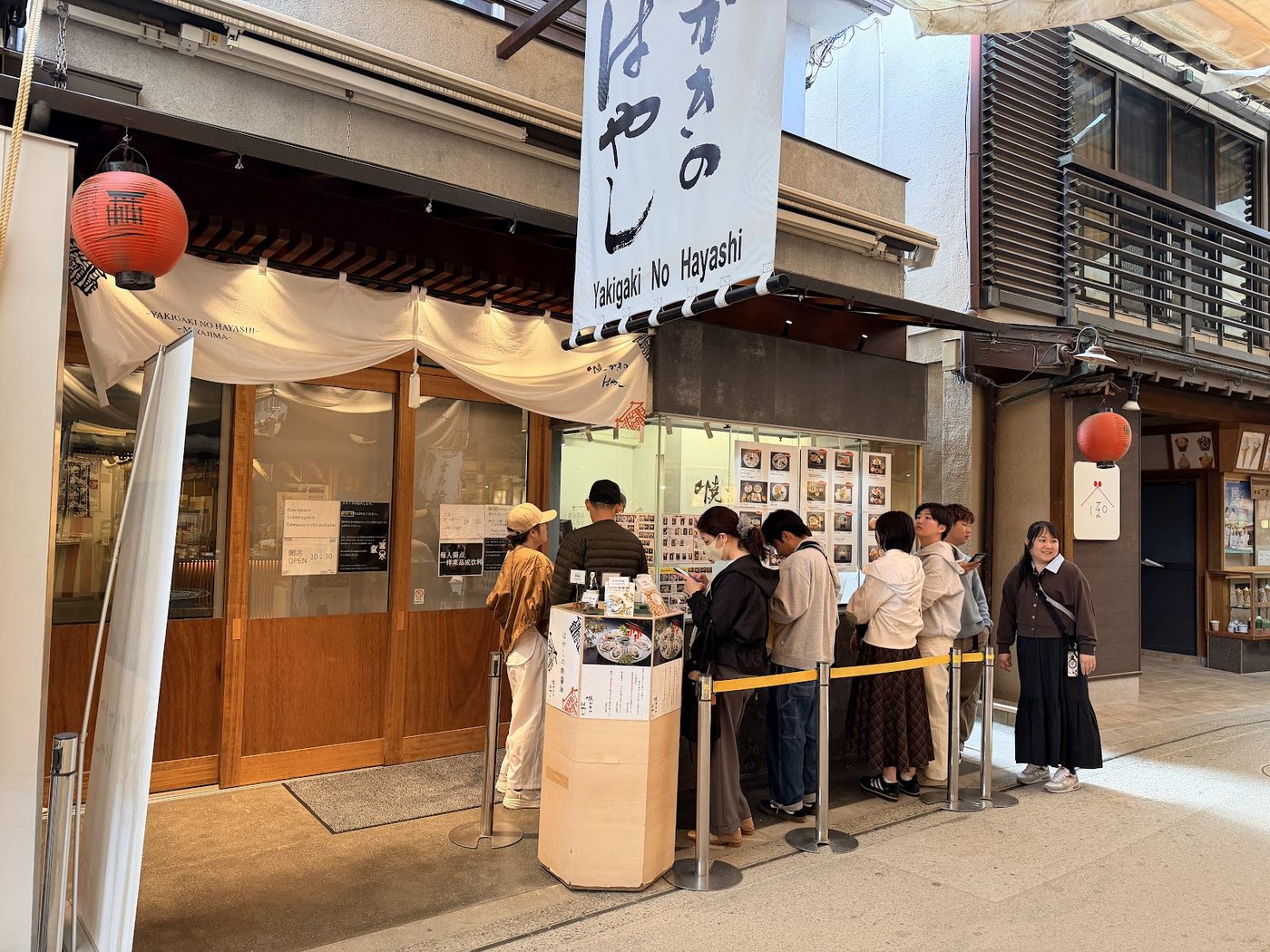
Famous oyster restaurant on Miyajima serving freshly grilled oysters right on the main street. Watch them grill huge Hiroshima oysters over charcoal. Simple perfection. Often a line.

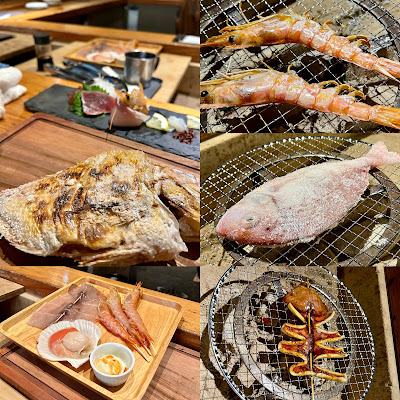
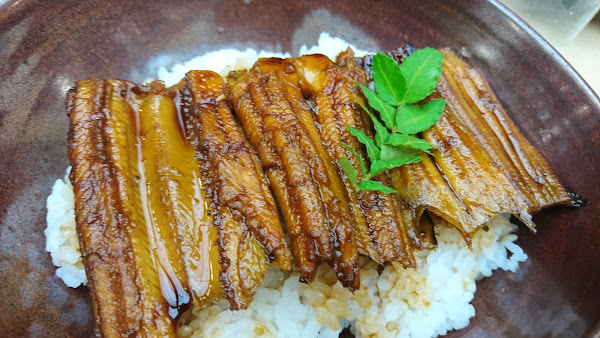
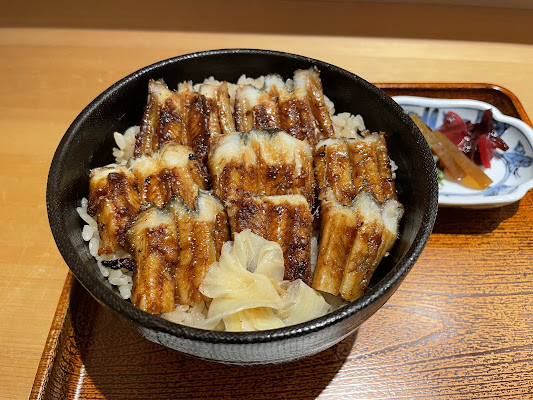
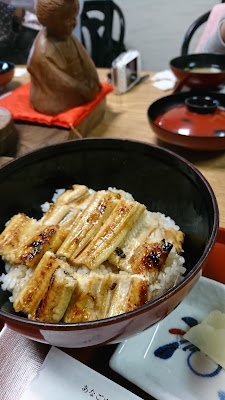
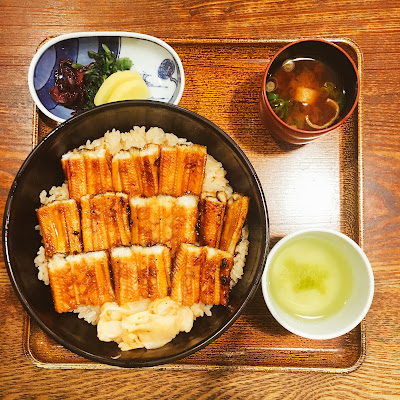
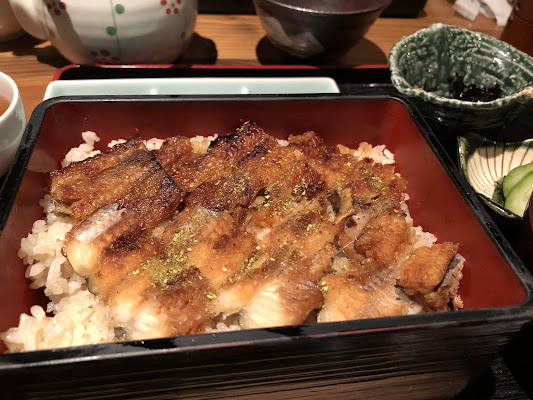
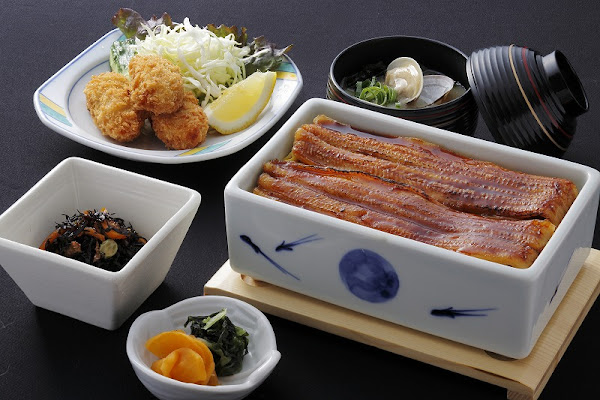
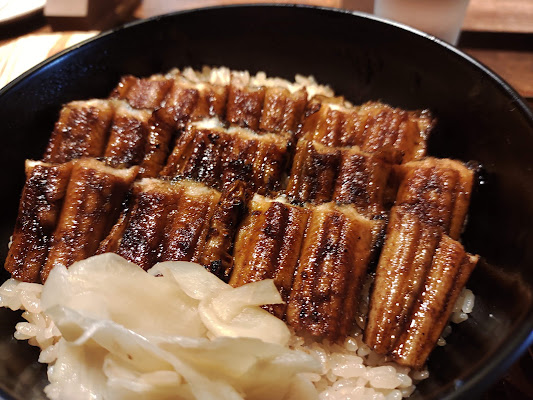
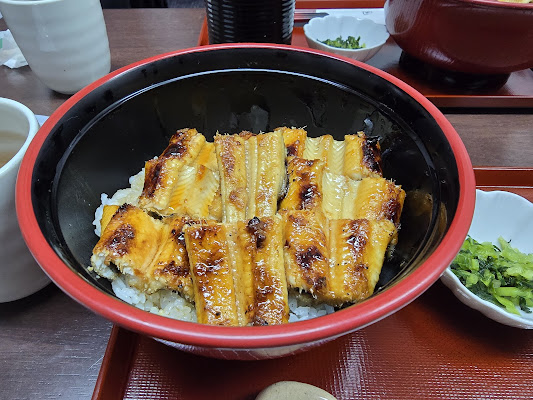
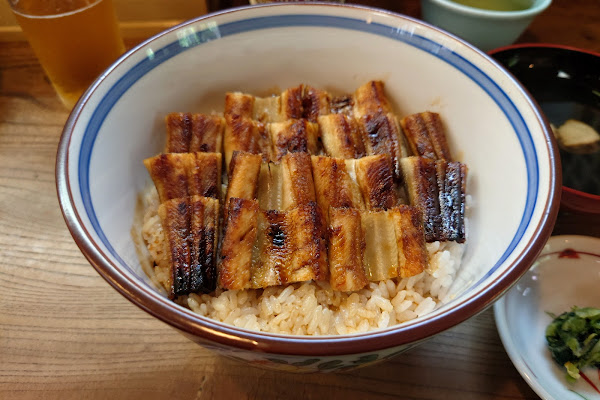
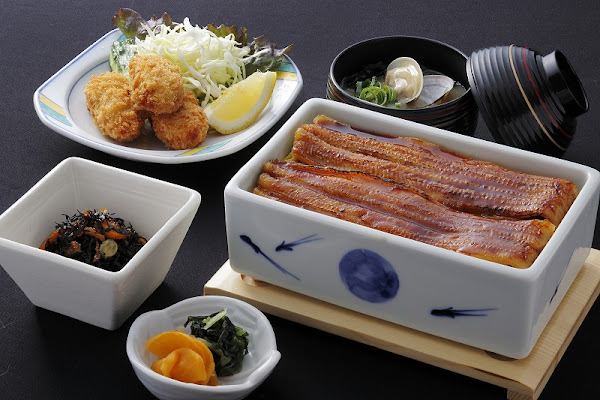
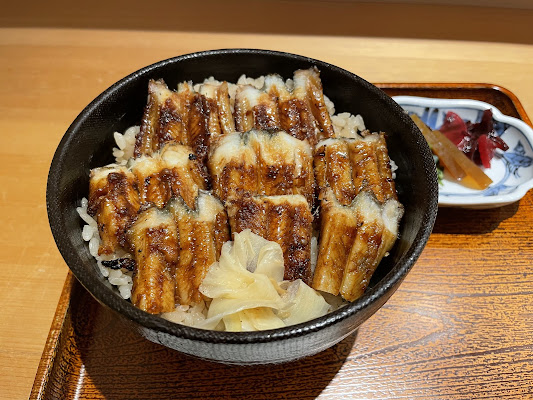
Grilled conger eel over seasoned rice. Miyajima's signature dish with a lighter sweeter flavor than freshwater eel. Ueno is the most famous traditional restaurant. Try the bento box version too.

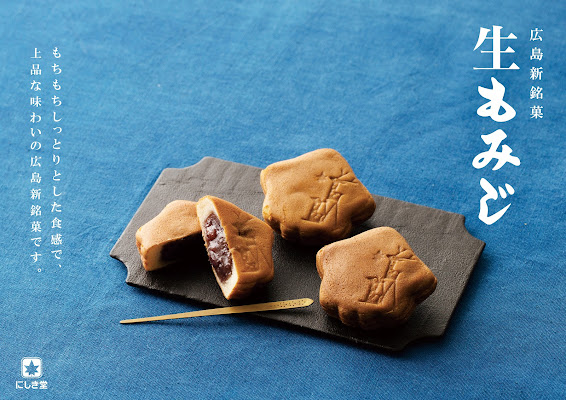
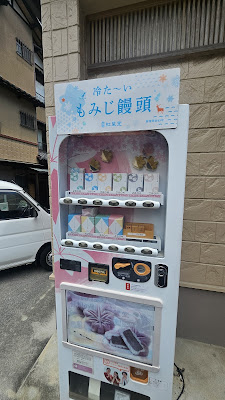
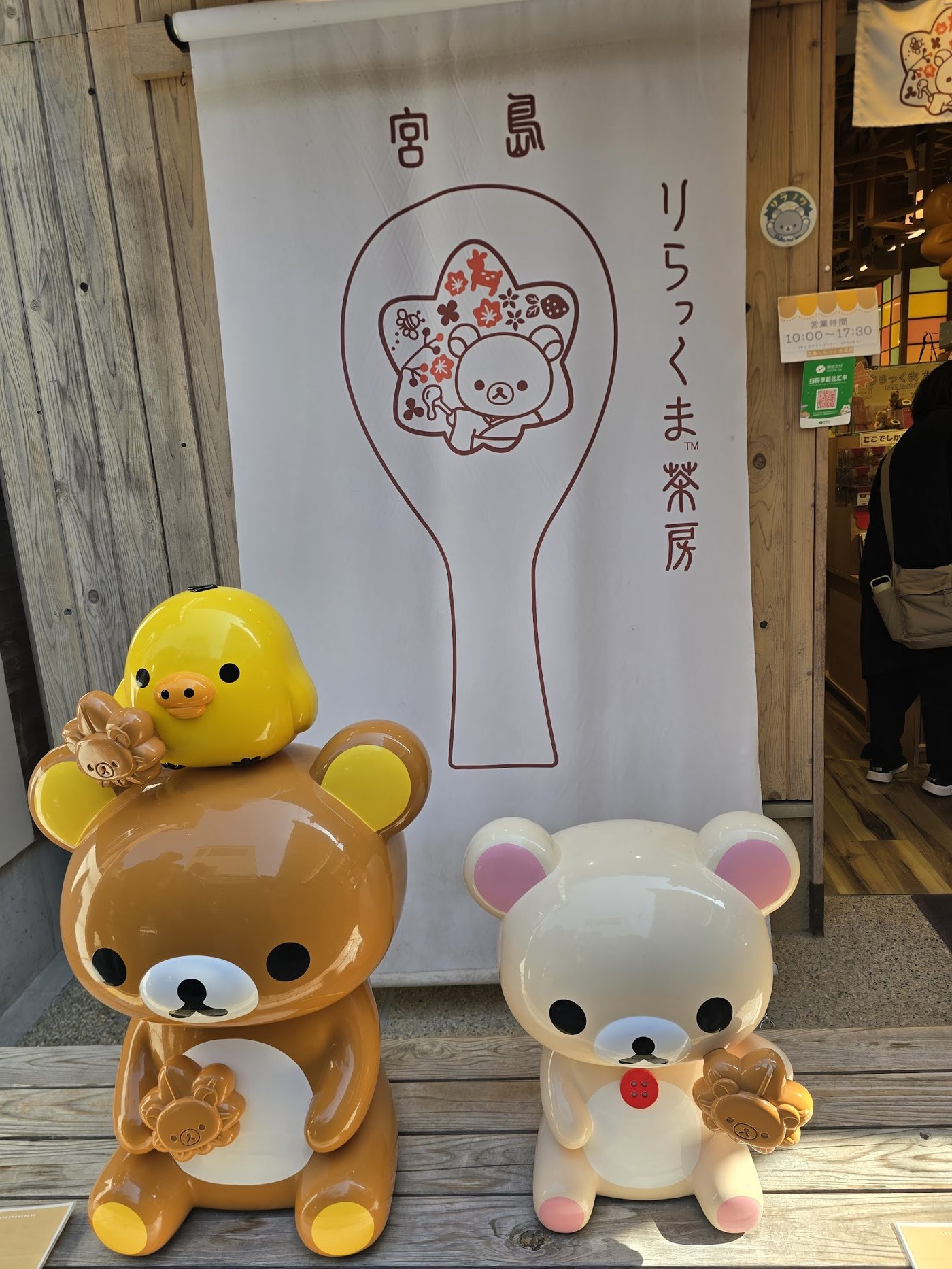
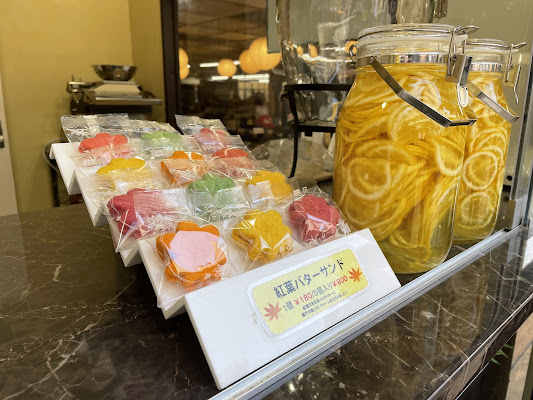
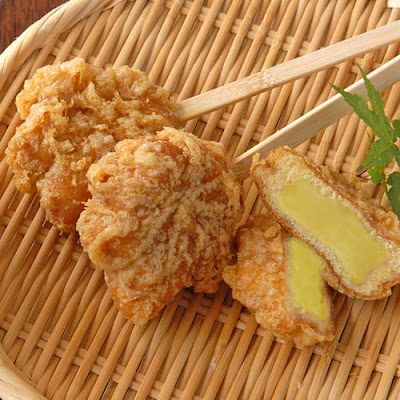
Maple leaf-shaped cakes filled with sweet red bean paste. Miyajima's iconic snack since the Meiji era. Now available in matcha cheese custard and chocolate flavors too. Fresh-baked is best.

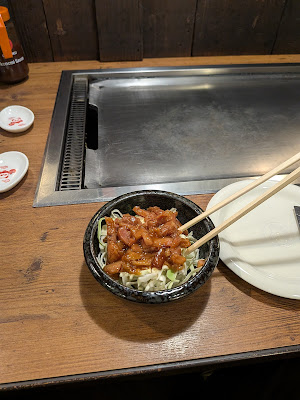
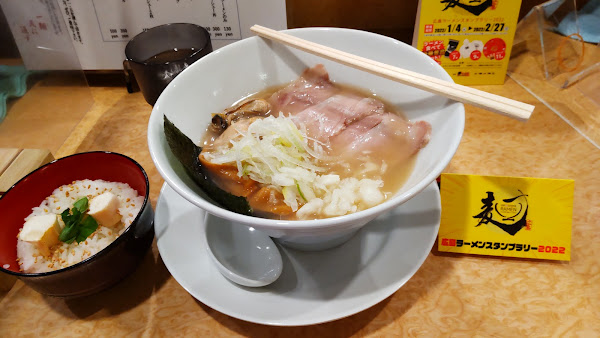
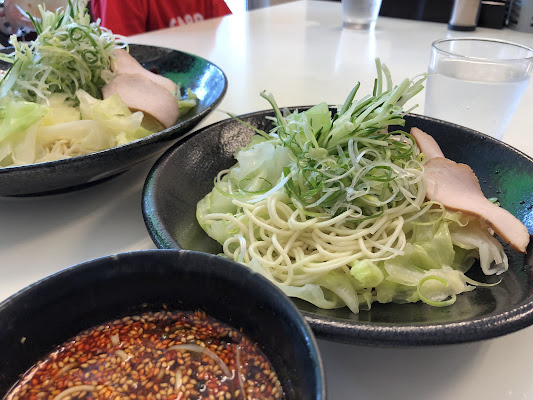
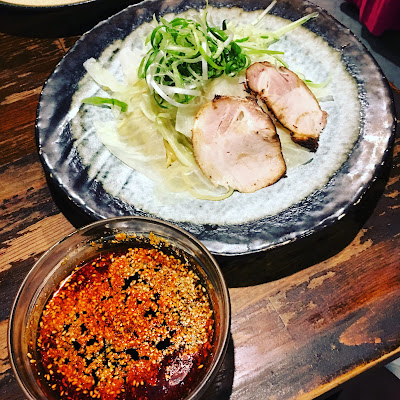
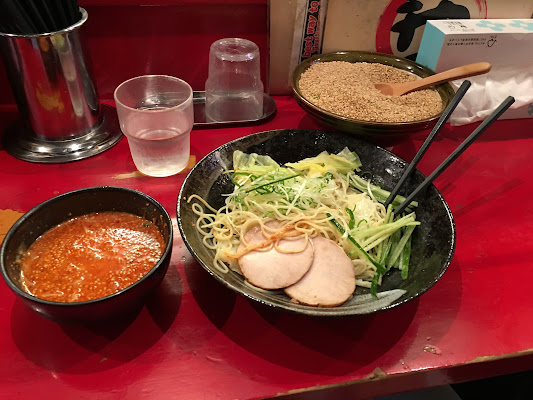
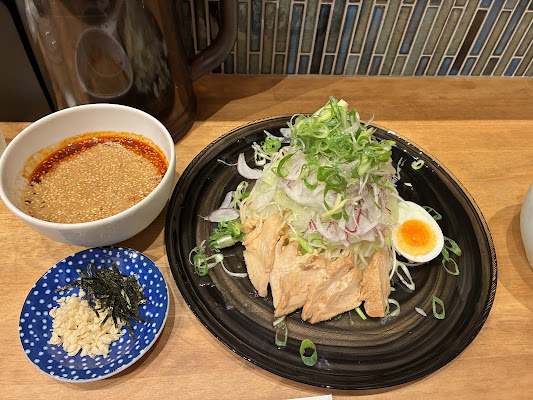
Cold noodles dipped in a fiery red pepper sauce. Hiroshima's unique twist on tsukemen. Spice level is customizable. Bakudanya near Hiroshima Station is a famous spot. Perfect summer meal.

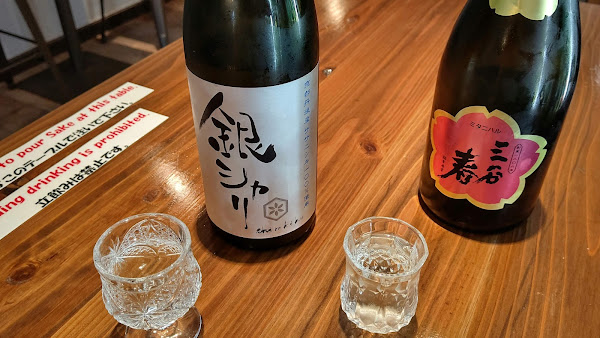
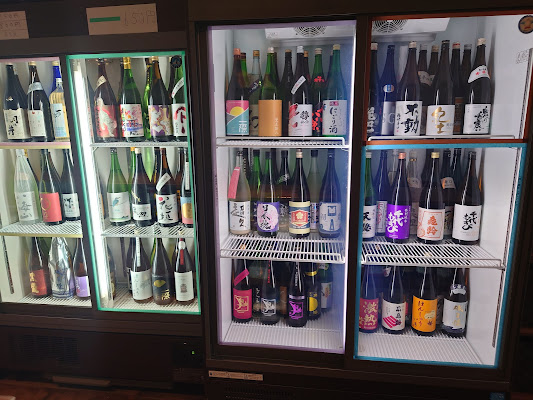
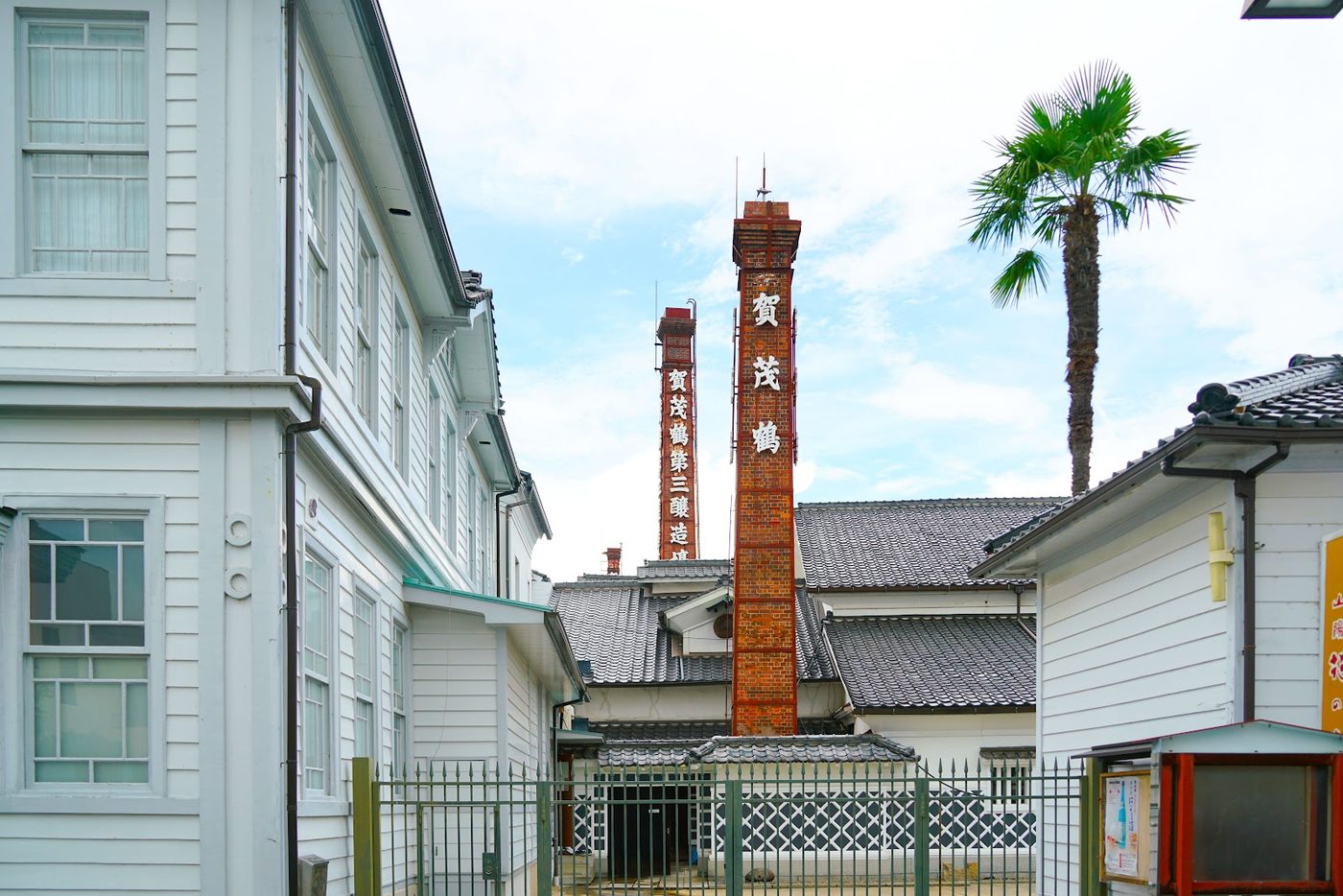
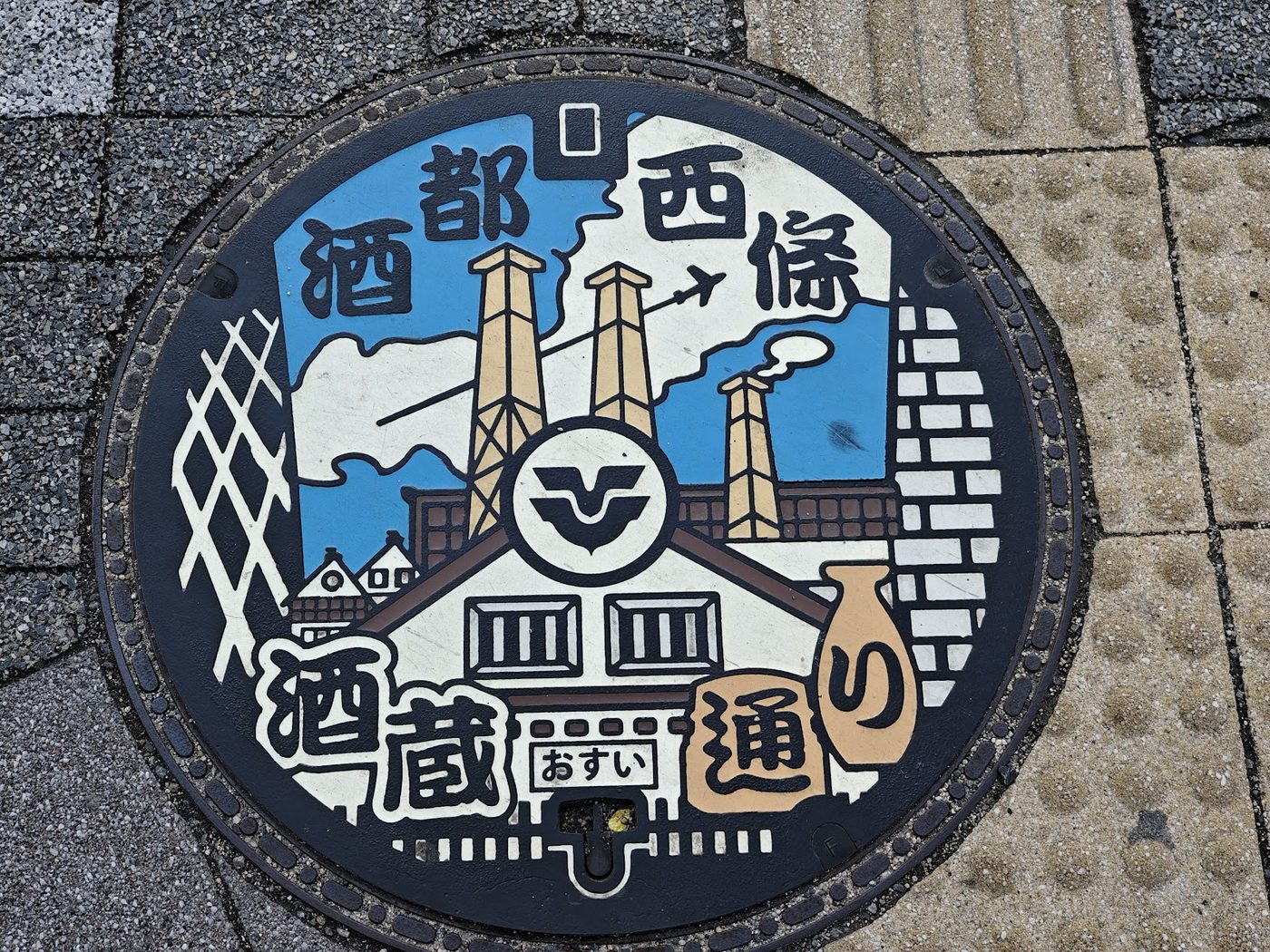
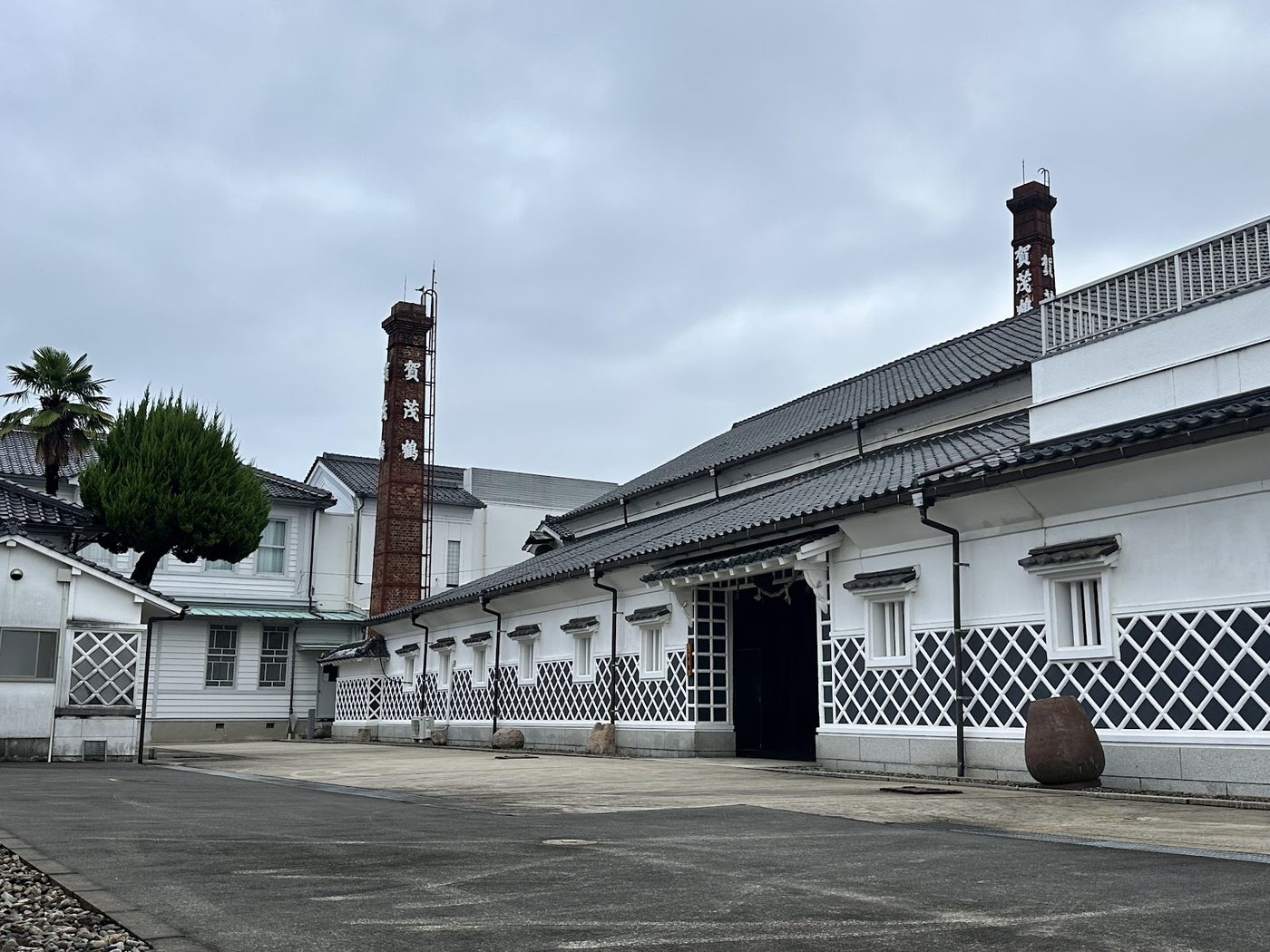
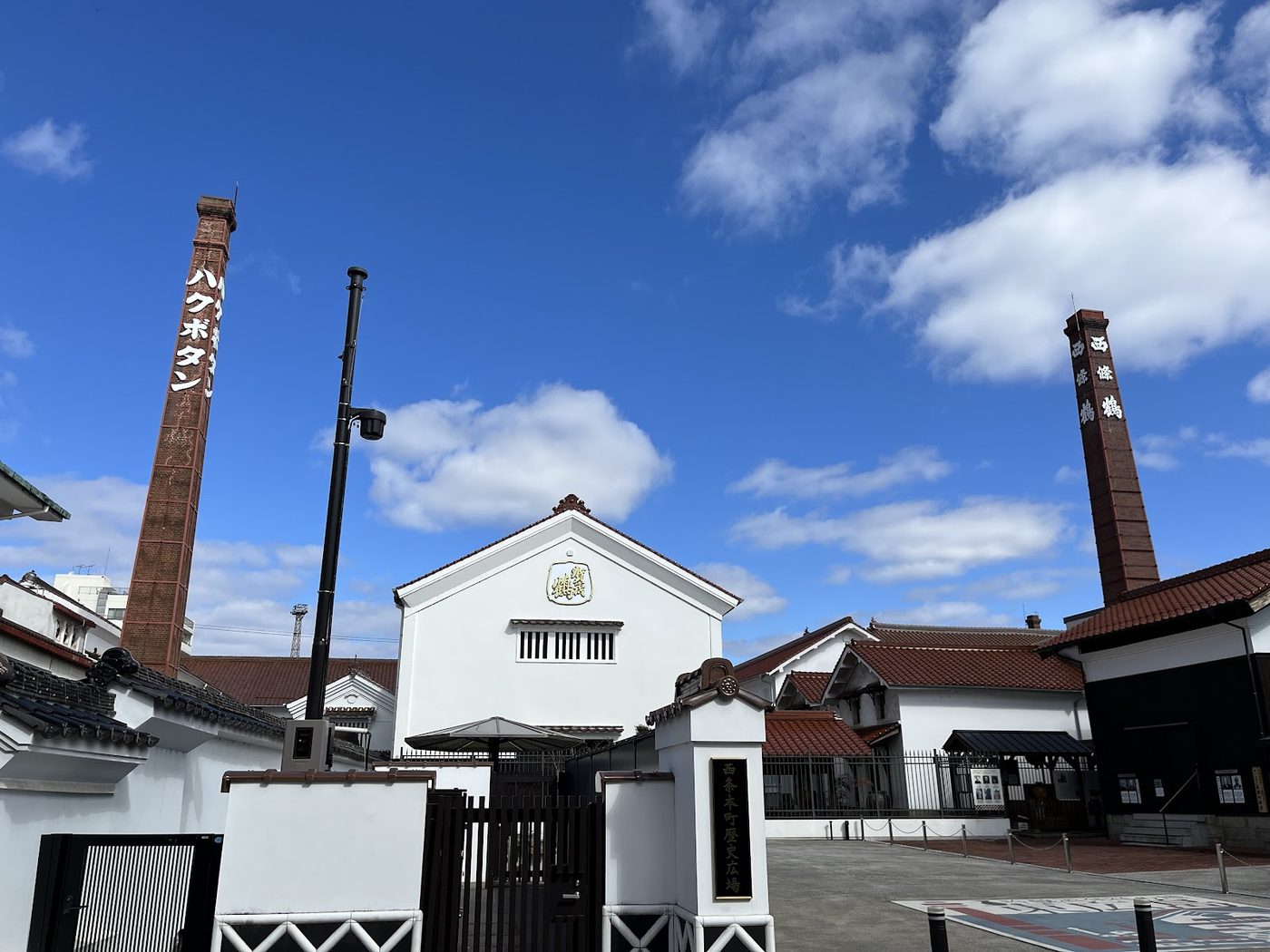
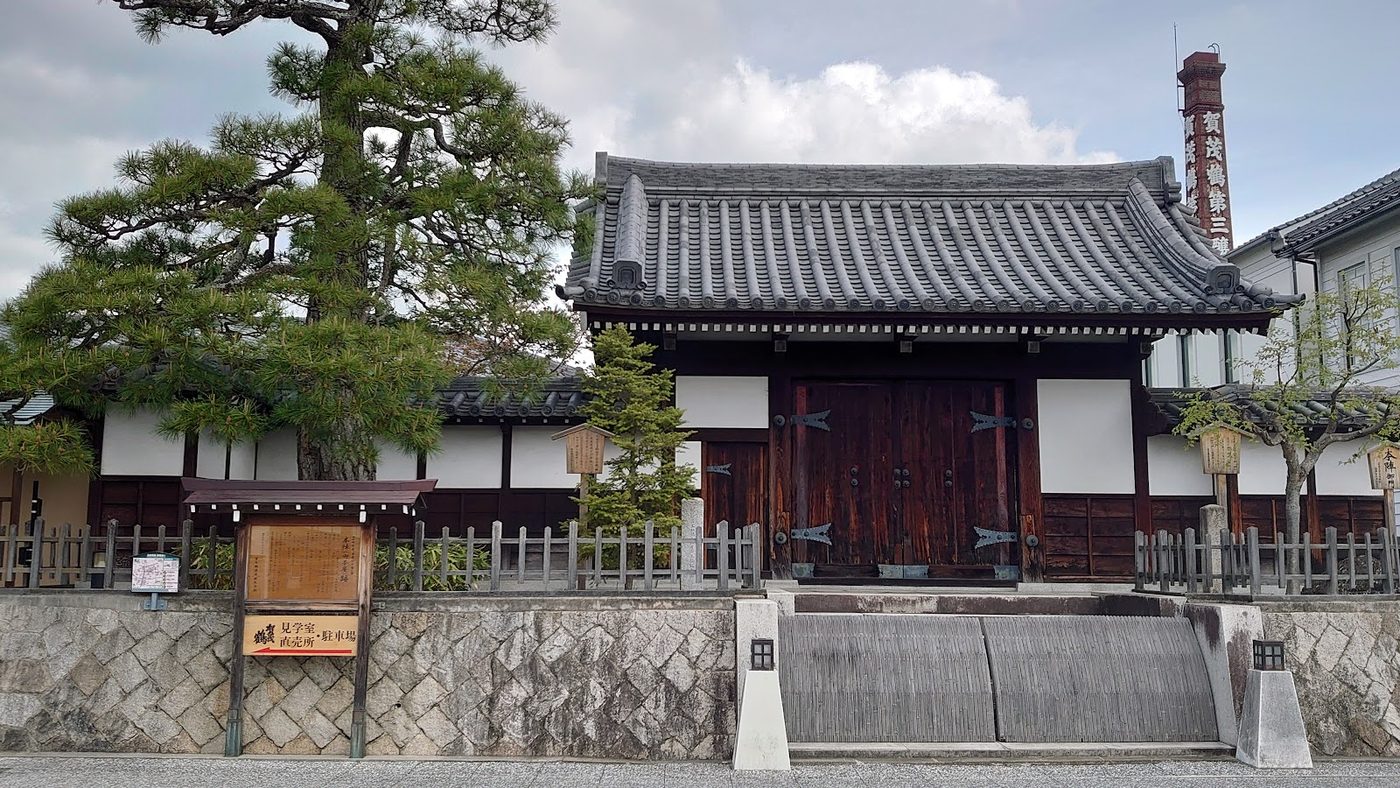
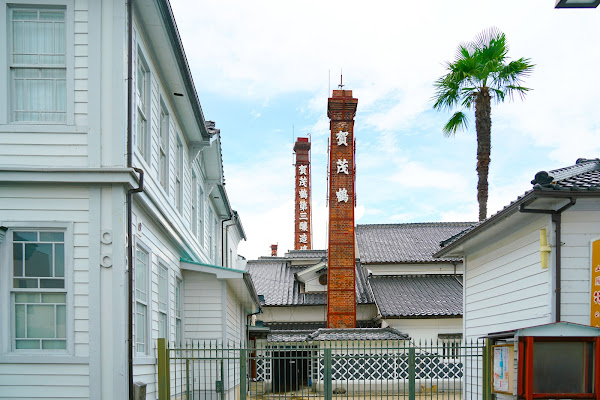
Saijo district is one of Japan's three great sake brewing regions. Walk the Sake Brewery Road visiting historic breweries with free tastings. Annual Sake Festival in October draws huge crowds.

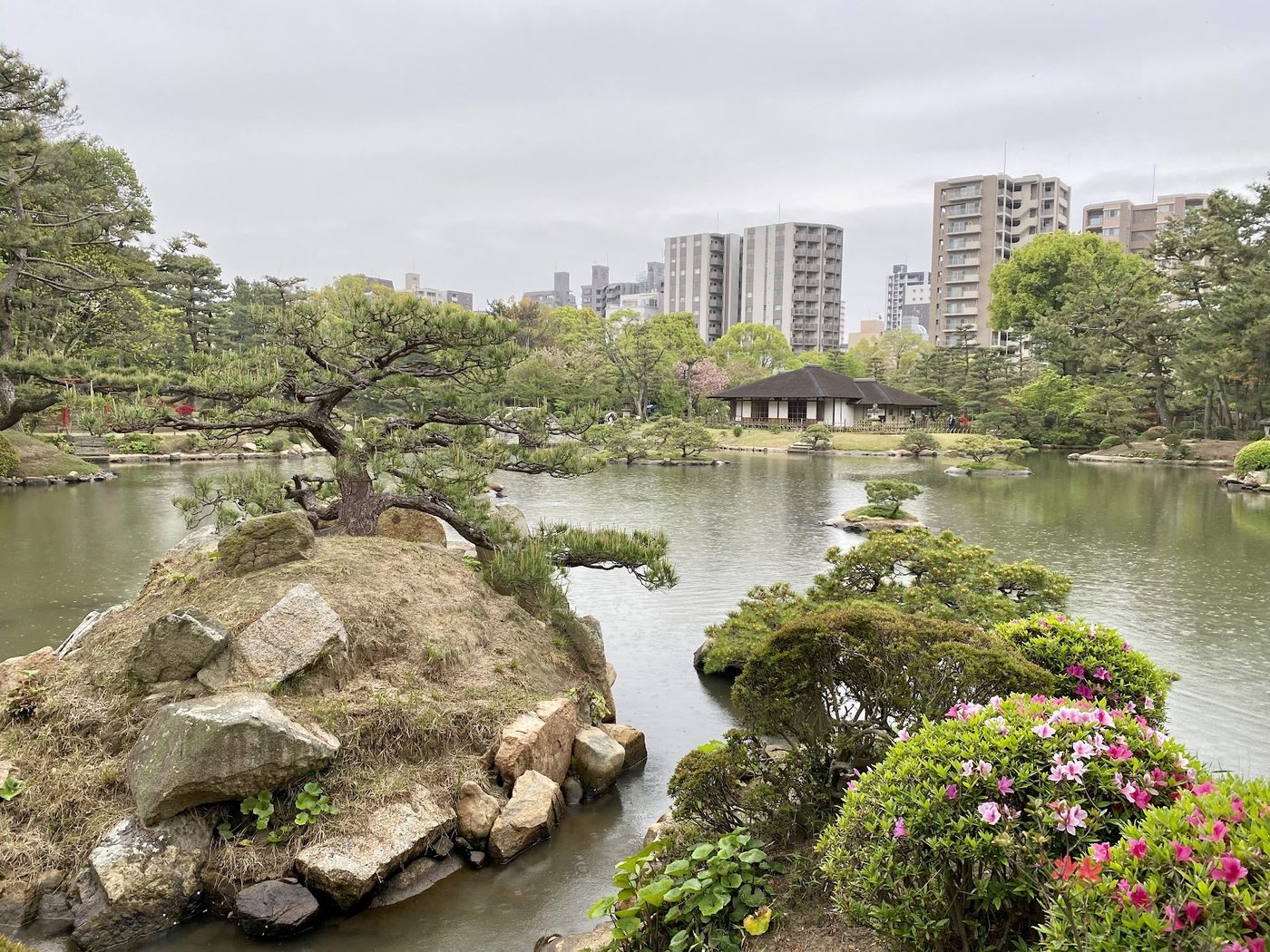
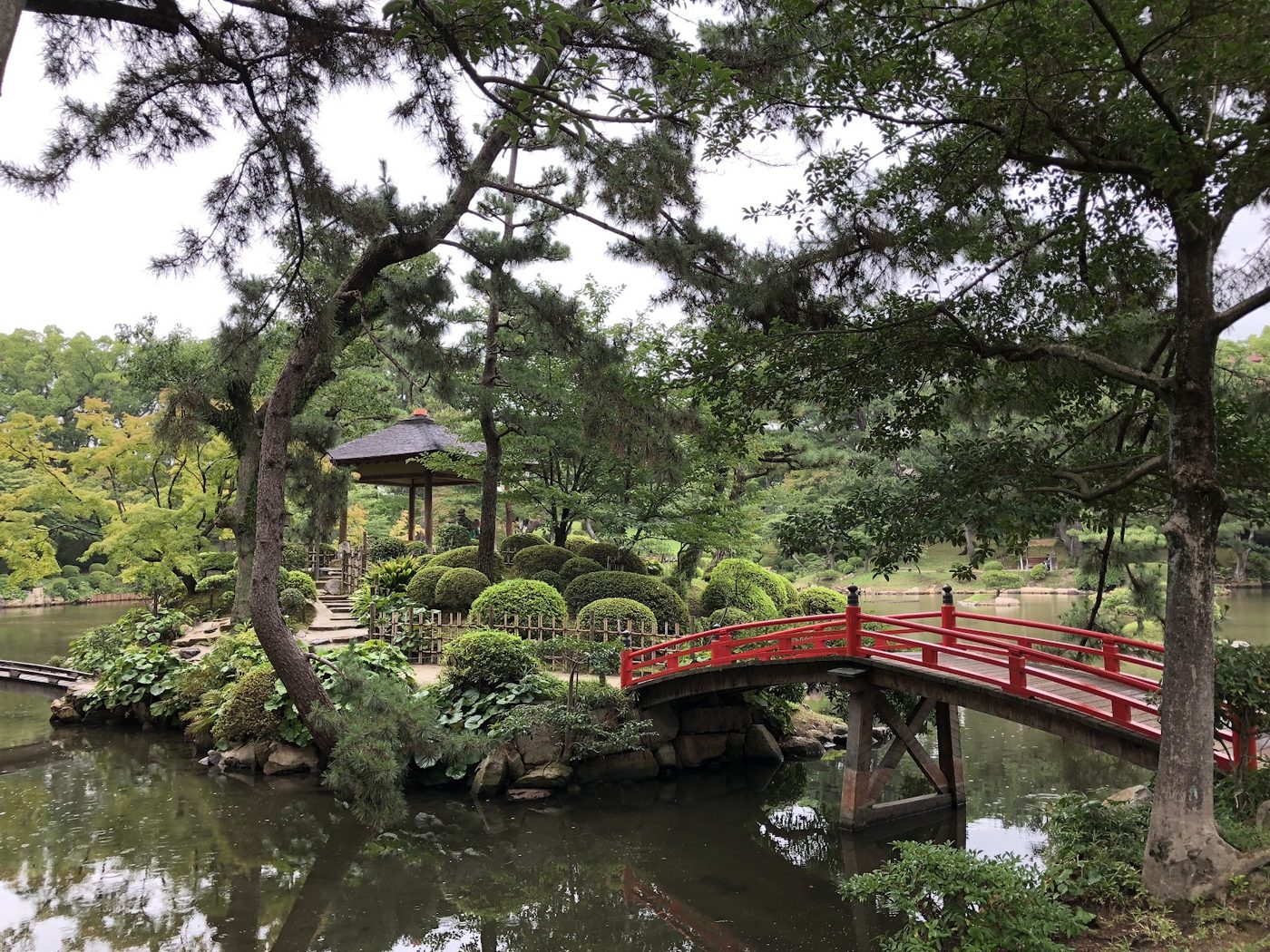
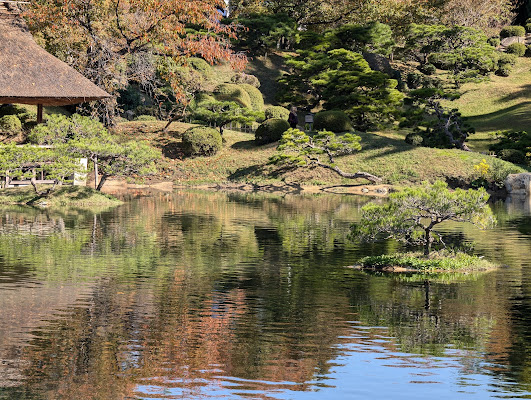
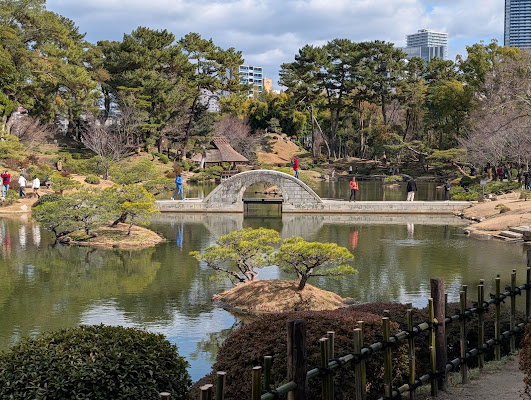
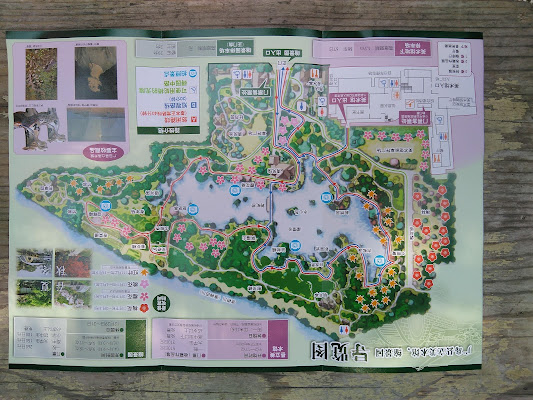
Beautiful Japanese garden dating to 1620 in the heart of Hiroshima. Miniature recreation of famous Chinese West Lake. Tranquil ponds teahouses and seasonal flowers. A peaceful escape.

Grilled conger eel served over seasoned rice. Originated near Miyajima. Ueno is the most famous restaurant near the ferry terminal. Lighter and more delicate than unagi.

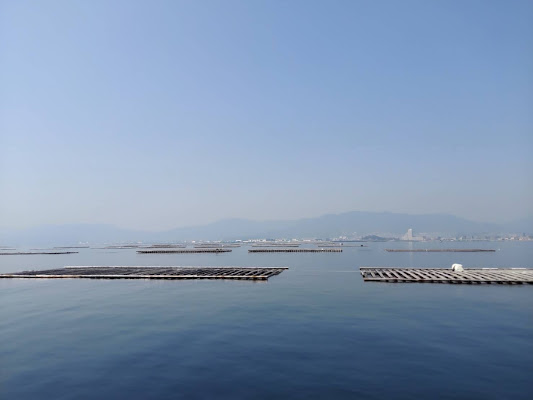
Hiroshima produces more oysters than any other prefecture. Try oyster boat tours or visit oyster shacks along the coast. Grilled raw fried or in hotpot. Best October to March.

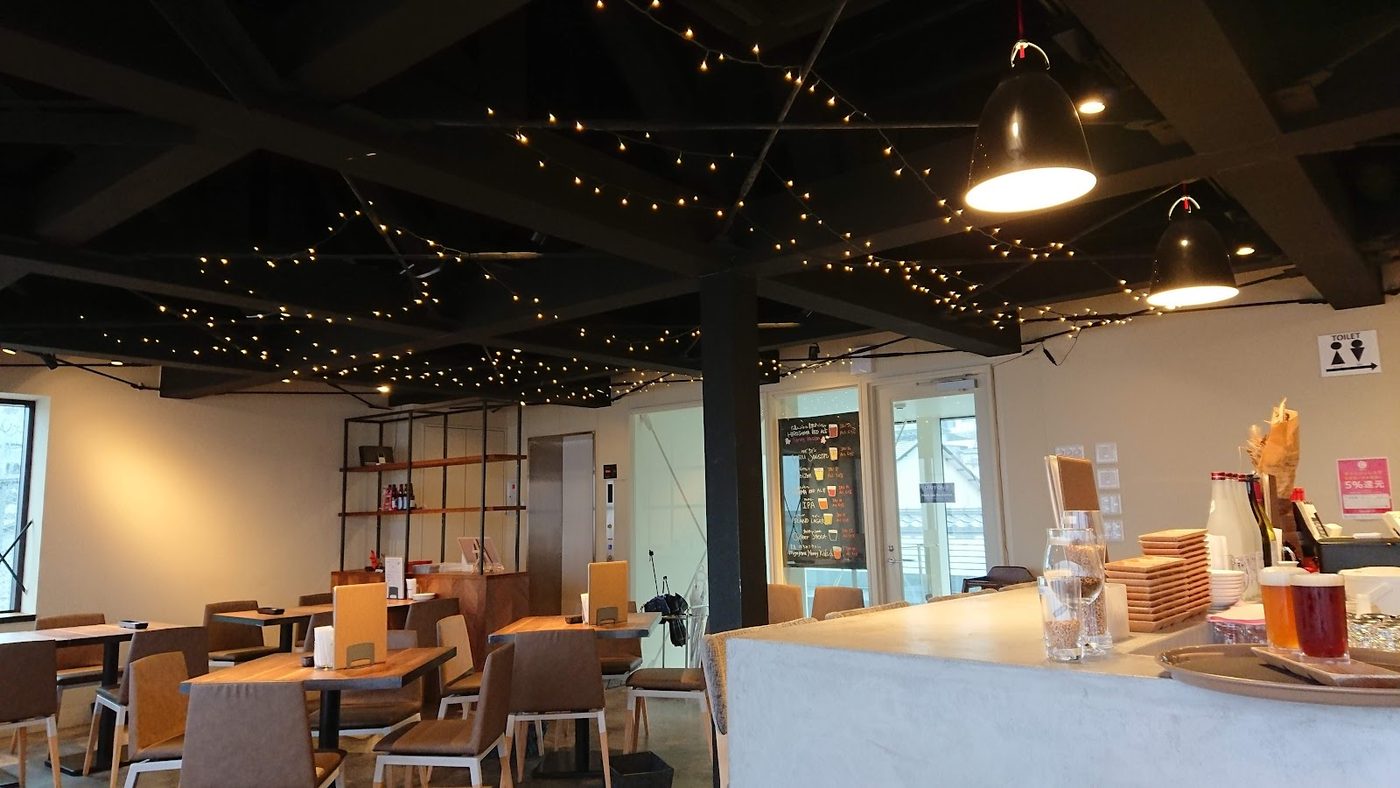
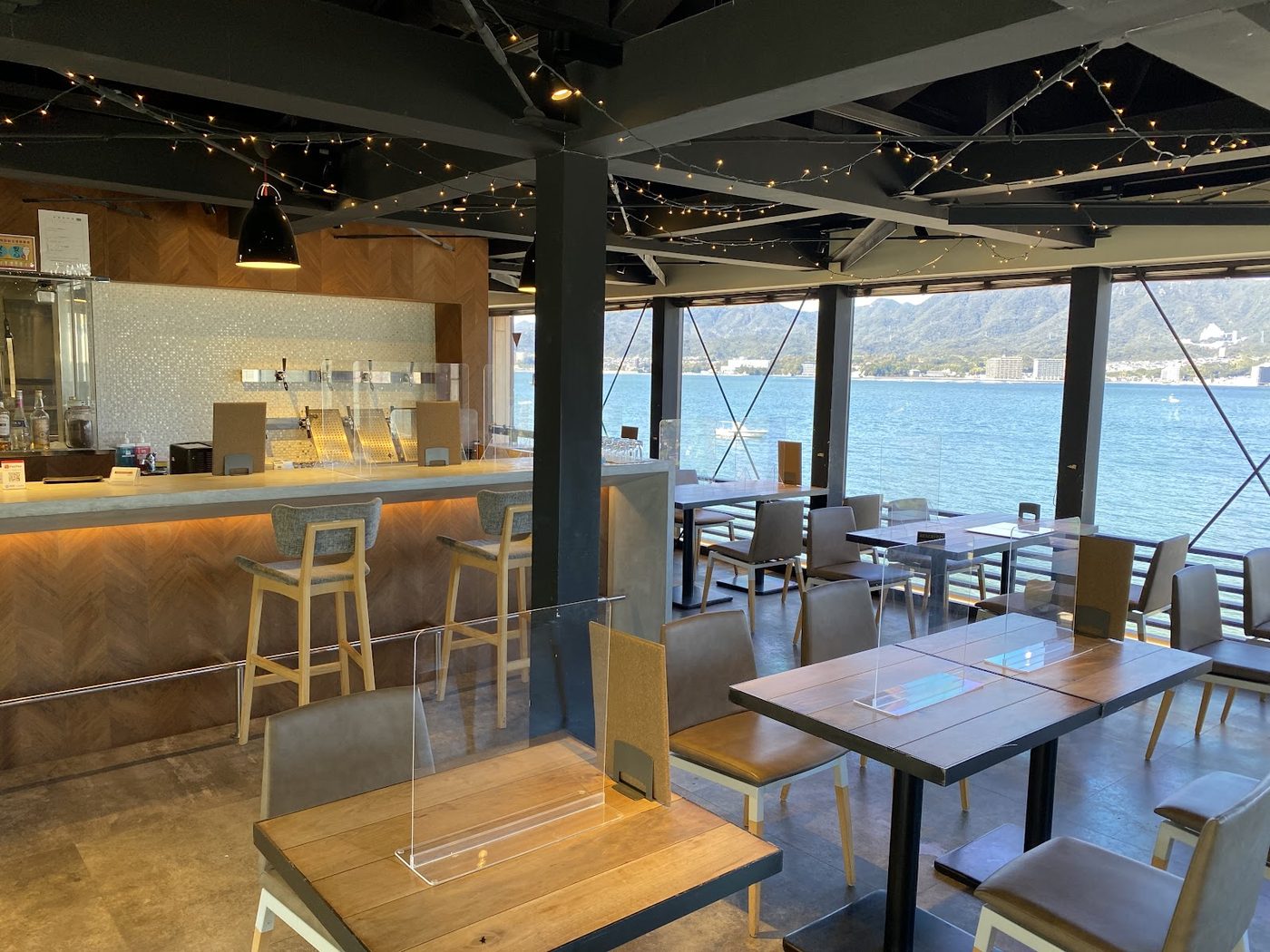
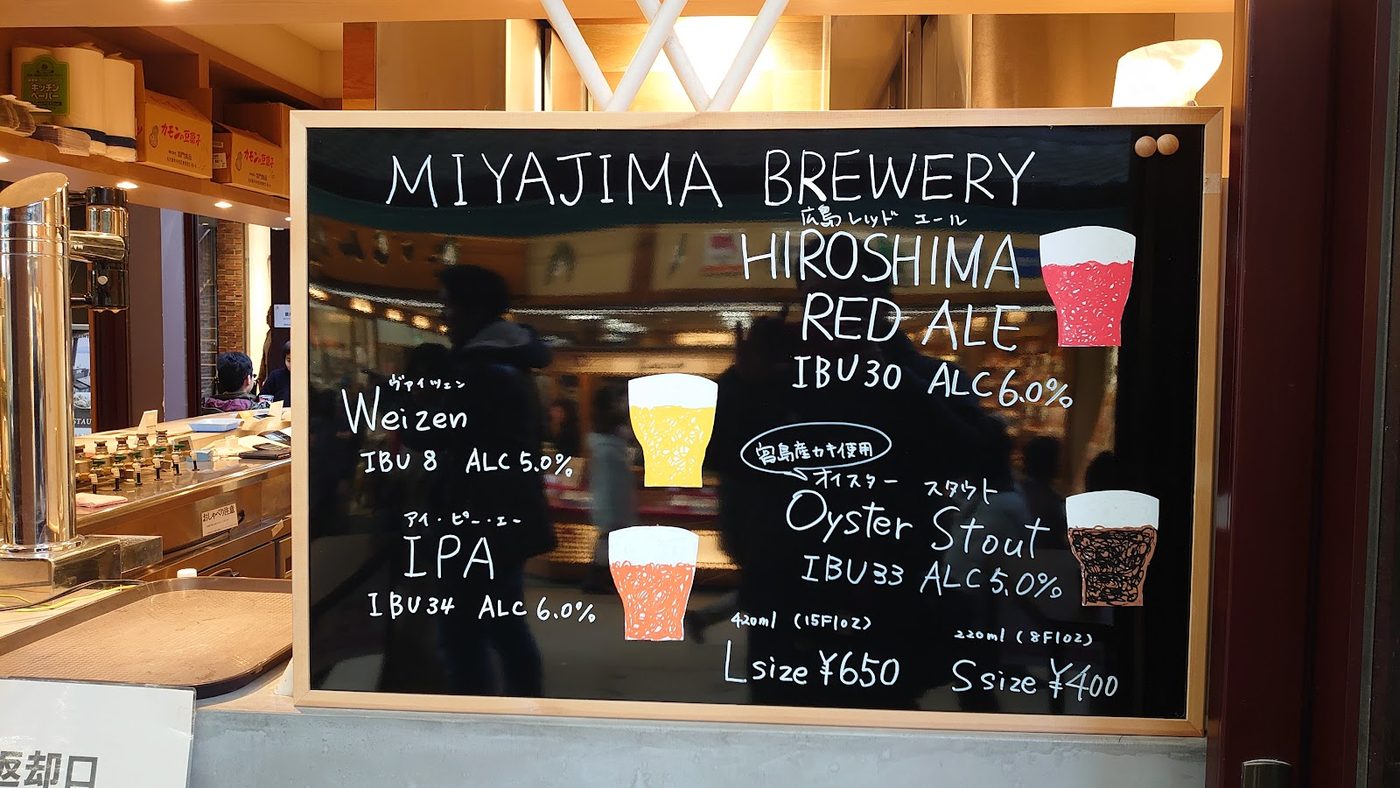
Miyajima Brewery produces craft beer on the island, the Oyster Stout (yes, brewed with oysters) is unique. Momiji Cider is the...
Hiroshima produces 60% of Japan's oysters, Miyajima's street stalls grill them over charcoal for ¥500 per plate. The fresh, plump, ...
One of Japan's three great sake-brewing towns, 8 breweries line a walkable main street. Free tastings at most. The autumn Sake Festival...
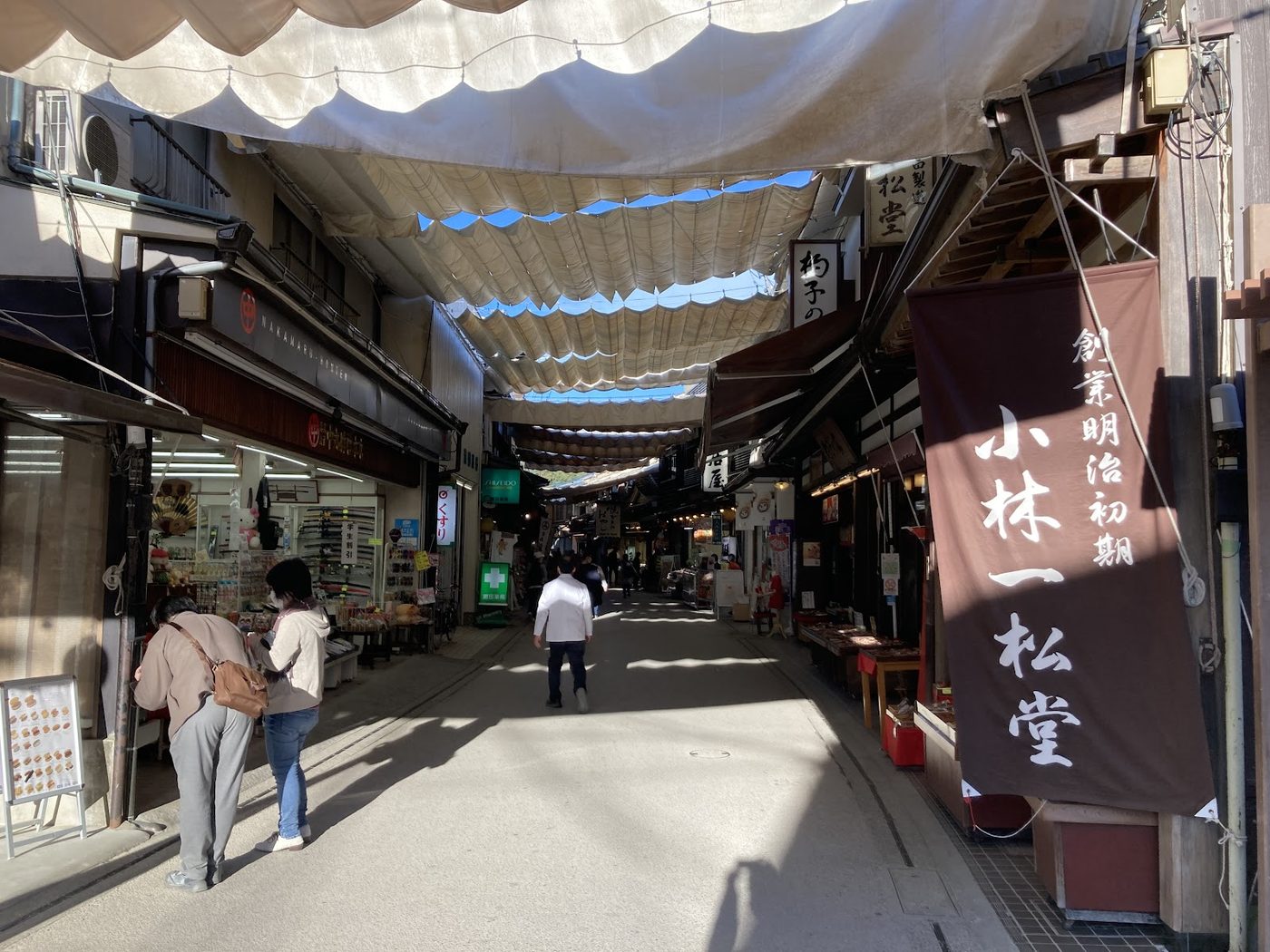
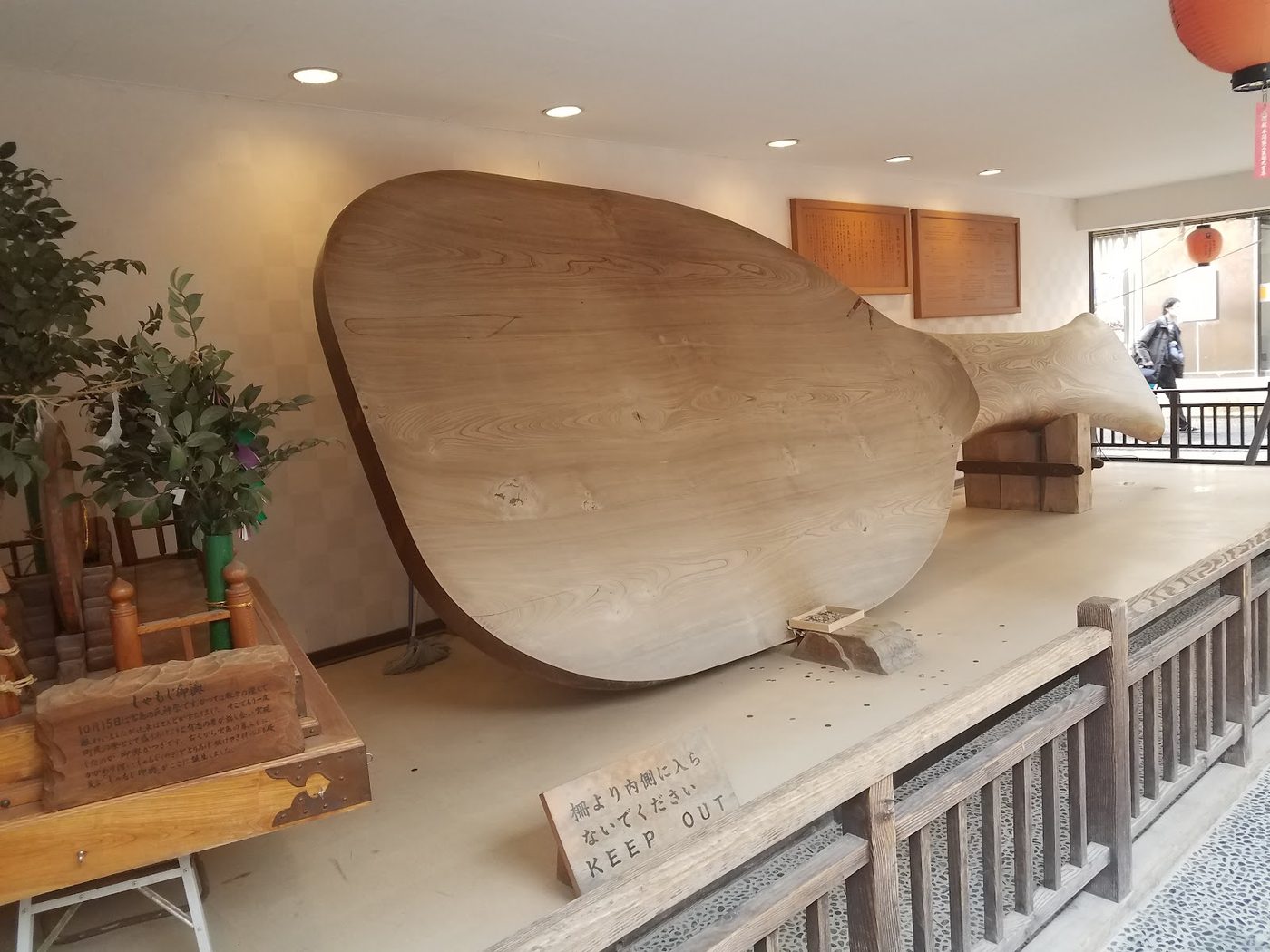
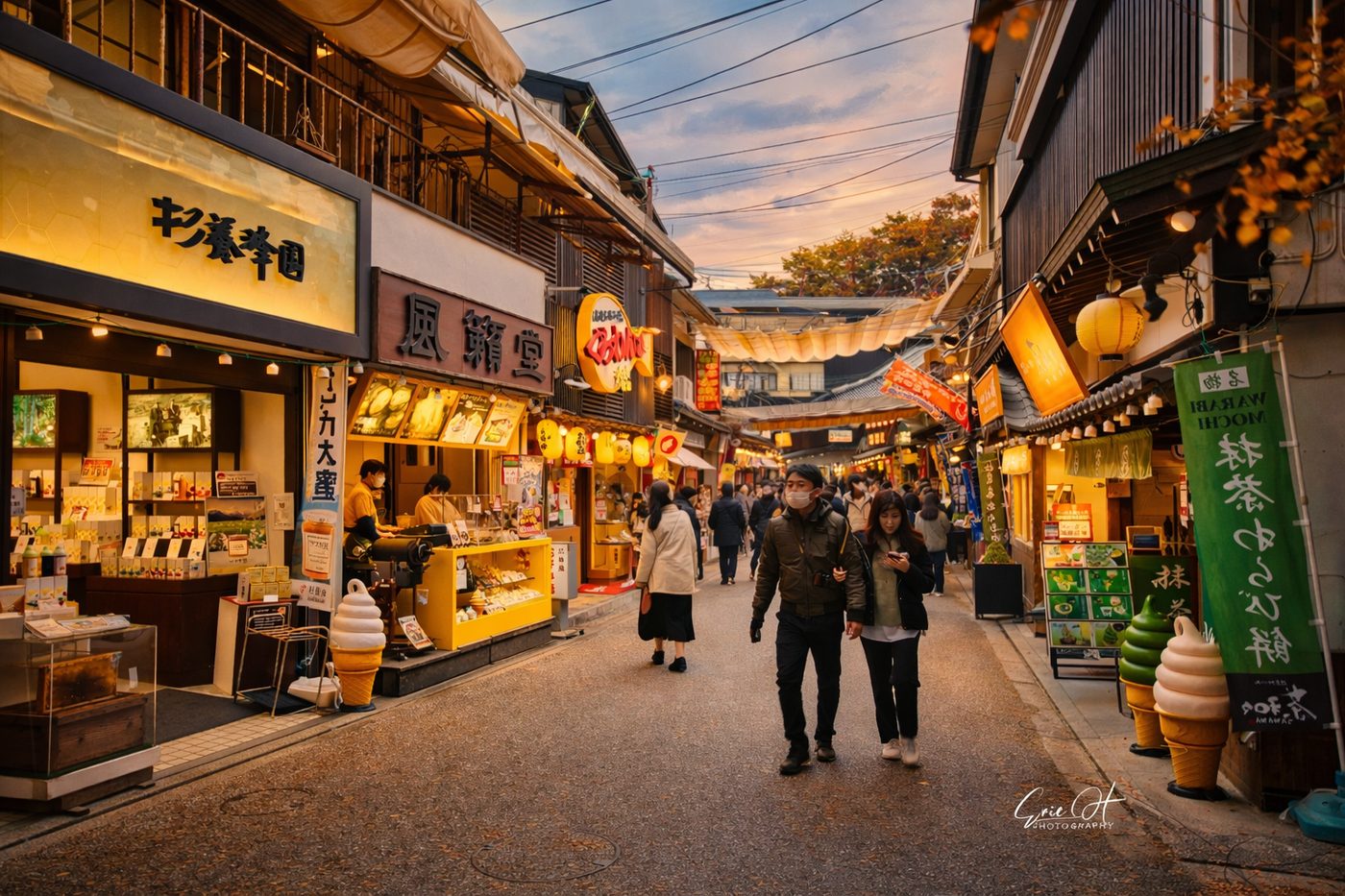
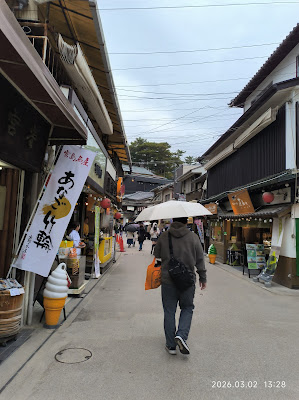
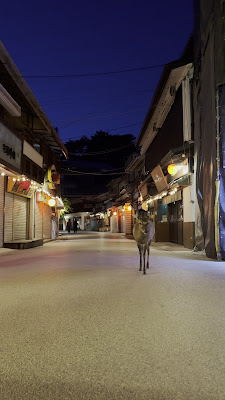
The 350m shopping street from the ferry to the shrine, momiji manju, oysters, and the world's largest rice paddle (shamoji). The...

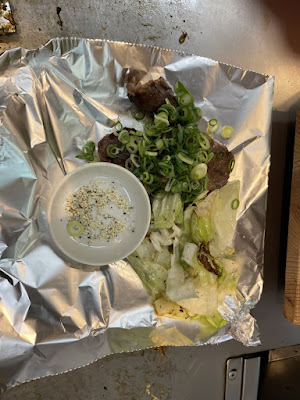
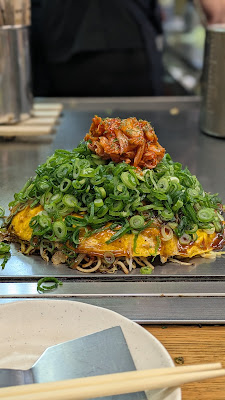
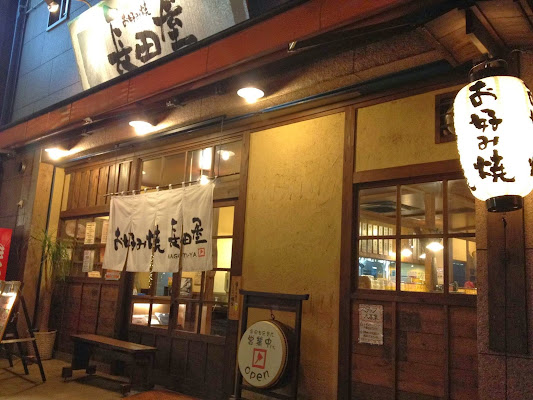
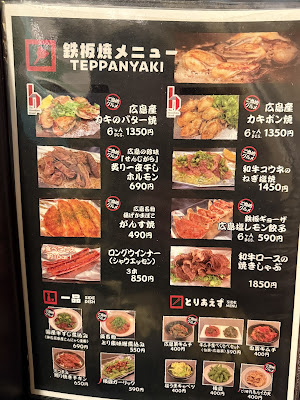
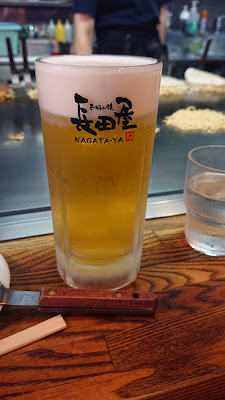
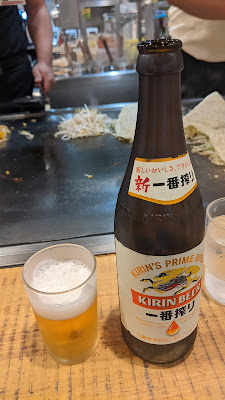
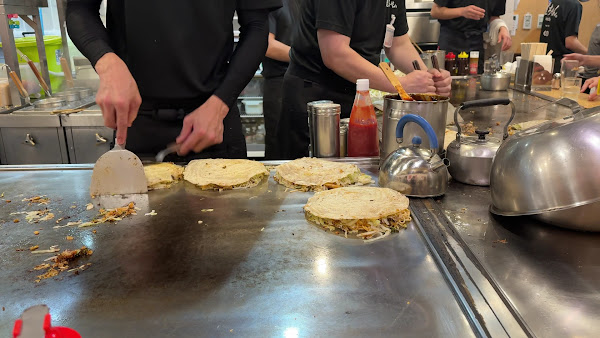
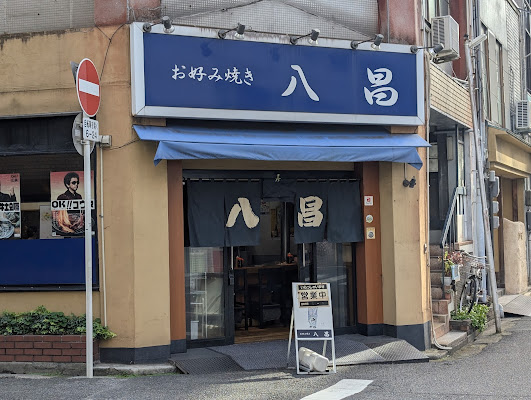
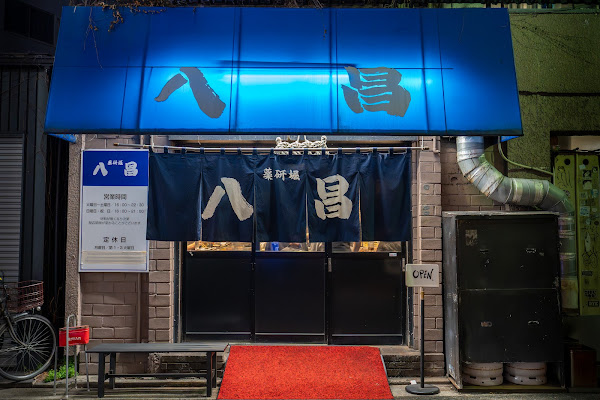
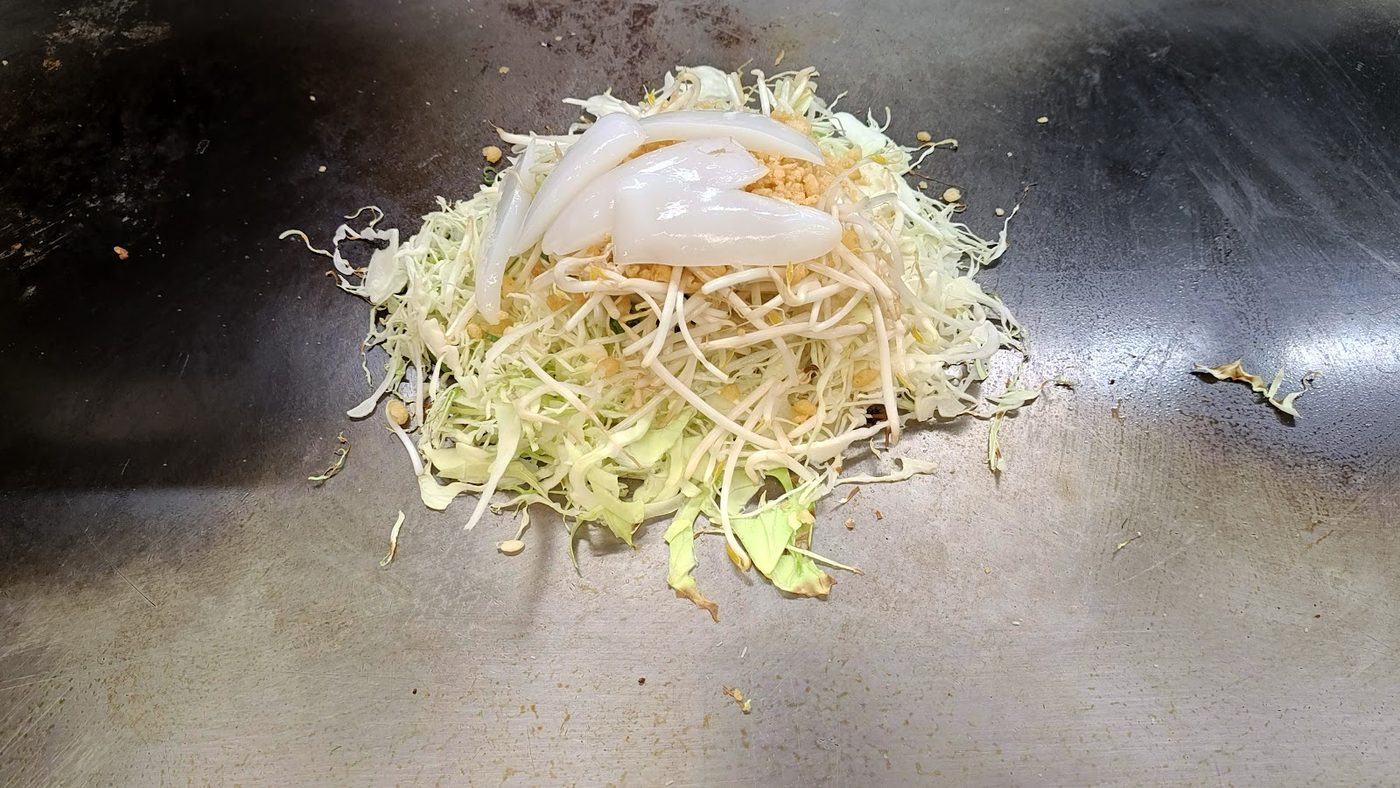
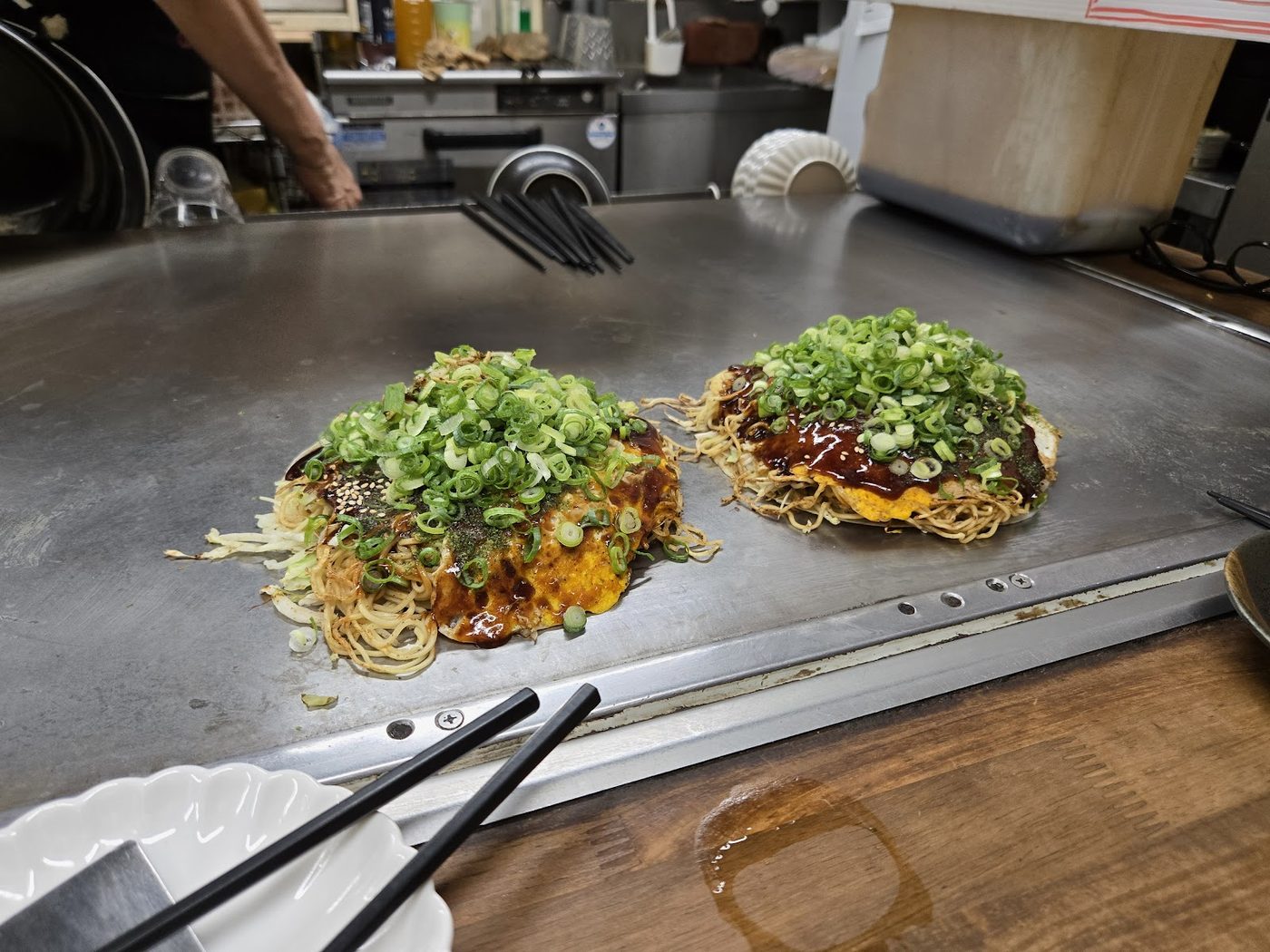
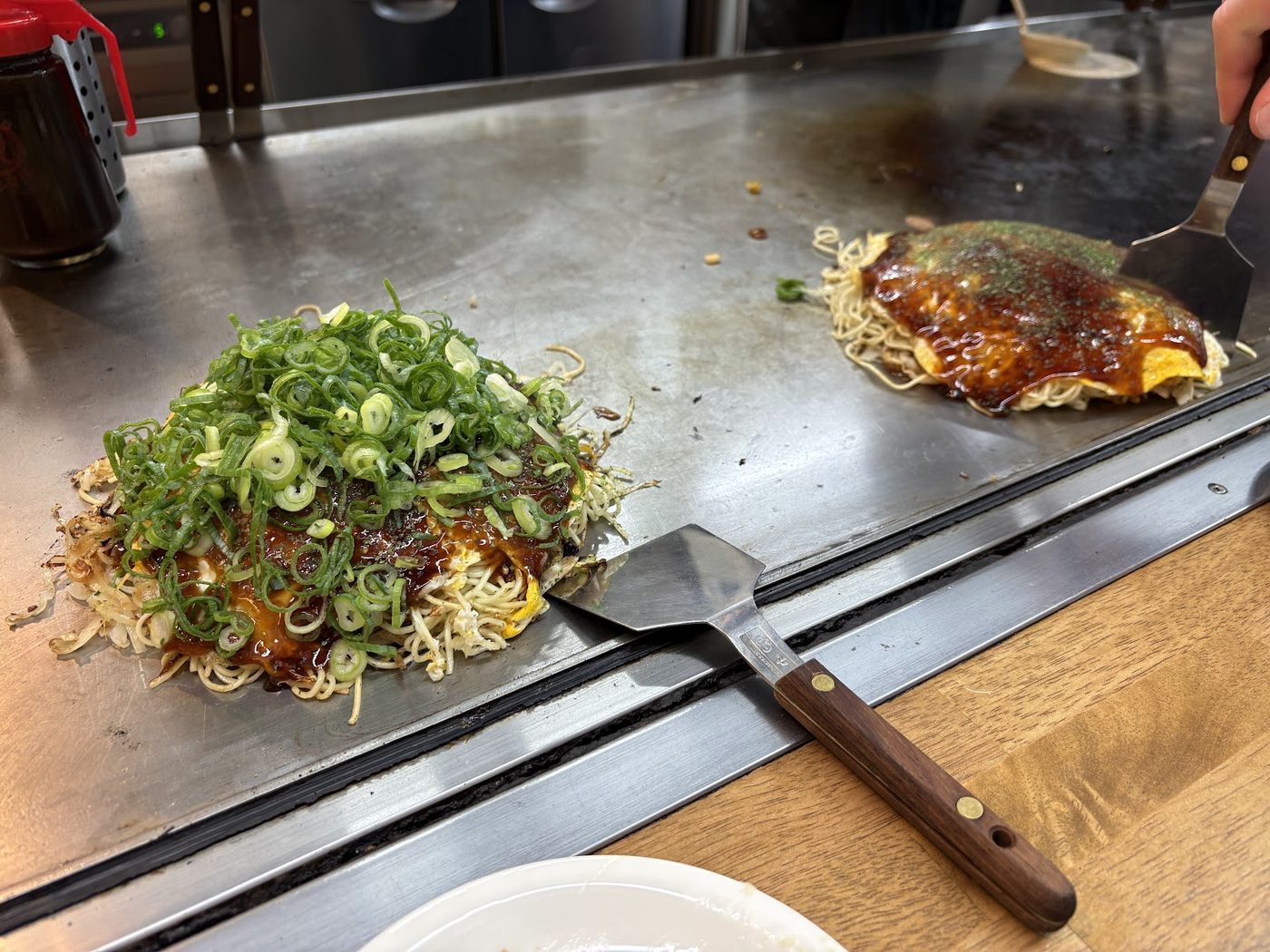
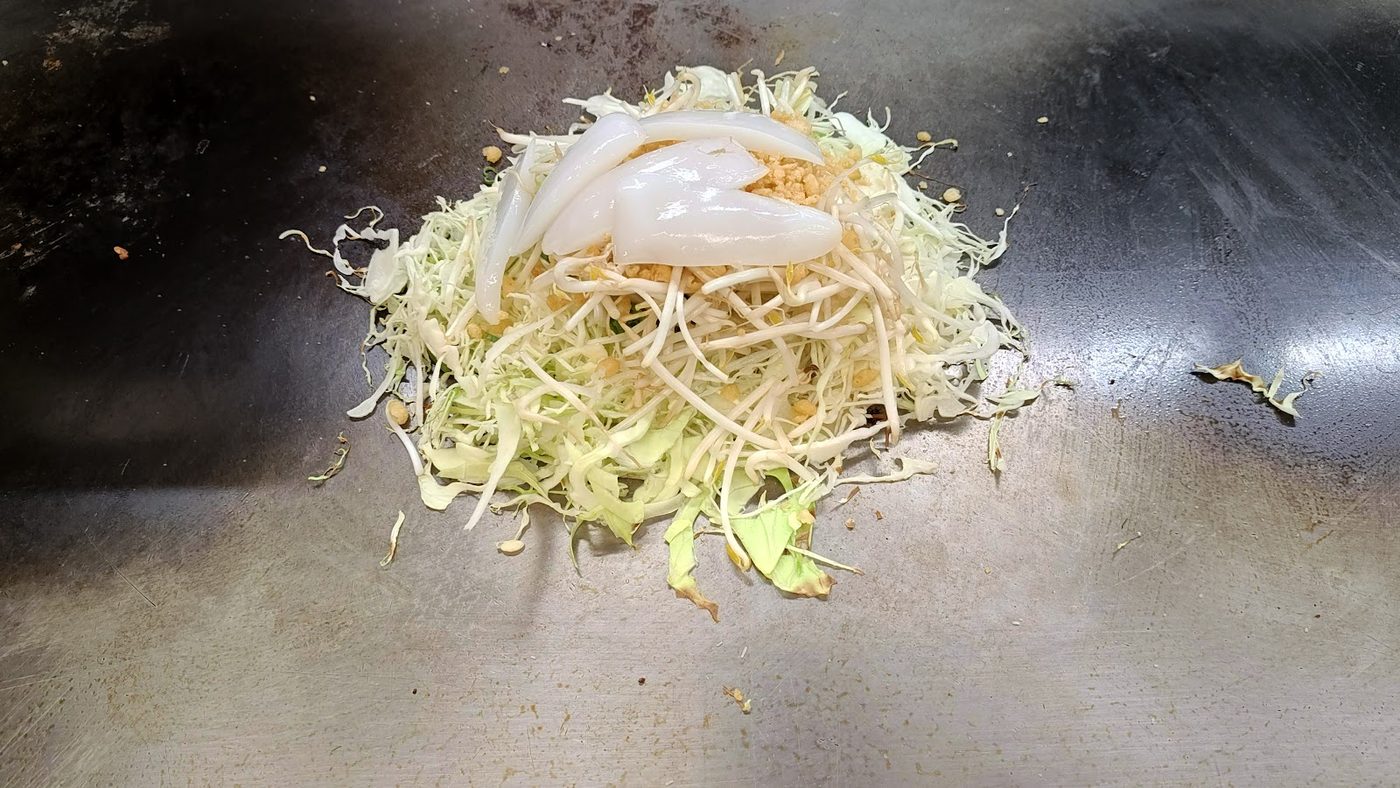
Hiroshima-style okonomiyaki is layered (not mixed like Osaka), noodles, cabbage, pork, egg stacked and griddled. Nagataya near Peace...

A building with 24 okonomiyaki shops on multiple floors, each with a different specialty. Pick any floor, any stall. The competition...

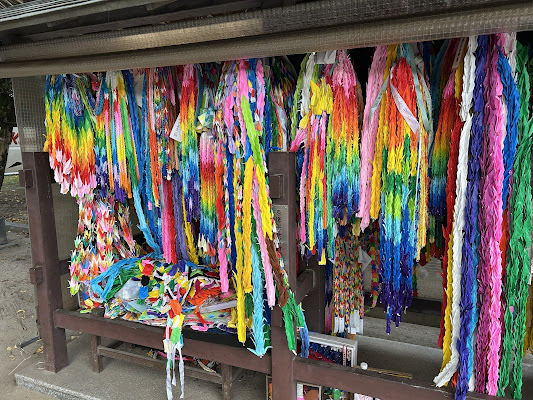
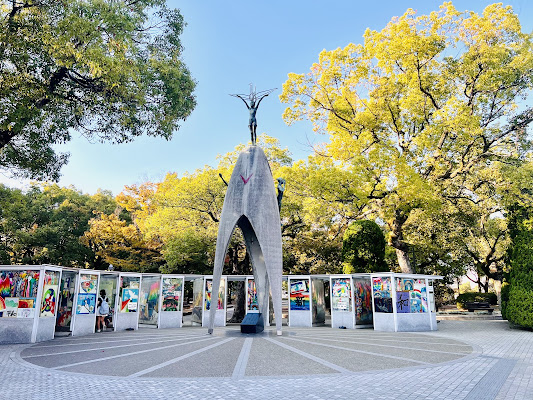
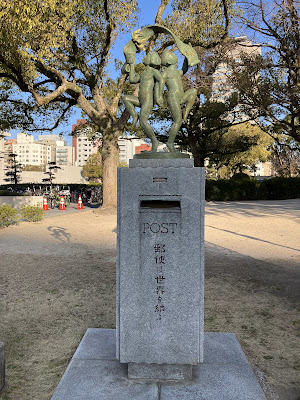
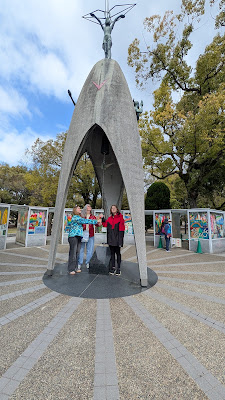
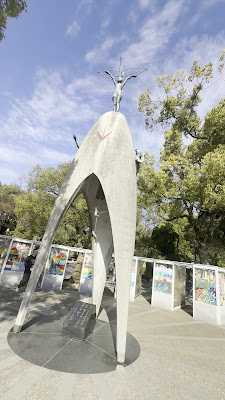
Monument topped by a girl holding a golden crane. Inspired by Sadako Sasaki who folded 1000 paper cranes while battling leukemia from...

Multi-story building of Hiroshima-style okonomiyaki restaurants. Pick a floor and feast.

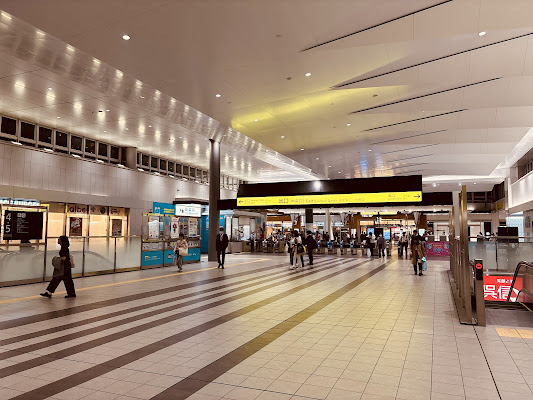
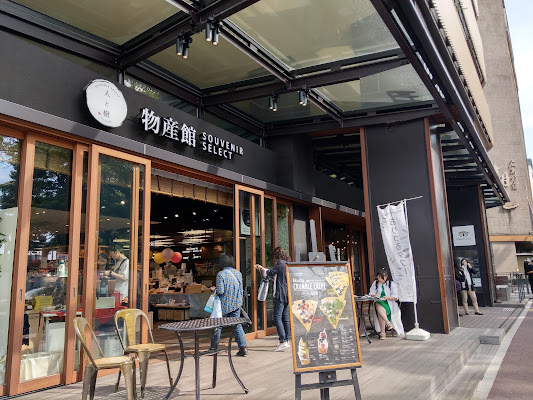
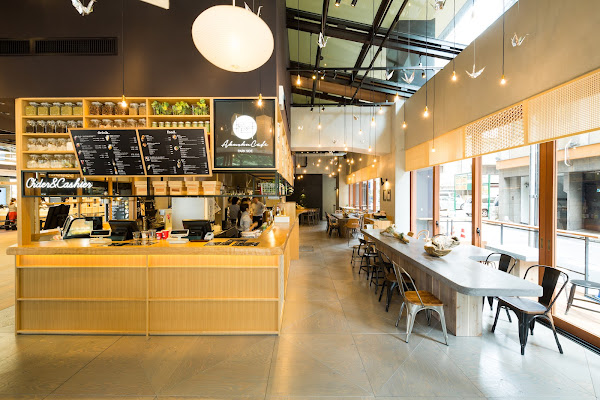
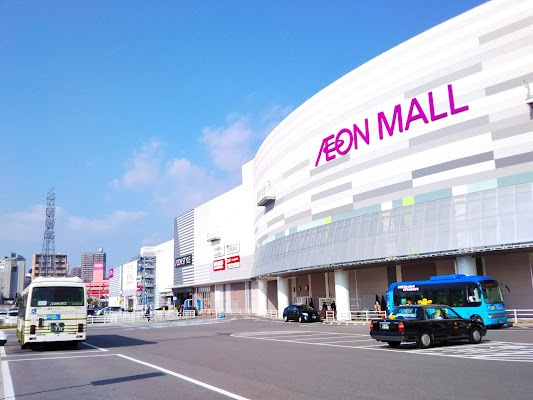
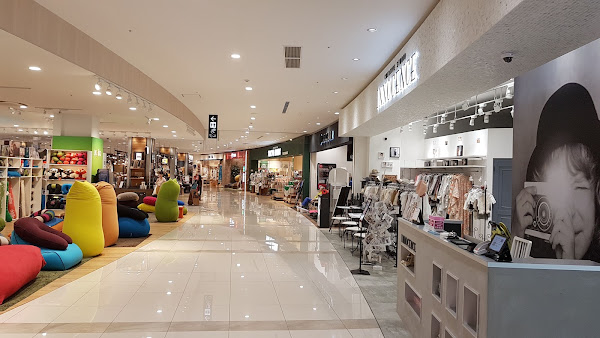
Large shopping complex near Hiroshima Station. Dining, shopping, entertainment.

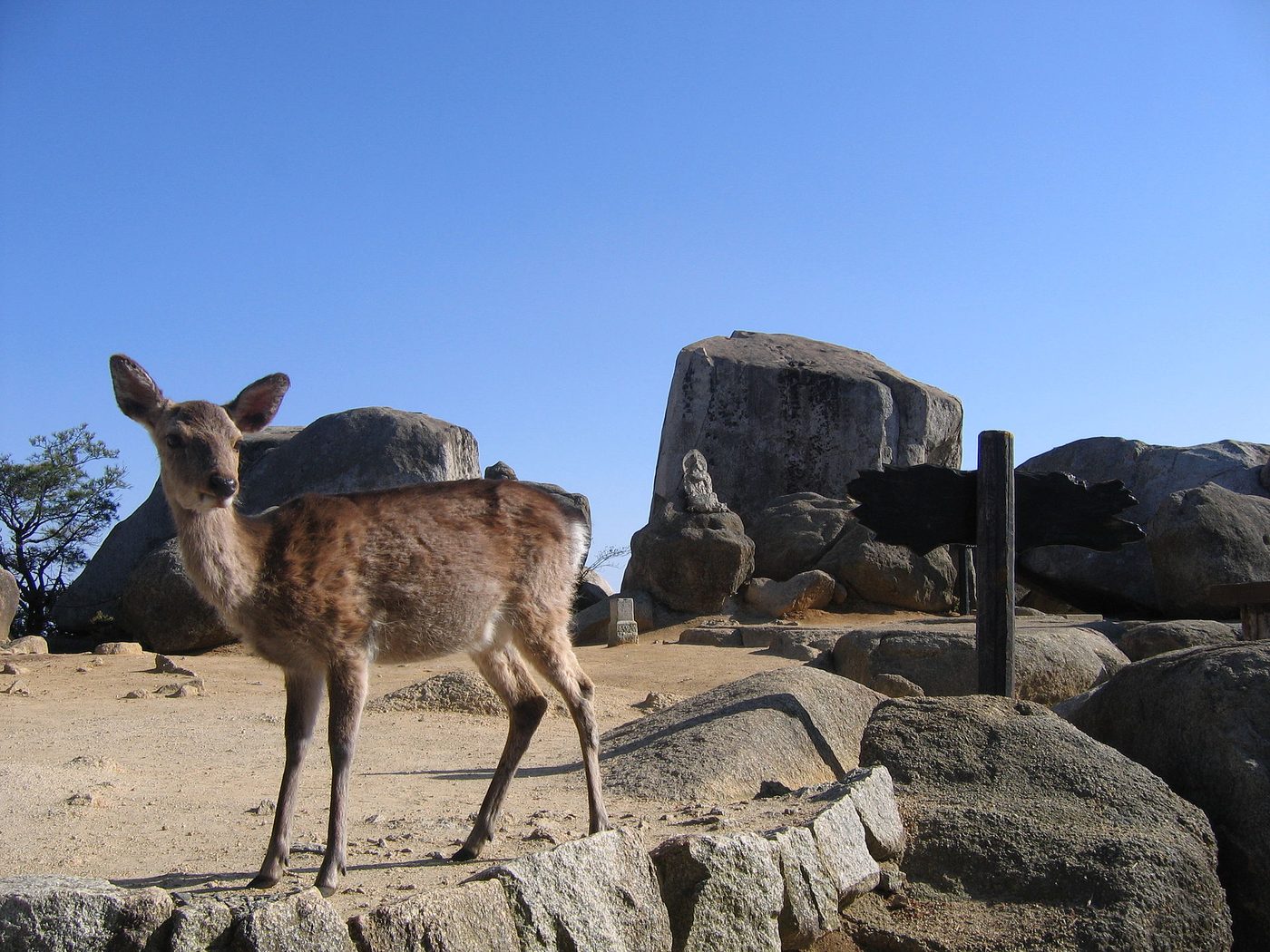
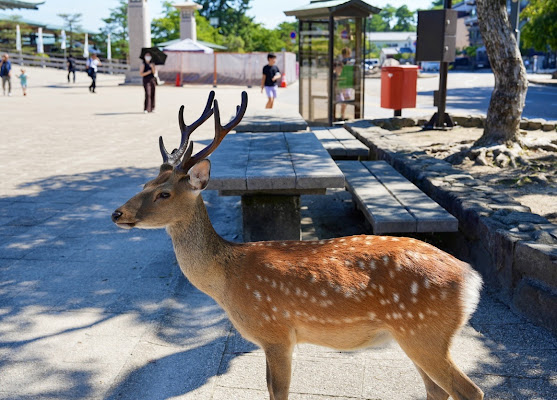
Friendly wild deer roam freely. Great photo ops. Don't feed them paper or plastic!

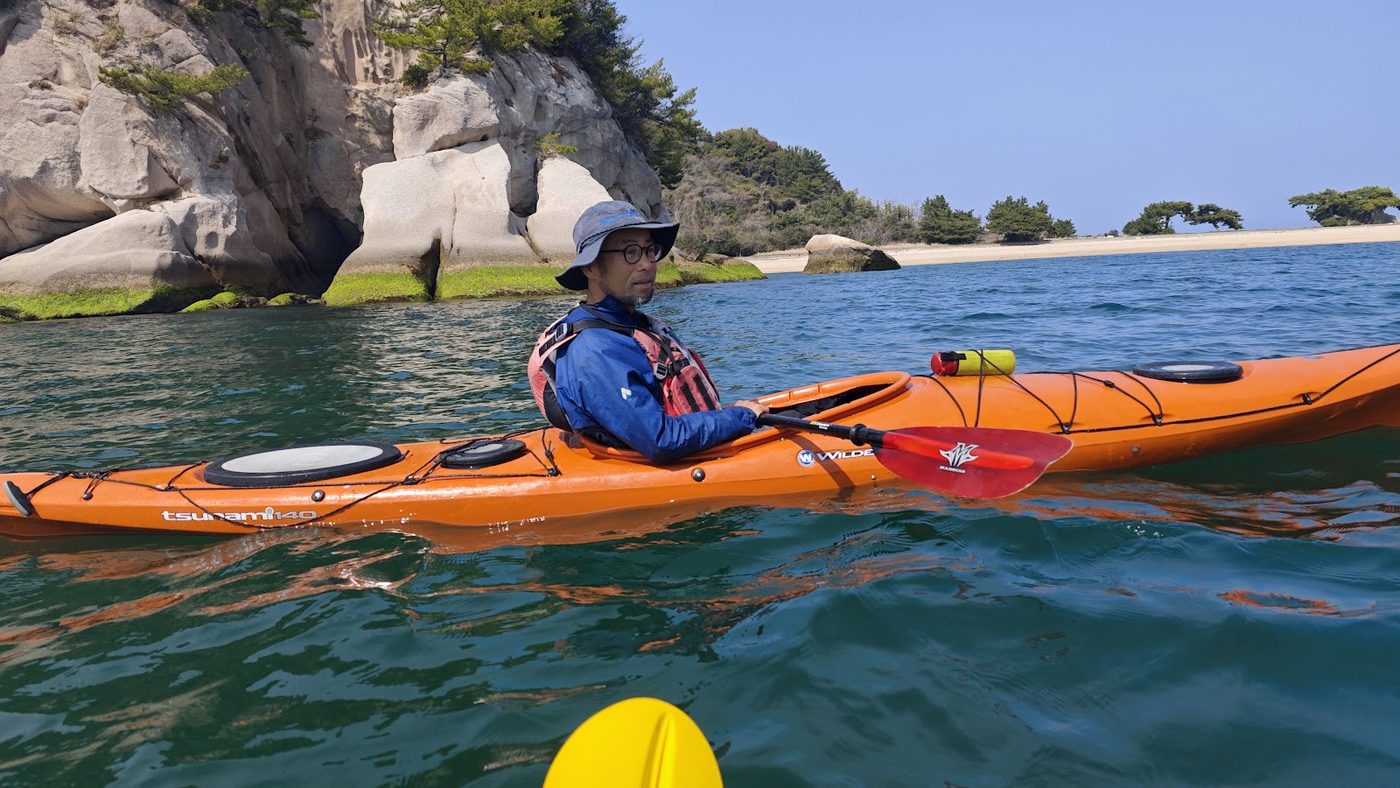
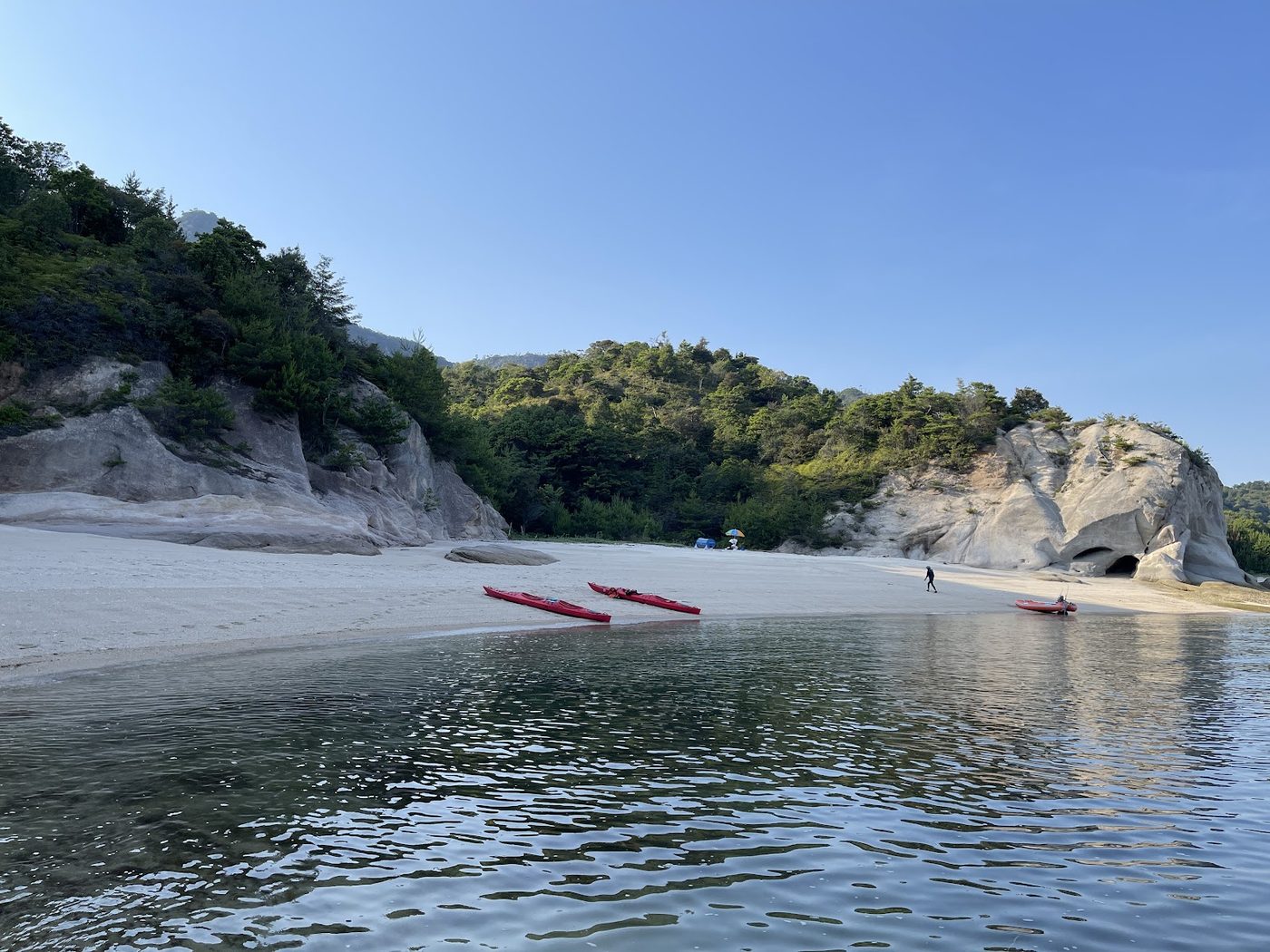
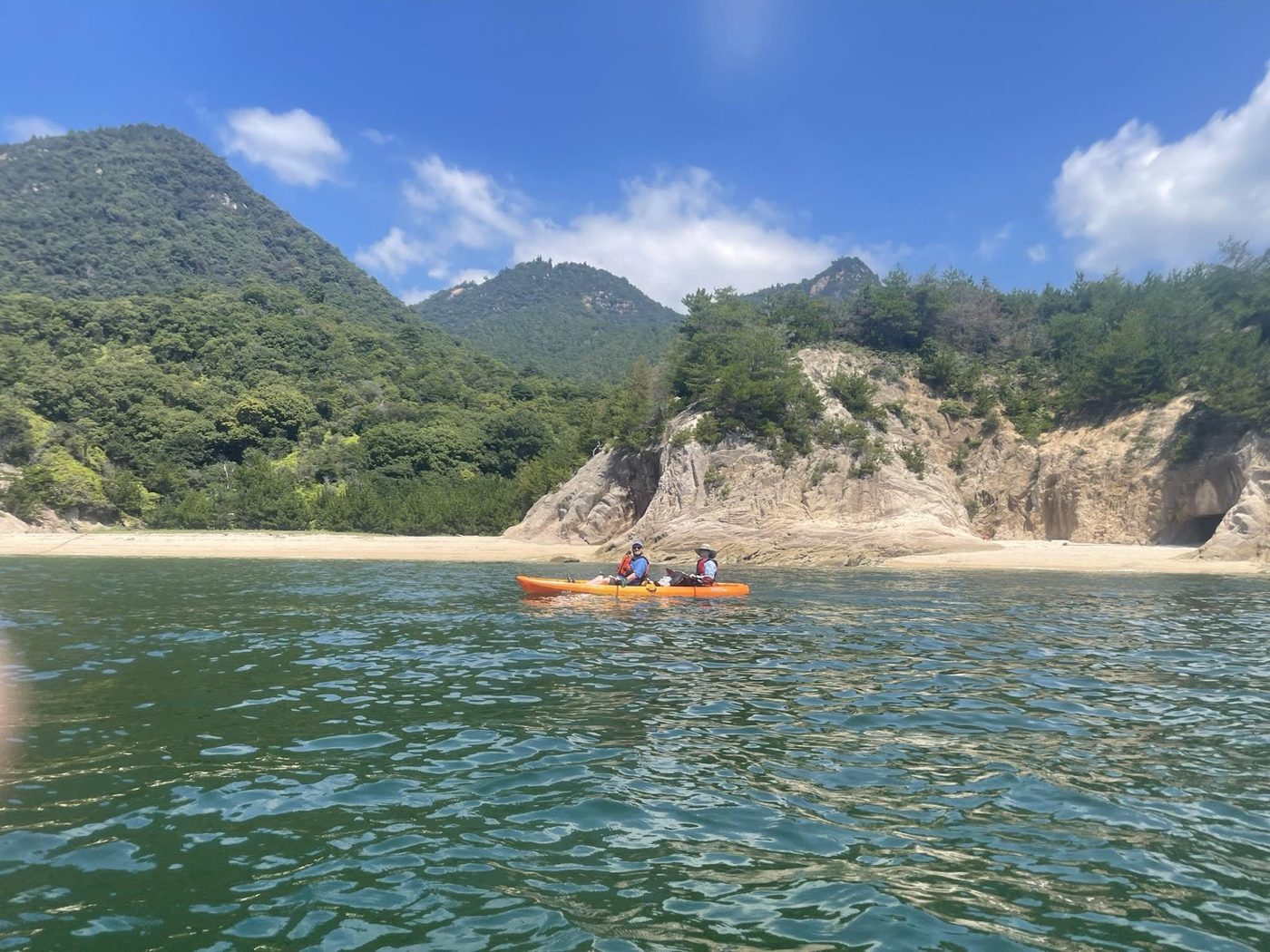
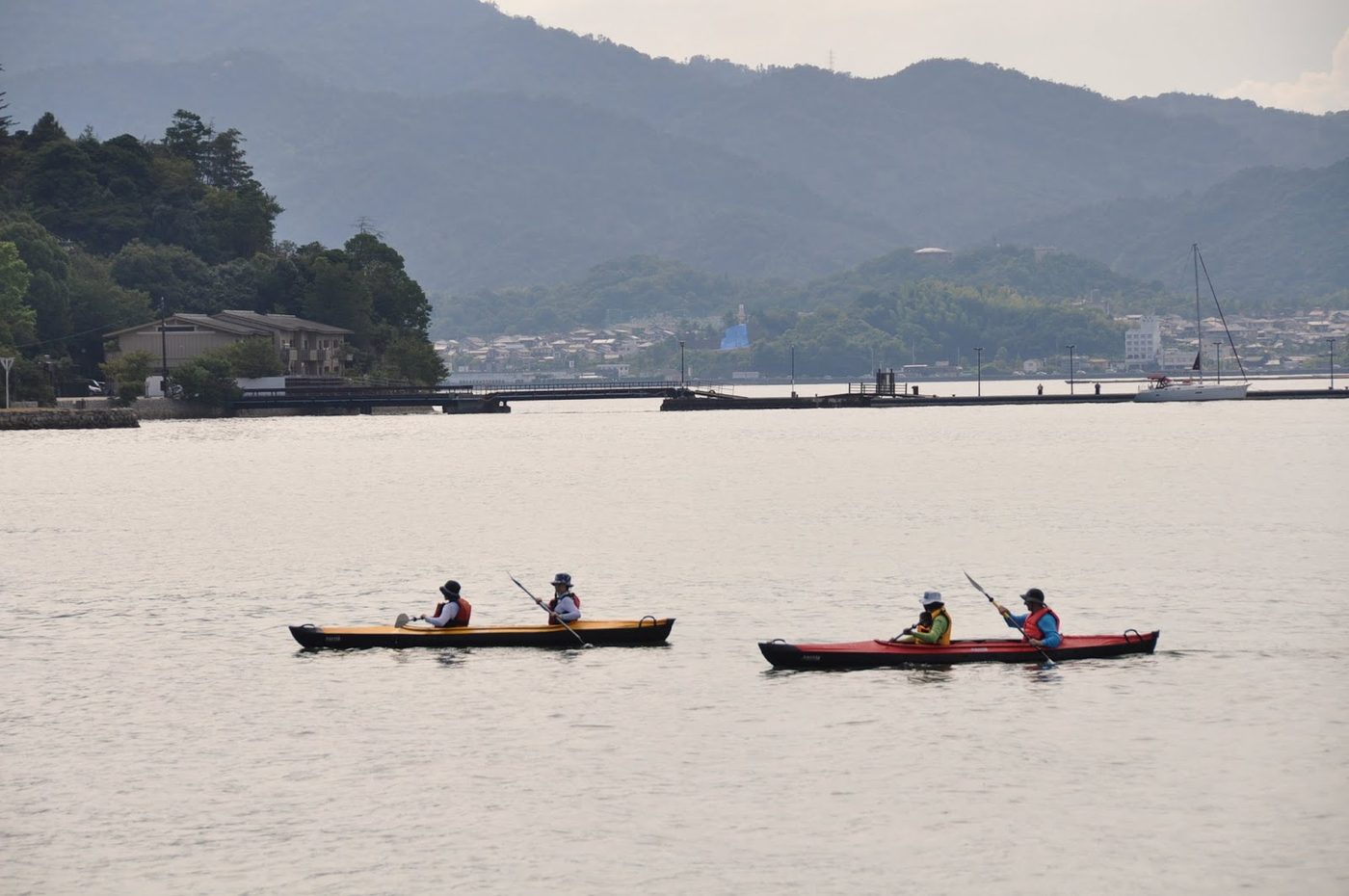
Paddle around the floating torii gate. Unique perspective. Book guided tours.

120+ international and Japanese brands. Open-air layout with panoramic views.


Japanese gardens, tree-lined boulevards, and walking trails through the city's spiritual recovery.

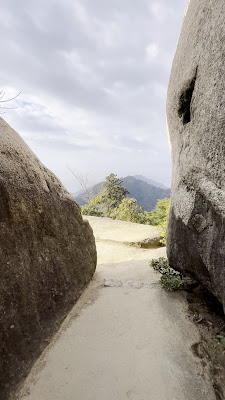
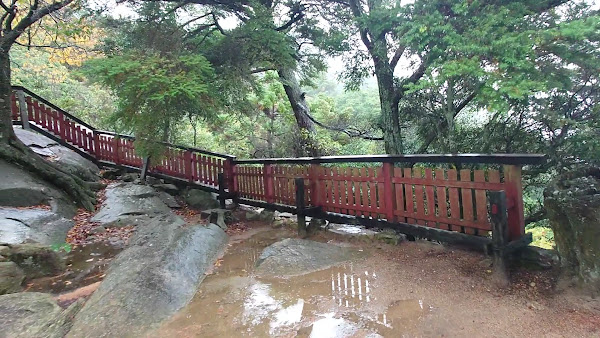
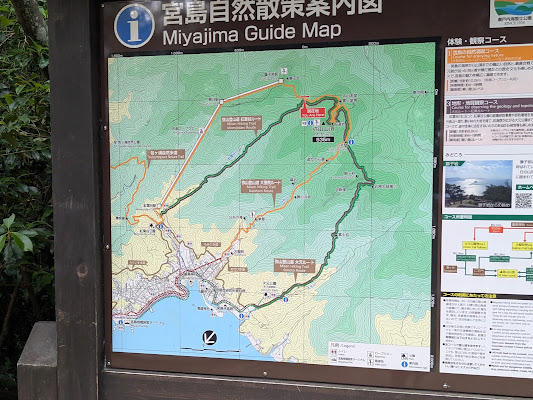
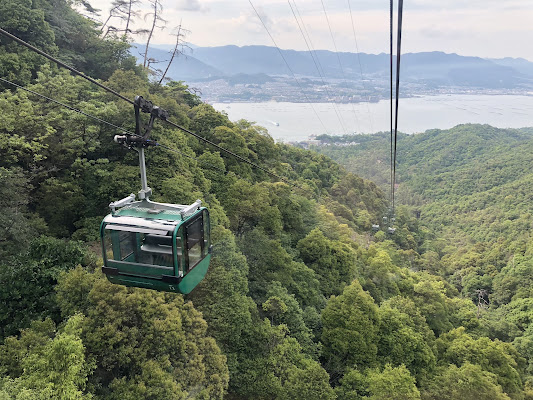
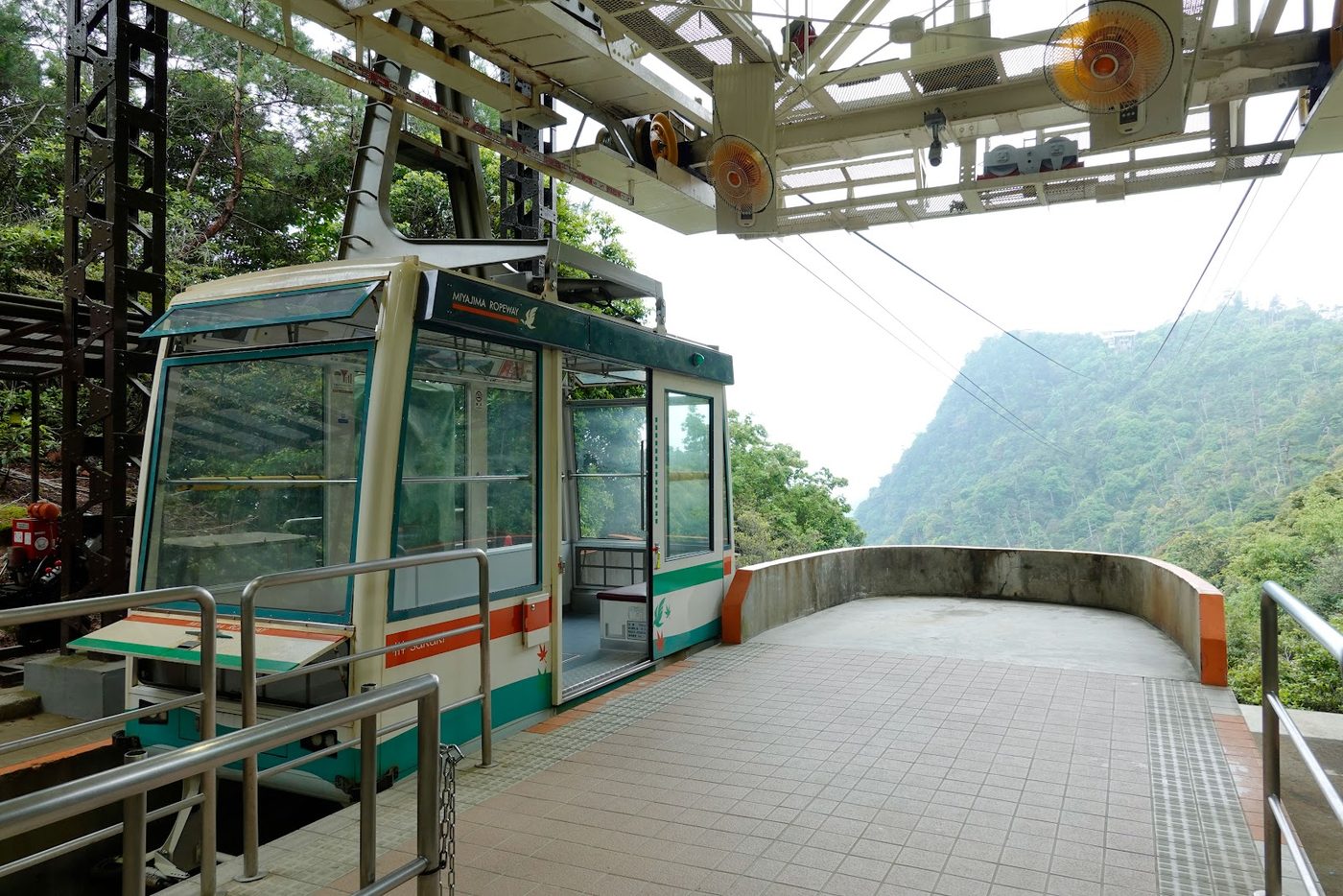
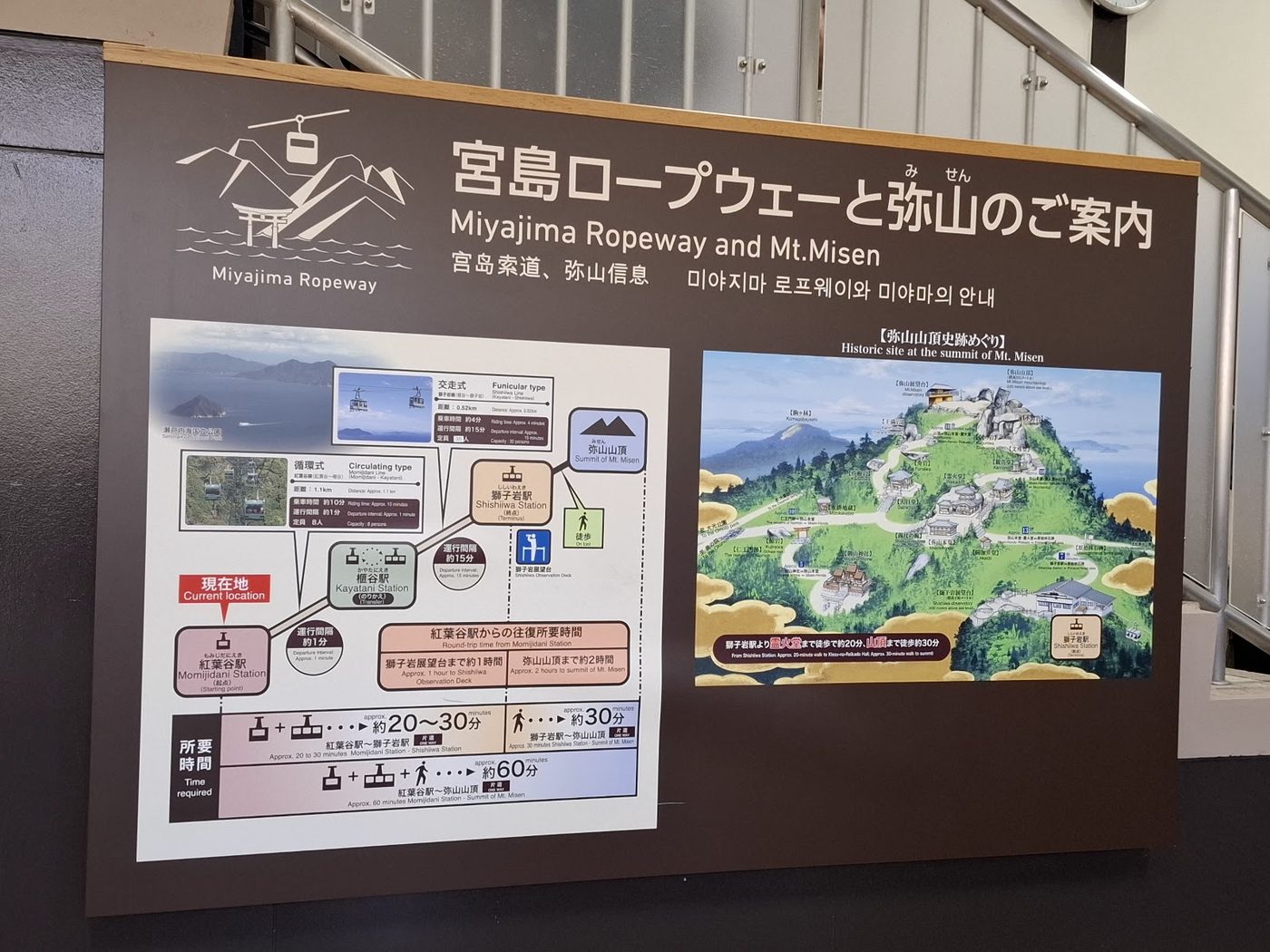
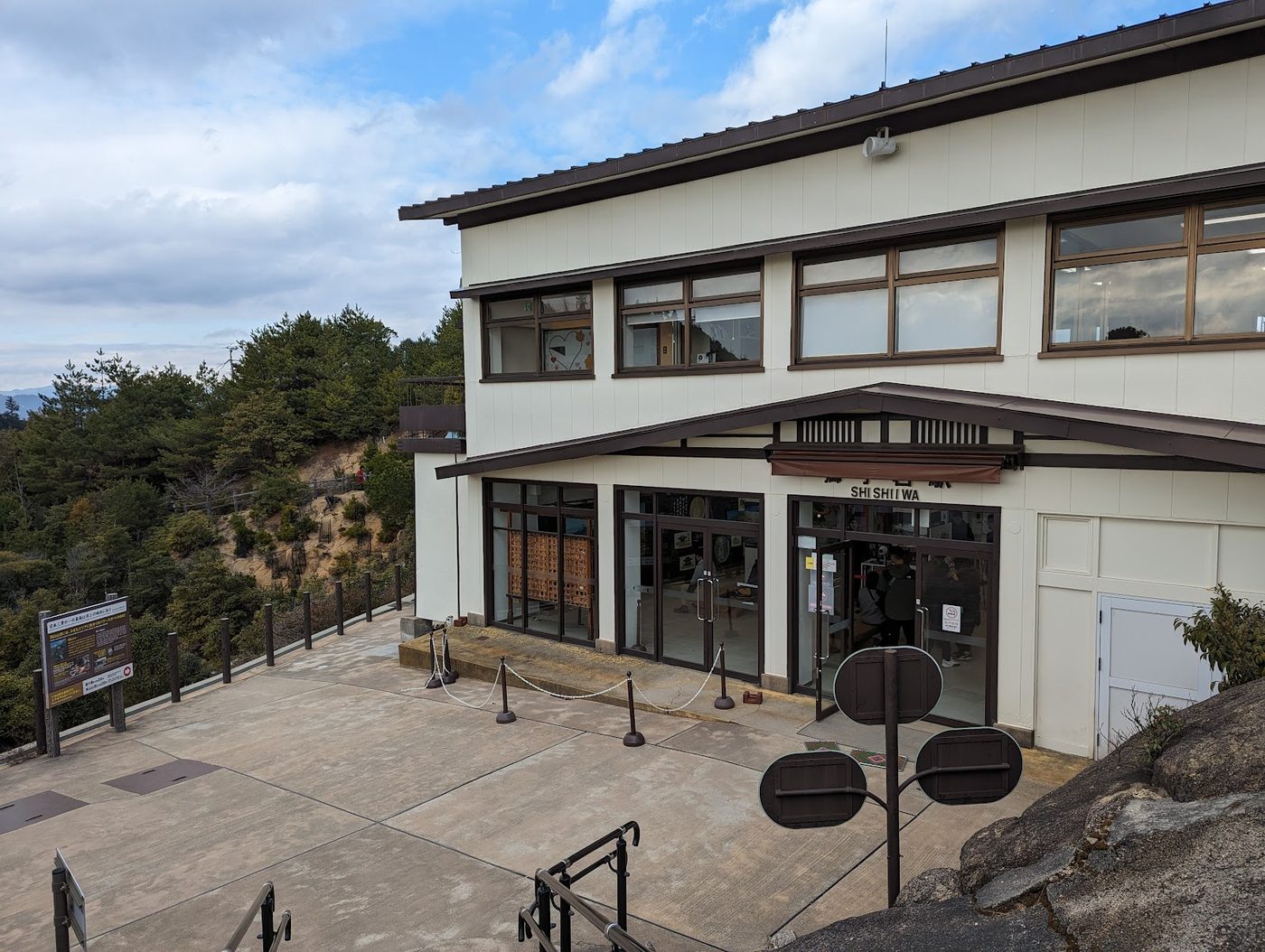
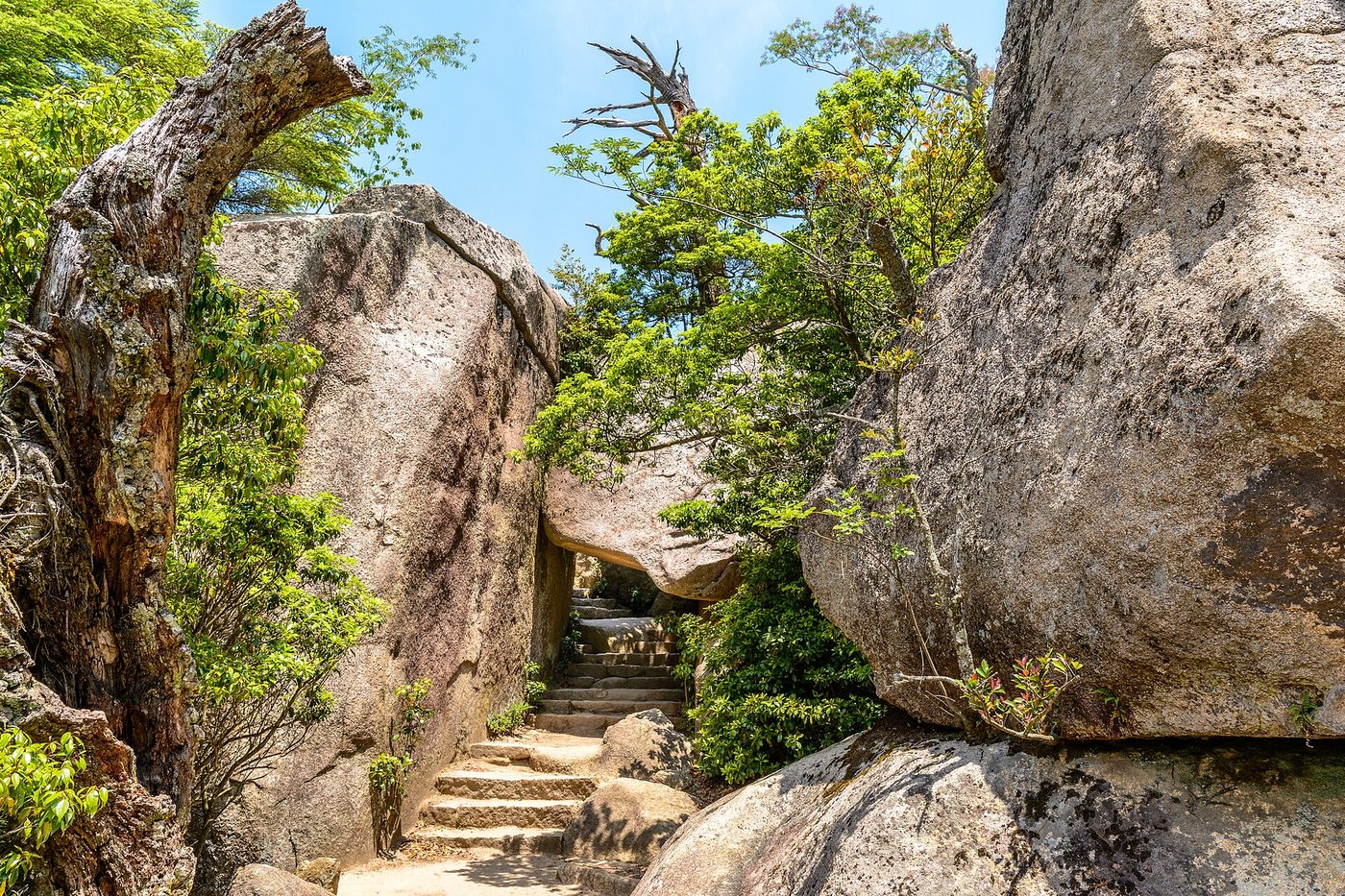
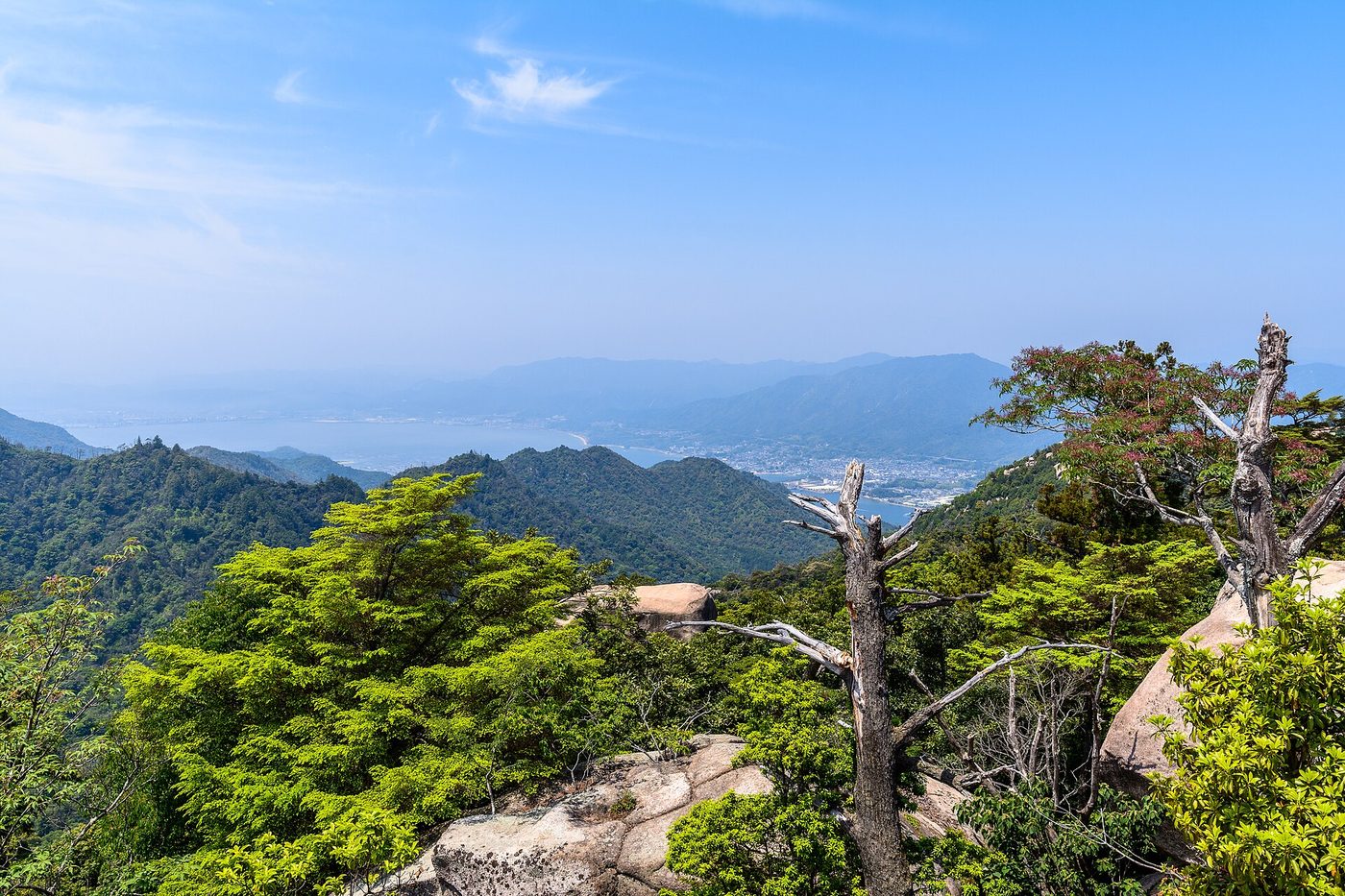
Sacred 535-meter peak with panoramic views of the Seto Inland Sea and its islands. Ropeway to near the summit or hike through primeval forest. Eternal flame burning for 1200 years at the top temple.

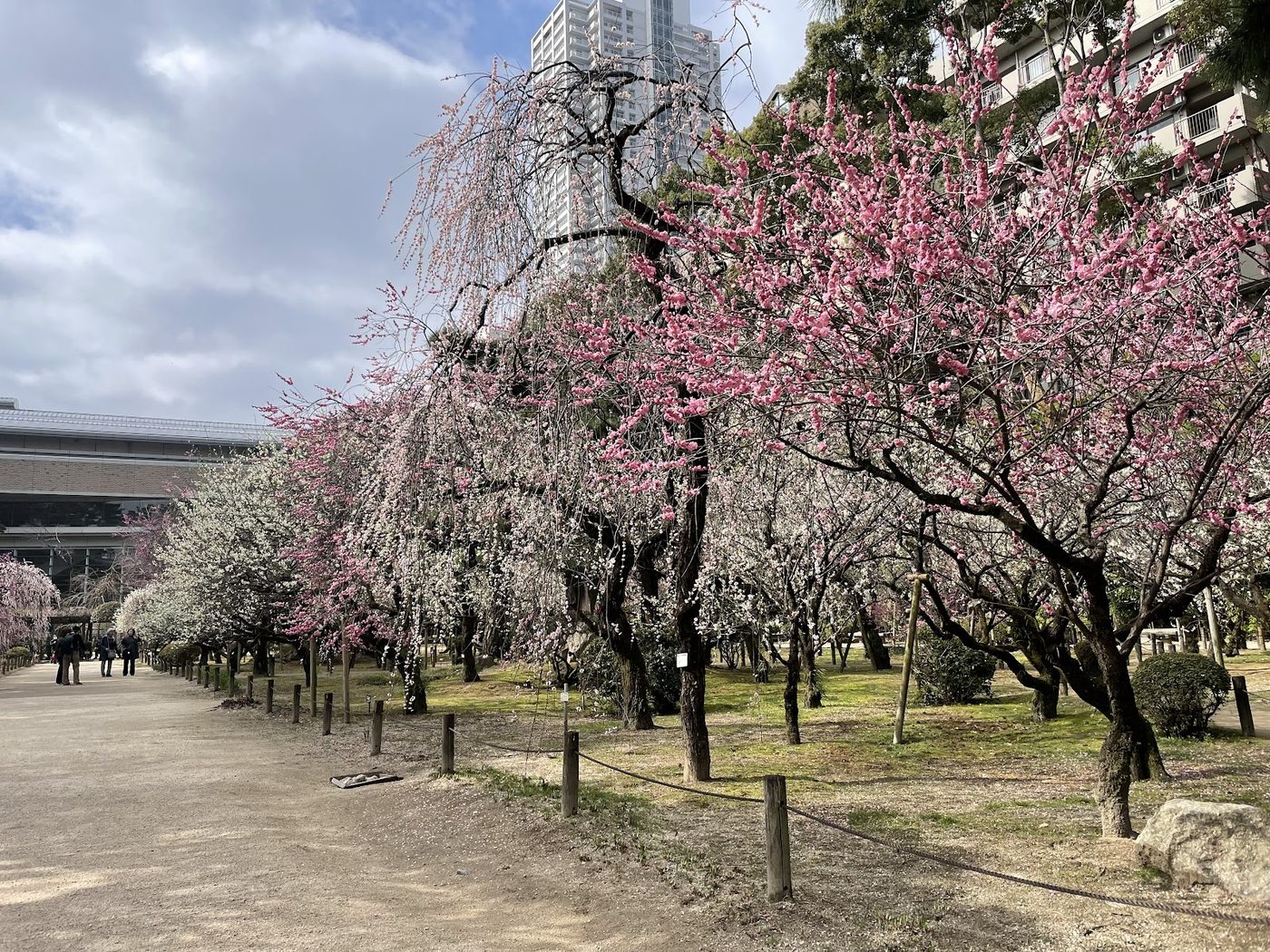
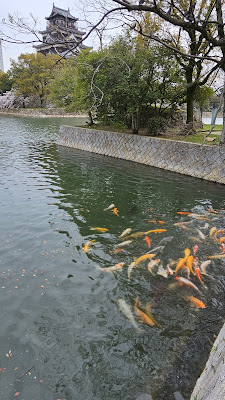
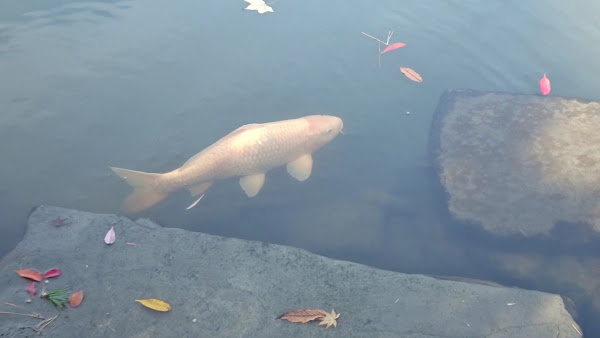
Elegant Japanese garden dating to 1620 with miniature landscapes representing scenic spots. Koi-filled ponds connected by arched bridges. Cherry blossoms in spring and autumn foliage. A peaceful oasis.

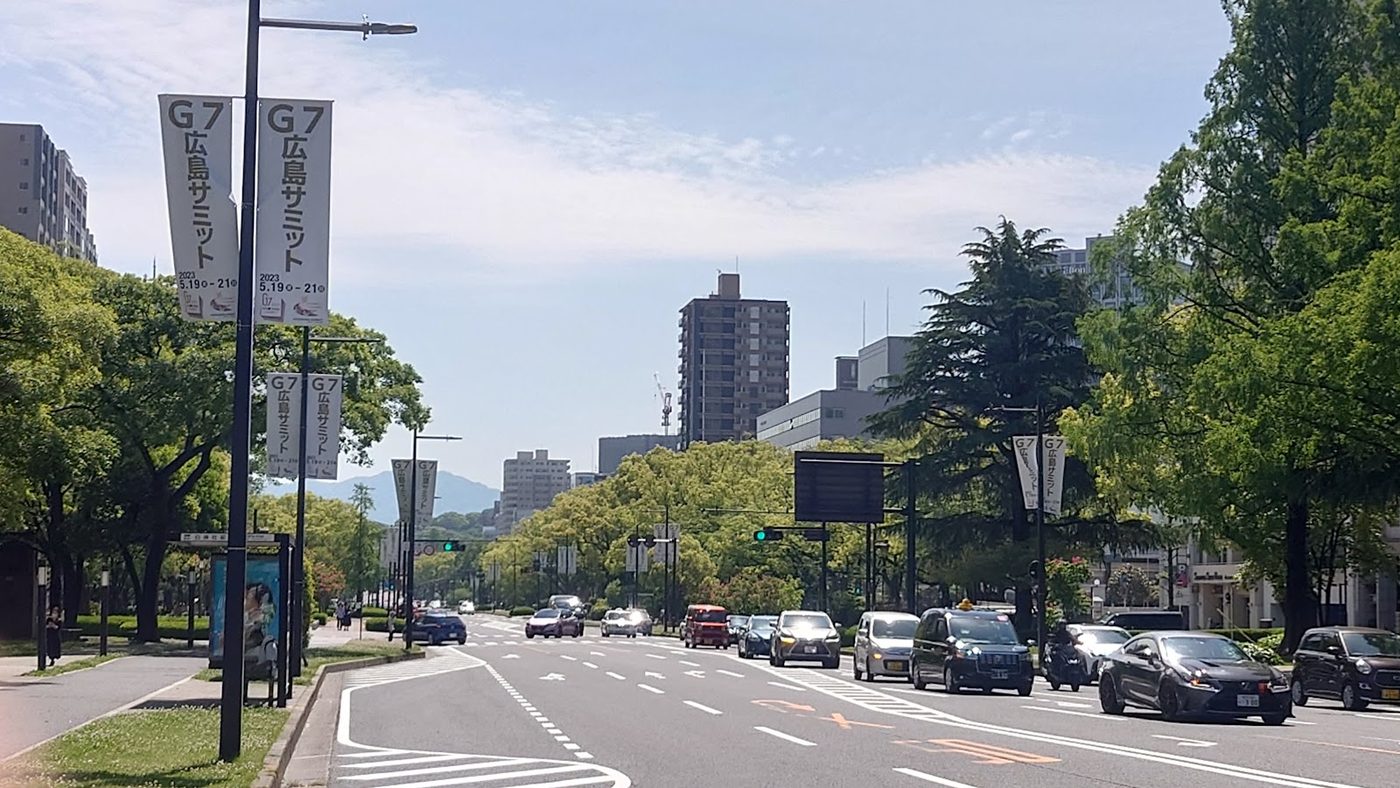
Wide tree-lined boulevard running through the heart of Hiroshima. Planted after the bombing as a symbol of recovery. Beautiful cherry blossoms in spring. Street cafes and public art installations.

10-kilometer trail through 16 temples and shrines rebuilt after the bombing. Includes Mt Futaba Peace Pagoda with city views. A peaceful walk through Hiroshima's spiritual recovery.

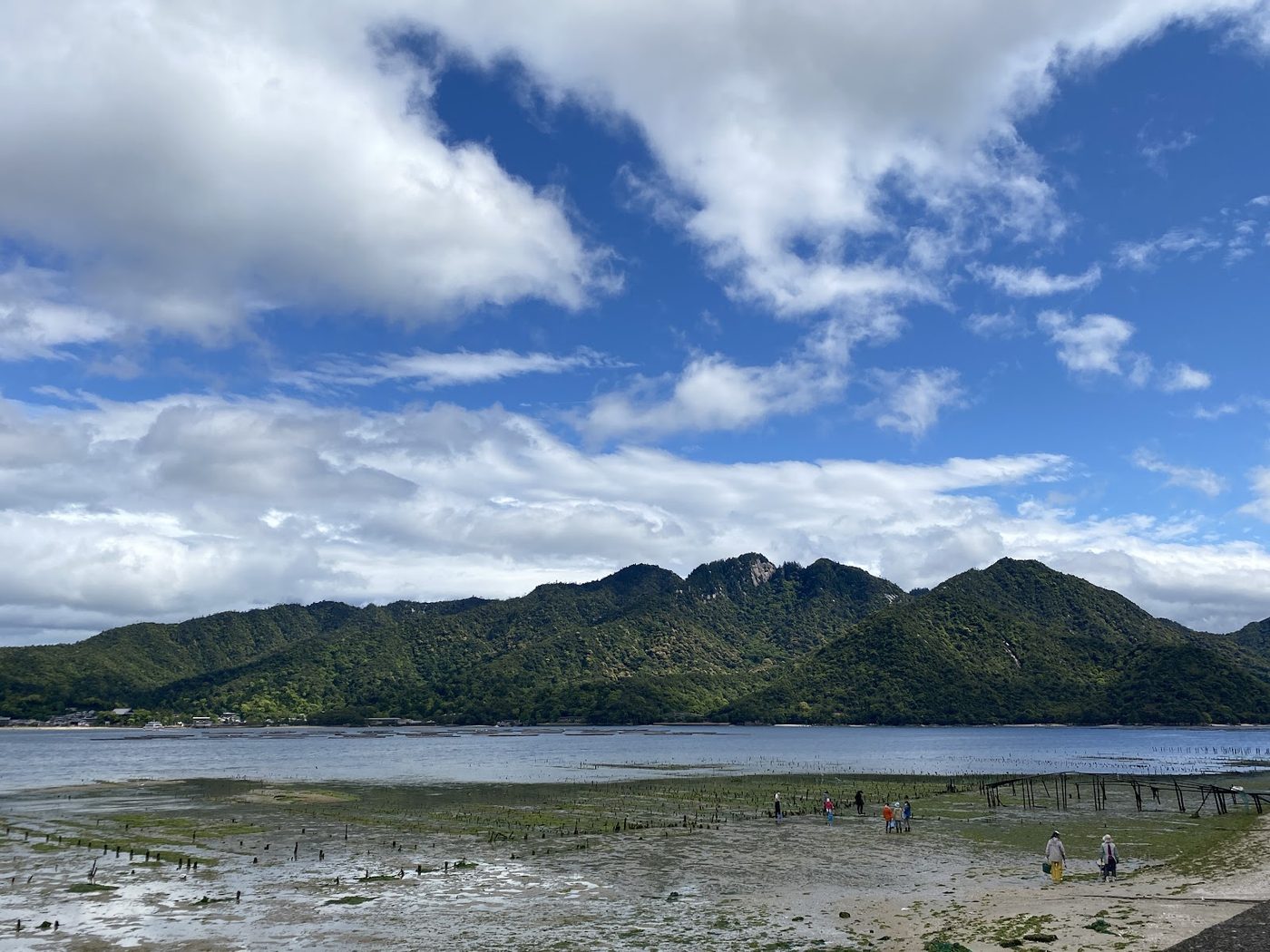
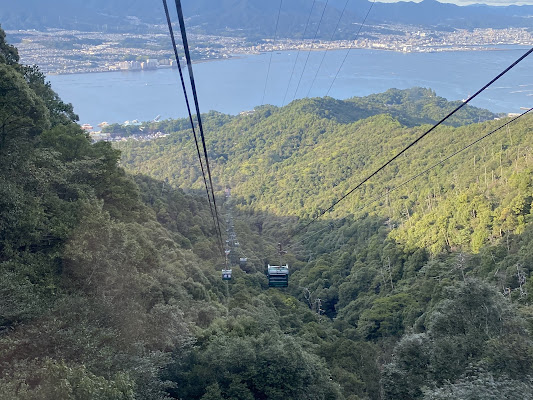
Ropeway to the summit of Mt. Misen, wild deer and ancient forests along the trail. The 360-degree view from the summit shows the Seto...

Highest peak on Miyajima. Ropeway + hiking trails. Panoramic views. Wild deer and monkeys.

Rabbit Island, Edo-period port towns, the Shimanami Kaido cycling route, and vintage streetcar rides.

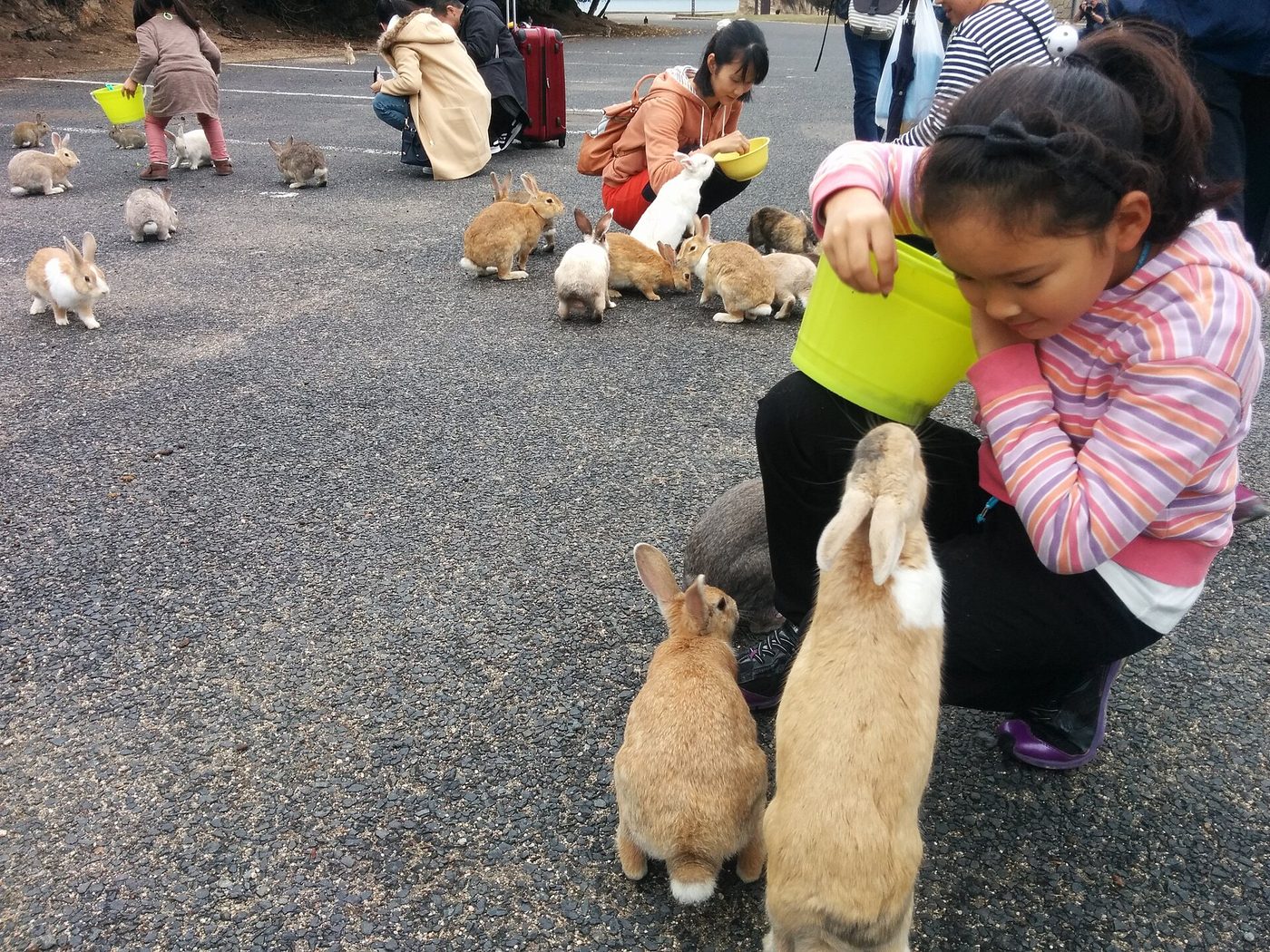
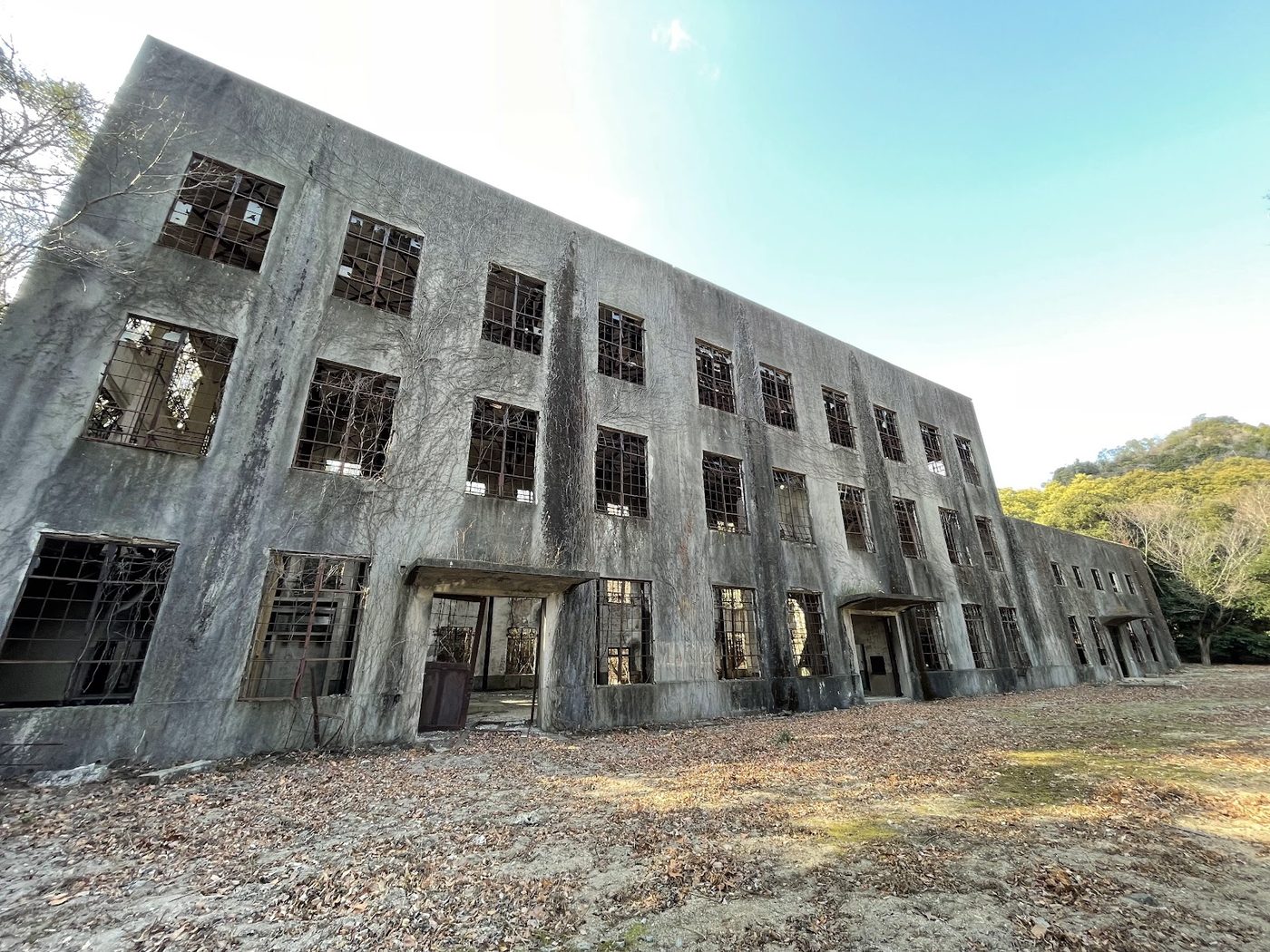
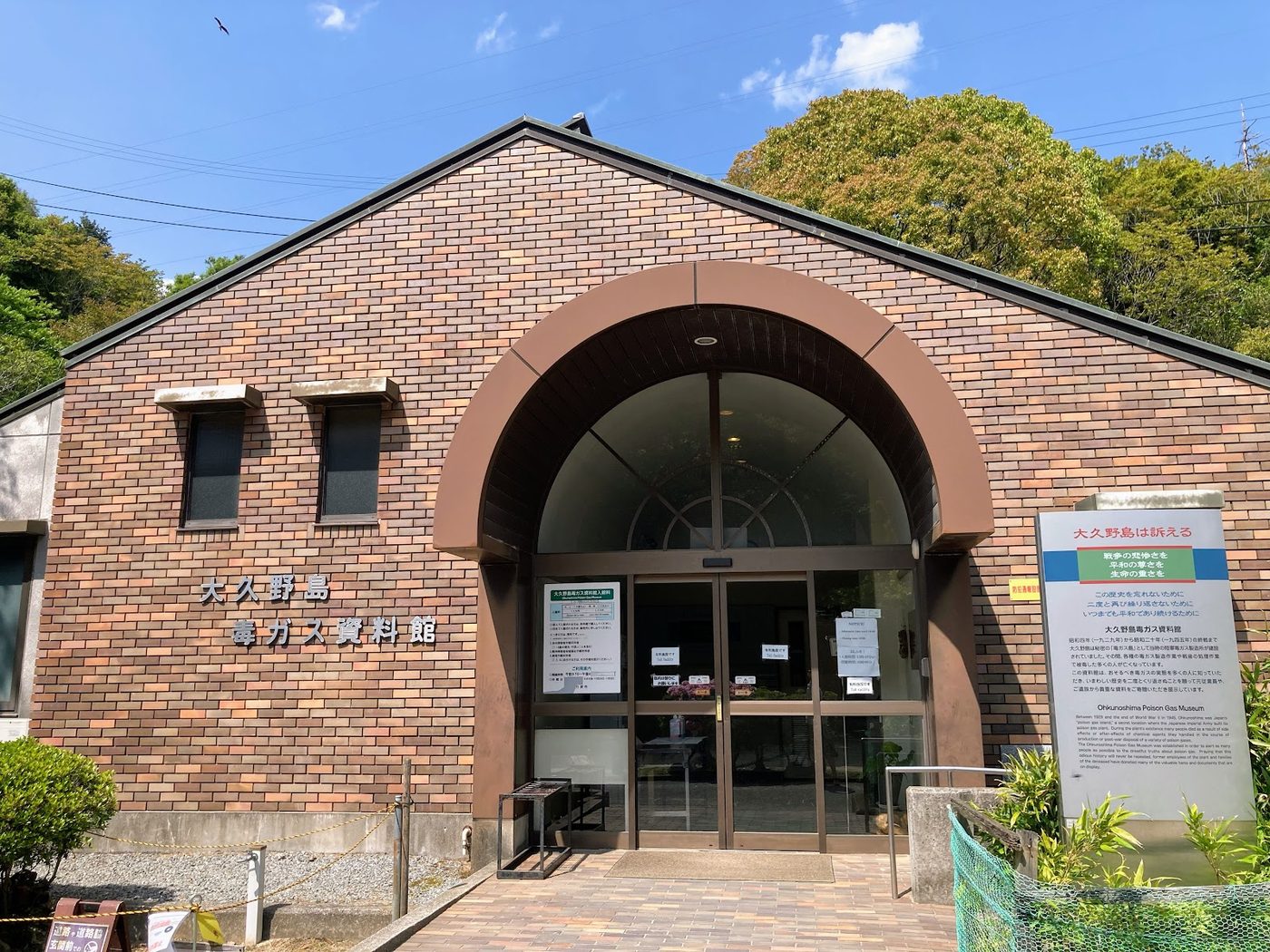
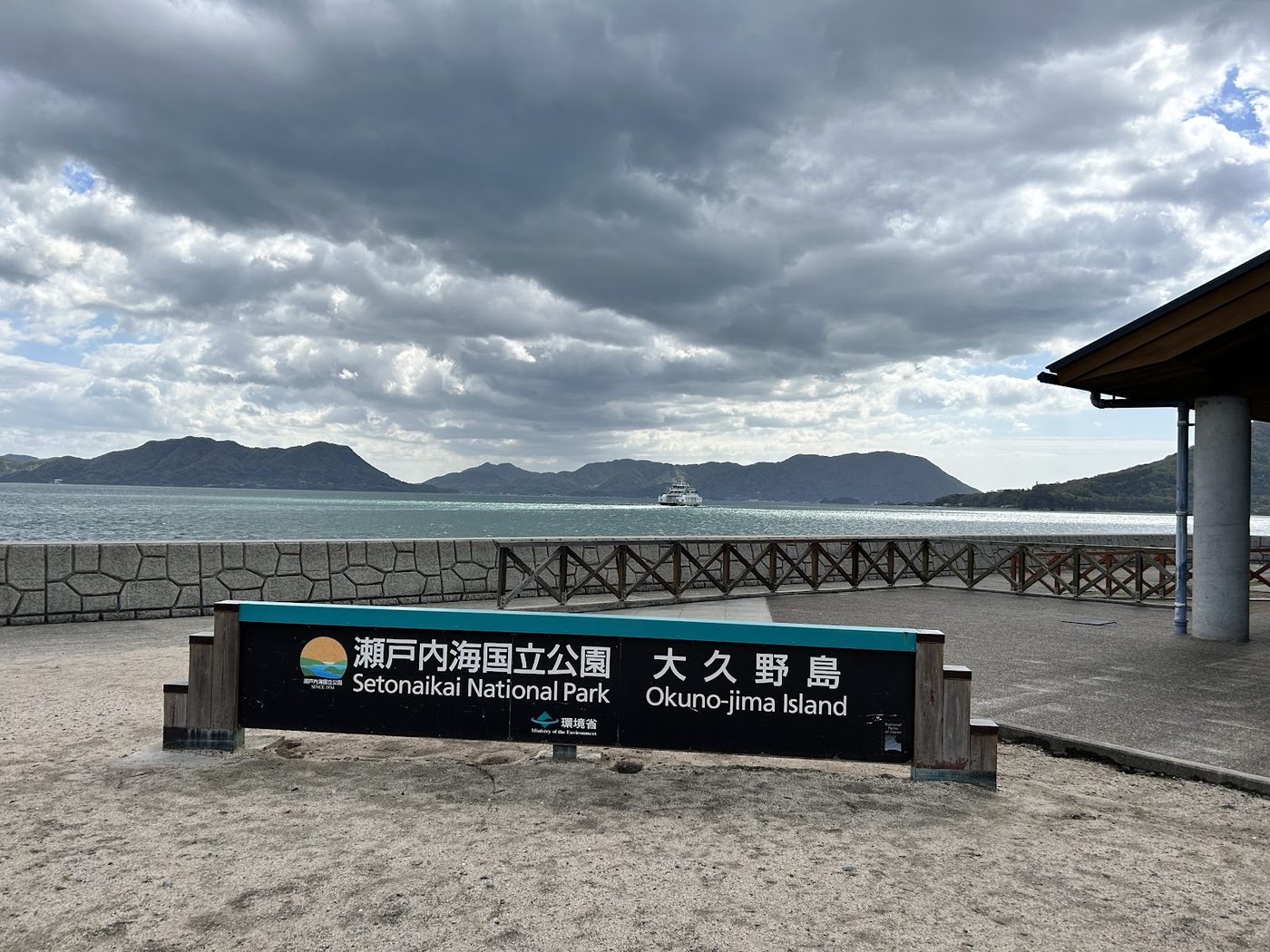
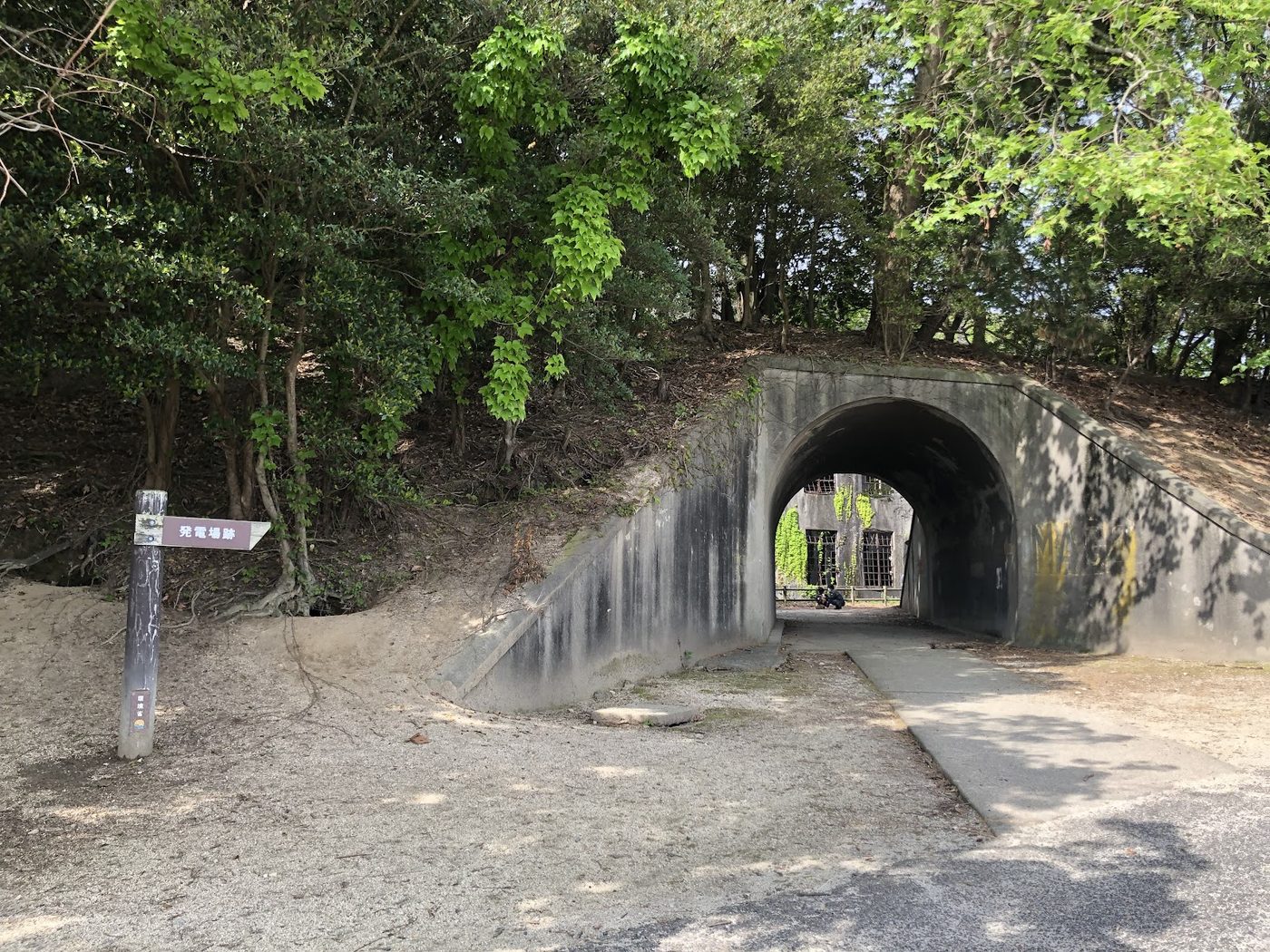
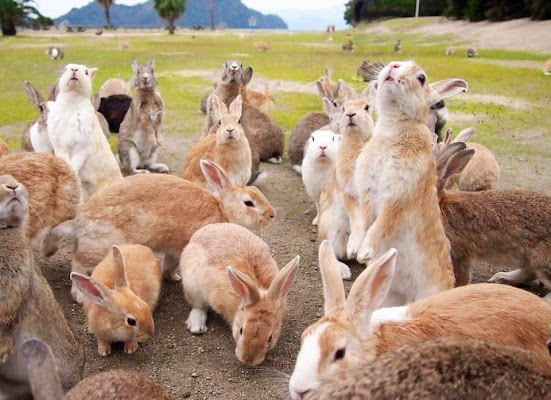
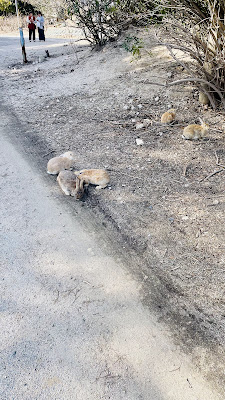
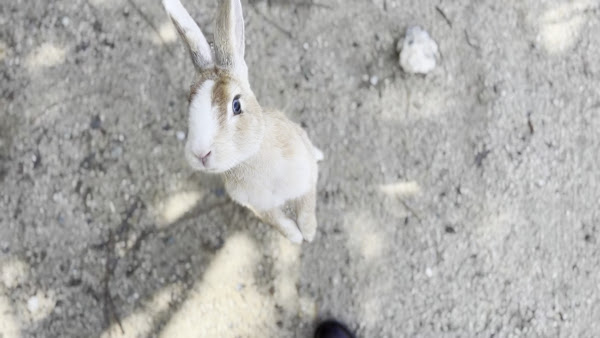
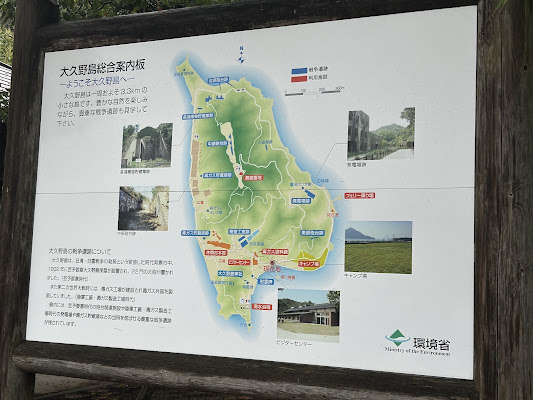
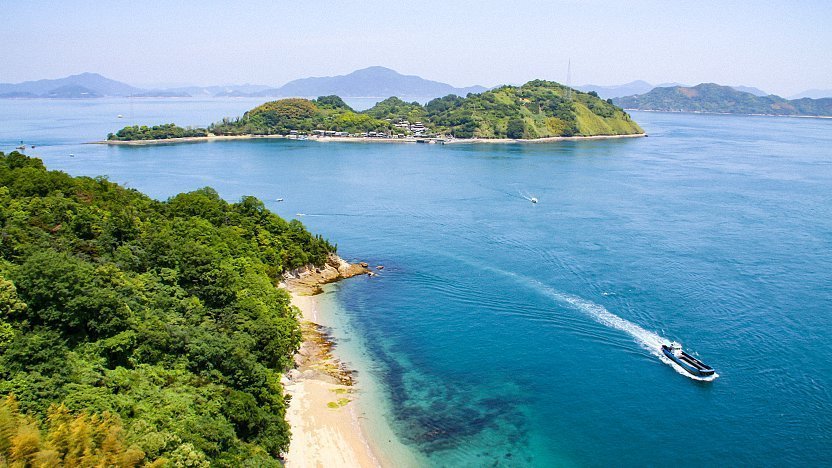
Island in the Seto Inland Sea overrun by hundreds of friendly wild rabbits. Buy food pellets at the ferry terminal. Rabbits swarm visitors. Dark WWII history as a poison gas factory. Day trip from Hiroshima.

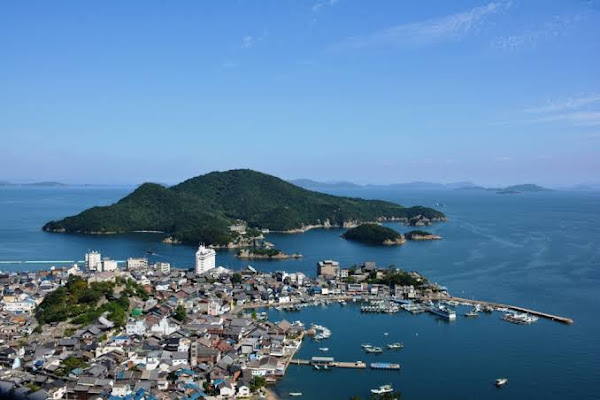
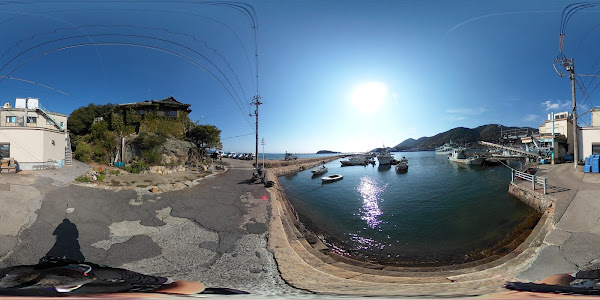
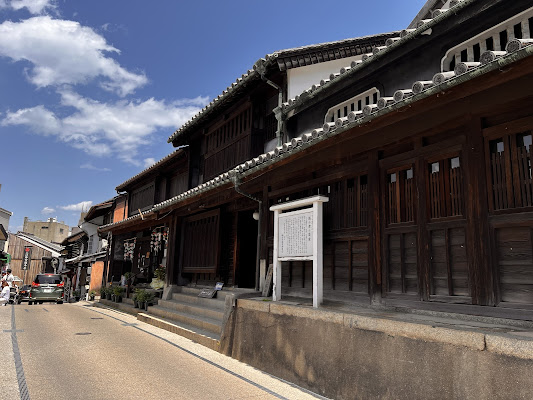
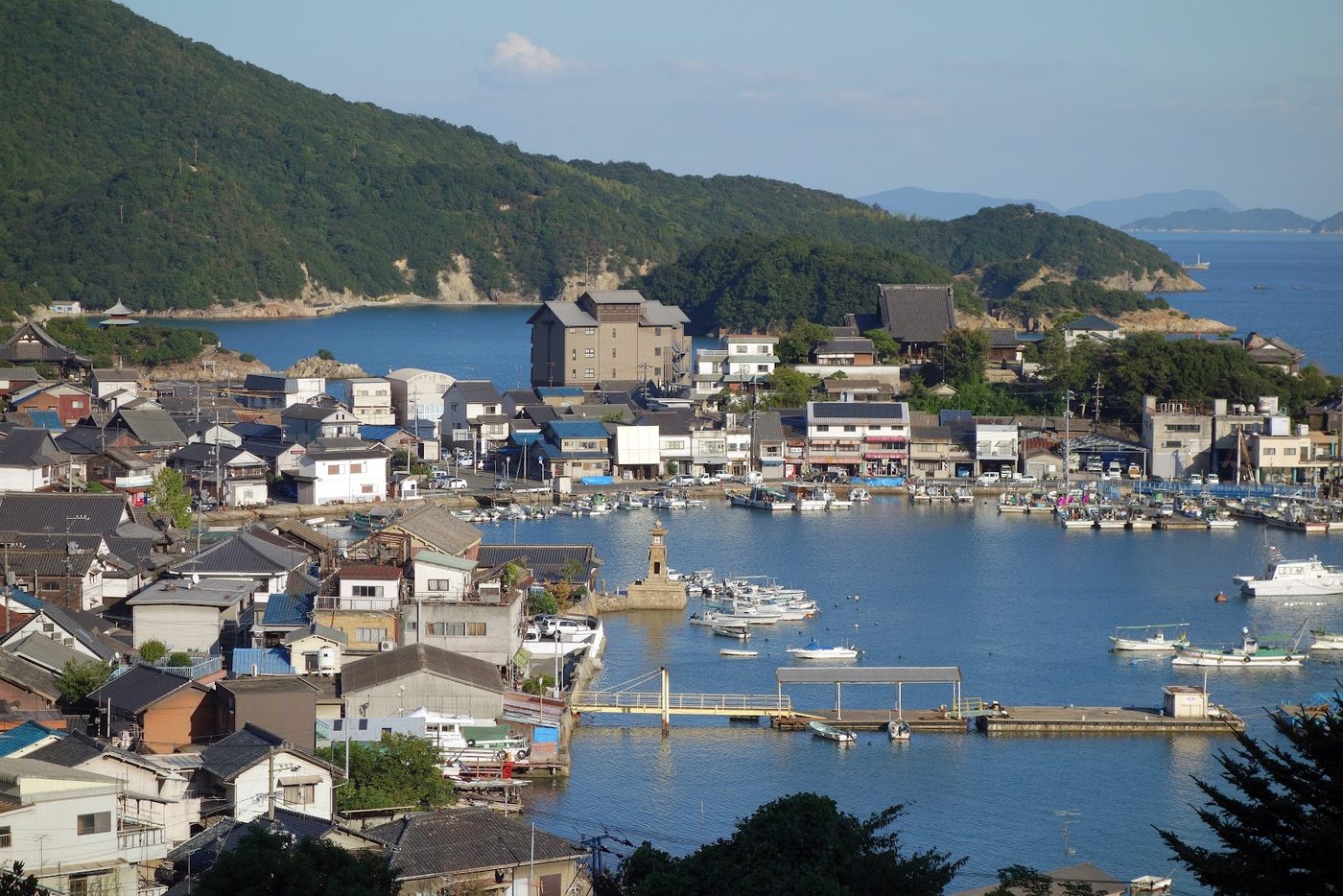
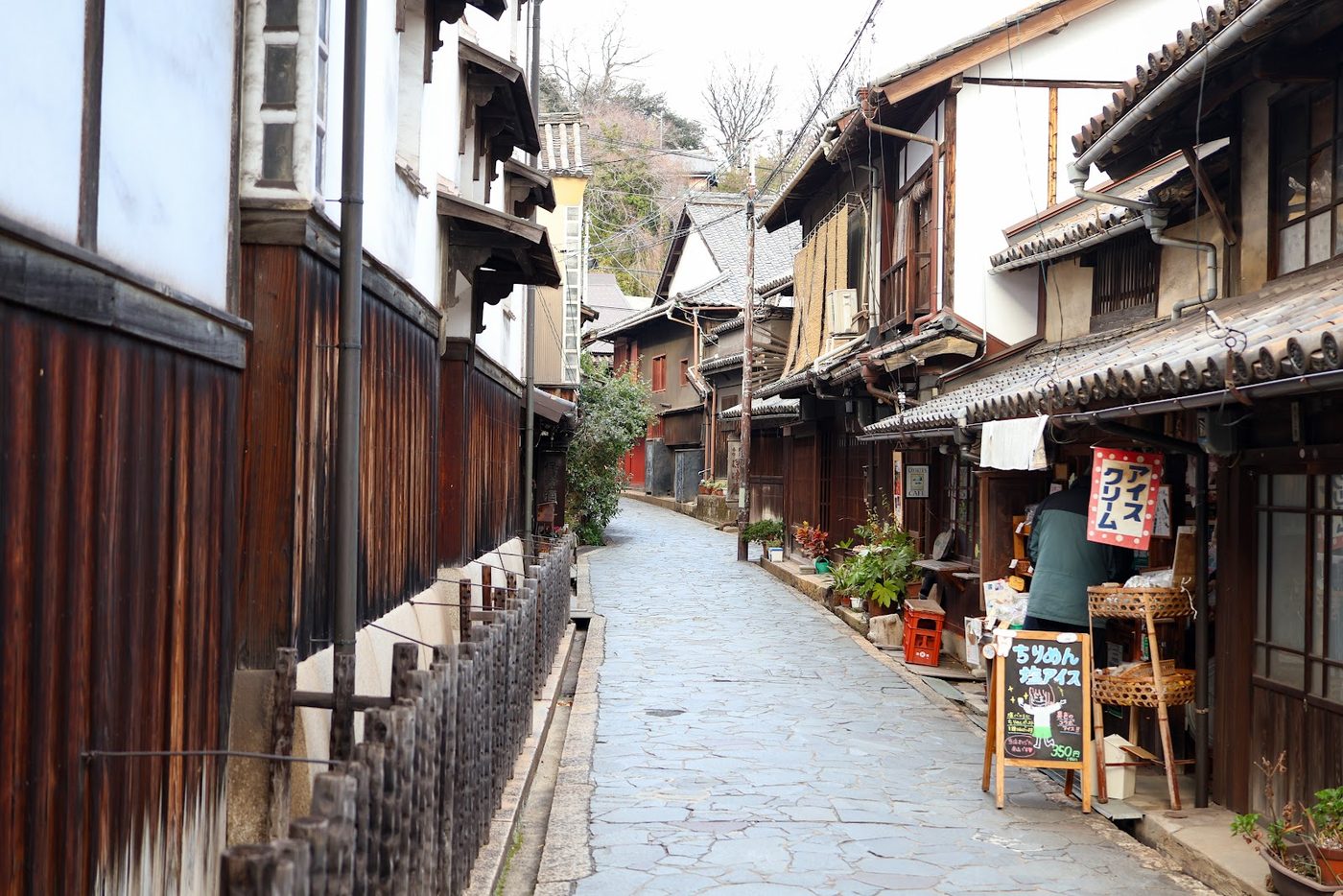
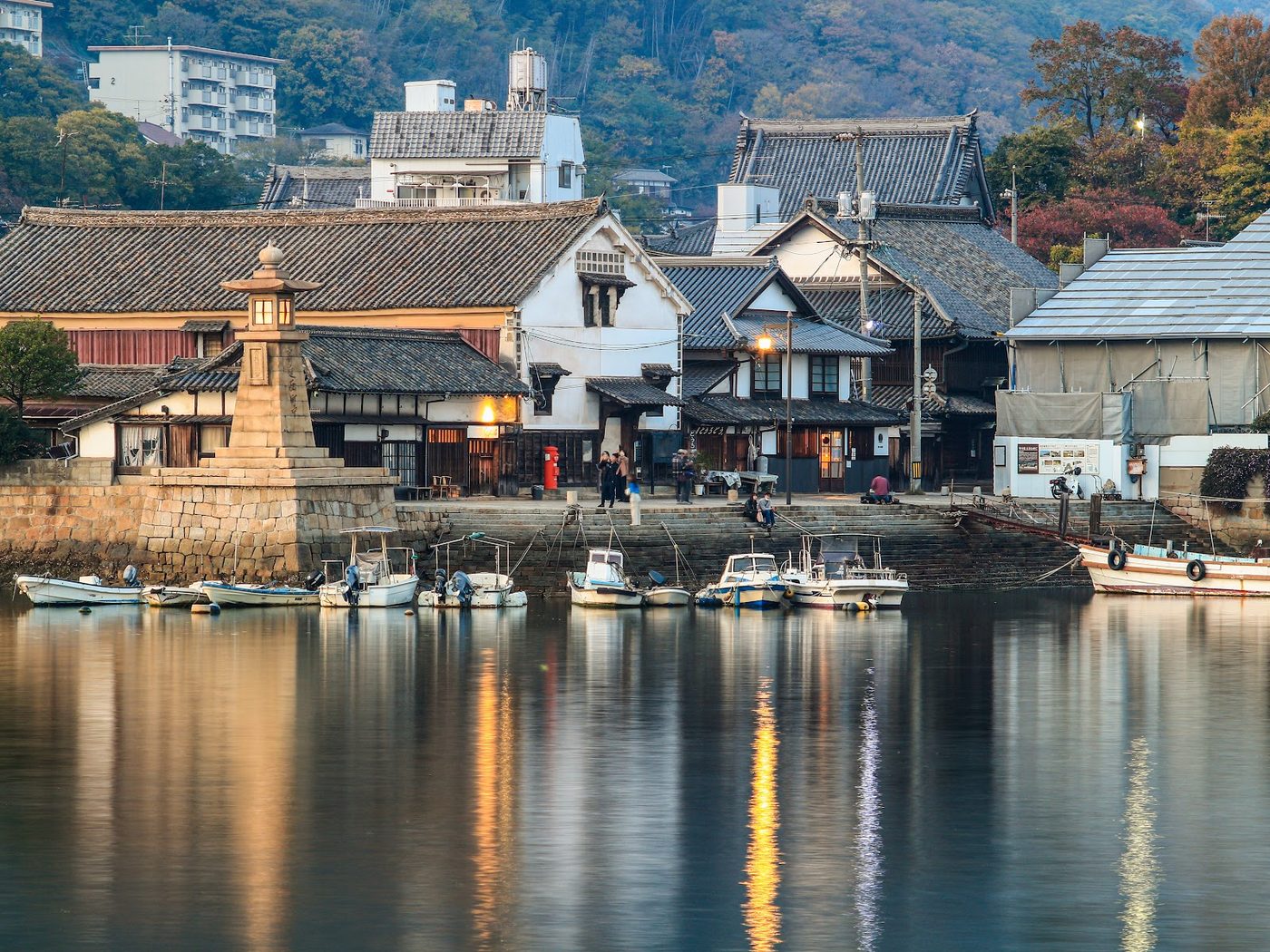
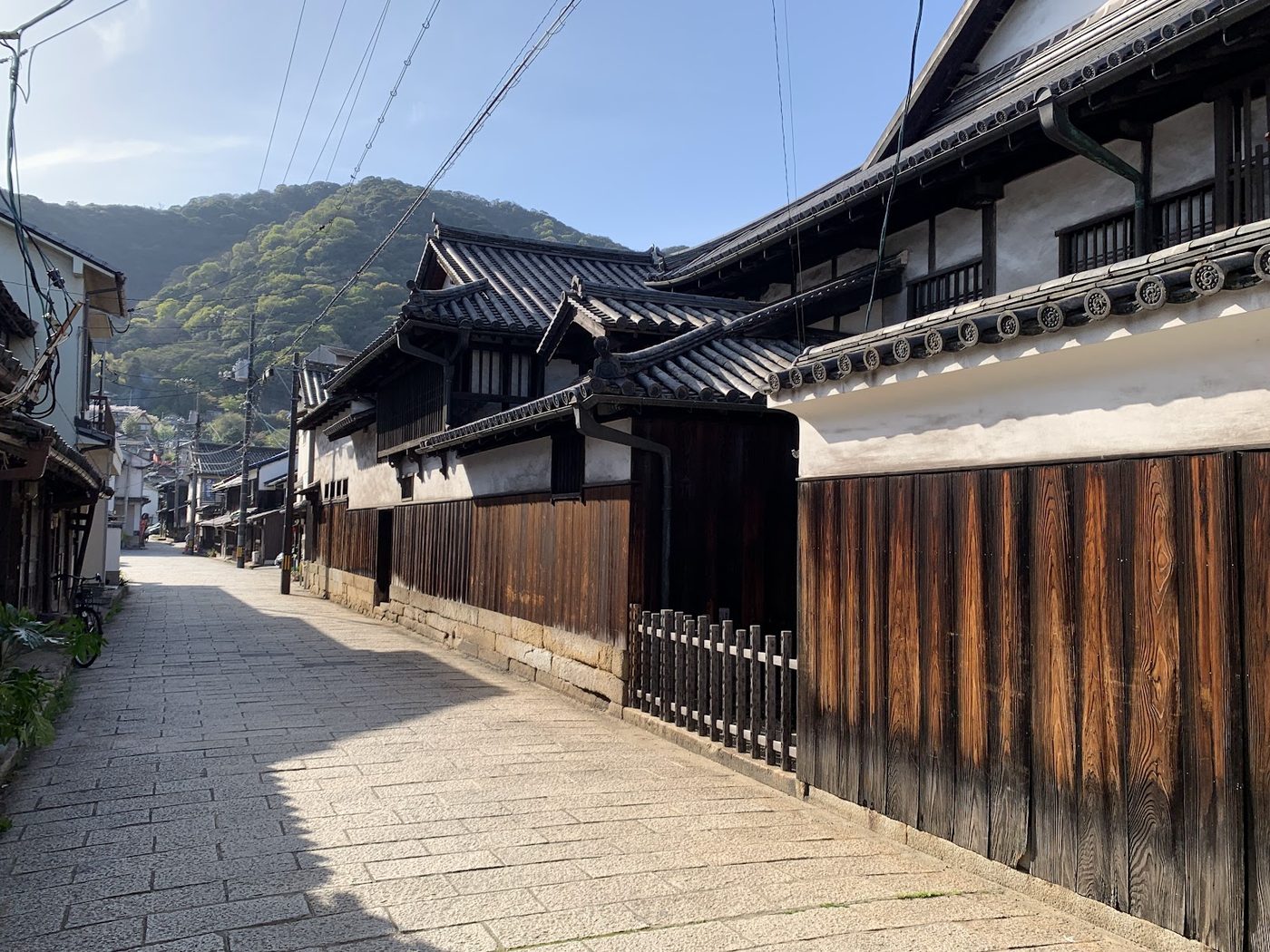
Picturesque Edo-period port town on the Seto Inland Sea. Narrow lanes with traditional wooden buildings. Inspiration for the movie Ponyo. Working harbor with stunning sunset views over the islands.

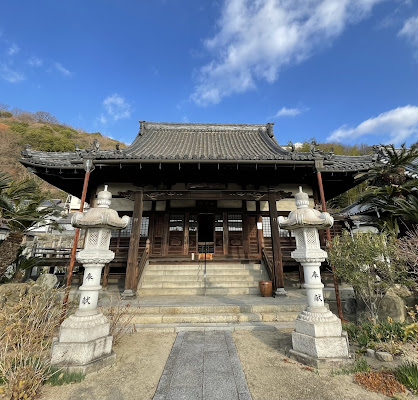
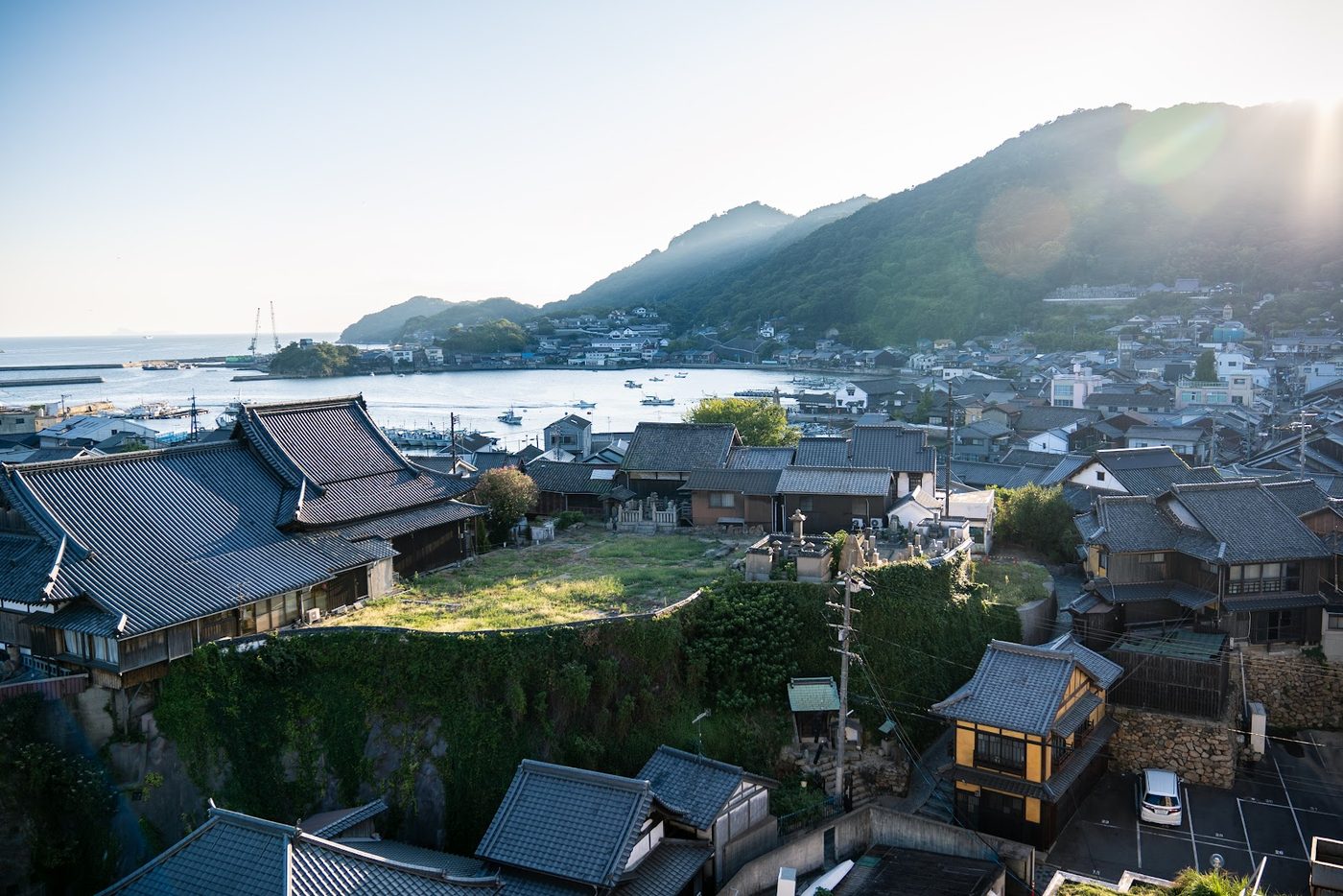
Walk through 25 temples dotted along hillside paths with stunning sea views. Narrow alleyways lined with cats. One of Japan's most charming small towns. Easy day trip from Hiroshima.

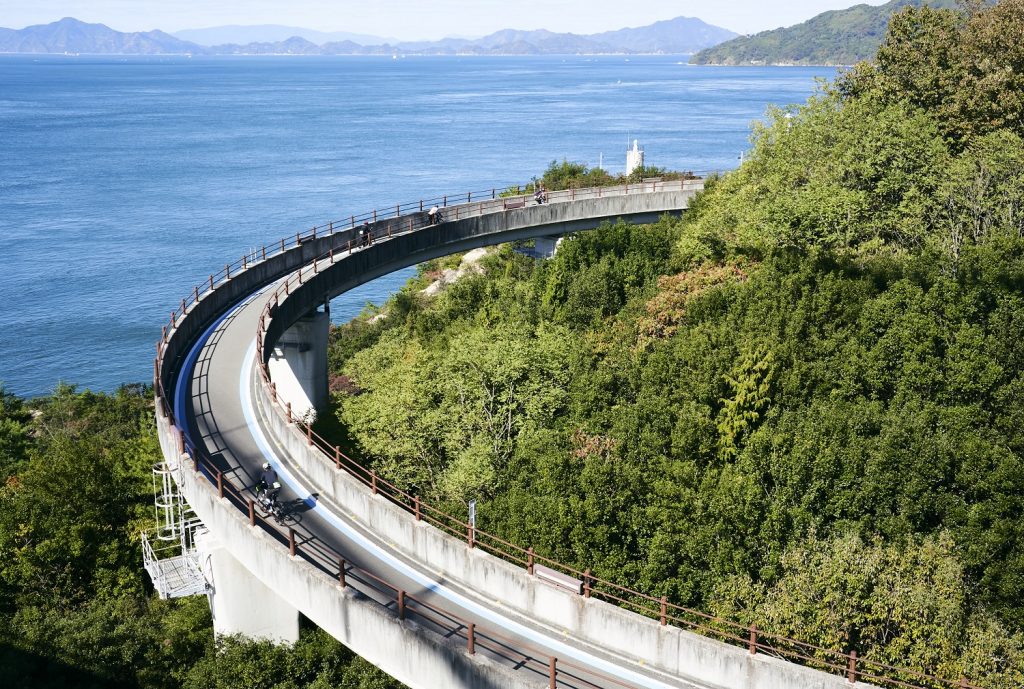
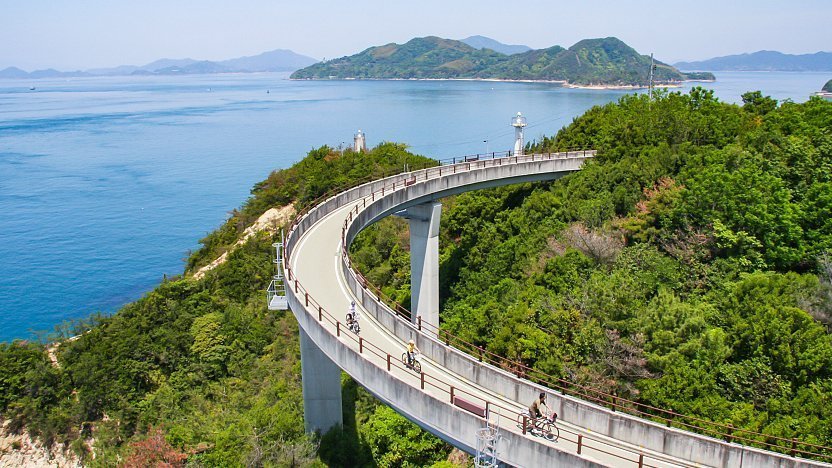
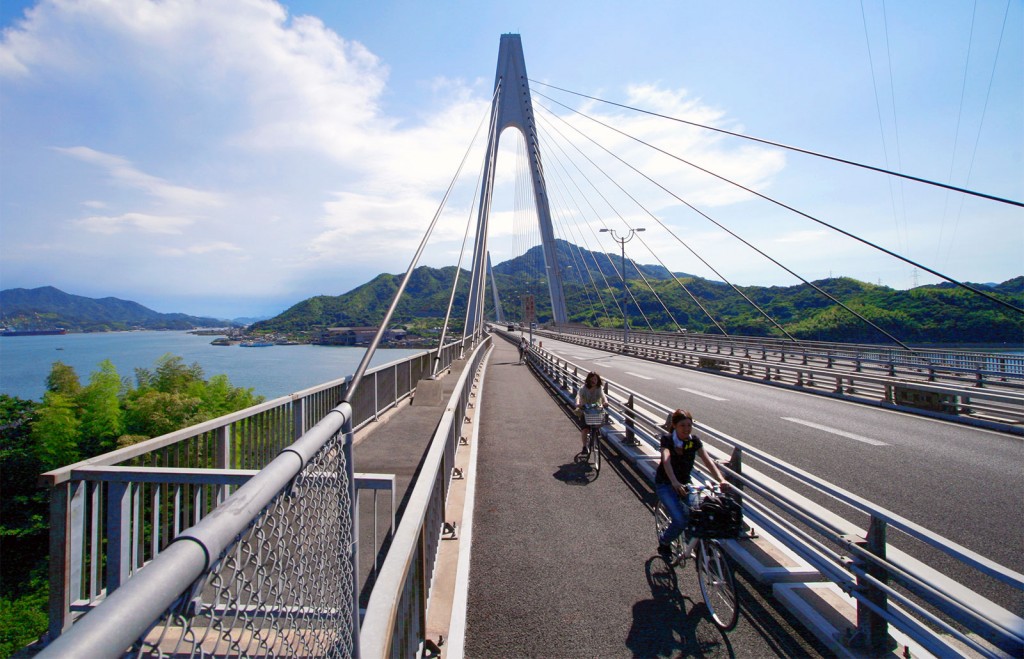
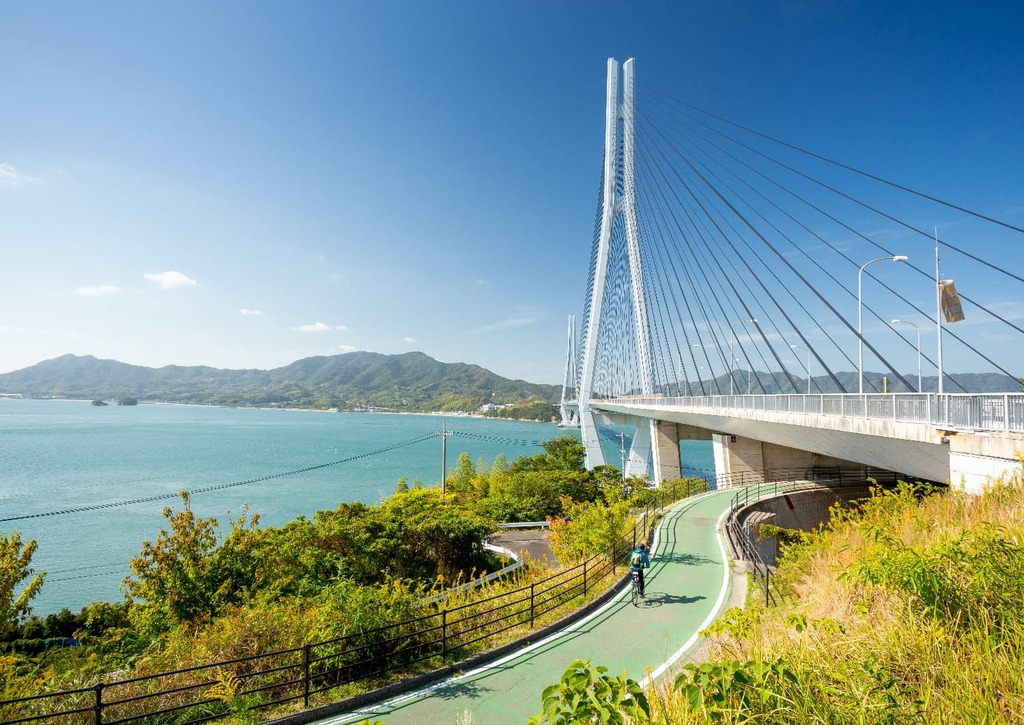
70-kilometer cycling route across six islands connected by bridges spanning the Seto Inland Sea. Stunning ocean views and island hopping. Rent bikes in Onomichi. One of the world's best cycling routes.

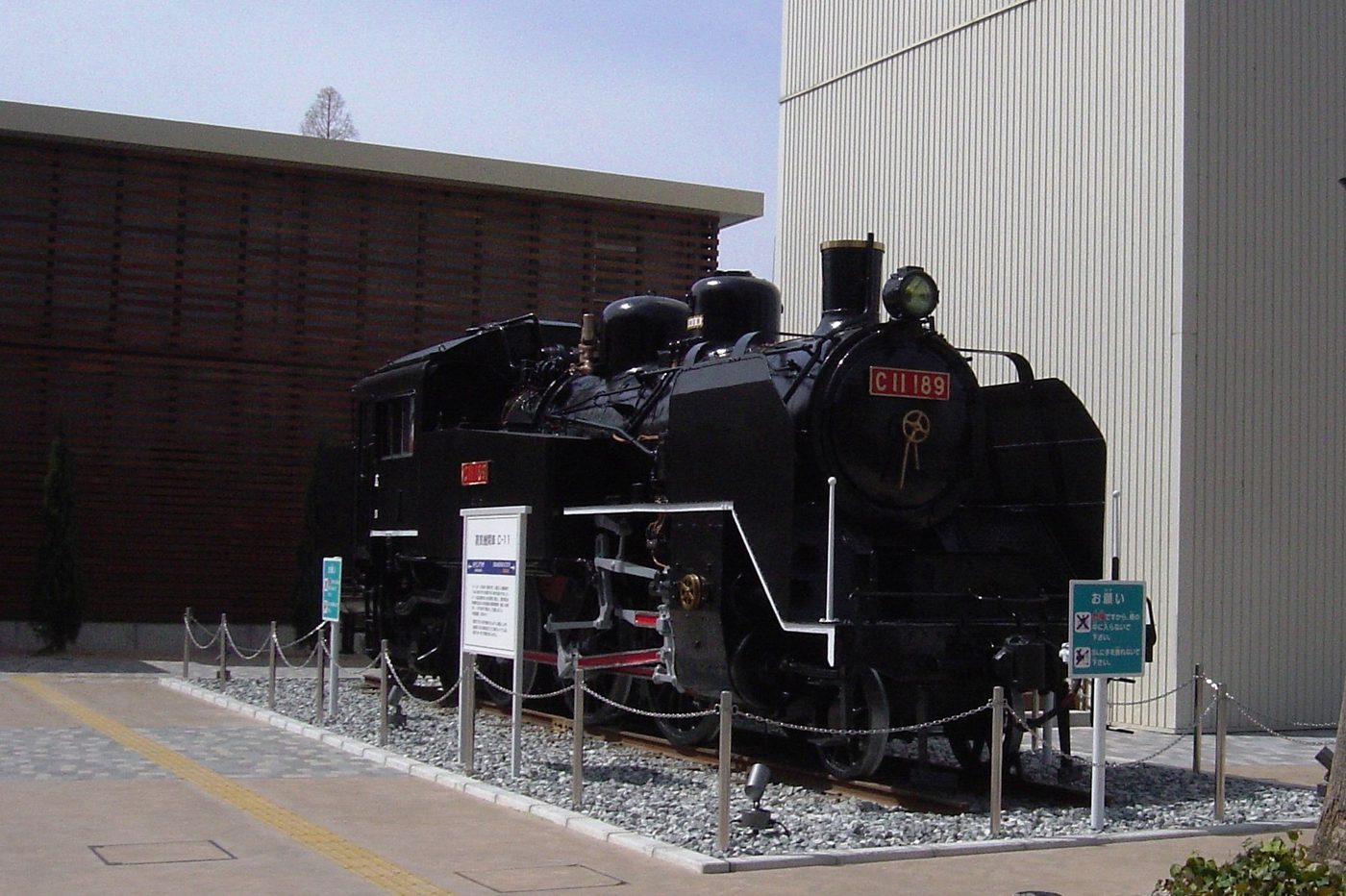
One of Japan's largest streetcar networks with vintage trams including some surviving the atomic bomb. An atmospheric way to get around the city. Day passes available for unlimited rides.

Hiroshima sake capital with seven major breweries all within walking distance of JR Saijo Station. Free tastings tours and exclusive bottles. 40 minutes from Hiroshima.

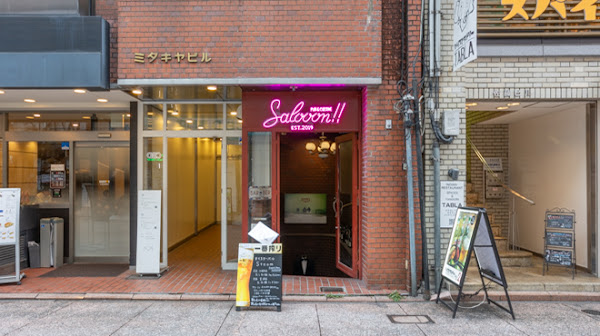
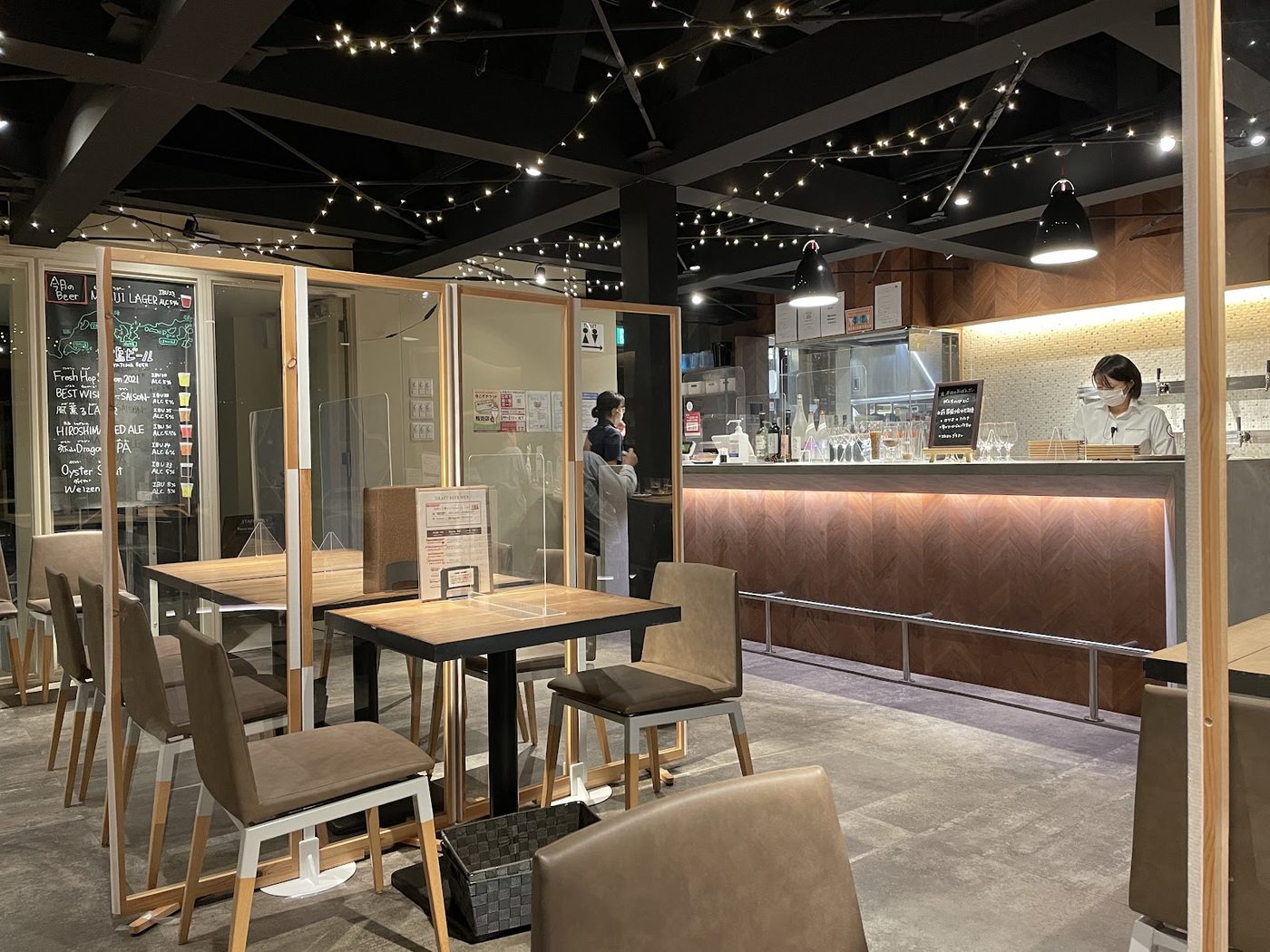
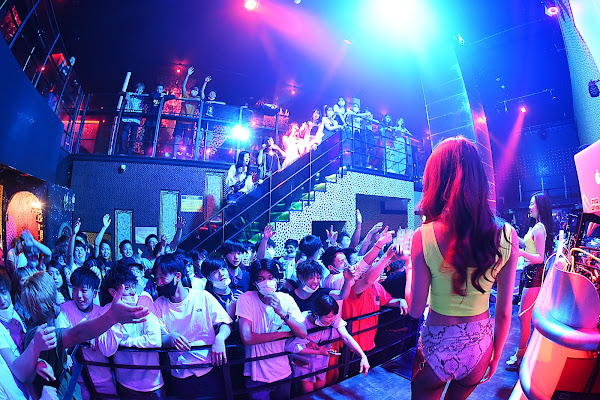
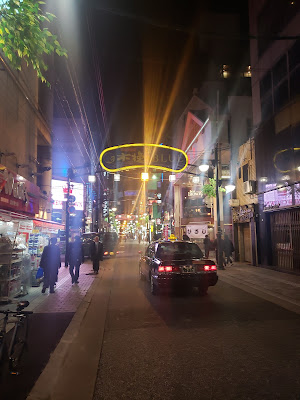
Hiroshima's vibrant entertainment area with bars izakayas and clubs. Great for bar hopping. Many venues welcome foreigners. Try local craft beer at Hiroshima Brewing Company.

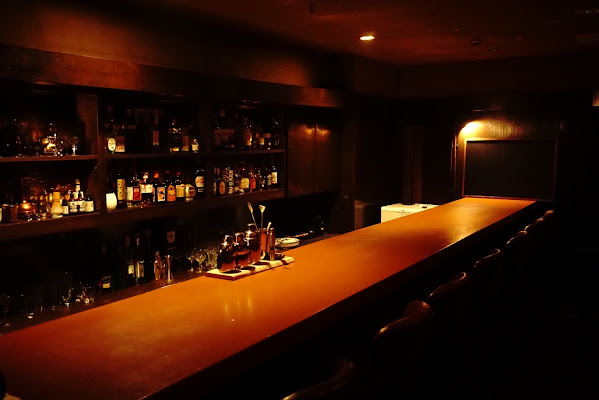
Hiroshima central entertainment hub packed with bars izakayas and karaoke. Lively atmosphere every night. From craft beer bars to hidden cocktail lounges. The place to be after dark.

Transforming former warehouse area west of the station into a trendy bar district. Craft cocktails wine bars and small plates. The up-and-coming spot for hip nightlife.

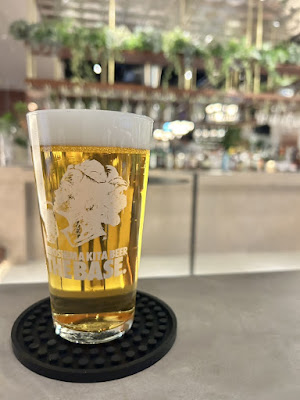
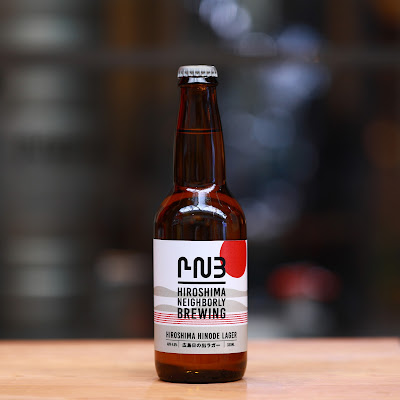
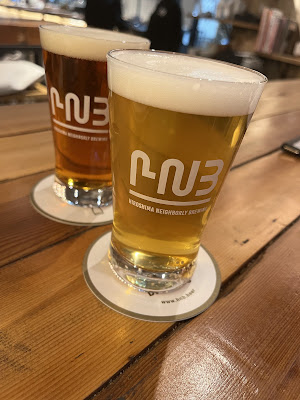
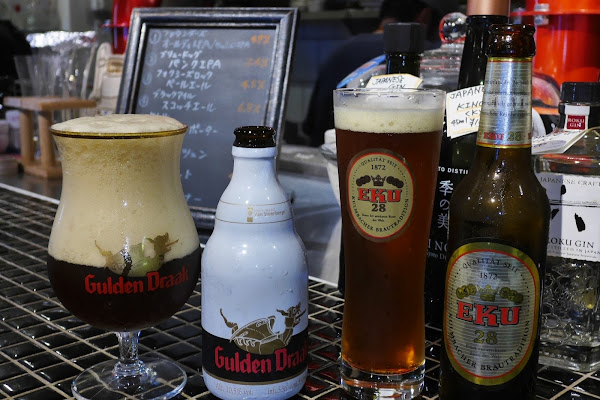
Growing craft beer scene with breweries using local ingredients like Hiroshima lemons and oysters. Session Brewery and Neighborly Brewing are top picks. Raku Beer for Japanese styles.
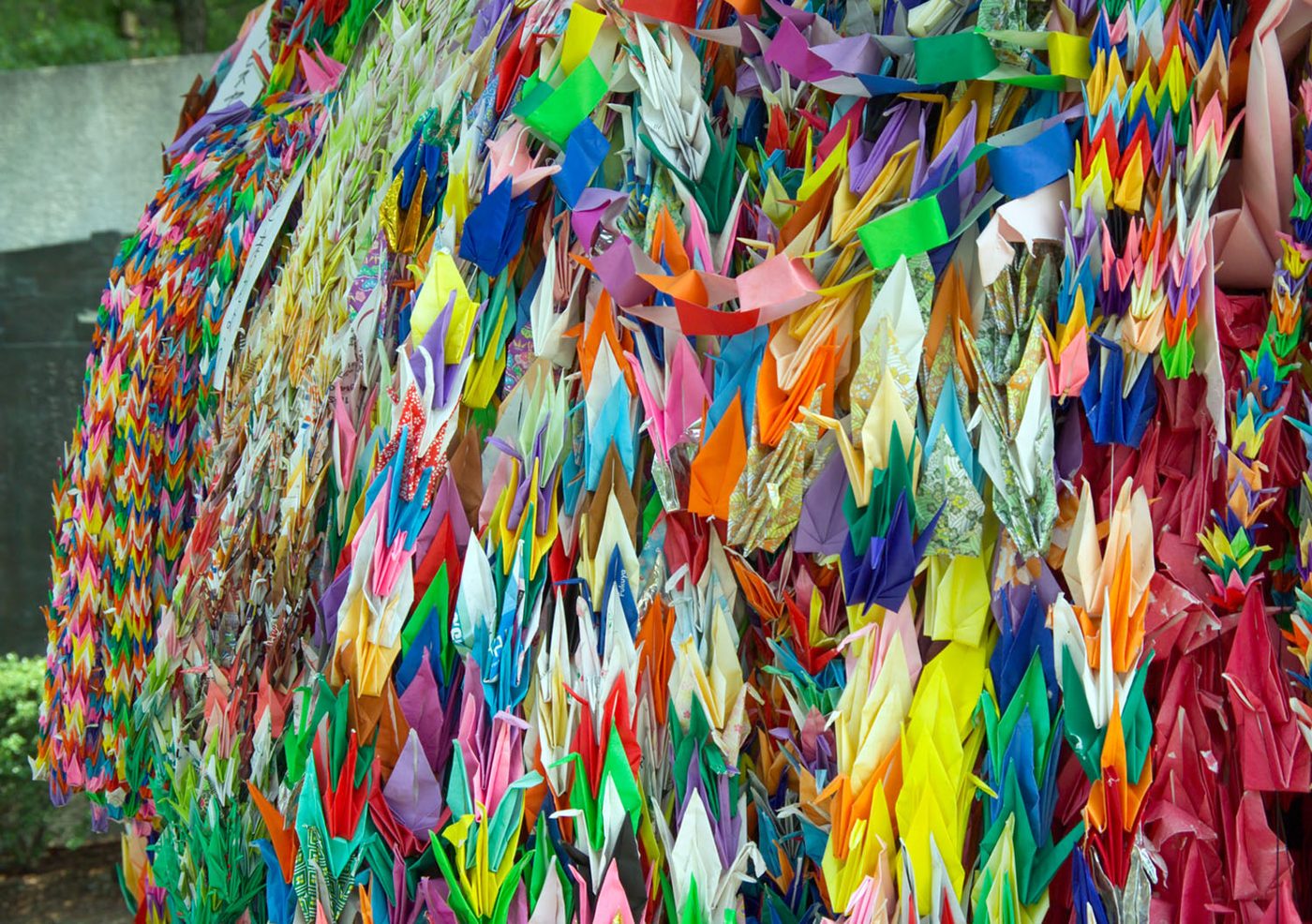
Paper crane towers, art museums, the Mazda factory tour, and Hiroshima's modern cultural side.

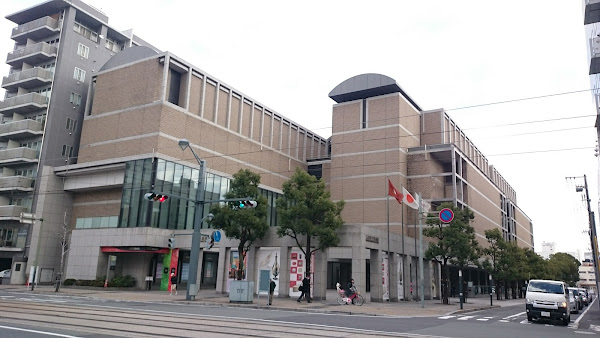
Powerful museum telling the story of August 6 1945 through survivor testimonies and preserved artifacts. Recently renovated with deeply moving exhibits. Entry just 200 yen. Allow 2 hours.

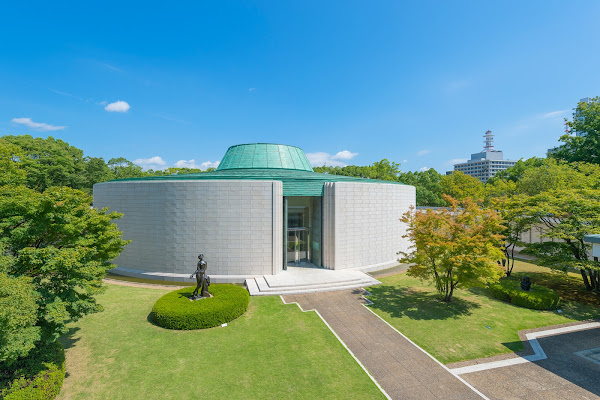
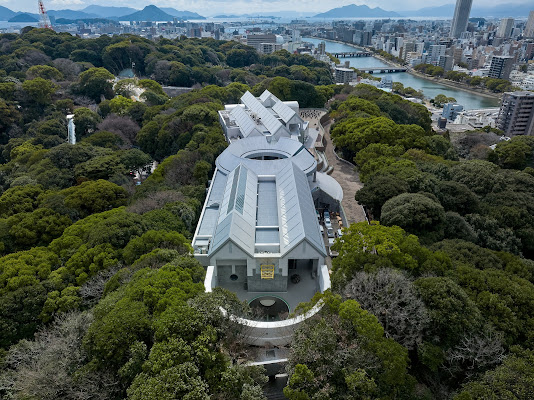
Beautiful circular building in the heart of the city. French Impressionist masterpieces including Monet and Renoir. The garden surrounding the museum is lovely. A calming cultural stop.

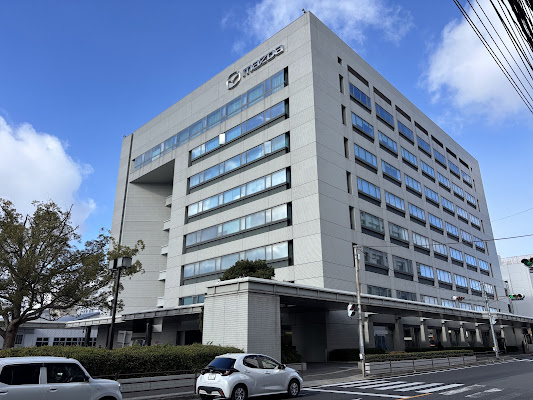
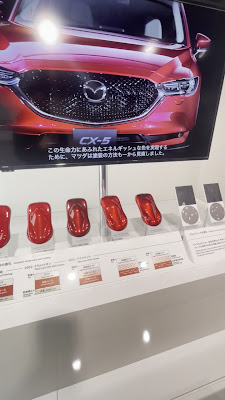
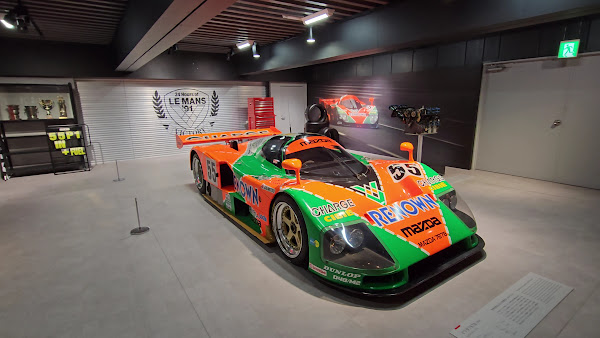
Factory tour of Mazda's headquarters and assembly line. See cars being built from start to finish. Free guided tours but reservation required well in advance. A must for car enthusiasts.

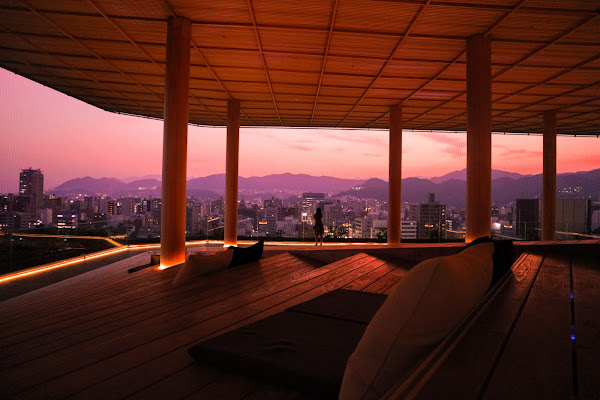
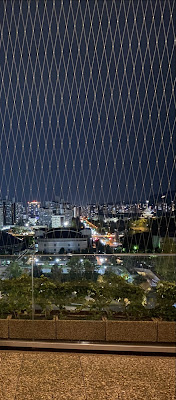
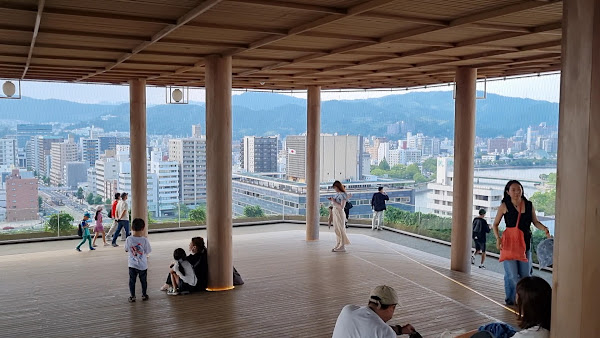
Observation deck with panoramic views over Peace Memorial Park and the city. Fold a paper crane and drop it into the tower's glass-walled crane well. Modern design next to the Atomic Bomb Dome.

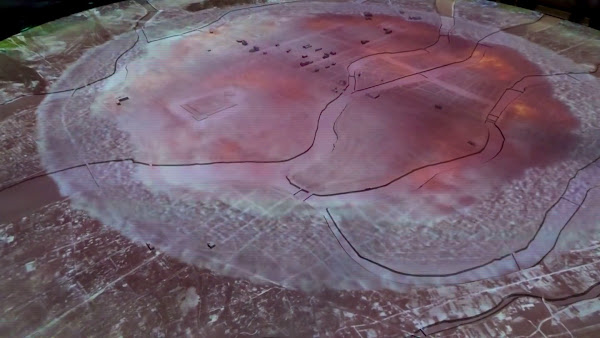
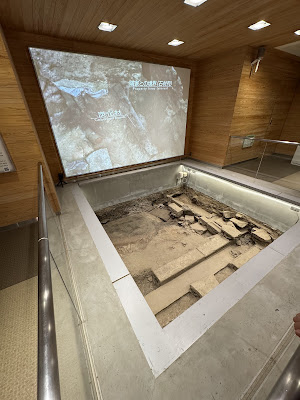
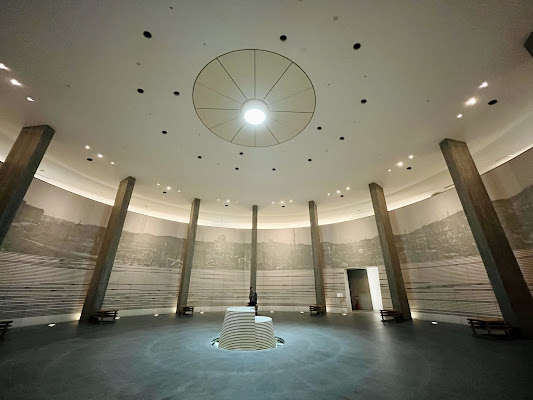
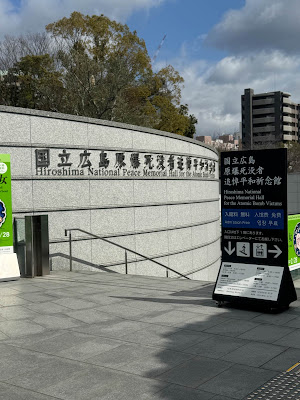
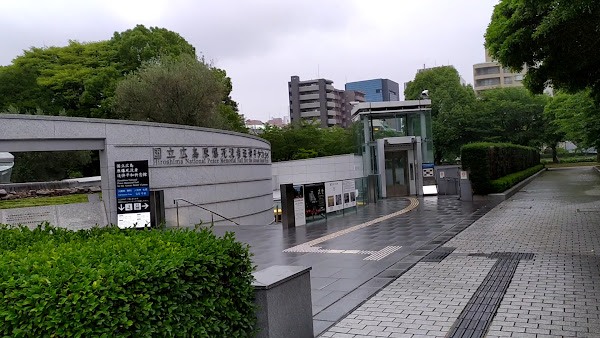
Somber underground memorial with a 360-degree panoramic view of the destroyed city reconstructed from photos. Testimonies from survivors. Free entry. Essential companion to the Peace Museum.

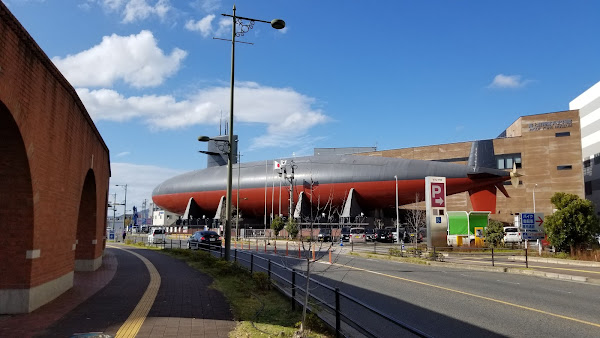
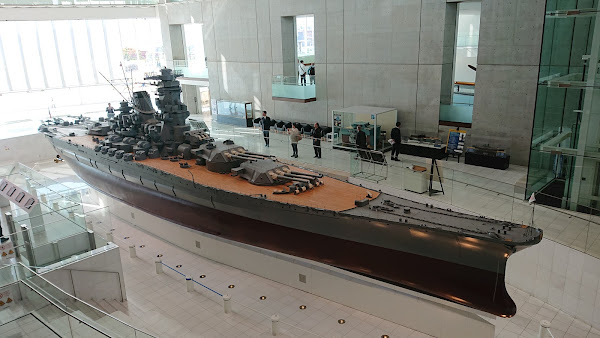
Massive 1/10 scale model of the legendary battleship Yamato. Kure naval history and shipbuilding technology. Note: Closed for renovation until March 2026. Plan accordingly.

Covered arcades, station malls, and Miyajima's famous souvenir street.

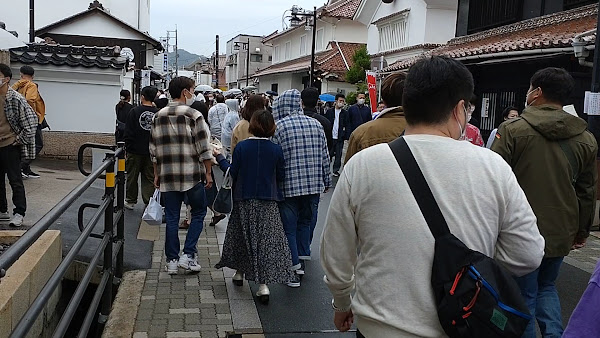
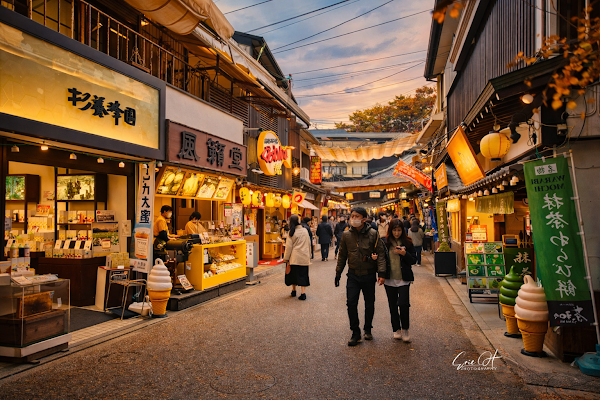
Main shopping street on Miyajima lined with souvenir shops and food stalls. Famous for grilled oysters and momiji manju (maple leaf cakes). Try the world's largest rice scoop photo spot.

Covered shopping street in central Hiroshima. Mix of fashion shops restaurants and local businesses. Connected to several other arcades creating a massive covered shopping network. Rainy day friendly.

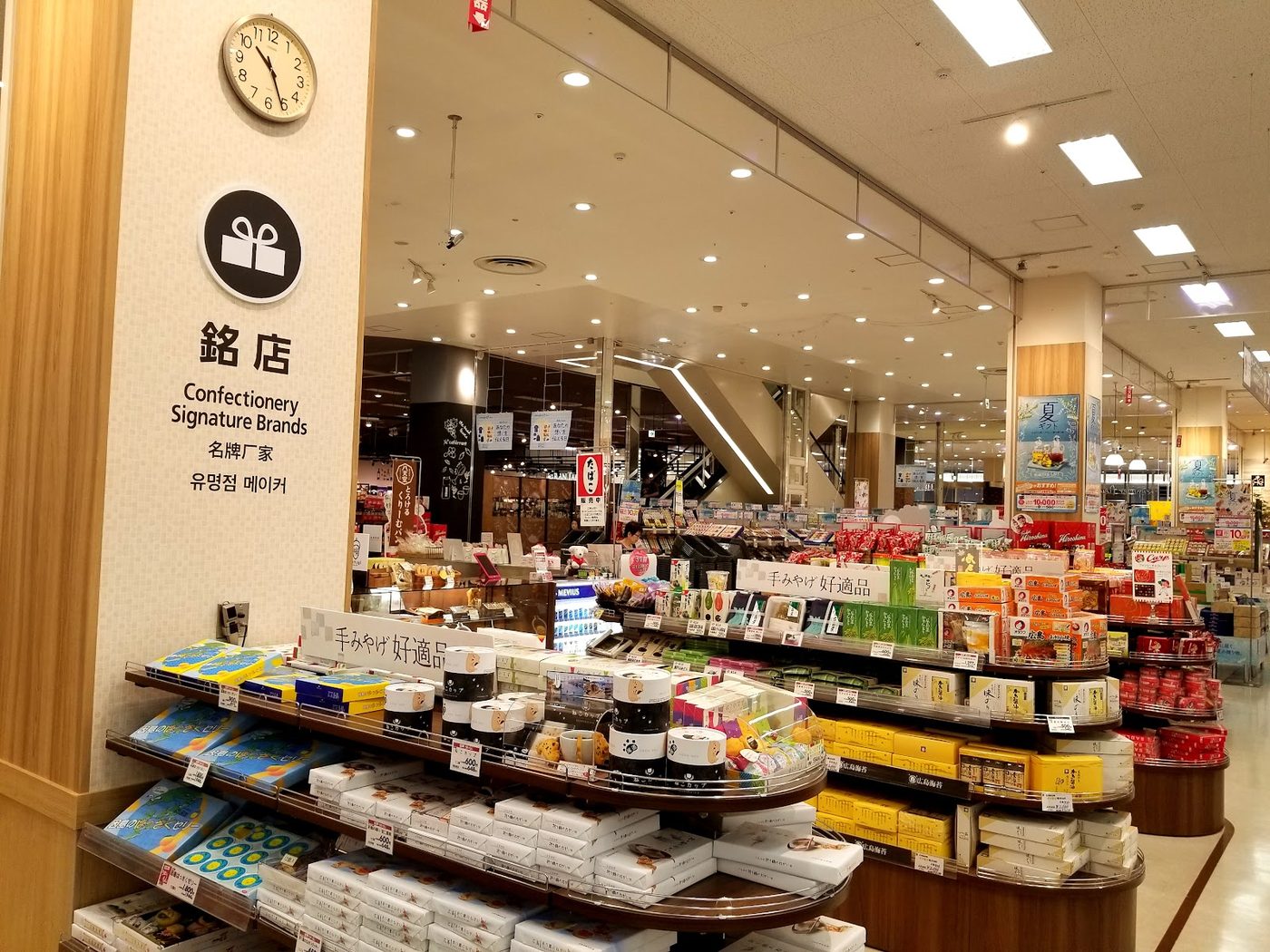
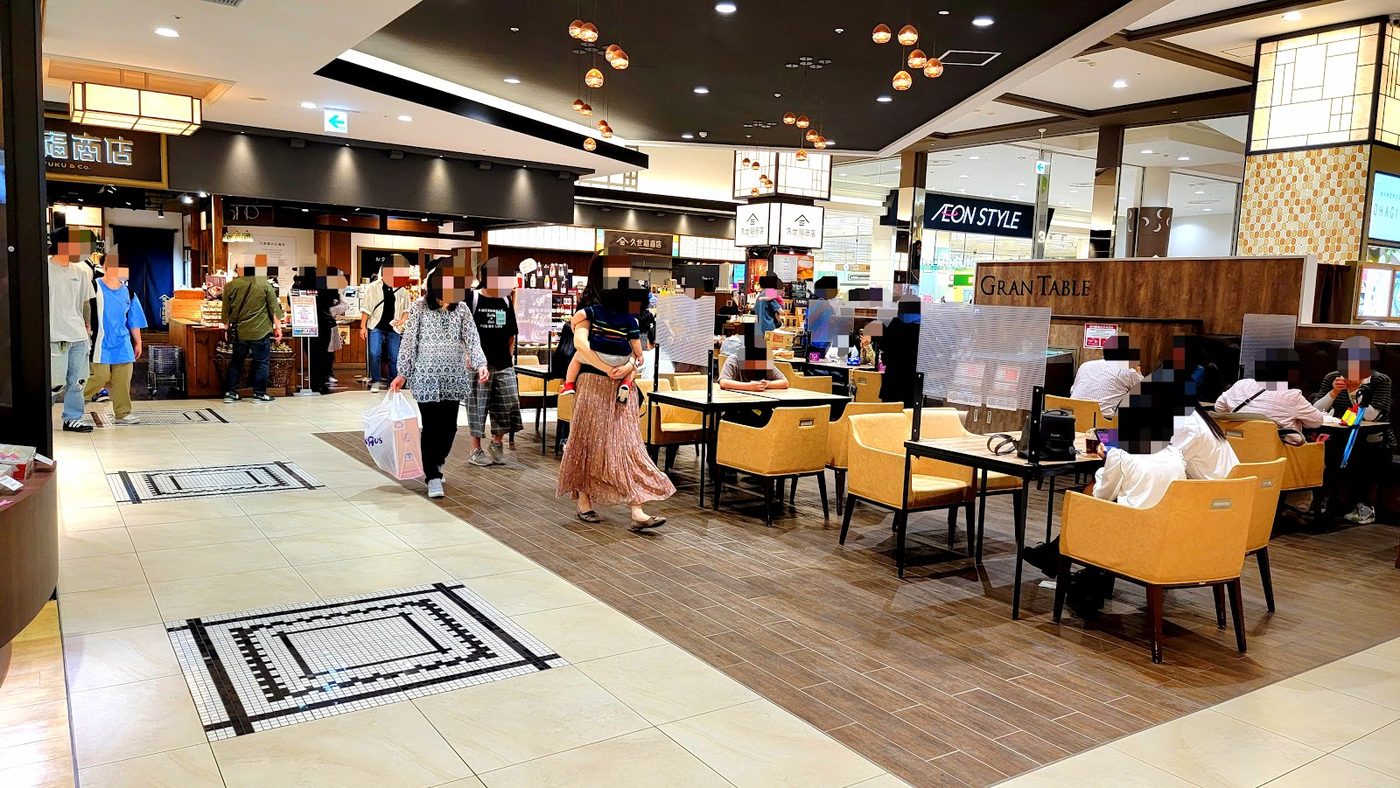
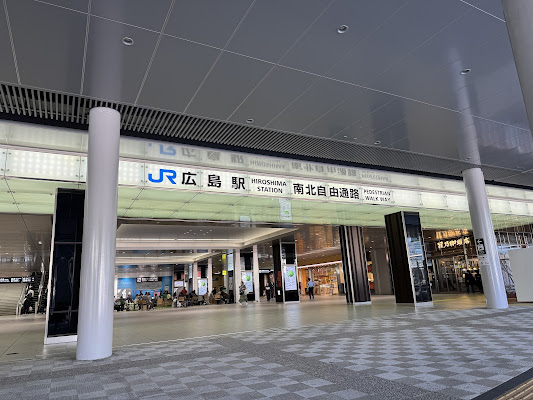
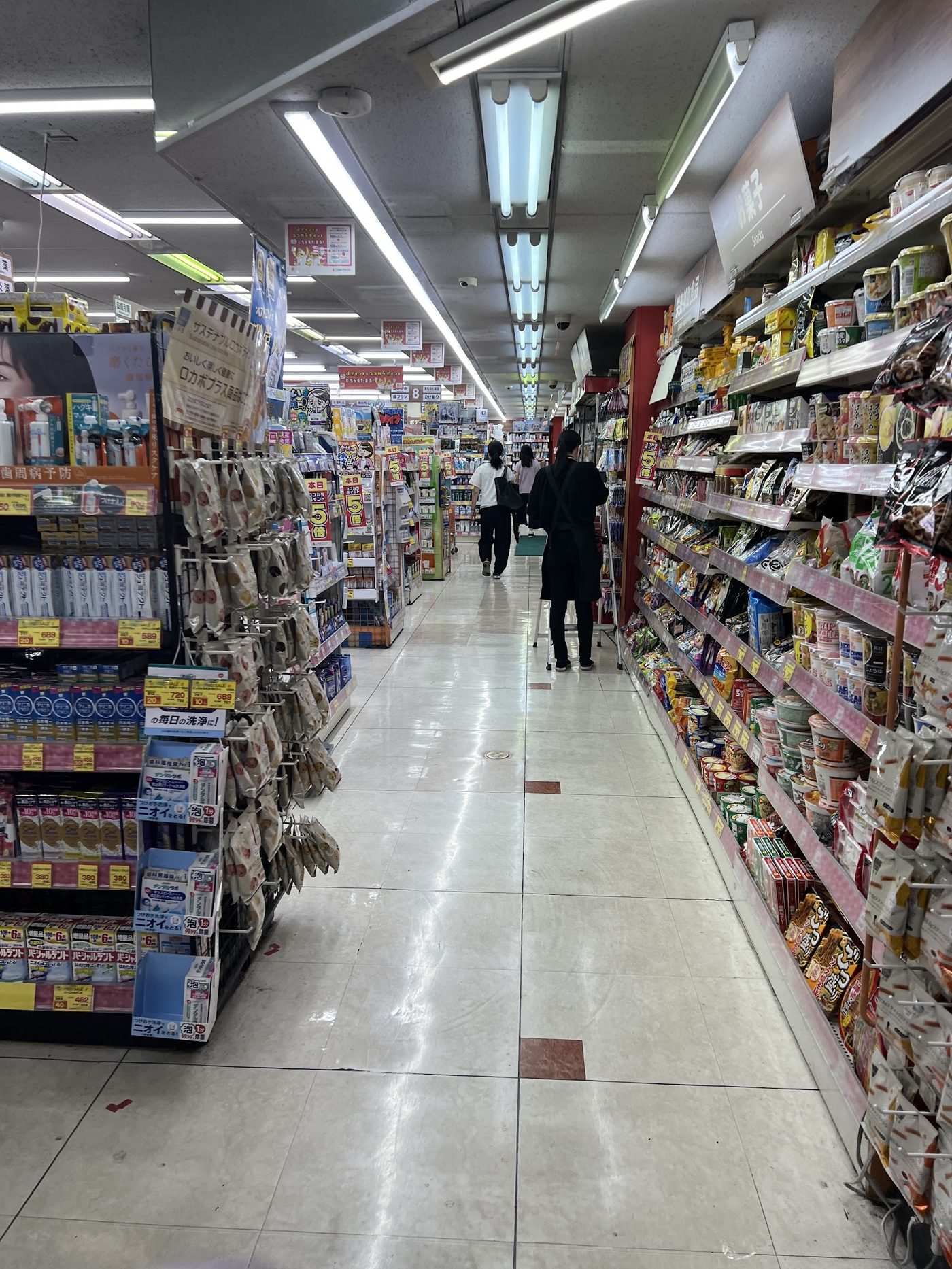
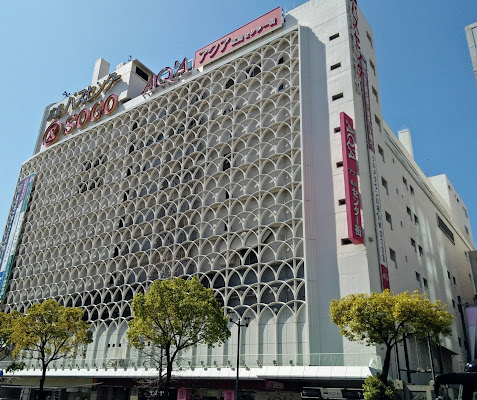
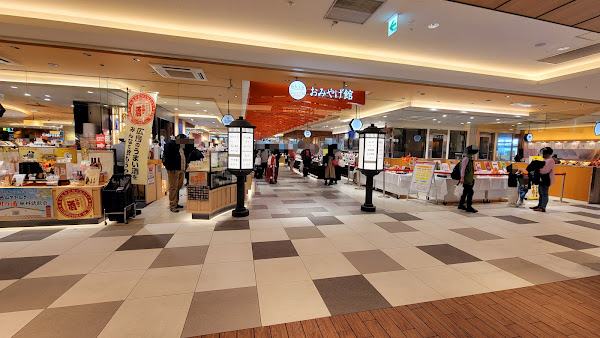
Multi-floor shopping center attached to Hiroshima Station. Department stores fashion and restaurant floors. Convenient for last-minute souvenir shopping before catching the shinkansen.