Sunshine country's garden city, the celebrated Korakuen, a jet-black castle, sweet white peaches, and the gateway to the art islands. 70 curated spots.
Castle ruins, architectural wonders, and centuries of local heritage.
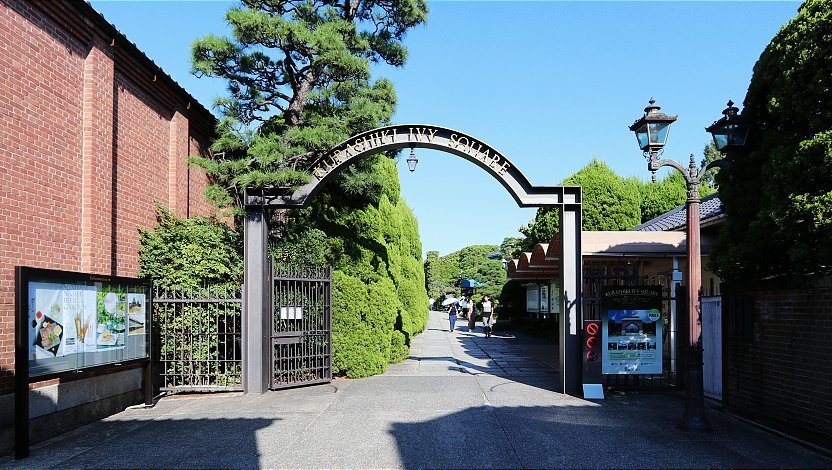
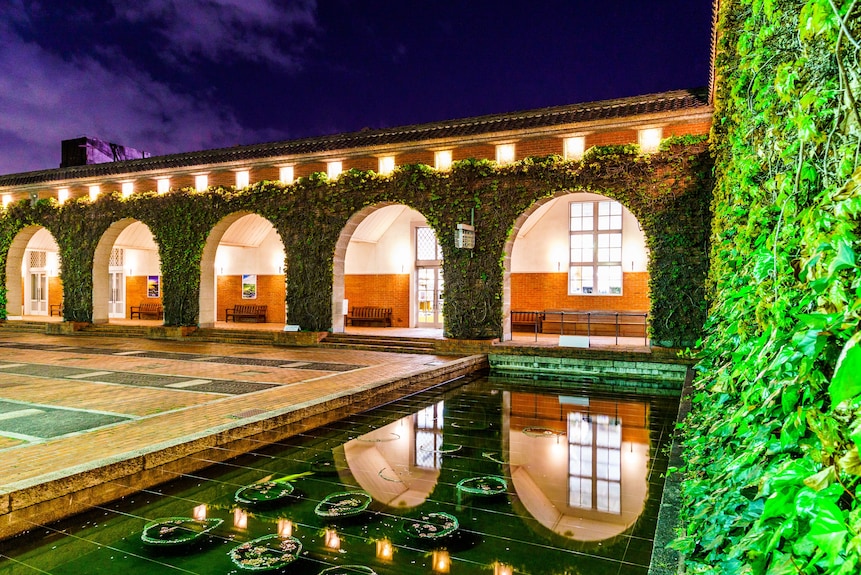
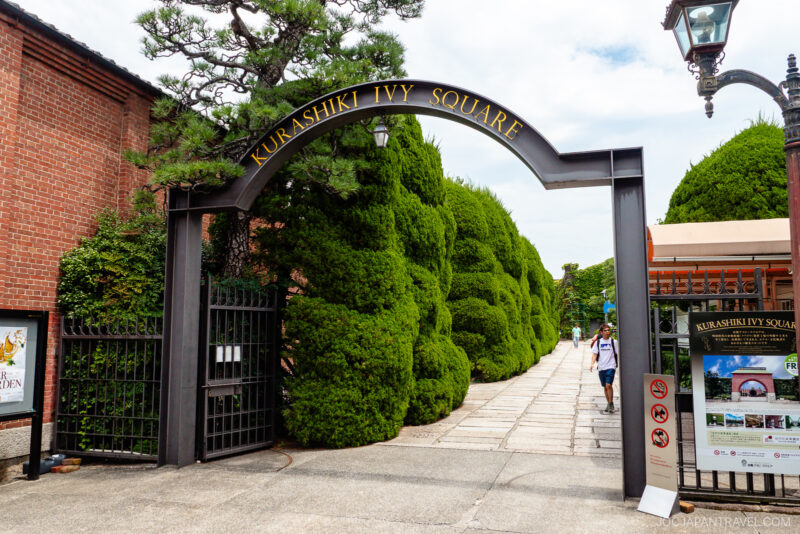
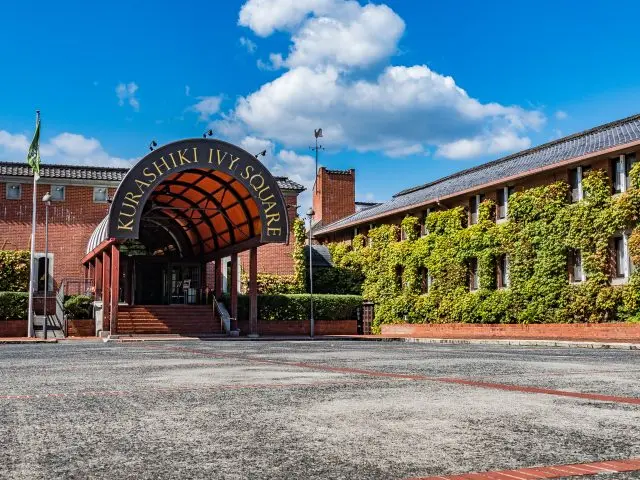
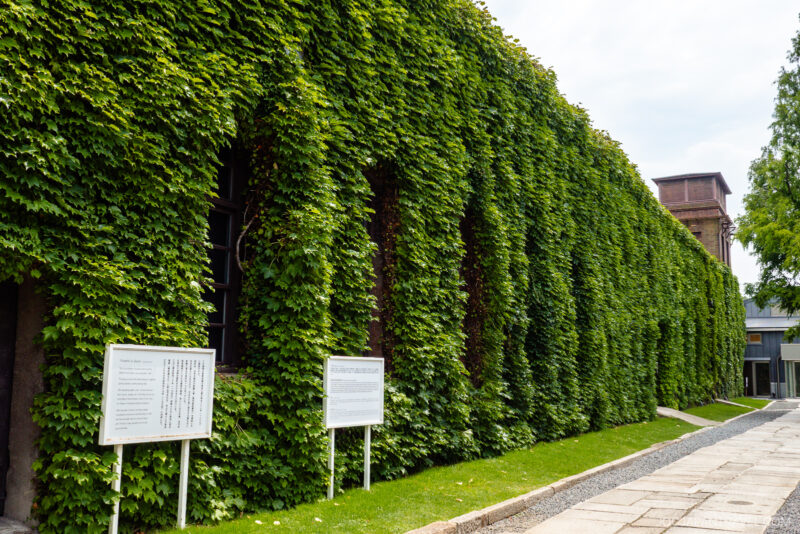
Former textile factory converted into a cultural complex. Red brick walls covered in ivy. Hotels, restaurants, and craft workshops. The courtyard is atmospheric on summer evenings.
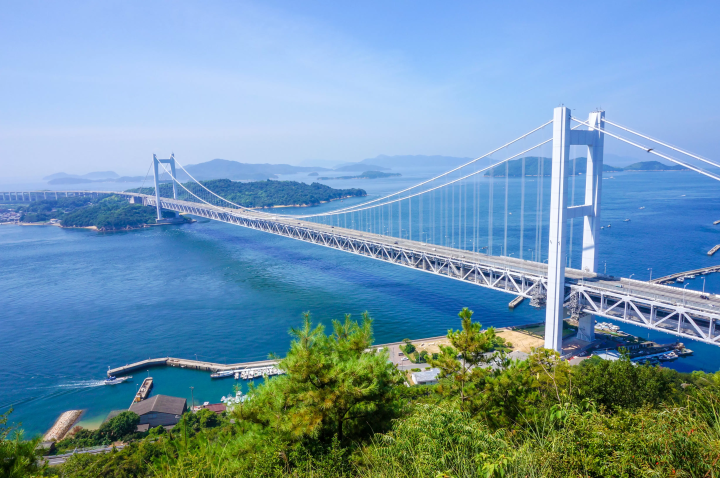
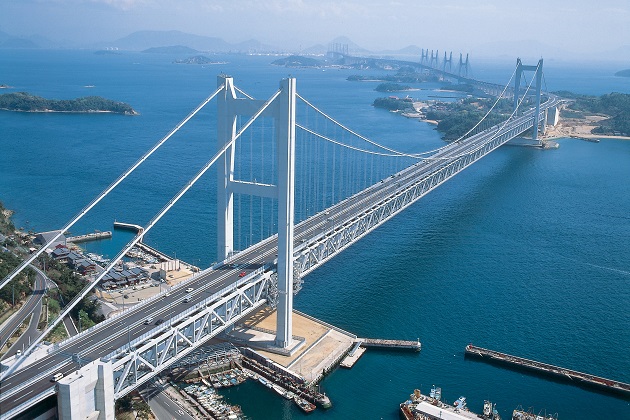
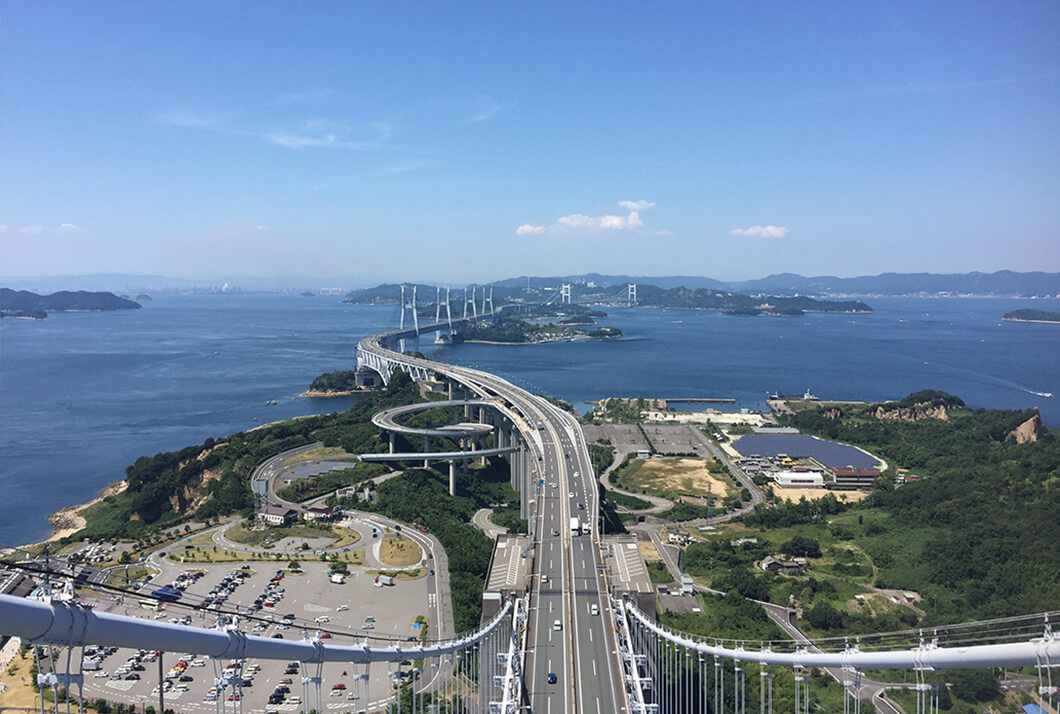
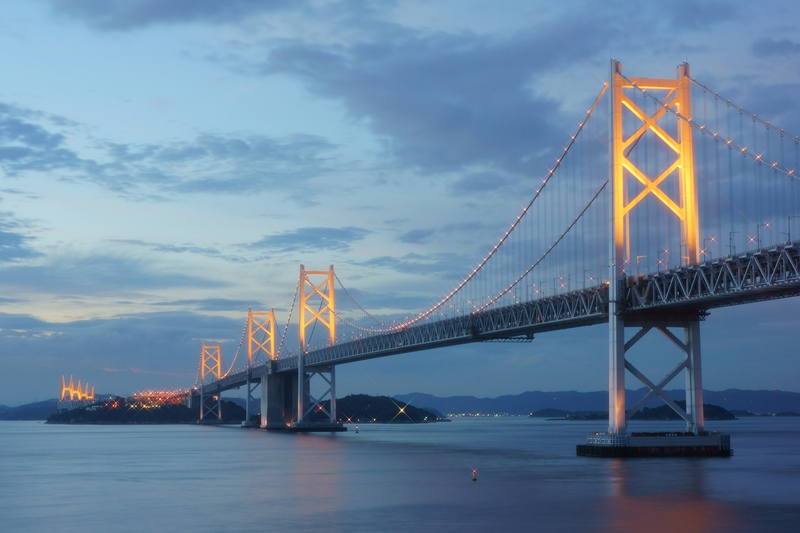
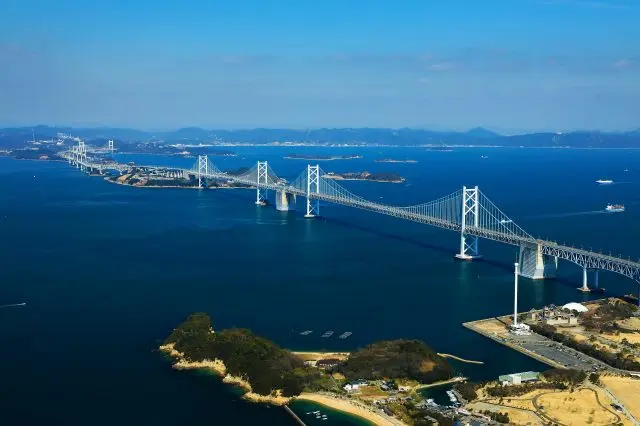
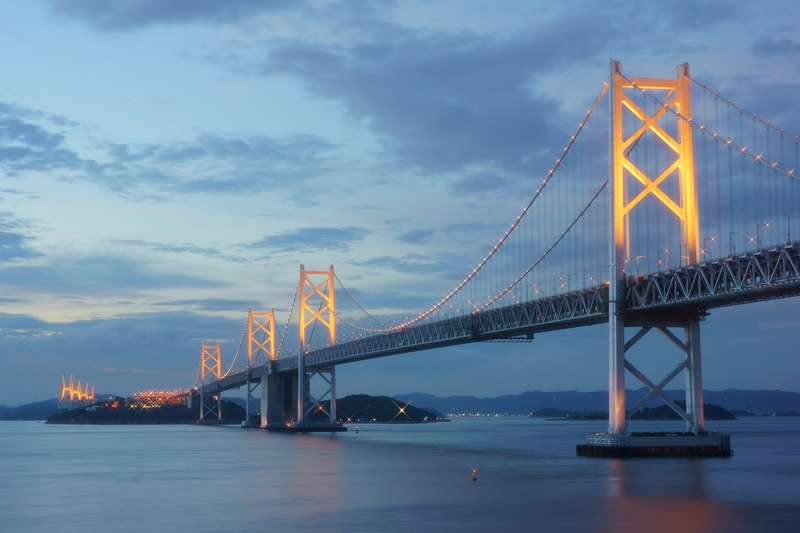
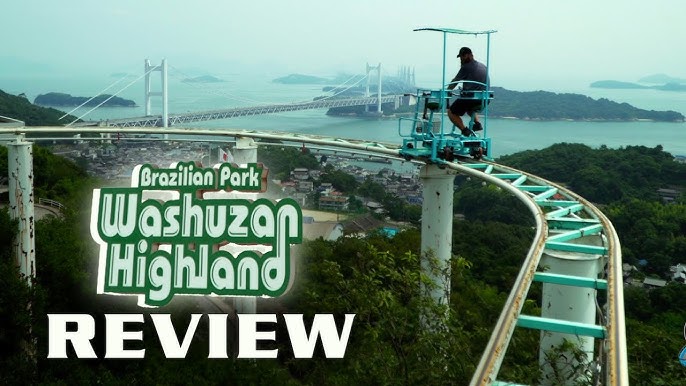
13km bridge system connecting Okayama prefecture to Shikoku across the Seto Inland Sea. The engineering is impressive. Best viewed from Washuzan Highland or from the train crossing it.
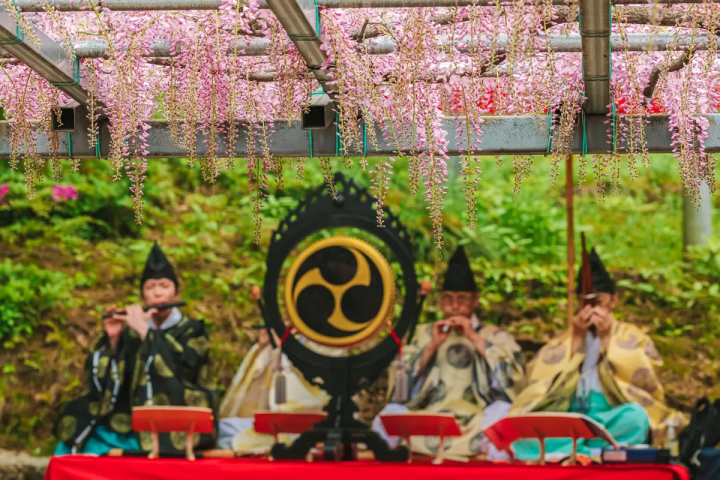
Open-air Noh theater stage inside Korakuen Garden. Special Noh and Kyogen performances are held seasonally. The ancient performing arts against the garden backdrop is magical.
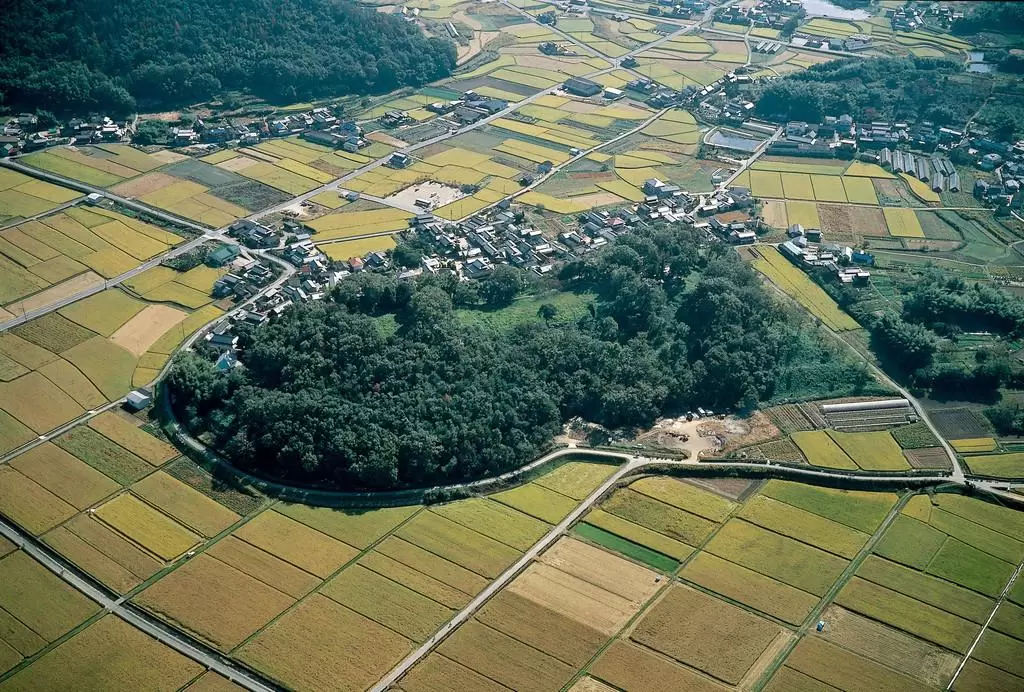
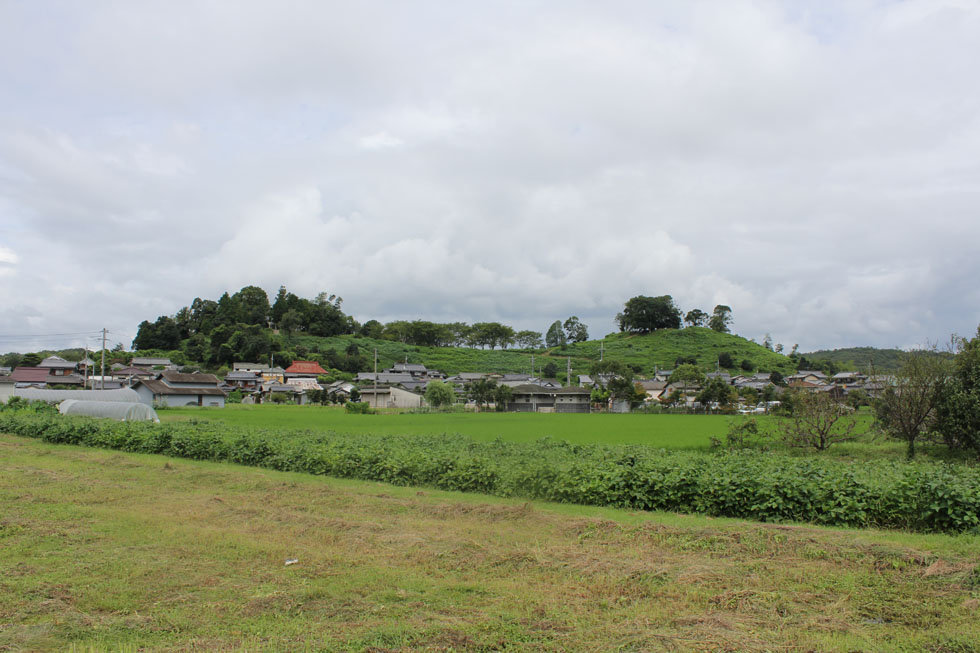
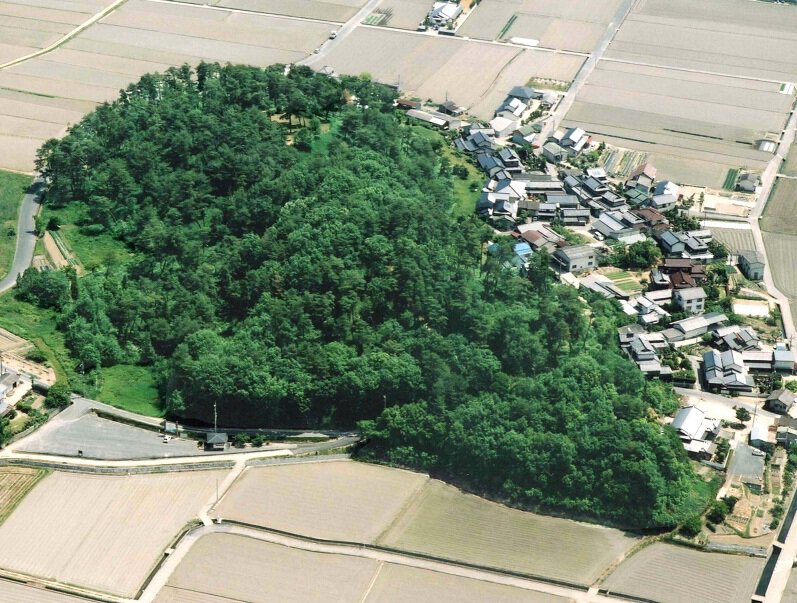
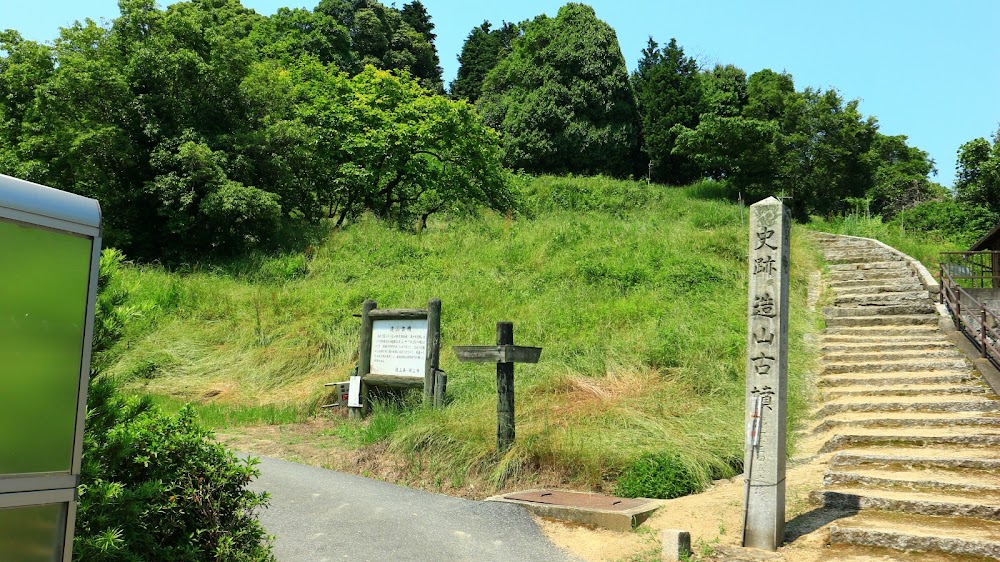
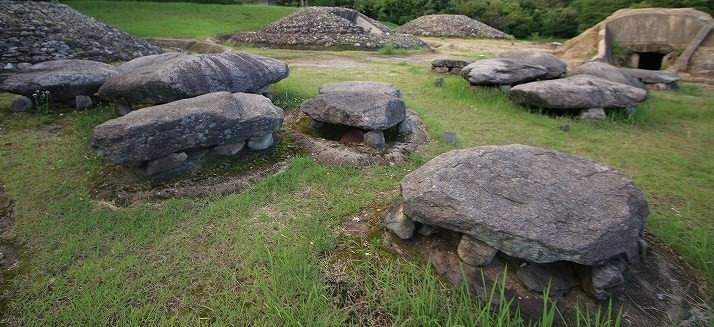
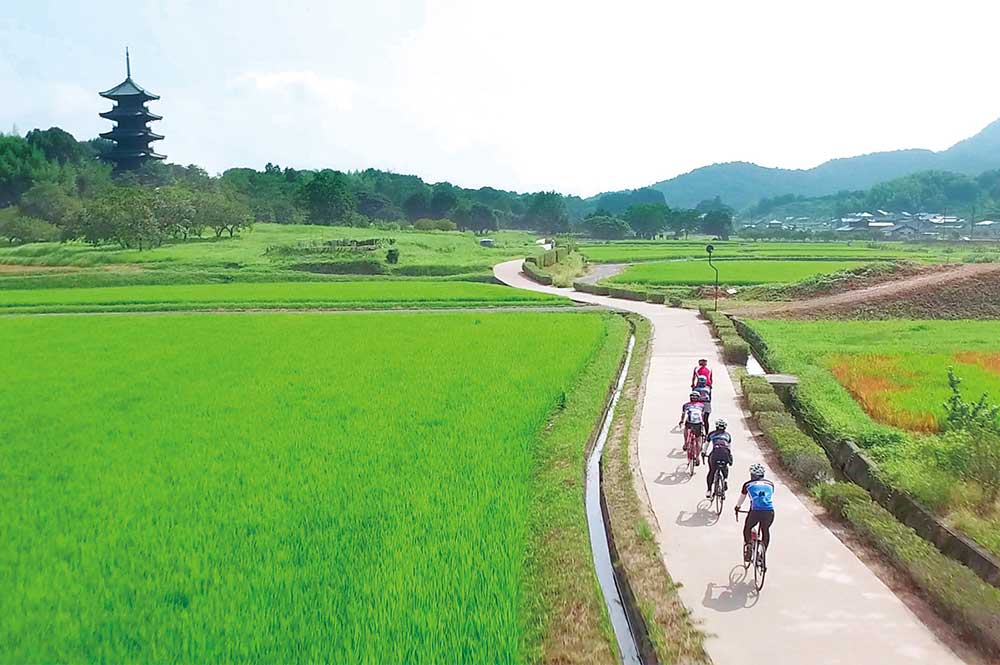
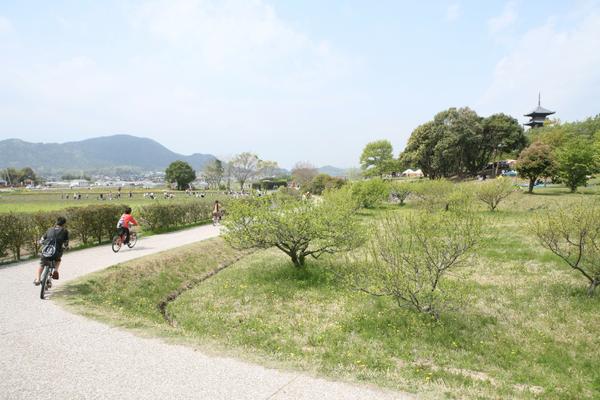
Ancient kofun burial mounds along the Kibiji cycling route. Tsukuriyama Kofun is the fourth largest in Japan. The scale of these 1500-year-old tombs is staggering.
Gold-leafed mausoleums, national treasure shrines, and mountain temples.

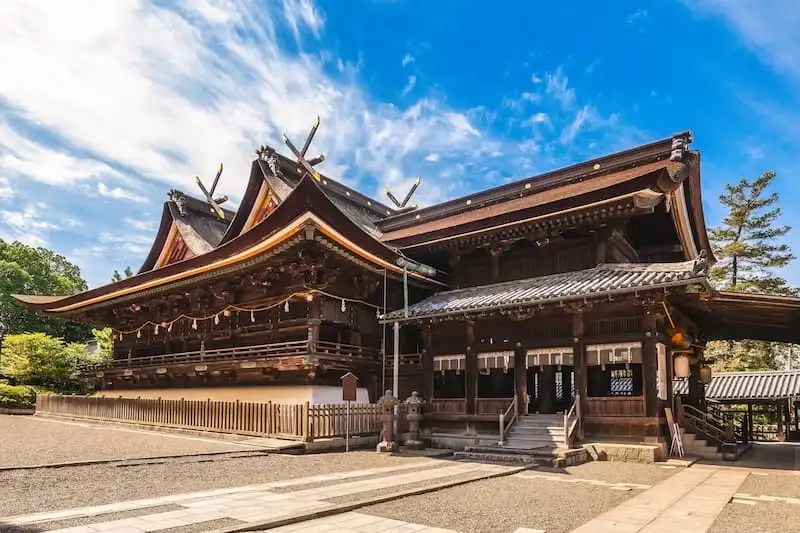
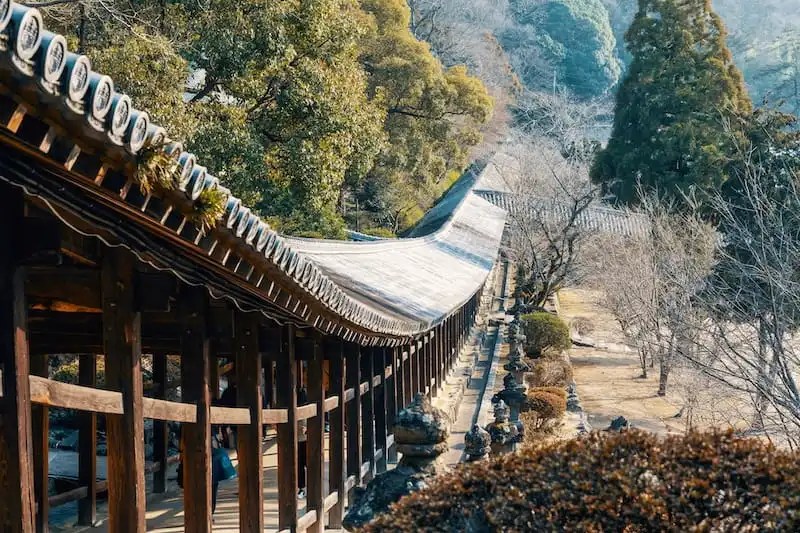
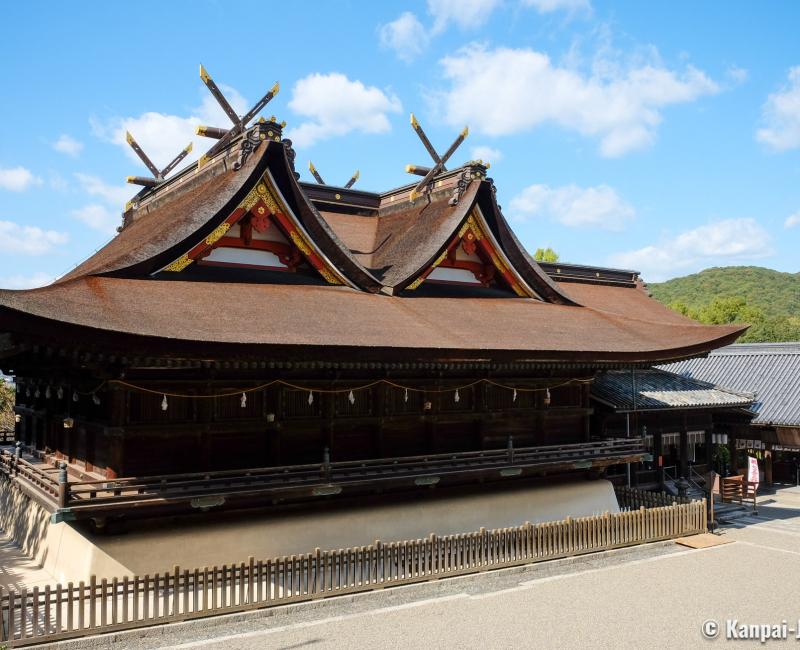
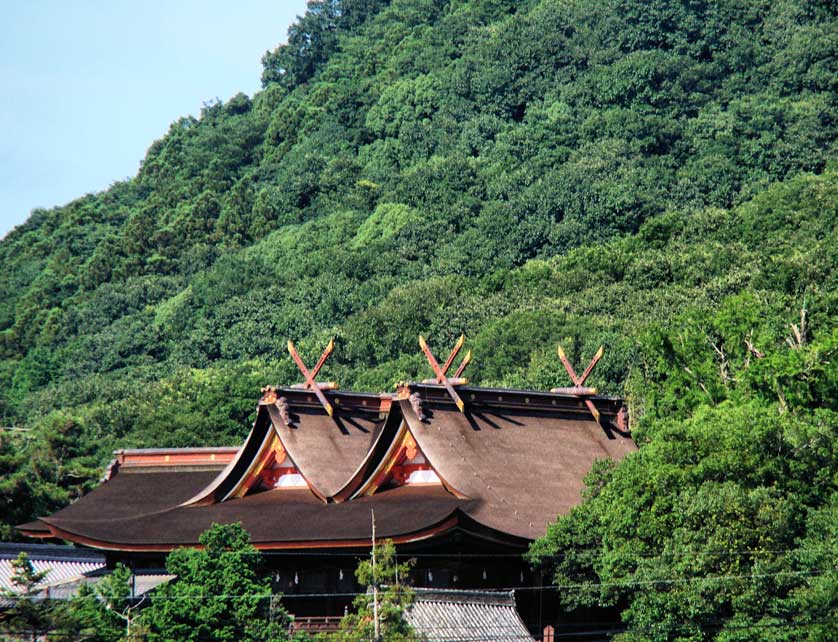
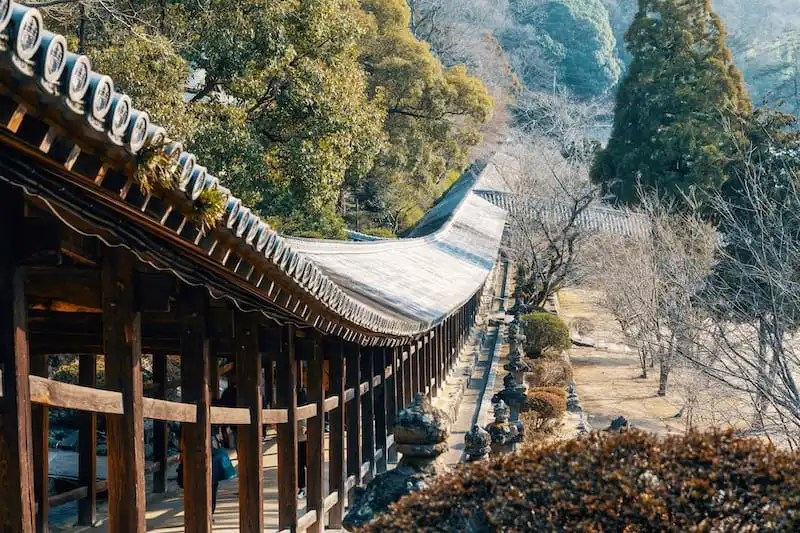
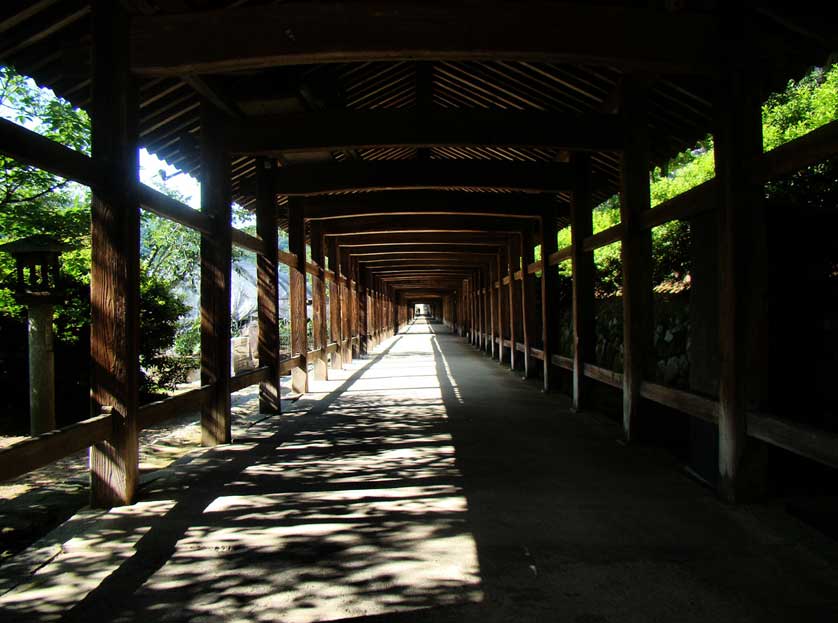
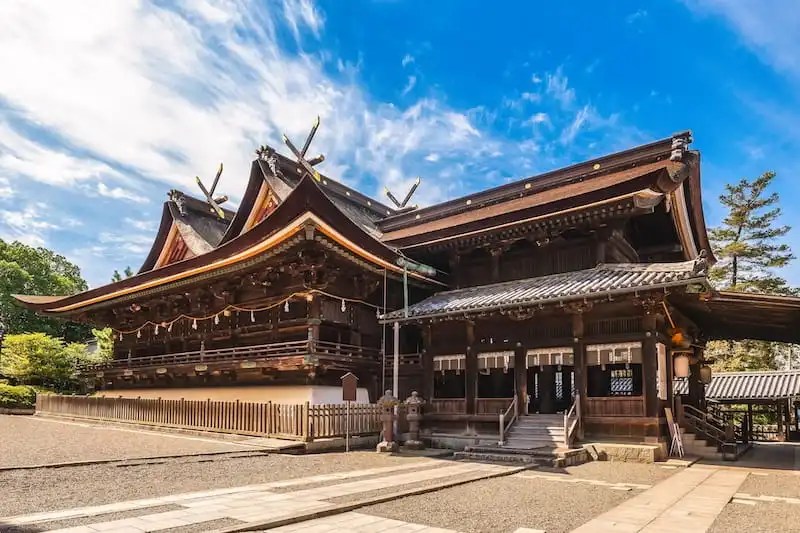
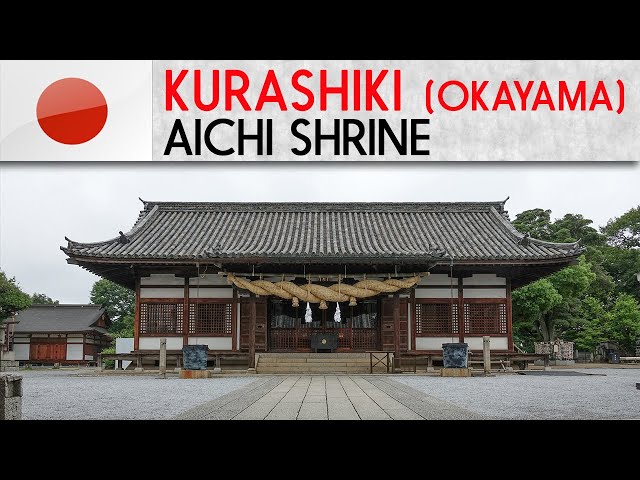
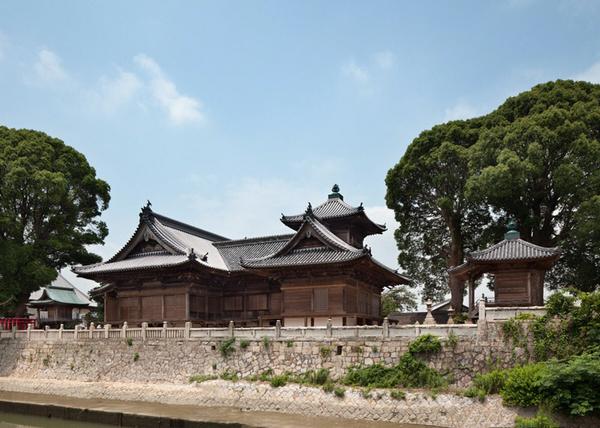
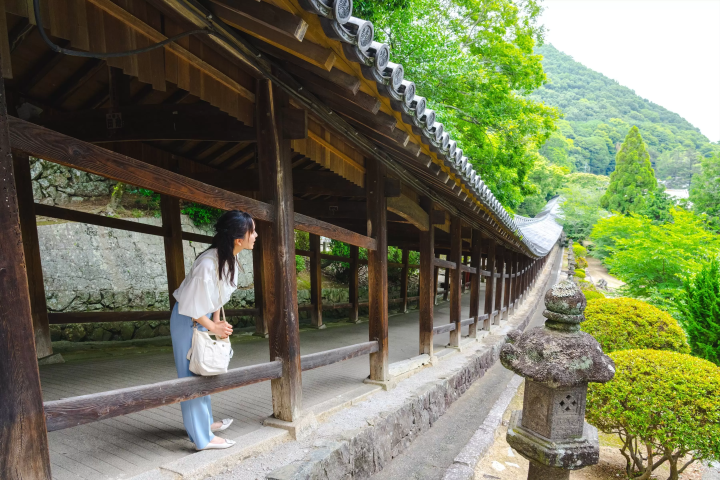
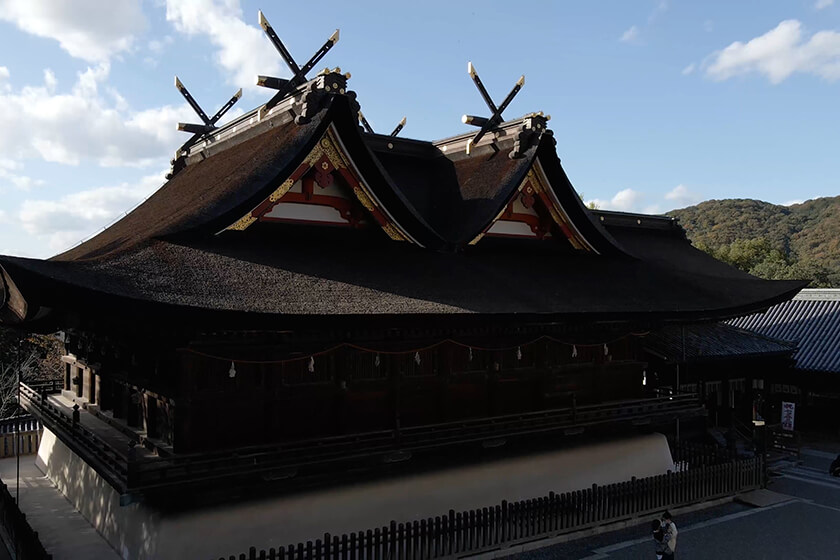
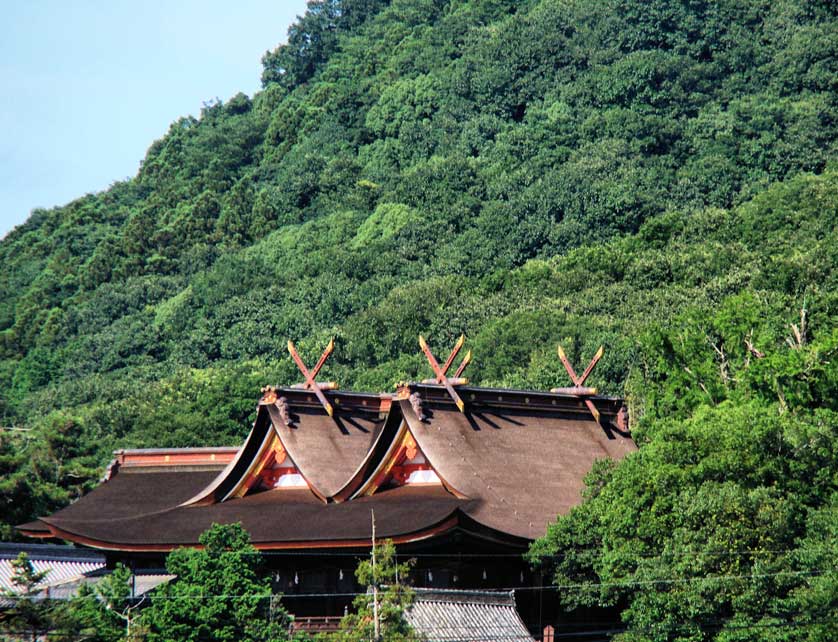
Ancient shrine with an extraordinary 400m covered corridor. The main hall (National Treasure) has a unique Kibitsu-zukuri architecture found nowhere else. Connected to the Momotaro legend.

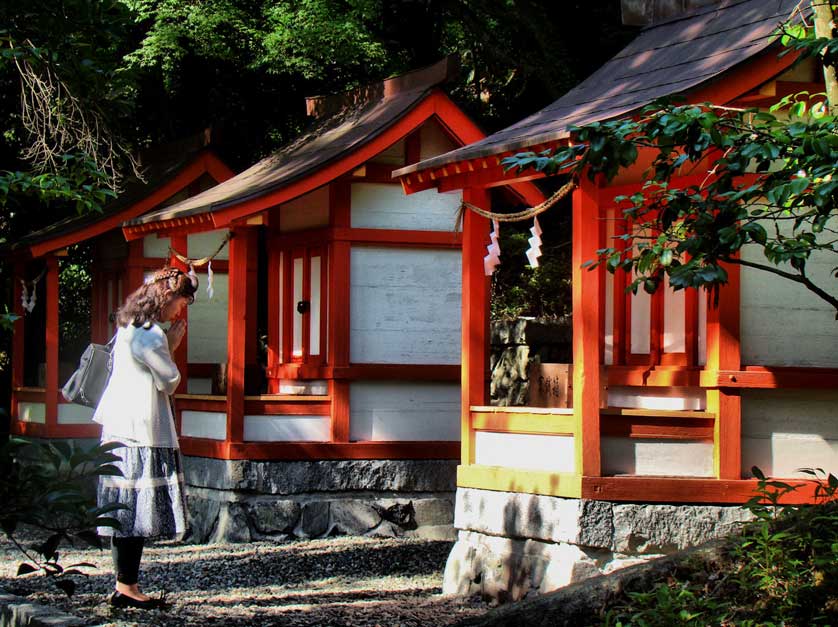
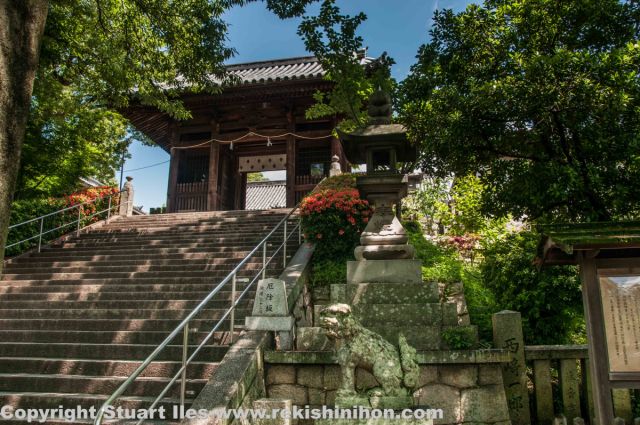
Shrine dedicated to the prince who inspired the Momotaro peach boy legend. More intimate than nearby Kibitsu Shrine. Beautiful stone approach through ancient trees.

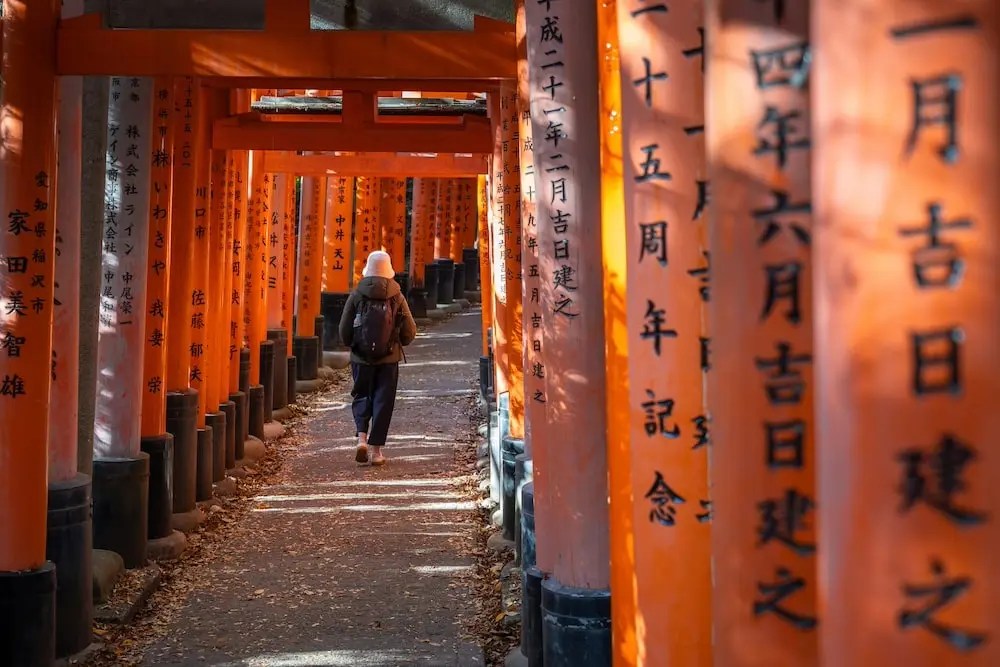
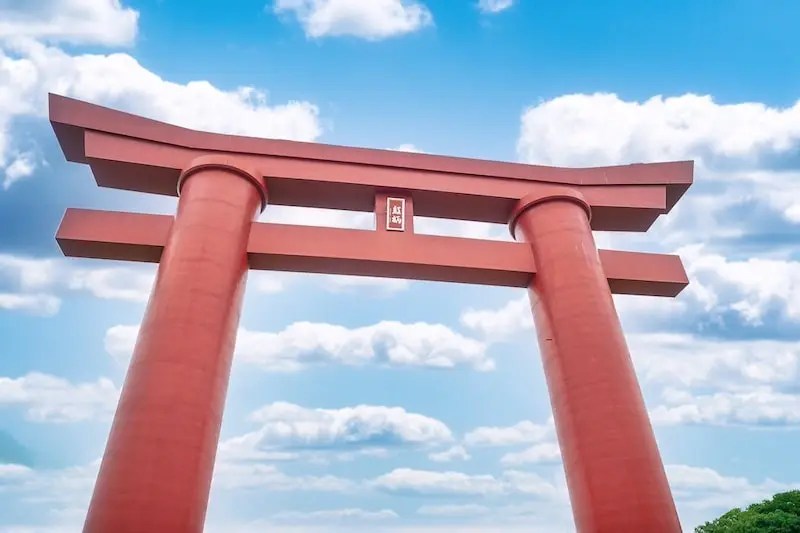
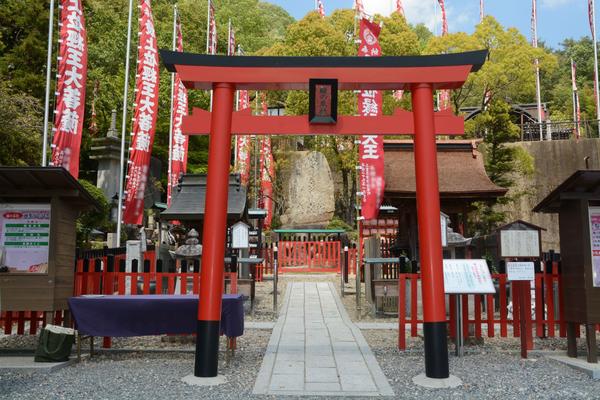
One of the three great Inari shrines in Japan. Multiple torii gates and fox statues. The main hall has elaborate carvings. Much less crowded than Fushimi Inari. Worth the detour.

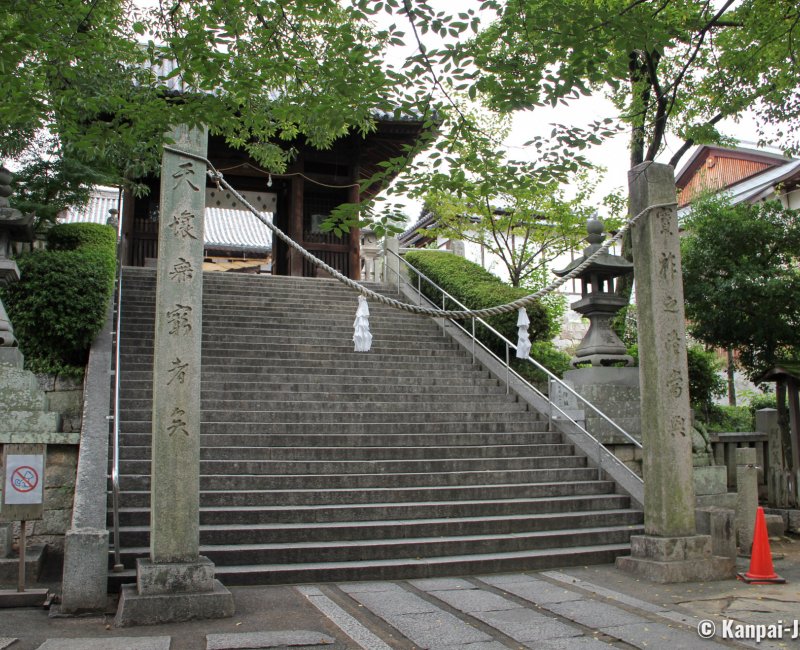
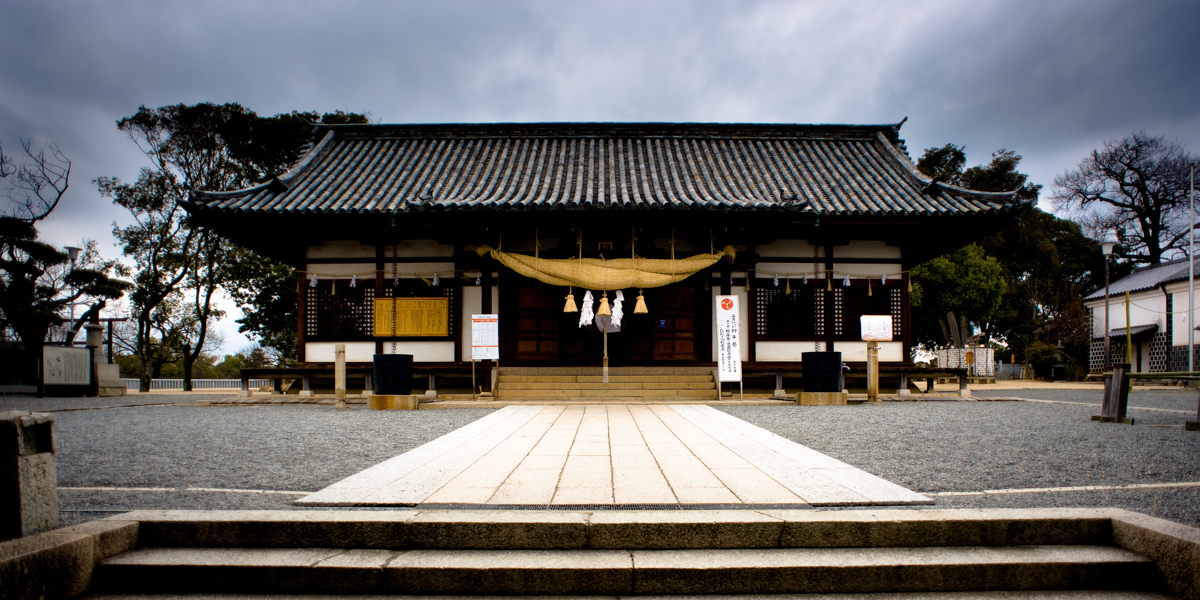
Hilltop shrine overlooking the Bikan Historical Quarter. The approach through cherry trees is beautiful in spring. Views over the canal district and white warehouse rooftops from the top.
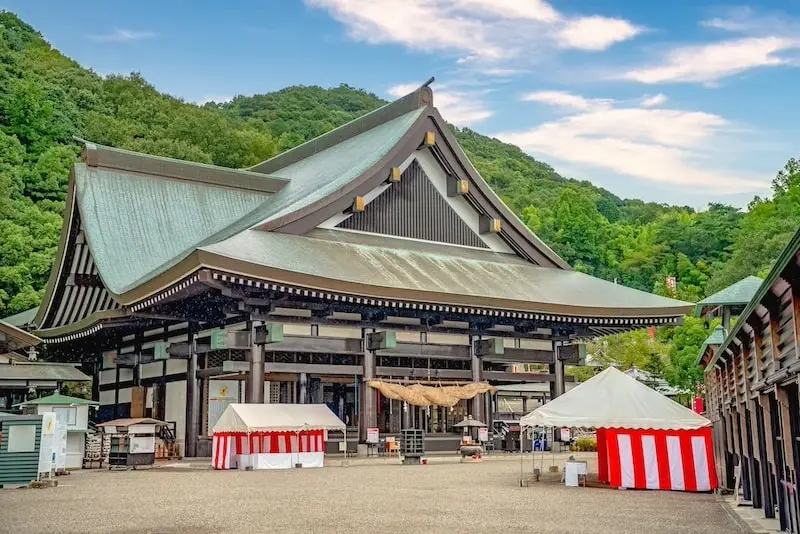
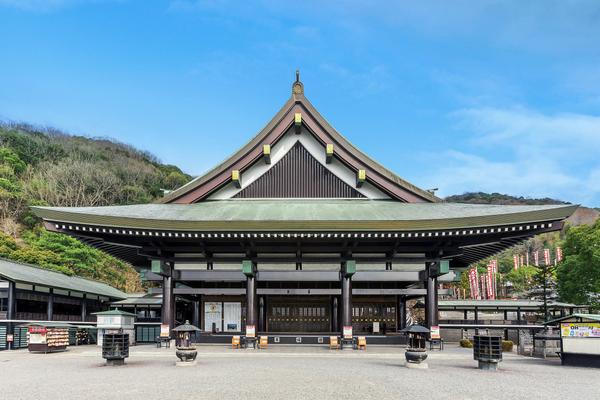
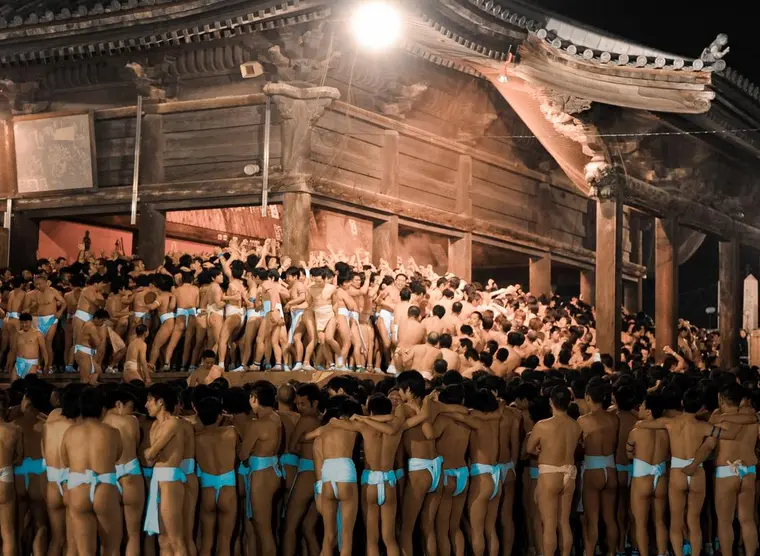
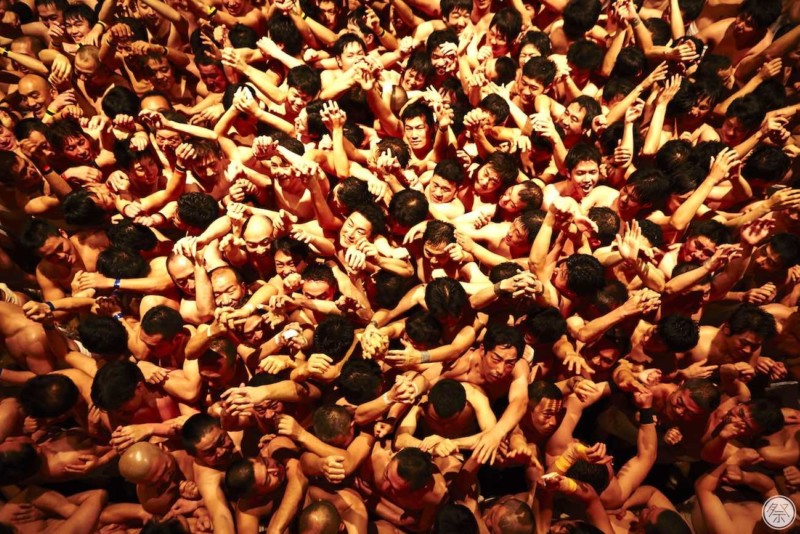
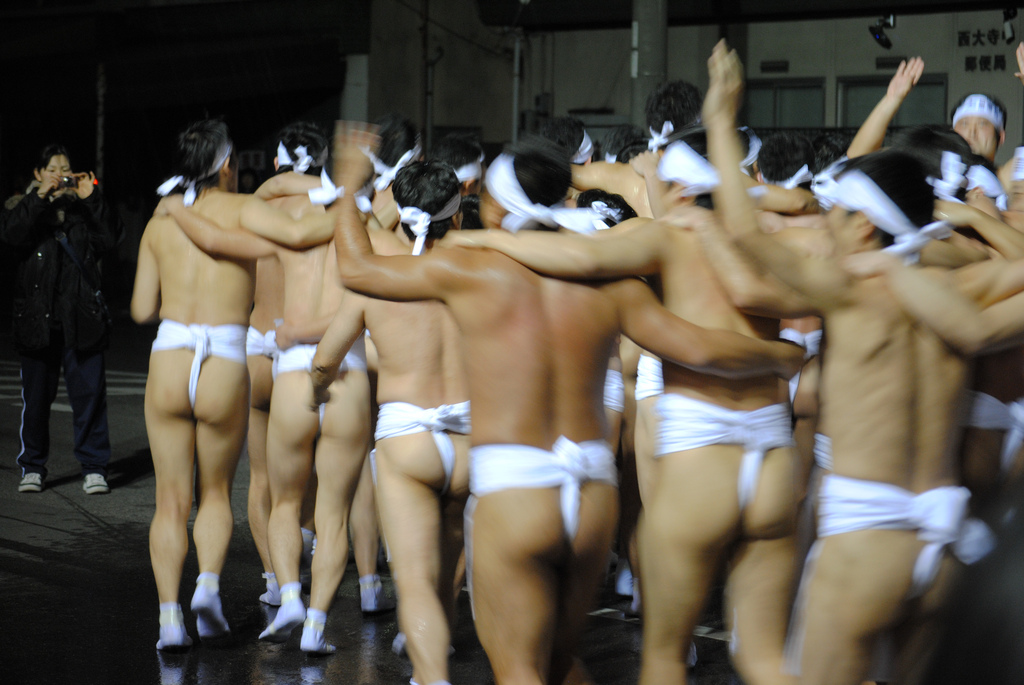
Temple hosting the famous Hadaka Matsuri (Naked Festival). Even outside the festival, the temple grounds are impressive. Large main hall with a powerful atmosphere.
Zelkova-lined avenues, lively arcades, and a lively local nightlife scene.

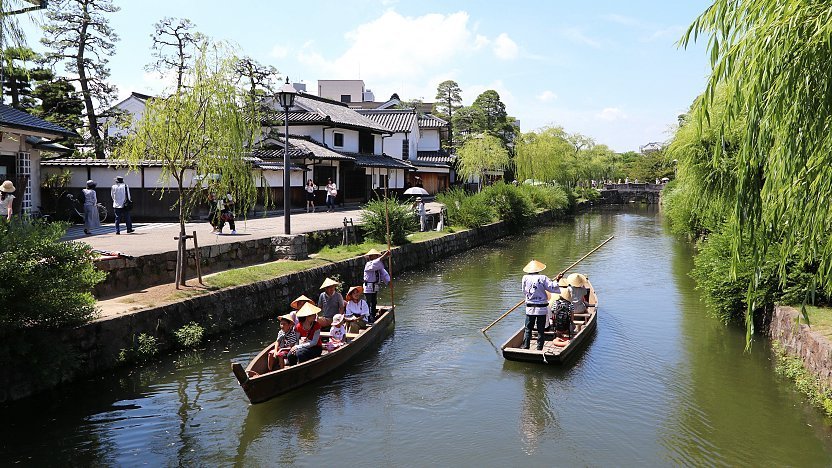
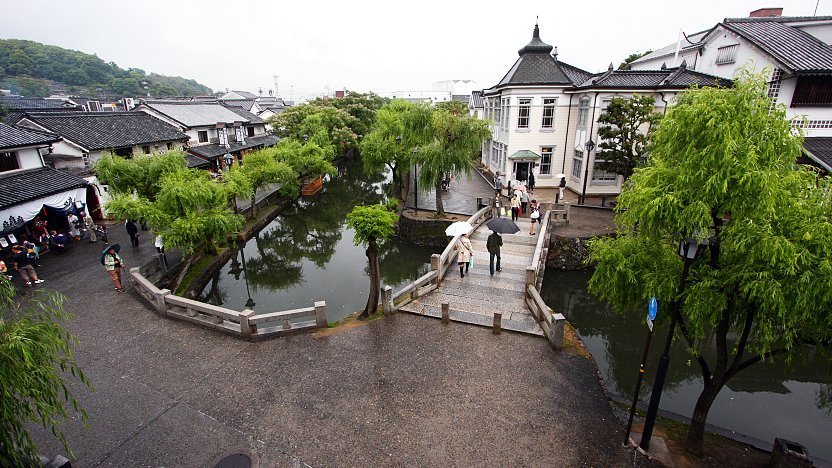
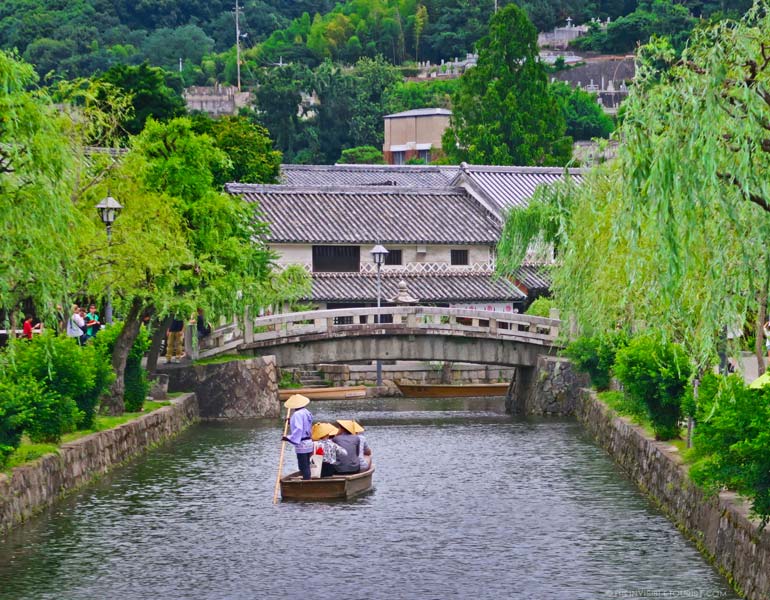
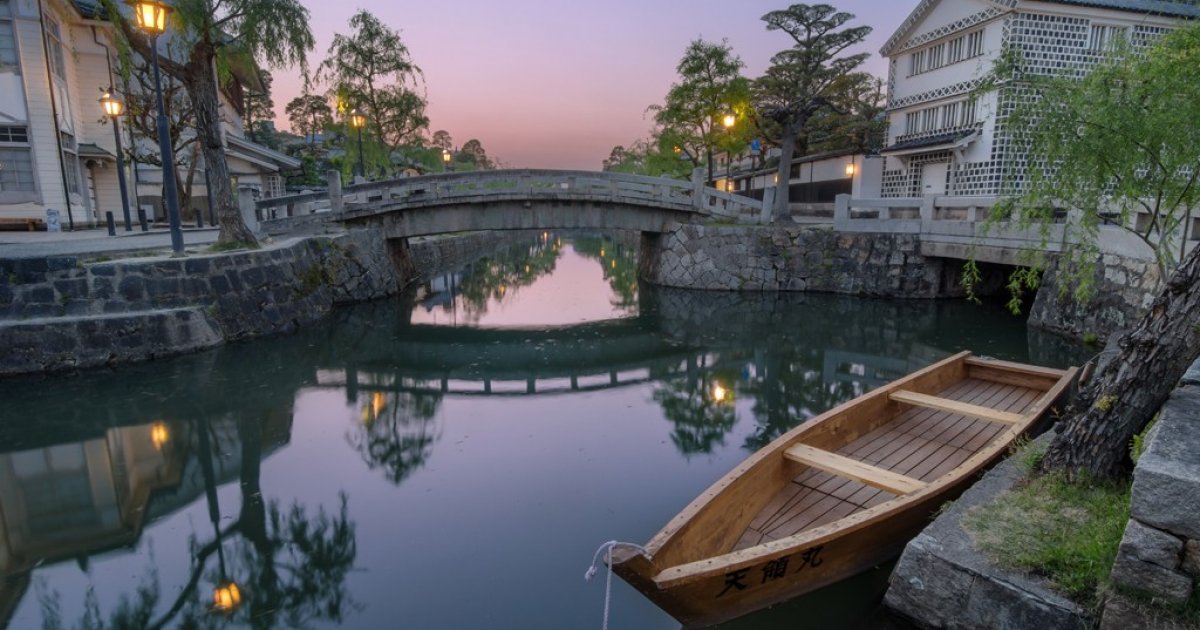
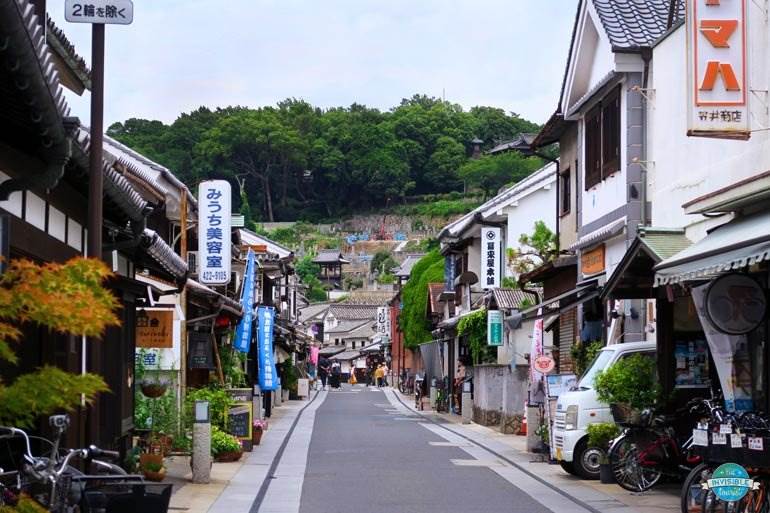
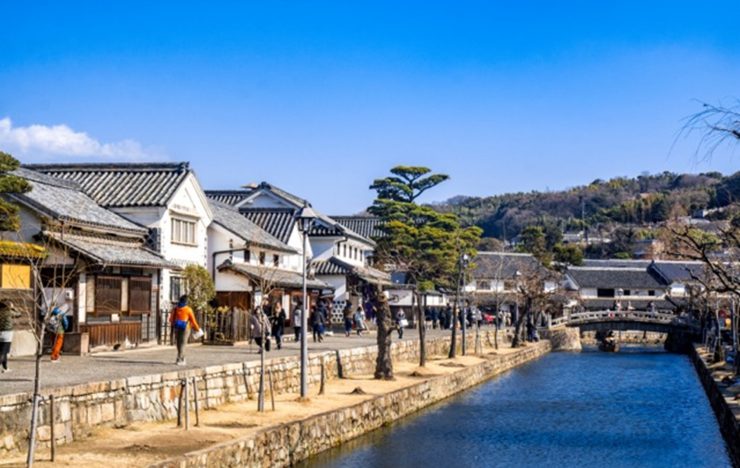
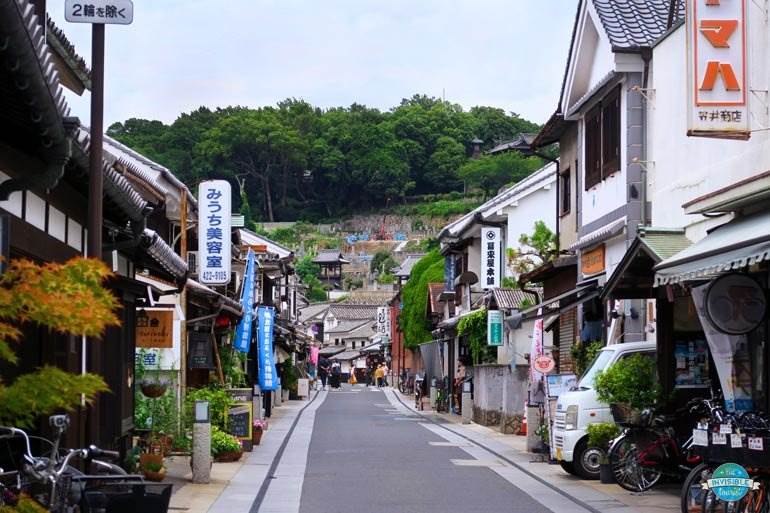
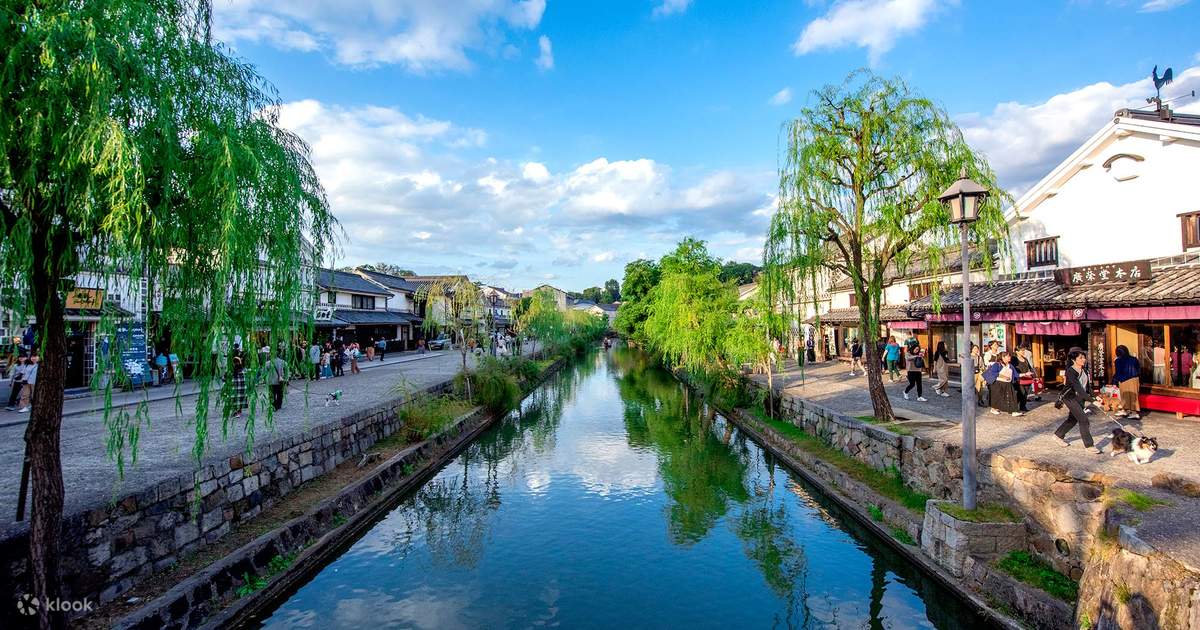
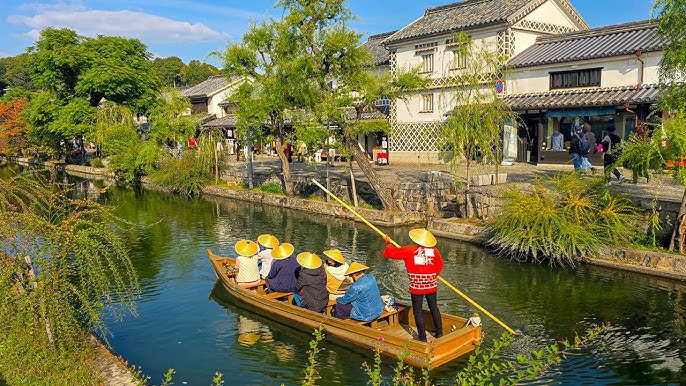
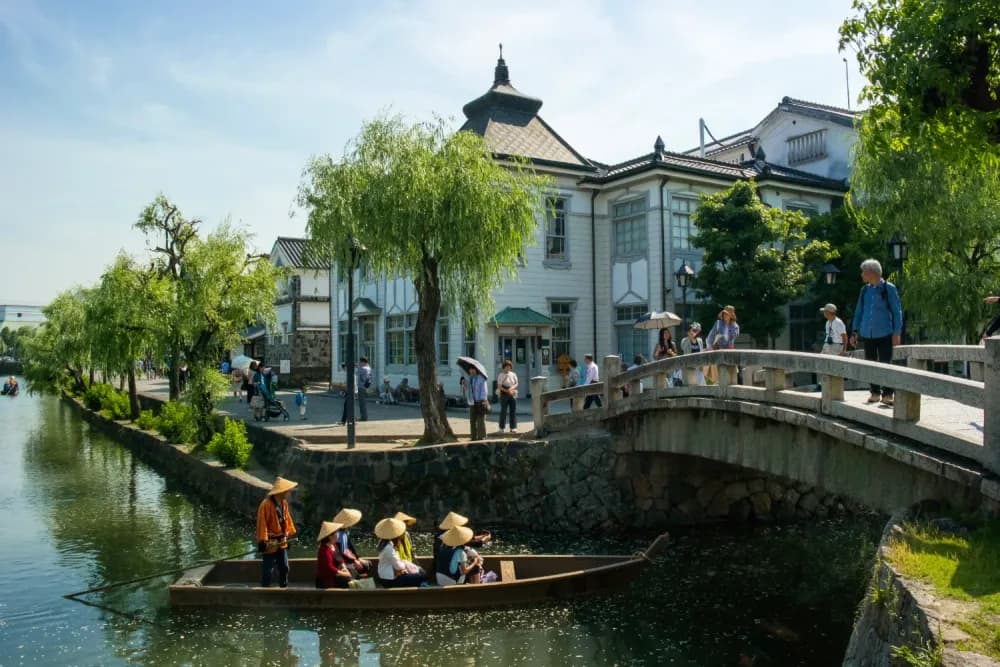
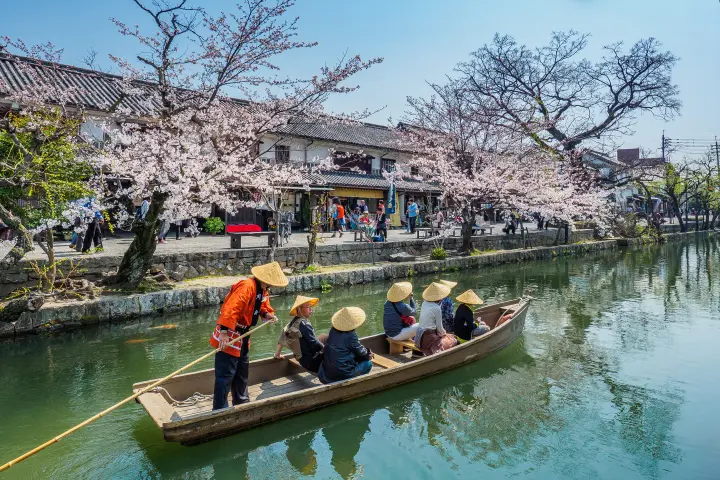
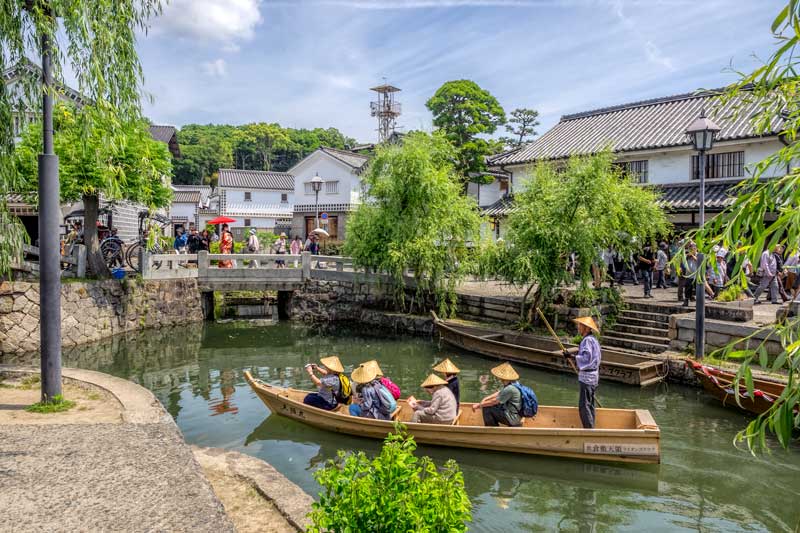
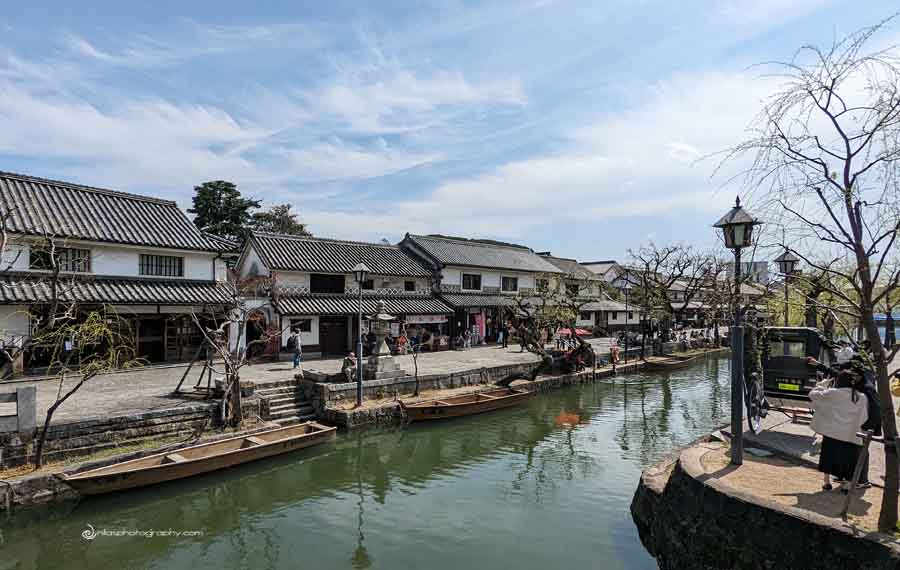
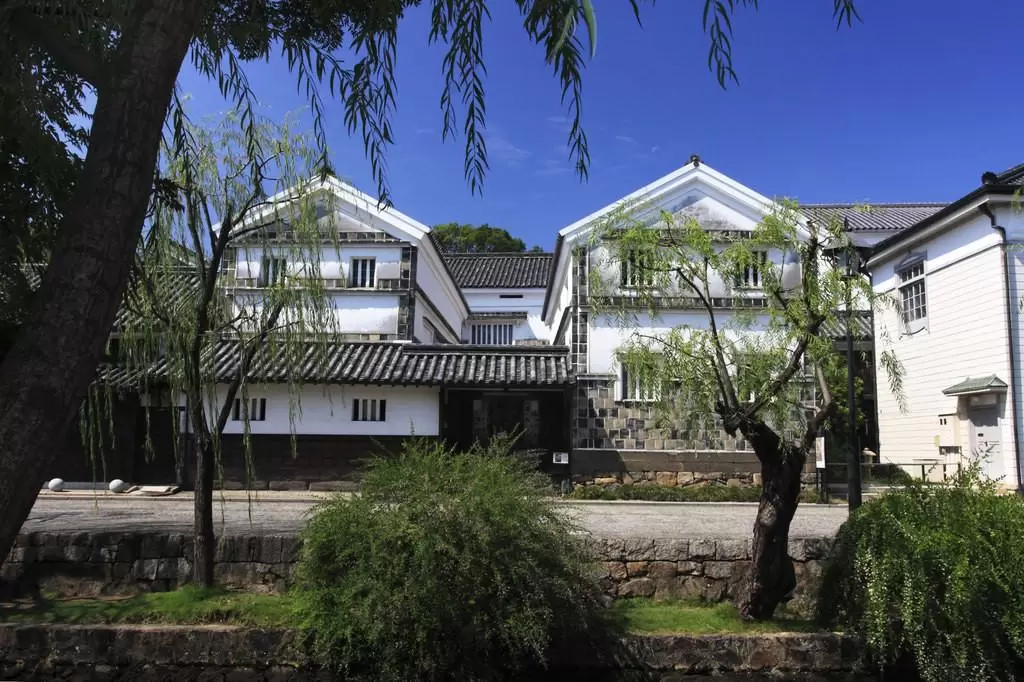
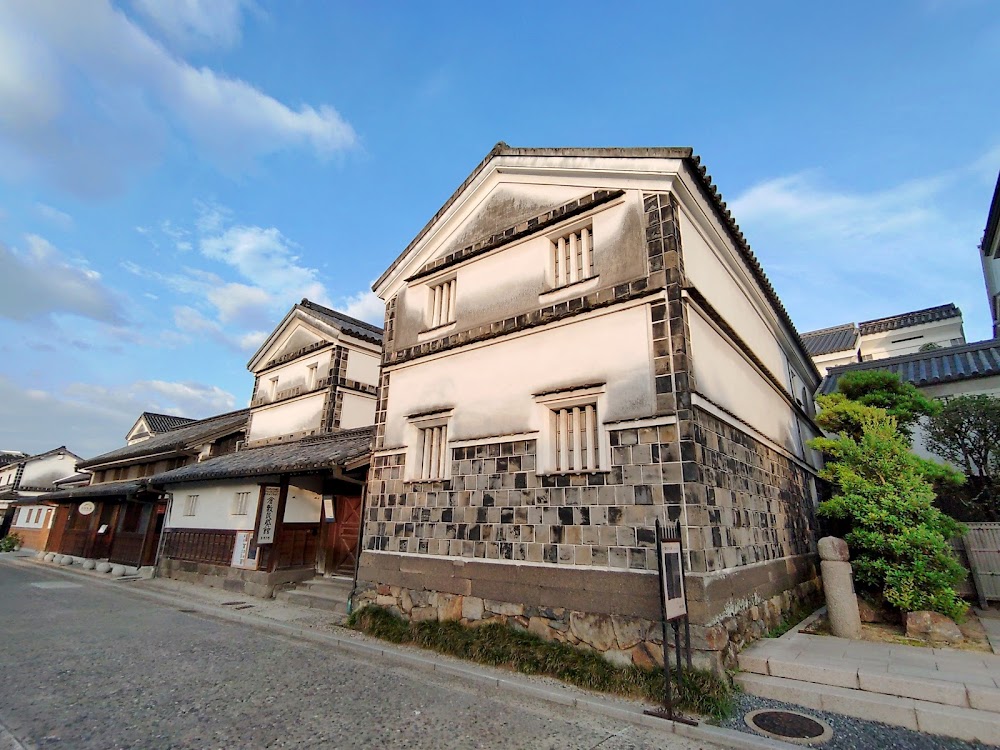
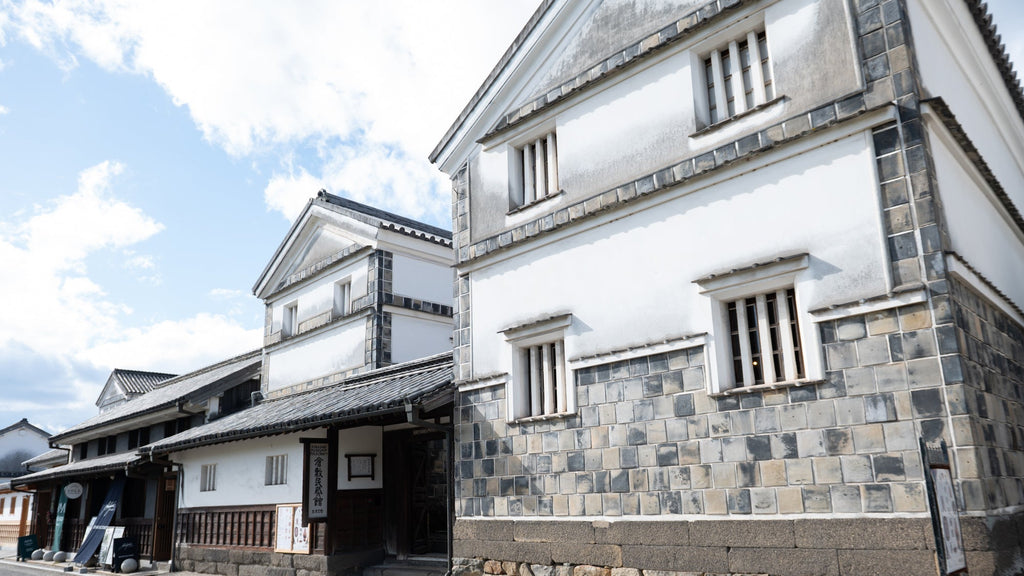
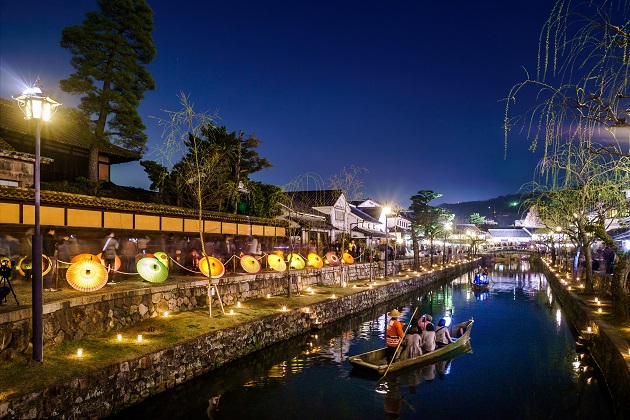
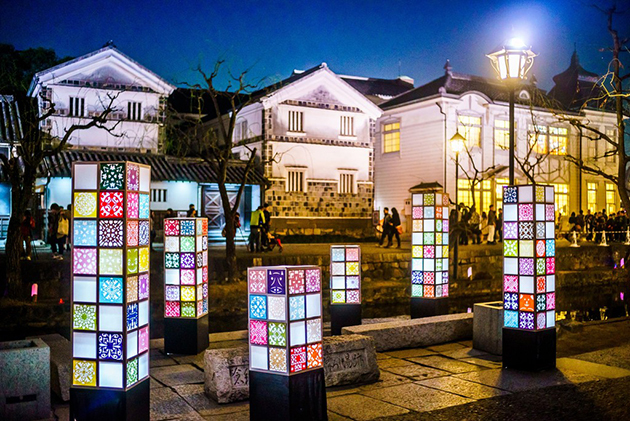
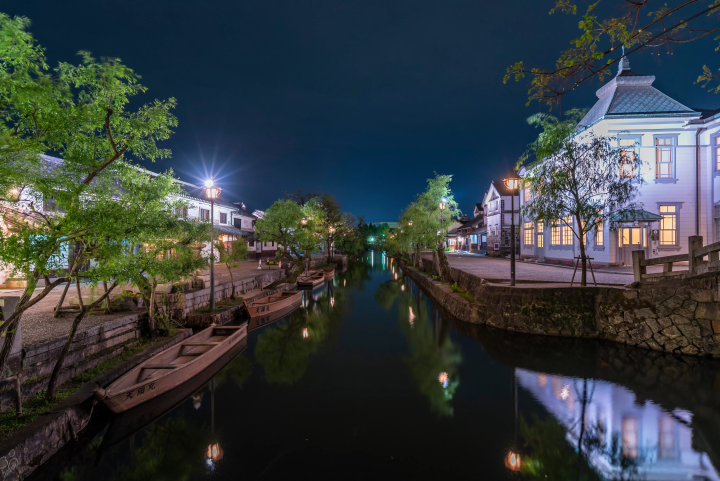
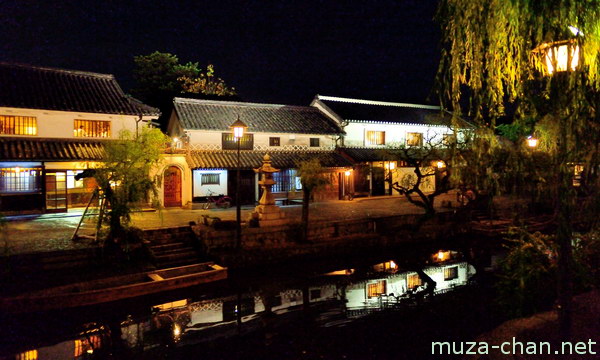
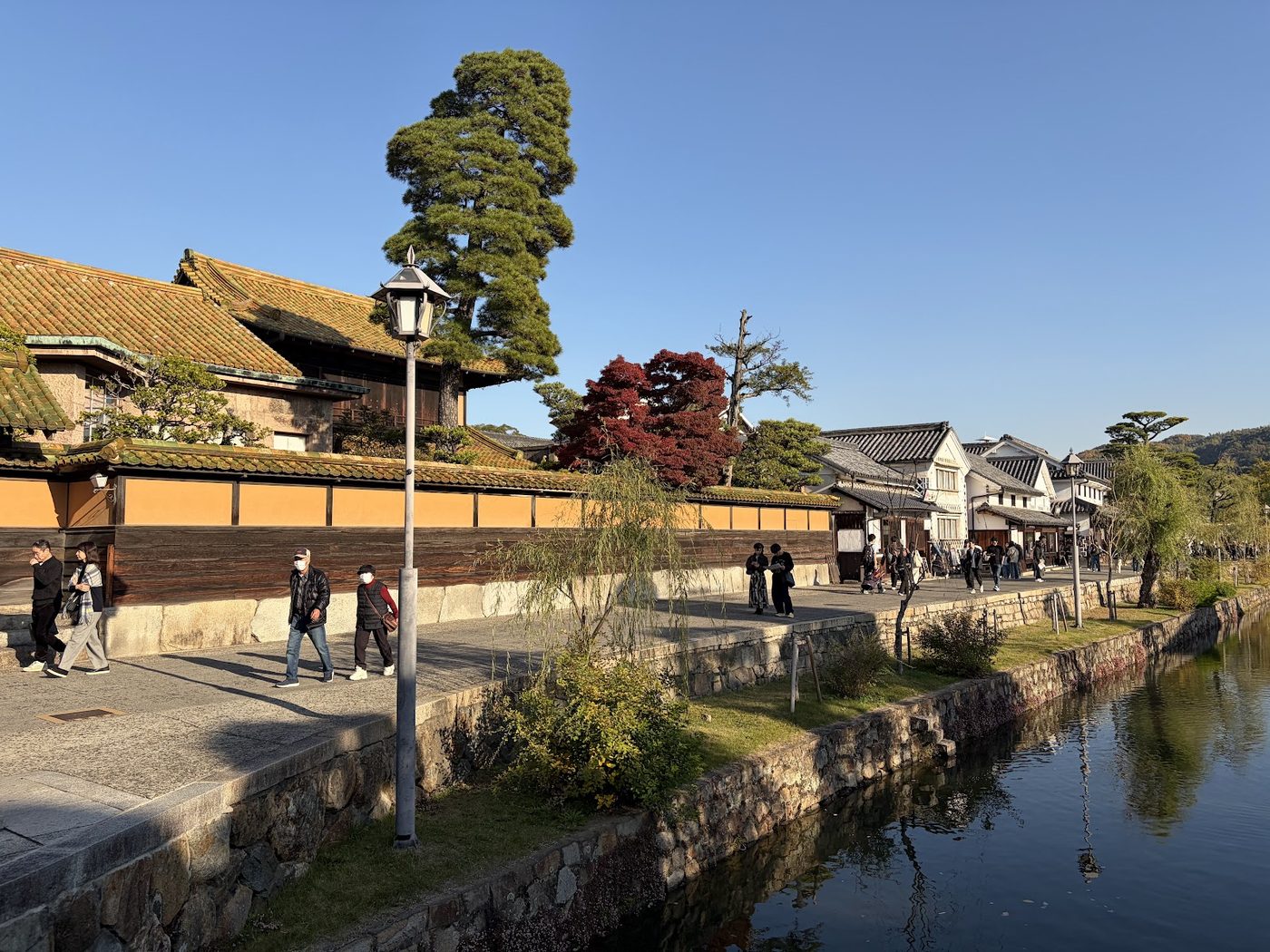
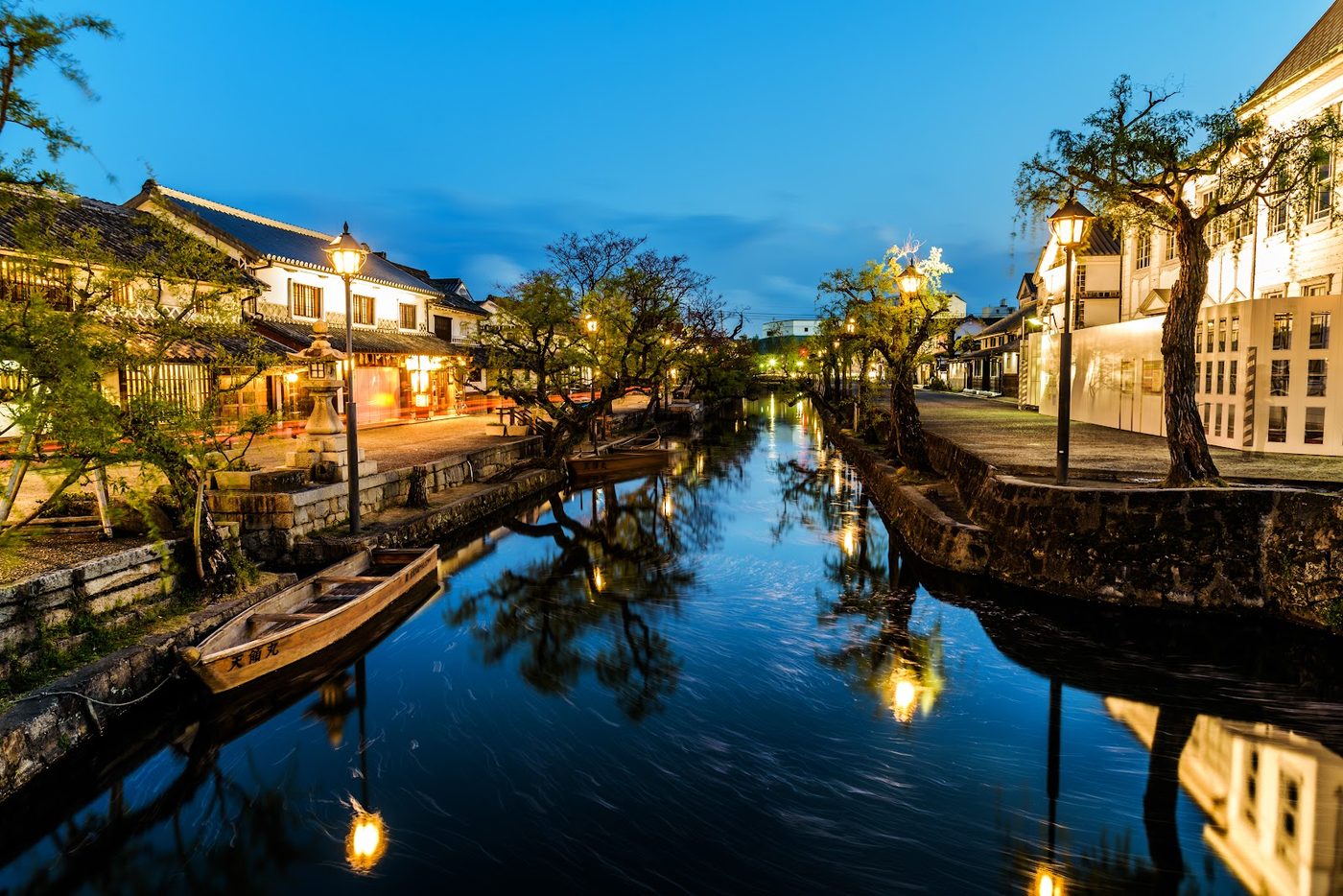
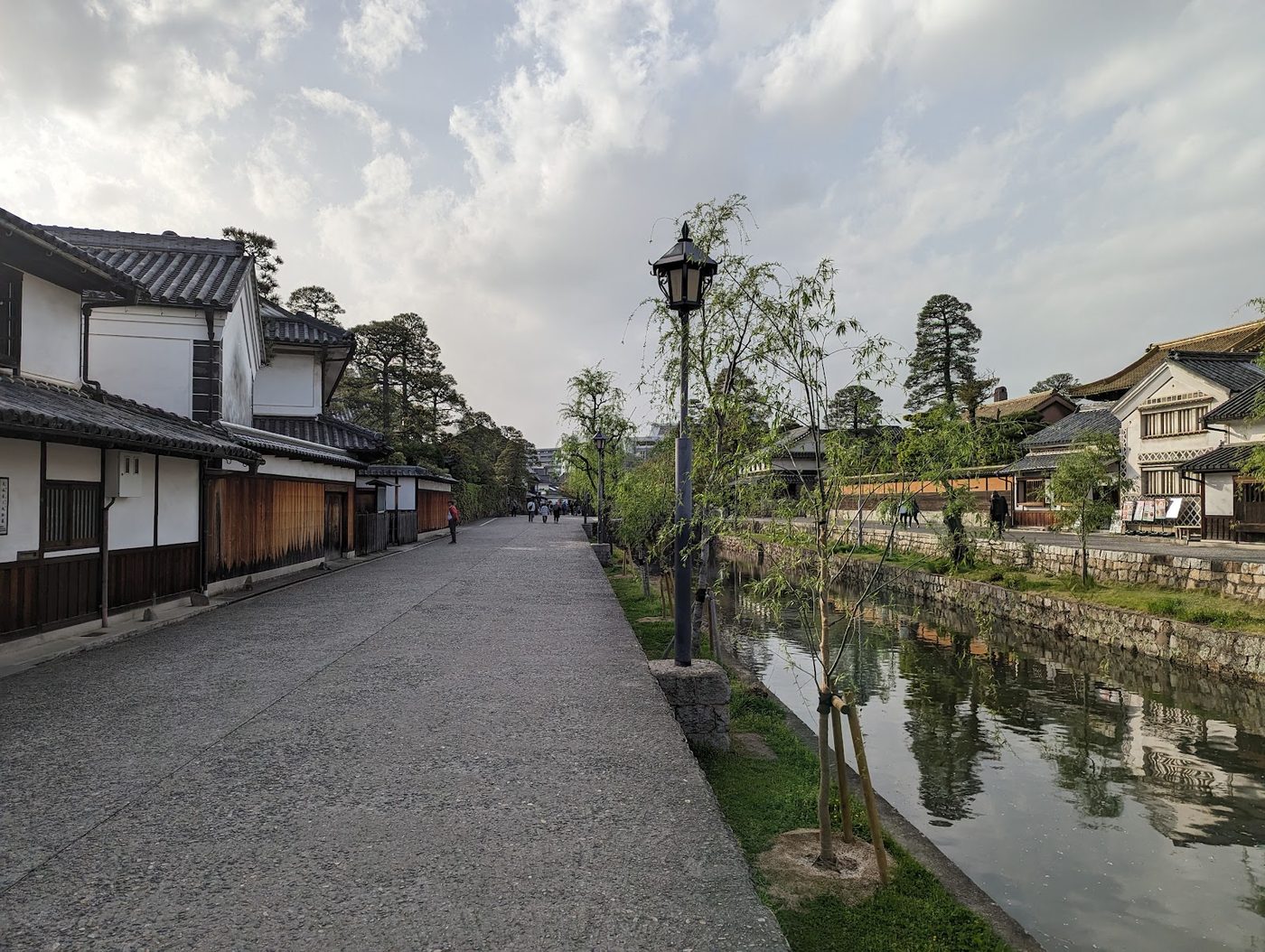
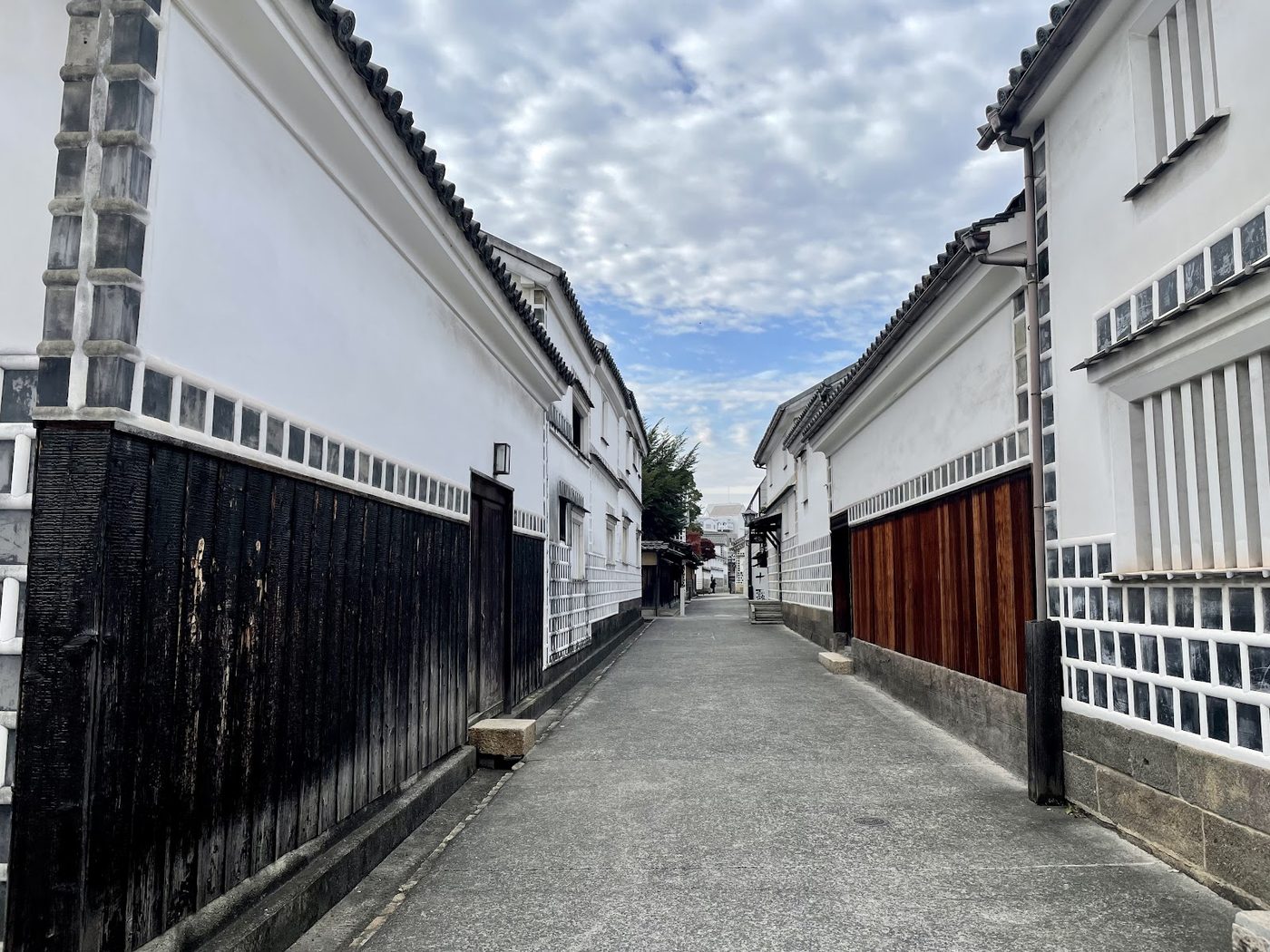
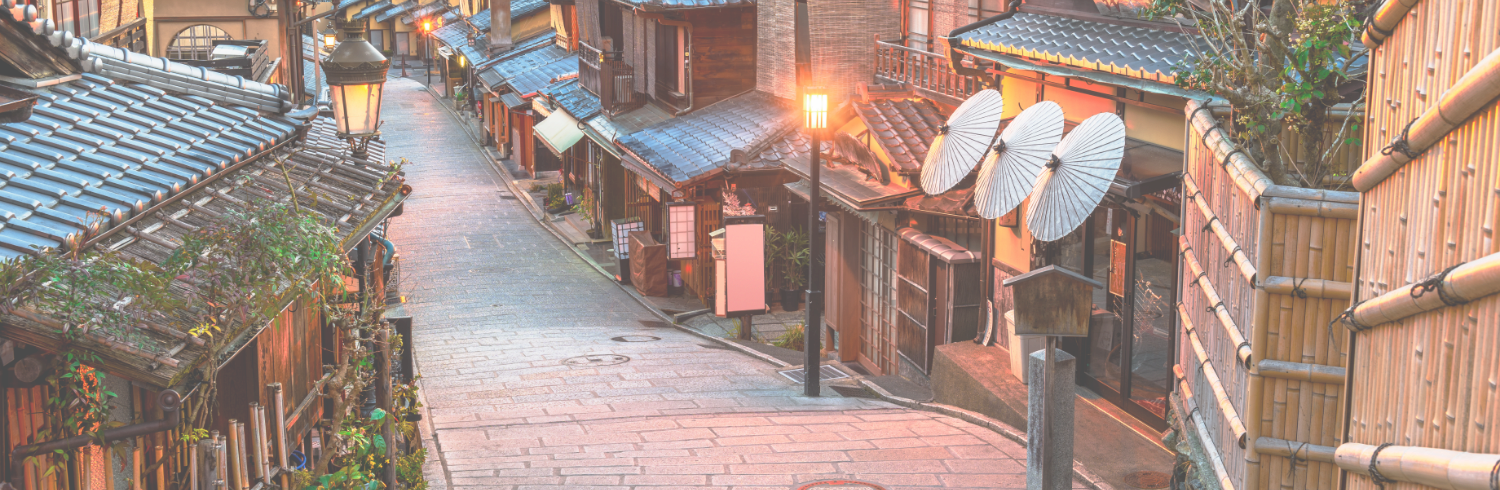
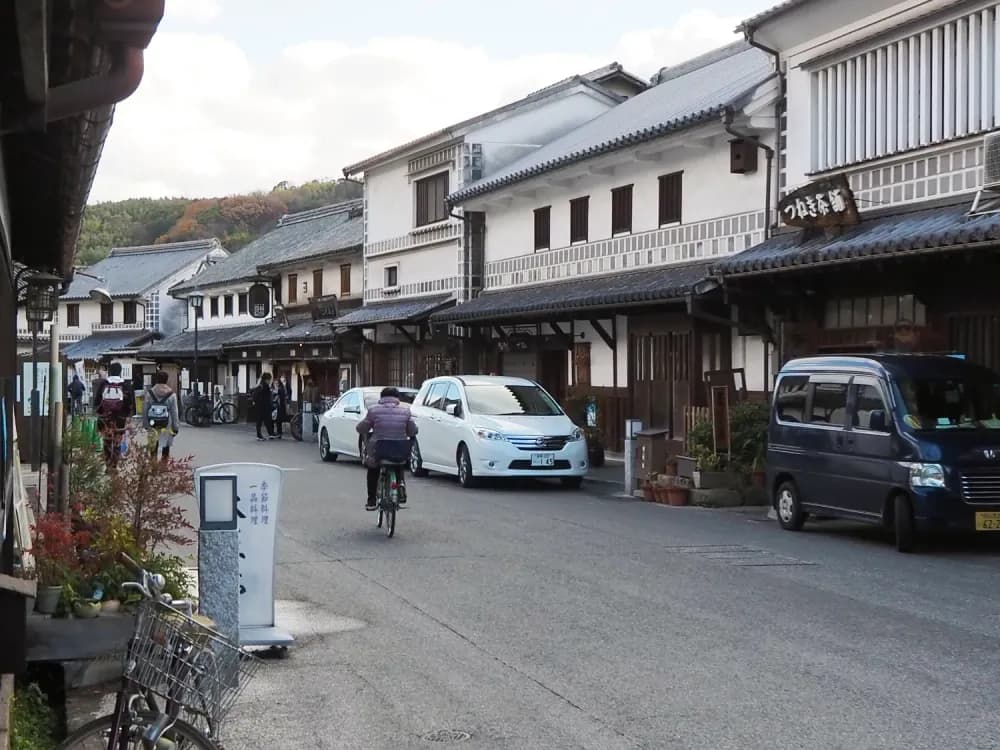
Stunning canal-lined district with white-walled warehouses (namako-kabe). Willow trees drip over the waterway. Boats glide past converted galleries and cafes. One of Japan's most photogenic towns. 15 min from Okayama.

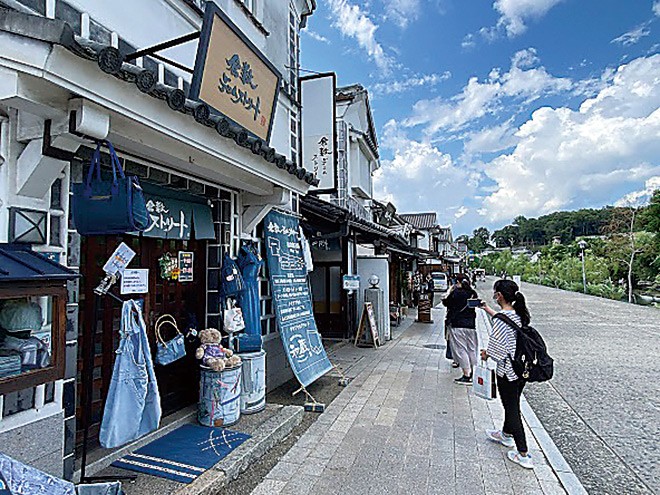
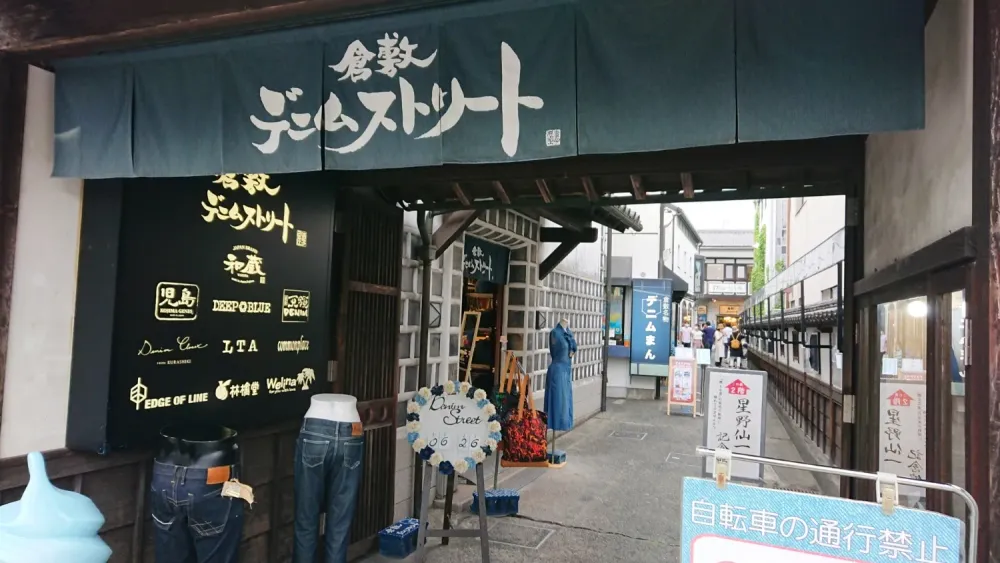
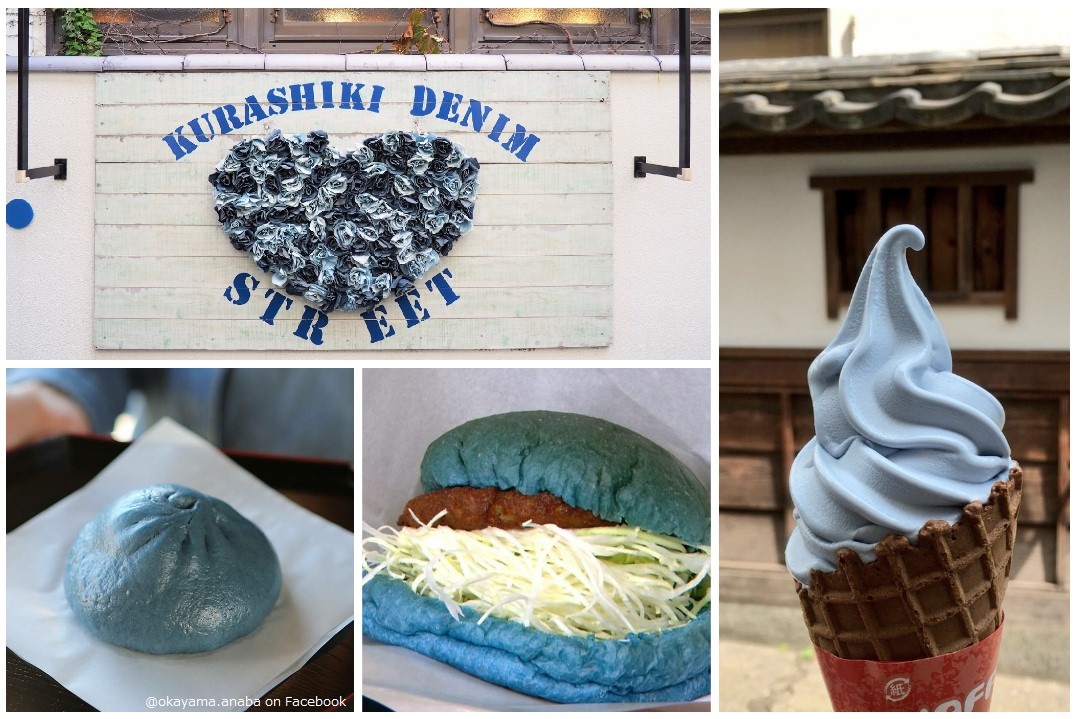
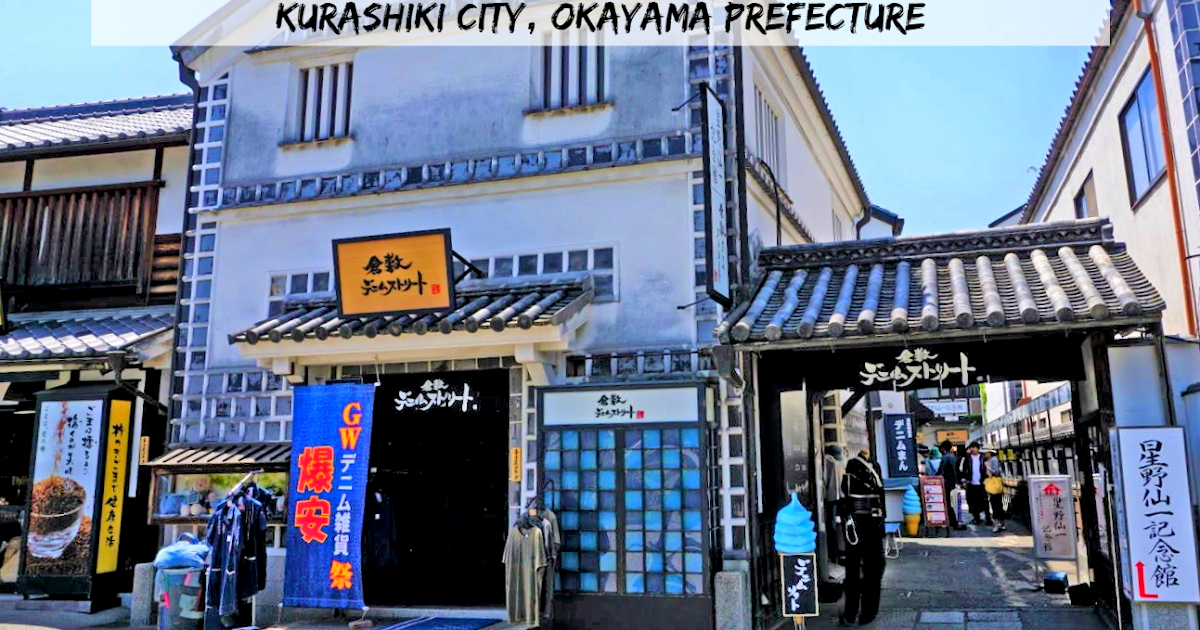
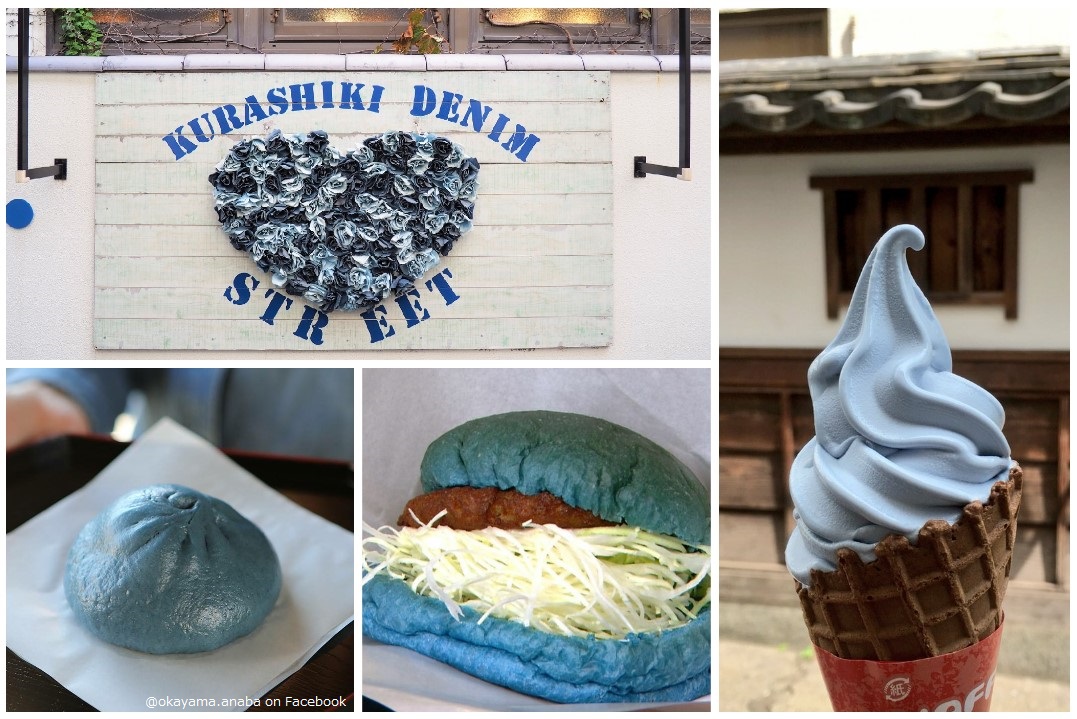
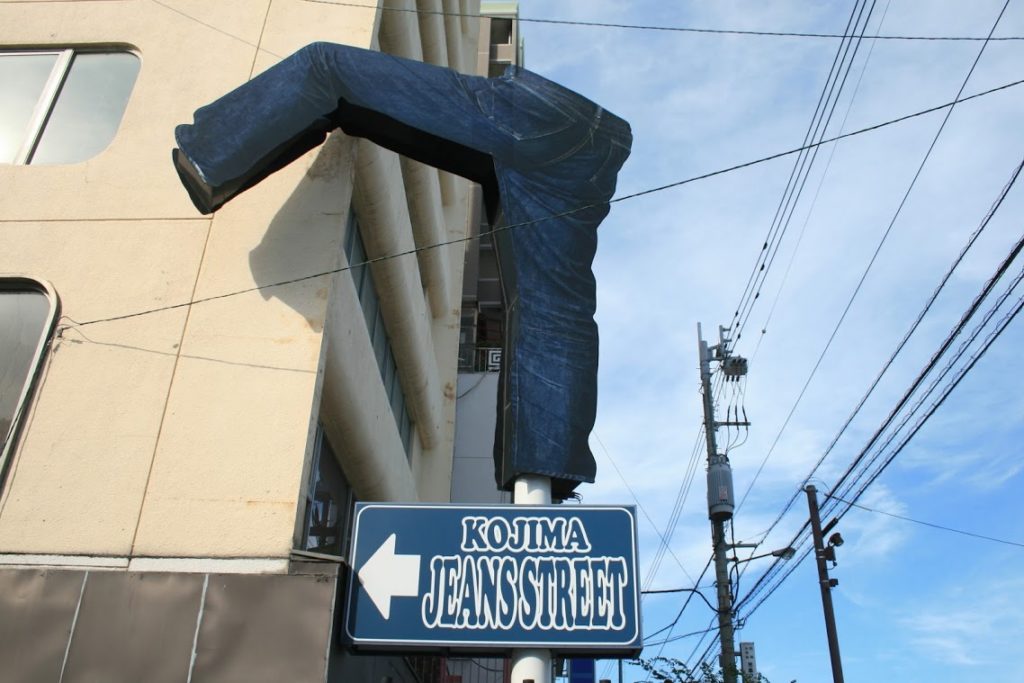
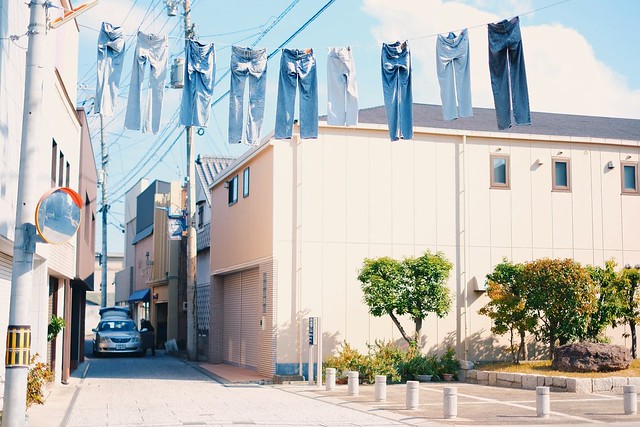
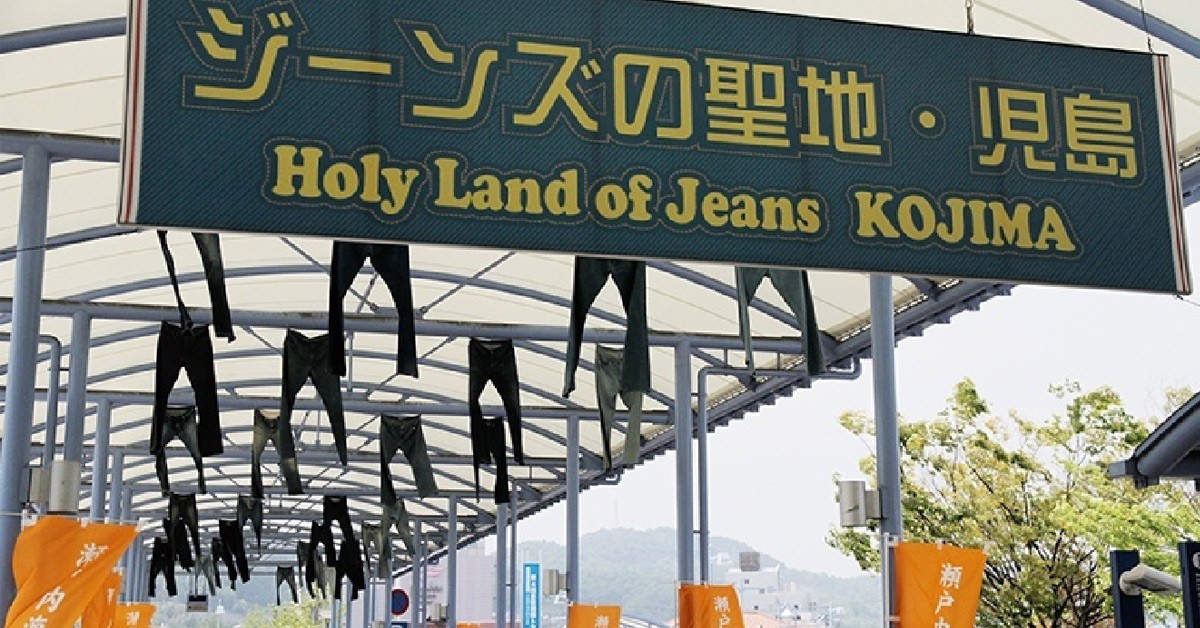
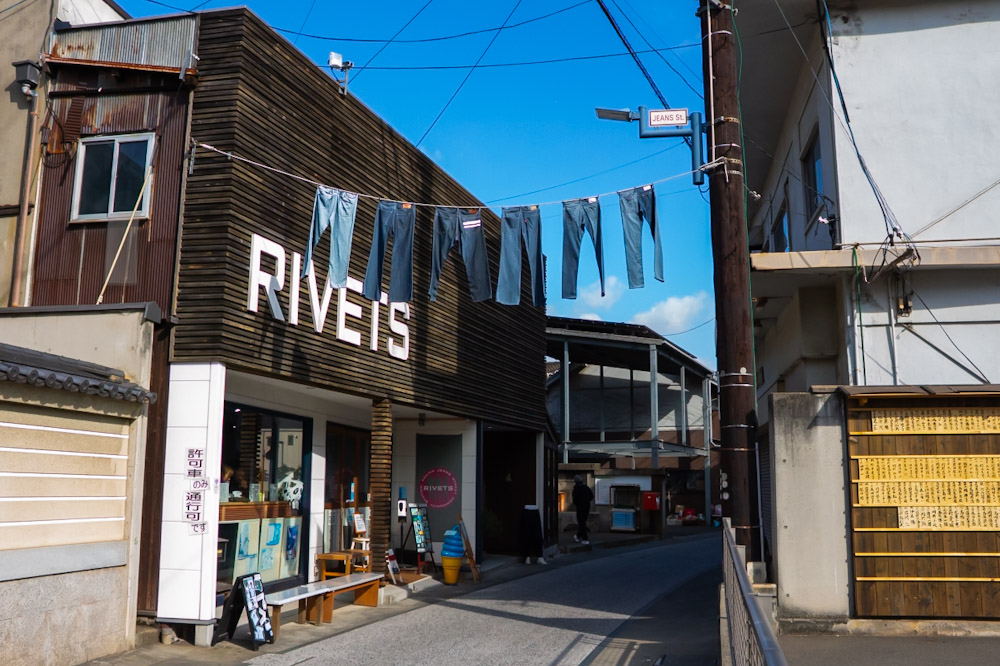
Japan produces some of the world's finest denim and Kojima is the birthplace. Streets lined with denim shops selling jeans, bags, jackets, and even denim ice cream. 30 min from Kurashiki center.

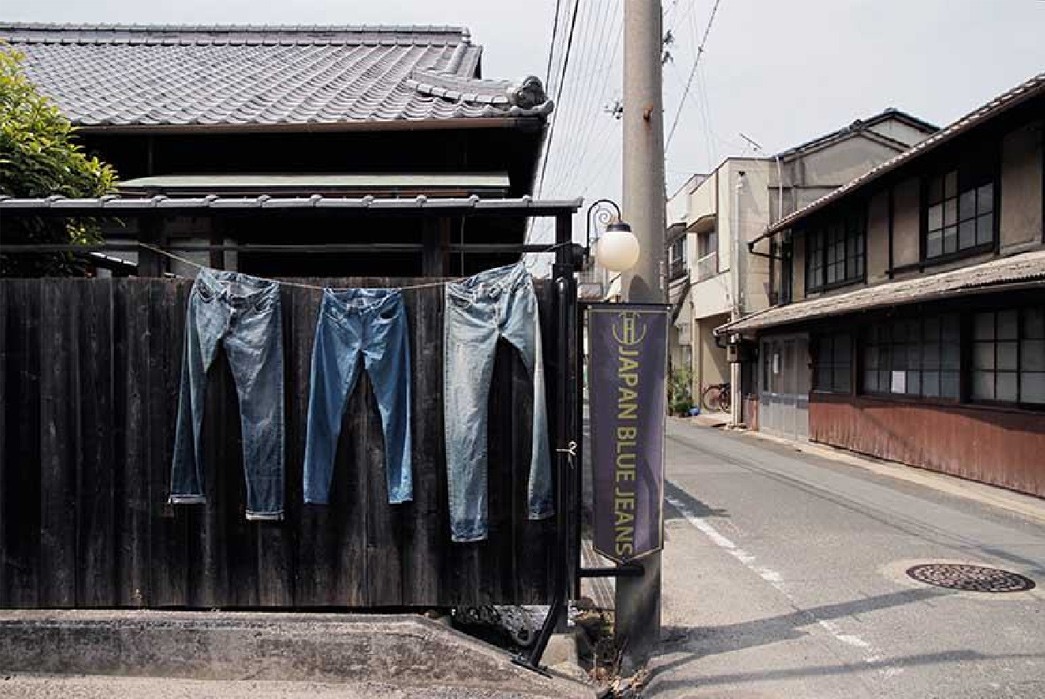
The heart of Japanese denim culture. Over 40 shops from premium brands like Momotaro, Japan Blue, and Big John. Factory tours available. Denim enthusiasts travel from around the world.

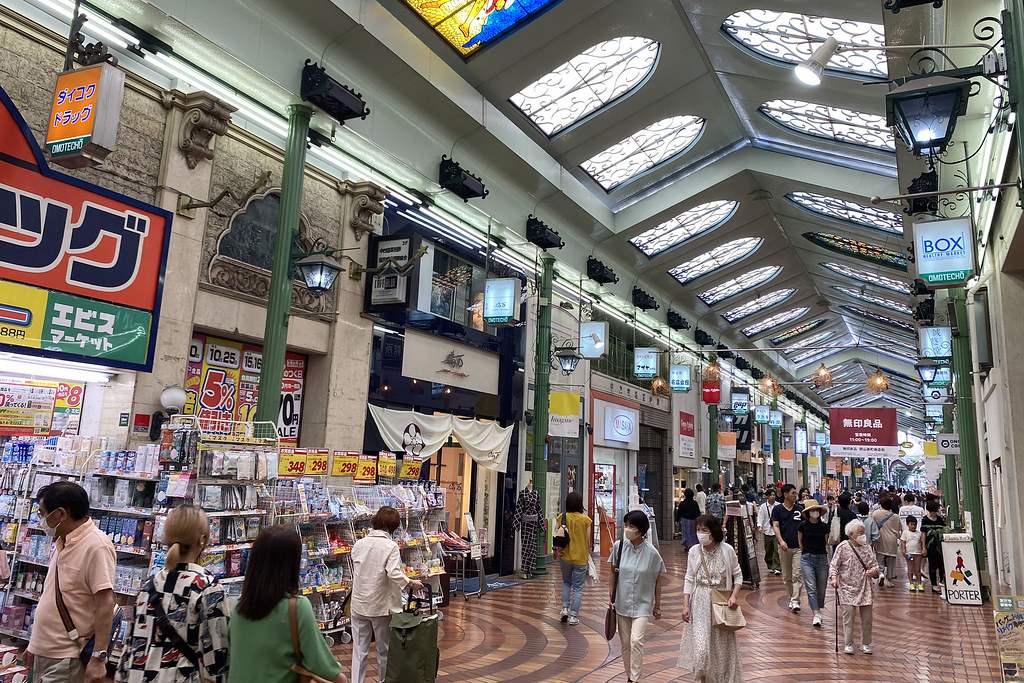
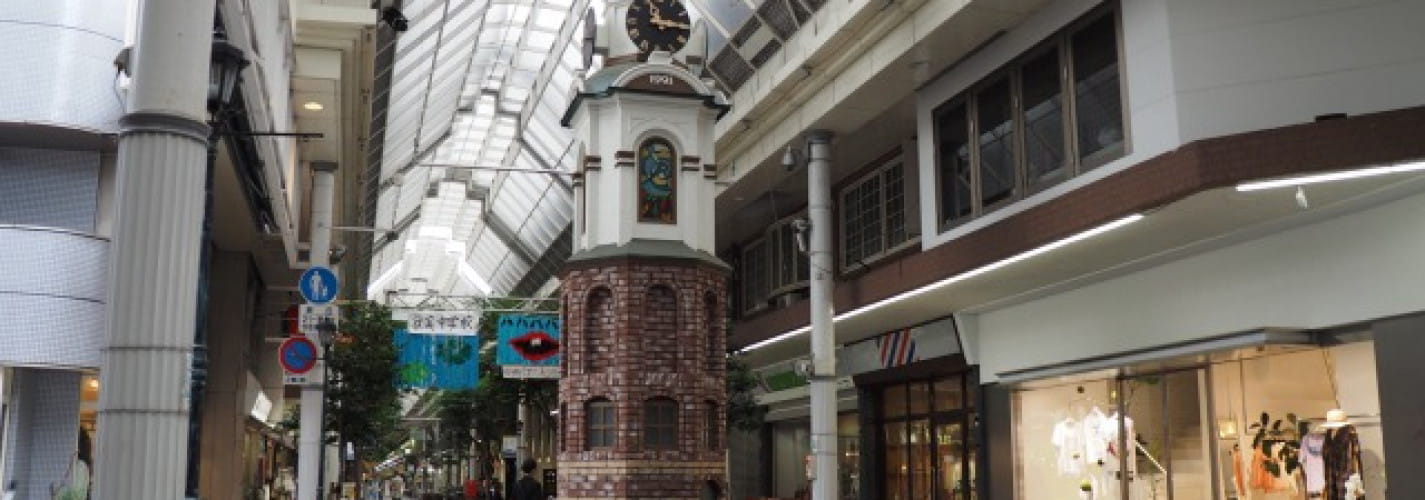
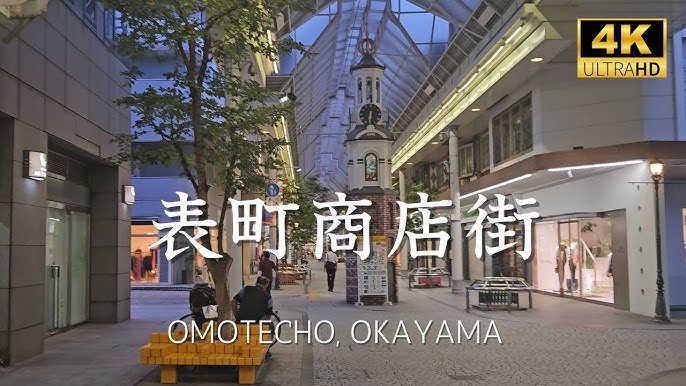
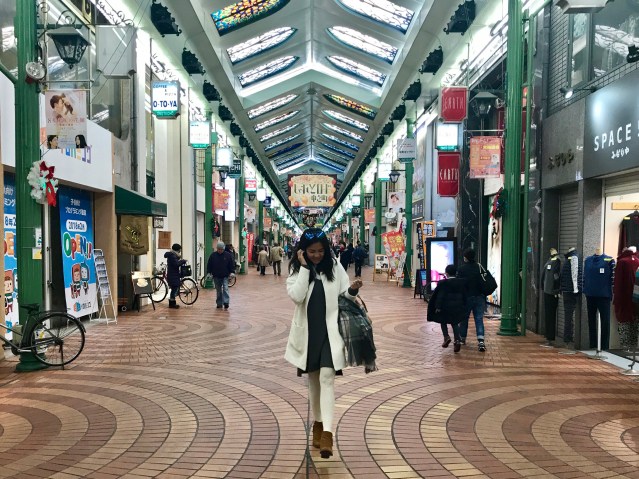
Main covered shopping arcade stretching 1km through the city center. Fashion, restaurants, and specialty stores. A lively pedestrian street that connects the station area to the castle district.

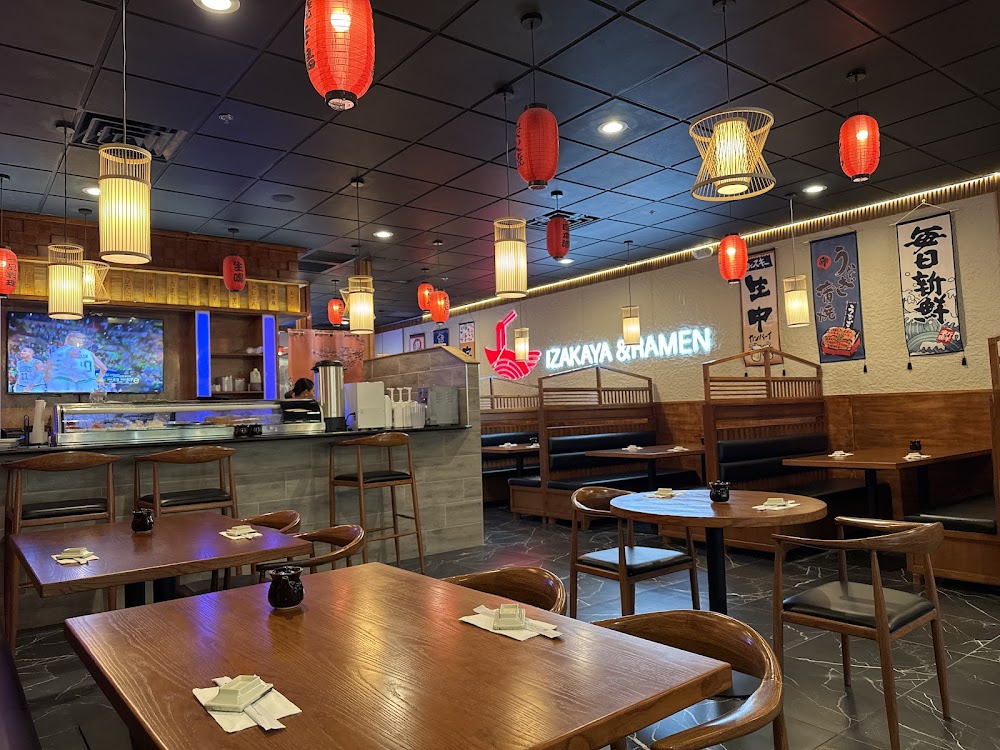
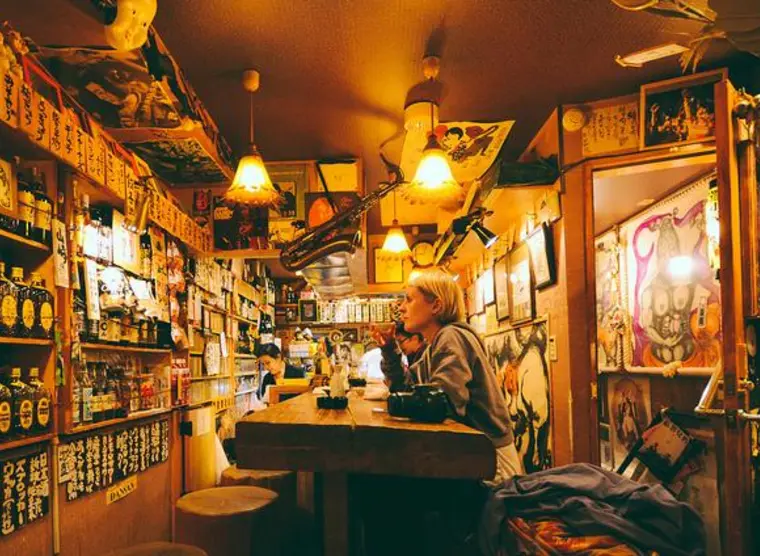
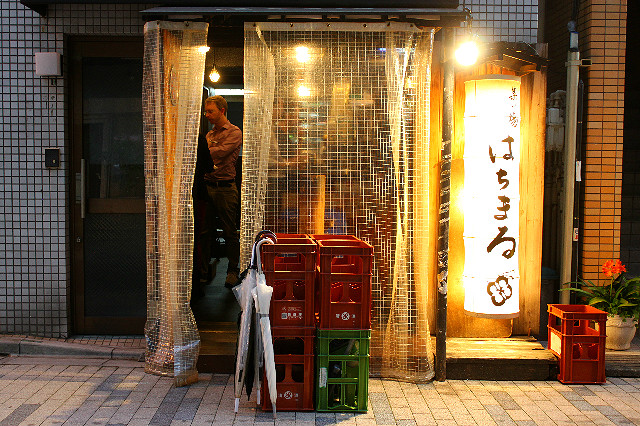
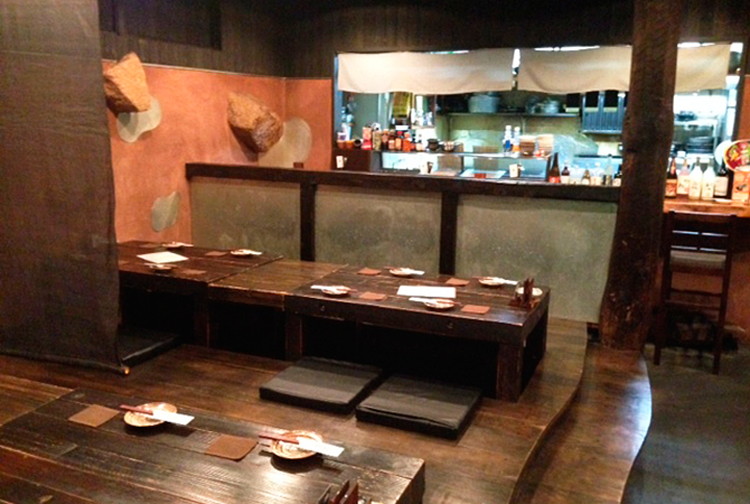
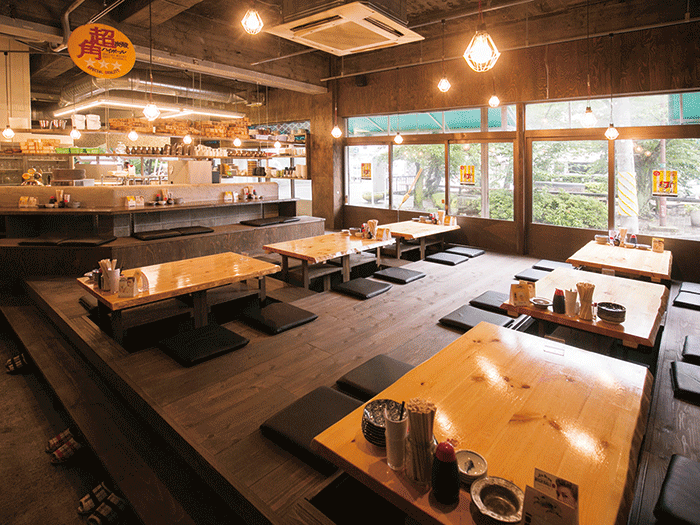
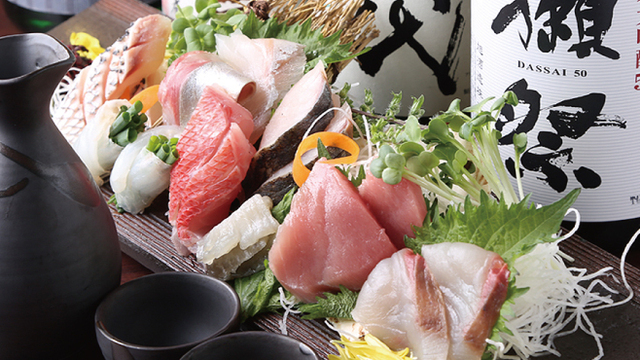
Cluster of izakayas and bars along the Nishigawa Canal. Outdoor seating in warm months. Fresh Seto Inland Sea fish and local sake. More atmospheric than the station area.

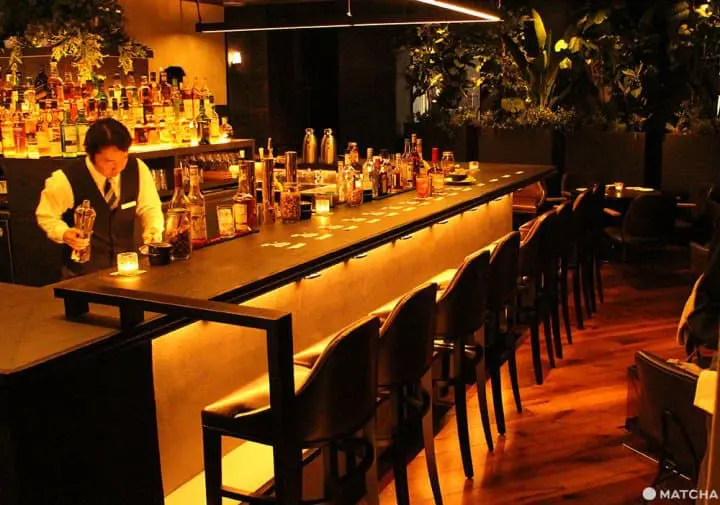
Well-regarded cocktail bar in the city center. Creative drinks using Okayama fruit (white peach martini, muscat cocktail). Sophisticated but welcoming atmosphere.
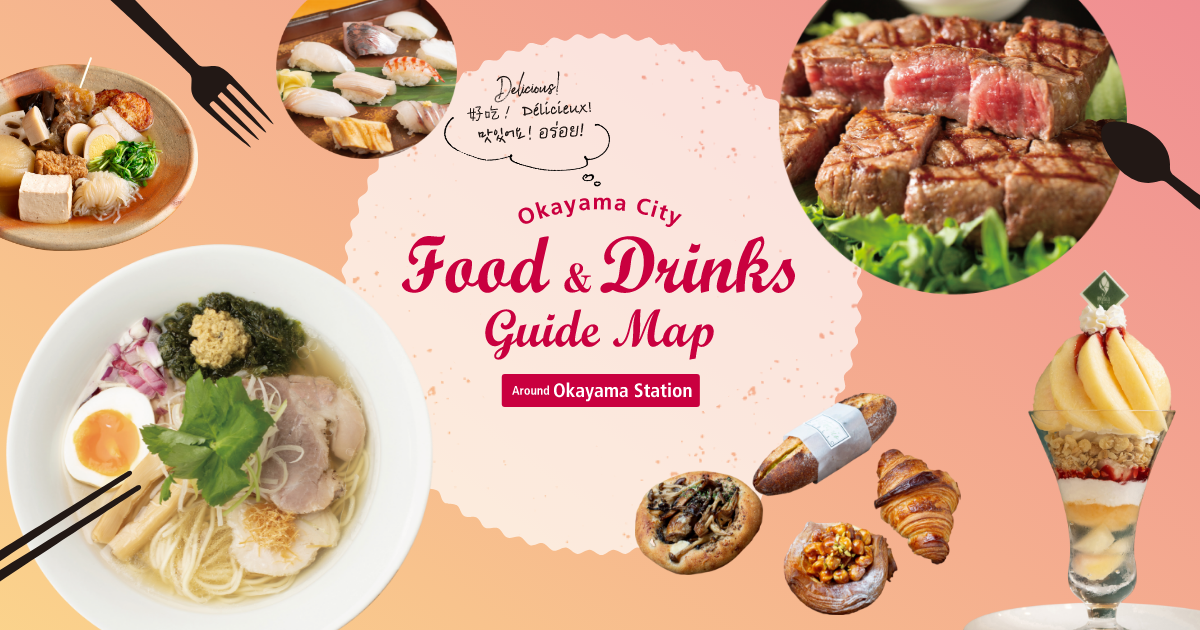
Okayama is packed with standout local eats. Come hungry.

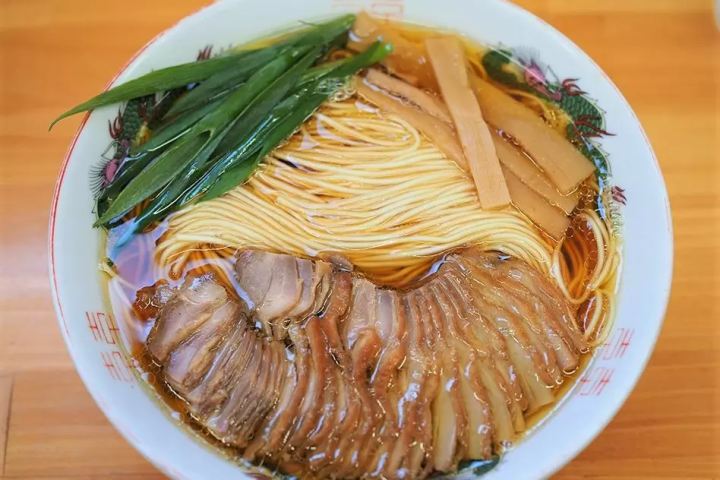
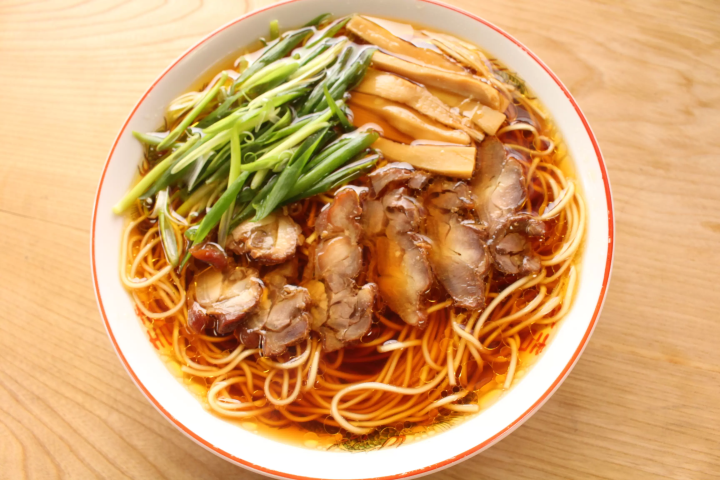
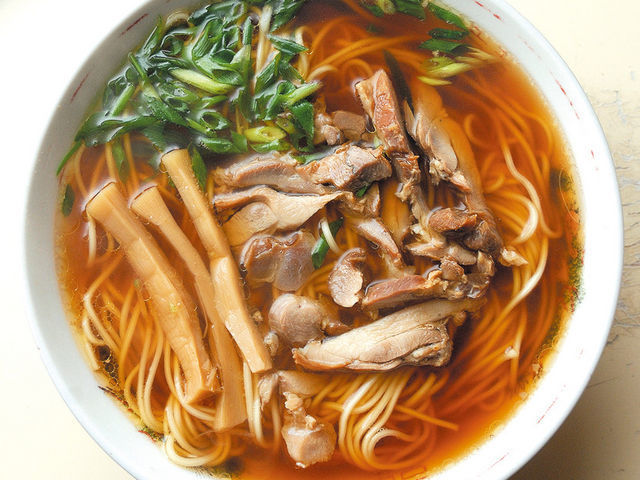
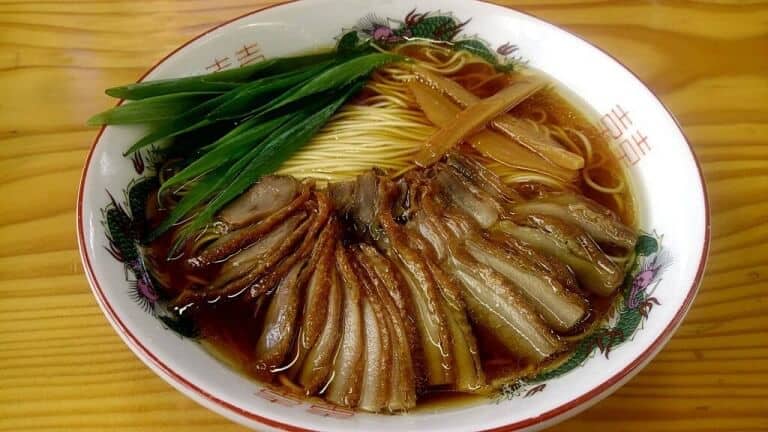
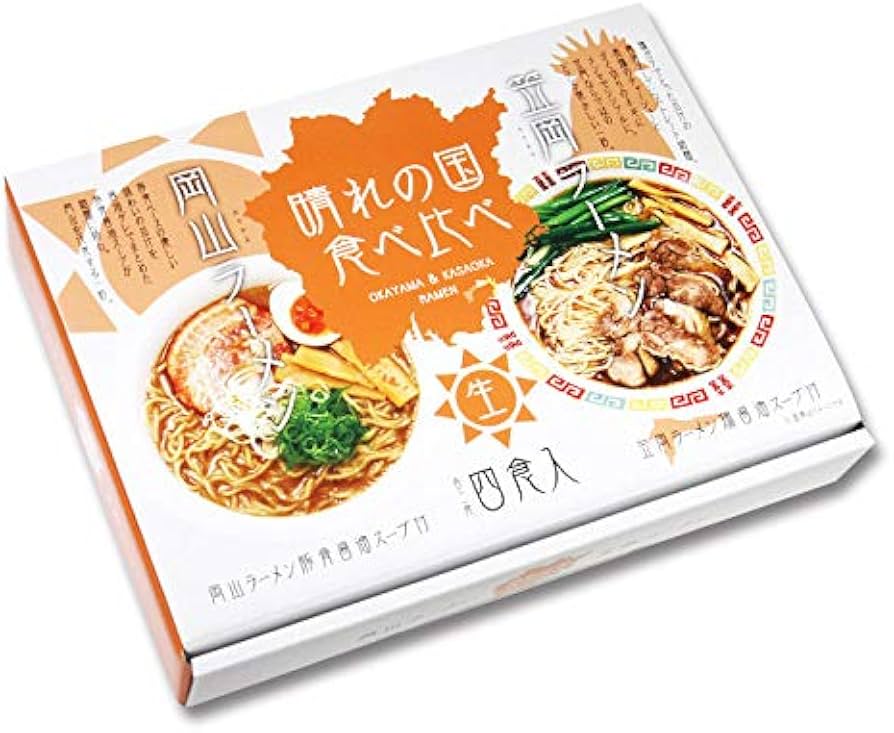
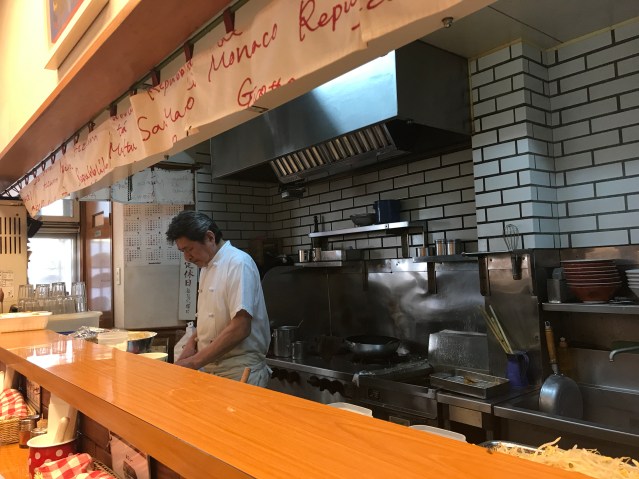
Tonkotsu shoyu style ramen unique to the Okayama region. Rich pork bone and soy sauce broth with a distinctly local flavor. Kasaoka-style has clear chicken broth. Multiple excellent shops.

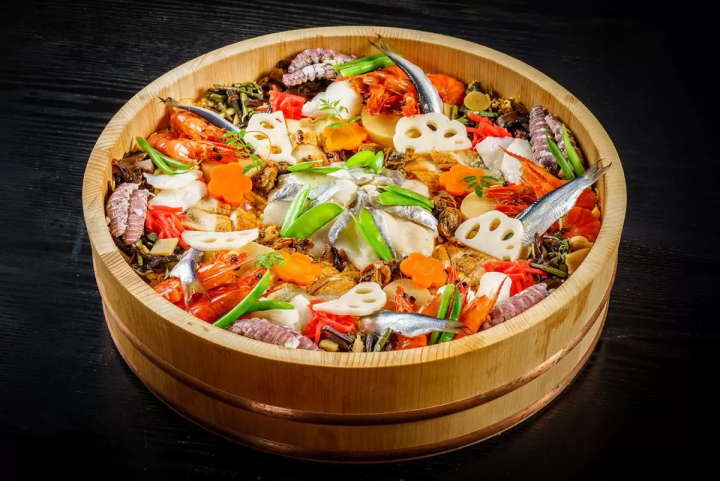
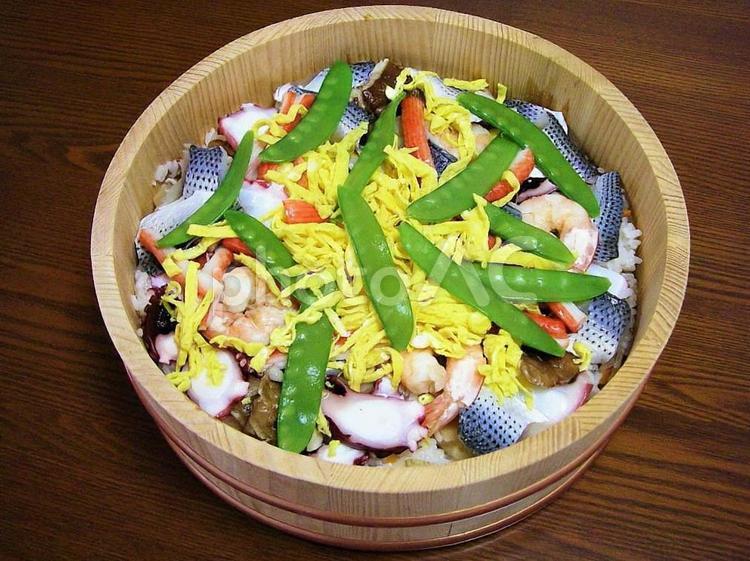
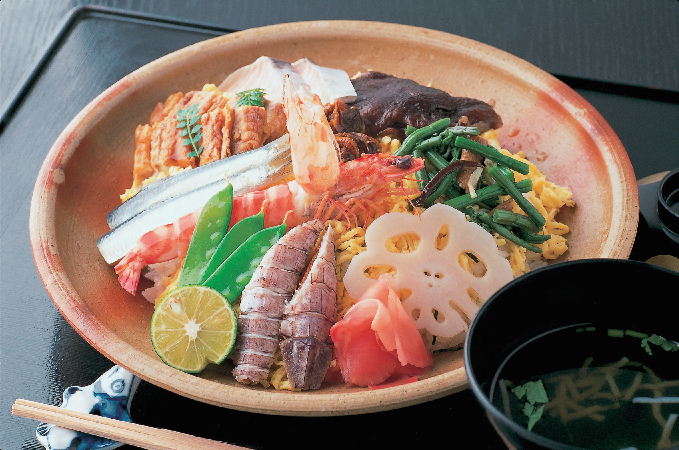
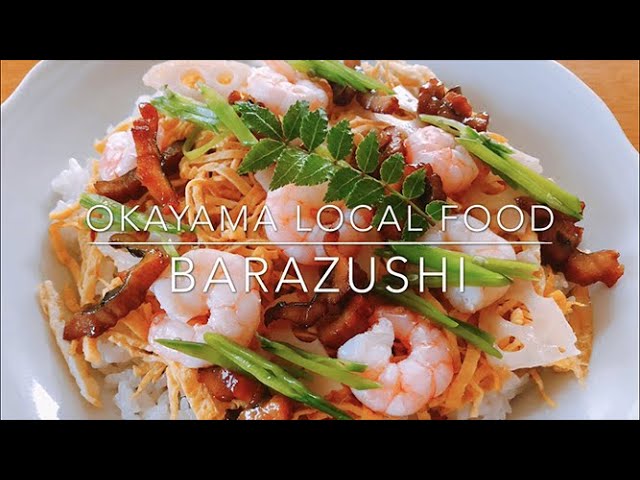
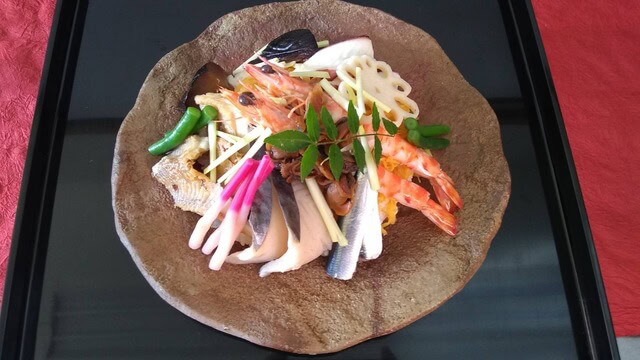
Okayama's signature festive sushi. A bed of sushi rice topped with colorful ingredients: shrimp, lotus root, kinshi tamago (egg strips), and vegetables. Beautiful presentation. Available at sushi restaurants citywide.

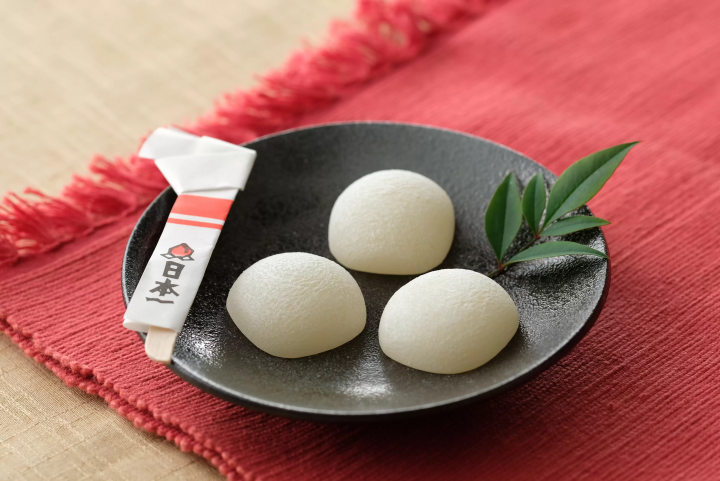
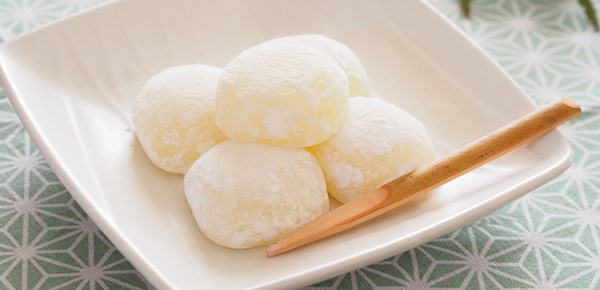
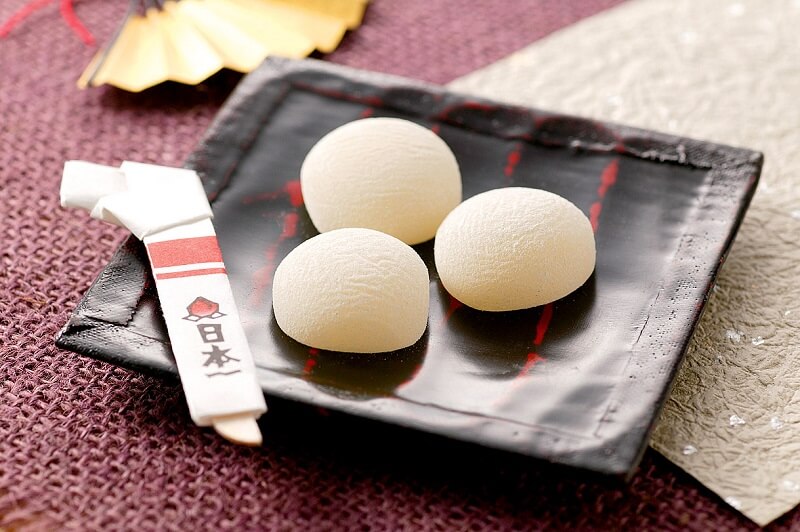
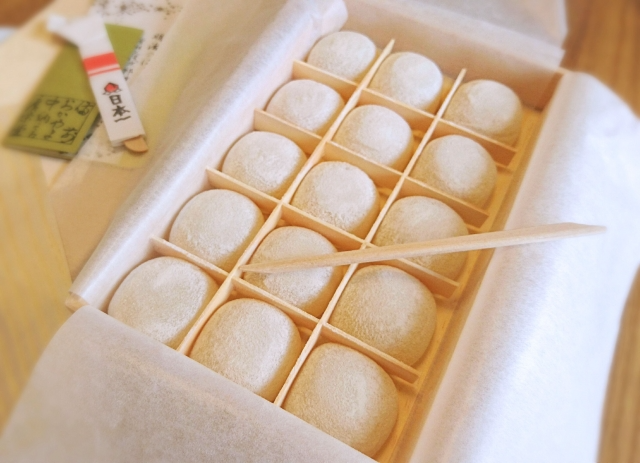
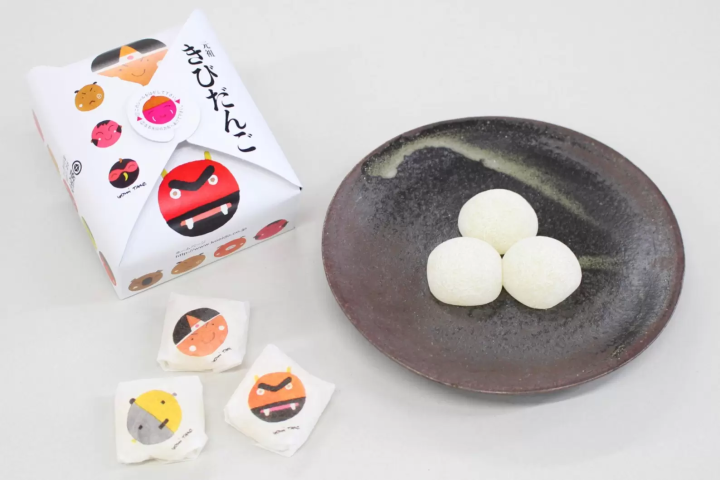
The most famous souvenir from Okayama. Small millet dumplings from the legend of Momotaro (Peach Boy). Sweet, chewy, and come in gift boxes. Multiple shops compete for the best version.

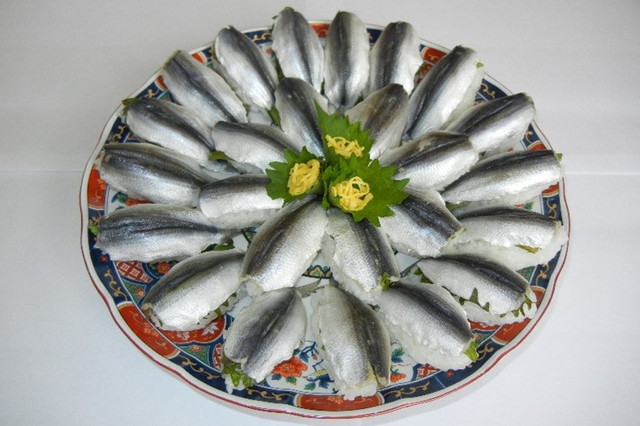
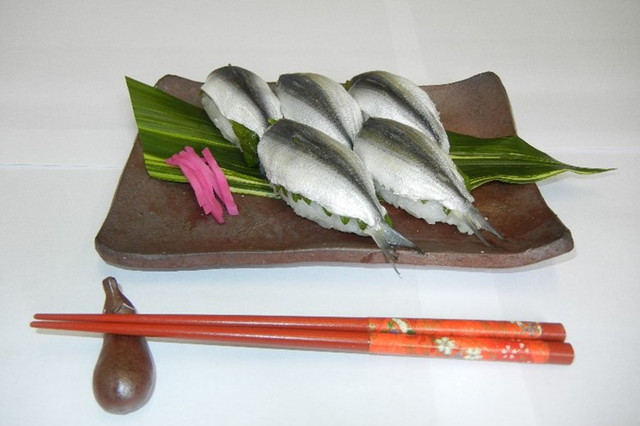
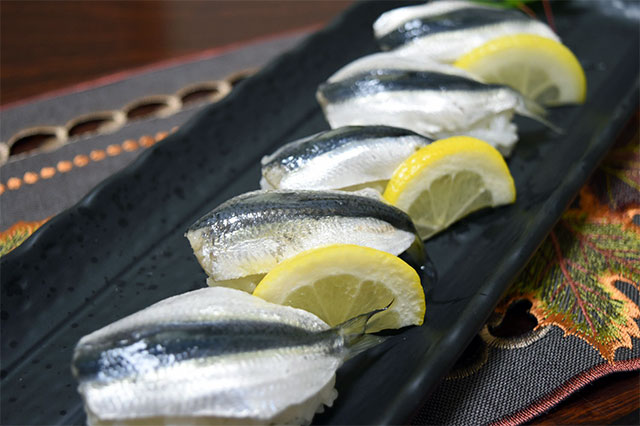
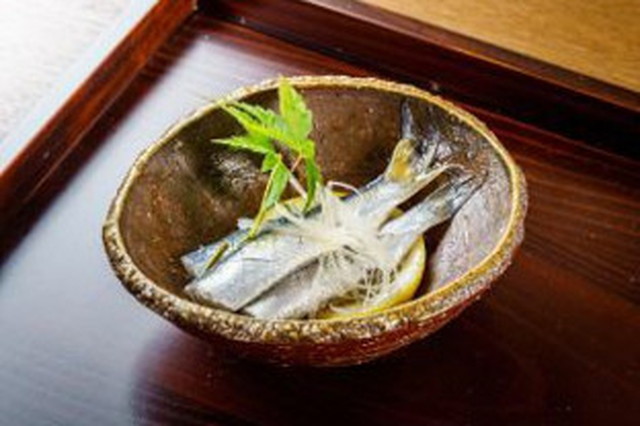
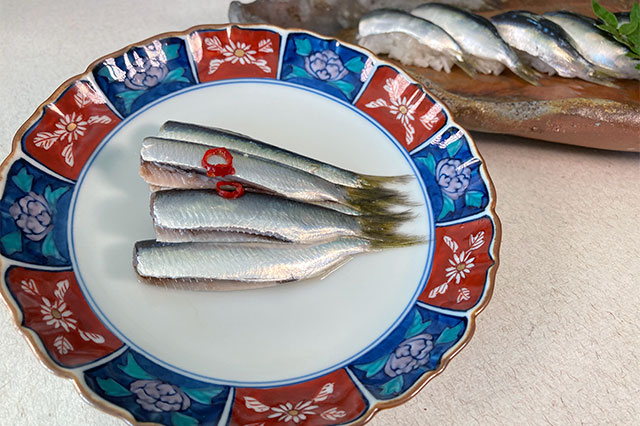
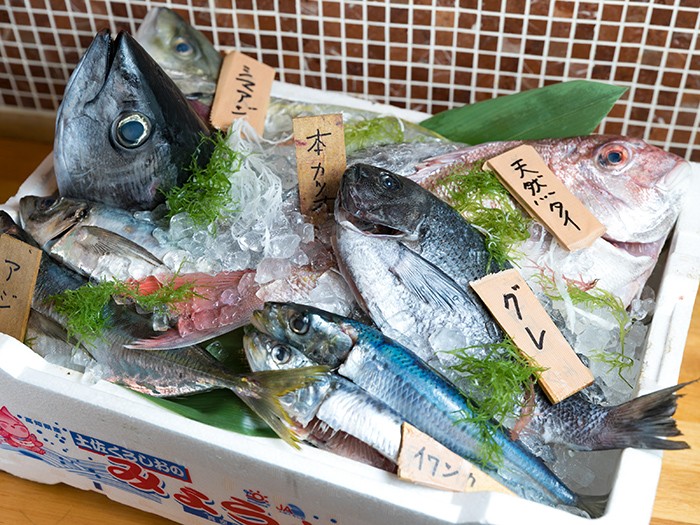
Small sardine-like fish pickled in vinegar and pressed onto sushi rice. A uniquely Okayama delicacy. The name means 'so delicious you borrow rice from your neighbor to eat more.'

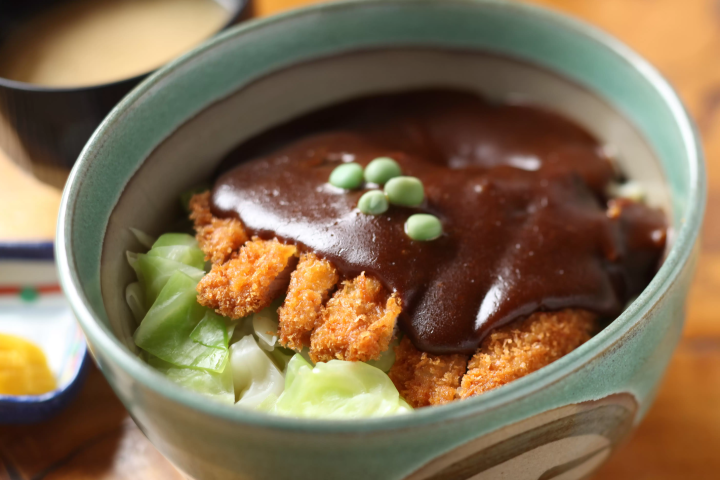
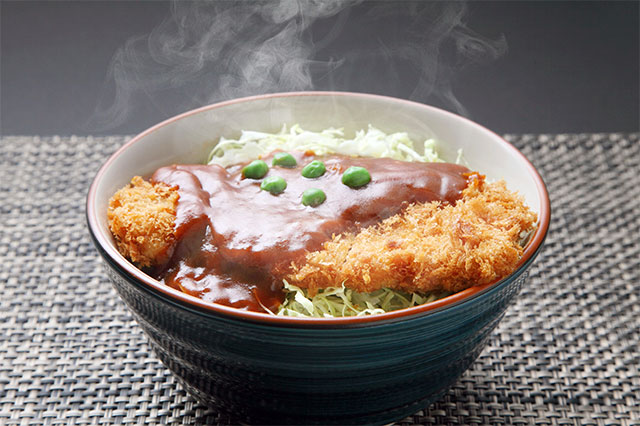
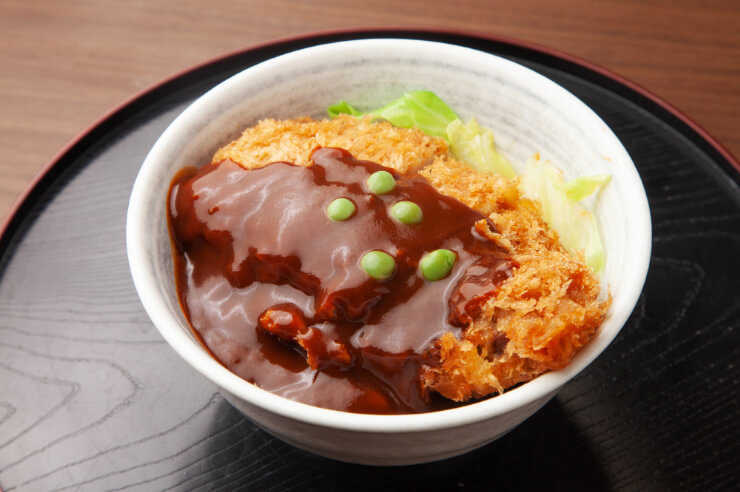
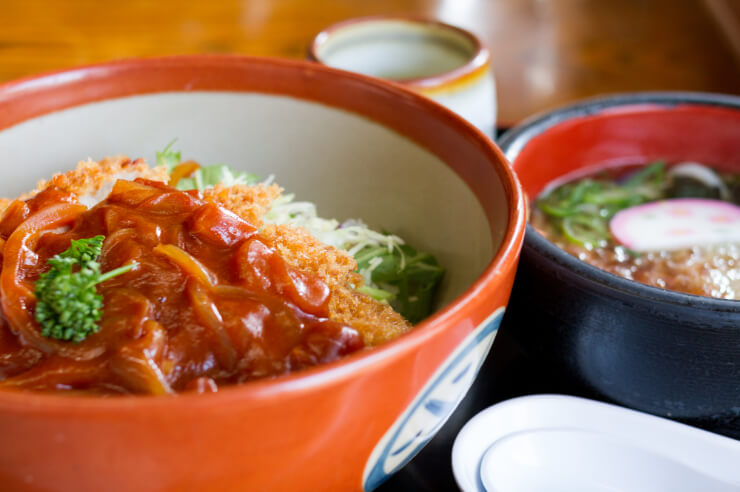
Okayama's twist on katsu-don: a fried pork cutlet over rice with thick demi-glace sauce instead of the usual egg topping. Rich, Western-influenced comfort food. A beloved local favorite.
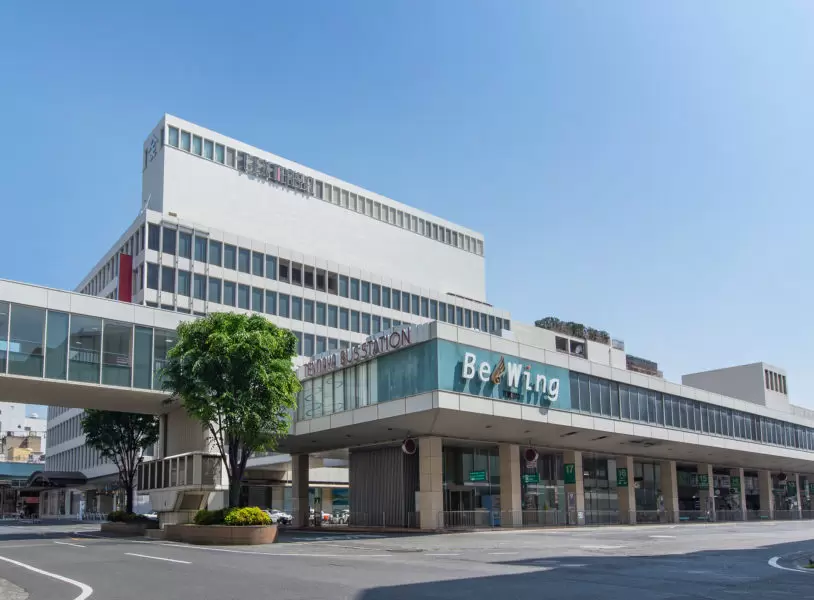
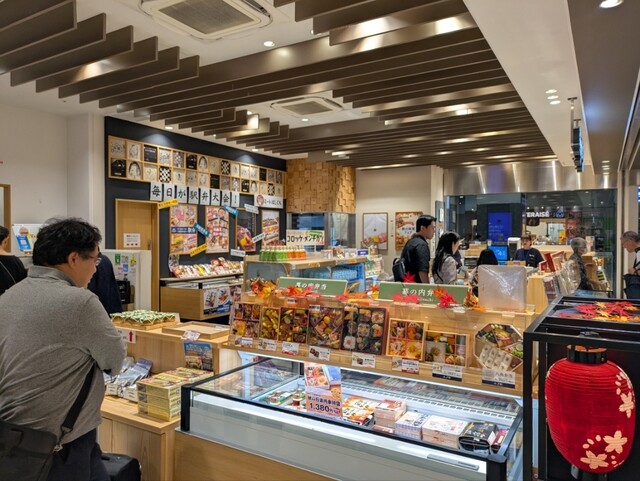
The station area has excellent restaurant floors. Try barazushi, demi-katsu don, and Okayama fruit parfaits all within the station complex. Convenient for train travelers.

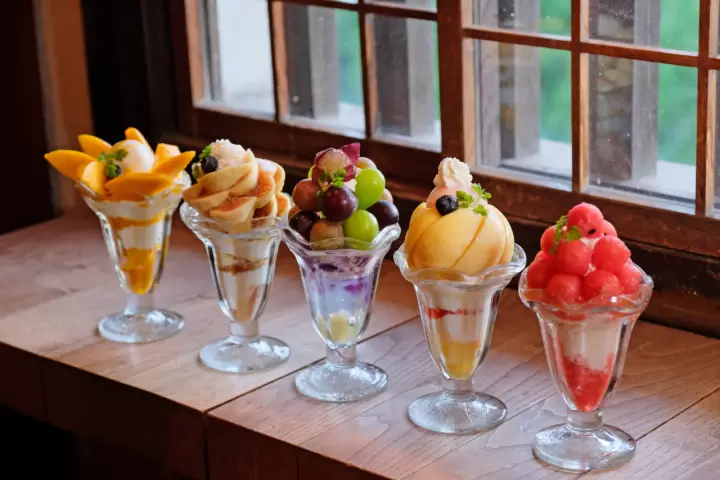
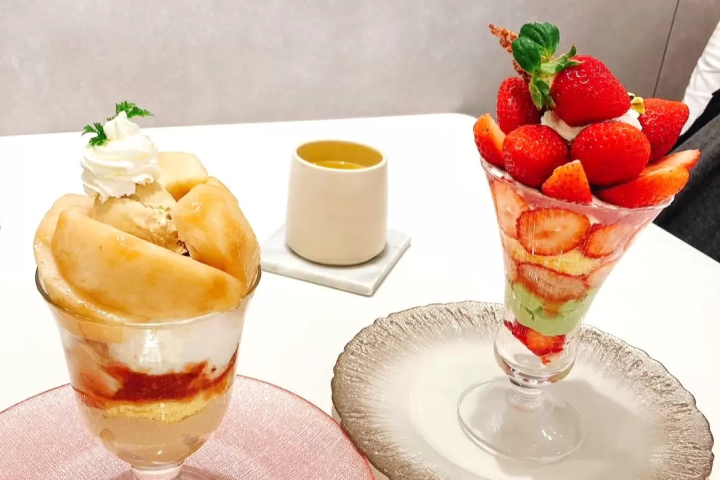
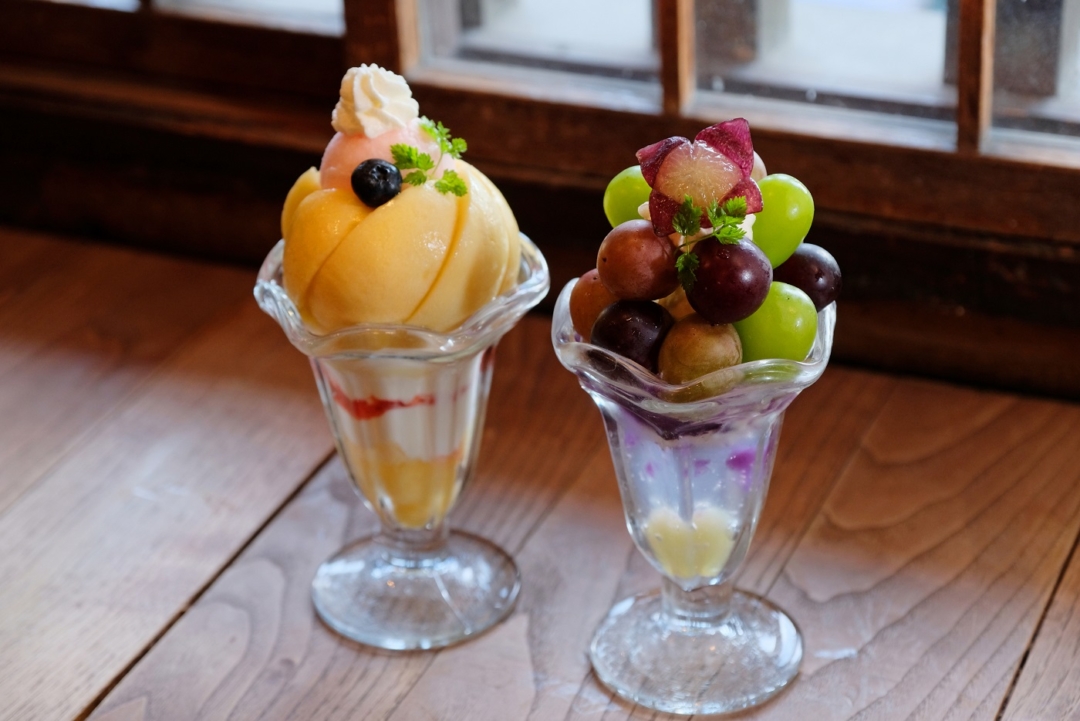
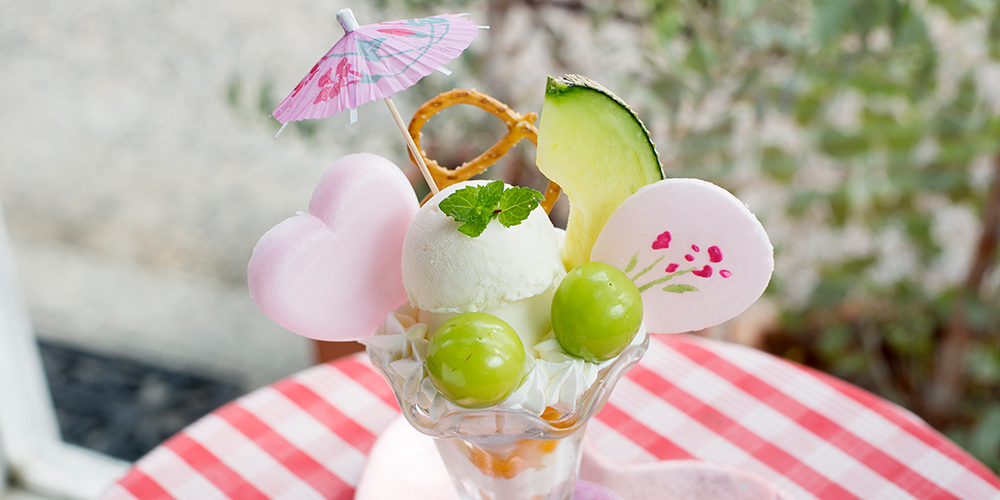
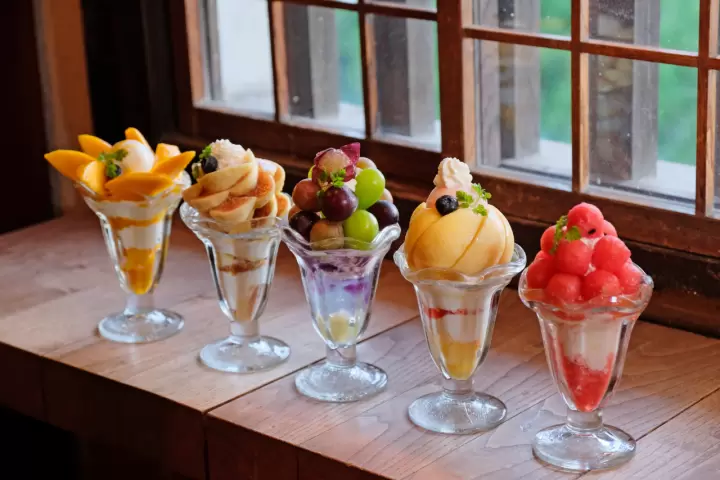
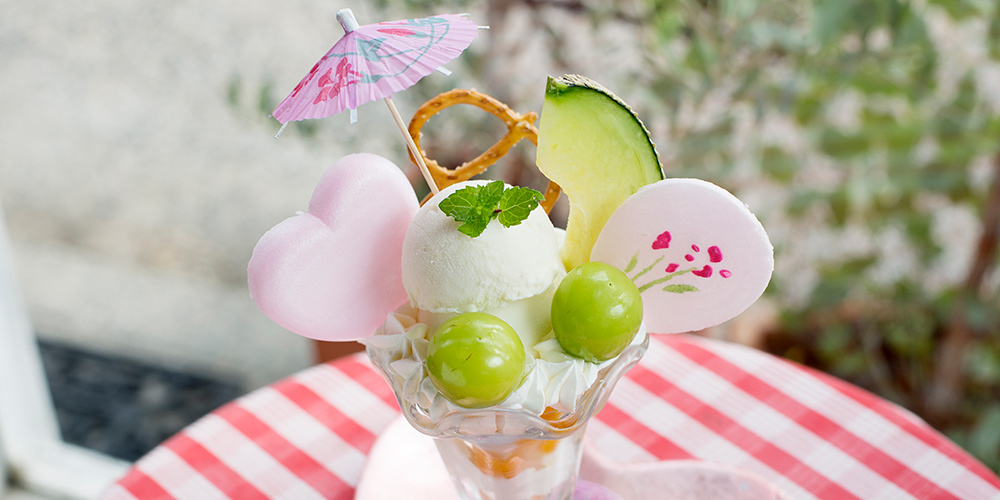
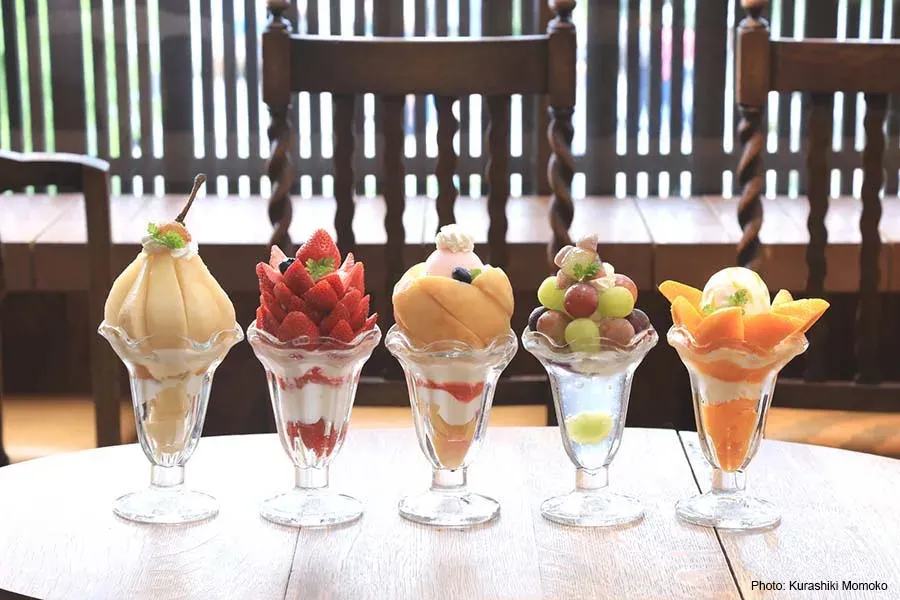
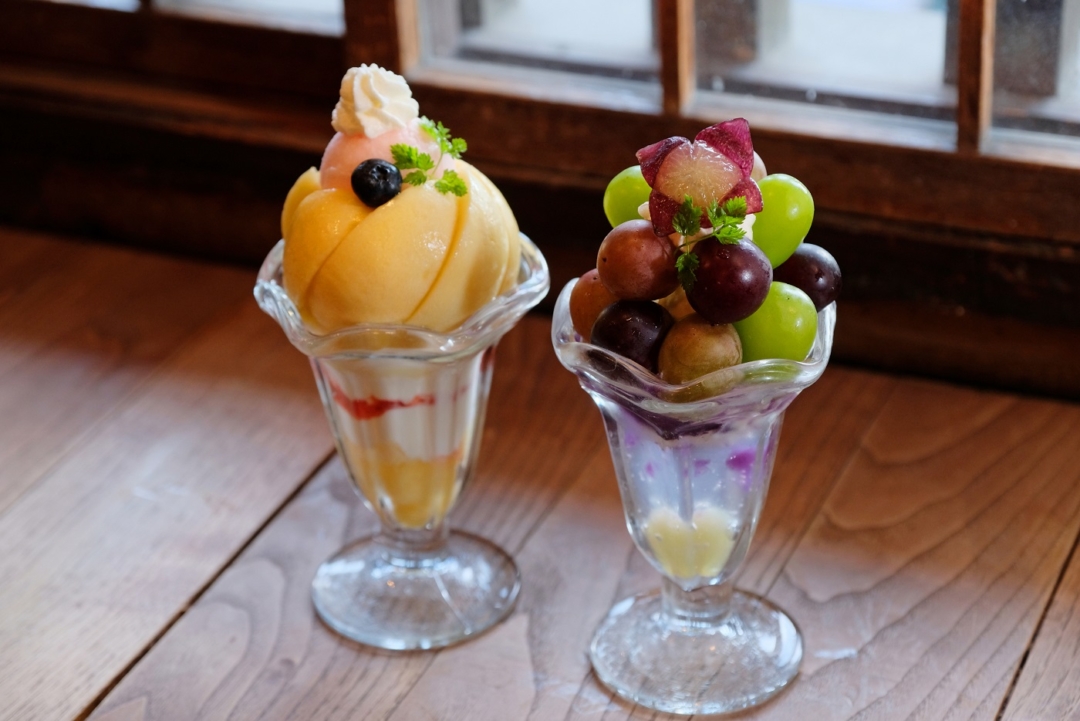
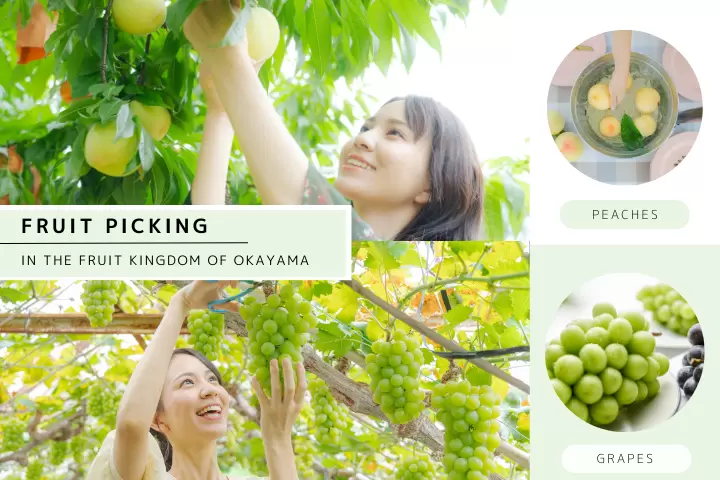
Okayama is called the 'Land of Sunshine' and produces premium white peaches and Muscat grapes. Fruit parfaits using these local fruits are an art form. Multiple parfait specialty cafes.

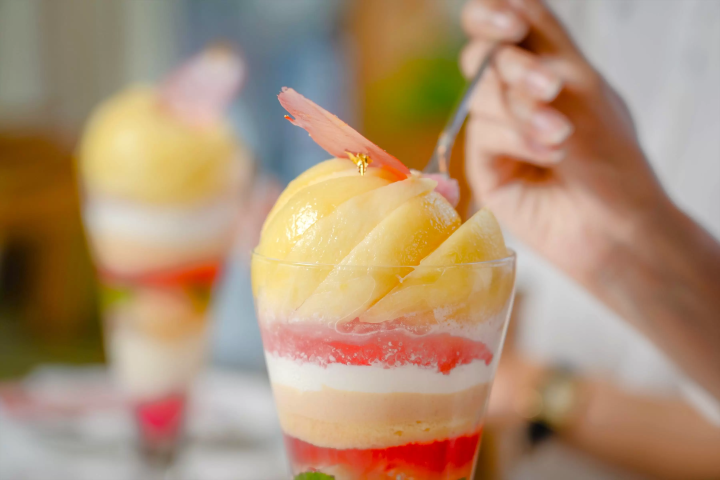
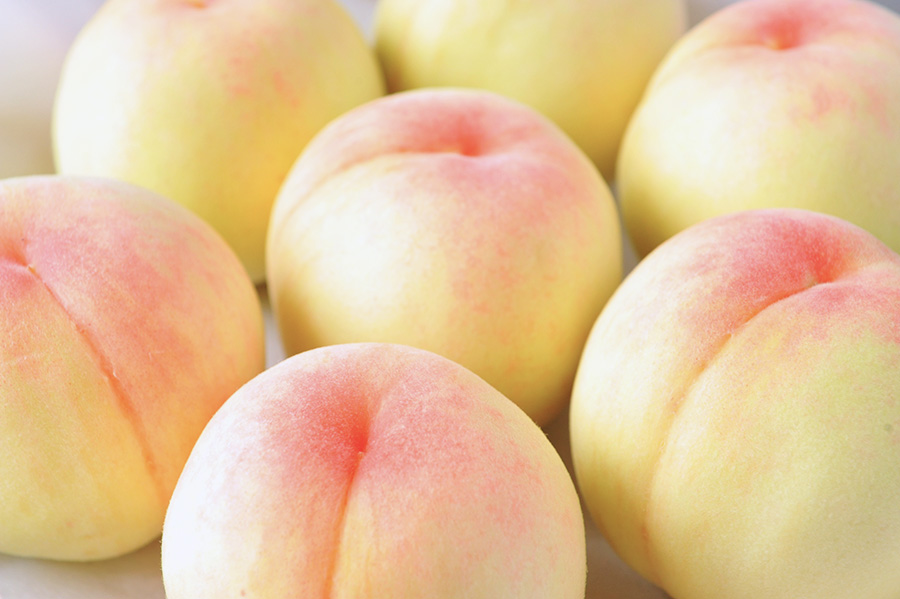
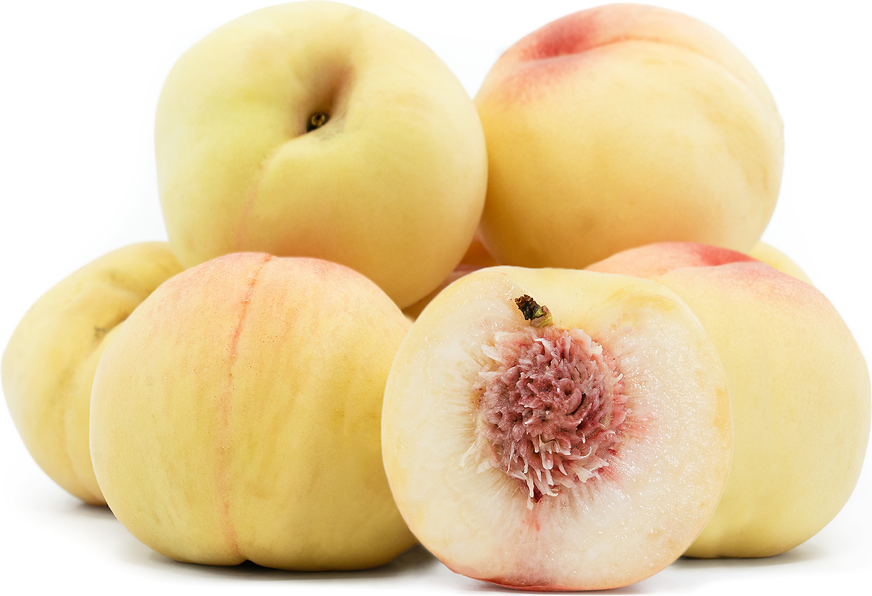
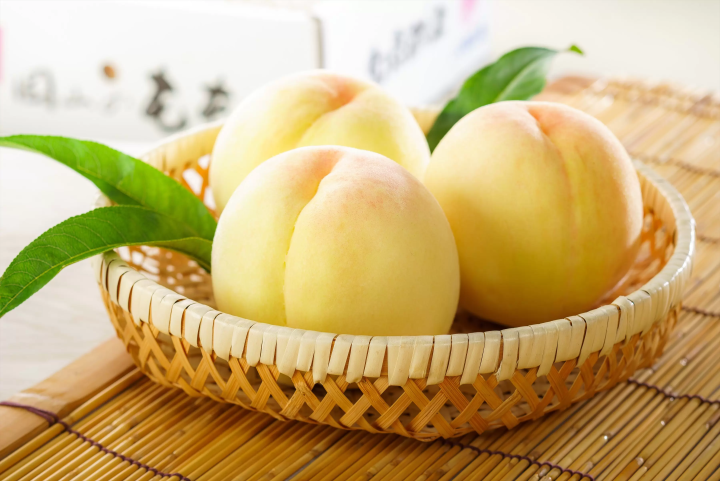
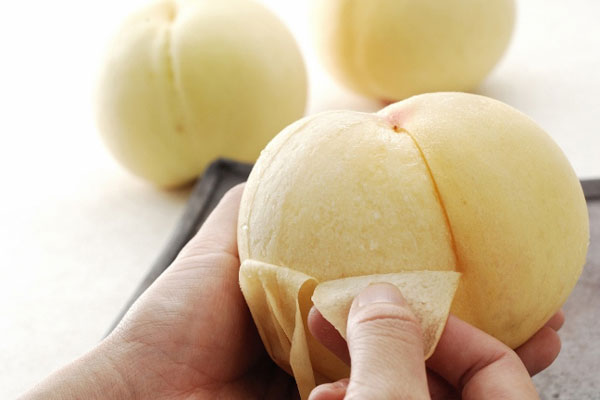
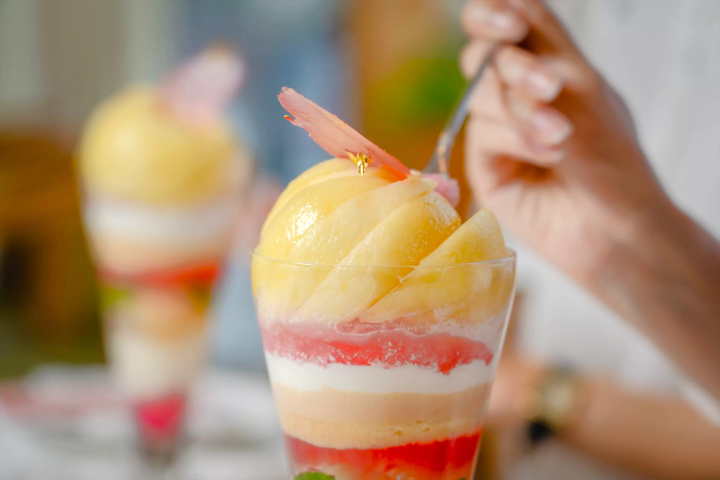
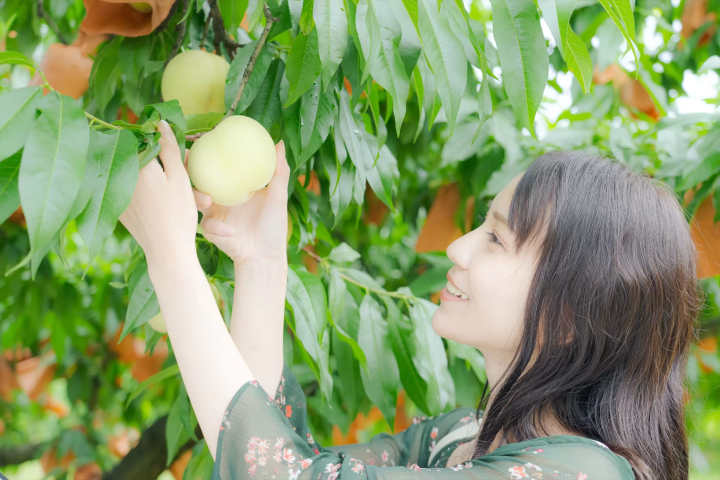
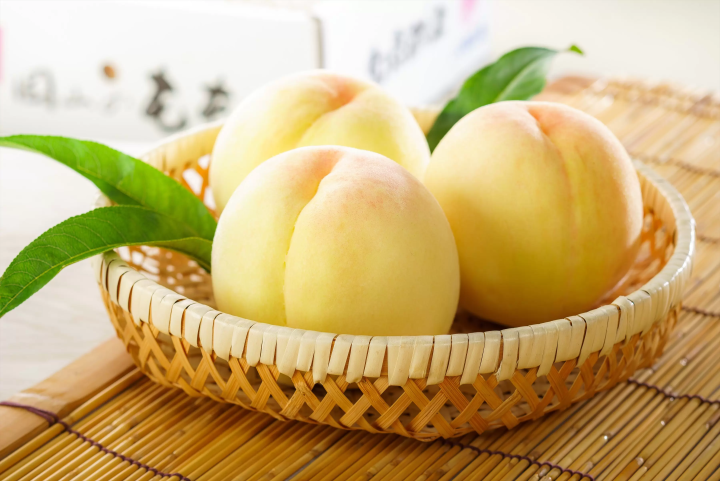
Okayama's white peaches are considered Japan's finest. Incredibly sweet, juicy, and fragrant. Available June-September. White peach soft serve, juice, and desserts are everywhere in season.

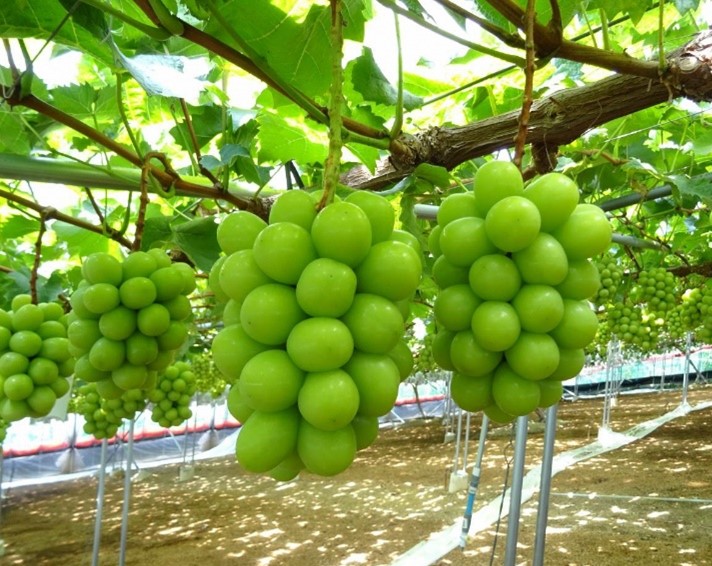
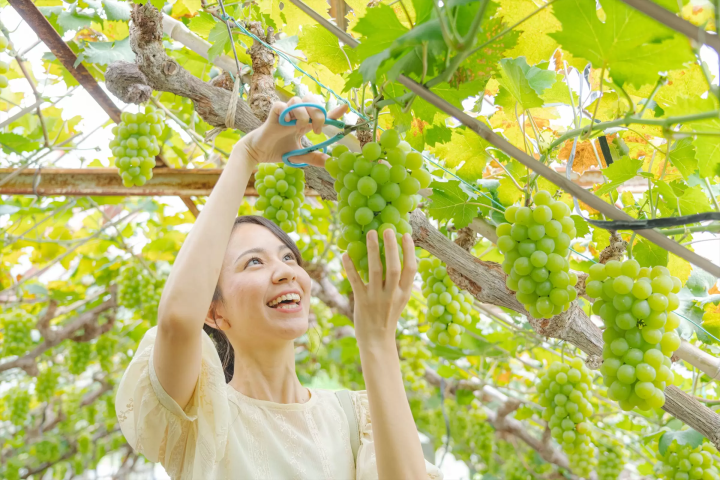
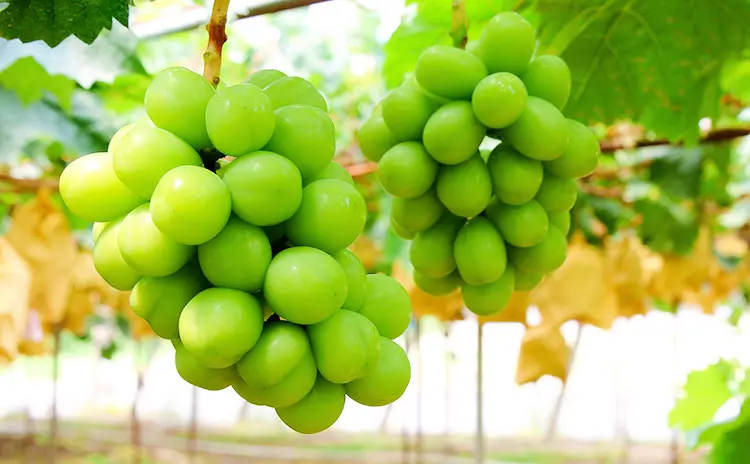
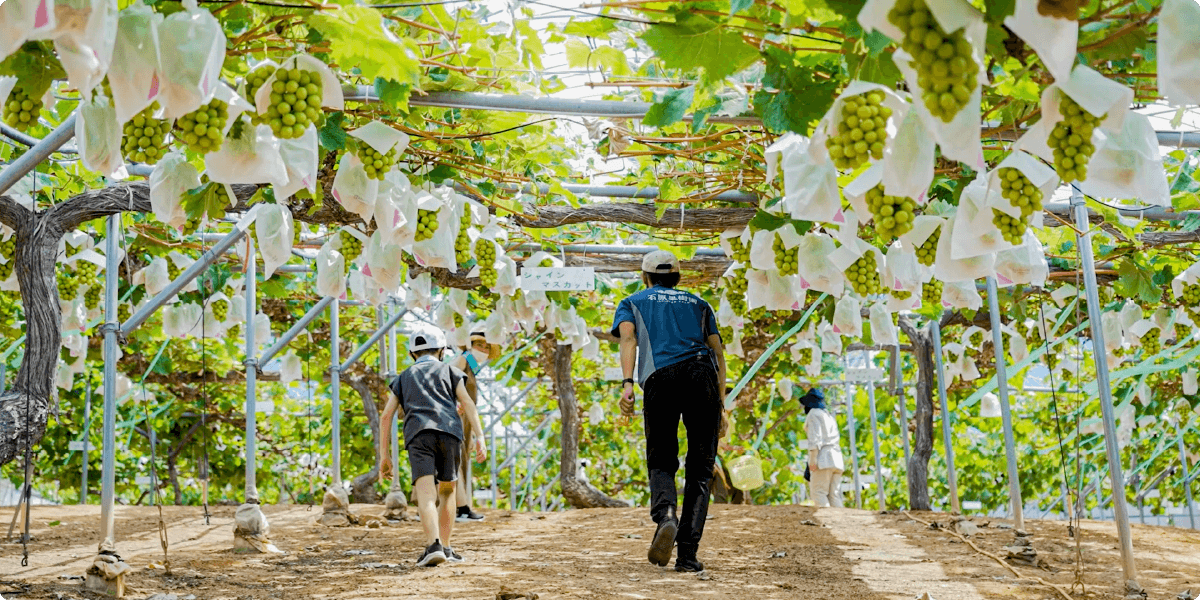
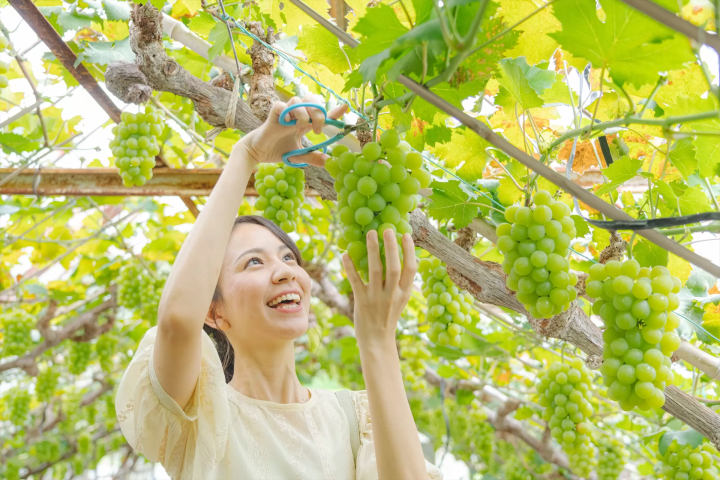
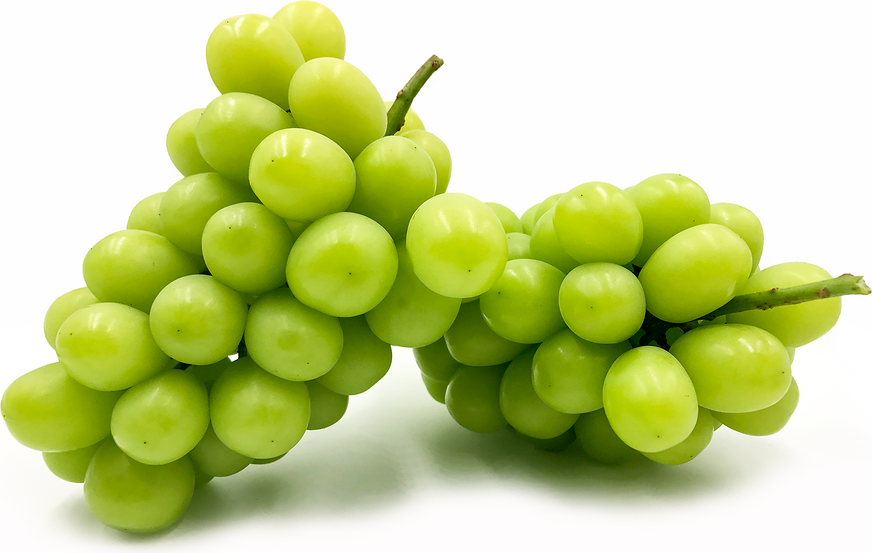
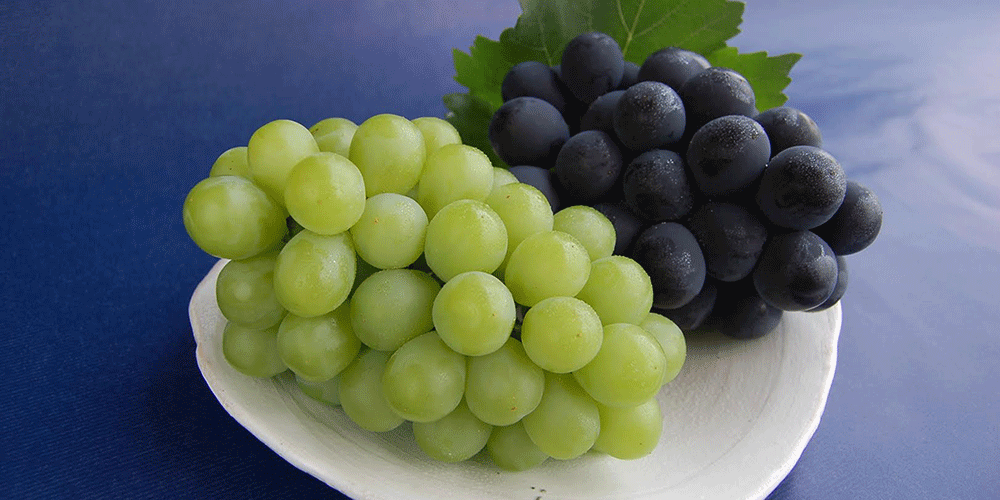
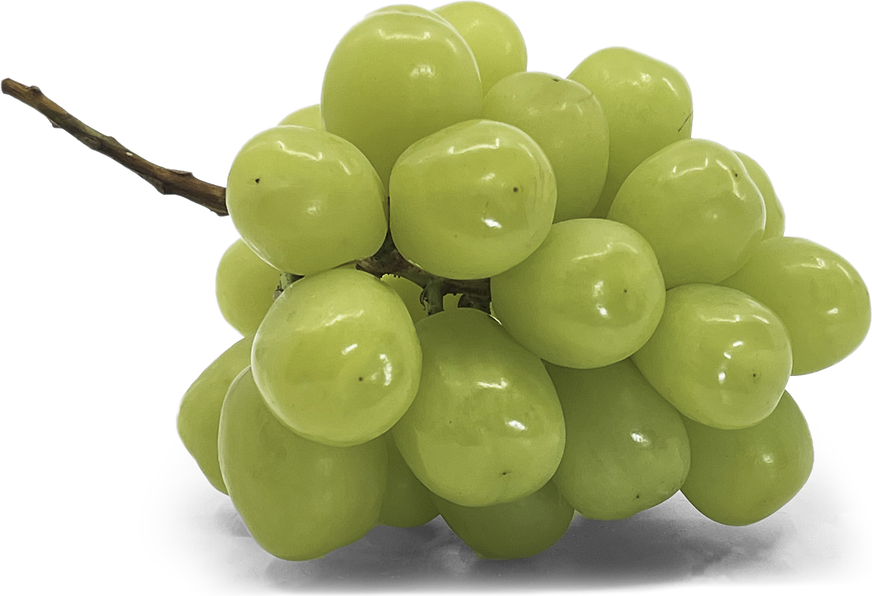
Shine Muscat grapes from Okayama are legendary. Green, seedless, and explosively sweet. Available August-October. Grape picking experiences at farms outside the city.

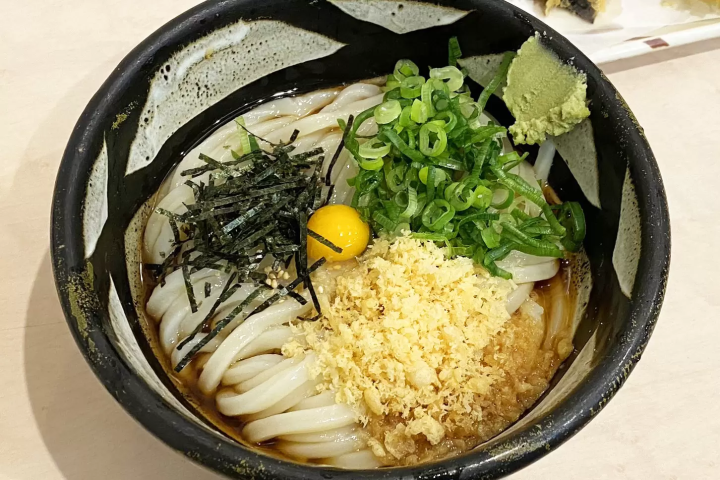
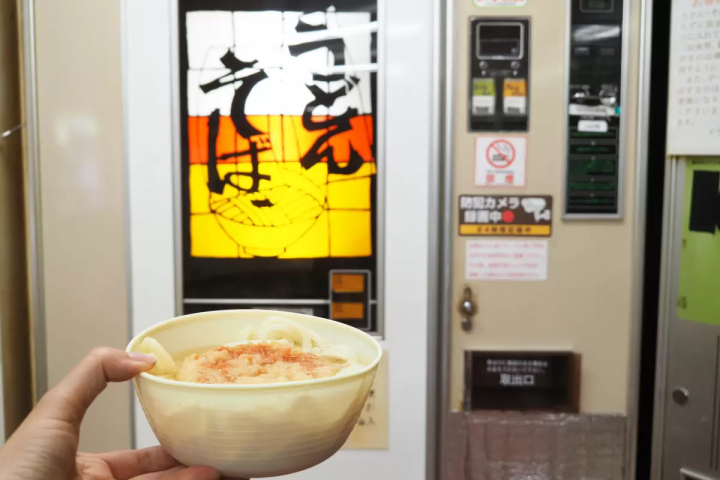
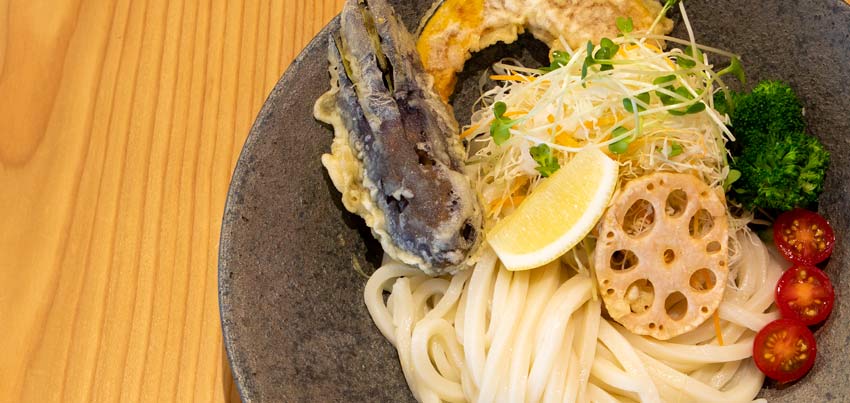
While Kagawa is the udon capital, Okayama has its own style. Slightly thicker noodles served in a clear dashi broth. Less famous but excellent. Try at local udon shops away from tourist areas.

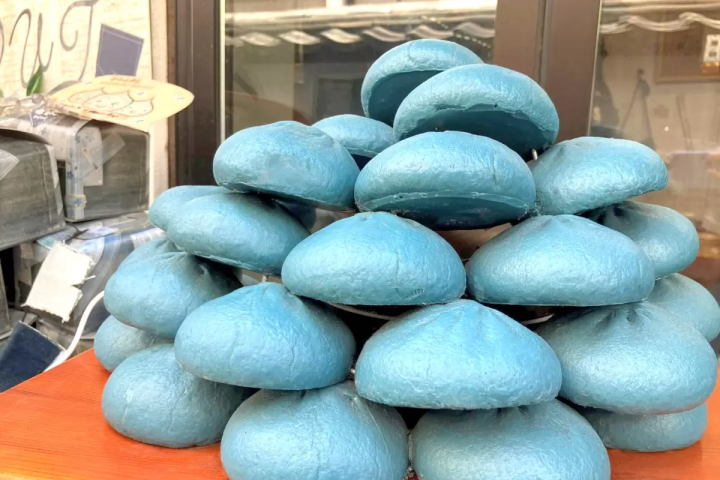
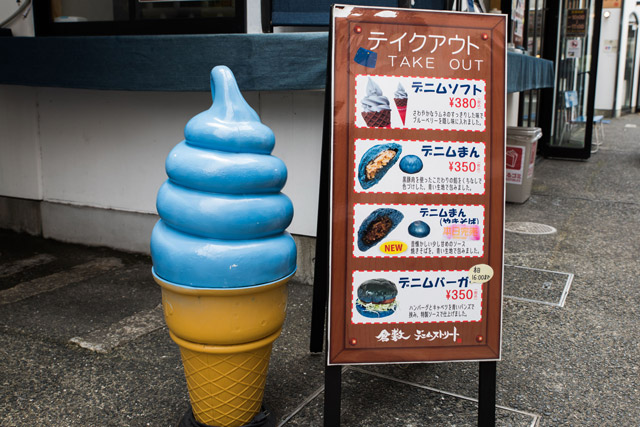
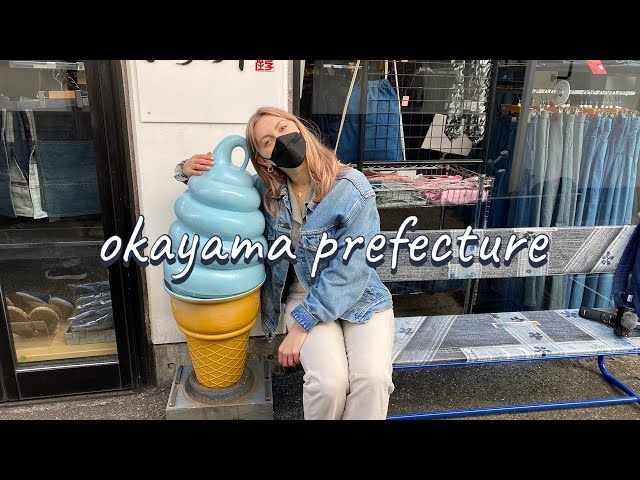
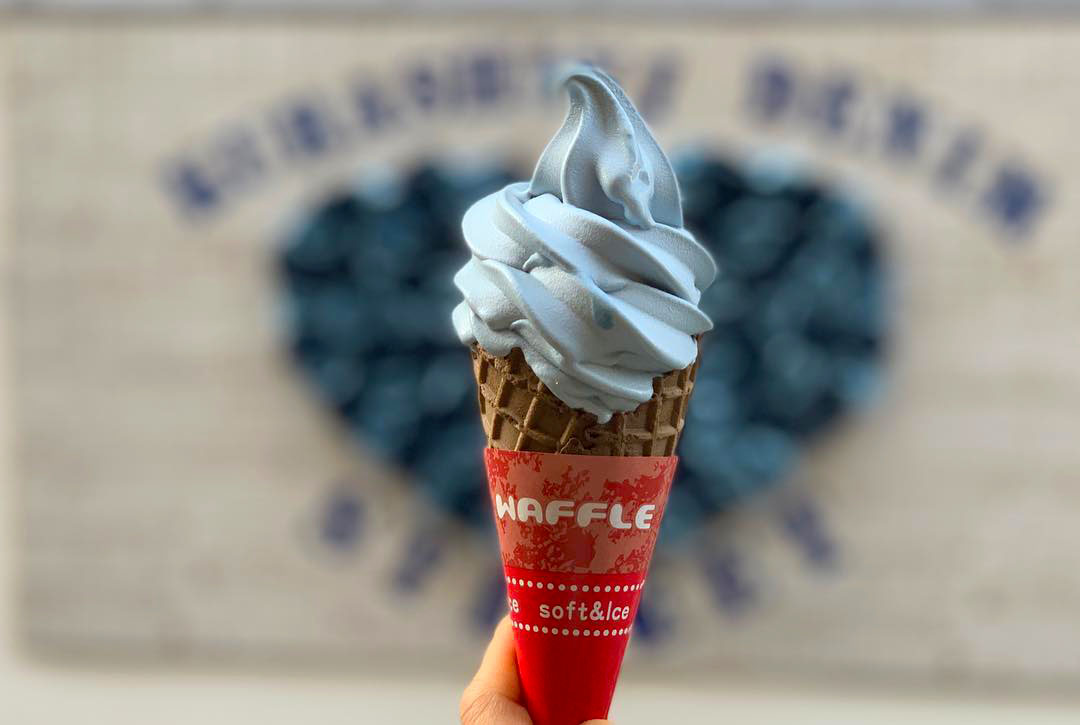
Blue-tinted soft serve ice cream colored to look like denim. Tastes like regular vanilla but the visual is fun and unique. Available at shops on Kojima Jeans Street.

Cluster of parfait specialty cafes in the shopping arcade. Each competing for the most elaborate fruit parfait. White peach, Muscat grape, and seasonal fruit constructions that are works of art.

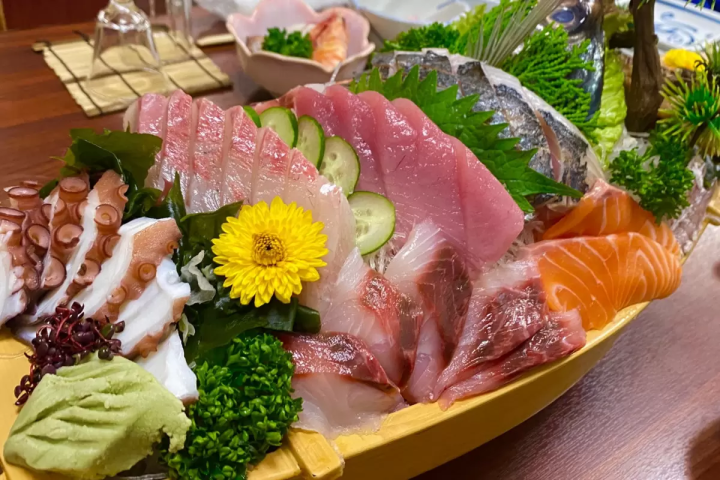
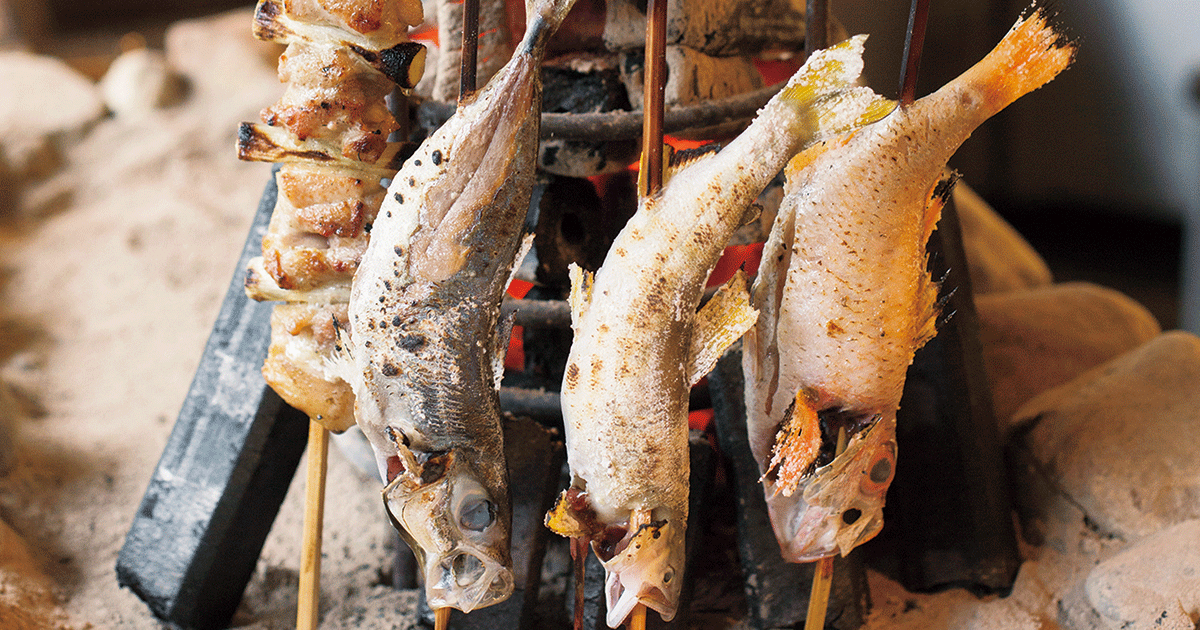
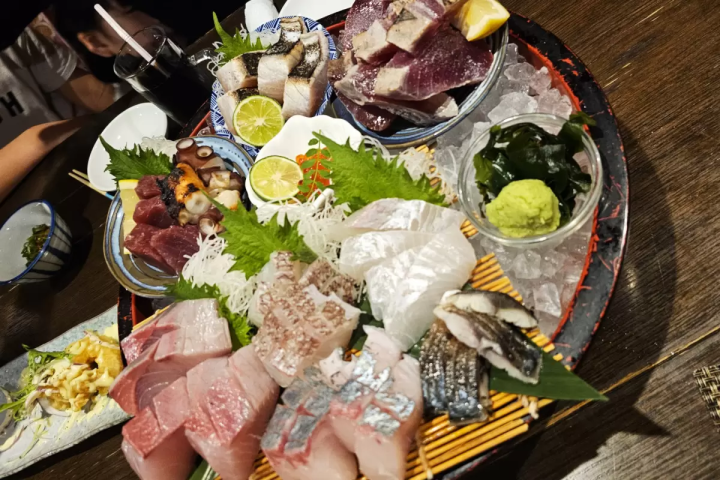
Izakayas near the station serving fresh Seto Inland Sea fish. Seasonal catches include octopus, sea bream, conger eel, and oysters. Ask for the daily catch recommendations.


Matsushima Bay, volcanic crater lakes, and fox-filled mountains.

Red-crowned cranes kept in the garden since the Edo period. Released to fly across the garden on special occasions. Symbol of longevity and good fortune.

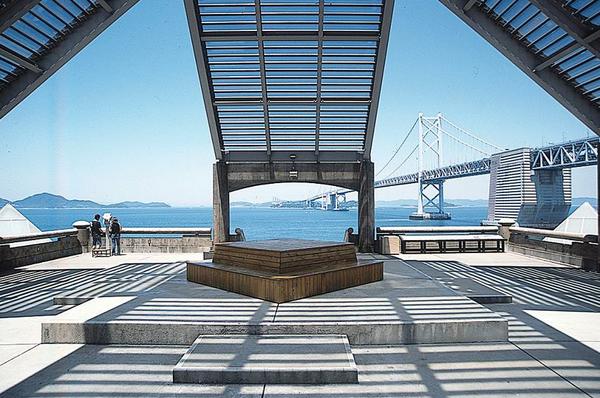
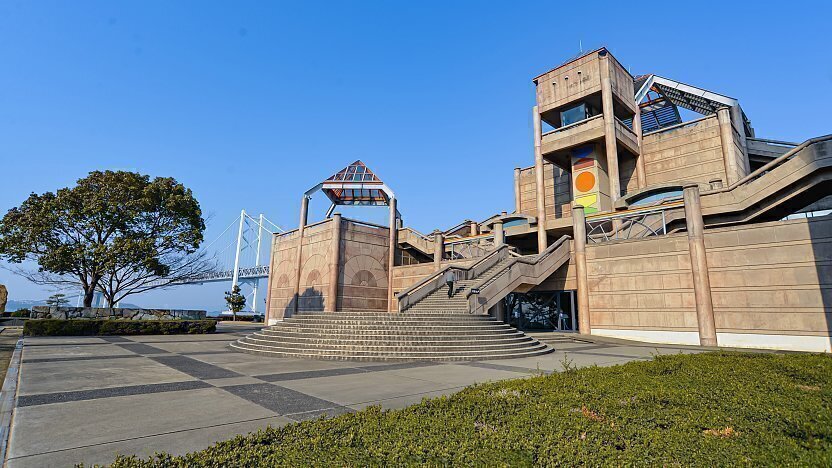
Park at the Okayama foot of the Great Seto Bridge. Stunning views of the bridge spanning across the islands. Information center about the bridge construction. Best at sunset.

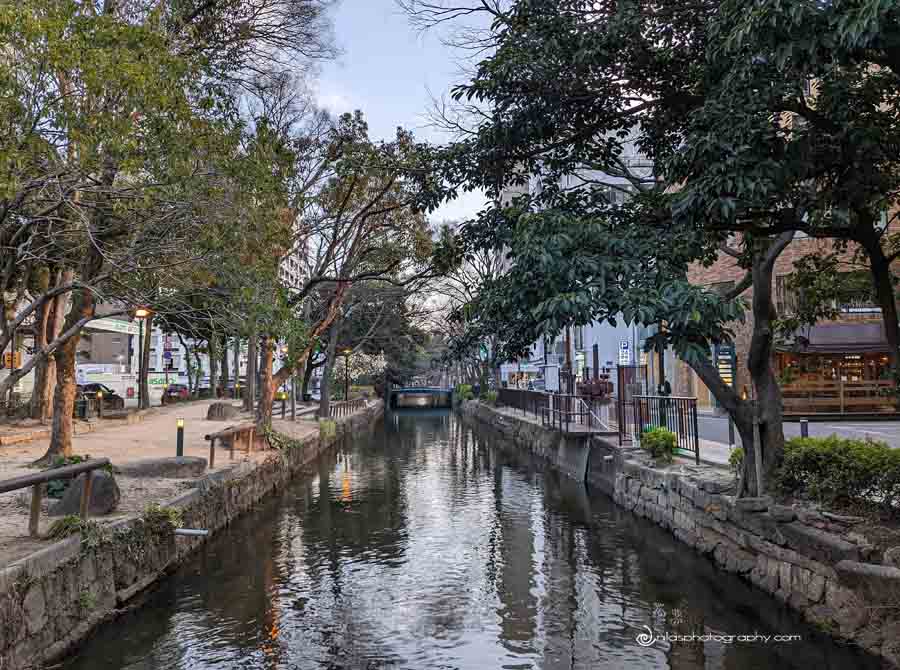
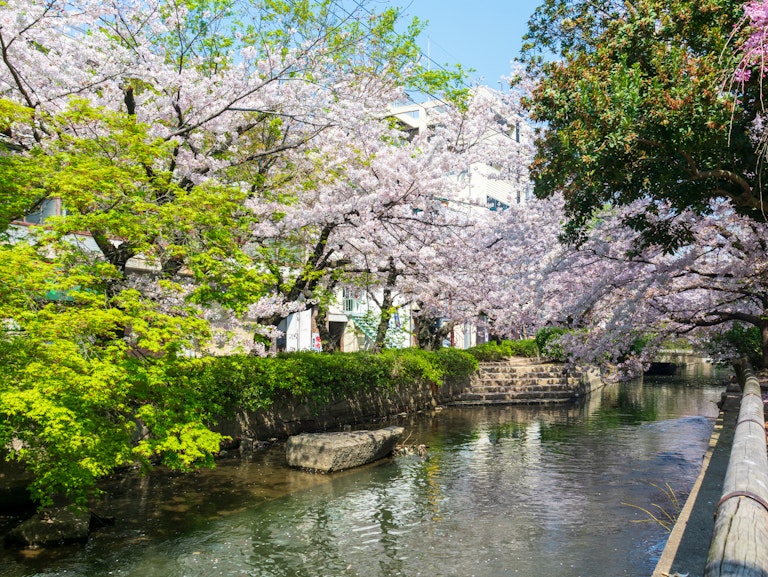
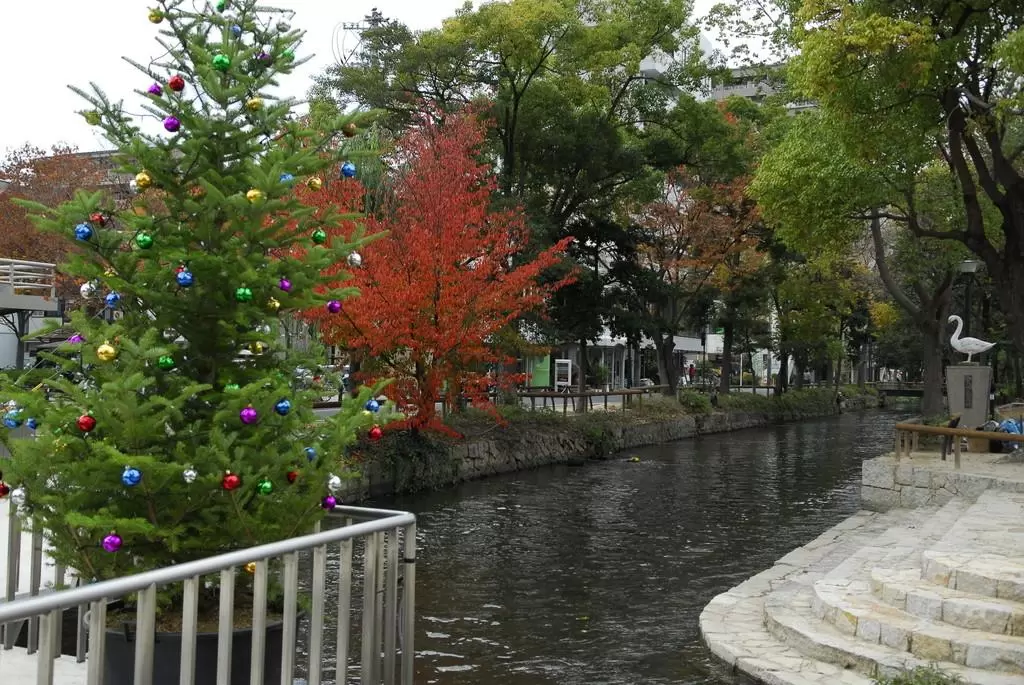
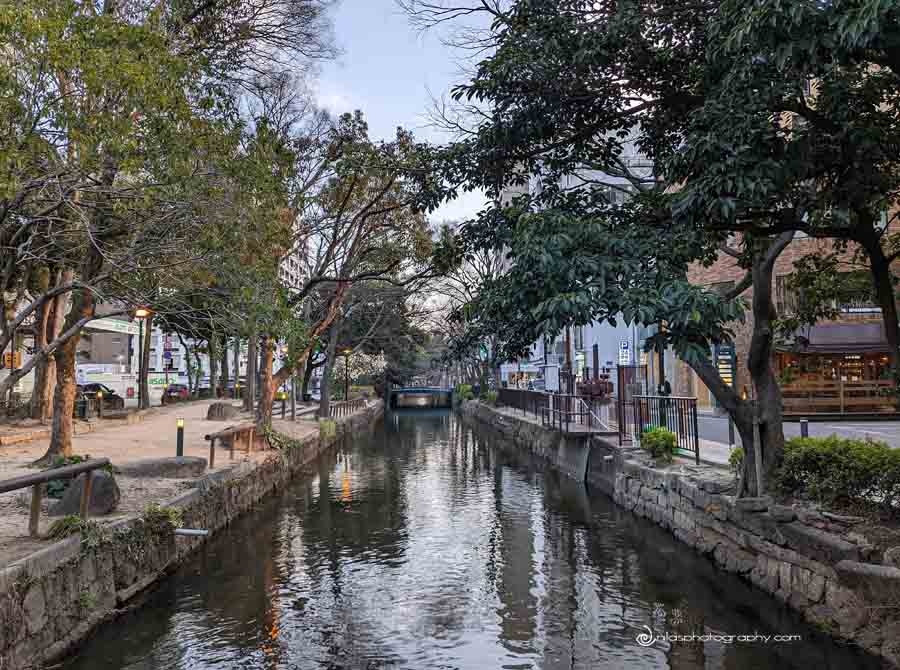
Tree-lined canal running through the city center. Cherry blossoms in spring, leafy shade in summer. Night-time the water reflects street lights. The most pleasant walking route in Okayama.
Hot springs, whisky distilleries, festivals, and one-of-a-kind encounters.

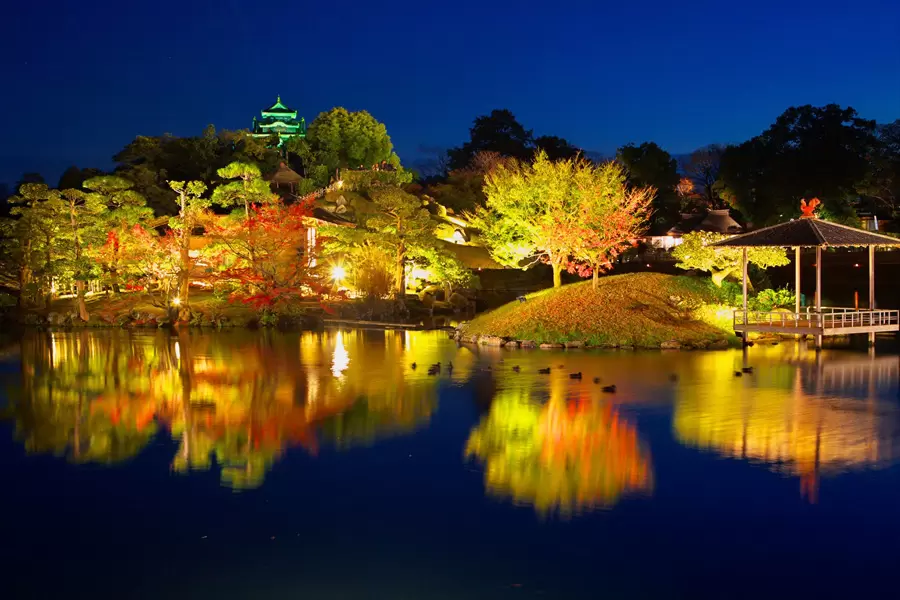
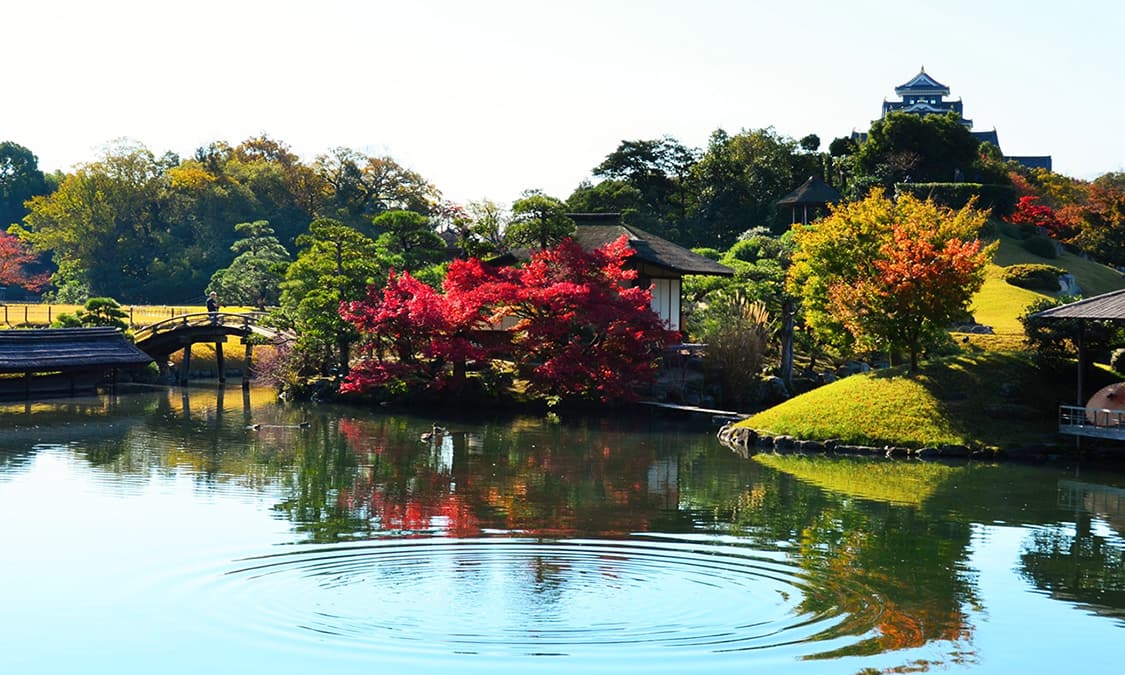
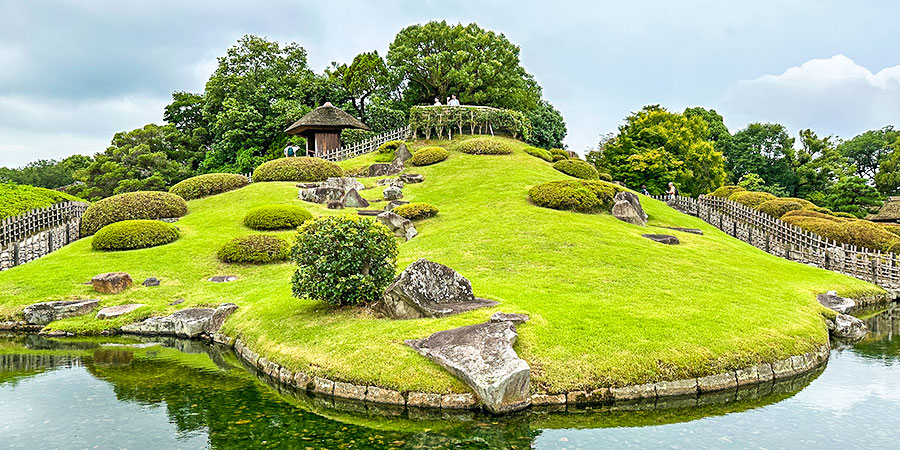
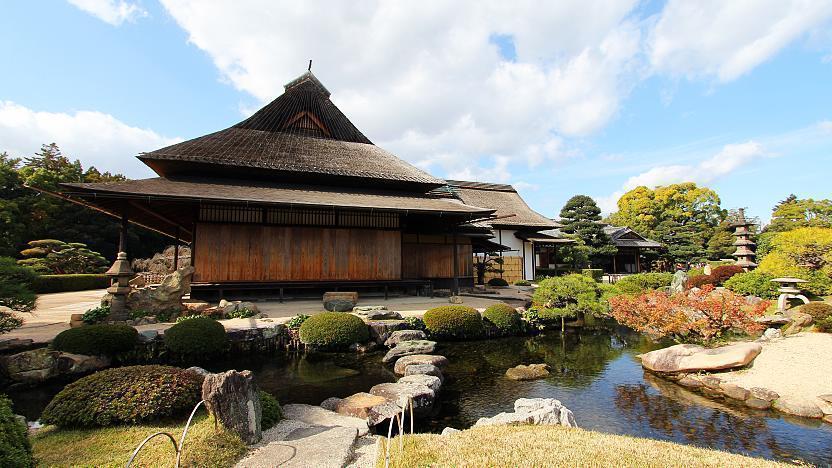
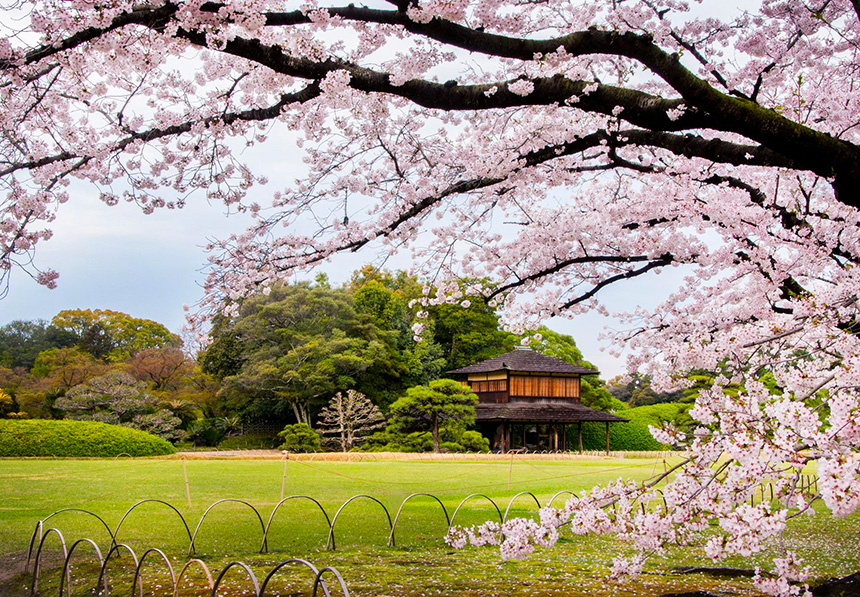
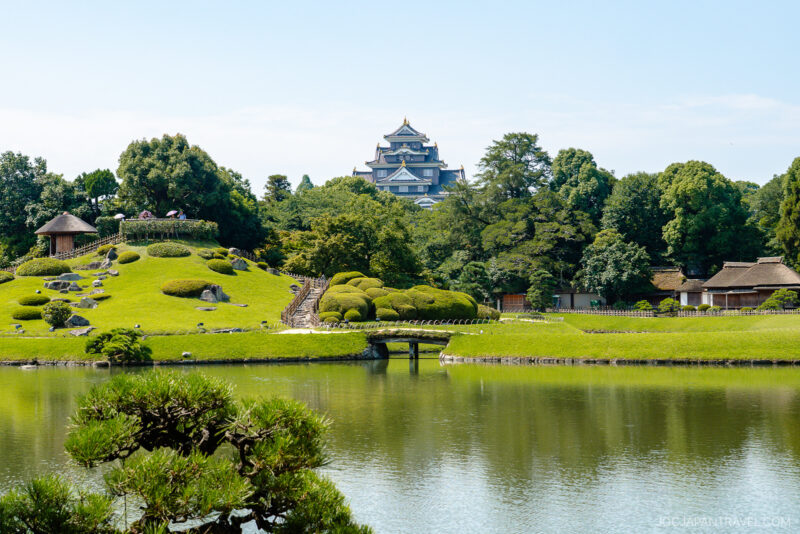
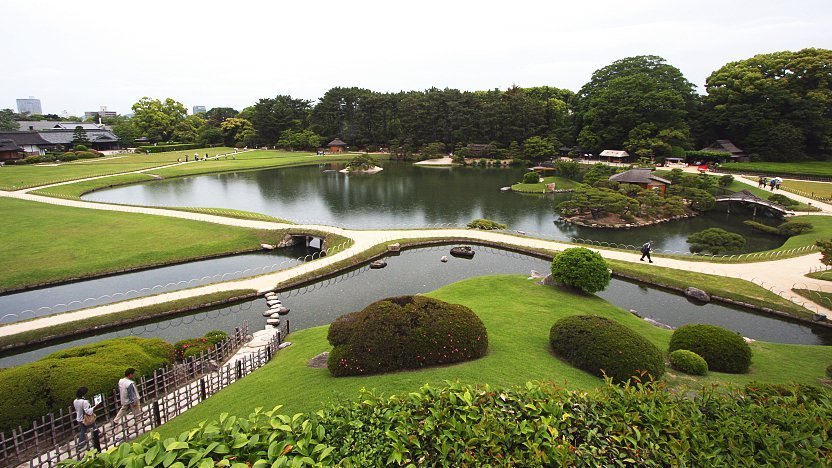
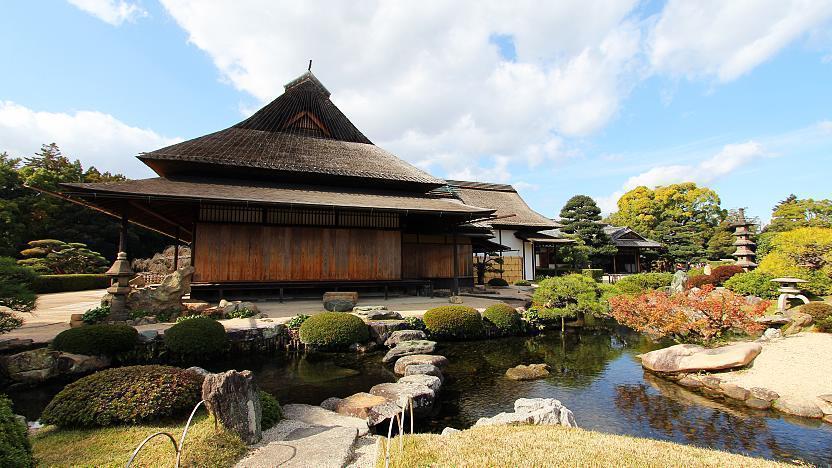
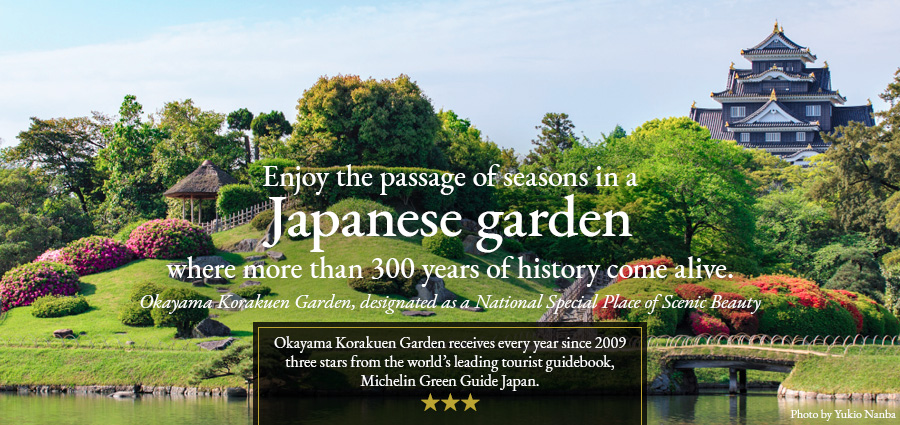
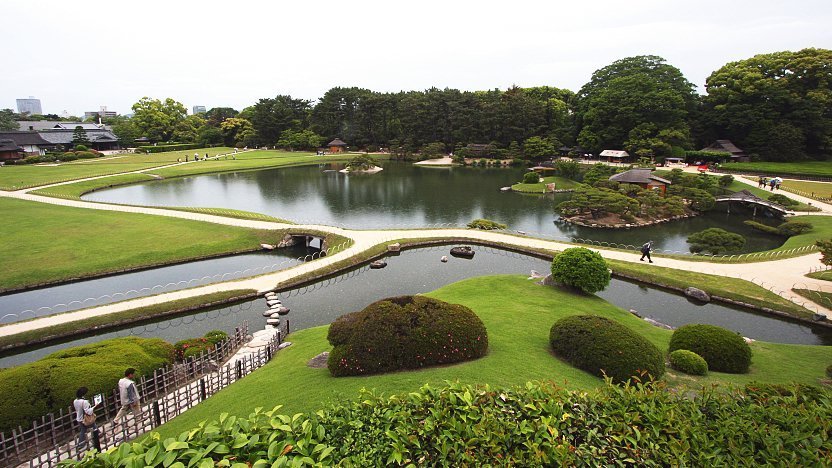
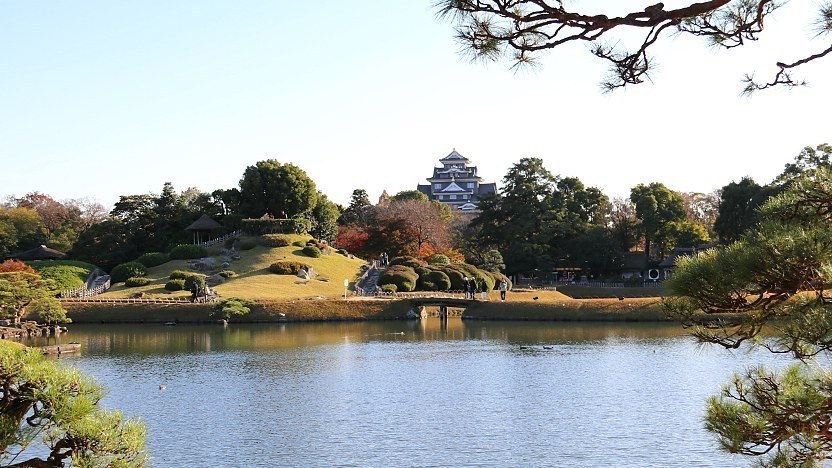
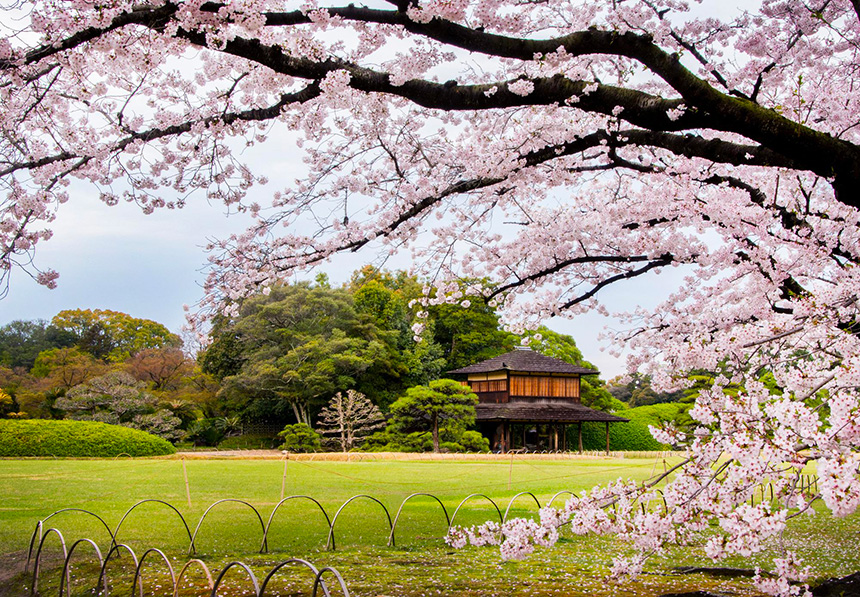
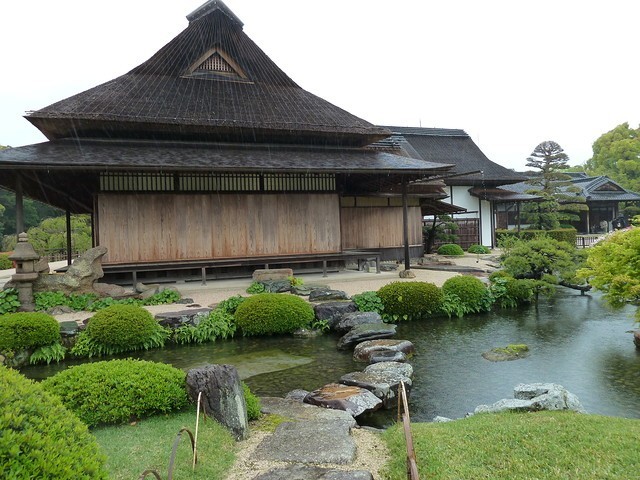
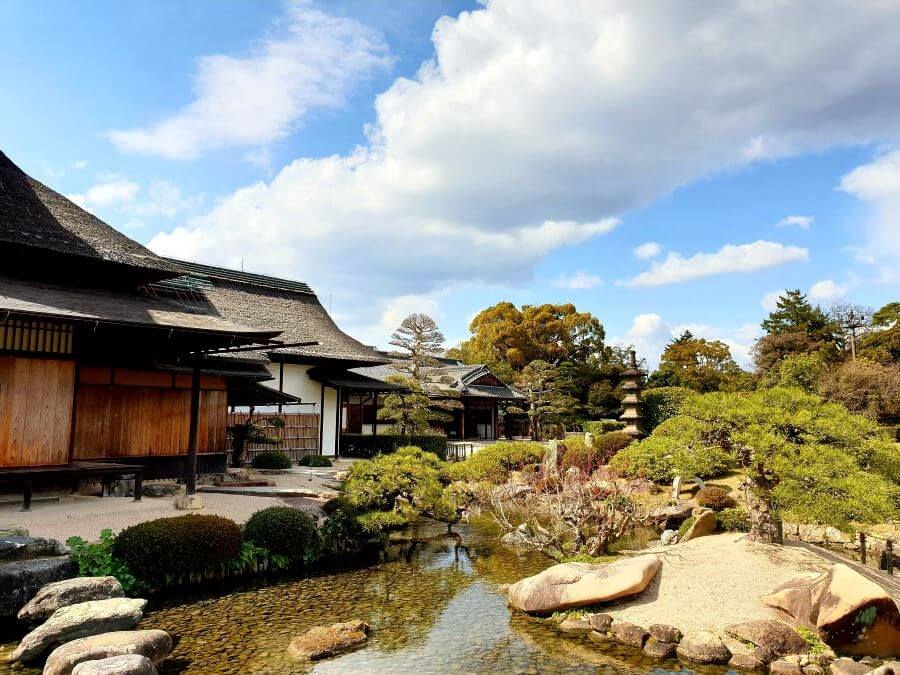
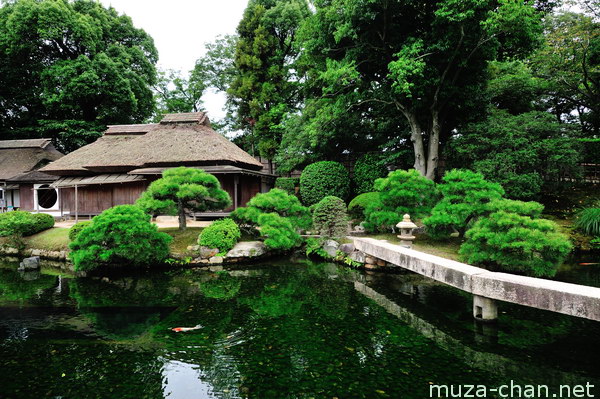
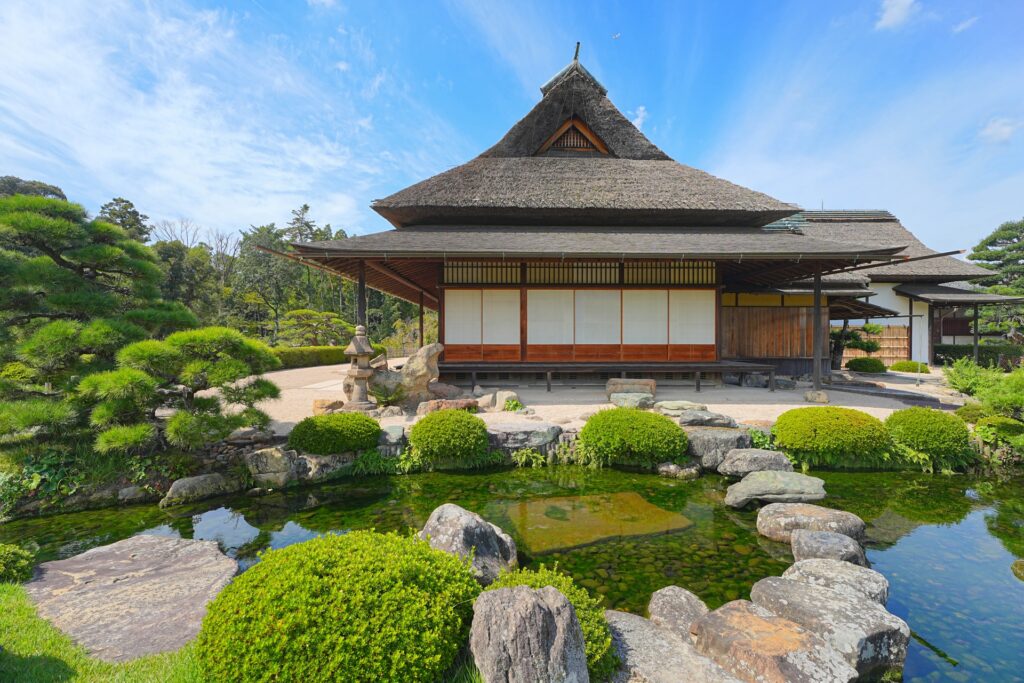
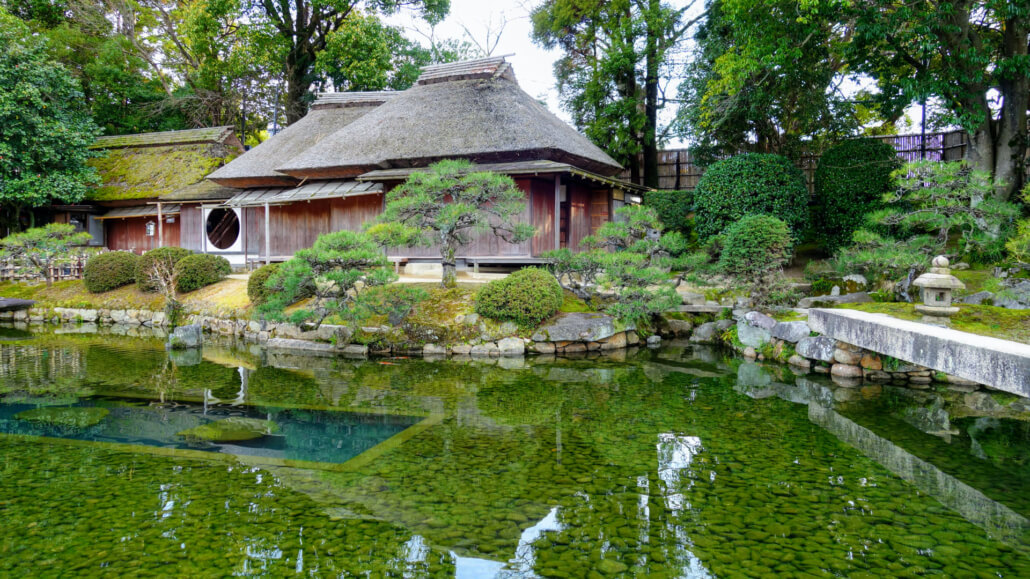
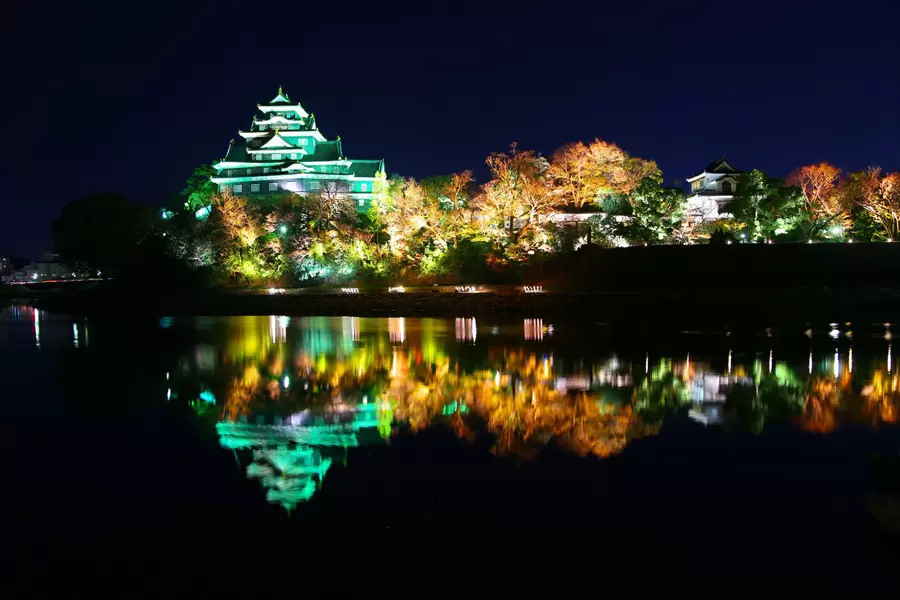
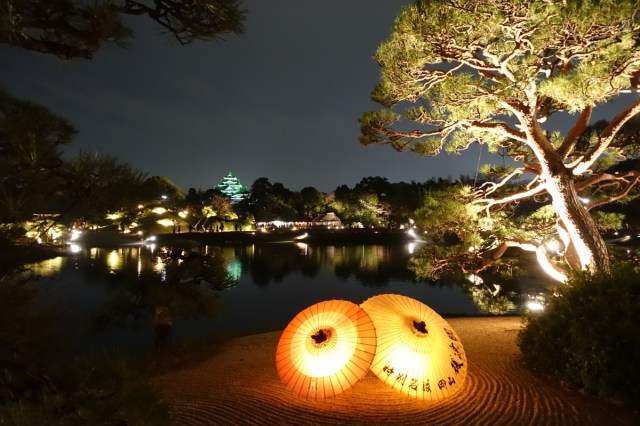
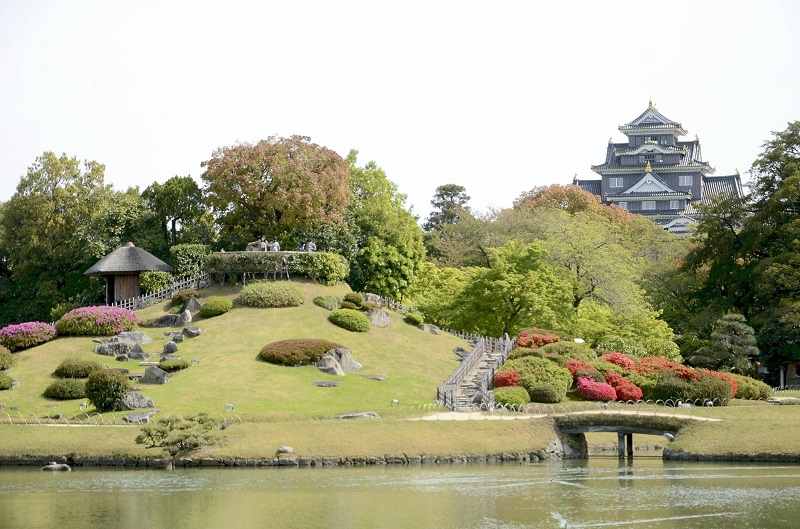
One of Japan's top three gardens (alongside Kenrokuen and Kairakuen). 13 hectares of tea fields, cherry groves, plum orchards, and winding streams. The view of Okayama Castle across the river is iconic.

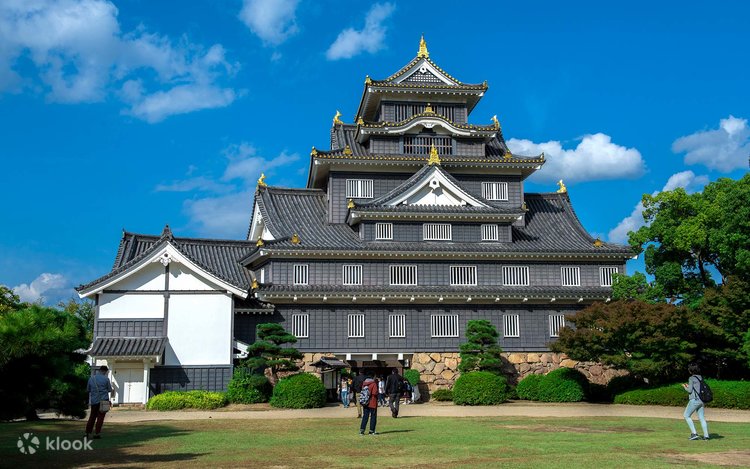
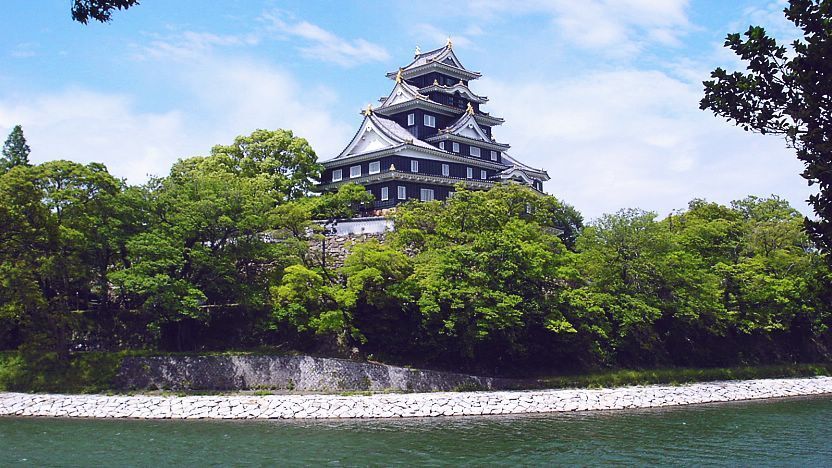
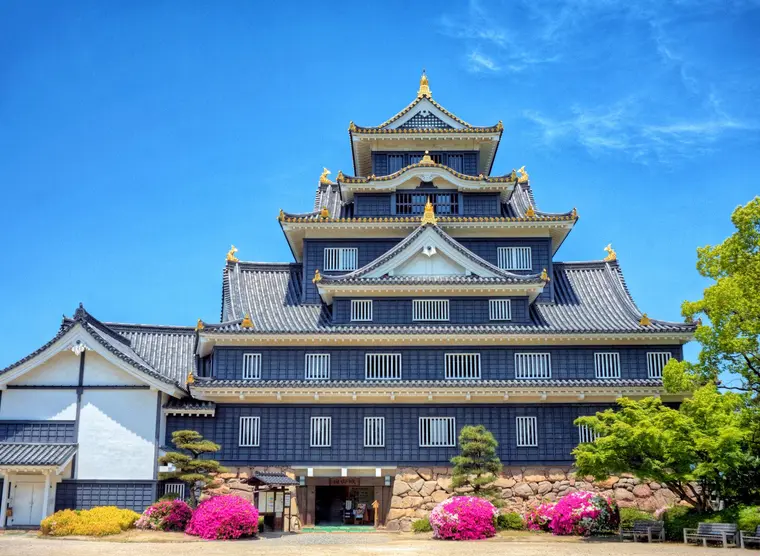
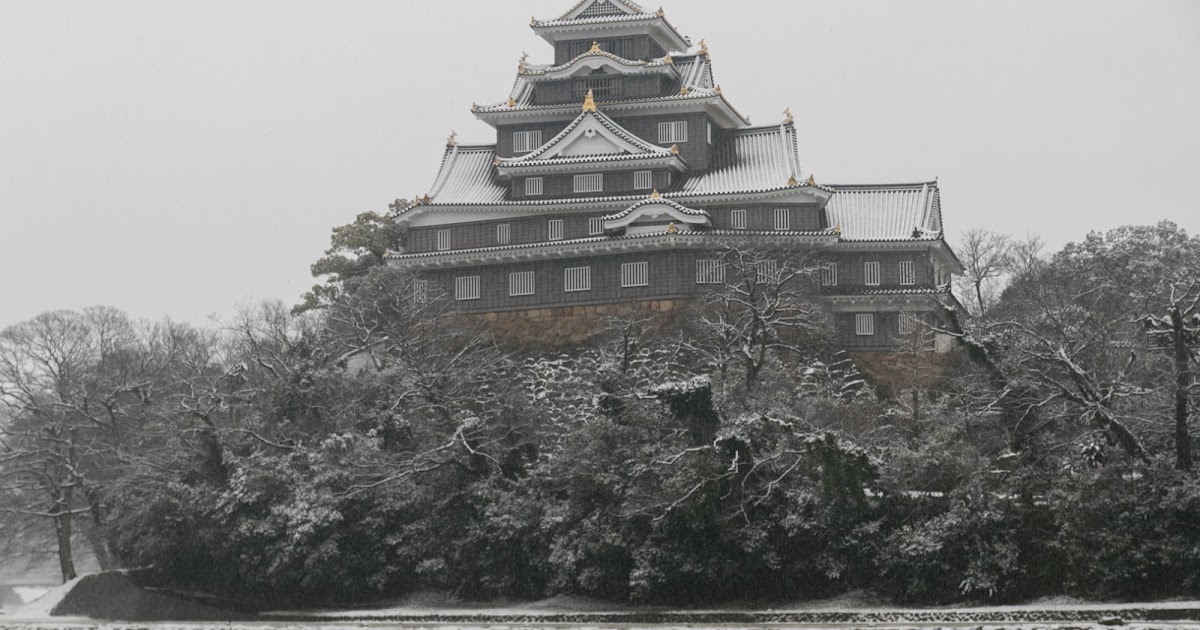
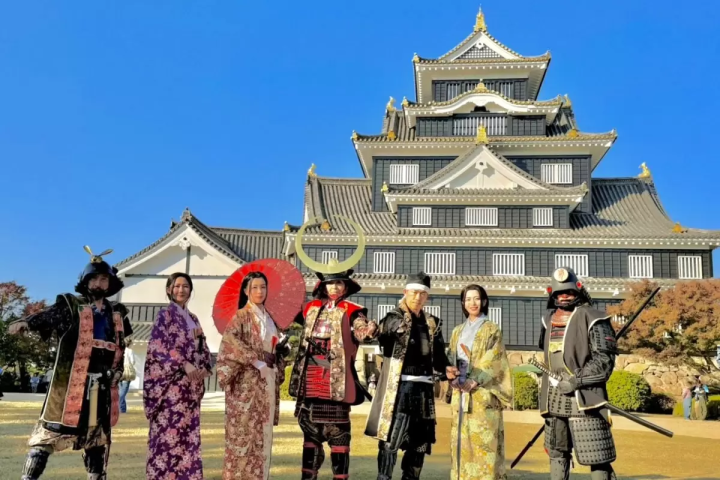
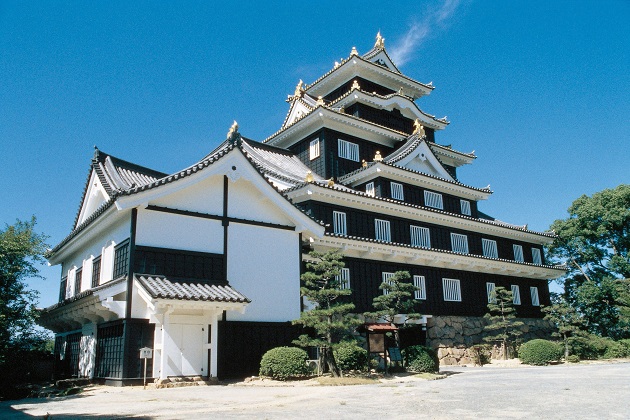
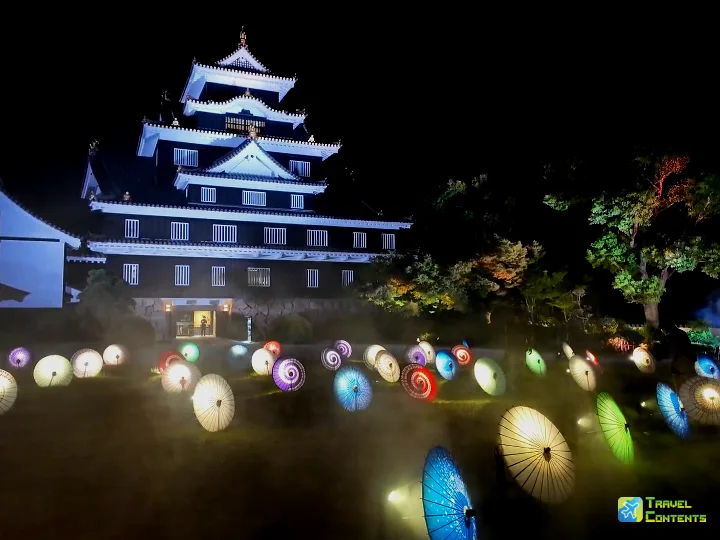
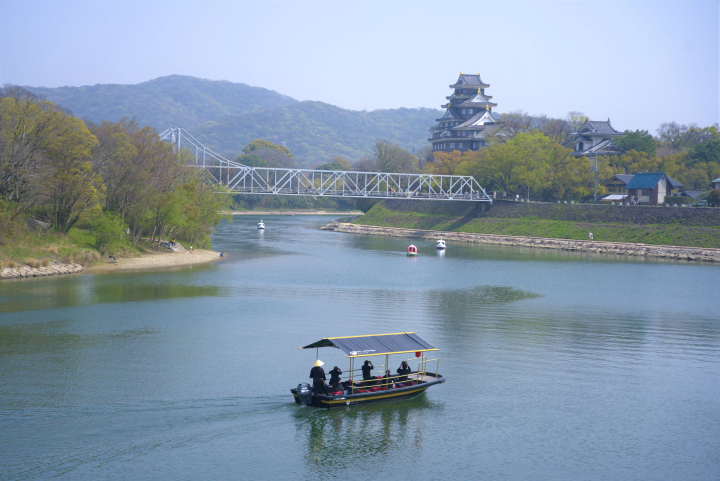
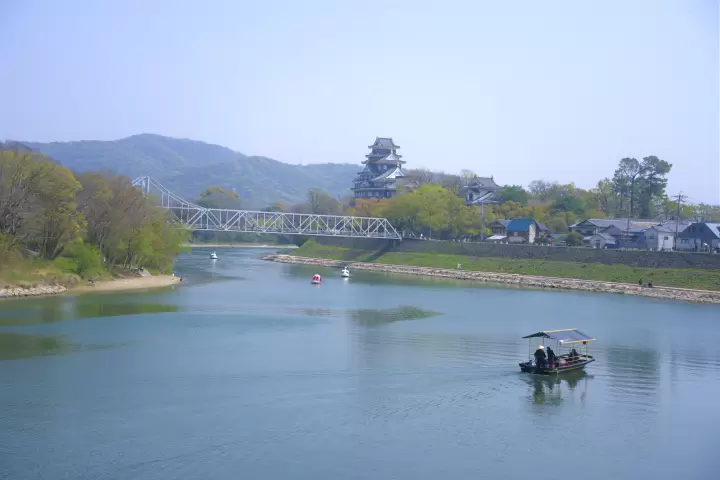
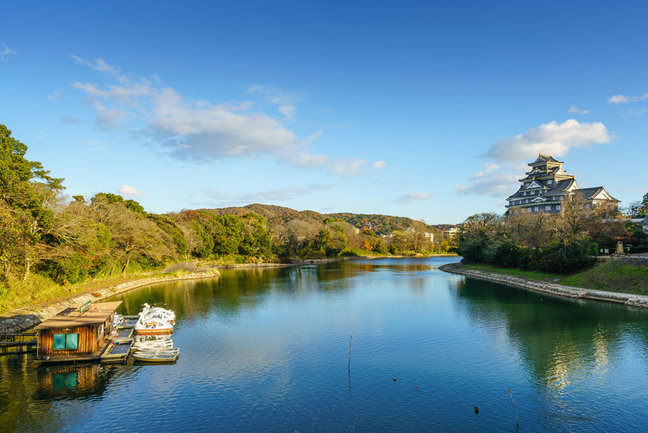
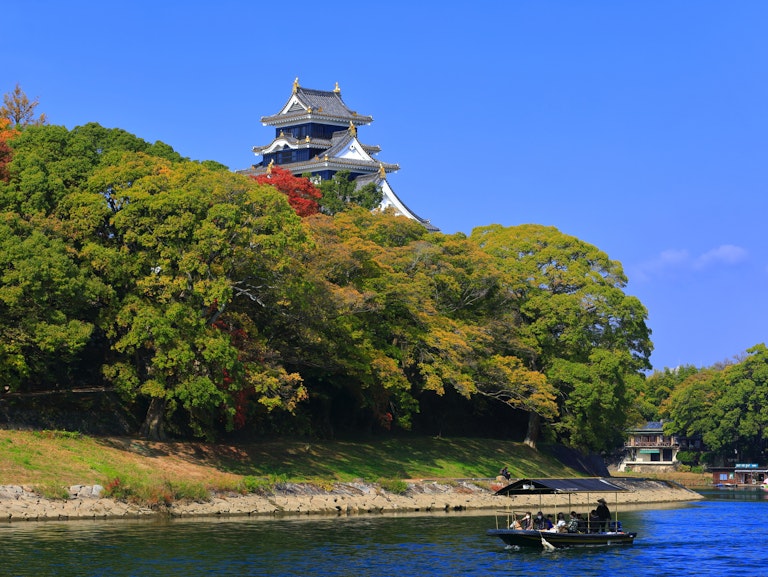
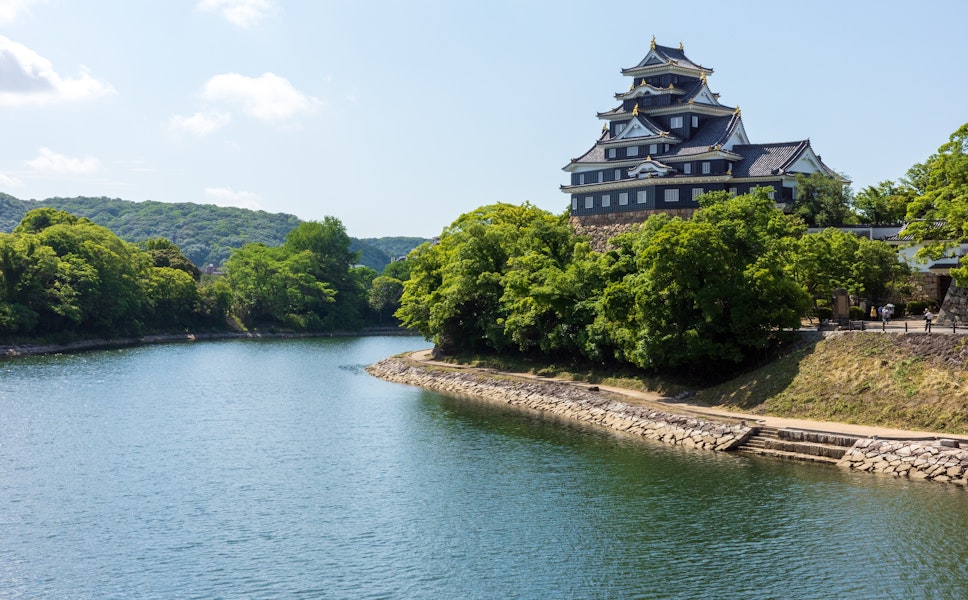
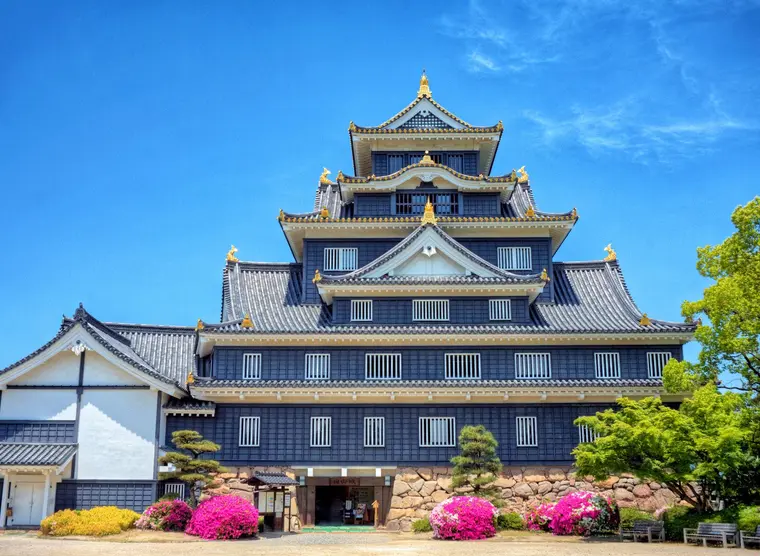
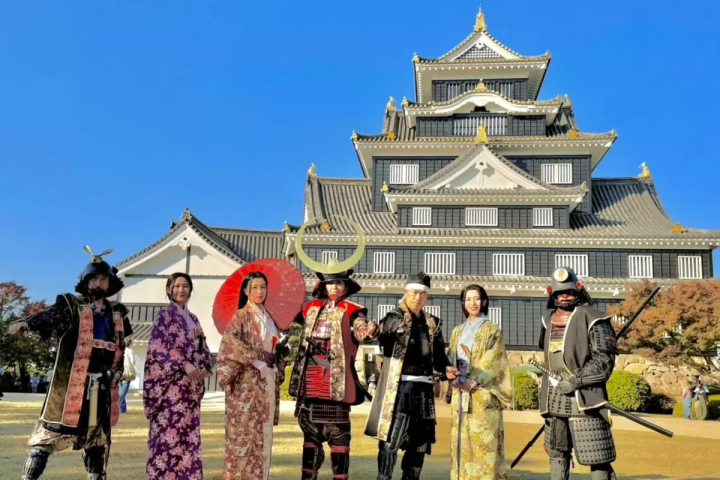
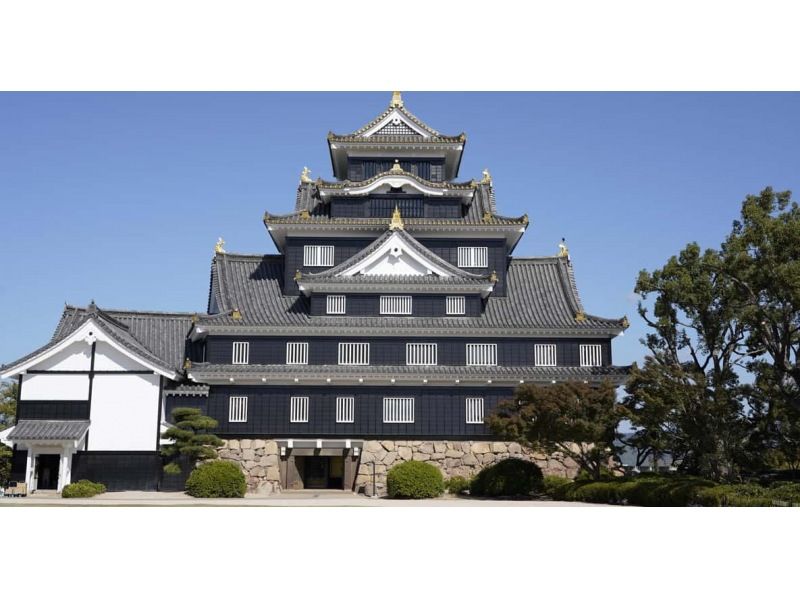
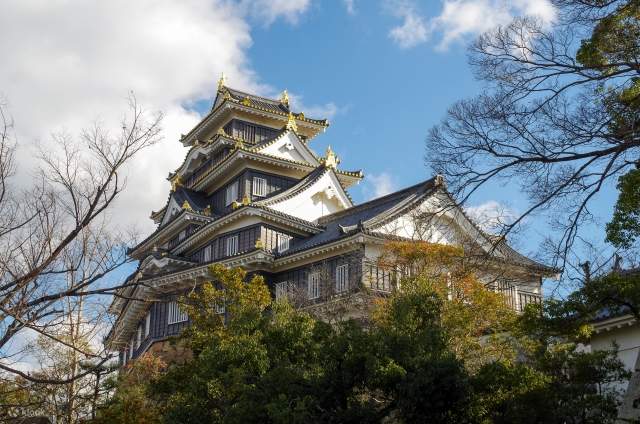
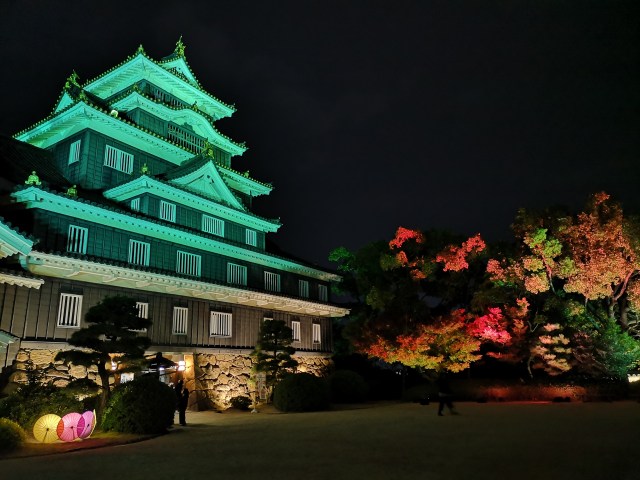
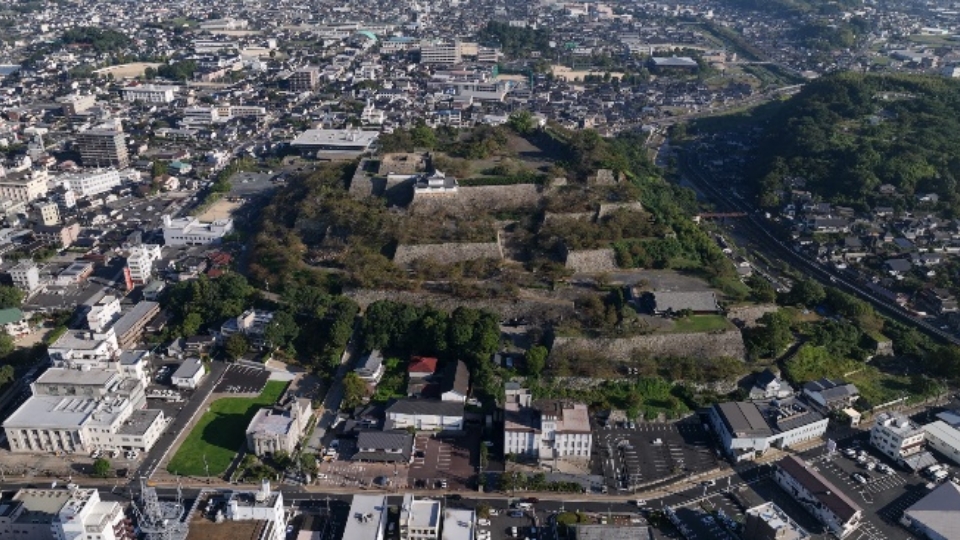
Black-lacquered castle nicknamed 'Crow Castle' for its dark walls. Contrasts beautifully with Korakuen Garden across the river. Reconstructed keep with museum exhibits and samurai costume rental.

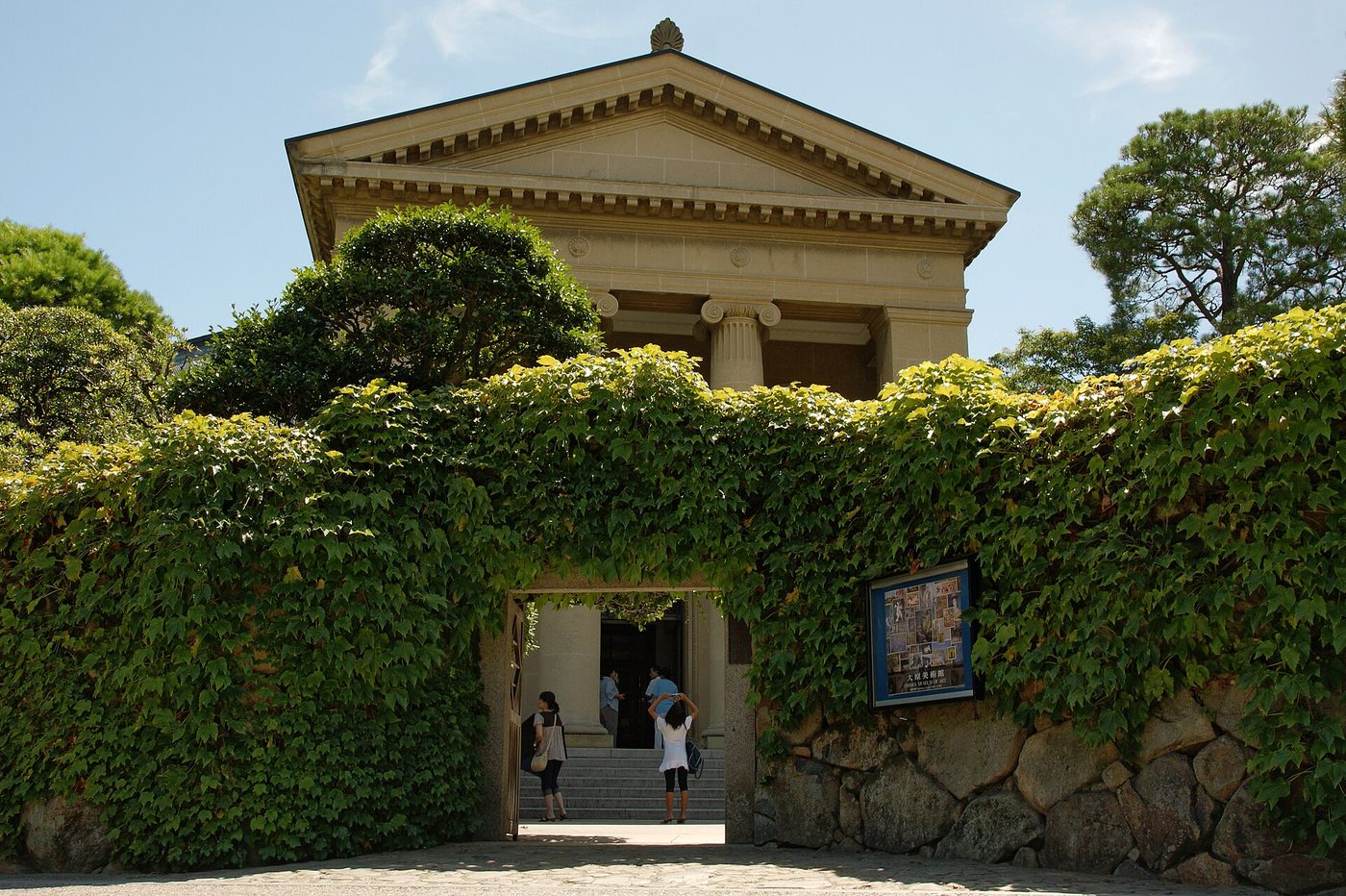
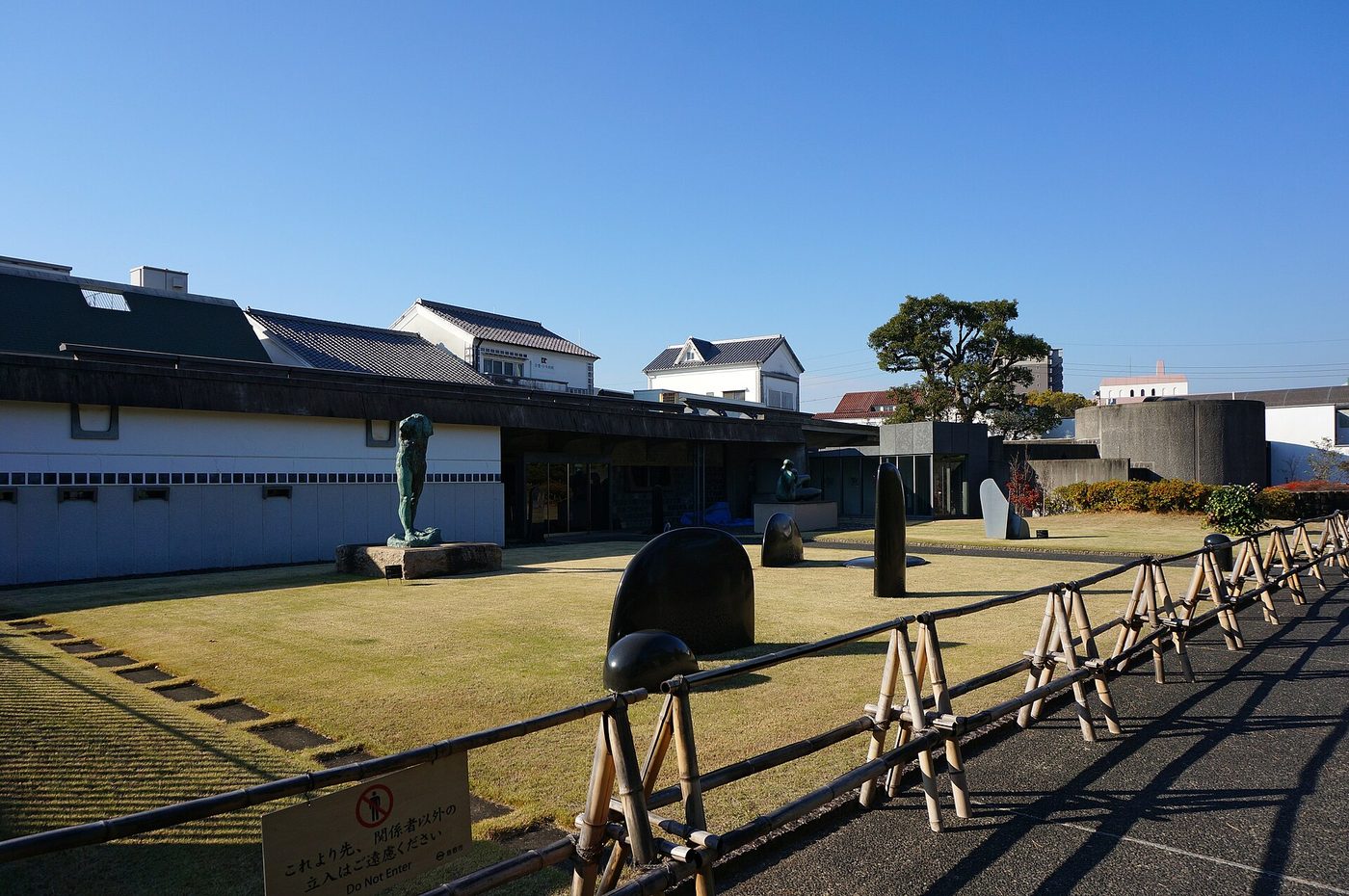
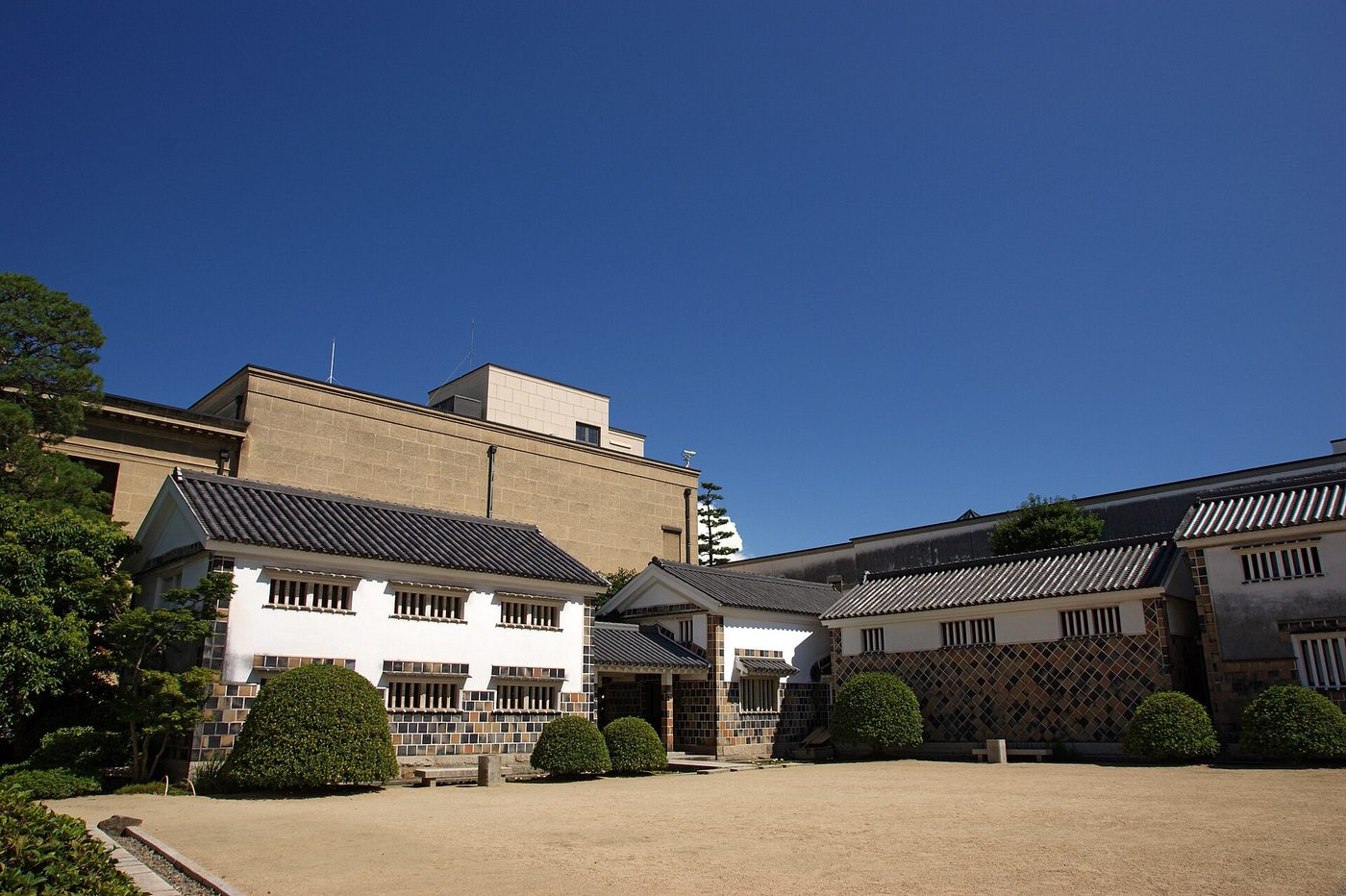
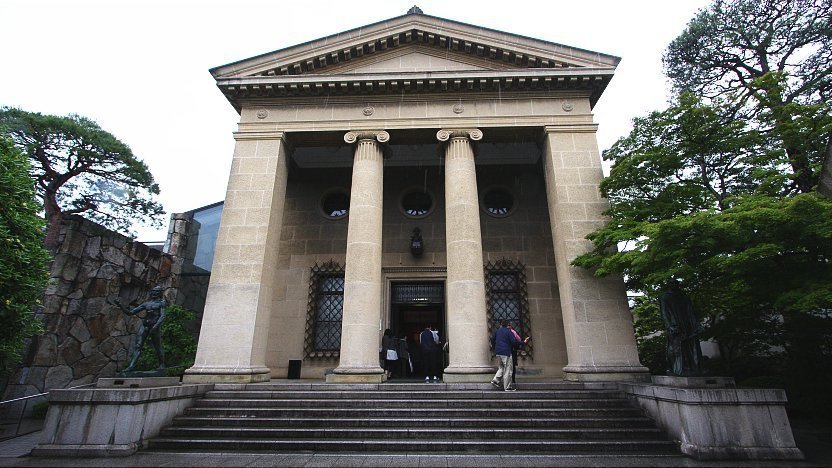
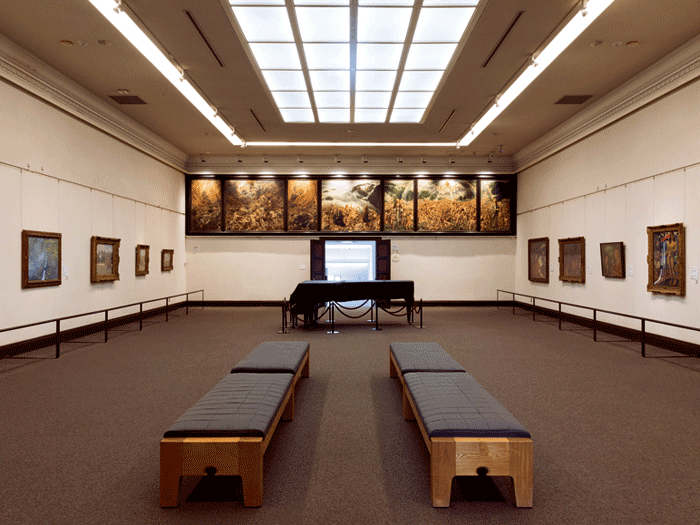
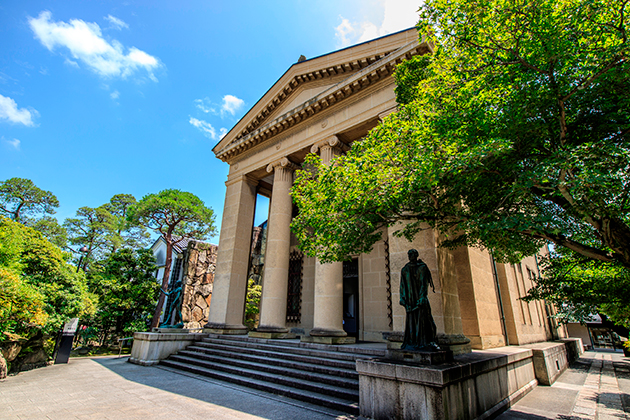
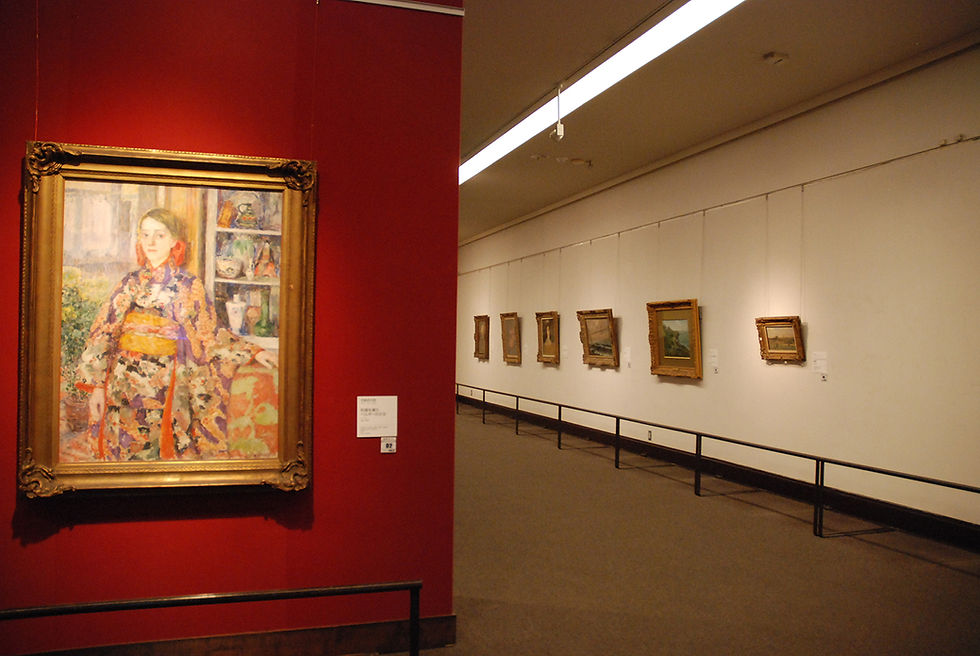
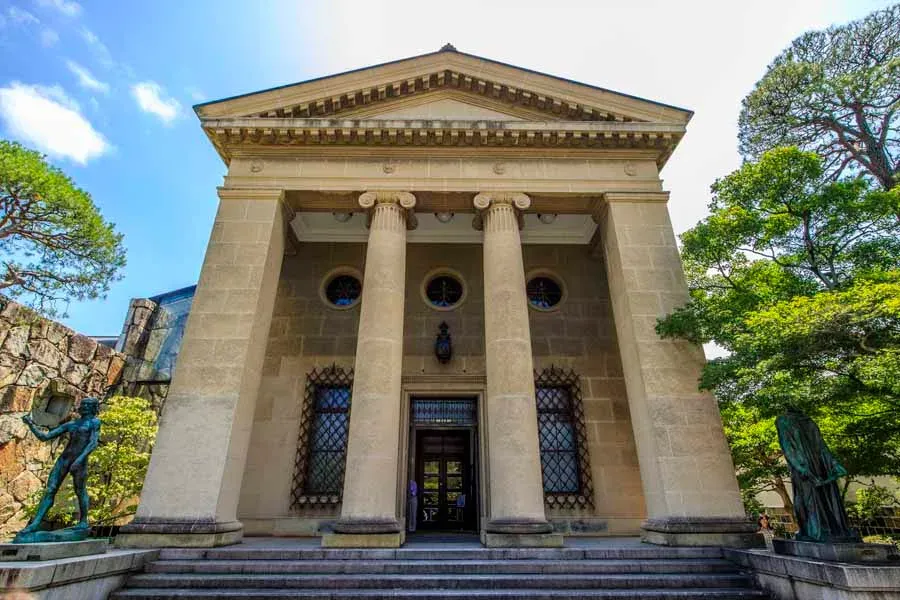
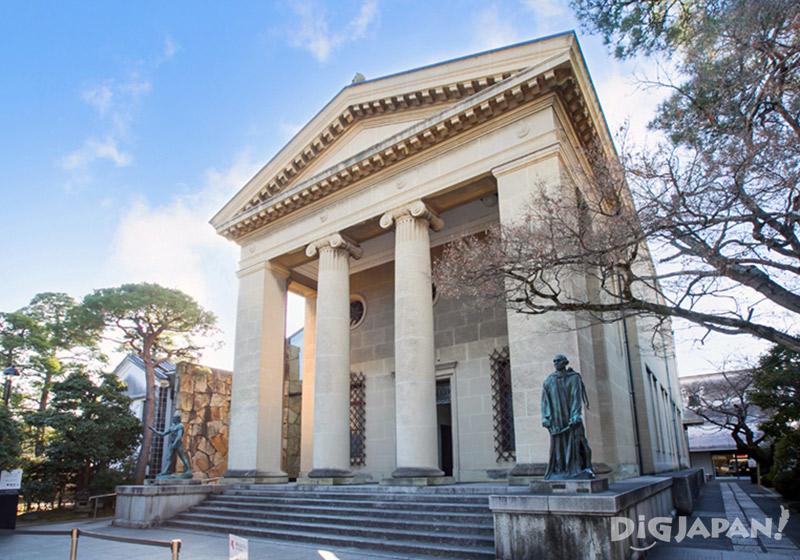
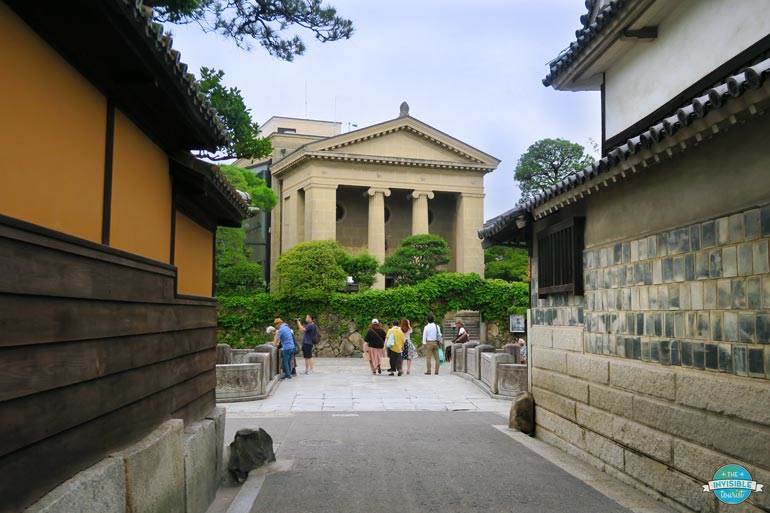
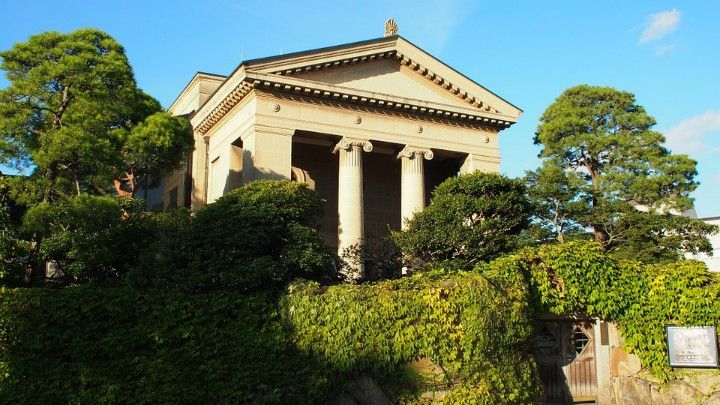
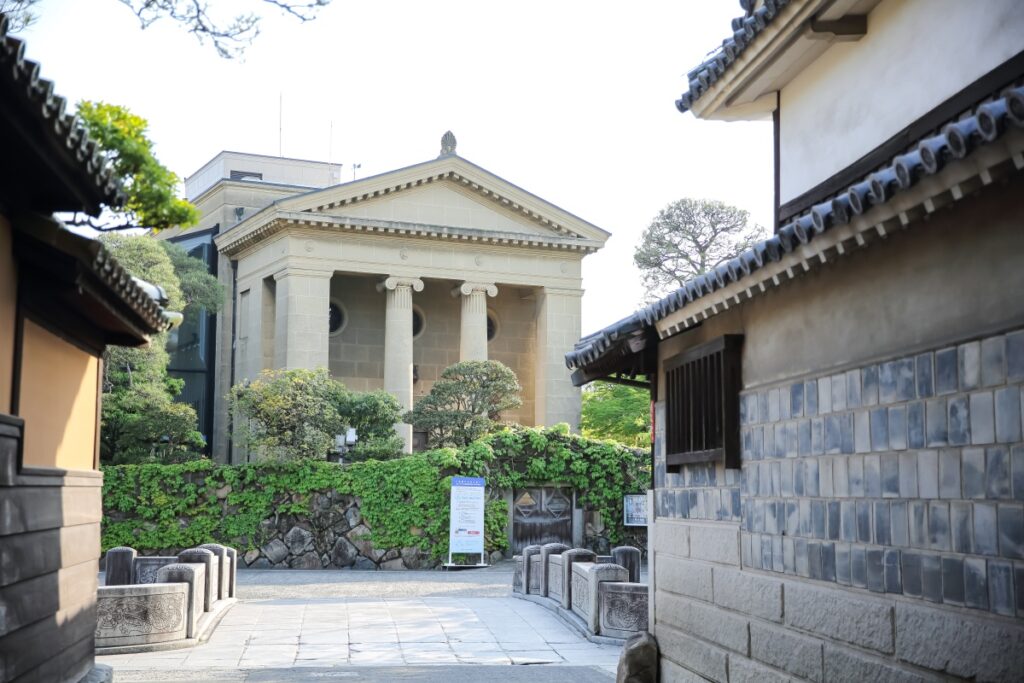
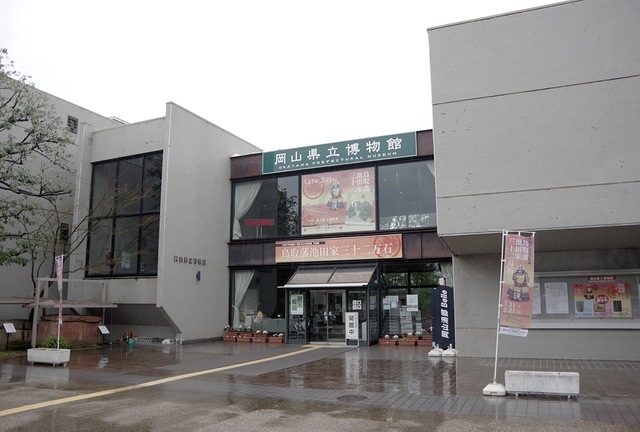
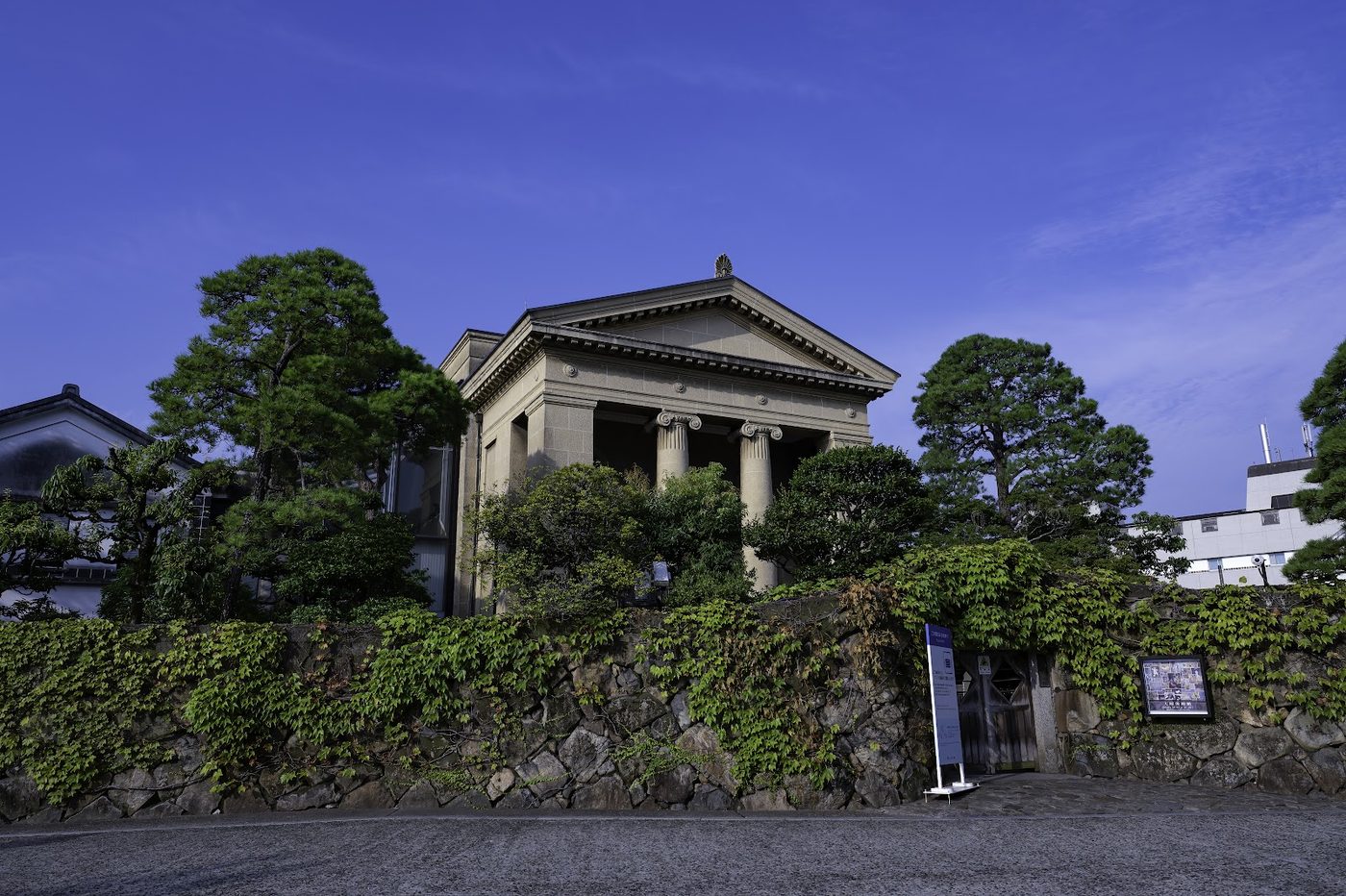
Japan's first museum of Western art (1930). Works by El Greco, Monet, Renoir, and Picasso in a Greek-temple-style building beside the Kurashiki canal. Surprising world-class collection.

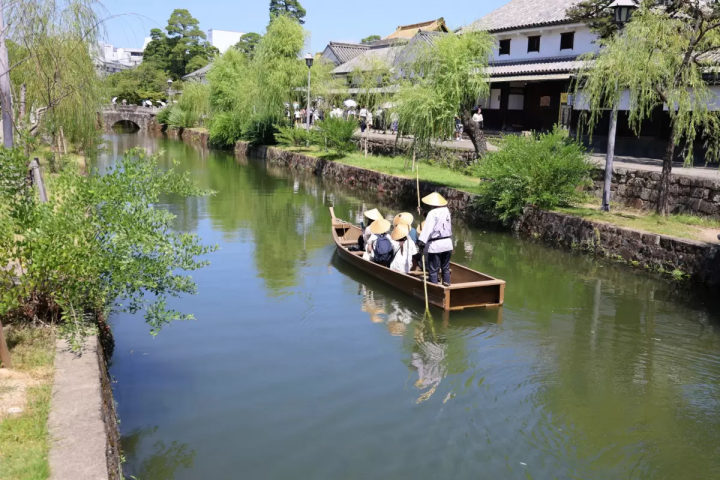
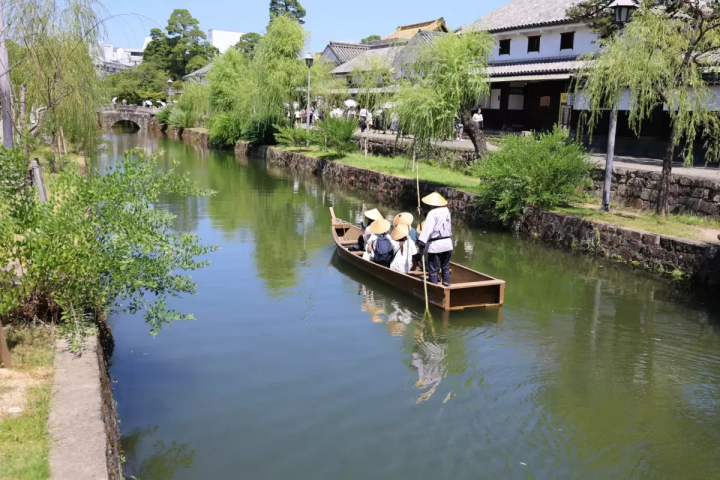
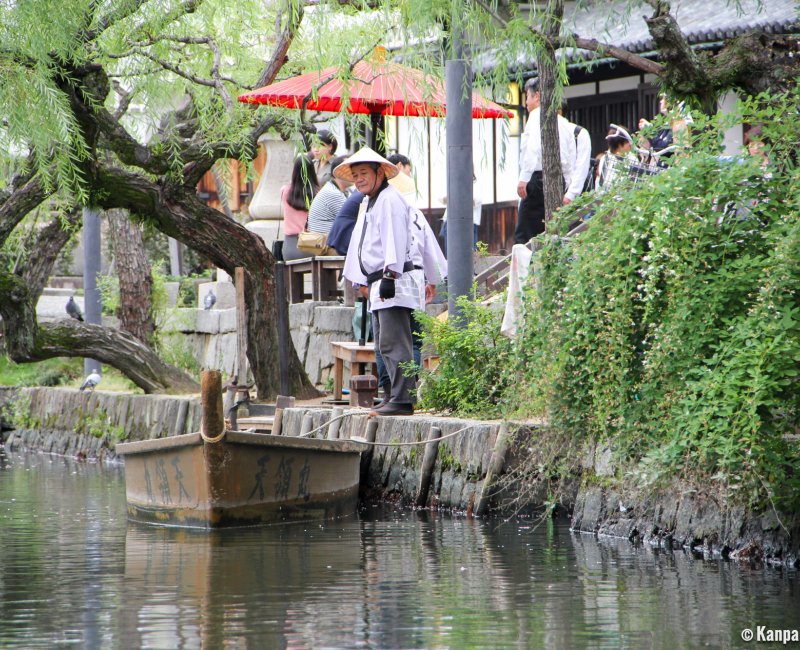
Traditional flat-bottomed boat ride along the willow-lined canal. The boatman poles through the historic district while narrating. 20-minute ride. Most magical at dusk or during wisteria season.
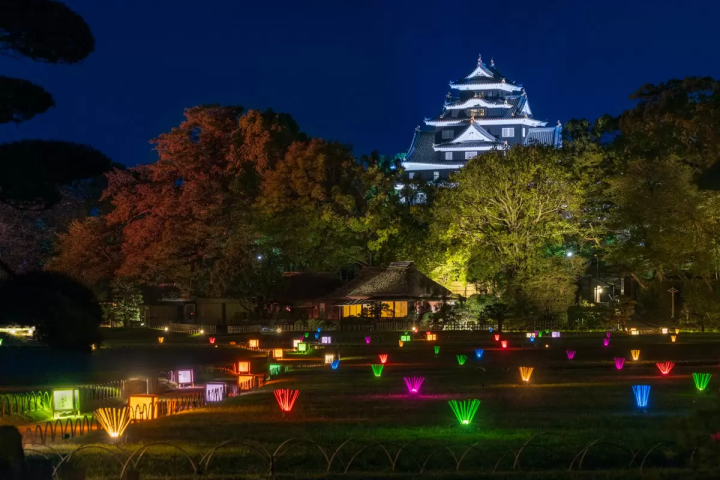
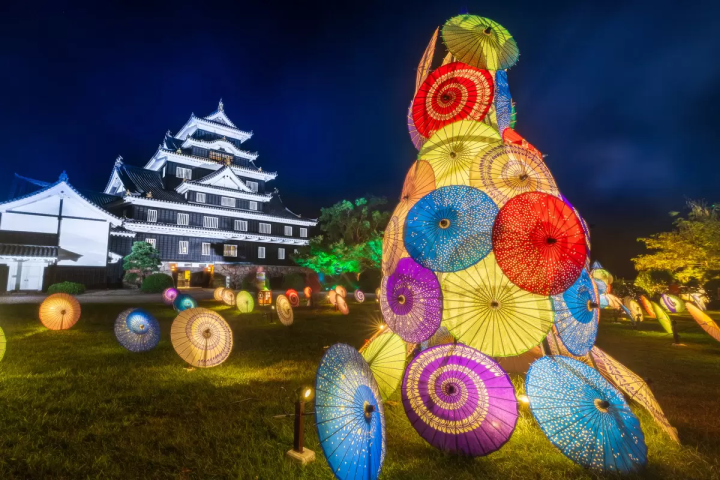
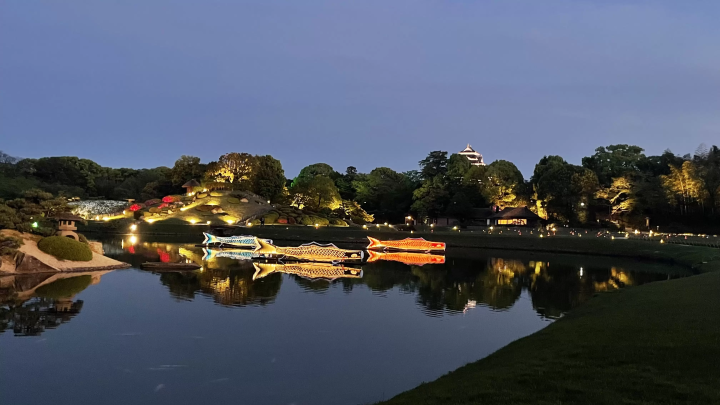
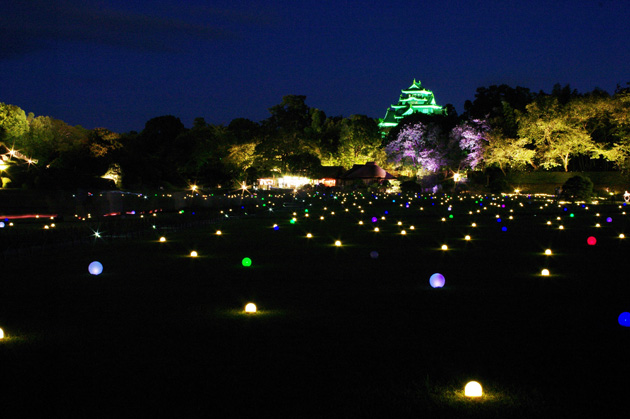
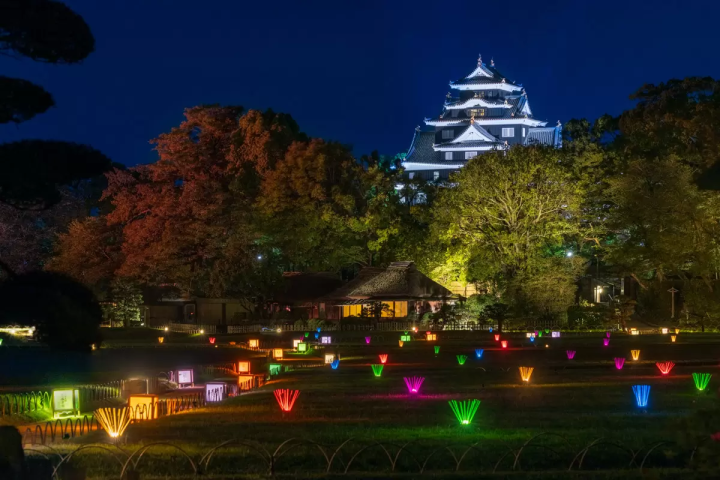
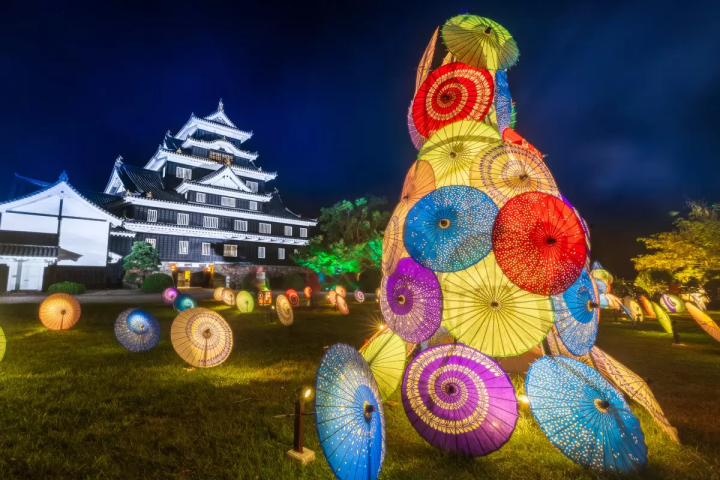
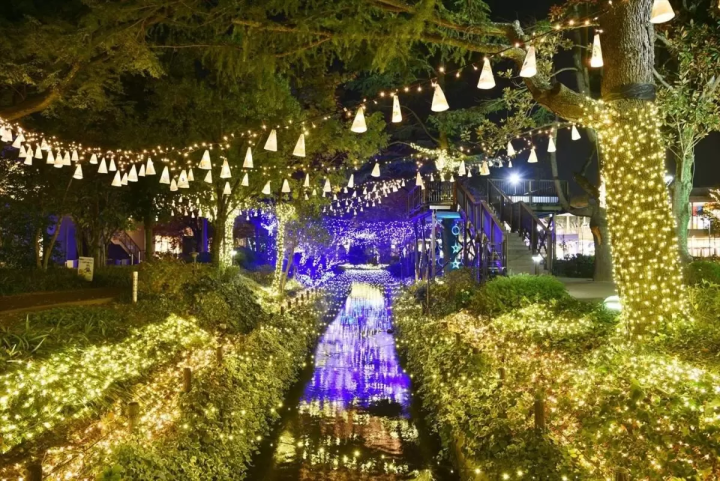
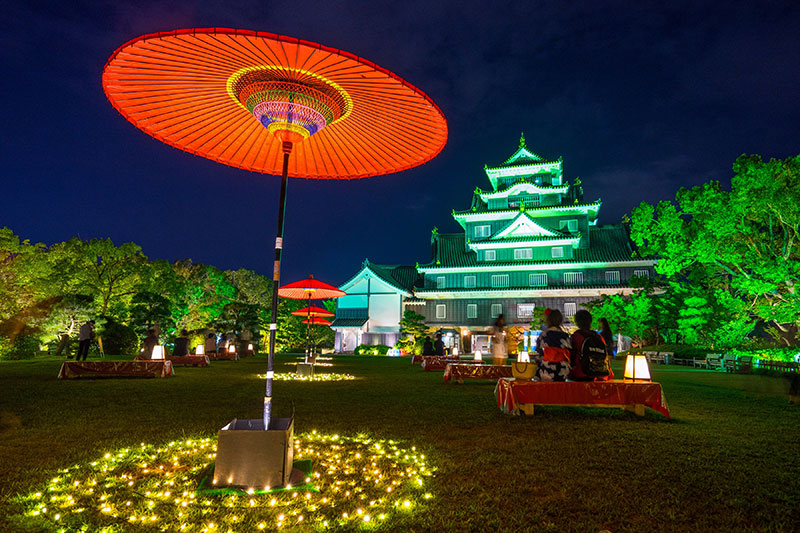
During spring, summer, and autumn, Korakuen Garden opens at night with stunning illuminations. Cherry blossoms, lotus ponds, and tea fields glow with colored light. Magical atmosphere.

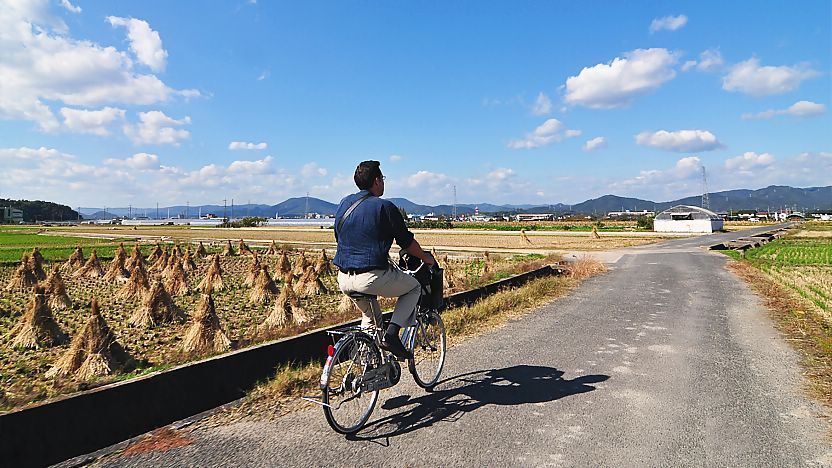
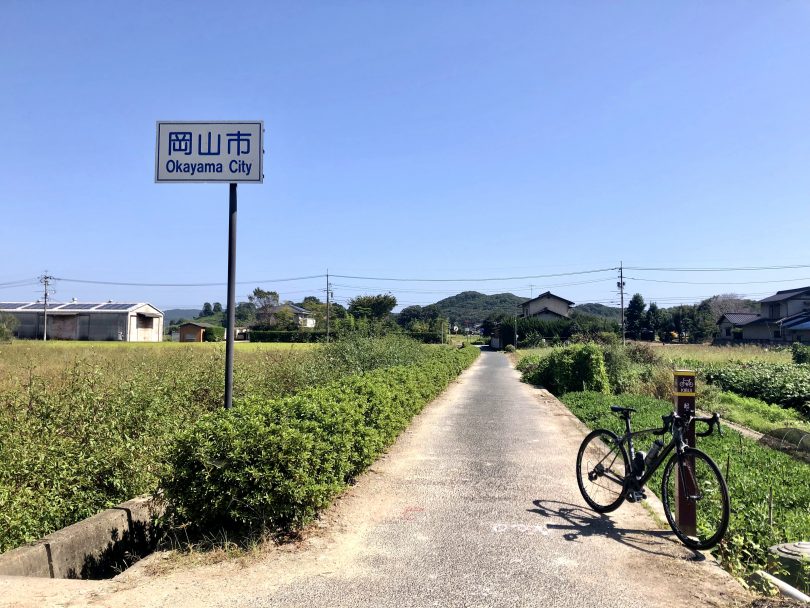
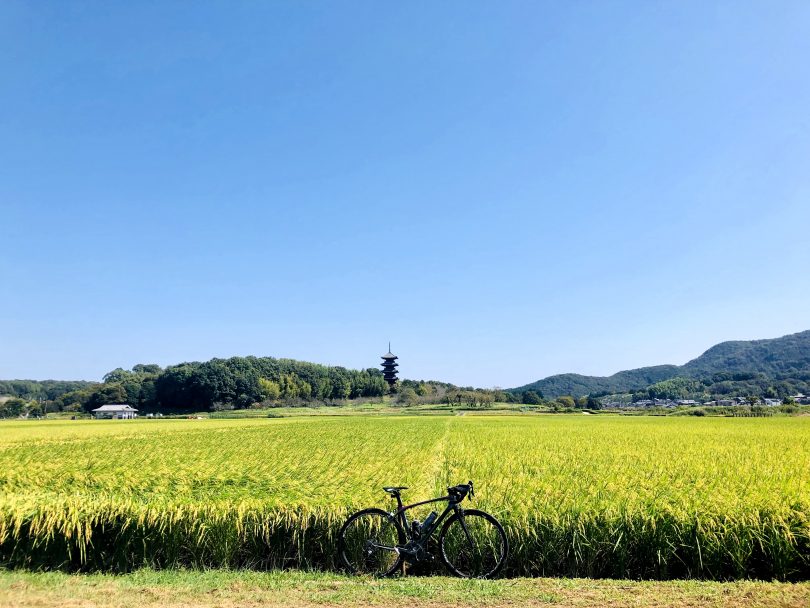
26km cycling path through the ancient Kibi Plain. Pass shrines, kofun burial mounds, and rice paddies. Flat and easy riding. Rental bikes available at JR Bizen-Ichinomiya Station.
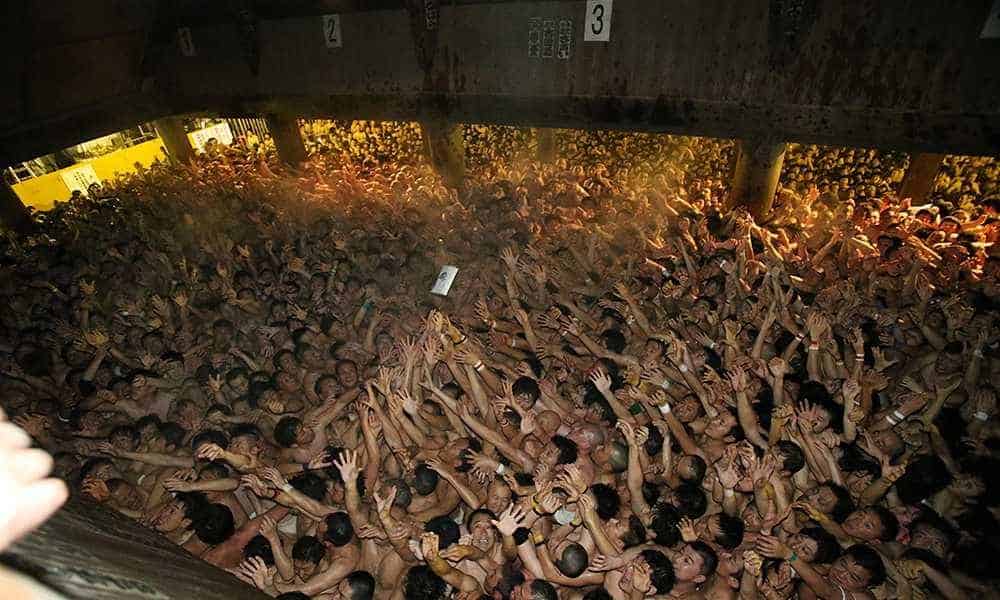
One of Japan's most extraordinary festivals (February). Thousands of men in loincloths scramble for sacred sticks thrown by a priest in the dark. Raw primal energy. Major cultural event.

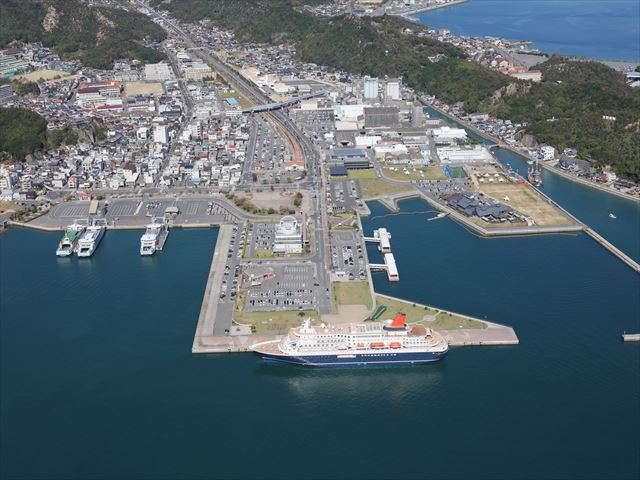
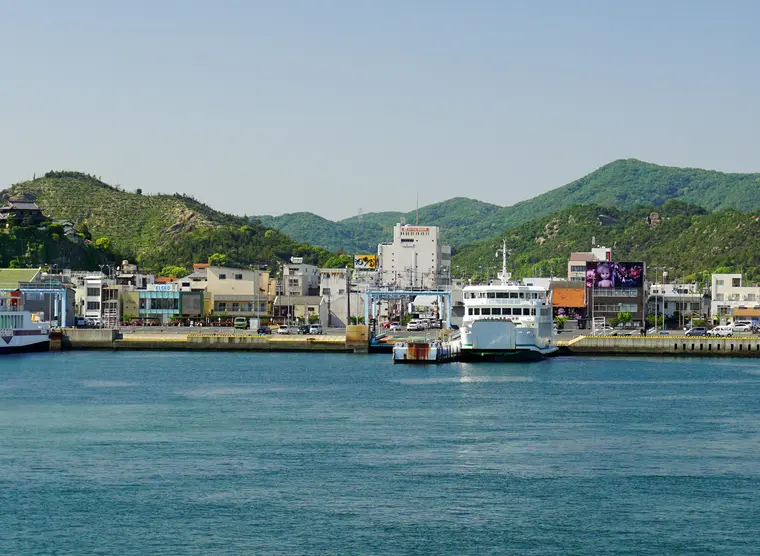
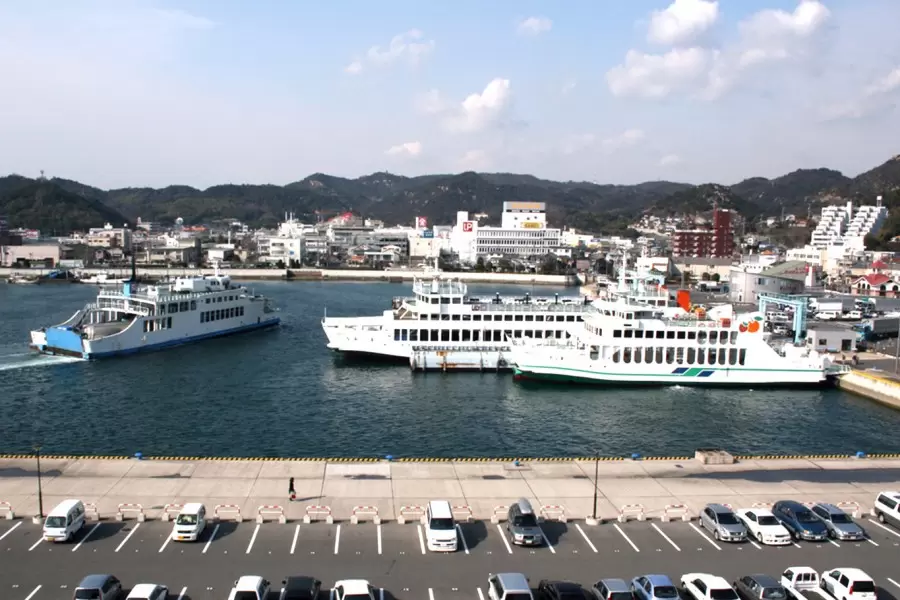
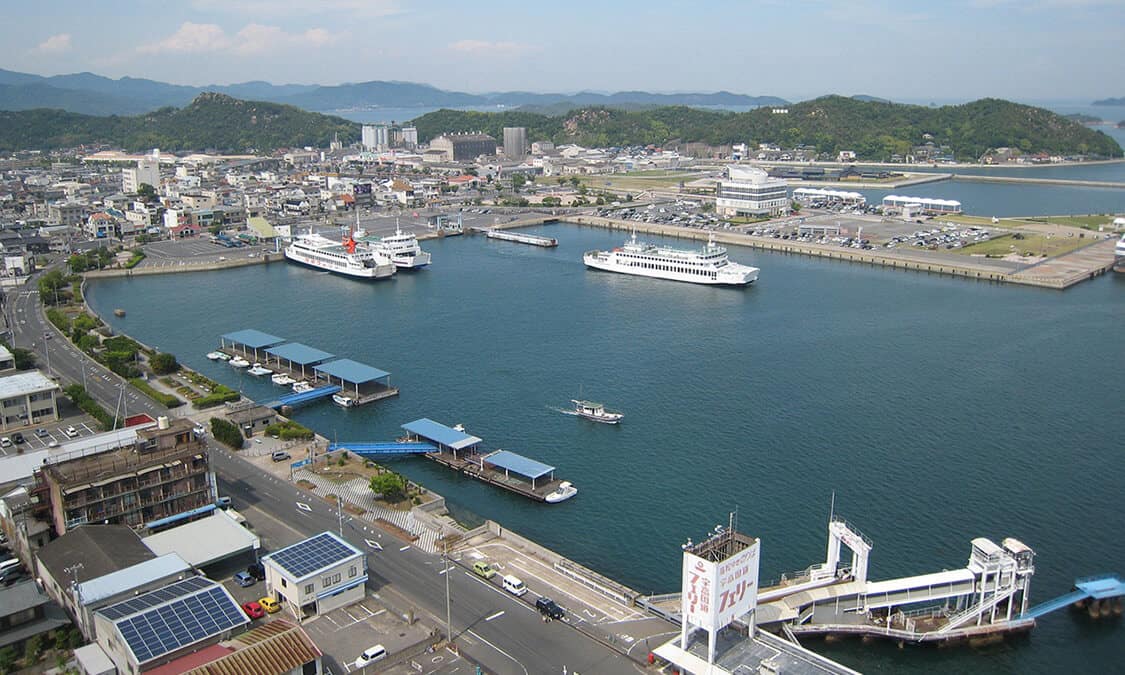
Ferry port to Naoshima and Teshima art islands. The port itself has outdoor art installations. Accessible from Okayama in 50 minutes by train. Gateway to the Seto Inland Sea islands.

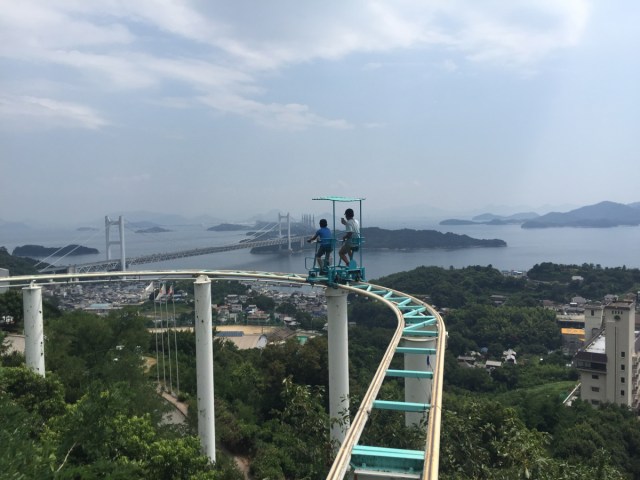
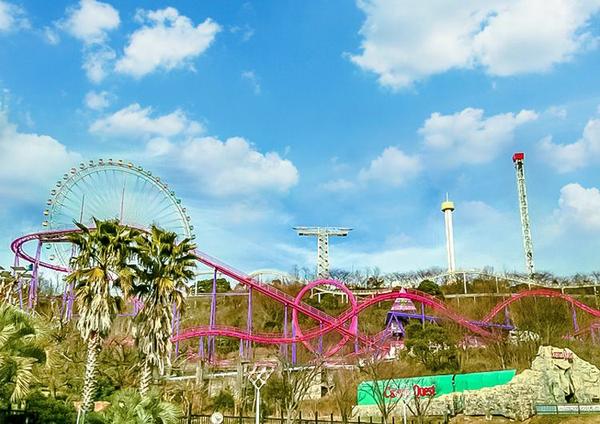
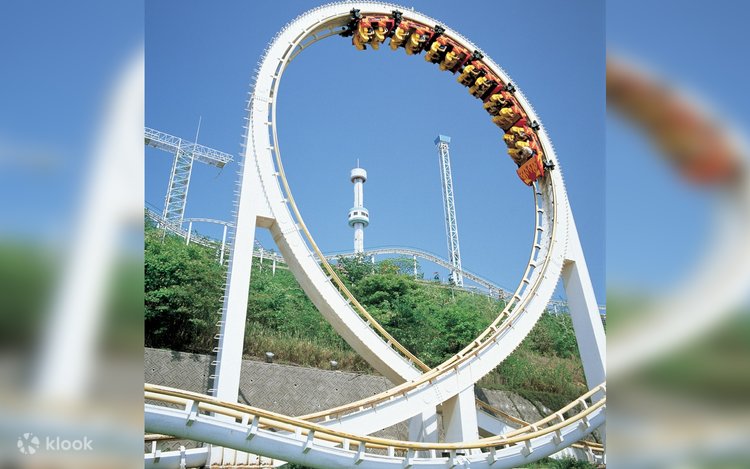
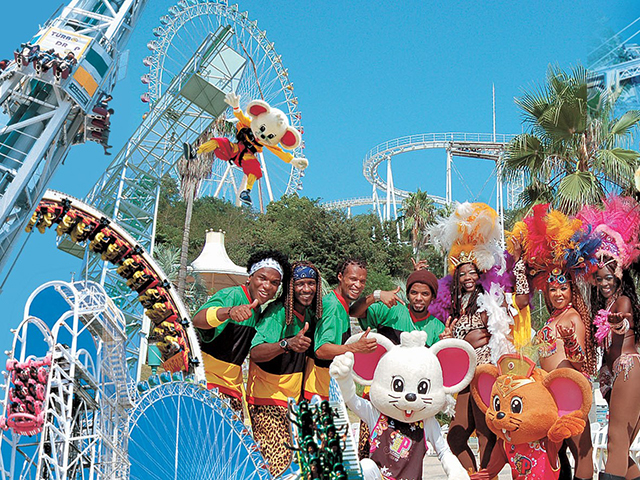
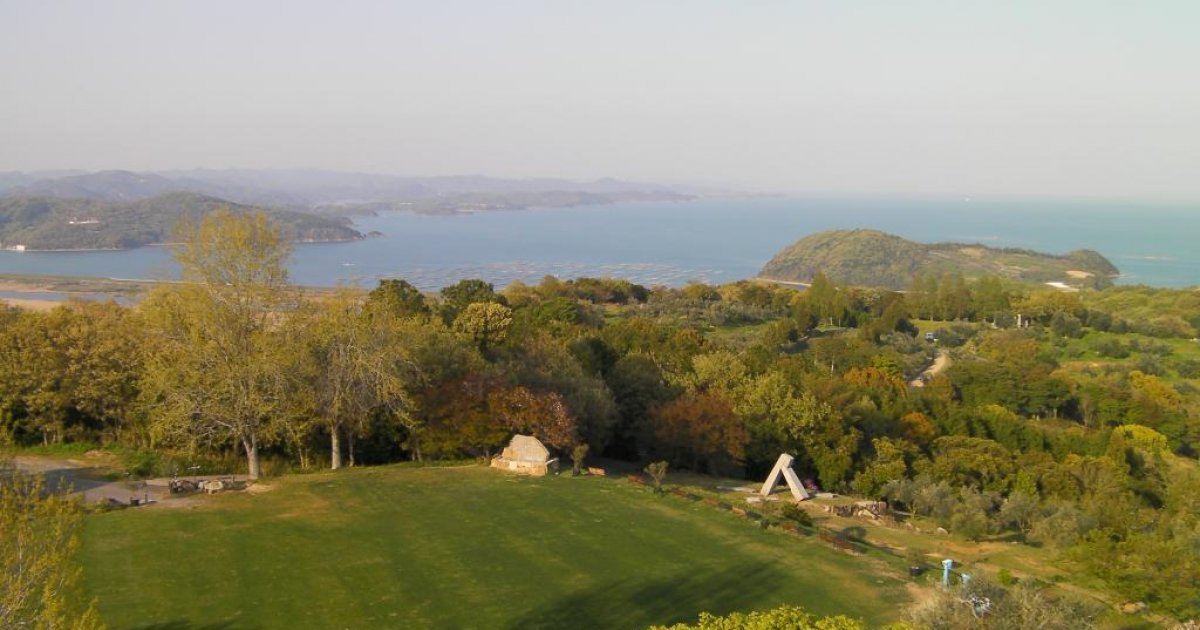
Hilltop viewpoint overlooking the Great Seto Bridge connecting Honshu to Shikoku. Panoramic views of the Seto Inland Sea dotted with islands. There is also a retro amusement park.

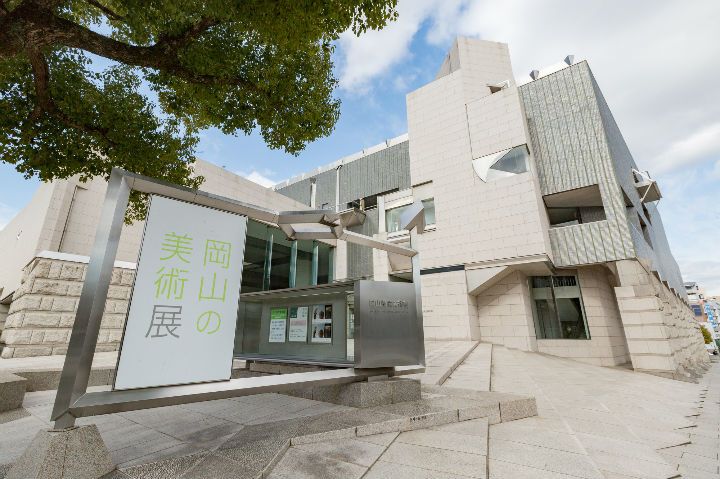
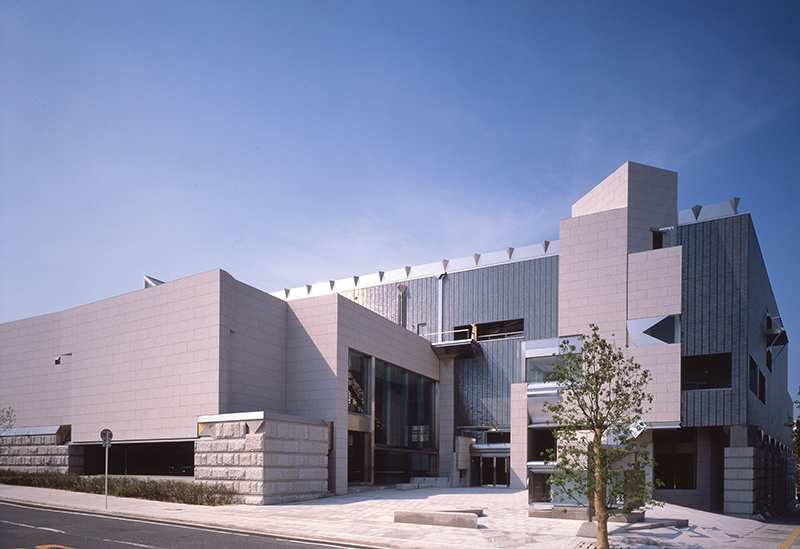
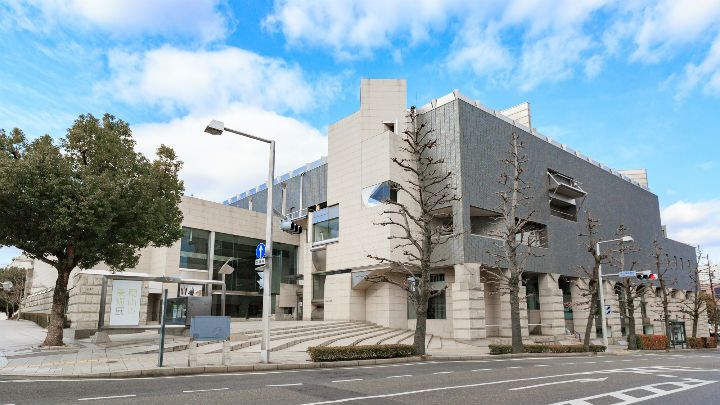
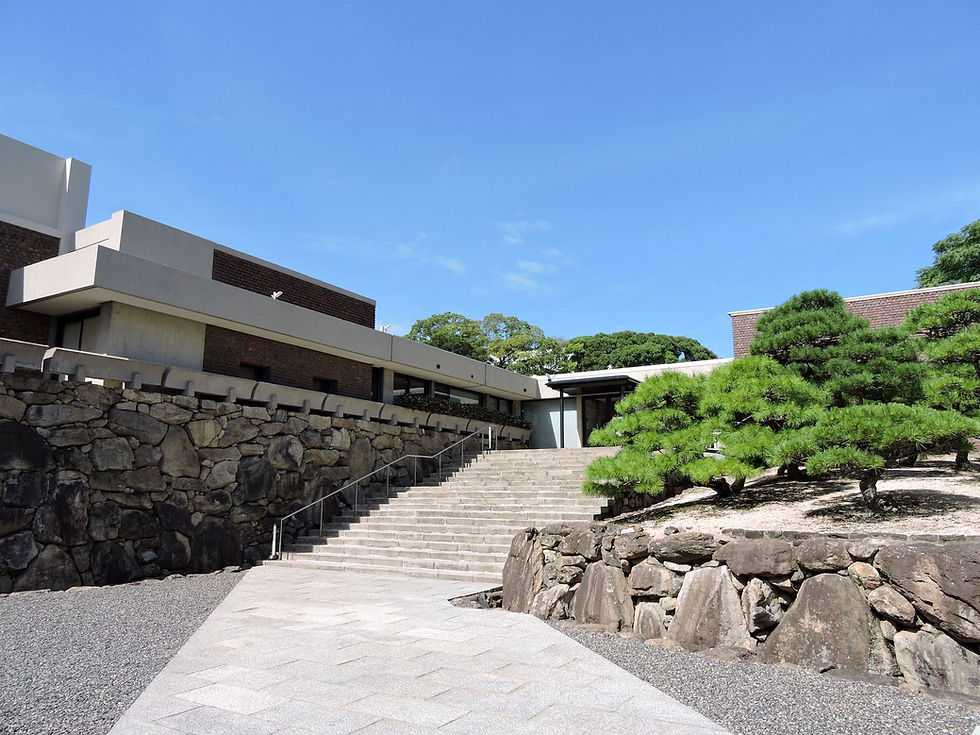
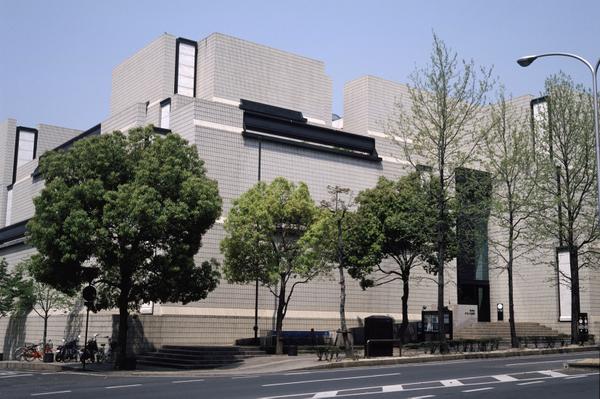
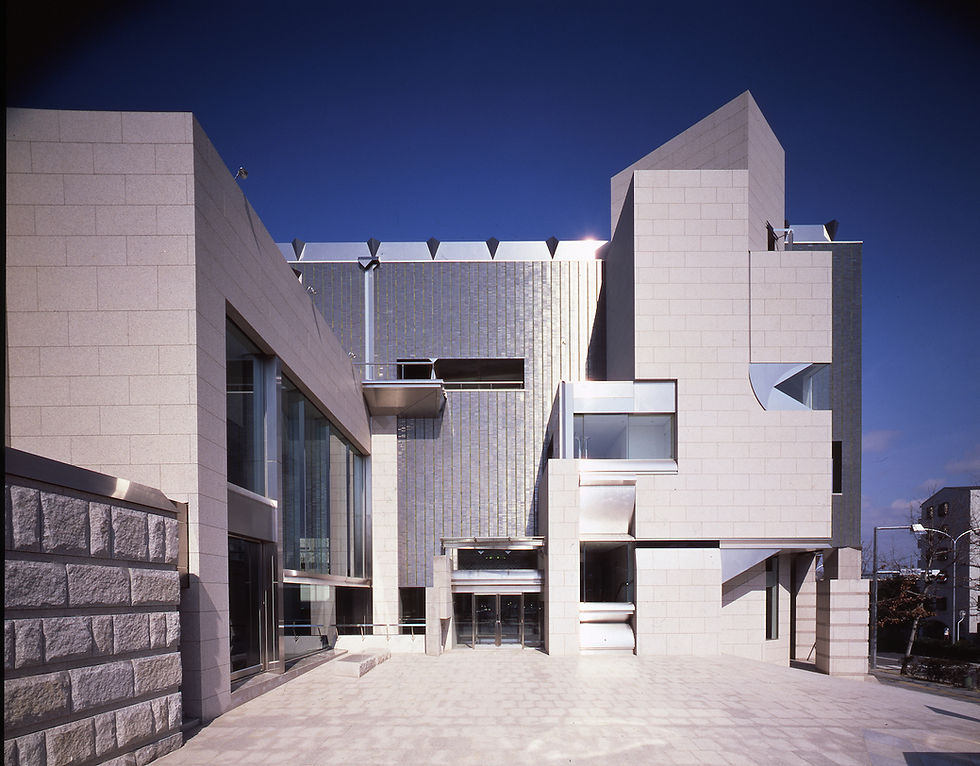
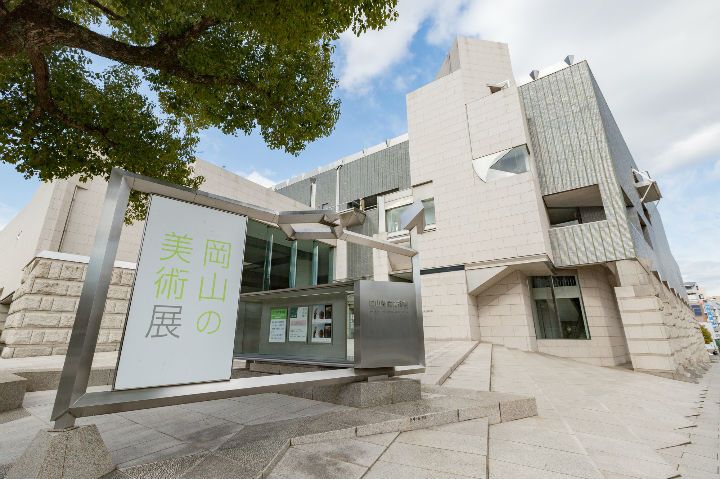
Collection focused on artists connected to Okayama. Paintings by Yumeji Takehisa (Art Nouveau illustrator from Okayama). Modern building with a pleasant sculpture garden.

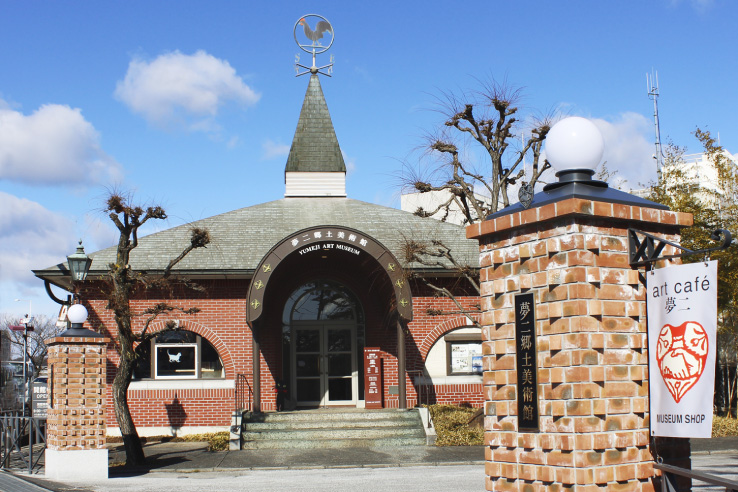
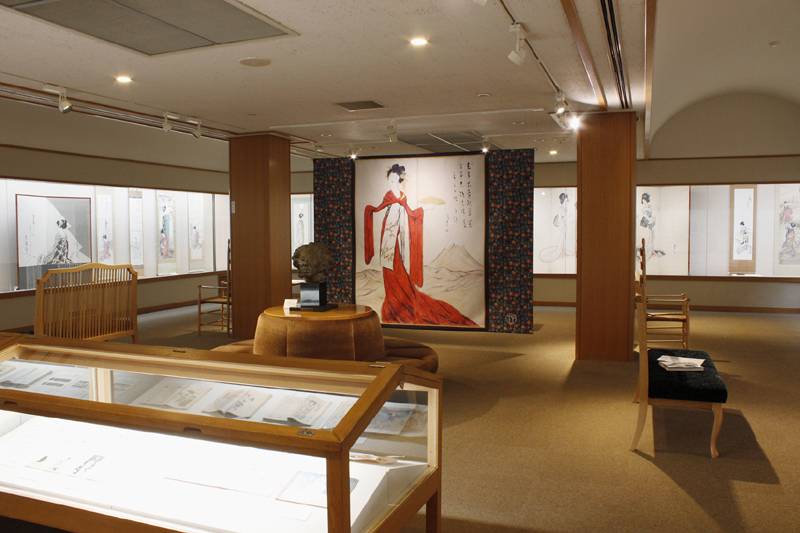
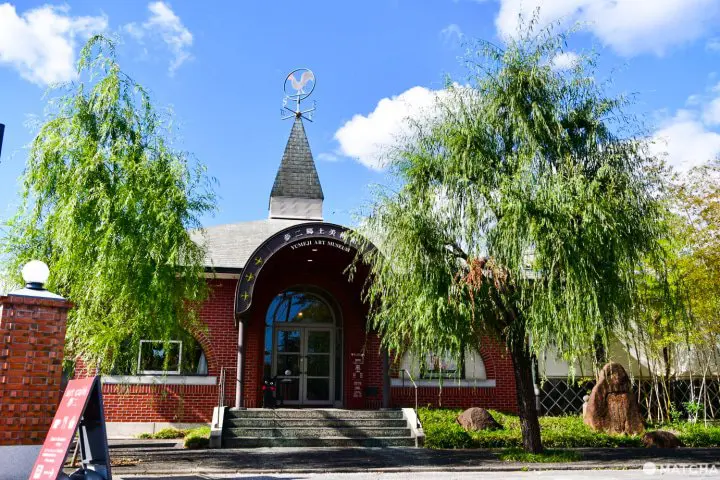
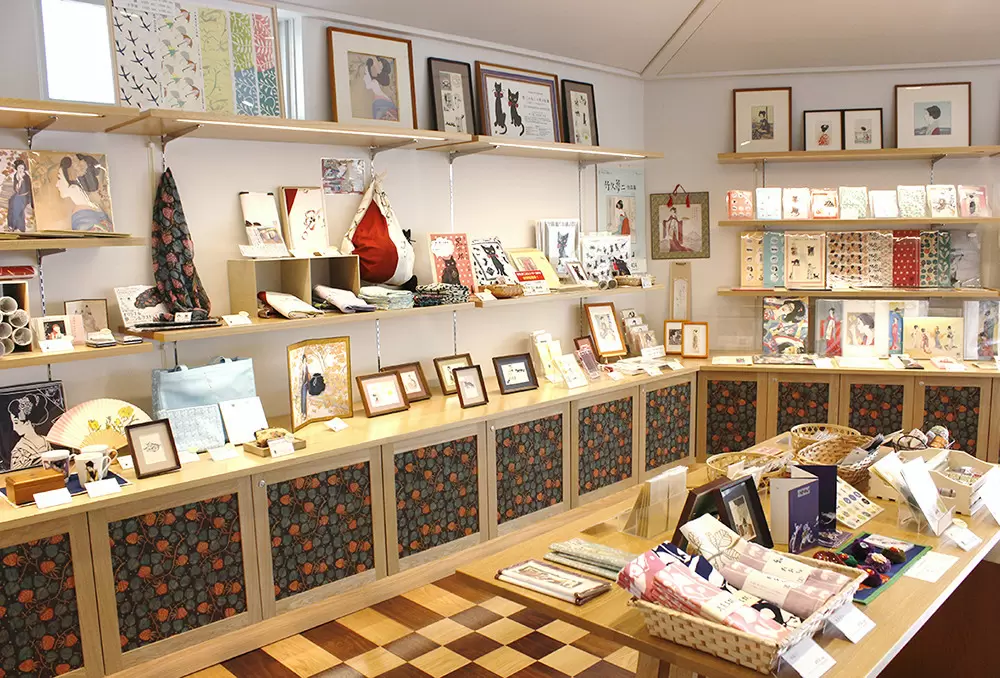
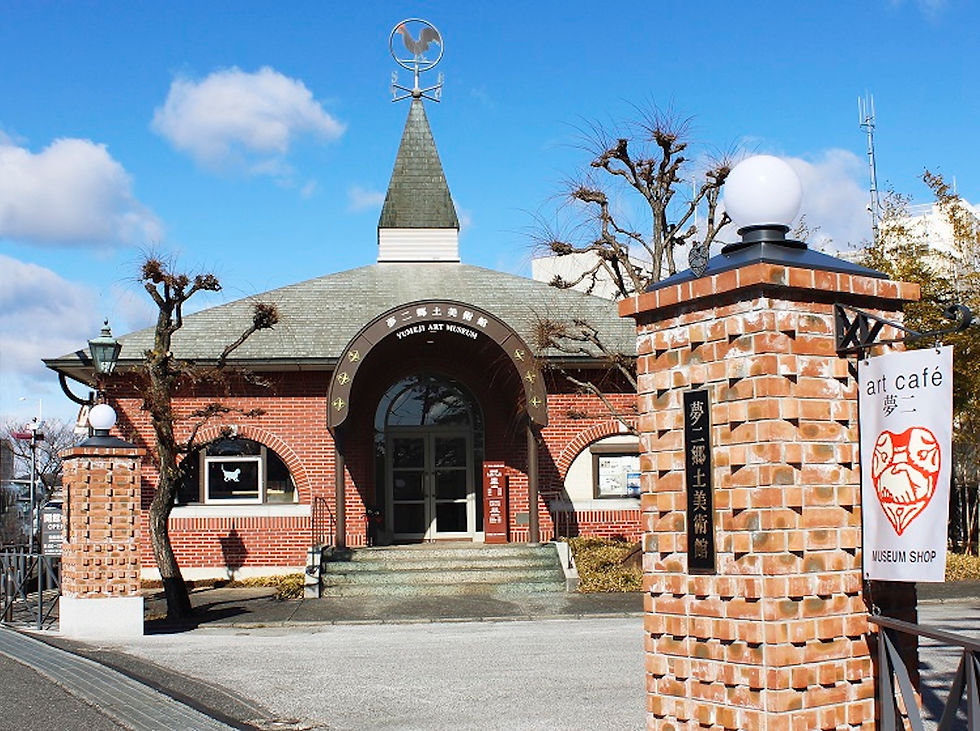
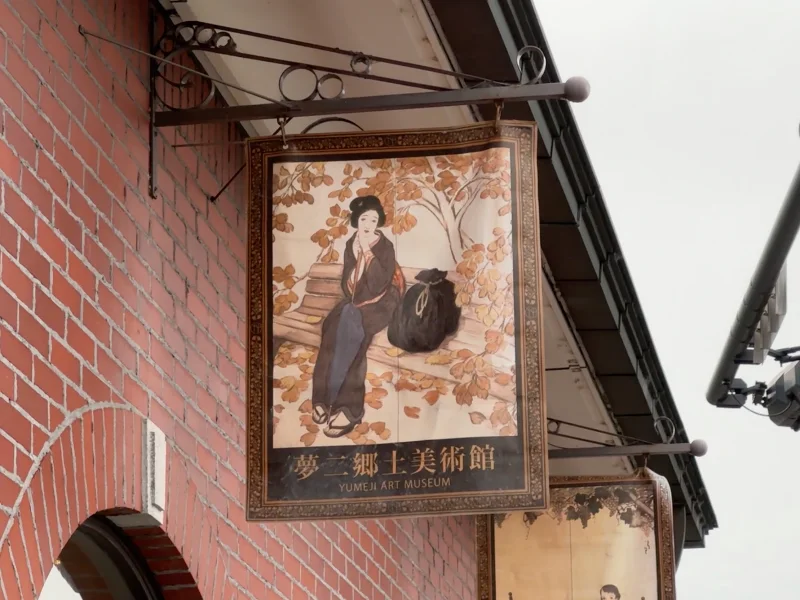
Dedicated to Takehisa Yumeji, iconic Taisho-era artist famous for his beautiful women illustrations. His dreamy Art Nouveau style defined an era. Set in the Korakuen garden area.

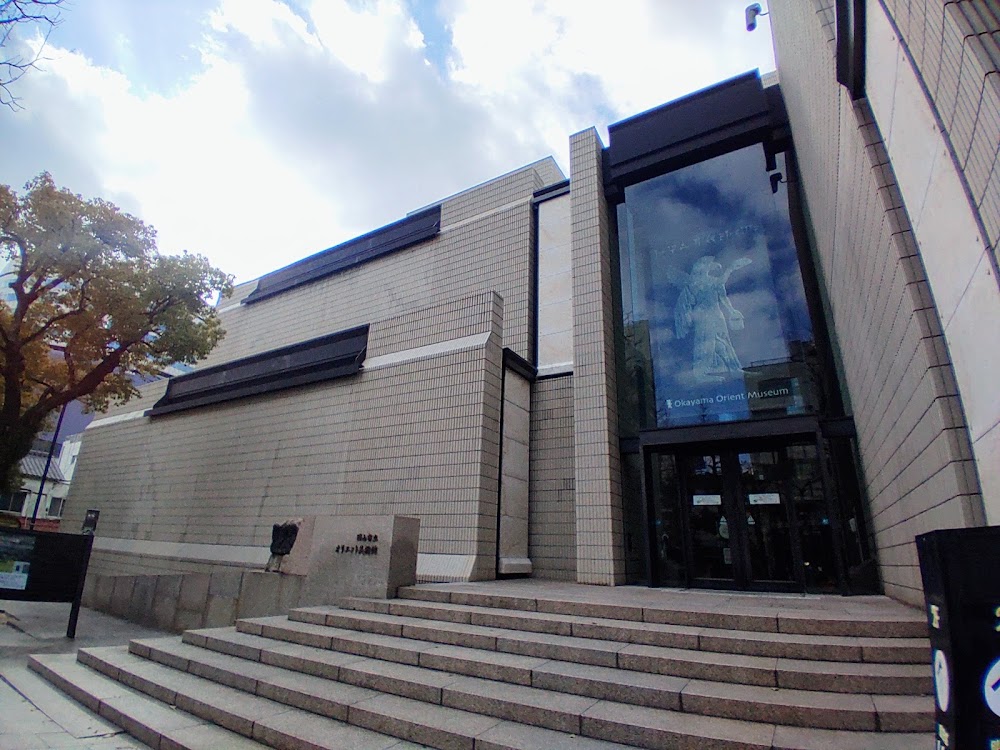
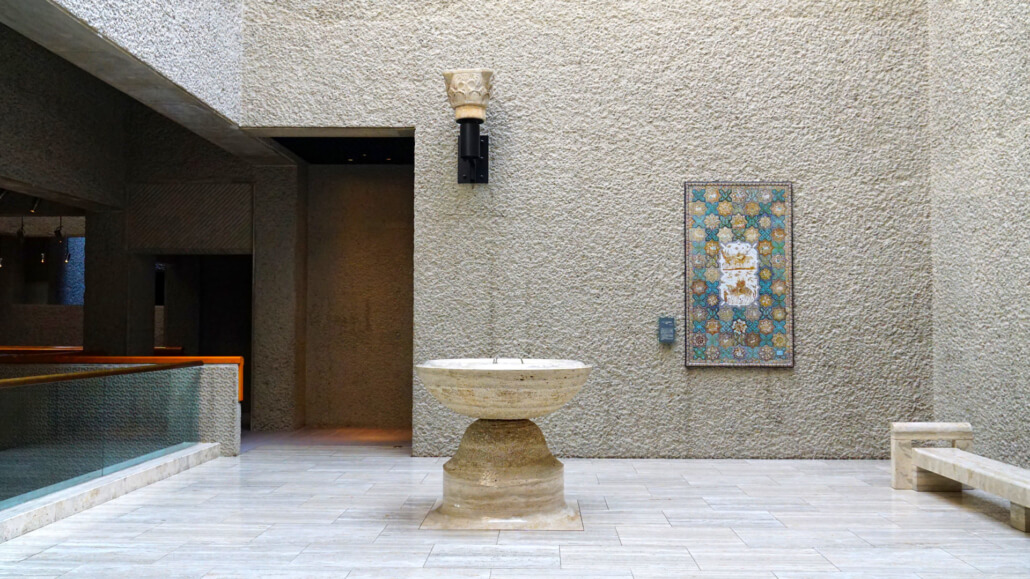
Collection of Middle Eastern art and artifacts spanning 5000 years. Unexpected for Japan. Mesopotamian, Egyptian, and Islamic art. Small but fascinating cross-cultural museum.

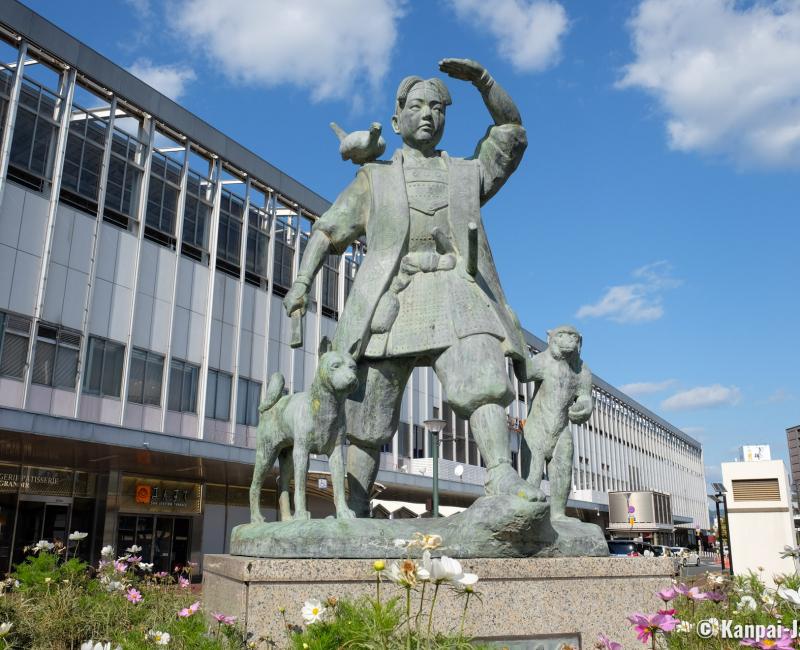
Okayama claims the legend of Momotaro (Peach Boy). Statues, museums, and themed souvenirs everywhere. The peach-shaped objects and mascots are charming. A fun thematic thread throughout the city.
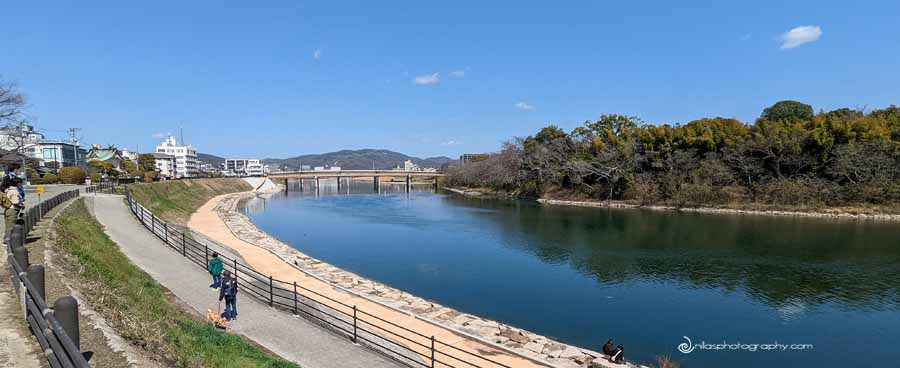
Pleasure boat ride on the Asahi River between Okayama Castle and Korakuen Garden. See both landmarks from the water. More relaxing alternative to walking between the two.

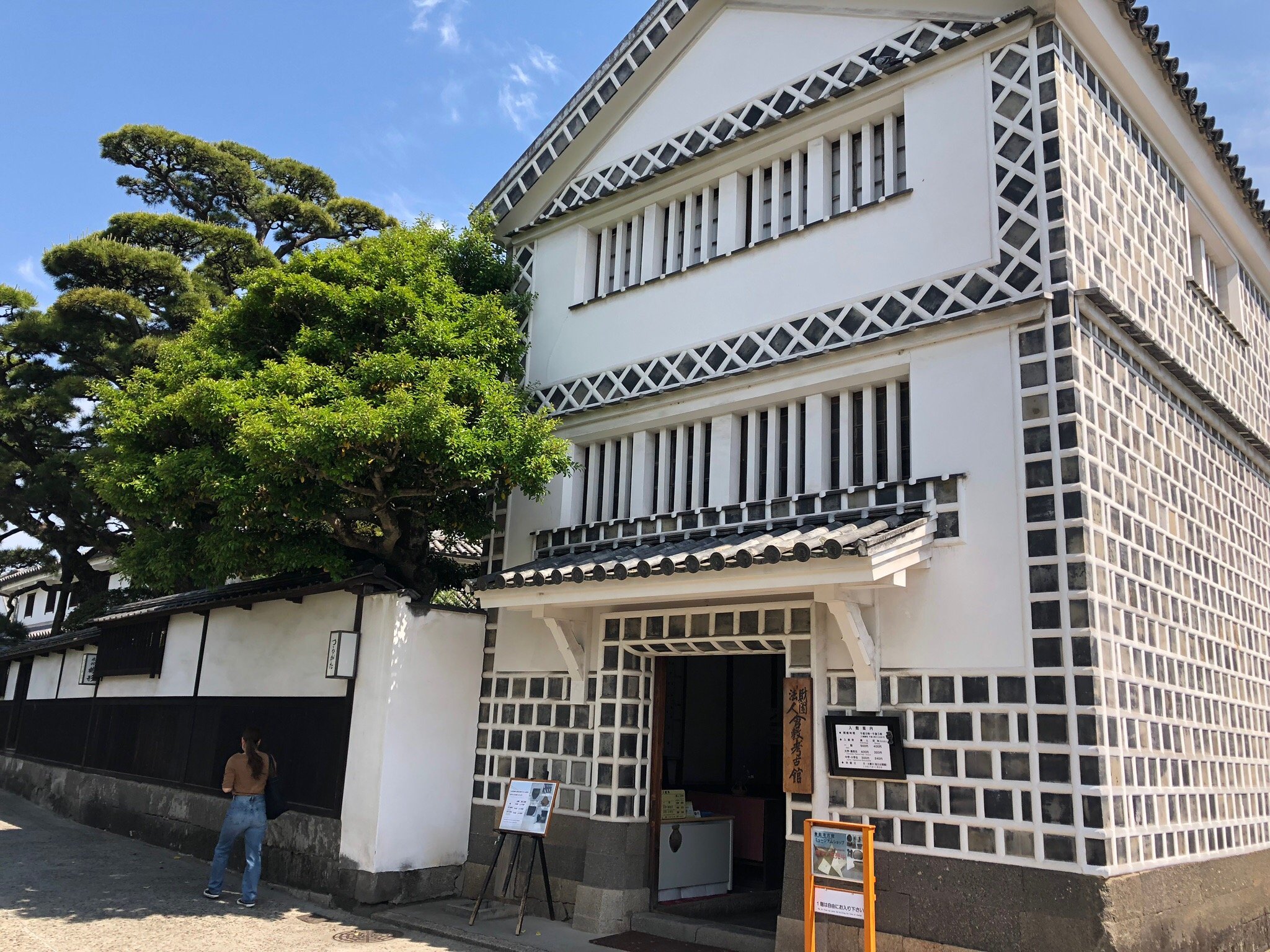
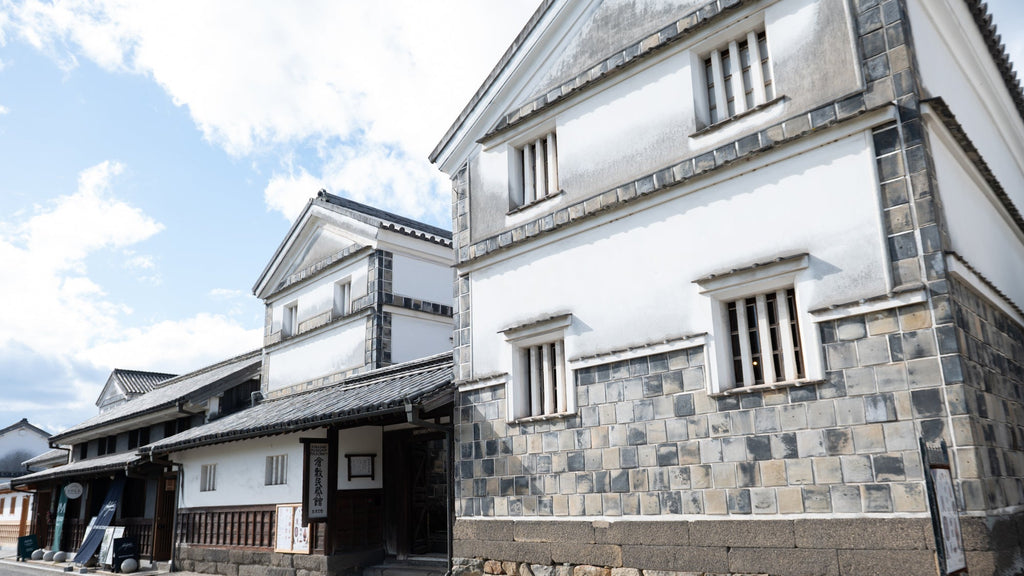
Museum in a converted rice granary in the Bikan district. Exhibits on the ancient civilizations that lived on the Kibi Plain. Complements the cycling route through burial mounds.

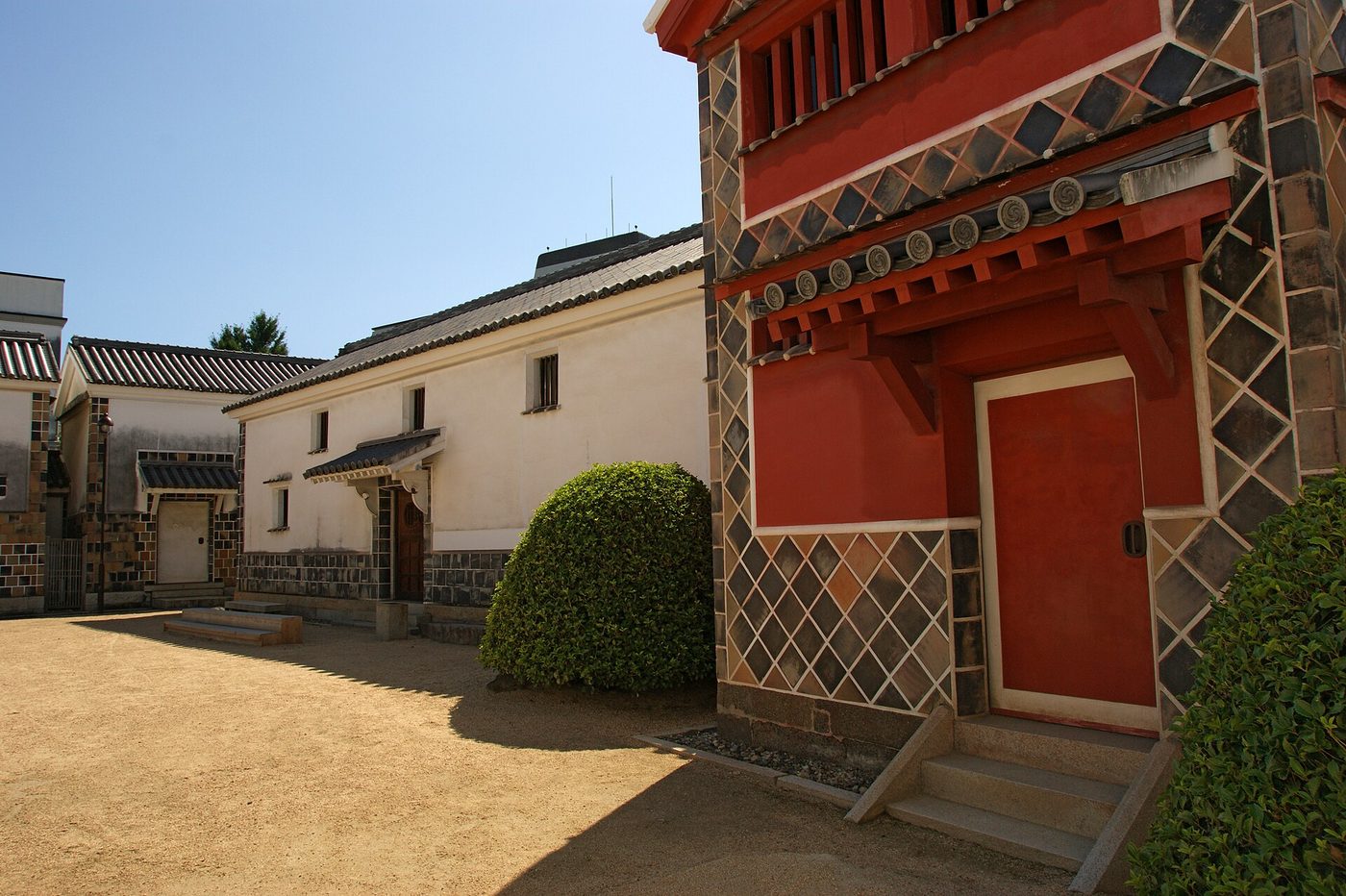
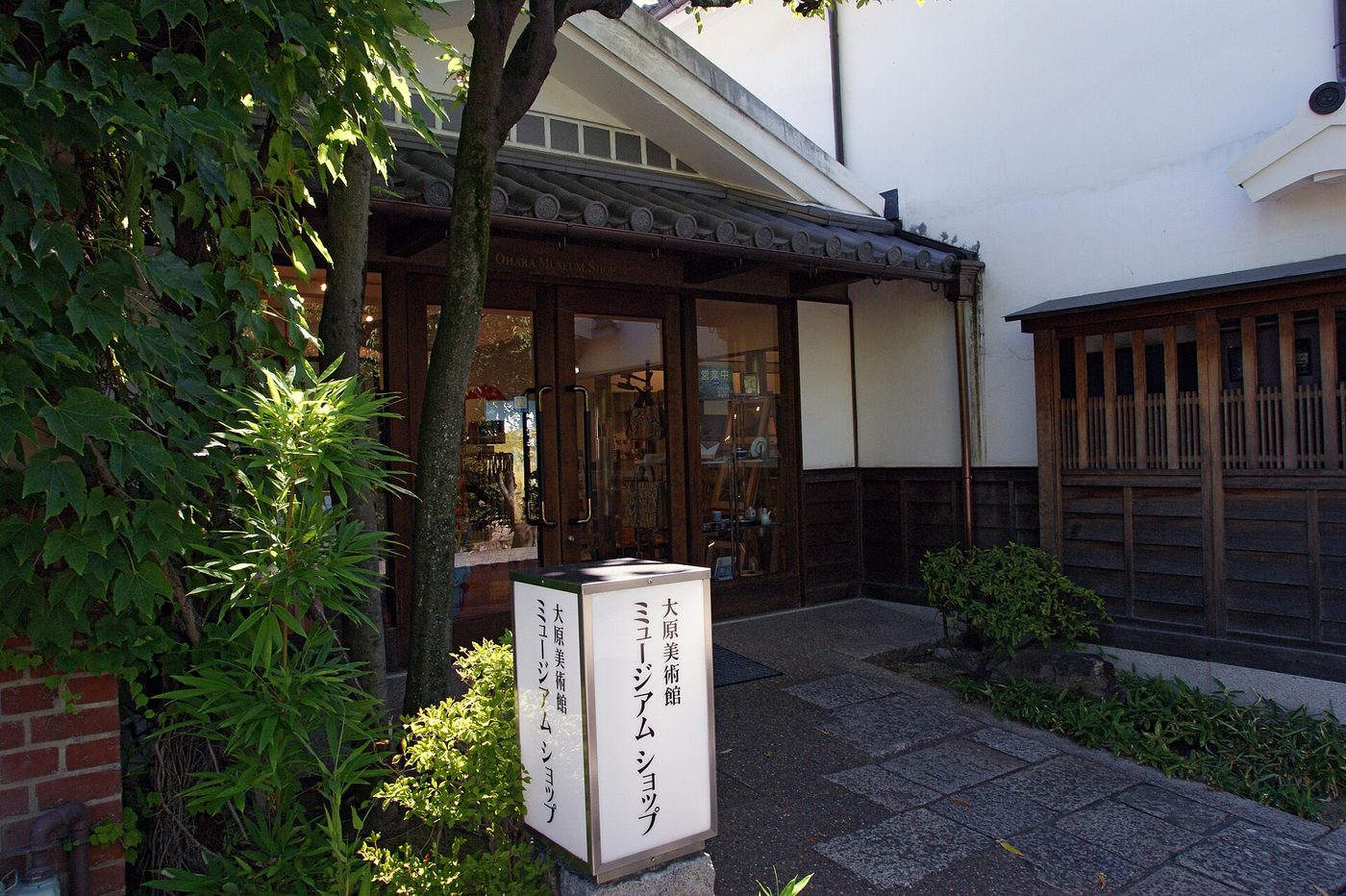
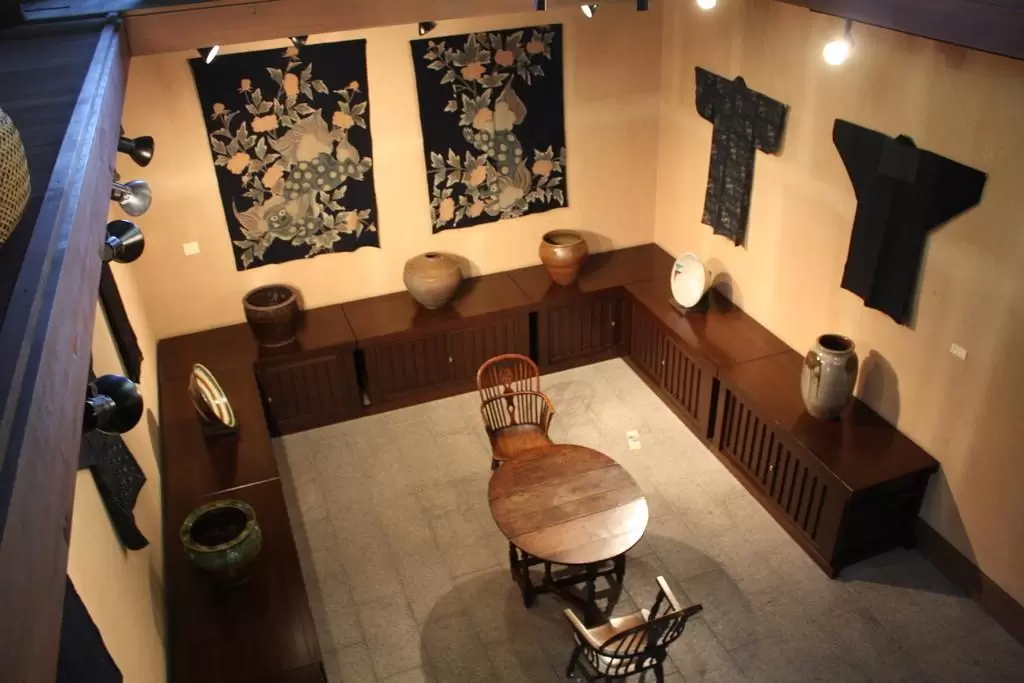
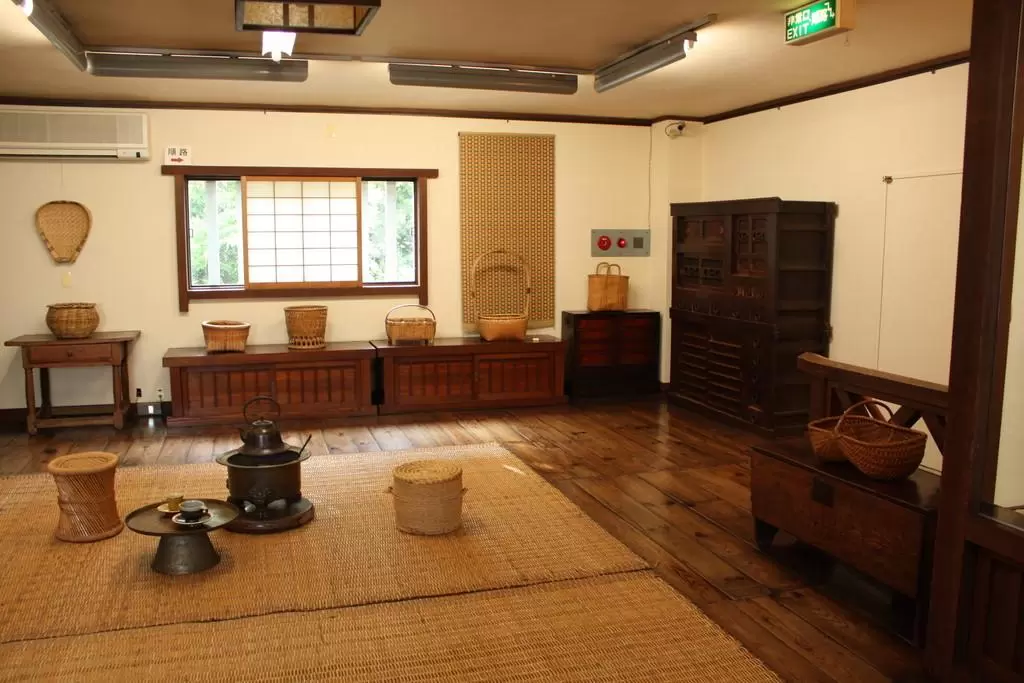
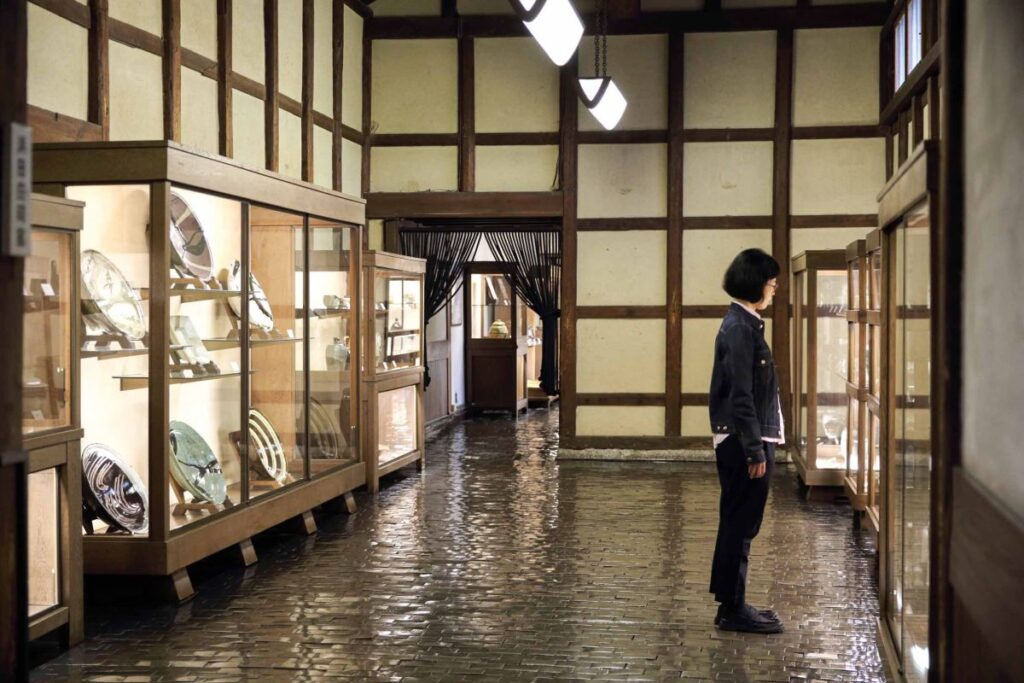
Collection of Japanese and international folkcraft in converted rice warehouses. Mingei (folk art) movement philosophy. Beautiful textiles, ceramics, and woodwork from around Japan.

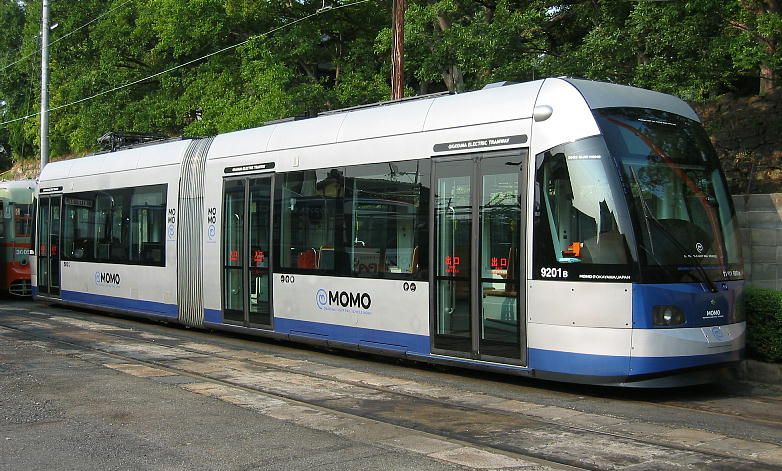
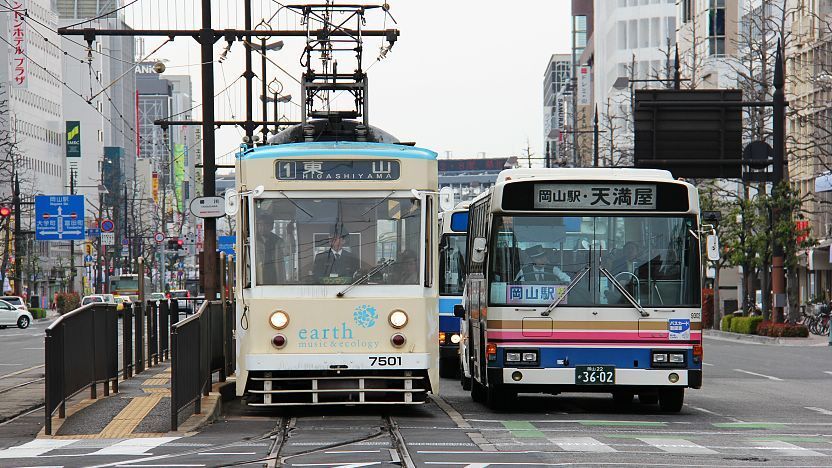
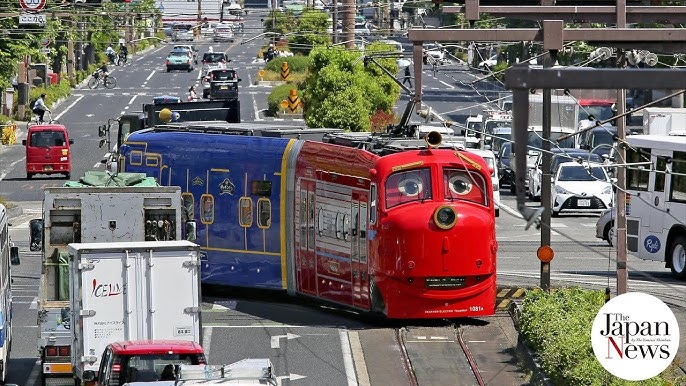
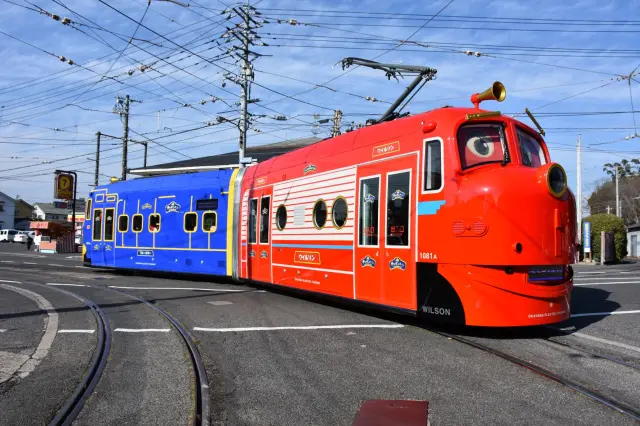
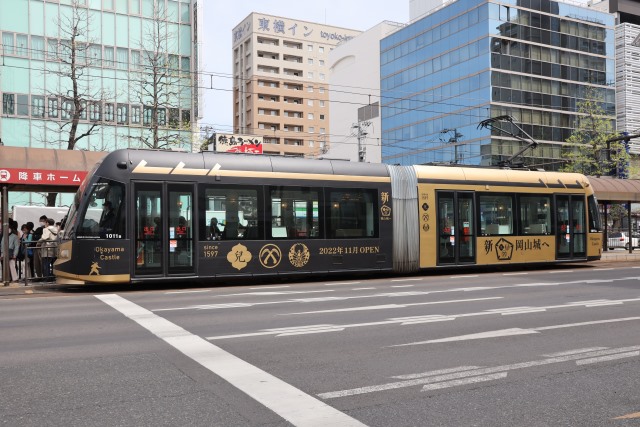
Two streetcar lines running through the city center. The Momo Line has a modern low-floor tram named after Momotaro. Convenient for getting between the station, castle, and Korakuen.

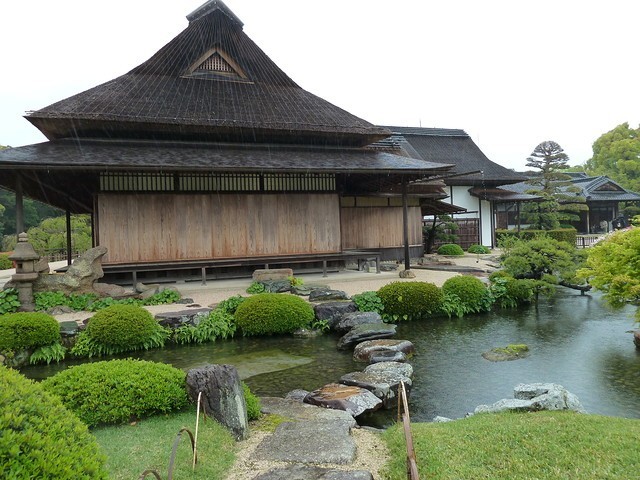
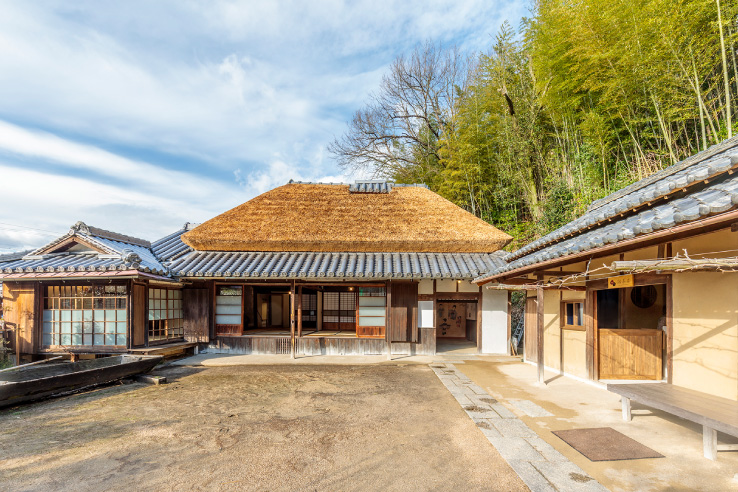
Traditional tea ceremony in a thatched-roof tea house inside Korakuen Garden. Matcha and seasonal wagashi sweets while overlooking the garden. Peaceful and authentic. No reservation needed.

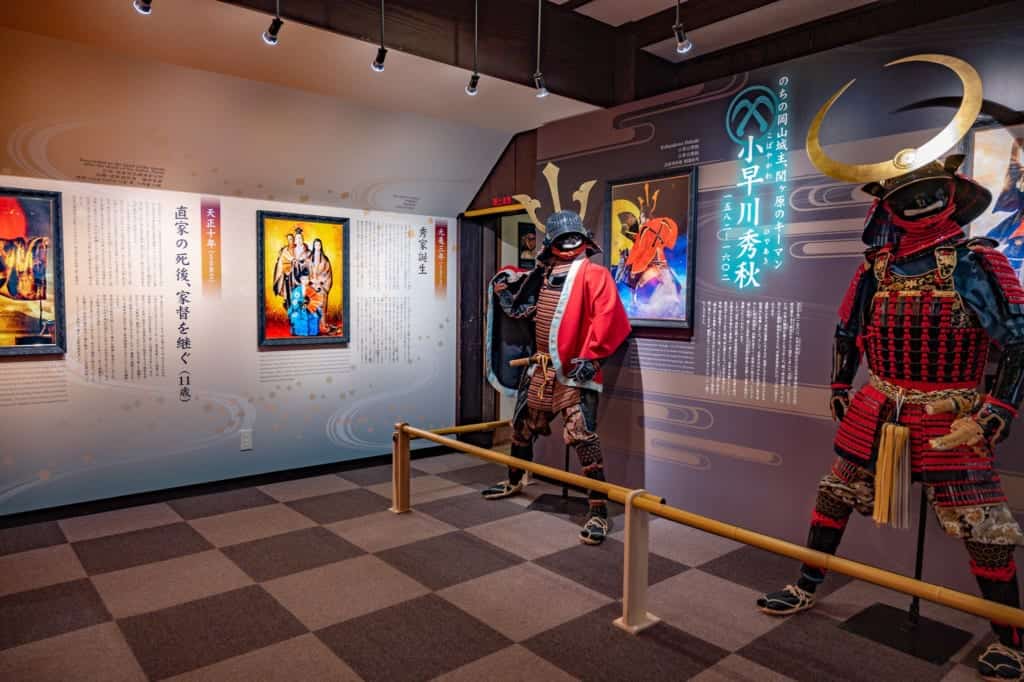
Rent full samurai armor or kimono and pose inside Okayama Castle. Professional photo opportunities. The dark castle walls make a dramatic backdrop for samurai armor photos.

During full moon nights in autumn, the castle grounds open for special viewing events. The black castle illuminated against the moonlit sky is hauntingly beautiful.

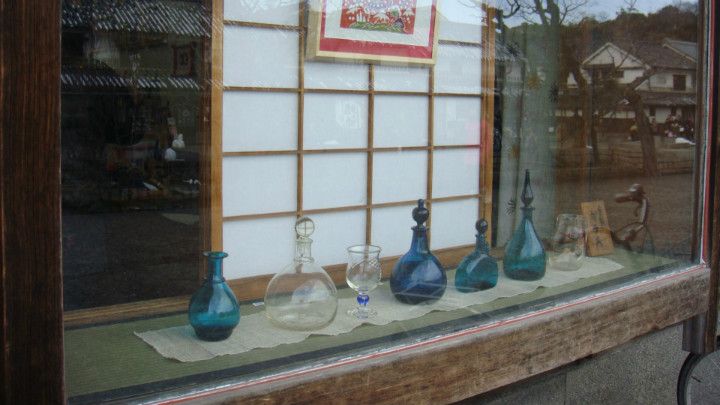
Beautiful glass art in a converted warehouse. Includes Venetian, Bohemian, and Japanese art glass. The gift shop sells handblown glass souvenirs. Adjacent to the canal district.

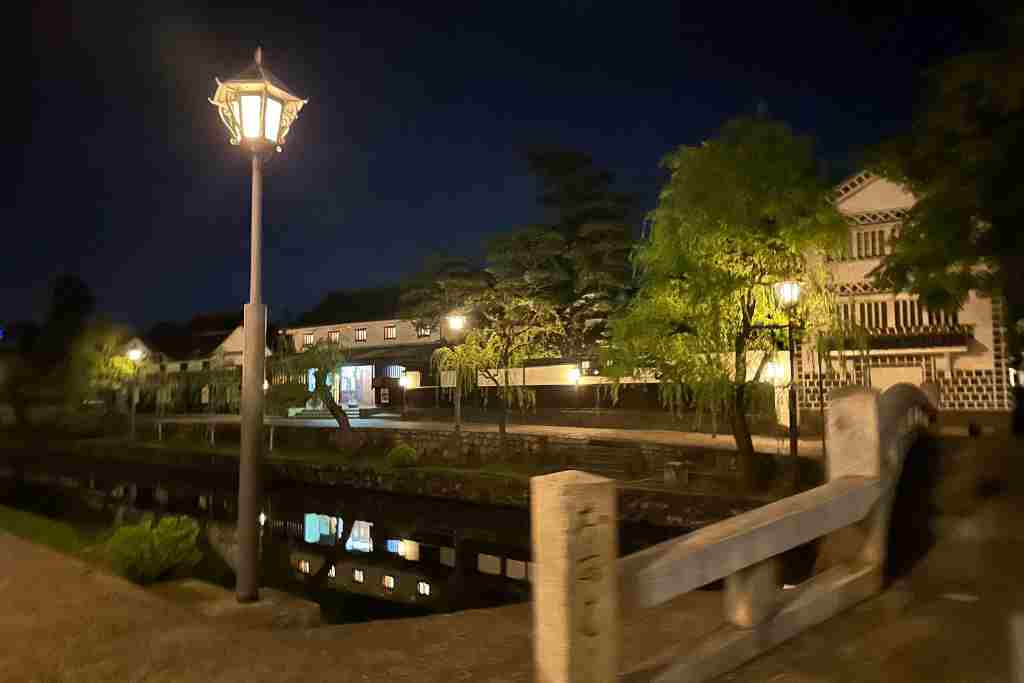
The canal district is gently illuminated at night. The white walls glow warm, willow trees cast shadows on the water, and lanterns line the pathways. Much quieter than daytime.

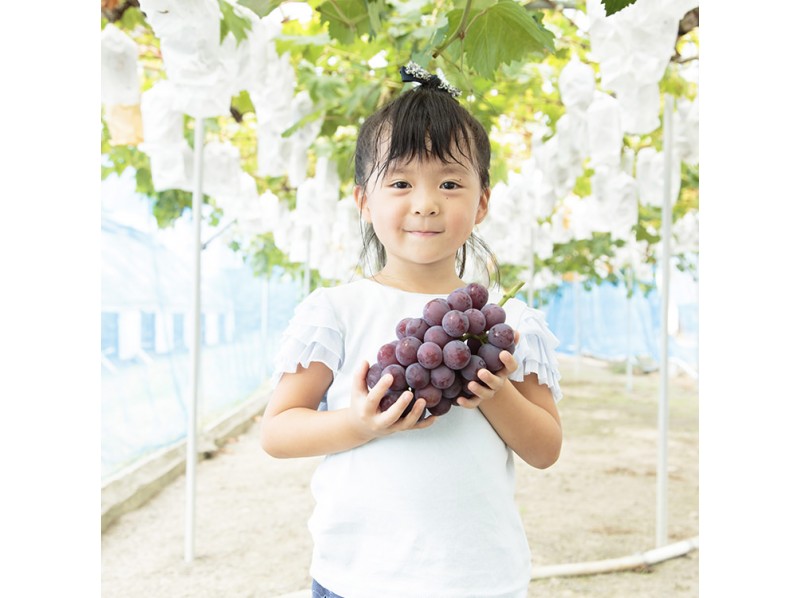
Farm experiences picking Shine Muscat and Pione grapes directly from the vine. Available August through October. Eat-all-you-can options at some farms. Premium fruit at farm-direct prices.

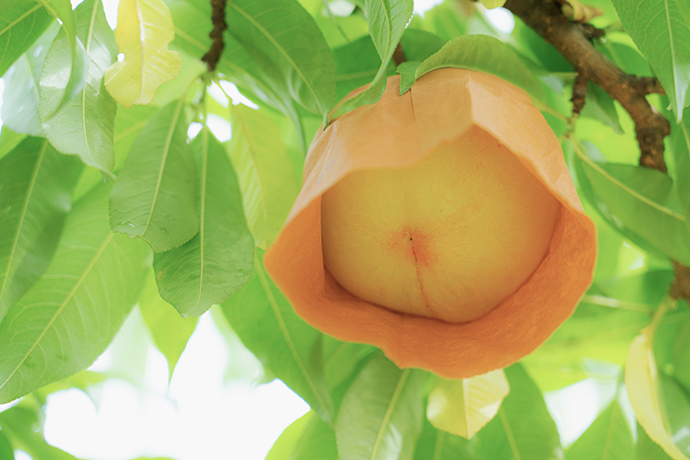
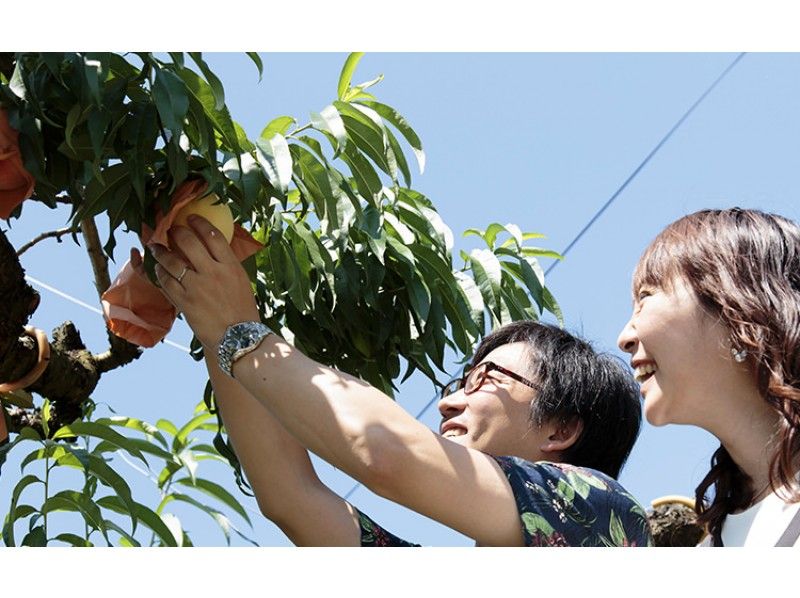
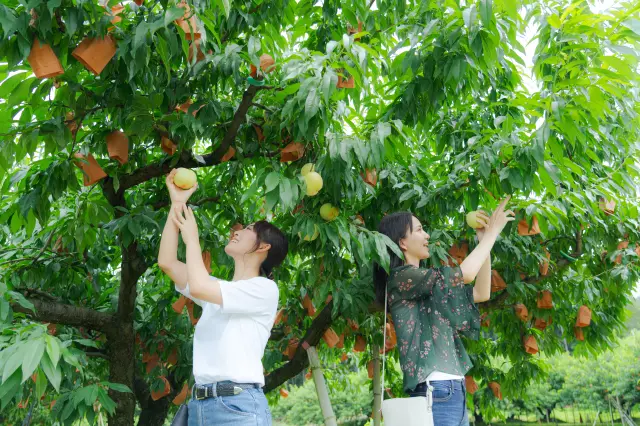
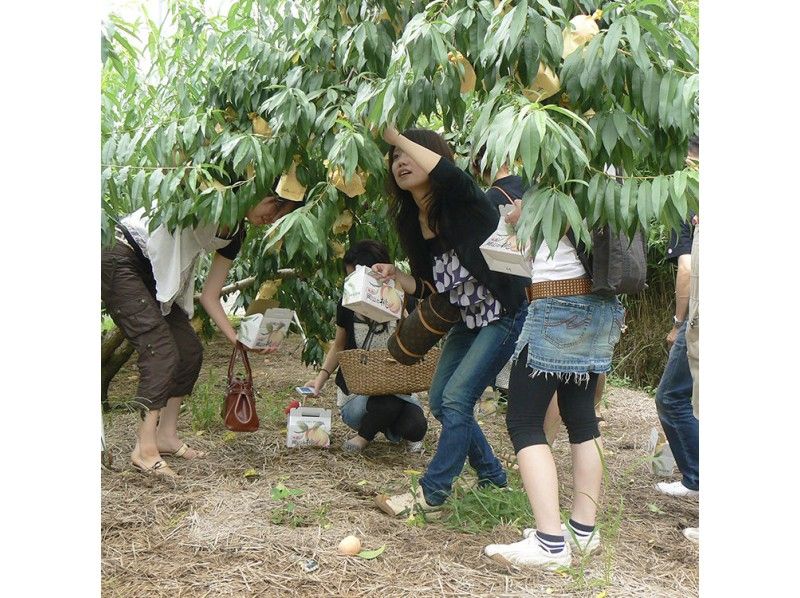
Pick white peaches (hakuto) directly from orchards. Available June through August. The fruit is impossibly juicy and sweet straight from the tree. Several farms offer English guidance.

Museum cafe with Yumeji-inspired desserts. Art Nouveau-themed parfaits and cakes. The peach-themed menu items use seasonal Okayama fruit. Pleasant garden terrace seating.
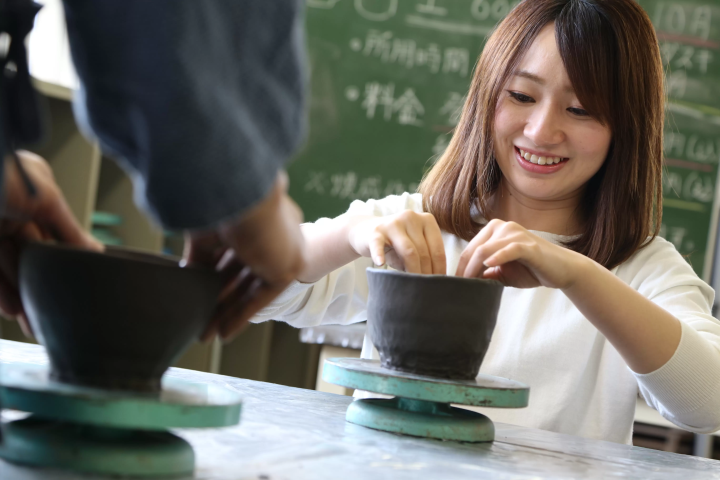
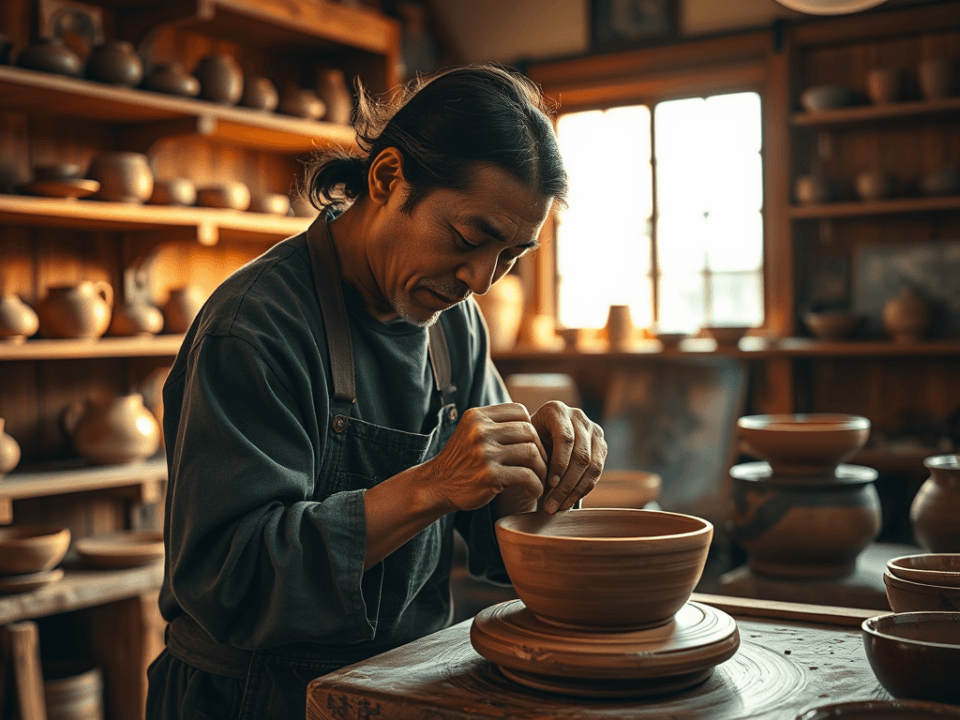
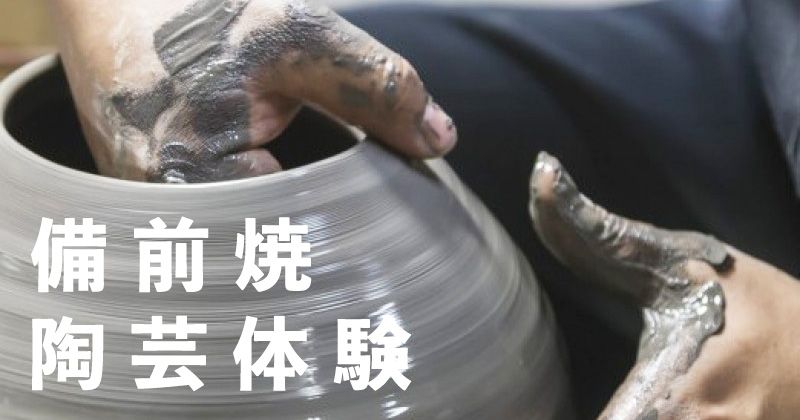
Make your own Bizen-yaki pottery with guidance from a local potter. Shape and carve unglazed stoneware. The piece is later fired and shipped to you. 40 min from Okayama.

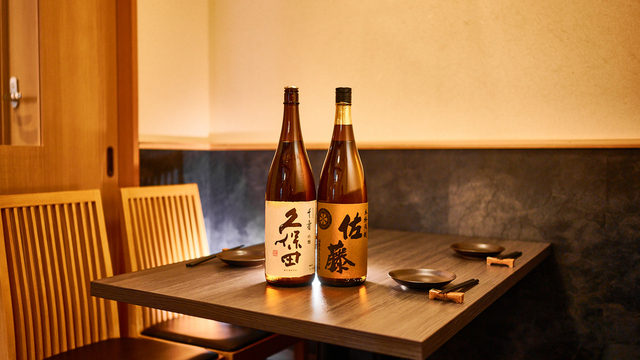
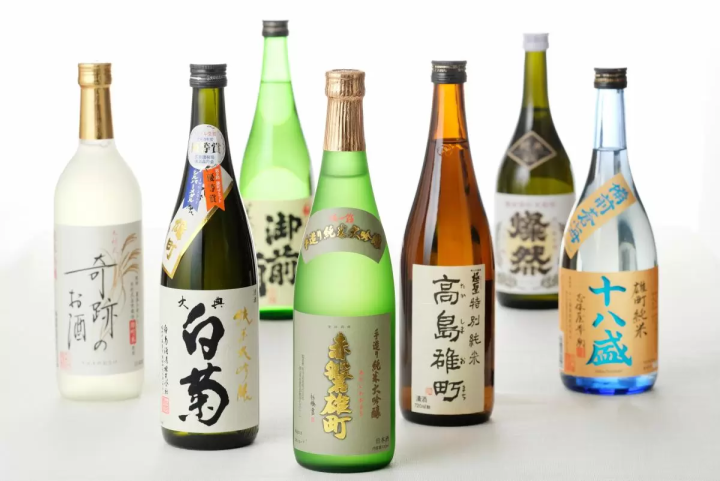
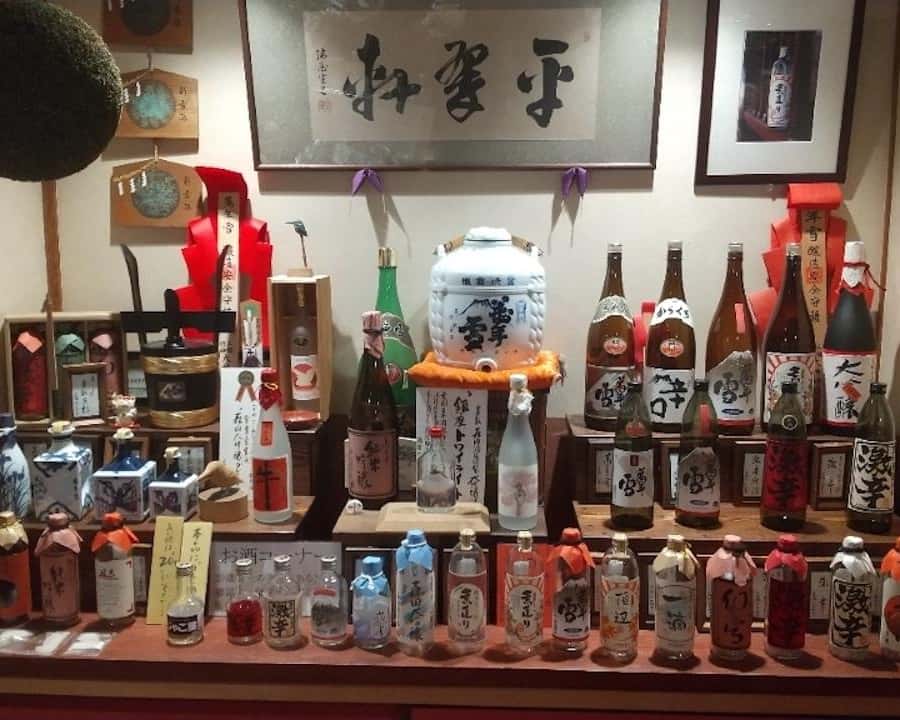
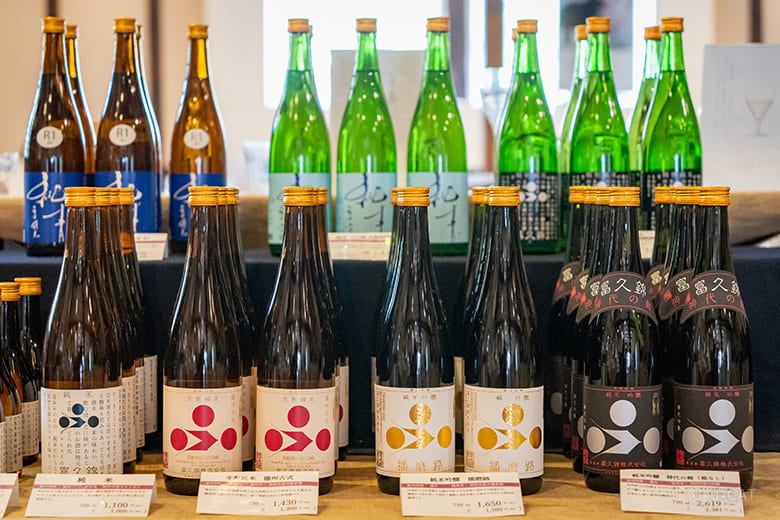
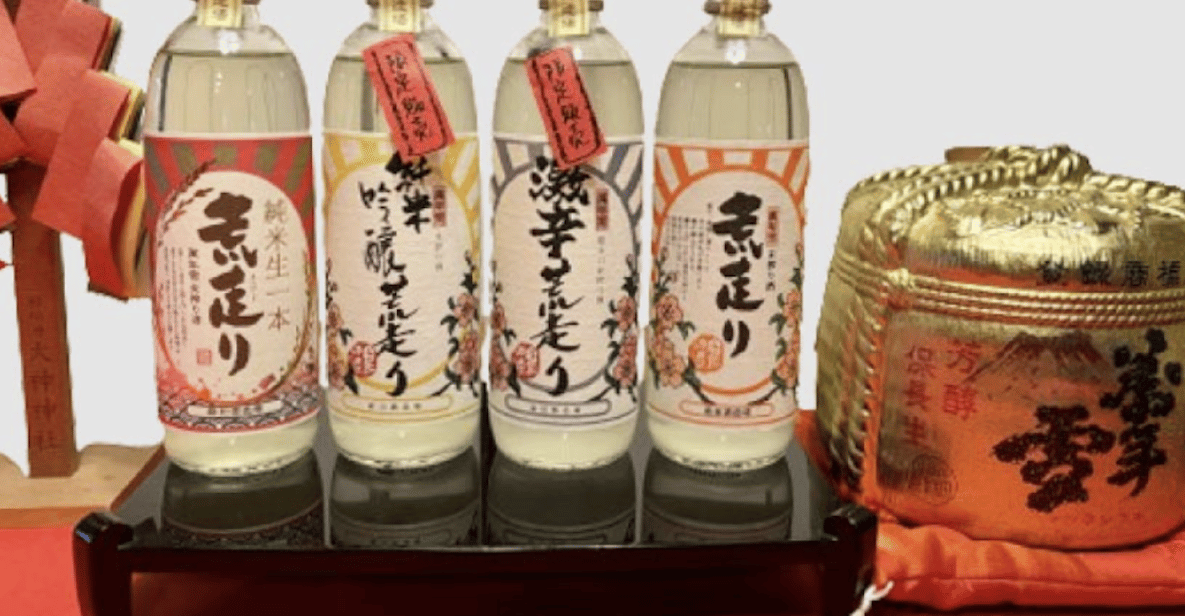
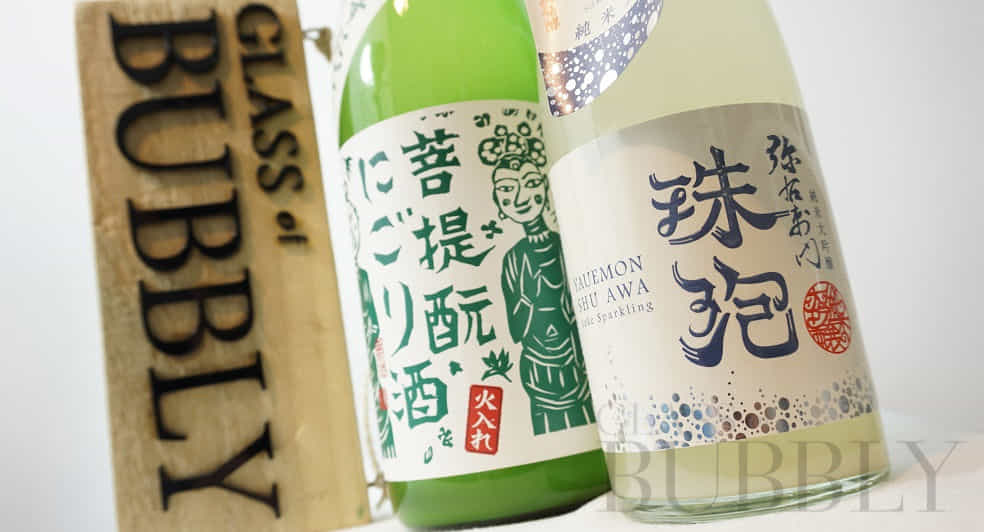
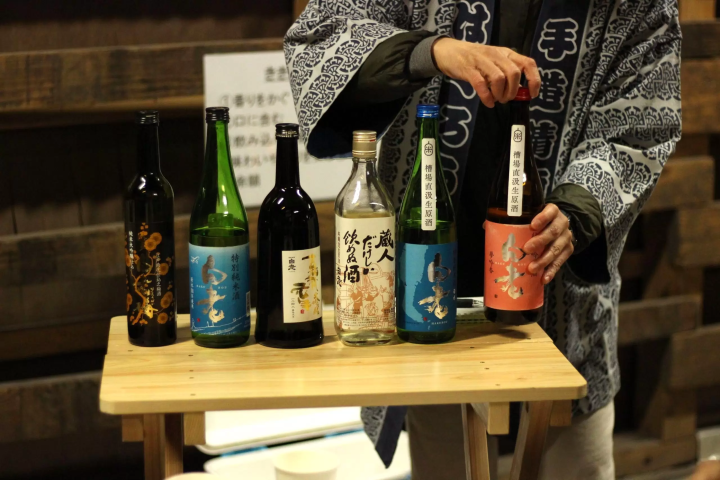
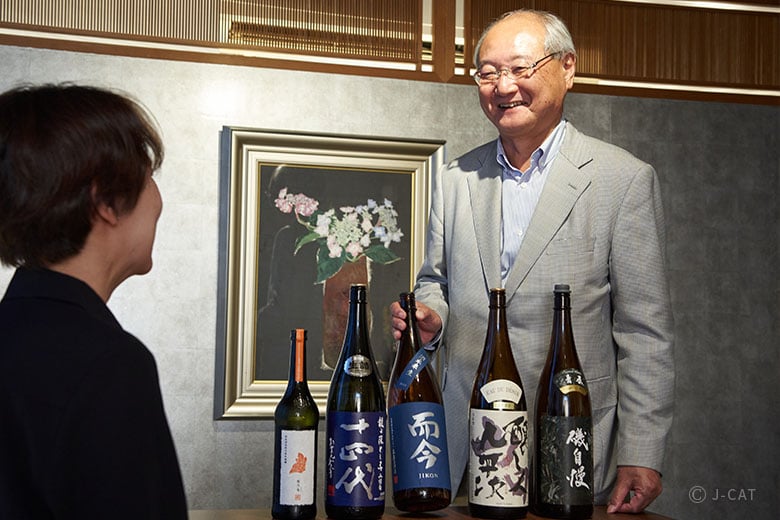
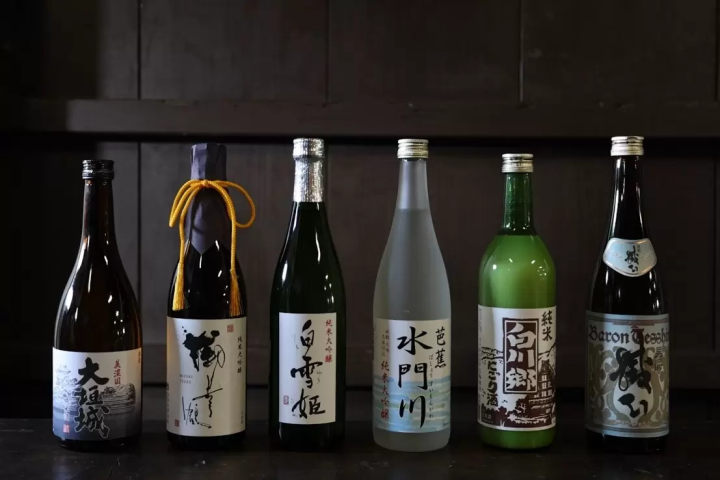
Several sake breweries in Okayama offer tours. The crisp water from the Chugoku Mountains produces clean, light sakes. Tasting flights available at most locations.

Guided stargazing walk through the canal district. The low light pollution in the historic area allows decent star visibility. Astronomy guide explains constellations. Seasonal availability.

Family brewery producing sake for over 100 years. Their junmai ginjo uses local Omachi rice (the original sake rice, cultivated in Okayama). Tasting room with English explanations.

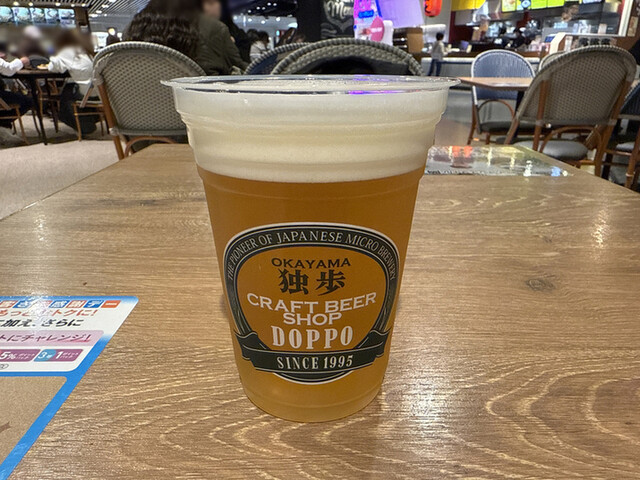
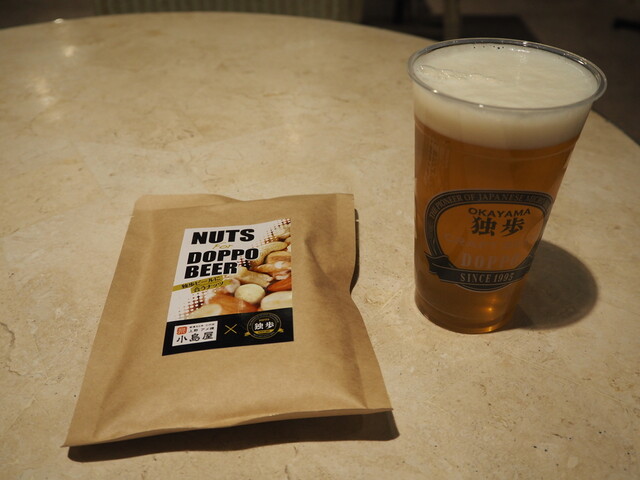
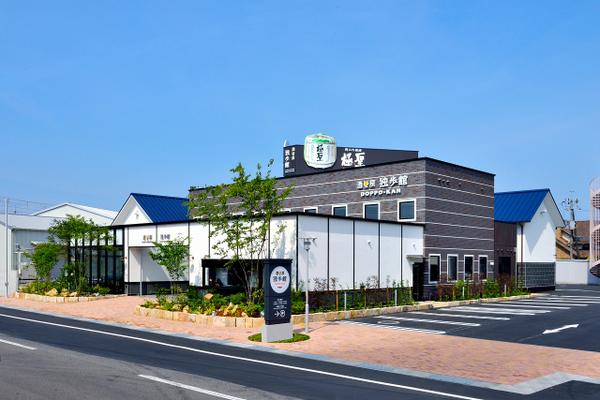
Miyashita Brewery's Doppo craft beer is Okayama's local brew. Several flavors including a white peach ale. Available at bars and the brewery's taproom near the station.

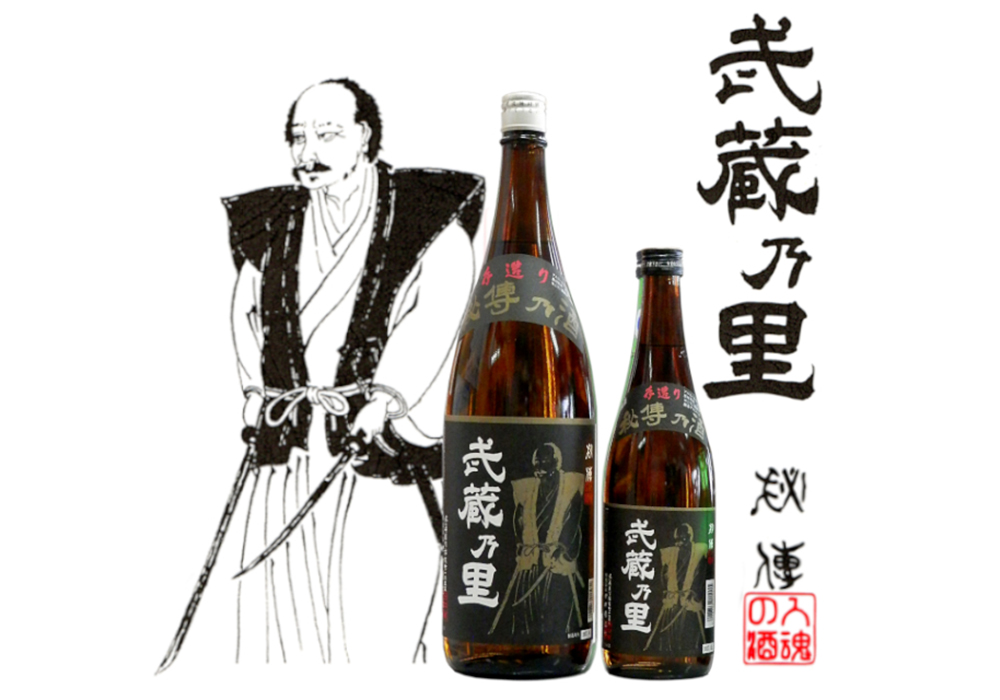
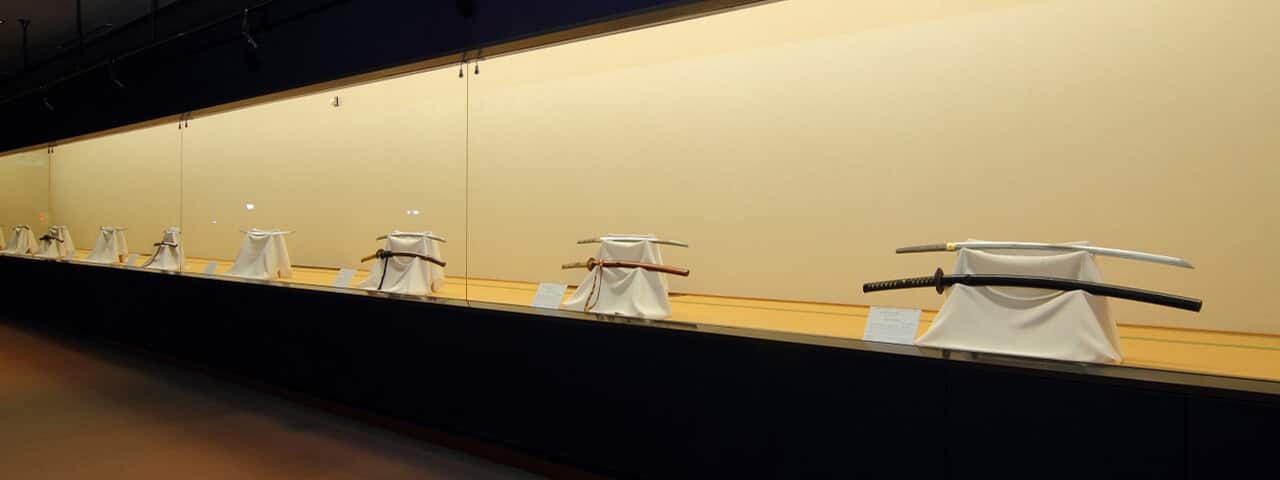
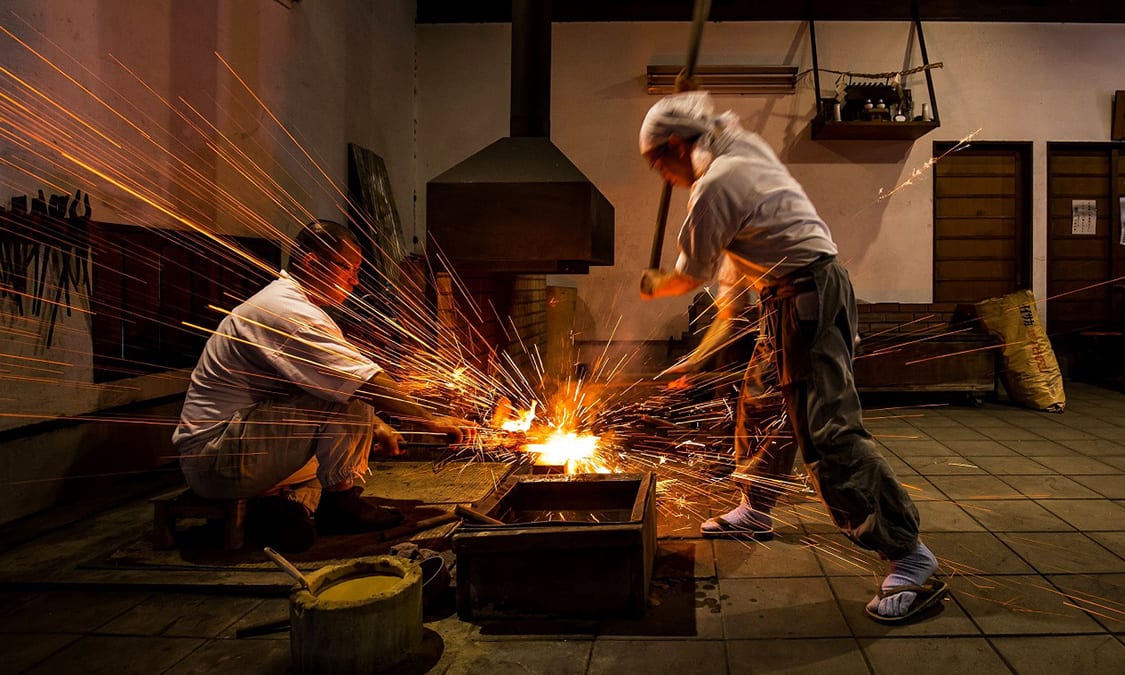
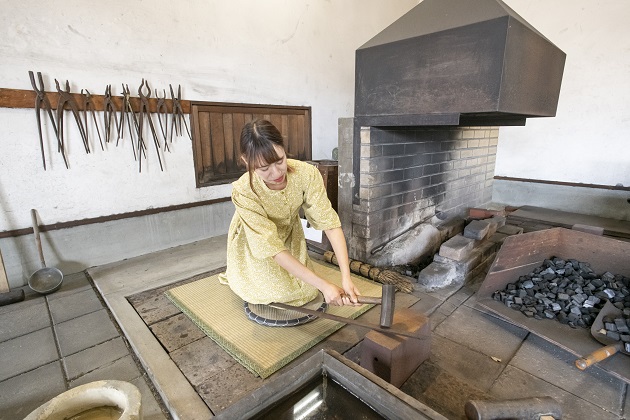
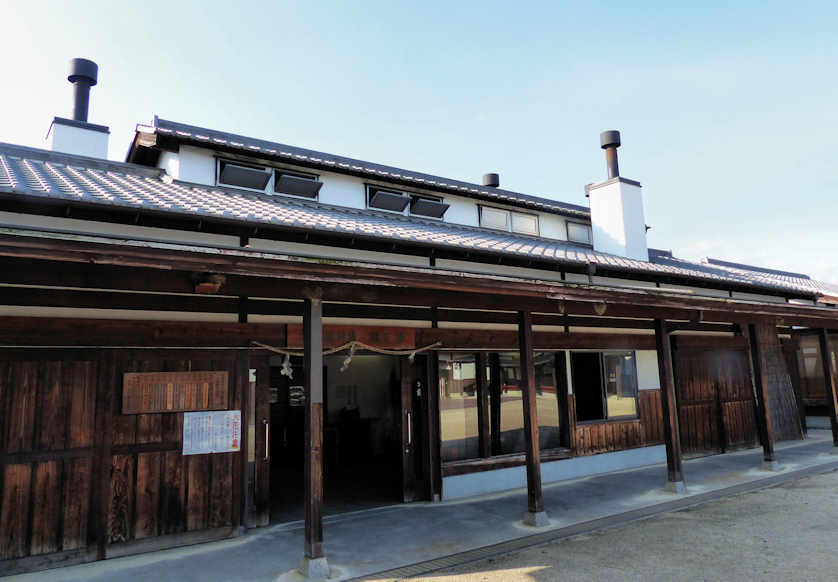
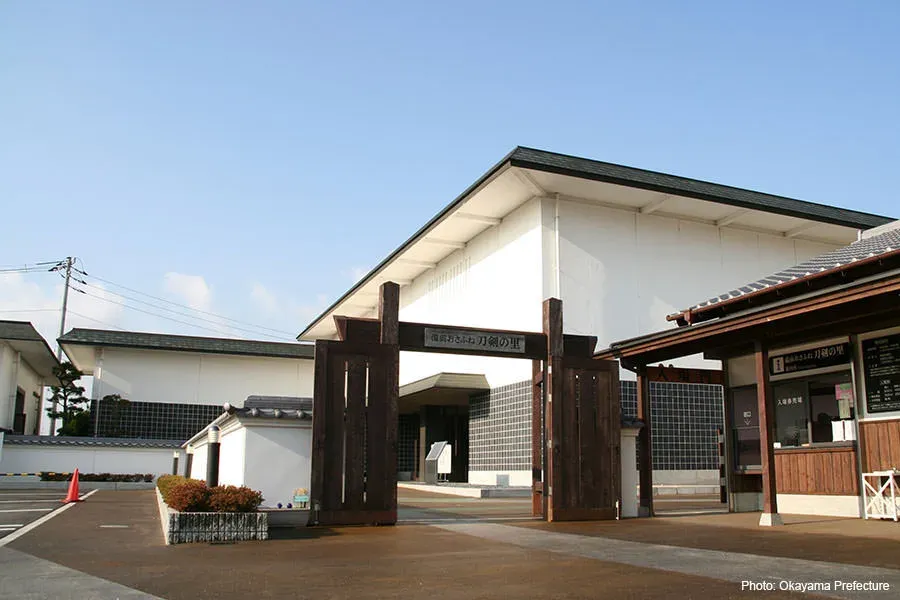
Museum dedicated to the Osafune sword-making tradition. This area produced more katana than anywhere in Japan. Live forging demonstrations on the second Sunday of each month.
UNESCO temples, cliffside shrines, and some of Japan's best onsen towns.

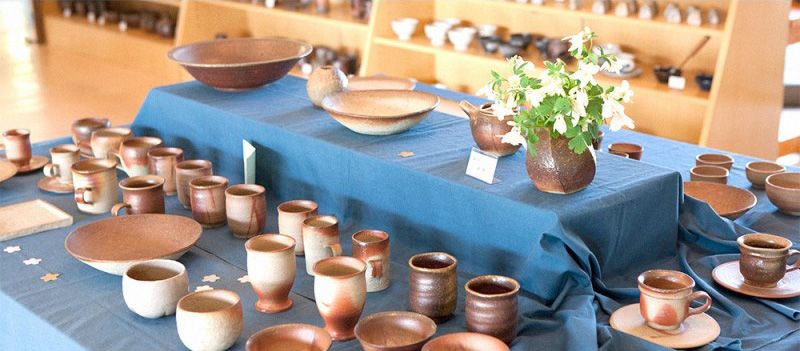
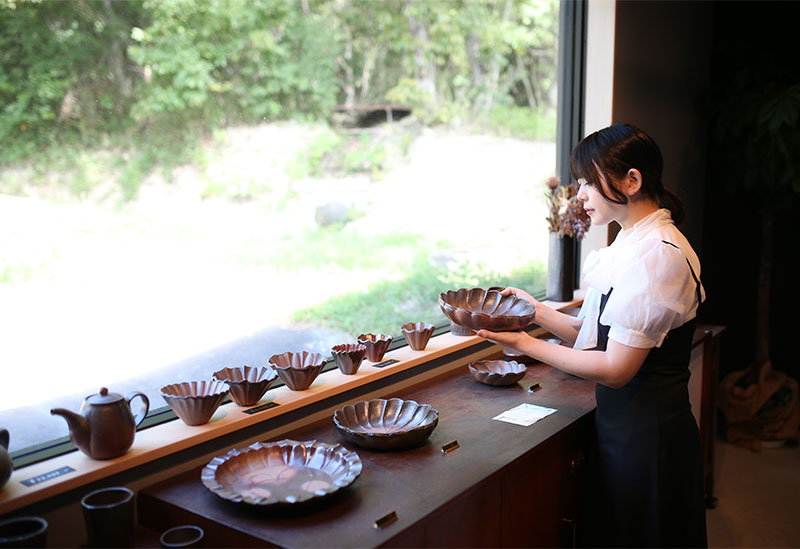
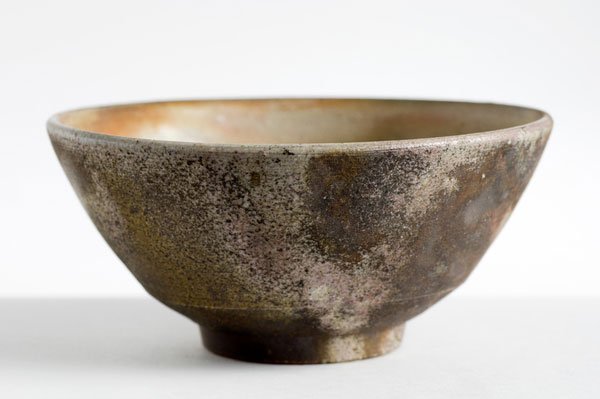
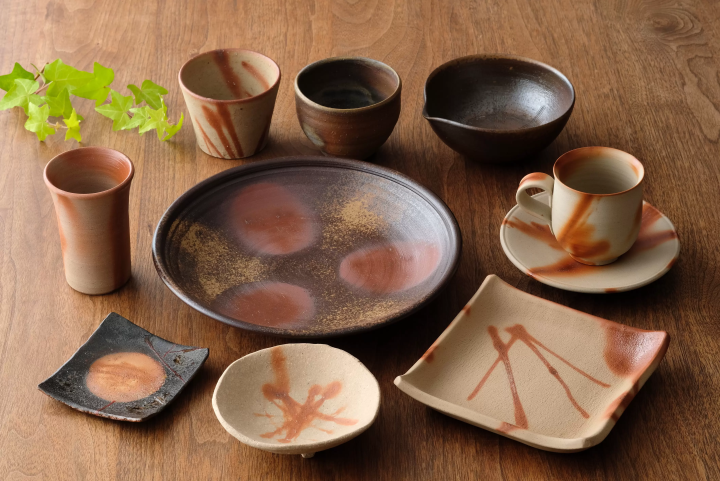
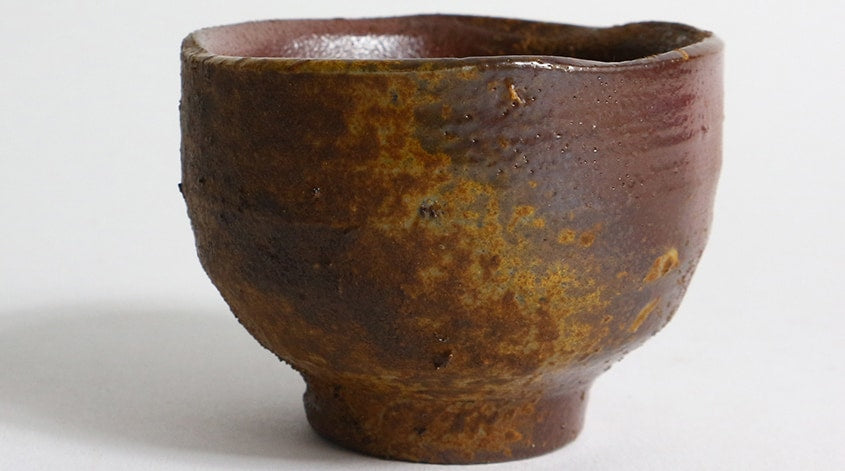
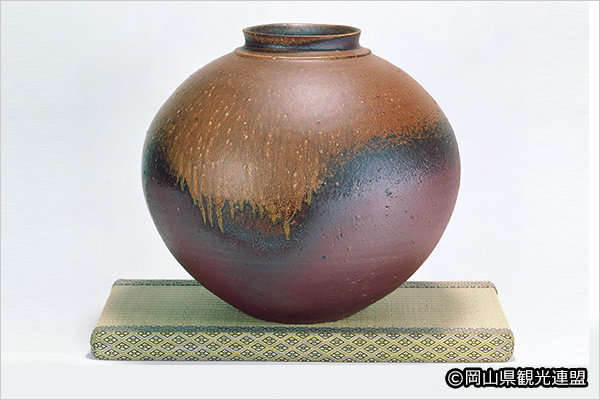
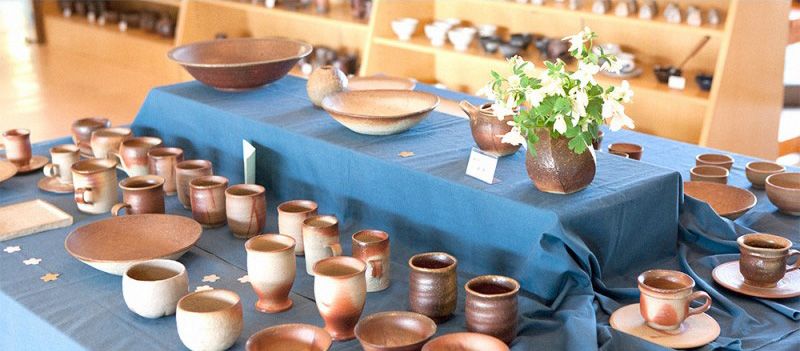
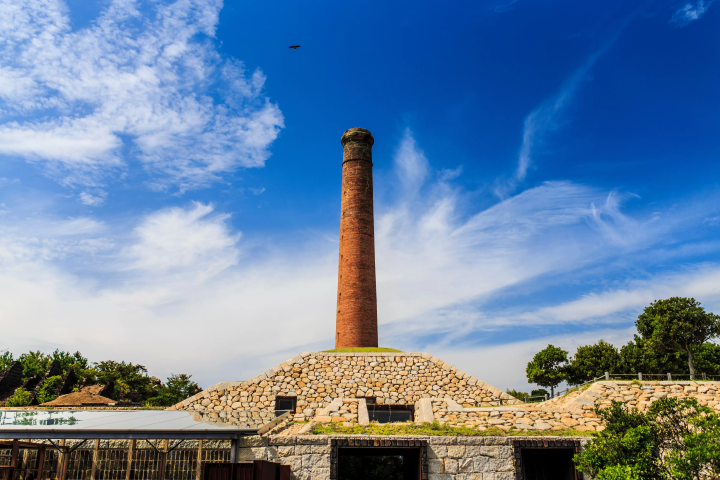
One of Japan's six ancient kiln traditions. Unglazed stoneware fired for weeks in wood-fueled kilns. Each piece is unique. Visit working studios and the Bizen Pottery Museum. 40 min from Okayama.

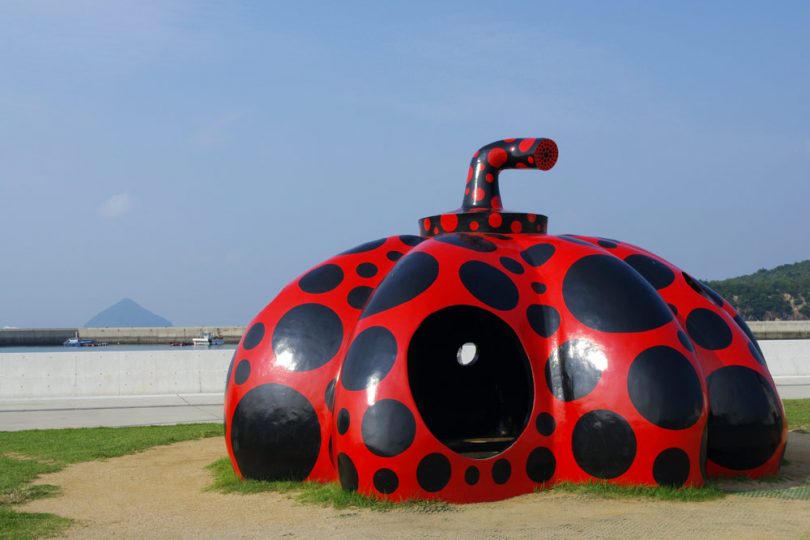
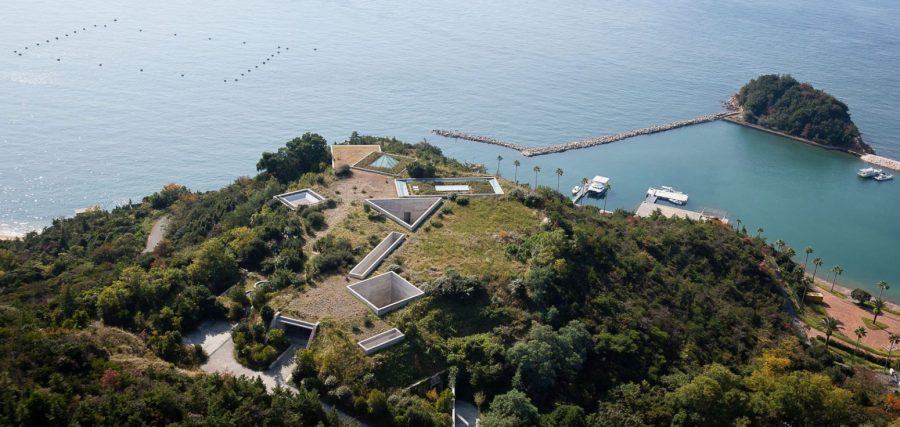
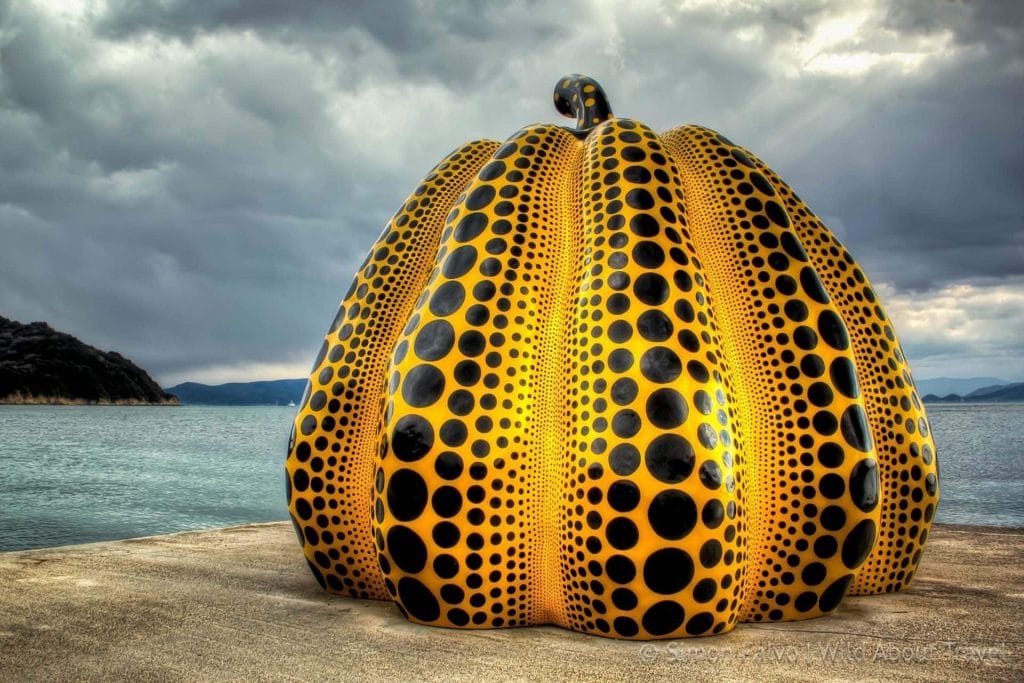
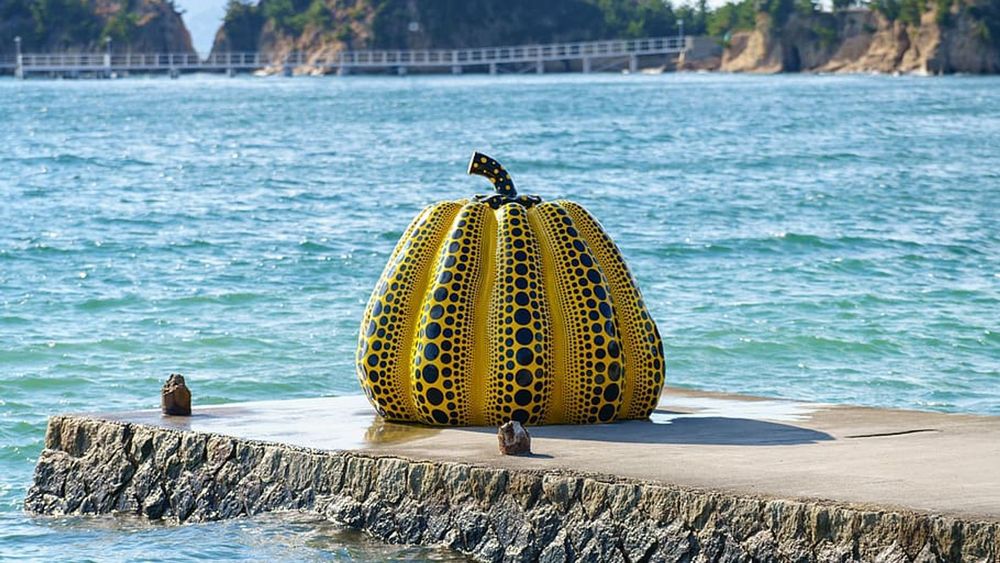
World-famous art island in the Seto Inland Sea. Chichu Art Museum (underground Monet gallery), Benesse House, and Yayoi Kusama's Yellow Pumpkin. Ferry from Uno Port (30 min from Okayama).

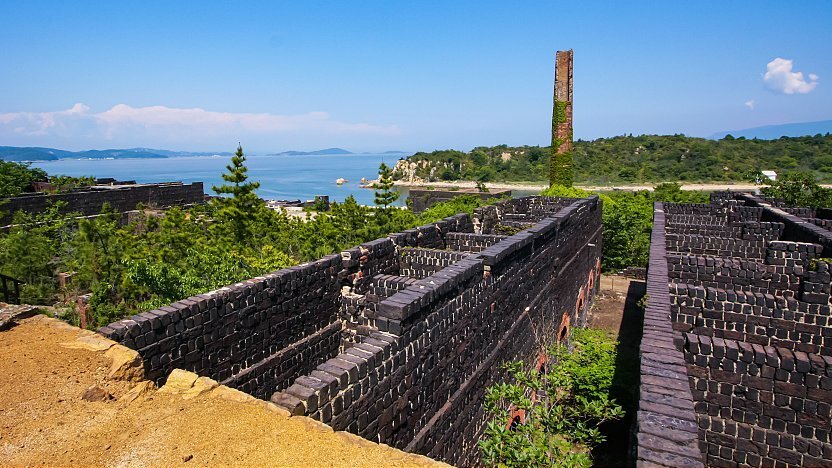
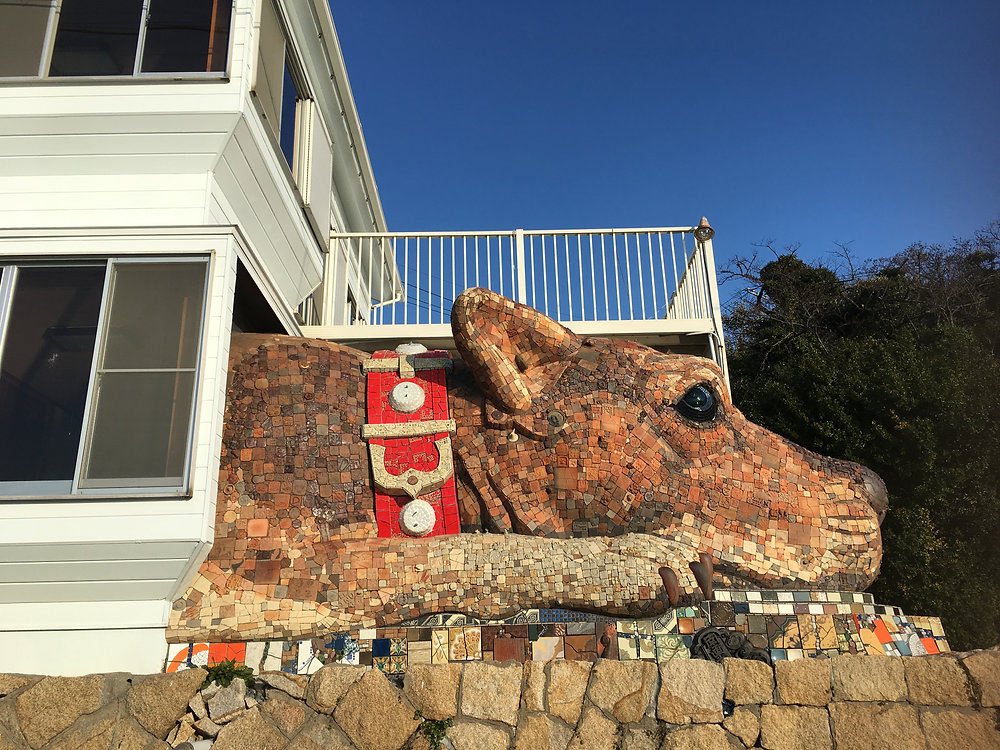
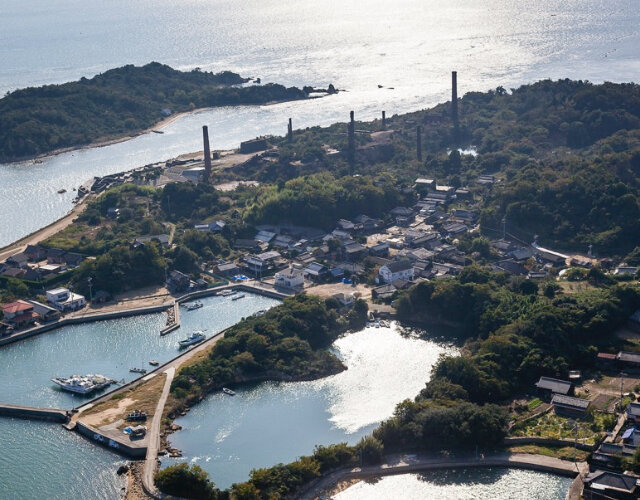
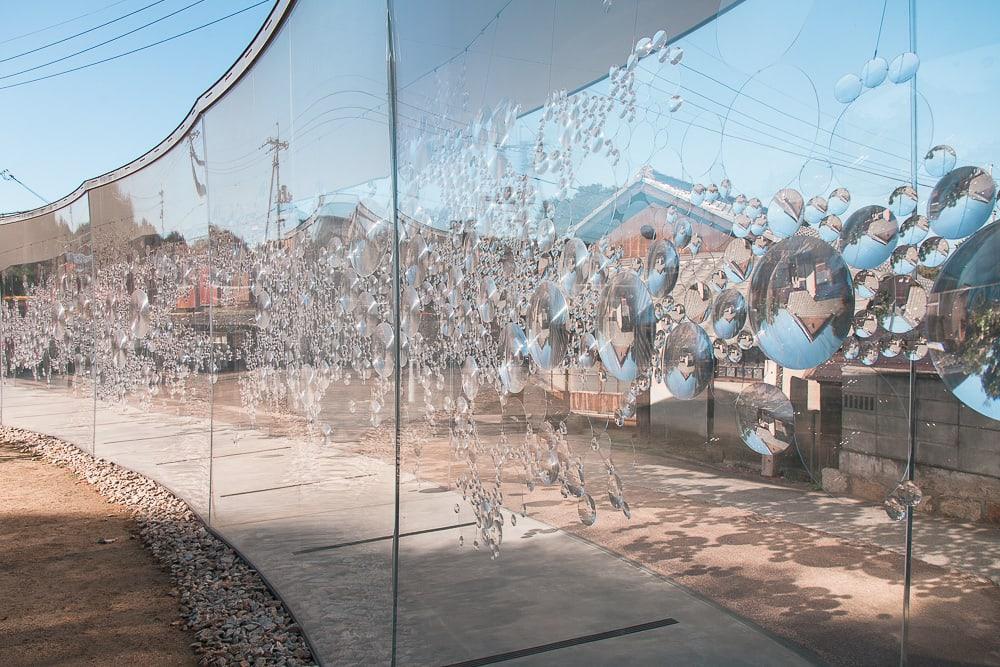
Tiny island (population ~50) with a stunning art museum in a former copper refinery. Contemporary art installations scattered through the village. Less crowded than Naoshima. Ferry from Okayama area.

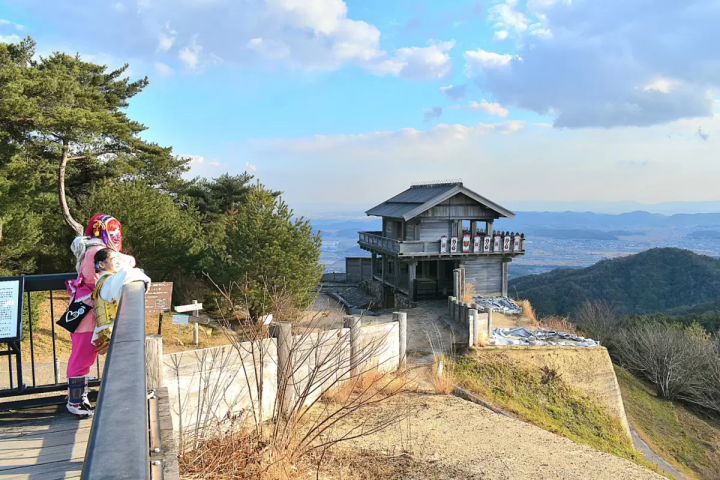
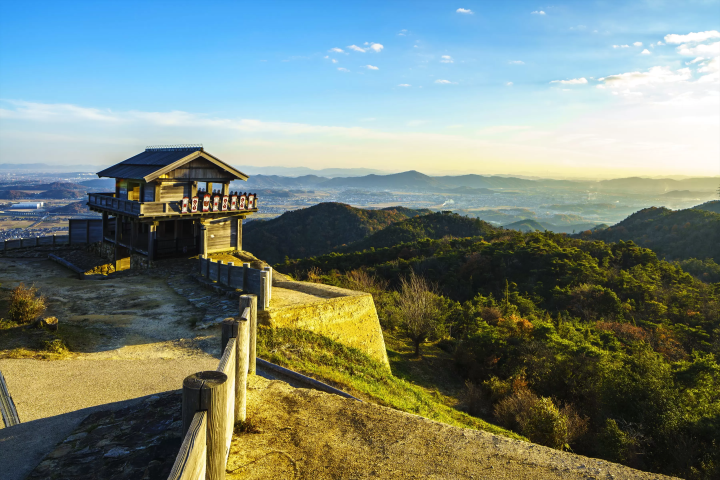
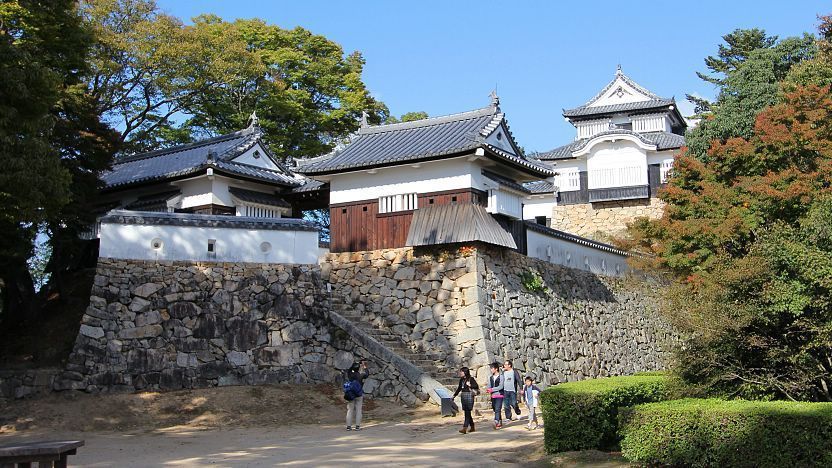
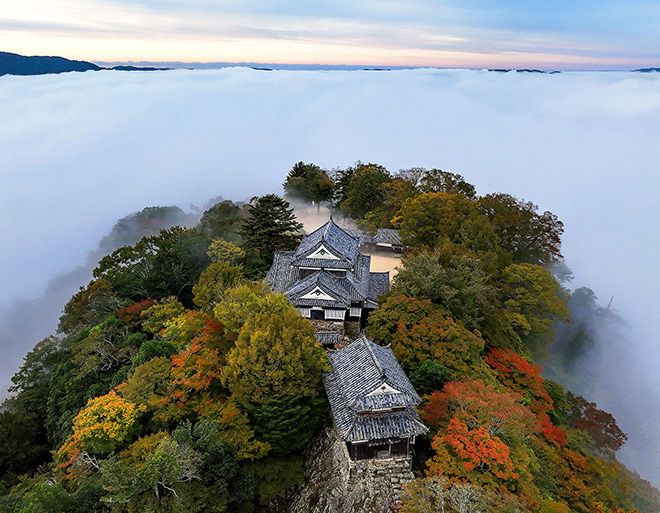
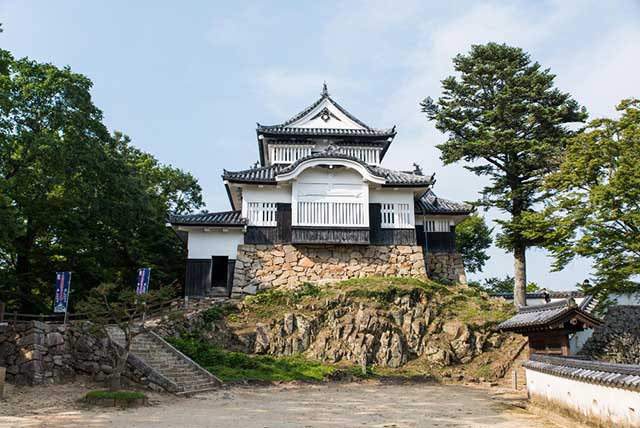
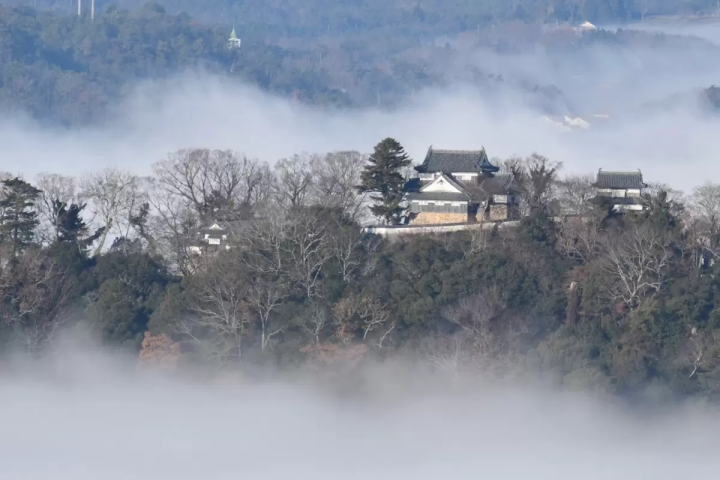
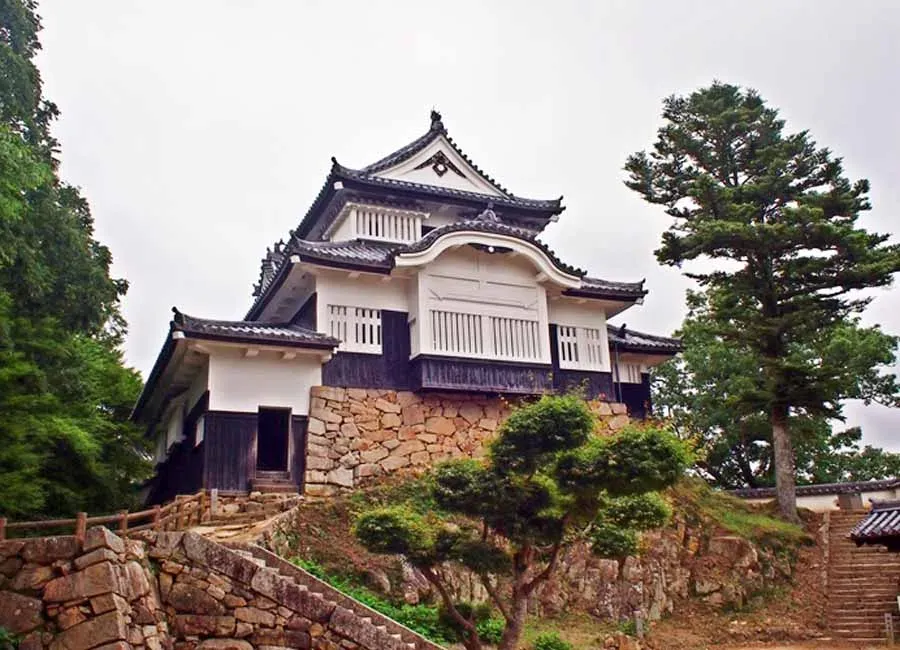
Japan's highest castle at 430m elevation. One of only 12 original castle keeps. Often above clouds in autumn mornings (the 'castle in the sky' photo). 1 hour from Okayama by car.

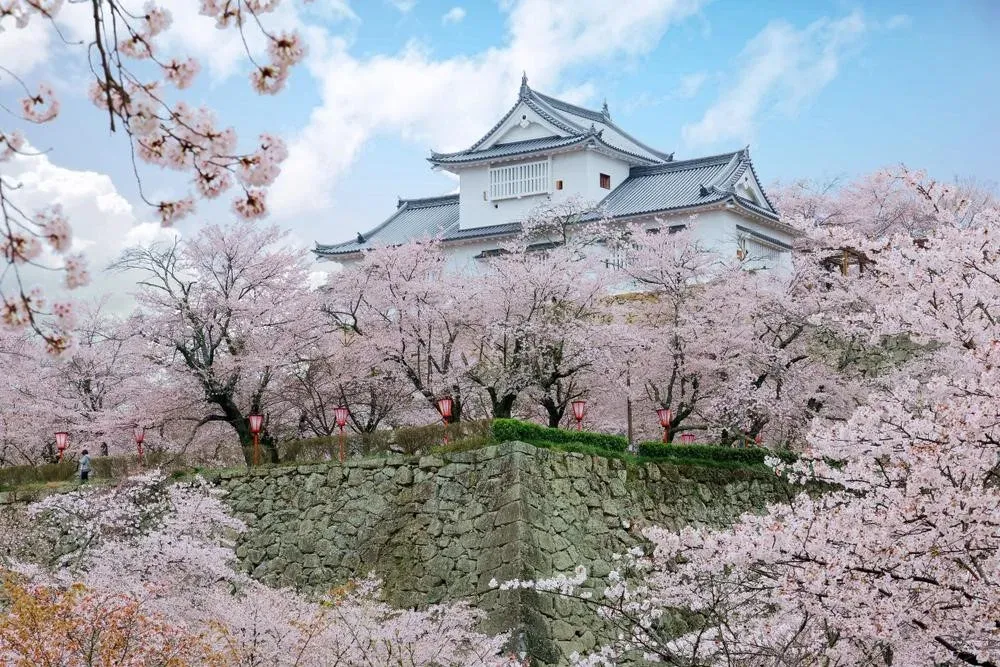
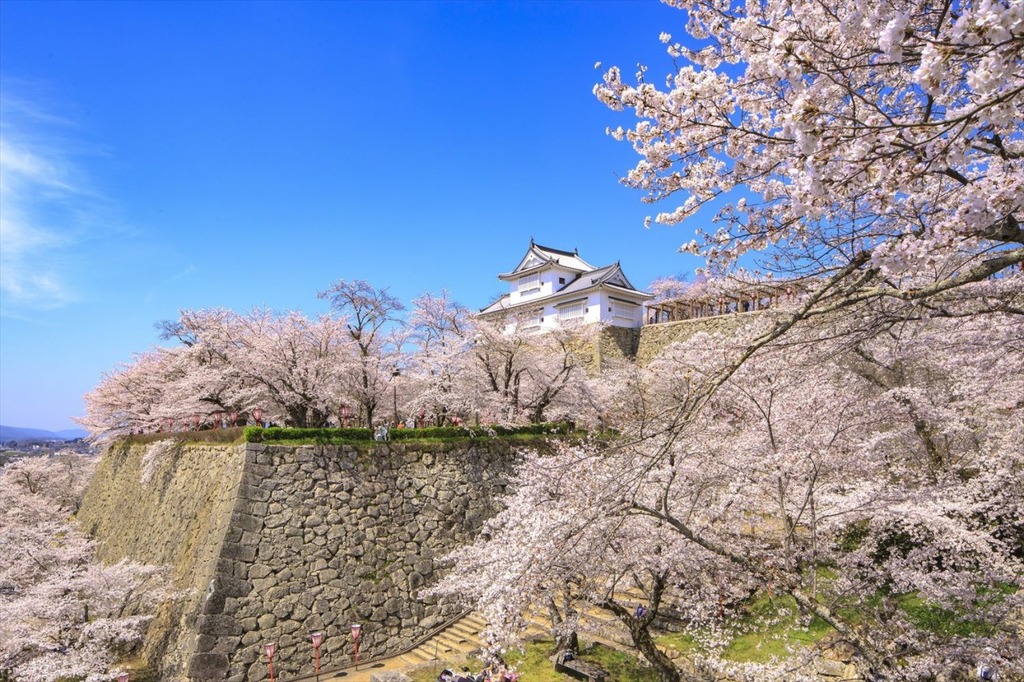
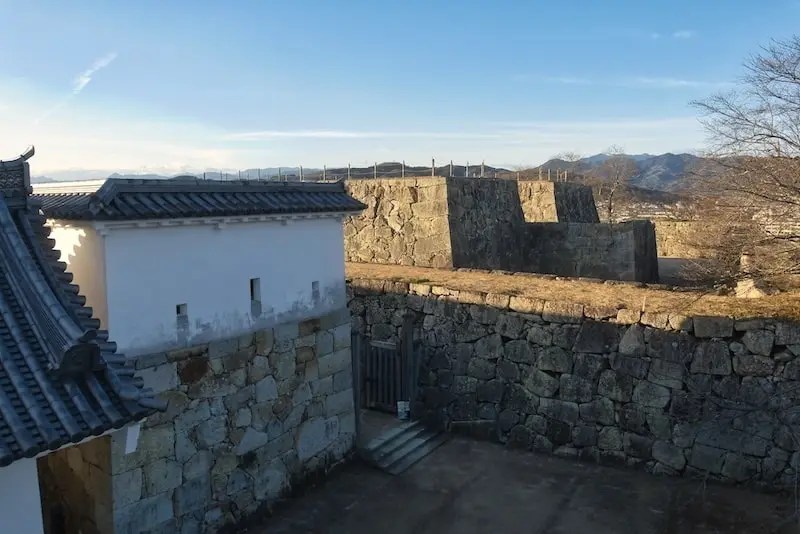
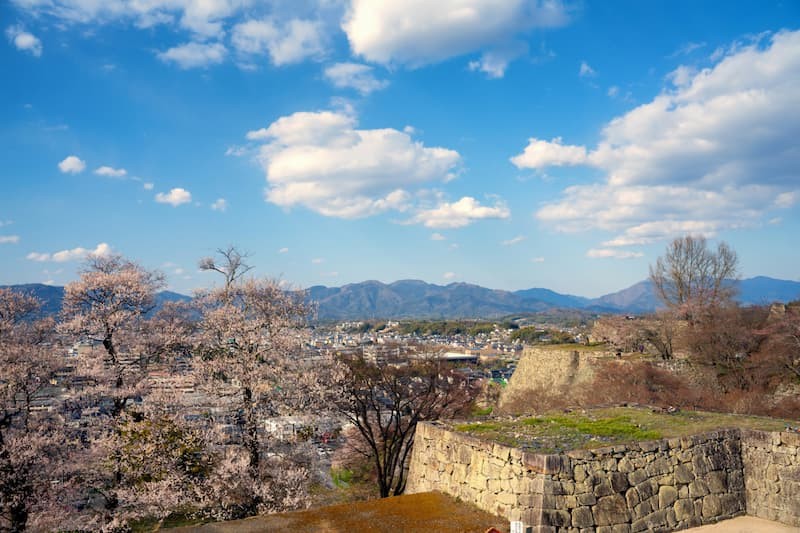
Massive stone walls among the best in Japan. Over 1000 cherry trees make it one of the best sakura spots in western Japan. The Shurakuen Garden is beautifully restored. 1 hour from Okayama.

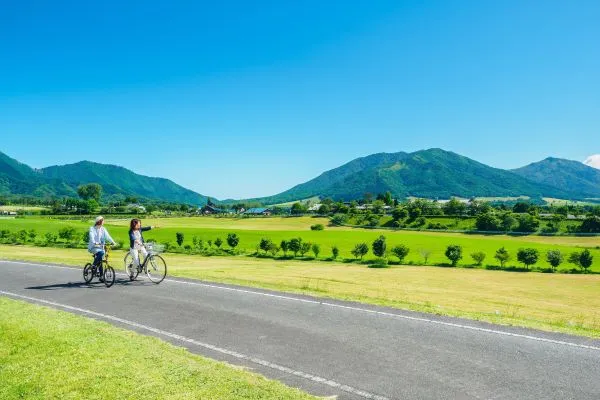
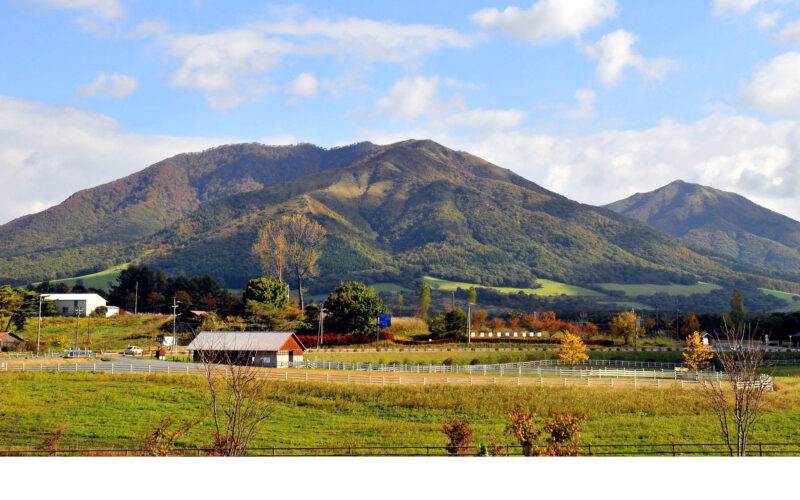
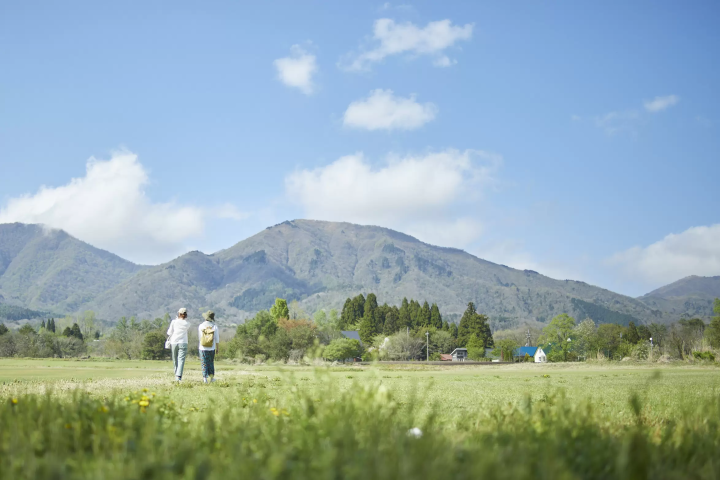
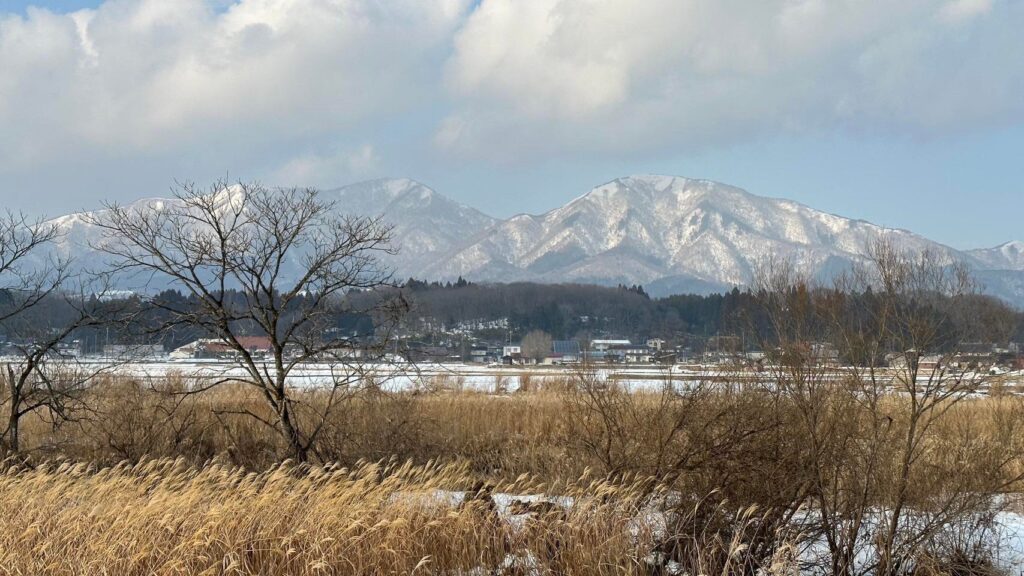
Highland plateau with cattle farms and Jersey milk ice cream. The Genghis Khan grilled lamb is excellent. Autumn foliage and winter skiing. A refreshing mountain escape. 2 hours from Okayama.
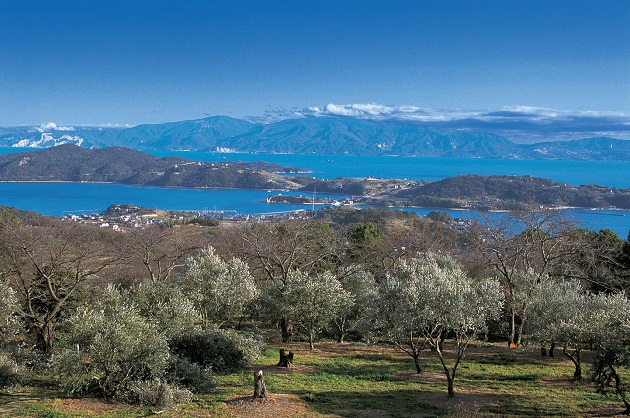
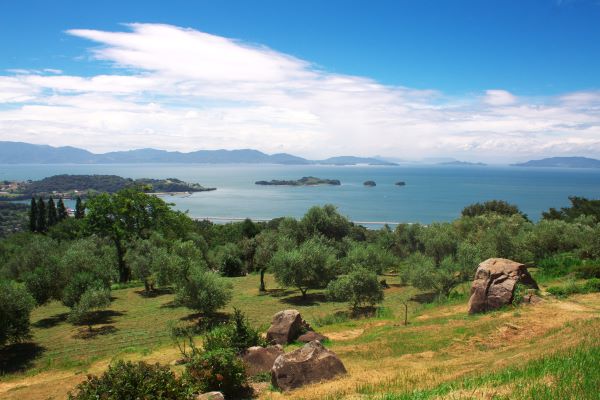
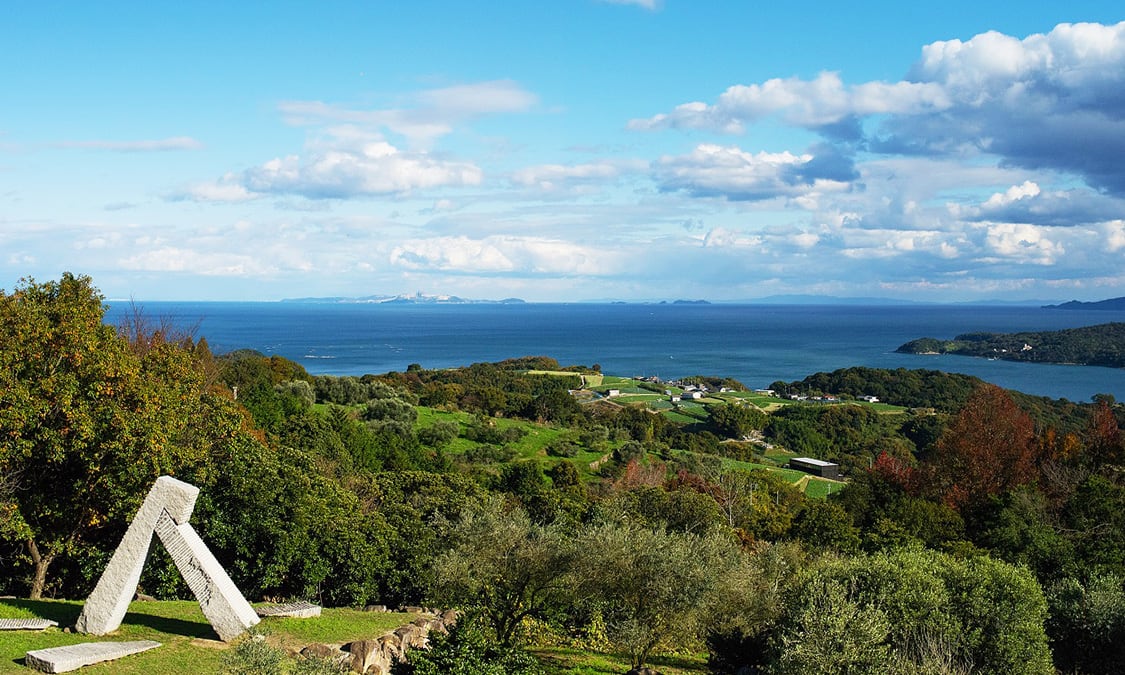
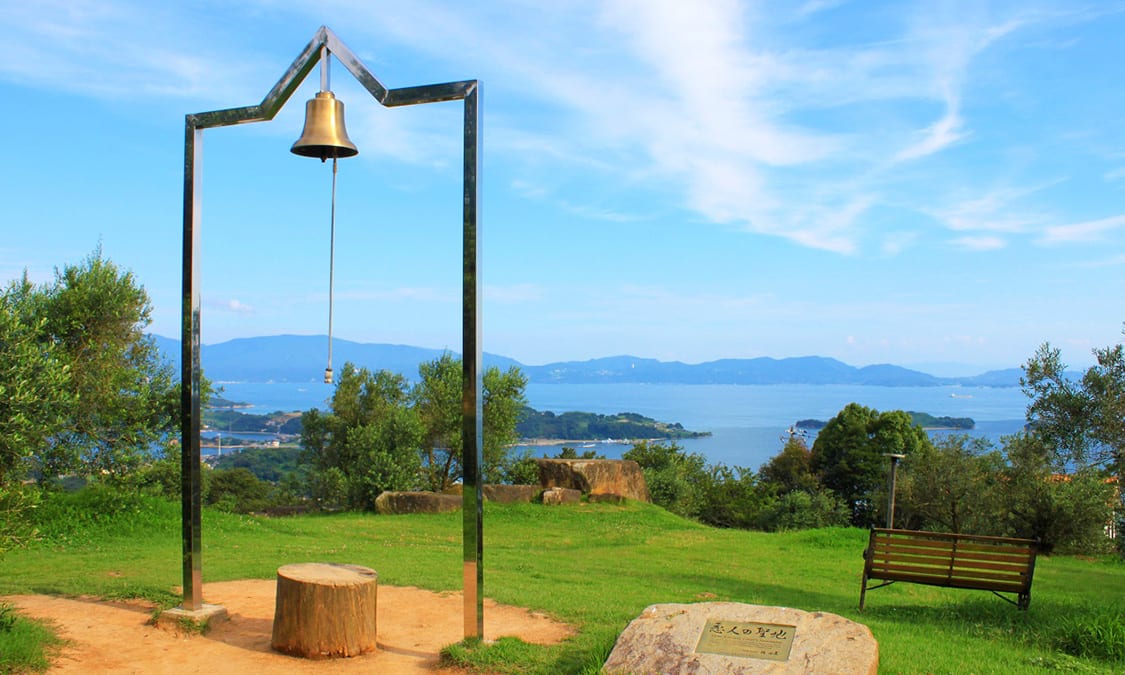
Olive groves overlooking the Seto Inland Sea. Mediterranean landscape unusual for Japan. Olive oil tastings, olive soft serve, and hilltop cafe. Beautiful sea views. 1 hour from Okayama.

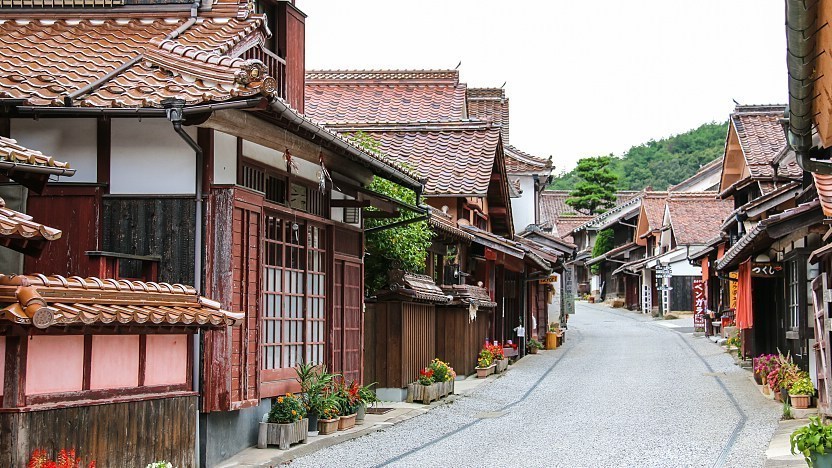
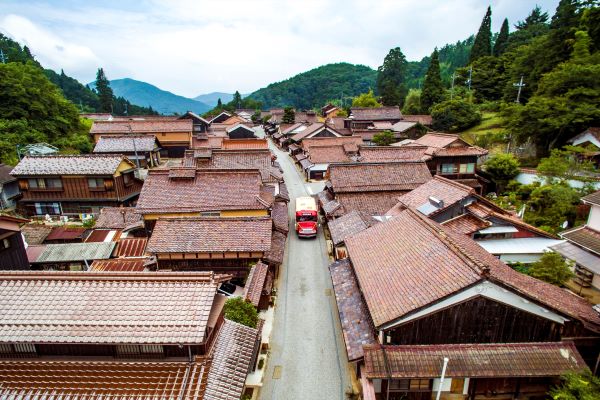
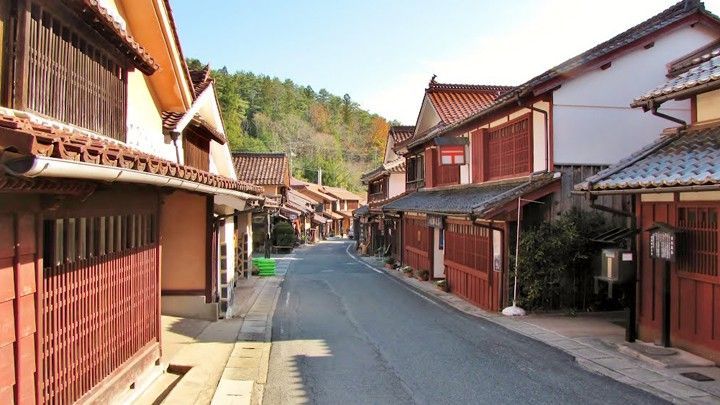
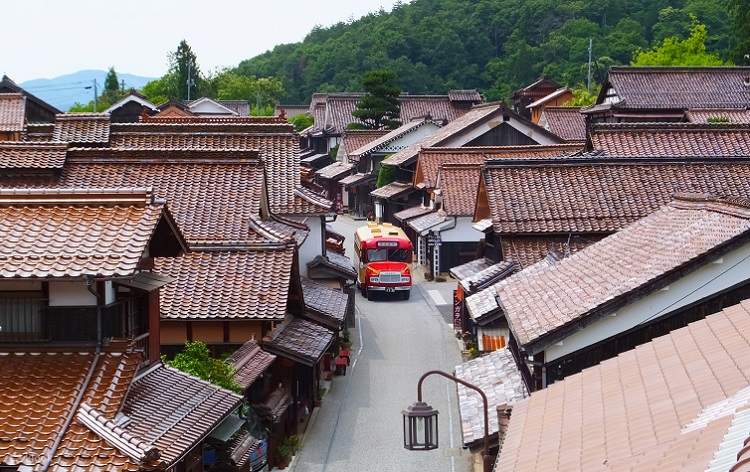
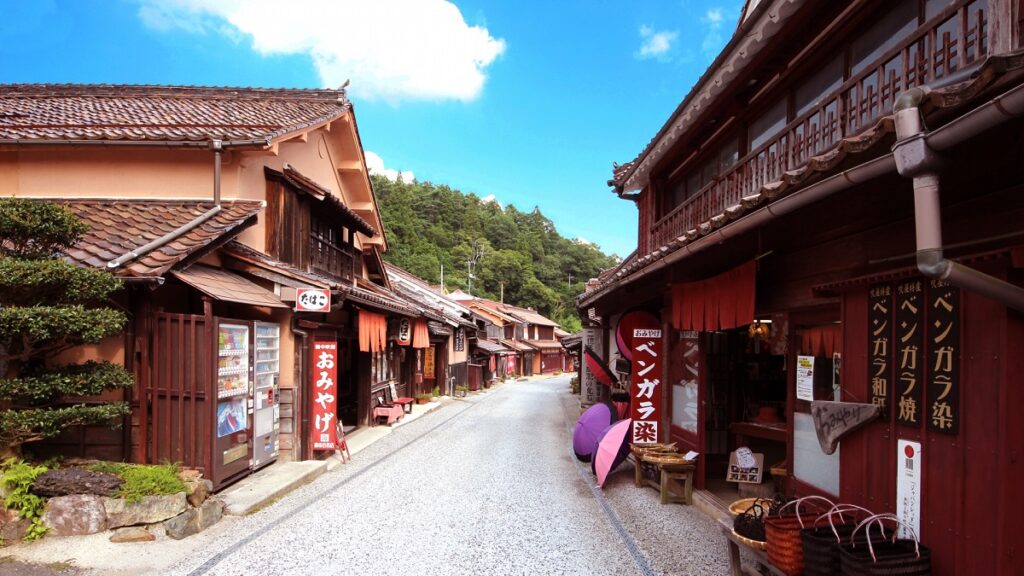
15th-century mining village with distinctive red-ochre (bengara) buildings. The entire village is painted in warm red tones. Well-preserved merchant houses and a bengara dyeing workshop. 1.5 hours from Okayama.