Japan's hot-spring capital, steaming jigoku 'hells', open-air onsen, volcanic sand baths, and Kyushu's bathing culture at its best. 67 curated spots.
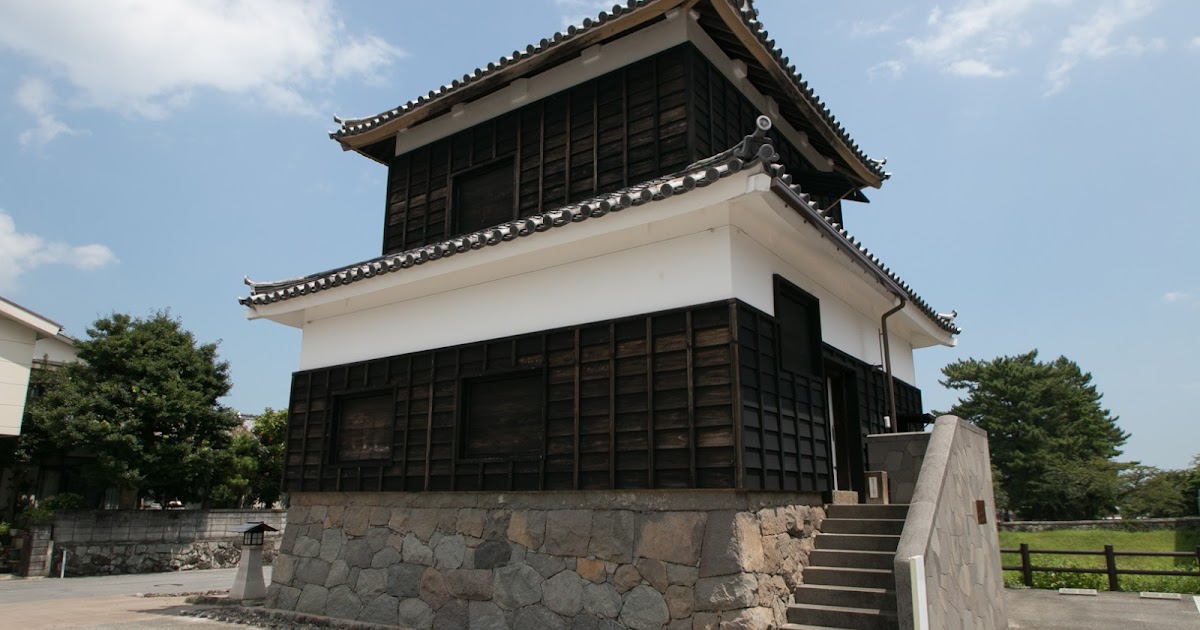
Castle ruins, architectural wonders, and centuries of local heritage.
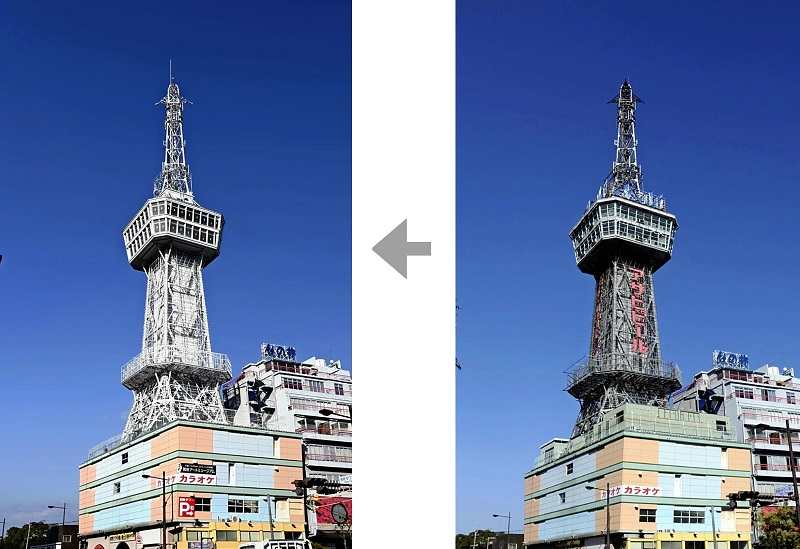
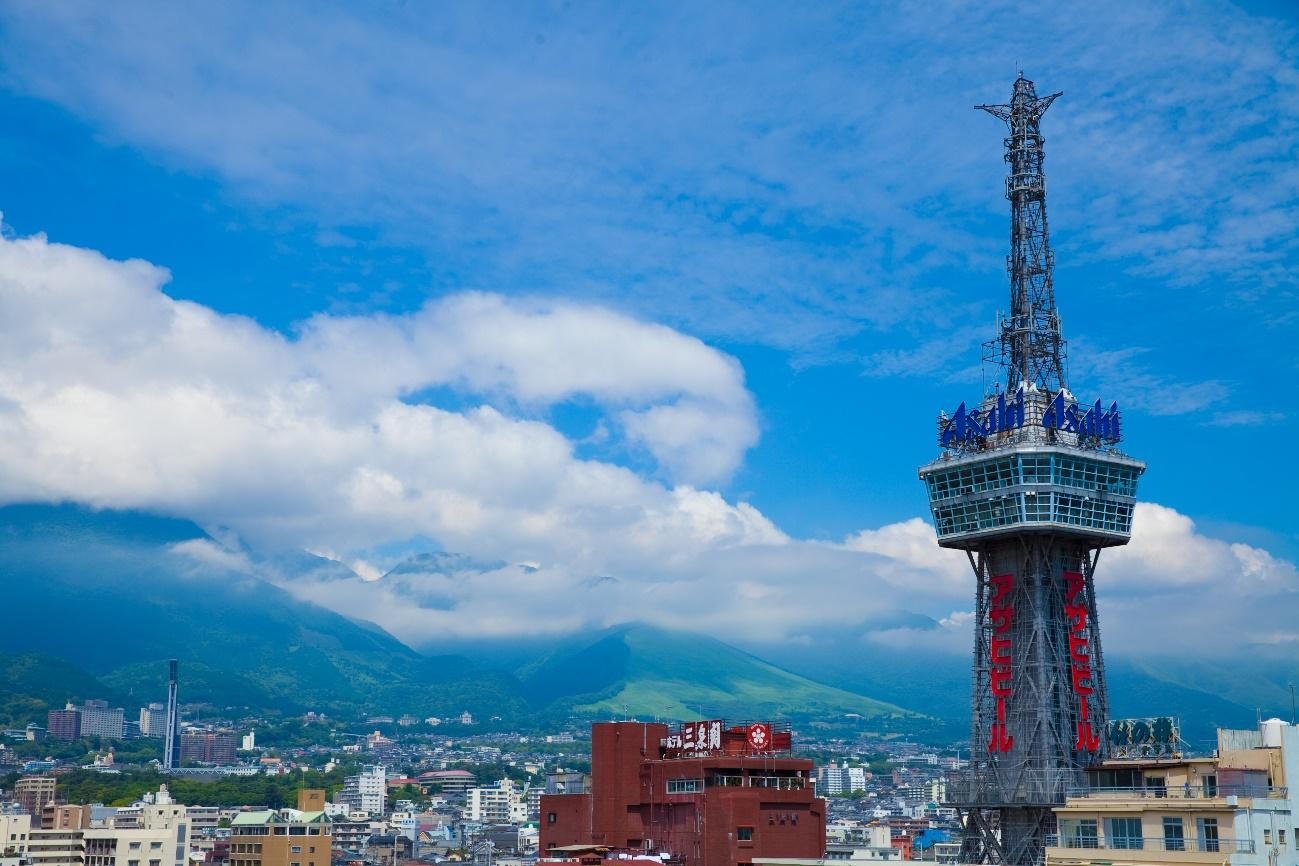
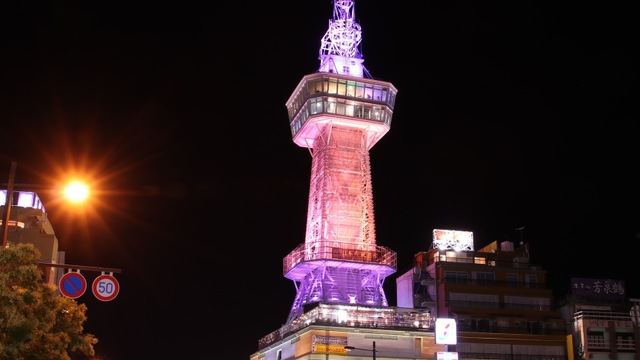
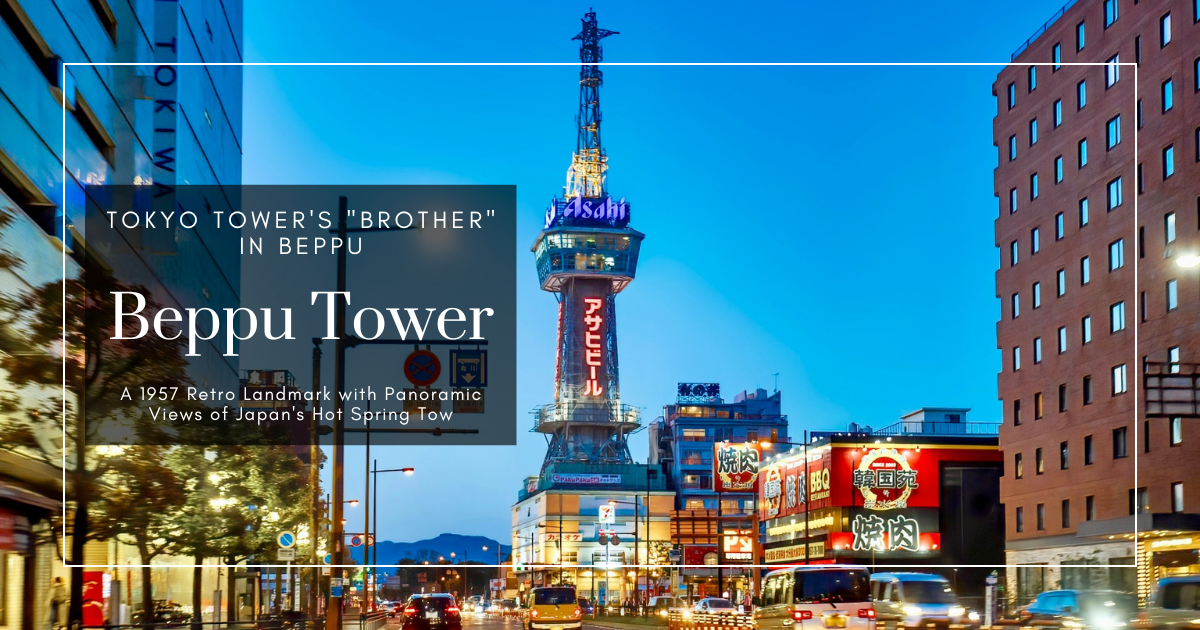
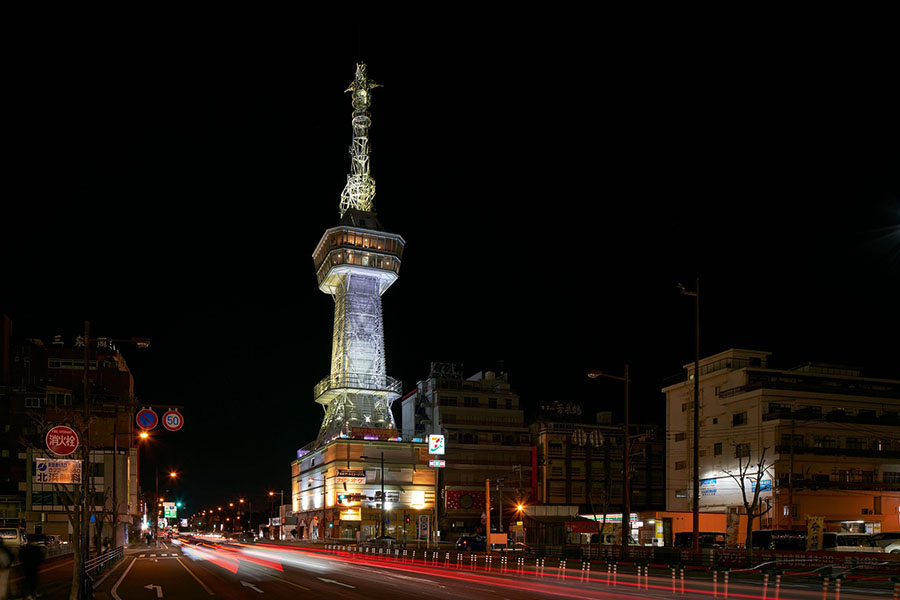
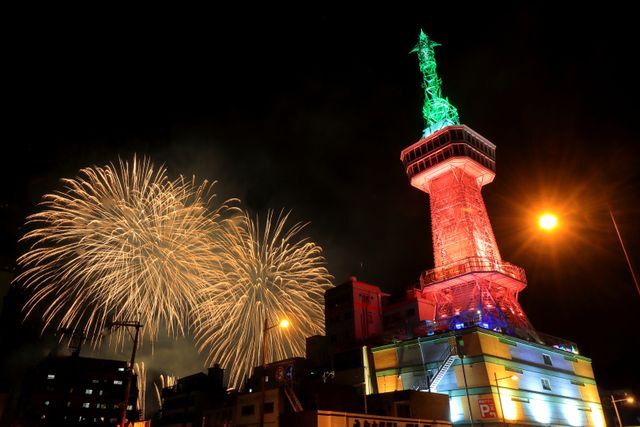
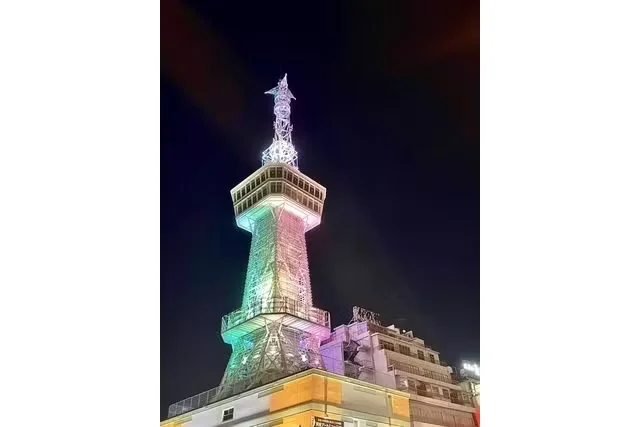
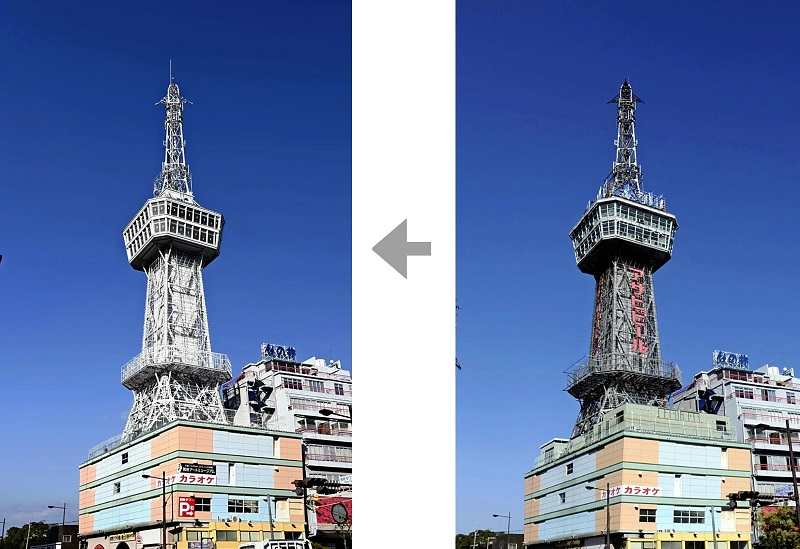
Retro observation tower from 1957. 55m tall with city and mountain views. Part of the same generation as Tokyo Tower. The night illumination and retro charm are nostalgic.
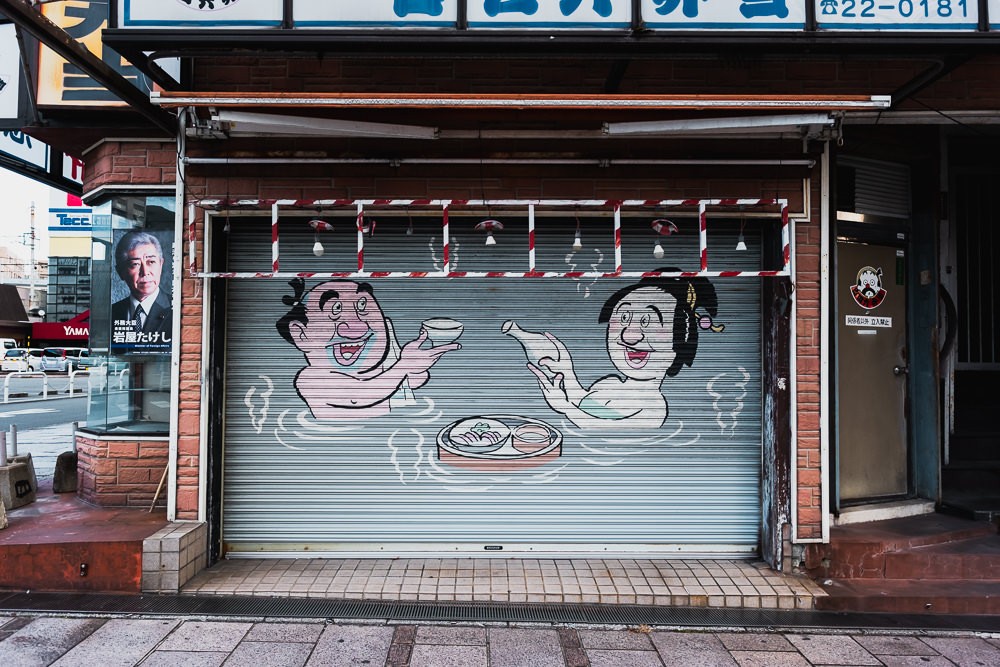
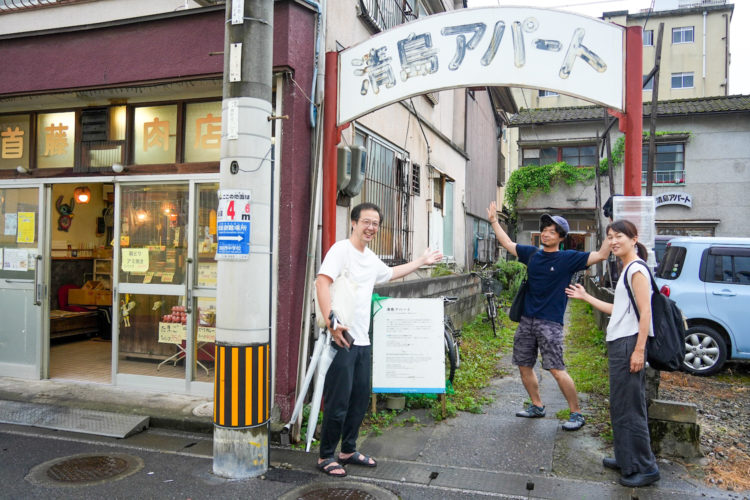
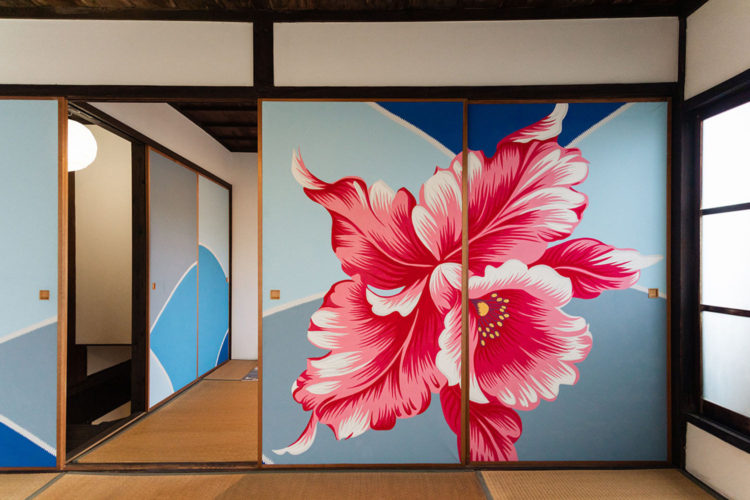
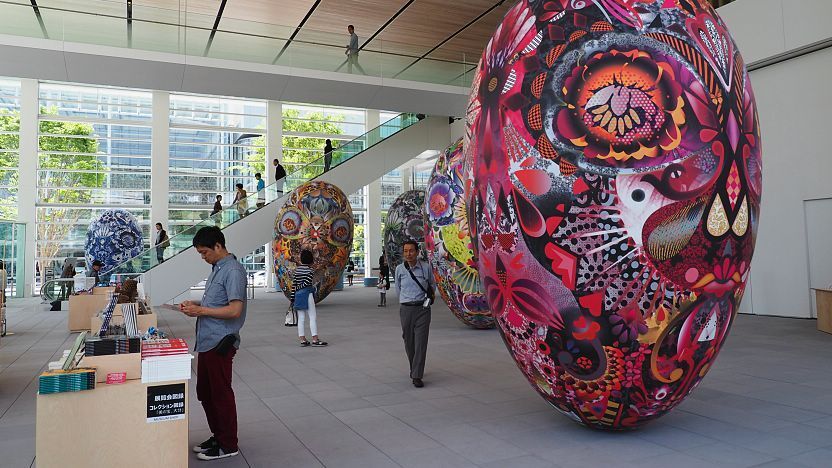
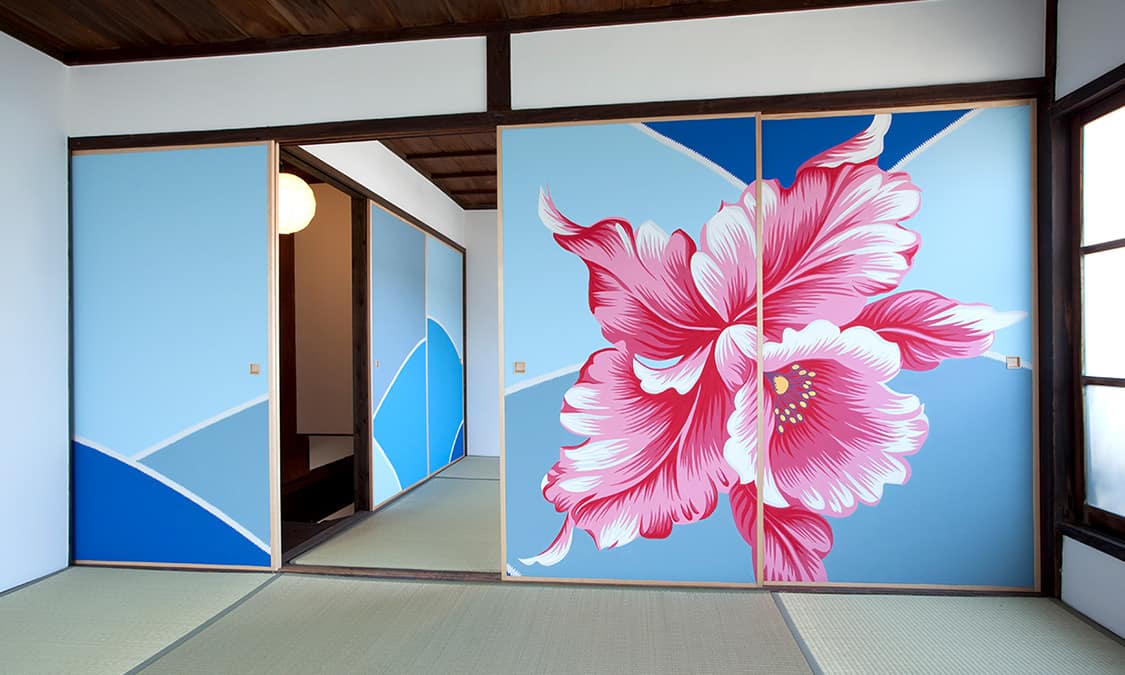
Growing collection of murals and installations from the Beppu Art Month events. Contemporary art scattered through the onsen streets. A free walking gallery throughout the city.
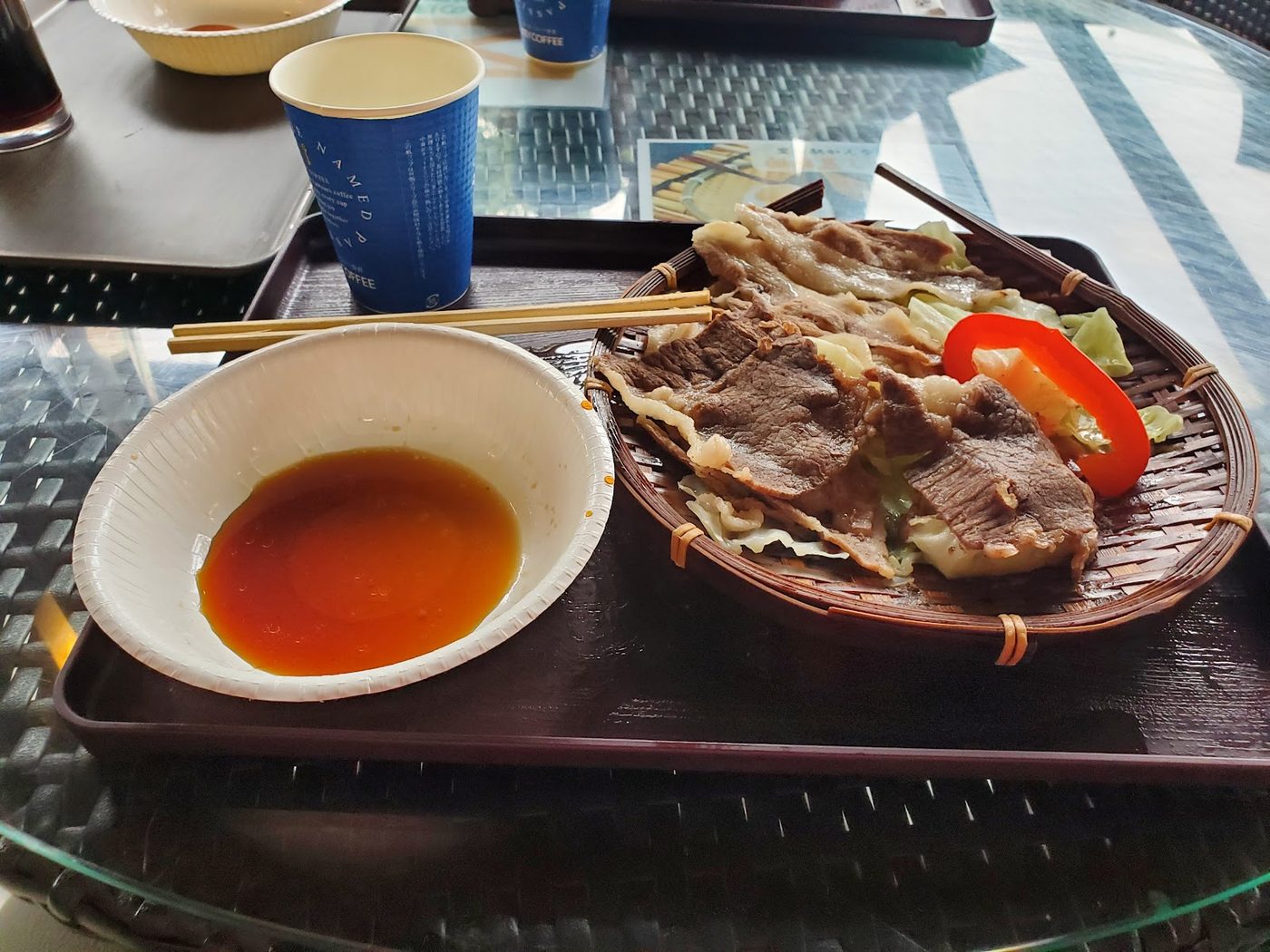
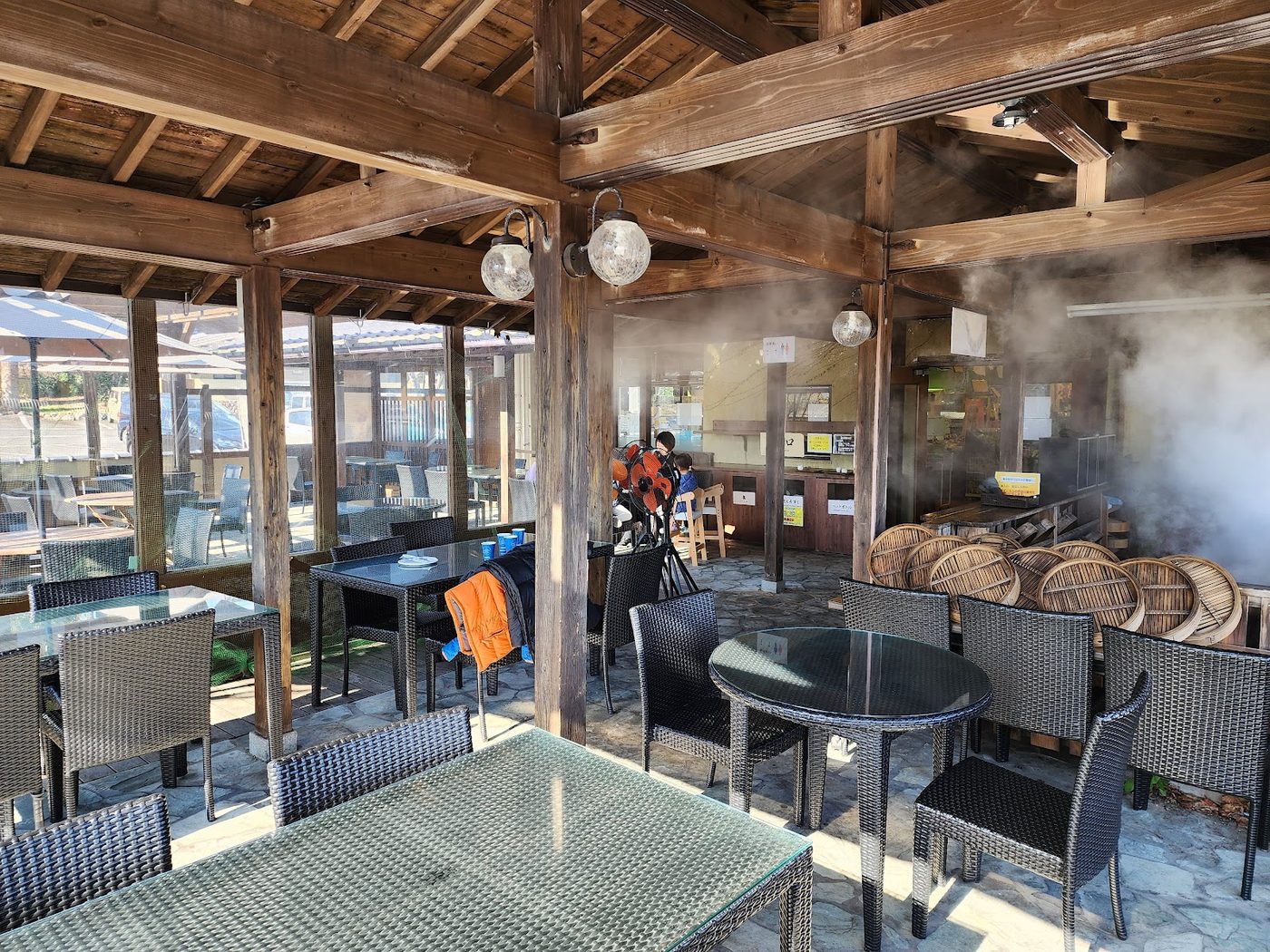
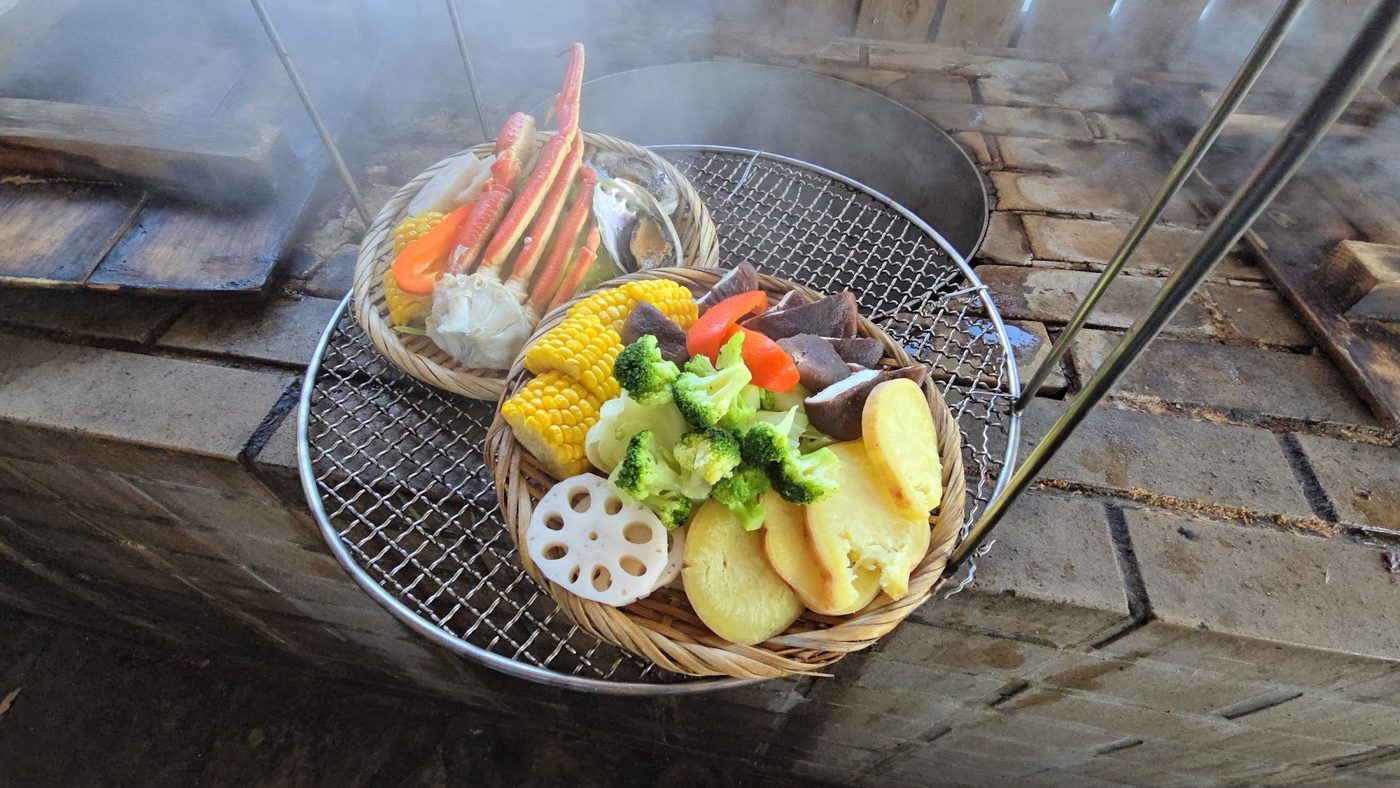
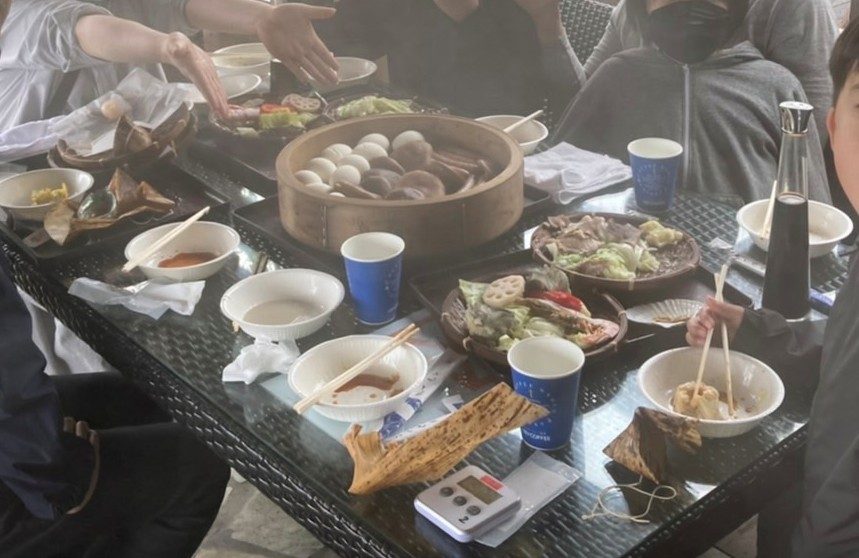
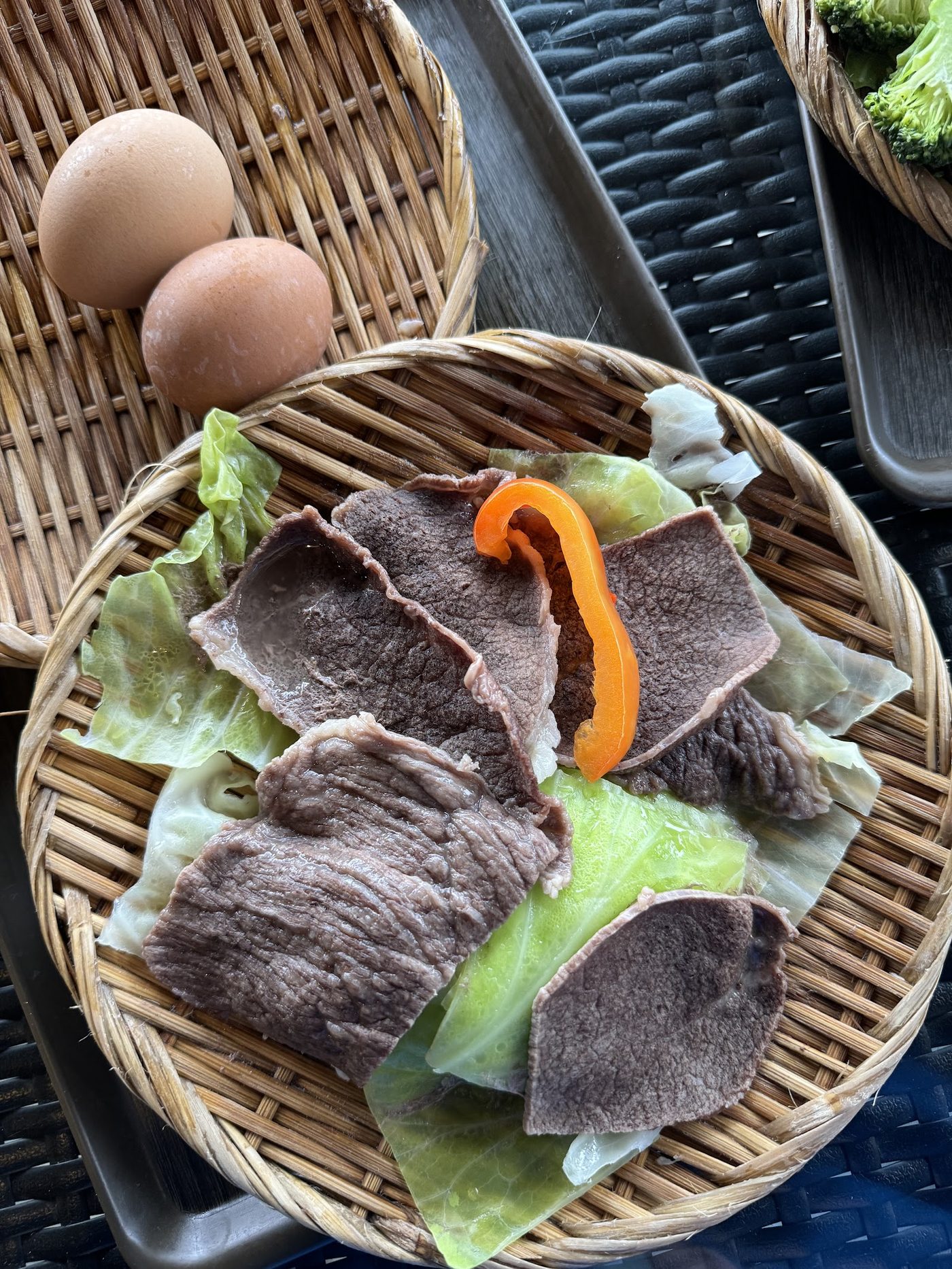
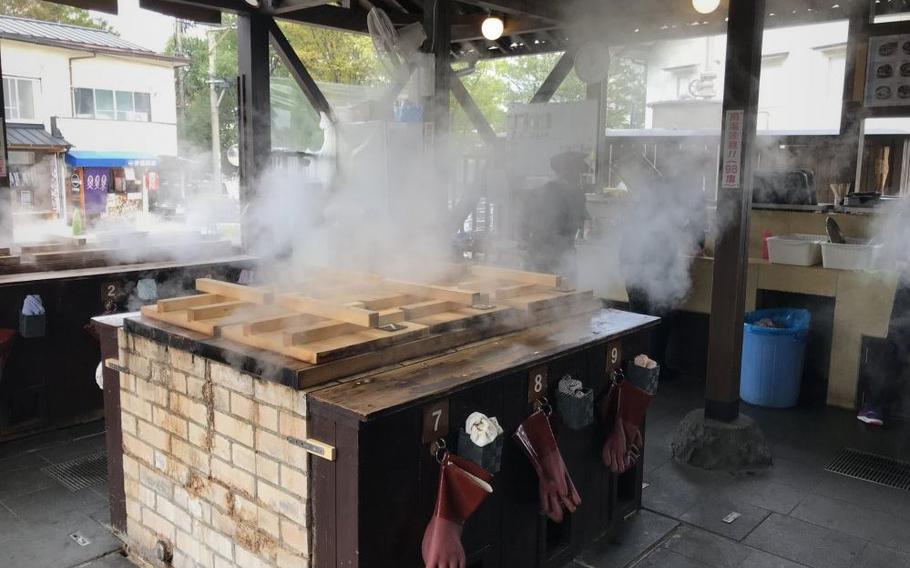
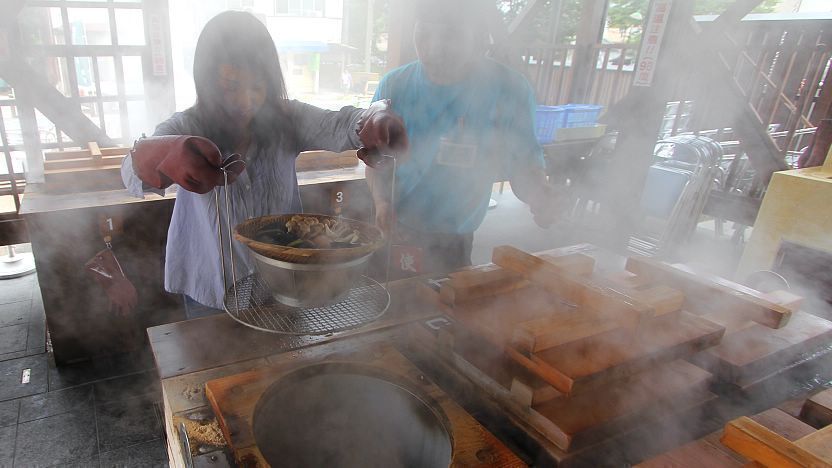
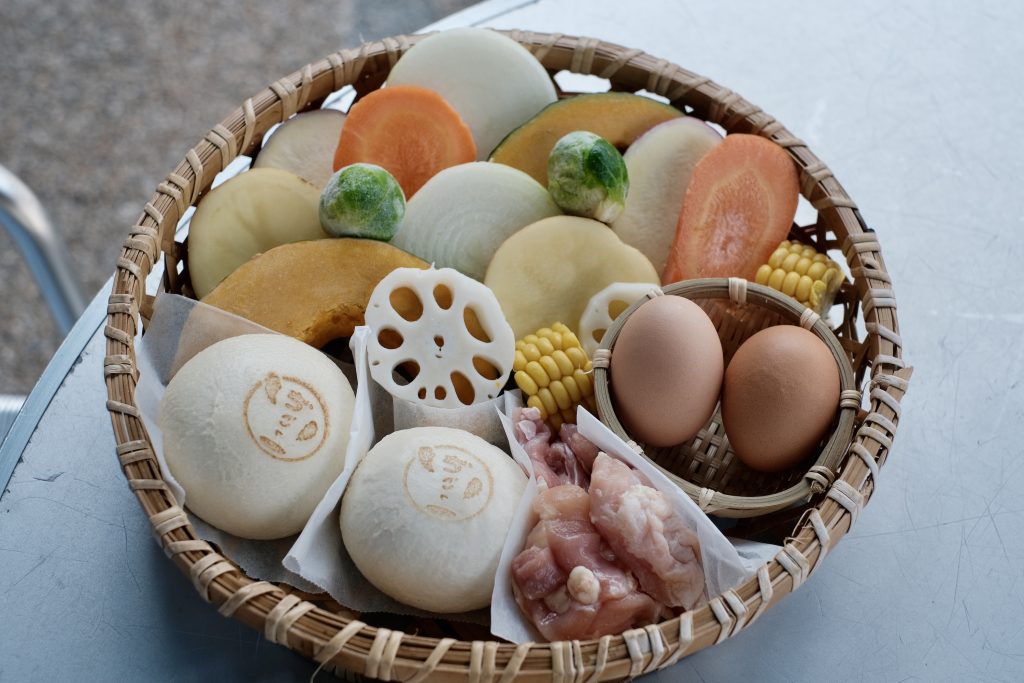
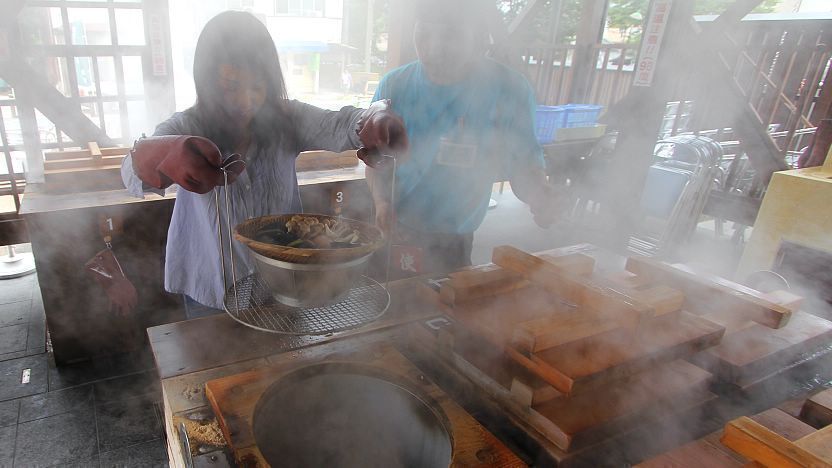
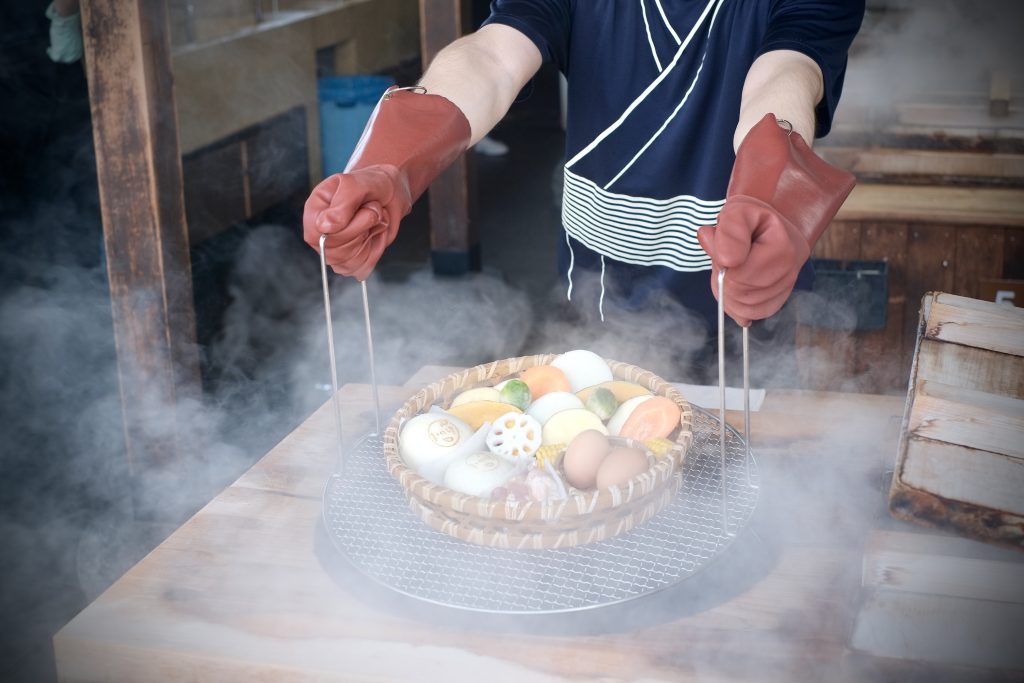
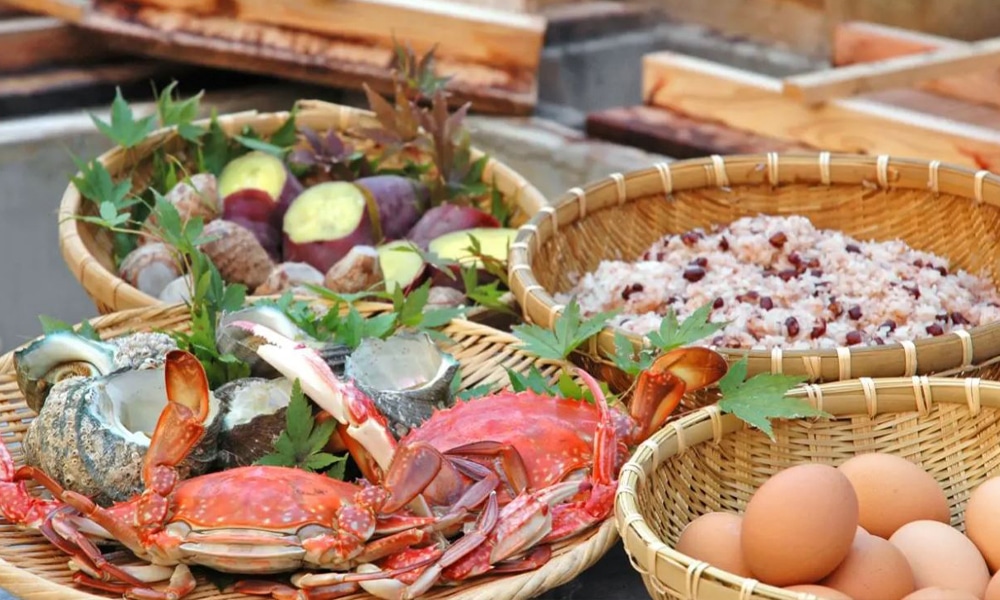
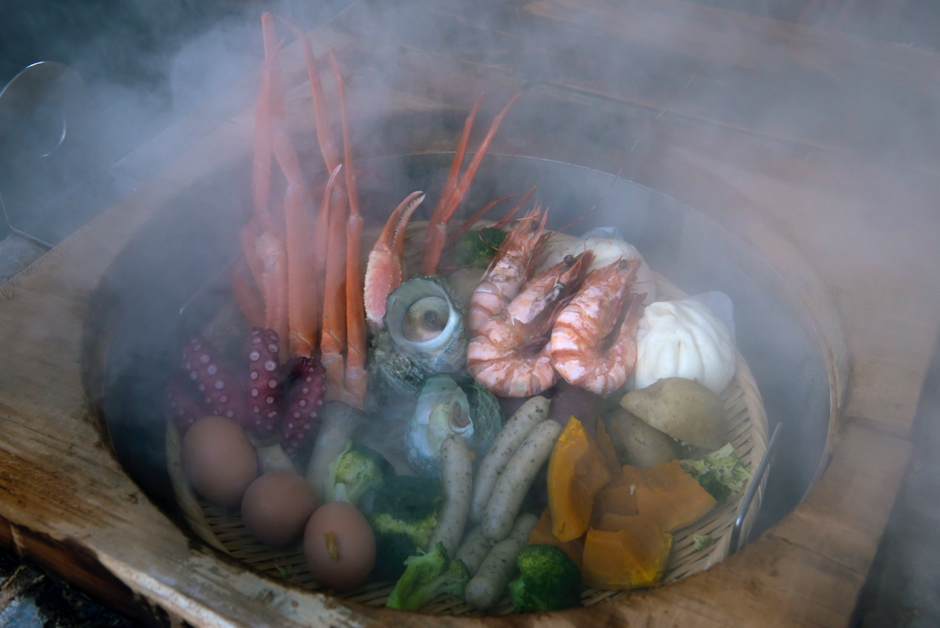
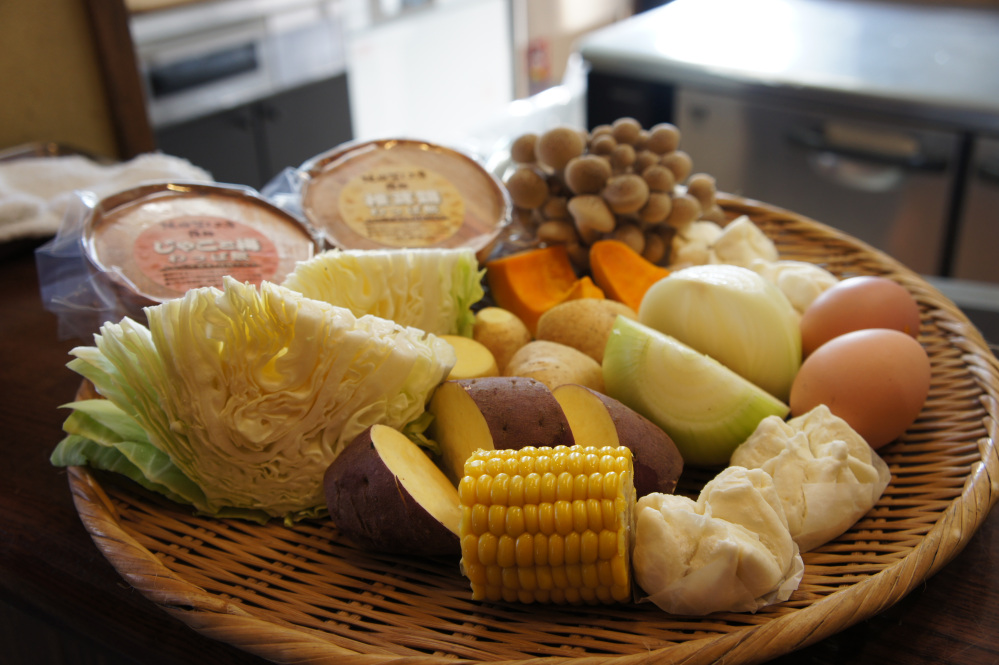
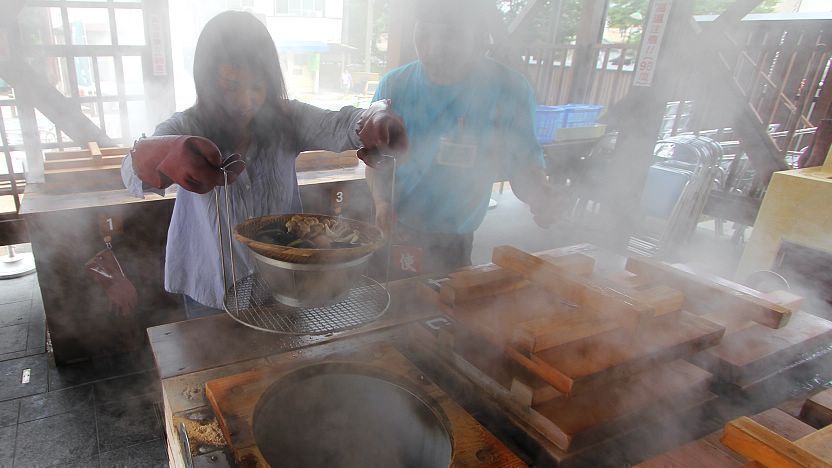
Cook your own food using natural volcanic steam vents, rent a basket, buy eggs, corn, and sweet potatoes at the market, then steam them...
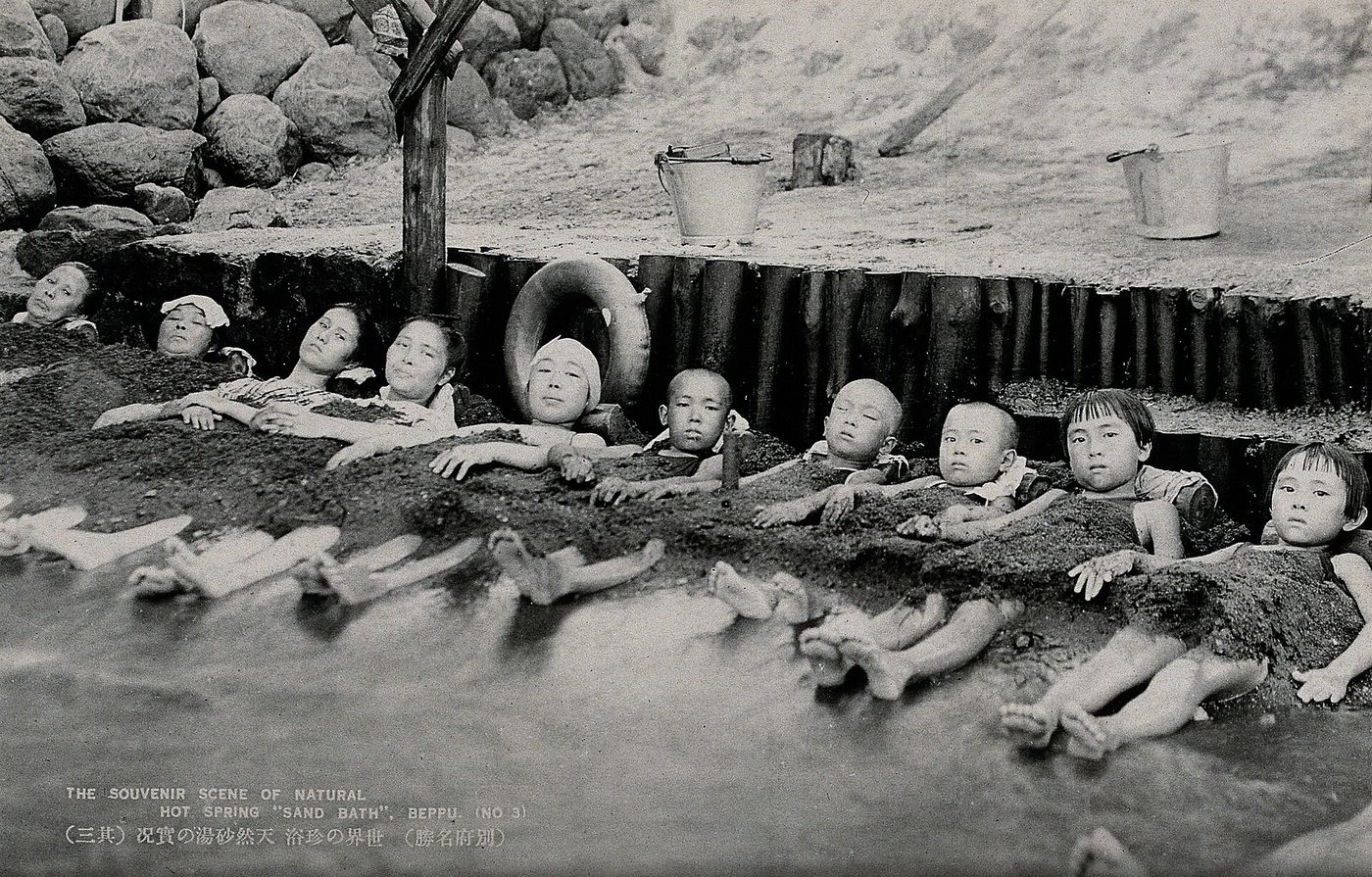
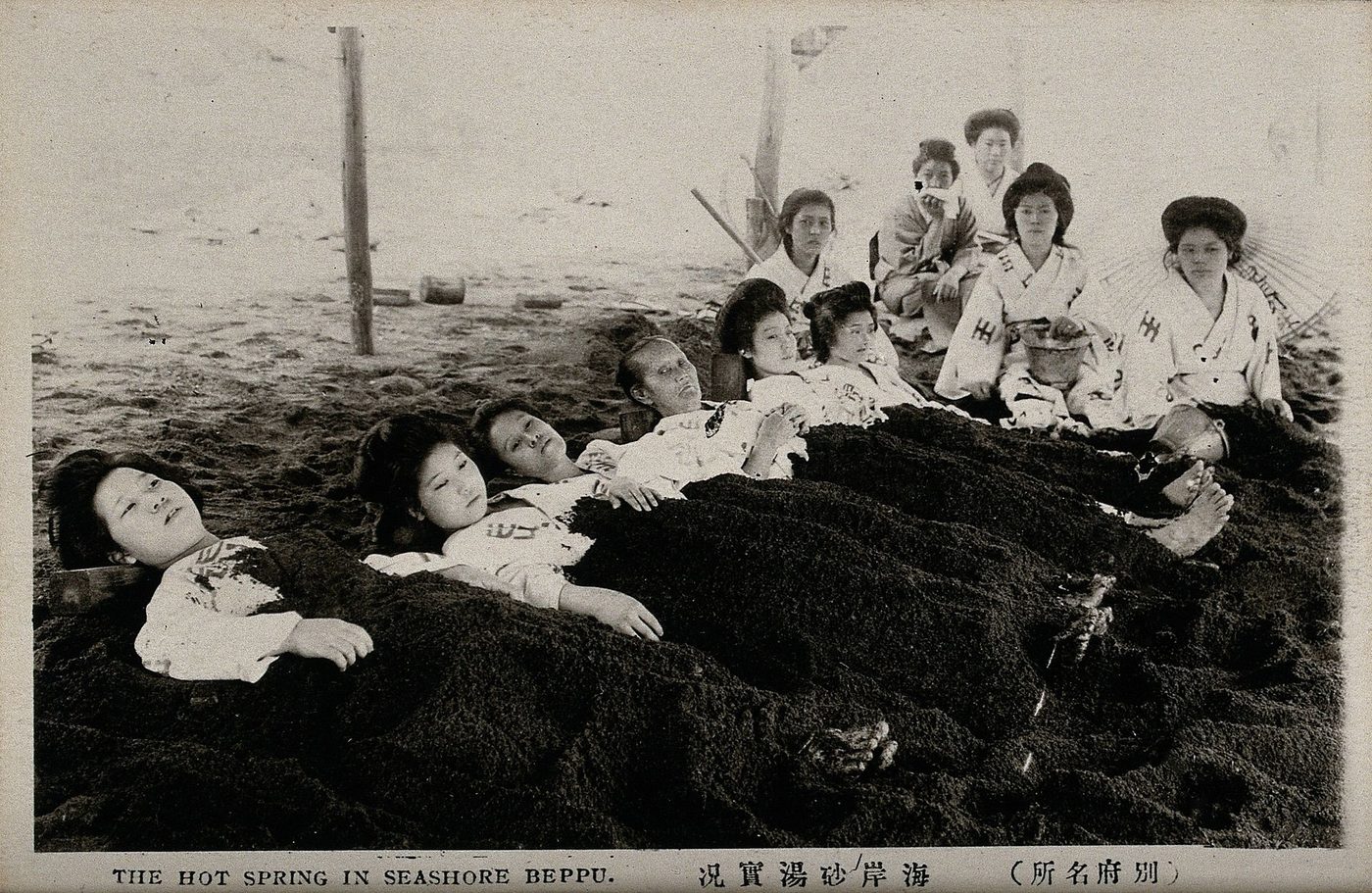
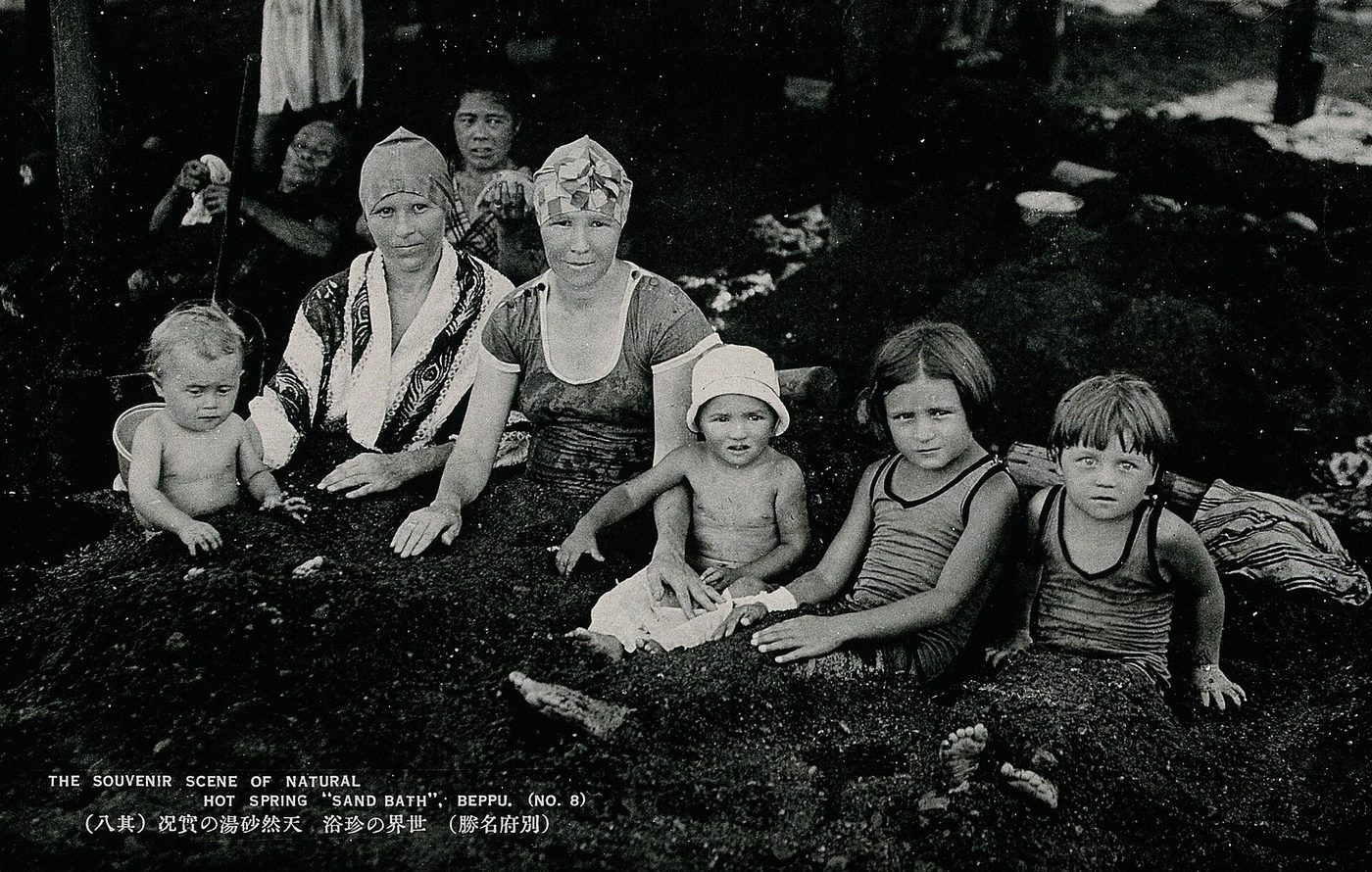
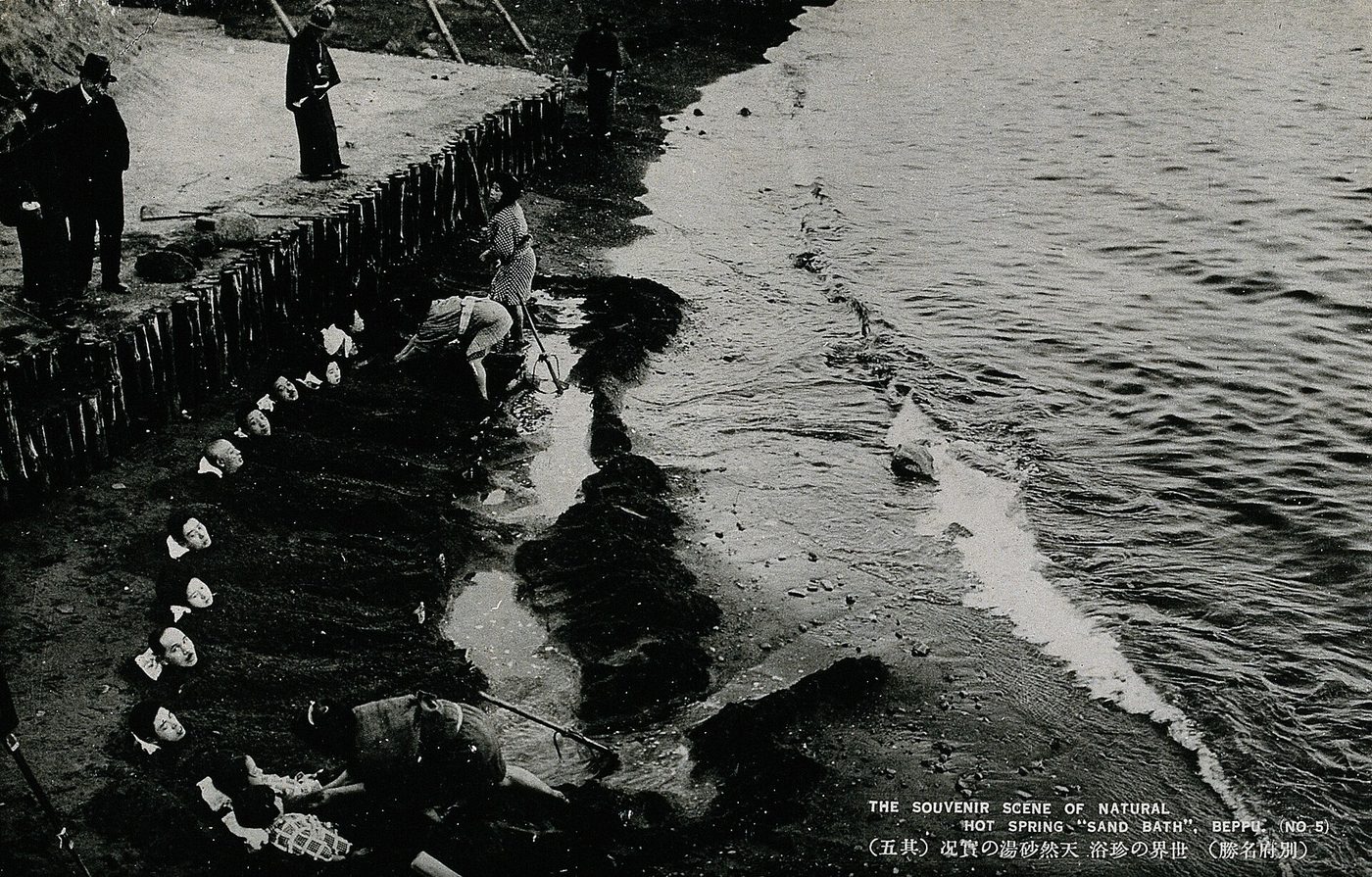
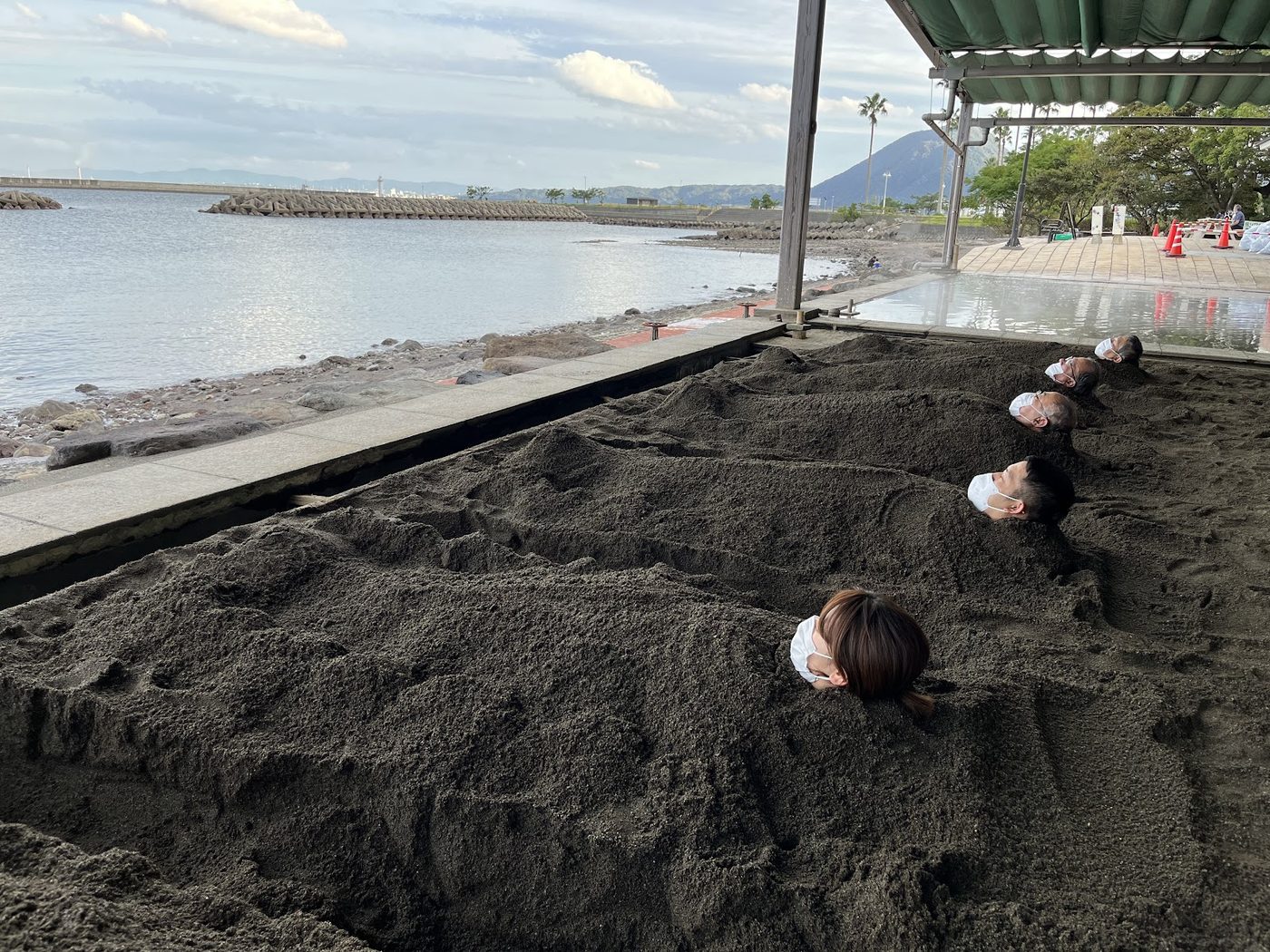
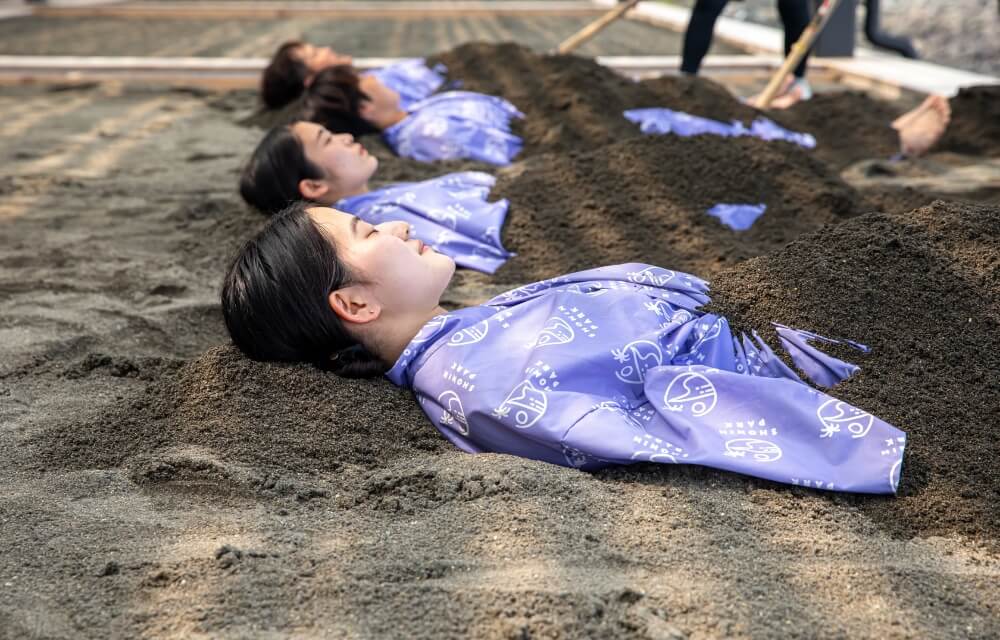
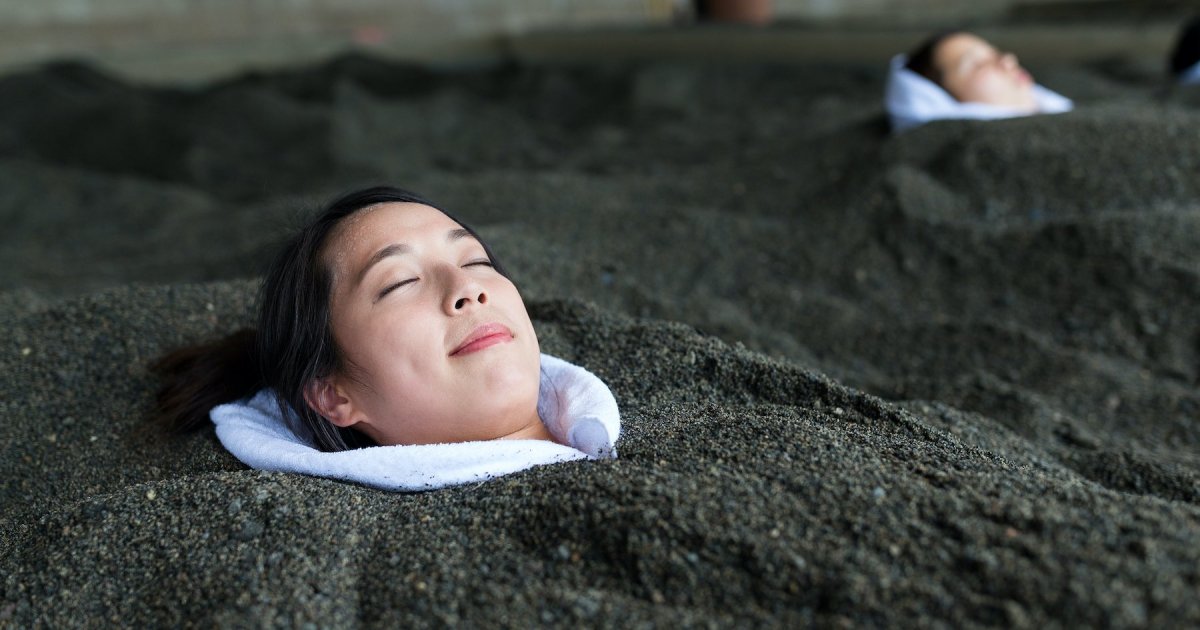
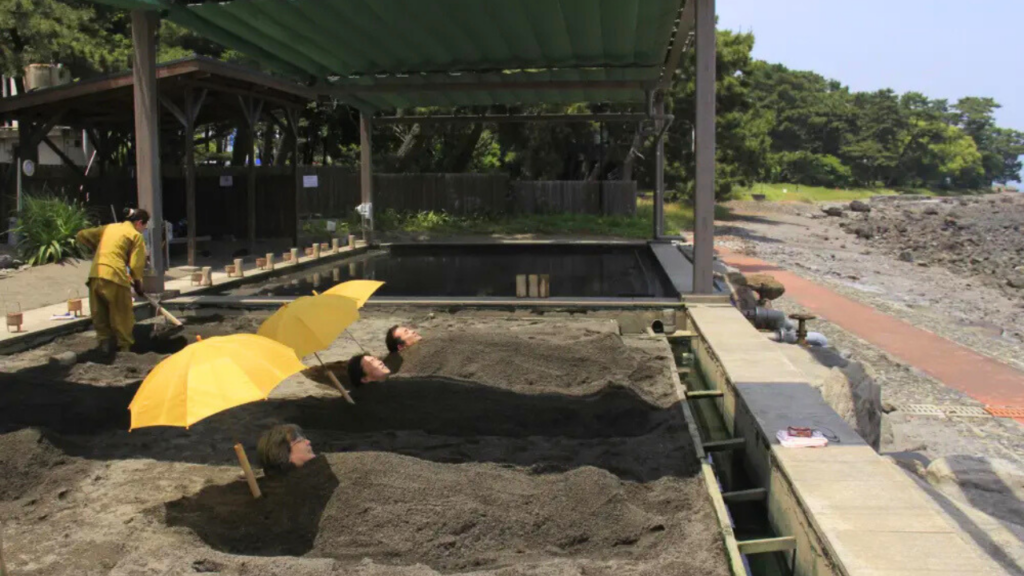
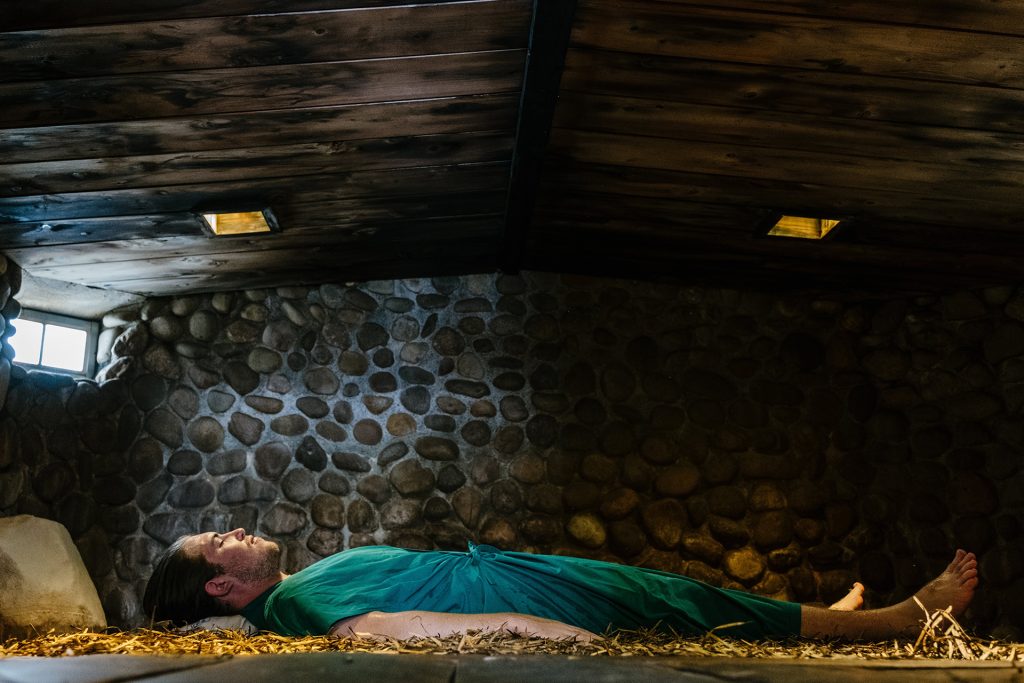
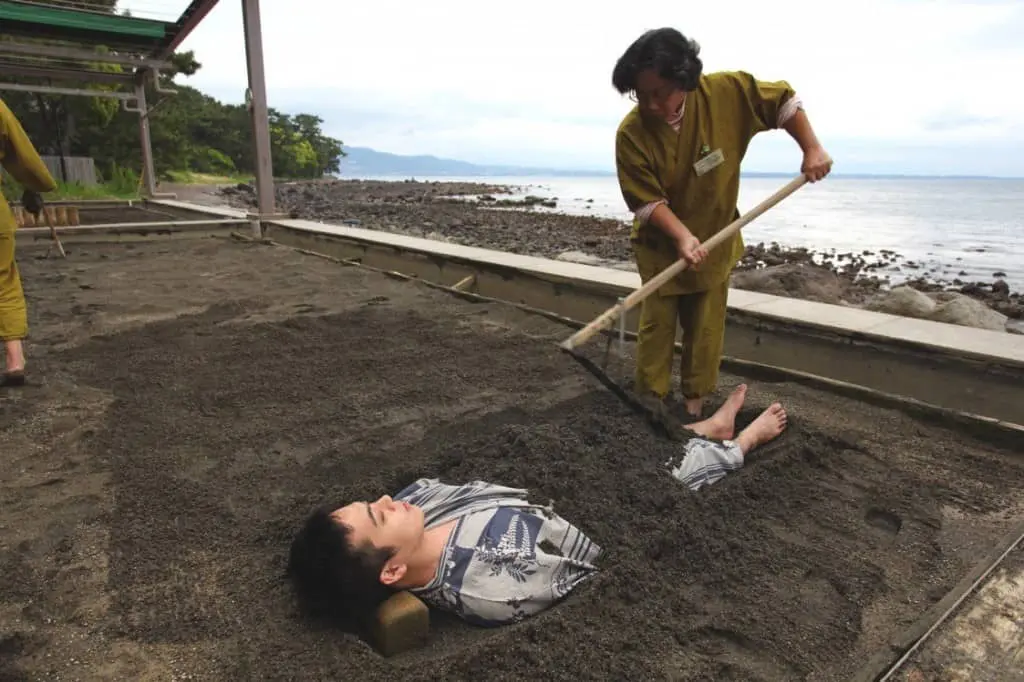
Get buried in naturally heated volcanic sand on the beach, attendants shovel hot sand over your body while you lie in a yukata. The...
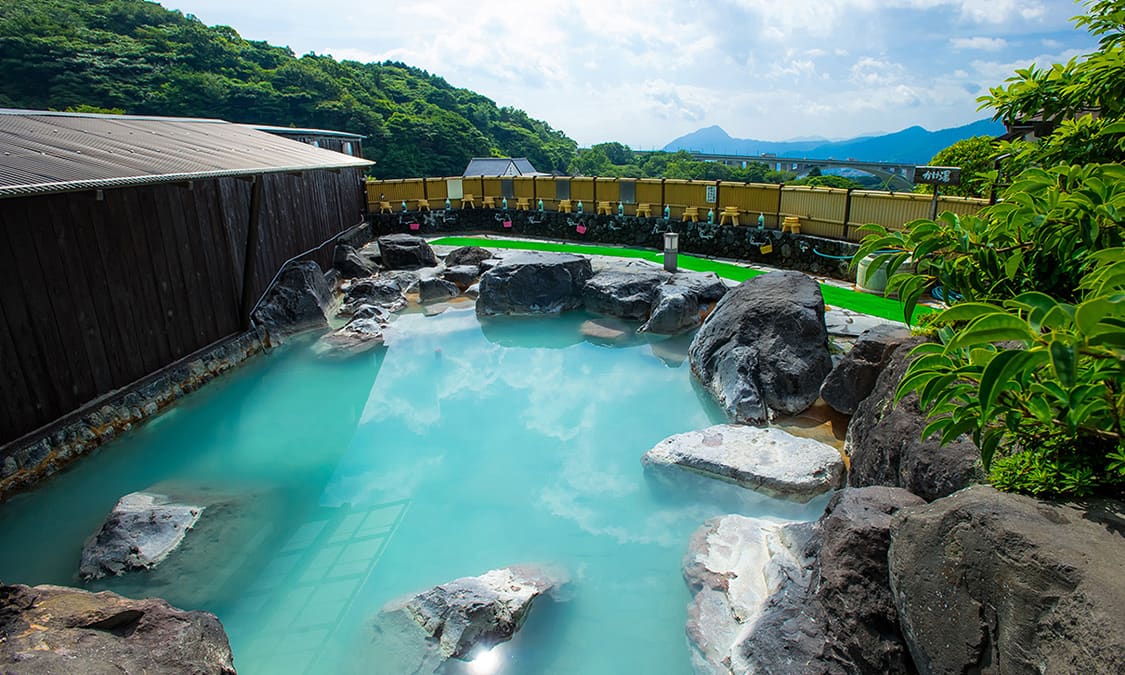
Zelkova-lined avenues, lively arcades, and a lively local nightlife scene.
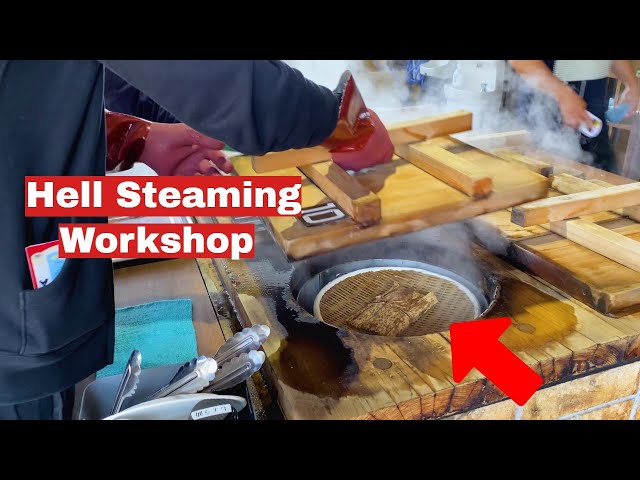
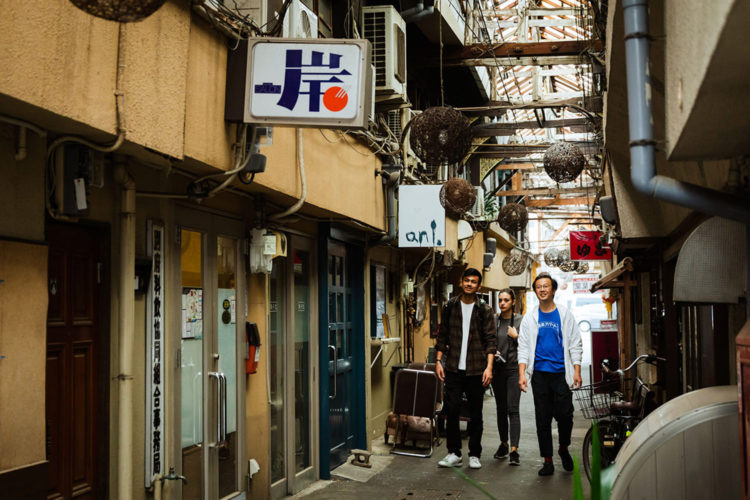
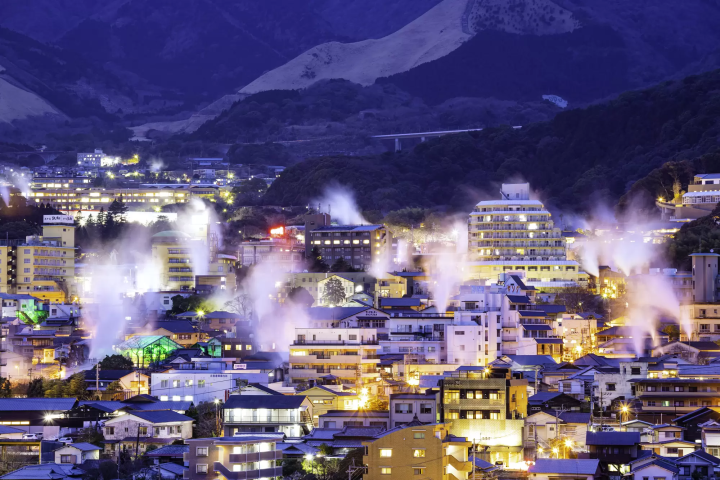
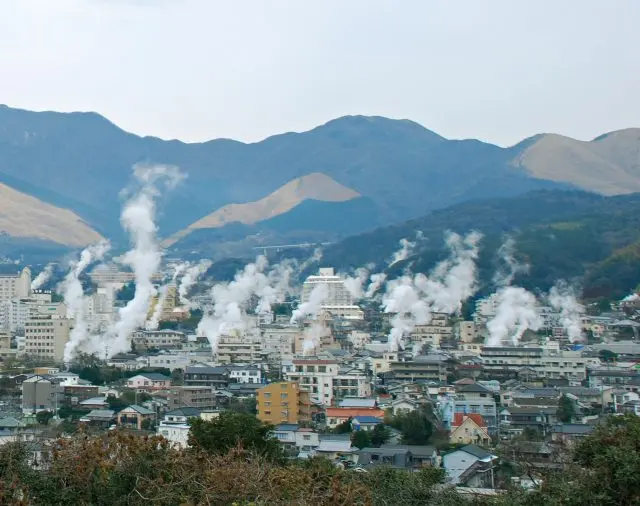
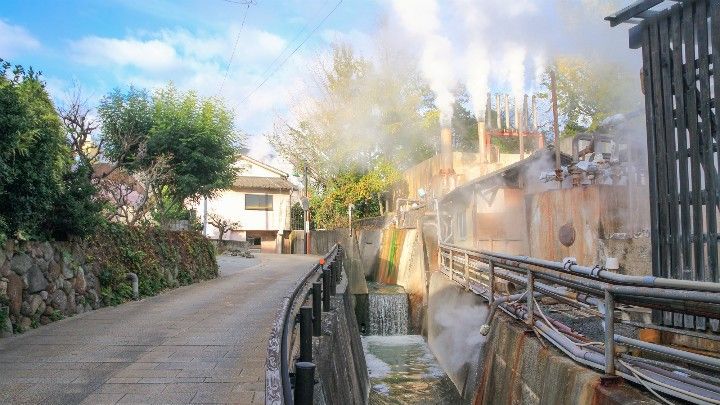
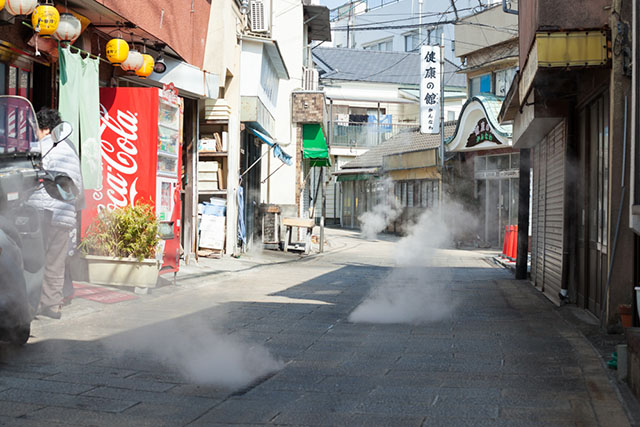
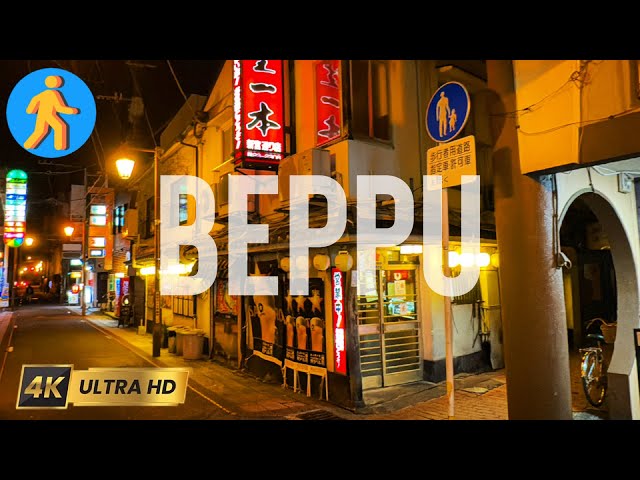
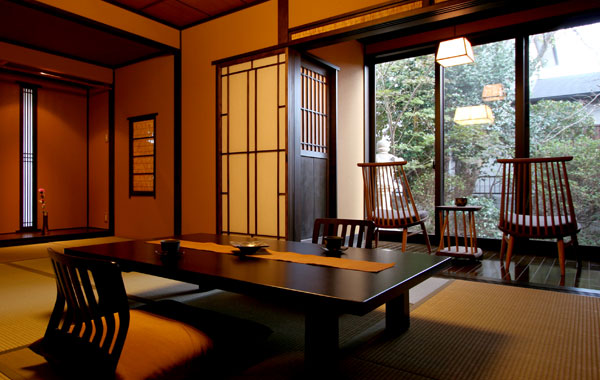
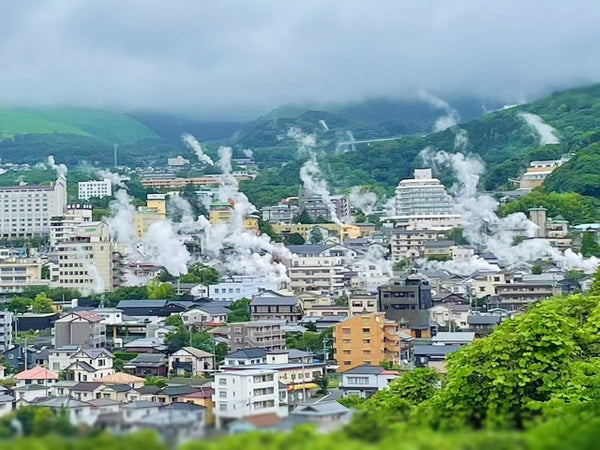
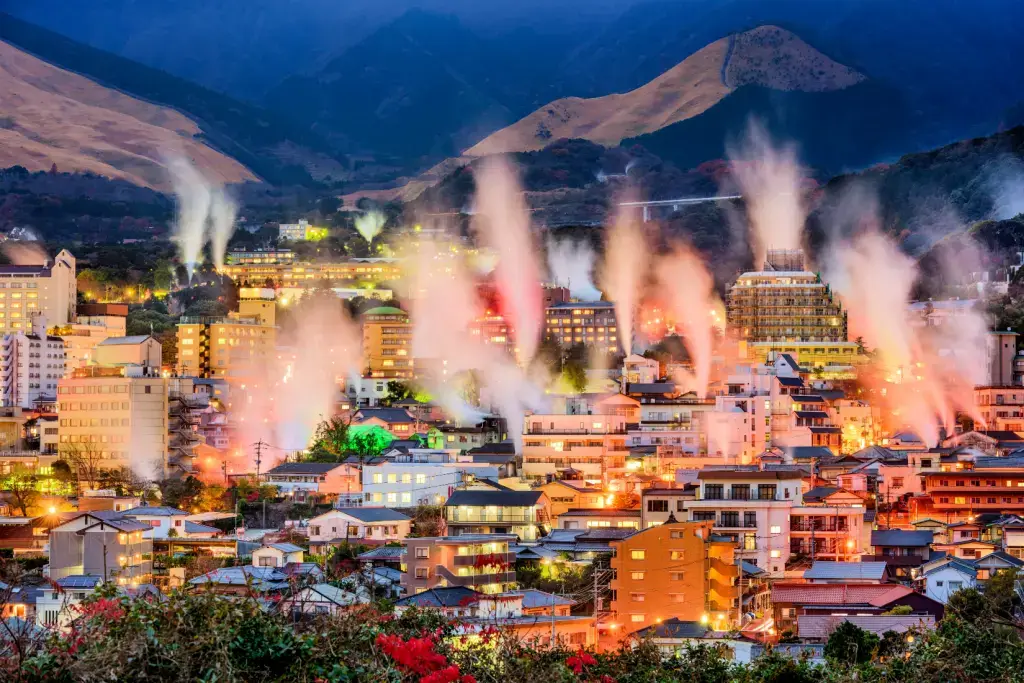
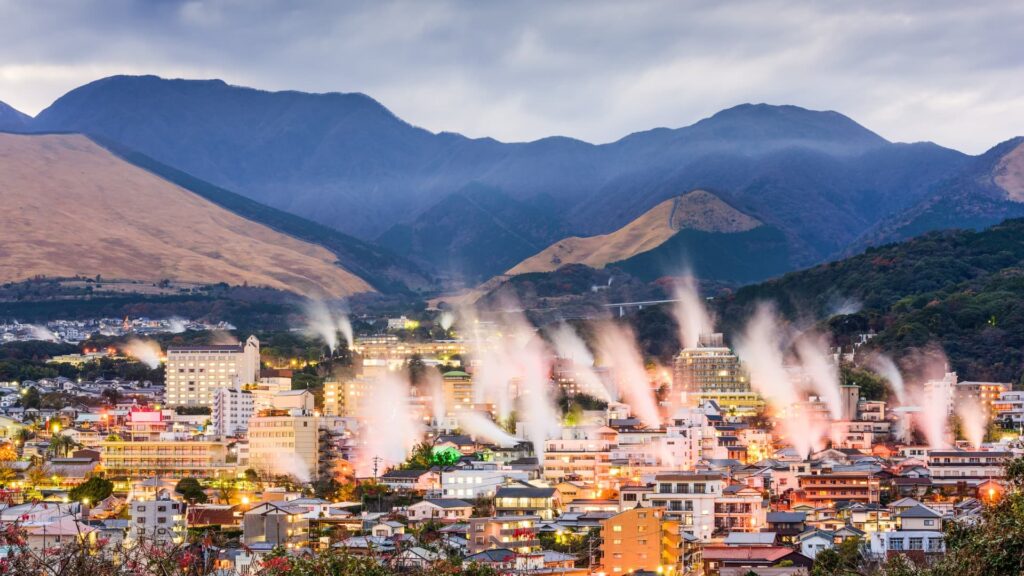
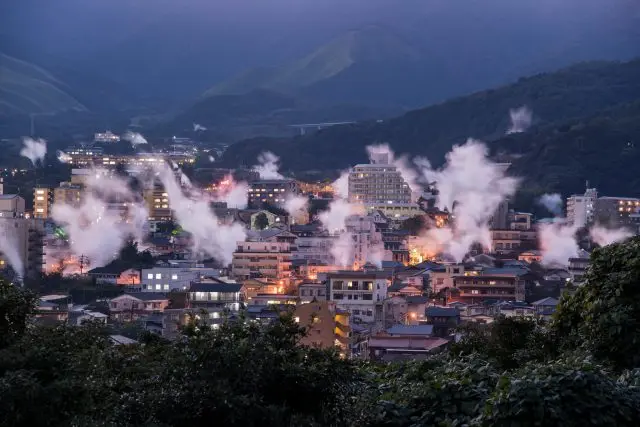
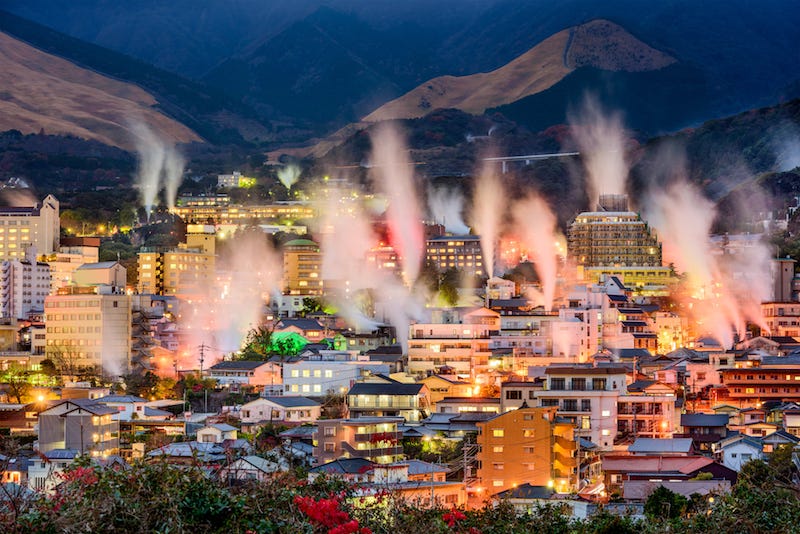
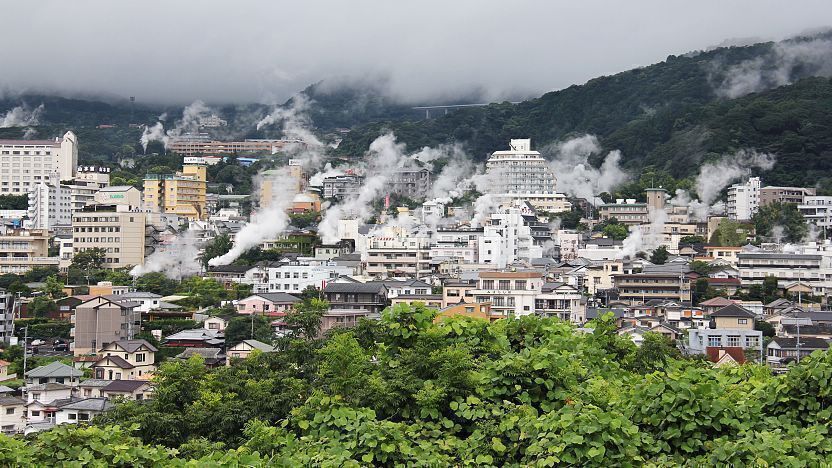
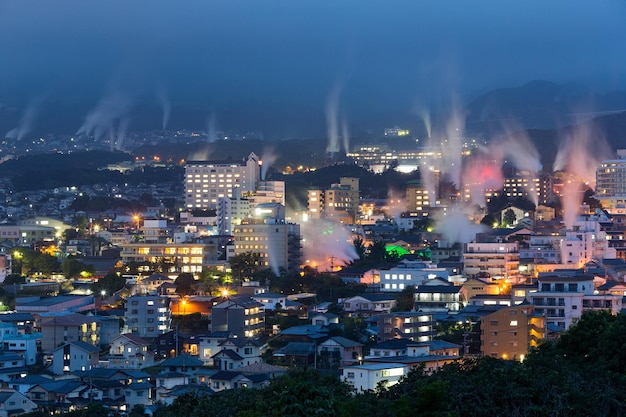
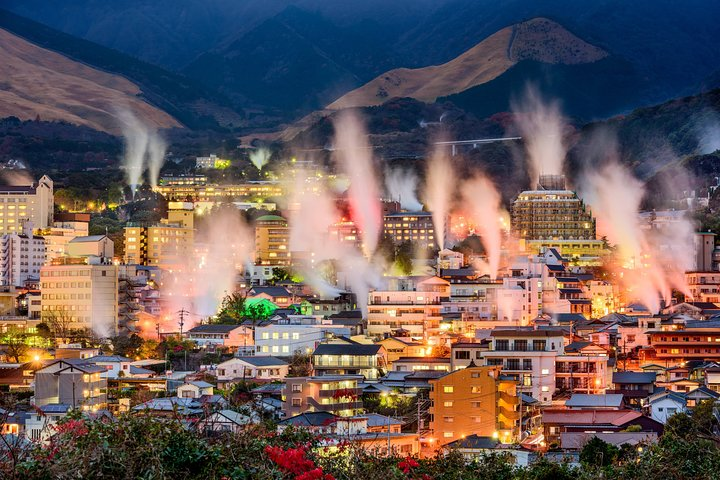
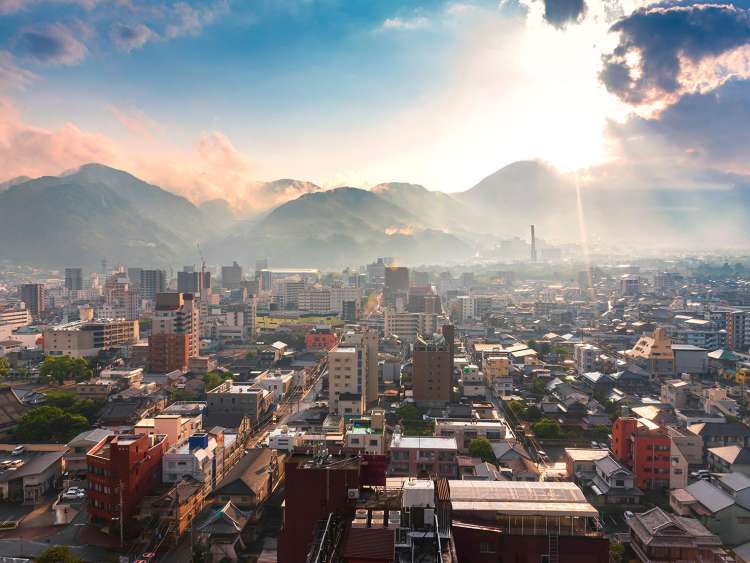
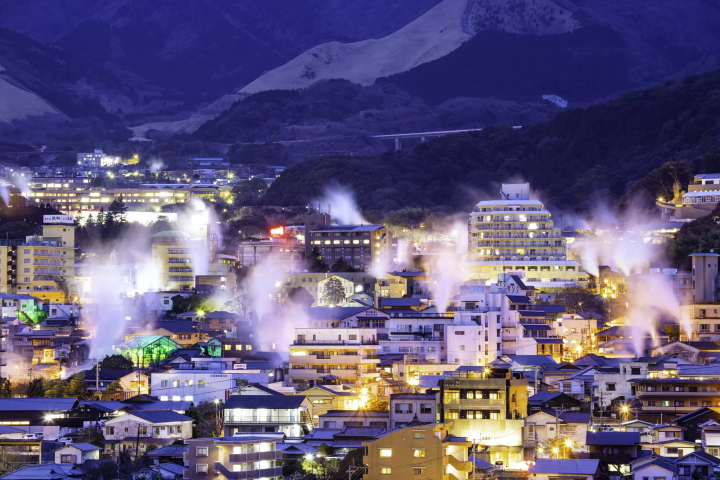
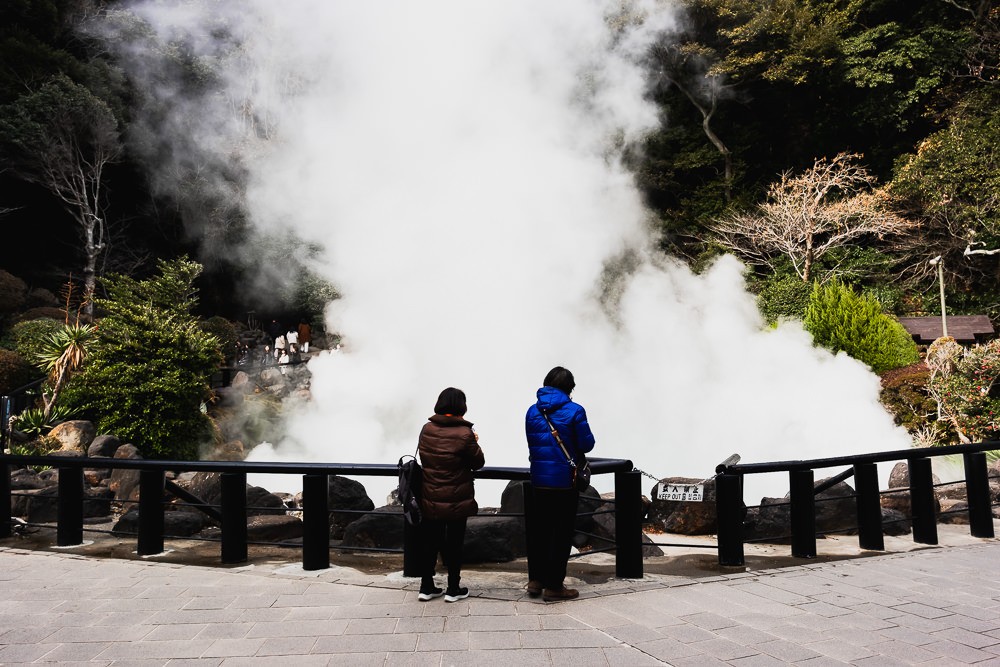
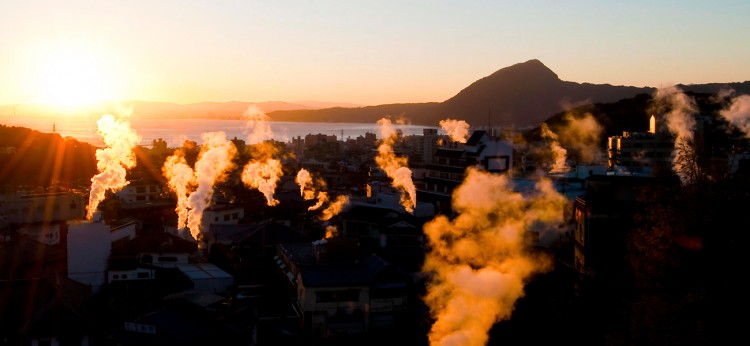
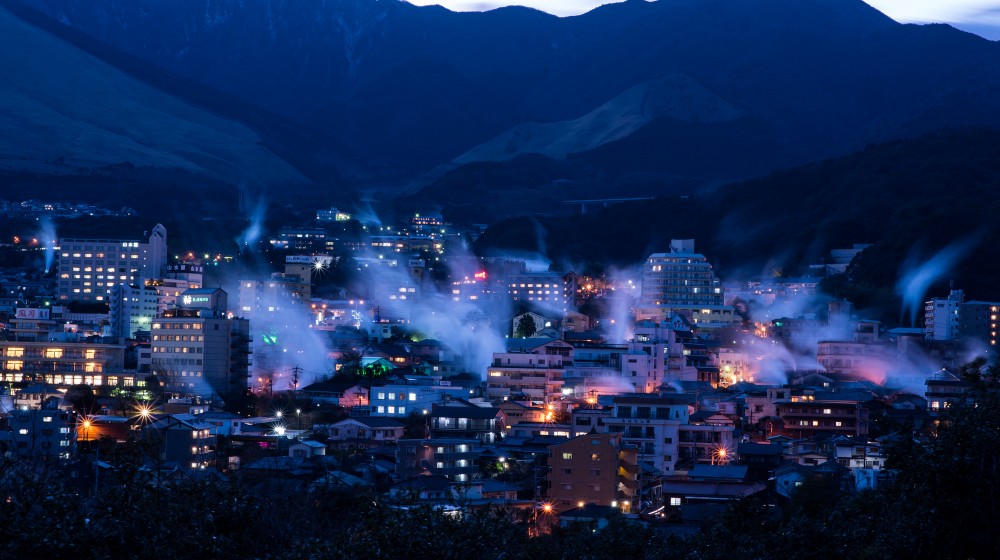
Steam rises from every street in this atmospheric onsen neighborhood. Walking the narrow lanes feels otherworldly. Traditional ryokan, jigoku-mushi (hell steam) restaurants, and public baths.
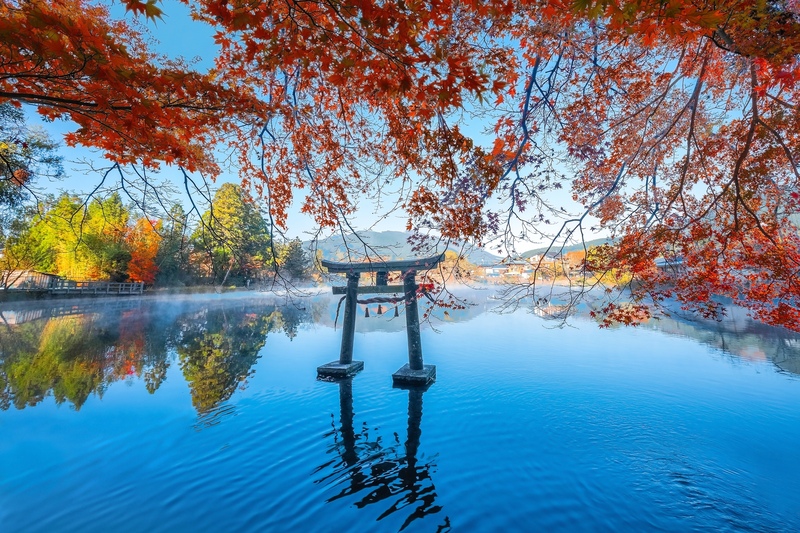
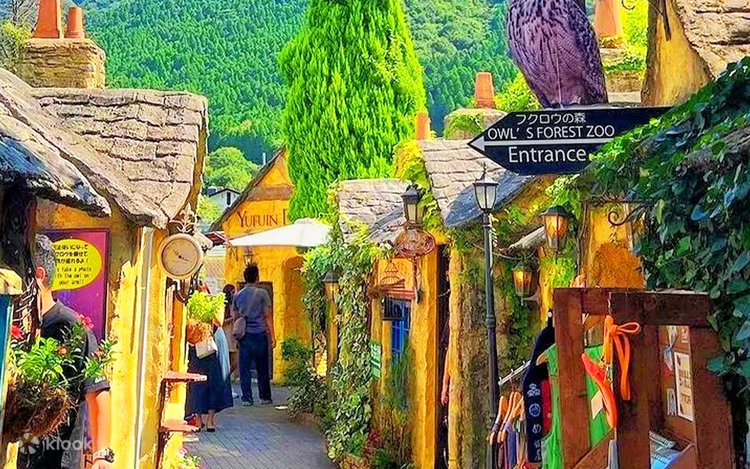
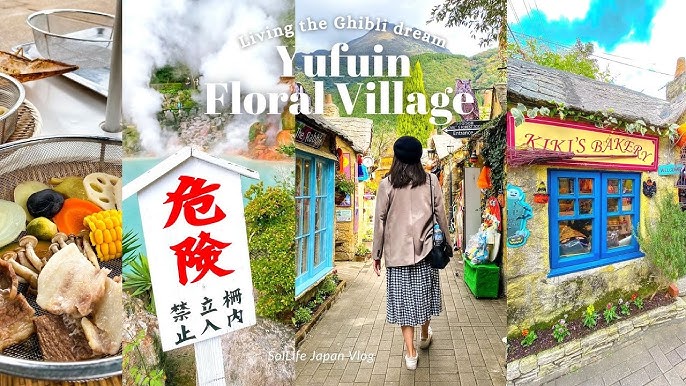
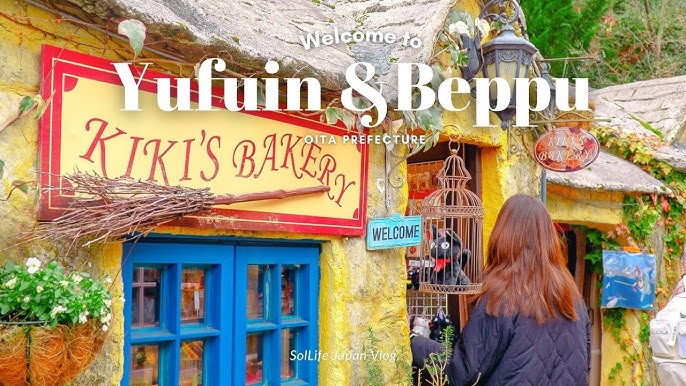
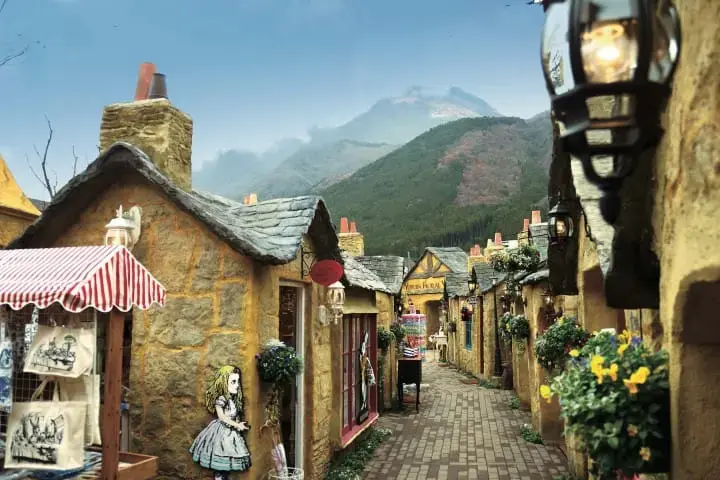
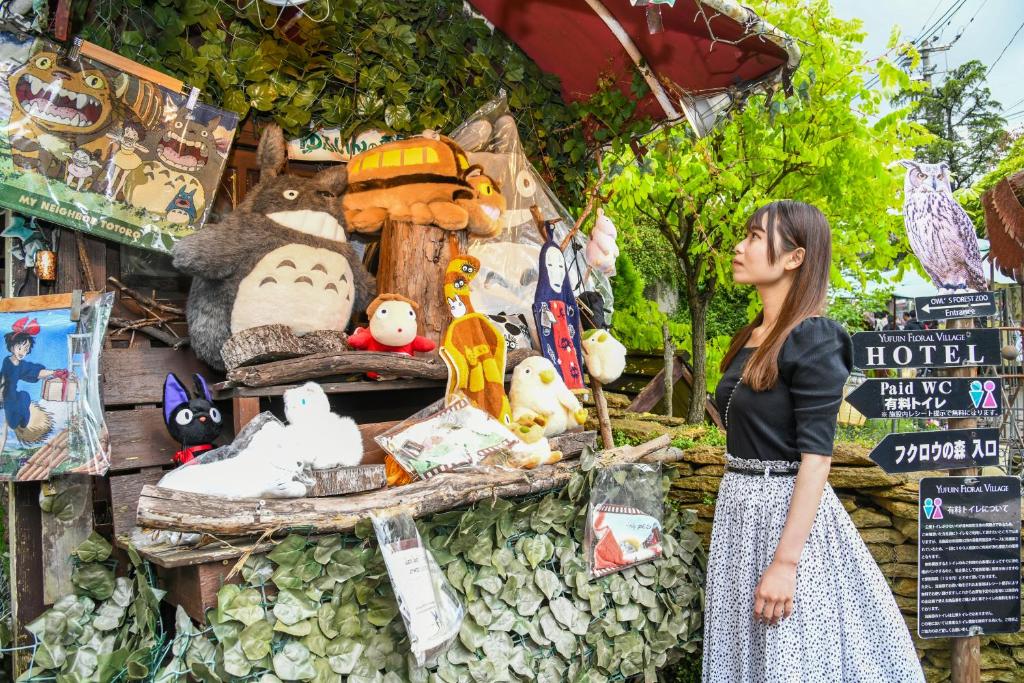
Fairy tale-themed shopping village designed to look like a Cotswolds English village. Specialty shops, a small zoo with owls, and themed cafes. Charming and Instagram-worthy.

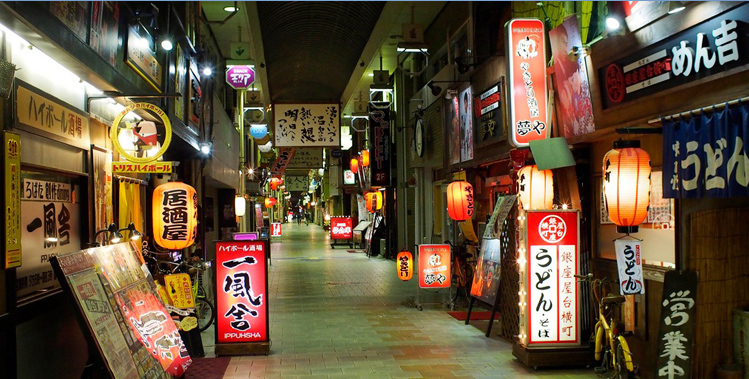
Collection of small food stalls and bars near the station. Yakitori, oden, and local dishes. Lively atmosphere with onsen-goers. Much cheaper than restaurant dining.

Cozy bar near the station with a knowledgeable bartender. Local shochu selection alongside whisky and cocktails. Good music and a mix of locals and travelers.

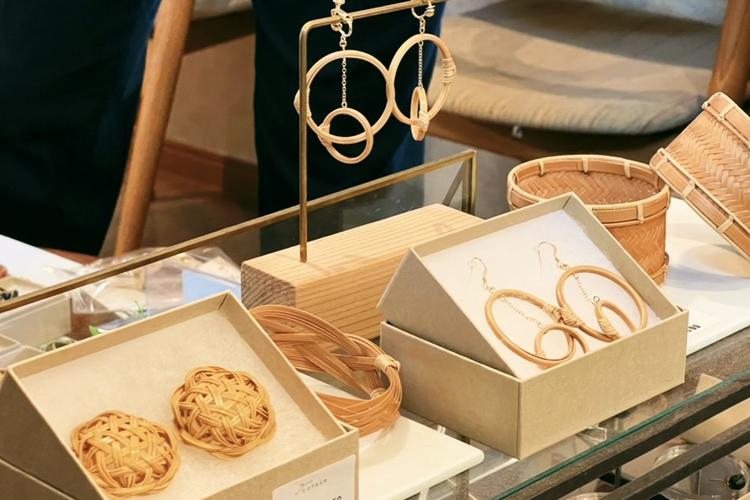
Weekend craft market featuring local artisans. Bamboo work, pottery, onsen cosmetics, and food products. Good for unique souvenirs. Check dates as it is not held every weekend.

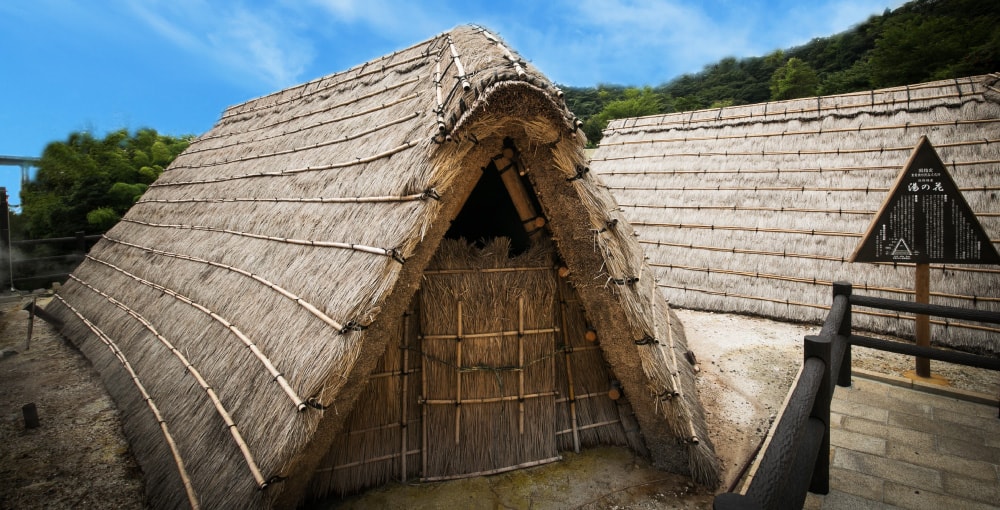
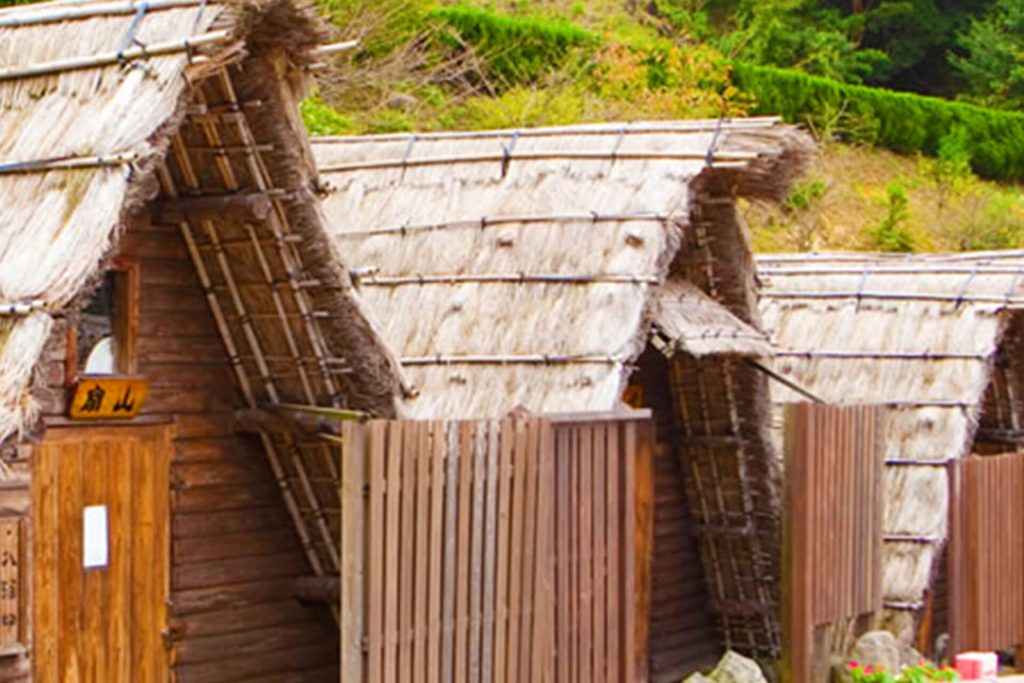
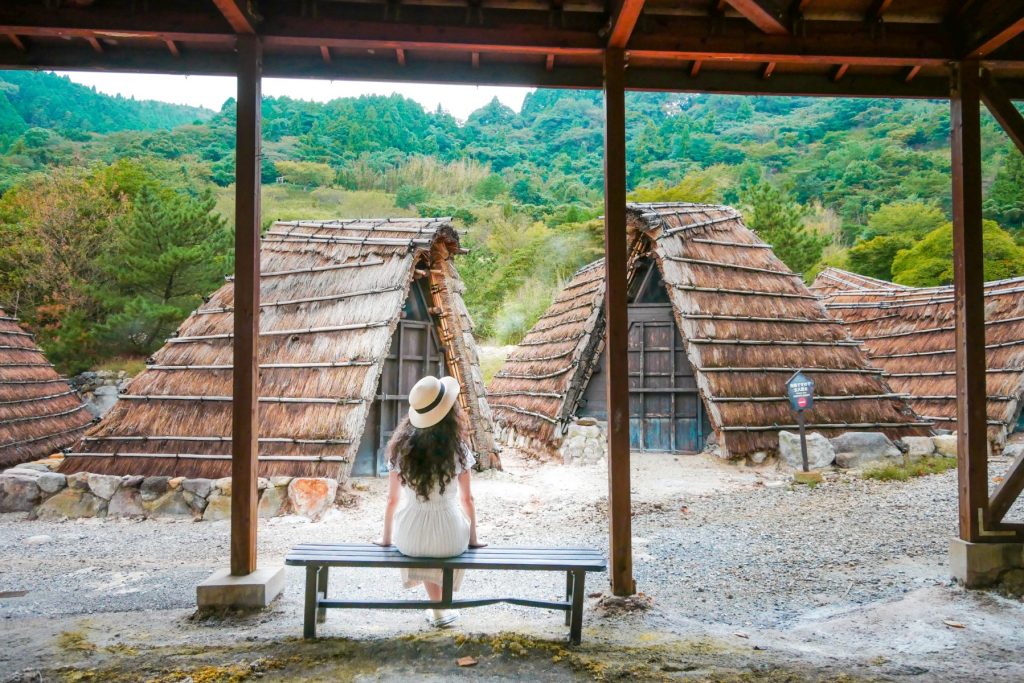
Bath products made from yunohana (hot spring mineral deposits). Collected from traditional straw-thatched huts. Soap, bath salts, and skin cream. Unique to Beppu.

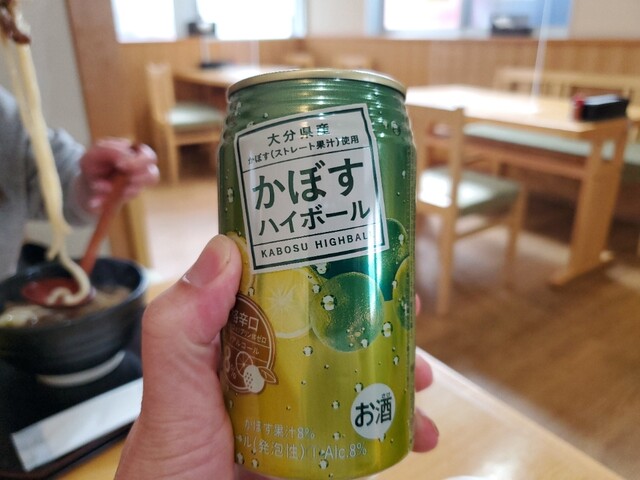
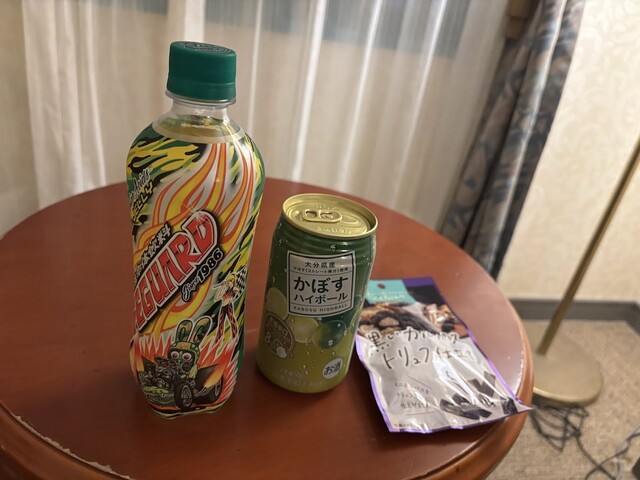
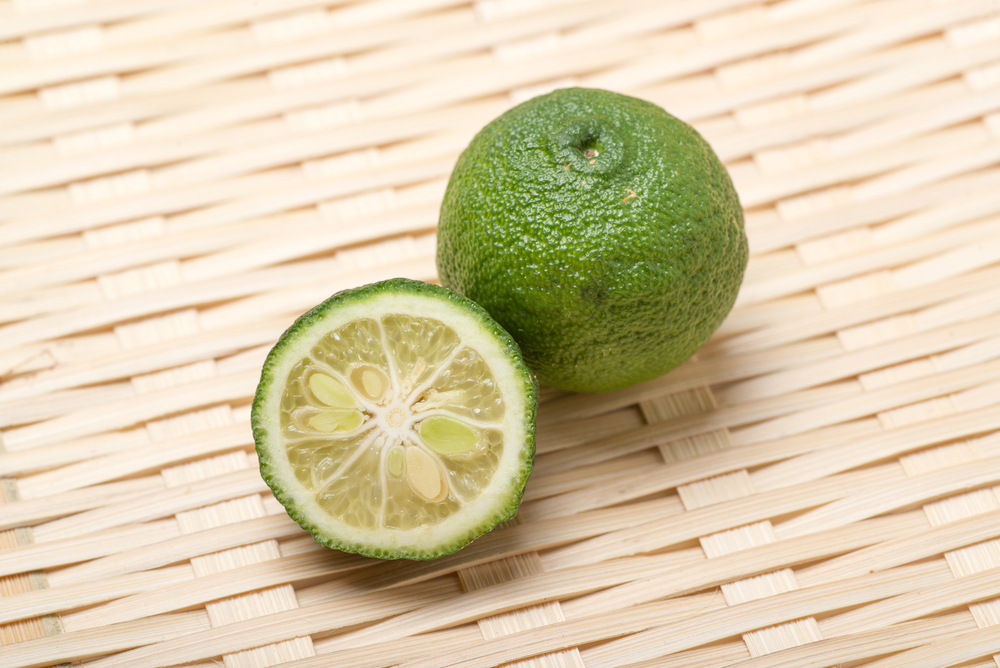
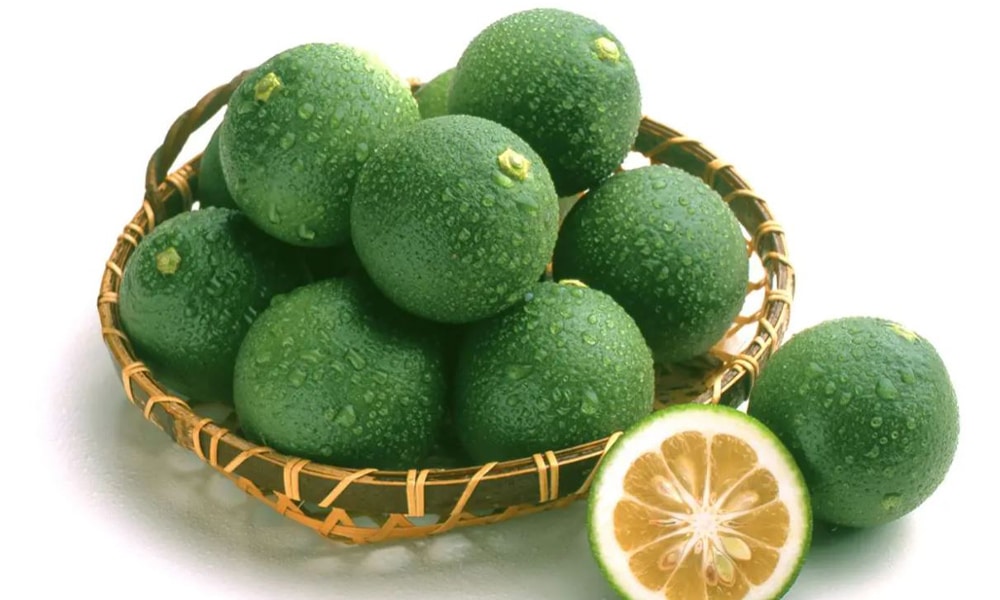
Highball cocktail made with local kabosu citrus. The tart green citrus cuts through the whisky perfectly. Available at virtually every bar in the city. Incredibly refreshing.
Beppu is packed with standout local eats. Come hungry.

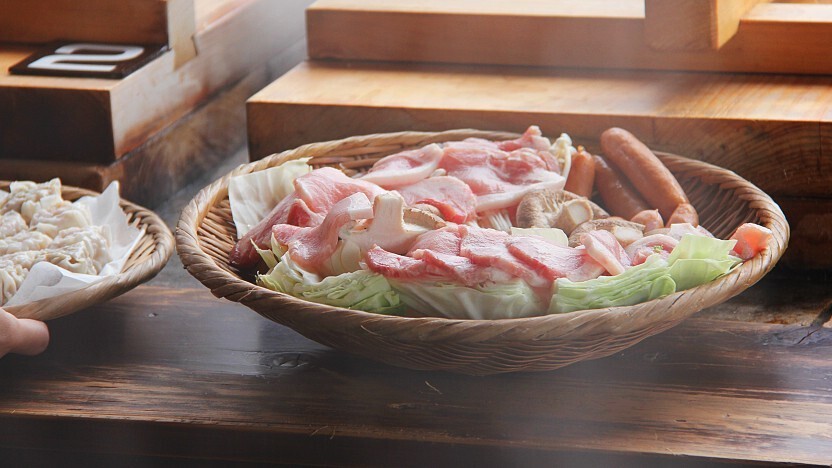
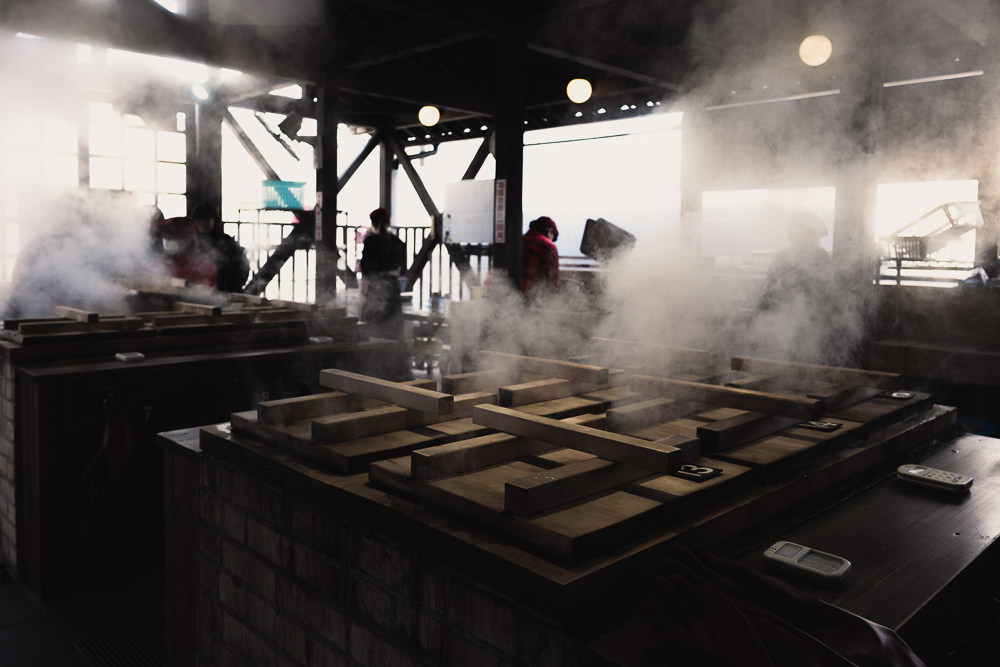
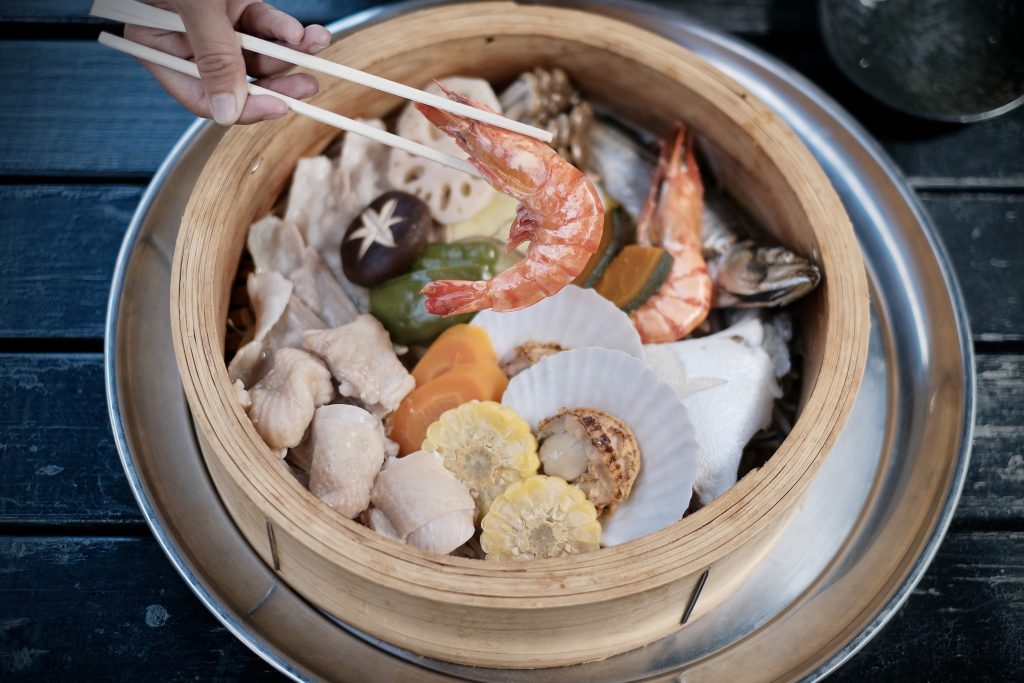
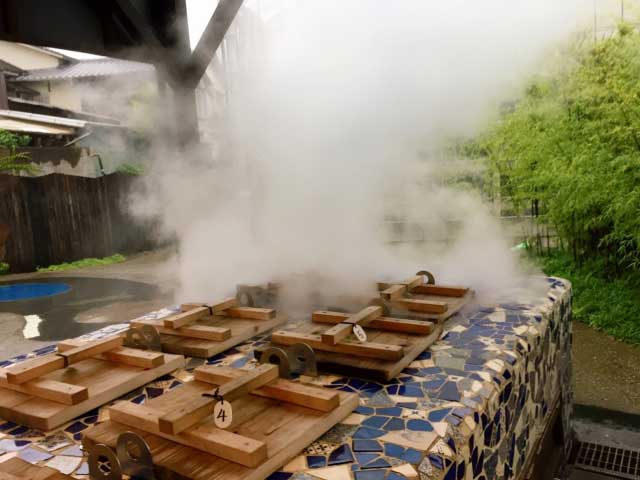
Cook your own food using natural volcanic steam at 98 degrees. Bring seafood, vegetables, eggs, and dumplings. The steam imparts a subtle mineral flavor. Unique only-in-Beppu experience.

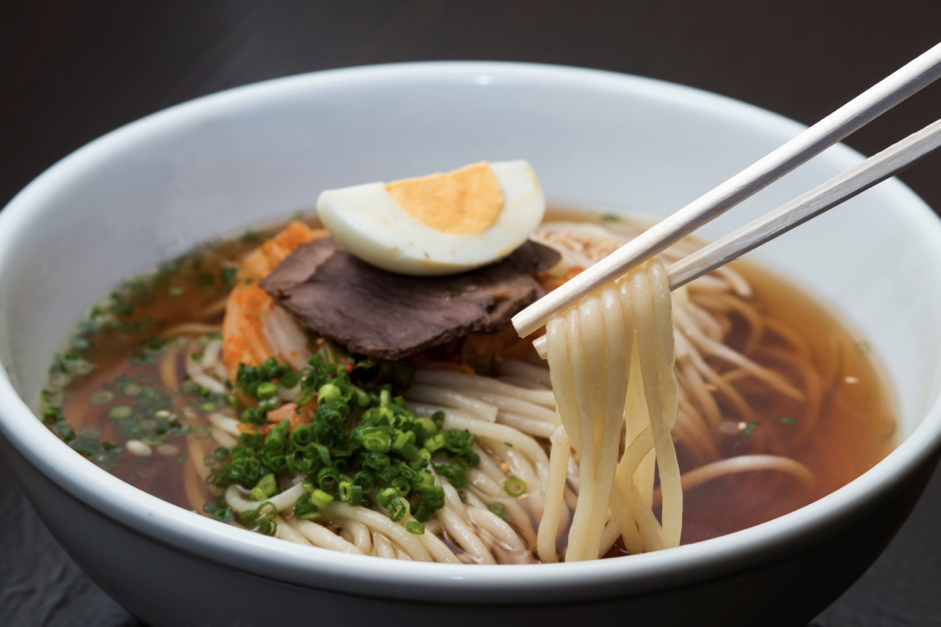
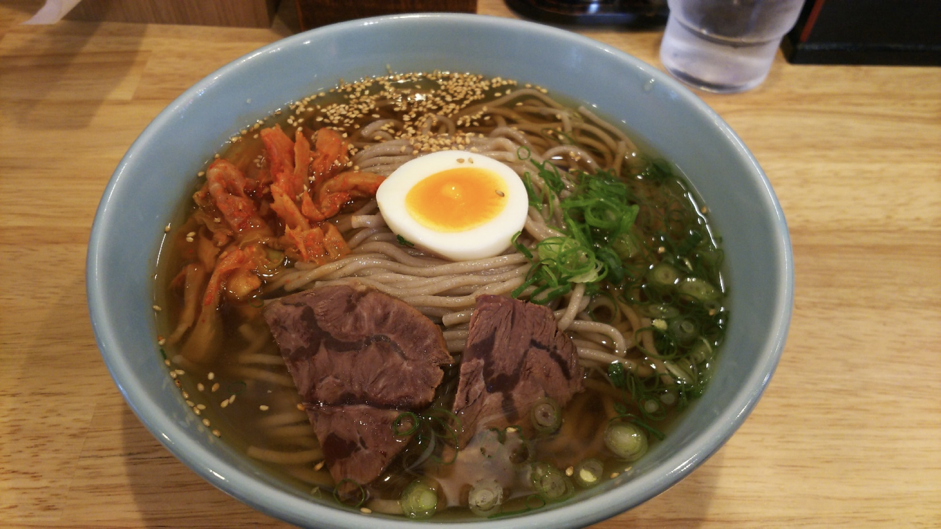
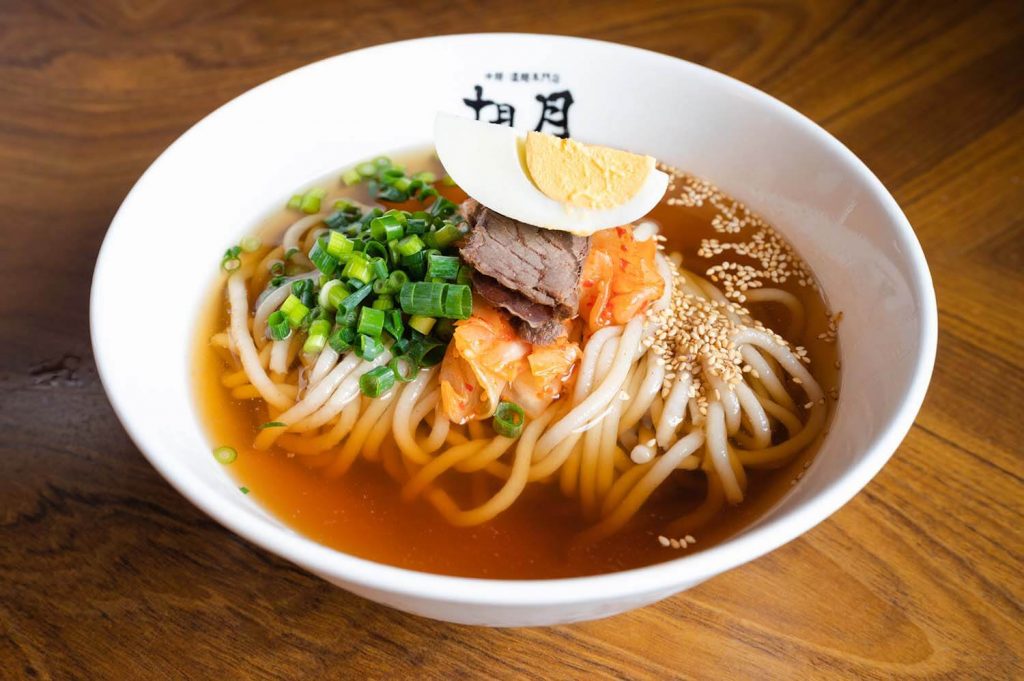
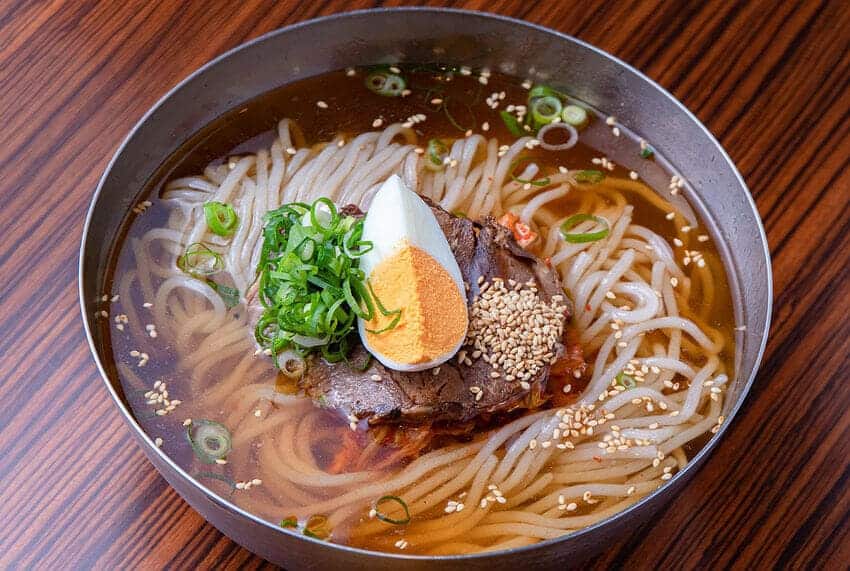
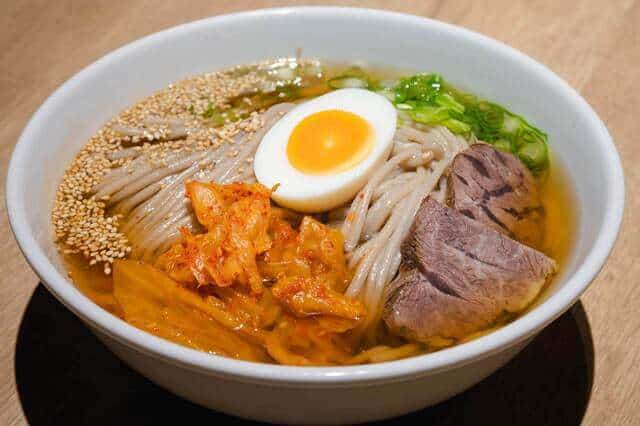
Korean-influenced cold noodles that became a Beppu specialty. Chewy buckwheat noodles in icy beef broth with kimchi, egg, and watermelon. Rokumori and Kokutei are the top shops.

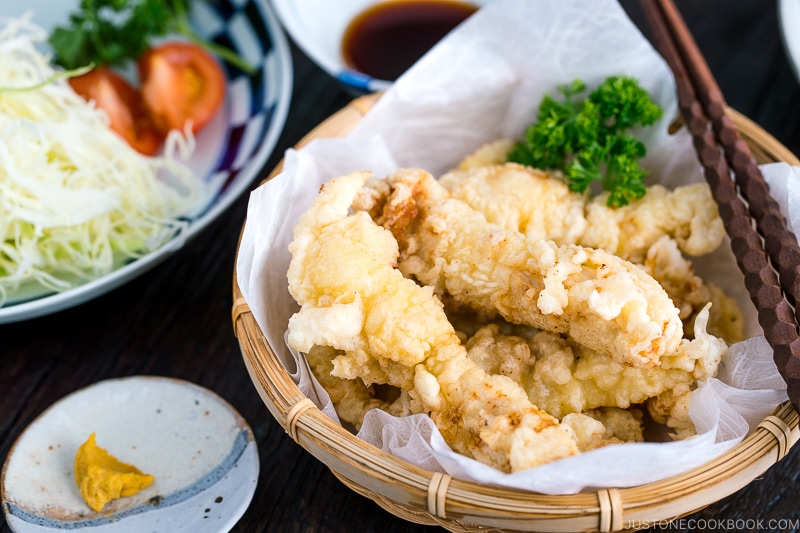
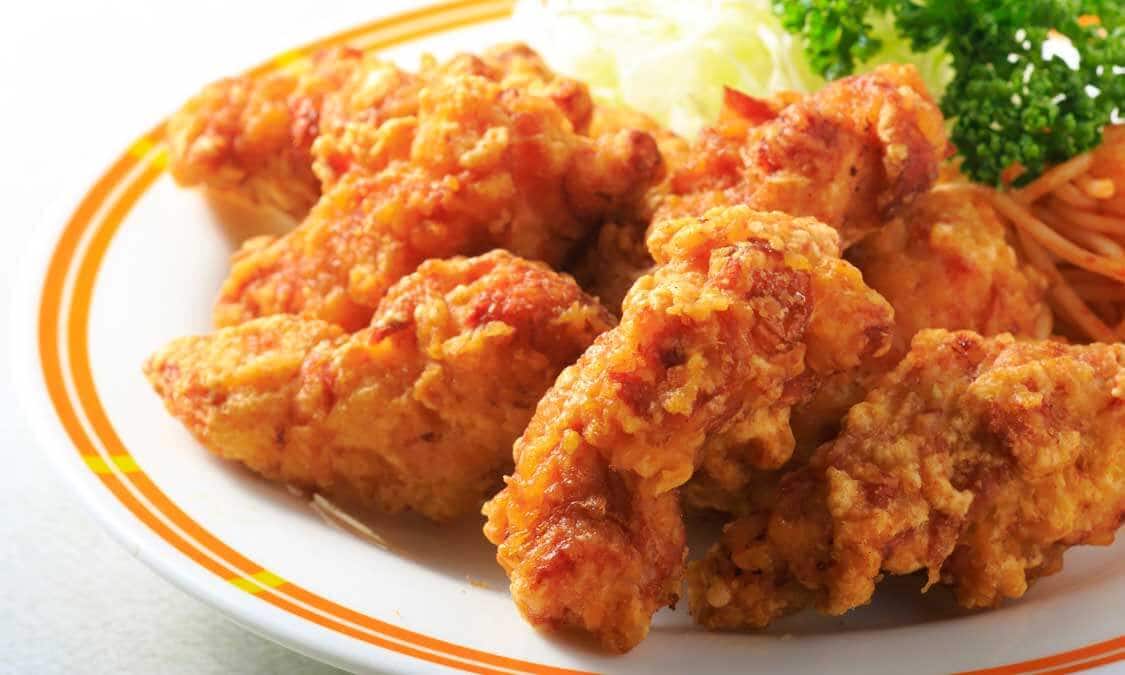
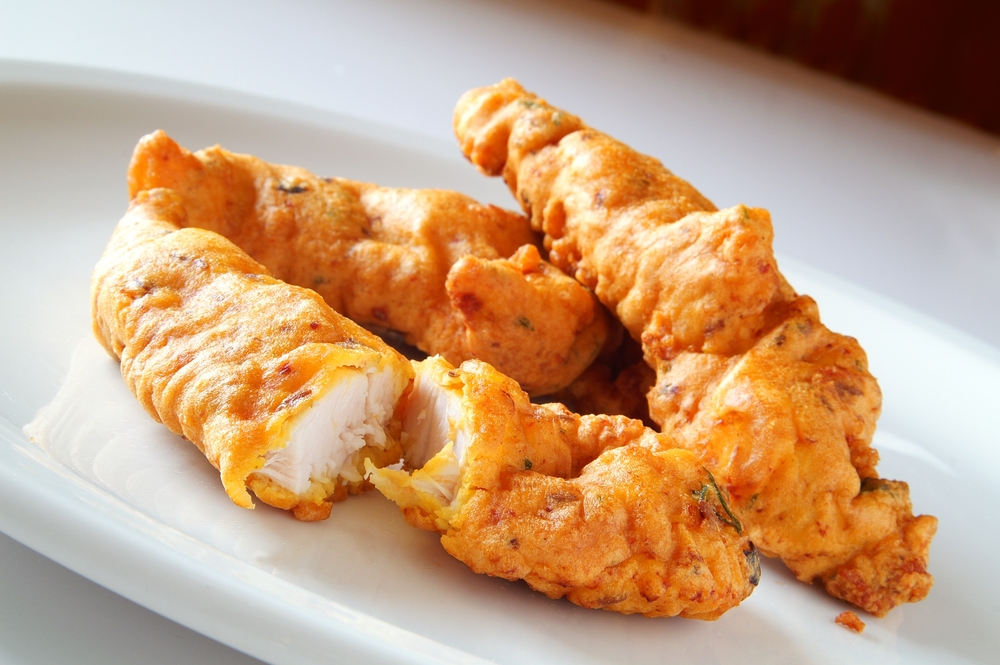
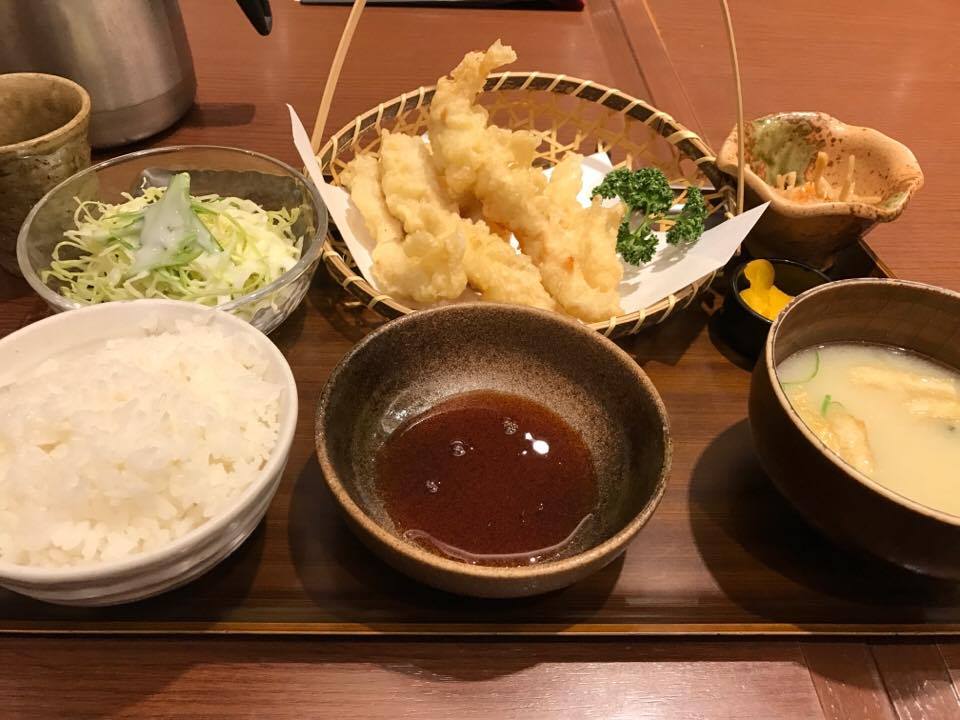
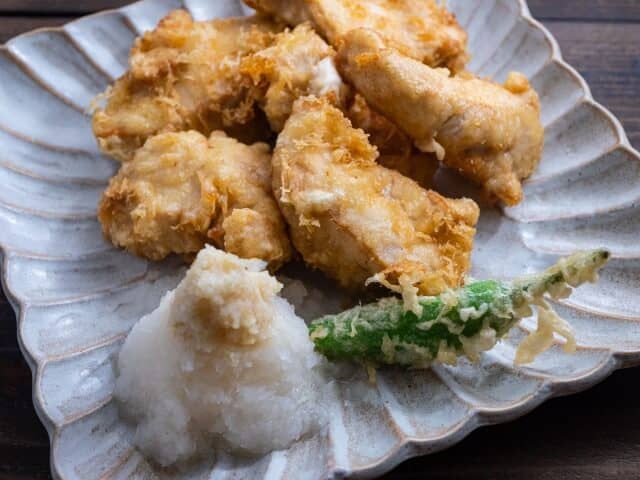
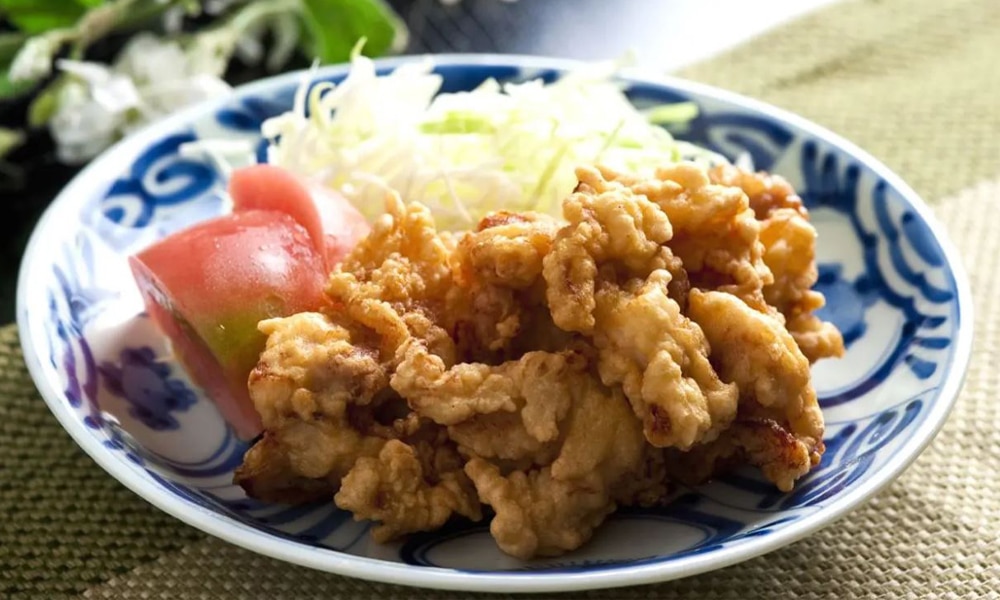
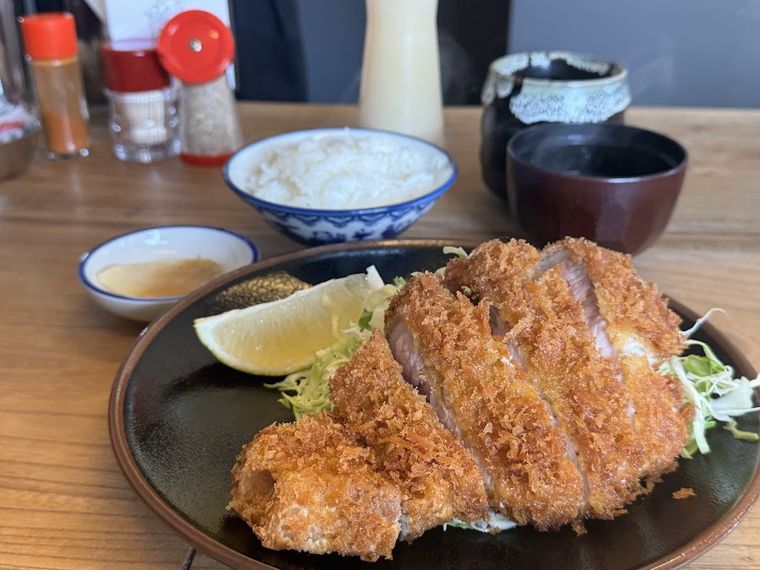
Oita's signature dish. Chicken thigh marinated in garlic and soy, then coated in tempura batter and deep fried. Crunchier and more flavorful than regular karaage. Dipped in vinegar-mustard sauce.

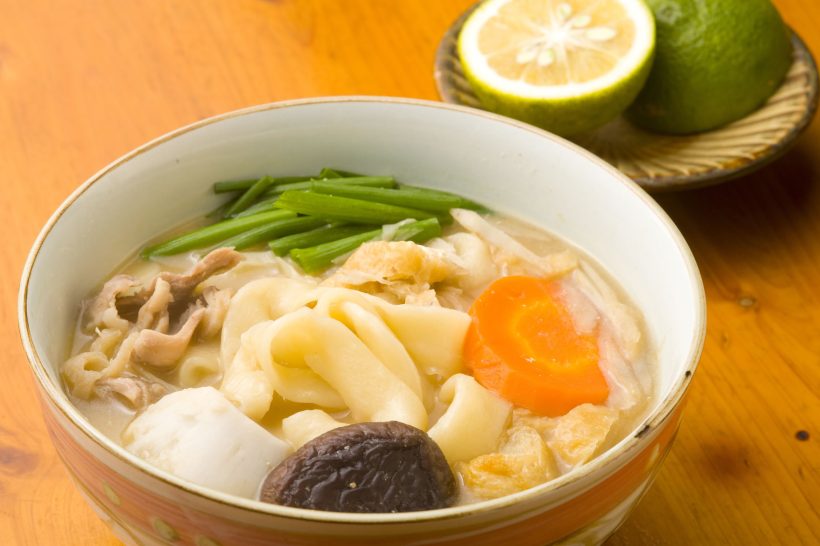
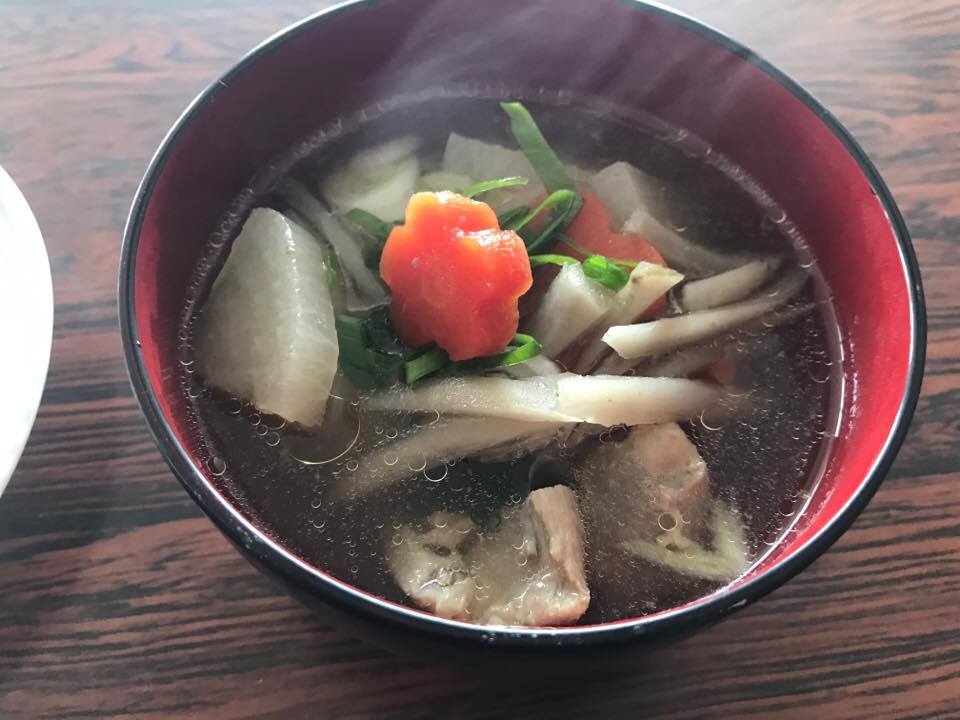
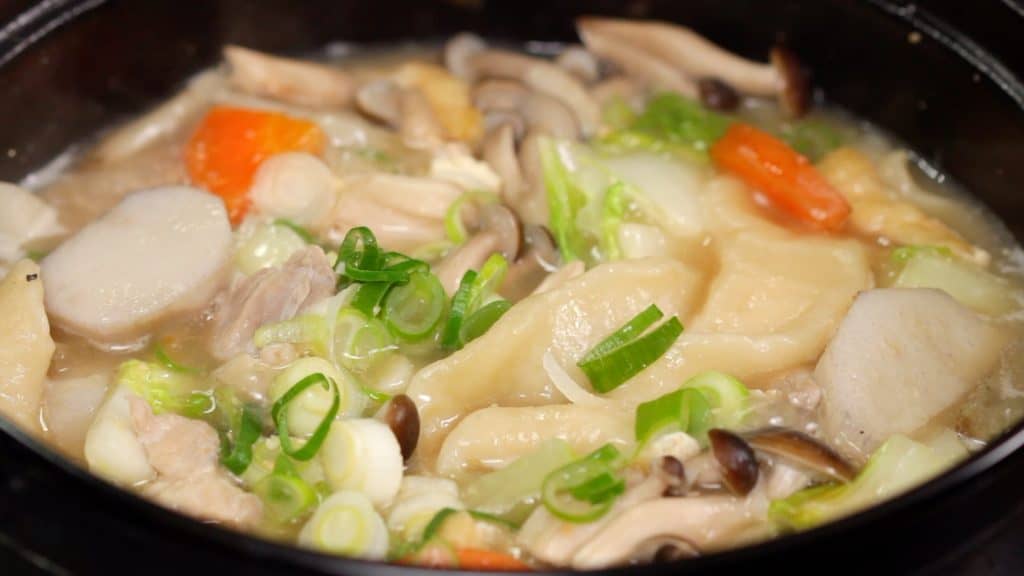
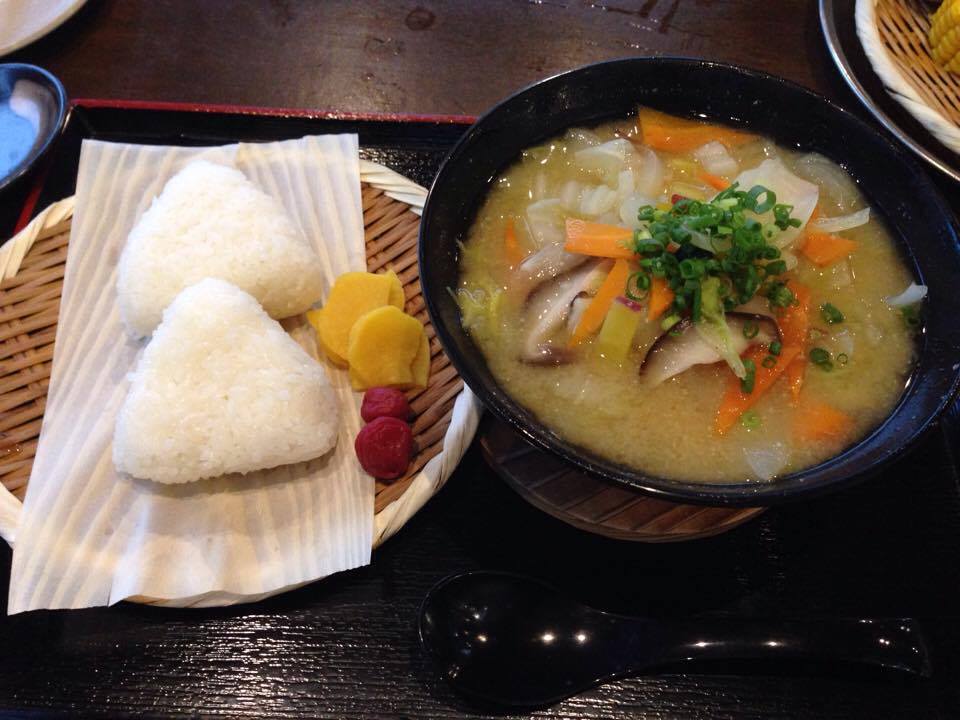
Thick flour dumplings in a hearty miso-based soup with vegetables. Oita's traditional comfort food that warms you after a long day of onsen hopping. Available at local restaurants.

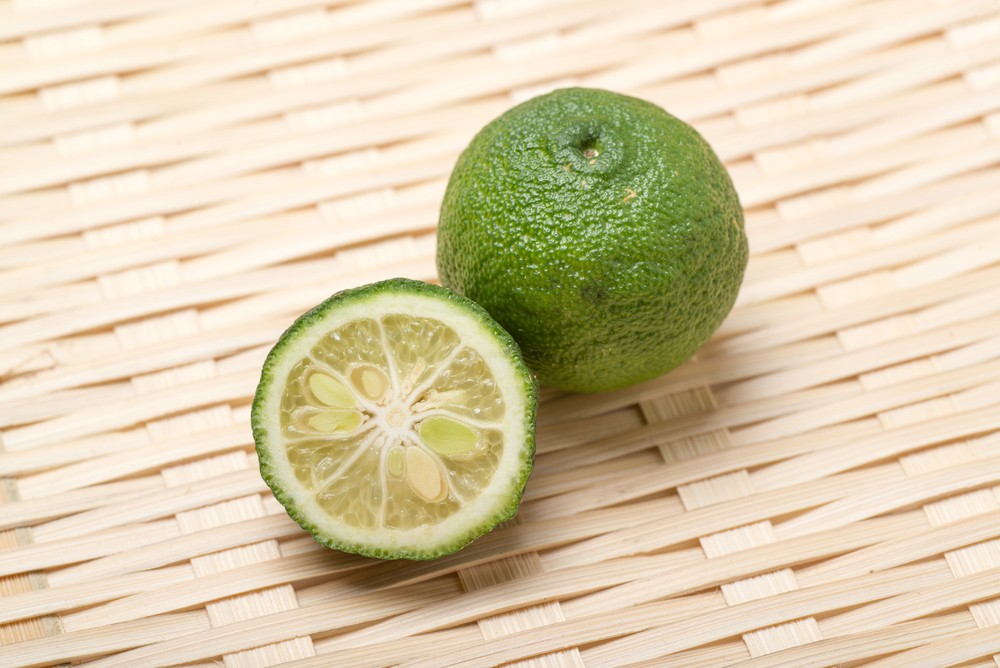
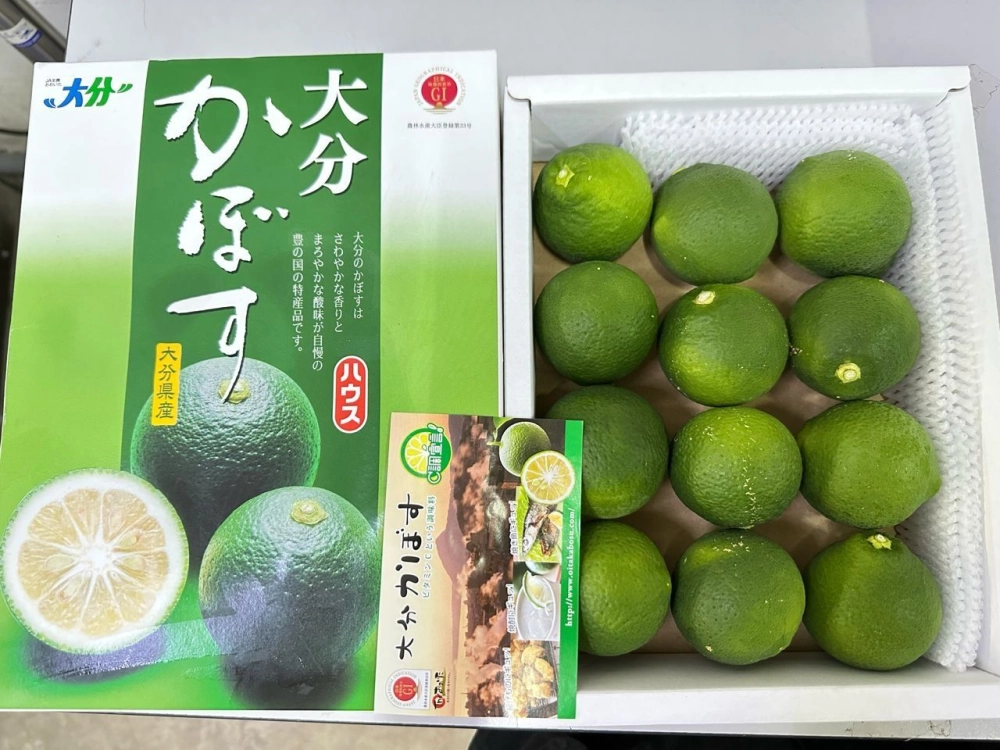
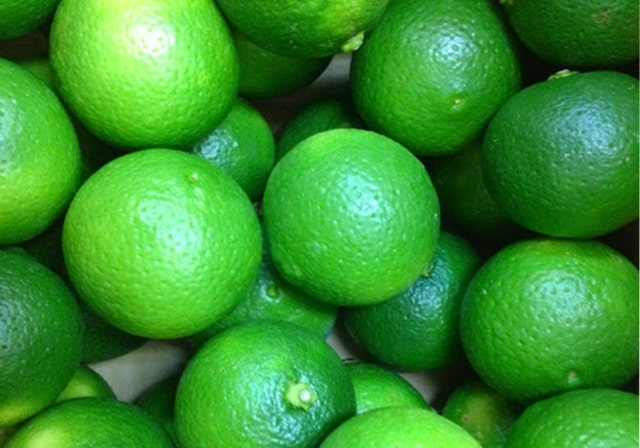
Oita produces 95% of Japan's kabosu citrus. The tart green juice is squeezed on everything from fish to beer. Kabosu highball and kabosu-flavored soft serve are available everywhere.

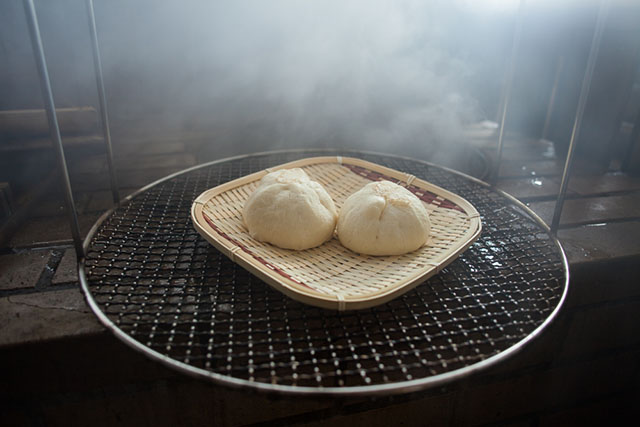
Pork buns and gyoza steamed in volcanic vents at Kannawa. The mineral-infused steam adds a subtle earthy flavor. Available at several small shops in the steam district.

Whole mackerel grilled on hot volcanic stones. The natural mineral heat gives a unique smoky-mineral flavor. Rare specialty found at a few restaurants near the hells.

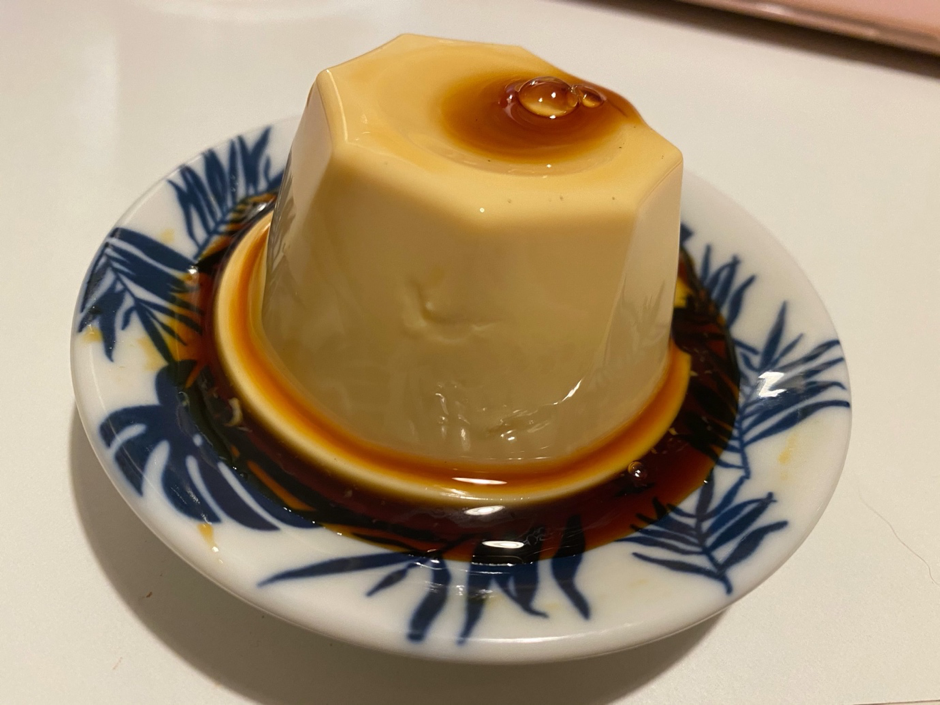
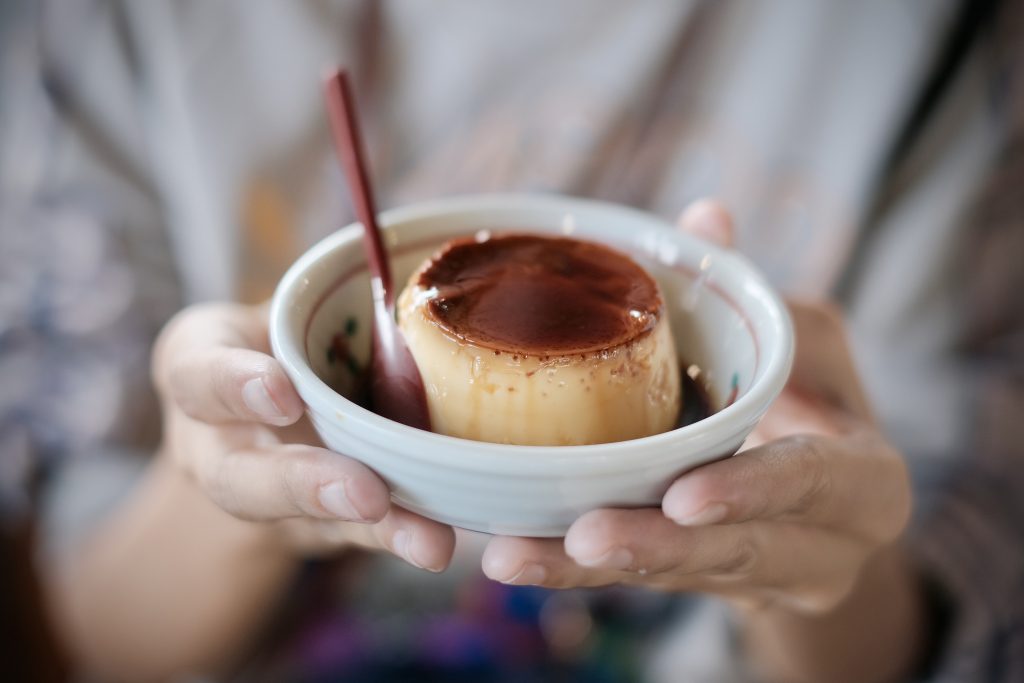
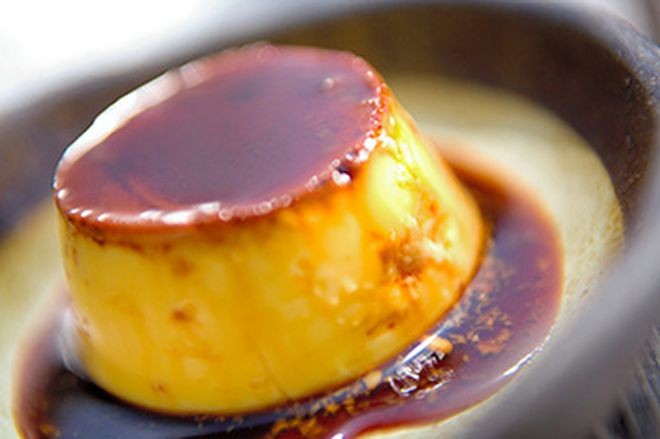
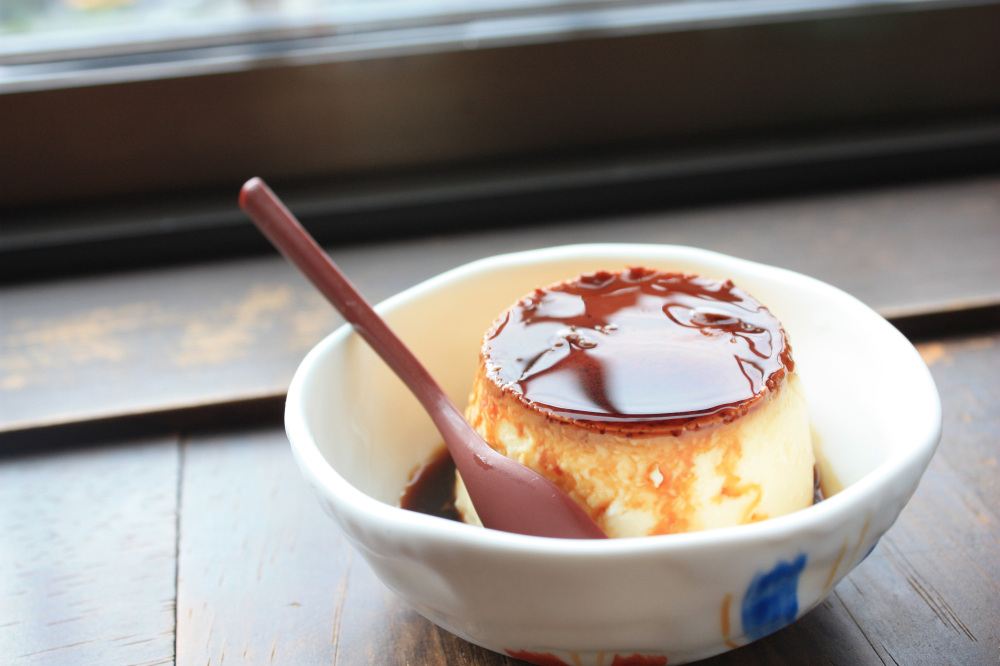
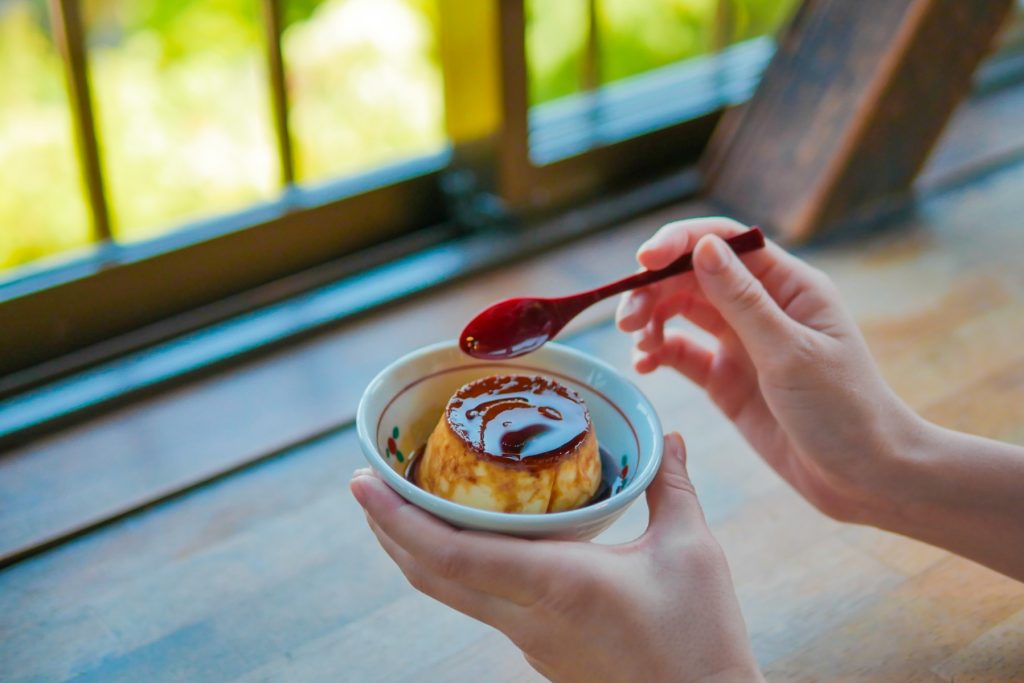
Custard pudding cooked in volcanic steam. The slow, gentle heat creates an impossibly smooth texture. Available at several shops in the Kannawa district. Rich and silky.

Beyond the DIY hell-steam workshop, several restaurants serve elegant courses entirely steamed using volcanic steam. The mineralogy adds subtle complexity to every dish.

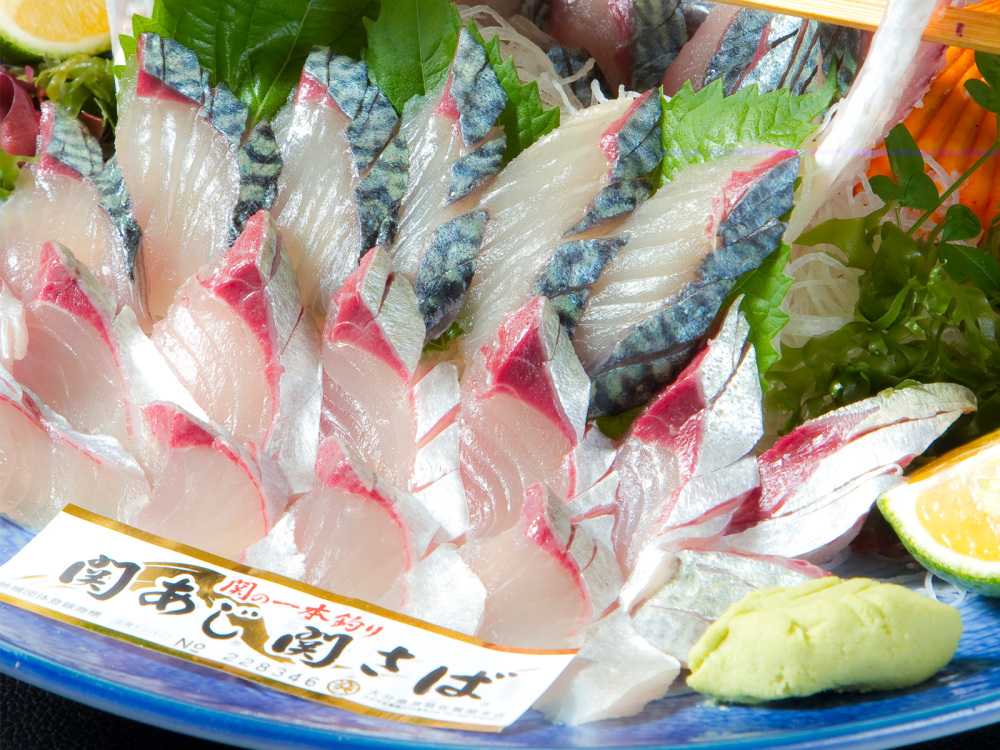
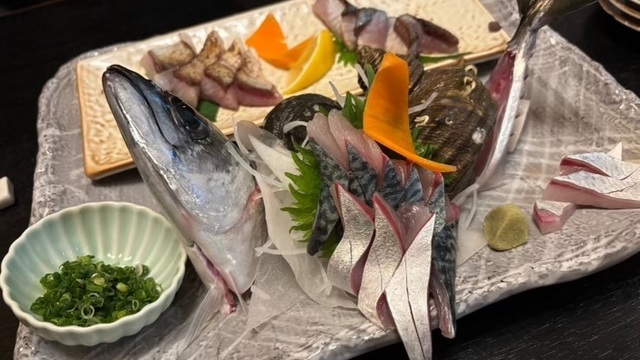
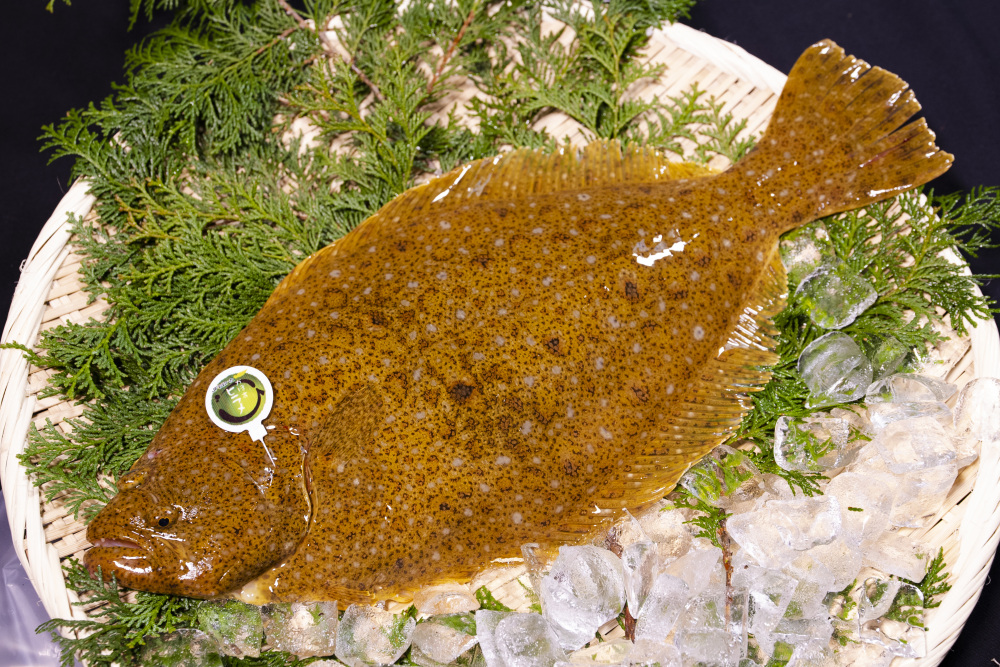
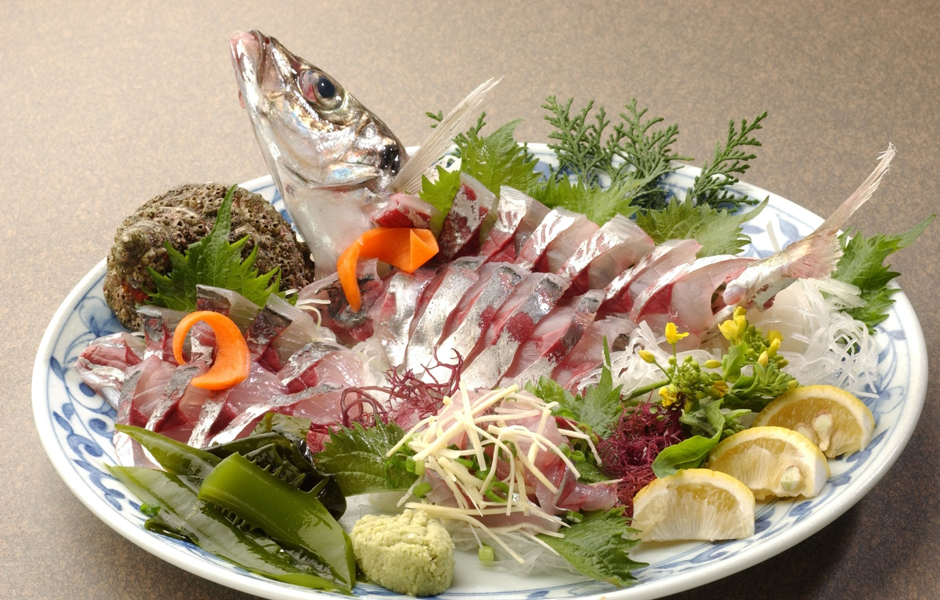
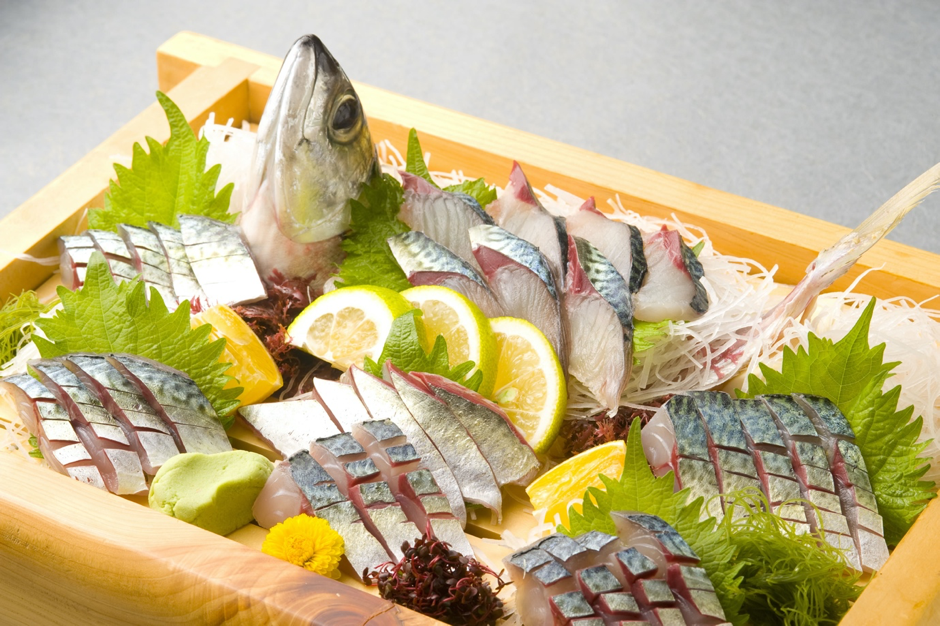
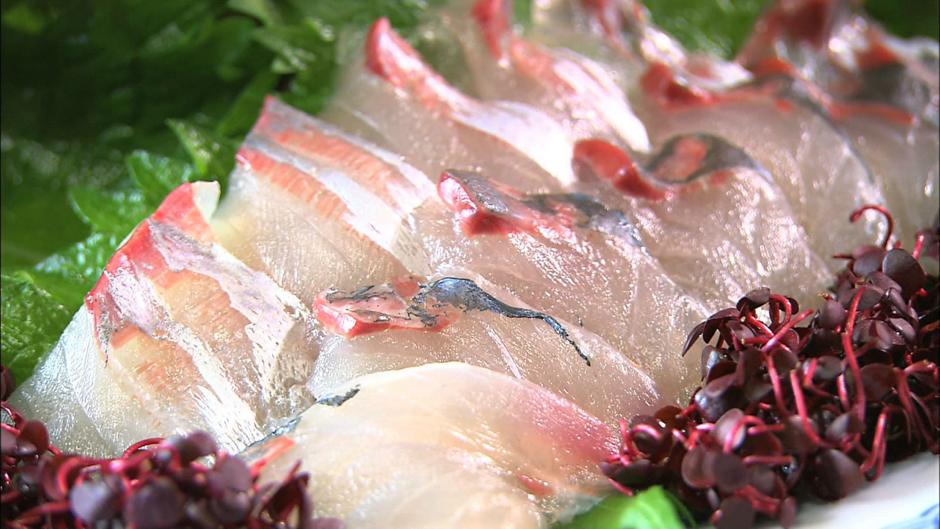
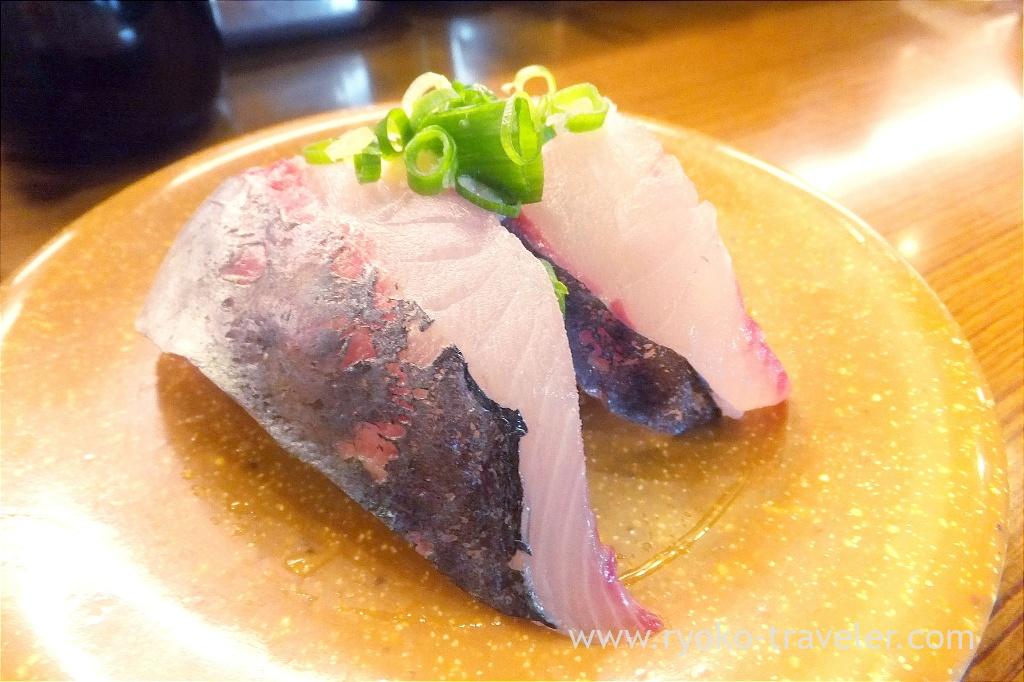
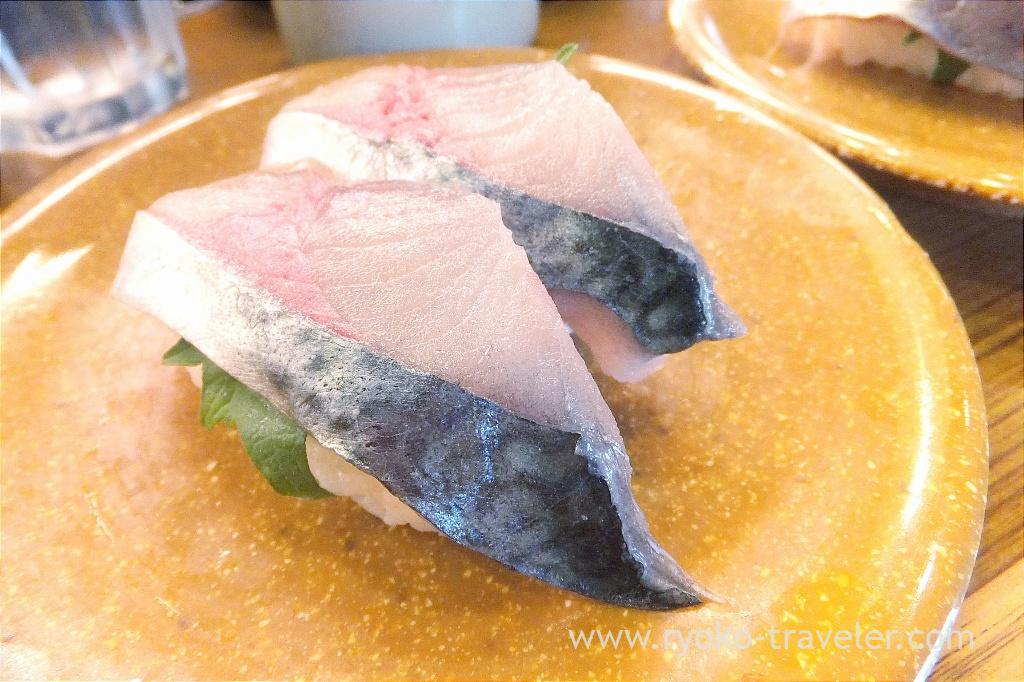
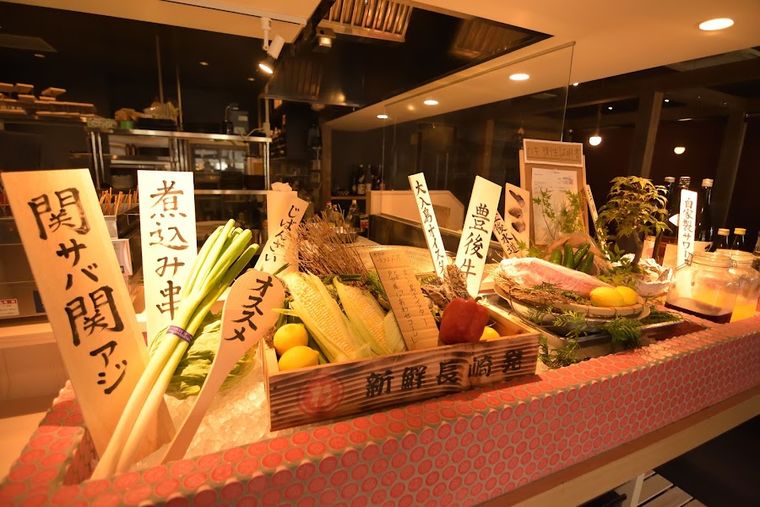
The waters of the Bungo Channel between Kyushu and Shikoku produce prized seki-aji (horse mackerel) and seki-saba (mackerel). Firm, fatty, and served as sashimi. A regional delicacy.
Matsushima Bay, volcanic crater lakes, and fox-filled mountains.

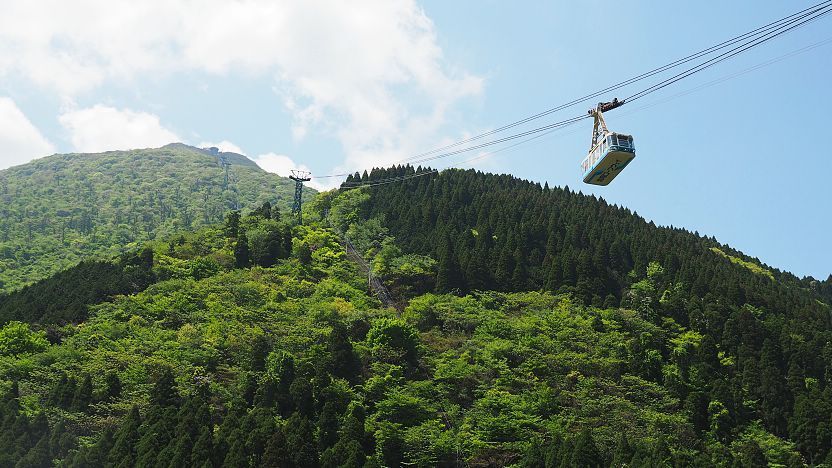
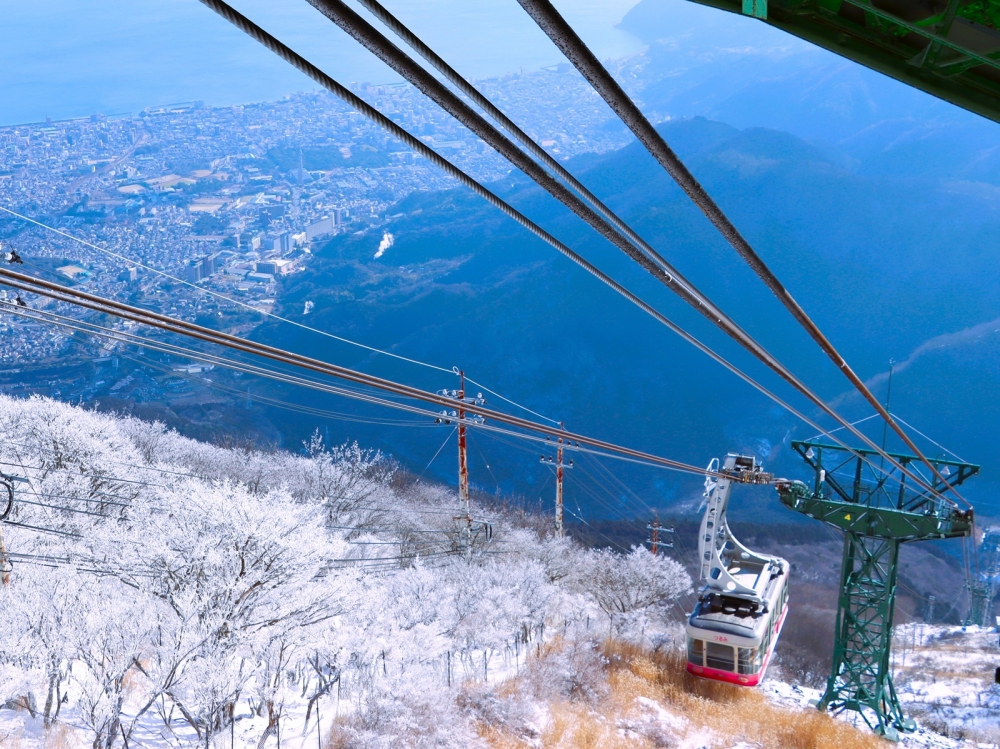
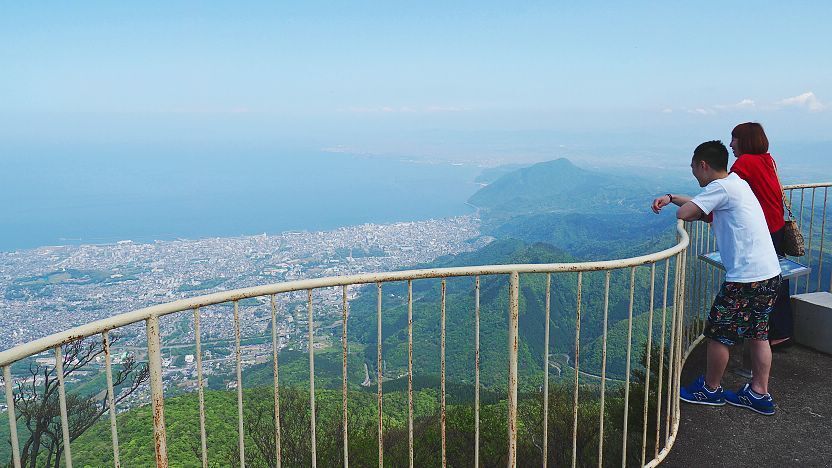
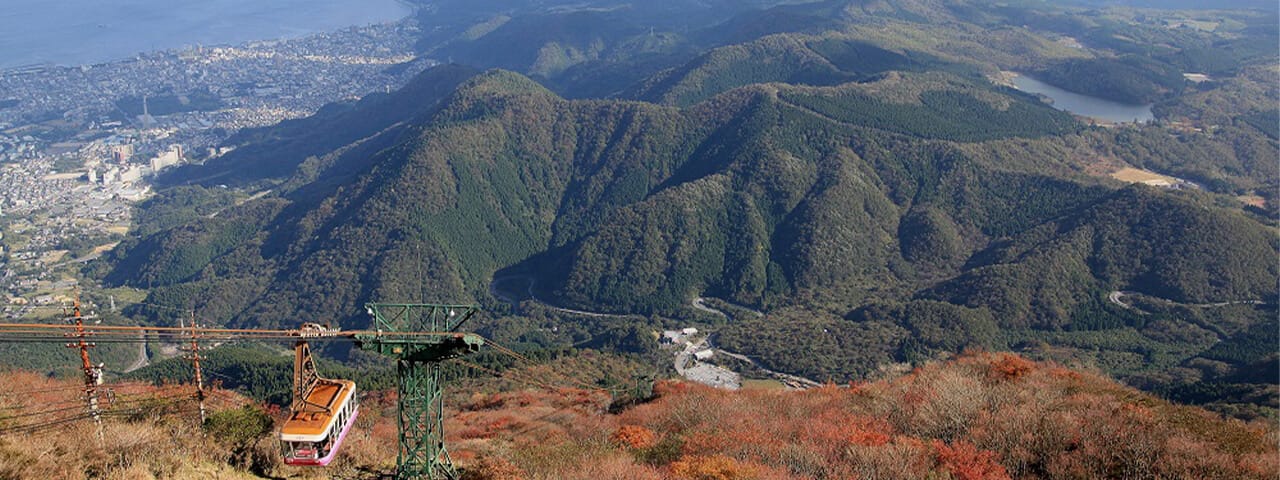
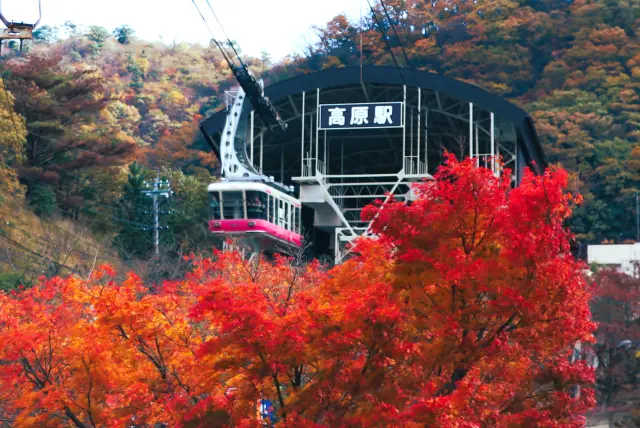
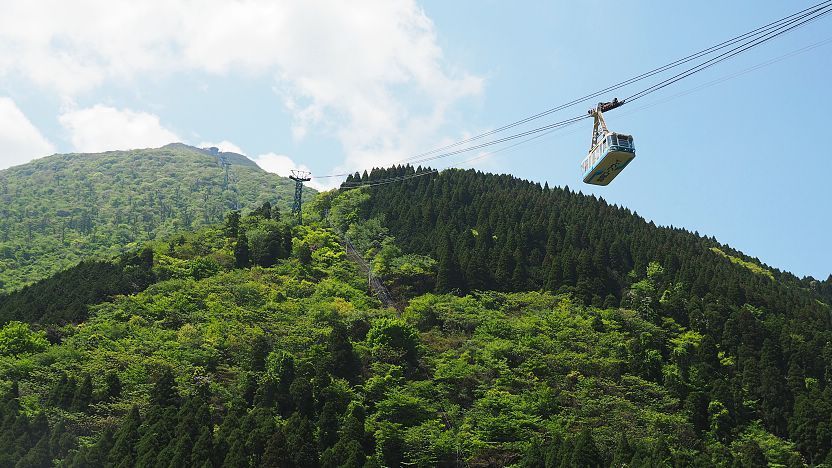
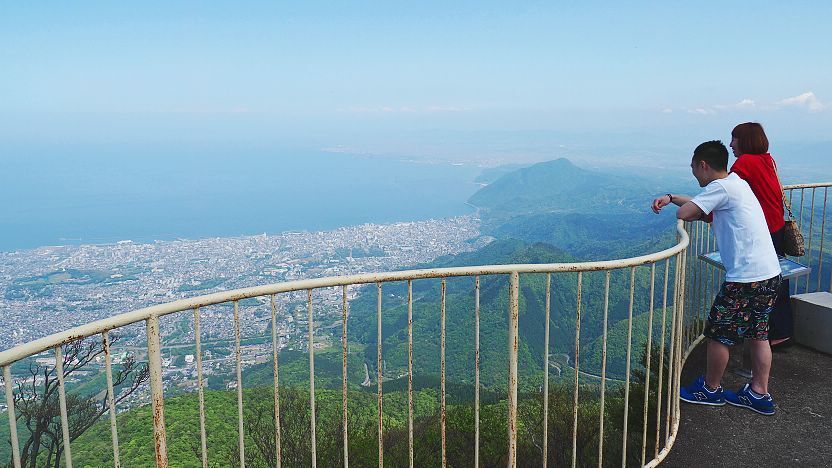
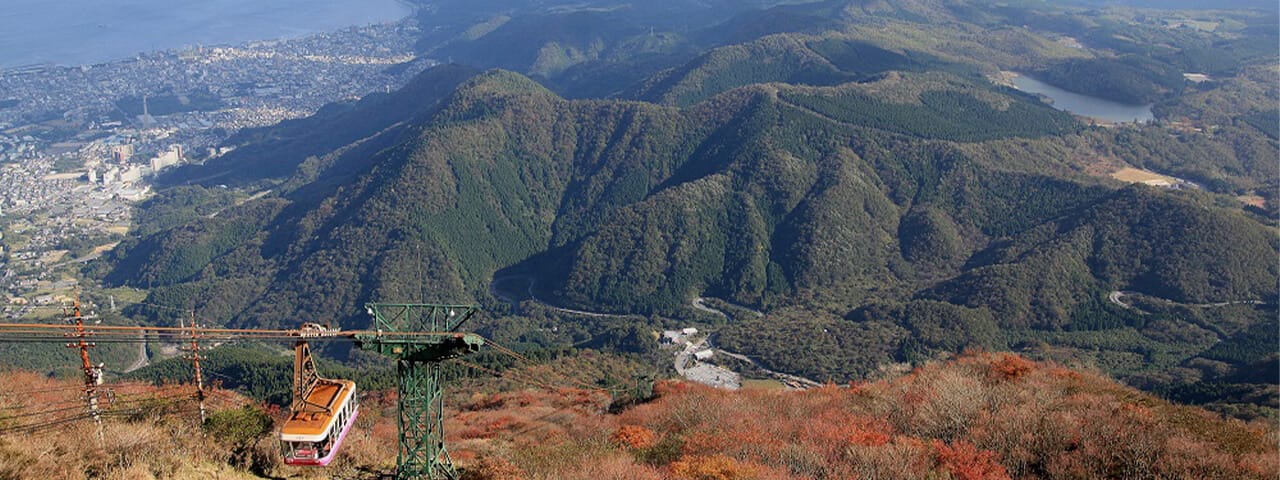
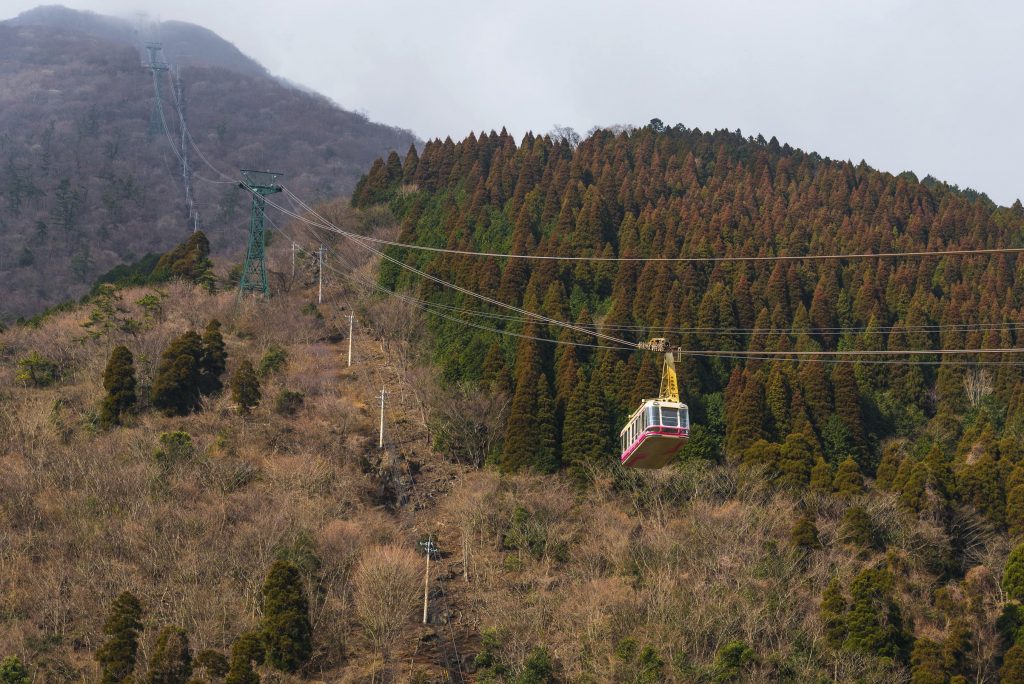
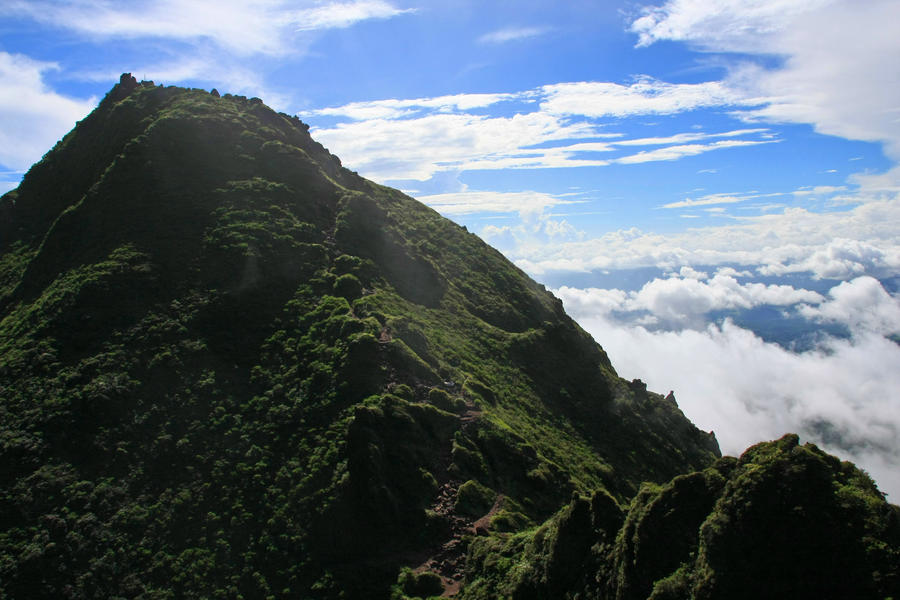
Gondola ride to the summit of Mount Tsurumi (1375m). Panoramic views of Beppu Bay, the city's steam vents, and on clear days across to Shikoku. Excellent autumn foliage viewing.

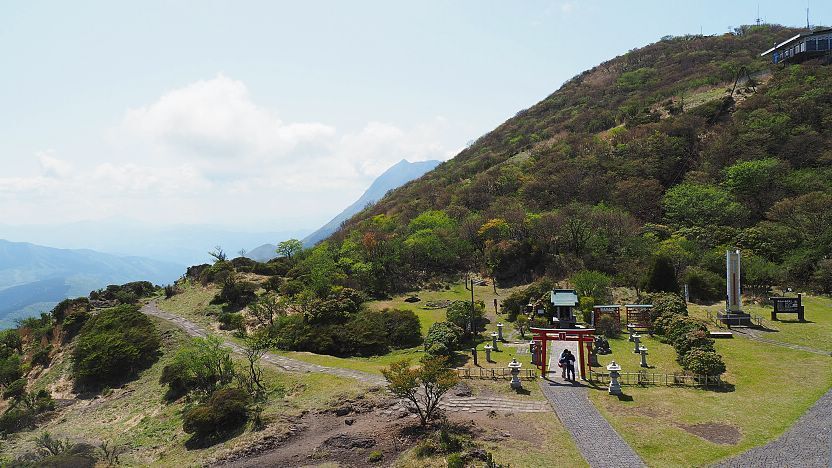
The peak above Beppu reached by ropeway. Easy hiking trails at the summit. The views down over the steaming city are unique. In winter, frost flowers form on the grass.

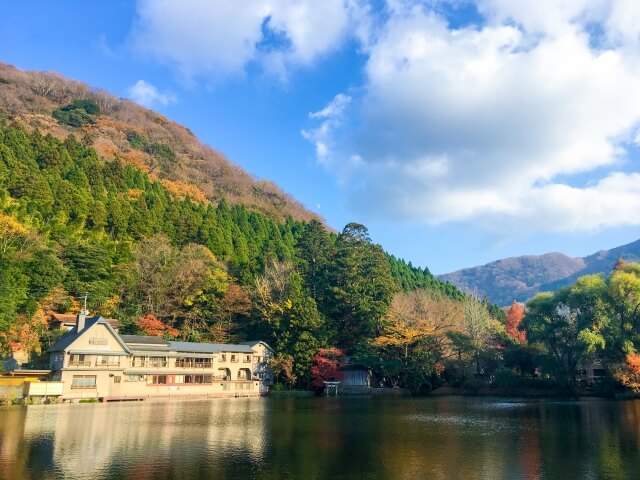
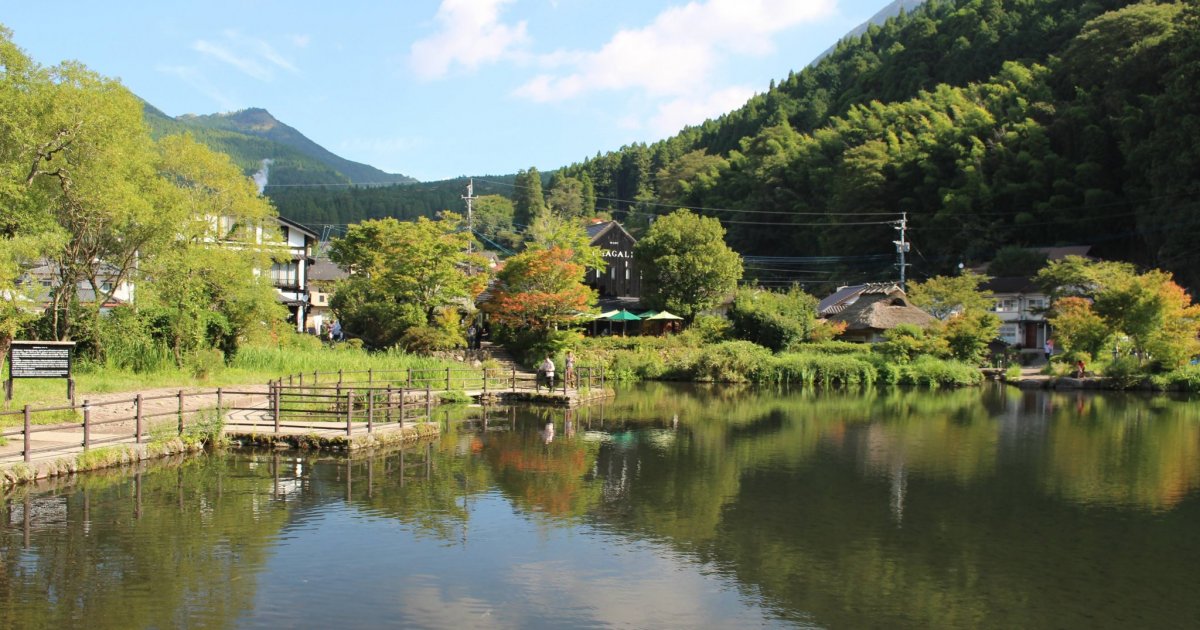
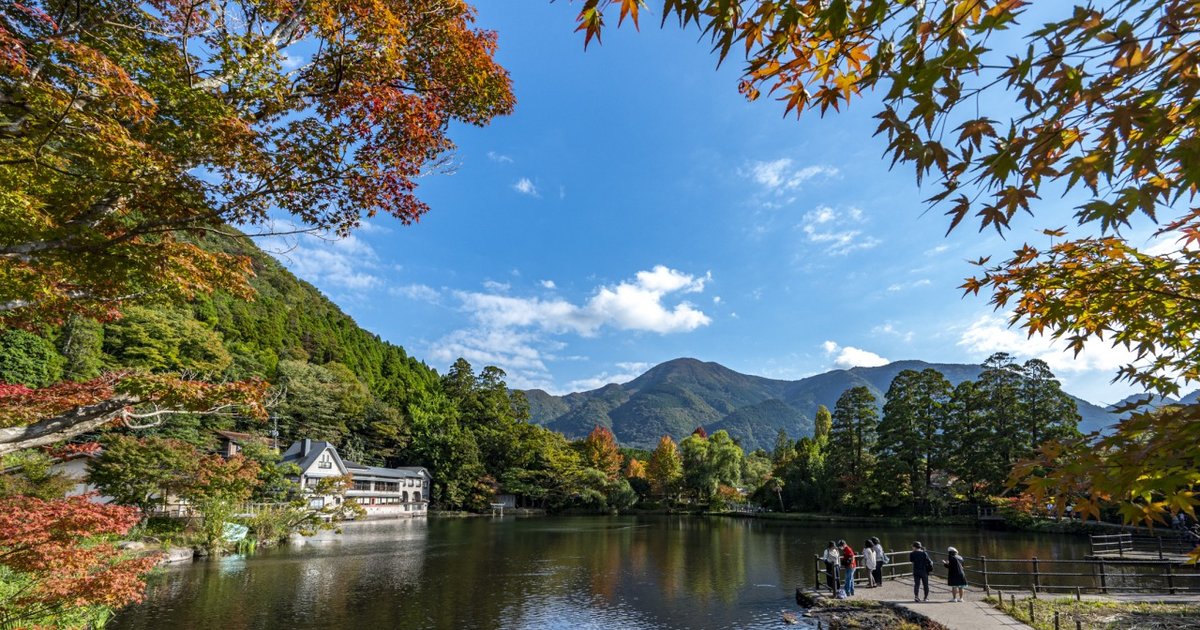
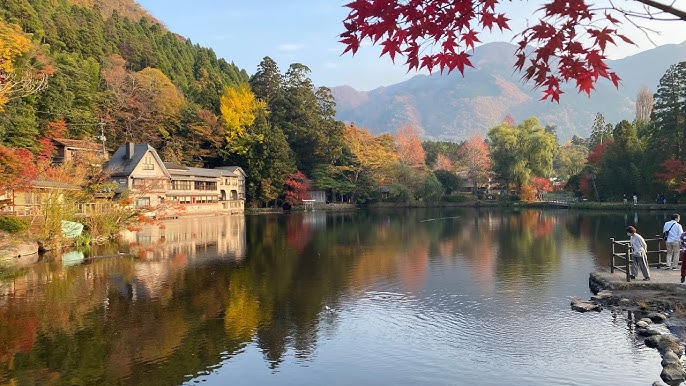
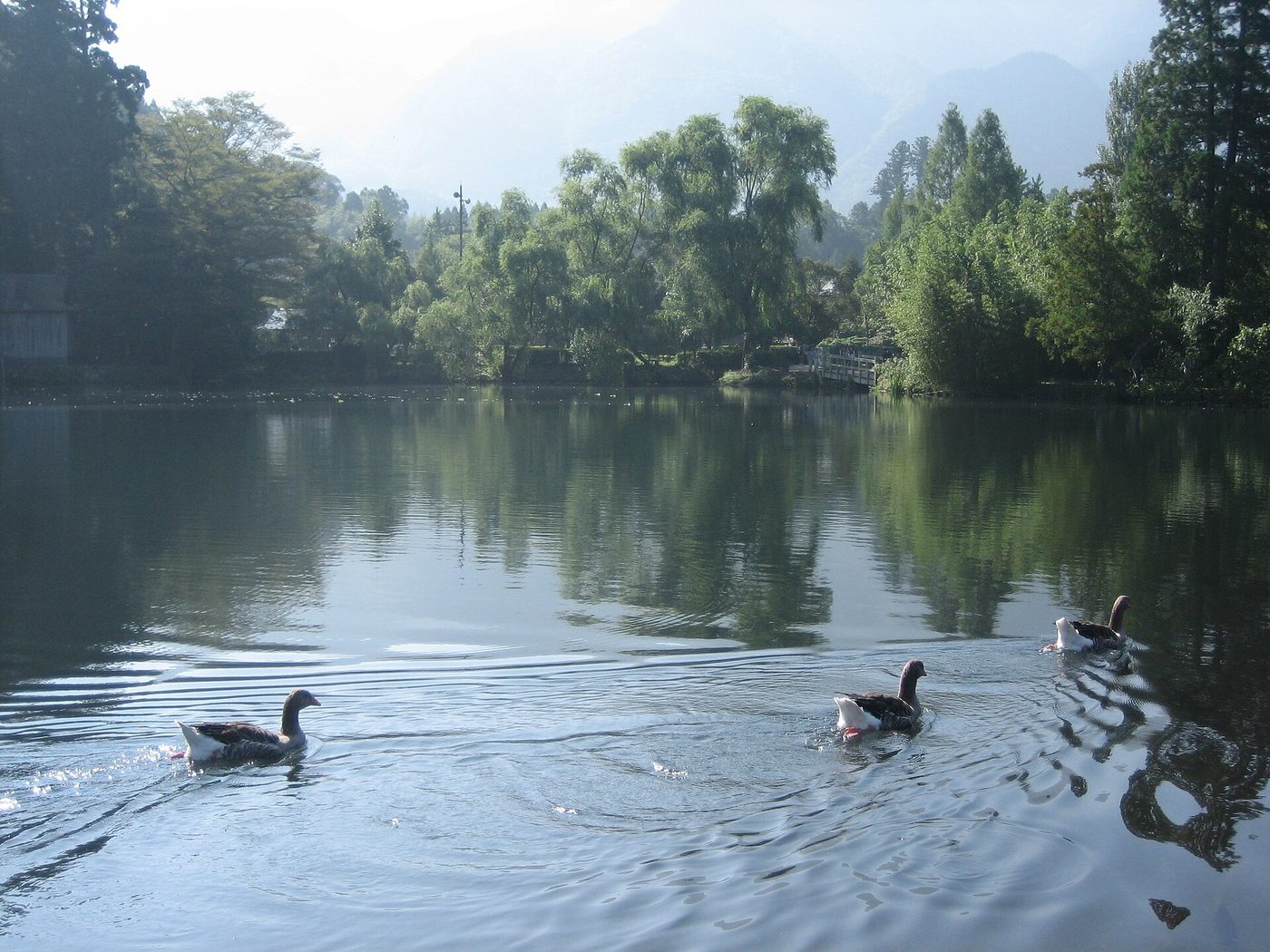
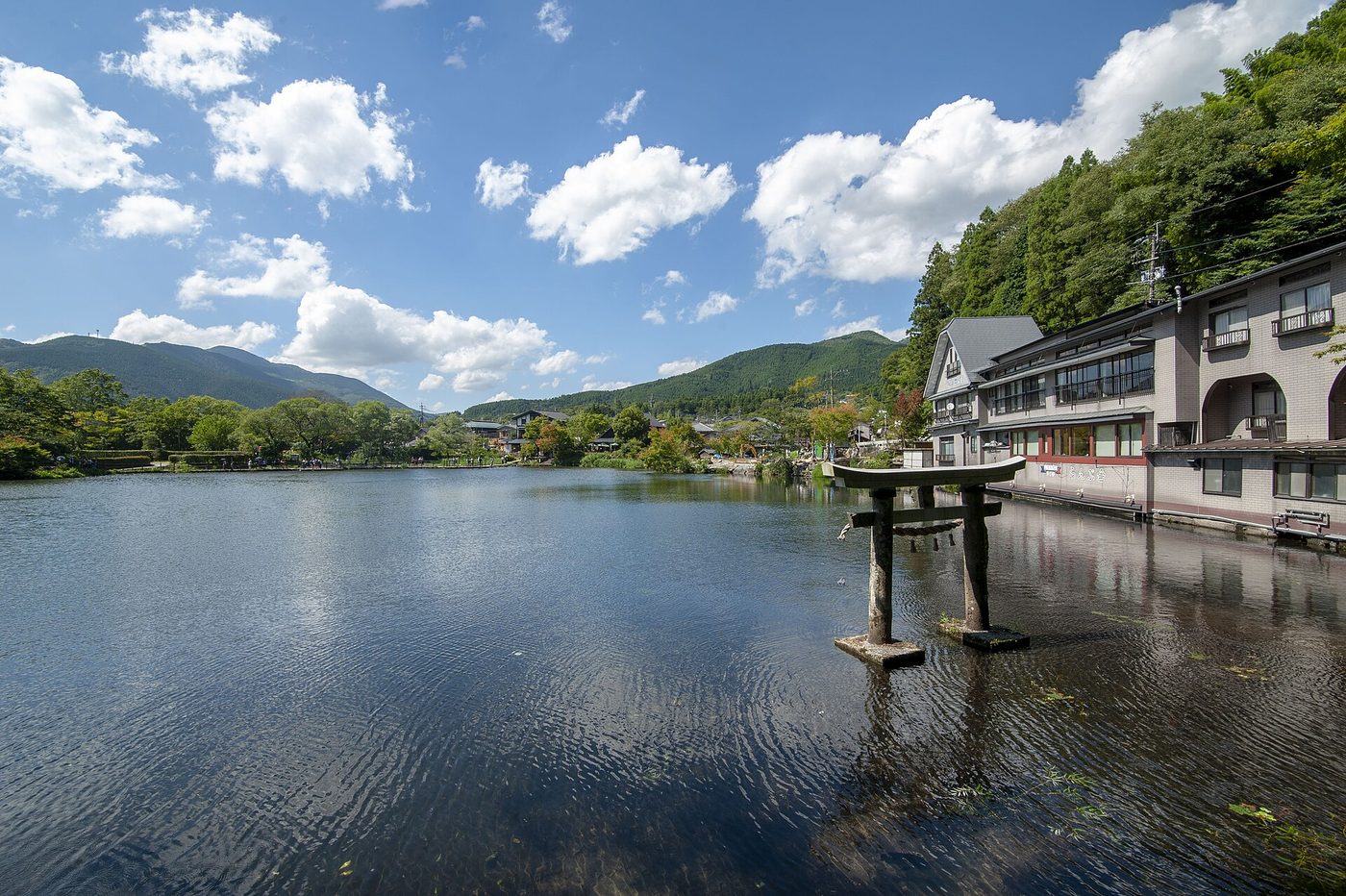
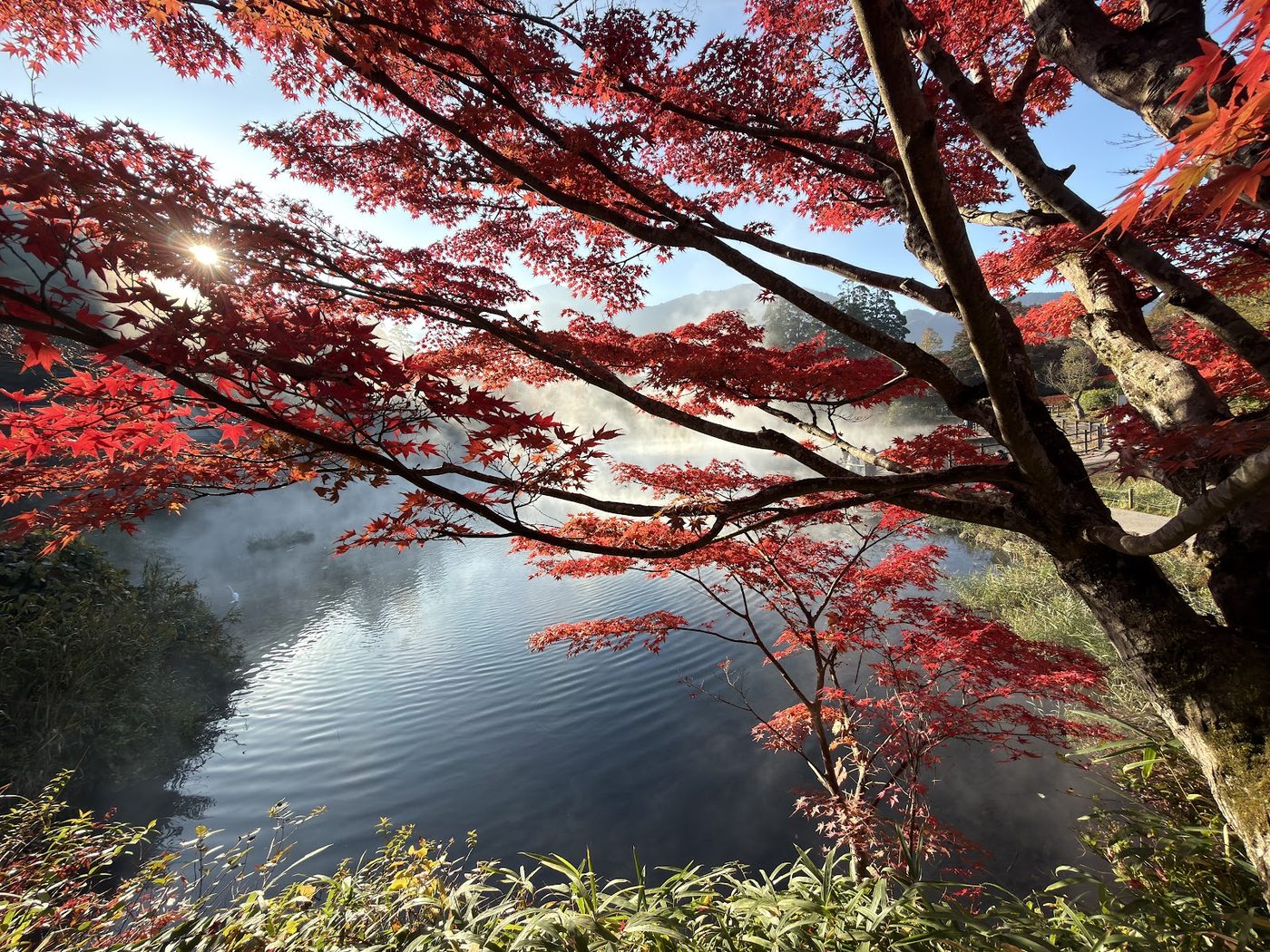
Small mystical lake at the edge of Yufuin town where hot springs feed warm water. Morning mist rises from the lake surface. Walking path around the shore. Most magical at dawn.

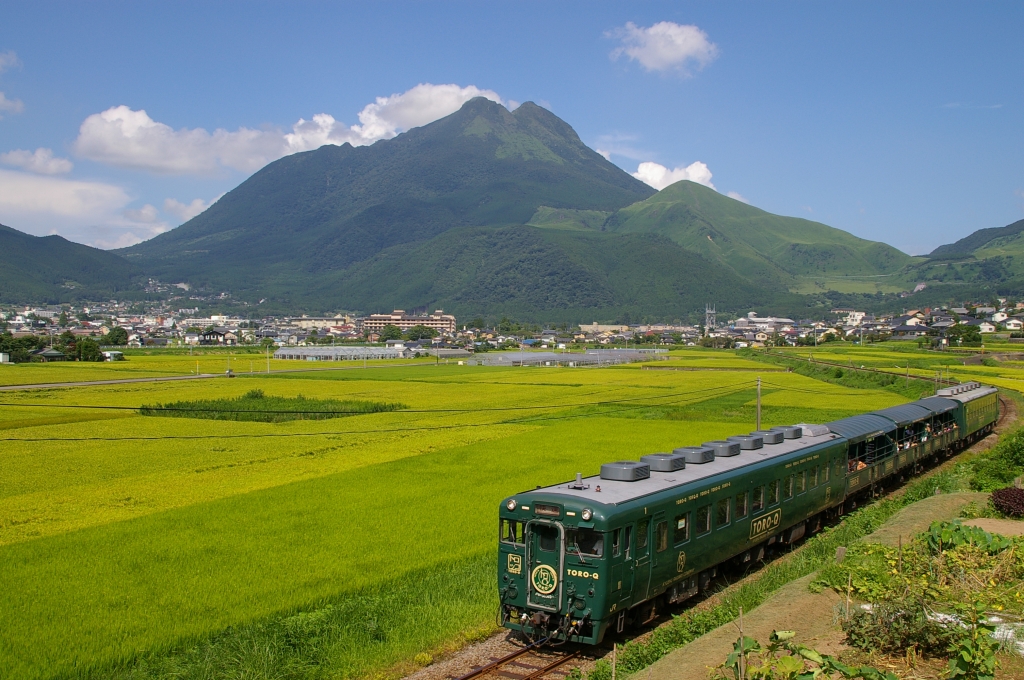
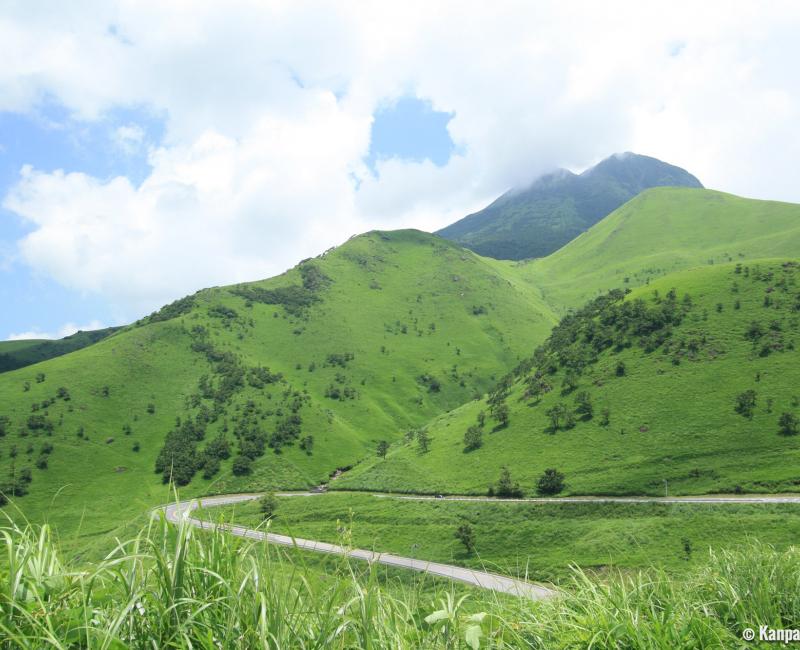
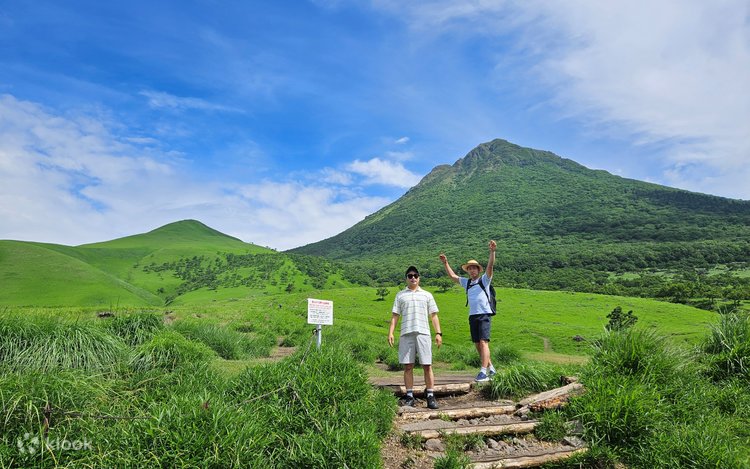
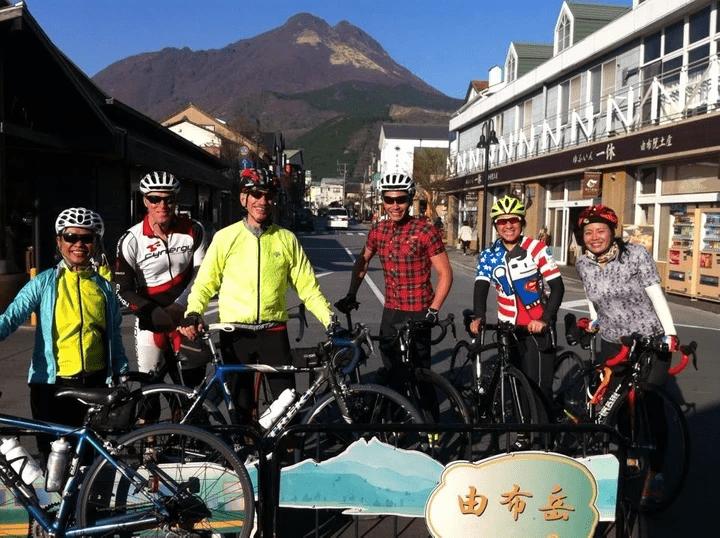
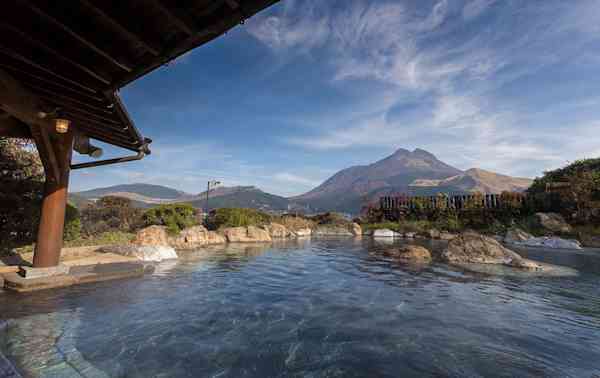
Iconic twin-peaked volcano (1584m) dominating the Yufuin skyline. The hiking trail to the summit takes about 2 hours. Panoramic views from the top on clear days.

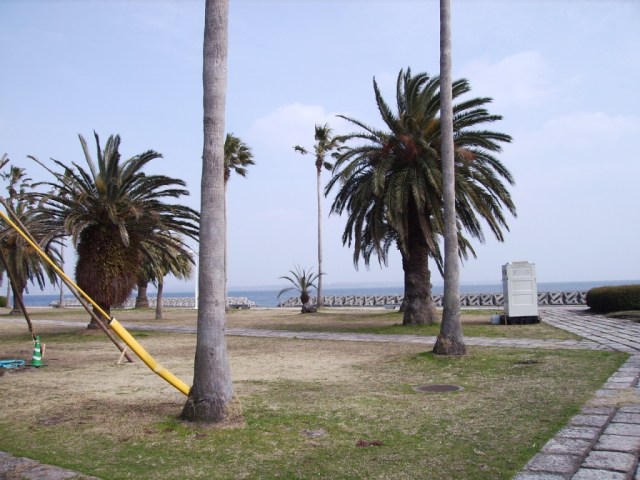
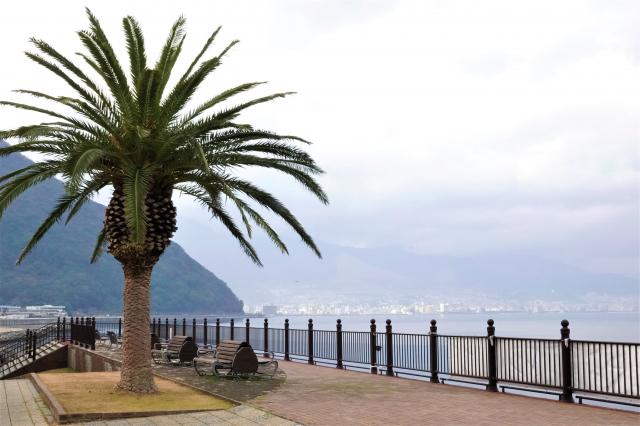
Seaside walking and cycling path along Beppu's coast. Mount Takasaki monkey mountain is visible. On warm evenings locals jog and cycle along the waterfront. Peaceful atmosphere.

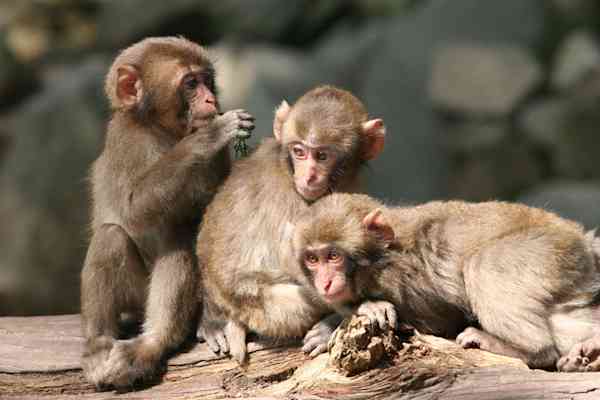
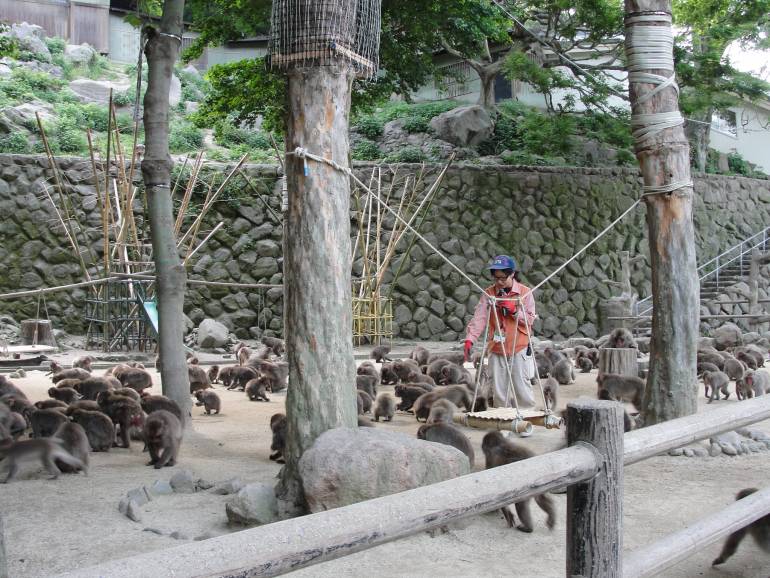
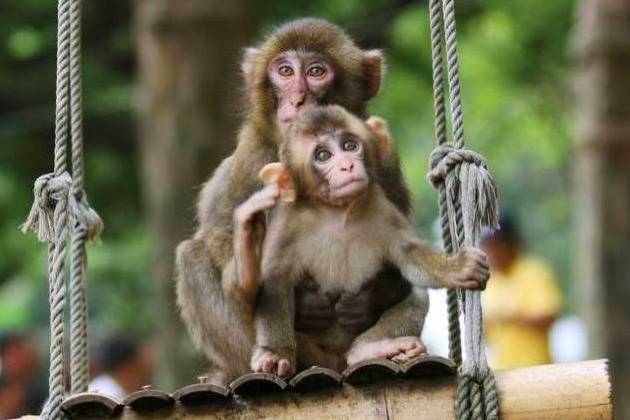
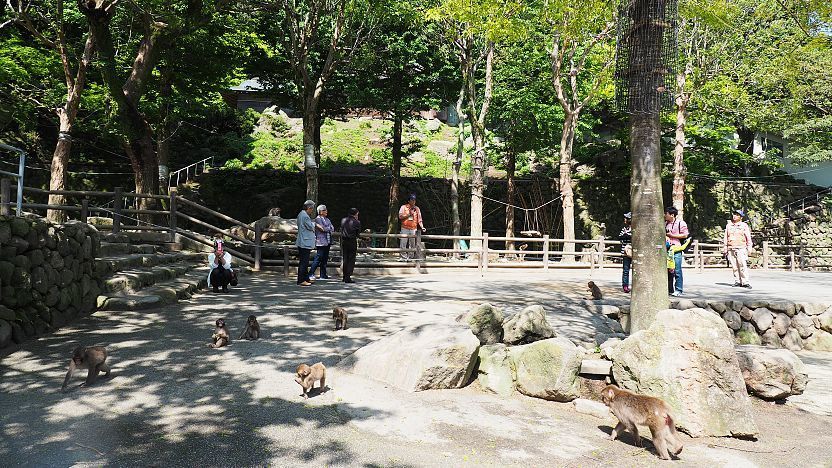
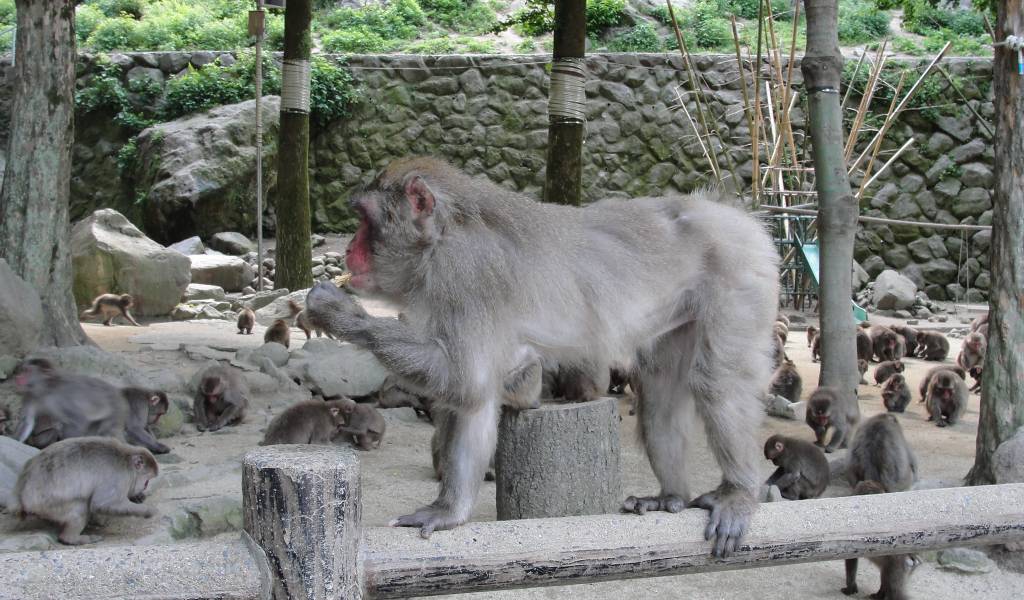
Wild monkey park where over 1500 Japanese macaques live on the mountainside. No cages. Feeding sessions bring groups of monkeys to the observation areas. Fascinating behavior watching.

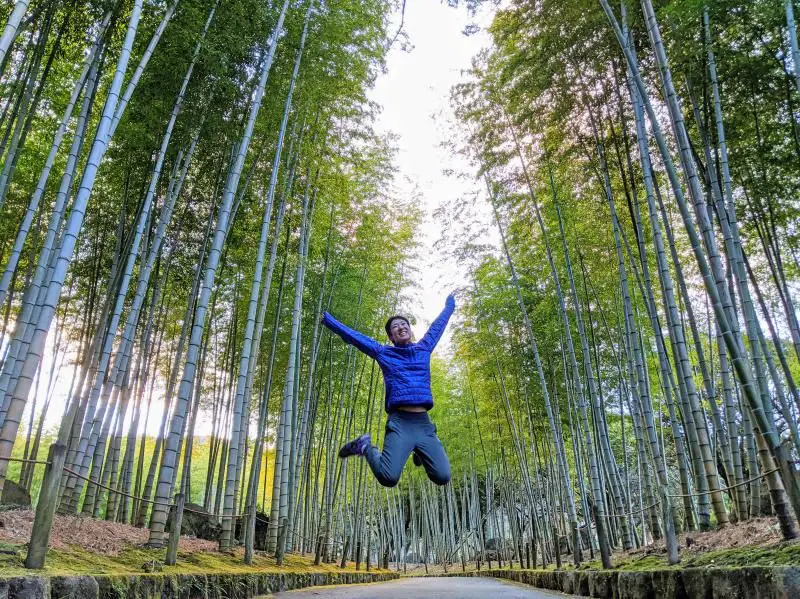
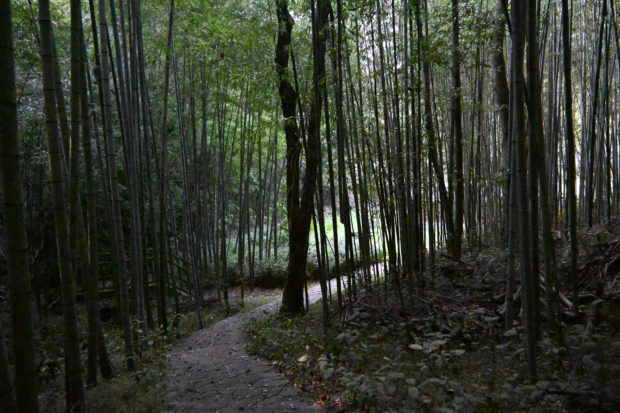
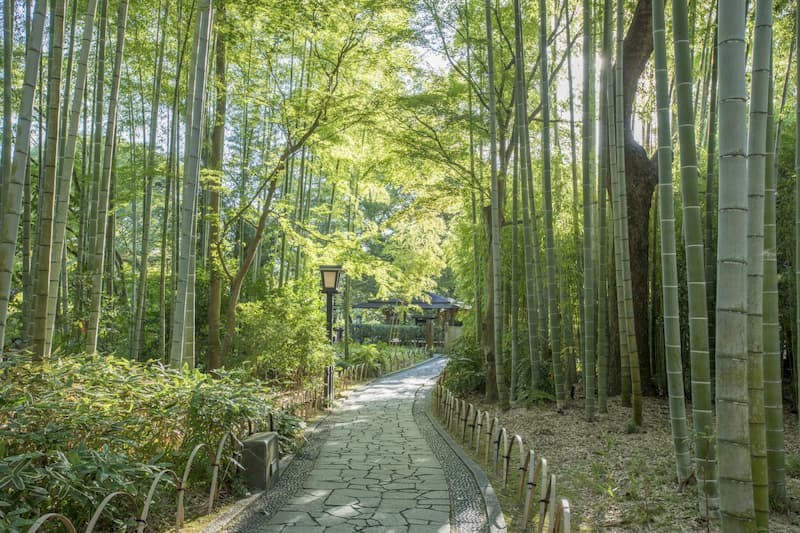
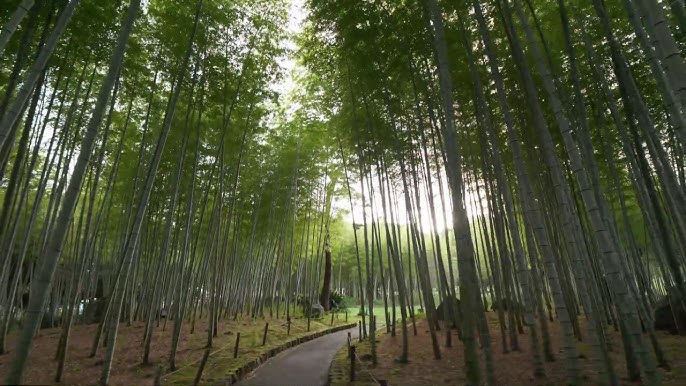
Walking path through a bamboo grove near the craft center. The tall bamboo creates dappled light and a peaceful rustling sound. A mini version of Kyoto's bamboo forest.


Hot springs, whisky distilleries, festivals, and one-of-a-kind encounters.

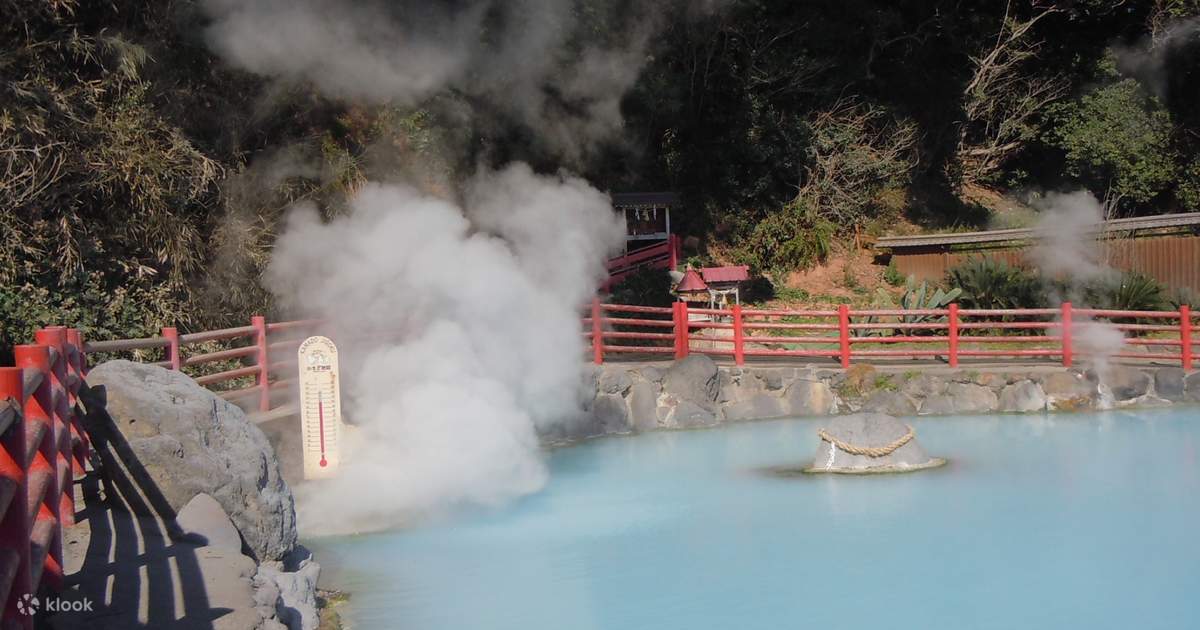
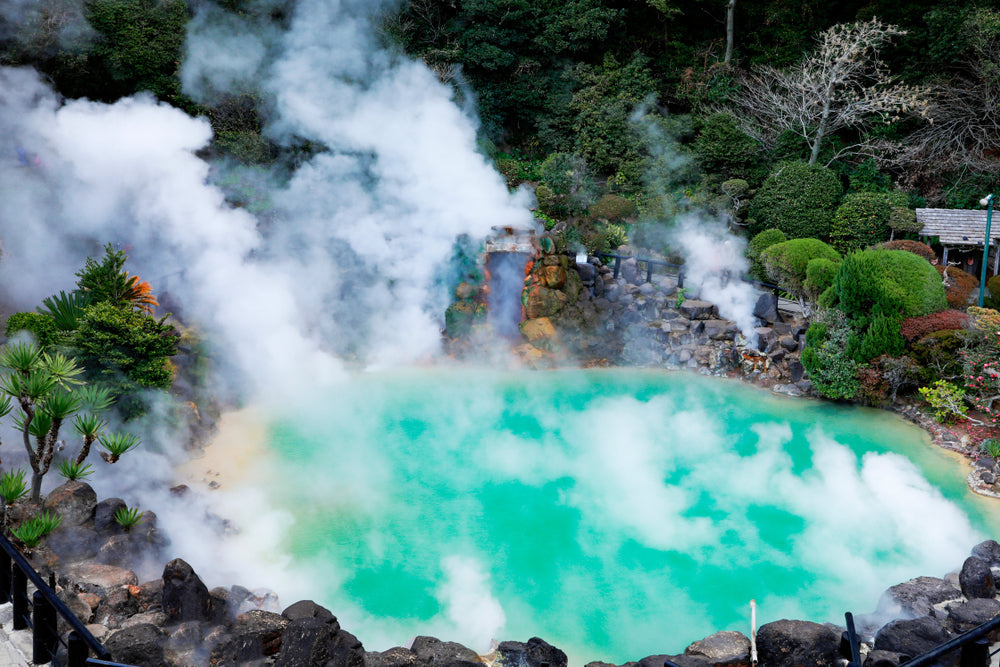
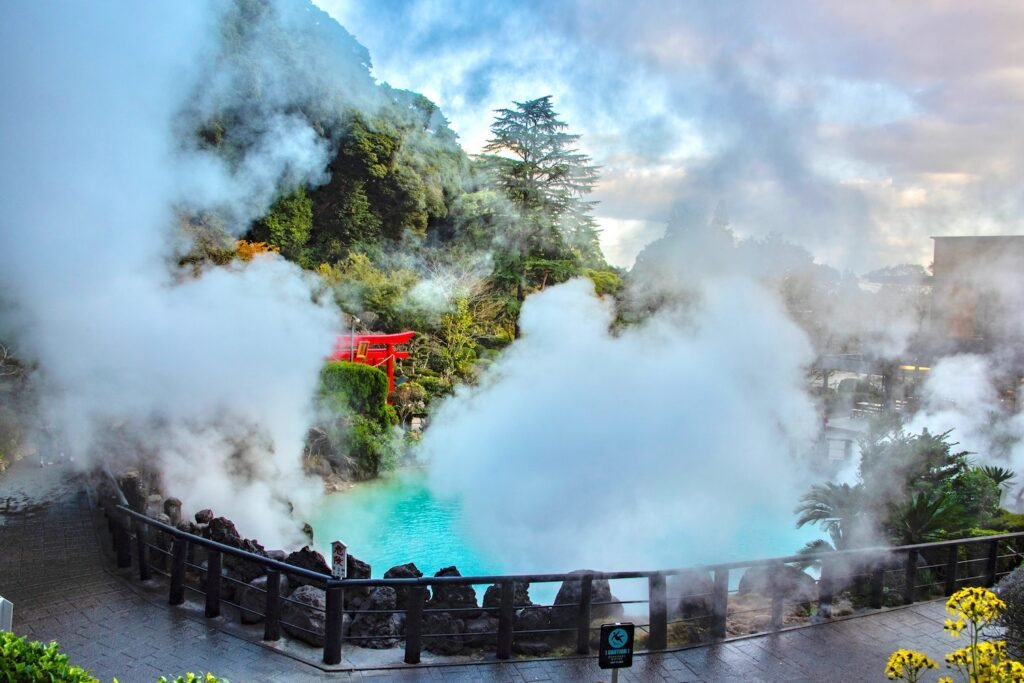
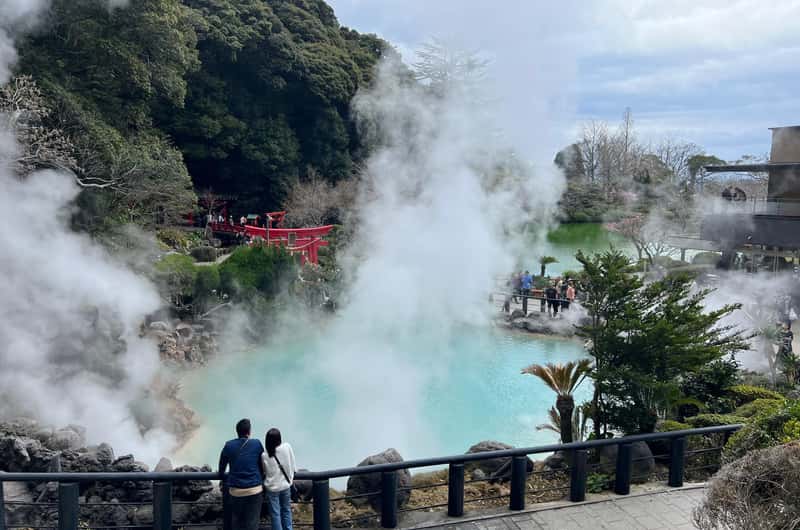
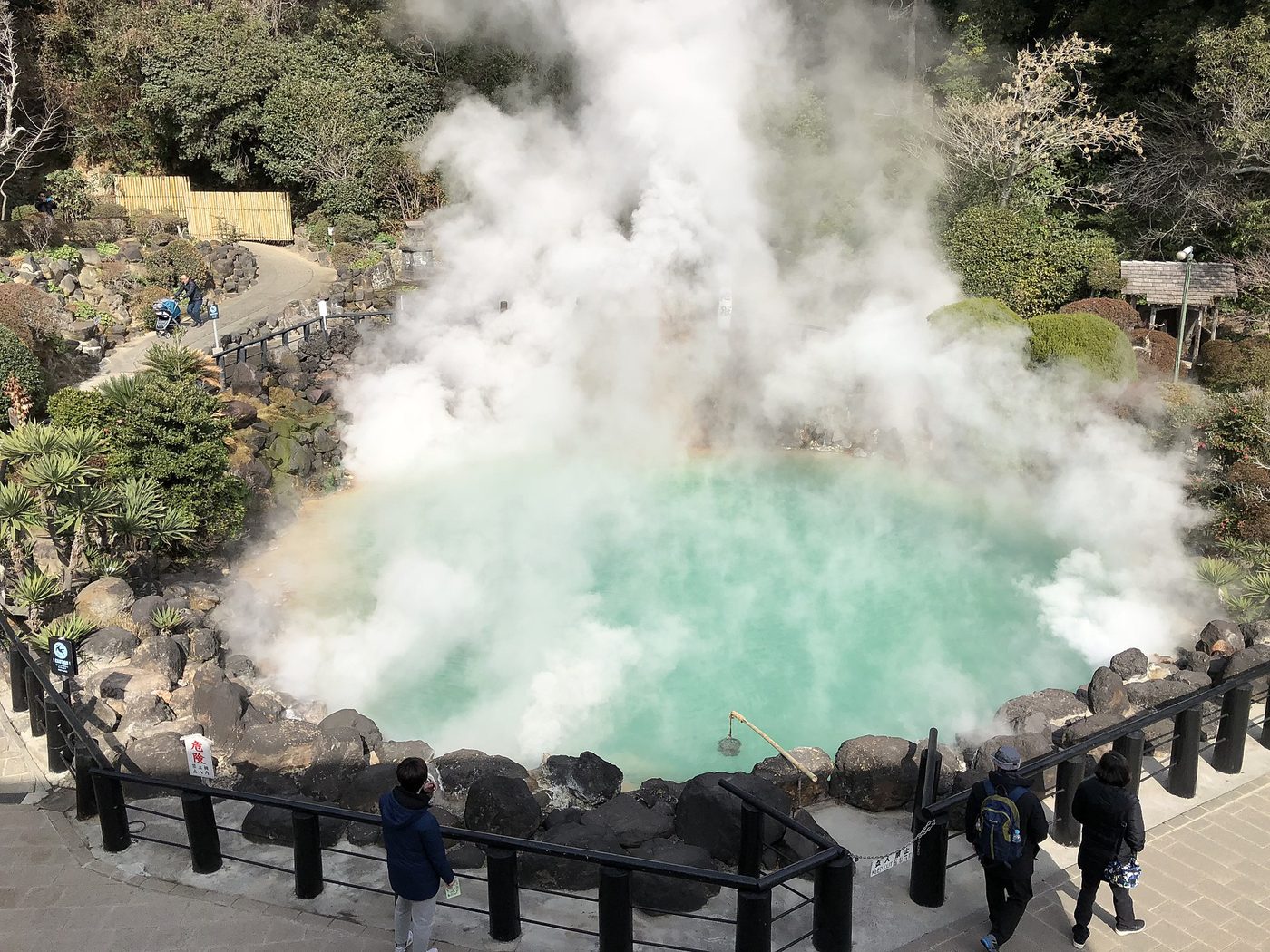
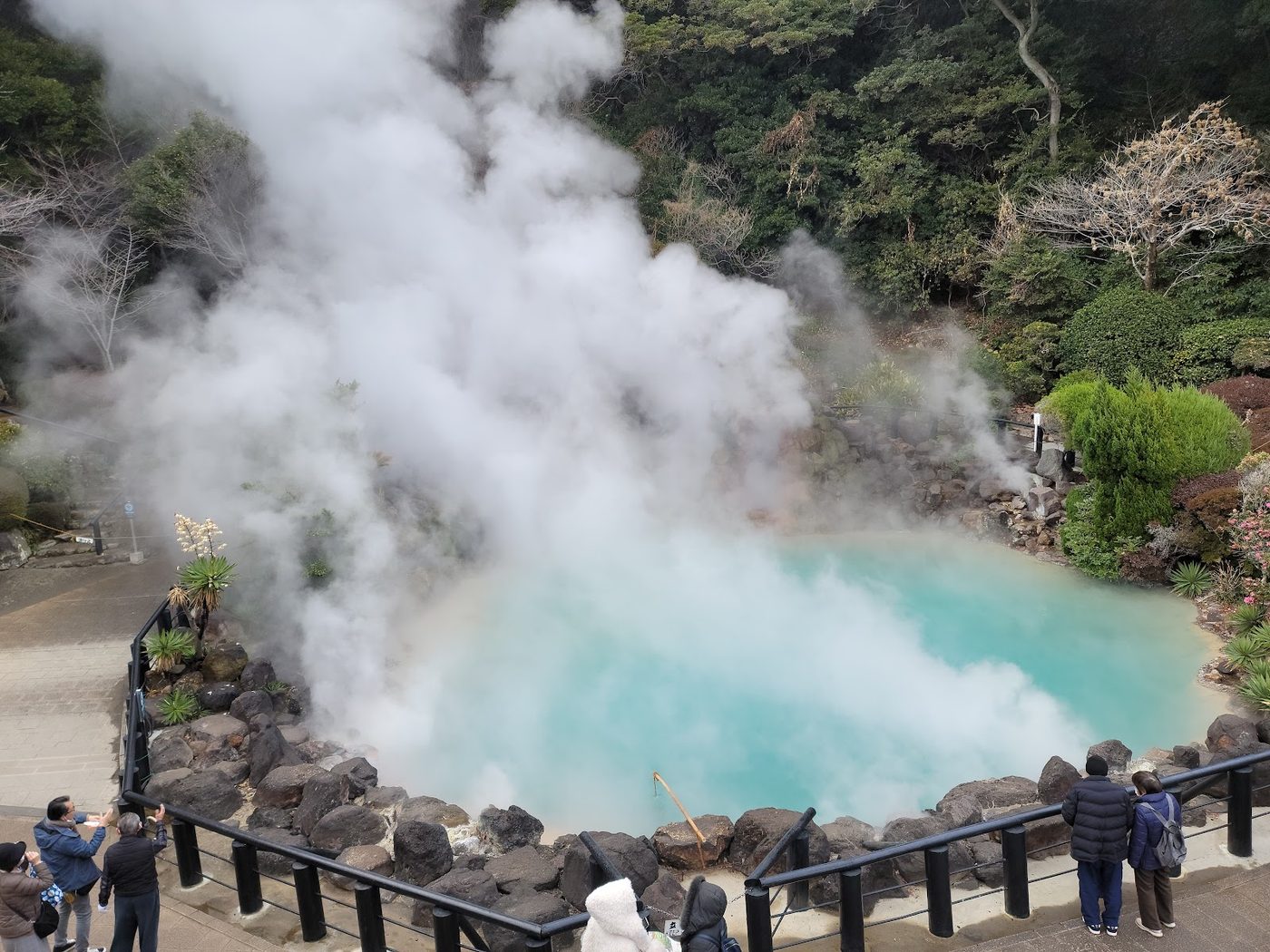
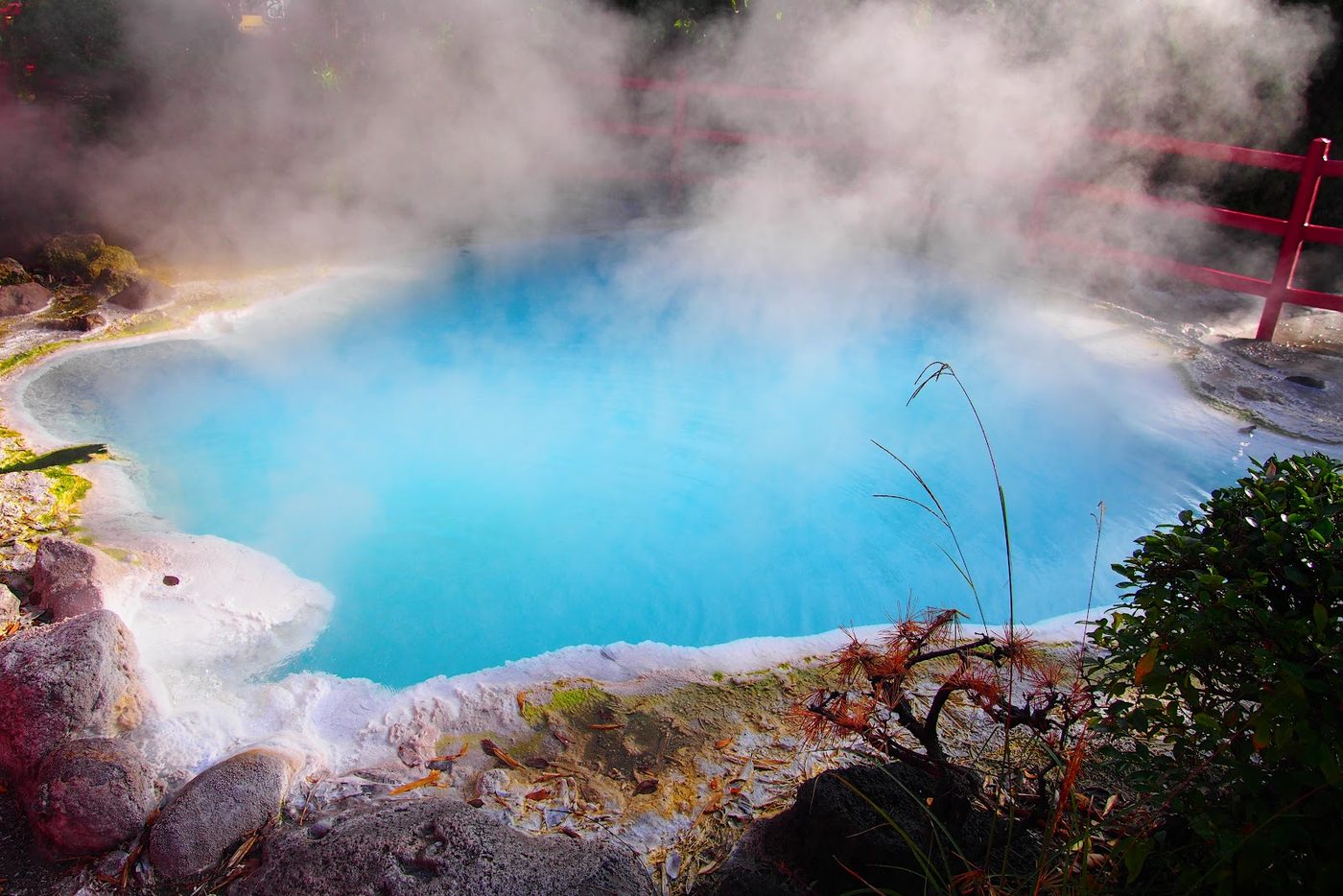
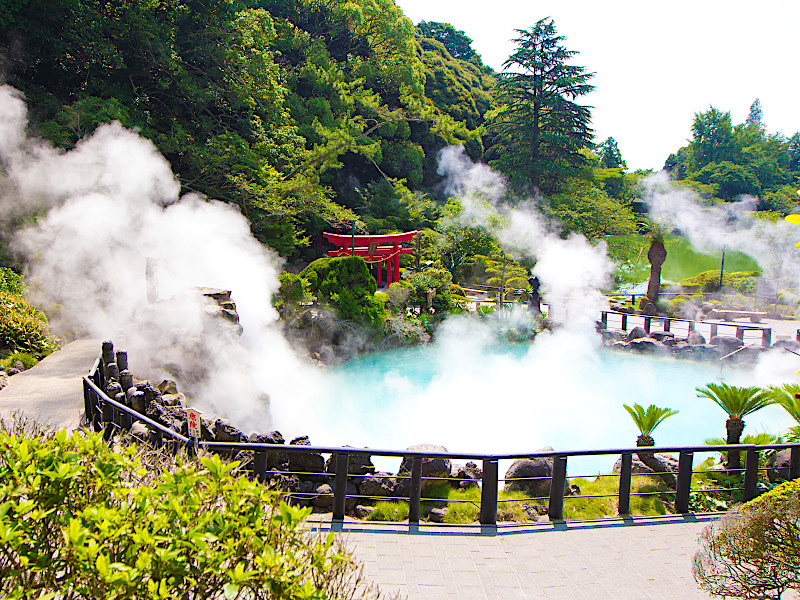
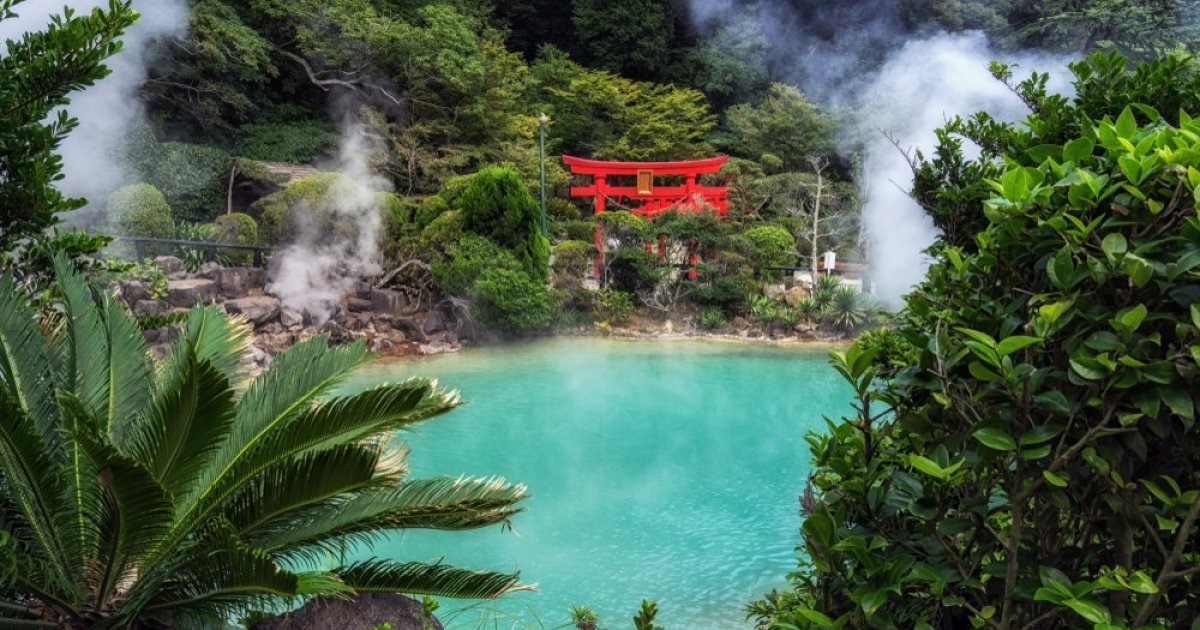
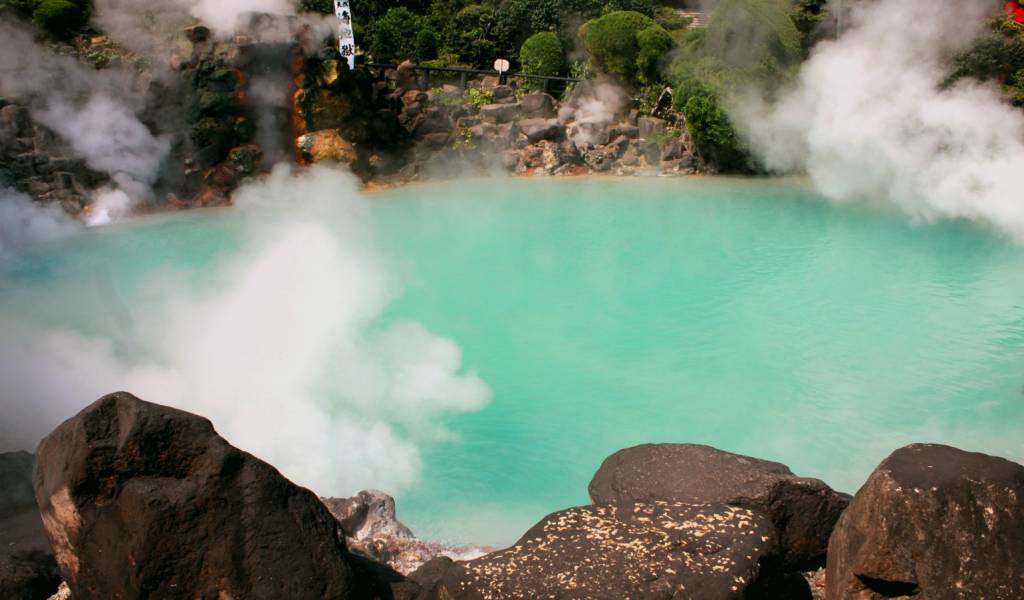
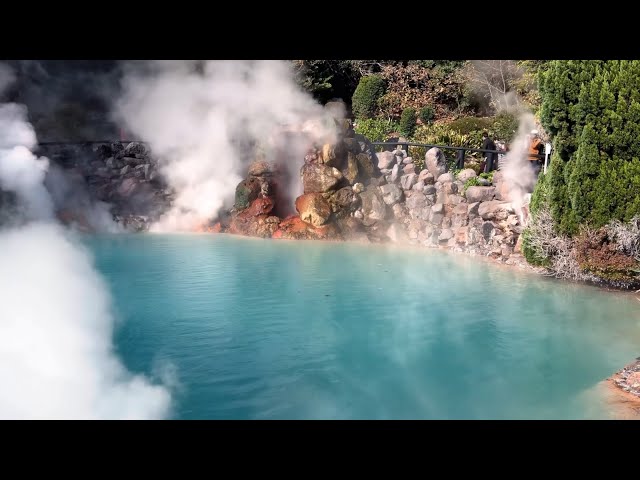
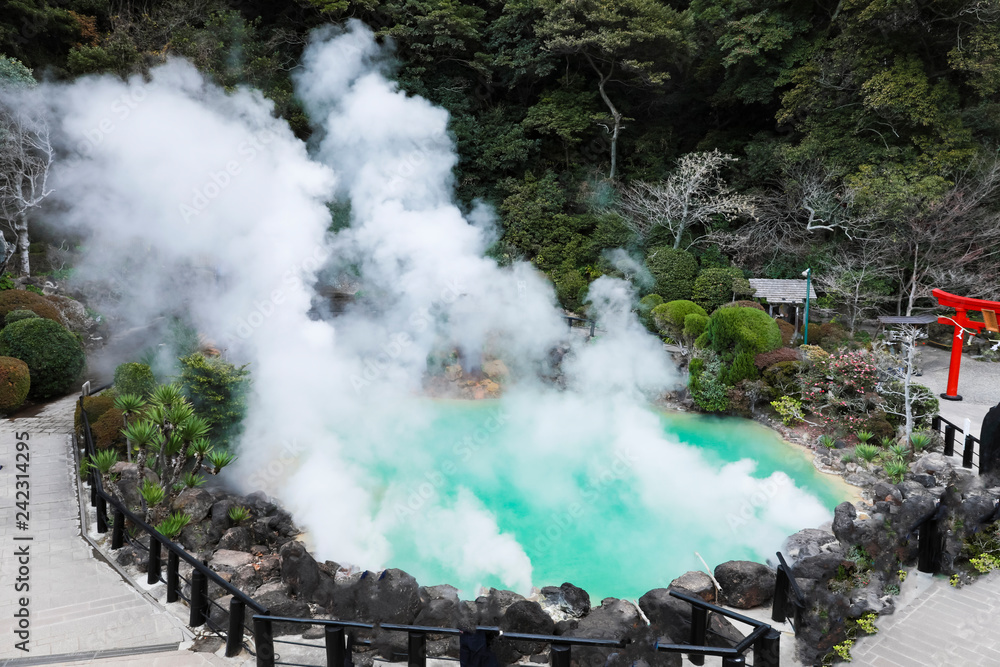
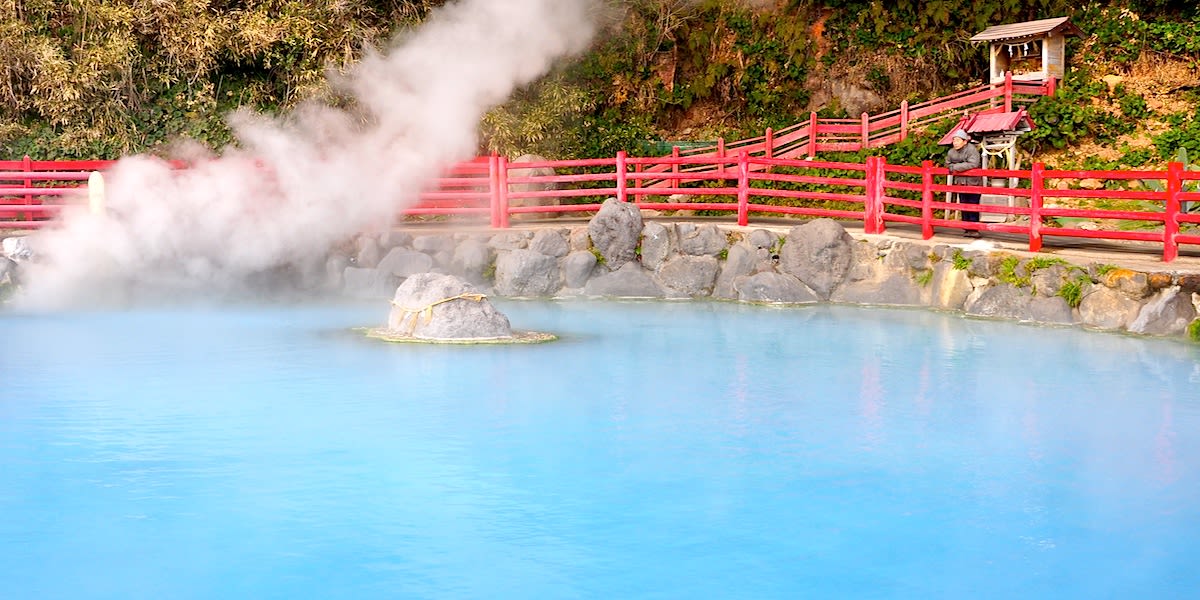
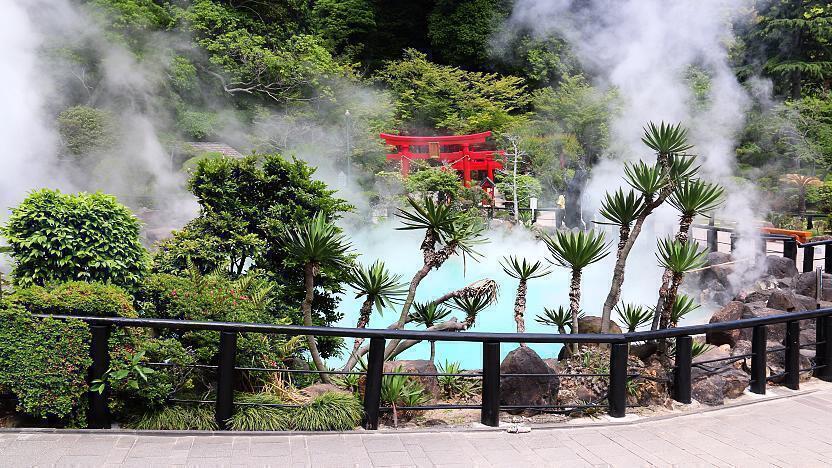
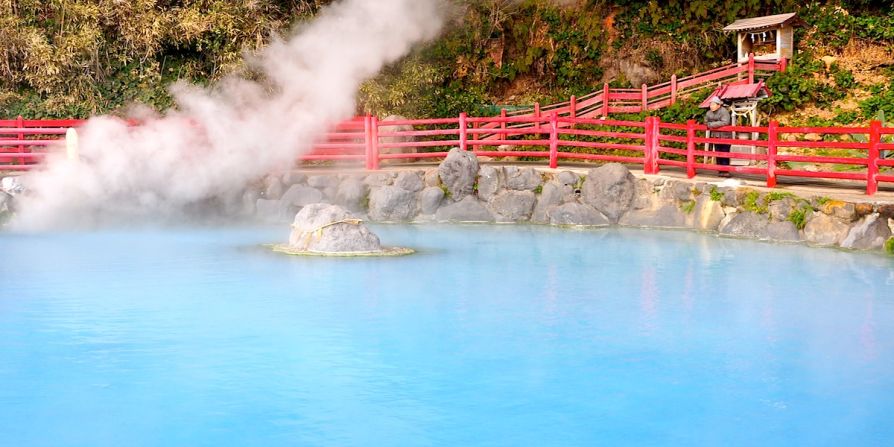
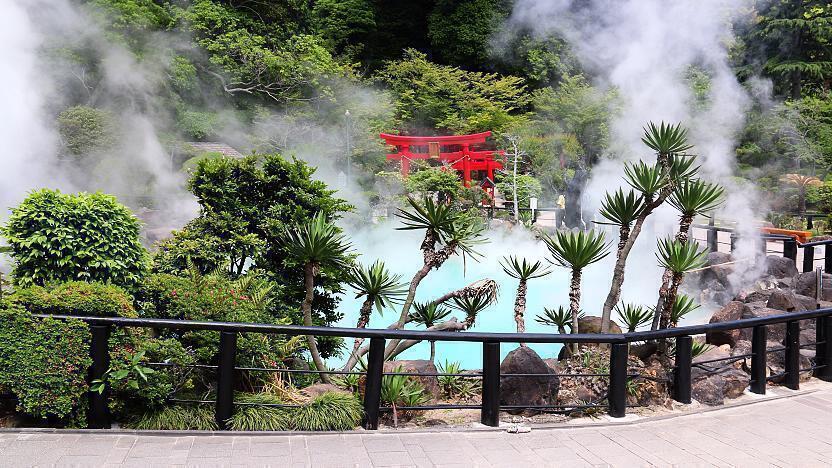
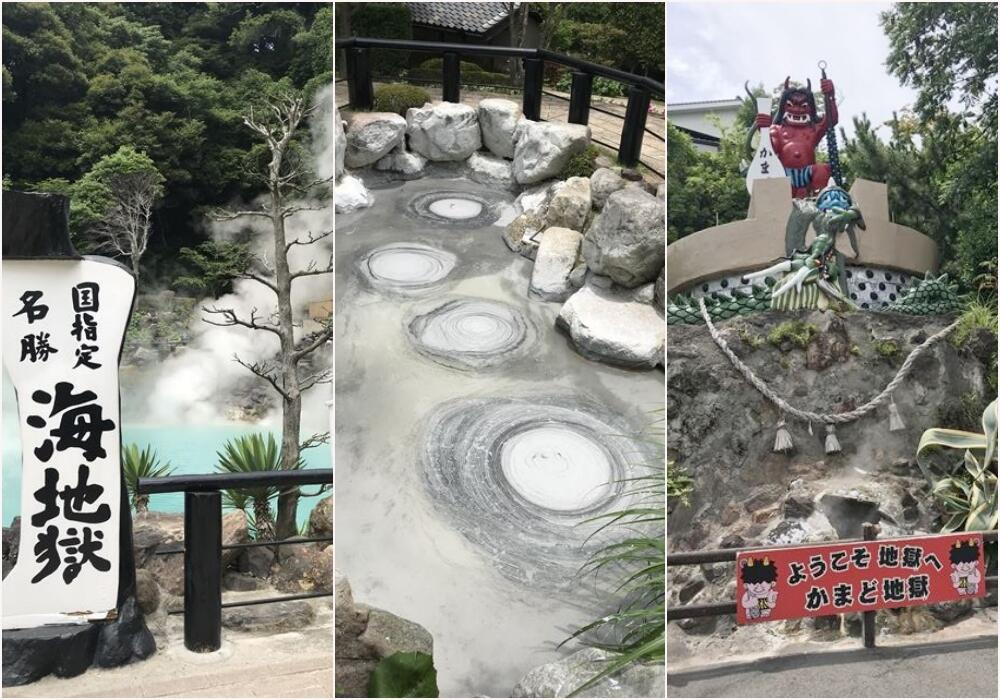
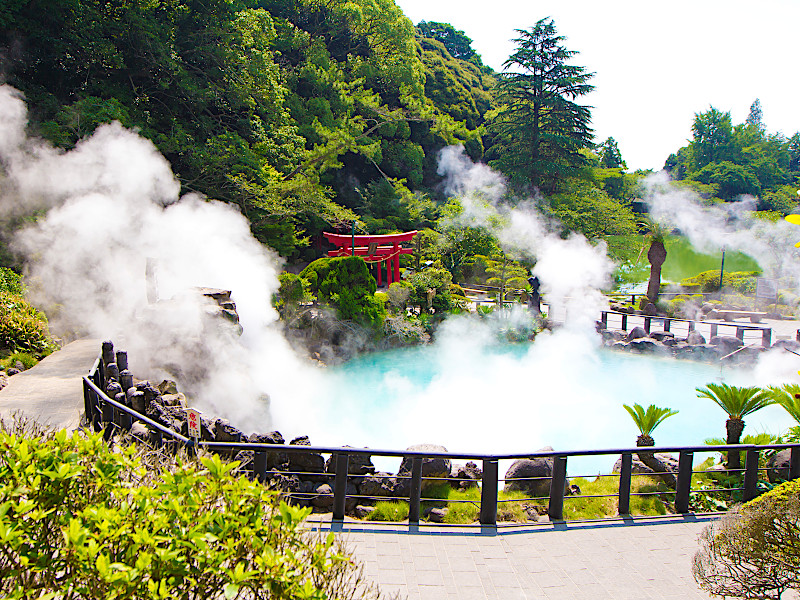
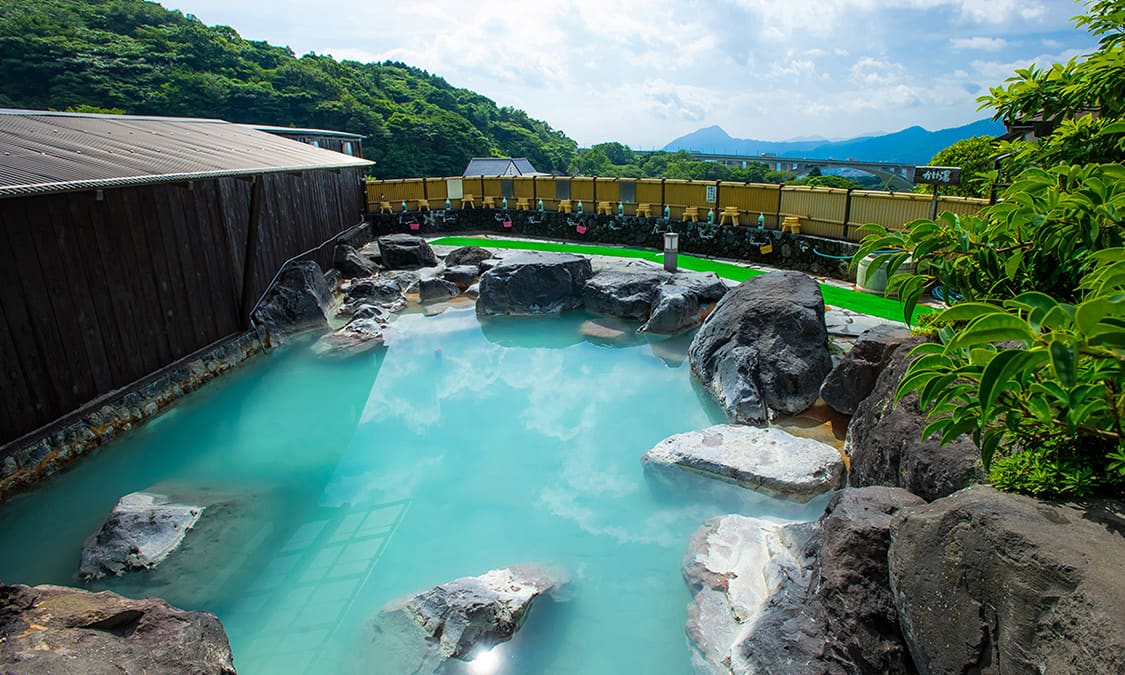
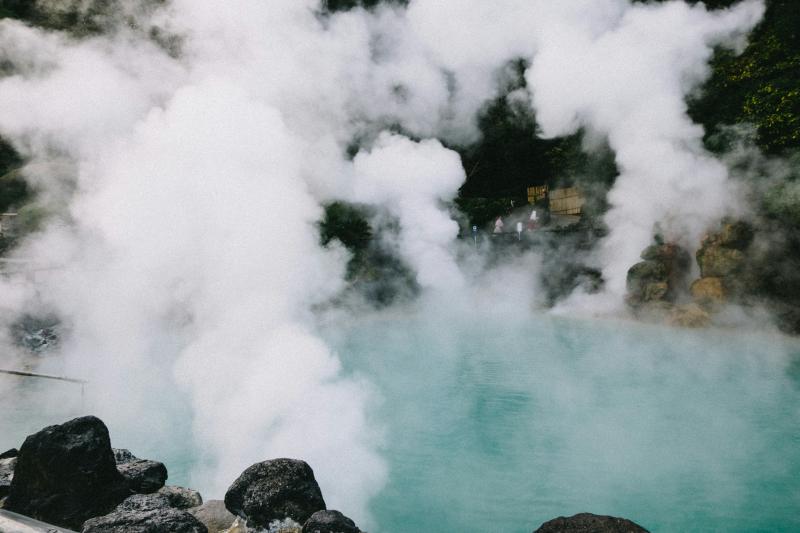
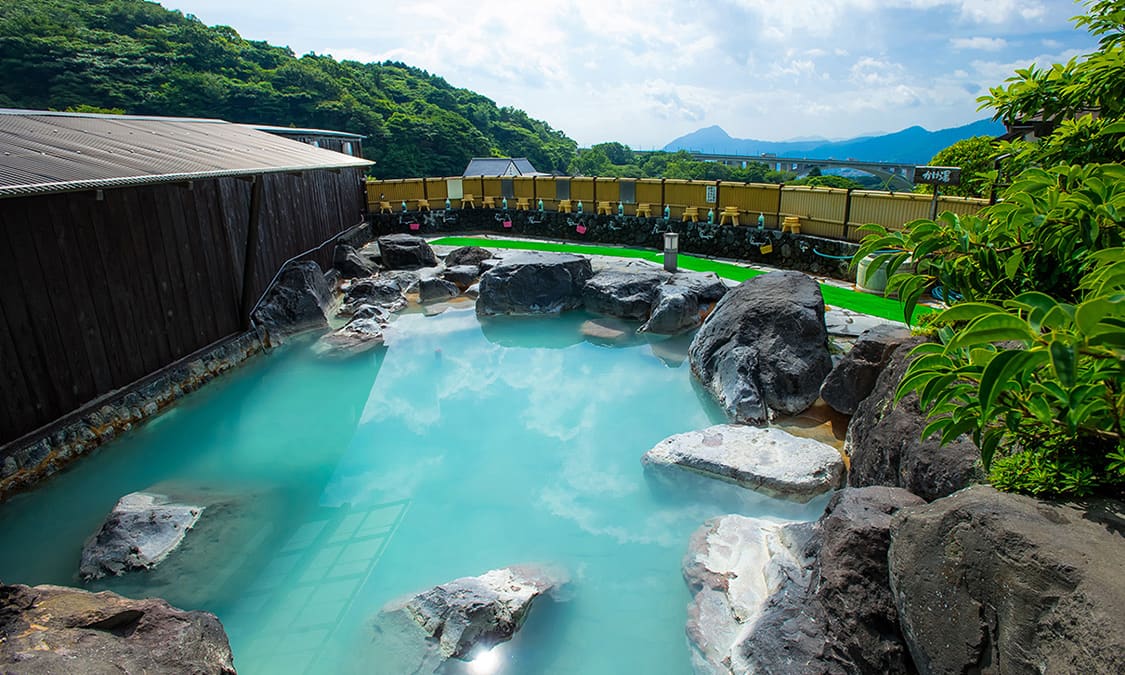
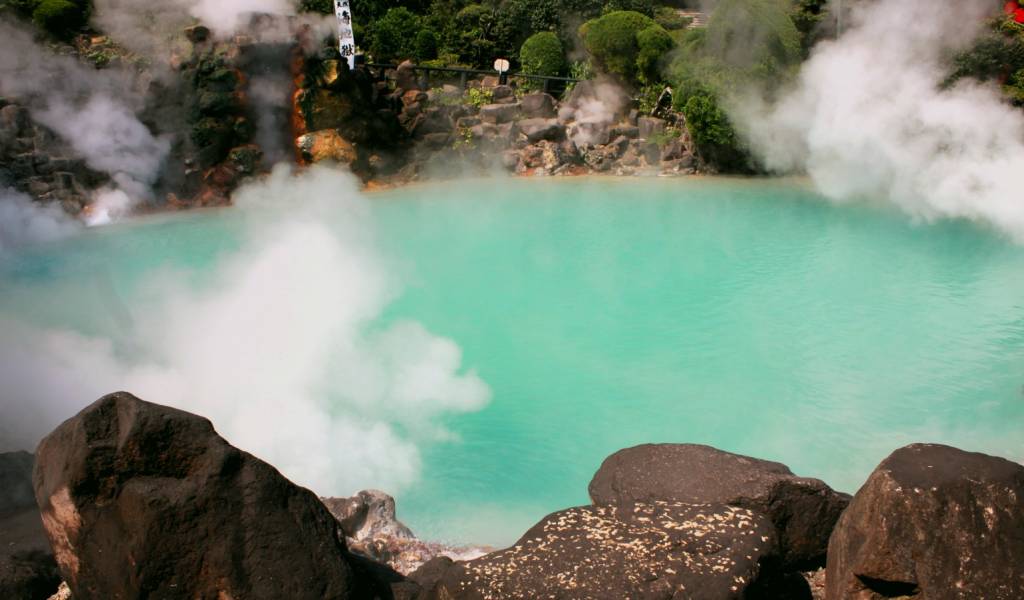
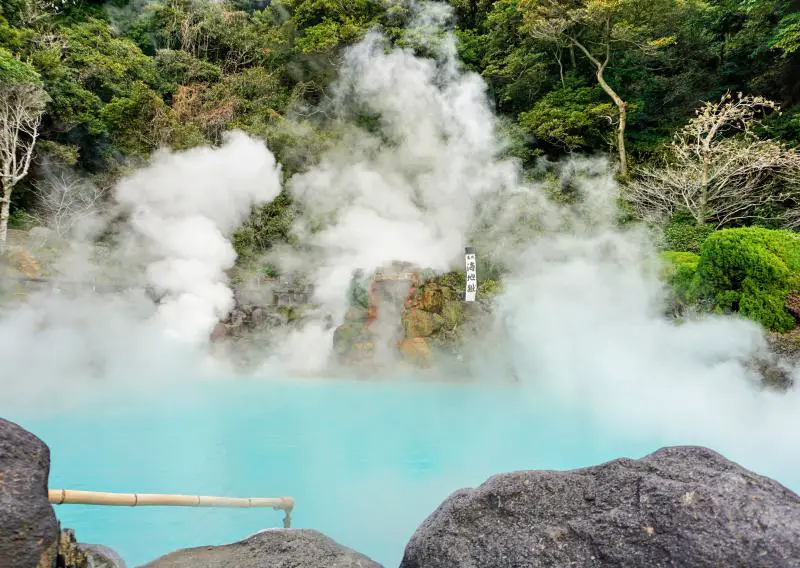
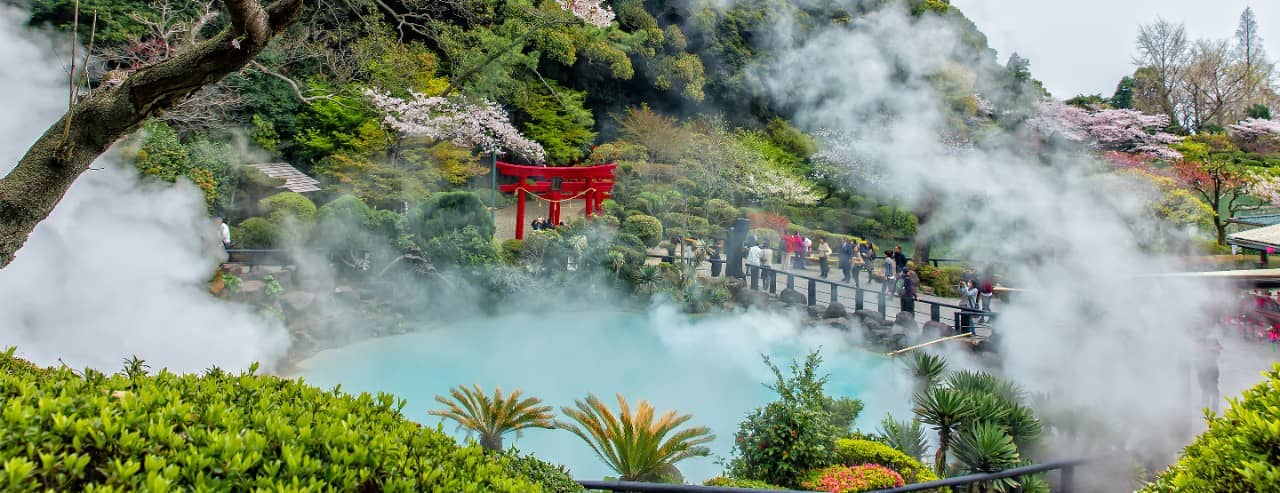
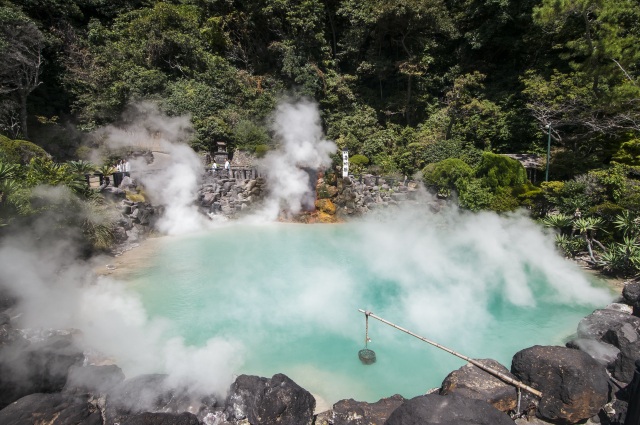
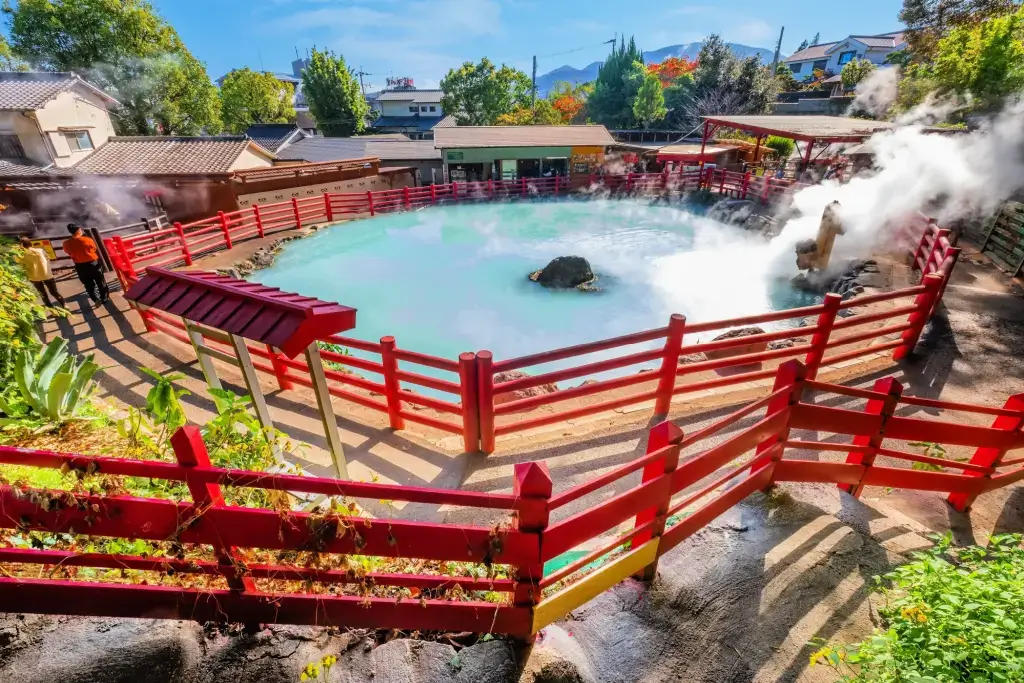
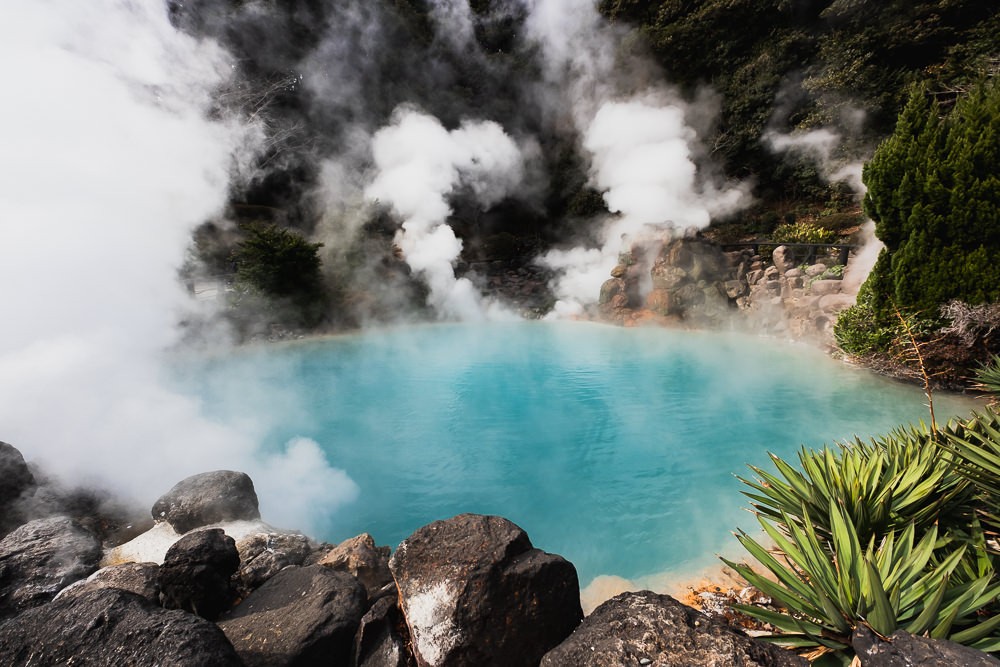
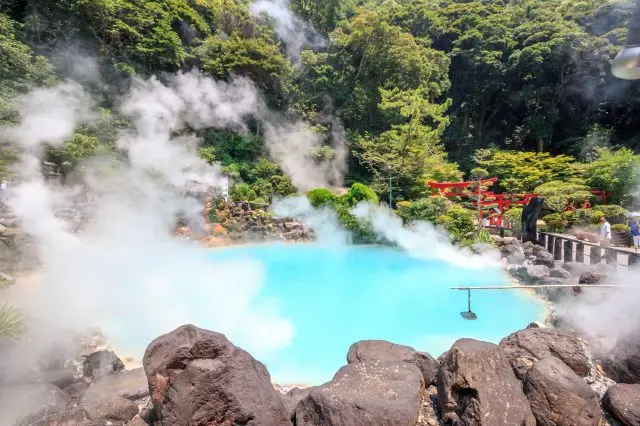
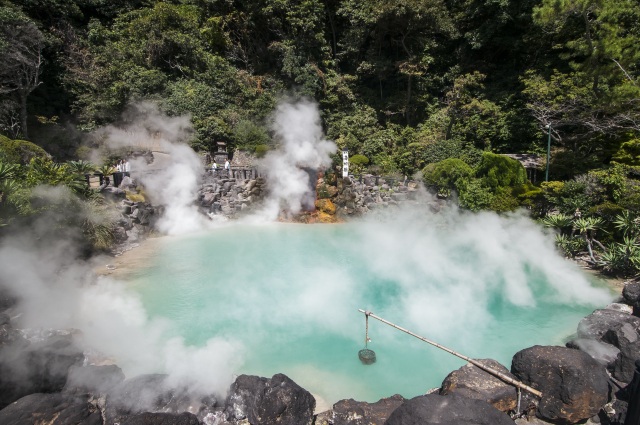
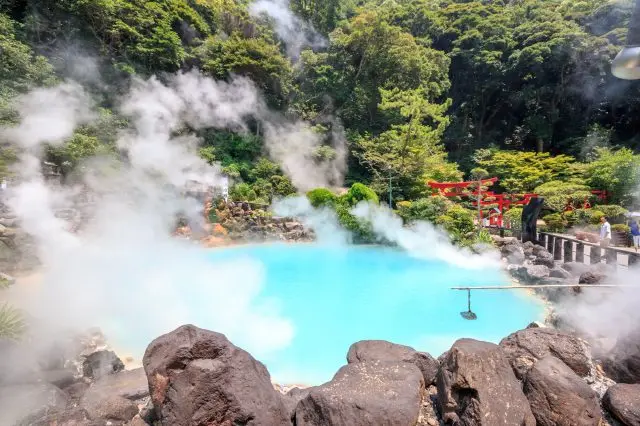
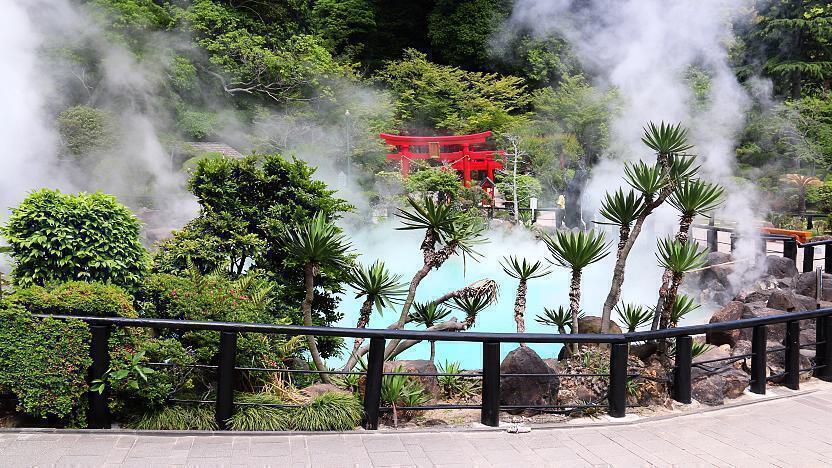
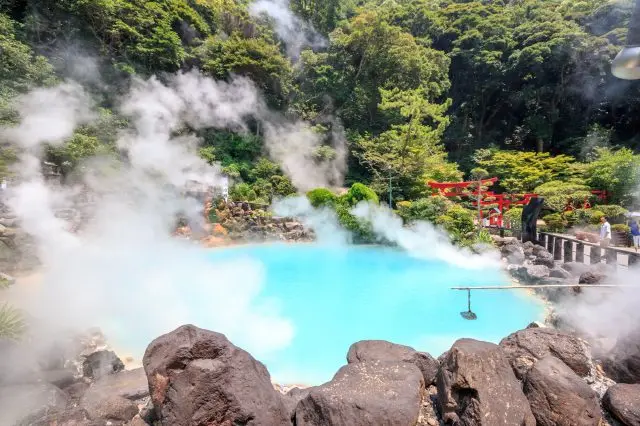
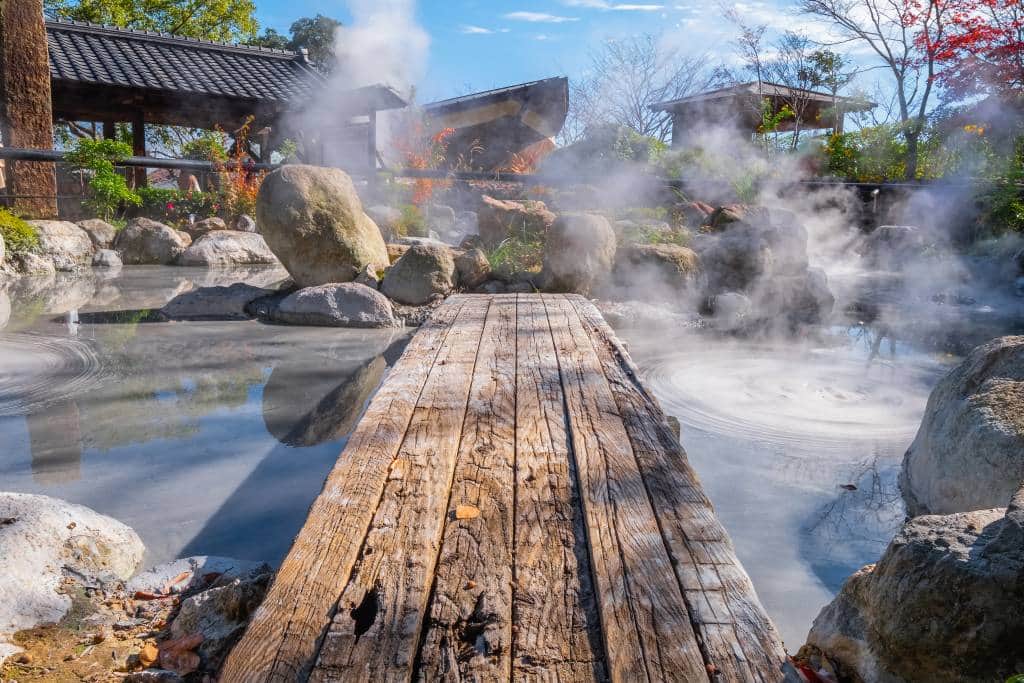
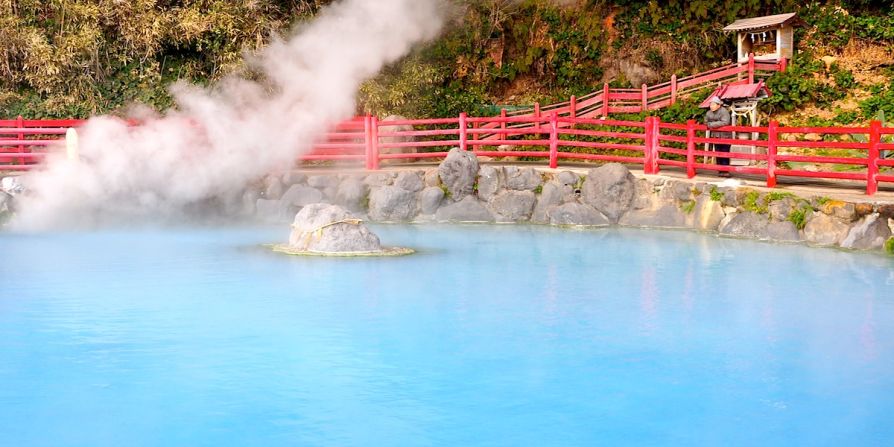
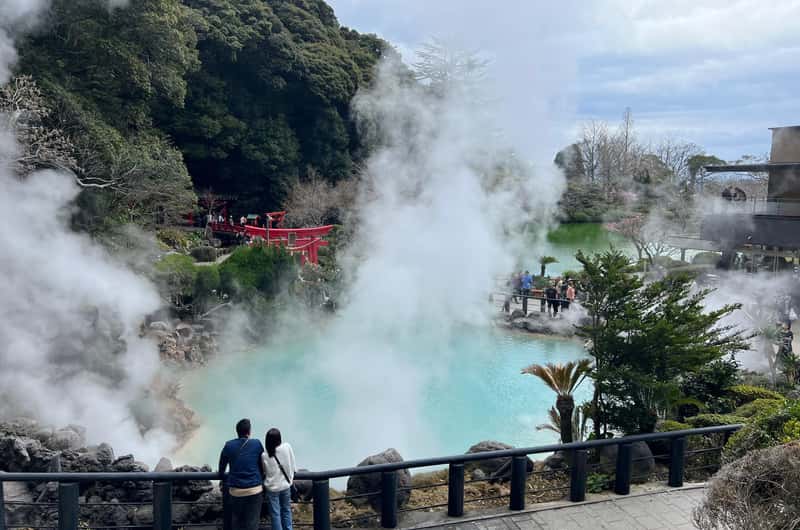
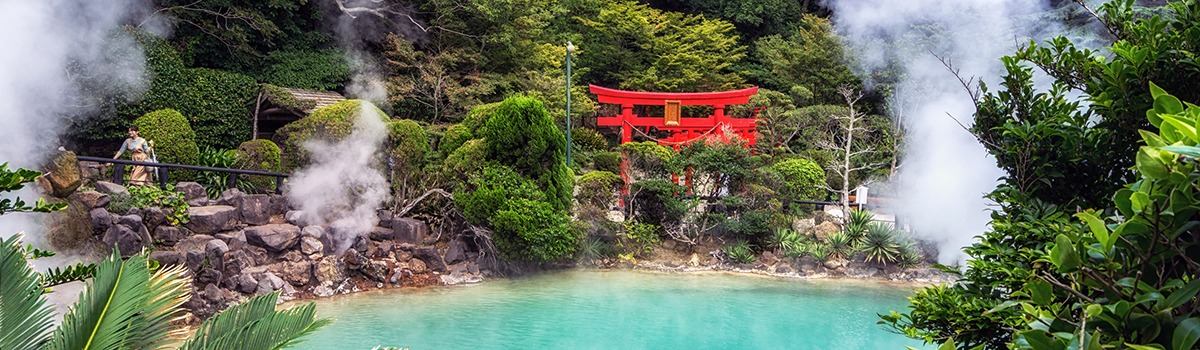
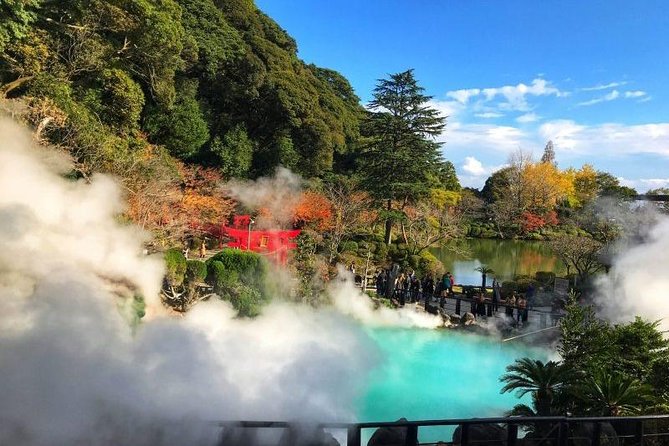
Stunning cobalt-blue boiling pool at 98 degrees. The largest and most photogenic of the Beppu hells. Tropical garden heated by geothermal steam. Footbath and onsen egg cooking station.

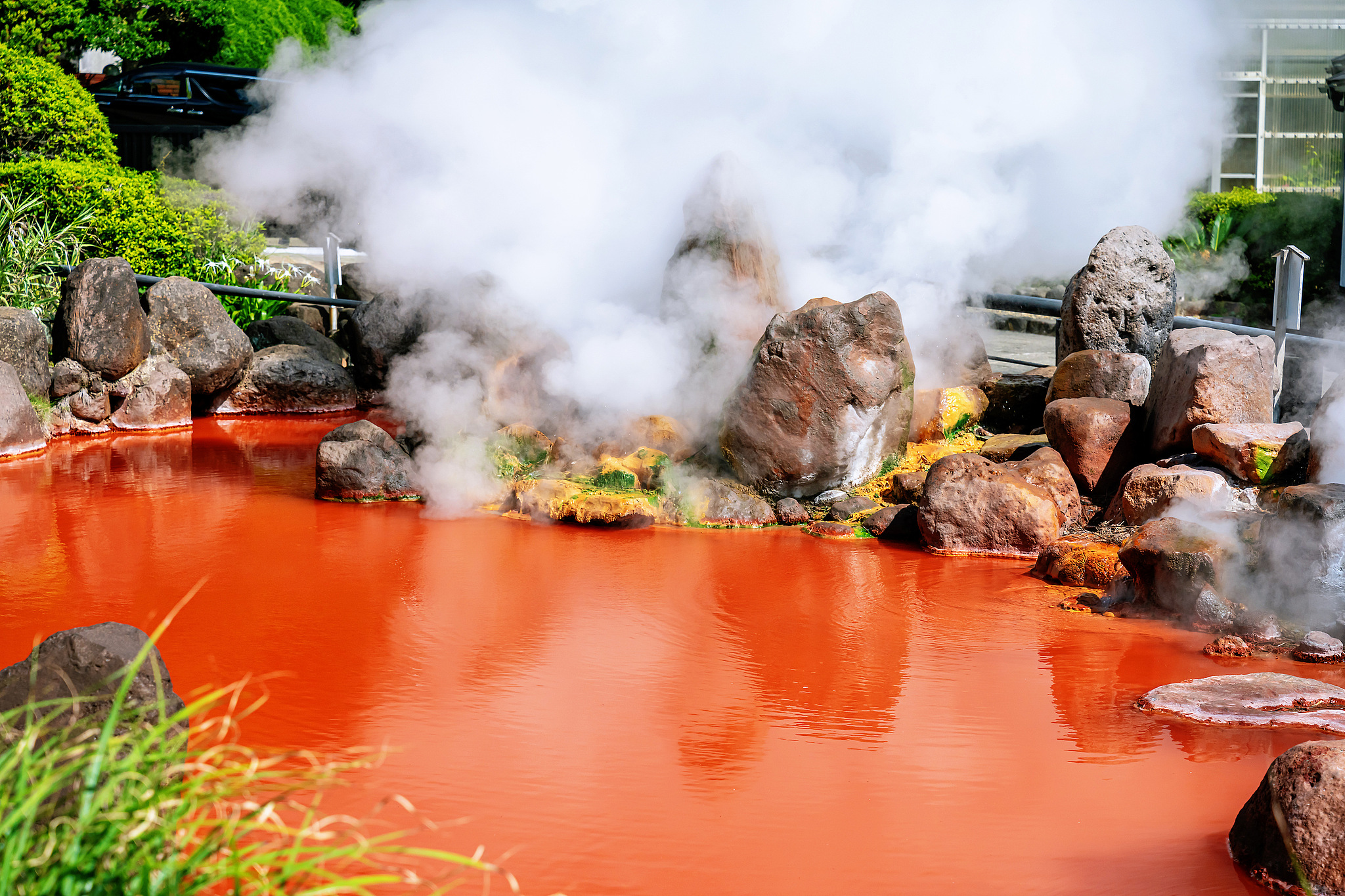
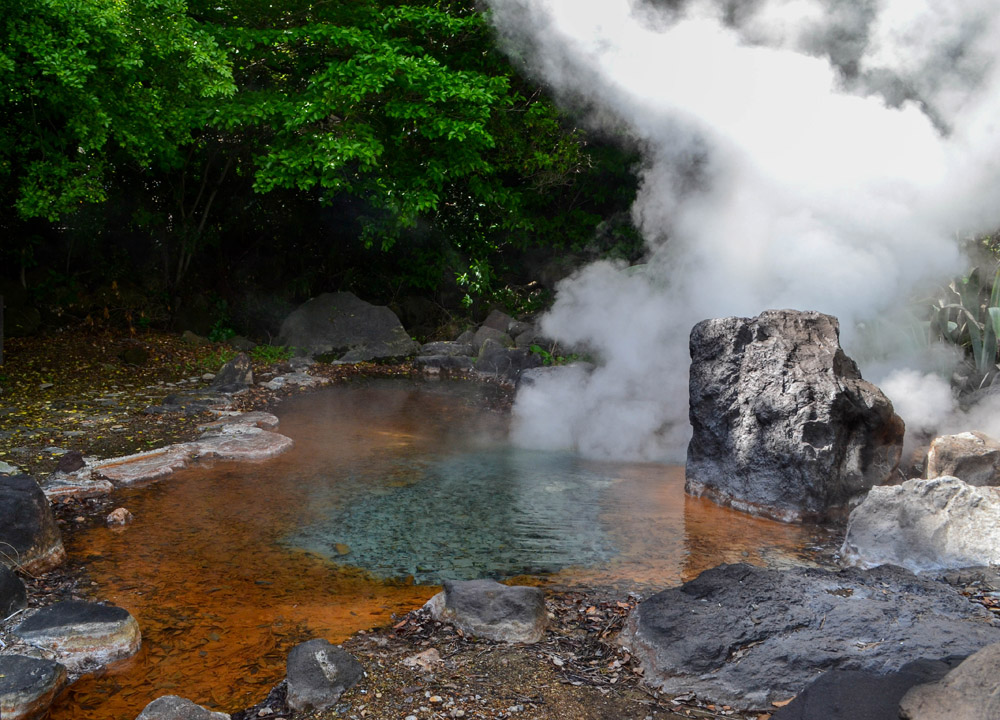
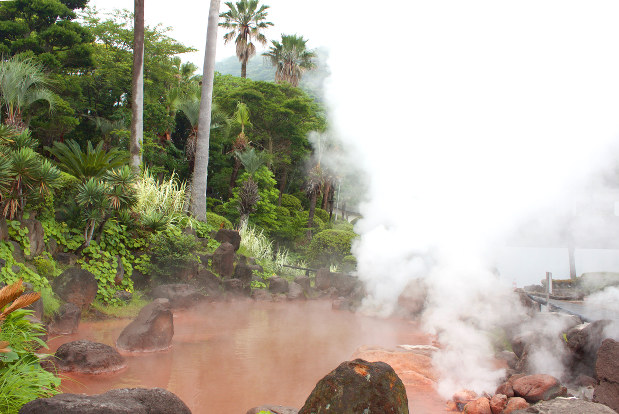
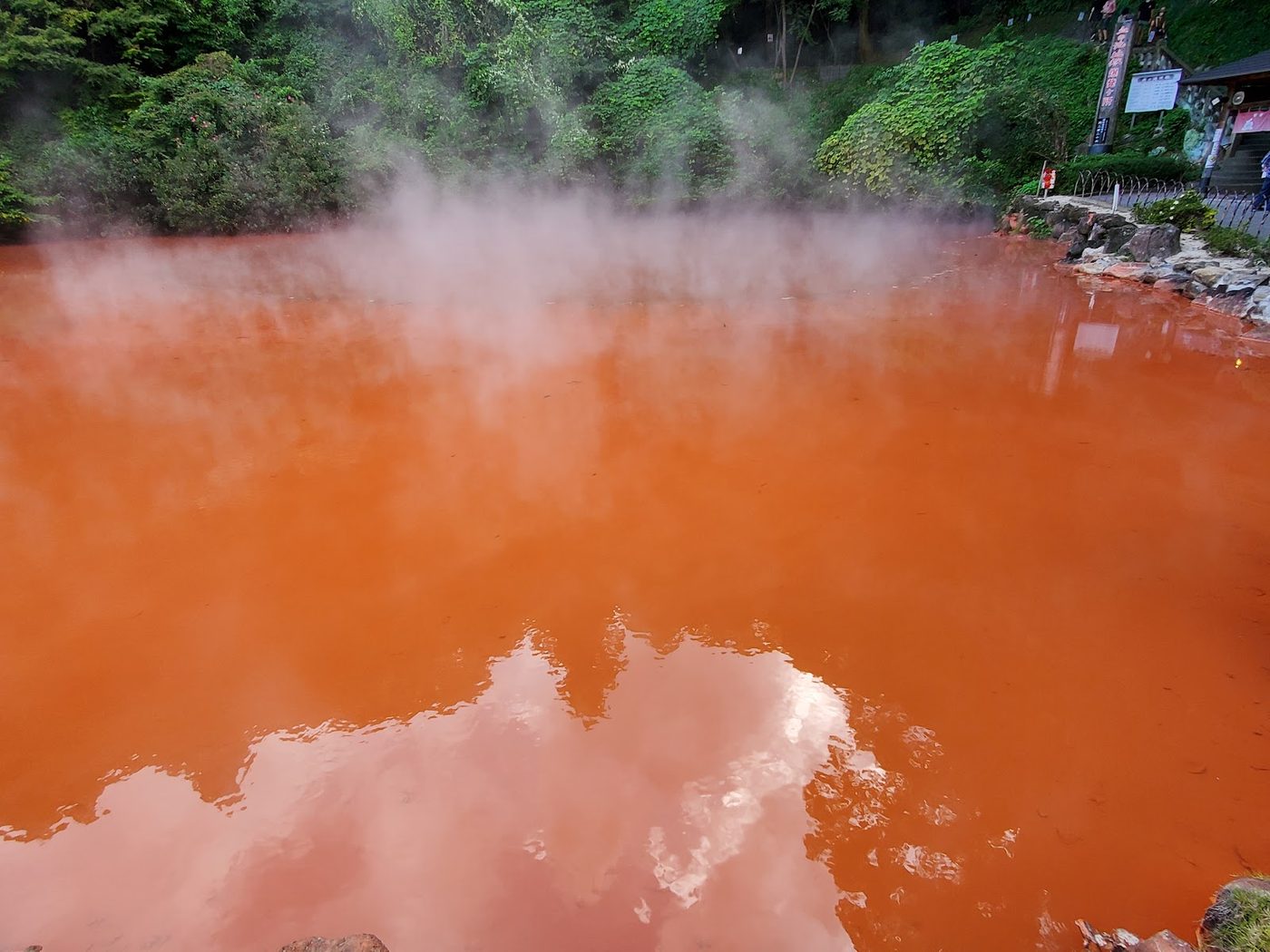
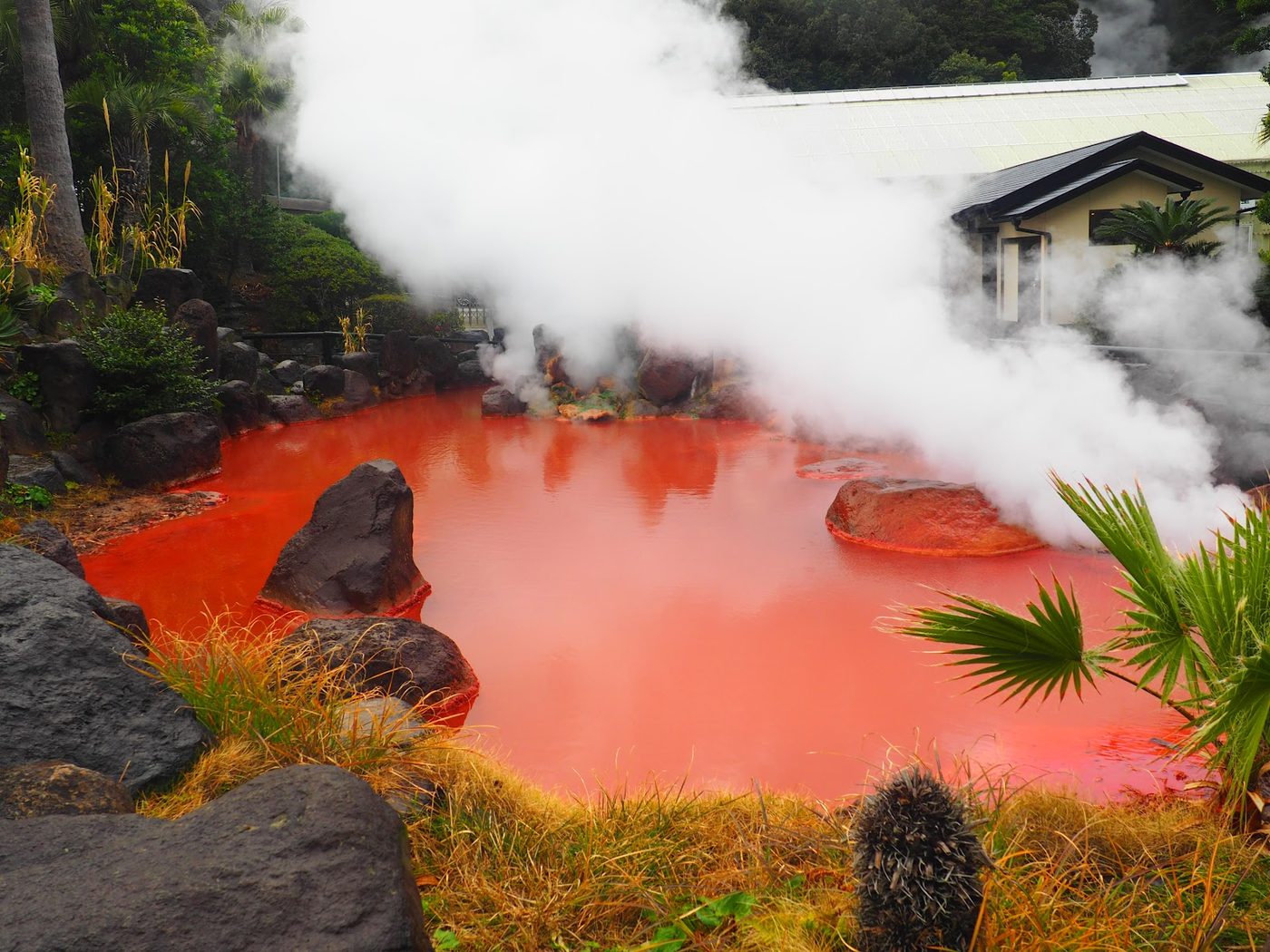
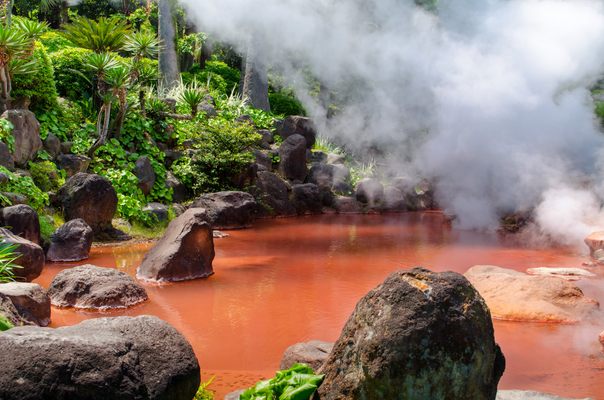
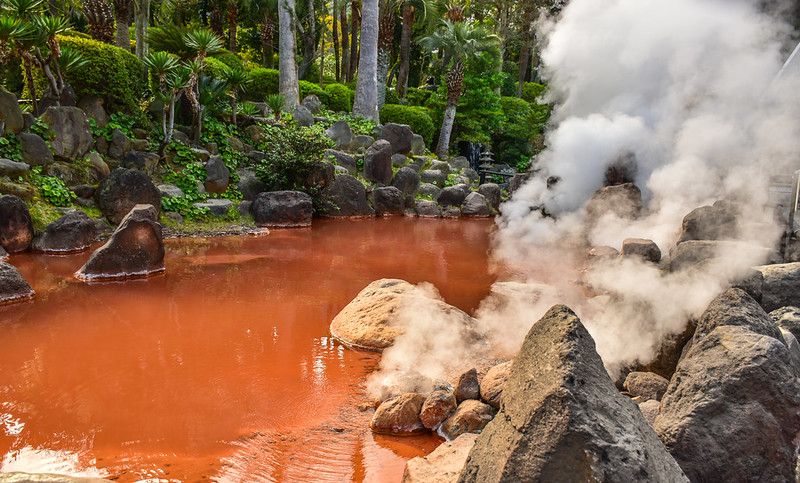
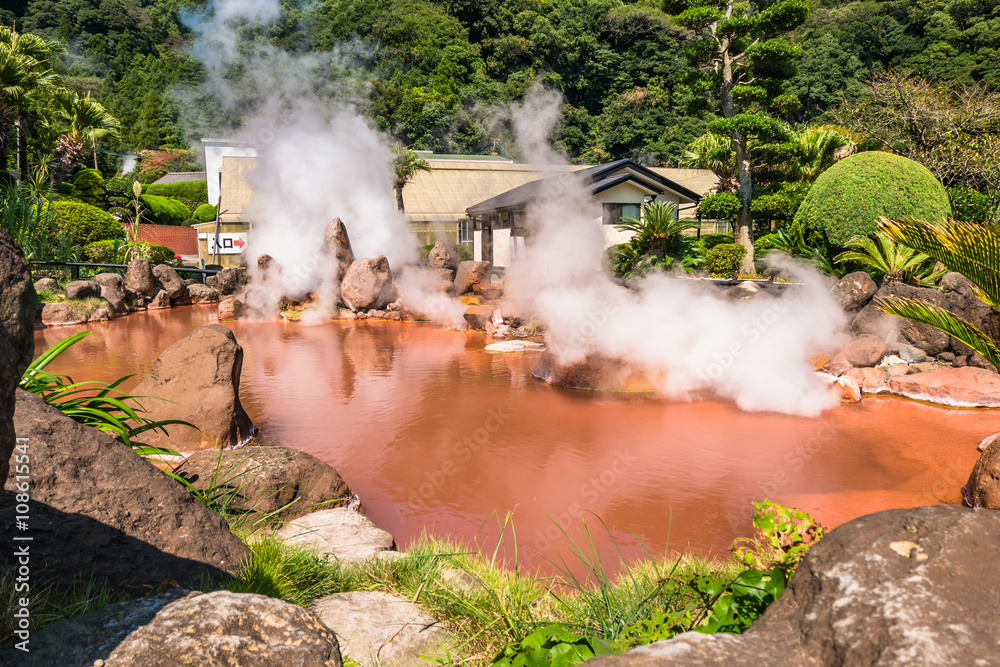
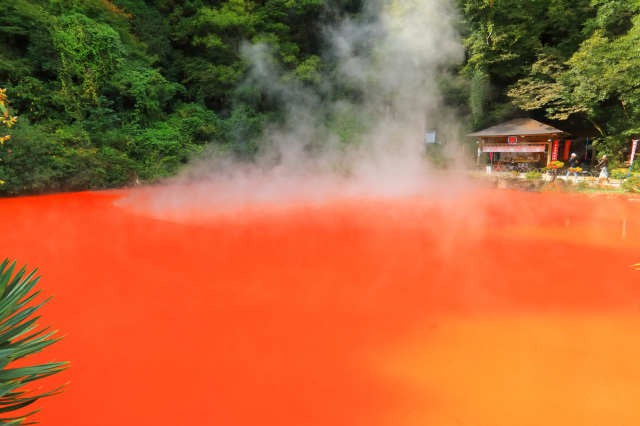
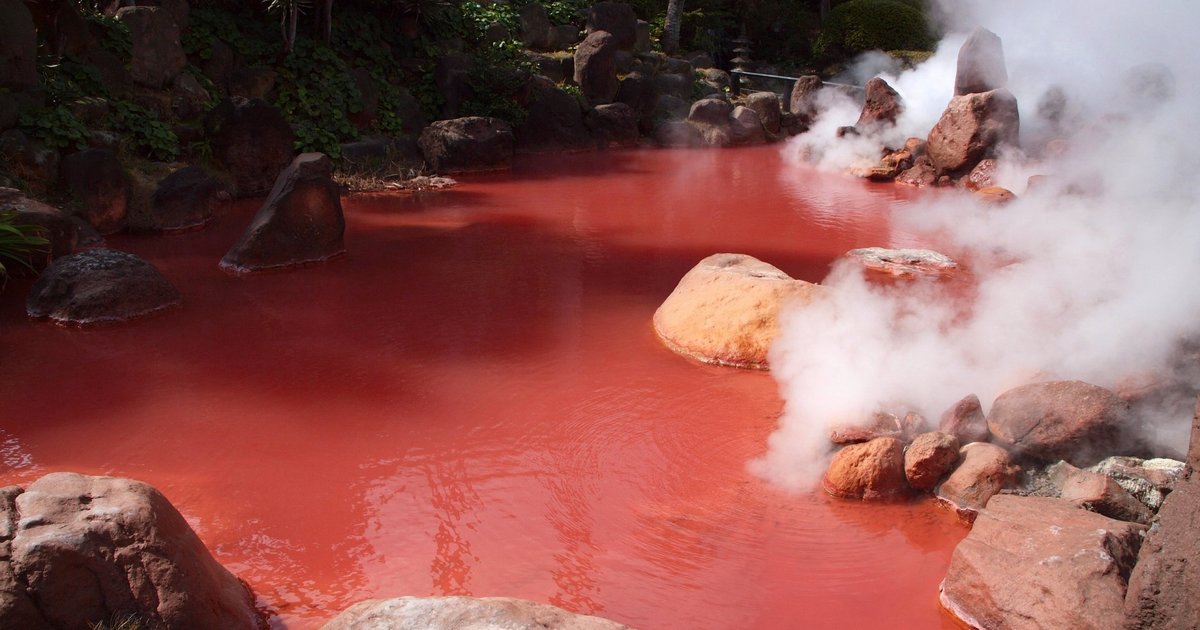
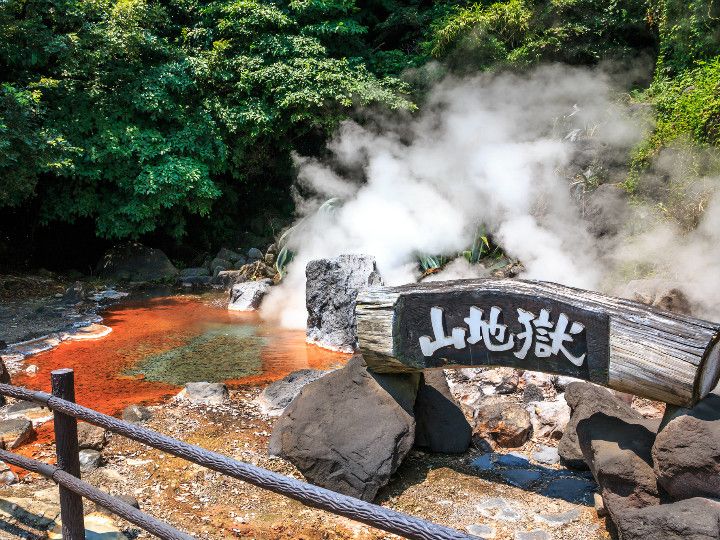
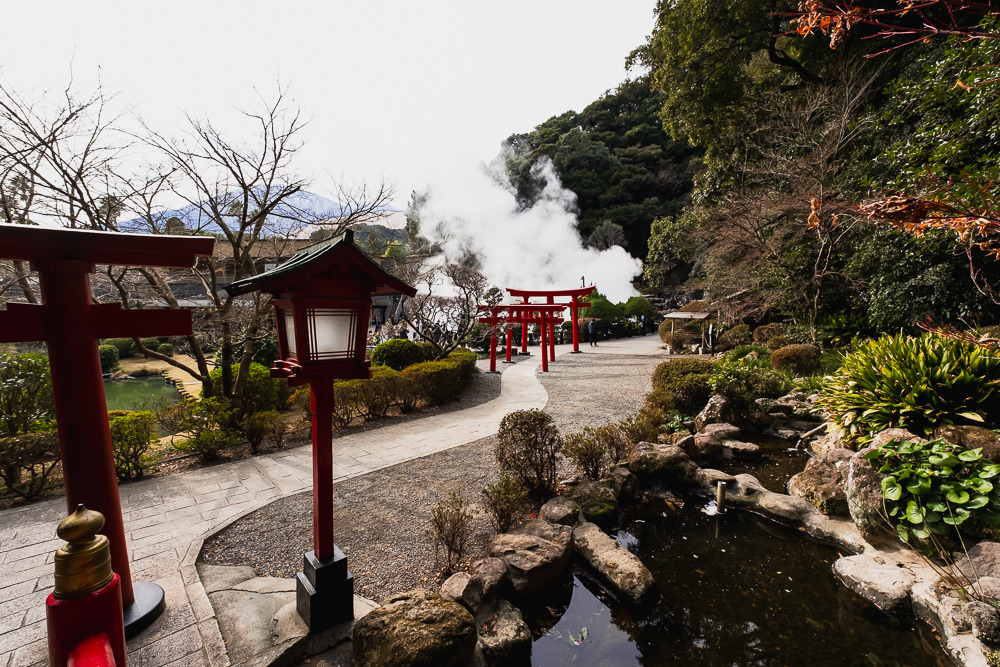
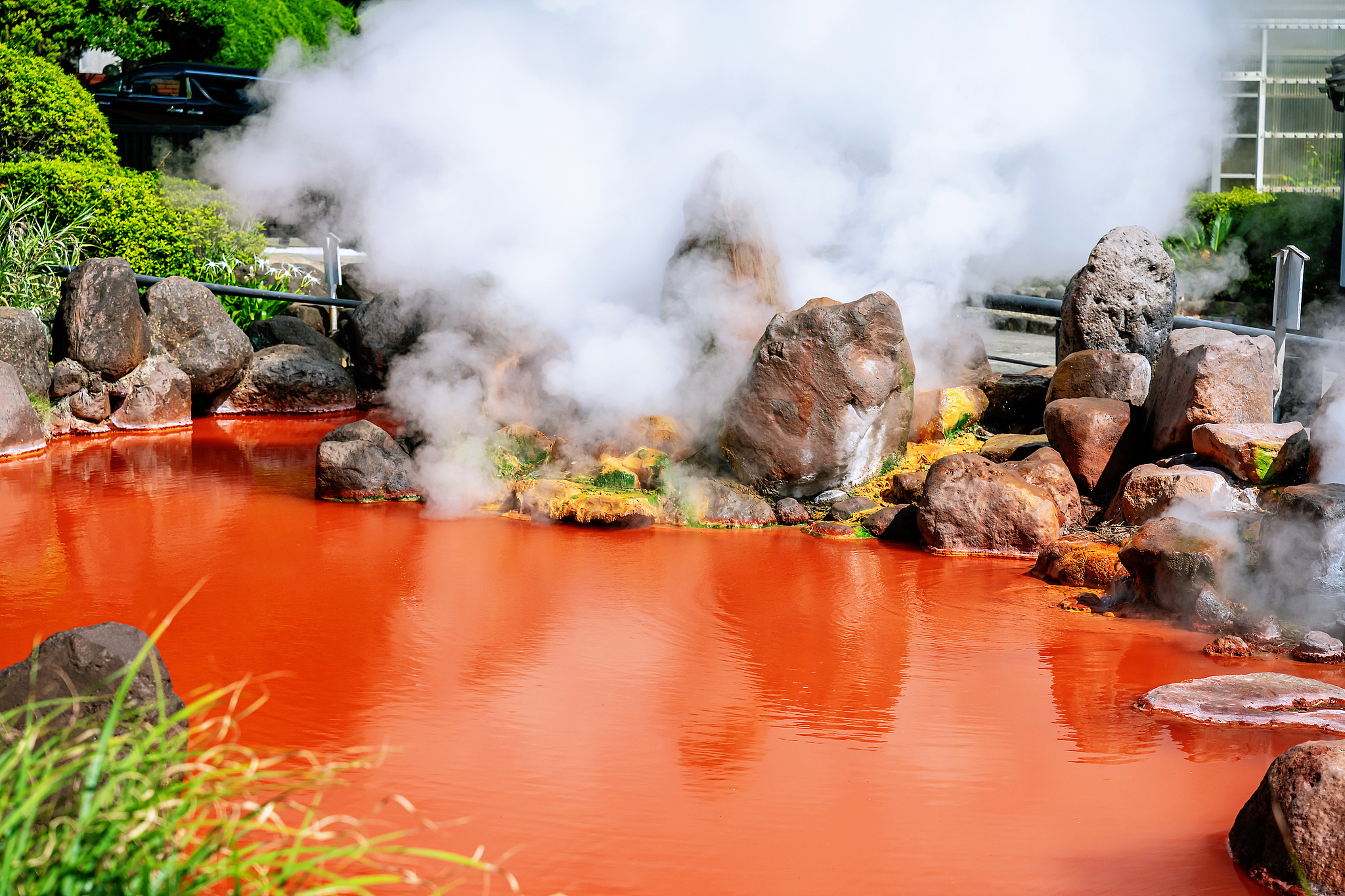
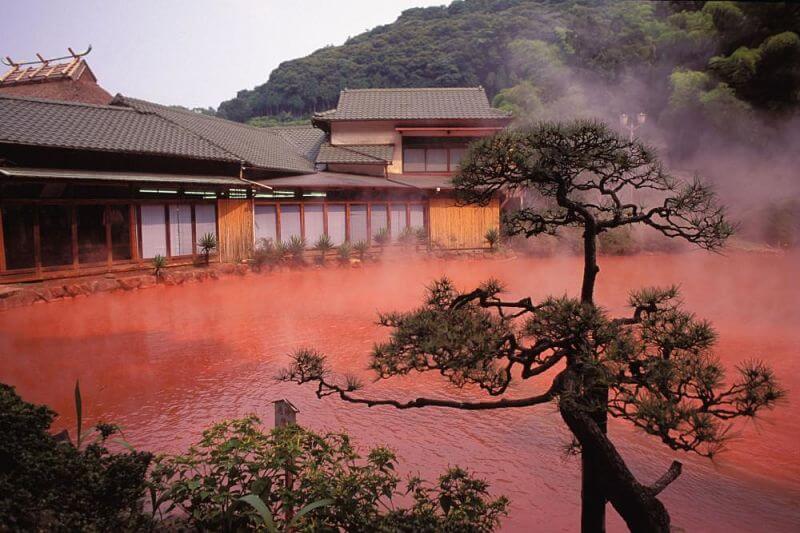
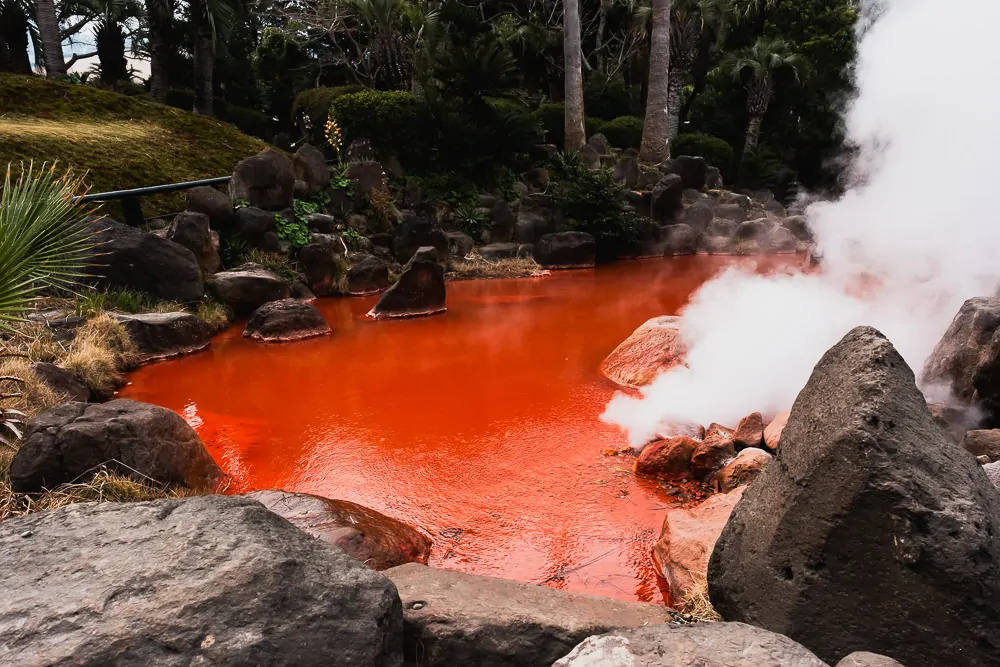
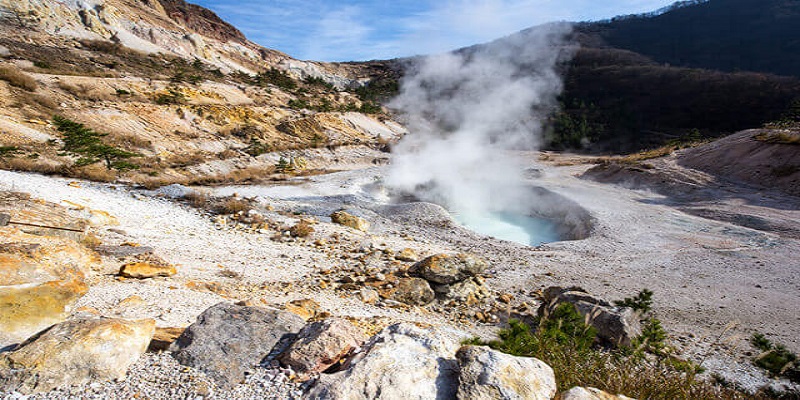
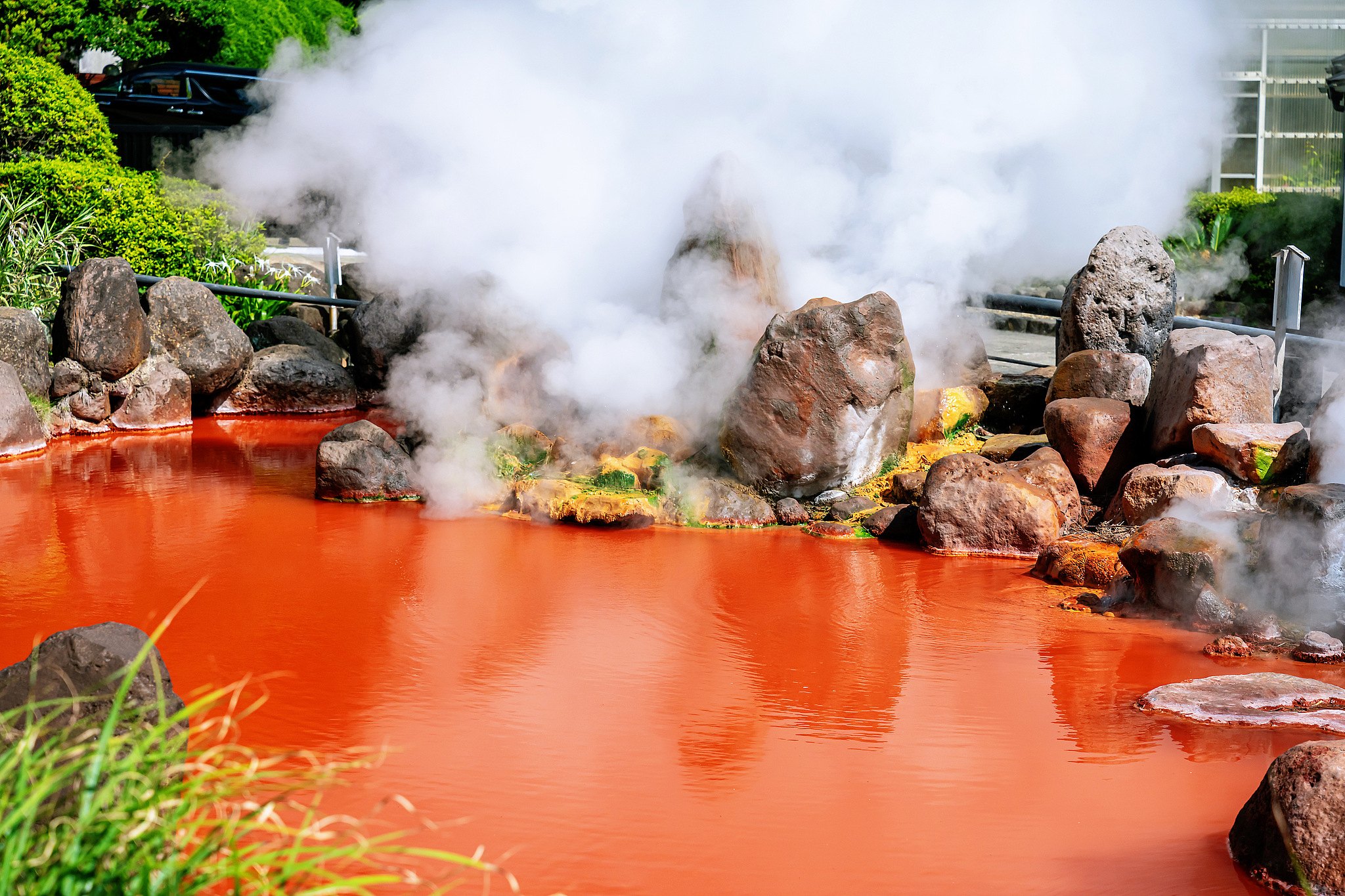
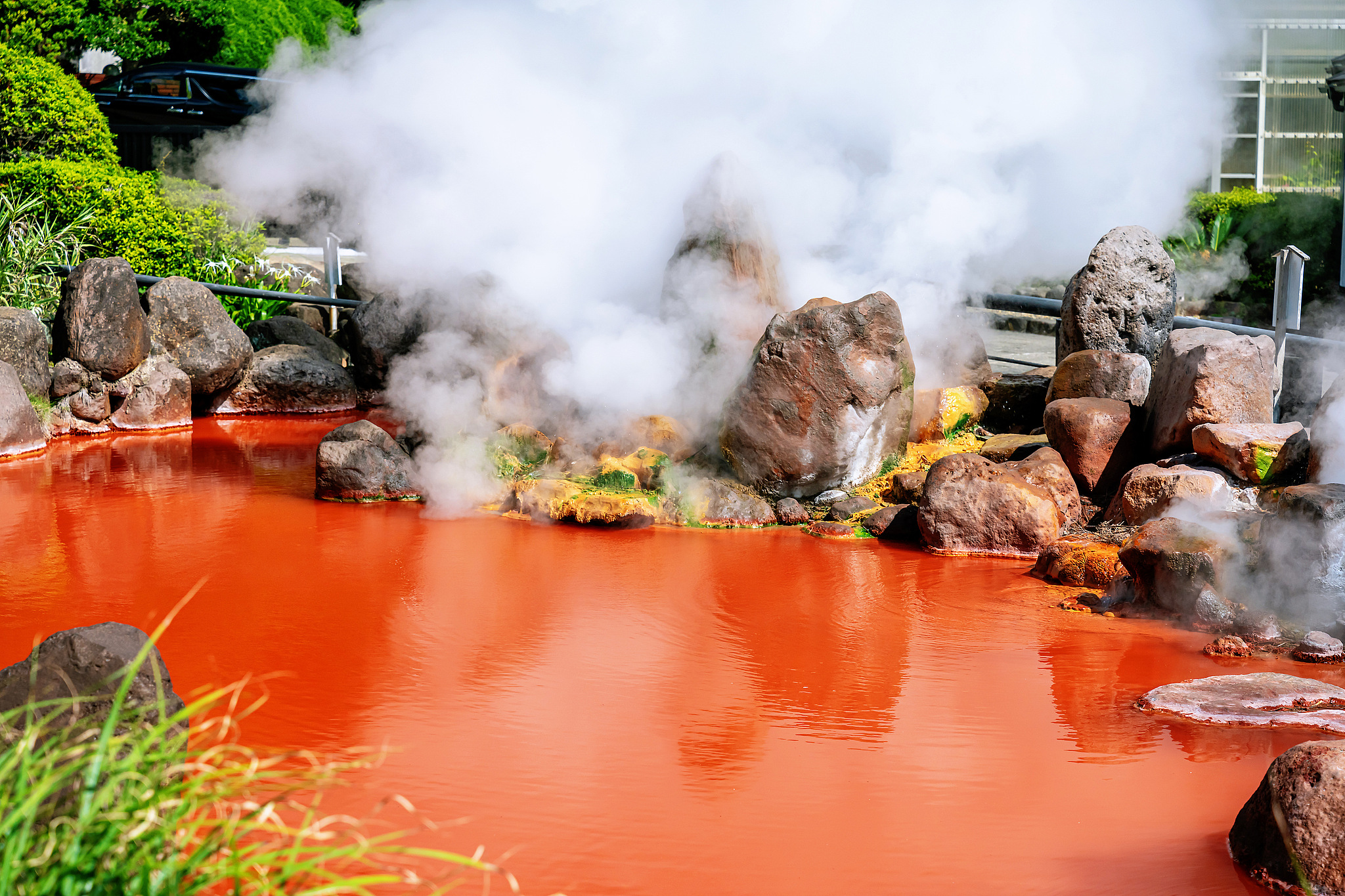
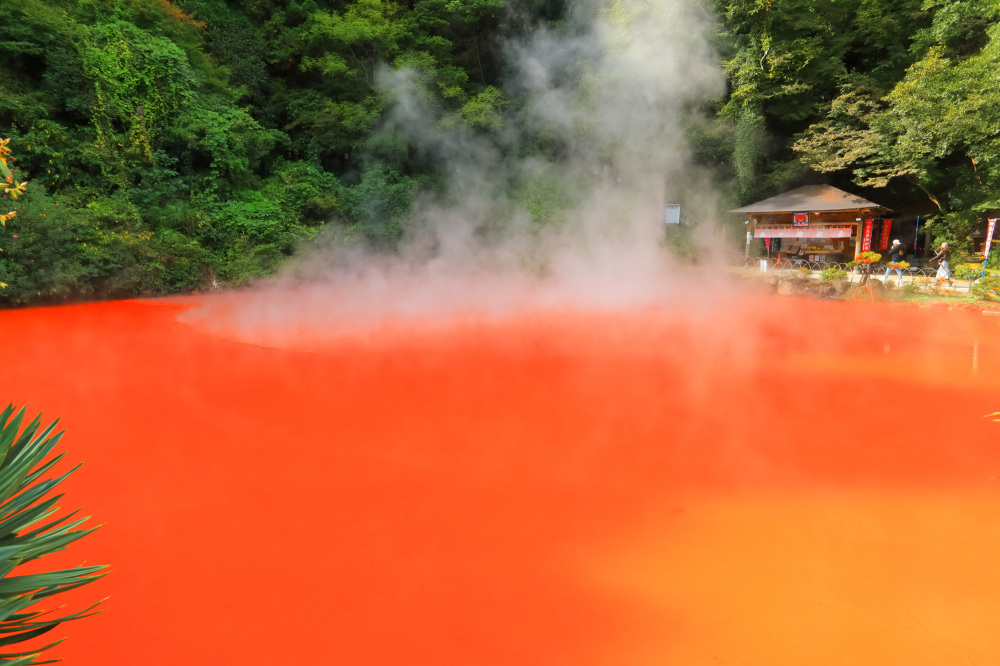
Eerie blood-red hot spring colored by iron oxide and magnesium. One of Japan's oldest natural hells, described in texts from 733 AD. The red mud is sold as a skin ointment.

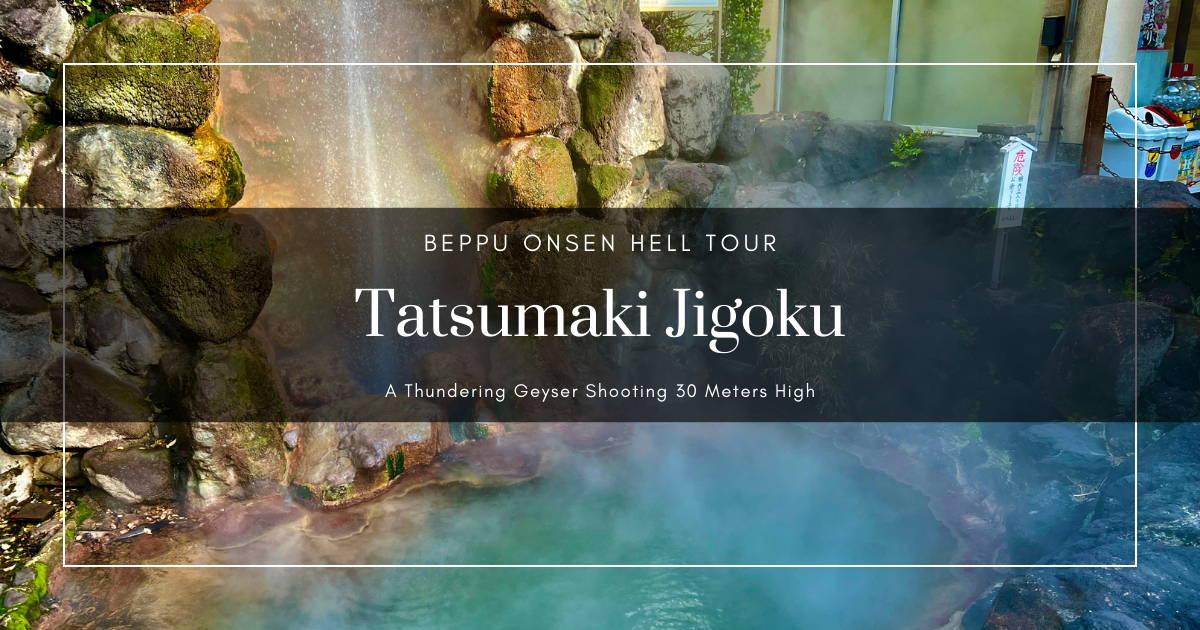
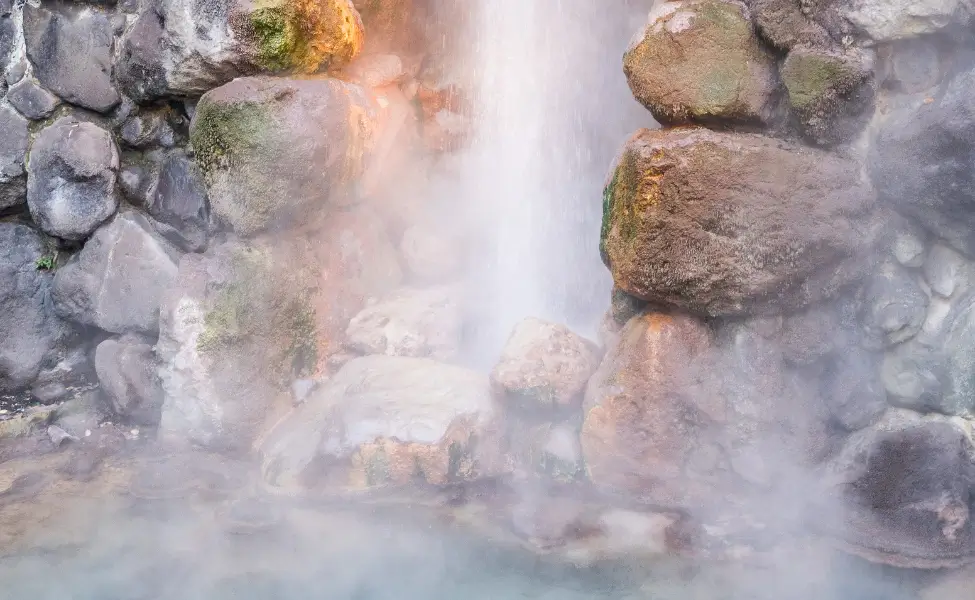
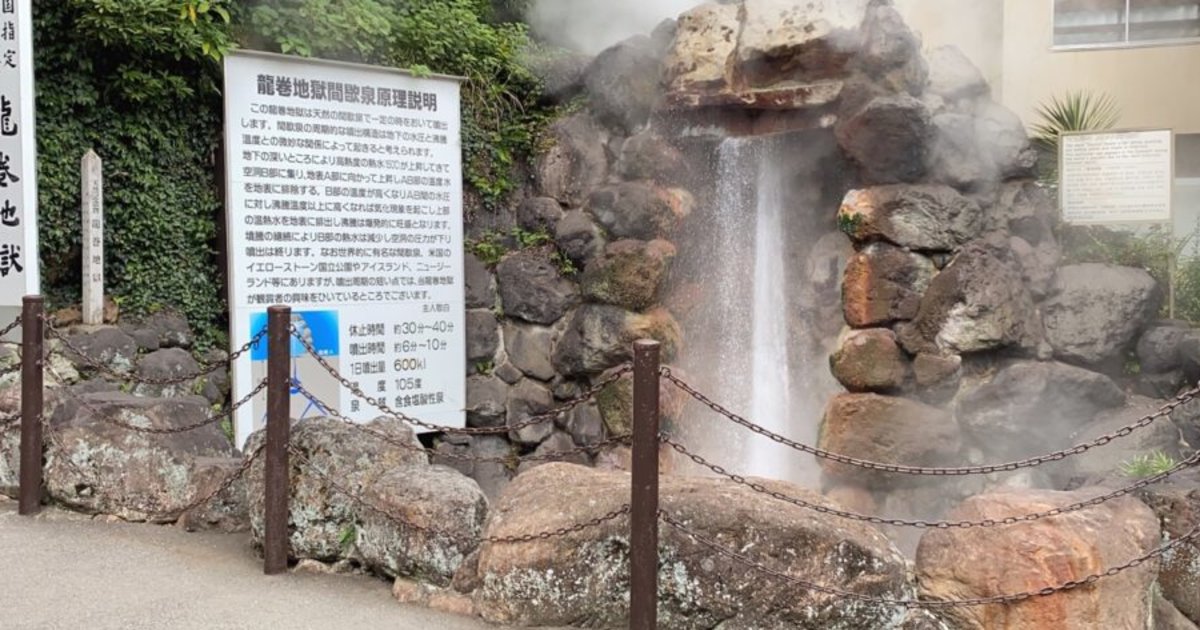
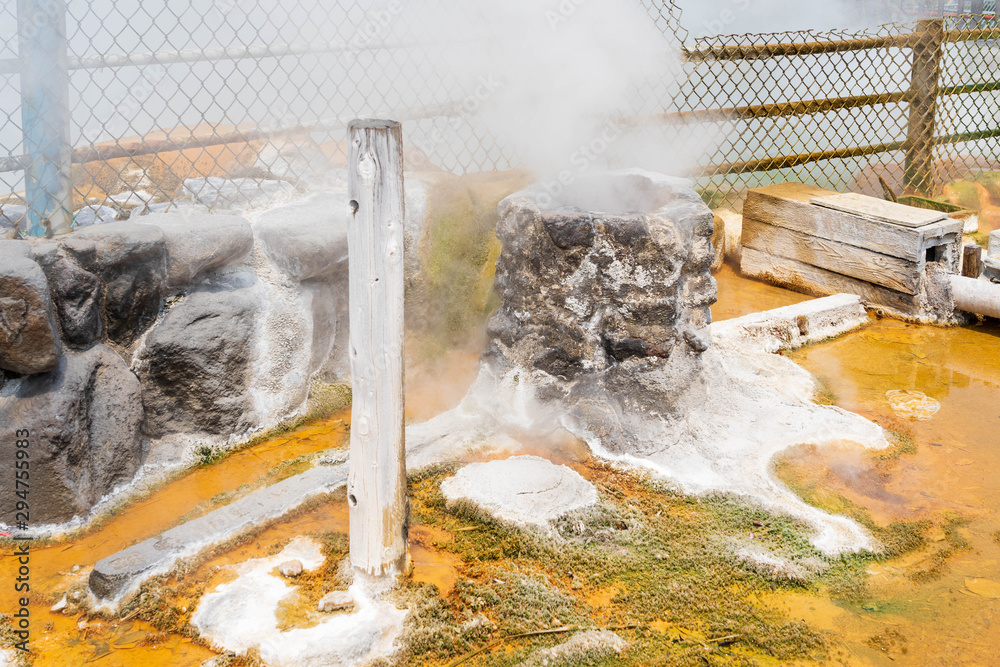
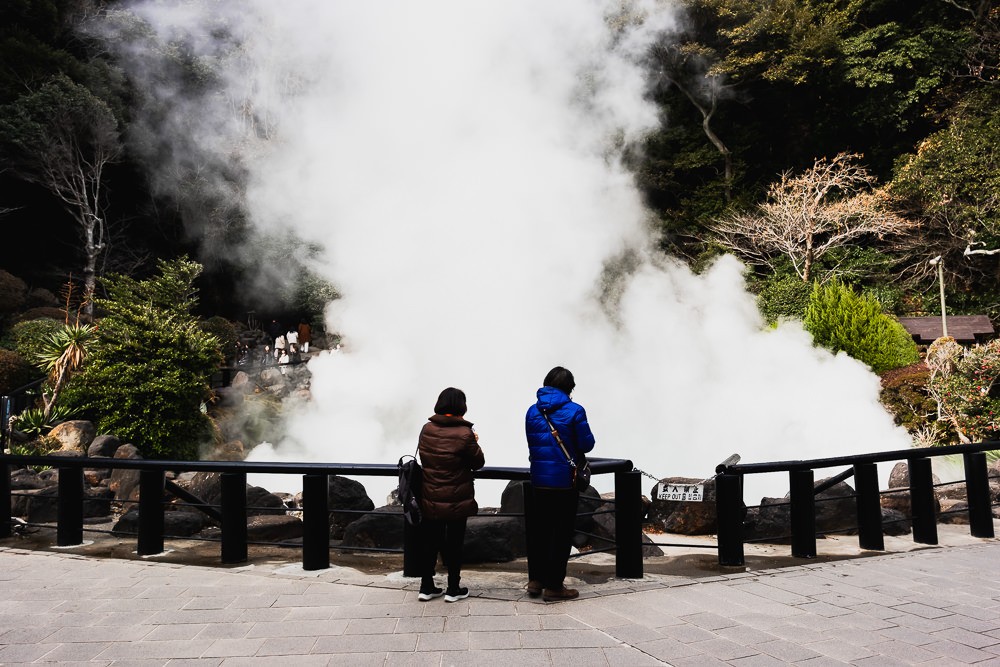
Geyser erupting every 30-40 minutes, blasting boiling water 20m into the air. Each eruption lasts about 6-10 minutes. A stone canopy contains the spray. Mesmerizing natural power.

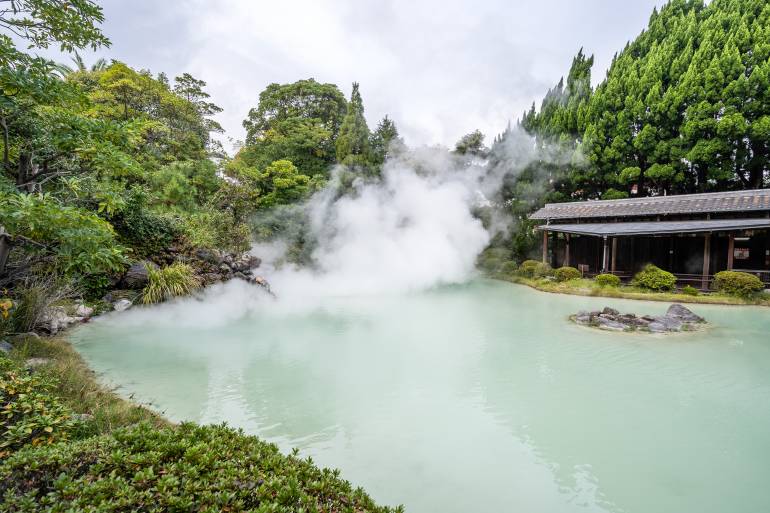
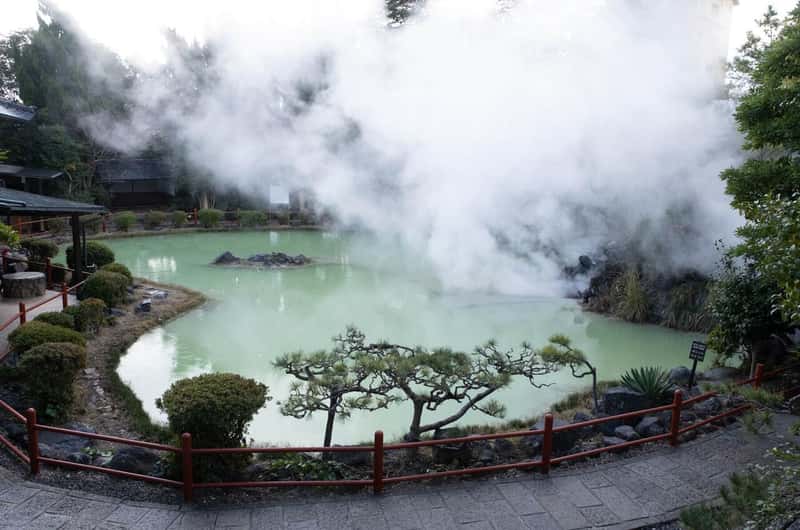
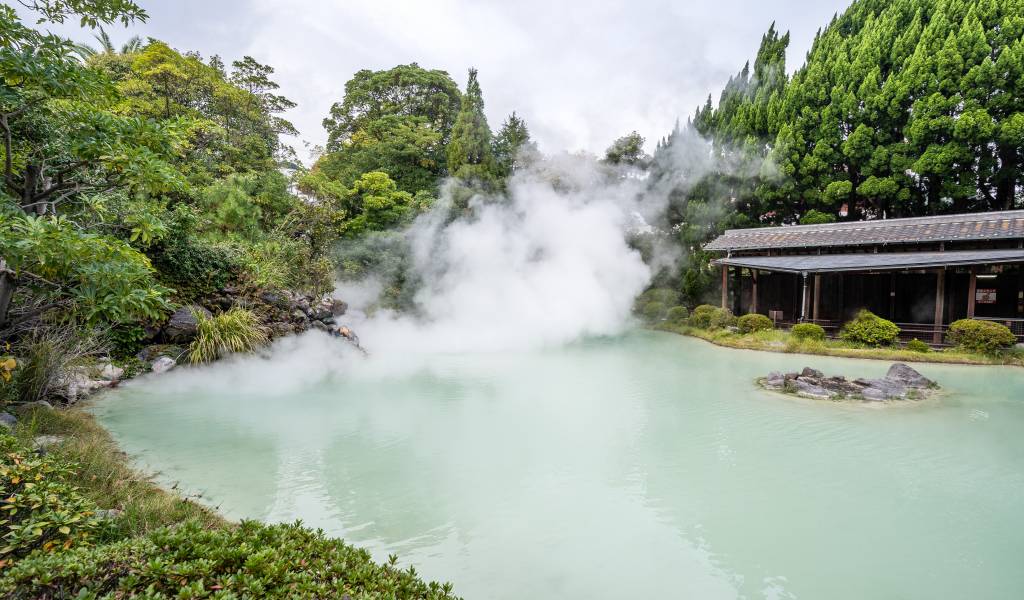
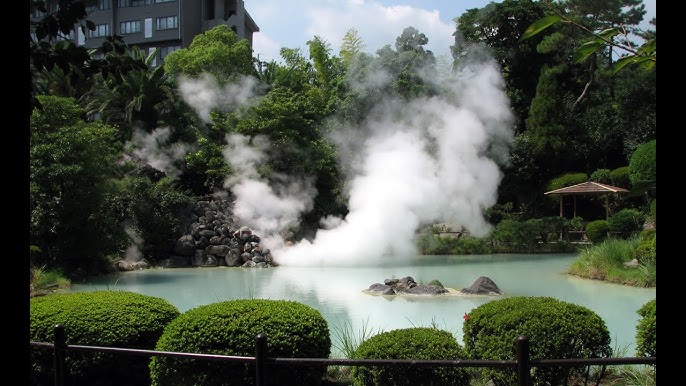
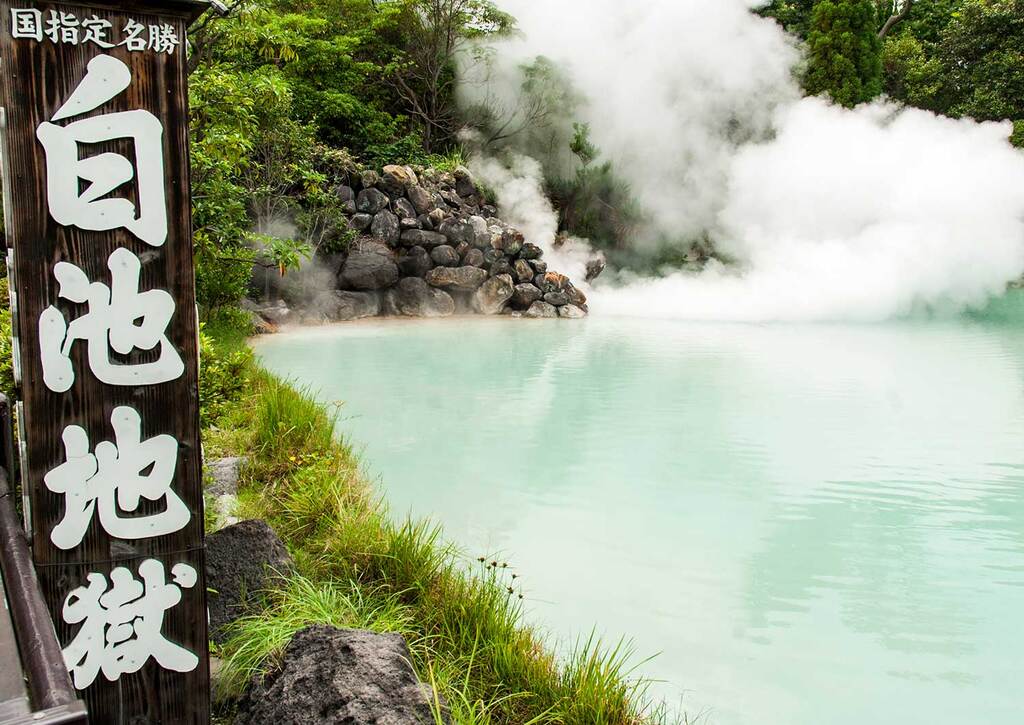
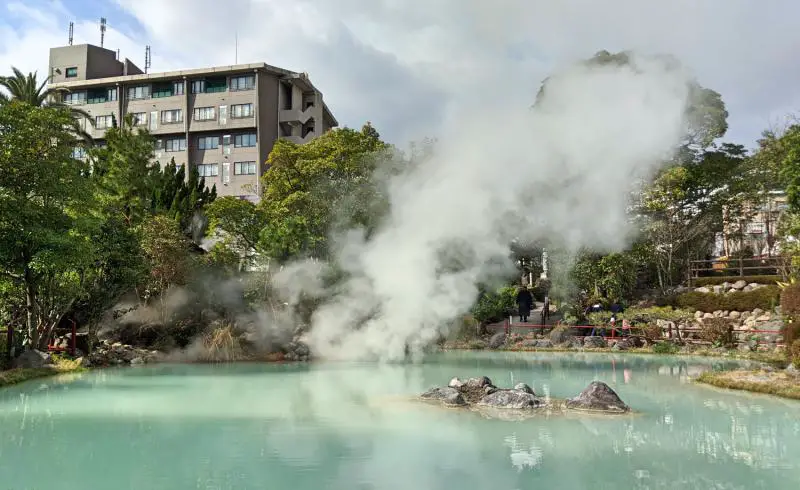
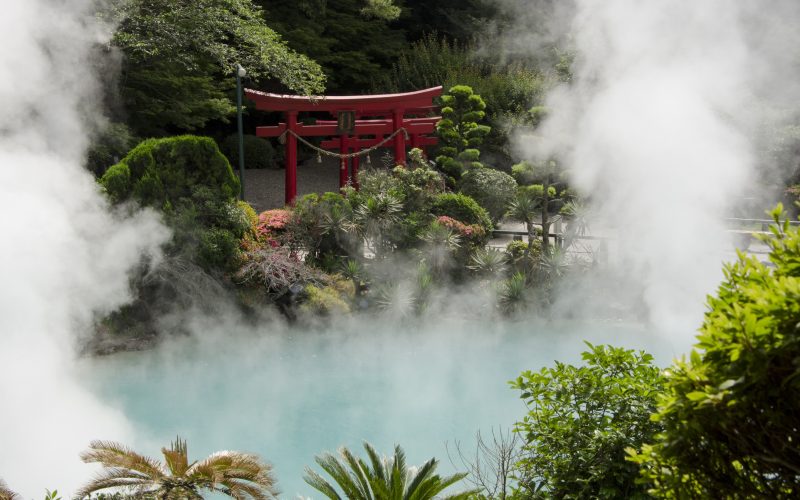
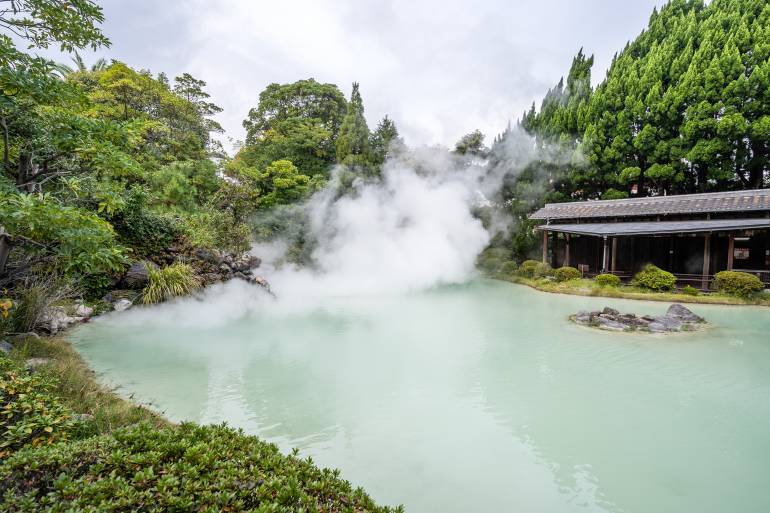
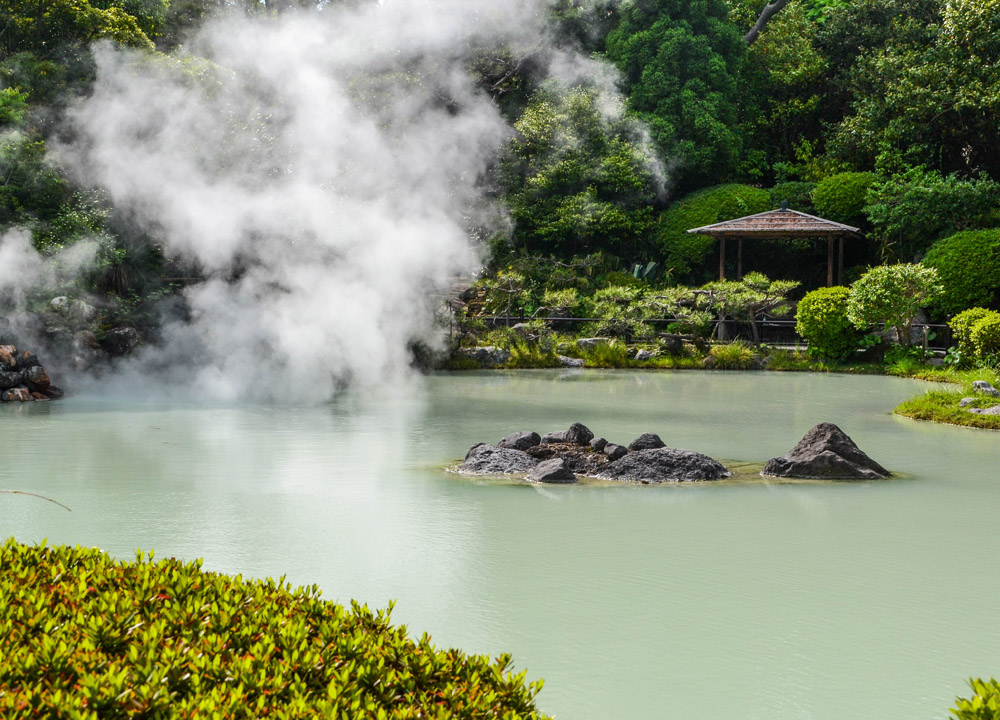
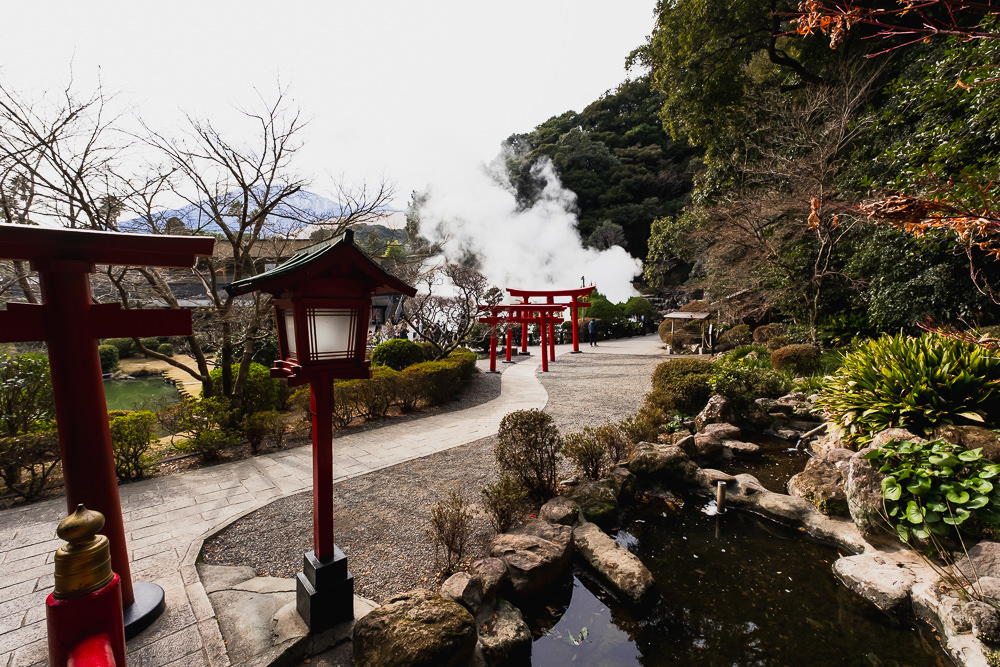
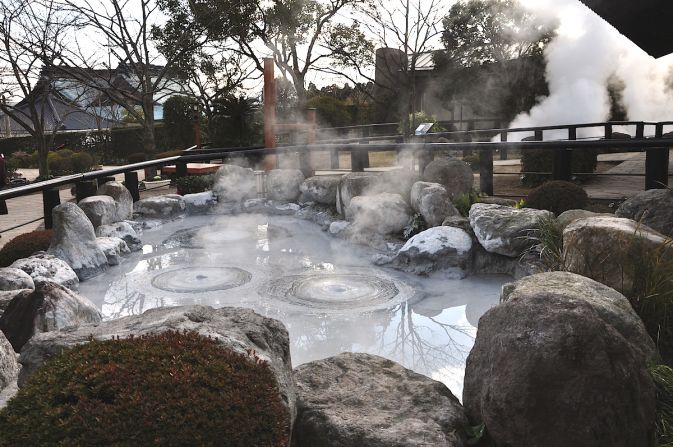
Milky white boiling pool surrounded by a Japanese garden. Contains boric acid that creates the white color. A small tropical fish exhibit uses the geothermal heat.

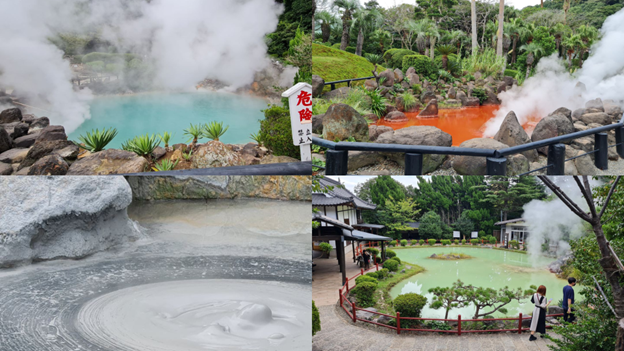
Multiple colored steaming pools including blue, red, and mud varieties. Live cooking demonstrations using the natural steam. You can try steamed corn and eggs. Most interactive of the hells.

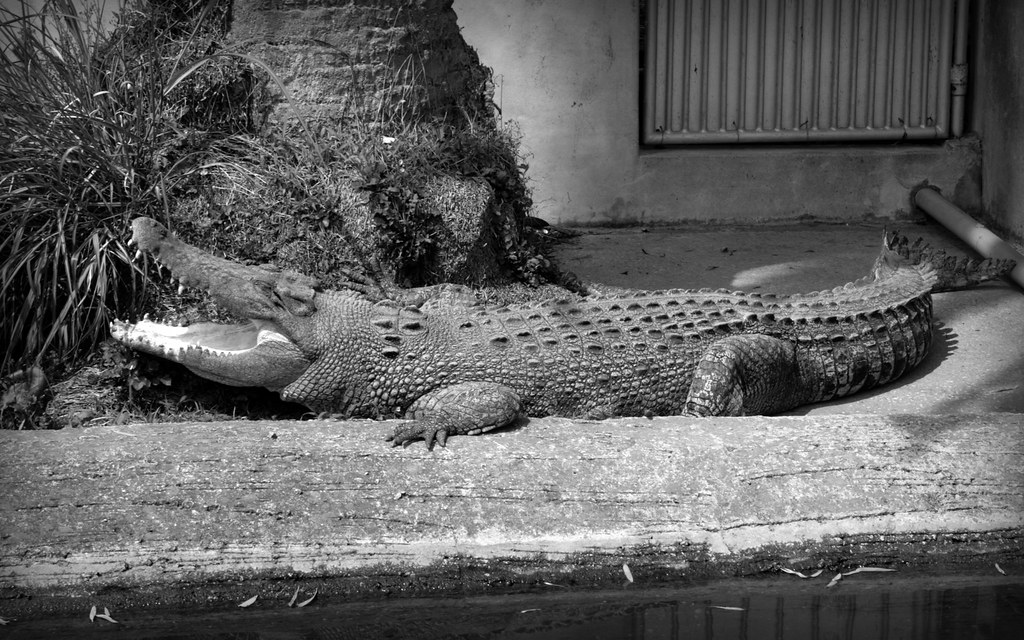
Hell featuring crocodile and alligator enclosures heated by geothermal energy. Over 70 crocodiles. The juxtaposition of tropical reptiles and volcanic steam is surreal.

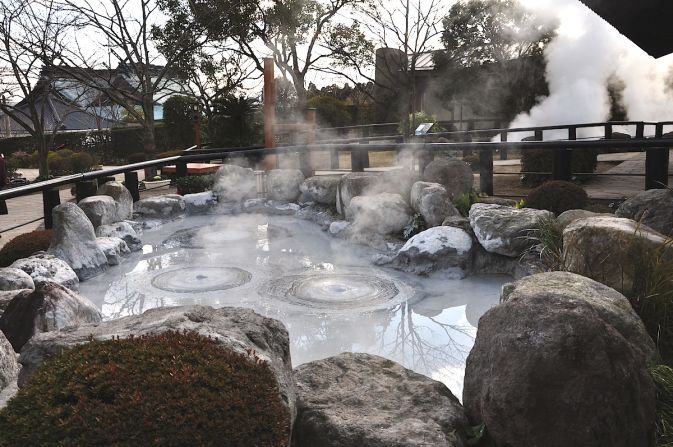
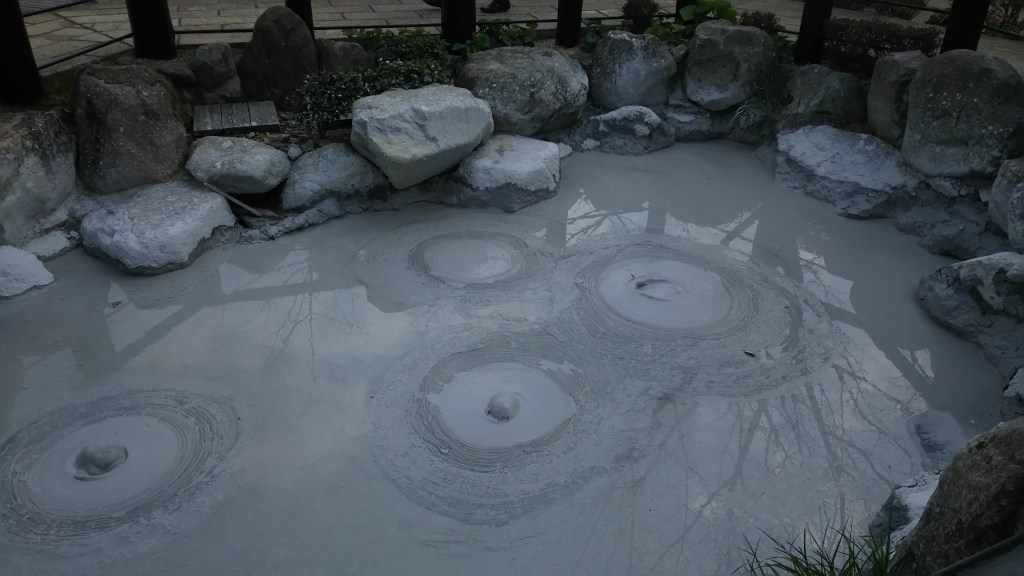
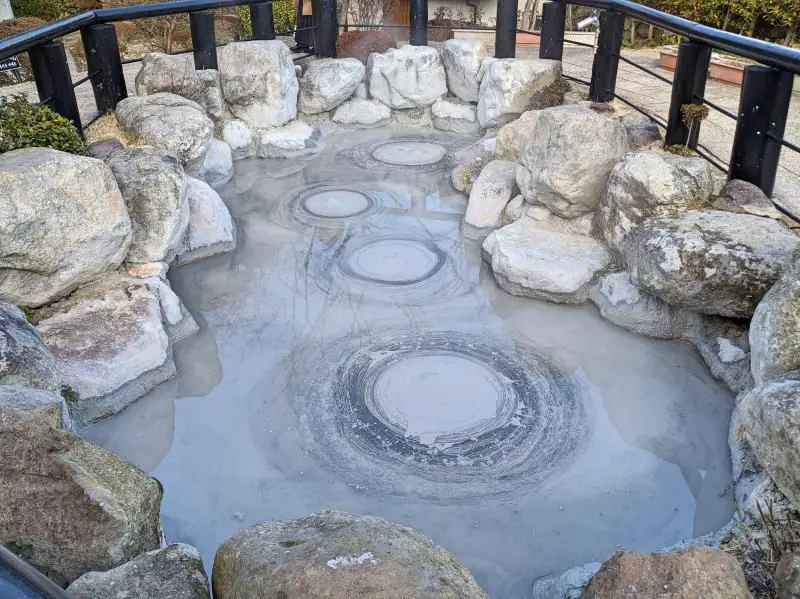
Gray mud bubbles slowly rising and popping, resembling the shaved heads of Buddhist monks. Adjacent to Umi Jigoku. Has a nice attached public bath you can actually soak in.

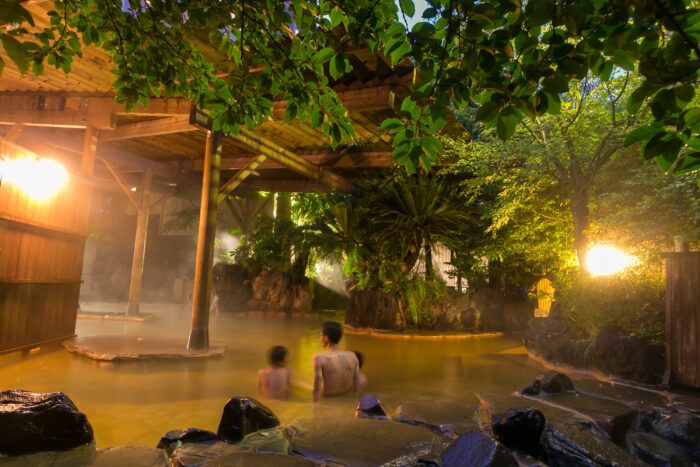
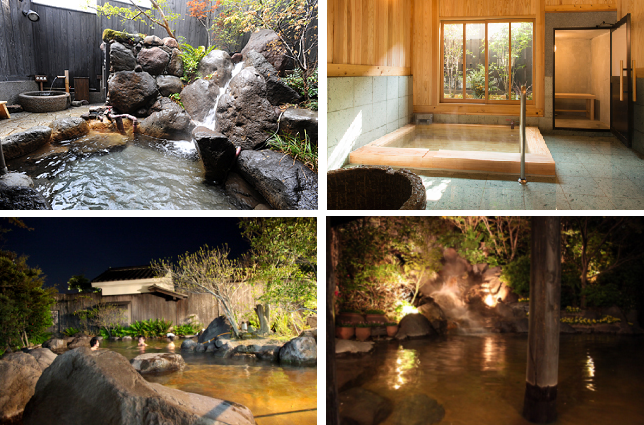
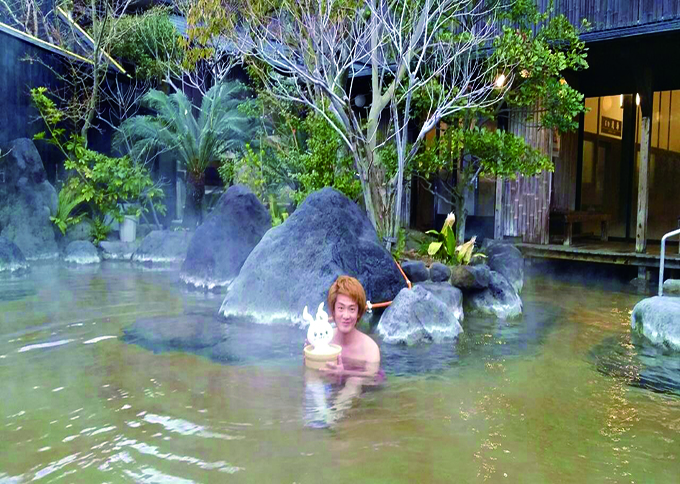
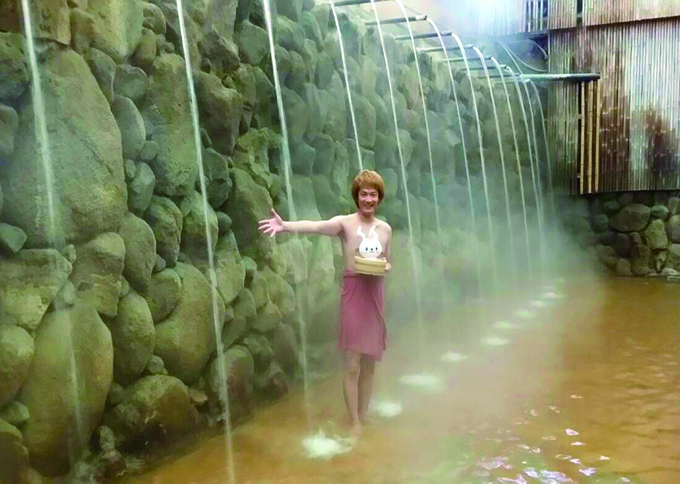
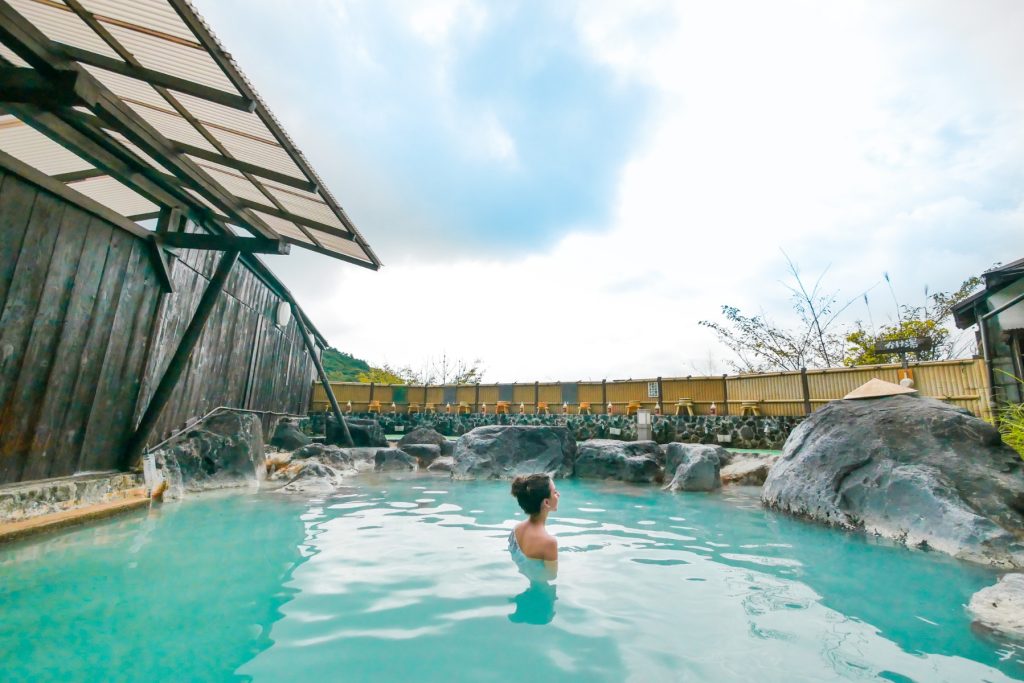
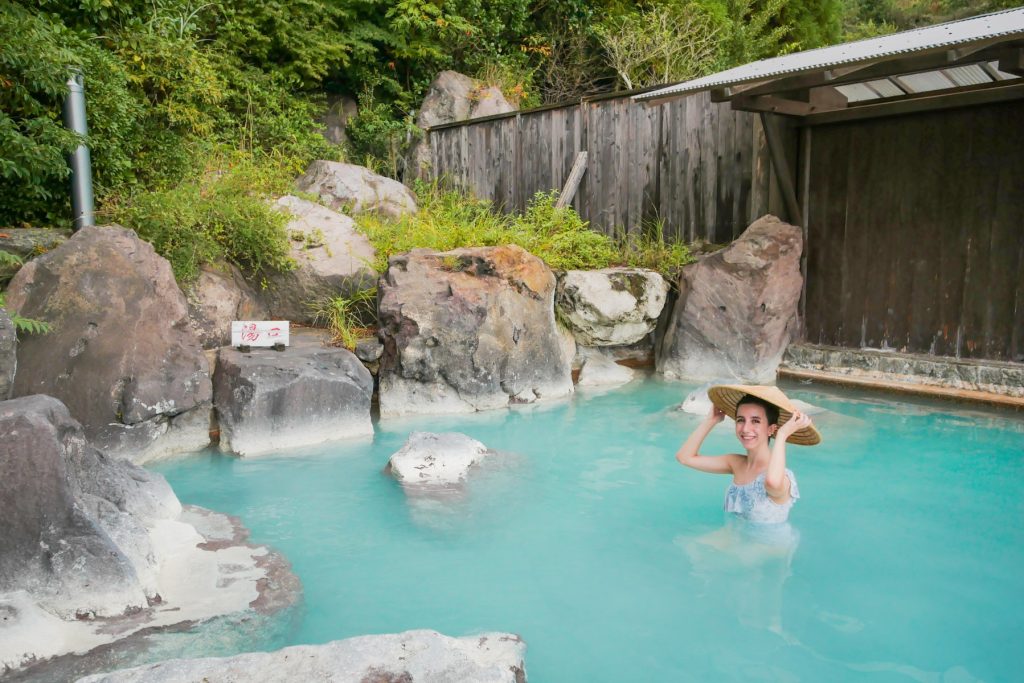
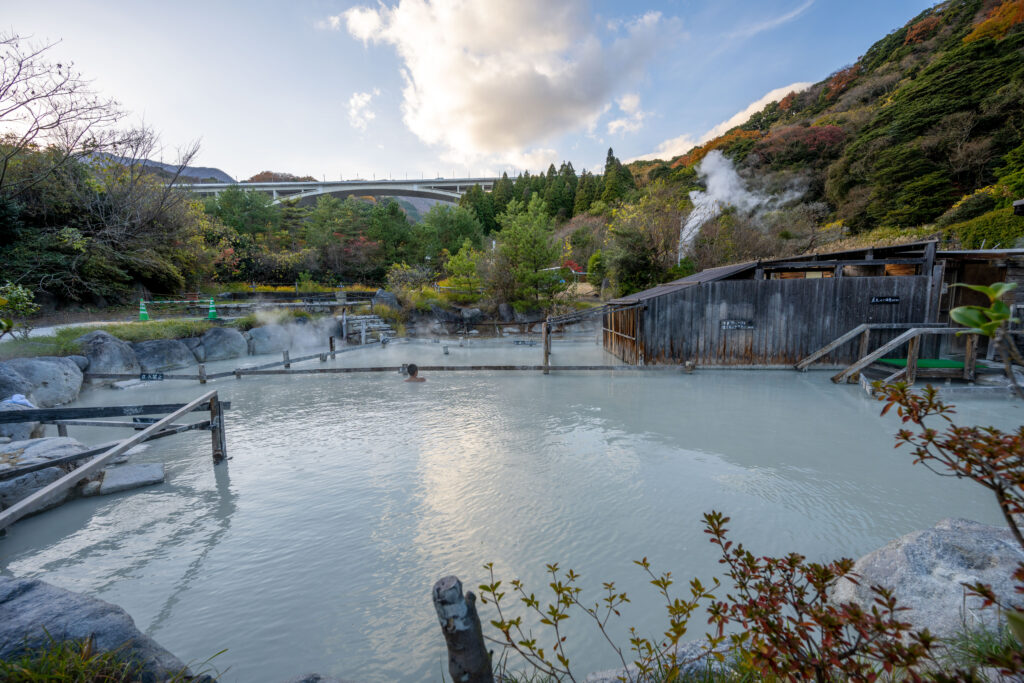
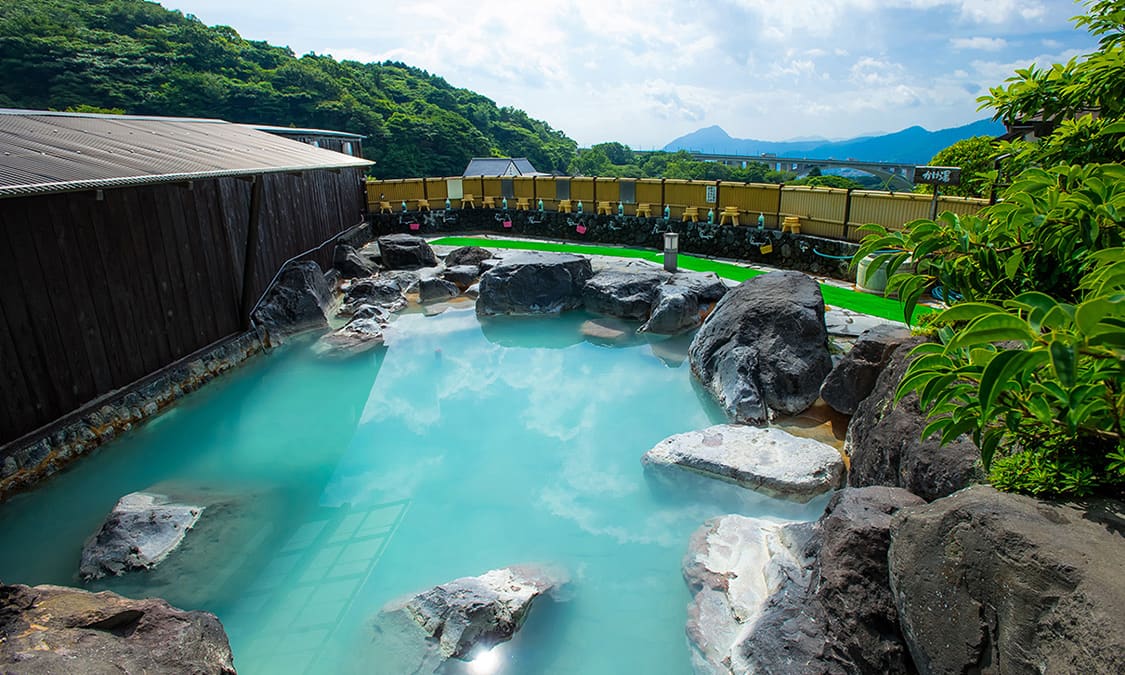
Michelin 3-star rated onsen with multiple bathhouses. Indoor, outdoor, sand baths, steam baths, and waterfall baths. Uses natural Kannawa hot spring water. Affordable and excellent.

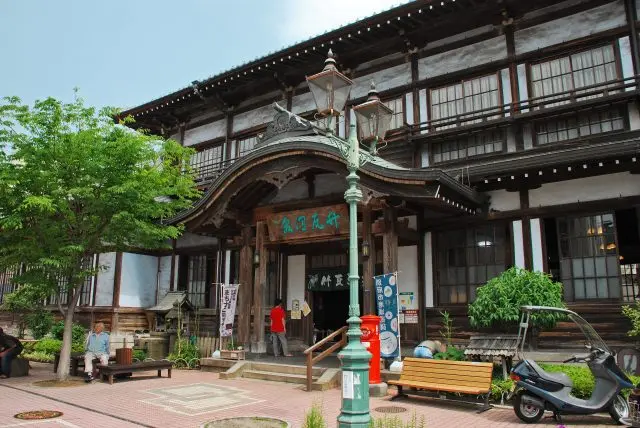
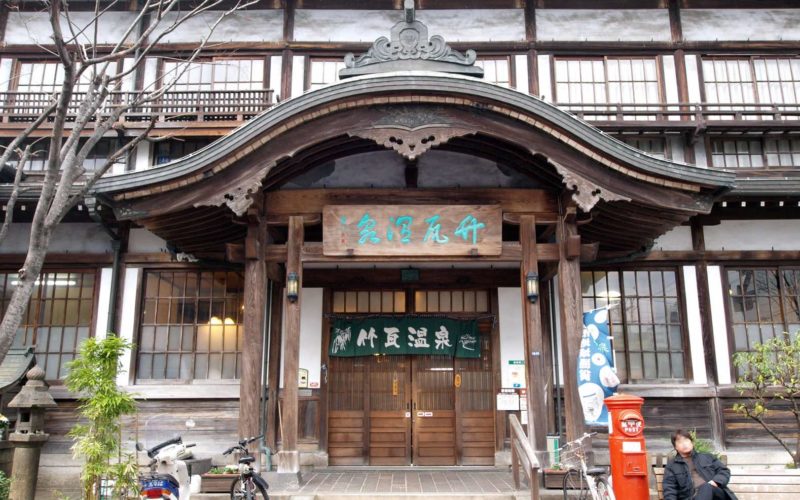
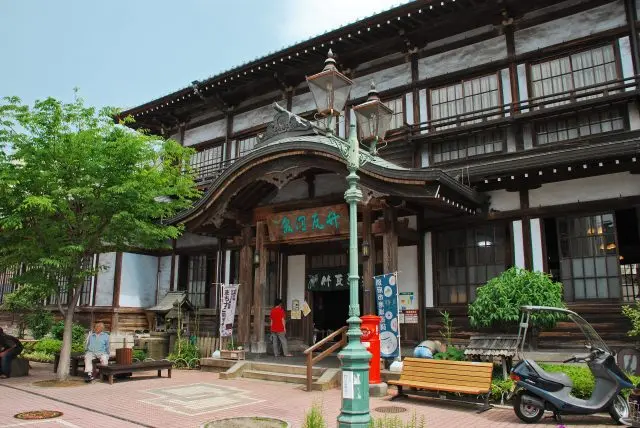
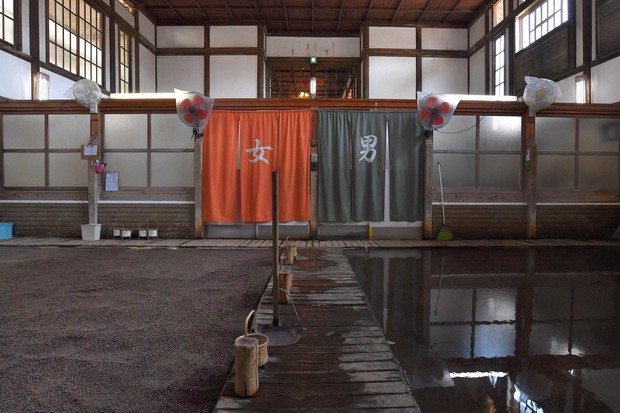
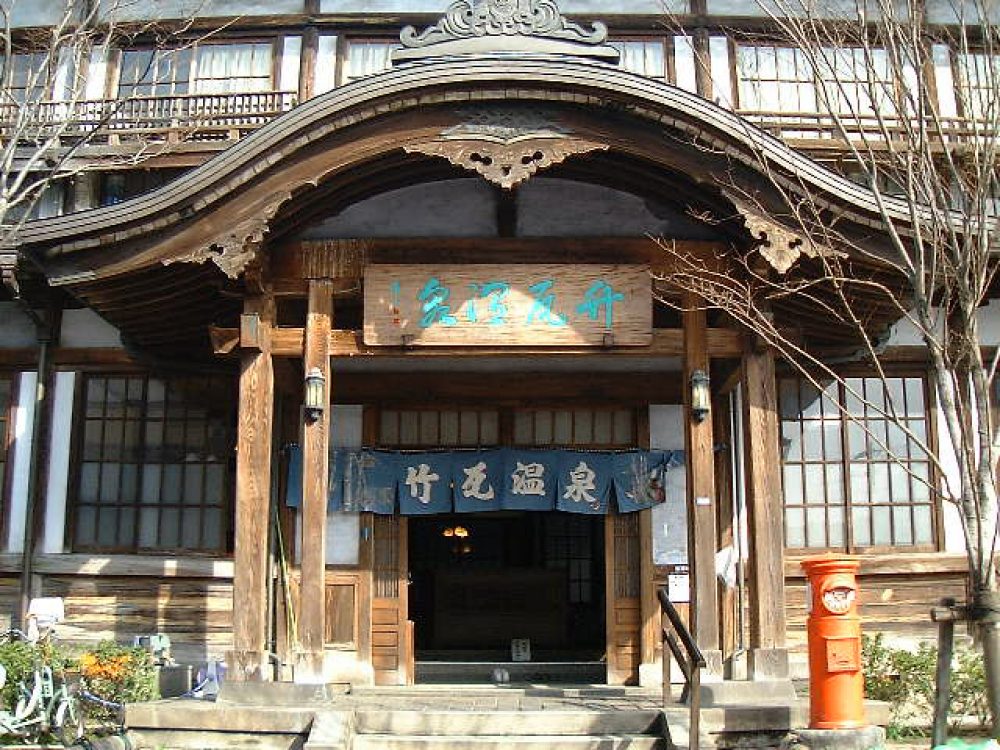
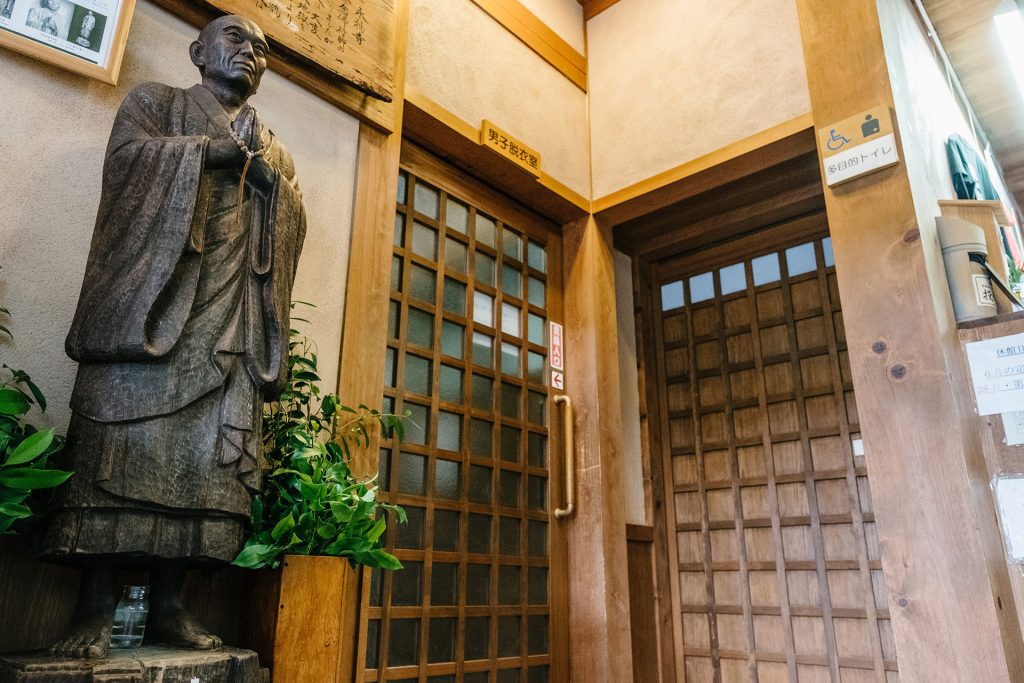
Historic wooden bathhouse from 1879. The building alone is worth the visit. Offers sand baths where you're buried in naturally heated volcanic sand. Steam rises around you. Incredibly relaxing.

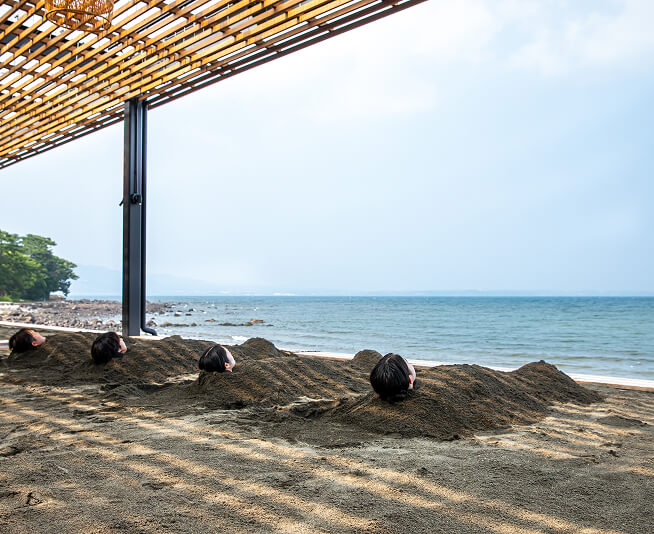
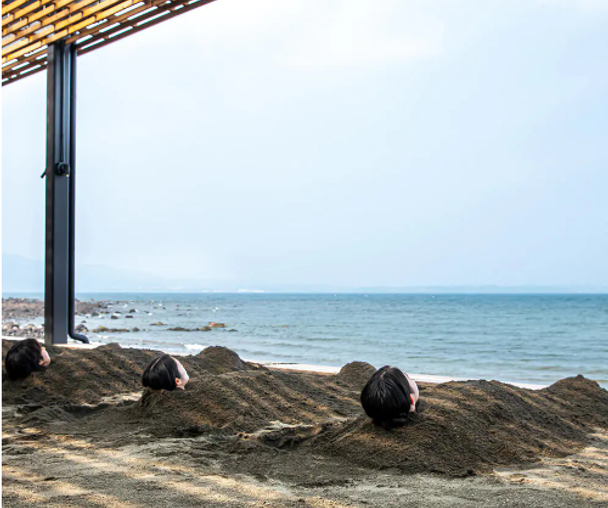
Outdoor sand bath right on the beach. Staff bury you in naturally heated black sand up to your neck. Ocean waves in the background. Different experience from indoor sand baths.

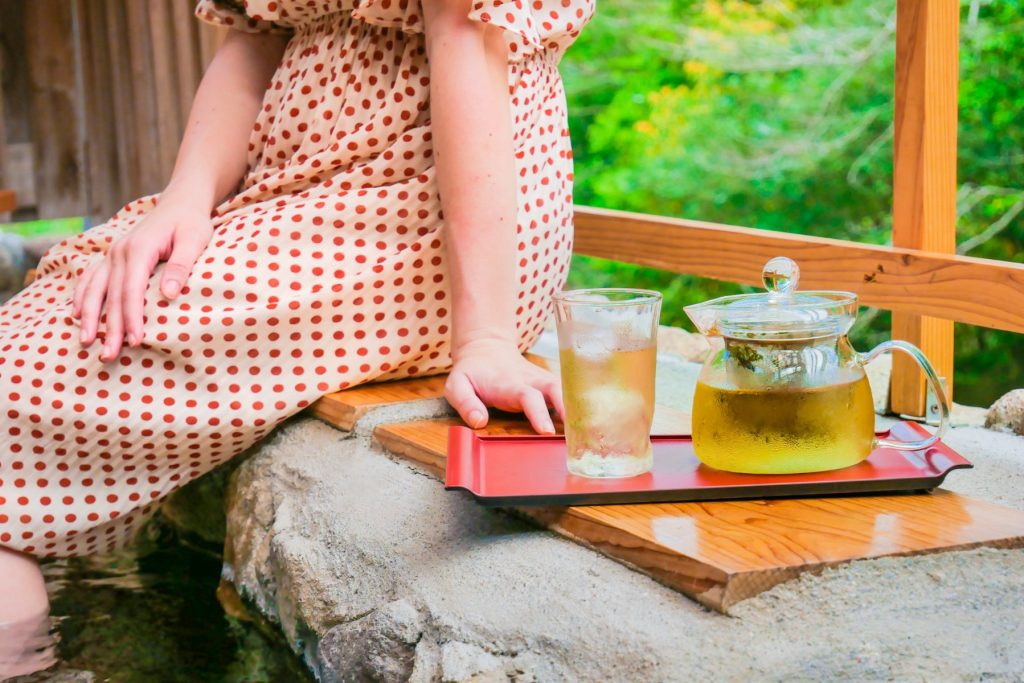
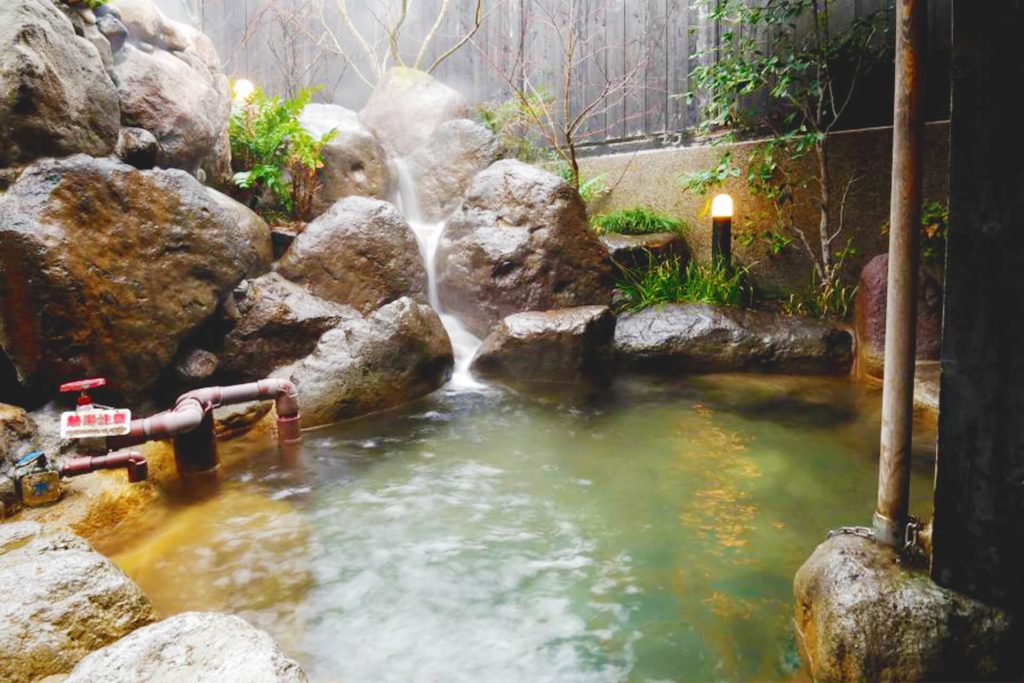
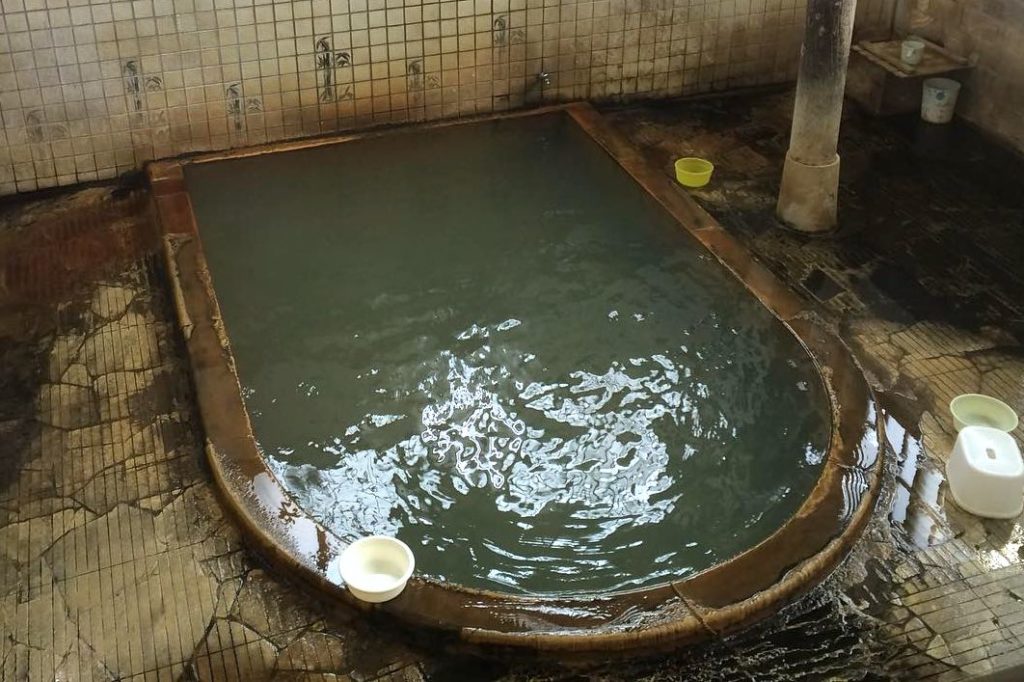
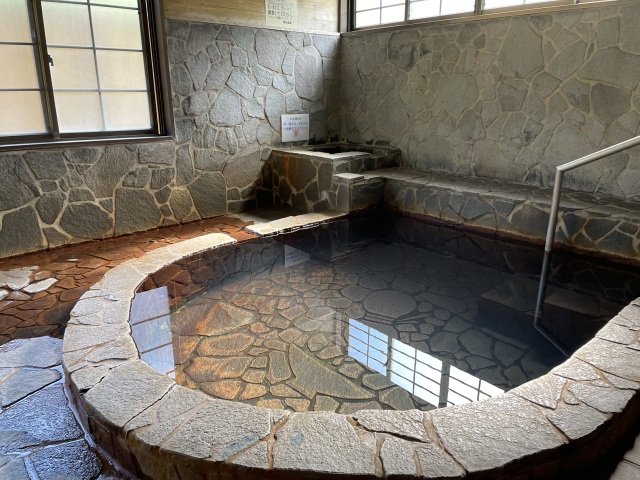
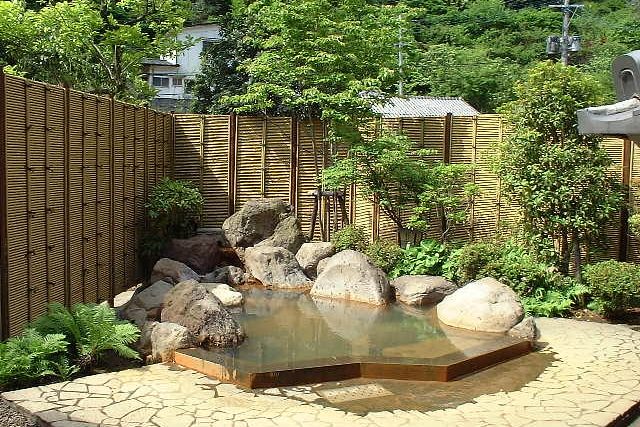
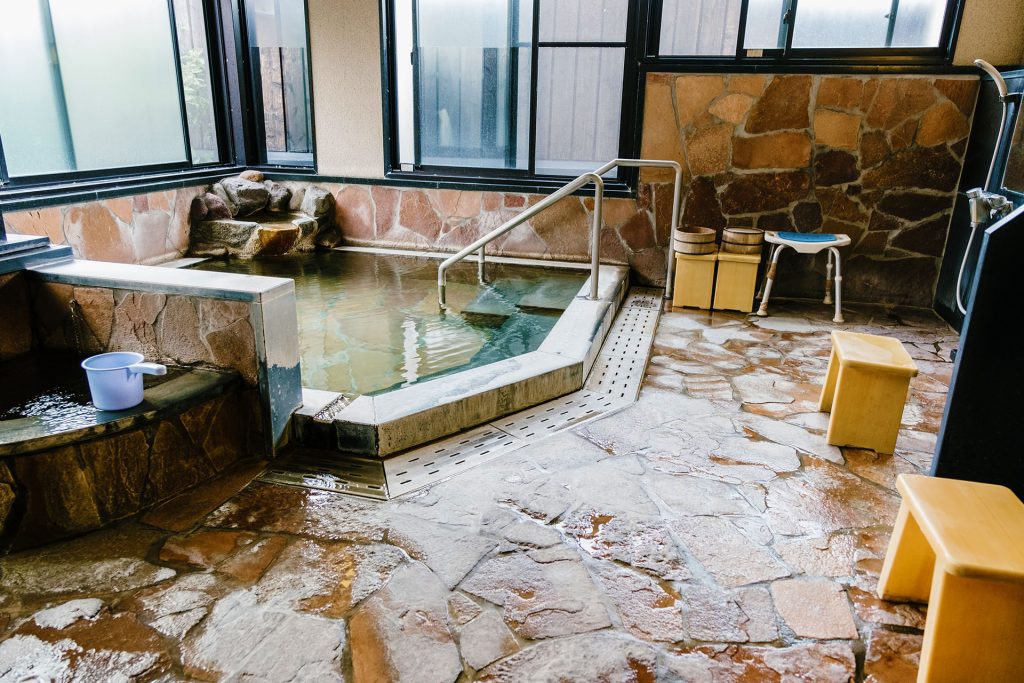
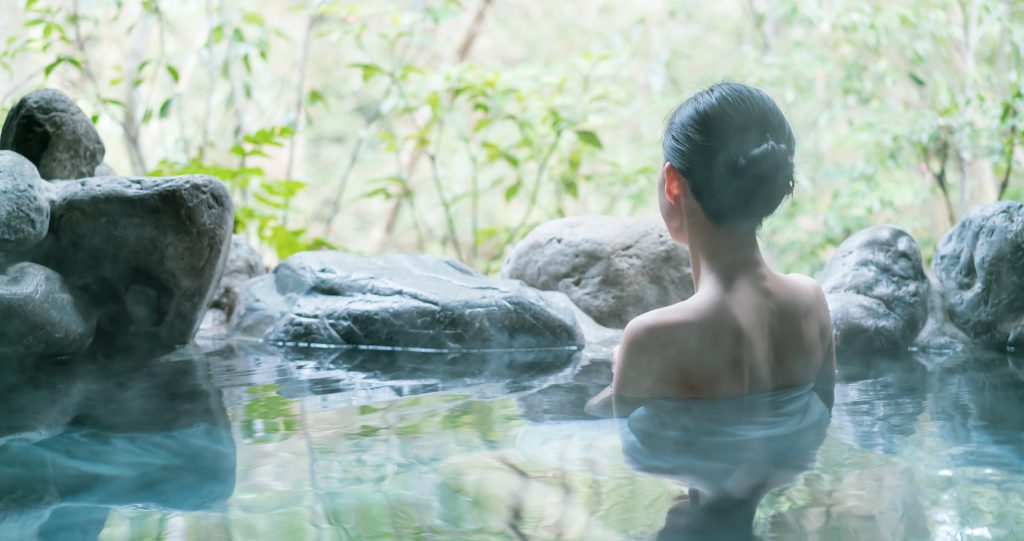
Free or very cheap public baths scattered throughout Beppu's eight onsen districts. Each district has distinct water characteristics. Locals use them daily. An authentic onsen culture experience.

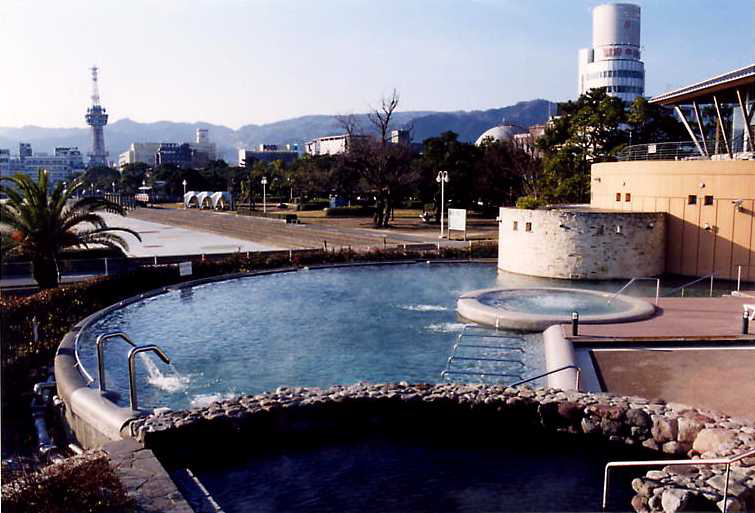
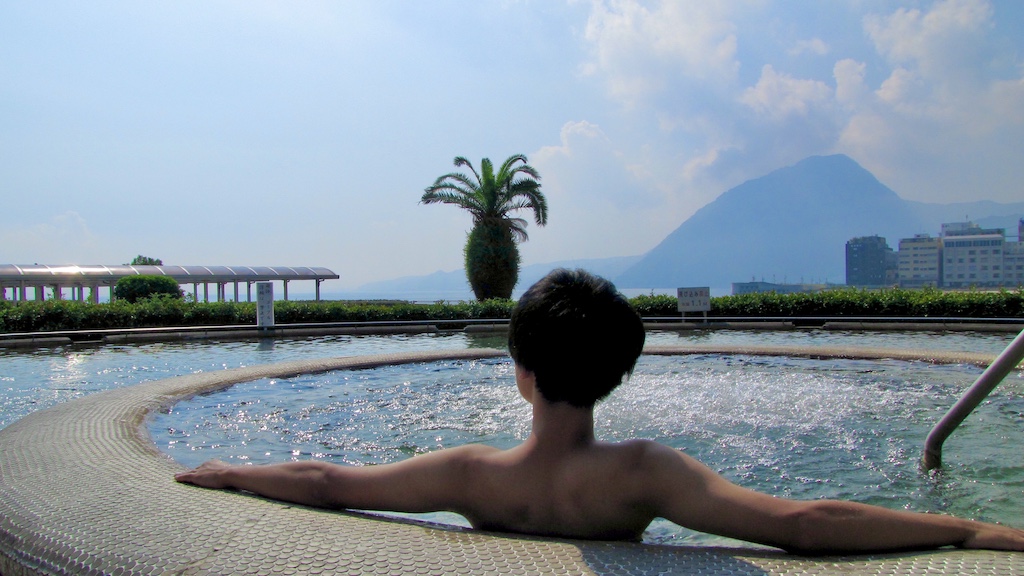
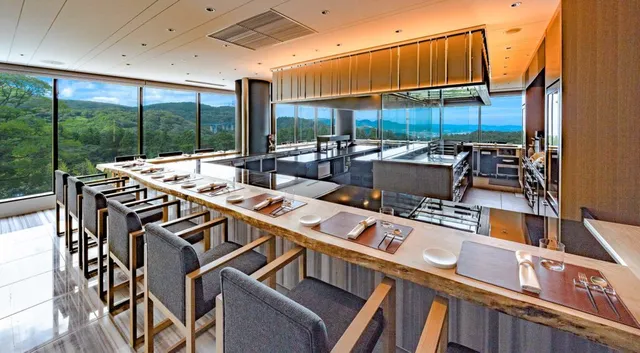
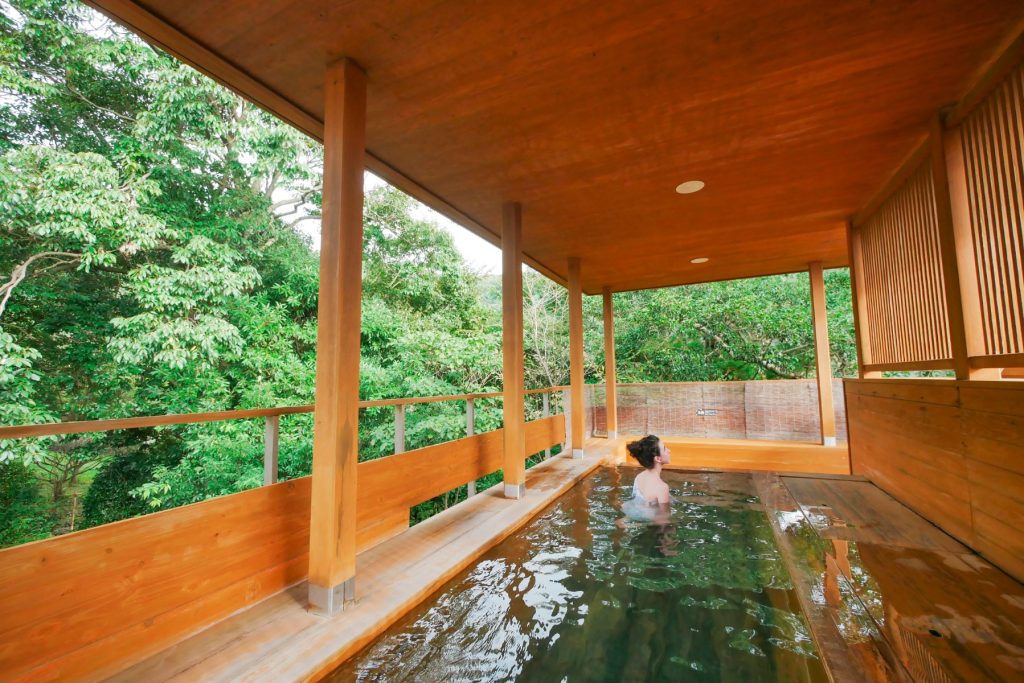
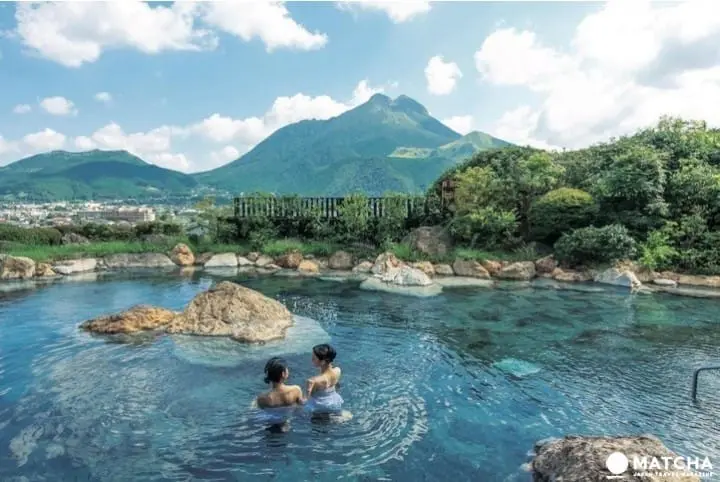
Modern onsen facility right on the waterfront. Both Japanese-style baths and Western-style spa pools. The infinity-edge outdoor bath overlooking Beppu Bay is stunning.

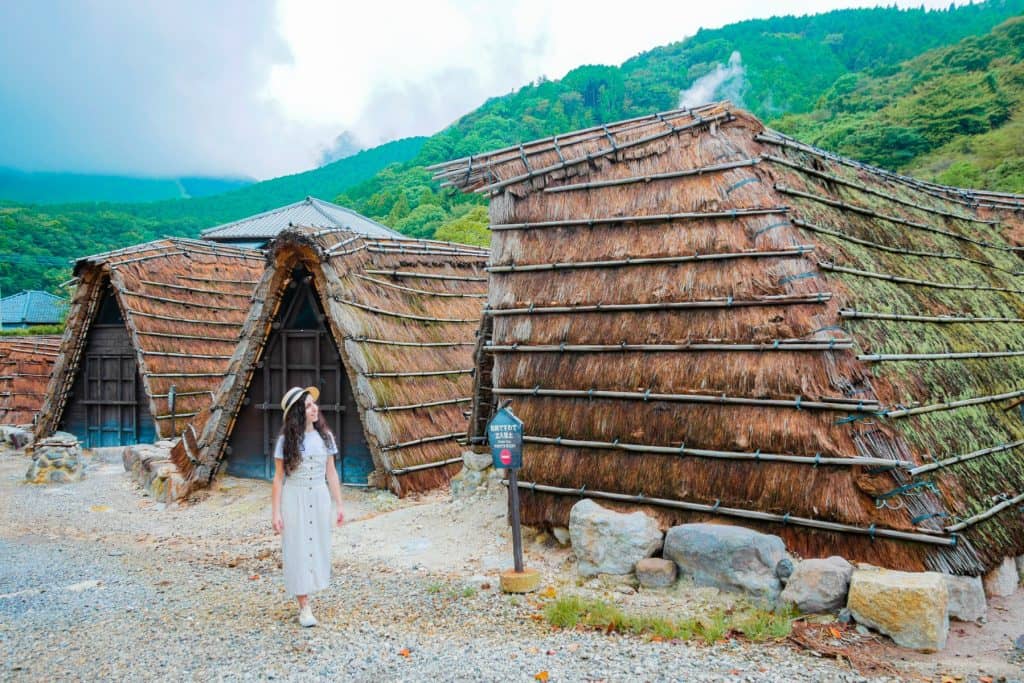
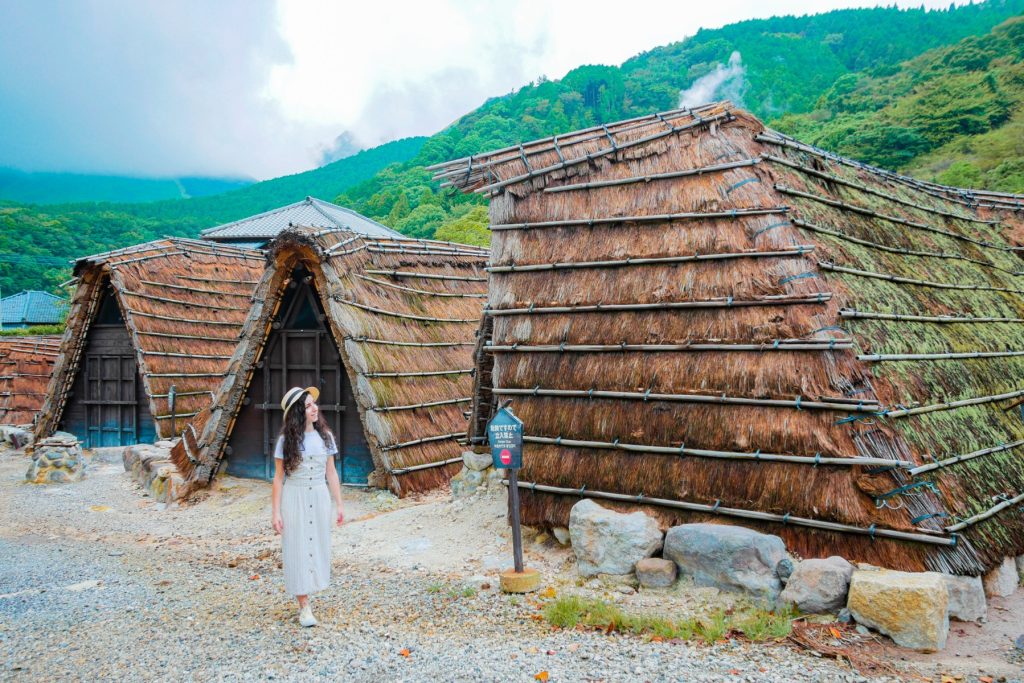
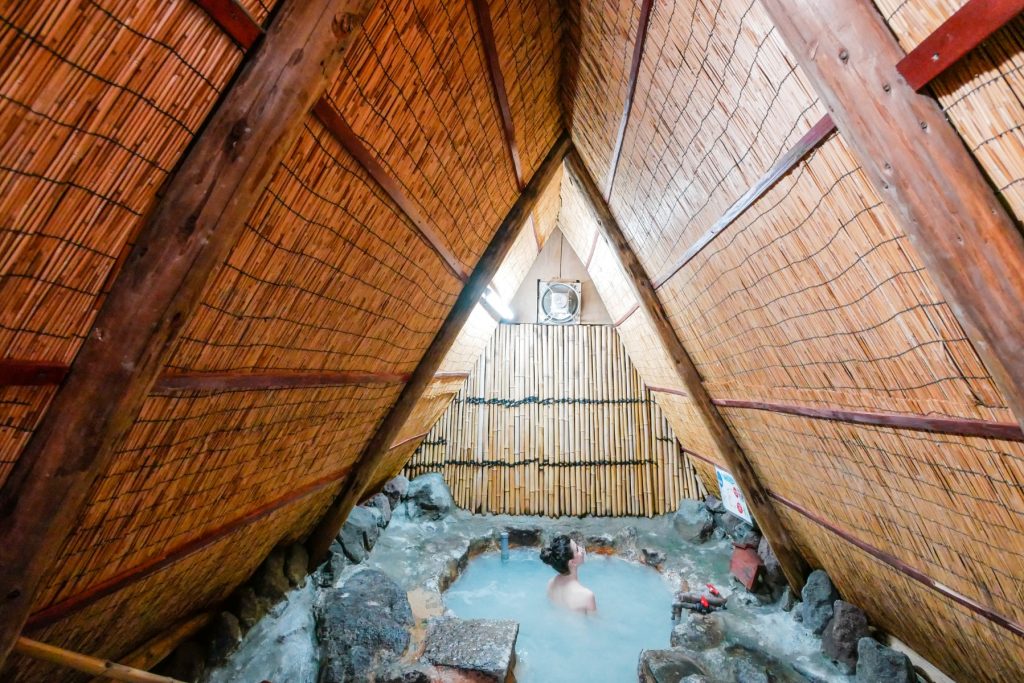
Highland onsen district famous for its straw-thatched yunohana huts. These traditional structures collect mineral deposits (yunohana) used in bath products. Strong sulfur smell. Rustic open-air baths.

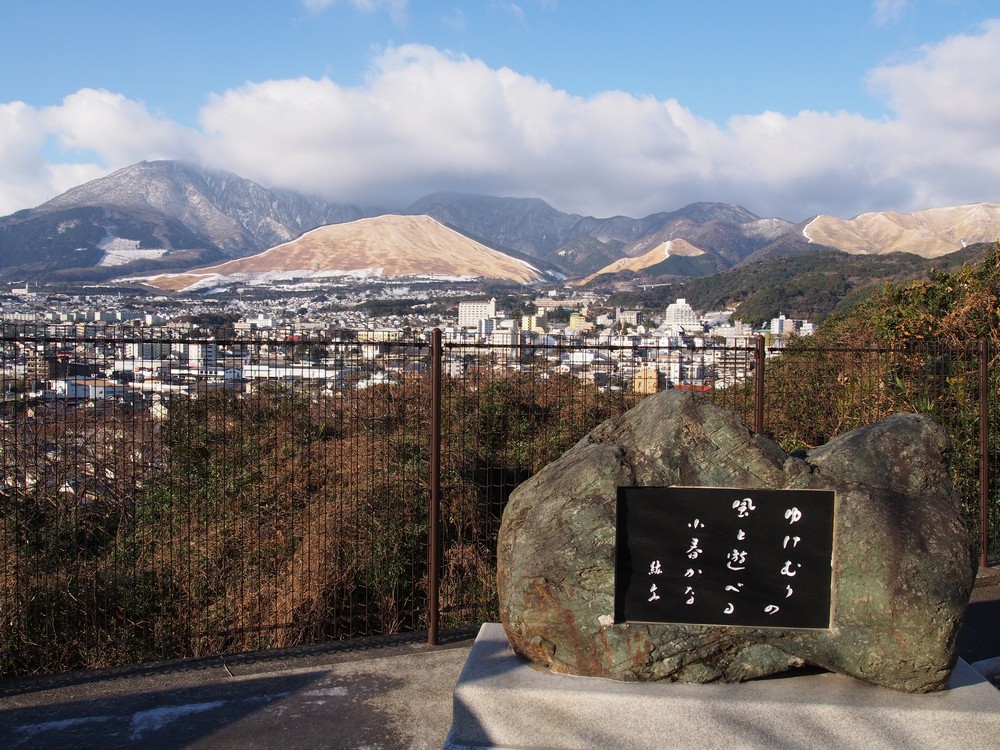
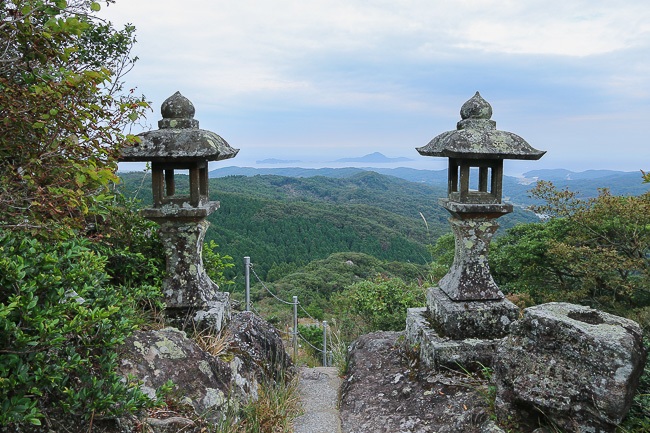
Viewpoint overlooking the yunohana huts with steam rising from the volcanic ground. On clear days you can see across the bay. The sulfurous landscape feels like another planet.

Coastal onsen district near the harbor. Lower-key than Kannawa. Small neighborhood bathhouses with very hot water. The oceanside location adds to the experience.

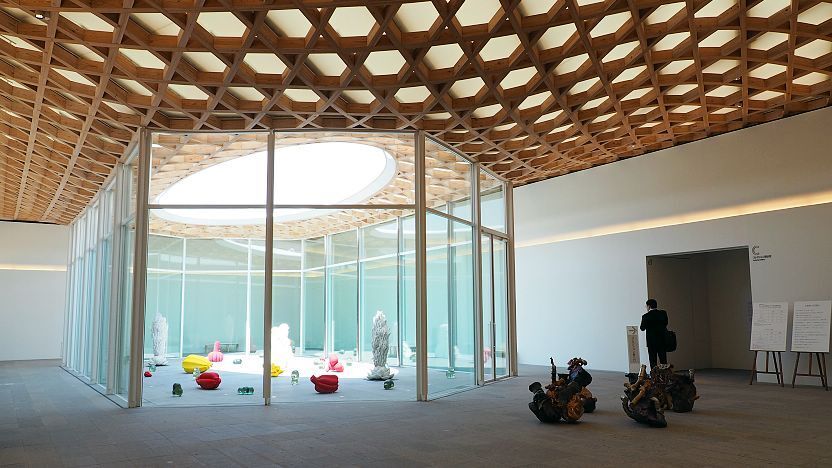
Collection of Japanese modern art in a quiet residential area. Rotating exhibitions featuring Oita-born artists. The museum garden is pleasant for a stroll.

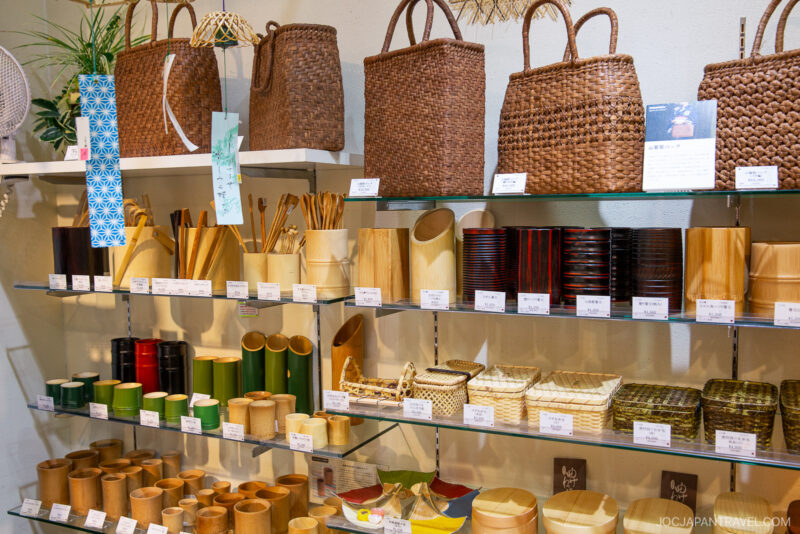
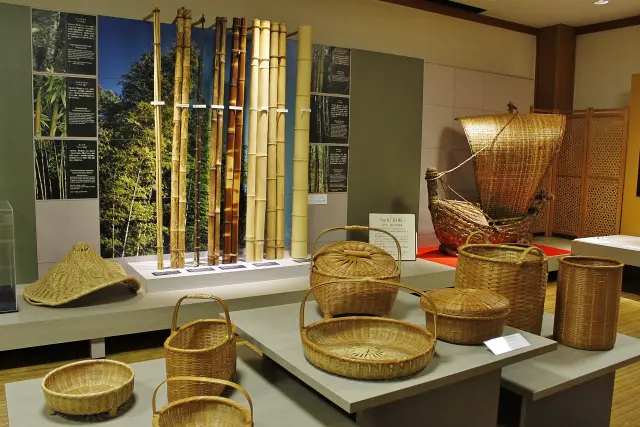
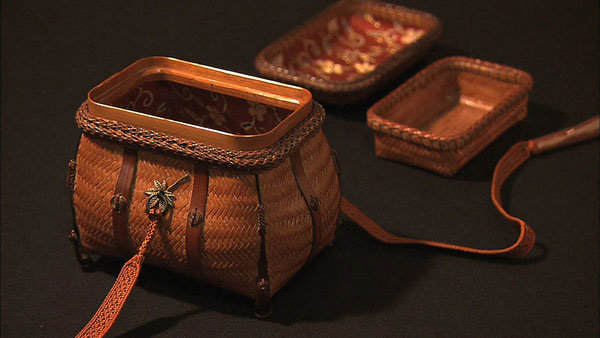
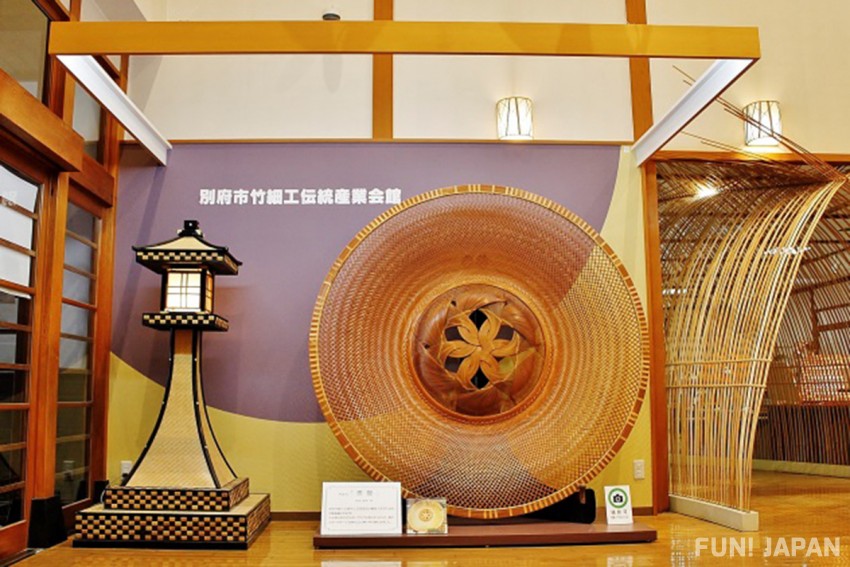
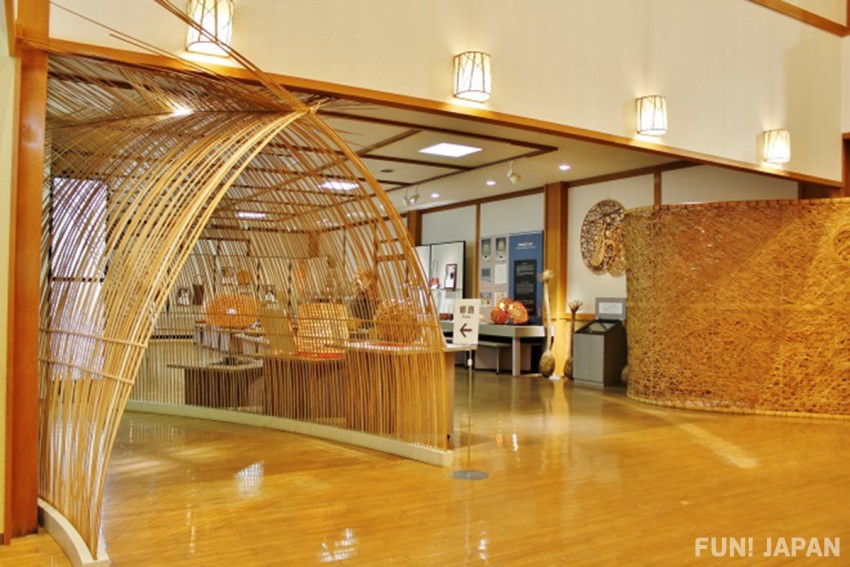
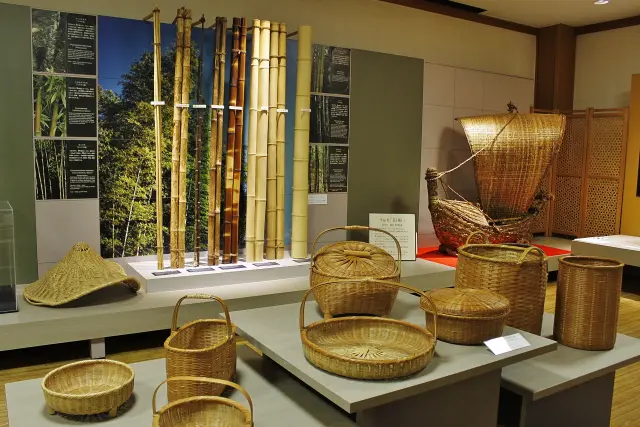
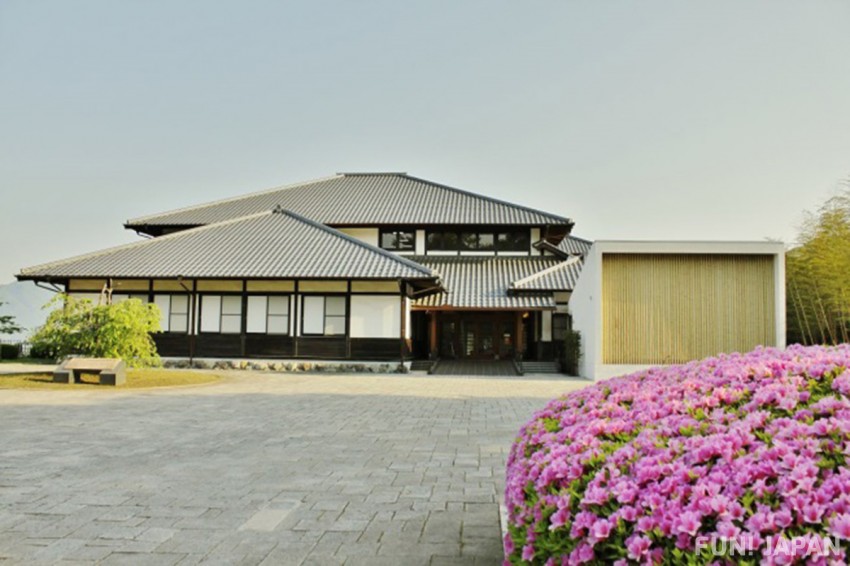
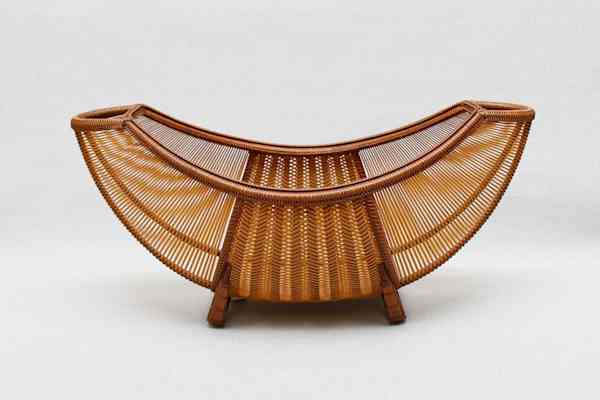
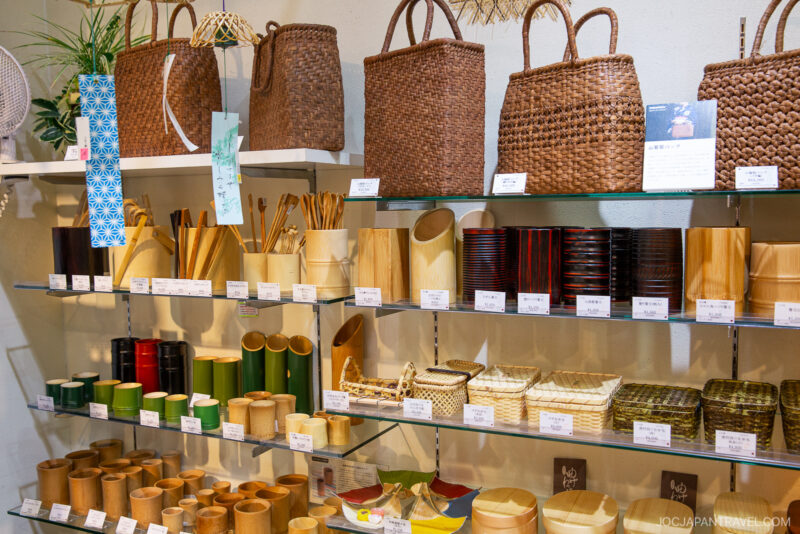
Beppu has been a bamboo weaving center for centuries. Over 2500 bamboo craft pieces displayed. Live demonstrations by master artisans. You can try making simple pieces.

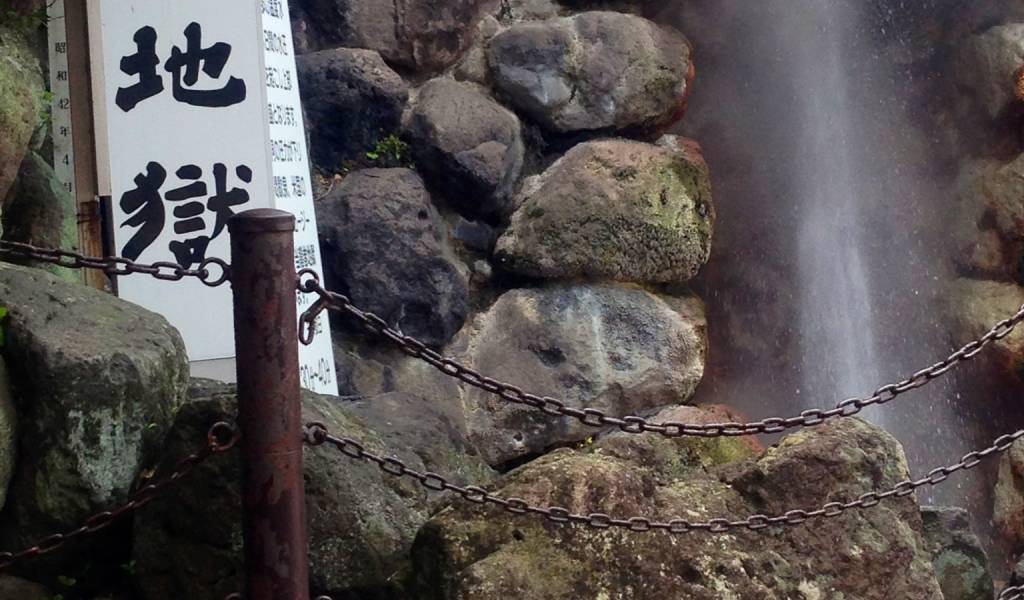
Single ticket covering all seven hells for a discount. The hells are split between two areas: five in Kannawa and two in Shibaseki. Shuttle bus connects them. Allow 3 hours for all seven.

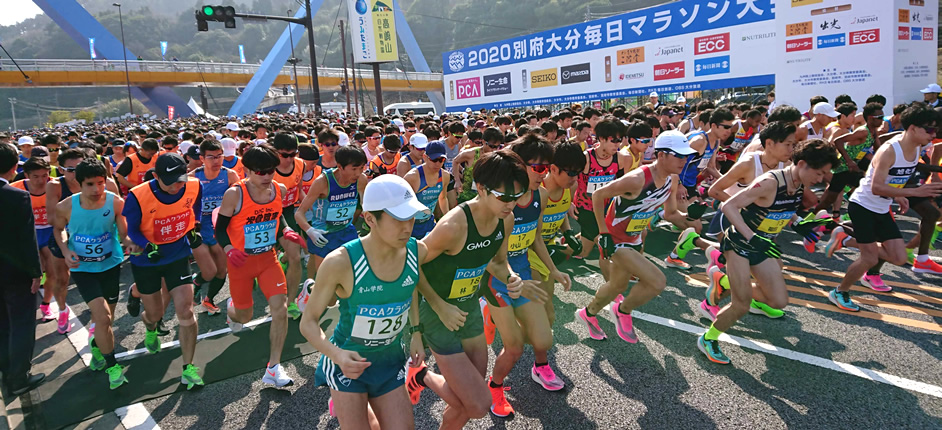
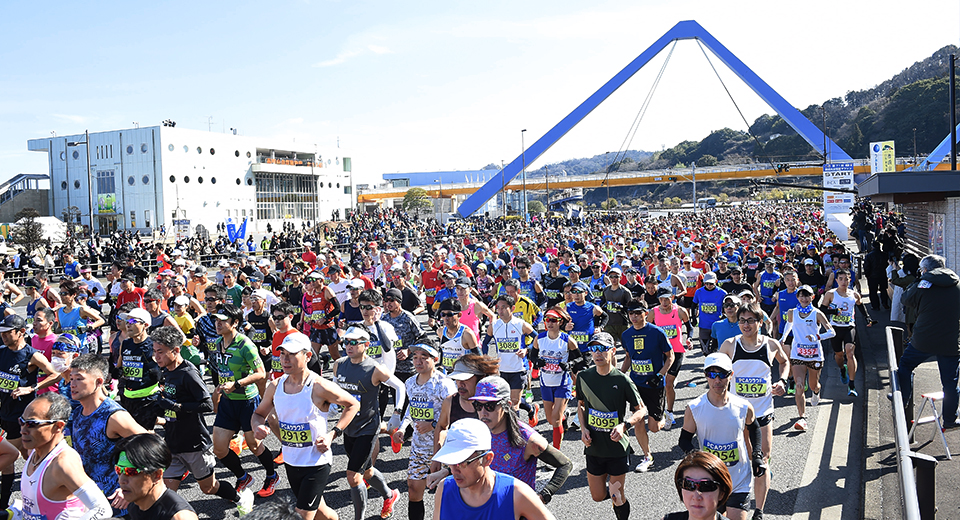
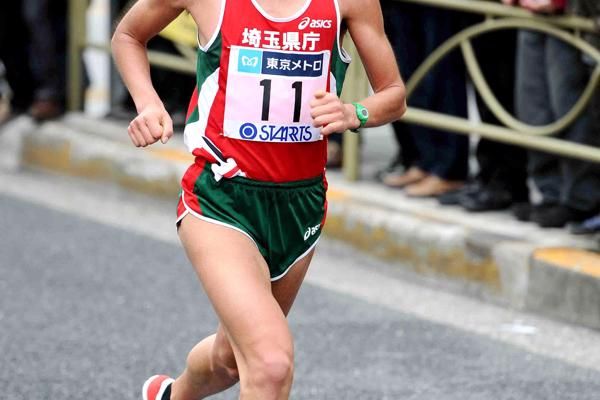
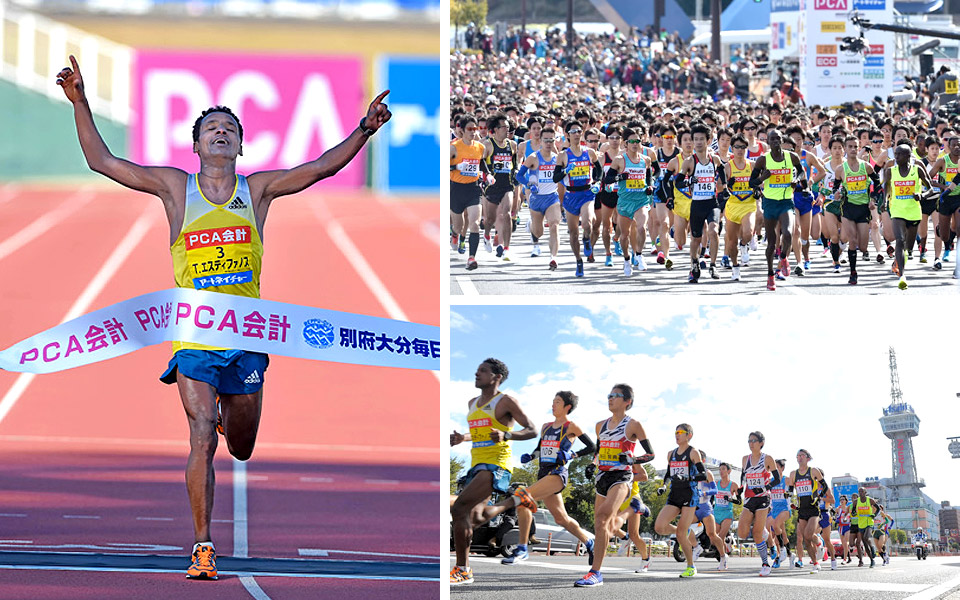
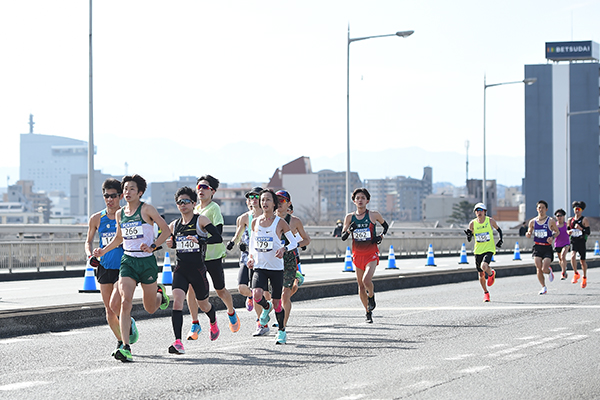
One of Japan's oldest and most prestigious marathons held every February. College athletes compete on the scenic bay road. Massive local support. Even non-runners enjoy the spectacle.

Discounted pass covering entry to multiple public bathhouses across all eight onsen districts. Stamped at each bath as you go. Gamifies the onsen hopping experience.

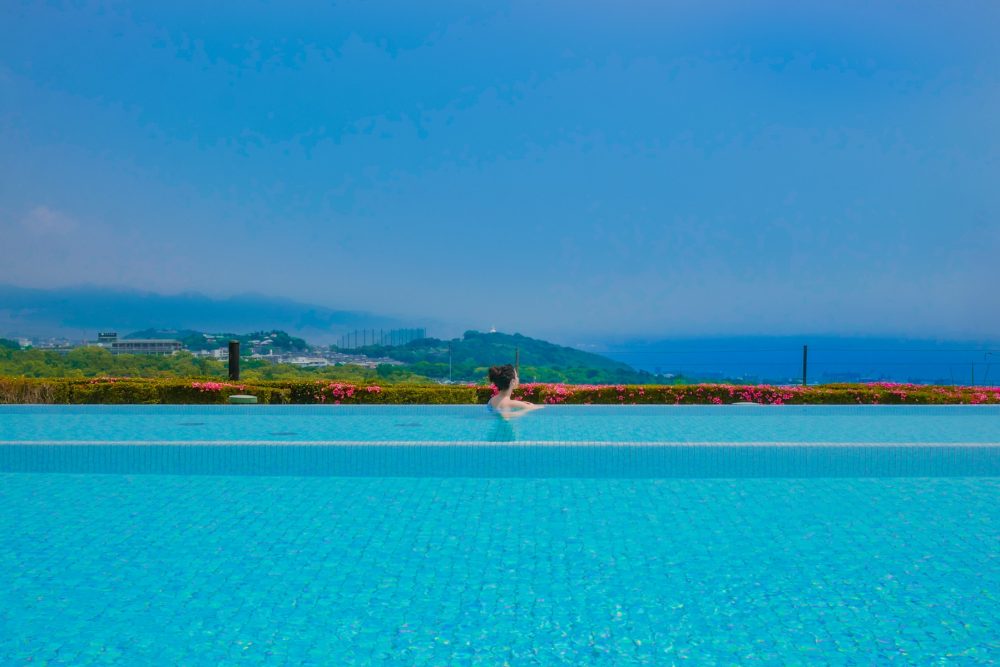
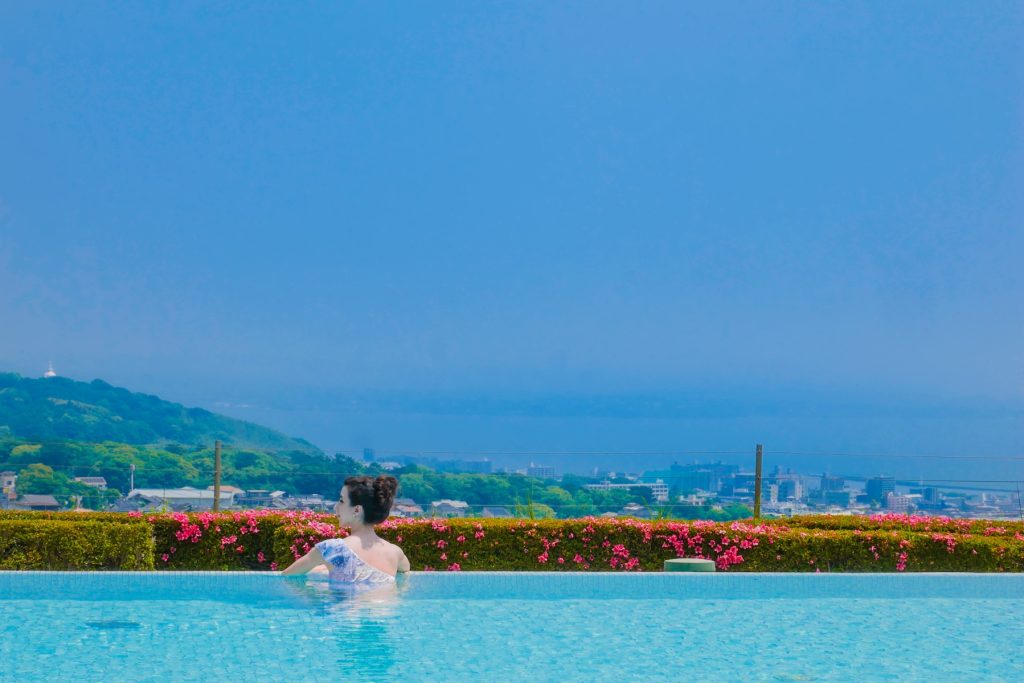
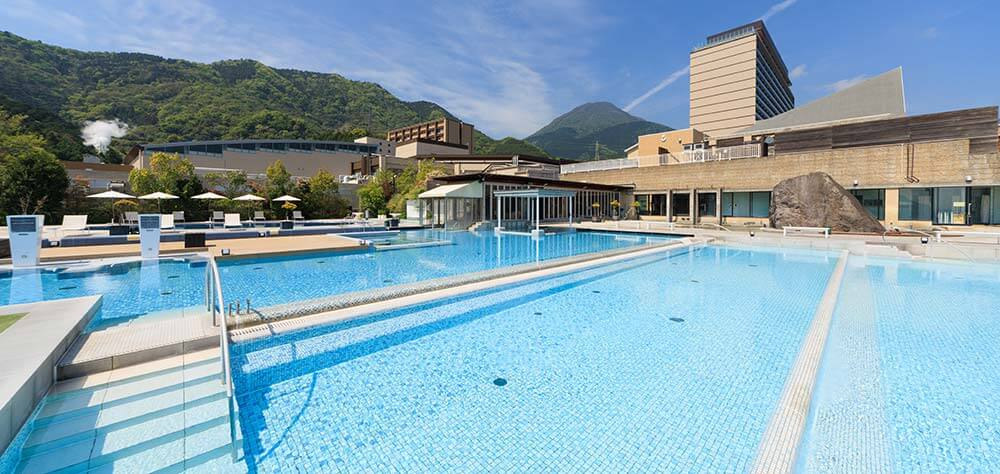
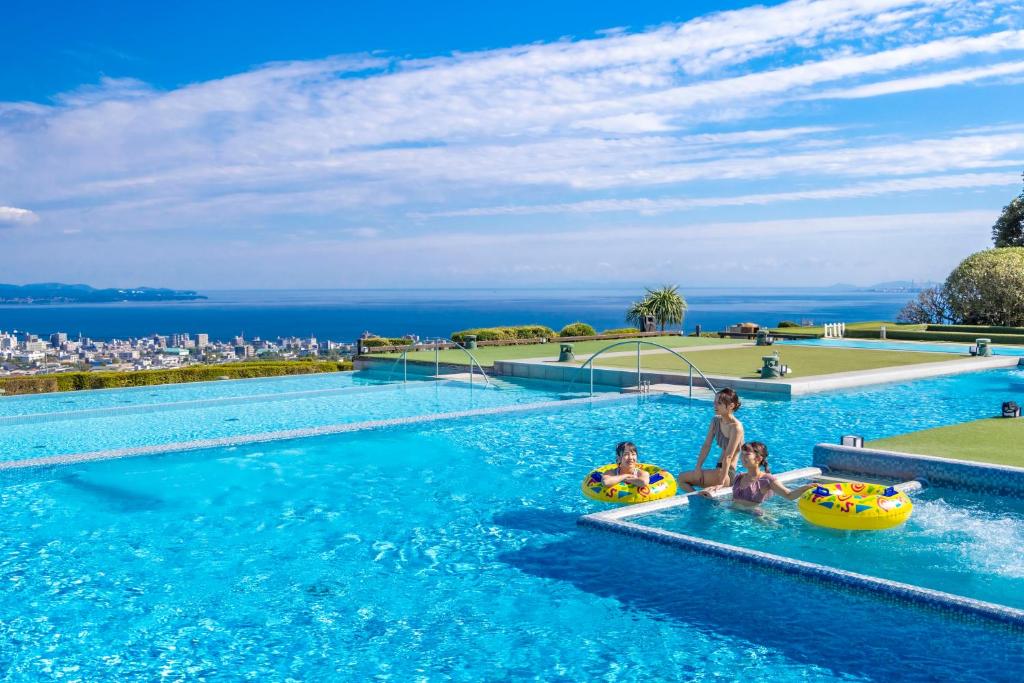
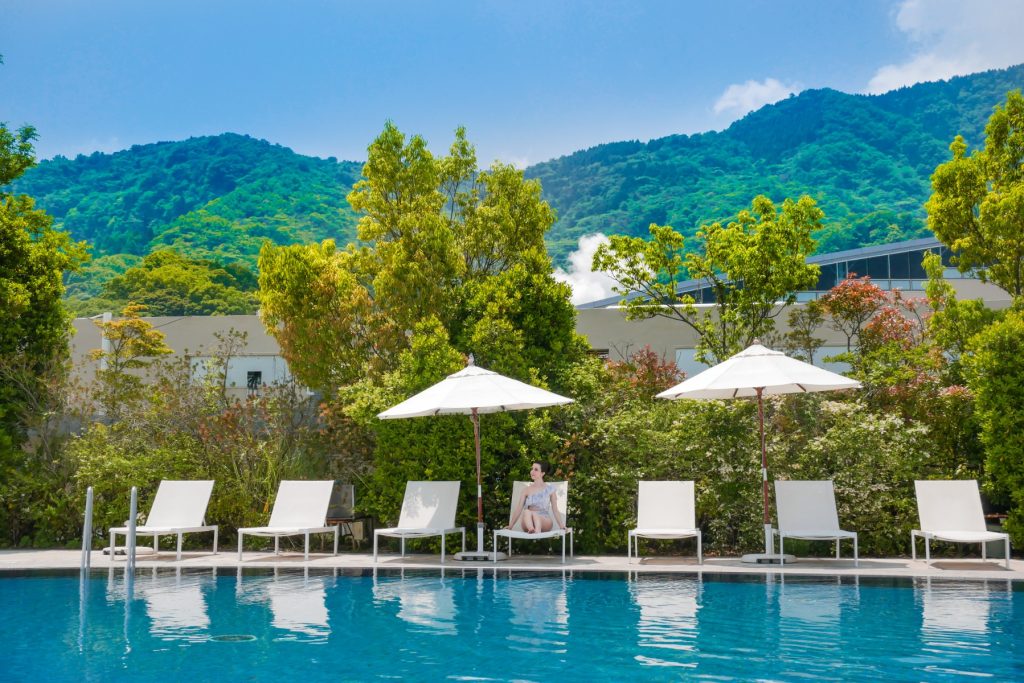
Massive resort hotel with spectacular infinity pools and baths overlooking the city and bay. Day-use admission available. The view from the rooftop outdoor bath at sunset is breathtaking.

The retro observation tower at night with city lights below and the dark bay beyond. A different perspective from Mount Tsurumi. The tower itself glows with nostalgic neon.

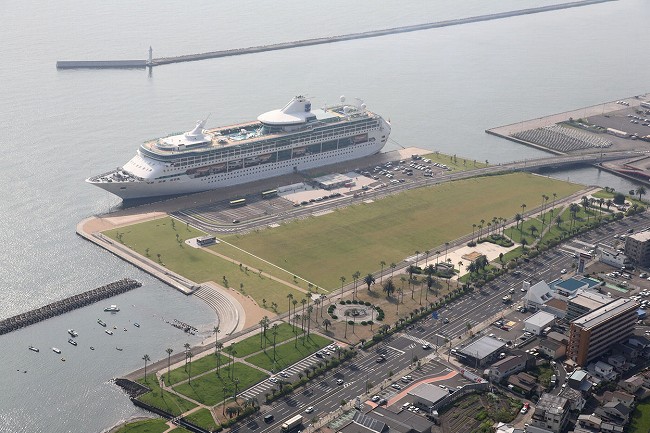
Harbor cruise around Beppu Bay. Views of the steaming hillsides from the water. Some cruises include dinner or barbecue. Sunset cruises are particularly atmospheric.

The onsen district where the red Chinoike and Tatsumaki hells are located. Neighborhood baths in this area have extremely hot and mineral-rich water. Less tourist, more local.

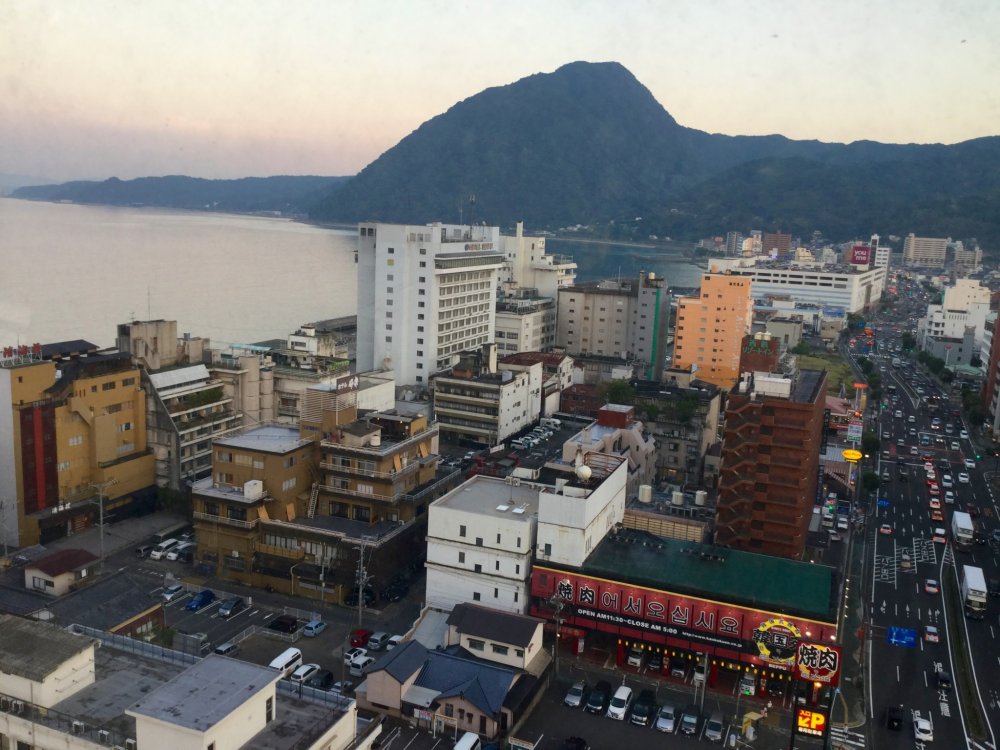
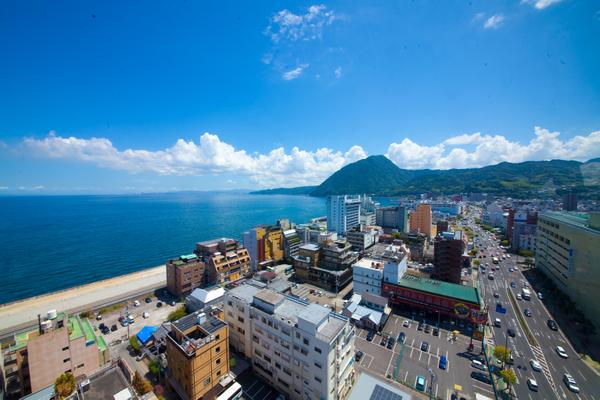
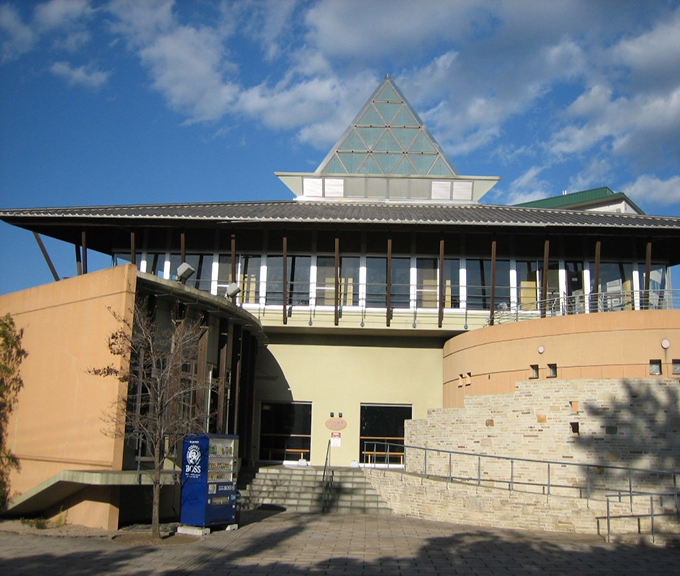
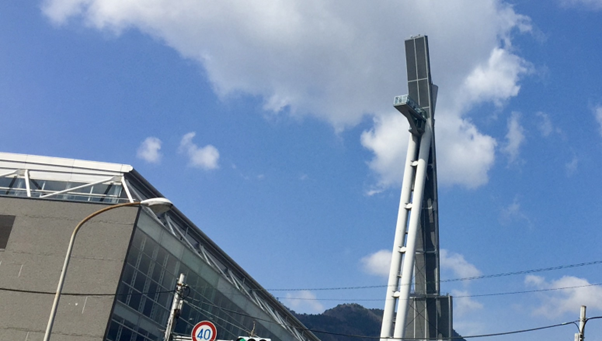
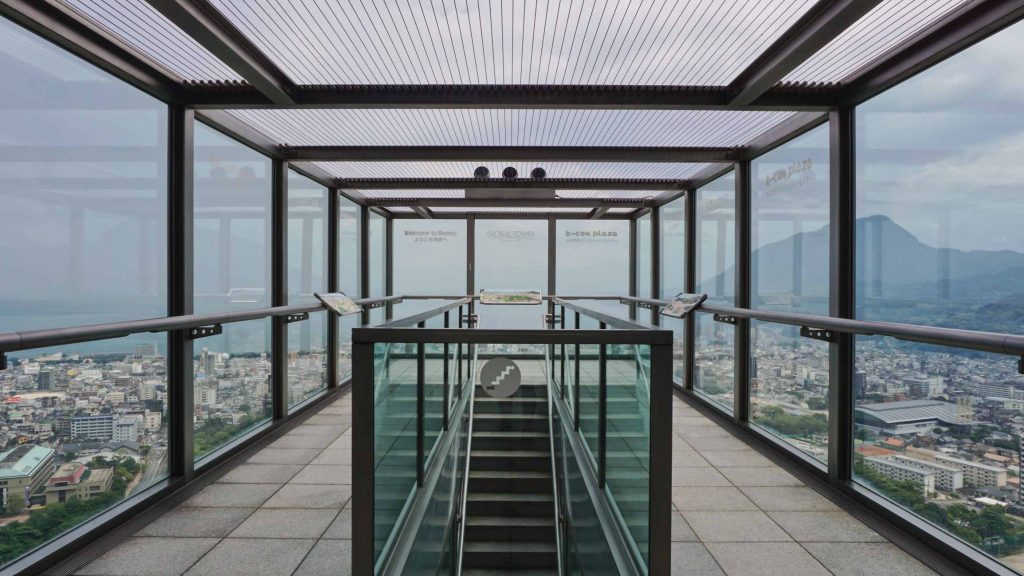
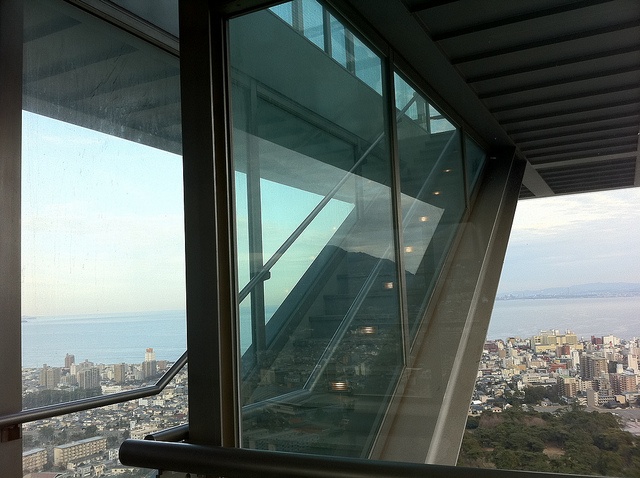
Modern 100m observation tower with 360-degree views. On clear days you can see Shikoku across the strait. The geometric glass structure is striking modern architecture.

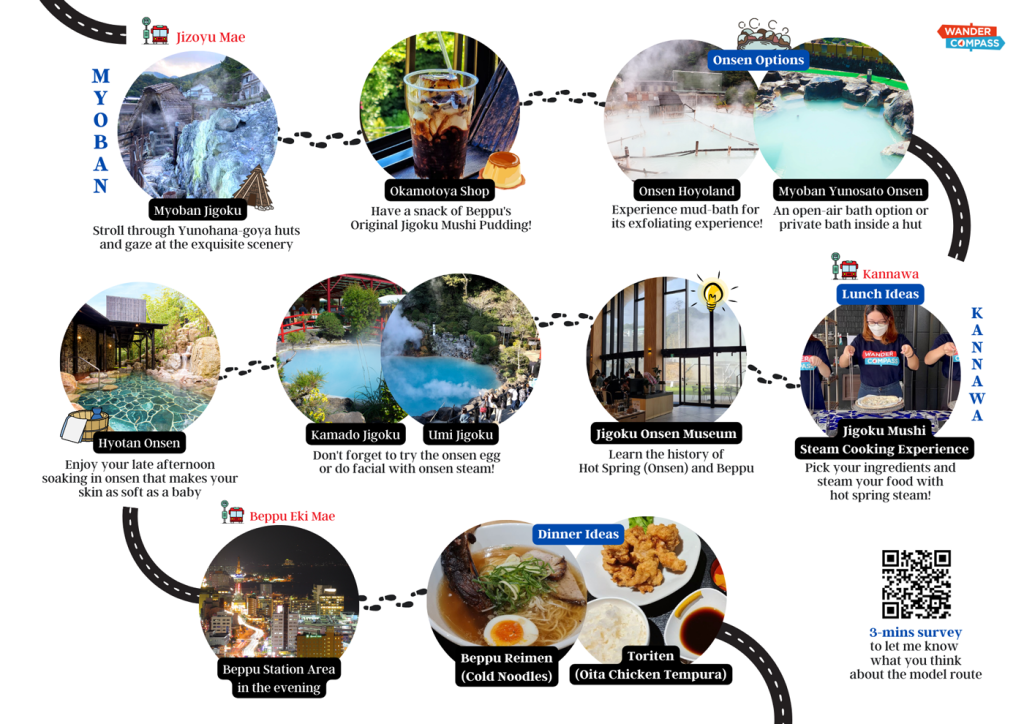
3km walking route between Kannawa and Myoban onsen districts. Steam vents hiss along the path. Stop at small neighborhood baths along the way. Each has different water chemistry.

Traditional steam bath where you lie on a bed of medicinal herbs heated by volcanic steam. The combined effect of heat and herbal aromatherapy is deeply relaxing. Open to the public.

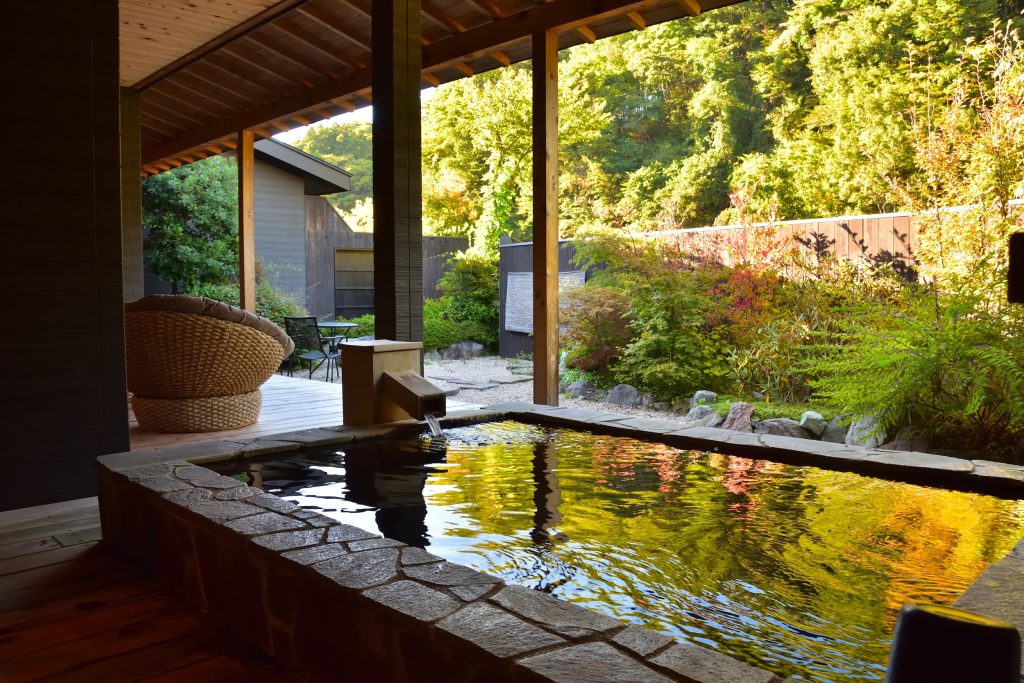
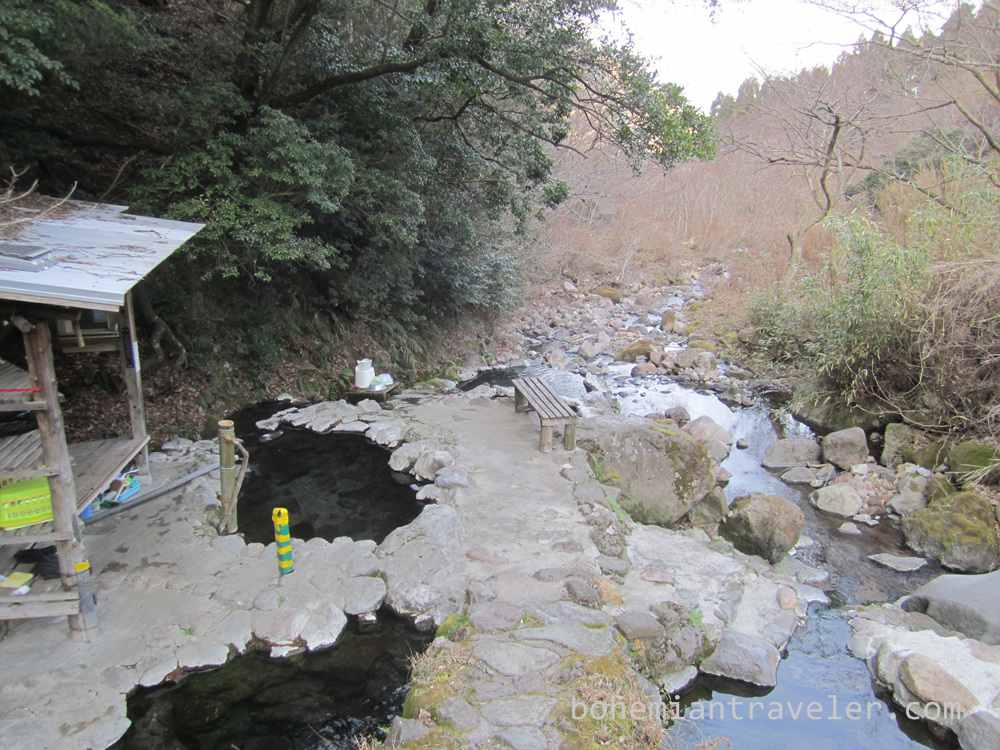
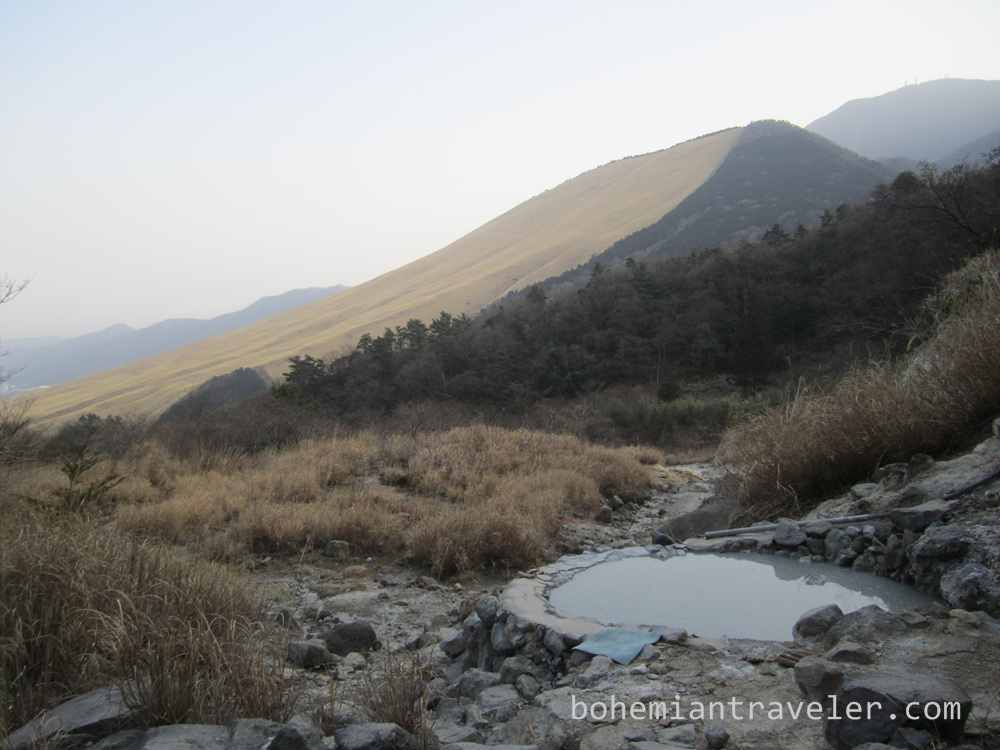
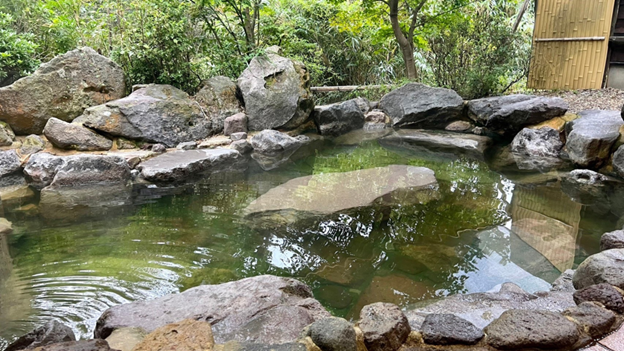
Remote mountain onsen between Beppu and Yufuin. Fewer visitors than either town. Natural outdoor rock-pool baths with mountain views. The water is said to have healing properties.

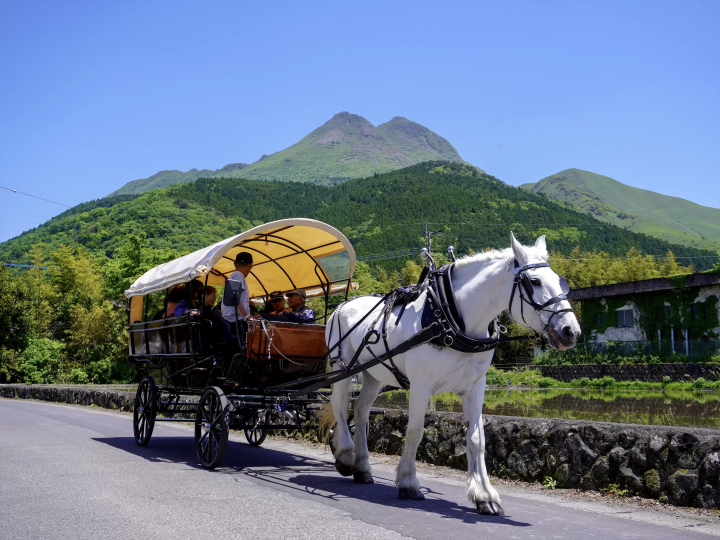
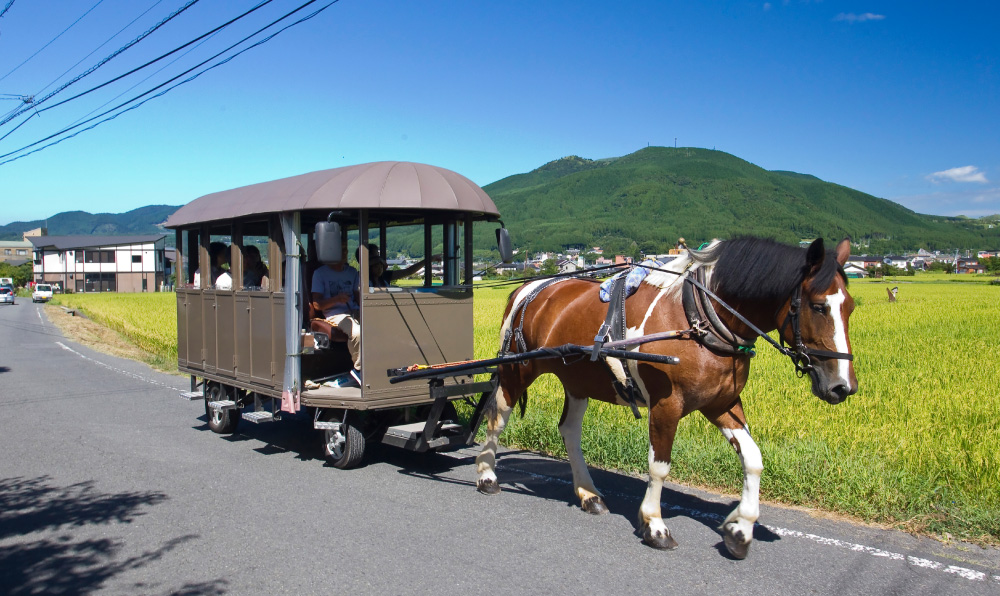
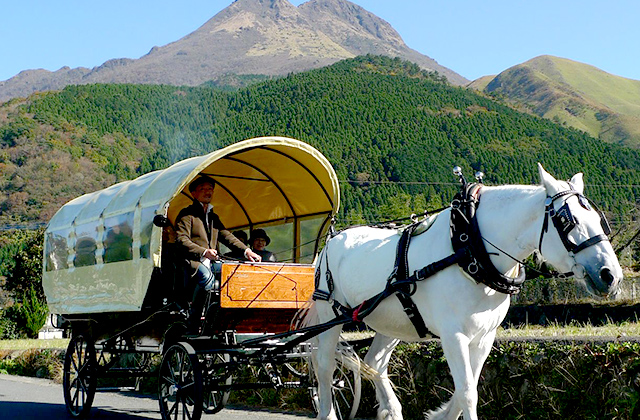
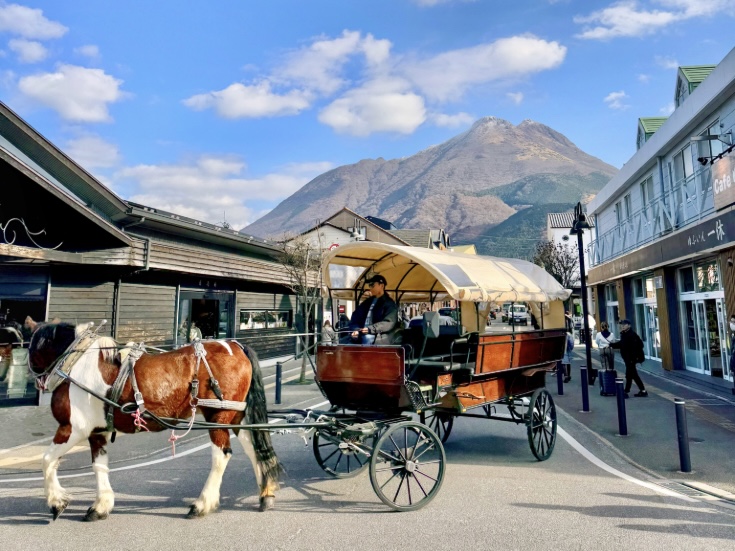
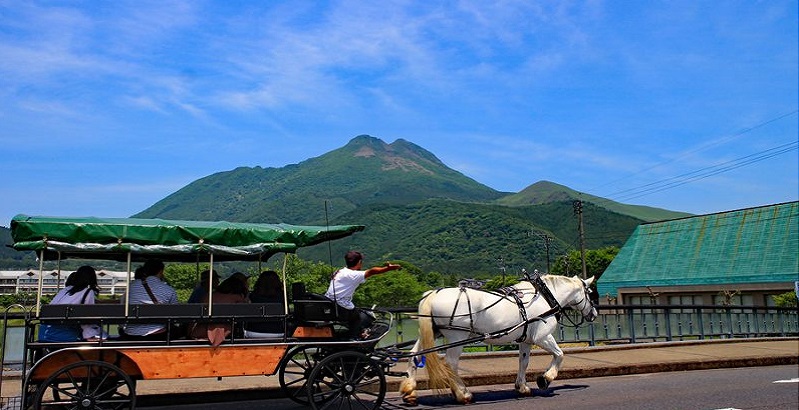
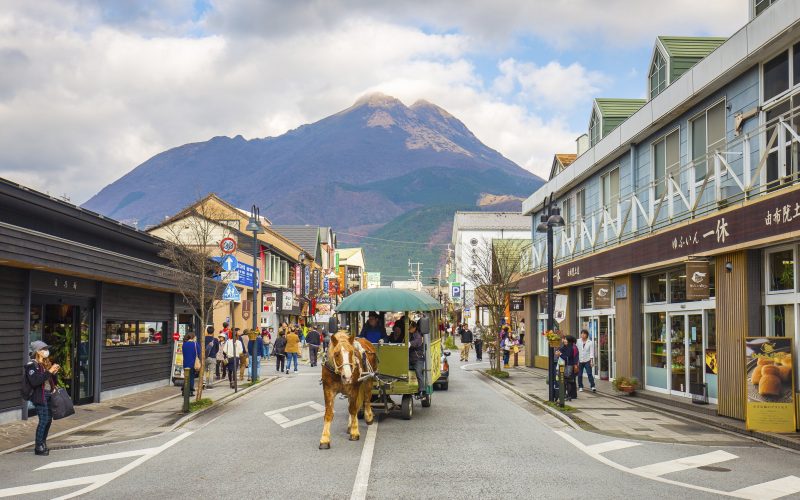
Horse-drawn carriage ride through Yufuin town. The ride passes Lake Kinrin, the main shopping street, and rice paddies with Mount Yufu views. 50-minute narrated ride.

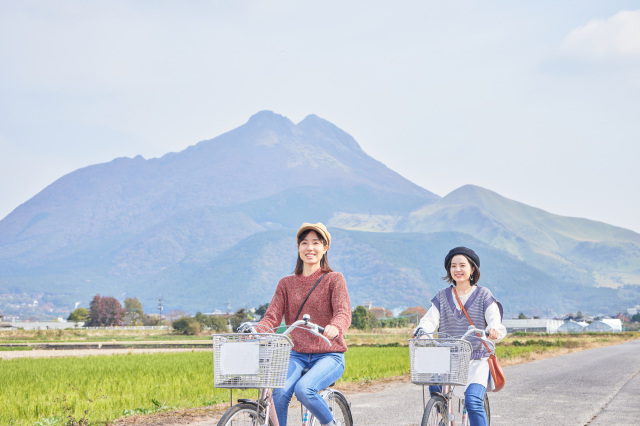
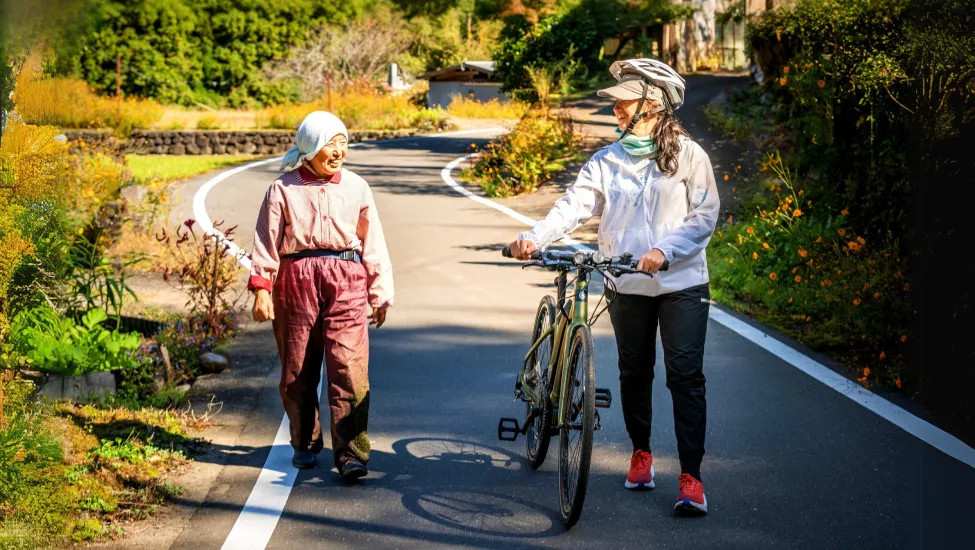
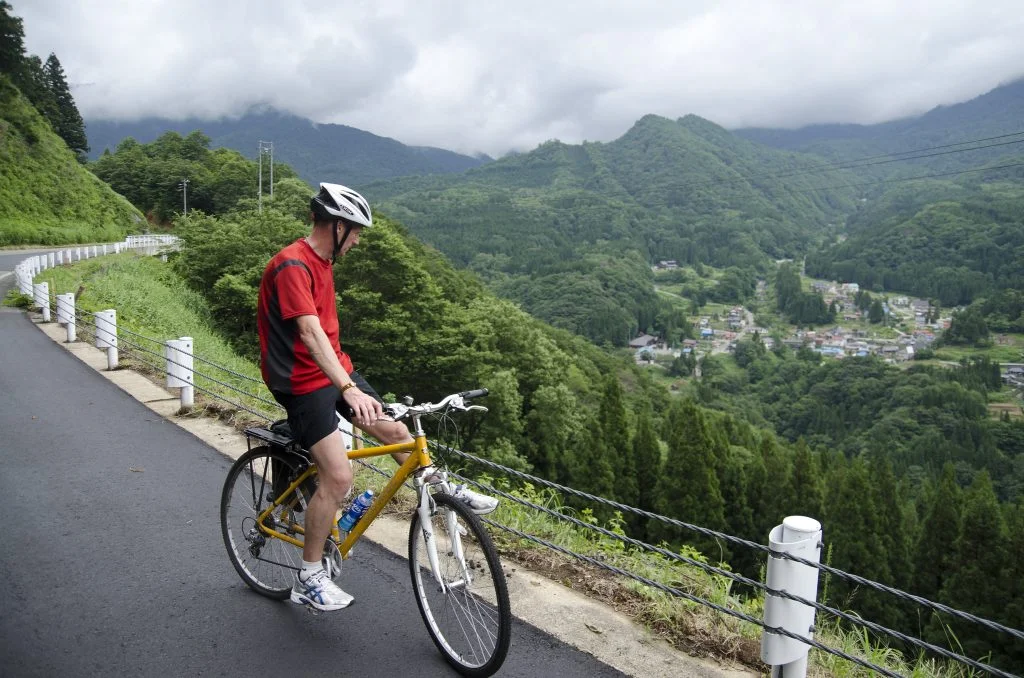
Rent a bicycle and explore the countryside around Yufuin. Rice paddies, farmhouses, and small shrines dot the landscape. Mount Yufu looms above. Electric bikes available for the hills.

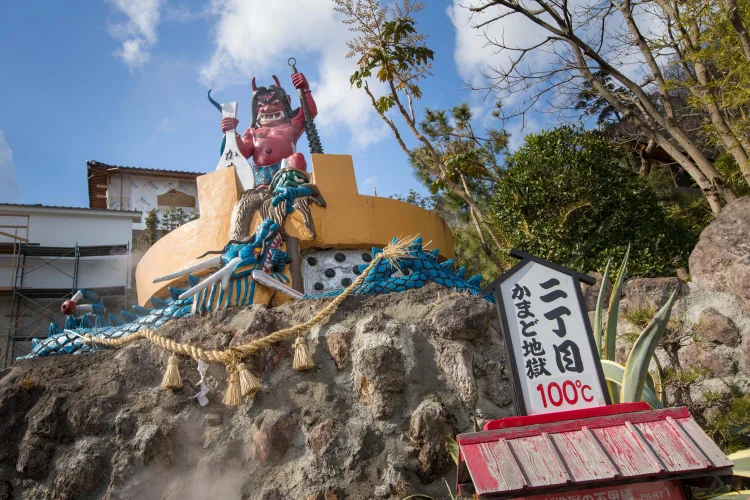
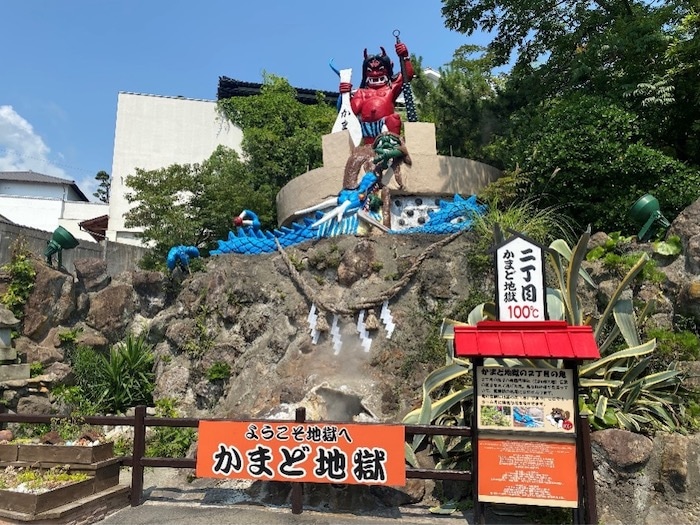
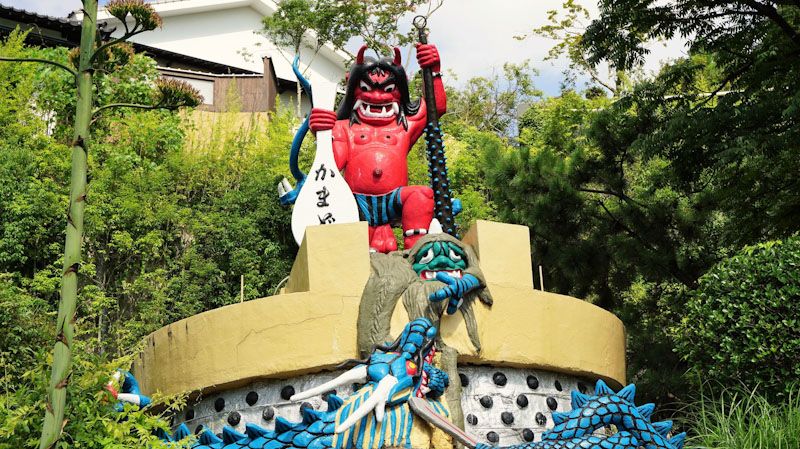
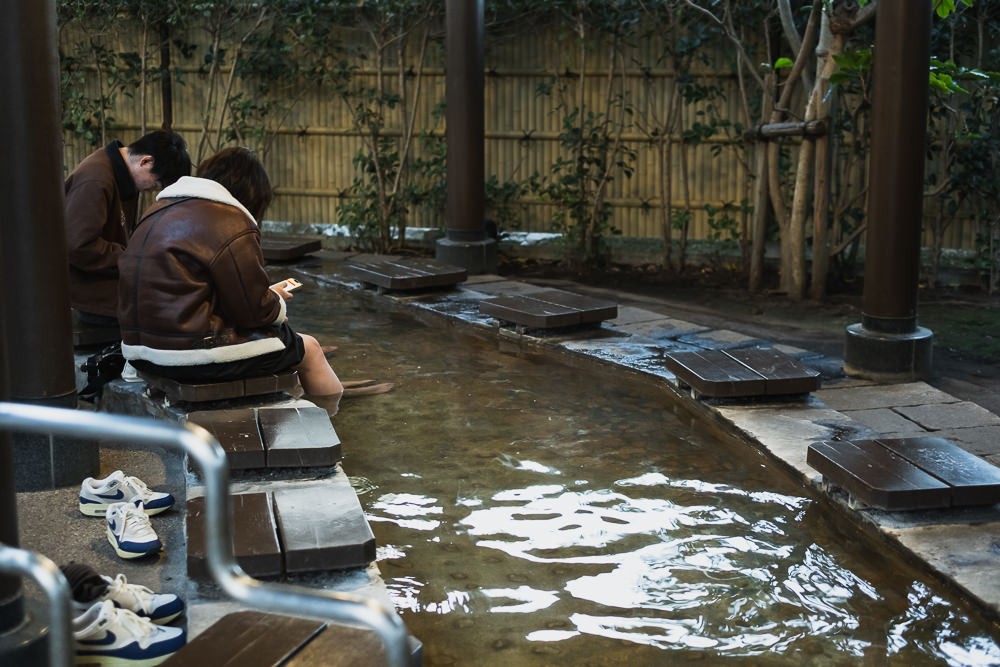
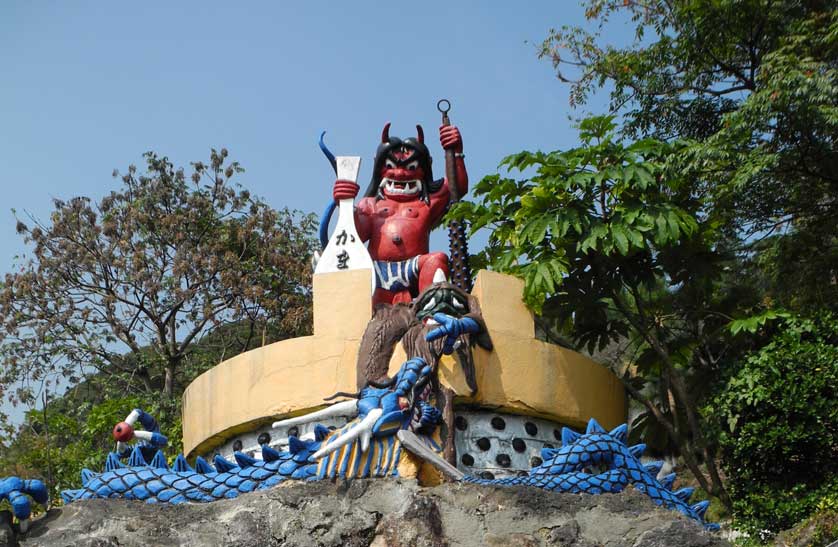
Free public footbath shaped like a tengu (long-nosed demon). The water is piping hot from natural geothermal sources. Rest your feet while exploring the steam district.

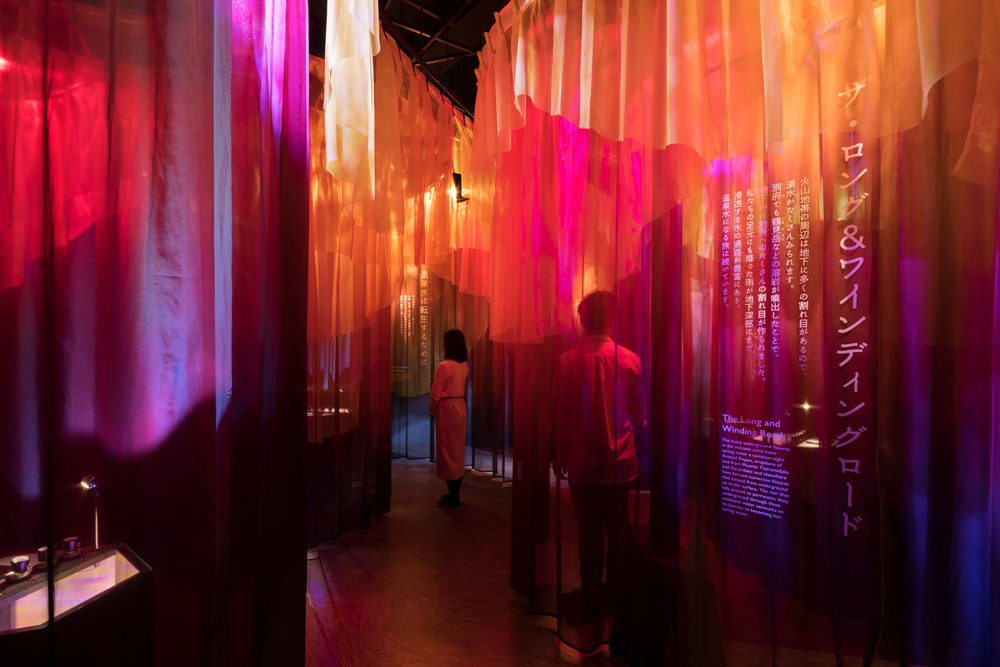
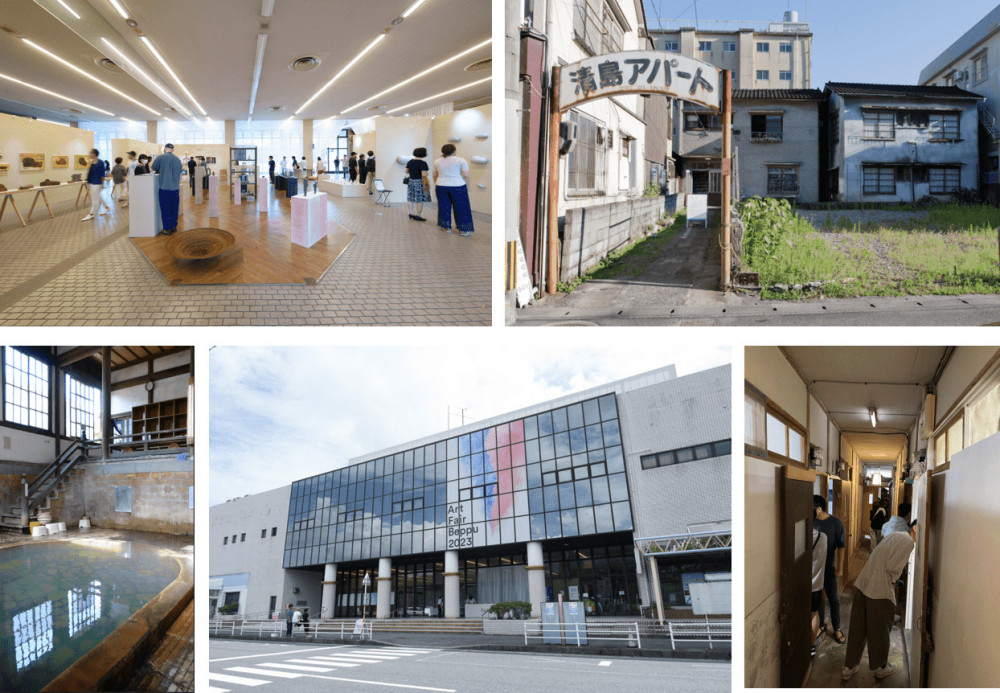
Beppu hosts 'in BEPPU' art events regularly, installing contemporary art in onsen buildings, parks, and abandoned spaces. When running, it transforms the city into a living gallery.

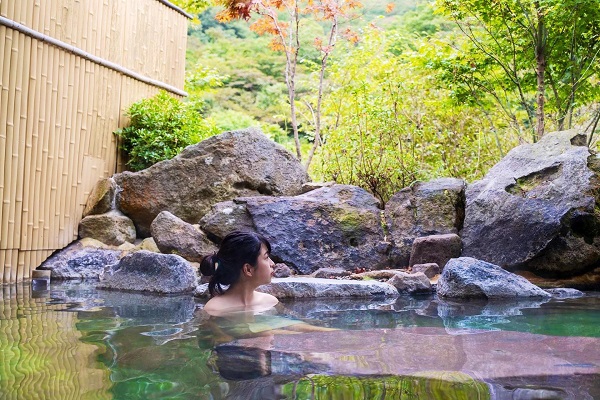
Public outdoor hot spring near the hells with a view over the steam district rooftops. Affordable entry. The contrast of soaking in hot water while cool mountain air swirls around is perfect.

Early morning walk through Kannawa when the cool air meets the hot springs, creating maximum steam. The streets are ghostly and atmospheric before 7am. Bring a camera.
UNESCO temples, cliffside shrines, and some of Japan's best onsen towns.

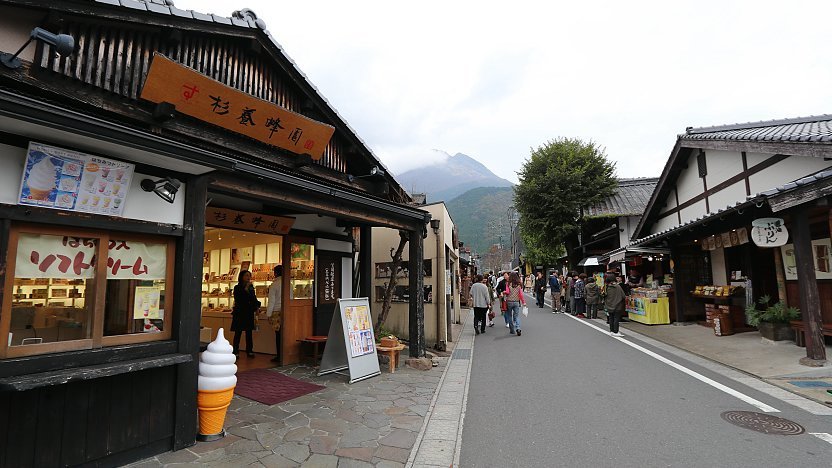
Charming hot spring town 30 minutes from Beppu by bus. Boutique shops, art galleries, and cafes line the main street. Lake Kinrin reflects Mount Yufu. More refined than Beppu's raw energy.

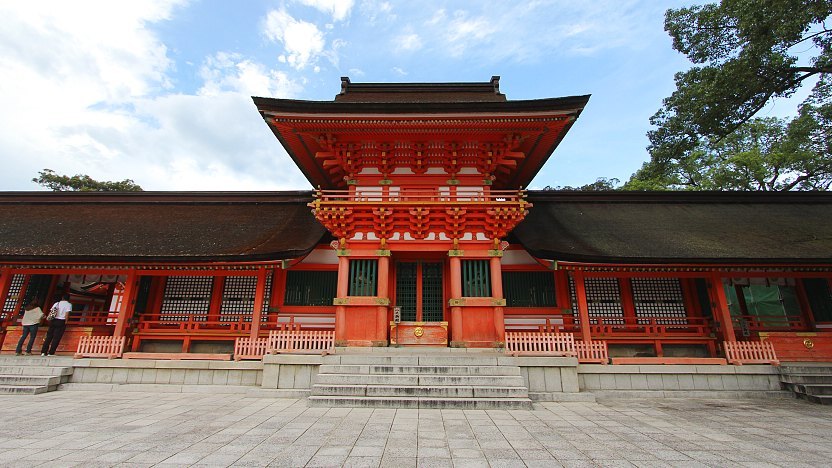
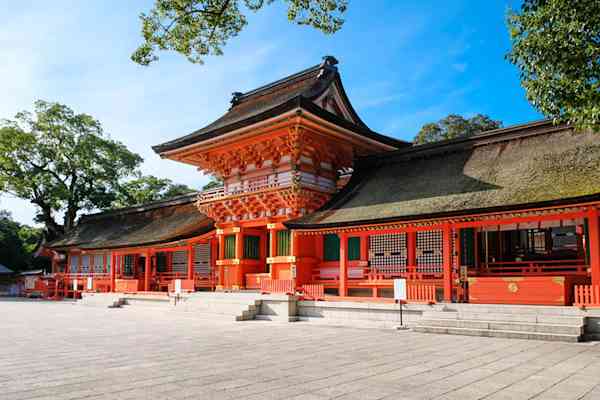
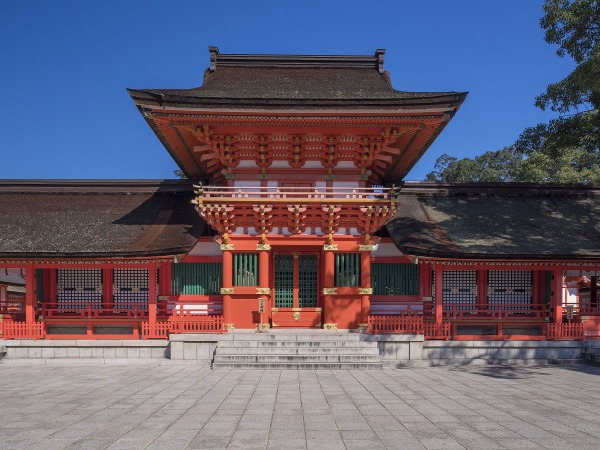
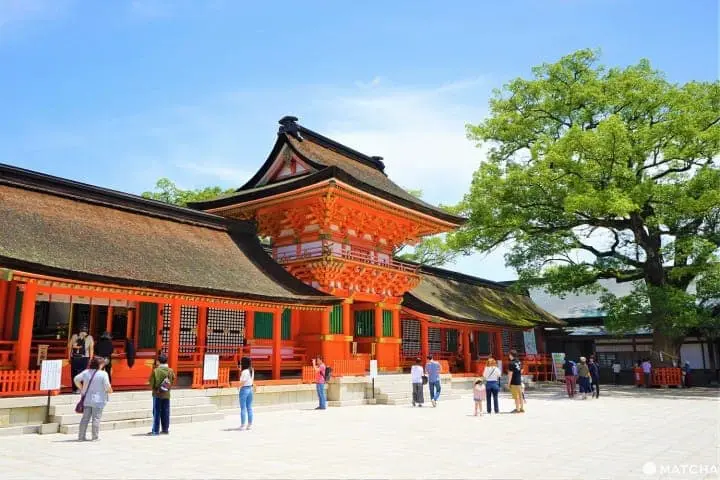
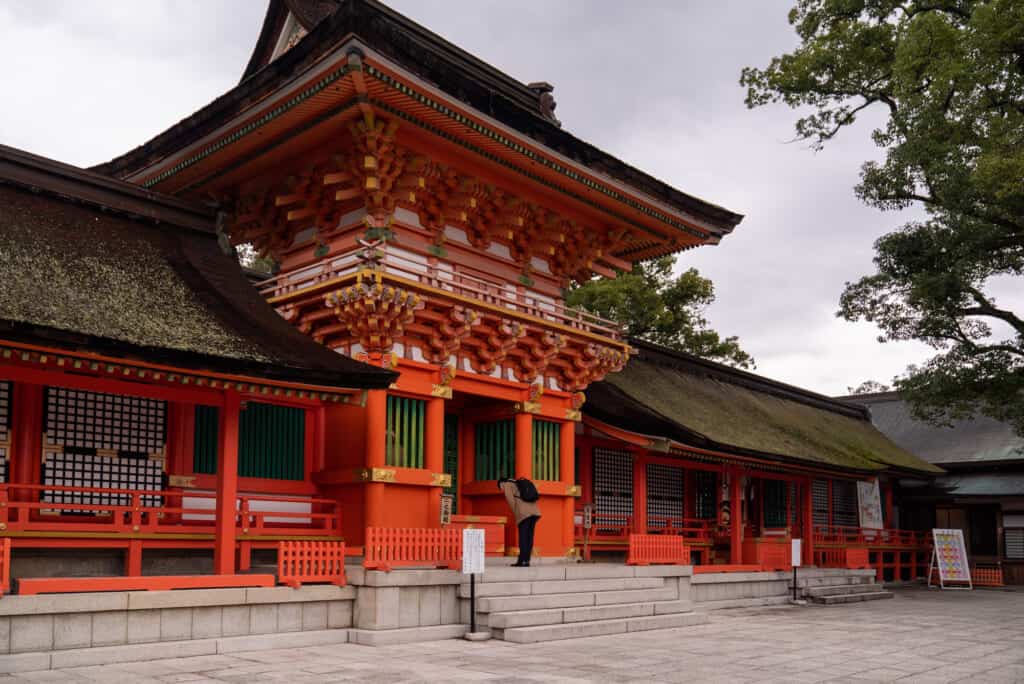
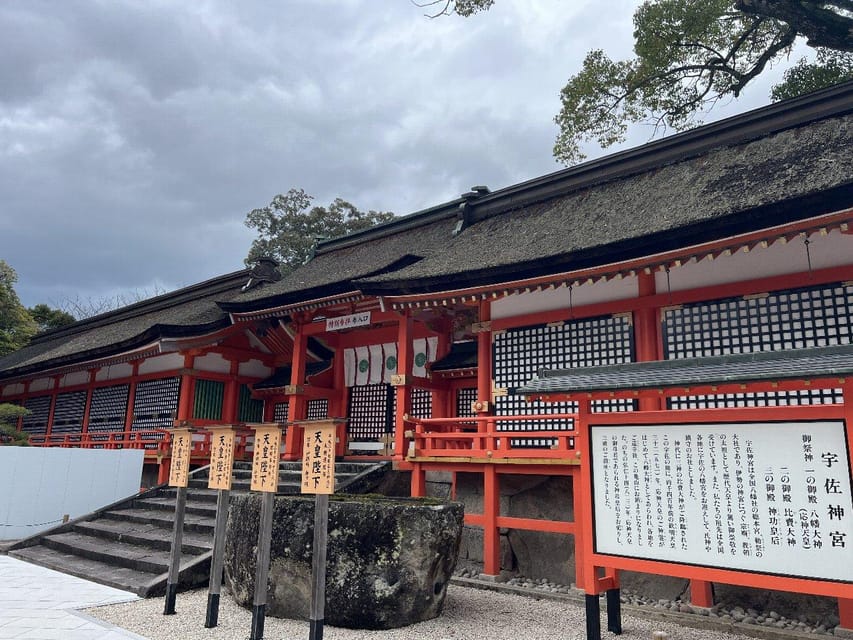
Head shrine of all 44000 Hachiman shrines in Japan. Magnificent vermilion buildings in a thick forest. Important pilgrimage site since the 8th century. 1 hour from Beppu.

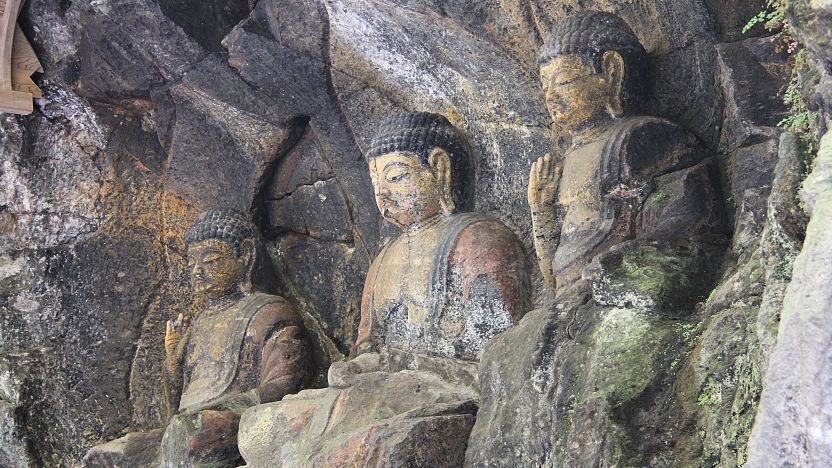
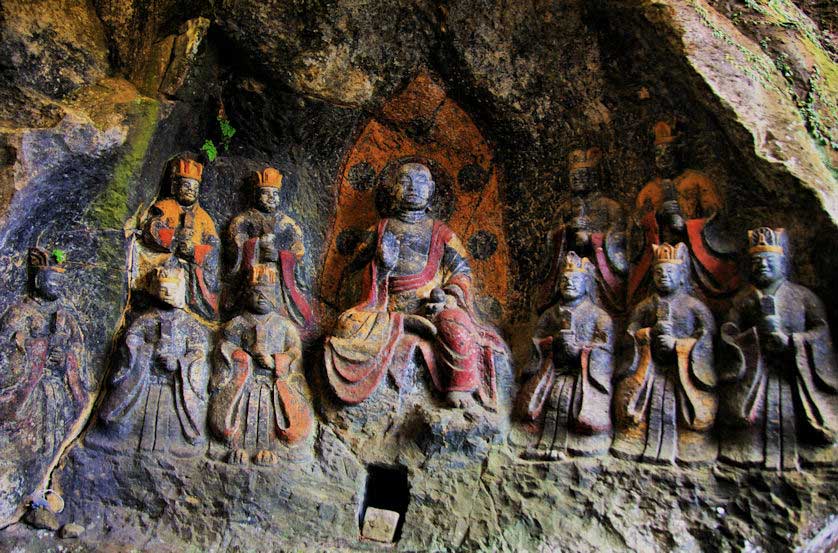
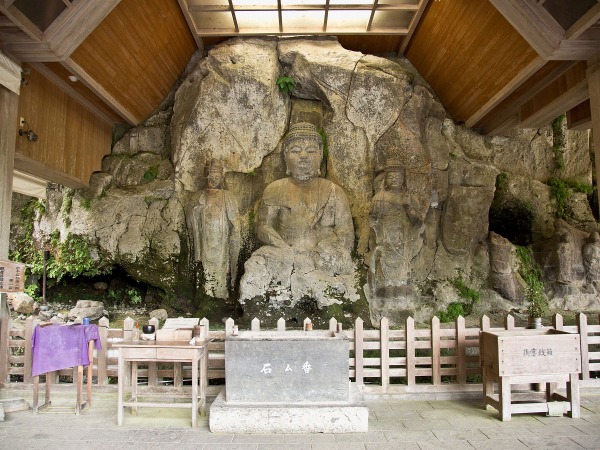
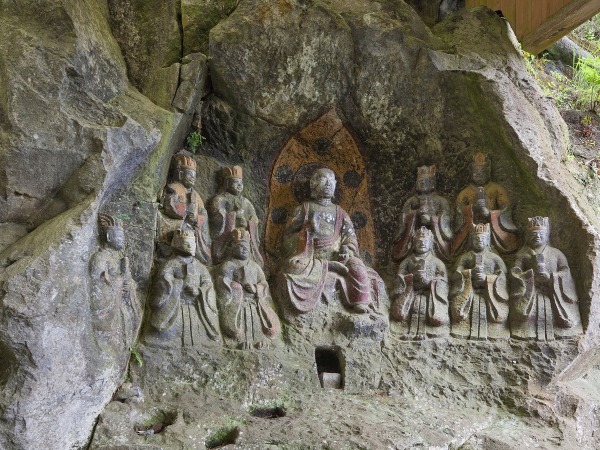
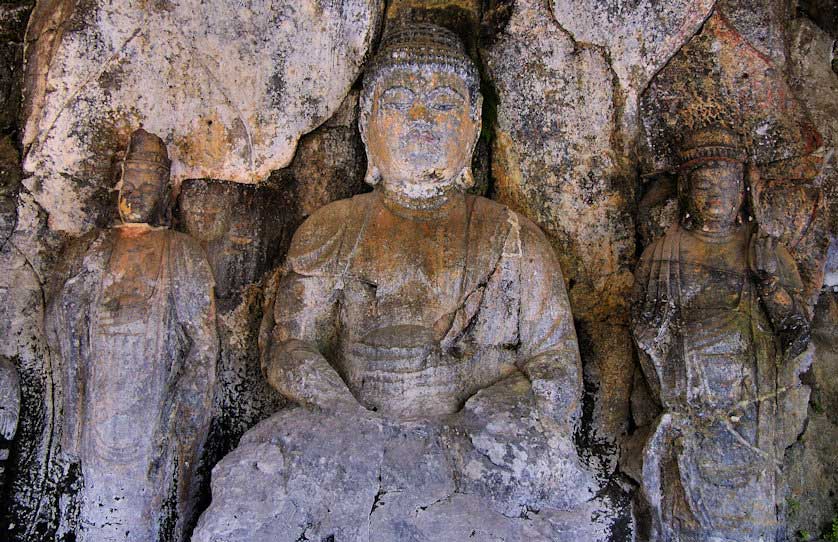
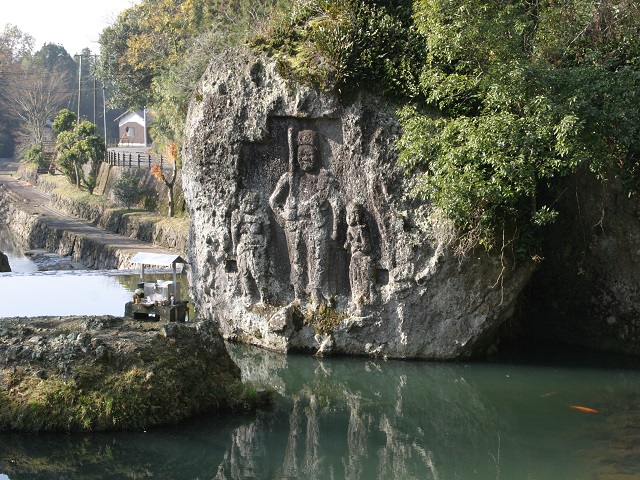
Over 60 mysterious stone Buddha statues carved into cliff faces. National Treasures with serene expressions weathered by centuries. Peaceful forest setting. Nobody knows who carved them. 1 hour from Beppu.

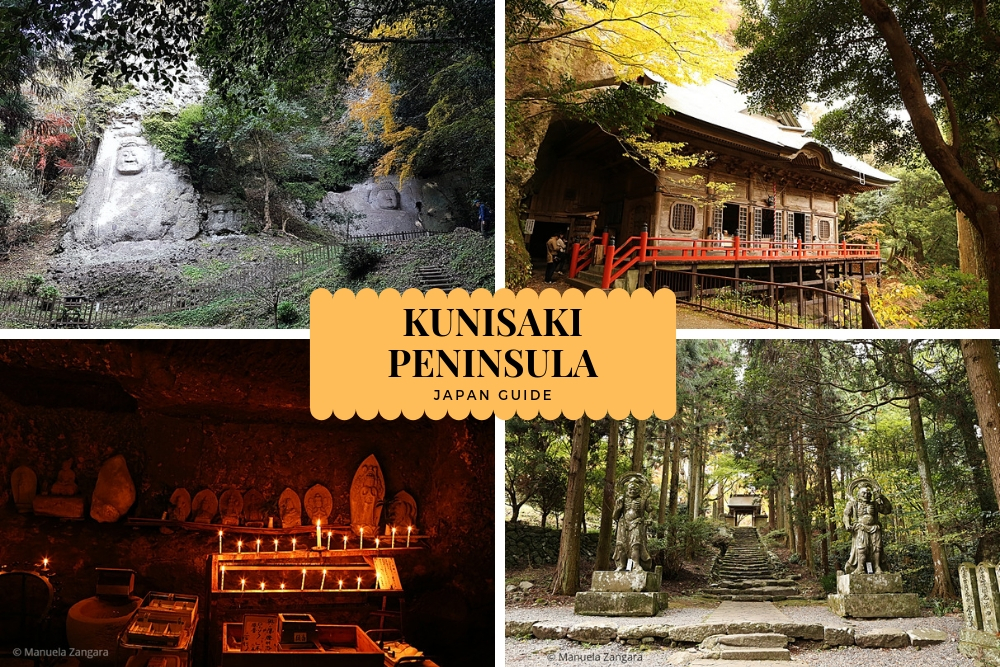
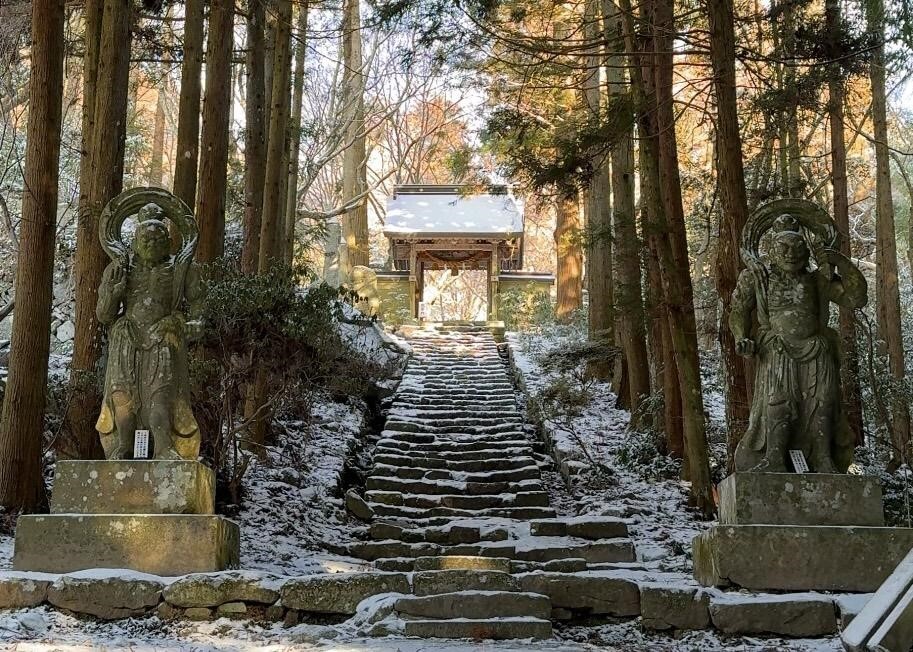
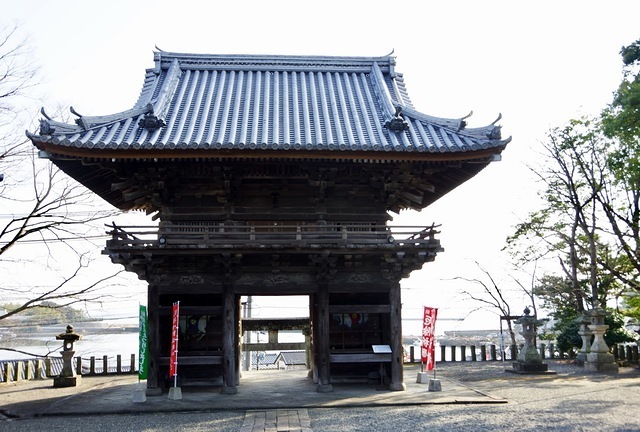
Remote peninsula dotted with ancient temples carved into cliff faces. Fuki-ji Temple is Japan's oldest wooden structure in Kyushu. Walking between rock-carved Buddhas through forest. 1.5 hours from Beppu.

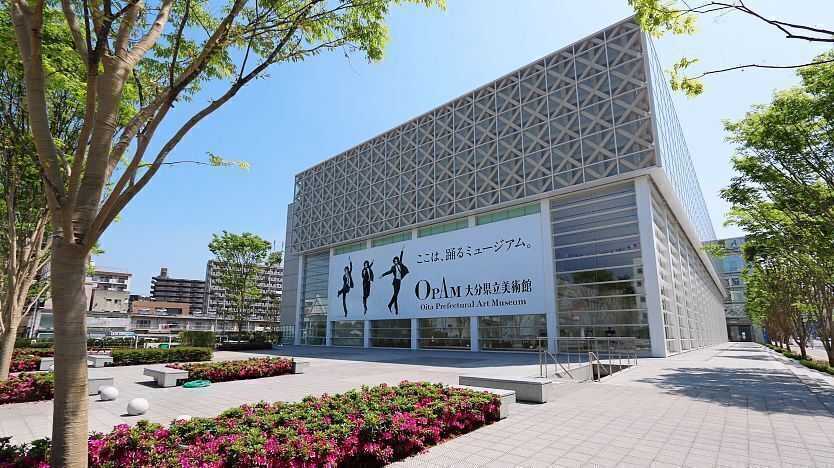
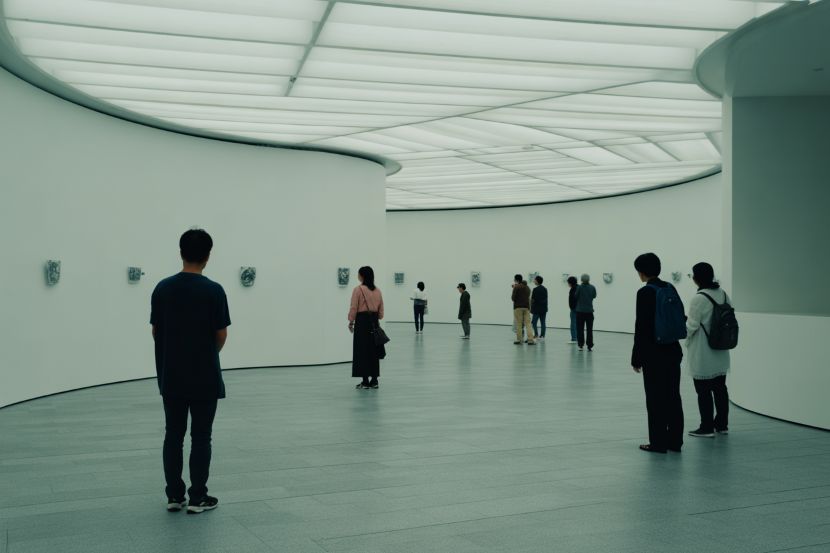
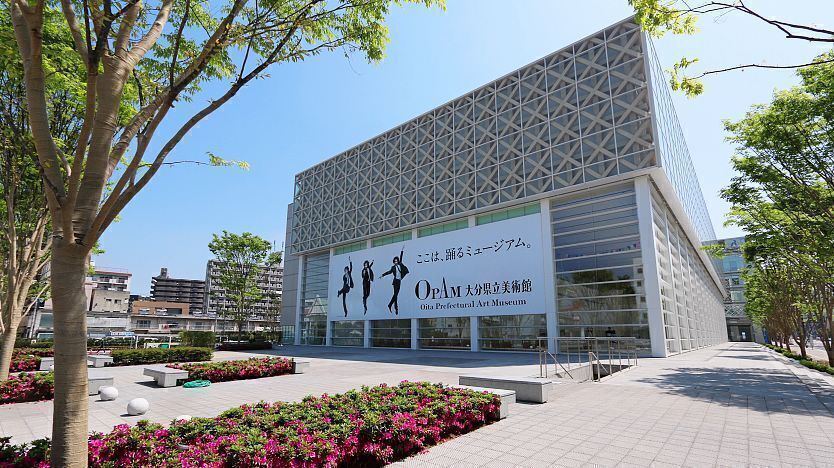
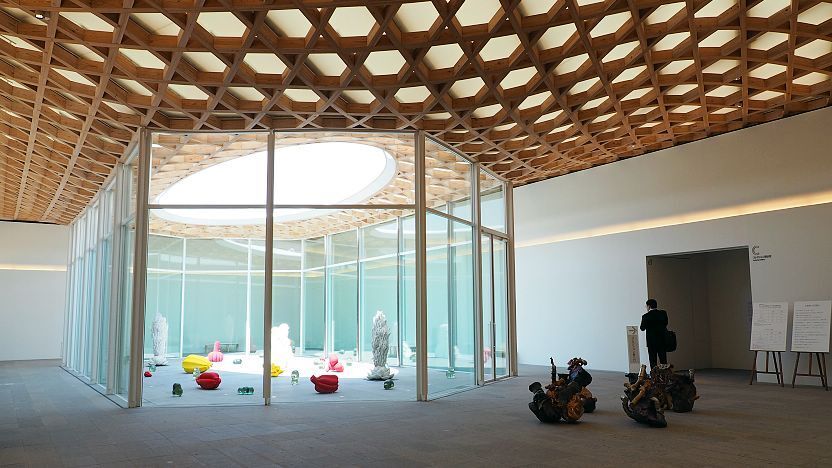
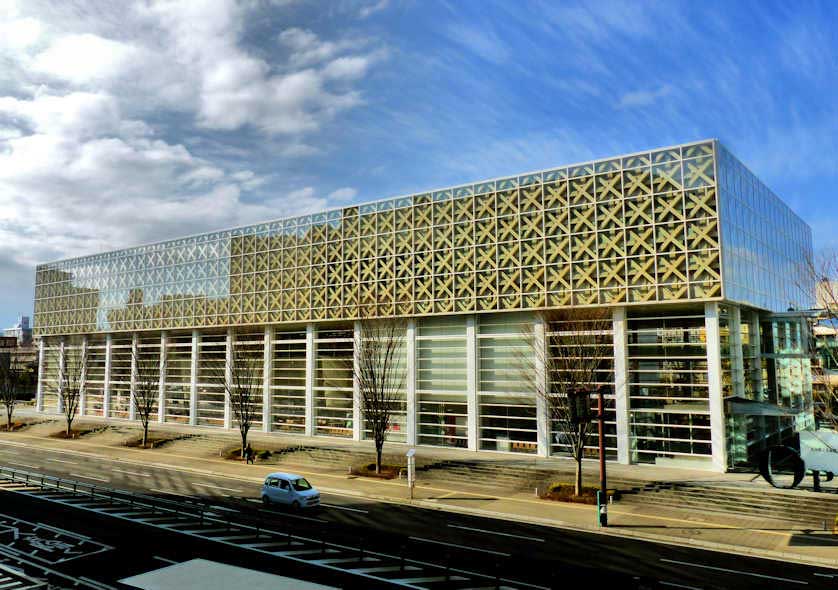
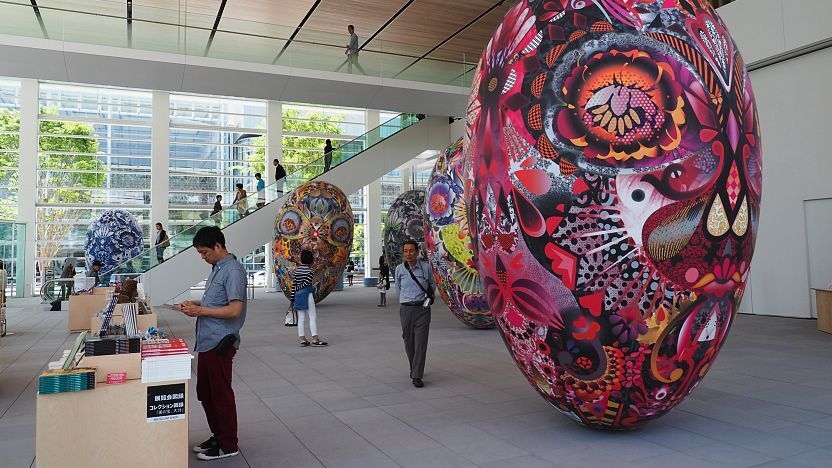
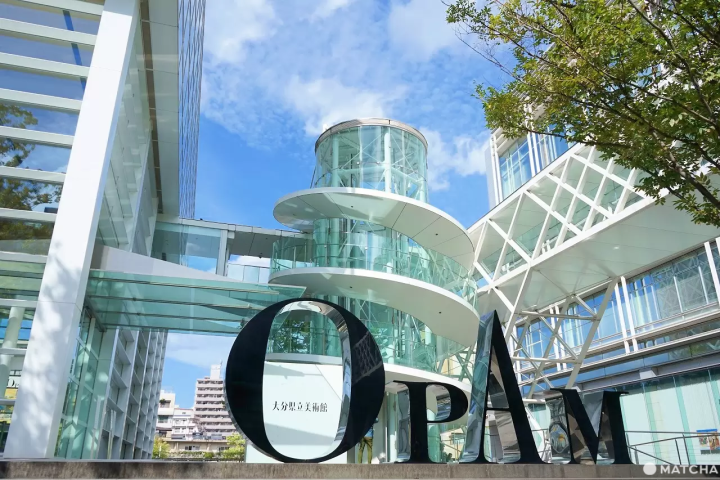
Stunning modern building designed by Shigeru Ban. Rotating exhibitions of contemporary art. The building overlooks the harbor. Combined with Beppu for a full day of culture. 20 min from Beppu.

Scenic castle ruins atop a hill overlooking the Seto Inland Sea. Cherry blossom spot in spring. Quiet town with traditional merchant houses. 20 minutes from Beppu by train.

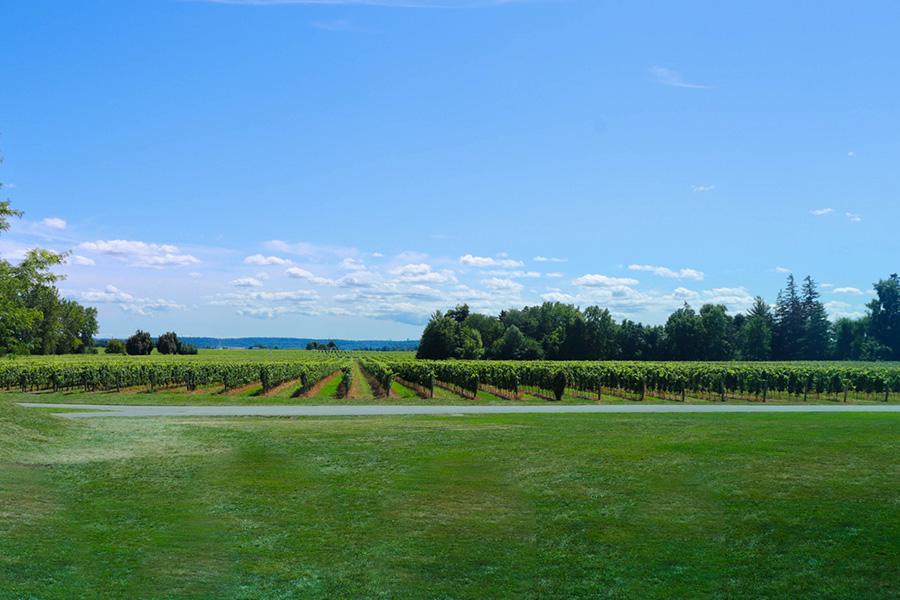
Japan's largest grape-growing area outside Yamanashi. Multiple wineries with tastings. The valley scenery with vineyards and traditional buildings is beautiful. 50 min from Beppu.