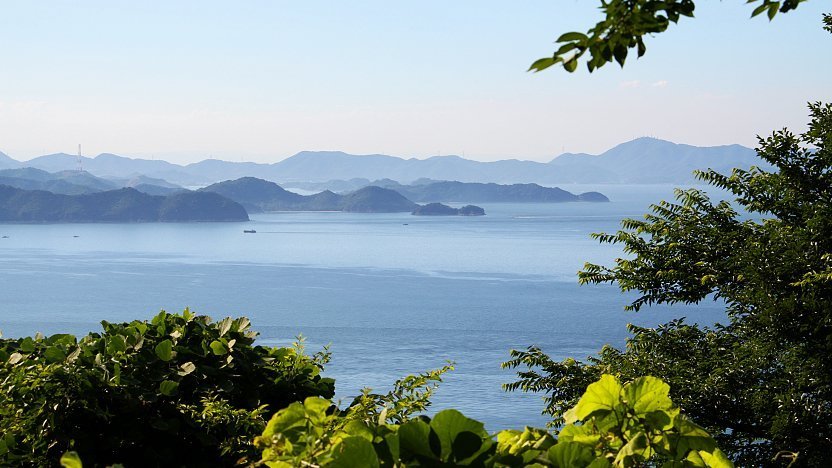
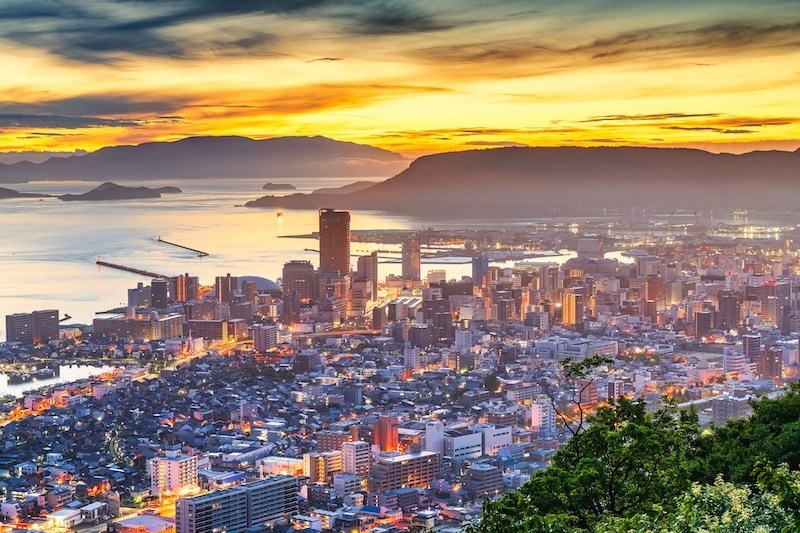
Gateway to the Seto Inland Sea, the exquisite Ritsurin Garden, springy Sanuki udon, and ferries to the art islands. 63 curated spots.
Castle ruins, architectural wonders, and centuries of local heritage.
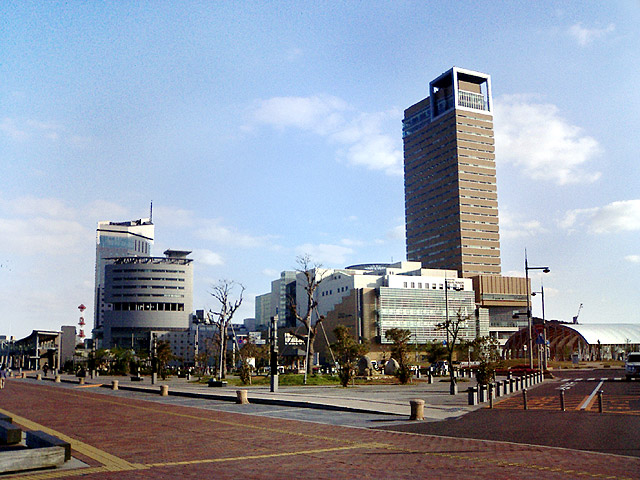
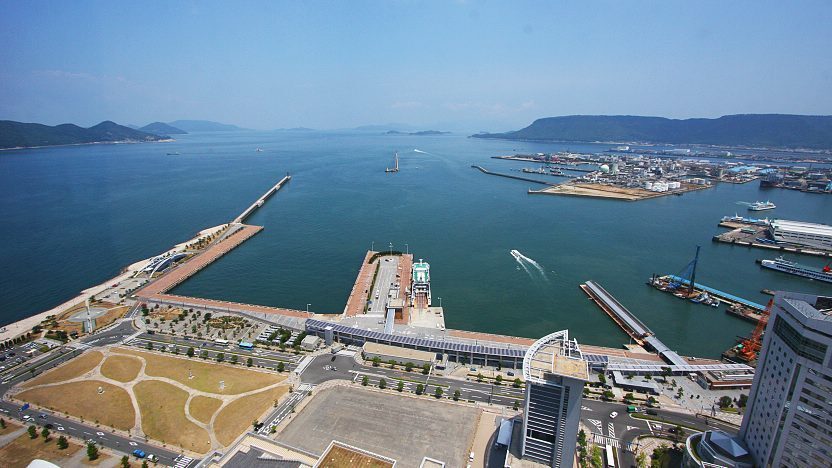
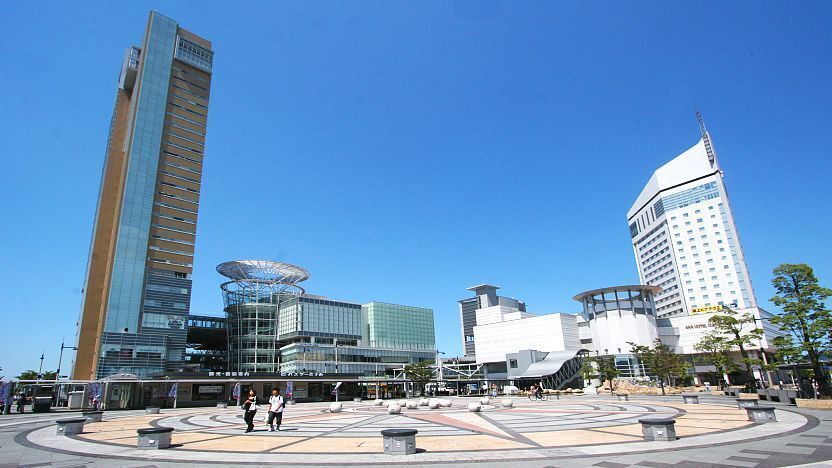
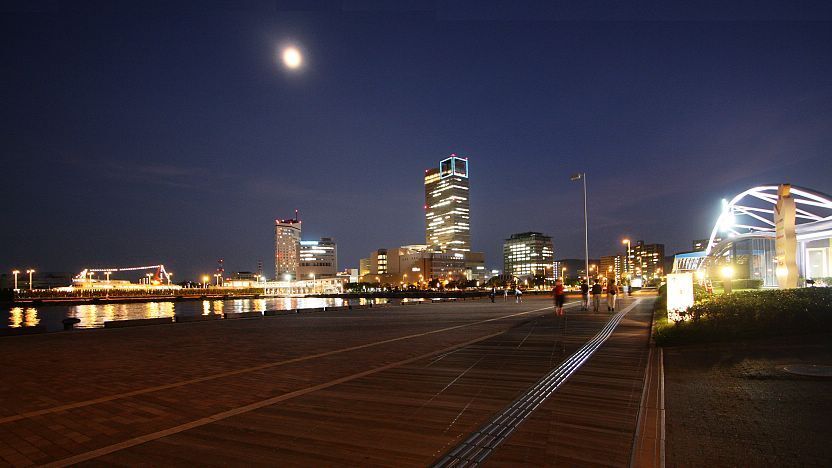
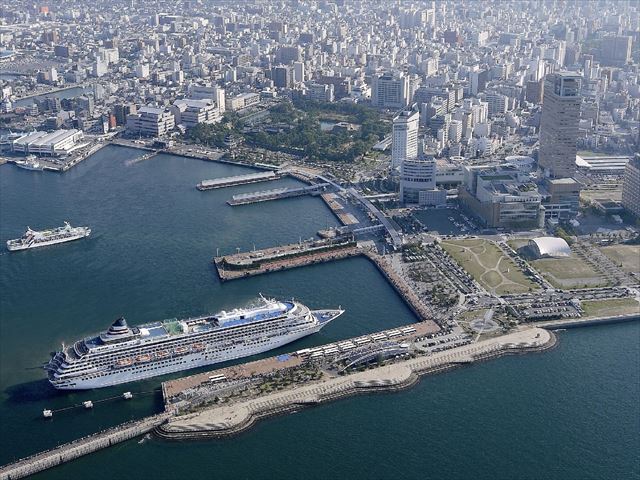
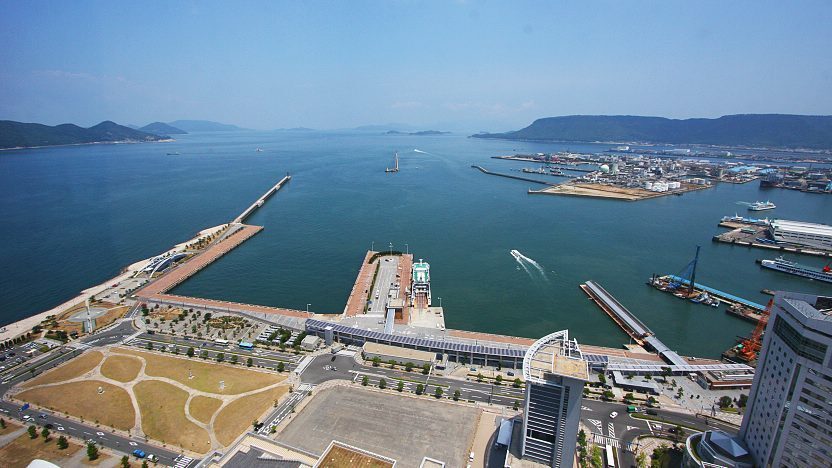
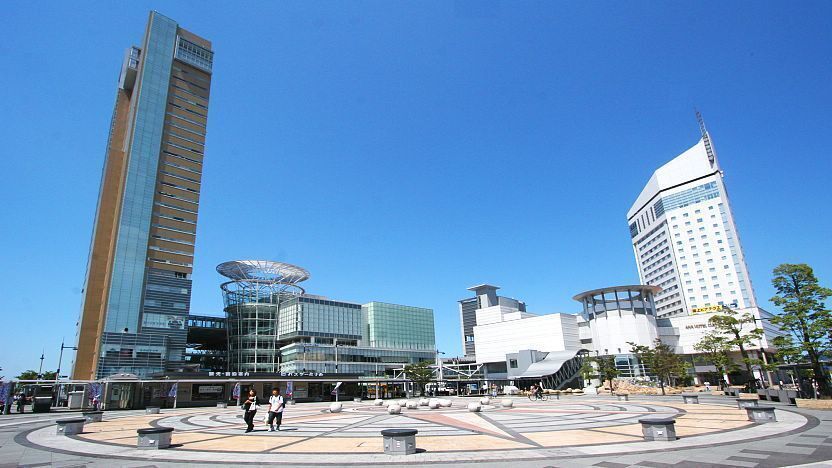
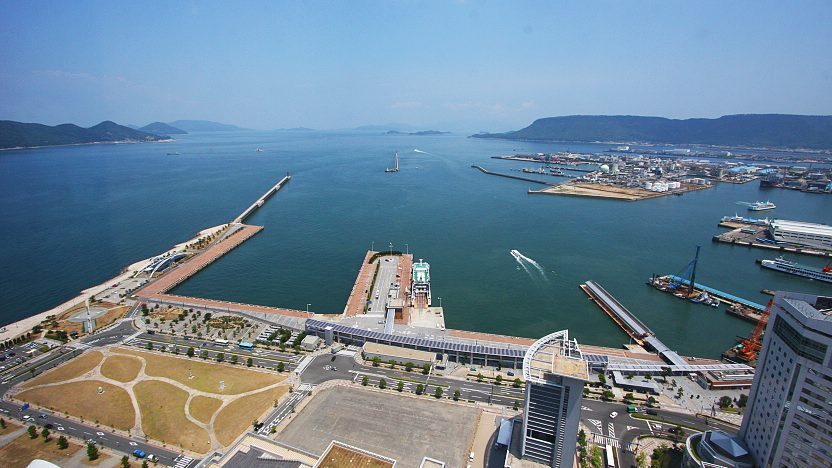
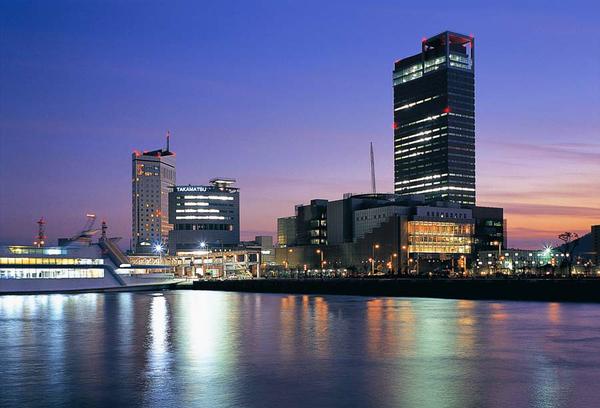
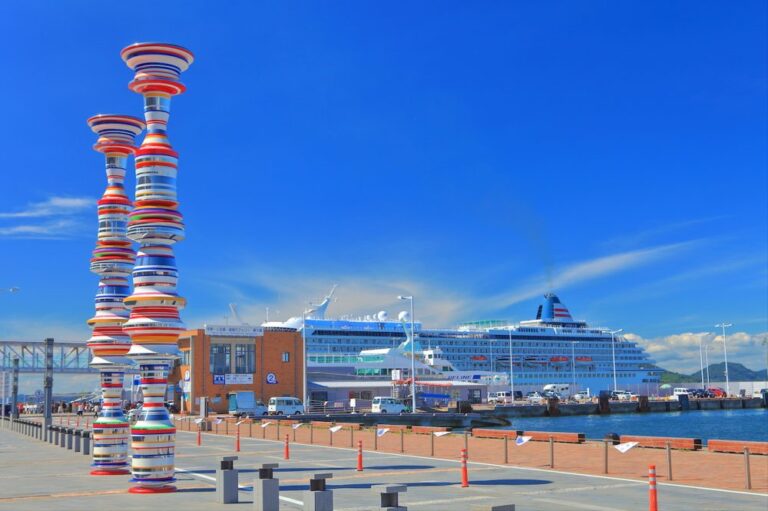
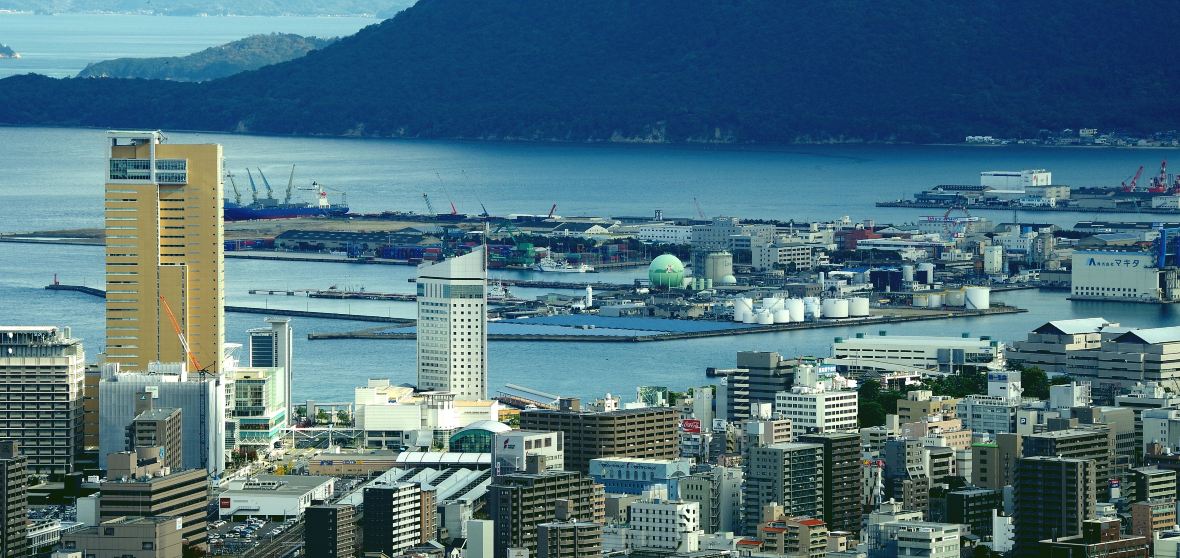
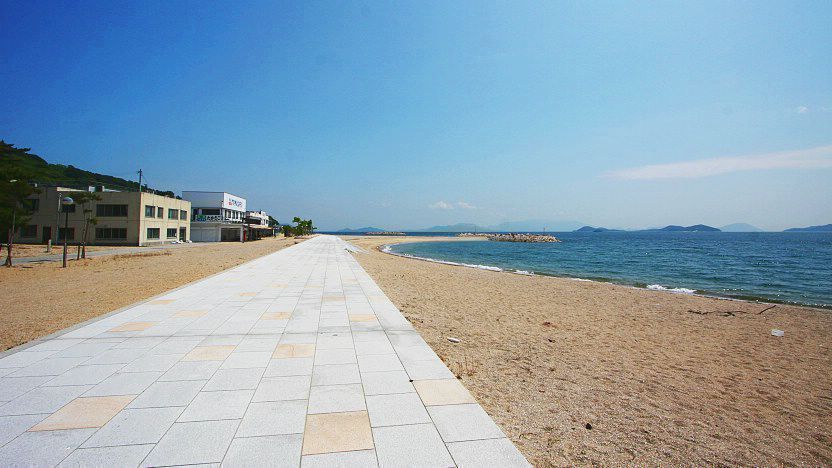
Waterfront development near the port. Modern architecture, the Symbol Tower, and views across the bay. The waterfront promenade is pleasant for evening walks. Gateway to the island ferries.
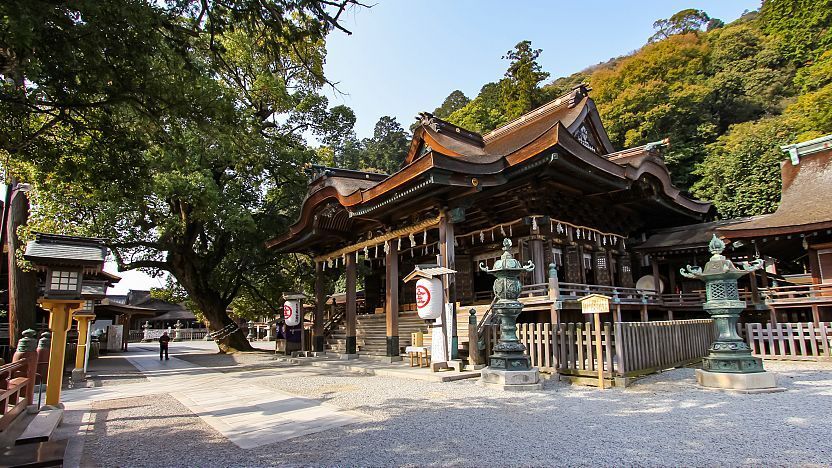
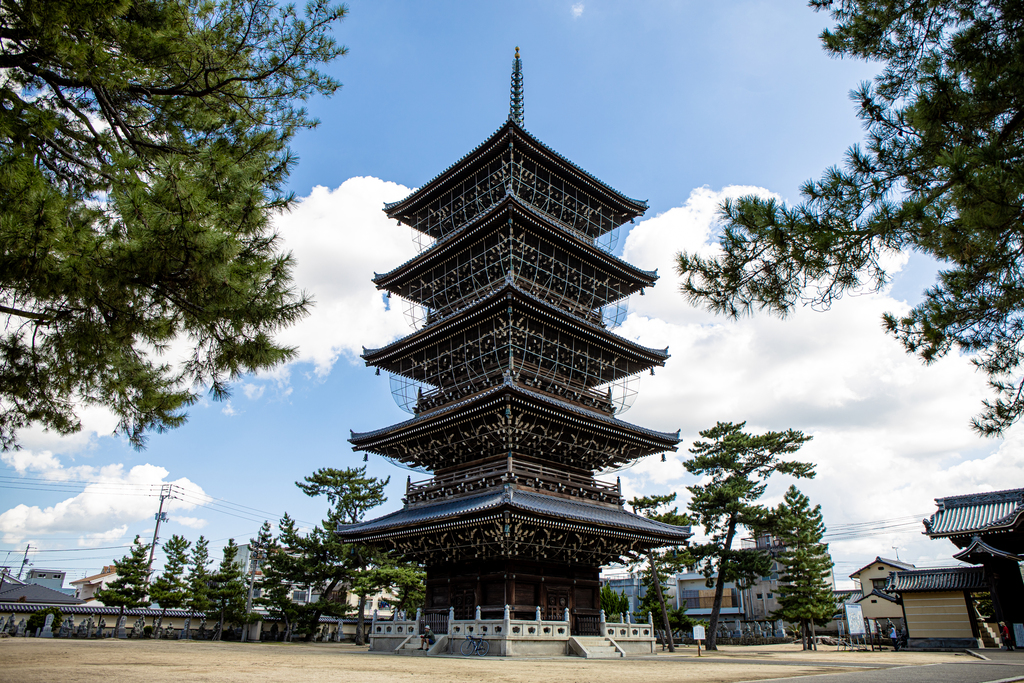
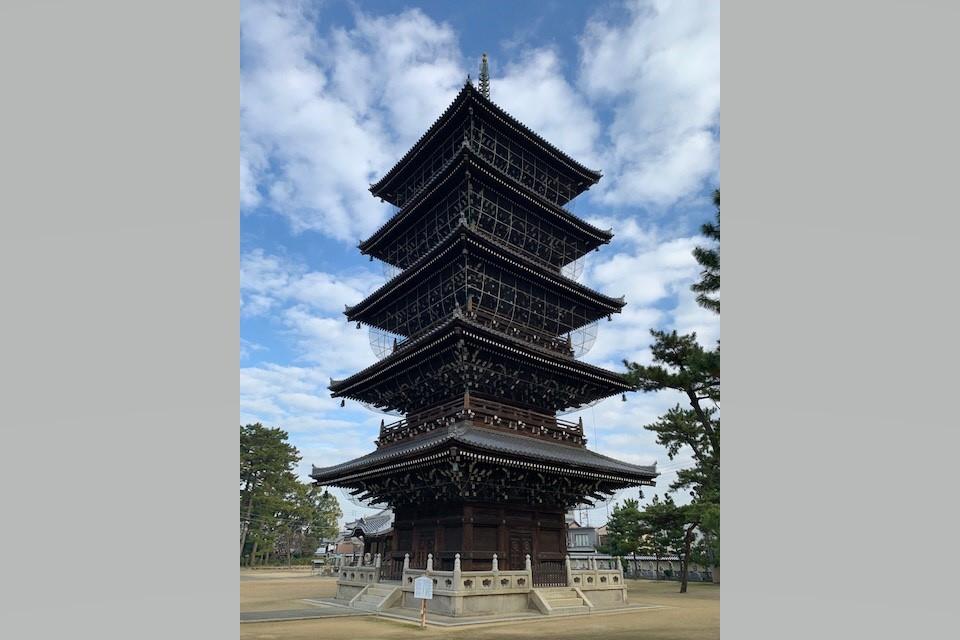
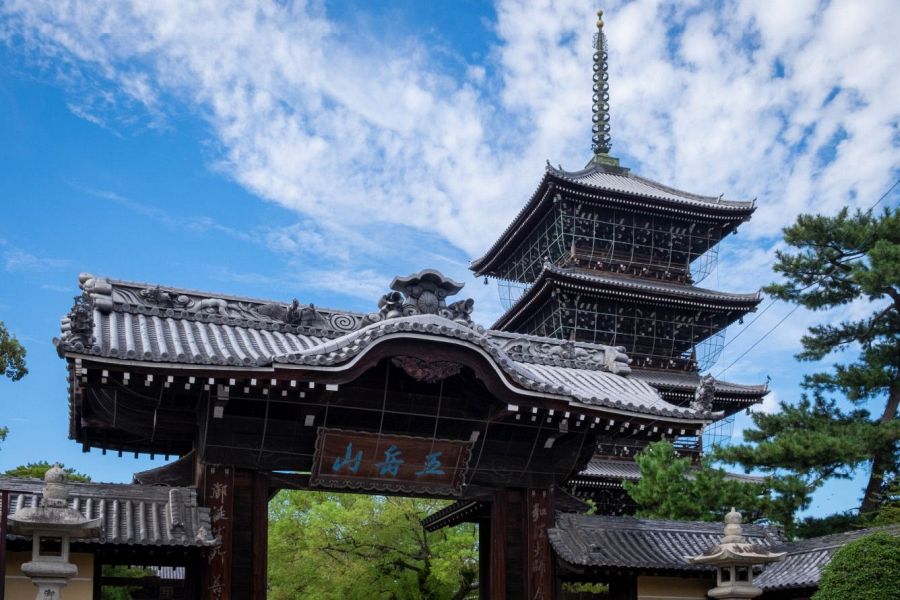
Gold-leafed mausoleums, national treasure shrines, and mountain temples.

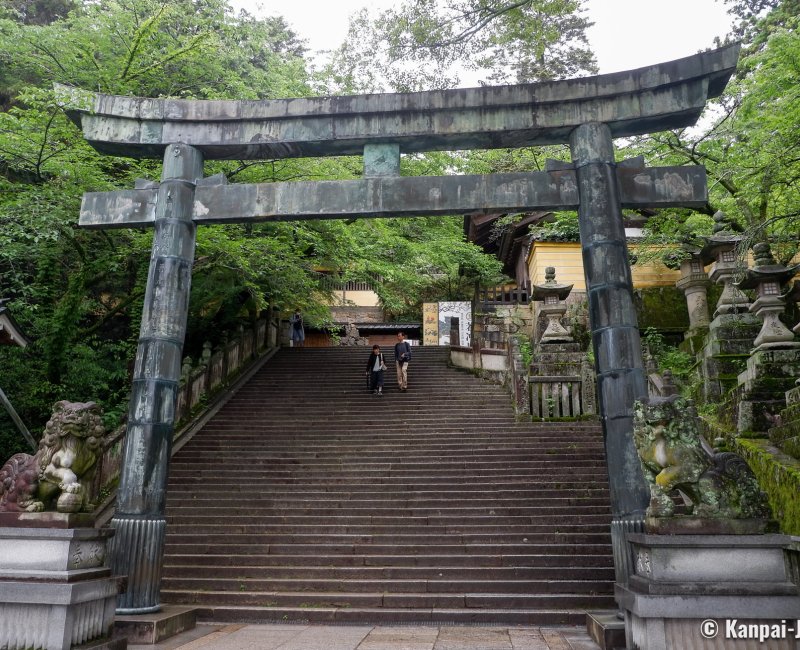
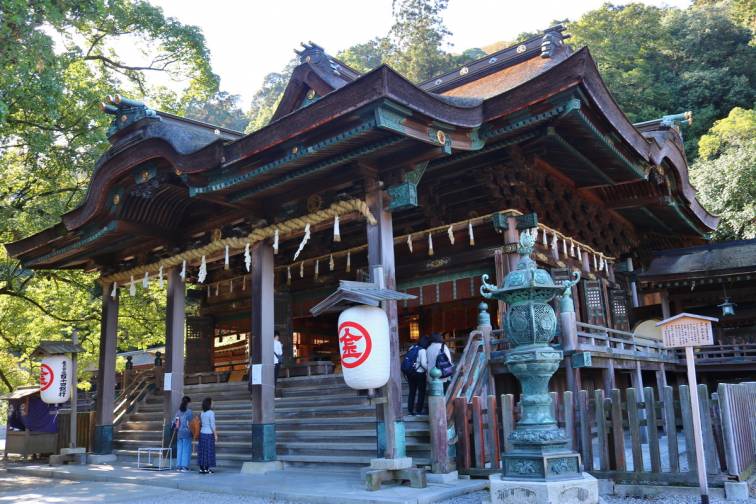
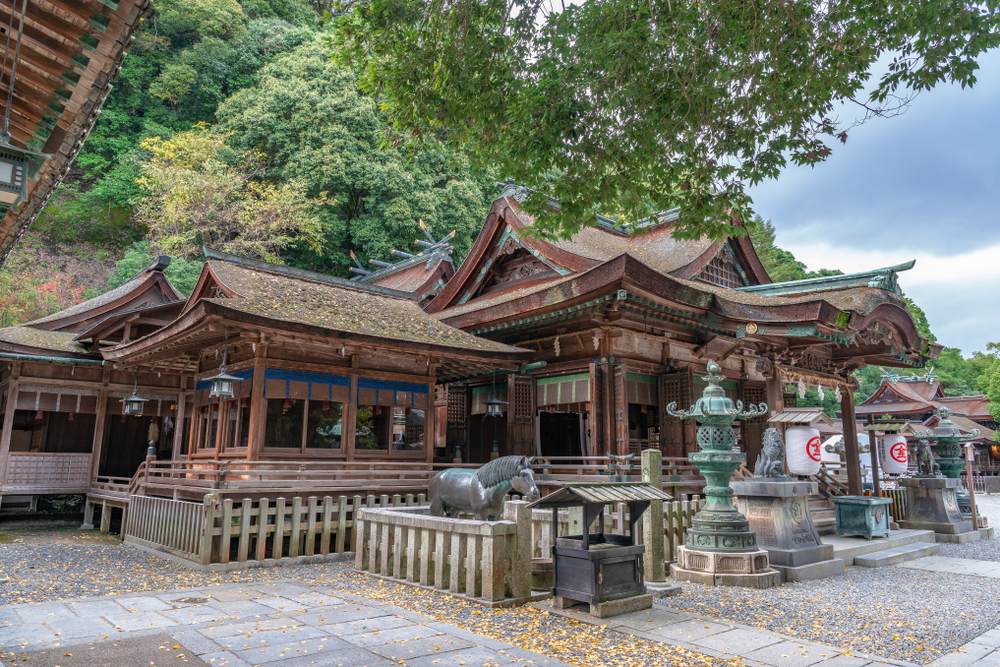
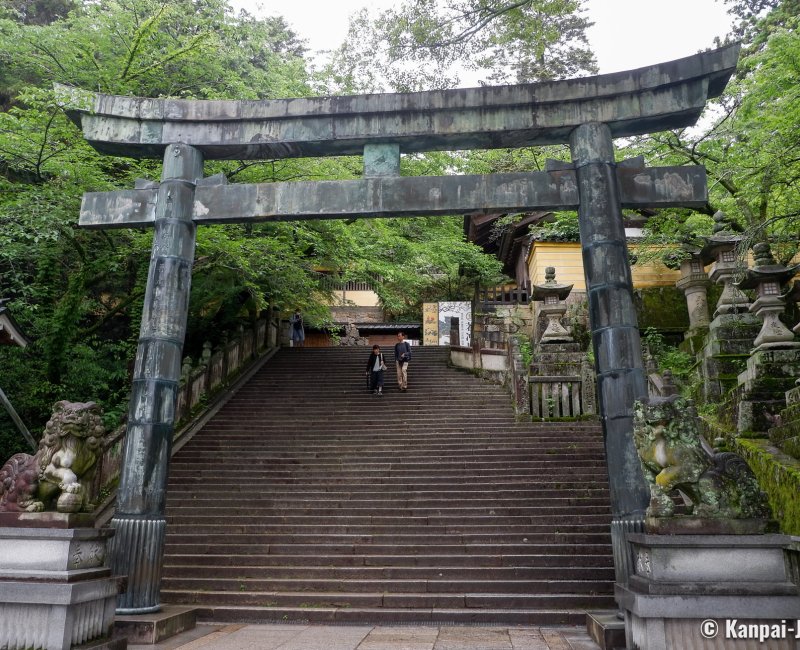
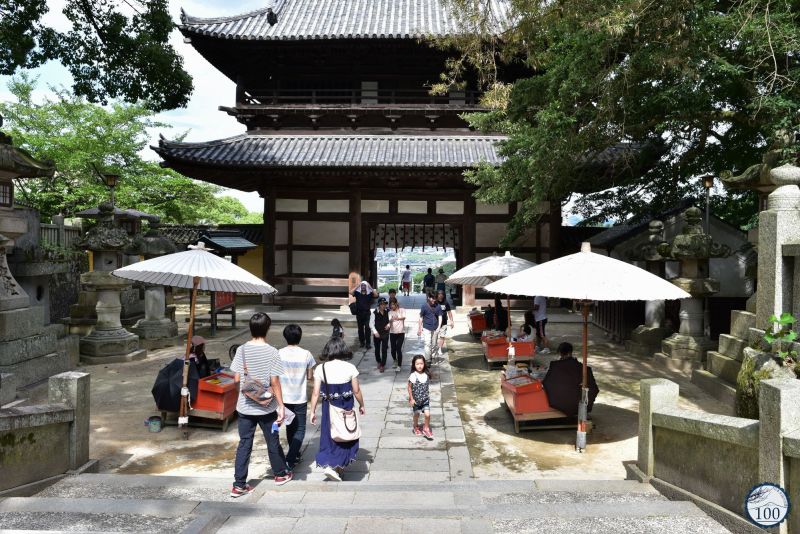
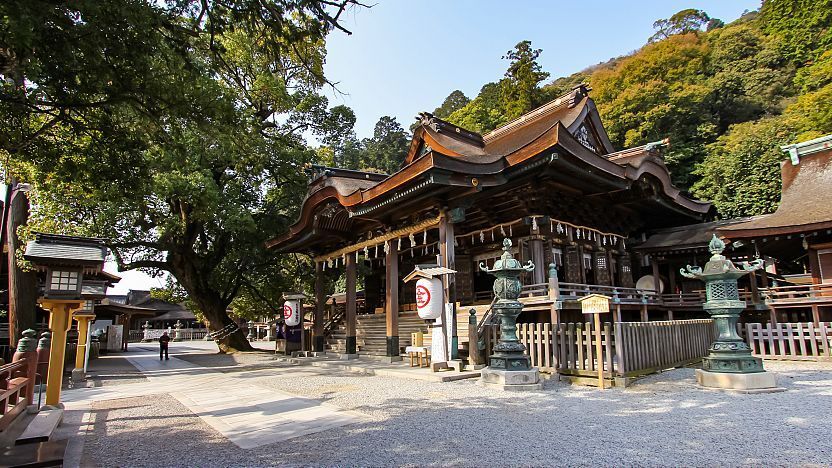
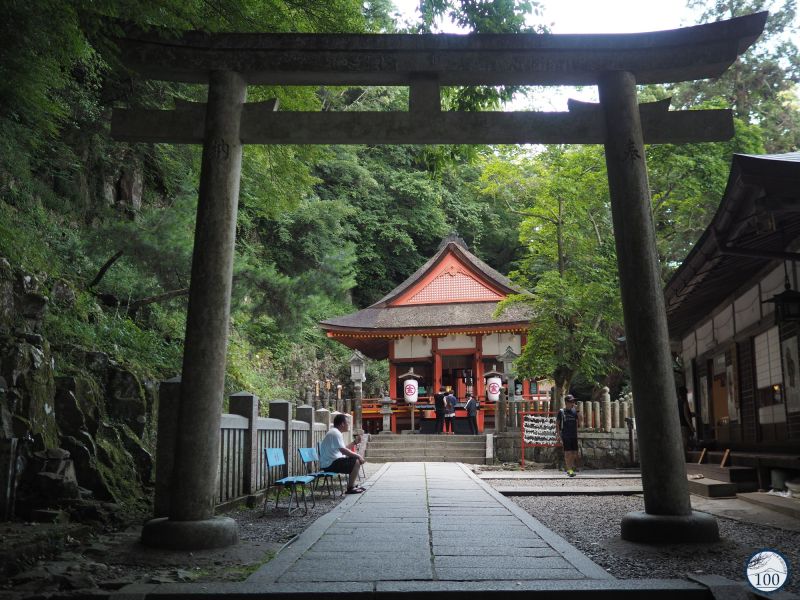
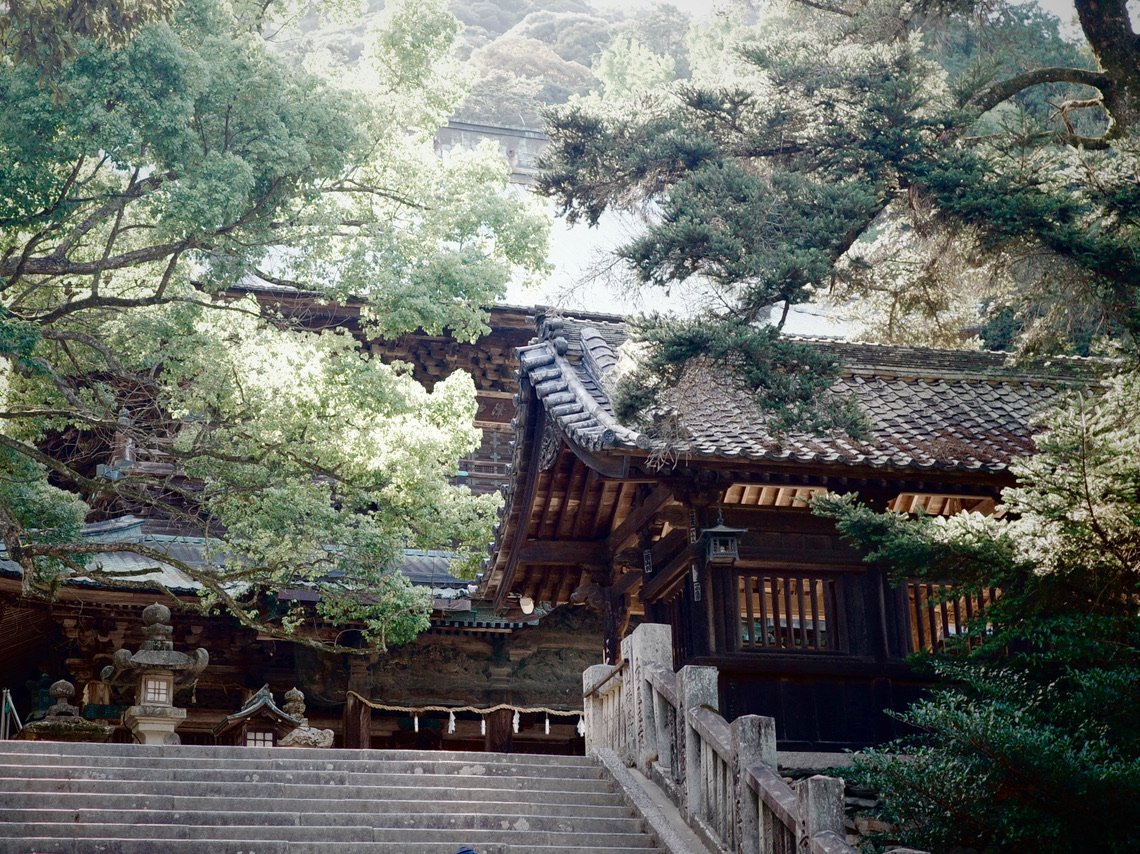
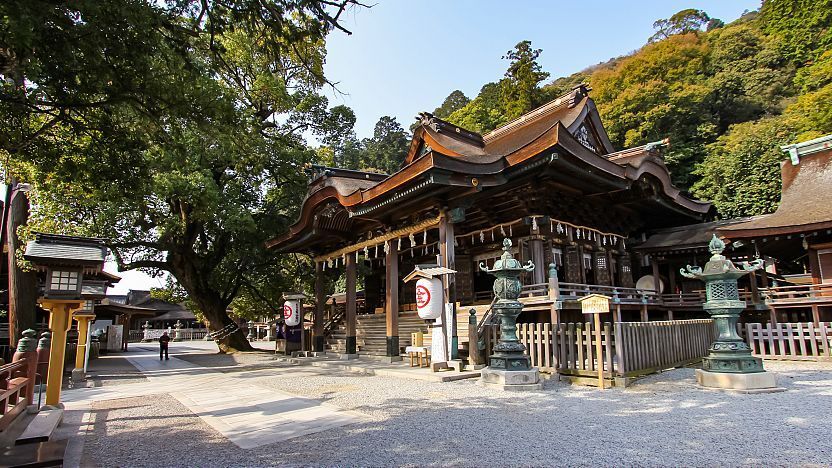
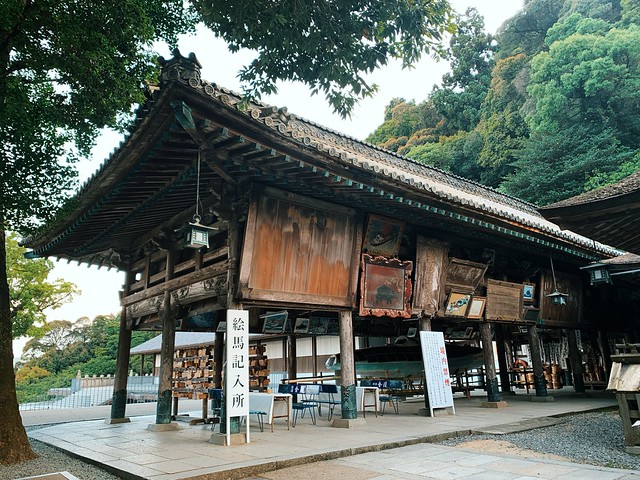
Ancient shrine dedicated to seafaring. 1368 stone steps to the main shrine, 1788 to the inner shrine. A challenging but rewarding climb. Sweet shops and souvenir stalls line the approach.

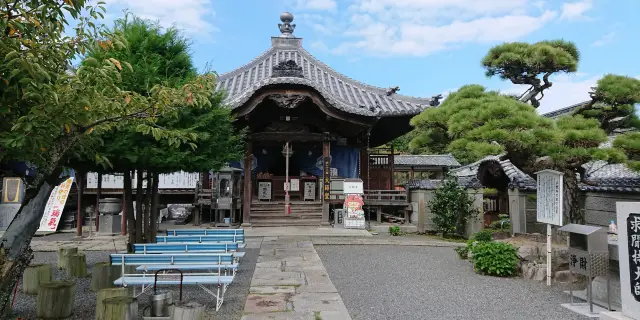
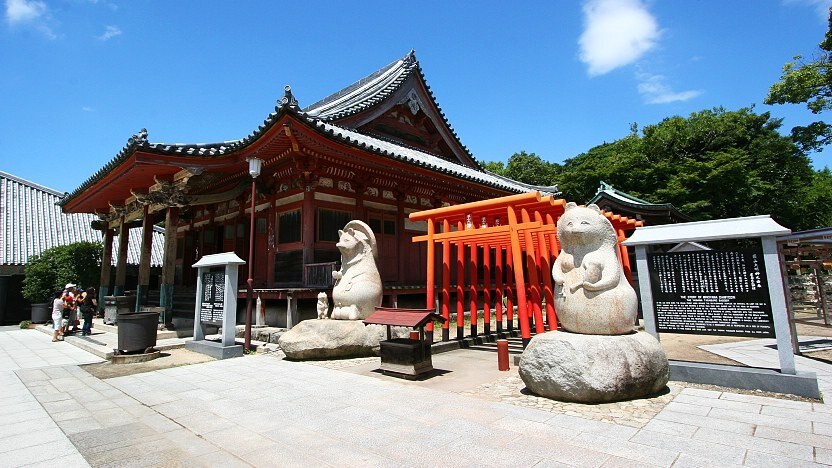
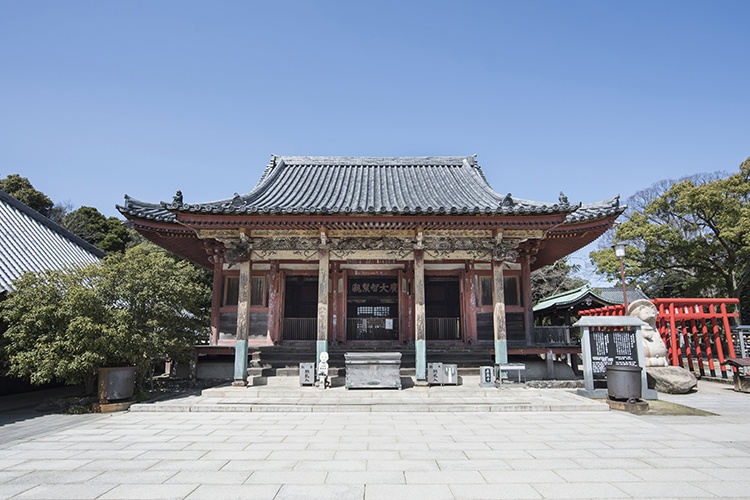
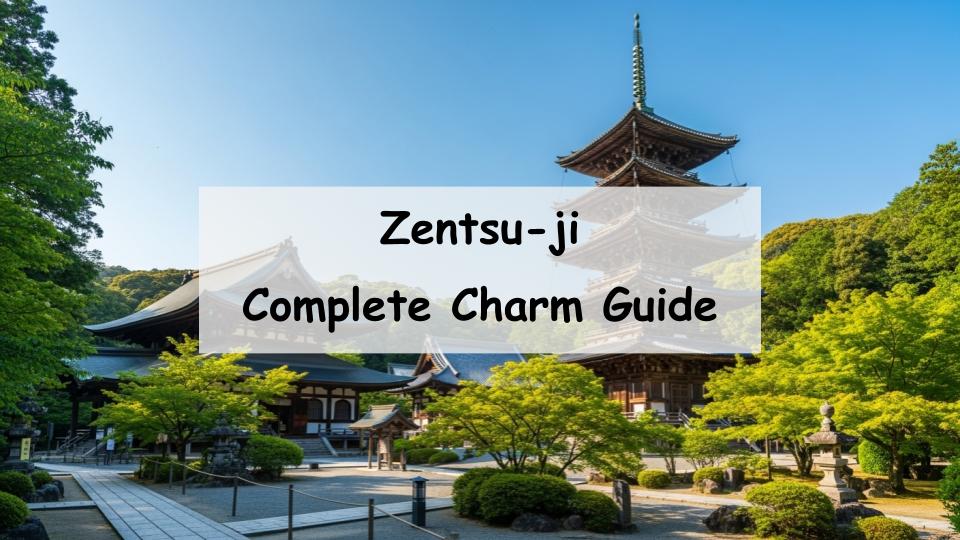
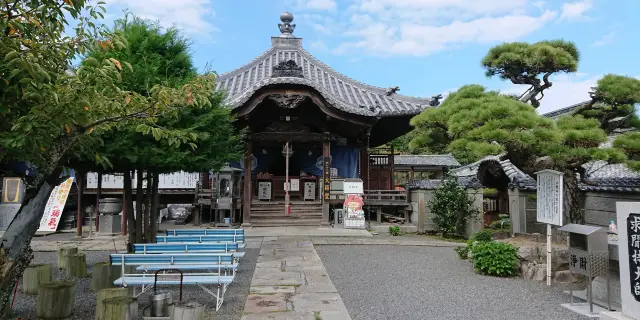
Birthplace of Kobo Daishi (Kukai), founder of Shingon Buddhism. Temple 75 of the 88-temple pilgrimage. The underground passage in complete darkness is a unique spiritual experience.

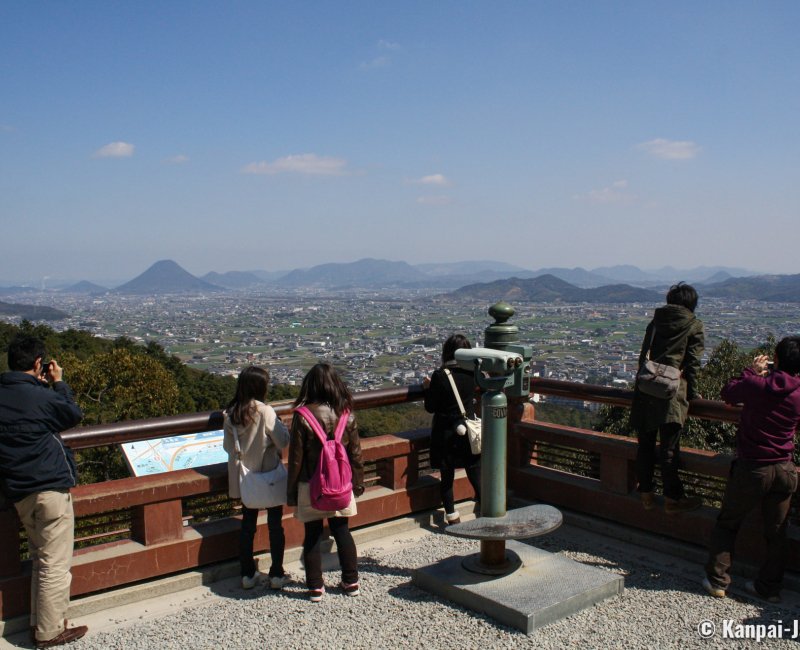
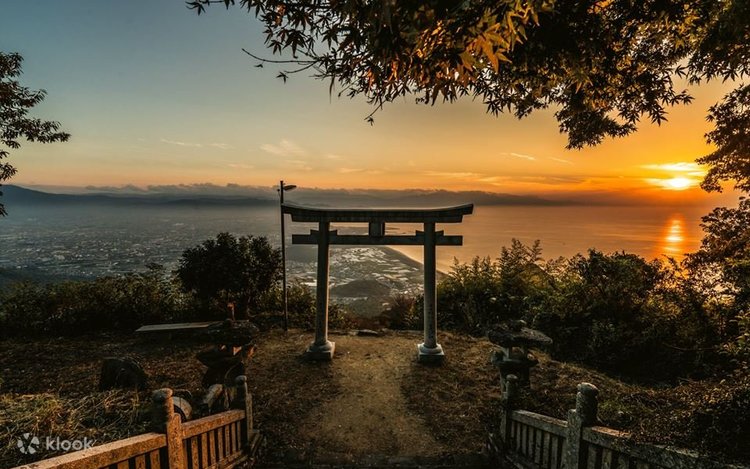
For those willing to climb 1788 steps (beyond the main shrine at 1368), the inner shrine rewards with absolute solitude and panoramic views of the Sanuki Plain. Very few visitors reach here.
Zelkova-lined avenues, lively arcades, and a lively local nightlife scene.

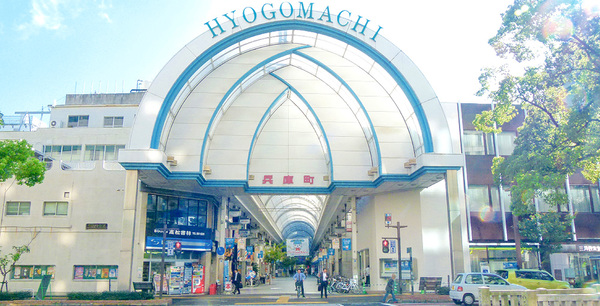
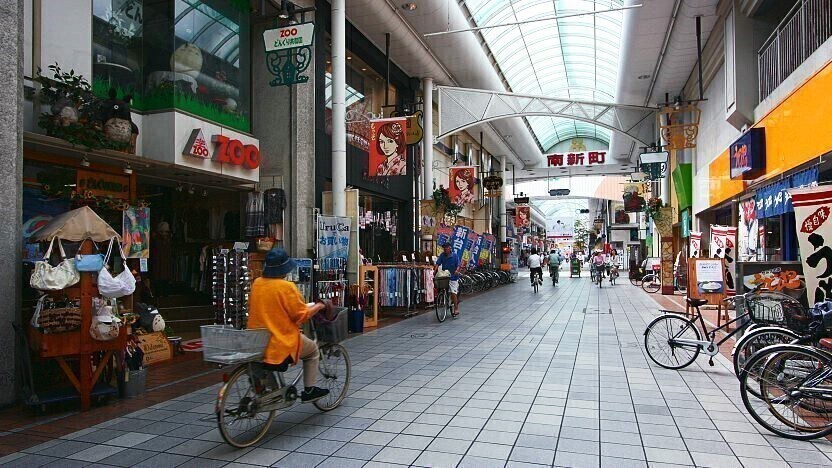
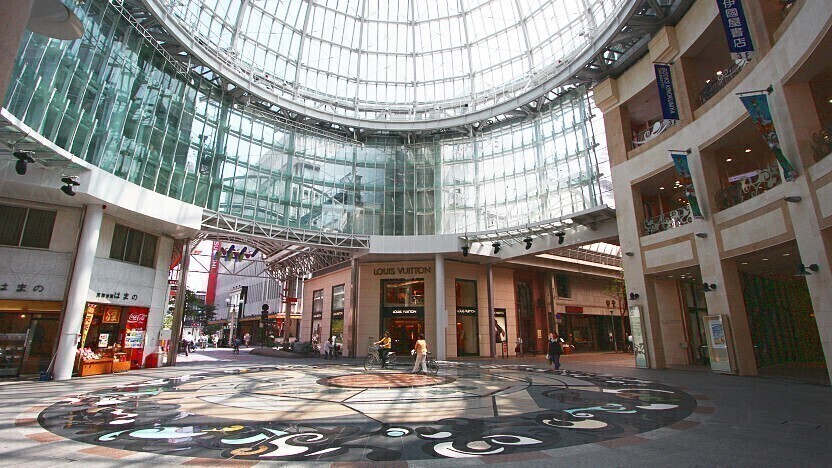
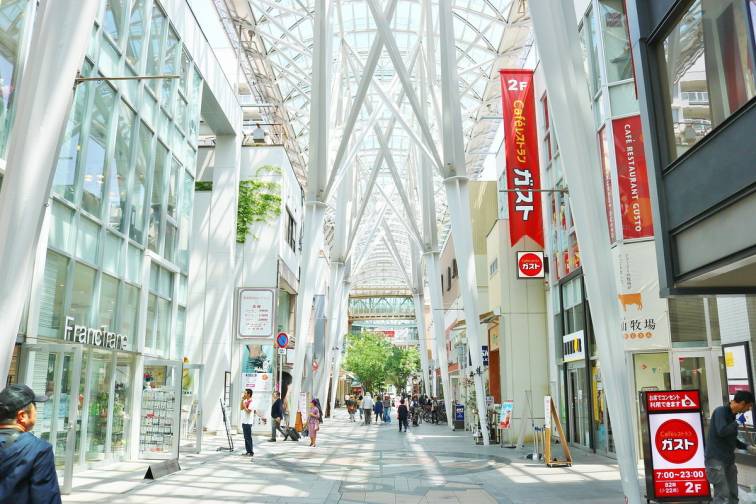
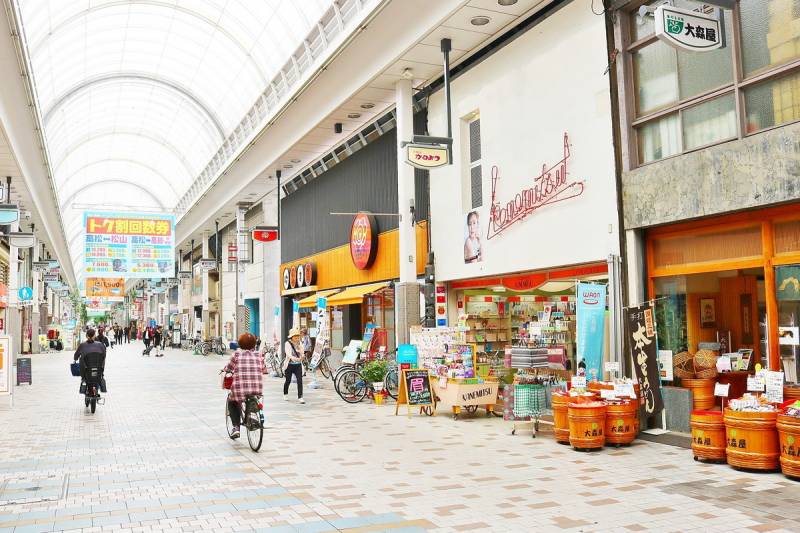
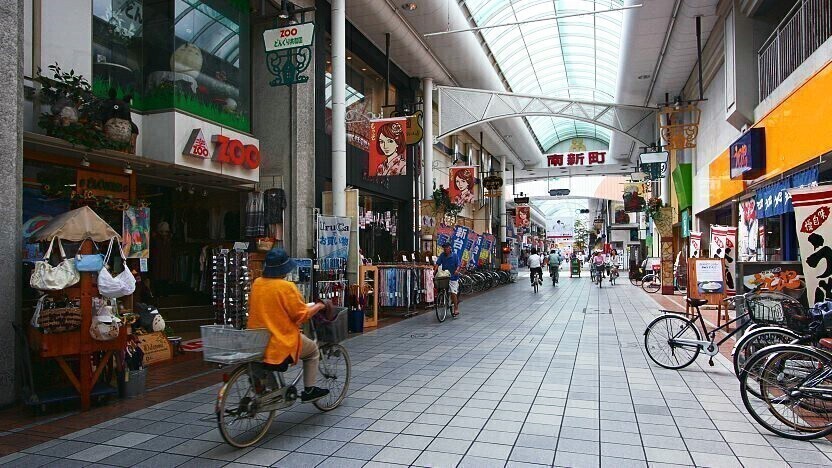
Japan's longest covered shopping arcade at 2.7km. Stretches from the station area through the city center. Fashion, local shops, restaurants, and covered from rain.

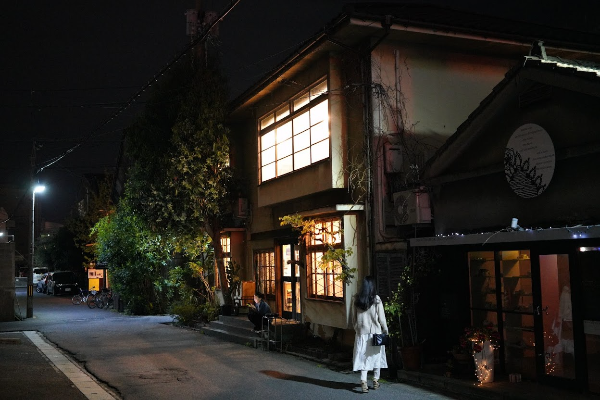
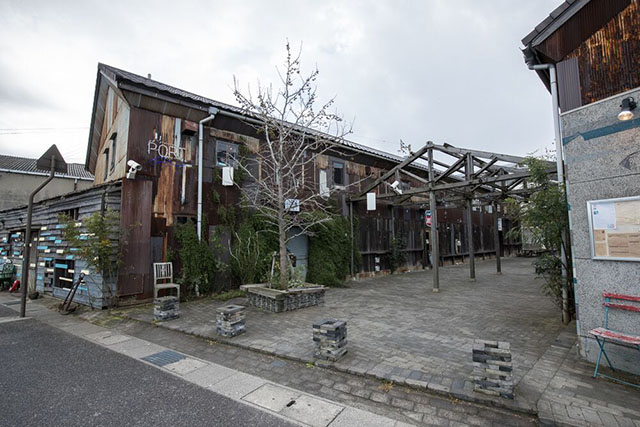
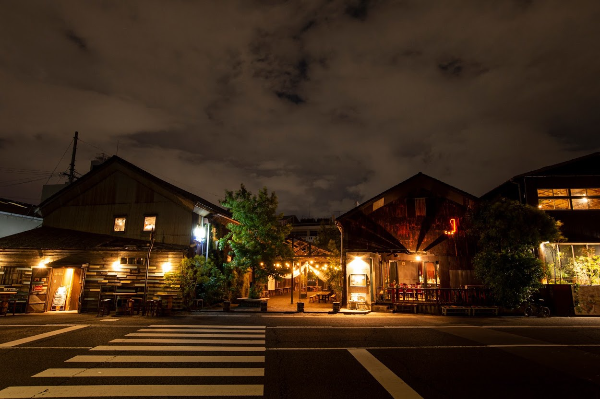
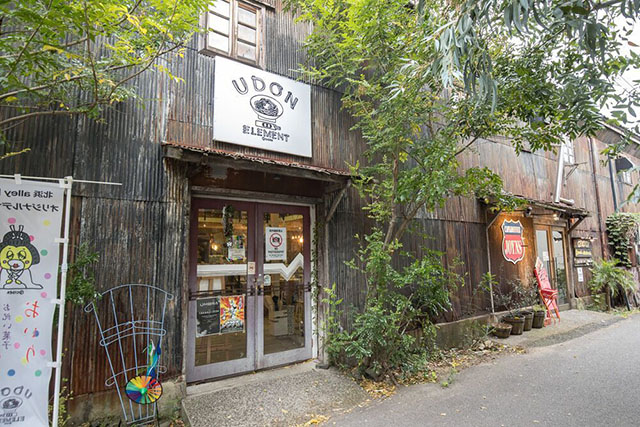
Converted warehouse complex near the port. Trendy cafes, boutiques, and galleries in former grain stores. Creative community hub. Good starting point before island trips.

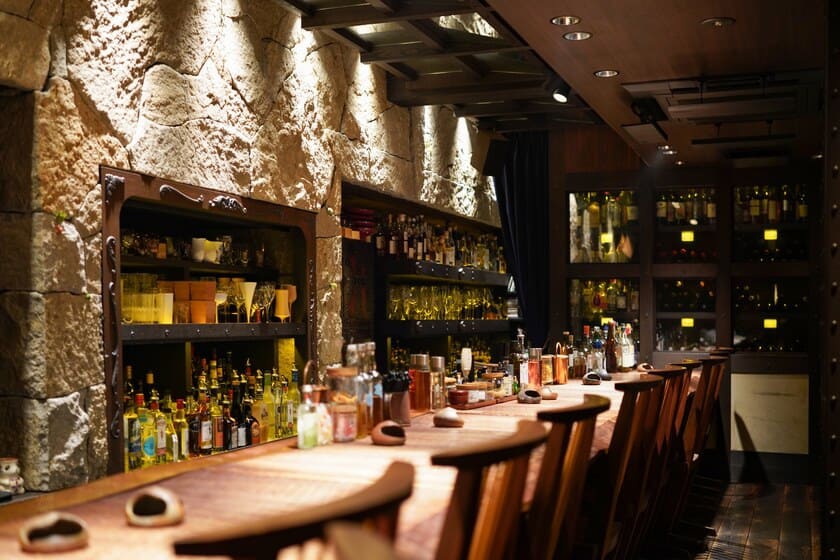
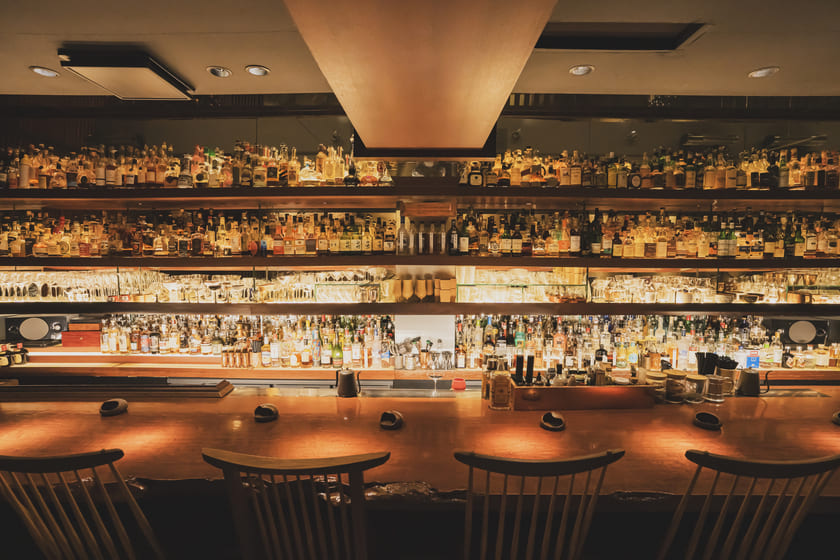
Growing craft beer scene. Several bars serve beers from Kagawa microbreweries alongside Sanuki udon snacks. The combination of craft beer and fresh udon noodles works surprisingly well.

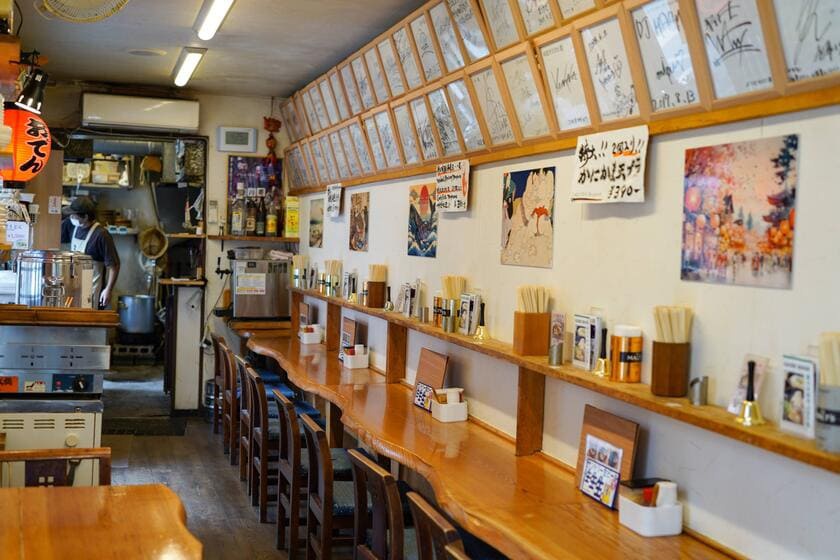
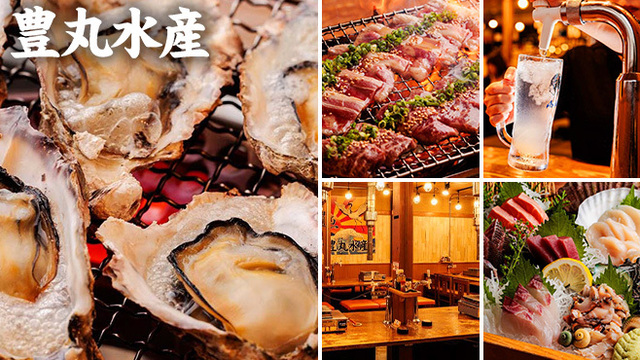
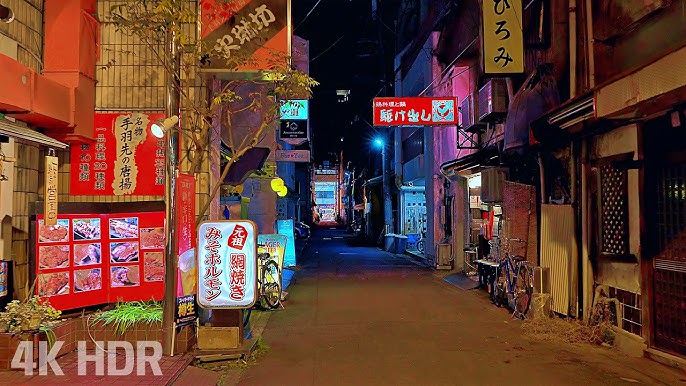
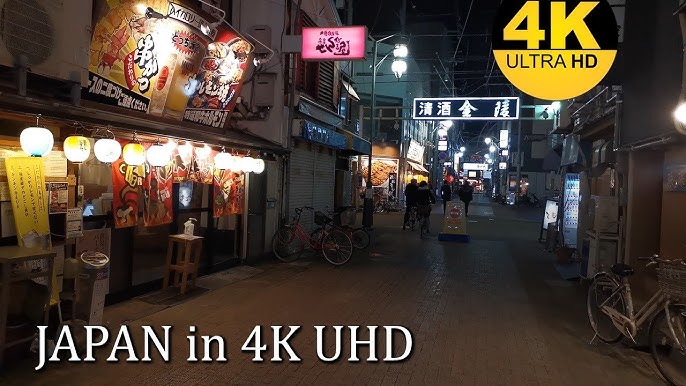
Main entertainment street with bars, izakayas, and karaoke. More affordable than big city nightlife. The local specialty is pairing udon with drinking. Several late-night udon shops nearby.

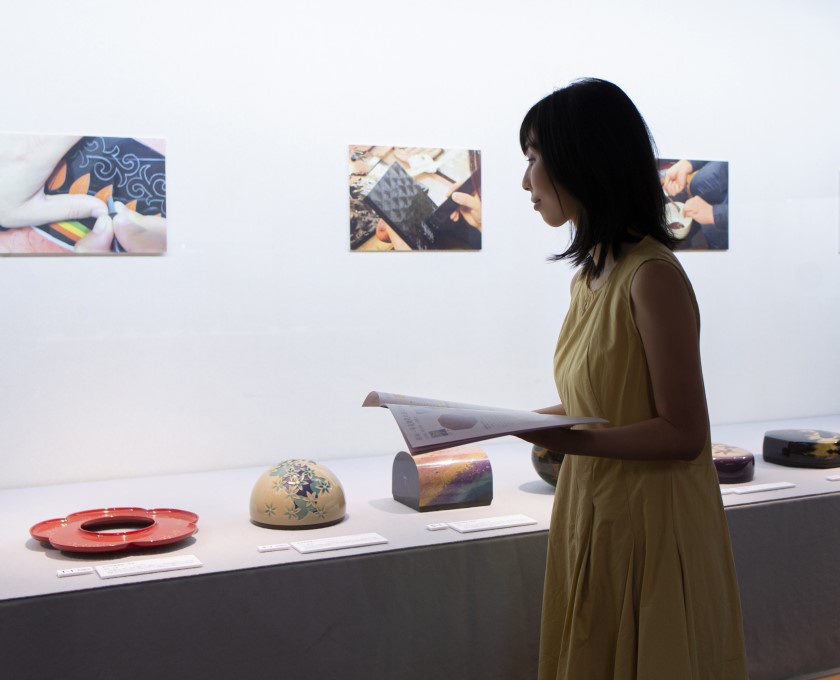
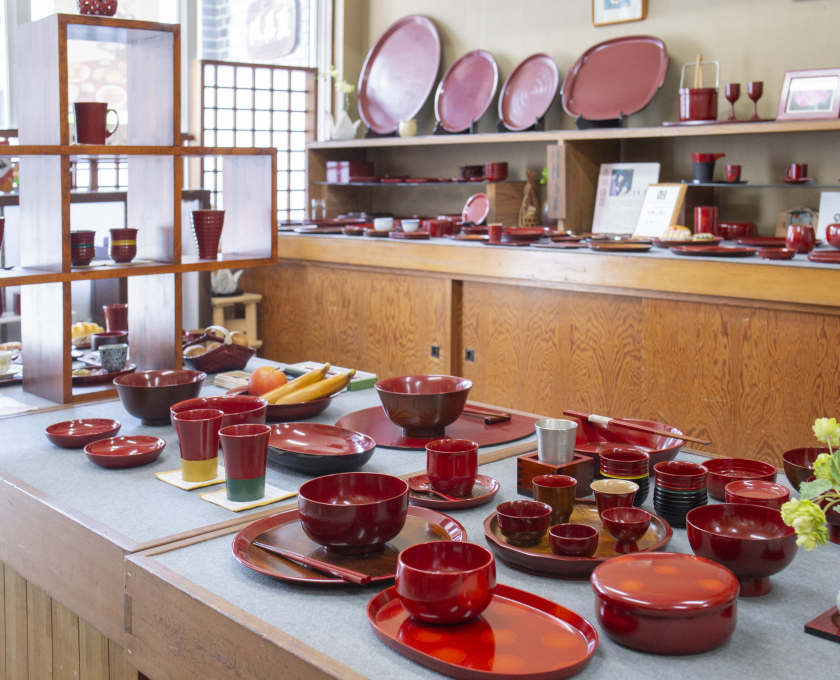
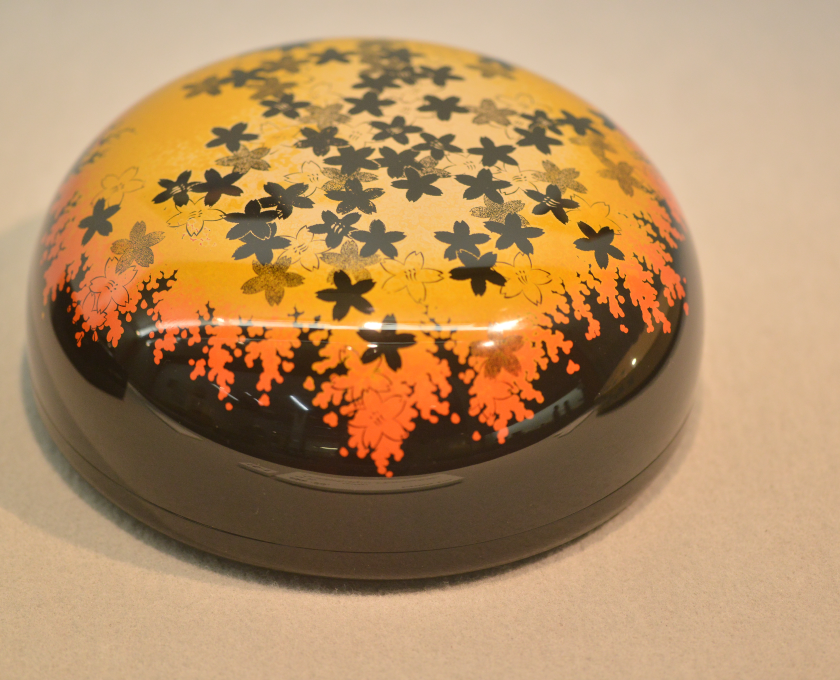
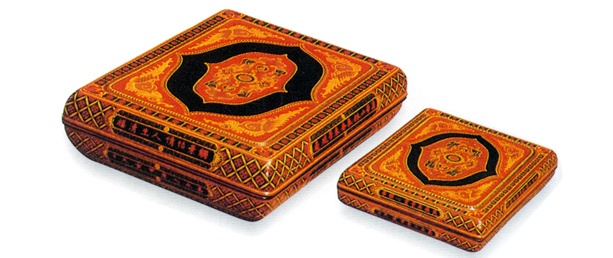
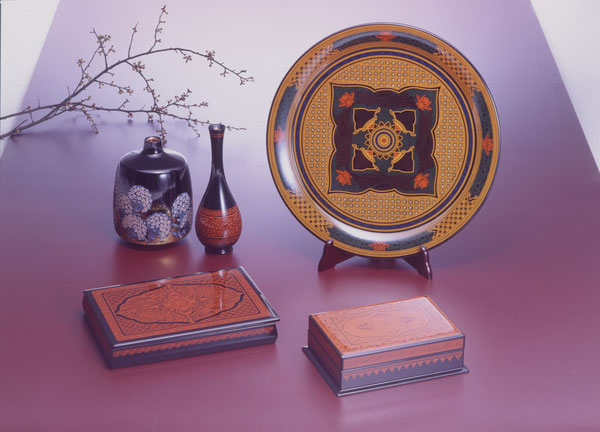
Traditional Sanuki lacquerware with distinctive techniques. Kinma (carved lacquer with colored fill), zonsei (colored lacquer patterns), and choshitsu (carved lacquer). Workshops offer experiences.

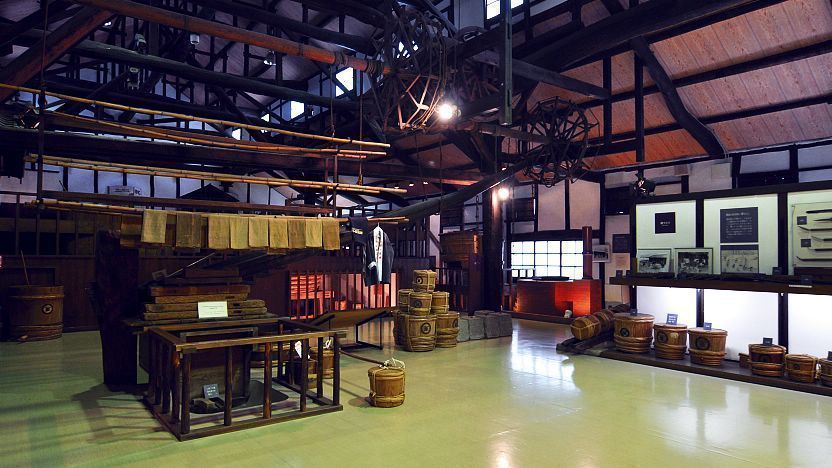
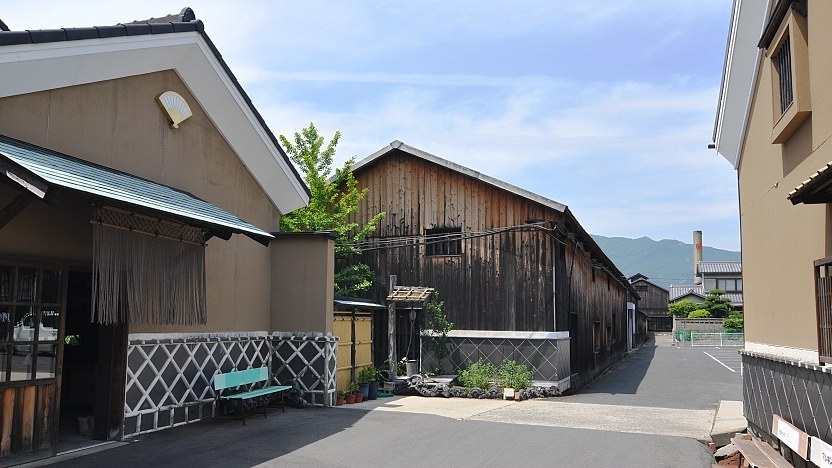
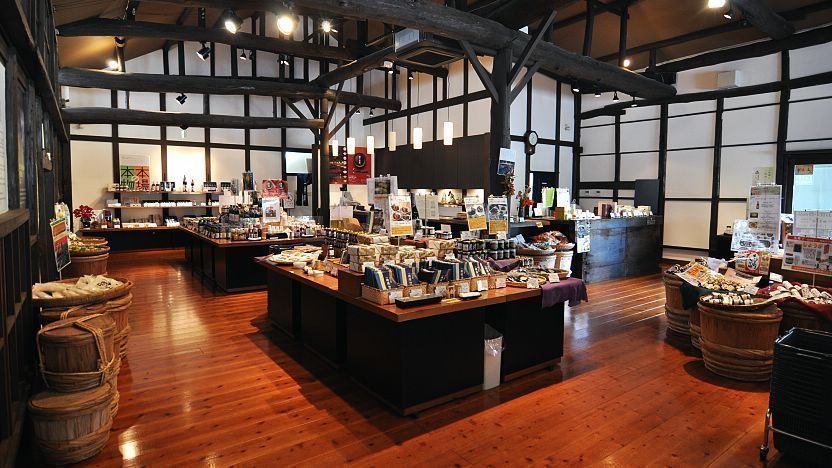
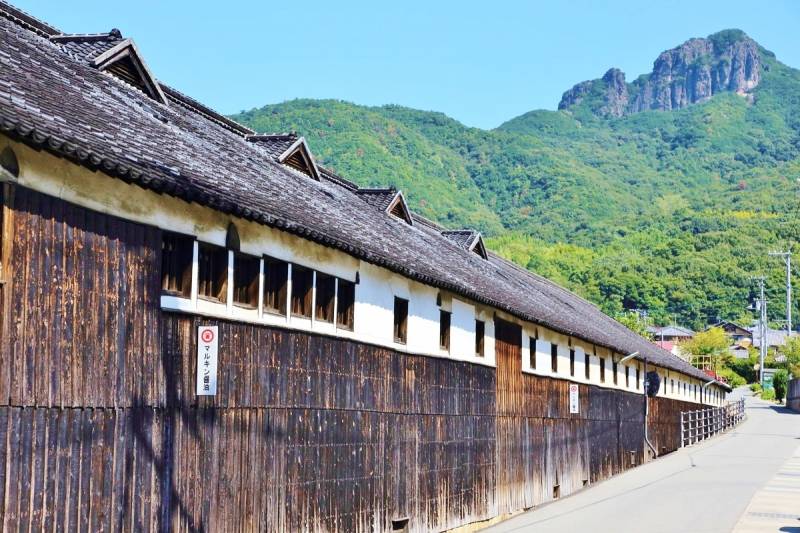
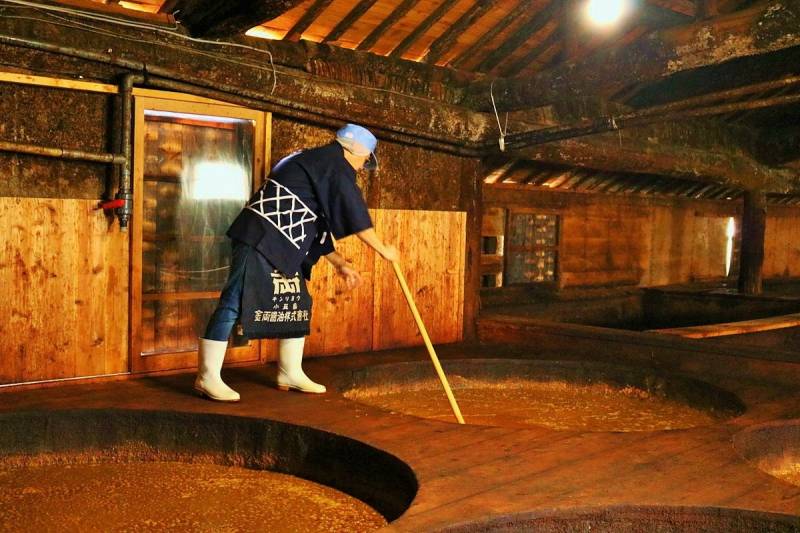
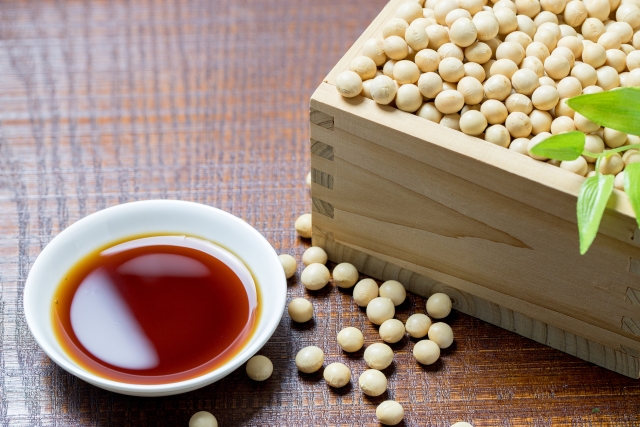
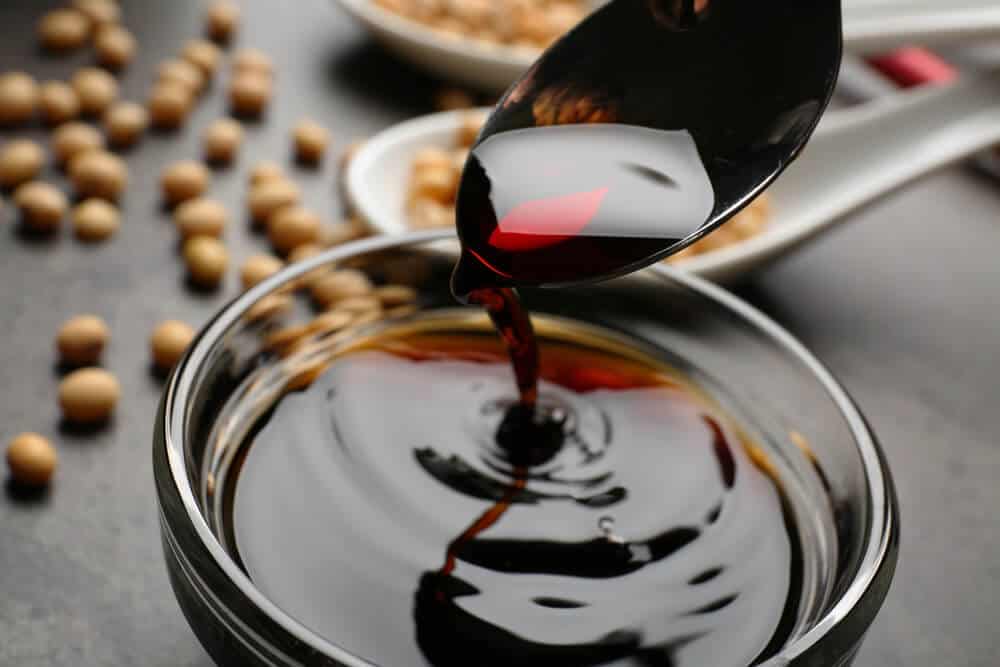
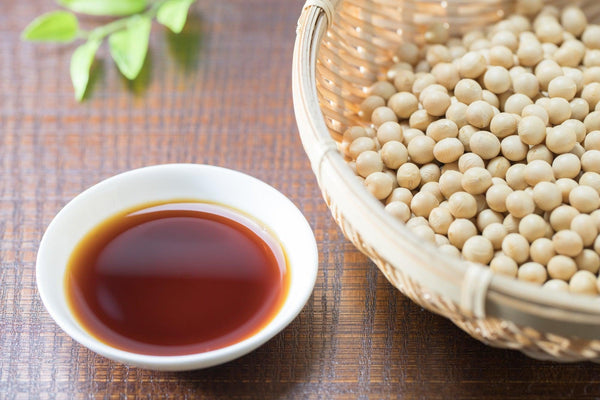
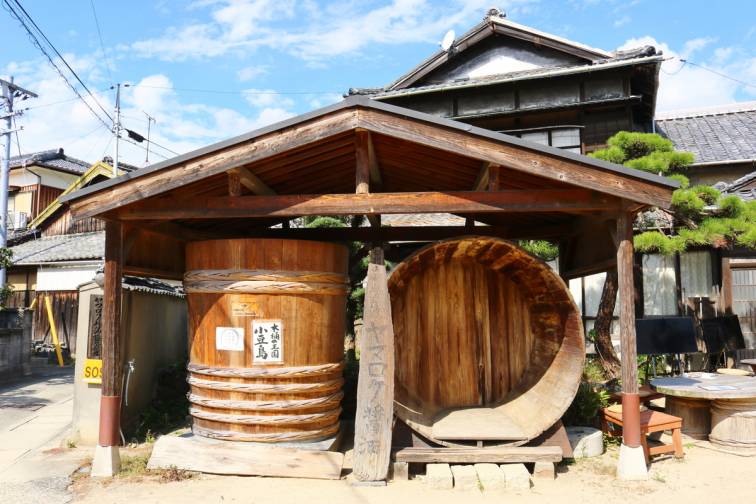
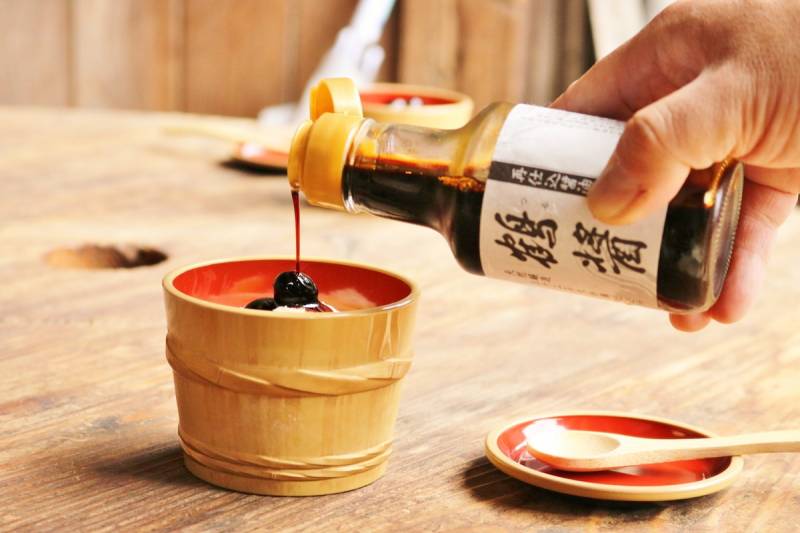
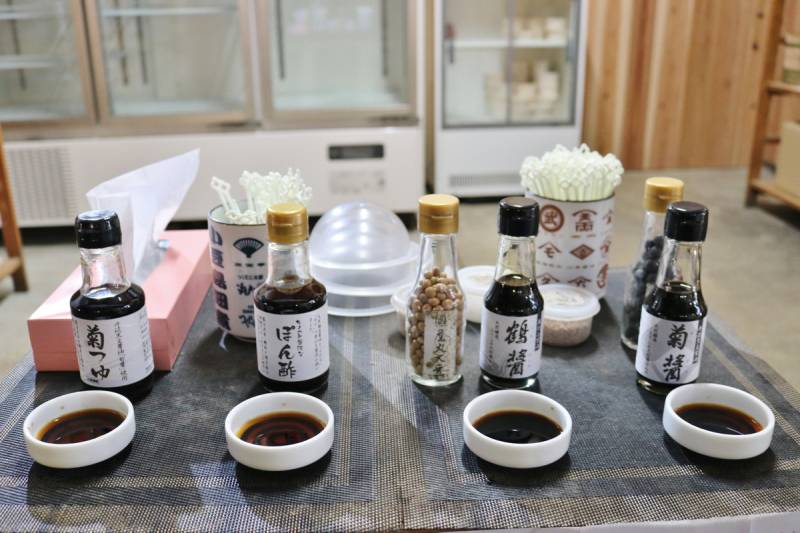
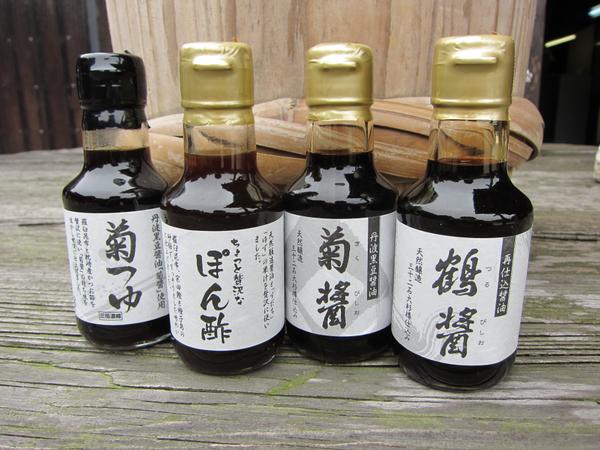
Cluster of traditional soy sauce breweries in the Noma area. The sweet aroma fills the narrow streets. Some breweries have been operating for over 100 years. Tasting and factory tours.

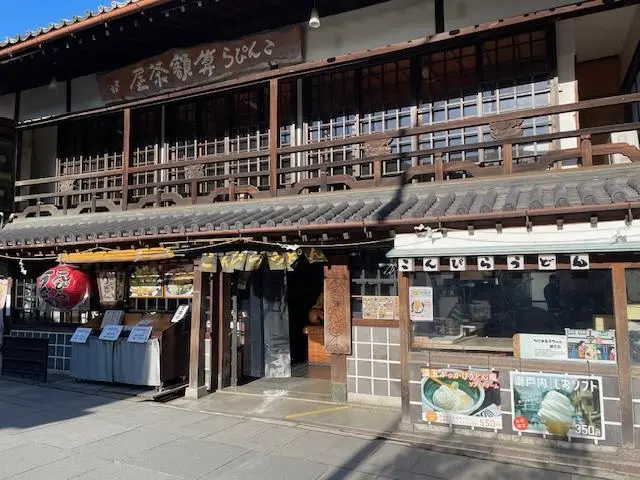
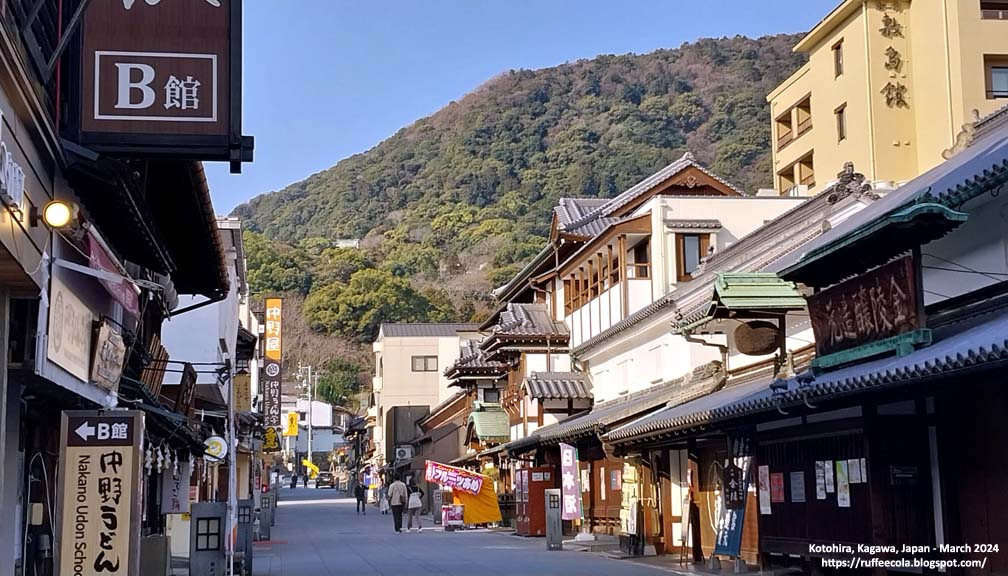
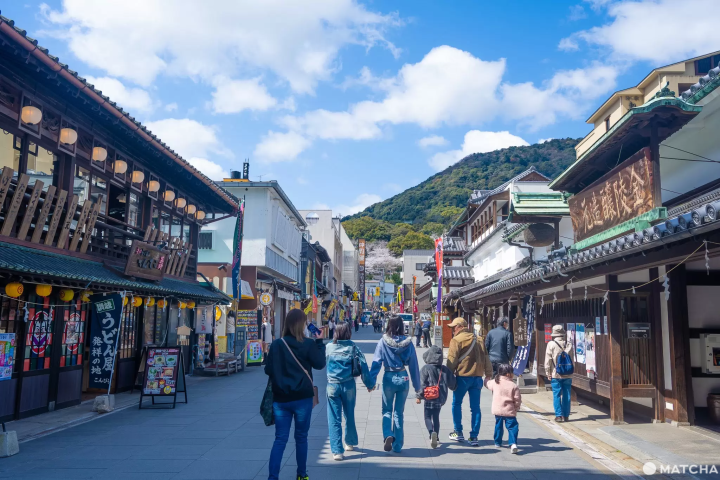
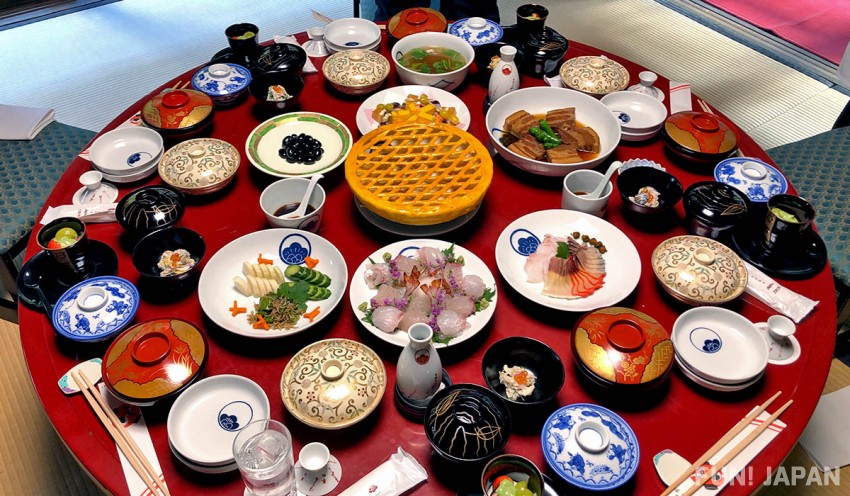
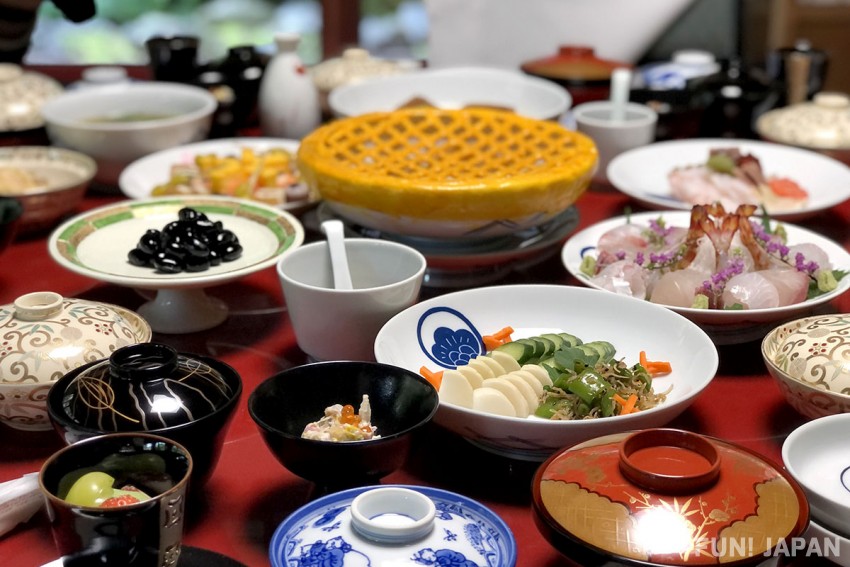
The approach to Konpira-san is lined with traditional sweet shops. Try Kompira-man (sweet bun), sanuki udon, and shippoku ryori (Kagawa's traditional banquet cuisine). Over 360 shops.
Takamatsu is packed with standout local eats. Come hungry.

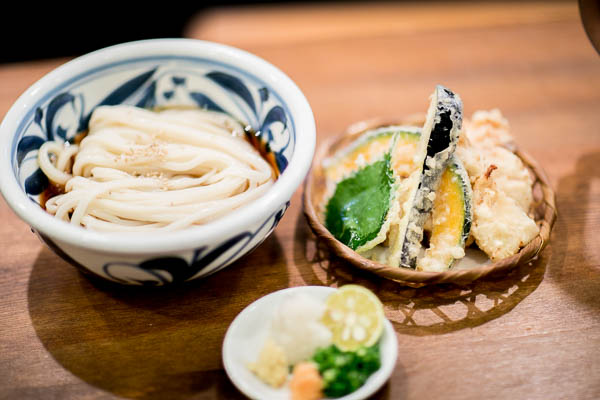
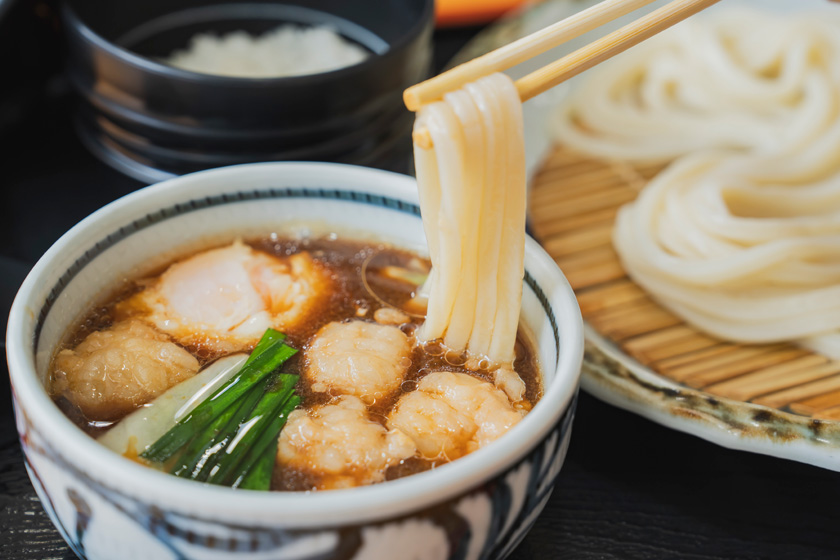
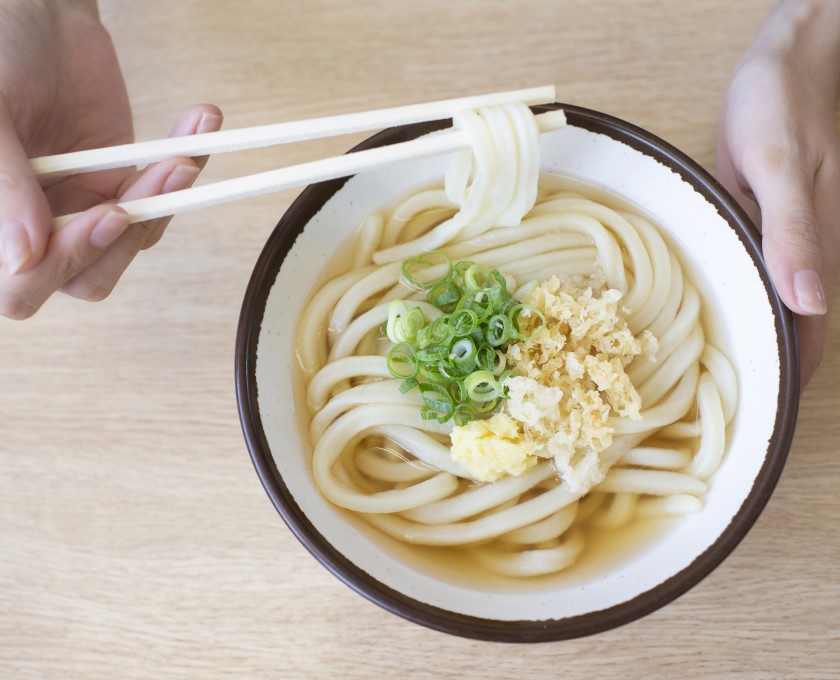
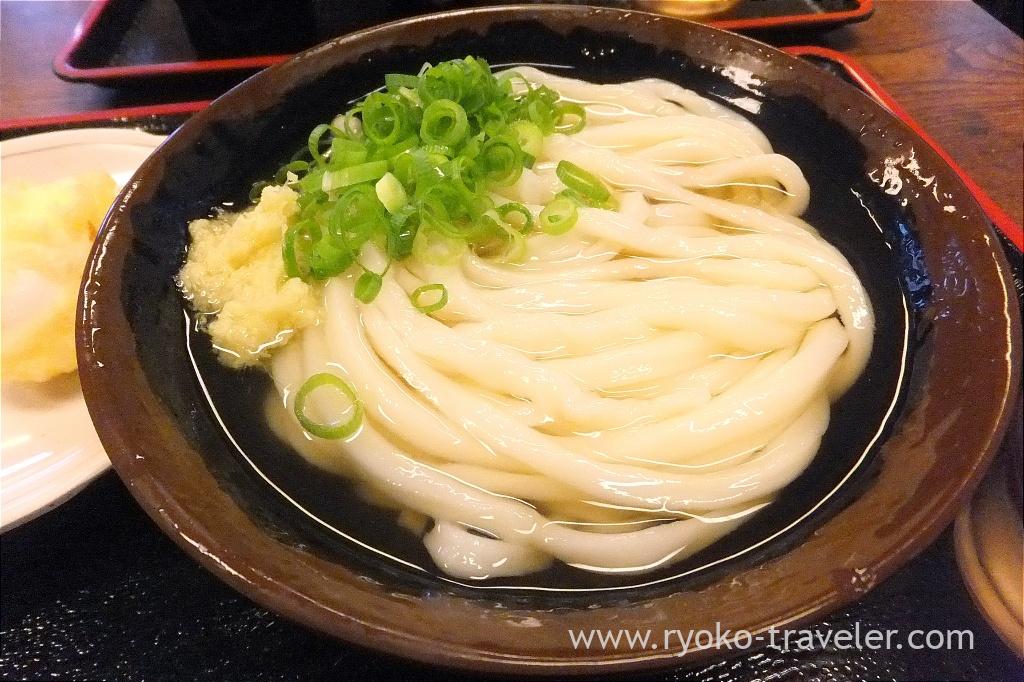
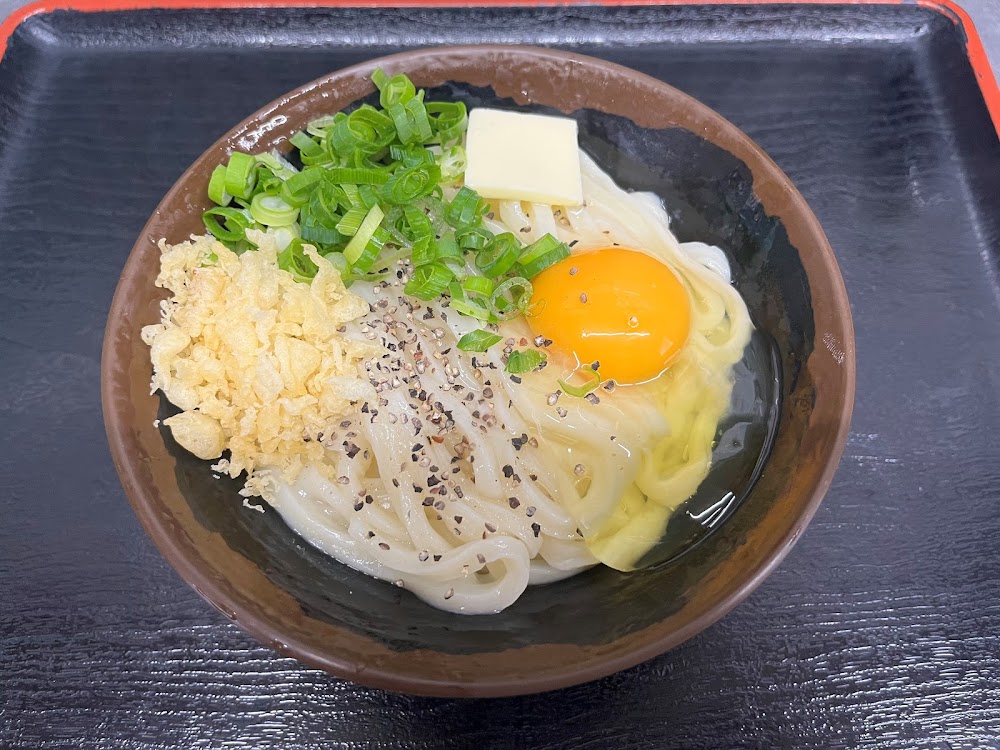
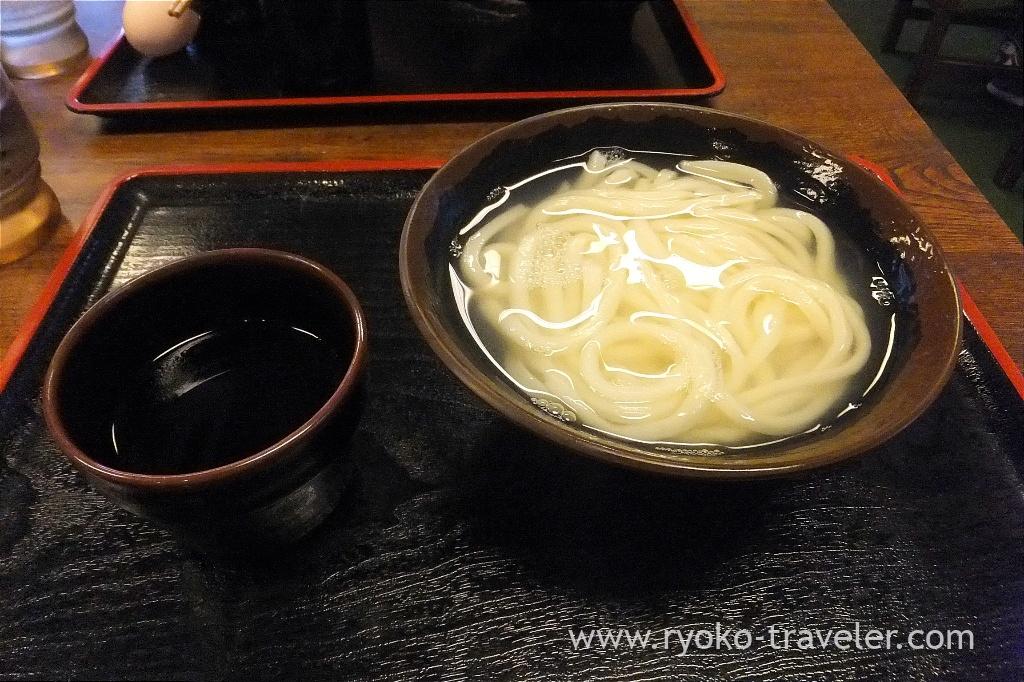
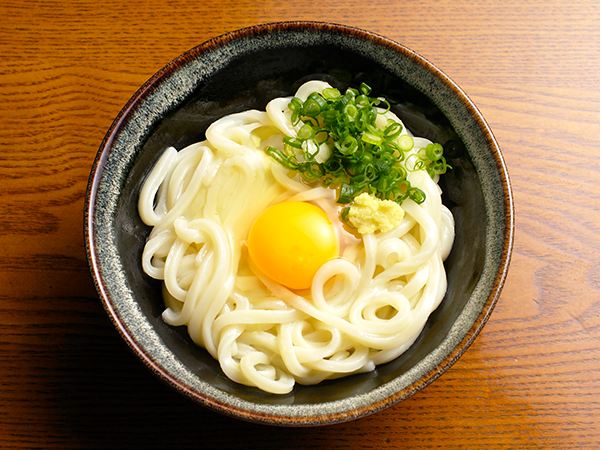
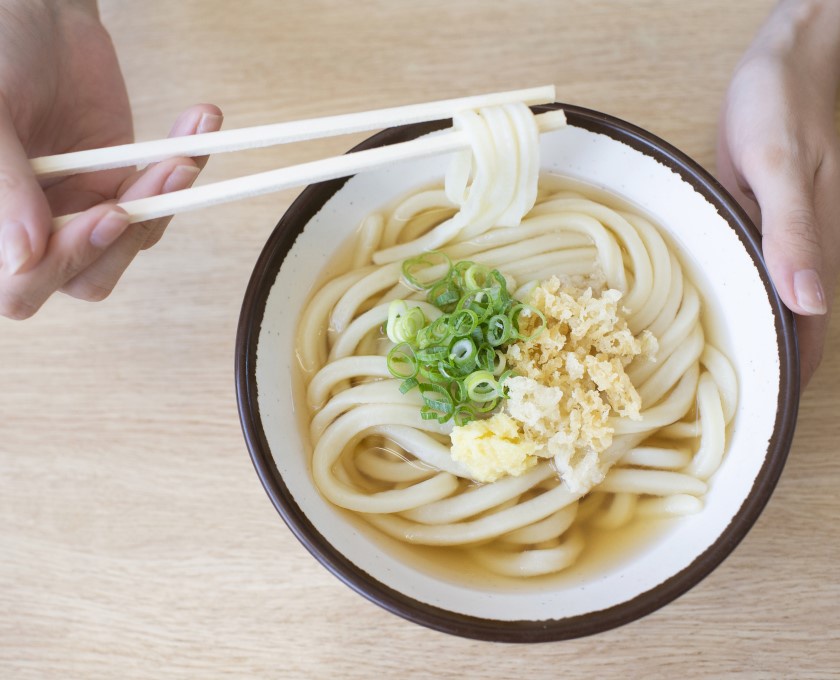
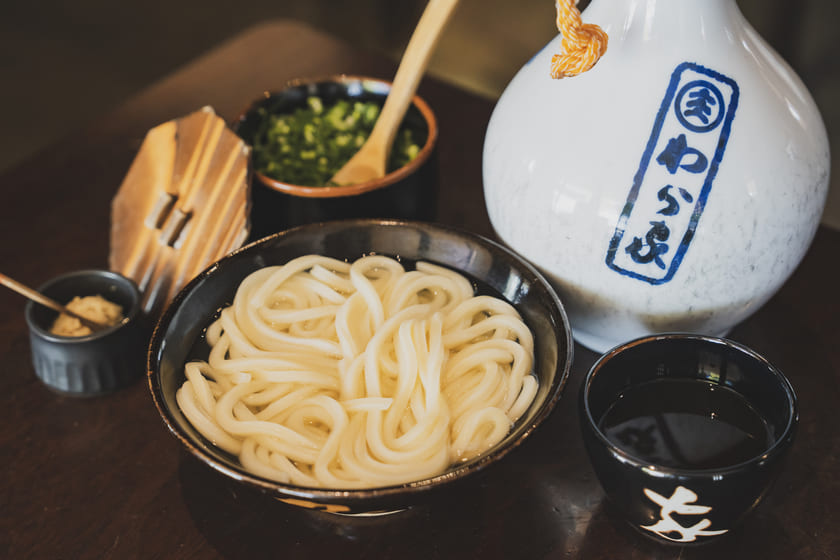
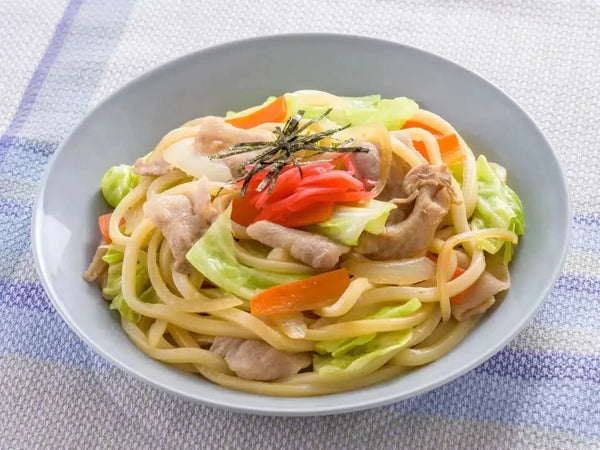
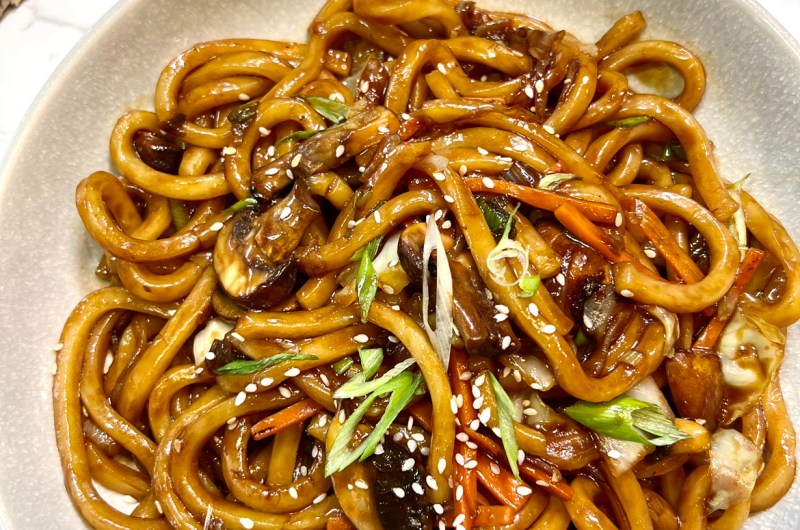
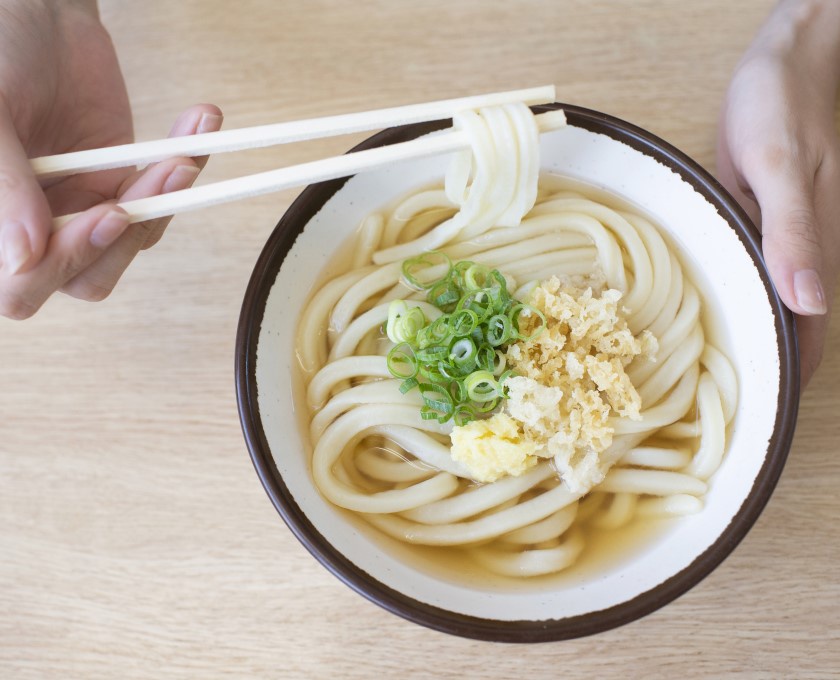
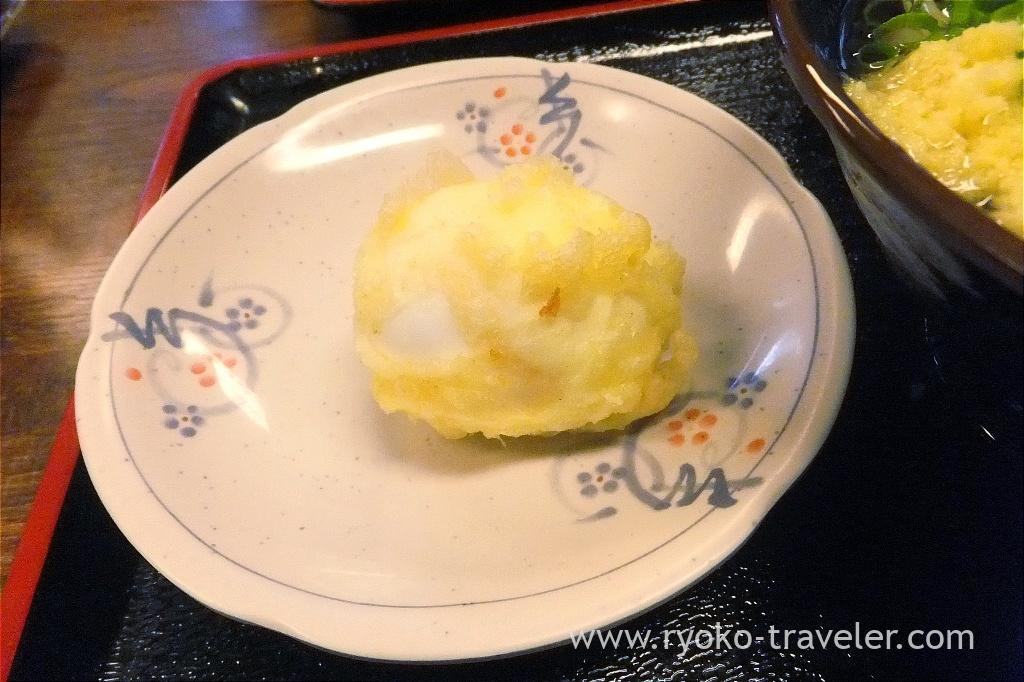
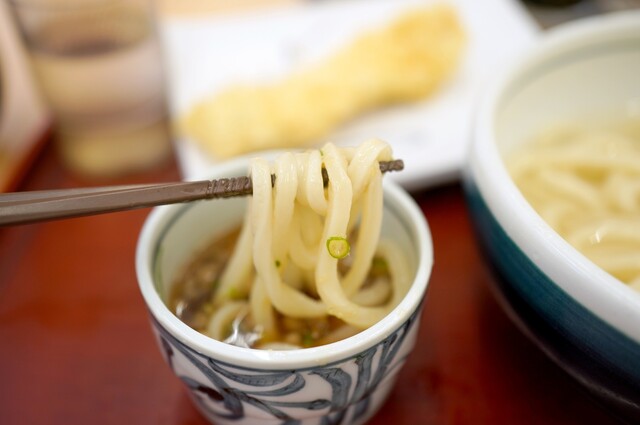
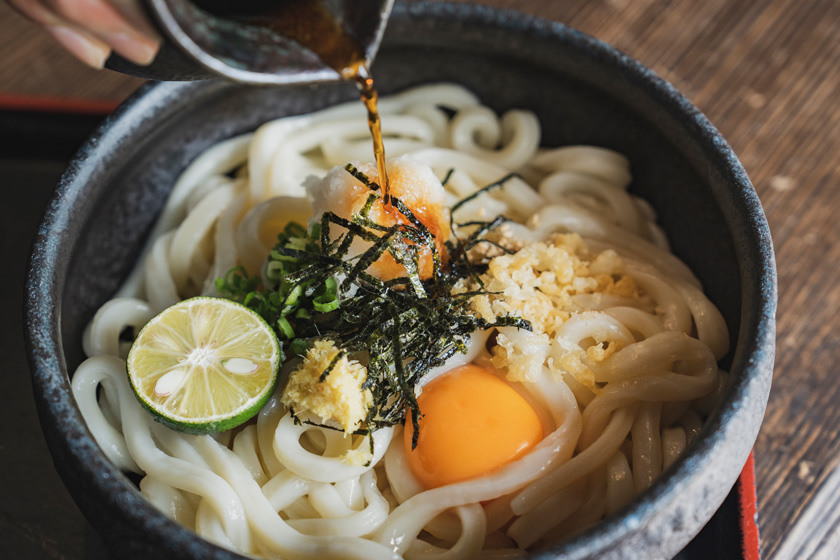
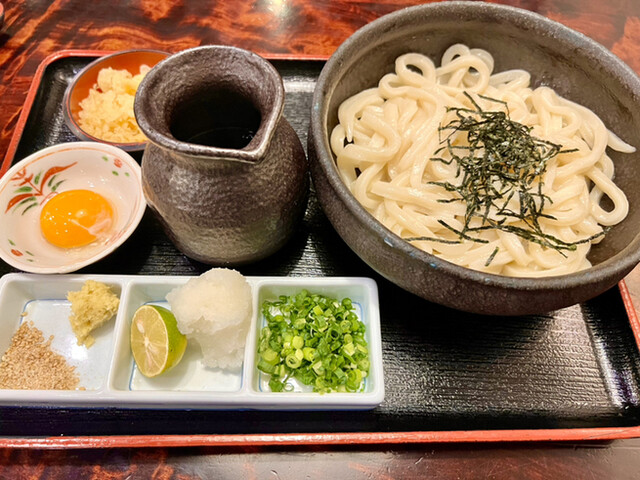
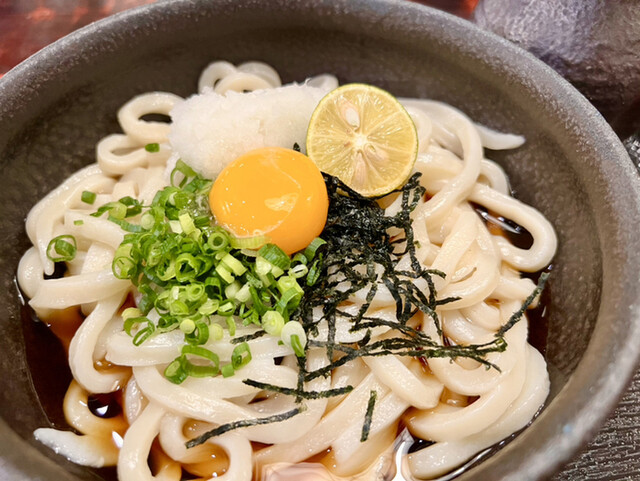
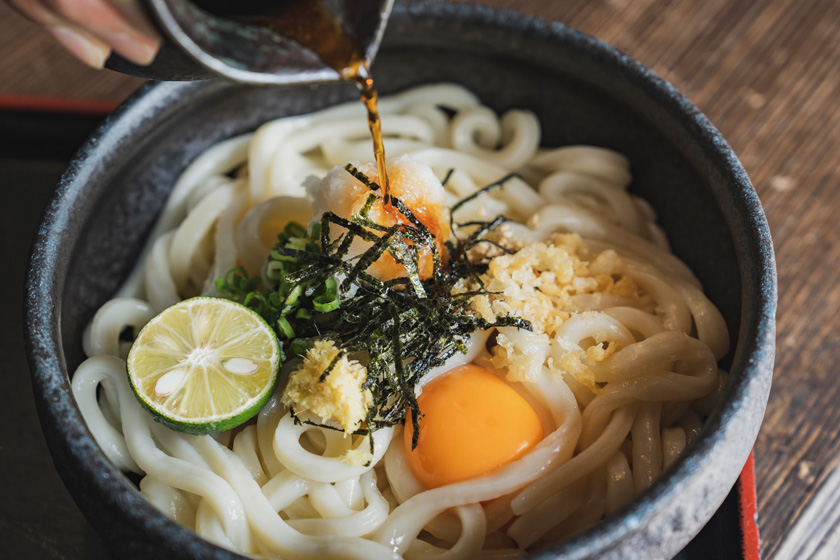
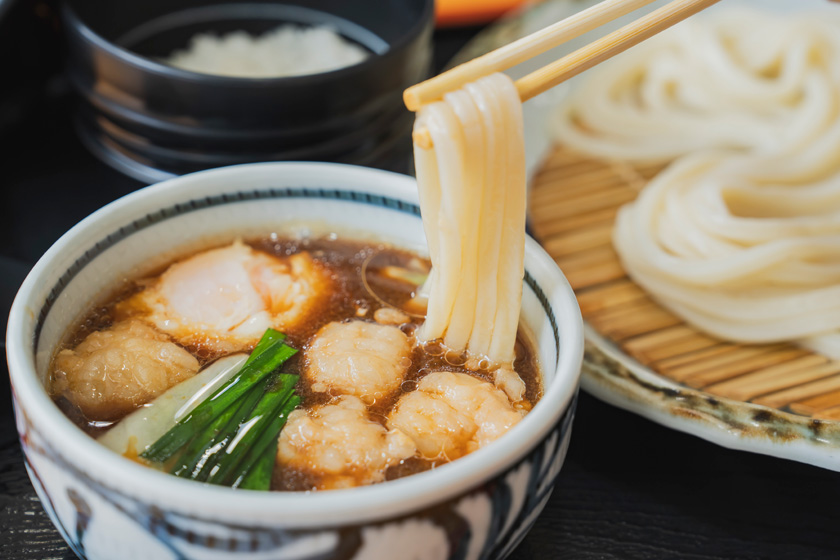
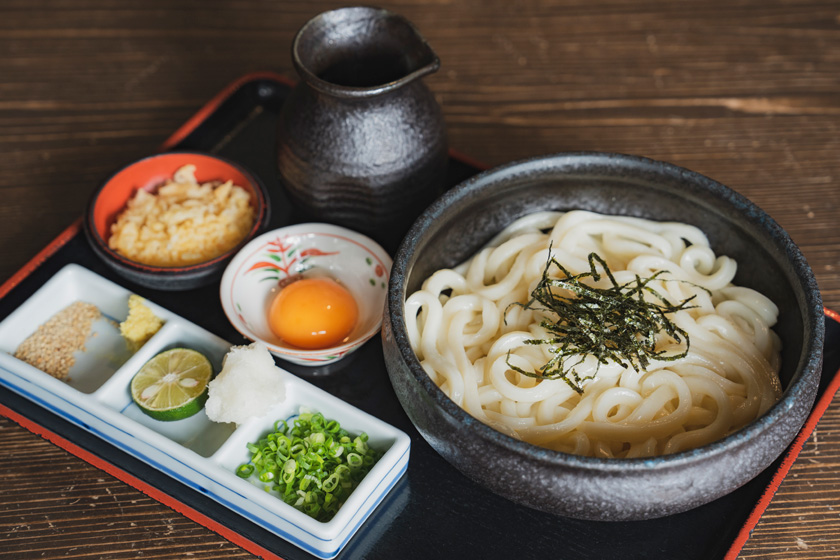
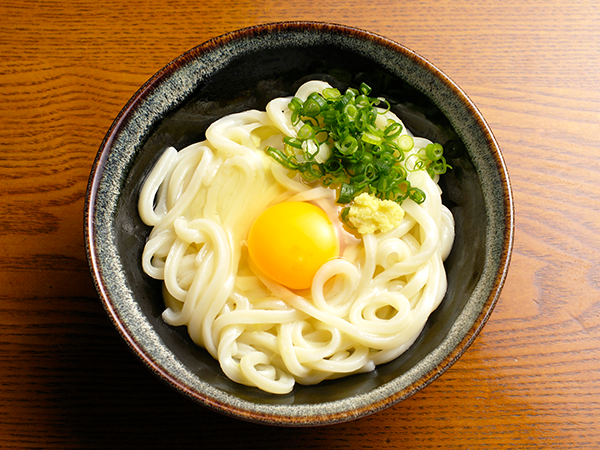
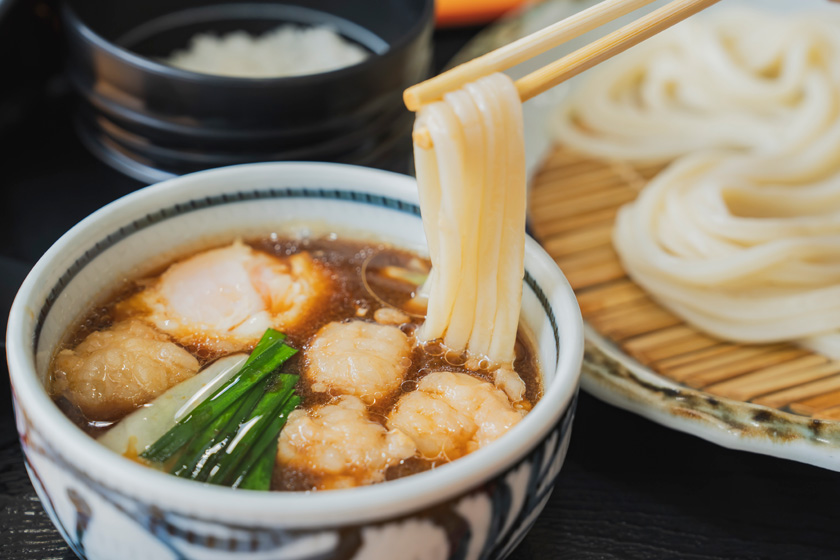
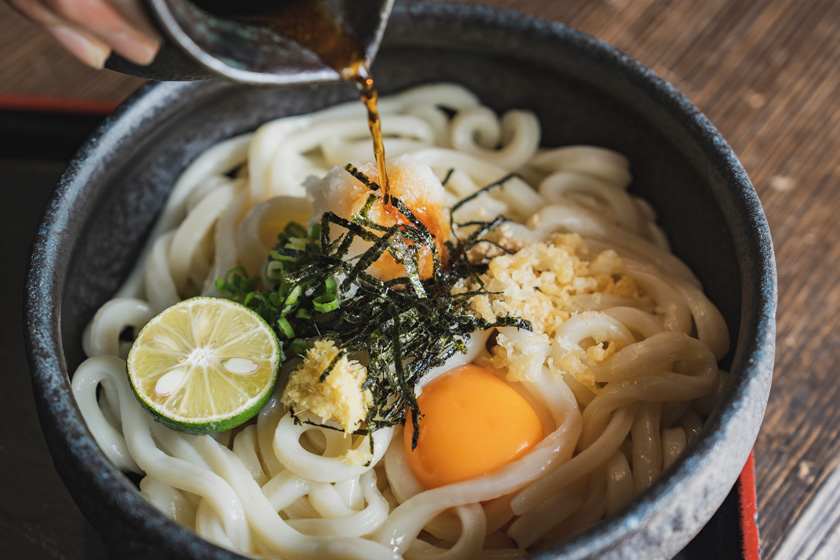
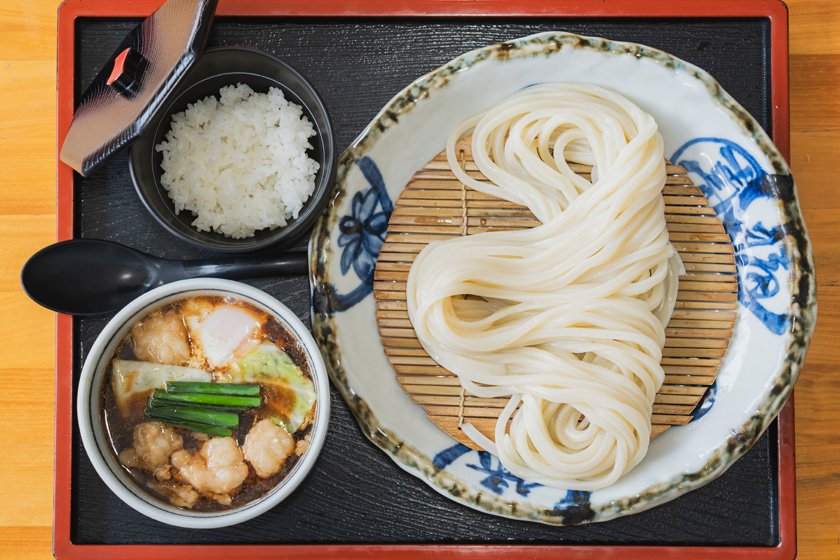
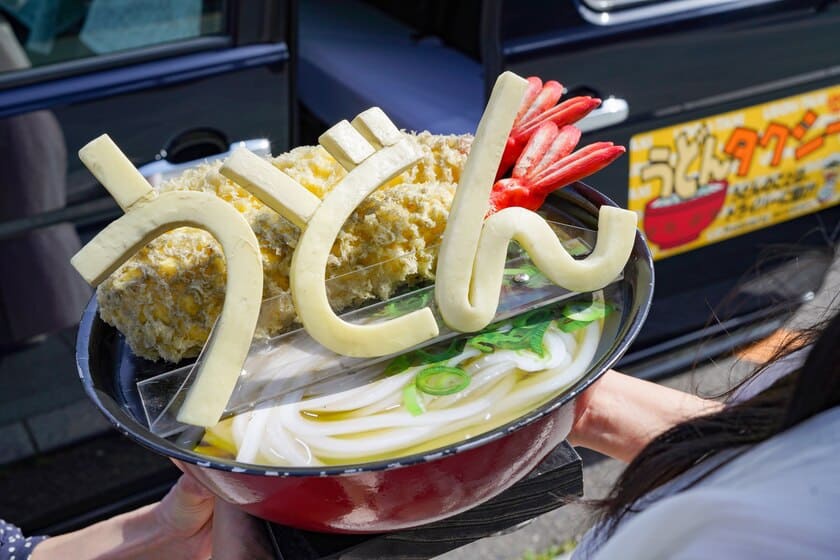
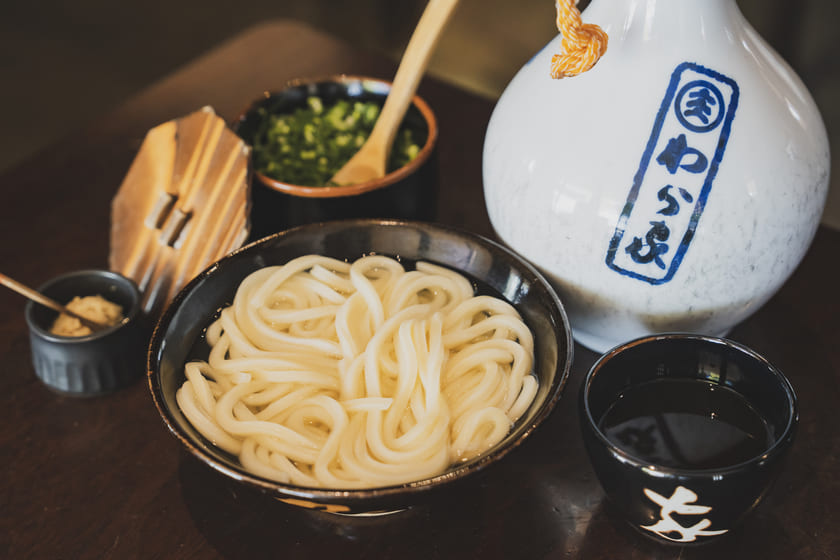
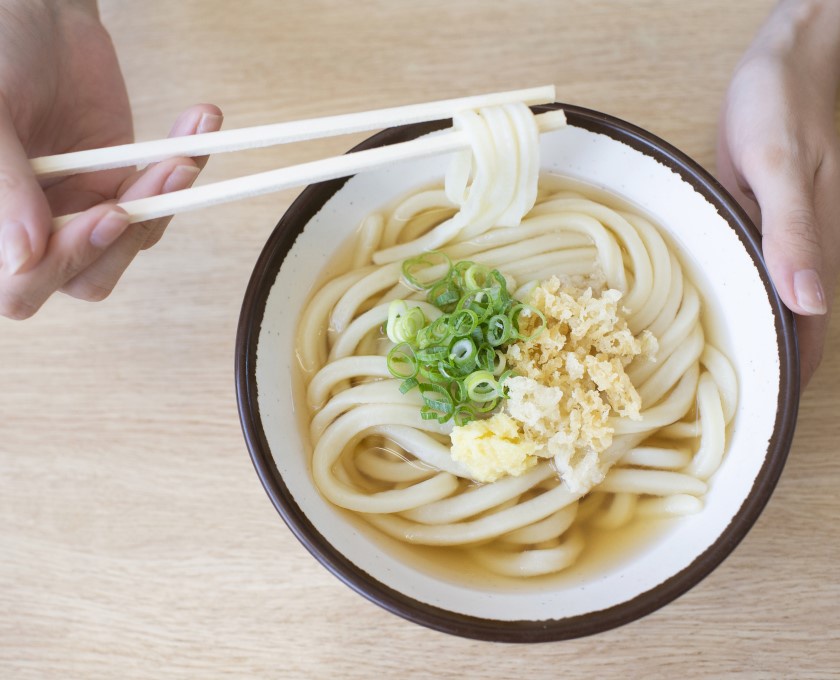
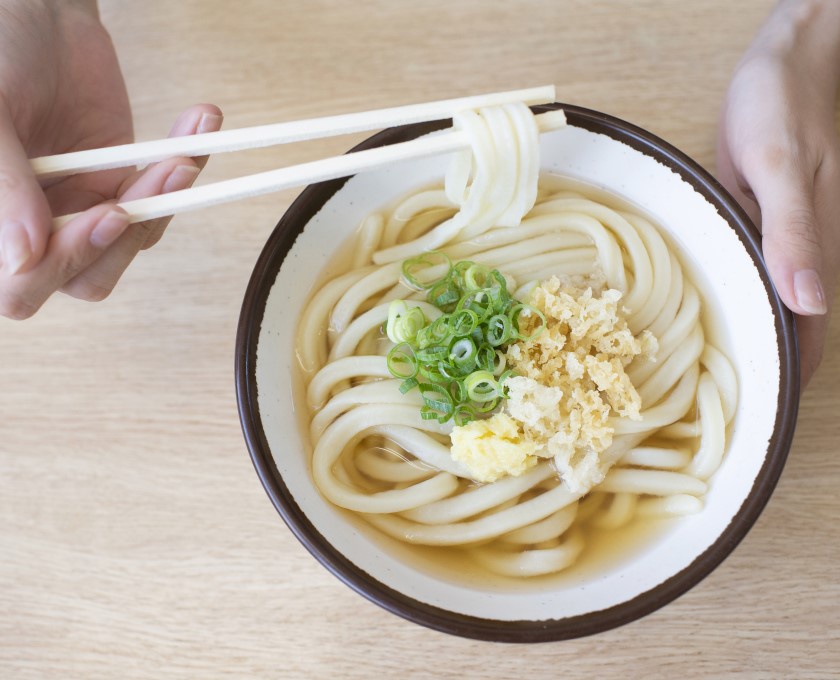
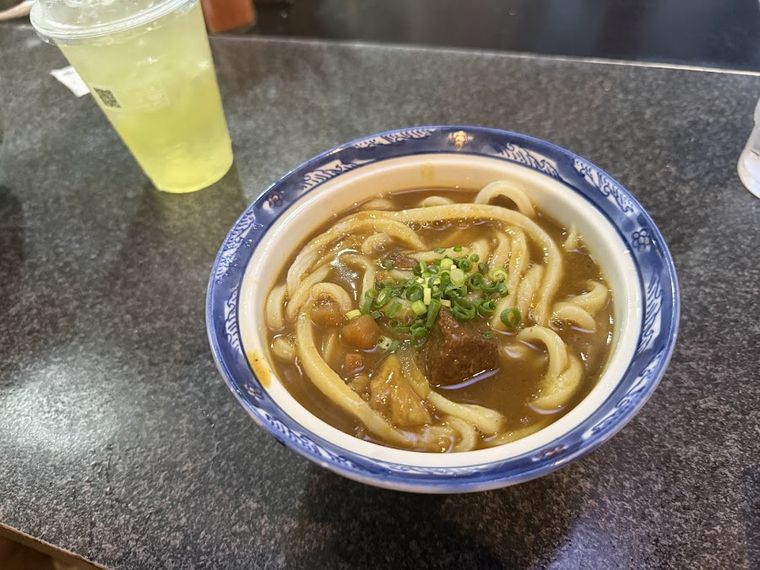
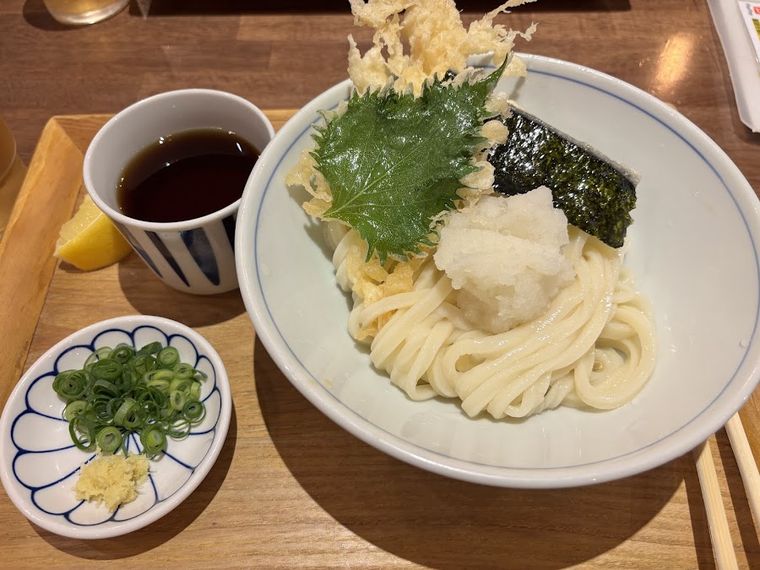
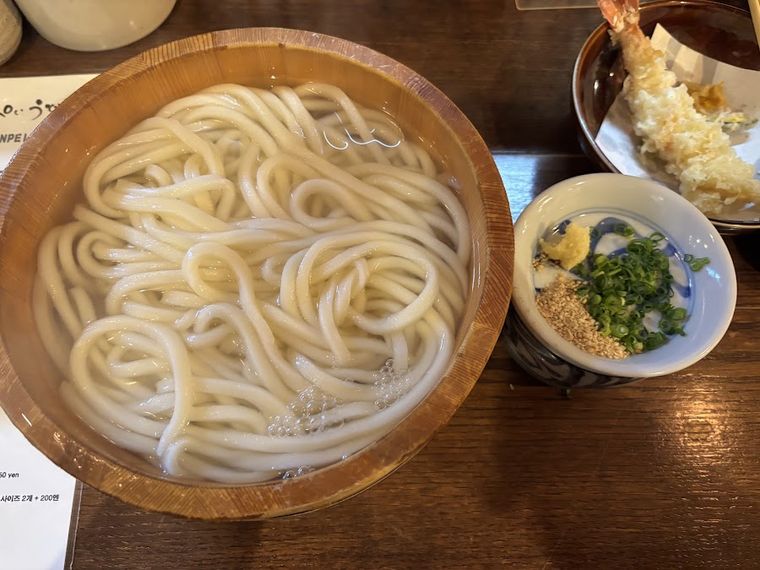
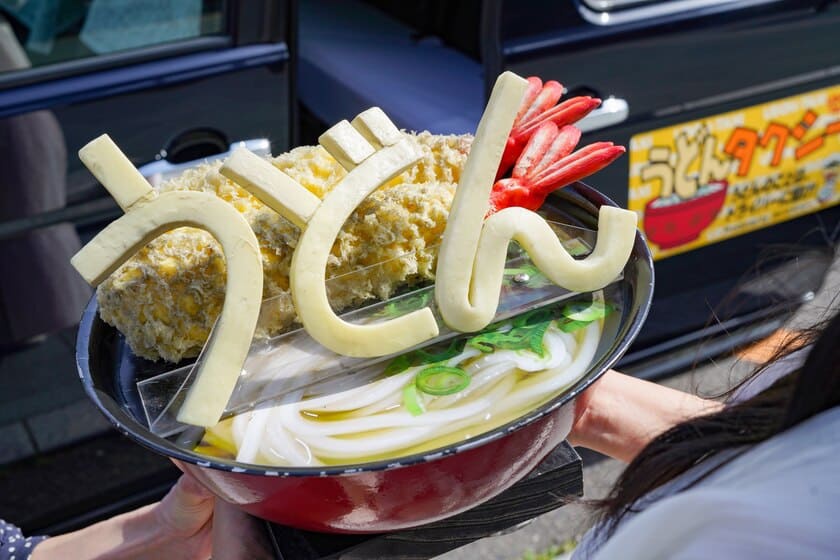
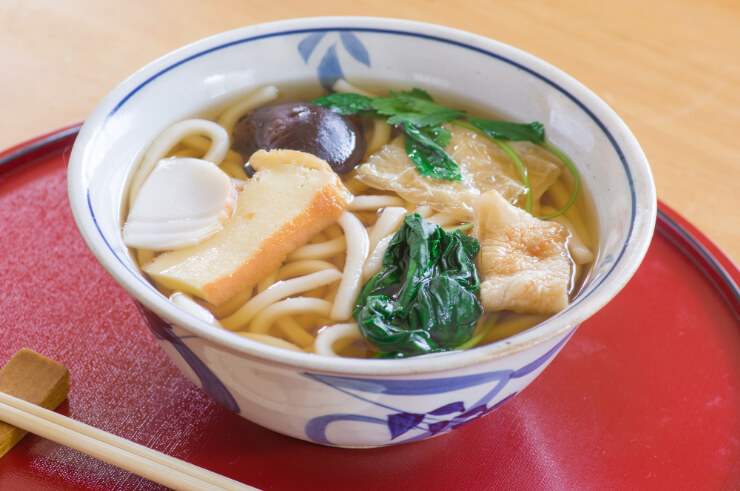
Kagawa is Japan's udon capital and Takamatsu is the gateway. Thick, chewy handmade noodles in various styles: kake (hot broth), bukkake (cold with toppings), and kamaage (hot from the pot). Life-changing.

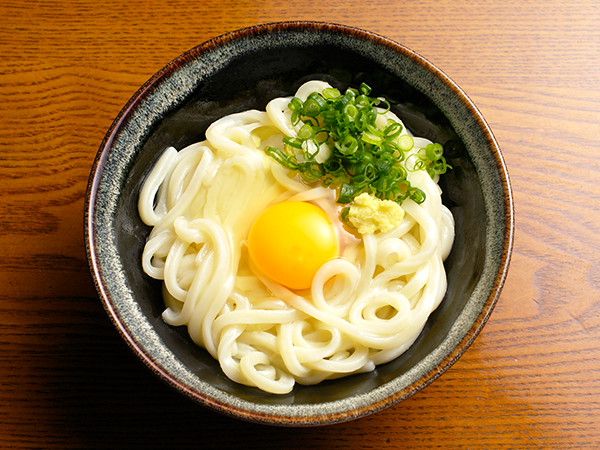
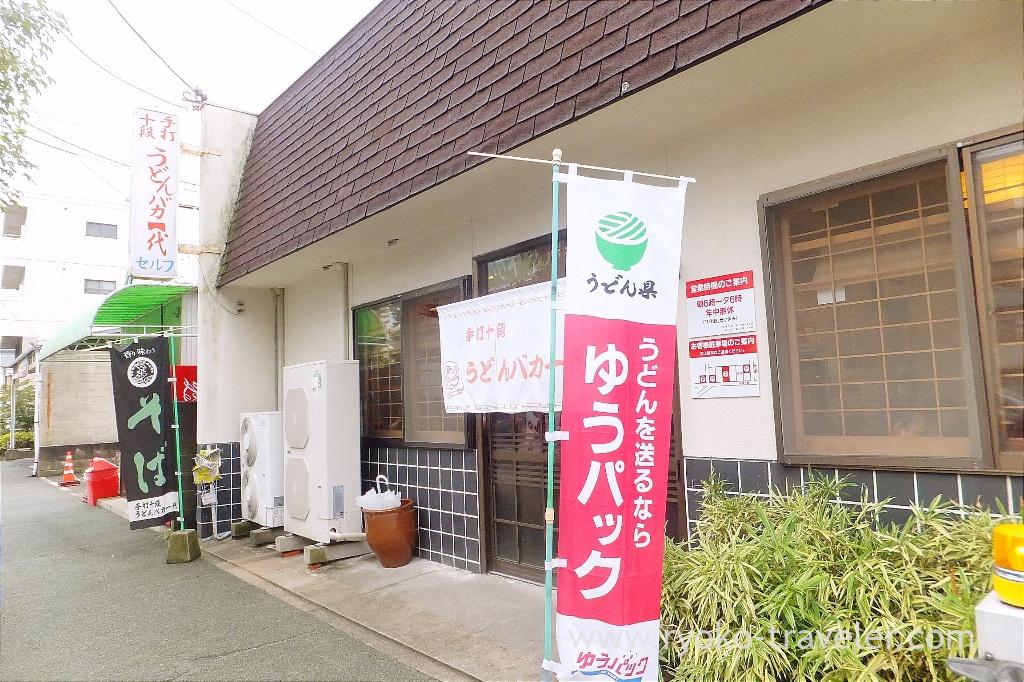
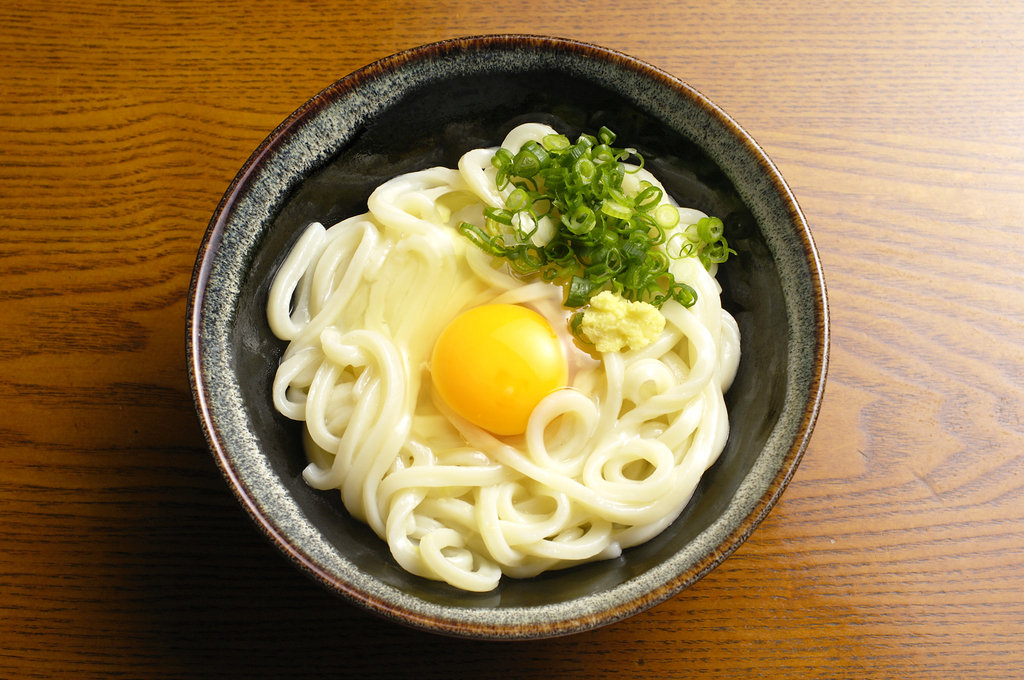
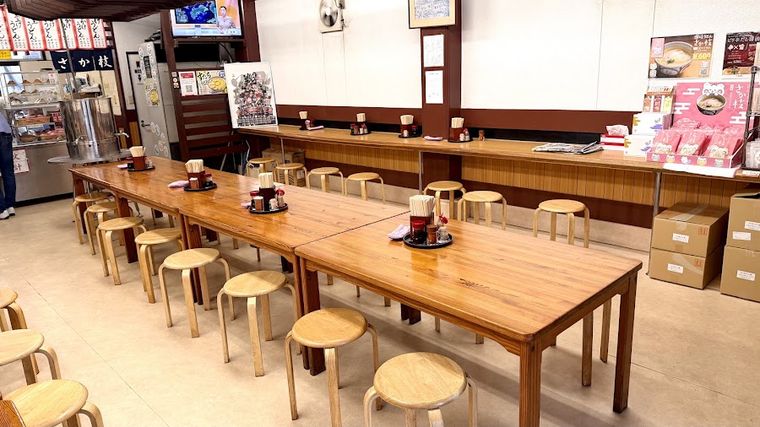
Famous self-serve udon shop. Their kamatama (udon with raw egg and soy sauce, mixed in) is legendary. Watch the noodle making through the glass window. Lines from early morning.

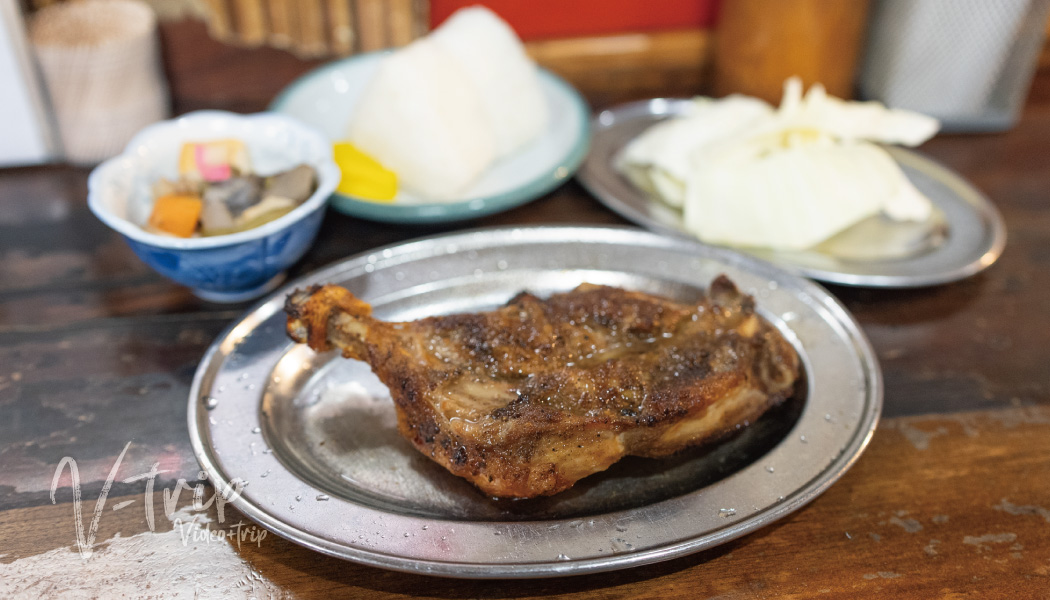
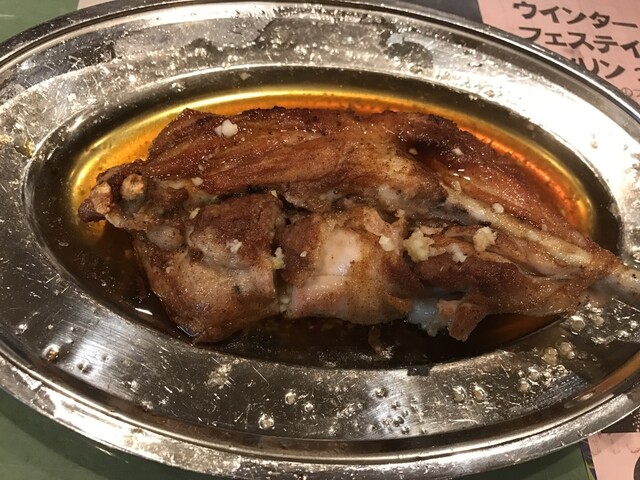
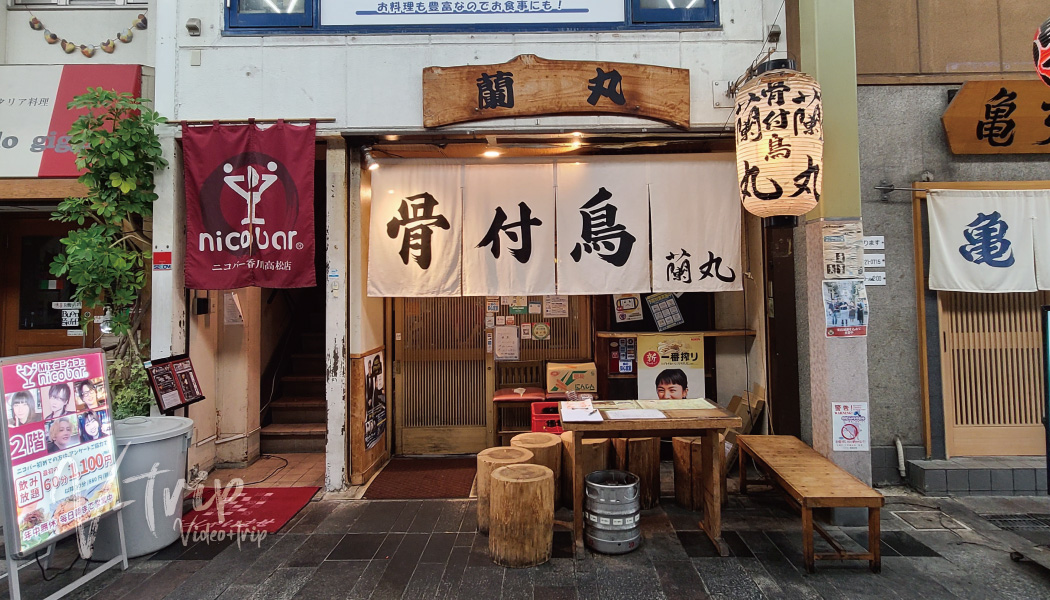
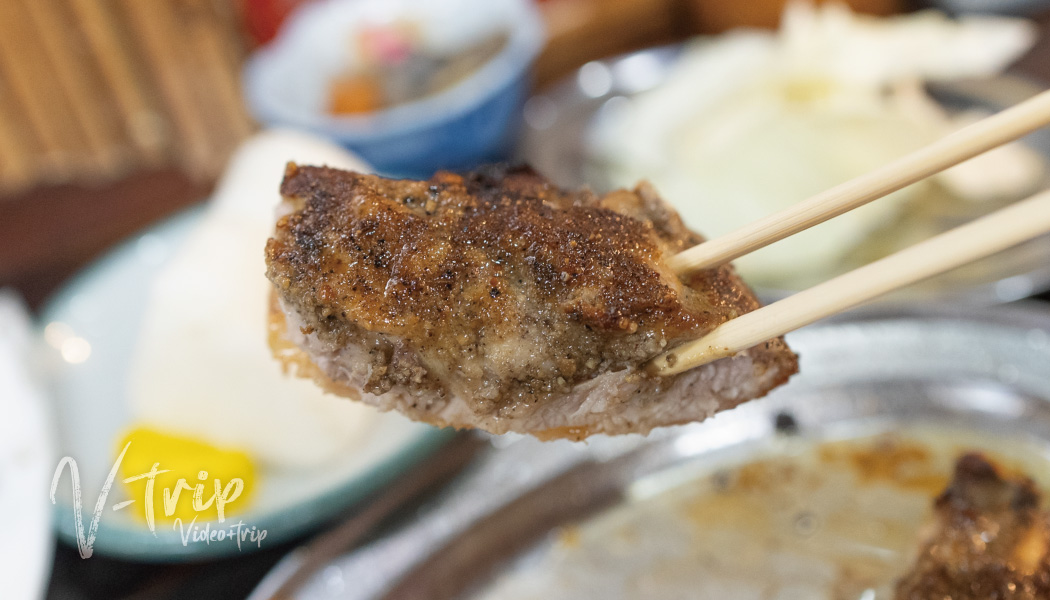
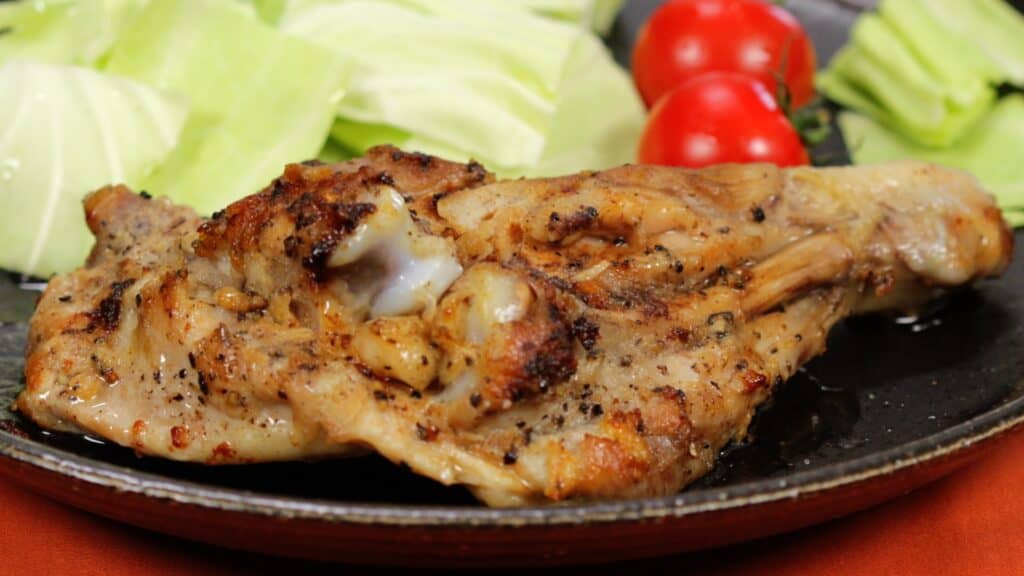
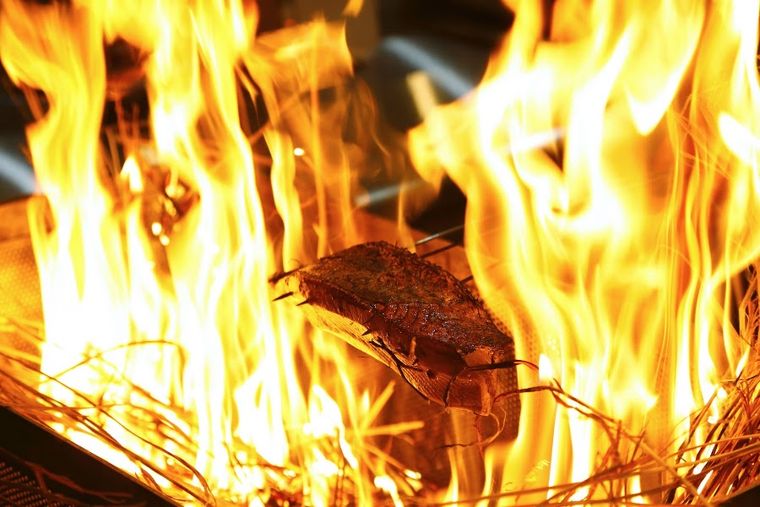
Kagawa's signature fried chicken: a whole chicken leg deep fried on the bone. Crispy skin, juicy meat. Often served with spicy mustard and cabbage. Ichitsuru is the most famous shop.

Winter specialty: thick Sanuki udon in hot broth topped with plump Seto Inland Sea oysters. The briny oysters in the wheat-based soup is a perfect combination. Seasonal availability.

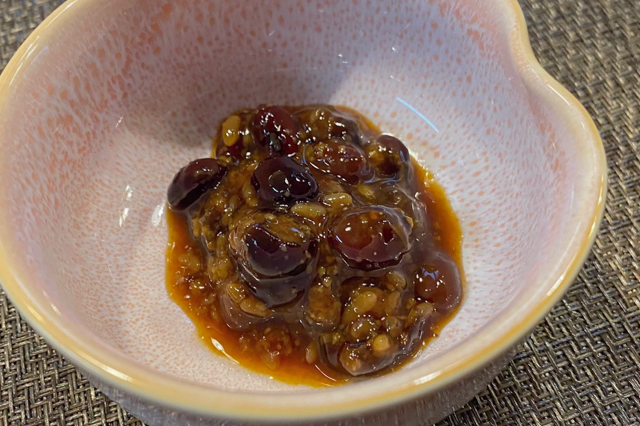
Dried soybeans simmered in soy sauce. Kagawa's traditional snack, served at almost every izakaya. Addictively crunchy and salty. The simplest things are often the best.

The authentic Sanuki udon broth uses iriko (small dried sardines) from the Seto Inland Sea. The deep umami flavor is the foundation of the udon experience. Different from regular dashi.

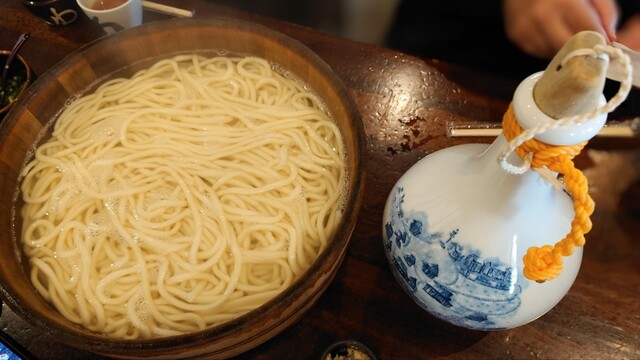
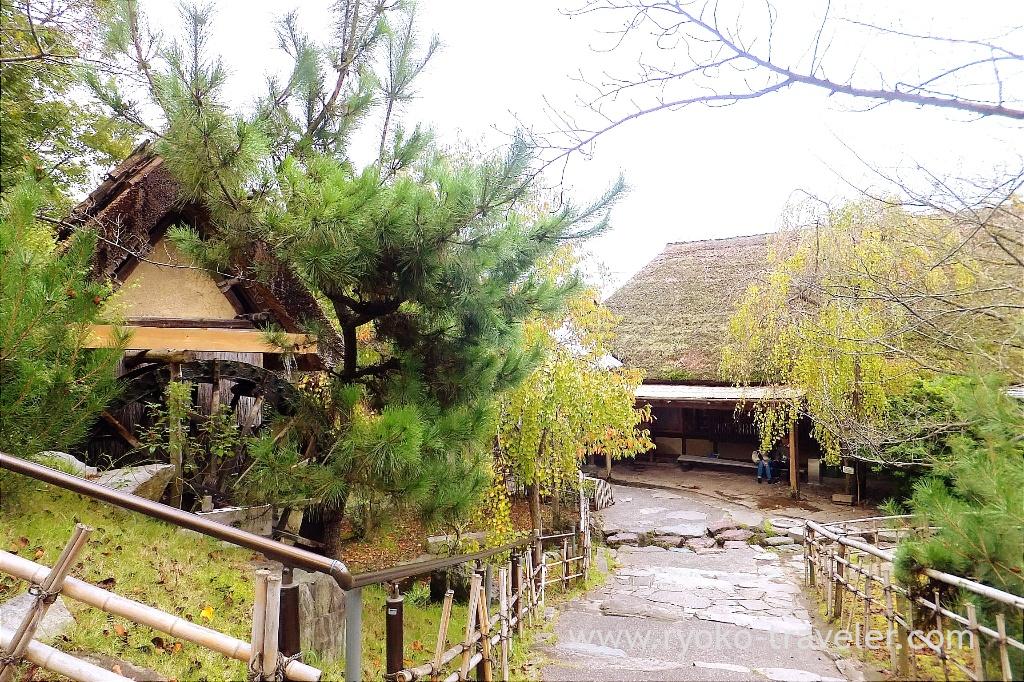
Famous udon restaurant in a converted thatched-roof farmhouse near Yashima. Their family-style udon served in a large wooden tub is meant for sharing. The rustic atmosphere adds to the experience.

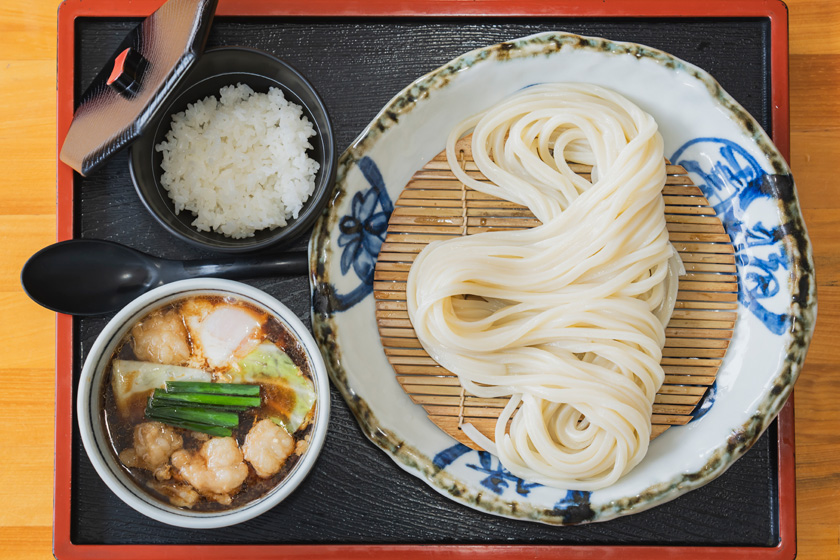
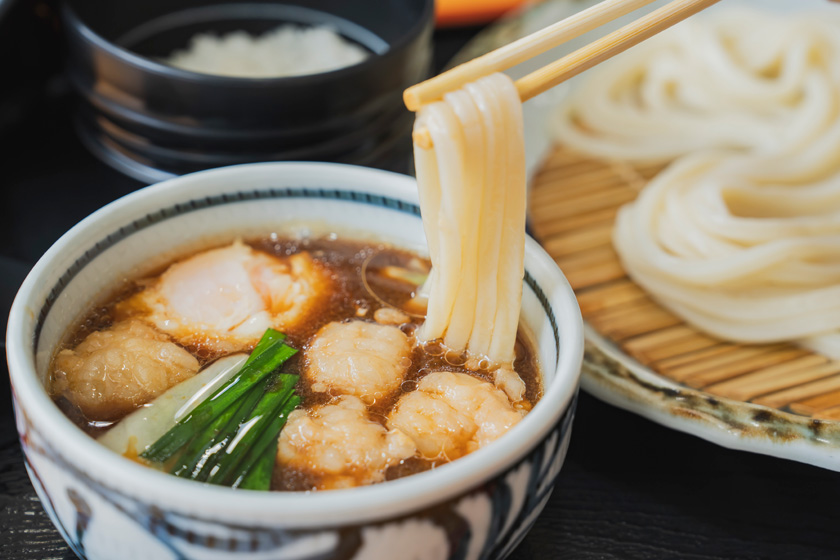
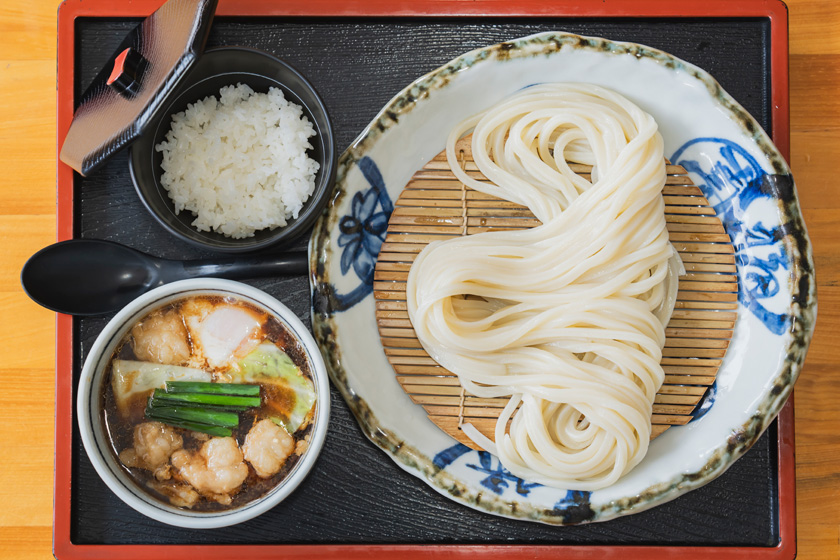
Premium udon chain from Kagawa. Hand-stretched noodles with a silky texture. Their kamaage (hot pot udon with dipping sauce) and zaruudon (cold on bamboo) are benchmarks of quality.

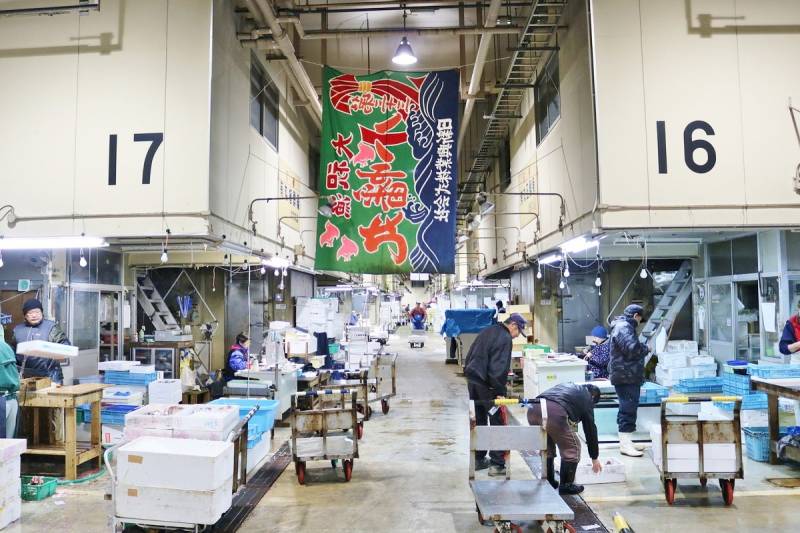
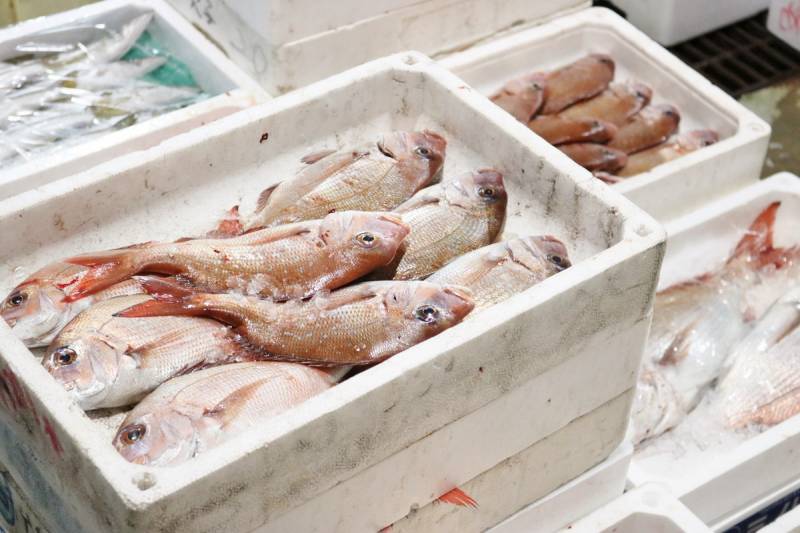
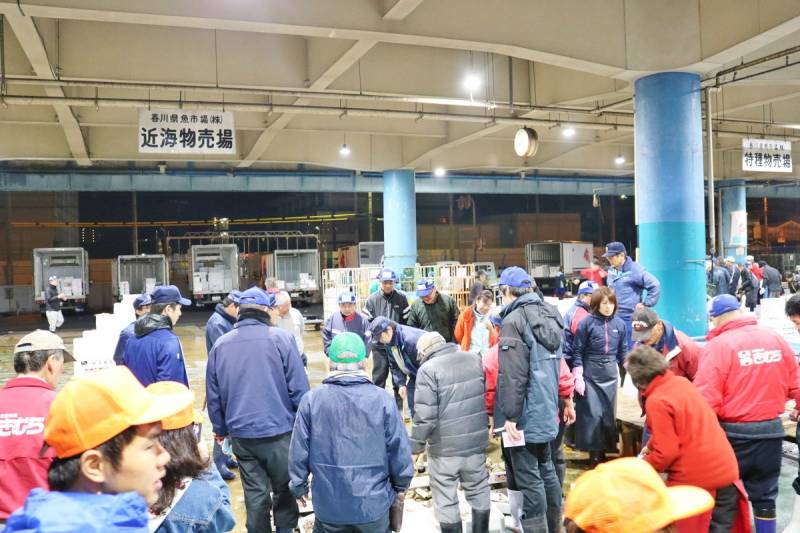
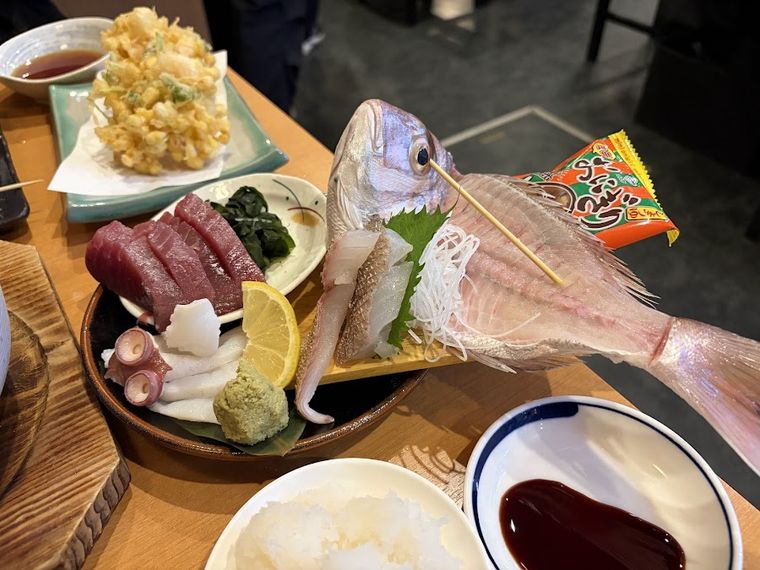
Early morning wholesale fish market. Fresh catches from the Seto Inland Sea. Some stalls serve breakfast. Less famous but just as exciting as Tsukiji. Open to visitors from 5am.

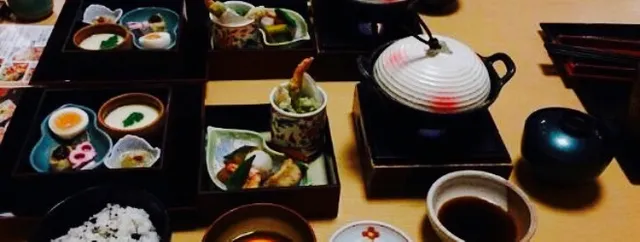
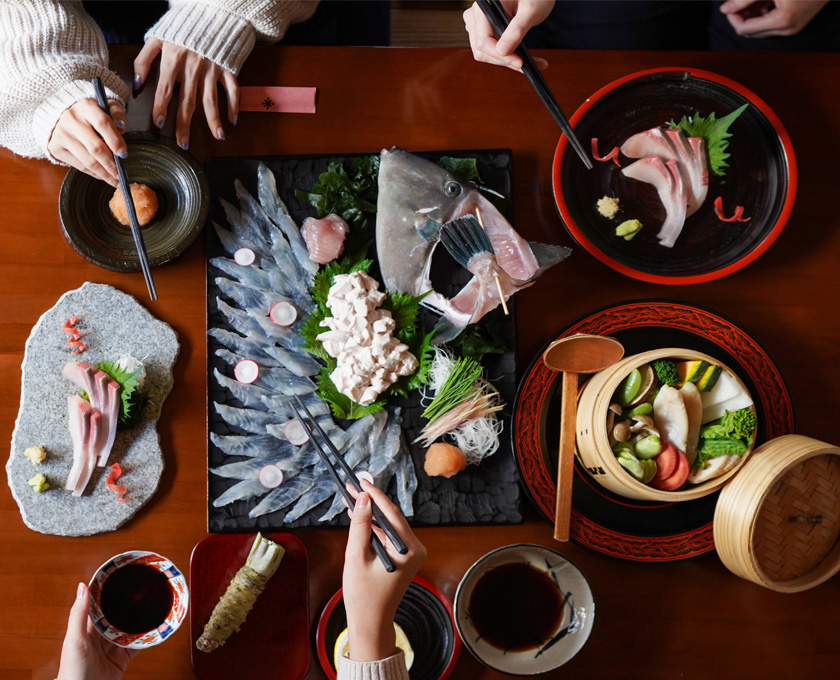
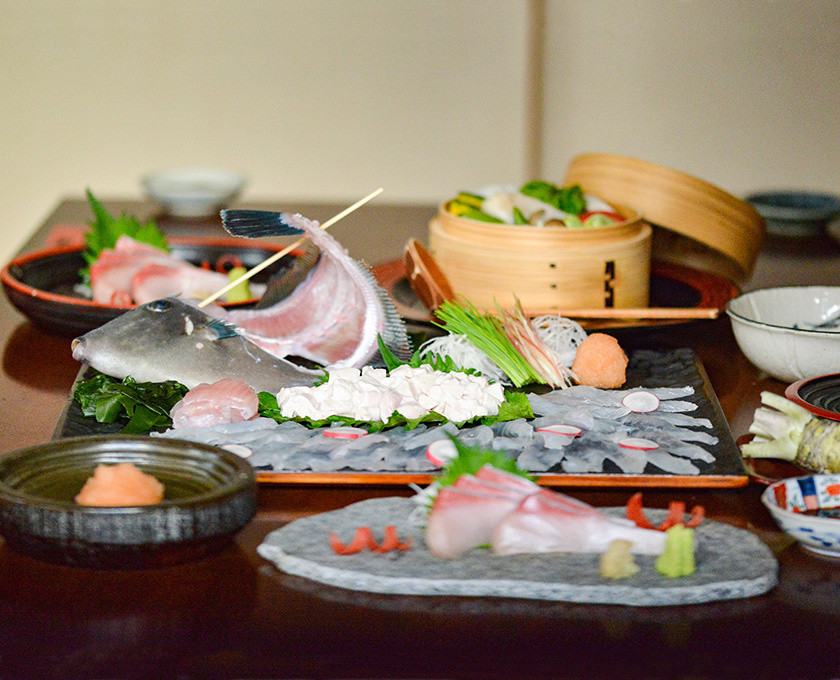
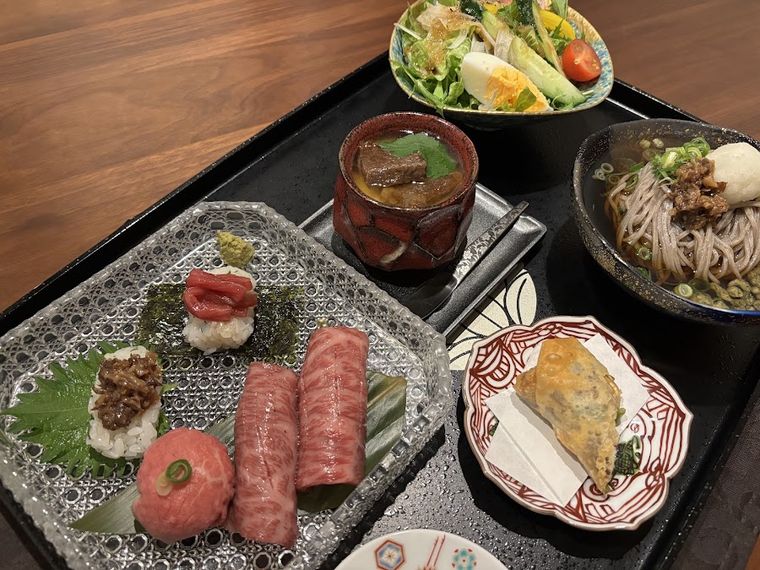
Traditional Kagawa banquet cuisine using seasonal local ingredients. Multiple small dishes served on a large platter. The presentation and variety showcase Sanuki food culture. Several traditional restaurants serve it.

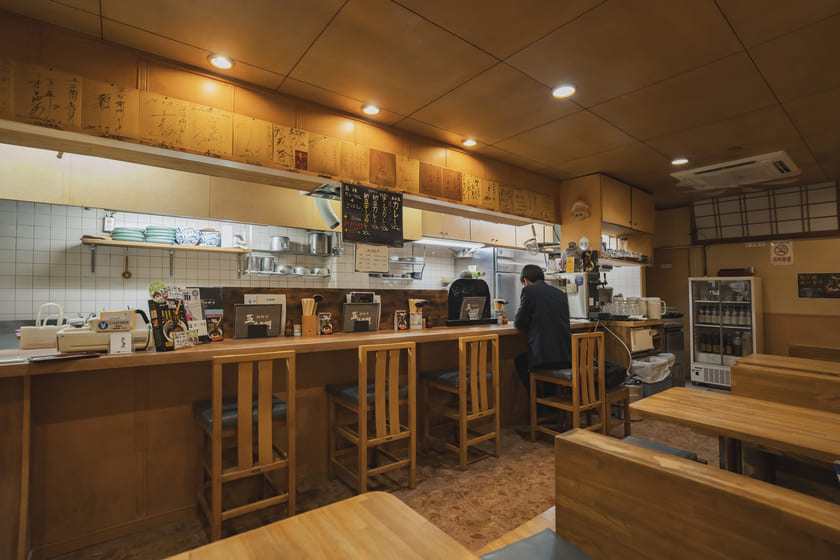
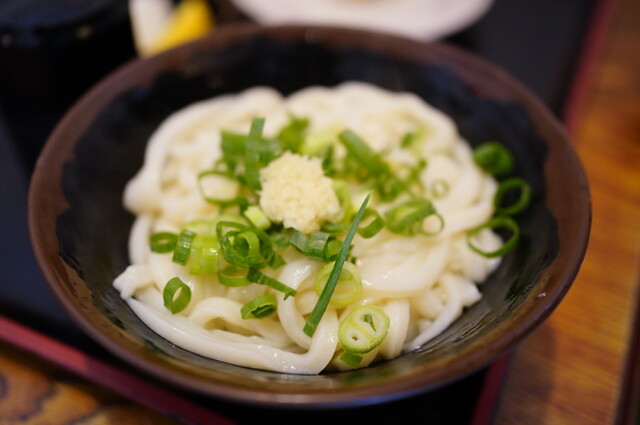
Small counter-only udon shop near the station. Their cold bukkake udon with grated daikon is refreshing. Locals queue from early morning. The simplicity is the appeal.
Matsushima Bay, volcanic crater lakes, and fox-filled mountains.

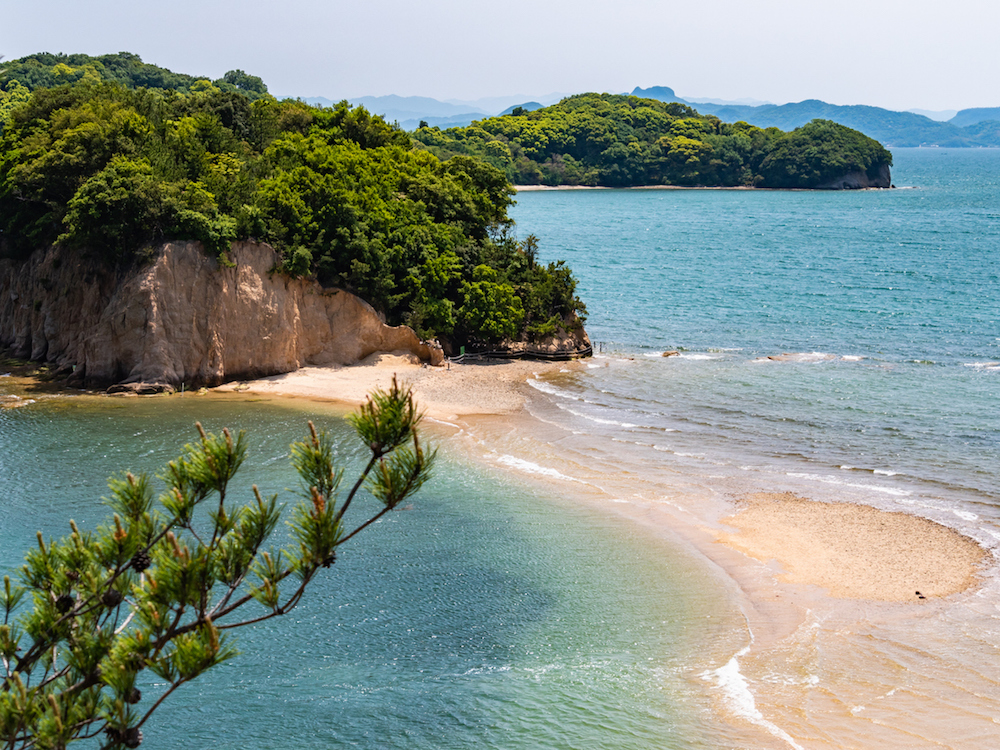
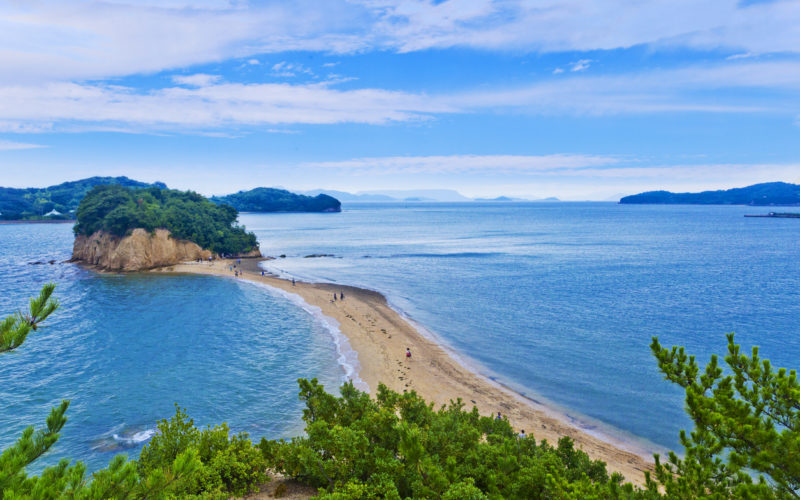
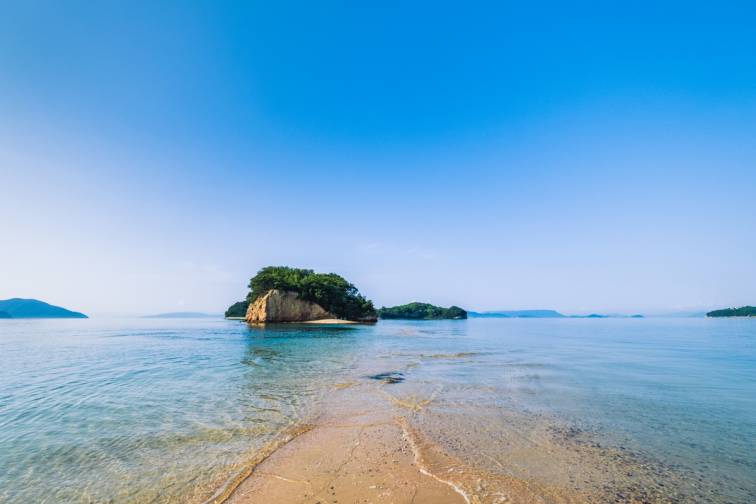
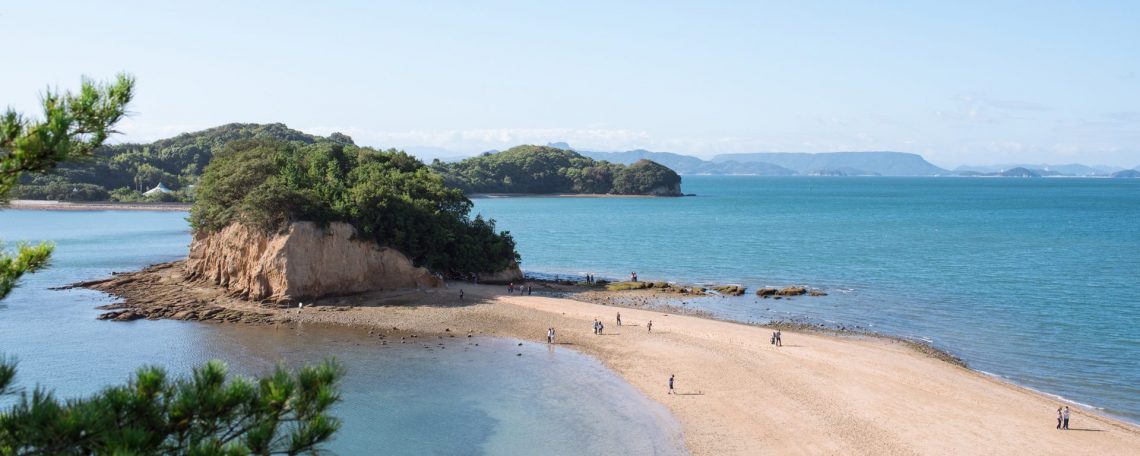
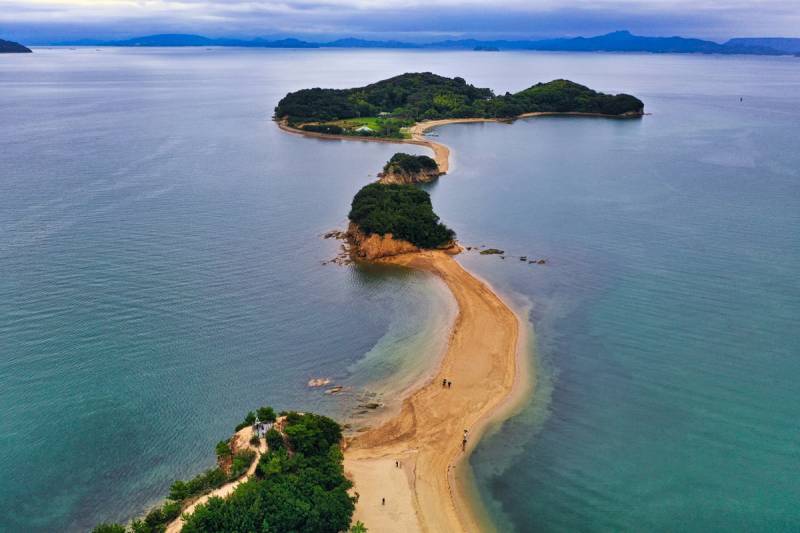
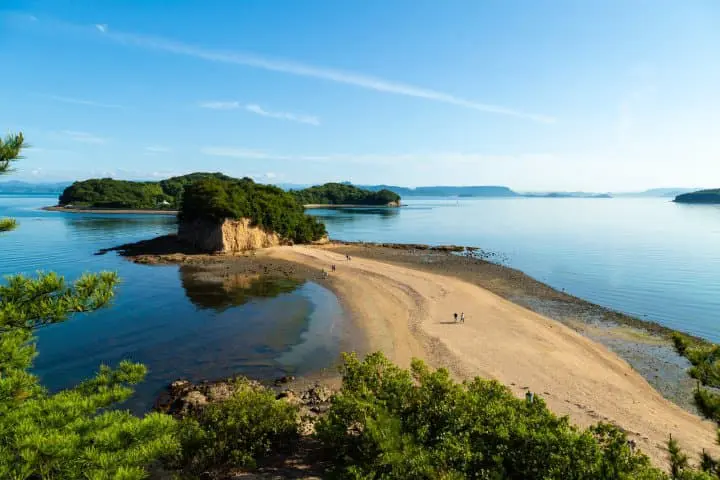
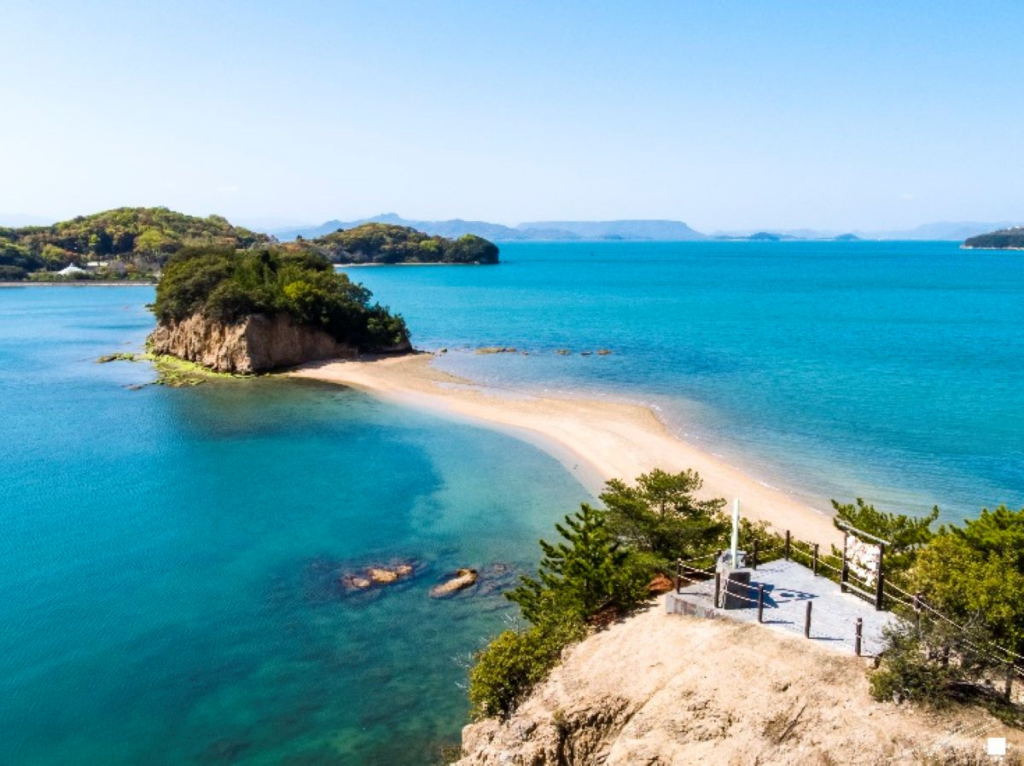
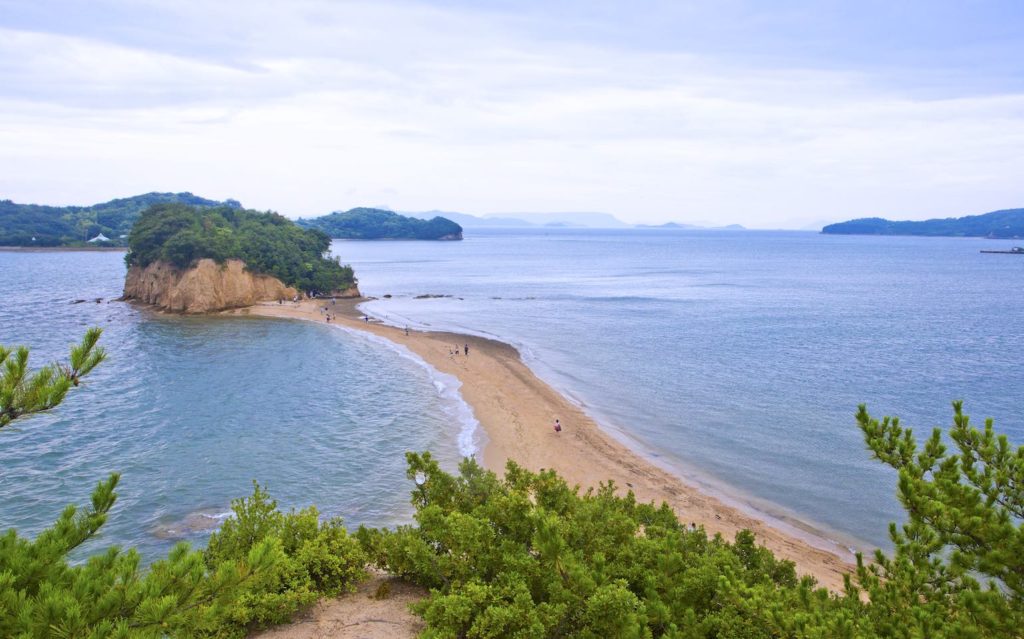
Narrow sandbar connecting small islands that appears only at low tide. Walk across the sea. Romantic spot. Couples tie wishes to a tree. Check tide tables before visiting.

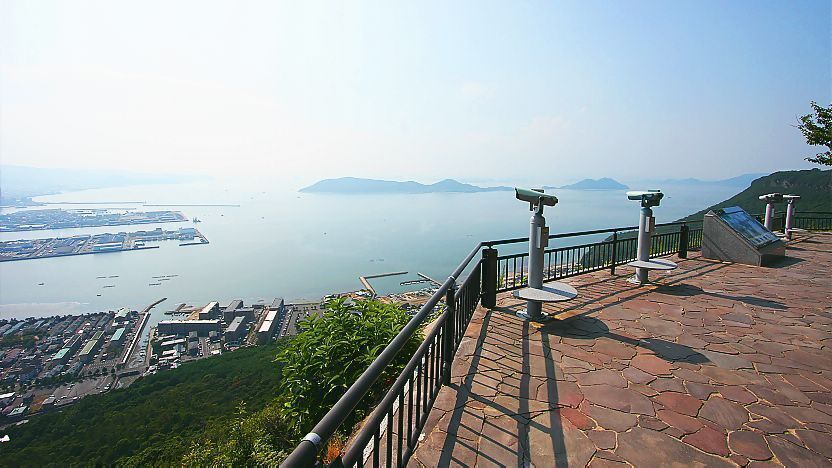
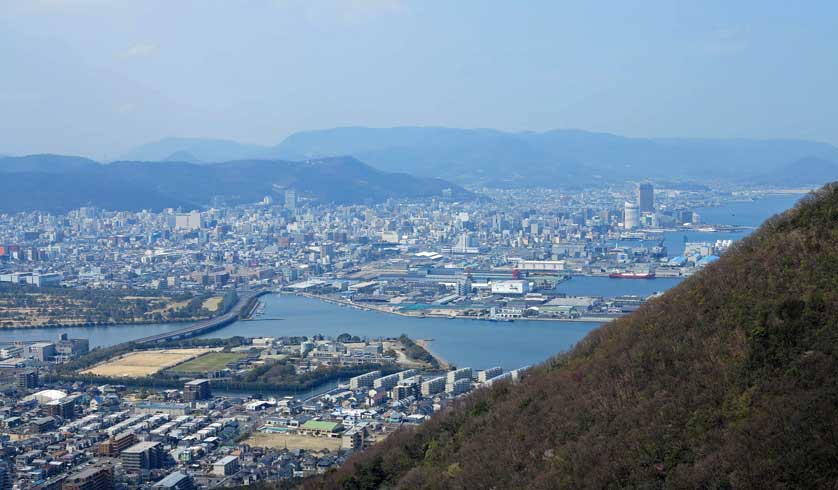
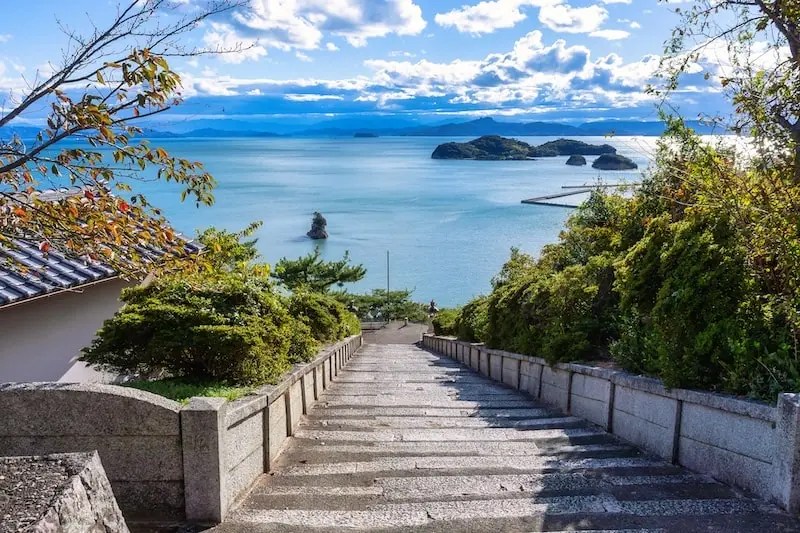
Flat-topped mountain overlooking Takamatsu and the Seto Inland Sea. Site of a famous Genpei War battle. Yashima Temple (84th of the 88 pilgrimage temples). Panoramic views over the islands.

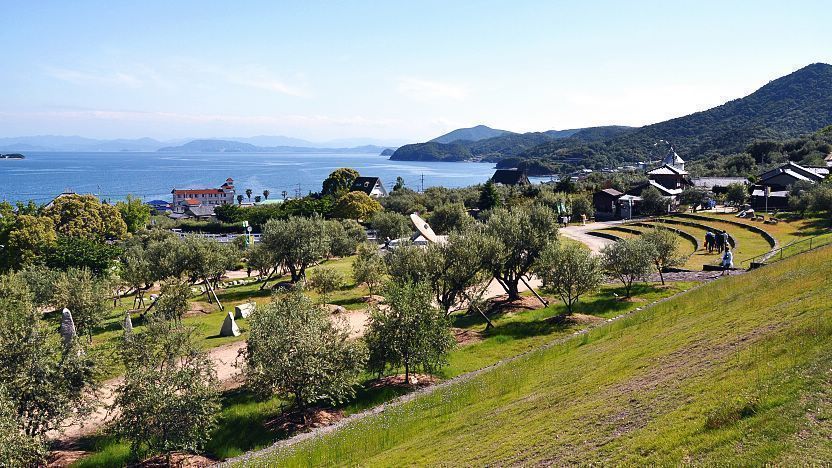
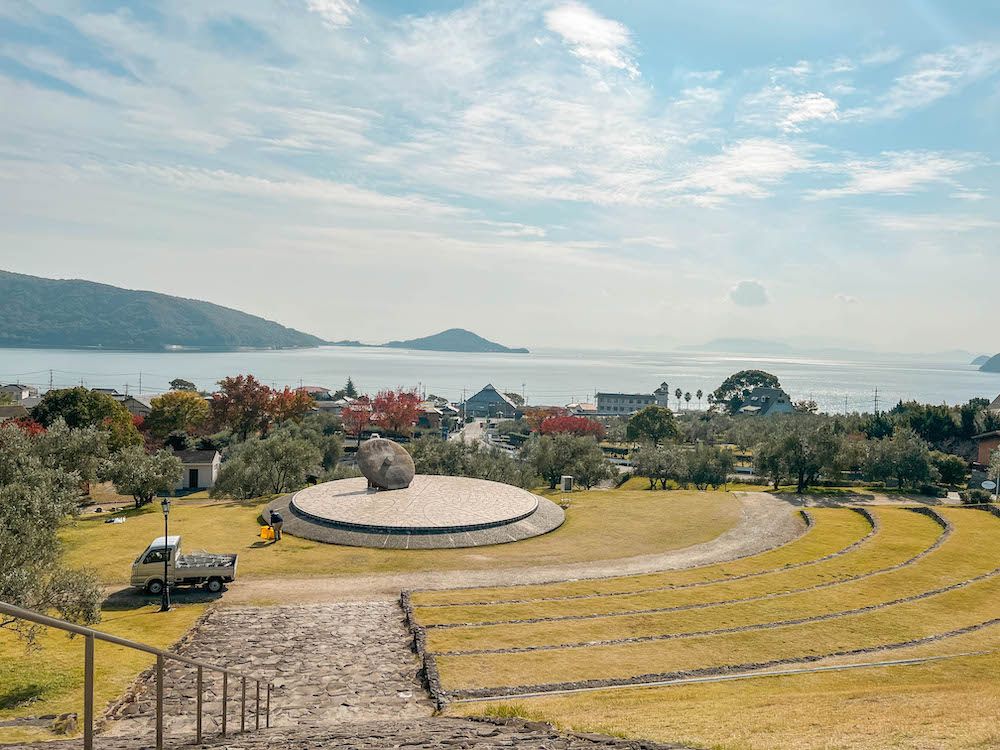
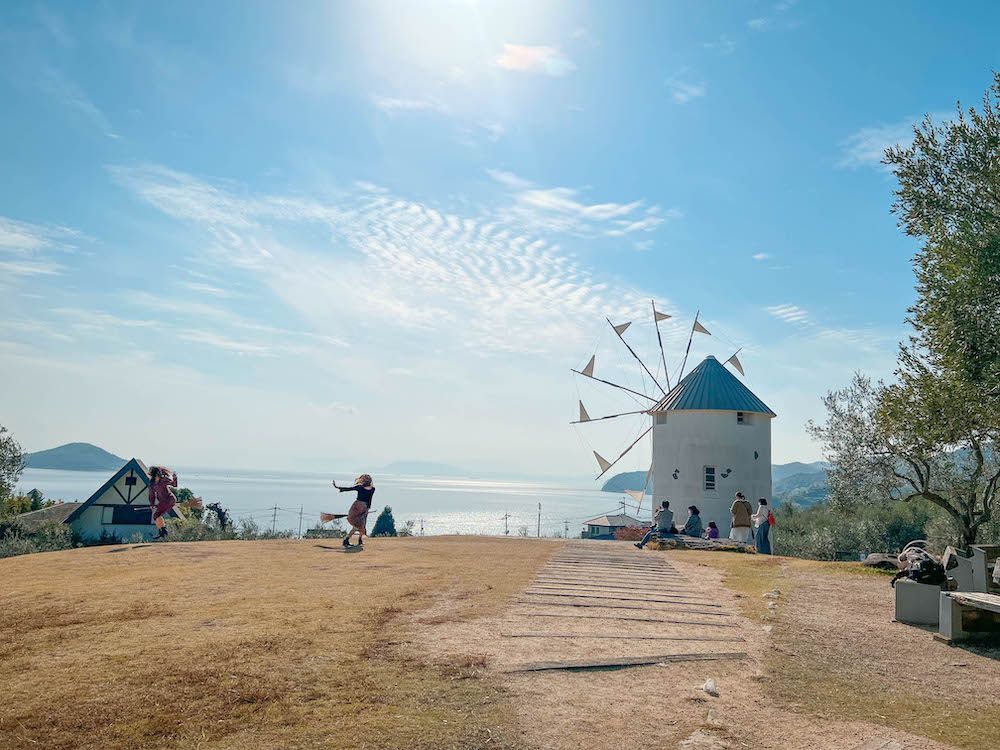
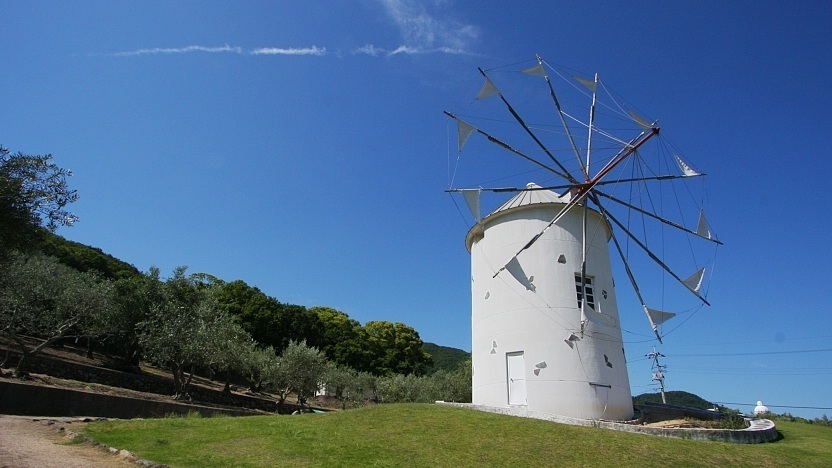
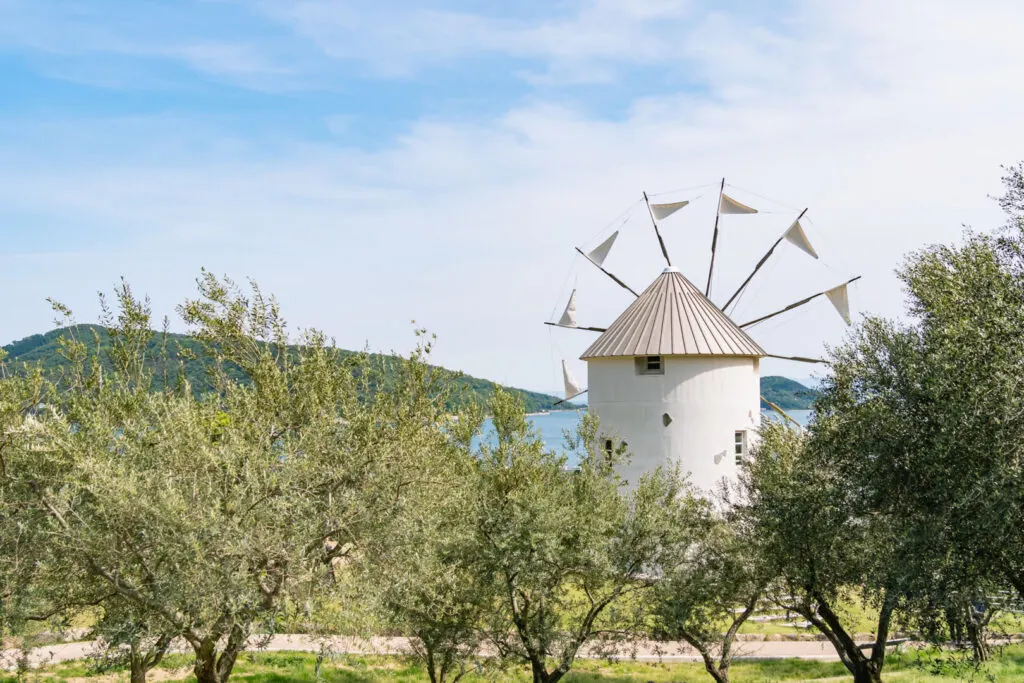
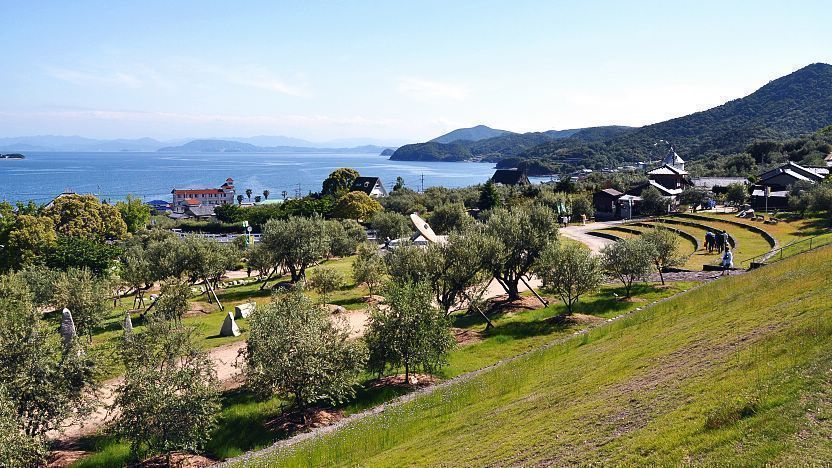
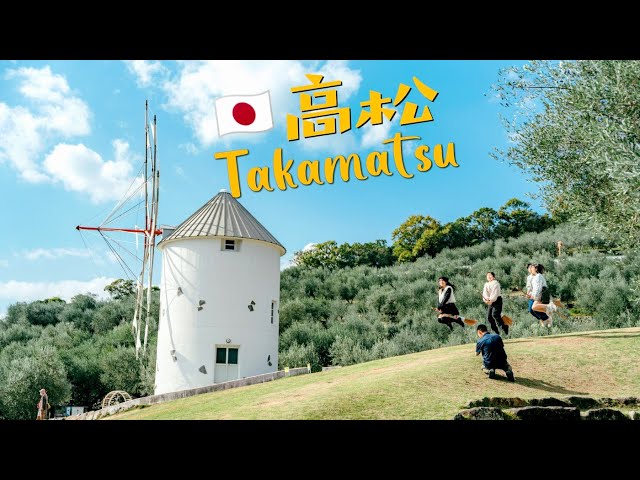
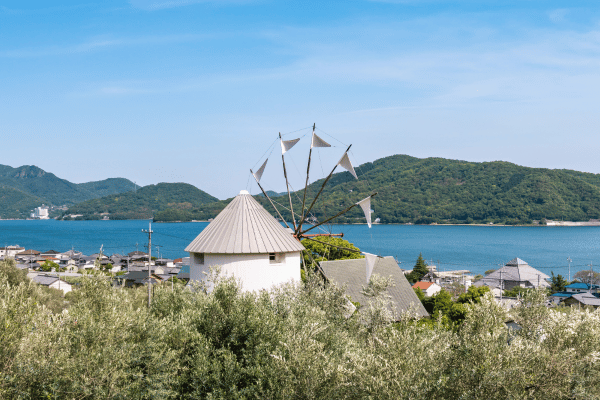
Hilltop olive grove overlooking the sea. Greek-style windmill and Mediterranean atmosphere. Olive ice cream, olive soda, and olive everything. Japan's olive-growing origin story.

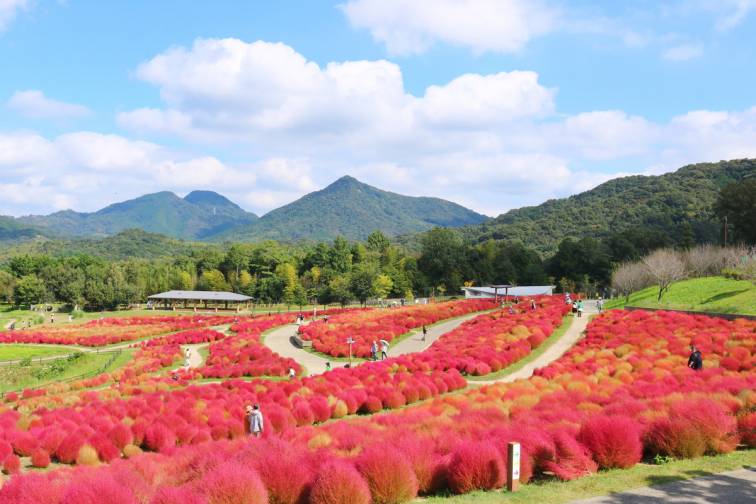
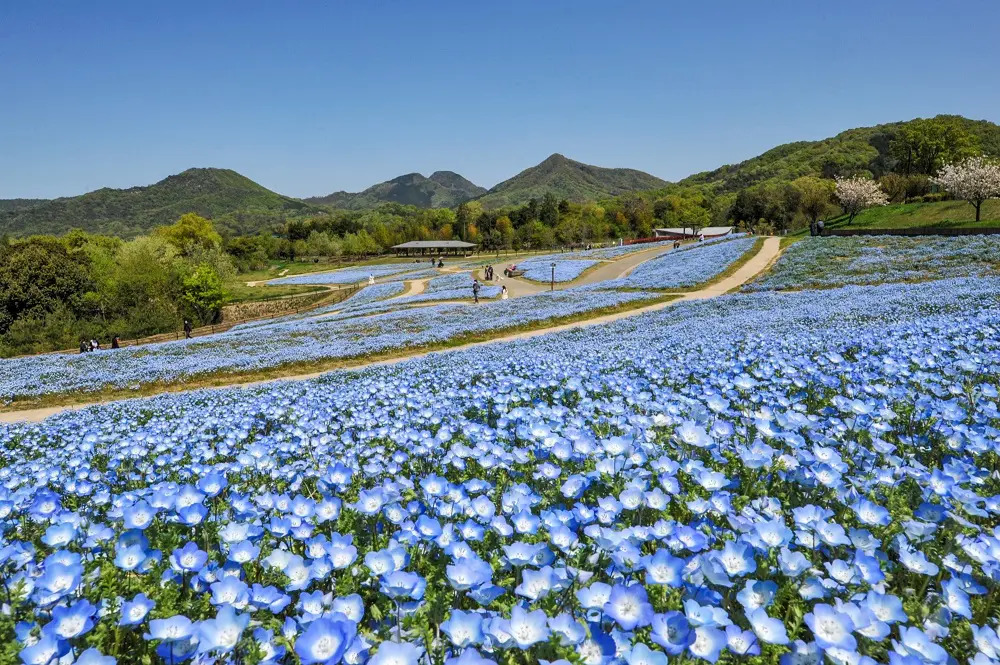
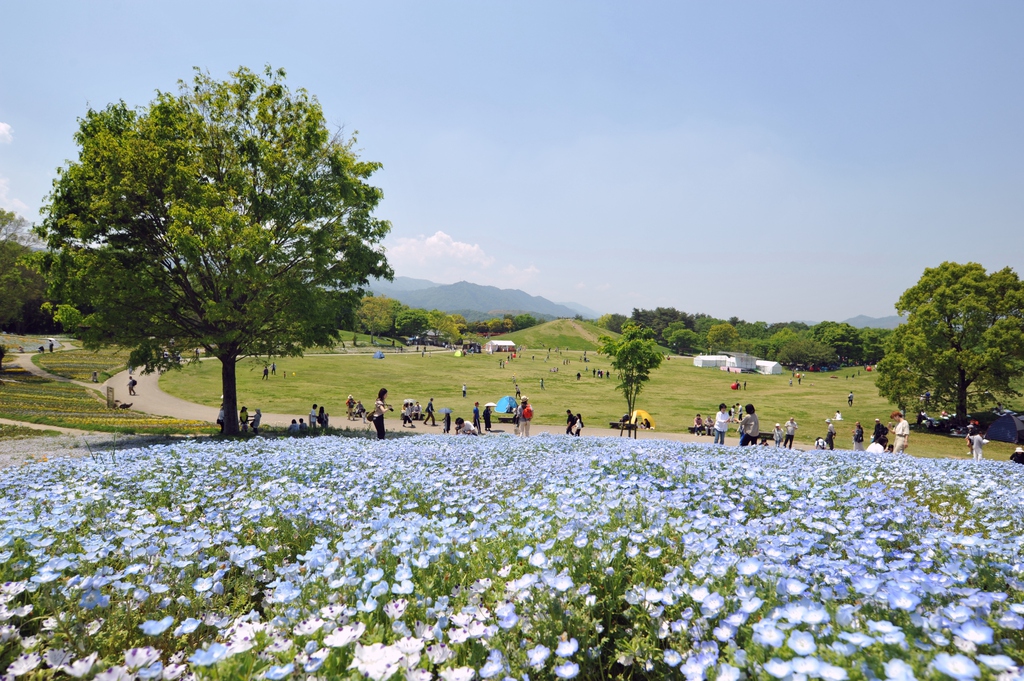
Japan's largest National Government Park. Massive flower gardens, playgrounds, and cycling paths. Over 30000 daffodils in spring. A full day of outdoor activities. 1 hour from Takamatsu.
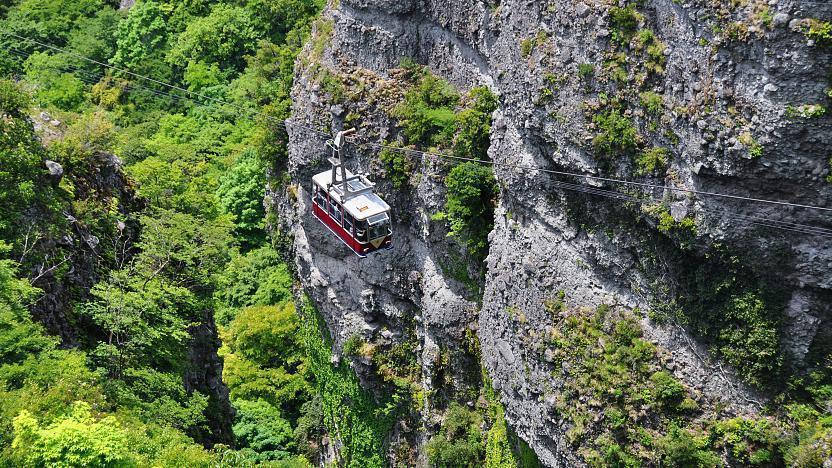
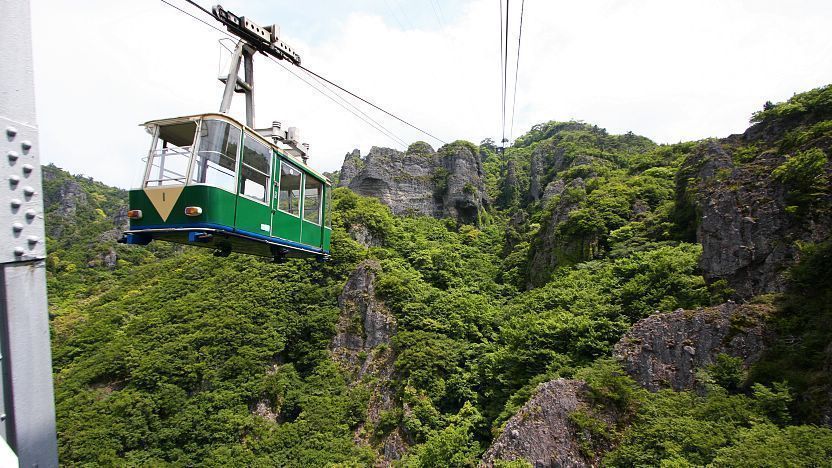
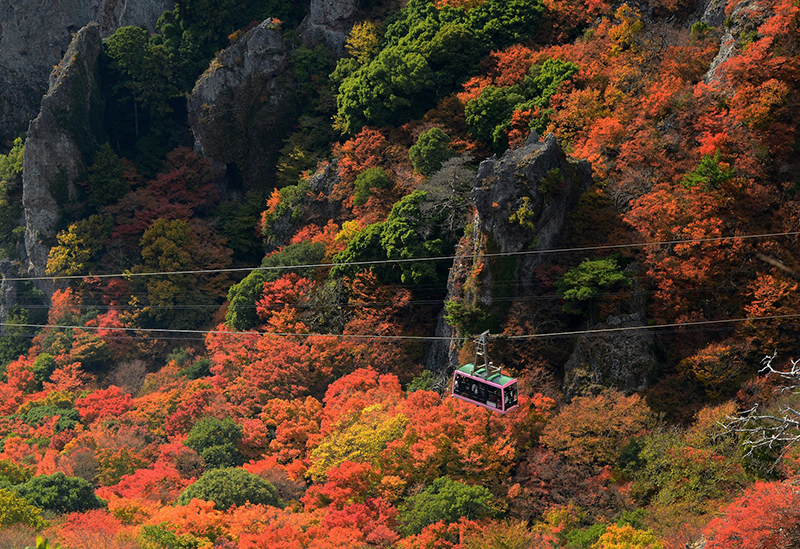
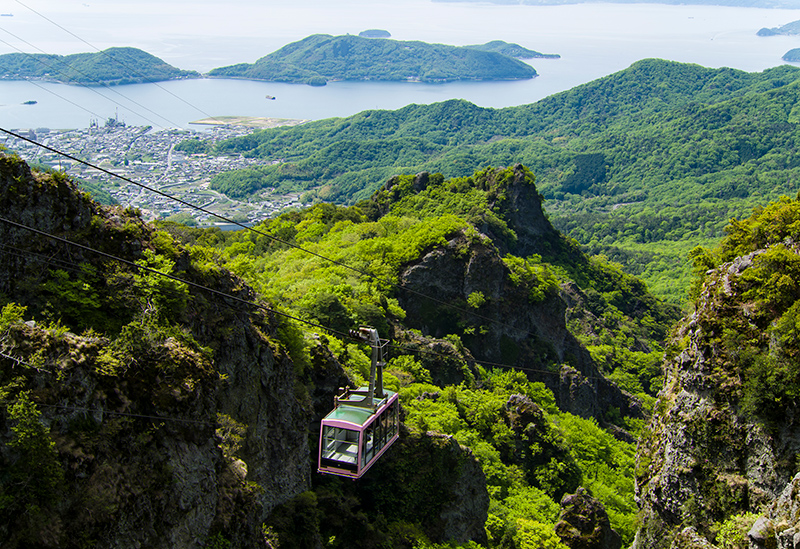
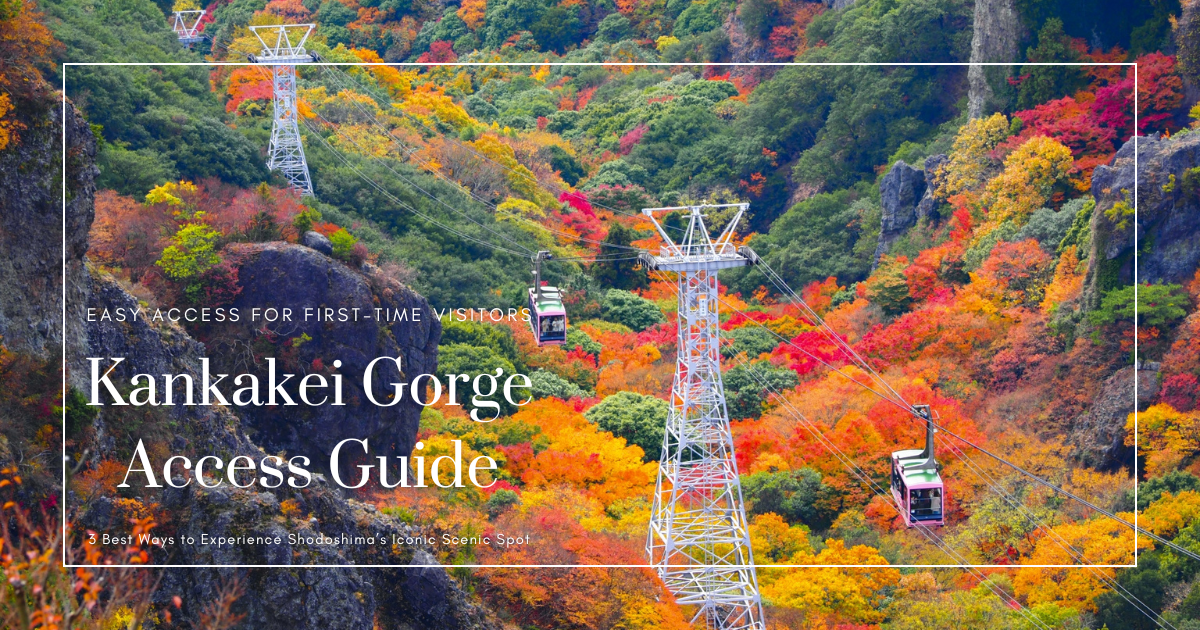
Ropeway across a dramatic gorge with sheer cliff faces and autumn colors. One of Japan's top three gorge views. The 5-minute ride reveals layers of rock and forest. Best in November.
Hot springs, whisky distilleries, festivals, and one-of-a-kind encounters.

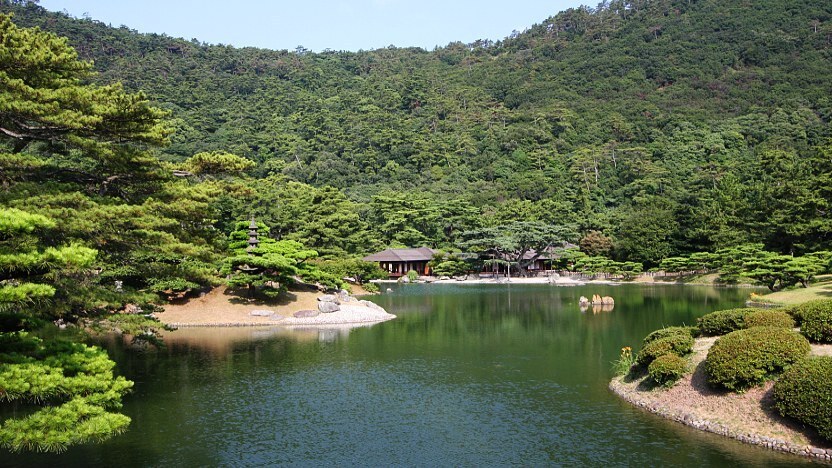
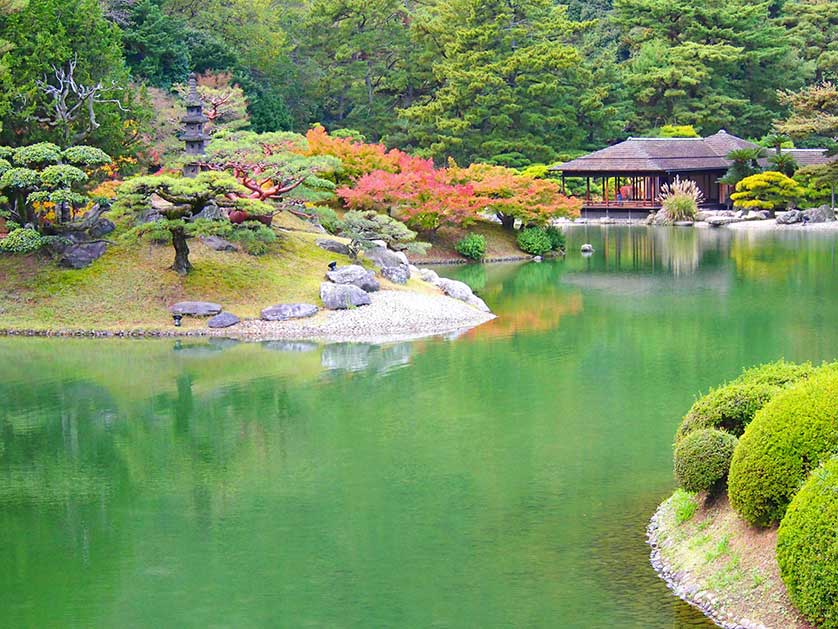
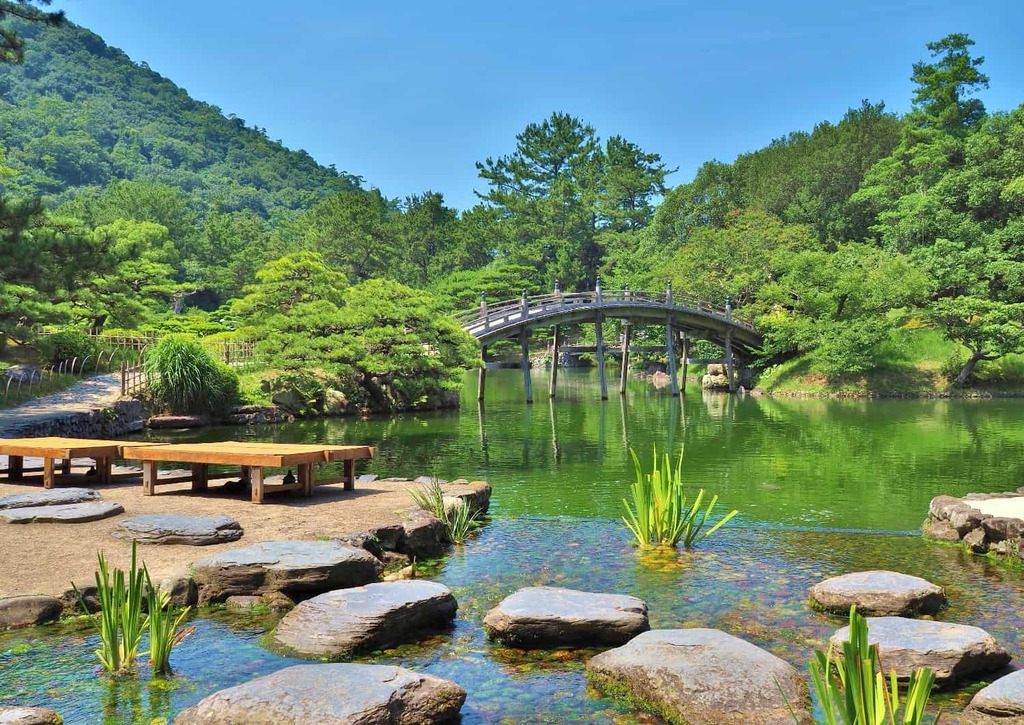
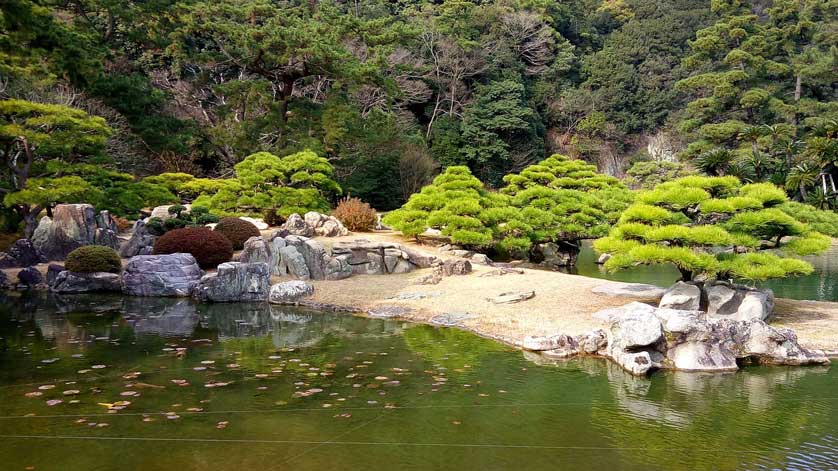
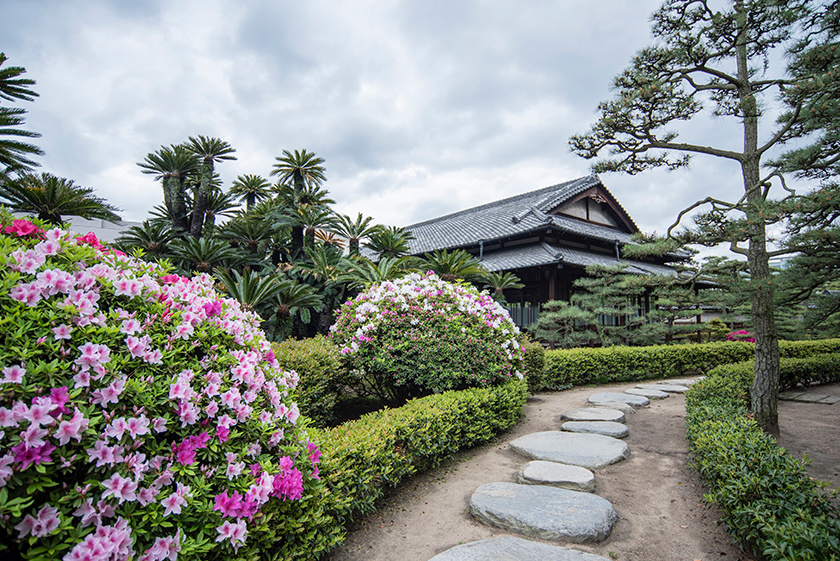
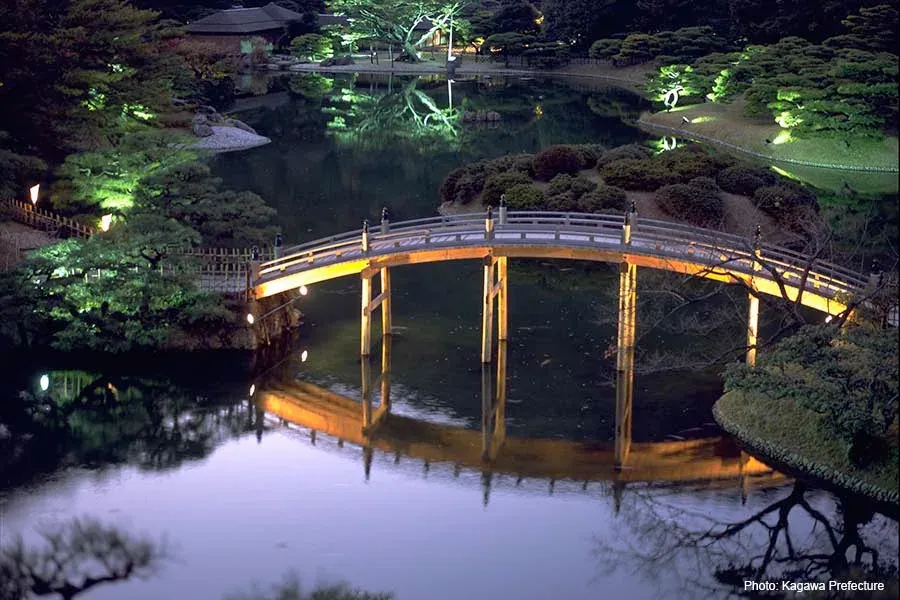
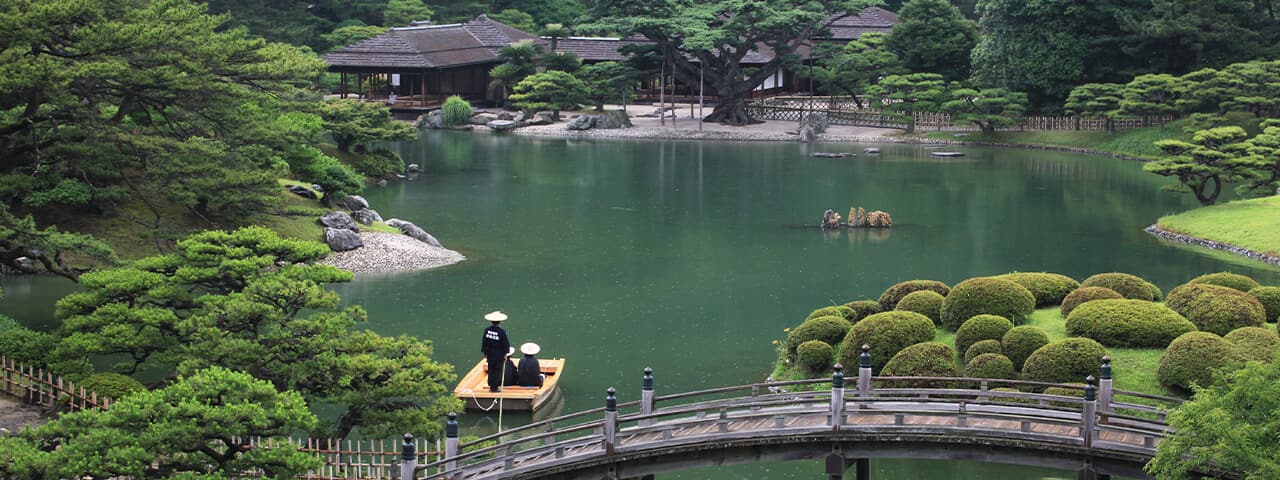
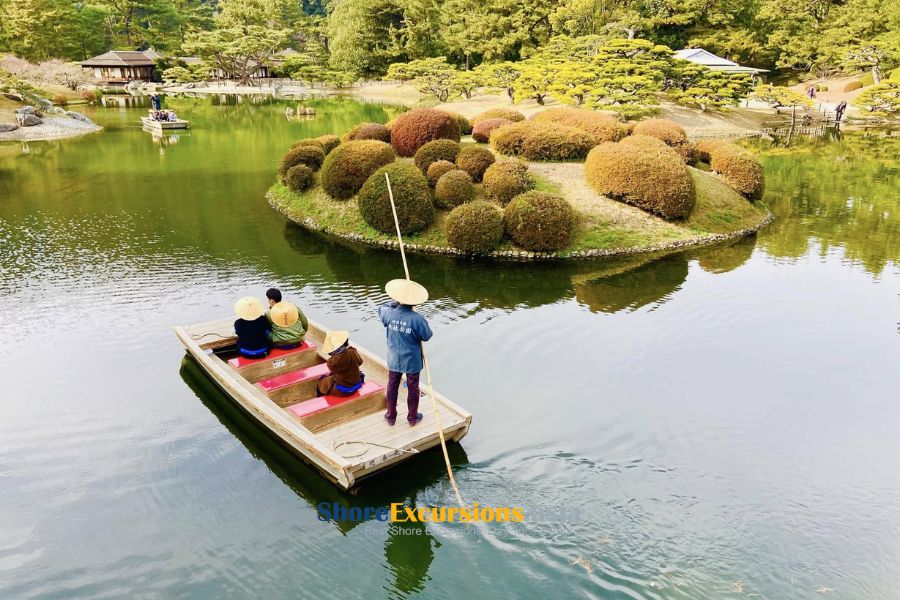
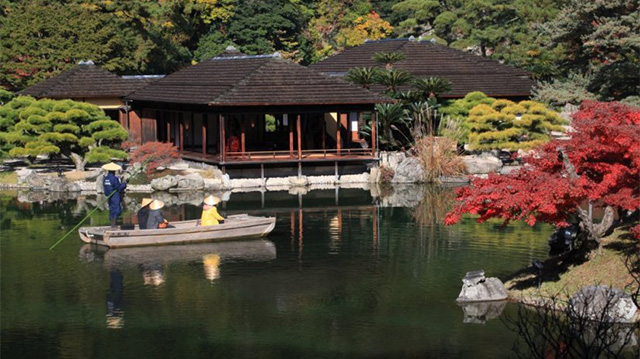
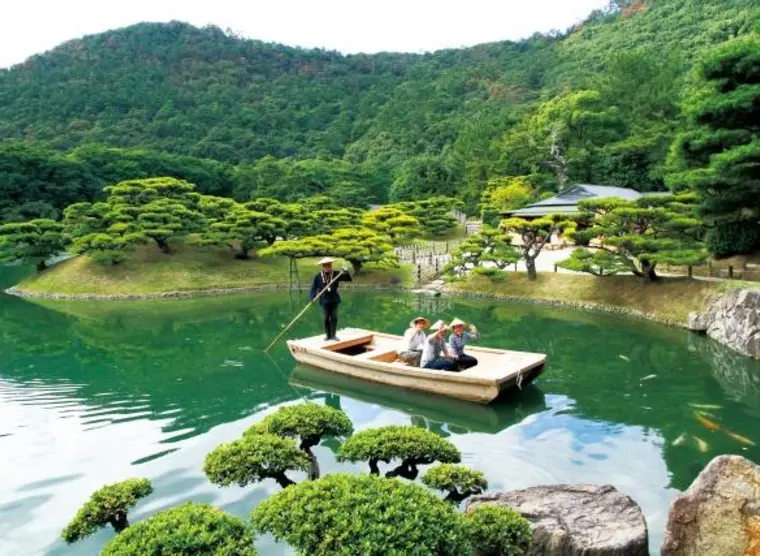
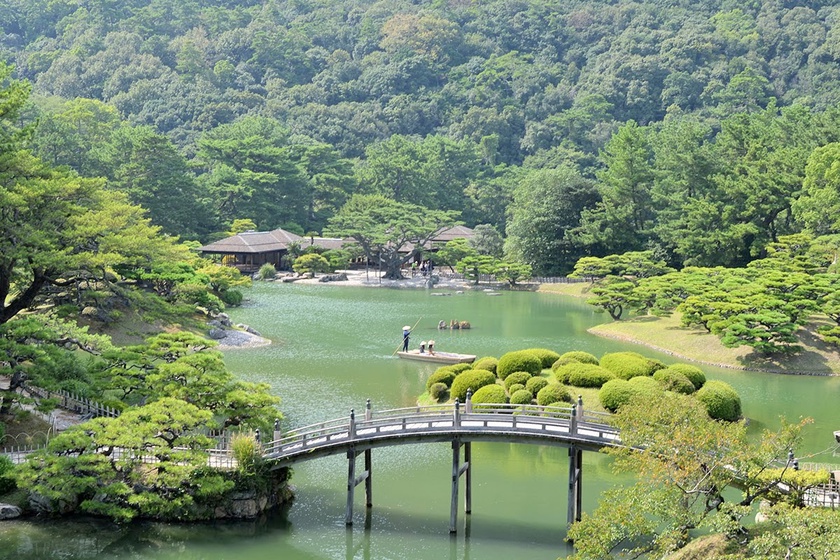
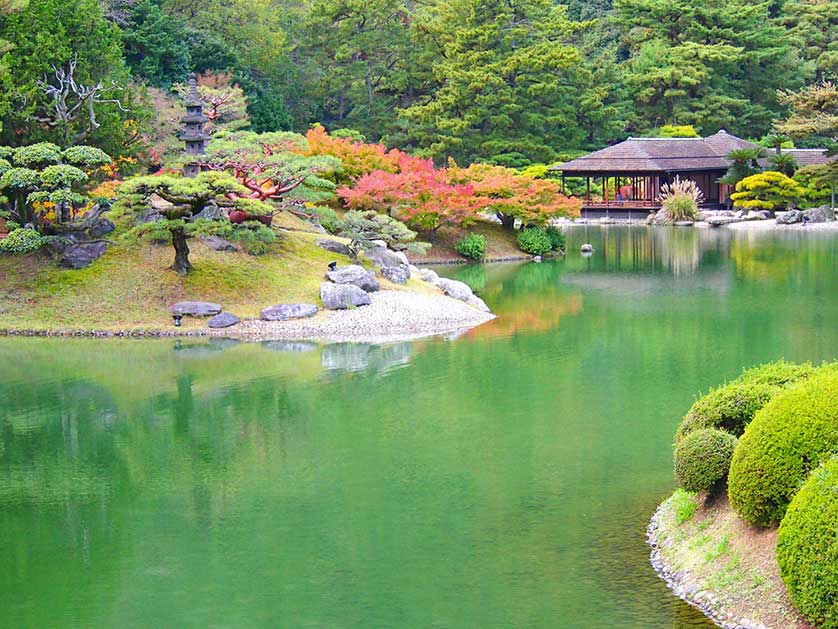
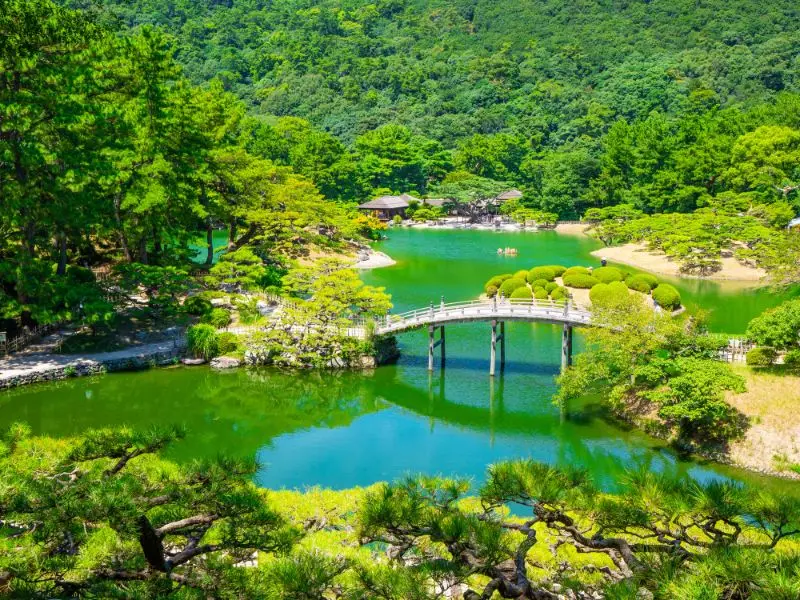
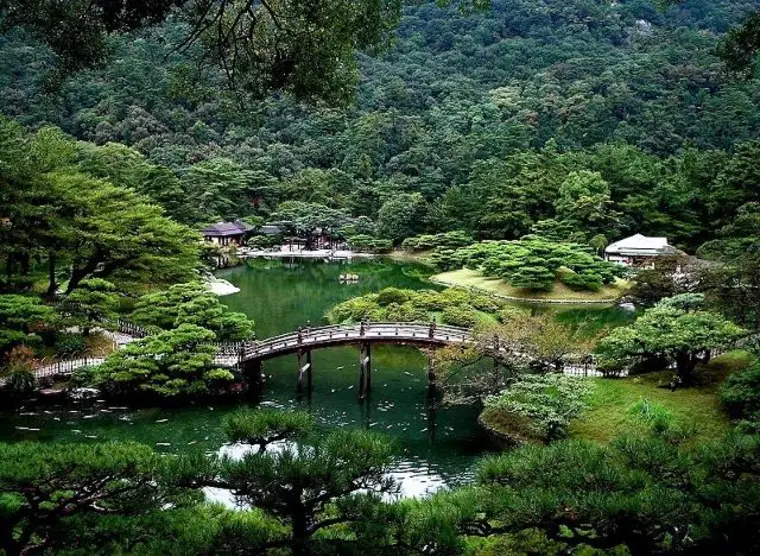
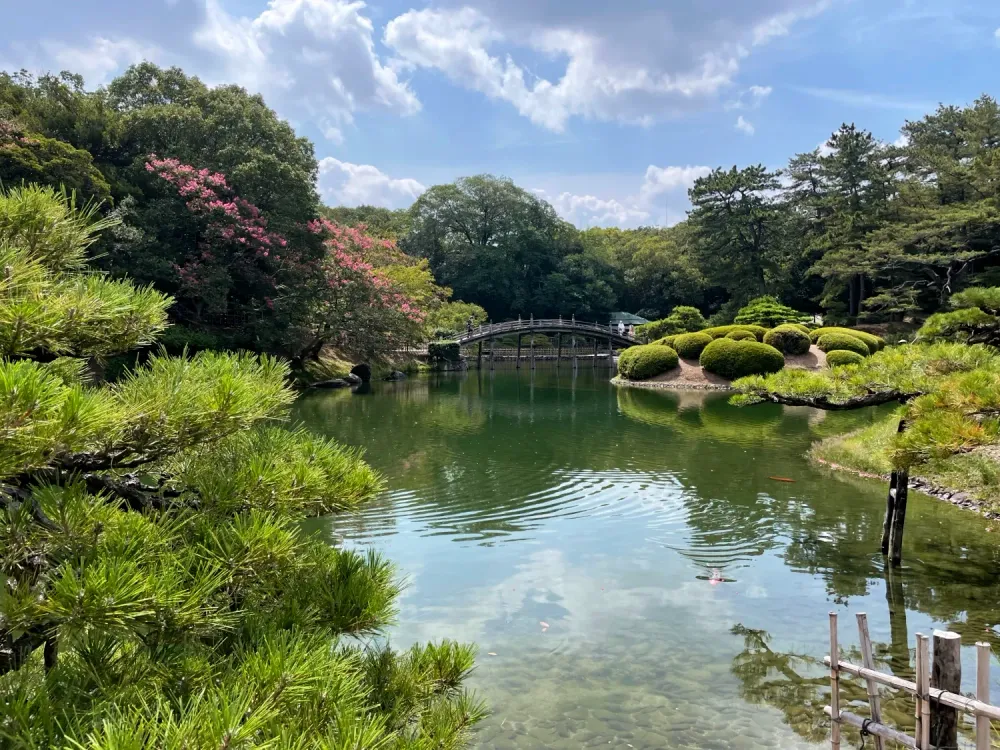
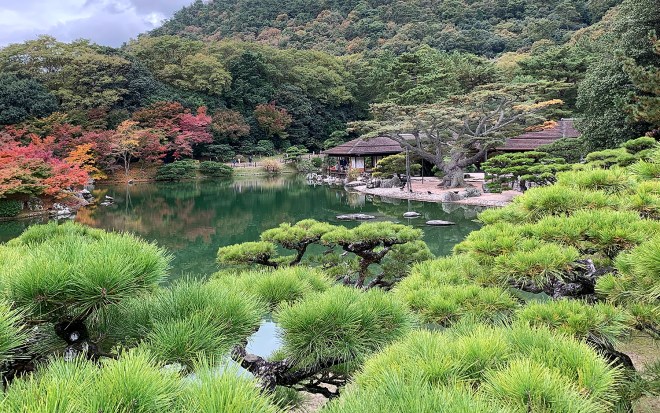
One of Japan's finest landscape gardens, arguably rivaling the top three. 75 hectares with six ponds, thirteen landscaped hills, and Mount Shuin as borrowed scenery. The tea house on the lake is perfect.

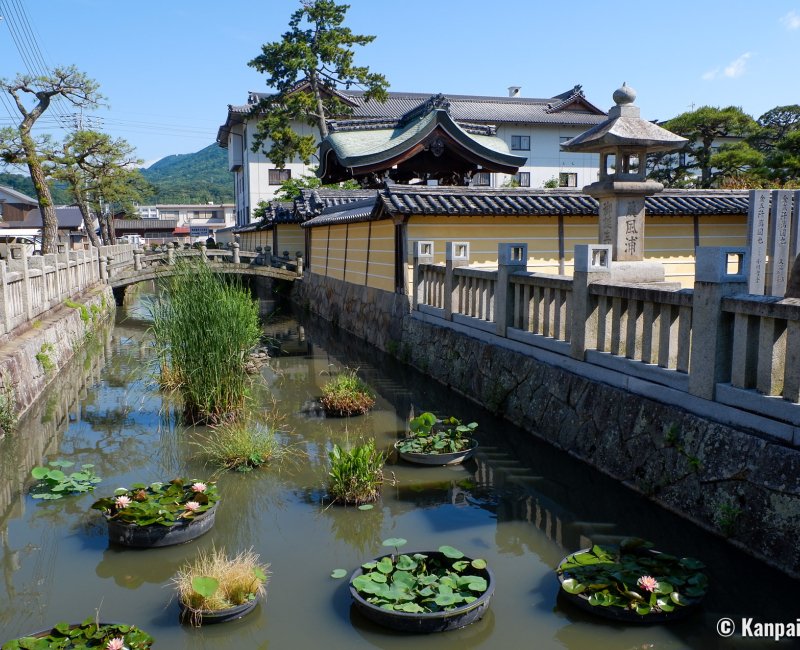
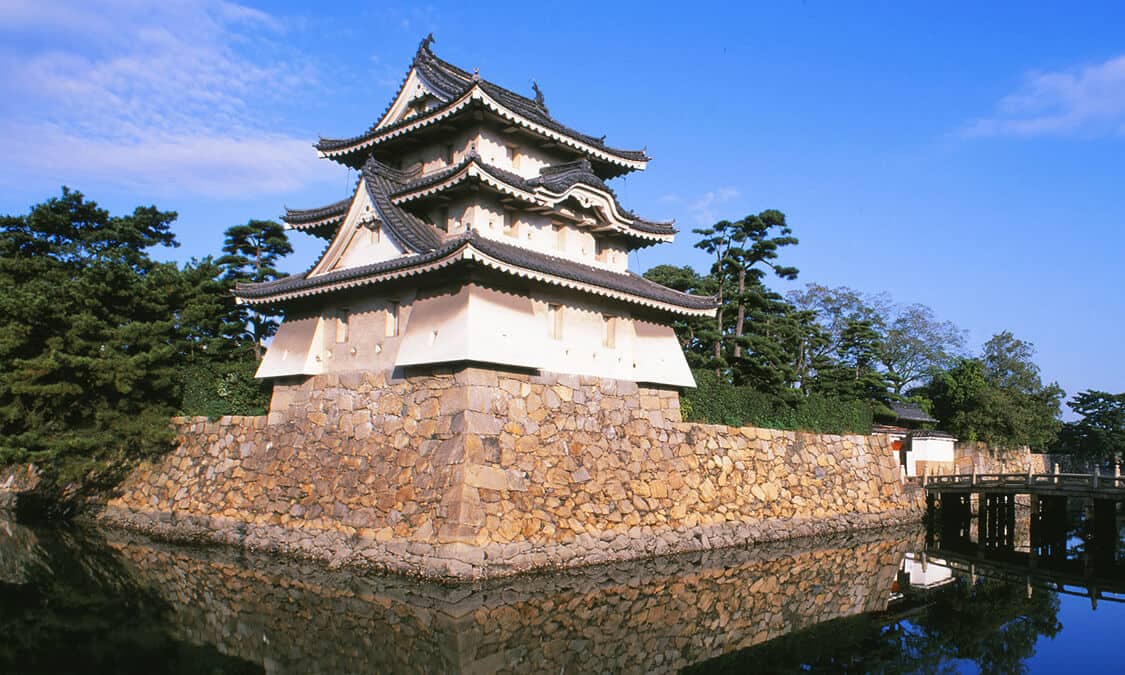
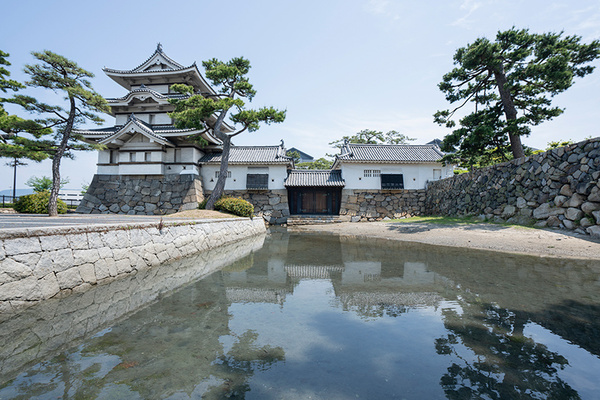
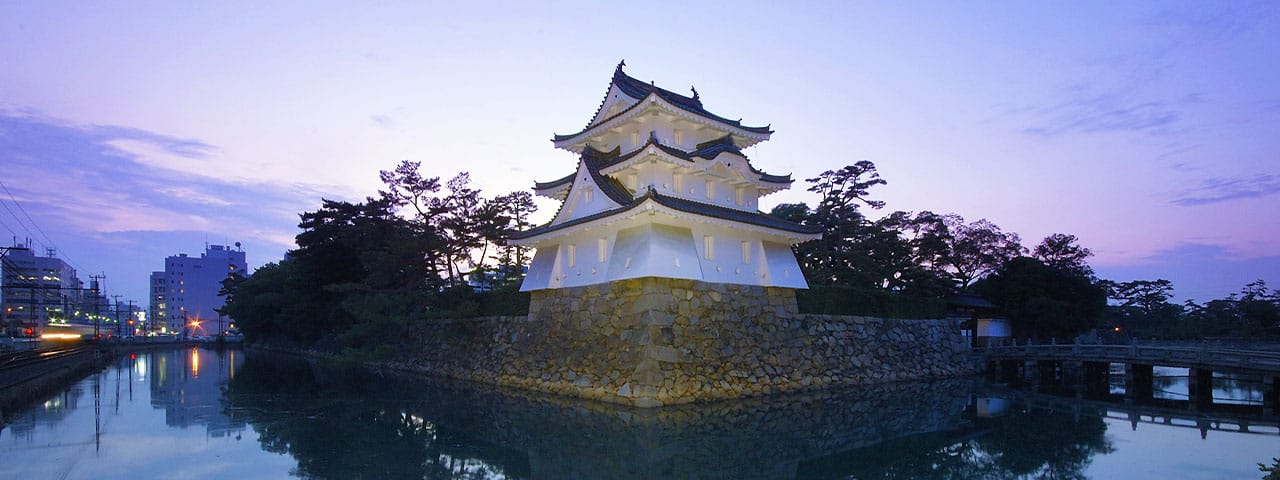
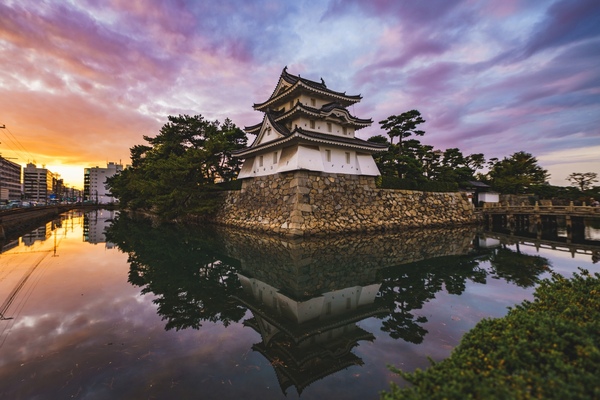
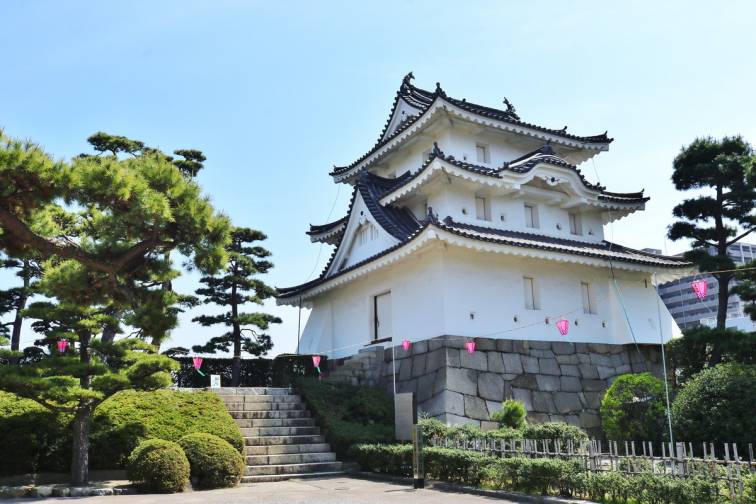
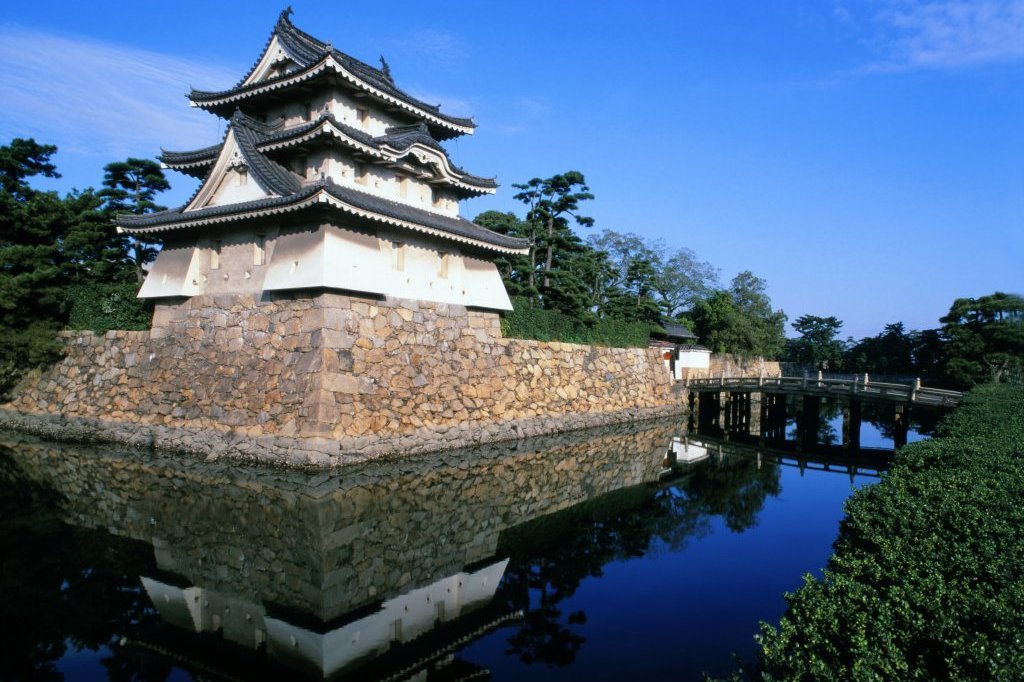
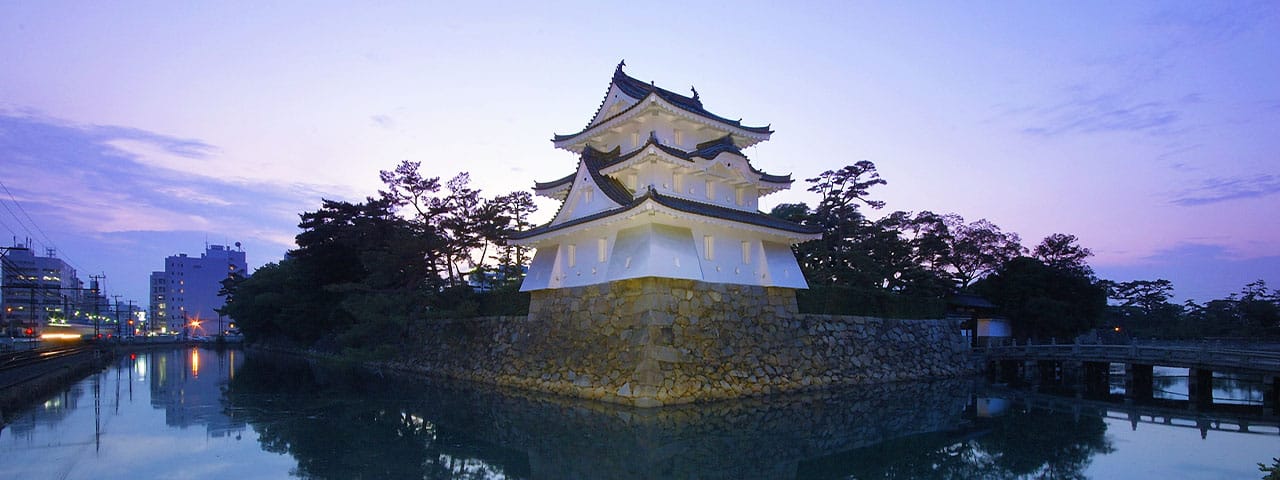
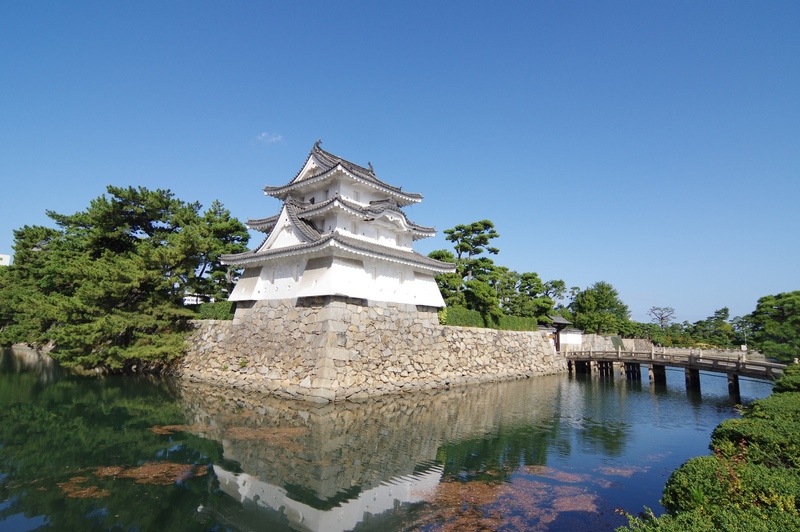
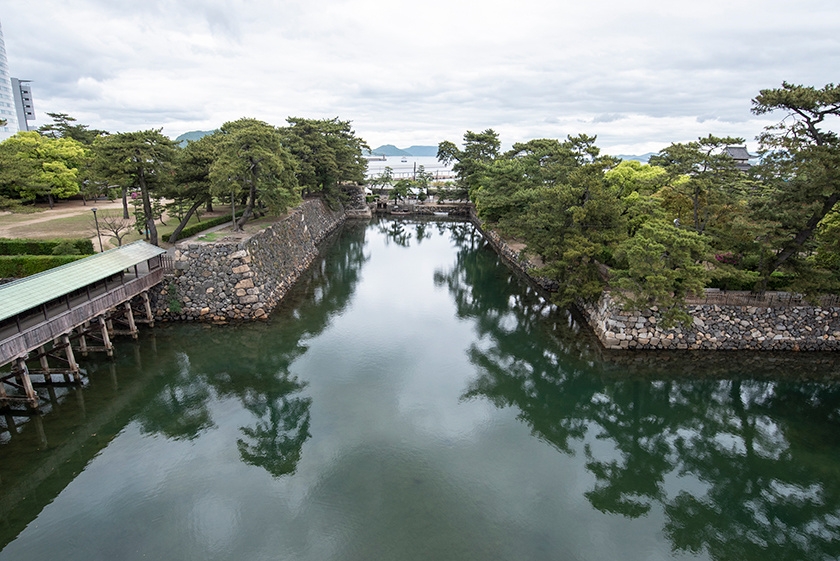
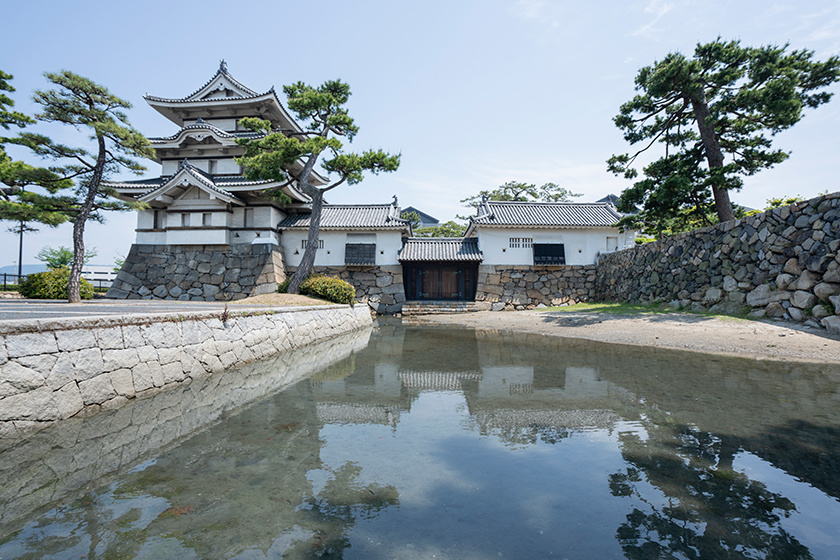
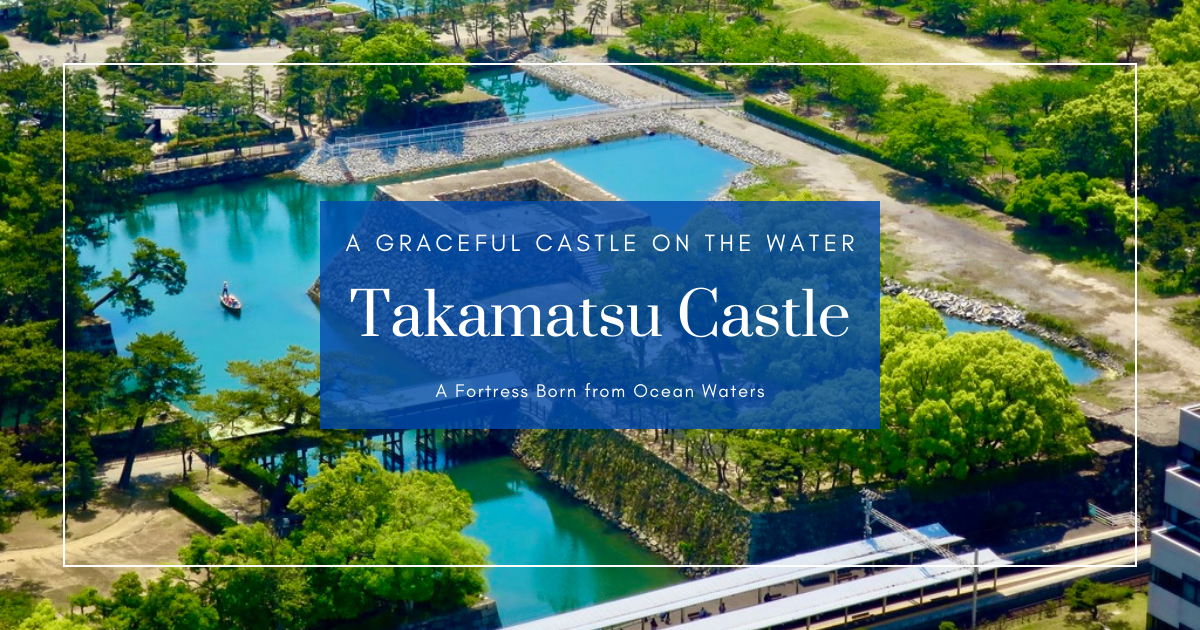
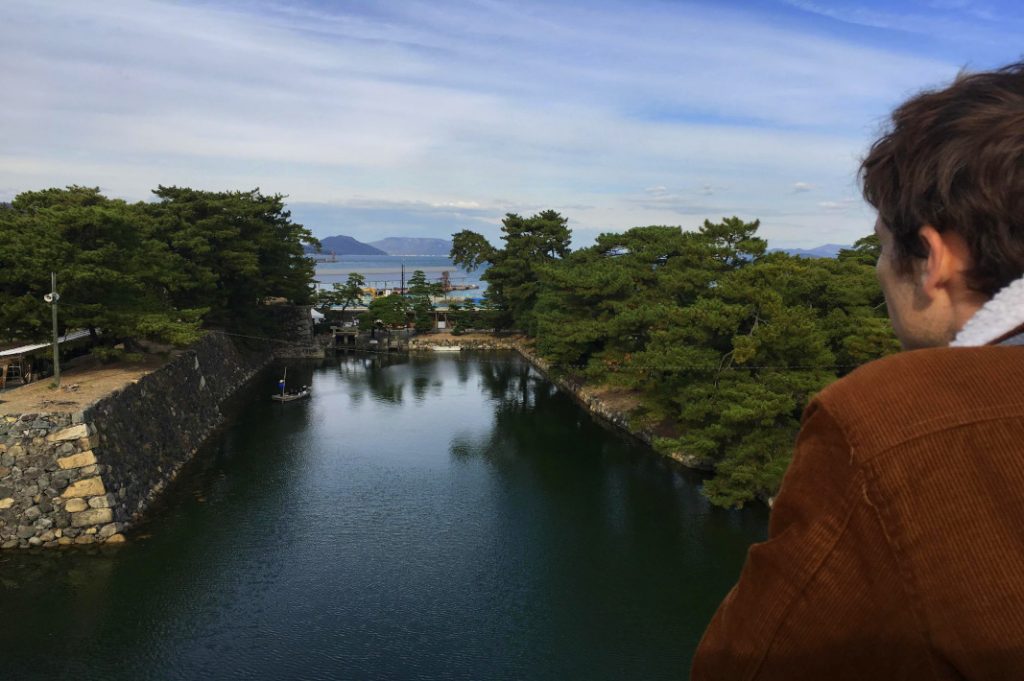
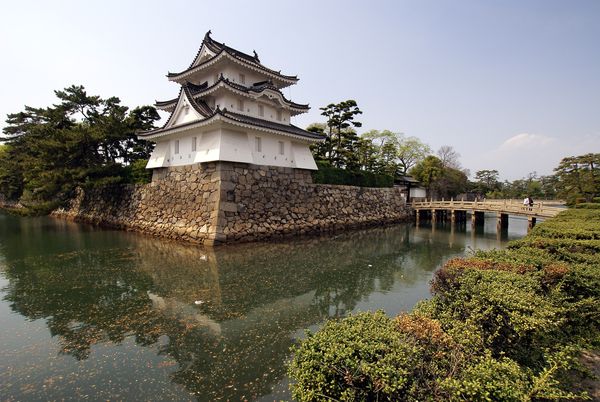
One of Japan's few seawater moat castles. The moat connects to the Seto Inland Sea. Sea bream and other fish swim in the moat. Feed them from the stone walls. Beautiful grounds.
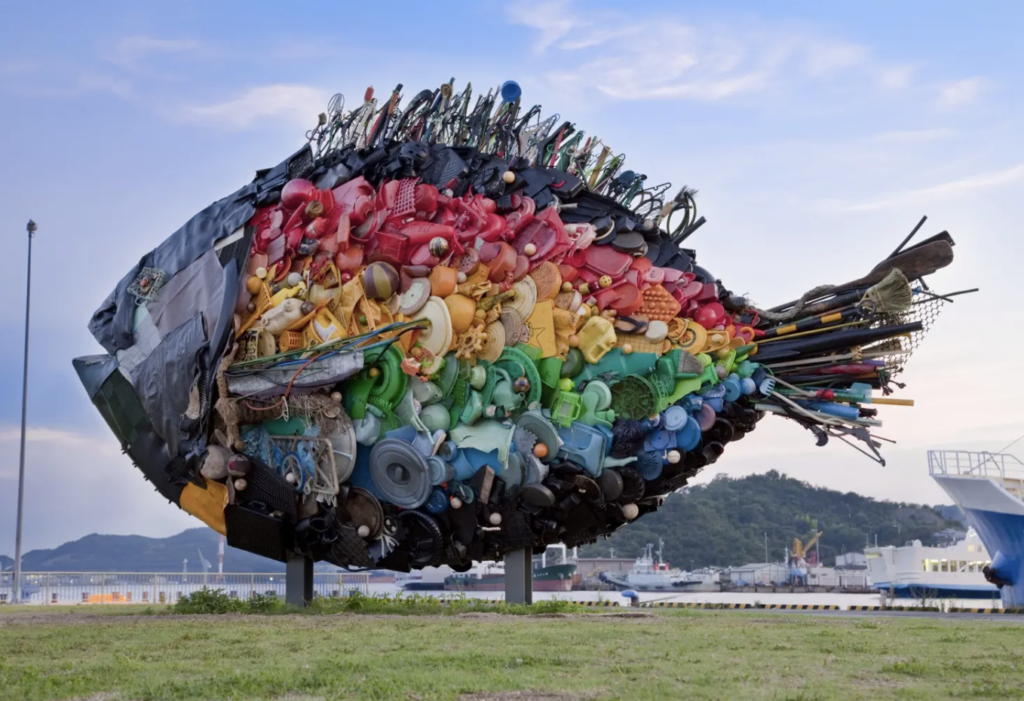
Major international art festival held every three years across 12 Seto Inland Sea islands. Even between festivals, many permanent installations remain. A global art destination.

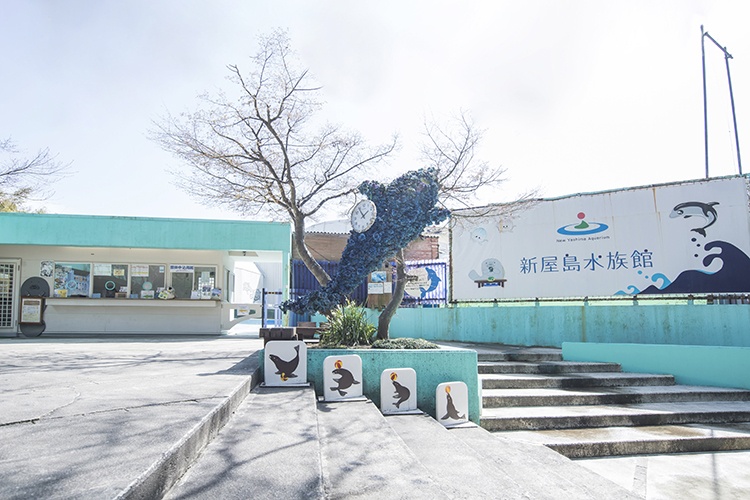
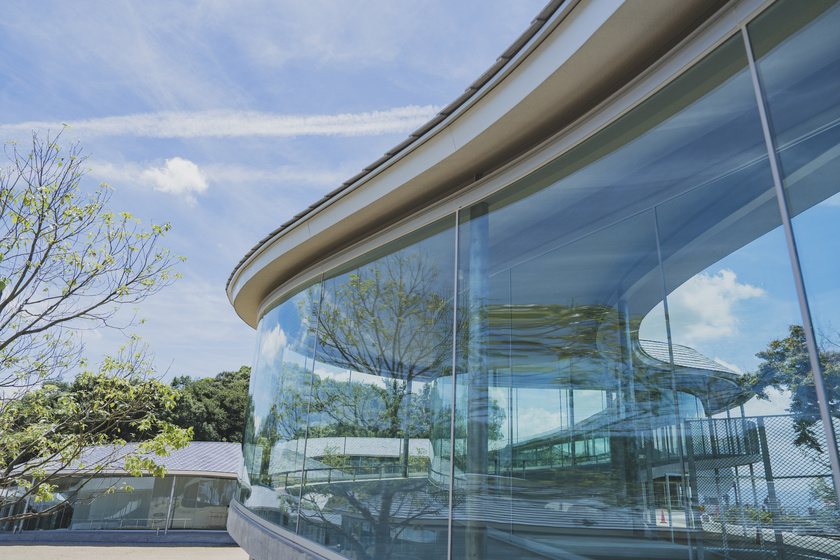
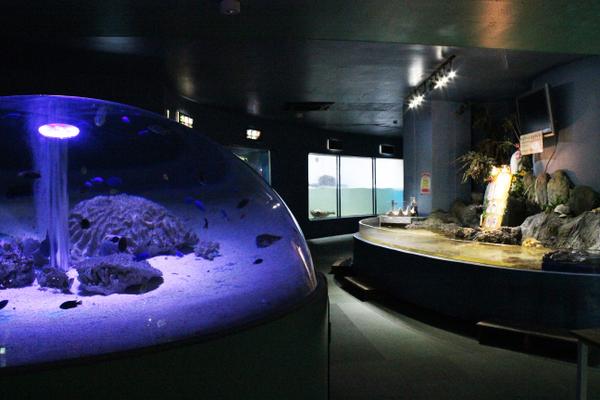
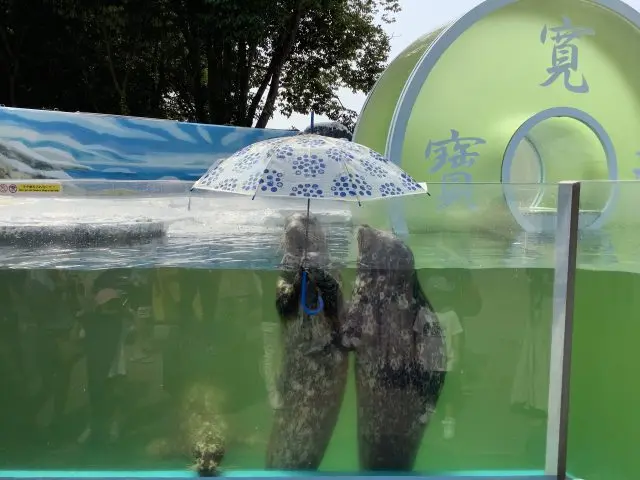
Hilltop aquarium on Yashima plateau. The location overlooking the sea is unusual. Sea lion shows, touch pools, and local marine life. Combined with the Yashima viewpoint makes a great outing.

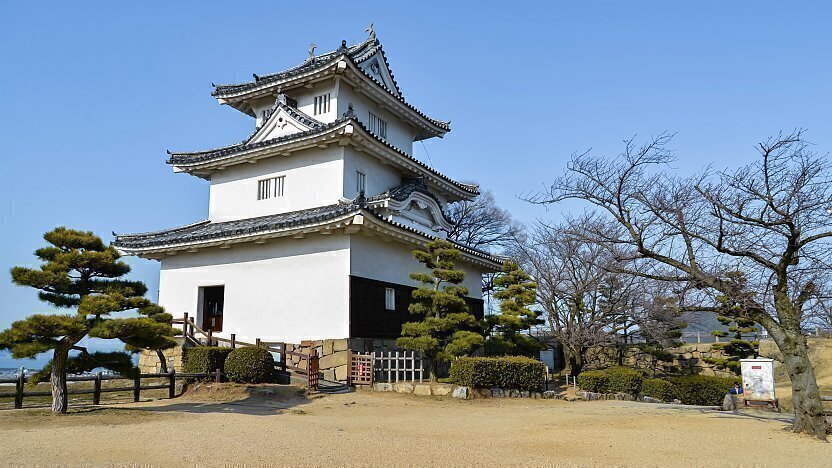
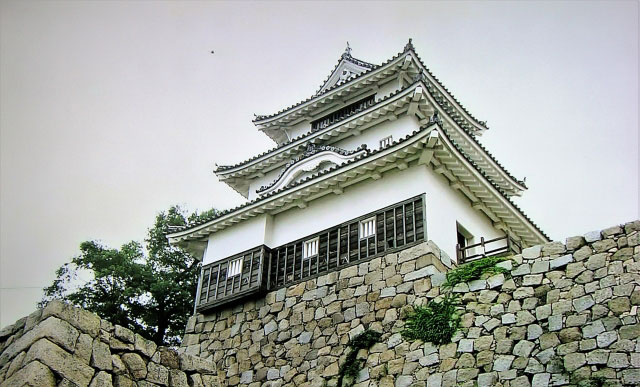
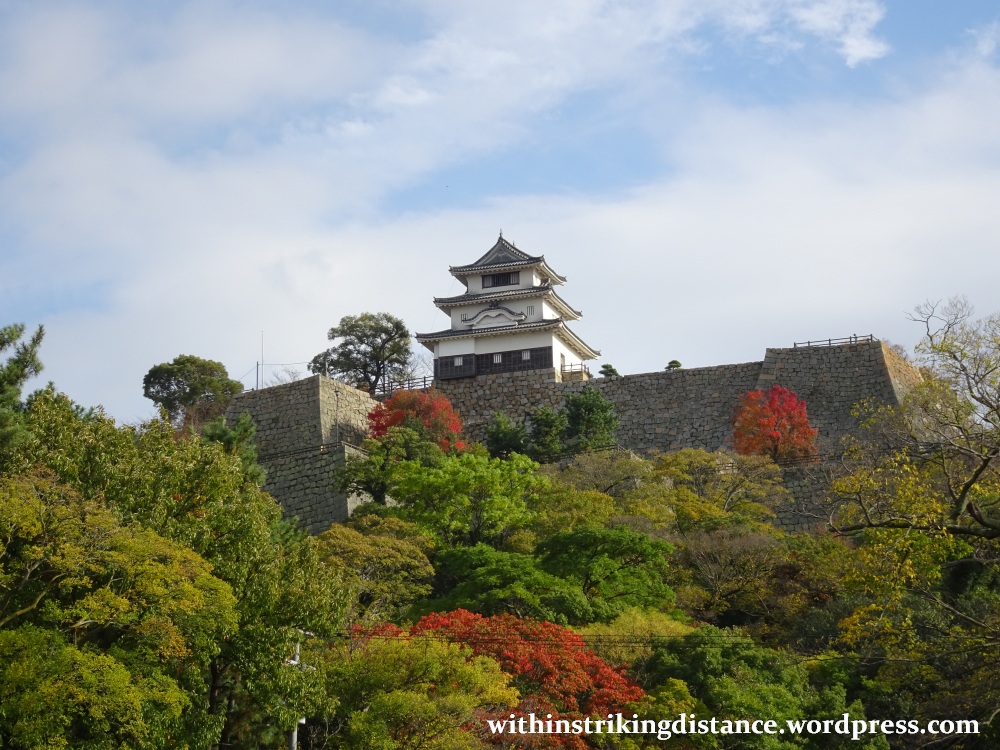
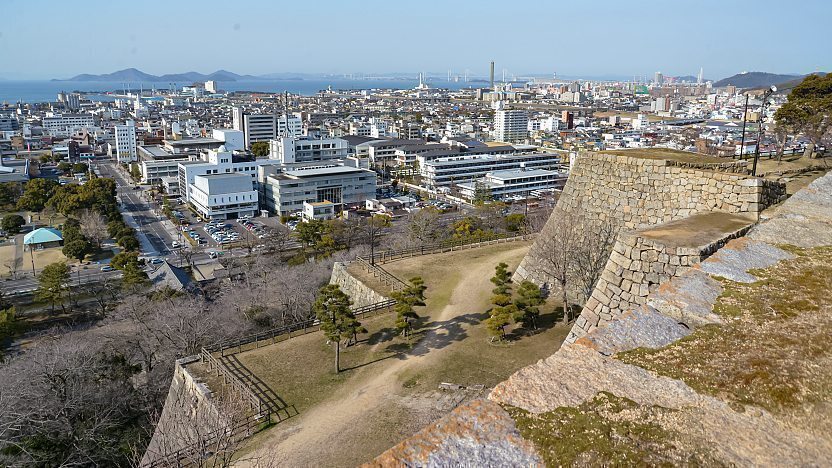
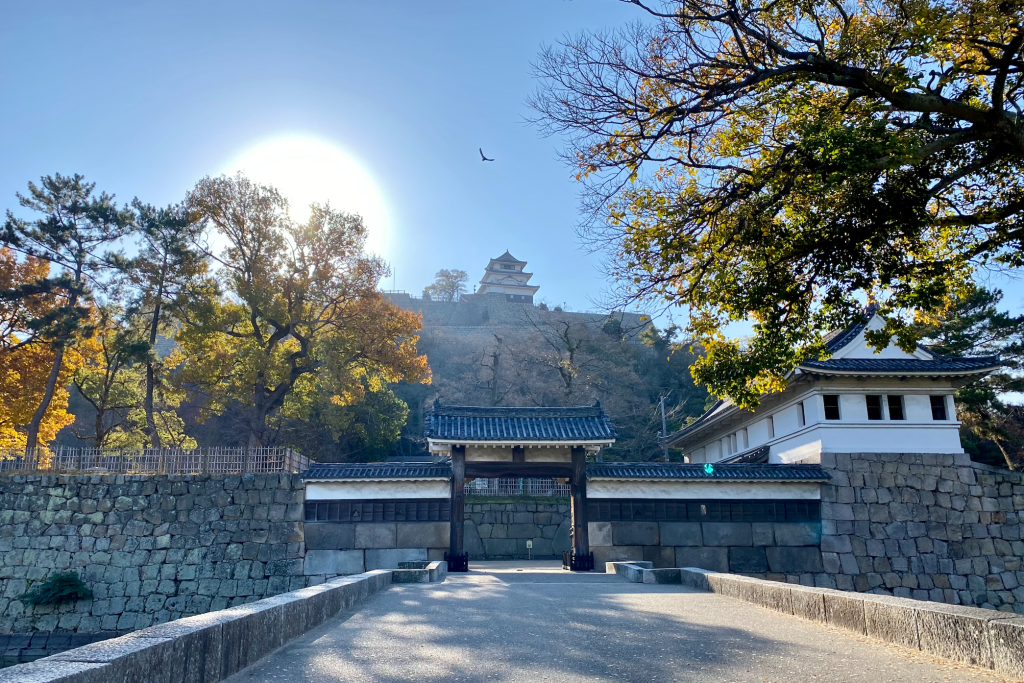
One of only 12 original castle keeps in Japan. Sits atop a dramatic hill with the highest stone walls of any castle. Compact but impressive. Views over the Seto Inland Sea. 30 min from Takamatsu.

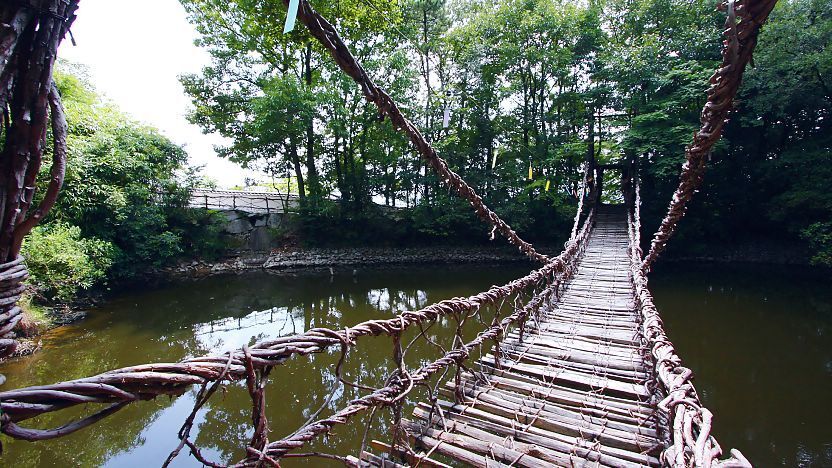
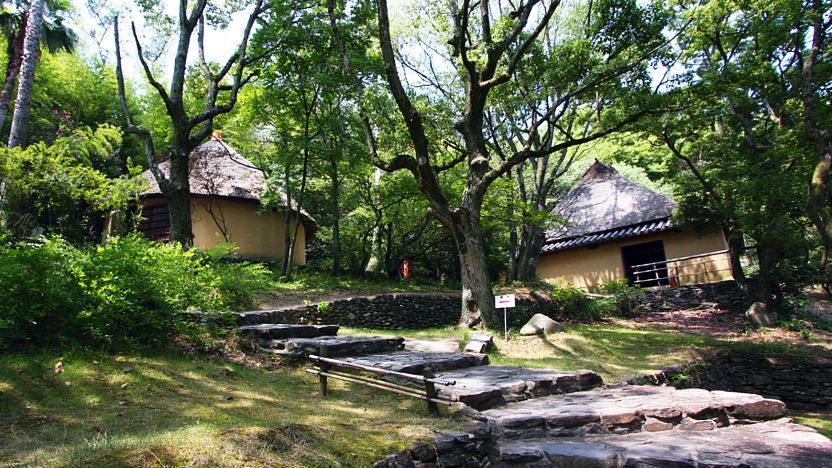
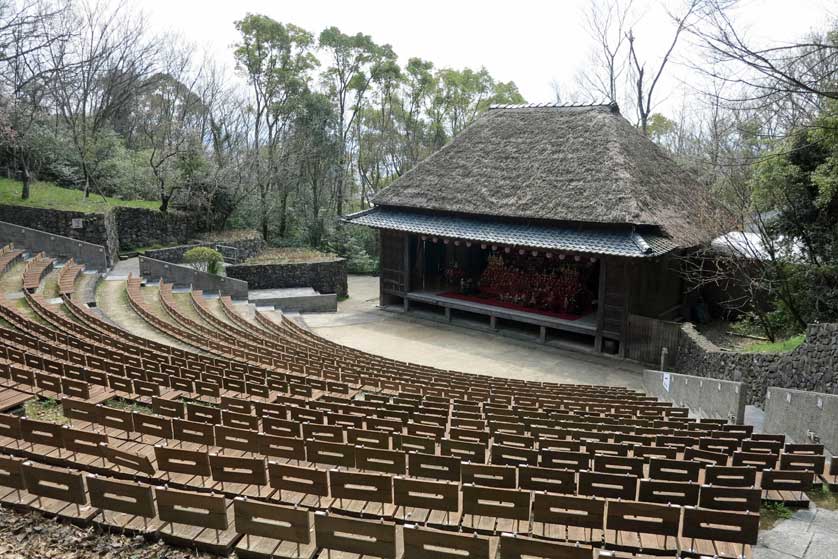
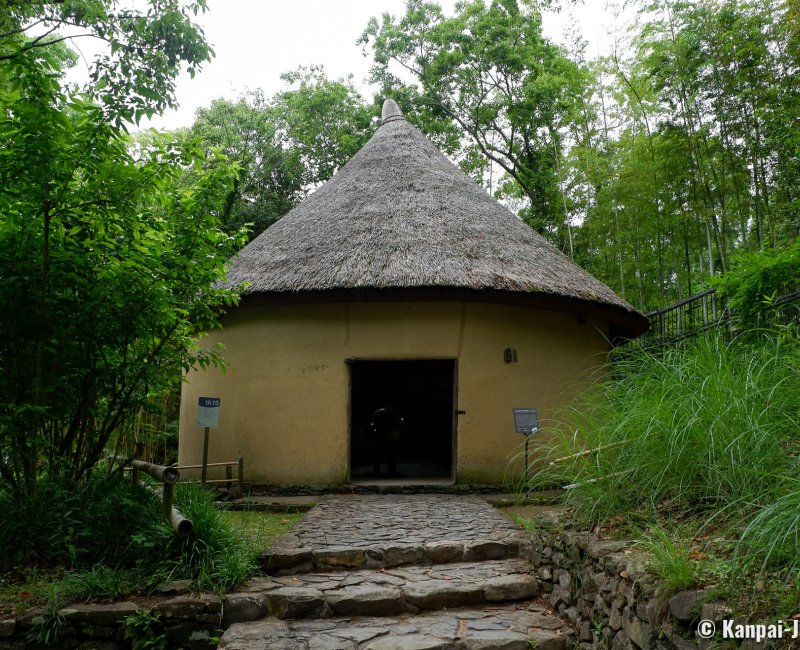
Open-air museum with 33 traditional buildings from all four Shikoku provinces. Vine bridges, farmhouses, and kabuki theaters relocated here. An award-winning outdoor art museum is adjacent.
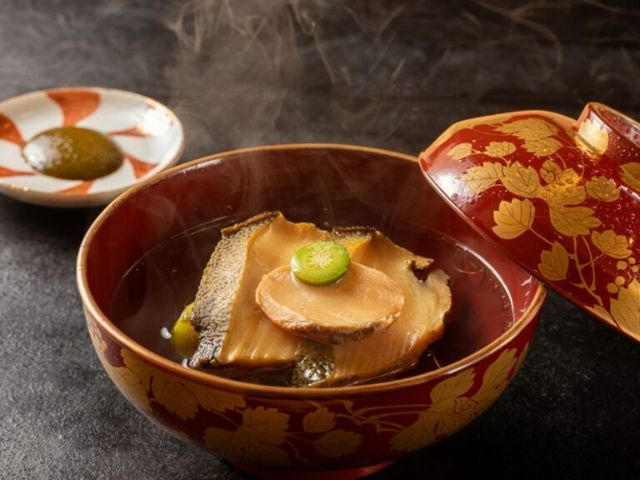
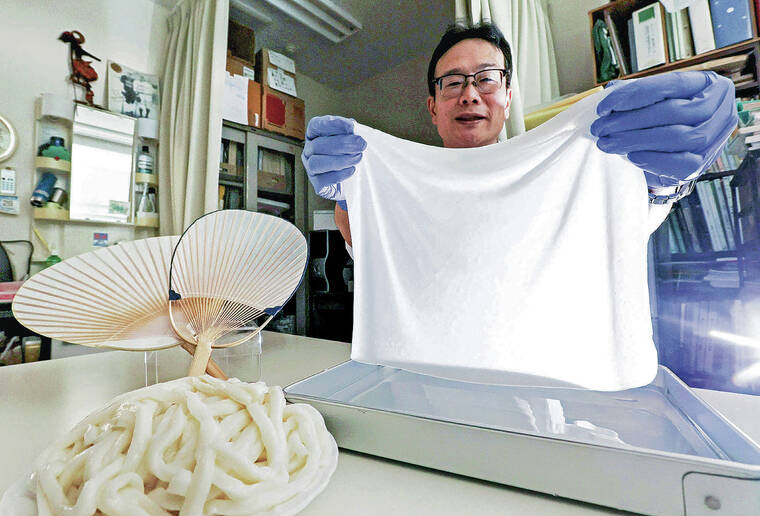
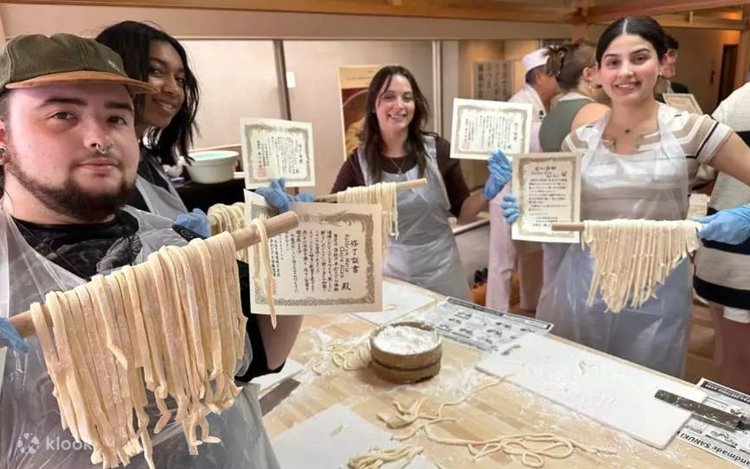
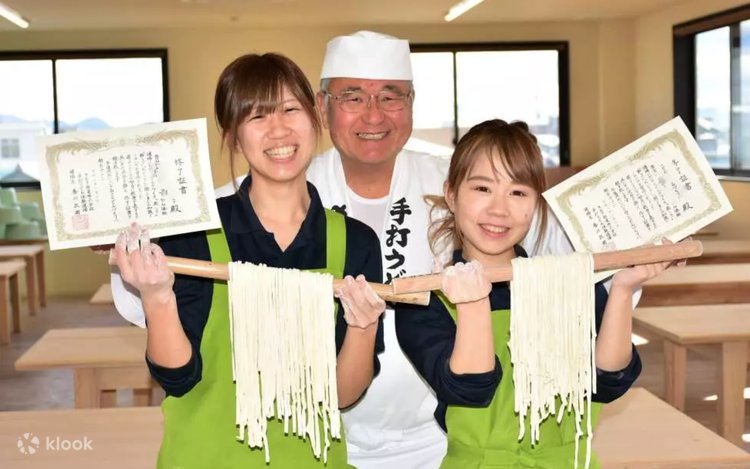
Hands-on udon making experience. Knead the dough, step on it for texture, roll it out, and cut the noodles. Then eat your creation. Several schools offer English-language courses.
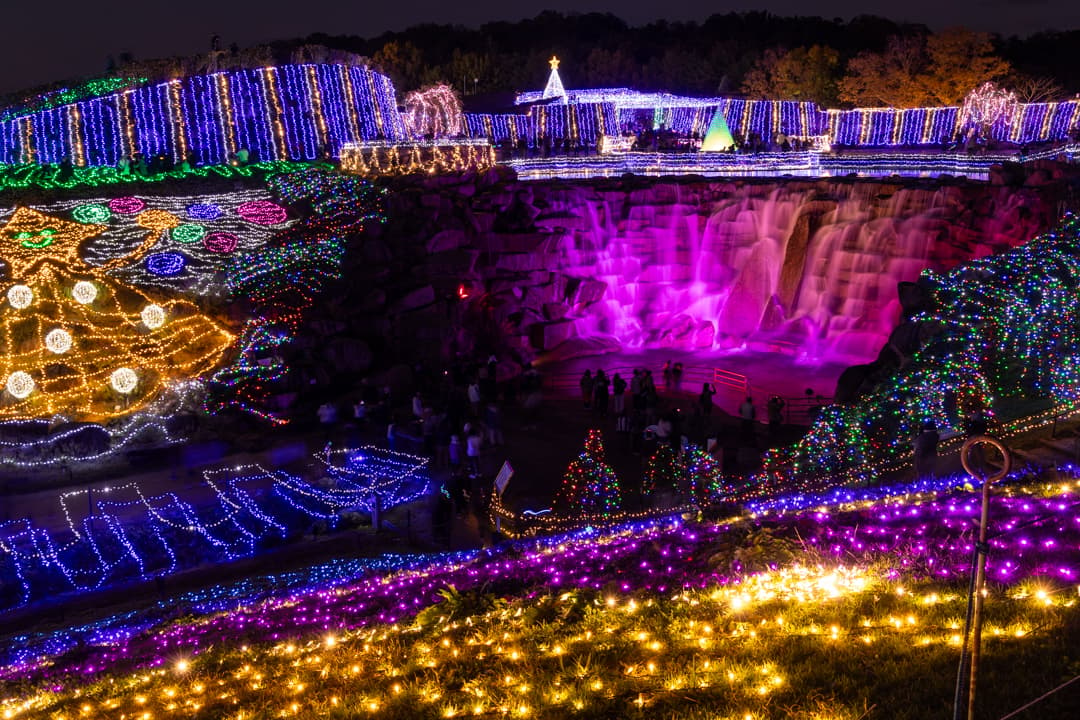
Seasonal evening openings of the castle garden with illuminated pine trees and seawater moat. The reflection of lights in the saltwater moat creates a unique atmosphere.

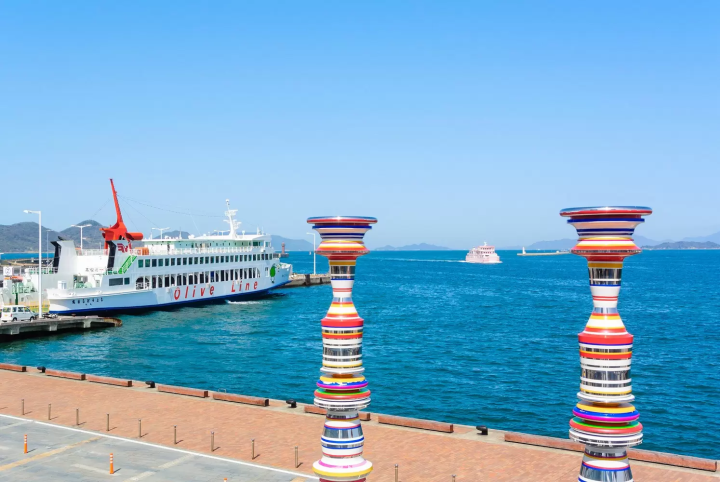
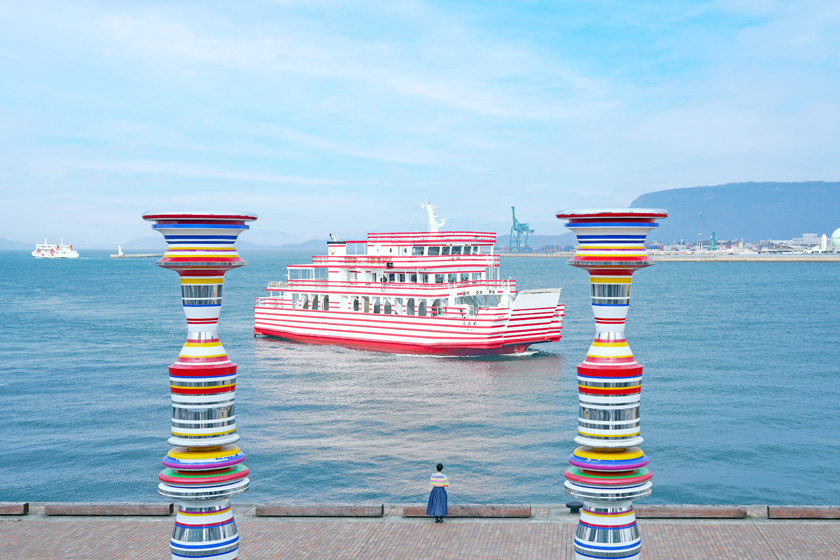
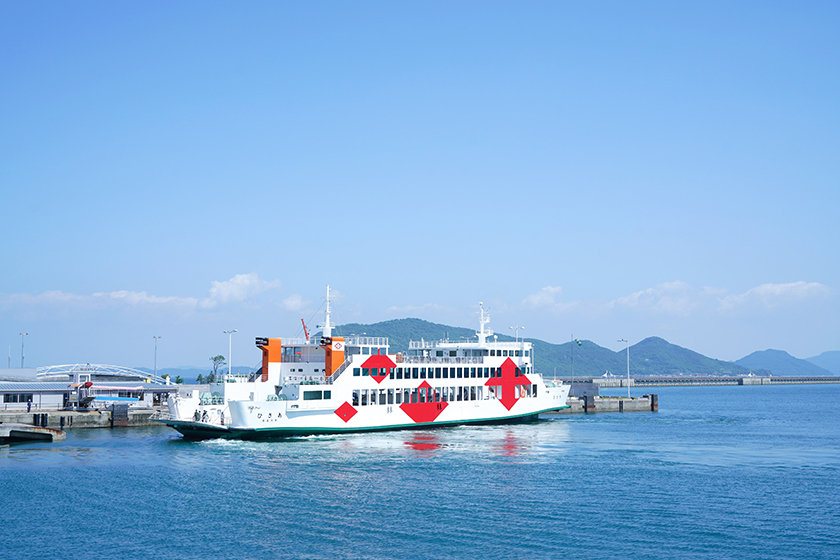
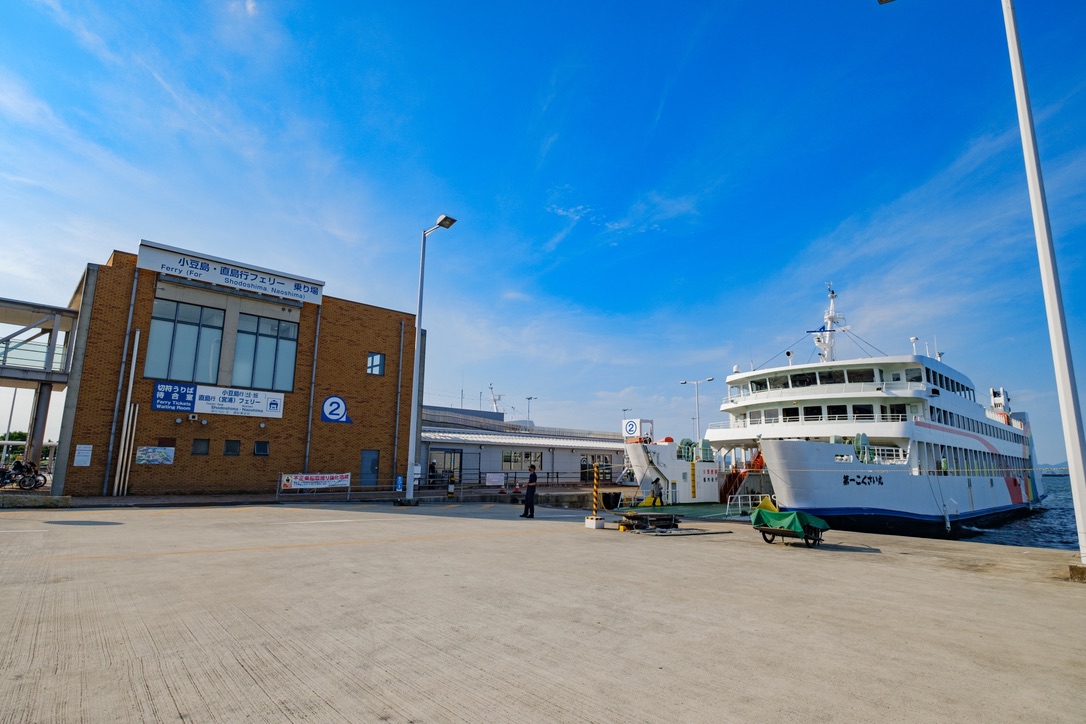
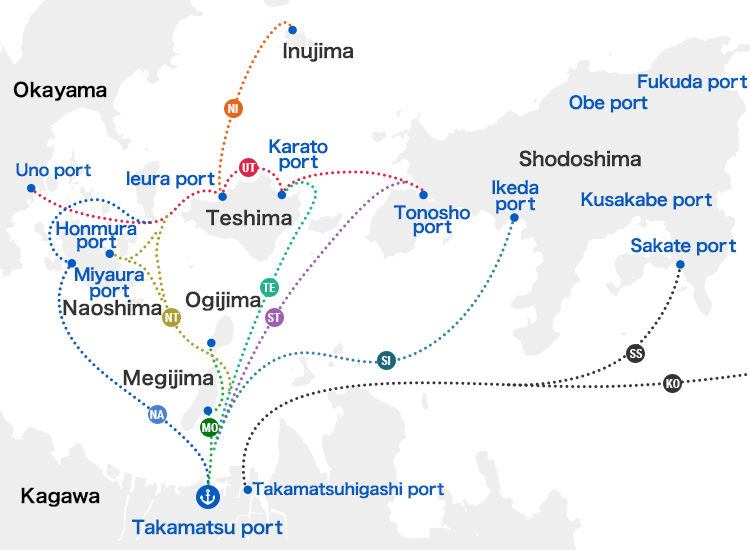
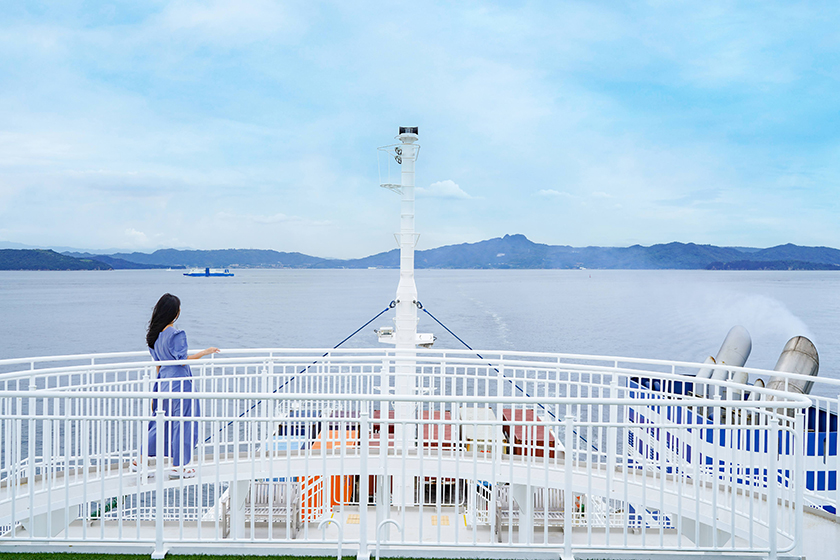
Hub for ferries to Naoshima, Teshima, Shodoshima, Megijima, and Ogijima. Well-designed terminal building with cafes. The departure point for most Seto Inland Sea island adventures.

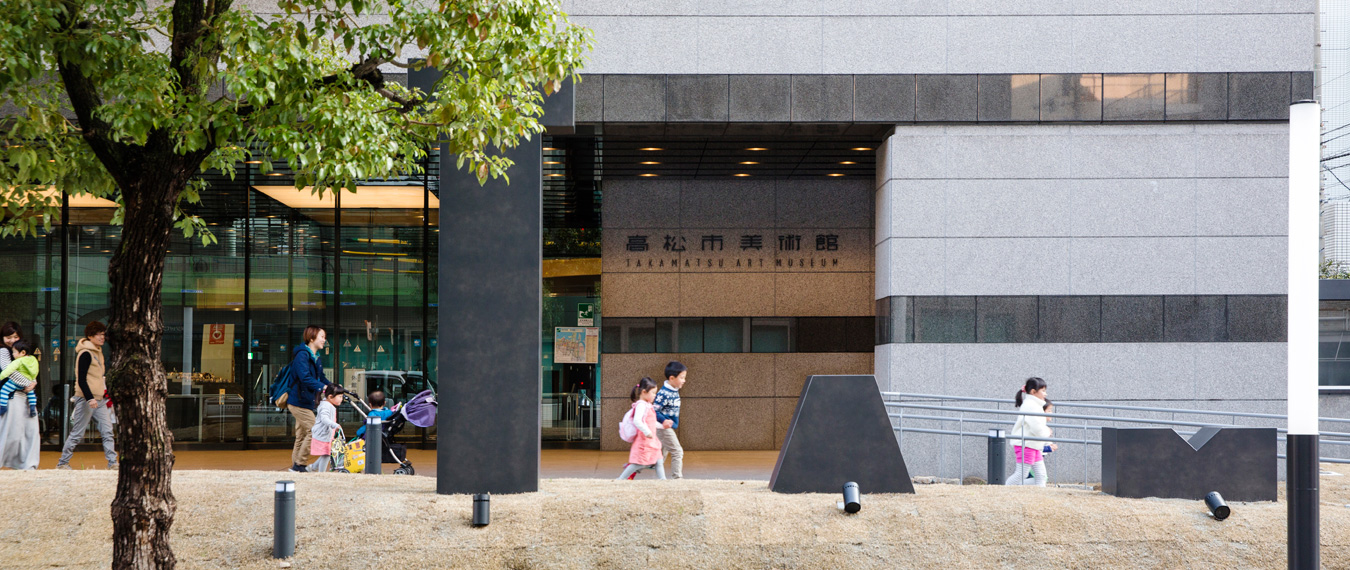
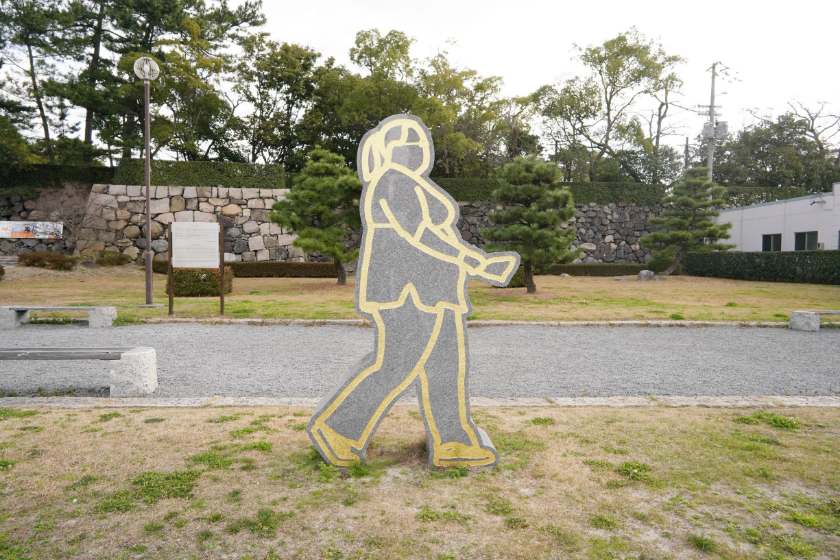
Contemporary art museum in the shopping arcade area. Rotating exhibitions featuring Japanese and international artists. Free permanent collection includes local Kagawa artists.

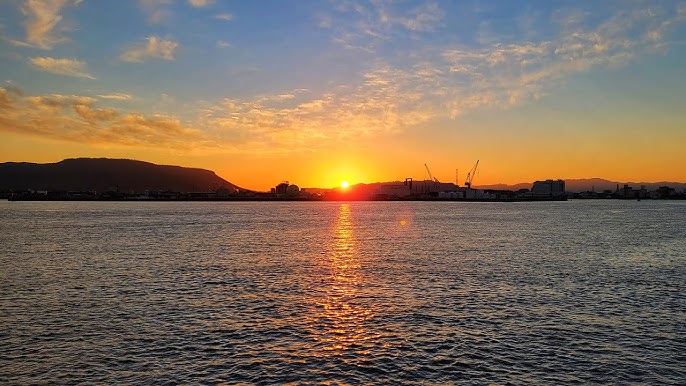
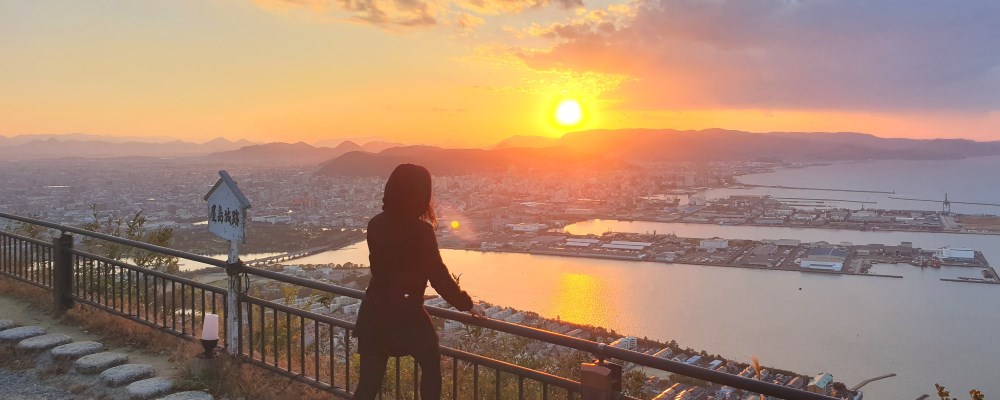
Early morning walk along the waterfront watching the sun rise over the Seto Inland Sea islands. The silhouettes of Megijima and Ogijima emerge from the mist. Peaceful and beautiful.

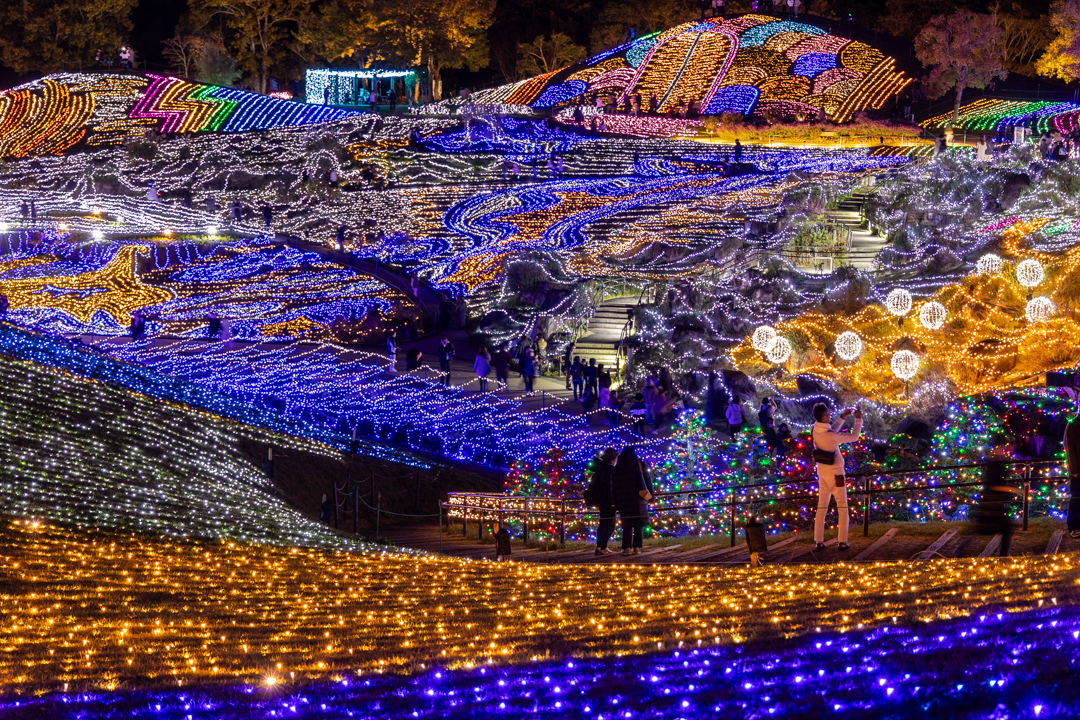
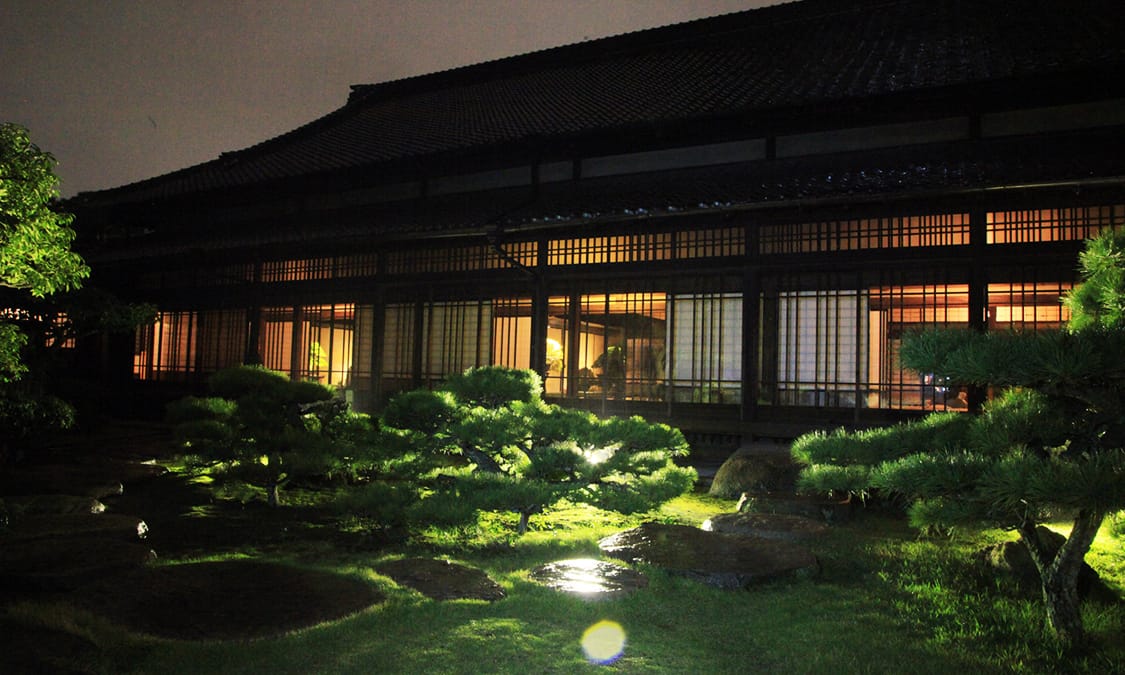
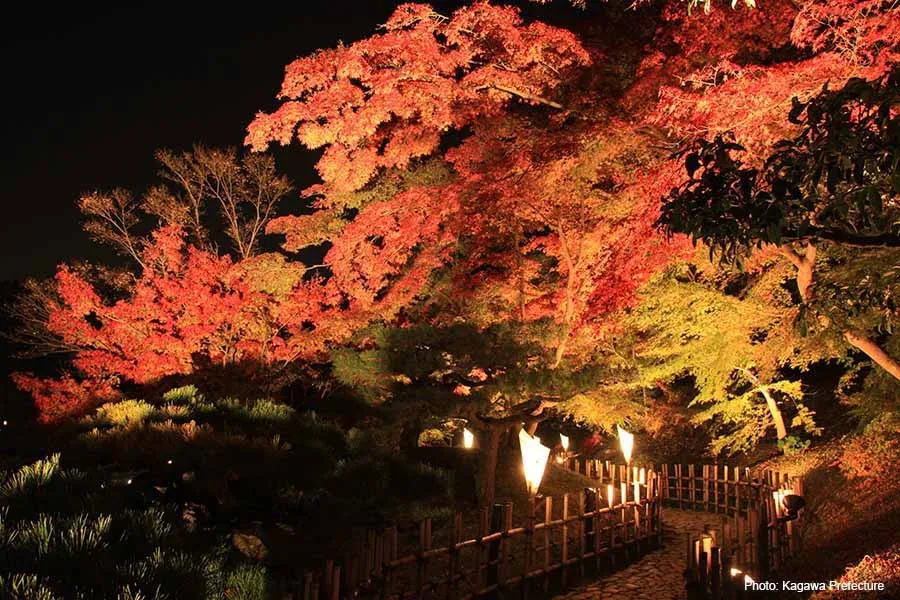
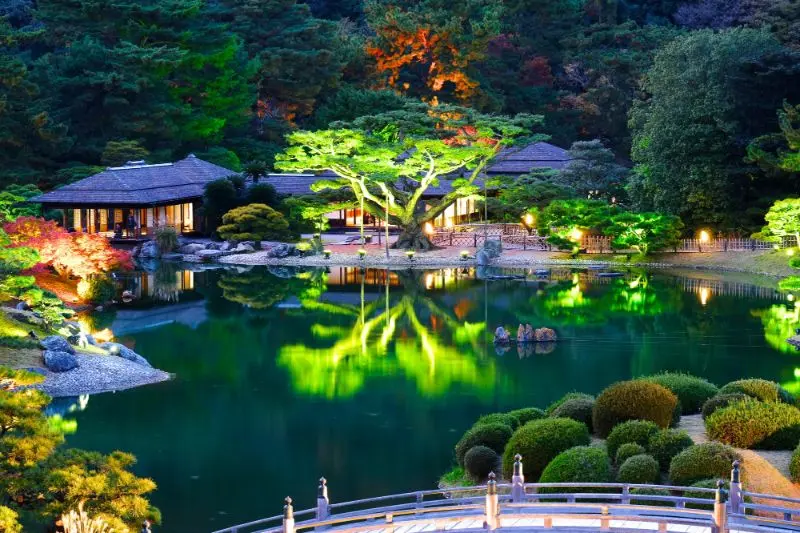
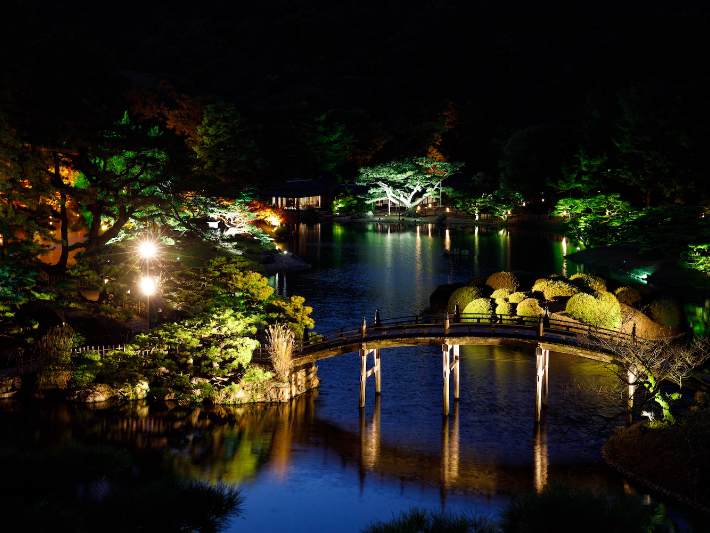
Seasonal evening openings with illuminated trees reflecting in the six ponds. Cherry blossom and autumn foliage illuminations are the most popular. The view from Kikugetsu-tei teahouse at night is stunning.

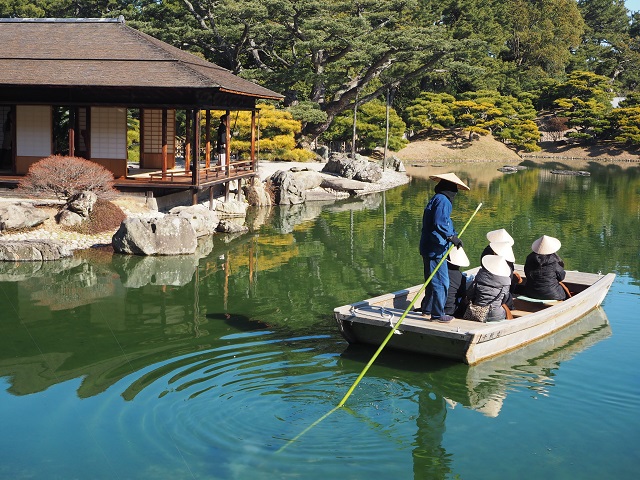
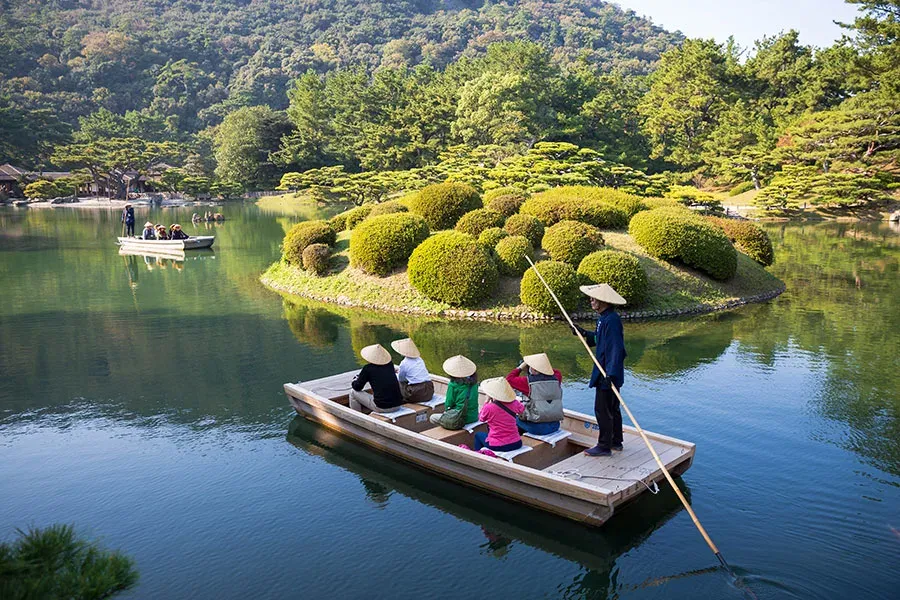
Traditional flat-bottomed boat ride on the South Lake. A boatman poles through the garden while you view the landscaping from water level. 30-minute ride with narration.

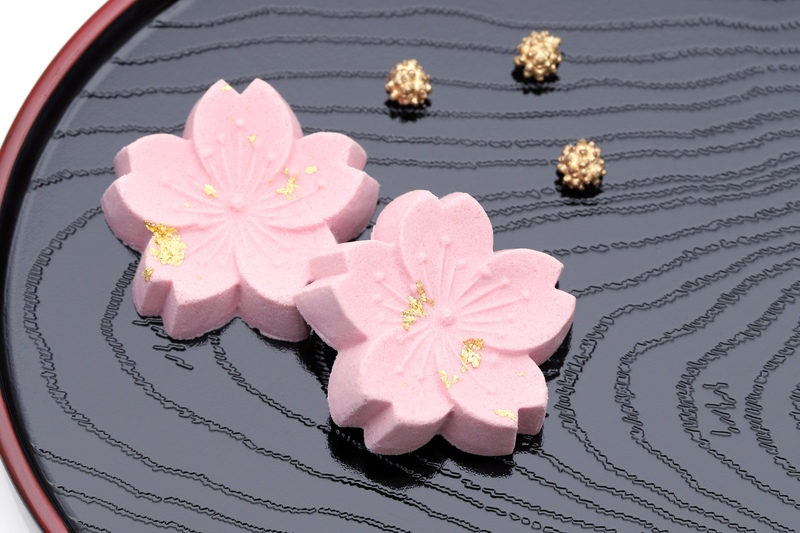
Tea service at the Kikugetsu-tei (Moon Scooping Pavilion) on the lake. Matcha and handmade wagashi while overlooking the garden's most famous view. One of the best tea experiences in Japan.

The unique seawater moat contains sea bream, black sea bream, and other marine fish. Buy fish food and watch them swarm. The sight of saltwater fish in a castle moat is rare.

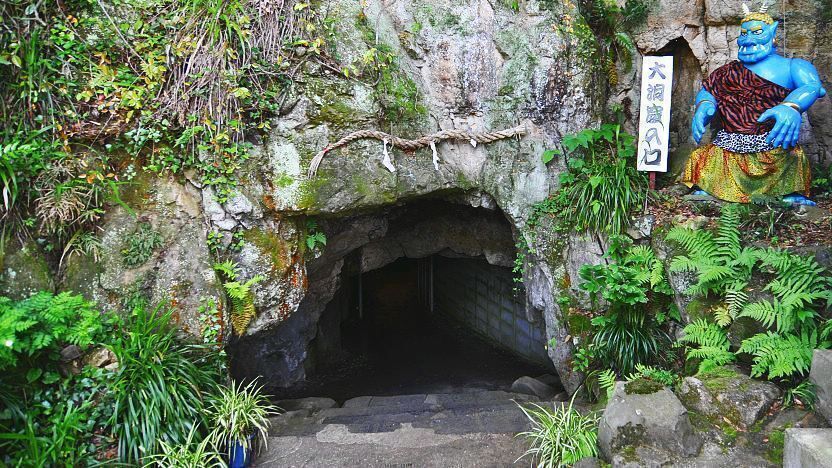
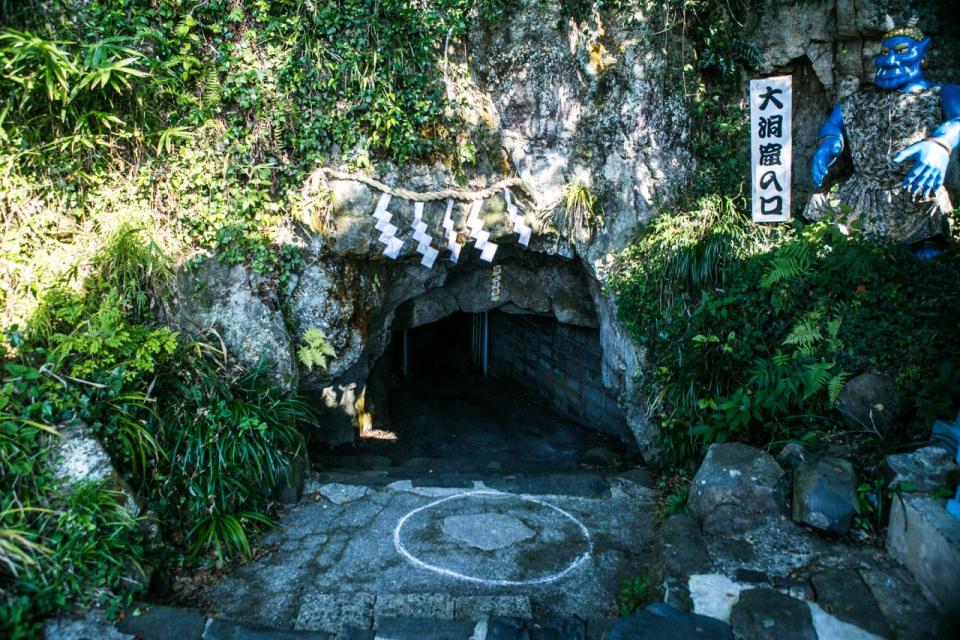
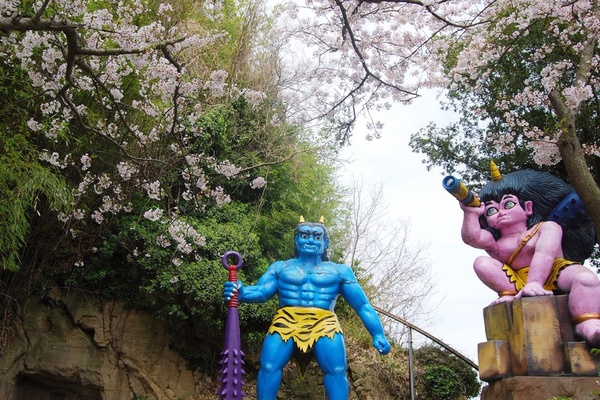
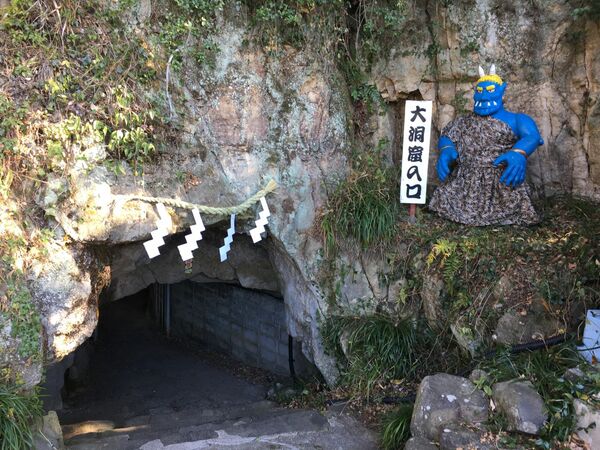
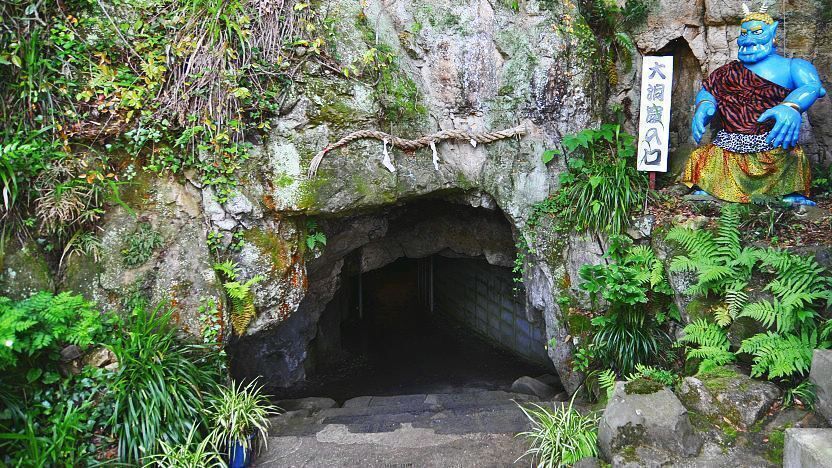
Explore the caves where Momotaro's demons allegedly lived. Human-made caves with warrior statues and demon carvings. The views from the hilltop above the caves stretch across the Seto Inland Sea.

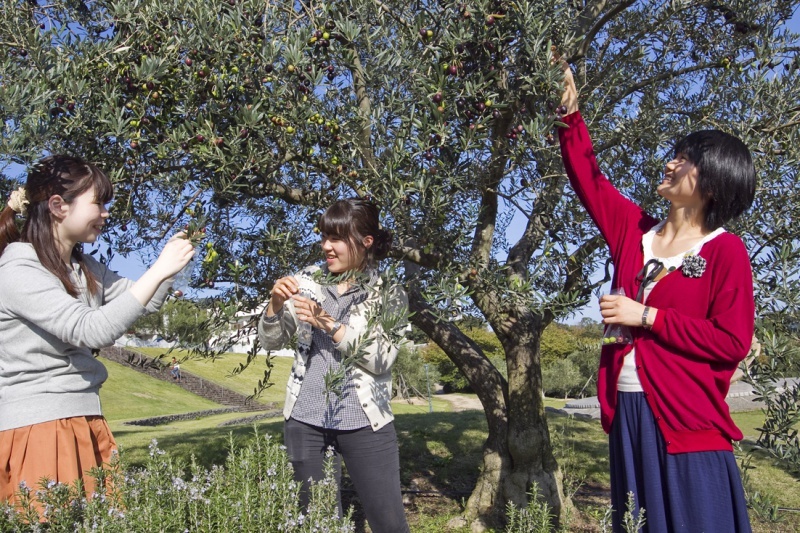
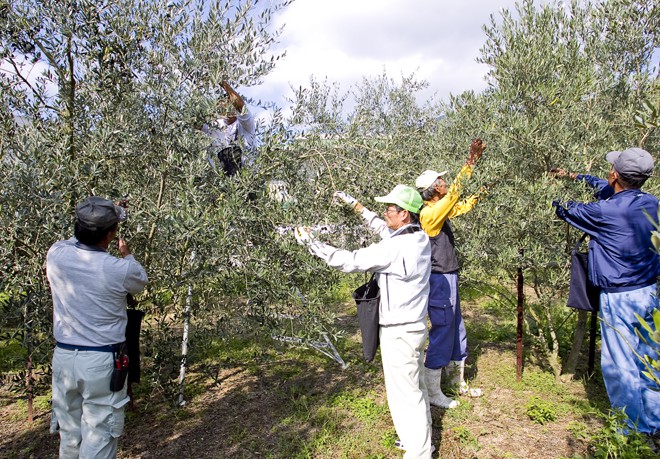
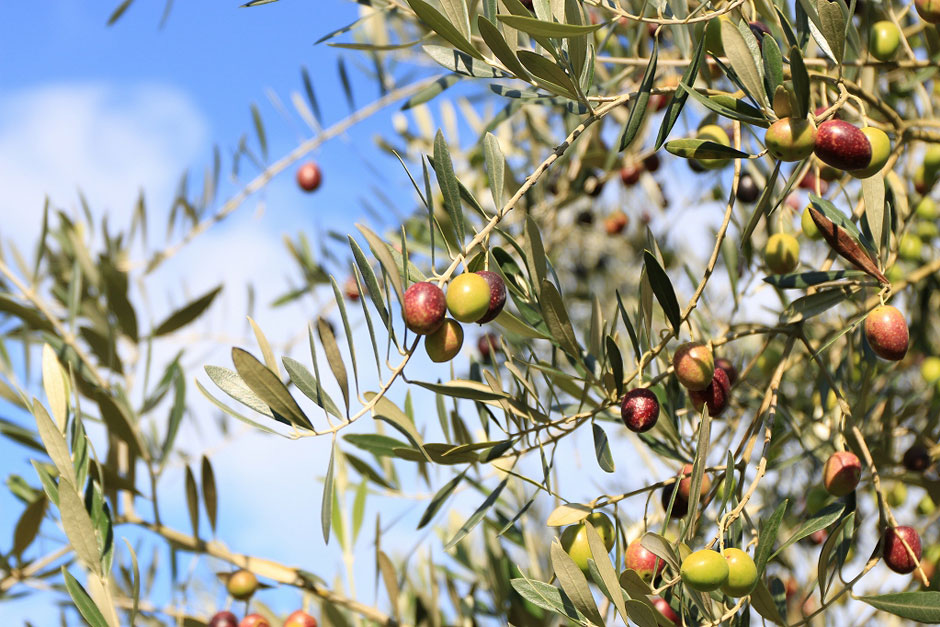
Seasonal olive harvesting experience (October-November) on Japan's original olive island. Learn to pick and press olives. The oil is grassy and fresh. Some farms offer overnight stays.

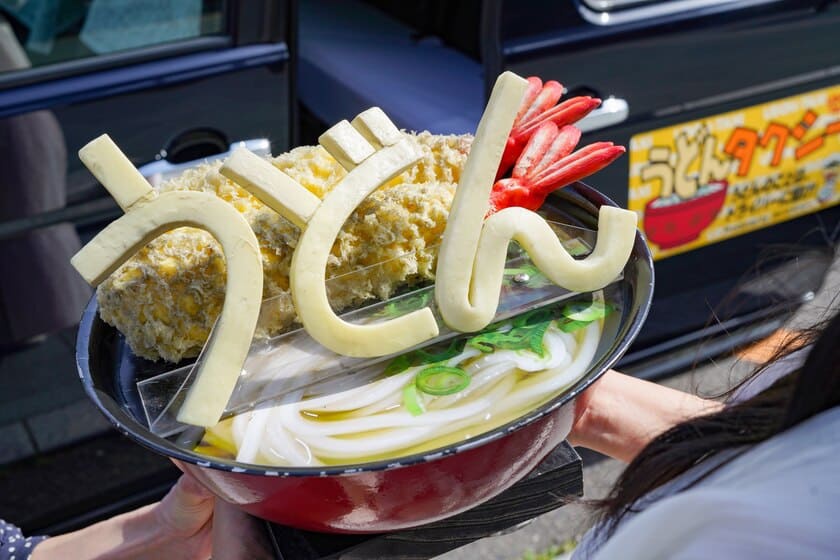
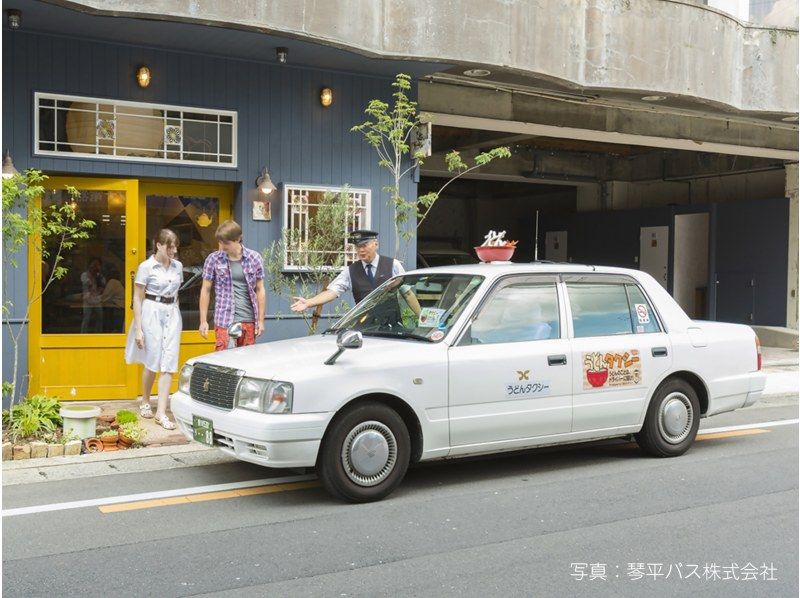
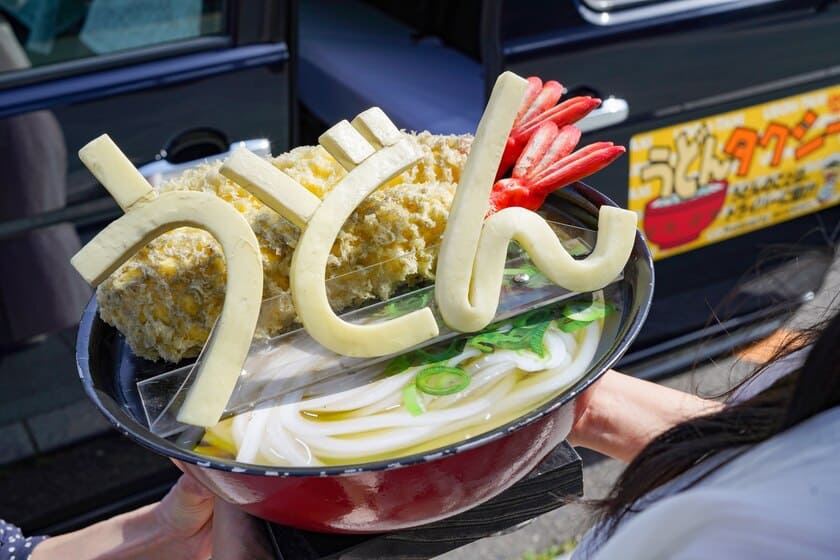
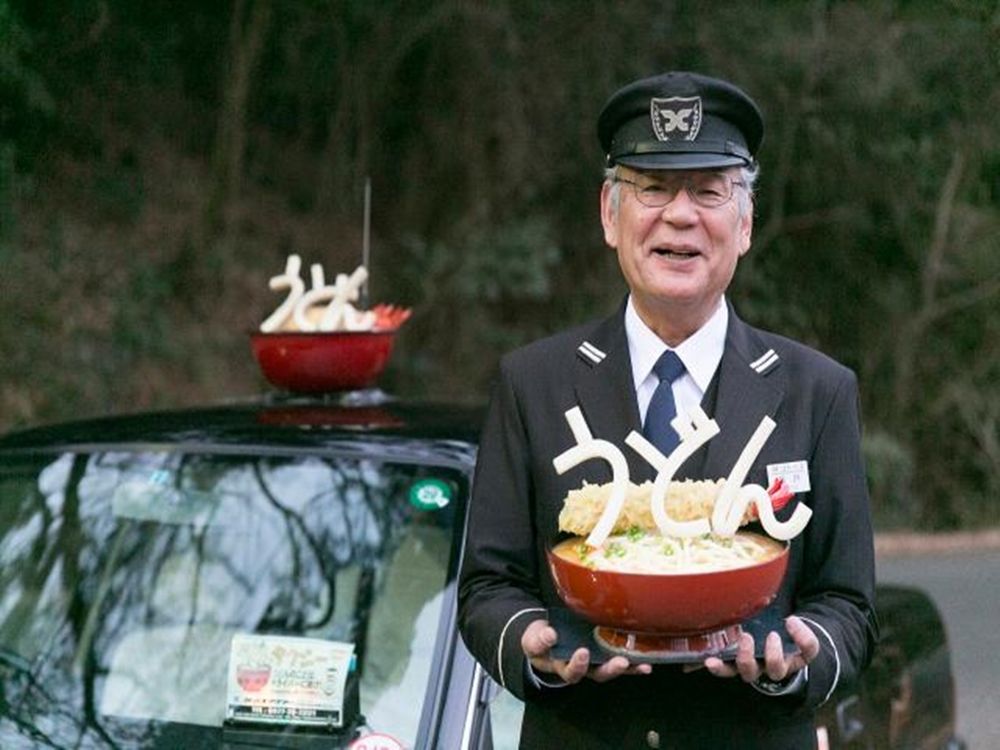
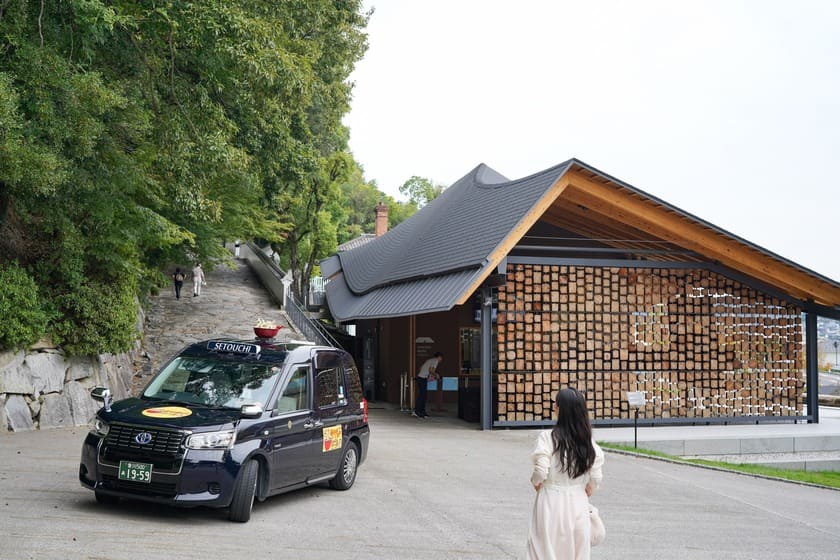
Taxi drivers certified as udon experts guide you to hidden local udon shops that tourists never find. A unique food tour by taxi. Book through the tourist information center.

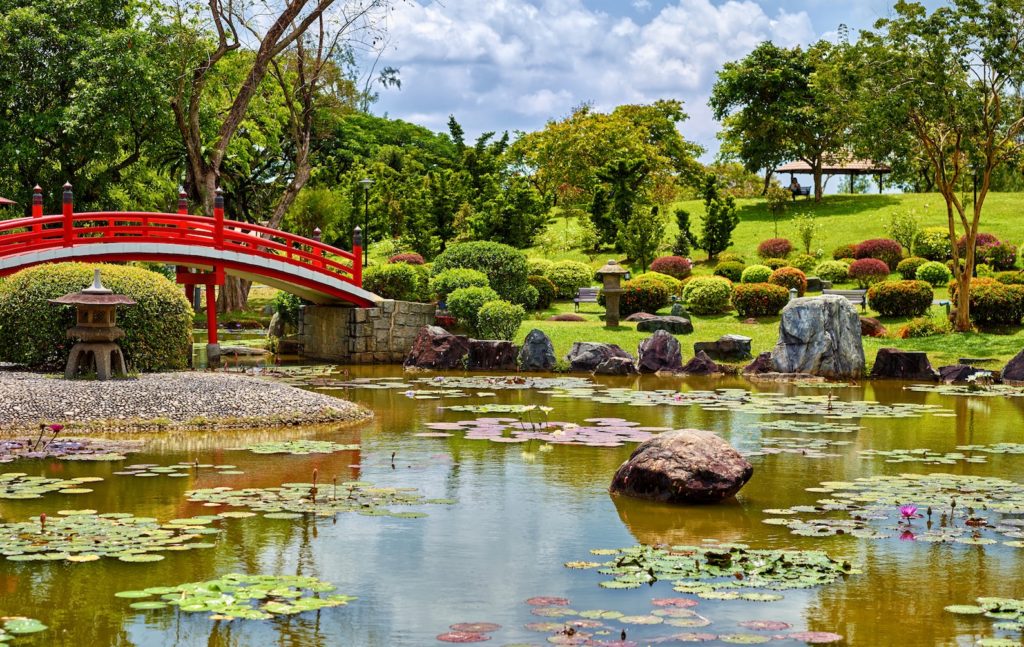
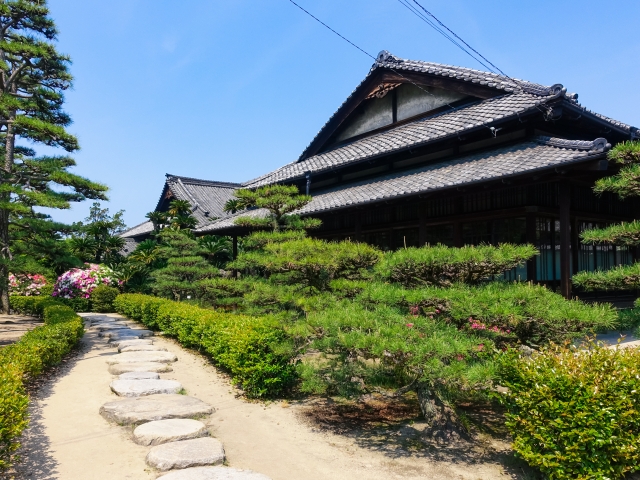
The hotel has a beautiful Japanese garden open to non-guests. A peaceful green space often overlooked by visitors focused on Ritsurin. Traditional stone arrangements and koi ponds.

Glass-walled observation deck at the port. 360-degree views of the city, islands, and Yashima plateau. Free admission. One of the best viewpoints in Takamatsu, especially at sunset.

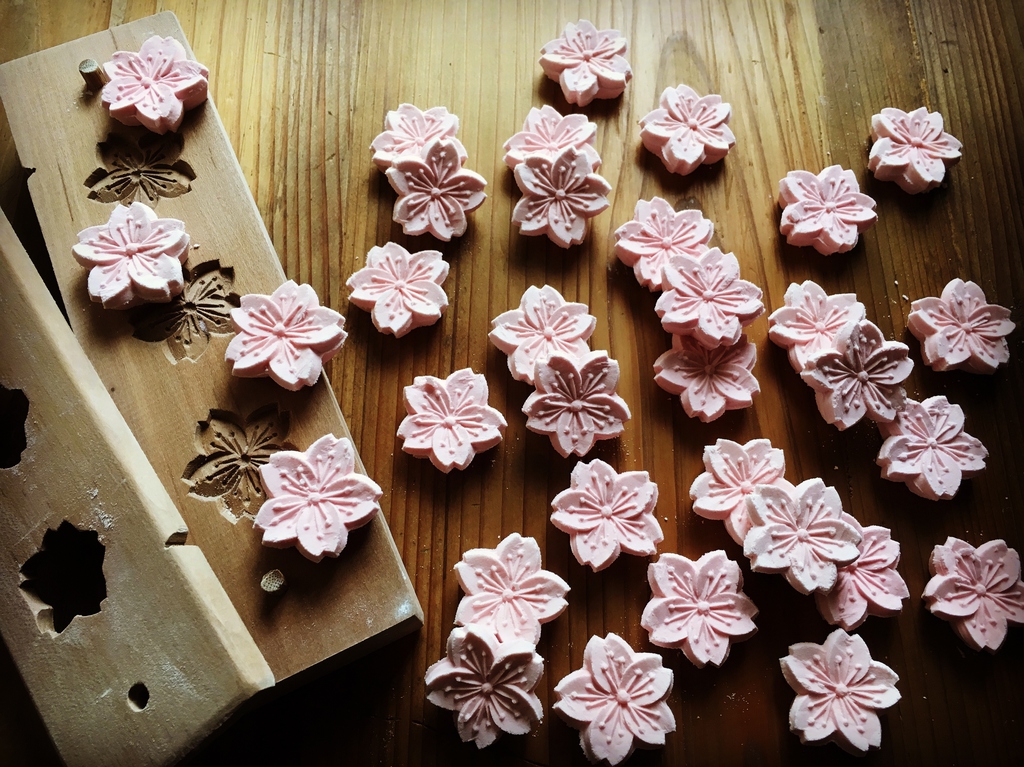
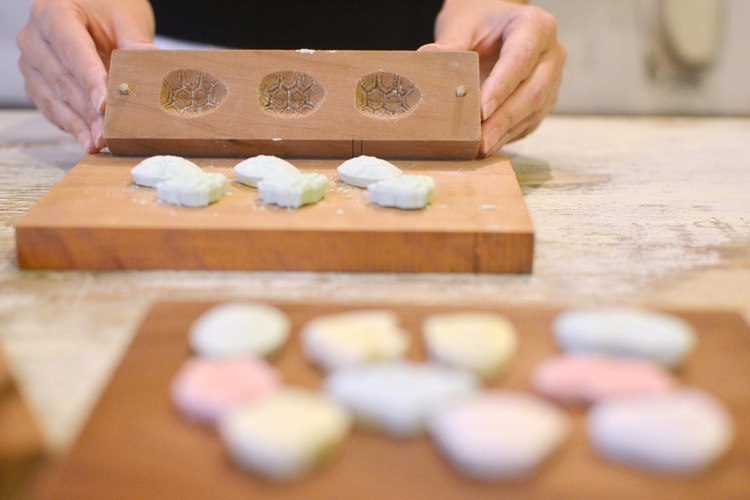
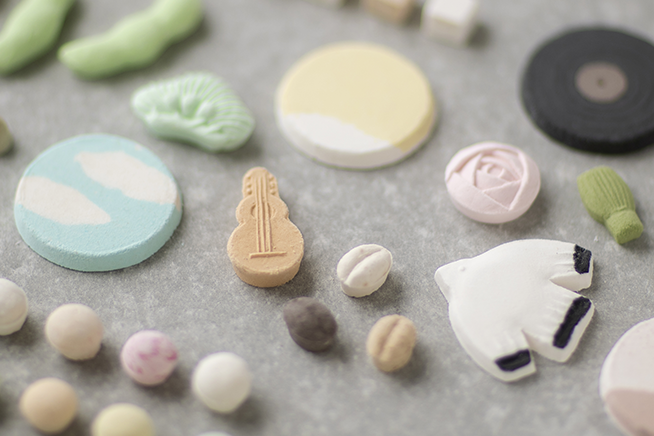
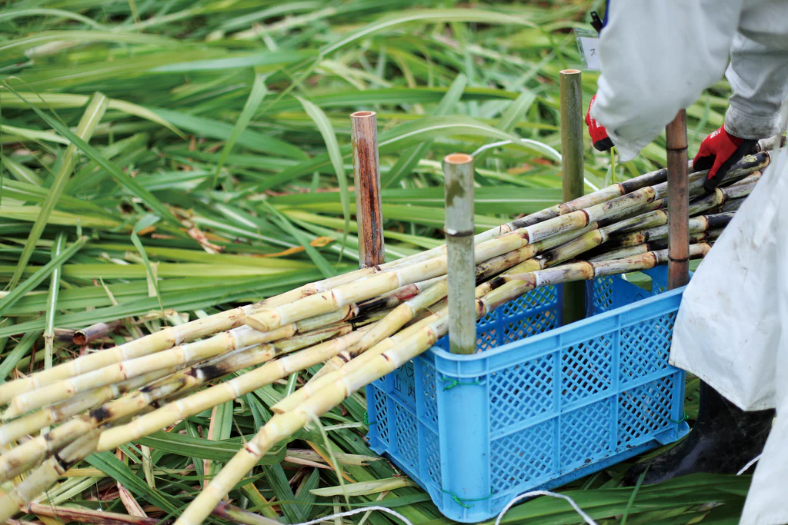
Kagawa is one of the few places producing wasanbon, Japan's finest traditional sugar. Workshops teach the laborious hand-kneading process. The resulting sugar is silky and complex.

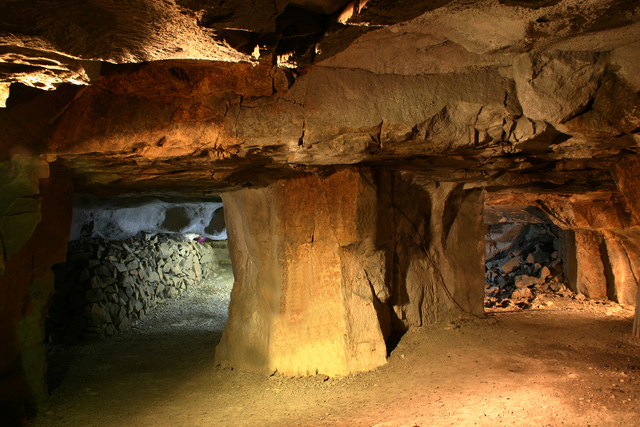
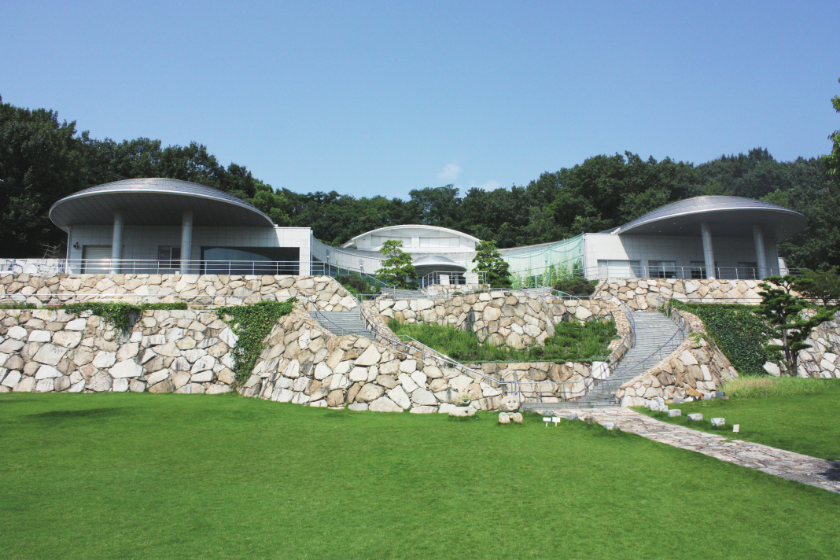
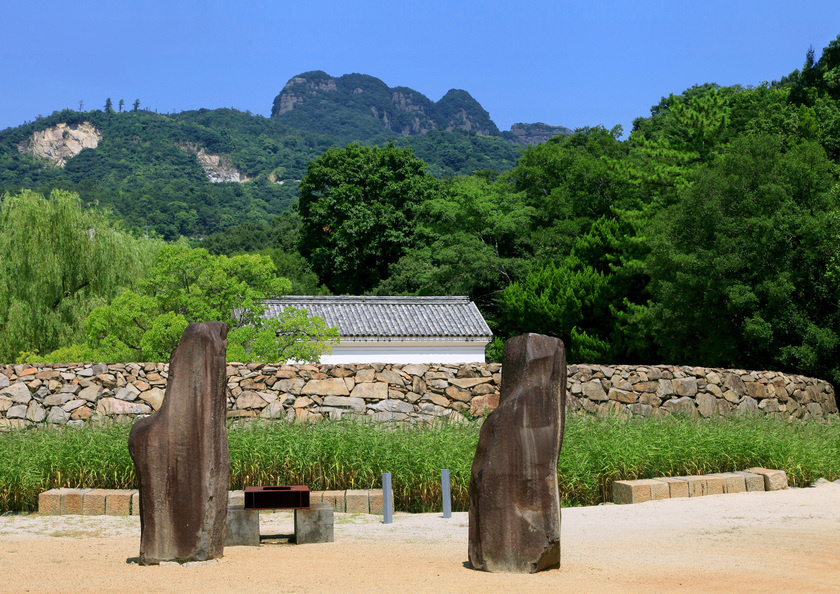
Open-air museum with stone sculptures by international artists. Set in a former quarry overlooking the Seto Inland Sea. The contrast of carved stone and ocean horizon is powerful.

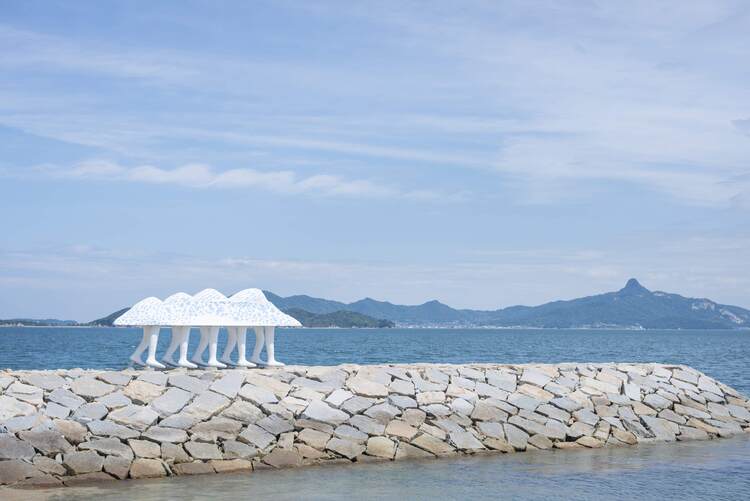
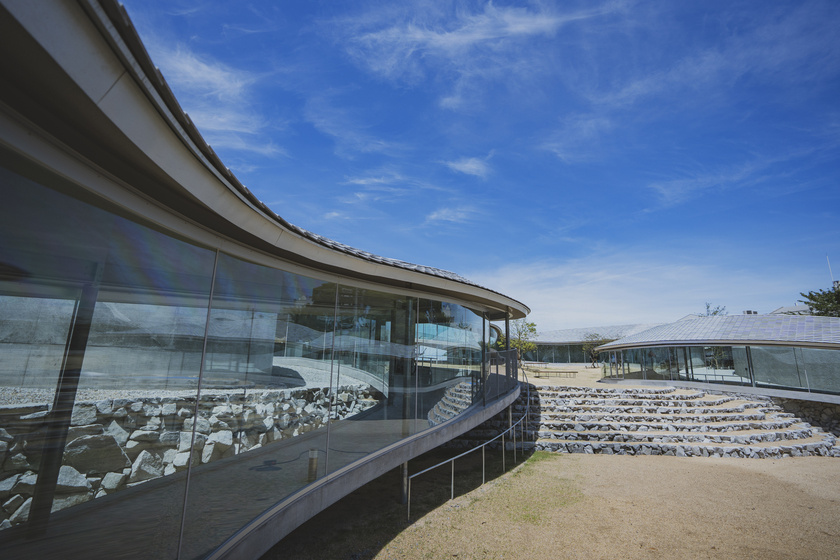
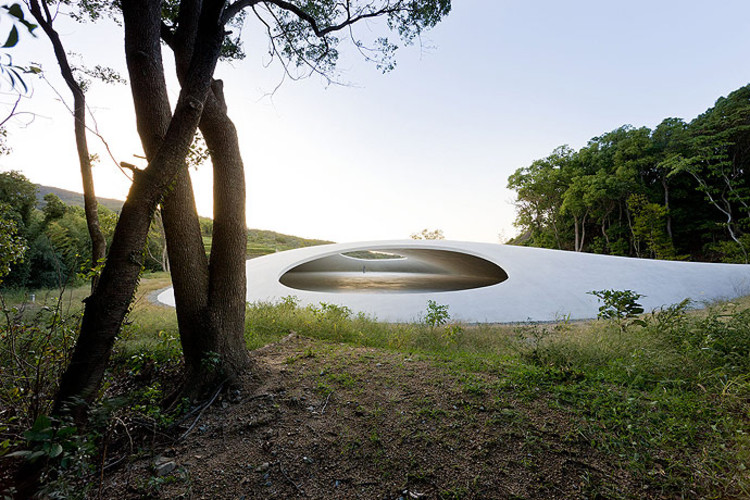
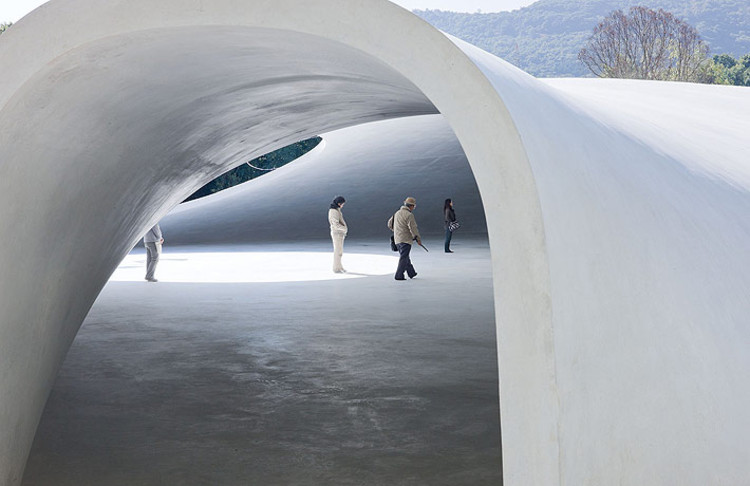
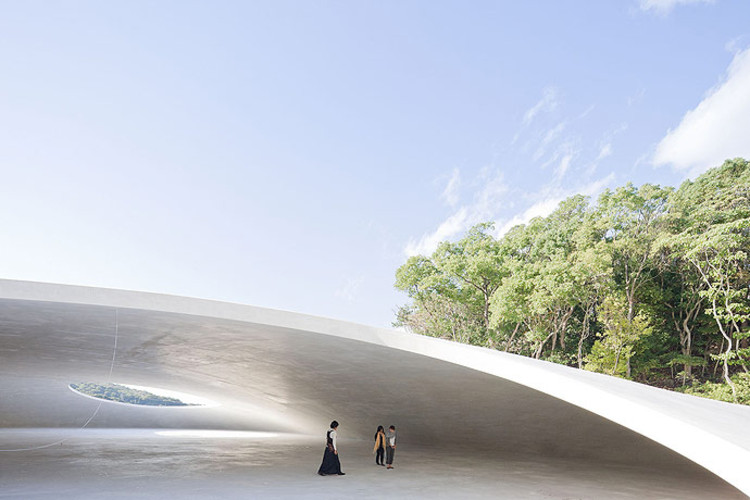
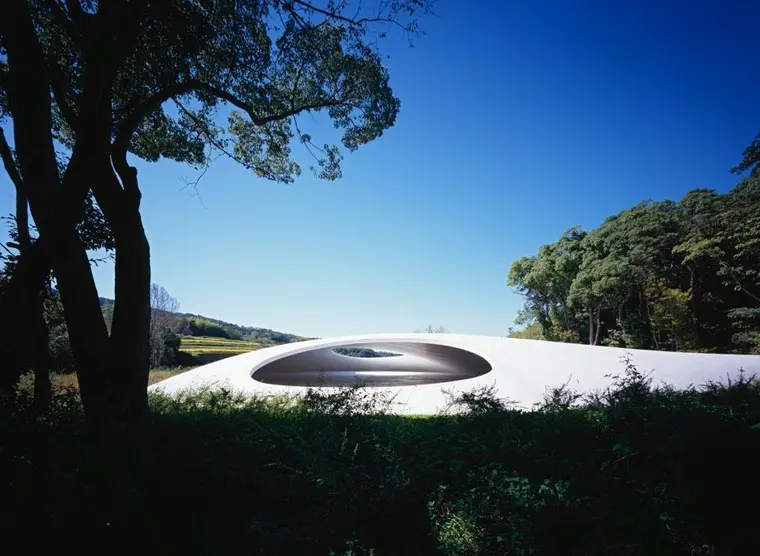
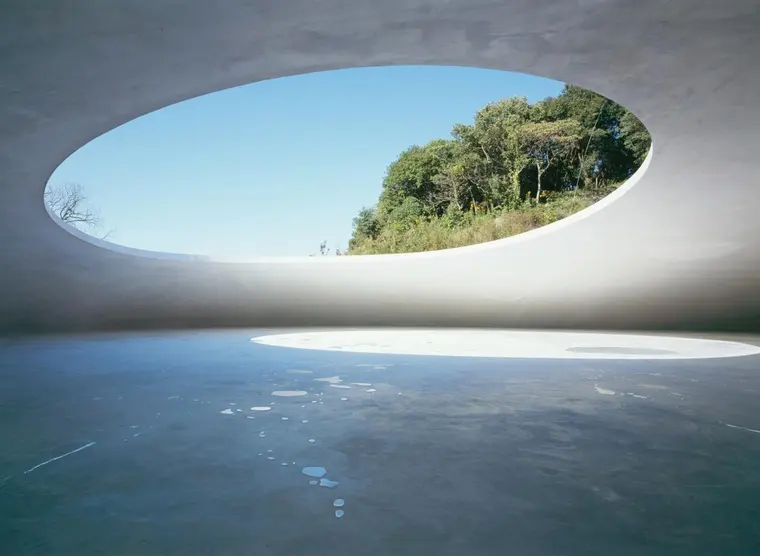
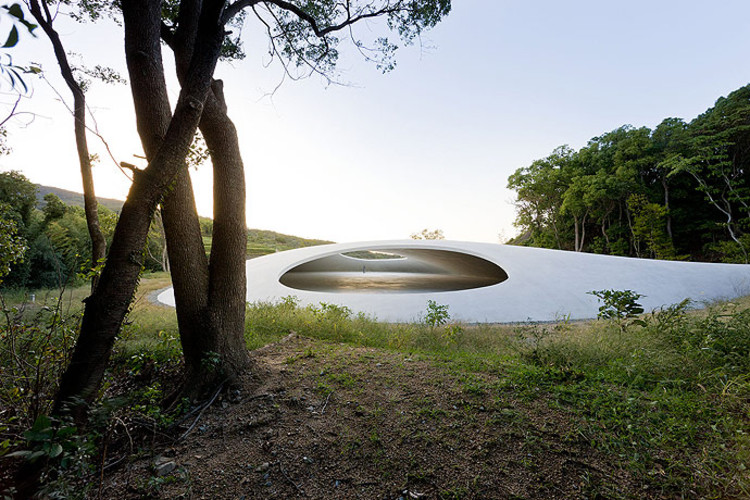
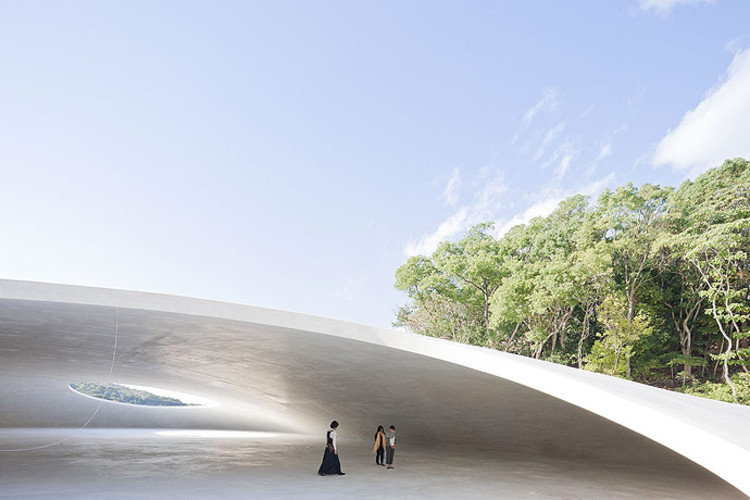
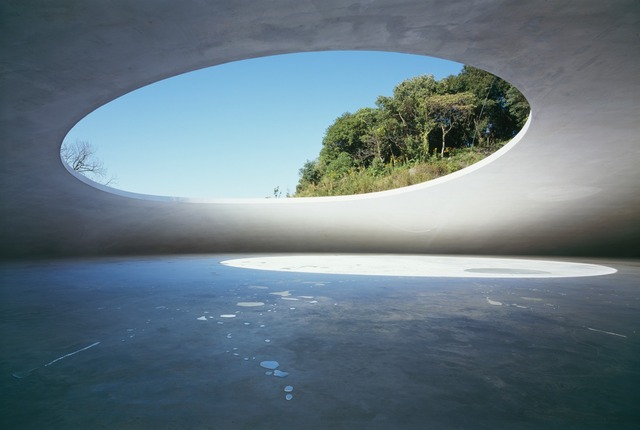
Architect Ryue Nishizawa's white shell structure with no columns or walls, open to the elements. Water springs from the floor. Birds fly through. One of the world's most meditative art spaces.

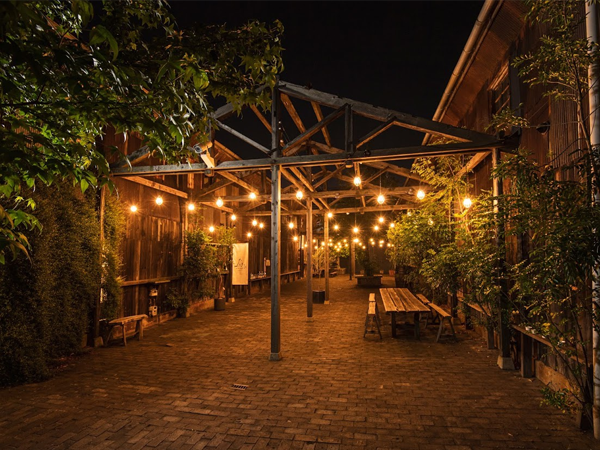
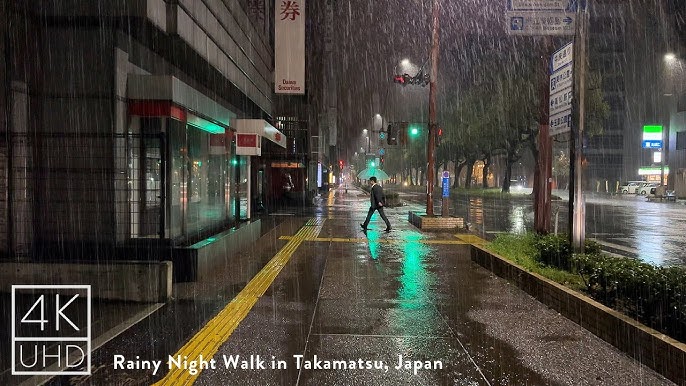
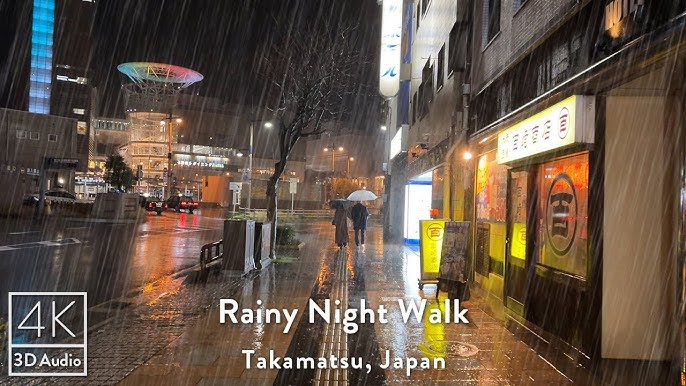
Evening walk from the shopping arcade through illuminated streets to the waterfront. The city transforms at night with warm lighting on historic buildings. The port area is peaceful.

Walk through a pitch-black underground passage beneath the temple, touching the wall to navigate. Represents the darkness before enlightenment. You emerge into light at the end. Powerful spiritual experience.

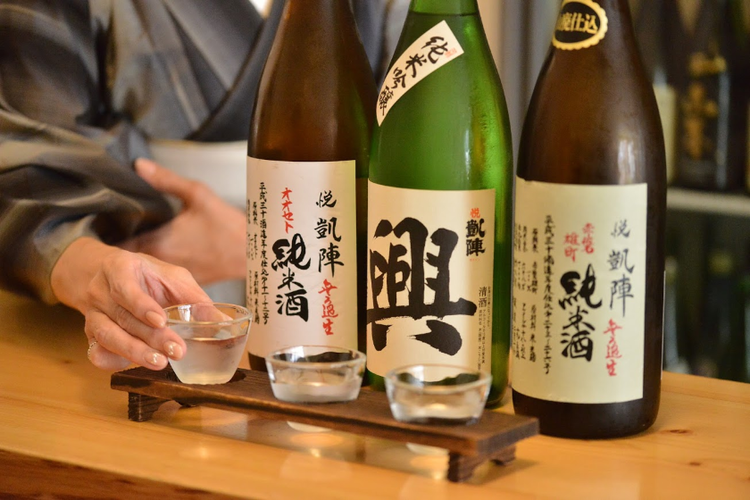
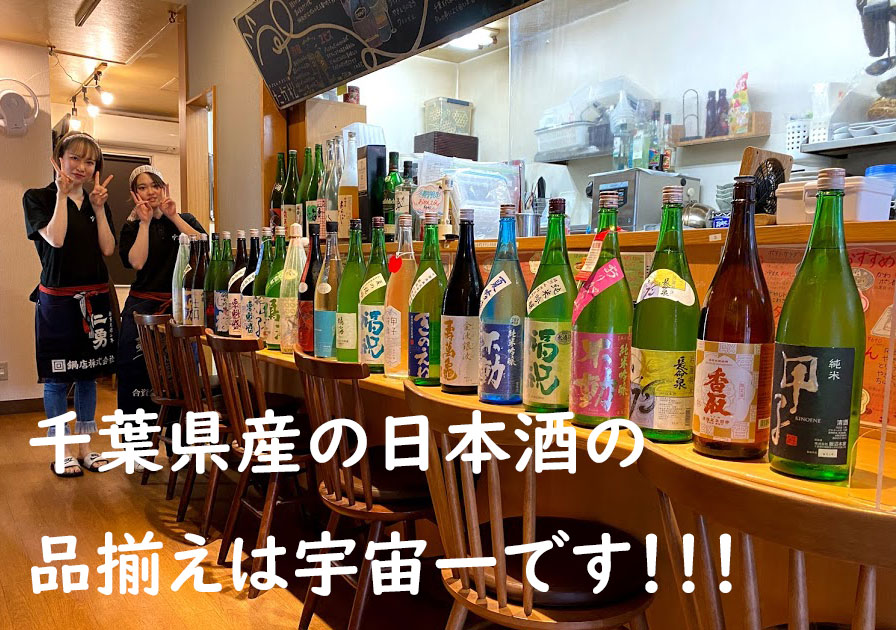
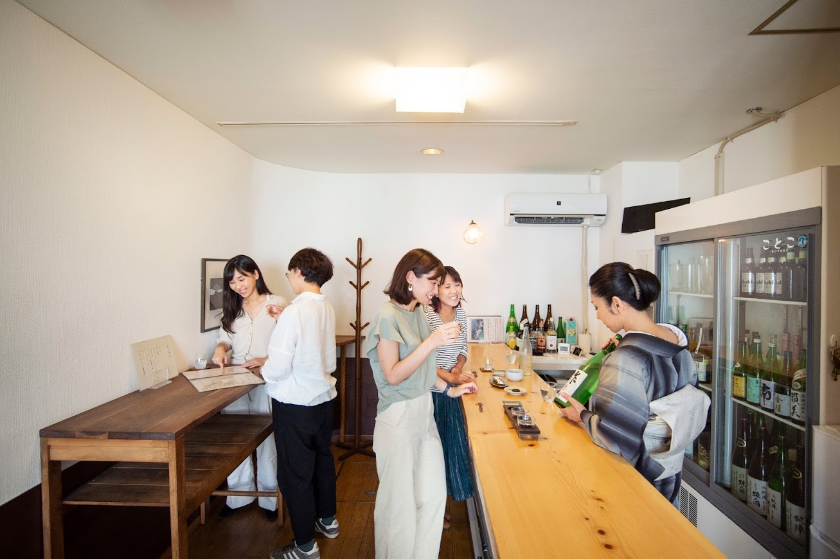
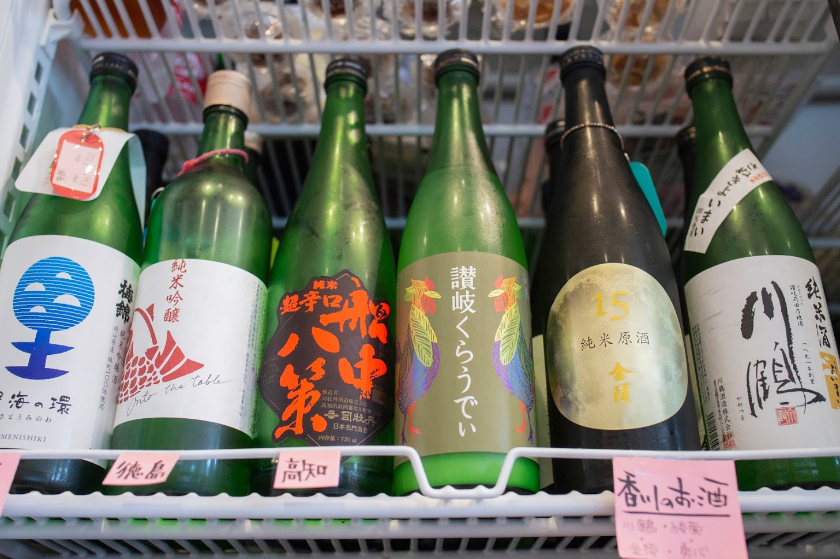
Several sake bars in the city center offer Kagawa sake flights. Ayakiku and Kawatsuru are respected local brands. The mild Sanuki water produces clean, drinkable sakes.

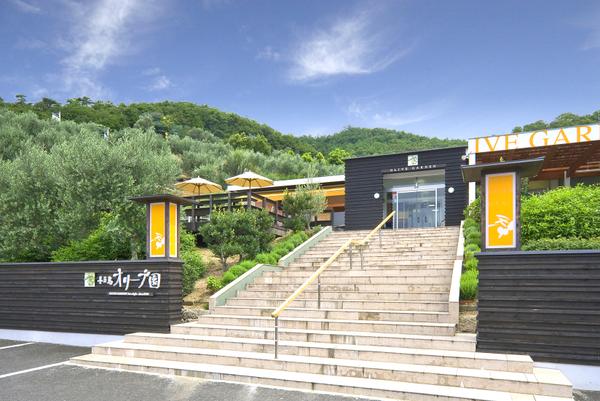
Hilltop cafe with panoramic Seto Inland Sea views. Olive-based dishes and drinks (Kagawa is olive country). The terrace at sunset with island silhouettes is magnificent.
UNESCO temples, cliffside shrines, and some of Japan's best onsen towns.

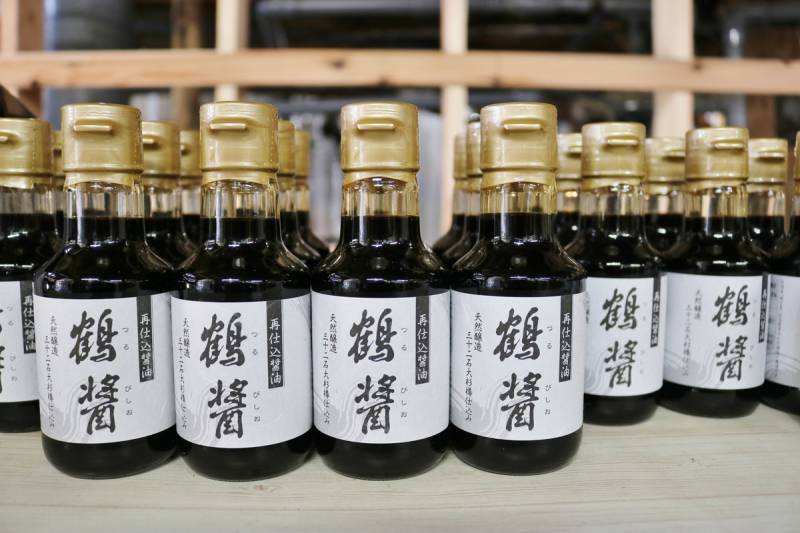
150-year-old soy sauce brewery on Shodoshima island. Aged in massive cedar barrels with living bacteria cultures. The dark, complex tsukudani soy sauce is unmatched. Tours by appointment.

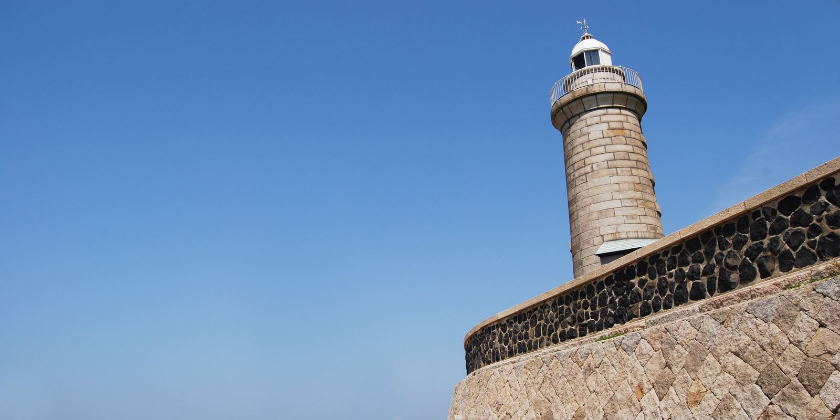
Olive island in the Seto Inland Sea. Japan's first olive trees, Angel Road sandbar, Kankakei Gorge ropeway, soy sauce villages, and beautiful coastline. Ferry from Takamatsu (1 hour).

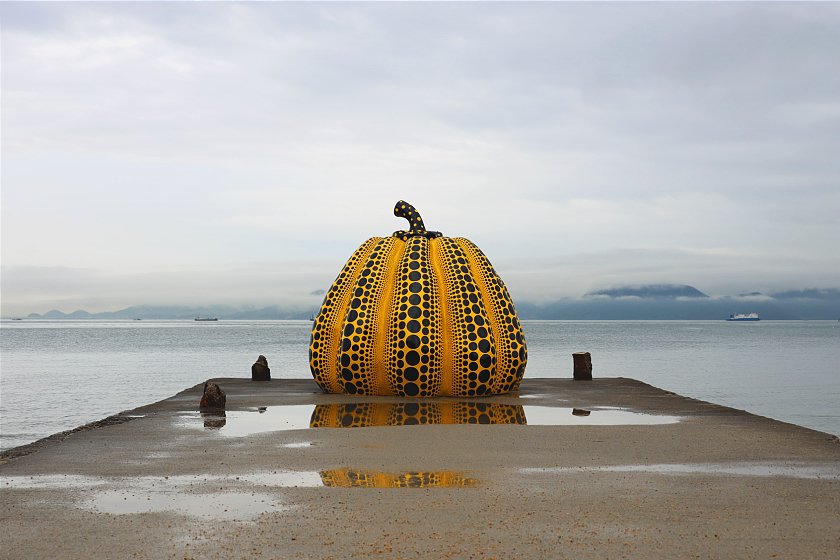
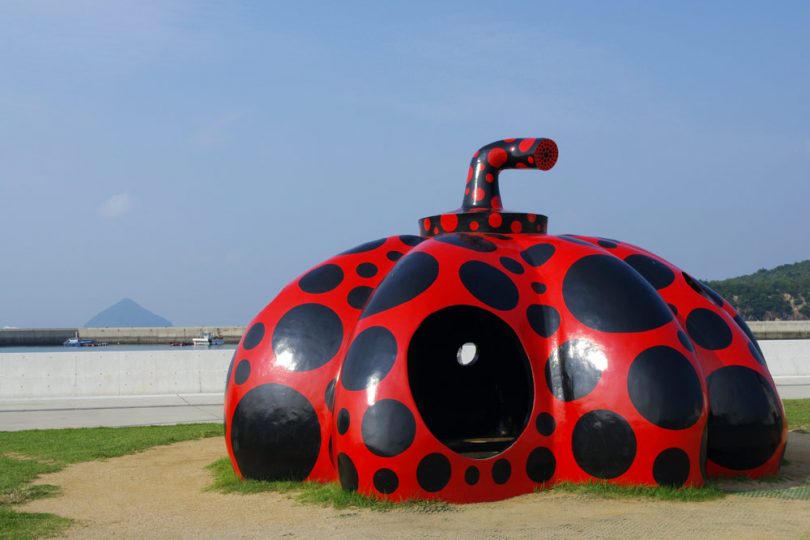
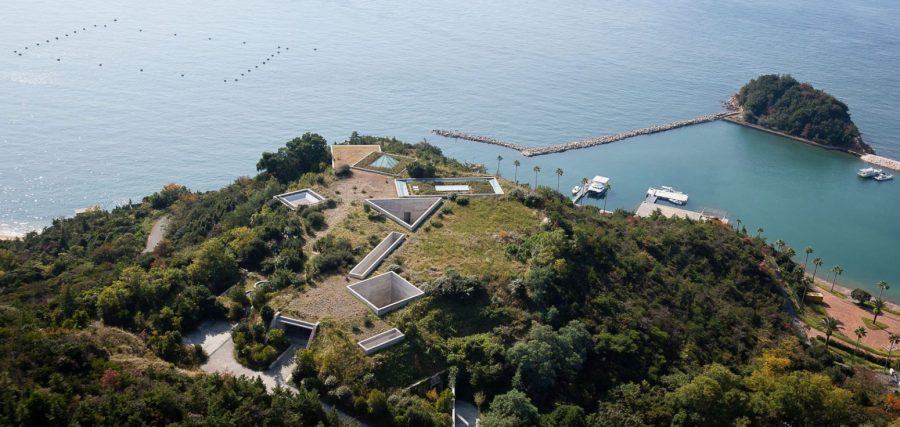
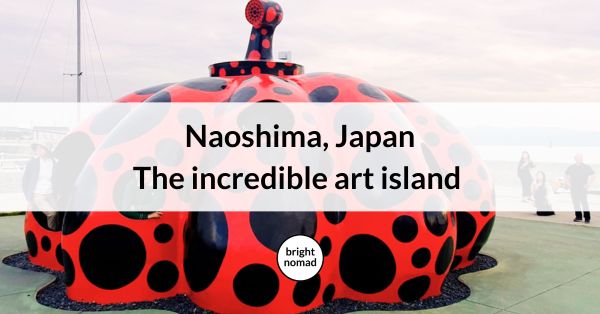
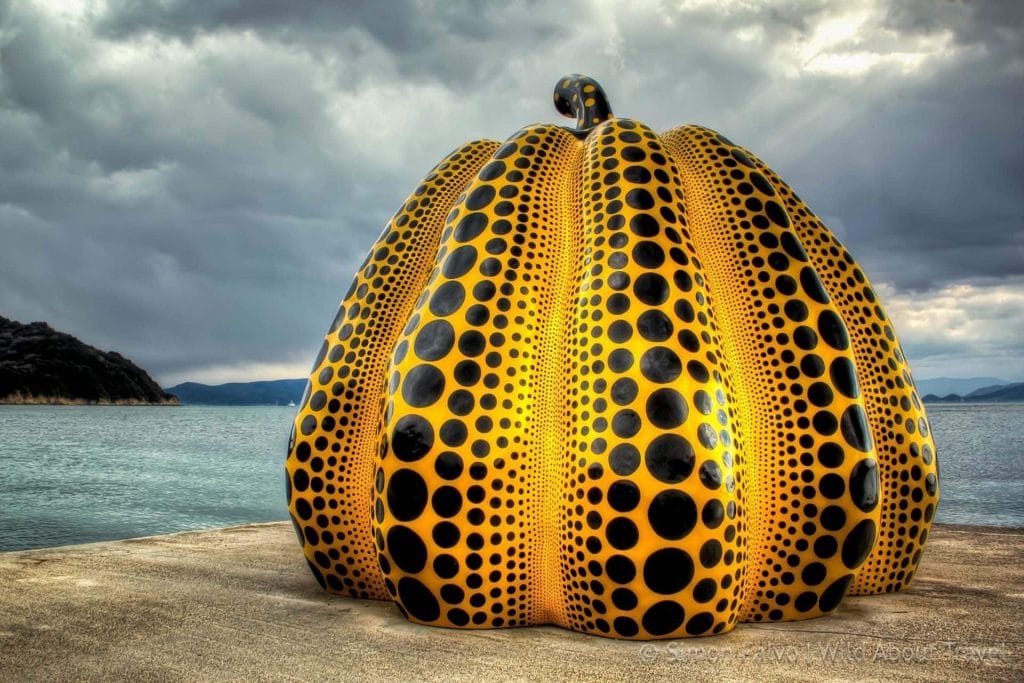
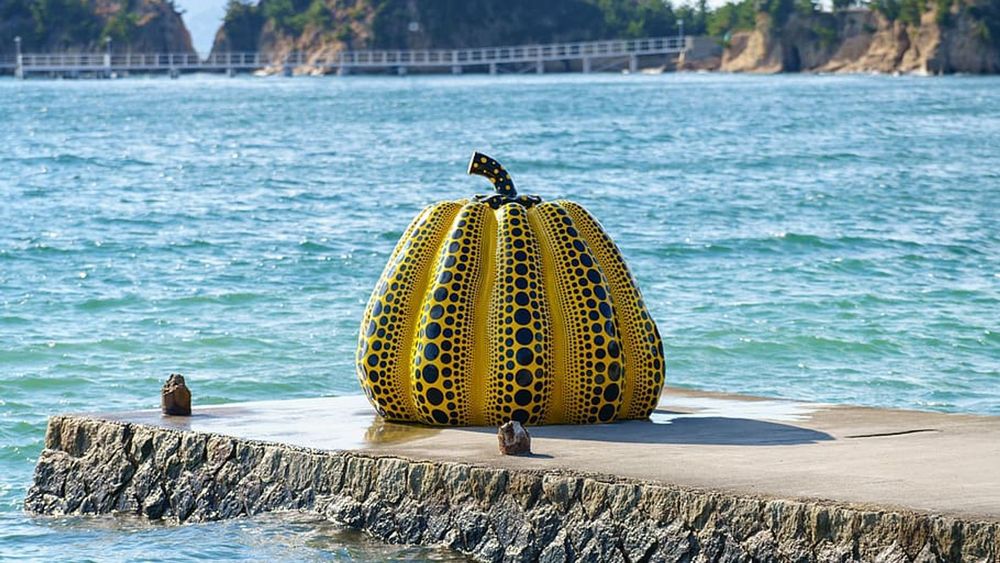
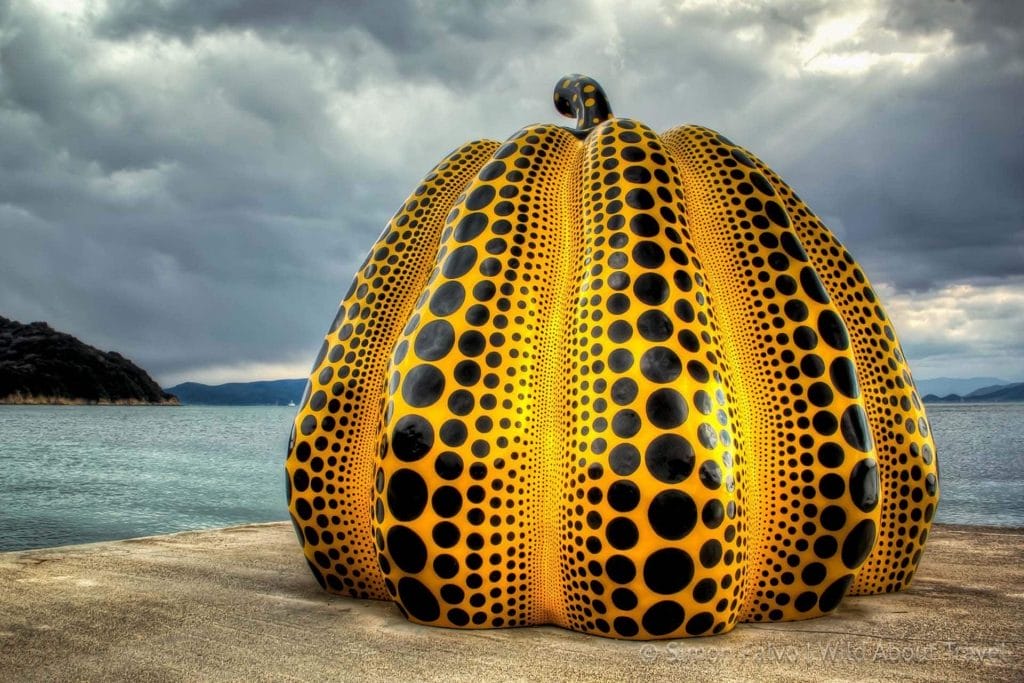
World-famous contemporary art island. Chichu Art Museum, Benesse House, Lee Ufan Museum, and the iconic Yellow Pumpkin by Yayoi Kusama. Architecture by Tadao Ando. Ferry from Takamatsu (50 min).

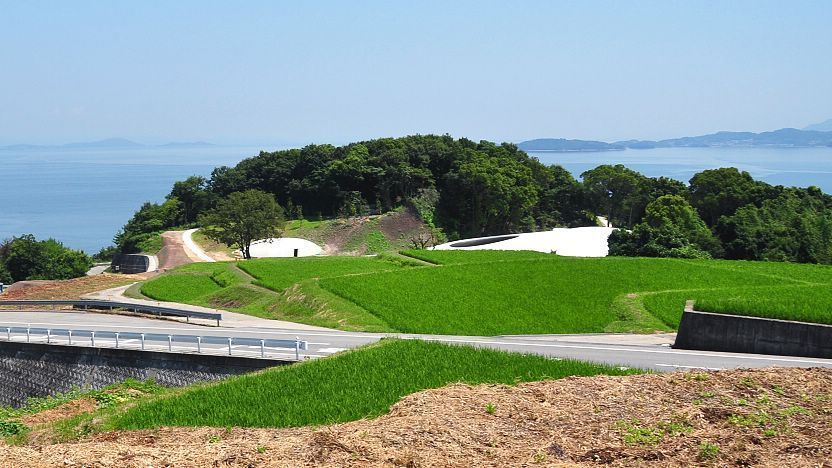
Island with the stunning Teshima Art Museum (Ryue Nishizawa). A single concrete shell structure where water droplets move across the floor. Les Archives du Coeur. Quieter than Naoshima.

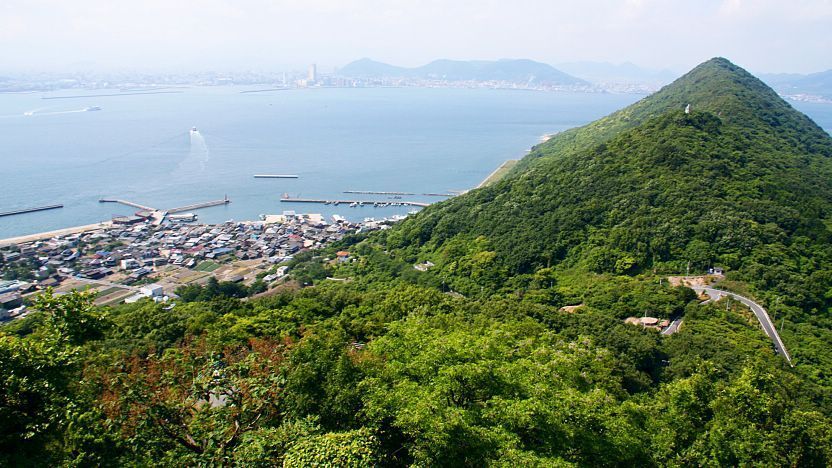
Island said to be the legendary Onigashima from the Momotaro tale. Explore the caves where demons supposedly lived. Art installations from the Setouchi Triennale. 20 min ferry from Takamatsu.

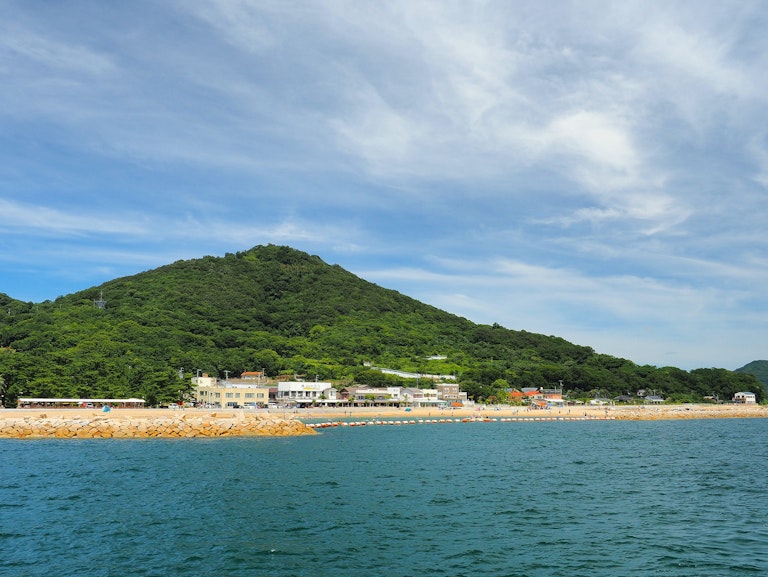
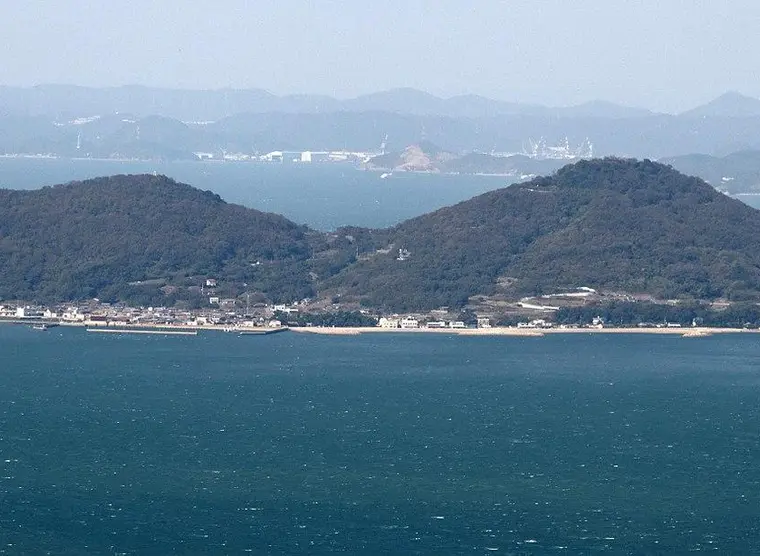
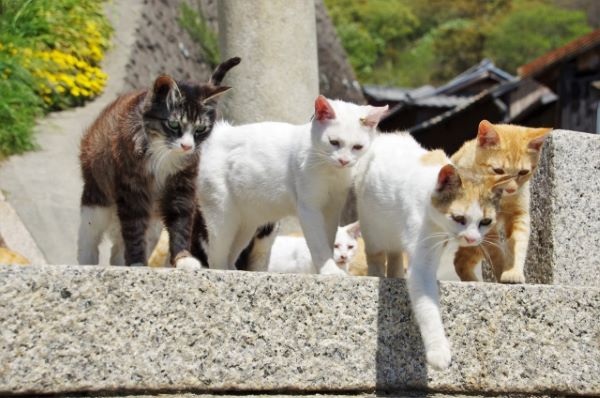
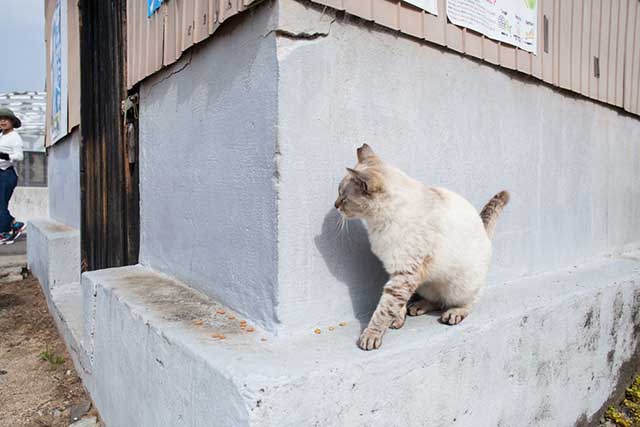
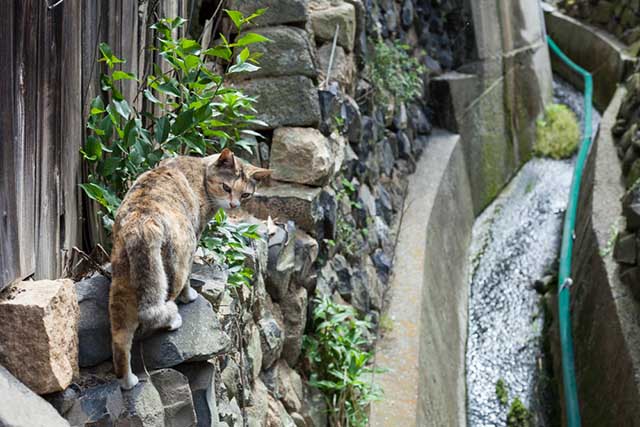
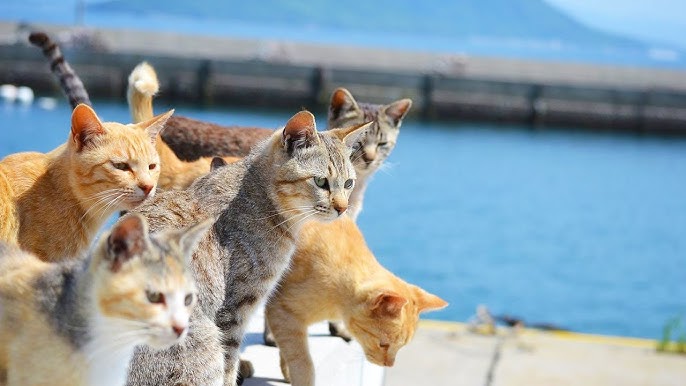
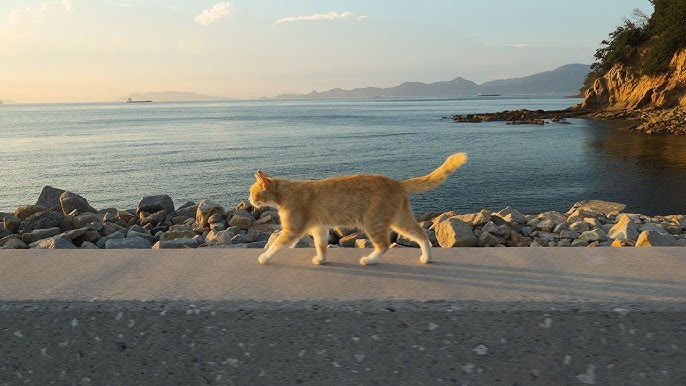
Tiny island with art installations and a large cat population. The Ogijima Soul gallery inside a traditional house is charming. Art festival works dotted around the village. 40 min ferry.

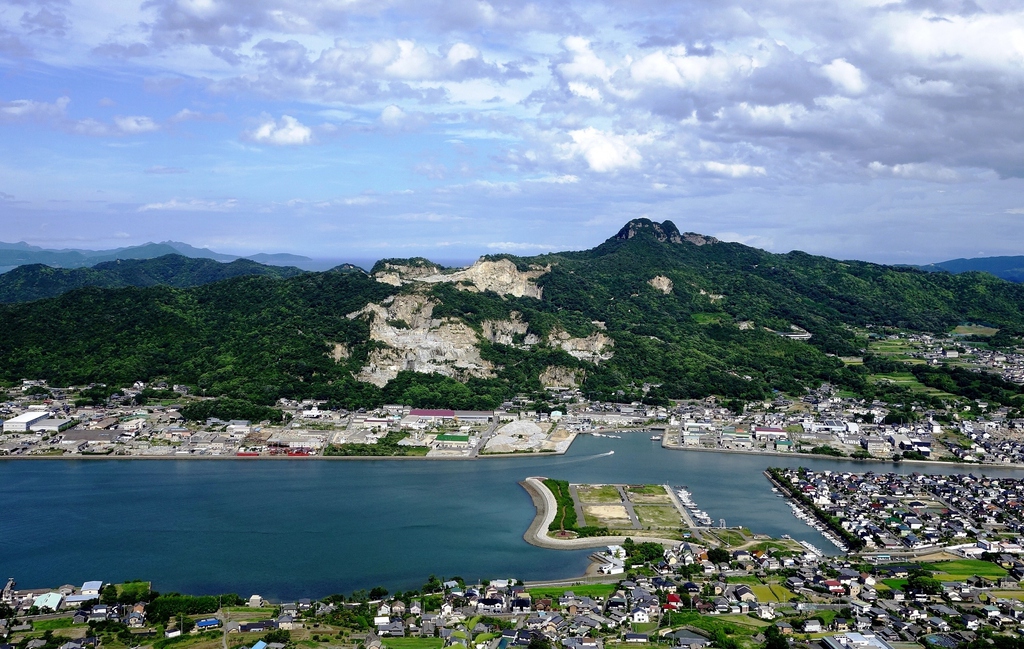
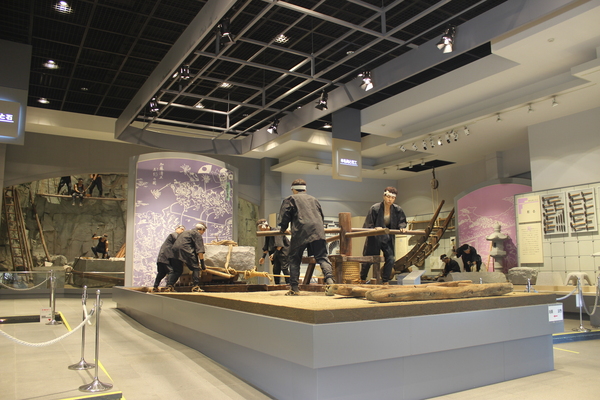
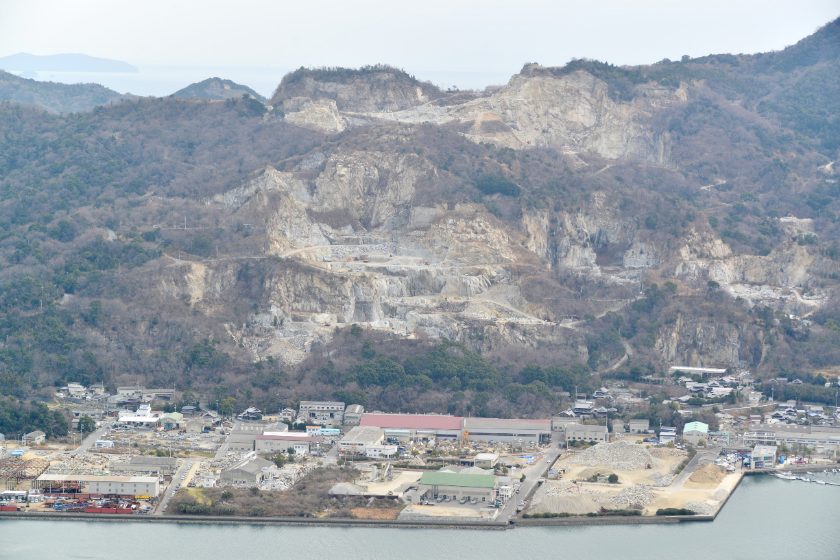
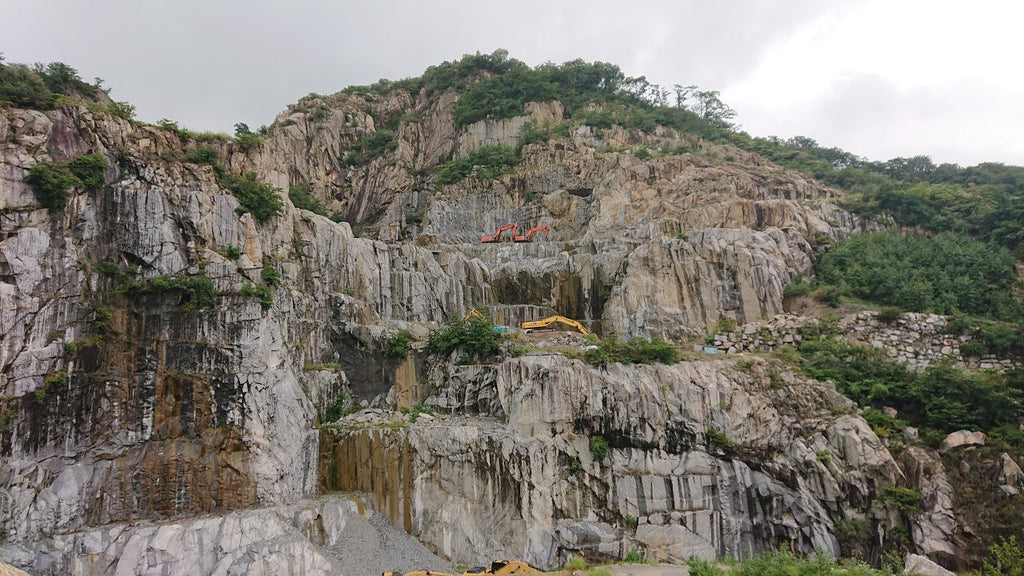
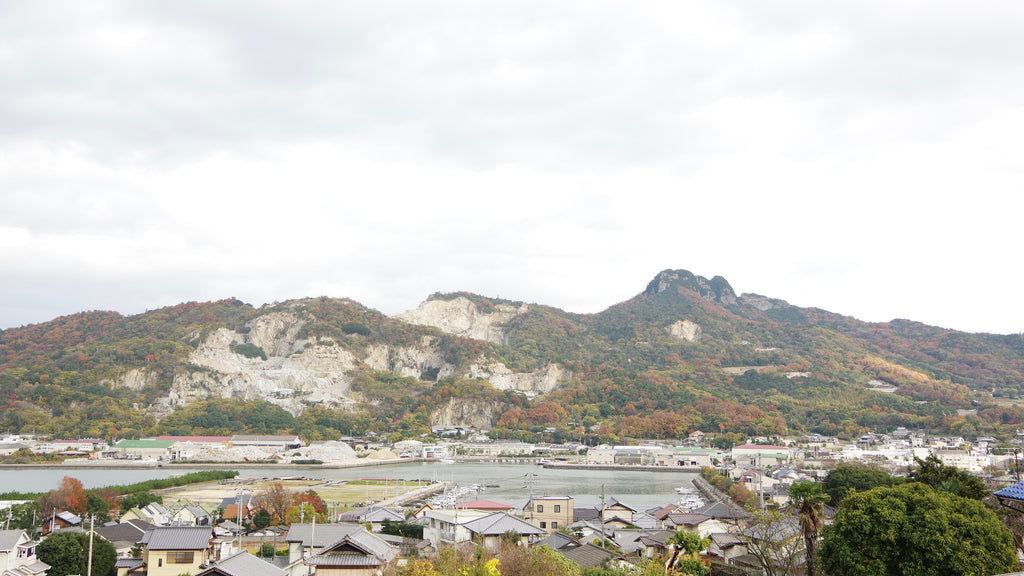
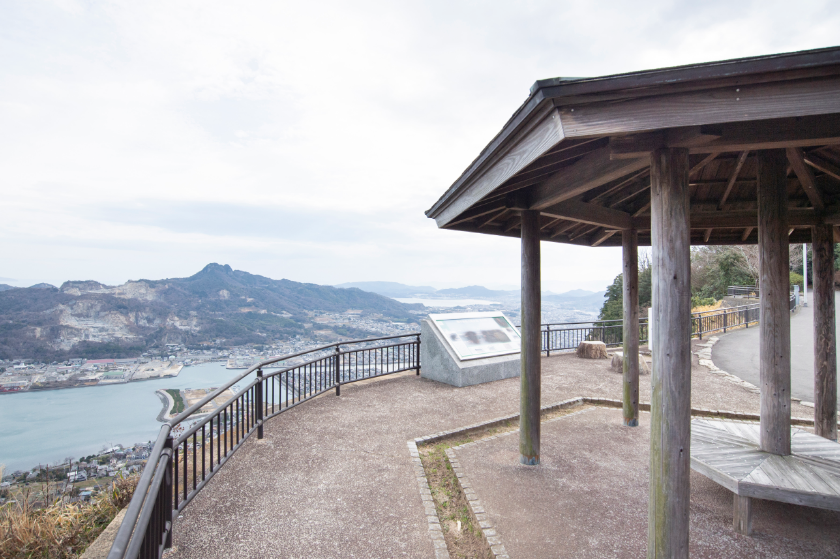
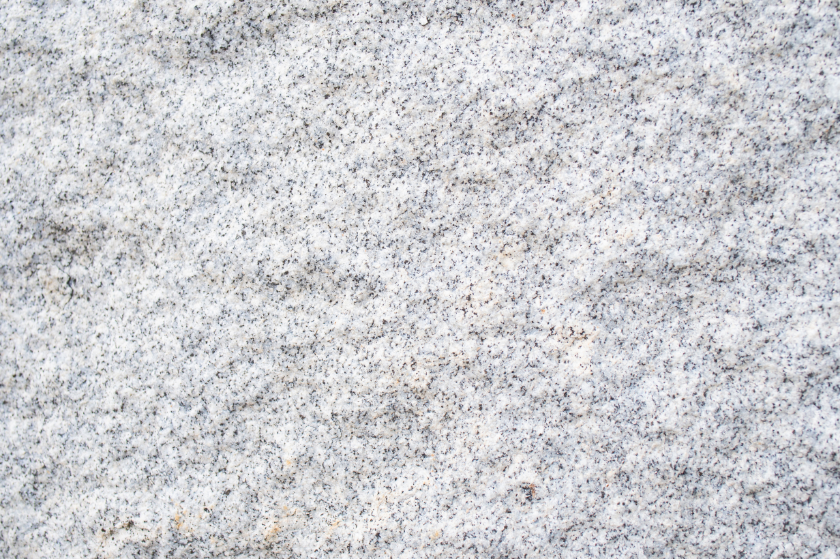
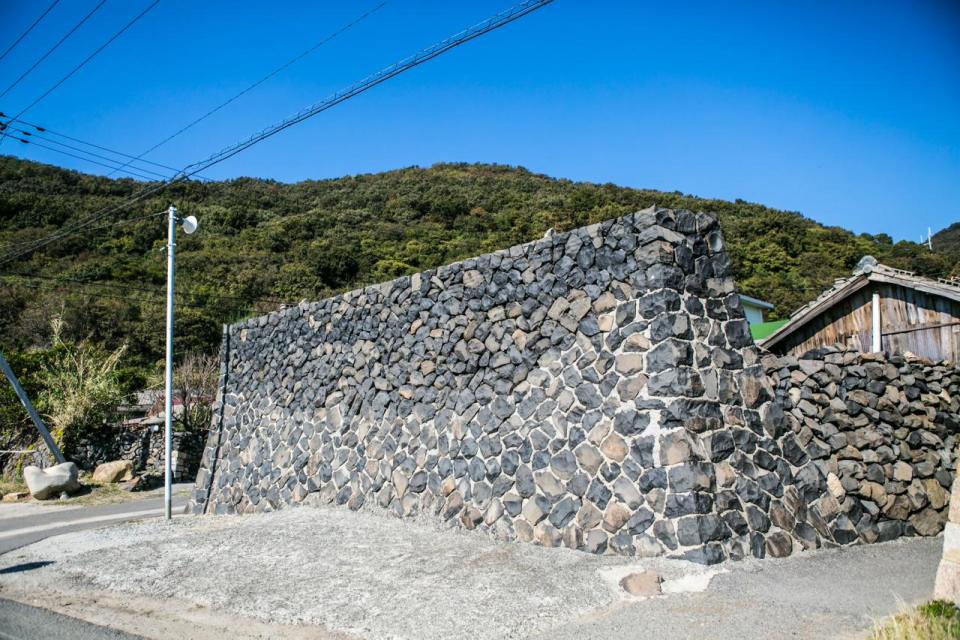
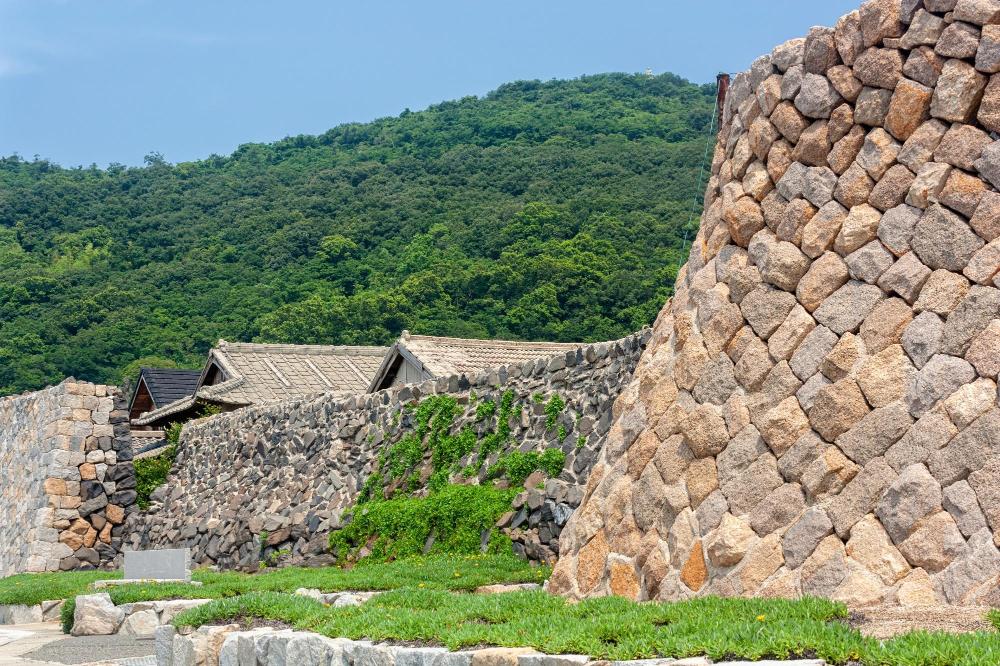
Source of the famous Aji granite used in construction and sculpture across Japan. Visit an open quarry and stone sculpture park. The blue-grey stone is distinctive. 30 min from Takamatsu.

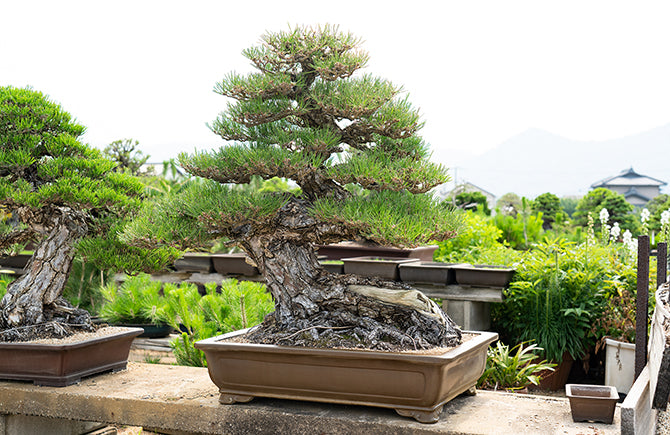
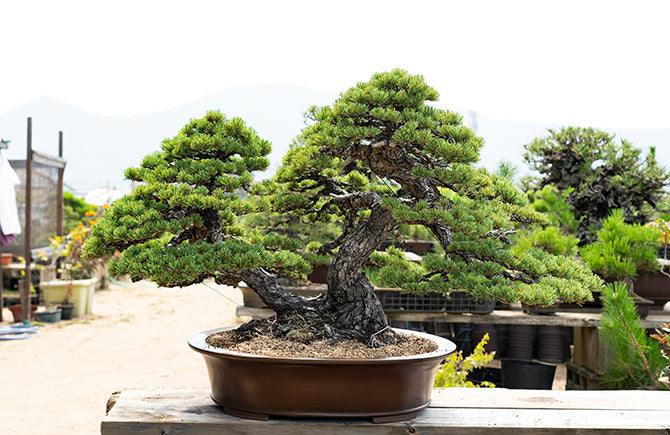
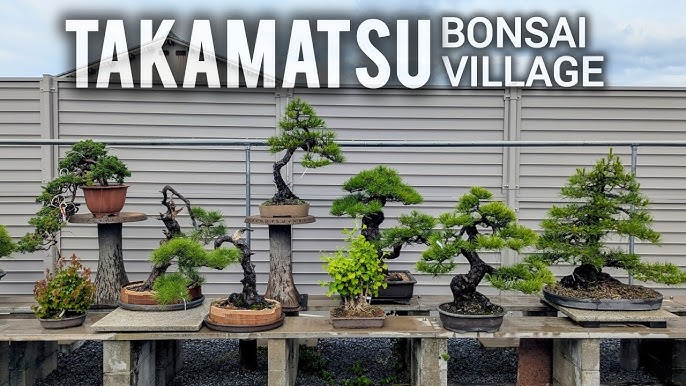
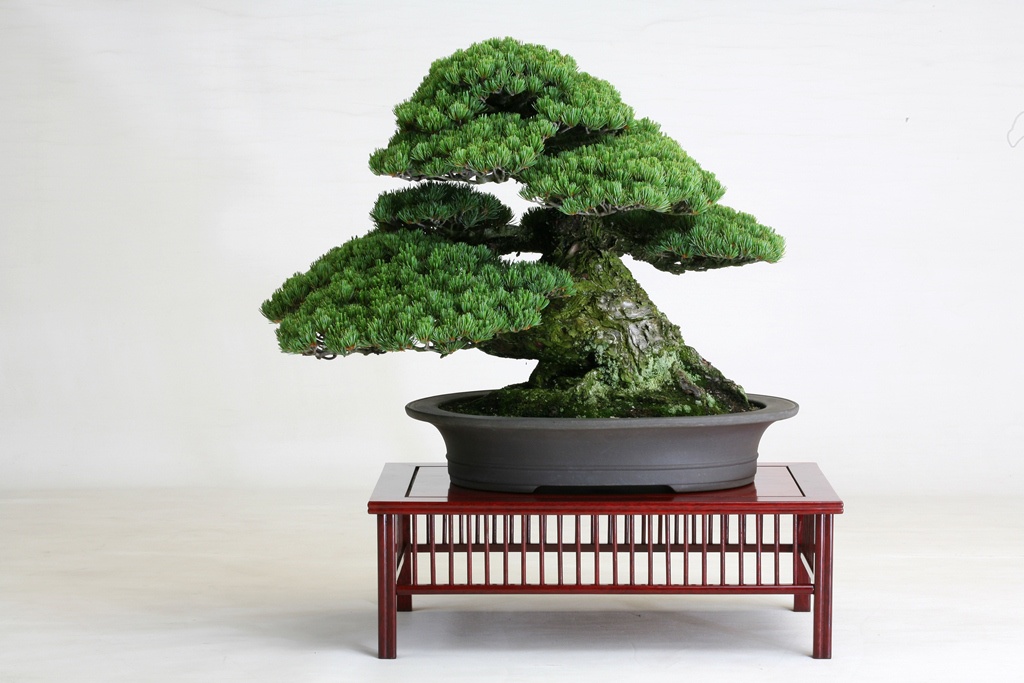
Japan's largest bonsai production area. Over 50 bonsai nurseries in a concentrated area. Walk between nurseries and see masterwork trees worth millions of yen. Purchase affordable trees as living souvenirs.

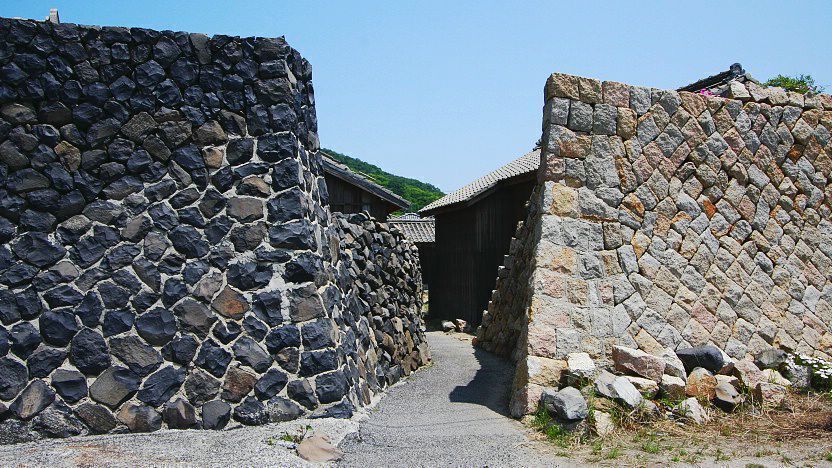
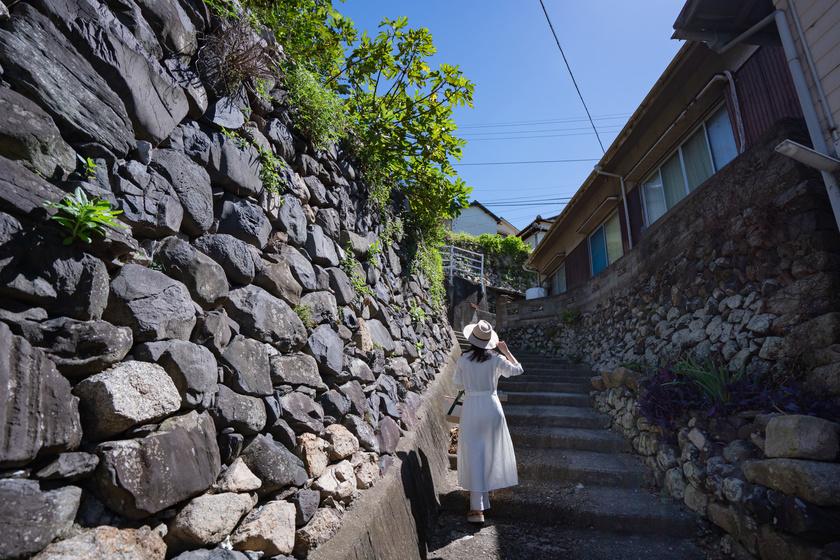
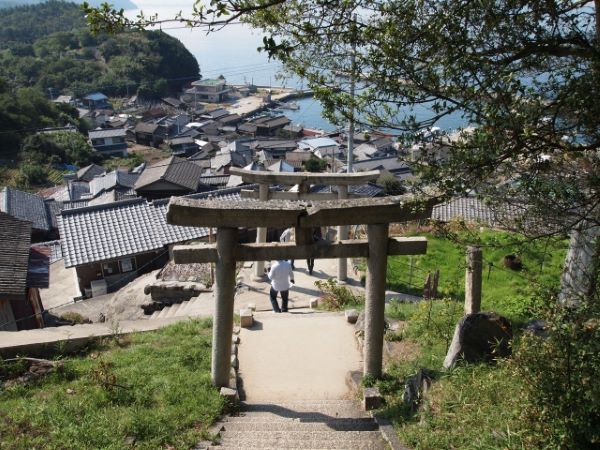
Tiny island village with steep stone-walled paths winding between traditional houses. The labyrinthine layout feels like a Mediterranean fishing village. Art installations surprise around corners.